EP1750773B1 - Wirkstoffe zur vorbeugung oder behandlung von immunschwäche, autoimmunerkrankungen oder für die induktion von immuntoleranz - Google Patents
Wirkstoffe zur vorbeugung oder behandlung von immunschwäche, autoimmunerkrankungen oder für die induktion von immuntoleranz Download PDFInfo
- Publication number
- EP1750773B1 EP1750773B1 EP05748024A EP05748024A EP1750773B1 EP 1750773 B1 EP1750773 B1 EP 1750773B1 EP 05748024 A EP05748024 A EP 05748024A EP 05748024 A EP05748024 A EP 05748024A EP 1750773 B1 EP1750773 B1 EP 1750773B1
- Authority
- EP
- European Patent Office
- Prior art keywords
- cells
- zap
- mice
- cell
- tcr
- Prior art date
- Legal status (The legal status is an assumption and is not a legal conclusion. Google has not performed a legal analysis and makes no representation as to the accuracy of the status listed.)
- Expired - Lifetime
Links
Images




Classifications
-
- A—HUMAN NECESSITIES
- A61—MEDICAL OR VETERINARY SCIENCE; HYGIENE
- A61K—PREPARATIONS FOR MEDICAL, DENTAL OR TOILETRY PURPOSES
- A61K48/00—Medicinal preparations containing genetic material which is inserted into cells of the living body to treat genetic diseases; Gene therapy
- A61K48/0075—Medicinal preparations containing genetic material which is inserted into cells of the living body to treat genetic diseases; Gene therapy characterised by an aspect of the delivery route, e.g. oral, subcutaneous
-
- A—HUMAN NECESSITIES
- A61—MEDICAL OR VETERINARY SCIENCE; HYGIENE
- A61K—PREPARATIONS FOR MEDICAL, DENTAL OR TOILETRY PURPOSES
- A61K38/00—Medicinal preparations containing peptides
- A61K38/16—Peptides having more than 20 amino acids; Gastrins; Somatostatins; Melanotropins; Derivatives thereof
- A61K38/17—Peptides having more than 20 amino acids; Gastrins; Somatostatins; Melanotropins; Derivatives thereof from animals; from humans
- A61K38/22—Hormones
- A61K38/28—Insulins
-
- A—HUMAN NECESSITIES
- A61—MEDICAL OR VETERINARY SCIENCE; HYGIENE
- A61K—PREPARATIONS FOR MEDICAL, DENTAL OR TOILETRY PURPOSES
- A61K38/00—Medicinal preparations containing peptides
- A61K38/16—Peptides having more than 20 amino acids; Gastrins; Somatostatins; Melanotropins; Derivatives thereof
- A61K38/43—Enzymes; Proenzymes; Derivatives thereof
- A61K38/45—Transferases (2)
-
- A—HUMAN NECESSITIES
- A61—MEDICAL OR VETERINARY SCIENCE; HYGIENE
- A61P—SPECIFIC THERAPEUTIC ACTIVITY OF CHEMICAL COMPOUNDS OR MEDICINAL PREPARATIONS
- A61P1/00—Drugs for disorders of the alimentary tract or the digestive system
- A61P1/04—Drugs for disorders of the alimentary tract or the digestive system for ulcers, gastritis or reflux esophagitis, e.g. antacids, inhibitors of acid secretion, mucosal protectants
-
- A—HUMAN NECESSITIES
- A61—MEDICAL OR VETERINARY SCIENCE; HYGIENE
- A61P—SPECIFIC THERAPEUTIC ACTIVITY OF CHEMICAL COMPOUNDS OR MEDICINAL PREPARATIONS
- A61P17/00—Drugs for dermatological disorders
- A61P17/02—Drugs for dermatological disorders for treating wounds, ulcers, burns, scars, keloids, or the like
-
- A—HUMAN NECESSITIES
- A61—MEDICAL OR VETERINARY SCIENCE; HYGIENE
- A61P—SPECIFIC THERAPEUTIC ACTIVITY OF CHEMICAL COMPOUNDS OR MEDICINAL PREPARATIONS
- A61P19/00—Drugs for skeletal disorders
- A61P19/02—Drugs for skeletal disorders for joint disorders, e.g. arthritis, arthrosis
-
- A—HUMAN NECESSITIES
- A61—MEDICAL OR VETERINARY SCIENCE; HYGIENE
- A61P—SPECIFIC THERAPEUTIC ACTIVITY OF CHEMICAL COMPOUNDS OR MEDICINAL PREPARATIONS
- A61P21/00—Drugs for disorders of the muscular or neuromuscular system
-
- A—HUMAN NECESSITIES
- A61—MEDICAL OR VETERINARY SCIENCE; HYGIENE
- A61P—SPECIFIC THERAPEUTIC ACTIVITY OF CHEMICAL COMPOUNDS OR MEDICINAL PREPARATIONS
- A61P21/00—Drugs for disorders of the muscular or neuromuscular system
- A61P21/04—Drugs for disorders of the muscular or neuromuscular system for myasthenia gravis
-
- A—HUMAN NECESSITIES
- A61—MEDICAL OR VETERINARY SCIENCE; HYGIENE
- A61P—SPECIFIC THERAPEUTIC ACTIVITY OF CHEMICAL COMPOUNDS OR MEDICINAL PREPARATIONS
- A61P25/00—Drugs for disorders of the nervous system
-
- A—HUMAN NECESSITIES
- A61—MEDICAL OR VETERINARY SCIENCE; HYGIENE
- A61P—SPECIFIC THERAPEUTIC ACTIVITY OF CHEMICAL COMPOUNDS OR MEDICINAL PREPARATIONS
- A61P25/00—Drugs for disorders of the nervous system
- A61P25/28—Drugs for disorders of the nervous system for treating neurodegenerative disorders of the central nervous system, e.g. nootropic agents, cognition enhancers, drugs for treating Alzheimer's disease or other forms of dementia
-
- A—HUMAN NECESSITIES
- A61—MEDICAL OR VETERINARY SCIENCE; HYGIENE
- A61P—SPECIFIC THERAPEUTIC ACTIVITY OF CHEMICAL COMPOUNDS OR MEDICINAL PREPARATIONS
- A61P27/00—Drugs for disorders of the senses
- A61P27/02—Ophthalmic agents
-
- A—HUMAN NECESSITIES
- A61—MEDICAL OR VETERINARY SCIENCE; HYGIENE
- A61P—SPECIFIC THERAPEUTIC ACTIVITY OF CHEMICAL COMPOUNDS OR MEDICINAL PREPARATIONS
- A61P29/00—Non-central analgesic, antipyretic or antiinflammatory agents, e.g. antirheumatic agents; Non-steroidal antiinflammatory drugs [NSAID]
-
- A—HUMAN NECESSITIES
- A61—MEDICAL OR VETERINARY SCIENCE; HYGIENE
- A61P—SPECIFIC THERAPEUTIC ACTIVITY OF CHEMICAL COMPOUNDS OR MEDICINAL PREPARATIONS
- A61P3/00—Drugs for disorders of the metabolism
- A61P3/08—Drugs for disorders of the metabolism for glucose homeostasis
- A61P3/10—Drugs for disorders of the metabolism for glucose homeostasis for hyperglycaemia, e.g. antidiabetics
-
- A—HUMAN NECESSITIES
- A61—MEDICAL OR VETERINARY SCIENCE; HYGIENE
- A61P—SPECIFIC THERAPEUTIC ACTIVITY OF CHEMICAL COMPOUNDS OR MEDICINAL PREPARATIONS
- A61P31/00—Antiinfectives, i.e. antibiotics, antiseptics, chemotherapeutics
- A61P31/12—Antivirals
- A61P31/14—Antivirals for RNA viruses
- A61P31/18—Antivirals for RNA viruses for HIV
-
- A—HUMAN NECESSITIES
- A61—MEDICAL OR VETERINARY SCIENCE; HYGIENE
- A61P—SPECIFIC THERAPEUTIC ACTIVITY OF CHEMICAL COMPOUNDS OR MEDICINAL PREPARATIONS
- A61P37/00—Drugs for immunological or allergic disorders
-
- A—HUMAN NECESSITIES
- A61—MEDICAL OR VETERINARY SCIENCE; HYGIENE
- A61P—SPECIFIC THERAPEUTIC ACTIVITY OF CHEMICAL COMPOUNDS OR MEDICINAL PREPARATIONS
- A61P37/00—Drugs for immunological or allergic disorders
- A61P37/02—Immunomodulators
- A61P37/04—Immunostimulants
-
- A—HUMAN NECESSITIES
- A61—MEDICAL OR VETERINARY SCIENCE; HYGIENE
- A61P—SPECIFIC THERAPEUTIC ACTIVITY OF CHEMICAL COMPOUNDS OR MEDICINAL PREPARATIONS
- A61P37/00—Drugs for immunological or allergic disorders
- A61P37/02—Immunomodulators
- A61P37/06—Immunosuppressants, e.g. drugs for graft rejection
-
- A—HUMAN NECESSITIES
- A61—MEDICAL OR VETERINARY SCIENCE; HYGIENE
- A61P—SPECIFIC THERAPEUTIC ACTIVITY OF CHEMICAL COMPOUNDS OR MEDICINAL PREPARATIONS
- A61P43/00—Drugs for specific purposes, not provided for in groups A61P1/00-A61P41/00
-
- A—HUMAN NECESSITIES
- A61—MEDICAL OR VETERINARY SCIENCE; HYGIENE
- A61P—SPECIFIC THERAPEUTIC ACTIVITY OF CHEMICAL COMPOUNDS OR MEDICINAL PREPARATIONS
- A61P5/00—Drugs for disorders of the endocrine system
- A61P5/48—Drugs for disorders of the endocrine system of the pancreatic hormones
- A61P5/50—Drugs for disorders of the endocrine system of the pancreatic hormones for increasing or potentiating the activity of insulin
-
- C—CHEMISTRY; METALLURGY
- C07—ORGANIC CHEMISTRY
- C07K—PEPTIDES
- C07K14/00—Peptides having more than 20 amino acids; Gastrins; Somatostatins; Melanotropins; Derivatives thereof
- C07K14/005—Peptides having more than 20 amino acids; Gastrins; Somatostatins; Melanotropins; Derivatives thereof from viruses
-
- C—CHEMISTRY; METALLURGY
- C12—BIOCHEMISTRY; BEER; SPIRITS; WINE; VINEGAR; MICROBIOLOGY; ENZYMOLOGY; MUTATION OR GENETIC ENGINEERING
- C12N—MICROORGANISMS OR ENZYMES; COMPOSITIONS THEREOF; PROPAGATING, PRESERVING, OR MAINTAINING MICROORGANISMS; MUTATION OR GENETIC ENGINEERING; CULTURE MEDIA
- C12N15/00—Mutation or genetic engineering; DNA or RNA concerning genetic engineering, vectors, e.g. plasmids, or their isolation, preparation or purification; Use of hosts therefor
- C12N15/09—Recombinant DNA-technology
- C12N15/63—Introduction of foreign genetic material using vectors; Vectors; Use of hosts therefor; Regulation of expression
- C12N15/79—Vectors or expression systems specially adapted for eukaryotic hosts
- C12N15/85—Vectors or expression systems specially adapted for eukaryotic hosts for animal cells
- C12N15/86—Viral vectors
-
- C—CHEMISTRY; METALLURGY
- C12—BIOCHEMISTRY; BEER; SPIRITS; WINE; VINEGAR; MICROBIOLOGY; ENZYMOLOGY; MUTATION OR GENETIC ENGINEERING
- C12N—MICROORGANISMS OR ENZYMES; COMPOSITIONS THEREOF; PROPAGATING, PRESERVING, OR MAINTAINING MICROORGANISMS; MUTATION OR GENETIC ENGINEERING; CULTURE MEDIA
- C12N15/00—Mutation or genetic engineering; DNA or RNA concerning genetic engineering, vectors, e.g. plasmids, or their isolation, preparation or purification; Use of hosts therefor
- C12N15/09—Recombinant DNA-technology
- C12N15/87—Introduction of foreign genetic material using processes not otherwise provided for, e.g. co-transformation
- C12N15/90—Stable introduction of foreign DNA into chromosome
-
- H—ELECTRICITY
- H01—ELECTRIC ELEMENTS
- H01B—CABLES; CONDUCTORS; INSULATORS; SELECTION OF MATERIALS FOR THEIR CONDUCTIVE, INSULATING OR DIELECTRIC PROPERTIES
- H01B3/00—Insulators or insulating bodies characterised by the insulating materials; Selection of materials for their insulating or dielectric properties
- H01B3/18—Insulators or insulating bodies characterised by the insulating materials; Selection of materials for their insulating or dielectric properties mainly consisting of organic substances
- H01B3/30—Insulators or insulating bodies characterised by the insulating materials; Selection of materials for their insulating or dielectric properties mainly consisting of organic substances plastics; resins; waxes
- H01B3/44—Insulators or insulating bodies characterised by the insulating materials; Selection of materials for their insulating or dielectric properties mainly consisting of organic substances plastics; resins; waxes vinyl resins; acrylic resins
- H01B3/441—Insulators or insulating bodies characterised by the insulating materials; Selection of materials for their insulating or dielectric properties mainly consisting of organic substances plastics; resins; waxes vinyl resins; acrylic resins from alkenes
-
- H—ELECTRICITY
- H01—ELECTRIC ELEMENTS
- H01B—CABLES; CONDUCTORS; INSULATORS; SELECTION OF MATERIALS FOR THEIR CONDUCTIVE, INSULATING OR DIELECTRIC PROPERTIES
- H01B7/00—Insulated conductors or cables characterised by their form
- H01B7/17—Protection against damage caused by external factors, e.g. sheaths or armouring
- H01B7/29—Protection against damage caused by extremes of temperature or by flame
- H01B7/295—Protection against damage caused by extremes of temperature or by flame using material resistant to flame
-
- A—HUMAN NECESSITIES
- A61—MEDICAL OR VETERINARY SCIENCE; HYGIENE
- A61K—PREPARATIONS FOR MEDICAL, DENTAL OR TOILETRY PURPOSES
- A61K39/00—Medicinal preparations containing antigens or antibodies
- A61K2039/51—Medicinal preparations containing antigens or antibodies comprising whole cells, viruses or DNA/RNA
- A61K2039/525—Virus
- A61K2039/5256—Virus expressing foreign proteins
-
- A—HUMAN NECESSITIES
- A61—MEDICAL OR VETERINARY SCIENCE; HYGIENE
- A61K—PREPARATIONS FOR MEDICAL, DENTAL OR TOILETRY PURPOSES
- A61K39/00—Medicinal preparations containing antigens or antibodies
- A61K2039/57—Medicinal preparations containing antigens or antibodies characterised by the type of response, e.g. Th1, Th2
-
- A—HUMAN NECESSITIES
- A61—MEDICAL OR VETERINARY SCIENCE; HYGIENE
- A61K—PREPARATIONS FOR MEDICAL, DENTAL OR TOILETRY PURPOSES
- A61K38/00—Medicinal preparations containing peptides
-
- C—CHEMISTRY; METALLURGY
- C12—BIOCHEMISTRY; BEER; SPIRITS; WINE; VINEGAR; MICROBIOLOGY; ENZYMOLOGY; MUTATION OR GENETIC ENGINEERING
- C12N—MICROORGANISMS OR ENZYMES; COMPOSITIONS THEREOF; PROPAGATING, PRESERVING, OR MAINTAINING MICROORGANISMS; MUTATION OR GENETIC ENGINEERING; CULTURE MEDIA
- C12N2740/00—Reverse transcribing RNA viruses
- C12N2740/00011—Details
- C12N2740/10011—Retroviridae
- C12N2740/16011—Human Immunodeficiency Virus, HIV
- C12N2740/16041—Use of virus, viral particle or viral elements as a vector
- C12N2740/16043—Use of virus, viral particle or viral elements as a vector viral genome or elements thereof as genetic vector
-
- C—CHEMISTRY; METALLURGY
- C12—BIOCHEMISTRY; BEER; SPIRITS; WINE; VINEGAR; MICROBIOLOGY; ENZYMOLOGY; MUTATION OR GENETIC ENGINEERING
- C12N—MICROORGANISMS OR ENZYMES; COMPOSITIONS THEREOF; PROPAGATING, PRESERVING, OR MAINTAINING MICROORGANISMS; MUTATION OR GENETIC ENGINEERING; CULTURE MEDIA
- C12N2760/00—MICROORGANISMS OR ENZYMES; COMPOSITIONS THEREOF; PROPAGATING, PRESERVING, OR MAINTAINING MICROORGANISMS; MUTATION OR GENETIC ENGINEERING; CULTURE MEDIA ssRNA viruses negative-sense
- C12N2760/00011—Details
- C12N2760/16011—Orthomyxoviridae
- C12N2760/16111—Influenzavirus A, i.e. influenza A virus
- C12N2760/16122—New viral proteins or individual genes, new structural or functional aspects of known viral proteins or genes
-
- C—CHEMISTRY; METALLURGY
- C12—BIOCHEMISTRY; BEER; SPIRITS; WINE; VINEGAR; MICROBIOLOGY; ENZYMOLOGY; MUTATION OR GENETIC ENGINEERING
- C12N—MICROORGANISMS OR ENZYMES; COMPOSITIONS THEREOF; PROPAGATING, PRESERVING, OR MAINTAINING MICROORGANISMS; MUTATION OR GENETIC ENGINEERING; CULTURE MEDIA
- C12N2830/00—Vector systems having a special element relevant for transcription
-
- C—CHEMISTRY; METALLURGY
- C12—BIOCHEMISTRY; BEER; SPIRITS; WINE; VINEGAR; MICROBIOLOGY; ENZYMOLOGY; MUTATION OR GENETIC ENGINEERING
- C12N—MICROORGANISMS OR ENZYMES; COMPOSITIONS THEREOF; PROPAGATING, PRESERVING, OR MAINTAINING MICROORGANISMS; MUTATION OR GENETIC ENGINEERING; CULTURE MEDIA
- C12N2830/00—Vector systems having a special element relevant for transcription
- C12N2830/008—Vector systems having a special element relevant for transcription cell type or tissue specific enhancer/promoter combination
-
- C—CHEMISTRY; METALLURGY
- C12—BIOCHEMISTRY; BEER; SPIRITS; WINE; VINEGAR; MICROBIOLOGY; ENZYMOLOGY; MUTATION OR GENETIC ENGINEERING
- C12N—MICROORGANISMS OR ENZYMES; COMPOSITIONS THEREOF; PROPAGATING, PRESERVING, OR MAINTAINING MICROORGANISMS; MUTATION OR GENETIC ENGINEERING; CULTURE MEDIA
- C12N2830/00—Vector systems having a special element relevant for transcription
- C12N2830/48—Vector systems having a special element relevant for transcription regulating transport or export of RNA, e.g. RRE, PRE, WPRE, CTE
-
- C—CHEMISTRY; METALLURGY
- C12—BIOCHEMISTRY; BEER; SPIRITS; WINE; VINEGAR; MICROBIOLOGY; ENZYMOLOGY; MUTATION OR GENETIC ENGINEERING
- C12N—MICROORGANISMS OR ENZYMES; COMPOSITIONS THEREOF; PROPAGATING, PRESERVING, OR MAINTAINING MICROORGANISMS; MUTATION OR GENETIC ENGINEERING; CULTURE MEDIA
- C12N2830/00—Vector systems having a special element relevant for transcription
- C12N2830/50—Vector systems having a special element relevant for transcription regulating RNA stability, not being an intron, e.g. poly A signal
-
- C—CHEMISTRY; METALLURGY
- C12—BIOCHEMISTRY; BEER; SPIRITS; WINE; VINEGAR; MICROBIOLOGY; ENZYMOLOGY; MUTATION OR GENETIC ENGINEERING
- C12N—MICROORGANISMS OR ENZYMES; COMPOSITIONS THEREOF; PROPAGATING, PRESERVING, OR MAINTAINING MICROORGANISMS; MUTATION OR GENETIC ENGINEERING; CULTURE MEDIA
- C12N2840/00—Vectors comprising a special translation-regulating system
- C12N2840/20—Vectors comprising a special translation-regulating system translation of more than one cistron
- C12N2840/203—Vectors comprising a special translation-regulating system translation of more than one cistron having an IRES
Definitions
- the invention relates to the use of viral vectors for the preparation of dugs for the prevention or treatment of autoimmune diseases, or for the induction of immune tolerance of the organism to self or non-self gene products, cells or tissues.
- the thymus is a bilobate organ derived from embryonic endoderm and mesoderm differentiation and is located just above the heart (reviewed in [1a]). It is the primary organ for maturation of T cells. This process involves the interaction between developing thymocytes and thymic stromal cells. Thymic stromal cells which forms the thymic architecture, have been classified according to their anatomical localization. They encompass a very diverse array of cell types, including cortical and medullar epithelial cells, fibroblasts, macrophages and dendritic cells (reviewed in [2a]).
- T-cell differentiation is defined by the acquisition of maturation markers such as CD4, CD8 and the T-cell receptor complex (TCR), which conditions the reactivity of immature thymocytes with thymic stromal cells.
- maturation markers such as CD4, CD8 and the T-cell receptor complex (TCR)
- TCR T-cell receptor complex
- the early thymocyte progenitors entering the thymus do not express T-cell-specific molecules, such as CD3, the alpha or beta-chain of the TCR, or the CD4 and CD8 molecules.
- CD4 - CD8 - cells referred to as double-negative (DN) cells
- DN double-negative
- DP double-positive
- TCR molecules The final maturation of T-cells involves the selective loss of either the CD4 or the CD8 molecules to generate fully mature single-positive (SP) cells with cytotoxic/suppressor or helper/regulator function, respectively.
- TCR-mediated positive and negative selection of T cells ensures the selection of a diverse TCR repertoire able to react with foreign peptide presented by autologous major histocompatibility complex (MHC) molecules, but tolerant to self-antigens.
- MHC autologous major histocompatibility complex
- This property renders the thymus an attractive site for manipulation of T-cell tolerance.
- results on tolerance induction via direct manipulation of the thymus have been scarce (reviewed in [3a]).
- I intrathymic
- soluble antigens [5a] or adenoviral vectors [6a, 7a] have shown that induction of tolerance to foreign antigens in non-immunosuppressed animals is feasible.
- thymocytes Since the production and maturation of thymocytes may be a life-long process, a major drawback to the utilisation of soluble antigens or adenoviruses is their short-term expression in the thymus [8a]. Indeed, modulation of the selection process should stop upon the disappearance of the antigen, which might be a problem for long-term tolerance induction.
- Lentiviral vectors Due to their ability to infect resting cells and to stably integrate into the genome, lentiviral vectors represent powerful new tools for long-term expression of a given transgene in vivo [9a]. Lentiviral vectors have been used successfully in vivo to infect hepatocytes and muscle cells [10a], antigen-presenting cells [11a, 12a], as well as cells of the central nervous system [13a].
- the inventors postulate that lentiviral vectors might be better suited than adenoviral vectors for long-term IT expression of a foreign gene. They therefore investigated the pattern of infection of a ubiquitous lentiviral vector after IT injection.
- mice were injected in the thymus with lentiviral vectors expressing eGFP or the hemaglutinin of the Influenza virus under the control of the ubiquitous phospho glycerate kinase promoter. Thymi were examined 5 to 90 days thereafter directly under a UV-light microscope and by flow cytometry. Intrathymic injection of lentiviral vectors predominantly results in infection of stromal cells that could be detected for at least 3 months. Importantly, hemaglutinin expression by thymic stromal cells mediated negative selection of thymocytes expressing the cognate T-cell receptor. In addition and despite the low multiplicity of infection, transduced thymocytes were also detected, even 30 days after injection.
- the present invention relies on the demonstration made by the Inventors that thymic stromal cells are massively and persistently infected, and that developing thymocytes also exhibit a significant level of infection. Moreover, the Inventors show that IT injection of a lentiviral vector encoding the cognate antigen in TCR-transgenic (Tg) mice leads to negative selection of developing thymocytes.
- the main goal of the present invention is to provide new tools for induction of tolerance to a specific antigen and for gene therapy of severe combined immunodeficiencies, using gene delivery by intrathymic administration.
- the invention concerns the use as defined above of lentiviral vectors corresponding to sequences derived from the human immunodeficiency virus type-1.
- Lentiviral vectors which can be used in the present invention are or derived from the lentiviral vectors already known, for example in the review article of C. Delenda, in The Journal of Gene Medicine, 2004; 6: S125-S138 .
- the invention relates more particularly to the use as defined above of lentiviral vectors comprising the U3 region of the Rous sarcoma virus, R-U 5 region of the 3' long terminal repeat (LTR), part of gag, central polypurine tract, R-U5 region of the 5' LTR from HIV type-1, but which do not comprise the U3 region of the 3' LTR, half of gag, pol, nef, vpr, vpu, env, U3 region of the 5' LTR from said HIV type-1.
- LTR long terminal repeat
- the invention also relates to the use as defined above, of lentiviral vectors containing a predetermined recombinant nucleotide sequence for the induction of immune tolerance of the organism to self or non-self gene products, cells or tissues, or for the prevention or treatment of autoimmune diseases, said predetermined recombinant nucleotide sequence being under the control of elements directing its expression in eukaryotic cells.
- the invention relates more particularly to the use as defined above, of lentiviral vectors wherein the predetermined recombinant nucleotide sequence is inserted between the central polypurine tract and the 3' LTR.
- the invention also concerns the use of lentiviruses as defined above, for the manufacture of a medicine to be administered intrathymically for the transduction of thymic stromal cells for the induction of immune tolerance of the organism to self or non-self gene products, cells or tissues, and for the prevention or treatment of autoimmune diseases.
- the invention relates more particularly to the use of viral vectors as defined above, for the manufacture of a medicine to be administered intrathymically for the transduction of thymic stromal cells for the prevention or the treatment of autoimmune diseases, such as myasthenia gravis, multiple sclerosis, rheumatoid arthritis, Lupus, colitis, inflammatory muscular diseases, inflammatory ocular diseases, or type-1 diabetes.
- autoimmune diseases such as myasthenia gravis, multiple sclerosis, rheumatoid arthritis, Lupus, colitis, inflammatory muscular diseases, inflammatory ocular diseases, or type-1 diabetes.
- the invention concerns more particularly the use of viral vectors as defined above, for the manufacture of a medicine to be administered intrathymically for the transduction of thymic stromal cells, said viral vectors containing predetermined recombinant nucleotide sequences selected from :
- the invention also concerns more particularly the use as defined above of the ubiquitous lentiviral vector containing a mammalian Insulin coding sequence such as the vector pRRL.sin. cppt.PGK.Ins2.GTX.eGFP.pre corresponding to the following sequence SEQ ID NO : 1.
- the invention also relates more particularly to the use of viral vectors as defined above, for the manufacture of a medicine to be administered intrathymically for the transduction of thymic stromal cells for the prevention or the treatment of graft rejection, such as solid organ, cell or tissue allogeneic transplant rejection, hematopoietic stem cell transplant rejection, or rejection of therapeutic transgene or gene corrected products.
- graft rejection such as solid organ, cell or tissue allogeneic transplant rejection, hematopoietic stem cell transplant rejection, or rejection of therapeutic transgene or gene corrected products.
- the invention concerns more particularly the use of viral vectors as defined above, for the manufacture of a medicine to be administered intrathymically for the transduction of thymic stromal cells, said viral vectors containing predetermined recombinant nucleotide sequences selected from alloantigen coding sequences, such as molecules from human major histocompatibility complex like the leukocyte antigen A2, human factor VIII, human factor IX, dystrophin, erythropoietin, in the frame of the prevention or the treatment of rejections mentioned above.
- the invention also concerns more particularly the use as defined above of the T-cell specific lentiviral vector containing a mammalian ZAP-70 coding sequence such as the vector pRRL.sin. cppt.CD4pmE.hZAP-70.IRES.eGFP.pre corresponding to the following sequence SEQ ID NO : 2.
- the invention relates more particularly to the use of viral vectors as defined above, for the manufacture of a medicine to be administered intrathymically for the transduction of intrathymic lymphocytes, said viral vectors being T-cell specific lentiviral vectors, i.e. lentiviral vectors having the property of expressing a therapeutic transgene specifically in T lymphocytes.
- the invention concerns more particularly the use as mentioned above, of T-cell specific lentiviral vectors corresponding to lentiviral vectors as defined above, wherein a T-cell specific DNA sequence responsible for the T-cell specificity of the lentiviral vectors, is integrated, said T-cell specific DNA sequence being advantageously chosen among sequences from the human or murine CD4 gene, such as from the CD4 gene regulatory sequences corresponding to:
- the invention relates more particularly to the use of T-cell specific lentiviral vectors as defined above, wherein the T-cell specific DNA sequence is inserted between the central polypurine tract and the 3 ' LTR.
- the invention concerns more particularly the use of T-cell specific lentiviral vectors as defined above, such as:
- the invention also relates to the use of viral vectors as defined above, for the manufacture of a pharmaceutical composition suitable for an intrathymic administration by injection, and wherein the dosage of said vectors is comprised between 10 5 and 10 11 infectious particles per milliliter.
- the invention also concerns the lentiviral vectors as defiend above, transformed with a predetermined sequence useful for the induction of immune tolerance of the organism to self or non-self gene products, cells or tissues, and for the prevention or treatment of autoimmune diseases.
- the invention relates to the transformed thymic stromal cells characterized in that they contain lentiviral vectors containing a predetermined recombinant nucleotide sequence for the induction of immune tolerance of the organism to self or non-self gene products, cells or tissues, or for the prevention or treatment of autoimmune diseases, stably integrated in their genome and chosen among to the followings:
- the invention also concerns the transformed Cells of the T-cell lineage, characterized in that they contain viral vectors containing a predetermined recombinant nucleotide sequence for the induction of immune tolerance of the organism to self or non-self gene products, cells or tissues, or for the prevention or treatment of autoimmune diseases, such as lentiviral vectors as defined above, stably integrated in their genome.
- the invention relates to pharmaceutical compositions comprising lentiviral vectors as defined above, or transformed cells as mentioned above, in association with a suitable pharmaceutical carrier.
- the invention relates more particularly to pharmaceutical compositions as defined above, suitable for an intrathymic administration by injection.
- the invention concerns more particularly the pharmaceutical compositions as defined above, wherein the dosage of said lentiviral vectors is comprised between 10 5 and 10 11 infectious particles per milliliter.
- the invention also describes gene therapy methods comprising the administration, via intrathymic route, of viral vectors as defined above containing a predetermined recombinant nucleotide sequence under the control of elements directing its expression in eukaryotic cells, to a patient in need thereof for the induction of immune tolerance of the organism to self or non-self gene products, cells or tissues, or for the prevention or treatment of autoimmune diseases, as mentioned above.
- the present invention will be further illustrated by the following examples of transformation of thymic stromal cells, or of intrathymic lymphocytes or lymphocytes precursors, with vectors of the invention as described above.
- Severe combined immunodeficiency (SCID) patients have been successfully treated by administration of ex vivo gene-corrected stem cells.
- SCID Severe combined immunodeficiency
- in situ gene correction of T lymphoid progenitors in the thymus Indeed, in vivo intrathymic transfer of a gene providing a selective advantage for transduced prothymocytes should result in the generation of functional T lymphocyte progeny allowing long-term immune reconstitution.
- the inventors assessed the feasibility of this approach in a murine model of ZAP-70-deficient SCID.
- a T cell-specific ZAP-70-expressing lentiviral vector was injected into thymi of adult ZAP-70 -/- mice, without prior conditioning. This resulted in the long-term differentiation of mature TCR ⁇ thymocytes, indicating that the vector had integrated into progenitor cells. Moreover, peripheral ZAP-70-expressing T cells demonstrated a partially diversified receptor repertoire and were responsive to allo-antigens in vitro and in vivo. Improved treatment efficacy was achieved in infant ZAP-70 -/- mice where the thymus is larger and a higher percentage of prothymocytes are in cycle. Thus, intrathymic injection of a lentiviral vector represents a simplified and potentially safer alternative to ex-vivo gene-modified haematopoietic stem cell transplantation for gene therapy of T cell immunodeficiencies.
- adenosine deaminase ADA
- bone marrow transplantation BMT
- human leukocyte antigen HLA
- hematopoietic stem cell HSC
- Intrathymic IT
- Murine Leukemia Virus MLV
- severe combined immunodeficiency SCID
- transducing units TU
- wild type WT.
- SCID Severe combined immunodeficiency
- T lymphoid progenitors in the thymus using T cell-specific lentiviral vectors.
- Lentiviral vectors have resulted in efficient in vivo gene transfer in hepatocytes, antigen-presenting cells, muscle cells, as well as cells in the central nervous system (16-21);
- ETP Early T lymphoid progenitors
- CLP common lymphoid progenitors
- T cell-specific lentiviral vector encoding a gene that provides a selective advantage for transduced prothymocytes might result in the generation of functional T lymphocyte progeny with subsequent long-term immune reconstitution.
- ZAP-70 is a 70Kd protein tyrosine kinase (PTK) that is recruited to the T cell receptor (TCR) following its stimulation (24).It is expressed at approximately equivalent levels in thymocytes, mature T cells and NK cells (25). Its absence results in a SCID phenotype with a block in T cell development, at the CD4+CD8+ thymocyte stage (26-28).
- PTK protein tyrosine kinase
- TCR T cell receptor
- T-ZAP T cell-specific lentiviral vector encoding human ZAP-70
- pT-ZAP T cell-specific lentiviral vector encoding human ZAP-70
- the ZAP-70/IRES/eGFP cassette is under the transcriptional control of T-cell specific regulatory sequences derived from the CD4 gene ( figure 1 ) .
- ZAP-70 and eGFP expression are concordant (Online figure 1 ) .
- the inventors intrathymically injected (IT) 10-20 ⁇ l of vector preparations containing 2-4 X 10 7 transducing units (TU) of pT-ZAP. It is notable that this translates into a very low overall multiplicity of infection (MOI ⁇ 0.1), as determined by the ratio of infectious particles to the total overall number of thymocytes and stromal cells in the thymus. Furthermore, since the inventors shown hereafter that IT injections lead to a preferential infection of thymic stromal cells, the MOI for thymocytes is even lower.
- DN cells can differentiate and migrate across the cortex in 15 days (30)
- the detection of transduced thymocytes at 7-52 weeks post-gene transfer strongly suggests that the ZAP-70 lentiviral vector was successfully integrated into progenitor cells ( figure 2b ).
- this modulation in thymocyte differentiation was not due to a non-specific effect of the injected virions as: i) mature thymocytes were not detected 14 weeks post injection of a control eGFP lentiviral vector (Online figure 2 ) and ii) neither injection of eGFP nor ZAP-70 lentiviral vectors, at the dose utilized here, modulated thymocyte differentiation immediately (72 hours) following IT injection (Online figure 3 ).
- peripheral blood samples were analyzed for the presence of CD3+ lymphocytes, starting at 4 weeks post-thymic injection ( figure 3a ). The inventors could indeed detect such cells in 6/26 treated adult mice. The percentage of CD3+ peripheral blood lymphocytes at 4 weeks reached 4-5%, similar to what the inventors previously observed following transplantation of wild type progenitor cells or ZAP-70 -/- progenitor cells transduced with a ZAP-70-expressing retroviral vector (31).
- T lymphocytes The activation status of these T lymphocytes was determined by assessing the expression of the CD25 and CD69 activation markers.
- Expression of the CD69 activation marker was also elevated in ZAP-70-transduced T cells as compared to T cells in WT mice, indicative of T-cell activation.
- naive and “memory phenotype” (32) T cell populations were observed in reconstituted mice, the percentage of na ⁇ ve T cells (CD62L + ) was lower in mice intrathymically injected with pT-ZAP ( figure 4b ). Indeed, the overall percentage of peripheral T cells detected in pT-ZAP-injected mice was always lower than that observed in WT animals (Table 1). CD3+ lymph node T cells in the pT-ZAP-injected mice reached 26% whereas those in WT mice averaged approximately 60% (Table 1). Of note, the level of eGFP expression in the CD3+ T cells varied widely, from 14-66%.
- T cell levels in ZAP-70 -/- mice generally do not exceed 4%, it is extremely likely that the vast majority of T cells detected in the pT-ZAP-injected mice differentiated due to the presence of the ZAP-70 transgene.
- the inability to detect eGFP in all T cells is either due to some discordance between ZAP-70 and eGFP expression in vivo in the context of the upstream IRES ( figure 1 , Table 1) or to low downregulated levels of eGFP not detected by FACS.
- the inventors next assessed the level of ZAP-70 expressed in peripheral T lymphocytes, as well as the diversity of their TCR repertoire ( figure 5 ). Levels of lentiviral-encoded ZAP-70 were similar to that of the endogenous protein in WT mice.
- the ectopic expression of the ZAP-70 transgene was further studied by sorting CD3+ cells and CD3- cells from wild type mice and ZAP-70 -/- mice reconstituted by intrathymic injection of pT-ZAP. Importantly, ectopic ZAP-70 expression was detected almost exclusively in the CD3+ T cell compartment following its expression from the pT-ZAP lentiviral vector ( figure 5a ). Thus, the CD4 promoter appears to drive expression of ZAP-70 in T cells to levels similar to that of the endogenous promoter.
- the inventors then investigated the relative usage of each T cell receptor 0 chain hypervariable region (TCRBV) within the global T cell population by flow cytometry and the immunoscope/spectratype method (33, 34). Using a combination of these two methods, The inventors established both the frequencies of BV-expressing cells and their repertoire diversity.
- the Immunoscope method is based on an RT-PCR of the hypervariable complementarity determining region 3 (CDR3), allowing the lengths of the mRNA encoding each ⁇ chain of the TCR to be analyzed. In a normal setting, each single peak is composed of multiple differently rearranged sequences. A Gaussian distribution of the CDR3 lengths is thus indicative of an extremely diverse and non-biased T cell population.
- the CDR3 length profiles of T cells from the ZAP-70-IT reconstituted mice had a Gaussian distribution for an average of 26% of the 14 BV families analyzed (with a range of 0 to 75%), with the remaining BV families appearing mono or oligoclonal. This is in contrast with WT mice where a Gaussian distribution was found for all the TCRBV families analyzed ( figure 5b ).
- Flow cytometry analyses of TCRBV expression in 6 reconstituted mice also showed a diverse although not normal repertoire in both CD4 and CD8 T cell populations, with BV representation varying for each ZAP-70-IT reconstituted mice.
- the inventors found that on average, 60% of the 11 BV families analyzed were detected by flow cytometry (with a range of 30 to 100%) and 77% by the Immunoscope method (with a range of 50 to 100%). This difference is likely due to the higher sensitivity of the Immunoscope method as compared to flow cytometry. The results thus show that the T-cell repertoire of pT-ZAP-injected mice was fairly diverse in terms of BV usage, but was perturbed with respect to both frequencies and clonality.
- T lymphocytes that developed in IT-injected ZAP-70 -/- mice were assessed in several manners, including by their ability to respond to ex vivo T cell receptor stimulation ( figure 6a ).
- ZAP-70 plays a critical role in the activation of mature T lymphocytes.
- WT protein early as well as late biological responses, such as proliferation, are defective (35).
- WT nor pT-ZAP transduced T cells significantly proliferated, showing that ectopic expression of ZAP-70 did not modulate the basal proliferative status of corrected T cells.
- pT-ZAP-transduced T cells like WT T cells, are capable of responding to a TCR-specific stimulus.
- mice were grafted with both syngeneic (C57BL/6) and fully mismatched allogeneic (BALB/c) skin grafts on the two sides of the back.
- the untreated ZAP-70-deficient mice who do not develop T cells, rejected neither the sygeneic nor the allogeneic grafts.
- T cell reconstitution efficiency is significantly enhanced upon intrathymic injection of a ZAP-70-expressing lentiviral vector into infant mice
- the inventors injected the pT-ZAP lentiviral vector into the thymi of young mice (10-14 days). As in human infants, the thymi of ZAP-70-deficient infant mice is significantly larger than that of adults. Moreover, the inventors found that a higher percentage of prothymocytes in the thymi of ZAP-70-deficient infants were "blast-like" as assessed by their FSC/SSC profiles and in cycle (Ki-67+), as compared to their adult counterparts ( figure 7a ).
- thymocytes could be detected for significant time periods, albeit at small numbers and in a low percentage of animals ( ⁇ 25%).
- immature DN and DP thymocytes expressing eGFP (0.5%) were still detected (Online Figure 4 ). Nevertheless, it is not clear whether this is due to the maintenance of progenitor cells in the thymus or more likely, to the recirculation of transduced progenitors into the thymus.
- the Immunoscope method is based on an RT-PCR of the hypervariable complementarity determining region 3 (CDR3), allowing the lengths of the mRNA encoding each ⁇ chain of the TCR to be analyzed.
- CDR3 hypervariable complementarity determining region 3
- each single peak is composed of multiple differently rearranged sequences.
- the detection of single peaks for some BV families is indicative of the expansion of single clones that would be preferentially amplified by PCR, and as such, may prevent the detection of other CDR3 products that may nevertheless be present.
- the level and diversity of the pT-ZAP-reconstituted peripheral T cells is sufficient to provide the ZAP-70 immunodeficient mice with functional T-cells that respond to mitogenic stimulation in vitro, and mount in vivo immune responses to skin allografts.
- the TCRBV profiles detected in the IT-treated ZAP -/- animals is pronounced of that of a X-SCID patient whose T cells developed from a reverse mutation in a single T cell precursor (9), resulting in a fairly good clinical condition (37).
- the rescue of few progenitor/stem cells can promote the differentiation of T cells with a partially diversified TCR repertoire, sufficient to provide individuals with protection from infection and a good clinical outcome.
- mice injected with the vector utilized here wherein eGFP was driven from a minimal CD4 promoter eGFP expression was not detected in thymic stroma or liver which were the main targets transduced following IT injection using ubiquitous lentiviral vectors.
- this is a major advantage of lentiviral vectors wherein lineage specificity can be obtained, contributing to the overall safety of the approach.
- Another advantage of our approach is that gene transfer was obtained in the absence of prior conditioning. Indeed, the vast majority of studies transplanting gene-modified HSC into murine SCID models were performed in lethally irradiated mice (31, 38, 39).
- the plasmid pGM1 encoding for a T-cell specific lentiviral vector expressing eGFP has been previously described (29).
- a ZAP-70-IRES-eGFP cassette (40) was inserted into the pGM1 plasmid deleted for the original eGFP coding sequences.
- the ensuing T-cell specific lentiviral vector pRRLSIN.PPT.CD4pmE.ZAP-70-IRES-eGFPpre is hereafter referred to as pT-ZAP. Precise cloning details are available upon request.
- Virions were produced by transient calcium phosphate co-transfection of 293T cells with the vector plasmid, an encapsidation plasmid lacking Vif, Vpr, Vpu and Nef accessory HIV-1 proteins (p8.91), and a vesicular stomatitis virus-G protein (VSV-G) envelope expression plasmid (pHCMV-G) (41).
- Viral titers expressed as transducing units (TU), were determined by assessing transductions of Jurkat T cells with serial dilutions of virion preparations. Expression of ZAP-70 and eGFP from this cassette is proportional as assessed in vitro, using the Jurkat T cells line.
- mice and intrathymic injections were bred and maintained under pathogen-free conditions. Intrathymic injections were performed at either 2-3 weeks of age (infant mice) or 6-9 weeks of age (adult mice). In the former case, virions, in a total volume of 10 uls, were injected directly through the skin into the thoracic cavity immediately above the sternum, using a 0.3 ml 28 gauge 8 mm insulin syringe. Adult mice were anesthetized with 40 mg/kg of pentobarbital. Mid-incision of the lower neck was performed to gain access to the trachea. Incision of the sternum was performed on the first two ribs and virions were injected into the visualized thymus. All experiments were approved by the local animal facility Institutional Review Board.
- ⁇ CD3 mAb (1 ⁇ g/ml, Pharmingen) or concanavalin A (1 ⁇ g/ml).
- a mixed lymphocyte reaction was performed by culturing lymph node cells (5 X 10 5 /well) in IL-2-supplemented media (50 U/ml) in the presence or absence of allogeneic Balb/c splenocytes (5 X 10 5 /well). All acquisitions were performed on a FACSCalibur (Becton Dickinson) and analyses were performed with CellQuest (Becton Dickinson) or FlowJo (Tree Star) software
- Skin transplantation Skin grafts were performed on anesthetized wild type (C57B16) and ZAP-70-deficient mice as well as on ZAP-70-deficient mice with reconstituted T cells 3 months following IT injection of pT-ZAP-70.
- Full thickness skin grafts (0.5 cm 2 ) were prepared from the base of both syngeneic C57/B16 and allogeneic BalbC donor tails. Graft beds were prepared on the right and left lateral backs of recipient mice. Skin grafts from both C57/B16 and BalbC mice were attached to the backs of each mouse with interrupted sutures of silk thread and graft appearance was monitored 3 times a week. Paraffin sections were prepared following formalin fixation of biopsied grafts. Sections were stained with hematoxylin and eosin.
- the final concentration was 0.5 ⁇ M for each primer, 0.2 mM dNTPs, 2 mM MgCl2 in 1X PCR Buffer (Roche).
- Two ⁇ l of each PCR was further processed in a run-off reaction (10 cycles 1 min. 94°C, 1 min. 60°C, 2 min. 72°C) using 0.2 ⁇ M of a ROX-labeled C ⁇ primer (Proligo France, Paris, France) and 2.5U of the AmpliTaq polymerase (Roche).
- Each run-off product was denaturated and loaded on a gel for fluorescence analysis using an Applied Biosystem 377 sequencer (PerkinElmer).
- Table 1 Percentages of CD3+ lymphocytes in ZAP-70 -/- mice following in situ thymic injection of a ZAP-70-expressing lentiviral vector.
- ZAP-70 -/- mice were injected with the ZAP-70-expressing lentiviral vector at the indicated ages and analyzed at 12-52 5 weeks post injection as noted.
- the percentages of CD3+ T cells in the lymph nodes of sacrificed animals as well as the percentages of eGFP+ cells within the CD3+ populations were determined by flow cytometry. Note that presented analyses of IT-injected mice are limited to those mice showing T cell reconstitution for whom lymph node analyses were performed. The percentages of T cells in control ZAP-70 -/- and WT mice are shown.
- the inventors used a concentrated viral stock of the LvPGK-GFP vector (2.10 9 TU 143B /ml) to inject between 7x10 7 to 1.2x10 8 infectious units in the thymus of normal C57B1/6 mice. Infected cells could readily be detected at day 5 post-injection by direct examination of the thymi under a UV microscope ( figure 8 ). Of note, transduced cells could still be observed at 1 ( figure 8 ) and 3 months (data not shown) post injection. Most of the transduced cells had a fibroblastic morphology.
- the inventors checked for the presence of transduced cells in the liver, which is the primary target organ after intravenous injection of lentiviral vectors [14a].
- the inventors indeed observed numerous eGFP + cells in the liver ( figure 8 ), suggesting a significant leak into the circulation upon IT injection of up to 30 ⁇ l of the vector. Nevertheless, the results demonstrate efficient and persistent infection of thymic stromal cells upon IT injection of a lentiviral vector.
- the inventors next wanted to investigate whether thymic stromal cells infected with a lentiviral vector would be able to mediate negative selection of developing thymocytes.
- the inventors thus injected a lentiviral vector encoding the HA of the Influenza virus, or eGFP as a control, into the thymus of SFE-Tg mice expressing a TCR specific for a HA protein peptide and for which a clonotypic antibody recognizing the transgenic TCR (clone 6.5) is available [15a].
- clone 6.5 transgenic TCR
- the inventors show here that this results in an antigen presentation that efficiently mediates negative selection of specific thymocytes. This is not due to the injection of a "crude" preparation of viral supernatant that could have non-specifically affected T cell differentiation. Indeed, the inventors injected 10 times lower amounts of p24 from the LvPGK-HA vector than of the LvPGK-GFP vectors, suggesting that negative selection of HA-specific thymocytes was a direct effect of HA expression by thymic stromal cells.
- T-cell specific lentiviral vector represent an attractive possibility towards this end [21a].
- T cells Given the tremendous proliferative potential of T cells and the selective advantage that will be provided by the transgene, even a low number of transduced cells should result in a significant T cell reconstitution. This is best exemplified by a unique case of X-linked severe combined immunodeficiency in which a reverse mutation occurred in a single early T cell precursor. It was determined that at least 1,000 T cell clones with unique T cell receptor-beta sequences were generated from this precursor and that this diversity seems to be stable over time and provides protection from infections in vivo [22a].
- Results presented herein have important implications for the experimental or therapeutic manipulation of the immune system, and notably for tolerance induction and the correction of SCID.
- mice and intrathymic surgery C57B1/6 mice at 6 weeks of age were used at 8 to 10 weeks-old. SFE TCR-Tg mice [15a] were bred in our own animal facility and were used at 6 to 10 weeks-old. Intrathymic surgery was performed after anesthetic treatment of animals with 40 mg/kg of Pentobarbital (Sanofi-Synthelabo, Gentilly, France). Mid-incision of the lower neck was performed to gain access to the trachea. Incision of the sternum was performed on the first two ribs and gently pulled aside to view the thymus. A single injection of 10 to 30 ⁇ l was performed using 0.3 ml Terumo insulin syringes (VWR, Fontenay-sous-bois, France).
- the plasmid encoding the lentiviral vector pRRLsin.PPT.hPGK.GFPpre (LvPGK-GFP) has been described elsewhere [23a].
- BamHI and SalI restriction sites at the 5' and 3' ends, respectively, were added to the cDNA of the HA protein of Influenza virus (H1N1) in the pCIneoHA plasmid (provided by Genethon, Evry, France) by PCR using the Taq polymerase (Invitrogen, Cergy-Pontoise, France).
- PCR products were cloned into the TA vector (Invitrogen), checked for sequence integrity and digested with BamHI/SalI.
- the plasmid pRRLsin.PPT.hPGK.GFPpre was digested with BamHI/SalI (New England Biolabs, Beverly, Massachussets, USA) to remove eGFP. After ligation, the plasmid pRRLsin.PPT.hPGK.HApre, hereafter referred to as LvPGK-HA, was obtained.
- lentiviral vectors a total of 4.10 6 293T-cells were co-transfected with the transfer vector, the packaging and the envelope plasmids in 10-cm dishes using the calcium phosphate method as described [21a] in DMEM supplemented with serum and antibiotics (Lifetechnologies, Gaithersburg, Maryland, USA). Lentiviral supernatants were collected at 18, 42 and 66 hrs post co-transfection in serum-free DMEM supplemented with antibiotics arid L-glutamine, and concentrated by ultrafiltration using either the Ultrafree-15 or the Centricon Plus-80 filter devices according to the manufacturer instructions (Millipore, Bedford, Massachussets, USA).
- Viral stocks of the LvPGK-GFP lentiviral vector were titered on 143B cells as previously described [21a]. Viral stocks of the LvPGK-GFP and LvPGK-HA vectors were also quantified using a gag p24 ELISA (Zeptometrix, Buffalo, New York, USA).
- DN double negative
- DP double positive
- SP single positive
- IT intra thymic
- IV intra venous
- HA hemaglutinin
- MOI multiplicity of infection
- SCID severe combined immunodeficiencies.
- HA hemagglutinin
- HEL hen egg lysozyme
- Treg regulatory T cells
- mTEC medullar thymic epithelial cells
- PGK phospho-glycerate kinase
- Regulatory/suppressor T cells with various phenotypes and functions co-exist in the immune system.
- a unique subset of naturally occurring CD4 + CD25 + regulatory T cells is generated in the thymus. Whether or not such regulatory T cells are generated through recognition of self-antigens expressed in the thymus is controversial.
- the inventors analyzed thymic differentiation of T cells specific for the hemagglutinin (HA) protein of Influenza virus in HA-transgenic mice or as the result of intrathymic injection of an HA-expressing lentiviral vector.
- HA hemagglutinin
- HA expression in the thymus led to a 10-fold enrichment in the absolute numbers of HA-specific CD4 + CD25 + thymocytes, as compared to control mice. Furthermore, it resulted in an enrichment of functional antigen-specific regulatory T cells in the periphery.
- the results thus indicate that regulatory T cell differentiation is an active process instructed by thymic expression of the cognate antigen.
- lentiviral vector mediated antigen expression represents a novel and easy means for in vivo generation of antigen-specific regulatory T cells, for research and therapeutic purposes.
- Treg interleukin-2 receptor
- IPEX syndrome a fatal disorder caused by a genetic defect in the foxp3 transcription factor that is considered the master gene for Treg differentiation (2b, 3b). Therefore, Treg hold great promises for treating immune disorders in general and autoimmune diseases in particular.
- Treg in the thymus starts during the fetal period in humans (4b) and the perinatal period in mice (5b).
- the regulatory function of Treg is acquired during thymic selection, as shown by the ability of isolated CD4 + CD25 + thymocytes to suppress lymphocyte proliferation (6b).
- the inventors previously suggested that recognition of the cognate antigen in the thymus leads to the emergence of CD4 + CD25 + T cells (7b). More recently, it has been shown that HA expression in the thymus led to increased frequency and/or number of HA-specific Treg in T cell receptor (TCR) transgenic mice (8b-11b).
- mice expressing the hemagglutinin (HA) protein of Influenza virus under control of the insulin promoter (Ins-HA) (18b), mimicking the physiological expression of insulin in the thymus by medullar thymic epithelial cells (mTEC) (19b).
- mTEC medullar thymic epithelial cells
- the inventors studied the impact of HA expression in the thymus on Treg selection by crossing these mice with TCR transgenic mice specific for the HA 111-119 peptide presented by MHC class II I-E d molecules (TCR-HA) (20b). In these mice, HA-specific T cells can be identified with the 6.5 anti-clonotypic mAb.
- TCR-HAxIns-HA transgenic mice the transgenic TCR-beta chain frequently pair with endogenous TCR-alpha chains such that HA-specific TCR- ⁇ chain expression is limited to only 10-20% of the CD4 + T cells (21b). This is in sharp contrast with other models in which the TCR transgenic T cells can be represented at frequencies over 90%.
- the inventors also expressed HA in TCR-HA transgenic mice using intrathymic injection of a HA-encoding lentiviral vector (see above). These results show that the cognate antigen can instruct Treg differentiation.
- TCR-HAxIns-HA double-transgenic mice developed diabetes by five weeks of age, while the others acquired lymphocyte infiltrates of the pancreatic ⁇ -islets (21b).
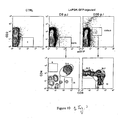
- the inventors first investigated thymic differentiation of the HA-specific T cells in non-diabetic TCR-HAxIns-HA mice. Compared to age-matched TCR-HA mice, mean numbers of HA-specific 6.5 + thymocytes were unchanged, or decreased by less than two-fold, at 6 or 14 weeks of age, respectively ( Fig. 11A ).
- HA-specific thymocytes in TCR-HAxIns-HA mice is therefore much less pronounced than that observed in similar models of transgenic mice expressing the cognate antigen under various tissue-specific promoters, such as insulin-promoter driven ovalbumin expression in DO11-10 TCR transgenic mice (11b, 13b).
- tissue-specific promoters such as insulin-promoter driven ovalbumin expression in DO11-10 TCR transgenic mice (11b, 13b).
- the persistence of HA-specific thymocytes in mice with partial but significant control of diabetes led us to investigate the development of Treg in this setting.
- the inventors thus analyzed the differentiation of CD25 + and CD25 - 6.5 + thymocytes during their transition from immature double positive (CD4 + CD8 + , DP) to mature CD4 + CD8 - (CD4SP) T cells, through the CD4 + CD8 lo (CD4 int ) stage ( Fig. 11B ).
- the frequencies of 6.5 + cells in the CD25 - subset were decreased at both CD4SP and CD4 int stages in TCR-HAxIns-HA mice ( Fig. 11D ).
- the frequencies of 6.5 + cells within CD25 + thymocytes were amplified 3-, 4- and almost 10-fold in DP, CD4 int and CD4SP subsets of TCR-HAxIns-HA mice, respectively ( Fig. 11C and 11D ).
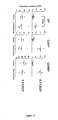
- the amplified frequencies translated into augmented cell numbers ( Fig. 12 ).
- the augmentation of 6.5 + CD25 + cell numbers was already detected in the DP subset of TCR-HAxIns-HA mice, and was 10-fold in both CD4 int and CD4SP thymocytes.
- such an augmentation was not detected for 6.5 - CD25 + T cells, indicating that it was indeed HA-driven ( Fig. 12 ).
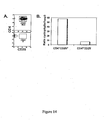
- CD4SP CD25 + thymocytes express foxp3 mRNA and have suppressive activities similar to peripheral Treg (4b, 8b, 16b).
- CD4 + CD25 + thymocytes also expressed foxp3 mRNA ( figure 14 ).
- these results indicate that expression of HA in the thymus led to generation of increased numbers of HA-specific Treg.
- thymic stromal cells could be efficiently transduced following intrathymic injection of lentiviral vectors.
- the inventors injected a HA-encoding lentiviral vector ( FIG. 13A ) in the thymus of TCR-HA mice. This resulted in deletion of 6.5 + CD25 - thymocytes, which could be detected one week but not one or two months post injection (Table 2).
- frequencies of HA-specific cells within CD25 + CD4SP thymocytes were amplified 2- to 10-fold at one week and also at one to two months post-injection (Table 1).
- the amplified frequencies of 6.5 + CD25 + cells in the CD4SP subset translated into a 10-fold increase in their numbers ( Fig. 13B ).
- the number of HA-specific CD4 + CD25 + T cells in mice which had received the HA-expressing vector reached the absolute number of total CD4 + CD25 + T cells in untreated mice ( Fig. 13B ), indicating that the cognate antigen had a major effect on the positive selection of CD4 + CD25 + cells.
- the thymic cells mediating this effect remain to be characterized.
- the inventors obtained a similar positive selection of HA specific Treg after transplantation of bone marrow from TCR-HA transgenic mice into irradiated TCR-HA transgenic mice injected with HA-expressing vector, indicating that these cells are radio-resistant. Since thymic cortical epithelial cells are thought to be responsible for Treg differentiation in the thymus (23b), the inventors speculate that they also contribute to Treg generation upon lentiviral vector mediated antigen expression.
- the frequency of 6.5 + CD25 + was also increased in lymph nodes of mice injected with the HA-expressing vector, as compared to control mice injected with an eGFP-expressing vector (Table 1). Because CD25 + cells only represent 5-6% of total CD4 + cells, the augmentation in 6.5 + CD25 + frequencies could have resulted from the conversion of 6.5 + CD25 - cells into activated CD25 + cells. Since viral vectors can leak after intrathymic injection, this conversion could have occurred upon recognition of HA-expressing cells in the periphery. The inventors thus analyzed the suppressive activity of purified CD4 + CD25 + cells from lentivirus vector treated mice by their ability to prevent or delay diabetes in Ins-HA transgenic mice ( Fig. 13C ).
- the inventors injected sub-lethally irradiated Ins-HA transgenic mice with CD4 + CD25 - T cells from TCR-HA mice and then immunized the mice with HA-pulsed dendritic cells.
- the inventors found that peripheral CD4 + CD25 + cells from mice that had been injected with the HA-expressing vector had a remarkably increased capacity to prevent diabetes, as compared to CD4 + CD25 + cells from control mice ( Fig. 13C ).
- Treg are also susceptible to negative selection when confronted with high levels of the cognate antigen (16b, 23b).
- the inventors suggest that mTEC may actually mediate both negative selection of auto-reactive T cells (24b) and Treg commitment, depending on the avidity of the mTEC and developing thymocytes interaction. Since the inventors observed that the enrichment of HA-specific Treg upon thymic HA expression begins at the DP stage, this may reflect an early commitment of immature thymocytes to the Treg lineage. Altogether, these results support that the signal delivered by TCR recognition of a self-peptide-MHC class II molecule complex instructs uncommitted precursors to differentiate into the Treg lineage.
- mice Six- to fourteen-week-old heterozygous transgenic mice for the hemagglutinin antigen (HA) and the insulin promoter (Ins-HA) (18b) or homozygous for a TCR specific for the HA 111-119 epitope (SFERFEIFPK) presented by I-E d molecules (20b) were backcrossed on a Balb/c background for more than ten generations and were bred in specific pathogen-free conditions according to the European Union guidelines.
- HA hemagglutinin antigen
- Ins-HA insulin promoter
- SFERFEIFPK homozygous for a TCR specific for the HA 111-119 epitope
- Intrathymic injections Mice were anesthetized with 30 mg/kg of Ketamine (Imalgene, Merial) and 24 mg/kg of Xylazine (Rompun, Bayer). The surgical procedure is described above. Briefly, the thymus was made visible after opening the thoracic cage and 10 to 20 ⁇ l of lentiviral stock was injected using a 300- ⁇ l syringe (Terumo).
- Lentiviral vectors Construction of the LvPGK-HA vector has been described in detail above and derives from the LvPGK-GFP vector (29b). Briefly, lentiviral vector stocks were produced by calcium phosphate transfection of three plasmids encoding the eGFP- or HA-expressing vectors, the Vesicular Stomatitis Virus envelope and the packaging proteins in 293T cells as described (30b). Supernatants were concentrated by ultrafiltration using Centricon-plus columns (Amicon) and viral titers were measured at different dilutions in 143B cell line for the eGFP-expressing vector and with a p24 ELISA (Zeptometrix, Buffalo, New York) for both vectors. Only viral stocks with titers above 10 7 infectious particles per ml (>100ng/ml of p24) were used for intrathymic injections.
- spleens from Balb/c mice were digested with liberase (1.67 Wünsh U/ml, Boehringer Mannheim) and Dnase (0.1 mg/ml, Boerhinger Mannheim) diluted in LPS-low RPMI (InVitrogen, Cergy Pontoise, France) in a 37 °C, 5% CO2 incubator for 30 min. to one hour. Dissociated splenocytes were filtered and washed in LPS-free 1X PBS (InVitrogen). Cells were incubated with anti-CD11c microbeads (Miltenyi Biotec) for 30 min. on ice, followed by magnetic separation using LS columns (Miltenyi Biotec). The purity of CD11c + cells was of 95%.
- mice 7.5.10 5 CD25 - cells from spleen and LN of TCR-HA transgenic mice were injected intravenously, with or without 5.10 5 purified CD4 + CD25 + cells, into 3-Gy irradiated Ins-HA transgenic mice. Then, mice were immunized by intravenous injection of splenic DC, matured after overnight culture, and pulsed with the HA 111-119 peptide. Blood glucose levels were monitored every other day using a glucometer (LifeScan Inc.). Mice were considered diabetic if two consecutive readings were above 250 mg/dl.
- CD4SP thymocytes from a 14 week-old TCR-HAxIns-HA mouse were sorted as CD25 + or CD25 - fraction on a FACsort (Becton Dickinson) after three-color staining with CD4-PE-Cyanin5, CD8-FITC and CD25-PE (Pharmingen).
- Total mRNA was extracted from 5.10 4 CD25 + and 10 6 CD25 - cells using RNAble (Eurobio, France) and reverse-transcribed to cDNA using Murine Moloney leukemia Virus Reverse Transcriptase (InVitrogen) according to the manufacturer instructions.
- the cyclophylin cDNA was amplified from diluted CD25' sample to obtain a band of similar intensity than in the CD25 + fraction. Then, foxp3 and cyclophylin cDNAs were amplified in the same PCR reaction. After agarose gel migration, the intensity of the bands were measured using the public domain NIH Image program (developed at the U.S. National Institutes of Health and available on the Internet at http://rsb.info.nih.gov/nih-image/ ).
Landscapes
- Health & Medical Sciences (AREA)
- Life Sciences & Earth Sciences (AREA)
- Chemical & Material Sciences (AREA)
- Engineering & Computer Science (AREA)
- General Health & Medical Sciences (AREA)
- Organic Chemistry (AREA)
- Bioinformatics & Cheminformatics (AREA)
- Medicinal Chemistry (AREA)
- Animal Behavior & Ethology (AREA)
- Pharmacology & Pharmacy (AREA)
- Public Health (AREA)
- Veterinary Medicine (AREA)
- Genetics & Genomics (AREA)
- Chemical Kinetics & Catalysis (AREA)
- General Chemical & Material Sciences (AREA)
- Nuclear Medicine, Radiotherapy & Molecular Imaging (AREA)
- Immunology (AREA)
- Biomedical Technology (AREA)
- Molecular Biology (AREA)
- Biotechnology (AREA)
- Zoology (AREA)
- Wood Science & Technology (AREA)
- General Engineering & Computer Science (AREA)
- Diabetes (AREA)
- Epidemiology (AREA)
- Virology (AREA)
- Physics & Mathematics (AREA)
- Biophysics (AREA)
- Biochemistry (AREA)
- Proteomics, Peptides & Aminoacids (AREA)
- Gastroenterology & Hepatology (AREA)
- Neurology (AREA)
- Endocrinology (AREA)
- Microbiology (AREA)
- Plant Pathology (AREA)
- Neurosurgery (AREA)
- Physical Education & Sports Medicine (AREA)
- Orthopedic Medicine & Surgery (AREA)
- Spectroscopy & Molecular Physics (AREA)
- Rheumatology (AREA)
Claims (11)
- Verwendung von Lentiviren für die Herstellung eines intrathymisch zu verabreichenden Arzneimittels für die Transduktion von Stromalzellen des Thymus für die Induktion einer Immunotoleranz des Organismus gegenüber Selbst- oder Nicht-Selbst- Genprodukten, Zellen oder Geweben, und für die Prävention oder die Behandlung von AutoimmunErkrankungen.
- Verwendung nach Anspruch 1 von viralen Vektoren, die eine vorherbestimmte rekombinante Nukleotidsequenz für die Induktion einer Immunotoleranz des Organismus gegenüber Selbst- oder Nicht-Selbst-Genprodukten, oder für die Prävention oder die Behandlung von Autoimmunerkrankungen enthalten, worin diese vorherbestimmte rekombinante Nukleotidsequenz unter der Kontrolle von Elementen, die ihre Expression in eukaryotischen Zellen steuern, steht.
- Verwendung nach irgendwelcher Anspruch 1-2, für die Prävention oder die Behandlung von Autoimmunerkrankungen, wie Myasthenia gravis, Multiple Sklerose, Gelenkrhumatismus, Lupus, Kolitis, entzündliche Muskelkrankheiten, Augenkrankheiten oder Typ1 Diabetes.
- Verwendung nach irgendwelcher Anspruch 2 oder 3, worin die rekombinante Nukleotidsequenz aus Myelin Autoantigen-codierenden Sequenzen, Acetylcholin-Rezeptorcodierenden Sequenzen und Insulin-codierenden Sequenzen gewählt wird.
- Verwendung nach Anspruch 1 für die Prävention oder die Behandlung der Abstoßung eines Transplantates, wie etwa die Abstoßung eines Solidorgan-, Zell- oder Gewebe-Allogentransplantates, die Abstoßung eines hämopoietischen Stammzelle-Transplantates oder die Abstoßung von therapeutisch Transgenen oder Gen- korrigierten Produkten.
- Verwendung nach Anspruch 5, worin die rekombinante Nukleotid-Sequenz aus einer Alloantigen-kodierenden Sequenz gewählt wird, wie etwa Moleküle aus menschlichen Major-Histokompatibilität-Komplexen, die aus der Gruppe, die das Leukozyt-Antigen A2, den menschlichen Faktor VIII, den menschlichen Faktor IX, Dystrophin und Erythropoetin mit einschließt, gewählt werden.
- Verwendung von lentiviralen Vektoren nach irgendwelcher Anspruch 1-6, worin die Dosierung der genannten Vektoren zwischen 105 und 1011 infektiöse Partikeln pro Milliliter liegt.
- Transformierte Thymus Stromalzellen, dadurch gekennzeichnet, daß sie lentivirale Vektoren einschließen, die eine vorherbestimmte rekombinante Nukleotidsequenz für die Induktion einer Immunotoleranz des Organismus gegenüber Selbst- oder Nicht-Selbst-Genprodukten, Zellen oder Geweben, wie etwa lentivirale Vektoren enthalten, worin diese Vektoren aus den folgenden :- T-Zell-spezifischer lentiviraler Vektor mit einer säugetierischen ZAP-70 kodierenden Sequenz wie pRRL.sin. cppt.CD4pmE.hZAP-70.IRES.eGFP.pre (SEQ ID NO : 2)- Ubiquitärer lentiviraler Vektor mit einer viralen HA-kodierenden Sequenz wie pRRL.sin. cptt.PGK.HA.pre (SEQ ID NO : 4)- Ubiquitär lentiviraler Vektor mit einer säugetierischen Insulin-kodierenden Sequenz wie pRRL.sin. cppt.PGK.Ins2.GTX.eGFP.pre (SEQ ID NO : 1)gewählt werden, worin der obergenannte lentivirale Vektor stabil im Genom integriert wird.
- Pharmazeutische Zusammensetzungen, die transformierte Zellen nach Anspruch 8 in Zusammenhang mit einem geeigneten pharmazeutischen Grundstoff enthalten.
- Pharmazeutische Zusammensetzungen nach Anspruch 9, die für eine Verabreichung im Thymus durch Injektion geeignet sind.
- Pharmazeutische Zusammensetzungen nach Anspruch 9, worin die Dosierung der genannten lentiviralen Vektoren zwischen 105 und 1011 infektiöse Partikeln pro Milliliter liegt.
Applications Claiming Priority (2)
| Application Number | Priority Date | Filing Date | Title |
|---|---|---|---|
| US57661304P | 2004-06-04 | 2004-06-04 | |
| PCT/EP2005/005992 WO2005117989A1 (en) | 2004-06-04 | 2005-06-03 | Drugs for the prevention or treatment of immunodeficiencies, autoimmune diseases or for the induction of immune tolerance |
Publications (2)
| Publication Number | Publication Date |
|---|---|
| EP1750773A1 EP1750773A1 (de) | 2007-02-14 |
| EP1750773B1 true EP1750773B1 (de) | 2008-12-31 |
Family
ID=34968998
Family Applications (1)
| Application Number | Title | Priority Date | Filing Date |
|---|---|---|---|
| EP05748024A Expired - Lifetime EP1750773B1 (de) | 2004-06-04 | 2005-06-03 | Wirkstoffe zur vorbeugung oder behandlung von immunschwäche, autoimmunerkrankungen oder für die induktion von immuntoleranz |
Country Status (8)
| Country | Link |
|---|---|
| US (1) | US8394777B2 (de) |
| EP (1) | EP1750773B1 (de) |
| JP (1) | JP5283009B2 (de) |
| AT (1) | ATE419015T1 (de) |
| CA (1) | CA2568781C (de) |
| DE (1) | DE602005012085D1 (de) |
| ES (1) | ES2320909T3 (de) |
| WO (1) | WO2005117989A1 (de) |
Families Citing this family (4)
| Publication number | Priority date | Publication date | Assignee | Title |
|---|---|---|---|---|
| CA2736851A1 (en) * | 2008-09-11 | 2010-03-18 | Lung-Ji Chang | System and method for producing t cells |
| HUE058792T2 (hu) * | 2013-11-12 | 2022-09-28 | Univ Brussel Vrije | RNS-transzkripciós vektor és felhasználása |
| WO2018013585A1 (en) * | 2016-07-12 | 2018-01-18 | Flagship Pioneering, Inc. | Methods and compositions for modulating thymic function |
| CN118203653A (zh) * | 2024-02-06 | 2024-06-18 | 同济大学 | 一种利用胸腺疫苗降低或消除同种异体移植排斥的方法 |
Family Cites Families (1)
| Publication number | Priority date | Publication date | Assignee | Title |
|---|---|---|---|---|
| WO2003105874A1 (en) * | 2002-06-14 | 2003-12-24 | Monash University | Thymic epithelial cells with progenitor capacity |
-
2005
- 2005-06-03 EP EP05748024A patent/EP1750773B1/de not_active Expired - Lifetime
- 2005-06-03 AT AT05748024T patent/ATE419015T1/de not_active IP Right Cessation
- 2005-06-03 US US11/597,892 patent/US8394777B2/en not_active Expired - Fee Related
- 2005-06-03 ES ES05748024T patent/ES2320909T3/es not_active Expired - Lifetime
- 2005-06-03 WO PCT/EP2005/005992 patent/WO2005117989A1/en not_active Ceased
- 2005-06-03 CA CA2568781A patent/CA2568781C/en not_active Expired - Fee Related
- 2005-06-03 DE DE602005012085T patent/DE602005012085D1/de not_active Expired - Lifetime
- 2005-06-03 JP JP2007513868A patent/JP5283009B2/ja not_active Expired - Fee Related
Also Published As
| Publication number | Publication date |
|---|---|
| US8394777B2 (en) | 2013-03-12 |
| WO2005117989A9 (en) | 2006-02-02 |
| DE602005012085D1 (de) | 2009-02-12 |
| JP2008501661A (ja) | 2008-01-24 |
| CA2568781A1 (en) | 2005-12-15 |
| ATE419015T1 (de) | 2009-01-15 |
| ES2320909T3 (es) | 2009-05-29 |
| EP1750773A1 (de) | 2007-02-14 |
| JP5283009B2 (ja) | 2013-09-04 |
| WO2005117989A1 (en) | 2005-12-15 |
| CA2568781C (en) | 2014-07-29 |
| US20080206210A1 (en) | 2008-08-28 |
Similar Documents
| Publication | Publication Date | Title |
|---|---|---|
| Spits | Development of αβ T cells in the human thymus | |
| EP3177314B1 (de) | Wt-1-spezifische t-zellen-immuntherapie | |
| CA2906587C (en) | Compositions and methods for use of recombinant t cell receptors for direct recognition of tumor antigen | |
| Verykokakis et al. | ID'ing innate and innate‐like lymphoid cells | |
| US20190322983A1 (en) | Engineered treg cells | |
| Adjali et al. | In vivo correction of ZAP-70 immunodeficiency by intrathymic gene transfer | |
| BR112014027374B1 (pt) | Método para gerar um receptor de células t (tcr) com afinidade aumentada | |
| Bandara et al. | Pre-clinical validation of a pan-cancer CAR-T cell immunotherapy targeting nfP2X7 | |
| US20210214686A1 (en) | Production and selection of tumor uber reactive immune cells (turics) | |
| Hayashi et al. | NUP98-HBO1–fusion generates phenotypically and genetically relevant chronic myelomonocytic leukemia pathogenesis | |
| Sun | Transcriptional control of NK cells | |
| Fraser et al. | Specific unresponsiveness to a retrovirally-transferred class I antigen is controlled through the helper pathway. | |
| EP1750773B1 (de) | Wirkstoffe zur vorbeugung oder behandlung von immunschwäche, autoimmunerkrankungen oder für die induktion von immuntoleranz | |
| Immisch et al. | Targeting the recurrent Rac1P29S neoepitope in melanoma with heterologous high-affinity T cell receptors | |
| Marodon et al. | In situ transduction of stromal cells and thymocytes upon intrathymic injection of lentiviral vectors | |
| Miller | Development and Function of Self-Specific Memory-Phenotype CD8+ T Cells | |
| Wahren-Herlenius et al. | SOCS3 Expression by Thymic Stromal Cells Is Required for Normal | |
| Ratiu | Zfp335-Mediated Regulation of T cell Development | |
| Grunert | Isolation of neoantigen-specific T cell receptors for T cell receptor gene therapy | |
| Çakmak-Görür | Targeting the hematopoietic stem cell antigen FLT3 by high-affinity T cell receptor for the treatment of high-risk acute myeloid leukemia | |
| Petrozziello | The role of cathepsin L in shaping a functional CD4 T cell repertoire | |
| Collins | Gene regulation in the differentiation of CD4+ and CD8+ T cells | |
| Poncette | Comparison of NY-ESO-specific MHC class II-restricted T cell receptors from antigen-negative and-positive hosts | |
| Lin | Clonal Treg Selection Is Limited by the Amount of High Affinity Thymic Ligands | |
| Fares | p15Ink4b Loss Impairs The Maturation And Activation Of Conventional Dendritic Cells |
Legal Events
| Date | Code | Title | Description |
|---|---|---|---|
| PUAI | Public reference made under article 153(3) epc to a published international application that has entered the european phase |
Free format text: ORIGINAL CODE: 0009012 |
|
| 17P | Request for examination filed |
Effective date: 20061107 |
|
| AK | Designated contracting states |
Kind code of ref document: A1 Designated state(s): AT BE BG CH CY CZ DE DK EE ES FI FR GB GR HU IE IS IT LI LT LU MC NL PL PT RO SE SI SK TR |
|
| 17Q | First examination report despatched |
Effective date: 20070424 |
|
| RIN1 | Information on inventor provided before grant (corrected) |
Inventor name: MARODON, GILLES Inventor name: KLATZMANN, DAVID Inventor name: TAYLOR, NAOMI Inventor name: MONGELLAZ, CEDRIC Inventor name: ADJALI, OUMEYA; LA CLOSERIE DE NEVERS Inventor name: STEINBERG, MARCOS Inventor name: JACQUET, CHANTAL |
|
| DAX | Request for extension of the european patent (deleted) | ||
| RIN1 | Information on inventor provided before grant (corrected) |
Inventor name: MONGELLAZ, CEDRIC Inventor name: MARODON, GILLES Inventor name: STEINBERG, MARCOS Inventor name: ADJALI, OUMEYA; LA CLOSERIE DE NEVERS Inventor name: KLATZMANN, DAVID Inventor name: JACQUET, CHANTAL Inventor name: TAYLOR, NAOMI |
|
| GRAP | Despatch of communication of intention to grant a patent |
Free format text: ORIGINAL CODE: EPIDOSNIGR1 |
|
| GRAS | Grant fee paid |
Free format text: ORIGINAL CODE: EPIDOSNIGR3 |
|
| GRAA | (expected) grant |
Free format text: ORIGINAL CODE: 0009210 |
|
| AK | Designated contracting states |
Kind code of ref document: B1 Designated state(s): AT BE BG CH CY CZ DE DK EE ES FI FR GB GR HU IE IS IT LI LT LU MC NL PL PT RO SE SI SK TR |
|
| REG | Reference to a national code |
Ref country code: CH Ref legal event code: EP Ref country code: GB Ref legal event code: FG4D |
|
| REF | Corresponds to: |
Ref document number: 602005012085 Country of ref document: DE Date of ref document: 20090212 Kind code of ref document: P |
|
| REG | Reference to a national code |
Ref country code: IE Ref legal event code: FG4D |
|
| REG | Reference to a national code |
Ref country code: CH Ref legal event code: NV Representative=s name: ABREMA AGENCE BREVET ET MARQUES, GANGUILLET |
|
| PG25 | Lapsed in a contracting state [announced via postgrant information from national office to epo] |
Ref country code: FI Free format text: LAPSE BECAUSE OF FAILURE TO SUBMIT A TRANSLATION OF THE DESCRIPTION OR TO PAY THE FEE WITHIN THE PRESCRIBED TIME-LIMIT Effective date: 20081231 Ref country code: SI Free format text: LAPSE BECAUSE OF FAILURE TO SUBMIT A TRANSLATION OF THE DESCRIPTION OR TO PAY THE FEE WITHIN THE PRESCRIBED TIME-LIMIT Effective date: 20081231 Ref country code: PL Free format text: LAPSE BECAUSE OF FAILURE TO SUBMIT A TRANSLATION OF THE DESCRIPTION OR TO PAY THE FEE WITHIN THE PRESCRIBED TIME-LIMIT Effective date: 20081231 Ref country code: NL Free format text: LAPSE BECAUSE OF FAILURE TO SUBMIT A TRANSLATION OF THE DESCRIPTION OR TO PAY THE FEE WITHIN THE PRESCRIBED TIME-LIMIT Effective date: 20081231 |
|
| REG | Reference to a national code |
Ref country code: ES Ref legal event code: FG2A Ref document number: 2320909 Country of ref document: ES Kind code of ref document: T3 |
|
| NLV1 | Nl: lapsed or annulled due to failure to fulfill the requirements of art. 29p and 29m of the patents act | ||
| PG25 | Lapsed in a contracting state [announced via postgrant information from national office to epo] |
Ref country code: EE Free format text: LAPSE BECAUSE OF FAILURE TO SUBMIT A TRANSLATION OF THE DESCRIPTION OR TO PAY THE FEE WITHIN THE PRESCRIBED TIME-LIMIT Effective date: 20081231 Ref country code: BE Free format text: LAPSE BECAUSE OF FAILURE TO SUBMIT A TRANSLATION OF THE DESCRIPTION OR TO PAY THE FEE WITHIN THE PRESCRIBED TIME-LIMIT Effective date: 20081231 Ref country code: LT Free format text: LAPSE BECAUSE OF FAILURE TO SUBMIT A TRANSLATION OF THE DESCRIPTION OR TO PAY THE FEE WITHIN THE PRESCRIBED TIME-LIMIT Effective date: 20081231 Ref country code: RO Free format text: LAPSE BECAUSE OF FAILURE TO SUBMIT A TRANSLATION OF THE DESCRIPTION OR TO PAY THE FEE WITHIN THE PRESCRIBED TIME-LIMIT Effective date: 20081231 |
|
| PG25 | Lapsed in a contracting state [announced via postgrant information from national office to epo] |
Ref country code: SE Free format text: LAPSE BECAUSE OF FAILURE TO SUBMIT A TRANSLATION OF THE DESCRIPTION OR TO PAY THE FEE WITHIN THE PRESCRIBED TIME-LIMIT Effective date: 20090331 Ref country code: CZ Free format text: LAPSE BECAUSE OF FAILURE TO SUBMIT A TRANSLATION OF THE DESCRIPTION OR TO PAY THE FEE WITHIN THE PRESCRIBED TIME-LIMIT Effective date: 20081231 Ref country code: PT Free format text: LAPSE BECAUSE OF FAILURE TO SUBMIT A TRANSLATION OF THE DESCRIPTION OR TO PAY THE FEE WITHIN THE PRESCRIBED TIME-LIMIT Effective date: 20090601 Ref country code: IS Free format text: LAPSE BECAUSE OF FAILURE TO SUBMIT A TRANSLATION OF THE DESCRIPTION OR TO PAY THE FEE WITHIN THE PRESCRIBED TIME-LIMIT Effective date: 20090430 Ref country code: AT Free format text: LAPSE BECAUSE OF FAILURE TO SUBMIT A TRANSLATION OF THE DESCRIPTION OR TO PAY THE FEE WITHIN THE PRESCRIBED TIME-LIMIT Effective date: 20081231 |
|
| PG25 | Lapsed in a contracting state [announced via postgrant information from national office to epo] |
Ref country code: SK Free format text: LAPSE BECAUSE OF FAILURE TO SUBMIT A TRANSLATION OF THE DESCRIPTION OR TO PAY THE FEE WITHIN THE PRESCRIBED TIME-LIMIT Effective date: 20081231 |
|
| PG25 | Lapsed in a contracting state [announced via postgrant information from national office to epo] |
Ref country code: DK Free format text: LAPSE BECAUSE OF FAILURE TO SUBMIT A TRANSLATION OF THE DESCRIPTION OR TO PAY THE FEE WITHIN THE PRESCRIBED TIME-LIMIT Effective date: 20081231 |
|
| PLBE | No opposition filed within time limit |
Free format text: ORIGINAL CODE: 0009261 |
|
| STAA | Information on the status of an ep patent application or granted ep patent |
Free format text: STATUS: NO OPPOSITION FILED WITHIN TIME LIMIT |
|
| 26N | No opposition filed |
Effective date: 20091001 |
|
| PG25 | Lapsed in a contracting state [announced via postgrant information from national office to epo] |
Ref country code: BG Free format text: LAPSE BECAUSE OF FAILURE TO SUBMIT A TRANSLATION OF THE DESCRIPTION OR TO PAY THE FEE WITHIN THE PRESCRIBED TIME-LIMIT Effective date: 20090331 Ref country code: MC Free format text: LAPSE BECAUSE OF NON-PAYMENT OF DUE FEES Effective date: 20090630 |
|
| PG25 | Lapsed in a contracting state [announced via postgrant information from national office to epo] |
Ref country code: IE Free format text: LAPSE BECAUSE OF NON-PAYMENT OF DUE FEES Effective date: 20090603 |
|
| PG25 | Lapsed in a contracting state [announced via postgrant information from national office to epo] |
Ref country code: GR Free format text: LAPSE BECAUSE OF FAILURE TO SUBMIT A TRANSLATION OF THE DESCRIPTION OR TO PAY THE FEE WITHIN THE PRESCRIBED TIME-LIMIT Effective date: 20090401 |
|
| PG25 | Lapsed in a contracting state [announced via postgrant information from national office to epo] |
Ref country code: LU Free format text: LAPSE BECAUSE OF NON-PAYMENT OF DUE FEES Effective date: 20090603 |
|
| PG25 | Lapsed in a contracting state [announced via postgrant information from national office to epo] |
Ref country code: HU Free format text: LAPSE BECAUSE OF FAILURE TO SUBMIT A TRANSLATION OF THE DESCRIPTION OR TO PAY THE FEE WITHIN THE PRESCRIBED TIME-LIMIT Effective date: 20090701 |
|
| PG25 | Lapsed in a contracting state [announced via postgrant information from national office to epo] |
Ref country code: TR Free format text: LAPSE BECAUSE OF FAILURE TO SUBMIT A TRANSLATION OF THE DESCRIPTION OR TO PAY THE FEE WITHIN THE PRESCRIBED TIME-LIMIT Effective date: 20081231 |
|
| PG25 | Lapsed in a contracting state [announced via postgrant information from national office to epo] |
Ref country code: CY Free format text: LAPSE BECAUSE OF FAILURE TO SUBMIT A TRANSLATION OF THE DESCRIPTION OR TO PAY THE FEE WITHIN THE PRESCRIBED TIME-LIMIT Effective date: 20081231 |
|
| REG | Reference to a national code |
Ref country code: FR Ref legal event code: PLFP Year of fee payment: 12 |
|
| REG | Reference to a national code |
Ref country code: FR Ref legal event code: PLFP Year of fee payment: 13 |
|
| REG | Reference to a national code |
Ref country code: FR Ref legal event code: PLFP Year of fee payment: 14 |
|
| PGFP | Annual fee paid to national office [announced via postgrant information from national office to epo] |
Ref country code: DE Payment date: 20190611 Year of fee payment: 15 Ref country code: IT Payment date: 20190614 Year of fee payment: 15 |
|
| PGFP | Annual fee paid to national office [announced via postgrant information from national office to epo] |
Ref country code: FR Payment date: 20190628 Year of fee payment: 15 |
|
| PGFP | Annual fee paid to national office [announced via postgrant information from national office to epo] |
Ref country code: CH Payment date: 20190620 Year of fee payment: 15 |
|
| PGFP | Annual fee paid to national office [announced via postgrant information from national office to epo] |
Ref country code: GB Payment date: 20190620 Year of fee payment: 15 Ref country code: ES Payment date: 20190701 Year of fee payment: 15 |
|
| REG | Reference to a national code |
Ref country code: CH Ref legal event code: PFUS Owner name: UNIVERSITE PIERRE ET MARIE CURIE (PARIS VI), FR Free format text: FORMER OWNER: UNIVERSITE PIERRE ET MARIE CURIE (PARIS VI), FR |
|
| REG | Reference to a national code |
Ref country code: DE Ref legal event code: R119 Ref document number: 602005012085 Country of ref document: DE |
|
| REG | Reference to a national code |
Ref country code: CH Ref legal event code: PL |
|
| GBPC | Gb: european patent ceased through non-payment of renewal fee |
Effective date: 20200603 |
|
| PG25 | Lapsed in a contracting state [announced via postgrant information from national office to epo] |
Ref country code: FR Free format text: LAPSE BECAUSE OF NON-PAYMENT OF DUE FEES Effective date: 20200630 Ref country code: GB Free format text: LAPSE BECAUSE OF NON-PAYMENT OF DUE FEES Effective date: 20200603 Ref country code: CH Free format text: LAPSE BECAUSE OF NON-PAYMENT OF DUE FEES Effective date: 20200630 Ref country code: LI Free format text: LAPSE BECAUSE OF NON-PAYMENT OF DUE FEES Effective date: 20200630 |
|
| PG25 | Lapsed in a contracting state [announced via postgrant information from national office to epo] |
Ref country code: DE Free format text: LAPSE BECAUSE OF NON-PAYMENT OF DUE FEES Effective date: 20210101 |
|
| REG | Reference to a national code |
Ref country code: ES Ref legal event code: FD2A Effective date: 20211026 |
|
| PG25 | Lapsed in a contracting state [announced via postgrant information from national office to epo] |
Ref country code: IT Free format text: LAPSE BECAUSE OF NON-PAYMENT OF DUE FEES Effective date: 20200603 |
|
| PG25 | Lapsed in a contracting state [announced via postgrant information from national office to epo] |
Ref country code: ES Free format text: LAPSE BECAUSE OF NON-PAYMENT OF DUE FEES Effective date: 20200604 |