EP1760155A2 - Nicht-menschliche Sperma-DNS Zubereitung zur genetischen Veränderung nicht-menschlicher Tiere - Google Patents
Nicht-menschliche Sperma-DNS Zubereitung zur genetischen Veränderung nicht-menschlicher Tiere Download PDFInfo
- Publication number
- EP1760155A2 EP1760155A2 EP06125927A EP06125927A EP1760155A2 EP 1760155 A2 EP1760155 A2 EP 1760155A2 EP 06125927 A EP06125927 A EP 06125927A EP 06125927 A EP06125927 A EP 06125927A EP 1760155 A2 EP1760155 A2 EP 1760155A2
- Authority
- EP
- European Patent Office
- Prior art keywords
- human
- cell
- based linker
- liposome based
- polynucleotide molecule
- Prior art date
- Legal status (The legal status is an assumption and is not a legal conclusion. Google has not performed a legal analysis and makes no representation as to the accuracy of the status listed.)
- Withdrawn
Links
Images







Classifications
-
- A—HUMAN NECESSITIES
- A01—AGRICULTURE; FORESTRY; ANIMAL HUSBANDRY; HUNTING; TRAPPING; FISHING
- A01K—ANIMAL HUSBANDRY; AVICULTURE; APICULTURE; PISCICULTURE; FISHING; REARING OR BREEDING ANIMALS, NOT OTHERWISE PROVIDED FOR; NEW BREEDS OF ANIMALS
- A01K67/00—Rearing or breeding animals, not otherwise provided for; New or modified breeds of animals
- A01K67/027—New or modified breeds of vertebrates
- A01K67/0275—Genetically modified vertebrates, e.g. transgenic
-
- A—HUMAN NECESSITIES
- A61—MEDICAL OR VETERINARY SCIENCE; HYGIENE
- A61K—PREPARATIONS FOR MEDICAL, DENTAL OR TOILETRY PURPOSES
- A61K47/00—Medicinal preparations characterised by the non-active ingredients used, e.g. carriers or inert additives; Targeting or modifying agents chemically bound to the active ingredient
- A61K47/50—Medicinal preparations characterised by the non-active ingredients used, e.g. carriers or inert additives; Targeting or modifying agents chemically bound to the active ingredient the non-active ingredient being chemically bound to the active ingredient, e.g. polymer-drug conjugates
- A61K47/69—Medicinal preparations characterised by the non-active ingredients used, e.g. carriers or inert additives; Targeting or modifying agents chemically bound to the active ingredient the non-active ingredient being chemically bound to the active ingredient, e.g. polymer-drug conjugates the conjugate being characterised by physical or galenical forms, e.g. emulsion, particle, inclusion complex, stent or kit
- A61K47/6901—Conjugates being cells, cell fragments, viruses, ghosts, red blood cells or viral vectors
-
- C—CHEMISTRY; METALLURGY
- C07—ORGANIC CHEMISTRY
- C07K—PEPTIDES
- C07K16/00—Immunoglobulins [IG], e.g. monoclonal or polyclonal antibodies
- C07K16/18—Immunoglobulins [IG], e.g. monoclonal or polyclonal antibodies against material from animals or humans
- C07K16/28—Immunoglobulins [IG], e.g. monoclonal or polyclonal antibodies against material from animals or humans against receptors, cell surface antigens or cell surface determinants
-
- C—CHEMISTRY; METALLURGY
- C12—BIOCHEMISTRY; BEER; SPIRITS; WINE; VINEGAR; MICROBIOLOGY; ENZYMOLOGY; MUTATION OR GENETIC ENGINEERING
- C12N—MICROORGANISMS OR ENZYMES; COMPOSITIONS THEREOF; PROPAGATING, PRESERVING, OR MAINTAINING MICROORGANISMS; MUTATION OR GENETIC ENGINEERING; CULTURE MEDIA
- C12N15/00—Mutation or genetic engineering; DNA or RNA concerning genetic engineering, vectors, e.g. plasmids, or their isolation, preparation or purification; Use of hosts therefor
- C12N15/09—Recombinant DNA-technology
- C12N15/87—Introduction of foreign genetic material using processes not otherwise provided for, e.g. co-transformation
-
- C—CHEMISTRY; METALLURGY
- C12—BIOCHEMISTRY; BEER; SPIRITS; WINE; VINEGAR; MICROBIOLOGY; ENZYMOLOGY; MUTATION OR GENETIC ENGINEERING
- C12N—MICROORGANISMS OR ENZYMES; COMPOSITIONS THEREOF; PROPAGATING, PRESERVING, OR MAINTAINING MICROORGANISMS; MUTATION OR GENETIC ENGINEERING; CULTURE MEDIA
- C12N5/00—Undifferentiated human, animal or plant cells, e.g. cell lines; Tissues; Cultivation or maintenance thereof; Culture media therefor
- C12N5/0006—Modification of the membrane of cells, e.g. cell decoration
-
- C—CHEMISTRY; METALLURGY
- C12—BIOCHEMISTRY; BEER; SPIRITS; WINE; VINEGAR; MICROBIOLOGY; ENZYMOLOGY; MUTATION OR GENETIC ENGINEERING
- C12N—MICROORGANISMS OR ENZYMES; COMPOSITIONS THEREOF; PROPAGATING, PRESERVING, OR MAINTAINING MICROORGANISMS; MUTATION OR GENETIC ENGINEERING; CULTURE MEDIA
- C12N5/00—Undifferentiated human, animal or plant cells, e.g. cell lines; Tissues; Cultivation or maintenance thereof; Culture media therefor
- C12N5/06—Animal cells or tissues; Human cells or tissues
- C12N5/0602—Vertebrate cells
- C12N5/0608—Germ cells
- C12N5/061—Sperm cells, spermatogonia
-
- A—HUMAN NECESSITIES
- A01—AGRICULTURE; FORESTRY; ANIMAL HUSBANDRY; HUNTING; TRAPPING; FISHING
- A01K—ANIMAL HUSBANDRY; AVICULTURE; APICULTURE; PISCICULTURE; FISHING; REARING OR BREEDING ANIMALS, NOT OTHERWISE PROVIDED FOR; NEW BREEDS OF ANIMALS
- A01K2217/00—Genetically modified animals
- A01K2217/05—Animals comprising random inserted nucleic acids (transgenic)
-
- A—HUMAN NECESSITIES
- A61—MEDICAL OR VETERINARY SCIENCE; HYGIENE
- A61K—PREPARATIONS FOR MEDICAL, DENTAL OR TOILETRY PURPOSES
- A61K39/00—Medicinal preparations containing antigens or antibodies
- A61K2039/505—Medicinal preparations containing antigens or antibodies comprising antibodies
-
- A—HUMAN NECESSITIES
- A61—MEDICAL OR VETERINARY SCIENCE; HYGIENE
- A61K—PREPARATIONS FOR MEDICAL, DENTAL OR TOILETRY PURPOSES
- A61K35/00—Medicinal preparations containing materials or reaction products thereof with undetermined constitution
- A61K35/12—Materials from mammals; Compositions comprising non-specified tissues or cells; Compositions comprising non-embryonic stem cells; Genetically modified cells
-
- C—CHEMISTRY; METALLURGY
- C12—BIOCHEMISTRY; BEER; SPIRITS; WINE; VINEGAR; MICROBIOLOGY; ENZYMOLOGY; MUTATION OR GENETIC ENGINEERING
- C12N—MICROORGANISMS OR ENZYMES; COMPOSITIONS THEREOF; PROPAGATING, PRESERVING, OR MAINTAINING MICROORGANISMS; MUTATION OR GENETIC ENGINEERING; CULTURE MEDIA
- C12N2510/00—Genetically modified cells
Definitions
- the present invention relates to the field of genetic modification in non-human animals.
- Lavitrano, M., et. al. reported that simply incubating foreign DNA with mice's sperm cells and effecting fertilization in vitro could lead to genetically modified mice.
- Lavitrano, M., et. al. (1989) sperm Cells as Vectors for Introducing Foreign DNA into Eggs - Genetic Transformation of Mice, Cell, Vol. 57, pp. 717-723 . Characterized as the "cold fusion" equivalent in biotechnology, this report generated much excitement in the field. Birnstiel, M., et. al. (1989) Dangerous Liaisons: Spermatozoa as Natural Vectors for Foreign DNA?, Cell, Vol. 57, pp. 701-702 .
- foreign DNA introduced into sperm cells may also suffer from extensive DNA rearrangement because in mature sperm cells, internalization of foreign DNA may activate certain endogenous nucleases in these cells.
- Maione, B. et. al. (1997) Activation of Endogenous Nucleases in Maturesperm Cells upon Interaction with Exogenous DNA, DNA and Cell Biology, Vol. 16, pp. 1087-1097 .
- Such rearrangement could threaten the usefulness of genetically modified animals using this technique.
- lipid-based agents which are often toxic, and electroporation may require extensive experimentation to prevent the death or the loss of sperm cell motility.
- Other techniques have also focused on using recombinant virus infection, as disclosed in PCT Publications WO 99/38991 , or on using a "gene gun" with micro-carriers, as disclosed in PCT Publication WO 93/24626 , to introduce foreign DNA into sperm cells.
- Such techniques may be technically challenging and may also affect the viability and motility of the sperm cells. They may also suffer from the same problem of DNA internalization and exposure to nucleases that could cause rearrangement of the foreign DNA being introduced.
- the present invention is directed to a vector and its use to generate genetically modified animals and cells.
- One aspect of this invention involves a vector that comprises a sperm cell and one or more polynucleotide molecules bound to a sperm cell through one or more non-liposome based linkers.
- the sperm cell can be any animal sperm cell, preferably non-human animal.
- the one or more polynucleotide molecules encode for a gene product that confers desired characteristics in the cells or the animals.
- the linker is a protein or polypeptide, preferably a sperm specific linker that binds with the external surface of the sperm cell.
- the linker interacts with one or more polynucleotide molecules preferably by ionic interaction. This interaction can also be carried out by different molecular interactions, including the use of another or secondary linker.
- the association of the sperm, linker, and the one or more polynucleotide can also occur in vitro or in vivo.
- genetically modified cells or animals are derived from the fertilization of an animal egg cell with the vector described above. Fertilization can occur in vitro or in vivo. In one preferred embodiment, genetic modification occurs with the polynucleotide molecule integrating, wholly or partially, into the cell or animal's genome.
- Another aspect of the present invention includes cells, such as sperm cells or egg cells, and cell lines that are derived from these genetically modified animals or their descendants.
- the genetically modified animals derived from the use of the sperm vector described above possess certain desired characteristics. Examples of these characteristics include faster growth rates, disease or pathogen resistance, high production of certain proteins in milk, and organs suitable for animal to human xenotransplantation.
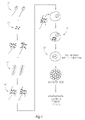
- figure 1 shows the basic steps involved in using one embodiment of the present invention to genetically modify cells or animals using a sperm vector.
- animal sperm cells 10 are collected by methods known in the art or purchased commercially from sources such as Birchwood Genetics in West Manchester, Ohio, and are bound together with linkers 20.
- linkers 20 are preferably antibodies or immunoglobulins of the types, IgG, IgA or IgM, but they can also be other compounds such as peptides, glycoproteins, carbohydrates, or other chemical-compound linkers.
- linkers bind or associate to the sperm cells' external surface through different molecular interactions such as ionic interaction, covalent bonds, Vander Waals forces, or ligand-receptor interaction.
- Circular or linear DNA molecules 30 then bind or attach to the linkers on the sperm-linker complex also through different molecular interactions such as ionic, covalent bonds, Vander Waals forces, or ligand-receptor interaction. These DNA molecules may encode for certain gene products, but they may also be disrupted genes, homologous with endogenous genes, that recombine into the chromosome to knockout a gene.
- the sperm-linker-DNA complex 40 formed can then be used to effectuate fertilization in vitro or in vivo. Upon fertilization, the DNA is introduced into the fertilized egg 50 and embryo 60 and can integrate into the chromosome, becoming a part of an animal or cell's genetic material.
- the binding, coupling, linking, attaching, or association of the sperm-linker-DNA complex can also be accomplished in vivo.
- the linker and the DNA can first be coupled or bound together in vitro. Afterwards, this linker-DNA complex can be injected directly or indirectly into a male animal's testicles.
- PCT Publications WO 99/40213 and WO 97/11597 disclose procedures for injecting DNA into the testicles, and these publications are incorporated herein by reference.
- linker-DNA complex is an antibody attached with DNA molecules where the antibody specifically recognizes certain surface epitopes on sperm cells. Because of the acidic characteristic of naked DNA, it can ionically associate, bind or, couple with an antibody that has basic or positively charged properties. However, the DNA-linker interaction is not limited to ionic interaction.
- the complex can also be crosslinked by UV light to form covalent bonds by well known methods in the art. Both the DNA and the linker can also be modified by methods known in the art.
- the DNA can be biotinylated by adding biotinylated deoxynucleotides in a PCR reaction;
- the antibody can be modified or purchased with attached streptavidin, which binds tightly to the biotin on the DNA; or a secondary antibody, which is modified with streptavidin and recognizes the first antibody can also act as a secondary linker between the modified DNA and the first linker.
- the DNA-linker complex is injected into the testis of the animal, this complex can seek out the sperm cells and bind to them. Fertilization can then occur in vivo via either natural copulation of the male and female animals or by artificial insemination of the female with collected sperm cells.
- the collected sperm cells can also be used with in vitro fertilization techniques, which are well known in the art.
- fertilization can be achieved by in vitro fertilization techniques.
- the fertilized eggs and resulting embryos can then be transplanted to surrogate-animal mothers for development.
- well known artificial insemination methods or injections of the sperm-linker-DNA complex directly into the oviduct of female animals can also achieve fertilization in vivo.
- Livestock, poultry, or fish can be inserted with genes that encode for growth hormones to make them grow faster than normal or they can also be inserted with the somatotropin gene to increase muscle growth and decrease adipose tissue.
- Inserting genes such as interferon that boost the immune system or other genes, such as genes encoding for viral, prion, or bacterial proteins can also make these livestock, poultry, or fish disease or pathogen resistant.
- infectious pathogens include Salmonella, influenza virus, prion proteins for the Mad Cow Disease, etc.
- introducing DNA encoding for anti-sense RNA molecules, which are complementary to these viral, prion, or bacterial RNAs may also inhibit translation and production of proteins from these RNA, which limits growth and spread of these infectious pathogens.
- these genetically modified animals can also produce therapeutic proteins, such as insulin, growth hormone, interferon, erythropoietin, colony stimulating factor (GM-CSF), t-PA, or factor VIII, in their milk by joining the genes for these proteins with promoters from mammary specific genes such as sheep's ⁇ -lactoglobulin, mouse whey acid protein, or bovine ⁇ S1-casein. Id.
- the animal's milk can also be fortified with addition of humanized proteins, such as human lactoferrin that enhance the intestinal iron absorption in infants. Lonnerdal, B. (1996) Recombinant Human Milk Proteins -- An Opportunity and a Challenge, American Journal of Clinical Nutrition, Vol. 63, pp.
- Genetically modified pigs can even be a source for more "humanized" organs in animal to human xenotransplantation using genes such as human decay accelerating factor. Cozzi, E., et. al. (1994) Expression of Human Decay Accelerating Factor in Transgenics Pigs, Transplantation Proceedings, Vol. 26, pp. 1402-1403 .
- This example illustrates the preparation of an antibody specific to sperm cells.
- sperm cells collected from male mice were injected back into mice as antigens to immunize and produce antibodies reactive to sperm-surface antigens.
- Monoclonal antibodies developed using common hybridoma techniques, were screened using flow cytometry to identify candidate antibodies that will bind to a series of different animals (mouse, pig, cow, sheep, goat, and chicken). Briefly, sperm cells were incubated with the different primary monoclonal antibodies, washed, and further incubated with a secondary antibody that specifically recognized mouse immunoglobulin.
- This secondary antibody which was commercially available and well known in the art, had fluorescent molecules such as fluorescein or rhodamine conjugated to it. Once the secondary antibody molecules were bound and washed, the flow-cytometry instrument or the FACS sorter counted the number of fluorescent sperm cells with bound primary and secondary antibodies from naked sperm cells.
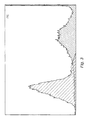
- Figure 2 - 7 show these flow-cytometry analyses for mAbC that bind to sperm cells of mouse, pig, cow, chicken, goat, and sheep, respectively.
- the Y-axis corresponds to the number of sperm cells detected while the X-axis is the relative intensity of fluorescence bound to the cell.
- Cross-lined peaks denote control reactions where the sperm cells were incubated only with the fluorescent anti-mouse immunoglobulin antibody.
- the shaded peaks denote the reactions where mAbC antibody and the secondary antibody were incubated with corresponding sperm cells in a mouse, pig, cow, chicken, goat, and sheep, respectively.
- Right shifts in the peaks denote positive binding of the mAbC antibody.
- fluorescence can be detected from goat sperm cells incubated with mAbC and the fluorescent secondary antibody as evidenced by the two right shaded peaks.
- the left shaded peak may suggest a population of the goat sperm cells that express the antigen recognized by mAbC at a lower level than the population in the right peak.
- the anti-mouse immunoglobulin fluorescent antibody seems to also bind to the goat sperm cells, but at a much reduced level than with mAbC acting as a linker.
- fluorescence can be detected from sheep sperm cells incubated with mAbC and the fluorescent secondary antibody as evidenced by the right shaded peaks.
- the distribution of the peaks again suggests the possibility that different sperm cells have different levels of the antigen recognized by mAbC.
- mammalian sperm cells bind, at some lower level, to the fluorescent secondary antibody. Since the secondary antibody is directed to a mouse immunoglobulin, it may have cross reactivity to other mammalian proteins on the sperm cell surfaces, which are not present in the chicken sperm cells (figure 5). Nevertheless, the shifts in fluorescence peaks upon addition of mAbC clearly demonstrate the higher affinity of the mAbC antibody to different animal sperm cells.
- This example illustrates the ability of the monoclonal antibody mAbC to bind to DNA molecules through ionic interaction.
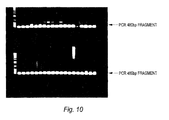
- lanes 1, 2, and 8 were controls with lane 1 being pure Sal I cut pCMV- ⁇ plasmid and lanes 2 and 8 being Sal I cut pCMV- ⁇ plasmid in Modified Tyrode's medium. Lanes 3, 4, 5, 6, and 7 corresponded to experimental reactions with the Sal I cut pCMV- ⁇ plasmid incubated with 0.2 ⁇ l, 1 ⁇ l, 2.5 ⁇ l, 6 ⁇ l, and 10 ⁇ l of mAbC at 0.5mg/ml.
- This example illustrates the binding or coupling of the DNA to the sperm via the linker or antibody.
- DNA molecules labeled with P 32 using standard end labeling techniques with T4 DNA polymerase, were incubated with mouse, pig, chicken, sheep, goat, and cow sperm cells together with either mAbC, mAbD, or a control antibody specific to a Drosophila protein. The amount of DNA binding was measured by scintillation counting. The ratio of sperm cells to antibody were as follows:
- Table 1 shows that with the presence of mAbC and mAbD, sperm cells significantly bound more labeled DNA compared with reactions with no antibody or with the Drosophila protein-specific antibody.
- Reactions 1 and 2 contained only sperm cells and labeled DNA, while reactions 3 and 4 contained the Drosophila-protein-specific antibody together with sperm cells and labeled DNA.
- Reactions 5 contained mAbD while reactions 6 and 7 contained mAbC together with sperm cells and labeled DNA.
- This example illustrates the procedures carried out to generate genetically modified mice.
- Sperm cells were collected from dissected epididymis of nine to twenty weeks old FVB male mice. Cut into small pieces, these epididymis tissues were incubated in 300 ⁇ l of Modified Tyrode's medium at pH 7 ⁇ 8 for one hour to allow the sperm cells to escape into the medium. Once the sperm cells were collected in 300 ⁇ l of medium, five micrograms of the linker antibody were added to one million sperm cells at 37°C for one hour. The sperm-linker complex was washed three times with 300 ⁇ l of Modified Tyrode's medium using a standard microcentrifuge set at 3000 rpm for one and a half minutes.
- the sperm-linker complex was finally resuspended in 300 ⁇ l of medium, and one microgram of linearized pCMV- ⁇ plasmid or a plasmid encoding for Hepatitis B surface antigen (HBsAg) was added and incubated for one hour.
- HBsAg Hepatitis B surface antigen
- FVB female mice To collect ovulated eggs, nine to twelve weeks FVB female mice each received an injection of 5 I.U. Pregnant Mares Serum (PMS) four days before the collection date and another 5 I.U. of human chorionic gonadotropin (hCG) two days before the collection date.
- PMS Pregnant Mares Serum
- hCG human chorionic gonadotropin
- Dissected ovulated eggs surrounded by cumulus cells were placed in a 35-mm petri dish containing a drop of Modified Tyrode's medium at room temperature. Afterwards, 300 ⁇ l of sperm-linker-DNA complex prepared as described above were added directly to the ovulated eggs. The whole mix was equilibrated with CO 2 at 37°C with mineral oil added on top to prevent evaporation.
- FIG. 11 shows the southern blot hybridization results with complementary probe sequences to HBsAg.
- Lanes 1-13 contained genomic DNA from mice bom from pseudo-pregnant mice that received embryos fertilized with the sperm-linker-DNA complex described above; lanes C1-C7 contained genomic DNA from mice that were untreated or non-transgenic mice.
- Lanes 4, 5, and 8 show bands positive for HBsAg sequences integrated in the mice's genome, thus, demonstrating that three out the thirteen mice were genetically modified.
- This example illustrates the procedures carried out to generate genetically modified pigs.
- Ejaculated sperm cells from pigs were collected using methods generally known in the art of animal husbandry. Suspended in one milliliter of pig extender medium (purchased from Merck, Germany, Ref.N.R.1351510001 - dilute mixture M3 for boar sperm), fifteen million sperm cells were incubated with five micrograms of the linker antibody for forty minutes at room temperature with intermittent shaking in between. After washing the sperm-linker mixture once with pig extender medium and finally resuspending the mixture in 1.5 ml of the same medium, five micrograms of the plasmid pSEAP2-control ( Figure 12, Clontech Laboratories, Inc., Cat.
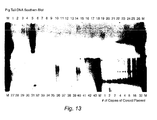
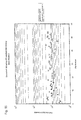
- Figure 13 shows the southern blot analysis of genomic DNA isolated from the tail tissues of these pigs. Briefly, genomic DNA isolated from these pigs were digested, run on a gel, and transferred to a nylon membrane according to methods well known in the art. The blot was then probed with labeled sequences from the Not I to BamH I region of the pSEAP2-control plasmid shown in Figure 12. In figure 13, M denotes the marker lanes, and 1-43 denotes the number of pigs analyzed.
- eight lanes with increasing copies of pSEAP2-control plasmid molecules (1, 2, 2, 4, 4, 8, 16, and 32) were also loaded on the gel together with the DNA from the experimental pigs. These eight lanes were used to estimate the copy number of pSEAP2-control plasmid integrated into the pigs based on the densitometric intensities of the bands ( Figure 14). As can be seen in Figure 14, S5 had the highest intensity, which corresponds to lane 5 of figure 13,
- SEAP secreted alkaline phosphatase expressed from the pSEAP2-control plasmid were also detected in 70-day old genetically modified pigs. Serum from these pigs were collected and assayed for SEAP activity using Clontech's Great EscAPE TM SEAP Chemiluminescence Detection Kit (Cat. # K2041-1) and its protocol, which is incorporated herein by reference.
- the SEAP enzyme expressed from Clontech's pSEAP-2 vector is thermostable.
- the assay required the deactivation of the endogenous alkaline phosphatase enzyme by heating the samples at 65°C for thirty minutes before adding the chemiluminescence substrate.
- figure 15 shows the result of the assay without performing this heat deactivation step.
- the level of total alkaline phosphatase activity was not significantly different between the genetically modified pigs and non-transgenic control pigs.
- figure 16 shows the result including this heat deactivation step.
- SEAP activity was significantly higher in the genetically modified pigs than in the non-transgenic control pigs.
- the pSEAP2-control plasmid had integrated well in the pigs' genome and was actively expressing the SEAP enzyme.
Landscapes
- Health & Medical Sciences (AREA)
- Life Sciences & Earth Sciences (AREA)
- Engineering & Computer Science (AREA)
- Chemical & Material Sciences (AREA)
- Genetics & Genomics (AREA)
- Organic Chemistry (AREA)
- Biotechnology (AREA)
- Bioinformatics & Cheminformatics (AREA)
- Biomedical Technology (AREA)
- Zoology (AREA)
- General Health & Medical Sciences (AREA)
- Wood Science & Technology (AREA)
- Biochemistry (AREA)
- General Engineering & Computer Science (AREA)
- Microbiology (AREA)
- Cell Biology (AREA)
- Veterinary Medicine (AREA)
- Molecular Biology (AREA)
- Biophysics (AREA)
- Medicinal Chemistry (AREA)
- Environmental Sciences (AREA)
- Immunology (AREA)
- Animal Behavior & Ethology (AREA)
- Biodiversity & Conservation Biology (AREA)
- Plant Pathology (AREA)
- Reproductive Health (AREA)
- Developmental Biology & Embryology (AREA)
- Hematology (AREA)
- Virology (AREA)
- Physics & Mathematics (AREA)
- Pharmacology & Pharmacy (AREA)
- Epidemiology (AREA)
- Public Health (AREA)
- Animal Husbandry (AREA)
- Proteomics, Peptides & Aminoacids (AREA)
- Micro-Organisms Or Cultivation Processes Thereof (AREA)
- Materials For Medical Uses (AREA)
- Medicines Containing Material From Animals Or Micro-Organisms (AREA)
- Peptides Or Proteins (AREA)
Applications Claiming Priority (2)
| Application Number | Priority Date | Filing Date | Title |
|---|---|---|---|
| US09/537,861 US7067308B1 (en) | 2000-03-28 | 2000-03-28 | Vector for genetically modifying non-human animals |
| EP01918350A EP1268836B1 (de) | 2000-03-28 | 2001-03-05 | Nicht-menschliche sperm-dns zubereitungen zur genetischen veränderung nicht-menschlicher tiere |
Related Parent Applications (1)
| Application Number | Title | Priority Date | Filing Date |
|---|---|---|---|
| EP01918350A Division EP1268836B1 (de) | 2000-03-28 | 2001-03-05 | Nicht-menschliche sperm-dns zubereitungen zur genetischen veränderung nicht-menschlicher tiere |
Publications (2)
| Publication Number | Publication Date |
|---|---|
| EP1760155A2 true EP1760155A2 (de) | 2007-03-07 |
| EP1760155A3 EP1760155A3 (de) | 2007-03-14 |
Family
ID=24144410
Family Applications (2)
| Application Number | Title | Priority Date | Filing Date |
|---|---|---|---|
| EP01918350A Expired - Lifetime EP1268836B1 (de) | 2000-03-28 | 2001-03-05 | Nicht-menschliche sperm-dns zubereitungen zur genetischen veränderung nicht-menschlicher tiere |
| EP06125927A Withdrawn EP1760155A3 (de) | 2000-03-28 | 2001-03-05 | Nicht-menschliche Sperma-DNS Zubereitung zur genetischen Veränderung nicht-menschlicher Tiere |
Family Applications Before (1)
| Application Number | Title | Priority Date | Filing Date |
|---|---|---|---|
| EP01918350A Expired - Lifetime EP1268836B1 (de) | 2000-03-28 | 2001-03-05 | Nicht-menschliche sperm-dns zubereitungen zur genetischen veränderung nicht-menschlicher tiere |
Country Status (10)
| Country | Link |
|---|---|
| US (2) | US7067308B1 (de) |
| EP (2) | EP1268836B1 (de) |
| JP (1) | JP2003528617A (de) |
| CN (1) | CN1432067A (de) |
| AR (1) | AR028298A1 (de) |
| AT (1) | ATE348184T1 (de) |
| AU (1) | AU2001245438A1 (de) |
| DE (1) | DE60125156T2 (de) |
| PE (1) | PE20011214A1 (de) |
| WO (1) | WO2001073094A2 (de) |
Families Citing this family (12)
| Publication number | Priority date | Publication date | Assignee | Title |
|---|---|---|---|---|
| US7053187B2 (en) | 2000-03-28 | 2006-05-30 | Gioagri Corporation | Sperm-specific monoclonal antibody, mAbC |
| US7067308B1 (en) * | 2000-03-28 | 2006-06-27 | Bioagri Corporation | Vector for genetically modifying non-human animals |
| US7527966B2 (en) | 2002-06-26 | 2009-05-05 | Transgenrx, Inc. | Gene regulation in transgenic animals using a transposon-based vector |
| NZ581542A (en) * | 2007-05-16 | 2012-02-24 | Mat Malta Advanced Technologies Ltd | Treatment and prevention of influenza |
| WO2010036976A2 (en) | 2008-09-25 | 2010-04-01 | Transgenrx, Inc. | Novel vectors for production of antibodies |
| WO2010036978A2 (en) | 2008-09-25 | 2010-04-01 | Transgenrx, Inc. | Novel vectors for production of growth hormone |
| JP5964746B2 (ja) * | 2009-04-08 | 2016-08-03 | ザ リージェンツ オブ ザ ユニバーシティ オブ カリフォルニア | Dna−細胞コンジュゲート |
| US9150881B2 (en) | 2009-04-09 | 2015-10-06 | Proteovec Holding, L.L.C. | Production of proteins using transposon-based vectors |
| CN102453720B (zh) * | 2010-10-28 | 2013-01-30 | 华中农业大学 | 一种在猪肌肉组织高效表达的融合启动子 |
| SMT202200205T1 (it) * | 2011-10-28 | 2022-07-21 | Regeneron Pharma | Topi geneticamente modificati che esprimono molecole chimeriche del complesso maggiore di istocompatibilità (mhc) ii |
| US20150024497A1 (en) * | 2013-07-19 | 2015-01-22 | Elwha Llc | Methods and Systems for Utilizing Sperm for Molecular Delivery |
| CA3065317A1 (en) | 2017-05-31 | 2018-12-06 | Commonwealth Scientific And Industrial Research Organisation | Trait selection in avians |
Citations (2)
| Publication number | Priority date | Publication date | Assignee | Title |
|---|---|---|---|---|
| WO1997011597A1 (fr) | 1995-09-29 | 1997-04-03 | Hoechst Marion Roussel Ltd. | Obtention d'un animal transgenique |
| WO1999040213A1 (en) | 1998-02-09 | 1999-08-12 | Tranxenogen, Incorporated | Genetic manipulation of spermatogonia |
Family Cites Families (14)
| Publication number | Priority date | Publication date | Assignee | Title |
|---|---|---|---|---|
| US5428132A (en) | 1987-10-11 | 1995-06-27 | United States Of America | Conjugate and method for integration of foreign DNA into cells |
| IT1228210B (it) | 1989-01-10 | 1991-06-05 | Consiglio Nazionale Ricerche | Procedimento per la introduzione di dna esogeno nelle cellule somatiche e germinali di animali. |
| IL92529A0 (en) | 1989-12-03 | 1990-08-31 | Yissum Res Dev Co | Generation of transgenic vertebrates by employing transformed sperm cells via artificial insemination |
| US5521291A (en) | 1991-09-30 | 1996-05-28 | Boehringer Ingelheim International, Gmbh | Conjugates for introducing nucleic acid into higher eucaryotic cells |
| US6063630A (en) * | 1991-11-05 | 2000-05-16 | Transkaryotic Therapies, Inc. | Targeted introduction of DNA into primary or secondary cells and their use for gene therapy |
| AU2146092A (en) | 1992-05-28 | 1993-12-30 | Scientific Dimensions Usa, Inc. | Transgenic animal production with biolistically transformed spermatozoa |
| RU2081914C1 (ru) | 1994-07-21 | 1997-06-20 | Андрей Вадимович Кузнецов | Способ введения чужеродной днк в сперматозоиды |
| US5744335A (en) | 1995-09-19 | 1998-04-28 | Mirus Corporation | Process of transfecting a cell with a polynucleotide mixed with an amphipathic compound and a DNA-binding protein |
| CN1112165C (zh) | 1997-08-15 | 2003-06-25 | 中国农业大学 | 精子介dna转移生产转基因动物的方法 |
| KR20010033162A (ko) | 1998-01-28 | 2001-04-25 | 오미야 히사시 | 생식세포로의 유전자 도입법 |
| IL123411A0 (en) | 1998-02-22 | 1998-09-24 | Kimron Veterinary Inst | High efficiency methods and compositions for integrating exogenous dna into genomic dna of sperm |
| CA2340242A1 (en) | 1998-08-11 | 2000-02-24 | Teruhiko Wakayama | Method of performing transgenesis |
| US7053187B2 (en) * | 2000-03-28 | 2006-05-30 | Gioagri Corporation | Sperm-specific monoclonal antibody, mAbC |
| US7067308B1 (en) * | 2000-03-28 | 2006-06-27 | Bioagri Corporation | Vector for genetically modifying non-human animals |
-
2000
- 2000-03-28 US US09/537,861 patent/US7067308B1/en not_active Expired - Fee Related
-
2001
- 2001-03-05 EP EP01918350A patent/EP1268836B1/de not_active Expired - Lifetime
- 2001-03-05 JP JP2001570810A patent/JP2003528617A/ja active Pending
- 2001-03-05 WO PCT/US2001/007018 patent/WO2001073094A2/en not_active Ceased
- 2001-03-05 AT AT01918350T patent/ATE348184T1/de not_active IP Right Cessation
- 2001-03-05 AU AU2001245438A patent/AU2001245438A1/en not_active Abandoned
- 2001-03-05 CN CN01810496A patent/CN1432067A/zh active Pending
- 2001-03-05 EP EP06125927A patent/EP1760155A3/de not_active Withdrawn
- 2001-03-05 DE DE60125156T patent/DE60125156T2/de not_active Expired - Lifetime
- 2001-03-27 PE PE2001000287A patent/PE20011214A1/es not_active Application Discontinuation
- 2001-03-28 AR ARP010101471A patent/AR028298A1/es unknown
-
2006
- 2006-04-20 US US11/407,851 patent/US20070214512A1/en not_active Abandoned
Patent Citations (2)
| Publication number | Priority date | Publication date | Assignee | Title |
|---|---|---|---|---|
| WO1997011597A1 (fr) | 1995-09-29 | 1997-04-03 | Hoechst Marion Roussel Ltd. | Obtention d'un animal transgenique |
| WO1999040213A1 (en) | 1998-02-09 | 1999-08-12 | Tranxenogen, Incorporated | Genetic manipulation of spermatogonia |
Non-Patent Citations (6)
| Title |
|---|
| DATABASE BIOSIS [online] BIOSCIENCES INFORMATION SERVICE, PHILADELPHIA, PA, US; 1988, VIZE P D ET AL: "INTRODUCTION OF A PORCINE GROWTH HORMONE FUSION GENE INTO TRANSGENIC PIGS PROMOTES GROWTH", Database accession no. PREV198886058754 * |
| ETHERTON, T.D.: "Mechanism by which Somatotropin Decreases Adipose Tissue Growth", AMERICAN JOURNAL OF CLINICAL NUTRITION, vol. 58, 1993, pages 287S - 295S |
| GANDOLFI, F.: "Spermatozoa, DNA Binding and Transgenic Animals", TRANSGENIC RESEARCH, vol. 7, 1998, pages 147 - 155 |
| JOURNAL OF CELL SCIENCE, vol. 90, no. 2, 1988, pages 295 - 300, ISSN: 0021-9533 * |
| PURSEL V G ET AL: "GENETIC ENGINEERING OF LIVESTOCK", SCIENCE, AMERICAN ASSOCIATION FOR THE ADVANCEMENT OF SCIENCE, WASHINGTON, DC; US, vol. 244, no. 4910, 16 June 1989 (1989-06-16), pages 1281 - 1287, XP000051937, ISSN: 0036-8075, DOI: 10.1126/SCIENCE.2499927 * |
| PURSEL, V. G.: "Genetic Engineering of Livestock", SCIENCE, vol. 244, 1989, pages 1281 - 1288 |
Also Published As
| Publication number | Publication date |
|---|---|
| EP1268836B1 (de) | 2006-12-13 |
| PE20011214A1 (es) | 2001-11-29 |
| US7067308B1 (en) | 2006-06-27 |
| ATE348184T1 (de) | 2007-01-15 |
| CN1432067A (zh) | 2003-07-23 |
| EP1268836A2 (de) | 2003-01-02 |
| US20070214512A1 (en) | 2007-09-13 |
| AU2001245438A1 (en) | 2001-10-08 |
| EP1760155A3 (de) | 2007-03-14 |
| DE60125156D1 (de) | 2007-01-25 |
| JP2003528617A (ja) | 2003-09-30 |
| AR028298A1 (es) | 2003-04-30 |
| WO2001073094A3 (en) | 2002-05-30 |
| DE60125156T2 (de) | 2007-09-20 |
| WO2001073094A2 (en) | 2001-10-04 |
Similar Documents
| Publication | Publication Date | Title |
|---|---|---|
| Shakweer et al. | A review of transgenic animal techniques and their applications | |
| US5523222A (en) | Polyelectrolyte DNA conjugation and genetic transformation of an animal | |
| Chang et al. | Effective generation of transgenic pigs and mice by linker based sperm-mediated gene transfer. | |
| US11230697B2 (en) | Enhanced expression of human or humanized immunoglobulin in non-human transgenic animals | |
| Niemann et al. | Application of transgenesis in livestock for agriculture and biomedicine | |
| EP1268836B1 (de) | Nicht-menschliche sperm-dns zubereitungen zur genetischen veränderung nicht-menschlicher tiere | |
| EP0665883A1 (de) | Tetracyclinrepressor-auslösendes binäres regulationssystem zur kontrolle der genexpression in transgenen tieren | |
| Seamark | Progress and emerging problems in livestock transgenesis: a summary perspective | |
| US10370641B2 (en) | Enhanced expression of human or humanized immunoglobulin in non-human transgenic animals | |
| CA2233694A1 (en) | Method for preparing transgenic animal | |
| US20050177883A1 (en) | Systems of transferring embryos and managing recipients | |
| EP0350052A2 (de) | Transgene Tiere, die mit einem Plasmid mit autonomer Replikationssequenz transformiert sind | |
| CN114686438B (zh) | Ace2人源化猪的构建方法及应用 | |
| RU2402211C2 (ru) | Способ получения трансгенных кроликов, продуцирующих белки в молочную железу | |
| US20020194638A1 (en) | Vector for genetically modifying non-human animals | |
| RU2517731C2 (ru) | Способ получения трансгенных кур опосредованным переносом гена путем обычного искусственного осеменения | |
| Velander | Polyelectrolyte DNA conjugation and genetic transformation of an animal | |
| Saeed et al. | Transgenesis in Transgenic Animals and Its Applications | |
| Gordon | Modification of the germ line in animals | |
| Wall et al. | Alteration of the genome as a method to increase diversity in animal germplasm resources | |
| Page | MM TTM | |
| ROBERT | Alteration of the genome as a method to increase diversity in | |
| Brem | Generation of recombinant antibody transgenic farm animals | |
| Mahamulkar et al. | Custom Made Animals The Magic of Transgenesis | |
| AU2002306437A1 (en) | Method for embryo after impregnation of the recipient female |
Legal Events
| Date | Code | Title | Description |
|---|---|---|---|
| PUAI | Public reference made under article 153(3) epc to a published international application that has entered the european phase |
Free format text: ORIGINAL CODE: 0009012 |
|
| PUAL | Search report despatched |
Free format text: ORIGINAL CODE: 0009013 |
|
| AC | Divisional application: reference to earlier application |
Ref document number: 1268836 Country of ref document: EP Kind code of ref document: P |
|
| AK | Designated contracting states |
Kind code of ref document: A2 Designated state(s): AT BE CH CY DE DK ES FI FR GB GR IE IT LI LU MC NL PT SE TR |
|
| AK | Designated contracting states |
Kind code of ref document: A3 Designated state(s): AT BE CH CY DE DK ES FI FR GB GR IE IT LI LU MC NL PT SE TR |
|
| RIN1 | Information on inventor provided before grant (corrected) |
Inventor name: WANG, KANGSHENG |
|
| 17P | Request for examination filed |
Effective date: 20070830 |
|
| 17Q | First examination report despatched |
Effective date: 20070927 |
|
| AKX | Designation fees paid |
Designated state(s): AT BE CH CY DE DK ES FI FR GB GR IE IT LI LU MC NL PT SE TR |
|
| R17C | First examination report despatched (corrected) |
Effective date: 20070927 |
|
| RAP1 | Party data changed (applicant data changed or rights of an application transferred) |
Owner name: KWANG HUA DEVELOPMENT AND INVESTMENT, LTD. |
|
| STAA | Information on the status of an ep patent application or granted ep patent |
Free format text: STATUS: THE APPLICATION IS DEEMED TO BE WITHDRAWN |
|
| 18D | Application deemed to be withdrawn |
Effective date: 20140103 |