EP1764106A2 - Verwendung der insulinartigen Wachstumsfaktoren I zur Hemmung einer ischämischen Verletzung in die Leber - Google Patents
Verwendung der insulinartigen Wachstumsfaktoren I zur Hemmung einer ischämischen Verletzung in die Leber Download PDFInfo
- Publication number
- EP1764106A2 EP1764106A2 EP06124240A EP06124240A EP1764106A2 EP 1764106 A2 EP1764106 A2 EP 1764106A2 EP 06124240 A EP06124240 A EP 06124240A EP 06124240 A EP06124240 A EP 06124240A EP 1764106 A2 EP1764106 A2 EP 1764106A2
- Authority
- EP
- European Patent Office
- Prior art keywords
- igf
- class
- expression
- atn
- cells
- Prior art date
- Legal status (The legal status is an assumption and is not a legal conclusion. Google has not performed a legal analysis and makes no representation as to the accuracy of the status listed.)
- Withdrawn
Links
Images

Classifications
-
- A—HUMAN NECESSITIES
- A61—MEDICAL OR VETERINARY SCIENCE; HYGIENE
- A61K—PREPARATIONS FOR MEDICAL, DENTAL OR TOILETRY PURPOSES
- A61K38/00—Medicinal preparations containing peptides
- A61K38/16—Peptides having more than 20 amino acids; Gastrins; Somatostatins; Melanotropins; Derivatives thereof
- A61K38/17—Peptides having more than 20 amino acids; Gastrins; Somatostatins; Melanotropins; Derivatives thereof from animals; from humans
- A61K38/22—Hormones
- A61K38/30—Insulin-like growth factors, i.e. somatomedins, e.g. IGF-1, IGF-2
-
- C—CHEMISTRY; METALLURGY
- C07—ORGANIC CHEMISTRY
- C07K—PEPTIDES
- C07K14/00—Peptides having more than 20 amino acids; Gastrins; Somatostatins; Melanotropins; Derivatives thereof
- C07K14/435—Peptides having more than 20 amino acids; Gastrins; Somatostatins; Melanotropins; Derivatives thereof from animals; from humans
- C07K14/575—Hormones
- C07K14/65—Insulin-like growth factors, i.e. somatomedins, e.g. IGF-1, IGF-2
-
- A—HUMAN NECESSITIES
- A61—MEDICAL OR VETERINARY SCIENCE; HYGIENE
- A61P—SPECIFIC THERAPEUTIC ACTIVITY OF CHEMICAL COMPOUNDS OR MEDICINAL PREPARATIONS
- A61P1/00—Drugs for disorders of the alimentary tract or the digestive system
- A61P1/16—Drugs for disorders of the alimentary tract or the digestive system for liver or gallbladder disorders, e.g. hepatoprotective agents, cholagogues, litholytics
-
- A—HUMAN NECESSITIES
- A61—MEDICAL OR VETERINARY SCIENCE; HYGIENE
- A61P—SPECIFIC THERAPEUTIC ACTIVITY OF CHEMICAL COMPOUNDS OR MEDICINAL PREPARATIONS
- A61P29/00—Non-central analgesic, antipyretic or antiinflammatory agents, e.g. antirheumatic agents; Non-steroidal antiinflammatory drugs [NSAID]
-
- A—HUMAN NECESSITIES
- A61—MEDICAL OR VETERINARY SCIENCE; HYGIENE
- A61P—SPECIFIC THERAPEUTIC ACTIVITY OF CHEMICAL COMPOUNDS OR MEDICINAL PREPARATIONS
- A61P43/00—Drugs for specific purposes, not provided for in groups A61P1/00-A61P41/00
-
- A—HUMAN NECESSITIES
- A61—MEDICAL OR VETERINARY SCIENCE; HYGIENE
- A61P—SPECIFIC THERAPEUTIC ACTIVITY OF CHEMICAL COMPOUNDS OR MEDICINAL PREPARATIONS
- A61P9/00—Drugs for disorders of the cardiovascular system
-
- A—HUMAN NECESSITIES
- A61—MEDICAL OR VETERINARY SCIENCE; HYGIENE
- A61P—SPECIFIC THERAPEUTIC ACTIVITY OF CHEMICAL COMPOUNDS OR MEDICINAL PREPARATIONS
- A61P9/00—Drugs for disorders of the cardiovascular system
- A61P9/10—Drugs for disorders of the cardiovascular system for treating ischaemic or atherosclerotic diseases, e.g. antianginal drugs, coronary vasodilators, drugs for myocardial infarction, retinopathy, cerebrovascula insufficiency, renal arteriosclerosis
-
- C—CHEMISTRY; METALLURGY
- C12—BIOCHEMISTRY; BEER; SPIRITS; WINE; VINEGAR; MICROBIOLOGY; ENZYMOLOGY; MUTATION OR GENETIC ENGINEERING
- C12N—MICROORGANISMS OR ENZYMES; COMPOSITIONS THEREOF; PROPAGATING, PRESERVING, OR MAINTAINING MICROORGANISMS; MUTATION OR GENETIC ENGINEERING; CULTURE MEDIA
- C12N15/00—Mutation or genetic engineering; DNA or RNA concerning genetic engineering, vectors, e.g. plasmids, or their isolation, preparation or purification; Use of hosts therefor
- C12N15/09—Recombinant DNA-technology
- C12N15/11—DNA or RNA fragments; Modified forms thereof; Non-coding nucleic acids having a biological activity
-
- F—MECHANICAL ENGINEERING; LIGHTING; HEATING; WEAPONS; BLASTING
- F04—POSITIVE - DISPLACEMENT MACHINES FOR LIQUIDS; PUMPS FOR LIQUIDS OR ELASTIC FLUIDS
- F04B—POSITIVE-DISPLACEMENT MACHINES FOR LIQUIDS; PUMPS
- F04B39/00—Component parts, details, or accessories, of pumps or pumping systems specially adapted for elastic fluids, not otherwise provided for in, or of interest apart from, groups F04B25/00 - F04B37/00
- F04B39/0005—Component parts, details, or accessories, of pumps or pumping systems specially adapted for elastic fluids, not otherwise provided for in, or of interest apart from, groups F04B25/00 - F04B37/00 adaptations of pistons
- F04B39/0016—Component parts, details, or accessories, of pumps or pumping systems specially adapted for elastic fluids, not otherwise provided for in, or of interest apart from, groups F04B25/00 - F04B37/00 adaptations of pistons with valve arranged in the piston
-
- F—MECHANICAL ENGINEERING; LIGHTING; HEATING; WEAPONS; BLASTING
- F04—POSITIVE - DISPLACEMENT MACHINES FOR LIQUIDS; PUMPS FOR LIQUIDS OR ELASTIC FLUIDS
- F04B—POSITIVE-DISPLACEMENT MACHINES FOR LIQUIDS; PUMPS
- F04B39/00—Component parts, details, or accessories, of pumps or pumping systems specially adapted for elastic fluids, not otherwise provided for in, or of interest apart from, groups F04B25/00 - F04B37/00
- F04B39/10—Adaptations or arrangements of distribution members
- F04B39/1073—Adaptations or arrangements of distribution members the members being reed valves
-
- A—HUMAN NECESSITIES
- A61—MEDICAL OR VETERINARY SCIENCE; HYGIENE
- A61K—PREPARATIONS FOR MEDICAL, DENTAL OR TOILETRY PURPOSES
- A61K38/00—Medicinal preparations containing peptides
-
- Y—GENERAL TAGGING OF NEW TECHNOLOGICAL DEVELOPMENTS; GENERAL TAGGING OF CROSS-SECTIONAL TECHNOLOGIES SPANNING OVER SEVERAL SECTIONS OF THE IPC; TECHNICAL SUBJECTS COVERED BY FORMER USPC CROSS-REFERENCE ART COLLECTIONS [XRACs] AND DIGESTS
- Y10—TECHNICAL SUBJECTS COVERED BY FORMER USPC
- Y10T—TECHNICAL SUBJECTS COVERED BY FORMER US CLASSIFICATION
- Y10T137/00—Fluid handling
- Y10T137/7722—Line condition change responsive valves
- Y10T137/7837—Direct response valves [i.e., check valve type]
- Y10T137/7879—Resilient material valve
- Y10T137/7888—With valve member flexing about securement
- Y10T137/7891—Flap or reed
- Y10T137/7892—With stop
Definitions
- This invention relates to the use of insulin-like growth factor (IGF), including IGF-I and IGF-II, for inhibition of inflammatory response such as in rheumatoid arthritis, psoriatic arthritis, Reiter's syndrome, and other known inflammatory arthritis, as well as inflammatory bowel disease.
- IGF insulin-like growth factor
- This invention also relates to inhibition of ischemic injury and inhibition of organ rejection upon transplantation.
- IGF-I and IGF-II Insulin-like growth factors, IGF-I and IGF-II, each have a molecular weight of about 7,500 daltons.
- Each of IGF-I and IGF-II possesses A and B domains that are highly homologous to the corresponding domains of proinsulin. A and B domains are connected to each other by a C domain. A carboxy terminal extension, the D domain, is present in IGF but is not found in proinsulin.
- Both IGF-I and IGF-II are single-chain polypeptides each with 3 disulfide bridges and have a sequence identity of 49% and 47%, respectively, to human insulin A chain and B chain.
- IGF insulin growth factor
- IGF-I insulin-like growth factor
- IGF-II is a 70 amino acid peptide
- IGF-II is a 67 amino acid peptide, as described in Rinderknecht, J Biol Chem, (1978) 253:2769 ; and Rinderknecht, FEBS Letters, (1978) 89:283 .
- IGF-I and IGF-II have 62% structural homology to each other. Both have been isolated from human serum.
- Insulin-like growth factors are also known under the class name somatomedins, and have been identified in various animal species as polypeptides that act to stimulate growth of cells in a variety of tissues and cell types, particularly during development. Growth promoting effects of somatomedins include enhancement of cell multiplication and stimulation of cartilage proliferation, stimulation of transport of amino acids, stimulation of synthesis of RNA, DNA and protein, and stimulation of incorporation of sulfate into proteoglycan and of proline into collagen. Much mammalian postnatal growth is due to stimulation of cartilage growth by somatomedins and growth in utero may also be somatomedin-dependent.
- IGF as a known stimulatory and growth promoting agent includes use for bone repair and replacement therapy; as a means to counteract certain harmful side effects of carcinostatic drugs; and as a way to increase lactation and meat production in cattle and other farm animals.
- IGF-I has also been found useful in the treatment of osteoporosis in mammals exhibiting decreased cortical bone mineral density and those exposed to drugs or environmental conditions that result in bone density reduction and potentially to an osteoporosis condition.
- IGF-I has been administered with sodium pentosan polysulfate (PPS) to severely osteoarthritic canines with the effect of reducing the severity of the disease by lowering the levels of active neutral metalloproteinase in the cartilage.
- PPS sodium pentosan polysulfate
- IGF-I and PPS together appeared to successfully maintain cartilage structure and biochemistry, while IGF alone was ineffective, as described in Rogachefsky, Osteoarthritis and Cartilage, (1993) 1:105-114 . It would be advantageous to discover further uses for IGFs.
- ATN acute renal tubular necrosis
- a method for inhibition of an inflammatory response by administering an inflammatory response inhibitory dose of IGF in accordance with another one of the objects of the present invention, there is provided a method for the inhibition of ischemic injury by administering an ischemic injury inhibitory dose of IGF. Also, the invention provides a method for inhibiting organ rejection after transplantation by administering an organ rejection inhibitory dose of an IGF.
- This invention relates to a method for inhibiting an inflammatory response, ischemic injury, and organ rejection upon transplantation with the use of IGF-I or IGF-II.
- IGF-I and IGF-II have been known primarily for their stimulatory and growth-promoting effects.
- the inventors herein have found that IGF is also capable of inhibitory responses such as inhibiting inflammatory response, ischemic injury, and organ rejection.
- insulin-like growth factor encompasses IGF-I and IGF-II in their substantially purified, native, recombinantly produced, or chemically synthesized forms, and includes biologically active fragments, analogues, muteins, including C-terminal deletion muteins, and derivatives thereof that retain IGF activity and/or ability to bind the IGF receptors, as described in, for example, EP 135 094 , WO 85/00831 , U.S. Patent No. 4,738,921 , WO 92/04363 , U.S. Patent No. 5,158,875 , EP 123 228 , and EP 128 733 .
- An analog of IGF or an analog of the fragment includes native IGF that has been modified by one or more amino acid insertion, deletion, or substitution that does not substantially affect its properties.
- the analog has increased activity compared to native IGF. More preferably, at least 2-fold increase, most preferably, at least 7-10 fold increase.
- the analog can include conservative amino acid substitutions.
- An IGF analog also includes peptides having one or more peptide mimics ("peptoids"), such as those described in WO 91/04282 .
- IGF mutein is a polypeptide variant with one or more amino acids altered to produce a desired characteristic, such as to replace a cysteine residue with a non-disulfide bond forming amino acid.
- Muteins, analogues and derivatives may be generated using conventional techniques. For example, PCR mutagenesis can be used. While the following discussion refers to DNA, it is understood that the technique also finds application with RNA. An example of a PCR technique is described in WO 92/22653 . Another method for making analogs, muteins, and derivatives, is cassette mutagenesis based on the technique described by Wells, Gene, (1985) 34:315 .
- An "inflammatory response” is generally characterized by increased blood flow and entry of leukocytes into the tissues, resulting in swelling, redness, elevated temperature and pain.
- One indication of an inflammatory response is the expression of Class I or Class II of the major histocompatibility complex ("MHC").
- MHC major histocompatibility complex
- Class I MHC is expressed on the surface of essentially all nucleated cells, particularly lymphoid cells.
- Class II MHC is expressed on macrophages as part of the inflammatory response in mammals. When activated by agents such as g-interferon, capillary endothelia and many epithelial cells express surface Class II and increased expression of Class I.
- agents such as g-interferon
- capillary endothelia and many epithelial cells express surface Class II and increased expression of Class I.
- the inventors herein found that administration of IGF in vivo can be effective in inhibiting inflammation.
- Such inhibition can be monitored, for example, by reduction in the expression of Class I or Class II MHC, or by the amount of antibody binding to Class I or Class II MHC, as described in Geraughty, Curr. Opin. Immunol., (1993) 5:3 ; Kara C. & Glimcher, Curr. Opin. Immunol. (1991) 3:16 ; and Kurlander, Science, (1992) 257:678 .
- Ischemic injury resulting from decreased blood flow to an organ, includes, for example, arterial narrowing or mechanical obstruction of the blood supply. Ischemic injury in the mammal involves production of cytokines such as IL-6, IL-8 and IFN- ⁇ . Other cytokines that may be induced by ischemic injury include the interleukins, such as IL-1, IL-2 and IL-10, colony stimulating factors (CSF), and those involved in healing and repair such as tumor necrosis factor (TNF) and transforming growth factor-beta (TGF- ⁇ ). Cytokines have been documented to exert diverse effects both in vitro and in vivo, including damage to surrounding tissues in addition to healing and repair.
- cytokines such as IL-6, IL-8 and IFN- ⁇ .
- Other cytokines that may be induced by ischemic injury include the interleukins, such as IL-1, IL-2 and IL-10, colony stimulating factors (CSF), and those involved in healing and repair such as tumor necrosis factor (TN
- an "inflammatory response inhibitory dose" as used herein is a therapeutically effective amount that is sufficient to reduce or prevent a further inflammatory response. Inhibition of inflammatory response can be monitored by any conventional method. One method, for example, is to monitor the reduction in expression of Class I MHC or Class II MHC by, for example, detecting antibody binding to the MHCs. Inflammatory response is considered to have been inhibited if there is at least a 5% reduction of such response, preferably, at least a 10% reduction, more preferably, at least a 15% reduction, and most preferably, at least a 20% reduction or higher.
- an "ischemic injury inhibiting dose” as used herein is a therapeutically effective amount that is sufficient to reduce or prevent a response resulting from ischemic injury. Such as response can also be monitored by conventional methods.
- One method for example, is to monitor the reduction in the induction of cytokine production, such as those cytokines mentioned above.
- Ischemic injury is considered to have been inhibited herein if there is at least a 5% reduction of such cytokine production, preferably, at least a 10% reduction, more preferably, at least a 15% reduction, and most preferably, at least a 20% reduction or higher.
- organ rejection inhibitory dose is a therapeutically effective amount that is sufficient to prevent organ rejection after transplantation or to prolong the acceptance of the transplanted organ.
- an "arthritic condition" is considered to have been inhibited if there is no deterioration in the cell type concerned.
- an arthritis inhibitory dose will further effect regeneration of the cell type, resulting in at least a 2% increase in the cell type, preferably, at least a 5% increase, more preferably, at least a 10% increase, and most preferably, at least a 15% increase or higher.
- a “pharmaceutically acceptable carrier” is a carrier that is conventionally used by persons skilled in the art for administration of a therapeutic composition into a human. Such a carrier typically minimizes undesirable side effects of, for example, the induction of antibodies production, the induction of fever, etc.
- Suitable carriers are typically large, slowly metabolized macromolecules that includes molecules such as a protein, a polysaccharide, a polylactic acid, a polyglycolic acid, a polymeric amino acid, amino acid copolymers or an inactive virus particle. Such carriers are well known to those of ordinary skill in the art.
- a “therapeutic composition” herein contains as an active ingredient either IGF-I or IGF-II or both and one or more pharmaceutically acceptable carriers, and/or one or more components such as water, saline, glycerol, or ethanol can be included in such a composition. Additionally, auxiliary substances, such as wetting or emulsifying agents, pH buffering substances and the like, may optionally be present in such compositions.
- carriers that have been used for oral or parenteral administration include Ringer's solution, Hank's solution, and solutions of glucose, sucrose, lactose, mannose, dextrose, dextran, mannitol, sorbitol, albumin, polyethylene glycol (PEG), phosphate, acetate, gelatin, collagen, Carbopol®, vegetable oils, and the like.
- These compositions may optionally include stabilizers, antioxidants, antimicrobials, preservatives, buffering agents, surfactants, and other accessory additives.
- Cream or ointment bases useful in formulation include lanolin, Silvadene® (Marion), Aquaphor® (Duke Laboratories), and the like.
- Other topical formulations include aerosols, bandages, sustained-release patches, and the like.
- a “therapeutically effective amount” is that amount that is effective for production of a desired result. This amount varies depending upon the health and physical condition of the individual to be treated, the capacity of the individual's immune system to synthesize antibodies, the degree of protection desired, the formulation, the attending physician's assessment of the medical situation, the age, size, and condition of the subject, the nature and severity of the disorder to be treated, and other relevant factors. It is expected that the amount will fall in a relatively broad range that can be determined through routine trials by a qualified physician or veterinarian.
- a therapeutically effective amount for an inflammatory response inhibitory dose can be in the range of about 50-500 mg/kg, preferably, about 100-500 mg/kg, more preferably, about 150-450 mg/kg, most preferably, about 200 mg/kg.
- an effective dose of IGF-I and IGF-II will range from about 5-10 mg/kg to about 50 mg/kg to a range of 100 mg/kg to 500 mg/kg/day.
- an effective dose of IGF-I and IGF-II can range from 10-50 mg/kg, 10-500 mg/kg, 50-100 mg/kg, 100-150 mg/kg, 150-200 mg/kg, 200-400 mg/kg, 250-350 mg/kg, and 400-500 mg/kg.
- Such a regimen can be administered as a single dose or as multiple doses.
- IGF is given as multiple doses, for purposes herein, such multiple doses can be given in a day, preferably they are given within a week, more preferably, they are given within 2 weeks, and most preferably, within a month.
- IGF herein can be given until the desired response is achieved.
- Other devices include indwelling catheters and devices such as the Alzet® minipump.
- the compounds of the invention may be administered by a variety of methods as conventionally known in the art suitable to attain the desired result, including for example, subcutaneously, topically, intravenously, orally, intramuscularly, intraperitoneally, intra-luminally, and intra-articularly.
- the preferred route of administration will depend upon the nature of the formulation and the condition to be treated.
- the duration of treatment may include, for example, a single dose of 25-100 mg/kg/shot, which may be administered once, or two or three times daily.
- the number of days of administration may be one to two days. For conditions such as rheumatoid arthritis, administration three times weekly may be appropriate, when administered intra-articularly at higher dosages of, for example, 100-500 mg/kg/dose, administered for three months.
- Chronic inflammatory bowel and other inflammatory diseases or conditions may require, for example, daily administration for one to six weeks, administered locally including intra-luminally to the Gl tract.
- subcutaneous administration may be required at lower doses, including, for example 25-100 mg/kg/dose, for a duration depending on the severity of the condition and the responsiveness of the individual to treatment.
- the duration of the treatment may require 4-14 days of daily administration, or 4-21 days of daily administration, or 4-28 days of daily administration.
- intra-ventricular administration may be required.
- IGF for use herein can be made by a variety of known techniques.
- IGF can be isolated and purified from serum or plasma or produced by recombinant DNA techniques in microbial hosts such as bacteria or yeast or in cell cultures such as insect cell or animal cell cultures, or chemically synthesized in accordance with conventional techniques.
- microbial hosts such as bacteria or yeast
- cell cultures such as insect cell or animal cell cultures, or chemically synthesized in accordance with conventional techniques.
- IGF can be isolated in small quantities from large volumes of plasma or serum as described in Phillips, New Engl. J. Med., (1980) 302:371-380 .
- IGF can also be synthesized by the solid phase method as described in Li, PROC. NATL. ACAD. SCI. USA, (1983) 80:2216-2220 .
- the polypeptide sequence for IGF-I can be assembled by coupling the amino acid residues.
- IGF can be made by conventional recombinant DNA techniques, as described in Biochem. and Biophys. Res. Comm., (1990) 169:832-839 (IGF II) and Cell Regulation, (1990) 1:197-213 , (IGF II), and Biotechnology News, (1983) 3:1-3 (IGF-I and II).
- IGF can be produced in E.coli as a fusion protein with the trp E gene under the control of a modified tryptophan operon, as described in U.S. Patent No. 4,738,921 .
- IGF can be synthesized in E. coli under the control of the Vesicular Stomatitis Virus (VSV) promoter and protector sequences, as described in EP 478 333 .
- VSV Vesicular Stomatitis Virus
- the E. coli expression systems used for expression herein can be modified as described in U.S. Patent No. 5,158,875 , to include a modified positively charged leader sequence to enable proper folding of the IGF
- IGF can be produced in methylotrophic yeast transformants with the IGF coding sequence linked to a signal sequence which direct secretion and proteolytic processing of the protein product.
- the signal sequence suitable herein includes the S. cerevisiae alpha mating factor pre-pro sequence in protease deficient P. pastoris strains, as described in WO 92/04363 .
- DNA constructs for production of IGF-II can be made and expressed in E . coli as described in WO 89/03423 .
- Synthesis of recombinant IGF-II can also be achieved by following the protocol described in EP 434 605 , which relates to the production of recombinant IGF-II with a covalently attached foreign moiety and lacking the N-terminal attached methionine.
- IGF can also be made in yeast as described in EP 123 228 and U.S. patent application S.N. 06/922,199 .
- Another method of producing IGF using recombinant DNA techniques that is suitable herein is as described in Biotechnology News, (1983) 10:1-3 .
- IGF-I or IGF-II coding sequences can be inserted into viral or circular plasmid DNA vectors to form hybrid vectors, and the resulting hybrid vectors can be used to transform host microorganisms such as bacteria or yeast cells.
- the transformed microorganisms can be grown under appropriate nutrient conditions to express IGF, as described in EP 135 094 .
- human IGF-I and IGF-II can be expressed and secreted using a leader sequence that contains a portion of the yeast a-factor signal sequence, as described in EP 128733 .
- the IGF-I herein can be expressed in any unicellular organism, including, for example, yeast cells, bacterial, insect, and mammalian cells.
- yeast cells in which IGF-I can be expressed include Saccharomyces cerevisiae ( Hinnen, PROC. NATL. ACAD. SCI. USA, (1978) 75:1929 ; Ito, J. Bacteriol., (1983) 153:163 ; Saccharomyces carlsbergeneis; Candida albicans, Kurtz, Mol. Cell. Biol., (1986) 6:142 ; Candida maltosa, Kunze, J. Basic Microbiol., (1985) 25:141 ; Hansenula polymorpha (Gleeson, J. Gen.
- IGF-I herein can also be expressed in bacterial cells including, for example, Streptococcus spp., and Streptomyces spp., eubacteria, such as Gram-negative or Gram-positive organisms, for example, E. coli, Bacilli such as B. subtilis, Pseudomonas species such as P. aeruginosa, Salmonella typhimurium, or Serratia marcescans.
- Streptococcus spp. and Streptomyces spp.
- eubacteria such as Gram-negative or Gram-positive organisms, for example, E. coli, Bacilli such as B. subtilis, Pseudomonas species such as P. aeruginosa, Salmonella typhimurium, or Serratia marcescans.
- IGF-I herein can further be expressed in insect cells with a baculovirus expression system, including, for example, numerous baculoviral strains and variants and corresponding permissive insect host cells from hosts such as Spodoptera frugiperda (caterpillar), Aedes aegypti (mosquito), Aedes albopictus (mosquito), Drosophila melanogaster (fruitfly), and Bombyx mori host cells, as described in Luckow, Bio/Technology, (1988) 6:47 ; Miller, Genetic Engineering, Plenum Publishing (1986) 8:277 ; and Maeda, Nature, (1985) 315:592 .
- baculovirus expression system including, for example, numerous baculoviral strains and variants and corresponding permissive insect host cells from hosts such as Spodoptera frugiperda (caterpillar), Aedes aegypti (mosquito), Aedes albopictus (mosquito),
- the vector may be a baculovirus transcriptional promoter region derived from any of the over 500 baculoviruses generally infecting insects, such as for example the Orders Lepidoptera, Diptera, Orthoptera, Coleoptera and Hymenoptera, including for example the viral DNAs of Autographo californica MNPV, Bombyx mori NPV, rrichoplusia ni MNPV, Rachlplusia ou MNPV or Galleria mellonella MNPV, Trichoplusia ni, Rachiplusia ou, and Galleria mellonella, and others as described in Smith, Virol., (1978) 89:517 .
- IGF-I can also be expressed in mammalian host cells including, for example, expression in monkey cells, as described in Reyes., Nature, (1982) 297:598 , cultured mouse and rabbit cells, mouse NIH-3T3 cells many immortalized cell lines available from the American Type Culture Collection (ATCC), including, for example, Chinese hamster ovary (CHO) cells, as described in Urlaub, PROC. NATL. ACAD. SCI. USA (USA), (1980) 77:4216 , HeLa cells, baby hamster kidney (BHK) cells, monkey kidney cells (COS), human hepatocellular carcinoma cells (e.g., Hep G2), human embryonic cell line as described in Grisham, J. Gen.
- ATCC American Type Culture Collection
- the rhlGF-I protein is synthesized by Saccharomyces cerevisiae strain JSC417, transformed with plasmid pYLUIGF1-24.
- the transformed yeast strain was deposited with the American Type Culture Collection (ATCC) located at 12301 Parklawn Drive, Rockville, Maryland 20852, on August 2, 1994 with ATCC Accession No. 74295.
- Strain JSC417 was derived from strain AB110. JSC417 has the following genotype: Mata, ura 3-52, leu 2, pep 4-3, his 4-580, [cir °].
- rhIGF-I in S. cerevisiae strain JSC417 is non-constitutive and under the regulation of a hybrid ADH2-GAP promoter derived from promoter sequences of the yeast alcohol dehydrogenase as described in Beier, Nature, (1982) 300:724 , and glyceraldehyde-3-phosphate dehydrogenase as described in EP 120 551 .
- the rhlGF-I sequences are fused to the yeast ⁇ -factor leader which allows for secretion, and to the yeast ⁇ -factor terminator both as described in Brake, PROC. NATL. ACAD. SCI. USA, (1984) 81:4642 .
- Induction of rhlGF-I expression is achieved by maintaining low concentration of glucose in the growth medium during fermentation..
- Plasmid pYLUIGF1-24 is a yeast expression vector which contains the sequence coding for rhIGF-I cloned into the Bam HI site of vector pAB24, as described in Barr, Bio/Technology, (1987) 5:486 , as well as pBR322 sequences including the ampicillin resistant (ampR) gene, 2-micron (2 m) sequences, and the yeast LEU 2 and URA 3 genes.
- the expression cassette for rhlGF-I consists of (5' to 3') ADH2 regulatory sequences, a GAP promoter, a-factor leader, rhlGF-I synthetic gene and ⁇ -factor terminator, as described in EP 123 228 .
- the rhlGF-I gene cloned into the expression cassette is chemically synthesized using the phosphoramidite procedure as described by Urdea, PROC. NATL. ACAD. SCI. USA, (1983) 80:7461 , and according to the Dayhoff amino acid sequences.
- S. cerevisiae cells are transformed with plasmid pYLUIGF1-24 following a standard protocol as described in Hinnen, PROC. NATL. ACAD. SCI. USA (USA), (1978) 75:1929 . Briefly, the transformation mixture is plated onto uracil-deficient selective plates that are yeast nitrogen base with amino acids containing 2% glucose and incubated for four days at 30 °C. Transformant colonies are transferred into leucine-deficient, selective media with 8% glucose, and grown at 30 °C. Expression of rhlGF-I is accomplished by growing the yeast transformants in uracil deficient medium with 0.4% glucose at 30 °C for 48 hours. Expression of rhlGF-I in the medium at 48 hours is analyzed by any of several standard methods including RP-HPLC, SDS-PAGE, RIA, or radioreceptor assay.
- Production of rhIGf-I involves successive amplification of the yeast cells contained within the seedstock aliquot.
- the first amplification stage is carried out in shake flasks at a controlled temperature of 30 °C in a rotary shaker-incubator. Approximately 10 7 cells are thawed into 500 ml of uracil- and leucine-deficient media, as described above, containing 5-8% glucose. After 25-45 hours, preferably 35 ⁇ 2 hours, the flask contents are transferred to a small fermentation vessel for the second stage of cell amplification.
- stage III utilizes a semi-defined growth media containing casein hydrolyzate, basal salts, vitamins, trace elements, and antifoam.
- the casein hydrolyzate employed may be any commercial brand with a composition of at least 5% amino-nitrogen, at least 10% total nitrogen, not more than 20% ash, but preferably would have a composition comparable to that of N-Z-Amine HD (Quest).
- the antifoam employed may be any of several commercially available polyalcohol- or silicon-based compounds.
- the fermentation is carried out at constant 30 °C, pH 6 (by addition of 50% sodium hydroxide or 75% phosphoric acid), aeration (0.8 vvm), pressure (5-12 psig), and glucose feed rate with constant agitation.
- the fermentation is known to those skilled in the art as a fed-batch mode of operation, so-called because the fermentor is initially filled to less than capacity, allowing for the addition of a suitable amount of a glucose feed solution with a concentration of 25-50% w/v.
- 800-900 kg glucose is added to the fermentor over the duration of the run at a rate of addition that depends on yeast cell density and residual glucose concentration.
- glucose is added at 500 g/min for the first 26 h, at 1000 g/min for the next 24 h, and finally at 500 g/min until completion.
- Cell growth concomitant with product expression occurs once the media becomes depleted of excess glucose, and may continue until the culture reaches the desired cell density of approximately 35 g DCW/I.
- rhIGF-I is recovered from the cell cultures using conventional techniques.
- the pH of the fermentor culture is raised to a range of pH 9-10, pH 10.1-10.3, pH 10.4-10.6, pH 10.6-10.8, pH 10.9-10.11, or pH 11-12 for at least 30 minutes.
- 50% sodium hydroxide is added to the fermentor to raise the pH of the whole culture to with a range of pH 9-10, pH 10.1-10.3, pH 10.4-10.6, pH 10.6-10.8, pH 10.9-10.11, or pH 11-12 for 0.5 to 4 h (preferably pH 10.2 for at least 0.5 h).
- the whole yeast are separated from the product-containing spent media by continuous centrifugation.
- the supernatant is readjusted to with a range of pH 3-4, pH 5-6 or pH 6-7 (preferably pH 4) with 75% phosphoric acid, and filtered using microporous tangential flow filtration prior to adsorbing on a cation exchange resin.
- the column is washed with 20 mM acetic acid and 100 mM potassium borate/0.1 mM EDTA buffers, and eluted with a 100 mM potassium borate/0.1 mM EDTA/300 mM potassium chloride buffer at pH 8.7.
- Standard hydrophobic interaction chromatography is used for primary purification of rhlGF-1.
- Ammonium sulfate precipitation and microporous tangential flow filtration is used to remove yeast contaminants.
- sodium acetate and EDTA buffer at pH 4 the material is loaded onto the HIC matrix and eluted with linear decreasing gradient of 0.9 to 0.5 M ammonium sulfate.
- Eluted protein at pH 4 is concentrated 20-fold and the buffer is exchanged using a 5000 MWCO tangential flow ultrafiltration membrane.
- the diafiltration agents employed are high purity water followed by 20 mM acetic acid.
- Standard reverse-phase high performance liquid chromatography (RP-HPLC) is used to remove product-related species from the authentic rhIGF-I.
- the 5 K concentrate is loaded onto a suitable C8 matrix and eluted with a linear increasing gradient of 10% to 50% acetonitrile in a pH 6.8 ammonium acetate buffer.
- ATN ischemic acute tubular necrosis
- IL-2, IL-10, GM-CSF and IFN- ⁇ are assessed by RT-PCR and for TGF- ⁇ -1, TNF- ⁇ and ppEGF by Northerns.
- MHC Class I and Class II mRNA and product are increased, for two weeks for Class I and for 5 weeks for Class II.
- IL-2, IL-10, GM-CSF, IFN- ⁇ , TNF- ⁇ , TGF- ⁇ -1 mRNA are induced, whereas ppEGF mRNA is greatly decreased.
- mice Male BALB ⁇ c and CBA mice obtained from Jackson laboratories (Bar Harbor, ME) are operated on at 6-15 weeks of age. They are anesthetized with 2,2,2-tribromoethanol in tert-butyl alcohol (Avertin) by intraperitoneal injection. The left renal pedicle is identified through a midline incision and occluded with a micro-bulldog clamp for 60 minutes. Before closure the kidney is inspected to ensure reperfusion, and the abdominal cavity is filled with warm saline. Control mice underwent a simple laparotomy under identical conditions. The mice are harvested at 4 and 5 days postoperatively. Each group contains between 4 and 8 animals at harvesting time. No thrombosis is seen, even though neither heparinization nor renal flushing are used.
- Verin 2,2,2-tribromoethanol in tert-butyl alcohol
- rhIGF I is administered according to the following protocol, (n) being the number of mice in each group: Exp. 1 (n) Exp. 2 (n) 1.
- CBA/J + 0.9% NaCl 8.
- CBA/J + 0.9% NaCl (6)
- CBA/J + rhIGF I (8)
- ATN day 5 + 0.9% NaCl 8.
- ATN day 4 + 0.9% NaCl (5)
- ATN day 5 + rhlGF I 4.
- Human IGF-I diluted in 0.9% NaCl is administered s.c.; 25 ⁇ g at 2, 24, 48, 72 and 96 hours after surgery.
- the dose is selected based on the dose used in the rat studies in which rhlGF-I is found to accelerate renal recovery, as described in Miller, PROC. NATL. ACAD. SCI. USA (USA), (1992) 89:11876 , and Ding, J Clin Invest, (1993) 91:2281 .
- Monoclonal antibodies are prepared as ascites tumors or as supernatants from hybridomas supplied by American Type Culture Collection (Rockville, MD). They are purified over a protein A column and adjusted to a protein concentration of 1 mg/ml.
- the anti-class I, anti-H-2K(k), are lg class IgG(2a) and the anti-class II, anti-I-A(k) are IgG(2b).
- the rat anti-mouse H-2 haplotypes (M1) and anti-I-A (b,d,q haplotypes) and I-E(dk) (M5) are IgG(2a) and IgG(2b), respectively.
- the goat anti-rat and goat anti-mouse peroxidases are polyclonal F(ab')2 fragments of IgG heavy and light chains. Radioiodination with 125 I is performed by lodogen method as described in Salacinski, Anal Biochem, (1981) 117:136 .
- the RIA technique employed was previously reported in Cockfield, J Immunol, (1989) 142:1120 . Accordingly, tissue homogenates are prepared, aliquoted in 5 mg samples, and spun. The tissue pellets are incubated with 125 I-labelled anti-MHC mAb for 1 hour. After washing, the pellets are counted in a gamma counter to obtain the number of counts remaining bound to the tissue pellet. All samples are tested in triplicate. Raw counts from experimental tissues are corrected for nonspecific binding by subtracting the counts bound to 5 mg of tissue from an irrelevant strain. Specific binding, demonstrated both directly and by competitive inhibition, is observed only in mice expressing the particular MHC haplotype and cannot be explained by FcR binding. The differences between left (clamped) and right (control) kidneys are compared by one-way analysis of variance (Anova). All results are expressed as mean ⁇ SEM.
- RNA is extracted from pooled samples according to a modification of the method described by Chirgwin, Biochemistry, (1979) 18:5294 .
- Tissues are homogenized with a polytron in 4 M guanidinium isothyocyanate, and the RNA is pelleted through a 5.7 M CsCl 2 cushion as described in Glisin, Biochemistry, (1974) 13:2633 .
- RNA concentrations are determined by absorbance at 260 nm.
- Northern blots are prepared using 25 to 35 ⁇ g of total RNA electrophoresed through a 1.5% agarose gel in the presence of 2.2 M formaldehyde, with transfer to nitrocellulose filters.
- Blots are hybridized with 32 P-labelled cDNA probes for the HLA-A3 gene (Class I), a-chain of I-A (Class II), ppEGF, TNF- ⁇ and TGF- ⁇ -1. Kodak X-Omat AR film is exposed to each blot, with an intensifying screen at -70 °C.
- Total RNA prepared by the guanidinium-cesium chloride method is reverse transcribed in a 10 ⁇ l reaction containing 5 ng/ ⁇ l IFN- ⁇ specific downstream primer, 5 U/ ⁇ l moloney murine leukemia virus reverse transcriptase (Superscript; BRL), standard reaction buffer, and nucleotides.
- the cDNA product is then amplified in a 50 ⁇ l reaction with standard PCR reaction buffer, BSA, the appropriate primers and 0.01 U/ ⁇ l Taq polymerase (BRL), by using a thermocycler.
- a MgCl 2 titration curve establishes that 2.5 mM MgCl 2 is the optimal concentration for this primer pair.
- the cycler program is one of the many standard ones in the art of PCR, with an initial denaturation, annealing and extension times and temperatures.
- the RT-PCR product is run on a 1.5% agarose gel, transferred to a nylon membrane, and hybridized with a 32 P-labelled IFN- ⁇ cDNA probe.
- the primers used are based on known sequence information as described in Gray, PROC. NATL. ACAD. SCI. USA (USA) (1983) 80:5842 , and are located on either side of an intron to ensure that the amplified product is derived from RNA and not contaminating genomic DNA.
- the strategy for RNA reverse-transcription, and DNA amplification for IL-2, IL-10 and GM-CSF is the same as used for IFN- ⁇ .
- the cDNA probe used for murine IFN- ⁇ is a cDNA fragment of Aad inserted at the Pstl site of pBR322, for detecting transcripts of the a chain of I-A; a 1.5kB cDNA fragment of the HLA-A3 gene inserted into pEMBL8 is used to detect Class I transcripts; a .96kB cDNA fragment of murine ppEGF inserted into the Pstl site of pBR322 is used to probe for ppEGF; a 2.13 kB fragment of the human TGF- ⁇ -1 mRNA; the GM-CSF probe is a cDNA fragment of the gene; the IL-10 probe is an oligomer of +213 to +253 of the gene. All probes are 32 P-labelled by the random priming method of Feinberg and Volgelstein, Anal Biochem, (1983) 132:6 .
- rhlGF-I Treatment with rhlGF-I reduced MHC induction after induction of ATN.
- a reduction of MHC gene induction after rhlGF-I treatment is found (Table I).
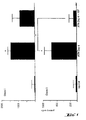
- MHC Class I and II gene induction is also studied at the protein level using radiolabelled monoclonal antibodies (RIA) against Class I and II (Table II and III and Graphs 1 and 2 shown in Figures 1 and 2, respectively).
- RIA monoclonal antibodies
- rhlGF-I reduces, by approximately 60-70%, Class I and II product expression.
- Class I is detected mainly in the basolateral aspect of tubular cells at the outer stripe of the outer medulla with a focal and segmental distribution and is reduced by treatment with rhlGF-I (Tables IV and V).
- Class II expression as previously described, is not detected by staining at days 4 and 5.
- rhlGF-I also reduces cytokine gene induction after induction of ATN.
- IL-2, IL-10, GM-CSF, IFN- ⁇ , TNF-a and TGF- ⁇ -1 and a marked reduction of ppEGF genes are found in ATN kidneys.
- Administration of rhlGF-I reduces the induction of all cytokine genes and reduces the extent of ppEGF mRNA decrease induced by ATN (Table VI).
- the ability of rhlGF to reduce the cytokine and inflammatory response may reflect (a) reduction in the extent of injury; (b) increased spead of recovery from injury; (c) a direct inhibition of the cytokine and inflammatory response; and (d) a combinantion of these mechanisms.
- Table I MHC Gene Induction After Ischemic Injury - Effect of rhlGF-I Class I Class II Normal - - ATN day 5 +++ +++ ATN day 5 + rhlGF-I ++ ++ Results in Table I are expressed as the difference between left (ischemic) and right kidney (from + to +++) using Northern blot analysis.
- Table II Ischemia-Induced MHC Expression - Effect of rhlGF-I Class I Class II Normal -222.3 ⁇ 412.6 -61.2 ⁇ 258.9 ATN day 5 2156 ⁇ 618.2 1577.3 ⁇ 407.8 ATN day 5 + rhlGF-I 1258.4 ⁇ 429.2 498.7 ⁇ 536.9 Results in Table II are expressed as the difference between left (ischemic) and right kidney using radiolabelled mAbs against MHC Class I and II products (RIA) (Mean cpm ⁇ SEM).
- RIA radiolabelled mAbs against MHC Class I and II products
- Table III Ischemia-Induced MHC Expression - Effect of rhlGF-I Class I Class II Normal 41.5 ⁇ 164.7 35.7 ⁇ 75 ATN day 4 1447.8 ⁇ 177 757.2 ⁇ 204.8 ATN day 4 + rhlGF-I 883.6 ⁇ 460 97.7 ⁇ 132.3 Results in Table III are expressed as the difference between left (ischemic) and right kidney using radiolabelled mAbs against NHC Class I and II products (RIA) (Mean cpm ⁇ SEM).
- Table IV Ischemia-Induced Renal MHC Expression - Effect of rhlGF-I Class I Class II Tubular Interstitial Tubular Interstitial ATN day 4 +++ - - - ATN day 4 + rhIGF-I ++ ⁇ - - - Results in Table VI are expressed as intensity of immunoperoxidase straining (from - to ++++) using anti-Class I and II mAbs.
- Table V Ischemia-Induced Renal MHC Expression - Effect of rhlGF-I Class I Class II Tubular Interstitial Tubular Interstitial ATN day 5 +++ - ⁇ /+ - ATN day 5 + rhlGF-I ⁇ - -/ ⁇ - Results in Table V are expressed as intensity of immunoperoxidase straining (from - to ++++) using anti-Class I and II mAbs.
- Table VI Cytokine Gene Induction After Ischemic Injury - Effect of rhlGF-I IL-10 GM-CSF IFN- ⁇ TNF - ⁇ TGF- ⁇ -1 ppEGF Normal - - ⁇ - - - ATN day 5 +++ +++ +++ +++ +++ --- ATN day 5 + rhIGF-I ++ - ⁇ ++ ++ -- Results in Table VI are expressed as the difference between left (ischemic) and right (normal) kidney (from + to +++) using RT-PCR for IL-10, GM-CSF, IFN- ⁇ and Northern blot analysis for TNF- ⁇ , TGF- ⁇ -1, and ppEGF.
- the yeast strain JSC417 transformed with plasmid pYLUIGF1-24 is deposited with the American Type Culture Collection (ATCC) located at 12301 Parklawn Drive, Rockville, Maryland 20852, on August 2, 1994 with ATCC Accession No. 74295
Landscapes
- Health & Medical Sciences (AREA)
- Life Sciences & Earth Sciences (AREA)
- Engineering & Computer Science (AREA)
- Chemical & Material Sciences (AREA)
- Organic Chemistry (AREA)
- General Health & Medical Sciences (AREA)
- Medicinal Chemistry (AREA)
- Bioinformatics & Cheminformatics (AREA)
- Genetics & Genomics (AREA)
- General Engineering & Computer Science (AREA)
- Pharmacology & Pharmacy (AREA)
- Animal Behavior & Ethology (AREA)
- Public Health (AREA)
- Veterinary Medicine (AREA)
- Molecular Biology (AREA)
- Zoology (AREA)
- Nuclear Medicine, Radiotherapy & Molecular Imaging (AREA)
- Gastroenterology & Hepatology (AREA)
- General Chemical & Material Sciences (AREA)
- Chemical Kinetics & Catalysis (AREA)
- Diabetes (AREA)
- Endocrinology (AREA)
- Biochemistry (AREA)
- Biophysics (AREA)
- Proteomics, Peptides & Aminoacids (AREA)
- Mechanical Engineering (AREA)
- Toxicology (AREA)
- Biomedical Technology (AREA)
- Cardiology (AREA)
- Wood Science & Technology (AREA)
- Biotechnology (AREA)
- Heart & Thoracic Surgery (AREA)
- Immunology (AREA)
- Microbiology (AREA)
- Epidemiology (AREA)
- Urology & Nephrology (AREA)
- Physics & Mathematics (AREA)
- Vascular Medicine (AREA)
- Plant Pathology (AREA)
- Rheumatology (AREA)
Applications Claiming Priority (2)
| Application Number | Priority Date | Filing Date | Title |
|---|---|---|---|
| US30249494A | 1994-09-08 | 1994-09-08 | |
| EP95931218A EP0779816A1 (de) | 1994-09-08 | 1995-08-29 | Verwendung der insulinartigen wachstumsfaktoren i und ii zur hemmung von entzundlichen antworten |
Related Parent Applications (1)
| Application Number | Title | Priority Date | Filing Date |
|---|---|---|---|
| EP95931218A Division EP0779816A1 (de) | 1994-09-08 | 1995-08-29 | Verwendung der insulinartigen wachstumsfaktoren i und ii zur hemmung von entzundlichen antworten |
Publications (2)
| Publication Number | Publication Date |
|---|---|
| EP1764106A2 true EP1764106A2 (de) | 2007-03-21 |
| EP1764106A3 EP1764106A3 (de) | 2007-04-04 |
Family
ID=23167961
Family Applications (2)
| Application Number | Title | Priority Date | Filing Date |
|---|---|---|---|
| EP95931218A Ceased EP0779816A1 (de) | 1994-09-08 | 1995-08-29 | Verwendung der insulinartigen wachstumsfaktoren i und ii zur hemmung von entzundlichen antworten |
| EP06124240A Withdrawn EP1764106A3 (de) | 1994-09-08 | 1995-08-29 | Verwendung der insulinartigen Wachstumsfaktoren I zur Hemmung einer ischämischen Verletzung in die Leber |
Family Applications Before (1)
| Application Number | Title | Priority Date | Filing Date |
|---|---|---|---|
| EP95931218A Ceased EP0779816A1 (de) | 1994-09-08 | 1995-08-29 | Verwendung der insulinartigen wachstumsfaktoren i und ii zur hemmung von entzundlichen antworten |
Country Status (11)
| Country | Link |
|---|---|
| US (3) | US5728676A (de) |
| EP (2) | EP0779816A1 (de) |
| JP (1) | JPH10505076A (de) |
| KR (1) | KR100429752B1 (de) |
| AU (1) | AU710303B2 (de) |
| CA (1) | CA2198018A1 (de) |
| IL (1) | IL115118A (de) |
| MX (1) | MX9701776A (de) |
| NZ (1) | NZ292540A (de) |
| WO (1) | WO1996007424A1 (de) |
| ZA (1) | ZA957512B (de) |
Families Citing this family (15)
| Publication number | Priority date | Publication date | Assignee | Title |
|---|---|---|---|---|
| US7193042B1 (en) * | 1995-06-07 | 2007-03-20 | Chiron Corporation | Methods for purifying authentic IGF from yeast hosts |
| US7071313B1 (en) * | 1995-06-07 | 2006-07-04 | Cephalon, Inc. | Methods of purifying authentic IGF from yeast hosts |
| DE19544233A1 (de) * | 1995-11-28 | 1997-06-05 | Hoechst Ag | Verfahren zur Nutzung des Hefe-ADH II-Promotorsystems zur biotechnologischen Produktion heterologer Proteine in hohen Ausbeuten |
| FR2756845B1 (fr) * | 1996-12-06 | 1999-02-26 | Genset Sa | Sequence nucleotidique codant pour une flavine monooxygenase , proteine correspondante et composition destinee au diagnostic et a la therapie du glaucome |
| US20030069177A1 (en) * | 2000-05-16 | 2003-04-10 | Genentech, Inc. | Method for treating cartilage disorders |
| US7074762B2 (en) | 1998-01-05 | 2006-07-11 | Washington University | Composition and method for improving function of embryonic kidney transplants |
| JP2002510646A (ja) * | 1998-04-03 | 2002-04-09 | カイロン コーポレイション | 関節軟骨障害を処置するためのigfiの使用 |
| US7067144B2 (en) * | 1998-10-20 | 2006-06-27 | Omeros Corporation | Compositions and methods for systemic inhibition of cartilage degradation |
| CA2356109C (en) * | 1999-01-06 | 2008-04-22 | Genentech, Inc. | Insulin-like growth factor (igf) i mutant variants |
| EP1200127B1 (de) * | 1999-07-21 | 2008-06-25 | Omeros Corporation | Spüllösungen und verfahren zur schmerzhemmung, entzündungshemmung und hemmung des knorpelabbaus |
| CA2617578C (en) * | 2005-08-01 | 2013-12-17 | Genera Doo | Methods and compositions for regenerating articular cartilage |
| US20080020982A1 (en) * | 2006-07-21 | 2008-01-24 | Patrice Delafontaine | Methods and compositions for treatment of atherosclerosis |
| JP5707101B2 (ja) * | 2009-11-11 | 2015-04-22 | 国立大学法人山口大学 | 消化器疾患治療剤 |
| WO2013050529A2 (en) * | 2011-10-06 | 2013-04-11 | European Molecular Biology Laboratory | Use of igf-1 in the modulation of treg cell activity and the treatment and prevention of autoimmune disorders or diseases |
| WO2015106224A2 (en) * | 2014-01-12 | 2015-07-16 | Hugh Mctavish | Fusion proteins containing insulin-like growth factor-1 and epidermal growth factor and variants thereof and uses thereof |
Family Cites Families (46)
| Publication number | Priority date | Publication date | Assignee | Title |
|---|---|---|---|---|
| CA1341302C (en) * | 1983-02-22 | 2001-10-09 | Rae Lyn Burke | Yeast expression systems with vectors having gapdh or pyk promoters and synthesis of foreign protein |
| DE3486216T2 (de) * | 1983-04-25 | 1994-02-17 | Chiron Corp | Hybrid-DNS-Synthesis von reifen insulinähnlichen Wachstumsfaktoren. |
| IL71991A (en) * | 1983-06-06 | 1994-05-30 | Genentech Inc | Preparation of human FGI and FGE in their processed form through recombinant AND tranology in prokaryotes |
| JPS6035476A (ja) * | 1983-08-05 | 1985-02-23 | 日新電機株式会社 | 接続断路用接栓 |
| WO1985000831A1 (en) * | 1983-08-10 | 1985-02-28 | Amgen | Microbial expression of insulin-like growth factor |
| US5028531A (en) * | 1984-03-19 | 1991-07-02 | Fujisawa Pharmaceutical Company, Ltd. | IGF-I fusion proteins; protection of IGF-I from degradation by host cell; and processes for the production thereof |
| DK108685A (da) * | 1984-03-19 | 1985-09-20 | Fujisawa Pharmaceutical Co | Vaekstfaktor i |
| US4738921A (en) * | 1984-09-27 | 1988-04-19 | Eli Lilly And Company | Derivative of the tryptophan operon for expression of fused gene products |
| US4837148A (en) * | 1984-10-30 | 1989-06-06 | Phillips Petroleum Company | Autonomous replication sequences for yeast strains of the genus pichia |
| US4783524A (en) * | 1985-09-17 | 1988-11-08 | Monsanto Company | Growth factors |
| ATE84065T1 (de) * | 1986-10-09 | 1993-01-15 | Fujisawa Pharmaceutical Co | Expressionsvektor fuer menschlichen insulinaehnlichen wachstumsfaktor-i. |
| CA1322714C (en) * | 1986-11-14 | 1993-10-05 | Harry N. Antoniades | Wound healing and bone regeneration |
| DE3785758T2 (de) * | 1986-11-14 | 1993-08-05 | Harvard College | Wundheilung und knochenregeneration. |
| EP0289477A3 (de) * | 1987-04-28 | 1989-03-08 | Valmet Paper Machinery Inc. | Verfahren zur Heisspressung von Papierbahnen und Trocknungsanlage zur Durchführung des Verfahrens |
| JPS6458013A (en) * | 1987-08-20 | 1989-03-06 | Ibm | Method and data processing system for guaranteeing large area identification and management of data memory |
| GB8723660D0 (en) * | 1987-10-08 | 1987-11-11 | British Bio Technology | Synthetic gene |
| US4929555A (en) * | 1987-10-19 | 1990-05-29 | Phillips Petroleum Company | Pichia transformation |
| US4988675A (en) * | 1988-02-05 | 1991-01-29 | Ciba-Geigy Corporation | Method for preventing secondary effects |
| ATE86496T1 (de) * | 1988-02-05 | 1993-03-15 | Ciba Geigy Ag | Verwendung von igf i zur herstellung eines praeparates fuer die behandlung von nierenkrankheiten. |
| US5093317A (en) * | 1989-06-05 | 1992-03-03 | Cephalon, Inc. | Treating disorders by application of insulin-like growth factor |
| FR2649120B1 (fr) * | 1989-06-30 | 1994-01-28 | Cayla | Nouvelle souche et ses mutants de champignons filamenteux, procede de production de proteines recombinantes a l'aide de ladite souche et souches et proteines obtenues selon ce procede |
| WO1991001720A1 (en) * | 1989-08-07 | 1991-02-21 | Herman Wade Schlameus | Composition and method of promoting hard tissue healing |
| US5158875A (en) * | 1989-08-25 | 1992-10-27 | Amgen Inc. | Production of biologically active insulin-like growth factor i from high expression host cell systems |
| WO1991004282A1 (fr) * | 1989-09-21 | 1991-04-04 | Idemitsu Kosan Co., Ltd. | Polymere et copolymere d'arylstyrene et procede de preparation de tels polymeres |
| ZA9010332B (en) * | 1989-12-22 | 1991-08-28 | Ciba Geigy | Method of reducing or preventing adverse effect of steroid therapy and compositions therefor |
| NZ236618A (en) * | 1990-01-03 | 1997-06-24 | Ciba Geigy Ag | Treating and preventing osteoporosis using insulin-like growth factor i (igf i) in conjunction with a bone antiresorptive active compound |
| CA2090969C (en) * | 1990-09-04 | 2001-08-21 | Russell Arthur Brierley | Production of insulin-like growth factor-1 in methylotrophic yeast cells |
| IL99526A0 (en) * | 1990-09-28 | 1992-08-18 | Lilly Co Eli | Expression vector construction utilizing viral sequences for selective expression of useful substances |
| SE9100099D0 (sv) * | 1991-01-11 | 1991-01-11 | Kabi Pharmacia Ab | Use of growth factor |
| US5206023A (en) * | 1991-01-31 | 1993-04-27 | Robert F. Shaw | Method and compositions for the treatment and repair of defects or lesions in cartilage |
| US5187151A (en) * | 1991-02-12 | 1993-02-16 | Genentech, Inc. | Use of binding protein with igf-i as an anabolic growth promoting agent |
| SE9101840L (sv) * | 1991-06-14 | 1992-12-15 | Kabi Pharmacia | Ny medicinsk anvaendning |
| ATE255131T1 (de) * | 1991-06-14 | 2003-12-15 | Genentech Inc | Humanisierter heregulin antikörper |
| DE69218948T2 (de) * | 1991-08-01 | 1997-07-31 | Auckland Uniservices Ltd | IGF-I zur Verbesserung der neuronale Lage |
| US5270300A (en) * | 1991-09-06 | 1993-12-14 | Robert Francis Shaw | Methods and compositions for the treatment and repair of defects or lesions in cartilage or bone |
| US6310040B1 (en) * | 1991-11-08 | 2001-10-30 | Cephalon, Inc. | Treating retinal neuronal disorders by the application of insulin-like growth factors and analogs |
| WO1993010806A1 (en) * | 1991-11-25 | 1993-06-10 | Institute Of Molecular Biology, Inc. | Medicament for promoting growth of mammalian nerve |
| US5288931A (en) * | 1991-12-06 | 1994-02-22 | Genentech, Inc. | Method for refolding insoluble, misfolded insulin-like growth factor-I into an active conformation |
| TW267102B (de) * | 1992-03-13 | 1996-01-01 | Ciba Geigy | |
| EP0728142A4 (de) * | 1992-03-18 | 1997-05-02 | Osteosa Inc | Neuartiger, aus geweih hergestellte knochenwachstumsfaktor |
| NZ260309A (en) * | 1992-06-08 | 1997-07-27 | Pharmacia Ab Substituted For K | Use of 1gf-2 for prevention or treatment of nutritional or gastrointestinal disorders and promoting neonatal growth |
| CA2114419A1 (en) * | 1992-06-08 | 1993-12-23 | Peter D. Gluckman | Use of growth factor igf-i and/or igf-ii |
| NZ253867A (en) * | 1992-06-12 | 1996-08-27 | Cephalon Inc | Treating peripheral neuropathy using igf-1 or igf-3 |
| US5273961A (en) * | 1992-09-22 | 1993-12-28 | Genentech, Inc. | Method of prophylaxis of acute renal failure |
| EP0726911B1 (de) * | 1993-09-20 | 2002-10-30 | Celtrix Pharmaceuticals, Inc. | Behandlung von hematologischen störungen mit einem igf-1/igfbp-3 komplex |
| JPH09509141A (ja) * | 1993-11-15 | 1997-09-16 | セルトリックス ファーマシューティカルズ,インコーポレイテッド | Igf‐iおよびigfbp‐3を投与することによる腎臓疾患処置の方法 |
-
1995
- 1995-05-19 US US08/444,849 patent/US5728676A/en not_active Expired - Fee Related
- 1995-05-19 US US08/444,848 patent/US5712249A/en not_active Expired - Fee Related
- 1995-08-29 AU AU34740/95A patent/AU710303B2/en not_active Ceased
- 1995-08-29 KR KR1019970701543A patent/KR100429752B1/ko not_active Expired - Fee Related
- 1995-08-29 WO PCT/EP1995/003393 patent/WO1996007424A1/en not_active Ceased
- 1995-08-29 CA CA002198018A patent/CA2198018A1/en not_active Abandoned
- 1995-08-29 EP EP95931218A patent/EP0779816A1/de not_active Ceased
- 1995-08-29 NZ NZ292540A patent/NZ292540A/xx not_active IP Right Cessation
- 1995-08-29 JP JP8509170A patent/JPH10505076A/ja active Pending
- 1995-08-29 EP EP06124240A patent/EP1764106A3/de not_active Withdrawn
- 1995-08-29 MX MX9701776A patent/MX9701776A/es unknown
- 1995-08-31 IL IL115118A patent/IL115118A/en not_active IP Right Cessation
- 1995-09-07 ZA ZA957512A patent/ZA957512B/xx unknown
-
1997
- 1997-05-16 US US08/857,774 patent/US5843899A/en not_active Expired - Fee Related
Also Published As
| Publication number | Publication date |
|---|---|
| US5728676A (en) | 1998-03-17 |
| JPH10505076A (ja) | 1998-05-19 |
| MX9701776A (es) | 1997-10-31 |
| AU710303B2 (en) | 1999-09-16 |
| IL115118A0 (en) | 1995-12-08 |
| WO1996007424A1 (en) | 1996-03-14 |
| IL115118A (en) | 2006-08-20 |
| KR970705407A (ko) | 1997-10-09 |
| EP1764106A3 (de) | 2007-04-04 |
| AU3474095A (en) | 1996-03-27 |
| NZ292540A (en) | 1999-08-30 |
| KR100429752B1 (ko) | 2004-07-16 |
| CA2198018A1 (en) | 1996-03-14 |
| US5712249A (en) | 1998-01-27 |
| EP0779816A1 (de) | 1997-06-25 |
| US5843899A (en) | 1998-12-01 |
| ZA957512B (en) | 1996-05-23 |
Similar Documents
| Publication | Publication Date | Title |
|---|---|---|
| US5712249A (en) | Use of insulin-like growth factors I and II for inhibition of inflammatory response | |
| CN114901680B (zh) | 长效glp-1化合物 | |
| US7718604B2 (en) | Use of IL-22 for the treatment of conditions of metabolic disorders | |
| JP2662390B2 (ja) | インシユリン類似体 | |
| US10786551B2 (en) | Use of interleukin-22 in the treatment of fatty liver disease | |
| JP6325585B2 (ja) | インターロイキン−22のウイルス性肝炎の治療における応用 | |
| EP0235205B1 (de) | Peptidanalogedes insulinähnlichen wachstumsfaktors-1 bei säugetieren | |
| JPH01156998A (ja) | 血清担体タンパク質との結合力が減少しているヒトインスリン様成長因子類以体及び酵母におけるそれらの産生 | |
| KR100520723B1 (ko) | 파골(破骨)세포 형성 억제제 | |
| EP2385841A1 (de) | Prävention und/oder behandlung von multiplem organversagen mit interleukin-22 | |
| US5683894A (en) | Recombinant nerve growth factor | |
| AU779507B2 (en) | Use of insulin-like growth factors I and II for inhibition of inflammatory response | |
| AU615194B2 (en) | Bovine growth hormone analogs | |
| AU4237699A (en) | Use of insulin-like growth factors I and II for inhibition of inflammatory response | |
| AU2005201558A1 (en) | Use of insulin-like growth factors I and II for inhibition of inflammatory response | |
| EP0366532B1 (de) | Glycosyliertes Interleukin-2 enthaltende Medikamente | |
| US5962416A (en) | Accelerating animal hoof growth with somatotropin | |
| CN120676931A (zh) | Engrailed蛋白的稳定水性组合物 | |
| JP2000506517A (ja) | 肥満症タンパク質化合物およびその製剤 | |
| JP2001192396A (ja) | インターフェロン−γの活性を有するタンパク質の高純度製造法、イヌインターフェロン−γの活性を有する高純度タンパク質、イヌ疾病の治療剤およびイヌ疾病の治療方法 |
Legal Events
| Date | Code | Title | Description |
|---|---|---|---|
| PUAI | Public reference made under article 153(3) epc to a published international application that has entered the european phase |
Free format text: ORIGINAL CODE: 0009012 |
|
| PUAL | Search report despatched |
Free format text: ORIGINAL CODE: 0009013 |
|
| AC | Divisional application: reference to earlier application |
Ref document number: 0779816 Country of ref document: EP Kind code of ref document: P |
|
| AK | Designated contracting states |
Kind code of ref document: A2 Designated state(s): AT BE BG CH CY CZ DE DK EE ES FI FR GB GR HU IE IS IT LI LT LU LV MC NL PL PT RO SE SI SK TR |
|
| AX | Request for extension of the european patent |
Extension state: AL BA HR MK YU |
|
| AK | Designated contracting states |
Kind code of ref document: A3 Designated state(s): AT BE BG CH CY CZ DE DK EE ES FI FR GB GR HU IE IS IT LI LT LU LV MC NL PL PT RO SE SI SK TR |
|
| AX | Request for extension of the european patent |
Extension state: AL BA HR MK YU |
|
| 17P | Request for examination filed |
Effective date: 20071004 |
|
| 17Q | First examination report despatched |
Effective date: 20071112 |
|
| AKX | Designation fees paid |
Designated state(s): AT BE CH DE DK ES FR GB GR IE IT LI LU MC NL PT SE |
|
| RAP1 | Party data changed (applicant data changed or rights of an application transferred) |
Owner name: NOVARTIS-PHARMA GMBH Owner name: NOVARTIS AG |
|
| STAA | Information on the status of an ep patent application or granted ep patent |
Free format text: STATUS: THE APPLICATION IS DEEMED TO BE WITHDRAWN |
|
| 18D | Application deemed to be withdrawn |
Effective date: 20080326 |