EP1765398B1 - Mit hiv gp41 in wechselwirkung stehende menschliche antikörper - Google Patents
Mit hiv gp41 in wechselwirkung stehende menschliche antikörper Download PDFInfo
- Publication number
- EP1765398B1 EP1765398B1 EP05754872A EP05754872A EP1765398B1 EP 1765398 B1 EP1765398 B1 EP 1765398B1 EP 05754872 A EP05754872 A EP 05754872A EP 05754872 A EP05754872 A EP 05754872A EP 1765398 B1 EP1765398 B1 EP 1765398B1
- Authority
- EP
- European Patent Office
- Prior art keywords
- antibody
- seq
- hiv
- region
- amino acids
- Prior art date
- Legal status (The legal status is an assumption and is not a legal conclusion. Google has not performed a legal analysis and makes no representation as to the accuracy of the status listed.)
- Expired - Lifetime
Links
Images





Classifications
-
- G—PHYSICS
- G01—MEASURING; TESTING
- G01N—INVESTIGATING OR ANALYSING MATERIALS BY DETERMINING THEIR CHEMICAL OR PHYSICAL PROPERTIES
- G01N33/00—Investigating or analysing materials by specific methods not covered by groups G01N1/00 - G01N31/00
- G01N33/48—Biological material, e.g. blood, urine; Haemocytometers
- G01N33/50—Chemical analysis of biological material, e.g. blood, urine; Testing involving biospecific ligand binding methods; Immunological testing
- G01N33/53—Immunoassay; Biospecific binding assay; Materials therefor
- G01N33/569—Immunoassay; Biospecific binding assay; Materials therefor for microorganisms, e.g. protozoa, bacteria, viruses
- G01N33/56983—Viruses
- G01N33/56988—HIV or HTLV
-
- A—HUMAN NECESSITIES
- A61—MEDICAL OR VETERINARY SCIENCE; HYGIENE
- A61P—SPECIFIC THERAPEUTIC ACTIVITY OF CHEMICAL COMPOUNDS OR MEDICINAL PREPARATIONS
- A61P31/00—Antiinfectives, i.e. antibiotics, antiseptics, chemotherapeutics
- A61P31/12—Antivirals
- A61P31/14—Antivirals for RNA viruses
- A61P31/18—Antivirals for RNA viruses for HIV
-
- C—CHEMISTRY; METALLURGY
- C07—ORGANIC CHEMISTRY
- C07K—PEPTIDES
- C07K16/00—Immunoglobulins [IG], e.g. monoclonal or polyclonal antibodies
- C07K16/08—Immunoglobulins [IG], e.g. monoclonal or polyclonal antibodies against material from viruses
- C07K16/10—RNA viruses
- C07K16/112—Retroviridae (F), e.g. leukemia viruses
- C07K16/114—Lentivirus (G), e.g. human immunodeficiency virus [HIV], feline immunodeficiency virus [FIV] or simian immunodeficiency virus [SIV]
- C07K16/1145—Env proteins, e.g. gp41, gp110/120, gp160, V3, principal neutralising domain [PND] or CD4-binding site
-
- C—CHEMISTRY; METALLURGY
- C07—ORGANIC CHEMISTRY
- C07K—PEPTIDES
- C07K2317/00—Immunoglobulins specific features
- C07K2317/20—Immunoglobulins specific features characterized by taxonomic origin
- C07K2317/21—Immunoglobulins specific features characterized by taxonomic origin from primates, e.g. man
-
- C—CHEMISTRY; METALLURGY
- C07—ORGANIC CHEMISTRY
- C07K—PEPTIDES
- C07K2317/00—Immunoglobulins specific features
- C07K2317/60—Immunoglobulins specific features characterized by non-natural combinations of immunoglobulin fragments
- C07K2317/62—Immunoglobulins specific features characterized by non-natural combinations of immunoglobulin fragments comprising only variable region components
- C07K2317/622—Single chain antibody (scFv)
-
- C—CHEMISTRY; METALLURGY
- C07—ORGANIC CHEMISTRY
- C07K—PEPTIDES
- C07K2317/00—Immunoglobulins specific features
- C07K2317/70—Immunoglobulins specific features characterized by effect upon binding to a cell or to an antigen
- C07K2317/76—Antagonist effect on antigen, e.g. neutralization or inhibition of binding
-
- G—PHYSICS
- G01—MEASURING; TESTING
- G01N—INVESTIGATING OR ANALYSING MATERIALS BY DETERMINING THEIR CHEMICAL OR PHYSICAL PROPERTIES
- G01N2500/00—Screening for compounds of potential therapeutic value
Definitions
- the present invention relates to a human immunodeficiency virus (HIV) neutralizing antibody that interacts with a conformational epitope along adjacent coils of a trimeric pre-hairpin, N-helix coiled coil structure within the heptad repeat 1 (HR1) region of gp41.
- HIV human immunodeficiency virus
- HR1 heptad repeat 1
- Isolated nucleic acid molecules expressing relevant portions of these antibodies, as well as the purified forms of the expressed antibodies or relevant fragments thereof are also within the scope of the present invention.
- the present disclosure presents methods of selecting for neutralizing antibodies against fusion intermediate mimetics, such as the hydrophobic pocket region of gp41.
- the disclosure of the antibodies of the present invention also provide methods of identifying HIV antiviral compounds.
- antibodies may be utilized in conjunction with one or more mimetics of the hydrophobic pocket within the heptad repeat 1 (HR1) region of the gp41 ectodomain to screen and select for test compounds as an HIV antiviral as well as allowing for the identification of candidate HIV vaccines, such as HIV peptide vaccines.
- the antibody compositions of the present invention may provide for a therapeutic treatment against HIV infection by reducing viral load levels within an infected individual, thus prolonging the asymptomatic phase of HIV infection.
- HIV Human Immunodeficiency Virus
- AIDS acquired human immune deficiency syndrome
- HIV-1/HIV-2 are RNA viruses of the Retroviridae family and exhibits the 5' LTR- gag - pol-env- LTR 3' organization of all retroviruses.
- the integrated form of HIV, known as the provirus is approximately 9.8 Kb in length.
- Each end of the viral genome contains flanking sequences known as long terminal repeats (LTRs).
- LTRs long terminal repeats
- the HIV genes encode at least nine proteins and are divided into three classes; the major structural proteins (Gag, Pol, and Env), the regulatory proteins (Tat and Rev); and the accessory proteins (Vpu, Vpr, Vif and Nef).
- the env gene encodes the viral envelope glycoprotein that is translated as a 160-kilodalton (kDa) precursor (gp160) and then cleaved by a cellular protease to yield the external 120-kDa envelope glycoprotein (gp120) and the transmembrane 41-kDa envelope glycoprotein (gp41).
- Gp120 and gp41 remain associated and are displayed on the viral particles and the surface of HIV-infected cells.
- Gp120 binds to the CD4/chemokine receptor present on the surface of helper T-lymphocytes, macrophages and other target cells in addition to other co-receptor molecules.
- X4 (macrophage tropic) virus show tropism for CD4/CXCR4 complexes while a R5 (T-cell line tropic) virus interacts with a CD4/CCR5 receptor complex.
- gp120 binds to CD4, gp41 mediates the fusion event responsible for virus entry.
- the virus fuses with and enters the target cell, followed by reverse transcription of its single stranded RNA genome into the double-stranded DNA via a RNA dependent DNA polymerase.
- the viral DNA known as provirus, enters the cell nucleus, where the viral DNA directs the production of new viral RNA within the nucleus, expression of early and late HIV viral proteins, and subsequently the production and cellular release of new virus particles.
- Gp41-mediated fusion is a complex process involving three essential components located in the ectodomain of the glycoprotein: an NH 2 -terminal fusion peptide, an NH 2 -terminal heptad repeat ("N-helix”) and a COOH-terminal heptad repeat ("C-helix”).
- the two heptad repeat regions (NH 2 : HR1; COOH: HR2) impart periodic hydrophobicity to the glycoprotein and are predictive of alpha-helical structures that interact with each other to form a fusogenic (i.e ., fusion-active) conformation of gp41 called the "trimer-of hairpins," a common structural motif involved in the fusion mechanism of many enveloped viruses.
- the trimer-of-hairpins structure is a bundle of six ⁇ -helices: three ⁇ -helices (formed by C-helix regions from three gp41 ectodomains) packed in an antiparallel manner against a central, three-stranded coiled-coil (formed by N-helix regions from three gp41 ectodomains):
- the fusion process progresses via the formation of a "pre-hairpin" conformation of gp41 that places the NH 2 -terminal fusion peptide near/in the target cell membrane, exposing the N-helix coiled-coil.
- the trimer-of-hairpins forms when three C-helices fold back to associate with the central, N-helix coiled-coil, drawing the viral and host cell membranes into close contact as a prelude to membrane fusion.
- U.S. Patent No. 5,731,189 (issued 24 March 1998 to Zolla-Pazner and Gorny ) discloses a series of gp41 specific human monoclonal antibodies that interact somewhere within a region from amino acids 579-663, depending upon the antibody.
- Eckert and Kim, PNAS, 2001, 98, 11187-11192 discloses the production of chimeric N-peptides, such as IZN17, and demonstrates that they are potent inhibitors of HIV-1 entry via binding to the transient pre-hairpin intermediate structure of gp41 so inhibiting the formation of the trimer-of-hairpins.
- the present invention addresses and meets this need by disclosing a class of neutralizing anti-HIV antibodies which interact with the HR1 region of the pre-hairpin, pre-fusion gp41 intermediate, and associated screening assays.
- the present invention relates to a HIV neutralizing antibody that interacts with a conformational epitope within a groove of adjacent coils of a trimeric N-peptide pre-hairpin intermediate structure of the heptad repeat 1 (HR1) region of the ectodomain of the HIV transmembrane glycoprotein gp41, wherein the conformational epitope is a hydrophobic pocket specifically located within the groove formed by amino acids 565 to 581 of gp41 on the adjacent coils.
- HR1 heptad repeat 1
- the present invention further relates to a HIV neutralizing antibody that interacts with a conformational epitope within the trimeric N-peptide pre-hairpin coiled coil intermediate structure of the HR1 region of the ectodomain of the HIV transmembrane glycoprotein gp41, wherein the gp41 epitope for the neutralizing antibody comprises at least one of the following gp41 amino acid residues contributed by one or the other of adjacent coils within the trimeric HR1-based structure: Leu565, Gln567, Leu568, Thr569, Val570, Trp571, Gly572, Lys574, Gln575, Gln577, Ala578, Arg579, and Leu581.
- the present invention further relates to a HIV neutralizing antibody that interacts with a conformational epitope within a groove of a trimeric N-peptide pre-fusion intermediate structure of the HR1 region of the ectodomain of the HIV transmembrane glycoprotein gp41, wherein the gp41 epitope for the neutralizing antibody comprises at least one of the following gp41 amino acid residues contributed by one or the other of adjacent coils within the trimeric HR1-based structure: Leu568, Thr569, Val570. Trp571, Gly572, and Lys574.
- the present invention also relates to a HIV neutralizing antibody that interacts with a hydrophobic pocket within a groove of the gp41 trimeric HR1 pre-fusion intermediate, wherein the gp41 epitope within this hydrophobic pocket for the neutralizing antibody comprises at least one of the following gp41 amino acid residues contributed by one or the other of adjacent coils within the trimeric HR1-based structure: Leu568, Va1570, Trp571, and Lys574, with Gly572 contributing a spatial integrity to this region of the pre-fusion trimer.
- the present invention also relates to a HIV neutralizing antibody that interacts with a hydrophobic pocket within groove of the gp41 trimeric HR1 pre-fusion intermediate, wherein the gp41 epitope within this hydrophobic pocket for the neutralizing antibody comprises the following gp41 amino acid residues contributed by one or the other of adjacent coils within the trimeric HR1-based structure: Leu568, Va1570, Trp571, and Lys574, with Gly572 contributing a spatial integrity to this region of the pre-fusion trimer structure.
- the present invention relates to any form of a HIV neutralizing antibody that possesses at least substantially as effective gp41 epitope binding and virus neutralizing characteristics as the D5 and B11 antibodies exemplified herein, including but not limited to affinity matured versions of these exemplified antibodies.
- the present invention further relates to an antibody which comprises at least one CDR region from either the variable light and/or heavy chain from D5, B11, or an affinity matured form of either.
- the present invention also relates to the HIV neutralizing human antibody D5, and any affinity matured form of D5.
- the present invention also relates to the HIV neutralizing human antibody B11, and any affinity matured form of B11.
- the present invention provides for several methodologies which may allow for identification of a HIV neutralizing antibody from a source other than an individual infected with HIV. It is disclosed herein the ability to use a synthetic antigen(s) to isolate a HIV neutralizing antibody. Therefore, both the products and the associated methodology of the present invention may allow for additional strategies regarding the development of an HIV vaccine, including but not necessarily limited to a method of identifying a neutralizing antibody; a method for identifying an HIV vaccine candidate(s) (including but not limited to small molecule inhibitors of viral membrane fusion and/or peptide vaccines).
- the present invention further contemplates the use of D5- or B 11-like antibodies in an antibody/peptide interaction assay involving a D5- or B11-like antibody and at least one HR1 hydrophobic pocket-containing peptide mimetic.
- a therapeutic method for treating a HIV positive subject comprising the administration to the subject a composition which comprises a D5/B 11-like antibody, and optionally one or more carriers, one or more excipients, and/or one or more chemical derivatives.
- Administration of such a composition will be of therapeutic value by leading to a reduction in viral load and thus prolonging the asymptomatic phase of the disease.
- a method of blocking fusion of the human immunodeficiency virus to human cells and a method of preventing infection of human cells by HIV which comprises contacting HIV with an effective amount of a D5/B11-like antibody composition, such that the composition effectively formation of the 6-helical, pre-fusion gp41 structure which normally promotes fusion of the virus with the host cell.
- a HIV neutralizing antibody selected from a source other than an individual infected with HIV, which is an antibody interacting with a conformational epitope within a groove of adjacent coils of the trimeric N-peptide pre-hairpin intermediate HR1 structure from gp41.
- This specification represents a disclosure of the ability to use an antigen to isolate a neutralizing antibody, an antibody which possesses multiple utilities disclosed herein, including but not limited to methodology surrounding the development of an efficacious HIV vaccine with either prophylactic or therapeutic properties.
- Such methodology includes but is not limited to identifying additional broad spectrum HIV antibodies, methods of identifying HIV vaccine candidates, as well as methods associated with prophylactic or therapeutic HIV vaccination regimes.
- the neutralizing antibodies of the present invention have potential at least for the following uses: (1) as a prophylactic or therapeutic agent to directly prevent or reduce infection or treat HIV infected individuals, either alone or in conjunction with any combination therapy that may provide for a suppression of viral replication and, hence, reduce viral load within an infected individual; (2) in designing peptide immunogens that may be used to elicit neutralizing antibody responses in prophylactic or therapeutic vaccination strategies, resulting in either a lower transmission rate to previously uninfected individuals and/or a reduction in the levels of the viral loads within an infected individual, so as to prolong the asymptomatic phase of HIV-1 infection; (3) in an antibody/peptide interaction assay involving the D5- or B11-like antibody and various HR1 hydrophobic pocket-containing peptides; (4) to generate a prophylactic or therapeutic anti-idiotypic antibody (Ab2) mimicking the cryptic epitope(s) that bind the neutralizing antibodies of the present invention; and, (5) in designing peptides derived from the complementarity
- CDR-derived peptides can be used as therapeutics to treat HIV-infected individuals or, by conjugation to a carrier protein, to generate antibodies with similar specificity and function as the anti-idiotypic Ab2 antibodies described above.
- Specific knowledge of this antigen-antibody interaction described throughout this specification will allow for design of a peptide immunogen comprising this region to the exclusion of portion of the N-peptide which would induce the formation in vivo of non-neutralizing antibodies.
- Such peptides may contain mutations at residues which do not bind D5 or may be 'trimmed' to delete 'non-D5' binding regions in order to reduce generation of non-neutralizing antibodies.
- Putative new designed molecules may be validated as immunogens by screening for binding to the broadly neutralizing HIV antibodies disclosed herein.
- the binders with the highest affinity are candidates as a peptide eliciting a relevant D5/B 11 immune response and for representing a faithful mimetic of gp41 N-region hydrophobic pocket in the fusion intermediate.
- gp41 HR1 peptide mimetics may be identified by panning a D5/B11 antibody or relevant derivative against a library generated from various known enrichment technologies, including but not limited to a phage-display peptide library (e.g., a knottin or similar rock-type library to obtain a mimetic peptide within a scaffold that delimits its flexibility).
- This peptide might serve either as an immunogen as part of a conjugate, or as anti-viral drugs themselves, including but not limited to a naked form, a form conjugated to PEG, or a form incorporated in carrier, such as recombinantly inserting this peptide mimetic into a carrier protein such as HepB core (into one of the loops) or similar such virion-based carrier systems (e.g., HPV).
- a carrier protein such as HepB core (into one of the loops) or similar such virion-based carrier systems (e.g., HPV).
- These neutralizing antibodies recognize a conformational epitope formed from adjacent coiled structures of a trimeric pre-fusion intermediate within the HR1 region of the ectodomain of the HIV transmembrane glycoprotein gp41.
- HR1 heptad repeat
- a commercially viable form such as the IgG class, a murine monoclonal, a murine-human chimeric antibody, a humanized antibody and/or a human antibody sourced from either a humanized transgenic mouse or an antibody or antibody fragment initially selected from libraries utilizing enrichment technologies, including but not limited to an antibody identified through phage display technology, as exemplified herein.
- An object of the present invention is to provide the HIV neutralizing human antibody D5 and/or B11, and affinity matured forms thereof.
- Another object of the present invention provides for assays utilizing the D5/B11 antibodies of the present invention in antibody/peptide/test compound interaction assays to select antiviral compounds, such as small molecule inhibitors of viral fusion and/or peptides which will promote a neutralizing response upon host administration.
- trimeric as used in conjunction with the gp41 N-heptad pre-fusion intermediate, may be used interchangeably with terms such as "N-helices” or “gp41 N-peptide hairpins” or “N-helix coiled coil”, “N-terminal heptad repeat", and like phrases.
- D5/B11 As used herein, the term "D5/B11", “D5/B11-like antibody”, “D5/B11-like antibody or affinity matured version thereof', or similar terms is meant to include any form of a D5 or B 11 antibody and/or antibody conjugate, any altered form (i.e., through for example, mutations to the V H , V L or various constant regions of the antibody wherein the antibody retains essentially the same affinity to a gp41 pre-hairpin trimeric structure D5 or B11, and in turn having a neutralizing effect on various HIV strains) of a D5 or B11 antibody, including but not limited to any affinity matured version of a D5, B11, or like antibody, specific binding member and/or antibody conjugate.
- any altered form i.e., through for example, mutations to the V H , V L or various constant regions of the antibody wherein the antibody retains essentially the same affinity to a gp41 pre-hairpin trimeric structure D5 or B11, and in
- Ka is intended to refer to the association constant of a particular antibody-antigen interaction
- Kd is intended to refer to the dissociation constant of a particular antibody-antigen interaction
- IC 50 is the concentration of antibody required to neutralize 50% of a HIV viral population in vitro.
- HIV is meant to represent either HIV-1, HIV-2, or HIV-1 and/or HIV-2.
- Amino acid numbering of HIV gp41 residues used herein relies on the numbering of Ratner et al. (1985, Nature 313:277-283 ).
- neutralizing is used as in the art, namely to denote the ability of an isolated antibody to prevent viral infection in an in vitro cell/virus-based assay. Neutralizing activity may be measured quantitatively as the IC 50 value for that specific antibody.
- An antibody of the present invention is a "neutralizing antibody” or an "HIV neutralizing antibody” if that antibody is shown in an art accepted infectivity assay to neutralize at least one HIV isolate.
- a neutralizing antibody of the present invention may provide for increased utility by possessing a broader spectrum of HIV neutralizing activity. Such a broad neutralizing antibody will be an antibody which neutralizes more than one HIV isolate being diverse at the amino acid level (e.g., such as Bal, 89.6 and/or HOB).
- a broadly neutralizing antibody is an antibody that will neutralize a mix of X4, R5, and X4/R5 isolates and/or have the ability to neutralize HIV strains from different cades.
- An antibody is determined to neutralize a specific HIV isolate if the IC 50 for that antibody is in a range up to about 100uM.
- transfection is meant to include any method known in the art for introducing a nucleic acid molecule (e.g., expression vector) into host cells.
- transfection includes calcium phosphate or calcium chloride mediated transfection, lipofection, infection with a viral vector construct and/or electroporation.
- the prokaryotic or eukaryotic cells disclosed herein and those host cells contemplated for use with the components of the present invention may either be transiently transfected or stably transformed with expression vectors disclosed herein.
- Such host cells may also be "transformed", meaning a genetic change to the target cell resulting from an incorporation of a nucleic acid molecule (e.g., expression vector).
- the present invention relates to a HIV neutralizing antibody that interacts with a hydrophobic pocket within the heptad repeat 1 (HR1) region of the ectodomain of the HIV transmembrane glycoprotein gp41, wherein the conformational epitope is a hydrophobic pocket specifically loaded within a groove formed by amino acids 565 to 581 p41 on the adjacent coils.
- HR1 heptad repeat 1
- CXCR4 or CCR5 chemokine co-receptor
- the ecto-domain of gp41 transitions through various conformational intermediates that are believed to include a pre-hairpin structure.
- This pre-hairpin intermediate exposes the N-terminal fusion peptide which inserts into the target cell membrane.
- the ecto-domain proceeds to form a hairpin structure, which results in the juxtaposition of the target cell plasma membrane and the virion envelope.
- Gp41 exists in a trimeric state on the surface of the virion.
- the gp41 ecto-domain contains two distinct HR regions, designated HR1 and HR2.
- the HR1 region from three independent gp41 proteins interact with each other to form a trimeric coiled-coil structure that exposes on its surface three symmetrical grooves.
- the HR2 regions fold back and interacts with the grooves present on the surface of the coiled-coil structure.
- the C-terminal halves of adjacent HR1 segments form a hydrophobic pocket which accommodates three key residues from the N-terminal portion of the HR2 region.
- the integrity of this pocket is critical for fusion and HIV infectivity. It is an object of the present invention to identify human antibodies that target this pre-hairpin, pre-fusogenic N-helix coiled intermediate structure (see Figure 14 ).
- This gp41-mediated fusion process represents an excellent target for the development of therapeutic antibodies.
- phage display technology from Cambridge Antibody Technology (CAT) was utilized in conjunction with two specific selecting peptides, 5-Helix and IZN36, which both present the groove structure formed by adjacent HR1 regions.
- 5-Helix is composed of a series of three alternating N-peptides and two C-peptides derived from HR1 and HR2, respectively which are united by small peptidic linkers.
- the amino acid sequence of 5-helix, with peptide linkers and a COOH-terminal His tag is as follows: M OLLSGIVQOQNNLLRAIEAOOBILLOLTVWGIKOLOARIL AGGSGG HTTWMEWD REINNYTSLIHSLIEESONQQEKNEOELLE GSSGG QLLSGIVQQQNNLLRAIEAQQHLLOLTVWGI KQLQARILA GGSGG HTTWMEWDREINNYTSLIHSLIEESQNQQEKNEQELLE GSSGG QLLSGIVQ QQNNLLRAIEAQQHLLQLTVWGIKQLQARILA GGHHHHHHG (SEQ ID NO: 13).
- the portion of 5-Helix in single underline represents the three N40 regions while the double underlined portion represents the two C38 regions, with the appropriate linkers and a His tag at the COOH terminus (i.e.,-M-N40-N to C linker-C38-C to N linker-N40-N to C linker-C38-C to N linker-N40-His tag; see Root, et al., 2001, Science 291: 884-888 ).
- This artificial peptide folds into a 5-helical bundle due to the absence of one C-peptide, thus exposing one of three potential grooves.
- IZN36 is a chimeric peptide composed of a segment of amino acids that form a Leucine zipper (IZ) and the N peptide region from HR1 (N36).
- the amino acid sequence of IZN36 is as follows: Ac-IKKEIEAIKKEQEAIKKKIEAIEKEISGIVQQQQNNLLRAIEAQQHLLQLTVWGIKQLQARIL-NH 2 (SEQ ID NO: 14; see Eckert and Kim, 2001, Proc. Natl. Acad. Sci. 98(20): 11187-11192 ). Both peptides represent inhibitors of HIV infection, likely due to their ability to engage the native HR2 region which becomes transiently exposed during the process of virion-mediated fusion.
- the epitope for D5 antibody binding is localized to the hydrophobic pocket region formed by the carboxy terminal half of the HR1 region.
- Amino acids L568, W571 and K574 of gp41 appear critical for antibody binding and V570 appears to also contribute but to a lesser extent.
- D5 IgG possesses the functional capacity of preventing the in vitro interaction of HR-derived N and C peptides.
- Antibody D5 may inhibit this HIV fusion with target cell membranes by interfering with the intramolecular interactions occurring between the gp41 HR1 and HR2 regions that lead to the formation of the 6-helical bundle.
- the present invention relates to a HIV neutralizing antibody that interacts at least partially with an epitope located within the hydrophobic pocket of the HR1 region of the trimeric, pre-hairpin, pre-fusogenic portion of the gp41 ectodomain, particularly in a "N17" region from about amino acid 565 to about amino acid 581 of gp41, and more particularly a HIV neutralizing antibody that interacts with a conformational epitope of the N-helices coil structure representing this pre-hairpin, pre-fusogenic structure.
- This epitope will comprise at least one, and preferably more than one, of the gp41 amino acid residues L568, V570, W571 and/or K574, and especially three amino acid residues: L568, W571; and K574 or all four amino acid residues: L568, V570, W571 and K574 in adjoining grooves present in the trimeric N-helices coiled structure encompassing the HR1 region of the gp41 ectodomain, with Gly572 contributing a spatial integrity to this region of the pre-fusion trimer.
- D5 and B 11 are single-chain (scFv) fragments and an IgG4 and IgG1 immunoglobulin, respectively
- the antibodies of the present invention may take any form known to the artisan which preserves the binding specificity exemplified herein with both D5 and B 11 scFvs and IgG2 antibodies.
- Such an HIV neutralizing antibody may be any antibody known in the art that binds to a disclosed gp41 N-helices coil epitope.
- antibody as used in any context within this specification is meant to include, but not be limited to, any specific binding member (defined infra), immunoglobulin class and/or isotype (e.g., IgG1, IgG2, IgG3, IgG4, IgM, IgA, IgD, IgE and IgM); and biologically relevant fragment or specific binding member thereof, including but not limited to Fab, F(ab')2, Fv and scFv, which are capable of binding the same epitope within the HR1-based hydrophobic pocket of the gp41 ectodomain as scFv and IgG2 forms of D5 and B11.
- any specific binding member defined infra
- immunoglobulin class and/or isotype e.g., IgG1, IgG2, IgG3, IgG4, IgM, IgA, IgD, IgE and IgM
- biologically relevant fragment or specific binding member thereof including but not limited to Fab, F(
- an "antibody” refers to a glycoprotein comprising at least two heavy (H) chains and two light (L) chains inter-connected by disulfide bonds, or an antigen binding portion thereof.
- a heavy chain is comprised of a heavy chain variable region (V H ) and a heavy chain constant region (C H1 , C H2 and C H3 ).
- a light chain is comprised of a light chain variable region (V L ) and a light chain constant region (C L ).
- the variable regions of both the heavy and light chains comprise a framework (FW) and complementarity determining regions (CDR).
- CDR1, CDR2 and CDR3 represent hypervariable regions and are arranged from NH2 terminus to the COOH terminus as follows: FW1, CDR1, FW2, CDR2, FW3, CDR3, FW4.
- the variable regions of the heavy and light chains contain a binding domain that interacts with an antigen while, depending of the isotype, the constant region(s) may mediate the binding of the immunoglobulin to host tissues or factors.
- an "antibody” is any such entity or specific binding member, which specifically binds to the gp41 epitope as described herein. Any such entity is a candidate for therapeutic applications.
- a specific binding member describes a member of a pair of molecules which have binding specificity for one another.
- the members of a specific binding pair may be naturally derived or wholly or partially synthetically produced.
- One member of the pair of molecules has an area on its surface, or a cavity, which specifically binds to and is therefore complementary to a particular spatial and polar organization of the other member of the pair of molecules.
- the members of the pair have the property of binding specifically to each other.
- an antibody represents a specific binding member that may take on any relevant form which promotes biological activity similar to or more pronounced than for D5/B 11 scFv and/or IGg forms. Therefore, the term “antibody” describes an immunoglobulin, whether natural or partly or wholly synthetically produced; any polypeptide or protein having a binding domain which is, or is substantially homologous to, an antibody binding domain. These can be derived from natural sources, or they may be partly or wholly synthetically produced.
- antibodies are the immunoglobulin isotypes and their isotypic subclasses; fragments which comprise an antigen binding domain such as Fab, scFv, Fv, dAb, Fd and diabodies, as discussed without limitation infra. It is known in the art that it is possible to manipulate monoclonal and other antibodies and use techniques of recombinant DNA technology to produce other antibodies or chimeric molecules which retain the specificity of the original antibody. Such techniques may involve introducing DNA encoding the immunoglobulin variable region, or the complementarity determining regions (CDRs), of an antibody to the constant regions, or constant regions plus framework regions, of a different immunoglobulin.
- CDRs complementarity determining regions
- a hybridoma or other cell producing an antibody may be subject to genetic mutation or other changes, which may or may not alter the binding specificity of antibodies produced.
- the term “antibody” should be construed as covering any specific binding member or substance having a binding domain with the required specificity. Thus, this term covers antibodies, whether natural or wholly or partially synthetic.
- the "antibody” of the present invention is an antibody that comprises an "antigen-binding portion” or “specific binding member” that retains the ability to bind to the HR1 region of gp41 as disclosed herein for a D5 and/or a B11 antibody.
- Such an entity may be a binding fragment encompassed within the term "antigen-binding portion" or "specific binding member” of an antibody including but not limited to (i) artificial antibodies based upon protein scaffolds, including but not limited to fibronectin type III polypeptide antibodies (e.g., see U.S. Patent No. 6,703,199, issued to Koide on March 9, 2004 and PCT International Application publication no. WO 02/32925 ).
- artificial antibodies based upon protein scaffolds including but not limited to fibronectin type III polypeptide antibodies (e.g., see U.S. Patent No. 6,703,199, issued to Koide on March 9, 2004 and PCT International Application publication no. WO 02/32925 ).
- V L and V H are coded for by separate genes, they can be joined, using recombinant methods, by a synthetic liriker that enables them to be made as a single protein chain in which the V L .
- any component of D5/B11-like antibodies as disclosed herein i.e., one or more of the CDR1, 2 and/or regions from the V H and/or V L regions of D5/B11-like antibody
- D5/B11-like antibodies are candidates for illusion, alone or in combination, with the various antibody forms disclosed throughout this specification.
- Another antibody suggested by the present disclosure is an antibody which comprises at least one CDR region from either the variable light and/or heavy chain from D5, B11, or an affinity matured form of either.
- CDR regions which are contemplated for transfer to a relevant "antibody" scaffold comprise at least one of the respective V H and V L CDR regions as disclosed in Figure 4 . namely D5 and B11 V H CDR1 (SYAIS; contained within SEQ ID NO:2 and 8.
- D5 V H CDR2 GIIPIFGTANYAQKFQG contained within SEQ ID NO:2)
- B11 V H CDR2 GIIPLFDTSNYAQNFQG
- D5 V H CDR3 DNPTLLGSDY; contained within SEQ ID NO:2)
- B 11 V H CDR3 DNPLLLAMDV; contained within SEQ ID NO:8)
- D5 and B11 V H CDR1 RASEGIYHWLA
- V H CDR2 KASSLAS
- V H CDR3 QQYSNYPLT
- epitope relates to a protein determinant (such as the hydrophobic pocket formed within the trimeric N-helix coil structure present as a pre-hairpin, pre-fusogenic intermediate within the gp41 heptad repeat 1 (HR1) region which interacts with a D5 and/or B 11 antibody) capable of specific binding to an antibody (such as an antibody or antibody-binding portion which mimics D5 and/or B 11 specific binding).
- HR1 gp41 heptad repeat 1
- epitopes usually consist of chemically active surface groupings of molecules such as amino acids or sugar side chains and usually have specific three dimensional structural characteristics, as well as specific charge characteristics. Conformational and nonconformational epitopes are distinguished in that the binding to the former but not the latter is lost in the presence of denaturing solvents.
- a D5 and/or B 11 antibody or an affinity matured version thereof may be used as a therapeutic agent to treat persons infected with HIV.
- This antibody would be administered to an individual, preferably by intravenous injection, either alone or in combination with other anti-HIV therapy. Therefore, D5 and/or B11, or an affinity matured version thereof, or a small molecule inhibitor of D5- or B 11-like binding with HIV-fusion inhibiting properties, could potentially be used in conjunction with one or more anti-retroviral compounds.
- antigenic peptides designed for the purpose of eliciting D5-/B11-like antibody responses in the setting of therapeutic immunization could be co-administered with a variety of anti-retrovirals.
- Such peptides could elicit, from the immunized individual, D5-/B11-like antibodies that could function in combination with a variety of anti-retrovirals to inhibit HIV replication.
- Classes of anti-retrovirals that could be used with D5-based agents include, but are not limited to, nucleoside reverse transcriptase inhibitors (NRTIs), non-nucleoside reverse transcriptase inhibitors (NNRTIs) and protease inhibitors (PIs).
- NRTIs nucleoside reverse transcriptase inhibitors
- NRTIs non-nucleoside reverse transcriptase inhibitors
- PIs protease inhibitors
- an antibody/peptide interaction assay involving D5 and/or B 11 antibody, or related antibody thereof, and various HR1 hydrophobic pocket-containing peptides may be devised.
- peptide substrates include 5-Helix, IZN36, IZN23 and IZN17.
- Such interaction assays may be utilized for the purpose of high throughput screening to identify small molecules that occupy the hydrophobic pocket of HR1 and displace the antibody.
- small molecules may, in turn, represent HTV fusion inhibitors if they successfully prevent the intramolecular interaction of HR1 and HR2.
- the antibodies of the present invention may also be utilized as a research tool in immunochemical assays, such as Western blots, ELISAs, radioimmunoassays, immunohistochemical assays, immunoprecipitations, or other immunochemical assays known in the art (see, for example, Immunological Techniques Laboratory Manual, ed. Goers, J. 1993, Academic Press ).
- Monospecific murine (mouse) antibodies showing specificity to the gp41 conformational epitope disclosed herein may be purified from mammalian antisera containing antibodies reactive against this region, or may be prepared as monoclonal antibodies using the technique of Kohler and Milstein (1975, Nature 256: 495-497 ).
- Monospecific antibody as used herein is defined as a single antibody species or multiple antibody species with homogenous binding characteristics similar to that exemplified herein for D5 and/or B 11.
- the monoclonal antibody initially generated by the Kohler and Milstein technology is a murine monoclonal antibody derived entirely from mice; more specifically murine hybridomas generated from the fusion of mouse myeloma and mouse spleen cells.
- Homogenous binding refers to the ability of the antibody species to bind to a specific antigen or epitope, such as the hydrophobic pocket of the HR1 region of the gp41 pre-hairpin, trimeric coiled coil structure.
- Such Mabs are raised by immunizing animals such as mice, rats, guinea pigs, rabbits, goats, horses and the like, with an appropriate concentration of antigen, such as a peptide representing the hydrophobic pocket of the HR1 region of gp41 (e.g., including but in no way limited to 5-Helix or IZN36) or a synthetic peptide generated from a this portion of gp41 with or without an immune adjuvant.
- Preimmune serum is collected prior to the first immunization.
- Each animal receives between about 0.1 mg and about 1000 mg of gp41 antigen associated with an acceptable immune adjuvant.
- Such acceptable adjuvants include, but are not limited to, Freund's complete, Freund's incomplete, alum-precipitate, water in oil emulsion containing Corynebacterium parvum and tRNA.
- the initial immunization consists of gp41 antigen thereof in, preferably, Freund's complete adjuvant at multiple sites either subcutaneously (SC), intraperitoneally (IP) or both.
- SC subcutaneously
- IP intraperitoneally
- Each animal is bled at regular intervals, preferably weekly, to determine antibody titer.
- the animals may or may not receive booster injections following the initial immunization. Those animals receiving booster injections are generally given an equal amount of gp41 antigen in Freund's incomplete adjuvant by the same route.
- Booster injections are given at about three week intervals until maximal titers are obtained. At about 7 days after each booster immunization or about weekly after a single immunization, the animals are bled, the serum collected, and aliquots are stored at about -20°C. The mice receive an initial immunization on day 0 and are rested for about 3 to about 30 weeks. Immunized mice are given one or more booster immunizations of about 1 to about 100 mg of gp41 antigen in a buffer solution such as phosphate buffered saline by the intravenous (IV) route.
- IV intravenous
- Lymphocytes from antibody positive mice, preferably splenic lymphocytes, are obtained by removing spleens from immunized mice by standard procedures known in the art.
- Hybridoma cells are produced by mixing the splenic lymphocytes with an appropriate fusion partner, preferably myeloma cells, under conditions which will allow the formation of stable hybridomas.
- Fusion partners may include, but are not limited to: mouse myelomas P3/NS1/Ag 4-1; MPC-11; S-194 and Sp 2/0, with Sp 2/0 being preferred.
- the antibody producing cells and myeloma cells are fused and selected by growth in hypoxanthine, thymidine and aminopterin supplemented Dulbecco's Modified Eagles Medium (DMEM) by procedures known in the art.
- DMEM Dulbecco's Modified Eagles Medium
- Supernatant fluids are collected form growth positive wells on about days 14, 18, and 21 and are screened for antibody production by an immunoassay such as solid phase immunoradioassay (SPIRA) using a relevant portion of gp41 as the antigen.
- SPIRA solid phase immunoradioassay
- the culture fluids are also tested in the Ouchterlony precipitation assay to determine the isotype of the mAb.
- Hybridoma cells from antibody positive wells are cloned by a technique such as the soft agar technique of MacPherson, 1973, Soft Agar Techniques, in Tissue Culture Methods and Applications, Kruse and Paterson, Eds., Academic Press. Mab specificity similar to that exemplified herein may be determined using assays similar to those described herein, such as a Biocore assay using 5-helix and/or IZN36. Monoclonal antibodies are produced in vivo by injection of pristine primed Balb/c mice, approximately 0.5 ml per mouse, with about 2 x 10 6 to about 6 x 10 6 hybridoma cells about 4 days after priming.
- Ascites fluid is collected at approximately 8-12 days after cell transfer and the monoclonal antibodies are purified by techniques known in the art.
- In vitro production of anti-gp41 mAb is carried out by growing the hybridoma in DMEM containing about 2% fetal calf serum to obtain sufficient quantities of the specific mAb.
- the mAb are purified by techniques known in the art.
- Antibody titers of ascites or hybridoma culture fluids are determined by various serological or immunological assays which include, but are not limited to, precipitation, passive agglutination, enzyme-linked immunosorbent antibody (ELISA) technique and radioimmunoassay (RIA) techniques.
- the antibodies of the present invention may also be in the form of a "chimeric antibody", a monoclonal antibody constructed from the variable regions derived from say, the murine source, and constant regions derived from the intended host source (e.g., Human; for a review, see Morrison and Oi, 1989, Advances in Immunology, 44: 65-92 ).
- a chimeric antibody a monoclonal antibody constructed from the variable regions derived from say, the murine source, and constant regions derived from the intended host source (e.g., Human; for a review, see Morrison and Oi, 1989, Advances in Immunology, 44: 65-92 ).
- the use of recombinant DNA technology to generate a chimeric antibody is a result from a long time inability of researchers to generate human Mabs with conventional hybridoma techniques. It has been known in the art for years that a mouse Mab can be engineered to make the antibody human-like (i.e., substitution of the constant regions of the mouse Mab with human segments).
- variable light and heavy genes from the rodent (e.g., mouse) antibody are cloned into a mammalian expression vector which contains an appropriate human light chain and heavy chain coding region, respectively.
- These heavy and light "chimeric" expression vectors are cotransfected into a recipient cell line and selected and expanded by known techniques. This cell line may then be subjected to known cell culture techniques, resulting in production of both the light and heavy chains of a chimeric antibody.
- Such chimeric antibodies have historically been shown to have the antigen-binding capacity of the original rodent monoclonal while significantly reducing immunogenicity problems upon host administration.
- a logical improvement to the chimeric antibody is the "humanized antibody", which arguably reduces the chance of the patient mounting an immune response against a therapeutic antibody when compared to use of a chimeric or full murine monoclonal antibody.
- the strategy of "humanizing" a murine Mab is based on replacing amino acid residues which differ from those in the human sequences by site directed mutagenesis of individual residues or by grafting of entire complementarily determining regions ( Jones et al., 1986, Nature 321: 522-526 ).
- single-chain antibodies are selected from a library of single chain antibodies produced directly utilizing filamentous phage technology.
- Phage display technology is known in the art (e.g., see technology from Cambridge Antibody Technology (CAT)) as utilized herein and initially disclosed in U.S. Patent Nos. 5,565,332 ; 5,733,743 ; 5,871,907 ; 5,872,215 ;. 5,885,793 ; 5,962,255 ; 6,140,471 ; 6,225,447 ; 6,291650 ; 6,492,160 ; 6,521,404 ; 6,544,731 ; 6,555,313 ; 6,582,915 ; 6,593,081 , as well as other U.S. family members and/or application which rely on priority filing GB 9206318, filed 24 May 1992 ; see also Vaughn, et al.
- Example 1 shows the selection of D5 and B11 single chain antibodies from a filamentous phage library based on Vaughan, et al., supra.
- Single chain antibodies may also be designed and constructed using available recombinant DNA technology, such as a DNA amplification method (e.g., PCR), or possibly by using a respective hybridoma cDNA as a template.
- Single-chain antibodies can be mono- or bispecific; bivalent or tetravalent.
- a nucleotide sequence encoding a single-chain antibody can be constructed using manual or automated nucleotide synthesis, cloned into an expression construct using standard recombinant DNA methods, and introduced into a cell to express the coding sequence, as described below.
- recombinant human antibody represents a viable subset of "antibodies” generated by various means of recombinant DNA technology and non-human transgenics that are well known in the art. Such methodology is utilized to generate an antibody from one or the following origins: (i) a scFv or alternative antibody isolated from a combinatorial human, antibody library, such as the CAT phage display library used to generate D5 and B 11; (ii) a partial or complete antibody generated from a respective expression vector stably or transiently transfected into a host cell, preferably a mammalian host cell; and/or (iii) an antibody isolated from a non-human transgenic animal which contains human immunoglobulin genes, or by any other known methodology which relies of the recombinant mixing and matching' of human immunoglobulin gene sequences to other DNA sequences in order to generate the human recombinant antibody of interest.
- a scFv or alternative antibody isolated from a combinatorial human, antibody library such as the
- the antibodies of the present invention may take the form of any type of antibody, relevant antibody fragment, antibody binding portion, specific binding member, or any other relevant terminology known in the art which refers to an entity which at least substantially retains the binding specificity / neutralization activity as shown for D5 and/or B11.
- the initial D5 and B11 antibody was identified by screening a Cambridge Antibody Technology phage display library. A primary screen was run against 5-Helix, followed by a secondary screen against IZN36.
- the present invention also relates to the nucleic acid molecules and associated amino acid sequences which relate to the scFvs, D5 and B11, and more specifically, an isolated nucleic acid molecule (polynucleotide) which encodes a biologically relevant portion of D5, B 11, or affinity matured version or otherwise mutated version of D5 or B 11 antibody.
- isolated or purified nucleic acid molecules will represent the V H and/or V L portions of a D5 or B 11 antibody, as identified by screening a phage display library with 5-helix and IZN36, as described herein.
- These nucleic acids are substantially free from other nucleic acids. For most cloning purposes, DNA is a preferred nucleic acid.
- DNA molecules may be subcloned into an expression vector and subsequently transfected into a host cell of choice wherein the recombinant host cell provides a source for substantial levels of a relevant portion of the D5, B11, or affinity matured version thereof.
- Such procedures may be used for a variety of utilities, such as generating scFvs or for co-expressing these V H and V L chains in a mammalian expression vector system which encodes human C H and C L regions, of say, an IgG antibody (e.g., see Example Sections 2 and 3).
- the degeneracy of the genetic code is such that, for all but two amino acids, more than a single codon encodes a particular amino acid.
- This allows for the construction of synthetic DNA that encodes an antibody of the present invention where the nucleotide sequence of the synthetic DNA differs significantly from the nucleotide sequences disclosed herein, but still encodes such an antibody.
- Such synthetic DNAs are intended to be within the scope of the present invention. If it is desired to express such synthetic DNAs in a particular host cell or organism, the codon usage of such synthetic DNAs can be adjusted to reflect the codon usage of that particular host, thus leading to higher levels of expression of the an antibody of the present invention. In other words, this redundancy in the various codons which code for specific amino acids is within the scope of the present invention. Therefore, this invention is also directed to those DNA sequences which encode RNA comprising alternative codons which code for the eventual translation of the identical amino acid, as shown below:
- the present invention relates to an isolated DNA molecule as well as the representative mRNA expressing a biologically relevant portion of an antibody (i.e., V H and V L chain, joined by a (G 4 S) 3 linker) that interacts with a hydrophobic pocket within adjacent coils of the heptad repeat 1 (HR1) region of the ectodomain of the HIV transmembrane glycoprotein gp41, this DNA molecule comprising the nucleotide sequence of D5, disclosed herein as SEQ ID NO:1, as follows:
- SEQ ID NO:1 represents a entire open reading frame encoding for the isolated D5 scFv as follows:
- the (G 4 S) 3 linker between the NH 2 -terminal V H chain and the COOH-terminal V L chain is underlined.
- the NH 2 -terminal V H chain comprises the following amino acid sequence:
- the COOH-terminal V L chain comprises the following amino acid sequence:
- SEQ ID NO:3 represents nucleotides 1-357 ( Figure 2C) of SEQ ID NO:1
- SEQ ID NO:5 represents nucleotides 403-723 ( Figure 2E) of SEQ ID NO:1.
- the present invention relates to an isolated DNA molecule as well as the representative mRNA expressing a biologically relevant portion of the scFv antibody B 11, which also interacts with the adjacent coils of the trimeric HR1 region of the gp41 ectodomain.
- This DNA molecule comprises the scFv encoding nucleotide sequence disclosed herein as SEQ ID NO:7, as follows:
- SEQ ID NO:7 represents a entire open reading frame encoding for the isolated B 11 scFv as follows:
- the (G 4 S) 3 linker between the NH 2 -terminal V H chain and the COOH-terminal V L chain is underlined.
- the NH 2 -terminal V H chain comprises the following amino acid sequence:
- the COOH-terminal V L chain comprises the following amino acid sequence:
- SEQ ID NO:9 represents nucleotides 1-357 ( Figure 3C) of SEQ ID NO:7 and SEQ ID NO:9 represents nucleotides 403-723 ( Figure 3E) of SEQ ID NO:7:
- D5 and B11 scFV encoding nucleic acid molecules of the present invention were identified as described in detail in Example Sections 1 and 2. These DNA and mRNA molecules, as discussed herein, are especially useful for direct use as a scFv, or as described herein and well known in the art, to use for the generation of recombinant human antibody constructions. Such recombinant expression vectors may then be stably or transiently transfected into an appropriate cell line for the generation of alternative antibody form, such as the IgG4 (D5) and IgG1 (B11) version exemplified in Example Sections 1 and 2.
- alternative antibody form such as the IgG4 (D5) and IgG1 (B11) version exemplified in Example Sections 1 and 2.
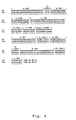
- the present invention also relates to a substantially purified form of a respective D5, B11, or D5-or B 11-like antibody binding proteins, or functional equivalents thereof, including but not limited to a substantially purified form as disclosed in Figure 2A-F (i.e., SEQ ID NOs: 2, 4 and 6) and in Figure 3A-F (i.e., SEQ ID NOs: 8,10 and 12) as well as respective light and/or heavy chain CDR regions (e.g., V H CDR3) as shown in Figure 4 .
- a substantially purified form as disclosed in Figure 2A-F (i.e., SEQ ID NOs: 2, 4 and 6) and in Figure 3A-F (i.e., SEQ ID NOs: 8,10 and 12) as well as respective light and/or heavy chain CDR regions (e.g., V H CDR3) as shown in Figure 4 .
- an “isolated antibody,” or “substantially isolated protein” or “substantially purified protein” or “substantially purified form” or any like statement, as used herein, is intended to refer to an antibody / protein or relevant portion therein (e.g., such as an alternative form which comprises a biologically relevant portion of D5 or B11 (e.g., such as the CDR3 region from the D5 or B 11 heavy chain) which is substantially free of other antibodies/proteins having different antigenic specificities or amino acid makeup as a respective D5, B11, or D5- or B11-like antibody binding proteins. Therefore, the term “isolated” is used herein as it is used within the art.
- Antibodies/specific binding members and nucleic acid molecules will be free or substantially free of material with which they are naturally associated such as other polypeptides or nucleic acids with which they are found in their natural environment, or the environment in which they are prepared (e.g. cell culture) when such preparation is by recombinant DNA technology (practiced in vitro ) or in vivo .
- Isolated covers any form containing the identified and characterized component(s) of the present invention following removal from that initial environment.
- Examples include pharmaceutical formulations, formulation with diluents, adjuvants and the such, antibodies/specific binding members, nucleic acid molecules and portions thereof which have been modified (e.g., antibody glycosylation) either in vitro or in vivo and removed from that environment.
- pharmaceutical formulations formulation with diluents, adjuvants and the such, antibodies/specific binding members, nucleic acid molecules and portions thereof which have been modified (e.g., antibody glycosylation) either in vitro or in vivo and removed from that environment.
- the present invention also relates to biologically active fragments and/or mutants of the D5, B 11, or D5- or B 11-like antibody binding proteins comprising the amino acid sequence as set forth in SEQ ID NOs:2, 4, 6, 8, 10 and 12, including but not necessarily limited to amino acid substitutions (e.g., as a directed form of affinity maturation of the V H or V L regions), deletions, additions, amino terminal truncations and carboxy-terminal truncations such that these mutations provide a basis for an antibody or antibody binding portion that results in a similar or improved version of a D5, B11, or D5- or B11-like antibody binding proteins.
- amino acid substitutions e.g., as a directed form of affinity maturation of the V H or V L regions
- deletions, additions, amino terminal truncations and carboxy-terminal truncations such that these mutations provide a basis for an antibody or antibody binding portion that results in a similar or improved version of a D5, B11, or D5-
- the present invention notes the existence of codon redundancy which may result in differing DNA molecules expressing an identical antibody or portion thereof (e.g., alternative nucleic acid molecules encoding an identical scFv or a V H and/or V L portion of an IgG).
- a sequence bearing one or more replaced codons will be defined as a degenerate variation.
- Another source of sequence variation may occur through RNA editing. Such RNA editing may result in another form of codon redundancy, wherein a change in the open reading frame does not result in an altered amino acid residue in the expressed protein.
- mutations either in the DNA sequence or the translated antibody which improve the ultimate physical properties of the expressed antibody.
- the present invention relates to (i) affinity matured versions of D5 and/or B11; and/or (ii) mutated forms of D5 and/or B11, including but not limited to one or more mutations in the CDR1, CDR2 an/or CDR3 regions as generated through known affinity maturation methodology and recombinant DNA techniques known for introducing site specific mutation.
- Such alternative antibodies will retain basic interaction characteristics described herein for D5 and/or B 11 but will result in a more effective biological response, including but not limited to one or more of increased anti-viral activity (increased HIV neutralizing activity as measured in a decreased IC 50 ), improved Ka and/or or Kd rates for interaction with the hydrophobic pocket of the N-helices within the HR1 region of gp41, etc.
- the present invention also relates to recombinant vectors and recombinant hosts, both prokaryotic and eukaryotic, which contain the nucleic acid molecules disclosed throughout this specification.
- the nucleic acid molecules of the present invention encoding a the heavy and/or light regions of D5/B11, in whole or in part, can be linked with other DNA molecules, i.e., DNA molecules which encompass immunoglobulin genes used for generation of a recombinant human antibody) that are not naturally linked, to form "recombinant DNA molecules" which encode a respective human recombinant antibody.
- the DNA sequences of the present invention can be inserted into vectors which comprise nucleic acids encoding D5, B11, or D5- or B11-like antibody binding regions, or functional equivalents thereof.
- vectors may be comprised of DNA or RNA.
- DNA vectors are preferred.
- Typical vectors include plasmids, modified viruses, bacteriophage, cosmids, yeast artificial chromosomes, and other forms of episomal or integrated DNA. It is well within the purview of the skilled artisan to determine an appropriate vector for a particular gene transfer, generation of a recombinant human antibody or other use.
- the present invention also relates to methods of expressing the D5, B11, or D5- or B 11-like antibody binding regions, or functional equivalents thereof, assays employing these gene products, recombinant host cells which comprise DNA constructs which express these proteins, and compounds identified through assays which utilize these components.
- Any known expression vector may be utilized to practice this portion of the invention, including any vector containing a suitable promoter and other appropriate transcription regulatory elements.
- the resulting expression construct (containing the relevant DNA sequences encoding D5, B 11, or D5- or B 11-like antibody binding regions) are transferred into a prokaryotic or eukaryotic host cell to produce recombinant protein.
- Expression vectors are defined herein as DNA sequences that are required for the transcription of cloned DNA and the translation of their mRNAs in an appropriate host.
- Such vectors can be used to express eukaryotic DNA in a variety of hosts such as bacteria, blue green algae, plant cells, insect cells and animal cells. Specifically designed vectors allow the shuttling of DNA between hosts such as bacteria-yeast or bacteria-animal cells.
- An appropriately constructed expression vector should contain: an origin of replication for autonomous replication in host cells, selectable markers, a limited number of useful restriction enzyme sites, a potential for high copy number, and active promoters.
- a promoter is defined as a DNA sequence that directs RNA polymerase to bind to DNA and initiate RNA synthesis.
- a strong promoter is one which causes mRNAs to be initiated at high frequency. Techniques for such manipulations can be found described in Sambrook, et al. (1989, Molecular Cloning: A Laboratory Manual; Cold Spring Harbor Laboratory, Cold Spring Harbor, New York ) are well known and available to the artisan of ordinary skill in the art.
- another aspect of the present invention includes host cells that have been engineered to contain and/or express DNA sequences encoding the D5, B11, or D5- or B11-like antibody binding region / specific binding member.
- Such an expression vector is cultured in a recombinant host cell under suitable conditions known in the art.
- Expression vectors may include, but are not limited to, cloning vectors, modified cloning vectors, specifically designed plasmids or viruses.
- mammalian expression vectors which may be suitable, include but are not limited to, pcDNA3.neo (Invitrogen), pcDNA3.1 (Invitrogen), pCI-neo (Promega), pLITMUS28, pLITMUS29, pLITMUS38 and pLITMUS39 (New England Bioloabs), pcDNAI, pcDNAIamp (Invitrogen), pcDNA3 (Invitrogen), pMClneo (Stratagene), pXT1 (Stratagene), pSG5 (Stratagene), EBO-pSV2-neo (ATCC 37593) pBPV-1(8-2) (ATCC 37110), pdBPV-MMTneo(342-12) (ATCC 37224), pRSVgpt (ATCC 37199), pRSVneo (ATCC 37198), pSV2-dhfr (ATCC 37146), pUCTag (ATCC
- bacterial expression vectors are available, including but not limited to pCR2.1 (Invitrogen), pET11a (Novagen), lambda gt11 (Invitrogen), and pKK223-3 (Pharmacia).
- a variety of fungal cell expression vectors may be used, including but not limited to pYES2 (Invitrogen) and Pichia expression vector (Invitrogen).
- a variety of insect cell expression vectors may be used, including but are not limited to pBlueBacIII and pBlueBacHis2 (Invitrogen), and pAcG2T (Pharmingen).
- Recombinant host cells may be prokaryotic or eukaryotic, including but not limited to, bacteria such as E. coli, fungal cells such as yeast, mammalian cells including, but not limited to, cell lines of bovine, porcine, monkey and rodent origin; and insect cells.
- Mammalian species which may be suitable, include but are not limited to, L cells L-M(TK - ) (ATCC CCL 1.3), L cells L-M (ATCC CCL 1.2), Saos-2 (ATCC HTB-85), 293 (ATCC CRL 1573), Raji (ATCC CCL 86), CV-1 (ATCC CCL 70), COS-1 (ATCC CRL 1650), COS-7 (ATCC CRL 1651).
- CHO-K1 (ATCC CCL 61), 3T3 (ATCC CCL 92), NIH/3T3 . (ATCC CRL 1658), HeLa (ATCC CCL 2), C127I (ATCC CRL 1616), BS-C-1 (ATCC CCL 26), MRC-5 (ATCC CCL 171) and CPAE (ATCC CCL 209).
- the present invention relates to methods of screening for and selecting HIV antiviral compounds, either in the form of a direct inhibitor of viral membrane fusion or possible in the form of a peptide vaccine which upon host administration stimulates a neutralizing antibody response.
- Such a methodology comprises utilizing a D5- or B 11-like antibody/specific binding member and one or more known HR1 hydrophobic pocket-containing peptides in various antibody/peptide/test compound interaction assays in order to select a compound which acts as a HIV antiviral.
- the compound may be a peptide (e.g., as a potential prophylactic or therapeutic peptide vaccine), a protein, a non-proteinaceous organic or inorganic molecule, DNA (single or double stranded) or RNA (such as siRNA or shRNA).
- An antiviral compound identified by the methodology disclosed herein by nature will be a compound that actively competes D5/B 11 for binding to the hydrophobic pocket of the HR1 region of gp41.
- a preferred antiviral compound selected by the methodology disclosed herein will be a compound which competes with a D5/B 11 antibody at the like epitope.
- peptide substrates including but not limited to 5-Helix, IZN36, IQN36, IZN23, IQN23, IQN17 and IZN17 may be used but are not necessarily required in screening assays to select for such a HIV antiviral compound or peptide vaccine candidate (see Eckert and Kim, 2001, Proc. Natl. Acad Sci. 98(20): 11187-11192 for relevant peptide sequences). It will become evident upon review of the disclosure and teachings of this specification that any such peptide or small molecule which effectively competes with D5/B11 antibodies for binding to this hydrophobic pocket of the N-helix trimeric coil structure of gp41 represents a possible HIV antiviral or vaccine lead.
- interaction assays may be utilized for the purpose of high throughput screening to identify compounds that occupy the hydrophobic pocket of HR1 and displace the antibody.
- the compounds may, in turn, represent HIV fusion inhibitors if they successfully prevent the intramolecular interaction of HR1 and HR2.
- a new HIV antiviral compound e.g., a small inorganic molecule or candidate peptide vaccine
- a new HIV antiviral compound e.g., a small inorganic molecule or candidate peptide vaccine
- an ELISA assay e.g., a RIA assays
- a Western blot analysis any homogenous assay relying on a detectable biological interaction not requiring separation or wash steps (e.g., see AlphaScreenTM from PerkinElmer ® ) and/or SPR-based technology (e.g., see BIACore).
- the present invention relates to any such assay, regardless of the known methodology employed, which measures the ability of a test compound to compete with D5/B 11 to an appropriate peptide or protein mimetic of the hydrophobic pocket of the HR1 region of gp41.
- epitope mapping and competitive binding assays have shown that D5 also functions as a probe for the conserved hydrophobic pocket observed in the crystal structure of the gp41 mimetic IZN17 ( Eckert, et al., 1999, Cell 99: 103-115 ). This property serves as the basis for a screening assay designed to detect small molecules that bind the hydrophobic pocket and thereby prevent D5 from binding to the pocket.
- one component (component 1) of the assay would consist of any peptide or protein bearing the gp41 pocket region, including but not limited to 5-helix, IZN36, IQN36, IZN23, IQN23, IQN17, or IZN17 (see Eckert et al, supra for respective amino acids sequences, as well as Eckert and Kim, 2001, Proc. Natl. Acad. Sci. 98(20): 11187-11192 ). These proteins and peptides could also be modified by covalent addition of a moiety to enable detection; such moieties include but are not limited to biotin.
- the other primary assay component (component 2) would include the specific binding site of the D5 MAb; such components could include, but not be limited to, the scFv form of D5, the Fab form of D5, the IgG form of D5, and bacteriophage bearing the D5 scFv as a fusion protein.
- this component could also be modified by covalent addition of moieties such as fluorescein, AlexaFluor647 (AlexaFluor647-NHS from Molecular Probes), or Europium chelates (e.g., Eu-LANCE-NHS from Wallac Perkin Elmer).
- a screening assay designed to detect D5 binding to one of these partners would take any number of forms, of which only a few examples are presented herein for clarification, and not limitation.
- One mode would be a traditional enzyme-linked immunosorbent assay (ELISA) in which the biotin-labeled component is immobilized in a microtiter plate well coated with streptavidin, D5 IgG is allowed to react in the presence or absence of competitors, and antibody remaining bound (after washing) is detected using an enzyme-labeled anti-human IgG or an enzyme-labeled Protein A.
- ELISA enzyme-linked immunosorbent assay
- a second format discussed infra, uses AlphaScreen assay technology (PerkinElmer) in which the donor bead is coated with Streptavidin and the acceptor bead is coated with Protein A.
- biotinylated component 1 is mixed with component 2 (D5 IgG in this case) in the presence or absence of competitor and allowed to react. After binding, complexes of component 1 and component 2 are detected by adding the donor and acceptor beads, waiting for binding, and measuring emitted light in a Fusion detector (Wallac Perkin Elmer) according to the manufacturer's instructions.
- a third format also a homogeneous binding format, could rely on homogeneous time-resolved fluorescence (HTRF) technology.
- biotinylated component 1 is mixed, in the presence or absence of a competitor, with component 2 that has been covalently derivatized with AlexaFluor647.
- component 1 and component 2 After binding, complexes of component 1 and component 2 are detected by adding Streptavidin (derivatized with Europium chelates, from Molecular Probes) and measuring fluorescence resonance energy transfer (FRET) in a microplate fluorometer according to the manufacturer's instructions.
- Streptavidin derivatized with Europium chelates, from Molecular Probes
- FRET fluorescence resonance energy transfer
- the HTRP assay could be done using component 2 derivatized with Europium chelate and Streptavidin derivatized with XL-665.
- Other assay technologies could also be applied to the application of detecting D5 bound to its partner.
- One embodiment of the present invention relates to use of a homogenous assay involving the use of a biotinylated gp41 ectodomain peptide mimetic (including but not limited to 5-Helix, IZN36, IZN23, IQN36, IQN23, IQN17 and IZN17 or related scaffold-stabilized peptides which comprise at least a portion of the HR1 region of the ectodomain of gp41, and portions thereof which form stable gp41 mimetics) and a D5/B 11 antibody in a high throughput competition assay with a large population of test compounds.
- a biotinylated gp41 ectodomain peptide mimetic including but not limited to 5-Helix, IZN36, IZN23, IQN36, IQN23, IQN17 and IZN17 or related scaffold-stabilized peptides which comprise at least a portion of the HR1 region of the ectodomain of
- This assay will quantitatively measure the ability of a specific test compound to compete with the known affinity between the peptide and the D5/B 11 antibody.
- biotinylated 5-helix peptide may be coupled to donor beads conjugated to streptavidin while the D5/B11 antibody is captured by Protein A or a secondary antibody (such as anti-human IgG antibody) coupled to acceptor beads.
- the coated bead complexes are mixed together in the presence of test compounds wherein each distinct test compound occupies a single well of a 96-well plate. The population of 96-well plates may then be incubated overnight in the dark at room temperature.
- the plates are then analyzed on a Fusion ⁇ -FP HT instrument, which excites the donor beads at 680nm.
- a singlet oxygen is emitted by the donor beads and if the acceptor beads are in proximity, due to a peptide/antibody interaction, the singlet oxygen is captured by the acceptor beads, which emit light at 520-620nm.
- the instrument records these emissions.
- a respective test compound effectively competes with the D5/B 11 antibody for binding to the peptide, a decrease in signal is observed. In the absence of compound/antibody competition by a test compound, a maximal signal is detected.
- SPR surface plasmon resonance
- test compounds such as small organic molecules
- test compounds such as small organic molecules
- a biotinylated peptide including but in no way limited to IZN17, IQN17, 5-Helix, IQN36, IZN36, IQN23 and/or IZN23
- IZN17, IQN17, 5-Helix, IQN36, IZN36, IQN23 and/or IZN23 providing for a stable, faithful, mimetic of the gp41 fusion intermediate will be useful in BIACore-based screens of inhibitors targeting the N-helix of the HIV gp41 ectodomain will be useful in the assays of the present invention.
- peptides can be immobilized by flowing a solution of 1 nM peptide in HBS (Hepes Buffered Saline) plus 10x Tween for 1-4 minutes over a SA chip. Manual injection is used until the bound peptide reaches 10 resonance units (RU), sufficient to bind 100 RU of analyte full antibody.
- a BIACore assay may be based upon immobilization of an antibody of the present invention on, preferably, a CM5 chip.
- CM5 chip Such as sensor chip if first surfaced activated by EDC (N-ethyl-N'-(3-dimethyl aminopropyl)- carbodiimide hydrochloride) and NHS (N-hydroxysuccinimude) following the manufacturer's instructions.
- Immobilization of a D5/B11-IgG may be carried out at 1-5 ⁇ g/mL in acetate buffer, pH 4.8 (mixing BIACore supplied buffers) using the inbuilt immobilization wizard control template, with target immobilization set at 1500-1800 RU. This will immobilize sufficient active D5-IgG to bind up to 100 RU of analyte peptide.
- Flow rates are normally 20 ⁇ l/min during association-dissociation phases, and 50 ⁇ l/min during surface regeneration with a single wash of 15 mM HCl.
- the kinetics wizard may be used to design the affinity measurement experiments, with duplicates and controls run as prompted to detect diffusion-limited kinetics.
- Analyte concentrations are chosen to give data for concentrations above and below the Kd value, with two-fold or four-fold dilution series.
- the association time is typically 3 min, dissociation 5-10 min while association-dissociation measurements are made at 25°C in HBS+10xTween which should eliminate non-specific binding events.
- Analysis of data is by the BIACore curve-fitting software, selecting data from smooth regions with significant change in RU. It will be evident to the artisan that BIACore technology will allow for multiple assay formats in the context of a screen for HIV fusion inhibitors.
- a direct binding assay may be used where one or the other of either a D5/B11 antibody or a gp41 HR1 mimetic is immobilized to an appropriate sensor chip.
- a chip containing immobilized D5/B 11 either an assay which measures the direct binding of a test compound to D5/B11 or a surface competition assay measuring binding competition between a test compound and a gp41 mimetic of the epitope of interest in contemplated.
- a peptide such as, but again not limited to, 5-Helix, IZN17, IQN17, IQN36, IZN36, IQN23, and/or IZN23 may be immobilized on a sensor chip and used in either a direct binding assay to measure affinity of test compounds for the N-helix of the HIV gp41 ectodomain or in a surface competition assay with a test compound and a D5/B11 antibody.
- Compounds that compete with D5/B 11 for association with the gp41 mimetic of choice will represent a candidate test compound for additional kinetic studies and/or animal studies.
- Antiviral compounds and/or peptide vaccine candidates identified by D5/B11 antibody/protein or peptide mimetic/test compound may be detected by a variety of assays.
- the assay may be a simple "yes/no" assay to determine whether there is a change in the ability to form the known antibody/antigen complex.
- the assay is easily made quantitative by utilizing any number of assays, especially an ELISA-based assay, a homogenous assay, or an SPR-based assay.
- the present invention relates in part to methods of identifying an antiviral compound that occupies hydrophobic pocket of the HR1 coiled trimer, and displaces a D5/B11 antibody, thus preventing intramolecular interaction of the HR1 and HR2 regions of the gp41 ectodomain.
- Such methodology comprises (a) incubating a test compound along with (i) a D5/B11 antibody and (ii) a peptide or protein that mimics the hydrophobic pocket from the trimer coil-based HR1 region of the gp41 ectodomain; (b) measuring the effect the test compound has on the affinity of component (i) for component (ii); and (c) comparing that effect the test compound has on the affinity of component (i) for component (ii) versus the affinity of component (i) for component (ii) in the absence of the test compound.
- component (i) and component (ii) affinity in the presence of the test compound indicates that the test compound is a compound which interacts with and possesses a quantitative (i.e., measurable) affinity for the hydrophobic pocket of the gp41 HR1 region. Any such test compound is considered a potential HIV antiviral lead compound.
- Component (ii) may be any entity that at least substantially mimics the hydrophobic pocket of the trimer coiled HR1 region of the gp41 ectodomain, either in solution or immobilized on a substrate of choice.
- examples of such entities at least include, but are not limited to, scaffold-based peptides which comprise at least portions of the gp41 sequence which span the gp41 ectodomain, such as 5-Helix, IZN17, IQN17, IQN36, IZN36, IZN23 or IQN23.
- the various methodologies described herein which utilize either components and/or teachings of the present invention provide for possible identification of additional HIV neutralizing antibodies, an HIV antiviral compound and/or an HIV peptide-based vaccine. Methods for the selection of such additional products will allow for treatment of an HIV positive individual in a therapeutic treatment regime or for the prophylactic administration of a peptide-based vaccine identified through disclosed methodology.
- the present invention provides for several methodologies which may-allow for identification of an HIV neutralizing antibody from a source other than an individual infected with HIV. It is disclosed herein the ability to use a synthetic antigen(s) to isolate a HIV neutralizing antibody.
- Both the products and the associated methodology of the present invention may allow for additional strategies regarding the development of an HIV vaccine, including but not necessarily limited to a method of identifying a neutralizing antibody; a method for identifying an HIV vaccine candidate(s) (including, but not limited to small molecule inhibitors of viral membrane fusion and/or peptide vaccines).
- the present invention further contemplates the use of D5-or B11-like antibodies in an antibody/peptide interaction assay involving a D5-or B 11-like antibody and at least one HR1 hydrophobic pocket-containing peptide mimetic.
- the present invention further relates to an antibody-based pharmaceutical composition
- an antibody-based pharmaceutical composition comprising an effective amount D5. B11, a D5/B11-like antibody, or an affinity matured version which provides for a therapeutic treatment against HIV infection by reducing viral load levels within an infected individual, thus prolonging the asymptomatic phase of HIV infection.
- the antibody-based pharmaceutical composition of the present invention may be formulated by any number of strategies known in the art (e.g., see McGoff and Scher, 2000, Solution Formulation of Proteins/Peptides: In - McNally, EJ., ed. Protein Formulation and Delivery. New York, NY: Marcel Dekker, pp. 139-158 ; Akers and Defilippis, 2000, Peptides and Proteins as Parenteral Solutions.
- a pharmaceutically acceptable composition suitable for patient administration will contain an effective amount of the antibody in a formulation which both retains biological activity while also promoting maximal stability during storage within an acceptable temperature range.
- This antibody-based pharmaceutical composition may optionally comprise a pharmaceutically acceptable carrier. Examples of such carriers are well known in the art and are described in a variety of texts, such as Remington's Pharmaceutical Sciences.
- the antibody formulation may be in liquid form or solid form. A solid formulation is generally lyophilized and brought into solution prior to administration for either single or multiple dosing.
- the formulations should not be exposed to extreme temperature or pH so as to avoid thermal denaturation. Thus, it is essential to formulate an antibody composition of the present invention within a biologically relevant pH range.
- a solution buffered to maintain a proper pH range during storage is indicated, especially for liquid formulations stored for longer periods of time between formulation and administration.
- both liquid and solid formulations require storage at lower temperatures (usually 2-8°C) in order to retain stability for longer periods.
- Formulated antibody compositions may contain a bacteriostat to prevent or minimize proteolysis during storage, including but not limited to effective concentrations (usually ⁇ 1% w/v) of benzyl alcohol, phenol, m-cresol, chlorobutanol, methylparaben, and/or propylparaben.
- a bacteriostat may be contraindicated for some patients. Therefore, a lyophilized formulation may be reconstituted in a solution either containing or not containing such a component.
- Additional components may be added to either a buffered liquid or solid antibody formulation, including but not limited to sugars as a cryoprotectant (including but not necessarily limited to polyhydroxy hydrocarbons such as sorbitol, mannitol, glycerol and dulcitol and/or disaccharides such as sucrose, lactose, maltose or trehalose) and, in some instances, a relevant salt (including but not limited to NaCl, KCl or LiCl).
- a relevant salt including but not limited to NaCl, KCl or LiCl.
- An effective range of total osmolarity is from about 200 mOs/L to about 800 mOs/L. It will be apparent that the amount of a cyroprotectant, such as sucrose or sorbitol, will depend upon the amount of salt in the formulation in order for the total osmolarity of the solution to remain within an appropriate range. Therefore a salt free formulation may contain from about 5% to about 25% sucrose, with a preferred range of sucrose from about 7% to about 15%, with an especially preferred sucrose concentration in a salt free formulation being from 10% to 12%.
- a salt free sorbitol-based formulation may contain sorbitol within a range from about 3% to about 12%, with a preferred range from about 4% to 7%, and an especially preferred range is from about 5% to about 6% sorbitol in a salt-free formulation.
- Salt-free formulations will of course warrant increased ranges of the respective cryoprotectant in order to maintain effective osmolarity levels.
- These formulation may also contain a divalent cation (including but not necessarily limited to MgCl 2 , CaCl 2 and MnCl 2 ); and a non-ionic surfactant (including but not necessarily limited to Polysorbate-80 (Tween 80 ® ), Polysorbate-60 (Tween 60 ® ).
- Polysorbate-40 (Tween 40 ® ) and Polysorbate-20 (Tween 20 ® ), polyoxyethylene alkyl ethers, including but not limited to Brij 58 ® , Brij 35 ® , as well as others such as Triton X-100 ® , Triton X-114 ® , NP40 ® , Span 85 and the Pluronic series of non-ionic surfactants. (e.g., Pluronic 121)). Any combination of such components, including probable inclusion of a bacteriostat, may be useful to fill the antibody-containing formulations of the present invention.
- the antibody composition of the present invention may also be a "chemical derivative", which describes an antibody that contains additional chemical moieties which are not normally a part of the immunogloblulin molecule (e.g., pegylation). Such moieties may improve the solubility, half-life. absorption, etc. of the base molecule. Alternatively the moieties may attenuate undesirable side effects of the base molecule or decrease the toxicity of the base molecule. Examples of such moieties are again described in a variety of texts, such as Remington's Pharmaceutical Sciences.
- a therapeutic method for treating a HIV positive subject comprising the administration to the subject a composition which comprises a D5/B11-like. antibody, and optionally one or more carriers, one or more excipients, and/or one or more chemical derivatives
- Administration of such a composition will be of result in a reduction in existing viral load (therapeutic) and thus prolonging the asymptomatic phase of the disease and/or by generating a substantial immune response (prophylactic) against HIV infection, namely generation of HIV neutralizing antibodies against the gp41 trimer region so as to prevent or substantially reduce the ability of HIV to fuse with a host cell.
- a substantial immune response prophylactic
- Such response may by documented by in vitro assays, in vivo non-human animal studies and/or further supported from human clinical trials.
- the present invention also relates further to a method of blocking fusion of the human immunodeficiency virus-1 to human cells and a method of preventing infection of human cells by HIV which comprises contacting HIV with an effective amount of a D5/B 11-like antibody composition, such that the composition effectively blocks completion of 6-helical, pre-fusion gp41 structure which normally promotes fusion of the virus with the host cell.
- the compositions of the present invention may be administered to the host in any manner, strategy and/or combination available in the art in amounts. sufficient to offer a therapeutic treatment against HIV infection by reducing viral load levels within an infected individual, thus prolonging the asymptomatic phase of HIV infection.
- compositions may be provided to the individual by a variety of routes known in the art, especially parenteral routes, including but in no way limited to parenteral routes such as intravenous (IV), intramuscular (IM); or subcutaneous (SC) administration, with IV administration being the norm within the art of therapeutic antibody administration.
- parenteral routes including but in no way limited to parenteral routes such as intravenous (IV), intramuscular (IM); or subcutaneous (SC) administration, with IV administration being the norm within the art of therapeutic antibody administration.
- compositions may be utilized in a regimen which may include a monovalent or multivalent composition, various combined modality applications, and/or a prime/boost regimen to as to optimize, for example in a gene vaccination scenario, antigen expression and a concomitant cellular-mediated and/or humoral immune response. Therefore, these formulations may be administered as separate or multiple doses (i.e., administration of the antibody at staggered times by maintaining the sterile condition of the formulation through the treatment regime).
- the dosage regimen utilizing the compounds of the present invention is selected in accordance with a variety of factors including type, species, age, weight, sex and medical condition of the patient; the severity of the condition to be treated; the route of administration; the renal, hepatic and cardiovascular function of the patient; and the particular antibody thereof employed.
- a physician or veterinarian of ordinary skill can readily determine and prescribe the effective therapeutic amount of the antibody.
- Optimal precision in achieving concentrations of antibody within the range that yields efficacy without toxicity requires a regimen based on the kinetics of the drug's availability to target sites. This involves a consideration of the distribution, equilibrium, and elimination of a drug.
- Antibodies described herein may be used alone at appropriate dosages. Alternatively, co-administration or sequential administration of other agents may be desirable.
- the antiviral agent preferably is an antiviral agent that directly targets HIV at an alternate source away from gyp41, such as a protease inhibitor, an inhibitor ofreverse transcriptase, an integrase inhibitor, host cell receptor (CD40) or co-receptors (CXCR4 or CCR5), and/or gp120.
- the antiviral agent may be administered to the individual in some combination of effective antiviral therapeutics such as that present in highly active anti-retroviral therapy ("HAART").
- HAART is generally used in the art to refer to a cocktail of 3 or more antiviral drugs, including but not limited to combinations of inhibitors of viral protease and reverse transcriptase.
- a dosing regime may also be contemplated for the antibody composition of the present invention during a similar time frame as administration of an DNA-, protein-, or peptide-based HIV vaccine (e.g., such as a peptide vaccine identified through a screening assay utilizing the D5/B 11 components of the present invention) within a therapeutic window in an attempt to reduce the patient's viral load.
- an DNA-, protein-, or peptide-based HIV vaccine e.g., such as a peptide vaccine identified through a screening assay utilizing the D5/B 11 components of the present invention
- Such a vaccine may be administered within a similar time frame as any antibody-based treatment plan, with either a single vaccine administration or within the confines of a prime/boost-type vaccine regimen.
- the priming dose effectively primes the immune response so that, upon subsequent identification of the antigen(s) in the circulating immune system, the immune response is capable of immediately recognizing and responding to the antigen(s) within the host.
- the vaccine priming and boosting administrations are different in order to evade any host immunity directed against the first delivered vaccine, especially if that vaccine is delivered as part of a non-self recombinant vehicle, such as a recombinant non-viral (e.g., plasmid) or viral (e.g., adenovirus, AAV, etc.) vehicle.
- a non-self recombinant vehicle such as a recombinant non-viral (e.g., plasmid) or viral (e.g., adenovirus, AAV, etc.) vehicle.
- a mixed modality prime and boost inoculation scheme may will result in an enhanced immune response.
- Prime-boost administrations typically involve priming the subject (by viral vector, plasmid, protein, peptide, antibody, etc.) at least one time, allowing a predetermined length of time to pass, and then boosting (by viral vector, plasmid, protein, peptide, antibody, etc.).
- Multiple primings typically 1-4, are usually employed, although more may be used.
- the length of time between priming and boost may typically vary from about four months to a year, albeit other time frames may be used as one of ordinary skill in the art will appreciate.
- the follow-up or boosting administration may as well be repeated at selected time intervals.
- DNA- or protein-vaccine prime/boost regimes are now commonplace in HIV vaccine strategies and may be integrated with a treatment regimen utilizing a therapeutic antibody of the present invention.
- the artisan may incorporate therapeutic capabilities of the present invention into now commonplace prophylactic-based prime-boost regimes for the treatment of HIV.
- the core components of the present invention allow for, as discussed supra , assays to identify peptide vaccine candidates.
- Such a peptide vaccine identified utilizing these core components may be inserted into a therapeutic regime in combination with a D5/B 11-like antibody or alone as a prophylactic-based peptide vaccine.
- Any potential hosts/vaccinees/individuals include but are not limited to primates and especially humans and non-human primates, and include any non-human mammal of commercial or domestic veterinary importance.
- Clones 5H/I1-BMV-D5 and 5H/I1-BMV-B11 were isolated from scFv libraries by selection on 5-Helix and IZN36 peptides.
- the terms “5H” and “5-Helix” are used interchangeably throughout this application.
- the terms “I1” and “IZN36” are used interchangeably throughout this application.
- An scFv phagemid library which is an expanded version of the 1.38 x 10 10 library described by Vaughan et al., ( Vaughan et al., 1996, Nature Biotech. 14: 309-314 ) was used to select antibodies specific for peptides representing HIV gp41 structures.
- the antigen coated wells were blocked by addition of 300 ⁇ l of a 3% (w/v) 'Marvel' skimmed milk powder suspension in phosphate buffered saline (MPBS) and incubation at room temperature for 1 hour.
- Purified scFv phage (10 12 transducing units (tu)) were blocked in 100 ⁇ l 3% 'Marvel' skimmed milk powder in phosphate buffered saline (MPBS) for 15 minutes at room temperature before being added to the antigen wells, which had been washed once with PBS. The phage were incubated on the coated antigen well for 1 hour at room temperature.
- Irrelevant phage were washed off and the specific-binding phage eluted as described by Vaughan et al., supra. The eluted phage were used to infect 5 ml exponentially growing E. coli TG-1 cells. Cells and phage were incubated for 1 hour at 37°C (30 minutes stationary, 30 minutes shaking at 250 rpm), then spread on 2TYAG. All the titer and bioassay plates were incubated overnight at 30°C. Output colonies were scraped off the plates into 10 ml 2TY broth and 15% glycerol added for storage at -70°C.
- Glycerol stock cultures from the first round panning selection were super infected with helper phage and rescued to give scFv antibody-expressing phage particles for the second round of selection ( Vaughan et al., 1996, Nature Biotech: 14: 309-314 ).
- Second Round scFv Soluble Selection were carried out using biotinylated IZN36 (SEQ ID NO9:14) in 1 ⁇ M stock solution in 150mM sodium chloride, 50mM sodium phosphate, pH 7.4). Bio-IZN36 was used at a concentration of 250nM. A rescued scFv-phage output, as described above, was used. Overnight bacterial growths containing rescued phagemid outputs from the first round of selection were centrifuged at 3000rpm in a Stovall RT7 benchtop centrifuge for 10 minutes at room temperature.
- the supernatant, (containing output phage) were blocked with an equal volume of 6% (w/v) Marvel dried skimmed milk powder in 2x concentrated PBS. Additionally, IZN36 scaffold peptide (10 ⁇ M stock in PBS) was added to a concentration of 20 ⁇ g/ml to act as a sink for phage expressing scFv specific for the scaffold protein, rather than the gp41 portion of IZN36. The blocked phage were incubated for 30 minutes at room temperature, then biotinylated antigen (IZN36) was added and incubated at room temperature for a further 1 hour.
- IZN36 scaffold peptide (10 ⁇ M stock in PBS) was added to a concentration of 20 ⁇ g/ml to act as a sink for phage expressing scFv specific for the scaffold protein, rather than the gp41 portion of IZN36.
- the blocked phage were incubated for 30 minutes at room temperature, then biotinylated antigen (IZN36
- Phage/antigen was added to 50 ⁇ l of Dylan M280 Streptavidin magnetic beads (previously blocked for 1 hour at 37°C in 1 ml of 3% MPBS) and incubated for a further 15 minutes at room temperature, with gentle agitation. Beads were captured using a magnetic rack and washed 4x in 1ml of 3 % MPBS/ 0.1% (v/v) Tween 20 followed by three washes in PBS. After the last PBS wash, beads were resuspended in 100 ⁇ l PBS and used to infect 5 ml exponentially growing E. coli TG-1 cells.
- M13K07 helper phage were added to a multiplicity of infection (moi) of 10 to the exponentially growing culture and the plates incubated a further 1 hour at 37°C. Plates were centrifuged in a benchtop centrifuge at 2000 rpm for 10 minutes. The supernatant was removed and cell pellets were resuspended in 100 ⁇ l 2TYAK and incubated at 30°C overnight with shaking at 250 rpm. The next day, plates were centrifuged at 2000 rpm for 10 minutes and 100 ⁇ l phage-containing supernatant from each well transferred to a fresh 96 well plate. Phage samples were blocked in a final concentration of 3% MPBS for 30 minutes at room temperature, prior to ELISA.
- m multiplicity of infection
- biotinylated 5-Helix, biotinylated IZN36 (as described supra ) or biotinylated I scaffold (as described supra ; all at 2 ⁇ g/ml in PBS) were coated onto 96-well Abgene streptavidin plates (Cat No. AB-0509) for 1 hour, at room temperature. After coating, the wells were washed once in PBS and the plates blocked for 1 hour at room temperature in 3% MPBS. Plates were rinsed with PBS then 50 ⁇ l of pre-blocked phage added to each well.
- Heavy and light chain V regions from a D5 scFv clone was amplified using PCR and clone-specific primers. PCR products were digested with appropriate restriction enzymes and subcloned into a vector containing human IgG4 heavy chain constant domain (plasmid pEU8.2) for the V H domain or a vector containing human kappa light chain constant domain (plasmid pEU3.2) for the V L domain of D5. Correct insertion of the respective D5 V H and V L region domains into plasmids was verified by sequencing of plasmid DNA from individual E. coli colonies. Plasmids were then prepared from E.
- plasmid pEU8.2 human IgG4 heavy chain constant domain
- plasmid pEU3.2 human kappa light chain constant domain
- the forward and reverse primers carry the respective restriction sites for cloning into the respective IgG4 conversion vector.
- PCR reactions were run at 94°C for 2 min, followed by 94°C for 1 min., 55°C for 1 min., 72°C for 1 min. (30 cycles); followed by a final hold at 72°C for 5 min.
- V H PCR- amplified V H is as follows:
- V L PCR- amplified V L is as follows:
- Vector pEU8.2 (IgG4) was used for D5 V H and pEU3.2 (kappa) for D5 V L (see discussion infra ).
- Primer PECSEQ1 and 8.2 rev were used for PCR and sequence confirmation of V H clones.
- Primer P168 and P362 for PCR and sequence confirmation of V L clones.
- V H (BssHII and Bst EII) and V L (ApaLI and PacI) PCR products were subjected to restriction endonulcease digestion to promote subcloning into pEU8.2 and pEU3.2, respectively.
- PECSEQ1 5'- GCAGGCTTGAGGTCTGGAC (SEQ ID NO:21) 8.2Reverse 5'-CCAGGGGGAAGACCGATG (SEQ ID NO:22) P168 5'-CTTGAGGTCTGGACATATATATGGGTGACAATG (SEQ ID NO:23) p362 5'-TCCTGGGAGTTACCCGATTGGAGGGCGTTA (SEQ ID NO:24)
- the clone selected for transfection encodes the D5 V H amino acid sequence as follows:
- the clone selected for transfection encodes the D5 V L amino acid sequence as follows:
- Table 3 shows the alignment of the nucleotide and amino acid sequence of the D5 scFv. Table 3 D5 D5 D5 D5 D5 D5 D5 D5 D5 D5 D5 D5 D5 D5 D5 D5 D5 D5 D5
- Restriction digested DNA was purified using a QIAquick Nucleotide Removal Kit (Qiagen).
- the V H - and V L -restriction digestion PCR products were ligated into inserted into pEU8.2 (IgG4 heavy chain; see Figure 5A (vector) and Figure 5B (nucleotide sequence)) for D5 V H and pEU3.2 (kappa light chain; see Figure 6A (vector) and Figure 6B (nucleotide sequence)) for D5 V L .
- Plasmid pEU8.2 is a 9.3kB mammalian expression plasmid vector developed by CAT ( Figure 5A ) which contains a human gamma 4 heavy chain expression cassette and a neo (G418R) selectable marker for mammalian cells and ampicillin resistant marker for E. coli cells.
- the completed gamma 4 heavy chain vector i.e., with a V H region such as D5 V H
- a mammalian cell line such as HEK-BENA or COS cells for transient expression of IgG.
- the V H PCR product is cloned as a BssHII - BstEII fragment into polylinker between the secretory leader and gamma 1 constant region sequences.
- the secretory leader sequence MGWSCIIFLVATATGAHS (SEQ ID NO:25), is derived from a mouse heavy chain sequence while transcription is driven from the EF-1 ⁇ promoter and terminated by the SV40 termination/poly A sequence.
- the Epstein Barr virus origin of replication is upstream of the EF-1 ⁇ promoter.
- the oriP sequence enhances level of transient expression from human embryonic kidney 293-EBNA cells. Each ligation reaction was transfected into E. coli DH5 ⁇ cells and plated on appropriate media/selectable marker.
- Plasmid pEU3.2 ( Figure 6A ) contains an expression cassette for human kappa light chains and ampicillin resistant marker for E. coli cells.
- the V L PCR product is cloned as a ApaLI-PacI fragment into polylinker between the secretory leader and the human kappa constant domain sequences.
- Plasmid pEU3.2 contains a secretory leader peptide from a mouse heavy chain sequence transcription is driven from the EF-1 ⁇ promoter and terminated by the human kappa light chain gene/ploy A sequence.
- Plasmid pEU3.2 also contains the Epstein Barr virus origin of replication upstream of the EF-1 ⁇ promoter as well as the oriP sequence.
- the kappa light chain vector can be co-transfected with a heavy chain gene plasmid into HBK-BENA or COS cells for transient expression of IgG.
- HEK-EBNA cells for transfection- HEK-EBNA stock cells are maintained in Dulbecco's Modified Eagle Medium (DMEM) containing 10% fetal bovine serum (v/v), 10% DMSO (v/v). Three to 4 days prior to transfection, stock culture cells are plated in Dulbecco's Modified Eagle Medium (GIBCO) containing 10% fetal bovine serum, 4 mM glutamine, 1x non essential amino acids, 1x penicillin/streptomycin.
- DMEM Dulbecco's Modified Eagle Medium
- GEBCO Dulbecco's Modified Eagle Medium
- cells are split in 75 ml of Dulbecco's Modified Eagle Medium containing 10% fetal bovine serum, 4 mM glutamine, 1x non essential amino acids, 1x penicillin/streptomycin with cell numbers of 7-9 x 10 6 in a T150 tissue culture flask. After 1 day growth, cells are 60% confluent and therefore suitable for transfection.
- the culture is inoculated with the V H or V L -containing clone in 100 ml of 2xYT medium with 50 ⁇ g/ml of Ampicillin. The culture is grown overnight at 37°C at 280 rpm.
- Plasmid DNA is extracted from the remainder of the overnight culture using a QIAgen Maxiprep kit according to the manufacturer's instructions. Plasmid DNA is re-dissolved in 100 ⁇ l of water and the concentration of DNA determined by absorbance at 260 nm. Forty micrograms of each plasmid DNA is diluted in DMEM (no serum) to a total volume of 1.5ml in a 15 ml Falcon tissue culture tube.
- the tube is mixed and 400 ⁇ l of PolyFect Transfection Reagent (Qiagen) is added to the DNA solution, vortexed for 10 seconds and incubated for 15min at RT.
- Fifty five ml of Dulbecco's Modified Eagle Medium containing 10% fetal bovine serum, 4 mM glutamine, 1x non essential amino acids, 1x penicillin/streptomycin are added to the cell culture.
- Five ml of cell growth medium is added to the reaction tube containing the transfection complexes, which are mixed and the total volume immediately transferred to cell culture. After overnight incubation, the medium is removed and replaced with 75ml of OPTI-MEM1 (Reduced Serum Medium GIBCO).
- the medium is replaced with 20 ml of fresh DMEM containing 2% fetal bovine serum and 1x penicillin/streptomycin.
- DMEM fetal bovine serum
- 2xHBS 2xHBS
- One hundred microliters of CaCl 2 (2.5 M) is added to 100 ⁇ l of DNA mixture which contains 50/ ⁇ g of each plasmid in a 15 ml Falcon tissue culture tube.
- the pre-warmed DNA mixture is added to HBS drop wise while mixing on a vortex mixer and incubated for 2-5 min at 37°C.
- the HBS/DNA solution is added to the HEK-EBNA cells and incubated overnight, followed by replacement of the medium with 25 ml of fresh CD-CHO medium containing 8 mM glutamine, 1x penicillin/streptomycin supplement, 1x hypoxanthine/thymidine supplement.
- Capture ELISA for IgG - Initial analysis of IgG4 concentration in the culture medium is carried out using capture ELISA, which monitors the success of the transfection through an approximation of the concentration of IgG present in the harvested medium.
- Fragment goat anti-human IgG (H + L) (Jackson ImmunoReseach Lab) is diluted to 10 ⁇ g/ml with 50mM Tris, pH 9.5.
- Each well of a Nunc Imunosorb plate (NUNC) is coated with 100 ⁇ l of diluted capture antibody. The plate is sealed, incubated overnight at 4°C, washed three times with PBS/Tween 20 [0.5% (v/v)], three times with PBS and blotted dry with paper towels.
- One hundred microliters of the antibody dilution from is removed and discarded from wells A10 and B 10 to ensure equal volumes in the wells, resulting in a 1 in 2 serial dilution of antibody standard (2.5 ⁇ g/ml ⁇ 0 05 ⁇ g/ml) in rows A and B up to column 10.
- One hundred microliters of filtered culture medium containing IgG is diluted in 400 ⁇ l PBS/3% powdered milk.
- One hundred microliters is added to duplicate wells on adjacent column 1, mixed by pipetting and 100 ⁇ l transferred to the next column (e.g. C2 and D2) and 1 in 2 serial dilutions were continued down each column.
- One hundred microliters is discarded from column 12 to ensure equal volumes in the wells.
- HRP horseradish peroxidase conjugated detection antibody
- the eluting step is repeated three times, the column washed with 20ml of 0.1M glycine pH 2.8 and 100ml of buffer PBS, 0.02% Tween 20.
- the eluted fractions are analyzed by SDS PAGE, and then buffer exchanged and concentrated by using Amicon Ultra15 (MILLIPORE).
- the sample is quantitated by ELISA or OD280 where 1.34 mg per ml gives an absorbance of 1.0. Purification is completed at ambient temp, while reagent vessels and fractions kept on ice and samples subsequently stored and -20°C.
- the B11 scFv DNA sequence is as follows:
- V H and V L primers were as follows: V H -3', primer Hlink 5'-ACCGCCAGAGCCACCTCCGCC (SEQ ID NO:16)
- the forward and reverse primers carry the respective restriction sites for cloning into the respective IgG1 conversion vector.
- PCR reactions were run at 94°C for 2 min, followed by 94°C for 1 min., 55°C for 1 min., 72°C for 1 min. (30 cycles); followed by a final hold at 72°C for 5 min.
- V H PCR- amplified V H is as follows:
- V L PCR- amplified V L is as follows:
- Vector pEU1.2 (IgG1) was used for B11 V H and pEU3.2 (kappa) for B11 V L (see discussion infra ).
- Primer PECSEQ1 and 1.2 rev were used for PCR and sequence confirmation of V H clones.
- Primer P168 and P362 for PCR and sequence confirmation of V L clones.
- V H (BssHII and BstEII) and V L (Apa LI and Pac I) PCR products were subjected to restriction endonulcease digestion to promote subcloning into pBU1.2 and pEU3.2, respectively.
- PECSEQ1 5'- GCAGGCTTGAGGTCTGGAC(SEQ ID NO:21) 1.2Reverse 5'-CAGAGGTGCTCTTGGAGGAGGGTGC (SEQ ID NO:22) P168 5'-CTTGAGGTCTGGACATATATATGGGTGACAATG (SEQ ID NO:23) p362 5'-TCCTGGGAGTTACCCGATTGGAGGGCGTTA (SEQ ID NO: 24)
- the clone selected for transfection encodes the B 11 V H amino acid sequence as follows:
- the clone selected for transfection encodes the B 11 V L amino acid sequence as follows:
- Table 4 shows the alignment of the nucleotide and amino acid sequence of the B 11 scFv. Table 4 B11 B11 B11 B11 B11 B11 B11 B11 B11 B11 B11 B11 B11 B11 B11 B11 B11 B11 B11 B11 B11 B11
- Restriction digested DNA was purified using a QIAquick Nucleotide Removal Kit (Qiagen).
- the V H - and V L -restriction digestion PCR products were ligated into inserted into pEU1.2 (IgG1 heavy chain; see Figure 7A (vector)and Figure 7B (nucleotide sequence)) for B11 V H and pEU3.2 (kappa light chain; see Figure 8A (vector)and Figure 8B (nucleotide sequence))) for B 11 V L .
- Plasmid pEU1.2 is a 9.3kB mammalian expression plasmid vector developed by CAT ( Figure 7A ) which contains a human gamma 1 heavy chain expression cassette and a neo (G418R) selectable marker for mammalian cells and ampicillin resistant marker for E. coli cells.
- the completed gamma 1 heavy chain vector i.e., with a V H region such as B 11 V H
- a light chain gene plasmid into a mammalian cell line such as HEK-BENA or COS cells for transient expression of IgG.
- the V H PCR product is cloned as a BssHII-BstEII fragment into polylinker between the secretory leader and gamma 1 constant region sequences.
- the secretory leader sequence MGWSCTIFL VATATGAHS (SEQ ID NO.25), is derived from a mouse heavy chain sequence while transcription is driven from the EF-1 ⁇ promoter and terminated by the SV40 termination/poly A sequence.
- the Epstein Barr virus origin of replication is upstream of the EF-1 ⁇ promoter.
- the oriP sequence enhances level of transient expression from human embryonic kidney 293-EBNA cells. Each ligation reaction was transfected into E. coli DH5 ⁇ cells and plated on appropriate media/selectable marker.
- Plasmid pEU3.2 ( Figure 8A ) contains an expression cassette for human kappa light chains and ampicillin resistant marker for E. coli cells.
- the V L PCR product is cloned as a ApaLI-PacI fragment into polylinker between the secretory leader and the human kappa constant domain sequences.
- Plasmid pEU3.2 contains a secretory leader peptide from a mouse heavy chain sequence transcription is driven from the EF-1 ⁇ promoter and terminated by the human kappa light chain gene/ploy A sequence.
- Plasmid pEU3.2 also contains the Epstein Barr virus origin of replication upstream of the EF-1 ⁇ promoter as well as the oriP sequence.
- the kappa light chain vector can be co-transfected with a heavy chain gene plasmid into HEK-BENA or COS cells for transient expression of IgG.
- HEK EBNA cells for transfection - HEK-EBNA stock cells were maintained in Dulbecco's Modified Eagle Medium (DMEM) containing 10% fetal bovine serum (v/v), 10% DMSO (v/v). Three to 4 days prior to transfection, stock culture cells were plated in Dulbecco's Modified Eagle Medium (GIBCO) containing 10% fetal bovine serum, 4 mM glutamine, 1x non essential amino acids, 1x penicillin/streptomycin.
- DMEM Dulbecco's Modified Eagle Medium
- GEBCO Dulbecco's Modified Eagle Medium
- Plasmid DNA was extracted from the remainder of the overnight culture using a QIAgen Maxiprep kit according to the manufacturer's instructions. Plasmid DNA was re-dissolved in 100 ⁇ l of water and the concentration of DNA was determined by absorbance at 260 nm. Forty micrograms of each plasmid DNA was diluted in DMEM (no serum) to a total volume of 1.5ml in a 15 ml Falcon tissue culture tube.
- the tube was mixed and 400 ⁇ l of PolyFect Transfection Reagent (Qiagen) was added to the DNA solution, vortexed for 10 seconds and incubated for 15min at RT.
- Five ml of cell growth medium was added to the reaction tube containing the transfection complexes, which were mixed and the total volume was immediately transferred to cell culture. After overnight incubation, the medium was removed and replaced with 75ml of OPTI-MEM1 (Reduced Serum Medium-GIBCO).
- the HBSIDNA solution was added to the HEK-EBNA cells and incubated overnight, followed by replacement of the medium with 25 ml of fresh CD-CHO medium containing 8 mM glutamine, 1x penicillin/streptomycin supplement, 1x hypoxanthine/thymidine supplement.
- Capture ELISA for IgG - Initial analysis of IgG1 concentration in the culture medium was carried out using capture ELISA, which monitors the success of the transfection through an approximation of the concentration of IgG present in the harvested medium.
- Fragment goat anti-human IgG (H + L) (Jackson ImmunoReseach Lab) was diluted to 10 ⁇ g/ml with 50mM Tris, pH 9.5.
- Each well of a Nunc Imunosorb plate (NUNC) was coated with 100 ⁇ l of diluted capture antibody. The plate was sealed, incubated overnight at 4°C, washed three times with PBS/Tween 20 [0.5% (v/v)], three times with PBS and blotted dry with paper towels.
- One hundred microliters of the antibody dilution from was removed and discarded from wells A10 and B10 to ensure equal volumes in the wells, resulting in a 1 in 2 serial dilution of antibody standard (2.5 ⁇ g/ml ⁇ 0 05 ⁇ g/ml) in rows A and B up to column 10.
- One hundred microliters of filtered culture medium containing IgG was diluted in 400 ⁇ l PBS/3% powdered milk.
- One hundred microliters was added to duplicate wells on adjacent column 1, mixed by pipetting and 100 ⁇ l transferred to the next column (e.g. C2 and D2) and 1 in 2 serial dilutions were continued down each column.
- One hundred microliters was discarded from column 12 to ensure equal volumes in the wells.
- HRP horseradish peroxidase conjugated detection antibody
- PBS/3% powdered milk 1 in 10000 dilutions
- 100 ⁇ l of the diluted detection antibody was added to each well, incubated at 37°C for 1 h, washed five times with PBS/Tween 20 and five times with PBS, and blotted dry with paper towels.
- 100 ⁇ l of 3, 3', 5, 5'-tetramethylbenzidine (TMB) was added to each well and incubated at RT until color developed (approximately 1-5 min).
- TMB 3, 3', 5, 5'-tetramethylbenzidine
- the antibody was eluted by using 5ml of 0.1M glycine pH 2.8 and collected directly into 0.5 ml of 2M Tris pH 8.0. The eluting step was repeated three times, the column washed with 20ml of 0.1M glycine pH 2.8 and 100ml of buffer PBS, 0.02% Tween 20. The eluted fractions were analyzed by SDS PAGE, and then buffer exchanged and concentrated by using Amicon Ultra15 (MILLIPORE). The sample is quantitated by ELISA or OD280 where 1.34 mg per ml gives an absorbance of 1.0. Purification was completed at ambient temp, while reagent vessels and fractions were kept on ice and samples were subsequently stored and -20°C.
- HIV Reporter Particle The plasmid pMM310, encoding a vpr-BlaM fusion protein, was constructed by fusion PCR.
- a vpr coding sequence was amplified from the YU2 provirus template (AIDS research and reference reagent program) using primers MM425 (5'-GGATCCGAACAAGCCCCAGAA GAC-3'[SEQ ID NO:28]) and MM426 (5'-GGGCTCGAGTTAGGATCTACTGGCTCC-3'[SEQ ID NO:29]).
- a ⁇ -actamase coding sequence was amplified from pCMV-BIaM (Aurora Biosciences) using primers MM423 (5'- GGAAGCTTGG TACCACCATGG -3'[SEQ ID NO:30]) and MM424 (5'-TGGGGCTTGTTCGGATCCCCAATGCT TAATCAGTGA-3'[SEQ ID NO:31]).
- a mixture of these fragments was re-amplified with primers MM423 and MM426 to yield the fusion sequence, which was cloned into pcDNA3.1/zeo (+) as a HindIIIXhoI fragment and verified by nucleotide sequencing.
- HIV Reporter Particle (HIVRP) assay HIV particles containing active ⁇ -lactamase were generated by co-transfecting 293T cells with a chimeric NL4-3 provirus DNA containing the envelope gene of the HXB2 strain (5 ⁇ g/T75 flask) and pMM310 (S ⁇ g/T75 flask) using the Fugene6 reagent (60 ⁇ l/T75 flask) according to the manufacturer's instructions (Roche, Basel, Switzerland). Supernatants harvested 48h later contained HIV particles used for subsequent experiments.
- HIVRP HIV Reporter Particle
- Single-cycle HIV infectivity assay - HIV strains HXB2, BaL, 89.6, MN-1, and NIA-3 were purchased from Advanced Biotechnology Inc. (Bethesda, MD). HIV pseudotyped with the VSV-G protein was generated by transfecting 293T cells with the proviral DNA construct R8.env and pCMV-VSV-G (gift of J. Kappes, University of Alabama Birmingham). P4-2fR5 cells (gift of N.
- IZN36 is a chimeric peptide, composed of sequences that form a leucine zipper (IZ) and the HR1 region of the gp41 ecto-domain (N36). This peptide naturally forms a trimer.
- C34-HA hemagglutinin epitope tag at its C-terminus
- the peptide concentrations selected for subsequent experimentation were 9 nM bio-IZN36 and 18 nM C34-HA in a buffer containing 25 mM HEPES (pH 7.4)/100 mM NaCl/0.1% BSA. Peptidetbead complexes were incubated for ⁇ 18h at room temperature in the presence or absence of antibody.
- AlphaScreen-based D5 IgG / IQN17 binding assay - Using an AlphaScreen detection kit involving streptavidin coated donor beads that captured biotinylated-IQN17 and protein-A coated acceptor beads, which captured D5 IgG, an interaction between D5 and IQN17 was readily observed. Subsequent experimentation was performed with 3.3 nM of D5 antibody and bio-IQN17. Increasing concentrations of various mutant IZN17 peptides were incubated with D5 coated acceptor beads for 1h prior to addition of bio-IQN17 coated donor beads. These mixtures were incubated for an additional 18 hours.
- D5 and B11 scFvs possessed broader anti-viral activity, they were tested in a single cycle infectivity assay against the CXCR4-tropic HIV-1 strain HXB2 and the CCR5-tropic strain BaL. Consistent with the results observed in the HIVRP assay, D5 scFv inhibited HIV-HXB2 replication in this single cycle infectivity assay ( Figure 9 ). ScFv D5 appeared less potent than the X5 scFv, which interacts with the co-receptor binding area on the HIV surface protein gp120. The negative control scFv COLIN had no effect on HIV replication.
- D5 scFv also inhibited replication of HIV-BaL but again seemed less potent than X5 scFv.
- D5 scFv was tested against HIV particles pseudotyped with the surface protein of the Vesicular Stomatitis Virus (VSV-G).
- VSV-G Vesicular Stomatitis Virus
- D5 nor X5 scFvs prevented infection by these viral particles.
- the B 11 scFv displayed anti-viral properties against the HIV-HXB2 strain in this single cycle infectivity assay but appeared less potent than D5.
- Extensive titrations of D5 scfv were performed against HIV-HXB2 and HIV-BaL in order to derive an Inhibitory Concentration 50 (IC 50 ) against each virus.
- the IC 50 of D5 scFv against HIV-HXB2 was 320 nM (8 ug/ml) and 600 nM (15 ug/ml) for HIV-BaL.
- variable heavy (V H ) and variable light (V L ) regions of D5 and B11 scFvs can be transferred to an IgG molecule and confer anti-viral activity
- these two regions were sub-cloned into Immunoglobulin Heavy and Light chain mammalian expression vectors, as described in Example Sections 1 and 2.
- Co-transfection of these vectors in 293 cells resulted in the production of full length IgG1 molecules.
- These antibodies were tested for anti-viral activity in a single cycle infectivity assay against HIV-HX82.
- the IgG1 version of D5 was capable of inhibiting HIV-HXB2 with comparable potency to the D5 scFv.
- D5 IgG Affinity of D5 IgG for the hydrophobic pocket of HR1 -
- the affinity of D5 IgG for various peptides was next determined by surface plasmon resonance (Biacore).
- the KD of D5 for 5-Helix and IZN17 was 0.26 and 0.1 nM, respectively (Table 6).
- Introduction of proline residues into IQN17 disrupts the helicity of the peptide which in turn alters the integrity of the hydrophobic pocket (IQN 17-2pro).
- D5 IgG binds the hydrophobic pocket of HR1, which normally accommodates critical residues of the HR2 region during the formation of the six helical bundle. It is conceivable that D5 blocks HIV infection by preventing the formation of 6-Helix. To explore this possibility, a novel N-C peptide interaction assay was developed. Using AlphaScreen technology, biotinylated IZN36, coupled to streptavidin coated donor beads was observed to interact specifically with C34-HA, captured by acceptor beads coated with anti-HA antibodies ( Figure 15 ).
- D5 IgG prevented the interaction of C34-HA with IZN36 suggesting that this novel antibody may function like T20/Fuzeon by preventing HR2 from engaging HR1.
- a mouse monoclonal antibody raised against 5-Helix but which does not bind the hydrophobic pocket was tested. D13 did not affect the interaction of C34-HA with IZN36 (again, see Figure 15 ).
- D5 Mab Protein expression, complex formation and purification - HIV-1 gp41-derived 5-Helix was expressed in bacteria and then refolded.
- the D5 Mab was expressed by transient transfection in EBNA-293 cells as discussed herein.
- D5 was purified from the supernatant on a protein A column.
- the Fab was generated by papain cleavage of the D5 Ab and then further purified by SEC chromatography on an analytical Superdex-200 (20mM Tris-HCl buffer and 100 mM NaCl).
- Complex formation was monitored by titration of 5-Helix with the D5-Fab and followed by Native-Page gel shifts. The complex was obtained by mixing these two proteins approximately in a 1:1 molar stochiometry.
- the mixture was the further purified by SEC chromatography on a Superdex-200 analytical column (100mM NaCl and 10mM TrisHCl 20mM) to remove the excess Fab or 5-helix.
- SEC chromatography on a Superdex-200 analytical column (100mM NaCl and 10mM TrisHCl 20mM) to remove the excess Fab or 5-helix.
- gel filtration the complex migrates as a 75KDa protein consistent with a 1:1 complex.
- the complex was finally concentrated to 8 mg/ml and used in crystallization experiments.
- Trieste Elettra Sinchrotron
- the N-helix Tryptophan 571 that forms an edge of the "pocket" in the gp41 structure assumes a different rotamer in the complex and is surrounded by several Fab residues (mainly heavy and light chains CDR3s) ( Figure 17 ; Table 7).
- Fab residues mainly heavy and light chains CDR3s
- a similar conformation of this Tryptophan was observed in a previous structural study with a gp41 inhibitor complex ( Zhou et al., 2002, Bioorg Med Chem. 8(9):2219-2227 ) and could also be present in the unbound 5-helix.
- residues in the light chain CDR1 contact a proximal C-peptide of 5-helix. These contacts account only for approximately 20% of the total buried surface.
Landscapes
- Health & Medical Sciences (AREA)
- Life Sciences & Earth Sciences (AREA)
- Chemical & Material Sciences (AREA)
- Virology (AREA)
- Immunology (AREA)
- Molecular Biology (AREA)
- Engineering & Computer Science (AREA)
- General Health & Medical Sciences (AREA)
- Medicinal Chemistry (AREA)
- Organic Chemistry (AREA)
- Urology & Nephrology (AREA)
- Hematology (AREA)
- Biomedical Technology (AREA)
- Biochemistry (AREA)
- Tropical Medicine & Parasitology (AREA)
- AIDS & HIV (AREA)
- Pathology (AREA)
- Analytical Chemistry (AREA)
- Physics & Mathematics (AREA)
- General Physics & Mathematics (AREA)
- Food Science & Technology (AREA)
- Biophysics (AREA)
- Biotechnology (AREA)
- Cell Biology (AREA)
- Genetics & Genomics (AREA)
- Microbiology (AREA)
- Proteomics, Peptides & Aminoacids (AREA)
- Chemical Kinetics & Catalysis (AREA)
- Veterinary Medicine (AREA)
- Public Health (AREA)
- Animal Behavior & Ethology (AREA)
- Pharmacology & Pharmacy (AREA)
- Nuclear Medicine, Radiotherapy & Molecular Imaging (AREA)
- General Chemical & Material Sciences (AREA)
- Oncology (AREA)
- Communicable Diseases (AREA)
- Peptides Or Proteins (AREA)
- Medicines Containing Antibodies Or Antigens For Use As Internal Diagnostic Agents (AREA)
Claims (25)
- Isolierter HIV-Antikörper, der einen Antikörperbindungsteil umfasst, der an ein Konformationsepitop innerhalb einer Furche von benachbarten Spiralen einer trimeren Pre-Haarnadel-Intermediat-Struktur der Heptad-Repeat 1 (HR1)-Region der Ektodomäne von gp41 bindet, wobei das Konformationsepitop eine hydrophobe Tasche ist, die spezifisch innerhalb der Furche lokalisiert ist, welche durch die Aminosäuren 565 bis 581 von gp41 an den benachbarten Spiralen gebildet wird.
- Antikörper gemäß Anspruch 1, wobei das Epitop eine oder mehrere Aminosäuren umfasst, die an den Positionen Leu565, Gln567, Leu568, Thr569, Val570, Trp571, Gly572, Lys574, Gln575, Gln577, Ala578, Arg579 und Leu581 lokalisiert sind, die eine oder die andere von benachbarten Spiralen innerhalb der trimeren Pre-Haarnadel-Struktur besetzen.
- Antikörper gemäß einem der vorangehenden Ansprüche, wobei das Epitop die Aminosäuren umfasst, die an den Positionen Leu568, Val570, Trp571 und Lys574 lokalisiert sind, die eine oder die andere von benachbarten Spiralen innerhalb der trimeren Pre-Haarnadel-Struktur besetzen.
- Antikörper gemäß einem der vorangehenden Ansprüche, wobei das Epitop die Aminosäuren umfasst, die an den Positionen Leu568, Trp571 und Lys574 lokalisiert sind, die eine oder die andere von benachbarten Spiralen innerhalb der trimeren Pre-Haarnadel-Struktur besetzen.
- Antikörper gemäß einem der vorangehenden Ansprüche, umfassend eine variable (VH) Region der schweren Kette und eine variable (VL) Region der leichten Kette, wobei die VH-Region eine erste, eine zweite und eine dritte komplementaritätsbestimmende Region (CDR) umfasst und wobei:(a) die erste VH-CDR Aminosäuren 31-35 von SEQ ID NO:4 umfasst;(b) die zweite VH-CDR entweder Aminosäuren 50-66 von SEQ ID NO:4 oder Aminosäuren 50-66 von SEQ ID NO:10 umfasst und(c) die dritte VH-CDR entweder Aminosäuren 99-108 von SEQ ID NO:4 oder Aminosäuren 99-108 von SEQ ID NO:10 umfasst.
- Antikörper gemäß Anspruch 5, wobei die zweite VH-CDR und die dritte VH-CDR die Aminosäuresequenzen umfassen, die ausgewählt sind aus der Gruppe, bestehend aus:(a) Aminosäuren 50-66 von SEQ ID NO:4 bzw. Aminosäuren 99-108 von SEQ ID NO:4 und(b) Aminosäuren 50-66 von SEQ ID NO:10 bzw. Aminosäuren 99-108 von SEQ ID NO:10.
- Antikörper gemäß Anspruch 5 oder 6, wobei die VL-Region eine erste, eine zweite und eine dritte komplementaritätsbestimmende Region (CDR) umfasst und wobei:(a) die erste VL-CDR Aminosäuren 31-35 von SEQ ID NO:6 umfasst;(b) die zweite VL-CDR Aminosäuren 50-56 von SEQ ID NO:6 umfasst und(c) die dritte VL-CDR Aminosäuren 89-97 von SEQ ID NO:6 umfasst.
- Antikörper gemäß einem vorangehenden Anspruch, umfassend eine variable (VH) Region der schweren Kette, die SEQ ID NO:4 umfasst.
- Antikörper gemäß einem vorangehenden Anspruch, umfassend eine variable (VL)-Region der leichten Kette, die SEQ ID NO:6 umfasst.
- Antikörper gemäß einem der Ansprüche 1 bis 6, umfassend eine variable (VH)-Region der schweren Kette, die SEQ ID NO:10 umfasst, und eine variable (VL)-Region der leichten Kette, die SEQ ID NO:12 umfasst.
- Antikörper gemäß einem vorangehenden Anspruch, der ein scFv ist.
- Antikörper gemäß einem vorangehenden Anspruch, der ein Immunglobulin G (1gG) ist.
- Verfahren zur Identifizierung einer HIV-antiviralen Verbindung, umfassend:(a) Kombinieren als Komponente (i) - eine Testverbindung, als Komponente (ii) - einen Antikörper gemäß einem vorangehenden Anspruch, und als Komponente (iii) - ein Mimetikum einer hydrophoben Tasche innerhalb einer Furche von benachbarten Spiralen einer trimeren Pre-Haarnadel-Intermediat-Struktur der Heptad-Repeat 1-Region der Ektodomäne von gp41, wobei das Mimetikum ein Peptid oder ein Protein ist, das aus der Gruppe, bestehend aus 5-Helix, IZN17, IQN17, IQN36, IZN36, IZN23 und IQN23, ausgewählt ist;(b) Messen der Wirkung, die die Testverbindung auf die Affinität von Komponente (ii) für Komponente (iii) von Schritt (a) hat, und(c) Vergleichen der Wirkung, die die Testverbindung auf die Affinität von Komponente (ii) für Komponente (iii) gegenüber der Affinität von Komponente (ii) für Komponente (iii) in Abwesenheit der Testverbindung hat.
- Verfahren gemäß Anspruch 18, wobei Komponente (i) ausgewählt ist aus der Gruppe, bestehend aus einem Peptid, einem Protein, einem organischen oder anorganischen nicht-proteinartigen Molekül, DNA oder RNA.
- Verfahren gemäß Anspruch 13 oder 14, wobei Komponente (iii) ein Peptid oder Protein ist.
- Verfahren gemäß einem der Ansprüche 13-15, wobei die identifizierte HIV-antivirale Verbindung ein anorganisches kleines Molekül oder ein Vakzin auf Peptid-Basis ist.
- Pharmazeutische Zusammensetzung, umfassend:(a) eine wirksame Menge eines HIV-Antikörpers, wie in einem der Ansprüche 1-12 definiert, und(b) einen pharmazeutisch annehmbaren Träger.
- Antikörper, wie in einem der Ansprüche 1-12 definiert, zur Verwendung in einem Verfahren zur Behandlung des menschlichen Körpers durch Therapie.
- Verwendung eines Antikörpers, wie in einem der Ansprüche 1-12 definiert, für die Herstellung eines Medikaments zur Verwendung in einem Verfahren zur Prävention oder Behandlung von HIV-Infektion.
- Gereinigtes Nukleinsäuremolekül, das einen biologisch relevanten Teil eines Antikörpers, wie in einem der Ansprüche 1-12 definiert, codiert, wobei dieses Nukleinsäuremolekül die Nukleotidsequenz umfasst, wie sie in SEQ ID N0:1, SEQ ID NO:3, SEQ ID NO:5, SEQ ID NO:7, SEQ ID NO:9 oder SEQ ID NO:11 angegeben ist.
- Gereinigtes Nukleinsäuremolekül, das einen biologisch relevanten Teil eines Antikörpers, wie in einem der Ansprüche 1-12 definiert, codiert, wobei der Antikörper eine Aminosäuresequenz umfasst, wie sie in SEQ ID NO:2, SEQ ID NO:4, SEQ ID NO:6, SEQ ID NO:8, SEQ ID NO:10 oder SEQ ID NO:12 angegeben ist.
- Expressionsvektor zum Exprimieren eines Teils eines Antikörpers, wobei der Expressionsvektor ein Nukleinsäuremolekül gemäß Anspruch 20 oder Anspruch 21 umfasst.
- Kultivierte Wirtszelle, welche einen rekombinanten Teil eines Antikörpers exprimiert, wobei die Wirtszelle den Expressionsvektor von Anspruch 22 enthält.
- Verfahren zum Exprimieren eines Antikörpers, wie in einem der Ansprüche 1-12 definiert, umfassend:(a) Transfizieren des Expressionsvektors von Anspruch 23, der einen Antikörper, wie in einem der Ansprüche 1-12 definiert, exprimiert, in eine geeignete Wirtszelle und(b) Kultivieren der Wirtszellen von Schritt (a) unter Bedingungen, die eine Expression des Antikörpers erlauben.
- Antikörper, wie in Anspruch 18 definiert, zur Verwendung in einem Verfahren, wie es in Anspruch 19 definiert ist.
Applications Claiming Priority (2)
| Application Number | Priority Date | Filing Date | Title |
|---|---|---|---|
| US57601204P | 2004-06-01 | 2004-06-01 | |
| PCT/US2005/019049 WO2005118887A2 (en) | 2004-06-01 | 2005-05-31 | Human antibodies interacting with hiv gp41 |
Publications (3)
| Publication Number | Publication Date |
|---|---|
| EP1765398A2 EP1765398A2 (de) | 2007-03-28 |
| EP1765398A4 EP1765398A4 (de) | 2008-07-02 |
| EP1765398B1 true EP1765398B1 (de) | 2011-07-13 |
Family
ID=35463482
Family Applications (1)
| Application Number | Title | Priority Date | Filing Date |
|---|---|---|---|
| EP05754872A Expired - Lifetime EP1765398B1 (de) | 2004-06-01 | 2005-05-31 | Mit hiv gp41 in wechselwirkung stehende menschliche antikörper |
Country Status (4)
| Country | Link |
|---|---|
| US (1) | US7744887B2 (de) |
| EP (1) | EP1765398B1 (de) |
| AT (1) | ATE516048T1 (de) |
| WO (1) | WO2005118887A2 (de) |
Families Citing this family (6)
| Publication number | Priority date | Publication date | Assignee | Title |
|---|---|---|---|---|
| WO2009117409A2 (en) * | 2008-03-18 | 2009-09-24 | Merck & Co., Inc. | A high throughput protein interaction assay |
| US20120102582A1 (en) * | 2009-04-03 | 2012-04-26 | Haynes Barton F | Mouse models |
| WO2011046623A2 (en) * | 2009-10-16 | 2011-04-21 | Duke University | Hiv-1 antibodies |
| US20110212106A1 (en) * | 2010-01-20 | 2011-09-01 | Institute For Research In Bioscience | Hiv-1 neutralizing antibodies and uses thereof |
| GB201103631D0 (en) * | 2011-03-03 | 2011-04-13 | Univ Leeds | Identification of candidate therapeutics |
| CA3045756A1 (en) | 2015-12-05 | 2017-06-08 | Centre Hospitalier Universitaire Vaudois | Hiv binding agents |
Family Cites Families (25)
| Publication number | Priority date | Publication date | Assignee | Title |
|---|---|---|---|---|
| JPH02502251A (ja) | 1987-11-13 | 1990-07-26 | ヘルマン カーティンガー | ヒトのモノクローン性抗hiv‐1‐抗体 |
| US5831034A (en) | 1987-11-13 | 1998-11-03 | Hermann Katinger | Human monoclonal anti-HIV-I-antibodies |
| AU608413B2 (en) | 1988-03-30 | 1991-03-28 | Abbott Laboratories | Mouse monoclonal antibody (5-21-3) to human immunodeficiency virus gp41 protein |
| US5731189A (en) | 1989-02-28 | 1998-03-24 | New York University | Human monoclonal antibodies to human immunodeficiency virus |
| EP0418347A4 (en) | 1989-02-28 | 1994-12-14 | Univ New York | Human monoclonal antibodies to human immunodeficiency virus |
| US6008044A (en) | 1989-08-24 | 1999-12-28 | Bioclonetics | Human monoclonal antibodies directed against the transmembrane glycoprotein (gp41) of human immunodeficiency virus-1 (HIV-1) and detection of antibodies against epitope (GCSGKLIC) |
| US5459060A (en) * | 1989-08-24 | 1995-10-17 | Bioclonetics Incorporated | Human monoclonal antibodies directed against the transmembrane glycoprotein (gp41) of human immunodeficiency virus-1 (HIV-1) |
| US6083504A (en) * | 1989-08-24 | 2000-07-04 | Bioclonetics Incorporated | Human monoclonal antibodies directed against the transmembrane glycoprotein (GP41) of human immunodeficiency virus-1 (HIV-1) |
| US5444044A (en) * | 1992-03-26 | 1995-08-22 | New York Blood Center | Synthetic polypeptides as inhibitors of HIV-1 |
| KR100358209B1 (ko) * | 1992-07-20 | 2003-01-24 | 듀크 유니버시티 | Hiv복제를저해하는조성물 |
| US5464933A (en) * | 1993-06-07 | 1995-11-07 | Duke University | Synthetic peptide inhibitors of HIV transmission |
| US6818740B1 (en) * | 1997-04-17 | 2004-11-16 | Whitehead Institute For Biomedical Research | Inhibitors of HIV membrane fusion |
| US6150088A (en) * | 1997-04-17 | 2000-11-21 | Whitehead Institute For Biomedical Research | Core structure of gp41 from the HIV envelope glycoprotein |
| US6841657B2 (en) * | 1997-04-17 | 2005-01-11 | Whitehead Institute For Biomedical Research | Inhibitors of HIV membrane fusion |
| ATE299938T1 (de) * | 1997-05-02 | 2005-08-15 | Genentech Inc | Ein verfahren zur herstellung multispezifischer antikörper die heteromultimere und gemeinsame komponenten besitzen |
| US20030118985A1 (en) | 1997-05-14 | 2003-06-26 | Hunt Jeffrey C. | Mouse monoclonal antibody (5-21-3) to human immunodeficiency virus gp41 protein |
| US6747126B1 (en) * | 1998-07-30 | 2004-06-08 | Whitehead Institute For Biomedical Research | Peptide inhibitors of HIV entry |
| CA2359892A1 (en) | 1999-01-08 | 2000-07-13 | Panacos Pharmaceuticals, Inc. | Methods of eliciting broadly neutralizing antibodies targeting hiv-1 gp41 |
| US6596497B1 (en) * | 1999-03-17 | 2003-07-22 | New York Blood Center, Inc. | Screening of antiviral compounds targeted to the HIV-1 gp41 core structure |
| CA2395291C (en) * | 1999-12-16 | 2012-09-11 | Whitehead Institute For Biomedical Research | Five-helix protein |
| US6605427B2 (en) * | 2000-02-10 | 2003-08-12 | Panacos Pharmaceuticals, Inc. | Assay for detection of viral fusion inhibitors |
| DE10116335C1 (de) | 2001-04-02 | 2002-10-17 | Sartorius Gmbh | Verfahren zur Durchführung eines Integritätstest von Filterelementen |
| EP1401870A4 (de) * | 2001-05-24 | 2006-04-19 | Human Genome Sciences | Antikörper gegen tumor necrosis factor delta (april) |
| EP1463521A4 (de) | 2001-12-17 | 2009-06-24 | Us Gov Health & Human Serv | Gp41-hemmer |
| JP5069558B2 (ja) | 2004-06-01 | 2012-11-07 | メルク・シャープ・エンド・ドーム・コーポレイション | HIVgp41融合中間物質の安定したペプチド模倣薬 |
-
2005
- 2005-05-31 EP EP05754872A patent/EP1765398B1/de not_active Expired - Lifetime
- 2005-05-31 WO PCT/US2005/019049 patent/WO2005118887A2/en not_active Ceased
- 2005-05-31 US US11/628,164 patent/US7744887B2/en not_active Expired - Lifetime
- 2005-05-31 AT AT05754872T patent/ATE516048T1/de not_active IP Right Cessation
Also Published As
| Publication number | Publication date |
|---|---|
| ATE516048T1 (de) | 2011-07-15 |
| WO2005118887A2 (en) | 2005-12-15 |
| EP1765398A2 (de) | 2007-03-28 |
| EP1765398A4 (de) | 2008-07-02 |
| WO2005118887A3 (en) | 2006-06-22 |
| US20070248613A1 (en) | 2007-10-25 |
| US7744887B2 (en) | 2010-06-29 |
Similar Documents
| Publication | Publication Date | Title |
|---|---|---|
| US12202886B2 (en) | Neutralizing antibodies to GP120 and their use | |
| JP5800802B2 (ja) | Hiv治療のための抗cxcr4抗体 | |
| Luftig et al. | Structural basis for HIV-1 neutralization by a gp41 fusion intermediate–directed antibody | |
| JP4489351B2 (ja) | ヒト免疫不全ウイルスに対するモノクローナル抗体およびその用途 | |
| US11760790B2 (en) | Neutralizing antibodies to HIV-1 Env and their use | |
| CN118955699A (zh) | 广泛中和性抗hiv抗体 | |
| WO2017079479A1 (en) | Neutralizing antibodies to hiv-1 gp41 and their use | |
| US20110212106A1 (en) | Hiv-1 neutralizing antibodies and uses thereof | |
| WO2012106578A1 (en) | HIV NEUTRALIZING ANTIBODIES HAVING MUTATIONS IN CONSTANT DOMAIN (Fc) | |
| JP5069558B2 (ja) | HIVgp41融合中間物質の安定したペプチド模倣薬 | |
| Montgomery et al. | Affinity maturation and characterization of a human monoclonal antibody against HIV-1 gp41 | |
| EP1765398B1 (de) | Mit hiv gp41 in wechselwirkung stehende menschliche antikörper | |
| JP2005510201A (ja) | Hiv−1に対する中和ヒトモノクローナル抗体、それらの産生および使用 | |
| US20170190764A1 (en) | Peptides mimicking hiv-1 viral epitopes in the v2 loop for the gp120 surface envelope glycoprotein | |
| US20250197483A1 (en) | Neutralizing antibodies to hiv-1 env and their use | |
| WO2023192827A1 (en) | Bispecific antibodies to hiv-1 env and their use | |
| JP2014504147A (ja) | Hivの治療用抗体 | |
| US20240182551A1 (en) | Cross-reactive monoclonal antibodies against coronaviruses | |
| WO2001000678A1 (en) | Human monoclonal antibodies to hiv-1 envelope glycoprotein gp120 | |
| WO2023039064A2 (en) | Broadly neutralizing antibodies against sars-like viruses | |
| WO2006089678A2 (en) | Antibodies and peptides binding to hiv tat, and uses thereof | |
| WO2023240246A1 (en) | Computationally engineered monocolonal antibodies and antigen binding fragments specific for sars-cov-2 spike proteins and uses thereof | |
| HK1182725A (en) | Antibodies for the treatment of hiv | |
| HK1165813B (en) | Anti cxcr4 antibodies for the treatment of hiv |
Legal Events
| Date | Code | Title | Description |
|---|---|---|---|
| PUAI | Public reference made under article 153(3) epc to a published international application that has entered the european phase |
Free format text: ORIGINAL CODE: 0009012 |
|
| 17P | Request for examination filed |
Effective date: 20070102 |
|
| AK | Designated contracting states |
Kind code of ref document: A2 Designated state(s): AT BE BG CH CY CZ DE DK EE ES FI FR GB GR HU IE IS IT LI LT LU MC NL PL PT RO SE SI SK TR |
|
| DAX | Request for extension of the european patent (deleted) | ||
| A4 | Supplementary search report drawn up and despatched |
Effective date: 20080604 |
|
| RIC1 | Information provided on ipc code assigned before grant |
Ipc: A61P 31/18 20060101ALI20080527BHEP Ipc: A61K 39/395 20060101AFI20070115BHEP Ipc: C07K 16/10 20060101ALI20080527BHEP |
|
| 17Q | First examination report despatched |
Effective date: 20080822 |
|
| RAP1 | Party data changed (applicant data changed or rights of an application transferred) |
Owner name: MERCK SHARP & DOHME CORP. Owner name: ISTITUTO DI RICERCHE DI BIOLOGIA MOLECOLARE P. ANG Owner name: WHITEHEAD INSTITUTE FOR BIOMEDICAL RESEARCH Owner name: CAMBRIDGE ANTIBODY TECHNOLOGY LTD |
|
| GRAP | Despatch of communication of intention to grant a patent |
Free format text: ORIGINAL CODE: EPIDOSNIGR1 |
|
| GRAS | Grant fee paid |
Free format text: ORIGINAL CODE: EPIDOSNIGR3 |
|
| GRAA | (expected) grant |
Free format text: ORIGINAL CODE: 0009210 |
|
| AK | Designated contracting states |
Kind code of ref document: B1 Designated state(s): AT BE BG CH CY CZ DE DK EE ES FI FR GB GR HU IE IS IT LI LT LU MC NL PL PT RO SE SI SK TR |
|
| REG | Reference to a national code |
Ref country code: GB Ref legal event code: FG4D |
|
| REG | Reference to a national code |
Ref country code: CH Ref legal event code: EP |
|
| REG | Reference to a national code |
Ref country code: IE Ref legal event code: FG4D |
|
| REG | Reference to a national code |
Ref country code: NL Ref legal event code: T3 |
|
| REG | Reference to a national code |
Ref country code: DE Ref legal event code: R096 Ref document number: 602005028997 Country of ref document: DE Effective date: 20110908 |
|
| REG | Reference to a national code |
Ref country code: NL Ref legal event code: TD Effective date: 20110905 |
|
| REG | Reference to a national code |
Ref country code: DE Ref legal event code: R081 Ref document number: 602005028997 Country of ref document: DE Owner name: WHITEHEAD INSTITUTE FOR BIOMEDICAL RESEARCH, US Free format text: FORMER OWNER: MERCK & CO., INC., WHITEHEAD INSTITUTE FOR BIOMEDI, CAMBRIDGE ANTIBODY TECHNOLOGY L, ISTITUTO DI RICERCHE DI BIOLOGI, , IT Effective date: 20110720 Ref country code: DE Ref legal event code: R081 Ref document number: 602005028997 Country of ref document: DE Owner name: ISTITUTO DI RICERCHE DI BIOLOGIA MOLECOLARE P., IT Free format text: FORMER OWNER: MERCK & CO., INC., WHITEHEAD INSTITUTE FOR BIOMEDI, CAMBRIDGE ANTIBODY TECHNOLOGY L, ISTITUTO DI RICERCHE DI BIOLOGI, , IT Effective date: 20110720 Ref country code: DE Ref legal event code: R081 Ref document number: 602005028997 Country of ref document: DE Owner name: MEDLMMUNE LTD., GB Free format text: FORMER OWNER: MERCK & CO., INC., WHITEHEAD INSTITUTE FOR BIOMEDI, CAMBRIDGE ANTIBODY TECHNOLOGY L, ISTITUTO DI RICERCHE DI BIOLOGI, , IT Effective date: 20110720 Ref country code: DE Ref legal event code: R081 Ref document number: 602005028997 Country of ref document: DE Owner name: MERCK SHARP & DOHME CORP., US Free format text: FORMER OWNER: MERCK & CO., INC., WHITEHEAD INSTITUTE FOR BIOMEDI, CAMBRIDGE ANTIBODY TECHNOLOGY L, ISTITUTO DI RICERCHE DI BIOLOGI, , IT Effective date: 20110720 Ref country code: DE Ref legal event code: R081 Ref document number: 602005028997 Country of ref document: DE Owner name: SCHERING CORPORATION, US Free format text: FORMER OWNER: MERCK & CO., INC., WHITEHEAD INSTITUTE FOR BIOMEDI, CAMBRIDGE ANTIBODY TECHNOLOGY L, ISTITUTO DI RICERCHE DI BIOLOGI, , IT Effective date: 20110720 Ref country code: DE Ref legal event code: R081 Ref document number: 602005028997 Country of ref document: DE Owner name: MERCK SHARP & DOHME CORP., RAHWAY, US Free format text: FORMER OWNER: MERCK & CO., INC., WHITEHEAD INSTITUTE FOR BIOMEDI, CAMBRIDGE ANTIBODY TECHNOLOGY L, ISTITUTO DI RICERCHE DI BIOLOGI, , IT Effective date: 20110720 Ref country code: DE Ref legal event code: R081 Ref document number: 602005028997 Country of ref document: DE Owner name: WHITEHEAD INSTITUTE FOR BIOMEDICAL RESEARCH, C, US Free format text: FORMER OWNER: MERCK & CO., INC., WHITEHEAD INSTITUTE FOR BIOMEDI, CAMBRIDGE ANTIBODY TECHNOLOGY L, ISTITUTO DI RICERCHE DI BIOLOGI, , IT Effective date: 20110720 Ref country code: DE Ref legal event code: R081 Ref document number: 602005028997 Country of ref document: DE Owner name: ISTITUTO DI RICERCHE DI BIOLOGIA MOLECOLARE P., IT Free format text: FORMER OWNERS: CAMBRIDGE ANTIBODY TECHNOLOGY LTD., CAMBRIDGE, GB; ISTITUTO DI RICERCHE DI BIOLOGIA MOLECOLARE P. ANGELETTI S.P.A., 00040 POMEZIA, IT; MERCK SHARP & DOHME CORP., RAHWAY, N.J., US; WHITEHEAD INSTITUTE FOR BIOMEDICAL RESEARCH, CAMBRIDGE, MASS., US Effective date: 20111010 Ref country code: DE Ref legal event code: R081 Ref document number: 602005028997 Country of ref document: DE Owner name: WHITEHEAD INSTITUTE FOR BIOMEDICAL RESEARCH, C, US Free format text: FORMER OWNERS: CAMBRIDGE ANTIBODY TECHNOLOGY LTD., CAMBRIDGE, GB; ISTITUTO DI RICERCHE DI BIOLOGIA MOLECOLARE P. ANGELETTI S.P.A., 00040 POMEZIA, IT; MERCK SHARP & DOHME CORP., RAHWAY, N.J., US; WHITEHEAD INSTITUTE FOR BIOMEDICAL RESEARCH, CAMBRIDGE, MASS., US Effective date: 20111010 Ref country code: DE Ref legal event code: R081 Ref document number: 602005028997 Country of ref document: DE Owner name: ISTITUTO DI RICERCHE DI BIOLOGIA MOLECOLARE P., IT Free format text: FORMER OWNERS: MERCK & CO., INC., WHITEHOUSE STATION, N.J., US; WHITEHEAD INSTITUTE FOR BIOMEDICAL RESEARCH, CAMBRIDGE, MASS., US; CAMBRIDGE ANTIBODY TECHNOLOGY LTD., CAMBRIDGE, GB; ISTITUTO DI RICERCHE DI BIOLOGIA MOLECOLARE P. ANGELETTI S.P.A., 00040 POMEZIA, IT Effective date: 20110720 Ref country code: DE Ref legal event code: R081 Ref document number: 602005028997 Country of ref document: DE Owner name: WHITEHEAD INSTITUTE FOR BIOMEDICAL RESEARCH, C, US Free format text: FORMER OWNERS: MERCK & CO., INC., WHITEHOUSE STATION, N.J., US; WHITEHEAD INSTITUTE FOR BIOMEDICAL RESEARCH, CAMBRIDGE, MASS., US; CAMBRIDGE ANTIBODY TECHNOLOGY LTD., CAMBRIDGE, GB; ISTITUTO DI RICERCHE DI BIOLOGIA MOLECOLARE P. ANGELETTI S.P.A., 00040 POMEZIA, IT Effective date: 20110720 Ref country code: DE Ref legal event code: R081 Ref document number: 602005028997 Country of ref document: DE Owner name: MEDLMMUNE LTD., GB Free format text: FORMER OWNERS: MERCK & CO., INC., WHITEHOUSE STATION, N.J., US; WHITEHEAD INSTITUTE FOR BIOMEDICAL RESEARCH, CAMBRIDGE, MASS., US; CAMBRIDGE ANTIBODY TECHNOLOGY LTD., CAMBRIDGE, GB; ISTITUTO DI RICERCHE DI BIOLOGIA MOLECOLARE P. ANGELETTI S.P.A., 00040 POMEZIA, IT Effective date: 20110720 Ref country code: DE Ref legal event code: R081 Ref document number: 602005028997 Country of ref document: DE Owner name: MEDLMMUNE LTD., GB Free format text: FORMER OWNERS: CAMBRIDGE ANTIBODY TECHNOLOGY LTD., CAMBRIDGE, GB; ISTITUTO DI RICERCHE DI BIOLOGIA MOLECOLARE P. ANGELETTI S.P.A., 00040 POMEZIA, IT; MERCK SHARP & DOHME CORP., RAHWAY, N.J., US; WHITEHEAD INSTITUTE FOR BIOMEDICAL RESEARCH, CAMBRIDGE, MASS., US Effective date: 20111010 Ref country code: DE Ref legal event code: R081 Ref document number: 602005028997 Country of ref document: DE Owner name: MERCK SHARP & DOHME CORP., RAHWAY, US Free format text: FORMER OWNERS: CAMBRIDGE ANTIBODY TECHNOLOGY LTD., CAMBRIDGE, GB; ISTITUTO DI RICERCHE DI BIOLOGIA MOLECOLARE P. ANGELETTI S.P.A., 00040 POMEZIA, IT; MERCK SHARP & DOHME CORP., RAHWAY, N.J., US; WHITEHEAD INSTITUTE FOR BIOMEDICAL RESEARCH, CAMBRIDGE, MASS., US Effective date: 20111010 Ref country code: DE Ref legal event code: R081 Ref document number: 602005028997 Country of ref document: DE Owner name: MERCK SHARP & DOHME CORP., RAHWAY, US Free format text: FORMER OWNERS: MERCK & CO., INC., WHITEHOUSE STATION, N.J., US; WHITEHEAD INSTITUTE FOR BIOMEDICAL RESEARCH, CAMBRIDGE, MASS., US; CAMBRIDGE ANTIBODY TECHNOLOGY LTD., CAMBRIDGE, GB; ISTITUTO DI RICERCHE DI BIOLOGIA MOLECOLARE P. ANGELETTI S.P.A., 00040 POMEZIA, IT Effective date: 20110720 Ref country code: DE Ref legal event code: R081 Ref document number: 602005028997 Country of ref document: DE Owner name: MERCK SHARP & DOHME CORP., US Free format text: FORMER OWNER: CAMBRIDGE ANTIBODY TECHNOLOGY L, ISTITUTO DI RICERCHE DI BIOLOGI, MERCK SHARP & DOHME CORP., WHITEHEAD INSTITUTE FOR BIOMEDI, , US Effective date: 20111010 Ref country code: DE Ref legal event code: R081 Ref document number: 602005028997 Country of ref document: DE Owner name: ISTITUTO DI RICERCHE DI BIOLOGIA MOLECOLARE P., IT Free format text: FORMER OWNER: CAMBRIDGE ANTIBODY TECHNOLOGY L, ISTITUTO DI RICERCHE DI BIOLOGI, MERCK SHARP & DOHME CORP., WHITEHEAD INSTITUTE FOR BIOMEDI, , US Effective date: 20111010 Ref country code: DE Ref legal event code: R081 Ref document number: 602005028997 Country of ref document: DE Owner name: MEDLMMUNE LTD., GB Free format text: FORMER OWNER: CAMBRIDGE ANTIBODY TECHNOLOGY L, ISTITUTO DI RICERCHE DI BIOLOGI, MERCK SHARP & DOHME CORP., WHITEHEAD INSTITUTE FOR BIOMEDI, , US Effective date: 20111010 Ref country code: DE Ref legal event code: R081 Ref document number: 602005028997 Country of ref document: DE Owner name: WHITEHEAD INSTITUTE FOR BIOMEDICAL RESEARCH, US Free format text: FORMER OWNER: CAMBRIDGE ANTIBODY TECHNOLOGY L, ISTITUTO DI RICERCHE DI BIOLOGI, MERCK SHARP & DOHME CORP., WHITEHEAD INSTITUTE FOR BIOMEDI, , US Effective date: 20111010 Ref country code: DE Ref legal event code: R081 Ref document number: 602005028997 Country of ref document: DE Owner name: SCHERING CORPORATION, US Free format text: FORMER OWNER: CAMBRIDGE ANTIBODY TECHNOLOGY L, ISTITUTO DI RICERCHE DI BIOLOGI, MERCK SHARP & DOHME CORP., WHITEHEAD INSTITUTE FOR BIOMEDI, , US Effective date: 20111010 Ref country code: DE Ref legal event code: R081 Ref document number: 602005028997 Country of ref document: DE Owner name: WHITEHEAD INSTITUTE FOR BIOMEDICAL RESEARCH, C, US Free format text: FORMER OWNER: CAMBRIDGE ANTIBODY TECHNOLOGY L, ISTITUTO DI RICERCHE DI BIOLOGI, MERCK SHARP & DOHME CORP., WHITEHEAD INSTITUTE FOR BIOMEDI, , US Effective date: 20111010 Ref country code: DE Ref legal event code: R081 Ref document number: 602005028997 Country of ref document: DE Owner name: MERCK SHARP & DOHME CORP., RAHWAY, US Free format text: FORMER OWNER: CAMBRIDGE ANTIBODY TECHNOLOGY L, ISTITUTO DI RICERCHE DI BIOLOGI, MERCK SHARP & DOHME CORP., WHITEHEAD INSTITUTE FOR BIOMEDI, , US Effective date: 20111010 |
|
| REG | Reference to a national code |
Ref country code: AT Ref legal event code: MK05 Ref document number: 516048 Country of ref document: AT Kind code of ref document: T Effective date: 20110713 |
|
| PG25 | Lapsed in a contracting state [announced via postgrant information from national office to epo] |
Ref country code: IS Free format text: LAPSE BECAUSE OF FAILURE TO SUBMIT A TRANSLATION OF THE DESCRIPTION OR TO PAY THE FEE WITHIN THE PRESCRIBED TIME-LIMIT Effective date: 20111113 Ref country code: PT Free format text: LAPSE BECAUSE OF FAILURE TO SUBMIT A TRANSLATION OF THE DESCRIPTION OR TO PAY THE FEE WITHIN THE PRESCRIBED TIME-LIMIT Effective date: 20111114 Ref country code: SE Free format text: LAPSE BECAUSE OF FAILURE TO SUBMIT A TRANSLATION OF THE DESCRIPTION OR TO PAY THE FEE WITHIN THE PRESCRIBED TIME-LIMIT Effective date: 20110713 Ref country code: LT Free format text: LAPSE BECAUSE OF FAILURE TO SUBMIT A TRANSLATION OF THE DESCRIPTION OR TO PAY THE FEE WITHIN THE PRESCRIBED TIME-LIMIT Effective date: 20110713 Ref country code: BE Free format text: LAPSE BECAUSE OF FAILURE TO SUBMIT A TRANSLATION OF THE DESCRIPTION OR TO PAY THE FEE WITHIN THE PRESCRIBED TIME-LIMIT Effective date: 20110713 Ref country code: FI Free format text: LAPSE BECAUSE OF FAILURE TO SUBMIT A TRANSLATION OF THE DESCRIPTION OR TO PAY THE FEE WITHIN THE PRESCRIBED TIME-LIMIT Effective date: 20110713 |
|
| PG25 | Lapsed in a contracting state [announced via postgrant information from national office to epo] |
Ref country code: SI Free format text: LAPSE BECAUSE OF FAILURE TO SUBMIT A TRANSLATION OF THE DESCRIPTION OR TO PAY THE FEE WITHIN THE PRESCRIBED TIME-LIMIT Effective date: 20110713 Ref country code: PL Free format text: LAPSE BECAUSE OF FAILURE TO SUBMIT A TRANSLATION OF THE DESCRIPTION OR TO PAY THE FEE WITHIN THE PRESCRIBED TIME-LIMIT Effective date: 20110713 Ref country code: AT Free format text: LAPSE BECAUSE OF FAILURE TO SUBMIT A TRANSLATION OF THE DESCRIPTION OR TO PAY THE FEE WITHIN THE PRESCRIBED TIME-LIMIT Effective date: 20110713 Ref country code: GR Free format text: LAPSE BECAUSE OF FAILURE TO SUBMIT A TRANSLATION OF THE DESCRIPTION OR TO PAY THE FEE WITHIN THE PRESCRIBED TIME-LIMIT Effective date: 20111014 Ref country code: CY Free format text: LAPSE BECAUSE OF FAILURE TO SUBMIT A TRANSLATION OF THE DESCRIPTION OR TO PAY THE FEE WITHIN THE PRESCRIBED TIME-LIMIT Effective date: 20110713 |
|
| PG25 | Lapsed in a contracting state [announced via postgrant information from national office to epo] |
Ref country code: SK Free format text: LAPSE BECAUSE OF FAILURE TO SUBMIT A TRANSLATION OF THE DESCRIPTION OR TO PAY THE FEE WITHIN THE PRESCRIBED TIME-LIMIT Effective date: 20110713 Ref country code: CZ Free format text: LAPSE BECAUSE OF FAILURE TO SUBMIT A TRANSLATION OF THE DESCRIPTION OR TO PAY THE FEE WITHIN THE PRESCRIBED TIME-LIMIT Effective date: 20110713 |
|
| PLBE | No opposition filed within time limit |
Free format text: ORIGINAL CODE: 0009261 |
|
| STAA | Information on the status of an ep patent application or granted ep patent |
Free format text: STATUS: NO OPPOSITION FILED WITHIN TIME LIMIT |
|
| PG25 | Lapsed in a contracting state [announced via postgrant information from national office to epo] |
Ref country code: IT Free format text: LAPSE BECAUSE OF FAILURE TO SUBMIT A TRANSLATION OF THE DESCRIPTION OR TO PAY THE FEE WITHIN THE PRESCRIBED TIME-LIMIT Effective date: 20110713 Ref country code: RO Free format text: LAPSE BECAUSE OF FAILURE TO SUBMIT A TRANSLATION OF THE DESCRIPTION OR TO PAY THE FEE WITHIN THE PRESCRIBED TIME-LIMIT Effective date: 20110713 Ref country code: EE Free format text: LAPSE BECAUSE OF FAILURE TO SUBMIT A TRANSLATION OF THE DESCRIPTION OR TO PAY THE FEE WITHIN THE PRESCRIBED TIME-LIMIT Effective date: 20110713 |
|
| 26N | No opposition filed |
Effective date: 20120416 |
|
| PG25 | Lapsed in a contracting state [announced via postgrant information from national office to epo] |
Ref country code: DK Free format text: LAPSE BECAUSE OF FAILURE TO SUBMIT A TRANSLATION OF THE DESCRIPTION OR TO PAY THE FEE WITHIN THE PRESCRIBED TIME-LIMIT Effective date: 20110713 |
|
| REG | Reference to a national code |
Ref country code: CH Ref legal event code: PFA Owner name: WHITEHEAD INSTITUTE FOR BIOMEDICAL RESEARCH Free format text: WHITEHEAD INSTITUTE FOR BIOMEDICAL RESEARCH#NINE CAMBRIDGE CENTER#CAMBRIDGE, MA 02142 (US) $ CAMBRIDGE ANTIBODY TECHNOLOGY LTD#MILSTEIN BUILDING GRANTA PARK#CAMBRIDGE CB1 6GH (GB) $ ISTITUTO DI RICERCHE DI BIOLOGIA MOLECOLARE P. ANGELETTI S.P.A.#VIA PONTINA KM. 30.600#00040 POMEZIA (IT) $ SCHERING CORPORATION#2000 GALLOPING HILL ROAD#KENILWORTH, NJ 07033 (US) -TRANSFER TO- WHITEHEAD INSTITUTE FOR BIOMEDICAL RESEARCH#NINE CAMBRIDGE CENTER#CAMBRIDGE, MA 02142 (US) $ CAMBRIDGE ANTIBODY TECHNOLOGY LTD#MILSTEIN BUILDING GRANTA PARK#CAMBRIDGE CB1 6GH (GB) $ ISTITUTO DI RICERCHE DI BIOLOGIA MOLECOLARE P. ANGELETTI S.P.A.#VIA PONTINA KM. 30.600#00040 POMEZIA (IT) $ MERCK SHARP & DOHME CORP.#12 Ref country code: CH Ref legal event code: PFUS Owner name: WHITEHEAD INSTITUTE FOR BIOMEDICAL RESEARCH, US; CAMBRIDGE ANTIBODY TECHNOLOGY LTD, GB; ISTITUTO DI RICERCHE DI BIOLOGIA MOLECOLARE P. ANGELETTI S.P.A., IT; SCHERING CORPORATION, US Free format text: FORMER OWNER: WHITEHEAD INSTITUTE FOR BIOMEDICAL RESEARCH, US; CAMBRIDGE ANTIBODY TECHNOLOGY LTD, GB; ISTITUTO DI RICERCHE DI BIOLOGIA MOLECOLARE P. ANGELETTI S.P.A., IT; MERCK SHARP + DOHME CORP., US |
|
| REG | Reference to a national code |
Ref country code: DE Ref legal event code: R097 Ref document number: 602005028997 Country of ref document: DE Effective date: 20120416 |
|
| REG | Reference to a national code |
Ref country code: GB Ref legal event code: 732E Free format text: REGISTERED BETWEEN 20120802 AND 20120808 |
|
| REG | Reference to a national code |
Ref country code: NL Ref legal event code: SD Effective date: 20120828 |
|
| REG | Reference to a national code |
Ref country code: NL Ref legal event code: TD Effective date: 20120924 |
|
| PG25 | Lapsed in a contracting state [announced via postgrant information from national office to epo] |
Ref country code: MC Free format text: LAPSE BECAUSE OF NON-PAYMENT OF DUE FEES Effective date: 20120531 |
|
| REG | Reference to a national code |
Ref country code: DE Ref legal event code: R082 Ref document number: 602005028997 Country of ref document: DE Representative=s name: ABITZ & PARTNER, DE Effective date: 20121213 Ref country code: DE Ref legal event code: R082 Ref document number: 602005028997 Country of ref document: DE Representative=s name: ABITZ & PARTNER PATENTANWAELTE MBB, DE Effective date: 20121213 Ref country code: DE Ref legal event code: R081 Ref document number: 602005028997 Country of ref document: DE Owner name: ISTITUTO DI RICERCHE DI BIOLOGIA MOLECOLARE P., IT Free format text: FORMER OWNERS: ISTITUTO DI RICERCHE DI BIOLOGIA MOLECOLARE P. ANGELETTI S.P.A., 00040 POMEZIA, IT; MEDLMMUNE LTD., CAMBRIDGE, GB; MERCK SHARP & DOHME CORP., RAHWAY, N.J., US; WHITEHEAD INSTITUTE FOR BIOMEDICAL RESEARCH, CAMBRIDGE, MASS., US Effective date: 20121213 Ref country code: DE Ref legal event code: R081 Ref document number: 602005028997 Country of ref document: DE Owner name: WHITEHEAD INSTITUTE FOR BIOMEDICAL RESEARCH, C, US Free format text: FORMER OWNERS: ISTITUTO DI RICERCHE DI BIOLOGIA MOLECOLARE P. ANGELETTI S.P.A., 00040 POMEZIA, IT; MEDLMMUNE LTD., CAMBRIDGE, GB; MERCK SHARP & DOHME CORP., RAHWAY, N.J., US; WHITEHEAD INSTITUTE FOR BIOMEDICAL RESEARCH, CAMBRIDGE, MASS., US Effective date: 20121213 Ref country code: DE Ref legal event code: R081 Ref document number: 602005028997 Country of ref document: DE Owner name: MEDLMMUNE LTD., GB Free format text: FORMER OWNERS: ISTITUTO DI RICERCHE DI BIOLOGIA MOLECOLARE P. ANGELETTI S.P.A., 00040 POMEZIA, IT; MEDLMMUNE LTD., CAMBRIDGE, GB; MERCK SHARP & DOHME CORP., RAHWAY, N.J., US; WHITEHEAD INSTITUTE FOR BIOMEDICAL RESEARCH, CAMBRIDGE, MASS., US Effective date: 20121213 Ref country code: DE Ref legal event code: R081 Ref document number: 602005028997 Country of ref document: DE Owner name: MERCK SHARP & DOHME CORP., RAHWAY, US Free format text: FORMER OWNERS: ISTITUTO DI RICERCHE DI BIOLOGIA MOLECOLARE P. ANGELETTI S.P.A., 00040 POMEZIA, IT; MEDLMMUNE LTD., CAMBRIDGE, GB; MERCK SHARP & DOHME CORP., RAHWAY, N.J., US; WHITEHEAD INSTITUTE FOR BIOMEDICAL RESEARCH, CAMBRIDGE, MASS., US Effective date: 20121213 Ref country code: DE Ref legal event code: R081 Ref document number: 602005028997 Country of ref document: DE Owner name: ISTITUTO DI RICERCHE DI BIOLOGIA MOLECOLARE P., IT Free format text: FORMER OWNER: ISTITUTO DI RICERCHE DI BIOLOGI, MEDLMMUNE LTD., MERCK SHARP & DOHME CORP., WHITEHEAD INSTITUTE FOR BIOMEDI, , US Effective date: 20121213 Ref country code: DE Ref legal event code: R081 Ref document number: 602005028997 Country of ref document: DE Owner name: MEDLMMUNE LTD., GB Free format text: FORMER OWNER: ISTITUTO DI RICERCHE DI BIOLOGI, MEDLMMUNE LTD., MERCK SHARP & DOHME CORP., WHITEHEAD INSTITUTE FOR BIOMEDI, , US Effective date: 20121213 Ref country code: DE Ref legal event code: R081 Ref document number: 602005028997 Country of ref document: DE Owner name: WHITEHEAD INSTITUTE FOR BIOMEDICAL RESEARCH, US Free format text: FORMER OWNER: ISTITUTO DI RICERCHE DI BIOLOGI, MEDLMMUNE LTD., MERCK SHARP & DOHME CORP., WHITEHEAD INSTITUTE FOR BIOMEDI, , US Effective date: 20121213 Ref country code: DE Ref legal event code: R081 Ref document number: 602005028997 Country of ref document: DE Owner name: MERCK SHARP & DOHME CORP., US Free format text: FORMER OWNER: ISTITUTO DI RICERCHE DI BIOLOGI, MEDLMMUNE LTD., MERCK SHARP & DOHME CORP., WHITEHEAD INSTITUTE FOR BIOMEDI, , US Effective date: 20121213 Ref country code: DE Ref legal event code: R081 Ref document number: 602005028997 Country of ref document: DE Owner name: SCHERING CORPORATION, US Free format text: FORMER OWNER: ISTITUTO DI RICERCHE DI BIOLOGI, MEDLMMUNE LTD., MERCK SHARP & DOHME CORP., WHITEHEAD INSTITUTE FOR BIOMEDI, , US Effective date: 20121213 Ref country code: DE Ref legal event code: R081 Ref document number: 602005028997 Country of ref document: DE Owner name: WHITEHEAD INSTITUTE FOR BIOMEDICAL RESEARCH, C, US Free format text: FORMER OWNER: ISTITUTO DI RICERCHE DI BIOLOGI, MEDLMMUNE LTD., MERCK SHARP & DOHME CORP., WHITEHEAD INSTITUTE FOR BIOMEDI, , US Effective date: 20121213 Ref country code: DE Ref legal event code: R081 Ref document number: 602005028997 Country of ref document: DE Owner name: MERCK SHARP & DOHME CORP., RAHWAY, US Free format text: FORMER OWNER: ISTITUTO DI RICERCHE DI BIOLOGI, MEDLMMUNE LTD., MERCK SHARP & DOHME CORP., WHITEHEAD INSTITUTE FOR BIOMEDI, , US Effective date: 20121213 |
|
| REG | Reference to a national code |
Ref country code: IE Ref legal event code: MM4A |
|
| REG | Reference to a national code |
Ref country code: FR Ref legal event code: TQ Owner name: WHITEHEAD INSTITUTE FOR BIOMEDICAL RESEARCH, US Effective date: 20130318 Ref country code: FR Ref legal event code: TQ Owner name: ISTITUTO DI RICERCHE DI BIOLOGIA MOLECOLARE P., IT Effective date: 20130318 Ref country code: FR Ref legal event code: CD Owner name: CAMBRIDGE ANTIBODY TECHNOLOGY LTD, GB Effective date: 20130319 Ref country code: FR Ref legal event code: CD Owner name: ISTITUTO DI RICERCHE DI BIOLOGIA MOLECOLARE P., IT Effective date: 20130319 Ref country code: FR Ref legal event code: CD Owner name: SCHERING CORPORATION, US Effective date: 20130319 Ref country code: FR Ref legal event code: TQ Owner name: CAMBRIDGE ANTIBODY TECHNOLOGY LTD, GB Effective date: 20130318 Ref country code: FR Ref legal event code: CD Owner name: WHITEHEAD INSTITUTE FOR BIOMEDICAL RESEARCH, US Effective date: 20130319 Ref country code: FR Ref legal event code: TQ Owner name: SCHERING CORPORATION, US Effective date: 20130318 |
|
| PG25 | Lapsed in a contracting state [announced via postgrant information from national office to epo] |
Ref country code: IE Free format text: LAPSE BECAUSE OF NON-PAYMENT OF DUE FEES Effective date: 20120531 Ref country code: ES Free format text: LAPSE BECAUSE OF FAILURE TO SUBMIT A TRANSLATION OF THE DESCRIPTION OR TO PAY THE FEE WITHIN THE PRESCRIBED TIME-LIMIT Effective date: 20111024 |
|
| REG | Reference to a national code |
Ref country code: DE Ref legal event code: R082 Ref document number: 602005028997 Country of ref document: DE Representative=s name: ABITZ & PARTNER, DE |
|
| PG25 | Lapsed in a contracting state [announced via postgrant information from national office to epo] |
Ref country code: BG Free format text: LAPSE BECAUSE OF FAILURE TO SUBMIT A TRANSLATION OF THE DESCRIPTION OR TO PAY THE FEE WITHIN THE PRESCRIBED TIME-LIMIT Effective date: 20111013 |
|
| REG | Reference to a national code |
Ref country code: DE Ref legal event code: R081 Ref document number: 602005028997 Country of ref document: DE Owner name: MERCK SHARP & DOHME CORP., US Free format text: FORMER OWNER: ISTITUTO DI RICERCHE DI BIOLOGI, MEDLMMUNE LTD., SCHERING CORPORATION, WHITEHEAD INSTITUTE FOR BIOMEDI, , US Effective date: 20130515 Ref country code: DE Ref legal event code: R081 Ref document number: 602005028997 Country of ref document: DE Owner name: MEDLMMUNE LTD., GB Free format text: FORMER OWNER: ISTITUTO DI RICERCHE DI BIOLOGI, MEDLMMUNE LTD., SCHERING CORPORATION, WHITEHEAD INSTITUTE FOR BIOMEDI, , US Effective date: 20130515 Ref country code: DE Ref legal event code: R081 Ref document number: 602005028997 Country of ref document: DE Owner name: ISTITUTO DI RICERCHE DI BIOLOGIA MOLECOLARE P., IT Free format text: FORMER OWNER: ISTITUTO DI RICERCHE DI BIOLOGI, MEDLMMUNE LTD., SCHERING CORPORATION, WHITEHEAD INSTITUTE FOR BIOMEDI, , US Effective date: 20130515 Ref country code: DE Ref legal event code: R081 Ref document number: 602005028997 Country of ref document: DE Owner name: WHITEHEAD INSTITUTE FOR BIOMEDICAL RESEARCH, US Free format text: FORMER OWNER: ISTITUTO DI RICERCHE DI BIOLOGI, MEDLMMUNE LTD., SCHERING CORPORATION, WHITEHEAD INSTITUTE FOR BIOMEDI, , US Effective date: 20130515 Ref country code: DE Ref legal event code: R082 Ref document number: 602005028997 Country of ref document: DE Representative=s name: ABITZ & PARTNER, DE Effective date: 20130515 Ref country code: DE Ref legal event code: R081 Ref document number: 602005028997 Country of ref document: DE Owner name: WHITEHEAD INSTITUTE FOR BIOMEDICAL RESEARCH, C, US Free format text: FORMER OWNER: ISTITUTO DI RICERCHE DI BIOLOGI, MEDLMMUNE LTD., SCHERING CORPORATION, WHITEHEAD INSTITUTE FOR BIOMEDI, , US Effective date: 20130515 Ref country code: DE Ref legal event code: R081 Ref document number: 602005028997 Country of ref document: DE Owner name: MERCK SHARP & DOHME CORP., RAHWAY, US Free format text: FORMER OWNER: ISTITUTO DI RICERCHE DI BIOLOGI, MEDLMMUNE LTD., SCHERING CORPORATION, WHITEHEAD INSTITUTE FOR BIOMEDI, , US Effective date: 20130515 Ref country code: DE Ref legal event code: R082 Ref document number: 602005028997 Country of ref document: DE Representative=s name: ABITZ & PARTNER PATENTANWAELTE MBB, DE Effective date: 20130515 Ref country code: DE Ref legal event code: R081 Ref document number: 602005028997 Country of ref document: DE Owner name: MERCK SHARP & DOHME CORP., RAHWAY, US Free format text: FORMER OWNERS: ISTITUTO DI RICERCHE DI BIOLOGIA MOLECOLARE P. ANGELETTI S.P.A., 00040 POMEZIA, IT; MEDLMMUNE LTD., CAMBRIDGE, GB; SCHERING CORPORATION, RAHWAY, US; WHITEHEAD INSTITUTE FOR BIOMEDICAL RESEARCH, CAMBRIDGE, MASS., US Effective date: 20130515 Ref country code: DE Ref legal event code: R081 Ref document number: 602005028997 Country of ref document: DE Owner name: ISTITUTO DI RICERCHE DI BIOLOGIA MOLECOLARE P., IT Free format text: FORMER OWNERS: ISTITUTO DI RICERCHE DI BIOLOGIA MOLECOLARE P. ANGELETTI S.P.A., 00040 POMEZIA, IT; MEDLMMUNE LTD., CAMBRIDGE, GB; SCHERING CORPORATION, RAHWAY, US; WHITEHEAD INSTITUTE FOR BIOMEDICAL RESEARCH, CAMBRIDGE, MASS., US Effective date: 20130515 Ref country code: DE Ref legal event code: R081 Ref document number: 602005028997 Country of ref document: DE Owner name: MEDLMMUNE LTD., GB Free format text: FORMER OWNERS: ISTITUTO DI RICERCHE DI BIOLOGIA MOLECOLARE P. ANGELETTI S.P.A., 00040 POMEZIA, IT; MEDLMMUNE LTD., CAMBRIDGE, GB; SCHERING CORPORATION, RAHWAY, US; WHITEHEAD INSTITUTE FOR BIOMEDICAL RESEARCH, CAMBRIDGE, MASS., US Effective date: 20130515 Ref country code: DE Ref legal event code: R081 Ref document number: 602005028997 Country of ref document: DE Owner name: WHITEHEAD INSTITUTE FOR BIOMEDICAL RESEARCH, C, US Free format text: FORMER OWNERS: ISTITUTO DI RICERCHE DI BIOLOGIA MOLECOLARE P. ANGELETTI S.P.A., 00040 POMEZIA, IT; MEDLMMUNE LTD., CAMBRIDGE, GB; SCHERING CORPORATION, RAHWAY, US; WHITEHEAD INSTITUTE FOR BIOMEDICAL RESEARCH, CAMBRIDGE, MASS., US Effective date: 20130515 |
|
| PG25 | Lapsed in a contracting state [announced via postgrant information from national office to epo] |
Ref country code: TR Free format text: LAPSE BECAUSE OF FAILURE TO SUBMIT A TRANSLATION OF THE DESCRIPTION OR TO PAY THE FEE WITHIN THE PRESCRIBED TIME-LIMIT Effective date: 20110713 |
|
| PG25 | Lapsed in a contracting state [announced via postgrant information from national office to epo] |
Ref country code: LU Free format text: LAPSE BECAUSE OF NON-PAYMENT OF DUE FEES Effective date: 20120531 |
|
| PG25 | Lapsed in a contracting state [announced via postgrant information from national office to epo] |
Ref country code: HU Free format text: LAPSE BECAUSE OF FAILURE TO SUBMIT A TRANSLATION OF THE DESCRIPTION OR TO PAY THE FEE WITHIN THE PRESCRIBED TIME-LIMIT Effective date: 20050531 |
|
| REG | Reference to a national code |
Ref country code: FR Ref legal event code: PLFP Year of fee payment: 12 |
|
| PGFP | Annual fee paid to national office [announced via postgrant information from national office to epo] |
Ref country code: NL Payment date: 20160506 Year of fee payment: 12 |
|
| PGFP | Annual fee paid to national office [announced via postgrant information from national office to epo] |
Ref country code: CH Payment date: 20160425 Year of fee payment: 12 |
|
| REG | Reference to a national code |
Ref country code: FR Ref legal event code: PLFP Year of fee payment: 13 |
|
| PGFP | Annual fee paid to national office [announced via postgrant information from national office to epo] |
Ref country code: GB Payment date: 20170426 Year of fee payment: 13 Ref country code: DE Payment date: 20170531 Year of fee payment: 13 Ref country code: FR Payment date: 20170418 Year of fee payment: 13 |
|
| REG | Reference to a national code |
Ref country code: CH Ref legal event code: PL |
|
| REG | Reference to a national code |
Ref country code: NL Ref legal event code: MM Effective date: 20170601 |
|
| PG25 | Lapsed in a contracting state [announced via postgrant information from national office to epo] |
Ref country code: CH Free format text: LAPSE BECAUSE OF NON-PAYMENT OF DUE FEES Effective date: 20170531 Ref country code: LI Free format text: LAPSE BECAUSE OF NON-PAYMENT OF DUE FEES Effective date: 20170531 |
|
| PG25 | Lapsed in a contracting state [announced via postgrant information from national office to epo] |
Ref country code: NL Free format text: LAPSE BECAUSE OF NON-PAYMENT OF DUE FEES Effective date: 20170601 |
|
| REG | Reference to a national code |
Ref country code: DE Ref legal event code: R119 Ref document number: 602005028997 Country of ref document: DE |
|
| GBPC | Gb: european patent ceased through non-payment of renewal fee |
Effective date: 20180531 |
|
| PG25 | Lapsed in a contracting state [announced via postgrant information from national office to epo] |
Ref country code: GB Free format text: LAPSE BECAUSE OF NON-PAYMENT OF DUE FEES Effective date: 20180531 Ref country code: FR Free format text: LAPSE BECAUSE OF NON-PAYMENT OF DUE FEES Effective date: 20180531 Ref country code: DE Free format text: LAPSE BECAUSE OF NON-PAYMENT OF DUE FEES Effective date: 20181201 |