EP1789799B2 - Screeningverfahren von konformation empfindlichen bindenden peptiden - Google Patents
Screeningverfahren von konformation empfindlichen bindenden peptiden Download PDFInfo
- Publication number
- EP1789799B2 EP1789799B2 EP05850660.1A EP05850660A EP1789799B2 EP 1789799 B2 EP1789799 B2 EP 1789799B2 EP 05850660 A EP05850660 A EP 05850660A EP 1789799 B2 EP1789799 B2 EP 1789799B2
- Authority
- EP
- European Patent Office
- Prior art keywords
- protein
- target protein
- ligand
- peptide
- binding
- Prior art date
- Legal status (The legal status is an assumption and is not a legal conclusion. Google has not performed a legal analysis and makes no representation as to the accuracy of the status listed.)
- Expired - Lifetime
Links
Images






Classifications
-
- G—PHYSICS
- G01—MEASURING; TESTING
- G01N—INVESTIGATING OR ANALYSING MATERIALS BY DETERMINING THEIR CHEMICAL OR PHYSICAL PROPERTIES
- G01N33/00—Investigating or analysing materials by specific methods not covered by groups G01N1/00 - G01N31/00
- G01N33/48—Biological material, e.g. blood, urine; Haemocytometers
- G01N33/50—Chemical analysis of biological material, e.g. blood, urine; Testing involving biospecific ligand binding methods; Immunological testing
- G01N33/68—Chemical analysis of biological material, e.g. blood, urine; Testing involving biospecific ligand binding methods; Immunological testing involving proteins, peptides or amino acids
- G01N33/6803—General methods of protein analysis not limited to specific proteins or families of proteins
- G01N33/6845—Methods of identifying protein-protein interactions in protein mixtures
Definitions
- the present invention relates to the field of biology. More precisely, the invention provides a screening technology that allows the isolation of peptides able to bind to target protein, the binding of which being sensitive to the protein conformation. The invention further provides a method to identify compounds that specifically and precisely modify the protein conformation and its biological activity.
- proteins are attributable to their tri-dimensional conformation and their ability to bind specifically to one or more binding partners (ligands), which may themselves be proteins, or other compounds, such as bio-molecules or chemicals.
- ligands binding partners
- the pharmacological value of such biologically active proteins lies in the ability of synthetic ligands to mimic or prevent the activities of natural protein-binding ligands.
- Nuclear receptor proteins constitutes one of biologically active proteins with high pharmacological value. NR form an important superfamily of ligand-dependent transcription factors that specifically regulate the expression of target genes involved in the control of nearly every aspect of vertebrate development and adult physiology, such as embryonic development, cell differentiation, homeostasis, general metabolism, reproduction and behavior. The major importance of this protein family is illustrated by the demonstration that dysfunctions in nuclear receptor signaling have been implicated in numerous human disorders including diabetes, obesity, inflammation, cardiovascular diseases and cancer and by the already successful development of drugs targeting some of these receptors. For example, agonists as well as antagonists have been successfully developed for the Estrogen Receptor (ER) ( eg .
- ER Estrogen Receptor
- Estradiol®, Tamoxifen®, Raloxifen®) or for the Peroxisome Proliferator-Activated Receptor gamma (PPAR ⁇ ) (eg. Actos®, Avandia®) and are currently marketed for the treatments of postmenopausal disorders, breast cancer and type II diabetes, respectively.
- PPAR ⁇ Peroxisome Proliferator-Activated Receptor gamma
- This superfamily provides a large spectrum of potential targets for the development of new therapeutic drugs.
- the sequence of the human genome has revealed the existence of 48 nuclear receptors.
- the NR superfamily not only comprises receptors that bind small natural lipophilic signal molecules, but also includes a large number of receptors, the orphan receptors, for which no natural ligands have yet been identified.
- NRs are transcriptional enhancer-binding proteins that regulate target gene expression by interacting as homo- or hetero-dimers with specific cis -acting DNA sequences (the response element RE) located upstream of their target genes.
- the NR activity is controlled through binding of natural lipophilic ligands, such as steroids, thyroid hormones and derivatives of vitamin A, D and fatty acids.
- ligands such as steroids, thyroid hormones and derivatives of vitamin A, D and fatty acids.
- DBD highly conserved DNA binding domain
- the carboxy-terminal portion of the receptors includes the ligand binding domain (LBD), which interacts directly with the ligands.
- a ligand-dependent transcriptional activation function AF-2
- AF-1 a ligand-independent transcriptional silencing function
- AF-1 a ligand-independent activation function located in the N-terminal region of most NRs, which acts in a cell- and promoter-specific context.
- the binding of the hormone to the receptor induces conformational changes and specific post-translational modifications (eg . phosphorylations) that control the receptor transcriptional properties and influence target gene expression.
- conformational changes that accompany the transition between the unliganded and liganded forms of the nuclear hormone receptors affect dramatically their affinity for other proteins, such as the coactivator and corepressor complexes.
- nuclear receptors control the expression of a vast number of genes and metabolic pathways playing diverse roles in mammalian physiology, both in the normal and pathologic state. Therefore, in order to define the functional role of the hormone in a given tissue and to develop more efficient and safer drugs, one must better understand the subtle tissue-specific interactions between the receptor and its cofactors (coactivators and corepressors) and the nature of the conformational changes induced by ligand binding.
- NRs are key regulators in major physiological processes that occur during embryonic development and in the adult. Dysfunction in NRs is thus often associated with serious disorders and most, if not all, members of this receptor superfamily constitute potential targets for therapeutic drug discovery.
- Peroxisome proliferator-activated receptors PPARs
- PPAR ⁇ is known to play a key role in adipocyte differentiation, cholesterol trafficking, glucose homeostasis and insulin sensitivity.
- mutations in this receptor have been shown to be involved in disorders such as colon cancer, thyroid follicular carcinomas, type 2 diabetes, hypertension and obesity.
- PPAR ⁇ ligands Two PPAR ⁇ ligands, Actos® (Takeda) and Avandia® (GSK), have been successfully marketed for the management of type-II diabetes.
- This new class of oral drugs, the glitazones exerts their antihyperglycemic effect by binding PPAR ⁇ which regulates the transcription of various insulin responsive genes necessary for the control of glucose and lipid metabolism. Sensitivity to insulin in adipose and muscle tissue is increased and hepatic gluconeogenesis is inhibited. The net effects include decreased blood glucose, insulin and triglyceride levels.
- glitazones constitute an appealing new class of therapeutic agent for the treatment of diabetes, their use is also associated with side effects such as fluid retention, decreases in haemoglobin and haematocrit and a tendency to weight gain.
- Troglitazone (Depotox®), the first glitazone to reach the market, was recently withdrawn due to the elevated incidence of liver failures. While no such hepato-toxicities were reported for Actos® and Avandia®, the need for safer PPAR ⁇ drugs has stimulating several pharmaceutical and biotechnology companies active in the field to invest in the development of novel PPAR ⁇ partial agonists or antagonists. PPAR ⁇ appears also to exert a net protective action against atherosclerosis.
- LXR ⁇ Liver X Receptor alpha
- LXR ⁇ acts as a metabolic sensor for cellular cholesterol and oxysterol content and is involved in regulating cholesterol and triglyceride homeostasis.
- Increased oxysterol levels activate LXR ⁇ , which then in turn induces cholesterol removal out of peripheral cells, cholesterol transport to the liver, cholesterol excretion through production of bile acids, and inhibition of intestinal cholesterol absorption.
- LXR ⁇ is involved in decreasing the risk of atherosclerosis.
- LXR ⁇ constitute therefore an attractive target for the prevention and/or reduction of atherosclerosis through induction of reverse cholesterol transport and stimulation of cholesterol catabolism.
- the clinical use of LXR ⁇ agonists is limited by their propensity to strongly increase triglyceride levels and to induce fatty acid synthesis, two risk factors for atherosclerosis.
- drugs that selectively modulate the activities of LXR ⁇ Besides PPARs and LXR ⁇ , several other NR targets, in particular among the orphan nuclear receptors, constitute attractive target for the development of therapies for human metabolic diseases (eg. LXR ⁇ , FXR, LRH-1, SHP, HNF4, ).
- the human estrogen receptor alpha ER ⁇
- the major natural targets of estrogens in females are the mammary glands and uterus, but estrogens are also essential in both males and females in maintenance of bone, brain, the cardiovascular system and the urogenital tract.
- Dysfunction in ER ⁇ signalling was linked to several human disorders such as hypofertility, breast cancer, cardiovascular diseases and osteoporosis.
- Pure antagonists and selective estrogen receptor modulators (SERMs) have been developed and are currently marketed for the treatment of breast cancer. While such drugs ( eg .
- Tamoxifen® have shown significant clinical benefit in treating and preventing breast cancer, their drawbacks have included an elevated incidence of uterine cancer and cognition deficits, stimulating active research for the development of novel generations SERMs with reduced side effects.
- SERM Evista®
- Rhaloxifene was shown to reduce bone resorption, decrease overall bone turnover and increase bone mineral density and was approved for the prevention or treatment of osteoporosis in postmenopausal women. Results from osteoporosis prevention studies also demonstrate that Raloxifene acts as an antagonist in breast and uterus and thus may reduce the incidence of estrogen receptor-positive breast cancers and decrease the risk of endometrial cancer.
- Retinoic acid receptor alpha (RAR ⁇ ) was also shown to be implicated in human cancers. Its natural ligands, retinoids, have been shown to exert pleiotropic effects. In human, a chromosomal translocation has been found in acute promyelocytic leukemia between RAR ⁇ and PML genes. The treatment of this cancer is, at the molecular level, not well understood and exhibits important secondary effects. Development of novel small molecules is thus also of major therapeutic importance.
- nuclear receptors The important pharmacological value of nuclear receptors lies therefore in the ability of synthetic ligands to mimic or prevent the activities of natural ligands. Most current ligands are characterized by a poor receptor specificity and tissue-selectivity, leading to serious side effects. In addition, the therapeutic potential of most nuclear receptors, the so-called orphan nuclear receptors for which no ligands have yet been identified, remain practically untapped. There is a crucial need in both novel more specific nuclear receptor drugs and in drugs that can modulate the activity of nuclear receptors, which play a role in human pathologies.
- Viral proteins constitute another group of biologically active proteins with high pharmacological value.
- Drugs to deal with viral infections are a field of medicine that has been traditionally weak. However since the 1980s, the full genetic sequences of viruses began to be available to researchers, and they began to learn how viruses worked in detail, and to envision what kind of molecules were needed to jam their machinery. The general idea behind modem antiviral drug design is to identify viral proteins, or parts of proteins, that can be disabled. The targets should also be common across many strains of a virus, or even among different species of virus in the same family, so a single drug will have broad effectiveness. Dozens of "antiviral" treatments are now available, and a lot are currently under development. Most of the antivirals now available are designed to help deal with HIV, herpes virus, the hepatitis B and C viruses and influenza viruses.
- Viral life cycles vary in their precise details depending on the species of virus, but they all share a general pattern:
- One of the major antivirals development approach is to interfere with the ability of a virus to get into a target cell.
- the virus has to take a sequence of actions to do this, beginning with binding to a specific receptor molecule on the surface of the host cell and ending with the virus "un-coating" inside the cell and releasing its payload.
- Viruses that have a lipid envelope must also fuse their envelope with the target cell, or with a vesicle that transports them into the cell, before they can uncoat. All these steps involve the binding of viral proteins with one or more binding partners. Indeed, a number of "entry-inhibiting" or "entry-blocking" drugs are being developed to fight HIV.
- Amantadine and rimantidine are two entry-blockers that have been developed to combat influenza virus. Amantine and rimantadine are thought to interfere with influenza A virus M2 protein, a ion channel protein, and to inhibit virus uncoating. However, amantine and rimantadine does not work on influenza B viruses and the two drugs has been associated with gastro-intestinal and central nervous system adverse effects. Pleconaril, another entry-blocker, works against rhinoviruses, which cause most colds, by blocking a pocket on the surface of the virus that controls the un-coating process. This pocket is similar in most strains of rhinoviruses, and the drug also seems to work against "entero-virus", which can cause diarrhea, meningitis, conjunctivitis, and encephalitis.
- nucleotide or nucleoside analogues are antivirals that will interfere and block the enzymes that synthesize the RNA or DNA once the analogue is incorporated.
- the first successful antiviral, "acyclovir” is a nucleoside analogue, and is effective against herpes virus infections.
- Another nucleoside analogue named “zidovudine” or “AZT” has been approved for treating HIV.
- Another class of antivirals that have been proven effective are the viral proteases inhibitors. Viral proteases act through binding to a target protein. However, protease inhibitors may have odd side-effects, for example causing fat to build up in unusual places. Then there is a need for improved protease inhibitors.
- the final stage in the life cycle of a virus is the release of completed viruses from the host cell, and of course this step has also been targeted by antiviral drug developers.
- Two drugs named "zanamivir” and “oseltamivir” that have been recently introduced to treat influenza prevent the release of viral particles by blocking a molecule named “neuraminidase” that is found on the surface of flu viruses, and also seems to be constant across a wide range of flu strains. Those two drugs block the active site of the influenza viral enzyme neuraminidase.
- Oseltamivir has been associated with adverse effects such as nausea and vomiting.
- Zanamivir showed adverse respiratory events in persons with chronic pulmonary disease.
- the radio-ligand competition assay is based on the determination of displacement of a labelled ligand by the test compounds.
- the cell-based reporter assay consists in the co-transfection of the target protein gene together with a reporter gene, usually the firefly luciferase, whose expression is under the control of the protein. Such cells are then used to screen for compounds that change the reporter gene activity, indicating a specific effect of this compound on the target protein.
- Tamoxifen® acts as an antagonist of estrogen receptor alpha (ER ⁇ ) in breast and is thus a potent anti-breast tumor agent, but Tamoxifen® acts also as an agonist in bones, cardiovascular organs and uterus, leading to increased risks of uterine cancer and blood clots.
- ER ⁇ estrogen receptor alpha
- Tamoxifen® acts also as an agonist in bones, cardiovascular organs and uterus, leading to increased risks of uterine cancer and blood clots.
- tissue-specific activities of the drug are the consequences of the induction of subtle conformational changes in the target nuclear receptor, leading to specific interactions of the nuclear receptor with cofactors (co-activators or co-repressors) expressed in a tissue-specific manner.
- the conformational change induced by the binding of a given ligand on a target protein has been exploited in WO 02/004956 patent application in order to predict the receptor-modulating activity of a test compound.
- the first step of the method is a screening of a combinatorial peptides library using the yeast two-hybrid assay in order to select a panel of conformation sensitive peptides able to bind to a target protein in the presence of several different known ligands (i.e. natural ligand, agonists, antagonists, ).
- the binding of those peptides to the receptor is sensitive to the receptor conformation.
- This conformation sensitive peptides panel is then challenged for its ability to bind the target protein in the presence of an unknown test substance.
- the biological activity of this test substance may be predicted by the comparison of the peptides binding profile to the target protein in the presence of known reference substances.
- WO 02/004956 method suffers of several drawbacks. First, it does not allow the large screening of substances because of the cumbersomeness of the method. It is rather a method of predicting biological activity of already identified substances. Moreover, the selected conformation-sensitive protein-binding peptides only bind to "liganted" receptor conformation but not to the receptor in its "native" un-liganted conformation. This limitation introduces a bias that only permit to subsequently test for compounds having a predicting receptor-modulating activity which is close (i.e. "ligand-like") to the one of the known ligand (i.e.
- Such tested compounds will most certainly be "ligand-like” compounds with a close mechanism of action, a close biological activity to the ligand, but also with close lack of specificity and tissue-selectivity, if any, that could lead to side effects.
- US 2004/043420 discloses an in vitro method of selecting in cells, test compound(s) having the ability to modulate the biological activity of a target protein by modifying the conformation of said target protein, said method comprising the steps of:
- the instant invention addresses all these limitations by allowing the identification of novel compounds that specifically and precisely alter the conformation of a target protein and subsequently that modify the biological activity of said target protein.
- this screening platform allows the isolation in a simple assay of all molecules (Le. not only ligand- like molecules) that change the target protein conformation and may modulate the protein biological activity in a subtle manner. Besides its simplicity and sensitivity, this assay should open the way to the identification of original hits that cannot be isolated using alternative screening methods.
- the present invention provides an in vitro method for selecting test compound(s) having the ability to modulate the biological activity of a target protein by modifying the conformation of said target protein, said method consists of the steps of:
- the screening step in C) is repeated two times with two different known ligands of the target proteins; and , the selection step in C) is a step of selecting the peptide(s) screened in C) having a decrease ability to bind to said target protein for said two known ligands of the target protein compared to said target protein in native-conformation.
- the screening step in C) can be repeated several times with different known ligands of the target protein.
- the screening step in C) can be at least 3,4,5,6,7,8, 9, 10,12 or 15, times with different known ligands of the target protein.
- the screening step in C) can be repeated at least three times with different known ligands of the target protein, the selection step in C) consists in selecting the peptide(s) screened in C) having a decreased ability to bind to said target protein for all said at least 2, 3, 4, 5, 6, 7, 8, 9, 10 12 or 15, known ligands of the target protein tested in step C) compared to said target protein in native-conformation.
- the peptide(s) selected at step C) are unable to bind to said target protein in presence of the known ligand(s) of the target protein tested but is able to bind to said target protein in native-conformation.
- each cell is co-expressing:
- bind it is meant herein that the peptide and the target protein interact, attach, join or associate to one another sufficiently that the intended assay can be conducted.
- specific or “specifically”, it is meant herein that the peptide and the target protein bind selectively to each other and not generally to other components unintended for binding to the subject components. The parameters required to achieve specific interactions can be determined routinely, e.g. using conventional methods in the art.
- the target protein of the application may be a naturally occurring substance, or a subunit or domain thereof, from any natural source, including a virus, a microorganism (including bacterial, fungi, algae, and protozoa), an invertebrate (including insects and worms), the normal or pathological cells of an animal, especially a vertebrate (especially a mammal, bird or fish and, among mammals, particularly humans, apes, monkeys, cows, pigs, goats, Ilamas, sheep, rats, mice, rabbits, guinea pigs, cats and dogs), or the normal or pathological cells of a plant.
- a virus including bacterial, fungi, algae, and protozoa
- an invertebrate including insects and worms
- the normal or pathological cells of an animal especially a vertebrate (especially a mammal, bird or fish and, among mammals, particularly humans, apes, monkeys, cows, pigs, goats, Ilamas, sheep,
- the target proteins may be alternatively a non-naturally occurring protein that have been in vitro created or modified such as a mutated protein, a chimeric protein or a artificial protein.
- the target protein may be a glyco-, lipo-, phospho-, or metalloprotein. It may be a nuclear, cytoplasmic, membrane, or secreted protein.
- This method could also be applied to a macromolecular nucleic acid, lipid or carbohydrate. If it is a nucleic acid, it may be a ribo-or a deoxyribonucleic acid, and it may be single or double stranded.
- the target protein does not need to be a single macromolecule.
- the target protein may be a homo or heteromultimer( dimer, trimer, tetramer, ... ) of macromolecules. Additionally, the target protein may necessitate binding partners, such as proteins, oligo-or polypeptides, nucleic acids, carbohydrates, lipids, or small organic or inorganic molecules or ions. Examples include cofactors, ribosomes, polysomes, and chromatin.
- target proteins include nuclear receptors, orphan nuclear receptor, tyrosine kinase receptors, G-protein coupled receptors, endothelin, erythropoietin receptor, FAS ligand receptor, protein kinases (protein kinase C, tyrosine kinase, serine .kinase, threonine kinase, nucleotide kinase, polynucleotide kinase), protein phosphatases (serine/threonine phosphatase, tyrosine phosphatase, nucleotide phosphatase, acid phosphatase, alkaline phosphatase, pyrophosphatase), cell cycle regulators (cyclin cdk2, CDC2, CDC25, P53, RB), GTPases, Rac
- deaminases i.e. deoxyribonuclease, ribonuclease, endonuclease, exonuclease
- telomerase primase, helicase, dehydrogenase
- transferases peptidyl transferase, transaminase, glycosyltransferase, ribosyltransferase, acetyl transferase, guanylyltransferase, methyltransferase, ...
- hydrolases carboxylases, isomerases, glycosidases, deaminases, lipases, esterases, sulfatases, cellulases, lyases, reductases, ligases, ....
- Thetarget proteins of the application may be structural and non-structural proteins selected among viral proteins, bacterial proteins, vegetal proteins, animal proteins and human proteins.
- the target protein is a viral protein.
- Said viral protein is preferably an influenza virus protein selected among neuraminidase, protein M2 and haemagglutinin.
- Said viral protein is preferably a lentiviral protein, such as human immunodeficiency virus (HIV) protein, selected among reverse transcriptase, integrase, protease, TAT, NEF, REV, VIF, Vpu, Vpr.
- HIV human immunodeficiency virus
- Said viral protein is preferably a hepatitis C virus protein selected among protease NS213, serine protease NS3-4A, NS3 RNA helicase, cofactor UA, cofactor UB, RNA polymerase 5B, non-structural protein 5A.
- said protein is a receptor.
- the term "receptor” includes both surface and intracellular receptors. Nuclear receptors are of particular interest, specially human nuclear receptor. Nuclear receptors (NR) have been previously described. (NR) are a family of ligand activated transcriptional activators. These receptors are organized into distinct domains for ligand binding, dimerization, transactivation, and DNA binding. The steroid receptor family is a large family composed of receptors for glucocorticoids, mineralo-corticoids, androgens, progestins, and estrogens. Receptor activation occurs upon ligand binding, which induces conformational changes allowing receptor dimerization and binding of co-activating proteins.
- co-activators facilitate the binding of the receptors to DNA and subsequent transcriptional activation of target genes.
- the binding of ligand is also believed to place the receptor in a conformation that either displaces or prevents the binding of proteins that serve as co-repressors of receptor function.
- the ligand is a pharmacological agonist
- the new conformation is one which interacts with other components of a biological signal transduction pathway, e. g.; transcription factors, to elicit a biological response in the target tissue.
- the ligand is a pharmacological antagonist, the new conformation is one in which the receptor cannot be activated by one or more agonists which otherwise could activate that receptor.
- the NR are preferably selected among an estrogen receptor, an androgen receptor, a glucocorticoid receptor, a retinoic acid receptor alpha (RAR ⁇ ), a retinoic X receptor (RXR), a peroxisome proliferators-activated receptor (PPARs), a liver X receptor alpha (LXR ⁇ ).
- RAR ⁇ retinoic acid receptor alpha
- RXR retinoic X receptor
- PPARs peroxisome proliferators-activated receptor
- LXR ⁇ liver X receptor alpha
- native conformation it is meant that the protein is not liganded to its natural ligand.
- Ligands are substances which bind to target proteins and thereby encompass both agonists and antagonists. However ligands exist which bind target proteins but which neither agonize nor antagonize the receptor.
- Natural ligands are those ligands, in nature, without human intervention, are responsible for agonizing or antagonizing or binding a natural target protein.
- the target protein in an un-liganded state has a particular conformation, i. e., a particular 3-D structure. When the protein is complexed to a ligand, the protein's conformation changes.
- a known protein ligand is a substance known to be a ligand for the target protein.
- the known protein ligand of the invention is able to alter the conformation of the protein upon binding to said protein.
- said known protein ligand is a pharmacological agonist or antagonist of a target protein in one or more target tissues of the organism from which the target protein is coming from.
- a known protein ligand may be neither an agonist nor an antagonist of the target proteins.
- it may be the substrate of the target protein if this latter is an enzyme.
- the known protein ligand may be, but need not be, a natural ligand of the protein.
- Said known-protein ligand of the invention is selected among known-target protein agonist and known-target protein antagonist.
- the target protein is a nuclear receptor selected among:
- influenza virus viral protein selected among:
- the target protein is an HIV viral protein selected among:
- the target protein is an hepatitis C viral protein selected among:
- library generally refers to a collection of chemical or biological entities which are related in origin, structure, and/or function, and which can be screened simultaneously for a property of interest.
- combininatorial library refers to a library in which the individual members are either systematic or random combinations of a limited set of basic elements, the properties of each member being dependent on the choice and location of the elements incorporated into it. Typically, the members of the library are at least capable of being screened simultaneously. Randomization may be complete or partial; some positions may be randomized and others predetermined, and at random positions, the choices may be limited in a predetermined manner.
- the members of a combinatorial library may be oligomers or polymers of some kind, in which the variation occurs through the choice of monomeric building block at one or more positions of the oligomer or polymer, and possibly in terms of the connecting linkage, or the length of the oligomer or polymer, too.
- the members may be non-oligomeric molecules with a standard core structure with the variation being introduced by the choice of substituents at particular variable sites on the core structure.
- the members may be nonoligomeric molecules assembled like a jigsaw puzzle, but wherein each piece has both one or more variable moieties (contributing to library diversity) and one or more constant moieties (providing the functionalities for coupling the piece in question to other pieces).
- a “simple combinatorial library” all of the members belong to the same class of compounds (e. g., peptides) and can be synthesized simultaneously.
- a “composite combinatorial library” is a mixture of two or more simple libraries, e. g., DNAs and peptides, or chemical compound.
- a combinatorial library will have a diversity of at least 1 00, more preferably at least 1,000, still more preferably at least 1 0,000, even more preferably at least 1 00,000, most preferably at least 1,000,000, different molecules.
- the peptide library of the application is a combinatorial library.
- the members of this library are peptides having at least three amino acids connected via peptide bonds. Preferably, they are at least four, five, six, seven, eight, nine, ten, eleven, twelve, thirteen, fourteen, fifteen, sixteen, seventeen, eighteen, nineteen, twenty, twenty-one, twenty-two, twenty-three, twenty-four, twenty-five, twenty-six, twenty-seven, twenty-eight, twenty-nine, orthirty amino acids in length. Preferably, they are composed of less than 50, preferably less than 25 amino acids and more preferably less than 15.
- the peptides may be linear, branched, or cyclic, and may include non-peptidyl moieties.
- the amino acids are not limited to the naturally occurring amino acids.
- the cells in which the peptides library are expressed is cells which, naturally or not, functionally express the suitable target protein.
- the cells are eukaryotic cells.
- the cells may be from a unicellular organism, a multicellular organism or an intermediate form (slime mold). Iffrom a multi-cellular organism, the latter may be an invertebrate, a lower vertebrate (reptile, fish, amphibian), a higher vertebrate (bird, mammal) or a plant. More preferably, the cells are non-mammalian eukaryotic cells. In a preferred embodiment the cells are yeast cells.
- the yeast cells are of one of the following genera: Saccharomyces, Schizosaccharomyces, Candida, Hansenula, Pichia, Kluyveromyces, Cryptococcus, Yarrowia and Zygosaccharomyces. More preferably, they are of the species: Saccharomyces cerevisiae.
- the cells are mammalian cells, more preferably human cells.
- Other non-mammalian cells of interest include plant cells (e.g. arabidopsis), arthropod cells, annelid or nematode cells (e.
- the preferred cells are yeast cells.
- said signal producing system is selected among signal producing system endogenous to the cell used in step A and signal producing system exogenous to the cell.
- said signal producing system comprises a protein-bound component which is fused to said target protein or moiety so as to provide a chimeric protein and a peptide-bound component which is fused to said peptide so as to provide a chimeric peptide, whereby a signal is produced when the peptide-bound and protein-bound components are brought into physical proximity as a result of the binding of the peptide to the target protein.
- one of said components is a DNA-binding domain (DBD) and another of said components is a complementary transactivation domain (AD), and the signal producing system further comprises at least one reporter gene operably linked to an operator bound by said DNA-binding domain, the binding of the peptide to the target protein resulting in the constitution of a functional transactivation activator protein which activates expression of said reporter gene.
- DBD DNA-binding domain
- AD complementary transactivation domain
- said signal producing system comprises:
- DBD is selected from the group consisting of Gal4 and LexA and where the AD is selected from the group consisting of E. coli B42, Gal4 activation domain II, and HSV VP16.
- the method of the present application discloses a reporter gene which is a resistance selection gene selected from the group consisting of yeast genes HIS3, LEU2, TRP1, URA and antibiotic resistance genes.
- cell-based assays and reporter gene systems can be cited and are referred (McDonnell, et al., Molec. Endocrinol., 9:659 (1995)).
- McDonnell, et al., Molec. Endocrinol., 9:659 (1995) the receptor and a reporter gene are co-transfected into cells in culture.
- the reporter gene is only activated in the presence of active receptor.
- the ability of a compound to modulate receptor activity is determined by the relative strength of the reporter gene activity.
- the screening of the library of test compounds at step D) is performed in a cell, not integrated into a whole multicellular organism or a tissue or organ of an organism. Said cell is co-expressing said target protein, or a ligand-moiety thereof, and said peptide.
- This peptide is able to bind to the target protein in its native conformation but not into a liganted conformation.
- the peptide is preferably selected by the method of the invention.
- Said cell further comprises a signal producing system operably associated with said protein or moiety whereby: the binding of said peptide to said protein in presence of test compound results in the constitution of a functional trans-activation activator protein which activate expression of said reporter gene, whereby a signal is produced which is indicative that said peptide binds said protein, or moiety, in or on said cell, and that said compound does not modify the conformation of target protein; or the decrease or the absence of binding of said peptide to said protein in presence of the test compound does not allow the constitution of a functional transactivation activator protein, whereby no signal or very few signal is produced which is indicative that said test compound modify the conformation of target protein.
- a signal is "produced” when said signal is detectable by the means adapted and normally used by the man skilled in the art to perform the detection (i.e. human eye, spectrophotometer, etc.).
- the indication that an absence of binding had occurred is when the signal is no longer detectable by the means routinely used to detect the reporter gene expression by the man skilled in the art.
- the indication that a decrease in the binding had occurred is when the decrease of the signal generated by the reporter gene expression is at least 50 %, preferably at least 75 %, and more preferably at least 90 % of the signal generated when the specific binding occurred.
- the method of selecting test compound is performed in vitro in cells, which are not integrated into a whole multi-cellular organism or a tissue or organ of an organism.
- Said cells are preferably cells where the target protein is naturally or not expressed in and/or biologically functional in.
- the cells may be the same cells as used to perform the screening of the peptides library to isolate binding peptides.
- said cells are selected among human primary cells, human embryonic cells and human cell lines.
- human cells are continuous human cell lines; non-limiting examples of human cell lines includes Hela, T47D, A549, HEK-293, MCF7.
- said human cells are embryonic cells, preferably embryonic cells selected among totipotent cells (i.e.
- Embryonic Stem cells ES cells
- pluripotent multipotent and unipotent cells.
- the cell is a human ES cells and the target protein is a key protein involve in the control of a differentiation pathway of ES cells to human differentiated cells.
- said cells are selected among animal cells such as animal primary cells, animal embryonic cells and animal cell lines.
- animal cell lines includes VERO, CHO, NSO, COS and 3T3.
- the signal producing system of the methods of the invention is selected among signal producing system endogenous to the cell and signal producing system exogenous to the cell.
- said signal producing system is endogenous to the cell.
- the signal producing system comprises a protein-bound component which is fused to said target protein or moiety so as to provide a chimeric protein and a peptide-bound component which is fused to said peptide so as to provide a chimeric peptide, whereby a signal is produced when the peptide-bound and protein-bound components are brought into physical proximity as a result of the binding of the peptide to the target protein.
- Said components is a DNA-binding domain (DBD) and another of said components is a complementary transactivation domain (AD), and the signal producing system further comprises at least one reporter gene operably linked to an operator bound by said DNA-binding domain, the binding of the peptide to the target protein resulting in the constitution of a functional transactivation activator protein which activates expression of said reporter gene.
- Said signal producing system of the invention comprises:
- the assay When the signal is the death or survival of the cell in question, the assay is said to be a selection. When the signal merely results in detectable phenotype by which the signalling cell may be differentiated from the same cell in a non-signalling state, the assay is a screen.
- screening in the present invention may be used in a broader sense to include a selection.
- reporter gene means a gene, the expression of which in one cell, allows to detect said cell in a large population of cells; that is to say, that it allows to distinguish between the cells that are expressing or not said reporter gene.
- the reporter gene of the invention includes detectable phenotype reporter genes and resistance selection genes.
- Non-limiting examples of resistance selection genes include yeast genes: 3-isopropylmalate dehydrogenase (LEU2), phosphoribosylanthranilate isomerase (TRP1) and imidazole-glycerol-phosphate dehydratase (HIS3) and antibiotic resistance genes.
- yeast genes 3-isopropylmalate dehydrogenase (LEU2), phosphoribosylanthranilate isomerase (TRP1) and imidazole-glycerol-phosphate dehydratase (HIS3) and antibiotic resistance genes.
- yeast genes 3-isopropylmalate dehydrogenase (LEU2), phosphoribosylanthranilate isomerase (TRP1) and imidazole-glycerol-phosphate dehydratase (HIS3)
- antibiotic resistance selection genes include yeast genes: 3-isopropylmalate dehydrogenase (LEU2), phosphoribosylanthranilate isomerase (TRP1)
- neomycine gene provides the cells with a resistance to G418 antibiotic added to the cell culture medium.
- detectable phenotype reporter genes include the following genes: DHFR, luciferase, chloramphenicol acetyltransferase, beta-lactamase, adenylate cyclase, alkaline phosphatase, and beta-galactosidase, and auto-fluorescent proteins (such as green fluorescent protein, red fluorescent protein, blue fluorescent protein, yellow fluorescent protein, and all the variants and derived fluorescent proteins).
- the signal producing system may include, besides reporter gene(s), additional genetic or biochemical elements which cooperate in the production of the signal. Such an element could be, for example, the substrate of a reporter gene which an enzyme.
- the method of selecting binding peptides of the invention is performed in yeast cells, and the signal producing system is comprising at least two reporter genes in tandem, one resistance selection gene selected among HIS3, LEU2, TRP1, and one reporter gene selected among luciferase, auto-fluorescent proteins and beta-galactosidase.
- the method of selecting test compounds of the invention is performed in human cells and the signal producing system is comprising at least one reporter gene selected among luciferase, auto-fluorescent proteins and beta-galactosidase.
- test compounds selected by the method of the invention.
- the test compounds are small organic molecules, e. g., molecules with a molecular weight of less than 2000 daltons, preferably less than 1000 daltons, more preferably less than 500 daltons, which are pharmaceutically acceptable.
- the library of test compounds comprises at least 10,000 coupounds, at least 100,000 compounds, at least 1 million compounds, at least 10 millions compounds.
- Test compounds are preferably of chemical classes amenable to synthesis as a combinatorial library. This facilitates identification of test compounds which bind the protein in vitro and it allows to make related compounds (derivatives, variants, ...) for testing if a test compound proves of interest.
- test compounds that are selected by the method of the invention includes substances which are similar or "ligand-like" to the substances already identified as having the ability to specifically bind the target protein such as potential pharmacological agonists, antagonists, co-activators and co-inhibitors for the protein in question.
- Such "ligand-like" test compounds may have a close mechanism of action and a close biological activity to the known-protein ligand, with the potential side effects of the know-protein ligands (agonist or antagonist).
- the test compounds that are selected by the method of the invention includes substances which are not similar to the substances already identified as having the ability to specifically bind the target protein, because the method of the invention identified binding peptides in their native conformation in opposition to the methods of the prior art.
- test compounds which are not ligand-like molecule, are expected to have different biological and pharmacological properties compared to the known protein ligand.
- test compounds may be the binding peptides or a variant thereof, or chemical molecules that mimic said binding peptides, identified by the method of the invention.
- the present application also relates to the use of the selected test compounds of the invention as an assay hit for the identification of hits which constitute new candidate molecule(s) for drug development.
- the application also relates to the use of selected test compounds of the invention as a drug, especially for the prophylactic and therapeutic 5 treatment of diseases, such as, without limitation and as examples, human and animal viral diseases and human and animal cancers.
- the present application discloses an isolated selected binding peptide which binds a target protein in a native conformation and which has a decrease ability to bind to said protein in presence of known ligand(s) of the target protein compared to said protein in native-conformation selected by the corresponding method of the present invention, characterized in that it is selected from the group consisting of the peptides having the sequence SEQ ID NO 17, SEQ ID NO 18, SEQ ID NO 19, SEQ ID NO 20, SEQ ID NO 21, SEQ ID NO 22 and SEQ ID NO 23, or a variant thereof.
- variant of the peptides of the present application it is intended to include peptides whose sequences differing from the above sequences are olely by no more than one nonconservative substitution and/or one or more conservative substitutions, preferably no more than a single conservative substitution.
- the substitutions may be of non-genetically encoded (exotic) amino acids, in which case the resulting peptide is nonbiogenic.
- the variants are biogenic.
- peptides whose sequences of the peptides may be obtained by systematic truncation of the peptides of the present invention, starting at the N-terminal, the C-terminal, or both simultaneously or sequentially.
- the truncation may be one amino acid at a time, but preferably, to speed up the process, is of 10 of the peptide at one time. If a given truncation is unsuccessful, one retreats to a less dramatic truncation intermediate between the last successful truncation and the last unsuccessful truncation.
- the variants as defined above are peptides having the ability to bind the target protein of its parent peptide of the invention and to have its binding decreased in presence of the known ligand(s) of the target protein, as for its parent peptide of the invention.
- the present application also discloses an isolated peptide selected from the group consisting of the peptides having the sequence SEQ ID NO 17, SEQ ID NO 18, SEQ ID NO 19, SEQ ID NO 20, SEQ ID NO 21, SEQ ID NO 22 and SEQ ID NO 23, or a variant thereof,. as a medicament.
- the present application also discloses the use of a peptide selected from the group consisting of the peptides having the sequence SEQ ID NO 17, SEQ ID NO 18 and SEQ ID NO 19, or a variant thereof, for the preparation of a composition for the prevention or the treatment of hypofertility, breast cancer, cardiovascular diseases or osteoporosis.
- the present application also discloses the se of a peptide selected from the group consisting of the peptides having the sequence SEQ ID NO 20, SEQ ID NO 21, SEQ ID NO 22 and SEQ ID NO 23, or a variant thereof, for the preparation of a composition for the prevention or the treatment of human cancers, preferably the promyelocytic leukaemia.
- the main limitation in the method of selecting binding peptides of the invention is the availability of known ligands (i.e drugs) to identify conformation sensitive peptides.
- ligands i.e drugs
- viral proteins are interacting with host cell proteins or molecules (ATP, tRNA, ribosomes, cell enzymes). Interactions of numerous virus proteins with those of the host cells have been reported in the scientific literature ( Tellinghuisen & Rice Curr Opin Microbiol.
- the application also relates to a method of selecting binding peptide(s) which binds a target protein in a native conformation, said method comprising the steps of:
- yeast two-hybrid is a validated technology to identify protein-protein interactions.
- cDNA clones encoding proteins interacting with the target protein can be isolated with a yeast two-hybrid screen of a cDNA library from human cells of interest. Human cDNA library could be commercially available or will have to be constructed.
- the selection of the binding peptide of the invention may be performed by using mutated target proteins (i.e deletion, mutation, point mutation, etc). Indeed mutations of viral proteins have been described that modify the conformation of the protein ( Labonté et al. J Biol Chem. 2002 Oct 11;277(41):38838-46 ; Zhu et al, Proc Natl Acad Sci USA. 2001 Dec 18;98(26):15227-32 ; Gruenke et al, J. Virol. 2002 May;76(9):4456-66 ). Those mutants would be useful to validate that peptides are conformation sensitive peptides. In the absence of ligands (i.e.
- the application also relates to a method of selecting binding peptide(s) which binds a target protein in a native conformation, said method comprising the steps of:
- the peptide libraries are generated in E . coli by inserting randomly synthesized oligonucleotides in fusion with the carrier protein such as VP16-AD.
- Oligonucleotides oVV1261 (or oVV1262), oVV1259 and oVV1260 (Table I) are mixed at a molar ratio of 1:50:50 (0,8 ⁇ l:40 ⁇ l:40 ⁇ l from oligonucleotide stocks at 100 ⁇ M) and annealed in 20mM Tris-HCl pH7.5; 2mM MgCl 2 ; 20mM NaCl in a final reaction volume of 110 ⁇ l by using a PCR cycler (1 cycle at 94°C for 5 minutes / 70°C for 5 minutes / 65°C for 5 minutes / 60°C for 5 minutes / 55°C for 5 minutes / 50°C for 5 minutes / 45°C for 5 minutes / 40°C for 5 minutes / 35°C for 5 minutes /
- the random oligonucleotide mix encoding the peptides is then fused to the carboxy-terminus of the VP16-AD carrier protein, in a yeast expression vector containing a yeast promoter (eg. constitutive promoter of ADH1 or PGK1 genes, or galactose-inducible promoter Gall) and a yeast terminator (eg. terminator sequences of ADH1 or PGK1 genes).
- yeast promoter eg. constitutive promoter of ADH1 or PGK1 genes, or galactose-inducible promoter Gall
- yeast terminator eg. terminator sequences of ADH1 or PGK1 genes.
- the vector backbone composed of the ADH1 promoter, the VP16 trans-activation domain and the ADH1 terminator was preferentially used in these experiments but any other promoter, trans-activation domain, carrier protein and terminator sequences can similarly be used to develop peptide libraries.
- Ligation between the vector and the annealed oligonucleotides is done by unidirectional SfiI cloning at a vector/insert ratio of 10:1 and the ligation product is then transformed into E. coli by electroporation.
- the diversity of the peptide library is analyzed by plating serial dilutions of the E. coli transformation mix. The diversity of the library is about 6.10 7 .
- the random amino-acid codon VNN as in oVV1261 and oVV1262 can be replaced by VNN n , where n is any number of random codons. This not only reduces the termination signal from 3 to 1, but also decreases disproportionate representation of certain amino-acids from 1:6 to 1:3.
- the cDNAs encoding either the full-length target protein [i.e a nuclear receptor, a viral protein] or a fragment thereof, [for example a nuclear receptor fragment such as the LBD] fused in frame to a heterologous DNA Binding Domain (eg. the DBD of the bacterial LexA protein) were inserted in a yeast expression vector under the control of yeast promoter and terminator regulatory signals (eg. control signals from the ADH1 gene).
- the cDNAs encoding either the full-length (fl) estrogen receptor alpha (ER ⁇ ) or a fragment thereof (eg. DEF region of ER ⁇ that includes LBD) fused in frame to a heterologous DBD of the bacterial LexA protein, were inserted in a yeast expression vector under the control of yeast ADH1 gene promoter and yeast ADH1 gene terminator regulatory signal.
- the bait plasmids constructed for the ER ⁇ target protein were expressed either as a fusion protein between the LexA-DBD and the full-length receptor (fl) or as fusion protein between the LexA-DBD and the receptor DEF regions (including the LBD).
- the resulting plasmids are hereafter called bait-ER(fl) and bait-ER(DEF).
- the cDNAs encoding either the full-length (fl) Retinoic Acid Receptor alpha (RAR ⁇ ) or a fragment thereof (eg. DEF region of RAR ⁇ that includes LBD) fused in frame to a heterologous DBD of the bacterial LexA protein, were inserted in a yeast expression vector under the control of yeast ADH1 gene promoter and yeast ADH1 gene terminator regulatory signal.
- the bait plasmids constructed for the ER ⁇ target protein were expressed either as a fusion protein between the LexA-DBD and the full-length receptor (fl) or as fusion protein between the LexA-DBD and the receptor DEF regions (including the LBD).
- the resulting plasmids are hereafter called bait-RAR(fl) and bait-RAR(DEF).
- the non-structural protein 5B (NS5B) (SEQ ID N°5) of hepatitis C virus (HCV) (molecular weight: 65 kD) has an RNA-dependent RNA polymerase activity.
- NS5B is located at the C-terminal region of the HCV poly-protein. It plays an essential role for the viral replication. It is thought that RNA-dependent RNA synthesis takes place by a copy back mechanism, in which the 34 nucleotides of the template is used to prime synthesis of the complementary strand.
- the RNA polymerase NS5B constitutes a major target for the development of antiviral therapies. Inhibition of the enzyme would disrupt HCV RNA strand synthesis preventing viral replication.
- Sequence ID N°5 Gène NS5B 1b full lengh
- HCV NS5B full-length genotype 1b (Sequence ID N° 5) and a plasmid containing HCV NS5B ⁇ 21 were used as templates to produce HCV NS5B full length and HCV NS5B ⁇ 21 by PCR with oligonucleotides primers containing appropriate restriction sites (BamHI and XhoI for NS5B full length and PstI and XhoI for NS5B ⁇ 21).
- HCV NS5B protein A truncated HCV NS5B protein is used in the present study because it has been shown that the deletion ⁇ 21 in C-terminal region of HCV NS5B enhances protein solubility and protein expression ( Yamashita et al., 1998 JBC Vol. 273 N° 25, pp15479-15486 ).
- oligonucleotides primers used are the following:
- PCR cycles were: 96°C, 3 minutes, then 35 cycles of [94°C, 30 secondes /55°C, 30 secondes / 72°C, 2 minutes], then 72°C, 7 minutes, then 4°C.
- PCR amplified products were cloned into a yeast expression vector at XhoI /BamHI and XhoI /PstI sites to generate respectively the pVVS467 and pVVS468 constructs, which can express respectively a LexA DNA-binding domain-NS5B and a LexA DNA-binding domain-NS5B ⁇ 21 fusion protein in yeast.
- the bait plasmids constructed for the NS5B polymerase of Hepatitis C virus as a target protein.
- the full length NS5B is expressed as a fusion protein with the LexA-DBD or a mutated NS5B ⁇ 21 is expressed as a fusion protein with the LexA-DBD.
- the resulting plasmids are hereafter called bait-NS5B(fl) and bait- NS5B ⁇ 21.
- Neuraminidase is a surface glycoprotein of 60kd that has enzymatic activity essential for the replication of influenza A and B.
- the enzyme catalyses the cleavage of the ⁇ -ketosidic linkage that exists between a terminal sialic acid (N-acetyl neuraminic acid: NANA) and an adjacent sugar residue.
- NANA N-acetyl neuraminic acid
- This action has a number of important effects that enable the spread of the virus within the respiratory tract. These effects include the release of the virus from infected cells, the prevention of viral aggregates after release from host cells, the prevention of viral inactivation and the promotion of viral penetration into respiratory cells.
- RNAs extracted from EB14 cells VIVALIS, France
- RNAs were purified according to the instructions of Promega SV total RNA isolation kit.
- RNA was reverse transcribed according to Promega Random primers and AMV Reverse transcriptase kits' instructions. PCR amplification was realized using the primers with EcoRI and XhoI restriction sites:
- PCR cycles were 96°C, 3 minutes, then 35 cycles of [94°C, 30 secondes / 45°C, 30 secondes / 68°C, 2 minutes], then 68°C, 7 minutes, then 4°C.
- PCR amplified products were cloned into a yeast expression vector in EcoRI and XhoI sites to generate plasmid pWS461 which express LexA-DNA-binding Domain-head/stalk domain of neuraminidase fusion protein in yeast.
- HIV-1 RT is a heterodimer; the larger subunit, p66, is 560-amino-acids in length and contains both a polymerase and an RNaseH domain.
- An essential element in the life cycle of this family of viruses is the requirement for integrating a copy of its genetic material (genome) into the human host cell genome before virus replication can occur. HIV RT is responsible for producing the DNA copy of the viral RNA genome that will be integrated into the human DNA.
- a plasmid containing HIV-1 genome was used as templates to produce HIV p66 by PCR with the following oligonucleotides primers containing appropriate EcoRII and XhoI restriction sites:
- PCR cycles were: 96°C, 3 minutes, then 35 cycles of [94°C, 30 secondes / 55°C, 30 secondes /72°C, 2 minutes], then 72°C, 7 minutes, and then 4°C.
- PCR amplified products were cloned into a yeast expression vector at EcoRI/ XhoI sites to generate the pVVS495-1, pVVS495-2, pWS495-3 constructs.
- EXAMPLE 3 EXPRESSION CASSETTES USED IN EXPERIMENTS WITH
- MAMMALIAN CELLS e.g HeLa Cells
- these three expression cassettes can be inserted into one, two or three different plasmids carrying additional selection genes to establish permanent cell lines. Among the available selection genes, Blasticidine and Puromycine resistant genes were selected for this study.
- the eukaryotic expression cassettes can be inserted in adenoviral vectors deleted in the E1 and E3 regions. After transfection of the recombinant DNA in complementation cell lines expressing the E1A and E1B products, virus production and lysis of the cells, the adenoviral particles are purified, titered and used to infect target cell lines at a multiplicity of infection allowing infection of 100% of the cells.
- yeast strain MATa; his3-A200; leu2-3,112; trpl-901; [plexAop]4::HIS3 ; [plexAop]8::lacZ
- This yeast strain cannot grow in absence of histidine in the culture medium, and yeast growth can be rescued only if expression of HIS3 gene is induced.
- the LacZ reporter gene encoding the ⁇ -galactosidase marker is not expressed in this yeast strain.
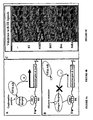
- the bait plasmids encoding either the full-length or a region of the target protein (Nuclear Receptor, viral proteins for example), and the random peptide/VP16-AD librairy were transformed into the yeast strain and yeast colonies growing in absence of histidine were selected. Only yeast colonies in which a strong interaction between the bait (i.e. NR, viral proteins, ...) and the prey (peptide-VP16-AD) proteins did occur would grow under such selective culture conditions and will express the LacZ reporter gene ( Figure 3 ). Growth of false positive clones may be prevented by adding 3-amino-triazole (3AT), a competitive inhibitor of HIS3, to the medium.
- 3-amino-triazole (3AT), a competitive inhibitor of HIS3, to the medium.
- Addition of ligand (agonist or antagonist) to the medium shall suppress the growth of some clones, indicating that a conformation sensitive peptide/VP16-AD protein is dissociated from the target protein (i.e. NR, viral proteins), as a probable consequence of ligand-induced target protein-conformational changes, resulting in a shut-off of HIS3 and lacZ genes expression.
- target protein i.e. NR, viral proteins
- All conformation sensitive peptides dissociated by both target protein agonists and antagonists were selected for further characterization with the aim to develop screening platforms that allow the search of both activators and inhibitors of target protein in one single assay.
- each isolated conformation sensitive peptide is reconfirmed by isolation of conformation sensitive peptide encoding plasmids, re-transformation into yeast strain and analysis of HIS3 and lacZ gene expression in absence of histidine and in presence of target protein or non-target protein ligands in a spot test, as well as in a quantitative LacZ assay.
- the bait plasmids encoding the full length or the DEF regions of the ER ⁇ and the prey peptide/VP16-AD VV01 library were transformed into the yeast strain. Yeast colonies growing in absence of histidine were selected. Only yeast colonies in which a strong interaction between the bait (ER ⁇ ) and the prey (peptide-VP16AD) proteins did occur would grow under such selective culture conditions and express the LacZ reporter gene. Growth of false positive clones was prevented by adding 3-amino-triazole (3AT), a competitive inhibitor of HIS3 to the medium.
- 3-amino-triazole 3-amino-triazole
- Figure 4 shows the growth and LacZ-expression of 3 individual yeast clones in absence of histidine in the culture medium either with ER ligands or with non-ER ligands or in absence of any ligand.
- estradiol (E2), 4-hydroxytamoxifen (40HT) and diethylstilbestrol (DES) to the medium suppresses the growth of most clones, indicating that the conformation sensitive peptide/VP16AD protein is dissociated from ER ⁇ , as a probable consequence of hormone-induced ER ⁇ -conformational changes, resulting in a shut-off of HIS3 and lacZ genes expression.
- dexamethasone a ligand for the glucocorticoid receptor (not shown), or 9-cis retinoic acid (9cRA), a ligand for the retinoic acid receptor, had no effect on these yeast clones.
- yeast clones contain peptide sequences that can interact to ER ⁇ and also "sense" specific ER ⁇ conformational changes that are induced upon agonist (E2) or antagonist (4OHT) binding. Similar results have been found with another agonist (diethylstilbestrol: DES).
- All 3D-screen peptides dissociated by both ER agonists and antagonists were selected for further characterization with the aim to develop screening platforms that allow the search of both activators and inhibitors of ER ⁇ in one single assay.
- the biological activity of each isolated 3D-Screen peptide was reconfirmed by isolation of 3D-Screen encoding plasmids, retransformation into the yeast strain (MATa; his3-A200; leu2-3,112; trpl-901; [plexAop]4::HIS3; [plexAop]8::lacZ) and analysis of HIS3 and lacZ gene expression in absence of Histidine and in presence of ER or non-ER ligands in a spot test.
- Clones 5-21, 9-23 and 30-2 were thereafter selected as containing the most potent 3D-screen peptides able to "sense" ER ⁇ conformational changes induced by both agonist and antagonist ligands ( Figure 5 ).
- the sequence of the selected 3D-screen peptides able to "sense" ER ⁇ conformational changes induced by both agonist and antagonist ligands are:
- yeast two-hybrid experiments were carried out for the human retinoic acid receptor alpha (RAR ⁇ ) to identify peptides that sense the conformational state of the receptor with the ultimate goal to use such 3D-screen peptides as a tool to identify novel small molecules.
- RAR ⁇ human retinoic acid receptor alpha
- the bait plasmids encoding either the full-length or the DEF regions of RAR ⁇ and the prey peptide/VP16-AD VV01 library were transformed into the yeast strain (MATa; his3-A200; leu2-3,112; trpl-901; [plexAop]4::HIS3; [plexAop]8::lacZ) and yeast colonies growing in absence of histidine were selected. Only yeast colonies in which a strong interaction between the bait RAR ⁇ and the prey peptide/VP16-AD proteins did occur would grow under such selective culture conditions and express the lacZ reporter gene. Growth of false positive clones was prevented by adding 3-amino-triazole (3AT).
- FIG. 6 shows as a representative example the growth and LacZ expression of 28 selected clones in absence of histidine and RAR ⁇ ligands (left panel).
- RAR ⁇ 3D-screen peptides were identified (Table II), dissociated either by 9c-RA or AT-RA or both, or for which the reporter gene expression is up-regulated in the presence of both ligands: Table II: Analysis of RAR ⁇ 3D-sensor peptides Ligand effect Nb clones / 270 % Inhibition by AT-RA & 9c-RA 38 14 Inhibition by AT-RA 33 12 Inhibition by 9c-RA 1 0.4 Induction by 9c-RA & AT-RA 38 14 No effect 157 58
- Figure 7 shows the amino-acid sequence of four 3D-Screen peptides whose interaction with RAR ⁇ is prevented by either or both AT-RA and 9c-RA:
- the most potent 3D-screen peptides have been selected for the development of a human cell screening platform to search novel small molecules inducing specific conformational changes and modulating the RAR ⁇ activity.
- yeast two-hybrid experiments were carried out for the NS5B protein of Hepatitis C virus to identify peptides that sense the conformational state of the polymerase with the ultimate goal to use such 3D-screen peptides as a tool to identify novel anti-viral molecules.
- Yeast two-hybrid experiments were carried out in the yeast strain (MATa; his3- ⁇ 200; leu2-3,112; trp1-901; [plexAop]4::HIS3; [plexAop]8::lacZ) transformed with the RNA dependent RNA polymerase of HCV deleted of the last 21 C terminus residues, NS5B ⁇ 2 fused to the LexA-DBD as a bait and the VV01 peptide library as a prey.
- the C terminal 21 residues of HCV NS5B correspond to a very hydrophobic sequence supposed to support the membrane-anchoring domain of the protein. Only colonies in which an interaction between NSSB021-LBD and a peptide -VP16 occurs can grow in the absence of Histidine.
- nucleoside substrate analogue as ribavirin, that does not induce conformational change of NS5B, has no effect on yeast growth.
- the three expression cassettes described before (encoding 3) were inserted into one, two or three ids carrying additional selection genes to establish human permanent cell lines.
- additional selection genes Blasticidine and Puromycine resistant genes were selected for this study.
- HeLa cells which are derived from a human cervical carcinoma, will be selected for the described experiments, but any others mammalian cell can be used for the generation of the conformation sensitive peptides human cell screening platform.
- HeLa cells were transiently transfected with the plasmid using the optimized jetPEI transfection protocol (PolyPlus Transfection, Illkirch, France).
- Target protein ligands were added to the cell culture medium 24 hours after transfection.
- the target protein ligand is a small chemical molecule. Luciferase activity is measured 24 hours later.
- HeLa cells were transiently transfected with plasmid using the optimized jetPEI transfection protocol (PolyPlus Transfection, Illkirch, France). Briefly, cells are seeded in 24-well plates at a density of 7,5X10 4 cells per well and 1 ⁇ g of total DNA is complexed to jetPEI at an N/P ratio of 8 (number of nitrogen residues of jetPEI per DNA phosphate residues).
- the optimal ratio between the reporter, ER and 3D-Screen plasmids was: 300ng reporter plasmid (UAS-Luc), 100ng ER expressing plasmid and 50ng peptide plasmid (ER ⁇ 3D screen peptide N° 5-21), complemented to 1 ⁇ g with a neutral carrier DNA.
- Chemical ligands are added to the cell culture medium 24H after transfection. Luciferase activity was measured 24H later.
- a slightly modified experimental protocol was used to screen small molecule libraries: 10 6 cells are transfected in 10cm-diameter dishes with 10 ⁇ g of total DNA complexed to jetPEI at an N/P ratio of 8. Cells are trypsinised and plated in 96well-plates (or 384 well-plates) at 5X10 4 cells per well 24H after transfection, and small molecules are added upon cell adhesion. Luciferase activity is measured 24H later.
- luciferase expression is not inhibited upon addition of ligands for unrelated nuclear receptors (non-ER ligands; ( Figures 11 and 12 ).
- Such conditions can therefore be used to screen small molecule libraries and search for novel chemical compounds that induce conformational changes of the target NR.
- Similar results were obtained with two independent ER ⁇ 3D-Screen peptides (# 9-23 & 30-2) by using 1 or 10 ⁇ M of ligand, together with either the full-length ER ⁇ or the ER ⁇ DEF regions.
- Gal4-ER(fl) fusion protein remains inactive even after of ER agonists is an important since: i) background luciferase activity is minimal in the absence of ligand or in the presence of ER ligands; ii) luciferase expression is strongly induced upon interaction of the un-liganded ER with the 3D-screen/VP16AD protein; iii) luciferase expression is strongly reduced in presence of ER ligands only, as well agonists as antagonists, as a consequence of the dissociation between the 3D-sensor/VP16AD and the liganded receptor.
- a small molecule library of 13280 original chemical compounds was screened in HeLa cells under the experimental conditions described above.
- the three expression plasmids, UAS-luc, full-length ER and 3D-screen/VP16AD (#30-2) were co-transfected in Hela cells in large dishes. Cells were then reseeded in a 96-well plate format 24H after transfection and chemical compounds are added upon cell adhesion. Luciferase activity was measured 24H later. Internal controls were also included, consisting in known ER- or non-ER ligands as previously indicated. Under these conditions, around 100 small molecule hits were identified that specifically modulate the receptor conformation and prevent luciferase expression (luciferase expression reduced over 90%).
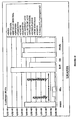
- Figure 13 shows the results from 160 compounds.
- the 13 other hits are therefore inducing ER ⁇ to change its conformation, but without any obvious effect on its transcriptional activity, at least in HeLa cells.
- Such compounds are hits that could not be identified otherwise using classical screening systems and may display unexpected biological properties in other cell systems or tissues ( figure 14 ).
- Estren a synthetic molecule that cannot be detected using classical screening assays, was included in the assay to determine whether this novel screening platform can allow the isolation of such molecule ( figure 12 ).
- Estern is very effectively detected with the 3D screen sensor technology indicating that this molecule does induce a conformational change to the receptor.
- Estren was demonstrated to prevent apoptosis of bone cells without affecting the reproductive organs, so without the side effects of molecules used to treat osteoporosis ( Science, 298, 2002, p843 ).
Landscapes
- Life Sciences & Earth Sciences (AREA)
- Health & Medical Sciences (AREA)
- Molecular Biology (AREA)
- Engineering & Computer Science (AREA)
- Hematology (AREA)
- Physics & Mathematics (AREA)
- Chemical & Material Sciences (AREA)
- Urology & Nephrology (AREA)
- Immunology (AREA)
- Biomedical Technology (AREA)
- Microbiology (AREA)
- Analytical Chemistry (AREA)
- Biotechnology (AREA)
- Proteomics, Peptides & Aminoacids (AREA)
- Biophysics (AREA)
- Bioinformatics & Computational Biology (AREA)
- Bioinformatics & Cheminformatics (AREA)
- Food Science & Technology (AREA)
- Medicinal Chemistry (AREA)
- Cell Biology (AREA)
- Biochemistry (AREA)
- General Health & Medical Sciences (AREA)
- General Physics & Mathematics (AREA)
- Pathology (AREA)
- Medicines That Contain Protein Lipid Enzymes And Other Medicines (AREA)
- Investigating Or Analysing Biological Materials (AREA)
- Measuring Or Testing Involving Enzymes Or Micro-Organisms (AREA)
- Peptides Or Proteins (AREA)
Claims (16)
- In vivo-Verfahren zum Selektieren von einer oder mehreren Testverbindung(en) mit der Fähigkeit, die biologische Aktivität eines Zielproteins durch Modifizieren der Konformation des Zielproteins zu modulieren, wobei das Verfahren aus den Schritten besteht:A. eine kombinatorische Bibliothek von Peptiden bereitzustellen, wobei die Bibliothek in einer Mehrzahl von Zellen exprimiert wird und die Zellen kollektiv alle Mitglieder der Bibliothek exprimieren;
wobei jede Zelle co-exprimiert- das Zielprotein oder einen Liganden-bindenden Proteinanteil davon und- Ein Mitglied der Bibliothek;wobei jede Zelle des Weiteren ein Signal erzeugendes System unfasst, in Wirkverbindung mit dem Zielprotein oder einen Liganden-bindenden Proteinanteil davon, so dass ein Signal erzeugt wird, das anzeigt, ob das Element bindet das Zielprotein oder Liganden-Bindungseinheit in oder an der Zelle ist;
wobei das Signal erzeugendes System umfasst:- eine Protein-gebundene Komponente, die mit dem Zielprotein oder dem Liganden-bindenden Proteinanteil davon fusioniert ist, um ein chimäres Protein bereitzustellen; und- eine Peptid-gebundene Komponente, die mit dem Peptid fusioniert ist, um ein chimäres Peptid bereitzustellen,wobei eine der Komponenten eine DNA-bindende Domäne (DBD) ist und die andere Komponente eine komplementäre Transaktivierungsdomäne (AD) ist und das Signal erzeugende System des Weiteren mindestens ein Reportergen, das operativ bzw. funktionsfähig mit einem Operator, der durch die DBD gebunden wird, verknüpft ist, umfasst, wobei die Bindung des Peptids an das Zielprotein oder den Protein-bindenden Anteil davon zu der Konstitution eines funktionsfähigen Transaktivierungsaktivatorproteins, das eine Expression des Reportergens aktiviert, führt und ein Signal durch Aktivierung der Expression eines Reportergens erzeugt wird, wenn die Peptid-gebundenen und Protein-gebundenen Komponenten in körperliche Nähe zueinander gebracht werden als ein Ergebnis der Bindung des Peptids an das Zielprotein, oder Liganden-bindenden Proteinanteil davon;B. Screenen der Bibliothek auf die Fähigkeit von deren Mitgliedern, an das Zielprotein in seiner nativen Konformation zu binden, und Selektieren der Peptide, die an das Zielprotein in seiner nativen Konformation binden;
wobei das Verfahren dadurch gekennzeichnet ist, dass es des Weiteren die Schritte umfasst:C. Screenen von Peptiden in B) selektierend auf die Fähigkeit zur Bindung an das Protein in Gegenwart eines bekannten Liganden des Zielproteins und selektieren eines in B) identifizierten Peptids, welches eine verringerte oder keine Fähigkeit aufweist, an das Zielprotein in Gegenwart des bekannten Liganden des Zielproteins zu binden, verglichen mit der Fähigkeit des Peptids, an das Zielprotein in seiner nativen Konformation zu binden;D. Screenen einer Bibliothek von Testverbindungen auf ihre Fähigkeit, die Bindung des Peptids, das in Schritt C) selektiert worden ist, an das Zielprotein zu verändern; undE. Selektieren von jenen der Testverbindung(en), die die Bindung des Peptids verändern, wobei eine Verringerung bei der Bindung oder ein Fehlen von Bindung anzeigt, dass die selektierte Testverbindung eine Konformationsveränderung bei dem Zielprotein induziert, wobei:- die Schritte A), B) und C) in einer Hefezelle ausgeführt werden; und- die Schritte D) und E) in einer Zelle, ausgewählt unter humanen primären Zellen und humanen Zelllinien, ausgeführt werden. - Verfahren nach Anspruch 1, wobei die Mitglieder der Bibliothek von Peptiden aus weniger als 50, mehr bevorzugt weniger als 25 und sogar noch mehr bevorzugt weniger als 15 Aminosäuren bestehen.
- Verfahren nach einem der Ansprüche 1 oder 2, wobei das Signal erzeugende System umfasst:(i) eine komplementäre Transaktivierungsdomäne (AD), die mit dem Peptid fusioniert ist, um ein chimäres Peptid bereitzustellen; und(ii) eine DNA-bindende Domäne (DBD), die mit dem Zielprotein fusioniert ist, um ein chimäres Protein bereitzustellen; und(iii) ein Signal erzeugendes System, umfassend mindestens ein Reportergen, welches operativ bzw. funktionsfähig mit einem Operator, der durch die DBD gebunden wird, verknüpft ist;
wobei die Bindung des Peptids an das Protein zu der Konstitution eines funktionsfähigen Transaktivierungsaktivatorproteins führt, welches eine Expression des Reportergens aktiviert, wodurch ein Signal erzeugt wird, das die Bindung des Peptids an das Zielprotein anzeigt. - Verfahren nach einem der Ansprüche 1 bis 3, wobei die DBD aus der Gruppe bestehend aus Gal4 und LexA ausgewählt ist und wobei die AD aus der Gruppe bestehend aus E. coli B42, der Ga14-Aktivierungsdomäne II und HSV VP16 ausgewählt ist.
- Verfahren nach einem der Ansprüche 1 bis 4, wobei die Hefezelle der Hefestamm (MATa; his3-A200; leu2-3,112; trpl-901; [plexAop]4::HIS3; [plexAop]8::lacZ), in welchem die Expression der zwei Reportergene HIS3 und LacZ unter der Kontrolle der LexA-Operatorsequenz steht, ist.
- Verfahren nach einem der Ansprüche 1 bis 5, wobei die in den Schritten D) und E) verwendete Zelle aus der Gruppe bestehend aus HeLa-, T47D-, A549-, HEK-293- und MCF7-Zellen ausgewählt ist.
- Verfahren nach einem der Ansprüche 1 bis 6, wobei die folgenden drei unterschiedlichen Expressionskassetten für die Etablierung des Screenings der Testverbindungen in den HeLa-Zellen verwendet werden:- eine Reporterexpressionskassette, umfassend ein Luciferasegen unter der Kontrolle der induzierbaren Ga14-upstream-activating-Sequenzen (Ga14-UAS);- eine Zielproteinexpressionskassette, welche die Zielprotein-cDNA fusioniert mit dem Carboxyterminus der Hefe-Ga14-DBD unter der Kontrolle des konstitutiven frühen SV40-Promotors trägt; und- eine konformationsempfindliches PeptidNP16AD-Expressionskassette, die das selektierte konformationsempfindliche Peptid fusioniert an den Carboxyterminus der viralen VP16-Aktivierungsdomäne unter der Kontrolle des konstitutiven CMV-Promotors und -Enhancers trägt.
- Verfahren nach einem der Ansprüche 1 bis 7, wobei die Testverbindung endogen oder vorzugsweise exogen zu der humanen Zelle von Schritt D) hinzugefügt wird.
- Verfahren nach einem der Ansprüche 1 bis 8, wobei das Zielprotein ein Hepatitis C-Virusprotein, ausgewählt unter Protease NS2/3, Serinprotease NS3-4A, NS3-RNA-Helicase, Cofaktor UA, Cofaktor UB, RNA-Polymerase 5B und dem nicht-Strukturprotein 5A, ist.
- Verfahren nach Anspruch 9, wobei, wenn das Zielprotein ein Hepatitis C-Virusprotein, ausgewählt unter:a) NS3-4a-Serinprotease, ist, der bekannte Proteinligand dann unter Pyrrolidin-5,5-translactam, Derivaten von 2,4,6-Trihydroxy-3-nitrobenzamiden, Thiazolidinen, Benzaniliden, BILN2061 ausgewählt ist; undb) NS3-RNA-Helicase, ist, der bekannte Proteinligand dann unter 2,3,5-trisubstituierten 1,2,4-Thiadiazol-2-iumsalzen ausgewählt ist; undc) anderen Hepatitis C-Virusproteinen, ist, der bekannte Proteinligand dann unter Ribavirin, Levovirin, Viramidin, Merimpodib, Thymosin alpha 1, Amantadin ausgewählt ist.
- Verfahren nach den Ansprüchen 1 bis 8, wobei das Zielprotein ein Influenzavirus-Protein, ausgewählt aus Neuraminidase, Protein M2 und Haemagglutinin, ist.
- Verfahren nach Anspruch 11, wobei, wenn das Zielprotein ein virales Influenzavirus-Protein, ausgewählt unter:a) Neuraminidase, ist, der bekannte Proteinligand dann unter Zanamivir und Oseltamivir ausgewählt ist; undb) Protein M2, ist, der bekannte Proteinligand dann unter Arnantadin und Rimantadin ausgewählt ist.
- Verfahren nach den Ansprüchen 1 bis 8, wobei das Zielprotein ein lentivirales Protein, ausgewählt unter Integrase, Protease, TAT, NEF, REV, VIF, Vpu und Vpr, ist.
- Verfahren nach Anspruch 13, wobei, wenn das Zielprotein ein virales HIV-Protein, ausgewählt unter.a) viraler Protease, ist, der bekannte Proteinligand dann unter Amprenavir, Indinavir, Saquinavir, Lopinavir, Fosamprenavir, Ritonavir, Atazanavir, Nelfinavir, ausgewählt ist; undb) reverser Transkriptase, ist, das bekannte Protein dann unter Lamivudin, Zalcitabin, Delavirdin, Zidovulin, Efavirenz, Didanosin, Nevirapin, Tenofovir-disoproxilfumarat, Abacavir, Stavudin ausgewählt ist.
- Verfahren nach den Ansprüchen 1 bis 8, wobei das Zielprotein ein humaner nukleärer Rezeptor, ausgewählt unter einem Östrogenrezeptor, einem Androgenrezeptor, einem Glucocorticoidrezeptor, einem Retinsäurerezeptor alpha (RARa), einem Retinoid-X-Rezeptor (RXR), einem Peroxisom-Proliferator-aktivierten Rezeptor (PPARs) und einem Leber-X-Rezeptor alpha (LXRa), ist.
- Verfahren nach Anspruch 15, wobei, wenn das Zielprotein ein nukleärer Rezeptor, ausgewählt unter:a) einem Östrogenrezeptor, ist, der bekannte Proteinligand dann unter: Östradiol, Diethylstilbestrol, Genistein, Tamoxifen, IC1182780, Raloxifen ausgewählt ist; undb) einem Androgenrezeptor, ist, der bekannte Proteinligand dann unter: Testosteron, Dihydrotestosteron, Progesteron, Medroxyprogesteronacetat, Cyproteronacetat, Mifepriston, Dehydroepiandrosteron, Flutamid ausgewählt ist; undc) einem Glucocorticoidrezeptor, ist, der bekannte Proteinligand dann unter: Dexamethason, Medroxyprogesteronacetat, Cortivazol, Deoxycorticosteron, Mifepriston, Fluticasonpropionat, Dexamethason ausgewählt ist; undd) Peroxisom-Proliferator-aktivierten Rezeptoren (PPARs), ist, der bekannte Proteinligand dann unter den Glitazonen, wie Troglitazon, ausgewählt ist; unde) einem Leber X-Rezeptor alpha (LXRa), ist, der bekannte Proteinligand dann unter T1317 ausgewählt ist; undf) einem Retinsäurerezeptor (RAR), ist, der bekannte Proteinligand dann unter all-trans-Retinsäure, 9-cis-Retinsäure ausgewählt ist; undg) einem Retinoid X-Rezeptor (RXR), ist, der bekannte Proteinligand dann unter all-trans-Retinsäure und 9-cis-Retinsäure ausgewählt ist.
Priority Applications (1)
| Application Number | Priority Date | Filing Date | Title |
|---|---|---|---|
| EP05850660.1A EP1789799B2 (de) | 2004-09-16 | 2005-09-16 | Screeningverfahren von konformation empfindlichen bindenden peptiden |
Applications Claiming Priority (3)
| Application Number | Priority Date | Filing Date | Title |
|---|---|---|---|
| EP04292224A EP1637885A1 (de) | 2004-09-16 | 2004-09-16 | Screeningverfahren von Konformation empfindlichen bindenden Peptiden |
| EP05850660.1A EP1789799B2 (de) | 2004-09-16 | 2005-09-16 | Screeningverfahren von konformation empfindlichen bindenden peptiden |
| PCT/IB2005/003323 WO2006046134A2 (en) | 2004-09-16 | 2005-09-16 | Method of screening by using conformation sensitive peptides |
Publications (3)
| Publication Number | Publication Date |
|---|---|
| EP1789799A2 EP1789799A2 (de) | 2007-05-30 |
| EP1789799B1 EP1789799B1 (de) | 2011-11-09 |
| EP1789799B2 true EP1789799B2 (de) | 2015-03-11 |
Family
ID=34931388
Family Applications (2)
| Application Number | Title | Priority Date | Filing Date |
|---|---|---|---|
| EP04292224A Withdrawn EP1637885A1 (de) | 2004-09-16 | 2004-09-16 | Screeningverfahren von Konformation empfindlichen bindenden Peptiden |
| EP05850660.1A Expired - Lifetime EP1789799B2 (de) | 2004-09-16 | 2005-09-16 | Screeningverfahren von konformation empfindlichen bindenden peptiden |
Family Applications Before (1)
| Application Number | Title | Priority Date | Filing Date |
|---|---|---|---|
| EP04292224A Withdrawn EP1637885A1 (de) | 2004-09-16 | 2004-09-16 | Screeningverfahren von Konformation empfindlichen bindenden Peptiden |
Country Status (4)
| Country | Link |
|---|---|
| US (1) | US9182408B2 (de) |
| EP (2) | EP1637885A1 (de) |
| AT (1) | ATE533055T1 (de) |
| WO (1) | WO2006046134A2 (de) |
Families Citing this family (7)
| Publication number | Priority date | Publication date | Assignee | Title |
|---|---|---|---|---|
| WO2006019955A2 (en) | 2004-07-14 | 2006-02-23 | President And Fellows Of Harvard College | Antiviral methods and compositions |
| US20110003393A1 (en) * | 2007-10-25 | 2011-01-06 | President And Fellows Of Harvard College | Systems and methods for studying influenza |
| EP2101173A1 (de) | 2008-03-14 | 2009-09-16 | Vivalis | In-vitro-Verfahren zur Bestimmung, ob ein gegen ein Zielprotein aktiver Arzneimittelkandidat aktiv gegen eine Variante des besagten Proteins ist |
| CA2767474A1 (en) | 2009-07-10 | 2011-01-13 | Vivalis | Substituted pyrrolidinone as inhibitors of hepatitis c ns5b polymerase, the pharmaceutical composition thereof and their therapeutic use |
| TW201116522A (en) | 2009-07-10 | 2011-05-16 | Vivalis | 1-(6 members azo-heterocyclic)-pyrrolin-2-one compounds as inhibitors of Hepatitis C NS5B polymerase, the pharmaceutical composition thereof and their therapeutic use |
| WO2012093174A1 (en) | 2011-01-07 | 2012-07-12 | Vivalis | 1-(6-membered azo-heterocyclic)-2,5-dihydro-1h-pyrrol-2-one derivatives as anti-hepatitis c virus, the pharmaceutical composition thereof and their therapeutic use |
| JP6518656B2 (ja) | 2013-06-13 | 2019-05-22 | バイオデシー, インコーポレイテッド | 標的生体実体を標的にする生化学実体候補をスクリーニングする方法 |
Family Cites Families (10)
| Publication number | Priority date | Publication date | Assignee | Title |
|---|---|---|---|---|
| US5071773A (en) * | 1986-10-24 | 1991-12-10 | The Salk Institute For Biological Studies | Hormone receptor-related bioassays |
| US5217867A (en) * | 1988-11-30 | 1993-06-08 | The Salk Institute For Biological Studies | Receptors: their identification, characterization, preparation and use |
| US5445941A (en) * | 1993-06-21 | 1995-08-29 | Eli Lilly And Company | Method for screening anti-osteoporosis agents |
| US5723291A (en) * | 1993-09-01 | 1998-03-03 | The Regents Of The University Of California | Methods for screening compounds for estrogenic activity |
| WO1997020952A1 (en) * | 1995-12-07 | 1997-06-12 | Scriptgen Pharmaceuticals, Inc. | A fluorescence-based screening method for identifying ligands |
| WO1997031646A1 (en) * | 1996-02-28 | 1997-09-04 | University Of Colorado | Steroid receptor antagonist co-modulator and methods for using same |
| DE69932712T2 (de) * | 1998-04-23 | 2007-09-06 | Duke University | Vorhersage über die rezeptor-modulierende wirkung von verbindungen |
| US6972198B2 (en) * | 1999-02-26 | 2005-12-06 | Cyclacel, Ltd. | Methods and compositions using protein binding partners |
| WO2002004956A2 (en) | 2000-07-12 | 2002-01-17 | Karo Bio Usa, Inc. | Method of identifying conformation-sensitive binding peptides and uses thereof |
| US20040043420A1 (en) * | 2001-07-11 | 2004-03-04 | Dana Fowlkes | Method of identifying conformation-sensitive binding peptides and uses thereof |
-
2004
- 2004-09-16 EP EP04292224A patent/EP1637885A1/de not_active Withdrawn
-
2005
- 2005-09-16 AT AT05850660T patent/ATE533055T1/de active
- 2005-09-16 EP EP05850660.1A patent/EP1789799B2/de not_active Expired - Lifetime
- 2005-09-16 WO PCT/IB2005/003323 patent/WO2006046134A2/en not_active Ceased
- 2005-09-16 US US11/662,873 patent/US9182408B2/en not_active Expired - Fee Related
Also Published As
| Publication number | Publication date |
|---|---|
| US20080076669A1 (en) | 2008-03-27 |
| WO2006046134A3 (en) | 2006-12-07 |
| WO2006046134A2 (en) | 2006-05-04 |
| ATE533055T1 (de) | 2011-11-15 |
| US9182408B2 (en) | 2015-11-10 |
| EP1789799B1 (de) | 2011-11-09 |
| EP1637885A1 (de) | 2006-03-22 |
| EP1789799A2 (de) | 2007-05-30 |
Similar Documents
| Publication | Publication Date | Title |
|---|---|---|
| Seethala et al. | Handbook of drug screening | |
| Joyeux et al. | Engineered cell lines as a tool for monitoring biological activity of hormone analogs | |
| Kumar et al. | Intracellular localization and nucleocytoplasmic trafficking of steroid receptors: an overview | |
| AU2001278901A1 (en) | Method of identifying conformation-sensitive binding peptides and uses thereof | |
| US20040018485A1 (en) | Multiplexed analysis of cells | |
| EP1789799B1 (de) | Verfahren zum screenen mithilfe von konformationsempfindlichen peptiden | |
| EP2271936B1 (de) | In-vitro-verfahren um zu bestimmen, ob ein gegen ein zielprotein aktiver arzneistoffkandidat gegen eine variante des proteins aktiv ist | |
| Munder et al. | Yeast cells as tools for target-oriented screening | |
| CA2914980C (en) | Detection of protein to protein interactions | |
| Patricio et al. | The mammalian two-hybrid system as a powerful tool for high-throughput drug screening | |
| JP4206420B2 (ja) | 核タンパク質/核レセプターの相互作用のインヒビター | |
| US20040043420A1 (en) | Method of identifying conformation-sensitive binding peptides and uses thereof | |
| US20020045188A1 (en) | Methods for validating polypeptide targets that correlate to cellular phenotypes | |
| WO1997045737A9 (en) | Screen for ultraspiracle inhibitors | |
| WO2010003908A1 (en) | Screening assay for compounds targeting the p97 aaa-atpase complex in the ubiquitin proteasome system. | |
| JP2002538781A (ja) | セパリンの抑制物質、それらの特定方法および使用 | |
| KR20040039082A (ko) | 에스트로겐 수용체 α 유전자와 전사 공역인자 유전자가도입된 효모 이중-하이브리드 시스템을 이용한 내분비계장애물질의 검출 방법 | |
| US20020015966A1 (en) | Effector-specific protein assembly and uses thereof | |
| Ellison et al. | Potentiation of human estrogen receptor α-mediated gene expression by steroid receptor coactivator-1 (SRC-1) in Saccharomyces cerevisiae | |
| JP2005204516A (ja) | 小胞体ストレスの2元的検査システム | |
| US7435546B2 (en) | System to detect inducible translocation | |
| Tavassoli | Androgen receptor modulation by non-androgenic factors and the basal transcription factor TAF1 | |
| Zavitz et al. | THE CONTRIBUTION OF MOLECULAR BIOLOGY TO DRUG DISCOVERY | |
| Kirsch et al. | Molecular Genetic Screen Design for Agricultural and Pharmaceutical Product Discovery | |
| Ficz et al. | Epigenetic repression in living Drosophila. Stability and dissociation constants of Polycomb group Protein-chromatin complexes |
Legal Events
| Date | Code | Title | Description |
|---|---|---|---|
| PUAI | Public reference made under article 153(3) epc to a published international application that has entered the european phase |
Free format text: ORIGINAL CODE: 0009012 |
|
| 17P | Request for examination filed |
Effective date: 20070329 |
|
| AK | Designated contracting states |
Kind code of ref document: A2 Designated state(s): AT BE BG CH CY CZ DE DK EE ES FI FR GB GR HU IE IS IT LI LT LU LV MC NL PL PT RO SE SI SK TR |
|
| AX | Request for extension of the european patent |
Extension state: AL BA HR MK YU |
|
| DAX | Request for extension of the european patent (deleted) | ||
| 17Q | First examination report despatched |
Effective date: 20071005 |
|
| GRAP | Despatch of communication of intention to grant a patent |
Free format text: ORIGINAL CODE: EPIDOSNIGR1 |
|
| GRAS | Grant fee paid |
Free format text: ORIGINAL CODE: EPIDOSNIGR3 |
|
| GRAA | (expected) grant |
Free format text: ORIGINAL CODE: 0009210 |
|
| AK | Designated contracting states |
Kind code of ref document: B1 Designated state(s): AT BE BG CH CY CZ DE DK EE ES FI FR GB GR HU IE IS IT LI LT LU LV MC NL PL PT RO SE SI SK TR |
|
| REG | Reference to a national code |
Ref country code: GB Ref legal event code: FG4D |
|
| REG | Reference to a national code |
Ref country code: CH Ref legal event code: EP |
|
| REG | Reference to a national code |
Ref country code: IE Ref legal event code: FG4D |
|
| REG | Reference to a national code |
Ref country code: CH Ref legal event code: NV Representative=s name: MICHELI & CIE SA |
|
| REG | Reference to a national code |
Ref country code: NL Ref legal event code: T3 |
|
| REG | Reference to a national code |
Ref country code: DE Ref legal event code: R096 Ref document number: 602005031168 Country of ref document: DE Effective date: 20120202 |
|
| REG | Reference to a national code |
Ref country code: SE Ref legal event code: TRGR |
|
| LTIE | Lt: invalidation of european patent or patent extension |
Effective date: 20111109 |
|
| PG25 | Lapsed in a contracting state [announced via postgrant information from national office to epo] |
Ref country code: IS Free format text: LAPSE BECAUSE OF FAILURE TO SUBMIT A TRANSLATION OF THE DESCRIPTION OR TO PAY THE FEE WITHIN THE PRESCRIBED TIME-LIMIT Effective date: 20120309 Ref country code: LT Free format text: LAPSE BECAUSE OF FAILURE TO SUBMIT A TRANSLATION OF THE DESCRIPTION OR TO PAY THE FEE WITHIN THE PRESCRIBED TIME-LIMIT Effective date: 20111109 |
|
| PG25 | Lapsed in a contracting state [announced via postgrant information from national office to epo] |
Ref country code: GR Free format text: LAPSE BECAUSE OF FAILURE TO SUBMIT A TRANSLATION OF THE DESCRIPTION OR TO PAY THE FEE WITHIN THE PRESCRIBED TIME-LIMIT Effective date: 20120210 Ref country code: SI Free format text: LAPSE BECAUSE OF FAILURE TO SUBMIT A TRANSLATION OF THE DESCRIPTION OR TO PAY THE FEE WITHIN THE PRESCRIBED TIME-LIMIT Effective date: 20111109 Ref country code: LV Free format text: LAPSE BECAUSE OF FAILURE TO SUBMIT A TRANSLATION OF THE DESCRIPTION OR TO PAY THE FEE WITHIN THE PRESCRIBED TIME-LIMIT Effective date: 20111109 Ref country code: PL Free format text: LAPSE BECAUSE OF FAILURE TO SUBMIT A TRANSLATION OF THE DESCRIPTION OR TO PAY THE FEE WITHIN THE PRESCRIBED TIME-LIMIT Effective date: 20111109 Ref country code: BE Free format text: LAPSE BECAUSE OF FAILURE TO SUBMIT A TRANSLATION OF THE DESCRIPTION OR TO PAY THE FEE WITHIN THE PRESCRIBED TIME-LIMIT Effective date: 20111109 Ref country code: PT Free format text: LAPSE BECAUSE OF FAILURE TO SUBMIT A TRANSLATION OF THE DESCRIPTION OR TO PAY THE FEE WITHIN THE PRESCRIBED TIME-LIMIT Effective date: 20120309 |
|
| PG25 | Lapsed in a contracting state [announced via postgrant information from national office to epo] |
Ref country code: CY Free format text: LAPSE BECAUSE OF FAILURE TO SUBMIT A TRANSLATION OF THE DESCRIPTION OR TO PAY THE FEE WITHIN THE PRESCRIBED TIME-LIMIT Effective date: 20111109 |
|
| PLBI | Opposition filed |
Free format text: ORIGINAL CODE: 0009260 |
|
| PG25 | Lapsed in a contracting state [announced via postgrant information from national office to epo] |
Ref country code: CZ Free format text: LAPSE BECAUSE OF FAILURE TO SUBMIT A TRANSLATION OF THE DESCRIPTION OR TO PAY THE FEE WITHIN THE PRESCRIBED TIME-LIMIT Effective date: 20111109 Ref country code: BG Free format text: LAPSE BECAUSE OF FAILURE TO SUBMIT A TRANSLATION OF THE DESCRIPTION OR TO PAY THE FEE WITHIN THE PRESCRIBED TIME-LIMIT Effective date: 20120209 Ref country code: SK Free format text: LAPSE BECAUSE OF FAILURE TO SUBMIT A TRANSLATION OF THE DESCRIPTION OR TO PAY THE FEE WITHIN THE PRESCRIBED TIME-LIMIT Effective date: 20111109 Ref country code: DK Free format text: LAPSE BECAUSE OF FAILURE TO SUBMIT A TRANSLATION OF THE DESCRIPTION OR TO PAY THE FEE WITHIN THE PRESCRIBED TIME-LIMIT Effective date: 20111109 Ref country code: EE Free format text: LAPSE BECAUSE OF FAILURE TO SUBMIT A TRANSLATION OF THE DESCRIPTION OR TO PAY THE FEE WITHIN THE PRESCRIBED TIME-LIMIT Effective date: 20111109 |
|
| 26 | Opposition filed |
Opponent name: LFB BIOTECHNOLOGIES Effective date: 20120725 |
|
| PG25 | Lapsed in a contracting state [announced via postgrant information from national office to epo] |
Ref country code: IT Free format text: LAPSE BECAUSE OF FAILURE TO SUBMIT A TRANSLATION OF THE DESCRIPTION OR TO PAY THE FEE WITHIN THE PRESCRIBED TIME-LIMIT Effective date: 20111109 Ref country code: RO Free format text: LAPSE BECAUSE OF FAILURE TO SUBMIT A TRANSLATION OF THE DESCRIPTION OR TO PAY THE FEE WITHIN THE PRESCRIBED TIME-LIMIT Effective date: 20111109 |
|
| REG | Reference to a national code |
Ref country code: AT Ref legal event code: MK05 Ref document number: 533055 Country of ref document: AT Kind code of ref document: T Effective date: 20111109 |
|
| PLAX | Notice of opposition and request to file observation + time limit sent |
Free format text: ORIGINAL CODE: EPIDOSNOBS2 |
|
| REG | Reference to a national code |
Ref country code: DE Ref legal event code: R026 Ref document number: 602005031168 Country of ref document: DE Effective date: 20120725 |
|
| PLAF | Information modified related to communication of a notice of opposition and request to file observations + time limit |
Free format text: ORIGINAL CODE: EPIDOSCOBS2 |
|
| PG25 | Lapsed in a contracting state [announced via postgrant information from national office to epo] |
Ref country code: AT Free format text: LAPSE BECAUSE OF FAILURE TO SUBMIT A TRANSLATION OF THE DESCRIPTION OR TO PAY THE FEE WITHIN THE PRESCRIBED TIME-LIMIT Effective date: 20111109 |
|
| PLBP | Opposition withdrawn |
Free format text: ORIGINAL CODE: 0009264 |
|
| PLBB | Reply of patent proprietor to notice(s) of opposition received |
Free format text: ORIGINAL CODE: EPIDOSNOBS3 |
|
| PG25 | Lapsed in a contracting state [announced via postgrant information from national office to epo] |
Ref country code: MC Free format text: LAPSE BECAUSE OF NON-PAYMENT OF DUE FEES Effective date: 20120930 Ref country code: ES Free format text: LAPSE BECAUSE OF FAILURE TO SUBMIT A TRANSLATION OF THE DESCRIPTION OR TO PAY THE FEE WITHIN THE PRESCRIBED TIME-LIMIT Effective date: 20120220 |
|
| PG25 | Lapsed in a contracting state [announced via postgrant information from national office to epo] |
Ref country code: FI Free format text: LAPSE BECAUSE OF FAILURE TO SUBMIT A TRANSLATION OF THE DESCRIPTION OR TO PAY THE FEE WITHIN THE PRESCRIBED TIME-LIMIT Effective date: 20111109 |
|
| PLAU | Termination of opposition procedure: information related to despatch of decision deleted |
Free format text: ORIGINAL CODE: EPIDOSDOPC1 |
|
| PLBD | Termination of opposition procedure: decision despatched |
Free format text: ORIGINAL CODE: EPIDOSNOPC1 |
|
| PLAY | Examination report in opposition despatched + time limit |
Free format text: ORIGINAL CODE: EPIDOSNORE2 |
|
| RAP2 | Party data changed (patent owner data changed or rights of a patent transferred) |
Owner name: VALNEVA |
|
| PLBC | Reply to examination report in opposition received |
Free format text: ORIGINAL CODE: EPIDOSNORE3 |
|
| PG25 | Lapsed in a contracting state [announced via postgrant information from national office to epo] |
Ref country code: TR Free format text: LAPSE BECAUSE OF FAILURE TO SUBMIT A TRANSLATION OF THE DESCRIPTION OR TO PAY THE FEE WITHIN THE PRESCRIBED TIME-LIMIT Effective date: 20111109 |
|
| PG25 | Lapsed in a contracting state [announced via postgrant information from national office to epo] |
Ref country code: LU Free format text: LAPSE BECAUSE OF NON-PAYMENT OF DUE FEES Effective date: 20120916 |
|
| REG | Reference to a national code |
Ref country code: DE Ref legal event code: R082 Ref document number: 602005031168 Country of ref document: DE Representative=s name: SAMSON & PARTNER, PATENTANWAELTE, DE |
|
| REG | Reference to a national code |
Ref country code: CH Ref legal event code: PFA Owner name: VALNEVA, FR Free format text: FORMER OWNER: VIVALIS, FR |
|
| REG | Reference to a national code |
Ref country code: DE Ref legal event code: R081 Ref document number: 602005031168 Country of ref document: DE Owner name: VALNEVA SE, FR Free format text: FORMER OWNER: VIVALIS, ROUSSAY, FR Effective date: 20111212 Ref country code: DE Ref legal event code: R081 Ref document number: 602005031168 Country of ref document: DE Owner name: VALNEVA SE, FR Free format text: FORMER OWNER: VIVALIS, ROUSSAY, FR Effective date: 20140602 Ref country code: DE Ref legal event code: R082 Ref document number: 602005031168 Country of ref document: DE Representative=s name: SAMSON & PARTNER, PATENTANWAELTE, DE Effective date: 20140602 Ref country code: DE Ref legal event code: R082 Ref document number: 602005031168 Country of ref document: DE Representative=s name: SAMSON & PARTNER PATENTANWAELTE MBB, DE Effective date: 20140602 |
|
| PG25 | Lapsed in a contracting state [announced via postgrant information from national office to epo] |
Ref country code: HU Free format text: LAPSE BECAUSE OF FAILURE TO SUBMIT A TRANSLATION OF THE DESCRIPTION OR TO PAY THE FEE WITHIN THE PRESCRIBED TIME-LIMIT Effective date: 20050916 |
|
| REG | Reference to a national code |
Ref country code: NL Ref legal event code: SD Effective date: 20140807 |
|
| PUAH | Patent maintained in amended form |
Free format text: ORIGINAL CODE: 0009272 |
|
| STAA | Information on the status of an ep patent application or granted ep patent |
Free format text: STATUS: PATENT MAINTAINED AS AMENDED |
|
| 27A | Patent maintained in amended form |
Effective date: 20150311 |
|
| AK | Designated contracting states |
Kind code of ref document: B2 Designated state(s): AT BE BG CH CY CZ DE DK EE ES FI FR GB GR HU IE IS IT LI LT LU LV MC NL PL PT RO SE SI SK TR |
|
| REG | Reference to a national code |
Ref country code: DE Ref legal event code: R102 Ref document number: 602005031168 Country of ref document: DE |
|
| REG | Reference to a national code |
Ref country code: CH Ref legal event code: AELC |
|
| REG | Reference to a national code |
Ref country code: NL Ref legal event code: T3 |
|
| REG | Reference to a national code |
Ref country code: SE Ref legal event code: RPEO |
|
| REG | Reference to a national code |
Ref country code: DE Ref legal event code: R102 Ref document number: 602005031168 Country of ref document: DE Effective date: 20150311 |
|
| PG25 | Lapsed in a contracting state [announced via postgrant information from national office to epo] |
Ref country code: LV Free format text: LAPSE BECAUSE OF FAILURE TO SUBMIT A TRANSLATION OF THE DESCRIPTION OR TO PAY THE FEE WITHIN THE PRESCRIBED TIME-LIMIT Effective date: 20150311 |
|
| REG | Reference to a national code |
Ref country code: FR Ref legal event code: PLFP Year of fee payment: 12 |
|
| REG | Reference to a national code |
Ref country code: FR Ref legal event code: PLFP Year of fee payment: 13 |
|
| REG | Reference to a national code |
Ref country code: FR Ref legal event code: PLFP Year of fee payment: 14 |
|
| PGFP | Annual fee paid to national office [announced via postgrant information from national office to epo] |
Ref country code: SE Payment date: 20190918 Year of fee payment: 15 Ref country code: FR Payment date: 20190926 Year of fee payment: 15 Ref country code: NL Payment date: 20190918 Year of fee payment: 15 Ref country code: DE Payment date: 20190918 Year of fee payment: 15 Ref country code: IE Payment date: 20190919 Year of fee payment: 15 |
|
| PGFP | Annual fee paid to national office [announced via postgrant information from national office to epo] |
Ref country code: GB Payment date: 20190920 Year of fee payment: 15 |
|
| PGFP | Annual fee paid to national office [announced via postgrant information from national office to epo] |
Ref country code: CH Payment date: 20190919 Year of fee payment: 15 |
|
| REG | Reference to a national code |
Ref country code: DE Ref legal event code: R119 Ref document number: 602005031168 Country of ref document: DE |
|
| REG | Reference to a national code |
Ref country code: CH Ref legal event code: PL |
|
| REG | Reference to a national code |
Ref country code: NL Ref legal event code: MM Effective date: 20201001 |
|
| GBPC | Gb: european patent ceased through non-payment of renewal fee |
Effective date: 20200916 |
|
| PG25 | Lapsed in a contracting state [announced via postgrant information from national office to epo] |
Ref country code: NL Free format text: LAPSE BECAUSE OF NON-PAYMENT OF DUE FEES Effective date: 20201001 |
|
| PG25 | Lapsed in a contracting state [announced via postgrant information from national office to epo] |
Ref country code: FR Free format text: LAPSE BECAUSE OF NON-PAYMENT OF DUE FEES Effective date: 20200930 Ref country code: DE Free format text: LAPSE BECAUSE OF NON-PAYMENT OF DUE FEES Effective date: 20210401 |
|
| PG25 | Lapsed in a contracting state [announced via postgrant information from national office to epo] |
Ref country code: LI Free format text: LAPSE BECAUSE OF NON-PAYMENT OF DUE FEES Effective date: 20200930 Ref country code: GB Free format text: LAPSE BECAUSE OF NON-PAYMENT OF DUE FEES Effective date: 20200916 Ref country code: IE Free format text: LAPSE BECAUSE OF NON-PAYMENT OF DUE FEES Effective date: 20200916 Ref country code: SE Free format text: LAPSE BECAUSE OF NON-PAYMENT OF DUE FEES Effective date: 20200917 Ref country code: CH Free format text: LAPSE BECAUSE OF NON-PAYMENT OF DUE FEES Effective date: 20200930 |
|
| REG | Reference to a national code |
Ref country code: SE Ref legal event code: EUG |