EP1790687A2 - Zusammensetzungen mit Betaglucan aus Getreide sowie Herstellungsverfahren und Verwendungen davon - Google Patents
Zusammensetzungen mit Betaglucan aus Getreide sowie Herstellungsverfahren und Verwendungen davon Download PDFInfo
- Publication number
- EP1790687A2 EP1790687A2 EP07004713A EP07004713A EP1790687A2 EP 1790687 A2 EP1790687 A2 EP 1790687A2 EP 07004713 A EP07004713 A EP 07004713A EP 07004713 A EP07004713 A EP 07004713A EP 1790687 A2 EP1790687 A2 EP 1790687A2
- Authority
- EP
- European Patent Office
- Prior art keywords
- film
- glucan
- compound
- interest
- agent
- Prior art date
- Legal status (The legal status is an assumption and is not a legal conclusion. Google has not performed a legal analysis and makes no representation as to the accuracy of the status listed.)
- Withdrawn
Links
Images
Classifications
-
- C—CHEMISTRY; METALLURGY
- C08—ORGANIC MACROMOLECULAR COMPOUNDS; THEIR PREPARATION OR CHEMICAL WORKING-UP; COMPOSITIONS BASED THEREON
- C08L—COMPOSITIONS OF MACROMOLECULAR COMPOUNDS
- C08L5/00—Compositions of polysaccharides or of their derivatives not provided for in groups C08L1/00 or C08L3/00
-
- A—HUMAN NECESSITIES
- A23—FOODS OR FOODSTUFFS; TREATMENT THEREOF, NOT COVERED BY OTHER CLASSES
- A23L—FOODS, FOODSTUFFS OR NON-ALCOHOLIC BEVERAGES, NOT OTHERWISE PROVIDED FOR; PREPARATION OR TREATMENT THEREOF
- A23L27/00—Spices; Flavouring agents or condiments; Artificial sweetening agents; Table salts; Dietetic salt substitutes; Preparation or treatment thereof
- A23L27/30—Artificial sweetening agents
-
- A—HUMAN NECESSITIES
- A23—FOODS OR FOODSTUFFS; TREATMENT THEREOF, NOT COVERED BY OTHER CLASSES
- A23L—FOODS, FOODSTUFFS OR NON-ALCOHOLIC BEVERAGES, NOT OTHERWISE PROVIDED FOR; PREPARATION OR TREATMENT THEREOF
- A23L27/00—Spices; Flavouring agents or condiments; Artificial sweetening agents; Table salts; Dietetic salt substitutes; Preparation or treatment thereof
- A23L27/70—Fixation, conservation, or encapsulation of flavouring agents
- A23L27/79—Fixation, conservation, or encapsulation of flavouring agents in the form of films
-
- A—HUMAN NECESSITIES
- A23—FOODS OR FOODSTUFFS; TREATMENT THEREOF, NOT COVERED BY OTHER CLASSES
- A23L—FOODS, FOODSTUFFS OR NON-ALCOHOLIC BEVERAGES, NOT OTHERWISE PROVIDED FOR; PREPARATION OR TREATMENT THEREOF
- A23L29/00—Foods or foodstuffs containing additives; Preparation or treatment thereof
- A23L29/20—Foods or foodstuffs containing additives; Preparation or treatment thereof containing gelling or thickening agents
- A23L29/269—Foods or foodstuffs containing additives; Preparation or treatment thereof containing gelling or thickening agents of microbial origin, e.g. xanthan or dextran
- A23L29/271—Curdlan; beta-1-3 glucan; Polysaccharides produced by agrobacterium or alcaligenes
-
- A—HUMAN NECESSITIES
- A23—FOODS OR FOODSTUFFS; TREATMENT THEREOF, NOT COVERED BY OTHER CLASSES
- A23L—FOODS, FOODSTUFFS OR NON-ALCOHOLIC BEVERAGES, NOT OTHERWISE PROVIDED FOR; PREPARATION OR TREATMENT THEREOF
- A23L7/00—Cereal-derived products; Malt products; Preparation or treatment thereof
- A23L7/10—Cereal-derived products
- A23L7/115—Cereal fibre products, e.g. bran, husk
-
- A—HUMAN NECESSITIES
- A23—FOODS OR FOODSTUFFS; TREATMENT THEREOF, NOT COVERED BY OTHER CLASSES
- A23P—SHAPING OR WORKING OF FOODSTUFFS, NOT FULLY COVERED BY A SINGLE OTHER SUBCLASS
- A23P20/00—Coating of foodstuffs; Coatings therefor; Making laminated, multi-layered, stuffed or hollow foodstuffs
- A23P20/10—Coating with edible coatings, e.g. with oils or fats
- A23P20/105—Coating with compositions containing vegetable or microbial fermentation gums, e.g. cellulose or derivatives; Coating with edible polymers, e.g. polyvinyalcohol
-
- A—HUMAN NECESSITIES
- A61—MEDICAL OR VETERINARY SCIENCE; HYGIENE
- A61K—PREPARATIONS FOR MEDICAL, DENTAL OR TOILETRY PURPOSES
- A61K8/00—Cosmetics or similar toiletry preparations
- A61K8/02—Cosmetics or similar toiletry preparations characterised by special physical form
- A61K8/0208—Tissues; Wipes; Patches
-
- A—HUMAN NECESSITIES
- A61—MEDICAL OR VETERINARY SCIENCE; HYGIENE
- A61K—PREPARATIONS FOR MEDICAL, DENTAL OR TOILETRY PURPOSES
- A61K8/00—Cosmetics or similar toiletry preparations
- A61K8/18—Cosmetics or similar toiletry preparations characterised by the composition
- A61K8/72—Cosmetics or similar toiletry preparations characterised by the composition containing organic macromolecular compounds
- A61K8/73—Polysaccharides
-
- A—HUMAN NECESSITIES
- A61—MEDICAL OR VETERINARY SCIENCE; HYGIENE
- A61K—PREPARATIONS FOR MEDICAL, DENTAL OR TOILETRY PURPOSES
- A61K9/00—Medicinal preparations characterised by special physical form
- A61K9/20—Pills, tablets, discs, rods
- A61K9/28—Dragees; Coated pills or tablets, e.g. with film or compression coating
- A61K9/2806—Coating materials
- A61K9/2833—Organic macromolecular compounds
- A61K9/286—Polysaccharides, e.g. gums; Cyclodextrin
-
- A—HUMAN NECESSITIES
- A61—MEDICAL OR VETERINARY SCIENCE; HYGIENE
- A61K—PREPARATIONS FOR MEDICAL, DENTAL OR TOILETRY PURPOSES
- A61K9/00—Medicinal preparations characterised by special physical form
- A61K9/70—Web, sheet or filament bases ; Films; Fibres of the matrix type containing drug
- A61K9/7007—Drug-containing films, membranes or sheets
-
- A—HUMAN NECESSITIES
- A61—MEDICAL OR VETERINARY SCIENCE; HYGIENE
- A61P—SPECIFIC THERAPEUTIC ACTIVITY OF CHEMICAL COMPOUNDS OR MEDICINAL PREPARATIONS
- A61P1/00—Drugs for disorders of the alimentary tract or the digestive system
- A61P1/12—Antidiarrhoeals
-
- A—HUMAN NECESSITIES
- A61—MEDICAL OR VETERINARY SCIENCE; HYGIENE
- A61P—SPECIFIC THERAPEUTIC ACTIVITY OF CHEMICAL COMPOUNDS OR MEDICINAL PREPARATIONS
- A61P11/00—Drugs for disorders of the respiratory system
-
- A—HUMAN NECESSITIES
- A61—MEDICAL OR VETERINARY SCIENCE; HYGIENE
- A61P—SPECIFIC THERAPEUTIC ACTIVITY OF CHEMICAL COMPOUNDS OR MEDICINAL PREPARATIONS
- A61P11/00—Drugs for disorders of the respiratory system
- A61P11/10—Expectorants
-
- A—HUMAN NECESSITIES
- A61—MEDICAL OR VETERINARY SCIENCE; HYGIENE
- A61P—SPECIFIC THERAPEUTIC ACTIVITY OF CHEMICAL COMPOUNDS OR MEDICINAL PREPARATIONS
- A61P25/00—Drugs for disorders of the nervous system
-
- A—HUMAN NECESSITIES
- A61—MEDICAL OR VETERINARY SCIENCE; HYGIENE
- A61P—SPECIFIC THERAPEUTIC ACTIVITY OF CHEMICAL COMPOUNDS OR MEDICINAL PREPARATIONS
- A61P25/00—Drugs for disorders of the nervous system
- A61P25/04—Centrally acting analgesics, e.g. opioids
-
- A—HUMAN NECESSITIES
- A61—MEDICAL OR VETERINARY SCIENCE; HYGIENE
- A61P—SPECIFIC THERAPEUTIC ACTIVITY OF CHEMICAL COMPOUNDS OR MEDICINAL PREPARATIONS
- A61P25/00—Drugs for disorders of the nervous system
- A61P25/14—Drugs for disorders of the nervous system for treating abnormal movements, e.g. chorea, dyskinesia
- A61P25/16—Anti-Parkinson drugs
-
- A—HUMAN NECESSITIES
- A61—MEDICAL OR VETERINARY SCIENCE; HYGIENE
- A61P—SPECIFIC THERAPEUTIC ACTIVITY OF CHEMICAL COMPOUNDS OR MEDICINAL PREPARATIONS
- A61P25/00—Drugs for disorders of the nervous system
- A61P25/26—Psychostimulants, e.g. nicotine, cocaine
-
- A—HUMAN NECESSITIES
- A61—MEDICAL OR VETERINARY SCIENCE; HYGIENE
- A61P—SPECIFIC THERAPEUTIC ACTIVITY OF CHEMICAL COMPOUNDS OR MEDICINAL PREPARATIONS
- A61P25/00—Drugs for disorders of the nervous system
- A61P25/28—Drugs for disorders of the nervous system for treating neurodegenerative disorders of the central nervous system, e.g. nootropic agents, cognition enhancers, drugs for treating Alzheimer's disease or other forms of dementia
-
- A—HUMAN NECESSITIES
- A61—MEDICAL OR VETERINARY SCIENCE; HYGIENE
- A61P—SPECIFIC THERAPEUTIC ACTIVITY OF CHEMICAL COMPOUNDS OR MEDICINAL PREPARATIONS
- A61P29/00—Non-central analgesic, antipyretic or antiinflammatory agents, e.g. antirheumatic agents; Non-steroidal antiinflammatory drugs [NSAID]
-
- A—HUMAN NECESSITIES
- A61—MEDICAL OR VETERINARY SCIENCE; HYGIENE
- A61P—SPECIFIC THERAPEUTIC ACTIVITY OF CHEMICAL COMPOUNDS OR MEDICINAL PREPARATIONS
- A61P31/00—Antiinfectives, i.e. antibiotics, antiseptics, chemotherapeutics
- A61P31/04—Antibacterial agents
-
- A—HUMAN NECESSITIES
- A61—MEDICAL OR VETERINARY SCIENCE; HYGIENE
- A61P—SPECIFIC THERAPEUTIC ACTIVITY OF CHEMICAL COMPOUNDS OR MEDICINAL PREPARATIONS
- A61P43/00—Drugs for specific purposes, not provided for in groups A61P1/00-A61P41/00
-
- A—HUMAN NECESSITIES
- A61—MEDICAL OR VETERINARY SCIENCE; HYGIENE
- A61P—SPECIFIC THERAPEUTIC ACTIVITY OF CHEMICAL COMPOUNDS OR MEDICINAL PREPARATIONS
- A61P9/00—Drugs for disorders of the cardiovascular system
- A61P9/10—Drugs for disorders of the cardiovascular system for treating ischaemic or atherosclerotic diseases, e.g. antianginal drugs, coronary vasodilators, drugs for myocardial infarction, retinopathy, cerebrovascula insufficiency, renal arteriosclerosis
-
- A—HUMAN NECESSITIES
- A61—MEDICAL OR VETERINARY SCIENCE; HYGIENE
- A61Q—SPECIFIC USE OF COSMETICS OR SIMILAR TOILETRY PREPARATIONS
- A61Q11/00—Preparations for care of the teeth, of the oral cavity or of dentures; Dentifrices, e.g. toothpastes; Mouth rinses
-
- A—HUMAN NECESSITIES
- A61—MEDICAL OR VETERINARY SCIENCE; HYGIENE
- A61Q—SPECIFIC USE OF COSMETICS OR SIMILAR TOILETRY PREPARATIONS
- A61Q13/00—Formulations or additives for perfume preparations
-
- A—HUMAN NECESSITIES
- A61—MEDICAL OR VETERINARY SCIENCE; HYGIENE
- A61Q—SPECIFIC USE OF COSMETICS OR SIMILAR TOILETRY PREPARATIONS
- A61Q19/00—Preparations for care of the skin
-
- C—CHEMISTRY; METALLURGY
- C08—ORGANIC MACROMOLECULAR COMPOUNDS; THEIR PREPARATION OR CHEMICAL WORKING-UP; COMPOSITIONS BASED THEREON
- C08J—WORKING-UP; GENERAL PROCESSES OF COMPOUNDING; AFTER-TREATMENT NOT COVERED BY SUBCLASSES C08B, C08C, C08F, C08G or C08H
- C08J5/00—Manufacture of articles or shaped materials containing macromolecular substances
- C08J5/18—Manufacture of films or sheets
-
- C—CHEMISTRY; METALLURGY
- C09—DYES; PAINTS; POLISHES; NATURAL RESINS; ADHESIVES; COMPOSITIONS NOT OTHERWISE PROVIDED FOR; APPLICATIONS OF MATERIALS NOT OTHERWISE PROVIDED FOR
- C09D—COATING COMPOSITIONS, e.g. PAINTS, VARNISHES OR LACQUERS; FILLING PASTES; CHEMICAL PAINT OR INK REMOVERS; INKS; CORRECTING FLUIDS; WOODSTAINS; PASTES OR SOLIDS FOR COLOURING OR PRINTING; USE OF MATERIALS THEREFOR
- C09D105/00—Coating compositions based on polysaccharides or on their derivatives, not provided for in groups C09D101/00 or C09D103/00
-
- A—HUMAN NECESSITIES
- A23—FOODS OR FOODSTUFFS; TREATMENT THEREOF, NOT COVERED BY OTHER CLASSES
- A23V—INDEXING SCHEME RELATING TO FOODS, FOODSTUFFS OR NON-ALCOHOLIC BEVERAGES AND LACTIC OR PROPIONIC ACID BACTERIA USED IN FOODSTUFFS OR FOOD PREPARATION
- A23V2002/00—Food compositions, function of food ingredients or processes for food or foodstuffs
-
- C—CHEMISTRY; METALLURGY
- C08—ORGANIC MACROMOLECULAR COMPOUNDS; THEIR PREPARATION OR CHEMICAL WORKING-UP; COMPOSITIONS BASED THEREON
- C08J—WORKING-UP; GENERAL PROCESSES OF COMPOUNDING; AFTER-TREATMENT NOT COVERED BY SUBCLASSES C08B, C08C, C08F, C08G or C08H
- C08J2305/00—Characterised by the use of polysaccharides or of their derivatives not provided for in groups C08J2301/00 or C08J2303/00
Definitions
- the present invention relates generally to cereal ⁇ (1 ⁇ 3) ⁇ (1 ⁇ 4) glucans. More particularly, the invention relates to methods for producing thin-films and coatings prepared from oat ⁇ (1 ⁇ 3) ⁇ (1 ⁇ 4) glucans. The present invention also relates to compositions containing cereal ⁇ (1 ⁇ 3) ⁇ (1 ⁇ 4) glucans together with other compounds such as pharmaceutical, medical and therapeutic agents; flavours; or fragrances to name only a few.
- novel application methods of thin films and coatings which may be sprayed, dusted, or dip-coated onto products.
- enteric coatings protective coatings against breakage or environmental hazard exposure.
- This technology has the added benefit of binding materials at lower temperatures and has particular application to materials that are irregularly shaped and otherwise difficult to wrap.
- Gums are either hydrophobic or hydrophilic substances of molecular weight ranging from 10,000 to 50,000,000 Daltons, that in an appropriate solvent produce gels or highly viscous suspensions or solutions at low dry substance content. Gums commonly used in food, medicine, and industrial products include starches, cellulose derivatives, pullulan, agar, aloe, gellan, guar gum, locust bean gum, pectin, algin, carrageenan, xanthan, beta glucan, and gum arabic (see Whistler, R.L. (1993) Industrial Gums: Polysaccharides and their derivatives Eds. WhistlerRL and BeMiller J.N. (Academic Press) pp2 ).
- Glucans are homopolysaccharides consisting only of glucose. However, since it is possible to link the glucose molecules in different stereochemical conformations, glucans are a diverse group of compounds with differing chemical, physical, and functional properties.
- Oat ⁇ (1 ⁇ 3) ⁇ (1 ⁇ 4) glucan is classified as a viscous gum, (see Wood, PJ (1993) Oat Bran Ed PJ Wood (American Association of Cereal Chemists, Inc. St. Paul, MN)).
- Cereal ⁇ (1 ⁇ 3) ⁇ (1 ⁇ 4) glucan are structural polysaccharides present in the cell wall of cereals as barley and oat, among others.
- Oat ⁇ (1 ⁇ 3) ⁇ (1 ⁇ 4) glucan is recognised by the U.S. FDA as an agent that may aid the prevention of heart disease.
- the FDA allowed oat products to make a health claim. It is important to note that no other beta glucan source, yeast, fungal, bacterial, or cereal are recognised as having these effects and makes an important point that it is the view of those skilled in the scientific and medical art that beta glucans are distinct and a structure function relationship exists.
- Unmodified oat ⁇ (1 ⁇ 3) ⁇ (1 ⁇ 4) glucan forms highly viscous solutions in water at concentrations >0.75%. At concentrations >1.2% the solutions have the consistency of a thick hydrogel.
- Glucans of significantly different molecular structure and with different physical and chemical properties compared to oat are found in yeast, fungi, and certain bacteria and genetically engineered bacteria.
- gellan polymeric (1 ⁇ 3) ⁇ -D-glucopyranosyl [ ⁇ (1 ⁇ 3) glucan] produced in Alcaligenes faecalis is found in Curdlan J (Takeda Chemical Ind. Ltd.), ⁇ (1 ⁇ 4) ⁇ (1 ⁇ 6) glucopyranoside produced in Aureobasidium pullulans found in pullulan, and ⁇ (1 ⁇ 3) ⁇ (1 ⁇ 6) glucopyranoside found in yeast.
- the molecular weight of the glucans varies with source. Table 1 shows the average molecular weight of typical gums. Table 1: Typical Molecular Weight Range of Common Gums GUM AVERAGE MOLECULAR WEIGHT Oat ⁇ (1 ⁇ 3) ⁇ (1 ⁇ 4) glucan 500,000 - 1,000,000 Pullulan 50,000 - 100,000 Curdlan ⁇ 500,000 Methyl cellulose 10,000 - 200,000 Carrageenan 4,500,000 Xanthan 15,000,000 - 50,000,000 Sodium alginate 10,000 - 18,000,000
- Viscosity of a 1% solution of different polysaccharide gum solutions varies with origin and thus chemical nature. Table 2 shows the viscosity of 1% solutions of typical gums. TABLE 2: Typical Viscosity Ranges of 1% Solutions of Common Gums, Measured at 25°C GUMS 1 % SOLUTION VISCOSITY, cP Oat ⁇ (1 ⁇ 3) ⁇ (1 ⁇ 4) glucan 500-1000 Pullulan 2 Gum arabic 1-5 Methyl cellulose 200 Tamarind gum 100-200 Guar gum 2,000-3,000 Locust bean gum 2,000-3,000 Xanthan 2,000-3,000 Sodium alginate 200-700
- glucans differ according to their source.
- cereal ⁇ (1 ⁇ 3) ⁇ (1 ⁇ 4) glucans are normally soluble in aqueous solvents, whereas yeast (Saccharomyces cerevisiae) ⁇ (1 ⁇ 3) ⁇ (1 ⁇ 6) are insoluble in aqueous solvents.
- Soluble glucans are desirable.
- Yeast beta glucan has been solubilized by the addition of phosphate groups (see Williams et al. Immunopharmacol. 22: 139-156 (1991) 0.
- Jamas et al. U.S. Patent No. 5,622,939 ) describes methods to extract soluble beta glucan from Saccharomyces cerevisiae. The method described is complex involving acid hydrolysis, base hydrolysis and the extensive use of centrifugation and ultrafiltration. No details are provided as to the stability of the solubilized yeast ⁇ (1 ⁇ 3) ⁇ (1 ⁇ 6) glucan.
- Beta glucans affect the viscosity and hence the effectiveness of products derived from these sources. For example, beta glucans appear to influence digestion, assist in glucoregulation, and lower serum cholesterol. Cereal betaglucans are useful nutritional agents and have also been used as bulking agents in place of sucrose. Beta glucans have also been described as potent immune system stimulants and promote the healing of wounds ( Yun et al. Int. J. Parasitol. (1997) 27:329-337 ; Estrada et al (1997)). The immune stimulatory activity of oat ⁇ (1 ⁇ 3) ⁇ (1 ⁇ 4) glucan is described by Estrada et al (1997, Microbiol. Immunol. 41:991-998 ). Differences in immune stimulation between ⁇ glucans from different sources are described.
- Williams et al. ( U.S. Patent No. 5,676,967 ) describe a wound healing gauze for use in skin loss injuries and burns.
- the gauze described presents a combination oat ⁇ (1 ⁇ 3) ⁇ (1 ⁇ 4) glucan and collagen presented on a rigid support mesh.
- Self-supporting films of ⁇ (1 ⁇ 3) ⁇ (1 ⁇ 4) are not described.
- Cereal ⁇ (1 ⁇ 3) ⁇ (1 ⁇ 4) glucan has also been used as a suspending solution for biocompatible particles for tissue injection (Lawin et al. U.S. Patent No. 5,451,406 ).
- U.S. Patent No. 6,323,338 discloses a method of isolating oat beta glucan as an enriched skin from an extract of oat bran. This reference does not disclose films comprising cereal beta glucan and a compound of interest, or a method of formulating these films.
- Edible films to date have been manufactured from lower molecular weight gums since the higher molecular weight gums typically have a high viscosity of solution which makes thin films difficult to obtain.
- the advantage of using oat beta glucan is that lower percentages of gel can be used in film formation. Further, with these lower percentages, the material may be poured cool which has a protective effect on associated materials such as volatile oils and pharmaceutical compounds which may be temperature sensitive.
- the present invention provides a film comprising:
- the present invention provides a method of producing a film or an article coated with a film comprising:
- glucan and the compound of interest are mixed they are left undisturbed for a period of time sufficient to form a homogeneous composition.
- the homogeneous composition is a homogeneous emulsion.
- the homogeneous emulsion is formed in the absence of an emulsifying agent.
- the aqueous solution is formed using a glucan having a purity in the range of from about 65% to about 100%, more preferably from about 75% to about 100%, most preferably from about 85% to about 100%.
- the present invention provides an article coated with one, or more than one layers of a film comprising:
- each one of the one, or more than one layers comprises a separate compound of interest.
- the amount of the ⁇ (1 ⁇ 3) ⁇ (1 ⁇ 4) glucan in the film is from about 5 wt% to about 50 wt%.
- the amount of the ⁇ (1 ⁇ 3) ⁇ (1 ⁇ 4) glucan in the film is from about 10 wt% to about 35 wt%.
- the amount of the ⁇ (1 ⁇ 3) ⁇ (1 ⁇ 4) glucan in the film is from about 15 wt% to about 25 wt%.
- the amount of the one, or more than one compound of interest is from about 0.001 wt% to about 50 wt%.
- the amount of the one, or more than one compound of interest is from about 5 wt% to about 35 wt%.
- the amount of the one, or more than one compound of interest is from about 10 wt% to about 25wt%.
- the above-defined film is a self-supporting film.
- the glucan is derived from a cereal grain or a part of a cereal grain.
- the cereal is selected from the group consisting of a cultivar of barley, a cultivar of oat, a cultivar of wheat, a cultivar of rye, a cultivar of sorghum, a cultivar of millet, a cultivar of corn, and a mixture thereof.
- the one, or more than one compound of interest is selected from the group consisting of a pharmaceutical agent, an antimicrobial agent, a flavouring agent, and a mixture thereof.
- the one, or more than one compound of interest is a pharmaceutically active agent selected from the group consisting of a non-steroidal anti-inflammatory drug, an anti-tussive, a decongestant, an anti-histamine, an expectorant, an anti-diarrheal, an H2-antagonist, a nonselective central nervous system depressant, a nonselective central nervous system stimulant, an agent that selectively modifies central nervous system function, a drug for treating Parkinson's disease, a narcotic-analgesic, an analgesic-antipyretic, a psychopharmacological agent, and a mixture thereof.
- a pharmaceutically active agent selected from the group consisting of a non-steroidal anti-inflammatory drug, an anti-tussive, a decongestant, an anti-histamine, an expectorant, an anti-diarrheal, an H2-antagonist, a nonselective central nervous system depressant, a nonselective central nervous system
- the one, or more than one compound of interest is an antimicrobial agent selected from the group consisting of triclosan, cetyl pyridinium chloride, sanguinarine, domiphen bromide, a quaternary ammonium salt, a zinc compound, a fluoride, alexidine, octonideine, EDTA, silver nitrate, thymol, methyl salicylate, eucalyptol, menthol, and a mixture thereof.
- an antimicrobial agent selected from the group consisting of triclosan, cetyl pyridinium chloride, sanguinarine, domiphen bromide, a quaternary ammonium salt, a zinc compound, a fluoride, alexidine, octonideine, EDTA, silver nitrate, thymol, methyl salicylate, eucalyptol, menthol, and a mixture thereof.
- the article described above is a pharmaceutical formulation in the form of a tablet or capsule; a stent; a tissue paper; or dental floss.
- the present invention also relates to a pharmaceutical formulation comprising the film defined above.
- the pharmaceutical formulation is a patch suitable for delivery of one, or more than compound of interest.
- cereal any of several grains such as, but not limited to, cultivars of barley, oat, wheat, rye, sorghum, millet, and corn.
- glycocan is meant a polymer of monosaccharides linked together by glycosidic bonds.
- glucan is meant a homopolysaccharide consisting only of glucose.
- cereal beta glucan is meant a glucan with a ⁇ (1 ⁇ 3)-linked glucopyranosyl backbone, or a ⁇ (1 ⁇ 4)-linked glucopyranosyl backbone, or a mixed ⁇ (1 ⁇ 3) ⁇ (1 ⁇ 4)-linked glucopyranosyl backbone, which is derived from a cereal source.
- ⁇ (1 ⁇ 3) ⁇ (1 ⁇ 4) glucan is meant a cereal ⁇ glucan.
- Gum is meant a plant or microbial polysaccharide or their derivatives that are dispersible in either cold or hot water to produce viscous mixtures or solutions. Gums may be classified by origin: exudate gums, seaweed gums, seed gums, starch and cellulose derivatives, and microbial gums.
- compound of interest is meant any pharmaceutical, medical, therapeutic, flavouring, fragrance or other functional materials mixed with the ⁇ (1 ⁇ 3) ⁇ (1 ⁇ 4) glucan to produce a coatable composition or thin-film.
- an effective amount is meant the amount of the one, or more than one compound of interest necessary to achieve a desired effect, such as a physiological effect, or a stimulatory effect.
- hydrophilic compounds or hydrophobic compounds, for example, small molecular weight hydrophobic compounds, such as essential oils, pharmaceutical, medical, and therapeutic agents.
- the present invention provides a method of forming a film or an article coated with a film, the film comprising a ⁇ (1 ⁇ 3) ⁇ (1 ⁇ 4) glucan and one, or more than one compound of interest, the method comprising:
- the method of the present invention can be used to provide films and coatings for use in cosmetic, confectionery, medical and pharmaceutical preparations.
- the aqueous solution used in the method of the present application preferably contains the beta glucan in an amount of from about 0.01 wt% to about 1.2% wt%, more preferably about 0.1 wt% to about 1.1 wt%, most preferably about 0.5 wt% to about 1 wt%.
- the beta glucan solution is preferably mixed with about 0.01 wt% to about 4.0 wt%, more preferably about 0.01 wt% to about 1.2% wt%, even more preferably about 0.1 wt% to about 1.1 wt%, most preferably about 0.5 wt% to about I wt% of one, or more than one compound of interest.
- the beta glucan solution used in step (i) of the method of the present invention be prepared from a beta glucan having a purity of from about 65% to about 100%, more preferably from about 75% to about 100%, most preferably from about 85% to about 100%. It is particularly preferred that the beta glucan contain less than 35%, more preferably less than 25%, most preferably less than 15% of an impurity selected from the group consisting of a protein, a lipid, a carbohydrate, a particulate, and a mixture thereof.
- the beta glucan solution used in step (i) of the method be prepared from a beta glucan containing less than 20%, more preferably less 15%, even more preferably less than 10%, most preferably less than 5% of impurities, such as protein, lipid, carbohydrate, and particulate impurities.
- Cereal beta glucans suitable for use in the method of the present invention are available in powdered form from several commercial suppliers, such as Sigma Chemical Co. (St. Louis, MO) and Ceapro Inc. (Edmonton, AB, Canada). Solutions of beta glucan can be prepared in the manner described in U.S. Patent No. 6,284,886 . If the films are for use in confectionery, pharmaceutical, or other related applications, then the preservatives used in the method described in U.S. Patent No. 6,284,886 should be one that is approved for human consumption and pharmaceutical use, such as, but not limited to potassium sorbate, sorbic acid, benzalkonium chloride, and parabens.
- the composition comprising the beta glucan and the compound of interest be left undisturbed after the step of mixing (step i) for a period of time sufficient to allow the compound of interest to become completely sequestered by the glucan, so that a homogeneous composition comprising the glucan and the compound of interest is formed.
- the amount of time required to obtain a homogeneous composition is from about 8 to about 16 hours. It is to be appreciated, however, that shorter or longer periods of time may be required, depending on the quantity and purity of the glucan used, as well as on the quantity and nature of the compound of interest.
- the homogeneous composition can be poured to different depths of a mold and dried or allowed to dry to a thin film. The dried films can then becut into pieces of a desired size.
- the composition can be allowed to air dry, can be dried with the application of heat, or can be dried under vacuum.
- the specific conditions that are used to dry the composition are dependent, however, on the nature of the compound of interest that has been sequestered by the glucan. For example, if the compound of interest is volatile, then the suspension can be allowed to air dry under ambient conditions, or can be dried using a low amount of heat.
- Hydrophobic compounds, hydrophilic compounds and alcoholic extracts can all be sequestered by the beta glucan used in the method of the present invention.
- hydrophobic compounds having a molecular weight of ⁇ 1500 MW which are not appreciably soluble in aqueous solutions can be readily solubilized by the beta glucans used in the method of the present invention.
- small molecular weight compounds include, without limitation, avenanthramides, flavonoids, saponins, vitamins, antibiotics, and other water insoluble drugs.
- the homogeneous composition is in the form of a homogeneous suspension or a homogeneous gel.
- the formation of the homogeneous suspension or gel is caused by encapsulation of the oil or hydrophobic material by the beta glucan, and subsequent formation of hydrogen bonds between molecules of the oil or hydrophobic material and the beta glucan. Agitation of the gel generally converts it into a less viscous homogeneous suspension that can be poured to different depths of a mold.
- no additional emulsifying agent is required to prepare the homogeneous suspension of the present invention, as the beta glucan itself effectively acts as an emulsifying agent.
- the compound of interest is a hydrophilic material
- hydrogen bond formation can take place between the backbone of the beta glucan and the the compound of interest, resulting in a homogeneous composition that can be in the form of a solution, or a viscous gel.
- the films produced according to the method of the present application can be self-supporting independent structures, or can form one, or more than one layer on a support material, for example, a pharmaceutical formulation, or an edible material, such as, and without limitation to a confectionery item.
- a support material for example, a pharmaceutical formulation, or an edible material, such as, and without limitation to a confectionery item.
- the films of the present invention can be prepared in a variety of thicknesses.
- the specific thickness of the film that is prepared according to the present invention will be dependent, however, on the particular application to which it is directed.
- their thickness can range from about 1 ⁇ m to about 10 ⁇ m, more preferably from about I ⁇ m to about 4 ⁇ m.
- their thickness can range from about 0.001 ⁇ m to about 2 ⁇ m, more preferably from about 0.01 ⁇ m to about 0.1 ⁇ m.
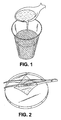
- An example of a self-supporting film according to the present invention is illustrated in Figure 2.
- the amount of the ⁇ (1 ⁇ 3) ⁇ (1 ⁇ 4) glucan in the film is from about 5 wt% to about 50 wt%. In a further embodiment, the film comprises from about 10 wt% to about 35 wt% ⁇ (1 ⁇ 3) ⁇ (1 ⁇ 4) glucan. In an even further embodiment, the film comprises from about 15 wt% to about 25 wt% ⁇ (1 ⁇ 3) ⁇ (1 ⁇ 4) glucan.
- the amount of the one, or more than one compound of interest in the film is from about 0.001 wt% to about 50 wt%. In a further embodiment, the amount of the one, or more than one compound of interest in the film is from about 5 wt% to about 35 wt%. In an even further embodiment, the amount of the one, or more than one compound of interest in the film is from about 10 wt% to about 25 wt%.
- composition formed in the method of the present invention can be used to coat an article, by applying the composition as an aerosol spray to the article, or by dipping the article in the composition.
- aerosol application is particularly useful for coating non-easily wrapped or enrobed objects, or delicate or sensitive materials, especially those that are temperature or moisture sensitive. Aerosol application is also particularly useful in applying a thin film of coating to absorbent surfaces, particularly tissue for facial or toilet applications.
- composition formed in the method of the present invention can also be processed into a fiber.
- fibers prepared from the compositions of the present invention, which contain an anti-microbial agent can be used to form dental floss or surgical sutures.
- the compositions can be applied to conventional dental floss or surgical sutures, and allowed to dry to a film.
- Cereal beta glucan is considered to be a mucilaginous gum with inherent slippery characteristics.
- the slip property of the cereal beta glucan component in the compositions of the present invention can be used to ease the insertion of stents or other medical devices coated with a film derived from these compositions.
- the films resulting from these compositions can demonstrate an adhesive property, which is useful in binding materials to the mouth, tongue, gums, skin, or a wound.
- Film formulations can be modified to produce different physical properties. By adjusting the amounts and types of the constituents of the film, the film thickness and drying times, films can be produced that range from being pliable to brittle. For instance, the addition of powdered fructose to the compositions of the present invention can produce a hard film. Alternatively, unsweetened hard films can be produced by means of rapid drying using vacuum drying techniques.
- the release kinetics of a compound of interest contained within the films of the present invention can be adjusted by modifying the composition of the films of the present invention or by changing the degree to which they are dried. This property is of importance in a number of pharmaceutical or medical applications.
- the films of the present invention are preferably readily dissolvable and can act as a vehicle for administering a pharmaceutically active agent through a mucous membrane or an open wound of a patient.
- the films of the present invention can also be used as an enteric coating on formulations that are in the form of a tablet or capsule.
- these films can contain flavouring agents that mask the taste of the active ingredient in the formulation or prevent the active ingredient from numbing the tongue or other surfaces of the oral cavity.
- Tactile and sensory "popping” may be incorporated into films of the present invention to produce items for use in the confectionery industry.
- the popping characteristic can be introduced into these films by adding air into the compositions of the present invention after a thickening agent, such as carageenan, has been added, and, optionally by lengthening the drying time of these compositions. Aeration can be achieved by rapid whisking of the solution prior to pouring. Alternatively, air can be bubbled into the solution until the desired consistency is obtained.
- the films of the present invention can also be used as a laminate or coating for an edible material.
- different coatings comprising different flavouring agents can be applied to an edible material, so that different flavours are released at different times when the laminated edible material is dissolved in the mouth. This property is of particular interest to the confectionery industry. Therefore, the films and coatings of the present invention can be of use in nutraceuticals.
- the films of the present invention can also be used as a source of dietary fibre.
- the films of the present invention can not only be taken orally, but can also be used as a topical patch to deliver one, or more than one compound of interest, such as pharmaceutically active compounds.
- the film of the present invention may form part of an existing patch that is suitable for delivering one, or more than one compound of interest.
- a sweetener composition comprising:
- the sweetener is effective in producing a favourable stimulatory response in the absence of other sweeteners.
- the sweetener is Acesulfame-K.
- beta glucan content of the films of the present application can be determined using a number of methods, known to those skilled in the art.
- beta glucan content can be assessed colorimetrically and/or by standard analytical techniques such as size exclusion chromatography and HPLC (see Wood et al. Cereal Chem. (1977) 54:524 ; Wood et al. Cereal Chem. (1991) 68:31-39 ; and Wood et al. Cereal Chem. (1991)68:530-536 ).
- Beta glucans can also be analyzed enzymatically using commercially available kits, such as Megazyme (Ireland) employing the techniques of McCleary and Glennie-Holmes J. Inst. Brew. (1985) 91:285 .
- Viscosities can be measured with a rotational, shear-type viscometer such as the Brookfield Syncro-Lectric or the Haake Rotovisco. Methods of using the instrument are known to those skilled in the art. Routinely, measurements are made at four speeds of disc rotation at a constant temperature of 25°C.
- the films and coatings compositions of this invention can contain colouring agents or colourings.
- the colouring agents are used in amounts effective to produce the desired color.
- the colouring agents useful in the present invention include pigments such as titanium dioxide, which may be incorporated in amounts of up to about 5% wt, and preferably less than about 1% wt.
- Colourings can also include natural food colours and dyes suitable for food, drug and cosmetic applications. These colorants are known as FD&C dyes and lakes.
- the materials acceptable for the foregoing spectrum of use are preferably water-soluble, and include FD&C Blue No. 2, which is the disodium salt of 5,5-indigotindisulfonic acid. Similarly, the dye known as Green No.
- 3 comprises a triphenylmethane dye and is the monosodium salt of 4-[4-N-ethyl-p-sulfobenzylamino) diphenyl-methylene-1-[1-N-ethyl-N-p-sulfonium benzyl)-2,5-cyclo-hexadienimine].
- flavouring Those for external use need not contain tlavouring.
- the flavourings that can be used include those known to the skilled artisan, such as natural and artificial flavours. These flavourings may be chosen from synthetic flavour, oils and flavouring aromatics, and/or oils, oleo resins and extracts derived from plants, leaves, flowers, fruits and so forth, and combinations thereof.
- Representative flavouring oils include: spearmint oil, cinnamon oil, peppermint oil, clove oil, bay oil, thyme oil, cedar leaf oil, oil of nutmeg, oil of sage, and oil of bitter almonds.
- artificial, natural or synthetic fruit flavours such as vanilla, chocolate, coffee, cocoa and citrus oil, including lemon, orange, grape.
- lime and grapefruit and fruit essence including apple, pear, peach, strawberry, raspberry, cherry, plum, pineapple, apricot, and so forth.
- These flavourings can be used individually or in a mixture.
- Commonly used flavours include mints, for example peppermint and/or spearmint, artificial vanilla, cinnamon derivatives, and various fruit flavours, whether employed individually or in combination.
- Flavourings such as aldehydes and esters including cinnamyl acetate, cinnamaldehyde, citral, diethylacetal, dihydrocarvyl acetate, eugenyl formate, p-methylanisole, and so forth may be used.
- any flavouring or food additive such as those described in Chemicals Used in Food Processing, publication 1274 by the National Academy of Sciences, pp 63-258 .
- aldehydes include, but are not limited to acetaldehyde (apple); benzaldehyde (cherry, almond); cinnamic aldehydes (Cinnamon); citral i.e. (lemon, lime); neral i.e. beta citral (lemon, lime); decanal (orange, lemon); ethyl vanillin (vanilla, cream); heliotropine, i.e.
- the amount of flavouring used is normally a matter of preference subject to such factors as flavour type, individual flavour, and strength desired. Thus, the amount may be varied in order to obtain the result desired in the final product. Such variations are within the capabilities of those skilled in the art without the need for undue experimentation. In general, amounts of about 0.1 to about 30% wt are usable with amounts of about 2 to about 25% wt being preferred and amounts from about 8 to about 12% wt are more preferred.
- auxiliary sweetener is utilized to provide the level of sweetness desired in a particular composition, and the amount will vary with the sweetener selected. This amount will normally be 0.01 % to about 10 % by weight of the composition when using an easily extractable sweetener. The selection and amount of sweetener used is within the capabilities of those skilled in the art without the need for undue experimentation. Other considerations will include the interaction with flavouring.
- Sweeteners will be selected either individually or as combinations of sweeteners selected from the following groups:
- compositions of the present invention can also include surfactants. If surfactants are present, they can include mono and diglycerides of fatty acids and polyoxyethylene sorbitol esters, for example, Atmos 300 and Polysorbate 80.
- the amount of surfactant added is typically in the range of about 0.1 to about 15% by wt and preferably about 0.4 to about 5% by wt of the film/coating. Othersurfactants will be known to those skilled in the art and may readily be employed without undue experimentation.
- compositions of the present invention can also include thickening agents. If thickening agents are present, they can include methylcellulose, hydroxypropyl carboxy methylcellulose (Methocel), or carboxy methylcellulose (CMC), and the like, are typically used in amounts ranging from about 0 to about 5% by wt., preferably about 0.01 to about 0.7% by wt of the film/coating.
- thickening agents can include methylcellulose, hydroxypropyl carboxy methylcellulose (Methocel), or carboxy methylcellulose (CMC), and the like, are typically used in amounts ranging from about 0 to about 5% by wt., preferably about 0.01 to about 0.7% by wt of the film/coating.
- Saliva stimulating agents can also be added to the oral care films according to the present invention.
- Useful saliva stimulating agents are those disclosed in U.S. Patent No. 4,820,506 , which is incorporated by reference herein in its entirety.
- Saliva stimulating agents include food acids such as citric, lactic, malic, succinic, ascorbic, adipic, fumaric, and tartaric acids.
- Preferred food acids are citric, malic, and ascorbic acids.
- the amount of saliva stimulating agents in the film is from about 0.01 to about 12% by wt, preferably about 1 to about 10% by wt, even more preferably about 2.5% by wt. to about 6% wt.
- cooling agents include mono-menthyl succinate, in amounts ranging from about 0.001 to about 2.0 wt %, preferably about 0.2 to about 0.4 wt %.
- a mono-menthyl succinate containing cooling agent is available from Mane, Inc.
- Other suitable cooling agents include WS3, WS23, Ultracool 11, and the like.
- Preferred antimicrobial agents include for example antimicrobial agents, such as triclosan, cetyl pyridium chloride, sanguinarine, domiphen bromide, quaternary ammonium salts, zinc compounds, fluorides, alexidine, octonidine, EDTA, silver nitrate, thymol, methyl salicylate, eucalyptol, menthol and the like.
- antimicrobial agents such as triclosan, cetyl pyridium chloride, sanguinarine, domiphen bromide, quaternary ammonium salts, zinc compounds, fluorides, alexidine, octonidine, EDTA, silver nitrate, thymol, methyl salicylate, eucalyptol, menthol and the like.
- pharmaceutically active agents as used herein is intended to encompass agents other than foods, which promote a structural and/or functional change in and/or on bodies to which they have been administered. These agents are not particularly limited; however, they should be physiologically acceptable and compatible with the film. Suitable pharmaceutically active agents include, but are not limited to:
- the amount of medicament that can be used in the rapidly dissolving films, according to the present invention is dependent upon the dose needed to provide an effective amount of the medicament.
- the doses to be administered will be known to those skilled in the art and may readily be employed without undue experimentation.
- Cold therapeutic minerals for example zinc, in the form of soluble salts i.e. zinc citrate; or zinc gluconate may be readily incorporated into the aqueous phase of the film/coating in concentrations known to those skilled in the art and may readily be employed without undue experimentation.
- formulations of the present invention containing an appropriate pharmaceutical or medical agent have wide reaching applications.
- a 1 wt% aqueous solution of oat beta glucan having a purity of >85% was used in the following examples. This solution was either purchased directly from Ceapro Inc. (Edmonton, AB, Canada), or prepared from an oat beta glucan powder (>85% purity) also obtained from Ceapro Inc. Solutions were prepared from the beta glucan powder in the manner described in U.S. Patent No. 6,284,886 , using only preservatives approved for human consumption and pharmaceutical use, including but not limited to potassium sorbate, sorbic acid, benzalkonium chloride, and parabens.
- Example 1 Production of pliable ⁇ (1 ⁇ 3) ⁇ (1 ⁇ 4) glucan thin film strips with rapid dissolving action
- Phase A was prepared as follows:
- Phase B was prepared as follows:
- Phases A and B are then thoroughly mixed or emulsified and poured to form thin films.
- the films were allowed to air dry or alternatively were allowed to dry under streams of warm air.
- the films were dried to a moisture content in the range 6-8% (w/w).
- the resulting water activity (Aw) ranged from 0.150- 0.250.
- Example 2 Production of ⁇ (1 ⁇ 3) ⁇ (1 ⁇ 4) glucan films with "popping" sensation on dissolving.
- Phase A was prepared as follows:
- Phase B was prepared as follows:
- Phases A and B were then combined by adding Phase B to Phase A to form Phase C.
- Phase C was heated to ⁇ 50C for 3 minutes.
- Phase C was then poured into films while warm.
- the films were allowed to air dry at 38C for 10-16 hours in a forced air dryer or equivalent.
- the dry films to size and removed from moulds.
- Example 3 Production of Production of ⁇ (1 ⁇ 3) ⁇ (1 ⁇ 4) glucan film coatings by spray application.
- the mixed material was applied to materials using a standard aerosol device, providing an immediate coating on the product.
- Example 4 Production of ⁇ (1 ⁇ 3) ⁇ (1 ⁇ 4) glucan thin films containing oat extracts.
- Thin films were prepared from oat extract with natural anti-histaminic and anti-oxidant activity.
- Phase A was prepared as follows:
- Phase B was as follows:
- Phase B was added to Phase A to produce a mixture containing 15ppm of avenanthramide.
- Phases A and B are then thoroughly mixed or emulsified and poured to form thin films.
- the films were allowed to air dry or alternatively were allowed to dry under streams of warm air.
- Example 5 Production of a ⁇ (1 ⁇ 3) ⁇ (1 ⁇ 4) glucan film containing an antimicrobial agent
- Phase A was prepared as follows:
- Phase B was prepared as follows:
- Phase B was added to Phase A, homogenized for 15 seconds and allowed to set overnight.
- the mixture was shaken lightly to liquefy the emulsion, and poured to form thin films.
- the films were allowed to dry under streams of warm air at 45°C for six hours.
- a typical film of 3 x 2 cm contains approximately 0.7-1.0 mg CPC.
- Example 6 Production of a ⁇ (1 ⁇ 3) ⁇ (1 ⁇ 4) glucan film containing Vitamin E
- Phase A was prepared as follows:
- Phase B was prepared as follows:
- Phase B was added to Phase A, homogenized for 15 seconds and allowed to set overnight.
- the mixture was shaken lightly to liquefy the emulsion, and poured to form thin films.
- the films were allowed to dry under streams of warm air at 45°C for six hours.
- a typical film of 3 x 2 cm contains approximately 1.5mg Vitamin E (equivalent to 3.3 IU or 1/10 the recommended daily allowance).
- alpha-tocopherol USP (Roche) may be used instead of alpha-tocopherol succinate. This would be added to Phase B prior to mixing with Phase A.
- Example 7 Coating of dental floss with a ⁇ (1 ⁇ 3) ⁇ (1 ⁇ 4) glucan film containing an antimicrobial agent.
- Unwaxed Dental Floss (Oral-B Ultrafloss TM ), in the form of a ribbon, filament or braided filament, was sprayed or alternatively dipped in the antimicrobial composition prepared according to Example 5. Excess solution was removed, for example, by squeezing the coated floss between rollers, and the floss allowed to dry in warm air at 60°C for ten to fifteen minutes.
- Example 8 Enteric coating of Acteyl Salicylic acid (ASA) with a spray dried ⁇ (1 ⁇ 3) ⁇ (1 ⁇ 4) glucan flavoured film.
- ASA Acteyl Salicylic acid
- ASA tablets were evening sprayed with a light misting with the above beta glucan formulation.
Landscapes
- Health & Medical Sciences (AREA)
- Life Sciences & Earth Sciences (AREA)
- Chemical & Material Sciences (AREA)
- Engineering & Computer Science (AREA)
- Veterinary Medicine (AREA)
- Public Health (AREA)
- General Health & Medical Sciences (AREA)
- Animal Behavior & Ethology (AREA)
- Bioinformatics & Cheminformatics (AREA)
- Medicinal Chemistry (AREA)
- Organic Chemistry (AREA)
- Pharmacology & Pharmacy (AREA)
- Chemical Kinetics & Catalysis (AREA)
- Nuclear Medicine, Radiotherapy & Molecular Imaging (AREA)
- General Chemical & Material Sciences (AREA)
- Biomedical Technology (AREA)
- Polymers & Plastics (AREA)
- Neurosurgery (AREA)
- Neurology (AREA)
- Food Science & Technology (AREA)
- Epidemiology (AREA)
- Nutrition Science (AREA)
- Materials Engineering (AREA)
- Pulmonology (AREA)
- Birds (AREA)
- Manufacturing & Machinery (AREA)
- Pain & Pain Management (AREA)
- Psychiatry (AREA)
- Psychology (AREA)
- Vascular Medicine (AREA)
- Dermatology (AREA)
- Rheumatology (AREA)
- Hospice & Palliative Care (AREA)
- Urology & Nephrology (AREA)
- Heart & Thoracic Surgery (AREA)
- Biotechnology (AREA)
- Oil, Petroleum & Natural Gas (AREA)
- Oncology (AREA)
- Communicable Diseases (AREA)
- Oral & Maxillofacial Surgery (AREA)
Applications Claiming Priority (2)
| Application Number | Priority Date | Filing Date | Title |
|---|---|---|---|
| US33864901P | 2001-12-11 | 2001-12-11 | |
| EP02782583A EP1453909B1 (de) | 2001-12-11 | 2002-12-11 | Zusammensetzungen auf der basis von beta glukan aus getreiden, verfahren zur herstellung und verwendungen |
Related Parent Applications (1)
| Application Number | Title | Priority Date | Filing Date |
|---|---|---|---|
| EP02782583A Division EP1453909B1 (de) | 2001-12-11 | 2002-12-11 | Zusammensetzungen auf der basis von beta glukan aus getreiden, verfahren zur herstellung und verwendungen |
Publications (2)
| Publication Number | Publication Date |
|---|---|
| EP1790687A2 true EP1790687A2 (de) | 2007-05-30 |
| EP1790687A3 EP1790687A3 (de) | 2007-07-25 |
Family
ID=38007549
Family Applications (1)
| Application Number | Title | Priority Date | Filing Date |
|---|---|---|---|
| EP07004713A Withdrawn EP1790687A3 (de) | 2001-12-11 | 2002-12-11 | Zusammensetzungen mit Betaglucan aus Getreide sowie Herstellungsverfahren und Verwendungen davon |
Country Status (1)
| Country | Link |
|---|---|
| EP (1) | EP1790687A3 (de) |
Cited By (4)
| Publication number | Priority date | Publication date | Assignee | Title |
|---|---|---|---|---|
| US8017168B2 (en) | 2006-11-02 | 2011-09-13 | The Coca-Cola Company | High-potency sweetener composition with rubisco protein, rubiscolin, rubiscolin derivatives, ace inhibitory peptides, and combinations thereof, and compositions sweetened therewith |
| US9101160B2 (en) | 2005-11-23 | 2015-08-11 | The Coca-Cola Company | Condiments with high-potency sweetener |
| WO2020109538A1 (en) * | 2018-11-30 | 2020-06-04 | Svenska Krämfabriken Ab | Softening and conditioning agents for textile articles |
| SE2050380A1 (en) * | 2020-04-03 | 2021-10-04 | Liw Innovation Ab | New compositions for oral or nasal use |
Citations (1)
| Publication number | Priority date | Publication date | Assignee | Title |
|---|---|---|---|---|
| US4562020A (en) * | 1982-12-11 | 1985-12-31 | Kabushiki Kaisha Hayashibara Seibutsu Kagaku Kenkyujo | Process for producing self-supporting glucan film |
Family Cites Families (6)
| Publication number | Priority date | Publication date | Assignee | Title |
|---|---|---|---|---|
| US5676967A (en) * | 1995-04-18 | 1997-10-14 | Brennen Medical, Inc. | Mesh matrix wound dressing |
| US6426201B1 (en) * | 1996-09-25 | 2002-07-30 | Gracelinc Limited | β-glucan products and extraction processes from cereals |
| US6596298B2 (en) * | 1998-09-25 | 2003-07-22 | Warner-Lambert Company | Fast dissolving orally comsumable films |
| US6323338B1 (en) * | 1999-02-17 | 2001-11-27 | Nurture, Inc. | Method for concentrating β-glucan |
| WO2000056268A2 (en) * | 1999-03-23 | 2000-09-28 | New Zealand Institute For Crop & Food Research Limited | Beta glucan extraction from cereals |
| WO2001057092A1 (en) * | 2000-02-07 | 2001-08-09 | Granate Seed Limited | PROCESS FOR EXTRACTION OF β-GLUCAN FROM CEREALS AND PRODUCTS OBTAINED THEREFROM |
-
2002
- 2002-12-11 EP EP07004713A patent/EP1790687A3/de not_active Withdrawn
Patent Citations (1)
| Publication number | Priority date | Publication date | Assignee | Title |
|---|---|---|---|---|
| US4562020A (en) * | 1982-12-11 | 1985-12-31 | Kabushiki Kaisha Hayashibara Seibutsu Kagaku Kenkyujo | Process for producing self-supporting glucan film |
Cited By (9)
| Publication number | Priority date | Publication date | Assignee | Title |
|---|---|---|---|---|
| US9101160B2 (en) | 2005-11-23 | 2015-08-11 | The Coca-Cola Company | Condiments with high-potency sweetener |
| US8017168B2 (en) | 2006-11-02 | 2011-09-13 | The Coca-Cola Company | High-potency sweetener composition with rubisco protein, rubiscolin, rubiscolin derivatives, ace inhibitory peptides, and combinations thereof, and compositions sweetened therewith |
| WO2020109538A1 (en) * | 2018-11-30 | 2020-06-04 | Svenska Krämfabriken Ab | Softening and conditioning agents for textile articles |
| US20210269745A1 (en) * | 2018-11-30 | 2021-09-02 | Svenska Krämfabriken Ab | Softening and Conditioning Agents for Textile Articles |
| US12460156B2 (en) * | 2018-11-30 | 2025-11-04 | Svenska Krämfabriken Ab | Softening and conditioning agents for textile articles |
| SE2050380A1 (en) * | 2020-04-03 | 2021-10-04 | Liw Innovation Ab | New compositions for oral or nasal use |
| WO2021201765A1 (en) | 2020-04-03 | 2021-10-07 | Liw Innovation Ab | New compositions for oral or nasal use |
| EP4126056A4 (de) * | 2020-04-03 | 2024-04-24 | LIW Innovation AB | Neue zusammensetzungen zur oralen oder nasalen anwendung |
| SE546142C2 (en) * | 2020-04-03 | 2024-06-11 | Liw Innovation Ab | New compositions for oral use |
Also Published As
| Publication number | Publication date |
|---|---|
| EP1790687A3 (de) | 2007-07-25 |
Similar Documents
| Publication | Publication Date | Title |
|---|---|---|
| US8632798B2 (en) | Cereal β glucan compositions, methods of preparation and uses thereof | |
| EP1115372B1 (de) | Schnellösliche oral konsumierbare filme | |
| US20110059031A1 (en) | Oral Cereal Beta Glucan Compositions | |
| US20050186257A1 (en) | Dissolvable film and method of manufacture | |
| WO2005048980A1 (en) | Composition for oral consumable film | |
| EP1790687A2 (de) | Zusammensetzungen mit Betaglucan aus Getreide sowie Herstellungsverfahren und Verwendungen davon | |
| CA2572461C (en) | Physiological compatible film |
Legal Events
| Date | Code | Title | Description |
|---|---|---|---|
| PUAI | Public reference made under article 153(3) epc to a published international application that has entered the european phase |
Free format text: ORIGINAL CODE: 0009012 |
|
| 17P | Request for examination filed |
Effective date: 20070307 |
|
| AC | Divisional application: reference to earlier application |
Ref document number: 1453909 Country of ref document: EP Kind code of ref document: P |
|
| AK | Designated contracting states |
Kind code of ref document: A2 Designated state(s): AT BE BG CH CY CZ DE DK EE ES FI FR GB GR IE IT LI LU MC NL PT SE SI SK TR |
|
| AX | Request for extension of the european patent |
Extension state: AL LT LV MK RO |
|
| PUAL | Search report despatched |
Free format text: ORIGINAL CODE: 0009013 |
|
| AK | Designated contracting states |
Kind code of ref document: A3 Designated state(s): AT BE BG CH CY CZ DE DK EE ES FI FR GB GR IE IT LI LU MC NL PT SE SI SK TR |
|
| AX | Request for extension of the european patent |
Extension state: AL LT LV MK RO |
|
| AKX | Designation fees paid |
Designated state(s): AT BE BG CH CY CZ DE DK EE ES FI FR GB GR IE IT LI LU MC NL PT SE SI SK TR |
|
| 17Q | First examination report despatched |
Effective date: 20121129 |
|
| STAA | Information on the status of an ep patent application or granted ep patent |
Free format text: STATUS: THE APPLICATION IS DEEMED TO BE WITHDRAWN |
|
| 18D | Application deemed to be withdrawn |
Effective date: 20130410 |