EP1814909B1 - Verwendung von aimp2dx2 zur diagnose und behandlung von krebs - Google Patents
Verwendung von aimp2dx2 zur diagnose und behandlung von krebs Download PDFInfo
- Publication number
- EP1814909B1 EP1814909B1 EP05819055A EP05819055A EP1814909B1 EP 1814909 B1 EP1814909 B1 EP 1814909B1 EP 05819055 A EP05819055 A EP 05819055A EP 05819055 A EP05819055 A EP 05819055A EP 1814909 B1 EP1814909 B1 EP 1814909B1
- Authority
- EP
- European Patent Office
- Prior art keywords
- aimp2
- aimp2dx2
- protein
- cancer
- nucleic acid
- Prior art date
- Legal status (The legal status is an assumption and is not a legal conclusion. Google has not performed a legal analysis and makes no representation as to the accuracy of the status listed.)
- Expired - Lifetime
Links
Images








Classifications
-
- G—PHYSICS
- G01—MEASURING; TESTING
- G01N—INVESTIGATING OR ANALYSING MATERIALS BY DETERMINING THEIR CHEMICAL OR PHYSICAL PROPERTIES
- G01N33/00—Investigating or analysing materials by specific methods not covered by groups G01N1/00 - G01N31/00
- G01N33/48—Biological material, e.g. blood, urine; Haemocytometers
- G01N33/50—Chemical analysis of biological material, e.g. blood, urine; Testing involving biospecific ligand binding methods; Immunological testing
- G01N33/53—Immunoassay; Biospecific binding assay; Materials therefor
- G01N33/575—Immunoassay; Biospecific binding assay; Materials therefor for cancer
- G01N33/5752—Immunoassay; Biospecific binding assay; Materials therefor for cancer of the lungs
-
- C—CHEMISTRY; METALLURGY
- C07—ORGANIC CHEMISTRY
- C07K—PEPTIDES
- C07K14/00—Peptides having more than 20 amino acids; Gastrins; Somatostatins; Melanotropins; Derivatives thereof
- C07K14/435—Peptides having more than 20 amino acids; Gastrins; Somatostatins; Melanotropins; Derivatives thereof from animals; from humans
- C07K14/46—Peptides having more than 20 amino acids; Gastrins; Somatostatins; Melanotropins; Derivatives thereof from animals; from humans from vertebrates
- C07K14/47—Peptides having more than 20 amino acids; Gastrins; Somatostatins; Melanotropins; Derivatives thereof from animals; from humans from vertebrates from mammals
- C07K14/4701—Peptides having more than 20 amino acids; Gastrins; Somatostatins; Melanotropins; Derivatives thereof from animals; from humans from vertebrates from mammals not used
- C07K14/4748—Tumour specific antigens; Tumour rejection antigen precursors [TRAP], e.g. MAGE
-
- C—CHEMISTRY; METALLURGY
- C07—ORGANIC CHEMISTRY
- C07K—PEPTIDES
- C07K16/00—Immunoglobulins [IG], e.g. monoclonal or polyclonal antibodies
- C07K16/18—Immunoglobulins [IG], e.g. monoclonal or polyclonal antibodies against material from animals or humans
- C07K16/28—Immunoglobulins [IG], e.g. monoclonal or polyclonal antibodies against material from animals or humans against receptors, cell surface antigens or cell surface determinants
- C07K16/30—Immunoglobulins [IG], e.g. monoclonal or polyclonal antibodies against material from animals or humans against receptors, cell surface antigens or cell surface determinants from tumour cells
-
- C—CHEMISTRY; METALLURGY
- C12—BIOCHEMISTRY; BEER; SPIRITS; WINE; VINEGAR; MICROBIOLOGY; ENZYMOLOGY; MUTATION OR GENETIC ENGINEERING
- C12N—MICROORGANISMS OR ENZYMES; COMPOSITIONS THEREOF; PROPAGATING, PRESERVING, OR MAINTAINING MICROORGANISMS; MUTATION OR GENETIC ENGINEERING; CULTURE MEDIA
- C12N15/00—Mutation or genetic engineering; DNA or RNA concerning genetic engineering, vectors, e.g. plasmids, or their isolation, preparation or purification; Use of hosts therefor
- C12N15/09—Recombinant DNA-technology
- C12N15/11—DNA or RNA fragments; Modified forms thereof; Non-coding nucleic acids having a biological activity
-
- C—CHEMISTRY; METALLURGY
- C12—BIOCHEMISTRY; BEER; SPIRITS; WINE; VINEGAR; MICROBIOLOGY; ENZYMOLOGY; MUTATION OR GENETIC ENGINEERING
- C12Q—MEASURING OR TESTING PROCESSES INVOLVING ENZYMES, NUCLEIC ACIDS OR MICROORGANISMS; COMPOSITIONS OR TEST PAPERS THEREFOR; PROCESSES OF PREPARING SUCH COMPOSITIONS; CONDITION-RESPONSIVE CONTROL IN MICROBIOLOGICAL OR ENZYMOLOGICAL PROCESSES
- C12Q1/00—Measuring or testing processes involving enzymes, nucleic acids or microorganisms; Compositions therefor; Processes of preparing such compositions
- C12Q1/68—Measuring or testing processes involving enzymes, nucleic acids or microorganisms; Compositions therefor; Processes of preparing such compositions involving nucleic acids
- C12Q1/6813—Hybridisation assays
-
- C—CHEMISTRY; METALLURGY
- C12—BIOCHEMISTRY; BEER; SPIRITS; WINE; VINEGAR; MICROBIOLOGY; ENZYMOLOGY; MUTATION OR GENETIC ENGINEERING
- C12Q—MEASURING OR TESTING PROCESSES INVOLVING ENZYMES, NUCLEIC ACIDS OR MICROORGANISMS; COMPOSITIONS OR TEST PAPERS THEREFOR; PROCESSES OF PREPARING SUCH COMPOSITIONS; CONDITION-RESPONSIVE CONTROL IN MICROBIOLOGICAL OR ENZYMOLOGICAL PROCESSES
- C12Q1/00—Measuring or testing processes involving enzymes, nucleic acids or microorganisms; Compositions therefor; Processes of preparing such compositions
- C12Q1/68—Measuring or testing processes involving enzymes, nucleic acids or microorganisms; Compositions therefor; Processes of preparing such compositions involving nucleic acids
- C12Q1/6844—Nucleic acid amplification reactions
-
- G—PHYSICS
- G01—MEASURING; TESTING
- G01N—INVESTIGATING OR ANALYSING MATERIALS BY DETERMINING THEIR CHEMICAL OR PHYSICAL PROPERTIES
- G01N33/00—Investigating or analysing materials by specific methods not covered by groups G01N1/00 - G01N31/00
- G01N33/48—Biological material, e.g. blood, urine; Haemocytometers
- G01N33/50—Chemical analysis of biological material, e.g. blood, urine; Testing involving biospecific ligand binding methods; Immunological testing
- G01N33/53—Immunoassay; Biospecific binding assay; Materials therefor
-
- G—PHYSICS
- G01—MEASURING; TESTING
- G01N—INVESTIGATING OR ANALYSING MATERIALS BY DETERMINING THEIR CHEMICAL OR PHYSICAL PROPERTIES
- G01N33/00—Investigating or analysing materials by specific methods not covered by groups G01N1/00 - G01N31/00
- G01N33/48—Biological material, e.g. blood, urine; Haemocytometers
- G01N33/50—Chemical analysis of biological material, e.g. blood, urine; Testing involving biospecific ligand binding methods; Immunological testing
- G01N33/53—Immunoassay; Biospecific binding assay; Materials therefor
- G01N33/575—Immunoassay; Biospecific binding assay; Materials therefor for cancer
- G01N33/57525—Immunoassay; Biospecific binding assay; Materials therefor for cancer of the liver or pancreas
-
- G—PHYSICS
- G01—MEASURING; TESTING
- G01N—INVESTIGATING OR ANALYSING MATERIALS BY DETERMINING THEIR CHEMICAL OR PHYSICAL PROPERTIES
- G01N2500/00—Screening for compounds of potential therapeutic value
Definitions
- the present invention relates to a variant of AIMP2 lacking exon 2, named as AIMP2DX2, which is specifically expressed in cancer cells, and its use for diagnosis and treatment of cancer.
- the cytotoxic therapy has been used broadly to treat cancers for last 50 years after it was used firstly as an anticancer agent.
- the therapy has serious side effects, for example, in which it acts nonspecifically on cells of another organ having a fast cell division rate comparative to cancer cells, resulting in strong toxicity.
- anticancer agents there have been many studies to develop anticancer medicaments specifically activating on tumor cells with cancer-specific-marker which is formed in tumorgenesis from normal cell to cancer. It is very important to find genes specific to cancer cell in cancer targeted therapy being represented as a method for minimizing a toxicity of anticancer agent.
- the present inventors have made intensive research to develop a novel cancer-specific molecular species and as a result, found that a variant of AIMP2 lacking exon 2, AIMP2DX2 is specifically expressed in cancer cells and can be used as a marker for diagnosing cancer providing more reliable results.
- the present inventors have discovered that the antibody specific to AIMP2DX2 protein, or siRNA and antisense oligonucleotide specific to AIMP2DX2 mRNA may be applied for a specific treatment method for cancer cells.
- the present invention provides a AIMP2DX2 protein comprising (a) a AIMP2 amino acid sequence in which the exon 2 region of the AIMP2 amino acid sequence is deleted, wherein AIMP2 has the sequence: or (b) the amino acid sequence of SEQ ID NO:2.
- the present invention provides a nucleic acid molecule comprising a nucleotide sequence encoding the AIMP2DX2 protein of the first aspect.
- the nucleic acid molecule may comprise the nucleotide sequence of SEQ ID NO:1.
- the present invention provides a recombinant vector, which comprises a nucleic acid molecule of the second aspect.
- the present invention provides a host cell which is transformed with the recombinant vector of the third aspect, wherein the cell is a non-human cell or is an isolated human cell that is not a human embryonic stem cell.
- the present invention provides a method for producing the AIMP2DX2 protein of the first aspect, comprising culturing the cell of the fourth aspect.
- the present invention provides an antibody specific to the AIMP2DX2 protein of the first aspect.
- the present invention provides a diagnostic kit for cancer, which comprises an antibody of the sixth aspect.
- the present invention provides a method for screening for AIMP2DX2 protein as a cancer marker, which comprises the steps of:
- the present invention provides a nucleic acid molecule comprising the nucleotide sequence of SEQ ID No.3. 4, 5, 6, 7, 8 or 16.
- the present invention provides a siRNA nucleic acid molecule specific to mRNA of the AIMP2DX2 protein of the first aspect, wherein said siRNAs nucleic acid molecule comprises sense and antisense RNA encoding for the nucleotide sequence of SEQ ID Nos. 9 and 10, SEQ ID Nos. 11 and 12 or SEQ ID Nos. 13 and 14.
- the present invention provides an antisense oligonucleotide which is complementary to a junction region between exons 1 and 3 of an mRNA of the AIMP2DX2 protein of the first aspect.
- the present invention provides a pharmaceutical composition for treating cancer comprising the siRNA nucleic acid molecule of the tenth aspect, or the antisense oligonucleotide of the eleventh aspect.
- the present invention provides the siRNAs nucleic acid molecule of the tenth aspect, or the antisense oligonucleotide of the eleventh aspect 16 for use in treating cancer.
- the present invention provides the use of the siRNA nucleic acid molecule of the tenth aspect, or the antisense oligonucleotide of the eleventh aspect in the manufacture of a medicament for treating cancer.
- the present invention provides a method of screening for an anticancer agent which inhibits the formation of a heterodimer between the AIMP2DX2 protein of the first aspect and the AIMP2 protein, comprising the steps of:
- the method may be performed by a yeast-two-hybrid assay or in vitro pull-down assay.
- the present invention provides a method of screening for an anticancer agent which inhibits the expression of the gene encoding the AIMP2DX2 protein of the first aspect, or promotes the disruption of the AIMP2DX2 protein of the first aspect, comprising the steps of:
- AIMP2 (ARS-interacting multi-functional protein 2), named as AIMP2/JTV-1 or AIMP2 is one of proteins relating to the formation of aminoacyl-tRNA synthetase.
- the present inventors elucidated that the genetic disruption of AIMP2 to induce overexpression of c-myc causes neonatal lethality in mice through overproliferation of alveolar epithelial cells and transforming growth factor- ⁇ (TGF- ⁇ ) induces AIMP2 expression and promoted its translocation to nuclei for the downregulation of c-myc ( M. J. Kim, et al., Nat. Genet. 34:330-336(2003 )).
- TGF- ⁇ transforming growth factor- ⁇
- AIMP2 is a novel tumor suppressor, playing a unique role in TGF- ⁇ signaling via interaction directly with Smad2/3.
- AIMP2DX2 the aberrant variant of AIMP2 lacking exon II
- AIMP2DX2 was specifically expressed in cancer cell lines and tissues.
- the existence of AIMP2 lacking exon II (AIMP2DX2) was verified by RT-PCR using combinations of AIMP2specific primers. When the primers were used to generate AIMP2 cDNA spanning exon 3 and 4, the decrease of AIMP2 transcript was not observed in the cells showing the reduced level of AIMP2 in Western blot analysis.
- AIMP2DX2 is strongly related to lung cancer, liver cancer, skin cancer, breast cancer, renal cancer and osteosarcoma as well.
- the AIMP2DX2 protein is a deletion variant of AIMP2 lacking exon 2.
- the amino acid sequence of the AIMP2 protein is found in several databases (312aa version: accession Nos. AAC50391.1 or GI:1215669; 320aa version: accession Nos. AAH13630.1, GI:15489023 and BC013630.1 available from GenBank) and publications (312aa version: Nicolaides, N.C., Kinzler,K.W. and Vogelstein,B.
- the amino acid sequence of the AIMP2DX2 protein comprises, preferably, consists of that of AIMP2 lacking exon 2 region as afore-described known sequences.
- Korean Pat. Appln. No. 10-2004-0078035 discloses cancer therapy efficacy of the AIMP2 protein.
- AIMP2DX2 protein includes exon 2-deleted variants of AIMP2 equivalents, for example, functional equivalents resulted from substitution, deletion, insertion or their combinations of AIMP2 that exhibit substantially identical activity to the wild type AIMP2, or functional derivatives with modifications to alter physical and/or biochemical properties of the wild type AIMP2 that exhibit substantially identical activity to the wild type AIMP2.
- the deletion of exon 2 in AIMP2 as described herein means that the amino acid sequence spanning exon 2 region in AIMP2 (corresponding to amino acid 46-114) is partially or wholly deleted to generate a deletion variant of AIMP2 capable of forming a heterodimer with AIMP2 to inhibit normal function of AIMP2 and promote degradation of AIMP2.
- the AIMP2DX2 protein of this invention may include any variant of AIMP2 with whole or partial exon 2 deletion in which exon 1, 3 and/or 4 is natural or modified by amino acid substitution, deletion or insertion, so long as the variant is able to form a heterodimer with AIMP2 to inhibit normal function of AIMP2.
- the AIMP2DX2 protein comprises a whole exon 2 deletion and intact exon 1, 3 and 4.
- AIMP2DX2 protein comprises an amino acid sequence of SEQ ID NO:2.
- the AIMP2DX2 protein may comprise its natural-occurring amino acid sequences and variants having modified sequences as well, so long as the variants retain activity of the AIMP2DX2 protein described above.
- variants of the AIMP2DX2 protein refer to proteins having different sequences from its natural-occurring amino acid sequence prepared by deletion, insertion, non-conserved or conserved substitution or their combinations.
- the silent alteration of amino acid residues not to substantially impair protein activity is well known to one skilled in the art ( H. Neurath, R.L. Hill, The Proteins, Academic Press, New York, 1979 ).
- Such amino acid alteration includes Ala/Ser, Val/Ile, Asp/Glu, Thr/Ser, Ala/Gly, Ala/Thr, Ser/Asn, Ala/Val, Ser/Gly, Thy/Phe, Ala/Pro, Lys/Arg, Asp/Asn, Leu/Ile, Leu/Val, Ala/Glu and Asp/Gly, but is not limited thereto.
- the AIMP2DX2 protein may comprise post-translational modifications such as phosphorylation, sulfation, acrylation, glycosylation, methylation and farnesylation.
- the AIMP2DX2 protein and its variants may be obtained by the isolation from natural sources, synthesis ( Merrifleld, J, Amer.
- the AIMP2DX2 protein of the present invention is specifically expressed in a variety of cancer cells including breast cancer, lung cancer, liver cancer, blood cancer, skin cancer, renal cancer and osteosarcoma, demonstrating that the AIMP2DX2 protein can serve as a cancer diagnostic marker.
- nucleic acid molecule comprising a nucleotide sequence encoding the AIMP2DX2 protein described above.
- the above nucleotide sequence encoding AIMP2DX2 protein includes exon 2-deleted variant of AIMP2 equivalents, for example, functional equivalents resulted from substitution, deletion, insertion or their combinations of AIMP2 that exhibit substantially identical activity to the wild type AIMP2.
- the AIMP2DX2 protein of SEQ ID NO:2 is preferably encoded by the nucleic acid molecule comprising the nucleotide sequence of SEQ ID NO:1.
- the nucleic acid molecule of this invention may be single- or double-chain DNA (cDNA and gDNA) or single-chain RNA (mRNA).
- the nucleic acid molecule encoding the AIMP2DX2 protein may be prepared by the isolation from natural sources, synthesis or recombinant DNA technology.
- the AIMP2DX2 nucleic acid molecule may be included in a suitable vector to provide the AIMP2DX2 protein.
- a recombinant vector which comprises a nucleic acid molecule comprising a nucleotide sequence encoding the AIMP2DX2 protein.
- the term "recombinant vector” used herein refers to a genetic carrier to express a protein or RNA of interest in a suitable host cell, comprising a corresponding foreign sequence operably linked to a nucleic acid expression control sequence (such as a promoter, signal sequence and array of transcription factor binding sites).
- a nucleic acid expression control sequence such as a promoter, signal sequence and array of transcription factor binding sites.
- operably linked used herein refers to functional linkage between a nucleic acid expression control sequence and a second nucleic acid sequence of interest, wherein the expression control sequence affects transcription and/or translation of the nucleic acid corresponding to the second sequence.
- the vector of this invention may be constructed according to conventional recombinant DNA technology in which site-specific DNA cleavage and ligation are performed using commercially available enzymes.
- the vectors of the present invention include plasmid, cosmid, bacteriophage and viral vectors, but are not limited thereto.
- the vector may comprise expression control elements such as promoter, operator, starting and stopping codons, polyadenylation signal and enhancer as well as signal or leader sequences for membrane targeting or secretion.
- the promoter used in vectors may be constitutive or inducible one.
- the vector may carry a selection marker for selecting host cells harboring the vector and a replication origin.
- the signal sequence in the vector includes, but not limited to, PhoA and OmpA signal sequences for Escherichia host cells, ⁇ -amylase and subtilicin signal sequences for Bacillus host cells, MF ⁇ and SUC2 signal sequences for yeast host cells, and insulin, ⁇ -interferon and antibody molecule signal sequences for animal host cells.
- an isolated host cell which is transformed with the recombinant vector of this invention described above.
- the transformation may be carried out according to any known approach for transforming nucleic acid molecules into organism, cell, tissue or organ, including electroporation, protoplasm fusion, CaPO 4 precipitation, CaCl 2 precipitation, agitation using silicon carbamide fiber, Agrobacterium-mediated transformation, PEG, dextran sulfate and lipofectamine, but not limited to.
- a suitable transformation method may be selected based on the type of host cells.
- a suitable host cell is generally decided in considering the expression level and post-translation modification.
- Host cells include, but not limited to, prokaryotic cells such as Escherichia coli, Bacillus subtilis, Streptomyces, Pseudomonas, Proteus mirabilis and Staphylococcus, fungi (e.g., Aspergillus), yeast (e.g., Pichia pastoris, Saccharomyces cerevisiae, Schizosaccharomyces and Neurospora crassa ), insect cells, plant cells and mammalian cells.
- prokaryotic cells such as Escherichia coli, Bacillus subtilis, Streptomyces, Pseudomonas, Proteus mirabilis and Staphylococcus
- fungi e.g., Aspergillus
- yeast e.g., Pichia pastoris, Saccharomyces cerevisiae, Schizosaccharomyces and Neurospora crassa
- insect cells plant cells and mammalian
- a process for preparing the AIMP2DX2 protein by culturing host cells described previously.
- the culturing of the host cells is carried out by conventional methods known to those skilled in the art under conditions suitable to express the AIMP2DX2 protein of interest.
- the AIMP2DX2 protein expressed may be purified by conventional methods, for example, salting out (e.g., ammonium sulfate and sodium phosphate precipitation), solvent precipitation (e.g., protein fractionation precipitation using acetone or ethanol), dialysis, gel filtration, ion exchange, reverse-phase column chromatography, ultrafiltration or their combinations ( Maniatis et al., Molecular Cloning: A Laboratory Manual, Cold Spring Harbor Laboratory, Cold Spring Harbor, N.Y. (1982 ): Sambrook et al., Molecular Cloning: A Laboratory Manual, 3rd Ed., Cold Spring Harbor Laboratory Press(2001 ); and Deutscher, M., Guide to Protein Purification Methods, Enzymology, vol. 182. Academic Press. Inc., San Diego, CA(1990 )).
- salting out e.g., ammonium sulfate and sodium phosphate precipitation
- solvent precipitation e.g., protein fractionation precipitation using acetone or ethanol
- an antibody specific to the AIMP2DX2 protein in another aspect of this invention, there is provided an antibody specific to the AIMP2DX2 protein.
- the term "antibody” used herein means a protein molecule specifically directed toward an antigenic site.
- the antibody of this invention refers to antibodies to specifically recognize AIMP2DX2 and discriminate from AIMP2, including polyclonal and monoclonal antibodies.
- Antibodies against the novel protein, AIMP2DX2 may be prepared in accordance with conventional technologies known to one skilled in the art.
- Polyclonal antibodies may be prepared according to known processes in which the AIMP2DX2 protein as an immunogen is injected into animals and then antiserum is collected. Immunized animals include, but not limited to, goat, rabbit, sheep, monkey, horse, pig, cattle and dog.
- Monoclonal antibodies may be prepared in accordance with a fusion method ( Kohler and Milstein, European Journal of Immunology, 6 ; 511-519(1976 )), a recombinant DNA method ( USP 4,816,567 ) or a phage antibody library ( Clackson et al, Nature, 352:624-628(1991 ); and Marks et al, J. Mol, Biol., 222:58, 1-597(1991 )).
- Antibodies against the AIMP2DX2 protein may be an intact immunoglobulin molecule which has two whole length of light chain and two whole length of heavy chain or its fragments containing antigen-binding site such as F(v), Fab, Fab' and F(ab')2.
- the antibodies specific to AIMP2DX2 according to the present invention can be used to diagnose and treat cancer by suppressing the activity of AIMP2DX2. Where the antibodies are used as a therapeutic agent, they may be coupled to conventional therapeutic agents in direct or indirect (through a linker) manner.
- the therapeutic agent coupled to the antibodies of this invention includes, but not limited to, radionuclide (e.g., 1311, 90Y, 105Rh, 47Sc, 67Cu, 212Bi, 211At, 67Ga, 125I, 186Re, 188Re, 177Lu, 153Sm, 123I and 111In), drug (e.g., methotrexate and adriamycin), lymphokine (interferon), toxin (ricin, abrin and diphtheria) and heterofunctional antibody that forms a complex with other antibody to posses a bi-functional binding capacity both to cancer cell and effector cell (e.g., T killer cell).
- radionuclide e.g., 1311, 90Y, 105Rh, 47Sc, 67Cu, 212Bi, 211At, 67Ga, 125I, 186Re, 188Re, 177Lu, 153Sm, 123I and 111In
- the antibody of this invention may be administered per se or in the form of a pharmaceutical composition.
- the pharmaceutical composition comprising antibody may be formulated with a pharmaceutically acceptable carrier.
- the form of the pharmaceutical composition varies depending on the administration mode.
- the composition comprises one of surfactants for facilitating transmembrane delivery.
- surfactant includes steroid-derived compounds, cationic lipids such as N-[1-(2,3-dioleoyloxy)propyl]-N,N,N-trimethylammonium chloride (DOTMA), cholesterol hemisuccinate and phosphatidyl glycerol.
- the pharmaceutical composition comprising the antibody of this invention is administered in a pharmaceutically effective amount to treat cancer or prevent cancer metastasis.
- the pharmaceutical composition may be administered in a single or multiple dosing regimen.
- the administration mode of the pharmaceutical composition includes parenteral, subcutaneous, intraperitoneal, intrapulmonary, intranasal, and local administration.
- Parenteral administration includes subcutaneous, intradermal, intramuscular, intravenous, intrabursa, intrasternal, intrathecal and intraperitoneal injection.
- the pharmaceutical composition is generally formulated in a pH range of 4-8 for antibody stability (chemical and physical stability) and safety.
- the pharmaceutical composition may be formulated in an oral dosing form. Typical dose is optimized using standard clinical techniques.
- the antibody of this invention may be administered in a form of nucleic acid molecule to induce in vivo production of antibody ( WO 96/07321 ).
- a diagnostic kit for cancer which comprises an antibody specific to the AIMP2DX2 protein.
- the cancer diagnosis kit of this invention may comprise antibody specific to AIMP2DX2 as well as general instruments and reagents for immunoassay including carrier, detectable signal-generating label, dissolving agent, washing agent, buffer and stabilizer. Where an enzyme is used as a label, its substrate and reaction quencher may be included.
- carrier include soluble carriers, for example, physiologically acceptable buffer known in the art (e.g.
- PBS insoluble carriers
- insoluble carriers for example, polystyrene, polyethylene, polypropylene, polyester, polyacrylonitrile, fluorine resin, cross-linked dextran, polysaccharides, polymers such as magnetic microparticle made of latex coated with a metal, paper, glass, metals, agarose and combinations thereof.
- assay system useful in the cancer diagnosis kit of the present invention include ELISA plates, dip-stick devices, immunochromatography test strips and radial partition immunoassay devices and flow-through devices.
- cancer marker refers to a substance that provides information to evaluate cancer likelihood, occurrence or development by examining qualitatively or quantitatively its expression in tissues or cells.
- the term means an organic biomolecule (e.g., protein, DNA and RNA) that is expressed in cancer cells in a different pattern from normal cells.
- the AIMP2DX2 gene or protein of this invention is specifically expressed in cancer cells but not in normal cells, permitting to accurately diagnose cancer.
- the cancer diagnosis using AIMP2DX2 expression is performed in mRNA and/or protein level.
- the antibodies of the present invention are useful for diagnosing cancer such as lung cancer, liver cancer, breast cancer, skin cancer, renal cancer and osteosarcoma.
- a method for screening AIMP2DX2 protein as a cancer-diagnosing marker comprises the steps of: (a) providing a sample to be assayed; and (b) detecting in the sample an expression of a nucleotide sequence encoding the AIMP2DX2 protein, wherein the detection of the expression of the nucleotide sequence encoding the AIMP2DX2 protein is indicative of cancer.
- the term 'sample to be assayed' used in the present invention includes any biological sample such as tissue, cell, whole blood, serum, plasma, saliva, semen, urine, synovia and spinal fluid and may be pretreated for assay.
- an expression of a nucleotide sequence encoding AIMP2DX2 protein in the sample may be carried out at protein or mRNA level.
- the method is performed to detect the AIMP2DX2 protein, antibodies to specifically recognize the AIMP2DX2 protein are used and the detection is carried out by contacting the sample with the antibody specific to the AIMP2DX2 protein and evaluating formation of antigen-antibody complex.
- the term 'antigen-antibody complex' used in the present invention refers to a combination between AMIMP2DX2 protein and an antibody specific thereto in a biological sample.
- the evaluation on antigen-antibody complex formation may be carried out using immunohistochemical staining, radioimmuno assay (RIA), enzyme-linked immunosorbent assay (ELISA), Western blotting, immunoprecipitation assay, immunodiffusion assay, complement fixation assay, FACS and protein chip assay.
- the evaluation of antigen-antibody complex formation may be performed qualitatively or quantitatively, in particular, by measuring a signal from a detection label.
- the label to generate a measurable signal for antigen-antibody complex formation includes, but is not limited to, enzyme, fluorophore, ligand, luminophore, microparticle, redox molecules and radioisotopes.
- the enzymatic label includes, but is not limited to, ⁇ -glucuronidase, ⁇ -D-glucosidase, ⁇ -D-galactosidase, urease, peroxidase, alkaline phosphatase, acetylcholinesterase, glucose oxidase, hexokinase, GDPase, RNase, luciferase, phosphofructokinase, phosphoenolpyruvate carboxylase, aspartate aminotransferase, phosphenolpyruvate decarboxylase, ⁇ -lactamase.
- the fluorescent label includes, but is not limited to, fluorescein, isothiocyanate, rhodamine, phycoerythrin, phycocyanin, allophysocyanin, o-phthalate and fluorescamine.
- the ligand serving as a label includes, but is not limited to, biotin derivatives.
- Non-limiting examples of the luminescent label include acridinium ester, luciferin and luciferase.
- Microparticles as label include colloidal gold and colored latex, but are not limited thereto.
- Redox molecules for labeling include ferrocene, lutenium complex compound, viologen, quinone, Ti ion, Cs ion, diimide, 1,4-benzoquinone, hydroquinone, K 4 W(CN) 8 , [Os (bpy) 3 ] 2+ , [Ru (bpy) 3 ] 2+ and [Mo (CN) 8 ] 4- , but not limited to.
- the radioisotopes include 3 H, 14 C, 32 P, 35 S, 36 Cl, S1 Cr, 57 Co, 58 Co, 59 Fe, 90 Y, 125 I, 131 I and 186 Re, but are not limited thereto.
- the detection step may be carried out by an amplification reaction or a hybridization reaction well-known in the art.
- the phrase "detection of the AIMP2DX2 mRNA" used herein is intended to refer to analyzing the existence or amount of the AIMP2DX2 mRNA as a cancer diagnosis marker in cells by use of a primer or probe specifically hybridized with the AIMP2DX2 mRNA.
- primer used herein means an oligonucleotide having a free 3' hydroxyl group, whether occurring naturally as in a purified restriction digest or produced synthetically, which is capable of forming base pairs with a complementary template and acting as a point of initiation of synthesis when placed under conditions in which synthesis of a primer extension product which is complementary to a nucleic acid strand is induced.
- probe used herein refers to a linear oligomer of natural or modified monomers or linkages, including deoxyribonucleotides, ribonucleotides and the like, which is capable of specifically hybridizing with a target nucleotide sequence, whether occurring naturally or produced synthetically.
- the probe used in the present method may be prepared in the form of oligonucleotide probe, single-stranded DNA probe, double-stranded DNA probe and RNA probe. It may be labeled with biotin, FITC, rhodamine, DIG and radioisotopes.
- the nucleotide sequence of SEQ ID No. 8 or 16 can be used as a probe.
- the method to detect the AIMP2DX2 mRNA using either a primer or probe includes, but is not limited to, DNA sequencing, RT-PCR (reverse transcription-polymerase chain reaction), primer extension method ( Nikiforov, T.T.
- the method by amplification reaction is carried out by RT-PCR using a primer capable of differentiating an mRNA of AIMP2DX2 from an mRNA of AIMP2.
- RNA research involves PCR amplification of cDNA obtained from MRNA. reverse transcription.
- a primer pair specifically annealed to AIMP2DX2 is used.
- the primer is designed to generate two different sized bands in electrophoresis in which one is specific to the AIMP2 mRNA and the other to AIMP2DX2 mRNA.
- the primer is designed to generate only an electrophoresis band specific to AIMP2DX2 mRNA.
- the primer pair to generate two different sized bands for the AIMP2 RNA and AIMP2DX2 mRNA is prepared to amplify a region corresponding to exon 2.
- the nucleotide sequence of such primers is not limited; but is, most preferably, a primer set consisting of SEQ ID NOs:5 and 6.
- a primer set consisting of SEQ ID NOs:5 and 6.
- one of primers is designed to comprise the junction sequence between C-terminal of exon 1 and N-terminal of exon 3 .
- the primer of SEQ ID NO:8 annealed to the junction sequence is used together with the primer of SEQ ID NO:7 or the primer of SEQ ID NO:16 annealed to the junction sequence is used together with the primer of SEQ ID NO:6.
- the RT-PCR analysis is convenient in the sense that cancer diagnosis is accomplished by observing the electrophoresis band pattern to evaluate expression of the AIMP2DX2 mRNA.
- the symptoms of cancer including lung cancer, liver cancer, breast cancer, skin cancer, renal cancer and osteosarcoma can be diagnosed from significant differences of AIMP2DX2 expression between a sample and a control.
- siRNA small interfering RNA
- siRNA small interfering RNA
- the term "siRNA” used herein refers to a short RNA duplex to induce RNAi (RNA interference) phenomenon through mRNA cleavage.
- the siRNA consists of a sense RNA strand corresponding to a target mRNA and an antisense RNA strand complementary to a target mRNA. siRNAs to inhibit expression of a target gene provides effective gene knock-down method or gene therapy method.
- the siRNA of this invention is not restricted to a RNA duplex of which two strands are completely paired and may comprise a non-paired portion such as mismatched portion with non-complementary bases and bulge with no opposite bases.
- the overall length of the siRNA may be 10-100 nucleotides, preferably, 15-80 nucleotides, and more preferably, 20-70 nucleotides.
- the siRNA may comprise either a blunt or cohesive end so long as it can silence expression of AIMP2DX2 due to the RNAi effect.
- the cohesive end may be prepared with a 3'-end overhanging structure or 5'-end overhanging structure.
- the overhanging bases are not limited in their length, for example, 1-8 nucleotides, preferably, 2-6 nucleotides.
- the overall length as described herein is expressed as the total of length of central double-stranded portion and terminal single-stranded overhanging portion.
- AIMP2DX2 siRNA may contain a low molecular weight RNA (which may be a natural RNA molecule such as tRNA, rRNA or viral RNA, or an artificial RNA molecule), for example, in the overhanging portion at its either end. It is not necessary that both ends of AIMP2DX2 siRNA have a cleavage structure.
- the AIMP2DX2 siRNA of this invention may comprise a stem-loop structure in which either end (head or tail) is connected via a linker.
- the length of the linker is not limited unless it impairs base pairing in the stem structure.
- the term "specific" used herein is intended to express the inhibition of target gene expression with no influence on other genes.
- the siRNA of this invention is specific to the AIMP2DX2 gene. It is preferred that the siRNA of this invention comprises a sense strand containing a corresponding sequence to a junction sequence between exons 1 and 3 and an antisense strand containing a complementary sequence.
- the phrase "inhibition of gene expression” means that the level of mRNA and/or protein generated from the target gene is quenched or reduced, which is induced by RNA interference via occurrence of mRNA cleavage.
- the siRNA of this invention may be synthesized in vitro and then introduced into cells via transfection. In addition, it may be transfected into cells in the form of an siRNA expression vector or a PCR-derived siRNA expression cassette. Suitable preparation and transfection methods may be determined in considering the experiment aim and target gene function. The sequences and length of the siRNA are not limited as long as it is able to specifically suppress AIMP2DX2 mRNA.
- siRNA expression vectors to silence AIMP2DX2 are found in the Examples described hereunder, suppressing cellular level of AIMP2DX2 and restoring AIMP2 function and TGF- ⁇ signal transduction.
- the preferable siRNA of this invention comprises a corresponding sequence to the junction sequence between exons 1 and 3 of the AIMP2 DX2 mRNA.
- the siRNA of this invention is a RNA duplex described as (i) No.3 siRNA consisting of two RNA molecules expressed from nucleotide sequences of SEQ ID NOs:9 and 10, (ii) No.4 siRNA consisting of two RNA molecules expressed from nucleotide sequences of SEQ ID NOs:11 and 12, or (iii) No.5 siRNA consisting of two RNA molecules expressed from nucleotide sequences of SEQ ID NOs:13 and 14.
- the siRNA consisting of two RNA molecules expressed from nucleotide sequences of SEQ ID NOs:11 and 12 is most preferred.
- the single or mixed type of siRNAs molecules may be used.
- an antisense oligonucleotide which is complementary to a region of an mRNA of the AIMP2DX2 protein.
- the term "antisense oligonucleotide” used herein is intended to refer to nucleic acids, preferably, DNA, RNA or its derivatives, that are complementary to the base sequences of a target mRNA, characterized in that they bind to the target mRNA and interfere with its translation to protein.
- the antisense oligonucleotide of this invention means DNA or RNA sequences complementary and binding to AIMP2DX2 mRNA, that are able to inhibit translation, translocation, maturation or other biological functions of AIMP2DX2 mRNA.
- the antisense nucleic acid is preferably 6-100, or preferably, 8-60, or more preferably, 10-40 nucleotides in length.
- the antisense oligonucleotide may have at least one modification in its base, sugar or backbone for its higher inhibition efficacy ( De Mesmaeker et al., Curr Opin Struct Biol., 5 (3) :343-55(1995 )).
- the modified nucleic acid backbone comprises phosphorothioate, phosphotriester, methyl phosphonate, short chain alkyl or cycloalkyl intersugar linkages or short chain heteroatomic or heterocyclic intersugar linkages.
- the antisense oligonucleotide may also contain one or more substituted sugar moieties.
- the antisense nucleic acid may include one or more modified bases, for example, hypoxanthine, 6-methyladenine, 5-me pyrimidines (particularly, 5-methylcytosine), 5-hydroxymethylcytosine (HMC), glycosyl HMC and gentobiosyl HMC, 2-aminoadenine, 2-thiouracil, 2-thiothymine, 5-bromouracil, 5-hydroxymethyluracil, 8-azaguanine, 7-deazaguanine, N 6 (6-aminohexyl)adenine and 2,6-diaminopurine.
- modified bases for example, hypoxanthine, 6-methyladenine, 5-me pyrimidines (particularly, 5-methylcytosine), 5-hydroxymethylcytosine (HMC), glycosyl HMC and gentobiosyl HMC, 2-aminoadenine, 2-thiouracil,
- oligonucleotides of the invention involves chemically linking to the oligonucleotide one or more moieties or conjugates which enhance the activity or cellular uptake of the oligonucleotide.
- moieties include but are not limited to lipid moieties such as a cholesterol moiety, a cholesteryl moiety, cholic acid, thioether, thiocholesterol, an aliphatic chain, phospholipid, polyamine, polyethylene glycol chain, adamantane acetic acid, palmityl moiety, octadecylamine, hexylamino-carbonyl-oxycholesterol moiety.
- Oligonucleotides comprising lipophilic moieties, and methods for preparing such oligonucleotides are known in the art, for example, U.S. Pat. Nos. 5,138,045 , 5,218,105 and 5,459,255 .
- the modifications described above enhance stability against nuclease degradation and increase affinity of the antisense oligonucleotide toward its target mRNA.
- the antisense oligonucleotide specific to AIMP2DX2 comprises a complementary sequence to a junction region between exons 1 and 3 of AIMP2DX2 mRNA.
- the antisense RNA molecule is conventionally synthesized in vitro and then transmitted to cells. In addition, it is intracellularly produced by transcription from foreign sequence. In vitro synthesis involves RNA polymerase I. In vivo transcription for preparing antisense RNA uses a vector having an origin of recognition region (MCS) in opposite orientation.
- MCS origin of recognition region
- the antisense RNA preferably comprises a translation stop codon for inhibiting translation to a peptide.
- a pharmaceutical composition for treating cancer which comprises (a) the antisense oligonucleotide or siRNA specific to AIMP2DX2 mRNA as an active ingredient; and (b) a pharmaceutically acceptable carrier.
- Also described herein is a method for treating cancer in a patient, which comprises administrating into the patient a pharmaceutical composition comprising (a) the antisense oligonucleotide or siRNA specific to AIMP2DX2 mRNA as an active ingredient; and (b) a pharmaceutically acceptable carrier.
- a pharmaceutical composition comprising at least one of AIMP2DX2 siRNAs or antisense oligonucleotides may contain an additional agent to suppress tumor cell proliferation and to facilitate the transduction of siRNA or antisense nucleic acid, for example, liposome ( U.S. Pat. Nos.
- siRNA or antisense nucleic acid may be conjugated to cell-adsorbing peptides such as peptide hormones, antigens and peptide toxins ( Haralambid et al, WO 89/03849 ; Lebleu et al., EP 0263740 ).
- the pharmaceutical composition is formulated for oral administration with a pharmaceutically acceptable carrier, it may contain binder, lubricant, disintegrator, diluent, solubilizer, dispersing agent, stabilizer, suspending agent, pigment and sweetner.
- the pharmaceutical composition is formulated for injection, it may contain buffer, preservative, analgesic, solubilizer, tonicity agent and stabilizer.
- the pharmaceutical composition may contain a substrate, diluent, lubricant and preservative.
- the formulation of the pharmaceutical composition may be prepared by formulating with the pharmaceutically acceptable carriers described above.
- the pharmaceutical composition may be in the form of a tablet, troche, capsule, elixir, suspension, syrup and water.
- the injectable composition may be formulated in unit dosage ample or multi dosage form.
- the correct dosage of the pharmaceutical compositions of this invention comprising AIMP2DX2 siRNAs or antisense oligonucleotide will be varied according to the particular formulation, the mode of application, age, body weight and sex of the patient, diet, time of administration, condition of the patient, drug combinations, reaction sensitivities and severity of the disease. It is understood that the ordinary skilled physician will readily be able to determine and prescribe a correct dosage of the pharmaceutical compositions.
- the administration mode of the pharmaceutical composition includes oral and parenteral such as subcutaneous, intradermal, intramuscular, intravenous, intrabursa, intrasternal, intrathecal and intraperitoneal injections.
- a method of screening for an anticancer agent which inhibits the formation of a heterodimer between AIMP2DX2 protein of claim 1 and AIMP2 protein comprising the steps of: (a) contacting a test substance to a composition which comprises AIMP2DX2 protein and AIMP2 protein; and (b) determining whether the test substance inhibits the heterodimer formation between the AIMP2DX2 protein and AIMP2 protein, wherein the test substance to inhibit the heterodimer formation between AIMP2DX2 protein and AIMP2 protein is evaluated as an anticancer agent.
- a method of screening for a formation of a heterodimer includes, for example a yeast-two-hybrid assay and an in vitro pull-down assay.
- yeast two-hybrid assay firstly developed by Field & Song (1989)
- the AIMP2DX2 protein and AIMP2 protein can be used as either "bait” or "prey” (see, e.g., U.S.
- Patent 5, 283, 317 Zervos et al., Cell 72, 223-232(1993 ); Maduraetal., J. Biol. Chem. 268, 12046-12054(1993 ); Bartel et al., BioTechniques 14, 920-924(1993 ); Iwabuchi et al., Oncogene 8, 1693-1696(1993 ); and Brent W0 94/10300 ), to identify substances which inhibit the interaction of AIMP2DX2 with AIMP2 to form a heterodimer.
- the two-hybrid system is based on the modular nature of most transcription factors, which consist of separable DNA-binding and activation domains. Briefly, the assay utilizes two different DNA constructs.
- a polynucleotide encoding the AIMP2DX2 protein can be fused to a polynucleotide encoding the DNA binding domain of a known transcription factor (e.g. Lex).
- a DNA sequence that encodes the AIMP2 protein can be fused to a polynucleotide that codes for the activation domain of the known transcription factor (e.g. B42). If the test substance treated to cells expressing the two-hybrid system is able to inhibit the interaction between the AIMP2DX2 protein and AIMP2 protein, the DNA-binding and activation domains of the transcription factor are not brought into close proximity. This proximity allows transcription of a reporter gene (e.g.
- the AIMP2DX2 gene and AIMP2 gene can be used as either bait or prey.
- the AIMP2 protein is fused to a protein that allows the AIMP2 protein to be bound to a solid support.
- glutathione-S-transferase (GST) fusion proteins can be adsorbed onto glutathione Sepharose beads or glutathione derivatized microtiter plates.
- the AIMP2DX2 protein is synthesized by an in vitro translation system (e.g., reticulocyte lysate) using 35 S.
- the radioactive AIMP2DX2 protein is added to the GST-AIMP2 protein bound to glutathione Sepharose beads together with the addition of the test substance.
- the reaction mixture is washed and the proteins bound to the Sepharose beads are eluted, followed by electrophoresis. If the test substance added to the reaction mixture is able to inhibit the interaction between the AIMP2DX2 protein and AIMP2 protein, the electrophoresis result shows no band.
- a method of screening for an anticancer agent which inhibits the expression of the AIMP2DX2 gene comprising the steps of: (a) contacting a test substance to cells which express the AIMP2DX2 gene; and (b) determining whether the test substance inhibits the expression of the AIMP2DX2 gene or promotes the disruption of AIMP2DX2 protein, wherein the test substance to inhibit the expression of the AIMP2DX2 gene or promote the disruption of AIMP2DX2 protein is evaluated as an anticancer agent.
- the expression of the AIMP2DX2 gene is assessed at mRNA or protein level.
- the present method is carried out to detect the AIMP2DX2 mRNA expressed, it is preferably performed by RT-PCR using AIMP2DX2 specific primers described hereinabove.
- the present method is carried out to detect the AIMP2DX2 protein expressed, it is preferably performed by a variety of immunoassay processes such as Western blotting using AIMP2DX2 specific antibodies as described above.
- TGF- ⁇ was purchased from R&D system, and anti-Smad2 and anti-Smad4 antibodies from Santa Cruz.
- the anti-AIMP2 antibody was prepared as follow: 500ug of the isolated AIMP2 protein mixed with 500 ul of complete adjuvant (Sigma, 1mg/ml) was injected subcutaneously into rabbit (male, New Zealand).
- Cells were treated with TGF- ⁇ for the indicated times and proteins were extracted with protease-containing RIPA buffer, separated by 10-12% SDS-PAGE, and immunoblotted with the specific antibodies using ECL system.
- the cell lysates were cleared by preincubation with IgG and agarose-conjugated protein A. After centrifugation, the supernatants were incubated with the specific antibody, and agarose-conjugated protein A for 2 hr. After washing with ice-cold PBS twice and RIPA once, the bound proteins were precipitated with the specific antibody, eluted and subjected to Western blot analysis.
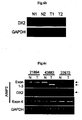
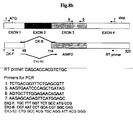
- RNAs were isolated following the protocol of the manufacturer (Qiagen). Briefly, the freshly prepared tissues (3 x 3 x 3mm) were chopped into small pieces, mixed with 350 ⁇ l lysis buffer and homogenized using homogenizer or syringe. After adding 350 ⁇ l of 70% ethanol, the lysates were inverted several times, loaded onto column, centrifuged at 13,000 RPM for 15 sec. After washing the column with wash buffer twice, RNAs were eluted with 40 ⁇ l RNase free DW. For reverse transcription, 1 ⁇ g of the isolated RNA was used as a template with the AIMP2specific primer ( Fig. 8b ).
- the mixture was diluted 3 fold with DW and 1 ⁇ l of its aliquot was used for 30 ⁇ l PCR reaction containing 0.5 ⁇ l dNTP (2.5 mM each), 0.5 ⁇ l of the indicated primers (each 10 pM), 1.5 ⁇ l DMSO and 0.1 ⁇ l Taq polymerase (5 U/ ⁇ l).
- siRNAs against AIMP2DX2 were prepared.
- the sequence encoding siRNA against AIMP2DX2 was designed and cloned into Sal I and Xba I site of 16 IMG-700 vector system (Imgenex), followed by DNA sequencing for confirming the cloned sequence.
- H322 cells were transfected with 2 ⁇ g of si-DX2 expression vector. Following 3-hr incubation with DNA-liposome complex in 1 ml serum-free media, H322 cells were treated with 1 ml RPMI-1640 containing 20% FBS. Then, cells were incubated in serum-free medium with or without TGF- ⁇ for 20 hr.
- the cDNAs encoding human AIMP2 and Smad2 (and its deletion fragments) were obtained by PCR using specific primers.
- the PCR products of Smad2 and AIMP2 were digested with Eco RI and Xho I, and ligated into the same sites of pEG202 (LexA) and pJG4-5 (B42), respectively ( Gyuris, J et al., a human G1 and S phase protein phosphatase that associates with Cdk2. Cell 75, 791-803(1993 )).
- the interactions between Lex-Smad2 fragments and B42-AIMP2 were analyzed for their ability to grow on yeast medium containing X-gal as previously described ( Rho, S. B. et al., Proc Natl Acad Sci U S A 96, 4488-93. (1999 )).
- the wild type MEFs were transfected with pcDNA-AIMP2DX2 or pcDNA itself and the transfectants were selected in DMEM medium containing 400 ⁇ g/ml G418. After removing the untransfected cells, the transfectants were cultured in the normal medium without G418 for 3 days, fixed with 2% PFA and stained with Giemsa.
- the frozen tissue slides were fixed with 2% paraformaldehyde and washed with ice cold PBS. After blocking and permeablization with PBS containing 0.2% Triton X-100 (PBST) and 1% BSA, the slides were incubated with anti-AIMP2 antibody for 2 hr. After washing with PBS, they were also incubated with anti-rabbit goat IgG-FITC and propidium iodide (50 ⁇ g/ml) for 1 hr, washed with PBS, mounted, and observed under a confocal microscopy.
- PBS Triton X-100
- AIMP2DX2 expressing vector cDNA of AIMP2DX2 was cloned into pcDNA3.1-myc.
- AIMP2DX2 from H322 cDNA was amplified using primers with linker for EcoRI and Xho I and cloned into pcDNA3.1-myc (Invitrogen) using Eco RI and Xho I.
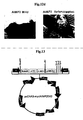
- the pcDNA3.1-myc/AIMP2DX2 vector to express AIMP2DX ( Fig. 12 ) was introduced into E. coli DH5 ⁇ , which was deposited on October 25, 2004 in the International Depository Authority, the Korean Collection for Type Cultures (KCTC) and was given accession number KCTC 10710BP.
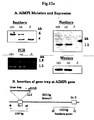
- the mutation on the genomic DNA of a mouse was generated by gene trap method ( Zambrowicz et al, Nature, 9, 608-611, 1998 ).
- the gene trap vector was used to generate the random mutant library (OmniBank library, Lexicon Genetics, USA) of the embryonic stem cells derived from 129/SvEvBrd mouse.
- OST7994 clone in which the AIMP2DX2 gene was disrupted were identified.
- the C57/BL6 heterozygous mice were generated by following the standard protocol of Lexicon Genetics. The heterozygous mice were then crossed to obtain homozygous mutant mice.
- the isolated 13.5 day mouse embryos were minced with razor blade, trypsinized and plated in petri dish for cultivation.
- the mutation was confirmed by Southern blot and PCR analyses using the genomic DNAs isolated from mouse embryonic fibroblast (MEF) cells.
- the AIMP2 expression was determined by Northern and Western blot analyses.
- the location of the gene trap insertion was determined by sequencing of genomic DNA.
- Southern blotting the genomic DNA was isolated from the mouse tail and digested with SacI. The cleaved DNA fragments were separated by denaturing gel electrophoresis and were hybridized with the radioactively labeled 1.2 kb PCR product of the AIMP2 gene with primers, SEQ NOs 17 and 18. The hybridized bands were detected using phosphorimage analyzer.
- the isolated genomic DNA was also used for PCR analysis with the specific pairs of the primers, SEQ NOs 19 and 20, SEQ NOs 20 and 21.
- total cellular RNA was prepared from mouse embryonic fibroblast cells using RNeasy Midi kit (QIAGEN) according to the manufacturer's instructions. The isolated RNAs (30ug) were separated by electrophoresis in 1.2% agarose/2.2M formaldehyde gels, transferred to Hybond N membranes (Amersham) and then fixed to the membrane by UV irradiation. The RNAs on the membrane were hybridized with the specific probes generated by PCR of the AIMP2 cDNA using the ExpressHyb hybridization solution (CLONTECH).
- the proteins were extracted from mouse embryonic fibroblast (MEF) cells, separated by SDS-PAGE and subjected to Western blotting with anti-AIMP2 polyclonal antibody as described (Park et al, 274, 16673-16676, 1999; Kim et al, J Biol Chem, 275, 21768-21772, 2000 ).
- AIMP2 +/- mice (19 male and 13 female mice) and 25 AIMP2 +/+ mice (14 male and 11 female mice) were used for experiment.
- BP benzo-( ⁇ )-pyrene
- 3 AIMP2 +/+ (2 male and 1 female) and 5 AIMP2 +/- mice (4 male and 1 female) were injected with bical solution (10 % DMSO and 35% PEG 40 in saline).
- WT male control (3) WT male treated (6)
- WT female control (2) WT female treated (6)
- KO male control (2) WT male treated (6)
- KO female control (3) KO female treated groups (5).
- a single dose (0.2 ⁇ mol/0.2 ml acetone) of 7,12-dimethylbenz[a]anthracene (DMBA) was topically applied to shaven backs of mice belonging to treated groups, while the mice of control groups were treated with acetone only.
- DMBA 7,12-dimethylbenz[a]anthracene
- mice After one week, DMBA-initiated mice were treated with 12-O-tetradecanoyl-phorbol-13-acetate (TPA, 10 nmol/0.2 ml acetone) twice a week for 21 weeks. Control animals were treated with acetone only throughout the study. Starting from 1 week of promoter treatment, tumors of at least 1 mm diameter were counted every week. After 21 weeks mice were sacrificed and tumor samples corrected for subsequent biochemical analysis.
- TPA 12-O-tetradecanoyl-phorbol-13-acetate
- TGF- ⁇ -induced association of Smad2 with TGF- ⁇ receptor was compared in the normal and AIMP2 deficient cells. The cells were treated with TGF- ⁇ and the association of Smad2 and the receptor was monitored by coimmunoprecipitation of type I receptor with Smad2 at time interval. While the TGF- ⁇ -induced Smad2 binding to TGF- ⁇ receptor was observed at early time point and decreased in the wild type cells, the receptor bound to Smad2 was accumulated in the late stage after TGF- ⁇ treatment in the AIMP2deficient cells ( Fig. 2e ).
- AIMP2 lung epithelial carcinoma
- DU145 prostate carcinoma
- HCT116 human colorectal carcinoma
- H460 large cell lung carcinoma
- H322 lung bronchioalveolar carcinoma
- H290 meothelioma cancer cell line
- the inactive deletion variant forms a complex with functional AIMP2
- AIMP2 The change of the AIMP2 level was checked after transfection of DX2 into DU145.
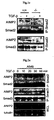
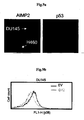
- AIMP2 was reduced in the DX2-transfected cells, as demonstrated by Western blot ( Fig. 4a , first row) and FACS analyses ( Fig. 9b ).
- the expression of the AIMP2 target, c-myc was elevated by the introduction of DX2 ( Fig. 4a , third row).
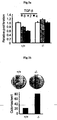
- DX2 also relieved the growth arrest by TGF- ⁇ ( Figs. 4b and 9c ).
- AIMP2F AIMP2F
- DX2 is active in TGF- ⁇ signaling
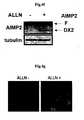
- yeast two hybrid assay To see whether DX2 is active in TGF- ⁇ signaling, we tested its interaction with Smad2 by yeast two hybrid assay. While AIMP2 interacted with Smad2 as well as FBP that is the known target of AIMP2 ( Kim, M. J. et al., Nat. Genet. 34, 330-336(2003 )), DX2 did not bind to any of these proteins, suggesting that it would be functionally inactive ( Fig. 4e ). To understand how the heterodimer formation would suppress AIMP2, we checked whether the AIMP2 level is controlled by proteasome-dependent degradation process. The DX2-producing H322 cells were treated with the proteasome inhibitor, ALLN ( Zhou, M., et al., J. Biol. Chem.
- AIMP2 level was significantly increased by the treatment of ALLN as shown by Western blotting ( Fig. 4f ), immunofluorescence staining ( Fig. 4g ) and flow cytometry ( Fig. 9d ), suggesting that its cellular level would be controlled by proteasome-mediated degradation.
- AIMP2DX2 form was also detected by the inhibition of proteasome ( Fig. 4f ), confirming the notion that DX2 would be unstable due to the rapid proteasome-dependent degradation.
- AIMP2DX2 The low intensity of AIMP2DX2 appears to result from its lower transcription compared to the normal AIMP2, as demonstrated by RT-PCR analysis ( Fig. 3c ) and/or less efficient recognition by anti-AIMP2 antibody. Since AIMP2 degradation is mediated by proteasome, we tested whether its ubiquitination is promoted by DX2. When AIMP2 was immunoprecipitated from the control and DX2-transfected cells that were treated with ALLN and blotted with anti-ubiquitin antibody, higher amount of the ubiquitinated AIMP2 was observed in the DX2-transfected cells compared to that in control cells ( Fig. 4h ). Combined together, DX2 appears to work as a dominant negative mutant to form an inactive complex with AIMP2 that is rapidly driven to degradation process.
- AIMP2DX2 inactivates TGF- ⁇ signaling and promotes cell growth
- DX2 was transfected into MEFs and monitored its effect on cell growth by microscopic analysis and colony formation. The cell growth was significantly enhanced by the introduction of DX2 ( Fig. 5a ).
- siRNA si-DX2
- si-DX2 that specifically suppresses the DX2 transcript and checked whether it can restore the normal level of AIMP2 and TGF- ⁇ signaling in H322 cells expressing DX2.
- siRNA(si-DX2) of No. 4 specifically suppressing DX2-specific expression were transfected to the H322 cell expressing DX2.
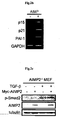
- si-DX2 ablated the DX2 transcript ( Fig. 5e top) and resumed the normal AIMP2 level and TGF- ⁇ -induced phosphorylation of Smad2 ( Fig. 5e bottom and Fig. 5f ), nuclear localization of p-Smad2 ( Fig. 5f ), TGF- ⁇ -dependent reporter expression ( Fig. 5g ) and growth arrest ( Fig. 5h ). All of these results demonstrated the disruptive effect of DX2 on TGF- ⁇ signaling and cell growth control.
- lung tumors were observed at 50-70% frequency in AIMP2 +/- mice, and at about 30% in the wild type littermates ( Fig. 6a ), implying that the heterozygous mice are more susceptible to BP-induced tumorgenesis.
- Three out of four lungs isolated from AIMP2 +/- mice showed tumors, while only one developed tumors among three AIMP2 +/+ mice and all of these tumors generated DX2 ( Fig. 10 ), further supporting the relevance of DX2 to tumor formation.
- DX2 was generated only in tumor tissues ( Fig. 6b ).
- AIMP2DX2 and its deletion variant with cancer was examined in human tissues and cancer cell lines.
- AIMP2DX2 formation in normal and cancer tissue obtained from hepatocellular carcinoma was evaluated by RT-PCR.
- the formation of AIMP2DX2 in different cancer cell lines was examined ( Fig. 11a )
- the cells were seeded in 6-well plate at a density of 1x10 5 and harvested 24 hours later.
- the harvested cells were lysated using GSS buffer, mixed with 4% isoamylalcohol containing acidic phenol (pH 4.3) and chloroform and then centrifuged.
- the supernatant obtained by centrifugation were precipitated with isopropanol and centrifuged again, and then the pellet was obtained subsequently.
- AIMP2DX2 were expressed in lung cancer cell lines (H226, H460, H322 and H290), embryo kidney cell line (293), osteosarcoma cell line (SaOS2), skin cancer cell line (HaCAT), and breat cancer cell line (MCF7) ( Fig. 11b ).
- AIMP2DX2 knock-out mice and wild mice Susceptibility to tumor was observed in AIMP2DX2 knock-out mice and wild mice.
- the number of mouse having tumors on the skin and the tumor number of mouse were increased significantly in AIMP2DX2 knock-out mouse.
- mice's tumorgenesis was induced with DMBA and promoted with TPA
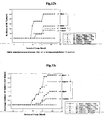
- the rate of tumor formation in AIMP2 knock-out female mice were increased about 1.3 folds than in WT female control mice.
- the rate of tumor formation in AIMP2 knock-out male mice were increased about 2 folds than in WT male control mice ( Fig 12b ).
- the number of tumor to be formed in AIMP2 knock-out female mice were increased about 4 folds than in WT female control mice.
- the number of tumor to be formed in AIMP2 knock-out male mice were increased about 2 folds than in WT male control mice ( Fig. 12c and Fig. 12d ).
Landscapes
- Health & Medical Sciences (AREA)
- Life Sciences & Earth Sciences (AREA)
- Chemical & Material Sciences (AREA)
- Immunology (AREA)
- Engineering & Computer Science (AREA)
- Molecular Biology (AREA)
- Biomedical Technology (AREA)
- Organic Chemistry (AREA)
- General Health & Medical Sciences (AREA)
- Hematology (AREA)
- Biochemistry (AREA)
- Urology & Nephrology (AREA)
- Biotechnology (AREA)
- Medicinal Chemistry (AREA)
- Physics & Mathematics (AREA)
- Microbiology (AREA)
- Cell Biology (AREA)
- Genetics & Genomics (AREA)
- Analytical Chemistry (AREA)
- Proteomics, Peptides & Aminoacids (AREA)
- General Physics & Mathematics (AREA)
- Biophysics (AREA)
- Pathology (AREA)
- Food Science & Technology (AREA)
- Zoology (AREA)
- Wood Science & Technology (AREA)
- General Engineering & Computer Science (AREA)
- Bioinformatics & Cheminformatics (AREA)
- Gastroenterology & Hepatology (AREA)
- Plant Pathology (AREA)
- Toxicology (AREA)
- Chemical Kinetics & Catalysis (AREA)
- Medicines That Contain Protein Lipid Enzymes And Other Medicines (AREA)
- Pharmaceuticals Containing Other Organic And Inorganic Compounds (AREA)
- Peptides Or Proteins (AREA)
- Micro-Organisms Or Cultivation Processes Thereof (AREA)
Claims (23)
- AIMP2DX2-Protein umfassend(a) eine AIMP2-Aminosäuresequenz, in der die Exon 2-Region der AIMP2-Aminosäuresequenz deletiert ist, wobei AIMP2 die folgende Sequenz aufweist:
 (b) die Aminosäuresequenz nach SEQ ID NR: 2.
 - Nukleinsäuremolekül umfassend eine Nukleotidsequenz, die für das AIMP2DX2-Protein nach Anspruch 1 kodiert.
- Nukleinsäuremolekül nach Anspruch 2, wobei das Nukleinsäuremolekül die Nukleotidsequenz nach SEQ ID NR: 1 umfasst.
- Rekombinanter Vektor, der ein Nukleinsäuremolekül nach Anspruch 2 oder 3 umfasst.
- Wirtszelle, die mit dem rekombinanten Vektor nach Anspruch 4 transformiert ist, wobei es sich bei der Zelle um eine nicht humane Zelle oder um eine isolierte humane Zelle handelt, die keine humane embryonale Stammzelle ist.
- Verfahren zur Herstellung des AIMP2DX2-Proteins nach Anspruch 1, umfassend das Kultivieren der Zelle nach Anspruch 5.
- Antikörper, der für das AIMP2DX2-Protein nach Anspruch 1 spezifisch ist.
- Kit zur Krebsdiagnose, das einen Antikörper nach Anspruch 7 umfasst.
- Verfahren zum Screening für das AIMP2DX2-Protein als Krebsmarker, umfassend die folgenden Schritte:(a) Bereitstellen einer zu untersuchenden Probe; und(b) Detektieren der Expression eines Nukleinsäuremoleküls nach Anspruch 2 oder 3 in dieser Probe, wobei die Detektion der Expression des Nukleinsäuremoleküls indikativ für Krebs ist.
- Verfahren nach Anspruch 9, wobei die Detektion in Schritt (b) erfolgt, indem die Probe mit einem Antikörper nach Anspruch 7 in Kontakt gebracht wird.
- Verfahren nach Anspruch 9, wobei die Detektion in Schritt (b) mittels einer Amplifikations- oder Hybridisierungsreaktion erfolgt.
- Verfahren nach Anspruch 11, wobei die Amplifikationsreaktion mittels einer RT-PCR (Reverse Transkriptase-Polymerase-Kettenreaktion) unter Verwendung eines Primers erfolgt, der dazu in der Lage ist, zwischen einer mRNA von AIMP2DX2 nach Anspruch 1 und einer mRNA von AIMP2 zu differenzieren, oder die Hybridisierungsreaktion unter Verwendung einer Sonde erfolgt, die dazu in der Lage ist, zwischen einer mRNA von AIMP2DX2 nach Anspruch 1 und einer mRNA von AIMP2 zu differenzieren, wobei AIMP2 die folgende Sequenz aufweist:

- Verfahren nach Anspruch 12, wobei die Sequenz des Primers SEQ ID NRn: 5 und 6, 7 und 8 oder 16 und 6 umfasst oder die Sequenz der Sonde SEQ ID NR: 8 oder 16 umfasst.
- Nukleinsäuremolekül umfassend die Nukleotidsequenz nach SEQ ID NR: 3, 4, 5, 6, 7, 8 oder 16.
- siRNA-Nukleinsäuremolekül, das für mRNA des AIMP2DX2-Proteins nach Anspruch 1 spezifisch ist, wobei das siRNA-Nukleinsäuremolekül Sense- und Antisense-RNA umfasst, die für die Nukleotidsequenz von SEQ ID NRn: 9 und 10, SEQ ID NRn: 11 und 12 oder SEQ ID NRn: 13 und 14 kodiert.
- Antisense-Oligonukleotid, das zu einer Verbindungsregion zwischen den Exons 1 und 3 einer mRNA des AIMP2DX2-Proteins nach Anspruch 1 komplementär ist.
- Pharmazeutische Zusammensetzung zur Behandlung von Krebs, umfassend das siRNA-Nukleinsäuremolekül nach Anspruch 15 oder das Antisense-Oligonukleotid nach Anspruch 16.
- siRNA-Nukleinsäuremolekül nach Anspruch 15 oder Antisense-Oligonukleotid nach Anspruch 16 zur Verwendung bei der Behandlung von Krebs.
- Verwendung des siRNA-Nukleinsäuremoleküls nach Anspruch 15 oder des Antisense-Oligonukleotids nach Anspruch 16 bei der Herstellung eines Medikaments zur Behandlung von Krebs.
- Verfahren zum Screening für einen Antikrebswirkstoff, der die Bildung eines Heterodimers zwischen dem AIMP2DX2-Protein nach Anspruch 1 und dem AIMP2-Protein inhibiert, umfassend die folgenden Schritte:(a) Inkontaktbringen einer Testsubstanz mit einer Zusammensetzung, die das AIMP2DX2-Protein nach Anspruch 1 und das AIMP2-Protein umfasst; und(b) Bestimmen, ob die Testsubstanz die Heterodimerbildung zwischen dem AIMP2DX2-Protein nach Anspruch 1 und dem AIMP2-Protein inhibiert,wobei die Testsubstanz zur Inhibition der Heterodimerbildung zwischen dem AIMP2DX2-Protein nach Anspruch 1 und dem AIMP2-Protein als Antikrebswirkstoff evaluiert wird und wobei AIMP2 die folgende Sequenz aufweist:

- Verfahren nach Anspruch 20, wobei das Verfahren mittels eines Hefe-Zwei-Hybrid-Assays oder eines in vitro Pull-Down-Assays durchgeführt wird.
- Verfahren zum Screening für einen Antikrebswirkstoff, der die Expression des für das AIMP2DX2-Protein nach Anspruch 1 kodierenden Gens inhibiert oder die Disruption des AIMP2DX2-Proteins nach Anspruch 1 fördert, umfassend die folgenden Schritte:(a) Inkontaktbringen einer Testsubstanz mit Zellen, die das AIMP2DX2-Gen exprimieren; und(b) Bestimmen, ob die Testsubstanz die Expression des AIMP2DX2-Gens inhibiert oder die Disruption des AIMP2DX2-Proteins fördert,wobei die Testsubstanz zur Inhibition der Expression des AIMP2DX2-Gens als Antikrebswirkstoff evaluiert wird.
- Verfahren nach Anspruch 22, wobei das Verfahren mittels RT-PCR oder Western-Blot durchgeführt wird.
Applications Claiming Priority (3)
| Application Number | Priority Date | Filing Date | Title |
|---|---|---|---|
| KR20040097164 | 2004-11-24 | ||
| KR1020050039073A KR20060057992A (ko) | 2004-11-24 | 2005-05-10 | p38-DX2 및 이의 용도 |
| PCT/KR2005/003924 WO2006057500A1 (en) | 2004-11-24 | 2005-11-18 | Use of aimp2dx2 for the diagnosis and treatment of cancer |
Publications (3)
| Publication Number | Publication Date |
|---|---|
| EP1814909A1 EP1814909A1 (de) | 2007-08-08 |
| EP1814909A4 EP1814909A4 (de) | 2008-06-25 |
| EP1814909B1 true EP1814909B1 (de) | 2011-08-24 |
Family
ID=36461168
Family Applications (1)
| Application Number | Title | Priority Date | Filing Date |
|---|---|---|---|
| EP05819055A Expired - Lifetime EP1814909B1 (de) | 2004-11-24 | 2005-11-18 | Verwendung von aimp2dx2 zur diagnose und behandlung von krebs |
Country Status (4)
| Country | Link |
|---|---|
| US (1) | US7459529B2 (de) |
| EP (1) | EP1814909B1 (de) |
| KR (1) | KR100762995B1 (de) |
| WO (1) | WO2006057500A1 (de) |
Families Citing this family (64)
| Publication number | Priority date | Publication date | Assignee | Title |
|---|---|---|---|---|
| US9944713B2 (en) | 2004-11-24 | 2018-04-17 | Medicinal Bioconvergence Research Center | Antibody specific to the AIMP2-DX2 |
| US8003780B2 (en) * | 2004-11-24 | 2011-08-23 | Neomics Co., Ltd. | AIMP2-DX2 gene and SiRNA targeting AIMP2-DX2 |
| JP2010517941A (ja) * | 2007-01-16 | 2010-05-27 | ザ バーナム インスティテュート フォー メディカル リサーチ | 結腸直腸癌の治療のための組成物および方法 |
| KR101067816B1 (ko) * | 2007-11-09 | 2011-09-27 | (주)네오믹스 | Aimp2-dx2의 억제제를 유효성분으로 포함하는 염증성질환 예방 및 치료용 조성물 |
| CN102105164A (zh) | 2008-06-11 | 2011-06-22 | Atyr医药公司 | 酪氨酰-trna合成酶多肽的血小板生成活性 |
| EP2310498A1 (de) * | 2008-06-26 | 2011-04-20 | Atyr Pharma, Inc. | Glycyl-trna-synthetasen mit nichtkanonischen biologischen aktivitäten umfassende zusammensetzungen und verfahren |
| ES2552773T3 (es) | 2009-02-27 | 2015-12-02 | Atyr Pharma, Inc. | Motivos estructurales de polipéptidos asociados con la actividad de señalización celular |
| JP5730280B2 (ja) | 2009-03-16 | 2015-06-03 | パング バイオファーマ リミテッド | 非カノニカル生物学的活性を有するヒスチジル−tRNAシンテターゼスプライスバリアントを含む組成物および方法 |
| WO2010120509A2 (en) * | 2009-03-31 | 2010-10-21 | Atyr Pharma, Inc. | Compositions and methods comprising aspartyl-trna synthetases having non-canonical biological activities |
| US8828395B2 (en) | 2009-12-11 | 2014-09-09 | Atyr Pharma, Inc. | Antibodies that bind tyrosyl-tRNA synthetases |
| ES2535951T3 (es) | 2009-12-11 | 2015-05-19 | Atyr Pharma, Inc. | Histidil ARNt sintetasas para reducir la inflamación |
| US20110150885A1 (en) * | 2009-12-11 | 2011-06-23 | Atyr Pharma, Inc. | Aminoacyl trna synthetases for modulating hematopoiesis |
| CA2797093C (en) | 2010-04-26 | 2019-10-29 | Atyr Pharma, Inc. | Innovative discovery of therapeutic, diagnostic, and antibody compositions related to protein fragments of cysteinyl-trna synthetase |
| CA2797362C (en) | 2010-04-27 | 2020-12-08 | Atyr Pharma, Inc. | Innovative discovery of therapeutic, diagnostic, and antibody compositions related to protein fragments of isoleucyl trna synthetases |
| CA2797259C (en) | 2010-04-27 | 2020-09-29 | Atyr Pharma, Inc. | Innovative discovery of therapeutic, diagnostic, and antibody compositions related to protein fragments of threonyl trna synthetases |
| WO2011139853A2 (en) | 2010-04-28 | 2011-11-10 | Atyr Pharma, Inc. | Innovative discovery of therapeutic, diagnostic, and antibody compositions related to protein fragments of alanyl trna synthetases |
| US8986680B2 (en) | 2010-04-29 | 2015-03-24 | Atyr Pharma, Inc. | Innovative discovery of therapeutic, diagnostic, and antibody compositions related to protein fragments of Asparaginyl tRNA synthetases |
| EP2563383B1 (de) | 2010-04-29 | 2017-03-01 | Atyr Pharma, Inc. | Innovative entdeckung therapeutischer, diagnostischer und antikörperhaltiger zusammensetzungen im zusammenhang mit proteinfragmenten von valyl-trna-synthetasen |
| CN103140233B (zh) | 2010-05-03 | 2017-04-05 | Atyr 医药公司 | 与甲硫氨酰‑tRNA合成酶的蛋白片段相关的治疗、诊断和抗体组合物的发现 |
| WO2011139986A2 (en) | 2010-05-03 | 2011-11-10 | Atyr Pharma, Inc. | Innovative discovery of therapeutic, diagnostic, and antibody compositions related to protein fragments of arginyl-trna synthetases |
| AU2011248357B2 (en) | 2010-05-03 | 2017-02-23 | Pangu Biopharma Limited | Innovative discovery of therapeutic, diagnostic, and antibody compositions related to protein fragments of seryl-tRNA synthetases |
| CA2797977C (en) | 2010-05-03 | 2019-08-20 | Atyr Pharma, Inc. | Innovative discovery of therapeutic, diagnostic, and antibody compositions related to protein fragments of phenylalanyl-alpha-trna synthetases |
| US9062301B2 (en) | 2010-05-04 | 2015-06-23 | Atyr Pharma, Inc. | Innovative discovery of therapeutic, diagnostic, and antibody compositions related to protein fragments of glutamyl-prolyl-tRNA synthetases |
| EP2566499B1 (de) | 2010-05-04 | 2017-01-25 | aTyr Pharma, Inc. | Innovative entdeckung therapeutischer, diagnostischer und antikörperhaltiger zusammensetzungen im zusammenhang mit proteinfragmenten aus einem p38-multi-trna-synthetase-komplex |
| CA2799197C (en) | 2010-05-14 | 2019-10-29 | Atyr Pharma, Inc. | Innovative discovery of therapeutic, diagnostic, and antibody compositions related to protein fragments of phenylalanyl-beta-trna synthetases |
| US9034598B2 (en) | 2010-05-17 | 2015-05-19 | Atyr Pharma, Inc. | Innovative discovery of therapeutic, diagnostic, and antibody compositions related to protein fragments of leucyl-tRNA synthetases |
| AU2011258106B2 (en) | 2010-05-27 | 2017-02-23 | Pangu Biopharma Limited | Innovative discovery of therapeutic, diagnostic, and antibody compositions related to protein fragments of glutaminyl-tRNA synthetases |
| CN103118694B (zh) | 2010-06-01 | 2016-08-03 | Atyr医药公司 | 与赖氨酰-tRNA合成酶的蛋白片段相关的治疗、诊断和抗体组合物的发现 |
| JP6116479B2 (ja) | 2010-07-12 | 2017-04-19 | エータイアー ファーマ, インコーポレイテッド | グリシルtRNA合成酵素のタンパク質フラグメントに関連した治療用、診断用および抗体組成物の革新的発見 |
| US8999321B2 (en) | 2010-07-12 | 2015-04-07 | Atyr Pharma, Inc. | Innovative discovery of therapeutic, diagnostic, and antibody compositions related to protein fragments of glycyl-tRNA synthetases |
| EP2593126B1 (de) | 2010-07-12 | 2017-09-20 | aTyr Pharma, Inc. | Innovative erkennung therapeutischer, diagnostischer und antikörperhaltiger zusammensetzungen in zusammenhang mit proteinfragmenten von histidyl-trna-synthetasen |
| CA2804278C (en) | 2010-07-12 | 2021-07-13 | Atyr Pharma, Inc. | Innovative discovery of therapeutic, diagnostic, and antibody compositions related to protein fragments of aspartyl-trna synthetases |
| JP5964304B2 (ja) | 2010-08-25 | 2016-08-03 | エータイアー ファーマ, インコーポレイテッド | チロシルtRNA合成酵素のタンパク質フラグメントに関連した治療用、診断用および抗体組成物の革新的発見 |
| CA2812795C (en) | 2010-10-06 | 2021-08-31 | Atyr Pharma, Inc. | Innovative discovery of therapeutic, diagnostic, and antibody compositions related protein fragments of tryptophanyl trna synthetases |
| WO2013022982A2 (en) | 2011-08-09 | 2013-02-14 | Atyr Pharma, Inc. | Pegylated tyrosyl-trna synthetase polypeptides |
| US9816084B2 (en) | 2011-12-06 | 2017-11-14 | Atyr Pharma, Inc. | Aspartyl-tRNA synthetases |
| WO2013086228A1 (en) | 2011-12-06 | 2013-06-13 | Atyr Pharma, Inc. | Pegylated aspartyl-trna synthetase polypeptides |
| CN104220461A (zh) | 2011-12-29 | 2014-12-17 | Atyr医药公司 | 天冬氨酰-tRNA合成酶-FC缀合物 |
| EP2814514B1 (de) | 2012-02-16 | 2017-09-13 | Atyr Pharma, Inc. | Histidyl-trna-synthetasen zur behandlung von autoimmun- und entzündungserkrankungen |
| KR20130118612A (ko) | 2012-04-20 | 2013-10-30 | (주)네오믹스 | 신규한 아미노피리딘 유도체 및 이의 용도 |
| KR101577315B1 (ko) * | 2013-03-14 | 2015-12-15 | 부산대학교 산학협력단 | AIMP2-DX2와 p14/ARF의 상호작용을 이용한 암 치료제의 스크리닝 방법 |
| CN114717206A (zh) | 2013-03-15 | 2022-07-08 | Atyr 医药公司 | 组氨酰-trna合成酶-fc缀合物 |
| CN105143203A (zh) | 2013-04-17 | 2015-12-09 | 辉瑞大药厂 | 用于治疗心血管疾病的n-哌啶-3-基苯甲酰胺衍生物 |
| KR101762433B1 (ko) | 2013-06-05 | 2017-07-28 | 재단법인 의약바이오컨버젼스연구단 | 신규한 말레인산 유도체 및 이의 제조방법 및 이를 포함하는 항암용 조성물 |
| KR101514320B1 (ko) * | 2013-06-14 | 2015-04-22 | 재단법인 의약바이오컨버젼스연구단 | 신규한 암 예방 또는 치료용 약학적 조성물 |
| KR20150131655A (ko) * | 2014-05-15 | 2015-11-25 | 재단법인 의약바이오컨버젼스연구단 | Aimp2-dx2-34s 단백질 및 이의 제조방법 |
| EP3162803B1 (de) * | 2014-06-30 | 2019-09-11 | Pusan National University Industry-University Cooperation Foundation | Neue verbindung zur hemmung der bindung zwischen dx2-protein und p14/arf-protein und pharmazeutische zusammensetzung zur behandlung oder vorbeugung einer krebserkrankung damit als wirksamen inhaltsstoff |
| KR101636821B1 (ko) * | 2014-06-30 | 2016-07-07 | 부산대학교 산학협력단 | Aimp2-dx2 단백질 또는 이의 단편을 포함하는 폐암 진단용 조성물 |
| KR102297505B1 (ko) * | 2016-03-07 | 2021-09-01 | 재단법인 의약바이오컨버젼스연구단 | Aimp2-dx2와 hsp70의 결합을 저해하는 항암제 스크리닝 방법 |
| KR101831435B1 (ko) * | 2016-03-10 | 2018-02-22 | 재단법인 의약바이오컨버젼스연구단 | Aimp2-dx2 단백질에 특이적으로 결합하는 항체 |
| KR102290511B1 (ko) * | 2016-08-04 | 2021-08-17 | 주식회사 자이메디 | AIMP2-DX2와 K-Ras의 결합을 저해하는 항암제 스크리닝 방법 |
| EP3375871A1 (de) | 2017-03-13 | 2018-09-19 | SIT Biotech GmbH | Enzymsystem zur auslösung von selektivem zelltod |
| ES2994451T3 (en) | 2017-04-20 | 2025-01-24 | Atyr Pharma Inc | Compositions for treating lung inflammation |
| US10716866B2 (en) * | 2018-03-29 | 2020-07-21 | Generoath Co., Ltd | Pharmaceutical composition comprising AIMP2-DX2 for preventing or treating neuronal diseases and use thereof |
| WO2019195770A1 (en) | 2018-04-06 | 2019-10-10 | Atyr Pharma, Inc. | Compositions and methods comprising anti-nrp2 antibodies |
| KR102248420B1 (ko) * | 2019-03-15 | 2021-05-06 | 주식회사 제너로스 | miR-142-3p의 표적 서열을 포함하는 재조합 벡터 |
| WO2020204548A1 (ko) | 2019-03-29 | 2020-10-08 | 재단법인 의약바이오컨버젼스연구단 | 항암활성을 갖는 신규한 화합물 및 이의 제조방법 |
| KR102252879B1 (ko) | 2019-11-15 | 2021-05-17 | 성균관대학교산학협력단 | 혈장 내 aimp2를 이용한 파킨슨 질환의 진단 방법, 이를 위한 조성물 및 이를 포함하는 키트 |
| EP4123021A4 (de) * | 2020-03-23 | 2024-05-15 | Curigin Co.,Ltd. | Struktur eines onkolytischen virus mit bispezifischem nukleinsäuremolekül |
| KR102626543B1 (ko) * | 2020-09-14 | 2024-01-23 | 주식회사 제너로스 | AIMP2-DX2 및 miR-142의 표적 핵산을 포함하는 재조합 벡터 |
| MA71714A (fr) * | 2020-09-30 | 2025-05-30 | Generoath Co., Ltd. | Méthodes de traitement de maladies neuronales à l'aide d'aimp2-dx2 et éventuellement d'une séquence cible de mir-142 et compositions associées |
| EP4221760A4 (de) * | 2020-09-30 | 2025-08-13 | Generoath Co Ltd | Verfahren zur behandlung altersbedingter makuladeerkrankungen mit aimp2-dx2 und optional einer zielsequenz für mir-142 und zusammensetzungen davon |
| KR102776660B1 (ko) | 2022-01-25 | 2025-03-04 | 재단법인 한국파스퇴르연구소 | 벤조다이옥세인 유도체 화합물 및 이의 의약 용도 |
| CN119343154A (zh) * | 2022-05-13 | 2025-01-21 | 杰内罗蒂股份有限公司 | 使用AIMP2-DX2和任选的miR-142靶序列及其组合物治疗视网膜退行性疾病的方法 |
Family Cites Families (14)
| Publication number | Priority date | Publication date | Assignee | Title |
|---|---|---|---|---|
| JPS5753564Y2 (de) | 1977-06-01 | 1982-11-19 | ||
| CH624011A5 (de) | 1977-08-05 | 1981-07-15 | Battelle Memorial Institute | |
| FR2416008A1 (fr) | 1978-02-02 | 1979-08-31 | Oreal | Lyophilisats de liposomes |
| US4235871A (en) | 1978-02-24 | 1980-11-25 | Papahadjopoulos Demetrios P | Method of encapsulating biologically active materials in lipid vesicles |
| US4816567A (en) | 1983-04-08 | 1989-03-28 | Genentech, Inc. | Recombinant immunoglobin preparations |
| JPS6150912A (ja) | 1984-08-16 | 1986-03-13 | Shionogi & Co Ltd | リポソ−ム製剤の製造法 |
| US4814270A (en) | 1984-09-13 | 1989-03-21 | Becton Dickinson And Company | Production of loaded vesicles |
| US4897355A (en) | 1985-01-07 | 1990-01-30 | Syntex (U.S.A.) Inc. | N[ω,(ω-1)-dialkyloxy]- and N-[ω,(ω-1)-dialkenyloxy]-alk-1-yl-N,N,N-tetrasubstituted ammonium lipids and uses therefor |
| US4753788A (en) | 1985-01-31 | 1988-06-28 | Vestar Research Inc. | Method for preparing small vesicles using microemulsification |
| FR2604438B1 (fr) | 1986-09-26 | 1988-12-23 | Centre Nat Rech Scient | Nouveaux conjugues de couplage entre des sequences d'arn ou d'adn et une proteine, leur procede de preparation et leur application biologique |
| US5080891A (en) | 1987-08-03 | 1992-01-14 | Ddi Pharmaceuticals, Inc. | Conjugates of superoxide dismutase coupled to high molecular weight polyalkylene glycols |
| DE3856406T2 (de) | 1987-10-28 | 2000-10-19 | Howard Florey Institute Of Experimental Physiology And Medicine, Parkville | Oligonucleotid-polyamid konjugate |
| JP3537141B2 (ja) | 1992-10-30 | 2004-06-14 | ザ ゼネラル ホスピタル コーポレーション | 新種蛋白質分離のための相互作用を用いる補捉システム |
| KR100575251B1 (ko) * | 2003-03-03 | 2006-05-02 | 재단법인서울대학교산학협력재단 | p38/JTV-1을 유효성분으로 하는 암 치료용 약학적조성물 및 암 치료용 약학적 조성물의 스크리닝 방법 |
-
2005
- 2005-11-01 US US11/264,725 patent/US7459529B2/en not_active Expired - Lifetime
- 2005-11-18 EP EP05819055A patent/EP1814909B1/de not_active Expired - Lifetime
- 2005-11-18 WO PCT/KR2005/003924 patent/WO2006057500A1/en not_active Ceased
- 2005-11-18 KR KR1020050110946A patent/KR100762995B1/ko not_active Expired - Fee Related
Also Published As
| Publication number | Publication date |
|---|---|
| EP1814909A4 (de) | 2008-06-25 |
| US7459529B2 (en) | 2008-12-02 |
| KR20060058014A (ko) | 2006-05-29 |
| WO2006057500A1 (en) | 2006-06-01 |
| US20060110397A1 (en) | 2006-05-25 |
| EP1814909A1 (de) | 2007-08-08 |
| KR100762995B1 (ko) | 2007-10-04 |
Similar Documents
| Publication | Publication Date | Title |
|---|---|---|
| US7459529B2 (en) | AIMP2-DX2 and its uses | |
| US8003780B2 (en) | AIMP2-DX2 gene and SiRNA targeting AIMP2-DX2 | |
| JP4375932B2 (ja) | 悪性新生物の診断および処置 | |
| US8809291B2 (en) | Id-1 gene and gene products as therapeutic targets for treatment of breast cancer and other types of carcinoma | |
| US20060068411A1 (en) | Cancer specific gene MH15 | |
| US7582441B1 (en) | Methods and compositions for treating and diagnosing disease | |
| JP2008285485A (ja) | 悪性新生物の診断および処置 | |
| JP2006526992A (ja) | 癌を検出し、癌の進行をモニタリングする方法 | |
| CN101087804B (zh) | 用于诊断和治疗癌症的aimp2dx2的用途 | |
| US9944713B2 (en) | Antibody specific to the AIMP2-DX2 | |
| US9789159B2 (en) | Diagnosis and treatment of prostate cancer | |
| KR20070113926A (ko) | 암의 진단과 치료를 위한 aimp2dx2의 용도 | |
| EP1438388B1 (de) | Ibc-1 (invasive breast cancer-1), ein bei brustkrebs amplifiziertes mutmassliches onkogen | |
| JP3561229B2 (ja) | CTp11遺伝子の検出方法及び腫瘍転移能の決定方法 |
Legal Events
| Date | Code | Title | Description |
|---|---|---|---|
| PUAI | Public reference made under article 153(3) epc to a published international application that has entered the european phase |
Free format text: ORIGINAL CODE: 0009012 |
|
| 17P | Request for examination filed |
Effective date: 20070404 |
|
| AK | Designated contracting states |
Kind code of ref document: A1 Designated state(s): AT BE BG CH CY CZ DE DK EE ES FI FR GB GR HU IE IS IT LI LT LU LV MC NL PL PT RO SE SI SK TR |
|
| DAX | Request for extension of the european patent (deleted) | ||
| A4 | Supplementary search report drawn up and despatched |
Effective date: 20080527 |
|
| 17Q | First examination report despatched |
Effective date: 20080822 |
|
| RAP1 | Party data changed (applicant data changed or rights of an application transferred) |
Owner name: NEOMICS CO., LTD. |
|
| GRAP | Despatch of communication of intention to grant a patent |
Free format text: ORIGINAL CODE: EPIDOSNIGR1 |
|
| GRAS | Grant fee paid |
Free format text: ORIGINAL CODE: EPIDOSNIGR3 |
|
| GRAA | (expected) grant |
Free format text: ORIGINAL CODE: 0009210 |
|
| AK | Designated contracting states |
Kind code of ref document: B1 Designated state(s): AT BE BG CH CY CZ DE DK EE ES FI FR GB GR HU IE IS IT LI LT LU LV MC NL PL PT RO SE SI SK TR |
|
| REG | Reference to a national code |
Ref country code: GB Ref legal event code: FG4D |
|
| REG | Reference to a national code |
Ref country code: CH Ref legal event code: NV Representative=s name: FIAMMENGHI-FIAMMENGHI Ref country code: CH Ref legal event code: EP |
|
| REG | Reference to a national code |
Ref country code: IE Ref legal event code: FG4D |
|
| REG | Reference to a national code |
Ref country code: DE Ref legal event code: R096 Ref document number: 602005029804 Country of ref document: DE Effective date: 20111027 |
|
| REG | Reference to a national code |
Ref country code: NL Ref legal event code: VDEP Effective date: 20110824 |
|
| REG | Reference to a national code |
Ref country code: ES Ref legal event code: FG2A Ref document number: 2371479 Country of ref document: ES Kind code of ref document: T3 Effective date: 20120103 |
|
| LTIE | Lt: invalidation of european patent or patent extension |
Effective date: 20110824 |
|
| PG25 | Lapsed in a contracting state [announced via postgrant information from national office to epo] |
Ref country code: LT Free format text: LAPSE BECAUSE OF FAILURE TO SUBMIT A TRANSLATION OF THE DESCRIPTION OR TO PAY THE FEE WITHIN THE PRESCRIBED TIME-LIMIT Effective date: 20110824 Ref country code: IS Free format text: LAPSE BECAUSE OF FAILURE TO SUBMIT A TRANSLATION OF THE DESCRIPTION OR TO PAY THE FEE WITHIN THE PRESCRIBED TIME-LIMIT Effective date: 20111224 Ref country code: NL Free format text: LAPSE BECAUSE OF FAILURE TO SUBMIT A TRANSLATION OF THE DESCRIPTION OR TO PAY THE FEE WITHIN THE PRESCRIBED TIME-LIMIT Effective date: 20110824 Ref country code: PT Free format text: LAPSE BECAUSE OF FAILURE TO SUBMIT A TRANSLATION OF THE DESCRIPTION OR TO PAY THE FEE WITHIN THE PRESCRIBED TIME-LIMIT Effective date: 20111226 Ref country code: SE Free format text: LAPSE BECAUSE OF FAILURE TO SUBMIT A TRANSLATION OF THE DESCRIPTION OR TO PAY THE FEE WITHIN THE PRESCRIBED TIME-LIMIT Effective date: 20110824 Ref country code: FI Free format text: LAPSE BECAUSE OF FAILURE TO SUBMIT A TRANSLATION OF THE DESCRIPTION OR TO PAY THE FEE WITHIN THE PRESCRIBED TIME-LIMIT Effective date: 20110824 |
|
| REG | Reference to a national code |
Ref country code: AT Ref legal event code: MK05 Ref document number: 521631 Country of ref document: AT Kind code of ref document: T Effective date: 20110824 |
|
| PG25 | Lapsed in a contracting state [announced via postgrant information from national office to epo] |
Ref country code: CY Free format text: LAPSE BECAUSE OF FAILURE TO SUBMIT A TRANSLATION OF THE DESCRIPTION OR TO PAY THE FEE WITHIN THE PRESCRIBED TIME-LIMIT Effective date: 20110824 Ref country code: GR Free format text: LAPSE BECAUSE OF FAILURE TO SUBMIT A TRANSLATION OF THE DESCRIPTION OR TO PAY THE FEE WITHIN THE PRESCRIBED TIME-LIMIT Effective date: 20111125 Ref country code: LV Free format text: LAPSE BECAUSE OF FAILURE TO SUBMIT A TRANSLATION OF THE DESCRIPTION OR TO PAY THE FEE WITHIN THE PRESCRIBED TIME-LIMIT Effective date: 20110824 Ref country code: PL Free format text: LAPSE BECAUSE OF FAILURE TO SUBMIT A TRANSLATION OF THE DESCRIPTION OR TO PAY THE FEE WITHIN THE PRESCRIBED TIME-LIMIT Effective date: 20110824 Ref country code: AT Free format text: LAPSE BECAUSE OF FAILURE TO SUBMIT A TRANSLATION OF THE DESCRIPTION OR TO PAY THE FEE WITHIN THE PRESCRIBED TIME-LIMIT Effective date: 20110824 Ref country code: SI Free format text: LAPSE BECAUSE OF FAILURE TO SUBMIT A TRANSLATION OF THE DESCRIPTION OR TO PAY THE FEE WITHIN THE PRESCRIBED TIME-LIMIT Effective date: 20110824 |
|
| PG25 | Lapsed in a contracting state [announced via postgrant information from national office to epo] |
Ref country code: BE Free format text: LAPSE BECAUSE OF FAILURE TO SUBMIT A TRANSLATION OF THE DESCRIPTION OR TO PAY THE FEE WITHIN THE PRESCRIBED TIME-LIMIT Effective date: 20110824 |
|
| PG25 | Lapsed in a contracting state [announced via postgrant information from national office to epo] |
Ref country code: SK Free format text: LAPSE BECAUSE OF FAILURE TO SUBMIT A TRANSLATION OF THE DESCRIPTION OR TO PAY THE FEE WITHIN THE PRESCRIBED TIME-LIMIT Effective date: 20110824 Ref country code: CZ Free format text: LAPSE BECAUSE OF FAILURE TO SUBMIT A TRANSLATION OF THE DESCRIPTION OR TO PAY THE FEE WITHIN THE PRESCRIBED TIME-LIMIT Effective date: 20110824 |
|
| PG25 | Lapsed in a contracting state [announced via postgrant information from national office to epo] |
Ref country code: RO Free format text: LAPSE BECAUSE OF FAILURE TO SUBMIT A TRANSLATION OF THE DESCRIPTION OR TO PAY THE FEE WITHIN THE PRESCRIBED TIME-LIMIT Effective date: 20110824 Ref country code: EE Free format text: LAPSE BECAUSE OF FAILURE TO SUBMIT A TRANSLATION OF THE DESCRIPTION OR TO PAY THE FEE WITHIN THE PRESCRIBED TIME-LIMIT Effective date: 20110824 |
|
| PG25 | Lapsed in a contracting state [announced via postgrant information from national office to epo] |
Ref country code: MC Free format text: LAPSE BECAUSE OF NON-PAYMENT OF DUE FEES Effective date: 20111130 Ref country code: DK Free format text: LAPSE BECAUSE OF FAILURE TO SUBMIT A TRANSLATION OF THE DESCRIPTION OR TO PAY THE FEE WITHIN THE PRESCRIBED TIME-LIMIT Effective date: 20110824 |
|
| PLBE | No opposition filed within time limit |
Free format text: ORIGINAL CODE: 0009261 |
|
| STAA | Information on the status of an ep patent application or granted ep patent |
Free format text: STATUS: NO OPPOSITION FILED WITHIN TIME LIMIT |
|
| 26N | No opposition filed |
Effective date: 20120525 |
|
| REG | Reference to a national code |
Ref country code: IE Ref legal event code: MM4A |
|
| REG | Reference to a national code |
Ref country code: DE Ref legal event code: R097 Ref document number: 602005029804 Country of ref document: DE Effective date: 20120525 |
|
| PG25 | Lapsed in a contracting state [announced via postgrant information from national office to epo] |
Ref country code: IE Free format text: LAPSE BECAUSE OF NON-PAYMENT OF DUE FEES Effective date: 20111118 |
|
| PG25 | Lapsed in a contracting state [announced via postgrant information from national office to epo] |
Ref country code: LU Free format text: LAPSE BECAUSE OF NON-PAYMENT OF DUE FEES Effective date: 20111118 |
|
| PG25 | Lapsed in a contracting state [announced via postgrant information from national office to epo] |
Ref country code: BG Free format text: LAPSE BECAUSE OF FAILURE TO SUBMIT A TRANSLATION OF THE DESCRIPTION OR TO PAY THE FEE WITHIN THE PRESCRIBED TIME-LIMIT Effective date: 20111124 |
|
| PG25 | Lapsed in a contracting state [announced via postgrant information from national office to epo] |
Ref country code: TR Free format text: LAPSE BECAUSE OF FAILURE TO SUBMIT A TRANSLATION OF THE DESCRIPTION OR TO PAY THE FEE WITHIN THE PRESCRIBED TIME-LIMIT Effective date: 20110824 |
|
| PG25 | Lapsed in a contracting state [announced via postgrant information from national office to epo] |
Ref country code: HU Free format text: LAPSE BECAUSE OF FAILURE TO SUBMIT A TRANSLATION OF THE DESCRIPTION OR TO PAY THE FEE WITHIN THE PRESCRIBED TIME-LIMIT Effective date: 20110824 |
|
| REG | Reference to a national code |
Ref country code: DE Ref legal event code: R082 Ref document number: 602005029804 Country of ref document: DE Representative=s name: MEISSNER, BOLTE & PARTNER GBR, DE |
|
| REG | Reference to a national code |
Ref country code: DE Ref legal event code: R081 Ref document number: 602005029804 Country of ref document: DE Owner name: MEDICINAL BIOCONVERGENCE RESEARCH CENTER, SUWO, KR Free format text: FORMER OWNER: NEOMICS CO., LTD.,, SEOUL, KR Effective date: 20150429 Ref country code: DE Ref legal event code: R082 Ref document number: 602005029804 Country of ref document: DE Representative=s name: MEISSNER, BOLTE & PARTNER GBR, DE Effective date: 20150429 Ref country code: DE Ref legal event code: R081 Ref document number: 602005029804 Country of ref document: DE Owner name: MEDICINAL BIOCONVERGENCE RESEARCH CENTER, SUWO, KR Free format text: FORMER OWNER: SEOUL NATIONAL UNIVERSITY INDUSTRY FOUNDATION, SEOUL/SOUL, KR Effective date: 20110906 Ref country code: DE Ref legal event code: R082 Ref document number: 602005029804 Country of ref document: DE Representative=s name: MEISSNER BOLTE PATENTANWAELTE RECHTSANWAELTE P, DE Effective date: 20150429 |
|
| REG | Reference to a national code |
Ref country code: CH Ref legal event code: PUE Owner name: MEDICINAL BIOCONVERGENCE RESEARCH CENTER, KR Free format text: FORMER OWNER: NEOMICS CO., LTD., KR |
|
| REG | Reference to a national code |
Ref country code: GB Ref legal event code: 732E Free format text: REGISTERED BETWEEN 20150528 AND 20150603 |
|
| REG | Reference to a national code |
Ref country code: ES Ref legal event code: PC2A Owner name: MEDICINAL BIOCONVERGENCIE RESEARCH CENTER Effective date: 20150626 |
|
| REG | Reference to a national code |
Ref country code: FR Ref legal event code: TP Owner name: MEDICINAL BIOCONVERGENCE RESEARCH CENTER, KR Effective date: 20150812 |
|
| REG | Reference to a national code |
Ref country code: FR Ref legal event code: PLFP Year of fee payment: 11 |
|
| REG | Reference to a national code |
Ref country code: FR Ref legal event code: PLFP Year of fee payment: 12 |
|
| REG | Reference to a national code |
Ref country code: FR Ref legal event code: PLFP Year of fee payment: 13 |
|
| PGFP | Annual fee paid to national office [announced via postgrant information from national office to epo] |
Ref country code: GB Payment date: 20211118 Year of fee payment: 17 Ref country code: ES Payment date: 20211207 Year of fee payment: 17 Ref country code: FR Payment date: 20211125 Year of fee payment: 17 Ref country code: DE Payment date: 20211124 Year of fee payment: 17 |
|
| PGFP | Annual fee paid to national office [announced via postgrant information from national office to epo] |
Ref country code: IT Payment date: 20211129 Year of fee payment: 17 Ref country code: CH Payment date: 20211126 Year of fee payment: 17 |
|
| REG | Reference to a national code |
Ref country code: DE Ref legal event code: R119 Ref document number: 602005029804 Country of ref document: DE |
|
| REG | Reference to a national code |
Ref country code: CH Ref legal event code: PL |
|
| GBPC | Gb: european patent ceased through non-payment of renewal fee |
Effective date: 20221118 |
|
| PG25 | Lapsed in a contracting state [announced via postgrant information from national office to epo] |
Ref country code: LI Free format text: LAPSE BECAUSE OF NON-PAYMENT OF DUE FEES Effective date: 20221130 Ref country code: CH Free format text: LAPSE BECAUSE OF NON-PAYMENT OF DUE FEES Effective date: 20221130 |
|
| PG25 | Lapsed in a contracting state [announced via postgrant information from national office to epo] |
Ref country code: IT Free format text: LAPSE BECAUSE OF NON-PAYMENT OF DUE FEES Effective date: 20221118 Ref country code: GB Free format text: LAPSE BECAUSE OF NON-PAYMENT OF DUE FEES Effective date: 20221118 Ref country code: DE Free format text: LAPSE BECAUSE OF NON-PAYMENT OF DUE FEES Effective date: 20230601 |
|
| PG25 | Lapsed in a contracting state [announced via postgrant information from national office to epo] |
Ref country code: FR Free format text: LAPSE BECAUSE OF NON-PAYMENT OF DUE FEES Effective date: 20221130 |
|
| REG | Reference to a national code |
Ref country code: ES Ref legal event code: FD2A Effective date: 20240102 |
|
| PG25 | Lapsed in a contracting state [announced via postgrant information from national office to epo] |
Ref country code: ES Free format text: LAPSE BECAUSE OF NON-PAYMENT OF DUE FEES Effective date: 20221119 |
|
| PG25 | Lapsed in a contracting state [announced via postgrant information from national office to epo] |
Ref country code: ES Free format text: LAPSE BECAUSE OF NON-PAYMENT OF DUE FEES Effective date: 20221119 |