EP1817882B1 - Verfahren und vorrichtung für brückenbasierte kommunikationen in heimnetzwerken - Google Patents
Verfahren und vorrichtung für brückenbasierte kommunikationen in heimnetzwerken Download PDFInfo
- Publication number
- EP1817882B1 EP1817882B1 EP05851372.2A EP05851372A EP1817882B1 EP 1817882 B1 EP1817882 B1 EP 1817882B1 EP 05851372 A EP05851372 A EP 05851372A EP 1817882 B1 EP1817882 B1 EP 1817882B1
- Authority
- EP
- European Patent Office
- Prior art keywords
- network
- addressed
- privately addressed
- bridge
- privately
- Prior art date
- Legal status (The legal status is an assumption and is not a legal conclusion. Google has not performed a legal analysis and makes no representation as to the accuracy of the status listed.)
- Expired - Lifetime
Links
Images


Classifications
-
- H—ELECTRICITY
- H04—ELECTRIC COMMUNICATION TECHNIQUE
- H04L—TRANSMISSION OF DIGITAL INFORMATION, e.g. TELEGRAPHIC COMMUNICATION
- H04L12/00—Data switching networks
- H04L12/28—Data switching networks characterised by path configuration, e.g. LAN [Local Area Networks] or WAN [Wide Area Networks]
- H04L12/46—Interconnection of networks
- H04L12/4604—LAN interconnection over a backbone network, e.g. Internet, Frame Relay
- H04L12/462—LAN interconnection over a bridge based backbone
- H04L12/4625—Single bridge functionality, e.g. connection of two networks over a single bridge
-
- H—ELECTRICITY
- H04—ELECTRIC COMMUNICATION TECHNIQUE
- H04L—TRANSMISSION OF DIGITAL INFORMATION, e.g. TELEGRAPHIC COMMUNICATION
- H04L12/00—Data switching networks
- H04L12/28—Data switching networks characterised by path configuration, e.g. LAN [Local Area Networks] or WAN [Wide Area Networks]
- H04L12/2803—Home automation networks
-
- H—ELECTRICITY
- H04—ELECTRIC COMMUNICATION TECHNIQUE
- H04L—TRANSMISSION OF DIGITAL INFORMATION, e.g. TELEGRAPHIC COMMUNICATION
- H04L12/00—Data switching networks
- H04L12/28—Data switching networks characterised by path configuration, e.g. LAN [Local Area Networks] or WAN [Wide Area Networks]
- H04L12/2803—Home automation networks
- H04L12/283—Processing of data at an internetworking point of a home automation network
- H04L12/2832—Interconnection of the control functionalities between home networks
-
- H—ELECTRICITY
- H04—ELECTRIC COMMUNICATION TECHNIQUE
- H04L—TRANSMISSION OF DIGITAL INFORMATION, e.g. TELEGRAPHIC COMMUNICATION
- H04L12/00—Data switching networks
- H04L12/28—Data switching networks characterised by path configuration, e.g. LAN [Local Area Networks] or WAN [Wide Area Networks]
- H04L12/2803—Home automation networks
- H04L12/283—Processing of data at an internetworking point of a home automation network
- H04L12/2834—Switching of information between an external network and a home network
-
- H—ELECTRICITY
- H04—ELECTRIC COMMUNICATION TECHNIQUE
- H04L—TRANSMISSION OF DIGITAL INFORMATION, e.g. TELEGRAPHIC COMMUNICATION
- H04L12/00—Data switching networks
- H04L12/28—Data switching networks characterised by path configuration, e.g. LAN [Local Area Networks] or WAN [Wide Area Networks]
- H04L12/46—Interconnection of networks
- H04L12/4633—Interconnection of networks using encapsulation techniques, e.g. tunneling
-
- H—ELECTRICITY
- H04—ELECTRIC COMMUNICATION TECHNIQUE
- H04L—TRANSMISSION OF DIGITAL INFORMATION, e.g. TELEGRAPHIC COMMUNICATION
- H04L61/00—Network arrangements, protocols or services for addressing or naming
- H04L61/09—Mapping addresses
- H04L61/25—Mapping addresses of the same type
- H04L61/2503—Translation of Internet protocol [IP] addresses
- H04L61/2521—Translation architectures other than single NAT servers
- H04L61/2535—Multiple local networks, e.g. resolving potential IP address conflicts
Definitions
- This invention relates generally to networked communications and more particularly to communications as between two discrete privately addressed networks.
- Local communication networks of various kinds are known.
- residential home networks are being installed in increasing numbers.
- Such home networks are facilitating the use of a variety of devices that source and/or utilize various kinds of digital content including such devices as a media receiver.
- home networks are proving to be a powerful and convenient way to share various kinds of digital content (such as music, video, and still images) at various locations throughout a given residence.
- a residential gateway having a dynamic public network address.
- Such residential gateways typically perform network address translation to map a range of local addresses inside of the gateway (i.e., on the home network side of the gateway) to one single address on the public network side of the gateway.
- these local addresses as specified within a given home network will likely overlap the local addresses as are used by one or more (and usually many more) other home networks. This likely overlapping of utilized addresses comprises at least one aspect of why difficulties exist with respect to facilitating convenient and relatively easy sharing as between the devices that comprise a plurality of discrete home networks.
- US 6,523,068 B1 discloses methods for processing a media flow at an end of a tunneling association in a data network.
- One method includes receiving a data packet on a public network, such as the Internet, and recognizing that it encapsulates another data packet for a virtual connection to an application. The virtual connection is addressed by private network addresses.
- Another method includes constructing a data packet for a virtual connection to the application and encapsulating it for transmission on the public network.
- the methods provide for hiding the identity of the originating and terminating ends of the tunneling association from the other users of the public network. Hiding the identities may prevent interception of media flow between the ends of the tunneling association or eavesdropping on Voice-over-Internet-Protocol calls.
- the methods increase the security of communication on the data network without imposing a computational burden on the devices in the data network.
- US 2003/108041 A1 discloses a tunneling scheme that includes the creation of tunnels having a source address and potentially multiple destination addresses. Each tunnel endpoint is divided into two sub-endpoints, where one sub-endpoint has a public network address and the other sub-endpoint has a private network address. Also included in the tunneling scheme is a static Address Resolution Protocol (ARP) table.
- ARP Address Resolution Protocol
- US 6,751,729 B1 discloses a node device for providing secure communication services over a data network, such as the Internet or another public or private packet switched network, to multiple computers that are coupled through the node device and multiple other node devices.
- the node device includes a network communication interface for coupling the node device to the data network.
- EP 1 441 483 A2 discloses a gateway under Home-to-Home Tunnelling Initiation Protocol (HTIP), for supporting communications between network devices connected to different private networks.
- HTTP Home-to-Home Tunnelling Initiation Protocol
- communications are facilitated as between devices of two discrete privately addressed networks, wherein each of the two discrete privately addressed networks are coupled via a publicly addressed network and a corresponding gateway for each of the privately addressed networks.
- Each of the two discrete privately addressed networks are provided with a privately addressed home network bridge that couples to a respective one of the gateways.
- a network tunnel connection is established between these two home network bridges via these gateways and at least one of the home network bridges is caused to serve as a proxy, via the remote privately addressed home network bridge, for devices of the remote discrete privately addressed network and as a router to route communications sourced by the devices of the remote discrete privately addressed network to devices of the local discrete privately addressed network.
- such a home network bridge maps each of the private network addresses as are assigned within the remote discrete privately addressed network to a locally available private network address within the local discrete privately addressed network. So configured, the home network bridge can translate and/or modify source and/or destination addresses as appropriate to permit both reliable and accurate transport over an intervening public extranet fabric (such as the Internet) and reliable and accurate delivery of a message to a specific device within a remote and discrete privately addressed network. In a preferred approach this occurs in a manner that is substantially transparent to the communicating devices.
- an intervening public extranet fabric such as the Internet
- a first privately addressed home network comprises one or more network devices 11 (such as, but not limited to, personal computers of various types, media receivers and players, digital content hubs, and so forth) that couple to a residential gateway 12.
- This coupling can comprise a wired and/or a wireless link as is well understood in the art.
- the residential gateway 12 in turn couples to a public extranet such as, in this illustrative example, the Internet 13 via, preferably though not necessarily, a broadband connection of choice. So configured, the network devices 11 can readily communicate amongst themselves and can easily share various kinds of digital content using private addresses as are assigned and/or managed by the residential gateway 12.
- At least a second privately addressed home network also couples to the Internet 13 via its own residential gateway 14 which in turn provides Internet access and private address services to one or more network devices 15 as comprise the user population of this second privately addressed home network.
- each of the home networks further comprises a corresponding home network bridge 16 and 17.
- a home network bridge 16 can comprise a stand-alone platform (as is somewhat suggested by the illustration) or can be integrated 18 with one or more other elements within the privately addressed home network.
- a residential gateway will typically comprise a partially or wholly programmable platform and hence those skilled in the art will recognize that the home network bridge functionality described herein can be partially or wholly incorporated into such an element.
- these home network bridges serve, in part, to establish 21 a network tunnel connection between themselves such as, but not limited to, a so-called virtual private network connection using, for example, IPSec.
- IPSec virtual private network connection
- the residential gateway would be instructed to forward UDP port 500 and IP protocol 50 to the home network bridge with the home network bridge running a virtual private network server that listens on the relevant communications channels for connections from a virtual private network client in accordance with well understood prior art technique.
- tunnel-creation and maintenance approach or mechanism including both secure and unsecure network tunnel connections
- This home network bridges are further configured and arranged to utilize this network tunnel connection to then serve 22 as a proxy for devices of the opposing privately addressed home network to devices of their own respective network while also serving as a router to facilitate routing communications that are sourced by the devices of the opposing privately addressed home network to devices of their own respective network.
- these home network bridges facilitate such client/server behavior, at least in part, by mapping the private network addresses as are assigned within an opposing privately addressed network to locally available private network addresses within their own home privately addressed network.
- the resultant map is then used to translate and/or modify addresses as are included with source and/or destination address message content.
- these home network bridges will readily facilitate communications and digital content sharing between network devices of differing privately addressed networks in a transparent and dynamic manner such that the network devices all appear to one another as though they are part of a same shared privately addressed network.
- Various benefits result including avoidance of any need to modify or reprogram the network devices themselves to participate in such activities.
- a home network bridge can determine 31 a public network address as corresponds to the opposing privately addressed network and use 32 that public network address when forwarding a network tunnel client-initiated message to the opposing privately addressed home network bridge.
- the method by which a home network bridge determines the dynamic public network address of the opposing private network may utilize an external server that is publicly accessible at a known network address by the home network bridge wherein each home network bridge periodically sends updates of its public network address to the server and utilizes the server to lookup the public network address of other private home networks. So configured, it can be seen that the opposing privately addressed home network bridge is then able to respond to such a network tunnel client-initiated message with a responsive network tunnel server-initiated message, again in general accord with well understood practice.
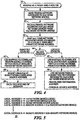
- a first home network bridge sends 41 private network addresses as are assigned to devices within its own privately addressed home network to an opposing home network bridge via the previously established network tunnel connection. This permits the opposing home network bridge to use such private network addresses in a mapping activity described below. And, somewhat similarly, this first home network bridge receives 42 private network addresses as are assigned within the opposing privately addressed network for devices of that opposing privately addressed network and as are transmitted to the first home network bridge by the opposing home network bridge. This permits this first home network bridge to also use such private network addresses in the mapping activity described below.
- the first home network bridge maps 43 each of the private network addresses as are assigned within the opposing privately addressed network to a locally available private network address within its own corresponding privately addressed network.
- a map 50 can reflect that some local addresses (such as local address 1 and local address 2) are already assigned for use by local network devices and that at least one such local address (such as local address 3) is used by the local home network bridge itself.
- some local addresses such as local address 1 and local address 2
- at least one such local address such as local address 3
- not all available local addresses are already assigned to an existing local network element.
- one or more of these otherwise non-assigned but available private addresses can assigned by the home network bridge (or on behalf of the home network bridge by another entity having this task) in correlation to one or more of the private addresses as are used by the opposing network.
- local address 4 is now mapped and assigned to remote address 1 as corresponds to a first remote network device while local address X is assigned to remote address Y as corresponds to a Zth remote network device.
- local address X is assigned to remote address Y as corresponds to a Zth remote network device.
- the home network bridge uses such map information to effect proxy and/or router services with respect to received messages.
- the home network bridge uses 45 the mapping information to correlate the destination address with a particular private network address as is assigned within the destination privately addressed network to a target network device.
- the destination address comprises local address 4 as illustrated in FIG. 5 discussed above
- the home network bridge uses the map to then identify remote address 1 as corresponds to the first remote network device.
- the home network bridge then uses 46 uses the previously established network tunnel connection to forward a version of the message to the first remote network device using a translated destination address comprising the particular private network address as is assigned within the destination privately addressed network to the target network device.
- the home network bridge also uses the source address which comprises the local private network address for the source network device. Use of the actual private network address for the target network device permits the opposing home network bridge, upon receipt of this message, to properly direct the message to this particular target network device.
- the home network bridge When the received message 44 comprises a message as was received via the network tunnel connection and as was sourced by a given device of the opposing privately addressed network, the home network bridge again makes use 47 of the map. In this case, however, the home network bridge uses the map to correlate a particular private network address as is assigned within the opposing privately addressed network for the given device with a specific one of the locally available private network addresses as is now assigned via the mapping process within the local privately addressed network. For example, and referring again to the illustrative example portrayed in FIG. 5 , when the particular private network address comprises remote address 1, the home network bridge identifies local address 4 as corresponding thereto.
- the home network bridge modifies 48 the received message by substituting the specific one of the locally available private network private addresses for a source address as comprised a part of the received message. Routing of the modified message is then facilitated 49 by forwarding the modified message to the local target network device while also portraying the source as comprising a local network device having a local private address.
- the various network devices of a plurality of distinct and unrelated private networks can communicate with one another as though they were all part of a single shared private network. Such communications require no specific alteration of the network devices themselves as they can essentially continue to communicate in their ordinary and regular manner.
- the home network bridges to serve as a proxy for devices of an opposing privately addressed network and as a router to effect local routing of externally sourced messages, the devices of both privately addressed networks are privately addressable within the context and administration of their own home network.
- Such home network bridges require no service or protocol support from their respective residential gateways beyond that which is standard and already available with such network elements. Consequently these teachings are readily applicable with legacy infrastructure that is already in place in numerous homes. Those skilled in the art will also understand and appreciate that such home network bridges will require little or no user administration to establish and maintain remote communications of the type described herein.
- co-pending application XXX as was referred to earlier provides teachings with respect to the use of so-called UPnP techniques as a specific way to facilitate communications between and via the residential gateway.
Landscapes
- Engineering & Computer Science (AREA)
- Computer Networks & Wireless Communication (AREA)
- Signal Processing (AREA)
- Automation & Control Theory (AREA)
- Computing Systems (AREA)
- Data Exchanges In Wide-Area Networks (AREA)
- Small-Scale Networks (AREA)
Claims (10)
- Verfahren zur Ermöglichung der Kommunikation zwischen Geräten von zwei diskreten Netzwerken mit privater Adresse, wobei jedes der zwei diskreten Netzwerke mit privater Adresse über ein Netzwerk mit öffentlicher Adresse gekoppelt ist und ein entsprechendes Gateway aufweist, das mit dem Netzwerk mit öffentlicher Adresse operativ gekoppelt ist, wobei das Verfahren Folgendes umfasst:Bereitstellen einer ersten Heimnetzwerk-Bridge mit privater Adresse (16) in einem ersten der zwei diskreten Netzwerke mit privater Adresse, wobei die erste Heimnetzwerk-Bridge mit privater Adresse (16) mit einem ersten Gateway gekoppelt ist, das dem ersten der zwei diskreten Netzwerke mit privater Adresse entspricht, wobei das erste Gateway zwischen der ersten Heimnetzwerk-Bridge mit privater Adresse (16) und dem Netzwerk mit öffentlicher Adresse angeordnet ist;Bereitstellen einer ersten Heimnetzwerk-Bridge (17) in einem zweiten der zwei diskreten Netzwerk mit privater Adresse, wobei die erste Heimnetzwerk-Bridge (17) mit einem zweiten Gateway gekoppelt ist, das dem zweiten der zwei diskreten Netzwerke mit privater Adresse entspricht, wobei das zweite Gateway zwischen der ersten Heimnetzwerk-Bridge (17) und dem Netzwerk mit öffentlicher Adresse angeordnet ist;Aufbauen einer Netzwerktunnelverbindung zwischen der ersten Heimnetzwerk-Bridge mit privater Adresse (16) und der ersten Heimnetzwerk-Bridge (17) über das erste Gateway, das Netzwerk mit öffentlicher Adresse und das zweite Gateway;Veranlassen mindestens der ersten Heimnetzwerk-Bridge mit privater Adresse (16), als Proxy über die erste Heimnetzwerk-Bridge (17) für Geräte des zweiten diskreten Netzwerks mit privater Adresse zu dienen und als Router zum Weiterleiten von Kommunikationen, die von den Geräten des zweiten diskreten Netzwerks mit privater Adresse stammen, zum ersten diskreten Netzwerk mit privater Adresse, wobei dieses Veranlassen ferner Folgendes umfasst: Empfangen von der ersten Heimnetzwerk-Bridge (17) über die Netzwerktunnelverbindung an der ersten Heimnetzwerk-Bridge mit privater Adresse (16) von privaten Netzwerkadressen, die innerhalb des zweiten diskreten Netzwerks mit privater Adresse Geräten des zweiten diskreten Netzwerks mit privater Adresse zugewiesen sind; und innerhalb der ersten Heimnetzwerk-Bridge mit privater Adresse (16) Zuordnen jeder der privaten Netzwerkadressen, die in dem zweiten diskreten Netzwerk mit privater Adresse zugewiesen sind, zu einer privaten Netzwerkadresse im ersten diskreten Netzwerk mit privater Adresse, die noch nicht einem lokalen Netzwerkgerät des ersten diskreten Netzwerks mit privater Adresse zugewiesen ist.
- Verfahren nach Anspruch 1, wobei das Aufbauen einer Netzwerktunnelverbindung zwischen der ersten Heimnetzwerk-Bridge mit privater Adresse (16) und der ersten Heimnetzwerk-Bridge (17) über das erste Gateway, das Netzwerk mit öffentlicher Adresse und das zweite Gateway, des Weiteren Folgendes umfasst:die erste Heimnetzwerk-Bridge mit privater Adresse (16), die eine öffentliche Netzwerkadresse ermittelt, die der zweiten der zwei diskreten Netzwerke mit privater Adresse entspricht.
- Verfahren nach Anspruch 2, wobei das Aufbauen einer Netzwerktunnelverbindung zwischen der ersten Heimnetzwerk-Bridge mit privater Adresse (16) und der ersten Heimnetzwerk-Bridge (17) über das erste Gateway, das Netzwerk mit öffentlicher Adresse und das zweite Gateway, des Weiteren Folgendes umfasst:Verwenden der öffentlichen Netzwerkadresse, die der zweiten der zwei diskreten Netzwerke mit privater Adresse entspricht, um eine vom Netzwerktunnel-Client initiierte Nachricht an die erste Heimnetzwerk-Bridge (17) weiterzuleiten.
- Verfahren nach Anspruch 3, wobei das Aufbauen einer Netzwerktunnelverbindung zwischen der ersten Heimnetzwerk-Bridge mit privater Adresse (16) und der ersten Heimnetzwerk-Bridge (17) über das erste Gateway, das Netzwerk mit öffentlicher Adresse und das zweite Gateway, des Weiteren Folgendes umfasst:Reagieren der ersten Heimnetzwerk-Bridge (17) auf die vom Netzwerktunnel-Client initiierte Nachricht mit einer vom Netzwerktunnel-Server initiierten Nachricht.
- Verfahren nach Anspruch 1, wobei das Veranlassen, dass zumindest die erste Heimnetzwerk-Bridge mit privater Adresse (16) als Proxy über die erste Heimnetzwerk-Bridge (17) für Geräte des zweiten diskreten Netzwerks mit privater Adresse und als Router zum Weiterleiten von Kommunikationen fungiert, die von den Geräten des zweiten diskreten Netzwerks mit privater Adresse stammen, und die Geräte des ersten diskreten Netzwerks mit privater Adresse bedient, des Weiteren Folgendes umfasst:Empfangen von der ersten Heimnetzwerk-Bridge (17) über die Netzwerktunnelverbindung an der ersten Heimnetzwerk-Bridge mit privater Adresse (16) von privaten Netzwerkadressen, die in dem zweiten diskreten Netzwerk mit privater Adresse zugewiesen sind, für Geräte des zweiten diskreten Netzwerks mit privater Adresse.
- Verfahren für die Verwendung durch eine erste Heimnetzwerk-Bridge mit privater Adresse (16) in einem ersten Netzwerk mit privater Adresse zur Ermöglichung der Kommunikation zwischen Geräten des ersten Netzwerks mit privater Adresse mit Geräten eines zweiten Netzwerks mit privater Adresse, wobei das erste und zweite Heimnetzwerk mit privater Adresse jeweils ein entsprechendes Gateway haben, das mit einem Netzwerk mit öffentlicher Adresse operativ gekoppelt ist, wobei das Verfahren Folgendes umfasst:Aufbauen einer Netzwerktunnelverbindung mit einer ersten Heimnetzwerk-Bridge (17), die einen Teil eines zweiten Netzwerks mit privater Adresse umfasst, über die Gateways und das Netzwerk mit öffentlicher Adresse, sodass das Gateway des ersten Heimnetzwerks mit privater Adresse zwischen der ersten Heimnetzwerk-Bridge mit privater Adresse (16) und dem Netzwerk mit öffentlicher Adresse angeordnet ist, und das Gateway des zweiten Heimnetzwerks mit privater Adresse zwischen der ersten Heimnetzwerk-Bridge (17) und dem Netzwerk mit öffentlicher Adresse angeordnet ist;Fungieren, über die Netzwerktunnelverbindung, als Proxy für Geräte des zweiten Netzwerks mit privater Adresse zum Bedienen der Geräte des Netzwerks mit privater Adresse, sowie das Fungieren als Router zur Ermöglichung der Weiterleitung der Kommunikationen, die von Geräten des zweiten Netzwerks mit privater Adresse stammen, zum Bedienen der Geräte des ersten Netzwerks mit privater Adresse, wobei dieses Bedienen des Weiteren Folgendes umfasst: Empfangen von der ersten Heimnetzwerk-Bridge (17) über die Netzwerktunnelverbindung an der ersten Heimnetzwerk-Bridge mit privater Adresse (16) von privaten Netzwerkadressen, die im zweiten diskreten Netzwerk mit privater Adresse für Geräte des zweiten diskreten Netzwerks mit privater Adresse zugewiesen sind; und innerhalb der ersten Heimnetzwerk-Bridge mit privater Adresse (16) Zuordnen jeder der privaten Netzwerkadressen, die innerhalb des zweiten diskreten Netzwerks mit privater Adresse zugewiesen sind, zu einer privaten Netzwerkadresse innerhalb des ersten diskreten Netzwerks mit privater Adresse, das noch keinem lokalen Netzwerkgerät des ersten diskreten Netzwerks mit privater Adresse zugewiesen ist.
- Verfahren nach Anspruch 6, wobei das Aufbauen einer Netzwerktunnelverbindung mit einer ersten Heimnetzwerk-Bridge (17), die einen Teil des zweiten Netzwerks mit privater Adresse umfasst, über die Gateways und das Netzwerk mit öffentlicher Adresse ferner umfasst:Ermitteln einer öffentlichen Netzwerkadresse, die dem zweiten Netzwerk mit privater Adresse entspricht;Verwenden der öffentlichen Netzwerkadresse, die dem zweiten Netzwerk mit privater Adresse entspricht, um eine vom Netzwerktunnel-Client initiierte Nachricht an die erste Heimnetzwerk-Bridge (17) weiterzuleiten.
- Verfahren nach Anspruch 6, wobei das Fungieren, über die Netzwerktunnelverbindung, als Proxy für Geräte des zweiten Netzwerks mit privater Adresse zum Bedienen der Geräte des ersten Netzwerks mit privater Adresse, sowie das Fungieren als Router zur Ermöglichung der Weiterleitung der Kommunikationen, die von den Geräten des zweiten Netzwerks mit privater Adresse stammen, zum Bedienen der Geräte des ersten Netzwerks mit privater Adresse, des Weiteren Folgendes umfasst:Senden zur ersten Heimnetzwerk-Bridge (17) über die Netzwerktunnelverbindung von privaten Netzwerkadressen, die in dem ersten Netzwerk mit privater Adresse zugewiesen sind, für Geräte des ersten Netzwerks mit privater Adresse;Empfangen von der ersten Heimnetzwerk-Bridge (17) über die Netzwerktunnelverbindung von privaten Netzwerkadressen, die in dem zweiten Netzwerk mit privater Adresse zugewiesen sind, für Geräte des zweiten Netzwerks mit privater Adresse.
- Verfahren nach Anspruch 6, wobei das Aufbauen einer Netzwerktunnelverbindung ferner das Aufbauen einer sicheren Netzwerktunnelverbindung umfasst.
- Eine erste Heimnetzwerk-Bridge mit privater Adresse in einem ersten Netzwerk mit privater Adresse, um die Kommunikation zwischen Geräten des ersten Netzwerks mit privater Adresse mit Geräten eines zweiten Netzwerks mit privater Adresse zu ermöglichen, wobei das erste und zweite Netzwerk mit privater Adresse jeweils ein entsprechendes Gateway haben, das mit einem Netzwerk mit öffentlicher Adresse operativ gekoppelt ist und Folgendes umfasst:Mittel für das Aufbauen einer Netzwerktunnelverbindung mit einer ersten Heimnetzwerk-Bridge (17), die einen Teil des zweiten Netzwerks mit privater Adresse umfasst, über die Gateways und das Netzwerk mit öffentlicher Adresse, sodass das Gateway des ersten Heimnetzwerks mit privater Adresse zwischen der ersten Heimnetzwerk-Bridge mit privater Adresse (16) und dem Netzwerk mit öffentlicher Adresse angeordnet ist, und das Gateway des zweiten Heimnetzwerks mit privater Adresse zwischen der ersten Heimnetzwerk-Bridge (17) und dem Netzwerk mit öffentlicher Adresse angeordnet ist;Mittel für das Fungieren, über die Netzwerktunnelverbindung, als Proxy für Geräte des zweiten Netzwerks mit privater Adresse zum Bedienen der Geräte des Netzwerks mit privater Adresse, sowie das Fungieren als Router zur Ermöglichung der Weiterleitung der Kommunikationen, die von Geräten des zweiten Netzwerks mit privater Adresse stammen, zum Bedienen der Geräte des ersten Netzwerks mit privater Adresse, wobei diese Mittel für das Bedienen des Weiteren Folgendes umfassen: Mittel für das Empfangen von der ersten Heimnetzwerk-Bridge (17) über die Netzwerktunnelverbindung an der ersten Heimnetzwerk-Bridge mit privater Adresse (16) von privaten Netzwerkadressen, die im zweiten diskreten Netzwerk mit privater Adresse für Geräte des zweiten diskreten Netzwerks mit privater Adresse zugewiesen sind; und innerhalb der ersten Heimnetzwerk-Bridge mit privater Adresse (16) Mittel für das Zuordnen jeder der privaten Netzwerkadressen, die innerhalb des zweiten diskreten Netzwerks mit privater Adresse zugewiesen sind, zu einer privaten Netzwerkadresse innerhalb des ersten diskreten Netzwerks mit privater Adresse, das noch keinem lokalen Netzwerkgerät des ersten diskreten Netzwerks mit privater Adresse zugewiesen ist.
Applications Claiming Priority (2)
| Application Number | Priority Date | Filing Date | Title |
|---|---|---|---|
| US10/997,482 US7675923B2 (en) | 2004-11-24 | 2004-11-24 | Home network bridge-based communications method and apparatus |
| PCT/US2005/040033 WO2006057791A2 (en) | 2004-11-24 | 2005-11-07 | Home network bridge-based communications method and apparatus |
Publications (3)
| Publication Number | Publication Date |
|---|---|
| EP1817882A2 EP1817882A2 (de) | 2007-08-15 |
| EP1817882A4 EP1817882A4 (de) | 2009-09-16 |
| EP1817882B1 true EP1817882B1 (de) | 2017-05-31 |
Family
ID=36498405
Family Applications (1)
| Application Number | Title | Priority Date | Filing Date |
|---|---|---|---|
| EP05851372.2A Expired - Lifetime EP1817882B1 (de) | 2004-11-24 | 2005-11-07 | Verfahren und vorrichtung für brückenbasierte kommunikationen in heimnetzwerken |
Country Status (3)
| Country | Link |
|---|---|
| US (1) | US7675923B2 (de) |
| EP (1) | EP1817882B1 (de) |
| WO (1) | WO2006057791A2 (de) |
Cited By (1)
| Publication number | Priority date | Publication date | Assignee | Title |
|---|---|---|---|---|
| EP4262173A1 (de) * | 2022-03-21 | 2023-10-18 | Siemens Aktiengesellschaft | Harmonisierung eines kommunikationsnetzes für produktionsanlagen |
Families Citing this family (19)
| Publication number | Priority date | Publication date | Assignee | Title |
|---|---|---|---|---|
| US7729363B2 (en) * | 2005-01-24 | 2010-06-01 | Research In Motion Limited | System and method for managing communication for component applications |
| WO2006085292A1 (en) * | 2005-02-14 | 2006-08-17 | Telefonaktiebolaget L M Ericsson (Publ) | Method and nodes for performing bridging of data traffic over an access domain |
| JP4679453B2 (ja) * | 2006-07-12 | 2011-04-27 | Kddi株式会社 | Lanに接続された情報機器を、wanを介して制御するためのゲートウェイ及びプログラム |
| EP2116006B1 (de) * | 2007-03-05 | 2018-06-27 | Telefonaktiebolaget LM Ericsson (publ) | Verfahren zur fernsteuerung von multimedia-kommunikation über lokale netze hinweg |
| US7890637B1 (en) | 2008-02-25 | 2011-02-15 | Juniper Networks, Inc. | Secure communications in a system having multi-homed devices |
| US8977710B2 (en) | 2008-06-18 | 2015-03-10 | Qualcomm, Incorporated | Remote selection and authorization of collected media transmission |
| US9385782B1 (en) * | 2010-01-08 | 2016-07-05 | Qualcomm Incorporated | Communication between network nodes |
| US9183028B1 (en) * | 2010-09-30 | 2015-11-10 | Amazon Technologies, Inc. | Managing virtual computing nodes |
| US9384029B1 (en) | 2010-09-30 | 2016-07-05 | Amazon Technologies, Inc. | Managing virtual computing nodes |
| US9104458B1 (en) | 2010-09-30 | 2015-08-11 | Amazon Technologies, Inc. | Managing virtual computing nodes using isolation and migration techniques |
| US8472353B2 (en) * | 2011-01-10 | 2013-06-25 | Verizon Patent And Licensing Inc. | Provisioning/configuration systems for bridging VPN for IP audio conferencing |
| KR101494123B1 (ko) * | 2011-03-14 | 2015-02-16 | 퀄컴 인코포레이티드 | 프록시 디바이스를 통한 하이브리드 네트워킹 간단한 연결 셋업 |
| US20120265828A1 (en) * | 2011-04-12 | 2012-10-18 | Slepinin Igor | Home bridge system and method of delivering confidential electronic files |
| US8751614B2 (en) | 2011-10-11 | 2014-06-10 | Telefonaktiebolaget L M Ericsson (Publ) | Providing virtualized visibility through routers |
| US8812670B2 (en) | 2011-10-11 | 2014-08-19 | Telefonaktiebolaget L M Ericsson (Publ) | Architecture for virtualized home IP service delivery |
| US10021578B2 (en) | 2012-01-05 | 2018-07-10 | Zte Corporation | Local forwarding method and system for user plane data, and local gateway |
| CN103200638B (zh) * | 2012-01-05 | 2018-09-04 | 中兴通讯股份有限公司 | 一种用户面数据的本地转出方法、系统及本地网关 |
| US9025439B2 (en) | 2012-06-26 | 2015-05-05 | Telefonaktiebolaget L M Ericsson (Publ) | Method and system to enable re-routing for home networks upon connectivity failure |
| US9203694B2 (en) | 2013-03-15 | 2015-12-01 | Telefonaktiebolaget L M Ericsson (Publ) | Network assisted UPnP remote access |
Family Cites Families (17)
| Publication number | Priority date | Publication date | Assignee | Title |
|---|---|---|---|---|
| US6226751B1 (en) | 1998-04-17 | 2001-05-01 | Vpnet Technologies, Inc. | Method and apparatus for configuring a virtual private network |
| US6501755B1 (en) * | 1998-06-11 | 2002-12-31 | Alcatel Canada Inc. | Stacked address transport in connection oriented networks |
| US6434156B1 (en) * | 1998-07-24 | 2002-08-13 | Nortel Networks Limited | Virtual switching for interconnected networks |
| US6751729B1 (en) | 1998-07-24 | 2004-06-15 | Spatial Adventures, Inc. | Automated operation and security system for virtual private networks |
| US6615357B1 (en) * | 1999-01-29 | 2003-09-02 | International Business Machines Corporation | System and method for network address translation integration with IP security |
| US6523068B1 (en) | 1999-08-27 | 2003-02-18 | 3Com Corporation | Method for encapsulating and transmitting a message includes private and forwarding network addresses with payload to an end of a tunneling association |
| US6781982B1 (en) | 1999-10-26 | 2004-08-24 | 3Com Corporation | Method and system for allocating persistent private network addresses between private networks |
| US6631416B2 (en) | 2000-04-12 | 2003-10-07 | Openreach Inc. | Methods and systems for enabling a tunnel between two computers on a network |
| US6947428B1 (en) * | 2000-06-14 | 2005-09-20 | Nortel Networks Limited | Distributed label switching router |
| US6697377B1 (en) | 2000-10-21 | 2004-02-24 | Innomedia Pte Ltd. | Method for communicating audio data in a packet switched network |
| US20050088977A1 (en) | 2000-12-14 | 2005-04-28 | Nortel Networks Limited | Dynamic virtual private network (VPN) tunnel quality of service (QoS) treatment |
| US7260648B2 (en) * | 2001-01-25 | 2007-08-21 | Ericsson, Inc. | Extension of address resolution protocol (ARP) for internet protocol (IP) virtual networks |
| US7379465B2 (en) | 2001-12-07 | 2008-05-27 | Nortel Networks Limited | Tunneling scheme optimized for use in virtual private networks |
| US20040148439A1 (en) | 2003-01-14 | 2004-07-29 | Motorola, Inc. | Apparatus and method for peer to peer network connectivty |
| US7366188B2 (en) * | 2003-01-21 | 2008-04-29 | Samsung Electronics Co., Ltd. | Gateway for supporting communications between network devices of different private networks |
| US7599374B2 (en) * | 2004-03-10 | 2009-10-06 | Nokia Corporation | System and method for establishing an Internet Protocol connection with a terminating network node |
| EP1725946A4 (de) * | 2004-03-10 | 2012-07-11 | Enterasys Networks Inc | Dynamisches netzwerkdetektionssystem und -verfahren |
-
2004
- 2004-11-24 US US10/997,482 patent/US7675923B2/en not_active Expired - Fee Related
-
2005
- 2005-11-07 EP EP05851372.2A patent/EP1817882B1/de not_active Expired - Lifetime
- 2005-11-07 WO PCT/US2005/040033 patent/WO2006057791A2/en not_active Ceased
Cited By (1)
| Publication number | Priority date | Publication date | Assignee | Title |
|---|---|---|---|---|
| EP4262173A1 (de) * | 2022-03-21 | 2023-10-18 | Siemens Aktiengesellschaft | Harmonisierung eines kommunikationsnetzes für produktionsanlagen |
Also Published As
| Publication number | Publication date |
|---|---|
| US7675923B2 (en) | 2010-03-09 |
| EP1817882A4 (de) | 2009-09-16 |
| EP1817882A2 (de) | 2007-08-15 |
| US20060120386A1 (en) | 2006-06-08 |
| WO2006057791A3 (en) | 2007-01-11 |
| WO2006057791A2 (en) | 2006-06-01 |
Similar Documents
| Publication | Publication Date | Title |
|---|---|---|
| US7675923B2 (en) | Home network bridge-based communications method and apparatus | |
| US7796616B2 (en) | Apparatus and method for offering connections between network devices located in different home networks | |
| EP2253123B1 (de) | Verfahren und vorrichtung zur übermittlung von datenpaketen zwischen lokalen netzwerken | |
| EP1441483B1 (de) | Gateway zur Unterstützung der Kommunikation zwischen Netzwerkgeräten verschiedener, privater Netze | |
| CN100366033C (zh) | 在不同专用网络的设备之间提供直接连接的装置和方法 | |
| EP2148518B1 (de) | Paketkommunikationsverfahren mit knotenidentifikator und lokalisator | |
| CN102047611B (zh) | 考虑远程访问解决网络地址冲突的通用即插即用设备和方法 | |
| US20030033418A1 (en) | Method of implementing and configuring an MGCP application layer gateway | |
| US6996621B1 (en) | Method for supporting secondary address delivery on remote access servers | |
| US20050015510A1 (en) | Method for implementing transparent gateway or proxy in a network | |
| JP2011508551A (ja) | 複数の無線ネットワークに同時にアクセスするための装置及び方法 | |
| CN117439815B (zh) | 一种基于反向透明桥接的内网穿透系统及方法 | |
| US8400990B1 (en) | Global service set identifiers | |
| JP2009010606A (ja) | トンネル接続システム、トンネル管理サーバ、トンネル接続装置、及びトンネル接続方法 | |
| JP3970857B2 (ja) | 通信システム、ゲートウェイ装置 | |
| EP1836590A2 (de) | Verfahren und vorrichtung zur ermöglichung von universeller plug-and-play-interaktion zwischen verschiedenen lokalen netzwerken | |
| KR100552475B1 (ko) | 서로 다른 사설망에 위치한 네트워크 장치들 사이의통신을 지원하는 망접속장치 | |
| KR20010073827A (ko) | 인터넷 엣지 라우터에서의 인터넷 프로토콜 주소확장 방법 | |
| US20080049765A1 (en) | Method and system for inter working a point-to-point link and a LAN service | |
| JP5054666B2 (ja) | Vpn接続装置、パケット制御方法、及びプログラム | |
| CN101572729A (zh) | 一种虚拟专用网节点信息的处理方法及相关设备、系统 | |
| JP2008010934A (ja) | ゲートウェイ装置、通信制御方法、プログラム、およびプログラムを記録した記憶媒体 | |
| KR100474278B1 (ko) | 다중 액세스 포인트 간의 브릿지 제어 시스템 | |
| KR20080050199A (ko) | 인터넷 프로토콜 버전 4 네트워크의 서버에서터널네트워크인터페이스 구축 및 터널네트워크인터페이스를이용한 패킷 송/수신 방법 | |
| JP2010157858A (ja) | Vpn接続装置、dnsパケット制御方法、及びプログラム |
Legal Events
| Date | Code | Title | Description |
|---|---|---|---|
| PUAI | Public reference made under article 153(3) epc to a published international application that has entered the european phase |
Free format text: ORIGINAL CODE: 0009012 |
|
| 17P | Request for examination filed |
Effective date: 20070711 |
|
| RBV | Designated contracting states (corrected) |
Designated state(s): DE FR GB |
|
| DAX | Request for extension of the european patent (deleted) | ||
| RBV | Designated contracting states (corrected) |
Designated state(s): DE FR GB |
|
| A4 | Supplementary search report drawn up and despatched |
Effective date: 20090813 |
|
| 17Q | First examination report despatched |
Effective date: 20091110 |
|
| RAP1 | Party data changed (applicant data changed or rights of an application transferred) |
Owner name: MOTOROLA MOBILITY, INC. |
|
| RAP1 | Party data changed (applicant data changed or rights of an application transferred) |
Owner name: MOTOROLA MOBILITY LLC |
|
| RAP1 | Party data changed (applicant data changed or rights of an application transferred) |
Owner name: GOOGLE TECHNOLOGY HOLDINGS LLC |
|
| REG | Reference to a national code |
Ref country code: DE Ref legal event code: R079 Ref document number: 602005052056 Country of ref document: DE Free format text: PREVIOUS MAIN CLASS: H04L0012560000 Ipc: H04L0012460000 |
|
| GRAP | Despatch of communication of intention to grant a patent |
Free format text: ORIGINAL CODE: EPIDOSNIGR1 |
|
| RIC1 | Information provided on ipc code assigned before grant |
Ipc: H04L 12/28 20060101ALI20161130BHEP Ipc: H04L 12/46 20060101AFI20161130BHEP Ipc: H04L 29/12 20060101ALI20161130BHEP |
|
| INTG | Intention to grant announced |
Effective date: 20161216 |
|
| GRAS | Grant fee paid |
Free format text: ORIGINAL CODE: EPIDOSNIGR3 |
|
| GRAA | (expected) grant |
Free format text: ORIGINAL CODE: 0009210 |
|
| AK | Designated contracting states |
Kind code of ref document: B1 Designated state(s): DE FR GB |
|
| REG | Reference to a national code |
Ref country code: GB Ref legal event code: FG4D |
|
| REG | Reference to a national code |
Ref country code: DE Ref legal event code: R096 Ref document number: 602005052056 Country of ref document: DE |
|
| REG | Reference to a national code |
Ref country code: FR Ref legal event code: PLFP Year of fee payment: 13 |
|
| REG | Reference to a national code |
Ref country code: DE Ref legal event code: R097 Ref document number: 602005052056 Country of ref document: DE |
|
| PLBE | No opposition filed within time limit |
Free format text: ORIGINAL CODE: 0009261 |
|
| STAA | Information on the status of an ep patent application or granted ep patent |
Free format text: STATUS: NO OPPOSITION FILED WITHIN TIME LIMIT |
|
| 26N | No opposition filed |
Effective date: 20180301 |
|
| PGFP | Annual fee paid to national office [announced via postgrant information from national office to epo] |
Ref country code: FR Payment date: 20191125 Year of fee payment: 15 |
|
| PG25 | Lapsed in a contracting state [announced via postgrant information from national office to epo] |
Ref country code: FR Free format text: LAPSE BECAUSE OF NON-PAYMENT OF DUE FEES Effective date: 20201130 |
|
| P01 | Opt-out of the competence of the unified patent court (upc) registered |
Effective date: 20230511 |
|
| PGFP | Annual fee paid to national office [announced via postgrant information from national office to epo] |
Ref country code: DE Payment date: 20241127 Year of fee payment: 20 |
|
| PGFP | Annual fee paid to national office [announced via postgrant information from national office to epo] |
Ref country code: GB Payment date: 20241127 Year of fee payment: 20 |
|
| REG | Reference to a national code |
Ref country code: DE Ref legal event code: R071 Ref document number: 602005052056 Country of ref document: DE |
|
| REG | Reference to a national code |
Ref country code: GB Ref legal event code: PE20 Expiry date: 20251106 |