EP1837405B1 - Procédé de détection du cancer anaplasique de la thyroïde, et procédé pour son élimination - Google Patents
Procédé de détection du cancer anaplasique de la thyroïde, et procédé pour son élimination Download PDFInfo
- Publication number
- EP1837405B1 EP1837405B1 EP07005922A EP07005922A EP1837405B1 EP 1837405 B1 EP1837405 B1 EP 1837405B1 EP 07005922 A EP07005922 A EP 07005922A EP 07005922 A EP07005922 A EP 07005922A EP 1837405 B1 EP1837405 B1 EP 1837405B1
- Authority
- EP
- European Patent Office
- Prior art keywords
- gene
- nata1
- cells
- sirna
- amplification
- Prior art date
- Legal status (The legal status is an assumption and is not a legal conclusion. Google has not performed a legal analysis and makes no representation as to the accuracy of the status listed.)
- Active
Links
Images

Classifications
-
- C—CHEMISTRY; METALLURGY
- C12—BIOCHEMISTRY; BEER; SPIRITS; WINE; VINEGAR; MICROBIOLOGY; ENZYMOLOGY; MUTATION OR GENETIC ENGINEERING
- C12Q—MEASURING OR TESTING PROCESSES INVOLVING ENZYMES, NUCLEIC ACIDS OR MICROORGANISMS; COMPOSITIONS OR TEST PAPERS THEREFOR; PROCESSES OF PREPARING SUCH COMPOSITIONS; CONDITION-RESPONSIVE CONTROL IN MICROBIOLOGICAL OR ENZYMOLOGICAL PROCESSES
- C12Q1/00—Measuring or testing processes involving enzymes, nucleic acids or microorganisms; Compositions therefor; Processes of preparing such compositions
- C12Q1/68—Measuring or testing processes involving enzymes, nucleic acids or microorganisms; Compositions therefor; Processes of preparing such compositions involving nucleic acids
- C12Q1/6876—Nucleic acid products used in the analysis of nucleic acids, e.g. primers or probes
- C12Q1/6883—Nucleic acid products used in the analysis of nucleic acids, e.g. primers or probes for diseases caused by alterations of genetic material
- C12Q1/6886—Nucleic acid products used in the analysis of nucleic acids, e.g. primers or probes for diseases caused by alterations of genetic material for cancer
-
- A—HUMAN NECESSITIES
- A61—MEDICAL OR VETERINARY SCIENCE; HYGIENE
- A61P—SPECIFIC THERAPEUTIC ACTIVITY OF CHEMICAL COMPOUNDS OR MEDICINAL PREPARATIONS
- A61P35/00—Antineoplastic agents
-
- A—HUMAN NECESSITIES
- A61—MEDICAL OR VETERINARY SCIENCE; HYGIENE
- A61P—SPECIFIC THERAPEUTIC ACTIVITY OF CHEMICAL COMPOUNDS OR MEDICINAL PREPARATIONS
- A61P43/00—Drugs for specific purposes, not provided for in groups A61P1/00-A61P41/00
-
- C—CHEMISTRY; METALLURGY
- C07—ORGANIC CHEMISTRY
- C07K—PEPTIDES
- C07K14/00—Peptides having more than 20 amino acids; Gastrins; Somatostatins; Melanotropins; Derivatives thereof
- C07K14/435—Peptides having more than 20 amino acids; Gastrins; Somatostatins; Melanotropins; Derivatives thereof from animals; from humans
- C07K14/46—Peptides having more than 20 amino acids; Gastrins; Somatostatins; Melanotropins; Derivatives thereof from animals; from humans from vertebrates
- C07K14/47—Peptides having more than 20 amino acids; Gastrins; Somatostatins; Melanotropins; Derivatives thereof from animals; from humans from vertebrates from mammals
- C07K14/4701—Peptides having more than 20 amino acids; Gastrins; Somatostatins; Melanotropins; Derivatives thereof from animals; from humans from vertebrates from mammals not used
- C07K14/4748—Tumour specific antigens; Tumour rejection antigen precursors [TRAP], e.g. MAGE
-
- C—CHEMISTRY; METALLURGY
- C12—BIOCHEMISTRY; BEER; SPIRITS; WINE; VINEGAR; MICROBIOLOGY; ENZYMOLOGY; MUTATION OR GENETIC ENGINEERING
- C12N—MICROORGANISMS OR ENZYMES; COMPOSITIONS THEREOF; PROPAGATING, PRESERVING, OR MAINTAINING MICROORGANISMS; MUTATION OR GENETIC ENGINEERING; CULTURE MEDIA
- C12N15/00—Mutation or genetic engineering; DNA or RNA concerning genetic engineering, vectors, e.g. plasmids, or their isolation, preparation or purification; Use of hosts therefor
- C12N15/09—Recombinant DNA-technology
- C12N15/11—DNA or RNA fragments; Modified forms thereof; Non-coding nucleic acids having a biological activity
- C12N15/113—Non-coding nucleic acids modulating the expression of genes, e.g. antisense oligonucleotides; Antisense DNA or RNA; Triplex- forming oligonucleotides; Catalytic nucleic acids, e.g. ribozymes; Nucleic acids used in co-suppression or gene silencing
- C12N15/1135—Non-coding nucleic acids modulating the expression of genes, e.g. antisense oligonucleotides; Antisense DNA or RNA; Triplex- forming oligonucleotides; Catalytic nucleic acids, e.g. ribozymes; Nucleic acids used in co-suppression or gene silencing against oncogenes or tumor suppressor genes
-
- C—CHEMISTRY; METALLURGY
- C12—BIOCHEMISTRY; BEER; SPIRITS; WINE; VINEGAR; MICROBIOLOGY; ENZYMOLOGY; MUTATION OR GENETIC ENGINEERING
- C12N—MICROORGANISMS OR ENZYMES; COMPOSITIONS THEREOF; PROPAGATING, PRESERVING, OR MAINTAINING MICROORGANISMS; MUTATION OR GENETIC ENGINEERING; CULTURE MEDIA
- C12N2310/00—Structure or type of the nucleic acid
- C12N2310/10—Type of nucleic acid
- C12N2310/14—Type of nucleic acid interfering nucleic acids [NA]
-
- C—CHEMISTRY; METALLURGY
- C12—BIOCHEMISTRY; BEER; SPIRITS; WINE; VINEGAR; MICROBIOLOGY; ENZYMOLOGY; MUTATION OR GENETIC ENGINEERING
- C12Q—MEASURING OR TESTING PROCESSES INVOLVING ENZYMES, NUCLEIC ACIDS OR MICROORGANISMS; COMPOSITIONS OR TEST PAPERS THEREFOR; PROCESSES OF PREPARING SUCH COMPOSITIONS; CONDITION-RESPONSIVE CONTROL IN MICROBIOLOGICAL OR ENZYMOLOGICAL PROCESSES
- C12Q2600/00—Oligonucleotides characterized by their use
- C12Q2600/158—Expression markers
Definitions
- the present invention relates to a method for detecting genome amplification in the p12 region of human chromosome 8 for early diagnosis of anaplastic thyroid cancer and for examination of the malignancy of anaplastic thyroid cancer. Furthermore, the present invention relates to a method for suppressing cancer growth using findings concerning the relationship between a novel amplified gene in thyroid anaplastic cancer 1 (NATA1) and anaplastic thyroid cancer.
- TAA1 thyroid anaplastic cancer 1
- Thyroid cancer is classified based on four tissue types: papillary cancer derived from follicular cells, follicular cancer, anaplastic carcinoma, and encephaloid carcinoma derived from parafollicular cells.
- anaplastic thyroid cancer grows very rapidly, so that approximately 80% of anaplastic carcinoma patients die within 1 year even if treated ( Passler, C., et al., Langenbecks. Arch. Surg. 384, 284-293, 1999 ; Voutilainen, P. E., et al., World. J. Surg. 23, 975-978, 1999 ). Therefore, treatment of anaplastic thyroid cancer is difficult. It is thus important to thoroughly treat differentiated thyroid cancer before anaplastic transformation.
- WO 2005/024055 discloses that MGC1136 (synonymous to NATA1) is underexpressed in ovarian cancer, which may be used for diagnostic purposes.
- US 2005/208500 A1 discloses that MGC1136 (synonymous to NATA1) is overexpressed in estrogen receptor (ER) positive cells.
- an object to be achieved by the present invention is to provide a method for detecting anaplastic thyroid cancer through identification of genes exhibiting characteristic behavior in the cases of anaplastic thyroid cancer.
- Comparative Genomic Hybridization is the best method for conveniently and rapidly analyzing genetic abnormalities accompanying amplification or deletion of numerous genes in the genome.
- CGH Comparative Genomic Hybridization
- the present inventors have selected 800 types of BAC/PAC DNAs to be subjected to CGH assay ( Takada H., et al., Cancer Sci. 96, 100-105, 2005 ).
- the present inventors have succeeded in identification of an oncogene that activates the canceration of thyroid cells; that is, a Novel Amplified gene in Thyroid Anaplastic cancer 1 (NATA1).
- NATA1 Novel Amplified gene in Thyroid Anaplastic cancer 1
- the present inventors have succeeded in discovering NATA1 gene amplification.
- the present inventors have succeeded in discovering that increased NATA1 protein levels significantly promote the proliferation of anaplastic thyroid cancer cells and that suppression of the transcriptional products of the NATA1 gene results in significantly decreased levels of anaplastic thyroid cancer cell proliferation.
- the present inventors have completed the present invention.
- the present invention provides a method for detecting anaplastic thyroid cancer which comprises detecting canceration of a specimen of cells derived from the thyroid gland or of thyroid cells using the amplification of a gene of the p 12 region of chromosome 8 in the specimen as an indicator, wherein the gene is the NATA1 gene.
- the value indicating the degree of such gene amplification is 1.5 or more times greater than that of a normal specimen.
- gene amplification is detected using a DNA chip method, a Southern blot method, a Northern blot method, a real-time RT-PCR method, a FISH method, a CGH method, or an array CGH method.
- Another aspect of the present invention provides a method for suppressing cell proliferation, which comprises in vitro introduction of siRNA, shRNA, or an antisense oligonucleotide of the NATA1 gene into cells.
- Still another aspect of the present invention provides a cell proliferation suppressing agent which comprises siRNA, shRNA, or an antisense oligonucleotide of the NATA1 gene. !
- Still another aspect of the present invention provides a method for activating cell proliferation which comprises in vitro introduction of the NATA1 gene into cells.
- Still another aspect of the present invention provides a cell proliferation activating agent which comprises the NATA1 gene.
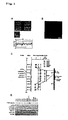
- Fig. 1 shows the amplification and overexpression of NATA1 in the anaplastic thyroid cancer cell lines.
- Fig. 2 shows the effect of NATA1 in the proliferation of anaplastic thyroid cancer cells.
- the method for detecting cancer according to the present invention comprises detecting canceration in a specimen using as an indicator the amplification of the NATA-1. gene in the specimen.
- transcriptional products (NATA1, MGC1136, MGC2627, MKP8, SKRP3, and dual specificity phosphatase 26: NM_024025) of the human NATA1 gene (other names: MGC1136, MGC2627, MKP8, SKRP3, dual specificity phosphatase 26, and the like) are already known.
- the human NATA1 gene is located on chromosome 8p12 ( Vasudevan, S. A., et al., Biochem. Biophys. Res. Commun. 330, 511-518, 2005 ). Protein encoded by the human NATA1 gene contains a dual-specificity phosphatase domain and possesses dephosphorylation activity.
- the fact that the human NATA1 gene is an important oncogene involved in the onset of human anaplastic thyroid cancer was unknown before the present invention.
- the FUT10 gene, the LOC84549 gene, the FLJ23263 gene, and the RNF122 gene are known as genes existing on chromosome 8p12. These genes have each been registered with the National Center for Biotechnology Information (NCBI) database as follows.
- these genes are contained in RP-11 clone ID Nos. 722E23 and 107B2 (available for information purposes at the UCSC genome browser (http://genome.ucsc.edu/cgi-bin/hgGateway)).
- the method for detecting cancer of the present invention is a method that comprises detecting the amplification of the human NATA1 gene in thyroid cells.
- Appropriate thyroid cells for the detection of the amplification of the human NATA1 gene include tissue cells biopsied from specimen donors.
- the tissue cells to be used as specimens may be either thyroid cells of a healthy subject or cancer tissue cells of a thyroid cancer patient.
- tissue cells to be used herein are cells derived from diseased thyroid tissue of a lesion suspected to be undergoing canceration as confirmed by a test or the like or cells derived from thyroid cancer.
- Possible major subject cells include those derived from thyroid cancer tissues and the like for which determination of the malignancy or the stage progression thereof is required.
- a thyroid cell tissue sampled as a specimen can be subjected to the detection method after necessary treatment such as with the preparation of DNA or RNA from the sampled tissue.
- canceration of thyroid cells can be specified by detecting the amplification of the human NATA1 gene in the thyroid cells.
- Examples of typical methods for directly detecting the amplification of the human NATA1 gene include the CGH (Comparative Genomic Hybridization) and FISH (Fluorescence in situ Hybridization) methods.
- CGH Computer Genomic Hybridization
- FISH Fluorescence in situ Hybridization
- human-NATA1-gene-containing BAC Bacterial Artificial Chromosome
- YAC Yeast Artificial Chromosome
- PAC P1-derived Artificial Chromosome DNA
- BAC DNA containing the human NATA 1 gene examples include RP11-2113, RP11-14307, RP11-1081G18, RP11-10D7, RP11-107B2, RP11-539P2, and RP11-2113.
- BAC DNA or the like is obtained in small amounts, which are insufficient to produce a large number of genomic DNA-immobilized substrates that may be put to practical use.
- BAC DNA or the like is digested with 4-nucleotide-recognizing enzymes such as Rsa I, Dpn I, and Hae III and then an adaptor is added to perform ligation.
- Such an adaptor is an oligonucleotide comprising 10 to 30 nucleotides and preferably 15 to 25 nucleotides and the double strand has a complementary sequence.
- the 3'-terminal oligonucleotide on the side at which a blunt end is formed should be phosphorylated.
- amplification is carried out by the PCR (Polymerase Chain Reaction) method using a primer having a sequence identical to that of one of the oligonucleotides of an adaptor.
- PCR Polymerase Chain Reaction
- BAC DNAs or the like are immobilized on a substrate, and preferably on a solid substrate, so that a desired DNA-immobilized substrate can be produced.
- a glass plate is preferable as a solid substrate.
- the above DNAs are spotted onto the substrate at a concentration preferably ranging from 10 pg/ ⁇ l to 5 g/ ⁇ l and more preferably ranging from 1 ng/ ⁇ l to 200 ng/ ⁇ l.
- the amount of such DNA to be spotted preferably ranges from 1 nl to I ⁇ l and more preferably from 10 nl to 100 nl.
- the sizes and shapes of the spots to be applied to the substrate are not particularly limited.
- a spot can have a diameter ranging from 0.01 mm to 1 mm, and the shape viewed from above can be circular or elliptic.
- the thickness of a dry spot is not particularly limited and can range from 1 ⁇ m to 100 ⁇ m.
- the number of such spots is not particularly limited and can range from 10 to 50,000 and more preferably from 100 to 5,000 spots per base used herein.
- the number of times that each DNA is spotted ranges from one to four. It is preferable to spot each DNA two or three times.
- Dry spots can be prepared by spotting BAC DNA or the like (of which inexhaustible supplies have been realized) on a substrate using a spotter, forming a plurality of spots, and then drying the spots, for example.
- An inkjet printer, a pin array printer, or a bubble jet (trademark) printer can be used as a spotter.
- the use of an inkjet printer is desirable.
- GENESHOT NK Insulators, Ltd., Nagoya
- GENESHOT NNK Insulators, Ltd., Nagoya
- BAC DNA or the like (of which inexhaustible supplies have been realized) is immobilized on a base, and preferably a solid base, so that a desired DNA-immobilized base can be produced.
- an example of a means for directly detecting the amplification of the human NATA1 gene is a Southern blot method.
- the Southern blot method comprises separating and immobilizing the genomic DNA obtained from a specimen and detecting hybridization between the DNA and the human NATA1 gene, so as to detect the presence of the gene in the specimen.
- the amplification of the human NATA1 gene can also be detected by the Northern blot method or the real-time RT-PCR method.
- the Northern blot method comprises separating and immobilizing mRNA obtained from a specimen and detecting hybridization between the mRNA and the human NATA 1 gene, so as to detect the presence of the mRNA of the gene in the specimen.
- the real-time RT-PCR method is a method for determining (in realtime) the amplification of a target gene as a result of a reverse transcription reaction and a polymerase chain reaction. By such method, mRNA serving as a template can be quantified based on amplification rate. The quantification is carried out using a fluorescent dye. There are 2 methods that may be used for the quantification.
- a method involving specific insertion (intercalation) of a dye e.g., SYBR green
- a method involving a probe prepared by binding a fluorescent dye to an oligonucleotide specific to a DNA sequence to be amplified are known.
- a method for suppressing cell proliferation which comprises in vitro introduction of siRNA, shRNA, or an antisense oligonucleotide of the NATA1 gene into cancer cells, and a cell proliferation suppressing agent comprising the above siRNA, shRNA, or antisense oligonucleotide are provided.
- siRNA is a double-stranded RNA with a length of approximately 20 (e.g., approximately 21 to 23 nucleotides) or fewer nucleotides.
- siRNA that is used in the present invention may be in any form, as long as it can induce RNAi.
- siRNA is an abbreviation for "short interfering RNA.”
- siRNA is a short-chain double-stranded RNA of 10 or more base pairs, which is produced by artificial chemical synthesis, biochemical synthesis, in vivo synthesis, or in vivo degradation of double-stranded RNA of approximately 40 or more nucleotides.
- siRNA has a structure comprising 5'-phosphoric acid and 3'-OH, where the 3' terminus projects by approximately 2 nucleotides.
- RISC RNA-induced-silencing-complex
- siRNA is formed through the binding of a protein (specific to the siRNA) to siRNA. This complex recognizes and binds to mRNA having a sequence identical to that of siRNA. The mRNA is cleaved at the central part of siRNA via RNaseIII-like enzyme activity.
- an siRNA sequence and a mRNA sequence to be cleaved as a target match 100%.
- 100% match is not always required, when unmatched nucleotides are located in a position(s) other than the central part of the siRNA. This is because partial cleavage activity due to RNAi often remains.
- a homologous region (between the nucleotide sequence of siRNA and the nucleotide sequence of the NATA1 gene, the expression of which is to be suppressed) does not contain a translation initiation region of the relevant gene.
- a sequence having homology is preferably located 20 nucleotides and more preferably 70 nucleotides away from the translation initiation region of the gene.
- An example of a sequence having homology is a sequence in the vicinity of the 3' terminus of the gene.
- shRNA short hairpin RNA
- shRNA short hairpin RNA
- shRNAi short hairpin RNA
- shRNA means a molecule of approximately 20 or more base pairs, which is formed when a single-stranded RNA contains partially palindromic nucleotide sequences so that it forms a double-stranded structure within the molecule leading to the formation of a hairpin-like structure.
- shRNA When such shRNA is introduced into a cell, shRNA is degraded to a length of approximately 20 nucleotides (typically 21 nucleotides, 22 nucleotides, or 23 nucleotides, for example) within the cell.
- shRNA can induce RNAi in a manner similar to that in the case of siRNA.
- shRNA can be effectively used in the present invention.
- shRNA has a projecting 3' terminus.
- the length of a double-stranded portion is not particularly limited and is preferably approximately 10 or more nucleotides and more preferably approximately 20 or more nucleotides.
- the projecting 3' terminus is preferably a DNA, more preferably a DNA of at least 2 or more nucleotides, and further preferably a DNA of 2 to 4 nucleotides.
- siRNA or shRNA can be used as a factor capable of suppressing the expression of the
- siRNA examples include (1) high safety (RNA itself is not incorporated into a chromosome of a normal cell when it is introduced into the cell, so that treatment using the RNA does not cause any inheritable mutations) and (2) stability (short-chain double-stranded RNA can be chemically synthesized relatively easily and such double-stranded RNA is stable).
- Another example of an advantage of shRNA is that when treatment is performed through long-term suppression of gene expression, a vector capable of transcribing shRNA within cells can be prepared and then introduced into the cells. siRNA or shRNA that is used in the present invention and can suppress the expression of the
- NATA1 gene via RNAi may be artificially and chemically synthesized.
- siRNA or shRNA can also be prepared through in vitro RNA synthesis using DNA with a hairpin structure wherein a sense strand DNA sequence and an antisense strand DNA sequence are linked in a reversible manner and T7 RNA polymerase.
- antisense and sense RNAs can be synthesized using T7 RNA polymerase, a T7 promoter, and a template DNA. After in vitro annealing thereof, the resultant is introduced into cells.
- RNAi is thus induced and the expression of a target gene is suppressed.
- such RNA can be introduced into cells by a calcium phosphate method or using various transfection reagents (e.g., oligofectamine, lipofectamine, and lipofection).
- the above siRNA or shRNA is useful as a cell proliferation suppressing agent.
- routes of administration of the cell proliferation suppressing agent of the present invention include oral administration, parenteral administration (e.g., intravenous administration, intramuscular administration, subcutaneous administration, intradermal administration, transmucosal administration, intrarectal administration, intravaginal administration, local administration to affected area, and skin administration) and direct administration to affected area.
- parenteral administration e.g., intravenous administration, intramuscular administration, subcutaneous administration, intradermal administration, transmucosal administration, intrarectal administration, intravaginal administration, local administration to affected area, and skin administration
- direct administration to affected area e.g., oral administration, parenteral administration (e.g., intravenous administration, intramuscular administration, subcutaneous administration, intradermal administration, transmucosal administration, intrarectal administration, intravaginal administration, local administration to affected area, and skin administration) and direct administration to affected area.
- a pharmaceutically acceptable additive can be compound
- Such pharmaceutically acceptable additive include, but are not limited to, antioxidants, preservatives, coloring agents, flavoring agents, diluents, emulsifiers, suspending agents, solvents, fillers, extending agents, buffer agents, delivery vehicles, diluents, carriers, excipients, and/or pharmaceutical adjuvants.
- Examples of the form of the pharmaceutical preparation of the agent of the present invention are not particularly limited and include liquids, injections, and sustained release agents.
- a solvent that is used for prescribing the agent of the present invention as the above form of the pharmaceutical preparation may be either aqueous or non-aqueous.
- siRNA or shRNA that is an active ingredient of the cell proliferation suppressing agent of the present invention can be administered in the form of a non-viral or viral vector.
- a method that involves introducing a nucleic acid molecule using a liposome e.g., a liposome method, an HVJ-liposome method, a cationic liposome method, a lipofection method, and a lipofectamine method
- a microinjection method e.g., a liposome method, an HVJ-liposome method, a cationic liposome method, a lipofection method, and a lipofectamine method
- a microinjection method e.g., a method that involves transferring a nucleic acid molecule together with a carrier (metal particles) into cells using a gene gun, or the like
- a carrier metal particles
- viral vectors such as a recombinant adenovirus vector or a retrovirus vector
- a gene can be introduced into cells or tissues by introducing DNA expressing siRNA or shRNA into detoxified DNA or RNA viruses such as retroviruses, adenoviruses, adeno-associated viruses, herpesviruses, vaccinia viruses, poxviruses, polioviruses, Sindbis viruses, Sendai viruses, or SV40 viruses and then infecting the cells or tissues with such recombinant viruses.
- the dose of the cell proliferation suppressing agent of the present invention can be determined by persons skilled in the art in view of purposes of use, disease severity, patient age, body weight, sex, and past medical history, or types of siRNA or shRNA that are active ingredients.
- the dose of siRNA or shRNA is not particularly limited and ranges from approximately 0.1 ng to approximately 100 mg/kg/day and preferably from approximately 1 ng to approximately 10 mg/kg/day.
- the effect of RNAi is generally observable for 1 to 3 days after administration. Therefore, administration is preferably performed at a frequency of once a day to once every 3 days. When an expression vector is used, administration of siRNA or shRNA can be performed approximately once a week.
- an antisense oligonucleotide can also be used as a cell proliferation suppressing agent.
- Antisense oligonucleotides to be used in the present invention are nucleotides that are complementary or hybridize to sequences of 5 to 100 nucleotides within the DNA sequence of the NATA1 gene. Such an antisense oligonucleotide may be either DNA or RNA or may be modified as long as its functions remain untouched.
- an "antisense oligonucleotide” in this description include not only an oligonucleotide wherein all nucleotides corresponding to nucleotides composing a predetermined DNA or mRNA region are complementary to their counterparts, but also an oligonucleotide that contains some mismatching nucleotides, as long as such oligonucleotides can stably hybridize to DNA or mRNA.
- antisense oligonucleotide may be modified. After appropriate modification of such antisense oligonucleotide, the resulting modified antisense oligonucleotide will be degraded with difficulty in vivo. This enables more stable inhibition of ITIIa.
- modified oligonucleotide examples include S-oligo type (phosphorothioate-type), C-5 thyazole type, D-oligo type (phosphodiester-type), M-oligo type (methylphosphonate-type), peptide nucleic acid type, phosphodiester binding type, C-5 propinyl pyrimidine type, 2-O-propylribose, and 2'-methoxyribose type antisense oligonucleotides.
- antisense oligonucleotide may also be an antisense oligonucleotide wherein at least some of the oxygen atoms composing phosphate groups are substituted with sulfur atoms or otherwise modified.
- Such antisense oligonucleotide is particularly excellent in terms of nuclease resistance, water solubility, and affinity for RNA.
- An example of an antisense oligonucleotide wherein at least some of the oxygen atoms composing phosphate groups are substituted with sulfur atoms or otherwise modified is an S-oligo type oligonucleotide.
- the number of nucleotides in such antisense oligonucleotide is preferably 50 or less and more preferably 25 or less. Too large a number of nucleotides results in increased effort and cost in oligonucleotide synthesis and lowered yields. Furthermore, the number of nucleotides of such antisense oligonucleotide is 5 or more and preferably 9 or more. A number of nucleotides of 4 or less is undesirable because of the resulting lowered specificity to a target gene.
- Such antisense oligonucleotide can be synthesized by a standard method.
- an antisense oligonucleotide or a derivative thereof can be easily synthesized using a commercially available DNA synthesizer (e.g., one produced by Applied Biosystems). It can be obtained by a synthesis method such as a solid-phase synthesis method using phosphoroamidite or a solid-phase synthesis method using hydrogen phosphonate.
- an antisense oligonucleotide When used as a cell proliferation suppressing agent in the present invention, it is generally provided in the form of a pharmaceutical composition containing the antisense oligonucleotide and an additive for pharmaceutical preparation (e.g., a carrier or an excipient).
- the antisense oligonucleotide can be administered as a medicament to mammals, with examples thereof including humans.
- the route of administration for such antisense oligonucleotide is not particularly limited and may be oral administration or parenteral administration (e.g., intramuscular administration, intravenous administration, subcutaneous administration, peritoneal administration, transmucosal administration in the nasal cavity or the like, and inhalation administration).
- the form of the pharmaceutical preparation of such antisense oligonucleotide is not particularly limited.
- Examples of pharmaceutical preparations for oral administration include tablets, capsules, granules, powders, fine granules, liquids, and syrups.
- Examples of pharmaceutical preparations for parenteral administration include injections, infusions, suppositories, inhalants, transmucosal absorption systems, transdermal absorption systems, nasal drops, and ear drops.
- the form of a drug containing the antisense oligonucleotide, an additive to be used for a relevant pharmaceutical preparation, a method for producing such a pharmaceutical preparation, and the like can be appropriately selected by persons skilled in the art.
- the dose of the antisense oligonucleotide can be appropriately selected through comprehensive consideration of patient sex, age, or body weight, symptom severity, purpose of administration (e.g., prevention or treatment), or the presence or the absence of other complicating symptoms.
- the dose generally ranges from 0.1 ⁇ g/kg body weight/day to 100 mg/kg body weight/day and preferably ranges from 0.1 ⁇ g/kg body weight/day to 10 mg/kg body weight/day.
- a method for activating cell proliferation which comprises in vitro introduction of the NATA1 gene into cells and a cell proliferation activating agent containing the above gene are provided.
- the NATA1 gene can be used in the form of a recombinant vector incorporating the gene.
- vectors that are used herein include viral vectors and vectors for expression in animal cells.
- viral vectors may be used.
- examples of viral vectors include retroviral vectors, adenovirus vectors, adeno-associated viral vectors, baculovirus vectors, vaccinia virus vectors, and lentiviral vectors.
- pCXN2 Gene, 108, 193-200, 1991
- PAGE207 JP Patent Publication (Kokai) No. 6-46841 A ( 1994 )
- altered products thereof can be used, for example.
- the above recombinant vector can be produced by introducing the vector into an appropriate host for transformation and then culturing the thus obtained transformant.
- a recombinant vector is a viral vector
- animal cells capable of producing viruses are used as hosts into which such vector is introduced. Examples of such animal cells include COS-7 cells, CHO cells, BALB/3T3 cells, and HeLa cells.
- hosts to be used for retroviral vectors include ⁇ CRE, ⁇ CRIP, and MLV.
- hosts to be used for adenoviral vectors or adeno-associated viral vectors include 293 cells derived from human fetal kidney. Viral vectors can be introduced into animal cells via a calcium phosphate method or the like.
- a recombinant vector is a vector for expression in animal cells
- examples of hosts that can be used for introduction of such vector include those of the Escherichia coli K12 strain, the HB 101 strain, and the DH 5 ⁇ strain. Transformation of Escherichia coli is known by persons skilled in the art.
- transformants are each cultured in an adequate medium under adequate culture conditions.
- a transformant of Escherichia coli can be cultured using a liquid medium with a pH approximately between 5 and 8 containing carbon sources, nitrogen sources, inorganic matter, and the like, which are necessary for cell growth.
- culture is carried out at 15°C to 43°C for approximately 8 to 24 hours.
- a target recombinant vector can be obtained after the termination of culture via general DNA isolation and purification methods.
- transformants of animal cells can be cultured using a medium such as a 199 medium, an MEM medium, or a DMEM medium containing approximately 5% to 20% of fetal calf serum.
- the pH of such medium is preferably approximately between 6 and 8.
- culture is carried out at approximately 30°C to 40°C for approximately 18 to 60 hours.
- the target recombinant vector can be obtained as a result of concentration and purification of viral particles via a cesium chloride centrifugation method, a polyethylene glycol precipitation method, a filter concentration method, or the like.
- the cell proliferation activating agent of the present invention can be produced by compounding the above gene as an active ingredient with a base that is generally used as a gene therapeutic agent. Moreover, when the above gene is incorporated into a viral vector, viral particles containing a recombinant vector are prepared and the viral particles are compounded with a base that is generally used as a gene therapeutic agent.
- a base generally used for an injection can be used.
- examples thereof include distilled water, a salt solution containing sodium chloride, a mixture of sodium chloride and an inorganic salt, or the like, a solution of mannitol, lactose, dextran, glucose, or the like, an amino acid solution of glycine, arginine, or the like, and a mixed solution of an organic acid or salt solution and a glucose solution.
- an injection can be prepared as a solution, suspension, or dispersion using an adjuvant such as an osmoregulator, a pH adjuster, a plant oil, or a surfactant with the above base.
- Such injection can also be prepared as a pharmaceutical preparation that is solubilized at the time of use through operations such as pulverization and freeze drying.
- the route of administration of the cell proliferation activating agent of the present invention may be a form of general systemic administration such as intravenous administration or intraarterial administration, or a form of local administration such as local injection or oral administration. Furthermore, administration of the cell proliferation activating agent can also be performed through a combination of catheterization, a gene transfer technique, or surgical operation.
- the dose of the cell proliferation activating agent of the present invention varies depending on patient age, sex, and symptoms, the route of administration, the number of doses, and dosage forms.
- the daily dose in terms of weight of recombinant gene ranges from 1 ⁇ g/kg body weight to 1000 mg/kg body weight for an adult. Preferably, it ranges from 10 ⁇ g/kg body weight to 100 mg/kg body weight.
- the number of doses administered is not particularly limited.
- Example 1 Amplification of human 8p12 region in anaplastic thyroid cancer cells
- genomic DNAs prepared from 14 types of anaplastic thyroid cancer cells were subjected to CGH array analysis using a CGH array (MGC Cancer Array-800).
- genomic DNA of a healthy male subject was labeled with Cy5 as a control.
- Genomic DNAs prepared from the above anaplastic thyroid cancer cells were used as test DNAs and labeled with Cy3.
- each genomic DNA (0.5 ⁇ g) digested with DpnII was labeled using a BioPrime Array CGH Genomic Labeling System (Invitrogen) in the presence of 0.6 mM dATP, 0.6 mM dTTP, 0.6 mM dGTP, 0.3 mM dCTP, 0.3 mM Cy3-dCTP (anaplastic thyroid cancer cells), or 0.3 mM Cy5-dCTP (normal cells).
- Cy3- and Cy5-labeled dCTPs were obtained from Amersham Biosciences. Ethanol was added so that the genomic DNA labeled with Cy3 or Cy5 was precipitated in the presence of Cot-1 DNA (Invitrogen). The resultant was dissolved in 120 ⁇ l of a hybridization mixture (50% formamide, 10% Dextran sulfate, 2xSSC (1xSSC: 150 mM NaCl/15 mM Sodium Citrate), 4% sodium dodecyl sulfate, pH 7.0). After 30 minutes of incubation at 37°C, the resultant was introduced onto a CGH array set in a hybridization chamber.
- a hybridization mixture 50% formamide, 10% Dextran sulfate, 2xSSC (1xSSC: 150 mM NaCl/15 mM Sodium Citrate), 4% sodium dodecyl sulfate, pH 7.0.
- the average fluorescence intensity derived from Cy3 was adjusted to be the same as that of fluorescence intensity derived from Cy5, thereby allowing the ratio of Cy3 to Cy5 to be found.
- amplification (log2 ratio > 2) was confirmed in 6 clones/gene (Table 1). 5 clones/gene (MET, MYC, PVT1, YAP1, and CIAP1) of these clones had already been reported in various types of human cancer. However, in the case of anaplastic thyroid cancer (8305C) cells, amplification of PAC clone RP1-25D10 existing on chromosome 8p12 was discovered. The log2 ratio in this case was 3.2.
- Fig. 1A a typical array image obtained by subjecting the genomic DNA of 8305C (test cells) to CGH analysis on the CGH array described in these examples.
- Table 1 Gene amplification or homozygous deletion in 14 types of anaplastic thyroid cancer cell lines as detected by the CGH array method Changes Gene Locus No. High-level amplification (log2 ratio> 2.0) MET 7q31 1 NATA1 8p 12 1 MYC 8q24 2 PVT1 8q24 2 YAP1 11q22.1 1 CIAP1 11q22 1 Homozygous deletion (log2 ratio ⁇ -2.0) MLLT3 9p22 1 P16 9p21 4
- a FISH method was performed for anaplastic thyroid cancer cells (8305C, 8505C, KTA1, KTA2, and HTC/C3) using as a probe a BAC clone (RP11-258M15) located in the vicinity of RP1-25D10, so as to confirm the amplification of the 8p12 region in 8305C cells.
- Fig. 1B shows the results.
- Fig. 1C shows the correlation between BAC clones located in the 8p12 region and amplification of copy number as determined by the FISH method.
- Example 2 Amplification of the human NATA1 gene in anaplastic thyroid cancer cells
- genomic regions that had exhibited a large number of amplified copies as determined by the FISH method were analyzed using the human genome database ( http://genome.ucsc.edu/ ). Hence, candidate genes were specified. The expression levels of the candidate genes were detected by the RT-PCR method using total RNA actually extracted from anaplastic thyroid cancer cells.
- the presence of five candidate genes (FUT10, LOC84549, FLJ23263, RNF122, and NATA1 (MGC1136)) was confirmed in the genomic regions that had exhibited high levels of amplification, as analyzed using the human genome database ( Fig. 1C ).
- the expression of the 5 candidate genes was analyzed using total RNAs extracted from 14 types of anaplastic thyroid cancer cells.
- overexpression of the NATA1 (MGC1136) gene in particularly the 8305C cell line was revealed ( Fig. 1D ).
- Example 3 Anaplastic thyroid cancer cell proliferation due to the expression of the human NATA1 gene
- a plasmid (pCMV-Tag 3B-NATA1) expressing an myc tag of the human NATA1 gene was constructed.
- This plasmid was prepared by inserting the human NATA1 gene (cDNA-amplified by RT-PCR) into a pCMV-Tag 3 expression vector (Stratagene), so that the myc epitope matched the translation frame.
- An empty vector (pCMV-Tag 3B-mock) into which the human NATA1 gene had not been inserted was used as a control.
- Example 4 Suppression of the proliferation of anaplastic thyroid cancer cells by inactivation of the human NATA1 gene
- siRNA small interfering RNA
- siRNA of the human NATA1 gene was synthesized.
- the target sequence thereof was CATCCTTTCCTCAATGTCT (SEQ ID NO: 1) (nucleotide sequence 513-531; GenBank accession no. AB158288) in the form of double-stranded RNA.
- This siRNA was transfected into 8305C, 8505C, and HTC/C3 cells ( Fig.
- NATA1-specific siRNA strongly expressing the NATA1 gene using Optifect Reagent (Invitrogen) serving as a transfection reagent. 48 hours later, it was revealed by RT-PCR analysis that NATA1-specific siRNA had caused decreases in the expression levels of the endogenous NATA1 gene in 3 types of cell line, as compared with the case of the control siRNA ( Fig. 2E ). Furthermore, it is also clear that the NATA1-specific siRNA suppresses cell proliferation ( Fig. 2F ). Such suppression of cell proliferation was clearly observed when the numbers of 8305C and 8505C cells were determined 72 hours after transfection (Fig. 2G). Furthermore, the cells were stained with trypan blue, so as to confirm whether they were alive or dead.
- the present invention has made it possible to precisely understand the classification of cancer types, signs of canceration, cancer stage progression, and malignancy in thyroid cell specimens. Furthermore, proliferation of anaplastic thyroid cancer cells can be suppressed through inhibition of transcriptional products of the NATA1 gene that is amplified in the anaplastic thyroid cancer cells.
Landscapes
- Health & Medical Sciences (AREA)
- Chemical & Material Sciences (AREA)
- Life Sciences & Earth Sciences (AREA)
- Organic Chemistry (AREA)
- Genetics & Genomics (AREA)
- Engineering & Computer Science (AREA)
- Zoology (AREA)
- General Health & Medical Sciences (AREA)
- Proteomics, Peptides & Aminoacids (AREA)
- Wood Science & Technology (AREA)
- Molecular Biology (AREA)
- Bioinformatics & Cheminformatics (AREA)
- Biophysics (AREA)
- Biotechnology (AREA)
- Immunology (AREA)
- Biochemistry (AREA)
- Biomedical Technology (AREA)
- General Engineering & Computer Science (AREA)
- Medicinal Chemistry (AREA)
- Analytical Chemistry (AREA)
- Physics & Mathematics (AREA)
- Pathology (AREA)
- Oncology (AREA)
- Microbiology (AREA)
- Hospice & Palliative Care (AREA)
- Pharmacology & Pharmacy (AREA)
- General Chemical & Material Sciences (AREA)
- Animal Behavior & Ethology (AREA)
- Veterinary Medicine (AREA)
- Toxicology (AREA)
- Public Health (AREA)
- Gastroenterology & Hepatology (AREA)
- Plant Pathology (AREA)
- Chemical Kinetics & Catalysis (AREA)
- Nuclear Medicine, Radiotherapy & Molecular Imaging (AREA)
- Medicines That Contain Protein Lipid Enzymes And Other Medicines (AREA)
- Pharmaceuticals Containing Other Organic And Inorganic Compounds (AREA)
- Measuring Or Testing Involving Enzymes Or Micro-Organisms (AREA)
- Micro-Organisms Or Cultivation Processes Thereof (AREA)
- Investigating Or Analysing Biological Materials (AREA)
Claims (7)
- Procédé de détection du cancer anaplastique de la thyroïde comprenant la détection de la cancérisation d'un échantillon de cellules dérivées de la glande thyroïde ou de cellules thyroïdiennes en utilisant l'amplification d'un gène de la région p12 du chromosome 8 dans l'échantillon en tant qu'indicateur, dans lequel le gène est le gène NATA 1.
- Procédé de détection du cancer selon la revendication 1, dans lequel la valeur, qui indique le degré dudite amplification génique, est au moins 1,5 fois plus grande que celui d'un échantillon normale.
- Procédé de détection du cancer selon la revendication 1, dans lequel l'amplification génique est détectée en utilisant un procédé de puces à ADN, un procédé de Southern Blot, un procédé de Northern Blot, un procédé de RT-PCR en temps réel, un procédé de FISH, un procédé de CGH ou un procédé de CGH-array.
- Procédé pour supprimer la prolifération cellulaire comprenant l'introduction in vitro de siRNA, shRNA ou d'un oligonucléotide antisens du gène NATA 1 dans des cellul-es.
- Agent pour supprimer la prolifération cellulaire comprenant siRNA, shRNA ou un oligonucléotide antisens du gène NATA 1.
- Procédé pour activer la prolifération cellulaire comprenant l'introduction in vitro du gène NATAL dans des cellules.
- Agent pour acitver la prolifération cellulaire comprenant le gène NATA 1.
Applications Claiming Priority (1)
| Application Number | Priority Date | Filing Date | Title |
|---|---|---|---|
| JP2006078787A JP4867018B2 (ja) | 2006-03-22 | 2006-03-22 | 癌の検出方法および抑制方法 |
Publications (3)
| Publication Number | Publication Date |
|---|---|
| EP1837405A2 EP1837405A2 (fr) | 2007-09-26 |
| EP1837405A3 EP1837405A3 (fr) | 2007-11-07 |
| EP1837405B1 true EP1837405B1 (fr) | 2009-08-26 |
Family
ID=38024254
Family Applications (1)
| Application Number | Title | Priority Date | Filing Date |
|---|---|---|---|
| EP07005922A Active EP1837405B1 (fr) | 2006-03-22 | 2007-03-22 | Procédé de détection du cancer anaplasique de la thyroïde, et procédé pour son élimination |
Country Status (5)
| Country | Link |
|---|---|
| US (1) | US7867709B2 (fr) |
| EP (1) | EP1837405B1 (fr) |
| JP (1) | JP4867018B2 (fr) |
| AT (1) | ATE440969T1 (fr) |
| DE (1) | DE602007002090D1 (fr) |
Families Citing this family (25)
| Publication number | Priority date | Publication date | Assignee | Title |
|---|---|---|---|---|
| US8338109B2 (en) | 2006-11-02 | 2012-12-25 | Mayo Foundation For Medical Education And Research | Predicting cancer outcome |
| CA2725978A1 (fr) | 2008-05-28 | 2009-12-03 | Genomedx Biosciences, Inc. | Systemes et procedes de discrimination basee sur l'expression d'etats pathologiques cliniques distincts dans le cancer de la prostate |
| US10407731B2 (en) | 2008-05-30 | 2019-09-10 | Mayo Foundation For Medical Education And Research | Biomarker panels for predicting prostate cancer outcomes |
| EP2186821A1 (fr) * | 2008-11-11 | 2010-05-19 | Universität Ulm | Protéine avec effets de promotion pour la croissance axonale de neurones du système nerveux central |
| US10236078B2 (en) | 2008-11-17 | 2019-03-19 | Veracyte, Inc. | Methods for processing or analyzing a sample of thyroid tissue |
| US9495515B1 (en) | 2009-12-09 | 2016-11-15 | Veracyte, Inc. | Algorithms for disease diagnostics |
| GB2512153B (en) * | 2008-11-17 | 2014-11-12 | Veracyte Inc | Methods and compositions of molecular profiling for disease diagnostics |
| US9074258B2 (en) | 2009-03-04 | 2015-07-07 | Genomedx Biosciences Inc. | Compositions and methods for classifying thyroid nodule disease |
| US8669057B2 (en) | 2009-05-07 | 2014-03-11 | Veracyte, Inc. | Methods and compositions for diagnosis of thyroid conditions |
| US10446272B2 (en) | 2009-12-09 | 2019-10-15 | Veracyte, Inc. | Methods and compositions for classification of samples |
| CN103038635B (zh) | 2010-05-11 | 2016-12-28 | 威拉赛特公司 | 用于诊断病状的方法和组合物 |
| US20130267443A1 (en) | 2010-11-19 | 2013-10-10 | The Regents Of The University Of Michigan | ncRNA AND USES THEREOF |
| US10513737B2 (en) | 2011-12-13 | 2019-12-24 | Decipher Biosciences, Inc. | Cancer diagnostics using non-coding transcripts |
| ES3015226T3 (en) | 2012-08-16 | 2025-04-30 | Veracyte Sd Inc | Prostate cancer prognosis using biomarkers |
| BR112015022490A2 (pt) | 2013-03-15 | 2017-07-18 | Veracyte Inc | métodos e composições para classificação de amostras |
| US11976329B2 (en) | 2013-03-15 | 2024-05-07 | Veracyte, Inc. | Methods and systems for detecting usual interstitial pneumonia |
| US12297505B2 (en) | 2014-07-14 | 2025-05-13 | Veracyte, Inc. | Algorithms for disease diagnostics |
| CN114606309A (zh) | 2014-11-05 | 2022-06-10 | 威拉赛特公司 | 使用机器学习和高维转录数据的诊断系统和方法 |
| US11414708B2 (en) | 2016-08-24 | 2022-08-16 | Decipher Biosciences, Inc. | Use of genomic signatures to predict responsiveness of patients with prostate cancer to post-operative radiation therapy |
| AU2018210695B2 (en) | 2017-01-20 | 2024-07-18 | The University Of British Columbia | Molecular subtyping, prognosis, and treatment of bladder cancer |
| WO2018165600A1 (fr) | 2017-03-09 | 2018-09-13 | Genomedx Biosciences, Inc. | Sous-typage du cancer de la prostate pour prédire la réponse à une thérapie hormonale |
| US11078542B2 (en) | 2017-05-12 | 2021-08-03 | Decipher Biosciences, Inc. | Genetic signatures to predict prostate cancer metastasis and identify tumor aggressiveness |
| US11217329B1 (en) | 2017-06-23 | 2022-01-04 | Veracyte, Inc. | Methods and systems for determining biological sample integrity |
| AU2018310987A1 (en) | 2017-08-04 | 2020-02-27 | Decipher Biosciences, Inc. | Use of immune cell-specific gene expression for prognosis of prostate cancer and prediction of responsiveness to radiation therapy |
| CN116059373B (zh) * | 2022-10-24 | 2024-12-03 | 南通大学 | 一种rnf122抑制剂在制备脑胶质瘤药物中的应用 |
Family Cites Families (7)
| Publication number | Priority date | Publication date | Assignee | Title |
|---|---|---|---|---|
| JPH0646841A (ja) | 1992-07-24 | 1994-02-22 | Kyowa Hakko Kogyo Co Ltd | トランスフェリン非要求性細胞 |
| WO2003081201A2 (fr) * | 2002-03-21 | 2003-10-02 | Yissum Research Development Company Of The Hebrew University Of Jerusalem | Marqueurs de cellules sanguines peripheriques utiles pour le diagnostic de la sclerose en plaques et procedes et trousses comprenant de tels marqueurs |
| WO2004079014A2 (fr) * | 2003-03-04 | 2004-09-16 | Arcturus Bioscience, Inc. | Signatures de statut er d'un cancer du sein |
| US20070178458A1 (en) | 2003-09-05 | 2007-08-02 | O'brien Philippa | Methods of diagnosis and prognosis of ovarian cancer II |
| CA2568413A1 (fr) * | 2004-05-28 | 2005-12-15 | Dana-Farber Cancer Institute, Inc. | Compositions, kits et procedes pour identifier, evaluer, prevenir et traiter un cancer |
| EP1679379A1 (fr) | 2005-01-06 | 2006-07-12 | UMC Utrecht Holding B.V. | Diagnostic de metastases des carcinomes des voies aerodigestives supérieures. |
| CA2633593A1 (fr) * | 2005-12-16 | 2007-10-04 | Genentech, Inc. | Methode de diagnostic, de pronostic et de traitement du gliome |
-
2006
- 2006-03-22 JP JP2006078787A patent/JP4867018B2/ja not_active Expired - Lifetime
-
2007
- 2007-03-21 US US11/723,712 patent/US7867709B2/en active Active
- 2007-03-22 AT AT07005922T patent/ATE440969T1/de not_active IP Right Cessation
- 2007-03-22 EP EP07005922A patent/EP1837405B1/fr active Active
- 2007-03-22 DE DE602007002090T patent/DE602007002090D1/de active Active
Also Published As
| Publication number | Publication date |
|---|---|
| EP1837405A3 (fr) | 2007-11-07 |
| EP1837405A2 (fr) | 2007-09-26 |
| US7867709B2 (en) | 2011-01-11 |
| ATE440969T1 (de) | 2009-09-15 |
| JP2007252243A (ja) | 2007-10-04 |
| US20070238119A1 (en) | 2007-10-11 |
| JP4867018B2 (ja) | 2012-02-01 |
| DE602007002090D1 (de) | 2009-10-08 |
Similar Documents
| Publication | Publication Date | Title |
|---|---|---|
| US7867709B2 (en) | Method for detecting cancer and method for suppressing cancer | |
| EP1997911A2 (fr) | Procédé de détection de carcinome de cellule squameuse orale et son procédé de suppression | |
| US8741641B2 (en) | Methods for evaluating the stage of ovarian cancer or the survival rate of an ovarian cancer patient | |
| CN106834528B (zh) | 一种用于肝癌诊疗的生物标志物 | |
| JP2005304497A (ja) | 特定の癌関連遺伝子を用いる癌の検出方法及び癌の抑制方法 | |
| US20050208486A1 (en) | Brca-1 regulators and methods of use | |
| CN108138242A (zh) | 确定基因组dna中突变的方法、该方法的用途以及实施该方法的试剂盒 | |
| US20080182250A1 (en) | Method for detecting multiple myeloma and method for inhibiting the same | |
| EP2253720B1 (fr) | Procédé de détection de carcinome de l'oesophage et agent de suppression de carcinome de l'oesophage | |
| EP2894169B1 (fr) | Protéine de fusion comprenant axl et composition pour le traitement du cancer la comprenant | |
| CN113727732B (zh) | 用固醇调节元件结合转录因子1(srebf1)抑制剂治疗脂质水平升高 | |
| JP5645089B2 (ja) | 卵巣癌の検出方法、及び抑制方法 | |
| US9229003B2 (en) | Method for detecting thyroid carcinoma | |
| CN111424092B (zh) | 一种检测基因及其应用 | |
| US20090004660A1 (en) | Method for detecting neuroblastoma and its malignancy and method for suppressing the same | |
| JP5704545B2 (ja) | 甲状腺癌の検出方法 | |
| WO2008075713A1 (fr) | Marqueur pour le diagnostic du cancer et molécule cible pour une thérapie | |
| KR101104105B1 (ko) | 대장암 진단용 조성물 및 그 용도 | |
| KR20190005727A (ko) | 난소과립막세포암 또는 자궁내막암의 진단 및 치료를 위한 마이크로rna-1236의 용도 | |
| WO2009072831A2 (fr) | Nouvelle utilisation du gène flj25416 | |
| KR20090064890A (ko) | 시스테인 디옥시게나제, 타입 ⅰ의 유전자를 함유하는재조합벡터를 포함하는 폐암 치료제 | |
| WO2008069621A1 (fr) | Nouvelle utilisation de gènes mig12 et pio5 | |
| KR20110036560A (ko) | 대장암 진단용 조성물 및 그 용도 | |
| KR20110036561A (ko) | 대장암 진단용 조성물 및 그 용도 |
Legal Events
| Date | Code | Title | Description |
|---|---|---|---|
| PUAI | Public reference made under article 153(3) epc to a published international application that has entered the european phase |
Free format text: ORIGINAL CODE: 0009012 |
|
| AK | Designated contracting states |
Kind code of ref document: A2 Designated state(s): AT BE BG CH CY CZ DE DK EE ES FI FR GB GR HU IE IS IT LI LT LU LV MC MT NL PL PT RO SE SI SK TR |
|
| AX | Request for extension of the european patent |
Extension state: AL BA HR MK YU |
|
| PUAL | Search report despatched |
Free format text: ORIGINAL CODE: 0009013 |
|
| AK | Designated contracting states |
Kind code of ref document: A3 Designated state(s): AT BE BG CH CY CZ DE DK EE ES FI FR GB GR HU IE IS IT LI LT LU LV MC MT NL PL PT RO SE SI SK TR |
|
| AX | Request for extension of the european patent |
Extension state: AL BA HR MK YU |
|
| 17P | Request for examination filed |
Effective date: 20080429 |
|
| AKX | Designation fees paid |
Designated state(s): AT BE BG CH CY CZ DE DK EE ES FI FR GB GR HU IE IS IT LI LT LU LV MC MT NL PL PT RO SE SI SK TR |
|
| GRAP | Despatch of communication of intention to grant a patent |
Free format text: ORIGINAL CODE: EPIDOSNIGR1 |
|
| RTI1 | Title (correction) |
Free format text: METHOD FOR DETECTING ANAPLASTIC THYROID CANCER, AND METHOD FOR ITS SUPPRESSION |
|
| GRAS | Grant fee paid |
Free format text: ORIGINAL CODE: EPIDOSNIGR3 |
|
| GRAA | (expected) grant |
Free format text: ORIGINAL CODE: 0009210 |
|
| AK | Designated contracting states |
Kind code of ref document: B1 Designated state(s): AT BE BG CH CY CZ DE DK EE ES FI FR GB GR HU IE IS IT LI LT LU LV MC MT NL PL PT RO SE SI SK TR |
|
| REG | Reference to a national code |
Ref country code: GB Ref legal event code: FG4D |
|
| REG | Reference to a national code |
Ref country code: CH Ref legal event code: EP |
|
| REG | Reference to a national code |
Ref country code: IE Ref legal event code: FG4D |
|
| REF | Corresponds to: |
Ref document number: 602007002090 Country of ref document: DE Date of ref document: 20091008 Kind code of ref document: P |
|
| LTIE | Lt: invalidation of european patent or patent extension |
Effective date: 20090826 |
|
| PG25 | Lapsed in a contracting state [announced via postgrant information from national office to epo] |
Ref country code: IS Free format text: LAPSE BECAUSE OF FAILURE TO SUBMIT A TRANSLATION OF THE DESCRIPTION OR TO PAY THE FEE WITHIN THE PRESCRIBED TIME-LIMIT Effective date: 20091226 Ref country code: LT Free format text: LAPSE BECAUSE OF FAILURE TO SUBMIT A TRANSLATION OF THE DESCRIPTION OR TO PAY THE FEE WITHIN THE PRESCRIBED TIME-LIMIT Effective date: 20090826 Ref country code: FI Free format text: LAPSE BECAUSE OF FAILURE TO SUBMIT A TRANSLATION OF THE DESCRIPTION OR TO PAY THE FEE WITHIN THE PRESCRIBED TIME-LIMIT Effective date: 20090826 Ref country code: AT Free format text: LAPSE BECAUSE OF FAILURE TO SUBMIT A TRANSLATION OF THE DESCRIPTION OR TO PAY THE FEE WITHIN THE PRESCRIBED TIME-LIMIT Effective date: 20090826 Ref country code: SE Free format text: LAPSE BECAUSE OF FAILURE TO SUBMIT A TRANSLATION OF THE DESCRIPTION OR TO PAY THE FEE WITHIN THE PRESCRIBED TIME-LIMIT Effective date: 20090826 |
|
| NLV1 | Nl: lapsed or annulled due to failure to fulfill the requirements of art. 29p and 29m of the patents act | ||
| PG25 | Lapsed in a contracting state [announced via postgrant information from national office to epo] |
Ref country code: NL Free format text: LAPSE BECAUSE OF FAILURE TO SUBMIT A TRANSLATION OF THE DESCRIPTION OR TO PAY THE FEE WITHIN THE PRESCRIBED TIME-LIMIT Effective date: 20090826 Ref country code: LV Free format text: LAPSE BECAUSE OF FAILURE TO SUBMIT A TRANSLATION OF THE DESCRIPTION OR TO PAY THE FEE WITHIN THE PRESCRIBED TIME-LIMIT Effective date: 20090826 Ref country code: PL Free format text: LAPSE BECAUSE OF FAILURE TO SUBMIT A TRANSLATION OF THE DESCRIPTION OR TO PAY THE FEE WITHIN THE PRESCRIBED TIME-LIMIT Effective date: 20090826 Ref country code: SI Free format text: LAPSE BECAUSE OF FAILURE TO SUBMIT A TRANSLATION OF THE DESCRIPTION OR TO PAY THE FEE WITHIN THE PRESCRIBED TIME-LIMIT Effective date: 20090826 |
|
| PG25 | Lapsed in a contracting state [announced via postgrant information from national office to epo] |
Ref country code: PT Free format text: LAPSE BECAUSE OF FAILURE TO SUBMIT A TRANSLATION OF THE DESCRIPTION OR TO PAY THE FEE WITHIN THE PRESCRIBED TIME-LIMIT Effective date: 20091228 Ref country code: BG Free format text: LAPSE BECAUSE OF FAILURE TO SUBMIT A TRANSLATION OF THE DESCRIPTION OR TO PAY THE FEE WITHIN THE PRESCRIBED TIME-LIMIT Effective date: 20091126 Ref country code: CY Free format text: LAPSE BECAUSE OF FAILURE TO SUBMIT A TRANSLATION OF THE DESCRIPTION OR TO PAY THE FEE WITHIN THE PRESCRIBED TIME-LIMIT Effective date: 20090826 |
|
| PG25 | Lapsed in a contracting state [announced via postgrant information from national office to epo] |
Ref country code: RO Free format text: LAPSE BECAUSE OF FAILURE TO SUBMIT A TRANSLATION OF THE DESCRIPTION OR TO PAY THE FEE WITHIN THE PRESCRIBED TIME-LIMIT Effective date: 20090826 Ref country code: CZ Free format text: LAPSE BECAUSE OF FAILURE TO SUBMIT A TRANSLATION OF THE DESCRIPTION OR TO PAY THE FEE WITHIN THE PRESCRIBED TIME-LIMIT Effective date: 20090826 Ref country code: EE Free format text: LAPSE BECAUSE OF FAILURE TO SUBMIT A TRANSLATION OF THE DESCRIPTION OR TO PAY THE FEE WITHIN THE PRESCRIBED TIME-LIMIT Effective date: 20090826 Ref country code: ES Free format text: LAPSE BECAUSE OF FAILURE TO SUBMIT A TRANSLATION OF THE DESCRIPTION OR TO PAY THE FEE WITHIN THE PRESCRIBED TIME-LIMIT Effective date: 20091207 Ref country code: DK Free format text: LAPSE BECAUSE OF FAILURE TO SUBMIT A TRANSLATION OF THE DESCRIPTION OR TO PAY THE FEE WITHIN THE PRESCRIBED TIME-LIMIT Effective date: 20090826 |
|
| PG25 | Lapsed in a contracting state [announced via postgrant information from national office to epo] |
Ref country code: SK Free format text: LAPSE BECAUSE OF FAILURE TO SUBMIT A TRANSLATION OF THE DESCRIPTION OR TO PAY THE FEE WITHIN THE PRESCRIBED TIME-LIMIT Effective date: 20090826 |
|
| PG25 | Lapsed in a contracting state [announced via postgrant information from national office to epo] |
Ref country code: BE Free format text: LAPSE BECAUSE OF FAILURE TO SUBMIT A TRANSLATION OF THE DESCRIPTION OR TO PAY THE FEE WITHIN THE PRESCRIBED TIME-LIMIT Effective date: 20090826 |
|
| PLBE | No opposition filed within time limit |
Free format text: ORIGINAL CODE: 0009261 |
|
| STAA | Information on the status of an ep patent application or granted ep patent |
Free format text: STATUS: NO OPPOSITION FILED WITHIN TIME LIMIT |
|
| 26N | No opposition filed |
Effective date: 20100527 |
|
| PG25 | Lapsed in a contracting state [announced via postgrant information from national office to epo] |
Ref country code: GR Free format text: LAPSE BECAUSE OF FAILURE TO SUBMIT A TRANSLATION OF THE DESCRIPTION OR TO PAY THE FEE WITHIN THE PRESCRIBED TIME-LIMIT Effective date: 20091127 Ref country code: MC Free format text: LAPSE BECAUSE OF NON-PAYMENT OF DUE FEES Effective date: 20100331 |
|
| PG25 | Lapsed in a contracting state [announced via postgrant information from national office to epo] |
Ref country code: IE Free format text: LAPSE BECAUSE OF NON-PAYMENT OF DUE FEES Effective date: 20100322 |
|
| PG25 | Lapsed in a contracting state [announced via postgrant information from national office to epo] |
Ref country code: IT Free format text: LAPSE BECAUSE OF FAILURE TO SUBMIT A TRANSLATION OF THE DESCRIPTION OR TO PAY THE FEE WITHIN THE PRESCRIBED TIME-LIMIT Effective date: 20090826 |
|
| PG25 | Lapsed in a contracting state [announced via postgrant information from national office to epo] |
Ref country code: MT Free format text: LAPSE BECAUSE OF FAILURE TO SUBMIT A TRANSLATION OF THE DESCRIPTION OR TO PAY THE FEE WITHIN THE PRESCRIBED TIME-LIMIT Effective date: 20090826 |
|
| REG | Reference to a national code |
Ref country code: CH Ref legal event code: PL |
|
| PG25 | Lapsed in a contracting state [announced via postgrant information from national office to epo] |
Ref country code: CH Free format text: LAPSE BECAUSE OF NON-PAYMENT OF DUE FEES Effective date: 20110331 Ref country code: LI Free format text: LAPSE BECAUSE OF NON-PAYMENT OF DUE FEES Effective date: 20110331 |
|
| PG25 | Lapsed in a contracting state [announced via postgrant information from national office to epo] |
Ref country code: HU Free format text: LAPSE BECAUSE OF FAILURE TO SUBMIT A TRANSLATION OF THE DESCRIPTION OR TO PAY THE FEE WITHIN THE PRESCRIBED TIME-LIMIT Effective date: 20100227 Ref country code: LU Free format text: LAPSE BECAUSE OF NON-PAYMENT OF DUE FEES Effective date: 20100322 |
|
| PG25 | Lapsed in a contracting state [announced via postgrant information from national office to epo] |
Ref country code: TR Free format text: LAPSE BECAUSE OF FAILURE TO SUBMIT A TRANSLATION OF THE DESCRIPTION OR TO PAY THE FEE WITHIN THE PRESCRIBED TIME-LIMIT Effective date: 20090826 |
|
| REG | Reference to a national code |
Ref country code: FR Ref legal event code: PLFP Year of fee payment: 10 |
|
| REG | Reference to a national code |
Ref country code: FR Ref legal event code: PLFP Year of fee payment: 11 |
|
| REG | Reference to a national code |
Ref country code: FR Ref legal event code: PLFP Year of fee payment: 12 |
|
| PGFP | Annual fee paid to national office [announced via postgrant information from national office to epo] |
Ref country code: GB Payment date: 20260202 Year of fee payment: 20 |
|
| PGFP | Annual fee paid to national office [announced via postgrant information from national office to epo] |
Ref country code: DE Payment date: 20260128 Year of fee payment: 20 |
|
| PGFP | Annual fee paid to national office [announced via postgrant information from national office to epo] |
Ref country code: FR Payment date: 20260209 Year of fee payment: 20 |