EP1874352B1 - Activation chimique de molecules photosensibilisantes dans recours a un rayonnement externe - Google Patents
Activation chimique de molecules photosensibilisantes dans recours a un rayonnement externe Download PDFInfo
- Publication number
- EP1874352B1 EP1874352B1 EP06728287A EP06728287A EP1874352B1 EP 1874352 B1 EP1874352 B1 EP 1874352B1 EP 06728287 A EP06728287 A EP 06728287A EP 06728287 A EP06728287 A EP 06728287A EP 1874352 B1 EP1874352 B1 EP 1874352B1
- Authority
- EP
- European Patent Office
- Prior art keywords
- ligand
- use according
- cells
- luminol
- toxin conjugate
- Prior art date
- Legal status (The legal status is an assumption and is not a legal conclusion. Google has not performed a legal analysis and makes no representation as to the accuracy of the status listed.)
- Expired - Lifetime
Links
Images


Classifications
-
- A—HUMAN NECESSITIES
- A61—MEDICAL OR VETERINARY SCIENCE; HYGIENE
- A61K—PREPARATIONS FOR MEDICAL, DENTAL OR TOILETRY PURPOSES
- A61K41/00—Medicinal preparations obtained by treating materials with wave energy or particle radiation ; Therapies using these preparations
- A61K41/0057—Photodynamic therapy with a photosensitizer, i.e. agent able to produce reactive oxygen species upon exposure to light or radiation, e.g. UV or visible light; photocleavage of nucleic acids with an agent
- A61K41/0071—PDT with porphyrins having exactly 20 ring atoms, i.e. based on the non-expanded tetrapyrrolic ring system, e.g. bacteriochlorin, chlorin-e6, or phthalocyanines
-
- A—HUMAN NECESSITIES
- A61—MEDICAL OR VETERINARY SCIENCE; HYGIENE
- A61K—PREPARATIONS FOR MEDICAL, DENTAL OR TOILETRY PURPOSES
- A61K47/00—Medicinal preparations characterised by the non-active ingredients used, e.g. carriers or inert additives; Targeting or modifying agents chemically bound to the active ingredient
- A61K47/50—Medicinal preparations characterised by the non-active ingredients used, e.g. carriers or inert additives; Targeting or modifying agents chemically bound to the active ingredient the non-active ingredient being chemically bound to the active ingredient, e.g. polymer-drug conjugates
- A61K47/51—Medicinal preparations characterised by the non-active ingredients used, e.g. carriers or inert additives; Targeting or modifying agents chemically bound to the active ingredient the non-active ingredient being chemically bound to the active ingredient, e.g. polymer-drug conjugates the non-active ingredient being a modifying agent
- A61K47/62—Medicinal preparations characterised by the non-active ingredients used, e.g. carriers or inert additives; Targeting or modifying agents chemically bound to the active ingredient the non-active ingredient being chemically bound to the active ingredient, e.g. polymer-drug conjugates the non-active ingredient being a modifying agent the modifying agent being a protein, peptide or polyamino acid
- A61K47/64—Drug-peptide, drug-protein or drug-polyamino acid conjugates, i.e. the modifying agent being a peptide, protein or polyamino acid which is covalently bonded or complexed to a therapeutically active agent
- A61K47/644—Transferrin, e.g. a lactoferrin or ovotransferrin
-
- A—HUMAN NECESSITIES
- A61—MEDICAL OR VETERINARY SCIENCE; HYGIENE
- A61P—SPECIFIC THERAPEUTIC ACTIVITY OF CHEMICAL COMPOUNDS OR MEDICINAL PREPARATIONS
- A61P35/00—Antineoplastic agents
-
- A—HUMAN NECESSITIES
- A61—MEDICAL OR VETERINARY SCIENCE; HYGIENE
- A61P—SPECIFIC THERAPEUTIC ACTIVITY OF CHEMICAL COMPOUNDS OR MEDICINAL PREPARATIONS
- A61P43/00—Drugs for specific purposes, not provided for in groups A61P1/00-A61P41/00
Definitions
- the present invention relates to a method for destroying selected target cells by a combined treatment using a ligand-toxin conjugate and a chemiluminescent agent, wherein the conjugate comprises a photosensitizer, such as hematoporphyrin.
- LTCs ligand-toxin conjugates
- Ligands such as small molecules have advantages over larger molecules like antibodies.
- the instant inventors recently reported on the use of small molecule-containing LTCs for the targeted destruction of plasma cells [ Firer M.A. et al.: Leukemia and Lymphoma 44 (2003) 681-9 ], suggesting that this approach may be applicable for multiple myeloma therapy.
- the LTC strategy represents one aspect of the present invention.
- Another aspect involves Photodynamic Therapy (PDT), a two-stage procedure based on two non-toxic components that combine to induce membrane alterations leading to cytolysis.
- the first component is a photosensitizer (Ps) molecule, usually a porphyrin derivative, that transfers energy to molecular oxygen when light-activated, producing reactive oxygen species that cause direct damage to cellular components, particularly membrane phospholipids.
- PDT is believed to mediate tumor cell destruction by at least two additional mechanisms: destruction of tumor vascular cells, and the induction of both inflammatory and immune anti-tumor reactions.
- the history, mechanism of action and biomedical applications of PDT have been the subject of several reviews [see, e.g., Sharman W.M.
- TfR is over-expressed on a variety of malignant cells
- the Tf-TfR system has been used in several formats to target Ps compounds to different types of malignant cells [ Hamblin M.R. et al: J. Photochem. Photobiol. 26 (1994) 45-56 ; Rittenhouse-Diakun K. et al.: Treat. Vol.72 ,N°2, March 2002, pages 117-130 , xP00242 1374; Gijsens A. et al.: Int. J. Cancer.
- Luminol (5-amino-2-3-dihydro-1,4-phtalazinedione) has been successfully used in a variety of CL-based assays systems [ Kricka J.L.: Ann. Clin. Biochem. 39 (2002) 114-29 ; Templin M.F. et al.: Drug. Discov. Today 7 (2002) 815-22 ].
- the mechanism of the CL reaction of luminol has been known for some time, and while some physico-chemical aspects of luminol activation in macrophages have been examined [ Nemeth A. et al.: Biochem. Biophys. Res. Comm.
- Theodossiou Theodossis et al relates to firefly luciferin-activated rose bengal and in vitro photodynamic therapy by intracellular chemiluminescence in transgenic NIH 3T3 cells; Cancer Research, vol. 63, no. 8, April 15, 2003 (2003-04-15), pages 1818-1821, XP002421372 ISSN 0008-5472 .
- the invention provides a method for destroying selected target cells comprising steps of i) exposing said cells to a chemiluminescent activating agent (CA), and ii) binding to said cells a ligand-toxin conjugate (LTC) comprising a photosensitizer (Ps) and a ligand conjugated thereto.
- CA chemiluminescent activating agent
- LTC ligand-toxin conjugate
- Said CA produces chemiluminescent light, which activates said Ps, which transfers energy to molecular oxygen and produces reactive oxygen species, causing damages to said target cells.
- Said CA produces said light by reacting with an oxygen species present in situ .
- said steps i) and ii) may be performed in any order or simultaneously.
- the CA and LTC may be coupled by various means.
- Said LTC comprises ligand being a small molecule, peptide or protein, or other factor having affinity to a component on the surface of the targeted cell, such as transferrin, which is intended to bind to a specific cell receptor such as transferrin receptor on said target cells.
- Said LTC preferably comprises hematoporphyrin, as a Ps.
- LTC in a method for destroying target cells comprises transferrin and hematoporphyrin.
- the cells to be destroyed are preferably associated with a proliferative disease.
- Said cells may be a part of blood, skin, deep body tissues, or alternatively a cell culture.
- the invention provides a method for destroying cancerous cells.
- a method of treating in a subject a disorder associated with undesired cell proliferation or activity comprising administering to said subject two components: a LTC comprising a Ps, and a CA.
- Said administering LTC and said administering CA may be performed in any order or simultaneously.
- Said LTC and CA may also be coupled together.
- Said LTC comprises preferably transferrin.
- Said Ps comprises preferably hematoporphyrin.
- transferrin and hematoporphyrin are conjugated in said LTC.
- Said disorder may be a cancerous disease or hyperplasia.
- Said disorder may include conditions in which the proliferation of cells contributes to the pathogenesis, including atherosclerosis, rheumatoid arthritis, psoriasis, idiopathic pulmonary fibrosis, scleroderma, cirrhosis, endometriosis, neovascularization, and tumors.
- the invention also relates to combined use of a LTC comprising a Ps, and a CA for treating cancer, wherein said LTC preferably comprises transferrin and hematoporphyrin.
- Said CA may be coupled to said LTC, for example by a covalent link.
- the invention provides a pharmaceutical composition comprising a ligand-toxin conjugate for use in treating a proliferative disease, wherein said ligand is transferrin, said toxic is a photosensitizer, and wherein said photosensitizer is activated in situ by a chemiluminescent agent.
- the invention also provides a pharmaceutical composition comprising a chemiluminescent agent for use in treating a proliferative disease, wherein said agent activates in situ a ligand-toxin conjugate.
- a method for destroying harmful cells comprising steps of i) binding to said cells a ligand-toxin conjugate (LTC) comprising a photosensitizer (Ps); and ii) exposing said cells to a chemiluminescent agent (CA); thereby activating said photosensitizer, creating a reactive oxygen species, and inducing the cytolysis of said harmful cells.
- LTC ligand-toxin conjugate
- CA chemiluminescent agent
- bioconjugates comprising hematoporphyrin (Hp) and carrier protein transferrin (Tf) significantly improve the specificity and efficiency of PDT for erythroleukemic cells, when applied with luminol.
- Hp hematoporphyrin
- Tf carrier protein transferrin
- chemiluminescent agents such as luminol or isoluminol or lucigenin
- luminol appears, in a method according to the invention, to be induced to emit light after activation by in situ existing oxidizing factors which include molecular oxygen, or chemical groups and molecules capable of providing oxygen atoms or peroxides or other reactive oxygen species (ROS).
- Said oxidizing factors such as oxygen or ROS, will induce the light emission, setting in motion a cascade of events including the formation of further ROS, activating the Ps component of the ligand-toxin conjugate, and ending with the cell destruction.
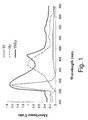
- Tf-Hp conjugate The preferred conjugate of the invention, Tf-Hp conjugate, was separated from Tf and Hp by HPLC and characterized by UV-Vis spectrophotometry ( Figure 1 ).
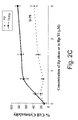
- Figure 2 depicts the dose-response effect of Hp or Tf-Hp LTC treatment on the viability of FL, K562 and U-76 cells.
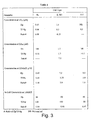
- Figure 3 shows that the concentration of Tf-Hp required to achieve LD 50 was more than 6-fold lower than for Hp. Furthermore LD 100 values were only obtained with the Tf-Hp.
- U-76 hybridoma cells were relatively insensitive to PDT.
- the concentration of Tf-Hp required to reach LD 90 in these cells was >19.4 fold higher than for FL cells and >3.5 fold higher than for K-562 cells. This order of sensitivity was retained at the concentrations required for LD MAX (3.37 for FL and 0.8 for K562). Furthermore, 100% cytotoxicity was only obtained when the conjugate was used against the erythroleukemic cell lines. A similar pattern of sensitivity was also seen with free Hp treatment. While a similar (90%) LD MAX was reached for both erythroleukemic lines, FL cells were 16.6 more sensitive than K-562.
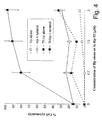
- Figure 4 illustrates the cytotoxicity induced in FL cells cultured in the dark with Hp or Tf-Hp either alone or together with 10 ⁇ M luminol. The cells were not exposed to ambient fluorescent light at any stage of the procedure. It was found that i) luminol alone induced about 15% cytotoxicity, (ii) Hp alone had little effect on cell viability, (iii) cytotoxicity reached a maximum of 30% in the presence of Hp and luminol and iv) luminol induced a significant (95%) PDT effect upon addition of Tf-Hp.
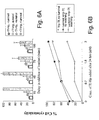
- Figure 5 further demonstrates that the cytotoxic luminol-induced PDT effect is dependent on the concentration of both Tf-Hp and luminol with a combination of 10 ⁇ M luminol and 3 ⁇ M of conjugate producing maximum cytotoxicity.
- a reduction in Tf-Hp concentration had less effect on cytotoxicity than did lowering the level of luminol. It was checked whether the synchrony in exposure to luminol and Tf-Hp is a requirement for this cytotoxicity by incubating cells first with Tf-Hp, washing and then exposing them to luminol following various delay times. The time taken to wash the cells and return them to culture was approximately 15 minutes.
- This invention addresses two problems of PDT technology.
- the first problem concerns the development of PDT systems to enhance the efficiency of Ps delivery to target cells.
- Most targeted PDT studies have used monoclonal antibodies as the address moiety.
- an alternate approach may target a Tf-Ps conjugate to Tf receptors.
- Tf-protein Weaver M. et al.: J Neurooncol. 65 (2003) 3-13
- Tf-chemical Tf-chemical
- Tf-Ps conjugates that are at least 6-fold more effective in inducing cell death even at the LD 50 level ( Figure 2 and Table 1).
- Tf-Hp is used.
- LTC cytotoxicity assay it was found by us that while almost 100% cytotoxicity was achieved after only 30 minutes exposure to Tf-Hp, about 2 hr were required for maximum activity (24%) of free Hp.
- fluorescence microscopy of Hp and Tf-Hp-treated FL cells demonstrated that Tf-Hp is taken up more rapidly and that it reaches intracellular organelles, and this would provide for more effective disruption of intracellular membranes.
- the second problem of PDT technology is addressed by the invention, concerning the source of the luminescent activating signal delivered to the Ps.
- An external radiation provides homogeneous excitation of Ps in the tissue culture or during subcutaneous injection, however the penetration of visible light into internal tissue is limited to a few millimeters, precluding the use of PDT for deeper tissue targets.
- Efforts to overcome this limitation have concentrated on new external light devices or improved catheters.
- the aim of the invention was to provide a molecular light-emitting mechanism within the Ps-loaded target cell. This strategy is non-invasive, does not expose normal tissue to irradiation and a molecular illuminator can be transported to target cells in vivo.
- IAP Intracellular Activation of PDT
- Luminol is a chemiluminescent activator that undergoes a light emitting process catalyzed by metal ions and hydrogen peroxide. This process is employed in chemiluminescent detection techniques and in cell physiology studies, but the invention takes advantage of luminol as an energy source in the field of PDT of cancer cells.
- the emission spectrum of luminol comprises two major peaks, at 424 and 485 nm. It was observed by us that the first peak corresponded to a crest in the absorption spectrum of Tf-Hp (412 nm, Figure 1 ), suggesting, together with the enhanced intracellular uptake of the Tf-Hp relative to Hp, that an IAP involving luminol is effective.
- Photodynamic Therapy involves a two-stage process.
- a light-absorbing photosensitizer for instance hematoporphyrin, Hp
- the Ps is activated by light, transferring energy to a cytoplasmic acceptor molecule that activates molecular oxygen, yielding reactive oxygen species (ROS) that damage the cellular components, particularly membrane phospholipids.
- ROS reactive oxygen species
- the invention provides bioconjugates comprising the carrier protein transferrin and Hp (Tf-Hp) that significantly improve the specificity and efficiency of PDT for erythroleukemic cells by a factor of almost 20-fold at the LD 50 level. Fluorescence microscopy showed that the conjugates are endocytosed and accumulate in intracellular vesicles whereas free Hp was mostly membrane bound. In addition, it was shown by the inventors that the use of external radiation for Ps activation can be bypassed by incubating the cells with luminol either prior to or together with Tf-Hp. Luminol is activated intracellularly to yield chemiluminescent radiation that stimulated PDT-induced cytotoxicity in 95% of cells. These strategies provide safer and more effective applications of PDT.
- Tf-Hp Hp
- the present invention provides a new approach to overcome the limitations of PDT applications.
- the efficacy of the targeted LTC strategy using the Tf-Hp system is first established, and then in vitro applicability of luminol is demonstrated, wherein luminol can be used as a powerful molecular inducer of intracellular CL for the destruction of leukemic cells, obviating the use of external light sources in PDT.
- the invention provides Tf-Hp conjugates as a viable vehicle for PDT induced cytotoxicity.
- Enhanced targeting of the Ps with carrier proteins that are efficiently endocytosed increase therapeutic efficacy of PDT by reducing dosage and overcoming toxicity to normal tissue inevitably produced with free Ps.
- the invention thus provides means for destroying cells associated with proliferative diseases, for example cancer.
- Hp rabbit anti-human transferrin, goat anti-bovine serum albumin, transferrin, N-hydroxysuccinimide (NHS) and luminol were purchased from Sigma-Aldrich Chemical Co. N,N-dicyclohexyl carbodiimide (DCC) and tetrahydrofuran (THF) were from Carlo Erba.
- Horse serum (HS), Fetal Calf Serum (FCS), L-glutamine and combined antibiotics were purchased from Biological Industries Ltd. (Bet Haemek, Israel). HPLC solvents were from Merck.
- U-76 is a murine hybridoma that secretes IgG1 antibody against dinitrophenol (DNP) and was a kind gift of Prof. Eshhar (Weizmann Institute of Science, Rehovot, Israel). These cells as well as Friend's Leukemia (FL) cells were grown in DMEM containing 15% HS, 2mM L-glutamine and combined antibiotics. Human K-562 cells were grown in RPMI/15%HS/glutamine/antibiotics. All cells were maintained at 37°C in a humidified incubator containing 6% CO 2 .
- DNP dinitrophenol
- FL Friend's Leukemia
- 0.11 mmole hematoporphyrin hydrochloride was dissolved in 10 ml chloroform and activated by addition of 0.173 mmole of NHS and 0.11mmole DCC. The mixture was stirred at room temperature for 2.5 hrs. Following evaporation with a stream of air, the residue was dissolved in 2 ml of THF and the activated Hp was slowly added to a solution of 15 mg transferrin dissolved in 10 ml of 0.1M NaHCO 3 cooled on ice. The solution was allowed to warm to room temperature, adjusted to pH 7.5 and stirred vigorously overnight. Tubes containing Hp were protected from light exposure.
- HPLC Tf, Hp and Tf-Hp were chromatographed over a C-18 column (3.9mm x 300mm Bondclone, particle diameter 10 ⁇ m, Phenomenex) using a HPLC JASCO -1580 with a JASCO 1575 UV/VIS detector.
- the solvent system was composed of acetonitrile-water with 1% trifluoroacetic acid and compounds were eluted with a linear gradient (20-100% acetonitrile).
- Absorbance spectrum The absorbance spectra of PBS solutions of Hp (0.02 mg/ml), Tf (1.4 mg/ml) and Hp-Tf (1.4 mg/ml) were recorded with a CHEMUSB2-UV-VIS spectrophotometer having optical resolution of 1 nm, grating of 600 lines per mm equipped with CCD array detector. The samples were scanned in the absorbance region of 250 - 500 nm.
- FL cells were grown on glass slides in tissue culture dishes together with Hp or Tf-Hp and the incorporated fluorescence was followed at various time intervals with an AX70 Olympus microscope equipped with a high-pressure mercury lamp for excitation and a set of filters for blue violet excitation (band path 420-480 nm), dichroic mirror (455 nm) and a cut-on red emission barrier filter (580 nm). Fluorescence was analyzed with an X60 objective, without addition of any anti bleaching solution, and recorded by a CCD camera.
- FL cells were washed and cultured for 20 hrs with different concentrations of Hp or Tf-Hp (0.07, 0.15 or 0.3 ⁇ M) together with luminol (0-10 ⁇ M). Manipulations of cells and components were performed with the room lights switched off. Culture plates were wrapped in aluminium foil during the culture period. Subsequently, experiments aimed to test whether a PDT effect could be obtained by staggering the exposure of the cells to either luminol or Tf-Hp conjugate. FL cells were cultured for 2 hrs in the dark at 37°C with Tf-Hp (3 ⁇ M), washed and re-suspended in medium at the standard culture concentration. This procedure took approximately 15 minutes.
- the cells were kept at 37°C for an additional 0, 30, 60 or 90 minutes, luminol (10 ⁇ M) was added and the cultures incubated in the dark for a further 16 hrs.
- cells were first cultured for 24 hrs in the dark in the presence of 10 ⁇ M luminol, washed or not-washed and then cultured further for 24 hrs in the presence of Tf-Hp (0-3 ⁇ M) at 37°C. During washing procedures and cell handling, special care was taken to maintain the cells in a dark environment.
Landscapes
- Health & Medical Sciences (AREA)
- Life Sciences & Earth Sciences (AREA)
- Chemical & Material Sciences (AREA)
- General Health & Medical Sciences (AREA)
- Veterinary Medicine (AREA)
- Public Health (AREA)
- Medicinal Chemistry (AREA)
- Animal Behavior & Ethology (AREA)
- Pharmacology & Pharmacy (AREA)
- Engineering & Computer Science (AREA)
- Bioinformatics & Cheminformatics (AREA)
- Proteomics, Peptides & Aminoacids (AREA)
- Molecular Biology (AREA)
- Epidemiology (AREA)
- Nuclear Medicine, Radiotherapy & Molecular Imaging (AREA)
- General Chemical & Material Sciences (AREA)
- Chemical Kinetics & Catalysis (AREA)
- Biochemistry (AREA)
- Organic Chemistry (AREA)
- Medicines That Contain Protein Lipid Enzymes And Other Medicines (AREA)
- Pharmaceuticals Containing Other Organic And Inorganic Compounds (AREA)
- Medicinal Preparation (AREA)
- Peptides Or Proteins (AREA)
- Radiation-Therapy Devices (AREA)
Claims (21)
- Utilisation d'un conjugué ligand-toxine (CLT) qui comprend un photosensibilisateur (Ps) et un ligand conjugué à celui-ci, en combinaison avec un agent chimioluminescent qui réagit avec une espèce oxygénée présente in situ et produit une lumière chimioluminescente, dans laquelle ledit Ps transfère de l'énergie à l'oxygène moléculaire et produit une espèce oxygénée réactive lorsqu'il est activé par la lumière par ledit agent chimioluminescent, dans la fabrication d'un médicament destiné au traitement d'un trouble associé à une prolifération augmentée d'une population cellulaire, où ledit ligand présente une affinité envers un composant à la surface d'une cellule de ladite population cellulaire, détruisant de cette manière les cellules dans ladite population cellulaire.
- Utilisation selon la revendication 1, dans laquelle ledit trouble est associé à un cancer ou une hyperplasie.
- Utilisation selon l'une quelconque des revendications 1 et 2, dans laquelle ledit conjugué ligand-toxine et ledit agent chimioluminescent sont utilisés dans n'importe quel ordre ou simultanément.
- Utilisation selon l'une quelconque des revendications 1 et 2, dans laquelle ledit ligand dans ledit conjugué ligand-toxine comprend un peptide.
- Utilisation selon la revendication 4, dans laquelle ledit peptide est reconnu par un récepteur à la surface desdites cellules cibles.
- Utilisation selon la revendication 4, dans laquelle ledit peptide est la transférine.
- Utilisation selon l'une quelconque des revendications 1 et 2, dans laquelle ledit Ps comprend l'hématoporphyrine.
- Utilisation selon l'une quelconque des revendications 1 et 2, dans laquelle ledit conjugué ligand-toxine comprend la transférine et l'hématoporphyrine conjuguée celle-ci.
- Utilisation selon l'une quelconque des revendications 1 et 2, dans laquelle ledit agent chimioluminescent comprend du luminol.
- Utilisation selon la revendication 8, dans laquelle ledit agent chimioluminescent comprend du luminol.
- Utilisation selon l'une quelconque des revendications 1 et 2, dans laquelle ledit agent chimioluminescent est choisi dans le groupe constitué de luminol, isoluminol et lucigénine.
- Utilisation selon l'une quelconque des revendications 1 et 2, dans laquelle ledit agent chimioluminescent est couplé au dit conjugué ligand-toxine.
- Utilisation selon la revendication 1, dans laquelle lesdites cellules sont associées à un trouble prolifératif.
- Utilisation selon la revendication 13, dans laquelle lesdites cellules sont des cellules cancéreuses.
- Utilisation selon la revendication 13, dans laquelle lesdites cellules appartiennent à des tissus corporels internes.
- Utilisation selon la revendication 13, dans laquelle lesdites cellules appartiennent à la peau.
- Utilisation selon la revendication 10, dans laquelle une DL50 dudit conjugué ligand-toxine est plus de 6 fois inférieure à une DL50 pour l'hématoporphyrine.
- Utilisation selon la revendication 17, dans laquelle une DL50 dudit conjugué ligand-toxine est presque 20 fois inférieure à ladite DL50 pour l'hématoporphyrine.
- Utilisation selon la revendication 10, dans laquelle ledit conjugué ligand-toxine et ledit agent chimioluminescent agissent en synergie dans la destruction des cellules cibles.
- Composition pharmaceutique pour une utilisation dans le traitement d'une maladie proliférative, en combinaison avec un conjugué ligand-toxine qui comprend un photosensibilisateur (Ps) et un ligand conjugué à celui-ci, la composition comprenant du luminol en tant qu'agent chimioluminescent qui active in situ le dit conjugué ligand-toxine, dans laquelle ledit Ps transfère de l'énergie à l'oxygène moléculaire et produit une espèce oxygénée réactives lorsqu'il est activé par la lumière par ledit luminol, et ledit ligand présente une affinité envers un composant à la surface d'une cellule.
- Composition pharmaceutique comprenant un conjugué ligand-toxine qui comprend un photosensibilisateur et un ligand conjugué à celui-ci, ledit conjugué ligand-toxine ayant un agent chimioluminescent couplé à celui-ci qui réagit avec une espèce d'oxygène présente in situ et produit de la lumière chimioluminescente, dans laquelle ledit photosensibilisateur transfère de l'énergie à l'oxygène moléculaire et produit une espèce oxygénée réactives lorsqu'il est activé par la lumière par ledit agent chimioluminescent, et ledit ligand présente une affinité envers un composant à la surface d'une cellule.
Priority Applications (1)
| Application Number | Priority Date | Filing Date | Title |
|---|---|---|---|
| EP10181069A EP2308508A1 (fr) | 2005-04-21 | 2006-04-20 | Thérapie photodynamique utilisant de la chémoluminescence et un conjugué d'un ligand et d'un photosensibiliseur |
Applications Claiming Priority (2)
| Application Number | Priority Date | Filing Date | Title |
|---|---|---|---|
| IL168184A IL168184A (en) | 2005-04-21 | 2005-04-21 | Use of a ligand-photosensitizer conjugate in combination with a chemiluminescent agent in the manufacture of a medicament for photodynamic therapy |
| PCT/IL2006/000487 WO2006111971A2 (fr) | 2005-04-21 | 2006-04-20 | Activation chimique de molecules photosensibilisantes dans recours a un rayonnement externe |
Related Child Applications (1)
| Application Number | Title | Priority Date | Filing Date |
|---|---|---|---|
| EP10181069.5 Division-Into | 2010-09-28 |
Publications (2)
| Publication Number | Publication Date |
|---|---|
| EP1874352A2 EP1874352A2 (fr) | 2008-01-09 |
| EP1874352B1 true EP1874352B1 (fr) | 2011-10-05 |
Family
ID=37115566
Family Applications (2)
| Application Number | Title | Priority Date | Filing Date |
|---|---|---|---|
| EP06728287A Expired - Lifetime EP1874352B1 (fr) | 2005-04-21 | 2006-04-20 | Activation chimique de molecules photosensibilisantes dans recours a un rayonnement externe |
| EP10181069A Withdrawn EP2308508A1 (fr) | 2005-04-21 | 2006-04-20 | Thérapie photodynamique utilisant de la chémoluminescence et un conjugué d'un ligand et d'un photosensibiliseur |
Family Applications After (1)
| Application Number | Title | Priority Date | Filing Date |
|---|---|---|---|
| EP10181069A Withdrawn EP2308508A1 (fr) | 2005-04-21 | 2006-04-20 | Thérapie photodynamique utilisant de la chémoluminescence et un conjugué d'un ligand et d'un photosensibiliseur |
Country Status (9)
| Country | Link |
|---|---|
| US (2) | US7772179B2 (fr) |
| EP (2) | EP1874352B1 (fr) |
| JP (1) | JP4981031B2 (fr) |
| AT (1) | ATE526989T1 (fr) |
| AU (1) | AU2006238428B2 (fr) |
| CA (1) | CA2605617C (fr) |
| ES (1) | ES2374437T3 (fr) |
| IL (1) | IL168184A (fr) |
| WO (1) | WO2006111971A2 (fr) |
Families Citing this family (13)
| Publication number | Priority date | Publication date | Assignee | Title |
|---|---|---|---|---|
| IL168184A (en) * | 2005-04-21 | 2011-11-30 | Univ Ariel Res & Dev Co Ltd | Use of a ligand-photosensitizer conjugate in combination with a chemiluminescent agent in the manufacture of a medicament for photodynamic therapy |
| AU2016210665B2 (en) * | 2007-04-08 | 2017-12-07 | Immunolight, Llc | Methods and systems for treating cell proliferation disorders |
| US9358292B2 (en) * | 2007-04-08 | 2016-06-07 | Immunolight, Llc | Methods and systems for treating cell proliferation disorders |
| US9907976B2 (en) | 2011-07-08 | 2018-03-06 | Immunolight, Llc | Phosphors and scintillators for light stimulation within a medium |
| EP2268311A4 (fr) * | 2008-04-04 | 2014-08-27 | Immunolight Llc | Systèmes non invasifs et procédés de photobiomodulation in situ |
| US8731655B2 (en) | 2009-05-12 | 2014-05-20 | Mallinckrodt Llc | Compounds containing acyclic N-N bonds for phototherapy |
| US9186349B2 (en) | 2009-05-12 | 2015-11-17 | Mallinckrodt Llc | Diaza heterocyclic compounds for phototherapy |
| WO2012040105A2 (fr) * | 2010-09-21 | 2012-03-29 | Kansas State University Research Foundation | Cellules transfectées par renilla/gaussia |
| WO2012127441A1 (fr) * | 2011-03-23 | 2012-09-27 | Semorex Technologies Ltd. | Traitement des troubles de la prolifération |
| US20140010760A1 (en) * | 2012-04-05 | 2014-01-09 | Brij P. Giri | Hypoxia-Targeted Polymeric Micelles For Cancer Therapy And Imaging |
| WO2014078768A1 (fr) * | 2012-11-19 | 2014-05-22 | Troyer Deryl L | Leucocytes utilisés comme cellules d'administration pour l'imagerie et le traitement de maladies |
| EP3810199A1 (fr) * | 2018-06-21 | 2021-04-28 | Oslo Universitetssykehus HF | Méthode |
| CN115227814B (zh) * | 2021-03-08 | 2024-09-03 | 苏州大学 | 一种化学发光介导的纳米颗粒、自组装聚集体及其制备方法和应用 |
Family Cites Families (13)
| Publication number | Priority date | Publication date | Assignee | Title |
|---|---|---|---|---|
| US4181650A (en) * | 1975-08-25 | 1980-01-01 | Maier Charles L Jr | Procedure for the assay of pharmacologically immunologically and biochemically active compounds in biological fluids |
| US4870002A (en) * | 1981-04-07 | 1989-09-26 | The United States Of America As Represented By The Secretary Of The Air Force | Method of prevention of oxidative injury to cells |
| US5094939A (en) * | 1988-07-19 | 1992-03-10 | Fujirebio, Inc. | Chemiluminescence assays using stabilized dioxetane derivatives |
| US5622685A (en) * | 1990-05-30 | 1997-04-22 | Deutches Krebsforchunszentrum Stiftung Des Offentlichen Rechts | Polyether-substituted porphyrin anti-tumor agents |
| ATE115864T1 (de) * | 1990-05-30 | 1995-01-15 | Deutsches Krebsforsch | Polyethersubstituierte tumormittel. |
| CA2056142A1 (fr) * | 1990-11-27 | 1992-05-28 | Hirotomo Masuya | Composes a base de pyridopyridazine et leur utilisation |
| EP0984281B1 (fr) * | 1991-05-22 | 2007-01-03 | Dade Behring Marburg GmbH | Essai homogène pour déterminer un analyte |
| US5257970A (en) * | 1992-04-09 | 1993-11-02 | Health Research, Inc. | In situ photodynamic therapy |
| EP0675955A1 (fr) * | 1992-12-23 | 1995-10-11 | Iowa State University Research Foundation, Inc. | Agent lumineux moleculaire |
| US6344050B1 (en) * | 1998-12-21 | 2002-02-05 | Light Sciences Corporation | Use of pegylated photosensitizer conjugated with an antibody for treating abnormal tissue |
| GB0001455D0 (en) * | 2000-01-21 | 2000-03-15 | Scotia Holdings Plc | Porphyrins and related compounds |
| JP2004532245A (ja) * | 2001-05-15 | 2004-10-21 | ページ ダブル フォーク | 癌を治療するための生体影響性化合物の標的送達 |
| IL168184A (en) * | 2005-04-21 | 2011-11-30 | Univ Ariel Res & Dev Co Ltd | Use of a ligand-photosensitizer conjugate in combination with a chemiluminescent agent in the manufacture of a medicament for photodynamic therapy |
-
2005
- 2005-04-21 IL IL168184A patent/IL168184A/en not_active IP Right Cessation
-
2006
- 2006-04-20 US US11/918,905 patent/US7772179B2/en not_active Expired - Fee Related
- 2006-04-20 AU AU2006238428A patent/AU2006238428B2/en not_active Ceased
- 2006-04-20 AT AT06728287T patent/ATE526989T1/de not_active IP Right Cessation
- 2006-04-20 ES ES06728287T patent/ES2374437T3/es not_active Expired - Lifetime
- 2006-04-20 EP EP06728287A patent/EP1874352B1/fr not_active Expired - Lifetime
- 2006-04-20 WO PCT/IL2006/000487 patent/WO2006111971A2/fr not_active Ceased
- 2006-04-20 EP EP10181069A patent/EP2308508A1/fr not_active Withdrawn
- 2006-04-20 JP JP2008507266A patent/JP4981031B2/ja not_active Expired - Fee Related
- 2006-04-20 CA CA2605617A patent/CA2605617C/fr not_active Expired - Fee Related
-
2010
- 2010-08-05 US US12/850,681 patent/US20100297762A1/en not_active Abandoned
Also Published As
| Publication number | Publication date |
|---|---|
| AU2006238428A1 (en) | 2006-10-26 |
| ATE526989T1 (de) | 2011-10-15 |
| EP2308508A1 (fr) | 2011-04-13 |
| EP1874352A2 (fr) | 2008-01-09 |
| CA2605617C (fr) | 2013-06-11 |
| US20100297762A1 (en) | 2010-11-25 |
| JP4981031B2 (ja) | 2012-07-18 |
| US7772179B2 (en) | 2010-08-10 |
| IL168184A (en) | 2011-11-30 |
| ES2374437T3 (es) | 2012-02-16 |
| CA2605617A1 (fr) | 2006-10-26 |
| WO2006111971A3 (fr) | 2007-07-12 |
| US20090054306A1 (en) | 2009-02-26 |
| AU2006238428B2 (en) | 2012-03-08 |
| WO2006111971A2 (fr) | 2006-10-26 |
| AU2006238428A2 (en) | 2006-10-26 |
| JP2008536912A (ja) | 2008-09-11 |
Similar Documents
| Publication | Publication Date | Title |
|---|---|---|
| US20100297762A1 (en) | Photodynamic therapy using chemiluminescence and a ligand-photosensitiser conjugate | |
| Dal Corso et al. | Innovative linker strategies for tumor‐targeted drug conjugates | |
| Oseroff et al. | Strategies for selective cancer photochemotherapy: antibody‐targeted and selective carcinoma cell photolysis | |
| Gomes et al. | Cancer, photodynamic therapy and porphyrin-type derivatives | |
| Um et al. | Visible light-induced apoptosis activatable nanoparticles of photosensitizer-DEVD-anticancer drug conjugate for targeted cancer therapy | |
| Hasan et al. | Photodynamic therapy of cancer | |
| Iyer et al. | Polymeric micelles of zinc protoporphyrin for tumor targeted delivery based on EPR effect and singlet oxygen generation | |
| FI121328B (fi) | Molekyylien siirto solujen sytosoliin | |
| Dolmans et al. | Photodynamic therapy for cancer | |
| US7001991B2 (en) | Targeted delivery of bioaffecting compounds for the treatment of cancer | |
| Laptev et al. | Intracellular chemiluminescence activates targeted photodynamic destruction of leukaemic cells | |
| Huang et al. | A tumor-targeted Ganetespib-zinc phthalocyanine conjugate for synergistic chemo-photodynamic therapy | |
| Wang et al. | Near infrared light fluorescence imaging-guided biomimetic nanoparticles of extracellular vesicles deliver indocyanine green and paclitaxel for hyperthermia combined with chemotherapy against glioma | |
| Schneider et al. | Recent improvements in the use of synthetic peptides for a selective photodynamic therapy | |
| Wang et al. | Pharmacokinetics, tissue distribution and photodynamic therapy efficacy of liposomal‐delivered hypocrellin A, a potential photosensitizer for tumor therapy | |
| HU221186B1 (en) | Chlorophyll and bacterio chlorophyll derivatives, method for producing them and diagnostic and pharmaceutical compositions comprising thereof | |
| Cowled et al. | Pharmacological modulation of photodynamic therapy with hematoporphyrin derivative and light | |
| Abels et al. | Targeting of the tumor microcirculation by photodynamic therapy with a synthetic porphycene | |
| Chen et al. | An auristatin-based peptide-drug conjugate targeting Kita-Kyushu lung cancer antigen 1 for precision chemoradiotherapy in gastric cancer | |
| Pan et al. | A photoactivatable antibody–Chlorin e6 conjugate enabling singlet oxygen production for tumor-targeting photodynamic therapy | |
| Jo et al. | Cancer therapy by antibody-targeted Cerenkov light and metabolism-selective photosensitization | |
| US20220152204A1 (en) | Photoimmunotherapy and pharmaceutical agent used therefor | |
| Shaker et al. | Current developments in using MESO-(TETRA) substituted porphyrins for PDT | |
| Tewari | Targeted dendrimeric prodrugs for 5-aminolaevulinic acid photodynamic therapy | |
| Wang | Studies of photochemical internalisation: mechanisms and strategies in cancer therapeutics |
Legal Events
| Date | Code | Title | Description |
|---|---|---|---|
| PUAI | Public reference made under article 153(3) epc to a published international application that has entered the european phase |
Free format text: ORIGINAL CODE: 0009012 |
|
| 17P | Request for examination filed |
Effective date: 20071115 |
|
| AK | Designated contracting states |
Kind code of ref document: A2 Designated state(s): AT BE BG CH CY CZ DE DK EE ES FI FR GB GR HU IE IS IT LI LT LU LV MC NL PL PT RO SE SI SK TR |
|
| AX | Request for extension of the european patent |
Extension state: AL BA HR MK YU |
|
| 17Q | First examination report despatched |
Effective date: 20080306 |
|
| DAX | Request for extension of the european patent (deleted) | ||
| REG | Reference to a national code |
Ref country code: DE Ref legal event code: R079 Ref document number: 602006024880 Country of ref document: DE Free format text: PREVIOUS MAIN CLASS: A61K0041000000 Ipc: A61K0047480000 |
|
| GRAP | Despatch of communication of intention to grant a patent |
Free format text: ORIGINAL CODE: EPIDOSNIGR1 |
|
| RIC1 | Information provided on ipc code assigned before grant |
Ipc: A61K 47/48 20060101AFI20110520BHEP Ipc: A61P 35/00 20060101ALI20110520BHEP |
|
| GRAS | Grant fee paid |
Free format text: ORIGINAL CODE: EPIDOSNIGR3 |
|
| GRAA | (expected) grant |
Free format text: ORIGINAL CODE: 0009210 |
|
| AK | Designated contracting states |
Kind code of ref document: B1 Designated state(s): AT BE BG CH CY CZ DE DK EE ES FI FR GB GR HU IE IS IT LI LT LU LV MC NL PL PT RO SE SI SK TR |
|
| REG | Reference to a national code |
Ref country code: GB Ref legal event code: FG4D |
|
| REG | Reference to a national code |
Ref country code: CH Ref legal event code: EP |
|
| REG | Reference to a national code |
Ref country code: IE Ref legal event code: FG4D |
|
| REG | Reference to a national code |
Ref country code: DE Ref legal event code: R096 Ref document number: 602006024880 Country of ref document: DE Effective date: 20111208 |
|
| REG | Reference to a national code |
Ref country code: NL Ref legal event code: VDEP Effective date: 20111005 |
|
| REG | Reference to a national code |
Ref country code: ES Ref legal event code: FG2A Ref document number: 2374437 Country of ref document: ES Kind code of ref document: T3 Effective date: 20120216 |
|
| PG25 | Lapsed in a contracting state [announced via postgrant information from national office to epo] |
Ref country code: SI Free format text: LAPSE BECAUSE OF FAILURE TO SUBMIT A TRANSLATION OF THE DESCRIPTION OR TO PAY THE FEE WITHIN THE PRESCRIBED TIME-LIMIT Effective date: 20111005 |
|
| REG | Reference to a national code |
Ref country code: CH Ref legal event code: NV Representative=s name: VOSSIUS & PARTNER |
|
| LTIE | Lt: invalidation of european patent or patent extension |
Effective date: 20111005 |
|
| REG | Reference to a national code |
Ref country code: AT Ref legal event code: MK05 Ref document number: 526989 Country of ref document: AT Kind code of ref document: T Effective date: 20111005 |
|
| PG25 | Lapsed in a contracting state [announced via postgrant information from national office to epo] |
Ref country code: LT Free format text: LAPSE BECAUSE OF FAILURE TO SUBMIT A TRANSLATION OF THE DESCRIPTION OR TO PAY THE FEE WITHIN THE PRESCRIBED TIME-LIMIT Effective date: 20111005 Ref country code: IS Free format text: LAPSE BECAUSE OF FAILURE TO SUBMIT A TRANSLATION OF THE DESCRIPTION OR TO PAY THE FEE WITHIN THE PRESCRIBED TIME-LIMIT Effective date: 20120205 Ref country code: BE Free format text: LAPSE BECAUSE OF FAILURE TO SUBMIT A TRANSLATION OF THE DESCRIPTION OR TO PAY THE FEE WITHIN THE PRESCRIBED TIME-LIMIT Effective date: 20111005 |
|
| PG25 | Lapsed in a contracting state [announced via postgrant information from national office to epo] |
Ref country code: PT Free format text: LAPSE BECAUSE OF FAILURE TO SUBMIT A TRANSLATION OF THE DESCRIPTION OR TO PAY THE FEE WITHIN THE PRESCRIBED TIME-LIMIT Effective date: 20120206 Ref country code: NL Free format text: LAPSE BECAUSE OF FAILURE TO SUBMIT A TRANSLATION OF THE DESCRIPTION OR TO PAY THE FEE WITHIN THE PRESCRIBED TIME-LIMIT Effective date: 20111005 Ref country code: LV Free format text: LAPSE BECAUSE OF FAILURE TO SUBMIT A TRANSLATION OF THE DESCRIPTION OR TO PAY THE FEE WITHIN THE PRESCRIBED TIME-LIMIT Effective date: 20111005 Ref country code: SE Free format text: LAPSE BECAUSE OF FAILURE TO SUBMIT A TRANSLATION OF THE DESCRIPTION OR TO PAY THE FEE WITHIN THE PRESCRIBED TIME-LIMIT Effective date: 20111005 Ref country code: GR Free format text: LAPSE BECAUSE OF FAILURE TO SUBMIT A TRANSLATION OF THE DESCRIPTION OR TO PAY THE FEE WITHIN THE PRESCRIBED TIME-LIMIT Effective date: 20120106 |
|
| PG25 | Lapsed in a contracting state [announced via postgrant information from national office to epo] |
Ref country code: CY Free format text: LAPSE BECAUSE OF FAILURE TO SUBMIT A TRANSLATION OF THE DESCRIPTION OR TO PAY THE FEE WITHIN THE PRESCRIBED TIME-LIMIT Effective date: 20111005 |
|
| PG25 | Lapsed in a contracting state [announced via postgrant information from national office to epo] |
Ref country code: DK Free format text: LAPSE BECAUSE OF FAILURE TO SUBMIT A TRANSLATION OF THE DESCRIPTION OR TO PAY THE FEE WITHIN THE PRESCRIBED TIME-LIMIT Effective date: 20111005 Ref country code: SK Free format text: LAPSE BECAUSE OF FAILURE TO SUBMIT A TRANSLATION OF THE DESCRIPTION OR TO PAY THE FEE WITHIN THE PRESCRIBED TIME-LIMIT Effective date: 20111005 Ref country code: EE Free format text: LAPSE BECAUSE OF FAILURE TO SUBMIT A TRANSLATION OF THE DESCRIPTION OR TO PAY THE FEE WITHIN THE PRESCRIBED TIME-LIMIT Effective date: 20111005 Ref country code: BG Free format text: LAPSE BECAUSE OF FAILURE TO SUBMIT A TRANSLATION OF THE DESCRIPTION OR TO PAY THE FEE WITHIN THE PRESCRIBED TIME-LIMIT Effective date: 20120105 Ref country code: CZ Free format text: LAPSE BECAUSE OF FAILURE TO SUBMIT A TRANSLATION OF THE DESCRIPTION OR TO PAY THE FEE WITHIN THE PRESCRIBED TIME-LIMIT Effective date: 20111005 |
|
| PLBE | No opposition filed within time limit |
Free format text: ORIGINAL CODE: 0009261 |
|
| STAA | Information on the status of an ep patent application or granted ep patent |
Free format text: STATUS: NO OPPOSITION FILED WITHIN TIME LIMIT |
|
| PG25 | Lapsed in a contracting state [announced via postgrant information from national office to epo] |
Ref country code: RO Free format text: LAPSE BECAUSE OF FAILURE TO SUBMIT A TRANSLATION OF THE DESCRIPTION OR TO PAY THE FEE WITHIN THE PRESCRIBED TIME-LIMIT Effective date: 20111005 Ref country code: PL Free format text: LAPSE BECAUSE OF FAILURE TO SUBMIT A TRANSLATION OF THE DESCRIPTION OR TO PAY THE FEE WITHIN THE PRESCRIBED TIME-LIMIT Effective date: 20111005 |
|
| 26N | No opposition filed |
Effective date: 20120706 |
|
| REG | Reference to a national code |
Ref country code: DE Ref legal event code: R097 Ref document number: 602006024880 Country of ref document: DE Effective date: 20120706 |
|
| PG25 | Lapsed in a contracting state [announced via postgrant information from national office to epo] |
Ref country code: MC Free format text: LAPSE BECAUSE OF NON-PAYMENT OF DUE FEES Effective date: 20120430 |
|
| REG | Reference to a national code |
Ref country code: IE Ref legal event code: MM4A |
|
| PG25 | Lapsed in a contracting state [announced via postgrant information from national office to epo] |
Ref country code: IE Free format text: LAPSE BECAUSE OF NON-PAYMENT OF DUE FEES Effective date: 20120420 Ref country code: AT Free format text: LAPSE BECAUSE OF FAILURE TO SUBMIT A TRANSLATION OF THE DESCRIPTION OR TO PAY THE FEE WITHIN THE PRESCRIBED TIME-LIMIT Effective date: 20111005 |
|
| PG25 | Lapsed in a contracting state [announced via postgrant information from national office to epo] |
Ref country code: FI Free format text: LAPSE BECAUSE OF FAILURE TO SUBMIT A TRANSLATION OF THE DESCRIPTION OR TO PAY THE FEE WITHIN THE PRESCRIBED TIME-LIMIT Effective date: 20111005 |
|
| PG25 | Lapsed in a contracting state [announced via postgrant information from national office to epo] |
Ref country code: TR Free format text: LAPSE BECAUSE OF FAILURE TO SUBMIT A TRANSLATION OF THE DESCRIPTION OR TO PAY THE FEE WITHIN THE PRESCRIBED TIME-LIMIT Effective date: 20111005 |
|
| PG25 | Lapsed in a contracting state [announced via postgrant information from national office to epo] |
Ref country code: LU Free format text: LAPSE BECAUSE OF NON-PAYMENT OF DUE FEES Effective date: 20120420 |
|
| PG25 | Lapsed in a contracting state [announced via postgrant information from national office to epo] |
Ref country code: HU Free format text: LAPSE BECAUSE OF FAILURE TO SUBMIT A TRANSLATION OF THE DESCRIPTION OR TO PAY THE FEE WITHIN THE PRESCRIBED TIME-LIMIT Effective date: 20060420 |
|
| REG | Reference to a national code |
Ref country code: FR Ref legal event code: PLFP Year of fee payment: 11 |
|
| REG | Reference to a national code |
Ref country code: CH Ref legal event code: PFA Owner name: ARIEL-UNIVERSITY RESEARCH AND DEVELOPMENT COMP, IL Free format text: FORMER OWNER: ARIEL-UNIVERSITY RESEARCH AND DEVELOPMENT COMPANY LTD., IL |
|
| PGFP | Annual fee paid to national office [announced via postgrant information from national office to epo] |
Ref country code: CH Payment date: 20160420 Year of fee payment: 11 Ref country code: GB Payment date: 20160421 Year of fee payment: 11 Ref country code: ES Payment date: 20160421 Year of fee payment: 11 Ref country code: DE Payment date: 20160421 Year of fee payment: 11 |
|
| PGFP | Annual fee paid to national office [announced via postgrant information from national office to epo] |
Ref country code: IT Payment date: 20160427 Year of fee payment: 11 Ref country code: FR Payment date: 20160421 Year of fee payment: 11 |
|
| REG | Reference to a national code |
Ref country code: DE Ref legal event code: R079 Ref document number: 602006024880 Country of ref document: DE Free format text: PREVIOUS MAIN CLASS: A61K0047480000 Ipc: A61K0047500000 |
|
| REG | Reference to a national code |
Ref country code: DE Ref legal event code: R119 Ref document number: 602006024880 Country of ref document: DE |
|
| REG | Reference to a national code |
Ref country code: CH Ref legal event code: PL |
|
| GBPC | Gb: european patent ceased through non-payment of renewal fee |
Effective date: 20170420 |
|
| REG | Reference to a national code |
Ref country code: FR Ref legal event code: ST Effective date: 20171229 |
|
| PG25 | Lapsed in a contracting state [announced via postgrant information from national office to epo] |
Ref country code: DE Free format text: LAPSE BECAUSE OF NON-PAYMENT OF DUE FEES Effective date: 20171103 Ref country code: FR Free format text: LAPSE BECAUSE OF NON-PAYMENT OF DUE FEES Effective date: 20170502 |
|
| PG25 | Lapsed in a contracting state [announced via postgrant information from national office to epo] |
Ref country code: CH Free format text: LAPSE BECAUSE OF NON-PAYMENT OF DUE FEES Effective date: 20170430 Ref country code: LI Free format text: LAPSE BECAUSE OF NON-PAYMENT OF DUE FEES Effective date: 20170430 Ref country code: GB Free format text: LAPSE BECAUSE OF NON-PAYMENT OF DUE FEES Effective date: 20170420 |
|
| PG25 | Lapsed in a contracting state [announced via postgrant information from national office to epo] |
Ref country code: IT Free format text: LAPSE BECAUSE OF NON-PAYMENT OF DUE FEES Effective date: 20170420 |
|
| REG | Reference to a national code |
Ref country code: ES Ref legal event code: FD2A Effective date: 20180703 |
|
| PG25 | Lapsed in a contracting state [announced via postgrant information from national office to epo] |
Ref country code: ES Free format text: LAPSE BECAUSE OF NON-PAYMENT OF DUE FEES Effective date: 20170421 |