EP1897888A1 - Peptides se liant au récepteur TPO - Google Patents
Peptides se liant au récepteur TPO Download PDFInfo
- Publication number
- EP1897888A1 EP1897888A1 EP06018604A EP06018604A EP1897888A1 EP 1897888 A1 EP1897888 A1 EP 1897888A1 EP 06018604 A EP06018604 A EP 06018604A EP 06018604 A EP06018604 A EP 06018604A EP 1897888 A1 EP1897888 A1 EP 1897888A1
- Authority
- EP
- European Patent Office
- Prior art keywords
- peptide
- amino acid
- groups
- covalent bond
- forming
- Prior art date
- Legal status (The legal status is an assumption and is not a legal conclusion. Google has not performed a legal analysis and makes no representation as to the accuracy of the status listed.)
- Withdrawn
Links
Images

Classifications
-
- C—CHEMISTRY; METALLURGY
- C07—ORGANIC CHEMISTRY
- C07K—PEPTIDES
- C07K14/00—Peptides having more than 20 amino acids; Gastrins; Somatostatins; Melanotropins; Derivatives thereof
- C07K14/435—Peptides having more than 20 amino acids; Gastrins; Somatostatins; Melanotropins; Derivatives thereof from animals; from humans
- C07K14/52—Cytokines; Lymphokines; Interferons
- C07K14/524—Thrombopoietin, i.e. C-MPL ligand
Definitions
- Thrombopoietin also known as c-Mpl ligand
- TPO Thrombopoietin
- c-Mpl ligand is a primary regulator of the proliferation and maturation of megakaryocytes as well as of platelet production. Since the direct purification of the protein from plasma, its affinity purification based on its interaction with c-Mpl, and the cloning by various procedures and expression of cDNAs encoding TPO, more than a hundred biological studies of TPO and c-Mpl have been performed with the use of recombinant molecules.
- TPO was initially identified as a specific factor for megakaryocytopoiesis and thrombopoiesis.
- the primary target cell population for TPO in bone marrow comprises megakaryocyte progenitors at the late stage of differentiation, such as colony-forming unit-megakaryocyte (CFU-MK) expressing GpIIb/IIIa (CD41) in the rat, and TPO has been shown to be essential for full maturation of megakaryocytes.
- CFU-MK colony-forming unit-megakaryocyte
- CD41 GpIIb/IIIa
- TPO has been shown to be essential for full maturation of megakaryocytes.
- TPO also affects erythroid progenitors in human bone marrow and erythroid and erythromegakaryocytic progenitors in mouse embryonic yolk sac.
- TPO contributes to production of multiple lineages of hematopoietic cells, as revealed by c-Mpl knockout mice, and it supports primitive hematopoietic progenitors in synergy with other cytokines, as demonstrated with both mouse and human cells. Accordingly, rHuTPO improved the recovery from pancytopenia in myelosuppressed mice. Likewise, a single i.v. administration of PEG-rHuMGDF was able to enhance the recovery from thrombocytopenia as well as both primitive and committed hematopoiesis in myelosuppressed mice (please refer to Kato et al., 1998).
- Human TPO cDNA encodes a polypeptide of 353 amino acids.
- the full-length rHuTPO secreted from mammalian cells after cleavage of the signal peptide consists of 332 amino acids.
- the entire human TPO molecule is not directly required for biological activity.
- the C-terminal domain of the protein is highly glycosylated, containing six N-linked and multiple O-linked carbohydrate chains, so that the molecular mass of the full-length rHuTPO derived from CHO cells is between 80 and 100 kDa as determined by SDS-polyacrylamide gel electrophoresis. This glycosylated C-terminal domain is thought to be necessary for survival of TPO in the circulation. In addition, the sugar chains have recently been shown to be important for the secretion of TPO from cells (Kato et al., 1998).
- TPO exerts its biological effects through binding to a specific receptor expressed on the cell surface, first identified as the product of the oncogene transduced by the murine myeloproliferative leukaemia (MPL) virus.
- MPL murine myeloproliferative leukaemia
- C-Mpl the TPO receptor
- C-Mpl the TPO receptor
- TPO interacts with at least two identical c-Mpl subunits to generate both proliferation and differentiation signals via the Jak/STAT signalling cascade. TPO probably presents two separate interaction surfaces, one for each receptor subunit (Jagerschmidt et al., 1998).
- TPO recombinant human TPO
- rhTPO full-length molecule
- PEG-rhMGDF pegylated recombinant human megakaryocyte and development factor
- TPOs One approach to overcome this antigenic problem of the recombinant TPOs is to generate agonist molecules of a different structure than TPO.
- One approach aims at the development of agonist antibodies (please refer to Orita et al. 2005) or non-peptide thrombopoietin mimetics (for example WO 00/35446 , WO 01/21180 , WO 02/085343 , WO 04/054515 ).
- TPO tumor necrospine
- thrombopoietin receptor Besides non-peptide compounds and antibodies also synthetic peptides were developed to target the TPO receptor. These small-molecular weight substances lack homology with the endogenous physiologic thrombopoietin. These peptide agonists of the thrombopoietin receptor are for example described in WO 96/40750 , US 6,121,238 , US 6,465,430 ; WO 98/25965 and WO 00/24770 . These TPO mimetic peptides were discovered by screening large phage display libraries of peptides (please refer to Dower et al., 1998 and Cwirla et al., 1997).
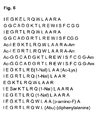
- Fig. 1 displays the consensus sequences of the different families as presented in the state of the art (Dower et al., 1998).
- Family 1 contains the consensus sequence VRDQIXXXL
- family 2 contains the consensus sequence TLREWL.
- Most of the family 2 sequences were isolated from libraries consisting of random residues flanked by a pair of cysteines, which can form intramolecular disulfide-bonded cyclic structures.
- Family 2 can be further divided into two subfamilies (A and B as indicated in Fig. 1) with different spacing of the core sequence relative to the first cysteine, and the presence or absence of the dipeptide gly-pro adjacent to a N-terminal side of the core consensus sequence.
- TPO mimetic peptides After the first discovery of the mentioned TPO mimetic peptides, further investigation on these molecules and especially on improved molecules were performed.
- PEGylated thrombopoietin peptide mimetic (GW 395058) was further investigated for its therapeutic potential (please refer for example to de Serres et al., 1999; Case et al., 2000).
- the present invention provides a novel group of peptides and compounds that are capable of binding to the TPO receptor.
- TPO agonists they are capable of triggering a transmembrane signal through, i.e., activating, the TPO receptor, which is the same receptor that mediates the activity of endogenous thrombopoietin (TPO).
- TPO mimetic compounds according to the present invention depict thrombopoietic activity, i.e., the ability to stimulate, in vivo and in vitro, the production of platelets, and/or megakaryocytopoietic activity, i.e. the ability to stimulate, in vivo and in vitro, the production of platelet precursors.
- the present invention provides novel peptides which are useful for therapeutic purposes in treating conditions mediated by TPO (for example thrombocytopenia resulting from chemotherapy, radiation therapy, or bone marrow transfusions).
- TPO for example thrombocytopenia resulting from chemotherapy, radiation therapy, or bone marrow transfusions.
- novel peptides according to the present invention are capable of binding the TPO receptor. It is preferred that they act as TPO receptor agonists which means that they are capable of inducing a signal transduction upon binding the TPO receptor.
- the peptides according to the present invention are selected from the group consisting of
- the peptides of the present invention are related to a specific group of TPO mimetic peptides which were categorised in the prior art as subfamily 2B (Dower, 1998). However, in contrast to the peptides described as subfamily 2B, the peptides of the present invention do not carry a proline in position X 6 but a charged amino acid. Surprisingly, it was found with the present invention, that it is possible to introduce a charged amino acid at position X 6 . Before the present invention it was only reported to use proline or especially in case of other subtypes of TPO mimetic peptides other amino acids with unpolar side chain such as valine, methionine, leucine or cysteine in this position (Dower 1998, Kimura 1997). However, the introduction of charged amino acids at position X 6 was never reported before.
- the inventors have found though that it is possible to introduce in the highly conserved amino acid position X 6 charged amino acids (which constitute a non-conservative exchange of proline) and still obtain peptides that bind the TPO receptor and also very potent TPO mimetic peptides.
- the peptide is dimerised.
- a peptide is created wherein at least two of the above defined consensus sequences of amino acids are present in the peptide molecule.
- the monomeric binding units according to the present invention may also be combined with a monomeric binding unit (consensus sequence) of TPO mimetic peptides known in the state of the art in order to create a functional dimer. Dimerisation of monomeric binding units to create a peptide dimer increases the potency and thus efficacy of the peptides as was reported before in the state of the art (please refer for example to Dower, 1998 and Cwirla, 1997).
- Respective dimers are examples of bivalent (dimeric) peptides and exhibit essentially the same biological functions as the monomers but show enhanced biological activity due to a better interaction with the receptor.
- Monomers can be dimerized e.g. by covalent attachment to a linker.
- a linker is a joining molecule creating a covalent bond between the polypeptide units of the present invention. It is e.g. possible to use a biotin/streptavidin system i.e. biotinylating the C-terminus of the peptides and a subsequent incubating the biotinylated peptides with streptavidin. Alternatively, it is known to achieve dimerization by forming a diketopiperazine structure.
- the linker comprises NH-R-NH wherein R is a lower alkylene substituted with a functional group such as carboxyl group or amino group that enables binding to another molecule moiety.
- R is a lower alkylene substituted with a functional group such as carboxyl group or amino group that enables binding to another molecule moiety.
- the linker might contain a lysine residue or lysine amide.
- PEG may be used a linker.
- the linker can be a molecule containing two carboxylic acids and optionally substituted at one or more atoms with a functional group such as an amine capable of being bound to one or more PEG molecules.
- Suitable methods for dimerising TPO mimetic peptides are also disclosed in Dower et al, 1998 and Cwirla et al, 1997 and WO 00/24770 .
- a further suitable dimerization method refrains from synthesizing the monomeric peptides forming part of the dimeric peptide in separate reactions prior dimerization or multimerization, but to synthesize the final di- or multimeric peptide in one step as a single continuous peptide; e.g. in one single solid phase reaction.
- a separate dimerization or multimerization step is obsolete.
- This aspect provides a big advantage, i.e. the complete and independent control on each sequence position in the final peptide unit. The method allows to easily harbor at least two different receptor-specific binding domains in a peptide unit due to independent control on each sequence position.
- the sequence of the final peptide between the binding domains (which is the "linker region") is composed of amino acids only, thus leading to one single, continuous peptide unit.
- the linker is composed of natural or unnatural amino acids which allow a high conformational flexibility.
- glycine residues as linking amino acids, which are known for their high flexibility in terms of torsions.
- other amino acids such as alanine or beta-alanine, or a mixture thereof can be used.
- the number and choice of used amino acids depend on the respective steric facts.
- This embodiment allows the custom-made design of a suitable linker by molecular modeling in order to avoid distortions of the bioactive conformation and thus allows perfect matching with the receptor units.
- a linker composed of 3 to 5 amino acids is especially preferred.
- linker between the functional binding domains (also referred to as monomeric units) of the peptide units can be either a distinct part of the peptide or can be composed - fully or in parts - of amino acids which are part of the monomeric binding domains.
- linker is rather defined functionally than structurally, since an amino acid might form part of the linker unit as well as of the monomeric binding subunits.
- the dimeric peptides according to the invention show much higher activity then the corresponding monomeric peptides and thus confirm the observation known from other dimeric peptides (e.g. TPO mimetic peptides as described in Cwirla et al, 1997) that an increase of efficacy is associated with bivalent peptide concepts.
- dimerization methods being applied to the monomers of the peptide units include (but are not limited to):
- the monomers and di- or multimeric peptides can be modified by e.g. acetylation or amidation or be elongated at C-terminal or N-terminal positions. Extension with one or more amino acids at one of the two termini (N or C), e.g. for preparation of an attachment site for the polymeric carrier often leads to a heterodimeric bivalent peptide unit which can best be manufactured as a continuous peptide.
- the reactive side chains of the peptides may also serve as a linking tie e.g. for further modifications.
- the peptide units furthermore optionally comprise intramolecular bridges between amino acids having a bridge forming side chain functionality such as e.g. the cysteines.
- Also provided with the present invention is a method for dimerising monomeric peptide units comprising an amino acid consensus sequence as defined in the claims and above to form a TPO mimetic dimer, wherein said dimer is created by forming a covalent bond between the monomeric peptide units, wherein said bond is formed between the C-terminal amino acid of the first monomeric peptide unit and the N-terminal amino acid of the second monomeric peptide unit.
- monomeric peptide units are used, carrying amino acid at either the C- or the N-terminus having a side chain functionality capable of forming a covalent bond, wherein a covalent bond is formed between the side chain of the C-terminal amino acid of the first monomeric peptide unit and the side chain of the N-terminal amino acid of the second monomeric peptide units.
- the peptides are present in at least dimeric form.
- a peptide starting with X 5 may also bind the TPO receptor and may also act as a TPO agonist especially if formulated as a dimer. Consequently, the numbering of the amino acid positions used in this application shall apply no restrictions regarding the size of the peptides that shall only alleviate comparison of the peptides with the prior art.
- peptides according to the present invention may comprise additional amino acid positions surrounding the above defined core consensus sequence.
- At least one of the following amino acid positions may be additionally present in the above defined consensus sequence: X 1 , X 2 , X 3 , X 4
- the amino acids for the above positions X 1 to X 4 may be selected from any natural or unnatural amino acid (including D amino acids). However, according to one embodiment they are chosen as follows:
- the peptide consensus may also be enlarged in the C-terminal direction of the amino acid consensus.
- the consensus may thus comprise additionally at least one of the following amino acid positions: X 13 X 14 X 15 X 16 X 17 X 18 X 19
- X 13 to X 19 may be selected from any natural or unnatural amino acid (including D amino acids). However, they are preferably defined as follows:
- Peptides and compounds of the present invention may be linear or cyclic.
- the peptide is cyclised.
- cyclic is meant that at least two separated, i.e., non-continuous, portions of the molecule are linked to each other.
- the amino and carboxy terminus of the ends of the molecule could be covalently linked to form a cyclic molecule.
- the molecule could contain two or more amino acids capable or forming a covalent bond (for example cysteine or homocysteine residues), which could cyclise via disulfide due to suitable side chain functionalities bond formation or via formation of a different covalent bond (e.g. amide or selenide bond).
- the peptides of the present invention may be present in a cyclised form with an intramolecular covalent bond such as a disulfide bond between the thiol groups of the cysteines or likewise amino acids carrying a thiol group.
- an intramolecular covalent bond such as a disulfide bond between the thiol groups of the cysteines or likewise amino acids carrying a thiol group.
- an intermolecular disulfide bond between the thiol groups of the cysteines can be produced to yield a dimeric (or higher oligomeric) compound.
- One or more of the cysteine residues may also be substituted with a different suitable amino acid such as homocysteine or thiolysine.
- Cyclisation is preferably achieved between two amino acids of the monomeric TPO binding units depicting a side chain functionality capable of forming a covalent bond. Said amino acids are capable of forming an intramolecular bridge by forming a covalent bond between their side chains.
- Suitable bridging units are the disulfide bridge and the diselenide bridge.
- Suitable examples of amino acids depicting such bridge forming functionalities in their side chain are for example cysteine und cysteine derivatives such as homocysteine or selenocysteine but also thiolysine.
- cysteine und cysteine derivatives such as homocysteine or selenocysteine but also thiolysine.
- the formation of a diselenide bridge for example between selenocysteine residues might even have advantages over a cysteine bridge. This as a selenide bridge is more stable and reducing environments. The conformation of the peptide might thus even be preserved under more difficult conditions.
- amino acids are suitable for forming an intramolecular bridge which depict a side chain with the functionality allowing the formation of different covalent bonds such as for example an amide bond between an amino acid having a positively charge side chain (for example K, H, R or ornithine, Dap or Dab) and an amino acid having a negatively charge side chain (for example the proteinogenic amino acids D or E).
- amide and thioether bridges are also suitable for forming an intramolecular bridge which depict a side chain with the functionality allowing the formation of different covalent bonds such as for example an amide bond between an amino acid having a positively charge side chain (for example K, H, R or ornithine, Dap or Dab) and an amino acid having a negatively charge side chain (for example the proteinogenic amino acids D or E).
- said covalent bond for forming an intramolecular bridge is created between two amino acids of the peptide sequence that are separated by twelve amino acids. It is assumed that this spacing leads to a beneficial three dimensional conformation for binding the TPO receptor.
- the peptide has the following structure: CA(AS 1-2 )X 4 -X 12 (AS 1-2 )CA wherein "CA" represents an amino acid involved in forming a covalent bond for cyclisation of the peptide and AS 1-2 means that there may be one or two amino acids present (especially X 2 and/or X 3 and X 13 and/or X 14 ).
- the covalent bond is formed between the amino acids defined as "CA".
- CA amino acids defined as "CA"
- X 5 is glycine.
- X 6 is either a negatively or a positively charged amino acid.
- a positively charged amino acid such as basic amino acids as for example the proteinogenic amino acids K, R and H can be used in this position.
- the charged amino acid can also be a non-proteinogenic natural or non-natural amino acid.
- respective analogues of the mentioned amino acids Also non-proteinogenic positively charged amino acids may be used which have a side chain which is elongated compared to lysine.
- homoarginine Also negatively charged amino acids such as D or E may be used as a charged amino acid in position X 6 .
- non-proteinogenic and also non-natural amino acids may be used in this position X 6 .
- One further example is alpha-amino adipic acid (Aad).
- X 7 is present it is preferably F, R, S or T.
- X 8 is present it is preferably F, L, V or W.
- X 9 is preferably A, K, L, M, R, S, V, T, E, G, H, P, Q, W, Nle, Ac-K and more preferably A, K, L, M, R, S, V or T and most preferred R.
- X 10 may be E, G, K, M, Q, R, S or T and more preferably E or Q.
- X 11 is also an important amino acid position of the peptide consensus.
- L as well as D amino acids may be present in position X 11 (e.g. D-W or D-1-Nal). It is preferably occupied by W, F, L, A, 1-Nal or 2-Nal, L-(benzothienyl)-alanine or respective derivatives such as 5-Me-W or 1-Me-W.
- the amino acids may be present in D form.
- X 12 is preferably C, I, K, L, M or V and more preferably I, K, L, M or V or I or L.
- X 14 is preferably an amino acid having a side chain functionality capable of forming a covalent bond in case X 15 is not an amino acid having a side chain functionality capable of forming a covalent bond (e.g. cysteine, homocysteine).
- X 15 is not an amino acid having a side chain functionality capable of forming a covalent bond (e.g. cysteine, homocysteine).
- X 15 is preferably an amino acid having a side chain functionality capable of forming a covalent bond in case X 14 is not an amino acid having a side chain functionality capable of forming a covalent bond.
- the length of the overall peptide is preferably between 8 or 10 to 50 or 60 amino acids.
- the peptide consensus depicts a length of at least 8 amino acids, 8 or 10 to 50, 8 or 10 to 40, 8 or 10 to 45, 8 or 10 to 30, 8 or 10 to 25, 8 or 10 to 20, 8 or 10 to 15 or 8 or 10 to 14 amino acids.
- the consensus can be embedded respectively be comprised by longer amino acid sequences.
- a longer length of the overall peptide can also be created by dimerising two monomeric TPO receptor binding peptide units of the above defined consensus sequences as already described above.
- the invention provides a TPO mimetic peptide, comprising at least two monomeric TPO mimetic peptide consensus sequences, wherein at least one of the monomeric consensus sequences comprises an amino acid consensus sequence as described above.
- oligomerization of the monomeric peptides to dimers or even multimers usually improves the TPO receptor binding properties and hence also the TPO mimetic agonist activity compared to the respective monomeric peptides as was also observed with EPO mimetic peptides. However, it is desirable to further enhance the TPO mimetic activity.
- a further embodiment of the present invention provides a solution to that problem.
- a TPO mimetic compound is provided that binds target molecules and comprises
- bivalent as used herein is defined as a peptide comprising two domains with a binding capacity to a target, here the TPO receptor. It is used interchangeably with the term “dimeric”. Accordingly, a “multivalent” or “multimeric” TPO mimetic peptide has several respective binding domains for the TPO receptor. It is self-evident that the terms “peptide” and “peptide unit” do not incorporate any restrictions regarding size and incorporate oligo- and polypeptides as well as proteins. However, it is preferred that the peptide units coupled to the carrier unit have a length of about 200 amino acids or less, or of about 150 amino acids or less, more preferred about 100 amino acids or even 50 amino acids and less.
- supravalent Compounds comprising two or more bi- or multivalent peptide units attached to a polymeric carrier unit are named "supravalent" in the context of the present invention.
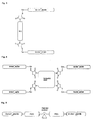
- These supravalent molecules greatly differ from the dimeric TPO mimetic molecules known in the state of the art. The state of the art combines several merely monomeric peptide units in order to create a dimer. In contrast, the supravalent molecules are generated by connecting already (at least) bivalent peptide units to a polymeric carrier unit thereby creating a supravalent molecule carrying several di- or multimeric peptide units (illustrated examples of this concept are given in figs. 3 and 4). Thereby the overall activity and efficacy of the di- or multimeric peptides is greatly enhanced thus decreasing the EC50 dose.
- the dimeric molecules known in the state of the art e.g. dimeric TPO mimetic peptides
- the dimeric molecules known in the state of the art provide merely one target respectively one active receptor binding unit per compound molecule.
- only one (dimeric) receptor complex is generated upon binding of the dimeric compound thereby inducing only one signal transduction process in the cell.
- two monomeric TPO mimetic peptides are connected via a linker to form a peptide dimer thereby facilitating dimerization of the receptor monomers necessary for signal transduction (Dower et al, 1998).
- the supravalent compounds according to the invention comprise several already di- or multimeric receptor binding units.
- Supravalent compounds according to the present invention thus carry several (bi- or multivalent) peptides binding the TPO receptor and thus receptor binding units.
- Each di- or multimeric peptide unit coupled to the carrier represents one receptor binding unit. This might allow the generation of several receptor complexes on the cell surface per compound molecule thereby inducing (or blocking in case of an antagonist) several signal transductions and thereby potencing the activity of the peptide units over-additively. Binding of the supravalent compounds might result in a clustering of receptor complexes on the cell-surface.
- the polymeric carrier unit comprises at least one natural or synthetic branched, linear or dendritic polymer.
- the polymeric carrier unit is preferably soluble in water and body fluids and is preferably a pharmaceutically acceptable polymer.
- Water soluble polymer moieties include, but are not limited to, e.g. polyalkylene glycol and derivatives thereof, including PEG, PEG homopolymers, mPEG, polypropyleneglycol homopolymers, copolymers of ethylene glycol with propylene glycol, wherein said homopolymers and copoloymers are unsubstituted or substituted at one end e.g.
- a carrier unit is a homobifunctional polymer, of for example polyethylene glycol (bis-maleimide, bis-carboxy, bis-a
- the polymeric carrier unit which is coupled to the peptide units according to the present invention can have a wide range of molecular weight due to the different nature of the different polymers that are suitable in conjunction with the present invention. There are thus no size restrictions. However, it is preferred that the molecular weight is at least 3 kD, preferably at least 10kD and approximately around 20 to 500 kD and more preferably around 30 to 150 or around 60 or 80 kD.
- the size of the carrier unit depends on the chosen polymer and can thus vary. For example, especially when starches such as hydroxyethylstarch are used, the molecular weight might be considerably higher. The average molecular weight might then be arranged around 100 to 4,000 kD or even be higher.
- the molecular weight of the HES molecule is about 100 to 300 or 500kD, preferably around 150 - 250 or 200kD.
- the size of the carrier unit is preferably chosen such that each peptide unit is respectively can be optimally arranged for binding the TPO receptor.
- one embodiment of the present invention uses a carrier unit comprising a branching unit.
- the polymers as for example PEG, are attached to a branching unit thus resulting in a large carrier molecule allowing the incorporation of numerous peptide units.
- branching units are glycerol or polyglycerol.
- dendritic branching units can be used as for example taught by Haag 2000, herein incorporated by reference.
- the HES carrier may be used in a branched form. This e.g. if it is obtained to a high proportion from amylopectin.
- the polymeric carrier unit is connected/coupled to the peptide units.
- the polymeric carrier unit is connected to the peptide units via a covalent or a non-covalent (e.g. a coordinative) bond.
- a covalent bond is preferred.
- the attachment can occur e.g. via a reactive amino acid of the peptide units e.g. lysine, cysteine, histidine, arginine, aspartic acid, glutamic acid, serine, threonine, tyrosine or the N-terminal amino group and the C-terminal carboxylic acid.
- a reactive amino acid of the peptide units e.g. lysine, cysteine, histidine, arginine, aspartic acid, glutamic acid, serine, threonine, tyrosine or the N-terminal amino group and the C-terminal carboxylic acid.
- a reactive amino acid of the peptide units e.g. lysine, cysteine, histidine, arginine, aspartic acid, glutamic acid, serine, threonine, tyrosine or the N-terminal amino group and the C-terminal carboxylic acid.
- the peptide does not carry
- the polymeric carrier unit does not possess an appropriate coupling group
- several coupling substances/linker can be used in order to appropriately modify the polymer in order that it can react with at least one reactive group on the peptide unit to form the supravalent compound.
- Suitable chemical groups that can be used to modify the polymer are e.g. as follows:
- the compound according to the invention may be made by - optionally - first modifying the polymeric carrier chemically to produce a polymeric carrier having at least one chemical group thereon which is capable of reacting with an available or introduced chemical group on the peptide unit, and then reacting together the - optionally - modified polymer and the peptide unit to form a covalently bonded complex thereof utilising the chemical group of the - if necessary - modified polymer.
- a targeted approach for attaching the peptide units to the polymeric carrier unit In order to generate a defined molecule it is preferred to use a targeted approach for attaching the peptide units to the polymeric carrier unit. In case no appropriate amino acids are present at the desired attachment site, appropriate amino acids should be incorporated in the peptide unit. For site specific polymer attachment a unique reactive group e.g. a specific amino acid at the end of the peptide unit is preferred in order to avoid uncontrolled coupling reactions throughout the peptide leading to a heterogeneous mixture comprising a population of several different polymeric molecules.
- the coupling of the peptide units to the polymeric carrier unit is performed using reactions principally known to the person skilled in the art.
- PEG and HES attachment methods available to those skilled in the art (see for example WO 2004/100997 giving further references, Roberts et al., 2002; US 4,064,118 ; EP 1 398 322 ; EP 1 398 327 ; EP 1 398 328 ; WO 2004/024761 ; WO 98/25965 and especially WO2006/050959 all herein incorporated by reference).
- PEGylation is usually undertaken to improve the biopharmaceutical properties of the peptides.
- the most relevant alterations of the protein molecule following PEG conjugation are size enlargement, protein surface and glycosylation function masking, charge modification and epitope shielding.
- size enlargement slows down kidney ultrafiltration and promotes the accumulation into permeable tissues by the passive enhance permeation and retention mechanism.
- Protein shielding reduces proteolysis and immune system recognition, which are important routes of elimination.
- the specific effect of PEGylation on protein physicochemical and biological properties is strictly determined by protein and polymer properties as well as by the adopted PEGylation strategy.
- dosage intervals in a clinical setting are triggered by loss of effect of the drug.
- Routine dosages and dosage intervals are adapted such that the effect is not lost during dosage intervals.
- peptides are usually PEGylated with very large PEG-moieties ( ⁇ 20-40kD) which thus show a slow renal elimination.
- PEG-moieties ⁇ 20-40kD
- the peptide moiety itself undergoes enzymatic degradation and even partial cleavage might suffice to deactivate the peptide.
- one embodiment of the present invention teaches the use of a polymeric carrier unit that is composed of at least two subunits.
- the polymeric subunits are connected via biodegradable covalent linker structures.
- the molecular weight of the large carrier molecule for example 40 kD
- the biodegradable linker structures can be broken up in the body thereby releasing the smaller carrier subunits (e.g. 5 to 10 kD).
- the small carrier subunits show a better renal clearance than a polymer molecule having the overall molecular weight (e.g. 40kD).
- the linker structures are selected according to known degradation properties and time scales of degradation in body fluids.
- the breakable structures can, for instance, contain cleavable groups like carboxylic acid derivatives as amide/peptide bonds or esters which can be cleaved by hydrolysis (see e.g. Roberts, 2002 herein incorporated by reference).
- PEG succinimidyl esters can also be synthesized with various ester linkages in the PEG backbone to control the degradation rate at physiological pH (Zhao, 1997, herein incorporated by reference).
- Other breakable structures like disulfides of benzyl urethanes can be cleaved under mild reducing environments, such as in endosomal compartments of a cell (Zalipsky, 1999) and are thus also suitable.
- hydroxyalkylstarch and preferably HES is used as polymeric carrier unit.
- HES has several important advantages. First of all, HES is biodegradable. Furthermore, the biodegradability of HES can be controlled via the ratio of hydroxyethyl groups and can thus be influenced. A molar degree of substitution of 0.4-0.8 (in average 40-80% of the glucose units contain a hydroxyethyl group) are well suitable for the purpose of the present invention. Due to the biodegradability, accumulation problems as described above in conjunction with PEG do usually not occur. Furthermore, HES has been used for a long time in medical treatment e.g. in form of a plasma expander. Its innocuousness is thus approved.
- HES-peptide conjugates can be hydrolysed under conditions under which the peptide units are still stable. This allows the quantification and monitoring of the degradation products and allows evaluations and standardisations of the active peptides.
- a first type of polymeric carrier unit is used and loaded with peptide units.
- This first carrier is preferably easily biodegradable as is e.g. HES.
- not all attachment spots of the first carrier are occupied with peptide units but only e.g. around 20 to 50%.
- several hundred peptide units can be coupled to the carrier molecule.
- less peptide units usually less peptide units (2 to 50, 2 to 20, 2 to 10 or 3 to 5) are coupled.
- the rest (or at least some) of the remaining attachment spots are occupied with a different carrier, e.g. small PEG units having a lower molecular weight than the first carrier.
- This embodiment has the advantage that a supravalent composition is created due to the first carrier which is however, very durable due to the presence of the second carrier, which is constituted preferably by PEG units of 3 to 5 or to 10kD.
- the whole entity is very well degradable, since the first carrier (e.g. HES) and the peptide units are biodegradable and the second carrier, e.g. PEG is small enough to be easily cleared from the body.
- the monomers constituting the binding domains of the peptide units recognize the homodimeric thrombopoietin receptor.
- the latter property of being a homodimeric receptor differentiates the TPO-receptor from many other cytokine receptors.
- the peptide units comprising at least two TPO mimetic monomeric binding domains as described above bind the TPO receptor and preferably are able to di- respectively multimerise their target and/or stabilize it accordingly, thereby creating a signal transduction inducing complex.
- the concept of supravalency has several advantages. However, it is also within the scope of the present invention to couple only one carrier unit to the peptides of the present invention, for example in order to increase the molecular weight of the peptides or for example in order to protect the peptides from degradation (see above). Also within the scope of the present invention is the attachment of two or more carrier units to the peptides of the present invention.
- Suitable carriers were already outlined above in the context of the supravalence concept and thus comprise for example polymeric carriers such as polyalkylene glycol and derivatives thereof, polyglycerines or polysialic acid; carbohydrates and polysaccharides, especially starches such as hydroxyalkyl and especially hydroxyethyl starches; dextran and the like (see above).
- the peptides of the present invention are fused to at least one Fc group either directly or through one or more linker groups.
- the Fc group serves as a kind of carrier.
- the Fc sequence may be selected from the human immunoglobulin IgG-1 heavy chain or any other Fc sequence known in the art (for details please refer for example to WO 00/24770 ).
- Fc regions of antibodies are made up of monomeric polypeptides segments that may be linked into dimeric or multimeric forms by disulfide bonds or by non-covalent association.
- the number of intermolecular disulfide bonds between monomeric subunits of native Fc molecules ranges from 1 to 4 depending on the class (for example IgG, IgA, IgE) or their respective subclasses.
- the term "Fc” as used herein is generic to the monomeric, dimeric and multimeric forms of Fc molecules. It should be noted that Fc monomers will usually spontaneously dimerise either by formation of covalent bonds between appropriate cysteine residues or by non-covalent interactions.
- Fc herein is used to mean any of these forms: the native monomer, the native dimer (disulfide bond linked), modified dimers (disulfide and/or non-covalently linked), and modified monomers such as derivatives. Also variants, analogues or derivatives of the Fc portion are comprised by the scope of the present invention. Details of respective variants, analogues or derivatives are described in detail in WO 00/24770 , herein fully incorporated by reference).
- the Fc fusions may be at the N- or C-terminus of the TPO receptor binding peptides according to the present invention. However, they may also be incorporated at both termini of the TPO receptor binding peptides (either to their monomeric or dimeric form). The incorporation of the Fc part, especially at the N-terminus of the TPO mimetic peptide, is preferred as the bioactivity is increased.
- Respective fusions may be for example produced recombinantly.
- the present invention also comprises respective compound production methods, wherein the peptide units are connected to the respective carrier units.
- the present invention furthermore comprises respective compound production methods, wherein the peptide units are connected to the respective polymeric carrier unit.
- fragments, derivatives and variant polypeptides of the described peptides according to the present invention retain substantially the same biological function or activity as the TPO receptor binding or TPO mimetic peptides described herein.
- the peptides according to the present invention carry the charged amino acid in position X 6 , a feature which was not known in the state of the art.
- a fragment is less than a full length peptide (or polypeptide, the term peptide as used herein does not comprise any size restrictions), which retains substantially the similar or same functional activity.
- Derivatives include peptides that have been chemically modified to provide an additional structure and/or function.
- Derivatives can be modified by either natural processes or by chemical modification techniques, both of which are well known in the art. Modifications can occur anywhere in a polypeptide, including the peptide backbone, the amino acid side-chains, and the amino or carboxyl termini.
- Variants of peptides according to the present invention include polypeptides having one or more amino acid sequence exchanges with respect to the amino acids defined in the consensus.
- the may also contain amino acids other than natural amino acids such as unnatural and D-amino acids.
- one or more conservative amino acid substitutions can be carried out within the amino acid sequence of the polypeptides according to this invention in order to arrive at functional variants of the different embodiments of the invention as described above.
- the substitution occurs e.g. within amino acids having unpolar side chains, the natural or non-natural uncharged D- or L-amino acids with polar side chains, amino acids with aromatic side chains, the natural or non-natural positively charged D- or L- amino acids, the natural or non-natural negatively charged D- or L amino acids as well as within any amino acids of similar size and molecular weight, wherein the molecular weight of the original amino acid should not deviate more than approximately +/- 25% of the molecular weight of the original amino acid and the binding capacity to the receptor of thrombopoietin with agonistic effect is maintained.
- the peptide sequences described herein can be used as suitable monomeric peptide units which constitute binding domains for the TPO receptor. They can be used in there monomeric form since they bind to the TPO receptor. As described herein, they are preferably used as dimers since it was shown that the capacity to induce dimerisation of the TPO receptor and thus biological activity is enhanced by dimerisation of the monomeric binding units.
- the present invention also includes modifications of the peptides and defined peptide consensuses by conservative exchanges of single amino acids. Such exchanges alter the structure and function of a binding molecule but only slightly in most cases. In a conservative exchange, one amino acid is replaced by another amino acid within a group with similar properties.
- the groups also include non-proteinogenic natural or non-natural amino acids with the respective side chain profile such as e.g. homoarginine in case of the group depicting positively charged side chains.
- the peptides according to the invention may comprise besides L-amino acids or the stereoisomeric D- amino acids, unnatural/unconventional amino acids, such as e.g. alpha, alpha-disubstituted amino acids, N-alkyl amino acids or lactic acid, e.g.
- N-methylglycine sarcosine
- AcG N-acetylglycine
- peptides which are retro, inverso and retro/inverso peptides of the defined peptides and those peptides consisting entirely of D-amino acids.
- the present invention also relates to the derivatives of the peptides, e.g. oxidation products of methionine, or deamidated glutamine, arginine and C-terminus amide.
- the described peptides are modified as to AcG at the N-terminus and MeG at the C-terminus.
- the peptides and compounds of the present invention have a broad spectrum of utility:
- the peptides and compound of the present invention have the ability to bind to and in case of TPO agonistic peptide activate the TPO receptor, and/or have the ability to stimulate the production (both in vivo and in vitro ) of platelets ("thrombopoietic activity") and platelet precursors ("megakaryocytopoietic activity”).
- TPO agonistic peptide activate the TPO receptor
- platelets thrombopoietic activity
- platelet precursors megakaryocytopoietic activity
- the conditions to be treated by the methods and compositions of the present invention are generally those which involve an existing megakaryocyte/platelet deficiency or an expected or anticipated megakaryocyte/platelet deficiency in the future (e.g., because of planned surgery or platelet donation). Such conditions may be the result of the deficiency (temporary or permanent) of active Mpl ligand in vivo.
- the generic term for platelet deficiency is thrombocytopenia, and hence the methods and compositions of the present invention are generally available for prophylactically or therapeutically treating thrombocytopenia in patients in need thereof.
- Thrombocytopenia may be present for various reasons, including chemotherapy and other therapy with a variety of drugs, radiation therapy, surgery, accidental blood loss, and other specific disease conditions.
- Exemplary specific disease conditions that involve thrombocytopenia and may be treated in accordance with this invention are: aplastic anemia; idiopathic or immune thrombocytopenia (ITP), including idiopathic thrombocytopenic purpura associated with breast cancer; HIV associated ITP and HIV-related thrombotic thrombocytopenic purpura; metastatic tumors which result in thrombocytopenia; systemic lupus erythematosus; including neonatal lupus syndrome splenomegaly; Fanconi's syndrome; vitamin B12 deficiency; folic acid deficiency; May-Hegglin anomaly; Wiskott-Aldrich syndrome; chronic liver disease; myelodysplastic syndrome associated with thrombocytopenia; paroxysmal nocturnal hemoglobin
- the compounds of this invention may also be useful in stimulating certain cell types other than megakaryocytes if such cells are found to express the TPO receptor. Conditions associated with such cells that express the TPO receptor, which are responsive to stimulation by the peptides of the present invention are also within the scope of the present invention.
- the compounds of this invention may thus be used in any situation in which production of platelets or platelet precursor cells is desired, or in which stimulation of the TPO receptor is desired.
- the compounds of this invention may be used to treat any condition in a mammal wherein there is a need of platelets, megakaryocytes, and the like. Such conditions are described in detail for example in WO 00/24770 herein incorporated by reference (also see above).
- TPO mimetic peptides act as agonists and can thus activate the TPO receptor. Accordingly, such compounds are useful for therapeutic purposes in treating conditions which can be ameliorated by stimulation of TPO receptors, for example on platelets, megakaryocytes and other stem cells, for example thrombocytopenia which may be as a result of, for example, chemotherapy, radiation therapy, autologous, allogeneic and syngeneic bone marrow transplantation, peripheral blood progenitor cell and cord blood progenitor cell transplantation, biological or other treatments for malignant and non-malignant disease (for example interferon and other cytokines), bone marrow infiltration by metastatic tumours and leukaemia, bone marrow infiltration or encroachment in non-malignant diseases (for example osteopetrosis, Gaucher's disease), myelodysplastic syndrome, myelofibrosis, and related syndromes (both primary and secondary), immune and idiopathic disease, including
- the compounds according to the invention may also be used for therapeutic, diagnostic and research purposes where stimulation (in case of TPO mimetics) or binding of TPO receptors, for example on platelets, megakaryocytes and other stem cells, is desirable for example in the mobilisation of peripheral blood progenitor cells for autologous, allogeneic or syngeneic transplantation, increasing the yield from platelet and other blood donors, prolongation of platelet survival and quality ex vivo, production or expansion of platelets and/or progenitor cells in vitro; for diagnostic purposes in studying the mechanism of hematopoiesis and for the in vitro expansion of megakaryocytes and committed progenitor cells.
- stimulation in case of TPO mimetics
- binding of TPO receptors for example on platelets, megakaryocytes and other stem cells
- the compounds according to the invention are useful for the prevention and treatment of diseases mediated by TPO, for example haematological disorders including thrombocytopenia, granulocytopenia and anaemia, and the treatment of haematological malignancies.
- the present invention also provides a method for treating a patient suffering from a disorder that is susceptible to treatment with a thrombopoietin agonist comprising administering to the patient a therapeutically effective dose or amount of a compound of the present invention.
- the invention further provides a compound according to the invention for use in therapy, in particular in human medicine.
- compositions comprising one or more of the compounds described herein and a physiologically acceptable carrier.
- These pharmaceutical compositions can be in a variety of forms including oral dosage forms, as well as inhalable powders and solutions and injectable and infusible solutions.
- the peptides of the invention can be prepared by classical methods known in the art, for example, by using standard solid phase techniques, see, for example, Merrifield, J. Am. Chem. Soc, 85:2149 (1963 ), incorporated herein by reference.
- the standard methods include exclusive solid phase synthesis, partial solid phase synthesis methods, fragment condensation, classical solution synthesis, and even recombinant DNA technology.
- the synthesis is typically commenced from the C-terminal end of the peptide using an alpha-amino protected resin.
- a suitable starting material can be prepared, for instance, by attaching the required alpha-amino-acid to a chloroemethylated resin, a hydroxymethyl resin, or a benzhydrylamine resin.
- the synthesis is carried out by the use of a Liberty microwave system (CEM) using Rink-Amide-Resin (substitution rate 0.19mmol/g) in a scale of 0.25mmol.
- CEM Liberty microwave system
- Removal of Fmoc-groups is achieved by double treatment with 10ml piperidine/DMF (1:3) and irridation with 50W for 200sec.
- Coupling of amino acids is achieved by double treatment with a of 4fold excess of amino acid in DMF PyBOP/HOBT/DIPEA as coupling additives and irradiation with 50W for 300sec. Between all irridation cycles the solution is cooled by bubbling nitrogen through the reaction mixture.
- the resin After deprotection and coupling, the resin is washed 6 times with 10ml DMF. After the double coupling cycle all unreacted amino groups are blocked by treatment with a 10fold excess of N-(2-Chlorobenzyloxycarbonyloxy) succinimide (0.2M solution in DMF) and irridation with 50W for 120sec. After deprotection of the last amino acid, the peptide is acetylated by incubation with 0.793ml of capping-solution (4.73ml acetic anhydride and 8.73ml DIEA in 100ml DMSO) for 5 minutes. Before cleavage the resin is then washed 6 times with 10ml DMF and 6 times with 10ml DCM.
- peptides were purified using a Nebula-LCMS-system (Gilson). The crude material of all peptides was dissolved in acetonitrile/water (1/1) or DMSO and the peptide was purified by RP-HPLC (Kromasil 100 C18 or C8 10 ⁇ m, 250x4.6mm). The flow rate was 20ml/min and the LCMS split ratio 1/1000.
- the concentration of agents during the assay will be half of that directly after preparing the dilutions
Landscapes
- Chemical & Material Sciences (AREA)
- Health & Medical Sciences (AREA)
- Life Sciences & Earth Sciences (AREA)
- Organic Chemistry (AREA)
- General Health & Medical Sciences (AREA)
- Gastroenterology & Hepatology (AREA)
- Biochemistry (AREA)
- Biophysics (AREA)
- Zoology (AREA)
- Genetics & Genomics (AREA)
- Medicinal Chemistry (AREA)
- Molecular Biology (AREA)
- Proteomics, Peptides & Aminoacids (AREA)
- Toxicology (AREA)
- Peptides Or Proteins (AREA)
- Medicines That Contain Protein Lipid Enzymes And Other Medicines (AREA)
Priority Applications (2)
| Application Number | Priority Date | Filing Date | Title |
|---|---|---|---|
| EP06018604A EP1897888A1 (fr) | 2006-09-05 | 2006-09-05 | Peptides se liant au récepteur TPO |
| PCT/EP2007/007743 WO2008028645A1 (fr) | 2006-09-05 | 2007-09-05 | Peptides se liant au récepteur de tpo |
Applications Claiming Priority (1)
| Application Number | Priority Date | Filing Date | Title |
|---|---|---|---|
| EP06018604A EP1897888A1 (fr) | 2006-09-05 | 2006-09-05 | Peptides se liant au récepteur TPO |
Publications (1)
| Publication Number | Publication Date |
|---|---|
| EP1897888A1 true EP1897888A1 (fr) | 2008-03-12 |
Family
ID=37762302
Family Applications (1)
| Application Number | Title | Priority Date | Filing Date |
|---|---|---|---|
| EP06018604A Withdrawn EP1897888A1 (fr) | 2006-09-05 | 2006-09-05 | Peptides se liant au récepteur TPO |
Country Status (1)
| Country | Link |
|---|---|
| EP (1) | EP1897888A1 (fr) |
Cited By (3)
| Publication number | Priority date | Publication date | Assignee | Title |
|---|---|---|---|---|
| WO2011098095A1 (fr) * | 2010-02-09 | 2011-08-18 | Aplagen Gmbh | Peptides se liant au récepteur de tpo |
| EP2427053A4 (fr) * | 2009-05-07 | 2012-12-05 | Glaxosmithkline Llc | Procédé de traitement de la thrombocytopénie |
| US8476249B2 (en) | 2009-05-07 | 2013-07-02 | Glaxosmithkline Llc | Method of treating thrombocytopenia |
Citations (3)
| Publication number | Priority date | Publication date | Assignee | Title |
|---|---|---|---|---|
| WO1996040189A1 (fr) * | 1995-06-07 | 1996-12-19 | Glaxo Group Limited | Peptides et composes se fixant a un recepteur |
| WO2002031512A2 (fr) * | 2000-10-13 | 2002-04-18 | Arbor Vita Corporation | Interactions moleculaires dans des cellules hematopoietiques |
| WO2004014938A2 (fr) * | 2002-08-09 | 2004-02-19 | Xencor | Proteines a immunogenicite reduite, stimulant la thrombopoiese |
-
2006
- 2006-09-05 EP EP06018604A patent/EP1897888A1/fr not_active Withdrawn
Patent Citations (3)
| Publication number | Priority date | Publication date | Assignee | Title |
|---|---|---|---|---|
| WO1996040189A1 (fr) * | 1995-06-07 | 1996-12-19 | Glaxo Group Limited | Peptides et composes se fixant a un recepteur |
| WO2002031512A2 (fr) * | 2000-10-13 | 2002-04-18 | Arbor Vita Corporation | Interactions moleculaires dans des cellules hematopoietiques |
| WO2004014938A2 (fr) * | 2002-08-09 | 2004-02-19 | Xencor | Proteines a immunogenicite reduite, stimulant la thrombopoiese |
Non-Patent Citations (3)
| Title |
|---|
| CWIRLA S E ET AL: "PEPTIDE AGONIST OF THE THROMBOPOIETIN RECEPTOR AS POTENT AS THE NATURAL CYTOKINE", SCIENCE, AMERICAN ASSOCIATION FOR THE ADVANCEMENT OF SCIENCE,, US, vol. 276, 13 June 1997 (1997-06-13), pages 1696 - 1699, XP002067303, ISSN: 0036-8075 * |
| DE SERRES M ET AL: "Pharmacokinetics and hematological effects of the PEGylated thrombopoietin peptide mimetic GW395058 in rats and monkeys after intravenous or subcutaneous administration.", STEM CELLS (DAYTON, OHIO) 1999, vol. 17, no. 6, 1999, pages 316 - 326, XP002422606, ISSN: 1066-5099 * |
| MATSUMOTO H ET AL: "OPTIMUM CROSS-LINKING SPACER LENGTH OF DIMERIC NEUROKININ B ANALOGS FOR INTERACTION WITH NK-1 TACHYKININ RECEPTORS", BULLETIN OF THE CHEMICAL SOCIETY OF JAPAN, CHEMICAL SOCIETY OF JAPAN, TOKYO, JP, vol. 66, no. 1, February 1993 (1993-02-01), pages 196 - 204, XP002919937, ISSN: 0009-2673 * |
Cited By (3)
| Publication number | Priority date | Publication date | Assignee | Title |
|---|---|---|---|---|
| EP2427053A4 (fr) * | 2009-05-07 | 2012-12-05 | Glaxosmithkline Llc | Procédé de traitement de la thrombocytopénie |
| US8476249B2 (en) | 2009-05-07 | 2013-07-02 | Glaxosmithkline Llc | Method of treating thrombocytopenia |
| WO2011098095A1 (fr) * | 2010-02-09 | 2011-08-18 | Aplagen Gmbh | Peptides se liant au récepteur de tpo |
Similar Documents
| Publication | Publication Date | Title |
|---|---|---|
| CN1823088B (zh) | 结合红细胞生成素受体的新肽 | |
| JP4768795B2 (ja) | エリスロポエチン受容体に結合する新規ペプチド | |
| WO2006050959A2 (fr) | Molecules favorisant l'hematopoiese | |
| US20090281278A1 (en) | Modified molecules which promote hematopoiesis | |
| CA2609401A1 (fr) | Preparations de peptides agonistes du recepteur de l'erythropoietine et utilisations | |
| WO2008028645A1 (fr) | Peptides se liant au récepteur de tpo | |
| CN104231067B (zh) | 促红细胞生成素模拟肽化学二聚体及其用途 | |
| US10005826B2 (en) | Compounds that bind to the erythropoietin receptor | |
| EP1897888A1 (fr) | Peptides se liant au récepteur TPO | |
| WO2011098095A1 (fr) | Peptides se liant au récepteur de tpo | |
| WO2006136450A2 (fr) | Composes supravalents | |
| US20090118195A1 (en) | Molecules Which Promote Hematopoiesis | |
| AU2005310189A1 (en) | Novel peptides that bind to the erythropoietin receptor |
Legal Events
| Date | Code | Title | Description |
|---|---|---|---|
| PUAI | Public reference made under article 153(3) epc to a published international application that has entered the european phase |
Free format text: ORIGINAL CODE: 0009012 |
|
| AK | Designated contracting states |
Kind code of ref document: A1 Designated state(s): AT BE BG CH CY CZ DE DK EE ES FI FR GB GR HU IE IS IT LI LT LU LV MC NL PL PT RO SE SI SK TR |
|
| AX | Request for extension of the european patent |
Extension state: AL BA HR MK YU |
|
| RIN1 | Information on inventor provided before grant (corrected) |
Inventor name: HABERL, UDO Inventor name: FRANK, HANS-GEORG |
|
| AKX | Designation fees paid | ||
| STAA | Information on the status of an ep patent application or granted ep patent |
Free format text: STATUS: THE APPLICATION IS DEEMED TO BE WITHDRAWN |
|
| 18D | Application deemed to be withdrawn |
Effective date: 20080913 |
|
| REG | Reference to a national code |
Ref country code: DE Ref legal event code: 8566 |