EP1903058A2 - Nouvelle protéine extracellulaire se liant au RAGE (en-RAGE ) et ses utilisations - Google Patents
Nouvelle protéine extracellulaire se liant au RAGE (en-RAGE ) et ses utilisations Download PDFInfo
- Publication number
- EP1903058A2 EP1903058A2 EP07022001A EP07022001A EP1903058A2 EP 1903058 A2 EP1903058 A2 EP 1903058A2 EP 07022001 A EP07022001 A EP 07022001A EP 07022001 A EP07022001 A EP 07022001A EP 1903058 A2 EP1903058 A2 EP 1903058A2
- Authority
- EP
- European Patent Office
- Prior art keywords
- rage
- peptide
- compound
- cells
- srage
- Prior art date
- Legal status (The legal status is an assumption and is not a legal conclusion. Google has not performed a legal analysis and makes no representation as to the accuracy of the status listed.)
- Withdrawn
Links
Images









Classifications
-
- A—HUMAN NECESSITIES
- A61—MEDICAL OR VETERINARY SCIENCE; HYGIENE
- A61K—PREPARATIONS FOR MEDICAL, DENTAL OR TOILETRY PURPOSES
- A61K38/00—Medicinal preparations containing peptides
- A61K38/16—Peptides having more than 20 amino acids; Gastrins; Somatostatins; Melanotropins; Derivatives thereof
- A61K38/17—Peptides having more than 20 amino acids; Gastrins; Somatostatins; Melanotropins; Derivatives thereof from animals; from humans
- A61K38/1703—Peptides having more than 20 amino acids; Gastrins; Somatostatins; Melanotropins; Derivatives thereof from animals; from humans from vertebrates
-
- A—HUMAN NECESSITIES
- A61—MEDICAL OR VETERINARY SCIENCE; HYGIENE
- A61P—SPECIFIC THERAPEUTIC ACTIVITY OF CHEMICAL COMPOUNDS OR MEDICINAL PREPARATIONS
- A61P13/00—Drugs for disorders of the urinary system
- A61P13/12—Drugs for disorders of the urinary system of the kidneys
-
- A—HUMAN NECESSITIES
- A61—MEDICAL OR VETERINARY SCIENCE; HYGIENE
- A61P—SPECIFIC THERAPEUTIC ACTIVITY OF CHEMICAL COMPOUNDS OR MEDICINAL PREPARATIONS
- A61P25/00—Drugs for disorders of the nervous system
- A61P25/28—Drugs for disorders of the nervous system for treating neurodegenerative disorders of the central nervous system, e.g. nootropic agents, cognition enhancers, drugs for treating Alzheimer's disease or other forms of dementia
-
- A—HUMAN NECESSITIES
- A61—MEDICAL OR VETERINARY SCIENCE; HYGIENE
- A61P—SPECIFIC THERAPEUTIC ACTIVITY OF CHEMICAL COMPOUNDS OR MEDICINAL PREPARATIONS
- A61P29/00—Non-central analgesic, antipyretic or antiinflammatory agents, e.g. antirheumatic agents; Non-steroidal antiinflammatory drugs [NSAID]
-
- A—HUMAN NECESSITIES
- A61—MEDICAL OR VETERINARY SCIENCE; HYGIENE
- A61P—SPECIFIC THERAPEUTIC ACTIVITY OF CHEMICAL COMPOUNDS OR MEDICINAL PREPARATIONS
- A61P3/00—Drugs for disorders of the metabolism
- A61P3/08—Drugs for disorders of the metabolism for glucose homeostasis
- A61P3/10—Drugs for disorders of the metabolism for glucose homeostasis for hyperglycaemia, e.g. antidiabetics
-
- A—HUMAN NECESSITIES
- A61—MEDICAL OR VETERINARY SCIENCE; HYGIENE
- A61P—SPECIFIC THERAPEUTIC ACTIVITY OF CHEMICAL COMPOUNDS OR MEDICINAL PREPARATIONS
- A61P37/00—Drugs for immunological or allergic disorders
-
- A—HUMAN NECESSITIES
- A61—MEDICAL OR VETERINARY SCIENCE; HYGIENE
- A61P—SPECIFIC THERAPEUTIC ACTIVITY OF CHEMICAL COMPOUNDS OR MEDICINAL PREPARATIONS
- A61P37/00—Drugs for immunological or allergic disorders
- A61P37/08—Antiallergic agents
-
- A—HUMAN NECESSITIES
- A61—MEDICAL OR VETERINARY SCIENCE; HYGIENE
- A61P—SPECIFIC THERAPEUTIC ACTIVITY OF CHEMICAL COMPOUNDS OR MEDICINAL PREPARATIONS
- A61P9/00—Drugs for disorders of the cardiovascular system
-
- A—HUMAN NECESSITIES
- A61—MEDICAL OR VETERINARY SCIENCE; HYGIENE
- A61P—SPECIFIC THERAPEUTIC ACTIVITY OF CHEMICAL COMPOUNDS OR MEDICINAL PREPARATIONS
- A61P9/00—Drugs for disorders of the cardiovascular system
- A61P9/10—Drugs for disorders of the cardiovascular system for treating ischaemic or atherosclerotic diseases, e.g. antianginal drugs, coronary vasodilators, drugs for myocardial infarction, retinopathy, cerebrovascula insufficiency, renal arteriosclerosis
-
- C—CHEMISTRY; METALLURGY
- C07—ORGANIC CHEMISTRY
- C07K—PEPTIDES
- C07K14/00—Peptides having more than 20 amino acids; Gastrins; Somatostatins; Melanotropins; Derivatives thereof
- C07K14/435—Peptides having more than 20 amino acids; Gastrins; Somatostatins; Melanotropins; Derivatives thereof from animals; from humans
- C07K14/705—Receptors; Cell surface antigens; Cell surface determinants
- C07K14/70503—Immunoglobulin superfamily
-
- A—HUMAN NECESSITIES
- A01—AGRICULTURE; FORESTRY; ANIMAL HUSBANDRY; HUNTING; TRAPPING; FISHING
- A01K—ANIMAL HUSBANDRY; AVICULTURE; APICULTURE; PISCICULTURE; FISHING; REARING OR BREEDING ANIMALS, NOT OTHERWISE PROVIDED FOR; NEW BREEDS OF ANIMALS
- A01K2217/00—Genetically modified animals
- A01K2217/05—Animals comprising random inserted nucleic acids (transgenic)
-
- A—HUMAN NECESSITIES
- A61—MEDICAL OR VETERINARY SCIENCE; HYGIENE
- A61K—PREPARATIONS FOR MEDICAL, DENTAL OR TOILETRY PURPOSES
- A61K38/00—Medicinal preparations containing peptides
Definitions
- RAGE The Receptor for AGE
- 1-2 The Receptor for AGE
- AGEs Advanced Glycation Endproducts
- the present invention provides for an isolated human EN-RAGE peptide.
- the present invention also provides for a method for determining whether a compound is capable of inhibiting the interaction of an EN-RAGE peptide with a RAGE peptide, which comprises: (a) admixing: (i) a RAGE peptide or an sRAGE peptide or a fragment of either thereof, (ii) an EN-RAGE peptide or a fragment thereof, and (iii) the compound; (b) measuring the level of interaction between the peptide of step (a)(i) and the peptide of step (a)(ii), and (c) comparing the amount of interaction measured in step (b) with the amount measured between the peptide of step (a)(i) and the peptide of step (a) (ii) in the absence of the compound, thereby determining whether the compound is capable of inhibiting the interaction of the EN-RAGE peptide with the RAGE peptide, wherein a reduction in the amount of interaction
- the present invention also provides for a method for inhibiting inflammation in a subject which comprises administering to the subject a compound capable of interfering with the interaction between EN-RAGE peptide and receptor for advanced glycation endproduct (RAGE) in the subject thereby inhibiting inflammation in the subject.
- a method for inhibiting inflammation in a subject which comprises administering to the subject a compound capable of interfering with the interaction between EN-RAGE peptide and receptor for advanced glycation endproduct (RAGE) in the subject thereby inhibiting inflammation in the subject.
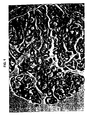
- Kidney tissue from a patient with active lupus nephritis was obtained, fixed in formalin and paraffin-embedded sections were prepared. Sections were stained with rabbit anti-RAGE IgG. Increased expression of RAGE was noted in the podocytes of the glomerulus.
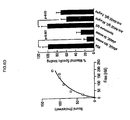
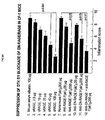
- CF-1 mice were sensitized with mBSA; after three weeks, mBSA was injected into the hind foot pad. Certain mice were treated with the indicated concentrations of mouse serum albumin, sRAGE or the indicated F(ab') 2 antibody fragments of RAGE or EN-RAGE. Inflammation score was defined as above (scale; 1-9).
- the cDNA for bovine EN-RAGE was cloned and deposited with Genbank at Accession No. AF 011757. The sequence (5' to 3') is shown in Figure 5.
- Endothelial cells (A-D,H)
- Blockade of EN-RAGE/RAGE suppresses acute inflammation in a model of delayed-type hypersensitivity (DTH).
- DTH delayed-type hypersensitivity
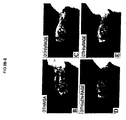
- A-K Clinical and histological score
- the present invention also provides for a replicable vector comprising the EN-RAGE nucleic acid molecule.
- the replicable vector is a prokaryotic expression vector, a yeast expression vector, a baculovirus expression vector, or a mammalian expression vector.
- the present invention also provides for a host cell comprising the replicable vector.
- the host cell is a eukaryotic cell, a somatic cell, or a germ cell.
- the present invention also provides for a compound identified by the method described herein which is useful for the treatment of systemic lupus erythematosus or inflammatory lupus nephritis in a subject.
- the present invention also provides for a method for inhibiting inflammation in a subject which comprises administering to the subject a compound capable of interfering with the interaction between EN-RAGE peptide and receptor for advanced glycation endproduct (RAGE) in the subject thereby inhibiting inflammation in the subject.
- a method for inhibiting inflammation in a subject which comprises administering to the subject a compound capable of interfering with the interaction between EN-RAGE peptide and receptor for advanced glycation endproduct (RAGE) in the subject thereby inhibiting inflammation in the subject.
- V-domain of RAGE refers to the immunoglobulin-like variable domain as shown in Figure 5 of Neeper, M., Schmidt, A.M., Brett, J., Yan, S.D., Wang, F., Pan, Y.C., Elliston, K., Stern, D., and Shaw, A. Cloning and expression of RAGE: a cell surface receptor for advanced glycosylation end products of proteins. J. Biol. Chem. 267:14998-15004, 1992 the contents of which are hereby incorporated by reference.
- the V-domain includes amino acids from position 23 to position 120 as shown in Figure 4 of Neeper et al. (1992).
- the leader sequence shown is not part of the V-domain and in the human, the V-domain begins with the amino acids A-Q-N-I-T....
- the minimum required amino acid sequence to define the AGE binding site in the RAGE protein may be much smaller than 120 amino acids.
- Ligands for RAGE such as AGEs (CML-modified AGEs) and p12, a proinflammatory cytokine, activate inflammatory cells. This has been shown in mice. These activation effects are blocked in the presence of sRAGE.
- the present invention provides methods for blocking inflammation (e.g., inflammation due to immune stimulation) in a subject by administering a compound which is capable of interfering with the interaction between EN-RAGE and RAGE in a subject. Such a method would be selective for inflammation.
- the compound in one example, is designed specifically as a competitive inhibitor of ligands for RAGE.
- the screening assay may be carried out wherein one of the components is bound or affixed to a solid surface.
- the peptide is affixed to a solid surface.
- the second peptide which has the sequence of the AGE binding site of RAGE is bound or affixed to a solid surface.
- the solid surfaces useful in this embodiment would be known to one of skill in the art.
- one embodiment of a solid surface is a bead, a column, a plastic dish, a plastic plate, a microscope slide, a nylon membrane, etc.
- the material of which the solid surface is comprised is synthetic in one example.
- One of the components of step (a) of the screening assay may be detectably labelled.
- the component (either the compound, the peptide or the V-domain or second peptide) may be labeled with a detectable moiety including a fluorescent label, a biotin, a digoxigenin, a radioactive atom, a paramagnetic ion, and a chemiluminescent label.
- the component may be labeled by covalent means such as chemical, enzymatic or other appropriate means with a moiety such as an enzyme or radioisotope.
- the compound may be a polypeptide.
- the polypeptide may be a peptide, a peptidomimetic, a synthetic polypeptide, a derivative of a natural polypeptide, a modified polypeptide, a labelled polypeptide, or a polypeptide which includes non-natural peptides.
- the peptidomimetic may be identified from screening large libraries of different compounds which are peptidomimetics to determine a compound which is capable of preventing accelerated atherosclerosis in a subject predisposed thereto.
- the polypeptide may be a non-natural polypeptide which has chirality not found in nature, i.e. D-amino acids or L-amino acids.
- the polypeptide may be delivered hourly, daily, weekly, monthly, yearly (e.g. in a time release form) or as a one time delivery.
- the delivery may be continuous delivery for a period of time, e.g. intravenous delivery.
- the effective amount will be known to one of skill in the art; it will also be dependent upon the form of the polypeptide, the size of the polypeptide and the bioactivity of the polypeptide.
- One of skill in the art could routinely perform empirical activity tests for a polypeptide to determine the bioactivity in bioassays and thus determine the effective amount.
- the compound may be an sRAGE polypeptide such as polypeptide analogs of sRAGE.
- Such analogs include fragments of sRAGE.
- Alton et al. WO 83/04053
- genes coding for microbial expression of polypeptides having primary conformations which differ from that herein specified for in terms of the identity or location of one or more residues e.g., substitutions, terminal and intermediate additions and deletions.
- modifications of cDNA and genomic genes can be readily accomplished by well-known site-directed mutagenesis techniques and employed to generate analogs and derivatives of sRAGE polypeptide.
- Such products share at least one of the biological properties of sRAGE but may differ in others.
- products of the invention include those which are foreshortened by e.g., deletions; or those which are more stable to hydrolysis (and, therefore, may have more pronounced or longerlasting effects than naturally-occurring); or which have been altered to delete or to add one or more potential sites for O-glycosylation and/or N-glycosylation or which have one or more cysteine residues deleted or replaced by e.g., alanine or serine residues and are potentially more easily isolated in active form from microbial systems; or which have one or more tyrosine residues replaced by phenylalanine and bind more or less readily to target proteins or to receptors on target cells.
- polypeptide fragments duplicating only a part of the continuous amino acid sequence or secondary conformations within sRAGE which fragments may possess one property of sRAGE and not others. It is noteworthy that activity is not necessary for any one or more of the polypeptides of the invention to have therapeutic utility or utility in other contexts, such as in assays of sRAGE antagonism.
- Competitive antagonists may be quite useful in, for example, cases of overproduction of sRAGE.
- the compound may further include trifluorotyrosine, p-Cl-phenylalanine, p-Br-phenylalanine, poly-L-propargylglycine, poly-D,L-allyl glycine, or poly-L-allyl glycine.
- One embodiment of the present invention is a peptidomimetic compound wherein the compound has a bond, a peptide backbone or an amino acid component replaced with a suitable mimic.
- suitable amino acids which may be suitable amino acid mimics include I-alanine, L- ⁇ -amino butyric acid, L- ⁇ -amino butyric acid, L- ⁇ -amino isobutyric acid, L- ⁇ -amino caproic acid, 7-amino heptanoic acid, L-aspartic acid, L-glutamic acid, cysteine (acetamindomethyl), N- ⁇ -Boc-N- ⁇ -CBZ-L-lysine, N- ⁇ -Boc-N- ⁇ -Fmoc-L-lysine, L-methionine sulfone, L-norleucine, L-norvaline, N- ⁇ -Boc-N- ⁇ CBZ-L-ornithine, N- ⁇ -Bo
- a "therapeutically effective amount” is an amount which is capable of preventing interaction of EN-RAGE/RAGE in a subject. Accordingly, the effective amount will vary with the subject being treated, as well as the condition to be treated.
- the methods of administration are to include, but are not limited to, administration cutaneously, subcutaneously, intravenously, parenterally, orally, topically, or by aerosol.
- Such carriers typically contain excipients such as starch, milk, sugar, certain types of clay, gelatin, stearic acid, talc, vegetable fats or oils, gums, glycols, or other known excipients.
- excipients such as starch, milk, sugar, certain types of clay, gelatin, stearic acid, talc, vegetable fats or oils, gums, glycols, or other known excipients.
- Such carriers may also include flavor and color additives or other ingredients.
- Controlled or sustained release compositions include formulation in lipophilic depots (e.g., fatty acids, waxes, oils). Also comprehended by the invention are particulate compositions coated with polymers (e.g., poloxamers or poloxamines) and the compound coupled to antibodies directed against tissue-specific receptors, ligands or antigens or coupled to ligands of tissue-specific receptors. Other embodiments of the compositions of the invention incorporate particulate forms protective coatings, protease inhibitors or permeation enhancers for various routes of administration, including parenteral, pulmonary, nasal and oral.
- polymers e.g., poloxamers or poloxamines
- Other embodiments of the compositions of the invention incorporate particulate forms protective coatings, protease inhibitors or permeation enhancers for various routes of administration, including parenteral, pulmonary, nasal and oral.
- Such modifications may also increase the compound's solubility in aqueous solution, eliminate aggregation, enhance the physical and chemical stability of the compound, and greatly reduce the immunogenicity and reactivity of the compound.
- the desired in vivo biological activity may be achieved by the administration of such polymer-compound adducts less frequently or in lower doses than with the unmodified compound.
- PEG polyethylene glycol
- Attachment of polyethylene glycol (PEG) to compounds is particularly useful because PEG has very low toxicity in mammals (Carpenter et al., 1971).
- PEG adduct of adenosine deaminase was approved in the United States for use in humans for the treatment of severe combined immunodeficiency syndrome.
- a second advantage afforded by the conjugation of PEG is that of effectively reducing the immunogenicity and antigenicity of heterologous compounds.
- a PEG adduct of a human protein might be useful for the treatment of disease in other mammalian species without the risk of triggering a severe immune response.
- the polypeptide or composition of the present invention may be delivered in a microencapsulation device so as to reduce or prevent an host immune response against the polypeptide or against cells which may produce the polypeptide.
- the polypeptide or composition of the present invention may also be delivered microencapsulated in a membrane, such as a liposome.
- PEG reagents for reaction with protein amino groups include active esters of carboxylic acid or carbonate derivatives, particularly those in which the leaving groups are N-hydroxysuccinimide, p-nitrophenol, imidazole or 1-hydroxy-2-nitrobenzene-4-sulfonate.
- PEG derivatives containing maleimido or haloacetyl groups are useful reagents for the modification of protein free sulfhydryl groups.
- PEG reagents containing amino hydrazine or hydrazide groups are useful for reaction with aldehydes generated by periodate oxidation of carbohydrate groups in proteins.
- a solid carrier can include one or more substances which may also act as flavoring agents, lubricants, solubilizers, suspending agents, fillers, glidants, compression aids, binders or tablet-disintegrating agents; it can also be an encapsulating material.
- the carrier is a finely divided solid which is in admixture with the finely divided active ingredient.
- the active ingredient is mixed with a carrier having the necessary compression properties in suitable proportions and compacted in the shape and size desired. The powders and tablets preferably contain up to 99% of the active ingredient.
- Liquid carriers are used in preparing solutions, suspensions, emulsions, syrups, elixirs and pressurized compositions.
- the active ingredient can be dissolved or suspended in a pharmaceutically acceptable liquid carrier such as water, an organic solvent, a mixture of both or pharmaceutically acceptable oils or fats.
- the liquid carrier can contain other suitable pharmaceutical additives such as solubilizers, emulsifiers, buffers, preservatives, sweeteners, flavoring agents, suspending agents, thickening agents, colors, viscosity regulators, stabilizers or osmo-regulators.
- suitable examples of liquid carriers for oral and parenteral administration include water (partially containing additives as above, e.g.
- Liquid pharmaceutical compositions which are sterile solutions or suspensions can be utilized by for example, intramuscular, intrathecal, epidural, intraperitoneal or subcutaneous injection. Sterile solutions can also be administered intravenously.
- the active ingredient may be prepared as a sterile solid composition which may be dissolved or suspended at the time of administration using sterile water, saline, or other appropriate sterile injectable medium.
- Carriers are intended to include necessary and inert binders, suspending agents, lubricants, flavorants, sweeteners, preservatives, dyes, and coatings.
- the active ingredient of the present invention i.e., the compound identified by the screening method or composition thereof
- compositions suitable for oral administration include solid forms, such as pills, capsules, granules, tablets, and powders, and liquid forms, such as solutions, syrups, elixirs, and suspensions.
- forms useful for parenteral administration include sterile solutions, emulsions, and suspensions.
- This invention provides a method of supressing inflammation in a subject by interfering with the ENRAGE/RAGE interaction in delayed type hypersensitivity, inflammatory colitis, chonic inflammatory bowel disease, ulcerative colitis, chronic inflammatory disorders such as atherosclerosis, Alzheimer's disease, diabetes and renal failure.
- the transcription factor is NF- ⁇ B.
- the transcription factor is IL-1 ⁇ .
- the transcription factor is TNF- ⁇ .
- the transcription factor is IL-2.
- This invention provides a method of activating cells central to the inflammatory response though the interaction of RAGE with EN-RAGE or EN-RAGE-like molecules.
- This invention provides a method of treating Alzheimer's disease by preventing the interaction between RAGE and amyloid- ⁇ peptide.
- the invention provides a method for inhibiting chronic cellular activation which comprises administering to a subject suffering from chronic cellular activation an agent capable of inhibiting the interaction of EN-RAGE and RAGE.
- the agent is soluble RAGE, an anti-RAGE antibody, an anti-EN-RAGE antibody, or a fragment of either antibody, such as a F(ab') fragment.
- the invention provides a method for inhibiting inflammation in a subject which comprises administering to a subject suffering from inflammation an agent capable of inhibiting the interaction of EN-RAGE and RAGE in an amount sufficient to inhibit the interaction between RAGE and EN-RAGE in the subject thereby inhibiting inflammation in the subject.
- the agent is soluble RAGE, an anti-RAGE antibody, an anti-EN-RAGE antibody, or a fragment of either antibody, such as a F(ab') fragment.
- the level of cellular activation in a subject can be measured in many ways and such ways would be known to one of skill in the art. For example, one could measure the level of certain molecules which are indicative of activation, such as interleukin-1 beta, TNF-alpha, and other cytokines known to be indicative of the presence of an inflammatory response.
- certain molecules which are indicative of activation such as interleukin-1 beta, TNF-alpha, and other cytokines known to be indicative of the presence of an inflammatory response.
- the invention provides a method for treating colitis in a subject which comprises administering to the subject an agent capable of inhibiting the interaction between RAGE and EN-RAGE in the subject so as to decrease chronic inflammation and thereby treat colitis in the subject.
- EN-RAGE proinflammatory cytokine-like molecule
- EN-RAGE is a protein located inside of inflammatory cells (such as neutrophils) and which may be released by such inflammatory cells.
- EN-RAGE has biological activity that may be responsible for the propagation and sustainment of an inflammatory response by interacting with cellular receptor RAGE.
- Example 1 Interaction of EN-RAGE (Extracellular Novel Rage Binding Protein) with Receptor for AGE (RAGE) Perpetuates Inflammatory Responses: Suppression of Delayed-type Hypersensitivity Reactions with Soluble Receptor for Age (sRAGE)
- the findings demonstrate that RAGE interacts with a molecule with close homology to calgranulin C.
- EN-RAGE E xtracellular N ovel RAGE binding protein
- sRAGE soluble RAGE
- Bovine lung acetone powder (SIGMA ® ) was subjected to solubilization in buffer containing tris (0.02M, pH 7.4); NaCl (0.15M); octyl- ⁇ -glucoside (1%); and protease inhibitors (PMSF and aprotinin).
- RAGE-binding proteins were identified based on a screening assay employing immobilized column fraction (Nunc Maxisorp dishes) (NUNC ® ) and 125 -I-labelled sRAGE as above. After elution with heparin-containing buffer (1 mg/ml), positive fractions were identified. RAGE-binding proteins were subjected to sequence analysis.
- EN-RAGE Cloning of EN-RAGE.
- the cDNA for EN-RAGE was cloned from a bovine lung library and placed into a baculovirus expression system. In this system, EN-RAGE, which lacks a leader sequence, was synthesized within Sf9 cells. EN-RAGE was then purified after solubilization of the cells in detergent-containing buffer, and sequential purification on hydroxylapatite and heparin-containing resins. The final product displayed a single band on Coomassie-stained SDS-PAGE gels and was devoid of endotoxin after chromatography onto Detoxi-gel columns (PIERCE ® ). Absence of detectable endotoxin was confirmed using limulus amebocyte assay (SIGMA ® ).
- the gel bands were treated as above for elution, except that the extraction buffer contained half the usual amount of SDS (1).
- Endoproteinase Lys-C (1 ⁇ g) (Boehringer Mannheim) was added and the sample incubated overnight.
- the digest was then fractionated by microbore HPLC (Michrom Bioresources) on a 1 mm x 50 mm PLRP-S column (Polymer Laboratories, Ltd.). The gradient utilized was 2% per minute from acetonitrile (5-75%) in trifluoroacetic acid (0.1%) and fractions were collected at 30 second intervals. Absorbance was monitored at 214 nm and fractions that corresponded to chromatographic peaks were then subjected to sequence analysis.
- Endothelial cell activation Human umbilical vein endothelial cells were isolated, characterized and maintained as previously described (18). Cells were cultured in serum-free RPMI 1640 without endothelial cell growth factor for 24 hrs and then stimulated with the indicated concentrations of EN-RAGE. Where indicated, cells were pretreated with rabbit anti-human RAGE IgG, nonimmune rabbit IgG; in certain cases, EN-RAGE was pretreated with the indicated concentration of soluble RAGE (sRAGE) for 2 hrs prior to stimulation with EN-RAGE.
- sRAGE soluble RAGE
- Delayed hypersensitivity model A murine model of delayed hypersensitivity was established based on previously-published studies (19).
- Female CF-1 mice (Charles River laboratories), 6 weeks of age, were sensitized by subcutaneous injection over the left inguinal lymph node of an emulsion (0.1 ml) containing methylated BSA (mBSA; 25 mg/ml; SIGMA ® ), NaCl (0.9%), dextran (5-40 x 10 6 MW; 50 mg/ml;SIGMA ® ) and Freund's incomplete adjuvant (50%; ICN Biomedical).
- mBSA methylated BSA
- SIGMA ® methylated BSA
- NaCl 0.8%
- dextran 5-40 x 10 6 MW; 50 mg/ml;SIGMA ®
- Freund's incomplete adjuvant 50%; ICN Biomedical.
- the left plantar hind paw was injected subcutaneously with mBSA (0.4 mg/ml; 0.050 ml).
- mice were pretreated by intraperitoneal injection with sRAGE (indicated dose), mouse serum albumin (SIGMA ® ), immune or nonimmune F(ab') 2 fragments (prepared using a kit from Pierce) 24 and 12 hrs prior to, and 6 and 12 hrs after local challenge with mBSA. 24 hrs after injection of foot pad with mBSA, clinical score of foot pad was performed; mice were then humanely sacrificed and feet fixed in formalin (10%) or frozen for further analysis. Histologic score was performed on sections of foot stained with hematoxylin and eosin (SIGMA ® ).
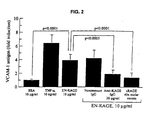
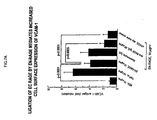
- EN-RAGE activates endothelial cells in a RAGE-dependent manner.
- mice were first sensitized by injection of methylated BSA (mBSA; which does not bind RAGE) over the inguinal lymph nodes of female CF-1 mice.
- mBSA methylated BSA
- mice were challenged with mBSA by injection into the hind foot pad.
- An inflammation score was designed on a scale of 1-9 which included both clinical score (1-4) and histologic score (1-5) as indicated in Fig. 4.
- the inflammation phenotype observed in delayed-type hypersensitivity reactions certainly represent the culmination of a complex interplay and contribution of multiple cell types and their cellular mediators.
- an important source of the stimuli may be from the inflammatory cells themselves.
- cells such as neutrophils and macrophages may release mediators such as those of the calgranulin family, including EN-RAGE, and propagate and sustain the inflammatory response.
- mediators such as EN-RAGE, likely require cellular receptors to initiate events that will culminate in altered gene expression.
- Figure 5 shows the nucleic acid sequence (cDNA sequence) of bovine EN-RAGE.
- Table 1 Sequence analysis of EN-RAGE and comparison with related proteins.
- EN-RAGE N-TERM Endo Lys C B-COAg B-CAAF1 EN-RAGE N-TERM Endo Lys C B-COAg B-CAAF1
- EN-RAGE N-TERM Endo Lys C B-COAg B-CAAF1 EN-RAGE N-TERM Endo Lys C B-COAg B-CAAF1
- Example 2 EN-RAGE (Extracellular Novel-RAGE Binding Protein) activated endothelial cells to mediate inflammatory responses.
- Receptor for AGE The expression of Receptor for AGE (RAGE) is enhanced in inflammatory settings such as atherosclerosis and autoimmune vasculitities.
- RAGE Receptor for AGE
- AGEs Advanced Glycation Endproducts
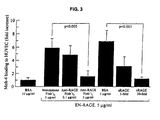
- EN-RAGE binds immobilized RAGE and endothelial (EC)/macrophage (MP) RAGE in culture wells with Kd ⁇ 75nM, processes blocked in the presence of anti-RAGE IgG or soluble (sRAGE; the extracellular two-thirds of RAGE).
- IP intraperitoneal
- sRAGE mBSA-mediated inflammation in a dose-dependent manner.
- MSA mouse serum albumin
- Partial anti-inflammatory responses were observed upon treatment of the mice with either anti-RAGE or anti-EN-RAGE F(ab')2.
- Nonimmune F(ab')2 was without effect.
- sRAGE or compounds which are capable of inhibiting the interaction of EN-RAGE and RAGE could be useful agents for the treatment of septic shock or sepsis in subjects. It has been shown that a subject given lethal doses of LPS has reduced mortality when the LPS is given in the presence of sRAGE.
- Soluble Receptor for AGE has been shown to prevent inflammation in a model of delayed-type hypersensitivity. Unlike certain anti-inflammatory-type agents, it was believed that sRAGE might exert beneficial effects when administered in the setting of endotoxemia, a prototypic result of, for example, profound gram negative bacteremia.
- SRAGE may be a selective anti-inflammatory agent with selective protective effects against maladaptive inflammatory responses.
- mice We induced arthritis in dba mice by sensitization with bovine collagen II. Certain mice (20) were treated with soluble RAGE, murine, 100 ⁇ g/day intraperitoneally; others (20) were treated with murine serum albumin as vehicle treatment. Half of the mice were sacrificed 6 weeks later; the remaining half were sacrificed 9 weeks later.
- S100/calgranulin polypeptides are present at sites of inflammation, likely released by inflammatory cells targetted to such loci by a range of environmental cues.
- Receptor for AGE is the cell surface receptor for EN-RAGE ( E xtracellular N ovel RAGE binding protein), and related members of the S100/calgranulin superfamily.
- EN-RAGE E xtracellular N ovel RAGE binding protein
- Interaction of EN-RAGEs with cellular RAGE on endothelium, mononuclear phagocytes and lymphyocytes triggers cellular activation, with generation of key proinflammatory mediators.
- Blockade of EN-RAGE/RAGE quenches delayed type hypersensitivity and inflammatory colitis in murine models by arresting activation of central signalling pathways and inflammatory gene expression.
- RAGE Receptor for Advanced Glycation Endproducts
- RAGE was originally described as a cellular receptor for Advanced Glycation Endproducts (AGEs), the products of glycoxidation that accumulate in disorders such as diabetes and renal failure (Brownlee et al., 1988; Sell and Monnier, 1989; Reddy et al., 1995; Miyata et al., 1996 a,b), recent data indicate that an important role for RAGE is emerging in a variety of settings, both in homeostasis and in pathophysiologically-important states (Hori et al., 1995; Yan et al., 1996; Yan et al., 1997).
- AGEs Advanced Glycation Endproducts
- Such molecules likely released from activated inflammatory cells such as polymorphonuclear leukocytes, peripheral blood-derived mononuclear phagocytes and lymphocytes, have been traditionally described as accumulating in states characterized by chronic inflammation, such as inflammatory conjunctivitis (Gottsch et al., 1997; Gottsch and Liu, 1998), psoriatic skin disease (Madson, 1991), cystic fibrosis (Andersson et al., 1988), inflammatory bowel disease (Lugering et al., 1995; Schmid et al., 1995), rheumatoid arthritis (Odink et al., 1987) and chronic parasitic infection (Marti et al., 1996).
- EN-RAGE E xtracellular N ovel RAGE -binding protein
- EN-RAGE-RAGE interaction is a critical, proximal step in the cascade of events amplifying inflammation, administration of either soluble RAGE, or anti-RAGE/anti-EN-RAGE F(ab') 2 in murine models of delayed-type hypersensitivity and chronic inflammatory bowel disease, suppresses development of inflammation, with suppressed activation of NF-kB and inflammatory mediators.
- bovine lung library and human lung library (Clontech, Palo Alto, CA) in order to obtain cDNA for bovine and human EN-RAGE according to the manufacturer's instructions.
- the sequence encoding bovine cDNA for EN-RAGE is #AF 011757 (Genbank).
- EN-RAGE was placed into a baculovirus expression system and expressed in Spodoptera frugiperda 9 (Sf9) cells (Invitrogen, Carlsbad, CA).
- EN-RAGE was purified from cellular pellets by sequential chromatography onto heparin and hydroxylapatite columns (Amersham Pharmacia, Piscataway, NJ) and eluted with increasing concentrations of NaCl.
- Protein concentration of supernatant was measured using Bio-Rad protein assay (Hercules, CA). To each lane of tris-glycine gels (Novex, San Diego, CA), 7 ⁇ g of protein was added; gels were then transferred to nitrocellulose membranes (Bio-Rad) and immunoblotting performed using polyclonal rabbit monospecific anti-EN-RAGE IgG prepared against full-length recombinant bovine EN-RAGE. Goat anti-rabbit IgG labelled with horseradish peroxidase (Sigma) and ECL system (Amersham-Pharmacia) were employed to indicate sites of primary antibody binding.
- Purified EN-RAGE was radiolabelled using 125 -I and Iodobeads (Pierce) to a specific activity of approximately 5,000 cpm/ng.
- Radioligand binding assays were performed in 96-well dishes to which had been adsorbed either purified human RAGE (5 ⁇ g/well) or bovine aortic endothelial cells. In the former case, after adsorption of human soluble RAGE to the plastic dish in carbonate/bicarbonate buffer (pH 9.3) overnight, wells were then washed with PBS containing Tween 20 (0.05%). Unoccupied binding sites on the plastic wells were blocked by incubation with PBS containing calcium/magnesium and bovine serum albumin (1%) for two hours at 37°C.
- a radioligand binding assay was performed in the presence of the indicated concentration of radiolabelled EN-RAGE ⁇ an 50-fold molar excess of unlabelled EN-RAGE in PBS containing calcium/magnesium and BSA, 0.2%, for 3 hrs at 37°C.
- wells were washed rapidly with washing buffer as above; elution of bound material was performed in a solution containing heparin, 1 mg/ml. Solution was then aspirated from the wells and counted in a gamma counter (LKB, Gaithersburg, MD).
- bovine aortic endothelial cells (BAEC) were plated onto 96-well tissue culture plates previously coated with collagen I (Biocoat; Becton Dickinson, Bedford MA). Upon achieving confluence, cells were washed with PBS and radioligand binding assay performed as above.
- Endothelial cells Human umbilical vein endothelial cells (HUVECs) were isolated, characterized and maintained as previously described (Schmidt et al., 1995). Cells were cultured in serum-free RPMI 1640 without endothelial cell growth factor for 24 hrs and then stimulated with the indicated concentrations of EN-RAGE or other stimuli. Where indicated, cells were pretreated with rabbit anti-human RAGE IgG, nonimmune rabbit IgG; in certain cases, EN-RAGE was pretreated with the indicated concentration of sRAGE for 2 hrs prior to stimulation with EN-RAGE.
- PBMC Peripheral blood mononuclear cells
- MPs mononuclear phagocytes
- Chemotaxis assays were performed as previously described (Schmidt et al., 1993) in 48-well microchemotaxis chambers (Neuro-Probe, Bethesda, MD) containing a polycarbonate membrane (8 ⁇ m; Nucleopore, Pleasanton, CA). The lower chamber contained the chemotactic stimulus as indicated. N-formyl-met-leu-phe (Sigma) was employed as positive control. Molt-4 cells (which bear cell surface RAGE) were added to the upper chamber (10 4 cells/well).
- PBMC peripheral blood mononuclear cells
- PBMC peripheral blood mononuclear cells
- FBS FBS
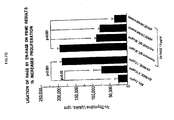
- Cells were seeded in 96-well tissue culture wells and treated as indicated with En-RAGE for 12 hrs prior to stimulation with PHA-P (Sigma) for 12 hrs.
- Wells were then pulsed with 3 H-thymidine (1 ⁇ Ci/well) (New England Nuclear, Boston, MA) and incubated for an additional 18 hrs prior to harvesting and processing for liquid scintillation counting using an LK betaplate (Wallac, Inc.,Gaithersburg, MD).
- mouse splenocytes (CF-1 strain) were obtaining from spleen tissue of mice subjected to DTH studies as described below and isolated using Histopaque 1077.
- Splenocytes (5 x10 5 per well; 96 well tissue culture plates) in RPMI containing FBS (10%) were stimulated with PMA (0.5 ⁇ g/ml) for 18 hrs and proliferation rate performed as above in in vitro studies using tritiated thymidine. All experiments were performed with triplicate determinations.
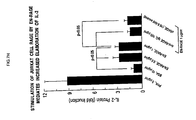
- BV2 cells (Yan et al., 1997), which bear cell surface RAGE, or Jurkat E6 cells (ATCC) were incubated as indicated with EN-RAGE for the indicated times.
- cells were preincubated with anti-RAGE F(ab') 2 prior to stimulation with EN-RAGE.
- EN-RAGE was preincubated with sRAGE prior to stimulation.
- ELISA for TNF-a, IL-1 ⁇ or IL-2 was performed using kits from R&D Systems (Minneapolis, MN).
- cells were transfected with a construct encoding human RAGE in which the cytosolic domain (tail) was deleted employing superfect (Qiagen, Valencia, CA) (1 ⁇ g DNA/ml medium); pcDNA3 (Invitrogen) was employed as vector. Stimulation experiments were performed 48 hrs after transfection.
- BAlb/c mice (Charles River), approximately 6 weeks of age, were injected intravenously via the tail vein with EN-RAGE (30 ⁇ g), BSA (30 ⁇ g) or LPS (500 ⁇ g). Twelve hrs later, lungs were rapidly harvested and homogenized in tris-buffered saline containing protease inhibitor (Boehringer Mannheim) and subjected to centrifugation at 8,000 rpm for 10 mins. The supernatant was then centrifuged for one hr at 4°C at 40,000 rpm. The pellet was the dissolved in TBS containing protease inhibitors and octyl- ⁇ -glucoside (2%) for 4 hrs at 4°C.
- the suspension was then subjected to centrifugation for 10 mins at 14,000 and supernatant assessed for protein concentration (Bio-Rad). Immumoblotting was performed after electrophoresis of 30 ⁇ g protein/lane and transfer of gel components to nitrocellulose. Anti-VCAM-1 IgG was obtained from Santz Cruz Biotechnologies and visualization of bands accomplished with the ECL system (Amersham-Pharmacia).
- mice Female CF-1 mice, 6 weeks of age, were sensitized by subcutaneous injection over the left inguinal lymph node of an emulsion (0.1 ml) containing methylated BSA (mBSA; 25 mg/ml; Sigma), NaCl (0.9%), dextran (5-40 x 10 6 MW; 50 mg/ml; Sigma) and Freund's incomplete adjuvant (50%; ICN Biomedical; Aurora, OH).
- mBSA methylated BSA
- NaCl 0.8%
- dextran dextran
- 50 mg/ml methylated BSA
- Freund's incomplete adjuvant 50%; ICN Biomedical; Aurora, OH.
- the left plantar hind paw was injected subcutaneously with mBSA (0.4 mg/ml; 0.050 ml).
- mice were pretreated by intraperitoneal injection with sRAGE (indicated dose), mouse serum albumin (Sigma), immune or nonimmune F(ab') 2 fragments (prepared using a kit from Pierce, Arlington Heights, ILL) 24 and 12 hrs prior to, and 6 and 12 hrs after local challenge with mBSA.
- sRAGE indicator dose
- mouse serum albumin Sigma
- immune or nonimmune F(ab') 2 fragments prepared using a kit from Pierce, Arlington Heights, ILL
- Electrophoretic mobility shift assay was performed employing 10 ⁇ g foot pad nuclear extract added per lane as above.
- RT-PCR was performed using commercially-available primers (Clontech) for IL-2 (expected size; 413 base pairs), TNF-a (expected size; 310 base pairs) and ⁇ -actin (expected size; 540 base pairs).
- IL-2 expected size; 413 base pairs
- TNF-a expected size; 310 base pairs
- ⁇ -actin expected size; 540 base pairs.
- spleen was retrieved and splenocytes prepared by separation with Histopaque 1077 (Sigma).
- PMA 0.5 ⁇ g/ml
- tritiated thymidine was added for an additional 18 hrs. Cells were then retrieved and counted in a beta counter.
- mice in the C57BL/6 background (Jackson Laboratories, Bar Harbor, ME) were born and bred into pathogen-free conditions. At the age of 3 weeks, mice were moved into standard conventional housing with free access to chow and water. One week after placement in standard conditions, mice were treated once daily by intraperitoneal injection for six weeks with either MSA (100 ⁇ g/day) or sRAGE (100 ⁇ g/day). At the end of that time, mice were deeply anesthetized; plasma removed and then rectosigmoid colon removed for histologic analysis (hematoxylin and eosin) or preparation of nuclear extract as described above.
- MSA 100 ⁇ g/day
- sRAGE 100 ⁇ g/day
- This polypeptide was subsequently called EN-RAGE, E xtracellular N ovel RAGE binding protein.
- EN-RAGE differed from that of bovine corneal antigen by two amino acids.
- EN-RAGE was composed of a tyrosine (Y), while bovine corneal antigen was composed of an arginine (R).
- EN-RAGE was composed of a glycine (G), while bovine corneal antigen was composed of an isoleucine (I) (Table 2).
- Molecular cloning studies revealed that EN-RAGE was a member of the calgranulin/S100 family of proinflammatory cytokines.
- Two cDNA clones obtained from a bovine lung library encoded polypeptides identical to bovine corneal antigen based on deduced amino acid sequence; with an arginine at position #30 and an isoleucine at position #36. Based on these date, we cannot exclude the possibility that we did not isolate specific clones encoding the precise sequence of EN-RAGE.
- Molecular cloning employing a human lung library produced one clone; deduced amino acid sequence of the cDNA revealed that the human counterpart of EN-RAGE was likely to be human calgranulin C (or human corneal antigen/S100A12).
- p12 is a member of the S100/calgranulin superfamily (Dell'Angelica et al., 1994; Ilg et al., 1996; Wicki et al., 1996; Gottsch et al., 1997; Gottsch and Liu, 1998).
- EN-RAGE a novel property of this and other such family members is their interaction with RAGE, which has important implications for function of these polypeptides as described below.
- Table 2 Amino acid sequence analysis of p12, later termed "EN-RAGE,” and comparison with homologous polypeptides bovine corneal antigen and bovine CAAF1. The latter sequences were obtained from Gottsch et al, 1997.
- A Ala; C, Cys; D, Asp; E, Glu; F, Phe; G, Gly; H, His; I, Ile; K, Lys; L, Leu; M, Met; N, Asn; P, Pro; Q, Gln; R, Arg; S, Ser; T, Thr; V, Val; W, Trp and Y, Tyr.
- X is an amino acid residue not identified at that position.
- the S100/calgranulin family of molecules has been extensively associated with a broad range of inflammatory disorders, especially those of chronic nature. Since these polypeptides are known to be released from inflammatory cells such as polymorphonuclear leukocytes and peripheral blood derived mononuclear phagocytes, it has long been speculated that they may play a role in development of the inflammatory phenotype, such as by stimulating macrophage migration and activation. We thus tested the concept that ligation of RAGE by EN-RAGE would activate pro-inflammatory cell signalling pathways, thereby leading to modulation of gene expression in a manner linked to inflammation.
- PBMC peripheral blood mononuclear cells
- Jurkat cells an immortalized T cell line
- PBMC peripheral blood mononuclear cells
- Fig. 6A immunoblotting of cellular homogenate revealed increased generation of EN-RAGE, 2.8-fold and 2.1-fold, respectively
- Fig. 6A tumor necrosis factor-a,modulation of EN-RAGE expression did not ensue
- HUVEC human umbilical vein endothelial cells
- PMA/ionomycin did not increase expression of EN-RAGE (data not shown).
- expression of EN-RAGE may be modulated in stimulated inflammatory cells.
- LPS lipopolysaccharide
- cytosolic domain of RAGE was critical for activation of signalling pathways proximal and essential to activation of NF-kB
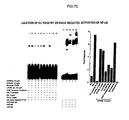
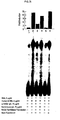
- transient transfection of HUVEC was performed with a construct encoding human RAGE in which the cytosolic domain was deleted. Consistent with an important role for the cytosolic domain in mediating cell signalling, EN-RAGE-stimulated activation of NF-kB was markedly suppressed in RAGE cytosolic tail deleted transfectants ( Fig. 7C, lane 5 and inset) compared with those transfected with vector alone ( Fig. 7C, lane 6 and inset).
- mice were treated intraperitoneally with vehicle, murine serum albumin (MSA). 24 hrs after injection of mBSA into the footpad, significant evidence of local inflammation was evident (score, 9.0 ⁇ 0.4) ( Fig. 9A, line 1; and Fig. 9B ). Further, H&E analysis of the affected footpad confirmed a marked influx of inflammatory cells, with granulomata, as well as significant edema (Fig. 9F).
- MSA murine serum albumin
- Characteristic of the S100/calgranulin polypeptides is their presence in areas of chronic inflammation, such as human inflammatory bowel diseases (Lugering et al., 1995; Schmid et al., 1995).
- IL-10 null mice To test the concept that their interaction with RAGE may be important in the pathogenesis of chronic inflammation, we tested these concepts in a murine model of colitis, IL-10 null mice (Kuehn et al., 1993; Rennick et al., 1997). To test this concept, commencing at age 4 weeks, IL-10 null mice were treated either with MSA or sRAGE, 100 ⁇ g per day IP for 6 weeks. At the end of that time, mice were sacrificed and rectosigmoid colon assessed for evidence of inflammation.
- S100/calgranulin polypeptides at sites of acute and chronic inflammation has long been noted. Indeed, assessment of serum levels of MRP8/14 (myeloic-related protein), S100-like molecules, has been suggested as a means to track disease activity in patients with ulcerative colitis, a chronic inflammatory disease of the bowel linked to long-term bowel dysfunction and neoplasia (Lugering et al., 1995). S100/calgranulin molecules bear structural, defining homologies, such as calcium-binding EF-hand domains (Schafer and Schumann, 1996).
- ROIs reactive oxygen species
- inflammation is a complex process, with a host of initiating triggers and intermediate participant molecules involved. Often, however, proinflammatory mechanisms may be largely left unchecked, leading to chronic tissue ischemia, cell death, and maladaptive repair responses.
- Our data suggest a novel paradigm in inflammation; preventing the interaction of EN-RAGEs with RAGE may attenuate an essential amplification mechanism of the inflammatory response via blockade of central signalling pathways leading to cytokine expression. Our data do not exclude the involvement of other receptors for these molecules. In this context, future studies must also determine the extent to which other distinct members of the S100/calgranulin family, beyond EN-RAGE and S100B, bear capacity to interact with RAGE.
- RAGE In diabetic tissue, the expression of RAGE is highly-upregulated in tissues such as the vasculature and co-localizes with high levels of the products of nonenzymatic glycation and oxidation, AGEs (Schmidt et al., 1995a; Park et al., 1998).
- RAGE is an important molecule in settings in which its ligands accumulate.
- the characterization of the RAGE promoter, in which multiple potential DNA binding sites exist for a variety of transcription factors capable of altering host phenotype, such as NF-kB, NF-IL-6, g-IRE, Sp1, AP2, etc were identified, strongly suggests that RAGE is a versatile gene, responsive to a distinct array of environmental signals.
- localization of the gene encoding human RAGE to chromosome six within the Major Histocompatibility Complex suggests that RAGE is involved in the host response, from development to pathophysiologically-important disorders (Sugaya et al., 1994).
- leucocyte L1 protein identity with the cystic fibrosis antigen and the calcium-binding MRP-8 and MRP-14 macrophage components. Scand.J. Immunol.28, 241-245 .
- RAGE receptor for advanced glycation endproducts
- the receptor for advanced glycation endproducts is a cellular binding site for amphoterin: mediation of neurite outgrowth and coexpression of RAGE and amphoterin in the developing nervous system. J.Biol.Chem. 270, 25752-25761 .
- Amphoterin the 30-kDa protein in a family of HMG1-type polypeptides. Enhanced expression in transformed cells, leading edge localization, and interactions with plasminogen activation. J. Biol. Chem. 268,19726-19738 .
- Ne Carboxymethyl
- AGE Advanced Glycation Endproduct
- VCAM-1 vascular cell adhesion molecule-1
- Amyloid-beta peptide-RAGE interaction elicits neuronal expression of M-CSF: a proinflammatory pathway in Alzheimer's disease. Proc.Natl.Acad.Sci.94, 5296-5301 .
Landscapes
- Health & Medical Sciences (AREA)
- Life Sciences & Earth Sciences (AREA)
- Chemical & Material Sciences (AREA)
- Organic Chemistry (AREA)
- General Health & Medical Sciences (AREA)
- Medicinal Chemistry (AREA)
- Engineering & Computer Science (AREA)
- Bioinformatics & Cheminformatics (AREA)
- Veterinary Medicine (AREA)
- Pharmacology & Pharmacy (AREA)
- Animal Behavior & Ethology (AREA)
- Public Health (AREA)
- Nuclear Medicine, Radiotherapy & Molecular Imaging (AREA)
- General Chemical & Material Sciences (AREA)
- Chemical Kinetics & Catalysis (AREA)
- Immunology (AREA)
- Proteomics, Peptides & Aminoacids (AREA)
- Gastroenterology & Hepatology (AREA)
- Zoology (AREA)
- Diabetes (AREA)
- Heart & Thoracic Surgery (AREA)
- Toxicology (AREA)
- Molecular Biology (AREA)
- Urology & Nephrology (AREA)
- Genetics & Genomics (AREA)
- Biophysics (AREA)
- Biochemistry (AREA)
- Cardiology (AREA)
- Biomedical Technology (AREA)
- Cell Biology (AREA)
- Neurology (AREA)
- Neurosurgery (AREA)
- Epidemiology (AREA)
- Marine Sciences & Fisheries (AREA)
- Pain & Pain Management (AREA)
- Endocrinology (AREA)
- Emergency Medicine (AREA)
- Psychiatry (AREA)
- Hospice & Palliative Care (AREA)
- Rheumatology (AREA)
Applications Claiming Priority (3)
| Application Number | Priority Date | Filing Date | Title |
|---|---|---|---|
| US09/167,705 US7081241B1 (en) | 1998-10-06 | 1998-10-06 | Extracellular rage binding protein (EN-RAGE) and uses thereof |
| US09/263,312 US6555340B1 (en) | 1998-10-06 | 1999-03-05 | Nucleic acid encoding bovine extracellular rage binding protein (en-rage) |
| EP99953081A EP1121454B1 (fr) | 1998-10-06 | 1999-10-06 | Nouvelle proteine extracellulaire liant le peptide rage (en-rage), et utilisations correspondantes |
Related Parent Applications (1)
| Application Number | Title | Priority Date | Filing Date |
|---|---|---|---|
| EP99953081A Division EP1121454B1 (fr) | 1998-10-06 | 1999-10-06 | Nouvelle proteine extracellulaire liant le peptide rage (en-rage), et utilisations correspondantes |
Publications (2)
| Publication Number | Publication Date |
|---|---|
| EP1903058A2 true EP1903058A2 (fr) | 2008-03-26 |
| EP1903058A3 EP1903058A3 (fr) | 2008-08-06 |
Family
ID=22608469
Family Applications (1)
| Application Number | Title | Priority Date | Filing Date |
|---|---|---|---|
| EP07022001A Withdrawn EP1903058A3 (fr) | 1998-10-06 | 1999-10-06 | Nouvelle protéine extracellulaire se liant au RAGE (en-RAGE ) et ses utilisations |
Country Status (3)
| Country | Link |
|---|---|
| US (3) | US7081241B1 (fr) |
| EP (1) | EP1903058A3 (fr) |
| DE (1) | DE69937573T2 (fr) |
Cited By (1)
| Publication number | Priority date | Publication date | Assignee | Title |
|---|---|---|---|---|
| CN107404863A (zh) * | 2014-10-01 | 2017-11-28 | 国立研究开发法人农业·食品产业技术综合研究机构 | 使用基因修饰的家蚕生产的生物素化和氧化ldl受体和晚期糖化终末产物受体 |
Families Citing this family (22)
| Publication number | Priority date | Publication date | Assignee | Title |
|---|---|---|---|---|
| US7258857B2 (en) * | 1996-11-22 | 2007-08-21 | The Trustees Of Columbia University In The City Of New York | Rage-related methods for treating inflammation |
| US6790443B2 (en) * | 1996-11-22 | 2004-09-14 | The Trustees Of Columbia University In The City Of New York | Method for treating symptoms of diabetes |
| US6465422B1 (en) * | 1998-04-17 | 2002-10-15 | The Trustees Of Columbia University In The City Of New York | Method for inhibiting tumor invasion or spreading in a subject |
| AU765719B2 (en) * | 1998-10-06 | 2003-09-25 | Trustees Of Columbia University In The City Of New York, The | Extracellular novel rage binding protein (EN-RAGE) and uses thereof |
| US20050170382A1 (en) * | 1999-10-06 | 2005-08-04 | The Trustees Of Columbia University In The City Of New York. | RAGE-related compositions |
| US6908741B1 (en) * | 2000-05-30 | 2005-06-21 | Transtech Pharma, Inc. | Methods to identify compounds that modulate RAGE |
| AU2002213192A1 (en) * | 2000-10-13 | 2002-04-22 | The Trustees Of Columbia University In The City Of New York | A method for inhibiting new tissue growth in blood vessels in a patient subjected to blood vessel injury |
| US20030175713A1 (en) * | 2002-02-15 | 2003-09-18 | Clemens Sorg | Method for diagnosis of inflammatory diseases using CALGRANULIN C |
| US8067371B2 (en) * | 2003-05-09 | 2011-11-29 | The Trustees Of Columbia University In The City Of New York | RAGE G82S-related methods and compositions for treating inflammatory disorders |
| JP4607950B2 (ja) * | 2004-03-18 | 2011-01-05 | トランス テック ファーマ,インコーポレイテッド | 蛍光偏光アッセイ |
| EP1771565B1 (fr) * | 2004-07-20 | 2012-09-05 | The Feinstein Institute for Medical Research | Derives de proteine rage |
| SG161242A1 (en) * | 2004-08-03 | 2010-05-27 | Transtech Pharma Inc | Rage fusion proteins and methods of use |
| GEP20105110B (en) * | 2004-08-03 | 2010-11-10 | Transtech Pharma Inc | Rage fusion proteins and their use |
| BRPI0608401A2 (pt) * | 2005-03-17 | 2010-11-16 | Columbia Univ New York | polipeptìdeo, composição farmacêutica, ácido nucleico, vetor de expressão, célula, métodos para inibir a ligação entre diáfano e o domìnio citoplasmático de rage, para identificar um agente que inibe a ligação entre o diáfano e o domìnio citoplasmático de rage, e, uso de um agente que inibe a ligação entre diáfano e o domìnio citoplasmático de rage |
| WO2006119510A2 (fr) * | 2005-05-04 | 2006-11-09 | Receptor Biologix, Inc. | Isoformes d'un recepteur pour produits de glycation avancee (rage) et methodes d'identification et d'utilisation de celles-ci |
| JP5314428B2 (ja) * | 2005-12-23 | 2013-10-16 | ジーコデール システムズ アクチボラゲット | 測位用パターン |
| EP1989227A2 (fr) * | 2006-02-09 | 2008-11-12 | Transtech Pharma, Inc. | Protéines hybrides rage et leurs procédés d'utilisation |
| SG171670A1 (en) * | 2006-05-05 | 2011-06-29 | Transtech Pharma Inc | Rage fusion proteins, formulations, and methods of use thereof |
| WO2008100470A2 (fr) * | 2007-02-15 | 2008-08-21 | Transtech Pharma, Inc. | Protéines de fusion de l'immunoglobuline et procédés de fabrication |
| US20100254983A1 (en) * | 2007-06-07 | 2010-10-07 | Ann Marie Schmidt | Uses of rage antagonists for treating obesity and related diseases |
| AU2010240569A1 (en) | 2009-04-20 | 2011-10-20 | Pfizer Inc. | Control of protein glycosylation and compositions and methods relating thereto |
| EP3487874A1 (fr) | 2016-07-20 | 2019-05-29 | Westfälische Wilhelms-Universität Münster | Standardisation spécifique d'un complexe de procédés immunologiques pour la quantification de s100a12 |
Family Cites Families (7)
| Publication number | Priority date | Publication date | Assignee | Title |
|---|---|---|---|---|
| US5976832A (en) * | 1995-03-06 | 1999-11-02 | Tonen Corporation | DNA encoding novel calcium-binding proteins |
| EP0731166A3 (fr) | 1995-03-06 | 1997-12-29 | Tonen Corporation | Nouvelles protéines liant le calcium |
| FR2732222B1 (fr) * | 1995-03-28 | 1997-04-25 | Oreal | Utilisation d'un antagoniste de cgrp pour le traitement des prurits et des dysesthesies oculaires et palpebraux |
| US5864018A (en) * | 1996-04-16 | 1999-01-26 | Schering Aktiengesellschaft | Antibodies to advanced glycosylation end-product receptor polypeptides and uses therefor |
| WO1997039121A1 (fr) | 1996-04-16 | 1997-10-23 | Schering Aktiengesellschaft | Peptides du recepteur de produits terminaux d'une glycosylation avancee, et utilisation de ces peptides |
| US5688653A (en) | 1996-06-27 | 1997-11-18 | The Picower Institute For Medical Research | 3-alkylamino-2-hydroxy-4-hydroxymethyl-2-cyclopenten-1-one advanced glycosylation endproducts and methods of use therefor |
| US6555651B2 (en) * | 1997-10-09 | 2003-04-29 | The Trustees Of Columbia University In The City Of New York | Ligand binding site of rage and uses thereof |
-
1998
- 1998-10-06 US US09/167,705 patent/US7081241B1/en not_active Expired - Fee Related
-
1999
- 1999-03-05 US US09/263,312 patent/US6555340B1/en not_active Expired - Fee Related
- 1999-10-06 EP EP07022001A patent/EP1903058A3/fr not_active Withdrawn
- 1999-10-06 DE DE69937573T patent/DE69937573T2/de not_active Expired - Lifetime
-
2003
- 2003-09-19 US US10/666,513 patent/US7026444B2/en not_active Expired - Fee Related
Cited By (3)
| Publication number | Priority date | Publication date | Assignee | Title |
|---|---|---|---|---|
| CN107404863A (zh) * | 2014-10-01 | 2017-11-28 | 国立研究开发法人农业·食品产业技术综合研究机构 | 使用基因修饰的家蚕生产的生物素化和氧化ldl受体和晚期糖化终末产物受体 |
| CN107404863B (zh) * | 2014-10-01 | 2021-04-02 | 国立研究开发法人农业·食品产业技术综合研究机构 | 使用基因修饰的家蚕生产的生物素化和氧化ldl受体和晚期糖化终末产物受体 |
| US11311002B2 (en) | 2014-10-01 | 2022-04-26 | National Agriculture And Food Research Organization | Biotinylated and oxidized LDL receptor and advanced glycation end product receptor produced using genetically engineered silkworm |
Also Published As
| Publication number | Publication date |
|---|---|
| US20040043412A1 (en) | 2004-03-04 |
| US6555340B1 (en) | 2003-04-29 |
| DE69937573D1 (de) | 2007-12-27 |
| US7081241B1 (en) | 2006-07-25 |
| EP1903058A3 (fr) | 2008-08-06 |
| DE69937573T2 (de) | 2008-10-09 |
| US7026444B2 (en) | 2006-04-11 |
Similar Documents
| Publication | Publication Date | Title |
|---|---|---|
| EP1121454B1 (fr) | Nouvelle proteine extracellulaire liant le peptide rage (en-rage), et utilisations correspondantes | |
| US6555340B1 (en) | Nucleic acid encoding bovine extracellular rage binding protein (en-rage) | |
| US7258857B2 (en) | Rage-related methods for treating inflammation | |
| JP4503845B2 (ja) | 或る化合物がペプチドと後生的糖化最終産物受容体(rage)の相互作用を阻害することが可能かどうかを決定する方法。 | |
| US6555651B2 (en) | Ligand binding site of rage and uses thereof | |
| US20090028882A1 (en) | Methods of inhibiting binding of beta-sheet fibril to rage and consequences thereof | |
| JP5706688B2 (ja) | Rage融合タンパク質 | |
| KR20030044001A (ko) | 신규한 인간 β2 인테그린 알파 서브유닛 | |
| US20050170382A1 (en) | RAGE-related compositions | |
| US7109319B2 (en) | FAIL molecules and uses thereof | |
| HK1110875A (en) | Extracellular novel rage binding protein (en-rage) and uses thereof | |
| MXPA01003583A (en) | Extracellular novel rage binding protein (en-rage) and uses thereof | |
| WO1998048824A1 (fr) | Peptides bioactifs derives de proteines de transcription regulees par la cocaine et les amphetamines | |
| HK1159660A (en) | Ligand binding site of rage and uses thereof | |
| HK1031100B (en) | Ligand binding site of rage and uses thereof |
Legal Events
| Date | Code | Title | Description |
|---|---|---|---|
| PUAI | Public reference made under article 153(3) epc to a published international application that has entered the european phase |
Free format text: ORIGINAL CODE: 0009012 |
|
| AC | Divisional application: reference to earlier application |
Ref document number: 1121454 Country of ref document: EP Kind code of ref document: P |
|
| AK | Designated contracting states |
Kind code of ref document: A2 Designated state(s): AT BE CH CY DE DK ES FI FR GB GR IE IT LI LU MC NL PT SE |
|
| PUAL | Search report despatched |
Free format text: ORIGINAL CODE: 0009013 |
|
| REG | Reference to a national code |
Ref country code: HK Ref legal event code: DE Ref document number: 1110875 Country of ref document: HK |
|
| AK | Designated contracting states |
Kind code of ref document: A3 Designated state(s): AT BE CH CY DE DK ES FI FR GB GR IE IT LI LU MC NL PT SE |
|
| 17P | Request for examination filed |
Effective date: 20090206 |
|
| AKX | Designation fees paid |
Designated state(s): AT BE CH CY DE DK ES FI FR GB GR IE IT LI LU MC NL PT SE |
|
| STAA | Information on the status of an ep patent application or granted ep patent |
Free format text: STATUS: THE APPLICATION IS DEEMED TO BE WITHDRAWN |
|
| 18D | Application deemed to be withdrawn |
Effective date: 20130503 |
|
| REG | Reference to a national code |
Ref country code: HK Ref legal event code: WD Ref document number: 1110875 Country of ref document: HK |