EP1920778A2 - Zusammensetzung, herstellungsverfahren dafür und verwendung davon - Google Patents
Zusammensetzung, herstellungsverfahren dafür und verwendung davon Download PDFInfo
- Publication number
- EP1920778A2 EP1920778A2 EP06741791A EP06741791A EP1920778A2 EP 1920778 A2 EP1920778 A2 EP 1920778A2 EP 06741791 A EP06741791 A EP 06741791A EP 06741791 A EP06741791 A EP 06741791A EP 1920778 A2 EP1920778 A2 EP 1920778A2
- Authority
- EP
- European Patent Office
- Prior art keywords
- day
- cells
- mice
- composition
- polysaccharide
- Prior art date
- Legal status (The legal status is an assumption and is not a legal conclusion. Google has not performed a legal analysis and makes no representation as to the accuracy of the status listed.)
- Granted
Links
Images









Classifications
-
- A—HUMAN NECESSITIES
- A61—MEDICAL OR VETERINARY SCIENCE; HYGIENE
- A61K—PREPARATIONS FOR MEDICAL, DENTAL OR TOILETRY PURPOSES
- A61K36/00—Medicinal preparations of undetermined constitution containing material from algae, lichens, fungi or plants, or derivatives thereof, e.g. traditional herbal medicines
- A61K36/18—Magnoliophyta (angiosperms)
- A61K36/88—Liliopsida (monocotyledons)
- A61K36/898—Orchidaceae (Orchid family)
- A61K36/8984—Dendrobium
-
- A—HUMAN NECESSITIES
- A61—MEDICAL OR VETERINARY SCIENCE; HYGIENE
- A61K—PREPARATIONS FOR MEDICAL, DENTAL OR TOILETRY PURPOSES
- A61K31/00—Medicinal preparations containing organic active ingredients
- A61K31/70—Carbohydrates; Sugars; Derivatives thereof
- A61K31/715—Polysaccharides, i.e. having more than five saccharide radicals attached to each other by glycosidic linkages; Derivatives thereof, e.g. ethers, esters
-
- A—HUMAN NECESSITIES
- A61—MEDICAL OR VETERINARY SCIENCE; HYGIENE
- A61K—PREPARATIONS FOR MEDICAL, DENTAL OR TOILETRY PURPOSES
- A61K39/00—Medicinal preparations containing antigens or antibodies
-
- A—HUMAN NECESSITIES
- A61—MEDICAL OR VETERINARY SCIENCE; HYGIENE
- A61K—PREPARATIONS FOR MEDICAL, DENTAL OR TOILETRY PURPOSES
- A61K39/00—Medicinal preparations containing antigens or antibodies
- A61K39/0005—Vertebrate antigens
- A61K39/0008—Antigens related to auto-immune diseases; Preparations to induce self-tolerance
-
- A—HUMAN NECESSITIES
- A61—MEDICAL OR VETERINARY SCIENCE; HYGIENE
- A61K—PREPARATIONS FOR MEDICAL, DENTAL OR TOILETRY PURPOSES
- A61K39/00—Medicinal preparations containing antigens or antibodies
- A61K39/39—Medicinal preparations containing antigens or antibodies characterised by the immunostimulating additives, e.g. chemical adjuvants
-
- A—HUMAN NECESSITIES
- A61—MEDICAL OR VETERINARY SCIENCE; HYGIENE
- A61K—PREPARATIONS FOR MEDICAL, DENTAL OR TOILETRY PURPOSES
- A61K45/00—Medicinal preparations containing active ingredients not provided for in groups A61K31/00 - A61K41/00
- A61K45/06—Mixtures of active ingredients without chemical characterisation, e.g. antiphlogistics and cardiaca
-
- A—HUMAN NECESSITIES
- A61—MEDICAL OR VETERINARY SCIENCE; HYGIENE
- A61K—PREPARATIONS FOR MEDICAL, DENTAL OR TOILETRY PURPOSES
- A61K9/00—Medicinal preparations characterised by special physical form
- A61K9/0012—Galenical forms characterised by the site of application
- A61K9/0053—Mouth and digestive tract, i.e. intraoral and peroral administration
-
- A—HUMAN NECESSITIES
- A61—MEDICAL OR VETERINARY SCIENCE; HYGIENE
- A61P—SPECIFIC THERAPEUTIC ACTIVITY OF CHEMICAL COMPOUNDS OR MEDICINAL PREPARATIONS
- A61P1/00—Drugs for disorders of the alimentary tract or the digestive system
- A61P1/04—Drugs for disorders of the alimentary tract or the digestive system for ulcers, gastritis or reflux esophagitis, e.g. antacids, inhibitors of acid secretion, mucosal protectants
-
- A—HUMAN NECESSITIES
- A61—MEDICAL OR VETERINARY SCIENCE; HYGIENE
- A61P—SPECIFIC THERAPEUTIC ACTIVITY OF CHEMICAL COMPOUNDS OR MEDICINAL PREPARATIONS
- A61P17/00—Drugs for dermatological disorders
-
- A—HUMAN NECESSITIES
- A61—MEDICAL OR VETERINARY SCIENCE; HYGIENE
- A61P—SPECIFIC THERAPEUTIC ACTIVITY OF CHEMICAL COMPOUNDS OR MEDICINAL PREPARATIONS
- A61P19/00—Drugs for skeletal disorders
- A61P19/02—Drugs for skeletal disorders for joint disorders, e.g. arthritis, arthrosis
-
- A—HUMAN NECESSITIES
- A61—MEDICAL OR VETERINARY SCIENCE; HYGIENE
- A61P—SPECIFIC THERAPEUTIC ACTIVITY OF CHEMICAL COMPOUNDS OR MEDICINAL PREPARATIONS
- A61P21/00—Drugs for disorders of the muscular or neuromuscular system
- A61P21/02—Muscle relaxants, e.g. for tetanus or cramps
-
- A—HUMAN NECESSITIES
- A61—MEDICAL OR VETERINARY SCIENCE; HYGIENE
- A61P—SPECIFIC THERAPEUTIC ACTIVITY OF CHEMICAL COMPOUNDS OR MEDICINAL PREPARATIONS
- A61P21/00—Drugs for disorders of the muscular or neuromuscular system
- A61P21/04—Drugs for disorders of the muscular or neuromuscular system for myasthenia gravis
-
- A—HUMAN NECESSITIES
- A61—MEDICAL OR VETERINARY SCIENCE; HYGIENE
- A61P—SPECIFIC THERAPEUTIC ACTIVITY OF CHEMICAL COMPOUNDS OR MEDICINAL PREPARATIONS
- A61P25/00—Drugs for disorders of the nervous system
-
- A—HUMAN NECESSITIES
- A61—MEDICAL OR VETERINARY SCIENCE; HYGIENE
- A61P—SPECIFIC THERAPEUTIC ACTIVITY OF CHEMICAL COMPOUNDS OR MEDICINAL PREPARATIONS
- A61P27/00—Drugs for disorders of the senses
- A61P27/02—Ophthalmic agents
-
- A—HUMAN NECESSITIES
- A61—MEDICAL OR VETERINARY SCIENCE; HYGIENE
- A61P—SPECIFIC THERAPEUTIC ACTIVITY OF CHEMICAL COMPOUNDS OR MEDICINAL PREPARATIONS
- A61P29/00—Non-central analgesic, antipyretic or antiinflammatory agents, e.g. antirheumatic agents; Non-steroidal antiinflammatory drugs [NSAID]
-
- A—HUMAN NECESSITIES
- A61—MEDICAL OR VETERINARY SCIENCE; HYGIENE
- A61P—SPECIFIC THERAPEUTIC ACTIVITY OF CHEMICAL COMPOUNDS OR MEDICINAL PREPARATIONS
- A61P3/00—Drugs for disorders of the metabolism
- A61P3/08—Drugs for disorders of the metabolism for glucose homeostasis
- A61P3/10—Drugs for disorders of the metabolism for glucose homeostasis for hyperglycaemia, e.g. antidiabetics
-
- A—HUMAN NECESSITIES
- A61—MEDICAL OR VETERINARY SCIENCE; HYGIENE
- A61P—SPECIFIC THERAPEUTIC ACTIVITY OF CHEMICAL COMPOUNDS OR MEDICINAL PREPARATIONS
- A61P37/00—Drugs for immunological or allergic disorders
- A61P37/02—Immunomodulators
-
- A—HUMAN NECESSITIES
- A61—MEDICAL OR VETERINARY SCIENCE; HYGIENE
- A61P—SPECIFIC THERAPEUTIC ACTIVITY OF CHEMICAL COMPOUNDS OR MEDICINAL PREPARATIONS
- A61P37/00—Drugs for immunological or allergic disorders
- A61P37/02—Immunomodulators
- A61P37/06—Immunosuppressants, e.g. drugs for graft rejection
-
- A—HUMAN NECESSITIES
- A61—MEDICAL OR VETERINARY SCIENCE; HYGIENE
- A61P—SPECIFIC THERAPEUTIC ACTIVITY OF CHEMICAL COMPOUNDS OR MEDICINAL PREPARATIONS
- A61P5/00—Drugs for disorders of the endocrine system
- A61P5/14—Drugs for disorders of the endocrine system of the thyroid hormones, e.g. T3, T4
-
- A—HUMAN NECESSITIES
- A61—MEDICAL OR VETERINARY SCIENCE; HYGIENE
- A61K—PREPARATIONS FOR MEDICAL, DENTAL OR TOILETRY PURPOSES
- A61K39/00—Medicinal preparations containing antigens or antibodies
- A61K2039/555—Medicinal preparations containing antigens or antibodies characterised by a specific combination antigen/adjuvant
- A61K2039/55511—Organic adjuvants
- A61K2039/55583—Polysaccharides
-
- A—HUMAN NECESSITIES
- A61—MEDICAL OR VETERINARY SCIENCE; HYGIENE
- A61K—PREPARATIONS FOR MEDICAL, DENTAL OR TOILETRY PURPOSES
- A61K2121/00—Preparations for use in therapy
-
- A—HUMAN NECESSITIES
- A61—MEDICAL OR VETERINARY SCIENCE; HYGIENE
- A61K—PREPARATIONS FOR MEDICAL, DENTAL OR TOILETRY PURPOSES
- A61K2236/00—Isolation or extraction methods of medicinal preparations of undetermined constitution containing material from algae, lichens, fungi or plants, or derivatives thereof, e.g. traditional herbal medicine
- A61K2236/30—Extraction of the material
- A61K2236/33—Extraction of the material involving extraction with hydrophilic solvents, e.g. lower alcohols, esters or ketones
- A61K2236/331—Extraction of the material involving extraction with hydrophilic solvents, e.g. lower alcohols, esters or ketones using water, e.g. cold water, infusion, tea, steam distillation or decoction
-
- A—HUMAN NECESSITIES
- A61—MEDICAL OR VETERINARY SCIENCE; HYGIENE
- A61K—PREPARATIONS FOR MEDICAL, DENTAL OR TOILETRY PURPOSES
- A61K2236/00—Isolation or extraction methods of medicinal preparations of undetermined constitution containing material from algae, lichens, fungi or plants, or derivatives thereof, e.g. traditional herbal medicine
- A61K2236/30—Extraction of the material
- A61K2236/33—Extraction of the material involving extraction with hydrophilic solvents, e.g. lower alcohols, esters or ketones
- A61K2236/333—Extraction of the material involving extraction with hydrophilic solvents, e.g. lower alcohols, esters or ketones using mixed solvents, e.g. 70% EtOH
-
- A—HUMAN NECESSITIES
- A61—MEDICAL OR VETERINARY SCIENCE; HYGIENE
- A61K—PREPARATIONS FOR MEDICAL, DENTAL OR TOILETRY PURPOSES
- A61K2236/00—Isolation or extraction methods of medicinal preparations of undetermined constitution containing material from algae, lichens, fungi or plants, or derivatives thereof, e.g. traditional herbal medicine
- A61K2236/50—Methods involving additional extraction steps
- A61K2236/53—Liquid-solid separation, e.g. centrifugation, sedimentation or crystallization
Definitions
- This invention relates to a composition and a method for treating an autoimmune disease and mucosal disorder, and more particularly to a composition including the polysaccharides derived from Dendrobium and a method including the administration of the polysaccharides derived from Dendrobium for treating the autoimmune disease and mucosal disorder via oral-tolerance induction and innate immunity promotion.
- a basic property of the immune system is the immunologic tolerance that provides for self/non-self discrimination, so that the immune system can protect the host from external pathogens without reacting against itself.
- autoimmune disease results ( Annu. Rev. Med. 48:341-351, 1997 ).
- Oral tolerance has been proven to be of therapeutic benefit in autoimmune diseases, including uveitis, collagen-induced arthritis, adjuvant arthritis, systemic lupus erythematosus, multiple sclerosis, thyroiditis, myasthenia gravis, inflammatory bowel disease and type 1 diabetes ( Annals of the New York Academy of Sciences 778(1): 217-227, 1996 ).
- GALT gut-associated lymphoid tissue
- Th e GALT consists of villi, lamina basement, intraepithelial lymphocytes and Peyer's patch, wherein Peyer's patch consists of lymphoid nodules interspersed among the villi.
- the epit helium that lines on the gut contains M cells for transporting antigens and microorganisms. Antigens and pathogens in the gut can only penetrate the barrier through M cells, specialized to deliver antigen directly to underlying immune cells. Then, the intraepithelial lymphocytes recognizing the antigens translocate to Peyer's patches to trigger immune responses.
- B cells and macrophages present the antigens to lymphocytes, and then the antigen-specific lymphocytes circulate to the lamina intestinal in the mucosal system (such as mucosal surface of respiratory tract) of the body ( Science 277:949-952, 1997 ; Science 277:910-911, 1997 ).
- the intestinal immune sy stem includes the innate immunity and the adaptive immunity for protecting against diseases mediated via the oral administration.
- the tissue portion infected by the pathogens secretes chemokine for inducing the non-specific innate immune responses of macrophages, monocytes, granulocytes and natural killer cells.
- the macrophages and granulocytes can directly take the pathogens by phagocytosis.
- the natural killer c ells are the immune cells in the body firstly responding to the viral infections or cells infected by other pathogens.
- the natural killer cells not only attack the target cells, but also secrete cytokines for regulating immune responses such as IFN-.gamma., TGF-.beta., TNF-.alpha., IL-5 and IL-10.
- the macrophages and other antigen presenting cells such as dendritic cells, present antigens to T cells via MHC class II molecules and co-stimulators on the cell surface, so as to further activate immune responses, i.e. cell-mediated immunity and humoral immunity respectively performed by T cells and B cells.
- the mucosal immunity is mainly regulated by the cytokines secreted from CD4+ T cells.
- IL-4, IL-5, IL-6 and IL-10 secreted from type 2 helper T cells involve in stimulating B cells for antibody production.
- TGF-.beta. secreted from type 3 helper T cells induces B cells to produce IgA ( Trends Immunol. 22:244-247, 2004 ; J. Clin. Invest. 106:935-937, 2000 ).
- the mucosal immune responses are not only induced in the gut, but also in the mucosal system of the whole body.
- the lymphocytes Once there are antigen-specific lymphocytes activated in the inductive site-Peyer's patch in intestine, the lymphocytes travel through lymph drain and blood to effector site include rectum, genital tract, lung and milk so on. Then the antibodies were produced and detected at these effector sites.
- This homing phenomenon is so called common mucosal immune system. Due to the common mucosal immune response, the antibodies induced by the oral administration are distributed in the whole body. If there is the antigen mediated via the oral administration, the systematic tolerance or IgA, i.e. the oral tolerance is induced.
- the oral tolerance includes both the systematic unresponsiveness and the mucosal responsiveness, wherein the former prevents the whole body from autoimmune diseases, and the later induces active suppression to specific antigen. Therefore, the mucosal immune system tends to inhibit the immune responses of the inflammations, and further to enhance the presentation of IgA in the non-inflammatory local mucosa ( Immunol. Today 18:335-343, 1997 ).
- the surface of the gastrointestinal tract is lined by a simple columnar epithelium to form a barrier against the excessive absorption of bacteria, food antigens and large molecules, and moreover the transportation of small molecules is controlled by the tight junction formed in the barrier.
- the crypts embedded in the connective tissue include stem cells for regenerating the intestinal epithelial cells.
- the intestinal stem cells also can differentiate into Gobelt cells and enteroendocrine cells for secreting mucin, and into Paneth cells for secreting antimicrobial peptides. In addition to the Paneth cells staying in the stem cells region, the differentiated cells migrate to the top of the villi ( J. Clin. Invest. 105:1493-1499, 2000 ; Science 294:2115-2116, 2001 ).
- the intestinal epithelial cells can express antigen-presenting molecules as antigen-presenting cells (APCs) so as to regulate T-cell responses in the intestinal mucosa ( Immunol. Today 21:123-128, 2000 ). It is investigated that the antigen-presenting molecules expressed by the intestinal epithelial cells include MHC class I, MHC class II and CDld ( Gastroenterology 124:1420-1431, 2003 ).
- MHC class I and MHC class II are expressed on the basolateral membrane of epithelial cells, wherein MHC class I is responsible for coupling with CD8+ cells, and MHC class II is responsible for coupling with CD4+ cells.
- CDld activates NK T cells via glycolipid. The se evidences show that the intestinal epithelial cells play a critical role in the mucosal immune system.
- the intestinal epithelial cells secrete antimicrobial peptides against microbes in the gastrointestinal tract and provide signals to other cells ( Immunol. Today 21:123-128, 2000 ; J. Clin. Invest. 95:55-65, 1995 ). It is found that there are specific antimicrobial peptides, defensins. Defensins are 3-5 kD proteins, which include .alpha.-defensin and .beta.-defensin family having 8 peptides. These de fensins have organ-specific expression patterns in the epithelial cells of oral mucosa, lung and gastrointestinal tract ( Eur. J. Gastroenterol. Hepatol.
- the intestinal epithelial cells express defensins, the defensins function as chemokines to induce NK cells and dendritic cells to the infected areas, and to perform the so-called innate immunity.
- defensins induce the dendritic cells to express co-stimulator (B7.2) through the toll-like receptor 4, so as to induce the proliferation of T cells. Therefore, defensins involve the link between the innate immunity and the adaptive immunity.
- angiogenins Other antimicrobial proteins, angiogenins, were considered to involve the angiogenesis of cancer cells; however, in 2003, Hooper disclosed that angiogenins are produced by the Paneth cells in the gastrointestinal tract under normal physiological conditions, and stored in the cellular granules. The angiogenins are secreted into the gastrointestinal tract in response to the lipopolysaccharide stimulation. Comparing the Germ free mice and the mice colonized with intestinal bacteria, it is found that angiogenins are significantly increased due to the presence of the intestinal bacteria. Like defensins, the angiogenins are bactericidal and modulated by local environmental conditions encountered at infected sites ( Nat. Immunol. 4:269-273, 2003 ).
- the intestinal epithelial cells In addition to secreting antimicrobial peptides against the pathogen infection, the intestinal epithelial cells produce many signals for regulating the immune responses in the gastrointestinal tract. In order to protect the host by destroying the invading microbes, the intestinal epithelial cells should immediately respond to the invading microbes via the defense mechanism.
- the defense mechanism is known as the innate immunity system, which uses germline-encoded pattern-recognition receptors for the recognition of the macromolecules of the microbial pathogens, such as lipopolysaccharide present in the cell wall of Gram-negative bacteria. In recent years, how the pattern-recognition receptors activate cells has been disclosed.
- TLR Toll-like receptor
- the proinflammatory cytokine genes are activated, antimicrobial peptides are secreted, and the chemokines, such as IL-8, MIP and MCP-1, are secreted.
- the macrophages and NK cells are induced by these chemokines so as to translocate to the infected site and to destroy the infected cells ( Cell 91:295-298, 1997 ; Curr. Opin. Immunol 14:103-110, 2002 ).
- the toll-like receptors not only induce the innate immunity system, but also indirectly induce the adaptive immunity system due to the secretion of proinflammatory cytokines triggered by NF-kB activation.
- TLRs In human cells, there are at least 10 different TLRs, wherein the TLR-2, TLR-4 and TLR-9 are more characterized members of the TLR family.
- T LRs have been shown to mediate the recognition of many types of pathogens, including bacteria and viruses.
- TLR-4 is the receptor for Gram-negative bacterial LPS
- TLR-2 is the receptor for Gram-positive bacterial peptidoglycan and lipopeptide
- TLR-9 is the receptor for the unmethylated and phosphorylated cytosine-guanine oligonucleotide, CpG ( Curr. Opin. Immunol. 14:103-110, 2002 ).
- TLR3 can recognize double strand RNA virus ( Nature 433:887-892, 2005 ).
- TLR7 can recognize single strand RNA virus ( Proc Natl Acad Sci USA. 101(15):5598-5603, 2004 ).
- TLR signal pathway was activated, the innate immunity or antiviral response can be
- TLR-3 and TLR-5 are constitutively expressed, while TLR2 and TLR4 are barely detectable ( Infection and Immunity 68:7010-7017, 2000 ).
- IL-8 is produced by the epithelial cells in response to the stimulation of the bacterial DNA ( FASEB J 17:1319-1321, 2003 ).
- the bacterial CpG oligonucleotides are the ligands for the TLR-9.
- the intestinal epithelial cells do not induce the inflammation in response to all foreign substances, i.e.
- the intestinal epithelial cells tolerate commensal microflora, while the intestinal epithelial cells provide danger signals to APCs under potential pathogenic conditions or autoimmune diseases, so as to induce the inflammation formed by T cells mediated by APCs ( Cell 118:229-241, 2004 ).
- TLRs control mucosal homeostasis between host-commensal.
- Dendrobium species is considered to be the most precious Chinese herb.
- a Dendrobium species belongs to an orchid family, and its stem is the mainly medicinal part. It tastes a little sweet and brackish.
- Some Chinese medical codices disclose that the Dendrobium species is the curative for some illnesses such as mucosal disorders, stomach disorders and ophthalmic disorders. Ac cording to our previous research experience, it appears that the Dendrobii Herba is the most curative medicinal species.
- the present invention provides a method for preparing the polysaccharide derived from Dendrobium and further provides the pharmaceutical use of the polysaccharide derived from Dendrobium.
- the method includ es steps of a) extracting the plant with a first alcohol to obtain a first extract, b) extracting the first extract with a solvent to obtain a second extract, and c) precipitating the second extract with a second alcohol to obtain the polysaccharide.
- the plant belongs to Genus Dendrobium.
- the first alcohol is a methanol.
- the solvent is water.
- the second alcohol is an ethanol.
- the method further includes steps of centrifuging and filtering so as to obtain the second extract.
- compositions for treating an autoimmune disease and mucosal disorder includes a polysaccharide prepared from a plant, wherein the plant belongs to Genus Dendrobium, and an antigen associated with an induction of the autoimmune disease.
- the polysaccharide is prepared by the method provided in the present invention.
- the autoimmune disease can be uveitis.
- the method includes a step of administrating an antigen and a polysaccharide to the mammal, wherein the antigen is associated with an induction of the autoimmune disease, and the polysaccharide is prepared from a plant belonging to Genus Dendrobium.
- the administration of the polysaccharide can be performed in a manner of an oral administration.
- the autoimmune disease can be uveitis.
- the method includes a step of administrating a polysaccharide to the mammal, wherein the polysaccharide is prepared from a plant belonging to Genus Dendrobium.
- the administration of the polysaccharide is performed in a manner of an oral administration.
- the autoimmune disease can be uveitis.
- FIG. 1 is the PCR analysis showing mRNA expression of cytokines and antimicrobial peptides in the IEC-6 cells treated with the DeCaPS;
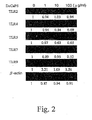
- FIG. 2 is the PCR analysis showing the mRNA expressions of toll-like receptors in the IEC-6 cells treated with the DeCaPS;
- FIG. 3 is a chart showing the effects on the mitogenic responses of ConA-stimulated splenocytes from the C3H mice orally treated with the DeCaPS;
- FIG. 4 is a chart showing the effects on the mitogenic responses of GM-CSF co-stimulated bone marrow cells from the C3H mice orally treated with the DeCaPS;
- FIG. 5 is the PCR analysis showing the cytokine-specific mRNA in Peyer's patch and splenocytes obtained from the C3H mice orally treated with the DeCaPS;
- FIG. 6 is a chart showing the titers of the ovalbumin specific IgA in the intestinal lavage solution from the C57BL/6j mice orally immunized by the ovalbumin with or without administration of DeCaPS;
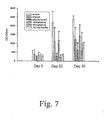
- FIG. 7 is a chart showing the titers of the ovalbumin specific IgM in serum from the C57BL/6j mice orally immunized by the ovalbumin with or without administration of DeCaPS;
- FIG. 8 is a chart showing the titers of the ovalbumin specific IgG in serum from the C57BL/6j mice orally immunized by the ovalbumin with or without administration of DeCaPS;
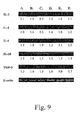
- FIG. 9 is the PCR analysis showing the cytokine expressions of lymphocytes in Peyer's patch from the C57BL/6j mice;
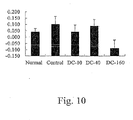
- FIG. 10 is a chart showing the DTH responses of the C57BL/6j mice.
- FIG. 11A is a chart showing the electro-retinograms to a range of flash intensities for the mice of the normal group
- FIG. 11B is a diagram showing the histopathology of eyes of the mice in the normal group
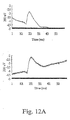
- FIG. 12A is a chart showing the electro-retinograms to a range of flash intensities for the mice of the control group
- FIG. 12B is a diagram showing the histopathology of eyes of the mice in the control group.
- FIG. 13A is a chart showing the electro-retinograms to a range of flash intensities for the mice of the DC-10 group;
- FIG. 13B is a diagram showing the histopathology of eyes of the mice in the DC-10 group
- FIG. 14A is a chart showing the electro-retinograms to a range of flash intensities for the mice of the DC-40 group;
- FIG. 14B is a diagram showing the histopathology of eyes of the mice in the DC-40 group.
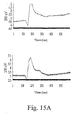
- FIG. 15A is a chart showing the electro-retinograms to a range of flash intensities for the mice of the DC-160 group;
- FIG. 15B is a diagram showing the histopathology of eyes of the mice in the DC-160 group.
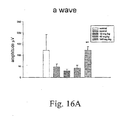
- FIG. 16A is a chart showing the amplitudes of the a-waves in the FIGS. 11A , 12A , 13A , 14A and 15A ;
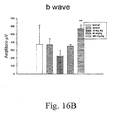
- FIG. 16B is a chart showing the amplitudes of the b-waves in the FIGS. 11A , 12A , 13A , 14A and 15A .
- the present provides a method for preparing a polysaccharide from a plant, including steps of a) extracting the plant with a first alcohol to obtain a first extract, b) extracting the first extract with a solvent to obtain a second extract, and c) precipitating the second extract with a second alcohol to obtain the polysaccharide.
- IEC cells which were originated from the normal rat small intestine, were cultured in DMEM medium containing 5% fetal bovine serum, 4.5 g/L glucose, 5 .mu.g/ml bovine insulin and 2 mM L-glutamine at the incubator with 5% CO.sub.2 at 37.degree. C.
- the IEC-6 cells were confluent in the 6-well plate, the IEC cells were treated with the DeCaPS at the concentrations of 1 .mu.g/ml, 10 .mu.g/ml and 100 .mu.g/ml, respectively, for 6 hours.
- the IEC cells were harvested and suspended in the 1 ml Ultraspec TM RNA isolation Kit (Biotex laboratories Inc.(USA)), and the total RNA was obtained by following the standard protocol of the kit. The obtained total RNA is quantitatively determined.
- the reaction having a reaction volume of 26.5 .mu.l and including 0.1 g of oligo-dT, 5 .mu.g of the obtained total RNA and DEPC-treated sterilized water was performed at 70.degree. C. for 10 minutes. Then, the reaction was added with 4 .mu.l of 10 mM dNTP, 0.5 .mu.l of rRNasin, 1 .mu.l of AMV (Avian Myeloblastosis virus) reverse transcriptase (10 unit) and 8 .mu.l of 5.times.RT buffer so as to have the total volume of 40 .mu.l, and to be incubated at 42.degree. C. for 60 minutes, then at 90.degree.
- 4 .mu.l of 10 mM dNTP 0.5 .mu.l of rRNasin, 1 .mu.l of AMV (Avian Myeloblastosis virus) reverse transcriptase (10
- the primer sequences including sense and antisense primers [SEQ ID NOS: 1-32] for the target genes and the corresponding annealing temperatures are listed in the following Table I. TABLE-US-00001 TABLE I SEQ ID NO. Target gene (PCR product size) Annealing temperature (.degree.
- FIG. 1 shows the mRNA expressions of cytokines and antimicrobial peptides in the IEC-6 cells treated with the DeCaPS.
- the mRNA expressions of TNF-.alpha. [SEQ ID NO: 33] in the IEC-6 cells were suppressed about 29%, 20% and 30%; however, the mRNA expressions of IL-10 [SEQ. ID NO: 34] in the IEC-cells were enhanced up to 9.89-fold, 6.55-fold and 1.77-fold, respectively.
- the intestinal epithelial cells can be induced by the DeCaPS to provide tolerance signals to other cells in the immune system, so as to trigger the TH2/3 pathways.
- the mRNA expressions of ⁇ -defensin [SEQ ID NO: 35] were suppressed about 42%, 33% and 51%; however, the MRNA expressions of angiogenin [SEQ ID NO: 36] were enhanced up to 1.96-fold, 1.42-fold and 1.70-fold, respectively.
- FIG. 2 shows the mRNA expressions of toll-like receptors in the IEC-6 cells treated with the DeCaPS.
- toll-like receptors TLR2 [SEQ ID NO: 37], TNR4 [SEQ ID NO: 38], TLR7 [SEQ ID NO: 39] and TLR9 [SEQ ID NO: 40] were expressed without the DeCaPS treatment.
- the mRNA expressions of TLR4 [SEQ ID NO: 38] in the IEC-6 cells were suppressed about 6%, 16% and 13%
- the mRNA expressions of TLR5 [SEQ ID NO: 41] in the IEC-6 cells were suppressed about 13%, 37% and 35%
- the mRNA expressions of TLR7 [SEQ ID NO: 39] in the IEC-6 cells were suppressed about 11%, 7% and 48%, respectively; however, the mRNA expressions of TLR9 [SEQ ID NO: 40]were enhanced up to 2.21-fold, 1.09-fold and 3.56-fold, respectively.
- the polysaccharides derived from Dendrobium not only suppress the expression of TNF-.alpha. [SEQ ID NO: 33], but also suppress the expressions of TLR4 [SEQ ID NO: 38], TLR5 [SEQ ID NO: 41], TLR7 [SEQ ID NO: 39] and TLR9 [SEQ ID NO: 40].
- the C3H mice (13 weeks old) were respectively fed with the DeCaPS, prepared from the Example I, via the drinking water at the dosages of 10 mg/kg/day, 50 mg/kg/day and 250 mg/kg/day for 5 days, and then were sacrificed to obtain the spleens and the bone marrows thereof.
- the splenocytes (4.times.10.sup.5 cells/well) obtained from the C3H mice treated with the DeCaPS were cultured in RPMI-1640 medium containing 10% fetal bovine serum and 1 and 5 .mu.g/ml concanavalin A (ConA) for 72 hours, and then were treated with 1 mg/ml MTT for 3 hours.
- T hen the cell cultures were respectively added with the lysis buffer containing 50% DMF and 20% SDS, and the reactions were performed for 16 hours.
- the absorptions at 570 nm for the reactions were analyzed to denote the growth index as shown in FIG. 3 .
- FIG. 3 shows the effects on the mitogenic responses of ConA-stimulated splenocytes from the C3H mice orally treated with the DeCaPS.
- the C3H mice were orally treated with the DeCaPS at the dosages of 10 mg/kg/day, 50 mg/kg/day and 250 mg/kg/day for 5 days, the responses to the 1 .mu.g/ml ConA stimulation for the splenocytes were suppressed about 28%, 49% and 30%.
- the bone marrow cells were obtained from the legs of the C3H mice treated with the DeCaPS.
- the bone marrow cells were cultured in .alpha -MEM medium containing 2% FCS and 4 ng/ml GM-CSF for 72 hours, and the positive control group of the bone marrow cells was cultured in .alpha.-MEM medium containing 2% FCS and 20 ng/ml GM-CSF for 72 hours.
- the medium was replaced by RPMI-1640 containing lmg/ml MTT and 2% FCS for treating the bone marrow cells for 3 hours, and the cells were further treated with MTT lysis buffer (20% SDS and 50% DMF at pH4.5) and incubated overnight.
- MTT lysis buffer (20% SDS and 50% DMF at pH4.5
- FIG. 4 shows the effects on the mitogenic responses of GM-CSF-stimulated bone marrow cells obtained from the C3H mice orally treated with the DeCaPS.
- the mitogenic responses to the GM-CSF stimulation for the bone marrow cells were enhanced up to 1.71-fold, 1.62-fold and 1.76-fold.
- the Peyer's patch and splenocytes were obtained from the C3H mice treated with the DeCaPS.
- the PCR analysis of the cytokine-specific mRNA in Peyer's patch and the splenocytes was performed by the method described in Example II, and the PCR results were shown in FIG. 5 .
- FIG. 5 shows the PCR results of cytokine-specific mRNA in Peyer's patch and splenocytes obtained from the C3H mice orally treated with the DeCaPS, wherein the lanes 1-4 denote the C3H mice orally treated with the DeCaPS at the dosages of 0 mg/kg/day, 10 mg/kg/day, 50 mg/kg/day and 250 mg/kg/day, respectively.
- the mRNA expressions of IL-6 [SEQ ID NO: 43] were respectively enhanced up to 2.61-fold, 3.99-fold and 5.35-fold, the mRNA expressions of IL-.beta.
- SEQ ID NO: 44 were respectively enhanced up to 1.83-fold, 2.00-fold and 1.11 -fold, the mRNA expressions of IFN-.gamma.
- SEQ ID NO: 45 were respectively enhanced up to 3.47-fold, 5.47-fold and 5.57-fold, and the mRNA expressions of TGF-.beta.
- [SEQ ID NO: 46] were respectively enhanced up to 2.38-fold, 2.54-fold and 1.89-fold. Since the Peyer's patch is the main site for the determination of immune responses to the antigens, the Th2 pathway is triggered in response to the increment of IL-4 [SEQ ID NO: 42] and IL-6 [SEQ ID NO: 43], T helper cells are activated by the increments of IL- 1.beta. [SEQ ID NO: 44] to secrete cytokines, such as TGF-.beta. [SEQ ID NO: 46], and the IgA class switched B cells are induced by TGF-.beta. [SEQ ID NO: 46] to secrete IgA so as to suppress certain immune responses.
- [SEQ ID NO: 44] were suppressed about 32%, 43% and 79%, and the mRNA expressions of IL-4 [SEQ ID NO: 42] were suppressed about 7%, 67% and 14%.
- the mRNA expressions of TGF-.beta. [SEQ ID NO: 46] were suppressed about 27% and .sup.44%, and the mRNA expressions of IFN-.gamma. [SEQ ID NO: 45] were suppressed about 33% and 97%, respectively.
- OVA ovalbumin
- the C 57BL6j mice (65 weeks old) were orally treated with 0.5 mg/ml ovalbumin (OVA) in the drinking water at the day 4 and day 5, and the DeCaPS was administrated to the C57/BL6j mice as the adjuvant at the dosages of 10 mg/kg/day, 40 mg/kg/day and 160 mg/kg/day at the days 3-7.
- 50 .mu.g of OVA adjuvanted with CFA was administrated to the mice as the antigen via i.p. injection at the day 8, IgG and IgM in response to OVA in the blood collection were detected at the day 22, 50 .mu.g of OVA was administrated to the mice as the antigen via i.p.
- the intestinal lavage solution of the intestinal mucosa was obtained from the mice at the day 32, and the titer of the ovalbumin-specific IgA in the intestinal lavage solution was determined as shown in FIG. 6 .
- the IgA secreted from the intestinal mucosa was enhanced up to 1.9-fold (p ⁇ 0.01) in the C57/BL6j mice treated by the OVA with DeCaPS (40 mg/kg/day), and the IgA secreted from the intestinal mucosa was enhanced up to 4.35-fold (p ⁇ 0.001) inthe C57BL6j mice treated by the OVA with DeCaPS (160 mg/kg/day).
- the IgM antibodies in the blood collection at the day 22 and the day 30 were determined as shown in FIG. 7 .
- the IgM antibody level expressed in the normal group was suppressed about 49% (p ⁇ 0.05)
- the IgM antibody level expressed in the positive control group was suppressed about 87% (p ⁇ 0.05)
- the IgM antibody level expressed in the DC-1 group was suppressed about 46% (p ⁇ 0.02)
- the IgM antibody level expressed in the DC-2 group was suppressed about 88% (p ⁇ 0.001)
- the IgM antibody level expressed in the DC-3 group was suppressed about 86% (p ⁇ 0.001).
- the IgM antibody level expressed in the normal group was suppressed about 47% (p ⁇ 0.01)
- the IgM antibody level expressed in the positive control group was suppressed about 72% (p ⁇ 0.001)
- the IgM antibody level expressed in the DC-1 group was suppressed about 38% (p ⁇ 0.01)
- the IgM antibody level expressed in the DC-2 group was suppressed about 58% (p ⁇ 0.01)
- the IgM antibody level expressed in the DC-3 group was suppressed about 71% (p ⁇ 0.001).
- the IgG antibodies in the blood collection at the day 22 and the day 30 were determined as shown in FIG. 8 .
- the IgG antibody level expressed in the positive control group was suppressed about 94% (p ⁇ 0.01)
- the IgG antibody level expressed in the DC-1 group was suppressed about 67% (p ⁇ 0.01)
- the IgG antibody level expressed in the DC-2 group was suppressed about 76% (p ⁇ 0.01)
- the IgG antibody level expressed in the DC-3 group was suppressed about 88% (p ⁇ 0.001).
- the IgG antibody level expressed in the positive control group was suppressed about 75% (p ⁇ 0.001)
- the IgG antibody level expressed in the DC-2 group was suppressed about 62% (p ⁇ 0.001)
- the IgG antibody level expressed in the DC-3 group was suppressed about 63% (p ⁇ 0.001).
- Peyer's patch was obtained from the mice at the day 32, and the RNA of the lymphocytes in Peyer's patch was extracted and analyzed for the cytokines. Th e cytokine expressions of lymphocytes in Peyer's patch were determined as shown in FIG. 9 , wherein the lane A denotes the normal group, lane B denotes the control group, lane C denotes the positive control group, lane D denotes the DC-1 group, lane E denotes the DC-2 group, and lane F denotes the DC-3 group.
- the PCR amplification was programmed for denature at 94.degree. C. for 45 seconds, the annealing was performed at 61.degree. C.
- PCR products were separated by electrophoresis in 2% agarose gel, and the gel was stained with ethidium bromide and visualized under UV light.
- the TGF-.beta. [SEQ ID NO: 46] level expressed in the DC-3 group was suppressed about 30%
- the IL-4 [SEQ ID NO: 42] level expressed in the DC-3 group was enhanced up to 2.2-fold
- the IL-10 [SEQ ID NO: 34] level expressed in the DC-3 group was enhanced up to 1.3-fold.
- the IL-2 [SEQ ID NO: 47] level expressed in the DC-2 group was enhanced up to 1.4-fold
- the IL-4 [SEQ ID NO: 42] level expressed in the DC-2 group was enhanced up to 1.6-fold.
- the IL-4 [SEQ ID NO: 42] level expressed in the DC-1 group was enhanced up to 1.4-fold
- the IL-6 [SEQ ID NO: 43] level expressed in the DC-1 group was enhanced up to 1.3-fold.
- IL-4 [SEQ ID NO: 42] and IL-6 [SEQ ID NO: 43] were enhanced in the lymphocytes in Peyer's patch. It is to be emphasized that since Payer's patch is the site for the determination of immune responses to the antigens, when the antigen-primed T or B cells back to intestine through homing mechanism, the Th2 pathway is activated to produce antibodies in response to the increments of IL-4 [SEQ ID NO: 42] and IL-6 [SEQ ID NO: 43], the IgG and IgM expressions in the serum are suppressed so as to suppress the allergenic responses, and the oral tolerance is achieved.
- the mitogenic response of T cells in the spleen is suppressed by the polysaccharides of the Dendrobium; however, the granulocytes and macrophages in bone marrow are activated by the polysaccharides of the Dendrobium.
- T cells activated in autoimmune diseases can be suppressed by the oral administration of the polysaccharides of the Dendrobium; however, the granulocyte lineage cells are activated by the oral administration of the polysaccharides of the Dendrobium for preventing from pathogen invasions by innate immunity promotion.
- IL-4 [SEQ ID NO: 42], IL-6 [SEQ ID NO: 43], IL-1.beta. [SEQ ID NO: 44], IFN-.gamma. [SEQ ID NO: 45] and TGF-.beta. [SEQ ID NO: 46] are enhanced to trigger the Th2/Th3 pathways in the intestine, so as to form the oral tolerance.
- TNF-.alpha Ac cording to the expressions of TNF-.alpha.
- TLR2 [SEQ ID NO: 37], TLR4 [SEQ ID NO: 38], TLR5 [SEQ ID NO: 41] and TLR7 [SEQ ID NO: 39] in the IEC-6 cells treated with the polysaccharides of Dendrobium it is shown that the signals mediated by the toll-like receptors can be regulated to be immuno-supressed or anti-inflammatory response by the polysaccharides of Dendrobium, so as to enhance the oral tolerance-associated signals, i.e. the Th2/3 pathways and maintain mucosal homeostasis during pathogenic status such as autoimmune disease and mucosal disorder.
- polysaccharides of Dendrobium may have beneficial use of autoimmune disease and mucosal disorder such as inflammatory bowel disease (IBD) for releasing prolong inflammation and further injury.
- IBD inflammatory bowel disease
- angiogenins have the activities against not only enteric microbes such as Enterococcus faecalis but also microbes that cause systematic infections in humans such as Candida albicans and Streptococcus pneumoniae ( Nat. Immunol. 4:269-273, 2003 ).
- leucorrhea in women is a polymicrobial, superficial vaginal infection.
- the infection frequently caused by bacterias such as G. vaginalis, Candida spp, C. albicans, T. vaginalis, Streptococcus group D, Streptococcus b hemolytic, E. coli, and Klebsiella spp etc. ( Salud publica Mex vol.45 suppl.
- Experimental autoimmune uveitis is a T-cell-mediated autoimmune disease that serves as a model for several ocular autoimmune diseases. It is identified that the experimental autoimmune uveitis is induced by the immunization with interphotoreceptor retinoid binding protein (IRBP), a 140-kD glycolipoprotein. It is also identified that the autoimmune uveitis can be induced by the IRBP peptide 1-20 (SEQ ID NO. 48: GPTHLFQPSLVLDMAKVLLD), the amino acids 1-20 of IRBP. In addition, the IRBP peptide 1-20 is conserved in mice and human ( Investigative Ophthalmology & Visual Science 41(1):127-131, 2000 ). Hence, the IRBP peptide was administrated to the C57BL/6j mice to establish the autoimmune disease model in the present invention.
- IRBP interphotoreceptor retinoid binding protein
- the IRBP peptide (SEQ ID NO. 48: GPTHLFQPSLVLDMAKVLLD) was synthesized on the peptide synthesizer (PS3) using Fmoc Chemistry, purified by the Agilent HPLC and identified by the Brukeer esquire 2000 MS.
- the specific-pathogen-free mice C57BL/6j mice, were randomly grouped into the normal group, the control group, the DC-10 group, the DC-40 group and the DC-160 group, wherein there were 6 mice in each group.
- the human IRBP peptide [SEQ ID NO: 48] (150 .mu.g/mouse) and CFA (1:1, vol/vol) in 0.2 ml emulsion was administrated to each SPF mouse in the groups, except the normal group, via i.p. injection.
- mice in the DC -10 group were fed with the DeCaPS at the dosage of 10 mg/kg/day for 28 days
- the mice in the DC-40 group were fed with the DeCaPS at the dosage of 40 mg/kg/day for 28 days
- the mice in the DC-160 group were fed with the DeCaPS at the dosage of 160 mg/kg/day via the drinking water for 28 days.
- Th e retinal functions of the mice were determined by the electro-retinogram (ERG) analysis, and the mice were sacrificed at the day 28 to obtain the eyes thereof for the bioassays and histopathology determination.
- EMG electro-retinogram
- mice On the day 21 after immunization of IRBP peptide, the mice were injected subcutaneously with 20 .mu.g of the IRBP peptide emulsion in IFA (20 mu.l), into the left footpad. The right footpad was injected with IFA. After 48 hours, the thicknesses of the footpads were measured with a caliper.
- FIG. 10 shows the DTH responses of the mice.
- the DTH responses were shown by the footpad increments in water volume relative to the footpad increment of the mice injected with the phosphate buffer saline (PBS). It is to be noted that the footpad increment of the mice co-treated with the DeCaPS (160 mg/kg/day) is significantly decreased.
- PBS phosphate buffer saline
- mice were dark-adapted for 2 hours, and then anesthetized with sodium pentobarbital. Then, th e corneas of the mice were anesthetized, and the pupils were dilated.
- the retinas w ere stimulated with a flash of light, and the responses of the retina to the flash of light were recorded as the electro-retinograms.
- the electro-retinograms show the action of the photoreceptors and the functions of the proximal retina such as bioplar and Muller cells.
- the elect ro-retinograms are used for reflecting the state of the entire retina. In the electro-retinogram, there is typically a negative-going a-wave, followed by a positive-going b-wave. The leading edge of the a-wave provides a direct measure of the activities of the cone and rod cells in the photoreceptor layer, while the b-wave provides a reflection of the action of bipolar cells in the inner nuclear layer.
- the amplitudes of the a-wave and the b-wave of the mice co-treated with the DeCaPS are nearly equal to those of the mice of the normal group. It is to be further emphasized that the damages from the immunization of IRBP peptide can be rescued by the co-treatment with the polysaccharides (160/mg/kg/day) prepared from the Dendrobium. In other words, the oral administration of the polysaccharides prepared from the Dnedrobium can prevent the retinal from the inflammation induced by the IRBP.
- the present invention provides a composition for treating an autoimmune disease and mucosal disorder, wherein the composition includes polysaccharides prepared from Dendrobium and an antigen associated with an induction of the autoimmune disease due to that the polysaccharides prepared from Dendrobium can enhance the oral tolerance induction and innate immunity promotion. Furthermore, the present invention provide a composition just including the polysaccharides prepared from Dendrobium for treating an autoimmune disease and mucosal disorder due to that the polysaccharides prepared from Dendrobium can induce the oral tolerance and promote innate immunity alone.
Landscapes
- Health & Medical Sciences (AREA)
- Life Sciences & Earth Sciences (AREA)
- Chemical & Material Sciences (AREA)
- Veterinary Medicine (AREA)
- Public Health (AREA)
- Medicinal Chemistry (AREA)
- Pharmacology & Pharmacy (AREA)
- Animal Behavior & Ethology (AREA)
- General Health & Medical Sciences (AREA)
- Epidemiology (AREA)
- Engineering & Computer Science (AREA)
- Chemical Kinetics & Catalysis (AREA)
- General Chemical & Material Sciences (AREA)
- Immunology (AREA)
- Nuclear Medicine, Radiotherapy & Molecular Imaging (AREA)
- Organic Chemistry (AREA)
- Natural Medicines & Medicinal Plants (AREA)
- Bioinformatics & Cheminformatics (AREA)
- Mycology (AREA)
- Microbiology (AREA)
- Rheumatology (AREA)
- Diabetes (AREA)
- Neurology (AREA)
- Molecular Biology (AREA)
- Medical Informatics (AREA)
- Botany (AREA)
- Biotechnology (AREA)
- Alternative & Traditional Medicine (AREA)
- Physical Education & Sports Medicine (AREA)
- Orthopedic Medicine & Surgery (AREA)
- Pain & Pain Management (AREA)
- Endocrinology (AREA)
- Neurosurgery (AREA)
- Transplantation (AREA)
- Ophthalmology & Optometry (AREA)
- Biomedical Technology (AREA)
- Emergency Medicine (AREA)
- Dermatology (AREA)
- Hematology (AREA)
- Obesity (AREA)
Applications Claiming Priority (2)
| Application Number | Priority Date | Filing Date | Title |
|---|---|---|---|
| US11/121,721 US20060251739A1 (en) | 2005-05-04 | 2005-05-04 | Composition and method for treating autoimmune disease and mucosal disorder |
| PCT/CN2006/000895 WO2006116950A2 (en) | 2005-05-04 | 2006-04-30 | A composition, its preparation method and its use |
Publications (3)
| Publication Number | Publication Date |
|---|---|
| EP1920778A2 true EP1920778A2 (de) | 2008-05-14 |
| EP1920778A4 EP1920778A4 (de) | 2009-09-02 |
| EP1920778B1 EP1920778B1 (de) | 2010-08-04 |
Family
ID=37308335
Family Applications (1)
| Application Number | Title | Priority Date | Filing Date |
|---|---|---|---|
| EP06741791A Expired - Lifetime EP1920778B1 (de) | 2005-05-04 | 2006-04-30 | Zusammensetzung zur behandlung von uveitis |
Country Status (11)
| Country | Link |
|---|---|
| US (2) | US20060251739A1 (de) |
| EP (1) | EP1920778B1 (de) |
| JP (1) | JP4820406B2 (de) |
| KR (1) | KR101029525B1 (de) |
| CN (1) | CN101180068B (de) |
| AT (1) | ATE476191T1 (de) |
| AU (1) | AU2006243596B2 (de) |
| CA (1) | CA2608630C (de) |
| DE (1) | DE602006015971D1 (de) |
| NZ (1) | NZ563947A (de) |
| WO (1) | WO2006116950A2 (de) |
Families Citing this family (8)
| Publication number | Priority date | Publication date | Assignee | Title |
|---|---|---|---|---|
| CA2702645C (en) * | 2006-11-10 | 2018-01-02 | Agriculture Victoria Services Pty Ltd | Process for the preparation of angiogenin |
| CA2723987C (en) | 2008-05-14 | 2019-06-11 | Agriculture Victoria Services Pty Ltd | Use of angiogenin or angiogenin agonists for treating diseases and disorders |
| US7935684B2 (en) | 2008-07-22 | 2011-05-03 | National Yang-Ming University | Method for treating allergic diseases |
| AU2013204740C1 (en) | 2012-05-10 | 2015-10-01 | Agriculture Victoria Services Pty Ltd | Methods of treating cancer using angiogenin or an angiogenin agonist |
| JP7064820B2 (ja) | 2016-03-31 | 2022-05-11 | ピアス株式会社 | 育毛剤、並びにε‐ポリリジンおよび/またはシャクヤク抽出物の使用 |
| TWI723344B (zh) * | 2019-02-20 | 2021-04-01 | 安益藥業股份有限公司 | 使用印防己毒烷型結構之倍半萜類化合物用於製備護眼的醫藥組合物的用途 |
| CN113004432B (zh) * | 2021-03-05 | 2022-02-25 | 中国科学院昆明植物研究所 | 一种铁皮石斛寡糖、铁皮石斛寡糖衍生物及其制备方法和应用 |
| CN113337566A (zh) * | 2021-06-22 | 2021-09-03 | 安徽利民生物科技股份有限公司 | 一种石斛多肽的制备方法 |
Family Cites Families (6)
| Publication number | Priority date | Publication date | Assignee | Title |
|---|---|---|---|---|
| GB9024320D0 (en) * | 1990-11-08 | 1990-12-19 | Univ London | Treatment of uveitis |
| CN1457808A (zh) * | 2002-05-14 | 2003-11-26 | 上海市中药研究所 | 一种铁皮石斛复方制剂及制备和应用 |
| US20050058730A1 (en) * | 2003-09-15 | 2005-03-17 | Xushan Wan | Compositions and methods for preventing or treating eyestrain |
| CN1301127C (zh) * | 2004-01-07 | 2007-02-21 | 天津天士力制药股份有限公司 | 一种制备脉络宁注射制剂的工艺方法 |
| CN1246026C (zh) * | 2004-02-09 | 2006-03-22 | 金陵药业股份有限公司 | 一种中药口服液及其在制药中的应用 |
| JP4422573B2 (ja) * | 2004-05-05 | 2010-02-24 | 國立陽明大學 | 霍山デンドロビーコーリイス抽出物及びその調製方法 |
-
2005
- 2005-05-04 US US11/121,721 patent/US20060251739A1/en not_active Abandoned
-
2006
- 2006-04-30 AT AT06741791T patent/ATE476191T1/de not_active IP Right Cessation
- 2006-04-30 AU AU2006243596A patent/AU2006243596B2/en not_active Ceased
- 2006-04-30 WO PCT/CN2006/000895 patent/WO2006116950A2/zh not_active Ceased
- 2006-04-30 KR KR1020077028292A patent/KR101029525B1/ko not_active Expired - Fee Related
- 2006-04-30 CA CA2608630A patent/CA2608630C/en not_active Expired - Fee Related
- 2006-04-30 DE DE602006015971T patent/DE602006015971D1/de not_active Expired - Lifetime
- 2006-04-30 EP EP06741791A patent/EP1920778B1/de not_active Expired - Lifetime
- 2006-04-30 CN CN2006800152597A patent/CN101180068B/zh not_active Expired - Fee Related
- 2006-04-30 NZ NZ563947A patent/NZ563947A/en not_active IP Right Cessation
- 2006-04-30 JP JP2008509290A patent/JP4820406B2/ja not_active Expired - Fee Related
-
2007
- 2007-09-05 US US11/899,590 patent/US7939110B2/en not_active Expired - Fee Related
Also Published As
| Publication number | Publication date |
|---|---|
| EP1920778A4 (de) | 2009-09-02 |
| US20090099128A1 (en) | 2009-04-16 |
| US7939110B2 (en) | 2011-05-10 |
| CN101180068B (zh) | 2010-09-15 |
| JP4820406B2 (ja) | 2011-11-24 |
| NZ563947A (en) | 2009-12-24 |
| US20060251739A1 (en) | 2006-11-09 |
| WO2006116950A2 (en) | 2006-11-09 |
| CA2608630A1 (en) | 2006-11-09 |
| CN101180068A (zh) | 2008-05-14 |
| KR101029525B1 (ko) | 2011-04-18 |
| WO2006116950A3 (en) | 2007-01-11 |
| EP1920778B1 (de) | 2010-08-04 |
| JP2008540348A (ja) | 2008-11-20 |
| KR20080037610A (ko) | 2008-04-30 |
| AU2006243596A1 (en) | 2006-11-09 |
| CA2608630C (en) | 2011-03-15 |
| DE602006015971D1 (de) | 2010-09-16 |
| ATE476191T1 (de) | 2010-08-15 |
| AU2006243596B2 (en) | 2009-11-12 |
Similar Documents
| Publication | Publication Date | Title |
|---|---|---|
| US7939110B2 (en) | Composition and method for treating autoimmune disease and mucosal disorder | |
| ES2352780B2 (es) | Lipopolisacárido de ochrobactrum intermedium contra la sepsis. | |
| ES2539532T3 (es) | Activación de respuestas inmunitarias innatas y adaptativas por parte de un extracto de ginseng | |
| KR100456681B1 (ko) | 박테리아의 염색체 dna 파쇄물과 비독성리포폴리사카라이드를 포함하는 면역강화 및 조절 조성물 | |
| CA2497644C (en) | Whole bacterial cells as immune modulator | |
| WO2017155233A1 (ko) | 염증성 질환의 예방 또는 치료용 펩타이드 및 이의 용도 | |
| KR20110119677A (ko) | 염증성장질환 및 1형 당뇨병치료를 위한 apl 펩티드의 사용 | |
| KR20150116404A (ko) | 복합 생약 추출물을 유효성분으로 함유하는 신경계 자가면역질환 예방 및 치료용 약학적 조성물 | |
| CN109705229B (zh) | 一种三叶青多糖及其在制备免疫调节剂中的应用 | |
| CN1070868C (zh) | 用作自身免疫性疾病治疗剂的肽 | |
| JP2006070217A (ja) | オウギ属植物地上部由来の多糖および生体防御機能賦活化剤 | |
| Chen et al. | Immunological adjuvant effect of the peptide fraction from the larvae of Musca domestica | |
| US6998262B2 (en) | Polysaccharide extract of Dioscorea sp. and an orally active pharmaceutical composition comprising the same | |
| MXPA06003744A (es) | Uso de extractos de especies de pelargonium. | |
| Zimecki et al. | Lactoferrin as an adjuvant for the generation of delayed type hypersensitivity to orally administered antigen | |
| WO2009048192A1 (en) | Composition for improving tlr-mediated cellular immunity comprising poly-gamma-glutamic acid | |
| US20070148209A1 (en) | Allergic constitution ameliorator | |
| KR20150138973A (ko) | 봉독을 유효성분으로 함유하는 신경계 자가면역 질환의 예방 및 치료용 조성물 | |
| KR20090096688A (ko) | 자가면역 질환의 예방과 치료를 위한 약제의 제조에서 티모신 알파 1의 용도 | |
| JP2019156759A (ja) | 多糖組成物 | |
| Jain et al. | Asian Journal of Dental and Health Sciences | |
| KR20170067055A (ko) | 삼백초의 수용성 추출물을 포함하는 Th-1 매개 질환의 치료 또는 예방용 약학적 조성물 및 이의 제조 방법 | |
| CN120574279A (zh) | 一种三萜皂苷类化合物及其制备和应用 | |
| Yoon et al. | Korean mistletoe (Viscum album Coloratum) extract induces eel (Anguilla japonica) non-specific immunity | |
| Cho et al. | Effect of Korean Mistletoe (Viscum album Coloratum) on the Non-Specific Immune Responses in Japanese Eel (Anguilla japonica) |
Legal Events
| Date | Code | Title | Description |
|---|---|---|---|
| PUAI | Public reference made under article 153(3) epc to a published international application that has entered the european phase |
Free format text: ORIGINAL CODE: 0009012 |
|
| 17P | Request for examination filed |
Effective date: 20071204 |
|
| AK | Designated contracting states |
Kind code of ref document: A2 Designated state(s): AT BE BG CH CY CZ DE DK EE ES FI FR GB GR HU IE IS IT LI LT LU LV MC NL PL PT RO SE SI SK TR |
|
| DAX | Request for extension of the european patent (deleted) | ||
| A4 | Supplementary search report drawn up and despatched |
Effective date: 20090805 |
|
| GRAP | Despatch of communication of intention to grant a patent |
Free format text: ORIGINAL CODE: EPIDOSNIGR1 |
|
| RTI1 | Title (correction) |
Free format text: COMPOSITION FOR TREATMENT OF UVEITIS |
|
| RTI1 | Title (correction) |
Free format text: COMPOSITION FOR TREATMENT OF UVEITIS |
|
| GRAS | Grant fee paid |
Free format text: ORIGINAL CODE: EPIDOSNIGR3 |
|
| GRAA | (expected) grant |
Free format text: ORIGINAL CODE: 0009210 |
|
| AK | Designated contracting states |
Kind code of ref document: B1 Designated state(s): AT BE BG CH CY CZ DE DK EE ES FI FR GB GR HU IE IS IT LI LT LU LV MC NL PL PT RO SE SI SK TR |
|
| REG | Reference to a national code |
Ref country code: GB Ref legal event code: FG4D |
|
| REG | Reference to a national code |
Ref country code: CH Ref legal event code: EP |
|
| REG | Reference to a national code |
Ref country code: IE Ref legal event code: FG4D |
|
| REF | Corresponds to: |
Ref document number: 602006015971 Country of ref document: DE Date of ref document: 20100916 Kind code of ref document: P |
|
| REG | Reference to a national code |
Ref country code: CH Ref legal event code: NV Representative=s name: PATENTANWAELTE SCHAAD, BALASS, MENZL & PARTNER AG |
|
| REG | Reference to a national code |
Ref country code: NL Ref legal event code: VDEP Effective date: 20100804 |
|
| LTIE | Lt: invalidation of european patent or patent extension |
Effective date: 20100804 |
|
| PG25 | Lapsed in a contracting state [announced via postgrant information from national office to epo] |
Ref country code: FI Free format text: LAPSE BECAUSE OF FAILURE TO SUBMIT A TRANSLATION OF THE DESCRIPTION OR TO PAY THE FEE WITHIN THE PRESCRIBED TIME-LIMIT Effective date: 20100804 Ref country code: LT Free format text: LAPSE BECAUSE OF FAILURE TO SUBMIT A TRANSLATION OF THE DESCRIPTION OR TO PAY THE FEE WITHIN THE PRESCRIBED TIME-LIMIT Effective date: 20100804 Ref country code: NL Free format text: LAPSE BECAUSE OF FAILURE TO SUBMIT A TRANSLATION OF THE DESCRIPTION OR TO PAY THE FEE WITHIN THE PRESCRIBED TIME-LIMIT Effective date: 20100804 Ref country code: AT Free format text: LAPSE BECAUSE OF FAILURE TO SUBMIT A TRANSLATION OF THE DESCRIPTION OR TO PAY THE FEE WITHIN THE PRESCRIBED TIME-LIMIT Effective date: 20100804 |
|
| PG25 | Lapsed in a contracting state [announced via postgrant information from national office to epo] |
Ref country code: PT Free format text: LAPSE BECAUSE OF FAILURE TO SUBMIT A TRANSLATION OF THE DESCRIPTION OR TO PAY THE FEE WITHIN THE PRESCRIBED TIME-LIMIT Effective date: 20101206 Ref country code: BG Free format text: LAPSE BECAUSE OF FAILURE TO SUBMIT A TRANSLATION OF THE DESCRIPTION OR TO PAY THE FEE WITHIN THE PRESCRIBED TIME-LIMIT Effective date: 20101104 Ref country code: CY Free format text: LAPSE BECAUSE OF FAILURE TO SUBMIT A TRANSLATION OF THE DESCRIPTION OR TO PAY THE FEE WITHIN THE PRESCRIBED TIME-LIMIT Effective date: 20100804 Ref country code: IS Free format text: LAPSE BECAUSE OF FAILURE TO SUBMIT A TRANSLATION OF THE DESCRIPTION OR TO PAY THE FEE WITHIN THE PRESCRIBED TIME-LIMIT Effective date: 20101204 Ref country code: PL Free format text: LAPSE BECAUSE OF FAILURE TO SUBMIT A TRANSLATION OF THE DESCRIPTION OR TO PAY THE FEE WITHIN THE PRESCRIBED TIME-LIMIT Effective date: 20100804 Ref country code: SI Free format text: LAPSE BECAUSE OF FAILURE TO SUBMIT A TRANSLATION OF THE DESCRIPTION OR TO PAY THE FEE WITHIN THE PRESCRIBED TIME-LIMIT Effective date: 20100804 |
|
| PG25 | Lapsed in a contracting state [announced via postgrant information from national office to epo] |
Ref country code: BE Free format text: LAPSE BECAUSE OF FAILURE TO SUBMIT A TRANSLATION OF THE DESCRIPTION OR TO PAY THE FEE WITHIN THE PRESCRIBED TIME-LIMIT Effective date: 20100804 Ref country code: GR Free format text: LAPSE BECAUSE OF FAILURE TO SUBMIT A TRANSLATION OF THE DESCRIPTION OR TO PAY THE FEE WITHIN THE PRESCRIBED TIME-LIMIT Effective date: 20101105 Ref country code: LV Free format text: LAPSE BECAUSE OF FAILURE TO SUBMIT A TRANSLATION OF THE DESCRIPTION OR TO PAY THE FEE WITHIN THE PRESCRIBED TIME-LIMIT Effective date: 20100804 Ref country code: SE Free format text: LAPSE BECAUSE OF FAILURE TO SUBMIT A TRANSLATION OF THE DESCRIPTION OR TO PAY THE FEE WITHIN THE PRESCRIBED TIME-LIMIT Effective date: 20100804 |
|
| PG25 | Lapsed in a contracting state [announced via postgrant information from national office to epo] |
Ref country code: DK Free format text: LAPSE BECAUSE OF FAILURE TO SUBMIT A TRANSLATION OF THE DESCRIPTION OR TO PAY THE FEE WITHIN THE PRESCRIBED TIME-LIMIT Effective date: 20100804 |
|
| PG25 | Lapsed in a contracting state [announced via postgrant information from national office to epo] |
Ref country code: IT Free format text: LAPSE BECAUSE OF FAILURE TO SUBMIT A TRANSLATION OF THE DESCRIPTION OR TO PAY THE FEE WITHIN THE PRESCRIBED TIME-LIMIT Effective date: 20100804 Ref country code: CZ Free format text: LAPSE BECAUSE OF FAILURE TO SUBMIT A TRANSLATION OF THE DESCRIPTION OR TO PAY THE FEE WITHIN THE PRESCRIBED TIME-LIMIT Effective date: 20100804 Ref country code: SK Free format text: LAPSE BECAUSE OF FAILURE TO SUBMIT A TRANSLATION OF THE DESCRIPTION OR TO PAY THE FEE WITHIN THE PRESCRIBED TIME-LIMIT Effective date: 20100804 Ref country code: RO Free format text: LAPSE BECAUSE OF FAILURE TO SUBMIT A TRANSLATION OF THE DESCRIPTION OR TO PAY THE FEE WITHIN THE PRESCRIBED TIME-LIMIT Effective date: 20100804 Ref country code: EE Free format text: LAPSE BECAUSE OF FAILURE TO SUBMIT A TRANSLATION OF THE DESCRIPTION OR TO PAY THE FEE WITHIN THE PRESCRIBED TIME-LIMIT Effective date: 20100804 |
|
| PLBE | No opposition filed within time limit |
Free format text: ORIGINAL CODE: 0009261 |
|
| STAA | Information on the status of an ep patent application or granted ep patent |
Free format text: STATUS: NO OPPOSITION FILED WITHIN TIME LIMIT |
|
| PG25 | Lapsed in a contracting state [announced via postgrant information from national office to epo] |
Ref country code: ES Free format text: LAPSE BECAUSE OF FAILURE TO SUBMIT A TRANSLATION OF THE DESCRIPTION OR TO PAY THE FEE WITHIN THE PRESCRIBED TIME-LIMIT Effective date: 20101115 |
|
| 26N | No opposition filed |
Effective date: 20110506 |
|
| REG | Reference to a national code |
Ref country code: DE Ref legal event code: R097 Ref document number: 602006015971 Country of ref document: DE Effective date: 20110506 |
|
| PG25 | Lapsed in a contracting state [announced via postgrant information from national office to epo] |
Ref country code: MC Free format text: LAPSE BECAUSE OF NON-PAYMENT OF DUE FEES Effective date: 20110430 |
|
| REG | Reference to a national code |
Ref country code: IE Ref legal event code: MM4A |
|
| PG25 | Lapsed in a contracting state [announced via postgrant information from national office to epo] |
Ref country code: IE Free format text: LAPSE BECAUSE OF NON-PAYMENT OF DUE FEES Effective date: 20110430 |
|
| PG25 | Lapsed in a contracting state [announced via postgrant information from national office to epo] |
Ref country code: LU Free format text: LAPSE BECAUSE OF NON-PAYMENT OF DUE FEES Effective date: 20110430 |
|
| PG25 | Lapsed in a contracting state [announced via postgrant information from national office to epo] |
Ref country code: TR Free format text: LAPSE BECAUSE OF FAILURE TO SUBMIT A TRANSLATION OF THE DESCRIPTION OR TO PAY THE FEE WITHIN THE PRESCRIBED TIME-LIMIT Effective date: 20100804 |
|
| PG25 | Lapsed in a contracting state [announced via postgrant information from national office to epo] |
Ref country code: HU Free format text: LAPSE BECAUSE OF FAILURE TO SUBMIT A TRANSLATION OF THE DESCRIPTION OR TO PAY THE FEE WITHIN THE PRESCRIBED TIME-LIMIT Effective date: 20100804 |
|
| REG | Reference to a national code |
Ref country code: FR Ref legal event code: PLFP Year of fee payment: 11 |
|
| REG | Reference to a national code |
Ref country code: FR Ref legal event code: PLFP Year of fee payment: 12 |
|
| REG | Reference to a national code |
Ref country code: FR Ref legal event code: PLFP Year of fee payment: 13 |
|
| PGFP | Annual fee paid to national office [announced via postgrant information from national office to epo] |
Ref country code: CH Payment date: 20180523 Year of fee payment: 13 Ref country code: DE Payment date: 20180427 Year of fee payment: 13 |
|
| PGFP | Annual fee paid to national office [announced via postgrant information from national office to epo] |
Ref country code: FR Payment date: 20180523 Year of fee payment: 13 |
|
| PGFP | Annual fee paid to national office [announced via postgrant information from national office to epo] |
Ref country code: GB Payment date: 20180523 Year of fee payment: 13 |
|
| REG | Reference to a national code |
Ref country code: DE Ref legal event code: R119 Ref document number: 602006015971 Country of ref document: DE |
|
| REG | Reference to a national code |
Ref country code: CH Ref legal event code: PL |
|
| GBPC | Gb: european patent ceased through non-payment of renewal fee |
Effective date: 20190430 |
|
| PG25 | Lapsed in a contracting state [announced via postgrant information from national office to epo] |
Ref country code: GB Free format text: LAPSE BECAUSE OF NON-PAYMENT OF DUE FEES Effective date: 20190430 Ref country code: CH Free format text: LAPSE BECAUSE OF NON-PAYMENT OF DUE FEES Effective date: 20190430 Ref country code: LI Free format text: LAPSE BECAUSE OF NON-PAYMENT OF DUE FEES Effective date: 20190430 Ref country code: DE Free format text: LAPSE BECAUSE OF NON-PAYMENT OF DUE FEES Effective date: 20191101 |
|
| PG25 | Lapsed in a contracting state [announced via postgrant information from national office to epo] |
Ref country code: FR Free format text: LAPSE BECAUSE OF NON-PAYMENT OF DUE FEES Effective date: 20190430 |