EP1925318A1 - Vaccin à base de virus modifié de vaccin Ankara (MVA) recombinant contre la grippe aviaire - Google Patents
Vaccin à base de virus modifié de vaccin Ankara (MVA) recombinant contre la grippe aviaire Download PDFInfo
- Publication number
- EP1925318A1 EP1925318A1 EP06124336A EP06124336A EP1925318A1 EP 1925318 A1 EP1925318 A1 EP 1925318A1 EP 06124336 A EP06124336 A EP 06124336A EP 06124336 A EP06124336 A EP 06124336A EP 1925318 A1 EP1925318 A1 EP 1925318A1
- Authority
- EP
- European Patent Office
- Prior art keywords
- mva
- nucleic acid
- vietnam
- heterologous nucleic
- vaccinia virus
- Prior art date
- Legal status (The legal status is an assumption and is not a legal conclusion. Google has not performed a legal analysis and makes no representation as to the accuracy of the status listed.)
- Ceased
Links
- 241001183012 Modified Vaccinia Ankara virus Species 0.000 title claims abstract description 124
- 229960005486 vaccine Drugs 0.000 title claims abstract description 66
- 206010064097 avian influenza Diseases 0.000 title description 18
- 208000002979 Influenza in Birds Diseases 0.000 title description 11
- 108020004707 nucleic acids Proteins 0.000 claims abstract description 79
- 102000039446 nucleic acids Human genes 0.000 claims abstract description 79
- 150000007523 nucleic acids Chemical class 0.000 claims abstract description 79
- 108090000623 proteins and genes Proteins 0.000 claims abstract description 30
- 239000000427 antigen Substances 0.000 claims abstract description 18
- 108091007433 antigens Proteins 0.000 claims abstract description 18
- 102000036639 antigens Human genes 0.000 claims abstract description 18
- 241000712431 Influenza A virus Species 0.000 claims abstract description 17
- 238000004519 manufacturing process Methods 0.000 claims abstract description 16
- 241000700618 Vaccinia virus Species 0.000 claims abstract description 9
- 239000003814 drug Substances 0.000 claims abstract description 6
- 241000700629 Orthopoxvirus Species 0.000 claims abstract description 5
- 208000015181 infectious disease Diseases 0.000 claims description 56
- 101710154606 Hemagglutinin Proteins 0.000 claims description 37
- 101710093908 Outer capsid protein VP4 Proteins 0.000 claims description 37
- 101710135467 Outer capsid protein sigma-1 Proteins 0.000 claims description 37
- 101710176177 Protein A56 Proteins 0.000 claims description 37
- 239000000185 hemagglutinin Substances 0.000 claims description 31
- 241001465754 Metazoa Species 0.000 claims description 26
- 238000000034 method Methods 0.000 claims description 21
- 230000003053 immunization Effects 0.000 claims description 20
- 238000002649 immunization Methods 0.000 claims description 17
- 239000002773 nucleotide Substances 0.000 claims description 9
- 125000003729 nucleotide group Chemical group 0.000 claims description 9
- 241001168968 Chroicocephalus ridibundus Species 0.000 claims description 8
- 238000012217 deletion Methods 0.000 claims description 7
- 230000037430 deletion Effects 0.000 claims description 7
- 241000272813 Anser indicus Species 0.000 claims description 6
- 241001416090 Ardea cinerea Species 0.000 claims description 6
- 241001641735 Cygnus cygnus Species 0.000 claims description 6
- 206010046865 Vaccinia virus infection Diseases 0.000 claims description 6
- 208000007089 vaccinia Diseases 0.000 claims description 6
- 230000000069 prophylactic effect Effects 0.000 claims description 3
- 230000001225 therapeutic effect Effects 0.000 claims description 3
- 241000700605 Viruses Species 0.000 description 65
- 241000699670 Mus sp. Species 0.000 description 46
- 210000004027 cell Anatomy 0.000 description 37
- 241001500351 Influenzavirus A Species 0.000 description 34
- 238000002255 vaccination Methods 0.000 description 29
- 150000001413 amino acids Chemical class 0.000 description 23
- 229940000406 drug candidate Drugs 0.000 description 22
- 210000004072 lung Anatomy 0.000 description 22
- 241000712461 unidentified influenza virus Species 0.000 description 22
- LOKCTEFSRHRXRJ-UHFFFAOYSA-I dipotassium trisodium dihydrogen phosphate hydrogen phosphate dichloride Chemical compound P(=O)(O)(O)[O-].[K+].P(=O)(O)([O-])[O-].[Na+].[Na+].[Cl-].[K+].[Cl-].[Na+] LOKCTEFSRHRXRJ-UHFFFAOYSA-I 0.000 description 19
- 239000002953 phosphate buffered saline Substances 0.000 description 19
- 206010022000 influenza Diseases 0.000 description 14
- 230000029812 viral genome replication Effects 0.000 description 12
- 230000005875 antibody response Effects 0.000 description 11
- 238000003556 assay Methods 0.000 description 9
- 238000002360 preparation method Methods 0.000 description 9
- 230000010076 replication Effects 0.000 description 9
- 239000013598 vector Substances 0.000 description 9
- 241000282412 Homo Species 0.000 description 8
- 210000000056 organ Anatomy 0.000 description 8
- 241000287828 Gallus gallus Species 0.000 description 7
- 108010006232 Neuraminidase Proteins 0.000 description 7
- 102000005348 Neuraminidase Human genes 0.000 description 7
- 210000004556 brain Anatomy 0.000 description 7
- 238000010211 hemagglutination inhibition (HI) assay Methods 0.000 description 7
- 230000002458 infectious effect Effects 0.000 description 7
- 210000000936 intestine Anatomy 0.000 description 7
- 210000000952 spleen Anatomy 0.000 description 7
- 230000003612 virological effect Effects 0.000 description 7
- 241000271566 Aves Species 0.000 description 6
- WSFSSNUMVMOOMR-UHFFFAOYSA-N Formaldehyde Chemical compound O=C WSFSSNUMVMOOMR-UHFFFAOYSA-N 0.000 description 6
- 241000700647 Variola virus Species 0.000 description 6
- 238000003780 insertion Methods 0.000 description 6
- 230000037431 insertion Effects 0.000 description 6
- 210000001519 tissue Anatomy 0.000 description 6
- 239000002671 adjuvant Substances 0.000 description 5
- 210000002821 alveolar epithelial cell Anatomy 0.000 description 5
- 230000002596 correlated effect Effects 0.000 description 5
- 230000002163 immunogen Effects 0.000 description 5
- 208000037797 influenza A Diseases 0.000 description 5
- 238000011081 inoculation Methods 0.000 description 5
- 230000010354 integration Effects 0.000 description 5
- 239000013612 plasmid Substances 0.000 description 5
- 241000894007 species Species 0.000 description 5
- 238000012360 testing method Methods 0.000 description 5
- 108700039887 Essential Genes Proteins 0.000 description 4
- 101150039660 HA gene Proteins 0.000 description 4
- WZUVPPKBWHMQCE-UHFFFAOYSA-N Haematoxylin Chemical compound C12=CC(O)=C(O)C=C2CC2(O)C1C1=CC=C(O)C(O)=C1OC2 WZUVPPKBWHMQCE-UHFFFAOYSA-N 0.000 description 4
- 230000000890 antigenic effect Effects 0.000 description 4
- 230000037396 body weight Effects 0.000 description 4
- 201000010099 disease Diseases 0.000 description 4
- 208000037265 diseases, disorders, signs and symptoms Diseases 0.000 description 4
- 230000000694 effects Effects 0.000 description 4
- 238000002474 experimental method Methods 0.000 description 4
- 230000028993 immune response Effects 0.000 description 4
- 230000005847 immunogenicity Effects 0.000 description 4
- 239000013641 positive control Substances 0.000 description 4
- 230000000644 propagated effect Effects 0.000 description 4
- 230000001681 protective effect Effects 0.000 description 4
- 210000002966 serum Anatomy 0.000 description 4
- 229940126580 vector vaccine Drugs 0.000 description 4
- CSCPPACGZOOCGX-UHFFFAOYSA-N Acetone Chemical compound CC(C)=O CSCPPACGZOOCGX-UHFFFAOYSA-N 0.000 description 3
- 241000272525 Anas platyrhynchos Species 0.000 description 3
- CURLTUGMZLYLDI-UHFFFAOYSA-N Carbon dioxide Chemical compound O=C=O CURLTUGMZLYLDI-UHFFFAOYSA-N 0.000 description 3
- LFQSCWFLJHTTHZ-UHFFFAOYSA-N Ethanol Chemical compound CCO LFQSCWFLJHTTHZ-UHFFFAOYSA-N 0.000 description 3
- PEDCQBHIVMGVHV-UHFFFAOYSA-N Glycerine Chemical compound OCC(O)CO PEDCQBHIVMGVHV-UHFFFAOYSA-N 0.000 description 3
- 241000124008 Mammalia Species 0.000 description 3
- OKKJLVBELUTLKV-UHFFFAOYSA-N Methanol Chemical compound OC OKKJLVBELUTLKV-UHFFFAOYSA-N 0.000 description 3
- 239000003708 ampul Substances 0.000 description 3
- 230000000680 avirulence Effects 0.000 description 3
- 210000003123 bronchiole Anatomy 0.000 description 3
- 238000012512 characterization method Methods 0.000 description 3
- 239000003795 chemical substances by application Substances 0.000 description 3
- 230000007812 deficiency Effects 0.000 description 3
- 238000011161 development Methods 0.000 description 3
- 238000011156 evaluation Methods 0.000 description 3
- 230000036039 immunity Effects 0.000 description 3
- 210000001161 mammalian embryo Anatomy 0.000 description 3
- 239000000203 mixture Substances 0.000 description 3
- 239000000178 monomer Substances 0.000 description 3
- 230000003389 potentiating effect Effects 0.000 description 3
- 102000004169 proteins and genes Human genes 0.000 description 3
- 108020003175 receptors Proteins 0.000 description 3
- 102000005962 receptors Human genes 0.000 description 3
- 210000002345 respiratory system Anatomy 0.000 description 3
- 230000004580 weight loss Effects 0.000 description 3
- 108091032973 (ribonucleotides)n+m Proteins 0.000 description 2
- DHMQDGOQFOQNFH-UHFFFAOYSA-N Glycine Chemical compound NCC(O)=O DHMQDGOQFOQNFH-UHFFFAOYSA-N 0.000 description 2
- 108090000288 Glycoproteins Proteins 0.000 description 2
- 102000003886 Glycoproteins Human genes 0.000 description 2
- 108091029795 Intergenic region Proteins 0.000 description 2
- 241000282553 Macaca Species 0.000 description 2
- 229930006000 Sucrose Natural products 0.000 description 2
- CZMRCDWAGMRECN-UGDNZRGBSA-N Sucrose Chemical compound O[C@H]1[C@H](O)[C@@H](CO)O[C@@]1(CO)O[C@@H]1[C@H](O)[C@@H](O)[C@H](O)[C@@H](CO)O1 CZMRCDWAGMRECN-UGDNZRGBSA-N 0.000 description 2
- 108010008038 Synthetic Vaccines Proteins 0.000 description 2
- 210000001744 T-lymphocyte Anatomy 0.000 description 2
- 239000007983 Tris buffer Substances 0.000 description 2
- 108020000999 Viral RNA Proteins 0.000 description 2
- 230000008901 benefit Effects 0.000 description 2
- 210000004369 blood Anatomy 0.000 description 2
- 239000008280 blood Substances 0.000 description 2
- 238000004113 cell culture Methods 0.000 description 2
- 238000010367 cloning Methods 0.000 description 2
- 238000010276 construction Methods 0.000 description 2
- 210000000805 cytoplasm Anatomy 0.000 description 2
- 238000005516 engineering process Methods 0.000 description 2
- 210000000981 epithelium Anatomy 0.000 description 2
- 210000003743 erythrocyte Anatomy 0.000 description 2
- 230000002349 favourable effect Effects 0.000 description 2
- 210000002950 fibroblast Anatomy 0.000 description 2
- 238000009472 formulation Methods 0.000 description 2
- 230000002068 genetic effect Effects 0.000 description 2
- 239000011521 glass Substances 0.000 description 2
- 230000012010 growth Effects 0.000 description 2
- 230000035931 haemagglutination Effects 0.000 description 2
- 230000006801 homologous recombination Effects 0.000 description 2
- 238000002744 homologous recombination Methods 0.000 description 2
- 238000003364 immunohistochemistry Methods 0.000 description 2
- 238000010348 incorporation Methods 0.000 description 2
- 230000006698 induction Effects 0.000 description 2
- 230000008595 infiltration Effects 0.000 description 2
- 238000001764 infiltration Methods 0.000 description 2
- 239000004615 ingredient Substances 0.000 description 2
- 238000007918 intramuscular administration Methods 0.000 description 2
- 210000003734 kidney Anatomy 0.000 description 2
- 239000000463 material Substances 0.000 description 2
- 239000011159 matrix material Substances 0.000 description 2
- 239000002609 medium Substances 0.000 description 2
- 230000003472 neutralizing effect Effects 0.000 description 2
- 230000001717 pathogenic effect Effects 0.000 description 2
- 239000008194 pharmaceutical composition Substances 0.000 description 2
- 229940124551 recombinant vaccine Drugs 0.000 description 2
- 230000009467 reduction Effects 0.000 description 2
- 230000001105 regulatory effect Effects 0.000 description 2
- 238000011160 research Methods 0.000 description 2
- 238000013207 serial dilution Methods 0.000 description 2
- 239000003381 stabilizer Substances 0.000 description 2
- UCSJYZPVAKXKNQ-HZYVHMACSA-N streptomycin Chemical compound CN[C@H]1[C@H](O)[C@@H](O)[C@H](CO)O[C@H]1O[C@@H]1[C@](C=O)(O)[C@H](C)O[C@H]1O[C@@H]1[C@@H](NC(N)=N)[C@H](O)[C@@H](NC(N)=N)[C@H](O)[C@H]1O UCSJYZPVAKXKNQ-HZYVHMACSA-N 0.000 description 2
- 239000000758 substrate Substances 0.000 description 2
- 239000005720 sucrose Substances 0.000 description 2
- 238000001890 transfection Methods 0.000 description 2
- 238000012546 transfer Methods 0.000 description 2
- 238000005199 ultracentrifugation Methods 0.000 description 2
- 230000009385 viral infection Effects 0.000 description 2
- XLYOFNOQVPJJNP-UHFFFAOYSA-N water Chemical compound O XLYOFNOQVPJJNP-UHFFFAOYSA-N 0.000 description 2
- 239000002023 wood Substances 0.000 description 2
- JKMHFZQWWAIEOD-UHFFFAOYSA-N 2-[4-(2-hydroxyethyl)piperazin-1-yl]ethanesulfonic acid Chemical compound OCC[NH+]1CCN(CCS([O-])(=O)=O)CC1 JKMHFZQWWAIEOD-UHFFFAOYSA-N 0.000 description 1
- JRBJSXQPQWSCCF-UHFFFAOYSA-N 3,3'-Dimethoxybenzidine Chemical compound C1=C(N)C(OC)=CC(C=2C=C(OC)C(N)=CC=2)=C1 JRBJSXQPQWSCCF-UHFFFAOYSA-N 0.000 description 1
- MCSXGCZMEPXKIW-UHFFFAOYSA-N 3-hydroxy-4-[(4-methyl-2-nitrophenyl)diazenyl]-N-(3-nitrophenyl)naphthalene-2-carboxamide Chemical compound Cc1ccc(N=Nc2c(O)c(cc3ccccc23)C(=O)Nc2cccc(c2)[N+]([O-])=O)c(c1)[N+]([O-])=O MCSXGCZMEPXKIW-UHFFFAOYSA-N 0.000 description 1
- 208000030507 AIDS Diseases 0.000 description 1
- 101150068622 ATI gene Proteins 0.000 description 1
- GUBGYTABKSRVRQ-XLOQQCSPSA-N Alpha-Lactose Chemical compound O[C@@H]1[C@@H](O)[C@@H](O)[C@@H](CO)O[C@H]1O[C@@H]1[C@@H](CO)O[C@H](O)[C@H](O)[C@H]1O GUBGYTABKSRVRQ-XLOQQCSPSA-N 0.000 description 1
- 206010002091 Anaesthesia Diseases 0.000 description 1
- 241000894006 Bacteria Species 0.000 description 1
- 238000011746 C57BL/6J (JAX™ mouse strain) Methods 0.000 description 1
- 241000283707 Capra Species 0.000 description 1
- 206010008631 Cholera Diseases 0.000 description 1
- 108020004705 Codon Proteins 0.000 description 1
- 208000035473 Communicable disease Diseases 0.000 description 1
- 241000700626 Cowpox virus Species 0.000 description 1
- FBPFZTCFMRRESA-KVTDHHQDSA-N D-Mannitol Chemical compound OC[C@@H](O)[C@@H](O)[C@H](O)[C@H](O)CO FBPFZTCFMRRESA-KVTDHHQDSA-N 0.000 description 1
- 108020004414 DNA Proteins 0.000 description 1
- 108010014303 DNA-directed DNA polymerase Proteins 0.000 description 1
- 102000016928 DNA-directed DNA polymerase Human genes 0.000 description 1
- 229920002307 Dextran Polymers 0.000 description 1
- 102000004190 Enzymes Human genes 0.000 description 1
- 108090000790 Enzymes Proteins 0.000 description 1
- 206010015548 Euthanasia Diseases 0.000 description 1
- 206010015719 Exsanguination Diseases 0.000 description 1
- 239000004606 Fillers/Extenders Substances 0.000 description 1
- CEAZRRDELHUEMR-URQXQFDESA-N Gentamicin Chemical compound O1[C@H](C(C)NC)CC[C@@H](N)[C@H]1O[C@H]1[C@H](O)[C@@H](O[C@@H]2[C@@H]([C@@H](NC)[C@@](C)(O)CO2)O)[C@H](N)C[C@@H]1N CEAZRRDELHUEMR-URQXQFDESA-N 0.000 description 1
- 229930182566 Gentamicin Natural products 0.000 description 1
- 239000004471 Glycine Substances 0.000 description 1
- 108060003393 Granulin Proteins 0.000 description 1
- 108010001336 Horseradish Peroxidase Proteins 0.000 description 1
- 102000008100 Human Serum Albumin Human genes 0.000 description 1
- 108091006905 Human Serum Albumin Proteins 0.000 description 1
- 101900159346 Influenza A virus Hemagglutinin Proteins 0.000 description 1
- 102100034343 Integrase Human genes 0.000 description 1
- 208000029523 Interstitial Lung disease Diseases 0.000 description 1
- 102000004310 Ion Channels Human genes 0.000 description 1
- PIWKPBJCKXDKJR-UHFFFAOYSA-N Isoflurane Chemical compound FC(F)OC(Cl)C(F)(F)F PIWKPBJCKXDKJR-UHFFFAOYSA-N 0.000 description 1
- GUBGYTABKSRVRQ-QKKXKWKRSA-N Lactose Natural products OC[C@H]1O[C@@H](O[C@H]2[C@H](O)[C@@H](O)C(O)O[C@@H]2CO)[C@H](O)[C@@H](O)[C@H]1O GUBGYTABKSRVRQ-QKKXKWKRSA-N 0.000 description 1
- 108010090054 Membrane Glycoproteins Proteins 0.000 description 1
- 102000012750 Membrane Glycoproteins Human genes 0.000 description 1
- 108010052285 Membrane Proteins Proteins 0.000 description 1
- 102000018697 Membrane Proteins Human genes 0.000 description 1
- 102220477256 Membrane-spanning 4-domains subfamily A member 10_S31N_mutation Human genes 0.000 description 1
- 241000702321 Microvirus Species 0.000 description 1
- 241000282341 Mustela putorius furo Species 0.000 description 1
- HRNLUBSXIHFDHP-UHFFFAOYSA-N N-(2-aminophenyl)-4-[[[4-(3-pyridinyl)-2-pyrimidinyl]amino]methyl]benzamide Chemical compound NC1=CC=CC=C1NC(=O)C(C=C1)=CC=C1CNC1=NC=CC(C=2C=NC=CC=2)=N1 HRNLUBSXIHFDHP-UHFFFAOYSA-N 0.000 description 1
- 102000011931 Nucleoproteins Human genes 0.000 description 1
- 108010061100 Nucleoproteins Proteins 0.000 description 1
- 108091034117 Oligonucleotide Proteins 0.000 description 1
- 241000712464 Orthomyxoviridae Species 0.000 description 1
- 241000283973 Oryctolagus cuniculus Species 0.000 description 1
- 208000002606 Paramyxoviridae Infections Diseases 0.000 description 1
- 229930182555 Penicillin Natural products 0.000 description 1
- JGSARLDLIJGVTE-MBNYWOFBSA-N Penicillin G Chemical compound N([C@H]1[C@H]2SC([C@@H](N2C1=O)C(O)=O)(C)C)C(=O)CC1=CC=CC=C1 JGSARLDLIJGVTE-MBNYWOFBSA-N 0.000 description 1
- 239000001888 Peptone Substances 0.000 description 1
- 108010080698 Peptones Proteins 0.000 description 1
- 206010035664 Pneumonia Diseases 0.000 description 1
- 108010093965 Polymyxin B Proteins 0.000 description 1
- 208000003251 Pruritus Diseases 0.000 description 1
- 238000010802 RNA extraction kit Methods 0.000 description 1
- 108010092799 RNA-directed DNA polymerase Proteins 0.000 description 1
- 238000000692 Student's t-test Methods 0.000 description 1
- 108091034135 Vault RNA Proteins 0.000 description 1
- SXEHKFHPFVVDIR-UHFFFAOYSA-N [4-(4-hydrazinylphenyl)phenyl]hydrazine Chemical compound C1=CC(NN)=CC=C1C1=CC=C(NN)C=C1 SXEHKFHPFVVDIR-UHFFFAOYSA-N 0.000 description 1
- 238000010521 absorption reaction Methods 0.000 description 1
- 230000006978 adaptation Effects 0.000 description 1
- 230000000145 adjuvantlike effect Effects 0.000 description 1
- 229940037003 alum Drugs 0.000 description 1
- 230000008382 alveolar damage Effects 0.000 description 1
- DKNWSYNQZKUICI-UHFFFAOYSA-N amantadine Chemical compound C1C(C2)CC3CC2CC1(N)C3 DKNWSYNQZKUICI-UHFFFAOYSA-N 0.000 description 1
- 229960003805 amantadine Drugs 0.000 description 1
- 238000001949 anaesthesia Methods 0.000 description 1
- 230000037005 anaesthesia Effects 0.000 description 1
- 238000004458 analytical method Methods 0.000 description 1
- 238000010171 animal model Methods 0.000 description 1
- 239000003963 antioxidant agent Substances 0.000 description 1
- 239000007864 aqueous solution Substances 0.000 description 1
- 108010029566 avian influenza A virus hemagglutinin Proteins 0.000 description 1
- SQVRNKJHWKZAKO-UHFFFAOYSA-N beta-N-Acetyl-D-neuraminic acid Natural products CC(=O)NC1C(O)CC(O)(C(O)=O)OC1C(O)C(O)CO SQVRNKJHWKZAKO-UHFFFAOYSA-N 0.000 description 1
- 230000008436 biogenesis Effects 0.000 description 1
- 230000004071 biological effect Effects 0.000 description 1
- 230000005540 biological transmission Effects 0.000 description 1
- 239000000872 buffer Substances 0.000 description 1
- 210000000234 capsid Anatomy 0.000 description 1
- 235000011089 carbon dioxide Nutrition 0.000 description 1
- 239000013592 cell lysate Substances 0.000 description 1
- 230000007969 cellular immunity Effects 0.000 description 1
- 230000008859 change Effects 0.000 description 1
- 238000006243 chemical reaction Methods 0.000 description 1
- 238000003776 cleavage reaction Methods 0.000 description 1
- 239000002299 complementary DNA Substances 0.000 description 1
- 150000001875 compounds Chemical class 0.000 description 1
- 229940028617 conventional vaccine Drugs 0.000 description 1
- 230000037029 cross reaction Effects 0.000 description 1
- 239000012228 culture supernatant Substances 0.000 description 1
- 230000003247 decreasing effect Effects 0.000 description 1
- 238000001514 detection method Methods 0.000 description 1
- 238000003745 diagnosis Methods 0.000 description 1
- 230000029087 digestion Effects 0.000 description 1
- 239000003085 diluting agent Substances 0.000 description 1
- 239000012153 distilled water Substances 0.000 description 1
- 235000013601 eggs Nutrition 0.000 description 1
- YQGOJNYOYNNSMM-UHFFFAOYSA-N eosin Chemical compound [Na+].OC(=O)C1=CC=CC=C1C1=C2C=C(Br)C(=O)C(Br)=C2OC2=C(Br)C(O)=C(Br)C=C21 YQGOJNYOYNNSMM-UHFFFAOYSA-N 0.000 description 1
- 230000003203 everyday effect Effects 0.000 description 1
- 239000013613 expression plasmid Substances 0.000 description 1
- 239000000945 filler Substances 0.000 description 1
- 239000000706 filtrate Substances 0.000 description 1
- 239000012530 fluid Substances 0.000 description 1
- 235000013305 food Nutrition 0.000 description 1
- 238000004108 freeze drying Methods 0.000 description 1
- 229960002518 gentamicin Drugs 0.000 description 1
- 230000035876 healing Effects 0.000 description 1
- 230000036541 health Effects 0.000 description 1
- 210000005260 human cell Anatomy 0.000 description 1
- 230000004727 humoral immunity Effects 0.000 description 1
- 238000009396 hybridization Methods 0.000 description 1
- 230000000521 hyperimmunizing effect Effects 0.000 description 1
- 238000010166 immunofluorescence Methods 0.000 description 1
- 230000001506 immunosuppresive effect Effects 0.000 description 1
- 238000000338 in vitro Methods 0.000 description 1
- 238000001727 in vivo Methods 0.000 description 1
- 229940031551 inactivated vaccine Drugs 0.000 description 1
- 238000011534 incubation Methods 0.000 description 1
- 229940033324 influenza A vaccine Drugs 0.000 description 1
- 208000037798 influenza B Diseases 0.000 description 1
- 229960003971 influenza vaccine Drugs 0.000 description 1
- 230000005764 inhibitory process Effects 0.000 description 1
- 239000007924 injection Substances 0.000 description 1
- 238000002347 injection Methods 0.000 description 1
- 239000002054 inoculum Substances 0.000 description 1
- 229960002725 isoflurane Drugs 0.000 description 1
- 238000002955 isolation Methods 0.000 description 1
- 230000007803 itching Effects 0.000 description 1
- 210000003292 kidney cell Anatomy 0.000 description 1
- 238000011005 laboratory method Methods 0.000 description 1
- 239000008101 lactose Substances 0.000 description 1
- 231100000518 lethal Toxicity 0.000 description 1
- 230000001665 lethal effect Effects 0.000 description 1
- 210000003141 lower extremity Anatomy 0.000 description 1
- 239000006166 lysate Substances 0.000 description 1
- 210000004962 mammalian cell Anatomy 0.000 description 1
- 239000012528 membrane Substances 0.000 description 1
- 238000012544 monitoring process Methods 0.000 description 1
- 230000004660 morphological change Effects 0.000 description 1
- 238000010172 mouse model Methods 0.000 description 1
- 229940031348 multivalent vaccine Drugs 0.000 description 1
- 210000003205 muscle Anatomy 0.000 description 1
- 230000017074 necrotic cell death Effects 0.000 description 1
- 239000013642 negative control Substances 0.000 description 1
- 230000007935 neutral effect Effects 0.000 description 1
- 238000006386 neutralization reaction Methods 0.000 description 1
- 231100000252 nontoxic Toxicity 0.000 description 1
- 230000003000 nontoxic effect Effects 0.000 description 1
- 229960000988 nystatin Drugs 0.000 description 1
- VQOXZBDYSJBXMA-NQTDYLQESA-N nystatin A1 Chemical compound O[C@H]1[C@@H](N)[C@H](O)[C@@H](C)O[C@H]1O[C@H]1/C=C/C=C/C=C/C=C/CC/C=C/C=C/[C@H](C)[C@@H](O)[C@@H](C)[C@H](C)OC(=O)C[C@H](O)C[C@H](O)C[C@H](O)CC[C@@H](O)[C@H](O)C[C@](O)(C[C@H](O)[C@H]2C(O)=O)O[C@H]2C1 VQOXZBDYSJBXMA-NQTDYLQESA-N 0.000 description 1
- 239000012188 paraffin wax Substances 0.000 description 1
- 238000007911 parenteral administration Methods 0.000 description 1
- 239000002245 particle Substances 0.000 description 1
- 244000052769 pathogen Species 0.000 description 1
- 230000007918 pathogenicity Effects 0.000 description 1
- 230000036285 pathological change Effects 0.000 description 1
- 231100000915 pathological change Toxicity 0.000 description 1
- 229940049954 penicillin Drugs 0.000 description 1
- 235000019319 peptone Nutrition 0.000 description 1
- 102000013415 peroxidase activity proteins Human genes 0.000 description 1
- 108040007629 peroxidase activity proteins Proteins 0.000 description 1
- 239000002504 physiological saline solution Substances 0.000 description 1
- 238000003752 polymerase chain reaction Methods 0.000 description 1
- 229920000024 polymyxin B Polymers 0.000 description 1
- 229960005266 polymyxin b Drugs 0.000 description 1
- 229920001184 polypeptide Polymers 0.000 description 1
- 244000144977 poultry Species 0.000 description 1
- 239000002244 precipitate Substances 0.000 description 1
- 239000002243 precursor Substances 0.000 description 1
- 230000002265 prevention Effects 0.000 description 1
- 230000008569 process Effects 0.000 description 1
- 108090000765 processed proteins & peptides Proteins 0.000 description 1
- 102000004196 processed proteins & peptides Human genes 0.000 description 1
- 239000000047 product Substances 0.000 description 1
- 230000017854 proteolysis Effects 0.000 description 1
- 230000009257 reactivity Effects 0.000 description 1
- 230000003362 replicative effect Effects 0.000 description 1
- 230000029058 respiratory gaseous exchange Effects 0.000 description 1
- 230000004044 response Effects 0.000 description 1
- 150000003839 salts Chemical class 0.000 description 1
- 230000007017 scission Effects 0.000 description 1
- SQVRNKJHWKZAKO-OQPLDHBCSA-N sialic acid Chemical compound CC(=O)N[C@@H]1[C@@H](O)C[C@@](O)(C(O)=O)OC1[C@H](O)[C@H](O)CO SQVRNKJHWKZAKO-OQPLDHBCSA-N 0.000 description 1
- 229910000030 sodium bicarbonate Inorganic materials 0.000 description 1
- 239000000243 solution Substances 0.000 description 1
- 239000002904 solvent Substances 0.000 description 1
- 238000000527 sonication Methods 0.000 description 1
- 238000010186 staining Methods 0.000 description 1
- 238000007619 statistical method Methods 0.000 description 1
- 230000001954 sterilising effect Effects 0.000 description 1
- 238000003860 storage Methods 0.000 description 1
- 229960005322 streptomycin Drugs 0.000 description 1
- 238000006467 substitution reaction Methods 0.000 description 1
- 230000008961 swelling Effects 0.000 description 1
- 208000024891 symptom Diseases 0.000 description 1
- 230000002195 synergetic effect Effects 0.000 description 1
- 238000004448 titration Methods 0.000 description 1
- 238000013518 transcription Methods 0.000 description 1
- 230000035897 transcription Effects 0.000 description 1
- 108091005703 transmembrane proteins Proteins 0.000 description 1
- 102000035160 transmembrane proteins Human genes 0.000 description 1
- 239000006163 transport media Substances 0.000 description 1
- LENZDBCJOHFCAS-UHFFFAOYSA-N tris Chemical compound OCC(N)(CO)CO LENZDBCJOHFCAS-UHFFFAOYSA-N 0.000 description 1
- 229940125575 vaccine candidate Drugs 0.000 description 1
- 238000010200 validation analysis Methods 0.000 description 1
- 239000013603 viral vector Substances 0.000 description 1
- 210000002845 virion Anatomy 0.000 description 1
- 230000001018 virulence Effects 0.000 description 1
- 238000005406 washing Methods 0.000 description 1
- 238000001262 western blot Methods 0.000 description 1
Images


Classifications
-
- A—HUMAN NECESSITIES
- A61—MEDICAL OR VETERINARY SCIENCE; HYGIENE
- A61K—PREPARATIONS FOR MEDICAL, DENTAL OR TOILETRY PURPOSES
- A61K39/00—Medicinal preparations containing antigens or antibodies
- A61K39/12—Viral antigens
- A61K39/145—Orthomyxoviridae, e.g. influenza virus
-
- A—HUMAN NECESSITIES
- A61—MEDICAL OR VETERINARY SCIENCE; HYGIENE
- A61K—PREPARATIONS FOR MEDICAL, DENTAL OR TOILETRY PURPOSES
- A61K39/00—Medicinal preparations containing antigens or antibodies
- A61K39/12—Viral antigens
-
- A—HUMAN NECESSITIES
- A61—MEDICAL OR VETERINARY SCIENCE; HYGIENE
- A61K—PREPARATIONS FOR MEDICAL, DENTAL OR TOILETRY PURPOSES
- A61K48/00—Medicinal preparations containing genetic material which is inserted into cells of the living body to treat genetic diseases; Gene therapy
-
- A—HUMAN NECESSITIES
- A61—MEDICAL OR VETERINARY SCIENCE; HYGIENE
- A61P—SPECIFIC THERAPEUTIC ACTIVITY OF CHEMICAL COMPOUNDS OR MEDICINAL PREPARATIONS
- A61P31/00—Antiinfectives, i.e. antibiotics, antiseptics, chemotherapeutics
- A61P31/12—Antivirals
-
- A—HUMAN NECESSITIES
- A61—MEDICAL OR VETERINARY SCIENCE; HYGIENE
- A61P—SPECIFIC THERAPEUTIC ACTIVITY OF CHEMICAL COMPOUNDS OR MEDICINAL PREPARATIONS
- A61P31/00—Antiinfectives, i.e. antibiotics, antiseptics, chemotherapeutics
- A61P31/12—Antivirals
- A61P31/14—Antivirals for RNA viruses
- A61P31/16—Antivirals for RNA viruses for influenza or rhinoviruses
-
- A—HUMAN NECESSITIES
- A61—MEDICAL OR VETERINARY SCIENCE; HYGIENE
- A61P—SPECIFIC THERAPEUTIC ACTIVITY OF CHEMICAL COMPOUNDS OR MEDICINAL PREPARATIONS
- A61P37/00—Drugs for immunological or allergic disorders
-
- A—HUMAN NECESSITIES
- A61—MEDICAL OR VETERINARY SCIENCE; HYGIENE
- A61K—PREPARATIONS FOR MEDICAL, DENTAL OR TOILETRY PURPOSES
- A61K39/00—Medicinal preparations containing antigens or antibodies
- A61K2039/51—Medicinal preparations containing antigens or antibodies comprising whole cells, viruses or DNA/RNA
- A61K2039/525—Virus
- A61K2039/5254—Virus avirulent or attenuated
-
- A—HUMAN NECESSITIES
- A61—MEDICAL OR VETERINARY SCIENCE; HYGIENE
- A61K—PREPARATIONS FOR MEDICAL, DENTAL OR TOILETRY PURPOSES
- A61K39/00—Medicinal preparations containing antigens or antibodies
- A61K2039/51—Medicinal preparations containing antigens or antibodies comprising whole cells, viruses or DNA/RNA
- A61K2039/525—Virus
- A61K2039/5256—Virus expressing foreign proteins
-
- C—CHEMISTRY; METALLURGY
- C12—BIOCHEMISTRY; BEER; SPIRITS; WINE; VINEGAR; MICROBIOLOGY; ENZYMOLOGY; MUTATION OR GENETIC ENGINEERING
- C12N—MICROORGANISMS OR ENZYMES; COMPOSITIONS THEREOF; PROPAGATING, PRESERVING, OR MAINTAINING MICROORGANISMS; MUTATION OR GENETIC ENGINEERING; CULTURE MEDIA
- C12N2710/00—MICROORGANISMS OR ENZYMES; COMPOSITIONS THEREOF; PROPAGATING, PRESERVING, OR MAINTAINING MICROORGANISMS; MUTATION OR GENETIC ENGINEERING; CULTURE MEDIA dsDNA viruses
- C12N2710/00011—Details
- C12N2710/24011—Poxviridae
- C12N2710/24111—Orthopoxvirus, e.g. vaccinia virus, variola
- C12N2710/24141—Use of virus, viral particle or viral elements as a vector
- C12N2710/24143—Use of virus, viral particle or viral elements as a vector viral genome or elements thereof as genetic vector
-
- C—CHEMISTRY; METALLURGY
- C12—BIOCHEMISTRY; BEER; SPIRITS; WINE; VINEGAR; MICROBIOLOGY; ENZYMOLOGY; MUTATION OR GENETIC ENGINEERING
- C12N—MICROORGANISMS OR ENZYMES; COMPOSITIONS THEREOF; PROPAGATING, PRESERVING, OR MAINTAINING MICROORGANISMS; MUTATION OR GENETIC ENGINEERING; CULTURE MEDIA
- C12N2760/00—MICROORGANISMS OR ENZYMES; COMPOSITIONS THEREOF; PROPAGATING, PRESERVING, OR MAINTAINING MICROORGANISMS; MUTATION OR GENETIC ENGINEERING; CULTURE MEDIA ssRNA viruses negative-sense
- C12N2760/00011—Details
- C12N2760/16011—Orthomyxoviridae
- C12N2760/16111—Influenzavirus A, i.e. influenza A virus
- C12N2760/16134—Use of virus or viral component as vaccine, e.g. live-attenuated or inactivated virus, VLP, viral protein
Definitions
- influenza viruses of this subtype continue to cause outbreaks of fowlplague worldwide associated with an accumulating number of bird to human transmissions.
- 246 human cases were recorded of which 144 proved to be fatal (WHO disease alert 2006.
- the H5N1 virus infections have spread from South-East Asia to other continents of the world (WHO. 2006.
- Vaccines based on recombinant HA expressed by baculoviruses have been tested ( Treanor, J. J., B. E. Wilkinson, F. Masseoud, J. Hu-Primmer, R. Battaglia, D. O'Brien, M. Wolff, G. Rabinovich, W. Blackwelder, and J. M. Katz. 2001. Safety and immunogenicity of a recombinant hemagglutinin vaccine for H5 influenza in humans. Vaccine 19:1732-7 ).
- the present invention relates to the field of therapeutics more in particular the field of vaccines, more in particular the field of influenza A vaccines, more in particular H5N1 vaccines.
- Influenzavirus A is a genus of a family of viruses called Orthomyxoviridae in virus classification. Influenzavirus A has only one species in it; that species is called “Influenza A virus”. Influenza A virus causes "avian influenza” (also known as bird flu, avian flu, Influenzavirus A flu, type A flu, or genus A flu). It is hosted by birds, but may infect several species of mammals. All known subtypes are endemic in birds.
- the present invention solves the above outlined problems. It teaches the use of a recombinant modified vaccinia virus Ankara (MVA) comprising a heterologous nucleic acid for the production of a medicament in particular a vaccine, wherein the sequence of heterologous nucleic acid is from influenza A virus class H5 antigen.
- MVA modified vaccinia virus Ankara
- Recombinant modified vaccinia virus Ankara comprising a heterologous nucleic acid, wherein (a) the heterologous nucleic acid is incorporated into a non-essential site within the genome of MVA, (b) the heterologous nucleic acid is under the control of a vaccinia virus promoter, or orthopoxvirus promoter, or poxvirus-specific promoter and, (c) the heterologous nucleic acid is selected from the group of nucleic acids encoding a gene or a part of a gene from an influenza A virus class H5.
- the inventors have found that the use of a recombinant modified vaccinia virus Ankara (MVA) comprising a heterologous nucleic acid for the production of a medicament in particular a vaccine, wherein the sequence of heterologous nucleic acid is from influenza A virus class H5 antigen solves the problems outlined above.
- MVA modified vaccinia virus Ankara
- vaccination with MVA producing the HA of influenza H5N1 viruses induced potent antibody responses, even after a single vaccination, which correlated with protection against homologous and heterologous challenge infection.
- the invention relates to the use of a recombinant modified vaccinia virus Ankara (MVA) comprising a heterologous nucleic acid for the production of a medicament in particular a vaccine, wherein the sequence of heterologous nucleic acid is from influenza A virus class H5 antigen, for the treatment in particular of the avian flu in humans but also other animals.
- VVA modified vaccinia virus Ankara
- MVA has been originally tested in over 120,000 individuals as particularly safe vaccine against human smallpox ( Mayr, A., and K. Danner. 1978. Vaccination against pox diseases under immunosuppressive conditions. Dev Biol Stand 41:225-34 ).
- MVA vector vaccines include their established safety profile in humans, their efficacy upon delivery of heterologous antigens in clinical tests, and the availability of technologies for large scale vaccine production under the requirements of GMP.
- the inventors have constructed different recombinant MVA viruses expressing also the HA gene sequences of H5N1 influenza viruses A/Hongkong/156/97 (A/HK/156/97) or A/Vietnam/1194/04 (A/VN/1194/04). These viruses served as candidate vaccines in a mouse model to assess the induction of protective immunity against three different H5N1 viruses.
- a two-dose immunization regimen induced strong antibody responses that partially cross-reacted with heterologous H5N1 viruses; the elicited antibody responses correlated with protection against challenge infection with homologous and heterologous influenza viruses.
- the vaccine according to the invention may induce a broad immune response that protects individuals from severe clinical signs and histopathological changes in the respiratory tract even when the strains causing the infections do not fully match the vaccine antigen.
- the recombinant MVA vectors according to the invention have a number of properties that make them favorable vaccine candidates for use in humans.
- recombinant MVA according to the invention can be considered as extremely safe viral vectors because of their distinct replication deficiency in mammalian cells and their well established avirulence in vivo including the safety of MVA in immunesuppressed macaques ( Stittelaar, K. J., T. Kuiken, R. L. de Swart, G. van Amerongen, H. W. Vos, H. G. Niesters, P. van Schalkwijk, T. van der Kwast, L. S. Wyatt, B. Moss, and A. D. Osterhaus. 2001. Safety of modified vaccinia virus Ankara (MVA) in immunesuppressed macaques.
- MVA modified vaccinia virus Ankara
- MVA vector vaccines according to the invention can deliver multiple heterologous antigens and allow for simultaneous induction of high level humoral and cellular immunity providing the possibility to develop multivalent vaccines.
- MVA-based vaccines are independent of existing production capacity for conventional influenza vaccines. This way the production of MVA-based vaccines can help to reduce the envisaged shortage of vaccine doses in the time of an emerging pandemic. Another advantage is that the excellent immunogenicity of these vaccines is independent of the use of adjuvants.
- a modified vaccinia virus Ankara is a chicken cell adapted strain of vaccinia virus. Because of its avirulence found upon inoculation of animals and its striking deficiency to produce substantial amounts of new viral progeny in most cells of mammalian origin, MVA can be used under laboratory conditions of biosafety level 1. MVA serves as an efficient vector virus for expression of recombinant genes (Zota and Moss, 1992) and as candidate recombinant vaccine (Moss et al., 1996) with high safety profiles since MVA has been tested for pre-immunization in over 100000 humans being vaccinated against smallpox without causing notable side-effects.
- the heterologous nucleic acid according to the invention is incorporated into a non-essential region of the genome of the MVA.
- any MVA strain may be used.
- WO 03/097844 A1 discloses a number of MVA strains on p. 4.
- One strain that may be used according to the present invention is the MVA-BN strain or a derivative thereof ( WO 02/42480 ).
- Non-essential regions according to the present invention may be selected from (i) natural occurring deletion sides of the MVA genome with respect to the genome of the vaccinia virus strain Copenhagen or (ii) intergenic regions of the MVA genome.
- the term "intergenic region” refers preferably to those parts of the viral genome located between two adjacent genes that comprise neither coding nor regulatory sequences.
- non-essential region are not restricted to these preferred insertion sides since it's within the scope of the present invention that the integration may be anywhere in the viral genome as long as it is possible to obtain recombinants that can amplified and propagated in at least one cell culture system, such as Chicken Embryo Fibroblasts (CEF cells).
- a non-essential region may also be a non-essential gene or genes, the functions of which may be supplemented by the cell system used for propagation of MVA.
- heterologous nucleic acid is incorporated into a non-essential site within the genome of MVA.
- the heterologous nucleic acid according to the invention is incorporated into the MVA genome at the side of deletion (III). Integration of the heterologous nucleic acid according to the invention is performed preferentially by homologous recombination of the flanking regions of a so-called transfer vector, which initially comprises the heterologous nucleic acid according to the invention prior to its integration into the MVA genome. Upon homologous integration selection of recombinant viruses is performed. One such method for selecting the recombinant viruses is expression of the host range gene K1 L (see Fig. 5).
- heterologous nucleic acid is incorporated into the MVA genome at the site of deletion III.
- the heterologous nucleic acid is under the control of a vaccinia virus-, or orthopoxvirus-, or poxvirus-specific promoter.
- a number of promoters may be used for the present invention.
- several promoters such as the 30K and 40K promoters ( US 5,747,324 , A Strong Synthetic Early-Late Promoter ( Zota, et al., Vaccine (1994), 12, 1032-1040 )), the P7.5 promoter ( Endo et al., J. Gen. Virol.
- WO 03/097844 A1 discloses such a promoter.
- sequence of the heterologous nucleic acid is selected from the group of H5N1, H5N3, H5N2, H5N7, H7N1,H7N7, H7N3 and H9N2 sequences.
- sequence is from H5N1.
- heterologous nucleic acid is from H5N1 it is preferably selected from the group of strains termed, A/Vietnam/1203/04, A/Vietnam/1194/04, A/Vietnam/3046/04, A/Hongkong/156/97, A/HongKong/212/03, A/HongKong/213/03, A/Indonesia/5/05 , A/Ck/Indonesia/BL03/03, A/Grey heron/HK/793.1/02, A/Black Headed Gull/HK/12.1/03, A/Dk/Vietnam/11/04, A/Ck/Vietnam/33/04, A/Ck/Vietnam/C-58/04, A/Dk/TH/D4AT/04, A/Gs/TH/G7CS/04, A/Dk/FJ/1734/05, A/Ck/GX/463/06 and A/Ck/HK/94
- heterologous nucleic acid of H5N1 is selected from strain A/Vietnam/1194/04, A/Indonesia/5/2005, A/Bar headed goose/Qinghai/1A/2005, A/Whooper swan/Mongolia/244/2005, A/turkey/Turkey/1/2005, and A/Anhui/1/2005.
- heterologous nucleic acid of H5N1 is that of strain A/Vietnam/1194/04.
- sequence of the heterologous nucleic acid encompasses the sequence or part of the sequence of the hemagglutinin gene.
- sequence of the heterologous nucleic acid encompasses the sequence or part of the sequence of the hemagglutinin gene from nucleotide 1 to 1500. In a more preferred embodiment from nucleotide 1 to 1100 and in a most preferred embodiment from nucleotide 40 to 1100.
- heterologous nucleic acid encompasses the sequence or part of the sequence of the hemagglutinin gene from A/Vietnam/1194/04 selected from SEQ ID NO. 1, SEQ ID NO. 2 and SEQ ID NO. 3. SEQ ID NO. 3 is most preferred (see table 1).
- Hemagglutinin (HA) or haemagglutinin (BE) is an antigenic glycoprotein found on the surface of the influenza viruses (as well as many other bacteria and viruses). It is responsible for binding the virus to the cell that is being infected.
- the name hemagglutinin comes from the protein's ability to cause erythrocytes to clump together ( Nelson DL and Cox MM, 2005. Lehninger's Principles of Biochemistry, 4th edition, WH Freeman, New York, NY .).
- H1 through H16 There are at least 16 different HA antigens. These subtypes are labeled H1 through H16. The last, H16, was discovered only recently on influenza A viruses isolated from black-headed gulls from Sweden and Norway ( Fouchier RAM, Munster V, Wallensten A, et al, 2005. Characterization of a novel influenza A virus hemagglutinin subtype (H16) obtained from black-headed gulls. J Virol vol 79, issue 5, pp2814-22 .). The first three hemagglutinins, H1, H2, and H3, are found in human influenza viruses.
- a single amino acid change in the avian virus strain type H5 hemagglutinin has been found in human patients that can significantly alter receptor specificity of avian H5N1 viruses, providing them with an ability to bind to receptors optimal for human influenza viruses ( Gambaryan A, Tuzikov A, Pazynina G, Bovin N, Balish A, Klimov A, 2005. Evolution of the receptor binding phenotype of influenza A (H5) viruses in Virology ). This finding seems to explain how an H5N1 virus that normally does not infect humans can mutate and become able to efficiently infect human cells.
- the hemagglutinin of the H5N1 virus has been associated with the high pathogenicity of this flu virus strain, apparently due to its ease of conversion to an active form by proteolysis ( Hatta M, Gao P, Halfmann P, Kawaoka Y, 2001. Molecular Basis for High Virulence of Hong Kong H5N1 Influenza A Viruses in Science vol 293, pp1840-1842 ).
- the nucleic acid encompasses HA1 and HA2 subunits.
- HA is a homotrimeric integral membrane glycoprotein. It is shaped like a cylinder, and is approximately 135 A (angstroms) long.
- the three identical monomers that constitute HA are constructed into a central ⁇ helix coil; three spherical heads contain the sialic acid binding sites.
- HA monomers are synthesized as precursors that are then glycosylated and cleaved into two smaller polypeptides: the HA1 and HA2 subunits.
- Each HA monomer consists of a long, helical chain anchored in the membrane by HA2 and topped by a large HA1 globule. It is also preferred that the HA1 subunit is used alone.
- the heterologous nucleic acid encompasses the sequence coding for an amino acid sequence region selected from amino acids 1-351, amino acids 352-500, amino acids 15-351, amino acids 120-160, amino acids 180-230 and amino acids 120-230. The following are most preferred amino acids 120-160, amino acids 180-230 and amino acids 120-230. The very most preferred region is 120-160. It is most preferred that the heterologous nucleic acid encodes an amino acid sequence selected from SEQ ID NO. 4, SEQ ID NO. 5, SEQ ID NO. 6, SEQ ID NO. 7 and SEQ ID NO. 8.
- the heterologous nucleic acid encodes two or more sequences stemming from (a) different genes or parts thereof of a single H5N1 strain and/or, (b) different H5N1 strains. It is particularly preferred to us two or more, three or more or four or more HA sequences from different H5N1 strains. Further the two or more different sequences may be from HA and another gene of the virus.
- sequence of the heterologous nucleic acid encompasses the sequence or part of the sequence of the hemagglutinin gene from nucleotide 1 to 1500. In a more preferred embodiment from nucleotide 1 to 1100 and in a most preferred embodiment from nucleotide 40 to 1100.
- NA neuraminidase
- NA codes for neuraminidase which is an antigenic glycoprotein enzyme found on the surface of the influenza viruses. It helps the release of progeny viruses from infected cells. NA is considered as possible target antigen to elicit influenza virus-specific immune responses, i.e. antibodies and T cells, that may contribute to cross-protection against different virus variants or subtypes.
- Matrix encoding gene segments are matrix proteins (M1 and M2) that along with the two surface proteins (hemagglutinin and neuraminidase) make up the capsid (protective coat) of the virus.
- M1 is a protein that binds to the viral RNA.
- M2 is a protein that uncoats the virus exposing its contents (the eight RNA segments) to the cytoplasm of the host cell.
- the M2 transmembrane protein is an ion channel required for efficient infection ( Influenza virus replication in Medical Microbiology, 4th edition edited by Samuel Baron. 1996 Chapter 58. ISBN 0-9631172-1-1 ).
- H5N1 influenza A protean pandemic threat National Academy of Sciences, PNAS, May 25, 2004, vol. 101, no. 21, 8156-8161 ; Characterization of Highly Pathogenic H5N1 Avian Influenza A Viruses Isolated from South Korea Journal of Virology, March 2005, p. 3692-3702, Vol. 79, No. 6 . Also, Pandemic Influenza Center for Infectious Disease Research & Policy Academic Health Center -- University of Minnesota).
- M1 and M2 are considered as possible target antigens to elicit influenza virus-specific immune responses, i.e. antibodies and T cells, that may contribute to cross-protection against different influenza virus variants or subtypes.
- two or more HA antigens are used.
- One or more HA antigens is combined with NA, M1, or M2 .
- the two or more sequences encode hemagglutinin or a part of hemagglutinin and stem from, A/Vietnam/1203/04, A/Vietnam/1194/04, Vietnam/3046/04, A/Bar headed goose/Qinghai/1A/2005, A/Whooper swan/Mongolia/244/2005, A/turkey/Turkey/1/2005, A/Anhui/1/2005, and/or A/IND/5/05.
- the invention relates to a recombinant modified vaccinia virus Ankara (MVA) comprising a heterologous nucleic acid, wherein (a) the heterologous nucleic acid is incorporated into a non-essential site within the genome of MVA, (b) the heterologous nucleic acid is under the control of a vaccinia virus promoter, or orthopoxvirus promoter, or poxvirus-specific promoter and, (c) the heterologous nucleic acid is selected from the group of nucleic acids encoding a gene or a part of a gene from an influenza A virus class H5.
- MVA modified vaccinia virus Ankara
- a modified vaccinia virus Ankara is a chicken cell adapted strain of vaccinia virus. Because of its avirulence found upon inoculation of animals and its striking deficiency to produce substantial amounts of new viral progeny in most cells of mammalian origin, MVA can be used under laboratory conditions of biosafety level 1. MVA serves as an efficient vector virus for expression of recombinant genes (Sutter and Moss, 1992) and as candidate recombinant vaccine (Moss et al., 1996) with high safety profiles since MVA has been tested for pre-immunization in over 100000 humans being vaccinated against smallpox without causing notable side-effects.
- the heterologous nucleic acid according to the invention is incorporated into a non-essential region of the genome of the MVA.
- any MVA strain may be used.
- WO 03/097844 A1 discloses a number of MVA strains on p. 4.
- One strain that may be used according to the present invention is the MVA-BN strain or a derivative thereof ( WO 02/42480 ).
- Non-essential regions according to the present invention may be selected from (i) natural occurring deletion sides of the MVA genome with respect to the genome of the vaccinia virus strain Copenhagen or (ii) intergenic regions of the MVA genome.
- the term "intergenic region” refers preferably to those parts of the viral genome located between two adjacent genes that comprise neither coding nor regulatory sequences.
- non-essential region are not restricted to these preferred insertion sides since it's within the scope of the present invention that the integration may be anywhere in the viral genome as long as it is possible to obtain recombinants that can amplified and propagated in at least one cell culture system, such as Chicken Embryo Fibroplasts (CEF cells).
- a non-essential region may also be a non-essential gene or genes, the functions of which may be supplemented by the cell system used for propagation of MVA.
- heterologous nucleic acid is selected from the group of H5N1, H5N3, H5N2, H7N7, H3N2 and H7N3 genome sequences.
- the heterologous nucleic acid is from H5N1 and is selected from the group of strains termed, A/Vietnam/1203/04, A/Vietnam/1194/04, A/Vietnam/3046/04, A/Hongkong/156/97, A/HongKong/212/03, A/HongKong/213/03, A/Indonesia/5/05 , A/Ck/Indonesia/BL03/03, A/Grey heron/HK/793.1/02, A/Black Headed Gull/HK/12.1/03, A/Dk/Vietnam/11/04, A/Ck/Vietnam/33/04, A/Ck/Vietnam/C-58/04, A/Dk/TH/D4AT/04, A/Gs/TH/G7CS/04, A/Dk/FJ/1734/05, A/Ck/GX/463/06, A/Ck/HK/
- heterologous nucleic acid is from H5N1 and is selected from the group of strains termed A/Vietnam/1194/04, A/Indonesia/5/2005, A/Bar headed goose/Qinghai/1A/2005, A/Whooper swan/Mongolia/244/2005, A/turkey/Turkey/1/2005, and A/Anhui/1/2005.
- heterologous nucleic acid of H5N1 is that of strain A/Vietnam/1194/04.
- sequence of the heterologous nucleic acid encompasses the sequence or part of the sequence of the hemagglutinin gene (see above).
- heterologous nucleic acid encompasses the sequence coding for an amino acid sequence region selected from amino acids 1-351, amino acids 352-500, amino acids 15-351, amino acids 120-160, amino acids 180-230 and amino acids 120-230. The following are most preferred amino acids 120-160, amino acids 180-230 and amino acids 120-230. The very most preferred region is 120-160.
- a third H5N1variant strain was used for challenge infection of the mice: A/IND/5/05, which was antigenically distinct from the other two viruses.
- the recombinant MVA-HA-HK/97 was highly immunogenic.
- These antibodies were not cross-reactive in HI and VN assays with A/VN/1194/04 or A/IND/5/05.
- MVA-HA-VN/04 was less immunogenic, but after two immunizations substantial antibody responses were observed, not only against the homologous virus but also to A/HK/156/97 and to a lesser extent to A/IND/5/05.
- the observed antibody reactivity pattern is similar to that observed with post infection ferret sera. Thus, this asymmetry in antibody recognition pattern observed with antibodies induced by MVA-HA vaccination fully resembled that observed with antibodies induced after infection with the original influenza viruses.
- the whole virus antigen NIBRG-14 vaccine preparation was included in the experiments as a positive control and was highly immunogenic in combination with the Stimune® water-in-oil adjuvant, also known as Specol being used in research for production of antigen-specific antibodies in laboratory animals.
- This experimental vaccine not only induced strong antibody responses to the homologous influenza virus A/VN/1194/04 but also to the other two H5N1 strains.
- the HI and VN antibody titers measured against the three H5N1 strains directly correlated with protection against challenge infection.
- mice were only protected against a homologous challenge infection. Vaccination prevented virus replication completely and as a result neither histopathological changes nor clinical signs were observed in these mice. Although the MVA-HA-HK/97 induced antibodies did not cross-react with influenza virus A/VN/1194/04, replication of this virus was reduced and the immunized animals were protected from clinical signs (Table 1).
- the protection is most likely based on virus neutralizing HA-specific serum antibodies that transsudate from the circulation into the alveolar epithelium ( Ito, R., Y. A. Ozaki, T. Yoshikawa, H. Hasegawa, Y. Sato, Y. Suzuki, R. Inoue, T. Morishima, N. Kondo, T. Sata, T. Kurata, and S. Tamura. 2003. Roles of antihemagglutinin IgA and IgG antibodies in different sites of the respiratory tract of vaccinated mice in preventing lethal influenza pneumonia. Vaccine 21:2362-71 ).
- the HA sequences as well as the other sequences need not be present in their entirety. They may be for example codon optimized in order to be, e.g. better expressed.
- the nucleic acid encompasses HA1 and HA2 subunits.
- nucleic acid of the recombinant modified vaccinia virus Ankara encodes two or more sequences stemming from (a) different genes or parts thereof of a single H5N1 strain and/or, (b) different H5N1 strains.
- VMA modified vaccinia virus Ankara
- the two or more sequences encode hemagglutinin or a part of hemagglutinin and stem from, A/Vietnam/1203/04, A/Vietnam/1194/04, A/Vietnam/3046/04, A/Hongkong/156/97, A/HongKong/212/03, A/HongKong/213/03, A/Indonesia/5/05 , A/Ck/Indonesia/BL03/03, A/Grey heron/HK/793.1/02, A/Black Headed Gull/HK/12.1/03, A/Dk/Vietnam/11/04, A/Ck/Vietnam/33/04, A/Ck/Vietnam/C-58/04, A/Dk/TH/D4AT/04, A/Gs/TH/G7CS/04, A/Dk/FJ/1734/05, A/Ck/GX/463/06 or A/
- the invention relates to a nucleic acid encoding a modified vaccinia virus Ankara (MVA) according to the invention outlined above.
- VVA modified vaccinia virus Ankara
- the invention relates to a method of introducing the recombinant MVA according to the invention into a target cell comprising infection of the target cell with a recombinant MVA according to the invention.
- the invention also relates to method for immunization of a living animal body including a human said method comprising administering to said living animal body including a human in need thereof a therapeutically effective amount of the MVA according to the invention.
- the invention relates to a method of introducing a MVA according to the invention into a target cell comprising infection of the target cell with an MVA according to the invention.
- Viruses are propagated in titered following standard methodology. To generate vaccine preparations, viruses may routinely be purified by ultracentrifugation through sucrose and reconstituted in, e.g. 1 mmol tris pH 9,0.
- CEN rabid kidney RK-13 (Atcc ccl-37) cells may be grown in minimal essential media (MEM) supplemented with 10 % fibroplast serum (FCS) and maintained at 37°C and 5 % CO 2 .
- CEF cells may be grown in 6 well tissue culture plates and infected with the multiplicity of 20 infectious units MVA.
- the determined low or high multiplicity growth profiles, confluent CEF monolayers may be infected with 0,05 infectious units (IU) or 10 IU MVA or MVA according to the invention per cell, respectively. After virus absorption for 60 min at 37°C the inoculum may be removed. Cells may be washed twice with RPME 6040 and incubated with fresh RPME 6040 medium containing 10 % FCS at 37°C and 5 % CO 2 . At multiple time points post infection (p.i.) infected cells may be harvested and virus may be released by freeze-drying and a brief sonication.
- Serial dilutions of the resulting lysates may be plated on confluent CEF monolayers grown in 6 well plates as replicates of two 48 hrs p.i. monolayers may be briefly fixed in acetone: methanol (1:1) and cells may be incubated for 60 min with bodyclonal rabbit anti-vaccinia antibody (IgG fraction, Biogenesis Ltd., Pool, England), followed by an incubation for 45 min horseradish-peroxidase-conjugated polyclonal goat anti-rabbit antibody (Dianova, Hamburg).
- bodyclonal rabbit anti-vaccinia antibody IgG fraction, Biogenesis Ltd., Pool, England
- antibody-labeled cells After washing with PBS, antibody-labeled cells may be developed using an o-dianisidine (Sigmar, Taufkirchen, Germany) substrate solution, foci of stained cells may be counted, and virus titers may be calculated as IU/ml.
- o-dianisidine Rosa, Taufkirchen, Germany
- the invention relates to a method for immunization of a living animal body including a human, said method comprising administering to said living animal body including a human in need of a therapeutically effective amount of the MVA according to the invention.
- Said method according to the invention may comprise a composition which may also contain (in addition to the ingredient and the carrier) diluents, common fillers, salts, buffers, stabilizers, solubilizers and other materials well known in the art. It is necessary that these are pharmaceutically acceptable.
- pharmaceutically acceptable means a non-toxic material that does not interfere with the effectiveness of the biological activity of the MVA according to the invention. The characteristics of the carrier will depend on the route of administration.
- the pharmaceutical composition may further contain other agents which either enhance the activity or use in treatment. Such additional factors and/or agents may be included in the pharmaceutical composition to be applied for the method for immunization according to the invention to produce a synergistic effect or to minimize side-effects.
- Techniques for formulation and administration of the MVA according to the invention may be found in " Remington's Pharmaceutical Sciences", (Muck Publishing Company, Easton, PA, latest editi on).
- the method for immunization according to the present invention will make use of a therapeutically effective amount of the MVA.
- a therapeutically effective dose further refers to that amount of the compound/ingredient sufficient to result in amelioration of symptoms, e.g. treatment, healing, prevention or amelioration of such conditions.
- the MVA vaccinia virus generated according to the invention are converted into a physiologically acceptable form. This can be done based on the many years of experience in the preparation of vaccines used for vaccination against smallpox ( Kaplan, B. R. Med. Bul. 25, 131-135 [1996] ).
- phosphate-buffered saline PBS
- peptone 2 % peptone
- human albumin 2 % human albumin
- the lyophilisate can contain extenders, such as manitol, dextran, sugar, glycine, lactose or polydinylpyrolidole or other aids (such as antioxidants, stabilizers, etc.) suitable for parenteral administration.
- the glass ampoule is then sealed and can be stored, preferably at temperatures below -20°C for several months.
- the lyophilisate can be dissolved in 0,1 to 0,2 ml of aqueous solution, preferably physiological saline, and administered parentally, for example by intradermal inoculation.
- the vaccine according to the invention is preferably injected intracutaneously. Slight swelling and redness, sometimes also itching, may be found at the injection side.
- the mode of administration, the dose and the number of administrations can be optimized by those skilled in the art in a known manner. It is expedient where appropriate to administer the vaccine several times over a lengthy period in order to obtain a high-level immune response against the foreign antigen.
- the immunizing may be both prophylactic and/or therapeutic.
- the invention relates also to a vaccination kit with the vaccine, pre-filled syringes with the vaccine and other modes of storage and application.
- the living animal body is a mammal, in one it is a bird. In a preferred embodiment it is a chicken or a human.
- said immunizing may be both prophylactic and/or therapeutic.
- the H5N1 viruses were propagated in MDCK cells and the viral RNA was extracted from the culture supernatants using a high pure RNA isolation kit (Roche, Almere, the Netherlands). Subsequently cDNA was synthesized from the vRNA using Superscript reverse transcriptase (Invitrogen, Carlsbad, California, USA) and the 5'-AGCAAAAGCAGG-3' (SEQ ID NO. 9) oligonucleotide (Eurogentec, Seraing, Belgium) as primer. Next, the HA gene sequences were amplified by polymerase chain reaction using Pfu (Stratagene, La Jolla, California, USA) as heat stable DNA polymerase. Primer sequences were extended with the Notl and Xhol restriction sites to facilitate directional cloning into the cloning plasmid pBluescriptSK+ (Stratagene, La Jolla, California, USA).
- HA gene sequences were prepared from these plasmids by Notl /Xhol digestion, treated with Klenow polymerase to generate blunt ends and cloned into the Pmel site of MVA expression plasmid pIIIdHR-Psynll to generate the MVA vector plasmids plll-HA-HK/97 and plll-HA-VN/04.
- Recombinant viruses MVA-HA-HK/97and MVA-HA-VN/04 were generated in primary chicken embryo fibroblasts (CEF) upon transfection with 1 yg plasmid DNA, infection with 0.05 infectious units / cell MVA isolate F6 ( Sutter, G., and B. Moss. 1992. Nonreplicating vaccinia vector efficiently expresses recombinant genes. Proc Natl Acad Sci U S A 89:10847-51 .), and by plaque selection on RK-13 cells ( Staib, C., I. Drexler, and G. Sutter. 2004. Construction and isolation of recombinant MVA. Methods Mol Biol 269:77-100 ).
- the recombinant MVA genomes were analyzed by PCR to verify HA gene insertion and genetic stability (data not shown).
- the production of HA antigens by the MVA vector viruses was confirmed by Western blot analysis of CEF cell lysates harvested at various time points after infection with MVA-HA-HK/97 or MVA-HA-VN/04 (data not shown).
- One-step and multiple-step growth analysis in CEF demonstrated close to identical replicative capacities of MVA-HA-HK/97and MVA-HA-VN/04 in comparison to non-recombinant MVA (data not shown).
- viruses were amplified in CEF, purified by ultracentrifugation through sucrose and reconstituted in 1 mM Tris/HCI pH 9.0. MVA vaccines were used at a dose of 10 8 PFU diluted in 100 ⁇ l PBS.
- NIBRG-14 virus a reassortant vaccine strain based on influenza virus A/Vietnam/1194/04 made by reverse genetics was used as positive control.
- the lyophilised whole virus antigen was reconstituted in distilled water at a concentration of 2 ⁇ g WAS THIS HA?/50 ⁇ l and mixed 1:1 with the adjuvant: Stimune® (Cedi-Diagnostics, Lelystad, The Netherlands). Control mice were inoculated with PBS.
- Influenza viruses A/HK/156/97, A/VN/1194/04 and A/Indonesia/5/05 were inoculated in the allantoic cavity of 11-day-old embryonated chicken eggs. The allantoic fluid was harvested after 3 days. Infectious virus titers were determined in Madin-Darby Canine Kidney (MDCK) cells as described previously ( Rimmelzwaan, G. F., M. Baars, E. C. Claas, and A. D. Osterhaus. 1998. Comparison of RNA hybridization, hemagglutination assay, titration of infectious virus and immunofluorescence as methods for monitoring influenza virus replication in vitro. J Virol Methods 4:57-66 ).
- MDCK Madin-Darby Canine Kidney
- each vaccine group was inoculated with 10 3 TCID50 of influenza virus A/HK/156/97, A/VN/1194/04 or A/IND/5/05 in 50 ⁇ l PBS by the intranasal route.
- Six nonimmunized animals were used as negative controls and were inoculated with 50 ⁇ l PBS.
- Animals were weighed every day until day 4 after infection and then sacrificed by exsanguination. After sacrificing the mice the following organs were resected: brain, lungs (inflated with formalin), spleen and intestines. Animals in all groups were properly age-matched at the time point of challenge infection.
- the experimental protocol was approved by an independent Animal ethics committee prior to the start of the experiment.
- Intramuscular immunizations intranasal infections, orbita punctures and euthanasia were carried out under anaesthesia with inhalative isoflurane.
- the animals were housed in filter-top cages and had access to food and water ad libitum.
- animals were placed in filter-top cages in biosafety level 3 containment facilities.
- One BSL-3 isolator unit was used per virus.
- Organs were snap frozen on dry ice with ethanol and stored at -70°C. Organs were homogenized with a Polytron homogenizer (Kinematica AG, Littau-Lucerne, Switzerland) in transport medium (Hanks medium (MEM), Glycerol, 100U/ml penicillin, 100 ⁇ g/ml streptomycin, polymyxin B, nystatin, gentamicin, 7,5% NaHC03, 1M Hepes). Quintuplicate ten-fold serial dilutions of these samples were used to determine the virus titers on confluent layers of Madin-Darby Canine Kidney Cells (MDCK cells).
- MDCK cells Madin-Darby Canine Kidney Cells
- HI hemagglutination inhibition assay
- Hyperimmune serum obtained from a swan immunized twice with inactivated H5N2 influenza virus A/Duck/Potsdam/1402/86 was used as a positive control against the 3 different influenza A viruses.
- Formalin-inflated lungs were fixated in 10% neutral buffered formalin, embedded in paraffin, sectioned at 4 ⁇ m and stained with hematoxylin and eosin for histological evaluation. Furthermore slides were stained using an immunoperoxidase method with a monoclonal antibody (Clone HB65 IgG2a (American Type Culture Collection)) directed against the nucleoprotein of influenza A virus. A Goat-anti-mouse IgG2a HRP (Southern Biotech, Birmingham, Alabama, USA) was used as the secondary antibody.
- the peroxidase was revealed using diamino-benzidine as a substrate, resulting in a deep red precipitate in the nuclei of influenza A infected cells and a less intense red staining of the cytoplasm.
- the sections were counterstained with hematoxylin.
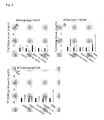
- mice immunized with PBS or wtMVA developed clinical signs like hunched posture, rapid breathing, ruffled fur and decreased muscle strength irrespective of the influenza H5N1 virus that was used for infection. These clinical signs were not observed in mice infected with influenza virus A/HK/156/97 or A/VN/1194/04 after vaccination with MVA-HA-HK/97 or MVA-HA-VN/04. MVA-HA-VN/04 vaccination also prevented the development of clinical signs caused by infection with influenza virus A/IND/5/05. The observed protection against clinical signs correlated with reduced loss of bodyweight after infection (Figure 1).
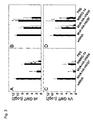
- Infectious virus titers were determined in brains, intestines, lungs and spleens on day 4 post infection with influenza viruses A/HK/156/97 ( Figure 2A), A/VN/1194/04 (Figure 2B) or A/IND/5/05 ( Figure 2C). After infection, the highest virus replication was observed in the lungs with average lung virus titers of 10 7.9 , 10 7.8 and 10 8.9 TCID50/gram tissue for unprotected PBS-inoculated mice subsequently infected with influenza viruses A/HK/156/97, A/VN/1194/04 or A/IND/5/05 respectively. Also mice vaccinated with wtMVA were not protected and similar average virus titers were found in the lungs of infected mice.
- Table 1 shows detection of infectious virus and weight loss observed in individual mice. Group numbers ⁇ 6 are caused by fatalities due to complications that had nothing to do with the experiment.
- Virus used for challenge infection A/HK/156/97 A/VN/1194/04 A/IND/5/05 Vaccine group brain loss intestines lung spleen >10% weight brain loss intestines lung spleen >10% weight brain loss intestines lung spleen 10% weight wtMVA 1/6 1/6 6/6 4/6 5/6 2/6 0/6 6/6 3/6 4/6 2/6 6/6 4/6 5/6 MVA-HA- HK/97 0/4 0/4 0/4 0/4 0/4 0/6 1/6 6/6 1/6 1/6 0/6 0/6 6/6 0/6 4/6 MVA-HA- VN/04 2/6 0/6 2/6 0/6 0/6 0/6 0/6 0/6 0/6 0/6 0/6 0/6 2/6 0/6 0/6 0/6 NIBRG-14 0/6 0/6 0/6 0/5 0/6 0/6 0/6 0/6 0/6 0/6 0/6 0/6 0/6 0
- Vaccination with MVA-HA-HK/97 prevented replication of influenza virus A/HK/156/97 in the lungs and other organs completely whereas with MVA-HA-VN/04 vaccination a reduction of virus replication in the lungs was observed in four out of six mice. After challenge infection with influenza virus A/VN/1194/04 it was the other way around: vaccination with MVA-HA-VN/04 prevented replication completely, whereas vaccination with MVA-HA-HK/97 only partially reduced virus replication. The reduction was statistically significant compared to PBS-inoculated mice (p ⁇ 0.05), while such a difference was not observed for wtMVA vaccinated mice.
- Vaccination with MVA-HA-VN/04 also prevented replication of influenza virus A/IND/5/05 in the lungs of four out of six mice resulting in reduced average lungs titers compared to PBS and wtMVA vaccinated mice.
- Vaccination with MVA-HA-HK/97 did not prevent replication of influenza virus A/IND/5/05 and all six mice tested positive (see table 1 above).
- Vaccination with the inactivated whole virus vaccine NIBRG-14 adjuvanted with Stimune® not only prevented replication of the homologous strain influenza virus A/VN/1194/04 but also that of A/HK/156/97 and A/IND/5/05.
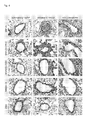
- mice Four days after infection with either of the three HPAI viruses the mice were sacrificed and their lungs were inflated with formalin and examined histologically and using immunohistochemistry. Inoculation of wtMVA-and PBS-immunized mice with influenza virus A/Hongkong/156/97 resulted in a multifocal infection of the bronchiolar and alveolar epithelium, combined with a mild peribroncheal infiltrate and mild necrosis of the bronchiolar wall ( Figure 4A, E). In the lungs of MVA-HA-HK/97 and MVA-HA-VN/04 immunized mice no virus on day 4 post infection was detected and no histopathological changes were observed (Figure 4B, C).
- the gene After introduction of the gene into the MVA transfer vector pIIIdHR under the control of the vaccinia promoter the gene was inserted into deletion III of the MVA genome by means of homologous recombination of the flanking regions (flank 1 and flank 2). Selection of recombinant viruses was performed by expression of the host range gene K1 L.
Landscapes
- Health & Medical Sciences (AREA)
- Life Sciences & Earth Sciences (AREA)
- Virology (AREA)
- Public Health (AREA)
- Animal Behavior & Ethology (AREA)
- Chemical & Material Sciences (AREA)
- Medicinal Chemistry (AREA)
- Veterinary Medicine (AREA)
- General Health & Medical Sciences (AREA)
- Pharmacology & Pharmacy (AREA)
- Epidemiology (AREA)
- Immunology (AREA)
- Mycology (AREA)
- Microbiology (AREA)
- Pulmonology (AREA)
- Chemical Kinetics & Catalysis (AREA)
- Nuclear Medicine, Radiotherapy & Molecular Imaging (AREA)
- Organic Chemistry (AREA)
- General Chemical & Material Sciences (AREA)
- Engineering & Computer Science (AREA)
- Oncology (AREA)
- Communicable Diseases (AREA)
- Molecular Biology (AREA)
- Bioinformatics & Cheminformatics (AREA)
- Biotechnology (AREA)
- Genetics & Genomics (AREA)
- Micro-Organisms Or Cultivation Processes Thereof (AREA)
- Medicines Containing Antibodies Or Antigens For Use As Internal Diagnostic Agents (AREA)
- Medicines Containing Material From Animals Or Micro-Organisms (AREA)
Priority Applications (7)
| Application Number | Priority Date | Filing Date | Title |
|---|---|---|---|
| EP06124336A EP1925318A1 (fr) | 2006-11-20 | 2006-11-20 | Vaccin à base de virus modifié de vaccin Ankara (MVA) recombinant contre la grippe aviaire |
| CN200780049450A CN101636177A (zh) | 2006-11-20 | 2007-11-16 | 用于禽流感的基于重组改良型痘苗病毒安卡拉(mva)的疫苗 |
| US12/515,716 US20110020391A1 (en) | 2006-11-20 | 2007-11-16 | Recombinant modified vaccinia virus ankara (mva)-based vaccine for the avian flu |
| EP07822665A EP2094299A1 (fr) | 2006-11-20 | 2007-11-16 | Vaccin à base du virus de la vaccine ankara modifié recombinant (mva) contre la grippe aviaire |
| PCT/EP2007/062446 WO2008061939A1 (fr) | 2006-11-20 | 2007-11-16 | Vaccin à base du virus de la vaccine ankara modifié recombinant (mva) contre la grippe aviaire |
| JP2009537609A JP2010510281A (ja) | 2006-11-20 | 2007-11-16 | 鳥インフルエンザのための組み換え修飾ワクシニアウイルス・アンカラ(mva)に基づくワクチン |
| KR1020097013017A KR20090117697A (ko) | 2006-11-20 | 2007-11-16 | 조류 독감용 재조합 변형된 백시니아 바이러스 안카라 (mva)-기반 백신 |
Applications Claiming Priority (1)
| Application Number | Priority Date | Filing Date | Title |
|---|---|---|---|
| EP06124336A EP1925318A1 (fr) | 2006-11-20 | 2006-11-20 | Vaccin à base de virus modifié de vaccin Ankara (MVA) recombinant contre la grippe aviaire |
Publications (1)
| Publication Number | Publication Date |
|---|---|
| EP1925318A1 true EP1925318A1 (fr) | 2008-05-28 |
Family
ID=38458210
Family Applications (2)
| Application Number | Title | Priority Date | Filing Date |
|---|---|---|---|
| EP06124336A Ceased EP1925318A1 (fr) | 2006-11-20 | 2006-11-20 | Vaccin à base de virus modifié de vaccin Ankara (MVA) recombinant contre la grippe aviaire |
| EP07822665A Withdrawn EP2094299A1 (fr) | 2006-11-20 | 2007-11-16 | Vaccin à base du virus de la vaccine ankara modifié recombinant (mva) contre la grippe aviaire |
Family Applications After (1)
| Application Number | Title | Priority Date | Filing Date |
|---|---|---|---|
| EP07822665A Withdrawn EP2094299A1 (fr) | 2006-11-20 | 2007-11-16 | Vaccin à base du virus de la vaccine ankara modifié recombinant (mva) contre la grippe aviaire |
Country Status (6)
| Country | Link |
|---|---|
| US (1) | US20110020391A1 (fr) |
| EP (2) | EP1925318A1 (fr) |
| JP (1) | JP2010510281A (fr) |
| KR (1) | KR20090117697A (fr) |
| CN (1) | CN101636177A (fr) |
| WO (1) | WO2008061939A1 (fr) |
Cited By (10)
| Publication number | Priority date | Publication date | Assignee | Title |
|---|---|---|---|---|
| WO2010010466A3 (fr) * | 2008-07-25 | 2010-07-29 | Institute For Research In Biomedicine | Anticorps neutralisant anti-virus influenza a et leurs utilisations |
| WO2010134094A1 (fr) * | 2009-05-18 | 2010-11-25 | Panacea Biotec Ltd | Vaccin universel contre la grippe basé sur un virus recombinant de la vaccine de souche modifiée ankara (mva) |
| WO2011087839A1 (fr) * | 2009-12-22 | 2011-07-21 | Baxter International Inc. | Vaccin contre le virus de la grippe a |
| WO2011136738A1 (fr) * | 2010-04-30 | 2011-11-03 | Temasek Life Sciences Laboratory Limited | Vaccin universel contre les lignées h5n1 |
| WO2012072788A1 (fr) | 2010-12-02 | 2012-06-07 | Mab-Factory Gmbh | Vaccin contre des virus h5n1 de la grippe, médicament et traitement d'infections virales par h5n1 |
| US8871207B2 (en) | 2008-07-25 | 2014-10-28 | Humabs, LLC | Neutralizing anti-influenza A virus antibodies and uses thereof |
| EP2636735A4 (fr) * | 2010-10-15 | 2015-05-20 | Tokyo Metropolitan Inst Medical Science | Virus recombinant de la vaccine ayant un gène de protéine d'hémagglutinine dérivée d'un nouveau type de virus de la grippe |
| US9173933B2 (en) | 2010-10-15 | 2015-11-03 | Bavarian Nordic A/S | Recombinant modified vaccinia virus Ankara influenza vaccine |
| WO2016186483A1 (fr) * | 2015-05-19 | 2016-11-24 | Viren S.A. De C.V. | Séquences d'acides désoxyribonucléiques synthétiques et protéines recombinantes hétérologues de l'hémagglutinine du virus de la grippe exprimées dans le chloroplaste de chlamydomonas reinhardtii et leur utilisation dans des vaccins |
| US9587010B2 (en) | 2011-07-18 | 2017-03-07 | The Institute For Research In Biomedicine | Neutralizing anti-influenza A virus antibodies and uses thereof |
Families Citing this family (14)
| Publication number | Priority date | Publication date | Assignee | Title |
|---|---|---|---|---|
| CN101676389A (zh) | 2000-11-23 | 2010-03-24 | 巴法里安诺迪克有限公司 | 改良安卡拉痘苗病毒变体 |
| US7628980B2 (en) | 2000-11-23 | 2009-12-08 | Bavarian Nordic A/S | Modified vaccinia virus ankara for the vaccination of neonates |
| SG149684A1 (en) | 2001-01-19 | 2009-02-27 | Vironovative Bv | A virus causing respiratory tract illness in susceptible animals |
| KR101076102B1 (ko) | 2002-02-21 | 2011-10-21 | 비로노바티브 비.브이. | 메타뉴모바이러스에서 유래한 이종성 항원을 포함하는재조합 파라인플루엔자 바이러스 발현 시스템 및 백신 |
| DK1420822T4 (en) | 2002-04-19 | 2017-10-09 | Bavarian Nordic As | Modified vaccinia virus Ankara for vaccination of newborns |
| US9005632B2 (en) | 2009-11-20 | 2015-04-14 | Takeda Vaccines, Inc. | Compositions, methods and uses for poxvirus elements in vaccine constructs against influenza virus subtypes or strains |
| EP2501405A4 (fr) * | 2009-11-20 | 2013-12-04 | Inviragen Inc | Compositions, procédés et utilisations pour des éléments de poxvirus dans des constructions de vaccins |
| CN103118709A (zh) * | 2010-03-26 | 2013-05-22 | 新兴产品开发盖瑟斯堡有限公司 | 流感病毒基质2蛋白的胞外域、其表达系统和应用 |
| WO2011138032A2 (fr) * | 2010-05-05 | 2011-11-10 | Artemev, Timur | Vaccins antigrippaux universels et leurs procédés de production |
| CN102140441B (zh) * | 2010-11-04 | 2013-12-18 | 高福 | 基于减毒痘苗病毒天坛株为载体的禽流感疫苗 |
| JP5884100B2 (ja) * | 2011-08-31 | 2016-03-15 | 公益財団法人東京都医学総合研究所 | 新型インフルエンザウイルス由来ヘマグルチニンタンパク質遺伝子を有するDIs株由来組換えワクシニアウイルス |
| KR101582490B1 (ko) * | 2014-04-14 | 2016-01-19 | 아이디바이오 주식회사 | 인플루엔자 바이러스의 다중 아형에 대한 교차 면역반응을 형성하는 신규한 재조합 바이러스 백신 |
| GB201614687D0 (en) * | 2016-08-31 | 2016-10-12 | Univ Oxford Innovation Ltd | fHbp scaffold |
| JPWO2020100990A1 (fr) * | 2018-11-14 | 2020-05-22 |
Citations (3)
| Publication number | Priority date | Publication date | Assignee | Title |
|---|---|---|---|---|
| WO2002018585A2 (fr) * | 2000-08-29 | 2002-03-07 | Wyeth Holdings Corporation | Encapsidation de particules de replicon de virus d'arn a chaine positive |
| WO2006069262A2 (fr) * | 2004-12-21 | 2006-06-29 | Vaxinnate Corporation | Compositions de proteines virales de la grippe et leurs procedes d'utilisation |
| WO2006082398A2 (fr) * | 2005-02-01 | 2006-08-10 | Powder Ject Vaccines, Inc. | Constructions d'acide nucleique |
-
2006
- 2006-11-20 EP EP06124336A patent/EP1925318A1/fr not_active Ceased
-
2007
- 2007-11-16 EP EP07822665A patent/EP2094299A1/fr not_active Withdrawn
- 2007-11-16 JP JP2009537609A patent/JP2010510281A/ja active Pending
- 2007-11-16 WO PCT/EP2007/062446 patent/WO2008061939A1/fr not_active Ceased
- 2007-11-16 CN CN200780049450A patent/CN101636177A/zh active Pending
- 2007-11-16 US US12/515,716 patent/US20110020391A1/en not_active Abandoned
- 2007-11-16 KR KR1020097013017A patent/KR20090117697A/ko not_active Withdrawn
Patent Citations (3)
| Publication number | Priority date | Publication date | Assignee | Title |
|---|---|---|---|---|
| WO2002018585A2 (fr) * | 2000-08-29 | 2002-03-07 | Wyeth Holdings Corporation | Encapsidation de particules de replicon de virus d'arn a chaine positive |
| WO2006069262A2 (fr) * | 2004-12-21 | 2006-06-29 | Vaxinnate Corporation | Compositions de proteines virales de la grippe et leurs procedes d'utilisation |
| WO2006082398A2 (fr) * | 2005-02-01 | 2006-08-10 | Powder Ject Vaccines, Inc. | Constructions d'acide nucleique |
Non-Patent Citations (14)
| Title |
|---|
| BOYLE D B ET AL: "Vaccinating chickens against avian influenza with fowlpox recombinants expressing the H7 haemagglutinin.", AUSTRALIAN VETERINARY JOURNAL JAN 2000, vol. 78, no. 1, January 2000 (2000-01-01), pages 44 - 48, XP009089268, ISSN: 0005-0423 * |
| BREATHNACH C C ET AL: "Use of recombinant modified vaccinia Ankara viral vectors for equine influenza vaccination.", VETERINARY IMMUNOLOGY AND IMMUNOPATHOLOGY APR 2004, vol. 98, no. 3-4, April 2004 (2004-04-01), pages 127 - 136, XP002450265, ISSN: 0165-2427 * |
| BREATHNACH ET AL: "Immunization with recombinant modified vaccinia Ankara (rMVA) constructs encoding the HA or NP gene protects ponies from equine influenza virus challenge", VACCINE, BUTTERWORTH SCIENTIFIC. GUILDFORD, GB, vol. 24, no. 8, 20 February 2006 (2006-02-20), pages 1180 - 1190, XP005286456, ISSN: 0264-410X * |
| BUBLOT MICHEL ET AL: "Development and use of fowlpox vectored vaccines for avian influenza.", ANNALS OF THE NEW YORK ACADEMY OF SCIENCES OCT 2006, vol. 1081, October 2006 (2006-10-01), pages 193 - 201, XP009089259, ISSN: 0077-8923 * |
| CHEN ZHIWEI ET AL: "Recombinant modified vaccinia virus Ankara expressing the spike glycoprotein of severe acute respiratory syndrome coronavirus induces protective neutralizing antibodies primarily targeting the receptor binding region.", JOURNAL OF VIROLOGY MAR 2005, vol. 79, no. 5, March 2005 (2005-03-01), pages 2678 - 2688, XP002450264, ISSN: 0022-538X * |
| COSMA A ET AL: "Therapeutic vaccination with MVA-HIV-1 nef elicits Nef-specific T-helper cell responses in chronically HIV-1 infected individuals", VACCINE, BUTTERWORTH SCIENTIFIC. GUILDFORD, GB, vol. 22, no. 1, 8 December 2003 (2003-12-08), pages 21 - 29, XP004471115, ISSN: 0264-410X * |
| DORRELL L ET AL: "Recombinant modified vaccinia virus Ankara efficiently restimulates human cytotoxic T lymphocytes in vitro", VACCINE, BUTTERWORTH SCIENTIFIC. GUILDFORD, GB, vol. 19, no. 2-3, 15 September 2000 (2000-09-15), pages 327 - 336, XP004228843, ISSN: 0264-410X * |
| DREXLER INGO ET AL: "Modified vaccinia virus Ankara as antigen delivery system: how can we best use its potential?", CURRENT OPINION IN BIOTECHNOLOGY DEC 2004, vol. 15, no. 6, December 2004 (2004-12-01), pages 506 - 512, XP002450269, ISSN: 0958-1669 * |
| HOFFMANN ERICH ET AL: "ROLE OF SPECIFIC HEMAGGLUTININ AMINO ACIDS IN THE IMMUNOGENICITY AND PROTECTION OF H5N1 INFLUENZA VIRUS VACCINES", PROCEEDINGS OF THE NATIONAL ACADEMY OF SCIENCES OF USA, NATIONAL ACADEMY OF SCIENCE, WASHINGTON, DC, US, vol. 102, no. 36, September 2005 (2005-09-01), pages 12915 - 12920, XP009084967, ISSN: 0027-8424 * |
| LIPATOV ALEKSANDR S ET AL: "Cross-protectiveness and immunogenicity of influenza A/Duck/Singapore/3/97(H5) vaccines against infection with A/Vietnam/1203/04(H5N1) virus in ferrets.", THE JOURNAL OF INFECTIOUS DISEASES 15 OCT 2006, vol. 194, no. 8, 15 October 2006 (2006-10-15), pages 1040 - 1043, XP009089327, ISSN: 0022-1899 * |
| SMITH JAMES M ET AL: "Multiprotein HIV type 1 clade B DNA/MVA vaccine: construction, safety, and immunogenicity in Macaques.", AIDS RESEARCH AND HUMAN RETROVIRUSES JUN 2004, vol. 20, no. 6, June 2004 (2004-06-01), pages 654 - 665, XP002450272, ISSN: 0889-2229 * |
| SWAYNE D E: "Vaccines for List A poultry diseases: emphasis on avian influenza.", DEVELOPMENTS IN BIOLOGICALS 2003, vol. 114, 2003, pages 201 - 212, XP009089270, ISSN: 1424-6074 * |
| TAMURA SHIN-ICHI ET AL: "Mechanisms of broad cross-protection provided by influenza virus infection and their application to vaccines.", JAPANESE JOURNAL OF INFECTIOUS DISEASES AUG 2005, vol. 58, no. 4, August 2005 (2005-08-01), pages 195 - 207, XP002451009, ISSN: 1344-6304 * |
| WYATT LINDA S ET AL: "Multiprotein HIV type 1 clade B DNA and MVA vaccines: construction, expression, and immunogenicity in rodents of the MVA component.", AIDS RESEARCH AND HUMAN RETROVIRUSES JUN 2004, vol. 20, no. 6, June 2004 (2004-06-01), pages 645 - 653, XP002450271, ISSN: 0889-2229 * |
Cited By (17)
| Publication number | Priority date | Publication date | Assignee | Title |
|---|---|---|---|---|
| US9340603B2 (en) | 2008-07-25 | 2016-05-17 | Institute For Research In Biomedicine | Neutralizing anti-influenza A virus antibodies and uses thereof |
| WO2010010466A3 (fr) * | 2008-07-25 | 2010-07-29 | Institute For Research In Biomedicine | Anticorps neutralisant anti-virus influenza a et leurs utilisations |
| US8685402B2 (en) | 2008-07-25 | 2014-04-01 | Institute For Research In Biomedicine | Neutralizing anti-influenza A virus antibodies and uses thereof |
| US8871207B2 (en) | 2008-07-25 | 2014-10-28 | Humabs, LLC | Neutralizing anti-influenza A virus antibodies and uses thereof |
| RU2553325C2 (ru) * | 2008-07-25 | 2015-06-10 | Институт Фо Ресёч Ин Биомедицин | Нейтрализующие антитела против вируса гриппа а и их использование |
| AU2009275226B2 (en) * | 2008-07-25 | 2015-05-14 | Institute For Research In Biomedicine | Neutralizing anti-influenza a virus antibodies and uses thereof |
| EP2550974A3 (fr) * | 2009-05-18 | 2013-05-08 | Panacea Biotec Ltd. | Vaccin universel contre la grippe basé sur un virus recombinant de la vaccine de souche modifiée Ankara (MVA) |
| WO2010134094A1 (fr) * | 2009-05-18 | 2010-11-25 | Panacea Biotec Ltd | Vaccin universel contre la grippe basé sur un virus recombinant de la vaccine de souche modifiée ankara (mva) |
| WO2011087839A1 (fr) * | 2009-12-22 | 2011-07-21 | Baxter International Inc. | Vaccin contre le virus de la grippe a |
| WO2011136738A1 (fr) * | 2010-04-30 | 2011-11-03 | Temasek Life Sciences Laboratory Limited | Vaccin universel contre les lignées h5n1 |
| US9555093B2 (en) | 2010-04-30 | 2017-01-31 | Temasek Life Sciences Laboratory Limited | Universal vaccine against H5N1 lineages |
| EP2636735A4 (fr) * | 2010-10-15 | 2015-05-20 | Tokyo Metropolitan Inst Medical Science | Virus recombinant de la vaccine ayant un gène de protéine d'hémagglutinine dérivée d'un nouveau type de virus de la grippe |
| US9173933B2 (en) | 2010-10-15 | 2015-11-03 | Bavarian Nordic A/S | Recombinant modified vaccinia virus Ankara influenza vaccine |
| WO2012072788A1 (fr) | 2010-12-02 | 2012-06-07 | Mab-Factory Gmbh | Vaccin contre des virus h5n1 de la grippe, médicament et traitement d'infections virales par h5n1 |
| US9587010B2 (en) | 2011-07-18 | 2017-03-07 | The Institute For Research In Biomedicine | Neutralizing anti-influenza A virus antibodies and uses thereof |
| US10815294B2 (en) | 2011-07-18 | 2020-10-27 | Institute For Research In Biomedicine | Neutralizing anti-influenza A virus antibodies and uses thereof |
| WO2016186483A1 (fr) * | 2015-05-19 | 2016-11-24 | Viren S.A. De C.V. | Séquences d'acides désoxyribonucléiques synthétiques et protéines recombinantes hétérologues de l'hémagglutinine du virus de la grippe exprimées dans le chloroplaste de chlamydomonas reinhardtii et leur utilisation dans des vaccins |
Also Published As
| Publication number | Publication date |
|---|---|
| WO2008061939A1 (fr) | 2008-05-29 |
| US20110020391A1 (en) | 2011-01-27 |
| EP2094299A1 (fr) | 2009-09-02 |
| CN101636177A (zh) | 2010-01-27 |
| JP2010510281A (ja) | 2010-04-02 |
| KR20090117697A (ko) | 2009-11-12 |
Similar Documents
| Publication | Publication Date | Title |
|---|---|---|
| US20110020391A1 (en) | Recombinant modified vaccinia virus ankara (mva)-based vaccine for the avian flu | |
| Chen et al. | Advances in development and application of influenza vaccines | |
| JP7655849B2 (ja) | ヘマグルチニン(ha)タンパク質内の非ドミナントエピトープに対する免疫応答を誘起するためのベクター | |
| US20120141525A1 (en) | Universal influenza vaccine based on recombinant modified vaccine ankara virus (mva) | |
| Ma et al. | Swine influenza vaccines: current status and future perspectives | |
| JP2013523096A (ja) | インフルエンザマトリックス2タンパク質の外部ドメイン、発現システムおよびそれらの使用 | |
| CN105263516A (zh) | 流感病毒疫苗及其用途 | |
| Chen et al. | Vaccine development for protecting swine against influenza virus | |
| WO2011087839A1 (fr) | Vaccin contre le virus de la grippe a | |
| KR20090007599A (ko) | 인플루엔자 바이러스 백신 | |
| JP7849046B2 (ja) | インフルエンザウイルスバックボーン | |
| CN104582725A (zh) | 减毒的猪流感疫苗及其制备和使用方法 | |
| CN117098551A (zh) | 编码截短的ns1蛋白和sars-cov受体结合域的流感病毒 | |
| CN111481663B (zh) | 一种流感病毒活疫苗及其制备方法 | |
| EP3240568A1 (fr) | Vaccins antigrippal recombinés contre le virus de la grippe et le virus respiratoire syncytial | |
| CN103865923B (zh) | 流感病毒为载体的HAdV嵌合疫苗的制备及其应用 | |
| CN103764817A (zh) | 重组猪流感病毒及其应用 | |
| US20130243808A1 (en) | Compositions and methods for vaccinating humans and animals against enveloped viruses | |
| US20120003263A1 (en) | Recombinant raccoon pox virus vaccine against highly pathogenic avian influenza | |
| US20260034205A1 (en) | Modified live attenuated flu virus vaccines and uses thereof | |
| KR20250083095A (ko) | 교차 면역원성을 갖는 모자이크 b형 인플루엔자 바이러스 및 이를 포함하는 백신 | |
| HK1183791A (en) | Ectodomains of influenza matrix 2 protein, expression system, and uses thereof | |
| Chen | Studies on influenza virus replicon particle vaccines in pigs | |
| HK1164691A (en) | Recombinant inactivated viral vector vaccine |
Legal Events
| Date | Code | Title | Description |
|---|---|---|---|
| PUAI | Public reference made under article 153(3) epc to a published international application that has entered the european phase |
Free format text: ORIGINAL CODE: 0009012 |
|
| AK | Designated contracting states |
Kind code of ref document: A1 Designated state(s): AT BE BG CH CY CZ DE DK EE ES FI FR GB GR HU IE IS IT LI LT LU LV MC NL PL PT RO SE SI SK TR |
|
| AX | Request for extension of the european patent |
Extension state: AL BA HR MK RS |
|
| STAA | Information on the status of an ep patent application or granted ep patent |
Free format text: STATUS: THE APPLICATION HAS BEEN REFUSED |
|
| 18R | Application refused |
Effective date: 20080619 |