EP1947599B1 - Verfahren, System und Computerprogrammprodukt für die Vorauswahl eines Ordners für eine Nachricht - Google Patents
Verfahren, System und Computerprogrammprodukt für die Vorauswahl eines Ordners für eine Nachricht Download PDFInfo
- Publication number
- EP1947599B1 EP1947599B1 EP08153185A EP08153185A EP1947599B1 EP 1947599 B1 EP1947599 B1 EP 1947599B1 EP 08153185 A EP08153185 A EP 08153185A EP 08153185 A EP08153185 A EP 08153185A EP 1947599 B1 EP1947599 B1 EP 1947599B1
- Authority
- EP
- European Patent Office
- Prior art keywords
- folder
- message
- selection
- cache
- entry
- Prior art date
- Legal status (The legal status is an assumption and is not a legal conclusion. Google has not performed a legal analysis and makes no representation as to the accuracy of the status listed.)
- Expired - Lifetime
Links
Images

Classifications
-
- G—PHYSICS
- G06—COMPUTING OR CALCULATING; COUNTING
- G06Q—INFORMATION AND COMMUNICATION TECHNOLOGY [ICT] SPECIALLY ADAPTED FOR ADMINISTRATIVE, COMMERCIAL, FINANCIAL, MANAGERIAL OR SUPERVISORY PURPOSES; SYSTEMS OR METHODS SPECIALLY ADAPTED FOR ADMINISTRATIVE, COMMERCIAL, FINANCIAL, MANAGERIAL OR SUPERVISORY PURPOSES, NOT OTHERWISE PROVIDED FOR
- G06Q10/00—Administration; Management
- G06Q10/10—Office automation; Time management
- G06Q10/107—Computer-aided management of electronic mailing [e-mailing]
-
- H—ELECTRICITY
- H04—ELECTRIC COMMUNICATION TECHNIQUE
- H04M—TELEPHONIC COMMUNICATION
- H04M1/00—Substation equipment, e.g. for use by subscribers
- H04M1/72—Mobile telephones; Cordless telephones, i.e. devices for establishing wireless links to base stations without route selection
- H04M1/724—User interfaces specially adapted for cordless or mobile telephones
- H04M1/72403—User interfaces specially adapted for cordless or mobile telephones with means for local support of applications that increase the functionality
- H04M1/7243—User interfaces specially adapted for cordless or mobile telephones with means for local support of applications that increase the functionality with interactive means for internal management of messages
- H04M1/72436—User interfaces specially adapted for cordless or mobile telephones with means for local support of applications that increase the functionality with interactive means for internal management of messages for text messaging, e.g. short messaging services [SMS] or e-mails
Definitions
- the present invention relates generally to message storage, and more particularly relates to pre-selecting a folder from a plurality of folders for storing a message.
- Messaging systems such as electronic mail (e-mail) have revolutionized the way in which people communicate.
- e-mail electronic mail
- One of the advantages of e-mail is that functions that will take the user considerable time using other messaging systems can be automated within an e-mail environment, making the system more convenient and user-friendly.
- WO02077768 discloses a system for selecting folders, from a plurality of such folders, for an in-coming email message and automatically assigning the in-coming email message to the selected folder.
- XP-002301012 discloses an adaptive classifier that predicts the three folders that are most likely to be approriate for filings a mail message and provides short cut buttons that permit the user to file it into a predicted folder.
- One aspect of the present invention may be to provide an improved system for pre-selecting a folder for a current message.
- a system for pre-selecting a folder for a current message the folder being one of a plurality of folders
- the system may comprise: a storage module for storing the plurality of folders; a communication module for receiving or transmitting the current message; a folder pre-selection cache having n configurable entries, n being a predetermined positive integer greater than one, each configurable entry being configurable to record an associated pre-selection criterion for matching with the current message and an associated folder identification for identifying an associated folder in the plurality of folders; a message comparison module for comparing a comparison criterion, derived from the current message, with the associated pre-selection criterion of at least one entry in the folder pre-selection cache to determine a matching entry in the folder pre-selection cache; and, a folder pre-
- a second aspect of the present invention may be to provide an improved method for pre-selecting a folder for a current message.
- a method of pre-selecting a folder for storing a current message the folder being one of a plurality of folders for storing a plurality of potentially attachable files
- the method may comprise: providing a folder pre-selection cache having n configurable entries, n being a predetermined positive integer greater than one, each configurable entry being configured to have an associated pre-selection criterion for matching with the current message, and an associated folder identification for identifying an associated folder in the plurality of folders; for at least one entry in the folder pre-selection cache, comparing a comparison criterion, obtained from the current message, with the associated pre-selection criterion to determine a matching entry in the folder pre-selection cache; pre-selecting the folder identified by the associated folder identification of the matching entry when the message comparison module determine
- a third aspect of the present invention may be to provide an improved computer software product for configuring a computer to pre-select a folder for a current message.
- a computer software product for configuring a computer to pre-select a folder for a current message may be provided.
- the folder is one of a plurality of folders for storing messages.
- the computer program product comprises a recording medium and means recorded on the recording medium for configuring the computer to perform the steps of the method of the third aspect of the invention.
- a further aspect of the present invention may be to provide a system for pre-selecting a folder for a current message, the folder being one of a plurality of folders, the system comprising: (a) a storage module for storing the plurality of folders; (b) a communication module for receiving or transmitting the current message; (c) a folder pre-selection cache having n configurable entries, n being a predetermined positive integer greater than one, each configurable entry being configurable to record an associated pre-selection criterion for matching with the current message and an associated folder identification for identifying an associated folder in the plurality of folders; (d) a message comparison module for comparing a comparison criterion, derived from the current message, with the associated pre-selection criterion of at least one entry in the folder pre-selection cache to determine a matching entry in the folder pre-selection cache; and (e) a folder pre-selection module for pre-selecting the folder identified by the associated folder identification
- the system further comprising a user-interface means for selectably changing the positive integer n.
- the system further comprising a cache-updating means for automatically changing the positive integer n based on available storage space in the storage module for the folder pre-selection cache.
- the system further comprising a designation means for designating a plurality of the current messages, wherein the message comparison module is operable to compare at least one comparison criterion, derived from at least one of the plurality of the current messages, with the associated pre-selection criterion of at least one entry in the folder pre-selection cache to determine the matching entry in the folder pre-selection cache; and, the folder pre-selection module is operable to pre-select the folder for the plurality of the current messages.
- the comparison criterion may be the current message.
- the system may be a mobile communication device.
- the current message may be from a server and comprises a server-determined folder identifier for identifying a server-determined folder for storing the current message.
- the server-determined folder identifier may have an assigned weight, the assigned weight being one of a first weight and a second weight; when the server-determined folder identifier is of the first weight, the server-determined folder is pre-selected if the message comparison module fails to determine the matching entry in the folder pre-selection cache, and the folder identified by the associated folder identification of the matching entry is pre-selected if the message comparison module determines the matching entry in the folder pre-selection cache; and when the server-determined folder identifier is of the second weight, the server-determined folder is pre-selected.
- the system further comprising a user-interface means for displaying the current message and the pre-selected folder, wherein the user-interface means comprises a folder selection module operable by a user.
- the plurality of folders may be for storing messages; and the folder selection module is operable by the user to allocate the current message to a user-selected folder in the plurality of folders.
- the system further comprising a cache-updating means for updating the folder pre-selection cache based on up to n previous messages undergoing folder selection prior to the current message.
- Each message in the up to n messages may be allocated to an associated user-selected folder in the plurality of folders;
- the folder pre-selection cache includes a corresponding configurable entry for each message in the up to n messages;
- the cache-updating means is operable, for each message in the up to n messages, to update the folder pre-selection cache by configuring the corresponding configurable entry in the folder pre-selection cache such that the associated pre-selection criterion is derived from the message, and the associated folder identification of the corresponding entry identifies an associated user-selected folder previously selected for the message.
- the cache-updating means may be operable to update the associated folder identification for the corresponding entry from identifying the first folder to identify the second folder.
- the folder pre-selection cache may comprise an entry replacement sub-module for updating the folder pre-selection cache when a new message is allocated to an associated user-selected folder by discarding an existing entry and adding a new corresponding entry for the new message.
- the folder pre-selection cache may comprise a time-and-date sub-module for, for each message in the up to n messages, providing a time-and-date indicator to the corresponding entry for indicating when the message was allocated to an associated user-selected folder, and the entry replacement sub-module may be operable to update the folder pre-selection cache when the new message is allocated to the associated user-selected folder by discarding the existing entry having an oldest time-and-date stamp.
- the system further comprising a derivation sub-module for, for each message in the up to n messages, deriving the associated pre-selection criterion from an associated selected attribute of the message; and deriving the comparison criterion from an associated selected attribute of the current message.
- the associated selected attribute of the message may comprise one of an associated sender/recipient attribute of the message, an associated subject attribute of the message, a time sent of the message, a message body contents of the message, and a message encoding of the message.
- the derivation sub-module may comprise a hash determination means for, for each message in the up to n messages, deriving the associated pre-selection criterion from the message by applying a hash function to the associated selected attribute; and for the current message, deriving the comparison criterion by applying the hash function to the associated selected attribute.
- Each entry in the folder pre-selection cache may be ordered according to a search order; the message comparison module is operable to compare the comparison criterion with the associated pre-selection criterion of each entry in the folder pre-selection cache according to the search order to determine a matching entry in the search order having an associated pre-selection criterion matching the comparison criterion; and the cache-updating means is operable, when the matching entry is not a first entry in the search order and is the user-selected folder, to advance the matching entry within the search order.
- the system further comprising a restoration means for, when information is erased from the folder pre-selection cache, substantially restoring the folder pre-selection cache by processing each message in the plurality of folders in chronological order from an oldest message in the plurality of folders to a youngest message in the plurality of folders.
- the plurality of folders may comprise a plurality of file folders for storing a plurality of potentially attachable files; and the folder selection module is operable by the user to select from the plurality of file folders an associated user-selected file folder for an associated attachment file for the current message.
- the system further comprising a cache-updating means for updating the folder pre-selection cache based on up to n previous messages undergoing folder selection prior to the current message wherein each message in the up to n previous messages includes an associated attachment file.
- the folder pre-selection cache may comprise a corresponding configurable entry for each message in the up to n messages; and the cache-updating means is operable, for each message in the up to n messages, to update the folder pre-selection cache by configuring the corresponding configurable entry in the folder pre-selection cache such that the associated pre-selection criterion is derived from the message, and the associated folder identification of the corresponding entry identifies an associated user-selected folder previously selected for the associated attachment file.
- the system further comprising a derivation sub-module for, for each message in the up to n messages, deriving the associated pre-selection criterion from an associated selected attribute of the message; and deriving the comparison criterion from an associated selected attribute of the current message.
- the associated selected attribute of the message may comprise one of an associated sender/recipient attribute of the message, an associated subject attribute of the message, a time sent of the current message, and a message encoding of the message.
- the derivation sub-module comprises a hash determination means for, for each message in the up to n messages, deriving the associated pre-selection criterion from the message by applying a hash function to the associated selected attribute; and for the current message, deriving the comparison criterion by applying the hash function to the associated selected attribute.
- the system further comprising a cache-updating means for updating the folder pre-selection cache based on up to n previously edited attachments stored in the plurality of file folders.
- a further aspect of the present invention may be to provide a method of pre-selecting a folder for storing a current message, the folder being one of a plurality of folders, the method comprising: (a) providing a folder pre-selection cache having n configurable entries, n being a predetermined positive integer greater than one, each configurable entry being configured to include an associated pre-selection criterion for matching with the current message, and an associated folder identification for identifying an associated folder in the plurality of folders; (b) for at least one entry in the folder pre-selection cache, comparing a comparison criterion, obtained from the current message, with the associated pre-selection criterion to determine a matching entry in the folder pre-selection cache; and, (c) pre-selecting the folder identified by the associated folder identification of the matching entry when the message comparison module determines the matching entry in the folder pre-selection cache.
- the method further comprising pre-selecting a default folder for receiving the current
- the method further comprising changing the positive integer n based on available storage space.
- the method further comprising designating a plurality of current messages and pre-selecting the folder for storing the plurality of current messages.
- the method further comprising: reviewing the current message for a server-determined folder identifier having an assigned weight wherein the assigned weight is one of a first weight and a second weight; when the server-determined folder identifier is of the first weight, pre-selecting the server-determined folder if the message comparison module fails to determine the matching entry in the folder pre-selection cache, and pre-selecting the folder identified by the associated folder identification of the matching entry when the message comparison module determines the matching entry in the folder pre-selection cache; and, when the server-determined folder identifier is of the second weight, pre-selecting the server-determined folder.
- the comparison criterion may be the current message.
- the method further comprising: (d) providing a folder selection function to a user for selecting a user-selected folder from the plurality of folders for the current message.
- the plurality of folders may be for storing messages; and the method further comprises selecting the user-selected folder from the plurality of folders for storing the current message.
- Step (a) may comprise configuring the folder pre-selection cache based on up to n previous messages undergoing folder selection prior to the current message.
- Each message in the up to n messages may be allocated to an associated user-selected folder in the plurality of folders; the folder pre-selection cache includes a corresponding configurable entry for each message in the up to n messages; and step (a) further comprises, for each message in the up to n messages, updating the folder pre-selection cache by configuring the corresponding configurable entry in the folder pre-selection cache such that the associated pre-selection criterion is derived from the message, and the associated folder identification of the corresponding entry identifies the associated user-selected folder.
- step (a) may further comprise updating the associated folder identification for the corresponding entry from identifying the first folder to identify the second folder.
- step (a) may further comprise updating the folder pre-selection cache when a new message is allocated to an associated user-selected folder by discarding an existing entry and adding a new corresponding entry for the new message.
- step (a) may further comprise providing in the corresponding configurable entry a time-and-date indicator for indicating when the message was message was allocated to an associated user-selected folder, and the folder pre-selection cache is updated when the new message is allocated to the user-selected folder by discarding the existing entry having an oldest time-and-date indicator and adding the new corresponding entry for the new message.
- the associated pre-selection criterion is derived from an associated selected attribute of the message; and the comparison criterion is derived from an associated selected attribute of the current message.
- the associated selected attribute of the message may comprise one of an associated sender/recipient attribute of the message, an associated subject attribute of the message, a time sent of the current message, a message body contents of the current message, and a message encoding of the current message.
- the associated pre-selection criterion may be derived from an associated selected attribute of the message by applying a hash function to the associated selected attribute, and the comparison criterion is derived from an associated selected attribute of the current message by applying the hash function to the associated selected attribute.
- Each entry in the folder pre-selection cache may be ordered according to a search order; step (b) may comprise comparing the comparison criterion with the associated pre-selection criterion of each entry in the folder pre-selection cache according to the search order; and step (c) may comprise determining a matching entry in the search order having an associated pre-selection criterion matching the comparison criterion, and pre-selecting the folder identified by the associated folder identification of the first entry; wherein the method further comprises, when the matching entry is not a first entry in the search order and is the user-selected folder, advancing the matching entry within the search order.
- the method further comprising, when information is erased from the folder pre-selection cache, substantially restoring the folder pre-selection cache by, for each message in the plurality of folders in chronological order from an oldest message in the plurality of folders to a youngest message in the plurality of folders, performing steps (a), (b) and (c).
- the plurality of folders may comprise a plurality of file folders for storing a plurality of potentially attachable files.
- the method further comprising updating the folder pre-selection cache based on up to n previous messages undergoing folder selection prior to the current message wherein each message in the up to n previous messages includes an associated attachment file.
- the folder pre-selection cache may comprise a corresponding configurable entry for each message in the up to n messages; and step (a) further comprises, for each message in the up to n messages, updating the folder pre-selection cache by configuring the corresponding configurable entry in the folder pre-selection cache such that the associated pre-selection criterion is derived from the message, and the associated folder identification of the corresponding entry identifies an associated user-selected folder previously selected for the associated attachment file.
- the method further comprising a derivation sub-module for, for each message in the up to n messages, deriving the associated pre-selection criterion from an associated selected attribute of the message; and deriving the comparison criterion from an associated selected attribute of the current message.
- the associated selected attribute of the message may comprise one of an associated sender/recipient attribute of the message, an associated subject attribute of the message, a time sent of the current message, and a message encoding of the message.
- the associated pre-selection criterion may be derived from an associated selected attribute of the message by applying a hash function to the associated selected attribute, and the comparison criterion is derived from an associated selected attribute of the current message by applying the hash function to the associated selected attribute.
- the method further comprising updating the folder pre-selection cache based on up to n previously edited attachments stored in the plurality of file folders.
- a further aspect of the present invention may be to provide a computer program product for use on a computer system to pre-select a folder for a current message, the folder being one of a plurality of folders
- the computer program product comprising: a recording medium; means recorded on the recording medium for configuring the computer to perform the steps of: (a) providing a folder pre-selection cache having n configurable entries, n being a predetermined positive integer greater than one, each configurable entry being configured to include an associated pre-selection criterion for matching with the current message, and an associated folder identification for identifying an associated folder in the plurality of folders; (b) for at least one entry in the folder pre-selection cache, comparing a comparison criterion, obtained from the current message, with the associated pre-selection criterion to determine a matching entry in the folder pre-selection cache; and (c) pre-selecting the folder identified by the associated folder identification of the matching entry when the message comparison module determines the matching entry in
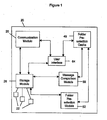
- Figure 1 in a block diagram, illustrates a system for pre-selecting a folder for a current message in accordance with the preferred embodiment of the present invention
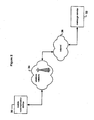
- Figure 2 in a block diagram, illustrates a mobile transmitter system for implementing the system of Figure 1 ;
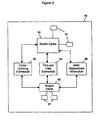
- Figure 3 in a block diagram, illustrates the folder pre-selection cache of Figure 1 ;
- Figure 4 in a block diagram, illustrates a configurable entry of the folder pre-selection cache of Figure 3 ;
- Figure 5 in a block diagram, illustrates a message that is received or transmitted by the system of Figure 1 ;
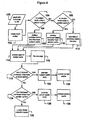
- Figure 6 in a flowchart, illustrates a method for pre-selecting a folder for a current message in accordance with a second preferred embodiment of the invention.
- FIG. 1 there is illustrated in a block diagram a system 20 for pre-selecting a folder 22" for a current message 24 ( Figure 5 ) in accordance with a preferred embodiment of the invention.
- the system 20 includes a communication module 26 for receiving or transmitting the current message 24, and a storage module 28 for storing a plurality of folders 22 for storing messages.
- the system pre-selects a folder 22' from this plurality of folders 22.
- the system 20 is a mobile communication device 30, which communicates with a message sender 32 via a wireless network 34 and the Internet 36.
- the communication module 26 would typically be a wireless transceiver.
- Pre-selection is made on the basis of features of the message 24.
- FIG 5 there is illustrated in a block diagram a message 24 of the type that is stored in the plurality of folders 22 in the storage module 28 of the system 20 of Figure 1 .
- This message 24 includes message attributes 40 and a message body 42.
- the message body 42 includes the content of the message 24, while the message attributes 40 include specific attributes such as, as indicated in Figure 5 , a subject attribute 44 and a sender (or, in the case of an outgoing message, recipient) attribute 46.
- message attributes 40 may include other attributes such as the time sent, encoding, or contents.
- the folder 22' that is pre-selected for storing the message 24 is determined by the folder pre-selection cache 48, message comparison module 50 and folder pre-selection module 52 of the system 20 of Figure 1 .
- the pre-selection cache 48 includes a sender cache 54 for storing sender entries 57 used to pre-select a folder 22' based on the sender attribute 46 of the current message 24, and a subject cache 56 including subject entries 57 used to pre-select the folder 22' for the current message 24 based on the subject attribute 44 of the current message 24.
- the folder pre-selection cache 48 may include other caches, such as a time sent cache which would pre-select the folder 22' for the current message 24 based on the particular attribute selected - i.e. in this case the time sent attribute. Both the sender cache 54 and the subject cache 56 include more than one entry.
- a current message 24 is received by the communication module 26 and is stored temporarily in the storage module 28.
- the message comparison module 50 then compares the current message 24 with entries 57 in either or both of the sender cache 54 or subject cache 56 to determine an entry having a message attribute 40 that matches a message attribute in the current message 24.
- the system of Figure 1 also includes a derivation module for taking a hash code 58 of the selected attribute of the current message 24.
- a derivation module for taking a hash code 58 of the selected attribute of the current message 24.
- FIG 4 there is illustrated in a block diagram an entry 57 of either the sender cache 54 or the subject cache 56 of Figure 3 .
- the entry 57 includes a hash code 58, time stamp 60 and folder identifier 62.
- the hash code 58 will be a hash obtained by applying a hash function to the subject attribute 44 in the case of the subject cache 56, and will be derived from the sender attribute 46 in the case of entries in the sender cache 54.
- the folder identifier 62 of the entry 57 is used to determine the folder 22' to be pre-selected. Specifically, once the message comparison module 50 has determined a match with an entry 57 in the folder pre-selection cache 48, the folder pre-selection module 52 selects the folder 22' identified by the folder identifier 62 of the matching entry 57.
- the derivation module may take a hash code 58 of the selected attribute of the current message 24 that erroneously corresponds to a hash code of an entry 57 in either the subject cache 56 or the sender cache 54. That is, the hash function inadvertently maps different subjects or senders to the same hash code. This is called a collision. If this happens, then the folder identifier 62 of the erroneously selected entry 57 will, in all likelihood, designate an incorrect folder. In such instances, the user will simply override the folder pre-select function provided by the present invention and select the desired folder for storing the current message.
- the system 20 also includes a user interface 64.
- This user interface 64 includes a means for displaying the current message 24 as well as the pre-selected folder 22'.
- the user can then either approve this pre-selected folder 22', in which case the current message 24 will be allocated to the pre-selected folder 22', or, alternatively, can allocate the current message 24 to another folder in the plurality of folders 22.
- these decisions by the user are used to provide the entries 57 of the subject cache 56 and sender cache 54 of the folder pre-selection cache 48.
- each of the entries corresponds to a message in up to n previous messages that have undergone folder selection prior to the current message 24.
- a cache updating submodule 59 in the folder pre-selection cache 48 updated a corresponding configurable entry in the subject cache 56.
- this configurable entry is configured so that its hash code 58 or pre-selection criterion is derived from the message 24 and the folder identifier 62 of this entry 57 identifies the folder 22 selected by the user for storing this message 24.
- the pre-selection criterion or hash code 58 is derived from a subject attribute 44 of the message 24, while in the case of the sender cache 54, the pre-selection criterion or hash code 58 would be generated from a sender attribute 46 of the message 24.
- the folder pre-selection cache 48 also includes a time and date submodule 64. As shown in Figure 4 , this time and date submodule 64 provides a time stamp 60 for each entry in the subject cache 56 and sender cache 54. Using the time stamp 60, the entries 57 are periodically replaced by an entry replacement submodule 66 ( Figure 3 ). Specifically, when a new message 24 is transmitted or received and then allocated by the user to a particular folder, this message 24 will become one of the n previous messages. Then, in order to include this message 24 in the n previous messages, room must be made by discarding the oldest entry.
- the entry replacement submodule 66 reviews the entries 57 to find the entry with the oldest time stamp 60, and discards this entry to make room for the new entry 57.
- the folder pre-selection cache 48 in that not all of the n configurable entries of each of the subject and sender cache 56, 54 have been configured to store information from one of n previously received messages 24, then new entries 57 for new messages 24 can be configured without discarding any older entries.
- the user will also be able to expand the total number n of entries 57 in each of the subject cache 56 and the sender cache 54 (these respective caches need not have the same number of entries) via the user interface 64.
- the cache updating submodule 59 is operable to automatically change the positive integer n based on the storage space available in the storage module 28 for the folder pre-selection cache 48. In other words, as more storage space becomes available, n can be increased, and when storage space is reduced, n may be decreased. However changed, n must always remain a positive integer that is greater than one.
- the message comparison module 50 will fail to determine a matching entry in the folder pre-selection cache 48.
- the folder pre-selection module 52 selects a default folder 22, such as the inbox, for receiving the current message 24.
- the system 20 may pre-select a folder 22 for a plurality of messages 24.
- the user would simply designate a plurality of messages 24 by, say, highlighting them, and then the folder pre-select function 22s would be triggered.
- the folder pre-select function 22s would be triggered.
- the first message in the list of highlighted messages 24 cannot be matched with any of the entries in the folder pre-selection cache 48.
- the next message is checked. If this message 24 yields a hash code 58 that matches a hash code in an entry 57 of the folder pre-selection cache 48, then the folder identifier 62 of that entry 57 will be used to pre-select a folder 22s for storing all of the plurality of messages 24.
- this message 24 does not yield a hash code 58 that matches a hash code 58 in an entry 57 of the folder pre-selection cache 48, then the folder pre-select function proceeds to the next message 24. This process is continued until a match is found, or all of the messages in the plurality of messages 24 fail to produce a match with an entry 57 in the folder pre-selection cache 48. In the latter event, the default folder will be selected for the plurality of messages 24.
- the system 20 comprises the mobile communication device 30 according to one preferred embodiment of the invention. It is desirable that mobile communication devices be linked to associated desktops such that the storage structure on one mirrors the storage structure on the other, and changes in the storage structure on one will be reflected in the storage structure on the other. Accordingly, preferably, where messages or other documents are moved between folders on one of the desktop and the mobile communication device 30, the messages 24 and other documents will automatically be correspondingly moved on the other of the desktop or the mobile communication device 30. That is, when a user moves a message 24 on their desktop from one folder to another, the user's mobile communication device 30 will make a corresponding move of the corresponding message 24 on their mobile communication device 30 to a corresponding folder.
- the cache updating sub-module 59 is operable to do this. Note that the cache updating sub-module 59 may be operable to update the entries of messages 24 being moved from folder to folder without any user interface 64 of the mobile communication device 30 being involved. That is, the messages 24 may be moved purely by remote.
- This function of the cache-updating sub-module 59 will also be triggered when there are other automated changes in the storage structure. Say, for example, that the system automatically moves all of the messages from a particular sender to a particular folder. Then for each of these messages for which there are corresponding entries in the folder pre-selection cache 48, the cache-updating sub-module 59 is operable to update the file identifier to identify this particular folder. As in the foregoing example, the cache updating sub-module 59 may be operable to update the entries of messages 24 being moved from folder to folder without the user interface 64 of the mobile communication device 30 being involved.
- the system 20 is implemented on a mobile communication device 30, this mobile communication device 30 will typically receive messages 24 from a server 20 that serves that mobile communication device 30. This server will periodically send messages 24 to the mobile communication device 30. As the server is, to some extent, dedicated to the mobile communication device 30, the server may have better information regarding how to pre-select a folder for the message 24 than the mobile communication device 30.
- the message 24 from the server comprises a server-determined folder identifier for identifying a folder for storing the message.
- the server-determined folder identifier includes an assigned weight. The assigned weight comprises a first weight and a second weight. If the server-determined folder identifier is of the first weight, then the recommendation is only a recommendation.
- the pre-selected folder 22 will be the folder identified by the associated folder identification of the matching entry 57. However, if the message comparison module 50 fails to determine a matching entry 57 for the message 24, then instead of pre-selecting the default folder, the folder identified by the server-determined folder identifier will be pre-selected. Alternatively, if the server-determined folder identifier is of the second weight, then the folder 22 identified by the server-determined folder identifier is selected whether or not there is a matching entry 57 for the message 24 in the folder pre-selection cache 48.
- step 100 an electronic message 24 is either generated by the user, or received by the communication module 26. From this message 24, hash codes 58 are generated. These hash codes 58 may be generated from a message attribute 40 of the message 24, such as the sender attribute 46 or the subject attribute 44, or may be generated from the body of the message 24 itself. In step 102, hash codes 58 are generated for both the subject attribute 44 and the sender attribute 46 of the message 24.
- query 104 the system 20 checks whether the subject hash code 58 is in any of the entries of the subject cache 56. If query 104 returns the answer YES, then the method proceeds to step 108 in which the folder identification is retrieved from the cache entry having the subject hash code 58 created in step 102. The method then proceeds to step 114. If, on the other hand, query 104 returns the answer NO, the method proceeds to query 106, which queries whether the send hash code 58 generated in step 102 is in any of the entries of the sender cache 54. The sender hash code was derived from applying the hash function to the sender attribute 46.
- step 110 retrieves the folder identification from the entry 57 of the sender cache 54 including the sender hash code. The method then proceeds to step 114. If query 106 returns the answer NO, then the method proceeds to step 112 and the folder ID for the default folder is returned in step 112, before the method proceeds to step 114.
- step 114 the user is prompted for the folder name. At this point, the user may simply select the pre-selected folder 22', or alternatively may select a different folder 22. Then, in step 116, the message is filed under the folder selected by the user, and the method proceeds to query 118.
- Query 118 checks whether the user selected the predicted folder 22' from the subject cache 56. If query 118 returns the answer YES, then the method proceeds to step 120 in which the entry having the subject hash code generated in step 102 is promoted within the search order. That is, all of the entries 57 in the subject cache 56 are searched in a particular order - the search order.
- step 122 in which the sender cache 54 is updated. Specifically, the sender cache 54 is updated to include an entry 57 having the sender hash determined in step 102 and the folder ID identifying the folder 22 determined by the user in step 114. At the same time, assuming information from n previous messages was already being stored in the sender cache 54, the oldest of the n entries in the sender cache 54 is discarded.
- a subject cache entry including the subject hash determined in step 104 has already been promoted in the search order. That is, the subject cache 56 already includes an entry 57 having the subject hash determined in step 104.
- step 124 checks whether the user in step 114 indicated the predicted folder 22' from the sender cache 54. If query 124 returns the answer NO, then the method proceeds to step 130, in which the folder selection cache 48 is updated. Specifically, the folder selection cache 48 is updated such that the formerly current message 24 that has just been assigned to a folder 22 becomes one of the n previous messages 24. At the same time, assuming information from n previous messages was already being stored in the subject cache 56 and the sender cache 54, the oldest of the n previous messages 24 in each cache 54, 56 is discarded.
- step 126 in which the entry 57 of the sender cache 54 is promoted or moved higher up in the search order such that it will be located more quickly by subsequent searches.
- step 128, in which the subject cache 56 is updated. That is, the subject cache 56 is updated to include an entry 57 having the subject hash code determined in step 102 and the folder ID identifying the folder determined by the user in step 114. This is desirable, as the very fact that the method reached step 128 makes it apparent that the subject cache 56 did not previously have an entry 57 having the subject cache code determined in step 102.
- a restoration or backup function is provided.
- the entire folder pre-selection cache 48 may be backed up or saved
- the folder pre-selection cache 48 may include a restoration function that regenerates the folder pre-selection cache 48 based on all of the messages 24 stored in files in the storage module 28. That is, on triggering of the restore function, the system 20 will go through each of the messages 24 still on the system 20 according to the time at which they were sent. That is, the restoration function will add entries 57 to the folder pre-selection cache 48 based on the messages 24 stored in the storage module 28.
- the restoration function works through all of the messages 24 stored, some of these first added entries 57 will be discarded as they are replaced by other entries 57 generated from later messages 24. Other entries 57 will be promoted as they are used to correctly predict folders in which later messages 24 are actually stored. While this function consumes more processing power than simply backing up the folder pre-selection cache 48, it also consumes less in the way of storage resources. Further, the folder pre-selection cache 48 restored will, to a large extent, be optimized, as the entries 57 remaining in the folder pre-selection cache 48 after this procedure will to some extent be the entries 57 determined to have been useful in sorting through the messages 24 already on the system 20.
- the system 20 can be configured to pre-select a file folder for an attachment file for a current message.
- the folders 22 stored in the storage module 20 are file folders for storing files that are potentially attachable to messages.
- the entries 57 of the folder pre-selection cache 48 are configured in a slightly different manner. That is, the message attributes 40, such as the subject attribute 44 or the sender/recipient attribute 46, may still be used to attempt to match the current message with an entry 57 in the folder pre-selection cache 148. As described above, this involves applying a hash function to the selected attribute to provide a hash code.
- the message comparison module 50 of the system 20 compares this hash code with the hash code stored in the entries 57 of the folder pre-selection cache 48.
- the entries 57 have been configured such that their folder identifiers 62 identify file folders instead of message folders.
- the message comparison module 50 matches the hash code derived from the selected attribute of the current message with a hash code of an entry in the folder pre-selection cache 48. Then the folder pre-selection module 52 will pre-select the file folder identified by the file identifier of the matching entry. What this file folder is used for will depend on whether the current message is an incoming message or an outgoing message. If the current message is an incoming message, then the pre-selected folder 22 is for storing the attachment. That is, if the user indicates that he or she wishes to save the attachment, then the system will present the pre-selected file as an easily executable option.
- the pre-selected folder 22 is presented as the folder in which the user can find the file to be attached to the current message. In both cases, of course, the user is free to override the pre-selection and to select another file folder.
- the entries of the folder pre-selection module were configured based on up to n previous message undergoing folder selection prior to the current message.
- the entries of the folder pre-selection module may be configured based on up to n previous message undergoing folder selection prior to the current message.
- the folder selection referred to is the selection of a file folder for an attachment.
- the entries 57 of the folder pre-selection cache 48 need not be configured based on up to n previous messages including attached files stored or extracted from folders selected by the user. Instead, the entries 57 of the folder pre-selection cache 48 may be configured based on up to n previously edited documents. That is, in the case of an outgoing e-mail, it is likely that the attachment for the e-mail will be a recently edited document. Thus, the entries 57 of the folder pre-selection cache 48 will identify those folders 22 in which work has most recently been done. In this case, the hash code 58 could be determined from the potentially attachable file itself. That is, it could be determined from the subject of the attachable file, or from an intended recipient of the attachable file. In the case of incoming e-mail, a selected subject or sender attribute may be compared against similar attributes selected from the n previously edited documents to determine a match and identify a folder.
Landscapes
- Engineering & Computer Science (AREA)
- Business, Economics & Management (AREA)
- Human Resources & Organizations (AREA)
- Entrepreneurship & Innovation (AREA)
- Strategic Management (AREA)
- Marketing (AREA)
- Data Mining & Analysis (AREA)
- Economics (AREA)
- Computer Hardware Design (AREA)
- Operations Research (AREA)
- Quality & Reliability (AREA)
- Tourism & Hospitality (AREA)
- Physics & Mathematics (AREA)
- General Business, Economics & Management (AREA)
- General Physics & Mathematics (AREA)
- Theoretical Computer Science (AREA)
- Information Retrieval, Db Structures And Fs Structures Therefor (AREA)
- Information Transfer Between Computers (AREA)
Claims (13)
- System für die Vorauswahl eines Ordners für eine aktuelle Nachricht, wobei der Ordner einer aus einer Vielzahl von Ordnern ist, das System umfassend:ein Speichermodul zum Speichern der Vielzahl von Ordnern;ein Kommunikationsmodul zum Empfangen oder Übertragen der aktuellen Nachricht;einen Ordnervorauswahl-Cache mit n konfigurierbaren Einträgen, wobei n eine vorbestimmte positive Ganzzahl größer als eins ist, und wobei jeder konfigurierbare Eintrag konfigurierbar ist zum Aufzeichnen eines zugehörigen Vorauswahlkriteriums für den Abgleich mit der aktuellen Nachricht und einer zugehörigen Ordneridentifikation für das Identifizieren eines zugehörigen Ordners in der Vielzahl von Ordnern;ein Nachrichtenvergleichsmodul zum Vergleichen eines Vergleichskriteriums, das aus der aktuellen Nachricht abgeleitet wird, mit dem zugehörigen Vorauswahlkriterium von mindestens einem Eintrag in dem Ordnervorauswahl-Cache, um einen übereinstimmenden Eintrag in dem Ordnervorauswahl-Cache zu ermitteln; undein Ordnervorauswahlmodul zur Vorauswahl des Ordners, der durch die zugehörige Ordneridentifikation des übereinstimmenden Eintrags identifiziert wird, wenn das Nachrichtenvergleichsmodul den übereinstimmenden Eintrag in dem Ordnervorauswahl-Cache ermittelt;ein Cache-Aktualisierungsmittel zum Aktualisieren des Ordnervorauswahl-Caches auf der Basis von bis zu n vorherigen Nachrichten, die vor der aktuellen Nachricht der Ordnerauswahl unterzogen wurden, wobeijede Nachricht in den bis zu n vorherigen Nachrichten eine zugehörige Anhangdatei hat;die Vielzahl von Ordnern eine Vielzahl von Dateiordnern zum Speichern einer Vielzahl von potenziell anhängbaren Dateien umfasst;das Ordnervorauswahlmodul durch den Benutzer bedient werden kann, um aus der Vielzahl von Dateiordnern einen zugehörigen vom Benutzer ausgewählten Ordner für eine zugehörige Anhangdatei für die aktuelle Nachricht auszuwählen;der Ordnervorauswahl-Cache einen entsprechenden konfigurierbaren Eintrag für jede Nachricht in den bis zu n Nachrichten hat; unddas Cache-Aktualisierungsmittel für jede Nachricht in den bis zu n Nachrichten bedient werden kann, um den Ordnervorauswahl-Cache zu aktualisieren, indem der entsprechende konfigurierbare Eintrag in dem Ordnervorauswahl-Cache konfiguriert wird, so dass das zugehörige Vorauswahlkriterium aus der Nachricht abgeleitet wird, und die zugehörige Ordneridentifikation des entsprechenden Eintrags einen zugehörigen vom Benutzer ausgewählten Ordner identifiziert, der zuvor für die zugehörige Anhangdatei ausgewählt wurde.
- System gemäß Anspruch 1, des Weiteren umfassend ein Ableitungssubmodul für:für jede Nachricht in den bis zu n Nachrichten, das Ableiten des zugehörigen Vorauswahlkriteriums aus einem zugehörigen ausgewählten Attribut der Nachricht; unddas Ableiten des Vergleichskriteriums aus einem zugehörigen ausgewählten Attribut der aktuellen Nachricht.
- System gemäß Anspruch 2, wobei für jede Nachricht in den bis zu n Nachrichten, und für die aktuelle Nachricht, das zugehörige ausgewählte Attribut der Nachricht eines der Folgenden umfasst: ein zugehöriges Absender/Empfänger-Attribut der Nachricht, ein zugehöriges Betreff-Attribut der Nachricht, einen Sendezeitpunkt der aktuellen Nachricht und eine Nachrichtencodierung der Nachricht.
- System gemäß Anspruch 3, wobei das Ableitungssubmodul ein Hash-Ermittlungsmittel umfasst für:für jede Nachricht in den bis zu n Nachrichten, das Ableiten des zugehörigen Vorauswahlkriteriums aus der Nachricht durch Anwenden einer Hash-Funktion auf das zugehörige ausgewählte Attribut; undfür die aktuelle Nachricht, das Ableiten des Vergleichskriteriums durch Anwenden der Hash-Funktion auf das zugehörige ausgewählte Attribut.
- System gemäß einem der vorherigen Ansprüche, des Weiteren umfassend ein Cache-Aktualisierungsmittel zum Aktualisieren des Ordnervorauswahl-Caches auf der Basis von bis zu n zuvor bearbeiteten Anhängen, die in der Vielzahl von Dateiordnern gespeichert sind.
- Verfahren für die Vorauswahl eines Ordners zum Speichern einer aktuellen Nachricht, wobei der Ordner einer aus einer Vielzahl von Ordnern zum Speichern einer Vielzahl von potenziell anhängbaren Dateien ist, das Verfahren umfassend:das Bereitstellen eines Ordnervorauswahl-Caches mit n konfigurierbaren Einträgen, wobei n eine vorbestimmte positive Ganzzahl größer als eins ist, und wobei jeder konfigurierbare Eintrag so konfiguriert ist, dass er ein zugehöriges Vorauswahlkriterium für den Abgleich mit der aktuellen Nachricht und eine zugehörige Ordneridentifikation für das Identifizieren eines zugehörigen Ordners in der Vielzahl von Ordnern hat;für mindestens einen Eintrag in dem Ordnervorauswahl-Cache, das Vergleichen eines Vergleichskriteriums, das aus der aktuellen Nachricht gewonnen wird, mit dem zugehörigen Vorauswahlkriterium, um einen übereinstimmenden Eintrag in dem Ordnervorauswahl-Cache zu ermitteln;das Vorauswählen des Ordners, der durch die zugehörige Ordneridentifikation des übereinstimmenden Eintrags identifiziert wird, wenn das Nachrichtenvergleichsmodul den übereinstimmenden Eintrag in dem Ordnervorauswahl-Cache ermittelt; unddas Aktualisieren des Ordnervorauswahl-Caches auf der Basis von bis zu n vorherigen Nachrichten, die vor der aktuellen Nachricht der Ordnerauswahl unterzogen wurden, wobei jede Nachricht in den bis zu n vorherigen Nachrichten eine zugehörige Anhangdatei hat;der Ordnervorauswahl-Cache einen entsprechenden konfigurierbaren Eintrag für jede Nachricht in den bis zu n Nachrichten hat; undder Schritt des Bereitstellens eines Ordnervorauswahl-Caches mit n konfigurierbaren Einträgen des Weiteren umfasst: für jede Nachricht in den bis zu n Nachrichten, das Aktualisieren des Ordnervorauswahl-Caches, indem der entsprechende konfigurierbare Eintrag in dem Ordnervorauswahl-Cache konfiguriert wird, so dass das zugehörige Vorauswahlkriterium aus der Nachricht abgeleitet wird, und die zugehörige Ordneridentifikation des entsprechenden Eintrags einen zugehörigen vom Benutzer ausgewählten Ordner identifiziert, der zuvor für die zugehörige Anhangdatei ausgewählt wurde.
- Verfahren gemäß Anspruch 6, des Weiteren umfassend ein Ableitungssubmodul für:für jede Nachricht in den bis zu n Nachrichten, das Ableiten des zugehörigen Vorauswahlkriteriums aus einem zugehörigen ausgewählten Attribut der Nachricht; unddas Ableiten des Vergleichskriteriums aus einem zugehörigen ausgewählten Attribut der aktuellen Nachricht.
- Verfahren gemäß Anspruch 6, wobei für jede Nachricht in den bis zu n Nachrichten, und für die aktuelle Nachricht, das zugehörige ausgewählte Attribut der Nachricht eines der Folgenden umfasst: ein zugehöriges Absender/Empfänger-Attribut der Nachricht, ein zugehöriges Betreff-Attribut der Nachricht, einen Sendezeitpunkt der aktuellen Nachricht und eine Nachrichtencodierung der Nachricht.
- Verfahren gemäß Anspruch 8, wobei für jede Nachricht in den bis zu n Nachrichten das zugehörige Vorauswahlkriterium aus einem zugehörigen ausgewählten Attribut der Nachricht abgeleitet wird, indem eine Hash-Funktion auf das zugehörige ausgewählte Attribut angewendet wird, und das Vergleichskriterium aus einem zugehörigen ausgewählten Attribut der aktuellen Nachricht abgeleitet wird, indem die Hash-Funktion auf das zugehörige ausgewählte Attribut angewendet wird.
- Verfahren gemäß einem der Ansprüche 6 bis 9, des Weiteren umfassend das Aktualisieren des Ordnervorauswahl-Caches auf der Basis von bis zu n zuvor bearbeiteten Anhängen, die in der Vielzahl von Dateiordnern gespeichert sind.
- Computerprogrammprodukt zur Verwendung in einem Computersystem für die Vorauswahl eines Ordners für eine aktuelle Nachricht, wobei der Ordner einer aus einer Vielzahl von Ordnern ist, das Computerprogrammprodukt umfassend:ein Aufzeichnungsmedium;auf dem Aufzeichnungsmedium aufgezeichnete Mittel zum Konfigurieren des Computers, um die Schritte des Verfahrens gemäß einem der Ansprüche 6 bis 10 durchzuführen.
- Mobiles Kommunikationsgerät, umfassend das System gemäß einem Ansprüche 1 bis 5.
- Drahtloses Kommunikationssystem, umfassend mindestens ein mobiles Kommunikationsgerät gemäß Anspruch 12.
Applications Claiming Priority (2)
| Application Number | Priority Date | Filing Date | Title |
|---|---|---|---|
| US43036902P | 2002-12-03 | 2002-12-03 | |
| EP03812113A EP1567963B1 (de) | 2002-12-03 | 2003-02-07 | Verfahren, system und computersoftwareprodukt zur vorauswahleines ordners für eine nachricht |
Related Parent Applications (1)
| Application Number | Title | Priority Date | Filing Date |
|---|---|---|---|
| EP03812113A Division EP1567963B1 (de) | 2002-12-03 | 2003-02-07 | Verfahren, system und computersoftwareprodukt zur vorauswahleines ordners für eine nachricht |
Publications (2)
| Publication Number | Publication Date |
|---|---|
| EP1947599A1 EP1947599A1 (de) | 2008-07-23 |
| EP1947599B1 true EP1947599B1 (de) | 2009-06-03 |
Family
ID=39534992
Family Applications (1)
| Application Number | Title | Priority Date | Filing Date |
|---|---|---|---|
| EP08153185A Expired - Lifetime EP1947599B1 (de) | 2002-12-03 | 2003-02-07 | Verfahren, System und Computerprogrammprodukt für die Vorauswahl eines Ordners für eine Nachricht |
Country Status (1)
| Country | Link |
|---|---|
| EP (1) | EP1947599B1 (de) |
Families Citing this family (2)
| Publication number | Priority date | Publication date | Assignee | Title |
|---|---|---|---|---|
| DE102009043719A1 (de) | 2009-10-01 | 2011-04-07 | Deutsche Telekom Ag | Verfahren zur Befehlseingabe auf einer berührungssensitiven Oberfläche |
| CN113360462B (zh) | 2021-08-10 | 2021-11-09 | 苏州浪潮智能科技有限公司 | 一种文件处理方法、装置、设备及可读存储介质 |
Family Cites Families (3)
| Publication number | Priority date | Publication date | Assignee | Title |
|---|---|---|---|---|
| JP3168756B2 (ja) * | 1993-02-24 | 2001-05-21 | ミノルタ株式会社 | 電子メールシステムのメール管理方法 |
| GB0024000D0 (en) * | 2000-09-30 | 2000-11-15 | Pace Micro Tech Plc | Electronic document filing system |
| CA2441286A1 (en) | 2001-03-22 | 2002-10-03 | Michael Chung | Methods and systems for electronic mail, internet target and direct marketing, and electronic mail banner |
-
2003
- 2003-02-07 EP EP08153185A patent/EP1947599B1/de not_active Expired - Lifetime
Also Published As
| Publication number | Publication date |
|---|---|
| EP1947599A1 (de) | 2008-07-23 |
Similar Documents
| Publication | Publication Date | Title |
|---|---|---|
| EP1567963B1 (de) | Verfahren, system und computersoftwareprodukt zur vorauswahleines ordners für eine nachricht | |
| US6915333B2 (en) | Method of managing attached document | |
| US7392249B1 (en) | Methods, systems, and computer-readable mediums for providing persisting and continuously updating search folders | |
| US7624151B2 (en) | Smart size reduction of a local electronic mailbox by removing unimportant messages based on an automatically generated user interest profile | |
| US10708353B2 (en) | Method and system for displaying similar email messages based on message contents | |
| US8516058B2 (en) | System and method for dynamic tagging in email | |
| US8185521B2 (en) | System and method for presentation of local and remote message search results | |
| US7412437B2 (en) | System and method for searching and retrieving related messages | |
| US9807093B2 (en) | Methods and systems for remotely removing metadata from electronic documents | |
| US20100106781A1 (en) | Automatic update of contact information in messaging | |
| US20080104175A1 (en) | Automatically transmitting e-mail to specified backup address for out-of-office recipient | |
| EP2017778A1 (de) | Verfahren und Vorrichtung zur Verarbeitung von E-Mails | |
| US20100146056A1 (en) | Searching An Email System Dumpster | |
| JP2001216221A (ja) | 電子メール機能を有する情報処理装置および電子メール処理プログラムを記録した記録媒体 | |
| US9053148B2 (en) | Destination prediction using text analysis | |
| US20080208928A1 (en) | Device Management System and Method for Managing Device Management Object | |
| US20050144561A1 (en) | System and method for deleting related messages | |
| EP1947599B1 (de) | Verfahren, System und Computerprogrammprodukt für die Vorauswahl eines Ordners für eine Nachricht | |
| CN107864312B (zh) | 传真接收数据管理设备、管理系统以及管理方法 | |
| HK1121274A (en) | Method, system and computer software product for pre-selecting a folder for a message | |
| HK1081300B (en) | Method, system and computer software product for pre-selecting a folder for a message | |
| EP1204038A2 (de) | Speichersystem für elektronisches Dokument | |
| CA2654099C (en) | System and method for presentation of local and remote message search results | |
| KR100528590B1 (ko) | 저장된 스팸 메일을 재전송하고 스팸 룰을 변경하는 등의처리를 행하는 스팸 메일 처리 장치 및 방법, 그리고 이방법을 실행하는 프로그램을 기록한 컴퓨터로 읽을 수있는 기록매체 | |
| CN107729437B (zh) | 文件存储路径的处理方法和装置 |
Legal Events
| Date | Code | Title | Description |
|---|---|---|---|
| PUAI | Public reference made under article 153(3) epc to a published international application that has entered the european phase |
Free format text: ORIGINAL CODE: 0009012 |
|
| 17P | Request for examination filed |
Effective date: 20080321 |
|
| AC | Divisional application: reference to earlier application |
Ref document number: 1567963 Country of ref document: EP Kind code of ref document: P |
|
| AK | Designated contracting states |
Kind code of ref document: A1 Designated state(s): AT BE BG CH CY CZ DE DK EE ES FI FR GB GR HU IE IT LI LU MC NL PT SE SI SK TR |
|
| AX | Request for extension of the european patent |
Extension state: AL LT LV MK RO |
|
| GRAP | Despatch of communication of intention to grant a patent |
Free format text: ORIGINAL CODE: EPIDOSNIGR1 |
|
| AKX | Designation fees paid |
Designated state(s): AT BE BG CH CY CZ DE DK EE ES FI FR GB GR HU IE IT LI LU MC NL PT SE SI SK TR |
|
| AXX | Extension fees paid |
Extension state: LV Payment date: 20080321 Extension state: AL Payment date: 20080321 Extension state: MK Payment date: 20080321 Extension state: RO Payment date: 20080321 Extension state: LT Payment date: 20080321 |
|
| REG | Reference to a national code |
Ref country code: HK Ref legal event code: DE Ref document number: 1121274 Country of ref document: HK |
|
| GRAS | Grant fee paid |
Free format text: ORIGINAL CODE: EPIDOSNIGR3 |
|
| GRAA | (expected) grant |
Free format text: ORIGINAL CODE: 0009210 |
|
| AC | Divisional application: reference to earlier application |
Ref document number: 1567963 Country of ref document: EP Kind code of ref document: P |
|
| AK | Designated contracting states |
Kind code of ref document: B1 Designated state(s): AT BE BG CH CY CZ DE DK EE ES FI FR GB GR HU IE IT LI LU MC NL PT SE SI SK TR |
|
| AX | Request for extension of the european patent |
Extension state: AL LT LV MK RO |
|
| REG | Reference to a national code |
Ref country code: GB Ref legal event code: FG4D |
|
| REG | Reference to a national code |
Ref country code: CH Ref legal event code: EP |
|
| REG | Reference to a national code |
Ref country code: IE Ref legal event code: FG4D |
|
| REF | Corresponds to: |
Ref document number: 60327909 Country of ref document: DE Date of ref document: 20090716 Kind code of ref document: P |
|
| PG25 | Lapsed in a contracting state [announced via postgrant information from national office to epo] |
Ref country code: FI Free format text: LAPSE BECAUSE OF FAILURE TO SUBMIT A TRANSLATION OF THE DESCRIPTION OR TO PAY THE FEE WITHIN THE PRESCRIBED TIME-LIMIT Effective date: 20090603 Ref country code: AT Free format text: LAPSE BECAUSE OF FAILURE TO SUBMIT A TRANSLATION OF THE DESCRIPTION OR TO PAY THE FEE WITHIN THE PRESCRIBED TIME-LIMIT Effective date: 20090603 |
|
| LTIE | Lt: invalidation of european patent or patent extension |
Effective date: 20090603 |
|
| PG25 | Lapsed in a contracting state [announced via postgrant information from national office to epo] |
Ref country code: SE Free format text: LAPSE BECAUSE OF FAILURE TO SUBMIT A TRANSLATION OF THE DESCRIPTION OR TO PAY THE FEE WITHIN THE PRESCRIBED TIME-LIMIT Effective date: 20090903 Ref country code: SI Free format text: LAPSE BECAUSE OF FAILURE TO SUBMIT A TRANSLATION OF THE DESCRIPTION OR TO PAY THE FEE WITHIN THE PRESCRIBED TIME-LIMIT Effective date: 20090603 |
|
| PG25 | Lapsed in a contracting state [announced via postgrant information from national office to epo] |
Ref country code: ES Free format text: LAPSE BECAUSE OF FAILURE TO SUBMIT A TRANSLATION OF THE DESCRIPTION OR TO PAY THE FEE WITHIN THE PRESCRIBED TIME-LIMIT Effective date: 20090914 Ref country code: EE Free format text: LAPSE BECAUSE OF FAILURE TO SUBMIT A TRANSLATION OF THE DESCRIPTION OR TO PAY THE FEE WITHIN THE PRESCRIBED TIME-LIMIT Effective date: 20090603 Ref country code: CZ Free format text: LAPSE BECAUSE OF FAILURE TO SUBMIT A TRANSLATION OF THE DESCRIPTION OR TO PAY THE FEE WITHIN THE PRESCRIBED TIME-LIMIT Effective date: 20090603 |
|
| PG25 | Lapsed in a contracting state [announced via postgrant information from national office to epo] |
Ref country code: BE Free format text: LAPSE BECAUSE OF FAILURE TO SUBMIT A TRANSLATION OF THE DESCRIPTION OR TO PAY THE FEE WITHIN THE PRESCRIBED TIME-LIMIT Effective date: 20090603 Ref country code: SK Free format text: LAPSE BECAUSE OF FAILURE TO SUBMIT A TRANSLATION OF THE DESCRIPTION OR TO PAY THE FEE WITHIN THE PRESCRIBED TIME-LIMIT Effective date: 20090603 |
|
| PG25 | Lapsed in a contracting state [announced via postgrant information from national office to epo] |
Ref country code: BG Free format text: LAPSE BECAUSE OF FAILURE TO SUBMIT A TRANSLATION OF THE DESCRIPTION OR TO PAY THE FEE WITHIN THE PRESCRIBED TIME-LIMIT Effective date: 20090903 Ref country code: PT Free format text: LAPSE BECAUSE OF FAILURE TO SUBMIT A TRANSLATION OF THE DESCRIPTION OR TO PAY THE FEE WITHIN THE PRESCRIBED TIME-LIMIT Effective date: 20091003 |
|
| PLBE | No opposition filed within time limit |
Free format text: ORIGINAL CODE: 0009261 |
|
| STAA | Information on the status of an ep patent application or granted ep patent |
Free format text: STATUS: NO OPPOSITION FILED WITHIN TIME LIMIT |
|
| PG25 | Lapsed in a contracting state [announced via postgrant information from national office to epo] |
Ref country code: DK Free format text: LAPSE BECAUSE OF FAILURE TO SUBMIT A TRANSLATION OF THE DESCRIPTION OR TO PAY THE FEE WITHIN THE PRESCRIBED TIME-LIMIT Effective date: 20090603 |
|
| 26N | No opposition filed |
Effective date: 20100304 |
|
| REG | Reference to a national code |
Ref country code: CH Ref legal event code: PL |
|
| PG25 | Lapsed in a contracting state [announced via postgrant information from national office to epo] |
Ref country code: MC Free format text: LAPSE BECAUSE OF NON-PAYMENT OF DUE FEES Effective date: 20100301 Ref country code: LI Free format text: LAPSE BECAUSE OF NON-PAYMENT OF DUE FEES Effective date: 20100228 Ref country code: GR Free format text: LAPSE BECAUSE OF FAILURE TO SUBMIT A TRANSLATION OF THE DESCRIPTION OR TO PAY THE FEE WITHIN THE PRESCRIBED TIME-LIMIT Effective date: 20090904 Ref country code: CH Free format text: LAPSE BECAUSE OF NON-PAYMENT OF DUE FEES Effective date: 20100228 |
|
| PG25 | Lapsed in a contracting state [announced via postgrant information from national office to epo] |
Ref country code: IE Free format text: LAPSE BECAUSE OF NON-PAYMENT OF DUE FEES Effective date: 20100207 |
|
| PG25 | Lapsed in a contracting state [announced via postgrant information from national office to epo] |
Ref country code: CY Free format text: LAPSE BECAUSE OF FAILURE TO SUBMIT A TRANSLATION OF THE DESCRIPTION OR TO PAY THE FEE WITHIN THE PRESCRIBED TIME-LIMIT Effective date: 20090603 |
|
| PG25 | Lapsed in a contracting state [announced via postgrant information from national office to epo] |
Ref country code: LU Free format text: LAPSE BECAUSE OF NON-PAYMENT OF DUE FEES Effective date: 20100207 Ref country code: HU Free format text: LAPSE BECAUSE OF FAILURE TO SUBMIT A TRANSLATION OF THE DESCRIPTION OR TO PAY THE FEE WITHIN THE PRESCRIBED TIME-LIMIT Effective date: 20091204 |
|
| PG25 | Lapsed in a contracting state [announced via postgrant information from national office to epo] |
Ref country code: TR Free format text: LAPSE BECAUSE OF FAILURE TO SUBMIT A TRANSLATION OF THE DESCRIPTION OR TO PAY THE FEE WITHIN THE PRESCRIBED TIME-LIMIT Effective date: 20090603 |
|
| REG | Reference to a national code |
Ref country code: DE Ref legal event code: R082 Ref document number: 60327909 Country of ref document: DE Representative=s name: MERH-IP MATIAS ERNY REICHL HOFFMANN, DE |
|
| REG | Reference to a national code |
Ref country code: DE Ref legal event code: R082 Ref document number: 60327909 Country of ref document: DE Representative=s name: MERH-IP MATIAS ERNY REICHL HOFFMANN, DE Effective date: 20140925 Ref country code: DE Ref legal event code: R081 Ref document number: 60327909 Country of ref document: DE Owner name: BLACKBERRY LIMITED, WATERLOO, CA Free format text: FORMER OWNER: RESEARCH IN MOTION LTD., WATERLOO, ONTARIO, CA Effective date: 20140925 Ref country code: DE Ref legal event code: R082 Ref document number: 60327909 Country of ref document: DE Representative=s name: MERH-IP MATIAS ERNY REICHL HOFFMANN PATENTANWA, DE Effective date: 20140925 |
|
| REG | Reference to a national code |
Ref country code: FR Ref legal event code: PLFP Year of fee payment: 14 |
|
| PGFP | Annual fee paid to national office [announced via postgrant information from national office to epo] |
Ref country code: DE Payment date: 20160226 Year of fee payment: 14 Ref country code: IT Payment date: 20160223 Year of fee payment: 14 Ref country code: NL Payment date: 20160225 Year of fee payment: 14 |
|
| PGFP | Annual fee paid to national office [announced via postgrant information from national office to epo] |
Ref country code: GB Payment date: 20160226 Year of fee payment: 14 Ref country code: FR Payment date: 20160217 Year of fee payment: 14 |
|
| REG | Reference to a national code |
Ref country code: HK Ref legal event code: WD Ref document number: 1121274 Country of ref document: HK |
|
| REG | Reference to a national code |
Ref country code: DE Ref legal event code: R119 Ref document number: 60327909 Country of ref document: DE |
|
| REG | Reference to a national code |
Ref country code: NL Ref legal event code: MM Effective date: 20170301 |
|
| GBPC | Gb: european patent ceased through non-payment of renewal fee |
Effective date: 20170207 |
|
| PG25 | Lapsed in a contracting state [announced via postgrant information from national office to epo] |
Ref country code: NL Free format text: LAPSE BECAUSE OF NON-PAYMENT OF DUE FEES Effective date: 20170301 |
|
| REG | Reference to a national code |
Ref country code: FR Ref legal event code: ST Effective date: 20171031 |
|
| PG25 | Lapsed in a contracting state [announced via postgrant information from national office to epo] |
Ref country code: DE Free format text: LAPSE BECAUSE OF NON-PAYMENT OF DUE FEES Effective date: 20170901 Ref country code: FR Free format text: LAPSE BECAUSE OF NON-PAYMENT OF DUE FEES Effective date: 20170228 |
|
| PG25 | Lapsed in a contracting state [announced via postgrant information from national office to epo] |
Ref country code: GB Free format text: LAPSE BECAUSE OF NON-PAYMENT OF DUE FEES Effective date: 20170207 Ref country code: IT Free format text: LAPSE BECAUSE OF NON-PAYMENT OF DUE FEES Effective date: 20170207 |