EP1952826A1 - Diagnostisches mittel und therapeutisches mittel für erkrankungen im zusammenhang mit dem hepatozyten-wachstumsfaktor-rezeptor - Google Patents
Diagnostisches mittel und therapeutisches mittel für erkrankungen im zusammenhang mit dem hepatozyten-wachstumsfaktor-rezeptor Download PDFInfo
- Publication number
- EP1952826A1 EP1952826A1 EP06822151A EP06822151A EP1952826A1 EP 1952826 A1 EP1952826 A1 EP 1952826A1 EP 06822151 A EP06822151 A EP 06822151A EP 06822151 A EP06822151 A EP 06822151A EP 1952826 A1 EP1952826 A1 EP 1952826A1
- Authority
- EP
- European Patent Office
- Prior art keywords
- amino acid
- cys39
- cys65
- terminal side
- polypeptide
- Prior art date
- Legal status (The legal status is an assumption and is not a legal conclusion. Google has not performed a legal analysis and makes no representation as to the accuracy of the status listed.)
- Withdrawn
Links
Images


Classifications
-
- G—PHYSICS
- G01—MEASURING; TESTING
- G01N—INVESTIGATING OR ANALYSING MATERIALS BY DETERMINING THEIR CHEMICAL OR PHYSICAL PROPERTIES
- G01N33/00—Investigating or analysing materials by specific methods not covered by groups G01N1/00 - G01N31/00
- G01N33/48—Biological material, e.g. blood, urine; Haemocytometers
- G01N33/50—Chemical analysis of biological material, e.g. blood, urine; Testing involving biospecific ligand binding methods; Immunological testing
- G01N33/74—Chemical analysis of biological material, e.g. blood, urine; Testing involving biospecific ligand binding methods; Immunological testing involving hormones or other non-cytokine intercellular protein regulatory factors such as growth factors, including receptors to hormones and growth factors
-
- A—HUMAN NECESSITIES
- A61—MEDICAL OR VETERINARY SCIENCE; HYGIENE
- A61K—PREPARATIONS FOR MEDICAL, DENTAL OR TOILETRY PURPOSES
- A61K38/00—Medicinal preparations containing peptides
- A61K38/16—Peptides having more than 20 amino acids; Gastrins; Somatostatins; Melanotropins; Derivatives thereof
- A61K38/17—Peptides having more than 20 amino acids; Gastrins; Somatostatins; Melanotropins; Derivatives thereof from animals; from humans
- A61K38/18—Growth factors; Growth regulators
- A61K38/1833—Hepatocyte growth factor; Scatter factor; Tumor cytotoxic factor II
-
- A—HUMAN NECESSITIES
- A61—MEDICAL OR VETERINARY SCIENCE; HYGIENE
- A61K—PREPARATIONS FOR MEDICAL, DENTAL OR TOILETRY PURPOSES
- A61K51/00—Preparations containing radioactive substances for use in therapy or testing in vivo
- A61K51/02—Preparations containing radioactive substances for use in therapy or testing in vivo characterised by the carrier, i.e. characterised by the agent or material covalently linked or complexing the radioactive nucleus
- A61K51/04—Organic compounds
- A61K51/08—Peptides, e.g. proteins, carriers being peptides, polyamino acids, proteins
- A61K51/088—Peptides, e.g. proteins, carriers being peptides, polyamino acids, proteins conjugates with carriers being peptides, polyamino acids or proteins
-
- A—HUMAN NECESSITIES
- A61—MEDICAL OR VETERINARY SCIENCE; HYGIENE
- A61P—SPECIFIC THERAPEUTIC ACTIVITY OF CHEMICAL COMPOUNDS OR MEDICINAL PREPARATIONS
- A61P35/00—Antineoplastic agents
-
- A—HUMAN NECESSITIES
- A61—MEDICAL OR VETERINARY SCIENCE; HYGIENE
- A61P—SPECIFIC THERAPEUTIC ACTIVITY OF CHEMICAL COMPOUNDS OR MEDICINAL PREPARATIONS
- A61P35/00—Antineoplastic agents
- A61P35/04—Antineoplastic agents specific for metastasis
-
- A—HUMAN NECESSITIES
- A61—MEDICAL OR VETERINARY SCIENCE; HYGIENE
- A61P—SPECIFIC THERAPEUTIC ACTIVITY OF CHEMICAL COMPOUNDS OR MEDICINAL PREPARATIONS
- A61P9/00—Drugs for disorders of the cardiovascular system
- A61P9/10—Drugs for disorders of the cardiovascular system for treating ischaemic or atherosclerotic diseases, e.g. antianginal drugs, coronary vasodilators, drugs for myocardial infarction, retinopathy, cerebrovascula insufficiency, renal arteriosclerosis
-
- G—PHYSICS
- G01—MEASURING; TESTING
- G01N—INVESTIGATING OR ANALYSING MATERIALS BY DETERMINING THEIR CHEMICAL OR PHYSICAL PROPERTIES
- G01N33/00—Investigating or analysing materials by specific methods not covered by groups G01N1/00 - G01N31/00
- G01N33/48—Biological material, e.g. blood, urine; Haemocytometers
- G01N33/50—Chemical analysis of biological material, e.g. blood, urine; Testing involving biospecific ligand binding methods; Immunological testing
- G01N33/53—Immunoassay; Biospecific binding assay; Materials therefor
- G01N33/575—Immunoassay; Biospecific binding assay; Materials therefor for cancer
- G01N33/5758—Immunoassay; Biospecific binding assay; Materials therefor for cancer involving compounds serving as markers for tumours, cancers or neoplasias, e.g. cellular determinants, receptors, heat shock/stress proteins, A-protein, oligosaccharides or metabolites
-
- G—PHYSICS
- G01—MEASURING; TESTING
- G01N—INVESTIGATING OR ANALYSING MATERIALS BY DETERMINING THEIR CHEMICAL OR PHYSICAL PROPERTIES
- G01N2333/00—Assays involving biological materials from specific organisms or of a specific nature
- G01N2333/435—Assays involving biological materials from specific organisms or of a specific nature from animals; from humans
- G01N2333/475—Assays involving growth factors
- G01N2333/4753—Hepatocyte growth factor; Scatter factor; Tumor cytotoxic factor II
-
- G—PHYSICS
- G01—MEASURING; TESTING
- G01N—INVESTIGATING OR ANALYSING MATERIALS BY DETERMINING THEIR CHEMICAL OR PHYSICAL PROPERTIES
- G01N2800/00—Detection or diagnosis of diseases
- G01N2800/32—Cardiovascular disorders
- G01N2800/323—Arteriosclerosis, Stenosis
Definitions
- the present invention relates to a reagent for detecting various diseases associated with a hepatocyte growth factor (HGF) receptor (c-Met) by imaging, and to a therapeutic drug for the diseases.
- HGF hepatocyte growth factor
- Hepatocyte growth factor is a heterodimeric protein having a molecular weight of about 85 kDa in which an ⁇ -chain of about 69 kDa and a ⁇ -chain of 34 kDa are bound by a single disulfide bond.
- the ⁇ -chain is formed of a hairpin loop structure (amino acid sequence: Cys39 to Cys65) and four consecutive kringle structures (amino acid sequence: Cys97 to Cys438).
- the N-terminal region thereof containing the hairpin loop structure is known to bind to heparin (Non-Patent Document 1).
- the ⁇ -chain has a structure similar to that of serine protease (amino acid sequence: 495 to 728).
- HGF human HGF is located on chromosome 7q21, and was cloned by Miyazawa, et al. (Non-Patent Documents 2 and 3).
- HGF was originally considered as a growth factor regulating reconstitution of liver tissue after hepatectomy (Non-Patent Documents 4 and 5). However, HGF has been shown to exhibit a growth-promoting activity against, in addition to hepatocytes (liver tissue), various epithelial cells and endothelial cells, such as renal tubular epithelial cells (Non-Patent Document 6), mammary epithelial cells (Non-Patent Document 7), melanocytes (Non-Patent Document 8), epidermal cells (Non-Patent Document 9) and vascular endothelial cells (Non-Patent Documents 10 and 11), and some mesenchymal cells (Non-Patent Document 12).
- renal tubular epithelial cells renal tubular epithelial cells
- Non-Patent Document 7 mammary epithelial cells
- melanocytes Non-Patent Document 8
- epidermal cells Non-Patent Document 9
- HGF is known to exhibit a growth activity or a morphogenetic activity on epithelial cells expressing an HGF receptor after being produced by neighboring cells thereof such as hepatic nonparenchymal cells, hepatic or pulmonary endothelial cells, or a certain type of fibroblasts (Non-Patent Documents 13 to 19).
- HGF serves as a vascular-endothelium-specific growth factor which only stimulates the growth of vascular endothelial cells without affecting the growth of vascular smooth muscle cells (Non-Patent Document 20), and exhibits a neovascularization effect.
- HGF exhibits a growth effect, a cell motility-enhancing effect, a morphogenesis-inducing effect or a neovascularization effect in cancer cells, thereby inducing tumor invasion or metastasis in association with interstitial cells surrounding the cancer cells (Non-Patent Documents 21 and 22). Conversely, HGF may suppress growth of certain cancer cells to induce apoptosis (Non-Patent Document 23).
- c-Met which is an HGF receptor, was originally identified as an oncogene in human osteosarcoma cells transformed by a chemical carcinogen (Non-Patent Documents 24 and 25).
- c-Met is a heterodimeric protein of 190 kDa having transmembrane tyrosine kinase activity, in which an ⁇ -chain of 50 kDa and a ⁇ -chain of 145 kDa are bound by a disulfide bond (Non-Patent Document 26).
- c-Met When c-Met binds to HGF, tyrosine kinase activity present in a cytoplasmic domain is activated. In response to tyrosine phosphorylation of c-Met, different cells exhibit different reactions including growth promotion, neovascularization, migration promotion, and morphogenesis. In normal tissue, such a biological activity promotes tissue repair. Meanwhile, in tumor tissue, invasion or metastasis of cancer cells is induced particularly by strongly promoting cell migration (Non-Patent Documents 31 and 32). Clinical studies have reported that the HGF receptor (c-Met) is highly expressed in cancer cells.
- Non-Patent Documents 33 and 34 gastric cancer
- large intestinal cancer Non-Patent Documents 35 and 36
- oral squamous cell cancer Non-Patent Document 37
- thyroid cancer Non-Patent Document 38
- the positive rate of immunostaining for c-Met is considerably high (i.e., 60 to 100%).
- a relatively high positive rate has been reported for breast cancer, prostate cancer, non-small cell lung cancer, renal cell cancer, cervical cancer and others. It has also been reported that the expression level of c-Met is increased with cancer progression and that patients with increased expression level of c-Met result in poor prognosis. Therefore, the HGF receptor (c-Met) may be used as an index of malignancy.
- Non-Patent Documents 27 to 30 The binding activity of HGF to c-Met has been reported to be derived from the N-terminal hairpin loop structure of the HGF molecule and a kringle structure following to the hairpin loop structure.
- HGF heparin or heparan sulfate proteoglycan
- mutants d-H and d-K2 exhibit reduced binding ability to a heparin affinity column
- native HGF and the other HGF mutants bind to a heparin column
- Aoyama, et al. have reported that a site including a truncated N-terminal hairpin loop structure (amino acid sequence: 70 to 96) binds to a heparin column (Non-Patent Document 1).
- Non-Patent Document 1 Matsumoto, et al.
- Non-Patent Document 27 discloses that an N-terminal hairpin loop structure of HGF is essential for maintaining HGF bioactivities, since an HGF mutant in which the N-terminal hairpin loop structure has been deleted loses a hepatocyte-growth-promoting activity (i.e., an HGF bioactivity) (Non-Patent Document 27).
- ischemic diseases include various drug therapies involving vasodilation; angioplasty using, for example, a catheter; and surgical bypass operation.
- the efficacy of these therapies has been sufficiently examined and therapeutic strategies using these therapies have been generally established.
- problematic refractory ischemia including a case requiring reoperation even after these therapies, a case to which these therapies is not applicable, and a case which is not improved by these therapies.
- Regenerative medicine therapies have been focused in recent years, and basic and applied studies have been conducted therefor on a global scale.
- Regenerative medicine therapies include a revascularization therapy for regeneration of blood vessels in tissue and a tissue regeneration therapy.
- a revascularization therapy has been focused to allow neovascularization for ensuring blood flow into ischemic tissue to reduce damage or necrosis of an ischemic region.
- revascularization therapies clinically studied is a method employing a neovascularization-associated factor or a gene thereof, a method employing stem cells, or a cell mobilization therapy employing a cytokine.
- Non-Patent Documents 45 and 46 In ischemic cardiomyocites or blood vessels of a subject with ischemic heart disease or in blood vessels of a subject with peripheral vascular disease, endogenous HGF level is lower than that in normal tissue and insufficient to rescue damaged blood vessels (Non-Patent Documents 45 and 46), and expression level of c-Met, an HGF-specific receptor present in vascular endothelial cells, is increased (Non-Patent Documents 47 to 53). Based on these findings, a gene therapy employing a plasmid or viral vector containing HGF protein or HGF gene has been developed to supply HGF to promote neovascularization.
- Non-Patent Documents 54 to 63 On an animal model of ischemic heart disease or peripheral arterial disease, good therapeutic effects of the gene therapy employing a plasmid or viral vector containing HGF protein or HGF gene have been reported (Non-Patent Documents 54 to 63).
- a gene therapy employing a plasmid containing HGF gene has been most often investigated.
- the safety and efficacy of the gene therapy were evaluated at Osaka University for patients with arteriosclerosis obliterans or Buerger's disease. As a result, it has been reported that the therapy generally caused no problem in safety and treated the diseases well (Non-Patent Document 44).
- phase III multi-center clinical trials of the gene therapy are carried out in patients with peripheral vascular disease in Japan.
- an ischemic region is determined through angiography by use of, for example, an X-ray or MRI contrasting agent, and a therapeutic drug is injected into the muscle around the ischemic region (Non-Patent Document 64).
- an ischemic region is determined through, for example, angiography by use of an X-ray or MRI contrasting agent, a method employing a myocardial perfusion agent containing a radionuclide, or ultrasonography. Also, there is a less common method for determining the ischemic region by means of an NOGA system, in which the electric potential and spatial location of the endomyocardium are measured by means of a sensor provided at the tip of a catheter to determine the ischemic region on the basis of cardiac action potential and regional wall motion.
- an ischemic region can be determined through any of the aforementioned conventional diagnostic imaging techniques such as angiography by use of an X-ray or MRI contrasting agent, a method employing a myocardial perfusion agent containing a radionuclide and an NOGA system, but the imaging techniques fail to directly image a c-Met expression site at which the highest therapeutic effect by administration is expected to be achieved.
- Cancer diagnosis is performed by combination of an in vitro test and a diagnostic imaging technique.
- diagnostic imaging technique include X-ray computed tomography (CT), magnetic resonance imaging (MRI), ultrasound imaging, and radionuclide scintigraphy.
- CT computed tomography
- MRI magnetic resonance imaging
- ultrasound imaging and radionuclide scintigraphy.
- Administration of a contrasting agent to a patient provides a clear image through X-ray CT, MRI, or ultrasound imaging.
- Radionuclide scintigraphy requires administration of a radioactive drug product which is localized at a tumor site.
- Such a cancer diagnostic imaging technique is generally based on determination of the presence of cancer, and currently the technique may detect a cancer of about several mm under specific conditions. Meanwhile, there has not yet been developed a method for diagnosing cancer in view of its functions (characteristics), in particular, a method for determining the malignancy (e.g., invasion or metastasis) of cancer through imaging.
- HGF receptor c-Met
- HGF receptor c-Met
- the HGF receptor is a target molecule which can be used as an important indicator for evaluating the malignancy of cancer. Therefore, demand has arisen for development of a diagnostic drug which realizes determination of the presence and malignancy of a solid tumor by imaging expression of the HGF receptor in the solid tumor.
- Cancer treatment is performed through, for example, a surgical therapy, a chemotherapy, a radiation therapy, or a multidisciplinary therapy incorporating these therapies.
- a tumor dormancy therapy in which cancer cells are maintained in a dormant state by use of a neovascularization inhibitor.
- tumor neovascularization is inhibited by a neovascularization inhibitor to block off a pathway for supplying nutrition and oxygen required for growth of cancer cells and induce cancer cell apoptosis, thereby maintaining cancer cells in a dormant state.
- Bevacizumab (trade name: Avastin), which is a humanized monoclonal antibody preparation targeting a vascular endothelial growth factor (VEGF), has been approved as a neovascularization inhibitor in Europe and the United States and clinically used (the drug is under clinical trials in Japan).
- VEGF vascular endothelial growth factor
- Examples of known neovascularization inhibitors under development include angiostatin (Non-Patent Document 65), endostatin (Non-Patent Document 66), and HGF antagonist NK4, which targets the HGF receptor (Patent Document 2 and Non-Patent Documents 67 to 70).
- the tumor dormancy therapy can only induce dormancy of cancer cells, does not completely kill cancer cells.
- NK4 a therapeutic drug targeting the HGF receptor, is not for complete remission of cancer. Therefore, there is a demand for the development of a therapeutic drug which targets a highly malignant tumor wherein the HGF receptor is expressed and allows for complete remission of the tumor.
- Non-Patent Document 2 A drug employing NK4 gene/protein has been studied, which has an N-terminal hairpin domain and four kringle domains of the ⁇ -chain of HGF (Patent Document 2). It has been reported that HGF labeled with a radionuclide ( 125 I) was used to examine in vivo kinetic parameter of HGF (Non-Patent Document 73) or affinity of HGF to heparan sulfate or dermatan sulfate (Non-Patent Document 74). It has also been reported is the tumor imaging by using an anti-c-Met monoclonal antibody labeled with a radionuclide ( 125 I) and c-Met-expressing cancer cells implanted into mice (Non-Patent Document 75).
- labeled HGF may promote effects of HGF; i.e., growth, invasion, and metastasis of cancer.
- labeled HGF poses problems in that, for example, a long period of time is required for imaging since labeled HGF has a high molecular weight and thus is slowly removed from blood, which causes long-term blood background in imaging.
- a labeled anti-c-Met antibody which has a molecular weight greater than that of labeled HGF, causes long-term blood background, and therefore poses problems in terms of, for example, antigenicity and requirement of a long period of time for imaging.
- an object of the present invention is to provide a diagnostic drug for an ischemic disease, wherein the drug realizes imaging of an administration site at which the highest therapeutic effect is expected to be achieved (i.e., an HGF receptor expression site) by efficiently promoting neovascularization in the treatment of the ischemic disease by use of a plasmid or virus vector containing HGF protein or HGF gene.
- Another object of the present invention is to provide a diagnostic or therapeutic drug for a cancer expressing the HGF receptor, wherein the drug allows to image a primary tumor or metastatic tumor of the cancer.
- Yet another object of the present invention is to provide a diagnostic or therapeutic drug effective for a disease involving neovascularization including cancer.
- Yet another object of the present invention is to provide a screening method for determining a therapeutic drug for a disease associated with the HGF receptor.
- the present inventors have conducted extensive studies, and as a result have found that a labeled product of a partial polypeptide of HGF containing a heparin-binding domain is accumulated specifically at the HGF receptor, and also at an HGF receptor expression site of a subject with ischemic disease or disease caused by neovascularization such as malignant tumor to image the site clearly, and that the labeled polypeptide is useful for the treatment of such a disease.
- the present invention provides a diagnostic drug for a disease associated with a hepatocyte growth factor receptor, wherein the drug includes: a labeled product of a partial polypeptide of hepatocyte growth factor containing a heparin-binding domain; or a labeled product of a polypeptide which consisting of an amino acid sequence in which one or several amino acid residues are substituted, deleted or added to the amino acid sequence of the partial polypeptide, and having a heparin-binding activity.
- the present invention also provides a therapeutic drug for a disease associated with a hepatocyte growth factor receptor, wherein the drug includes: a partial polypeptide of hepatocyte growth factor containing a heparin-binding domain; a polypeptide which consisting of an amino acid sequence in which one or several amino acid residues are substituted, deleted or added to the amino acid sequence of the partial polypeptide and having a heparin-binding activity; a labeled product thereof; or a toxin-bound product thereof.
- the present invention also provides use of a labeled product of a partial polypeptide of hepatocyte growth factor containing a heparin-binding domain; or a labeled product of a polypeptide which consisting of an amino acid sequence in which one or several amino acid residues are substituted, deleted or added to the amino acid sequence of the partial polypeptide, and having a heparin-binding activity, for producing a diagnostic drug for a disease associated with a hepatocyte growth factor receptor.
- the present invention also provides use of a partial polypeptide of hepatocyte growth factor containing a heparin-binding domain; a polypeptide which consisting of an amino acid sequence in which one or several amino acid residues are substituted, deleted or added to the amino acid sequence of the partial polypeptide and having a heparin-binding activity; a labeled product thereof; or a toxin-bound product thereof, for producing a therapeutic drug for a disease associated with a hepatocyte growth factor receptor.
- the present invention also provides a method for diagnosing a disease associated with a hepatocyte growth factor receptor, wherein the method comprises administering a labeled product to a subject in need thereof; and detecting the labeled product, wherein the labeled product is a labeled product of a partial polypeptide of hepatocyte growth factor containing a heparin-binding domain or a labeled product of a polypeptide which consisting of an amino acid sequence in which one or several amino acid residues are substituted, deleted or added to the amino acid sequence of the partial polypeptide and having a heparin-binding activity.
- the present invention also provides a method for treatment of a disease associated with a hepatocyte growth factor receptor, wherein the method comprises administering a partial polypeptide of hepatocyte growth factor containing a heparin-binding domain; a polypeptide which consisting of an amino acid sequence in which one or several amino acid residues are substituted, deleted or added to the amino acid sequence of the partial polypeptide and having a heparin-binding activity; a labeled product thereof; or a toxin-bound product thereof, to a subject in need thereof.
- the present invention also provides a method for screening a preventive or therapeutic drug for a disease associated with a hepatocyte growth factor receptor, wherein the method comprises selecting a substance which inhibits binding of a hepatocyte growth factor receptor to a partial polypeptide of hepatocyte growth factor containing a heparin-binding domain; to a polypeptide which consisting of an amino acid sequence in which one or several amino acid residues are substituted, deleted or added to the amino acid sequence of the partial polypeptide and having a heparin-binding activity; or to a labeled product thereof.
- the present invention also provides a drug selected in the screening method.
- a labeled polypeptide is accumulated specifically to the HGF receptor, only an HGF receptor expression site can be specifically and clearly imaged and a disease associated with the HGF receptor such as ischemic disease or a disease involving neovascularization (e.g., malignant tumor) can be imaged by using the diagnostic drug of the present invention.
- the diagnostic drug can also be employed for the treatment of such a disease.
- the diagnostic drug or therapeutic drug of the present invention is characterized by including a partial polypeptide of HGF containing a heparin-binding domain or a polypeptide which consisting of an amino acid sequence in which one or several amino acid residues are substituted, deleted or added to the amino acid sequence of the partial polypeptide and having a heparin-binding activity (hereinafter each of these polypeptides may be referred to as an "HGF-receptor-binding polypeptide"), or a labeled product thereof.
- HGF has several heparin-binding domains. Of these, a preferred domain is Cys39 to Cys65 of the amino acid sequence of HGF (SEQ ID NO: 1).
- the HGF-receptor-binding polypeptide employed in the present invention is preferably a polypeptide containing Cys39 to Cys65. Heparin-binding activity of such a polypeptide may be assayed by an experiment employing a heparin column as described in the Examples hereinbelow.
- the amino acid sequence of SEQ ID NO: 1 corresponds to the amino acid sequence of mature HGF which is formed by removing a signal peptide from an HGF precursor. Therefore, Gln1 of the amino acid sequence of SEQ ID NO: 1 corresponds to Gln32 of the amino acid sequence of the precursor containing the signal peptide.
- the HGF-receptor-binding polypeptide encompasses, in addition to an HGF partial polypeptide, a polypeptide which consisting of an amino acid sequence in which one or several amino acid residues are substituted, deleted or added to the amino acid sequence of the partial polypeptide and having a heparin-binding activity (hereinafter the polypeptide having such an amino acid sequence may be referred to as a "modified product").
- the above-described modification may be conducted by inducing mutation at one or several acid residues or by cleaving a coding sequence of the protein at predetermined amino acid residues using well known techniques in the art such as a technique based on polymerase chain reaction (PCR) or in vitro site-specific mutagenesis. See, for example, the method of Kunkel, et al. ( Kunkel, et al., Pro. Natl. Acad. Sci. USA 82: 488-492 (1985 )).
- a modified HGF-receptor-binding polypeptide encompasses an HGF-receptor-binding polypeptide bound to another compound such as a polyethylene glycol (PEG) polymer.
- PEG polyethylene glycol
- a surface amino group of a polypeptide e.g., an HGF-receptor-binding polypeptide
- the circulation lifetime of the polypeptide is prolonged and the HGF-receptor-binding capability thereof can be maintained ( Beauchamp, et al., Anal. Biochem. 131: 25-33 (1983 )).
- the molecular weight of PEG employed is generally 300 to 30,000, preferably 1,000 to 15,000. Modification of PEG may be performed through an arbitrary method well known in the art (e.g., Beauchamp, et al., Anal. Biochem. 131: 25-33 (1983 )) .
- the modified HGF-receptor-binding polypeptide within the scope of the present invention may be "treated" so as to contain an amino acid sequence which enables the polypeptide to be trapped on an affinity matrix.
- a tag for supporting purification of the polypeptide such as c-myc, hemagglutinin, polyhistidine or Flag (registered trademark of Kodak) may be employed.
- the tag may be inserted into an arbitrary site in the polypeptide (including a carboxy terminus or an amino terminus).
- the HGF-receptor-binding polypeptide may be produced in a form fused with an enzyme facilitating detection of the polypeptide such as alkaline phosphatase.
- HGF-receptor-binding polypeptides examples include a polypeptide containing Cys39 to Cys65 and having four to 40 amino acid residues at the N-terminal side and/or four to 110 amino acid residues at the C-terminal side of the Cys39 to Cys65 region, and modified products of the polypeptide.
- examples of more preferred HGF-receptor-binding polypeptides include a polypeptide containing Cys39 to Cys65 and having 4 to 40 amino acid residues at the N-terminal side and/or the C-terminal side of the Cys39 to Cys65 region, and modified products of the polypeptide.
- HGF-receptor-binding polypeptides examples include a polypeptide containing Cys39 to Cys65, and having 4 to 30 amino acid residues at the N-terminal side and/or the C-terminal side of the Cys39 to Cys65 region; and modified products of the polypeptide.
- Specific examples of such preferred polypeptides include polypeptides include Cys39 to His83, His9 to Glu80, Phe11 to His83 (SEQ ID NO: 2), Gln1 to His83, Phe11 to Asn96, Gln1 to Asn96 and Gln1 to Cys175, of the amino acid sequence of SEQ ID NO: 1.
- a polypeptide having the amino acid sequence of SEQ ID NO: 2, or a modified product thereof is particularly preferred.
- the modified HGF-receptor-binding polypeptide employed in the present invention includes a polypeptide in which an amino acid residue(s) is substituted, deleted or added and having a heparin-binding activity as described above.
- a modified product preferably has a homology of 90% or more, more preferably 95% or more with the HGF partial polypeptide.
- the heparin-binding activity of the modified product is preferably 10% or more, more preferably 50% or more, still more preferably 60% or more, yet still more preferably 70% or more, particularly preferably 80% or more, of the heparin-binding activity of the polypeptide Cys39 to Cys65.
- the labeled product of an HGF-receptor-binding polypeptide includes any detectable forms which are generally used for diagnosis. That is, for diagnostic use, the HGF-receptor-binding polypeptide may be labeled with a detectable moiety. Such a detectable moiety can produce a detectable signal directly or indirectly. Examples of the detectable moiety may include radionuclides such as 3 H, 14 C, 32 P, 35 S and 125 I; fluorescent or chemiluminescent compounds such as fluorescein isothiocyanate, rhodamine and luciferin; and enzymes such as alkaline phosphatase, ⁇ -galactosidase and horseradish peroxidase.
- radionuclides such as 3 H, 14 C, 32 P, 35 S and 125 I
- fluorescent or chemiluminescent compounds such as fluorescein isothiocyanate, rhodamine and luciferin
- enzymes such as alkaline phosphatas
- Binding of the polypeptide to the detectable moiety may be performed with a method well known in the art. See, for example, Hunter, et al., Nature 144: 945 (1962 ); David, et al., Biochemistry 13: 1014 (1974 ); Pain, et al., J. Immunol. Meth. 40: 219 (1982 ); and Nygren, Histochem. and Cytochem. 30: 407 (1982 ).
- the HGF-receptor-binding polypeptide may be bound to a detectable moiety useful for in vivo imaging.
- the HGF-receptor-binding peptide is labeled with a detectable moiety such as a radionuclide, a radiopaque agent, a paramagnetic agent or a surfactant.
- the labeled HGF-receptor-binding polypeptide is administered to a mammal, preferably into blood flow, and the presence and location of the labeled polypeptide are detected from outside.
- the HGF-receptor-binding polypeptide may also be labeled with any moieties for the polypeptide which can be detected in a mammal with other methods such as nuclear magnetic resonance, radiochemistry, ultrasonograph or any other methods well known in the art.
- An exemplified labeled polypeptide consists of an HGF-receptor-binding portion of the polypeptide, an optional linking group, and a detectable moiety.
- the detectable moiety includes a ⁇ -ray- or positron-emitting radioactive diagnostic agent, a contrasting agent for nuclear magnetic resonance diagnostic imaging, an X-ray contrast agent and an ultrasonic contrast agent.
- the exemplified labeled polypeptide include a radioactive diagnostic agent in which a polypeptide structure or an amino acid residue (e.g., tyrosine residue or histidine residue) of the polypeptide is directly labeled with one or more radionuclides such as 11 C, 13 N, 15 O, 18 F, 34m Cl, 38 Cl, 75 Br, 76 Br, 77 Br, 80m Br, 80 Br, 82 Br, 121 I, 123 I, 124 I, 126 , and 131 I); an X-ray diagnostic agent containing one or more atoms which absorb X-ray (i.e., an atom(s) having an atomic number of 20 or more); and a contrasting agent for nuclear magnetic resonance diagnosis including a paramagnetic compound such as nitroxide).
- a radioactive diagnostic agent in which a polypeptide structure or an amino acid residue (e.g., tyrosine residue or histidine residue) of the polypeptide is directly labeled with one or
- the exemplified labeled polypeptide includes a contrasting agent in the form of a metal complex of the polypeptide obtained by introducing a linking group such as a bifunctional ligand or a carbonyl compound into the polypeptide.
- the bifunctional ligand is preferably a polyaminopolycarboxylic acid.
- the polyaminocarboxylic acid is selected from the group consisting of ethylenediaminetetraacetic acid (EDTA), diethylenetriaminepentaacetic acid (DTPA), diethylenetriaminepentaacetic acid-bismethylamide (DTPA-BMA), 1,4,7,10-tetraazacyclododecane-1,4,7,10-tetraacetic acid (DOTA), and derivatives thereof.
- EDTA ethylenediaminetetraacetic acid
- DTPA diethylenetriaminepentaacetic acid
- DTPA-BMA diethylenetriaminepentaacetic acid-bismethylamide
- 1,4,7,10-tetraazacyclododecane-1,4,7,10-tetraacetic acid (DOTA) 1,4,7,10-tetraazacyclododecane-1,4,7,10-tetraacetic acid
- HYNIC 6-hydrazinonicotinamide
- the exemplified labeled polypeptide also includes a complex useful as a nuclear magnetic resonance diagnostic agent, such as a metal complex of the polypeptide and the bifunctional-ligand which having, as a metal component, a metal ion exhibiting paramagnetic property due to unpaired electrons in inner shell thereof (e.g., a paramagnetic ion of metal element selected from the group consisting of Co, Mn, Cu, Cr, Ni, V, Au, Fe, Eu, Gd, Dy, Tb, Ho and Er).
- a paramagnetic ion of metal element selected from the group consisting of Co, Mn, Cu, Cr, Ni, V, Au, Fe, Eu, Gd, Dy, Tb, Ho and Er.
- the exemplified labeled polypeptide also includes a complex useful as an X-ray diagnostic agent, such as a metal complex of the polypeptide and the bifunctional-ligand which having, as a metal component, a metal ion which absorbs X-ray, specifically a metal ion of a metal element having an atomic number of 20 or more (e.g., a metal element selected from the group consisting of Re, Sm, Ho, Lu, Pm, Y, Bi, Pb, Os, Pd, Gd, La, Au, Yb, Dy, Cu, Rh, Ag and Ir).
- a metal complex useful as an X-ray diagnostic agent such as a metal complex of the polypeptide and the bifunctional-ligand which having, as a metal component, a metal ion which absorbs X-ray, specifically a metal ion of a metal element having an atomic number of 20 or more (e.g., a metal element selected from the group consisting of Re, Sm, Ho
- the exemplified labeled polypeptide also includes a complex useful as a radioactive diagnostic agent, such as a metal complex of the polypeptide and the bifunctional-ligand having, as a metal component, an ion of a radionuclide selected from the group consisting of 47 Sc, 52m Mn, 55 Co, 62 Cu, 64 Cu, 67 Cu, 67 Ga, 68 Ga, 72 As, 72 Se, 73 Se, 75 Se, 76 As, 95 Tc, 99m Tc, 105 Rh, 109 Pd, 111 In, 153 Sm, 177 Lu, 186 Re, 188 Re, 198 Au, 199 Au, 201 Tl, 211 At and 212 Bi.
- a complex useful as a radioactive diagnostic agent such as a metal complex of the polypeptide and the bifunctional-ligand having, as a metal component, an ion of a radionuclide selected from the group consisting of 47 Sc, 52m Mn, 55 Co, 62 Cu, 64 Cu,
- the polypeptide is preferably labeled at a site other than Cys39 to Cys65.
- the HGF-receptor-binding polypeptide bound to a radionuclide emitting ⁇ -rays, ⁇ -rays, or Auger or Coster-Kronig electrons may be employed as a therapeutic drug targeting the HGF receptor.
- radionuclides suitable for therapeutic application include 47 Sc, 67 Cu, 89 Sr, 90 Y, 103 Pd, 105 Rh, 109 Pd, 111 Ag, 125 I, 131 I, 140 La, 149 Pm, 153 Sm, 159 Gd, 165 Dy, 166 Dy, 166 Ho, 169 Yb, 175 Yb, 177 Lu, 186 Re, 188 Re, 192 Ir, 198 Au, 199 Au, 211 At, 212 Bi, 212 Pb, and 217 Bi.
- Such a radionuclide is selected so as to form a stable complex with the polypeptide.
- the exemplified labeled polypeptide includes an ultrasonic contrast agent which containing a surfactant moiety bound to a polypeptide moiety and including ultrafine biocompatible gas bubbles, a liquid carrier or surfactant microspheres.
- the HGF-receptor-binding polypeptide bound to a toxin may be employed as a therapeutic drug targeting the HGF receptor.
- the HGF-receptor-binding polypeptide may be bound to a toxic polypeptide which mediates cytotoxic effects in cell cytoplasm.
- Examples of preferred toxic polypeptides include ribosome-inactivating proteins; plant-derived toxins such as A-chain toxin (e.g., ricin A-chain), saporin, bryodin, gelonin, abrin and pokeweed antiviral protein (PAP); fungal toxins such as ⁇ -sarcin, aspergillin and restrictocin; bacterial toxins such as diphtheria toxin (DT); pseudomonas exotoxin A; and ribonucleic acids such as placental ribonucleic acid and angiogenin.
- plant-derived toxins such as A-chain toxin (e.g., ricin A-chain), saporin, bryodin, gelonin, abrin and pokeweed antiviral protein (PAP)
- fungal toxins such as ⁇ -sarcin, aspergillin and restrictocin
- bacterial toxins such as diphtheria toxin (DT); pseudomonas exot
- Examples of other useful toxic polypeptides include apoptosis-promoting polypeptides such as Fas ligand, TRAIL, TNF- ⁇ , TNF- ⁇ , Apo-3 ligand, Bax, Bad, Bak, Bim, Bik, Bok and Hrk.
- a plurality of (e.g., 2, 3, 4, 6, 8, 10, 15, or 20) functional fragments of one or more (e.g., 2, 3, 4, or 6) toxins may be bound to the HGF-receptor-binding polypeptide.
- functional fragments have repetitive sequence, such repetitive regions may locate adjacently each other, or may be separated from each other by one or more target fragments or by any of the aforementioned binding peptides.
- HGF-receptor-binding polypeptide employed in the present invention may be prepared by, for example, degrading HGF proteins with an enzyme or others, or using tissue culture cells expressing a target polypeptide of interest.
- a substantially pure polypeptide may be obtained through a polypeptide purification technique such as affinity chromatography or HPLC.
- the HGF-receptor-binding polypeptide may be produced with a polypeptide synthesis technique.
- polypeptide synthesis techniques include solid phase synthesis and liquid-phase synthesis (" Jikken Kagaku Koza (Experimental Chemical Course), 5th edition, Vol.
- the HGF-receptor-binding polypeptide may be produced using a recombination technique.
- the cDNA sequence of human HGF is known ( Miyazawa, et al., Biochem. Biophys. Res. Commun. 163: 967-973 (1989 ); Nakamura, et al., Nature 342: 440-443 (1989 )).
- Methods for inducing protein expression from cDNA to obtain a protein product are well known. See, for example, Maniatis, et al., 1989, "Molecular Cloning: A Laboratory Manual," Cold Spring Harbor Laboratory, New York, pp. 16.1 to 17.44 .
- suitable expression systems include, but are not limited to, microorganisms such as bacteria (e.g., E. coli and B. subtilis ) transformed with expression vectors from recombinant bacteriophage, plasmid DNA or cosmid DNA; yeast (e.g., Saccharomyces and Pichia) transformed with recombinant yeast expression vectors; insect cell systems infected with recombinant virus expression vectors (e.g., baculovirus); plant cell systems infected with recombinant virus expression vectors (e.g., cauliflower mosaic virus (CaMV) and tobacco mosaic virus (TMV)) containing fusion protein nucleotide sequences, or transformed with recombinant plasmid expression vectors (e.g., Ti plasmid) containing fusion protein nucleotide sequences; and mammalian cell systems (e.g., HEK, COS, CHO, BHK, 293, VERO, HeLa, MDCK, WI38
- useful host cells include primary or secondary cells obtained directly from a mammal, transformed with a plasmid vector, or infected with a viral vector (e.g., in particular, herpes virus, herpes simplex virus, retrovirus, vaccinia virus, attenuated vaccinia virus, canarypox virus, adenovirus, adeno-associated virus, lentivirus, poxvirus, lentivirus (HIV), Sendai virus, Epstein-Barr virus (EBV), poliovirus, Sindbis virus, and simian virus 40 (SV40)).
- a viral vector e.g., in particular, herpes virus, herpes simplex virus, retrovirus, vaccinia virus, attenuated vaccinia virus, canarypox virus, adenovirus, adeno-associated virus, lentivirus, poxvirus, lentivirus (HIV), Sendai virus, Epstein-Barr virus (EBV), poliovirus,
- Target disease of the diagnostic drug or therapeutic drug of the present invention includes HGF-receptor-associated diseases, such as ischemic diseases and malignant tumors.
- ischemic diseases include ischemic heart diseases and peripheral vascular diseases as described above.
- malignant tumors include ovarian cancer, pancreatic cancer, gastric cancer, gallbladder cancer, kidney cancer, prostate cancer, breast cancer, esophageal cancer, liver cancer, oral cancer, colon cancer, large intestinal cancer, sarcoma, glioma and melanoma.
- the diagnostic drug or therapeutic drug of the present invention is also applicable for diagnosis or treatment of pathological conditions associated with HGF receptor expression and angiogenesis, such as myocardial angiogenesis, diabetic retinopathy, diabetic neovascularization, inadequate wound healing, and inflammatory disease.
- the diagnostic drug or therapeutic drug of the present invention is most preferably administered via intravenous injection.
- the drug may be administered through other common routes such as oral, intraarterial, intramuscular, subcutaneous, intradermal, intraarticular, and intrasynovial.
- the dose of the diagnostic drug or therapeutic drug of the present invention is, for example as a radioactive drug, appropriately determined depending on various conditions such as the body weight, age and sex of a patient, or type of the measuring apparatus employed (e.g., an SPECT apparatus).
- the dose of the diagnostic drug is 111 MBq to 222 MBq as reduced to radioactivity of 123 I
- the dose of the therapeutic drug is 37 MBq to 3,700 MBq as reduced to radioactivity of 131 I.
- the drug when, for example, 123 I is employed, preferably, the drug is intravenously administered to a subject at a dose within the aforementioned range, and about one hour thereafter, the whole body or the surrounding area of the lesion of the subject is subjected to time-course planar imaging or tomography (SPECT) by means of a ⁇ -camera.
- SPECT time-course planar imaging or tomography
- a preparation of the diagnostic drug or therapeutic drug of the present invention may prepared by adding a stabilizer such as propylene glycol, a pH-adjusting agent such as an acid or a base, a buffer such as a phosphate buffer or an isotonizing agent such as saline, to the aforementioned active ingredient.
- a stabilizer such as propylene glycol
- a pH-adjusting agent such as an acid or a base
- a buffer such as a phosphate buffer or an isotonizing agent such as saline
- the aforementioned HGF-receptor-binding polypeptide or the labeled product thereof can be employed for screening of a preventive or therapeutic drug for HGF-receptor-associated diseases.
- the HGF-receptor-binding polypeptide or the labeled product thereof is employed for selecting a substance which inhibits binding between the polypeptide or the labeled product thereof and the HGF receptor.
- Such a binding-inhibitory substance is useful as a preventive or therapeutic drug for HGF-receptor-associated diseases.
- the binding-inhibitory substance may be selected with a generally employed binding inhibition test.
- the labeled HGF-receptor-binding polypeptide is reacted with the HGF receptor in the presence of a test substance, and the amount of the labeled HGF-receptor-binding polypeptide bound (or not bound) to the HGF receptor is measured.
- the thus-selected binding-inhibitory substance is useful as a preventive or therapeutic drug for HGF-receptor-associated diseases.
- the labeled product was prepared through directly introducing [ 125 I] into HGF(11-83)-NH 2 (73 aa) (Lot: HGF11-83-NH 2 ) produced in Example 1.
- the organic solvent was removed from the recovered fraction at room temperature under reduced pressure, and 10% aqueous bovine serum albumin and water were added in appropriate amounts so as to obtain 1% aqueous bovine serum albumin of about 0.5 mCi/mL, followed by filtration by means of a 0.20 ⁇ m membrane filter, to thereby prepare a solution of interest.
- This solution was stored at -20°C for up to eight weeks in order to be employed in the subsequent experiments; i.e., heparin-binding activity measurement, determination of distribution in a tumor-cell-transplanted model animal, and determination of distribution in an ischemic heart disease model animal.
- the radiochemical purity of free [ 125 I] which is a decomposed product, was 10% or less.
- heparin-binding activity of [ 125 I]HGF(11-83)-NH 2 (73 aa) produced in Example 1 was determined with high-performance liquid chromatography employing a heparin column.
- hrHGF PEPTIDE INSTITUTE, INC.
- having a high heparin-binding activity was used as a positive control.
- [ 125 I]HGF(11-83)-NH 2 (73 aa) was eluted at a retention time of 20.3 min with NaCl of about 1.3M, showing high heparin-binding activity.
- an elution peak attributed to free 125 I and a peak which might attribute to a peptide with reduced heparin-binding activity due to decomposition or denature were observed at 4.3 min and 9.9 min, respectively.
- Area ratios of the three peaks were 78.1%, 3.1%, and 18.8%, indicating that about 80% of the sample had a strong heparin-binding activity.
- McA-RH7777 cells rat-origin liver cancer cells
- HuCCT-1 cells human-origin cholangiocarcinoma cells
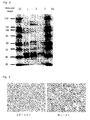
- Western blotting Specifically, HuCCT-1 cells and McA-RH7777 cells were cultured, and a homogenate (protein content: 1.0 mg/mL) was prepared from each of the cultures. Each sample was purified by SDS-PAGE (7.5% gel) and transferred to a PVDF membrane.
- the transferred membrane was reacted with a primary antibody DL21 (mouse monoclonal anti-c-Met antibody; Upstate) or SP260 (rabbit polyclonal anti-c-Met antibody; Santa Cruz Biochemistry) and with a secondary antibody (ECL Anti-mouse IgG; Amersham Biosciences, or ECL Anti-rabbit IgG; Amersham Biosciences), followed by detection by means of an ECL detection Kit (Amersham Biosciences).
- DL21 molecular weight
- c-Met-expressed HuCCT1 cells human-origin cholangiocarcinoma cells
- NUNC LabTek slide chamber
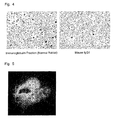
- the cultured cells were fixed with 10% formalin buffer and preliminarily treated with 0.2% Triton X-100.
- the cells were reacted with an anti-c-Met antibody (SP-260 or DL-21) as a primary antibody, and with an unimmunized normal rabbit immunoglobulin fraction (DAKO) as a negative control of SP-260 or a mouse IgG1 (DAKO) as a negative control of DL-21 at room temperature for two hours.
- SP-260 or DL-21 an anti-c-Met antibody
- DAKO unimmunized normal rabbit immunoglobulin fraction
- Simple stain rat MAX-PO(R) (NICHIREI) was added to a sample treated with SP-260 and an unimmunized normal rabbit immunoglobulin fraction
- Simple stain rat MAX-PO(M) (NICHIREI) was added to a sample treated with DL-21 and a mouse IgG1.
- a DAB substrate solution (DAKO) was added to each sample and the each mixture was reacted at room temperature for 10 minutes for immunohistostaining.
- counterstaining with hematoxylin was performed ( Figs. 3 and 4 ) .
- c-Met-specific staining by anti-c-Met antibodies was observed.
- McA-RH7777 cells rat-origin liver cancer cells
- 200 ⁇ L, 2.0 ⁇ 10 6 cells was subcutaneously injected to a right hindlimb of 6-week-old nude mice (BALB/c nu/nu: Japan SLC, Inc.).
- the aforementioned labeled HGF-fragment 370 kBq/100 ⁇ L was intravenously administered to each mouse.
- the tumor was isolated with muscles surrounding the tumor 15 minutes after administration, and frozen sections were prepared.
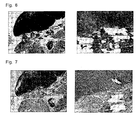
- Each frozen section was affixed to an imaging plate (Fuji Photo Film Co., Ltd) for seven days, and a [ 125 I]HGF(11-83)-NH 2 (73 aa) accumulation image was observed by means of a bio-imaging analyzer BAS-1800 (Fuji Photo Film Co., Ltd) ( Fig. 5 ).
- One analyzed image revealed that [ 125 I]HGF(11-83)-NH 2 (73 aa) was accumulated in the tumor region at higher level compared to the surrounding muscles. The accumulation level in the tumor was found to be 4.6 to 8.1 times greater than that in the surrounding muscles.
- Serial frozen sections were subjected to hematoxylin-eosin (HE) staining ( Fig.
- a negative control was prepared by adding a binding buffer (0.2% BSA, 20mM HEPES Hanks' solution, pH 7.0) (50 ⁇ L) instead of the rhHGF solution.
- a binding buffer (0.2% BSA, 20mM HEPES Hanks' solution, pH 7.0) (50 ⁇ L)
- 0.758 nM [ 125 I]HGF(11-83)-NH 2 (73 aa) solution 50 ⁇ L
- final concentration: 0.190 nM, ratio by amount to hrHGF: 1:2,000 was added.
- Each Eppendorf tube containing HuCCT-1 cells was stirred and incubated at room temperature for one hour, followed by centrifuged at 4°C (3,000 rpm, 3 min) to precipitate the cells. The supernatant was removed by means of an aspirator.
- the cells were stirred with an ice-cooled binding buffer (500 ⁇ L), and the mixture was centrifuged (3,000 rpm, 3 min). The procedure was repeated thrice.
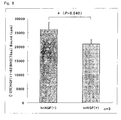
- the radioactivity of the Eppendorf tube containing HuCCT-1 cells was measured by means of a gamma counter. The average and the standard deviation of the radioactivity (cpm) were calculated for the samples to which the hrHGF solution had been added (hrHGF(+)) and for the samples to which the binding buffer had been added (hrHGF(-)). The difference between the averages was assessed through the Student's t-test.
- the radioactivity attributed to [ 125 I]HGF(11-83)-NH 2 (73 aa) bound to HuCCT1 cells was 26136.2 ⁇ 2580.8 cpm (mean ⁇ SD, hereinafter the same applies) in the hrHGF(-) samples, and 20916.9 ⁇ 1574.2 cpm in the hrHGF(+) samples.
- CD(SD) IGS rats (10-week-old) were anesthetized by intraperitoneally administering pentobarbital Na (35 mg/kg). After tracheostomy, an artificial respirator was attached to the rat. The left chest was opened, and an electrocardiogram was measured before coronary ligation. The coronary artery and its peripheral tissue (surrounding several millimeters) were ligated with suture, and ischemic state was determined on the basis of ST rise and recorded by an electrocardiogram. After recording, the chest was closed, and the trachea and the skin were sutured.
- a blood flow imaging agent 99m Tc-MIBI (Cardiolight Injection; DAIICHI RADIOISOTOPE LABS., LTD.) and [ 125 I]HGF(11-83)-NH 2 (73 aa) were administered to each model rat. Blood flow was assessed through dual nuclide autoradiography and HE staining. 99m Tc-MIBI was administered at 60 MBq through a femoral vein. Fifteen minutes after administration of 99m Tc-MIBI, [ 125 I]HGF(11-83)-NH 2 (73 aa) was administered at 740 kBq through the femoral vein, and the heart was isolated after 15 minutes.
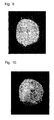
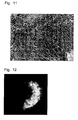
- the sample On the day of the experiment, the sample was affixed to an imaging plate for 30 minutes, and a 99m Tc-MIBI accumulation image was recorded by means of a bio-imaging analyzer BAS-1800 ( Fig. 9 ). After 7-days attenuation period for 99m Tc for seven days, the sample was set again to the imaging plate for seven days, and a [ 125 I]HGF(11-83)-NH 2 (73 aa) accumulation image was recorded by means of a bio-imaging analyzer BAS-1800 ( Fig. 10 ).
- Wistar rats (8-week-old) were anesthetized with isoflurane (Forane (R), Abbott). After tracheostomy, an artificial respirator connected to an anesthetizer was attached to each rat. The left chest was opened, and an electrogardiogram was measured before coronary ligation. The coronary artery and its peripheral tissue were ligated with suture. During ligation, nylon filament was placed as a spacer between the coronary artery and the suture in order to weaken the ligation strength so as not to completely intercept the blood flow. Ischemic state was determined on the basis of ST rise and recorded by an electrocardiogram. After recording, the left chest was closed, and the trachea and the skin were sutured.
- pinhole-SPECT imaging was conducted using a gamma camera (PRISM 2000, Shimadzu Corporation) (Imaging conditions: pinhole collimator, matrix sizes: 256 x 256, Mag 1.0, energy windows 99m Tc: 140 keV 10% and 123 I: 159 keV 10%, 3° 60 sec/step).
- PRISM 2000 Shimadzu Corporation
- Mag 1.0 energy windows 99m Tc: 140 keV 10% and 123 I: 159 keV 10%, 3° 60 sec/step
Landscapes
- Health & Medical Sciences (AREA)
- Life Sciences & Earth Sciences (AREA)
- Engineering & Computer Science (AREA)
- Chemical & Material Sciences (AREA)
- Immunology (AREA)
- General Health & Medical Sciences (AREA)
- Medicinal Chemistry (AREA)
- Molecular Biology (AREA)
- Urology & Nephrology (AREA)
- Hematology (AREA)
- Biomedical Technology (AREA)
- Pharmacology & Pharmacy (AREA)
- Animal Behavior & Ethology (AREA)
- Public Health (AREA)
- Veterinary Medicine (AREA)
- Proteomics, Peptides & Aminoacids (AREA)
- Physics & Mathematics (AREA)
- Bioinformatics & Cheminformatics (AREA)
- Analytical Chemistry (AREA)
- Microbiology (AREA)
- Gastroenterology & Hepatology (AREA)
- Pathology (AREA)
- General Physics & Mathematics (AREA)
- Biochemistry (AREA)
- Food Science & Technology (AREA)
- Epidemiology (AREA)
- Cell Biology (AREA)
- Biotechnology (AREA)
- Organic Chemistry (AREA)
- Nuclear Medicine, Radiotherapy & Molecular Imaging (AREA)
- Chemical Kinetics & Catalysis (AREA)
- General Chemical & Material Sciences (AREA)
- Optics & Photonics (AREA)
- Endocrinology (AREA)
- Zoology (AREA)
- Oncology (AREA)
- Heart & Thoracic Surgery (AREA)
- Cardiology (AREA)
- Vascular Medicine (AREA)
- Medicines That Contain Protein Lipid Enzymes And Other Medicines (AREA)
Applications Claiming Priority (2)
| Application Number | Priority Date | Filing Date | Title |
|---|---|---|---|
| JP2005308852 | 2005-10-24 | ||
| PCT/JP2006/321171 WO2007049620A1 (ja) | 2005-10-24 | 2006-10-24 | 肝細胞増殖因子受容体が関与する疾患の診断薬及び治療薬 |
Publications (2)
| Publication Number | Publication Date |
|---|---|
| EP1952826A1 true EP1952826A1 (de) | 2008-08-06 |
| EP1952826A4 EP1952826A4 (de) | 2011-05-18 |
Family
ID=37967730
Family Applications (1)
| Application Number | Title | Priority Date | Filing Date |
|---|---|---|---|
| EP06822151A Withdrawn EP1952826A4 (de) | 2005-10-24 | 2006-10-24 | Diagnostisches mittel und therapeutisches mittel für erkrankungen im zusammenhang mit dem hepatozyten-wachstumsfaktor-rezeptor |
Country Status (4)
| Country | Link |
|---|---|
| US (1) | US20090169473A1 (de) |
| EP (1) | EP1952826A4 (de) |
| JP (1) | JP5317475B2 (de) |
| WO (1) | WO2007049620A1 (de) |
Cited By (3)
| Publication number | Priority date | Publication date | Assignee | Title |
|---|---|---|---|---|
| US9259496B2 (en) | 2011-03-04 | 2016-02-16 | Ge Healthcare Limited | Technetium labelled peptides |
| US10300156B2 (en) | 2013-12-18 | 2019-05-28 | Ge Healthcare Limited | Radiotracer compositions and methods |
| US10548995B2 (en) | 2013-08-21 | 2020-02-04 | Ge Healthcare Limited | Radiolabelling method |
Families Citing this family (3)
| Publication number | Priority date | Publication date | Assignee | Title |
|---|---|---|---|---|
| JPWO2017141987A1 (ja) * | 2016-02-19 | 2018-12-06 | コニカミノルタ株式会社 | 実験動物検体を定量評価することを特徴とする、非臨床試験方法 |
| WO2018030193A1 (ja) * | 2016-08-08 | 2018-02-15 | コニカミノルタ株式会社 | 実験動物の腫瘍組織の評価に関する方法 |
| US9611297B1 (en) | 2016-08-26 | 2017-04-04 | Thrasos Therapeutics Inc. | Compositions and methods for the treatment of cast nephropathy and related conditions |
Family Cites Families (5)
| Publication number | Priority date | Publication date | Assignee | Title |
|---|---|---|---|---|
| US5648273A (en) * | 1989-12-27 | 1997-07-15 | The United States Of America, As Represented By The Department Of Health And Human Services | Hepatic growth factor receptor is the MET proto-oncogene |
| US20050107296A1 (en) * | 2001-10-31 | 2005-05-19 | Institut Des Vaisseaux Et Du Sang | Isolated peptide of the hepatocyte growth factor and its variants, preparation method and therapeutic use as anti-angiogenic agents |
| FR2831540B1 (fr) * | 2001-10-31 | 2004-07-09 | Inst Vaisseaux Et Du Sang | Peptide isole du facteur de croissance hepatocytaire et ses variants, procede de preparation et utilisation en therapeutique en tant qu'agents antiangiogeniques |
| WO2003057155A2 (en) * | 2001-12-27 | 2003-07-17 | Van Andel Research Institute | Monoclonal antibody imaging and therapy of tumors that express met and bind hepatocyte growth factor |
| CN101189023B (zh) * | 2005-03-31 | 2013-01-30 | 通用医疗公司 | 监测和调制hgf/hgfr活性 |
-
2006
- 2006-10-24 EP EP06822151A patent/EP1952826A4/de not_active Withdrawn
- 2006-10-24 WO PCT/JP2006/321171 patent/WO2007049620A1/ja not_active Ceased
- 2006-10-24 US US12/091,299 patent/US20090169473A1/en not_active Abandoned
- 2006-10-24 JP JP2007542598A patent/JP5317475B2/ja not_active Expired - Fee Related
Cited By (4)
| Publication number | Priority date | Publication date | Assignee | Title |
|---|---|---|---|---|
| US9259496B2 (en) | 2011-03-04 | 2016-02-16 | Ge Healthcare Limited | Technetium labelled peptides |
| US10548995B2 (en) | 2013-08-21 | 2020-02-04 | Ge Healthcare Limited | Radiolabelling method |
| US10300156B2 (en) | 2013-12-18 | 2019-05-28 | Ge Healthcare Limited | Radiotracer compositions and methods |
| US11311636B2 (en) | 2013-12-18 | 2022-04-26 | Ge Healthcare Limited | Radiotracer compositions and methods |
Also Published As
| Publication number | Publication date |
|---|---|
| JPWO2007049620A1 (ja) | 2009-04-30 |
| EP1952826A4 (de) | 2011-05-18 |
| JP5317475B2 (ja) | 2013-10-16 |
| WO2007049620A1 (ja) | 2007-05-03 |
| US20090169473A1 (en) | 2009-07-02 |
Similar Documents
| Publication | Publication Date | Title |
|---|---|---|
| Bredow et al. | Imaging of tumour neovasculature by targeting the TGF-β binding receptor endoglin | |
| US9963495B2 (en) | Polypeptides targeting vascular endothelial growth factor receptor and prostate specific membrane antigen | |
| KR102397783B1 (ko) | Pd-l1 결합 폴리펩티드에 의한 pet 영상화 | |
| NO333066B1 (no) | Peptidbaserte forbindelser, farmasoytisk sammensetning omfattende en slik forbindelse, anvendelse av en slik forbindelse samt fremgangsmate for a danne bilder av et menneske eller en annen dyrekropp. | |
| JP2020516676A (ja) | 二重標的イメージング用分子プローブ及びその調製方法と応用 | |
| Kang et al. | In vivo characterization of 68Ga-NOTA-VEGF121 for the imaging of VEGF receptor expression in U87MG tumor xenograft models | |
| Hu et al. | Characterization and evaluation of 64Cu-labeled A20FMDV2 conjugates for imaging the integrin αvβ6 | |
| JP2005527488A (ja) | Metを発現し、肝細胞増殖因子と結合する腫瘍のモノクローナル抗体画像化および治療 | |
| US20240342320A1 (en) | Polypeptide targeting integrin alpha 6 and use thereof | |
| Zheng et al. | Evaluation of lung cancer and neuroendocrine neoplasm in a single scan by targeting both somatostatin receptor and integrin αvβ3 | |
| Mitran et al. | Evaluation of 99mTc-ZIGF1R: 4551-GGGC affibody molecule, a new probe for imaging of insulin-like growth factor type 1 receptor expression | |
| McLarty et al. | Molecular imaging as a tool for personalized and targeted anticancer therapy. | |
| US6958140B2 (en) | Methods of imaging and targeting vasculature | |
| CN116023438A (zh) | 一种cxcr4靶向多肽及其应用 | |
| US20090169473A1 (en) | Diagnostic agent and therapeutic agent for disease associated with hepatocyte growth factor receptor | |
| US10202432B2 (en) | Dual targeting drug carrier and application thereof | |
| Malmberg et al. | Comparative biodistribution of imaging agents for in vivo molecular profiling of disseminated prostate cancer in mice bearing prostate cancer xenografts: focus on 111In-and 125I-labeled anti-HER2 humanized monoclonal trastuzumab and ABY-025 affibody | |
| US20130323171A1 (en) | Radiolabeled bbn analogs for pet imaging of gastrin-releasing peptide receptors | |
| US6264949B1 (en) | Noninvasive agents for diagnosis and prognosis of the progression of fibrosis | |
| WO2005050198A2 (en) | Metadherin polypeptides, encoding nucleic acids and methods of use | |
| AU2020403911B2 (en) | Anti-HER2 polypeptides derivatives as new diagnostic molecular probes | |
| Quan et al. | Imaging tumor endothelial marker 8 using an 18F-labeled peptide | |
| CN115819502B (zh) | 一种edb-fn靶向多肽及其应用 | |
| JP2014037395A (ja) | 放射性ヨウ素により標識された標識化合物 | |
| US20260061085A1 (en) | Cyclic peptide and preparation method therefor, and complex comprising same and use thereof |
Legal Events
| Date | Code | Title | Description |
|---|---|---|---|
| PUAI | Public reference made under article 153(3) epc to a published international application that has entered the european phase |
Free format text: ORIGINAL CODE: 0009012 |
|
| 17P | Request for examination filed |
Effective date: 20080418 |
|
| AK | Designated contracting states |
Kind code of ref document: A1 Designated state(s): AT BE BG CH CY CZ DE DK EE ES FI FR GB GR HU IE IS IT LI LT LU LV MC NL PL PT RO SE SI SK TR |
|
| AX | Request for extension of the european patent |
Extension state: AL BA HR MK RS |
|
| A4 | Supplementary search report drawn up and despatched |
Effective date: 20110415 |
|
| STAA | Information on the status of an ep patent application or granted ep patent |
Free format text: STATUS: THE APPLICATION IS DEEMED TO BE WITHDRAWN |
|
| 18D | Application deemed to be withdrawn |
Effective date: 20110503 |