EP1953473A1 - Demand control system and method for multi-type air conditioner - Google Patents
Demand control system and method for multi-type air conditioner Download PDFInfo
- Publication number
- EP1953473A1 EP1953473A1 EP08150528A EP08150528A EP1953473A1 EP 1953473 A1 EP1953473 A1 EP 1953473A1 EP 08150528 A EP08150528 A EP 08150528A EP 08150528 A EP08150528 A EP 08150528A EP 1953473 A1 EP1953473 A1 EP 1953473A1
- Authority
- EP
- European Patent Office
- Prior art keywords
- wattage
- air conditioner
- demand control
- estimated
- consumption
- Prior art date
- Legal status (The legal status is an assumption and is not a legal conclusion. Google has not performed a legal analysis and makes no representation as to the accuracy of the status listed.)
- Granted
Links
- 238000000034 method Methods 0.000 title claims description 14
- 238000007664 blowing Methods 0.000 claims description 11
- 239000003507 refrigerant Substances 0.000 claims description 4
- 238000001816 cooling Methods 0.000 description 2
- 238000005265 energy consumption Methods 0.000 description 2
- 238000010792 warming Methods 0.000 description 2
- 238000010586 diagram Methods 0.000 description 1
- 230000002708 enhancing effect Effects 0.000 description 1
Images
Classifications
-
- F—MECHANICAL ENGINEERING; LIGHTING; HEATING; WEAPONS; BLASTING
- F24—HEATING; RANGES; VENTILATING
- F24F—AIR-CONDITIONING; AIR-HUMIDIFICATION; VENTILATION; USE OF AIR CURRENTS FOR SCREENING
- F24F11/00—Control or safety arrangements
- F24F11/30—Control or safety arrangements for purposes related to the operation of the system, e.g. for safety or monitoring
-
- F—MECHANICAL ENGINEERING; LIGHTING; HEATING; WEAPONS; BLASTING
- F24—HEATING; RANGES; VENTILATING
- F24F—AIR-CONDITIONING; AIR-HUMIDIFICATION; VENTILATION; USE OF AIR CURRENTS FOR SCREENING
- F24F11/00—Control or safety arrangements
- F24F11/30—Control or safety arrangements for purposes related to the operation of the system, e.g. for safety or monitoring
- F24F11/46—Improving electric energy efficiency or saving
- F24F11/47—Responding to energy costs
-
- F—MECHANICAL ENGINEERING; LIGHTING; HEATING; WEAPONS; BLASTING
- F24—HEATING; RANGES; VENTILATING
- F24F—AIR-CONDITIONING; AIR-HUMIDIFICATION; VENTILATION; USE OF AIR CURRENTS FOR SCREENING
- F24F11/00—Control or safety arrangements
- F24F11/50—Control or safety arrangements characterised by user interfaces or communication
- F24F11/54—Control or safety arrangements characterised by user interfaces or communication using one central controller connected to several sub-controllers
-
- F—MECHANICAL ENGINEERING; LIGHTING; HEATING; WEAPONS; BLASTING
- F24—HEATING; RANGES; VENTILATING
- F24F—AIR-CONDITIONING; AIR-HUMIDIFICATION; VENTILATION; USE OF AIR CURRENTS FOR SCREENING
- F24F11/00—Control or safety arrangements
- F24F11/62—Control or safety arrangements characterised by the type of control or by internal processing, e.g. using fuzzy logic, adaptive control or estimation of values
-
- F—MECHANICAL ENGINEERING; LIGHTING; HEATING; WEAPONS; BLASTING
- F24—HEATING; RANGES; VENTILATING
- F24F—AIR-CONDITIONING; AIR-HUMIDIFICATION; VENTILATION; USE OF AIR CURRENTS FOR SCREENING
- F24F11/00—Control or safety arrangements
- F24F11/62—Control or safety arrangements characterised by the type of control or by internal processing, e.g. using fuzzy logic, adaptive control or estimation of values
- F24F11/63—Electronic processing
- F24F11/65—Electronic processing for selecting an operating mode
-
- F—MECHANICAL ENGINEERING; LIGHTING; HEATING; WEAPONS; BLASTING
- F24—HEATING; RANGES; VENTILATING
- F24F—AIR-CONDITIONING; AIR-HUMIDIFICATION; VENTILATION; USE OF AIR CURRENTS FOR SCREENING
- F24F11/00—Control or safety arrangements
- F24F11/30—Control or safety arrangements for purposes related to the operation of the system, e.g. for safety or monitoring
- F24F11/46—Improving electric energy efficiency or saving
-
- F—MECHANICAL ENGINEERING; LIGHTING; HEATING; WEAPONS; BLASTING
- F24—HEATING; RANGES; VENTILATING
- F24F—AIR-CONDITIONING; AIR-HUMIDIFICATION; VENTILATION; USE OF AIR CURRENTS FOR SCREENING
- F24F2140/00—Control inputs relating to system states
- F24F2140/60—Energy consumption
Definitions
- the present invention relates to a demand control system and method for a multi-type air conditioner.
- a demand control regime for a multi-type air conditioner is a technique for controlling the consumption of electrical power by switching on/off an air conditioner randomly selected or selected among a plurality of air conditioners according to a pre-set cycle so as to control the operational efficiency of a multi-type air conditioner within the range of a permissible wattage (i.e., the amount of electrical power).
- the demand control regime emphasizes electrical power control rather than a user's convenience, and operates to restrict the power consumption by sequentially switching off consumption loads of the electrical power.
- the related art demand control system for a multi-type air conditioner has the following problem. That is, because the air conditioner to be provided or deprived of electrical power supply is selected without regard to the user's convenience, the user in an area where the air conditioner is forcibly controlled is located may feel substantially less comfortable.
- the present invention is directed to provide a demand control system and a demand control method for a multi-type air conditioner which is capable of enhancing a user's comfort as well as of stably maintaining an electrical power, resulting from reducing a wattage consumption by controlling an air conditioner with changing an operation mode of the air conditioner when an estimated wattage exceeds a set wattage.
- a demand control system for a multi-type air conditioner comprising: a wattage consumption sensing unit for calculating an estimated consumed wattage of a plurality of air conditioners of a building; and a demand control unit for changing an operation mode of at least one air conditioner among the plurality of air conditioners when the estimated wattage calculated by the wattage consumption sensing unit exceeds a set wattage value.
- a demand control method for a multi-type air conditioner comprising: calculating an estimated wattage consumed by a plurality of air conditioners of a building; and changing an operation mode of at least one air conditioner among the plurality of air conditioners when the calculated wattage exceeds a set wattage value.
- the demand control system for a multi-type air conditioner in accordance with the present invention may include a wattage consumption sensing unit 10 for calculating an estimated wattage consumed by a plurality of air conditioners 50 of a building; and a demand control unit 20 for controlling an operational efficiency of the air conditioners 50 by changing an operation mode of at least one air conditioner 50 of the plurality of air conditioners 50 when the wattage consumption sensing unit notifies the demand control unit that the estimated wattage consumption exceeds the set wattage value.
- the plurality of air conditioners 50 may each include an outdoor unit 51 and at least one indoor unit 52 connected to the outdoor unit 51.
- the wattage consumption sensing unit 10 may receive data with respect to the wattage measured from a watt-hour meter 71 by being connected with the watt-hour meter 71 connected with the plurality of air conditioners 50 so as to estimate the consumed wattage after a certain time duration. And then, the wattage consumption sensing unit 10 may sense whether the estimated wattage exceeds a pre-set demand wattage value so that the sensed information may be transferred to the demand control unit 20.
- the demand control unit 20 may be connected with the wattage consumption wattage sensing unit 10 and to each outdoor unit 51 and indoor unit 52 of the air conditioners 50 so that, when the estimated wattage exceeds the set wattage value, the operation mode of the air conditioners 50 may be sequentially changed so as to reduce the wattage consumption of the plurality of air conditioners 50.
- the demand control unit 20 may switch off the outdoor units 51 of the air conditioners so that the operation mode of the indoor unit 52 in a corresponding area may be changed into a blowing (fan only) mode for reducing the wattage consumption of the air conditioners 50.
- the demand control unit 20 may change the operation mode of the indoor units 52 into the blowing (fan only) mode by switching off the outdoor unit 51, and also into another operation mode that can reduce the power consumption by changing into a dehumidifying mode, changing a blowing amount, controlling a circulation speed of a refrigerant, or the like.
- changing the operation mode of the air conditioners 50 for reducing the wattage consumption can prevent the temperature in each area from suddenly being changed, comparing with abruptly shutting off the electrical power supply for the air conditioners 50, and accordingly a user in the area where the forcibly controlled air conditioner 50 is located may feel comfortable for a longer time. Also, the time taken until the air conditioner 50 is restored from the forcibly controlled temperature to the prior temperature is shortened, thereby preventing unnecessary energy consumption.
- the wattage consumption sensing unit 10 may sense whether the estimated wattage exceeds the pre-set wattage value by calculating the estimated wattage based on the information regarding the consumed wattage measured by the watt-hour meter 71, and then transfer the thusly sensed information to the demand control unit 20 (S1).
- the demand control unit 2 may select at least one outdoor unit 51 (S2).
- the forcibly controlled outdoor unit 51 may be excluded.
- the demand control unit 2 changes an operation mode of at least one air conditioner of the plurality of air conditioners. For example, the demand control unit 2 switches the at least one air conditioner into a blowing mode, switches the at least one air conditioner into a dehumidifying mode, changes a blowing amount of the at least one air conditioner, or changes a circulation speed of a refrigerant of the at least one air conditioner
- the selected outdoor unit 51 may be switched off so that the operation mode of the indoor unit(s) 52 connected with the outdoor unit 51 may be changed into the blowing (fan only) mode (S3).
- the overall wattage consumption of the air conditioners may be reduced resulting from the switching off of the outdoor unit 51.
- the wattage consumption sensing unit 10 may sense the information that the estimated wattage falls short of the set wattage value, and then transfer such sensed information to the demand control unit 20. Then, the demand control unit 20 may change the operation mode of the air conditioners controlled in the previous step into a cooling mode or a warming mode from the blowing mode, so that the operation mode of the air conditioners may be restored to their previous original state (S4).
- the demand control system and the demand control method for a multi-type air conditioner in accordance with the present invention operates to control the operational efficiency of the air conditioners by changing the operation mode of the air conditioners so as to reduce the wattage consumption of the air conditioners when the estimated wattage consumption exceeds a set wattage value, thereby enabling a user in the area where the controlled air conditioner is located to feel comfortable pleasant for a longer time.
- the time taken until the air conditioner is restored from the forcibly controlled temperature to the prior desired temperature is shortened, thereby preventing unnecessary energy consumption.
Landscapes
- Engineering & Computer Science (AREA)
- Chemical & Material Sciences (AREA)
- Combustion & Propulsion (AREA)
- Mechanical Engineering (AREA)
- General Engineering & Computer Science (AREA)
- Signal Processing (AREA)
- Physics & Mathematics (AREA)
- Fuzzy Systems (AREA)
- Mathematical Physics (AREA)
- Human Computer Interaction (AREA)
- Air Conditioning Control Device (AREA)
Abstract
Description
- The present invention relates to a demand control system and method for a multi-type air conditioner.
- In general, a demand control regime for a multi-type air conditioner is a technique for controlling the consumption of electrical power by switching on/off an air conditioner randomly selected or selected among a plurality of air conditioners according to a pre-set cycle so as to control the operational efficiency of a multi-type air conditioner within the range of a permissible wattage (i.e., the amount of electrical power).
- The demand control regime emphasizes electrical power control rather than a user's convenience, and operates to restrict the power consumption by sequentially switching off consumption loads of the electrical power.
- However, the related art demand control system for a multi-type air conditioner has the following problem. That is, because the air conditioner to be provided or deprived of electrical power supply is selected without regard to the user's convenience, the user in an area where the air conditioner is forcibly controlled is located may feel substantially less comfortable.
- Therefore, the present invention is directed to provide a demand control system and a demand control method for a multi-type air conditioner which is capable of enhancing a user's comfort as well as of stably maintaining an electrical power, resulting from reducing a wattage consumption by controlling an air conditioner with changing an operation mode of the air conditioner when an estimated wattage exceeds a set wattage.
- To achieve these and other advantages and in accordance with the purpose of the present invention, as embodied and broadly described herein, there is provided a demand control system for a multi-type air conditioner, comprising: a wattage consumption sensing unit for calculating an estimated consumed wattage of a plurality of air conditioners of a building; and a demand control unit for changing an operation mode of at least one air conditioner among the plurality of air conditioners when the estimated wattage calculated by the wattage consumption sensing unit exceeds a set wattage value.
- In another aspect of the present invention, there is provided a demand control method for a multi-type air conditioner, comprising: calculating an estimated wattage consumed by a plurality of air conditioners of a building; and changing an operation mode of at least one air conditioner among the plurality of air conditioners when the calculated wattage exceeds a set wattage value.
- The foregoing and other objects, features, aspects and advantages of the present invention will become more apparent from the following detailed description of the present invention when taken in conjunction with the accompanying drawings.
-
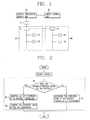
Figure 1 is a schematic block diagram showing a demand control system for a multi-type air conditioner in accordance with the present invention; and -
Figure 2 is a flowchart showing a control method of the demand control system ofFigure 1 . - Description will now be given in detail of the preferred embodiments of the present invention, examples of which are illustrated in the accompanying drawings.
- As shown in
Figure 1 , the demand control system for a multi-type air conditioner in accordance with the present invention may include a wattageconsumption sensing unit 10 for calculating an estimated wattage consumed by a plurality ofair conditioners 50 of a building; and ademand control unit 20 for controlling an operational efficiency of theair conditioners 50 by changing an operation mode of at least oneair conditioner 50 of the plurality ofair conditioners 50 when the wattage consumption sensing unit notifies the demand control unit that the estimated wattage consumption exceeds the set wattage value. - The plurality of
air conditioners 50 may each include anoutdoor unit 51 and at least oneindoor unit 52 connected to theoutdoor unit 51. - The wattage
consumption sensing unit 10 may receive data with respect to the wattage measured from a watt-hour meter 71 by being connected with the watt-hour meter 71 connected with the plurality ofair conditioners 50 so as to estimate the consumed wattage after a certain time duration. And then, the wattageconsumption sensing unit 10 may sense whether the estimated wattage exceeds a pre-set demand wattage value so that the sensed information may be transferred to thedemand control unit 20. - The
demand control unit 20 may be connected with the wattage consumptionwattage sensing unit 10 and to eachoutdoor unit 51 andindoor unit 52 of theair conditioners 50 so that, when the estimated wattage exceeds the set wattage value, the operation mode of theair conditioners 50 may be sequentially changed so as to reduce the wattage consumption of the plurality ofair conditioners 50. - That is, the
demand control unit 20 may switch off theoutdoor units 51 of the air conditioners so that the operation mode of theindoor unit 52 in a corresponding area may be changed into a blowing (fan only) mode for reducing the wattage consumption of theair conditioners 50. - Meanwhile, when changing the operation mode of the
air conditioners 50, thedemand control unit 20 may change the operation mode of theindoor units 52 into the blowing (fan only) mode by switching off theoutdoor unit 51, and also into another operation mode that can reduce the power consumption by changing into a dehumidifying mode, changing a blowing amount, controlling a circulation speed of a refrigerant, or the like. - As such, changing the operation mode of the
air conditioners 50 for reducing the wattage consumption can prevent the temperature in each area from suddenly being changed, comparing with abruptly shutting off the electrical power supply for theair conditioners 50, and accordingly a user in the area where the forcibly controlledair conditioner 50 is located may feel comfortable for a longer time. Also, the time taken until theair conditioner 50 is restored from the forcibly controlled temperature to the prior temperature is shortened, thereby preventing unnecessary energy consumption. - Hereafter, a method for an air conditioner in accordance with the present invention will be described with reference to
Figure 2 . - First, while performing a cooling or a warming operation with respect to a certain area of a building by the plurality of
air conditioners 50 disposed in the building, the wattageconsumption sensing unit 10 may sense whether the estimated wattage exceeds the pre-set wattage value by calculating the estimated wattage based on the information regarding the consumed wattage measured by the watt-hour meter 71, and then transfer the thusly sensed information to the demand control unit 20 (S1). - Here, if the information that the estimated wattage exceeds the set wattage value is transferred to the
demand control unit 20 from the wattageconsumption sensing unit 10, thedemand control unit 2 may select at least one outdoor unit 51 (S2). Here, the forcibly controlledoutdoor unit 51 may be excluded. In other words, when the estimated wattage consumption exceeds the set wattage value, thedemand control unit 2 changes an operation mode of at least one air conditioner of the plurality of air conditioners. For example, thedemand control unit 2 switches the at least one air conditioner into a blowing mode, switches the at least one air conditioner into a dehumidifying mode, changes a blowing amount of the at least one air conditioner, or changes a circulation speed of a refrigerant of the at least one air conditioner - And, the selected
outdoor unit 51 may be switched off so that the operation mode of the indoor unit(s) 52 connected with theoutdoor unit 51 may be changed into the blowing (fan only) mode (S3). As such, the overall wattage consumption of the air conditioners may be reduced resulting from the switching off of theoutdoor unit 51. - Meanwhile, upon reducing the wattage consumption of the
air conditioners 50, the wattage consumption sensingunit 10 may sense the information that the estimated wattage falls short of the set wattage value, and then transfer such sensed information to thedemand control unit 20. Then, thedemand control unit 20 may change the operation mode of the air conditioners controlled in the previous step into a cooling mode or a warming mode from the blowing mode, so that the operation mode of the air conditioners may be restored to their previous original state (S4). - As aforementioned, the demand control system and the demand control method for a multi-type air conditioner in accordance with the present invention operates to control the operational efficiency of the air conditioners by changing the operation mode of the air conditioners so as to reduce the wattage consumption of the air conditioners when the estimated wattage consumption exceeds a set wattage value, thereby enabling a user in the area where the controlled air conditioner is located to feel comfortable pleasant for a longer time.
- Further, the time taken until the air conditioner is restored from the forcibly controlled temperature to the prior desired temperature is shortened, thereby preventing unnecessary energy consumption.
Claims (13)
- A demand control system for a multi-type air conditioner, comprising:a wattage consumption sensing unit that calculates an estimated wattage consumption of a plurality of air conditioners of a building and compares the estimated wattage consumption with a set wattage value; anda demand control unit that changes an operation mode of at least one air conditioner of the plurality of air conditioners when the wattage consumption sensing unit notifies the demand control unit that the estimated wattage consumption exceeds the set wattage value.
- The system of claim 1, wherein the demand control unit switches the at least one air conditioner into a blowing mode when the wattage consumption sensing unit notifies the demand control unit that the estimated wattage consumption exceeds the set wattage value.
- The system of claim 1, wherein the demand control unit switches the at least one air conditioner into a dehumidifying mode when the wattage consumption sensing unit notifies the demand control unit that the estimated wattage consumption exceeds the set wattage value.
- The system of claim 1, wherein the demand control unit changes a blowing amount of the at least one air conditioner when the wattage consumption sensing unit notifies the demand control unit that the estimated wattage consumption exceeds the set wattage value.
- The system of claim 1, wherein the demand control unit changes a circulation speed of a refrigerant of the at least one air conditioner when the wattage consumption sensing unit notifies the demand control unit that the estimated wattage consumption exceeds the set wattage value.
- The system of claim 1, wherein the demand control unit restores the operation mode of the at least one air conditioner when the wattage consumption sensing unit notifies the demand control unit that the estimated wattage consumption is less than the set wattage value.
- The system of any of claims 1 to 6, wherein the wattage consumption sensing unit calculates the estimated wattage consumption from a wattage consumption value measured by a watt-hour meter connected with the plurality of air conditioners.
- A method for controlling an air conditioner, comprising:calculating an estimated wattage consumption of a plurality of air conditioners of a building;comparing the estimated wattage consumption with a set wattage value; andchanging an operation mode of at least one air conditioner of the plurality of air conditioners when the estimated wattage consumption exceeds the set wattage value.
- The method of claim 8, wherein changing the operation mode comprises switching the at least one air conditioner into a blowing mode.
- The method of claim 8, wherein changing the operation mode comprises switching the at least one air conditioner into a dehumidifying mode.
- The method of claim 8, wherein changing the operation mode comprises changing a blowing amount of the at least one air conditioner.
- The method of claim 8, wherein changing the operation mode comprises changing a circulation speed of a refrigerant of the at least one air conditioner.
- The method of claim 8, further comprising restoring the operation mode of the at least one air conditioner when the estimated wattage consumption is less than the set wattage value.
Applications Claiming Priority (1)
| Application Number | Priority Date | Filing Date | Title |
|---|---|---|---|
| KR1020070008569A KR20080070438A (en) | 2007-01-26 | 2007-01-26 | Demand control system and demand control method of multi air conditioner |
Publications (2)
| Publication Number | Publication Date |
|---|---|
| EP1953473A1 true EP1953473A1 (en) | 2008-08-06 |
| EP1953473B1 EP1953473B1 (en) | 2017-07-12 |
Family
ID=39415281
Family Applications (1)
| Application Number | Title | Priority Date | Filing Date |
|---|---|---|---|
| EP08150528.1A Not-in-force EP1953473B1 (en) | 2007-01-26 | 2008-01-23 | Demand control system and method for multi-type air conditioner |
Country Status (4)
| Country | Link |
|---|---|
| US (1) | US20080178622A1 (en) |
| EP (1) | EP1953473B1 (en) |
| KR (1) | KR20080070438A (en) |
| CN (1) | CN101231020A (en) |
Cited By (3)
| Publication number | Priority date | Publication date | Assignee | Title |
|---|---|---|---|---|
| WO2012172193A1 (en) * | 2011-06-15 | 2012-12-20 | Voltalis | Heating, ventilation and/or air-conditioning device with targeted power-supply management |
| EP2410254A3 (en) * | 2010-07-23 | 2017-01-04 | LG Electronics, Inc. | Air conditioner and method for controlling the same |
| EP4170252A4 (en) * | 2020-06-18 | 2023-07-19 | Mitsubishi Electric Corporation | AIR CONDITIONING SYSTEM AND METHOD FOR CONTROLLING AN QUANTITY OF AIR CONDITIONING SYSTEM POWER |
Families Citing this family (2)
| Publication number | Priority date | Publication date | Assignee | Title |
|---|---|---|---|---|
| DE102010052699A1 (en) * | 2010-11-26 | 2012-05-31 | Liebherr-Hausgeräte Ochsenhausen GmbH | Method for operating a refrigerator and / or freezer and refrigerator and / or freezer |
| JP6247990B2 (en) * | 2014-04-16 | 2017-12-13 | 株式会社日立製作所 | Air conditioning equipment management system |
Citations (5)
| Publication number | Priority date | Publication date | Assignee | Title |
|---|---|---|---|---|
| JPS6346330A (en) * | 1986-08-11 | 1988-02-27 | Sekisui Chem Co Ltd | Heat exchanger of heat pump type |
| JPH01118051A (en) * | 1987-10-30 | 1989-05-10 | Matsushita Seiko Co Ltd | Power demand controller |
| JP2004293892A (en) * | 2003-03-26 | 2004-10-21 | Mitsubishi Electric Engineering Co Ltd | Air conditioner demand control device |
| DE102004029331A1 (en) * | 2003-06-19 | 2005-01-20 | Lg Electronics Inc. | Central control system for air conditioner, has central controller to perform peak power control if current power consumption of multiple air conditioners exceeds previously input reference management power value |
| EP1698835A1 (en) * | 2005-02-25 | 2006-09-06 | LG Electronics, Inc. | Central control system and control method thereof for multi-unit air conditioners |
Family Cites Families (4)
| Publication number | Priority date | Publication date | Assignee | Title |
|---|---|---|---|---|
| KR100307228B1 (en) * | 1998-11-27 | 2002-02-19 | 윤종용 | Power saving control method of air conditioner_ |
| KR100550556B1 (en) * | 2003-11-11 | 2006-02-10 | 엘지전자 주식회사 | Central control system of air conditioner and its operation method |
| KR100629345B1 (en) * | 2005-02-24 | 2006-09-29 | 엘지전자 주식회사 | Multi air conditioning central control system |
| KR100688202B1 (en) * | 2005-02-25 | 2007-03-02 | 엘지전자 주식회사 | Multi air conditioner?s peak power controling system and control method |
-
2007
- 2007-01-26 KR KR1020070008569A patent/KR20080070438A/en not_active Ceased
-
2008
- 2008-01-22 US US12/017,610 patent/US20080178622A1/en not_active Abandoned
- 2008-01-23 EP EP08150528.1A patent/EP1953473B1/en not_active Not-in-force
- 2008-01-28 CN CNA2008100032558A patent/CN101231020A/en active Pending
Patent Citations (5)
| Publication number | Priority date | Publication date | Assignee | Title |
|---|---|---|---|---|
| JPS6346330A (en) * | 1986-08-11 | 1988-02-27 | Sekisui Chem Co Ltd | Heat exchanger of heat pump type |
| JPH01118051A (en) * | 1987-10-30 | 1989-05-10 | Matsushita Seiko Co Ltd | Power demand controller |
| JP2004293892A (en) * | 2003-03-26 | 2004-10-21 | Mitsubishi Electric Engineering Co Ltd | Air conditioner demand control device |
| DE102004029331A1 (en) * | 2003-06-19 | 2005-01-20 | Lg Electronics Inc. | Central control system for air conditioner, has central controller to perform peak power control if current power consumption of multiple air conditioners exceeds previously input reference management power value |
| EP1698835A1 (en) * | 2005-02-25 | 2006-09-06 | LG Electronics, Inc. | Central control system and control method thereof for multi-unit air conditioners |
Cited By (7)
| Publication number | Priority date | Publication date | Assignee | Title |
|---|---|---|---|---|
| EP2410254A3 (en) * | 2010-07-23 | 2017-01-04 | LG Electronics, Inc. | Air conditioner and method for controlling the same |
| WO2012172193A1 (en) * | 2011-06-15 | 2012-12-20 | Voltalis | Heating, ventilation and/or air-conditioning device with targeted power-supply management |
| FR2976654A1 (en) * | 2011-06-15 | 2012-12-21 | Voltalis | DEVICE FOR HEATING, VENTILATION AND / OR AIR CONDITIONING WITH TARGETED FEED MANAGEMENT. |
| CN103765115A (en) * | 2011-06-15 | 2014-04-30 | 沃勒达利公司 | Heating, ventilation and/or air-conditioning device with targeted power-supply management |
| CN103765115B (en) * | 2011-06-15 | 2017-03-22 | 沃勒达利公司 | Heating, ventilation and/or air-conditioning device with targeted power-supply management |
| US10060657B2 (en) | 2011-06-15 | 2018-08-28 | Voltalis | Heating, ventilation and/or air-conditioning device with targeted power-supply management |
| EP4170252A4 (en) * | 2020-06-18 | 2023-07-19 | Mitsubishi Electric Corporation | AIR CONDITIONING SYSTEM AND METHOD FOR CONTROLLING AN QUANTITY OF AIR CONDITIONING SYSTEM POWER |
Also Published As
| Publication number | Publication date |
|---|---|
| US20080178622A1 (en) | 2008-07-31 |
| CN101231020A (en) | 2008-07-30 |
| EP1953473B1 (en) | 2017-07-12 |
| KR20080070438A (en) | 2008-07-30 |
Similar Documents
| Publication | Publication Date | Title |
|---|---|---|
| EP1950504B1 (en) | System and method for controlling demand of multi-air conditioner | |
| US10415842B2 (en) | Outdoor unit for air conditioner, air conditioner, and method for controlling air conditioner | |
| US7204093B2 (en) | Central control system of air conditioners and method for operating the same | |
| CN110701759B (en) | Operation control method, operation control device, air conditioner and storage medium | |
| JP2014236605A (en) | Management system of air-conditioner | |
| CN100472141C (en) | Multi-channel air conditioner peak power control system and its control method | |
| CN113825956A (en) | Air conditioner and management device | |
| EP1953473B1 (en) | Demand control system and method for multi-type air conditioner | |
| JP2011106763A (en) | Control system of air conditioner | |
| JP5461942B2 (en) | Control apparatus and control method | |
| CN114216217A (en) | Method and device for adjusting power supply of air conditioner and air conditioner | |
| JP2010032073A (en) | Air-conditioning system | |
| KR101554180B1 (en) | Operation control device and method of multi air conditioning system | |
| JP2015028391A (en) | Air conditioning system | |
| JP6328902B2 (en) | Air conditioning system | |
| WO2017009912A1 (en) | Energy management device, energy management method, and program | |
| KR20100073699A (en) | Method for controlling air conditioner | |
| JP2008241150A (en) | Air conditioning control system | |
| JP5816423B2 (en) | Air conditioning equipment | |
| KR101219641B1 (en) | Controlling method for energy saving type air conditioner using direct load control | |
| JP5062555B2 (en) | Energy saving air conditioning control system | |
| JP3464882B2 (en) | Air conditioning control device | |
| JPH10311585A (en) | Demand control device of regenerative air conditioner | |
| KR20090066101A (en) | Peak power control device and method of the multi-air conditioning system | |
| KR100531083B1 (en) | A power control apparatus and method of multi-air conditioner |
Legal Events
| Date | Code | Title | Description |
|---|---|---|---|
| PUAI | Public reference made under article 153(3) epc to a published international application that has entered the european phase |
Free format text: ORIGINAL CODE: 0009012 |
|
| 17P | Request for examination filed |
Effective date: 20080221 |
|
| AK | Designated contracting states |
Kind code of ref document: A1 Designated state(s): AT BE BG CH CY CZ DE DK EE ES FI FR GB GR HR HU IE IS IT LI LT LU LV MC MT NL NO PL PT RO SE SI SK TR |
|
| AX | Request for extension of the european patent |
Extension state: AL BA MK RS |
|
| 17Q | First examination report despatched |
Effective date: 20090219 |
|
| AKX | Designation fees paid |
Designated state(s): DE FR GB |
|
| GRAP | Despatch of communication of intention to grant a patent |
Free format text: ORIGINAL CODE: EPIDOSNIGR1 |
|
| INTG | Intention to grant announced |
Effective date: 20170201 |
|
| GRAS | Grant fee paid |
Free format text: ORIGINAL CODE: EPIDOSNIGR3 |
|
| GRAA | (expected) grant |
Free format text: ORIGINAL CODE: 0009210 |
|
| AK | Designated contracting states |
Kind code of ref document: B1 Designated state(s): DE FR GB |
|
| REG | Reference to a national code |
Ref country code: GB Ref legal event code: FG4D |
|
| REG | Reference to a national code |
Ref country code: DE Ref legal event code: R096 Ref document number: 602008051036 Country of ref document: DE |
|
| REG | Reference to a national code |
Ref country code: DE Ref legal event code: R079 Ref document number: 602008051036 Country of ref document: DE Free format text: PREVIOUS MAIN CLASS: F24F0011020000 Ipc: F24F0011890000 |
|
| REG | Reference to a national code |
Ref country code: DE Ref legal event code: R097 Ref document number: 602008051036 Country of ref document: DE |
|
| PLBE | No opposition filed within time limit |
Free format text: ORIGINAL CODE: 0009261 |
|
| STAA | Information on the status of an ep patent application or granted ep patent |
Free format text: STATUS: NO OPPOSITION FILED WITHIN TIME LIMIT |
|
| 26N | No opposition filed |
Effective date: 20180413 |
|
| GBPC | Gb: european patent ceased through non-payment of renewal fee |
Effective date: 20180123 |
|
| PG25 | Lapsed in a contracting state [announced via postgrant information from national office to epo] |
Ref country code: FR Free format text: LAPSE BECAUSE OF NON-PAYMENT OF DUE FEES Effective date: 20180131 |
|
| REG | Reference to a national code |
Ref country code: FR Ref legal event code: ST Effective date: 20180928 |
|
| PG25 | Lapsed in a contracting state [announced via postgrant information from national office to epo] |
Ref country code: GB Free format text: LAPSE BECAUSE OF NON-PAYMENT OF DUE FEES Effective date: 20180123 |
|
| PGFP | Annual fee paid to national office [announced via postgrant information from national office to epo] |
Ref country code: DE Payment date: 20211206 Year of fee payment: 15 |
|
| REG | Reference to a national code |
Ref country code: DE Ref legal event code: R119 Ref document number: 602008051036 Country of ref document: DE |
|
| PG25 | Lapsed in a contracting state [announced via postgrant information from national office to epo] |
Ref country code: DE Free format text: LAPSE BECAUSE OF NON-PAYMENT OF DUE FEES Effective date: 20230801 |