EP1955708A1 - Nouveau potentialisateur d'induction de lymphocyte t cytotoxique a memoire - Google Patents
Nouveau potentialisateur d'induction de lymphocyte t cytotoxique a memoire Download PDFInfo
- Publication number
- EP1955708A1 EP1955708A1 EP06832989A EP06832989A EP1955708A1 EP 1955708 A1 EP1955708 A1 EP 1955708A1 EP 06832989 A EP06832989 A EP 06832989A EP 06832989 A EP06832989 A EP 06832989A EP 1955708 A1 EP1955708 A1 EP 1955708A1
- Authority
- EP
- European Patent Office
- Prior art keywords
- substance
- memory ctl
- ctl induction
- enhancer
- induction
- Prior art date
- Legal status (The legal status is an assumption and is not a legal conclusion. Google has not performed a legal analysis and makes no representation as to the accuracy of the status listed.)
- Withdrawn
Links
Images





Classifications
-
- A—HUMAN NECESSITIES
- A61—MEDICAL OR VETERINARY SCIENCE; HYGIENE
- A61K—PREPARATIONS FOR MEDICAL, DENTAL OR TOILETRY PURPOSES
- A61K45/00—Medicinal preparations containing active ingredients not provided for in groups A61K31/00 - A61K41/00
- A61K45/06—Mixtures of active ingredients without chemical characterisation, e.g. antiphlogistics and cardiaca
-
- A—HUMAN NECESSITIES
- A61—MEDICAL OR VETERINARY SCIENCE; HYGIENE
- A61K—PREPARATIONS FOR MEDICAL, DENTAL OR TOILETRY PURPOSES
- A61K31/00—Medicinal preparations containing organic active ingredients
- A61K31/16—Amides, e.g. hydroxamic acids
- A61K31/17—Amides, e.g. hydroxamic acids having the group >N—C(O)—N< or >N—C(S)—N<, e.g. urea, thiourea, carmustine
- A61K31/175—Amides, e.g. hydroxamic acids having the group >N—C(O)—N< or >N—C(S)—N<, e.g. urea, thiourea, carmustine having the group, >N—C(O)—N=N— or, e.g. carbonohydrazides, carbazones, semicarbazides, semicarbazones; Thioanalogues thereof
-
- A—HUMAN NECESSITIES
- A61—MEDICAL OR VETERINARY SCIENCE; HYGIENE
- A61K—PREPARATIONS FOR MEDICAL, DENTAL OR TOILETRY PURPOSES
- A61K31/00—Medicinal preparations containing organic active ingredients
- A61K31/33—Heterocyclic compounds
- A61K31/395—Heterocyclic compounds having nitrogen as a ring hetero atom, e.g. guanethidine or rifamycins
- A61K31/435—Heterocyclic compounds having nitrogen as a ring hetero atom, e.g. guanethidine or rifamycins having six-membered rings with one nitrogen as the only ring hetero atom
- A61K31/47—Quinolines; Isoquinolines
- A61K31/4738—Quinolines; Isoquinolines ortho- or peri-condensed with heterocyclic ring systems
- A61K31/4745—Quinolines; Isoquinolines ortho- or peri-condensed with heterocyclic ring systems condensed with ring systems having nitrogen as a ring hetero atom, e.g. phenantrolines
-
- A—HUMAN NECESSITIES
- A61—MEDICAL OR VETERINARY SCIENCE; HYGIENE
- A61K—PREPARATIONS FOR MEDICAL, DENTAL OR TOILETRY PURPOSES
- A61K31/00—Medicinal preparations containing organic active ingredients
- A61K31/66—Phosphorus compounds
- A61K31/675—Phosphorus compounds having nitrogen as a ring hetero atom, e.g. pyridoxal phosphate
-
- A—HUMAN NECESSITIES
- A61—MEDICAL OR VETERINARY SCIENCE; HYGIENE
- A61K—PREPARATIONS FOR MEDICAL, DENTAL OR TOILETRY PURPOSES
- A61K31/00—Medicinal preparations containing organic active ingredients
- A61K31/70—Carbohydrates; Sugars; Derivatives thereof
- A61K31/7084—Compounds having two nucleosides or nucleotides, e.g. nicotinamide-adenine dinucleotide, flavine-adenine dinucleotide
-
- A—HUMAN NECESSITIES
- A61—MEDICAL OR VETERINARY SCIENCE; HYGIENE
- A61K—PREPARATIONS FOR MEDICAL, DENTAL OR TOILETRY PURPOSES
- A61K31/00—Medicinal preparations containing organic active ingredients
- A61K31/70—Carbohydrates; Sugars; Derivatives thereof
- A61K31/7088—Compounds having three or more nucleosides or nucleotides
-
- A—HUMAN NECESSITIES
- A61—MEDICAL OR VETERINARY SCIENCE; HYGIENE
- A61K—PREPARATIONS FOR MEDICAL, DENTAL OR TOILETRY PURPOSES
- A61K39/00—Medicinal preparations containing antigens or antibodies
- A61K39/395—Antibodies; Immunoglobulins; Immune serum, e.g. antilymphocytic serum
- A61K39/39533—Antibodies; Immunoglobulins; Immune serum, e.g. antilymphocytic serum against materials from animals
- A61K39/39541—Antibodies; Immunoglobulins; Immune serum, e.g. antilymphocytic serum against materials from animals against normal tissues, cells
-
- A—HUMAN NECESSITIES
- A61—MEDICAL OR VETERINARY SCIENCE; HYGIENE
- A61P—SPECIFIC THERAPEUTIC ACTIVITY OF CHEMICAL COMPOUNDS OR MEDICINAL PREPARATIONS
- A61P31/00—Antiinfectives, i.e. antibiotics, antiseptics, chemotherapeutics
- A61P31/12—Antivirals
-
- A—HUMAN NECESSITIES
- A61—MEDICAL OR VETERINARY SCIENCE; HYGIENE
- A61P—SPECIFIC THERAPEUTIC ACTIVITY OF CHEMICAL COMPOUNDS OR MEDICINAL PREPARATIONS
- A61P35/00—Antineoplastic agents
-
- A—HUMAN NECESSITIES
- A61—MEDICAL OR VETERINARY SCIENCE; HYGIENE
- A61P—SPECIFIC THERAPEUTIC ACTIVITY OF CHEMICAL COMPOUNDS OR MEDICINAL PREPARATIONS
- A61P37/00—Drugs for immunological or allergic disorders
- A61P37/02—Immunomodulators
- A61P37/04—Immunostimulants
-
- A—HUMAN NECESSITIES
- A61—MEDICAL OR VETERINARY SCIENCE; HYGIENE
- A61P—SPECIFIC THERAPEUTIC ACTIVITY OF CHEMICAL COMPOUNDS OR MEDICINAL PREPARATIONS
- A61P43/00—Drugs for specific purposes, not provided for in groups A61P1/00-A61P41/00
-
- C—CHEMISTRY; METALLURGY
- C07—ORGANIC CHEMISTRY
- C07K—PEPTIDES
- C07K16/00—Immunoglobulins [IG], e.g. monoclonal or polyclonal antibodies
- C07K16/18—Immunoglobulins [IG], e.g. monoclonal or polyclonal antibodies against material from animals or humans
- C07K16/28—Immunoglobulins [IG], e.g. monoclonal or polyclonal antibodies against material from animals or humans against receptors, cell surface antigens or cell surface determinants
- C07K16/2803—Immunoglobulins [IG], e.g. monoclonal or polyclonal antibodies against material from animals or humans against receptors, cell surface antigens or cell surface determinants against the immunoglobulin superfamily
- C07K16/2812—Immunoglobulins [IG], e.g. monoclonal or polyclonal antibodies against material from animals or humans against receptors, cell surface antigens or cell surface determinants against the immunoglobulin superfamily against CD4
-
- C—CHEMISTRY; METALLURGY
- C07—ORGANIC CHEMISTRY
- C07K—PEPTIDES
- C07K16/00—Immunoglobulins [IG], e.g. monoclonal or polyclonal antibodies
- C07K16/18—Immunoglobulins [IG], e.g. monoclonal or polyclonal antibodies against material from animals or humans
- C07K16/28—Immunoglobulins [IG], e.g. monoclonal or polyclonal antibodies against material from animals or humans against receptors, cell surface antigens or cell surface determinants
- C07K16/2803—Immunoglobulins [IG], e.g. monoclonal or polyclonal antibodies against material from animals or humans against receptors, cell surface antigens or cell surface determinants against the immunoglobulin superfamily
- C07K16/2818—Immunoglobulins [IG], e.g. monoclonal or polyclonal antibodies against material from animals or humans against receptors, cell surface antigens or cell surface determinants against the immunoglobulin superfamily against CD28 or CD152
-
- C—CHEMISTRY; METALLURGY
- C07—ORGANIC CHEMISTRY
- C07K—PEPTIDES
- C07K16/00—Immunoglobulins [IG], e.g. monoclonal or polyclonal antibodies
- C07K16/18—Immunoglobulins [IG], e.g. monoclonal or polyclonal antibodies against material from animals or humans
- C07K16/28—Immunoglobulins [IG], e.g. monoclonal or polyclonal antibodies against material from animals or humans against receptors, cell surface antigens or cell surface determinants
- C07K16/2866—Immunoglobulins [IG], e.g. monoclonal or polyclonal antibodies against material from animals or humans against receptors, cell surface antigens or cell surface determinants against receptors for cytokines, lymphokines, interferons
-
- C—CHEMISTRY; METALLURGY
- C07—ORGANIC CHEMISTRY
- C07K—PEPTIDES
- C07K16/00—Immunoglobulins [IG], e.g. monoclonal or polyclonal antibodies
- C07K16/18—Immunoglobulins [IG], e.g. monoclonal or polyclonal antibodies against material from animals or humans
- C07K16/28—Immunoglobulins [IG], e.g. monoclonal or polyclonal antibodies against material from animals or humans against receptors, cell surface antigens or cell surface determinants
- C07K16/2878—Immunoglobulins [IG], e.g. monoclonal or polyclonal antibodies against material from animals or humans against receptors, cell surface antigens or cell surface determinants against the NGF-receptor/TNF-receptor superfamily, e.g. CD27, CD30, CD40, CD95
-
- A—HUMAN NECESSITIES
- A61—MEDICAL OR VETERINARY SCIENCE; HYGIENE
- A61K—PREPARATIONS FOR MEDICAL, DENTAL OR TOILETRY PURPOSES
- A61K39/00—Medicinal preparations containing antigens or antibodies
- A61K2039/555—Medicinal preparations containing antigens or antibodies characterised by a specific combination antigen/adjuvant
- A61K2039/55511—Organic adjuvants
-
- A—HUMAN NECESSITIES
- A61—MEDICAL OR VETERINARY SCIENCE; HYGIENE
- A61K—PREPARATIONS FOR MEDICAL, DENTAL OR TOILETRY PURPOSES
- A61K39/00—Medicinal preparations containing antigens or antibodies
- A61K2039/555—Medicinal preparations containing antigens or antibodies characterised by a specific combination antigen/adjuvant
- A61K2039/55511—Organic adjuvants
- A61K2039/55516—Proteins; Peptides
-
- A—HUMAN NECESSITIES
- A61—MEDICAL OR VETERINARY SCIENCE; HYGIENE
- A61K—PREPARATIONS FOR MEDICAL, DENTAL OR TOILETRY PURPOSES
- A61K39/00—Medicinal preparations containing antigens or antibodies
- A61K2039/555—Medicinal preparations containing antigens or antibodies characterised by a specific combination antigen/adjuvant
- A61K2039/55511—Organic adjuvants
- A61K2039/55561—CpG containing adjuvants; Oligonucleotide containing adjuvants
-
- C—CHEMISTRY; METALLURGY
- C07—ORGANIC CHEMISTRY
- C07K—PEPTIDES
- C07K2317/00—Immunoglobulins specific features
- C07K2317/70—Immunoglobulins specific features characterized by effect upon binding to a cell or to an antigen
- C07K2317/74—Inducing cell proliferation
Definitions
- the present invention relates to a novel memory CTL induction enhancer. More specifically, the present invention relates to a memory CTL induction enhancer comprising a combination of substance (b) with substance (a) and/or substance (c), wherein substance (a) is an activator of antigen-presenting cells, substance (b) is an inducer of homeostatic proliferation after induction of lymphopenia, and substance (c) is a suppressor of regulatory T cells.
- acquired immunity relies mainly on T cells having the capability of antigen specific recognition, and being capable of memorizing the same. This is also evident from the fact that the onset of the pathology of acquired immunodeficiency due to HIV infection correlates with T lymphocyte dysfunction. Therefore, effective memorization of antigen-specific T lymphocytes is important to the establishment of acquired immune response by vaccination.
- CTL cytotoxic T lymphocytes
- the minimum unit for antigen recognition by T cells is determined by a peptide presented by MHC molecules.
- CD8-positive T lymphocytes mainly recognize peptides of 8 to 11 residues presented by MHC class I molecules. If such a peptide in the minimum unit is used as a vaccine to induce effective CTL, a safer and more effective vaccine will be created.
- the present inventor diligently investigated an adjuvant capable of effectively enhancing memory CTL induction by a vaccine (memory CTL induction enhancer). As a result, it was found possible to enhance memory CTL induction much more efficiently by means of:
- TLR7 ligand R848
- CpG TLR9 ligand
- TLR3 ligand poly(A:U)
- Alexopoulou L et al. Nature 413: 732-738 (2001 )
- TLR toll-like receptors
- the present invention relates to:
- the present invention is intended to efficiently enhance the induction of memory CTL by using substance (b) in combination with substance (a) and/or substance (c), wherein substance (a) is an activator of antigen-presenting cells, substance (b) is an inducer of homeostatic proliferation after induction of lymphopenia, and substance (c) is a suppressor of regulatory T cells.
- substance (a) is an activator of antigen-presenting cells
- substance (b) is an inducer of homeostatic proliferation after induction of lymphopenia
- substance (c) is a suppressor of regulatory T cells.
- the memory CTL induction enhancer and method of induction enhancement of the present invention are effectively used in immune therapies for cancer or viral infectious disease.
- the present invention provides a memory CTL induction enhancer or method of induction enhancement comprising a combination of substance (b) with substance (a) and/or substance (c), wherein substances (a), (b) and (c) are:
- the present invention provides a memory CTL induction enhancer or method of induction enhancement in the following three modes:
- an activator of antigen-presenting cells is not particularly limited, as long as it is a substance conventionally known as having antigen-presenting cell activating action.
- Representative examples include activators of Toll-like receptors (TLR) ( Akira S & Hemmi H Immunol. Lett. 85: 85-95 (2003 )).
- the activators of TLR specifically include TLR2 ligands, TLR2/4 dual ligands, TLR3 ligands, TLR4 ligands, TLR5 ligands, TLR7 ligands, TLR9 ligands and the like.
- TLR2 ligands include, for example, peptideglycans, lipoproteins, glycolipids, lipoarabinomannan, Zymosan, outer membrane protein A and the like.
- TLR2/4 dual ligands include, for example, LPS, Lipid A, Heat Shock Protein and the like.
- TLR3 ligands include, for example, double-stranded RNA, poly(I:C), poly(A:U) and the like.
- TLR4 ligands include, for example, Flavolipin, F protein, Taxol and the like.
- TLR5 ligands include, for example, Flagellin and the like.
- TLR7 ligands include, for example, imidazoquinoline compounds (R837, R848), adenine compounds, single-stranded RNA, Loxoribine and structural analogues thereof, Bropirimine and structural analogues thereof and the like.
- TLR9 ligands include, for example, immunostimulatory DNA containing the CpG or CpR sequence and the like. Of these substances, TLR7 ligands, TLR9 ligands, and TLR3 ligands are preferable; TLR7 ligands are more preferable.
- an inducer of homeostatic proliferation after induction of lymphopenia is not particularly limited, as long as it is a substance conventionally known as having an action to induce homeostatic proliferation after induction of lymphopenia, whether it mediates induction of lymphopenia or induction of homeostatic proliferation.
- Representative examples include cancer chemotherapeutic substances that induce lymphopenia (cancer chemotherapeutic agents), radiation (irradiation), T cell growth factors whose receptors are common ⁇ chains that induce homeostatic proliferation, and the like.
- Cancer chemotherapeutic substances that induce lymphopenia include, for example, cyclophosphamide or carmustine ( Morrissey PJ et al., J. Immunol. 146: 1547-1552 (1991 ) and Maze R et al., J. Immunol. 158: 1006-1013 (1997 )).
- radiations irradiated to induce lymphopenia include X rays, ⁇ rays, electron beams, proton beams, heavy-particle beams and the like ( Peacock CD et al., J. Immunol. 171: 655-663 (2003 )).
- T cell growth factors whose receptors are common ⁇ chains that induce homeostatic proliferation include, for example, IL-2, IL-4, IL-7, IL-9, IL-15, IL-21 and the like ( Kovanen PE & Leonard WJ, Immunol. Rev. 202: 67-83 (2004 )).
- cancer chemotherapeutic substances that induce lymphopenia are preferable.
- the cancer chemotherapeutic substances are preferably cyclophosphamide and carmustine; cyclophosphamide is more preferable.
- (c) a suppressor of regulatory T cells is not particularly limited, as long as it is a substance conventionally known as having suppressive action on regulatory T cells.
- Representative examples include antibodies that bind to surface antigens on regulatory T cells and synthetic low-molecular compounds.
- Antibodies that bind to surface antigens on regulatory T cells include, for example, anti-CD4 antibody, anti-CD25 antibody, anti-CD152 antibody, anti-GITR antibody and the like ( Takahashi T et al., 2000 J. Exp. Med. 192: 303-310 , Shimizu J et al., 2002 Nat. Immunol. 3: 135-142 ).
- Low-molecular compounds that suppress regulatory T cells include, for example, P2X7R ligands, ATP, NAD, benzoylbenzoyl ATP and the like ( Aswad F et al., 2005 J. Immunol. 175: 3075-3083 ).
- antibodies that bind to surface antigens on regulatory T cells are preferable.
- anti-CD4 antibody, anti-CD25 antibody, anti-CD152 antibody and anti-GITR antibody may be mentioned.
- Anti-CD25 antibody is more preferable.
- the memory CTL induction enhancer of the present invention may be any combination, as long as it concerns:
- a combination of the aforementioned substance (a) and the aforementioned substance (b) a combination of (a) a TLR activator and (b) a cancer chemotherapeutic substance that induces lymphopenia is preferable.
- a combination of (a) a TLR7 ligand, a TLR9 ligand or a TLR3 ligand and (b) cyclophosphamide or carmustine is preferable.
- a combination of the aforementioned substance (b) and the aforementioned substance (c) a combination of (b) a cancer chemotherapeutic substance that induces lymphopenia and (c) an antibody that binds to a surface antigen on regulatory T cells is preferable.
- a combination of (b) cyclophosphamide or carmustine and (c) anti-CD25 antibody, anti-CD152 antibody or anti-GITR antibody is preferable.
- a combination of (b) cyclophosphamide and (c) anti-CD25 antibody is preferable.
- a combination of the aforementioned substance (a), the aforementioned substance (b) and the aforementioned substance (c) a combination of (a) a TLR activator, (b) a cancer chemotherapeutic substance that induces lymphopenia, and (c) an antibody that binds to a surface antigen on regulatory T cells is preferable.
- a combination of (a) a TLR7 ligand, a TLR9 ligand or a TLR3 ligand, (b) cyclophosphamide or carmustine, and (c) anti-CD25 antibody, anti-CD152 antibody or anti-GITR antibody is preferable.
- a combination of (a) a TLR7 ligand, (b) cyclophosphamide, and (c) anti-CD25 antibody is preferable.
- the combination (3) i.e., "a combination of the aforementioned substance (a), the aforementioned substance (b) and the aforementioned substance (c)" is particularly preferable.
- the memory CTL induction enhancer of the present invention can be used along with an antigen protein or an antigen peptide (vaccine) derived from the antigen protein, so as to enhance the induction of memory CTL by the antigen protein or antigen peptide.
- an antigen protein or an antigen peptide (vaccine) derived from the antigen protein so as to enhance the induction of memory CTL by the antigen protein or antigen peptide.
- vaccine antigen peptide
- the antigen protein and antigen peptide are not particularly limited, as long as they are a conventional commonly known antigen protein and antigen peptide.
- antigen proteins and antigen peptides include cancer antigen proteins and cancer antigen peptides derived therefrom, and viral antigen proteins and viral antigen peptides derived therefrom.
- Cancer antigen proteins include, for example, MAGE ( Science, 254: p1643 (1991 )), gp100 ( J. Exp. Med., 179: p1005 (1994 )), MART-1 ( Proc. Natl. Acad. Sci. USA, 91: p3515 (1994 )), tyrosinase ( J. Exp. Med., 178: p489 (1993 )), MAGE-related proteins ( J. Exp. Med., 179: p921 (1994 )), ⁇ -catenin ( J. Exp. Med., 183: p1185 (1996 )), CDK4 ( Science, 269: p1281 (1995 )), HER2/neu ( J. Exp.
- Viral antigen proteins include antigen proteins derived from viruses such as HIV, hepatitis C virus, hepatitis B virus, influenza virus, HPV, HTLV, and EBV.
- the memory CTL induction enhancer of the present invention is capable of enhancing the induction of memory CTL at high efficiency that has not been achieved conventionally, and can therefore also be used in combination with an antigen peptide (peptide vaccine) that exhibits a low specific CTL induction rate.
- an antigen peptide peptide vaccine
- Some specific examples of antigen peptides are shown below (each numerical figure indicates a position on the amino acid sequence of the cancer antigen protein).
- An antigen protein can be prepared by cloning a cDNA that encodes the antigen protein, and expressing the same in host cells according to textbooks such as Molecular Cloning 2nd Edt., Cold Spring Harbor Laboratory Press (1989 ). Synthesis of an antigen peptide can be performed in accordance with a method in use for ordinary peptide chemistry. Such methods of synthesis include methods described in references ( Peptide Synthesis, Interscience, New York, 1966 ; The Proteins, Vol.
- the memory CTL induction enhancer of the present invention is used for the treatment or prophylaxis of cancer or viral infectious disease.
- the aforementioned substances (a), (b), and (c) can be administered parenterally or orally when used as pharmaceutical preparations.
- the substances (a), (b), and (c) can be administered as injectable preparations prepared in the form of liquid preparations such as solutions, emulsions, and suspensions, and, as required, a buffering agent, a solubilizer, and an isotonizing agent and the like can be added.
- the substances (a), (b), and (c) can also be administered rectally in the form of suppositories.
- the substances (a), (b), and (c) can also be administered orally in dosage forms for ordinary use, for example, tablets, capsules, syrups, suspensions and the like.
- dosage forms can be produced by blending an ordinary carrier, excipient, binder, stabilizer and the like and active components (substances of the present invention having memory CTL induction enhancement action), according to a common method.
- the method of administering the memory CTL induction enhancer of the present invention may be any of oral administration and parenteral administration, parenteral administration is preferable.
- parenteral administration subcutaneous injection, continuous subcutaneous injection, intradermal injection, intravenous injection, intraarterial injection, muscular injection; intraperitoneal administration, transdermal administration, transmucosal administration, nasal administration and the like may be mentioned. It is also possible to continuously and gradually administer the memory CTL induction enhancer of the present invention using an osmotic pump and the like, and to prepare and embed a sustained-release preparation.
- the individual components of the memory CTL induction enhancer of the present invention may be administered by the same method of administration (route of administration) or by different methods of administration (routes of administration).
- Frequency of administration is not particularly limited; usually, administration is performed once per several days to several months, or consecutive-day administration is performed with a washout of several days to several months.
- the memory CTL induction enhancer of the present invention is a combination drug (mixture)
- the blending ratio of the aforementioned substance (a) and the aforementioned substance (b), the blending ratio of the aforementioned substance (b) and the aforementioned substance (c), and the blending ratio of the aforementioned substances (a), (b) and (c) are not particularly limited.
- the blending ratio may be such that the individual active components are contained in the memory CTL induction enhancer so that they are administered at the above-described dosages, per dose of the memory CTL induction enhancer.
- the combination drug may be a preparation prepared as a combination drug, and may be prepared (mixed) freshly before use for administration to a patient.
- the aforementioned substance (a), the aforementioned substance (b), and the aforementioned substance (c) are separately prepared and enclosed in separate containers.
- a kit is a form wherein containers each containing one of these drugs are enclosed in a single packaging container.
- the individual drugs (individual components) contained in a kit can be used after being freshly prepared (mixed) before use for administration to a patient.
- the individual drugs (individual components) contained in the kit can also be used simultaneously, separately, or sequentially (for details see the forms of combination shown below).
- the aforementioned substance (a), the aforementioned substance (b), and the aforementioned substance (c) are prepared separately and enclosed in separate containers.
- the methods of administration routes of administration such as subcutaneous injection, intradermal injection, and intravenous injection
- the aforementioned substance (a), the aforementioned substance (b), and the aforementioned substance (c) administered simultaneously, separately, or sequentially may be the same methods of administration, or different methods of administration.
- the aforementioned substance (a), the aforementioned substance (b), and the aforementioned substance (c) may be administered in any order, and frequency of administration of each substance is not limited, as long as memory CTL induction enhancement action is observed.
- sequential administration the aforementioned substance (a), the aforementioned substance (b), and the aforementioned substance (c) may be administered in any order, and frequency of administration of each substance is not limited, as long as memory CTL induction enhancement action is observed.
- the aforementioned substance (a), the aforementioned substance (b), and the aforementioned substance (c) may be administered at any intervals, whether one substance is administered immediately after administration of the foregoing substance, or after an interval of about 1 day to 6 months. Administration after an interval of 1 day to 2 weeks is preferable. Preferable methods of administration are described below.
- the individual substances having the actions of activation of antigen-presenting cells, induction of homeostatic proliferation after induction of lymphopenia, and suppression of regulatory T cells, respectively have different times for the manifestation of the effects thereof, it is desirable, to maximize the effects, that they should be administered in combination with a vaccine in consideration of the optimum times for the manifestation of the respective effects.
- R848 a TLR7 ligand that induces the activation of antigen-presenting cells, exhibits cytokine production from 1 hour after administration ( Hemmi H et al., 2002 Nat. Immunol. 3: 196-200 ). It is also known that when anti-CD25 antibody, which induces the suppression of regulatory T cells, is administered, the amount of regulatory T cells is minimized 3 days after administration ( Pasare C & Medzhitov R, 2003 Science 299: 1033-1036 ).
- the resulting effect is maximized by administering the aforementioned substance (c), which mediates the suppression of regulatory T cells, and the aforementioned substance (b), which mediates homeostatic proliferation after induction of lymphopenia, on the same day, and, about 3 days later, administering the aforementioned substance (a), which induces the activation of antigen-presenting cells, along with a vaccine.
- the spleen was excised from each OT-I mouse (C57BL/6-Tg (OT-I)-RAG1 tmlMom , Taconic) ( Mombaerts P et al., 1992 Cell 68: 869-877 , Hogquist KA et al., 1994 Cell 76: 17-27 ), and mashed by the frost portion of a glass slide.
- Erythrocytes were lysed with ACK buffer (0.15M NH 4 Cl, 10mM KHCO 3 , 0.1mM EDTA, pH7.2-7.4), the lysate was filtered through Nylon mesh, and splenocytes were prepared.
- OT-I mouse splenocytes suspended in PBS were intravenously administered to the tail vein of each wild mouse (C57BL/6NCrj, Charles River Japan Inc.) (300 ⁇ L/animal).
- 15 mg/ml cyclophosphamide (SIGMA) was prepared using PBS, and intraperitoneally administered on the day after transfer of OT-I mouse splenocytes (150 mg/kg, 10 ml/kg).
- PBS was administered for the control group.
- anti-CD25 antibody (clone: PC61, BD Pharmingen) was intravenously administered to the tail vein at 50 ⁇ g/300 ⁇ l/mouse.
- an isotype antibody (clone: A110-1, BD Pharmingen) was intravenously administered to the tail vein at 50 ⁇ g/300 ⁇ l/mouse.
- splenocytes were prepared using frost glass slides, ACK buffer, Nylon mesh and the like.
- the splenocytes were washed with 2% FCS/PBS, and sown to a 96-well V-bottomed plate at 3 x 10 6 cells/100 ⁇ l.
- 2 ⁇ l of anti-mouse CD16/CD32 (clone: 2.4G2, BD Pharmingen) was added, and the cells were incubated at 4°C for 15 minutes to prevent non-specific adsorption due to blocking of the Fc site.
- FIG. 1 The ratios of the peptide specific tetramer positive CD8 T lymphocytes in the spleen after initial administration of the peptide with various enhancers and after re-administration of the peptide alone are shown in FIG. 1 . It was found that memory CTL induction was efficiently enhanced by a combination of anti-CD25 antibody (PC61) and cyclophosphamide, a combination of cyclophosphamide and R848, and a combination of the three components of CD25 antibody (PC61), cyclophosphamide, and R848.
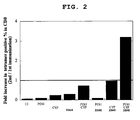
- the percentage of the tetramer positive rate after re-administration to the tetramer positive rate after initial administration was calculated.
- FIG. 2 With a combination of anti-CD25 antibody (PC61) and cyclophosphamide, and with a combination of cyclophosphamide and R848, compared with each drug alone, increased memory CT induction was observed. Furthermore, when this memory induction rate is 1 or more, continuous amplification of memory CTL induction by repeated administration is expected. As shown in FIG. 2 , it was found that by combining 3 kinds of memory CTL induction enhancers with different mechanisms (cyclophosphamide, anti-CD25 antibody, TLR7 ligand R848), memory induction by a vaccine was dramatically improved.
- Example 1 From Example 1, it was found that memory CTL induction by a vaccine was dramatically enhanced by combining 3 kinds of memory CTL induction enhancers (cyclophosphamide, anti-CD25 antibody, R848). Next, an investigation was performed to determine whether this combination of memory CTL induction enhancers enhances memory induction by the vaccine even without introduction of OT-I cells, and whether the memory induction is amplified continuously.
- memory CTL induction enhancers cyclophosphamide, anti-CD25 antibody, R848
- Cyclophosphamide prepared in the same manner as Example 1, was intraperitoneally administered to each naive wild mouse (150 mg/kg, 10 ml/kg). Furthermore, on the same day, anti-CD25 antibody (clone: PC61), an antibody which depletes regulatory T cells, was intravenously administered to the tail vein at 50 ⁇ g/300 ⁇ l/mouse. Three days later, 100 ⁇ g of the OVA257-264 peptide and 50 ⁇ g of R848 dissolved in PBS were subcutaneously administered at the base of the tail of each mouse (100 ⁇ l). This was repeated at intervals of 2 weeks or 3 weeks.
- the spleen was excised, and the ratio of OVA257-264 peptide specific H-2Kb tetramer-positive cells in CD8-positive cells was determined in the same manner as Example 1.
- the peptide vaccine was repeatedly administered in combination with the 3 kinds of memory CTL induction enhancers, it was found that tetramer-positive cells could be detected by repeating administration twice or more, and that specific CTLs proliferated depending on the number of administration ( FIG. 3 ). From this result, it was found possible to induce continuously amplifiable memory CTL by adding a combination of the 3 kinds of memory CTL induction enhancers (cyclophosphamide, anti-CD25 antibody, R848) to the peptide vaccine.
- Example 2 it was found that by combining 3 kinds of memory CTL induction enhancers (cyclophosphamide, anti-CD25 antibody, R848), specific CTLs proliferated depending on the number of administration even without OT-I cells.
- 3 kinds of memory CTL induction enhancers cyclophosphamide, anti-CD25 antibody, R848
- specific CTL proliferation depending on the number of administration by combination of 2 or 3 kinds of memory CTL induction enhancers was compared.
- CTL induction action depending on the number of administration was detected when a combination of anti-CD25 antibody (PC61) and cyclophosphamide and a combination of cyclophosphamide and R848 were administered.
- a combination of the 3 kinds was more potent than the combinations of 2 kinds in terms of CTL induction action depending on the number of administration ( FIG. 4 ).
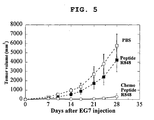
- the tumor growth suppressing action in vivo of CTL induced by a peptide vaccine and a combination of 3 kinds of memory CTL induction enhancers was investigated.
- the peptide vaccine and the 3 kinds of memory CTL induction enhancers were administered to wild mice (C57BL/6NCrj, Charles River Japan Inc.) under the same conditions as Example 1.
- Twenty-one days after peptide administration 5 x 10 6 EG7 (OVA-expressing EL4: ATCC) suspended in 100 ⁇ L PBS was intradermally transplanted at the right flank using a 27G injection needle after shaving.
- Tumor diameters (minimum diameter, maximum diameter) were measured using electronic calipers twice a week from 1 week to 28 days after EG7 transplantation, and tumor volumes were calculated. As a result, a slight suppression against proliferation was observed with administration of the peptide vaccine and R848 in combination compared with PBS administration. In contrast, when the peptide vaccine and the 3 kinds of memory CTL induction enhancers (cyclophosphamide, anti-CD25 antibody, R848) were administered in combination, tumor growth was nearly completely suppressed until day 28 after tumor transplantation ( FIG. 5 ).
- a memory CTL induction enhancer comprising a combination of substance (b) with substance (a) and/or substance (c), wherein substance (a) is an activator of antigen-presenting cells, substance (b) is an inducer of homeostatic proliferation after induction of lymphopenia, and substance (c) is a suppressor of regulatory T cells.
- the memory CTL induction enhancer of the present invention is capable of efficiently enhancing memory CTL induction, and can therefore be effectively used in immune therapies for cancer or viral infectious disease.
Landscapes
- Health & Medical Sciences (AREA)
- Chemical & Material Sciences (AREA)
- Life Sciences & Earth Sciences (AREA)
- Medicinal Chemistry (AREA)
- General Health & Medical Sciences (AREA)
- Immunology (AREA)
- Organic Chemistry (AREA)
- Veterinary Medicine (AREA)
- Pharmacology & Pharmacy (AREA)
- Public Health (AREA)
- Animal Behavior & Ethology (AREA)
- Epidemiology (AREA)
- Molecular Biology (AREA)
- Genetics & Genomics (AREA)
- Proteomics, Peptides & Aminoacids (AREA)
- Biophysics (AREA)
- Biochemistry (AREA)
- Engineering & Computer Science (AREA)
- Chemical Kinetics & Catalysis (AREA)
- General Chemical & Material Sciences (AREA)
- Nuclear Medicine, Radiotherapy & Molecular Imaging (AREA)
- Bioinformatics & Cheminformatics (AREA)
- Biomedical Technology (AREA)
- Microbiology (AREA)
- Mycology (AREA)
- Virology (AREA)
- Communicable Diseases (AREA)
- Oncology (AREA)
- Medicines That Contain Protein Lipid Enzymes And Other Medicines (AREA)
- Medicines Containing Antibodies Or Antigens For Use As Internal Diagnostic Agents (AREA)
Applications Claiming Priority (2)
| Application Number | Priority Date | Filing Date | Title |
|---|---|---|---|
| JP2005337990 | 2005-11-24 | ||
| PCT/JP2006/323139 WO2007060918A1 (fr) | 2005-11-24 | 2006-11-21 | Nouveau potentialisateur d'induction de lymphocyte t cytotoxique a memoire |
Publications (2)
| Publication Number | Publication Date |
|---|---|
| EP1955708A1 true EP1955708A1 (fr) | 2008-08-13 |
| EP1955708A4 EP1955708A4 (fr) | 2013-02-06 |
Family
ID=38067145
Family Applications (1)
| Application Number | Title | Priority Date | Filing Date |
|---|---|---|---|
| EP06832989A Withdrawn EP1955708A4 (fr) | 2005-11-24 | 2006-11-21 | Nouveau potentialisateur d'induction de lymphocyte t cytotoxique a memoire |
Country Status (4)
| Country | Link |
|---|---|
| US (1) | US20090285834A1 (fr) |
| EP (1) | EP1955708A4 (fr) |
| JP (1) | JPWO2007060918A1 (fr) |
| WO (1) | WO2007060918A1 (fr) |
Cited By (7)
| Publication number | Priority date | Publication date | Assignee | Title |
|---|---|---|---|---|
| EP2175884B1 (fr) | 2007-07-12 | 2016-06-15 | GITR, Inc. | Thérapies combinées utilisant des molécules de liaison au gitr |
| US10829735B2 (en) | 2015-07-21 | 2020-11-10 | The Trustees Of The University Of Pennsylvania | Methods for improving the efficacy and expansion of immune cells |
| US10988545B2 (en) | 2016-11-19 | 2021-04-27 | Potenza Therapeutics, Inc. | Anti-GITR antigen-binding proteins and methods of use thereof |
| EP3937939A4 (fr) * | 2019-03-15 | 2022-12-07 | Birdie Biopharmaceuticals Inc. | Compositions immuno-modulatrices et procédés destinés au traitement de cancers |
| US11851659B2 (en) | 2017-03-22 | 2023-12-26 | Novartis Ag | Compositions and methods for immunooncology |
| US11896614B2 (en) | 2015-04-17 | 2024-02-13 | Novartis Ag | Methods for improving the efficacy and expansion of chimeric antigen receptor-expressing cells |
| US12037583B2 (en) | 2015-12-04 | 2024-07-16 | Novartis Ag | Compositions and methods for immunooncology |
Families Citing this family (2)
| Publication number | Priority date | Publication date | Assignee | Title |
|---|---|---|---|---|
| SI3148579T1 (sl) | 2014-05-28 | 2021-07-30 | Agenus Inc. | Proti GITR antitelesa in postopki z njihovo uporabo |
| CN108883173B (zh) | 2015-12-02 | 2022-09-06 | 阿吉纳斯公司 | 抗体和其使用方法 |
Family Cites Families (8)
| Publication number | Priority date | Publication date | Assignee | Title |
|---|---|---|---|---|
| US5395937A (en) | 1993-01-29 | 1995-03-07 | Minnesota Mining And Manufacturing Company | Process for preparing quinoline amines |
| ES2232871T3 (es) | 1996-07-03 | 2005-06-01 | Sumitomo Pharmaceuticals Company, Limited | Nuevos derivados de purina. |
| DE69817393T2 (de) | 1997-11-28 | 2004-06-17 | Sumitomo Pharmaceuticals Co., Ltd. | Neue heterozyklische verbindungen |
| US7157465B2 (en) | 2001-04-17 | 2007-01-02 | Dainippon Simitomo Pharma Co., Ltd. | Adenine derivatives |
| US20060051354A1 (en) * | 2002-03-25 | 2006-03-09 | Eric Simard | Chemotherapeutic agents as anti-cancer vaccine adjuvants and therapeutic methods thereof |
| EP3006043B1 (fr) | 2002-04-04 | 2019-05-29 | Zoetis Belgium S.A. | Oligoribonucleotides immunostimulants contenant de la guanine et de l'uracile |
| US8940755B2 (en) * | 2003-12-02 | 2015-01-27 | 3M Innovative Properties Company | Therapeutic combinations and methods including IRM compounds |
| US20060002932A1 (en) * | 2004-06-04 | 2006-01-05 | Duke University | Methods and compositions for enhancement of immunity by in vivo depletion of immunosuppressive cell activity |
-
2006
- 2006-11-21 EP EP06832989A patent/EP1955708A4/fr not_active Withdrawn
- 2006-11-21 JP JP2007546434A patent/JPWO2007060918A1/ja active Pending
- 2006-11-21 US US12/095,054 patent/US20090285834A1/en not_active Abandoned
- 2006-11-21 WO PCT/JP2006/323139 patent/WO2007060918A1/fr not_active Ceased
Non-Patent Citations (5)
| Title |
|---|
| CIRCE MESA ET AL: "Challenges facing adjuvants for cancer immunotherapy", IMMUNOLOGY AND CELL BIOLOGY, vol. 82, no. 6, 1 December 2004 (2004-12-01), pages 644-650, XP55029647, ISSN: 0818-9641, DOI: 10.1111/j.0818-9641.2004.01279.x * |
| HUANG LI-RUNG ET AL: "Potent induction of long-term CD8+ T cell memory by short-term IL-4 exposure during T cell receptor stimulation", PROCEEDINGS OF THE NATIONAL ACADEMY OF SCIENCES OF THE UNITED STATES OF AMERICA, vol. 97, no. 7, 28 March 2000 (2000-03-28) , pages 3406-3411, XP002677604, ISSN: 0027-8424 * |
| PETROVSKY NIKOLAI ET AL: "VACCINE ADJUVANTS: CURRENT STATE AND FUTURE TRENDS", IMMUNOLOGY AND CELL BIOLOGY, CARLTON, AU, vol. 82, no. 5, 1 October 2004 (2004-10-01), pages 488-496, XP009078668, ISSN: 0818-9641, DOI: 10.1111/J.0818-9641.2004.01272.X * |
| See also references of WO2007060918A1 * |
| TOKA F N ET AL: "Rescue of memory CD8<+> T cell reactivity in peptide/TLR9 ligand immunization by codelivery of cytokines or CD40 ligation", VIROLOGY, ACADEMIC PRESS,ORLANDO, US, vol. 331, no. 1, 5 January 2005 (2005-01-05), pages 151-158, XP004665940, ISSN: 0042-6822, DOI: 10.1016/J.VIROL.2004.10.022 * |
Cited By (8)
| Publication number | Priority date | Publication date | Assignee | Title |
|---|---|---|---|---|
| EP2175884B1 (fr) | 2007-07-12 | 2016-06-15 | GITR, Inc. | Thérapies combinées utilisant des molécules de liaison au gitr |
| US11896614B2 (en) | 2015-04-17 | 2024-02-13 | Novartis Ag | Methods for improving the efficacy and expansion of chimeric antigen receptor-expressing cells |
| US10829735B2 (en) | 2015-07-21 | 2020-11-10 | The Trustees Of The University Of Pennsylvania | Methods for improving the efficacy and expansion of immune cells |
| US12240884B2 (en) | 2015-07-21 | 2025-03-04 | Novartis Ag | Methods for improving the efficacy and expansion of immune cells |
| US12037583B2 (en) | 2015-12-04 | 2024-07-16 | Novartis Ag | Compositions and methods for immunooncology |
| US10988545B2 (en) | 2016-11-19 | 2021-04-27 | Potenza Therapeutics, Inc. | Anti-GITR antigen-binding proteins and methods of use thereof |
| US11851659B2 (en) | 2017-03-22 | 2023-12-26 | Novartis Ag | Compositions and methods for immunooncology |
| EP3937939A4 (fr) * | 2019-03-15 | 2022-12-07 | Birdie Biopharmaceuticals Inc. | Compositions immuno-modulatrices et procédés destinés au traitement de cancers |
Also Published As
| Publication number | Publication date |
|---|---|
| US20090285834A1 (en) | 2009-11-19 |
| JPWO2007060918A1 (ja) | 2009-05-07 |
| WO2007060918A1 (fr) | 2007-05-31 |
| EP1955708A4 (fr) | 2013-02-06 |
Similar Documents
| Publication | Publication Date | Title |
|---|---|---|
| JP6457003B2 (ja) | 腫瘍溶解性ワクシニアウイルスの投与による腫瘍抗原に対する抗体の生成および腫瘍特異的補体依存性細胞傷害の生成 | |
| CN110678192B (zh) | 溶瘤痘苗病毒与免疫检查点抑制剂联合疗法 | |
| Eralp et al. | Doxorubicin and paclitaxel enhance the antitumor efficacy of vaccines directed against HER 2/neu in a murine mammary carcinoma model | |
| JP5239041B2 (ja) | 癌の治療剤 | |
| Dougan et al. | Transnuclear TRP1-specific CD8 T cells with high or low affinity TCRs show equivalent antitumor activity | |
| Beyranvand Nejad et al. | The importance of correctly timing cancer immunotherapy | |
| Bickett et al. | FLT3L release by natural killer cells enhances response to radioimmunotherapy in preclinical models of HNSCC | |
| AU2017202234B2 (en) | Antagonism of the VIP signaling pathway | |
| JP2022027785A (ja) | Adtとアンドロゲン受容体ワクチンとの組合せ療法 | |
| Behravan et al. | Towards breast cancer vaccines, progress and challenges | |
| WO2018191654A1 (fr) | Méthodes de traitement du cancer de la vessie | |
| EP1955708A1 (fr) | Nouveau potentialisateur d'induction de lymphocyte t cytotoxique a memoire | |
| Malamas et al. | Combination therapy with an OX40L fusion protein and a vaccine targeting the transcription factor twist inhibits metastasis in a murine model of breast cancer | |
| TW202024326A (zh) | 以表現tnf之黏液瘤(myxoma)病毒治療癌症之方法 | |
| EP3548067A1 (fr) | Composition pharmaceutique pour utilisation dans le traitement du cancer | |
| Brown et al. | Intratumor childhood vaccine-specific CD4+ T-cell recall coordinates antitumor CD8+ T cells and eosinophils | |
| Guo et al. | Heterologous prime-boost immunization co-targeting dual antigens inhibit tumor growth and relapse | |
| JP2024539414A (ja) | 抗膵臓がんのワクチン、及びその医薬的使用 | |
| Wu et al. | Tumor cell repopulation between cycles of chemotherapy is inhibited by regulatory T-cell depletion in a murine mesothelioma model | |
| Louie et al. | TRAIL receptor agonist TLY012 in combination with PD-1 inhibition promotes tumor regression in an immune-competent mouse model of pancreatic ductal adenocarcinoma | |
| Brown et al. | Intratumor Childhood Vaccine-Specific CD4+ T cell Recall Coordinates Antitumor CD8+ T cells and Eosinophils | |
| Nielsen et al. | TLR9: A Double-Dealing Toll-Like Receptor | |
| Brown et al. | Intratumoral Recall of Childhood Vaccine-Specific CD4+ T cells Coordinates Type I and II Antitumor Immunity | |
| Davar et al. | Immunotherapy of cancer | |
| Fresnay et al. | Bone marrow vaccination: A novel approach to enhance antigen specific antitumor immunity |
Legal Events
| Date | Code | Title | Description |
|---|---|---|---|
| PUAI | Public reference made under article 153(3) epc to a published international application that has entered the european phase |
Free format text: ORIGINAL CODE: 0009012 |
|
| 17P | Request for examination filed |
Effective date: 20080331 |
|
| AK | Designated contracting states |
Kind code of ref document: A1 Designated state(s): AT BE BG CH CY CZ DE DK EE ES FI FR GB GR HU IE IS IT LI LT LU LV MC NL PL PT RO SE SI SK TR |
|
| DAX | Request for extension of the european patent (deleted) | ||
| RIC1 | Information provided on ipc code assigned before grant |
Ipc: A61K 31/7084 20060101ALI20121219BHEP Ipc: A61K 39/395 20060101ALI20121219BHEP Ipc: A61K 31/675 20060101ALI20121219BHEP Ipc: A61K 39/00 20060101ALI20121219BHEP Ipc: A61P 37/04 20060101ALI20121219BHEP Ipc: A61K 31/175 20060101ALI20121219BHEP Ipc: A61K 31/4745 20060101ALI20121219BHEP Ipc: A61P 35/00 20060101ALI20121219BHEP Ipc: A61P 31/12 20060101ALI20121219BHEP Ipc: A61K 38/00 20060101ALI20121219BHEP Ipc: A61K 31/7088 20060101ALI20121219BHEP Ipc: A61K 45/06 20060101AFI20121219BHEP |
|
| A4 | Supplementary search report drawn up and despatched |
Effective date: 20130109 |
|
| STAA | Information on the status of an ep patent application or granted ep patent |
Free format text: STATUS: THE APPLICATION IS DEEMED TO BE WITHDRAWN |
|
| 18D | Application deemed to be withdrawn |
Effective date: 20130808 |