EP1978990B1 - Zusammensetzungen mit igbpma und ihre verwendungen - Google Patents
Zusammensetzungen mit igbpma und ihre verwendungen Download PDFInfo
- Publication number
- EP1978990B1 EP1978990B1 EP06808355A EP06808355A EP1978990B1 EP 1978990 B1 EP1978990 B1 EP 1978990B1 EP 06808355 A EP06808355 A EP 06808355A EP 06808355 A EP06808355 A EP 06808355A EP 1978990 B1 EP1978990 B1 EP 1978990B1
- Authority
- EP
- European Patent Office
- Prior art keywords
- ige
- polypeptide
- agent
- binding
- igbpma
- Prior art date
- Legal status (The legal status is an assumption and is not a legal conclusion. Google has not performed a legal analysis and makes no representation as to the accuracy of the status listed.)
- Not-in-force
Links
Images




Classifications
-
- C—CHEMISTRY; METALLURGY
- C07—ORGANIC CHEMISTRY
- C07K—PEPTIDES
- C07K14/00—Peptides having more than 20 amino acids; Gastrins; Somatostatins; Melanotropins; Derivatives thereof
- C07K14/435—Peptides having more than 20 amino acids; Gastrins; Somatostatins; Melanotropins; Derivatives thereof from animals; from humans
- C07K14/43504—Peptides having more than 20 amino acids; Gastrins; Somatostatins; Melanotropins; Derivatives thereof from animals; from humans from invertebrates
- C07K14/43513—Peptides having more than 20 amino acids; Gastrins; Somatostatins; Melanotropins; Derivatives thereof from animals; from humans from invertebrates from arachnidae
- C07K14/43527—Peptides having more than 20 amino acids; Gastrins; Somatostatins; Melanotropins; Derivatives thereof from animals; from humans from invertebrates from arachnidae from ticks
-
- A—HUMAN NECESSITIES
- A61—MEDICAL OR VETERINARY SCIENCE; HYGIENE
- A61P—SPECIFIC THERAPEUTIC ACTIVITY OF CHEMICAL COMPOUNDS OR MEDICINAL PREPARATIONS
- A61P1/00—Drugs for disorders of the alimentary tract or the digestive system
- A61P1/04—Drugs for disorders of the alimentary tract or the digestive system for ulcers, gastritis or reflux esophagitis, e.g. antacids, inhibitors of acid secretion, mucosal protectants
-
- A—HUMAN NECESSITIES
- A61—MEDICAL OR VETERINARY SCIENCE; HYGIENE
- A61P—SPECIFIC THERAPEUTIC ACTIVITY OF CHEMICAL COMPOUNDS OR MEDICINAL PREPARATIONS
- A61P11/00—Drugs for disorders of the respiratory system
- A61P11/02—Nasal agents, e.g. decongestants
-
- A—HUMAN NECESSITIES
- A61—MEDICAL OR VETERINARY SCIENCE; HYGIENE
- A61P—SPECIFIC THERAPEUTIC ACTIVITY OF CHEMICAL COMPOUNDS OR MEDICINAL PREPARATIONS
- A61P11/00—Drugs for disorders of the respiratory system
- A61P11/06—Antiasthmatics
-
- A—HUMAN NECESSITIES
- A61—MEDICAL OR VETERINARY SCIENCE; HYGIENE
- A61P—SPECIFIC THERAPEUTIC ACTIVITY OF CHEMICAL COMPOUNDS OR MEDICINAL PREPARATIONS
- A61P17/00—Drugs for dermatological disorders
-
- A—HUMAN NECESSITIES
- A61—MEDICAL OR VETERINARY SCIENCE; HYGIENE
- A61P—SPECIFIC THERAPEUTIC ACTIVITY OF CHEMICAL COMPOUNDS OR MEDICINAL PREPARATIONS
- A61P17/00—Drugs for dermatological disorders
- A61P17/04—Antipruritics
-
- A—HUMAN NECESSITIES
- A61—MEDICAL OR VETERINARY SCIENCE; HYGIENE
- A61P—SPECIFIC THERAPEUTIC ACTIVITY OF CHEMICAL COMPOUNDS OR MEDICINAL PREPARATIONS
- A61P27/00—Drugs for disorders of the senses
- A61P27/02—Ophthalmic agents
-
- A—HUMAN NECESSITIES
- A61—MEDICAL OR VETERINARY SCIENCE; HYGIENE
- A61P—SPECIFIC THERAPEUTIC ACTIVITY OF CHEMICAL COMPOUNDS OR MEDICINAL PREPARATIONS
- A61P37/00—Drugs for immunological or allergic disorders
-
- A—HUMAN NECESSITIES
- A61—MEDICAL OR VETERINARY SCIENCE; HYGIENE
- A61P—SPECIFIC THERAPEUTIC ACTIVITY OF CHEMICAL COMPOUNDS OR MEDICINAL PREPARATIONS
- A61P37/00—Drugs for immunological or allergic disorders
- A61P37/08—Antiallergic agents
-
- A—HUMAN NECESSITIES
- A61—MEDICAL OR VETERINARY SCIENCE; HYGIENE
- A61K—PREPARATIONS FOR MEDICAL, DENTAL OR TOILETRY PURPOSES
- A61K38/00—Medicinal preparations containing peptides
Definitions
- the present invention relates generally to means for treating conditions associated with IgE activation in humans and animals, and to agents capable of modulating the activation.
- IgE is a class of antibody involved in allergic reactions. These reactions occur when an individual who has produced IgE antibody in response to an innocuous antigen (allergen sensitisation) subsequently encounters the same allergen. The allergen triggers the activation of IgE-binding mast cells in the exposed tissue leading to a series of responses that are characteristic of allergy.
- IgE is the immunoglobulin associated with Type I hypersensitivity reactions, which include asthma, allergic rhinitis ('hay fever'), allergic conjunctivitis, urticaria and other allergies. Over-expression of this antibody is responsible for a substantial amount of human disease ranging from mild hay fever to life-threatening conditions such as severe asthma, peanut allergy and anaphylactic reactions to drugs such as penicillin. Activation of IgE triggers the response of cells such as mast cells in the skin, eyes, nose and bronchial tree.
- IgE activation Current approaches aimed at counteracting the unwanted effects of IgE activation include anti-IgE vaccines and anti-IgE monoclonal antibodies. The former are largely experimental. The anti-IgE monoclonal antibody approach has been more successful, although at present there is only a single example on the market (omalizumab, brand name Xolair®).
- tick salivary gland extracts and saliva for immunoglobulin binding activities and surprisingly discovered that tick salivary glands and saliva contain IgE-binding activity.
- ticks feed on a host previously exposed to the species, antibodies specific for tick antigens may enter the ticks' haemocoel.
- R . appendiculatus can excrete these immunoglobulins back into the host via their salivary secretions (Wang & Nuttall, 1994). Additionally, proteins that bind IgG have been found in ticks (Wang & Nuttall, 1995 a and b; Wang & Nuttall, 1999; WO95/27056 ). These IgG binding proteins include IGBPMA, IGBPMB and IGBPMC.
- IgE binding activity disclosed herein is provided by protein IGBPMA.
- ticks do indeed produce IgE-binding molecules is therefore quite unexpected.
- injection by ticks of IgE binding activity into the feeding site may suppress local IgE-mediated activation of the effector cells such as mast cells and basophils which occurs through cross linking of receptors on the surface of those cells (Brossard & Wikel, 1997; Brown, Worms & Askenase, 1983; Matsuda et al., 1990; Szabo & Bechara, 1999; Ushio et al., 1993; Kinet, 1999). This may facilitate tick blood feeding.
- the inventors have provided a novel source of IgE-binding molecules. They have further investigated the IgE-binding activity of IGBPMA and have shown it has effect in a mouse anti-asthma model, suggesting the protein may form the basis for a novel treatment of conditions associated with IgE activation, such as allergic conditions. Based on the results of other tick-derived proteins immunogenicity is also likely to be low (e.g. EV131, from Evolutec Group plc. UK - see W09744451 ).
- IGBPMA Described herein are new medical uses of IGBPMA, and polypeptides and other agents that are related to IGBPMA, to bind IgE in mammals, thereby to modulate its action and to control its pathological effects, for example in the treatment of conditions associated with IgE activation.
- an agent which is a polypeptide which comprises:
- the variant shares the specified level of identity with the full length IGBPMA amino acid sequence shown in SEQ ID NO: 2.
- polypeptides of the present invention are capable of binding IgE, and in particular binding to one or more binding sites on the constant region of IgE (for example to suppress IgE-mediated activation of the effector cells as discussed above) i.e. the binding is not merely that of an antigen to the variable region of the IgE.
- binding to IgE is equal to or stronger than binding to IgG.
- Binding activity may be confirmed using any method known to those skilled in the art, for example any of the methods below (including SPL, for example using a BIAcore instrument, or using IgE affinity chromatography).
- IgE molecules used to screen for binding affinity may be obtained, for example, from human, rat, mouse, rabbit, or any other animal which produces IgE. Fragments of IgE molecules used to screen for activity may comprise all or part of the Fc and/or the F(ab')2 regions (but will not merely consist of IgE variable regions).
- condition associated with IgE activation includes allergic conditions.
- allergic conditions may involve the production of IgE in response to certain antigens.
- Such allergic conditions may be Type I hypersensitivity reactions, for example.
- Type I hypersensitivity reactions include asthma, eczema, allergic rhinitis, rhinorrhea, conjunctivitis, gastroenteritis, urticaria, or anaphylactic reactions.
- the invention provides an agent for use in the treatment of a Type 1 hypersensitivity reaction, wherein the agent is a nucleic acid which encodes the polypeptide described above and wherein the treatment comprises administering a therapeutically effective amount of said nucleic acid to a patient in need of the same.
- nucleic acid comprises:
- the variant shares the specified level of identity with the full length IGBPMA nucleotide sequence shown in SEQ ID NO: 1.
- Variant IGBPMA molecules may be:
- truncated variants which include only a distinctive part or fragment (however produced) corresponding to a portion of the sequences herein - for example functional parts of the polypeptide capable of binding IgE.
- polypeptides of the invention may also comprise additional amino acids, additional domains, or may be conjugated to additional domains or other molecules. Additional amino acids, domains, or molecules conjugated to the polypeptide may provide an additional function, for example in assisting purification of the polypeptide. Examples of additional domains that may assist in purification of the polypeptide are 6-histidine tag, and glutathione S-transferase tag. Polypeptides may be fusion proteins, fused to a peptide or other protein, such as a label, which may be, for instance, bioactive, radioactive, enzymatic or fluorescent.
- variant nucleic acid as used herein encompasses all of these possibilities. When used in the context of polypeptides or proteins it indicates the encoded expression product of the variant nucleic acid, and vice versa.
- the percent identity of two amino acid or two nucleic acid sequences can be determined by visual inspection and mathematical calculation, or more preferably, the comparison is done by comparing sequence information using a computer program.
- An exemplary, preferred computer program is the Genetics Computer Group (GCG; Madison, Wis.) Wisconsin package version 10.0 program, 'GAP' ( Devereux et al., 1984, Nucl. Acids Res. 12: 387 ).
- the preferred default parameters for the 'GAP' program includes: (1) The GCG implementation of a unary comparison matrix (containing a value of 1 for identities and 0 for non-identities) for nucleotides, and the weighted amino acid comparison matrix of Gribskov and Burgess, Nucl. Acids Res.
- Derivatives may be produced by modifying any of the sequences disclosed herein.
- the polypeptides may be a truncated fragment e.g. N-terminal 26 amino acid truncated. Such fragments may be provided in isolated form i.e. not part of or fused to other amino acids or polypeptides, or they may be comprised within a larger polypeptide of which they form a part or region. When comprised within a larger polypeptide, the fragment of the invention most preferably forms a single continuous region with one or two non-naturally contiguous sequences fused to it. Additionally, several fragments may be comprised within a single larger polypeptide.
- Changes to nucleic acid sequences may be desirable for a number of reasons. For instance they may introduce or remove restriction endonuclease sites or alter codon usage. Alternatively changes to a sequence may produce a derivative by way of one or more of addition, insertion, deletion or substitution of one or more nucleotides in the nucleic acid, leading to the addition, insertion, deletion or substitution of one or more amino acids in the encoded polypeptide.
- Such changes may modify sites which are required for post translation modification such as cleavage sites in the encoded polypeptide; motifs in the encoded polypeptide for glycosylation, lipoylation etc.
- Leader or other targeting sequences e.g. membrance or golgi locating sequences may be added to the expressed protein to determine its location following expression.
- Other desirable mutation may be random or site directed mutagenesis in order to alter the activity (e.g. specificity) or stability of the encoded polypeptide. Changes may be by way of conservative variation, i.e. substitution of one hydrophobic residue such as isoleucine, valine, leucine or methionine for another, or the substitution of one polar residue for another, such as arginine for lysine, glutamic for aspartic acid, or glutamine for asparagine.
- altering the primary structure of a polypeptide by a conservative substitution may not significantly alter the activity of that peptide because the side-chain of the amino acid which is inserted into the sequence may be able to form similar bonds and contacts as the side chain of the amino acid which has been substituted out. This is so even when the substitution is in a region which is critical in determining the peptides conformation. Also included are variants having non-conservative substitutions. As is well known to those skilled in the art, substitutions to regions of a peptide which are not critical in determining its conformation may not greatly affect its activity because they do not greatly alter the peptide's three dimensional structure. In regions which are critical in determining the peptides conformation or activity such changes may confer advantageous properties on the polypeptide. Indeed, changes such as those described above may confer slightly advantageous properties on the peptide e.g. altered stability or specificity.
- the variants and/or homologues of may also be created by chemical modification of IGBPMA.
- Methods for chemical modification of polypeptides are well known in the art.
- Polypeptides may be obtained by expression of a nucleic acid that encodes the polypeptide using a suitable vector and host organism.
- suitable vectors and hosts are well known in the art (see e.g. Sambrook, J. et al. (1989) in: Molecular Cloning: A Laboratory Manual (2nd ed.), Cold Spring Harbor Laboratory Press, New York ).
- Polypeptides, and particularly fragments may also be created using chemical synthesis by any suitable method, such as by exclusively solid-phase techniques, by partial solid-phase techniques, by fragment condensation or by classical solution couplings.
- the peptide chain can be prepared by a series of coupling reactions in which the constituent amino acids are added to the growing peptide chain in the desired sequence. Many such methods are now commonplace to those skilled in the art.
- variants and/or homologues may also be created by modification, using molecular biological techniques, of the nucleic acid that encodes IGBPMA, or a nucleic acid that encodes a further variant or homologue of the invention.
- Molecular biological techniques are well known in the art.
- the invention provides a method of producing an IgE binding or modulating polypeptide which method comprises the steps of
- IGBPMA and variant polypeptides may be referred to as "IGBPMA polypeptides”.
- Antibodies to IGBPMA polypeptides may be used to screen for IgE binding compounds having structural similarity to those specifically exemplified herein. Suitable methods are well known to those skilled in the art.
- the IGPBMA sequence (AF001868) may be used in a data-base (e.g. of ESTs, or STSs) search to find homologous sequences, such as those which may become available in due course, and expression products of which can be tested for activity as described herein.
- a data-base e.g. of ESTs, or STSs
- homologues may be provided by standard Southern blotting technique. For instance DNA may be extracted from cells and digested with different restriction enzymes. Restriction fragments may then be separated by electrophoresis on an agarose gel, before denaturation and transfer to a nitrocellulose filter. Labelled probe may be hybridised to the DNA fragments on the filter and binding determined. DNA for probing may be prepared from RNA preparations from cells. Probing may optionally be done by means of so-called 'nucleic acid chips' (see Marshall & Hodgson (1998) Nature Biotechnology 16: 27-31 , for a review).
- nucleic acid molecules may be created which may be screened for nucleic acids that encode a polypeptide capable of binding an IgE molecule. Such libraries may be created using the nucleic acid molecule that encodes IGBPMA.
- the IGBPMA nucleic acid molecule sequence may be mutated, for example using random PCR mutagenesis, or gene shuffling techniques. The resulting mutated nucleic acid molecules may be ligated into a vector.
- Libraries of polypeptides may be created, by expressing the nucleic acid molecules in a suitable host.
- a nucleic acid amplification reaction particularly the polymerase chain reaction (PCR) may be used (see “PCR protocols; A Guide to Methods and Applications", Eds. Innis et al, Academic Press, New York, (1990 )). Obtained sequences may be compared with the IGBPMA reference sequence in the GenBank nucleotide sequence (AF001868) by using BESTFIT in the GCG package.
- PCR polymerase chain reaction
- the present application also provides IGBPMA mimetics, or other agents identified based on the IGBPA-IgE interaction.
- any of the aforementioned polypeptides, polynucleotides, variants of either, mimetics or other agents for use according to the invention may be referred to as a 'therapeutic of the invention', and the disclosure in respect of such therapeutics applies to each of these things individually.
- preferred therapeutics of the invention are the polypeptides or polynucleotides (including variants or fragments of either) of the preceding aspects, and in particular to the IGBPMA polypeptides (including variants or fragments therof).
- All such therapeutics may also be tested for safety and/or toxicity in a human or animal subject for efficacy in treating conditions associated with IgE activation and may be formulated with one or more carriers, diluents or agents for the treatment of conditions associated with IgE activation as described below.
- the invention provides use of a therapeutic of the invention in the manufacture of a medicament for the treatment of a Type I hypersensitivity reaction.
- the invention also provides methods of treating a Type I hypersensitivity reaction e.g. in an animal or human, comprising administering a therapeutically effective amount of a therapeutic of the invention.
- the therapeutics of the invention may also be administered in combination with pharmaceuticals previously used in the treatment of a Type I hypersensitivity reaction , such as inhaled corticosteroids, anti-IgE antibodies (e.g. omalizumab) and so on.
- pharmaceuticals previously used in the treatment of a Type I hypersensitivity reaction such as inhaled corticosteroids, anti-IgE antibodies (e.g. omalizumab) and so on.
- IGBPMA may be a source of functional mimetics sharing its IgE binding properties.
- the identification and use of such mimetics form further aspects disclosed herein.
- IGBPMA mimetics may not contain an active portion of the IGBPMA amino acid sequence, and indeed may not be peptides at all, but will retain the essential biological activity of IgE binding.
- Non polypeptide "small molecules" are often preferred for many in vivo pharmaceutical uses.
- mimetics include chemical compounds which are modeled to resemble the three dimensional structure of the IGBPMA polypeptide, or the IgE binding site thereof.
- the IgE binding site on IGBPMA may be identified by methods well known to those skilled in the art, or using the methods discussed below.
- a mimetic from a compound having a given target property There are several steps commonly taken in the design of a mimetic from a compound having a given target property. Firstly, the particular parts of the compound that are critical and/or important in determining the target property are determined. In the case of a peptide, this can be done by systematically varying the amino acid residues in the peptide, e.g. by substituting each residue in turn. Alanine scans of a peptide are commonly used to refine such peptide motifs. These parts or residues constituting the active region of the compound (in this case the IgE binding site) are known as its "pharmacophore".
- the pharmacophore Once the pharmacophore has been found, its structure is modelled according to its physical properties, e.g. stereochemistry, bonding, size and/or charge, using data from a range of sources, e.g. spectroscopic techniques, X-ray diffraction data and NMR.
- a range of sources e.g. spectroscopic techniques, X-ray diffraction data and NMR.
- the three dimensional structure may be determined by methods well known to those skilled in the art, as exemplified for example by " Three-Dimensional Solution Structure of alpha-Conotoxin MII, an alpha3beta2 Neuronal Nicotinic Acetylcholine Receptor-Targeted Ligand", Shon, et al. (1997) Biochemistry, vol. 36(50):15693-15700 .
- the three-dimensional structure of the ligand i.e. IGBPMA polypeptide
- its binding partner all or part of IgE
- a template molecule is then selected onto which chemical groups which mimic the pharmacophore can be grafted.
- the template molecule and the chemical groups grafted on to it can conveniently be selected so that the mimetic is easy to synthesise, is likely to be pharmacologically acceptable, and does not degrade in vivo, while retaining the biological activity of the lead compound.
- the mimetic is peptide based
- further stability can be achieved by cyclising the peptide, increasing its rigidity.
- the mimetic or mimetics found by this approach can then be screened to see whether they have the target property, or to what extent they exhibit it. Further optimisation or modification can then be carried out to arrive at one or more final mimetics for in vivo or clinical testing.
- the present invention provides a method of providing (designing and ⁇ or producing) an IgE binder or modulator, as follows :
- the method may include synthesising and testing the molecular mimetic for its ability to bind an IgE molecule, using SPL and/or IgE affinity chromatography for example.
- a molecular mimetic which has binding affinity for an IgE molecule, which is similar to, or greater than, the binding affinity of the IGBPMA polypeptide may be selected as a molecular mimetic for use in the methods described above.
- the present invention provides, in a further aspect, a method of screening for further substances which bind or modulate IgE, the method generally comprising comparing under comparable reaction conditions binding of a detectable IGBPMA polypeptide to its cognate or respective binding site on IgE (generally provided by IgE or all or part of a constant region thereof) in the presence and absence of the test compound.
- IGMPMA polypeptides can be used to screen for substances in either a competitive or a displacement format.
- IGBPMA polypeptides as provided herein are used in a method of screening for substances which affect, inhibit, modulate or mimic its activity or function with respect to IgE binding.
- Example methods include:
- An agent which reduces the affinity of the IGBPMA polypeptide for the IgE molecule may be further tested for its ability to bind to an IgE molecule, using SPL or IgE affinity chromatography, for example.
- the binding affinity of an agent for an IgE molecule may be compared with the binding affinity of the polypeptide consisting of IGBPMA for IgE.
- Another method of identifying agents which bind or modulate an IgE molecule may include the steps of:
- the substances may be provided e.g. as the product of a combinatorial library such as are now well known in the art (see e.g. Newton (1997) Expert Opinion Therapeutic Patents, 7(10): 1183-1194 ).
- a binding constant K d of the IGBPMA or variant polypeptide for the binding site on IgE is determined by a saturation binding method in which increasing quantities of radiolabeled peptide are added to the binding site on IgE, and the amount of labeled material bound at each concentration is determined.
- the appropriate binding equation describing the concentration of bound ligand as a function of the total ligand in equilibrium is fitted to the data to calculate the B max (the concentration of binding sites), and the K d (which is approximately the concentration of the ligand required for half saturation of binding sites).
- Reversibility of binding is a characteristic of ligands which, under equilibrium conditions, freely associate with and dissociate from their respective binding sites. Reversibility of binding of a specific compound is demonstrated by the labelled compound's ability to be displaced by unlabelled compound, after equilibrium binding of the labelled compound has been achieved.
- the test compound is added, at increasing concentrations, to the binding site on IgE preparation in the presence of a standard concentration of IGBPMA or a variant thereof. The preparation is then rapidly filtered, washed and assayed for bound radiolabel.
- the binding constant (K i ) of the test compound is determined from computer-fit competitive binding curves.
- methods of the present invention may be employed analogously or additionally to high throughput screens such as those well known in the art, and are based on binding partners - see e.g. WO 200016231 (Navicyte); WO 200014540 (Tibotec); DE 19840545 (Jerini Biotools); WO 200012755 (Higher Council for Scientific Research); WO 200012705 (Pausch MH; Wess J); WO 200011216 (Bristol-Myers Squibb); US 6027873 (Genencor Intl.); DE 19835071 (Carl Zeiss; F Hoffman-La Roche); WO 200003805 (CombiChem); WO 200002899 (Biocept); WO 200002045 (Euroscreen); US 6007690 (Aclara Biosciences)
- any of the therapeutics for use according to the present invention may comprise combining said therapeutic with (i) its binding site on IgE (generally provided by IgE or all or part of a constant region thereof); (ii) an IgE receptor with which said IgE or all or part of a constant region interacts pathologically in a condition associated with IgE activation. The degree to which said interaction is modulated, and in particular inhibited, is then assessed. Optionally the process is iterative in that the structure of the therapeutic is altered, or a close structural analog or variant is provided, and this is retested.
- Agents identified as described above e.g. which bind IgE with an affinity similar to, or greater than, the binding affinity of IGBPMA may be selected and manufactured as an agent for use in a method of treating a condition associated with IgE activation as described in the preceding aspects.
- the therapeutics can be formulated into pharmaceutical compositions for use in the methods described herein.
- compositions may comprise, in addition to one of the above substances, a pharmaceutically acceptable excipient, carrier, buffer, stabiliser or other materials well known to those skilled in the art. Such materials should be non-toxic and should not interfere with the efficacy of the active ingredient.
- a pharmaceutically acceptable excipient e.g. oral, intravenous, cutaneous or subcutaneous, intramuscular, intraperitoneal routes - example formulations are discussed in WO95/27056 .
- inhalable formulations e.g. nasal insufflation, according to methods known in the art.
- Such therapeutics are particularly adapted for use in the treatment of conditions associated with IgE activation
- Polypeptide compositions suitable for inhalation are well known in the art - see e.g. US6,632,456 ; WO96/32096 ; WO91/16038 for example.
- Such pulmonary drug delivery compositions are designed to be delivered by inhalation of a drug dispersion by the patient so that the active drug within the dispersion can reach the lung. It has been found that certain drugs delivered to the lung are readily absorbed through the alveolar region directly into blood circulation.
- Pulmonary drug delivery can itself be achieved by different approaches, including various types of liquid nebulizers, aerosol-based metered dose inhalers (MDI's), and dry powder dispersion devices. Dry powder dispersion devices are promising for delivering drugs that may be readily formulated as dry powders, particularly proteins and polypeptides. Preferred particle size will be in the range 0.5 to 10 ⁇ m.
- a particularly promising approach for the pulmonary delivery of dry powder drugs utilizes a hand-held device with a hand pump for providing a source of pressurized gas.
- the pressurized gas is abruptly released through a powder dispersion device, such as a Venturi nozzle, and the dispersed powder made available for patient inhalation.
- the present invention provides a composition comprising a therapeutic of the present invention (particularly IGBPMA or variant polypeptude) in inhalable form, for example in the form of a dry powder of particle size 0.5 to 10 ⁇ m, more preferably less than 7 ⁇ m, and even more preferably less than 5 ⁇ m.
- a pharmaceutical composition described herein suitable for administration by inhalation may be included in a kit, together with an inhalation device which enables the pharmaceutical composition to be administered as a spray.
- the present invention also provides a kit comprising a composition for use according to the present invention and delivery means for delivering the therapeutic by inhalation to a patient in need of the same.
- the delivery means may be any known in the art - e.g. a liquid nebulizer; an aerosol-based metered dose inhalers (MDI's), or a dry powder dispersion device.
- the delivery means will typically include a reservoir for holding the therapeutic, a source of pressurised gas (e.g. cylinder or pump) and a nozzle or other outlet for delivering it intranasaly.
- compositions may also include other pharmaceuticals which are suitable for treating conditions associated with IgE activation, such as Omalizumab.
- Administration of therapeutics for use according to the present invention is preferably in a "prophylactically effective amount” or a “therapeutically effective amount” (as the case may be, although prophylaxis may be considered therapy), this being sufficient to show benefit to the individual.
- the actual amount administered, and rate and time-course of administration, will depend on the nature and severity of what is being treated. Prescription of treatment, e.g. decisions on dosage etc, is within the responsibility of general practitioners and other medical doctors, and typically takes account of the disorder to be treated, the condition of the individual patient, the site of delivery, the method of administration and other factors known to practitioners. Examples of the techniques and protocols mentioned above can be found in Remington's Pharmaceutical Sciences, 16th edition, Osol, A. (ed), 1980 . Nucleic acid-based therapeutics of the invention may be used with conventioned gene therapy vectors, such as are well known in the art (see e.g. WO0159142 ).
- compositions comprise recombinantly produced polypeptides, they are substantially endotoxin free. This may be achieved, for example, using a Polymyxin agarose column.
- Table 1 shows estimations of relative binding activities (RBA) for three analytes: female SGED6, male SGED6, and female SalivaD7.
- Fig. 1 The amino acid sequence and DNA sequence of IGBP-MA.
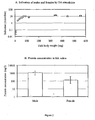
- Fig. 2 Tick salivation induced by dopamine stimulation.
- Fig. 3 Immunoglobulin binding activities in partially fed (day 6) female salivary gland extract.
- Lines A-E represent binding to IgG, IgE, Fc, F(ab') 2 , and base line, respectively.
- White and black arrows indicate the start and stop points of analyte injection, respectively. After analyte injection ceased, flow cells were washed with TBS.
- Fig. 4 Immunoglobulin binding activities in partially fed (day 6) male salivary gland extract.
- Lines A-E represent binding to IgG, IgE, Fc, F(ab') 2 , and base line, respectively.
- White and black arrows indicate the start and stop points of analyte injection, respectively. After analyte injection ceased, flow cells were washed with TBS.
- Fig. 5 Immunoglobulin binding activities in partially fed (day 7), dopamine-stimulated female saliva.
- Lines A-E represent binding to IgG, IgE, Fc, F(ab') 2 , and base line, respectively.
- White and black arrows indicate the start and stop points of analyte injection, respectively. After analyte injection ceased, flow cells were washed by TBS.
- Fig. 6 IGBPMA in male SEGD6 binds to Guinea pig IgG and Rat IgE.
- Fig. 7 Screening of rIGBPMA expression.
- Fig. 8 Protein gel (SDS-PAGE, reducing condition) shows purified soluble rIGBPMA after refolding
- Fig. 9 Soluble rIGBPMA binds to human and rat IgE Protein gels (SDS-PAGE, non-reducing condition) of samples from affinity columns (Protein-L-IgE) and control columns (Protein-L only)
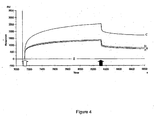
- Fig. 10 BIAcore 2000 detection of rIGBPMA binding to the Fc fragment Arrow-1 shows the start and arrow-2 shows the completion of rIGBPMA injection.
- Fig 11 The effect of the rIGBPMA on allergic asthma in BALB/c mice.
- Fig 12 Comparison of binding of rIGBPMA to IgE and IgG.
- Salivary gland extracts were prepared from the paired glands of 50 ticks, in Tris-HCl buffered saline (TBS: 50 mM Tris, 150 mM NaCl, 20 mM CaCl 2 , 20 mM MgCl 2 , and 0.5 % Triton-X100, pH 7.0) and stored as described previously (Wang & Nuttall, 1995b).
- TBS Tris-HCl buffered saline
- the male and female SGEs were diluted in TBS to protein concentrations of 1 mg/ml and 2 mg/ml, respectively, as determined using a Bio-Rad protein assay kit (Bio-Rad).
- DA dopamine hydrochloride
- Sigma was dissolved in 1.2% NaCl to 5 mg/ml for stimulating tick salivation.
- Ticks were injected with DA (approximately 1 ⁇ l per 10 mg tick weight) through the camera-stomal fold (membrane covering the articulation between the mouthparts and the scutum) using a 30g syringe needle attached to a Hamilton syringe. The method was modified from one previously described (Kaufman, 1978).
- ticks were mounted dorsal side down on double-sided sticky tape and 5 ⁇ l or 10 ⁇ l capillary tubes placed over the mouthparts in such a way as to splay the palps apart, and to contain the chelicerae and hypostome within the capillary.
- capillary tubes were drawn out slightly over a Bunsen burner, cut at the chosen point with a diamond pencil and fire-polished.
- the secreted saliva of 9 female ticks was pooled into 1.5 ml microcentrifuge tubes containing 25 ⁇ l distilled water and held on ice; this initial aliquot of water was added to enable the rinsing of the capillary tubes to minimize loss of saliva.
- Saliva samples were stored at -70°C until use, at which time the sample was measured for protein concentration and diluted to 0.1mg/ml (protein concentration) by adding 5 ⁇ l of TBS (pH, and ionic strength of the saliva sample were not determined).
- Salivary gland extracts were prepared from the paired glands of 30 ticks, in approximately 200 ⁇ l Tris-HCl buffered saline (TBS: 50 mM Tris, 150 mM NaCl, 20 mM CaCl 2 , 20 mM MgCl 2 , and 0.5 % Triton-X100, pH 7.0) before being used for affinity chromatograph (Wang and Nuttall, 1995b).
- Purified immunoglobulins (guinea pig IgG, Sigma; rat recombinant IgE, Serotech; human IgG Fc, ICN; and rabbit IgG F(ab') 2 , ICN) were dissolved to 1 mg/ml in phosphate buffered saline (PBS; 20 mM phosphate, 130 mM NaCl, pH 7.2).
- PBS phosphate buffered saline
- the built-in surface preparation wizard of BIAcore®2000 was used to immobilize the immunoglobulins onto a sensor chip CM5 (BIAcore AB chip coated with carboxymethyl dextran) at a target level of 10,000 resonance units (RU) using standard amine coupling chemistry (as described in the BIAcore®2000 Instument Handbook and BIAapplication Handbook) at coupling pH 4.5 (10 mM acetate).
- CM5 sensor chip coated with carboxymethyl dextran
- the dextran layer of the CM5 chip is conducive for measuring protein interactions by providing a hydrophilic environment away from the flat biosensor surface.
- each of the 4 flow cells in the sensor chip was immobilized either: (A) guinea pig IgG, (B) rat IgE, (C) human Fc fragment, or (D) rabbit F(ab') 2 fragment.
- the flow-cells were washed once with 100 ⁇ l of glycine buffered saline (GBS, 100 mM glycine, 150 mM NaCl, pH 2.6), then by 100 ⁇ l of TBS washing at a flow rate of 5 ⁇ l/min and stored at 4°C overnight before use.
- GBS glycine buffered saline
- Protein-L linked agarose (Sigma) was used to make a 0.1 ml column.
- the column was washed with TBS using more than 10 times the column volume.
- 200 ⁇ l of male tick SGE (D6) were loaded onto the column and recycled by a peristaltic pump for 1 hr. at 28°C.
- the column was washed with 1 ml of TBS 5 times, then eluted with 0.1 ml of GBS (100mM Glycine, 150mM NaCl, pH 2.6) three times.
- Proteins in the eluate were precipitated in trichloroacetic acid (TCA) at a final concentration of 20 % (W/V), washed with cold acetone, redissolved in SDS-sample buffer (non-reducing, Invitrogen), boiled for 2 min., and examined by SDS-PAGE (10% Tricine pre-cast gel system, Invitrogen). The resulting gel was either stained with Coomassie brilliant blue or transferred onto nitrocellulose for Western blotting as described previously (Wang and Nuttall, 1995a).
- TCA trichloroacetic acid
- RNA of 30 day-6 fed male ticks was extracted into 0.1 ml of water using the Qiagen RNA extraction kit.
- the full-length IGBPMA encoding sequence was amplified by RT-PCR using primers (IGBPMA-1, nt 7-39 nt, AF001868; and IGBPMA-R1, reverse & complementary of nt 917-945, AF001868, 5'AGTGCGGCCGCTCCCTTGACGTTACCGGACTTGAGGTCTA3').
- the RT-PCR product was cloned into pGEM-T vector (Promega) and fully sequenced from both directions by ABI technology. Obtained sequences were compared with the IGBPMA reference sequence in GenBank (AF001868) using BESTFIT in the GCG package
- the HisBind kits (Novagen) and the recommended method (Novagen) were used for purification of the rIGBPMA.
- insoluble rIGBPMA from a 500 ml culture was extracted with 16 ml HisBind Binding Buffer containing 6 M of urea, and immobilised on a 1 ml Ni2+ charged HisBind column, and washed with 10 ⁇ 1 ml HisBind Washing Buffer containing 6 M urea. Refolding of rIGBPMA was performed in the HisBind column by washing the urea away with at least 10 ⁇ 1 ml the HisBind Washing Buffer at room temperature.
- the soluble fraction of rIGBPMA was eluted with 3 ⁇ 1 ml of HisBind Elution Buffer. Eluate was concentrated to 50 ⁇ l (Vivaspin 6, VivaScience) then diluted to 5 ml in TBS, and the process repeated 3 times to change the buffer conditions, then stored at -70°C.
- rIGBPMA was centrifuged for 10 min at 13000 rpm after thawing, and the supernatant examined for Ig-binding activities.
- the IgG binding activity was determined using Human-IgG linked agarose (Sigma) as described previously (Wang and Nuttall, 1995a). Binding activity to Human-IgE (Serotech) and Rat-IgE (Serotech) was determined using a Protein-L affinity column as described above. Sepharose-6B (Sigma) and Protein-L agarose without IgE were used as control columns to the IgG and IgE systems, respectively.
- Bovine serum albumin (BSA) from a high concentration (10 mg/ml) stock was added to the purified soluble rIGBPMA before it was loaded onto the Protein-L-IgE column, to check the column specificity of rIGBPMA. Eluate from the affinity column was examined by SDS-PAGE as described above. To remove non-specific binding/aggregation, rIGBPMA supernatant was passed through a short Sepharose-6B (Sigma) column, then a Protein-L column, before being loaded onto the Protein-L-IgE affinity column.
- the method was as described above but a target level of 5,000 resonance units (RU) was used.
- Onto each of the 4 flow cells in the sensor chip was immobilize: Cell-1, blank; Cell-2, BSA (-5000 RU); Cell-3, rabbit F(ab') 2 fragment (-5000 RU); and Cell-4, human Fc fragment (-4000RU).
- the flow-cells were washed once with 30 ⁇ l of 20 mM HCl follower by at least 100 ⁇ l of TBS before use.
- 30 ⁇ l of rIGBPMA (1mg/ml in TBS) was injected to flow over all flow-cells in the order of 1-2-3-4 at a flow rate of 10 ⁇ l/min.
- Example 1- IgE binding activity in tick salivary gland extract and saliva
- the volume of saliva secreted by females was proportional to body weight up to a threshold of approximately 75 mg above which it was maintained at about 10 ⁇ l per tick ( Fig. 2A ). Although the saliva volume from males was 10 to 100-fold less than that of females, the protein concentration of male saliva was significantly greater than that of females ( Fig. 2B ).
- a third experiment using female SalivaD7 showed binding with all four ligands ( Fig. 5 ).
- the apparent difference in binding kinetics represented by the shape of the saliva curves ( Fig. 5 ) compared to those of the SGE samples ( Figs. 3 and 4 ) may be due to the relatively low protein concentration of the saliva (0.1 mg/ml, see MATERIALS AND METHODS), and/or different buffer conditions of the saliva compared with SGE samples (pH and ionic strength of the analytes were unknown).
- Table 1 shows estimations of relative binding activities (RBA) for the three analytes, namely female SGED6, male SGED6, and female SalivaD7.
- Response units (RU 1 ) of each ligand immobilized to the respective flow cell were compared with IgG to determine relative molar amounts (RMA).
- Response units for each analyte were determined empirically ( Figs. 3-5 ).
- a quantitative comparison was then made of RBA of each analyte with each ligand.
- the comparative degree of binding to IgG normalized for protein content was: female salivaD7 > male SGED6 > female SGED6 (RBA/mg protein, Table 1). For all samples, binding to IgE was relatively stronger than binding to IgG (RBA IgE /RBA IgG ⁇ 1.2, Table 1).
- a 29 kD protein was isolated as the major band by the Protein-L-IgG (Guinea pig) affinity column as well as the Protein-L-IgE (Rat) affinity column from male SGED6 ( Fig.6A ).
- the major band was recognised by antiserum raised against IGBPMA in Western Blotting ( Fig.6B ).
- Other tick IgG-binding proteins i.e. IGBPMB and IGBPMC were not detected in the eluate of the IgE affinity column.
- the N-terminal 26 amino acid truncated rIGBPMA was expressed abundantly in 3 BL21 (DE3) clones ( Fig. 7 ).
- the rIGBPMA contains a C-terminal His-tag (6) that can be used for purification using a His-Bind column (Novagen). However, the rIGBPMA was insoluble in the cell lysate without denaturant urea.
- His-Bind Binding Buffer Novagen containing 6 M urea was used to solublize the rIGBPMA and immobilize the denatured proteins onto the His-Bind column (Novagen) so that rIGBPMA could be isolated from the cell lysate by washing away un-bound E.coli proteins using His-Bind Washing Buffer (Novagen) contain 6 M urea. Fractions of the denatured rIGBPMA could be refolded into soluble forms when urea was removed from the His-Bind column by washing with the His-Bind Washing Buffer without urea.
- rIGBPMA The soluble form(s) of rIGBPMA were eluted by the standard His-Bind Elution Buffer (Novagen) without denaturant and had high purity ( Fig. 8 ). The yield was 5-10 mg rIGBPMA per liter of induced culture.
- the soluble rIGBPMA purified from the His-Bind column contained binding activities to both IgG (human) (results not shown) and IgE (human, Fig. 9A ; and rat, Fig. 9B ), using human IgG-agarose (Sigma) and Protein-L-IgE (human, Fig. 9A ; or rat, Fig. 9B ) affinity columns, respectively.
- the refolded rIGBPMA also aggregated (presumably from non-natural forms) in the control columns ( Fig. 9A , Protein-L agarose, Sigma) under some conditions.
- the bands of rIGBPMA from affinity columns were considerably stronger than those of control columns, indicating binding activities to the Ig molecules in the affinity columns.
- Adding BSA (as a control protein) to the affinity systems did not result in detection of BSA in the eluates ( Fig. 9B ), indicating that the rIGBPMA-IgG(E) binding activity is genuine.
- rIGBPMA aggregates was removed before loading into the Protein-L-IgE (rat) affinity system, by running through a Sepharose-6B column then a Protein-L agarose column under the same conditions, the non-specific binding ( Fig. 9A ) in the control column (Protein-L column) was reduced to beyond detection while rIGBPMA binding activity to rat IgE remained detectable in the Protein-L-IgE column ( Fig. 9B ).
- the rIGBPMA binding activities to immunoglobulins were shown to be due to binding affinity to the Fc fragment but not to the Fab fragment ( Fig. 10 ).
- the F(ab)2 fragment showed similar levels of non-specific binding with rIGBPMA ( Fig. 10 , curve C) as for BSA ( Fig. 10 , curve B). Binding to the Fc fragment ( Fig. 10 , curve A) was more than two times greater than such non-specific binding. Aggregation of rIGBPMA also occurred in the blank flow cell ( Fig. 10 , curve D).
- rIGBPMA binds to both IgG and IgE molecules, and suggests that it may bind to a region that is conserved between the two Ig classes. If this is the case rIGBPMA is unlikely to bind to the receptor binding sites of these Ig molecules. Thus in addition to the free immunoglobulins in serum, rIGBPMA may also bind to the bound forms of IgG and IgE on cell surfaces. Mammalian IgG and IgE are presumed to be evolved from a common ancestor similar to the avian IgY, and are evolutionary divergent from the other mammalian immunoglobulins.
- rIGBPMA recombinant protein
- GenBank Accession number AF001868 A recombinant protein derived from tick salivary glands was produced in E. coli as described above.
- endotoxin-free water By using endotoxin-free water in all steps during rIGBPMA purification, the endotoxin level can be reduced to approximately 50 EU/mg in purified rIGBPMA.
- rIGBPMA was tested by conventional methods (see for example Couillin et al.
- rIGBPMA was less inhibitory to the early phase of AHR compared to the late phase. This may be due to the presence of bacterial lipopolysaccharide (LPS) (endotoxin) that induces AHR.
- LPS lipopolysaccharide
- Example 4 - rIGBPMA binds to IgE better than IgG
- each of the 4 flow cells in the sensor chip was immobilized as: Cell-1, blank; Cell-2, BSA (4810 RU); Cell-3, IgG (5004 RU); and Cell-4, IgE (5780 RU).
- the flow-cells were washed once with 30 ⁇ l of 20 mM HCl followed by 100 ⁇ l of TBS before use.
- 50 ⁇ l of rIGBPMA (1mg/ml in TBS, 50 mM Tris, 20 mM CaCl, 20 mM MgCl, 100 mM NaCl, pH 7.0) was injected to flow over all flow-cells at a flow rate of 5 ⁇ l/min.
- rIGBPMA bound non-specifically to BSA ( Figure 12 ). However, above this background, rIGBPMA bound better to IgG and the best to IgE ( Figure 12 ). Although more IgE was immobilized on the chip than IgG (IgE, 5780 RU; IgG, 5004 RU), IgE had a binding signal (- 430 RU) more than twice as high than that of IgG ( ⁇ 180 RU). This indicated that rIGBPMA bound to IgE better than IgG. Table 1.
- RMA x Yield x / MW x ⁇ Yield IgG / MW IgG ** Relative binding activity (RBA) for each tick sample (y) was normalized to the binding of fSGED6 to IgG after correcting for the RMA of the respective ligand (x).
- RBA y (RU y /RMA x ) ⁇ (263/1). *** This panel further normalizes the data to the amount of protein (mg) in comparison to that in fSGED6.
- the RBAs for male SGED6 were doubled (half the protein of fSGED6) and the RBAs for female salivaD7 were multiplied by 40.
Landscapes
- Health & Medical Sciences (AREA)
- Life Sciences & Earth Sciences (AREA)
- Chemical & Material Sciences (AREA)
- Organic Chemistry (AREA)
- Medicinal Chemistry (AREA)
- General Health & Medical Sciences (AREA)
- Bioinformatics & Cheminformatics (AREA)
- General Chemical & Material Sciences (AREA)
- Nuclear Medicine, Radiotherapy & Molecular Imaging (AREA)
- Engineering & Computer Science (AREA)
- Pharmacology & Pharmacy (AREA)
- Animal Behavior & Ethology (AREA)
- Chemical Kinetics & Catalysis (AREA)
- Public Health (AREA)
- Veterinary Medicine (AREA)
- Tropical Medicine & Parasitology (AREA)
- Pulmonology (AREA)
- Insects & Arthropods (AREA)
- Dermatology (AREA)
- Molecular Biology (AREA)
- Immunology (AREA)
- Toxicology (AREA)
- Zoology (AREA)
- Gastroenterology & Hepatology (AREA)
- Biochemistry (AREA)
- Biophysics (AREA)
- Genetics & Genomics (AREA)
- Proteomics, Peptides & Aminoacids (AREA)
- Ophthalmology & Optometry (AREA)
- Otolaryngology (AREA)
- Medicines That Contain Protein Lipid Enzymes And Other Medicines (AREA)
- Peptides Or Proteins (AREA)
- Investigating Or Analysing Biological Materials (AREA)
- Medicinal Preparation (AREA)
- Nitrogen And Oxygen Or Sulfur-Condensed Heterocyclic Ring Systems (AREA)
- Treatments For Attaching Organic Compounds To Fibrous Goods (AREA)
Claims (18)
- Agens, welches ein Polypeptid ist, welches umfasst:(i) die IGBPMA-Aminosäuresequenz, die in SEQ ID NO. 2 gezeigt ist,(ii) eine Variante der Aminosäuresequenz, die in SEQ ID NO. 2 gezeigt ist, die wenigstens 50, 60, 70, 80, 90, 95 oder 99% Identität mit wenigstens 200, 250, 275, 300, 310 fortlaufenden Aminosäuren darin hat, oder(iii) ein Fragment der in SEQ ID NO. 2 gezeigten Aminosäuresequenz, die wenigstens 150, 200, 250, 275, 300, 310 fortlaufende Aminosäuren, die darin gezeigt sind, hat, wobei das Polypeptid in jedem Fall fähig ist, ein IgE-Molekül zu binden,zur Verwendung bei der Behandlung einer Typ 1-Hypersensitivitätsreaktion, wobei eine therapeutisch wirksame Menge des Polypeptids an einen Patienten, der Bedarf dafür hat, zu verabreichen ist.
- Agens zur Verwendung gemäß Anspruch 1, wobei die Variante den spezifizierten Identitätslevel mit der Volllängen-IGBPMA-Aminosäuresequenz, die in SEQ ID NO. 2 gezeigt ist, hat.
- Agens zur Verwendung gemäß Anspruch 1, wobei die Variante aus der Liste, bestehend aus: einem homologen Immunglobulin bindenden Protein, erhältlich von einem Ektoparasiten; einem künstlichen Derivat; einer verkürzten Variante; einer Variante, die an einem oder beiden Enden mit nicht natürlich fortlaufenden Sequenzen verlängert wurde, und einer Variante, die chemisch modifiziert wurde, ausgewählt ist.
- Agens zur Verwendung bei der Behandlung einer Typ 1-Hypersensitivitätsreaktion, wobei das Agens eine Nucleinsäure ist, welche das Polypeptid, wie es in einem der Ansprüche 1 bis 3 definiert ist, codiert, und wobei eine therapeutisch wirksame Menge der Nucleinsäure an einen Patienten, der Bedarf für dieselbe hat, zu verabreichen ist.
- Agens zur Verwendung gemäß Anspruch 4, wobei die Nucleinsäure umfasst:(i) die IGBPMA-Nukleotidsequenz, die in SEQ ID NO. 1 gezeigt ist,(ii) eine Variante der codierenden Nucleotidsequenz, die in SEQ ID NO. 1 gezeigt ist, die wenigstens 50, 60, 70, 80, 90, 95 oder 99% Identität mit wenigstens 600, 750, 825, 900, 930 fortlaufenden Nucleotiden darin hat,(iii) ein Fragment der Nucleotidsequenz, die in SEQ ID NO. 1 gezeigt ist, das wenigstens 450, 600, 750, 825, 900, 930 fortlaufende Nucleotide, die darin gezeigt sind, hat.
- Agens zur Verwendung gemäß Anspruch 5, wobei die Variante den spezifizierten Identitätslevel mit der Volllängen-IGBPMA-Nucleotidsequenz, die in SEQ ID NO. 1 gezeigt ist, hat.
- Verfahren zum Herstellen eines Agenses, welches ein IgEbindendes oder -modulierendes Polypeptid ist, wobei das Verfahren die folgenden Schritte umfasst:(i) Bereitstellen eines Polypeptids, welches IGBPMA, das in SEQ ID NO. 2 gezeigt ist, oder ein homologes Immunglobulin-bindendes Protein, das von einem Ektoparasiten erhältlich ist, ist, oder einer Nucleinsäure, die dafür codiert,(ii) Modifizieren der Sequenz des Polypeptids oder der Nucleinsäure, die dafür codiert, und(iii) Analysieren der IgE-bindenden Eigenschaften des modifizierten Polypeptids oder des Polypeptids, welches das Expressionsprodukt der modifizierten Nucleinsäure ist.
- Verfahren zum Bereitstellen eines Agenses, welches ein IgE-Bindemittel oder -Modulator ist, wobei das Verfahren die folgenden Schritte umfasst:(i) Bereitstellen des Polypeptids, wie es in einem der Ansprüche 1 bis 3 definiert ist,(ii) Erstellen eines dreidimensionalen Modells des Polypeptids, das sterische und Ladungsinformation bezüglich der chemischen Gruppen des Polypeptids, welche mit den chemischen Gruppen von IgE wechselwirken, einbaut;(iii) Identifizieren der relativen räumlichen Lage der chemischen Gruppen des Polypeptids, das in (ii) identifiziert ist, und Entwickeln eines Molekülmimetikums des Polypeptids, das einige oder alle der chemischen Gruppen in der räumlichen Lage umfasst, und(iv) Synthetisieren des Agens und Bestätigen seiner Fähigkeit, ein IgE-Molekül zu binden.
- Verfahren zum Screening auf ein Agens, welches ein IgE-Bindemittel oder -Modulator ist, wobei das Verfahren umfasst:(i) Messen der Bindung eines detektierbaren Polypeptids, wie es in einem der Ansprüche 1 bis 3 definiert ist, an seine Bindungsstelle an IgE in Abwesenheit eines Testagenses, wobei die Bindungsstelle von IgE oder der gesamten oder einem Teil der konstanten Region davon bereitgestellt wird;(ii) unter zu Schritt (i) vergleichbaren Reaktionsbedingungen Messen der Bindung eines detektierbaren Polypeptids, wie es in einem der Ansprüche 1 bis 3 definiert ist, an seine Bindungsstelle an IgE in Gegenwart eines Testagenses, wobei die Bindungsstelle durch IgE oder der gesamten oder einem Teil der konstanten Region davon bereitgestellt wird;(iii) Vergleichen der in den Schritten (i) und (ii) gemessenen Bindung und(iv) Selektieren von Agenzien, die die Bindung verändern.
- Agens zur Verwendung gemäß einem der Ansprüche 1 bis 6, wobei die Behandlung außerdem in Kombination mit dem Agens ein zusätzliches Agens zur Verwendung bei der Behandlung einer Typ 1-Hypersensitivitätsreaktion umfasst.
- Verwendung eines Agenses bei der Herstellung eines Medikaments für die Behandlung einer Typ 1-Hypersensitivitätsreaktion, wobei das Agens ein Polypeptid ist, welches umfasst:(i) die IGBPMA-Aminosäuresequenz, die in SEQ ID NO. 2 gezeigt ist,(ii) eine Variante der Aminosäuresequenz, die in SEQ ID NO. 2 gezeigt ist, die wenigstens 50, 60, 70, 80, 90, 95 oder 99% Identität mit wenigstens 200, 250, 275, 300, 310 fortlaufenden Aminosäuren darin hat, oder(iii) ein Fragment der in SEQ ID NO. 2 gezeigten Aminosäuresequenz, die wenigstens 150, 200, 250, 275, 300, 310 fortlaufende Aminosäuren, die darin gezeigt sind, hat,wobei das Polypeptid in jedem Fall fähig ist, ein IgE-Molekül zu binden.
- Verwendung eines Agenses bei der Herstellung eines Medikaments für die Behandlung einer Typ 1-Hypersensitivitätsreaktion, wobei das Agens eine Nucleinsäure ist, welche das Polypeptid, wie es in einem der Ansprüche 1 bis 3 definiert ist, codiert.
- Verwendung eines Agenses zur Verwendung, wie in einem der Ansprüche 1 bis 6 oder 10 bis 12 beansprucht, wobei die Typ 1-Hypersensitivitätsreakion aus Asthma, Ekzem, allergischer Rhinitis, Rhinorrhö, Konjunktivitis, Gastroenteritis, Urticaria oder anaphylaktischen Reaktionen ausgewählt ist.
- Zusammensetzung, umfassend ein Agens, wie es in einem der Ansprüche 1 bis 3 definiert ist oder wie es in Anspruch 11 verwender wird, in inhalierbarer Form.
- Zusammensetzung, wie sie in Anspruch 14 beansprucht ist, wobei das Agens in der Form eines Trockenpulvers mit einer Partikelgröße von 0,5 bis 10 µm ist.
- Kit, umfassend eine Zusammensetzung, wie sie in Anspruch 14 oder Anspruch 15 beansprucht wird, und Abgabemittel zum Abgeben des Agenses durch Inhalation an einen Patienten, der Bedarf dafür hat.
- Kit, wie er in Anspruch 17 beansprucht wird, wobei das Abgabemittel ausgewählt ist aus: einem Flüssigkeitsvernebler; einem Dosierinhalator auf Aerosolbasis oder einer Trockenpulverdispersionsvorrichtung.
- Agens zur Verwendung gemäß einem der Ansprüche 1 bis 3, wobei das Agens ein rekombinant produziertes Polypeptid ist, das im Wesentlichen endotoxinfrei ist.
Applications Claiming Priority (2)
| Application Number | Priority Date | Filing Date | Title |
|---|---|---|---|
| GBGB0522298.9A GB0522298D0 (en) | 2005-11-01 | 2005-11-01 | Agents that bind IgE |
| PCT/GB2006/003986 WO2007051975A2 (en) | 2005-11-01 | 2006-10-26 | Compositions comprising igbpma and uses thereof |
Publications (2)
| Publication Number | Publication Date |
|---|---|
| EP1978990A2 EP1978990A2 (de) | 2008-10-15 |
| EP1978990B1 true EP1978990B1 (de) | 2012-03-28 |
Family
ID=35516154
Family Applications (1)
| Application Number | Title | Priority Date | Filing Date |
|---|---|---|---|
| EP06808355A Not-in-force EP1978990B1 (de) | 2005-11-01 | 2006-10-26 | Zusammensetzungen mit igbpma und ihre verwendungen |
Country Status (7)
| Country | Link |
|---|---|
| US (1) | US8343504B2 (de) |
| EP (1) | EP1978990B1 (de) |
| JP (1) | JP5123858B2 (de) |
| CN (1) | CN101351216B (de) |
| AT (1) | ATE551065T1 (de) |
| GB (1) | GB0522298D0 (de) |
| WO (1) | WO2007051975A2 (de) |
Families Citing this family (3)
| Publication number | Priority date | Publication date | Assignee | Title |
|---|---|---|---|---|
| EP2534957B1 (de) | 2007-12-14 | 2015-05-27 | AeroDesigns, Inc | Abgabe von Aerosol-sprühbaren Produkten |
| GB201203337D0 (en) | 2012-02-24 | 2012-04-11 | Natural Environment Res Council | Method |
| CN110567787A (zh) * | 2019-09-12 | 2019-12-13 | 浙江工商大学 | 一种快速纯化血清中IgG和IgE的方法 |
Family Cites Families (6)
| Publication number | Priority date | Publication date | Assignee | Title |
|---|---|---|---|---|
| GB9406708D0 (en) * | 1994-04-05 | 1994-05-25 | Mallinckrodt Veterinary Inc | Vaccines |
| ES2236807T3 (es) | 1996-05-18 | 2005-07-16 | Evolutec Limited | Moleculas de union de aminas vasoactivas. |
| EP1254168A2 (de) * | 2000-02-11 | 2002-11-06 | Evolutec Limited | Zytokine hemmende moleküle aus den speicheldrüsen von zecken |
| WO2002094228A1 (en) * | 2001-05-23 | 2002-11-28 | David Follansbee | Prevention and treatment of allergies by helminthic regulation of ige |
| GB0307544D0 (en) | 2003-04-01 | 2003-05-07 | Evolutec Ltd | Treatment method |
| EP1697404B1 (de) * | 2003-12-24 | 2009-07-22 | Merck Serono SA | Cc-chemokin-bindende zeckenproteine |
-
2005
- 2005-11-01 GB GBGB0522298.9A patent/GB0522298D0/en not_active Ceased
-
2006
- 2006-10-26 JP JP2008538390A patent/JP5123858B2/ja not_active Expired - Fee Related
- 2006-10-26 US US12/092,368 patent/US8343504B2/en not_active Expired - Fee Related
- 2006-10-26 EP EP06808355A patent/EP1978990B1/de not_active Not-in-force
- 2006-10-26 CN CN200680050239.3A patent/CN101351216B/zh not_active Expired - Fee Related
- 2006-10-26 AT AT06808355T patent/ATE551065T1/de active
- 2006-10-26 WO PCT/GB2006/003986 patent/WO2007051975A2/en not_active Ceased
Also Published As
| Publication number | Publication date |
|---|---|
| JP5123858B2 (ja) | 2013-01-23 |
| CN101351216A (zh) | 2009-01-21 |
| CN101351216B (zh) | 2014-07-16 |
| EP1978990A2 (de) | 2008-10-15 |
| GB0522298D0 (en) | 2005-12-07 |
| WO2007051975A2 (en) | 2007-05-10 |
| US8343504B2 (en) | 2013-01-01 |
| US20080280828A1 (en) | 2008-11-13 |
| ATE551065T1 (de) | 2012-04-15 |
| JP2009519213A (ja) | 2009-05-14 |
| WO2007051975A3 (en) | 2007-06-28 |
Similar Documents
| Publication | Publication Date | Title |
|---|---|---|
| DE3688333T2 (de) | Antikörper gegen Polypeptide, die gegen Peptide oder Proteine mit mindestens teilweise bekannter Aminosäure oder kodierender Nukleotidsequenz komplementär sind und diesbezügliches Aufbauverfahren. | |
| US5840695A (en) | Ectoparasite saliva proteins and apparatus to collect such proteins | |
| US20080038205A1 (en) | Novel dermatophagoides proteins | |
| AU703794B2 (en) | Novel ectoparasite saliva proteins and apparatus to collect such proteins | |
| US8343504B2 (en) | Methods of administering IGBPMA to treat type 1 hypersensitivity | |
| EP1709064B1 (de) | Dna-sequenz und rekombinante herstellung des graspollen-allergens lol p 4 | |
| WO1996011271A9 (en) | Novel ectoparasite saliva proteins and apparatus to collect such proteins | |
| US6372887B1 (en) | Flea serine protease inhibitor proteins | |
| KR20040004481A (ko) | Der p Ⅲ 단백질 알레르겐을 암호화하는 분리된 핵산 | |
| US7629446B2 (en) | Nucleic acid molecules encoding a novel ectoparasite saliva protein | |
| Tan | Improvement of Malayan cobra (Naja naja sputatrix) antivenin | |
| US7846690B2 (en) | Cloning of honey bee allergen | |
| JP2003533178A (ja) | O−スーパーファミリー・コノトキシンペプチド | |
| AT503296B1 (de) | Protein-allergen-derivat | |
| US7128921B1 (en) | Dermatophagoides proteins and fragments thereof | |
| CA2410883C (en) | Methods for isolating and using fungal hemolysins | |
| JPH08176192A (ja) | ヒノキ花粉アレルゲン | |
| AU2001292661A1 (en) | Novel dermatophagoides nucleic acid molecules, proteins and uses thereof | |
| KR100733887B1 (ko) | DerpⅢ단백질알레르겐을암호화하는분리된핵산 | |
| MXPA97002529A (en) | Novedosas proteins of saliva of ectoparasito, yaparato for the obtaining of such protei | |
| EP1832656A1 (de) | Verfahren zur Isolation und Verwendung von Pilz-Hämolysinen | |
| IL115540A (en) | Compositions comprising selected ectoparasite saliva proteins |
Legal Events
| Date | Code | Title | Description |
|---|---|---|---|
| PUAI | Public reference made under article 153(3) epc to a published international application that has entered the european phase |
Free format text: ORIGINAL CODE: 0009012 |
|
| 17P | Request for examination filed |
Effective date: 20080528 |
|
| AK | Designated contracting states |
Kind code of ref document: A2 Designated state(s): AT BE BG CH CY CZ DE DK EE ES FI FR GB GR HU IE IS IT LI LT LU LV MC NL PL PT RO SE SI SK TR |
|
| 17Q | First examination report despatched |
Effective date: 20091119 |
|
| GRAP | Despatch of communication of intention to grant a patent |
Free format text: ORIGINAL CODE: EPIDOSNIGR1 |
|
| DAX | Request for extension of the european patent (deleted) | ||
| GRAS | Grant fee paid |
Free format text: ORIGINAL CODE: EPIDOSNIGR3 |
|
| GRAA | (expected) grant |
Free format text: ORIGINAL CODE: 0009210 |
|
| AK | Designated contracting states |
Kind code of ref document: B1 Designated state(s): AT BE BG CH CY CZ DE DK EE ES FI FR GB GR HU IE IS IT LI LT LU LV MC NL PL PT RO SE SI SK TR |
|
| REG | Reference to a national code |
Ref country code: GB Ref legal event code: FG4D |
|
| REG | Reference to a national code |
Ref country code: CH Ref legal event code: EP |
|
| REG | Reference to a national code |
Ref country code: AT Ref legal event code: REF Ref document number: 551065 Country of ref document: AT Kind code of ref document: T Effective date: 20120415 |
|
| REG | Reference to a national code |
Ref country code: IE Ref legal event code: FG4D |
|
| REG | Reference to a national code |
Ref country code: DE Ref legal event code: R096 Ref document number: 602006028509 Country of ref document: DE Effective date: 20120524 |
|
| REG | Reference to a national code |
Ref country code: NL Ref legal event code: VDEP Effective date: 20120328 |
|
| PG25 | Lapsed in a contracting state [announced via postgrant information from national office to epo] |
Ref country code: LT Free format text: LAPSE BECAUSE OF FAILURE TO SUBMIT A TRANSLATION OF THE DESCRIPTION OR TO PAY THE FEE WITHIN THE PRESCRIBED TIME-LIMIT Effective date: 20120328 |
|
| LTIE | Lt: invalidation of european patent or patent extension |
Effective date: 20120328 |
|
| PG25 | Lapsed in a contracting state [announced via postgrant information from national office to epo] |
Ref country code: GR Free format text: LAPSE BECAUSE OF FAILURE TO SUBMIT A TRANSLATION OF THE DESCRIPTION OR TO PAY THE FEE WITHIN THE PRESCRIBED TIME-LIMIT Effective date: 20120629 Ref country code: FI Free format text: LAPSE BECAUSE OF FAILURE TO SUBMIT A TRANSLATION OF THE DESCRIPTION OR TO PAY THE FEE WITHIN THE PRESCRIBED TIME-LIMIT Effective date: 20120328 Ref country code: LV Free format text: LAPSE BECAUSE OF FAILURE TO SUBMIT A TRANSLATION OF THE DESCRIPTION OR TO PAY THE FEE WITHIN THE PRESCRIBED TIME-LIMIT Effective date: 20120328 |
|
| REG | Reference to a national code |
Ref country code: AT Ref legal event code: MK05 Ref document number: 551065 Country of ref document: AT Kind code of ref document: T Effective date: 20120328 |
|
| PG25 | Lapsed in a contracting state [announced via postgrant information from national office to epo] |
Ref country code: CY Free format text: LAPSE BECAUSE OF FAILURE TO SUBMIT A TRANSLATION OF THE DESCRIPTION OR TO PAY THE FEE WITHIN THE PRESCRIBED TIME-LIMIT Effective date: 20120328 |
|
| PG25 | Lapsed in a contracting state [announced via postgrant information from national office to epo] |
Ref country code: SE Free format text: LAPSE BECAUSE OF FAILURE TO SUBMIT A TRANSLATION OF THE DESCRIPTION OR TO PAY THE FEE WITHIN THE PRESCRIBED TIME-LIMIT Effective date: 20120328 Ref country code: PL Free format text: LAPSE BECAUSE OF FAILURE TO SUBMIT A TRANSLATION OF THE DESCRIPTION OR TO PAY THE FEE WITHIN THE PRESCRIBED TIME-LIMIT Effective date: 20120328 Ref country code: EE Free format text: LAPSE BECAUSE OF FAILURE TO SUBMIT A TRANSLATION OF THE DESCRIPTION OR TO PAY THE FEE WITHIN THE PRESCRIBED TIME-LIMIT Effective date: 20120328 Ref country code: RO Free format text: LAPSE BECAUSE OF FAILURE TO SUBMIT A TRANSLATION OF THE DESCRIPTION OR TO PAY THE FEE WITHIN THE PRESCRIBED TIME-LIMIT Effective date: 20120328 Ref country code: CZ Free format text: LAPSE BECAUSE OF FAILURE TO SUBMIT A TRANSLATION OF THE DESCRIPTION OR TO PAY THE FEE WITHIN THE PRESCRIBED TIME-LIMIT Effective date: 20120328 Ref country code: SI Free format text: LAPSE BECAUSE OF FAILURE TO SUBMIT A TRANSLATION OF THE DESCRIPTION OR TO PAY THE FEE WITHIN THE PRESCRIBED TIME-LIMIT Effective date: 20120328 Ref country code: BE Free format text: LAPSE BECAUSE OF FAILURE TO SUBMIT A TRANSLATION OF THE DESCRIPTION OR TO PAY THE FEE WITHIN THE PRESCRIBED TIME-LIMIT Effective date: 20120328 Ref country code: IS Free format text: LAPSE BECAUSE OF FAILURE TO SUBMIT A TRANSLATION OF THE DESCRIPTION OR TO PAY THE FEE WITHIN THE PRESCRIBED TIME-LIMIT Effective date: 20120728 |
|
| PG25 | Lapsed in a contracting state [announced via postgrant information from national office to epo] |
Ref country code: PT Free format text: LAPSE BECAUSE OF FAILURE TO SUBMIT A TRANSLATION OF THE DESCRIPTION OR TO PAY THE FEE WITHIN THE PRESCRIBED TIME-LIMIT Effective date: 20120730 Ref country code: SK Free format text: LAPSE BECAUSE OF FAILURE TO SUBMIT A TRANSLATION OF THE DESCRIPTION OR TO PAY THE FEE WITHIN THE PRESCRIBED TIME-LIMIT Effective date: 20120328 |
|
| PG25 | Lapsed in a contracting state [announced via postgrant information from national office to epo] |
Ref country code: DK Free format text: LAPSE BECAUSE OF FAILURE TO SUBMIT A TRANSLATION OF THE DESCRIPTION OR TO PAY THE FEE WITHIN THE PRESCRIBED TIME-LIMIT Effective date: 20120328 Ref country code: NL Free format text: LAPSE BECAUSE OF FAILURE TO SUBMIT A TRANSLATION OF THE DESCRIPTION OR TO PAY THE FEE WITHIN THE PRESCRIBED TIME-LIMIT Effective date: 20120328 Ref country code: AT Free format text: LAPSE BECAUSE OF FAILURE TO SUBMIT A TRANSLATION OF THE DESCRIPTION OR TO PAY THE FEE WITHIN THE PRESCRIBED TIME-LIMIT Effective date: 20120328 |
|
| PLBE | No opposition filed within time limit |
Free format text: ORIGINAL CODE: 0009261 |
|
| STAA | Information on the status of an ep patent application or granted ep patent |
Free format text: STATUS: NO OPPOSITION FILED WITHIN TIME LIMIT |
|
| PG25 | Lapsed in a contracting state [announced via postgrant information from national office to epo] |
Ref country code: IT Free format text: LAPSE BECAUSE OF FAILURE TO SUBMIT A TRANSLATION OF THE DESCRIPTION OR TO PAY THE FEE WITHIN THE PRESCRIBED TIME-LIMIT Effective date: 20120328 |
|
| 26N | No opposition filed |
Effective date: 20130103 |
|
| REG | Reference to a national code |
Ref country code: DE Ref legal event code: R097 Ref document number: 602006028509 Country of ref document: DE Effective date: 20130103 |
|
| PG25 | Lapsed in a contracting state [announced via postgrant information from national office to epo] |
Ref country code: ES Free format text: LAPSE BECAUSE OF FAILURE TO SUBMIT A TRANSLATION OF THE DESCRIPTION OR TO PAY THE FEE WITHIN THE PRESCRIBED TIME-LIMIT Effective date: 20120709 |
|
| PG25 | Lapsed in a contracting state [announced via postgrant information from national office to epo] |
Ref country code: MC Free format text: LAPSE BECAUSE OF NON-PAYMENT OF DUE FEES Effective date: 20121031 |
|
| REG | Reference to a national code |
Ref country code: CH Ref legal event code: PL |
|
| REG | Reference to a national code |
Ref country code: IE Ref legal event code: MM4A |
|
| PG25 | Lapsed in a contracting state [announced via postgrant information from national office to epo] |
Ref country code: LI Free format text: LAPSE BECAUSE OF NON-PAYMENT OF DUE FEES Effective date: 20121031 Ref country code: CH Free format text: LAPSE BECAUSE OF NON-PAYMENT OF DUE FEES Effective date: 20121031 Ref country code: IE Free format text: LAPSE BECAUSE OF NON-PAYMENT OF DUE FEES Effective date: 20121026 Ref country code: BG Free format text: LAPSE BECAUSE OF FAILURE TO SUBMIT A TRANSLATION OF THE DESCRIPTION OR TO PAY THE FEE WITHIN THE PRESCRIBED TIME-LIMIT Effective date: 20120628 |
|
| PG25 | Lapsed in a contracting state [announced via postgrant information from national office to epo] |
Ref country code: TR Free format text: LAPSE BECAUSE OF FAILURE TO SUBMIT A TRANSLATION OF THE DESCRIPTION OR TO PAY THE FEE WITHIN THE PRESCRIBED TIME-LIMIT Effective date: 20120328 |
|
| PG25 | Lapsed in a contracting state [announced via postgrant information from national office to epo] |
Ref country code: LU Free format text: LAPSE BECAUSE OF NON-PAYMENT OF DUE FEES Effective date: 20121026 |
|
| PG25 | Lapsed in a contracting state [announced via postgrant information from national office to epo] |
Ref country code: HU Free format text: LAPSE BECAUSE OF FAILURE TO SUBMIT A TRANSLATION OF THE DESCRIPTION OR TO PAY THE FEE WITHIN THE PRESCRIBED TIME-LIMIT Effective date: 20061026 |
|
| PGFP | Annual fee paid to national office [announced via postgrant information from national office to epo] |
Ref country code: DE Payment date: 20141029 Year of fee payment: 9 Ref country code: FR Payment date: 20141029 Year of fee payment: 9 Ref country code: GB Payment date: 20141029 Year of fee payment: 9 |
|
| REG | Reference to a national code |
Ref country code: DE Ref legal event code: R119 Ref document number: 602006028509 Country of ref document: DE |
|
| GBPC | Gb: european patent ceased through non-payment of renewal fee |
Effective date: 20151026 |
|
| PG25 | Lapsed in a contracting state [announced via postgrant information from national office to epo] |
Ref country code: GB Free format text: LAPSE BECAUSE OF NON-PAYMENT OF DUE FEES Effective date: 20151026 Ref country code: DE Free format text: LAPSE BECAUSE OF NON-PAYMENT OF DUE FEES Effective date: 20160503 |
|
| REG | Reference to a national code |
Ref country code: FR Ref legal event code: ST Effective date: 20160630 |
|
| PG25 | Lapsed in a contracting state [announced via postgrant information from national office to epo] |
Ref country code: FR Free format text: LAPSE BECAUSE OF NON-PAYMENT OF DUE FEES Effective date: 20151102 |