EP1984331B1 - Dérivés de pyrrolidine comme inhibiteurs de la erk - Google Patents
Dérivés de pyrrolidine comme inhibiteurs de la erk Download PDFInfo
- Publication number
- EP1984331B1 EP1984331B1 EP07750497A EP07750497A EP1984331B1 EP 1984331 B1 EP1984331 B1 EP 1984331B1 EP 07750497 A EP07750497 A EP 07750497A EP 07750497 A EP07750497 A EP 07750497A EP 1984331 B1 EP1984331 B1 EP 1984331B1
- Authority
- EP
- European Patent Office
- Prior art keywords
- group
- substituted
- compound
- medicament
- alkyl
- Prior art date
- Legal status (The legal status is an assumption and is not a legal conclusion. Google has not performed a legal analysis and makes no representation as to the accuracy of the status listed.)
- Active
Links
- 0 C**(*CC=C)N(C)*C Chemical compound C**(*CC=C)N(C)*C 0.000 description 169
- RLSSMJSEOOYNOY-UHFFFAOYSA-N Cc1cccc(O)c1 Chemical compound Cc1cccc(O)c1 RLSSMJSEOOYNOY-UHFFFAOYSA-N 0.000 description 4
- IWDCLRJOBJJRNH-UHFFFAOYSA-N Cc(cc1)ccc1O Chemical compound Cc(cc1)ccc1O IWDCLRJOBJJRNH-UHFFFAOYSA-N 0.000 description 3
- GWHJZXXIDMPWGX-UHFFFAOYSA-N Cc1cc(C)c(C)cc1 Chemical compound Cc1cc(C)c(C)cc1 GWHJZXXIDMPWGX-UHFFFAOYSA-N 0.000 description 3
- OSIGJGFTADMDOB-UHFFFAOYSA-N Cc1cc(OC)ccc1 Chemical compound Cc1cc(OC)ccc1 OSIGJGFTADMDOB-UHFFFAOYSA-N 0.000 description 3
- LRLRAYMYEXQKID-UHFFFAOYSA-N Cc1ccc(C(F)(F)F)cc1 Chemical compound Cc1ccc(C(F)(F)F)cc1 LRLRAYMYEXQKID-UHFFFAOYSA-N 0.000 description 3
- MBKQKCTWSSMQGW-UHFFFAOYSA-N Cc1cccc(-c2cccc(CO)c2)c1 Chemical compound Cc1cccc(-c2cccc(CO)c2)c1 MBKQKCTWSSMQGW-UHFFFAOYSA-N 0.000 description 3
- YKGGKYVPMCDRSS-UHFFFAOYSA-N CC(C=C1)=CCC1c(cc1)nnc1OC Chemical compound CC(C=C1)=CCC1c(cc1)nnc1OC YKGGKYVPMCDRSS-UHFFFAOYSA-N 0.000 description 2
- PSIGSIHNJWOBJW-UHFFFAOYSA-N CCc1cnc(-c2ccc(C)cc2)nc1 Chemical compound CCc1cnc(-c2ccc(C)cc2)nc1 PSIGSIHNJWOBJW-UHFFFAOYSA-N 0.000 description 2
- HNQLMBJUMVLFCF-UHFFFAOYSA-N Cc(cc1)c(C)cc1Cl Chemical compound Cc(cc1)c(C)cc1Cl HNQLMBJUMVLFCF-UHFFFAOYSA-N 0.000 description 2
- WYUIWKFIFOJVKW-UHFFFAOYSA-N Cc(cc1)cc(Cl)c1Cl Chemical compound Cc(cc1)cc(Cl)c1Cl WYUIWKFIFOJVKW-UHFFFAOYSA-N 0.000 description 2
- OKFHGHGGXMTTRQ-UHFFFAOYSA-N Cc(cc1)ccc1-[n]1nccn1 Chemical compound Cc(cc1)ccc1-[n]1nccn1 OKFHGHGGXMTTRQ-UHFFFAOYSA-N 0.000 description 2
- BZZDJPKCWUFZJJ-UHFFFAOYSA-N Cc(cc1)ccc1-c(nc1)ncc1F Chemical compound Cc(cc1)ccc1-c(nc1)ncc1F BZZDJPKCWUFZJJ-UHFFFAOYSA-N 0.000 description 2
- HNCPAJPMBWXHEH-UHFFFAOYSA-N Cc(cc1)ccc1-c1c[s]cc1 Chemical compound Cc(cc1)ccc1-c1c[s]cc1 HNCPAJPMBWXHEH-UHFFFAOYSA-N 0.000 description 2
- DDOIJGSPRXCDLW-UHFFFAOYSA-N Cc(cc1)ccc1-c1cc(cccc2)c2[o]1 Chemical compound Cc(cc1)ccc1-c1cc(cccc2)c2[o]1 DDOIJGSPRXCDLW-UHFFFAOYSA-N 0.000 description 2
- FZMPLKVGINKUJZ-UHFFFAOYSA-N Cc(cc1F)ccc1F Chemical compound Cc(cc1F)ccc1F FZMPLKVGINKUJZ-UHFFFAOYSA-N 0.000 description 2
- OTURWOJHHUBNBL-UHFFFAOYSA-N Cc1cccc(-c(cccc2)c2Cl)c1 Chemical compound Cc1cccc(-c(cccc2)c2Cl)c1 OTURWOJHHUBNBL-UHFFFAOYSA-N 0.000 description 2
- IVSZLXZYQVIEFR-UHFFFAOYSA-N Cc1cccc(C)c1 Chemical compound Cc1cccc(C)c1 IVSZLXZYQVIEFR-UHFFFAOYSA-N 0.000 description 2
- OISVCGZHLKNMSJ-UHFFFAOYSA-N Cc1cccc(C)n1 Chemical compound Cc1cccc(C)n1 OISVCGZHLKNMSJ-UHFFFAOYSA-N 0.000 description 2
- LNJMHEJAYSYZKK-UHFFFAOYSA-N Cc1ncccn1 Chemical compound Cc1ncccn1 LNJMHEJAYSYZKK-UHFFFAOYSA-N 0.000 description 2
- ZJBZQQWUFQLFEZ-UHFFFAOYSA-N Oc(cc1)ccc1NC(C1CN(CC(N(CC2)CC=C2c(cc2)ccc2F)=O)CC1)=O Chemical compound Oc(cc1)ccc1NC(C1CN(CC(N(CC2)CC=C2c(cc2)ccc2F)=O)CC1)=O ZJBZQQWUFQLFEZ-UHFFFAOYSA-N 0.000 description 2
- QROGIFZRVHSFLM-KXFIGUGUSA-N C/C=C\c1ccccc1 Chemical compound C/C=C\c1ccccc1 QROGIFZRVHSFLM-KXFIGUGUSA-N 0.000 description 1
- LNBLOXPCDHYYCH-UHFFFAOYSA-N C=C(CN(CC1)CC1C(Nc(cc1)ccc1O)=O)N(CC1)CCC1c1cccc(Cl)c1 Chemical compound C=C(CN(CC1)CC1C(Nc(cc1)ccc1O)=O)N(CC1)CCC1c1cccc(Cl)c1 LNBLOXPCDHYYCH-UHFFFAOYSA-N 0.000 description 1
- AAIMZHXKUAFEKF-UHFFFAOYSA-N CC(C(CC1)=CC=C1F)=O Chemical compound CC(C(CC1)=CC=C1F)=O AAIMZHXKUAFEKF-UHFFFAOYSA-N 0.000 description 1
- OJPYXTOMWZHPLM-UHFFFAOYSA-N CC(C(P(O)(OC)=O)=N)=O Chemical compound CC(C(P(O)(OC)=O)=N)=O OJPYXTOMWZHPLM-UHFFFAOYSA-N 0.000 description 1
- YDTIMWHPCCPOCJ-SECBINFHSA-N CC(C)(C)OC(CN(CC1)C[C@@H]1C(OC)=O)=O Chemical compound CC(C)(C)OC(CN(CC1)C[C@@H]1C(OC)=O)=O YDTIMWHPCCPOCJ-SECBINFHSA-N 0.000 description 1
- LYKXBIYDPYTDKO-UHFFFAOYSA-N CC(C)(C)OC(N(CC1)CC1(CO)C(O)=O)=O Chemical compound CC(C)(C)OC(N(CC1)CC1(CO)C(O)=O)=O LYKXBIYDPYTDKO-UHFFFAOYSA-N 0.000 description 1
- IKBUXCFTUBEWRY-HXUWFJFHSA-N CC(C)c1cc(NC([C@H]2CN(CC(N(CC3)CC[O]3c3nc(cccc4)c4[s]3)=O)CC2)=O)ccc1OC Chemical compound CC(C)c1cc(NC([C@H]2CN(CC(N(CC3)CC[O]3c3nc(cccc4)c4[s]3)=O)CC2)=O)ccc1OC IKBUXCFTUBEWRY-HXUWFJFHSA-N 0.000 description 1
- IQTHCDAGRCAFJT-UHFFFAOYSA-N CC(C)c1nccc(C)c1 Chemical compound CC(C)c1nccc(C)c1 IQTHCDAGRCAFJT-UHFFFAOYSA-N 0.000 description 1
- YIQWJLGIKVGGCZ-KIXNJMPUSA-N CC(C1C=C)C(NC(C2)C2[C@H]2CN(CC(N(CC3)CCN3c(cc3)ccc3C(C)=O)=O)CC2)=CC=C1O Chemical compound CC(C1C=C)C(NC(C2)C2[C@H]2CN(CC(N(CC3)CCN3c(cc3)ccc3C(C)=O)=O)CC2)=CC=C1O YIQWJLGIKVGGCZ-KIXNJMPUSA-N 0.000 description 1
- VGPITFFBONRZRJ-UHFFFAOYSA-N CC(CC1)N(C)C(C)C1[N+]([O-])=O Chemical compound CC(CC1)N(C)C(C)C1[N+]([O-])=O VGPITFFBONRZRJ-UHFFFAOYSA-N 0.000 description 1
- VUROSRJBMDTFIY-UHFFFAOYSA-N CC(CN(CC1)CC1C(Nc(cc1)ccc1O)=O)N(CC1)CCN1c1cccc(Cl)c1 Chemical compound CC(CN(CC1)CC1C(Nc(cc1)ccc1O)=O)N(CC1)CCN1c1cccc(Cl)c1 VUROSRJBMDTFIY-UHFFFAOYSA-N 0.000 description 1
- YQZXYZWEZJMKEG-UHFFFAOYSA-N CC(Cc1cc(-c2c[o]cc2)ccc1)c1nc(-c2ccc(C)cc2)cnc1 Chemical compound CC(Cc1cc(-c2c[o]cc2)ccc1)c1nc(-c2ccc(C)cc2)cnc1 YQZXYZWEZJMKEG-UHFFFAOYSA-N 0.000 description 1
- NWGJZWMHBRNNOO-JTQLQIEISA-N CC(N[C@@H](CO)c1ccccc1)=O Chemical compound CC(N[C@@H](CO)c1ccccc1)=O NWGJZWMHBRNNOO-JTQLQIEISA-N 0.000 description 1
- AYEQJLOHMLYKAV-UHFFFAOYSA-N CC(Nc(cc1)ccc1S)=O Chemical compound CC(Nc(cc1)ccc1S)=O AYEQJLOHMLYKAV-UHFFFAOYSA-N 0.000 description 1
- OHQUEUHXRXWJBJ-DIPFLIGGSA-N CC(c(cc1)ccc1N(CC1)CCN1C(CC(CCC1)C[C@@H]1C(Nc(cc1)ccc1O)O)=O)O Chemical compound CC(c(cc1)ccc1N(CC1)CCN1C(CC(CCC1)C[C@@H]1C(Nc(cc1)ccc1O)O)=O)O OHQUEUHXRXWJBJ-DIPFLIGGSA-N 0.000 description 1
- FVXWFKFHJSSUPV-UHFFFAOYSA-N CC(c(cc1)ccc1N(CC1)CCN1C(CN(CC1)CC1C(Nc(cc1)ccc1O)=O)=O)O Chemical compound CC(c(cc1)ccc1N(CC1)CCN1C(CN(CC1)CC1C(Nc(cc1)ccc1O)=O)=O)O FVXWFKFHJSSUPV-UHFFFAOYSA-N 0.000 description 1
- ALPDAZLTJYODJI-LJQANCHMSA-N CC(c(cc1)ccc1N(CC1)CCN1C(CN(CC1)C[C@@H]1C(Nc(cc1)cc(N)c1O)=O)=O)=O Chemical compound CC(c(cc1)ccc1N(CC1)CCN1C(CN(CC1)C[C@@H]1C(Nc(cc1)cc(N)c1O)=O)=O)=O ALPDAZLTJYODJI-LJQANCHMSA-N 0.000 description 1
- IUGYKDWYLXCTLB-XPQMFVNXSA-N CC(c1cc(NC([C@H]2CN(CC(N(C[C@@H]3C4)[C@@H]4C[I]3c(cc3)ccc3-c3cnccn3)=O)CC2)=O)ccc1O)N Chemical compound CC(c1cc(NC([C@H]2CN(CC(N(C[C@@H]3C4)[C@@H]4C[I]3c(cc3)ccc3-c3cnccn3)=O)CC2)=O)ccc1O)N IUGYKDWYLXCTLB-XPQMFVNXSA-N 0.000 description 1
- YOSDTJYMDAEEAZ-UHFFFAOYSA-N CC(c1ccc(C)[s]1)=O Chemical compound CC(c1ccc(C)[s]1)=O YOSDTJYMDAEEAZ-UHFFFAOYSA-N 0.000 description 1
- GNKZMNRKLCTJAY-UHFFFAOYSA-N CC(c1ccc(C)cc1)=O Chemical compound CC(c1ccc(C)cc1)=O GNKZMNRKLCTJAY-UHFFFAOYSA-N 0.000 description 1
- JESIHYIJKKUWIS-UHFFFAOYSA-N CC(c1ccc(C)cc1)O Chemical compound CC(c1ccc(C)cc1)O JESIHYIJKKUWIS-UHFFFAOYSA-N 0.000 description 1
- YXWWHNCQZBVZPV-UHFFFAOYSA-N CC(c1ccccc1C)=O Chemical compound CC(c1ccccc1C)=O YXWWHNCQZBVZPV-UHFFFAOYSA-N 0.000 description 1
- VWSLLSXLURJCDF-UHFFFAOYSA-N CC1=NCCN1 Chemical compound CC1=NCCN1 VWSLLSXLURJCDF-UHFFFAOYSA-N 0.000 description 1
- SNRUQHBMHGVXNB-UHFFFAOYSA-N CC1CC(C=C)=C=CC1 Chemical compound CC1CC(C=C)=C=CC1 SNRUQHBMHGVXNB-UHFFFAOYSA-N 0.000 description 1
- WCOPOGXFGDHRNT-UHFFFAOYSA-N CC1CC=NCC1 Chemical compound CC1CC=NCC1 WCOPOGXFGDHRNT-UHFFFAOYSA-N 0.000 description 1
- JEICTBZDEXWWBJ-UHFFFAOYSA-N CCC(C)C1C=CC(c2ncc(C(C)O)cn2)=CC1C Chemical compound CCC(C)C1C=CC(c2ncc(C(C)O)cn2)=CC1C JEICTBZDEXWWBJ-UHFFFAOYSA-N 0.000 description 1
- KCVMMOIRDZDKCP-UHFFFAOYSA-N CCC(C)c(cc1)ccc1-c(nc1)ncc1Br Chemical compound CCC(C)c(cc1)ccc1-c(nc1)ncc1Br KCVMMOIRDZDKCP-UHFFFAOYSA-N 0.000 description 1
- SMACYTGEIKOBOH-UHFFFAOYSA-N CCC(C)c1cc(O)ncc1 Chemical compound CCC(C)c1cc(O)ncc1 SMACYTGEIKOBOH-UHFFFAOYSA-N 0.000 description 1
- MHJSWOZJMPIGJQ-UHFFFAOYSA-N CCC(C)c1ncc[s]1 Chemical compound CCC(C)c1ncc[s]1 MHJSWOZJMPIGJQ-UHFFFAOYSA-N 0.000 description 1
- DLEWDCPFCNLJEY-UHFFFAOYSA-N CCC(N1CCOCC1)=O Chemical compound CCC(N1CCOCC1)=O DLEWDCPFCNLJEY-UHFFFAOYSA-N 0.000 description 1
- XREPPBGTBQUKNU-UHFFFAOYSA-N CCCC(C)CC(C1OCCC1)=O Chemical compound CCCC(C)CC(C1OCCC1)=O XREPPBGTBQUKNU-UHFFFAOYSA-N 0.000 description 1
- WOLSJCKCVQFIMN-UHFFFAOYSA-N CCCNc1nc(CC(C)C2CC2)c[s]1 Chemical compound CCCNc1nc(CC(C)C2CC2)c[s]1 WOLSJCKCVQFIMN-UHFFFAOYSA-N 0.000 description 1
- WSWPHHNIHLTAHB-UHFFFAOYSA-N CCOc1ccc(C)cc1 Chemical compound CCOc1ccc(C)cc1 WSWPHHNIHLTAHB-UHFFFAOYSA-N 0.000 description 1
- ICBJUNHZMQOVMN-UHFFFAOYSA-N CCS(C)c1cccc(C#N)c1 Chemical compound CCS(C)c1cccc(C#N)c1 ICBJUNHZMQOVMN-UHFFFAOYSA-N 0.000 description 1
- HDNRAPAFJLXKBV-UHFFFAOYSA-N CCc(cc1)ccc1OC Chemical compound CCc(cc1)ccc1OC HDNRAPAFJLXKBV-UHFFFAOYSA-N 0.000 description 1
- JRLPEMVDPFPYPJ-UHFFFAOYSA-N CCc1ccc(C)cc1 Chemical compound CCc1ccc(C)cc1 JRLPEMVDPFPYPJ-UHFFFAOYSA-N 0.000 description 1
- WFGFGSWFQKXOAE-UHFFFAOYSA-N CCc1nccc(C)c1 Chemical compound CCc1nccc(C)c1 WFGFGSWFQKXOAE-UHFFFAOYSA-N 0.000 description 1
- GGYVTHJIUNGKFZ-UHFFFAOYSA-N CN(CCCC1)C1=O Chemical compound CN(CCCC1)C1=O GGYVTHJIUNGKFZ-UHFFFAOYSA-N 0.000 description 1
- SJRJJKPEHAURKC-UHFFFAOYSA-N CN1CCOCC1 Chemical compound CN1CCOCC1 SJRJJKPEHAURKC-UHFFFAOYSA-N 0.000 description 1
- BPBXPGYWMHVWBP-UHFFFAOYSA-N CNC(C(CC1)CCN1C(CN(CC1)CC1C(Nc(cc1)ccc1O)=O)=O)=O Chemical compound CNC(C(CC1)CCN1C(CN(CC1)CC1C(Nc(cc1)ccc1O)=O)=O)=O BPBXPGYWMHVWBP-UHFFFAOYSA-N 0.000 description 1
- UTBKKRRNVGUIGD-SSDOTTSWSA-O COC([C@H]1CN(CCC(O)=[OH+])CC1)=O Chemical compound COC([C@H]1CN(CCC(O)=[OH+])CC1)=O UTBKKRRNVGUIGD-SSDOTTSWSA-O 0.000 description 1
- JLMLDTUUXGTHRQ-UHFFFAOYSA-N COc1ccc(C(C2)C2(CC2)CCC2C(CN(CC2)CC2C(Nc(cc2)ccc2O)=O)=O)cc1 Chemical compound COc1ccc(C(C2)C2(CC2)CCC2C(CN(CC2)CC2C(Nc(cc2)ccc2O)=O)=O)cc1 JLMLDTUUXGTHRQ-UHFFFAOYSA-N 0.000 description 1
- GLOWNISWYLFFJB-UHFFFAOYSA-M COc1cccc([Cs]S)c1 Chemical compound COc1cccc([Cs]S)c1 GLOWNISWYLFFJB-UHFFFAOYSA-M 0.000 description 1
- KHJXUAVBMGDTRO-UHFFFAOYSA-N CS(C1=CC=CCC1)(=O)=O Chemical compound CS(C1=CC=CCC1)(=O)=O KHJXUAVBMGDTRO-UHFFFAOYSA-N 0.000 description 1
- OVERKDKUOAFJLA-UHFFFAOYSA-N CS(c(cc1)ccc1[Cs])(=O)=O Chemical compound CS(c(cc1)ccc1[Cs])(=O)=O OVERKDKUOAFJLA-UHFFFAOYSA-N 0.000 description 1
- KSMULANHRJFOGP-MBSDFSHPSA-N C[C@@H](CN(CC(C(CC1)CCN1c1ccccc1)=O)C1)[C@H]1C(Nc(cc1)ccc1O)=O Chemical compound C[C@@H](CN(CC(C(CC1)CCN1c1ccccc1)=O)C1)[C@H]1C(Nc(cc1)ccc1O)=O KSMULANHRJFOGP-MBSDFSHPSA-N 0.000 description 1
- OFXKRZBPUKVUCO-UHFFFAOYSA-N Cc(cc1)ccc1-[n]1nncc1 Chemical compound Cc(cc1)ccc1-[n]1nncc1 OFXKRZBPUKVUCO-UHFFFAOYSA-N 0.000 description 1
- HRAKEZCURWMLHT-UHFFFAOYSA-N Cc(cc1)ccc1-c(cn1)cnc1OC Chemical compound Cc(cc1)ccc1-c(cn1)cnc1OC HRAKEZCURWMLHT-UHFFFAOYSA-N 0.000 description 1
- YQHSRAQHJSBAEO-UHFFFAOYSA-O Cc(cc1)ccc1-c1[nH+]cccn1 Chemical compound Cc(cc1)ccc1-c1[nH+]cccn1 YQHSRAQHJSBAEO-UHFFFAOYSA-O 0.000 description 1
- ZZLCFHIKESPLTH-UHFFFAOYSA-N Cc(cc1)ccc1-c1ccccc1 Chemical compound Cc(cc1)ccc1-c1ccccc1 ZZLCFHIKESPLTH-UHFFFAOYSA-N 0.000 description 1
- VKPVBCSBGBAMCJ-UHFFFAOYSA-N Cc(cc1)ccc1-c1cnc[o]1 Chemical compound Cc(cc1)ccc1-c1cnc[o]1 VKPVBCSBGBAMCJ-UHFFFAOYSA-N 0.000 description 1
- HMIDRMDGUSXDTP-UHFFFAOYSA-N Cc(cc1)ccc1-c1cncnc1 Chemical compound Cc(cc1)ccc1-c1cncnc1 HMIDRMDGUSXDTP-UHFFFAOYSA-N 0.000 description 1
- HAYPZRHAHGJCEF-UHFFFAOYSA-N Cc(cc1)ccc1-c1ncc(C2CC2)cn1 Chemical compound Cc(cc1)ccc1-c1ncc(C2CC2)cn1 HAYPZRHAHGJCEF-UHFFFAOYSA-N 0.000 description 1
- LHXIZCFNFNHOPM-UHFFFAOYSA-N Cc(cc1)ccc1-c1ncc[s]1 Chemical compound Cc(cc1)ccc1-c1ncc[s]1 LHXIZCFNFNHOPM-UHFFFAOYSA-N 0.000 description 1
- ZBTMRBYMKUEVEU-UHFFFAOYSA-N Cc(cc1)ccc1Br Chemical compound Cc(cc1)ccc1Br ZBTMRBYMKUEVEU-UHFFFAOYSA-N 0.000 description 1
- ZPTVNYMJQHSSEA-UHFFFAOYSA-N Cc(cc1)ccc1[N+]([O-])=O Chemical compound Cc(cc1)ccc1[N+]([O-])=O ZPTVNYMJQHSSEA-UHFFFAOYSA-N 0.000 description 1
- MMZYCBHLNZVROM-UHFFFAOYSA-N Cc(cccc1)c1F Chemical compound Cc(cccc1)c1F MMZYCBHLNZVROM-UHFFFAOYSA-N 0.000 description 1
- NFQGQMBFMIIIOR-UHFFFAOYSA-N Cc(cn1)ccc1OC Chemical compound Cc(cn1)ccc1OC NFQGQMBFMIIIOR-UHFFFAOYSA-N 0.000 description 1
- NCBHMODQBDKRJC-UHFFFAOYSA-N Cc(cncc1)c1OC Chemical compound Cc(cncc1)c1OC NCBHMODQBDKRJC-UHFFFAOYSA-N 0.000 description 1
- USZINSZJSVMICC-UHFFFAOYSA-N Cc(nc1)ccc1[N+]([O-])=O Chemical compound Cc(nc1)ccc1[N+]([O-])=O USZINSZJSVMICC-UHFFFAOYSA-N 0.000 description 1
- NEDJTEXNSTUKHW-UHFFFAOYSA-N Cc(nc1)ncc1Br Chemical compound Cc(nc1)ncc1Br NEDJTEXNSTUKHW-UHFFFAOYSA-N 0.000 description 1
- PHMCZHCYHMGMLP-UHFFFAOYSA-N Cc(nc1)ncc1F Chemical compound Cc(nc1)ncc1F PHMCZHCYHMGMLP-UHFFFAOYSA-N 0.000 description 1
- WAMFIVMJCIVTIW-UHFFFAOYSA-N Cc1cc(-c2ncccn2)ccc1 Chemical compound Cc1cc(-c2ncccn2)ccc1 WAMFIVMJCIVTIW-UHFFFAOYSA-N 0.000 description 1
- BOHCMQZJWOGWTA-UHFFFAOYSA-N Cc1cc(C#N)ccc1 Chemical compound Cc1cc(C#N)ccc1 BOHCMQZJWOGWTA-UHFFFAOYSA-N 0.000 description 1
- VJYXZJGDFJJDGF-UHFFFAOYSA-N Cc1cc(C(F)(F)F)ccc1 Chemical compound Cc1cc(C(F)(F)F)ccc1 VJYXZJGDFJJDGF-UHFFFAOYSA-N 0.000 description 1
- OCNWLIIDVTZUKJ-UHFFFAOYSA-N Cc1cc(C(F)(F)F)ncc1 Chemical compound Cc1cc(C(F)(F)F)ncc1 OCNWLIIDVTZUKJ-UHFFFAOYSA-N 0.000 description 1
- KJMNPGUHEUTHMR-UHFFFAOYSA-N Cc1cc(C(NO)=N)ccc1 Chemical compound Cc1cc(C(NO)=N)ccc1 KJMNPGUHEUTHMR-UHFFFAOYSA-N 0.000 description 1
- JYYNAJVZFGKDEQ-UHFFFAOYSA-N Cc1cc(C)ncc1 Chemical compound Cc1cc(C)ncc1 JYYNAJVZFGKDEQ-UHFFFAOYSA-N 0.000 description 1
- VRTPORLPKMMLSA-UHFFFAOYSA-N Cc1ccc(CS(C)S)cc1C Chemical compound Cc1ccc(CS(C)S)cc1C VRTPORLPKMMLSA-UHFFFAOYSA-N 0.000 description 1
- JWXYEXKKOMBZBH-UHFFFAOYSA-N Cc1ccc(cc(cc2)OC)c2c1 Chemical compound Cc1ccc(cc(cc2)OC)c2c1 JWXYEXKKOMBZBH-UHFFFAOYSA-N 0.000 description 1
- TVCXVUHHCUYLGX-UHFFFAOYSA-N Cc1ccc[nH]1 Chemical compound Cc1ccc[nH]1 TVCXVUHHCUYLGX-UHFFFAOYSA-N 0.000 description 1
- UVXXXPUFDFKYEE-UHFFFAOYSA-N Cc1cccc(-c2cccc(Cl)c2)c1 Chemical compound Cc1cccc(-c2cccc(Cl)c2)c1 UVXXXPUFDFKYEE-UHFFFAOYSA-N 0.000 description 1
- WJIFKOVZNJTSGO-UHFFFAOYSA-N Cc1cccc(Br)c1 Chemical compound Cc1cccc(Br)c1 WJIFKOVZNJTSGO-UHFFFAOYSA-N 0.000 description 1
- OVWYEQOVUDKZNU-UHFFFAOYSA-N Cc1cccc(C=O)c1 Chemical compound Cc1cccc(C=O)c1 OVWYEQOVUDKZNU-UHFFFAOYSA-N 0.000 description 1
- PFJDBDQJBPBMJS-UHFFFAOYSA-N Cc1cccnc1-c(cc1)ccc1N(CC1)CCN1C(CN(CC1)CC1(C=C)C(O)=O)=O Chemical compound Cc1cccnc1-c(cc1)ccc1N(CC1)CCN1C(CN(CC1)CC1(C=C)C(O)=O)=O PFJDBDQJBPBMJS-UHFFFAOYSA-N 0.000 description 1
- FKNQCJSGGFJEIZ-UHFFFAOYSA-N Cc1ccncc1 Chemical compound Cc1ccncc1 FKNQCJSGGFJEIZ-UHFFFAOYSA-N 0.000 description 1
- RLYUNPNLXMSXAX-UHFFFAOYSA-N Cc1cnc[s]1 Chemical compound Cc1cnc[s]1 RLYUNPNLXMSXAX-UHFFFAOYSA-N 0.000 description 1
- DXYYSGDWQCSKKO-UHFFFAOYSA-N Cc1nc2ccccc2[s]1 Chemical compound Cc1nc2ccccc2[s]1 DXYYSGDWQCSKKO-UHFFFAOYSA-N 0.000 description 1
- CAXDVRWCYBTEPM-UHFFFAOYSA-N Cc1ncc(C=C)cn1 Chemical compound Cc1ncc(C=C)cn1 CAXDVRWCYBTEPM-UHFFFAOYSA-N 0.000 description 1
- NMKKMXJYHYIYET-GOSISDBHSA-N N#Cc(cccc1)c1N(CC1)CCN1C(CN(CC1)C[C@@H]1C(Nc(cc1Cl)ccc1O)=O)=O Chemical compound N#Cc(cccc1)c1N(CC1)CCN1C(CN(CC1)C[C@@H]1C(Nc(cc1Cl)ccc1O)=O)=O NMKKMXJYHYIYET-GOSISDBHSA-N 0.000 description 1
- YQVBVKIMSYIINZ-UHFFFAOYSA-N NC1(CN(CC(N(CC2)CCN2c2cc(Cl)ccc2)=[O-])CC1)C(Nc(cc1C(F)(F)F)ccc1O)=O Chemical compound NC1(CN(CC(N(CC2)CCN2c2cc(Cl)ccc2)=[O-])CC1)C(Nc(cc1C(F)(F)F)ccc1O)=O YQVBVKIMSYIINZ-UHFFFAOYSA-N 0.000 description 1
- WFZAEAXXBTXWQX-HSZRJFAPSA-N Nc1cc(NC([C@H]2CN(CC(N(CC3)CCN3c3cccc(C4=CC=CCC4)c3)=O)CC2)=O)ccc1O Chemical compound Nc1cc(NC([C@H]2CN(CC(N(CC3)CCN3c3cccc(C4=CC=CCC4)c3)=O)CC2)=O)ccc1O WFZAEAXXBTXWQX-HSZRJFAPSA-N 0.000 description 1
- PGCXFKVQRMSNBM-MRXNPFEDSA-N Oc(c(Cl)c1)ccc1NC([C@H]1CN(CC(N(CC2)CCN2c2cccnc2)=O)CC1)=O Chemical compound Oc(c(Cl)c1)ccc1NC([C@H]1CN(CC(N(CC2)CCN2c2cccnc2)=O)CC1)=O PGCXFKVQRMSNBM-MRXNPFEDSA-N 0.000 description 1
- GEGGGAUZCJUODP-RBFZIWAESA-N Oc(c(Cl)c1)ccc1NC([C@H]1CN(CC(N(CCN2c3cc(Cl)ccc3)CC2[ClH]I)=O)CC1)=O Chemical compound Oc(c(Cl)c1)ccc1NC([C@H]1CN(CC(N(CCN2c3cc(Cl)ccc3)CC2[ClH]I)=O)CC1)=O GEGGGAUZCJUODP-RBFZIWAESA-N 0.000 description 1
- RCWJUASVORRFNT-MRXNPFEDSA-N Oc(c(O)c1)ccc1NC([C@H]1CN(CC(N(CC2)CCN2c2cccc(Br)c2)=O)CC1)=O Chemical compound Oc(c(O)c1)ccc1NC([C@H]1CN(CC(N(CC2)CCN2c2cccc(Br)c2)=O)CC1)=O RCWJUASVORRFNT-MRXNPFEDSA-N 0.000 description 1
- BJNUQNLUXAPMMT-HHHXNRCGSA-N Oc(cc1)c(C2CC2)cc1NC([C@H]1CN(CC(CC(CC2)CCN2c(cc2)ccc2C2=NC=CC=C=C2)=O)CC1)=O Chemical compound Oc(cc1)c(C2CC2)cc1NC([C@H]1CN(CC(CC(CC2)CCN2c(cc2)ccc2C2=NC=CC=C=C2)=O)CC1)=O BJNUQNLUXAPMMT-HHHXNRCGSA-N 0.000 description 1
- FMTYPPHIQBRIKC-XSTRCJGDSA-N Oc(cc1)c(C2CC2)cc1NC([C@H]1CN(CC2O[C@H]2N(CC2)CCN2c(cc2)ccc2-c2ncccn2)CC1)=O Chemical compound Oc(cc1)c(C2CC2)cc1NC([C@H]1CN(CC2O[C@H]2N(CC2)CCN2c(cc2)ccc2-c2ncccn2)CC1)=O FMTYPPHIQBRIKC-XSTRCJGDSA-N 0.000 description 1
- VUKXTYJXISNMTF-UHFFFAOYSA-N Oc(cc1)ccc1NC(C1CN(CC(N(CC2)CCC2C(c(cc2)ccc2F)=O)=O)CC1)=O Chemical compound Oc(cc1)ccc1NC(C1CN(CC(N(CC2)CCC2C(c(cc2)ccc2F)=O)=O)CC1)=O VUKXTYJXISNMTF-UHFFFAOYSA-N 0.000 description 1
- WHFGXCQVYRGWFU-UHFFFAOYSA-N Oc(cc1)ccc1NC(C1CN(CC(N(CC2)CCN2c(cc2)ccc2F)=O)CC1)=O Chemical compound Oc(cc1)ccc1NC(C1CN(CC(N(CC2)CCN2c(cc2)ccc2F)=O)CC1)=O WHFGXCQVYRGWFU-UHFFFAOYSA-N 0.000 description 1
- XUFMWGIDFANALU-UHFFFAOYSA-N Oc(cc1)ccc1NC(C1CN(CC(N(CC2)CCN2c(cc2)ccc2O)=O)CC1)=O Chemical compound Oc(cc1)ccc1NC(C1CN(CC(N(CC2)CCN2c(cc2)ccc2O)=O)CC1)=O XUFMWGIDFANALU-UHFFFAOYSA-N 0.000 description 1
- AZDRFJFPNTZYJQ-UHFFFAOYSA-N Oc(cc1)ccc1NC(C1CN(CC(N(CC2)CCN2c(ccc(F)c2)c2F)=O)CC1)=O Chemical compound Oc(cc1)ccc1NC(C1CN(CC(N(CC2)CCN2c(ccc(F)c2)c2F)=O)CC1)=O AZDRFJFPNTZYJQ-UHFFFAOYSA-N 0.000 description 1
- DTLAWZCUTVFBKU-UHFFFAOYSA-N Oc(cc1)ccc1NC(C1CN(CC(N2CCN(Cc3ccc4OCOc4c3)CC2)=O)CC1)=O Chemical compound Oc(cc1)ccc1NC(C1CN(CC(N2CCN(Cc3ccc4OCOc4c3)CC2)=O)CC1)=O DTLAWZCUTVFBKU-UHFFFAOYSA-N 0.000 description 1
- XANJZHVCOZVUPL-UHFFFAOYSA-N Oc(cc1)ccc1NC(C1CN(CC(N2Cc3ccccc3CC2)=O)CC1)=O Chemical compound Oc(cc1)ccc1NC(C1CN(CC(N2Cc3ccccc3CC2)=O)CC1)=O XANJZHVCOZVUPL-UHFFFAOYSA-N 0.000 description 1
- SMJGCAQVHDWKBX-QGZVFWFLSA-N Oc(cc1)ccc1NC([C@H]1CN(CC(N(CC2)CCN2c2ccncc2)=O)CC1)=O Chemical compound Oc(cc1)ccc1NC([C@H]1CN(CC(N(CC2)CCN2c2ccncc2)=O)CC1)=O SMJGCAQVHDWKBX-QGZVFWFLSA-N 0.000 description 1
- PNGPWKJJIRKKBI-BPGUCPLFSA-N Oc(cc1)ccc1NC([C@H]1CN(CC(N(CCC2)CCC2c2ccccc2)=O)CC1)=O Chemical compound Oc(cc1)ccc1NC([C@H]1CN(CC(N(CCC2)CCC2c2ccccc2)=O)CC1)=O PNGPWKJJIRKKBI-BPGUCPLFSA-N 0.000 description 1
- QNCDWGVCTXCVHD-NYRJJRHWSA-N Oc(ccc(NC([C@H]1CN(CC(N(CC2)CCN2C(C2OCCC2)=O)=O)CC1)=O)c1)c1Cl Chemical compound Oc(ccc(NC([C@H]1CN(CC(N(CC2)CCN2C(C2OCCC2)=O)=O)CC1)=O)c1)c1Cl QNCDWGVCTXCVHD-NYRJJRHWSA-N 0.000 description 1
Classifications
-
- C—CHEMISTRY; METALLURGY
- C07—ORGANIC CHEMISTRY
- C07D—HETEROCYCLIC COMPOUNDS
- C07D207/00—Heterocyclic compounds containing five-membered rings not condensed with other rings, with one nitrogen atom as the only ring hetero atom
- C07D207/02—Heterocyclic compounds containing five-membered rings not condensed with other rings, with one nitrogen atom as the only ring hetero atom with only hydrogen or carbon atoms directly attached to the ring nitrogen atom
- C07D207/04—Heterocyclic compounds containing five-membered rings not condensed with other rings, with one nitrogen atom as the only ring hetero atom with only hydrogen or carbon atoms directly attached to the ring nitrogen atom having no double bonds between ring members or between ring members and non-ring members
- C07D207/10—Heterocyclic compounds containing five-membered rings not condensed with other rings, with one nitrogen atom as the only ring hetero atom with only hydrogen or carbon atoms directly attached to the ring nitrogen atom having no double bonds between ring members or between ring members and non-ring members with hetero atoms or with carbon atoms having three bonds to hetero atoms with at the most one bond to halogen, e.g. ester or nitrile radicals, directly attached to ring carbon atoms
- C07D207/16—Carbon atoms having three bonds to hetero atoms with at the most one bond to halogen, e.g. ester or nitrile radicals
-
- A—HUMAN NECESSITIES
- A61—MEDICAL OR VETERINARY SCIENCE; HYGIENE
- A61K—PREPARATIONS FOR MEDICAL, DENTAL OR TOILETRY PURPOSES
- A61K31/00—Medicinal preparations containing organic active ingredients
- A61K31/33—Heterocyclic compounds
- A61K31/395—Heterocyclic compounds having nitrogen as a ring hetero atom, e.g. guanethidine or rifamycins
- A61K31/40—Heterocyclic compounds having nitrogen as a ring hetero atom, e.g. guanethidine or rifamycins having five-membered rings with one nitrogen as the only ring hetero atom, e.g. sulpiride, succinimide, tolmetin, buflomedil
- A61K31/4025—Heterocyclic compounds having nitrogen as a ring hetero atom, e.g. guanethidine or rifamycins having five-membered rings with one nitrogen as the only ring hetero atom, e.g. sulpiride, succinimide, tolmetin, buflomedil not condensed and containing further heterocyclic rings, e.g. cromakalim
-
- A—HUMAN NECESSITIES
- A61—MEDICAL OR VETERINARY SCIENCE; HYGIENE
- A61P—SPECIFIC THERAPEUTIC ACTIVITY OF CHEMICAL COMPOUNDS OR MEDICINAL PREPARATIONS
- A61P35/00—Antineoplastic agents
-
- A—HUMAN NECESSITIES
- A61—MEDICAL OR VETERINARY SCIENCE; HYGIENE
- A61P—SPECIFIC THERAPEUTIC ACTIVITY OF CHEMICAL COMPOUNDS OR MEDICINAL PREPARATIONS
- A61P43/00—Drugs for specific purposes, not provided for in groups A61P1/00-A61P41/00
-
- C—CHEMISTRY; METALLURGY
- C07—ORGANIC CHEMISTRY
- C07D—HETEROCYCLIC COMPOUNDS
- C07D401/00—Heterocyclic compounds containing two or more hetero rings, having nitrogen atoms as the only ring hetero atoms, at least one ring being a six-membered ring with only one nitrogen atom
- C07D401/02—Heterocyclic compounds containing two or more hetero rings, having nitrogen atoms as the only ring hetero atoms, at least one ring being a six-membered ring with only one nitrogen atom containing two hetero rings
- C07D401/06—Heterocyclic compounds containing two or more hetero rings, having nitrogen atoms as the only ring hetero atoms, at least one ring being a six-membered ring with only one nitrogen atom containing two hetero rings linked by a carbon chain containing only aliphatic carbon atoms
-
- C—CHEMISTRY; METALLURGY
- C07—ORGANIC CHEMISTRY
- C07D—HETEROCYCLIC COMPOUNDS
- C07D401/00—Heterocyclic compounds containing two or more hetero rings, having nitrogen atoms as the only ring hetero atoms, at least one ring being a six-membered ring with only one nitrogen atom
- C07D401/02—Heterocyclic compounds containing two or more hetero rings, having nitrogen atoms as the only ring hetero atoms, at least one ring being a six-membered ring with only one nitrogen atom containing two hetero rings
- C07D401/12—Heterocyclic compounds containing two or more hetero rings, having nitrogen atoms as the only ring hetero atoms, at least one ring being a six-membered ring with only one nitrogen atom containing two hetero rings linked by a chain containing hetero atoms as chain links
-
- C—CHEMISTRY; METALLURGY
- C07—ORGANIC CHEMISTRY
- C07D—HETEROCYCLIC COMPOUNDS
- C07D401/00—Heterocyclic compounds containing two or more hetero rings, having nitrogen atoms as the only ring hetero atoms, at least one ring being a six-membered ring with only one nitrogen atom
- C07D401/14—Heterocyclic compounds containing two or more hetero rings, having nitrogen atoms as the only ring hetero atoms, at least one ring being a six-membered ring with only one nitrogen atom containing three or more hetero rings
-
- C—CHEMISTRY; METALLURGY
- C07—ORGANIC CHEMISTRY
- C07D—HETEROCYCLIC COMPOUNDS
- C07D403/00—Heterocyclic compounds containing two or more hetero rings, having nitrogen atoms as the only ring hetero atoms, not provided for by group C07D401/00
- C07D403/02—Heterocyclic compounds containing two or more hetero rings, having nitrogen atoms as the only ring hetero atoms, not provided for by group C07D401/00 containing two hetero rings
- C07D403/06—Heterocyclic compounds containing two or more hetero rings, having nitrogen atoms as the only ring hetero atoms, not provided for by group C07D401/00 containing two hetero rings linked by a carbon chain containing only aliphatic carbon atoms
-
- C—CHEMISTRY; METALLURGY
- C07—ORGANIC CHEMISTRY
- C07D—HETEROCYCLIC COMPOUNDS
- C07D403/00—Heterocyclic compounds containing two or more hetero rings, having nitrogen atoms as the only ring hetero atoms, not provided for by group C07D401/00
- C07D403/02—Heterocyclic compounds containing two or more hetero rings, having nitrogen atoms as the only ring hetero atoms, not provided for by group C07D401/00 containing two hetero rings
- C07D403/12—Heterocyclic compounds containing two or more hetero rings, having nitrogen atoms as the only ring hetero atoms, not provided for by group C07D401/00 containing two hetero rings linked by a chain containing hetero atoms as chain links
-
- C—CHEMISTRY; METALLURGY
- C07—ORGANIC CHEMISTRY
- C07D—HETEROCYCLIC COMPOUNDS
- C07D405/00—Heterocyclic compounds containing both one or more hetero rings having oxygen atoms as the only ring hetero atoms, and one or more rings having nitrogen as the only ring hetero atom
- C07D405/02—Heterocyclic compounds containing both one or more hetero rings having oxygen atoms as the only ring hetero atoms, and one or more rings having nitrogen as the only ring hetero atom containing two hetero rings
- C07D405/12—Heterocyclic compounds containing both one or more hetero rings having oxygen atoms as the only ring hetero atoms, and one or more rings having nitrogen as the only ring hetero atom containing two hetero rings linked by a chain containing hetero atoms as chain links
-
- C—CHEMISTRY; METALLURGY
- C07—ORGANIC CHEMISTRY
- C07D—HETEROCYCLIC COMPOUNDS
- C07D405/00—Heterocyclic compounds containing both one or more hetero rings having oxygen atoms as the only ring hetero atoms, and one or more rings having nitrogen as the only ring hetero atom
- C07D405/14—Heterocyclic compounds containing both one or more hetero rings having oxygen atoms as the only ring hetero atoms, and one or more rings having nitrogen as the only ring hetero atom containing three or more hetero rings
-
- C—CHEMISTRY; METALLURGY
- C07—ORGANIC CHEMISTRY
- C07D—HETEROCYCLIC COMPOUNDS
- C07D409/00—Heterocyclic compounds containing two or more hetero rings, at least one ring having sulfur atoms as the only ring hetero atoms
- C07D409/02—Heterocyclic compounds containing two or more hetero rings, at least one ring having sulfur atoms as the only ring hetero atoms containing two hetero rings
- C07D409/12—Heterocyclic compounds containing two or more hetero rings, at least one ring having sulfur atoms as the only ring hetero atoms containing two hetero rings linked by a chain containing hetero atoms as chain links
-
- C—CHEMISTRY; METALLURGY
- C07—ORGANIC CHEMISTRY
- C07D—HETEROCYCLIC COMPOUNDS
- C07D413/00—Heterocyclic compounds containing two or more hetero rings, at least one ring having nitrogen and oxygen atoms as the only ring hetero atoms
- C07D413/02—Heterocyclic compounds containing two or more hetero rings, at least one ring having nitrogen and oxygen atoms as the only ring hetero atoms containing two hetero rings
- C07D413/12—Heterocyclic compounds containing two or more hetero rings, at least one ring having nitrogen and oxygen atoms as the only ring hetero atoms containing two hetero rings linked by a chain containing hetero atoms as chain links
-
- C—CHEMISTRY; METALLURGY
- C07—ORGANIC CHEMISTRY
- C07D—HETEROCYCLIC COMPOUNDS
- C07D413/00—Heterocyclic compounds containing two or more hetero rings, at least one ring having nitrogen and oxygen atoms as the only ring hetero atoms
- C07D413/14—Heterocyclic compounds containing two or more hetero rings, at least one ring having nitrogen and oxygen atoms as the only ring hetero atoms containing three or more hetero rings
-
- C—CHEMISTRY; METALLURGY
- C07—ORGANIC CHEMISTRY
- C07D—HETEROCYCLIC COMPOUNDS
- C07D417/00—Heterocyclic compounds containing two or more hetero rings, at least one ring having nitrogen and sulfur atoms as the only ring hetero atoms, not provided for by group C07D415/00
- C07D417/02—Heterocyclic compounds containing two or more hetero rings, at least one ring having nitrogen and sulfur atoms as the only ring hetero atoms, not provided for by group C07D415/00 containing two hetero rings
- C07D417/12—Heterocyclic compounds containing two or more hetero rings, at least one ring having nitrogen and sulfur atoms as the only ring hetero atoms, not provided for by group C07D415/00 containing two hetero rings linked by a chain containing hetero atoms as chain links
-
- C—CHEMISTRY; METALLURGY
- C07—ORGANIC CHEMISTRY
- C07D—HETEROCYCLIC COMPOUNDS
- C07D417/00—Heterocyclic compounds containing two or more hetero rings, at least one ring having nitrogen and sulfur atoms as the only ring hetero atoms, not provided for by group C07D415/00
- C07D417/14—Heterocyclic compounds containing two or more hetero rings, at least one ring having nitrogen and sulfur atoms as the only ring hetero atoms, not provided for by group C07D415/00 containing three or more hetero rings
-
- C—CHEMISTRY; METALLURGY
- C07—ORGANIC CHEMISTRY
- C07D—HETEROCYCLIC COMPOUNDS
- C07D487/00—Heterocyclic compounds containing nitrogen atoms as the only ring hetero atoms in the condensed system, not provided for by groups C07D451/00 - C07D477/00
- C07D487/02—Heterocyclic compounds containing nitrogen atoms as the only ring hetero atoms in the condensed system, not provided for by groups C07D451/00 - C07D477/00 in which the condensed system contains two hetero rings
- C07D487/08—Bridged systems
Definitions
- the processes involved in tumor growth, progression, and metastasis are mediated by signaling pathways that are activated in cancer cells.
- the ERK pathway plays a central role in regulating mammalian cell growth by relaying extracellular signals from ligand-bound cell surface tyrosine kinase receptors such as erbB family, PDGF, FGF, and VEGF receptor tyrosine kinase.
- ligand-bound cell surface tyrosine kinase receptors such as erbB family, PDGF, FGF, and VEGF receptor tyrosine kinase.
- Activation of the ERK pathway is via a cascade of phosphorylation events that begins with activation of Ras.
- Activation of Ras leads to the recruitment and activation of Raf, a serine-threonine kinase.
- Raf Activated Raf then phosphorylates and activates MEK1/2, which then phosphorylates and activates ERK1/2.
- ERK1/2 phosphorylates several downstream targets involved in a multitude of cellular events including cytoskeletal changes and transcriptional activation.
- the ERK/MAPK pathway is one of the most important for cell proliferation, and it is believed that the ERK/MAPK pathway is frequently activated in many tumors.
- Ras genes, which are upstream of ERK1/2, are mutated in several cancers including colorectal, melanoma, breast and pancreatic tumors. The high Ras activity is accompanied by elevated ERK activity in many human tumors.
- BRAF a serine-threonine kinase of the Raf family
- ERK1/2 signalling pathway is an attractive pathway for anticancer therapies in a broad spectrum of human tumours.
- WO 2005/100342 relates to pyridine compounds and pharmaceutically acceptable compositions thereof, which are effective as inhibitors of one or more of ERK2 protein kinases.
- WO 02/064586 relates to pyrazole compounds that are protein kinase inhibitors, especially inhibitors of ERK, compositions containing such compounds and methods of use.
- WO 2005/113541 relates to pyrrole compounds and pharmaceutically acceptable compositions thereof, which are effective as inhibitors of ERK protein kinase.
- WO 03/091246 relates to heterocyclic pyrrole compounds that are protein kinase inhibitors, especially inhibitors of ERK, compositions comprising such compounds and methods of use.
- small-molecules i.e., compounds that inhibit ERK activity (i.e., ERK1 and ERK2 activity), which small-molecules would be useful for treating a broad spectrum of cancers, such as, for example, melanoma, pancreatic cancer, thryroid cancer, colorectal cancer, lung cancer, breast cancer, and ovarian cancer.
- ERK activity i.e., ERK1 and ERK2 activity
- cancers such as, for example, melanoma, pancreatic cancer, thryroid cancer, colorectal cancer, lung cancer, breast cancer, and ovarian cancer.
- This invention provides compounds that inhibit the activity of ERK1 and/or the activity of ERK2.
- the compounds of this invention also inhibit the phosphorylation of ERK1 and ERK2.
- this invention provides compounds that are ERK inhibitors (i.e., ERK1 inhibitors and/or ERK2 inhibitors), said compounds being of the formula 1.0: or the pharmaceutically acceptable salts thereof, wherein:
- This invention provides compounds of formula 1.0 (for example, as described in any one of Embodiment Nos. 1 to 90) in pure or isolated form.
- This invention also provides a pharmaceutical composition
- a pharmaceutical composition comprising an effective amount of at least one (e.g., 1, 2 or 3, 1 or 2, and usually 1) compound of formula 1.0 (for example, as described in any one of Embodiment Nos. 1 to 90) and a pharmaceutically acceptable carrier.
- This invention also provides a pharmaceutical composition
- a pharmaceutical composition comprising an effective amount of at least one (e.g., 1, 2 or 3, 1 or 2, and usually 1) compound of formula 1.0 (for example, as described in any one of Embodiment Nos. 1 to 90) and an effective amount of at least one other (e.g., 1, 2 or 3, 1 or 2, and usually 1) pharmaceutically active ingredient (such as, for example, a chemotherapeutic agent), and a pharmaceutically acceptable carrier.
- This invention also provides a use of an effective amount of at least one (e.g., 1, 2 or 3, 1 or 2, and usually 1) compound of formula 1.0 (for example, as described in any one of Embodiment Nos. 1 to 90) for the manufacture of a medicament for inhibiting ERK (i.e., inhibiting the activity of ERK) in a patient in need of such treatment.
- at least one e.g., 1, 2 or 3, 1 or 2, and usually 1
- compound of formula 1.0 for example, as described in any one of Embodiment Nos. 1 to 90
- This invention also provides a use of an effective amount of at least one (e.g., 1, 2 or 3, 1 or 2, and usually 1) compound of formula 1.0 (for example, as described in any one of Embodiment Nos. 1 to 90) for the manufacture of a medicament for inhibiting ERK1 (i.e., inhibiting the activity of ERK1) in a patient in need of such treatment.
- at least one e.g., 1, 2 or 3, 1 or 2, and usually 1
- compound of formula 1.0 for example, as described in any one of Embodiment Nos. 1 to 90
- This invention also provides a use of an effective amount of at least one (e.g., 1, 2 or 3, 1 or 2, and usually 1) compound of formula 1.0 (for example, as described in any one of Embodiment Nos. 1 to 90) for the manufacture of a medicament for inhibiting ERK2 (i.e., inhibiting the activity of ERK2) in a patient in need of such treatment.
- at least one e.g., 1, 2 or 3, 1 or 2, and usually 1
- compound of formula 1.0 for example, as described in any one of Embodiment Nos. 1 to 90
- This invention also provides a use of an effective amount of at least one (e.g., 1, 2 or 3, 1 or 2, and usually 1) compound of formula 1.0 (for example, as described in any one of Embodiment Nos. 1 to 90) for the manufacture of a medicament for inhibiting ERK1 and ERK2 (i.e., inhibiting the activity of ERK1 and ERK2) in a patient in need of such treatment.
- at least one e.g., 1, 2 or 3, 1 or 2, and usually 1 compound of formula 1.0 (for example, as described in any one of Embodiment Nos. 1 to 90) for the manufacture of a medicament for inhibiting ERK1 and ERK2 (i.e., inhibiting the activity of ERK1 and ERK2) in a patient in need of such treatment.
- This invention also provides a use of an effective amount of at least one (e.g., 1, 2 or 3, 1 or 2, and usually 1) compound of formula 1.0 (for example, as described in any one of Embodiment Nos. 1 to 90) for the manufacture of a medicament for treating cancer in a patient in need of such treatment.
- at least one e.g., 1, 2 or 3, 1 or 2, and usually 1 compound of formula 1.0 (for example, as described in any one of Embodiment Nos. 1 to 90) for the manufacture of a medicament for treating cancer in a patient in need of such treatment.
- This invention also provides a use of an effective amount of a pharmaceutical composition comprising an effective amount of at least one (e.g., 1, 2 or 3, 1 or 2, and usually 1) compound of formula 1.0 (for example, as described in any one of Embodiment Nos. 1 to 90) for the manufacture of a medicament for treating cancer in a patient in need of such treatment.
- a pharmaceutical composition comprising an effective amount of at least one (e.g., 1, 2 or 3, 1 or 2, and usually 1) compound of formula 1.0 (for example, as described in any one of Embodiment Nos. 1 to 90) for the manufacture of a medicament for treating cancer in a patient in need of such treatment.
- This invention also provides a use of an effective amount of at least one (e.g., 1, 2 or 3, 1 or 2, and usually 1) compound of formula 1.0 (for example, as described in any one of Embodiment Nos. 1 to 90) for the manufacture of a medicament for treating cancer in a patient in need of such treatment, in combination with an effective amount of at least one (e.g., 1, 2 or 3, 1 or 2, or 1) chemotherapeutic agent.
- at least one e.g., 1, 2 or 3, 1 or 2, and usually 1 compound of formula 1.0 (for example, as described in any one of Embodiment Nos. 1 to 90) for the manufacture of a medicament for treating cancer in a patient in need of such treatment, in combination with an effective amount of at least one (e.g., 1, 2 or 3, 1 or 2, or 1) chemotherapeutic agent.
- This invention also provides a use of an effective amount of a pharmaceutical composition comprising an effective amount of at least one (e.g., 1, 2 or 3, 1 or 2, and usually 1) compound of formula 1.0 (for example, as described in any one of Embodiment Nos. 1 to 90) for the manufacture of a medicament for treating cancer in a patient in need of such treatment, in combination with an effective amount of at least one (e.g., 1, 2 or 3, 1 or 2, or 1) chemotherapeutic agent.
- a pharmaceutical composition comprising an effective amount of at least one (e.g., 1, 2 or 3, 1 or 2, and usually 1) compound of formula 1.0 (for example, as described in any one of Embodiment Nos. 1 to 90) for the manufacture of a medicament for treating cancer in a patient in need of such treatment, in combination with an effective amount of at least one (e.g., 1, 2 or 3, 1 or 2, or 1) chemotherapeutic agent.
- This invention also provides a use of an effective amount of at least one (e.g., 1, 2 or 3, 1 or 2, and usually 1) compound of formula 1.0 (for example, as described in any one of Embodiment Nos. 1 to 90) for the manufacture of a medicament for treating cancer in a patient in need of such treatment, in combination with at least one (e.g., 1, 2 or 3, 1 or 2, and usually 1) signal transduction inhibitor.
- at least one e.g., 1, 2 or 3, 1 or 2, and usually 1
- compound of formula 1.0 for example, as described in any one of Embodiment Nos. 1 to 90
- This invention also provides a use of an effective amount of a pharmaceutical composition comprising an effective amount of at least one (e.g., 1, 2 or 3, 1 or 2, and usually 1) compound of formula 1.0 (for example, as described in any one of Embodiment Nos. 1 to 90) for the manufacture of a medicament for treating cancer in a patient in need of such treatment, in combination with at least one (e.g., 1, 2 or 3, 1 or 2, and usually 1) signal transduction inhibitor.
- at least one e.g., 1, 2 or 3, 1 or 2, and usually 1
- compound of formula 1.0 for example, as described in any one of Embodiment Nos. 1 to 90
- This invention also provides a use of an effective amount of at least one (e.g., 1, 2 or 3, 1 or 2, and usually 1) compound of formula 1.0 (for example, as described in any one of Embodiment Nos. 1 to 90) for the manufacture of a medicament for treating lung cancer, pancreatic cancer, colon cancer (e.g., colorectal cancer), myeloid leukemias (e.g., AML, CML, and CMML), thyroid cancer, myelodysplastic syndrome (MDS), bladder carcinoma, epidermal carcinoma, melanoma, breast cancer, prostate cancer, head and neck cancers (e.g., squamous cell cancer of the head and neck), ovarian cancer, brain cancers (e.g., gliomas, such as glioma blastoma multiforme), cancers of mesenchymal origin (e.g., fibrosarcomas and rhabdomyosarcomas), sarcomas, tetracarcinomas,
- This invention also provides a use of an effective amount of at least one (e.g., 1, 2 or 3, 1 or 2, and usually 1) compound of formula 1.0 (for example, as described in any one of Embodiment Nos. 1 to 90) for the manufacture of a medicament for treating lung cancer, pancreatic cancer, colon cancer (e.g., colorectal cancer), myeloid leukemias (e.g., AML, CML, and CMML), thyroid cancer, myelodysplastic syndrome (MDS), bladder carcinoma, epidermal carcinoma, melanoma, breast cancer, prostate cancer, head and neck cancers (e.g., squamous cell cancer of the head and neck), ovarian cancer, brain cancers (e.g., gliomas, such as glioma blastoma multiforme), cancers of mesenchymal origin (e.g., fibrosarcomas and rhabdomyosarcomas), sarcomas, tetracarcinomas,
- This invention also provides a use of an effective amount of a pharmaceutical composition comprising an effective amount of at least one (e.g., 1, 2 or 3, 1 or 2, and usually 1) compound of formula 1.0 (for example, as described in any one of Embodiment Nos. 1 to 90) for the manufacture of a medicament for treating lung cancer, pancreatic cancer, colon cancer (e.g., colorectal cancer), myeloid leukemias (e.g., AML, CML, and CMML), thyroid cancer, myelodysplastic syndrome (MDS), bladder carcinoma, epidermal carcinoma, melanoma, breast cancer, prostate cancer, head and neck cancers (e.g., squamous cell cancer of the head and neck), ovarian cancer, brain cancers (e.g., gliomas, such as glioma blastoma multiforme), cancers of mesenchymal origin (e.g., fibrosarcomas and rhabdomyosarcomas), sarcoma
- This invention also provides a use of an effective amount of a pharmaceutical composition comprising an effective amount of at least one (e.g., 1, 2 or 3, 1 or 2, and usually 1) compound of formula 1.0 (for example, as described in any one of Embodiment Nos. 1 to 90) for the manufacture of a medicament for treating lung cancer, pancreatic cancer, colon cancer (e.g., colorectal cancer), myeloid leukemias (e.g., AML, CML, and CMML), thyroid cancer, myelodysplastic syndrome (MDS), bladder carcinoma, epidermal carcinoma, melanoma, breast cancer, prostate cancer, head and neck cancers (e.g., squamous cell cancer of the head and neck), ovarian cancer, brain cancers (e.g., gliomas, such as glioma blastoma multiforme), cancers of mesenchymal origin (e.g., fibrosarcomas and rhabdomyosarcomas), sarcoma
- This invention also provides a use of an effective amount of at least one (e.g., 1, 2 or 3, 1 or 2, and usually 1) compound of formula 1.0 (for example, as described in any one of Embodiment Nos. 1 to 90) for the manufacture of a medicament for treating cancer in a patient in need of such treatment, wherein said cancer is selected from the group consisting of: melanoma, pancreatic cancer, thryroid cancer, colorectal cancer, lung cancer, breast cancer, and ovarian cancer.
- at least one e.g., 1, 2 or 3, 1 or 2, and usually 1
- compound of formula 1.0 for example, as described in any one of Embodiment Nos. 1 to 90
- This invention also provides a use of an effective amount of at least one (e.g., 1, 2 or 3, 1 or 2, and usually 1) compound of formula 1.0 (for example, as described in any one of Embodiment Nos. 1 to 90) for the manufacture of a medicament for treating cancer in a patient in need of such treatment, in combination with an effective amount of at least one (e.g., 1, 2 or 3, 1 or 2, or 1) chemotherapeutic agent, wherein said cancer is selected from the group consisting of: melanoma, pancreatic cancer, thryroid cancer, colorectal cancer, lung cancer, breast cancer, and ovarian cancer.
- This invention also provides a use of an effective amount of a pharmaceutical composition comprising an effective amount of at least one (e.g., 1, 2 or 3, 1 or 2, and usually 1) compound of formula 1.0 (for example, as described in any one of Embodiment Nos. 1 to 90) for the manufacture of a medicament for treating cancer in a patient in need of such treatment, wherein said cancer is selected from the group consisting of: melanoma, pancreatic cancer, thryroid cancer, colorectal cancer, lung cancer, breast cancer, and ovarian cancer.
- a pharmaceutical composition comprising an effective amount of at least one (e.g., 1, 2 or 3, 1 or 2, and usually 1) compound of formula 1.0 (for example, as described in any one of Embodiment Nos. 1 to 90) for the manufacture of a medicament for treating cancer in a patient in need of such treatment, wherein said cancer is selected from the group consisting of: melanoma, pancreatic cancer, thryroid cancer, colorectal cancer, lung cancer, breast cancer,
- This invention also provides a use of an effective amount of a pharmaceutical composition comprising an effective amount of at least one (e.g., 1, 2 or 3, 1 or 2, and usually 1) compound of formula 1.0 (for example, as described in any one of Embodiment Nos. 1 to 90) for the manufacture of a medicament for treating cancer in a patient in need of such treatment, in combination with an effective amount of at least one (e.g., 1, 2 or 3, 1 or 2, or 1) chemotherapeutic agent, wherein said cancer is selected from the group consisting of: melanoma, pancreatic cancer, thryroid cancer, colorectal cancer, lung cancer, breast cancer, and ovarian cancer.
- a pharmaceutical composition comprising an effective amount of at least one (e.g., 1, 2 or 3, 1 or 2, and usually 1) compound of formula 1.0 (for example, as described in any one of Embodiment Nos. 1 to 90) for the manufacture of a medicament for treating cancer in a patient in need of such treatment, in combination with an effective amount of at least one
- This invention also provides a use of an effective amount of at least one (e.g., 1, 2 or 3, 1 or 2, and usually 1) compound of formula 1.0 (for example, as described in any one of Embodiment Nos. 1 to 90) for the manufacture of a medicament for treating melanoma in a patient in need of such treatment.
- at least one e.g., 1, 2 or 3, 1 or 2, and usually 1 compound of formula 1.0 (for example, as described in any one of Embodiment Nos. 1 to 90) for the manufacture of a medicament for treating melanoma in a patient in need of such treatment.
- This invention also provides a use of an effective amount of at least one (e.g., 1, 2 or 3, 1 or 2, and usually 1) compound of formula 1.0 (for example, as described in any one of Embodiment Nos. 1 to 90) for the manufacture of a medicament for treating melanoma in a patient in need of such treatment, in combination with an effective amount of at least one (e.g., 1, 2 or 3, 1 or 2, or 1) chemotherapeutic agent.
- at least one e.g., 1, 2 or 3, 1 or 2, and usually 1 compound of formula 1.0
- This invention also provides a use of an effective amount of a pharmaceutical composition comprising an effective amount of at least one (e.g., 1, 2 or 3, 1 or 2, and usually 1) compound of formula 1.0 (for example, as described in any one of Embodiment Nos. 1 to 90) for the manufacture of a medicament for treating melanoma in a patient in need of such treatment.
- a pharmaceutical composition comprising an effective amount of at least one (e.g., 1, 2 or 3, 1 or 2, and usually 1) compound of formula 1.0 (for example, as described in any one of Embodiment Nos. 1 to 90) for the manufacture of a medicament for treating melanoma in a patient in need of such treatment.
- This invention also provides a use of an effective amount of a pharmaceutical composition comprising an effective amount of at least one (e.g., 1, 2 or 3, 1 or 2, and usually 1) compound of formula 1.0 (for example, as described in any one of Embodiment Nos. 1 to 90) for the manufacture of a medicament for treating melanoma in a patient in need of such treatment, in combination with an effective amount of at least one (e.g., 1, 2 or 3, 1 or 2, or 1) chemotherapeutic agent.
- a pharmaceutical composition comprising an effective amount of at least one (e.g., 1, 2 or 3, 1 or 2, and usually 1) compound of formula 1.0 (for example, as described in any one of Embodiment Nos. 1 to 90) for the manufacture of a medicament for treating melanoma in a patient in need of such treatment, in combination with an effective amount of at least one (e.g., 1, 2 or 3, 1 or 2, or 1) chemotherapeutic agent.
- This invention also provides a use of an effective amount of at least one (e.g., 1, 2 or 3, 1 or 2, and usually 1) compound of formula 1.0 (for example, as described in any one of Embodiment Nos. 1 to 90) for the manufacture of a medicament for treating pancreatic cancer in a patient in need of such treatment..
- at least one e.g., 1, 2 or 3, 1 or 2, and usually 1 compound of formula 1.0 (for example, as described in any one of Embodiment Nos. 1 to 90) for the manufacture of a medicament for treating pancreatic cancer in a patient in need of such treatment.
- This invention also provides a use of an effective amount of at least one (e.g., 1, 2 or 3, 1 or 2, and usually 1) compound of formula 1.0 (for example, as described in any one of Embodiment Nos. 1 to 90) for the manufacture of a medicament for treating pancreatic cancer in a patient in need of such treatment, in combination with an effective amount of at least one (e.g., 1, 2 or 3, 1 or 2, or 1) chemotherapeutic agent.
- at least one e.g., 1, 2 or 3, 1 or 2, and usually 1 compound of formula 1.0
- This invention also provides a use of an effective amount of a pharmaceutical composition comprising an effective amount of at least one (e.g., 1, 2 or 3, 1 or 2, and usually 1) compound of formula 1.0 (for example, as described in any one of Embodiment Nos. 1 to 90) for the manufacture of a medicament for treating pancreatic cancer in a patient in need of such treatment.
- a pharmaceutical composition comprising an effective amount of at least one (e.g., 1, 2 or 3, 1 or 2, and usually 1) compound of formula 1.0 (for example, as described in any one of Embodiment Nos. 1 to 90) for the manufacture of a medicament for treating pancreatic cancer in a patient in need of such treatment.
- This invention also provides a use of an effective amount of a pharmaceutical composition comprising an effective amount of at least one (e.g., 1, 2 or 3, 1 or 2, and usually 1) compound of formula 1.0 (for example, as described in any one of Embodiment Nos. 1 to 90) for the manufacture of a medicament for treating pancreatic cancer in a patient in need of such treatment, in combination with an effective amount of at least one (e.g., 1, 2 or 3, 1 or 2, or 1) chemotherapeutic agent.
- a pharmaceutical composition comprising an effective amount of at least one (e.g., 1, 2 or 3, 1 or 2, and usually 1) compound of formula 1.0 (for example, as described in any one of Embodiment Nos. 1 to 90) for the manufacture of a medicament for treating pancreatic cancer in a patient in need of such treatment, in combination with an effective amount of at least one (e.g., 1, 2 or 3, 1 or 2, or 1) chemotherapeutic agent.
- This invention also provides a use of an effective amount of at least one (e.g., 1, 2 or 3, 1 or 2, and usually 1) compound of formula 1.0 (for example, as described in any one of Embodiment Nos. 1 to 90) for the manufacture of a medicament for treating thyroid cancer in a patient in need of such treatment.
- at least one e.g., 1, 2 or 3, 1 or 2, and usually 1 compound of formula 1.0 (for example, as described in any one of Embodiment Nos. 1 to 90) for the manufacture of a medicament for treating thyroid cancer in a patient in need of such treatment.
- This invention also provides a use of an effective amount of at least one (e.g., 1, 2 or 3, 1 or 2, and usually 1) compound of formula 1.0 (for example, as described in any one of Embodiment Nos. 1 to 90) for the manufacture of a medicament for treating thyroid cancer in a patient in need of such treatment, in combination with an effective amount of at least one (e.g., 1, 2 or 3, 1 or 2, or 1) chemotherapeutic agent.
- at least one e.g., 1, 2 or 3, 1 or 2, and usually 1 compound of formula 1.0 (for example, as described in any one of Embodiment Nos. 1 to 90) for the manufacture of a medicament for treating thyroid cancer in a patient in need of such treatment, in combination with an effective amount of at least one (e.g., 1, 2 or 3, 1 or 2, or 1) chemotherapeutic agent.
- This invention also provides a use of an effective amount of a pharmaceutical composition comprising an effective amount of at least one (e.g., 1, 2 or 3, 1 or 2, and usually 1) compound of formula 1.0 (for example, as described in any one of Embodiment Nos. 1 to 90) for the manufacture of a medicament for treating thyroid cancer in a patient in need of such treatment.
- a pharmaceutical composition comprising an effective amount of at least one (e.g., 1, 2 or 3, 1 or 2, and usually 1) compound of formula 1.0 (for example, as described in any one of Embodiment Nos. 1 to 90) for the manufacture of a medicament for treating thyroid cancer in a patient in need of such treatment.
- This invention also provides a use of an effective amount of a pharmaceutical composition comprising an effective amount of at least one (e.g., 1, 2 or 3, 1 or 2, and usually 1) compound of formula 1.0 (for example, as described in any one of Embodiment Nos. 1 to 90) for the manufacture of a medicament for treating thyroid cancer in a patient in need of such treatment, in combination with an effective amount of at least one (e.g., 1, 2 or 3, 1 or 2, or 1) chemotherapeutic agent.
- a pharmaceutical composition comprising an effective amount of at least one (e.g., 1, 2 or 3, 1 or 2, and usually 1) compound of formula 1.0 (for example, as described in any one of Embodiment Nos. 1 to 90) for the manufacture of a medicament for treating thyroid cancer in a patient in need of such treatment, in combination with an effective amount of at least one (e.g., 1, 2 or 3, 1 or 2, or 1) chemotherapeutic agent.
- This invention also provides a use of an effective amount of at least one (e.g., 1, 2 or 3, 1 or 2, and usually 1) compound of formula 1.0 (for example, as described in any one of Embodiment Nos. 1 to 90) for the manufacture of a medicament for treating colorectal cancer in a patient in need of such treatment..
- at least one e.g., 1, 2 or 3, 1 or 2, and usually 1 compound of formula 1.0 (for example, as described in any one of Embodiment Nos. 1 to 90) for the manufacture of a medicament for treating colorectal cancer in a patient in need of such treatment.
- This invention also provides a use of an effective amount of at least one (e.g., 1, 2 or 3, 1 or 2, and usually 1) compound of formula 1.0 (for example, as described in any one of Embodiment Nos. 1 to 90) for the manufacture of a medicament for treating colorectal cancer in a patient in need of such treatment, in combination with an effective amount of at least one (e.g., 1, 2 or 3, 1 or 2, or 1) chemotherapeutic agent.
- at least one e.g., 1, 2 or 3, 1 or 2, and usually 1 compound of formula 1.0
- This invention also provides a use of an effective amount of a pharmaceutical composition comprising an effective amount of at least one (e.g., 1, 2 or 3, 1 or 2, and usually 1) compound of formula 1.0 (for example, as described in any one of Embodiment Nos. 1 to 90) for the manufacture of a medicament for treating colorectal cancer in a patient in need of such treatment.
- a pharmaceutical composition comprising an effective amount of at least one (e.g., 1, 2 or 3, 1 or 2, and usually 1) compound of formula 1.0 (for example, as described in any one of Embodiment Nos. 1 to 90) for the manufacture of a medicament for treating colorectal cancer in a patient in need of such treatment.
- This invention also provides a use of an effective amount of a pharmaceutical composition comprising an effective amount of at least one (e.g., 1, 2 or 3, 1 or 2, and usually 1) compound of formula 1.0 (for example, as described in any one of Embodiment Nos. 1 to 90) for the manufacture of a medicament for treating colorectal cancer in a patient in need of such treatment, in combination with an effective amount of at least one (e.g., 1, 2 or 3, 1 or 2, or 1) chemotherapeutic agent.
- a pharmaceutical composition comprising an effective amount of at least one (e.g., 1, 2 or 3, 1 or 2, and usually 1) compound of formula 1.0 (for example, as described in any one of Embodiment Nos. 1 to 90) for the manufacture of a medicament for treating colorectal cancer in a patient in need of such treatment, in combination with an effective amount of at least one (e.g., 1, 2 or 3, 1 or 2, or 1) chemotherapeutic agent.
- This invention also provides a use of an effective amount of at least one (e.g., 1, 2 or 3, 1 or 2, and usually 1) compound of formula 1.0 (for example, as described in any one of Embodiment Nos. 1 to 90) for the manufacture of a medicament for treating lung cancer in a patient in need of such treatment.
- at least one e.g., 1, 2 or 3, 1 or 2, and usually 1 compound of formula 1.0 (for example, as described in any one of Embodiment Nos. 1 to 90) for the manufacture of a medicament for treating lung cancer in a patient in need of such treatment.
- This invention also provides a use of an effective amount of at least one (e.g., 1, 2 or 3, 1 or 2, and usually 1) compound of formula 1.0 (for example, as described in any one of Embodiment Nos. 1 to 90) for the manufacture of a medicament for treating lung cancer in a patient in need of such treatment, in combination with an effective amount of at least one (e.g., 1, 2 or 3, 1 or 2, or 1) chemotherapeutic agent.
- at least one e.g., 1, 2 or 3, 1 or 2, and usually 1 compound of formula 1.0 (for example, as described in any one of Embodiment Nos. 1 to 90) for the manufacture of a medicament for treating lung cancer in a patient in need of such treatment, in combination with an effective amount of at least one (e.g., 1, 2 or 3, 1 or 2, or 1) chemotherapeutic agent.
- This invention also provides a use of an effective amount of a pharmaceutical composition comprising an effective amount of at least one (e.g., 1, 2 or 3, 1 or 2, and usually 1) compound of formula 1.0 (for example, as described in any one of Embodiment Nos. 1 to 90) for the manufacture of a medicament for treating lung cancer in a patient in need of such treatment.
- a pharmaceutical composition comprising an effective amount of at least one (e.g., 1, 2 or 3, 1 or 2, and usually 1) compound of formula 1.0 (for example, as described in any one of Embodiment Nos. 1 to 90) for the manufacture of a medicament for treating lung cancer in a patient in need of such treatment.
- This invention also provides a use of an effective amount of a pharmaceutical composition comprising an effective amount of at least one (e.g., 1, 2 or 3, 1 or 2, and usually 1) compound of formula 1.0 (for example, as described in any one of Embodiment Nos. 1 to 90) for the manufacture of a medicament for treating lung cancer in a patient in need of such treatment, in combination with an effective amount of at least one (e.g., 1, 2 or 3, 1 or 2, or 1) chemotherapeutic agent.
- a pharmaceutical composition comprising an effective amount of at least one (e.g., 1, 2 or 3, 1 or 2, and usually 1) compound of formula 1.0 (for example, as described in any one of Embodiment Nos. 1 to 90) for the manufacture of a medicament for treating lung cancer in a patient in need of such treatment, in combination with an effective amount of at least one (e.g., 1, 2 or 3, 1 or 2, or 1) chemotherapeutic agent.
- This invention also provides a use of an effective amount of at least one (e.g., 1, 2 or 3, 1 or 2, and usually 1) compound of formula 1.0 (for example, as described in any one of Embodiment Nos. 1 to 90) for the manufacture of a medicament for treating breast cancer in a patient in need of such treatment.
- at least one e.g., 1, 2 or 3, 1 or 2, and usually 1 compound of formula 1.0 (for example, as described in any one of Embodiment Nos. 1 to 90) for the manufacture of a medicament for treating breast cancer in a patient in need of such treatment.
- This invention also provides a use of an effective amount of at least one (e.g., 1, 2 or 3, 1 or 2, and usually 1) compound of formula 1.0 (for example, as described in any one of Embodiment Nos. 1 to 90) for the manufacture of a medicament for treating breast cancer in a patient in need of such treatment, in combination with an effective amount of at least one (e.g., 1, 2 or 3, 1 or 2, or 1) chemotherapeutic agent.
- at least one e.g., 1, 2 or 3, 1 or 2, and usually 1 compound of formula 1.0 (for example, as described in any one of Embodiment Nos. 1 to 90) for the manufacture of a medicament for treating breast cancer in a patient in need of such treatment, in combination with an effective amount of at least one (e.g., 1, 2 or 3, 1 or 2, or 1) chemotherapeutic agent.
- This invention also provides a use of an effective amount of a pharmaceutical composition comprising an effective amount of at least one (e.g., 1, 2 or 3, 1 or 2, and usually 1) compound of formula 1.0 (for example, as described in any one of Embodiment Nos. 1 to 90) for the manufacture of a medicament for treating breast cancer in a patient in need of such treatment.
- a pharmaceutical composition comprising an effective amount of at least one (e.g., 1, 2 or 3, 1 or 2, and usually 1) compound of formula 1.0 (for example, as described in any one of Embodiment Nos. 1 to 90) for the manufacture of a medicament for treating breast cancer in a patient in need of such treatment.
- This invention also provides a use of an effective amount of a pharmaceutical composition comprising an effective amount of at least one (e.g., 1, 2 or 3, 1 or 2, and usually 1) compound of formula 1.0 (for example, as described in any one of Embodiment Nos. 1 to 90) for the manufacture of a medicament for treating breast cancer in a patient in need of such treatment, in combination with an effective amount of at least one (e.g., 1, 2 or 3, 1 or 2, or 1) chemotherapeutic agent.
- a pharmaceutical composition comprising an effective amount of at least one (e.g., 1, 2 or 3, 1 or 2, and usually 1) compound of formula 1.0 (for example, as described in any one of Embodiment Nos. 1 to 90) for the manufacture of a medicament for treating breast cancer in a patient in need of such treatment, in combination with an effective amount of at least one (e.g., 1, 2 or 3, 1 or 2, or 1) chemotherapeutic agent.
- This invention also provides a use of an effective amount of at least one (e.g., 1, 2 or 3, 1 or 2, and usually 1) compound of formula 1.0 (for example, as described in any one of Embodiment Nos. 1 to 90) for the manufacture of a medicament for treating ovarian cancer in a patient in need of such treatment.
- at least one e.g., 1, 2 or 3, 1 or 2, and usually 1 compound of formula 1.0 (for example, as described in any one of Embodiment Nos. 1 to 90) for the manufacture of a medicament for treating ovarian cancer in a patient in need of such treatment.
- This invention also provides a use of an effective amount of at least one (e.g., 1, 2 or 3, 1 or 2, and usually 1) compound of formula 1.0 (for example, as described in any one of Embodiment Nos. 1 to 90) for the manufacture of a medicament for treating ovarian cancer in a patient in need of such treatment, in combination with an effective amount of at least one (e.g., 1, 2 or 3, 1 or 2, or 1) chemotherapeutic agent.
- at least one e.g., 1, 2 or 3, 1 or 2, and usually 1 compound of formula 1.0
- This invention also provides a use of an effective amount of a pharmaceutical composition comprising an effective amount of at least one (e.g., 1, 2 or 3, 1 or 2, and usually 1) compound of formula 1.0 (for example, as described in any one of Embodiment Nos. 1 to 90) for the manufacture of a medicament for treating ovarian cancer in a patient in need of such treatment.
- a pharmaceutical composition comprising an effective amount of at least one (e.g., 1, 2 or 3, 1 or 2, and usually 1) compound of formula 1.0 (for example, as described in any one of Embodiment Nos. 1 to 90) for the manufacture of a medicament for treating ovarian cancer in a patient in need of such treatment.
- This invention also provides a use of an effective amount of a pharmaceutical composition comprising an effective amount of at least one (e.g., 1, 2 or 3, 1 or 2, and usually 1) compound of formula 1.0 (for example, as described in any one of Embodiment Nos. 1 to 90) for the manufacture of a medicament for treating ovarian cancer in a patient in need of such treatment, in combination with an effective amount of at least one (e.g., 1, 2 or 3, 1 or 2, or 1) chemotherapeutic agent.
- a pharmaceutical composition comprising an effective amount of at least one (e.g., 1, 2 or 3, 1 or 2, and usually 1) compound of formula 1.0 (for example, as described in any one of Embodiment Nos. 1 to 90) for the manufacture of a medicament for treating ovarian cancer in a patient in need of such treatment, in combination with an effective amount of at least one (e.g., 1, 2 or 3, 1 or 2, or 1) chemotherapeutic agent.
- This invention also provides a use of an effective amount of at least one (e.g., 1, 2 or 3, 1 or 2, and usually 1) compound of formula 1.0 (for example, as described in any one of Embodiment Nos. 1 to 90) for the manufacture of a medicament for treating breast cancer (i.e., post-menopausal and premenopausal breast cancer, e.g., hormone-dependent breast cancer) in a patient in need of such treatment, in combination with hormonal therapies (i.e., antihormonal agents).
- breast cancer i.e., post-menopausal and premenopausal breast cancer, e.g., hormone-dependent breast cancer
- hormonal therapies i.e., antihormonal agents
- This invention also provides a use of an effective amount of a pharmaceutical composition comprising an effective amount of at least one (e.g., 1, 2 or 3, 1 or 2, and usually 1) compound of formula 1.0 (for example, as described in any one of Embodiment Nos. 1 to 90) for the manufacture of a medicament for treating breast cancer (i.e., post-menopausal and premenopausal breast cancer, e.g., hormone-dependent breast cancer) in a patient in need of such treatment, in combination with hormonal therapies (i.e., antihormonal agents).
- breast cancer i.e., post-menopausal and premenopausal breast cancer, e.g., hormone-dependent breast cancer
- hormonal therapies i.e., antihormonal agents
- This invention also provides a use of an effective amount of at least one (e.g., 1, 2 or 3, 1 or 2, and usually 1) compound of formula 1.0 (for example, as described in any one of Embodiment Nos. 1 to 90) for the manufacture of a medicament for treating breast cancer (i.e., post-menopausal and premenopausal breast cancer, e.g., hormone-dependent breast cancer) in a patient in need of such treatment, in combination with hormonal therapies (i.e., antihormonal agents), and in combination with an effective amount of at least one (e.g., 1, 2 or 3, 1 or 2, or 1) chemotherapeutic agent.
- at least one e.g., 1, 2 or 3, 1 or 2, and usually 1 compound of formula 1.0
- This invention also provides a use of an effective amount of a pharmaceutical composition comprising an effective amount of at least one (e.g., 1, 2 or 3, 1 or 2, and usually 1) compound of formula 1.0 (for example, as described in any one of Embodiment Nos. 1 to 90) for the manufacture of a medicament for treating breast cancer (i.e., post-menopausal and premenopausal breast cancer, e.g., hormone-dependent breast cancer) in a patient in need of such treatment, in combination with hormonal therapies (i.e., antihormonal agents), and in combination with an effective amount of at least one (e.g., 1, 2 or 3, 1 or 2, or 1) chemotherapeutic agent.
- a pharmaceutical composition comprising an effective amount of at least one (e.g., 1, 2 or 3, 1 or 2, and usually 1) compound of formula 1.0 (for example, as described in any one of Embodiment Nos. 1 to 90) for the manufacture of a medicament for treating breast cancer (i.e., post-menopausal and
- the uses for the manufacture of medicaments for treating breast cancer described herein include a use for the manufacture of a medicament for the treatment of hormone-dependent metastatic and advanced breast cancer, for adjuvant therapy for hormone-dependent primary and early breast cancer, for the treatment of ductal carcinoma in situ, and for the treatment of inflammatory breast cancer in situ.
- the uses for the manufacture of medicaments for treating hormone-dependent breast cancer can also be used to prevent breast cancer in patients having a high risk of developing breast cancer.
- this invention also provides a use of an effective amount of at least one (e.g., 1, 2 or 3, 1 or 2, and usually 1) compound of formula 1.0 (for example, as described in any one of Embodiment Nos. 1 to 90) for the manufacture of a medicament for preventing breast cancer (i.e., post-menopausal and premenopausal breast cancer, e.g., hormone-dependent breast cancer) in a patient in need of such treatment, in combination with hormonal therapies (i.e., antihormonal agents).
- breast cancer i.e., post-menopausal and premenopausal breast cancer, e.g., hormone-dependent breast cancer
- hormonal therapies i.e., antihormonal agents
- This invention also provides a use of an effective amount of a pharmaceutical composition comprising an effective amount of at least one (e.g., 1, 2 or 3, 1 or 2, and usually 1) compound of formula 1.0 (for example, as described in any one of Embodiment Nos. 1 to 90) for the manufacture of a medicament for preventing breast cancer (i.e., post-menopausal and premenopausal breast cancer, e.g., hormone-dependent breast cancer) in a patient in need of such treatment, in combination with hormonal therapies (i.e., antihormonal agents).
- breast cancer i.e., post-menopausal and premenopausal breast cancer, e.g., hormone-dependent breast cancer
- hormonal therapies i.e., antihormonal agents
- This invention also provides a use of an effective amount of at least one (e.g., 1, 2 or 3, 1 or 2, and usually 1) compound of formula 1.0 (for example, as described in any one of Embodiment Nos. 1 to 90) for the manufacture of a medicament for preventing breast cancer (i.e., post-menopausal and premenopausal breast cancer, e.g., hormone-dependent breast cancer) in a patient in need of such treatment, in combination with hormonal therapies (i.e., antihormonal agents), and in combination with an effective amount of at least one (e.g., 1, 2 or 3, 1 or 2, or 1) chemotherapeutic agent.
- at least one e.g., 1, 2 or 3, 1 or 2, and usually 1 compound of formula 1.0
- This invention also provides a use of an effective amount of a pharmaceutical composition comprising an effective amount of at least one (e.g., 1, 2 or 3, 1 or 2, and usually 1) compound of formula 1.0 (for example, as described in any one of Embodiment Nos. 1 to 90) for the manufacture of a medicament for preventing breast cancer (i.e., post-menopausal and premenopausal breast cancer, e.g., hormone-dependent breast cancer) in a patient in need of such treatment, in combination with hormonal therapies (i.e., antihormonal agents), and in combination with an effective amount of at least one (e.g., 1, 2 or 3, 1 or 2, or 1) chemotherapeutic agent.
- a pharmaceutical composition comprising an effective amount of at least one (e.g., 1, 2 or 3, 1 or 2, and usually 1) compound of formula 1.0 (for example, as described in any one of Embodiment Nos. 1 to 90) for the manufacture of a medicament for preventing breast cancer (i.e., post-menopaus
- This invention also provides a use of an effective amount of at least one (e.g., 1, 2 or 3, 1 or 2, and usually 1) compound of formula 1.0 (for example, as described in any one of Embodiment Nos. 1 to 90) for the manufacture of a medicament for treating brain cancer (e.g., glioma, such as glioma blastoma multiforme) in a patient in need of such treatment.
- a medicament for treating brain cancer e.g., glioma, such as glioma blastoma multiforme
- This invention also provides a use of an effective amount of at least one (e.g., 1, 2 or 3, 1 or 2, and usually 1) compound of formula 1.0 (for example, as described in any one of Embodiment Nos. 1 to 90) for the manufacture of a medicament for treating brain cancer (e.g., glioma, such as glioma blastoma multiforme) in a patient in need of such treatment, in combination with an effective amount of at least one (e.g., 1, 2 or 3, 1 or 2, or 1) chemotherapeutic agent.
- a compound of formula 1.0 for example, as described in any one of Embodiment Nos. 1 to 90
- a medicament for treating brain cancer e.g., glioma, such as glioma blastoma multiforme
- an effective amount of at least one e.g., 1, 2 or 3, 1 or 2, or 1 chemotherapeutic agent.
- This invention also provides a use of an effective amount of a pharmaceutical composition comprising an effective amount of at least one (e.g., 1, 2 or 3, 1 or 2, and usually 1) compound of formula 1.0 (for example, as described in any one of Embodiment Nos. 1 to 90) for the manufacture of a medicament for treating brain cancer (e.g., glioma, such as glioma blastoma multiforme) in a patient in need of such treatment.
- a pharmaceutical composition comprising an effective amount of at least one (e.g., 1, 2 or 3, 1 or 2, and usually 1) compound of formula 1.0 (for example, as described in any one of Embodiment Nos. 1 to 90) for the manufacture of a medicament for treating brain cancer (e.g., glioma, such as glioma blastoma multiforme) in a patient in need of such treatment.
- brain cancer e.g., glioma, such as glioma blastoma multiforme
- This invention also provides a use of an effective amount of a pharmaceutical composition comprising an effective amount of at least one (e.g., 1, 2 or 3, 1 or 2, and usually 1) compound of formula 1.0 (for example, as described in any one of Embodiment Nos. 1 to 90) for the manufacture of a medicament for treating brain cancer (e.g., glioma, such as glioma blastoma multiforme) in a patient in need of such treatment, in combination with an effective amount of at least one (e.g., 1, 2 or 3, 1 or 2, or 1) chemotherapeutic agent.
- a pharmaceutical composition comprising an effective amount of at least one (e.g., 1, 2 or 3, 1 or 2, and usually 1) compound of formula 1.0 (for example, as described in any one of Embodiment Nos. 1 to 90) for the manufacture of a medicament for treating brain cancer (e.g., glioma, such as glioma blastoma multiforme) in a patient in need of such treatment, in combination
- This invention also provides a use of an effective amount of at least one (e.g., 1, 2 or 3, 1 or 2, and usually 1) compound of formula 1.0 (for example, as described in any one of Embodiment Nos. 1 to 90) for the manufacture of a medicament for treating brain cancer (e.g., glioma, such as glioma blastoma multiforme) in a patient in need of such treatment, in combination with an effective amount of a chemotherapeutic agent wherein said chemotherapeutic agent is temozolomide.
- a chemotherapeutic agent wherein said chemotherapeutic agent is temozolomide.
- This invention also provides a use of an effective amount of a pharmaceutical composition comprising an effective amount of at least one (e.g., 1, 2 or 3, 1 or 2, and usually 1) compound of formula 1.0 (for example, as described in any one of Embodiment Nos. 1 to 90) for the manufacture of a medicament for treating brain cancer (e.g., glioma, such as glioma blastoma multiforme) in a patient in need of such treatment, in combination with an effective amount of a chemotherapeutic agent, wherein said chemotherapeutic agent is temozolomide.
- a pharmaceutical composition comprising an effective amount of at least one (e.g., 1, 2 or 3, 1 or 2, and usually 1) compound of formula 1.0 (for example, as described in any one of Embodiment Nos. 1 to 90) for the manufacture of a medicament for treating brain cancer (e.g., glioma, such as glioma blastoma multiforme) in a patient in need of such treatment, in combination
- This invention also provides a use of an effective amount of at least one (e.g., 1, 2 or 3, 1 or 2, and usually 1) compound of formula 1.0 (for example, as described in any one of Embodiment Nos. 1 to 90) for the manufacture of a medicament for treating prostate cancer in a patient in need of such treatment.
- at least one e.g., 1, 2 or 3, 1 or 2, and usually 1 compound of formula 1.0 (for example, as described in any one of Embodiment Nos. 1 to 90) for the manufacture of a medicament for treating prostate cancer in a patient in need of such treatment.
- This invention also provides a use of an effective amount of at least one (e.g., 1, 2 or 3, 1 or 2, and usually 1) compound of formula 1.0 (for example, as described in any one of Embodiment Nos. 1 to 90) for the manufacture of a medicament for treating prostate cancer in a patient in need of such treatment, in combination with an effective amount of at least one (e.g., 1, 2 or 3, 1 or 2, or 1) chemotherapeutic agent.
- at least one e.g., 1, 2 or 3, 1 or 2, and usually 1 compound of formula 1.0 (for example, as described in any one of Embodiment Nos. 1 to 90) for the manufacture of a medicament for treating prostate cancer in a patient in need of such treatment, in combination with an effective amount of at least one (e.g., 1, 2 or 3, 1 or 2, or 1) chemotherapeutic agent.
- This invention also provides a use of an effective amount of a pharmaceutical composition comprising an effective amount of at least one (e.g., 1, 2 or 3, 1 or 2, and usually 1) compound of formula 1.0 (for example, as described in any one of Embodiment Nos. 1 to 90) for the manufacture of a medicament for treating prostate cancer in a patient in need of such treatment.
- a pharmaceutical composition comprising an effective amount of at least one (e.g., 1, 2 or 3, 1 or 2, and usually 1) compound of formula 1.0 (for example, as described in any one of Embodiment Nos. 1 to 90) for the manufacture of a medicament for treating prostate cancer in a patient in need of such treatment.
- This invention also provides a use of an effective amount of a pharmaceutical composition comprising an effective amount of at least one (e.g., 1, 2 or 3, 1 or 2, and usually 1) compound of formula 1.0 (for example, as described in any one of Embodiment Nos. 1 to 90) for the manufacture of a medicament for treating prostate cancer in a patient in need of such treatment, in combination with an effective amount of at least one (e.g., 1, 2 or 3, 1 or 2, or 1) chemotherapeutic agent.
- a pharmaceutical composition comprising an effective amount of at least one (e.g., 1, 2 or 3, 1 or 2, and usually 1) compound of formula 1.0 (for example, as described in any one of Embodiment Nos. 1 to 90) for the manufacture of a medicament for treating prostate cancer in a patient in need of such treatment, in combination with an effective amount of at least one (e.g., 1, 2 or 3, 1 or 2, or 1) chemotherapeutic agent.
- This invention also provides a use of an effective amount of at least one (e.g., 1, 2 or 3, 1 or 2, and usually 1) compound of formula 1.0 (for example, as described in any one of Embodiment Nos. 1 to 90) for the manufacture of a medicament for treating myelodysplastic syndrome in a patient in need of such treatment..
- at least one e.g., 1, 2 or 3, 1 or 2, and usually 1 compound of formula 1.0 (for example, as described in any one of Embodiment Nos. 1 to 90) for the manufacture of a medicament for treating myelodysplastic syndrome in a patient in need of such treatment.
- This invention also provides a use of an effective amount of at least one (e.g., 1, 2 or 3, 1 or 2, and usually 1) compound of formula 1.0 (for example, as described in any one of Embodiment Nos. 1 to 90) for the manufacture of a medicament for treating myelodysplastic syndrome in a patient in need of such treatment, in combination with an effective amount of at least one (e.g., 1, 2 or 3, 1 or 2, or 1) chemotherapeutic agent.
- at least one e.g., 1, 2 or 3, 1 or 2, and usually 1 compound of formula 1.0
- This invention also provides a use of an effective amount of a pharmaceutical composition comprising an effective amount of at least one (e.g., 1, 2 or 3, 1 or 2, and usually 1) compound of formula 1.0 (for example, as described in any one of Embodiment Nos. 1 to 90) for the manufacture of a medicament for treating myelodysplastic syndrome in a patient in need of such treatment.
- a pharmaceutical composition comprising an effective amount of at least one (e.g., 1, 2 or 3, 1 or 2, and usually 1) compound of formula 1.0 (for example, as described in any one of Embodiment Nos. 1 to 90) for the manufacture of a medicament for treating myelodysplastic syndrome in a patient in need of such treatment.
- This invention also provides a use of an effective amount of a pharmaceutical composition comprising an effective amount of at least one (e.g., 1, 2 or 3, 1 or 2, and usually 1) compound of formula 1.0 (for example, as described in any one of Embodiment Nos. 1 to 90) for the manufacture of a medicament for treating myelodysplastic syndrome in a patient in need of such treatment, in combination with an effective amount of at least one (e.g., 1, 2 or 3, 1 or 2, or 1) chemotherapeutic agent.
- a pharmaceutical composition comprising an effective amount of at least one (e.g., 1, 2 or 3, 1 or 2, and usually 1) compound of formula 1.0 (for example, as described in any one of Embodiment Nos. 1 to 90) for the manufacture of a medicament for treating myelodysplastic syndrome in a patient in need of such treatment, in combination with an effective amount of at least one (e.g., 1, 2 or 3, 1 or 2, or 1) chemotherapeutic agent.
- This invention also provides a use of an effective amount of at least one (e.g., 1, 2 or 3, 1 or 2, and usually 1) compound of formula 1.0 (for example, as described in any one of Embodiment Nos. 1 to 90) for the manufacture of a medicament for treating myeloid leukemias in a patient in need of such treatment.
- at least one e.g., 1, 2 or 3, 1 or 2, and usually 1 compound of formula 1.0 (for example, as described in any one of Embodiment Nos. 1 to 90) for the manufacture of a medicament for treating myeloid leukemias in a patient in need of such treatment.
- This invention also provides a use of an effective amount of at least one (e.g., 1, 2 or 3, 1 or 2, and usually 1) compound of formula 1.0 (for example, as described in any one of Embodiment Nos. 1 to 909) for the manufacture of a medicament for treating myeloid leukemias in a patient in need of such treatment, in combination with an effective amount of at least one (e.g., 1, 2 or 3, 1 or 2, or 1) chemotherapeutic agent.
- at least one e.g., 1, 2 or 3, 1 or 2, and usually 1 compound of formula 1.0
- This invention also provides a use of an effective amount of a pharmaceutical composition comprising an effective amount of at least one (e.g., 1, 2 or 3, 1 or 2, and usually 1) compound of formula 1.0 (for example, as described in any one of Embodiment Nos. 1 to 90) for the manufacture of a medicament for treating myeloid leukemias in a patient in need of such treatment.
- a pharmaceutical composition comprising an effective amount of at least one (e.g., 1, 2 or 3, 1 or 2, and usually 1) compound of formula 1.0 (for example, as described in any one of Embodiment Nos. 1 to 90) for the manufacture of a medicament for treating myeloid leukemias in a patient in need of such treatment.
- This invention also provides a use of an effective amount of a pharmaceutical composition comprising an effective amount of at least one (e.g., 1, 2 or 3, 1 or 2, and usually 1) compound of formula 1.0 (for example, as described in any one of Embodiment Nos. 1 to 90) for the manufacture of a medicament for treating myeloid leukemias in a patient in need of such treatment, in combination with an effective amount of at least one (e.g., 1, 2 or 3, 1 or 2, or 1) chemotherapeutic agent.
- a pharmaceutical composition comprising an effective amount of at least one (e.g., 1, 2 or 3, 1 or 2, and usually 1) compound of formula 1.0 (for example, as described in any one of Embodiment Nos. 1 to 90) for the manufacture of a medicament for treating myeloid leukemias in a patient in need of such treatment, in combination with an effective amount of at least one (e.g., 1, 2 or 3, 1 or 2, or 1) chemotherapeutic agent.
- This invention also provides a use of an effective amount of at least one (e.g., 1, 2 or 3, 1 or 2, and usually 1) compound of formula 1.0 (for example, as described in any one of Embodiment Nos. 1 to 90) for the manufacture of a medicament for treating acute myelogenous leukemia (AML) in a patient in need of such treatment.
- at least one e.g., 1, 2 or 3, 1 or 2, and usually 1 compound of formula 1.0 (for example, as described in any one of Embodiment Nos. 1 to 90) for the manufacture of a medicament for treating acute myelogenous leukemia (AML) in a patient in need of such treatment.
- AML acute myelogenous leukemia
- This invention also provides a use of an effective amount of at least one (e.g., 1, 2 or 3, 1 or 2, and usually 1) compound of formula 1.0 (for example, as described in any one of Embodiment Nos. 1 to 90) for the manufacture of a medicament for treating acute myelogenous leukemia (AML) in a patient in need of such treatment, in combination with an effective amount of at least one (e.g., 1, 2 or 3, 1 or 2, or 1) chemotherapeutic agent.
- at least one e.g., 1, 2 or 3, 1 or 2, and usually 1 compound of formula 1.0
- AML acute myelogenous leukemia
- This invention also provides a use of an effective amount of a pharmaceutical composition comprising an effective amount of at least one (e.g., 1, 2 or 3, 1 or 2, and usually 1) compound of formula 1.0 (for example, as described in any one of Embodiment Nos. 1 to 90) for the manufacture of a medicament for treating acute myelogenous leukemia (AML) in a patient in need of such treatment.
- a pharmaceutical composition comprising an effective amount of at least one (e.g., 1, 2 or 3, 1 or 2, and usually 1) compound of formula 1.0 (for example, as described in any one of Embodiment Nos. 1 to 90) for the manufacture of a medicament for treating acute myelogenous leukemia (AML) in a patient in need of such treatment.
- This invention also provides a use of an effective amount of a pharmaceutical composition comprising an effective amount of at least one (e.g., 1, 2 or 3, 1 or 2, and usually 1) compound of formula 1.0 (for example, as described in any one of Embodiment Nos. 1 to 90) for the manufacture of a medicament for treating acute myelogenous leukemia (AML) in a patient in need of such treatment, in combination with an effective amount of at least one (e.g., 1, 2 or 3, 1 or 2, or 1) chemotherapeutic agent.
- a pharmaceutical composition comprising an effective amount of at least one (e.g., 1, 2 or 3, 1 or 2, and usually 1) compound of formula 1.0 (for example, as described in any one of Embodiment Nos. 1 to 90) for the manufacture of a medicament for treating acute myelogenous leukemia (AML) in a patient in need of such treatment, in combination with an effective amount of at least one (e.g., 1, 2 or 3, 1 or 2, or 1) chemotherapeutic agent.
- This invention also provides a use of an effective amount of at least one (e.g., 1, 2 or 3, 1 or 2, and usually 1) compound of formula 1.0 (for example, as described in any one of Embodiment Nos. 1 to 90) for the manufacture of a medicament for treating chronic myelomonocytic leukemia (CMML) in a patient in need of such treatment.
- CMML chronic myelomonocytic leukemia
- This invention also provides a use of an effective amount of at least one (e.g., 1, 2 or 3, 1 or 2, and usually 1) compound of formula 1.0 (for example, as described in any one of Embodiment Nos. 1 to 90) for the manufacture of a medicament for treating chronic myelomonocytic leukemia (CMML) in a patient in need of such treatment, in combination with an effective amount of at least one (e.g., 1, 2 or 3, 1 or 2, or 1) chemotherapeutic agent.
- CMML chronic myelomonocytic leukemia
- This invention also provides a use of an effective amount of a pharmaceutical composition comprising an effective amount of at least one (e.g., 1, 2 or 3, 1 or 2, and usually 1) compound of formula 1.0 (for example, as described in any one of Embodiment Nos. 1 to 90) for the manufacture of a medicament for treating chronic myelomonocytic leukemia (CMML) in a patient in need of such treatment.
- CMML chronic myelomonocytic leukemia
- This invention also provides a use of an effective amount of a pharmaceutical composition comprising an effective amount of at least one (e.g., 1, 2 or 3, 1 or 2, and usually 1) compound of formula 1.0 (for example, as described in any one of Embodiment Nos. 1 to 90) for the manufacture of a medicament for treating chronic myelomonocytic leukemia (CMML) in a patient in need of such treatment, in combination with an effective amount of at least one (e.g., 1, 2 or 3, 1 or 2, or 1) chemotherapeutic agent.
- CMML chronic myelomonocytic leukemia
- This invention also provides a use of an effective amount of at least one (e.g., 1, 2 or 3, 1 or 2, and usually 1) compound of formula 1.0 (for example, as described in any one of Embodiment Nos. 1 to 90) for the manufacture of a medicament for treating chronic myelogenous leukemia (chronic myeloid leukemia, CML) in a patient in need of such treatment.
- at least one e.g., 1, 2 or 3, 1 or 2, and usually 1
- compound of formula 1.0 for example, as described in any one of Embodiment Nos. 1 to 90
- This invention also provides a use of an effective amount of at least one (e.g., 1, 2 or 3, 1 or 2, and usually 1) compound of formula 1.0 (for example, as described in any one of Embodiment Nos. 1 to 90) for the manufacture of a medicament for treating chronic myelogenous leukemia (chronic myeloid leukemia, CML) in a patient in need of such treatment, in combination with an effective amount of at least one (e.g., 1, 2 or 3, 1 or 2, or 1) chemotherapeutic agent.
- at least one e.g., 1, 2 or 3, 1 or 2, and usually 1 compound of formula 1.0
- CML chronic myelogenous leukemia
- This invention also provides a use of an effective amount of a pharmaceutical composition comprising an effective amount of at least one (e.g., 1, 2 or 3, 1 or 2, and usually 1) compound of formula 1.0 (for example, as described in any one of Embodiment Nos. 1 to 90) for the manufacture of a medicament for treating chronic myelogenous leukemia (chronic myeloid leukemia, CML) in a patient in need of such treatment.
- a pharmaceutical composition comprising an effective amount of at least one (e.g., 1, 2 or 3, 1 or 2, and usually 1) compound of formula 1.0 (for example, as described in any one of Embodiment Nos. 1 to 90) for the manufacture of a medicament for treating chronic myelogenous leukemia (chronic myeloid leukemia, CML) in a patient in need of such treatment.
- This invention also provides a use of an effective amount of a pharmaceutical composition comprising an effective amount of at least one (e.g., 1, 2 or 3, 1 or 2, and usually 1) compound of formula 1.0 (for example, as described in any one of Embodiment Nos. 1 to 90) for the manufacture of a medicament for treating chronic myelogenous leukemia (chronic myeloid leukemia, CML) in a patient in need of such treatment, in combination with an effective amount of at least one (e.g., 1, 2 or 3, 1 or 2, or 1) chemotherapeutic agent.
- a pharmaceutical composition comprising an effective amount of at least one (e.g., 1, 2 or 3, 1 or 2, and usually 1) compound of formula 1.0 (for example, as described in any one of Embodiment Nos. 1 to 90) for the manufacture of a medicament for treating chronic myelogenous leukemia (chronic myeloid leukemia, CML) in a patient in need of such treatment, in combination with an effective amount of at least one (e.g.,
- This invention also provides a use of an effective amount of at least one (e.g., 1, 2 or 3, 1 or 2, and usually 1) compound of formula 1.0 (for example, as described in any one of Embodiment Nos. 1 to 90) for the manufacture of a medicament for treating myeloid leukemias in a patient in need of such treatment.
- at least one e.g., 1, 2 or 3, 1 or 2, and usually 1 compound of formula 1.0 (for example, as described in any one of Embodiment Nos. 1 to 90) for the manufacture of a medicament for treating myeloid leukemias in a patient in need of such treatment.
- This invention also provides a use of an effective amount of at least one (e.g., 1, 2 or 3, 1 or 2, and usually 1) compound of formula 1.0 (for example, as described in any one of Embodiment Nos. 1 to 90) for the manufacture of a medicament for treating myeloid leukemias in a patient in need of such treatment, in combination with an effective amount of at least one (e.g., 1, 2 or 3, 1 or 2, or 1) chemotherapeutic agent.
- at least one e.g., 1, 2 or 3, 1 or 2, and usually 1 compound of formula 1.0
- This invention also provides a use of an effective amount of a pharmaceutical composition comprising an effective amount of at least one (e.g., 1, 2 or 3, 1 or 2, and usually 1) compound of formula 1.0 (for example, as described in any one of Embodiment Nos. 1 to 90) for the manufacture of a medicament for treating myeloid leukemias in a patient in need of such treatment.
- a pharmaceutical composition comprising an effective amount of at least one (e.g., 1, 2 or 3, 1 or 2, and usually 1) compound of formula 1.0 (for example, as described in any one of Embodiment Nos. 1 to 90) for the manufacture of a medicament for treating myeloid leukemias in a patient in need of such treatment.
- This invention also provides a use of an effective amount of a pharmaceutical composition comprising an effective amount of at least one (e.g., 1, 2 or 3, 1 or 2, and usually 1) compound of formula 1.0 (for example, as described in any one of Embodiment Nos. 1 to 90) for the manufacture of a medicament for treating myeloid leukemias in a patient in need of such treatment, in combination with an effective amount of at least one (e.g., 1, 2 or 3, 1 or 2, or 1) chemotherapeutic agent.
- a pharmaceutical composition comprising an effective amount of at least one (e.g., 1, 2 or 3, 1 or 2, and usually 1) compound of formula 1.0 (for example, as described in any one of Embodiment Nos. 1 to 90) for the manufacture of a medicament for treating myeloid leukemias in a patient in need of such treatment, in combination with an effective amount of at least one (e.g., 1, 2 or 3, 1 or 2, or 1) chemotherapeutic agent.
- This invention also provides a use of an effective amount of at least one (e.g., 1, 2 or 3, 1 or 2, and usually 1) compound of formula 1.0 (for example, as described in any one of Embodiment Nos. 1 to 90) for the manufacture of a medicament for treating bladder cancer in a patient in need of such treatment.
- at least one e.g., 1, 2 or 3, 1 or 2, and usually 1 compound of formula 1.0 (for example, as described in any one of Embodiment Nos. 1 to 90) for the manufacture of a medicament for treating bladder cancer in a patient in need of such treatment.
- This invention also provides a use of an effective amount of at least one (e.g., 1, 2 or 3, 1 or 2, and usually 1) compound of formula 1.0 (for example, as described in any one of Embodiment Nos. 1 to 90) for the manufacture of a medicament for treating bladder cancer in a patient in need of such treatment, in combination with an effective amount of at least one (e.g., 1, 2 or 3, 1 or 2, or 1) chemotherapeutic agent.
- at least one e.g., 1, 2 or 3, 1 or 2, and usually 1 compound of formula 1.0 (for example, as described in any one of Embodiment Nos. 1 to 90) for the manufacture of a medicament for treating bladder cancer in a patient in need of such treatment, in combination with an effective amount of at least one (e.g., 1, 2 or 3, 1 or 2, or 1) chemotherapeutic agent.
- This invention also provides a use of an effective amount of a pharmaceutical composition comprising an effective amount of at least one (e.g., 1, 2 or 3, 1 or 2, and usually 1) compound of formula 1.0 (for example, as described in any one of Embodiment Nos. 1 to 90) for the manufacture of a medicament for treating bladder cancer in a patient in need of such treatment.
- a pharmaceutical composition comprising an effective amount of at least one (e.g., 1, 2 or 3, 1 or 2, and usually 1) compound of formula 1.0 (for example, as described in any one of Embodiment Nos. 1 to 90) for the manufacture of a medicament for treating bladder cancer in a patient in need of such treatment.
- This invention also provides a use of an effective amount of a pharmaceutical composition comprising an effective amount of at least one (e.g., 1, 2 or 3, 1 or 2, and usually 1) compound of formula 1.0 (for example, as described in any one of Embodiment Nos. 1 to 90) for the manufacture of a medicament for treating bladder cancer in a patient in need of such treatment, in combination with an effective amount of at least one (e.g., 1, 2 or 3, 1 or 2, or 1) chemotherapeutic agent.
- a pharmaceutical composition comprising an effective amount of at least one (e.g., 1, 2 or 3, 1 or 2, and usually 1) compound of formula 1.0 (for example, as described in any one of Embodiment Nos. 1 to 90) for the manufacture of a medicament for treating bladder cancer in a patient in need of such treatment, in combination with an effective amount of at least one (e.g., 1, 2 or 3, 1 or 2, or 1) chemotherapeutic agent.
- This invention also provides a use of an effective amount of at least one (e.g., 1, 2 or 3, 1 or 2, and usually 1) compound of formula 1.0 (for example, as described in any one of Embodiment Nos. 1 to 90) for the manufacture of a medicament for treating non-Hodgkin's lymphoma in a patient in need of such treatment.
- at least one e.g., 1, 2 or 3, 1 or 2, and usually 1 compound of formula 1.0 (for example, as described in any one of Embodiment Nos. 1 to 90) for the manufacture of a medicament for treating non-Hodgkin's lymphoma in a patient in need of such treatment.
- This invention also provides a use of an effective amount of at least one (e.g., 1, 2 or 3, 1 or 2, and usually 1) compound of formula 1.0 (for example, as described in any one of Embodiment Nos. 1 to 90) for the manufacture of a medicament for treating non-Hodgkin's lymphoma in a patient in need of such treatment, in combination with an effective amount of at least one (e.g., 1, 2 or 3, 1 or 2, or 1) chemotherapeutic agent.
- at least one e.g., 1, 2 or 3, 1 or 2, and usually 1 compound of formula 1.0
- This invention also provides a use of an effective amount of a pharmaceutical composition comprising an effective amount of at least one (e.g., 1, 2 or 3, 1 or 2, and usually 1) compound of formula 1.0 (for example, as described in any one of Embodiment Nos. 1 to 90) for the manufacture of a medicament for treating non-Hodgkin's lymphoma in a patient in need of such treatment.
- a pharmaceutical composition comprising an effective amount of at least one (e.g., 1, 2 or 3, 1 or 2, and usually 1) compound of formula 1.0 (for example, as described in any one of Embodiment Nos. 1 to 90) for the manufacture of a medicament for treating non-Hodgkin's lymphoma in a patient in need of such treatment.
- This invention also provides a use of an effective amount of a pharmaceutical composition comprising an effective amount of at least one (e.g., 1, 2 or 3, 1 or 2, and usually 1) compound of formula 1.0 (for example, as described in any one of Embodiment Nos. 1 to 90) for the manufacture of a medicament for treating non-Hodgkin's lymphoma in a patient in need of such treatment, in combination with an effective amount of at least one (e.g., 1, 2 or 3, 1 or 2, or 1) chemotherapeutic agent.
- a pharmaceutical composition comprising an effective amount of at least one (e.g., 1, 2 or 3, 1 or 2, and usually 1) compound of formula 1.0 (for example, as described in any one of Embodiment Nos. 1 to 90) for the manufacture of a medicament for treating non-Hodgkin's lymphoma in a patient in need of such treatment, in combination with an effective amount of at least one (e.g., 1, 2 or 3, 1 or 2, or 1) chemotherapeutic agent.
- This invention also provides a use of an effective amount of at least one (e.g., 1, 2 or 3, 1 or 2, and usually 1) compound of formula 1.0 (for example, as described in any one of Embodiment Nos. 1 to 90) for the manufacture of a medicament for treating multiple myeloma in a patient in need of such treatment.
- at least one e.g., 1, 2 or 3, 1 or 2, and usually 1 compound of formula 1.0 (for example, as described in any one of Embodiment Nos. 1 to 90) for the manufacture of a medicament for treating multiple myeloma in a patient in need of such treatment.
- This invention also provides a use of an effective amount of at least one (e.g., 1, 2 or 3, 1 or 2, and usually 1) compound of formula 1.0 (for example, as described in any one of Embodiment Nos. 1 to 90) for the manufacture of a medicament for treating multiple myeloma in a patient in need of such treatment, in combination with an effective amount of at least one (e.g., 1, 2 or 3, 1 or 2, or 1) chemotherapeutic agent.
- at least one e.g., 1, 2 or 3, 1 or 2, and usually 1 compound of formula 1.0
- This invention also provides a use of an effective amount of a pharmaceutical composition comprising an effective amount of at least one (e.g., 1, 2 or 3, 1 or 2, and usually 1) compound of formula 1.0 (for example, as described in any one of Embodiment Nos. 1 to 90) for the manufacture of a medicament for treating multiple myeloma in a patient in need of such treatment.
- a pharmaceutical composition comprising an effective amount of at least one (e.g., 1, 2 or 3, 1 or 2, and usually 1) compound of formula 1.0 (for example, as described in any one of Embodiment Nos. 1 to 90) for the manufacture of a medicament for treating multiple myeloma in a patient in need of such treatment.
- This invention also provides a use of an effective amount of a pharmaceutical composition comprising an effective amount of at least one (e.g., 1, 2 or 3, 1 or 2, and usually 1) compound of formula 1.0 (for example, as described in any one of Embodiment Nos. 1 to 90) for the manufacture of a medicament for treating multiple myeloma in a patient in need of such treatment, in combination with an effective amount of at least one (e.g., 1, 2 or 3, 1 or 2, or 1) chemotherapeutic agent.
- a pharmaceutical composition comprising an effective amount of at least one (e.g., 1, 2 or 3, 1 or 2, and usually 1) compound of formula 1.0 (for example, as described in any one of Embodiment Nos. 1 to 90) for the manufacture of a medicament for treating multiple myeloma in a patient in need of such treatment, in combination with an effective amount of at least one (e.g., 1, 2 or 3, 1 or 2, or 1) chemotherapeutic agent.
- the compounds of this invention can be administered concurrently or sequentially (i.e., consecutively) with the chemotherapeutic agents or the signal transduction inhibitor.
- the uses for the manufacture of medicaments for treating cancers described herein can optionally include the administration of an effective amount of radiation (i.e., the methods of treating cancers described herein optionally include the administration of radiation therapy).
- a drug or compound in a specified period is per treatment cycle. For example, once a day means once per day of each day of the treatment cycle. Twice a day means twice per day each day of the treatment cycle. Once a week means one time per week during the treatment cycle. Once every three weeks means once per three weeks during the treatment cycle.
- Lines drawn into a ring mean that the indicated bond may be attached to any of the substitutable ring carbon atoms.
- One or more compounds of the invention may also exist as, or optionally converted to, a solvate.
- Preparation of solvates is generally known.
- M. Caira et al, J. Pharmaceutical Sci., 93(3), 601-611 (2004 ) describe the preparation of the solvates of the antifungal fluconazole in ethyl acetate as well as from water.
- Similar preparations of solvates, hemisolvate, hydrates and the like are described by E. C. van Tonder et al, AAPS PharmSciTech., 5(1), article 12 (2004 ); and A. L. Bingham et al, Chem. Commun., 603-604 (2001 ).
- a typical, non-limiting, process involves dissolving the inventive compound in desired amounts of the desired solvent (organic or water or mixtures thereof) at a higher than ambient temperature, and cooling the solution at a rate sufficient to form crystals which are then isolated by standard methods.
- Analytical techniques such as, for example I. R. spectroscopy, show the presence of the solvent (or water) in the crystals as a solvate (or hydrate).
- pharmaceutical composition is also intended to encompass both the bulk composition and individual dosage units comprised of more than one (e.g., two) pharmaceutically active agents such as, for example, a compound of the present invention and an additional agent selected from the lists of the additional agents described herein, along with any pharmaceutically inactive excipients.
- the bulk composition and each individual dosage unit can contain fixed amounts of the afore-said "more than one pharmaceutically active agents”.
- the bulk composition is material that has not yet been formed into individual dosage units.
- An illustrative dosage unit is an oral dosage unit such as tablets, capsules, pills and the like.
- the herein-described methods of treating a patient by administering a pharmaceutical composition of the present invention is also intended to encompass the administration of the afore-said bulk composition and individual dosage units.
- This invention also includes the compounds of this invention in isolated and purified form.
- Certain compounds of the invention may exist in different isomeric (e.g., enantiomers, diastereoisomers, atropisomers) forms.
- the invention contemplates all such isomers both in pure form and in admixture, including racemic mixtures. Enol forms are also included.
- All stereoisomers for example, geometric isomers, optical isomers and the like
- of the present compounds including those of the salts, and solvates of the compounds as well as the salts and solvates of the prodrugs
- those which may exist due to asymmetric carbons on various substituents including enantiomeric forms (which may exist even in the absence of asymmetric carbons), rotameric forms, atropisomers, and diastereomeric forms, are contemplated within the scope of this invention.
- Individual stereoisomers of the compounds of the invention may, for example, be substantially free of other isomers, or may be admixed, for example, as racemates or with all other, or other selected, stereoisomers.
- the chiral centers of the present invention can have the S or R configuration as defined by the IUPAC 1974 Recommendations.
- the use of the terms “salt”, “solvate” “prodrug” and the like, is intended to equally apply to the salt, solvate and prodrug of enantiomers, stereoisomers, rotamers, tautomers, racemates or prodrugs of the inventive compounds.
- Diasteromeric mixtures can be separated into their individual diastereomers on the basis of their physical chemical differences by methods well known to those skilled in the art, such as, for example, by chromatography and/or fractional crystallization.
- Enantiomers can be separated by converting the enantiomeric mixture into a diasteromeric mixture by reaction with an appropriate optically active compound (e.g., chiral auxiliary such as a chiral alcohol or Mosher's acid chloride), separating the diastereomers and converting (e.g., hydrolyzing) the individual diastereomers to the corresponding pure enantiomers.
- an appropriate optically active compound e.g., chiral auxiliary such as a chiral alcohol or Mosher's acid chloride
- some of the compounds of Formula (I) may be atropisomers (e.g., substituted biaryls) and are considered as part of this invention.
- Enantiomers can also be separated by use of chiral HPLC column.
- the compounds of formula 1.0 form salts that are also within the scope of this invention.
- Reference to a compound of formula 1.0 herein is understood to include reference to salts thereof, unless otherwise indicated.
- the term "salt(s)", as employed herein, denotes acidic salts formed with inorganic and/or organic acids, as well as basic salts formed with inorganic and/or organic bases.
- zwitterions inner salts may be formed and are included within the term "salt(s)" as used herein.
- Salts of the compounds of the formula 1.0 may be formed, for example, by reacting a compound of formula 1.0 with an amount of acid or base, such as an equivalent amount, in a medium such as one in which the salt precipitates or in an aqueous medium followed by lyophilization.
- Acids (and bases) which are generally considered suitable for the formation of pharmaceutically useful salts from basic (or acidic) pharmaceutical compounds are discussed, for example, by S. Berge et al, Journal of Pharmaceutical Sciences (1977) 66(1) 1-19 , P. Gould, International J.
- Exemplary acid addition salts include acetates, adipates, alginates, ascorbates, aspartates, benzoates, benzenesulfonates, bisulfates, borates, butyrates, citrates, camphorated, camphorsulfonates, cyclopentanepropionates, digluconates, dodecylsulfates, ethanesulfonates, fumarates, glucoheptanoates, glycerophosphates, hemisulfates, heptanoates, hexanoates, hydrochlorides, hydrobromides, hydroiodides, 2-hydroxyethanesulfonates, lactates, maleates, methanesulfonates, methyl sulfates, 2-naphthalenesulfonates, nicotinates, nitrates, oxalates, pamoates, pectinates, persulfates, 3-
- Exemplary basic salts include ammonium salts, alkali metal salts such as sodium, lithium, and potassium salts, alkaline earth metal salts such as calcium and magnesium salts, aluminum salts, zinc salts, salts with organic bases (for example, organic amines) such as benzathines, diethylamine, dicyclohexylamines, hydrabamines (formed with N,N-bis(dehydroabietyl)ethylenediamine), N-methyl-D-glucamines, N-methyl-D-glucamides, t-butyl amines, piperazine, phenylcyclohexylamine, choline, tromethamine, and salts with amino acids such as arginine, lysine and the like.
- organic bases for example, organic amines
- organic bases for example, organic amines
- Basic nitrogen-containing groups may be quarternized with agents such as lower alkyl halides (e.g. methyl, ethyl, propyl, and butyl chlorides, bromides and iodides), dialkyl sulfates (e.g. dimethyl, diethyl, dibutyl, and diamyl sulfates), long chain halides (e.g. decyl, lauryl, myristyl and stearyl chlorides, bromides and iodides), aralkyl halides (e.g. benzyl and phenethyl bromides), and others.
- lower alkyl halides e.g. methyl, ethyl, propyl, and butyl chlorides, bromides and iodides
- dialkyl sulfates e.g. dimethyl, diethyl, dibutyl, and diamyl sulfates
- long chain halides
- hetero-atom containing ring systems of this invention there are no hydroxyl groups on carbon atoms adjacent to a N, O or S, and there are no N or S groups on carbon adjacent to another heteroatom.
- N, O or S there are no N or S groups on carbon adjacent to another heteroatom.
- the ring there is no -OH attached directly to carbons marked 2 and 5.
- the compounds of formula 1.0 may exist in different tautomeric forms, and all such forms are embraced within the scope of the invention. Also, for example, all keto-enol and imine-enamine forms of the compounds are included in the invention.
- Tautomeric forms such as, for example, the moieties: are considered equivalent in certain embodiments of this invention.
- substituted means that one or more hydrogens on the designated atom is replaced with a selection from the indicated group, provided that the designated atom's normal valency under the existing circumstances is not exceeded, and that the substitution results in a stable compound. Combinations of substituents and/or variables are permissible only if such combinations result in stable compounds.
- stable compound or “stable structure” is meant a compound that is sufficiently robust to survive isolation to a useful degree of purity from a reaction mixture, and formulation into an efficacious therapeutic agent.
- purified refers to the physical state of said compound after being isolated from a synthetic process or natural source or combination thereof.
- purified refers to the physical state of said compound after being obtained from a purification process or processes described herein or well known to the skilled artisan, in sufficient purity to be characterizable by standard analytical techniques described herein or well known to the skilled artisan.
- protecting groups When a functional group in a compound is termed "protected", this means that the group is in modified form to preclude undesired side reactions at the protected site when the compound is subjected to a reaction. Suitable protecting groups will be recognized by those with ordinary skill in the art as well as by reference to standard textbooks such as, for example, T. W. Greene et al, Protective Groups in organic Synthesis (1991), Wiley, New York .
- variable e.g., aryl, heterocycle, R 3 , etc.
- its definition on each occurrence is independent of its definition at every other occurrence.
- composition is intended to encompass a product comprising the specified ingredients in the specified amounts, as well as any product which results, directly or indirectly, from combination of the specified ingredients in the specified amounts.
- the present invention also embraces isotopically-labelled compounds of the present invention which are identical to those recited herein, but for the fact that one or more atoms are replaced by an atom having an atomic mass or mass number different from the atomic mass or mass number usually found in nature.
- isotopes that can be incorporated into compounds of the invention include isotopes of hydrogen, carbon, nitrogen, oxygen, phosphorus, fluorine and chlorine, such as 2 H, 3 H, 13 C, 14 C, 15 N, 18 O, 17 O, 31 P, 32 P, 35 S, 18 F, and 36 Cl, respectively.
- Certain isotopically-labelled compounds of formula 1.0 are useful in compound and/or substrate tissue distribution assays. Tritiated (i.e., 3 H) and carbon-14 (i.e., 14 C) isotopes are particularly preferred for their ease of preparation and detectability. Further, substitution with heavier isotopes such as deuterium (i.e., 2 H) may afford certain therapeutic advantages resulting from greater metabolic stability (e.g., increased in vivo half-life or reduced dosage requirements) and hence may be preferred in some circumstances.
- Isotopically labelled compounds of formula 1.0 can generally be prepared by following procedures analogous to those disclosed in the Schemes and/or in the Examples hereinbelow, by substituting an appropriate isotopically labelled reagent for a non-isotopically labelled reagent.
- This invention provides compounds of formula 1.0: or the pharmaceutically acceptable salts thereof, wherein:
- R 1 is a cycloalkyl group (i.e., R 1 is R 10 wherein R 10 is cycloalkyl)
- examples of said cycloalkyl group include, but are limited to, cyclopropyl and cyclobutyl.
- R 1 is a heterocycloalkyl group (i.e., R 1 is R 10 wherein R 10 is heterocycloalkyl)
- examples of said heterocycloalkyl group include, but are limited to, morpholinyl, pynolidinyl, piperidinyl and piperazinyl.
- R 1 is a heteroaryl group (i.e., R 1 is R 10 and R 10 is heteroaryl); examples of said heteroaryl group include, but are not limited to,
- R 1 is a heteroarylalkyl group (i.e., R 1 is R 10 and R 10 is heteroarylalkyl)
- examples of said heteroarylalkyl group include, but are not limited to,
- R 1 is an aryl group (i.e., R 1 is R 10 and R 10 is aryl)
- examples of said aryl group include, but are not limited to, phenyl and naphthyl, and preferably phenyl.
- R 1 is an arylalkyl group (i.e., R 1 is R 10 and R 10 is arylalkyl)
- examples of said arylalkyl group include, but are not limited to, -(C(R 30 ) 2 ) n phenyl (e.g., -(CH 2 ) n phenyl), wherein in one example said arylalkyl- is -(C(R 30 ) 2 ) n phenyl wherein n is 1, and in another example said arylalkyl- is -(CH 2 ) n phenyl wherein n is 1 (i.e., said arylalkyl- is benzyl).
- R 1 is a substituted arylalkyl group (i.e., R 1 is R 10 and R 10 is a substituted arylalkyl)
- substituted arylalkyl group include, but are not limited to, -(C(R 30 ) 2 ) n substituted phenyl (e.g., -(CH 2 ) n substituted phenyl), wherein in one example said substituted arylalkyl- is -(C(R 30 ) 2 ) n substituted phenyl wherein n is 1, and in another example said substituted arylalkyl- is -(CH 2 ) n substituted phenyl wherein n is 1 (i.e., said substituted arylalkyl- is substituted benzyl), wherein the aryl moiety of said substituted arylalkyl is substituted with 1 to 3 substituents independently selected from the group consisiting of: halo (e.g., F,
- R 1 is selected from the group consiting of: H, alkyl (e.g., methyl, i-propyl, and t-butyl), cycloalkyl (e.g., cyclopropyl), aryl (e.g., phenyl), substituted aryl (e.g., halo substituted aryl, such as for example, flurophenyl), halo (e.g., Cl, Br, and F), heteroaryl (e.g., pyridyl and pyrazolyl), -CF 3 , - C(O)NH 2 , and -CH 2 OH.
- alkyl e.g., methyl, i-propyl, and t-butyl
- cycloalkyl e.g., cyclopropyl
- aryl e.g., phenyl
- substituted aryl e.g., halo substituted aryl, such as
- each R 35 is H
- R 36 is selected from the group consisting of: H, methyl, ethyl and propyl.
- each R 35 is H
- R 36 is selected from the group consisting of: H and methyl.
- each R 35 is H, and R 36 is H.
- the compounds of formula 1.0 have the formula 1.0C:
- Another embodiment of this invention is directed to compounds of formula 1.0 having the formula 1.1 A:
- Another embodiment of this invention is directed to compounds of formula 1.0 having the formula 1.1: wherein all substituents are as defined for formula 1.0.
- one embodiment of this invention is directed to compounds of formula 1.2A:
- one embodiment of this invention is directed to compounds of formula 1.2: wherein all substitutents are as defined for formula 1.0.
- Another embodiment of this invention is directed to compounds of formula 1.0 having the formula 1.3A:
- Another embodiment of this invention is directed to compounds of formula 1.0 having the formula 1.3: wherein all substituents are as defined for formula 1.0.
- Examples of Q include, but are not limited to: moieties 2.1, 2.2, 2.3., 2.4, 2.5, 2.6, 2.7, 2.8, 2.9, 2.10, 2.11, 2.14, or 2.15 wherein each R 3 , R 4 , R 6 , and R 7 is independently selected from the group consisting of: H and alkyl (e.g., C 1 to C 6 alkyl, such as, for example methyl).
- R 3 , R 4 , R 6 , and R 7 is independently selected from the group consisting of: H and alkyl (e.g., C 1 to C 6 alkyl, such as, for example methyl).
- Examples of Q also include, but are not limited to: moieties 2.1, 2.2, 2.3., 2.4, 2.5, 2.6, 2.7, 2.8, 2.9, 2.10, 2.11, 2.14, or 2.15 wherein each R 3 , R 4 , R 6 , and R 7 is H.
- Q examples include, but are not limited to: moieties 2.12, 2.13, or 2.16 wherein each R 3 , R 4 , and R 7 is independently selected from the group consisting of: H and alkyl (e.g., C 1 to C 6 alkyl, such as, for example methyl).
- alkyl e.g., C 1 to C 6 alkyl, such as, for example methyl
- Examples of Q also include, but are not limited to: moieties 2.12, 2.13, or 2.16 wherein each R 3 , R 4 , and R 7 is H.
- Q is moiety 2.1 wherein each R 3 , R 4 , R 6 , and R 7 is independently selected from the group consisting of: H and alkyl (e.g., C 1 to C 6 alkyl, such as, for example methyl).
- Q is moiety 2.1 wherein each R 3 , R 4 , R 6 , and R 7 is independently selected from the group consisting of: H and methyl.
- Q is moiety 2.1 wherein each R 3 , R 4 , R 6 , and R 7 is H.
- Q is moiety 2.2 wherein each R 3 , R 4 , R 6 , and R 7 is independently selected from the group consisting of: H and alkyl (e.g., C 1 to C 6 alkyl, such as, for example methyl).
- Q is moiety 2.2 wherein each R 3 , R 4 , R 6 , and R 7 is independently selected from the group consisting of: H and methyl.
- Q is moiety 2.2 wherein each R 3 , R 4 , R 6 , and R 7 is H.
- Q is moiety 2.3 wherein each R 3 , R 4 , R 6 , and R 7 is independently selected from the group consisting of: H and alkyl (e.g., C 1 to C 6 alkyl, such as, for example methyl).
- Q is moiety 2.3 wherein each R 3 , R 4 , R 6 ,and R 7 is independently selected from the group consisting of: H and methyl.
- Q is moiety 2.3 wherein each R 3 , R 4 , R 6 , and R 7 is H.
- Q is moiety 2.4 wherein each R 3 , R 4 , R 6 , and R 7 is independently selected from the group consisting of: H and alkyl (e.g., C 1 to C 6 alkyl, such as, for example methyl).
- Q is moiety 2.4 wherein each R 3 , R 4 , R 6 , and R 7 is independently selected from the group consisting of: H and methyl.
- Q is moiety 2.4 wherein each R 3 , R 4 , R 6 , and R 7 is H.
- Q is moiety 2.5 wherein each R 3 , R 4 , R 6 , and R 7 is independently selected from the group consisting of: H and alkyl (e.g., C 1 to C 6 alkyl, such as, for example methyl).
- Q is moiety 2.5 wherein each R 3 , R 4 , R 6 , and R 7 is independently selected from the group consisting of: H and methyl.
- Q is moiety 2.5 wherein each R 3 , R 4 , R 6 , and R 7 is H.
- Q is moiety 2.6 wherein each R 3 , R 4 , R 6 , and R 7 is independently selected from the group consisting of: H and alkyl (e.g., C 1 to C 6 alkyl, such as, for example methyl).
- Q is moiety 2.6 wherein each R 3 , R 4 , R 6 , and R 7 is independently selected from the group consisting of: H and methyl.
- Q is moiety 2.7 wherein each R 3 , R 4 , R 6 , and R 7 is independently selected from the group consisting of: H and alkyl (e.g., C 1 to C 6 alkyl, such as, for example methyl).
- Q is moiety 2.7 wherein each R 3 , R 4 , R 6 , and R 7 is independently selected from the group consisting of: H and methyl.
- Q is moiety 2.7 wherein each -R 3 , R 4 , R 6 , and R 7 is H.
- Q is moiety 2.8 wherein each R 3 , R 4 , R 6 , and R 7 is independently selected from the group consisting of: H and alkyl (e.g., C 1 to C 6 alkyl, such as, for example methyl).
- Q is moiety 2.8 wherein each R 3 , R 4 , R 6 , and R 7 is independently selected from the group consisting of: H and methyl.
- Q is moiety 2.8 wherein each R 3 , R 4 , R 6 , and R 7 is H.
- Q is moiety 2.9 or 2.10 wherein each R 3 , R 4 , R 6 , and k 7 is independently selected from the group consisting of: H and alkyl (e.g., C 1 to C 6 alkyl, such as, for example methyl).
- Q is moiety 2.9 or 2.10 wherein each R 3 , R 4 , R 6 , and R 7 is independently selected from the group consisting of: H and methyl.
- Q is moiety 2.9 or 2.10 wherein each R 3 , R 4 , R 6 , and R 7 is H.
- Q is moiety 2.11 wherein each R 3 , R 4 , R 6 , and R 7 is independently selected from the group consisting of: H and alkyl (e.g., C 1 to C 6 alkyl, such as, for example methyl).
- Q is moiety 2.11 wherein each R 3 , R 4 , R 6 , and R 7 is independently selected from the group consisting of: H and methyl.
- Q is moiety 2.11 wherein each R 3 , R 4 , R 6 , and R 7 is H.
- Q is moiety 2.12 or 2.13 wherein each R 3 , R 4 , and R 7 is independently selected from the group consisting of: H and alkyl (e.g., C 1 to C 6 alkyl, such as, for example methyl).
- Q is moiety 2.12 or 2.13 wherein each R 3 , R 4 , and R 7 is independently selected from the group consisting of: H and methyl.
- Q is moiety 2.12 or 2.13 wherein each R 3 , R 4 , and R 7 is H.
- Q is moiety 2.14 or 2.15 wherein each R 3 , R 4 , R 6 , and R 7 is independently selected from the group consisting of: H and alkyl (e.g., C 1 to C 6 alkyl, such as, for example methyl).
- Q is moiety 2.14 or 2.15 wherein each R 3 , R 4 , R 6 , and R 7 is independently selected from the group consisting of: H and methyl.
- Q is moiety 2.14 or 2.15 wherein each R 3 , R 4 , R 6 , and R 7 is H.
- Q is moiety 2.16 wherein each R 3 , R 4 , and R 7 is H.
- Q substituent 2.3 Another example of the Q substituent 2.3 is: (i.e., each R 24 is H and w is 1).
- Q substituent 2.3 Another example of the Q substituent 2.3 is: (i.e., each R 24 is H and w is 1).
- Q substitutent 2.3 Another example of the Q substitutent 2.3 is: (i.e., each R 24 is H and w is 1).
- Q substituent 2.4 is: (i.e., each R 24 is H and w is 1).
- Q substituent 2.4 Another example of the Q substituent 2.4 is: (i.e., each R 24 is H and w is 1).
- Q substituent 2.4 Another example of the Q substituent 2.4 is: (i.e., each R 24 is H and w is 1).
- Q substituent 2.5 is: (i.e., each R 24 is H and w is 1).
- Q substituent 2.5 is: (i.e., each R 24 is H and w is 1).
- Q substituent 2.5 is: (i.e., each R 24 is H and w is 1).
- Q substituent 2.7 is: (i.e., each R 24 is H and w is 1).
- Q substituent 2.7 is: (i.e., each R 24 is H and w is 1).
- Q substituent 2.7 is: (i.e., each R 24 is H and w is 1).
- Q substituent 2.8 is: (i.e., each R 24 is H and w is 1).
- Q substituent 2.8 is: (i.e., each R 24 is H and w is 1).
- Q substituent 2.8 is: (i.e., each R 24 is H and w is 1).
- Q substitutent is the piperazine ring: substituted with one or two substituents independently selected from the group consisting of R 3 groups, provided that said one or two substitutents are not H.
- said substituents are selected from the group consisting of alkyl groups (e.g., C 1 to C 6 alkyl, e.g., methyl).
- Q substituent is the piperazine ring:
- Q substitutent is the piperidine ring: substituted with one or two substituents independently selected from the group consisting of R 3 groups, provided that said one or two substitutents are not H.
- said substituents are selected from the group consisting of alkyl groups (e.g., C 1 to C 6 alkyl, e.g., methyl).
- Q 1 is heteroaryl
- Q 1 is aryl
- Q 1 is pyridyl
- R 3 , R 4 and R 7 is H
- Q 1 is phenyl
- R 3 , R 4 and R 7 is H
- each Q 1 ring is independently selected.
- the Q 1 cycloalkyl rings and the Q 1 substituted cycloalkyl rings comprise 5 to 7 ring carbons.
- the heterocycloalkyl Q 1 rings and the substituted heterocycloalky Q 1 rings comprise 5 to 7 ring carbons and comprise 1 to 3 (generally 1 or 2, or generally 1) ring heteroatoms selected from the group consisting of: O, N and S.
- the heteroaryl Q 1 rings and the substituted heteroaryl Q 1 rings comprise 5 to 7 ring carbons and comprise 1 to 3 (generally 1 or 2, or generally 1) ring heteroatoms selected from the group consisting of: O, N and S.
- Q 1 rings examples include, but are not limited to: piperidinyl, piperazinyl, pyranyl, pyrrolidinyl, morpholinyl, thiomorpholinyl, pyridyl, pyrimidinyl, pyrrolyl, pyrazolyl, furanyl, thienyl, thiazolyl, imidazolyl, cyclopentyl, cyclohexyl and cycloheptyl.
- Examples of the Q 1 rings also include, but are not limited to: substituted piperidinyl, substituted piperazinyl, substituted pyranyl, substituted pyrrolidinyl, substituted morpholinyl, substituted thiomorpholinyl, substituted pyridyl, substituted pyrimidinyl, substituted pyrrolyl, substituted pyrazolyl, substituted furanyl, substituted thienyl, substituted thiazolyl, substituted imidazolyl, substituted cyclopentyl, substituted cyclohexyl and substituted cycloheptyl wherein said substituted Q 1 rings are substituted with 1 to 3 substitutents selected from the R 10 moieties.
- the Q 2 cycloalkyl rings and the Q 2 substituted cycloalkyl rings comprise 5 to 7 ring carbons.
- the heterocycloalkyl Q 2 rings and the substituted heterocycloalky Q 1 rings comprise 5 to 7 ring carbons and comprise 1 to 3 (generally 1 or 2, or generally 1) ring heteroatoms selected from the group consisting of: O, N and S
- Examples of the Q 2 rings include, but are not limited to: piperidinyl, piperazinyl, pyranyl, pyrrolidinyl, cyclopentyl, cyclohexyl and cycloheptyl.
- Examples of the Q 2 rings also include, but are not limited to: substituted piperidinyl, substituted piperazinyl, substituted pyranyl, substituted pyrrolidinyl, substituted morpholinyl, substituted thiomorpholinyl, substituted cyclopentyl, substituted cyclohexyl and substituted cycloheptyl wherein said substituted Q 1 rings are substituted with 1 to 3 substitutents selected from the R 10 moieties.
- R 1 for the compounds of this invention include, but are not limited to: methyl, i-propyl, t-butyl, cyclopropyl, o-F-phenyl, m-F-phenyl, p-F-phenyl, Cl, Br, F, phenyl, -CF 3 , -C(O)NH 2 , -CH 2 OH, H, pyridyl (e.g., o-pyridyl), and pyrazolyl (such as, for example,
- R 1 for the compounds of this invention include, but are not limited to:
- R 1 in one embodiment of this invention, is -CF 3 .
- R 1 in another embodiment of this invention is substituted aryl, such as,
- R 1 in another embodiment of this invention, is heteroaryl (e.g., pyridyl, such as
- R 1 in another embodiment of this invention, is i-propyl.
- R 1 in another embodiment of this invention, is t-butyl.
- R 1 in another embodiment of this invention, is methyl.
- R 1 in another embodiment of this invention, is cyclopropyl.
- R 1 in another embodiment of this invention, is i-propyl.
- R 1 in another embodiment of this invention, is Cl.
- R 1 in another embodiment of this invention, is -CF 3 .
- R 1 in another embodiment of this invention, is H.
- R 1 in another embodiment of this invention, is -CH 2 OH.
- R 1 in another embodiment of this invention, is -C(O)NH 2 .
- R 1 in another embodiment of this invention, is pyrazolyl.
- R 1 in another embodiment of this invention, is phenyl.
- R 5 for the compounds of this invention include but are not limited to: -C 2 H 5 , -CH 3 , -C(O)NHCH 3 , and
- R 5 is selected from the group consisting of : -C 2 H 5 , -CH 3 , -C(O)NHCH 3 , and
- R 2 in one embodiment of this invention, is -(CH 2 ) m R 11 , wherein R 11 is -OR 10 .
- R 2 in another embodiment of this invention, is -(CH 2 ) m R 11 , wherein R 11 is -OR 10 , and R 10 is H or alkyl.
- R 2 in another embodiment of this invention, is -(CH 2 ) m R 11 , wherein R 11 is -OR 10 , and R 10 alkyl (e.g., methyl).
- R 2 in another embodiment of this invention, is -(CH 2 ) m R 11 , wherein m is 1 and R 11 is -OR 10 .
- R 2 in another embodiment of this invention, is -(CH 2 ) m R 11 , wherein m is 1, R 11 is -OR 10 , and R 10 is H or alkyl.
- R 2 in another embodiment of this invention, is -(CH 2 ) m R 11 , wherein m is 1, R 11 is -OR 10 , and R 10 alkyl.
- R 2 in another embodiment of this invention, is -(CH 2 ) m R 11 , wherein m is 1, R 11 is -OR 10 , and R 10 methyl (i.e., R 2 is -CH 2 OCH 3 ).
- R 2 in another embodiment of this invention, is -OR 23 wherein R 23 is alkyl, and said alkyl is methyl (i.e., R 2 is -OCH 3 ).
- R 2 in another embodiment of this invention, is alkynyl.
- An example of an alkynyl group is ethynyl:
- Another example of an alkynyl group is propynyl:
- R 2 in another embodiment of this invention, is alkenyl.
- R 2 is selected from the group consisting of: ethynyl, -OCH 3 , and-CH 2 OCH 3 .
- R 2 -(CH 2 ) m R 11 group examples include, but are not limited to -CH 2 OH, -CH 2 CN, -CH 2 OC 2 H 5 , -(CH 2 ) 3 OCH 3 , -CH 2 F and -CH 2 -triazolyl, such as,
- R 3 in one embodiment of this invention, is independently selected from the group consisting of: H and alkyl.
- R 3 in another embodiment of this invention, is independently selected from the group consisting of: H and methyl.
- R 3 in another embodiment of this invention, is H.
- R 4 in one embodiment of this invention, R 4 H.
- R 4 in another embodiment of this invention, is selected from the group consisting of: H and alkyl.
- R 4 in another embodiment of this invention, is selected from the group consisting of: H and methyl.
- R 6 in one embodiment of this invention, is R 6 H.
- R 7 in one embodiment of this invention, is independently selected from the group consisting of: H and alkyl.
- R 7 in another embodiment of this invention, is independently selected from the group consisting of: H and methyl.
- R 7 in one embodiment of this invention, is H.
- R 8 in one embodiment of this invention, is H.
- Y 1 in one embodiment of this invention, is carbon.
- Y 2 in one embodiment of this invention, is carbon.
- Y 3 in one embodiment of this invention is carbon.
- Y 1 , Y 2 and Y 3 in one embodiment of this invention, are carbon.
- One embodiment of this invention is directed to a compound of formula 1.0 and preferably a compound of formula 1.0C, (e.g., 1.1, 1.1A, 1.2, 1.2A, 1.3 or 1.3A) wherein substituent Q is 2.16, and each R 3 , R 4 , and R 7 is independently selected from the group consisting of: H and methyl.
- One embodiment of this invention is directed to a compound of formula 1.0 and preferably a compound of formula 1.0C, (e.g., 1.1, 1.1A, 1.2, 1.2A, 1.3 or 1.3A) wherein substituent Q is 2.16A, and each R 3 , R 4 , and R 7 is independently selected from the group consisting of: H and methyl.
- a compound of formula 1.0C e.g., 1.1, 1.1A, 1.2, 1.2A, 1.3 or 1.3A
- substituent Q is 2.16A
- each R 3 , R 4 , and R 7 is independently selected from the group consisting of: H and methyl.
- One embodiment of this invention is directed to a compound of formula 1.0 and preferably a compound of formula 1.0C, (e.g., 1.1, 1.1A, 1.2, 1.2A, 1.3 or 1.3A) wherein substituent Q is 2.16B, and each R 3 , R 4 , and R 7 is independently selected from the group consisting of: H and methyl.
- a compound of formula 1.0C e.g., 1.1, 1.1A, 1.2, 1.2A, 1.3 or 1.3A
- substituent Q is 2.16B
- each R 3 , R 4 , and R 7 is independently selected from the group consisting of: H and methyl.
- One embodiment of this invention is directed to a compound of formula 1.0 and preferably a compound of formula 1.0C, (e.g., 1.1, 1.1A, 1.2, 1.2A, 1.3 or 1.3A) wherein substituent Q is 2.16, and each R 3 , R 4 , and R 7 is H.
- a compound of formula 1.0C e.g., 1.1, 1.1A, 1.2, 1.2A, 1.3 or 1.3A
- One embodiment of this invention is directed to a compound of formula 1.0 and preferably a compound of formula 1.0C, (e.g., 1.1, 1.1A, 1.2, 1.2A, 1.3 or 1.3A) wherein substituent Q is 2.16A, and each R 3 , R 4 , and R 7 is H.
- One embodiment of this invention is directed to a compound of formula 1.0 and preferably a compound of formula 1.0C, (e.g., 1.1, 1.1A, 1.2, 1.2A, 1.3 or 1.3A) wherein substituent Q is 2.16B, and each R 3 , R 4 , and R 7 is H.
- this invention further provides a method of inhibiting ERK in mammals, especially humans, by the administration of an effective amount (e.g., a therapeutically effective amount) of one or more (e.g., one) compounds of this invention.
- an effective amount e.g., a therapeutically effective amount
- the methods can optionally include the administration of an effective amount of one or more (e.g., 1, 2 or 3, or 1 or 2, or 1) chemotherapeutic agents.
- the chemotherapeutic agents can be administered currently or sequentially with the compounds of this invention.
- the methods of treating cancer described herein include methods wherein a combination of drugs (i.e., compounds, or pharmaceutically active ingredients, or pharmaceutical compositions) are used (i.e., the methods of treating cancer of this invention include combination therapies).
- drugs i.e., compounds, or pharmaceutically active ingredients, or pharmaceutical compositions
- the methods of treating cancer of this invention include combination therapies.
- the drugs are generally administered individually as a pharmaceutical composition.
- the use of a pharmaceutical composition comprising more than one drug is within the scope of this invention.
- the methods can optionally include the administration of an effective amount of radiation therapy.
- an effective amount of radiation therapy for radiation therapy, ⁇ -radiation is preferred.
- cancers which may be treated by the methods of this invention include, but are not limited to: (A) lung cancer (e.g., lung adenocarcinoma and non small cell lung cancer), (B) pancreatic cancers (e.g., pancreatic carcinoma such as, for example, exocrine pancreatic carcinoma), (C) colon cancers (e.g., colorectal carcinomas, such as, for example, colon adenocarcinoma and colon adenoma), (D) myeloid leukemias (for example, acute myelogenous leukemia (AML), CML, and CMML), (E) thyroid cancer, (F) myelodysplastic syndrome (MDS), (G) bladder carcinoma, (H) epidermal carcinoma, (1) melanoma, (J) breast cancer, (K) prostate cancer, (L) head and neck cancers (e.g., squamous cell cancer of the head and neck), (M) ovarian cancer, (N) brain cancers (e
- Chemotherapeutic agents include but are not limited to: microtubule affecting agents, alkylating agents, antimetabolites, natural products and their derivatives, hormones and steroids (including synthetic analogs), and synthetics.
- alkylating agents include nitrogen mustards, ethylenimine derivatives, alkyl sulfonates, nitrosoureas and triazenes
- alkylating agents include: Uracil mustard, Chlormethine, Cyclophosphamide (Cytoxan ® ), Ifosfamide, Melphalan, Chlorambucil, Pipobroman, Triethylene-melamine, Triethylenethiophosphoramine, Busulfan, Carmustine, Lomustine, Streptozocin, dacarbazine, and Temozolomide.
- antimetabolites include folic acid antagonists, pyrimidine analogs, purine analogs and adenosine deaminase inhibitors
- examples of antimetabolites include: Methotrexate, 5-Fluorouracil, Floxuridine, Cytarabine, 6-Mercaptopurine, 6-Thioguanine, Fludarabine phosphate, Pentostatine, and Gemcitabine.
- Examples of natural products and their derivatives include: Vinblastine, Vincristine, Vindesine, Bleomycin, Dactinomycin, Daunorubicin, Doxorubicin, Epirubicin, Idarubicin, Paclitaxel (paclitaxel is a microtubule affecting agent and is commercially available as Taxol ® ). Paclitaxel derivatives (e.g. taxotere), Mithramycin, Deoxyco-formycin, Mitomycin-C, L-Asparaginase, Interferons (especially IFN-a), Etoposide, and Teniposide.
- hormones and steroids include: 17 ⁇ -Ethinylestradiol, Diethylstilbestrol, Testosterone, Prednisone, Fluoxymesterone, Dromostanolone propionate, Testolactone, Megestrolacetate, Tamoxifen, Methylprednisolone, Methyl-testosterone, Prednisolone, Triamcinolone, Chlorotrianisene, Hydroxyprogesterone, Aminoglutethimide, Estramustine, Medroxyprogesteroneacetate, Leuprolide, Flutamide, Toremifene, arid Zoladex.
- Examples of synthetics including inorganic complexes such as platinum coordination complexes: Cisplatin, Carboplatin, Hydroxyurea, Amsacrine, Procarbazine, Mitotane, Mitoxantrone, Levamisole, and Hexamethylmelamine.
- chemotherapeutics examples include: Navelbene, CPT-11, Anastrazole, Letrazole, Capecitabinbe, Reloxafine, and Droloxafine.
- a microtubule affecting agent e.g., paclitaxel, a paclitaxel derivative or a paclitaxel-like compound
- paclitaxel e.g., paclitaxel, a paclitaxel derivative or a paclitaxel-like compound
- agents can be, for instance, microtubule stabilizing agents or agents which disrupt microtubule formation.
- Microtubule affecting agents useful in the methods of this invention, are well known to those skilled in the art and include, but are not limited to: Allocolchicine (NSC 406042), Halichondrin B (NSC 609395), Colchicine (NSC 757), Colchicine derivatives (e.g., NSC 33410), Dolastatin 10 (NSC 376128), Maytansine (NSC 153858), Rhizoxin (NSC 332598), Paclitaxel (Taxol ® , NSC 125973). Paclitaxel derivatives (e.g., Taxotere, NSC 608832).
- Chemotherapeutic agents with paclitaxel-like activity include, but are not limited to, paclitaxel and paclitaxel derivatives (paclitaxel-like compounds) and analogues.
- Paclitaxel and its derivatives e.g. Taxol and Taxotere
- methods of making paclitaxel and paclitaxel derivatives and analogues are well known to those of skill in the art (see, e.g., U.S.
- paclitaxel refers to the drug commercially available as Taxol ® (NSC number: 125973). Taxol ® inhibits eukaryotic cell replication by enhancing polymerization of tubulin moieties into stabilized microtubule bundles that are unable to reorganize into the proper structures for mitosis.
- Taxol ® inhibits eukaryotic cell replication by enhancing polymerization of tubulin moieties into stabilized microtubule bundles that are unable to reorganize into the proper structures for mitosis.
- chemotherapeutic drugs paclitaxel has generated interest because of its efficacy in clinical trials against drug-refractory tumors, including ovarian and mammary gland tumors ( Hawkins (1992) Oncology, 6: 17-23 , Horwitz (1992) Trends Pharmacol. Sci. 13: 134-146 , Rowinsky (1990) J. Natl. Canc. Inst. 82: 1247-1259 ).
- microtubule affecting agents can be assessed using one of many such assays known in the art, e.g., a semiautomated assay which measures the tubulin-polymerizing activity of paclitaxel analogs in combination with a cellular assay to measure the potential of these compounds to block cells in mitosis (see Lopes (1997) Cancer Chemother. Pharmacol. 41:37-47 ).
- activity of a test compound is determined by contacting a cell with that compound and determining whether or not the cell cycle is disrupted, in particular, through the inhibition of a mitotic event.
- Such inhibition may be mediated by disruption of the mitotic apparatus, e.g., disruption of normal spindle formation.
- Cells in which mitosis is interrupted may be characterized by altered morphology (e.g., microtubule compaction, increased chromosome number, etc.).
- Compounds with possible tubulin polymerization activity can be screened in vitro.
- the compounds are screened against cultured WR21 cells (derived from line 69-2 wap-ras mice) for inhibition of proliferation and/or for altered cellular morphology, in particular for microtubule compaction.
- In vivo screening of positive-testing compounds can then be performed using nude mice bearing the WR21 tumor cells. Detailed protocols for this screening method are described by Porter (1995) Lab. Anim. Sci., 45(2):145-150 .
- chemotherapeutic agents include those selected from the group consisting of microtubule affecting agents, alkylating agents, antimetabolites, natural products and their derivatives, hormones and steroids (including synthetic analogs), and synthetics.
- examples of said chemotherapeutic agents also include: (1) taxanes, (2) platinum coordinator compounds, (3) epidermal growth factor (EGF) inhibitors that are antibodies, (4) EGF inhibitors that are small molecules, (5) vascular endolithial growth factor (VEGF) inhibitors that are antibodies, (6) VEGF kinase inhibitors that are small molecules, (7) estrogen receptor antagonists or selective estrogen receptor modulators (SERMs).
- EGF epidermal growth factor
- VEGF vascular endolithial growth factor
- SERMs selective estrogen receptor modulators
- anti-tumor nucleoside derivatives (9) epothilones, (10) topoisomerase inhibitors, (11) vinca alkaloids, (12) antibodies that are inhibitors of ⁇ V ⁇ 3 integrins, (13) folate antagonists, (14) ribonucleotide reductase inhibitors, (15) anthracyclines, (16) biologics; (17) inhibitors of angiogenesis and/or suppressors of tumor necrosis factor alpha (TNF-alpha) such as thalidomide (or related imid), (18) Bcr/abl kinase inhibitors, (19) MEK1 and/or MEK 2 inhibitors that are small molecules, (20) IGF-1 and IGF-2 inhibitors that are small molecules, (21) small molecule inhibitors of RAF and BRAF kinases, (22) small molecule inhibitors of cell cycle dependent kinases such as CDK1, CDK2, CDK4 and CDK6, (23) alkylating agents, and (24) farnesyl protein transfer
- chemotherapeutic agents include:
- chemotherapeutic agents include signal transduction inhibitors.
- Typical signal transduction inhibitors that are chemotherapeutic agents, include but are not limited to: (i) Bcr/abl kinase inhibitors such as, for example, STI 571 (Gleevec), (ii) Epidermal growth factor (EGF) receptor inhibitor such as, for example, Kinase inhibitors (Iressa, OSI-774) and antibodies (Imclone: C225 [ Goldstein et al. (1995), Clin Cancer Res. 1:1311-1318 ], and Abgenix: ABX-EGF) and (iii) HER-2/neu receptor inhibitors such as, for example, Herceptin® (trastuzumab).
- Bcr/abl kinase inhibitors such as, for example, STI 571 (Gleevec)
- EGF Epidermal growth factor
- HER-2/neu receptor inhibitors such as, for example, Herceptin® (trastuzumab).
- the compound of formula 1.0 e.g., a pharmaceutical composition comprising the compound of formula 1.0
- a pharmaceutical composition comprising more than one drug is within the scope of this invention.
- the compound of formula 1.0 and the chemotherapeutic agents are administered in therapeutically effective dosages to obtain clinically acceptable results, e.g., reduction or elimination of symptoms or of the tumor.
- the compound of formula 1.0 and chemotherapeutic agents can be administered concurrently or consecutively in a treatment protocol.
- the administration of the chemotherapeutic agents can be made according to treatment protocols already known in the art.
- the chemotherapeutic agents are administered on the same day either concurrently or consecutively in their standard dosage form.
- the chemotherapeutic agents are usually administered intravenously, preferably by an IV drip using IV solutions well known in the art (e.g., isotonic saline (0.9% NaCl) or dextrose solution (e.g., 5% dextrose)).
- the chemotherapeutic agents are generally administered on the same day; however, those skilled in the art will appreciate that the chemotherapeutic agents can be administered on different days and in different weeks.
- the skilled clinician can administer the chemotherapeutic agents according to their recommenced dosage schedule from the manufacturer of the agent and can adjust the schedule according to the needs of the patient, e.g., based on the patient's response to the treatment.
- gemcitabine is used in combination with a platinum coordinator compound, such as, for example, cisplatin, to treat lung cancer
- a platinum coordinator compound such as, for example, cisplatin
- the compounds of this invention and chemotherapeutic agents can be administered in a treatment protocol that usually lasts one to seven weeks, and is repeated typically from 6 to 12 times. Generally the treatment protocol can last one to four weeks. Treatment protocols of one to three weeks can also be used. A treatment protocol of one to two weeks can also be used. During this treatment protocol or cycle the compounds of this invention can be administered daily while the chemotherapeutic agents can be administered one or more times a week. Generally, a compound of this invention can be administered daily (i.e., once per day), and in one embodiment twice per day, and the chemotherapeutic agent is administered once a week or once every three weeks.
- the taxanes e.g., Paclitaxel (e.g., Taxol ® ) or Docetaxel (e.g.,Taxotere ® )
- Paclitaxel e.g., Taxol ®
- Docetaxel e.g.,Taxotere ®
- treatment protocols can be varied according to the needs of the patient.
- the combination of compounds (drugs) used in the methods of this invention can be administered in variations of the protocols described above.
- the compounds of this invention can be administered discontinuously rather than continuously during the treatment cycle.
- the compounds of this invention can be administered daily for a week and then discontinued for a week, with this administration repeating during the treatment cycle.
- the compounds of this invention can be administered daily for two weeks and discontinued for a week, with this administration repeating during the treatment cycle.
- the compounds of this invention can be administered daily for one or more weeks during the cycle and discontinued for one or more weeks during the cycle, with this pattern of administration repeating during the treatment cycle.
- This discontinuous treatment can also be based upon numbers of days rather than a full week. For example, daily dosing for 1 to 6 days, no dosing for 1 to 6 days with this pattern repeating during the treatment protocol.
- the number of days (or weeks) wherein the compounds of this invention are not dosed do not have to equal the number of days (or weeks) wherein the compounds of this invention are dosed.
- the number of days or weeks that the compounds of this invention are dosed is at least equal or greater than the number of days or weeks that the compounds of this invention are not dosed.
- the chemotherapeutic agent could be given by bolus or continuous infusion.
- the chemotherapeutic agent could be given daily to once every week, or once every two weeks, or once every three weeks, or once every four weeks during the treatment cycle. If administered daily during a treatment cycle, this daily dosing can be discontinuous over the number of weeks of the treatment cycle. For example, dosed for a week (or a number of days), no dosing for a week (or a number of days, with the pattern repeating during the treatment cycle.
- the compounds of this invention can be administered orally, preferably as a solid dosage form, and in one embodiment as a capsule, and while the total therapeutically effective daily dose can be administered in one to four, or one to two divided doses per day, generally, the therapeutically effective dose is given once or twice a day, and in one embodiment twice a day.
- the compounds of this invention can be administered in an amount of about 50 to about 400 mg once per day, and can be administered in an amount of about 50 to about 300 mg once per day.
- the compounds of this invention are generally administered in an amount of about 50 to about 350 mg twice a day, usually 50 mg to about 200 mg twice a day, and in one embodiment about 75 mg to about 125 mg administered twice a day, and in another embodiment about 100 mg administered twice a day.
- the therapy cycle can be repeated according to the judgment of the skilled clinician.
- the patient can be continued on the compounds of this invention at the same dose that was administered in the treatment protocol, or, if the dose was less than 200mg twice a day, the dose can be raised to 200 mg twice a day.
- This maintenance dose can be continued until the patient progresses or can no longer tolerate the dose (in which case the dose can be reduced and the patient can be continued on the reduced dose).
- chemotherapeutic agents used with the compounds of this invention, are administered in their normally prescribed dosages during the treatment cycle (i.e., the chemotherapeutic agents are administered according to the standard of practice for the administration of these drugs).
- the chemotherapeutic agents are administered according to the standard of practice for the administration of these drugs.
- the chemotherapeutic agents are administered according to the standard of practice for the administration of these drugs.
- the chemotherapeutic agents are administered according to the standard of practice for the administration of these drugs.
- the chemotherapeutic agents are administered according to the standard of practice for the administration of these drugs.
- the chemotherapeutic agents are administered according to the standard of practice for the administration of these drugs.
- the chemotherapeutic agents are administered according to the standard of practice for the administration of these drugs.
- the chemotherapeutic agents are administered according to the standard of practice for the administration of these drugs.
- the chemotherapeutic agents are administered according to the standard of practice for the administration of these drugs.
- Gleevec can be used orally in an amount of about 200 to about 800 mg/day.
- Thalidomide and related imids can be used orally in amounts of about 200 to about 800 mg/day, and can be-contiuously dosed or used until releapse or toxicity. See for example Mitsiades et al., "Apoptotic signaling induced by immunomodulatory thalidomide analoqs in human multiple myeloma cells;therapeutic implications", Blood, 99(12):4525-30, June 15, 2002 , the disclosure of which is incorporated herein by reference thereto.
- the FPT inhibitor Sarasar® (brand of Ionifarnib) can be administered orally (e.g., capsule) in amounts of about 50 to about 200 mg given twice a day, or in amounts of about 75 to about 125 mg given twice a day, or in amounts of about 100 to about 200 mg given twice a day, or in an amount of about 100 mg given twice a day.
- Paclitaxel e.g., Taxol®
- Paclitaxel can be administered once per week in an amount of about 50 to about 100 mg/m 2 and in another example about 60 to about 80 mg/m 2 .
- Paclitaxel e.g., Taxol ®
- Paclitaxel can be administered once every three weeks in an amount of about 150 to about 250 mg/m 2 and in another example about 175 to about 225 mg/m 2 .
- Docetaxel e.g., Taxotere ®
- Docetaxel can be administered once per week in an amount of about 10 to about 45 mg/m 2 .
- Docetaxel e.g., Taxotere ®
- Docetaxel can be administered once every three weeks in an amount of about 50 to about 100 mg/m 2 .
- Cisplatin can be administered once per week in an amount of about 20 to about 40 mg/m 2 . In another example Cisplatin can be administered once every three weeks in an amount of about 60 to about 100 mg/m 2 .
- Carboplatin in another example can be administered once per week in an amount to provide an AUC of about 2 to about 3. In another example Carboplatin can be administered once every three weeks in an amount to provide an AUC of about 5 to about 8.
- Embodiment No. 1 is directed to a compound of formula 1.0, preferably a compound of formula 1.0C, wherein Q is selected from the group consisting of substituents 2.1, 2.2, 2.3, 2.3A, 2.3B, 2.3C, 2.4A, 2.4B, 2.4C, 2.5A, 2.58, 2.5C, 2.6A, 2.7A, 2.7B, 2.7C, 2.8A, 2.8B, 2.8C, 2.9 to 2.14, 2.15 and 2.16 (e.g., 2.16A or 2.16B).
- Q is selected from the group consisting of substituents 2.1, 2.2, 2.3, 2.3A, 2.3B, 2.3C, 2.4A, 2.4B, 2.4C, 2.5A, 2.58, 2.5C, 2.6A, 2.7A, 2.7B, 2.7C, 2.8A, 2.8B, 2.8C, 2.9 to 2.14, 2.15 and 2.16 (e.g., 2.16A or 2.16B).
- Embodiment No. 2 is directed to a compound of formula 1.1 wherein Q is selected from the group consisting of substituents 2.1, 2.2, 2.3, 2.3A, 2.3B, 2.3C, 2.4A, 2.4B, 2.4C, 2.5A, 2.5B, 2.5C, 2.6A, 2.7A, 2.78, 2.7C, 2.8A, 2.8B, 2.8C, 2.9 to 2.14, 2.15, and 2.16 (e.g., 2.16A or 2.16B).
- Q is selected from the group consisting of substituents 2.1, 2.2, 2.3, 2.3A, 2.3B, 2.3C, 2.4A, 2.4B, 2.4C, 2.5A, 2.5B, 2.5C, 2.6A, 2.7A, 2.78, 2.7C, 2.8A, 2.8B, 2.8C, 2.9 to 2.14, 2.15, and 2.16 (e.g., 2.16A or 2.16B).
- Embodiment No. 3 is directed to a compound of formula 1.2 wherein Q is selected from the group consisting of substituents 2.1, 2.2, 2.3, 2.3A, 2.38, 2.3C, 2.4A, 2.4B, 2.4C, 2.5A, 2.5B, 2.5C, 2.6A, 2.7A, 2.78, 2.7C, 2.8A, 2.8B, 2.8C, 2.9 to 2.14, 2.15 and 2.16 (e.g., 2.16A or 2.16B).
- Q is selected from the group consisting of substituents 2.1, 2.2, 2.3, 2.3A, 2.38, 2.3C, 2.4A, 2.4B, 2.4C, 2.5A, 2.5B, 2.5C, 2.6A, 2.7A, 2.78, 2.7C, 2.8A, 2.8B, 2.8C, 2.9 to 2.14, 2.15 and 2.16 (e.g., 2.16A or 2.16B).
- Embodiment No. 4 is directed to a compound of formula 1.3 wherein Q is selected from the group consisting of substituents 2.1, 2.2, 2.3, 2.3A, 2.3B, 2.3C, 2.4A, 2.4B, 2.4C, 2.5A, 2.58, 2.5C, 2.6A, 2.7A, 2.7B, 2.7C, 2.8A, 2.8B, 2.8C, 2.9 to 2.14, 2.15 and 2.16 (e.g., 2.16A or 2.16B).
- Q is selected from the group consisting of substituents 2.1, 2.2, 2.3, 2.3A, 2.3B, 2.3C, 2.4A, 2.4B, 2.4C, 2.5A, 2.58, 2.5C, 2.6A, 2.7A, 2.7B, 2.7C, 2.8A, 2.8B, 2.8C, 2.9 to 2.14, 2.15 and 2.16 (e.g., 2.16A or 2.16B).
- Embodiment No. 5 is directed to a compound of formula 1.0 and preferably a compound of formula 1.0C, (e.g., 1.1, 1.1A, 1.2, 1.2A, 1.3 or 1.3A) wherein substituent Q is 2.1.
- a compound of formula 1.0C e.g., 1.1, 1.1A, 1.2, 1.2A, 1.3 or 1.3A
- Embodiment No. 6 is directed to a compound of formula 1.0 and preferably a compound of formula 1.0C, (e.g., 1.1, 1.1A, 1.2, 1.2A, 1.3 or 1.3A) wherein substituent Q is 2.2.
- a compound of formula 1.0C e.g., 1.1, 1.1A, 1.2, 1.2A, 1.3 or 1.3A
- Embodiment No. 7 is directed to a compound of formula 1.0 (e.g., 1.1, 1.1A, 1.2, 1.2A, 1.3 or 1.3A) wherein substituent Q is 2.3 (e.g., 2.3A, 2.3B or 2.3C).
- Embodiment No. 8 is directed to a compound of formula 1.0, preferably a compound of formula 1.0C. (e.g., 1.1, 1.1A, 1.2, 1.2A, 1.3 or 1.3A) wherein substituent Q is 2.4 (e.g., 2.4A, 2.4B or 2.4C).
- a compound of formula 1.0C e.g., 1.1, 1.1A, 1.2, 1.2A, 1.3 or 1.3A
- substituent Q is 2.4 (e.g., 2.4A, 2.4B or 2.4C).
- Embodiment No. 9 is directed to a compound of formula 1.0 and preferably a compound of formula 1.0C, (e.g., 1.1, 1.1A, 1.2, 1.2A, 1.3 or 1.3A) wherein substituent Q is 2.5 (e.g., 2.5A, 2.5B or 2.5C).
- a compound of formula 1.0C e.g., 1.1, 1.1A, 1.2, 1.2A, 1.3 or 1.3A
- substituent Q is 2.5 (e.g., 2.5A, 2.5B or 2.5C).
- Embodiment No. 10 is directed to any of compounds of formulas to a compound of formula 1.0 and preferably a compound of formula 1.0C, (e.g., 1.1, 1.1A, 1.2, 1.2A, 1.3 or 1.3A) wherein substituent Q is 2.6 (e.g., 2.6A).
- Embodiment No. 11 is directed to a compound of formula 1.0 and preferably a compound of formula 1.0C, (e.g., 1.1, 1.1A, 1.2, 1.2A, 1.3 or 1.3A) wherein substituent Q is 2.7.
- a compound of formula 1.0C e.g., 1.1, 1.1A, 1.2, 1.2A, 1.3 or 1.3A
- Embodiment No. 12 is directed to a compound of formula 1.0 and preferably a compound of formula 1.0C, (e.g., 1.1, 1.1A, 1.2, 1.2A, 1.3 or 1.3A) wherein substituent Q is 2.8.
- a compound of formula 1.0C e.g., 1.1, 1.1A, 1.2, 1.2A, 1.3 or 1.3A
- Embodiment No. 13 is directed to a compound of formula 1.0 and preferably a compound of formula 1.0C, (e.g., 1.1, 1.1A, 1.2, 1.2A, 1.3 or 1.3A) wherein substituent Q is 2.9.
- a compound of formula 1.0C e.g., 1.1, 1.1A, 1.2, 1.2A, 1.3 or 1.3A
- Embodiment No. 14 is directed to a compound of formula 1.0 and preferably a compound of formula 1.0C, (e.g., 1.1, 1.1A, 1.2, 1.2A, 1.3 or 1.3A) wherein substituent Q is 2.10.
- a compound of formula 1.0C e.g., 1.1, 1.1A, 1.2, 1.2A, 1.3 or 1.3A
- Embodiment No. 15 is directed to a compound of formula 1.0 and preferably a compound of formula 1.0C, (e.g., 1.1, 1.1A, 1.2, 1.2A, 1.3 or 1.3A) wherein substituent Q is 2.11.
- Embodiment No. 16 is directed to a compound of formula 1.0 and preferably a compound of formula 1.0C, (e.g., 1.1, 1.1 A, 1.2, 1.2A, 1.3 or 1.3A) wherein substituent Q is 2.12.
- Embodiment No. 17 is directed to a compound of formula 1.0 and preferably a compound of formula .0C, (e.g., 1.1, 1.1A, 1.2, 1.2A, 1.3 or 1.3A) wherein substituent Q is 2.13.
- a compound of formula .0C e.g., 1.1, 1.1A, 1.2, 1.2A, 1.3 or 1.3A
- Embodiment No. 18 is directed to a compound of formula 1.0 and preferably a compound of formula 1.0C, (e.g., 1.1, 1.1A, 1.2, 1.2A, 1.3 or 1.3A) wherein substituent Q is 2.14.
- a compound of formula 1.0C e.g., 1.1, 1.1A, 1.2, 1.2A, 1.3 or 1.3A
- Embodiment No. 19 is directed to a compound of formula 1.0 and preferably a compound of formula 1.0C, (e.g., 1.1, 1.1A, 1.2, 1.2A, 1.3 or 1.3A) wherein substituent Q is 2.15.
- a compound of formula 1.0C e.g., 1.1, 1.1A, 1.2, 1.2A, 1.3 or 1.3A
- Embodiment No. 20 is directed to a compound of formula 1.3 wherein substituent Q is 2.1.
- Embodiment No. 21 is directed to a compound of formula 1.3 wherein substituent Q is 2.2.
- Embodiment No. 22 is directed to a compound of formula 1.3 wherein substituent Q is 2.3.
- Embodiment No. 23 is directed to a compound of formula 1.3 wherein substituent Q is 2.6.
- Embodiment No. 24 is directed to a compound of formula 1.3 wherein substituent Q is 2.6A.
- Embodiment No. 25 is directed to a compound of formula 1.3 wherein substituent Q is 2.7A.
- Embodiment No. 26 is directed to a compound of formula 1.3 wherein substituent Q is 2.7B.
- Embodiment No. 27 is directed to a compound of formula 1.3 wherein substituent Q is 2.7C.
- Embodiment No. 28 is directed to a compound of formula 1.0 and preferably a compound of formula 1.0C, (e.g., 1.1, 1.1A, 1.2, 1.2A, 1.3 or 1.3A) wherein each R 3 , R 4 , R 6 , and R 7 is independently selected from the group consisting of: H and alkyl.
- a compound of formula 1.0C e.g., 1.1, 1.1A, 1.2, 1.2A, 1.3 or 1.3A
- each R 3 , R 4 , R 6 , and R 7 is independently selected from the group consisting of: H and alkyl.
- Embodiment No. 29 is directed to a compound of formula 1.0 and preferably a compound of formula 1.0C, (e.g., 1.1, 1.1A, 1.2, 1.2A, 1.3 or 1.3A) wherein each R 3 , R 4 , R 6 , and R 7 is independently selected from the group consisting of: H and methyl.
- a compound of formula 1.0C e.g., 1.1, 1.1A, 1.2, 1.2A, 1.3 or 1.3A
- each R 3 , R 4 , R 6 , and R 7 is independently selected from the group consisting of: H and methyl.
- Embodiment No. 30 is directed to a compound of formula 1.0 and preferably a compound of formula 1.0C, (e.g., 1.1, 1.1A, 1.2, 1.2A, 1.3 or 1.3A) wherein each R 3 , R 4 , R 6 , and R 7 is H.
- a compound of formula 1.0C e.g., 1.1, 1.1A, 1.2, 1.2A, 1.3 or 1.3A
- Embodiment No. 31 is directed to a compound of formula 1.0 and preferably a compound of formula 1.0C, (e.g., 1.1, 1.1A, 1.2, 1.2A, 1.3 or 1.3A) wherein substituent Q is selected from the group consisting of: moieties 2.1, 2.2, 2.3A, 2.3B, and 2.3C.
- a compound of formula 1.0C e.g., 1.1, 1.1A, 1.2, 1.2A, 1.3 or 1.3A
- substituent Q is selected from the group consisting of: moieties 2.1, 2.2, 2.3A, 2.3B, and 2.3C.
- Embodiment No. 32 is directed to a compound of formula 1.0 and preferably a compound of formula 1.0C, (e.g., 1.1, 1.1 A, 1.2, 1.2A, 1.3 or 1.3A) wherein substituent Q is selected from the group consisting of: moieties 2.1, 2.2, 2.3A, 2.3B, and 2.3C, and each R 3 , R 4 , R 6 , and R 7 is independently selected from the group consisting of: H and alkyl.
- substituent Q is selected from the group consisting of: moieties 2.1, 2.2, 2.3A, 2.3B, and 2.3C
- R 3 , R 4 , R 6 , and R 7 is independently selected from the group consisting of: H and alkyl.
- Embodiment No. 33 is directed to a compound of formula 1.0 and preferably a compound of formula 1.0C, (e.g., 1.1, 1.1A, 1.2, 1.2A, 1.3 or 1.3A) wherein substituent Q is selected from the group consisting of: moieties 2.1, 2.2, 2.3A, 2.3B, and 2.3C, and each R 3 , R 4 , R 6 , and R 7 is independently selected from the group consisting of: H and methyl.
- substituent Q is selected from the group consisting of: moieties 2.1, 2.2, 2.3A, 2.3B, and 2.3C
- R 3 , R 4 , R 6 , and R 7 is independently selected from the group consisting of: H and methyl.
- Embodiment No. 34 is directed to a compound of formula 1.0 and preferably a compound of formula 1.0C, (e.g., 1.1, 1.1A, 1.2, 1.2A, 1.3 or 1.3A) wherein substituent Q is selected from the group consisting of: moieties 2.1, 2.2, 2.3A, 2.3B, and 2.3C, and each R 3 , R 4 , R 6 , and R 7 is H.
- substituent Q is selected from the group consisting of: moieties 2.1, 2.2, 2.3A, 2.3B, and 2.3C, and each R 3 , R 4 , R 6 , and R 7 is H.
- Embodiment No. 35 is directed to a compound of formula 1.0 and preferably a compound of formula 1.0C, (e.g., 1.1, 1.1A, 1.2, 1.2A, 1.3 or 1.3A) wherein substituent Q is selected from the group consisting of: moieties 2.1, and: (1) each R 3 , R 4 , R 6 , and R 7 is independently selected from the group consisting of: H and alkyl, or (2) each R 3 , R 4 , R 6 , and R 7 is independently selected from the group consisting of: H and methyl, or (3) each R 3 , R 4 , R 6 , and R 7 is H.
- substituent Q is selected from the group consisting of: moieties 2.1, and: (1) each R 3 , R 4 , R 6 , and R 7 is independently selected from the group consisting of: H and alkyl, or (2) each R 3 , R 4 , R 6 , and R 7 is independently selected from the group consisting of: H and methyl, or
- Embodiment No. 36 is directed to a compound of formula 1.0 and preferably a compound of formula 1.0C, (e.g., 1.1, 1.1A, 1.2, 1.2A, 1.3 or 1.3A) wherein substituent Q is selected from the group consisting of: moieties 2.2, and: (1) each R 3 , R 4 , R 6 , and R 7 is independently selected from the group consisting of: H and alkyl, or (2) each R 3 , R 4 , R 6 , and R 7 is independently selected from the group consisting of: H and methyl, or (3) each R 3 , R 4 , R 6 , and R 7 is H.
- substituent Q is selected from the group consisting of: moieties 2.2, and: (1) each R 3 , R 4 , R 6 , and R 7 is independently selected from the group consisting of: H and alkyl, or (2) each R 3 , R 4 , R 6 , and R 7 is independently selected from the group consisting of: H and methyl, or
- Embodiment No. 37 is directed to a compound of formula 1.0 and preferably a compound of formula 1.0C, (e.g., 1.1, 1.1A, 1.2, 1.2A, 1.3 or 1.3A) wherein substituent Q is selected from the group consisting of: moieties 2.3A, 2.3B, 2.3C, and: (1) each R 3 , R 4 , R 6 , and R 7 is independently selected from the group consisting of: H and alkyl, or (2) each R 3 , R 4 , R 6 , and R 7 is independently selected from the group consisting of: H and methyl, or (3) each R 3 , R 4 , R 6 , and R 7 is H.
- substituent Q is selected from the group consisting of: moieties 2.3A, 2.3B, 2.3C, and: (1) each R 3 , R 4 , R 6 , and R 7 is independently selected from the group consisting of: H and alkyl, or (2) each R 3 , R 4 , R 6 , and
- Embodiment No. 38 is directed to a compound of formula 1.2 or 1.3 wherein each R 3 , R 4 , R 6 , and R 7 is independently selected from the group consisting of: H and alkyl.
- Embodiment No. 39 is directed to a compound of formula 1.2 or 1.3 wherein each R 3 , R 4 , R 6 , and R 7 is independently selected from the group consisting of: H and methyl.
- Embodiment No. 40 is directed to a compound of formula 1.2 or 1.3 wherein each R 3 , R 4 , R 6 , and R 7 is H.
- Embodiment No. 41 is directed to a compound of formula 1.2 or 1.3 wherein substituent Q is selected from the group consisting of: moieties 2.1, 2.2, 2.3A, 2.3B and 2.3C.
- Embodiment No. 42 is directed to a compound of formula 1.2 or 1.3 wherein substituent Q is selected from the group consisting of: moieties 2.1, 2.2, 2.3A, 2.3B and 2.3C, and each R 3 , R 4 , R 6 , and R 7 is independently selected from the group consisting of: H and alkyl.
- Embodiment No. 43 is directed to a compound of formula 1.2 or 1.3 wherein substituent Q is selected from the group consisting of: moieties 2.1, 2.2, 2.3A, 2.3B and 2.3C, and each R 3 , R 4 , R 6 , and R 7 is independently selected from the group consisting of: H and methyl.
- Embodiment No. 44 is directed to a compound of formula 1.2 or 1.3 wherein substituent Q is selected from the group consisting of: moieties 2.1, 2.2, 2.3A, 2.3B and 2.3C, and each R 3 , R 4 , R 6 , and R 7 is H.
- Embodiment No. 45 is directed to a compound of formula 1.2 or 1.3 wherein substituent Q is selected from the group consisting of: moiety 2.1, and: (1) each R 3 , R 4 , R 6 , and R 7 is independently selected from the group consisting of: H and alkyl, or (2) each R 3 , R 4 , R 6 , and R 7 is independently selected from the group consisting of: H and methyl, or (3) each R 3 , R 4 , R 6 , and R 7 is H.
- Embodiment No. 46 is directed to a compound of formula 1.2 or 1.3 wherein substituent Q is selected from the group consisting of: moiety 2.2, and: (1) each R 3 , R 4 , R 6 , and R 7 is independently selected from the group consisting of: H and alkyl, or (2) each R 3 , R 4 , R 6 , and R 7 is independently selected from the group consisting of: H and methyl, or (3) each R 3 , R 4 , R 6 , and R 7 is H.
- Embodiment No. 47 is directed to a compound of formula 1.2 or 1.3 wherein substituent Q is selected from the group consisting of: moieties 2.3A, 2.3B and 2.3C, and: (1) each R 3 , R 4 , R 6 , and R 7 is independently selected from the group consisting of: H and alkyl, or (2) each R 3 , R 4 , R 6 , and R 7 is independently selected from the group consisting of: H and methyl, or (3) each R 3 , R 4 , R 6 , and R 7 is H.
- Embodiment No. 48 is directed to a compound of formula 1.3 wherein each R 3 , R 4 , R 6 , and R 7 is independently selected from the group consisting of: H, and alkyl.
- Embodiment No. 49 is directed to a compound of formula 1.3 wherein each R 3 .
- R 4 , R 6 and R 7 is independently selected from the group consisting of: H and methyl.
- Embodiment No. 50 is directed to a compound of formula 1.3 wherein each R 3 , R 4 , R 6 , and R 7 is H.
- Embodiment No. 51 is directed to a compound of formula 1.3 wherein substituent Q is selected from the group consisting of: moieties 2.1, 2.2, 2.3A, 2.3B and 2.3C.
- Embodiment No. 52 is directed to a compound of formula 1.3 wherein substituent Q is selected from the group consisting of: moieties 2.1, 2.2. 2.3A, 2.3B and 2.3C, and each R 3 , R 4 , R 6 , and R 7 is independently selected from the group consisting of: H and alkyl.
- Embodiment No. 53 is directed to a compound of formula 1.3 wherein substituent Q is selected from the group consisting of: moieties 2.1, 2.2, 2.3A, 2.3B and 2.3C, and each R 3 , R 4 , R 6 , and R 7 is independently selected from the group consisting of: H and methyl.
- Embodiment No. 54 is directed to a compound of formula 1.3 wherein substituent Q is selected from the group consisting of: moieties 2.1, 2.2, 2.3A, 2.3B and 2.3C, and each R 3 , R 4 , R 6 , and R 7 is H.
- Embodiment No. 55 is directed to a compound of formula 1.3 wherein substituent Q is selected from the group consisting of: moiety 2.1, and: (1) each R 3 . R 4 , R 6 , and R 7 is independently selected from the group consisting of: H and alkyl, or (2) each R 3 , R 4 , R 3 , and R 7 is independently selected from the group consisting of: H and methyl, or (3) each R 3 , R 4 , R 6 , and R 7 is H.
- Embodiment No. 56 is directed to a compound of formula 1.3 wherein substituent Q is selected from the group consisting of: moiety 2.2. and: (1) each R 3 , R 4 , R 6 , and R 7 is independently selected from the group consisting of: H and alkyl, or (2) each R 3 , R 4 , R 8 , and R 7 is independently selected from the group consisting of: H and methyl, or (3) each R 3 , R 4 , R 6 , and R 7 is H.
- Embodiment No. 57 is directed to a compound of formula 1.3 wherein substituent Q is selected from the group consisting of: moieties 2.3A1, 2.3B and 2.3C, and: (1) each R 3 , R 4 , R 6 , and R 7 is independently selected from the group consisting of: H and alkyl, or (2) each R 3 , R 4 , R 6 , and R 7 is independently selected from the group consisting of: H and methyl, or (3) each R 3 , R 4 , R 6 , and R 7 is H.
- Embodiment No. 58 is directed to a compound of formula 1.0 and preferably a compound of formula 1.0C, (e.g., 1.1, 1.1A, 1.2, 1.2A, 1.3 or 1.3A) wherein substituent Q is selected from the group consisting of: moieties 2.6, 2.7A, 2.7B and 2.7C.
- a compound of formula 1.0C e.g., 1.1, 1.1A, 1.2, 1.2A, 1.3 or 1.3A
- substituent Q is selected from the group consisting of: moieties 2.6, 2.7A, 2.7B and 2.7C.
- Embodiment No. 59 is directed to a compound of formula 1.0 and preferably a compound of formula 1.0C, (e.g., 1.1, 1.1A, 1.2, 1.2A, 1.3 or 1.3A) wherein substituent Q is selected from the group consisting of: moieties 2.6, 2.7A, 2.7B and 2.7C, and each R 3 , R 4 , R 6 , and R 7 is independently selected from the group consisting of: H and alkyl.
- substituent Q is selected from the group consisting of: moieties 2.6, 2.7A, 2.7B and 2.7C
- R 3 , R 4 , R 6 , and R 7 is independently selected from the group consisting of: H and alkyl.
- Embodiment No. 60 is directed to a compound of formula 1.0 and preferably a compound of formula 1.0C, (e.g., 1.1, 1.1A, 1.2, 1.2A, 1.3 or 1.3A) wherein substituent Q is selected from the group consisting of: moieties 2.6, 2.7A, 2.7B and 2.7C, and each R 3 , R 4 , R 6 , and R 7 is independently selected from the group consisting of: H and methyl.
- substituent Q is selected from the group consisting of: moieties 2.6, 2.7A, 2.7B and 2.7C
- R 3 , R 4 , R 6 , and R 7 is independently selected from the group consisting of: H and methyl.
- Embodiment No. 61 is directed to a compound of formula 1.0 and preferably a compound of formula 1.0C, (e.g., 1.1, 1.1A, 1.2, 1.2A, 1.3 or 1.3A) wherein substituent Q is selected from the group consisting of: moieties 2.6, 2.7A, 2.7B and 2.7C, and each R 3 , R 4 , R 6 , and R 7 is H.
- substituent Q is selected from the group consisting of: moieties 2.6, 2.7A, 2.7B and 2.7C, and each R 3 , R 4 , R 6 , and R 7 is H.
- Embodiment No. 62 is directed to a compound of formula 1.0 and preferably a compound of formula 1.0C, (e.g., 1.1, 1.1A, 1.2, 1.2A, 1.3 or 1.3A) wherein substituent Q is selected from the group consisting of: moiety 2.6, and: (1) each R 3 , R 4 , R 6 , and R 7 is independently selected from the group consisting of: H and alkyl, or (2) each R 3 , R 4 , R 6 , and R 7 is independently selected from the group consisting of: H and methyl, or (3) each R 3 , R 4 , R 6 , and R 7 is H.
- substituent Q is selected from the group consisting of: moiety 2.6
- each R 3 , R 4 , R 6 , and R 7 is independently selected from the group consisting of: H and alkyl
- each R 3 , R 4 , R 6 , and R 7 is independently selected from the group consisting of: H and methyl
- Embodiment No. 63 is directed to a compound of formula 1.0 and preferably a compound of formula 1.0C, (e.g., 1.1, 1.1A, 1.2, 1.2A, 1.3 or 1.3A) wherein substituent Q is selected from the group consisting of: moiety 2.7A, and: (1) each R 3 , R 4 , R 6 , and R 7 is independently selected from the group consisting of: H and alkyl, or (2) each R 3 , R 4 , R 6 , and R 7 is independently selected from the group consisting of: H and methyl, or (3) each R 3 , R 4 , R 6 , and R 7 is H.
- Embodiment No. 64 is directed to a compound of formula 1.0 and preferably a compound of formula 1.0C, (e.g., 1.1, 1.1A, 1.2, 1.2A, 1.3 or 1.3A) wherein substituent Q is selected from the group consisting of: moieties 2.7B and 2.7C, and: (1) each R 3 , R 4 , R 6 , and R 7 is independently selected from the group consisting of: H and alkyl, or (2) each R 3 , R 4 , R 6 , and R 7 is independently selected from the group consisting of: H and methyl, or (3) each R 3 , R 4 , R 6 , and R 7 is H.
- substituent Q is selected from the group consisting of: moieties 2.7B and 2.7C, and: (1) each R 3 , R 4 , R 6 , and R 7 is independently selected from the group consisting of: H and alkyl, or (2) each R 3 , R 4 , R 6 , and R 7 is independently selected from the group
- Embodiment No. 65 is directed to a compound of formula 1.2 or 1.3 wherein substituent Q is selected from the group consisting of: moieties 2.6, 2.7A, 2.7B and 2.7C.
- Embodiment No. 66 is directed to a compound of formula 1.2 or 1.3 wherein substituent Q is selected from the group consisting of: moieties 2.6, 2.7A, 2.78 and 2.7C, and each R 3 , R 4 , R 6 , and R 7 is independently selected from the group consisting of: H and alkyl.
- Embodiment No. 67 is directed to a compound of formula 1.2 or 1.3 wherein substituent Q is selected from the group consisting of: moieties 2.6, 2.7A, 2.78 and 2.7C, and each R 3 , R 4 , R 6 , and R 7 is independently selected from the group consisting of: H and methyl.
- Embodiment No. 68 is directed to a compound of formula 1.2 or 1.3 wherein substituent Q is selected from the group consisting of: moieties 2.6, 2.7A, 2.7B and 2.7C, and each R 3 , R 4 , R 6 , and R 7 is independently selected from the group consisting of: H.
- Embodiment No. 69 is directed to a compound of formula 1.2 or 1.3 wherein substituent Q is selected from the group consisting of: moiety 2.6, and: (1) each R 3 , R 4 , R 6 , and R 7 is independently selected from the group consisting of: H and alkyl, or (2) each R 3 , R 4 , R 6 , and R 7 is independently selected from the group consisting of: H and methyl, or (3) each R 3 , R 4 , R 6 , and R 7 is H.
- Embodiment No. 70 is directed to a compound of formula 1.2 or 1.3 wherein substituent Q is selected from the group consisting of: moiety 2.7A, and: (1) each R 3 , R 4 , R 6 , and R 7 is independently selected from the group consisting of: H and alkyl, or (2) each R 3 , R 4 , R 6 , and R 7 is independently selected from the group consisting of: H and methyl, or (3) each R 3 , R 4 , R 6 , and R 7 is H.
- Embodiment No. 71 is directed to a compound of formula 1.2 or 1.3 wherein substituent Q is selected from the group consisting of: moieties 2.7A and 2.7B, and: (1) each R 3 , R 4 , R 6 , and R 7 is independently selected from the group consisting of: H and alkyl, or (2) each R 3 , R 4 , R 6 , and R 7 is independently selected from the group consisting of: H and methyl, or (3) each R 3 , R 4 , R 6 , and R 7 is H.
- Embodiment No. 72 is directed to a compound of formula 1.3 wherein substituent Q is selected from the group consisting of: moieties 2.6, 2.7A, 2.7B and 2.7C.
- Embodiment No. 73 is directed to a compound of formula 1.3 wherein substituent Q is selected from the group consisting of: moieties 2.6, 2.7A, 2.7B and 2.7C, and each R 3 , R 4 , R 6 , and R 7 is independently selected from the group consisting of: H and alkyl.
- Embodiment No. 74 is directed to A compound of formula wherein substituent Q is selected from the group consisting of: moieties 2.6, 2.7A, 2.7B and 2.7C, and each R 3 , R 4 , R 6 , and R 7 is independently selected from the group consisting of: H and methyl.
- Embodiment No. 75 is directed to a compound of formula 1.3 wherein substituent Q is selected from the group consisting of: moieties 2.6, 2.7A, 2.7B and 2.7C, and each R 3 , R 4 , R 6 , and R 7 is H.
- Embodiment No. 76 is directed to a compound of formula 1.3 wherein substituent Q is selected from the group consisting of: moiety 2.6, and: (1) each R 3 , R 4 , R 6 , and R 7 is independently selected from the group consisting of: H and alkyl, or (2) each R 3 , R 4 , R 6 , and R 7 is independently selected from the group consisting of: H and methyl, or (3) each R 3 , R 4 , R 6 , and R 7 is H.
- Embodiment No. 77 is directed to a compound of formula 1.3 wherein substituent Q is selected from the group consisting of: moiety 2.7A, and: (1) each R 3 , R 4 , and R 7 is independently selected from the group consisting of: H and alkyl, or (2) each R 3 , R 4 , R 6 , and R 7 is independently selected from the group consisting of: H and methyl, or (3) each R 3 , R 4 , R 6 , and R 7 is H.
- Embodiment No. 78 is directed to a compound of formula 1.3 wherein substituent Q is selected from the group consisting of: moieties 2.7B and 2.7C, and: (1) each R 3 , R 4 , R 6 , and R 7 is independently selected from the group consisting of: H and alkyl, or (2) each R 3 , R 4 , R 6 , and R 7 is independently selected from the group consisting of: H and methyl, or (3) each R 3 , R 4 , R 6 , and R 7 is H.
- Embodiment No. 79 is directed to a compound of any one of Embodiment Nos. 1 to 78, wherein R 1 is selected from the group consisting of: i-propyl, t-butyl, methyl, cyclopropyl, Cl, -CF 3 , H, -CH 2 OH, -C(O)NH 2 , pyrazolyl, phenyl, pyridyl, o-F-phenyl, m-F-phenyl and p-F-phenyl
- Embodiment No. 80 is directed to a compound of any one of Embodiment Nos. 1 to 79 wherein R 5 is selected from the group consisting of: -C 2 H 5 , -CH 3 , -C(O)NHCH 3 , and
- Embodiment No. 81 is directed to a compound of any one of Embodiment Nos. 1 to 78 wherein R 1 is selected from the group consisting of the R 1 groups in Embodiment No. 79, and wherein R 5 is selected from the group consisting of the R 5 groups in Embodiment No. 80
- Embodiment No. 83 is directed to a compound of any one of Embodiment Nos. 1 to 81 wherein R 2 is H.
- Embodiment No. 84 is directed to a compound selected from the group consisting of the final compounds of Examples 1-107, 109-110, 112-156, 158-163, 166-170, 172-179, 183-192, 194, and 196 to 228.
- Embodiment No. 85 is directed to a compound selected from the group consisting of the final compounds of Examples 1-10, 12-14, 18-65, 67-76, 78-98, 100-102, 104-105, 107, 110, 112-114, 117-128, 130-131, 133, 134-136, 138, 140, 141, 144, 147, 148, 170, 183, 188, 189, 196-223, and 225-228.
- Embodiment No. 86 is directed to a compound selected from the group consisting of the final compounds of Examples 1-10, 14, 18-65, 67, 72-75, 78-80, 82-84, 86-95, 97, 101, 102, 104, 107, 110, 117-131, 133-136, 138, 140, 141, 144, 170, 183, 188, 189, 196-223, 225, and 228.
- Embodiment No. 87 is directed to a compound selected from the group consisting of the final compounds of Examples 1, 19, 20, 23, 25, 119, 196, 197, and 212.
- Embodiment No. 88 is directed to a compound selected from the group consisting of the final compounds of Examples 1, 19, 20, 23, 25, 119, 196, 197, and 212.
- Embodiment No. 89 is directed to the compound of Example 25.
- Embodiment No. 90 is directed to a compound of any one of Embodiment Nos. 1 to 89 in pure and isolated form.
- Embodiment No. 91 is directed to a pharmaceutical composition
- a pharmaceutical composition comprising an effective amount of at least one compound (e.g., 1, 2 or 3, or 1 or 2, or 1, and usually 1) of formula 1.0, preferably a compound of formula 1.0C, and a pharmaceutically acceptable carrier.
- at least one compound e.g., 1, 2 or 3, or 1 or 2, or 1, and usually 1 of formula 1.0, preferably a compound of formula 1.0C, and a pharmaceutically acceptable carrier.
- Embodiment No. 92 is directed to a pharmaceutical composition
- a pharmaceutical composition comprising an effective amount of a compound of formula 1.0, preferably a compound of formula 1.0C, and a pharmaceutically acceptable carrier.
- Embodiment No. 93 is directed to a pharmaceutical composition
- a pharmaceutical composition comprising an effective amount of at least one compound (e.g., 1, 2 or 3, or 1 or 2, or 1, and usually 1) of formula 1.1, and a pharmaceutically acceptable carrier.
- Embodiment No. 94 is directed to a pharmaceutical composition comprising an effective amount of a compound of formula 1.1 and a pharmaceutically acceptable carrier.
- Embodiment No. 95 is directed to a pharmaceutical composition
- a pharmaceutical composition comprising an effective amount of at least one compound (e.g., 1, 2 or 3, or 1 or 2, or 1, and usually 1) of formula 1.2, and a pharmaceutically acceptable carrier.
- Embodiment No. 96 is directed to a pharmaceutical composition comprising an effective amount of a compound of formula 1.2 and a pharmaceutically acceptable carrier.
- Embodiment No. 97 is directed to a pharmaceutical composition
- a pharmaceutical composition comprising an effective amount of at least one compound (e.g., 1, 2 or 3, or 1 or 2, or 1, and usually 1) of formula 1.3, and a pharmaceutically acceptable carrier.
- Embodiment No. 98 is directed to a pharmaceutical composition comprising an effective amount of a compound of formula 1.3 and a pharmaceutically acceptable carrier.
- Embodiment No. 99 is directed to a pharmaceutical composition
- a pharmaceutical composition comprising an effective amount of at least one compound (e.g., 1, 2 or 3, or 1 or 2, or 1, and usually 1) of any one of Embodiment Nos. 1 to 89 and a pharmaceutically acceptable carrier.
- Embodiment No. 100 is directed to a pharmaceutical composition comprising an effective amount of a compound of any one of Embodiment Nos. 1 to 89 and a pharmaceutically acceptable carrier.
- Embodiment No. 101 is directed to a pharmaceutical composition comprising an effective amount of at least one compound (e.g., 1, 2 or 3, or 1 or 2, or 1, and usually 1) of Embodiment No. 90 and a pharmaceutically acceptable carrier.
- a pharmaceutical composition comprising an effective amount of at least one compound (e.g., 1, 2 or 3, or 1 or 2, or 1, and usually 1) of Embodiment No. 90 and a pharmaceutically acceptable carrier.
- Embodiment No. 102 is directed to a pharmaceutical composition comprising an effective amount of one compound of Embodiment No. 90 and a pharmaceutically acceptable carrier.
- Embodiment No. 103 is directed to a pharmaceutical composition of any one of Embodiment Nos. 91 to 102 further comprising an effective amount of at least one (e.g., 1, 2 or 3, or 1 or 2, or 1, and usually 1) other active pharmaceutically active ingredient.
- at least one e.g., 1, 2 or 3, or 1 or 2, or 1, and usually 1
- Embodiment No. 104 is directed to a pharmaceutical composition of any one of Embodiment Nos. 91 to 102 further comprising an effective amount of another (i.e., one other) pharmaceutically active ingredient.
- Embodiment No. 105 is directed to a pharmaceutical composition of any one of Embodiment Nos. 91 to 102 further comprising an effective amount of at least one (e.g., 1, 2 or 3, or 1 or 2, or 1, and usually 1) chemotherapeutic agent.
- at least one e.g., 1, 2 or 3, or 1 or 2, or 1, and usually 1
- Embodiment No. 106 is directed to a pharmaceutical composition of any one of Embodiment Nos. 91 to 102 further comprising an effective amount of a chemotherapeutic agent.
- Embodiment No. 107 is directed to a method of treating cancer in a patient in need of such treatment, said method comprising administering to said patient an effective amount of at least one (1, 2 or 3, or 1 or 2, or 1, and usually 1) compound of formula 1.0 (preferably formula 1.0C).
- Embodiment No. 108 is directed to a method of treating cancer in a patient in need of such treatment, said method comprising administering to said patient an effective amount of one compound of formula 1.0 (preferably formula 1.0C).
- Embodiment No. 109 is directed to a method of treating cancer in a patient in need of such treatment, said method comprising administering to said patient an effective amount of at least one (1, 2 or 3, or 1 or 2, or 1, and usually 1) compound of formula 1.1.
- Embodiment No. 110 is directed to a method of treating cancer in a patient in need of such treatment, said method comprising administering to said patient an effective amount of one compound of formula 1.1.
- Embodiment No. 111 is directed to a method of treating cancer in a patient in need of such treatment, said method comprising administering to said patient an effective amount of at least one (1, 2 or 3, or 1 or 2, or 1, and usually 1) compound of formula 1.2.
- Embodiment No. 112 is directed to a method of treating cancer in a patient in need of such treatment, said method comprising administering to said patient an effective amount of one compound of formula 1.2.
- Embodiment No. 113 is directed to a method of treating cancer in a patient in need of such treatment, said method comprising administering to said patient an effective amount of at least one (1, 2 or 3, or 1 or 2, or 1, and usually 1) compound of formula 1.3.
- Embodiment No. 114 is directed to a method of treating cancer in a patient in need of such treatment, said method comprising administering to said patient an effective amount of one compound of formula 1.3.
- Embodiment No. 115 is directed to a method of treating cancer in a patient in need of such treatment, said method comprising administering to said patient an effective amount of at least one (1, 2 or 3, or 1 or 2, or 1, and usually 1) compound of any one of Embodiment Nos. 1 to 85.
- Embodiment No. 116 is directed to a method of treating cancer in a patient in need of such treatment, said method comprising administering to said patient an effective amount of a compound of any one of Embodiment Nos. 1 to 90.
- Embodiment No. 117 is directed to a method of treating cancer in any one of Embodiment Nos. 107 to 116 further comprising the administration of an effective amount of at least one (1, 2 or 3, or 1 or 2, or 1, and usually 1) chemotherapeutic agent
- Embodiment No. 118 is directed to a method of treating cancer in any one of Embodiment Nos. 107 to 116 further comprising the administration of an effective amount of a chemotherapeutic agent.
- Embodiment No. 119 is directed to a method of treating cancer in a patient in need of such treatment comprising administering to said patient an effective amount of a pharmaceutical composition of any one of Embodiment Nos. 91 to 106.
- Embodiment No. 120 is directed to a method of treating cancer in a patient in need of such treatment comprising administering to said patient an effective amount of a pharmaceutical composition of any one of Embodiment Nos. 91 to 102.
- Embodiment No. 121 is directed to a method of treating cancer in a patient in need of such treatment comprising administering to said patient an effective amount of a pharmaceutical composition of any one of Embodiment Nos. 91 to 102, in combination with an effective amount of at least one (1, 2 or 3, or 1 or 2, or 1, and usually 1) chemotherapeutic agent
- Embodiment No. 122 is directed to a method of treating cancer in a patient in need of such treatment comprising administering to said patient an effective amount of a pharmaceutical composition of any one of Embodiment Nos. 91 to 102, in combination with an effective amount of one chemotherapeutic agent.
- Embodiment No. 123 is directed to a method of treating cancer of any one of Embodiment Nos. 117, 118, 121 and 122 wherein the chemotherapeutic agent is selected from the group consisting of: paclitaxel, docetaxel, carboplatin, cisplatin, gemcitabine, tamoxifen, Herceptin, Cetuximab, Tarceva, Iressa, bevacizumab, navelbine, IMC-1C11, SU5416 and SU6688.
- the chemotherapeutic agent is selected from the group consisting of: paclitaxel, docetaxel, carboplatin, cisplatin, gemcitabine, tamoxifen, Herceptin, Cetuximab, Tarceva, Iressa, bevacizumab, navelbine, IMC-1C11, SU5416 and SU6688.
- Embodiment No. 124 is directed to a method of treating cancer of any one of Embodiment Nos. 117, 118, 121 and 122 wherein the chemotherapeutic agent is selected from the group consisting of: paclitaxel, docetaxel, carboplatin, cisplatin, navelbine, gemcitabine, and Herceptin.
- the chemotherapeutic agent is selected from the group consisting of: paclitaxel, docetaxel, carboplatin, cisplatin, navelbine, gemcitabine, and Herceptin.
- Embodiment No. 125 is directed to a method of treating cancer of any one of Embodiment Nos. 117, 118, 121 and 122 wherein the chemotherapeutic agent is selected from the group consisting of: Cyclophasphamide, 5-Fluorouracil, Temozolomide, Vincristine, Cisplatin, Carboplatin, and Gemcitabine.
- the chemotherapeutic agent is selected from the group consisting of: Cyclophasphamide, 5-Fluorouracil, Temozolomide, Vincristine, Cisplatin, Carboplatin, and Gemcitabine.
- Embodiment No. 126 is directed to a method of treating cancer of any one of Embodiment Nos. 117, 118, 121 and 122 wherein the chemotherapeutic agent is selected from the group consisting of: Gemcitabine, Cisplatin and Carboplatin.
- This invention also provides a method of treating cancer in a patient in need of such treatment, said treatment comprising administering to said patient a therapeutically effective amount at least one (e.g., 1, 2 or 3, or 1 or 2, or 1, and usually 1) compound of formula 1.0 (for example, as described in any one of Embodiment Nos.
- a therapeutically effective amount at least one (e.g., 1, 2 or 3, or 1 or 2, or 1, and usually 1) compound of formula 1.0 (for example, as described in any one of Embodiment Nos.
- chemotherapeutic agent selected from the group consisting of: (1) taxanes, (2) platinum coordinator compounds, (3) epidermal growth factor (EGF) inhibitors that are antibodies, (4) EGF inhibitors that are small molecules, (5) vascular endolithial growth factor (VEGF) inhibitors that are antibodies, (6) VEGF kinase inhibitors that are small molecules, (7) estrogen receptor antagonists or selective estrogen receptor modulators (SERMs), (8) anti-tumor nucleoside derivatives, (9) epothilones, (10) topoisomerase inhibitors, (11) vinca alkaloids, (12) antibodies that are inhibitors of ⁇ V ⁇ 3 integrins, (13) folate antagonists, (14) ribonucleotide reductase inhibitors, (15) anthracyclines, (16) biologics; (17) inhibitors of angiogenesis and/or suppressors of tumor necrosis factor
- This invention also provides a method of treating cancer in a patient in need of such treatment, said treatment comprising administering to said patient a therapeutically effective amount at least one (e.g., 1, 2 or 3, or 1 or 2, or 1, and usually 1) compound of formula 1.0 (for example, as described in any one of Embodiment Nos.
- a therapeutically effective amount at least one (e.g., 1, 2 or 3, or 1 or 2, or 1, and usually 1) compound of formula 1.0 (for example, as described in any one of Embodiment Nos.
- VEGF vascular endolithial growth factor
- SERM selective estrogen receptor modulators
- SERMs selective estrogen receptor modulators
- anti-tumor nucleoside derivatives (9) epothilones, (10) topoisomerase inhibitors, (11) vinca alkaloids, (12) antibodies that are inhibitors of ⁇ V ⁇ 3 integrins, (13) folate antagonists, (14) ribonucleotide reductase inhibitors, (15) anthracyclines
- This invention also provides a method of treating cancer in a patient in need of such treatment, said method comprising administering to said patient therapeutically effective amounts at least one (e.g., 1, 2 or 3, or 1 or 2, or 1, and usually 1) compound of formula 1.0 (for example, as described in any one of Embodiment Nos. 1 to 90), and an antineoplastic agent selected from the group consisting of: (1) EGF inhibitors that are antibodies, (2) EGF inhibitors that are small molecules, (3) VEGF inhibitors that are antibodies, and (4) VEGF inhibitors that are small molecules.
- Radiation therapy can also be used in conjunction with this above combination therapy, i.e., the above method using a combination of compounds of the invention and antineoplastic agent can also comprise the administration of a therapeutically effect amount of radiation.
- This invention also provides a method of treating leukemias (e.g., acute myeloid leukemia (AML), and chronic myeloid leukemia (CML)) in a patient in need of such treatment, said method comprising administering to said patient therapeutically effective amounts at least one (e.g., 1, 2 or 3, or 1 or 2, or 1, and usually 1) compound of formula 1.0 (for example, as described in any one of Embodiment Nos.
- leukemias e.g., acute myeloid leukemia (AML), and chronic myeloid leukemia (CML)
- AML acute myeloid leukemia
- CML chronic myeloid leukemia
- Gleevec and interferon to treat CML
- Gleevec and pegylated interferon to treat CML
- Gleevec to treat CML
- an anti-tumor nucleoside derivative e.g., Ara-C
- an anti-tumor nucleoside derivative e.g., Ara-C
- an anti-tumor nucleoside derivative e.g., Ara-C
- This invention also provides a method of treating non-Hodgkin's lymphoma in a patient in need of such treatment, said method comprising administering therapeutically effective amounts at least one (e.g., 1, 2 or 3, or 1 or 2, or 1, and usually 1) compound of formula 1.0 (for example, as described in any one of Embodiment Nos. 1 to 90) and: (1) a biologic (e.g., Rituxan); (2) a biologic (e.g., Rituxan) and an anti-tumor nucleoside derivative (e.g., Fludarabine); or (3) Genasense (antisense to BCL-2).
- a biologic e.g., Rituxan
- an anti-tumor nucleoside derivative e.g., Fludarabine
- Genasense antisense to BCL-2
- This invention also provides a method of treating multiple myeloma in a patient in need of such treatment, said method comprising administering to said patient therapeutically effective amounts of at least one (e.g., 1, 2 or 3, or 1 or 2, or 1, and usually 1) compound of formula 1.0 (for example, as described in any one of Embodiment Nos. 1 to 90) and: (1) a proteosome inhibitor (e.g., PS-341 from Millenium); or (2) Thalidomide (or related imid).
- a proteosome inhibitor e.g., PS-341 from Millenium
- Thalidomide or related imid
- This invention also provides a method of treating cancer in a patient in need of such treatment, said method comprising administering to said patient therapeutically effective amounts of: (a) at least one (e.g., 1, 2 or 3, or 1 or 2, or 1, and usually 1) compound of formula 1.0 (for example, as described in any one of Embodiment Nos.
- antineoplastic agent selected from the group consisting of: (1) taxanes, (2) platinum coordinator compounds, (3) EGF inhibitors that are antibodies, (4).EGF inhibitors that are small molecules, (5) VEGF inhibitors that are antibodies, (6) VEGF kinase inhibitors that are small molecules, (7) estrogen receptor antagonists or selective estrogen receptor modulators, (8) anti-tumor nucleoside derivatives, (9) epothilones, (10) topoisomerase inhibitors, (11) vinca alkaloids, and (12) antibodies that are inhibitors of ⁇ V ⁇ 3 integrins.
- antineoplastic agent selected from the group consisting of: (1) taxanes, (2) platinum coordinator compounds, (3) EGF inhibitors that are antibodies, (4).EGF inhibitors that are small molecules, (5) VEGF inhibitors that are antibodies, (6) VEGF kinase inhibitors that are small molecules, (7) estrogen receptor antagonists or selective estrogen receptor modulators, (8) anti-tumor nucleoside derivatives, (9) epothil
- This invention also provides a method of treating non small cell lung cancer in a patient in need of such treatment, said method comprising administering to said patient therapeutically effective amounts of: (a) at least one (e.g., 1, 2 or 3, or 1 or 2, or 1, and usually 1) compound of formula 1.0 (for example, as described in any one of Embodiment Nos.
- antineoplastic agent selected from the group consisting of: (1) taxanes, (2) platinum coordinator compounds, (3) EGF inhibitors that are antibodies, (4) EGF inhibitors that are small molecules, (5) VEGF inhibitors that are antibodies, (6) VEGF kinase inhibitors that are small molecules, (7) estrogen receptor antagonists or selective estrogen receptor modulators, (8) anti-tumor nucleoside derivatives, (9) epothilones, (10) topoisomerase inhibitors, (11) vinca alkaloids, and (12) antibodies that are inhibitors of ⁇ V ⁇ 3 integrins.
- antineoplastic agent selected from the group consisting of: (1) taxanes, (2) platinum coordinator compounds, (3) EGF inhibitors that are antibodies, (4) EGF inhibitors that are small molecules, (5) VEGF inhibitors that are antibodies, (6) VEGF kinase inhibitors that are small molecules, (7) estrogen receptor antagonists or selective estrogen receptor modulators, (8) anti-tumor nucleoside derivatives, (9) epothilones
- This invention also provides a method of treating non small cell lung cancer in a patient in need of such treatment, said method comprising administering to said patient therapeutically effective amounts of: (a) at least one (e.g., 1, 2 or 3, or 1 or 2, or 1, and usually 1) compound of formula 1.0 (for example, as described in any one of Embodiment Nos. 1 to 90), and (b) at least one (e.g., 1,2 or 3, or 1 or 2, or 2, or 1) antineoplastic agent selected from the group consisting of: (1) taxanes, (2) platinum coordinator compounds, (3) anti-tumor nucleoside derivatives, (4) topoisomerase inhibitors, and (5) vinca alkaloids.
- antineoplastic agent selected from the group consisting of: (1) taxanes, (2) platinum coordinator compounds, (3) anti-tumor nucleoside derivatives, (4) topoisomerase inhibitors, and (5) vinca alkaloids.
- This invention also provides a method of treating non small cell lung cancer in a patient in need of such treatment, said method comprising administering therapeutically effective amounts of: (a) at least one (e.g., 1, 2 or 3, or 1 or 2, or 1, and usually 1) compound of formula 1.0 (for example, as described in any one of Embodiment Nos. 1 to 90), (b) carboplatin, and (c) paclitaxel.
- at least one e.g., 1, 2 or 3, or 1 or 2, or 1, and usually
- compound of formula 1.0 for example, as described in any one of Embodiment Nos. 1 to 90
- carboplatin for example, as described in any one of Embodiment Nos. 1 to 90
- paclitaxel for example, as described in any one of Embodiment Nos. 1 to 90
- This invention also provides a method of treating non small cell lung cancer in a patient in need of such treatment, said method comprising administering to said patient therapeutically effective amounts of: (a) at least one (e.g., 1, 2 or 3, or 1 or 2, or 1, and usually 1) compound of formula 1.0 (for example, as described in any one of Embodiment Nos. 1 to 90), (b) cisplatin, and (c) gemcitabine.
- at least one e.g., 1, 2 or 3, or 1 or 2, or 1, and usually
- compound of formula 1.0 for example, as described in any one of Embodiment Nos. 1 to 90
- gemcitabine for example, as described in any one of Embodiment Nos. 1 to 90
- This invention also provides a method of treating non small cell lung cancer in a patient in need of such treatment, said method comprising administering therapeutically effective amounts of: (a) at least one (e.g., 1, 2 or 3, or 1 or 2, or 1, and usually 1) compound of formula 1.0 (for example, as described in any one of Embodiment Nos. 1 to 90), (b) carboplatin, and (c) gemcitabine.
- at least one e.g., 1, 2 or 3, or 1 or 2, or 1, and usually
- compound of formula 1.0 for example, as described in any one of Embodiment Nos. 1 to 90
- carboplatin for example, as described in any one of Embodiment Nos. 1 to 90
- gemcitabine gemcitabine
- This invention also provides a method of treating non small cell lung cancer in a patient in need of such treatment, said method comprising administering therapeutically effective amounts of: (a) at least one (e.g., 1, 2 or 3, or 1 or 2, or 1, and usually 1) compound of formula 1.0 (for example, as described in any one of Embodiment Nos. 1 to 90), (b) Carboplatin, and (c) Docetaxel.
- at least one e.g., 1, 2 or 3, or 1 or 2, or 1, and usually
- compound of formula 1.0 for example, as described in any one of Embodiment Nos. 1 to 90
- Carboplatin for example, as described in any one of Embodiment Nos. 1 to 90
- Docetaxel for example, as described in any one of Embodiment Nos. 1 to 90.
- This invention also provides a method of treating cancer in a patient in need of such treatment, said method comprising administering therapeutically effective amounts of: (a) at least one (e.g., 1, 2 or 3, or 1 or 2, or 1, and usually 1) compound of formula 1.0 (for example, as described in any one of Embodiment Nos. 1 to 90), and (b) an antineoplastic agent selected from the group consisting of: (1) EGF inhibitors that are antibodies, (2) EGF inhibitors that are small molecules, (3) VEGF inhibitors that are antibodies, (4) VEGF kinase inhibitors that are small molecules.
- antineoplastic agent selected from the group consisting of: (1) EGF inhibitors that are antibodies, (2) EGF inhibitors that are small molecules, (3) VEGF inhibitors that are antibodies, (4) VEGF kinase inhibitors that are small molecules.
- This invention also provides a method of treating squamous cell cancer of the head and neck, in a patient in need of such treatment, said method comprising administering to said patient therapeutically effective amounts of: (a) at least one (e.g., 1, 2 or 3, or 1 or 2, or 1, and usually 1) compound of formula 1.0 (for example, as described in any one of Embodiment Nos. 1 to 90), and (b) at least one (e.g., 1, 2 or 3, or 1 or 2, or 2, or 1) antineoplastic agent selected from the group consisting of: (1) taxanes, and (2) platinum coordinator compounds.
- at least one e.g., 1, 2 or 3, or 1 or 2, or 1, and usually
- compound of formula 1.0 for example, as described in any one of Embodiment Nos. 1 to 90
- antineoplastic agent selected from the group consisting of: (1) taxanes, and (2) platinum coordinator compounds.
- This invention also provides a method of treating squamous cell cancer of the head and neck, in a patient in need of such treatment, said method comprising administering to said patient therapeutically effective amounts of: (a) at least one (e.g., 1, 2 or 3, or 1 or 2, or 1, and usually 1) compound of formula 1.0 (for example, as described in any one of Embodiment Nos. 1 to 90), and (b) at least one (e.g., 1, 2 or 3, or 1 or 2, or 2, or 1) antineoplastic agent selected from the group consisting of: (1) taxanes, (2) platinum coordinator compounds, and (3) anti-tumor nucleoside derivatives (e.g., 5-Fluorouracil).
- antineoplastic agent selected from the group consisting of: (1) taxanes, (2) platinum coordinator compounds, and (3) anti-tumor nucleoside derivatives (e.g., 5-Fluorouracil).
- This invention also provides a method of treating CML in a patient in need of such treatment, said method comprising administering therapeutically effective amounts of: (a) at least one (e.g., 1, 2 or 3, or 1 or 2, or 1, and usually 1) compound of formula 1.0 (for example, as described in any one of Embodiment Nos. 1 to 90), (b) Gleevec, and (c) interferon (e.g., Intron-A).
- at least one e.g., 1, 2 or 3, or 1 or 2, or 1, and usually
- compound of formula 1.0 for example, as described in any one of Embodiment Nos. 1 to 90
- interferon e.g., Intron-A
- This invention also provides a method of treating CML in a patient in need of such treatment comprising administering therapeutically effective amounts of: (a) at least one (e.g., 1, 2 or 3, or 1 or 2, or 1, and usually 1) compound of formula 1.0 (for example, as described in any one of Embodiment Nos. 1 to 90), (b) Gleevec; and (c) pegylated interferon (e.g., Peg-Intron, and Pegasys).
- at least one e.g., 1, 2 or 3, or 1 or 2, or 1, and usually
- compound of formula 1.0 for example, as described in any one of Embodiment Nos. 1 to 90
- Gleevec for example, as described in any one of Embodiment Nos. 1 to 90
- pegylated interferon e.g., Peg-Intron, and Pegasys
- This invention also provides a method of treating CML in a patient in need of such treatment comprising administering therapeutically effective amounts of: (a) at least one (e.g., 1, 2 or 3, or 1 or 2, or 1, and usually 1) compound of formula 1.0 (for example, as described in any one of Embodiment Nos. 1 to 90) and (b) Gleevec.
- at least one e.g., 1, 2 or 3, or 1 or 2, or 1, and usually
- compound of formula 1.0 for example, as described in any one of Embodiment Nos. 1 to 90
- Gleevec for example, as described in any one of Embodiment Nos. 1 to 90
- This invention also provides a method of treating CMML in a patient in need of such treatment, said method comprising administering to said patient therapeutically effective amounts of at least one (e.g., 1, 2 or 3, or 1 or 2, or 1, and usually 1) compound of formula 1.0 (for example, as described in any one of Embodiment Nos. 1 to 90).
- at least one e.g., 1, 2 or 3, or 1 or 2, or 1, and usually 1
- compound of formula 1.0 for example, as described in any one of Embodiment Nos. 1 to 90.
- This invention also provides a method of treating AML in a patient in need of such treatment, said method comprising administering to said patient therapeutically effective amounts of: (a) at least one (e.g., 1, 2 or 3, or 1 or 2, or 1, and usually 1) compound of formula 1.0 (for example, as described in any one of Embodiment Nos. 1 to 90), and (b) an anti-tumor nucleoside derivative (e.g., Cytarabine (i.e., Ara-C)).
- a compound of formula 1.0 for example, as described in any one of Embodiment Nos. 1 to 90
- an anti-tumor nucleoside derivative e.g., Cytarabine (i.e., Ara-C)
- This invention also provides a method of treating AML in a patient in need of such treatment, said method comprising administering to said patient therapeutically effective amounts of: (a) at least one (e.g., 1, 2 or 3, or 1 or 2, or 1, and usually 1) compound of formula 1.0 (for example, as described in any one of Embodiment Nos. 1 to 90), (b) an anti-tumor nucleoside derivative (e.g., Cytarabine (i.e., Ara-C)), and (c) an anthracycline.
- a at least one
- compound of formula 1.0 for example, as described in any one of Embodiment Nos. 1 to 90
- an anti-tumor nucleoside derivative e.g., Cytarabine (i.e., Ara-C)
- an anthracycline e.g., Cytarabine (i.e., Ara-C)
- This invention also provides a method of treating non-Hodgkin's lymphoma in a patient in need of such treatment, said method comprising administering to said patient therapeutically effective amounts of: (a) at least one (e.g., 1, 2 or 3, or 1 or 2, or 1, and usually 1) compound of formula 1.0 (for example, as described in any one of Embodiment Nos. 1 to 90), and (b) Rituximab (Rituxan).
- at least one e.g., 1, 2 or 3, or 1 or 2, or 1, and usually
- compound of formula 1.0 for example, as described in any one of Embodiment Nos. 1 to 90
- Rituximab Rituxan
- This invention also provides a method of treating non-Hodgkin's lymphoma in a patient in need of such treatment, said method comprising administering to said patient therapeutically effective amounts of: (a) at least one (e.g., 1, 2 or 3, or 1 or 2, or 1, and usually 1) compound of formula 1.0 (for example, as described in any one of Embodiment Nos. 1 to 90), (b) Rituximab (Rituxan), and (c) an anti-tumor nucleoside derivative (e.g., Fludarabine (i.e., F-ara-A).
- a) at least one e.g., 1, 2 or 3, or 1 or 2, or 1, and usually
- compound of formula 1.0 for example, as described in any one of Embodiment Nos. 1 to 90
- Rituximab Rituxan
- an anti-tumor nucleoside derivative e.g., Fludarabine (i.e., F-ara-A).
- This invention also provides a method of treating non-Hodgkin's lymphoma in a patient in need of such treatment, said method comprising administering to said patient therapeutically effective amounts of: (a) at least one (e.g., 1, 2 or 3, or 1 or 2, or 1, and usually 1) compound of formula 1.0 (for example, as described in any one of Embodiment Nos. 1 to 90), and (b) Genasense (antisense to BCL-2).
- at least one e.g., 1, 2 or 3, or 1 or 2, or 1, and usually
- compound of formula 1.0 for example, as described in any one of Embodiment Nos. 1 to 90
- Genasense antisense to BCL-2
- This invention also provides a method of treating multiple myeloma in a patient in need of such treatment, said method comprising administering therapeutically effective amounts of: (a) at least one (e.g., 1, 2 or 3, or 1 or 2, or 1, and usually 1) compound of formula 1.0 (for example, as described in any one of Embodiment Nos. 1 to 105), and (b) a proteosome inhibitor (e.g., PS-341 (Millenium)).
- at least one e.g., 1, 2 or 3, or 1 or 2, or 1, and usually
- compound of formula 1.0 for example, as described in any one of Embodiment Nos. 1 to 105
- a proteosome inhibitor e.g., PS-341 (Millenium)
- This invention also provides a method of treating multiple myeloma in a patient in need of such treatment, said method comprising administering to said patient therapeutically effective amounts of: (a) at least one (e.g., 1, 2 or 3, or 1 or 2, or 1, and usually 1) compound of formula 1.0 (for example, as described in any one of Embodiment Nos. 1 to 90), and (b) Thalidomide or related imid.
- at least one e.g., 1, 2 or 3, or 1 or 2, or 1, and usually
- compound of formula 1.0 for example, as described in any one of Embodiment Nos. 1 to 90
- Thalidomide or related imid for example, as described in any one of Embodiment Nos. 1 to 90
- This invention also provides a method of treating multiple myeloma in a patient in need of such treatment, said method comprising administering therapeutically effective amounts of: (a) at least one (e.g., 1, 2 or 3, or 1 or 2, or 1, and usually 1) compound of formula 1.0 (for example, as described in any one of Embodiment Nos. 1 to 90), and (b) Thalidomide.
- at least one e.g., 1, 2 or 3, or 1 or 2, or 1, and usually
- compound of formula 1.0 for example, as described in any one of Embodiment Nos. 1 to 90
- Thalidomide for example, as described in any one of Embodiment Nos. 1 to 90
- This invention is also directed to the methods of treating cancer described herein, particularly those described above, wherein in addition to the administration of the compound of formula 1.0 (for example, as described in any one of Embodiment Nos. 1 to 90) and antineoplastic agents, radiation therapy is also administered prior to, during, or after the treatment cycle.
- the compound of formula 1.0 for example, as described in any one of Embodiment Nos. 1 to 90
- antineoplastic agents for example, as described in any one of Embodiment Nos. 1 to 90
- radiation therapy is also administered prior to, during, or after the treatment cycle.
- This invention also provides a method for treating cancer (e.g., lung cancer, prostate cancer and myeloid leukemias) in a patient in need of such treatment, said method comprising administering to said patient (1) an effective amount of at least one (e.g., 1, 2 or 3, or 1 or 2, or 1, and usually 1) compound of formula 1.0 (for example, as described in any one of Embodiment Nos. 1 to 90), in combination with (2) at least one (e.g., 1, 2 or 3, or 1 or 2, or 2, or 1) antineoplastic agent, microtubule affecting agent and/or radiation therapy.
- cancer e.g., lung cancer, prostate cancer and myeloid leukemias
- This invention also provides a method of treating cancer in a patient in need of such treatment, said method comprising administering to said patient an effective amount of at least one (e.g., 1, 2 or 3, or 1 or 2, or 1, and usually 1) compound of formula 1.0 (for example, as described in any one of Embodiment Nos. 1 to 90) in combination with an effective amount of at least one (e.g., 1, 2 or 3, or 1 or 2, or 1, and usually 1) signal transduction inhibitor.
- at least one e.g., 1, 2 or 3, or 1 or 2, or 1, and usually 1
- compound of formula 1.0 for example, as described in any one of Embodiment Nos. 1 to 90
- the compound of formula 1.0 (for example, as described in any one of Embodiment Nos. 1 to 90) is administered in an amount of about 50 mg to about 200 mg twice a day, and in another example about 75 mg to about 125 mg administered twice a day, and in yet another example about 100 mg administered twice a day, (2) Paclitaxel (e.g., Taxol ® is administered once per week in an amount of about 50 to about 100 mg/m 2 , and in another example about 60 to about 80 mg/m 2 , and (3) Carboplatin is administered once per week in an amount to provide an AUC of about 2 to about 3.
- Paclitaxel e.g., Taxol ® is administered once per week in an amount of about 50 to about 100 mg/m 2 , and in another example about 60 to about 80 mg/m 2
- Carboplatin is administered once per week in an amount to provide an AUC of about 2 to about 3.
- the compound of formula 1.0 (for example, as described in any one of Embodiment Nos. 1 to 90) is administered in an amount of about 50 mg to about 200 mg twice a day, and in another example about 75 mg to about 125 mg administered twice a day, and yet in another example about 100 mg administered twice a day, (2) Paclitaxel (e.g., Taxol ® is administered once per week in an amount of about 50 to about 100 mg/m 2 , and in another example about 60 to about 80 mg/m 2 , and (3) Cisplatin is administered once per week in an amount of about 20 to about 40 mg/m 2 .
- Paclitaxel e.g., Taxol ® is administered once per week in an amount of about 50 to about 100 mg/m 2 , and in another example about 60 to about 80 mg/m 2
- Cisplatin is administered once per week in an amount of about 20 to about 40 mg/m 2 .
- the compound of formula 1.0 (for example, as described in any one of Embodiment Nos. 1 to 90) is administered in an amount of about 50 mg to about 200 mg twice a day, and in another example about 75 mg to about 125 mg administered twice a day, and in yet another example about 100 mg administered twice a day, (2) Docetaxel (e.g., Taxotere ® ) is administered once per week in an amount of about 10 to about 45 mg/m 2 , and (3) Carboplatin is administered once per week in an amount to provide an AUC of about 2 to about 3.
- Docetaxel e.g., Taxotere ®
- Carboplatin is administered once per week in an amount to provide an AUC of about 2 to about 3.
- the compound of formula 1.0 (for example, as described in any one of Embodiment Nos. 1 to 90) is administered in an amount of about 50 mg to about 200 mg twice a day, and in another example about 75 mg to about 125 mg administered twice a day, and in yet another example about 100 mg administered twice a day, (2) Docetaxel (e.g., Taxotere ® ) is administered once per week in an amount of about 10 to about 45 mg/m 2 , and (3) Cisplatin is administered once per week in an amount of about 20 to about 40 mg/m 2 .
- Docetaxel e.g., Taxotere ®
- Cisplatin is administered once per week in an amount of about 20 to about 40 mg/m 2 .
- the compound of formula 1.0 (for example, as described in any one of Embodiment Nos. 1 to 90) is administered in an amount of about 50 mg to about 200 mg twice a day, and in another example about 75 mg to about 125 mg administered twice a day, and in yet another example about 100 mg administered twice a day, (2) Paclitaxel (e.g., Taxol ® is administered once every three weeks in an amount of about 150 to about 250 mg/m 2 , and in another example about 175 to about 225 mg/m 2 , and in yet another example 175 mg/m 2 , and (3) Carboplatin is administered once every three weeks in an amount to provide an AUC of about 5 to about 8, and in another example 6.
- Paclitaxel e.g., Taxol ® is administered once every three weeks in an amount of about 150 to about 250 mg/m 2 , and in another example about 175 to about 225 mg/m 2 , and in yet another example 175 mg/m 2
- Carboplatin is administered once every three
- the compound of formula 1.0 (for example, as described in any one of Embodiment Nos. 1 to 90) is administered in an amount of 100 mg administered twice a day, (2) Paclitaxel (e.g., Taxol ® is administered once every three weeks in an amount of 175 mg/m 2 , and (3) Carboplatin is administered once every three weeks in an amount to provide an AUC of 6.
- Paclitaxel e.g., Taxol ® is administered once every three weeks in an amount of 175 mg/m 2
- Carboplatin is administered once every three weeks in an amount to provide an AUC of 6.
- the compound of formula 1.0 (for example, as described in any one of Embodiment Nos. 1 to 90) is administered in an amount of about 50 mg to about 200 mg twice a day, and in another example about 75 mg to about 125 mg administered twice a day, and in yet another example about 100 mg administered twice a day, (2) Paclitaxel (e.g., Taxol ® is administered once every three weeks in an amount of about 150 to about 250 mg/m 2 , and in another example about 175 to about 225 mg/m 2 , and (3) Cisplatin is administered once every three weeks in an amount of about 60 to about 100 mg/m 2 .
- Paclitaxel e.g., Taxol ® is administered once every three weeks in an amount of about 150 to about 250 mg/m 2 , and in another example about 175 to about 225 mg/m 2
- Cisplatin is administered once every three weeks in an amount of about 60 to about 100 mg/m 2 .
- the compound of formula 1.0 (for example, as described in any one of Embodiment Nos. 1 to 90) is administered in an amount of about 50 mg to about 200 mg twice a day, and in another example about 75 mg to about 125 mg administered twice a day, and in yet another example about 100 mg administered twice a day, (2) Docetaxel (e.g., Taxotere ® is administered once every three weeks in an amount of about 50 to about 100 mg/m 2 , and (3) Carboplatin is administered once every three weeks in an amount to provide an AUC of about 5 to about 8.
- Docetaxel e.g., Taxotere ® is administered once every three weeks in an amount of about 50 to about 100 mg/m 2
- Carboplatin is administered once every three weeks in an amount to provide an AUC of about 5 to about 8.
- the compound of formula 1.0 (for example, as described in any one of Embodiment Nos. 1 to 90) is administered in an amount of about 50 mg to about 200 mg twice a day, in another example about 75 mg to about 125 mg administered twice a day, and in yet another example about 100 mg administered twice a day, (2) Docetaxel (e.g., Taxotere ® is administered once every three weeks in an amount of about 50 to about 100 mg/m 2 , and (3) Cisplatin is administered once every three weeks in an amount of about 60 to about 100 mg/m 2 .
- Docetaxel e.g., Taxotere ® is administered once every three weeks in an amount of about 50 to about 100 mg/m 2
- Cisplatin is administered once every three weeks in an amount of about 60 to about 100 mg/m 2 .
- the compound of formula 1.0 (for example, as described in any one of Embodiment Nos. 1 to 90) is administered in an amount of about 50 mg to about 200 mg twice a day, and in another example about 75 mg to about 125 mg administered twice a day, and in yet another example about 100 mg administered twice a day, (2) Docetaxel (e.g., Taxotere ® , is administered once every three weeks in an amount of about 75 mg/m 2 , and (3) Carboplatin is administered once every three weeks in an amount to provide an AUC of about 6.
- Docetaxel e.g., Taxotere ®
- Carboplatin is administered once every three weeks in an amount to provide an AUC of about 6.
- the Docetaxel e.g., Taxotere ®
- Cisplatin the Docetaxel and Cisplatin
- the Docetaxel e.g., Taxotere ®
- Carboplatin the Paclitaxel (e.g., Taxol ® ) and Carboplatin
- the Paclitaxel e.g., Taxol ®
- Cisplatin the Paclitaxel and Cisplatin
- the compound of formula 1.0 (for example, as described in any one of Embodiment Nos. 1 to 90) is administered in an amount of about 100 mg to about 200 mg administered twice a day, (2) Gleevec is administered in an amount of about 400 to about 800 mg/day orally, and (3) interferon (Intron-A) is administered in an amount of about 5 to about 20 million IU three times per week.
- the compound of formula 1.0 (for example, as described in any one of Embodiment Nos. 1 to 90) is administered in an amount of about 100 mg to about 200 mg administered twice a day, (2) Gleevec is administered in an amount of about 400 to about 800 mg/day orally, and (3) pegylated interferon (Peg-Intron or Pegasys) is administered in an amount of about 3 to about 6 micrograms/kg/day.
- pegylated interferon Peg-Intron or Pegasys
- non-Hodgkin's lymphoma (1) the compound of formula 1.0 (for example, as described in any one of Embodiment Nos. 1 to 90) is administered in an amount of about 50 mg to about 200 mg twice a day, and in another example about 75 mg to about 125 mg administered twice a day, and in yet another example about 100 mg administered twice a day, and (2) Genasense (antisense to BCL-2) is administered as a continuous IV infusion at a dose of about 2 to about 5 mg/kg/day (e.g., 3 mg/kg/day) for 5 to 7 days every 3 to 4 weeks.
- Genasense antisense to BCL-2
- the compound of formula 1.0 (for example, as described in any one of Embodiment Nos. 1 to 90) is administered in an amount of about 50 mg to about 200 mg twice a day, and in another example about 75 mg to about 125 mg administered twice a day, and in yet another example about 100 mg administered twice a day, and (2) the proteosome inhibitor (e.g., PS-341 - Millenium) is administered in an amount of about 1.5mg/m 2 twice weekly for two consecutive weeks with a one week rest period.
- the proteosome inhibitor e.g., PS-341 - Millenium
- the compound of formula 1.0 (for example, as described in any one of Embodiment Nos. 1 to 90) is administered in an amount of about 50 mg to about 200 mg twice a day, and in another example about 75 mg to about 125 mg administered twice a day, and in yet another example about 100 mg administered twice a day, and (2) the Thalidomide (or related imid) is administered orally in an amount of about 200 to about 800 mg/day, with dosing being continuous until relapse or toxicity.
- the compound of formula 1.0 for example, as described in any one of Embodiment Nos. 1 to 90
- the Thalidomide or related imid
- the chemotherapeutic agents are selected from the group consisting of: paclitaxel, docetaxel, carboplatin, cisplatin, gemcitabine, tamoxifen, Herceptin, Cetuximab, Tarceva, Iressa, bevacizumab, navelbine, IMC-1C11, SU5416 and SU6688.
- the chemotherapeutic agents are selected from the group consisting of: paclitaxel, docetaxel, carboplatin, cisplatin, navelbine, gemcitabine, and Herceptin.
- one embodiment of this invention is directed to a method of treating cancer comprising administering to a patient in need of such treatment therapeutically effective amounts of the compound of formula 1.0 (for example, as described in any one of Embodiment Nos. 1 to 90), a taxane, and a platinum coordination compound.
- the compound of formula 1.0 for example, as described in any one of Embodiment Nos. 1 to 90
- a taxane for example, as described in any one of Embodiment Nos. 1 to 90
- platinum coordination compound for example, as described in any one of Embodiment Nos. 1 to 90
- Another embodiment of this invention is directed to a method of treating cancer comprising administering to a patient in need of such treatment therapeutically effective amounts of the compound of formula 1.0 (for example, as described in any one of Embodiment Nos. 1 to 90), a taxane, and a platinum coordination compound, wherein said compound of formula 1.0 is administered every day, said taxane is administered once per week per cycle, and said platinum coordinator compound is administered once per week per cycle.
- the treatment is for one to four weeks per cycle.
- Another embodiment of this invention is directed to a method of treating cancer comprising administering to a patient in need of such treatment therapeutically effective amounts of the compound of formula 1.0 (for example, as described in any one of Embodiment Nos. 1 to 90), a taxane, and a platinum coordination compound, wherein said compound of formula 1.0 is administered every day, said taxane is administered once every three weeks per cycle, and said platinum coordinator compound is administered once every three weeks per cycle.
- the treatment is for one to three weeks per cycle.
- Another embodiment of this invention is directed to a method of treating cancer comprising administering to a patient in need of such treatment therapeutically effective amounts of the compound of formula 1.0 (for example, as described in any one of Embodiment Nos. 1 to 90), paclitaxel, and carboplatin.
- said compound of formula 1.0 is administered every day, said paclitaxel is administered once per week per cycle, and said carboplatin is administered once per week per cycle.
- the treatment is for one to four weeks per cycle.
- Another embodiment of this invention is directed to a method of treating cancer comprising administering to a patient in need of such treatment therapeutically effective amounts of the compound of formula 1.0 (for example, as described in any one of Embodiment Nos. 1 to 90), paclitaxel, and carboplatin.
- said compound of formula 1.0 is administered every day, said paclitaxel is administered once every three weeks per cycle, and said carboplatin is administered once every three weeks per cycle.
- the treatment is for one to three weeks per cycle.
- Another embodiment of this invention is directed to a method for treating non small cell lung cancer in a patient in need of such treatment comprising administering daily a therapeutically effective amount of the compound of formula 1.0 (for example, as described in any one of Embodiment Nos. 1 to 90), administering a therapeutically effective amount of carboplatin once a week per cycle, and administering a therapeutically effective amount of paclitaxel once a week per cycle, wherein the treatment is given for one to four weeks per cycle.
- said compound of formula 1.0 is administered twice per day.
- said carboplatin and said paclitaxel are administered on the same day, and in another embodiment said carboplatin and said paclitaxel are administered consecutively, and in another embodiment said carboplatin is administered after said paclitaxel.
- Another embodiment of this invention is directed to a method for treating non small cell lung cancer in a patient in need of such treatment comprising administering daily a therapeutically effective amount of a compound of formula 1.0 (for example, as described in any one of Embodiment Nos. 1 to 90), administering a therapeutically effective amount of carboplatin once every three weeks per cycle, and administering a therapeutically effective amount of paclitaxel once every three weeks per cycle, wherein the treatment is given for one to three weeks.
- compound of formula 1.0 is administered twice per day.
- said carboplatin and said paclitaxel are administered on the same day, and in another embodiment said carboplatin and said paclitaxel are administered consecutively, and in another embodiment said carboplatin is administered after said paclitaxel.
- Another embodiment of this invention is directed to a method for treating non small cell lung cancer in a patient in need of such treatment comprising administering about 50 to about 200 mg of a compound of formula 1.0 (for example, as described in any one of Embodiment Nos. 1 to 90) twice a day, administering carboplatin once per week per cycle in an amount to provide an AUC of about 2 to about 8 (and in another embodiment about 2 to about 3), and administering once per week per cycle about 60 to about 300 mg/m 2 (and in another embodiment about 50 to 100mg/m 2 , and in yet another embodiment about 60 to about 80 mg/m 2 ) of paclitaxel, wherein the treatment is given for one to four weeks per cycle.
- a compound of formula 1.0 for example, as described in any one of Embodiment Nos. 1 to 90
- said compound of formula 1.0 is administered in amount of about 75 to about 125 mg twice a day, and in another embodiment about 100 mg twice a day.
- said carboplatin and said paclitaxel are administered on the same day, and in another embodiment said carboplatin and said paclitaxel are administered consecutively, and in another embodiment said carboplatin is administered after said paclitaxel.
- this invention is directed to a method for treating non small cell lung cancer in a patient in need of such treatment comprising administering about 50 to about 200 mg of a compound of formula 1.0 (for example, as described in any one of Embodiment Nos. 1 to 90) twice a day, administering carboplatin once every three weeks per cycle in an amount to provide an AUC of about 2 to about 8 (in another embodiment about 5 to about 8, and in another embodiment 6), and administering once every three weeks per cycle about 150 to about 250 mg/m 2 (and in another embodiment about 175 to about 225 mg/m 2 , and in another embodiment 175 mg/m 2 ) of paclitaxel, wherein the treatment is given for one to three weeks.
- a compound of formula 1.0 for example, as described in any one of Embodiment Nos. 1 to 90
- said compound of formula 1.0 is administered in an amount of about 75 to about 125 mg twice a day, and in another embodiment about 100 mg twice a day.
- said carboplatin and said paclitaxel are administered on the same day, and in another embodiment said carboplatin and said paclitaxel are administered consecutively, and in another embodiment said carboplatin is administered after said paclitaxel.
- embodiments of this invention are directed to methods of treating cancer as described in the above embodiments (i.e., the embodiments directed to treating cancer and to treating non small cell lung cancer with a taxane and platinum coordinator compound) except that in place of paclitaxel and carboplatin the taxanes and platinum coordinator compounds used together in the methods are: (1) docetaxel (Taxotere®) and cisplatin; (2) paclitaxel and cisplatin; and (3) docetaxel and carboplatin.
- cisplatin is used in amounts of about 30 to about 100 mg/m 2 .
- docetaxel is used in amounts of about 30 to about 100 mg/m 2 .
- this invention is directed to a method of treating cancer comprising administering to a patient in need of such treatment therapeutically effective amounts of a compound of formula 1.0 (for example, as described in any one of Embodiment Nos. 1 to 90), a taxane, and an EGF inhibitor that is an antibody.
- a compound of formula 1.0 for example, as described in any one of Embodiment Nos. 1 to 90
- the taxane used is paclitaxel
- the EGF inhibitor is a HER2 antibody (in one embodiment Herceptin) or Cetuximab, and in another embodiment Herceptin is used.
- the length of treatment, and the amounts and administration of said compound of formula 1.0 and the taxane are as described in the embodiments above.
- the EGF inhibitor that is an antibody is administered once a week per cycle, and in another embodiment is administered on the same day as the taxane, and in another embodiment is administered consecutively with the taxane.
- Herceptin is administered in a loading dose of about 3 to about 5 mg/m 2 (in another embodiment about 4 mg/m 2 ), and then is administered in a maintenance dose of about 2 mg/m 2 once per week per cycle for the remainder of the treatment cycle (usually the cycle is 1 to 4 weeks).
- the cancer treated is breast cancer.
- this invention is directed to a method of treating cancer comprising administering to a patient in need of such treatment therapeutically effective amounts of: (1) a compound of formula 1.0 (for example, as described in any one of Embodiment Nos. 1 to 90), (2) a taxane, and (3) an antineoplastic agent selected from the group consisting of: (a) an EGF inhibitor that is a small molecule, (b) a VEGF inhibitor that is an antibody, and (c) a VEGF kinase inhibitor that is a small molecule.
- the taxane paclitaxel or docetaxel is used.
- the antineoplastic agent is selected from the group consisting of: tarceva, Iressa, bevacizumab, SU5416, SU6688 and BAY 43-9006.
- the length of treatment, and the amounts and administration of said compound of formula 1.0 and the taxane are as described in the embodiments above.
- the VEGF kinase inhibitor that is an antibody is usually given once per week per cycle.
- the EGF and VEGF inhibitors that are small molecules are usually given daily per cycle.
- the VEGF inhibitor that is an antibody is given on the same day as the taxane, and in another embodiment is administered concurrently with the taxane.
- the administration is concurrently with the taxane.
- the EGF or VEGF kinase inhibitor is generally administered in an amount of about 10 to about 500 mg/m 2 .
- this invention is directed to a method of treating cancer comprising administering to a patient in need of such treatment therapeutically effective amounts of a compound of formula 1.0 (for example, as described in any one of Embodiment Nos. 1 to 90), an anti-tumor nucleoside derivative, and a platinum coordination compound.
- a compound of formula 1.0 for example, as described in any one of Embodiment Nos. 1 to 90
- an anti-tumor nucleoside derivative for example, as described in any one of Embodiment Nos. 1 to 90
- a platinum coordination compound for example, as described in any one of Embodiment Nos. 1 to 90
- Another embodiment of this invention is directed to a method of treating cancer comprising administering to a patient in need of such treatment therapeutically effective amounts of a compound of formula 1.0 (for example, as described in any one of Embodiment Nos. 1 to 90), an anti-tumor nucleoside derivative, and a platinum coordination compound, wherein said compound of formula 1.0 is administered every day, said anti-tumor nucleoside derivative is administered once per week per cycle, and said platinum coordinator compound is administered once per week per cycle.
- the treatment can be for one to four weeks per cycle, in one embodiment the treatment is for one to seven weeks per cycle.
- Another embodiment of this invention is directed to a method of treating cancer comprising administering to a patient in need of such treatment therapeutically effective amounts of a compound of formula 1.0 (for example, as described in any one of Embodiment Nos. 1 to 90), an anti-tumor nucleoside derivative, and a platinum coordination compound, wherein said compound of formula 1.0 is administered every day, said an anti-tumor nucleoside derivative is administered once per week per cycle, and said platinum coordinator compound is administered once every three weeks per cycle.
- the treatment can be for one to four weeks per cycle, in one embodiment the treatment is for one to seven weeks per cycle.
- Another embodiment of this invention is directed to a method of treating cancer comprising administering to a patient in need of such treatment therapeutically effective amounts of a compound of formula 1.0 (for example, as described in any one of Embodiment Nos. 1 to 90), gemcitabine, and cisplatin.
- a compound of formula 1.0 for example, as described in any one of Embodiment Nos. 1 to 90
- gemcitabine for example, as described in any one of Embodiment Nos. 1 to 90
- said compound of formula 1.0 is administered every day
- said gemcitabine is administered once per week per cycle
- said cisplatin is administered once per week per cycle.
- the treatment is for one to seven weeks per cycle.
- Another embodiment of this invention is directed to a method of treating cancer comprising administering to a patient in need of such treatment therapeutically effective amounts of a compound of formula 1.0 (for example, as described in any one of Embodiment Nos. 1 to 90), gemcitabine, and cisplatin.
- a compound of formula 1.0 for example, as described in any one of Embodiment Nos. 1 to 90
- gemcitabine for example, as described in any one of Embodiment Nos. 1 to 90
- said compound of formula 1.0 is administered every day
- said gemcitabine is administered once per week per cycle
- said cisplatin is administered once every three weeks per cycle.
- the treatment is for one to seven weeks.
- Another embodiment of this invention is directed to a method of treating cancer comprising administering to a patient in need of such treatment therapeutically effective amounts of a compound of formula 1.0 (for example, as described in any one of Embodiment Nos. 1 to 90), gemcitabine, and carboplatin.
- a compound of formula 1.0 for example, as described in any one of Embodiment Nos. 1 to 90
- gemcitabine for example, as described in any one of Embodiment Nos. 1 to 90
- carboplatin is administered once per week per cycle.
- the treatment is for one to seven weeks per cycle.
- Another embodiment of this invention is directed to a method of treating cancer comprising administering to a patient in need of such treatment therapeutically effective amounts of a compound of formula 1.0 (for example, as described in any one of Embodiment Nos. 1 to 90), gemcitabine, and carboplatin.
- a compound of formula 1.0 for example, as described in any one of Embodiment Nos. 1 to 90
- gemcitabine for example, as described in any one of Embodiment Nos. 1 to 90
- carboplatin carboplatin.
- said compound of formula 1.0 is administered every day, said gemcitabine is administered once per week per cycle, and said carboplatin is administered once every three weeks per cycle.
- the treatment is for one to seven weeks per cycle.
- the compound of formula 1.0 (for example, as described in any one of Embodiment Nos. 1 to 90) and the platinum coordinator compound are administered as described above for the embodiments using taxanes.
- Gemcitabine is administered in an amount of about 500 to about 1250 mg/m 2 .
- the gemcitabine is administered on the same day as the platinum coordinator compound, and in another embodiment consecutively with the platinum coordinator compound, and in another embodiment the gemcitabine is administered after the platinum coordinator compound.
- Another embodiment of this invention is directed to a method of treating cancer in a patient in need of such treatment comprising administering to said patient a compound of formula 1.0 (for example, as described in any one of Embodiment Nos. 1 to 90) and an antineoplastic agent selected from: (1) EGF inhibitors that are antibodies, (2) EGF inhibitors that are small molecules, (3) VEGF inhibitors that are antibodies, and (4) VEGF kinase inhibitors that are small molecules all as described above.
- the treatment is for one to seven weeks per cycle, and generally for one to four weeks per cycle.
- the compound of formula 1.0 is administered in the same manner as described above for the other embodiments of this invention.
- the small molecule antineoplastic agents are usually administered daily, and the antibody antineoplastic agents are usually administered once per week per cycle.
- the antineoplastic agents are selected from the group consisting of: Herceptin, Cetuximab, Tarceva, Iressa, bevacizumab, IMC-1C11, SU5416, SU6688 and BAY 43-9006.
- the platinum coordinator compound is generally administered after the other antineoplastic agents have been administered.
- inventions of this invention include the administration of a therapeutically effective amount of radiation to the patient in addition to the administration of a compound of formula 1.0 (for example, as described in any one of Embodiment Nos. 1 to 90) and antineoplastic agents in the embodiments described above. Radiation is administered according to techniques and protocols well know to those skilled in the art.
- Another embodiment of this invention is directed to a pharmaceutical composition
- a pharmaceutical composition comprising at least two different chemotherapeutic agents and a pharmaceutically acceptable carrier for intravenous administration.
- the pharmaceutically acceptable carrier is an isotonic saline solution (0.9% NaCl) or a dextrose solution (e.g., 5% dextrose).
- Another embodiment of this invention is directed to a pharmaceutical composition
- a pharmaceutical composition comprising a compound of formula 1.0 (for example, as described in any one of Embodiment Nos. 1 to 90)) and at least two different antineoplastic agents and a pharmaceutically acceptable carrier for intravenous administration.
- the pharmaceutically acceptable carrier is an isotonic saline solution (0.9% NaCl) or a dextrose solution (e.g., 5% dextrose).
- Another embodiment of this invention is directed to a pharmaceutical composition
- a pharmaceutical composition comprising a compound of formula 1.0 (for example, as described in any one of Embodiment Nos. 1 to 90) and at least one antineoplastic agent and a pharmaceutically acceptable carrier for intravenous administration.
- the pharmaceutically acceptable carrier is an isotonic saline solution (0.9% NaCl) or a dextrose solution (e.g., 5% dextrose).
- inventions of this invention are directed to the use of a combination of at least one (e.g., one) compound of formula 1.0 (for example, as described in any one of Embodiment Nos. 1 to 90) and drugs for the treatment of breast cancer, i.e., this invention is directed to a combination therapy for the treatment of breast cancer.
- this invention is directed to a combination therapy for the treatment of breast cancer.
- the compounds of formula 1.0 and drugs are generally administered as individual pharmaceutical compositions.
- the use of a pharmaceutical composition comprising more than one drug is within the scope of this invention.
- another embodiment of this invention is directed to a method of treating (or preventing) breast cancer (i.e., postmenopausal and premenopausal breast cancer, e.g., hormone-dependent breast cancer) in a patient in need of such treatment comprising administering to said patient a therapeutically effective amount of at least one (e.g., one) compound of formula 1.0 (for example, as described in any one of Embodiment Nos. 1 to 90) and a therapeutically effective amount of at least one antihormonal agent selected from the group consisting of: (a) aromatase inhibitors, (b) antiestrogens, and (c) LHRH analogues; and said treatment optionally including the administration of at least one chemotherapeutic agent.
- a therapeutically effective amount of at least one (e.g., one) compound of formula 1.0 for example, as described in any one of Embodiment Nos. 1 to 90) and a therapeutically effective amount of at least one antihormonal agent selected from the group consisting
- the compound of formula 1.0 is preferably administered orally, and in one embodiment is administered in capsule form.
- aromatase inhibitors include but are not limited to: Anastrozole (e.g., Arimidex), Letrozole (e.g., Femara), Exemestane (Aromasin), Fadrozole and Formestane (e.g., Lentaron).
- Anastrozole e.g., Arimidex
- Letrozole e.g., Femara
- Exemestane e.g., Fadrozole
- Formestane e.g., Lentaron
- antiestrogens include but are not limited to: Tamoxifen (e.g., Nolvadex), Fulvestrant (e.g., Faslodex), Raloxifene (e.g., Evista), and Acolbifene.
- LHRH analogues include but are not limited to: Goserelin (e.g., Zoladex) and Leuprolide (e.g., Leuprolide Acetate, such as Lupron or Lupron Depot).
- Goserelin e.g., Zoladex
- Leuprolide e.g., Leuprolide Acetate, such as Lupron or Lupron Depot.
- chemotherapeutic agents include but are not limited to: Trastuzumab (e.g., Herceptin), Gefitinib (e.g., Iressa), Erlotinib (e.g., Erlotinib HCl, such as Tarceva), Bevacizumab (e.g., Avastin), Cetuximab (e.g., Erbitux), and Bortezomib (e.g., Velcade).
- Trastuzumab e.g., Herceptin
- Gefitinib e.g., Iressa
- Erlotinib e.g., Erlotinib HCl, such as Tarceva
- Bevacizumab e.g., Avastin
- Cetuximab e.g., Erbitux
- Bortezomib e.g., Velcade
- each agent is selected from a different category of agent.
- one agent is an aromatase inhibitor (e.g., Anastrozole, Letrozole, or Exemestane) and one agent Is an antiestrogen (e.g., Tamoxifen or Fulvestrant).
- an aromatase inhibitor e.g., Anastrozole, Letrozole, or Exemestane
- an antiestrogen e.g., Tamoxifen or Fulvestrant
- Another embodiment of this invention is directed to a method of treating or preventing breast cancer in a patient in need of such treatment wherein said treatment comprises administering a therapeutically effective amount of at least one (e.g., one) compound of formula 1.0 (for example, as described in any one of Embodiment Nos. 1 to 90) and at least one antihormonal agent selected from the group consisting of: (a) aromatase inhibitors, (b) antiestrogens, and (c) LHRH analogues; and administering an effective amount of at least one chemotherapeutic agent.
- at least one e.g., one
- at least one antihormonal agent selected from the group consisting of: (a) aromatase inhibitors, (b) antiestrogens, and (c) LHRH analogues
- Another embodiment of this invention is directed to a method of treating or preventing breast cancer in a patient in need of such treatment wherein said treatment comprises administering a therapeutically effective amount of at least one (e.g., one) compound of formula 1.0 (for example, as described in any one of Embodiment Nos. 1 to 90) and at least one antihormonal agent selected from the group consisting of: (a) aromatase inhibitors, (b) antiestrogens, and (c) LHRH analogues.
- at least one e.g., one
- at least one antihormonal agent selected from the group consisting of: (a) aromatase inhibitors, (b) antiestrogens, and (c) LHRH analogues.
- Another embodiment of this invention is directed to a method of treating or preventing breast cancer in a patient in need of such treatment wherein said treatment comprises administering a therapeutically effective amount of at least one (e.g., one) compound of formula 1.0 (for example, as described in any one of Embodiment Nos. 1 to 90) and at least one antihormonal agent selected from the group consisting of: (a) aromatase inhibitors, and (b) antiestrogens.
- at least one e.g., one
- at least one antihormonal agent selected from the group consisting of: (a) aromatase inhibitors, and (b) antiestrogens.
- Another embodiment of this invention is directed to a method of treating or preventing breast cancer in a patient in need of such treatment wherein said treatment comprises administering a therapeutically effective amount of at least one (e.g., one) compound of formula 1.0 (for example, as described in any one of Embodiment Nos. 1 to 90), at least one antihormonal agent selected from the group consisting of: (a) aromatase inhibitors and (b) antiestrogens; and at least one chemotherapeutic agent.
- at least one antihormonal agent selected from the group consisting of: (a) aromatase inhibitors and (b) antiestrogens; and at least one chemotherapeutic agent.
- Another embodiment of this invention is directed to a method of treating or preventing breast cancer in a patient in need of such treatment wherein said treatment comprises administering a therapeutically effective amount of at least one (e.g., one) compound of formula 1.0 (for example, as described in any one of Embodiment Nos. 1 to 90) and at least one aromatase inhibitor.
- at least one e.g., one
- compound of formula 1.0 for example, as described in any one of Embodiment Nos. 1 to 90
- aromatase inhibitor for example, as described in any one of Embodiment Nos. 1 to 90
- Another embodiment of this invention is directed to a method of treating or preventing breast cancer in a patient in need of such treatment wherein said treatment comprises administering a therapeutically effective amount of at least one (e.g., one) compound of formula 1.0 (for example, as described in .any one of Embodiment Nos. 1 to 90), at least one aromatase inhibitor, and at least one chemotherapeutic agent.
- at least one e.g., one
- compound of formula 1.0 for example, as described in .any one of Embodiment Nos. 1 to 90
- at least one aromatase inhibitor for example, as described in .any one of Embodiment Nos. 1 to 90
- at least one chemotherapeutic agent for example, as described in .any one of Embodiment Nos. 1 to 90.
- Another embodiment of this invention is directed to a method of treating or preventing breast cancer in a patient in need of such treatment wherein said treatment comprises administering a therapeutically effective amount of: (1) at least one (e.g., one) compound of formula 1.0 (for example, as described in any one of Embodiment Nos.
- At least one antihormonal agent selected from the group consisting of: (a) aromatase inhibitors that are selected from the group consisting of Anastrozole, Letrozole, Exemestane, Fadrozole and Formestane, (b) antiestrogens that are selected from the group consisting of: Tamoxifen, Fulvestrant, Raloxifene, and Acolbifene, and (c) LHRH analogues that are selected from the group consisting of: Goserelin and Leuprolide; and administering an effective amount of at least one chemotherapeutic agent selected from the group consisting of: Trastuzumab, Gefitinib, Erlotinib, Bevacizumab, Cetuximab, and Bortezomib.
- Another embodiment of this invention is directed to a method of treating or preventing breast cancer in a patient in need of such treatment wherein said treatment comprises administering a therapeutically effective amount of: (1) at least one (e.g., one) compound of formula 1.0 (for example, as described in any one of Embodiment Nos.
- At least one antihormonal agent selected from the group consisting of: (a) aromatase inhibitors that are selected from the group consisting of Anastrozole, Letrozole, Exemestane, Fadrozole and Formestane, (b) antiestrogens that are selected from the group consisting of: Tamoxifen, Fulvestrant, Raloxifene, and Acolbifene, and (c) LHRH analogues that are selected from the group consisting of: Goserelin and Leuprolide.
- an antihormonal agent selected from the group consisting of: (a) aromatase inhibitors that are selected from the group consisting of Anastrozole, Letrozole, Exemestane, Fadrozole and Formestane
- antiestrogens that are selected from the group consisting of: Tamoxifen, Fulvestrant, Raloxifene, and Acolbifene
- LHRH analogues that are selected from the group consisting of: Gos
- Another embodiment of this invention is directed to a method of treating or preventing breast cancer in a patient in need of such treatment wherein said treatment comprises administering a therapeutically effective amount of: (1) at least one (e.g., one) compound of formula 1.0 (for example, as described in any one of Embodiment Nos. 1 to 90); and (2) at least one antihormonal agent selected from the group consisting of: (a) aromatase inhibitors that are selected from the group consisting of Anastrozole, Letrozole, Exemestane, Fadrozole and Formestane, and (b) antiestrogens that are selected from the group consisting of: Tamoxifen, Fulvestrant, Raloxifene, and Acolbifene.
- at least one compound of formula 1.0 for example, as described in any one of Embodiment Nos. 1 to 90
- at least one antihormonal agent selected from the group consisting of: (a) aromatase inhibitors that are selected from the group consisting of Anastrozole
- Another embodiment of this invention is directed to a method of treating or preventing breast cancer in a patient in need of such treatment wherein said treatment comprises administering a therapeutically effective amount of: (1) at least one (e.g., one) compound of formula 1.0 (for example, as described in any one of Embodiment Nos.
- At least one antihormonal agent selected from the group consisting of: (a) aromatase inhibitors that are selected from the group consisting of Anastrozole, Letrozole, Exemestane, Fadrozole and Formestane, (b) antiestrogens that are selected from the group consisting of: Tamoxifen, Fulvestrant, Raloxifene, and Acolbifene; and administering an effective amount of at least one chemotherapeutic agents are selected from the group consisting of: Trastuzumab, Gefitinib, Erlotinib, Bevacizumab, Cetuximab, and Bortezomib.
- Another embodiment of this invention is directed to a method of treating or preventing breast cancer in a patient in need of such treatment wherein said treatment comprises administering a therapeutically effective amount of: (1) at least one (e.g., one) compound of formula 1.0 (for example, as described in any one of Embodiment Nos. 1 to 90); and (2) at least one aromatase inhibitor selected from the group consisting of Anastrozole, Letrozole, Exemestane, Fadrozole and Formestane.
- Another embodiment of this invention is directed to a method of treating or preventing breast cancer in a patient in need of such treatment wherein said treatment comprises administering a therapeutically effective amount of: (1) at least one (e.g., one) compound of formula 1.0 (for example, as described in any one of Embodiment Nos.
- At least one aromatase inhibitor that is selected from the group consisting of Anastrozole, Letrozole, Exemestane, Fadrozole and Formestane
- administering an effective amount of at least one chemotherapeutic agent selected from the group consisting of: Trastuzumab, Gefitinib, Erlotinib, Bevacizumab, Cetuximab, and Bortezomib.
- Another embodiment of this invention is directed to a method of treating or preventing breast cancer in a patient in need of such treatment wherein said treatment comprises administering a therapeutically effective amount of: (1) at least one (e.g., one) compound of formula 1.0 (for example, as described in any one of Embodiment Nos. 1 to 90); (2) at least one aromatase inhibitor; and (3) at least one LHRH analogue.
- Another embodiment of this invention is directed to a method of treating or preventing breast cancer in a patient in need of such treatment wherein said treatment comprises administering a therapeutically effective amount of:(1) at least one (e.g., one) compound of formula 1.0 (for example, as described in any one of Embodiment Nos. 1 to 90); (2) at least one antiestrogen ; and (3) at least one LHRH analogue.
- Another embodiment of this invention is directed to a method of treating or preventing breast cancer in a patient in need of such treatment wherein said treatment comprises administering a therapeutically effective amount of: (1) at least one (e.g., one) compound of formula 1.0 (for example, as described in any one of Embodiment Nos. 1 to 90); (2) at least one aromatase inhibitor that is selected from the group consisting of Anastrozole, Letrozole, Exemestane, Fadrozole and Formestane; and (3) at least one LHRH analogue that is selected from the group consisting of: Goserelin and Leuprolide.
- at least one (e.g., one) compound of formula 1.0 for example, as described in any one of Embodiment Nos. 1 to 90)
- at least one aromatase inhibitor that is selected from the group consisting of Anastrozole, Letrozole, Exemestane, Fadrozole and Formestane
- at least one LHRH analogue that
- Another embodiment of this invention is directed to a method of treating or preventing breast cancer in a patient in need of such treatment wherein said treatment comprises administering a therapeutically effective amount of: (1) at least one (e.g., one) compound of formula 1.0 (for example, as described in any one of Embodiment Nos. 1 to 90); (2) at least one antiestrogen that is selected from the group consisting of: Tamoxifen, Fulvestrant, Raloxifene, and Acolbifene; and (3) at least one LHRH analogue that is selected from the group consisting of: Goserelin and Leuprolide.
- at least one compound of formula 1.0 for example, as described in any one of Embodiment Nos. 1 to 90
- at least one antiestrogen that is selected from the group consisting of: Tamoxifen, Fulvestrant, Raloxifene, and Acolbifene
- LHRH analogue that is selected from the group consisting of: Goserelin and Leuprolide.
- Another embodiment of this invention is directed to a method of treating or preventing breast cancer in a patient in need of such treatment wherein said treatment comprises administering a therapeutically effective amount of at least one (e.g., one) compound of formula 1.0 (for example, as described in any one of Embodiment Nos. 1 to 90) and Anastrozole.
- at least one e.g., one
- compound of formula 1.0 for example, as described in any one of Embodiment Nos. 1 to 90
- Anastrozole for example, as described in any one of Embodiment Nos. 1 to 90
- Another embodiment of this invention is directed to a method of treating or preventing breast cancer in a patient in need of such treatment wherein said treatment comprises administering a therapeutically effective amount of at least one (e.g., one) compound of formula 1.0 (for example, as described in any one of Embodiment Nos. 1 to 90) and Letrazole.
- at least one e.g., one
- compound of formula 1.0 for example, as described in any one of Embodiment Nos. 1 to 90
- Letrazole for example, as described in any one of Embodiment Nos. 1 to 90
- Another embodiment of this invention is directed to a method of treating or preventing breast cancer in a patient in need of such treatment wherein said treatment comprises administering a therapeutically effective amount of at least one (e.g., one) compound of formula 1.0 (for example, as described in any one of Embodiment Nos. 1 to 90) and Exemestane.
- at least one e.g., one
- compound of formula 1.0 for example, as described in any one of Embodiment Nos. 1 to 90
- Exemestane Exemestane.
- Another embodiment of this invention is directed to a method of treating or preventing breast cancer in a patient in need of such treatment wherein said treatment comprises administering a therapeutically effective amount of at least one (e.g., one) compound of formula 1.0 (for example, as described in any one of Embodiment Nos. 1 to 90) and and Fadrozole.
- at least one e.g., one
- compound of formula 1.0 for example, as described in any one of Embodiment Nos. 1 to 90
- Another embodiment of this invention is directed to a method of treating or preventing breast cancer in a patient in need of such treatment wherein said treatment comprises administering a therapeutically effective amount of at least one (e.g., one) compound of formula 1.0 (for example, as described in any one of Embodiment Nos. 1 to 90) and Formestane.
- at least one e.g., one
- compound of formula 1.0 for example, as described in any one of Embodiment Nos. 1 to 90
- Formestane for example, as described in any one of Embodiment Nos. 1 to 90
- Another embodiment of this invention is directed to a method of treating or preventing breast cancer in a patient in need of such treatment wherein said treatment comprises administering a therapeutically effective amount of at least one (e.g., one) compound of formula 1.0 (for example, as described in any one of Embodiment Nos. 1 to 90) and Tamoxifen.
- at least one e.g., one
- compound of formula 1.0 for example, as described in any one of Embodiment Nos. 1 to 90
- Tamoxifen for example, as described in any one of Embodiment Nos. 1 to 90
- Another embodiment of this invention is directed to a method of treating or preventing breast cancer in a patient in need of such treatment wherein said treatment comprises administering a therapeutically effective amount of at least one (e.g., one) compound of formula 1.0 (for example, as described in any one of Embodiment Nos. 1 to 90) Fulvestrant.
- at least one e.g., one
- compound of formula 1.0 for example, as described in any one of Embodiment Nos. 1 to 90
- Another embodiment of this invention is directed to a method of treating or preventing breast cancer in a patient in need of such treatment wherein said treatment comprises administering a therapeutically effective amount of at least one (e.g., one) compound of formula 1.0 (for example, as described in any one of Embodiment Nos. 1 to 90) and Raloxifene.
- at least one e.g., one
- compound of formula 1.0 for example, as described in any one of Embodiment Nos. 1 to 90
- Raloxifene for example, as described in any one of Embodiment Nos. 1 to 90
- Another embodiment of this invention is directed to a method of treating or preventing breast cancer in a patient in need of such treatment wherein said treatment comprises administering a therapeutically effective amount of at least one (e.g., one) compound of formula 1.0 (for example, as described in any one of Embodiment Nos. 1 to 90) and Acolbifene.
- at least one e.g., one
- compound of formula 1.0 for example, as described in any one of Embodiment Nos. 1 to 90
- Acolbifene for example, as described in any one of Embodiment Nos. 1 to 90
- Another embodiment of this invention is directed to a method of treating or preventing breast cancer in a patient in need of such treatment wherein said treatment comprises administering a therapeutically effective amount of at least one (e.g., one) compound of formula 1.0 (for example, as described in any one of Embodiment Nos. 1 to 90) and Goserelin.
- at least one e.g., one
- compound of formula 1.0 for example, as described in any one of Embodiment Nos. 1 to 90
- Goserelin for example, as described in any one of Embodiment Nos. 1 to 90
- Another embodiment of this invention is directed to a method of treating or preventing breast cancer in a patient in need of such treatment wherein said treatment comprises administering a therapeutically effective amount of at least one (e.g., one) compound of formula 1.0 (for example, as described in any one of Embodiment Nos. 1 to 90) and and Leuprolide.
- at least one e.g., one
- compound of formula 1.0 for example, as described in any one of Embodiment Nos. 1 to 90
- Leuprolide for example, as described in any one of Embodiment Nos. 1 to 90
- Another embodiment of this invention is directed to a method of treating or preventing breast cancer in a patient in need of such treatment wherein said treatment comprises administering a therapeutically effective amount of at least one (e.g., one) compound of formula 1.0 (for example, as described in any one of Embodiment Nos. 1 to 90), Anastrozole, and an antiestrogen selected from the group consisting of: Tamoxifen, Fulvestrant, Raloxifene, and Acolbifene.
- at least one e.g., one
- Anastrozole for example, as described in any one of Embodiment Nos. 1 to 90
- an antiestrogen selected from the group consisting of: Tamoxifen, Fulvestrant, Raloxifene, and Acolbifene.
- Another embodiment of this invention is directed to a method of treating or preventing breast cancer in a patient in need of such treatment wherein said treatment comprises administering a therapeutically effective amount of at least one (e.g., one) compound of formula 1.0 (for example, as described in any one of Embodiment Nos. 1 to 90), Letrozole, and an antiestrogen selected from the group consisting of: Tamoxifen, Fulvestrant, Raloxifene, and Acolbifene.
- at least one e.g., one
- an antiestrogen selected from the group consisting of: Tamoxifen, Fulvestrant, Raloxifene, and Acolbifene.
- Another embodiment of this invention is directed to a method of treating or preventing breast cancer in a patient in need of such treatment wherein said treatment comprises administering a therapeutically effective amount of at least one (e.g., one) compound of formula 1.0 (for example, as described in any one of Embodiment Nos. 1 to 90), Exemestane, and an antiestrogen selected from the group consisting of: Tamoxifen, Fulvestrant, Raloxifene, and Acolbifene.
- at least one e.g., one
- an antiestrogen selected from the group consisting of: Tamoxifen, Fulvestrant, Raloxifene, and Acolbifene.
- Another embodiment of this invention is directed to a method of treating or preventing breast cancer in a patient in need of such treatment wherein said treatment comprises administering a therapeutically effective amount of at least one (e.g., one) compound of formula 1.0 (for example, as described in any one of Embodiment Nos. 1 to 90), Fadrozole, and an antiestrogen selected from the group consisting of: Tamoxifen, Fulvestrant, Raloxifene, and Acolbifene.
- at least one e.g., one
- Fadrozole Fadrozole
- an antiestrogen selected from the group consisting of: Tamoxifen, Fulvestrant, Raloxifene, and Acolbifene.
- Another embodiment of this invention is directed to a method of treating or preventing breast cancer in a patient in need of such treatment wherein said treatment comprises administering a therapeutically effective amount of at least one (e.g., one) compound of formula 1.0 (for example, as described in any one of Embodiment Nos. 1 to 90), Formestane, and an antiestrogen selected from the group consisting of: Tamoxifen, Fulvestrant, Raloxifene, and Acolbifene.
- at least one e.g., one
- Formestane for example, as described in any one of Embodiment Nos. 1 to 90
- an antiestrogen selected from the group consisting of: Tamoxifen, Fulvestrant, Raloxifene, and Acolbifene.
- Another embodiment of this invention is directed to a method of treating or preventing breast cancer in a patient in need of such treatment wherein said treatment comprises administering a therapeutically effective amount of at least one (e.g., one) compound of formula 1.0 (for example, as described in any one of Embodiment Nos. 1 to 90), Anastrozole, and Tamoxifen.
- at least one e.g., one
- compound of formula 1.0 for example, as described in any one of Embodiment Nos. 1 to 90
- Anastrozole for example, as described in any one of Embodiment Nos. 1 to 90
- Tamoxifen for example, as described in any one of Embodiment Nos. 1 to 90
- Another embodiment of this invention is directed to a method of treating or preventing breast cancer in a patient in need of such treatment wherein said treatment comprises administering a therapeutically effective amount of at least one (e.g., one) compound of formula 1.0 (for example, as described in any one of Embodiment Nos. 1 to 90), Letrozole, and Tamoxifen.
- at least one e.g., one
- compound of formula 1.0 for example, as described in any one of Embodiment Nos. 1 to 90
- Letrozole Letrozole
- Tamoxifen for example, as described in any one of Embodiment Nos. 1 to 90
- Another embodiment of this invention is directed to a method of treating or preventing breast cancer in a patient in need of such treatment wherein said treatment comprises administering a therapeutically effective amount of at least one (e.g., one) compound of formula 1.0 (for example, as described in any one of Embodiment Nos. 1 to 90), Exemestane, and Tamoxifen.
- at least one e.g., one
- compound of formula 1.0 for example, as described in any one of Embodiment Nos. 1 to 90
- Exemestane Exemestane
- Tamoxifen for example, as described in any one of Embodiment Nos. 1 to 90
- Another embodiment of this invention is directed to a method of treating or preventing breast cancer in a patient in need of such treatment wherein said treatment comprises administering a therapeutically effective amount of at least one (e.g., one) compound of formula 1.0 (for example, as described in any one of Embodiment Nos. 1 to 90), Fadrozole, and Tamoxifen.
- at least one e.g., one
- compound of formula 1.0 for example, as described in any one of Embodiment Nos. 1 to 90
- Fadrozole for example, as described in any one of Embodiment Nos. 1 to 90
- Tamoxifen for example, as described in any one of Embodiment Nos. 1 to 90
- Another embodiment of this invention is directed to a method of treating or preventing breast cancer in a patient in need of such treatment wherein said treatment comprises administering a therapeutically effective amount of at least one (e.g., one) compound of formula 1.0 (for example, as described in any one of Embodiment Nos. 1 to 90), Formestane, and Tamoxifen.
- at least one e.g., one
- compound of formula 1.0 for example, as described in any one of Embodiment Nos. 1 to 90
- Formestane for example, as described in any one of Embodiment Nos. 1 to 90
- Tamoxifen for example, as described in any one of Embodiment Nos. 1 to 90
- Another embodiment of this invention is directed to a method of treating or preventing breast cancer in a patient in need of such treatment wherein said treatment comprises administering a therapeutically effective amount of at least one (e.g., one) compound of formula 1.0 (for example, as described in any one of Embodiment Nos. 1 to 90), Anastrozole, and Fulvestrant.
- at least one e.g., one
- compound of formula 1.0 for example, as described in any one of Embodiment Nos. 1 to 90
- Anastrozole Anastrozole
- Fulvestrant for example, as described in any one of Embodiment Nos. 1 to 90
- Another embodiment of this invention is directed to a method of treating or preventing breast cancer in a patient in need of such treatment wherein said treatment comprises administering a therapeutically effective amount of at least one (e.g., one) compound of formula 1.0 (for example, as described in any one of Embodiment Nos. 1 to 90), Letrozole, and Fulvestrant.
- at least one e.g., one
- compound of formula 1.0 for example, as described in any one of Embodiment Nos. 1 to 90
- Letrozole for example, as described in any one of Embodiment Nos. 1 to 90
- Letrozole Letrozole
- Fulvestrant for example, as described in any one of Embodiment Nos. 1 to 90
- Another embodiment of this invention is directed to a method of treating or preventing breast cancer in a patient in need of such treatment wherein said treatment comprises administering a therapeutically effective amount of at least one (e.g., one) compound of formula 1.0 (for example, as described in any one of Embodiment Nos. 1 to 90), Exemestane, and Fulvestrant.
- at least one e.g., one
- compound of formula 1.0 for example, as described in any one of Embodiment Nos. 1 to 90
- Exemestane Exemestane
- Fulvestrant for example, as described in any one of Embodiment Nos. 1 to 90
- Another embodiment of this invention is directed to a method of treating or preventing breast cancer in a patient in need of such treatment wherein said treatment comprises administering a therapeutically effective amount of at least one (e.g., one) compound of formula 1.0 (for example, as described in any one of Embodiment Nos. 1 to 90), Fadrozole, and Fulvestrant.
- at least one e.g., one
- compound of formula 1.0 for example, as described in any one of Embodiment Nos. 1 to 90
- Fadrozole Fadrozole
- Fulvestrant for example, as described in any one of Embodiment Nos. 1 to 90
- Another embodiment of this invention is directed to a method of treating or preventing breast cancer in a patient in need of such treatment wherein said treatment comprises administering a therapeutically effective amount of at least one (e.g., one) compound of formula 1.0 (for example, as described in any one of Embodiment Nos. 1 to 90), Formestane, and Fulvestrant.
- at least one e.g., one
- compound of formula 1.0 for example, as described in any one of Embodiment Nos. 1 to 90
- Formestane for example, as described in any one of Embodiment Nos. 1 to 90
- Fulvestrant for example, as described in any one of Embodiment Nos. 1 to 90
- Another embodiment of this invention is directed to a method of treating or preventing breast cancer in a patient in need of such treatment wherein said treatment comprises administering a therapeutically effective amount of at least one (e.g., one) compound of formula 1.0 (for example, as described in any one of Embodiment Nos. 1 to 90), Anastrozole, and a chemotherapeutic agent selected from the group consisting of: Trastuzumab, Gefitinib, Erlotinib, Bevacizumab, Cetuximab, and Bortezomib.
- a chemotherapeutic agent selected from the group consisting of: Trastuzumab, Gefitinib, Erlotinib, Bevacizumab, Cetuximab, and Bortezomib.
- Another embodiment of this invention is directed to a method of treating or preventing breast cancer in a patient in need of such treatment wherein said treatment comprises administering a therapeutically effective amount of at least one (e.g., one) compound of formula 1.0 (for example, as described in any one of Embodiment Nos. 1 to 90), Letrozole, and a chemotherapeutic agent selected from the group consisting of: Trastuzumab, Gefitinib, Erlotinib, Bevacizumab, Cetuximab, and Bortezomib.
- a chemotherapeutic agent selected from the group consisting of: Trastuzumab, Gefitinib, Erlotinib, Bevacizumab, Cetuximab, and Bortezomib.
- Another embodiment of this invention is directed to a method of treating or preventing breast cancer in a patient in need of such treatment wherein said treatment comprises administering a therapeutically effective amount of at least one (e.g., one) compound of formula 1.0 (for example, as described in any one of Embodiment Nos. 1 to 90), Exemestane, and a chemotherapeutic agent selected from the group consisting of: Trastuzumab, Gefitinib, Erlotinib, Bevacizumab, Cetuximab, and Bortezomib.
- a chemotherapeutic agent selected from the group consisting of: Trastuzumab, Gefitinib, Erlotinib, Bevacizumab, Cetuximab, and Bortezomib.
- Another embodiment of this invention is directed to a method of treating or preventing breast cancer in a patient in need of such treatment wherein said treatment comprises administering a therapeutically effective amount of at least one (e.g., one) compound of formula 1.0 (for example, as described in any one of Embodiment Nos. 1 to 90), Fadrozole, and a chemotherapeutic agent selected from the group consisting of: Trastuzumab, Gefitinib, Erlotinib, Bevacizumab, Cetuximab, and Bortezomib.
- a chemotherapeutic agent selected from the group consisting of: Trastuzumab, Gefitinib, Erlotinib, Bevacizumab, Cetuximab, and Bortezomib.
- Another embodiment of this invention is directed to a method of treating or preventing breast cancer in a patient in need of such treatment wherein said treatment comprises administering a therapeutically effective amount of at least one (e.g., one) compound of formula 1.0 (for example, as described in any one of Embodiment Nos. 1 to 90), Formestane, and a chemotherapeutic agent selected from the group consisting of: Trastuzumab, Gefitinib, Erlotinib, Bevacizumab, Cetuximab, and Bortezomib.
- a chemotherapeutic agent selected from the group consisting of: Trastuzumab, Gefitinib, Erlotinib, Bevacizumab, Cetuximab, and Bortezomib.
- Another embodiment of this invention is directed to a method of treating or preventing breast cancer in a patient in need of such treatment wherein said treatment comprises administering a therapeutically effective amount of at least one (e.g., one) compound of formula 1.0 (for example, as described in any one of Embodiment Nos. 1 to 90), Tamoxifen, and a chemotherapeutic agent selected from the group consisting of: Trastuzumab, Gefitinib, Erlotinib, Bevacizumab, Cetuximab, and Bortezomib.
- a chemotherapeutic agent selected from the group consisting of: Trastuzumab, Gefitinib, Erlotinib, Bevacizumab, Cetuximab, and Bortezomib.
- Another embodiment of this invention is directed to a method of treating or preventing breast cancer in a patient in need of such treatment wherein said treatment comprises administering a therapeutically effective amount of at least one (e.g., one) compound of formula 1.0 (for example, as described in any one of Embodiment Nos. 1 to 90), Fulvestrant, and a chemotherapeutic agent selected from the group consisting of: Trastuzumab, Gefitinib, Erlotinib, Bevacizumab, Cetuximab, and Bortezomib.
- a chemotherapeutic agent selected from the group consisting of: Trastuzumab, Gefitinib, Erlotinib, Bevacizumab, Cetuximab, and Bortezomib.
- Another embodiment of this invention is directed to a method of treating or preventing breast cancer in a patient in need of such treatment wherein said treatment comprises administering a therapeutically effective amount of at least one (e.g., one) compound of formula 1.0 (for example, as described in any one of Embodiment Nos. 1 to 90), Raloxifene, and a chemotherapeutic agent selected from the group consisting of: Trastuzumab, Gefitinib, Erlotinib, Bevacizumab, Cetuximab, and Bortezomib.
- a chemotherapeutic agent selected from the group consisting of: Trastuzumab, Gefitinib, Erlotinib, Bevacizumab, Cetuximab, and Bortezomib.
- Another embodiment of this invention is directed to a method of treating or preventing breast cancer in a patient in need of such treatment wherein said treatment comprises administering a therapeutically effective amount of at least one (e.g., one) compound of formula 1.0 (for example, as described in any one of Embodiment Nos. 1 to 90), Acolbifene, and a chemotherapeutic agent selected from the group consisting of: Trastuzumab, Gefitinib, Erlotinib, Bevacizumab, Cetuximab, and Bortezomib.
- a chemotherapeutic agent selected from the group consisting of: Trastuzumab, Gefitinib, Erlotinib, Bevacizumab, Cetuximab, and Bortezomib.
- Another embodiment of this invention is directed to a method of treating or preventing breast cancer in a patient in need of such treatment wherein said treatment comprises administering a therapeutically effective amount of at least one (e.g., one) compound of formula 1.0 (for example, as described in any one of Embodiment Nos. 1 to 90), Goserelin, and a chemotherapeutic agent selected from the group consisting of: Trastuzumab, Gefitinib, Erlotinib, Bevacizumab, Cetuximab, and Bortezomib.
- a chemotherapeutic agent selected from the group consisting of: Trastuzumab, Gefitinib, Erlotinib, Bevacizumab, Cetuximab, and Bortezomib.
- Another embodiment of this invention is directed to a method of treating or preventing breast cancer in a patient in need of such treatment wherein said treatment comprises administering a therapeutically effective amount of at least one (e.g., one) compound of formula 1.0 (for example, as described in any one of Embodiment Nos. 1 to 90), Leuprolein, and a chemotherapeutic agent selected from the group consisting of: Trastuzumab, Gefitinib, Erlotinib, Bevacizumab, Cetuximab, and Bortezomib.
- a chemotherapeutic agent selected from the group consisting of: Trastuzumab, Gefitinib, Erlotinib, Bevacizumab, Cetuximab, and Bortezomib.
- Another embodiment of this invention is directed to a method of treating or preventing breast cancer in a patient in need of such treatment wherein said treatment comprises administering a therapeutically effective amount of at least one (e.g., one) compound of formula 1.0 (for example, as described in any one of Embodiment Nos. 1 to 90), Anastrozole, an antiestrogen selected from the group consisting of: Tamoxifen, Fulvestrant, Raloxifene, and Acolbifene, and a chemotherapeutic agent selected from the group consisting of: Trastuzumab, Gefitinib, Erlotinib, Bevacizumab, Cetuximab, and Bortezomib.
- a chemotherapeutic agent selected from the group consisting of: Trastuzumab, Gefitinib, Erlotinib, Bevacizumab, Cetuximab, and Bortezomib.
- Another embodiment of this invention is directed to a method of treating or preventing breast cancer in a patient in need of such treatment wherein said treatment comprises administering a therapeutically effective amount of at least one (e.g., one) compound of formula 1.0 (for example, as described in any one of Embodiment Nos. 1 to 90), Letrozole, an antiestrogen selected from the group consisting of: Tamoxifen, Fulvestrant, Raloxifene, and Acolbifene, and a chemotherapeutic agent selected from the group consisting of: Trastuzumab, Gefitinib, Erlotinib, Bevacizumab, Cetuximab, and Bortezomib.
- an antiestrogen selected from the group consisting of: Tamoxifen, Fulvestrant, Raloxifene, and Acolbifene
- a chemotherapeutic agent selected from the group consisting of: Trastuzumab, Gefitinib, Erlotinib, Be
- Another embodiment of this invention is directed to a method of treating or preventing breast cancer in a patient in need of such treatment wherein said treatment comprises administering a therapeutically effective amount of at least one (e.g., one) compound of formula 1.0 (for example, as described in any one of Embodiment Nos. 1 to 90), Exemestane, an antiestrogen selected from the group consisting of: Tamoxifen, Fulvestrant, Raloxifene, and Acolbifene, and a chemotherapeutic agent selected from the group consisting of: Trastuzumab, Gefitinib, Erlotinib, Bevacizumab, Cetuximab, and Bortezomib.
- a chemotherapeutic agent selected from the group consisting of: Trastuzumab, Gefitinib, Erlotinib, Bevacizumab, Cetuximab, and Bortezomib.
- Another embodiment of this invention is directed to a method of treating or preventing breast cancer in a patient in need of such treatment wherein said treatment comprises administering a therapeutically effective amount of at least one (e.g., one) compound of formula 1.0 (for example, as described in any one of Embodiment Nos. 1 to 90), Fadrozole, an antiestrogen selected from the group consisting of: Tamoxifen, Fulvestrant, Raloxifene, and Acolbifene, and a chemotherapeutic agent selected from the group consisting of: Trastuzumab, Gefitinib, Erlotinib, Bevacizumab, Cetuximab, and Bortezomib.
- at least one e.g., one
- Fadrozole for example, as described in any one of Embodiment Nos. 1 to 90
- Fadrozole an antiestrogen selected from the group consisting of: Tamoxifen, Fulvestrant, Raloxifene, and A
- Another embodiment of this invention is directed to a method of treating or preventing breast cancer in a patient in need of such treatment wherein said treatment comprises administering a therapeutically effective amount of at least one (e.g., one) compound of formula 1.0 (for example, as described in any one of Embodiment Nos. 1 to 90), Formestane, an antiestrogen selected from the group consisting of: Tamoxifen, Fulvestrant, Raloxifene, and Acolbifene, and a chemotherapeutic agent selected from the group consisting of: Trastuzumab, Gefitinib, Erlotinib, Bevacizumab, Cetuximab, and Bortezomib.
- a chemotherapeutic agent selected from the group consisting of: Trastuzumab, Gefitinib, Erlotinib, Bevacizumab, Cetuximab, and Bortezomib.
- Another embodiment of this invention is directed to a method of treating or preventing breast cancer in a patient in need of such treatment wherein said treatment comprises administering a therapeutically effective amount of at least one (e.g., one) compound of formula 1.0 (for example, as described in any one of Embodiment Nos. 1 to 90), Anastrozole, Tamoxifen, and a chemotherapeutic agent selected from the group consisting of: Trastuzumab, Gefitinib, Erlotinib, Bevacizumab, Cetuximab, and Bortezomib.
- a chemotherapeutic agent selected from the group consisting of: Trastuzumab, Gefitinib, Erlotinib, Bevacizumab, Cetuximab, and Bortezomib.
- Another embodiment of this invention is directed to a method of treating or preventing breast cancer in a patient in need of such treatment wherein said treatment comprises administering a therapeutically effective amount of at least one (e.g., one) compound of formula 1.0 (for example, as described in any one of Embodiment Nos. 1 to 90), Letrozole, Tamoxifen, and a chemotherapeutic agent selected from the group consisting of: Trastuzumab, Gefitinib, Erlotinib, Bevacizumab, Cetuximab, and Bortezomib.
- a chemotherapeutic agent selected from the group consisting of: Trastuzumab, Gefitinib, Erlotinib, Bevacizumab, Cetuximab, and Bortezomib.
- Another embodiment of this invention is directed to a method of treating or preventing breast cancer in a patient in need of such treatment wherein said treatment comprises administering a therapeutically effective amount of at least one (e.g., one) compound of formula 1.0 (for example, as described in any one of Embodiment Nos. 1 to 90), Exemestane, Tamoxifen, and a chemotherapeutic agent selected from the group consisting of: Trastuzumab, Gefitinib, Erlotinib, Bevacizumab, Cetuximab, and Bortezomib.
- a chemotherapeutic agent selected from the group consisting of: Trastuzumab, Gefitinib, Erlotinib, Bevacizumab, Cetuximab, and Bortezomib.
- Another embodiment of this invention is directed to a method of treating or preventing breast cancer in a patient in need of such treatment wherein said treatment comprises administering a therapeutically effective amount of at least one (e.g., one) compound of formula 1.0 (for example, as described in any one of Embodiment Nos. 1 to 90), Fadrozole, Tamoxifen, and a chemotherapeutic agent selected from the group consisting of: Trastuzumab, Gefitinib, Erlotinib, Bevacizumab, Cetuximab, and Bortezomib.
- a chemotherapeutic agent selected from the group consisting of: Trastuzumab, Gefitinib, Erlotinib, Bevacizumab, Cetuximab, and Bortezomib.
- Another embodiment of this invention is directed to a method of treating or preventing breast cancer in a patient in need of such treatment wherein said treatment comprises administering a therapeutically effective amount of at least one (e.g., one) compound of formula 1.0 (for example, as described in any one of Embodiment Nos. 1 to 90), Formestane, Tamoxifen, and a chemotherapeutic agent selected from the group consisting of: Trastuzumab, Gefitinib, Erlotinib, Bevacizumab, Cetuximab, and Bortezomib.
- a chemotherapeutic agent selected from the group consisting of: Trastuzumab, Gefitinib, Erlotinib, Bevacizumab, Cetuximab, and Bortezomib.
- Another embodiment of this invention is directed to a method of treating or preventing breast cancer in a patient in need of such treatment wherein said treatment comprises administering a therapeutically effective amount of at least one (e.g., one) compound of formula 1.0 (for example, as described in any one of Embodiment Nos. 1 to 90), Anastrozole, Fulvestrant, and a chemotherapeutic agent selected from the group consisting of: Trastuzumab, Gefitinib, Erlotinib, Bevacizumab, Cetuximab, and Bortezomib.
- a chemotherapeutic agent selected from the group consisting of: Trastuzumab, Gefitinib, Erlotinib, Bevacizumab, Cetuximab, and Bortezomib.
- Another embodiment of this invention is directed to a method of treating or preventing breast cancer in a patient in need of such treatment wherein said treatment comprises administering a therapeutically effective amount of at least one (e.g., one) compound of formula 1.0 (for example, as described in any one of Embodiment Nos. 1 to 90), Letrozole, Fulvestrant, and a chemotherapeutic agent selected from the group consisting of: Trastuzumab, Gefitinib, Erlotinib, Bevacizumab, Cetuximab, and Bortezomib.
- a chemotherapeutic agent selected from the group consisting of: Trastuzumab, Gefitinib, Erlotinib, Bevacizumab, Cetuximab, and Bortezomib.
- Another embodiment of this invention is directed to a method of treating or preventing breast cancer in a patient in need of such treatment wherein said treatment comprises administering a therapeutically effective amount of at least one (e.g., one) compound of formula 1.0 (for example, as described in any one of Embodiment Nos. 1 to 90), Exemestane, Fulvestrant, and a chemotherapeutic agent selected from the group consisting of: Trastuzumab, Gefitinib, Erlotinib, Bevacizumab, Cetuximab, and Bortezomib.
- a chemotherapeutic agent selected from the group consisting of: Trastuzumab, Gefitinib, Erlotinib, Bevacizumab, Cetuximab, and Bortezomib.
- Another embodiment of this invention is directed to a method of treating or preventing breast cancer in a patient in need of such treatment wherein said treatment comprises administering a therapeutically effective amount of at least one (e.g., one) compound of formula 1.0 (for example, as described in any one of Embodiment Nos. 1 to 90), Fadrozole, Fulvestrant, and a chemotherapeutic agent selected from the group consisting of: Trastuzumab, Gefitinib, Erlotinib, Bevacizumab, Cetuximab, and Bortezomib.
- a chemotherapeutic agent selected from the group consisting of: Trastuzumab, Gefitinib, Erlotinib, Bevacizumab, Cetuximab, and Bortezomib.
- Another embodiment of this invention is directed to a method of treating or preventing breast cancer in a patient in need of such treatment wherein said treatment comprises administering a therapeutically effective amount of at least one (e.g., one) compound of formula 1.0 (for example, as described in any one of Embodiment Nos. 1 to 90), Formestane, Fulvestrant, and a chemotherapeutic agent selected from the group consisting of: Trastuzumab, Gefitinib, Erlotinib, Bevacizumab, Cetuximab, and Bortezomib.
- a chemotherapeutic agent selected from the group consisting of: Trastuzumab, Gefitinib, Erlotinib, Bevacizumab, Cetuximab, and Bortezomib.
- Another embodiment of this invention is directed to a method of treating or preventing breast cancer in a patient in need of such treatment wherein said treatment comprises administering a therapeutically effective amount of at least one (e.g., one) compound of formula 1.0 (for example, as described in any one of Embodiment Nos. 1 to 90), Goserelin and Tamoxifen.
- at least one e.g., one
- compound of formula 1.0 for example, as described in any one of Embodiment Nos. 1 to 90
- Goserelin and Tamoxifen for example, as described in any one of Embodiment Nos. 1 to 90
- Another embodiment of this invention is directed to a method of treating or preventing breast cancer in a patient in need of such treatment wherein said treatment comprises administering a therapeutically effective amount of at least one (e.g., one) compound of formula 1.0 (for example, as described in any one of Embodiment Nos. 1 to 90), Goserelin, and Fulvestrant.
- at least one e.g., one
- compound of formula 1.0 for example, as described in any one of Embodiment Nos. 1 to 90
- Goserelin Goserelin
- Fulvestrant for example, as described in any one of Embodiment Nos. 1 to 90
- Another embodiment of this invention is directed to a method of treating or preventing breast-cancer in a patient in need of such treatment wherein said treatment comprises administering a therapeutically effective amount of at least one (e.g., one) compound of formula 1.0 (for example, as described in any one of Embodiment Nos. 1 to 90), Goserelin, and Raloxifene.
- at least one e.g., one
- compound of formula 1.0 for example, as described in any one of Embodiment Nos. 1 to 90
- Goserelin Goserelin
- Raloxifene Raloxifene
- Another embodiment of this invention is directed to a method of treating or preventing breast cancer in a patient in need of such treatment wherein said treatment comprises administering a therapeutically effective amount of at least one (e.g., one) compound of formula 1.0 (for example, as described in any one of Embodiment Nos. 1 to 90), Goserelin and Acolbifene.
- at least one e.g., one
- compound of formula 1.0 for example, as described in any one of Embodiment Nos. 1 to 90
- Goserelin and Acolbifene for example, as described in any one of Embodiment Nos. 1 to 90
- Another embodiment of this invention is directed to a method of treating or preventing breast cancer in a patient in need of such treatment wherein said treatment comprises administering a therapeutically effective amount of at least one (e.g., one) compound of formula 1.0 (for example, as described in any one of Embodiment Nos. 1 to 90), Leuprolide, and Tamoxifen.
- at least one e.g., one
- compound of formula 1.0 for example, as described in any one of Embodiment Nos. 1 to 90
- Leuprolide for example, as described in any one of Embodiment Nos. 1 to 90
- Tamoxifen for example, as described in any one of Embodiment Nos. 1 to 90
- Another embodiment of this invention is directed to a method of treating or preventing breast cancer in a patient in need of such treatment wherein said treatment comprises administering a therapeutically effective amount of at least one (e.g., one) compound of formula 1.0 (for example, as described in any one of Embodiment Nos. 1 to 90), Leuprolide, and Fulvestrant.
- at least one e.g., one
- compound of formula 1.0 for example, as described in any one of Embodiment Nos. 1 to 90
- Leuprolide for example, as described in any one of Embodiment Nos. 1 to 90
- Fulvestrant for example, as described in any one of Embodiment Nos. 1 to 90
- Another embodiment of this invention is directed to a method of treating or preventing breast cancer in a patient in need of such treatment wherein said treatment comprises administering a therapeutically effective amount of at least one (e.g., one) compound of formula 1.0 (for example, as described in any one of Embodiment Nos. 1 to 90), Leuprolide, and Raloxifene.
- at least one e.g., one
- compound of formula 1.0 for example, as described in any one of Embodiment Nos. 1 to 90
- Leuprolide for example, as described in any one of Embodiment Nos. 1 to 90
- Raloxifene for example, as described in any one of Embodiment Nos. 1 to 90
- Another embodiment of this invention is directed to a method of treating or preventing breast cancer in a patient in need of such treatment wherein said treatment comprises administering a therapeutically effective amount of at least one (e.g., one) compound of formula 1.0 (for example, as described in any one of Embodiment Nos. 1 to 90), Leuprolide and Acolbifene.
- at least one e.g., one
- compound of formula 1.0 for example, as described in any one of Embodiment Nos. 1 to 90
- Leuprolide for example, as described in any one of Embodiment Nos. 1 to 90
- Leuprolide for example, as described in any one of Embodiment Nos. 1 to 90
- Acolbifene for example, as described in any one of Embodiment Nos. 1 to 90
- Another embodiment of this invention is directed to a method of treating or preventing breast cancer in a patient in need of such treatment wherein said treatment comprises administering a therapeutically effective amount of at least one (e.g., one) compound of formula 1.0 (for example, as described in any one of Embodiment Nos. 1 to 90), Goserelin and Anastrozole.
- at least one e.g., one
- compound of formula 1.0 for example, as described in any one of Embodiment Nos. 1 to 90
- Goserelin and Anastrozole for example, as described in any one of Embodiment Nos. 1 to 90
- Another embodiment of this invention is directed to a method of treating or preventing breast cancer in a patient in need of such treatment wherein said treatment comprises administering a therapeutically effective amount of at least one (e.g., one) compound of formula 1.0 (for example, as described in any one of Embodiment Nos. 1 to 90), Goserelin and Letrozole.
- at least one e.g., one
- compound of formula 1.0 for example, as described in any one of Embodiment Nos. 1 to 90
- Goserelin and Letrozole for example, as described in any one of Embodiment Nos. 1 to 90
- Another embodiment of this invention is directed to a method of treating or preventing breast cancer in a patient in need of such treatment wherein said treatment comprises administering a therapeutically effective amount of at least one (e.g., one) compound of formula 1.0 (for example, as described in any one of Embodiment Nos. 1 to 90), Goserelin and Exemestane.
- at least one e.g., one
- compound of formula 1.0 for example, as described in any one of Embodiment Nos. 1 to 90
- Goserelin and Exemestane for example, as described in any one of Embodiment Nos. 1 to 90
- Another embodiment of this invention is directed to a method of treating or preventing breast cancer in a patient in need of such treatment wherein said treatment comprises administering a therapeutically effective amount of at least one (e.g., one) compound of formula 1.0 (for example, as described in any one of Embodiment Nos. 1 to 90), Goserelin and Fadrozole.
- at least one e.g., one
- compound of formula 1.0 for example, as described in any one of Embodiment Nos. 1 to 90
- Goserelin and Fadrozole for example, as described in any one of Embodiment Nos. 1 to 90
- Another embodiment of this invention is directed to a method of treating or preventing breast cancer in a patient in need of such treatment wherein said treatment comprises administering a therapeutically effective amount of at least one (e.g., one) compound of formula 1.0 (for example, as described in any one of Embodiment Nos. 1 to 90), Goserelin and Formestane.
- at least one e.g., one
- compound of formula 1.0 for example, as described in any one of Embodiment Nos. 1 to 90
- Goserelin and Formestane for example, as described in any one of Embodiment Nos. 1 to 90
- Another embodiment of this invention is directed to a method of treating or preventing breast cancer in a patient in need of such treatment wherein said treatment comprises administering a therapeutically effective amount of at least one (e.g., one) compound of formula 1.0 (for example, as described in any one of Embodiment Nos. 1 to 90), Leuprolide and Anastrozole.
- at least one e.g., one
- compound of formula 1.0 for example, as described in any one of Embodiment Nos. 1 to 90
- Leuprolide and Anastrozole for example, as described in any one of Embodiment Nos. 1 to 90
- Another embodiment of this invention is directed to a method of treating or preventing breast cancer in a patient in need of such treatment wherein said treatment comprises administering a therapeutically effective amount of at least one (e.g., one) compound of formula 1.0 (for example, as described in any one of Embodiment Nos. 1 to 90), Leuprolide and Letrozole.
- at least one e.g., one
- compound of formula 1.0 for example, as described in any one of Embodiment Nos. 1 to 90
- Leuprolide for example, as described in any one of Embodiment Nos. 1 to 90
- Letrozole for example, as described in any one of Embodiment Nos. 1 to 90
- Another embodiment of this invention is directed to a method of treating or preventing breast cancer in a patient in need of such treatment wherein said treatment comprises administering a therapeutically effective amount of at least one (e.g., one) compound of formula 1.0 (for example, as described in any one of Embodiment Nos. 1 to 90), Leuprolide and Exemestane.
- at least one e.g., one
- compound of formula 1.0 for example, as described in any one of Embodiment Nos. 1 to 90
- Leuprolide and Exemestane for example, as described in any one of Embodiment Nos. 1 to 90
- Another embodiment of this invention is directed to a method of treating or preventing breast cancer in a patient in need of such treatment wherein said treatment comprises administering a therapeutically effective amount of at least one (e.g., one) compound of formula 1.0 (for example, as described in any one of Embodiment Nos. 1 to 90), Leuprolide and Fadrozole.
- at least one e.g., one
- compound of formula 1.0 for example, as described in any one of Embodiment Nos. 1 to 90
- Leuprolide and Fadrozole for example, as described in any one of Embodiment Nos. 1 to 90
- Another embodiment of this invention is directed to a method of treating or preventing breast cancer in a patient in need of such treatment wherein said treatment comprises administering a therapeutically effective amount of at least one (e.g., one) compound of formula 1.0 (for example, as described in any one of Embodiment Nos. 1 to 90), Leuprolide and Formestane.
- at least one e.g., one
- compound of formula 1.0 for example, as described in any one of Embodiment Nos. 1 to 90
- Leuprolide and Formestane for example, as described in any one of Embodiment Nos. 1 to 90
- Another embodiment of this invention is directed to the treatment or prevention of breast cancer in a patient in need of such treatment, said treatment comprising the administration of a therapeutically effective amount of at least one (e.g., one) compound of formula 1.0 (for example, as described in any one of Embodiment Nos. 1 to 90) and Anastrozole.
- at least one e.g., one
- compound of formula 1.0 for example, as described in any one of Embodiment Nos. 1 to 90
- Anastrozole for example, as described in any one of Embodiment Nos. 1 to 90
- Another embodiment of this invention is directed to the treatment or prevention of breast cancer in a patient in need of such treatment, said treatment comprising the administration of a therapeutically effective amount of at least one (e.g., one) compound of formula 1.0 (for example, as described in any one of Embodiment Nos. 1 to 90) and Letrozole.
- at least one e.g., one
- compound of formula 1.0 for example, as described in any one of Embodiment Nos. 1 to 90
- Letrozole for example, as described in any one of Embodiment Nos. 1 to 90
- Another embodiment of this invention is directed to the treatment or prevention of breast cancer in a patient in need of such treatment, said treatment comprising the administration of a therapeutically effective amount of at least one (e.g., one) compound of formula 1.0 (for example, as described in any one of Embodiment Nos. 1 to 90) and Exemestane.
- at least one e.g., one
- compound of formula 1.0 for example, as described in any one of Embodiment Nos. 1 to 90
- Exemestane Exemestane.
- Another embodiment of this invention is directed to the treatment or prevention of breast cancer in a patient in need of such treatment, said treatment comprising the administration of a therapeutically effective amount of at least one (e.g., one) compound of formula 1.0 (for example, as described in any one of Embodiment Nos. 1 to 90) and Tamoxifen.
- at least one e.g., one
- compound of formula 1.0 for example, as described in any one of Embodiment Nos. 1 to 90
- Tamoxifen for example, as described in any one of Embodiment Nos. 1 to 90
- Another embodiment of this invention is directed to the treatment or prevention of breast cancer in a patient in need of such treatment, said treatment comprising the administration of a therapeutically effective amount of at least one (e.g., one) compound of formula 1.0 (for example, as described in any one of Embodiment Nos. 1 to 90) and Fulvestrant.
- at least one e.g., one
- compound of formula 1.0 for example, as described in any one of Embodiment Nos. 1 to 90
- Fulvestrant for example, as described in any one of Embodiment Nos. 1 to 90
- Another embodiment of this invention is directed to the treatment or prevention of breast cancer in a patient in need of such treatment, said treatment comprising the administration of a therapeutically effective amount of at least one (e.g., one) compound of formula 1.0 (for example, as described in any one of Embodiment Nos. 1 to 90), Anastrozole, and Fulvestrant.
- at least one e.g., one
- compound of formula 1.0 for example, as described in any one of Embodiment Nos. 1 to 90
- Anastrozole Anastrozole
- Fulvestrant for example, as described in any one of Embodiment Nos. 1 to 90
- Another embodiment of this invention is directed to the treatment or prevention of breast cancer in a patient in need of such treatment, said treatment comprising the administration of a therapeutically effective amount of at least one compound of formula I (e.g., one), Letrozole, and Fulvestrant.
- a therapeutically effective amount of at least one compound of formula I e.g., one
- Letrozole e.g., Letrozole
- Fulvestrant e.g., one
- Another embodiment of this invention is directed to the treatment or prevention of breast cancer in a patient in need of such treatment, said treatment comprising the administration of a therapeutically effective amount of at least one (e.g., one) compound of formula 1.0 (for example, as described in any one of Embodiment Nos. 1 to 90), Exemestane, and Fulvestrant.
- at least one e.g., one
- compound of formula 1.0 for example, as described in any one of Embodiment Nos. 1 to 90
- Exemestane Exemestane
- Fulvestrant for example, as described in any one of Embodiment Nos. 1 to 90
- Another embodiment of this invention is directed to the treatment or prevention of breast cancer in a patient in need of such treatment, said treatment comprising the administration of a therapeutically effective amount of at least one (e.g., one) compound of formula 1.0 (for example, as described in any one of Embodiment Nos. 1 to 90), Anastrozole, and Tamoxifen.
- at least one e.g., one
- compound of formula 1.0 for example, as described in any one of Embodiment Nos. 1 to 90
- Anastrozole for example, as described in any one of Embodiment Nos. 1 to 90
- Tamoxifen for example, as described in any one of Embodiment Nos. 1 to 90
- Another embodiment of this invention is directed to the treatment or prevention of breast cancer in a patient in need of such treatment, said treatment comprising the administration of a therapeutically effective amount of at least one (e.g., one) compound of formula 1.0 (for example, as described in any one of Embodiment Nos. 1 to 90), Letrozole, and Tamoxifen.
- at least one e.g., one
- compound of formula 1.0 for example, as described in any one of Embodiment Nos. 1 to 90
- Letrozole Letrozole
- Tamoxifen for example, as described in any one of Embodiment Nos. 1 to 90
- Another embodiment of this invention is directed to the treatment or prevention of breast cancer in a patient in need of such treatment, said treatment comprising the administration of a therapeutically effective amount of at least one (e.g., one) compound of formula 1.0 (for example, as described in any one of Embodiment Nos. 1 to 90), Exemestane, and Tamoxifen.
- at least one e.g., one
- compound of formula 1.0 for example, as described in any one of Embodiment Nos. 1 to 90
- Exemestane Exemestane
- Tamoxifen for example, as described in any one of Embodiment Nos. 1 to 90
- inventions of this invention are directed to any of the above described embodiments for the treatment of Breast Cancer wherein the chemotherapeutic agent is Trastuzumab.
- the compound of formula 1.0 (for example, as described in any one of Embodiment Nos. 1 to 90), antihormonal agents and chemotherapeutic agents can be administered concurrently or sequentially.
- the antihormonal agents and optional chemotherapeutic agents are administered according to their protocols, dosage amounts, and dosage forms that are well know to those skilled in the art (e.g., the Physician's Desk Reference or published literature).
- Physician's Desk Reference or published literature.
- Tamoxifen, Fulvestrant, Raloxifene, Anastrozol, Letrozole, Exemestane, Leuprolide and Goserelin see the Physician's Desk Reference, 57 th Edition, 2003, published by Thomas PDR at Montvale, N.J. 07645-1742, the disclosure of which is incorporated herein by reference thereto.
- the compound of formula 1.0 (for example, as described in any one of Embodiment Nos. 1 to 90) can be administered daily (e.g., once per day, and in one embodiment twice a day), (2) the aromatase inhibitors can be administered in accordance with the known protocol for the aromatase inhibitor used (e.g., once per day), (3) the antiestrogens can be administered in accordance with the known protocol for the antiestrogen used (e.g., from once a day to once a month), (4) the LHRH analogue can be administered in accordance with the known protocol for the LHRH analogue used (e.g., once a month to once every three months), and (5) the chemotherapeutic agent can be administered in accordance with the known protocol for the chemotherapeutic agent used (e.g., from once a day to once a week).
- the aromatase inhibitors can be administered in accordance with the known protocol for the aromatase inhibitor used (e.g.,
- Radiation therapy if administered in the above treatments for breast cancer, is generally administered according to known protocols before administration of the compound of formula 1.0 (for example, as described in any one of Embodiment Nos. 1 to 90), antihormonal agents and optional chemotherapeutic agents.
- Treatment according to the methods of treating breast cancer is continuous (i.e., a continuous dosing schedule is followed). The treatment is continued until there is a complete response, or until the skilled clinician determines that the patient is not benefiting from the treatment (for example, when there is disease progression).
- the continuous treatment protocol for breast cancer can be changed to a discontinuous treatment schedule if, in the judgment of the skilled clinician, the patient would benefit from a discontinuous treatment schedule with one or more of the administered drugs.
- the compound of formula 1.0 (for example, as described in any one of Embodiment Nos. 1 to 90) can be given using a discontinous treatment schedule while the remaining drugs used in the treatment are given as described herein.
- An example of a discontinuous treatment protocol for the compound of formula 1.0 is a repeating cycle of three weeks with the compound of formula 1.0 followed by one week without the compound of formula 1.0.
- maintenance therapy with the compound of formula 1.0 (for example, as described in any one of Embodiment Nos. 1 to 90) can be continued using the dosing described in the methods of this invention.
- Maintenance therapy can also include administration of the anti hormonal agents using the dosing described in the methods of this invention.
- Maintenance therapy can just be with the antihormonal agents.
- an aromatase inhibitor e.g., Anastrozole, Letrozole or Exemestane
- an antiestrogen e.g., Tamoxifen, may be used for up to five years after a complete response is achieved.
- an antiestrogen e.g., Tamoxifen
- an aromatase inhibitor e.g., Anastrozole, Letrozole or Exemestane
- the compound of formula 1.0 (for example, as described in any one of Embodiment Nos. 1 to 90) is administered continuously in a total daily dose of about 100 mg to about 600 mg. Usually this amount is administered in divided doses, and in one embodiment this amount is administered twice a day. In one embodiment the compound of formula 1.0 (for example, as described in any one of Embodiment Nos. 1 to 90) is dosed twice a day in an amount of about 50 mg to about 300 mg per dose. In another embodiment the compound of formula 1.0 (for example, as described in any one of Embodiment Nos. 1 to 90) is dosed twice a day in an amount of about 100 mg to about 200 mg per dose.
- Examples include the compound of formula 1.0 (for example, as described in any one of Embodiment Nos. 1 to 90) being dosed twice a day at 100 mg per dose. Examples also include the compound of formula 1.0 (for example, as described in any one of Embodiment Nos. 1 to 90) being dosed twice a day at 200 mg per dose.
- Anastrozole is administered p.o. and is dosed once a day in amounts of about 0.5 to about 10 mg per dose, and in one embodiment in an amount of about 1.0 mg per dose.
- Letrozole is administered p.o. and is dosed once a day in amounts of about 1.0 to about 10 mg per dose, and in one embodiment in an amount of about 2.5 mg per dose.
- Exemestane is administered p.o. and is dosed once a day in amounts of about 10 to about 50 mg per dose, and in one embodiment in an amount of about 25 mg per dose.
- Fadrozole is administered p.o. and is dosed twice a day in amounts of about 0.5 to about 10 mg per dose, and in one embodiment in an amount of about 2.0 mg per dose.
- Formestane is administered i.m. and is dosed once every two weeks in amounts of about 100 to about 500 mg per dose, and in one embodiment in an amount of about 250 mg per dose.
- Tamoxifen is administered p.o. and is dosed once a day in amounts of about 10 to about 100 mg per dose, and in one embodiment in an amount of about 20 mg per dose.
- Fulvestrant is administered i.m. and is dosed once a month in amounts of about 100 to about 1000 mg per dose, and in one embodiment in an amount of about 250 mg per dose.
- Raloxifene is administered p.o. and is dosed once a day in amounts of about 10 to about 120 mg per dose, and in one embodiment in an amount of about 60 mg per dose.
- Acolbifene is administered p.o. and is dosed once a day in amounts of about 5 to about 20 mg per dose, and in one embodiment in an amount of about 20 mg per dose.
- Goserelin is administered s.c. and is dosed once a month, or once every three months, in amounts of about 2 to about 20 mg per dose, and in one embodiment in an amount of about 3.6 mg per dose when administered once a month, and in another embodiment in an amount of about 10.8 mg per dose when administered once every three months.
- Leuprolide is administered s.c. and is dosed once a month, or once every three months, in amounts of about 2 to about 20 mg per dose, and in one embodiment in an amount of about 3.75 mg per dose when administered once a month, and in another embodiment in an amount of about 11.25 mg per dose when administered once every three months.
- Trastuzumab is administered by i.v. and is dosed once a week in amounts of about 2 to about 20 mpk per dose, and in one embodiment in an amount of about 2 mpk per dose.
- Trastuzumab is generally initially administered in a loading dose that is generally twice the dose of the weekly dose. Thus, for example, a 4 mpk loading dose is administered and then dosing is 2 mpk per dose per week.
- Gefitinib is administered p.o. and is dosed once a day in amounts of about 100 to about 1000 mg per dose, and in one embodiment in an amount of about 250 mg per dose.
- Erlotinib is administered p.o. and is dosed once a day in amounts of about 100 to about 500 mg per dose, and in one embodiment in an amount of about 150 mg per dose.
- Bevacizumab is administered i.v. and is dosed once every two weeks in amounts of about 2.5 to about 15 mg per kilogram of body weight per dose, and in one embodiment in an amount of about 10 mg per kilogram per dose.
- Cetuximab is administered i.v. and is dosed once a week in amounts of about 200 to about 500 mg per meter squared dose, and in one embodiment in an amount of about 250 mg per meter squared per dose.
- Bortezomib is administered i.v. and is dosed twice a week for 2 weeks followed by a 10 day rest period (21 day treatment cycle) for a maximum of 8 treatment cycles in amounts of about 1.0 to about 2.5 mg per meter squared per dose, and in one embodiment in an amount of about 1.3 mg per meter squared per dose.
- breast cancer is treated (or prevented) in a patient in need of such treatment wherein said treatment comprises administering to said patient: (1) the compound of formula 1.0 (for example, as described in any one of Embodiment Nos. 1 to 90) orally in an amount of about 50 mg to about 300 mg per dose wherein each dose is administered twice a day, and (2) Anastrozole p.o. in an amount of about 0.5 to about 10 mg per dose wherein each dose is given once a day.
- the compound of formula 1.0 for example, as described in any one of Embodiment Nos. 1 to 90
- Anastrozole p.o. in an amount of about 0.5 to about 10 mg per dose wherein each dose is given once a day.
- breast cancer is treated (or prevented) in a patient in need of such treatment wherein said treatment comprises administering to said patient: (1) the compound of formula 1.0 (for example, as described in any one of Embodiment Nos. 1 to 90) orally in an amount of about 100 to 200 mg per dose, wherein each dose is administered twice a day, and (2) Anastrozole in an amount of about 1.0 mg per dose wherein each dose is given once a day.
- the compound of formula 1.0 for example, as described in any one of Embodiment Nos. 1 to 90
- Anastrozole in an amount of about 1.0 mg per dose wherein each dose is given once a day.
- breast cancer is treated (or prevented) in a patient in need of such treatment wherein said treatment comprises administering to said patient: (1) the compound of formula 1.0 (for example, as described in any one of Embodiment Nos. 1 to 90) orally in an amount of about 50 mg to about 300 mg per dose wherein each dose is administered twice a day, and (2) Letrozole p.o. in an amount of about 1.0 to about 10 mg per dose wherein each dose is given once a day.
- the compound of formula 1.0 for example, as described in any one of Embodiment Nos. 1 to 90
- Letrozole p.o. in an amount of about 1.0 to about 10 mg per dose wherein each dose is given once a day.
- breast cancer is treated (or prevented) in a patient in need of such treatment wherein said treatment comprises administering to said patient: (1) the compound of formula 1.0 (for example, as described in any one of Embodiment Nos. 1 to 90) orally in an amount of about 100 to 200 mg per dose, wherein each dose is administered twice a day, and (2) Letrozole p.o. in an amount of about 2.5 mg per dose wherein each dose is given once a day.
- the compound of formula 1.0 for example, as described in any one of Embodiment Nos. 1 to 90
- Letrozole p.o. in an amount of about 2.5 mg per dose wherein each dose is given once a day.
- breast cancer is treated (or prevented) in a patient in need of such treatment wherein said treatment comprises administering to said patient: (1) the compound of formula 1.0 (for example, as described in any one of Embodiment Nos. 1 to 90) orally in an amount of about 50 mg to about 300 mg per dose wherein each dose is administered twice a day, and (2) Exemestane p.o. in an amount of about 10 to about 50 mg per dose wherein each dose is given once a day.
- the compound of formula 1.0 for example, as described in any one of Embodiment Nos. 1 to 90
- Exemestane p.o. in an amount of about 10 to about 50 mg per dose wherein each dose is given once a day.
- breast cancer is treated (or prevented) in a patient in need of such treatment wherein said treatment comprises administering to said patient: (1) the compound of formula 1.0 (for example, as described in any one of Embodiment Nos. 1 to 90) orally in an amount of about 100 to 200 mg per dose, wherein each dose is administered twice a day, and (2) Exemestane in an amount of about 25 mg per dose wherein each dose is given once a day.
- the compound of formula 1.0 for example, as described in any one of Embodiment Nos. 1 to 90
- Exemestane in an amount of about 25 mg per dose wherein each dose is given once a day.
- breast cancer is treated (or prevented) in a patient in need of such treatment wherein said treatment comprises administering to said patient: (1) the compound of formula 1.0 (for example, as described in any one of Embodiment Nos. 1 to 90) orally in an amount of about 50 mg to about 300 mg per dose wherein each dose is administered twice a day, and (2) Fulvestrant i.m. in an amount of about 100 to about 1000 mg per dose wherein each dose is given once a month.
- the compound of formula 1.0 for example, as described in any one of Embodiment Nos. 1 to 90
- Fulvestrant i.m. in an amount of about 100 to about 1000 mg per dose wherein each dose is given once a month.
- breast cancer is treated (or prevented) in a patient in need of such treatment wherein said treatment comprises administering to said patient: (1) the compound of formula 1.0 (for example, as described in any one of Embodiment Nos. 1 to 90) orally in an amount of about 100 to 200 mg per dose, wherein each dose is administered twice a day, and (2) Fulvestrant i.m. in an amount of about 250 mg per dose wherein each dose is given once a month.
- the compound of formula 1.0 for example, as described in any one of Embodiment Nos. 1 to 90
- Fulvestrant i.m. in an amount of about 250 mg per dose wherein each dose is given once a month.
- breast cancer is treated (or prevented) in a patient in need of such treatment wherein said treatment comprises administering to said patient: (1) the compound of formula 1.0 (for example, as described in any one of Embodiment Nos. 1 to 90) p.o. in an amount of about 50 mg to about 300 mg per dose wherein each dose is administered twice a day, and (2) Tamoxifen p.o. in an amount of about 10 to about 100 mg per dose wherein each dose is given once a day.
- the compound of formula 1.0 for example, as described in any one of Embodiment Nos. 1 to 90
- Tamoxifen p.o. in an amount of about 10 to about 100 mg per dose wherein each dose is given once a day.
- breast cancer is treated (or prevented) in a patient in need of such treatment wherein said treatment comprises administering to said patient: (1) the compound of formula 1.0 (for example, as described in any one of Embodiment Nos. 1 to 90) p.o. in an amount of about 100 to 200 mg per dose, wherein each dose is administered twice a day, and (2) Tamoxifen p.o. in an amount of about 20 mg per dose wherein each dose is given once a day.
- the compound of formula 1.0 for example, as described in any one of Embodiment Nos. 1 to 90
- Tamoxifen p.o. in an amount of about 20 mg per dose wherein each dose is given once a day.
- breast cancer is treated in a patient in need of such treatment wherein said treatment comprises the administration of the compound of formula 1.0 (for example, as described in any one of Embodiment Nos. 1 to 90), one of the aromatase inhibitors (e.g., Anastrozole, Letrozole, or Exemestane, and in one embodiment Anastrozole), and one of the antiestrogens (e.g., Fulvestrant or Tamoxifen), wherein the compound of formula 1.0, aromatase inhibitor and antiestrogen are administered in the dosages described above.
- the compound of formula 1.0 for example, as described in any one of Embodiment Nos. 1 to 90
- one of the aromatase inhibitors e.g., Anastrozole, Letrozole, or Exemestane, and in one embodiment Anastrozole
- the antiestrogens e.g., Fulvestrant or Tamoxifen
- breast cancer is treated (or prevented) in a patient in need of such treatment wherein said treatment comprises administering to said patient: (1) the compound of formula 1.0 (for example, as described in any one of Embodiment Nos. 1 to 90) p.o. in an amount of about 50 mg to about 300 mg per dose wherein each dose is administered twice a day, (2) Anastrozole p.o. in an amount of about 0.5 to about 10 mg per dose wherein each dose is given once a day, and (3) Fulvestrant i.m. in an amount of about 100 to about 1000 mg per dose wherein each dose is given once a month.
- the compound of formula 1.0 for example, as described in any one of Embodiment Nos. 1 to 90
- Anastrozole p.o. in an amount of about 0.5 to about 10 mg per dose wherein each dose is given once a day
- Fulvestrant i.m. in an amount of about 100 to about 1000 mg per dose wherein each dose is given once a month.
- breast cancer is treated (or prevented) in a patient in need of such treatment wherein said treatment comprises administering to said patient: (1) the compound of formula 1.0 (for example, as described in any one of Embodiment Nos. 1 to 90) p.o in an amount of about 100 to 200 mg per dose, wherein each dose is administered twice a day, (2) Anastrozole p.o. in an amount of about 1.0 mg per dose wherein each dose is given once a day, and (3) Fulvestrant i.m. in an amount of about 250 mg per dose wherein each dose is given once a month.
- the compound of formula 1.0 for example, as described in any one of Embodiment Nos. 1 to 90
- Anastrozole p.o. in an amount of about 1.0 mg per dose wherein each dose is given once a day
- Fulvestrant i.m. in an amount of about 250 mg per dose wherein each dose is given once a month.
- breast cancer is treated (or prevented) in a patient in need of such treatment wherein said treatment comprises administering to said patient: (1) the compound of formula 1.0 (for example, as described in any one of Embodiment Nos. 1 to 90) p.o. in an amount of about 50 mg to about 300 mg per dose wherein each dose is administered twice a day, (2) Letrozole p.o in an amount of about 1.0 to about 10 mg per dose wherein each dose is given once a day, and (3) Fulvestrant in an amount of about 100 to about 1000 mg per dose wherein each dose is given once a month.
- the compound of formula 1.0 for example, as described in any one of Embodiment Nos. 1 to 90
- Letrozole p.o in an amount of about 1.0 to about 10 mg per dose wherein each dose is given once a day
- Fulvestrant in an amount of about 100 to about 1000 mg per dose wherein each dose is given once a month.
- breast cancer is treated (or prevented) in a patient in need of such treatment wherein said treatment comprises administering to said patient: (1) the compound of formula 1.0 (for example, as described in any one of Embodiment Nos. 1 to 90) p.o. in an amount of about 100 to 200 mg per dose, wherein each dose is administered twice a day, (2) Letrozole p.o. in an amount of about 2.5 mg per dose wherein each dose is given once a day, and (3) Fulvestrant i.m. in an amount of about 250 mg per dose wherein each dose is given once a month.
- the compound of formula 1.0 for example, as described in any one of Embodiment Nos. 1 to 90
- Letrozole p.o. in an amount of about 2.5 mg per dose wherein each dose is given once a day
- Fulvestrant i.m. in an amount of about 250 mg per dose wherein each dose is given once a month.
- breast cancer is treated (or prevented) in a patient in need of such treatment wherein said treatment comprises administering to said patient: (1) the compound of formula 1.0 (for example, as described in any one of Embodiment Nos. 1 to 90) p.o. in an amount of about 50 mg to about 300 mg per dose wherein each dose is administered twice a day, (2) Exemestane p.o. in an amount of about 10 to about 50 mg per dose wherein each dose is given once a day, and (3) Fulvestrant i.m. in an amount of about 100 to about 1000 mg per dose wherein each dose is given once a month.
- the compound of formula 1.0 for example, as described in any one of Embodiment Nos. 1 to 90
- Exemestane p.o. in an amount of about 10 to about 50 mg per dose wherein each dose is given once a day
- Fulvestrant i.m. in an amount of about 100 to about 1000 mg per dose wherein each dose is given once a month.
- breast cancer is treated (or prevented) in a patient in need of such treatment wherein said treatment comprises administering to said patient: (1) the compound of formula 1.0 (for example, as described in any one of Embodiment Nos. 1 to 90) p.o. in an amount of about 100 to 200 mg per dose, wherein each dose is administered twice a day, (2) Exemestane p.o. in an amount of about 25 mg per dose wherein each dose is given once a day, and (3) Fulvestrant i.m. in an amount of about 250 mg per dose wherein each dose is given once a month.
- the compound of formula 1.0 for example, as described in any one of Embodiment Nos. 1 to 90
- Exemestane p.o. in an amount of about 25 mg per dose wherein each dose is given once a day
- Fulvestrant i.m. in an amount of about 250 mg per dose wherein each dose is given once a month.
- breast cancer is treated (or prevented) in a patient in need of such treatment wherein said treatment comprises administering to said patient: (1) the compound of formula 1.0 (for example, as described in any one of Embodiment Nos. 1 to 90) p.o. in an amount of about 50 mg to about 300 mg per dose wherein each dose is administered twice a day, (2) Anastrozole p.o. in an amount of about 0.5 to about 10 mg per dose wherein each dose is given once a day, and (3) Tamoxifen p.o.in an amount of about 10 to about 100 mg per dose wherein each dose is given once a day.
- the compound of formula 1.0 for example, as described in any one of Embodiment Nos. 1 to 90
- Anastrozole p.o. in an amount of about 0.5 to about 10 mg per dose wherein each dose is given once a day
- Tamoxifen p.o. an amount of about 10 to about 100 mg per dose wherein each dose is given once a day.
- breast cancer is treated (or prevented) in a patient in need of such treatment wherein said treatment comprises administering to said patient: (1) the compound of formula 1.0 (for example, as described in any one of Embodiment Nos. 1 to 90) p.o. in an amount of about 100 to 200 mg per dose, wherein each dose is administered twice a day, (2) Anastrozole p.o. in an amount of about 1.0 mg per dose wherein each dose is given once a day, and (3) Tamoxifen p.o. in an amount of about 20 mg per dose wherein each dose is given once a day.
- the compound of formula 1.0 for example, as described in any one of Embodiment Nos. 1 to 90
- Anastrozole p.o. in an amount of about 1.0 mg per dose wherein each dose is given once a day
- Tamoxifen p.o. in an amount of about 20 mg per dose wherein each dose is given once a day.
- breast cancer is treated (or prevented) in a patient in need of such treatment wherein said treatment comprises administering to said patient: (1) the compound of formula 1.0 (for example, as described in any one of Embodiment Nos. 1 to 90) p.o. in an amount of about 50 mg to about 300 mg per dose wherein each dose is administered twice a day, (2) Letrozole p.o. in an amount of about 1.0 to about 10 mg per dose wherein each dose is given once a day, and (3) Tamoxifen, p.o. in an amount of about 10 to about 100 mg per dose wherein each dose is given once a day.
- the compound of formula 1.0 for example, as described in any one of Embodiment Nos. 1 to 90
- Letrozole p.o. in an amount of about 1.0 to about 10 mg per dose wherein each dose is given once a day
- Tamoxifen, p.o. in an amount of about 10 to about 100 mg per dose wherein each dose is given once a day.
- breast cancer is treated (or prevented) in a patient in need of such treatment wherein said treatment comprises administering to said patient: (1) the compound of formula 1.0 (for example, as described in any one of Embodiment Nos. 1 to 90) p.o. in an amount of about 100 to 200 mg per dose, wherein each dose is administered twice a day, (2) Letrozole p.o. in an amount of about 2.5 mg per dose wherein each dose is given once a day, and (3) Tamoxifen p.o. in an amount of about 20 mg per dose wherein each dose is given once a day.
- the compound of formula 1.0 for example, as described in any one of Embodiment Nos. 1 to 90
- Letrozole p.o. in an amount of about 2.5 mg per dose wherein each dose is given once a day
- Tamoxifen p.o. in an amount of about 20 mg per dose wherein each dose is given once a day.
- breast cancer is treated (or prevented) in a patient in need of such treatment wherein said treatment comprises administering to said patient: (1) the compound of formula 1.0 (for example, as described in any one of Embodiment Nos. 1 to 90) p.o. in an amount of about 50 mg to about 300 mg per dose wherein each dose is administered twice a day, (2) Exemestane p.o. in an amount of about 10 to about 50 mg per dose wherein each dose is given once a day, and (3) Tamoxifen p.o. in an amount of about 10 to about 100 mg per dose wherein each dose is given once a day.
- the compound of formula 1.0 for example, as described in any one of Embodiment Nos. 1 to 90
- Exemestane p.o. in an amount of about 10 to about 50 mg per dose wherein each dose is given once a day
- Tamoxifen p.o. in an amount of about 10 to about 100 mg per dose wherein each dose is given once a day.
- breast cancer is treated (or prevented) in a patient in need of such treatment wherein said treatment comprises administering to said patient: (1) the compound of formula 1.0 (for example, as described in any one of Embodiment Nos. 1 to 90) p.o. in an amount of about 100 to 200 mg per dose, wherein each dose is administered twice a day, (2) Exemestane p.o. in an amount of about 25 mg per dose wherein each dose is given once a day, and (3) Tamoxifen p.o. in an amount of about 20 mg per dose wherein each dose is given once a day.
- the compound of formula 1.0 for example, as described in any one of Embodiment Nos. 1 to 90
- Exemestane p.o. in an amount of about 25 mg per dose wherein each dose is given once a day
- Tamoxifen p.o. in an amount of about 20 mg per dose wherein each dose is given once a day.
- inventions of the treatment of Breast Cancer are directed to the methods of treating Breast Cancer described above wherein the compound of formula 1.0 (for example, as described in any one of Embodiment Nos. 1 to 90) is dosed twice a day in an amount of about 100 mg per dose.
- inventions of the treatment of Breast Cancer are directed to the methods of treating Breast Cancer described above wherein the compound of formula 1.0 (for example, as described in any one of Embodiment Nos. 1 to 90) is dosed twice a day in an amount of about 200 mg per dose.
- chemotherapeutic agents are administered in addition to the compound of formula 1.0 (for example, as described in any one of Embodiment Nos. 1 to 90) and antihormonal agent (or antihormonal agents).
- the dosage ranges of the compound of formula 1.0 and antihormonal agents are as those described above in the combination therapies, or those described above for the individual compound of formula I and antihormonal agents, and the dosages of the chemotherapeutic agents are those described above for the individual chemotherapeutic agent.
- the dosages for the chemotherapeutic agents are well known in the art.
- compositions comprising the compound of formula 1.0 (for example, as described in any one of Embodiment Nos. 1 to 90) and at least one antihormonal agent and a pharmaceutically acceptable carrier.
- compositions comprising the compound of formula 1.0 (for example, as described in any one of Embodiment Nos. 1 to 90), at least one antihormonal agent, at least one chemotherapeutic agent, and a pharmaceutically acceptable carrier.
- compositions comprising the compound of formula 1.0 (for example, as described in any one of Embodiment Nos. 1 to 107), at least one chemotherapeutic agent, and a pharmaceutically acceptable carrier.
- the embodiment directed to a method of treating cancer comprising administering to a patient in need of such treatment therapeutically effective amounts of the compound of formula 1.0, a taxane, and a platinum coordination compound, includes within its scope a method of treating cancer comprising administering to a patient in need of such treatment therapeutically effective amounts of a pharmaceutical composition comprising the compound of formula 1.0, a pharmaceutical composition comprising a taxane, and a pharmaceutical composition comprising a platinum coordination compound.
- the actual dosages and protocols for administration employed in the methods of this invention may be varied according to the judgment of the skilled clinician.
- the actual dosage employed may be varied depending upon the requirements of the patient and the severity of the condition being treated. Determination of the proper dosage for a particular situation is within the skill of the art. A determination to vary the dosages and protocols for administration may be made after the skilled clinician takes into account such factors as the patient's age, condition and size, as well as the severity of the cancer being treated and the response of the patient to the treatment.
- the amount and frequency of administration of the compound of formula 1.0 and the chemotherapeutic agents will be regulated according to the judgment of the attending clinician (physician) considering such factors as age, condition and size of the patient as well as severity of the cancer being treated.
- the chemotherapeutic agent can be administered according to therapeutic protocols well known in the art. It will be apparent to those skilled in the art that the administration of the chemotherapeutic agent can be varied depending on the cancer being treated and the known effects of the chemotherapeutic agent on that disease. Also, in accordance with the knowledge of the skilled clinician, the therapeutic protocols (e.g., dosage amounts and times of administration) can be varied in view of the observed effects of the administered therapeutic agents on the patient, and in view of the observed responses of the cancer to the administered therapeutic agents.
- the initial administration can be made according to established protocols known in the art, and then, based upon the observed effects, the dosage, modes of administration and times of administration can be modified by the skilled clinician.
- chemotherapeutic agent will depend upon the diagnosis of the attending physicians and their judgement of the condition of the patient and the appropriate treatment protocol.
- the practicing physician can modify each protocol for the administration of an chemotherapeutic agent according to the individual patient's needs, as the treatment proceeds. All such modifications are within the scope of the present invention.
- antihormonal agents optional chemotherapeutic agents and optional radiation will depend upon the diagnosis of the attending physicians and their judgment of the condition of the patient and the appropriate treatment protocol.
- the practicing physician can modify each protocol for the administration of antihormonal agents, optional chemotherapeutic agents and optional radiation according to the individual patient's needs, as the treatment proceeds. All such modifications are within the scope of the present invention.
- the attending clinician in judging whether treatment is effective at the dosage administered, will consider the general well-being of the patient as well as more definite signs such as relief of cancer-related symptoms (e.g., pain, cough (for lung cancer), and shortness of breath (for lung cancer)), inhibition of tumor growth, actual shrinkage of the tumor, or inhibition of metastasis. Size of the tumor can be measured by standard methods such as radiological studies, e.g., CAT or MRI scan, and successive measurements can be used to judge whether or not growth of the tumor has been retarded or even reversed. Relief of disease-related symptoms such as pain, and improvement in overall condition can also be used to help judge effectiveness of treatment.
- cancer-related symptoms e.g., pain, cough (for lung cancer), and shortness of breath (for lung cancer)
- Size of the tumor can be measured by standard methods such as radiological studies, e.g., CAT or MRI scan, and successive measurements can be used to judge whether or not growth of the tumor has been retarded or even reversed.
- LCMS conditions are: (1) column: C-18 reverse phase, 5um, 4.6 x 50 mm, (2) MS:PE Sciex API-150EX, and (3) HPLC: Shimadzu LC-10 ADvp, 1ml/min, linerar gradient 10% acetonitirle in water to 95% acetonitrile in water, both contain 0.05% TFA
- the R 5 substituted piperazine is prepared by Buchwald type coupling of the piperazine 6B with an aryl bromide in the presence of palladium to obtain the piperazine 7B.
- the BOC group is removed using acidic conditions (e.g., TFA) to give piperazine 7C.
- the appropriately substituted pyrrolidine 32B can be obtained by reacting 29B with the appropriately substituted compound 30B in the presence of trifluoroacetic acid to obtain 31B.
- Compound 31B can then be deprotected under hydrogenation conditions (Pd/C, H 2 ) to obtain 32B.
- 32B can be obtained by reaction 33B with LDA followed by the addition of a suitable electrophile such as allylbromide, as in example 127, to obtain 34B.
- a suitable electrophile such as allylbromide, as in example 127
- 34B Treatment of 34B with trifluoroacetic acid yields 32B.
- Aryl or heteroaryl substituted piperidines can be prepared by Suzuki coupling of an aryl or heteroaryl halide with the pinicolboronate 34B to obtain 35B.
- the ring double bond can then be hydrogenated to obtain 36B followed by removal of the Boc protecting group under trifluoroacetic acid conditions.
- the double bond can be retained and the Boc group removed to give 38B.
- aryl or heteroaryl substituted piperizines with a 2 carbon spacer can be prepared as shown in Scheme 12 by coupling an aryl or heteroaryl halide with an acetylene derivative 39B that can be prepared according to procedures known in the art to obtain 40B. 408 can then be reduced to 41B followed by by removal of the Boc protecting group under trifluoroacetic acid conditions. Alternatively the Boc protecting group from 40B can be removed under trifluoroacetic acid conditions to give 43B.
- 4-amino-2- t -butylphenol was prepared by the procedure described in the preparation of 4-Amino-2-isopropyl-phenol substituting 2-tert. butylphenol for 2-isopropylphenol.
- TFA was added to the residue.
- the reaction mixture was stirred at ambient temperature for 1 hour.
- the excess TFA was removed under vacuum and the residue was purified using prep-HPLC to give desired product (60 mg, 41 % yield for two steps) as TFA salt.
- 106a was prepared by substituting 2-chloropyrimidine for 2-chloro-5-fluoro-pyrimidine
- a round bottom flask containing 4-(5-bromo-thiazol-2-yl)-piperazine-1-carboxylic acid tert-butyl ester (100 mg, 0.29 mmol), 2-tributylstannanyl-pyrimidine (130 mg, 0.36 mmol), cesium fluoride (85 mg, 0.56 mmol) and palladium di-tert-butylphosphine was degassed three times with Ar. Dioxane was added and the formed reaction mixture was stirred at 90 °C overnight under Ar. Then the reaction, mixture was filter through celite and the solvent was removed under vacuum and crude product was used directly in the next step.
- R-pyrrolidine-1,3-dicarboxylic acid 1-tert-butyl ester (2.15 gm, 10 mmol) was dissolved in 12 ml of toluene and 3.5 ml of methanol. Trimethylsilyldiazomethane 2N solution in hexanes( 6.56 ml, 13.12 mmol) was added dropwise and the reaction mixture stirred for 2 hours. The mixture was evaporated to obtain 2.1 gm of an oil. The oil was dissolved in dichloromethane (15 ml) and 5 ml of 4N hydrochloric acid in dioxane added. The reaction mixture was stirred for 1 hr and evaporated to give an oil that crystallizes to give 1.68 gm of title product.
- R-pyrrolidine-3-carboxylic acid methyl ester (1.5 gm, 9.1 mmol) was dissolved in N,N-dimethylformamide (45 ml).
- Diisopropylethylamine (5.7 ml, 31 ml) was added followed by cesium carbonate (4.35 gm, 13.3 mmol).
- Tert. butylbromoacetate (1.5 ml, 10 mmol) was added dropwise and the reaction mixture stirred for 1 hr. Brine was added to the reaction mixture which was then extracted with ethylacetate three times. The ethylacetate extracts were dried over magnesium sulfate, filtered and evaporated to obtain crude title product. The crude product was chromatographed to obtain 2.15 gm, 97% of title product.
- R-1-tert-Butoxycarbonylmethyl-pyrrolidine-3-carboxylic acid methyl ester (2.15 gm, 8.8 mmol) was dissolved in 20 ml of 50% trifluoroacetic acid/dichloromethane and stirred for 2 hrs.
- the reaction mixture was evaporated to oil and exchanged with hydrochloric acid by dissolving in 20 ml of dichloromethane and adding 10 ml of 1N HCl in ether to obtain 3.35 gm of a gummy solid.
- Tetrabutylammonium fluoride (1.8 ml, 1M in THF) was added to 1- tert- butoxycarbonylmethyl-3-( tert -butyl-dimethyl-silanyloxymethyl)-pyrrolidine-3-carboxylic acid ethyl ester (726 mg, 1.8 mmol).
- the reaction solution was stirred for half hour and purified by column chromatography using solution of ethyl acetate in hexanes (1:1), then ethyl acetate to provide the title product (350 mg, 68%).
Landscapes
- Chemical & Material Sciences (AREA)
- Organic Chemistry (AREA)
- Health & Medical Sciences (AREA)
- General Health & Medical Sciences (AREA)
- Veterinary Medicine (AREA)
- Medicinal Chemistry (AREA)
- Public Health (AREA)
- Pharmacology & Pharmacy (AREA)
- Life Sciences & Earth Sciences (AREA)
- Animal Behavior & Ethology (AREA)
- Chemical Kinetics & Catalysis (AREA)
- Nuclear Medicine, Radiotherapy & Molecular Imaging (AREA)
- General Chemical & Material Sciences (AREA)
- Engineering & Computer Science (AREA)
- Bioinformatics & Cheminformatics (AREA)
- Epidemiology (AREA)
- Pharmaceuticals Containing Other Organic And Inorganic Compounds (AREA)
- Plural Heterocyclic Compounds (AREA)
- Pyrrole Compounds (AREA)
- Medicines That Contain Protein Lipid Enzymes And Other Medicines (AREA)
- Nitrogen Condensed Heterocyclic Rings (AREA)
Abstract
Claims (49)
- Composé de formule 1.0 :
 Y1, Y2 et Y3 sont chacun indépendamment choisis dans le groupe consistant en : -CH= et -CR9= ;z vaut 1 ;Q est un substituant choisi dans le groupe consistant en :


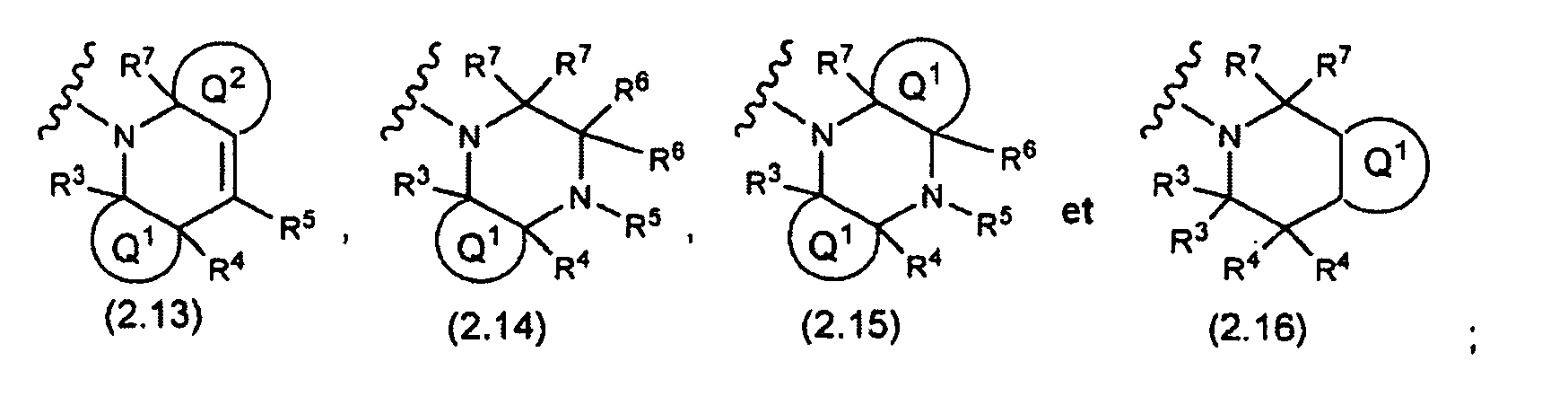 chaque Q1 représente un cycle indépendamment choisi dans le groupe consistant en : cycloalkyle, cycloalkyle substitué, hétérocycloalkyle, hétérocycloalkyle substitué, aryle, aryle substitué, hétéroaryle et hétéroaryle substitué, où lesdits cycles substitués sont substitués par 1 à 3 substituants indépendamment choisis dans le groupe consistant en : les fragments R10 ; à condition que lorsque Q1 est aryle, hétéroaryle, aryle substitué ou hétéroaryle substitué, alors les atomes de carbone à la jonction de cycle ne soient pas substitués ;Q2 représente un cycle choisi dans le groupe consistant en : cycloalkyle, cycloalkyle substitué, hétérocycloalkyle et hétérocycloalkyle substitué, où lesdits cycles substitués sont substitués par 1 à 3 substituants indépendamment choisis dans le groupe consistant en : les fragments R10 ;Z1 représente -(C(R24)2)w- où chaque R24 est indépendamment choisi dans le groupe consistant en : H, alkyle et F, et où w vaut 1, 2 ou 3, et généralement w vaut 1 ou 2, et habituellement w vaut 1, et où dans un exemple, chaque R24 est H, et dans un autre exemple, w vaut 1, et dans un autre exemple, chaque R24 est H et w vaut 1, de préférence w vaut 1 et chaque R24 est H ;Z2 est choisi dans le groupe consistant en : -N(R44)-, -O- et -C(R46)2- ;m vaut 1 à 6 ;n vaut 1 à 6 ;p vaut 0 à 6 ;t vaut 0, 1 ou 2 ;R1 est choisi dans le groupe consistant en :(1) -CN,(2) -NO2,(3) -OR10,(4) -SR10,(5) -N(R10)2,(6) R10,(7) halogéno,(8) -CF3 ;(9) alcényle ;(10) -C(O)N(R10)2, où chaque R10 est indépendamment choisi, et de préférence chaque R10 est indépendamment choisi dans le groupe consistant en : (a) H, (b) alkyle, (c) hétéroaryle, (d) aryle et (e) cycloalkyle, où par exemple, chaque R10 est choisi dans le groupe consistant en : H, méthyle, butyle, i-propyle, pyridyle, phényle et cyclopropyle, où, par exemple, ledit fragment -C(O)N(R10)2 est choisi dans le groupe consistant en : -C(O)NH2-, -C(O)NH(CH3), -C(O)NH(CH)(CH3)2, -C(O)NH(C4H9), -C(O)NH(C6H5), -C(O)NH(C3H5) et -C(O)NH(C5H4N) ;(11) arylalcényle ;R2 est choisi dans le groupe consistant en :(1) H,(2) -CN,(3) halogéno,(4) alkyle,(5) alkyle substitué où ledit alkyle substitué est substitué par 1 à 3 substituants choisis dans le groupe consistant en : (a) -OH, (b) -O-alkyle (par exemple, -O-(alkyle en C1 à C3)), (c) -O-alkyle (par exemple, -O-(alkyle en C1 à C3)) substitué par 1 à 3 atomes F, et (d) -N(R40)2 où chaque R40 est indépendamment choisi dans le groupe consistant en : (i) H, (ii) alkyle en C1 à C3 et (iii) -CF3,(6) alcynyle,(7) alcényle,(8) -(CH2)mR11,(9) -N(R26)2,(10) -OR23,(11) -N(R26)C(O)R42,(12) cycloalkyle,(13) cycloalkylalkyle, et(14)
 chaque R3, R4, R5, R6 et R7 est indépendamment choisi dans le groupe consistant en :(1) H,(2) alcényle,(3) alcényle substitué,(4) alkyle,(5) alkyle substitué,(6) cycloalkyle,(7) cycloalkyle substitué,(8) cycloalkylalkyle,(9) cycloalkylalkyle substitué,(10) hétérocycloalkyle,(11) hétérocycloalkyle substitué,(12) hétérocycloalkylalkyle,(13) hétérocycloalkylalkyle substitué,(14) -C(O)R10 où dans un exemple R10 est choisi dans le groupe consistant en : alkyle,(15) arylhétéroaryle,(16) arylhétéroaryle substitué,(17) hétéroaryle, tel que, par exemple, pyrimidinylphényle, pyrazinylphényle, pyridinylphényle, furanylphényle, thiénylphényle et thiazolylphényle,(18) hétéroarylaryle substitué, tel que, par exemple, pyrimidinylphényle substitué, pyrazinylphényle substitué, pyridinylphényle substitué, furanylphényle substitué, thiénylphényle substitué, thiazolylphényle substitué et pyrimidinylphényle substitué,(19) aryle,(20) aryle substitué,(21) hétéroaryle,(22) hétéroaryle substitué,(23) hétéroarylhétéroaryle,(24) hétéroarylhétéroaryle substitué,(25) arylaminohétéroaryle,(26) arylaminohétéroaryle substitué,(27) arylalcynyle,(28) arylalcynyle substitué,(29) hétéroarylalcynyle,(30) hétéroarylalcynyle substitué,(31) -C(O)NHR28,(32) cycloalkylhétéroarylaryle,(33) arylaryle substitué,(34) arylalcénylaryle,(35) arylaryle,(36) arylalkyle substitué,(37) arylalkyle,(38) -SO2aryle,(39) benzohétéroaryl-C(O)-(hétérocycloalkyle substitué),(40) hétérocycloalkyle substitué,(41) hétérocycloalkyl-C(O)-alkyle, et(42) benzo[1,3]dioxolyle,où lesdits groupes R3, R4, R5, R6 et R7 substitués (7), (9), (11), (13), (16), (18), (20), (22), (24), (26), (28), (30), (33), (36), (39) et (40) sont substitués par 1 à 3 substituants indépendamment choisis dans le groupe consistant en : -CH2OH, CN, -OH, -NH2, alkyle, alcényle, halogéno, -C(O)-NH-R28, -C(O)NH2, -C(O)OR28, -C(O)R28, -C(alkyl)=NOH, -C(alkyl)=NO(alkyle), alcoxy, alkyle substitué par hydroxyle, dialkylamine où chaque groupe alkyle est indépendamment choisi, -CF3, -SO2alkyle et -NHC(O)H,où lesdits groupes R3, R4, R5, R6 et R7 substitués (3) et (5) sont substitués par 1 à 3 substituants indépendamment choisis dans le groupe consistant en : -NH2, halogéno, -C(O)-NH-R28, -C(O)OR28 et -C(O)R28 ;R8 est choisi dans le groupe consistant en : H, -OH, alkyle, aryle, -N(R10)2 et -NR10C(O)R12 ;chaque R9 est indépendamment choisi dans le groupe consistant en : halogène, -CN, -NO2, -OR10, -SR10, -N(R10)2 et R10;chaque R10 est indépendamment choisi dans le groupe consistant en : H, alkyle, aryle, arylalkyle, hétéroaryle, hétéroarylalkyle, cycloalkyle, cycloalkylalkyle, hétérocycloalkyle, hétérocycloalkylalkyle, alkylhétéroaryle, alkylaryle, alkyle substitué, aryle substitué, arylalkyle substitué, hétéroaryle substitué, hétéroarylalkyle substitué, cycloalkyle substitué, cycloalkylalkyle substitué, hétérocycloalkyle substitué, hétérocycloalkylalkyle substitué, alkylhétéroaryle substitué et alkylaryle substitué, et où :ledit alkyle substitué R10 est substitué par 1 à 3 substituants indépendamment choisis dans le groupe consistant en : -NH2, -NHR20, -NO2, -CN, -OR26, halogéno, -C(O)-NH-R26, -C(O)OR26 et -C(O)R26, etlesdits aryle substitué, arylalkyle substitué, hétéroaryle substitué, hétéroarylalkyle substitué, cycloalkyle substitué, cycloalkylalkyle substitué, hétérocycloalkyle substitué, hétérocycloalkylalkyle substitué, alkylhétéroaryle substitué, et alkylaryle substitué R10 sont substitués par 1 à 3 substituants indépendamment choisis dans le groupe consistant en : (1) -NH2, (2) NO2, (3) -CN, (4) -OH, (5) -OR20, (6) -OCF3, (7) -CF3, (8) -C(O)R38, (9) alkyle, (10) alcényle, (11) halogéno, (12) -C(O)-NH-R26, (13) -C(O)OR38, (14) -C(O)-NR32-(C(R30)2)n-N(R38)2, (15) -S(O)tR38, (16) -C(O)-NR32-R38, (17) -NR32-C(O)-R38,
(18)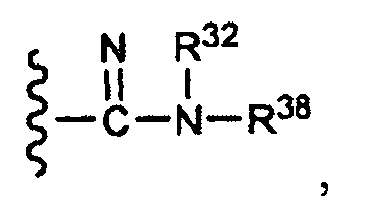
(19) -NHR20;R11 est choisi dans le groupe consistant en : F, -OH, -CN, -OR10, -NHNR1R10, -SR10 et hétéroaryle ;R12 est choisi dans le groupe consistant en : alkyle, aryle, hétéroaryle, cycloalkyle, cycloalkylalkyle, hétérocycloalkyle et hétérocycloalkylalkyle ;R20 représente alkyle ;R23 est choisi dans le groupe consistant en : H, alkyle, aryle, cycloalkyle et cycloalkylalkyle ;chaque R26 est indépendamment choisi dans le groupe consistant en : H et alkyle ;R28 est alkyle ;chaque R30 est indépendamment choisi dans le groupe consistant en : H, alkyle et F ;chaque R32 est indépendamment choisi dans le groupe consistant en : H et alkyle ;chaque R35 est H ;R36 est choisi dans le groupe consistant en : H et alkyle ;chaque R38 est indépendamment choisi dans le groupe consistant en H, alkyle, aryle, arylalkyle, hétéroaryle, hétéroarylalkyle, cycloalkyle, cycloalkylalkyle, hétérocycloalkyle, hétérocycloalkylalkyle, alkylhétéroaryle, alkylaryle, alkyle substitué, aryle substitué, arylalkyle substitué, hétéroaryle substitué, hétéroarylalkyle substitué, cycloalkyle substitué, cycloalkylalkyle substitué, hétérocycloalkyle substitué, hétérocycloalkylalkyle substitué, alkylhétéroaryle substitué et alkylaryle substitué, et où :ledit alkyle substitué R38 est substitué par 1 à 3 substituants indépendamment choisis dans le groupe consistant en : -NH2, -NO2, -CN, -OR26, halogéno, -C(O)-NH-R28, -C(O)OR28 et -C(O)R28, etlesdits aryle substitué, arylalkyle substitué, hétéroaryle substitué, hétéroarylalkyle substitué, cycloalkyle substitué, cycloalkylalkyle substitué, hétérocycloalkyle substitué, hétérocycloalkylalkyle substitué, alkylhétéroaryle substitué, et alkylaryle substitué R38 sont substitués par 1 à 3 substituants indépendamment choisis dans le groupe consistant en : (1) -NH2, (2) -NO2, (3) -CN, (4) -OH, (5) -OR20, (6) -OCF3, (7) -CF3, (8) -C(O)R26, (9) alkyle, (10) alcényle, (11) halogéno, (12) -C(O)-NH-R26, (13) -C(O)OR26, (14) -C(O)-NR32-(C(R30)2)n-N(R26)2, (15) -S(O)tR26, (16) -C(O)N(R32)(R26), (17) -NR32-C(O)R26,
(18)
(19) -NHR20 ;R42 est choisi dans le groupe consistant en : alkyle, aryle, hétéroaryle et cycloalkyle ;R44 est choisi dans le groupe consistant en : H, alkyle, cycloalkyle et cycloalkylalkyle ; etchaque R46 est indépendamment choisi dans le groupe consistant en : H, alkyle, cycloalkyle et cycloalkylalkyle ;où :chaque alkyle incluant les portions alkyle de alkyloxy, arylalkyle, hétéroarylalkyle, cycloalkylalkyle, hétérocycloalkylalkyle, hétérocycloalkyl-C(O)-alkyle, alkylhétéroaryle, alkylaryle, (C(alkyl)=NOH, -C(alkyl)=NO(alkyle), dialkylamine est -SO2alkyle signifie un groupe hydrocarbure aliphatique qui peut être linéaire ou ramifié où ledit groupe comprend environ 1 à environ 20 atomes de carbone dans la chaîne ;chaque alcoxy ou alkyloxy signifie un groupe alkyl-O-, c'est-à-dire que la liaison au fragment parent se fait par l'atome d'oxygène de l'éther, où le groupe alkyle est non substitué ou substitué ;chaque alcényle signifie un groupe hydrocarbure aliphatique comprenant au moins une double liaison carbone à carbone, où la chaîne peut être linéaire ou ramifiée, et où ledit groupe comprend environ 2 à environ 15 atomes de carbone ;chaque aryle signifie un système de cycle monocyclique ou multicyclique aromatique comprenant environ 6 à environ 14 atomes de carbone, où le groupe aryle peut être facultativement substitué par un ou plusieurs substituants du système de cycle indépendamment choisis ;chaque cycloalkyle signifie un système de cycle mono- ou multicyclique non aromatique comprenant environ 3 à environ 7 atomes de carbone, qui peut être facultativement substitué par un ou plusieurs substituants du système de cycle indépendamment choisis ;chaque hétéroaryle signifie un système de cycle monocyclique ou multicyclique aromatique comprenant environ 5 à environ 14 atomes de cycle, où un ou plusieurs des atomes de cycle est un élément autre que le carbone et qui peut être facultativement substitué par un ou plusieurs substituants du système de cycle indépendamment choisis ;chaque hétérocyclyle ou hétérocycloalkyle signifie un système de cycle monocyclique ou multicyclique saturé non aromatique comprenant environ 3 à environ 10 atomes de cycle, où un ou plusieurs des atomes dans le système de cycle est un élément autre que le carbone, et qui peut être facultativement substitué par un ou plusieurs substituants du système de cycle indépendamment choisis. - Composé selon la revendication 1, choisi dans le groupe consistant en :
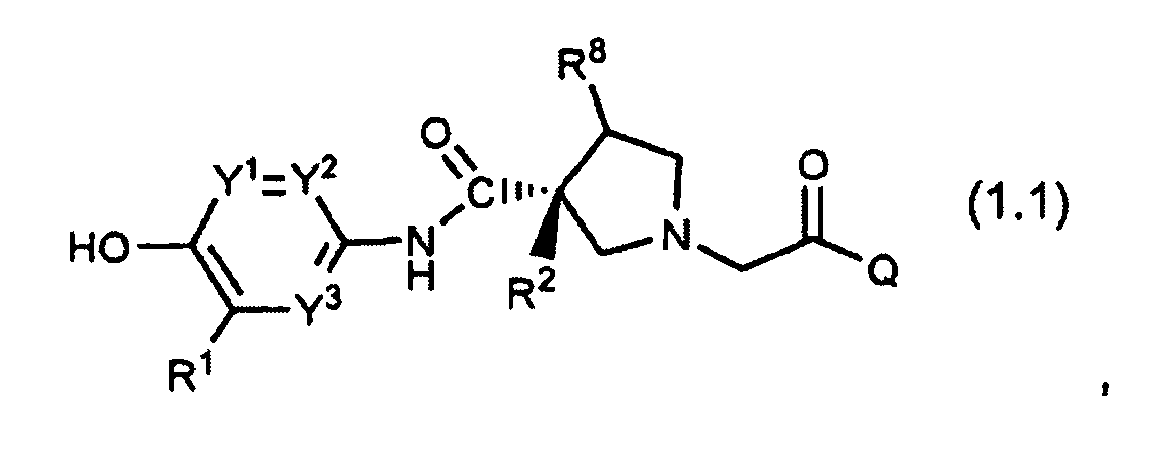


- Composé selon la revendication 1, ou ses sels pharmaceutiquement acceptables, où Q est choisi dans le groupe consistant en : 2.1, 2.2, 2.3, 2.4, 2.5, 2.6, 2.7 et 2.8.
- Composé selon la revendication 2, ou ses sels pharmaceutiquement acceptables, où ledit composé est choisi dans le groupe consistant en les composés (1.2) et (1.3), et Q est choisi dans le groupe consistant en : 2.1, 2.2, 2.3, 2.4, 2.5, 2.6, 2.7 et 2.8.
- Composé selon la revendication 1, ou ses sels pharmaceutiquement acceptables, où Z1 est -CH2-.
- Composé selon la revendication 1, ou ses sels pharmaceutiquement acceptables, où chaque R3, R4, R6 et R7 est indépendamment choisi dans le groupe consistant en : H et alkyle.
- Composé selon la revendication 6, ou ses sels pharmaceutiquement acceptables, où chaque R3, R4, R6 et R7 est indépendamment choisi dans le groupe consistant en : H et méthyle.
- Composé selon la revendication 3, ou ses sels pharmaceutiquement acceptables, où Q est choisi dans le groupe consistant en : les fragments 2.1, 2.2 et 2.3.
- Composé selon la revendication 8, ou ses sels pharmaceutiquement acceptables, où Q est choisi dans le groupe consistant en : les fragments 2.1, 2.2 et 2.3, et 2.3 est choisi dans le groupe consistant en :

- Composé selon la revendication 9, ou ses sels pharmaceutiquement acceptables, où chaque R3, R4, R6 et R7 est indépendamment choisi dans le groupe consistant en : H et alkyle.
- Composé selon la revendication 10, ou ses sels pharmaceutiquement acceptables, où chaque R3, R4, R6 et R7 est indépendamment choisi dans le groupe consistant en : H et méthyle.
- Composé selon la revendication 11, ou ses sels pharmaceutiquement acceptables, où chaque R3, R4, R6 et R7 est H, et Q est choisi dans le groupe consistant en 2.1 et 2.3B.
- Composé selon la revendication 3, ou ses sels pharmaceutiquement acceptables, où Q est choisi dans le groupe consistant en : les fragments 2.6 et 2.7.
- Composé selon la revendication 13, ou ses sels pharmaceutiquement acceptables, où Q est choisi dans le groupe consistant en : les fragments 2.6 et 2.7 et 2.7 est choisi dans le groupe consistant en :

- Composé selon la revendication 14, ou ses sels pharmaceutiquement acceptables, où chaque R3, R4, R6 et R7 est indépendamment choisi dans le groupe consistant en : H et alkyle.
- Composé selon la revendication 15, ou ses sels pharmaceutiquement acceptables, où chaque R3, R4, R6 et R7 est indépendamment choisi dans le groupe consistant en : H et méthyle.
- Composé selon la revendication 16, ou ses sels pharmaceutiquement acceptables, où chaque R3, R4, R6 et R7 est H, et où Q est choisi dans le groupe consistant en : 2.6, 2.7A et 2.7B.
- Composé selon la revendication 12, ou ses sels pharmaceutiquement acceptables, où le composé de formule 1.0 est :

- Composé selon la revendication 17, ou ses sels pharmaceutiquement acceptables, où le composé de formule 1.0 est :
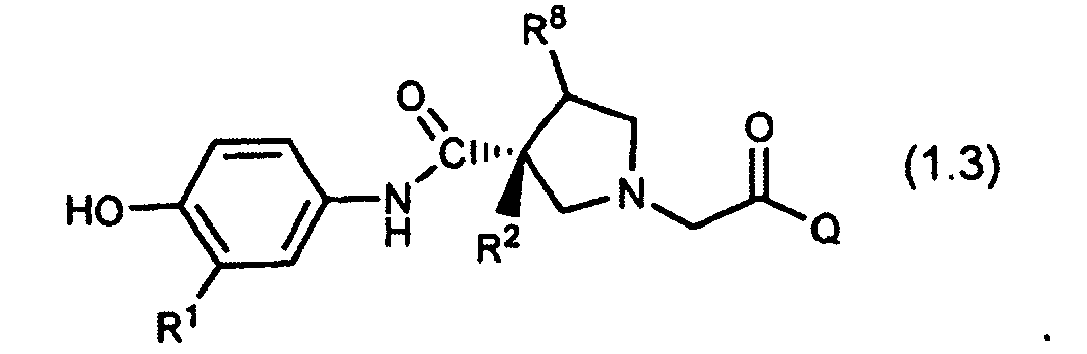
- Composé selon la revendication 2, ou ses sels pharmaceutiquement acceptables, où ledit composé est le composé (1.3), et Q est choisi dans le groupe consistant en : 2.1, 2.2 et 2.3, et 2.3 est choisi dans le groupe consistant en :

- Composé selon la revendication 20, ou ses sels pharmaceutiquement acceptables, où R3, R4, R6 et R7 sont chacun indépendamment choisis dans le groupe consistant en : H et méthyle, et Q est choisi dans le groupe consistant en : 2.1 et 2.3B.
- Composé selon la revendication 2, ou ses sels pharmaceutiquement acceptables, où ledit composé est le composé (1.3), et Q est choisi dans le groupe consistant en : 2.6 et 2.7, et 2.7 est choisi dans le groupe consistant en :
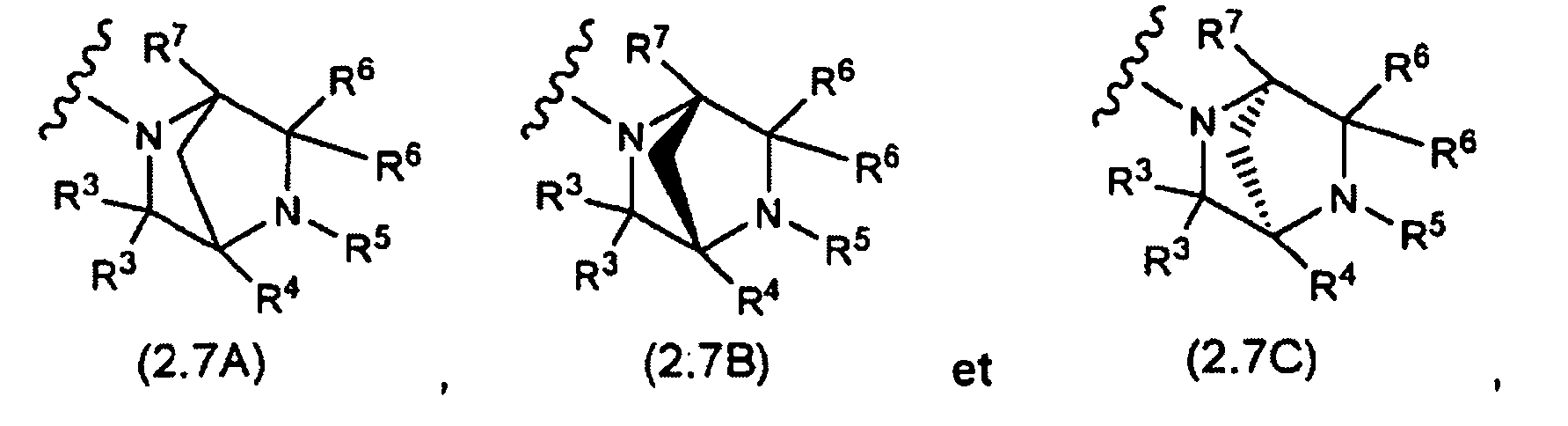
- Composé selon la revendication 22, ou ses sels pharmaceutiquement acceptables, où R3, R4, R6 et R7 sont chacun indépendamment choisis dans le groupe consistant en : H et méthyle, et Q est choisi dans le groupe consistant en : 2.6, 2.7A et 2.7B.
- Composé selon la revendication 1, ou ses sels pharmaceutiquement acceptables, où Q est choisi dans le groupe consistant en :

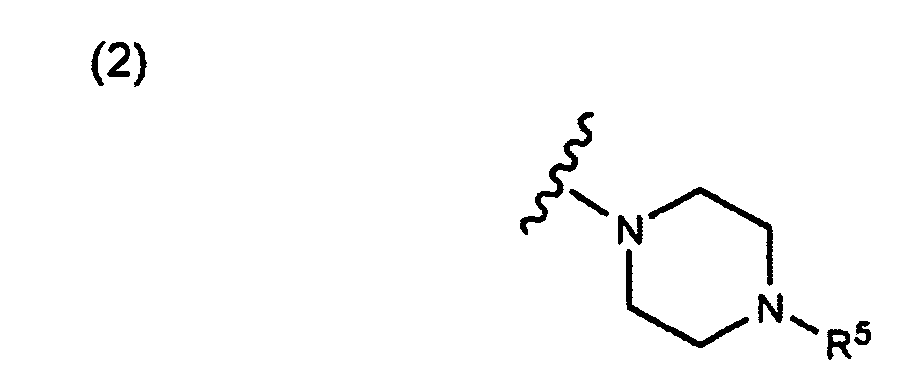


- Composé selon la revendication 1, ou ses sels pharmaceutiquement acceptables, où Q est choisi dans le groupe consistant en :


- Composé selon la revendication 1, ou ses sels pharmaceutiquement acceptables, où Q est

- Composé selon la revendication 1, ou ses sels pharmaceutiquement acceptables, où R1 est choisi dans le groupe consistant en : méthyle, i-propyle, t-butyle, cyclopropyle, o-F-phényle, m-F-phényle, p-F-phényle, Cl, Br, F, phényle, - CF3, -C(O)NH2, -CH2OH H, pyridyle et pyrazolyle.
- Composé selon la revendication 1, ou ses sels pharmaceutiquement acceptables, où R1 est choisi dans le groupe consistant en :





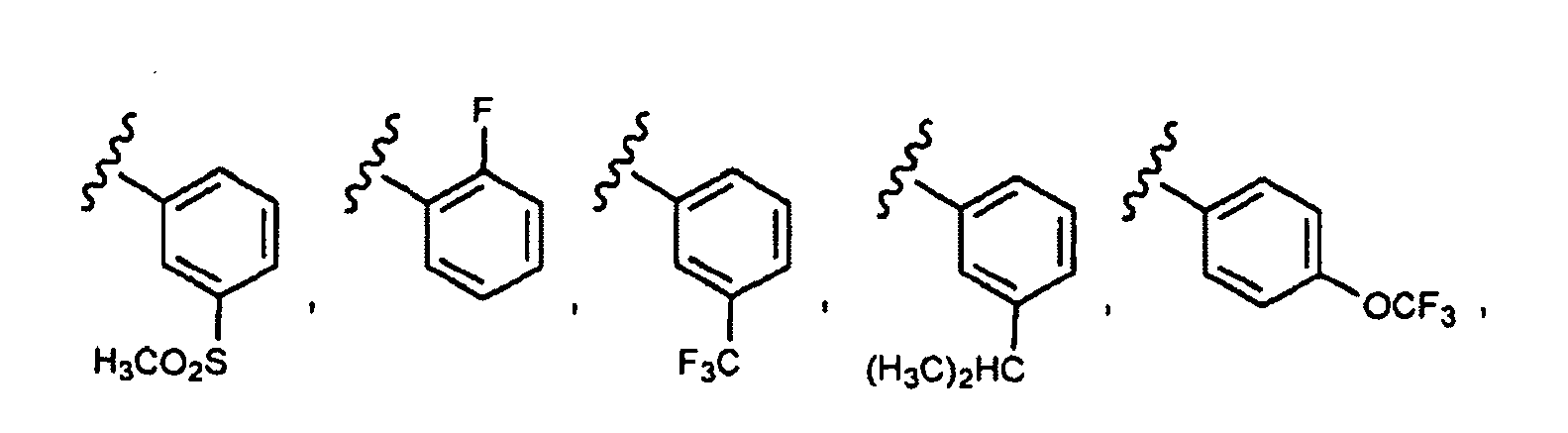


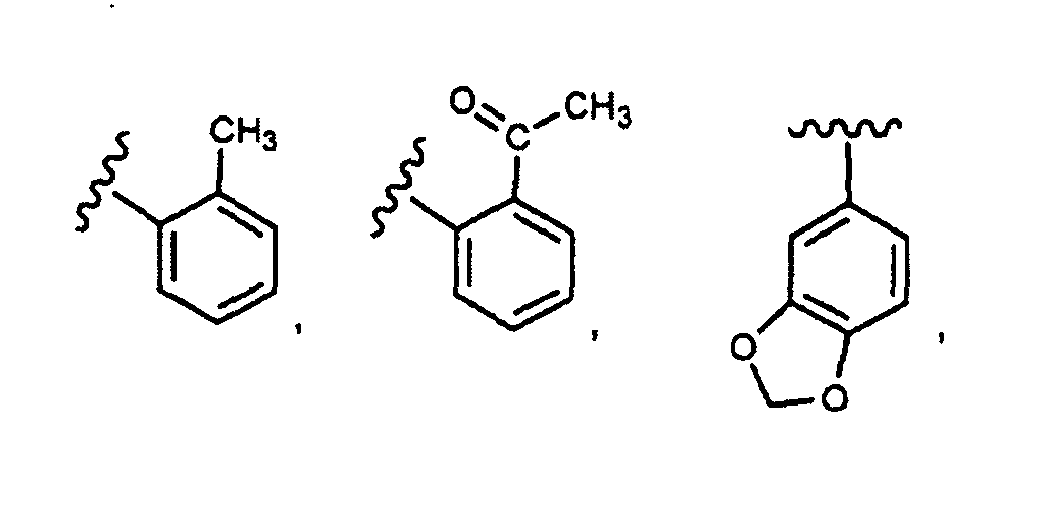


- Composé selon la revendication 1, ou ses sels pharmaceutiquement acceptables, où R5 est choisi dans le groupe consistant en :


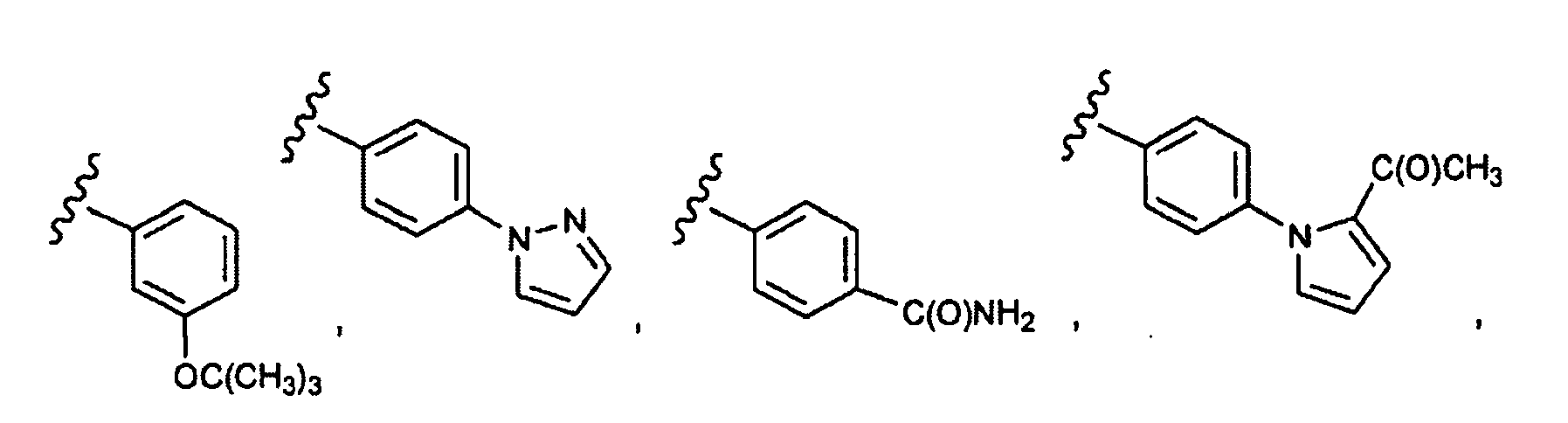


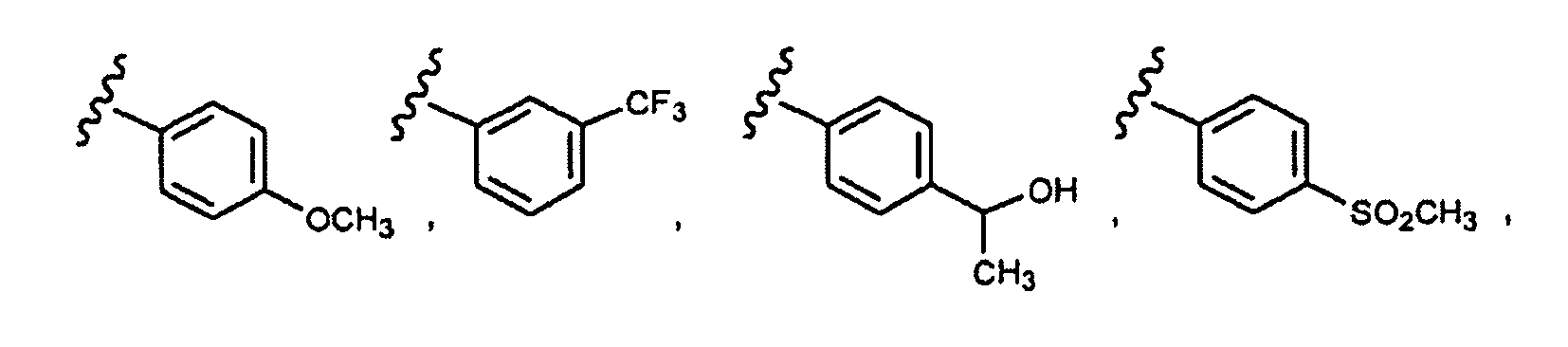


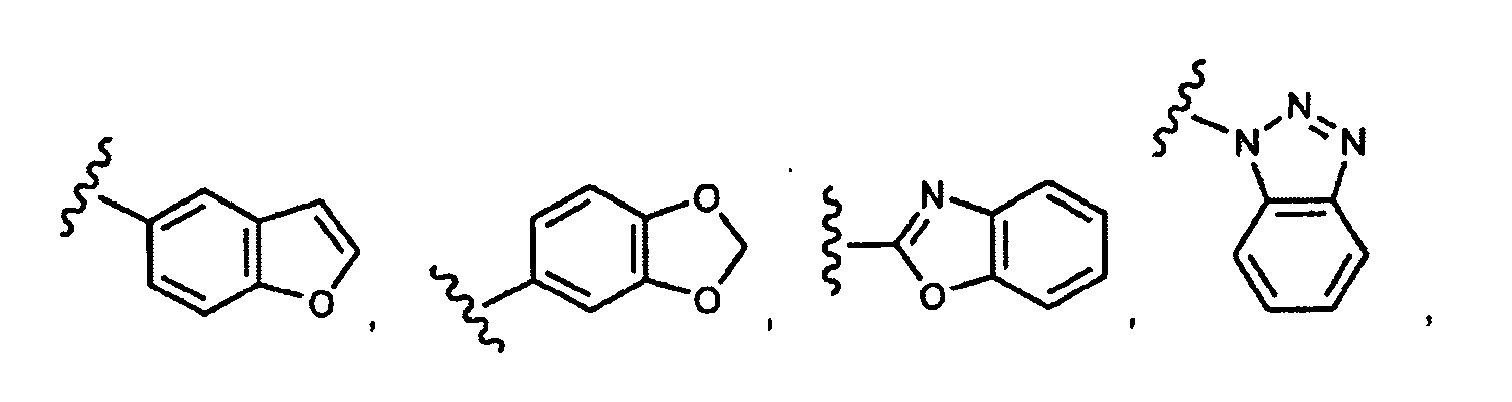
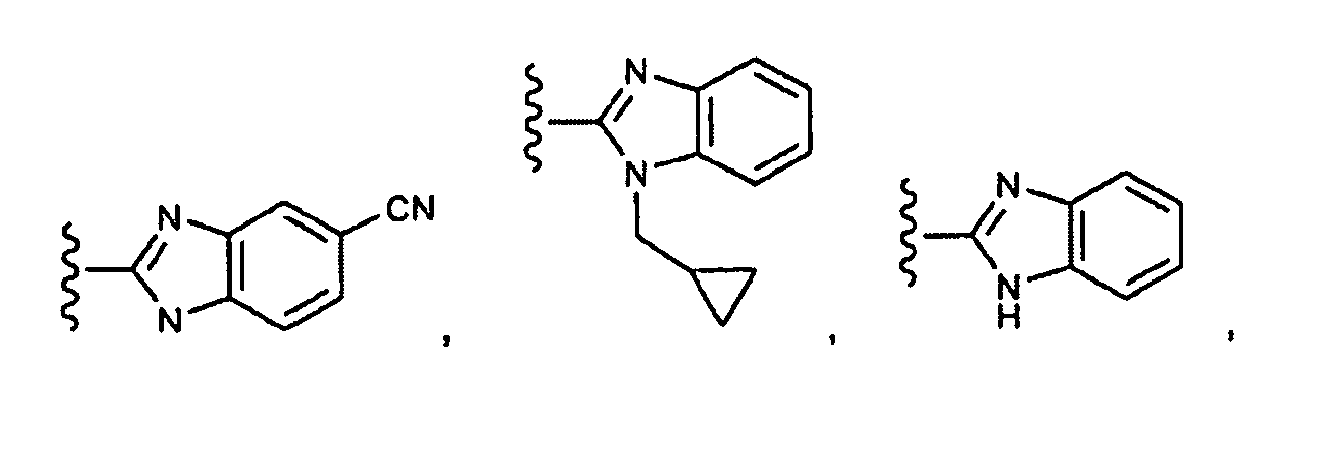
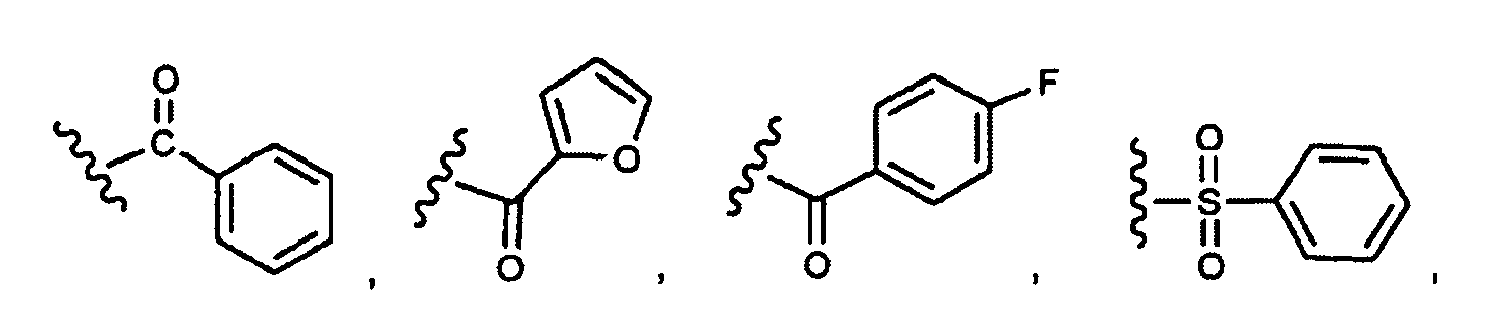
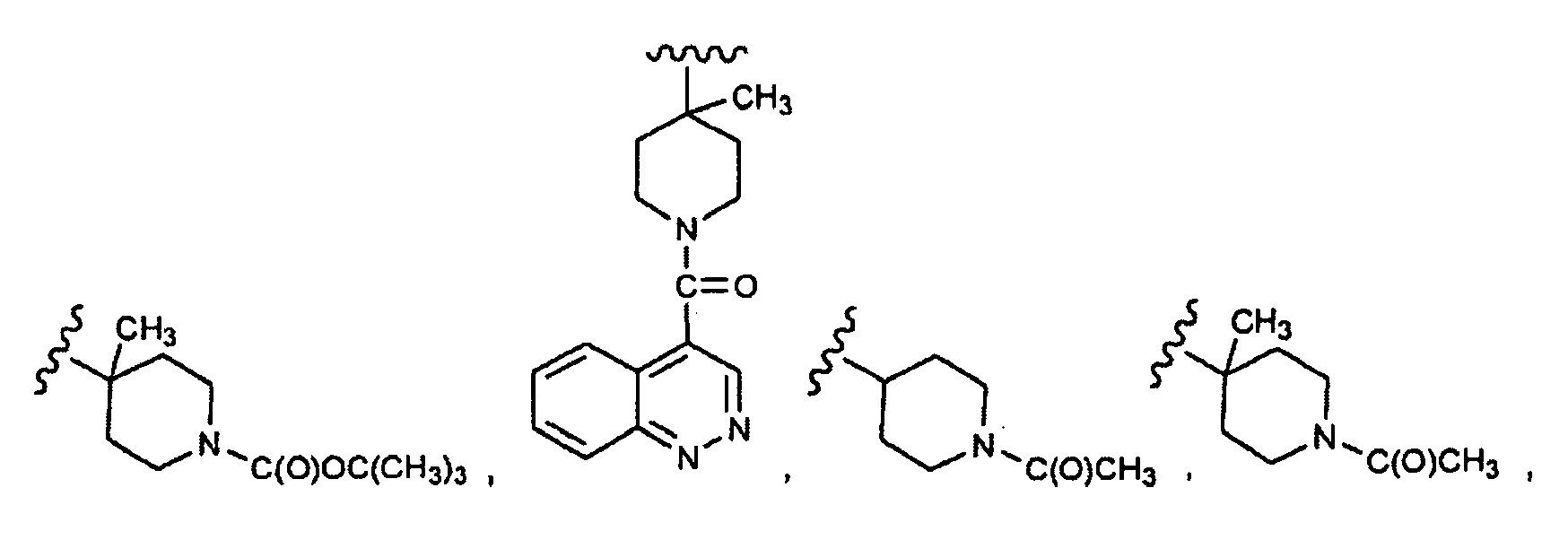

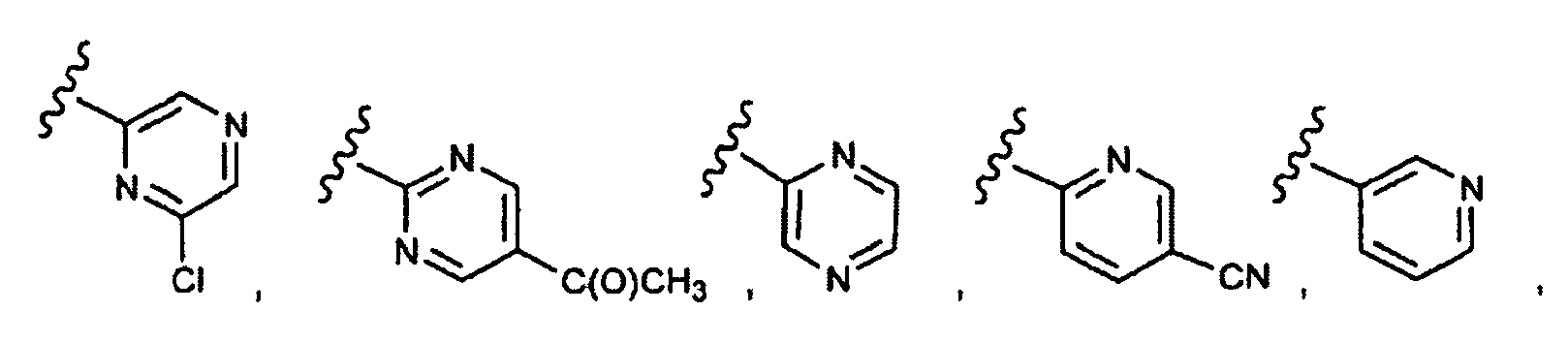
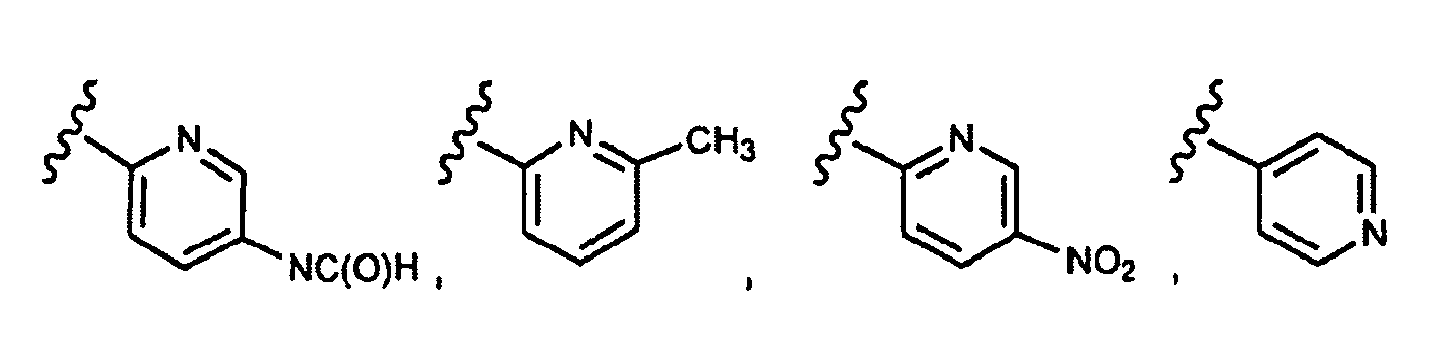

- Composé selon la revendication 1, ou ses sels pharmaceutiquement acceptables, où R5 est choisi dans le groupe consistant en :


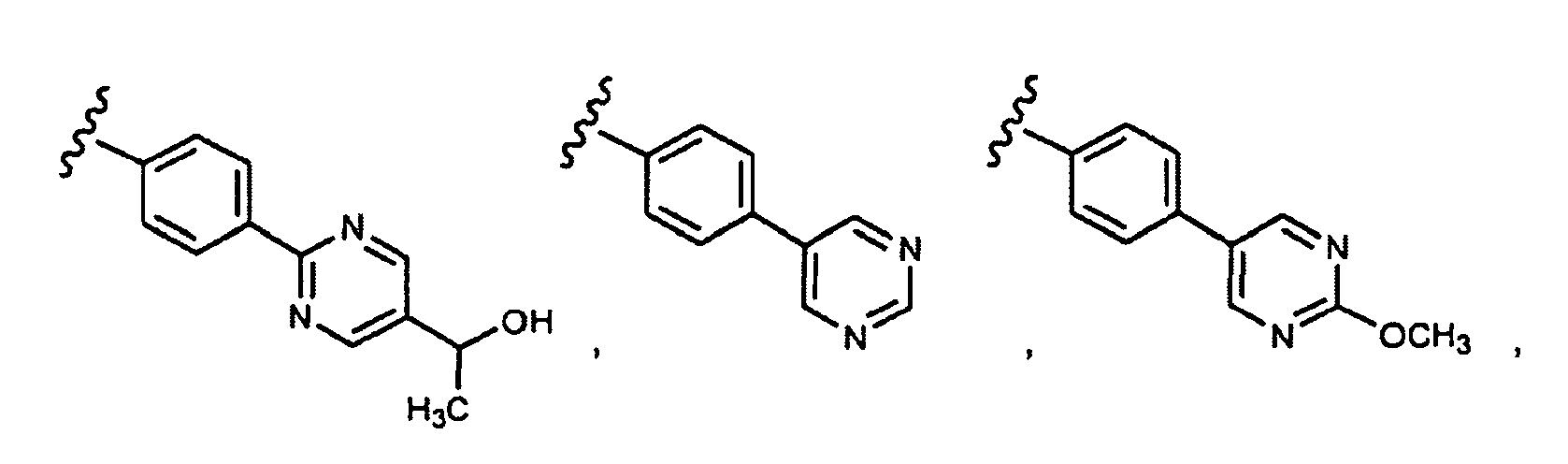


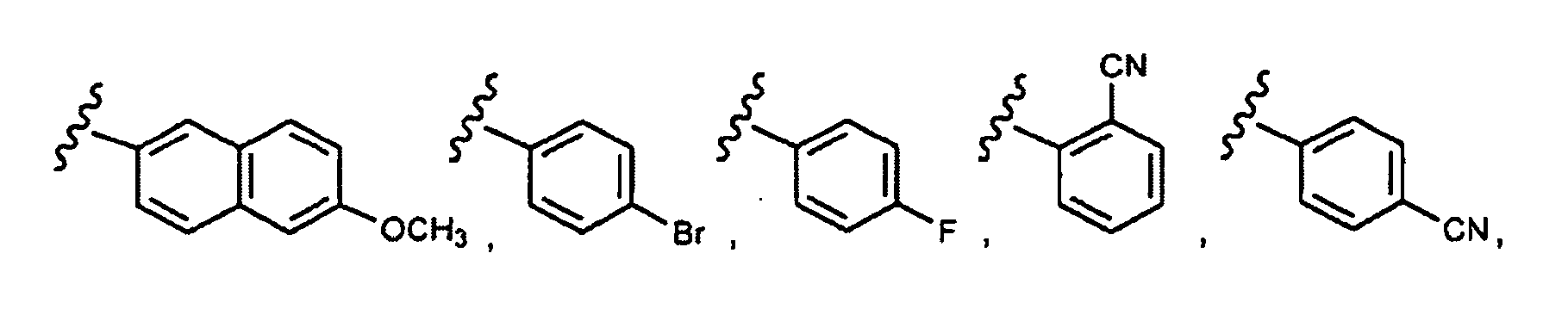


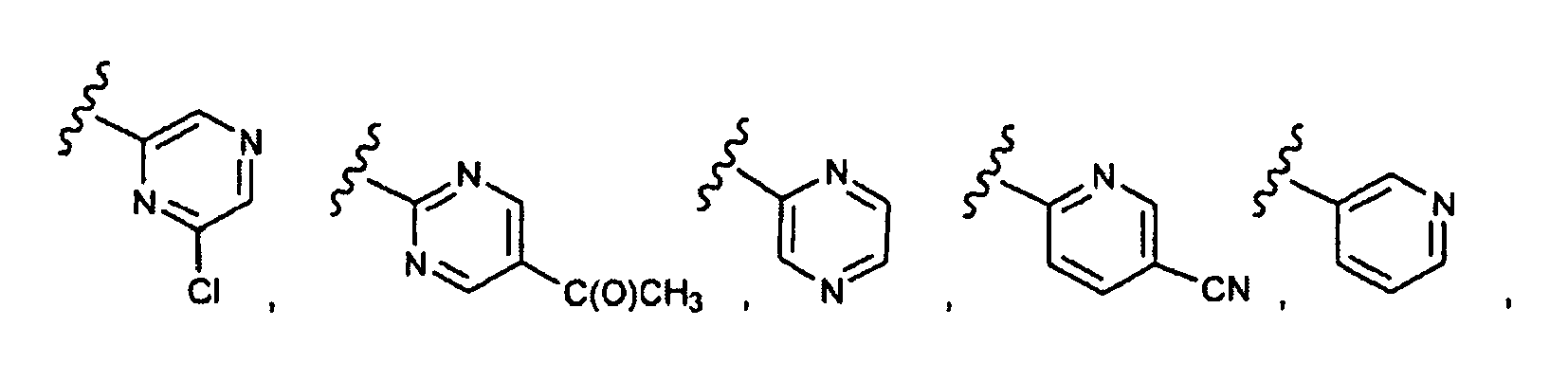


- Composé selon la revendication 1, ou ses sels pharmaceutiquement acceptables, où
R1 est choisi dans le groupe consistant en : méthyle, i-propyle, t-butyle, cyclopropyle, o-F-phényle, m-F-phényle, p-F-phényle, Cl, Br, F, phényle, -CF3, - C(O)NH2, -CH2OH, H, pyridyle et pyrazolyle, et
R5 est choisi dans le groupe consistant en :


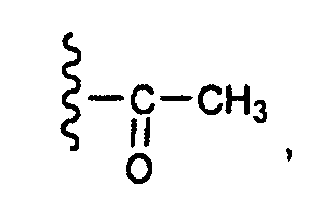


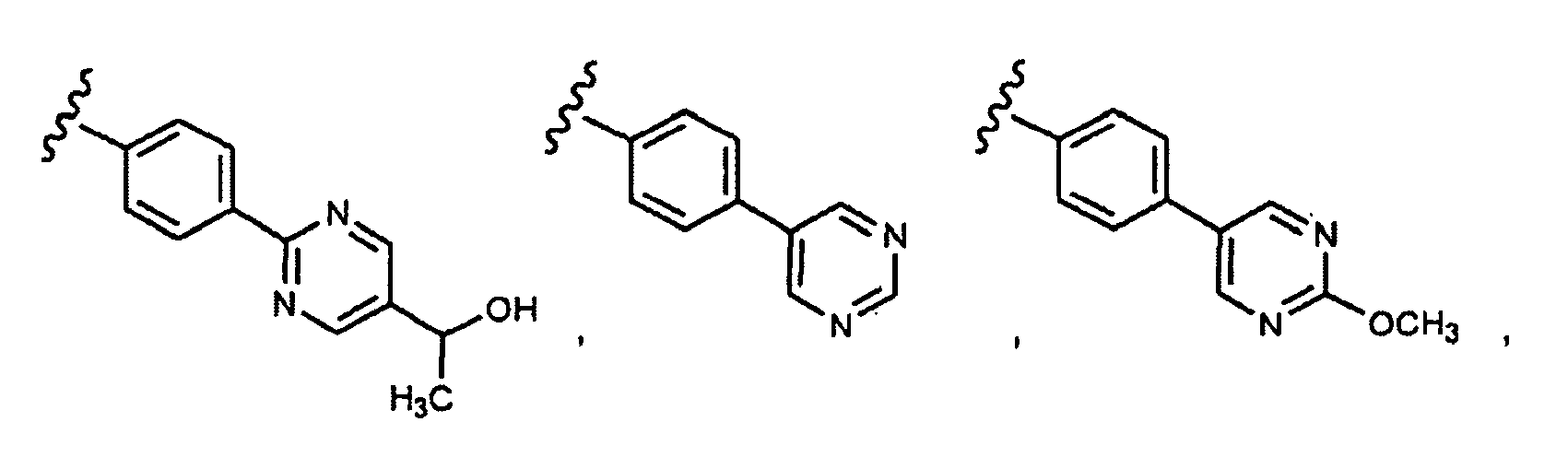


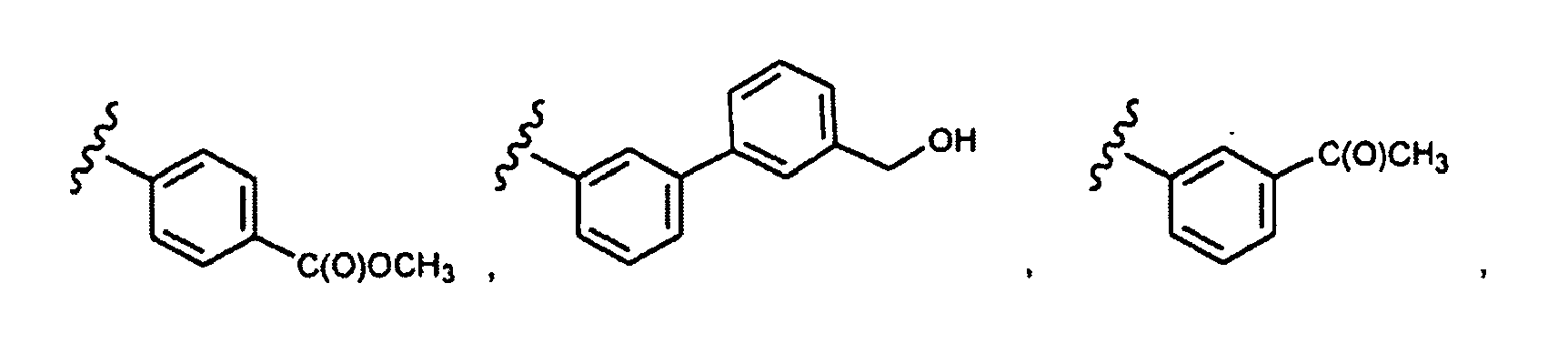


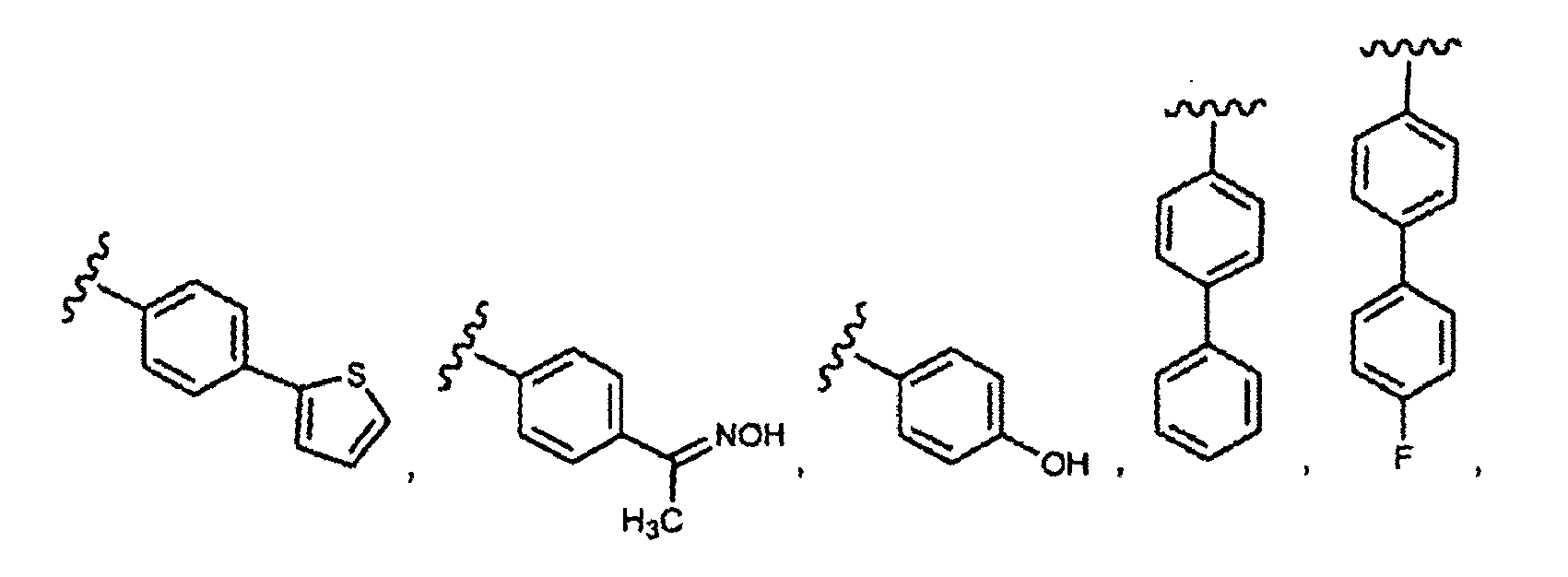
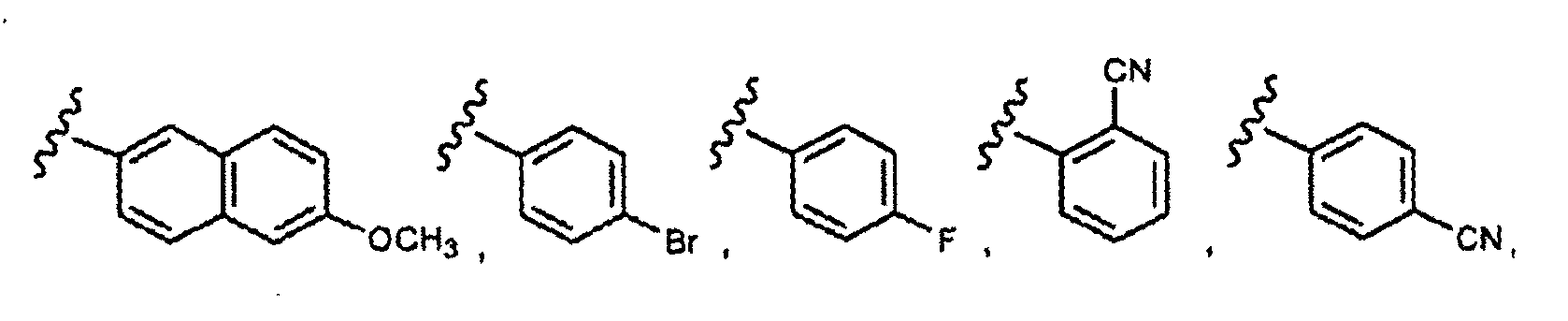


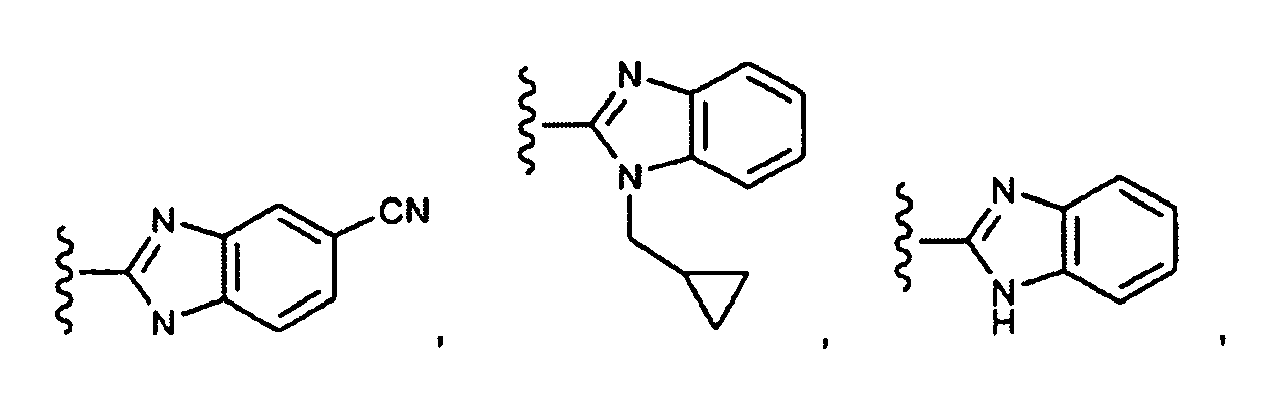


- Composé selon la revendication 2, ou ses sels pharmaceutiquement acceptables, où ledit composé est le composé (1.3), et
R1 est choisi dans le groupe consistant en : méthyle, i-propyle, t-butyle, cyclopropyle, o-F-phényle, m-F-phényle, p-F-phényle, Cl, Br, F, phényle, -CF3, - C(O)NH2, -CH2OH, H, pyridyle et pyrazolyle, et
R5 est choisi dans le groupe consistant en :


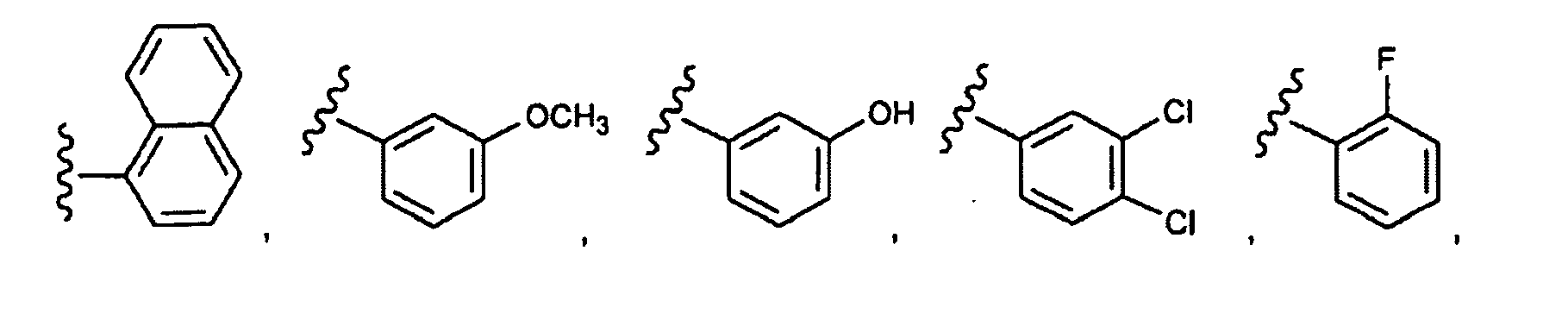

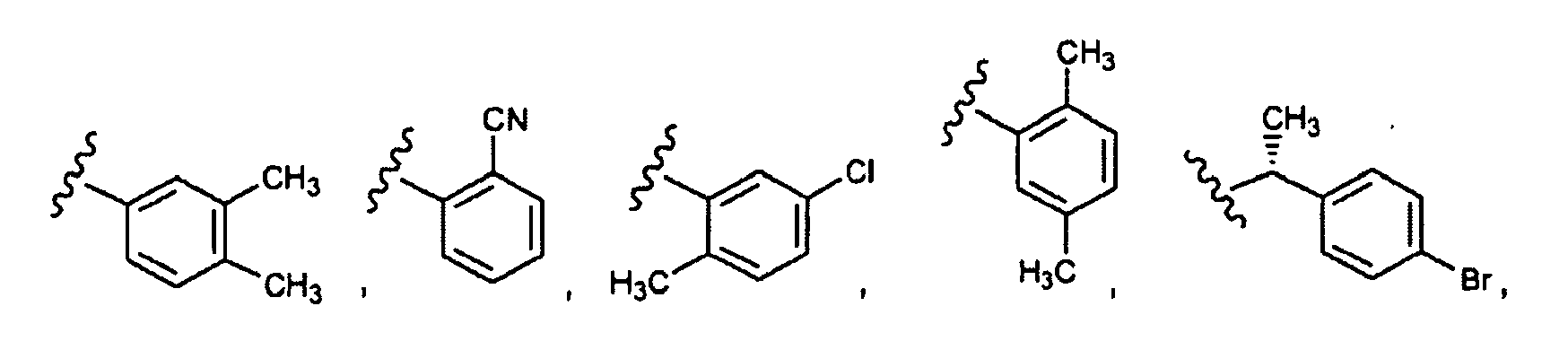

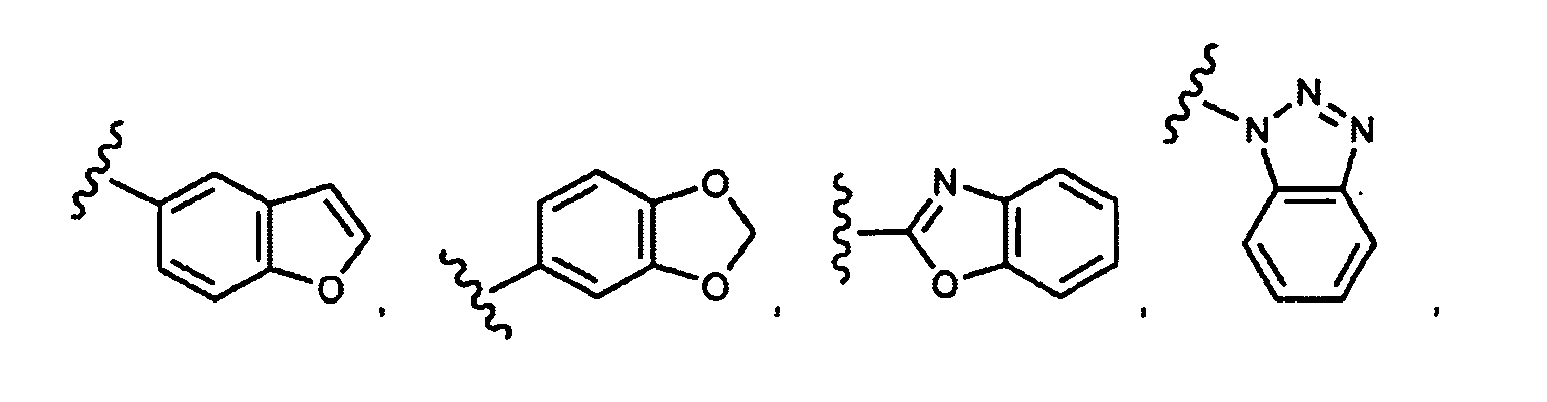


- Composé selon la revendication 1, ou ses sels pharmaceutiquement acceptables, où R2 est choisi dans le groupe consistant en :

- Composé selon la revendication 32, ou ses sels pharmaceutiquement acceptables, où R2 est choisi dans le groupe consistant en :

- Composé selon la revendication 32, ou ses sels pharmaceutiquement acceptables, où Q est choisi dans le groupe consistant en : 2.1, 2.2 et 2.3, et 2.3 est choisi dans le groupe consistant en :
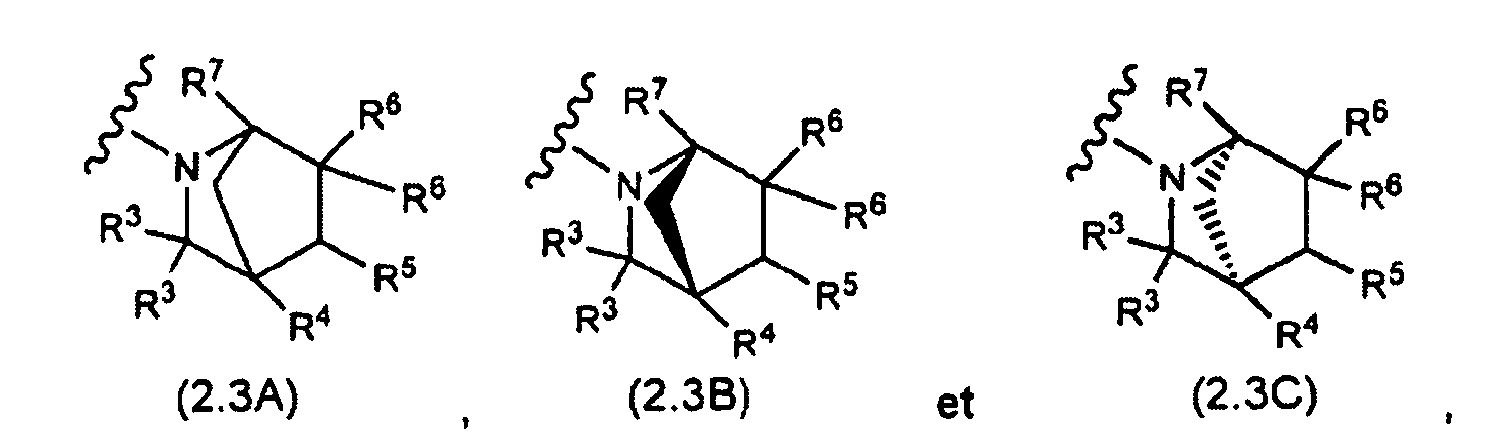
- Composé selon la revendication 35, ou ses sels pharmaceutiquement acceptables, où R3, R4, R6 et R7 sont chacun H, et Q est 2.1.
- Composé selon la revendication 32, ou ses sels pharmaceutiquement acceptables, où Q est choisi dans le groupe consistant en : 2.6 et 2.7, et 2.7 est choisi dans le groupe consistant en :

- Composé selon la revendication 37, ou ses sels pharmaceutiquement acceptables, où R3, R4, R6 et R7 sont chacun H, et Q est choisi dans le groupe consistant en : 2.6 et 2.7B.
- Composé selon la revendication 1 choisi dans le groupe consistant en les composés 1 à 107, 109 et 110, 112 à 135, 137 à 156, 158 à 163, 166 à 170, 172 à 179, 183 à 192, 194, 196, 197 et 199 à 228 selon le tableau suivant :
N° Composé 1 
2 
3 
4 
5 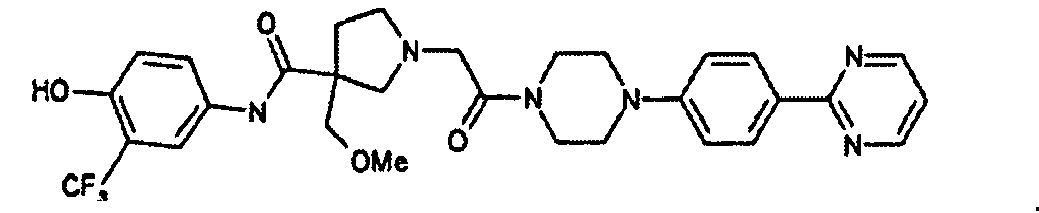
6 
7 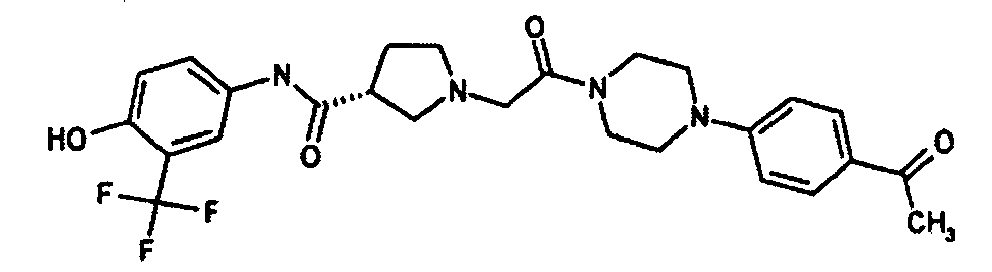
8 
9 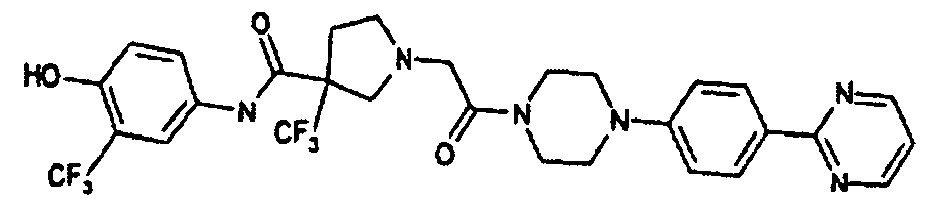
10 
11 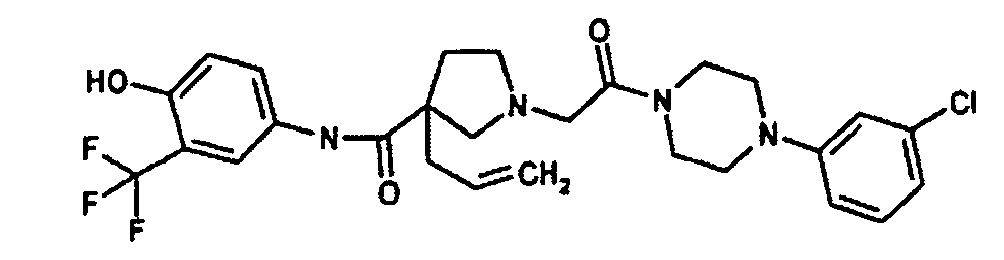
12 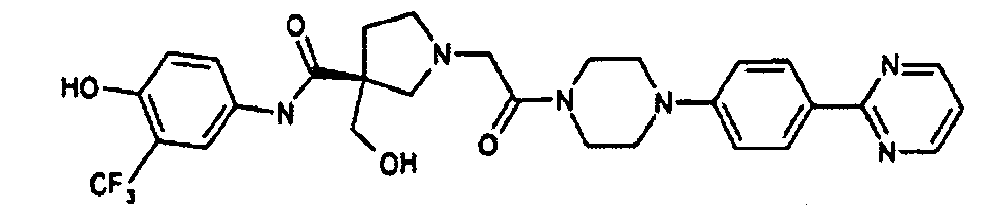
13 
14 
15 
16 
17 
18 
19 
20 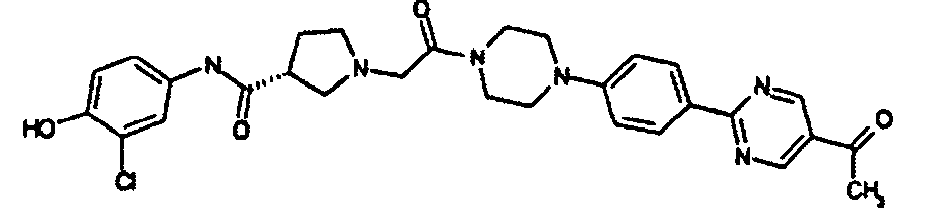
21 
22 
23 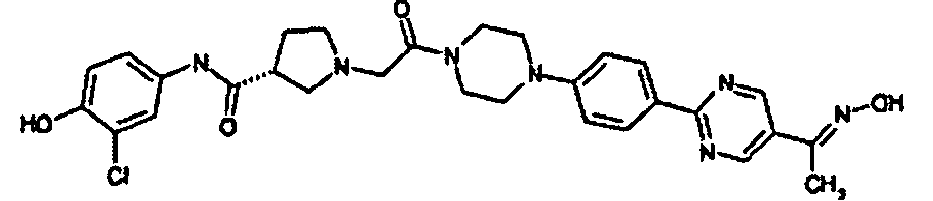
24 
25 
26 
27 
28 
29 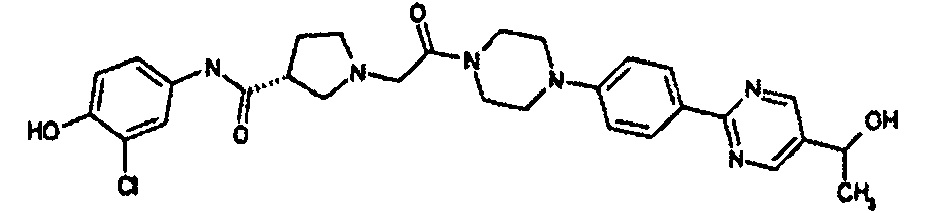
30 
31 
32 
33 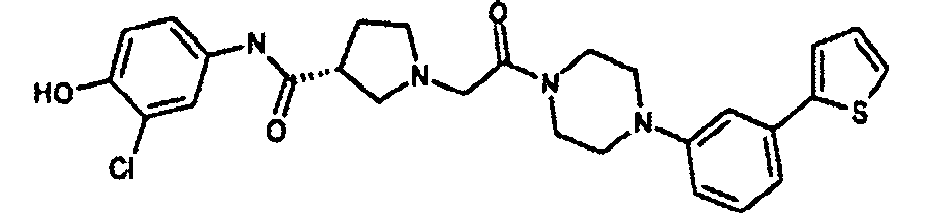
34 
35 
36 
37 
38 
39 
40 
41 
42 
43 
44 
45 
46 
47 
48 
49 
50 
51 
52 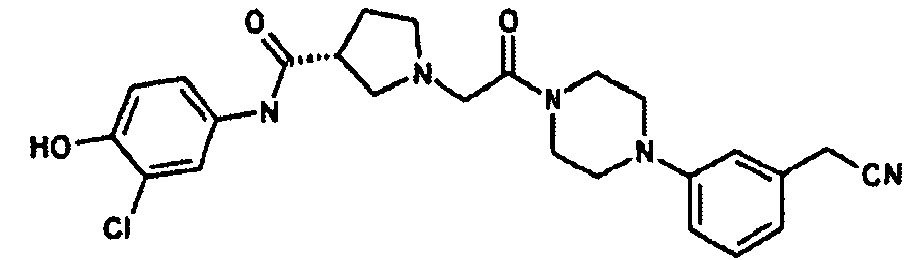
53 
54 
55 
56 
57 
58 
59 
60 
61 
62 
63 
64 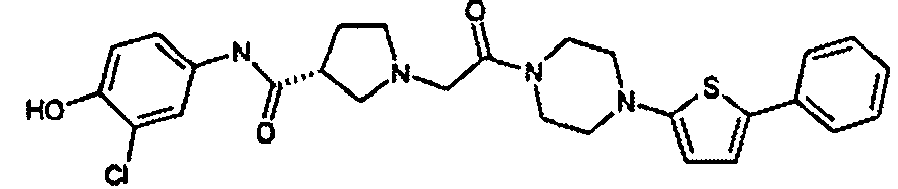
65 
66 
67 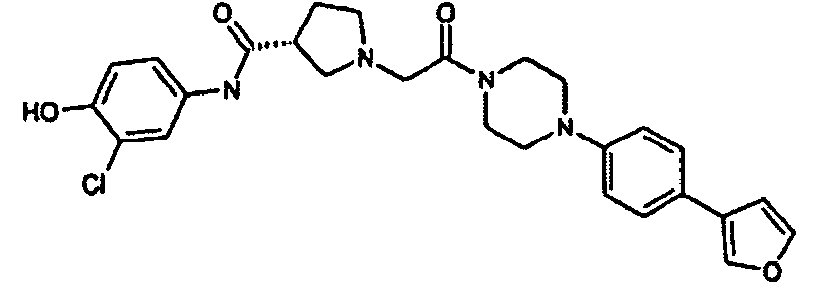
68 
69 
70 
71 
72 
73 
74 
75 
76 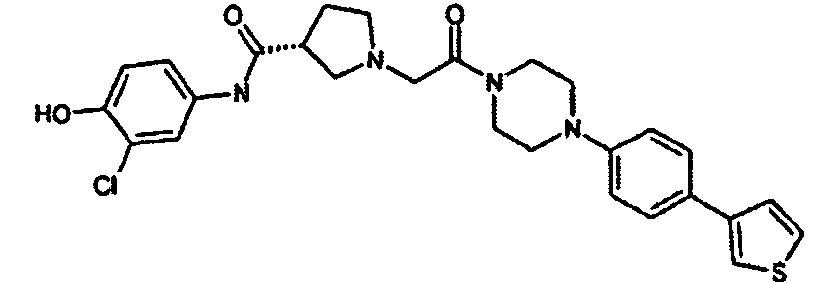
77 
78 
79 
80 
81 
82 
83 
84 
85 
86 
87 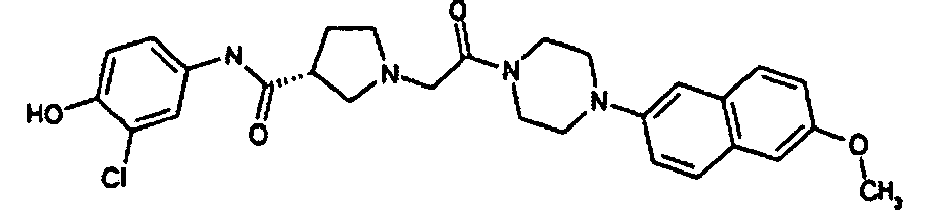
88 
89 
90 
91 
92 
93 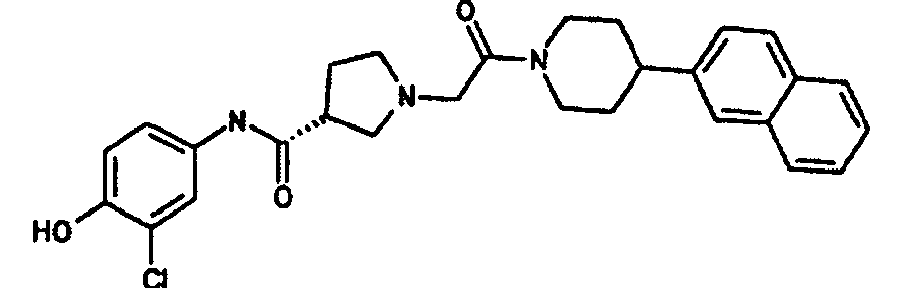
94 
95 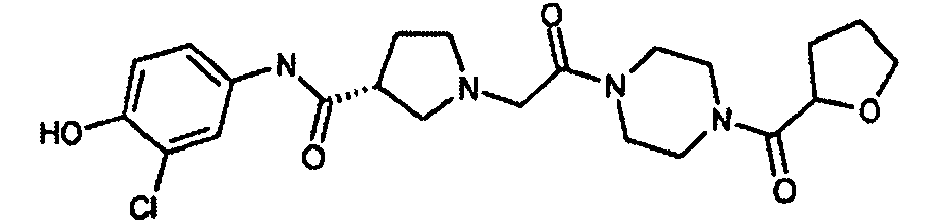
96 
97 
98 
99 
100 
101 
102 
103 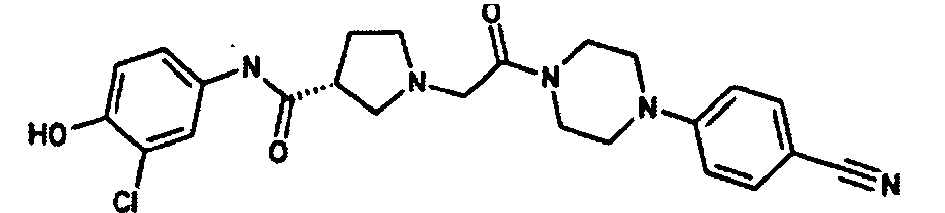
104 
105 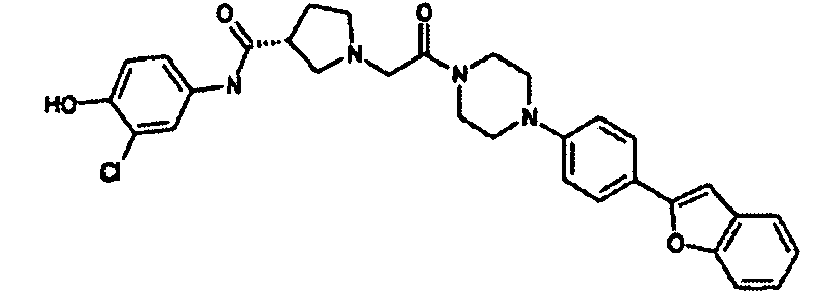
106 
107 
109 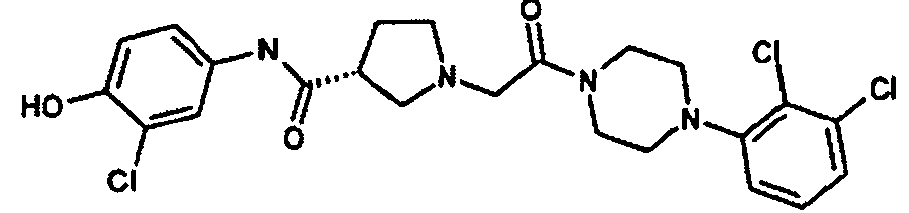
110 
112 
113 
114 
115 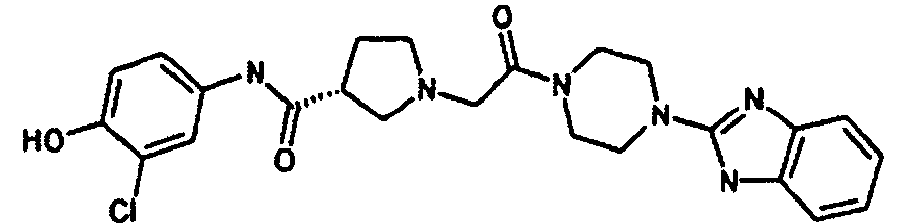
116 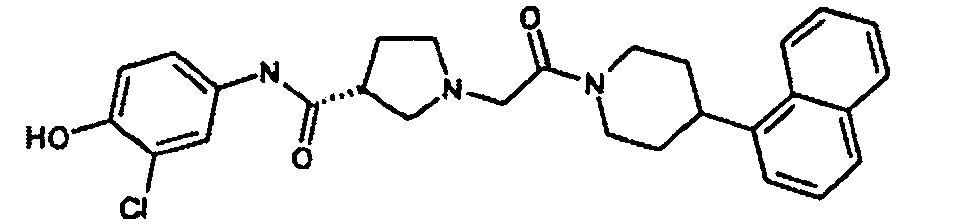
117 
118 
119 
120 
121 
122 
123 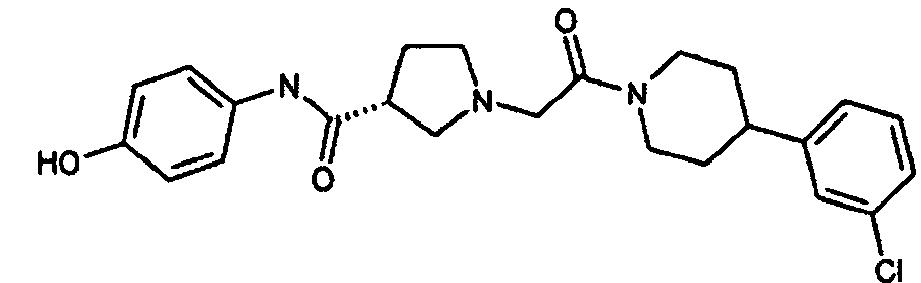
124 
125 
126 
127 
128 
129 
130 
131 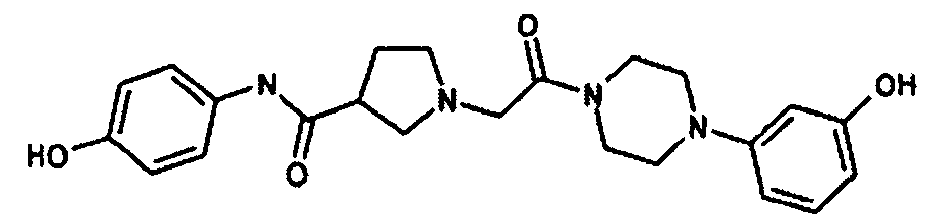
132 
133 
134 
135 
137 
138 
139 
140 
141 
142 
143 
144 
145 
146 
147 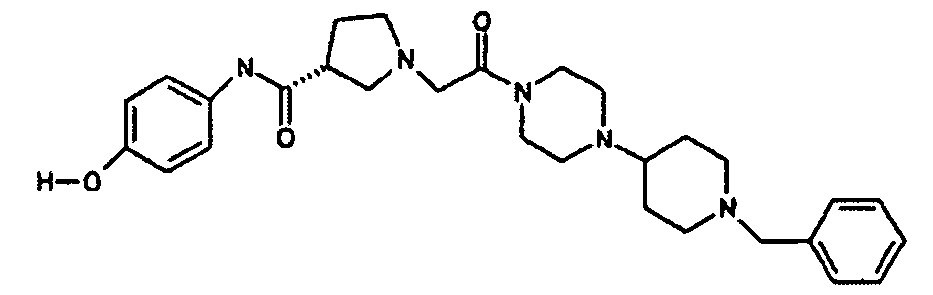
148 
149 
150 
151 
152 
153 
154 
155 
156 
158 
159 
160 
161 
162 
163 
166 
167 
168 
169 
170 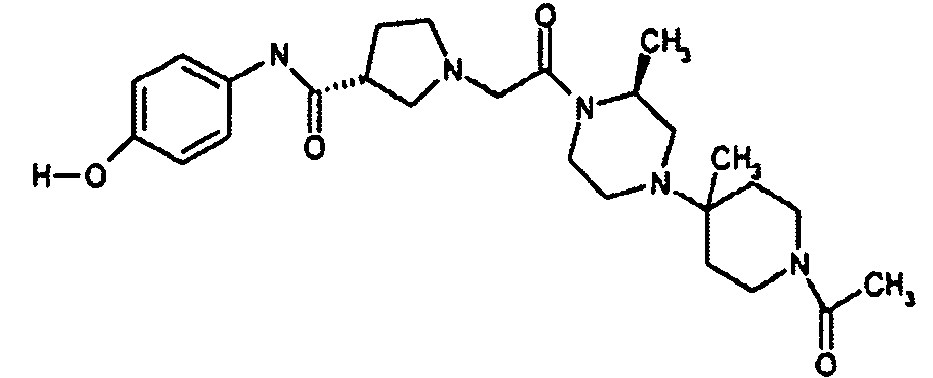
172 
173 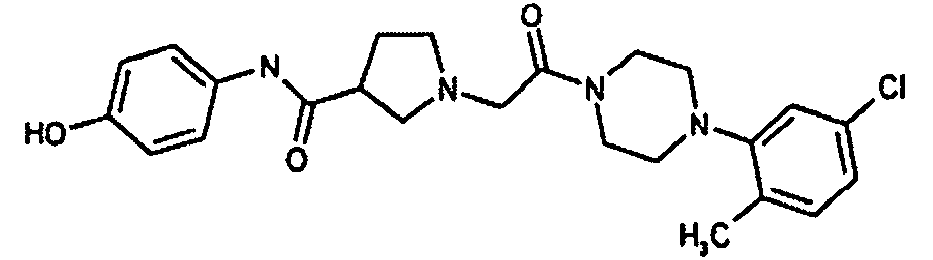
174 
175 
176 
177 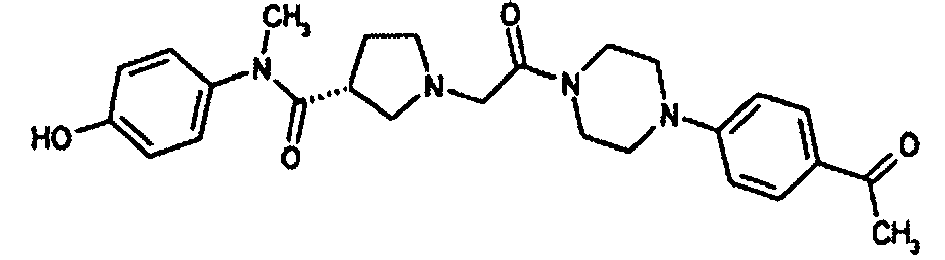
178 
179 
183 
184 
185 
186 
187 
188 
189 
190 
191 
192 
194 
196 
197 
199 
200 
201 
202 
203 
204 
205 
206 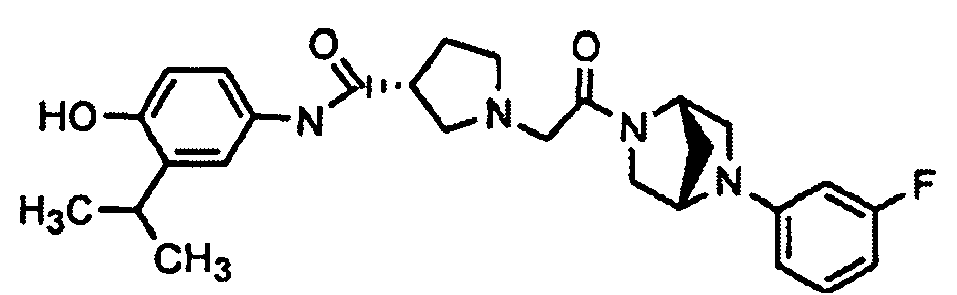
207 
208 
209 
210 
211 
212 
213 
214 
215 
216 
217 
218 
219 
220 
221 
222 
223 
224 
225 
226 
227 
228 
- Composition pharmaceutique comprenant au moins un composé selon l'une quelconque des revendications 1 à 39, ou ses sels pharmaceutiquement acceptables, et un support pharmaceutiquement acceptable.
- Utilisation d'un composé selon l'une quelconque des revendications 1 à 39, ou de ses sels pharmaceutiquement acceptables :(A) pour la fabrication d'un médicament destiné à traiter le cancer, ou(B) pour la fabrication d'un médicament destiné à traiter le cancer, ledit médicament étant sous une forme pour administration en combinaison avec au moins un agent chimiothérapeutique, ou(C) pour la fabrication d'un médicament destiné à traiter le cancer, ledit médicament étant sous une forme pour administration en combinaison avec au moins un agent chimiothérapeutique, et la radiothérapie, ou(D) pour la fabrication d'un médicament destiné à traiter le cancer, ledit médicament étant sous une forme pour administration en combinaison avec au moins un agent chimiothérapeutique choisi dans le groupe consistant en les agents affectant les microtubules, les agents d'alkylation, les antimétabolites, les produits naturels et leurs dérivés, les hormones et les stéroïdes, et les produits synthétiques, ou(E) pour la fabrication d'un médicament destiné à traiter le cancer, ledit médicament étant sous une forme pour administration avec au moins un agent chimiothérapeutique choisi dans le groupe consistant en : (1) les taxanes, (2) les composés coordinateurs du platine, (3) les inhibiteurs du facteur de croissance épidermique (EGF) qui sont des anticorps, (4) les inhibiteurs de EGF qui sont des petites molécules, (5) les inhibiteurs du facteur de croissance endothélial vasculaire (VEGF) qui sont des anticorps, (6) les inhibiteurs de VEGF kinase qui sont des petites molécules, (7) les antagonistes de récepteur d'oestrogène ou les modulateurs de récepteur d'oestrogène sélectifs (SERM), (8) les dérivés de nucléoside anti-tumeur, (9) les épothilones, (10) les inhibiteurs de topoisomérase, (11) les alcaloïdes de pervenche, (12) les anticorps qui sont des inhibiteurs d'intégrines αVβ3, (13) les antagonistes de folate, (14) les inhibiteurs de ribonucléotide réductase, (15) les anthracyclines, (16) les produits biologiques ; (17) les inhibiteurs d'angiogenèse et/ou les suppresseurs du facteur onconécrosant alpha (TNF-alpha) tels que thalidomide (ou imide apparenté), (18) les inhibiteurs de Bcr/abl kinase, (19) les inhibiteurs de MEK1 et/ou MEK2 qui sont des petites molécules, (20) les inhibiteurs de IGF-1 et IGF-2 qui sont des petites molécules, (21) les inhibiteurs à petites molécules de RAF et BRAF kinases, (22) les inhibiteurs à petites molécules de kinases dépendantes du cycle cellulaire tels que CDK1, CDK2, CDK4 et CDK6, (23) les agents d'alkylation, (24) les inhibiteurs de farnésyl protéine transférase, ou(F) pour la fabrication d'un médicament destiné à traiter le cancer, ledit médicament étant sous une forme pour administration en combinaison avec au moins un inhibiteur de transduction du signal.
- Utilisation d'un composé selon l'une quelconque des revendications 1 à 39, ou de ses sels pharmaceutiquement acceptables, pour la fabrication d'un médicament destiné à traiter le cancer, ledit cancer étant choisi dans le groupe consistant en : le cancer du poumon, le cancer du pancréas, le cancer du côlon, les leucémies myéloïdes, le cancer de la thyroïde, le syndrome myélodysplasique, le carcinome de la vessie, le carcinome épidermique, un mélanome, le cancer du sein, le cancer de la prostate, les cancers de la tête et du cou, le cancer de l'ovaire, le cancer du cerveau, les cancers d'origine mésenchymateuse, les sarcomes, les tétracarcinomes, les neuroblastomes, les carcinomes du rein, les hépatomes, le lymphome non hodgkinien, le mélanome multiple et le carcinome de la thyroïde anaplasique.
- Utilisation d'un composé selon l'une quelconque des revendications 1 à 39, ou de ses sels pharmaceutiquement acceptables : (A) pour la fabrication d'un médicament destiné à traiter un mélanome, le cancer du pancréas, le cancer de la thyroïde, le cancer colorectal, le cancer du poumon, le cancer du sein et le cancer de l'ovaire, ou (B) pour la fabrication d'un médicament destiné à traiter un mélanome, le cancer du pancréas, le cancer de la thyroïde, le cancer colorectal, le cancer du poumon, le cancer du sein et le cancer de l'ovaire, ledit médicament étant sous une forme pour administration en combinaison avec au moins un agent chimiothérapeutique.
- Utilisation d'un composé selon l'une quelconque des revendications 1 à 39, ou de ses sels pharmaceutiquement acceptables : (A) pour la fabrication d'un médicament destiné à traiter le cancer du sein hormono-dépendant, ledit médicament étant sous une forme pour administration en combinaison avec des agents antihormonaux, ou (B) pour la fabrication d'un médicament destiné à traiter le cancer du sein hormono-dépendant, ledit médicament étant sous une forme pour administration en combinaison avec des agents antihormonaux, et en combinaison avec au moins un agent chimiothérapeutique.
- Utilisation d'un composé selon l'une quelconque des revendications 1 à 39, ou de ses sels pharmaceutiquement acceptables : (A) pour la fabrication d'un médicament destiné à prévenir le cancer du sein hormono-dépendant, ledit médicament étant sous une forme pour administration en combinaison avec des agents antihormonaux, ou (B) pour la fabrication d'un médicament destiné à prévenir le cancer du sein hormono-dépendant, ledit médicament étant sous une forme pour administration en combinaison avec des agents antihormonaux, et en combinaison avec au moins un agent chimiothérapeutique.
- Utilisation d'un composé selon l'une quelconque des revendications 1 à 39, ou de ses sels pharmaceutiquement acceptables : (A) pour la fabrication d'un médicament destiné à traiter ou prévenir le cancer du sein, ledit médicament étant sous une forme pour administration avec au moins un agent antihormonal choisi dans le groupe consistant en : (a) les inhibiteurs d'aromatase, (b) les anti-oestrogènes et (c) les analogues de LHRH, et sous une forme pour administration avec au moins un agent chimiothérapeutique, ou (B) pour la fabrication d'un médicament destiné à traiter ou prévenir le cancer du sein, ledit médicament étant sous une forme pour administration avec au moins un agent antihormonal choisi dans le groupe consistant en : (a) les inhibiteurs d'aromatase, (b) les anti-oestrogènes et (c) les analogues de LHRH, ou (C) pour la fabrication d'un médicament destiné à traiter ou prévenir le cancer du sein, ledit médicament étant sous une forme pour administration avec au moins un agent antihormonal choisi dans le groupe consistant en : (a) les inhibiteurs d'aromatase et (b) les anti-oestrogènes, ou (D) pour la fabrication d'un médicament destiné à traiter ou prévenir le cancer du sein, ledit médicament étant sous une forme pour administration avec au moins un agent antihormonal choisi dans le groupe consistant en : (a) les inhibiteurs d'aromatase et (b) les anti-oestrogènes, et au moins un agent chimiothérapeutique, ou (E) pour la fabrication d'un médicament destiné à traiter ou prévenir le cancer du sein, ledit médicament étant sous une forme pour administration avec au moins un inhibiteur d'aromatase, (F) pour la fabrication d'un médicament destiné à traiter ou prévenir le cancer du sein, ledit médicament étant sous une forme pour administration avec au moins un inhibiteur d'aromatase, et au moins un agent chimiothérapeutique, ou (G) pour la fabrication d'un médicament destiné à traiter ou prévenir le cancer du sein, ledit médicament étant sous une forme pour administration avec l'anastrozole, ou (H) pour la fabrication d'un médicament destiné à traiter ou prévenir le cancer du sein, ledit médicament étant sous une forme pour administration avec l'anastrozole, et un anti-oestrogène choisi dans le groupe consistant en : tamoxifène, fulvestrant, raloxifène et acolbifène, ou (I) pour la fabrication d'un médicament destiné à traiter ou prévenir le cancer du sein, ledit médicament étant sous une forme pour administration avec l'anastrozole et le tamoxifène.
- Utilisation d'un composé selon l'une quelconque des revendications 1 à 39, ou de ses sels pharmaceutiquement acceptables : (A) pour la fabrication d'un médicament destiné à traiter le cancer du cerveau, ou (B) pour la fabrication d'un médicament destiné à traiter le cancer du cerveau, ledit médicament étant sous une forme pour administration en combinaison avec au moins un agent chimiothérapeutique, ou (C) pour la fabrication d'un médicament destiné à traiter le cancer du cerveau, ledit médicament étant sous une forme pour administration en combinaison avec un agent chimiothérapeutique, où ledit agent chimiothérapeutique est le témozolomide.
- Utilisation d'un composé selon l'une quelconque des revendications 1 à 39, ou de ses sels pharmaceutiquement acceptables : (A) pour la fabrication d'un médicament destiné à traiter le cancer de la prostate, ou (B) pour la fabrication d'un médicament destiné à traiter le cancer de la prostate, ledit médicament étant sous une forme pour administration en combinaison avec au moins un agent chimiothérapeutique.
- Utilisation d'un composé selon l'une quelconque des revendications 1 à 39, ou de ses sels pharmaceutiquement acceptables : (A) pour la fabrication d'un médicament destiné à traiter le syndrome myélodysplasique, ou (B) pour la fabrication d'un médicament destiné à traiter le syndrome myélodysplasique, ledit médicament étant sous une forme pour administration en combinaison avec au moins un agent chimiothérapeutique, ou (C) pour la fabrication d'un médicament destiné à traiter les leucémies myéloïdes, ou (D) pour la fabrication d'un médicament destiné à traiter les leucémies myéloïdes, ledit médicament étant sous une forme pour administration en combinaison avec une quantité efficace d'au moins un agent chimiothérapeutique, ou (E) pour la fabrication d'un médicament destiné à traiter la leucémie myélogène aiguë, ou (F) pour la fabrication d'un médicament destiné à traiter la leucémie myélogène aiguë, ledit médicament étant sous une forme pour administration en combinaison avec une quantité efficace d'au moins un agent chimiothérapeutique, ou (G) pour la fabrication d'un médicament destiné à traiter la leucémie myélomonocytaire chronique ou (H) pour la fabrication d'un médicament destiné à traiter la leucémie myélomonocytaire chronique, ledit médicament étant sous une forme pour administration en combinaison avec une quantité efficace d'au moins un agent chimiothérapeutique, ou (I) pour la fabrication d'un médicament destiné à traiter la leucémie myélogène chronique, ou (J) pour la fabrication d'un médicament destiné à traiter la leucémie myélogène chronique, ledit médicament étant sous une forme pour administration en combinaison avec une quantité efficace d'au moins un agent chimiothérapeutique, ou (K) pour la fabrication d'un médicament destiné à traiter le cancer de la vessie, ou (L) pour la fabrication d'un médicament destiné à traiter le cancer de la vessie, ledit médicament étant sous une forme pour administration en combinaison avec une quantité efficace d'au moins un agent chimiothérapeutique, ou (M) pour la fabrication d'un médicament destiné à traiter le lymphome non hodgkinien, ou (N) pour la fabrication d'un médicament destiné à traiter le lymphome non hodgkinien, ledit médicament étant sous une forme pour administration en combinaison avec une quantité efficace d'au moins un agent chimiothérapeutique, ou (O) pour la fabrication d'un médicament destiné à traiter le myélome multiple, ou (P) pour la fabrication d'un médicament destiné à traiter le myélome multiple, ledit médicament étant sous une forme pour administration en combinaison avec une quantité efficace d'au moins un agent chimiothérapeutique.
Applications Claiming Priority (2)
| Application Number | Priority Date | Filing Date | Title |
|---|---|---|---|
| US77404306P | 2006-02-16 | 2006-02-16 | |
| PCT/US2007/003665 WO2007097937A1 (fr) | 2006-02-16 | 2007-02-13 | Nouveaux composés inhibiteurs erk |
Publications (2)
| Publication Number | Publication Date |
|---|---|
| EP1984331A1 EP1984331A1 (fr) | 2008-10-29 |
| EP1984331B1 true EP1984331B1 (fr) | 2010-10-20 |
Family
ID=38170991
Family Applications (1)
| Application Number | Title | Priority Date | Filing Date |
|---|---|---|---|
| EP07750497A Active EP1984331B1 (fr) | 2006-02-16 | 2007-02-13 | Dérivés de pyrrolidine comme inhibiteurs de la erk |
Country Status (16)
| Country | Link |
|---|---|
| US (1) | US7807672B2 (fr) |
| EP (1) | EP1984331B1 (fr) |
| JP (1) | JP2009528280A (fr) |
| KR (1) | KR20080103996A (fr) |
| CN (1) | CN101415674A (fr) |
| AR (1) | AR059493A1 (fr) |
| AT (1) | ATE485268T1 (fr) |
| AU (1) | AU2007218059A1 (fr) |
| CA (1) | CA2642762A1 (fr) |
| DE (1) | DE602007009932D1 (fr) |
| ES (1) | ES2353437T3 (fr) |
| IL (1) | IL193413A0 (fr) |
| MX (1) | MX2008010635A (fr) |
| TW (1) | TW200745089A (fr) |
| WO (1) | WO2007097937A1 (fr) |
| ZA (1) | ZA200807457B (fr) |
Families Citing this family (37)
| Publication number | Priority date | Publication date | Assignee | Title |
|---|---|---|---|---|
| US8546404B2 (en) | 2005-12-13 | 2013-10-01 | Merck Sharp & Dohme | Compounds that are ERK inhibitors |
| MX2010005960A (es) * | 2007-11-30 | 2010-06-11 | Schering Corp | Biomarcadores de braf. |
| US8716483B2 (en) | 2008-02-21 | 2014-05-06 | Merck Sharp & Dohme Corp. | Compounds that are ERK inhibitors |
| DE102008022221A1 (de) | 2008-05-06 | 2009-11-12 | Universität des Saarlandes | Inhibitoren der humanen Aldosteronsynthase CYP11B2 |
| US9229008B2 (en) | 2008-08-19 | 2016-01-05 | Merck Sharp & Dohme Corp. | IL-8 level as a determinant of responsivity of a cancer to treatment |
| CN102369186B (zh) * | 2009-04-02 | 2014-07-09 | 默克专利有限公司 | 作为自分泌运动因子抑制剂的哌啶和哌嗪衍生物 |
| US8609675B2 (en) | 2009-07-02 | 2013-12-17 | Merck Sharp & Dohme Corp. | Fused Tricyclic Compounds as novel mTOR inhibitors |
| WO2011002067A1 (fr) * | 2009-07-02 | 2011-01-06 | 武田薬品工業株式会社 | Composé hétérocyclique et son utilisation |
| JP2013506669A (ja) | 2009-09-30 | 2013-02-28 | メルク・シャープ・アンド・ドーム・コーポレーション | Erk阻害剤である新規化合物 |
| PE20121172A1 (es) * | 2009-10-14 | 2012-09-05 | Merck Sharp & Dohme | Piperidinas sustituidas con actividad en la hdm2 |
| US8541404B2 (en) | 2009-11-09 | 2013-09-24 | Elexopharm Gmbh | Inhibitors of the human aldosterone synthase CYP11B2 |
| MX2012006776A (es) | 2009-12-14 | 2012-10-05 | Merck Patent Gmbh | Inhibidores de la esfingosina quinasa. |
| CN101812007B (zh) * | 2010-04-27 | 2011-11-23 | 浙江大学 | 氨基吡咯类化合物及其制备方法 |
| US8883801B2 (en) | 2010-08-23 | 2014-11-11 | Merck Sharp & Dohme Corp. | Substituted pyrazolo[1,5-a]pyrimidines as mTOR inhibitors |
| EP2681215B1 (fr) | 2011-02-28 | 2015-04-22 | Array Biopharma, Inc. | Inhibiteurs de sérine/thréonine kinase |
| AU2012245971A1 (en) | 2011-04-21 | 2013-10-17 | Piramal Enterprises Limited | A crystalline form of a salt of a morpholino sulfonyl indole derivative and a process for its preparation |
| WO2013016164A1 (fr) | 2011-07-26 | 2013-01-31 | Merck Sharp & Dohme Corp. | Composés tricycliques fusionnés comme inhibiteurs de mtor |
| GB201113538D0 (en) | 2011-08-04 | 2011-09-21 | Karobio Ab | Novel estrogen receptor ligands |
| US9187462B2 (en) | 2011-08-04 | 2015-11-17 | Array Biopharma Inc. | Substituted quinazolines as serine/threonine kinase inhibitors |
| US8987274B2 (en) | 2011-10-28 | 2015-03-24 | Merck Sharp & Dohme Corp | Macrocycles that increase p53 activity and the uses thereof |
| US9062071B2 (en) | 2011-12-21 | 2015-06-23 | Merck Sharp & Dohme Corp. | Substituted piperidines as HDM2 inhibitors |
| WO2013109142A1 (fr) | 2012-01-16 | 2013-07-25 | Stichting Het Nederlands Kanker Instituut | Inhibition de la voie des mapk/erk et pdk combinée dans des cas de néoplasie |
| DK2820009T3 (en) | 2012-03-01 | 2018-04-16 | Array Biopharma Inc | Serine / threonine kinase inhibitors |
| TW201408658A (zh) | 2012-08-27 | 2014-03-01 | Array Biopharma Inc | 絲胺酸/酥胺酸激酶抑制劑 |
| KR102196882B1 (ko) | 2012-12-20 | 2020-12-30 | 머크 샤프 앤드 돔 코포레이션 | Hdm2 억제제로서의 치환된 이미다조피리딘 |
| WO2015041534A1 (fr) | 2013-09-20 | 2015-03-26 | Stichting Het Nederlands Kanker Instituut | P90rsk en combinaison avec raf/erk/mek |
| US9629851B2 (en) | 2013-09-20 | 2017-04-25 | Stitching Het Nederlands Kanker Institut—Antoni Van Leeuwenhoek Ziekenhuis | ROCK in combination with MAPK pathway |
| SG11201602572YA (en) | 2013-10-03 | 2016-04-28 | Kura Oncology Inc | Inhibitors of erk and methods of use |
| CN103922928A (zh) * | 2013-10-31 | 2014-07-16 | 北京利和知信科技有限公司 | 适用于制备烯烃聚合催化剂的环取代醚酸酯化合物 |
| RU2720237C2 (ru) | 2013-11-18 | 2020-04-28 | Форма Терапеутикс, Инк. | Композиции, содержащие бензопиперазин, в качестве ингибиторов бромодоменов вет |
| CN110627770A (zh) | 2013-11-18 | 2019-12-31 | 福马疗法公司 | 作为bet溴域抑制剂的四氢喹啉组成物 |
| WO2015156674A2 (fr) | 2014-04-10 | 2015-10-15 | Stichting Het Nederlands Kanker Instituut | Méthode de traitement du cancer |
| WO2015178770A1 (fr) | 2014-05-19 | 2015-11-26 | Stichting Het Nederlands Kanker Instituut | Compositions pour le traitement du cancer |
| WO2017058007A1 (fr) | 2015-10-01 | 2017-04-06 | Stichting Het Nederlands Kanker Instituut-Antoni van Leeuwenhoek Ziekenhuis | Inhibiteurs de l'histone désacétylase utilisables dans le traitement d'un mélanome résistant aux médicaments |
| WO2017099591A1 (fr) | 2015-12-07 | 2017-06-15 | Stichting Het Nederlands Kanker Instituut-Antoni van Leeuwenhoek Ziekenhuis | Traitement de cancers à mutation braf résistants aux inhibiteurs |
| WO2017204626A1 (fr) | 2016-05-24 | 2017-11-30 | Stichting Het Nederlands Kanker Instituut-Antoni van Leeuwenhoek Ziekenhuis | Polythérapie combinant map2k4/map3k1 et une inhibition de mek/erk |
| JP7156722B2 (ja) * | 2018-01-23 | 2022-10-19 | 深▲チェン▼市塔吉瑞生物医薬有限公司 | 置換ピリダジノン化合物 |
Family Cites Families (52)
| Publication number | Priority date | Publication date | Assignee | Title |
|---|---|---|---|---|
| GB2306108A (en) | 1995-10-13 | 1997-04-30 | Merck & Co Inc | Treatment of Raf-mediated cancers with imidazole derivatives |
| EP0934270A1 (fr) | 1996-05-30 | 1999-08-11 | Merck & Co., Inc. | Procede de traitement du cancer |
| GB2323845A (en) | 1997-03-31 | 1998-10-07 | Merck & Co Inc | MEK inhibiting lactones |
| ES2339196T3 (es) | 1997-07-18 | 2010-05-17 | Novo Nordisk Health Care Ag | Uso de fviia o fviiai para el tratamiento de disfuncion endotelial y para la inhibicion de angiogenesis, respectivamente. |
| GB9716557D0 (en) | 1997-08-06 | 1997-10-08 | Glaxo Group Ltd | Benzylidene-1,3-dihydro-indol-2-one derivatives having anti-cancer activity |
| CA2369502A1 (fr) | 2000-02-05 | 2001-08-09 | Vertex Pharmaceuticals Incorporated | Compositions utiles comme inhibiteurs de erk |
| KR20010111298A (ko) | 2000-02-05 | 2001-12-17 | 버텍스 파마슈티칼스 인코포레이티드 | Erk의 억제제로서 유용한 피라졸 조성물 |
| MXPA02008103A (es) | 2000-03-15 | 2002-11-29 | Warner Lambert Co | Diarilaminas sustituidas con 5-amida como inhibidores mek. |
| TWI310684B (en) | 2000-03-27 | 2009-06-11 | Bristol Myers Squibb Co | Synergistic pharmaceutical kits for treating cancer |
| US20050009876A1 (en) * | 2000-07-31 | 2005-01-13 | Bhagwat Shripad S. | Indazole compounds, compositions thereof and methods of treatment therewith |
| US6897231B2 (en) * | 2000-07-31 | 2005-05-24 | Signal Pharmaceuticals, Inc. | Indazole derivatives as JNK inhibitors and compositions and methods related thereto |
| US7211594B2 (en) * | 2000-07-31 | 2007-05-01 | Signal Pharmaceuticals, Llc | Indazole compounds and compositions thereof as JNK inhibitors and for the treatment of diseases associated therewith |
| WO2002022605A1 (fr) | 2000-09-15 | 2002-03-21 | Vertex Pharmaceuticals Incorporated | Composes de pyrazole utiles comme inhibiteurs de proteine kinase |
| EP1317453B1 (fr) | 2000-09-15 | 2006-08-09 | Vertex Pharmaceuticals Incorporated | Isoxazoles et leur utilisation comme inhibiteur d'erk |
| US6989385B2 (en) | 2000-12-21 | 2006-01-24 | Vertex Pharmaceuticals Incorporated | Pyrazole compounds useful as protein kinase inhibitors |
| MY130778A (en) * | 2001-02-09 | 2007-07-31 | Vertex Pharma | Heterocyclic inhibitiors of erk2 and uses thereof |
| CN1300116C (zh) * | 2001-04-16 | 2007-02-14 | 卫材株式会社 | 1h-吲唑化合物 |
| CA2445568A1 (fr) | 2001-04-27 | 2002-11-07 | Vertex Pharmaceuticals Incorporated | Derives triazole inhibiteurs des kinases et leurs utilisations |
| MXPA03009847A (es) | 2001-04-27 | 2004-02-12 | Vertex Pharma | Inhibidores de cinasa derivados de pirazol. |
| DE60226154T2 (de) | 2001-08-03 | 2009-05-20 | Vertex Pharmaceuticals Inc., Cambridge | Von pyrazol abgeleitete kinaseinhibitoren und deren verwendung |
| EP1423380B1 (fr) | 2001-08-03 | 2010-12-15 | Vertex Pharmaceuticals Incorporated | Inhibiteurs de kinase derives du pyrazole et leurs utilisations |
| JP4602667B2 (ja) | 2001-10-23 | 2010-12-22 | メルク セローノ ソシエテ アノニム | アゾール誘導体および該アゾール誘導体を含有する医薬組成物 |
| US20030187026A1 (en) * | 2001-12-13 | 2003-10-02 | Qun Li | Kinase inhibitors |
| US7304061B2 (en) | 2002-04-26 | 2007-12-04 | Vertex Pharmaceuticals Incorporated | Heterocyclic inhibitors of ERK2 and uses thereof |
| WO2003099212A2 (fr) | 2002-05-24 | 2003-12-04 | The University Of Utah Research Foundation | Compositions d'inhibiteurs d une proteine kinase activee par des agents mitogenes et utiles dans la therapie du lymphome |
| US7429609B2 (en) * | 2002-05-31 | 2008-09-30 | Eisai R & D Management Co., Ltd. | Pyrazole compound and medicinal composition containing the same |
| US7196092B2 (en) | 2002-09-04 | 2007-03-27 | Schering Corporation | N-heteroaryl pyrazolopyrimidines as cyclin dependent kinase inhibitors |
| US7205308B2 (en) | 2002-09-04 | 2007-04-17 | Schering Corporation | Trisubstituted 7-aminopyrazolopyrimidines as cyclin dependent kinase inhibitors |
| MY133311A (en) | 2002-09-19 | 2007-11-30 | Schering Corp | Novel imidazopyridines as cyclin dependent kinase inhibitors |
| US7456190B2 (en) | 2003-03-13 | 2008-11-25 | Vertex Pharmaceuticals Incorporated | Compositions useful as protein kinase inhibitors |
| WO2005002673A1 (fr) | 2003-07-03 | 2005-01-13 | Astex Therapeutics Limited | Inhibiteurs de raf kinase |
| US20050107386A1 (en) * | 2003-11-19 | 2005-05-19 | Rama Krishna Narla | Methods of treating diseases and disorders by targeting multiple kinases |
| WO2005063258A1 (fr) | 2003-12-22 | 2005-07-14 | Gilead Sciences, Inc. | Conjugues de phosphonate inhibant la kinase |
| US7462612B2 (en) * | 2004-03-26 | 2008-12-09 | Vertex Pharmaceuticals Incorporated | Pyridine inhibitors of ERK2 and uses thereof |
| EP1756082A1 (fr) | 2004-04-13 | 2007-02-28 | Astex Therapeutics Limited | Composes pharmaceutiques de 5-morpholinylmethylthiophenyle utilises comme modulateurs de la p38 map kinase |
| UA84930C2 (ru) * | 2004-05-14 | 2008-12-10 | Вертекс Фармасьютикалс Инкорпорейтед | Пиррольные соединения как ингибиторы протеинкиназ erk, их синтез и соответствующие промежуточные соединения |
| AU2005245877B2 (en) | 2004-05-14 | 2010-06-03 | Vertex Pharmaceuticals, Incorporated | Prodrugs of pyrrolylpyrimidine ERK protein kinase inhibitors |
| WO2006040569A1 (fr) | 2004-10-14 | 2006-04-20 | Astex Therapeutics Limited | Composes d'amide thiophenique destines a etre utilises dans le traitement ou la prophylaxie du cancer |
| WO2006071644A1 (fr) | 2004-12-23 | 2006-07-06 | Vertex Pharmaceuticals Incorporated | Inhibiteurs selectifs de la proteine kinase erk et leurs utilisations |
| CN100377868C (zh) * | 2005-03-24 | 2008-04-02 | 中国科学院物理研究所 | 用于磁性/非磁性/磁性多层薄膜的核心复合膜及其用途 |
| WO2006136008A1 (fr) | 2005-05-24 | 2006-12-28 | University Health Network | Hydrazones d'acide salicylique comme inhibiteurs de voie d'erk/ map kinase et pour le traitement du cancer |
| US8217042B2 (en) * | 2005-11-11 | 2012-07-10 | Zentaris Gmbh | Pyridopyrazines and their use as modulators of kinases |
| KR101417136B1 (ko) * | 2005-12-13 | 2014-08-07 | 머크 샤프 앤드 돔 코포레이션 | Erk 억제제인 폴리사이클릭 인다졸 유도체 및 이를 포함하는 약제학적 조성물 |
| US8546404B2 (en) * | 2005-12-13 | 2013-10-01 | Merck Sharp & Dohme | Compounds that are ERK inhibitors |
| US20090062355A1 (en) * | 2006-04-20 | 2009-03-05 | Takeda Pharmaceutical Company Limited | Pharmaceutical Product |
| US7601852B2 (en) * | 2006-05-11 | 2009-10-13 | Kosan Biosciences Incorporated | Macrocyclic kinase inhibitors |
| BRPI0713119A2 (pt) * | 2006-06-30 | 2012-04-17 | Schering Corp | piperidinas substituìdas que aumentam a atividade de p53 e os usos destas |
| US7671832B2 (en) * | 2006-07-10 | 2010-03-02 | Philips Lumileds Lighting Company, Llc | Multi-colored LED backlight with color-compensated clusters near edge |
| SG10202107066WA (en) | 2007-03-28 | 2021-07-29 | Pharmacyclics Llc | Inhibitors of bruton's tyrosine kinase |
| MX2009013213A (es) | 2007-06-08 | 2010-03-30 | Abbott Lab | Indazoles 5-sustituidos 5-heteroarilo como inhibidores de cinasa. |
| CA2691417A1 (fr) | 2007-06-18 | 2008-12-24 | Schering Corporation | Composes heterocycliques et leur utilisation en tant qu'inhibiteurs d'erk |
| US8716483B2 (en) | 2008-02-21 | 2014-05-06 | Merck Sharp & Dohme Corp. | Compounds that are ERK inhibitors |
-
2007
- 2007-02-13 JP JP2008555293A patent/JP2009528280A/ja not_active Withdrawn
- 2007-02-13 EP EP07750497A patent/EP1984331B1/fr active Active
- 2007-02-13 DE DE602007009932T patent/DE602007009932D1/de active Active
- 2007-02-13 CN CNA2007800113120A patent/CN101415674A/zh active Pending
- 2007-02-13 US US11/705,709 patent/US7807672B2/en not_active Expired - Fee Related
- 2007-02-13 CA CA002642762A patent/CA2642762A1/fr not_active Abandoned
- 2007-02-13 WO PCT/US2007/003665 patent/WO2007097937A1/fr not_active Ceased
- 2007-02-13 AT AT07750497T patent/ATE485268T1/de not_active IP Right Cessation
- 2007-02-13 ES ES07750497T patent/ES2353437T3/es active Active
- 2007-02-13 AU AU2007218059A patent/AU2007218059A1/en not_active Abandoned
- 2007-02-13 MX MX2008010635A patent/MX2008010635A/es unknown
- 2007-02-13 KR KR1020087022312A patent/KR20080103996A/ko not_active Withdrawn
- 2007-02-14 AR ARP070100620A patent/AR059493A1/es unknown
- 2007-02-15 TW TW096105603A patent/TW200745089A/zh unknown
-
2008
- 2008-08-12 IL IL193413A patent/IL193413A0/en unknown
- 2008-08-29 ZA ZA200807457A patent/ZA200807457B/xx unknown
Also Published As
| Publication number | Publication date |
|---|---|
| JP2009528280A (ja) | 2009-08-06 |
| IL193413A0 (en) | 2009-05-04 |
| US7807672B2 (en) | 2010-10-05 |
| HK1117159A1 (en) | 2009-01-09 |
| WO2007097937A1 (fr) | 2007-08-30 |
| MX2008010635A (es) | 2008-10-28 |
| KR20080103996A (ko) | 2008-11-28 |
| DE602007009932D1 (de) | 2010-12-02 |
| CA2642762A1 (fr) | 2007-08-30 |
| ZA200807457B (en) | 2009-09-30 |
| AR059493A1 (es) | 2008-04-09 |
| US20070232610A1 (en) | 2007-10-04 |
| EP1984331A1 (fr) | 2008-10-29 |
| ATE485268T1 (de) | 2010-11-15 |
| ES2353437T3 (es) | 2011-03-02 |
| AU2007218059A1 (en) | 2007-08-30 |
| TW200745089A (en) | 2007-12-16 |
| CN101415674A (zh) | 2009-04-22 |
Similar Documents
| Publication | Publication Date | Title |
|---|---|---|
| EP1984331B1 (fr) | Dérivés de pyrrolidine comme inhibiteurs de la erk | |
| EP1966151B1 (fr) | Derives polycycliques d'indazole inhibiteurs des erk | |
| EP2260031B1 (fr) | Composés inhibiteurs de la voie erk | |
| EP2483263B1 (fr) | Composés hétérocycliques inhibiteurs d'erk | |
| US8546404B2 (en) | Compounds that are ERK inhibitors | |
| US20110038876A1 (en) | Heterocyclic compounds and use thereof as erk inhibitors | |
| HK1117159B (en) | Pyrrolidine derivatives as erk inhibitors | |
| HK1114851B (en) | Polycyclic indazole derivatives that are erk inhibitors |
Legal Events
| Date | Code | Title | Description |
|---|---|---|---|
| PUAI | Public reference made under article 153(3) epc to a published international application that has entered the european phase |
Free format text: ORIGINAL CODE: 0009012 |
|
| 17P | Request for examination filed |
Effective date: 20080328 |
|
| AK | Designated contracting states |
Kind code of ref document: A1 Designated state(s): AT BE BG CH CY CZ DE DK EE ES FI FR GB GR HU IE IS IT LI LT LU LV MC NL PL PT RO SE SI SK TR |
|
| AX | Request for extension of the european patent |
Extension state: AL BA HR MK RS |
|
| RIN1 | Information on inventor provided before grant (corrected) |
Inventor name: DESAI, JAGDISH Inventor name: SHIPPS, GERALD, W., JR. Inventor name: ZHU, HUGH Inventor name: HRUZA, ALAN Inventor name: MADISON, VINCENT, S. Inventor name: WANG, TONG Inventor name: XIAO, LI Inventor name: DONG, YOUHAO Inventor name: SHIH, NENG-YANG Inventor name: SUN, ROBERT Inventor name: KELLY, JOSEPH Inventor name: NAN, YANG Inventor name: WANG, JAMES Inventor name: COOPER, ALAN Inventor name: SIDDIQUI, M., ARSHAD Inventor name: DENG, YONGQI Inventor name: DOLL, RONALD |
|
| REG | Reference to a national code |
Ref country code: HK Ref legal event code: DE Ref document number: 1117159 Country of ref document: HK |
|
| 17Q | First examination report despatched |
Effective date: 20090210 |
|
| GRAP | Despatch of communication of intention to grant a patent |
Free format text: ORIGINAL CODE: EPIDOSNIGR1 |
|
| GRAS | Grant fee paid |
Free format text: ORIGINAL CODE: EPIDOSNIGR3 |
|
| RIN1 | Information on inventor provided before grant (corrected) |
Inventor name: SHIH, NENG-YANG Inventor name: HRUZA, ALAN Inventor name: XIAO, LI Inventor name: WANG, JAMES Inventor name: DESAI, JAGDISH Inventor name: DOLL, RONALD Inventor name: KELLY, JOSEPH Inventor name: ZHU, HUGH Inventor name: MADISON, VINCENT, S. Inventor name: WANG, TONG Inventor name: COOPER, ALAN Inventor name: DONG, YOUHAO Inventor name: DENG, YONGQI Inventor name: SIDDIQUI, M., ARSHAD Inventor name: SHIPPS, GERALD, W., JR. Inventor name: SUN, ROBERT Inventor name: NAN, YANG |
|
| GRAA | (expected) grant |
Free format text: ORIGINAL CODE: 0009210 |
|
| AK | Designated contracting states |
Kind code of ref document: B1 Designated state(s): AT BE BG CH CY CZ DE DK EE ES FI FR GB GR HU IE IS IT LI LT LU LV MC NL PL PT RO SE SI SK TR |
|
| AX | Request for extension of the european patent |
Extension state: AL BA HR MK RS |
|
| REG | Reference to a national code |
Ref country code: GB Ref legal event code: FG4D |
|
| REG | Reference to a national code |
Ref country code: CH Ref legal event code: EP |
|
| REG | Reference to a national code |
Ref country code: NL Ref legal event code: T3 |
|
| REG | Reference to a national code |
Ref country code: IE Ref legal event code: FG4D |
|
| REF | Corresponds to: |
Ref document number: 602007009932 Country of ref document: DE Date of ref document: 20101202 Kind code of ref document: P |
|
| REG | Reference to a national code |
Ref country code: HK Ref legal event code: GR Ref document number: 1117159 Country of ref document: HK |
|
| REG | Reference to a national code |
Ref country code: ES Ref legal event code: FG2A Effective date: 20110218 |
|
| LTIE | Lt: invalidation of european patent or patent extension |
Effective date: 20101020 |
|
| PGFP | Annual fee paid to national office [announced via postgrant information from national office to epo] |
Ref country code: NL Payment date: 20101220 Year of fee payment: 5 Ref country code: GB Payment date: 20101209 Year of fee payment: 5 |
|
| PG25 | Lapsed in a contracting state [announced via postgrant information from national office to epo] |
Ref country code: LT Free format text: LAPSE BECAUSE OF FAILURE TO SUBMIT A TRANSLATION OF THE DESCRIPTION OR TO PAY THE FEE WITHIN THE PRESCRIBED TIME-LIMIT Effective date: 20101020 |
|
| PG25 | Lapsed in a contracting state [announced via postgrant information from national office to epo] |
Ref country code: FI Free format text: LAPSE BECAUSE OF FAILURE TO SUBMIT A TRANSLATION OF THE DESCRIPTION OR TO PAY THE FEE WITHIN THE PRESCRIBED TIME-LIMIT Effective date: 20101020 Ref country code: SI Free format text: LAPSE BECAUSE OF FAILURE TO SUBMIT A TRANSLATION OF THE DESCRIPTION OR TO PAY THE FEE WITHIN THE PRESCRIBED TIME-LIMIT Effective date: 20101020 Ref country code: LV Free format text: LAPSE BECAUSE OF FAILURE TO SUBMIT A TRANSLATION OF THE DESCRIPTION OR TO PAY THE FEE WITHIN THE PRESCRIBED TIME-LIMIT Effective date: 20101020 Ref country code: BG Free format text: LAPSE BECAUSE OF FAILURE TO SUBMIT A TRANSLATION OF THE DESCRIPTION OR TO PAY THE FEE WITHIN THE PRESCRIBED TIME-LIMIT Effective date: 20110120 Ref country code: PT Free format text: LAPSE BECAUSE OF FAILURE TO SUBMIT A TRANSLATION OF THE DESCRIPTION OR TO PAY THE FEE WITHIN THE PRESCRIBED TIME-LIMIT Effective date: 20110221 Ref country code: IS Free format text: LAPSE BECAUSE OF FAILURE TO SUBMIT A TRANSLATION OF THE DESCRIPTION OR TO PAY THE FEE WITHIN THE PRESCRIBED TIME-LIMIT Effective date: 20110220 Ref country code: SE Free format text: LAPSE BECAUSE OF FAILURE TO SUBMIT A TRANSLATION OF THE DESCRIPTION OR TO PAY THE FEE WITHIN THE PRESCRIBED TIME-LIMIT Effective date: 20101020 Ref country code: AT Free format text: LAPSE BECAUSE OF FAILURE TO SUBMIT A TRANSLATION OF THE DESCRIPTION OR TO PAY THE FEE WITHIN THE PRESCRIBED TIME-LIMIT Effective date: 20101020 |
|
| PGFP | Annual fee paid to national office [announced via postgrant information from national office to epo] |
Ref country code: FR Payment date: 20110113 Year of fee payment: 5 Ref country code: IT Payment date: 20110217 Year of fee payment: 5 Ref country code: DE Payment date: 20101230 Year of fee payment: 5 |
|
| PG25 | Lapsed in a contracting state [announced via postgrant information from national office to epo] |
Ref country code: GR Free format text: LAPSE BECAUSE OF FAILURE TO SUBMIT A TRANSLATION OF THE DESCRIPTION OR TO PAY THE FEE WITHIN THE PRESCRIBED TIME-LIMIT Effective date: 20110121 Ref country code: BE Free format text: LAPSE BECAUSE OF FAILURE TO SUBMIT A TRANSLATION OF THE DESCRIPTION OR TO PAY THE FEE WITHIN THE PRESCRIBED TIME-LIMIT Effective date: 20101020 |
|
| PGFP | Annual fee paid to national office [announced via postgrant information from national office to epo] |
Ref country code: ES Payment date: 20101216 Year of fee payment: 5 |
|
| PG25 | Lapsed in a contracting state [announced via postgrant information from national office to epo] |
Ref country code: CZ Free format text: LAPSE BECAUSE OF FAILURE TO SUBMIT A TRANSLATION OF THE DESCRIPTION OR TO PAY THE FEE WITHIN THE PRESCRIBED TIME-LIMIT Effective date: 20101020 Ref country code: EE Free format text: LAPSE BECAUSE OF FAILURE TO SUBMIT A TRANSLATION OF THE DESCRIPTION OR TO PAY THE FEE WITHIN THE PRESCRIBED TIME-LIMIT Effective date: 20101020 |
|
| PLBE | No opposition filed within time limit |
Free format text: ORIGINAL CODE: 0009261 |
|
| STAA | Information on the status of an ep patent application or granted ep patent |
Free format text: STATUS: NO OPPOSITION FILED WITHIN TIME LIMIT |
|
| PG25 | Lapsed in a contracting state [announced via postgrant information from national office to epo] |
Ref country code: RO Free format text: LAPSE BECAUSE OF FAILURE TO SUBMIT A TRANSLATION OF THE DESCRIPTION OR TO PAY THE FEE WITHIN THE PRESCRIBED TIME-LIMIT Effective date: 20101020 Ref country code: DK Free format text: LAPSE BECAUSE OF FAILURE TO SUBMIT A TRANSLATION OF THE DESCRIPTION OR TO PAY THE FEE WITHIN THE PRESCRIBED TIME-LIMIT Effective date: 20101020 Ref country code: SK Free format text: LAPSE BECAUSE OF FAILURE TO SUBMIT A TRANSLATION OF THE DESCRIPTION OR TO PAY THE FEE WITHIN THE PRESCRIBED TIME-LIMIT Effective date: 20101020 Ref country code: PL Free format text: LAPSE BECAUSE OF FAILURE TO SUBMIT A TRANSLATION OF THE DESCRIPTION OR TO PAY THE FEE WITHIN THE PRESCRIBED TIME-LIMIT Effective date: 20101020 |
|
| 26N | No opposition filed |
Effective date: 20110721 |
|
| PG25 | Lapsed in a contracting state [announced via postgrant information from national office to epo] |
Ref country code: MC Free format text: LAPSE BECAUSE OF NON-PAYMENT OF DUE FEES Effective date: 20110228 |
|
| REG | Reference to a national code |
Ref country code: CH Ref legal event code: PL |
|
| PG25 | Lapsed in a contracting state [announced via postgrant information from national office to epo] |
Ref country code: LI Free format text: LAPSE BECAUSE OF NON-PAYMENT OF DUE FEES Effective date: 20110228 Ref country code: CH Free format text: LAPSE BECAUSE OF NON-PAYMENT OF DUE FEES Effective date: 20110228 |
|
| REG | Reference to a national code |
Ref country code: DE Ref legal event code: R097 Ref document number: 602007009932 Country of ref document: DE Effective date: 20110721 |
|
| REG | Reference to a national code |
Ref country code: IE Ref legal event code: MM4A |
|
| PG25 | Lapsed in a contracting state [announced via postgrant information from national office to epo] |
Ref country code: IE Free format text: LAPSE BECAUSE OF NON-PAYMENT OF DUE FEES Effective date: 20110213 |
|
| REG | Reference to a national code |
Ref country code: NL Ref legal event code: V1 Effective date: 20120901 |
|
| GBPC | Gb: european patent ceased through non-payment of renewal fee |
Effective date: 20120213 |
|
| REG | Reference to a national code |
Ref country code: FR Ref legal event code: ST Effective date: 20121031 |
|
| PG25 | Lapsed in a contracting state [announced via postgrant information from national office to epo] |
Ref country code: IT Free format text: LAPSE BECAUSE OF NON-PAYMENT OF DUE FEES Effective date: 20120213 |
|
| REG | Reference to a national code |
Ref country code: DE Ref legal event code: R119 Ref document number: 602007009932 Country of ref document: DE Effective date: 20120901 |
|
| PG25 | Lapsed in a contracting state [announced via postgrant information from national office to epo] |
Ref country code: FR Free format text: LAPSE BECAUSE OF NON-PAYMENT OF DUE FEES Effective date: 20120229 Ref country code: NL Free format text: LAPSE BECAUSE OF NON-PAYMENT OF DUE FEES Effective date: 20120901 Ref country code: GB Free format text: LAPSE BECAUSE OF NON-PAYMENT OF DUE FEES Effective date: 20120213 |
|
| PG25 | Lapsed in a contracting state [announced via postgrant information from national office to epo] |
Ref country code: LU Free format text: LAPSE BECAUSE OF NON-PAYMENT OF DUE FEES Effective date: 20110213 Ref country code: CY Free format text: LAPSE BECAUSE OF FAILURE TO SUBMIT A TRANSLATION OF THE DESCRIPTION OR TO PAY THE FEE WITHIN THE PRESCRIBED TIME-LIMIT Effective date: 20101020 |
|
| PG25 | Lapsed in a contracting state [announced via postgrant information from national office to epo] |
Ref country code: DE Free format text: LAPSE BECAUSE OF NON-PAYMENT OF DUE FEES Effective date: 20120901 |
|
| PG25 | Lapsed in a contracting state [announced via postgrant information from national office to epo] |
Ref country code: TR Free format text: LAPSE BECAUSE OF FAILURE TO SUBMIT A TRANSLATION OF THE DESCRIPTION OR TO PAY THE FEE WITHIN THE PRESCRIBED TIME-LIMIT Effective date: 20101020 |
|
| REG | Reference to a national code |
Ref country code: ES Ref legal event code: FD2A Effective date: 20131021 |
|
| PG25 | Lapsed in a contracting state [announced via postgrant information from national office to epo] |
Ref country code: HU Free format text: LAPSE BECAUSE OF FAILURE TO SUBMIT A TRANSLATION OF THE DESCRIPTION OR TO PAY THE FEE WITHIN THE PRESCRIBED TIME-LIMIT Effective date: 20101020 Ref country code: ES Free format text: LAPSE BECAUSE OF NON-PAYMENT OF DUE FEES Effective date: 20120214 |