EP1988091A1 - Tricyclic compounds - Google Patents
Tricyclic compounds Download PDFInfo
- Publication number
- EP1988091A1 EP1988091A1 EP08710947A EP08710947A EP1988091A1 EP 1988091 A1 EP1988091 A1 EP 1988091A1 EP 08710947 A EP08710947 A EP 08710947A EP 08710947 A EP08710947 A EP 08710947A EP 1988091 A1 EP1988091 A1 EP 1988091A1
- Authority
- EP
- European Patent Office
- Prior art keywords
- substituent
- methyl
- optionally
- dihydro
- compound
- Prior art date
- Legal status (The legal status is an assumption and is not a legal conclusion. Google has not performed a legal analysis and makes no representation as to the accuracy of the status listed.)
- Granted
Links
- 0 **C(Cc1c2cccc1)=C(**)C2=C(*)* Chemical compound **C(Cc1c2cccc1)=C(**)C2=C(*)* 0.000 description 21
- RKRLQDJTVWZXMM-UHFFFAOYSA-N CC(N1)=NOC1=O Chemical compound CC(N1)=NOC1=O RKRLQDJTVWZXMM-UHFFFAOYSA-N 0.000 description 3
- AXKAUHNEVMMKCC-UHFFFAOYSA-N C/C(/N)=N/COC(C)=O Chemical compound C/C(/N)=N/COC(C)=O AXKAUHNEVMMKCC-UHFFFAOYSA-N 0.000 description 2
- XCUUXCDIVKRONM-UHFFFAOYSA-N CC(N1)=NOC1=S Chemical compound CC(N1)=NOC1=S XCUUXCDIVKRONM-UHFFFAOYSA-N 0.000 description 2
- VVCKHHJMPOIXAQ-UHFFFAOYSA-N CC(N1)=NSC1=O Chemical compound CC(N1)=NSC1=O VVCKHHJMPOIXAQ-UHFFFAOYSA-N 0.000 description 2
- DPZMSEXTVAKBLP-UHFFFAOYSA-N C/C(/N)=N/OC(C)=O Chemical compound C/C(/N)=N/OC(C)=O DPZMSEXTVAKBLP-UHFFFAOYSA-N 0.000 description 1
- UKRDAAWOAGGJJF-UHFFFAOYSA-N CC(C)(NC(C)=N)OC Chemical compound CC(C)(NC(C)=N)OC UKRDAAWOAGGJJF-UHFFFAOYSA-N 0.000 description 1
- YOFVBWKIUDIKLO-UHFFFAOYSA-N CC(C)NC(ON)=O Chemical compound CC(C)NC(ON)=O YOFVBWKIUDIKLO-UHFFFAOYSA-N 0.000 description 1
- HIAKKLIUFZZQAR-UHFFFAOYSA-N CC(C1CC1)(N)N(C)c1nccc(C)c1C Chemical compound CC(C1CC1)(N)N(C)c1nccc(C)c1C HIAKKLIUFZZQAR-UHFFFAOYSA-N 0.000 description 1
- RFGMNMFIFGPEJU-UHFFFAOYSA-N CC1(O)ON=C(C)N1 Chemical compound CC1(O)ON=C(C)N1 RFGMNMFIFGPEJU-UHFFFAOYSA-N 0.000 description 1
- OGDMYRJHHIKEPI-UHFFFAOYSA-N CCCc([n]1C)nc2c1nccc2C Chemical compound CCCc([n]1C)nc2c1nccc2C OGDMYRJHHIKEPI-UHFFFAOYSA-N 0.000 description 1
- MHPRLEQWNGJTBS-UHFFFAOYSA-N CCOC1N(C)C(NCC=C2C)=C2N1 Chemical compound CCOC1N(C)C(NCC=C2C)=C2N1 MHPRLEQWNGJTBS-UHFFFAOYSA-N 0.000 description 1
- YPHFIGSWOWWROP-UHFFFAOYSA-N CCc([n]1C)nc2c1nc(CC)cc2C Chemical compound CCc([n]1C)nc2c1nc(CC)cc2C YPHFIGSWOWWROP-UHFFFAOYSA-N 0.000 description 1
- LBYWSKXAKQYEMF-UHFFFAOYSA-N Cc1cc(C)nc2c1nc(C1CC1)[n]2C Chemical compound Cc1cc(C)nc2c1nc(C1CC1)[n]2C LBYWSKXAKQYEMF-UHFFFAOYSA-N 0.000 description 1
Classifications
-
- C—CHEMISTRY; METALLURGY
- C07—ORGANIC CHEMISTRY
- C07D—HETEROCYCLIC COMPOUNDS
- C07D403/00—Heterocyclic compounds containing two or more hetero rings, having nitrogen atoms as the only ring hetero atoms, not provided for by group C07D401/00
- C07D403/14—Heterocyclic compounds containing two or more hetero rings, having nitrogen atoms as the only ring hetero atoms, not provided for by group C07D401/00 containing three or more hetero rings
-
- A—HUMAN NECESSITIES
- A61—MEDICAL OR VETERINARY SCIENCE; HYGIENE
- A61K—PREPARATIONS FOR MEDICAL, DENTAL OR TOILETRY PURPOSES
- A61K31/00—Medicinal preparations containing organic active ingredients
- A61K31/33—Heterocyclic compounds
- A61K31/395—Heterocyclic compounds having nitrogen as a ring hetero atom, e.g. guanethidine or rifamycins
- A61K31/41—Heterocyclic compounds having nitrogen as a ring hetero atom, e.g. guanethidine or rifamycins having five-membered rings with two or more ring hetero atoms, at least one of which being nitrogen, e.g. tetrazole
- A61K31/4164—1,3-Diazoles
- A61K31/4166—1,3-Diazoles having oxo groups directly attached to the heterocyclic ring, e.g. phenytoin
-
- A—HUMAN NECESSITIES
- A61—MEDICAL OR VETERINARY SCIENCE; HYGIENE
- A61K—PREPARATIONS FOR MEDICAL, DENTAL OR TOILETRY PURPOSES
- A61K31/00—Medicinal preparations containing organic active ingredients
- A61K31/33—Heterocyclic compounds
- A61K31/395—Heterocyclic compounds having nitrogen as a ring hetero atom, e.g. guanethidine or rifamycins
- A61K31/41—Heterocyclic compounds having nitrogen as a ring hetero atom, e.g. guanethidine or rifamycins having five-membered rings with two or more ring hetero atoms, at least one of which being nitrogen, e.g. tetrazole
- A61K31/4245—Oxadiazoles
-
- A—HUMAN NECESSITIES
- A61—MEDICAL OR VETERINARY SCIENCE; HYGIENE
- A61K—PREPARATIONS FOR MEDICAL, DENTAL OR TOILETRY PURPOSES
- A61K31/00—Medicinal preparations containing organic active ingredients
- A61K31/33—Heterocyclic compounds
- A61K31/395—Heterocyclic compounds having nitrogen as a ring hetero atom, e.g. guanethidine or rifamycins
- A61K31/435—Heterocyclic compounds having nitrogen as a ring hetero atom, e.g. guanethidine or rifamycins having six-membered rings with one nitrogen as the only ring hetero atom
- A61K31/4353—Heterocyclic compounds having nitrogen as a ring hetero atom, e.g. guanethidine or rifamycins having six-membered rings with one nitrogen as the only ring hetero atom ortho- or peri-condensed with heterocyclic ring systems
- A61K31/437—Heterocyclic compounds having nitrogen as a ring hetero atom, e.g. guanethidine or rifamycins having six-membered rings with one nitrogen as the only ring hetero atom ortho- or peri-condensed with heterocyclic ring systems the heterocyclic ring system containing a five-membered ring having nitrogen as a ring hetero atom, e.g. indolizine, beta-carboline
-
- A—HUMAN NECESSITIES
- A61—MEDICAL OR VETERINARY SCIENCE; HYGIENE
- A61K—PREPARATIONS FOR MEDICAL, DENTAL OR TOILETRY PURPOSES
- A61K31/00—Medicinal preparations containing organic active ingredients
- A61K31/33—Heterocyclic compounds
- A61K31/395—Heterocyclic compounds having nitrogen as a ring hetero atom, e.g. guanethidine or rifamycins
- A61K31/55—Heterocyclic compounds having nitrogen as a ring hetero atom, e.g. guanethidine or rifamycins having seven-membered rings, e.g. azelastine, pentylenetetrazole
-
- A—HUMAN NECESSITIES
- A61—MEDICAL OR VETERINARY SCIENCE; HYGIENE
- A61P—SPECIFIC THERAPEUTIC ACTIVITY OF CHEMICAL COMPOUNDS OR MEDICINAL PREPARATIONS
- A61P1/00—Drugs for disorders of the alimentary tract or the digestive system
- A61P1/04—Drugs for disorders of the alimentary tract or the digestive system for ulcers, gastritis or reflux esophagitis, e.g. antacids, inhibitors of acid secretion, mucosal protectants
-
- A—HUMAN NECESSITIES
- A61—MEDICAL OR VETERINARY SCIENCE; HYGIENE
- A61P—SPECIFIC THERAPEUTIC ACTIVITY OF CHEMICAL COMPOUNDS OR MEDICINAL PREPARATIONS
- A61P13/00—Drugs for disorders of the urinary system
- A61P13/12—Drugs for disorders of the urinary system of the kidneys
-
- A—HUMAN NECESSITIES
- A61—MEDICAL OR VETERINARY SCIENCE; HYGIENE
- A61P—SPECIFIC THERAPEUTIC ACTIVITY OF CHEMICAL COMPOUNDS OR MEDICINAL PREPARATIONS
- A61P15/00—Drugs for genital or sexual disorders; Contraceptives
-
- A—HUMAN NECESSITIES
- A61—MEDICAL OR VETERINARY SCIENCE; HYGIENE
- A61P—SPECIFIC THERAPEUTIC ACTIVITY OF CHEMICAL COMPOUNDS OR MEDICINAL PREPARATIONS
- A61P17/00—Drugs for dermatological disorders
-
- A—HUMAN NECESSITIES
- A61—MEDICAL OR VETERINARY SCIENCE; HYGIENE
- A61P—SPECIFIC THERAPEUTIC ACTIVITY OF CHEMICAL COMPOUNDS OR MEDICINAL PREPARATIONS
- A61P17/00—Drugs for dermatological disorders
- A61P17/02—Drugs for dermatological disorders for treating wounds, ulcers, burns, scars, keloids, or the like
-
- A—HUMAN NECESSITIES
- A61—MEDICAL OR VETERINARY SCIENCE; HYGIENE
- A61P—SPECIFIC THERAPEUTIC ACTIVITY OF CHEMICAL COMPOUNDS OR MEDICINAL PREPARATIONS
- A61P17/00—Drugs for dermatological disorders
- A61P17/06—Antipsoriatics
-
- A—HUMAN NECESSITIES
- A61—MEDICAL OR VETERINARY SCIENCE; HYGIENE
- A61P—SPECIFIC THERAPEUTIC ACTIVITY OF CHEMICAL COMPOUNDS OR MEDICINAL PREPARATIONS
- A61P17/00—Drugs for dermatological disorders
- A61P17/08—Antiseborrheics
-
- A—HUMAN NECESSITIES
- A61—MEDICAL OR VETERINARY SCIENCE; HYGIENE
- A61P—SPECIFIC THERAPEUTIC ACTIVITY OF CHEMICAL COMPOUNDS OR MEDICINAL PREPARATIONS
- A61P19/00—Drugs for skeletal disorders
- A61P19/02—Drugs for skeletal disorders for joint disorders, e.g. arthritis, arthrosis
-
- A—HUMAN NECESSITIES
- A61—MEDICAL OR VETERINARY SCIENCE; HYGIENE
- A61P—SPECIFIC THERAPEUTIC ACTIVITY OF CHEMICAL COMPOUNDS OR MEDICINAL PREPARATIONS
- A61P25/00—Drugs for disorders of the nervous system
-
- A—HUMAN NECESSITIES
- A61—MEDICAL OR VETERINARY SCIENCE; HYGIENE
- A61P—SPECIFIC THERAPEUTIC ACTIVITY OF CHEMICAL COMPOUNDS OR MEDICINAL PREPARATIONS
- A61P25/00—Drugs for disorders of the nervous system
- A61P25/14—Drugs for disorders of the nervous system for treating abnormal movements, e.g. chorea, dyskinesia
- A61P25/16—Anti-Parkinson drugs
-
- A—HUMAN NECESSITIES
- A61—MEDICAL OR VETERINARY SCIENCE; HYGIENE
- A61P—SPECIFIC THERAPEUTIC ACTIVITY OF CHEMICAL COMPOUNDS OR MEDICINAL PREPARATIONS
- A61P25/00—Drugs for disorders of the nervous system
- A61P25/28—Drugs for disorders of the nervous system for treating neurodegenerative disorders of the central nervous system, e.g. nootropic agents, cognition enhancers, drugs for treating Alzheimer's disease or other forms of dementia
-
- A—HUMAN NECESSITIES
- A61—MEDICAL OR VETERINARY SCIENCE; HYGIENE
- A61P—SPECIFIC THERAPEUTIC ACTIVITY OF CHEMICAL COMPOUNDS OR MEDICINAL PREPARATIONS
- A61P29/00—Non-central analgesic, antipyretic or antiinflammatory agents, e.g. antirheumatic agents; Non-steroidal antiinflammatory drugs [NSAID]
-
- A—HUMAN NECESSITIES
- A61—MEDICAL OR VETERINARY SCIENCE; HYGIENE
- A61P—SPECIFIC THERAPEUTIC ACTIVITY OF CHEMICAL COMPOUNDS OR MEDICINAL PREPARATIONS
- A61P3/00—Drugs for disorders of the metabolism
- A61P3/04—Anorexiants; Antiobesity agents
-
- A—HUMAN NECESSITIES
- A61—MEDICAL OR VETERINARY SCIENCE; HYGIENE
- A61P—SPECIFIC THERAPEUTIC ACTIVITY OF CHEMICAL COMPOUNDS OR MEDICINAL PREPARATIONS
- A61P3/00—Drugs for disorders of the metabolism
- A61P3/06—Antihyperlipidemics
-
- A—HUMAN NECESSITIES
- A61—MEDICAL OR VETERINARY SCIENCE; HYGIENE
- A61P—SPECIFIC THERAPEUTIC ACTIVITY OF CHEMICAL COMPOUNDS OR MEDICINAL PREPARATIONS
- A61P3/00—Drugs for disorders of the metabolism
- A61P3/08—Drugs for disorders of the metabolism for glucose homeostasis
- A61P3/10—Drugs for disorders of the metabolism for glucose homeostasis for hyperglycaemia, e.g. antidiabetics
-
- A—HUMAN NECESSITIES
- A61—MEDICAL OR VETERINARY SCIENCE; HYGIENE
- A61P—SPECIFIC THERAPEUTIC ACTIVITY OF CHEMICAL COMPOUNDS OR MEDICINAL PREPARATIONS
- A61P35/00—Antineoplastic agents
-
- A—HUMAN NECESSITIES
- A61—MEDICAL OR VETERINARY SCIENCE; HYGIENE
- A61P—SPECIFIC THERAPEUTIC ACTIVITY OF CHEMICAL COMPOUNDS OR MEDICINAL PREPARATIONS
- A61P37/00—Drugs for immunological or allergic disorders
- A61P37/08—Antiallergic agents
-
- A—HUMAN NECESSITIES
- A61—MEDICAL OR VETERINARY SCIENCE; HYGIENE
- A61P—SPECIFIC THERAPEUTIC ACTIVITY OF CHEMICAL COMPOUNDS OR MEDICINAL PREPARATIONS
- A61P43/00—Drugs for specific purposes, not provided for in groups A61P1/00-A61P41/00
-
- A—HUMAN NECESSITIES
- A61—MEDICAL OR VETERINARY SCIENCE; HYGIENE
- A61P—SPECIFIC THERAPEUTIC ACTIVITY OF CHEMICAL COMPOUNDS OR MEDICINAL PREPARATIONS
- A61P5/00—Drugs for disorders of the endocrine system
- A61P5/48—Drugs for disorders of the endocrine system of the pancreatic hormones
- A61P5/50—Drugs for disorders of the endocrine system of the pancreatic hormones for increasing or potentiating the activity of insulin
-
- A—HUMAN NECESSITIES
- A61—MEDICAL OR VETERINARY SCIENCE; HYGIENE
- A61P—SPECIFIC THERAPEUTIC ACTIVITY OF CHEMICAL COMPOUNDS OR MEDICINAL PREPARATIONS
- A61P9/00—Drugs for disorders of the cardiovascular system
-
- A—HUMAN NECESSITIES
- A61—MEDICAL OR VETERINARY SCIENCE; HYGIENE
- A61P—SPECIFIC THERAPEUTIC ACTIVITY OF CHEMICAL COMPOUNDS OR MEDICINAL PREPARATIONS
- A61P9/00—Drugs for disorders of the cardiovascular system
- A61P9/10—Drugs for disorders of the cardiovascular system for treating ischaemic or atherosclerotic diseases, e.g. antianginal drugs, coronary vasodilators, drugs for myocardial infarction, retinopathy, cerebrovascula insufficiency, renal arteriosclerosis
-
- A—HUMAN NECESSITIES
- A61—MEDICAL OR VETERINARY SCIENCE; HYGIENE
- A61P—SPECIFIC THERAPEUTIC ACTIVITY OF CHEMICAL COMPOUNDS OR MEDICINAL PREPARATIONS
- A61P9/00—Drugs for disorders of the cardiovascular system
- A61P9/12—Antihypertensives
-
- C—CHEMISTRY; METALLURGY
- C07—ORGANIC CHEMISTRY
- C07D—HETEROCYCLIC COMPOUNDS
- C07D413/00—Heterocyclic compounds containing two or more hetero rings, at least one ring having nitrogen and oxygen atoms as the only ring hetero atoms
- C07D413/02—Heterocyclic compounds containing two or more hetero rings, at least one ring having nitrogen and oxygen atoms as the only ring hetero atoms containing two hetero rings
- C07D413/10—Heterocyclic compounds containing two or more hetero rings, at least one ring having nitrogen and oxygen atoms as the only ring hetero atoms containing two hetero rings linked by a carbon chain containing aromatic rings
-
- C—CHEMISTRY; METALLURGY
- C07—ORGANIC CHEMISTRY
- C07D—HETEROCYCLIC COMPOUNDS
- C07D413/00—Heterocyclic compounds containing two or more hetero rings, at least one ring having nitrogen and oxygen atoms as the only ring hetero atoms
- C07D413/14—Heterocyclic compounds containing two or more hetero rings, at least one ring having nitrogen and oxygen atoms as the only ring hetero atoms containing three or more hetero rings
-
- C—CHEMISTRY; METALLURGY
- C07—ORGANIC CHEMISTRY
- C07D—HETEROCYCLIC COMPOUNDS
- C07D471/00—Heterocyclic compounds containing nitrogen atoms as the only ring hetero atoms in the condensed system, at least one ring being a six-membered ring with one nitrogen atom, not provided for by groups C07D451/00 - C07D463/00
- C07D471/02—Heterocyclic compounds containing nitrogen atoms as the only ring hetero atoms in the condensed system, at least one ring being a six-membered ring with one nitrogen atom, not provided for by groups C07D451/00 - C07D463/00 in which the condensed system contains two hetero rings
- C07D471/04—Ortho-condensed systems
Definitions
- the present invention relates to a peroxisome proliferator-activated receptor (PPAR) ⁇ agonist comprising a tricyclic compound as an active ingredient.
- PPAR peroxisome proliferator-activated receptor
- the present invention relates to a tricyclic compound having a PPAR ⁇ agonist activity, which is useful as an agent for treating and/or preventing, for example, type 2 diabetes, impaired glucose tolerance, insulin resistance syndrome, hypertension, hyperlipidemia, metabolic syndrome, visceral obesity, obesity, hypertriglyceridemia, inflammatory dermatic diseases (e.g., psoriasis, atopic dermatitis, seborrheic dermatitis, solar dermatitis etc.), inflammatory diseases (e.g., rheumatoid arthritis, ulcerative colitis, Crohn's disease, endometritis etc.), proliferative diseases (e.g., atherosclerosis, angiostenosis, restenosis etc.), inflammatory neuropsychiatric
- PPAR ⁇ is a member of the nuclear hormone receptor superfamily, and plays an important role in adipocyte differentiation.
- Hypertrophic adipocytes secrete large amounts of a cytokine such as TNF- ⁇ , and free fatty acid which induce insulin resistance.
- thiazolinedione derivatives such as pioglitazone, rosiglitazone or the like improve insulin resistance by activating PPAR ⁇ to decrease hypertrophic adipocytes by apoptosis, and promoting differentiation of preadipocytes into small adipocytes having normal function ( J. Biol. Chem., 1995, vol. 270, p. 12953 ; J. Med. Chem., 1996, vol. 39, p. 665 etc.).
- Pioglitazone and rosiglitazone which are PPAR ⁇ agonists, have already been clinically used as therapeutic drugs for diabetes ( JP-A-61-267580 , JP-A-1-131169 etc.).
- PPAR ⁇ agonists are also useful as agents for treating and/or preventing diseases besides diabetes, such as metabolic syndrome, obesity, impaired glucose tolerance and other insulin resistance syndrome, which are prediabetic conditions, hypertension, atherosclerosis, hyperlipidemia, inflammatory diseases such as psoriasis or the like, inflammatory bowel disease or the like.
- angiotensin II receptors increase blood pressure by constricting blood vessels via angiotensin II receptor type 1 on the cellular membrane. Therefore, an angiotensin II receptor antagonist can be an effective agent for treating and/or preventing of cardiovascular diseases such as hypertension or the like ( J. Med. Chem., 1996, vol. 39, p. 625 ).
- Angiotensin II receptor antagonists such as losartan, candesartan, telmisartan, valsartan, olmesartan or the like have already been used clinically as antihypertensive agents ( JP-A-4-364171 , JP-A-5-783228 etc.)
- a drug having a PPAR ⁇ agonist activity and an angiotensin II receptor antagonist activity in combination is considered to be useful as an agent for treating and/or preventing diseases related to these two mechanisms, such as type 2 diabetes, impaired glucose tolerance, insulin resistance syndrome, hypertension, hyperlipidemia, metabolic syndrome, visceral obesity, obesity, hypertriglyceridemia, inflammatory dermatic diseases (e.g., psoriasis, atopic dermatitis, seborrheic dermatitis, solar dermatitis etc.), inflammatory diseases (e.g., rheumatoid arthritis, ulcerative colitis, Crohn's disease, endometritis etc.), proliferative diseases (e.g., atherosclerosis, an
- angiotensin II receptor antagonists showing a PPAR ⁇ agonist activity have been reported (non-patent reference 1, patent reference 5), and a compound having a PPAR ⁇ agonist activity and an angiotensin II receptor antagonist activity in combination is expected to be usable for treating and/or preventing type 2 diabetes, metabolic syndrome and other diseases reactive with a PPAR ⁇ agonist, without increasing the risk of fluid accumulation, peripheral edema, lung edema and congestive heart failure, which are induced by PPAR ⁇ agonists (patent reference 5).
- a tricyclic compound represented by the following formula (A) and a derivative thereof are known to have an excellent antihypertensive action based on an angiotensin II receptor antagonistic action (see patent references 6 and 9).
- An object of the present invention is to provide a PPAR ⁇ agonist comprising a tricyclic compound as an active ingredient.
- the PPAR ⁇ agonist of the present invention preferably further has an angiotensin II receptor antagonistic action, and provides an agent for treating and/or preventing, for example, type 2 diabetes, impaired glucose tolerance, insulin resistance syndrome, hypertension, hyperlipidemia, metabolic syndrome, visceral obesity, obesity, hypertriglyceridemia, inflammatory dermatic diseases (e.g., psoriasis, atopic dermatitis, seborrheic dermatitis, solar dermatitis etc.), inflammatory diseases (e.g., rheumatoid arthritis, ulcerative colitis, Crohn's disease, endometritis etc.), proliferative diseases (e.g., atherosclerosis, angiostenosis, restenosis etc.), inflammatory neuropsychiatric diseases (e.g., multiple sclerosis etc.), neurodegenerative neuropsychiatric diseases (
- Another object is to provide a novel tricyclic compound having a PPAR ⁇ agonist activity or a pharmaceutically acceptable salt thereof.
- the present invention relates to the following (1) to (47).
- An agent for activating PPAR ⁇ comprising, as an active ingredient, a tricyclic compound represented by the formula (I)
- R 1 represents lower alkyl optionally having substituent(s), cycloalkyl optionally having substituent(s), lower alkoxy optionally having substituent(s) or lower alkylsulfanyl optionally having substituent(s),
- R 2 and R 3 are the same or different and each represents a hydrogen atom, lower alkyl optionally having substituent(s), lower alkenyl optionally having substituent(s), lower alkanoyl optionally having substituent(s), lower alkoxycarbonyl optionally having substituent(s), lower alkylcarbamoyl optionally having substituent(s), di-lower alkylcarbamoyl optionally having substituent(s) or aliphatic heterocycle-carbonyl optionally having substituent(s), or a group
- R 1 is as defined above, R 6 and R 7 are the same or different and each represents a hydrogen atom, halogen, nitro, cyano, formyl, oxo, hydroxy, lower alkoxy optionally having substituent(s), lower alkanoyloxy optionally having substituent(s), lower alkyl optionally having substituent(s), lower alkenyl optionally having substituent(s), lower alkanoyl optionally having substituent(s), lower alkoxycarbonyl optionally having substituent(s), -NR 9 R 10 (wherein R 9 and R 10 are the same or different and each represents a hydrogen atom, lower alkyl optionally having substituent(s), lower alkanoyl optionally having substituent(s), lower alkoxycarbonyl optionally having substituent(s) or aralkyl optionally having substituent(s), or R 9 and R 10 form, together with the adjacent nitrogen atom thereto, a nitrogen-containing heterocyclic group optionally having substituent(s)), -CON
- R 18 represents lower alkyl optionally having substituent(s) or aryl optionally having substituent(s)
- R 18 represents lower alkyl optionally having substituent(s) or aryl optionally having substituent(s)
- R 1A represents lower alkyl optionally having substituent(s), cycloalkyl optionally having substituent(s), lower alkoxy optionally having substituent(s) or lower alkylsulfanyl optionally having substituent(s),
- R 2A and R 3A are the same or different and each represents a hydrogen atom, lower alkyl optionally having substituent(s), lower alkenyl optionally having substituent(s), lower alkanoyl optionally having substituent(s), lower alkoxycarbonyl optionally having substituent(s), lower alkylcarbamoyl optionally having substituent(s), di-lower alkylcarbamoyl optionally having substituent(s) or aliphatic heterocycle-carbonyl optionally having substituent(s), or a group
- R 1A is as defined above, R 6A and R 7A are the same or different and each represents a hydrogen atom, halogen, nitro, cyano, formyl, oxo, hydroxy, lower alkoxy optionally having substituent(s), lower alkanoyloxy optionally having substituent(s), lower alkyl optionally having substituent(s), lower alkenyl optionally having substituent(s), lower alkanoyl optionally having substituent(s), lower alkoxycarbonyl optionally having substituent(s), -NR 9A R 10A (wherein R 9A and R 10A are the same or different and each represents a hydrogen atom, lower alkyl optionally having substituent(s), lower alkanoyl optionally having substituent(s), lower alkoxycarbonyl optionally having substituent(s) or aralkyl optionally having substituent(s), or R 9A and R 10A form, together with the adjacent nitrogen atom thereto, a nitrogen-containing heterocyclic group optionally having
- R 18A represents lower alkyl optionally having substituent(s) or aryl optionally having substituent(s)
- a A represents a group selected from the group consisting of the following formulas (B3) to (B6)
- the present invention provides a PPAR ⁇ agonist comprising a tricyclic compound as an active ingredient, which is useful as an agent for treating and/or preventing, for example, type 2 diabetes, impaired glucose tolerance, insulin resistance syndrome, hypertension, hyperlipidemia, metabolic syndrome, visceral obesity, obesity, hypertriglyceridemia, inflammatory dermatic diseases (e.g., psoriasis, atopic dermatitis, seborrheic dermatitis, solar dermatitis etc.), inflammatory diseases (e.g., rheumatoid arthritis, ulcerative colitis, Crohn's disease, endometritis etc.), proliferative diseases (e.g., atherosclerosis, angiostenosis, restenosis etc.), inflammatory neuropsychiatric diseases (e.g., multiple sclerosis etc.), neurodegenerative neuropsychiatric diseases (e.g., Alzheimer's disease, Parkinson's disease etc.) or the like.
- type 2 diabetes impaired glucose tolerance, insulin resistance
- the PPAR ⁇ agonist provided by the present invention preferably further has an angiotensin II receptor antagonistic action, and is useful as an agent for treating and/or preventing, for example, cardiovascular diseases such as arteriosclerosis, cardiac disease, cerebral apoplexy, renal diseases, etc. or the like, in addition to the above-mentioned diseases.
- cardiovascular diseases such as arteriosclerosis, cardiac disease, cerebral apoplexy, renal diseases, etc. or the like, in addition to the above-mentioned diseases.
- a novel tricyclic compound or a pharmaceutically acceptable salt thereof having a PPAR ⁇ agonist activity which is useful as an agent for treating and/or preventing, for example, type 2 diabetes, impaired glucose tolerance, insulin resistance syndrome, hypertension, hyperlipidemia, metabolic syndrome, visceral obesity, obesity, hypertriglyceridemia, inflammatory dermatic diseases (e.g., psoriasis, atopic dermatitis, seborrheic dermatitis, solar dermatitis etc.), inflammatory diseases (e.g., rheumatoid arthritis, ulcerative colitis, Crohn's disease, endometritis etc.), proliferative diseases (e.g., atherosclerosis, angiostenosis, restenosis etc.), inflammatory neuropsychiatric diseases (e.g., multiple sclerosis etc.), neurodegenerative neuropsychiatric diseases (e.g., Alzheimer's disease, Parkinson's disease etc.) or the like is provided.
- type 2 diabetes impaired glucose tolerance,
- the tricyclic compound or a pharmaceutically acceptable salt thereof provided by the present invention preferably further has an angiotensin II receptor antagonistic action, and is useful as an agent for treating and/or preventing, for example, cardiovascular diseases such as arteriosclerosis, cardiac disease, cerebral apoplexy, renal diseases, or the like, in addition to the above-mentioned diseases.
- cardiovascular diseases such as arteriosclerosis, cardiac disease, cerebral apoplexy, renal diseases, or the like, in addition to the above-mentioned diseases.
- examples of lower alkyl, and the lower alkyl moiety of lower alkoxy, lower alkylsulfanyl, lower alkanoyloxy, lower alkanoyl, lower alkoxycarbonyl, lower alkylcarbamoyl and di-lower alkylcarbamoyl include straight chain or branched alkyl having 1 to 10 carbon atoms, and more specific examples thereof include methyl, ethyl, propyl, isopropyl, butyl, isobutyl, sec-butyl, tert-butyl, pentyl, isopentyl, neopentyl, hexyl, heptyl, octyl, nonyl, decyl and the like.
- Examples of the lower alkenyl include straight chain or branched alkenyl having 2 to 10 carbon atoms, and more specific examples thereof include vinyl, allyl, 1-propenyl, butenyl, pentenyl, hexenyl, heptenyl, octenyl, nonenyl, decenyl and the like.
- Examples of the cycloalkyl include cycloalkyl having 3 to 8 carbon atoms, and more specific examples thereof include cyclopropyl, cyclobutyl, cyclopentyl, cyclohexyl, cycloheptyl, cyclooctyl and the like.
- aralkyl examples include aralkyl having 7 to 16 carbon atoms, and more specific examples thereof include benzyl, phenethyl, phenylpropyl, phenylbutyl, phenylpentyl, phenylhexyl, phenylheptyl, phenyloctyl, phenylnonyl, phenyldecyl, naphthylmethyl, naphthylethyl, naphthylpropyl, naphthylbutyl, naphthylpentyl, naphthylhexyl, anthrylmethyl, anthrylethyl and the like.
- aryl examples include aryl having 6 to 14 carbon atoms, and more specific examples thereof include phenyl, naphthyl, azulenyl, anthryl and the like.
- aliphatic heterocyclic group and the aliphatic heterocyclic group moiety of aliphatic heterocycle-carbonyl include a 5-membered or 6-membered monocyclic aliphatic heterocyclic group comprising at least one atom selected from a nitrogen atom, an oxygen atom and a sulfur atom, a bicyclic or tricyclic condensed aliphatic heterocyclic group containing at least one atom selected from a nitrogen atom, an oxygen atom and a sulfur atom, wherein 3- to 8-membered rings are condensed, and the like, and more specific examples thereof include aziridinyl, azetidinyl, pyrrolidinyl, piperidino, piperidinyl, azepanyl, 1,2,5,6-tetrahydr
- aromatic heterocyclic group examples include a 5-membered or 6-membered monocyclic aromatic heterocyclic group containing at least one atom selected from a nitrogen atom, an oxygen atom and a sulfur atom, a bicyclic or tricyclic condensed aromatic heterocyclic group containing at least one atom selected from a nitrogen atom, an oxygen atom and a sulfur atom, wherein 3- to 8-membered rings are condensed, and the like, and more specific examples thereof include furyl, thienyl, pyrrolyl, imidazolyl, pyrazolyl, oxazolyl, isoxazolyl, oxadiazolyl, thiazolyl, isothiazolyl, thiadiazolyl, triazolyl, tetrazolyl, pyridyl, pyridazinyl, pyrimidinyl, pyrazinyl, triazinyl, benzofuranyl, benzothiophenyl, be
- Examples of the nitrogen-containing heterocyclic group formed together with the adjacent nitrogen atom thereto include a 5-membered or 6-membered monocyclic heterocyclic group containing at least one nitrogen atom (said monocyclic heterocyclic group may contain other nitrogen atom, oxygen atom or sulfur atom), a bicyclic or tricyclic condensed heterocyclic group containing at least one nitrogen atom (said condensed heterocyclic group may contain other nitrogen atom, oxygen atom or sulfur atom), wherein 3- to 8-membered rings are condensed, and the like, and more specific examples thereof include aziridinyl, azetidinyl, pyrrolidinyl, piperidino, azepanyl, pyrrolyl, imidazolidinyl, imidazolyl, pyrazolidinyl, pyrazolinyl, pyrazolyl, piperazinyl, homopiperazinyl, oxazolidinyl, 2H-oxazolyl,
- Halogen means each atom of fluorine, chlorine, bromine or iodine.
- the substituent(s) of lower alkyl optionally having substituent(s), lower alkenyl optionally having substituent(s), lower alkoxy optionally having substituent(s), lower alkylsulfanyl optionally having substituent(s), lower alkanoyloxy optionally having substituent(s), lower alkanoyl optionally having substituent(s), lower alkoxycarbonyl optionally having substituent(s), lower alkylcarbamoyl optionally having substituent(s) and di-lower alkylcarbamoyl optionally having substituent(s) are the same or different and examples thereof include 1 to 3 substituents selected from the group consisting of halogen, hydroxy, sulfanyl, nitro, cyano, carbamoyl, C 3-8 cycloalkyl, an aliphatic heterocyclic group, an aromatic heterocyclic group, C 1-10 alkoxy, C 3
- aryl optionally having substituent(s), aralkyl optionally having substituent(s) and an aromatic heterocyclic group optionally having substituent(s) are the same or different and examples thereof include 1 to 3 substituents selected from the group consisting of halogen, hydroxy, sulfanyl, nitro, cyano, carbamoyl, C 1-10 alkyl, trifluoromethyl, C 3-8 cycloalkyl, C 6-14 aryl, an aliphatic heterocyclic group, an aromatic heterocyclic group, C 1-10 alkoxy, C 3-8 cycloalkoxy, C 6-14 aryloxy, C 7-16 aralkyloxy, C 2-11 alkanoyloxy, C 7-15 aroyloxy, C 1-10 alkylsulfanyl, -NR X R Y (wherein R X and R Y are the same or different and each represents a hydrogen atom, C 1-10 alkyl, C 3-8 cycloalkyl,
- cycloalkyl optionally having substituent(s), an aliphatic heterocyclic group optionally having substituent(s), aliphatic heterocycle-carbonyl optionally having substituent(s) and a nitrogen-containing heterocyclic group optionally having substituent(s), which is formed together with the adjacent nitrogen atom thereto, are the same or different and examples thereof include 1 to 3 substituents selected from the group consisting of oxo, halogen, hydroxy, sulfanyl, nitro, cyano, carbamoyl, C 1-10 alkyl, trifluoromethyl, C 3-8 cycloalkyl, C 6-14 aryl, an aliphatic heterocyclic group, an aromatic heterocyclic group, C 1-10 alkoxy, C 3-8 cycloalkoxy, C 6-14 aryloxy, C 7-16 aralkyloxy, C 2-11 alkanoyloxy, C 7-15 aroyloxy, C 1-10 alkylsulfanyl, -NR
- C 1-10 alkyl and the C 1-10 alkyl moiety of C 1-10 alkoxy, C 2-11 alkanoyloxy, C 1-10 alkylsulfanyl, C 2-11 alkanoyl, C 1-10 alkoxycarbonyl, C 1-10 alkylcarbamoyl and di-C 1-10 alkylcarbamoyl shown here include the groups recited as examples of the aforementioned lower alkyl.
- Two C 1-10 alkyl in di-C 1-10 alkylcarbamoyl may be the same or different.
- Examples of C 3-8 cycloalkyl and the cycloalkyl moiety of C 3-8 cycloalkoxy include the groups recited as examples of the aforementioned cycloalkyl.
- Examples of C 6-14 aryl and the aryl moiety of C 6-14 aryloxy, C 7-15 aroyl, C 7-15 aroyloxy and C 6-14 aryloxycarbonyl include the groups recited as examples of the aforementioned aryl.
- Examples of C 7-16 aralkyl and the C 7-16 aralkyl moiety of C 7-16 aralkyloxy and C 7-16 aralkyloxycarbonyl include the groups recited as examples of the aforementioned aralkyl.
- Examples of the aliphatic heterocyclic group, the aromatic heterocyclic group and halogen include the groups recited as examples of the aforementioned aliphatic heterocyclic group, the aforementioned aromatic heterocyclic group and the aforementioned halogen, respectively.
- D represents CH or N
- R 1X represents C 1-6 alkyl, C 3-8 cycloalkyl or C 1-6 alkoxy
- R 6X represents a hydrogen atom, halogen, trifluoromethyl or C 1-6 alkyl
- R 7X represents a hydrogen atom, halogen or C 1-6 alkyl
- Y X represents CH 2 CH 2 , CH 2 O or OCH 2
- R 13X represents a hydrogen atom or C 1-6 alkyl
- a X represents the following formula (b2) or (b3)
- D is CH or N
- R 1X is preferably, for example, methyl, ethyl, propyl, cyclopropyl, cyclobutyl, cyclopentyl, cyclohexyl, methoxy, ethoxy, propoxy or the like, more preferably ethyl, propyl, cyclopropyl, ethoxy or the like
- R 6X is preferably, for example, a hydrogen atom, a fluorine atom, a chlorine atom, a bromine atom, methyl, ethyl, propyl, isopropyl or the like, more preferably a hydrogen atom, a chlorine atom, a chlorine atom, a bromine atom, methyl, ethyl, propyl, isopropyl or the like, more preferably a hydrogen atom, a chlorine atom, a chlorine atom, a bromine atom, methyl, ethyl, propyl, is
- the pharmaceutically acceptable salts of compound (I) and (IA) comprise, for example, pharmaceutically acceptable acid addition salts, metal salts, ammonium salts, organic amine addition salts, amino acid addition salts and the like.
- pharmaceutically acceptable acid addition salts of compounds (I) and (IA) include inorganic acid salts such as hydrochloride, hydrobromide, nitrate, sulfate, phosphate and the like, organic acid salts such as acetate, oxalate, maleate, fumarate, citrate, benzoate, methanesulfonate etc., and the like.
- Examples of the pharmaceutically acceptable metal salts include alkali metal salts such as sodium salt, potassium salt and the like, alkaline earth metal salts such as magnesium salt, calcium salt and the like, aluminum salt, zinc salt and the like.
- Examples of the pharmaceutically acceptable ammonium salt include salts of ammonium, tetramethylammonium and the like.
- Examples of the pharmaceutically acceptable organic amine addition salt include addition salts such as morpholine, piperidine and the like.
- Examples of the pharmaceutically acceptable amino acid addition salt include addition salts such as lysine, glycine, phenylalanine, aspartic acid, glutamic acid and the like.
- the production methods of compound (I) are explained in the following.
- the desired compound can be produced by performing the methods for the introduction and removal of the protecting groups conventionally performed in the synthetic organic chemistry (e.g., methods described in Protective Groups in Organic Synthesis, third edition, T.W. Greene, John Wiley & Sons Inc., 1999 etc.) or the like. If necessary, the order of the reaction steps such as substituent introduction or the like can also be changed.
- JP-B-2526005 JP-A-7-61983 and the like
- JP-A-7-61983 JP-A-7-61983
- X a represents a leaving group such as a chlorine atom, a bromine atom, an iodine atom, trifluoromethanesulfonyloxy, methanesulfonyloxy, benzenesulfonyloxy, p-toluenesulfonyloxy or the like or a group represented by the following formula
- R a represents C 1-10 alkyl, C 2-10 alkenyl, phenyl or benzyl, R b and R c are the same or different and each represents C 1-10 alkyl or C 3-8 cycloalkyl, or R b and R c form a nitrogen-containing heterocyclic group together with the adjacent nitrogen atom thereto)].
- Compound (III) can be obtained by reacting compound (IIa) with 1 equivalent amount to 5 equivalent amount of compound (IIb) in a solvent in the presence of, if necessary, 1 equivalent amount to large excess amount of a base for 5 min to 120 hr at a temperature between -20°C and the boiling point of the solvent to be used.
- Examples of the base include sodium carbonate, potassium carbonate, lithium carbonate, cesium carbonate, sodium hydrogen carbonate, potassium hydrogen carbonate, lithium hydrogen carbonate, sodium hydroxide, potassium hydroxide, lithium hydroxide, sodium methoxide, potassium ethoxide, potassium tert-butoxide, sodium hydride, potassium hydride, butyl lithium, lithium bistrimethylsilylamide, sodium bistrimethylsilylamide, triethylamine, diisopropylethylamine, tributylamine, dicyclohexylmethylamine and the like.
- solvent examples include dimethylformamide (DMF), dimethylacetamide (DMA), N-methylpyrrolidone (NMP), dimethyl sulfoxide (DMSO), tetrahydrofuran (THF), acetonitrile, isopropyl alcohol and the like, and these can be used alone or in a mixture.
- DMF dimethylformamide
- DMA dimethylacetamide
- NMP N-methylpyrrolidone
- DMSO dimethyl sulfoxide
- THF tetrahydrofuran
- acetonitrile isopropyl alcohol and the like
- compound (IIa) can be obtained by the methods described in JP-B-2526005 , JP-A-7-61983 and the like, and compound (IIb) can be obtained according to known methods (e.g., US Patent No. 5332744 , EP-B-400835 , JP-A-5-783228 etc.) or similar methods thereto.
- Compound (IV) can be obtained by reacting compound (III) obtained in step 1 with 1 equivalent amount to large excess amount of compound (IIIa) and 1 equivalent amount to large excess amount of a cyanide salt in a solvent or without solvent in the presence of 1 equivalent amount to large excess amount of an acid for 5 min to 72 hr at a temperature between -20°C and the boiling point of the solvent to be used.
- Examples of the cyanide salt include sodium cyanide, potassium cyanide and the like.
- Examples of the acid include acetic acid, trifluoroacetic acid and the like.
- Examples of the solvent include dichloroethane, dioxane, THF, ethanol and the like, and these can be used alone or in a mixture.
- compound (IIIa) can be obtained as a commercially available product.
- Compound (Ia) can be obtained by reacting compound (IV) obtained in step 2 with 1 equivalent amount to 10 equivalent amount of sodium azide in a solvent in the presence of 1 equivalent amount to large excess amount of a weak acid for 5 min to 120 hr at a temperature between -20°C and the boiling point of the solvent to be used.
- compound (Ia) can be also obtained by reacting compound (IV) with 1 equivalent amount to 10 equivalent amount of sodium azide in a solvent in the presence of 0.01 to 10 equivalent amount of an additive for 1 hr to 120 hr at a temperature between -10°C and the boiling point of the solvent to be used.
- Examples of the additive include tributyltin chloride, trimethyltin chloride, dibutyltin oxide and the like.
- Examples of the solvent include toluene, xylene and the like, and these can be used alone or in a mixture.
- Compound (Ib) can be produced using compound (IV) obtained in step 2 and according to the following steps.
- R 1 , R 2 , R 3 , R 4 , R 5 , R 16 , R 17 , Q 1 -Q 2 -Q 3 and Y are as defined above, respectively , and R d represents methyl, ethyl, propyl, phenyl or the like).
- Compound (Ib-1) can be obtained by reacting compound (IV) with 1 equivalent amount to large excess amount of hydroxylamine in a solvent for 5 min to 120 hr at a temperature between -20°C and the boiling point of the solvent to be used.
- hydroxylamine for example, an inorganic acid salt such as hydroxylamine hydrochloride or the like can be used.
- a base such as sodium methoxide or the like coexist.
- the solvent include methanol, ethanol, DMF, DMA, DMSO and the like, and these can be used alone or in a mixture.
- Compound (Ib-2) can be obtained by reacting compound (Ib-1) obtained in the above-mentioned step 4-1 with 1 equivalent amount to large excess amount of chlorocarbonate ester in a solvent in the presence of 1 equivalent amount to large excess amount of a base for 5 min to 72 hr at a temperature between 20°C and the boiling point of the solvent to be used.
- chlorocarbonate ester examples include methyl chlorocarbonate, ethyl chlorocarbonate, propyl chlorocarbonate, phenyl chlorocarbonate and the like.
- Examples of the base include triethylamine, pyridine, 4-dimethylaminopyridine (DMAP), sodium hydroxide, sodium hydride, potassium tert-butoxide, sodium methoxide and the like.
- Examples of the solvent include THF, DMF, DMA, toluene, xylene and the like, and these can be used alone or in a mixture.
- Compound (Ib) can be obtained by reacting compound (Ib-2) obtained in the above-mentioned step 4-2 in a solvent in the presence of, if necessary, a catalytic amount to 10 equivalent amount of a base for 5 min to 72 hr at a temperature between - 20°C and the boiling point of the solvent to be used.
- Examples of the base include sodium hydroxide, sodium hydride, potassium tert-butoxide, sodium methoxide and the like.
- Examples of the solvent include THF, DMF, DMA, toluene, xylene and the like, and these can be used alone or in a mixture.
- the above-mentioned steps 4-1 to 4-3 can also be performed continuously by successively adding a reagent to the reaction mixture without isolating the resultant product.
- Compound (Ic) can be obtained by reacting compound (Ib-1) obtained from compound (IV) in the same manner as in the above-mentioned step 4-1, with 1 equivalent amount to large excess amount of N,N'-thiocarbonyldiimidazole in a solvent in the presence of 1 equivalent amount to large excess amount of a base for 5 min to 72 hr at a temperature between -20°C and the boiling point of the solvent to be used.
- Examples of the base include triethylamine, pyridine, DMAP, diazabicycloundecene (DBU) and the like.
- Examples of the solvent include THF, 1,4-dioxane, dichloromethane, chloroform, acetonitrile, acetone and the like, and these can be used alone or in a mixture.
- Compound (Id) can be obtained by reacting compound (Ib-1) obtained from compound (IV) in the same manner as in the above-mentioned step 4-1, with 1 equivalent amount to large excess amount of N,N'-thiocarbonyldiimidazole in a solvent in the presence of 1 equivalent amount to large excess amount of a Lewis acid for 5 min to 72 hr at a temperature between -20°C and the boiling point of the solvent to be used.
- Lewis acid examples include boron trifluoride diethyl ether complex, stannous chloride, zinc chloride, silica gel and the like.
- solvent examples include THF, 1,4-dioxane, dichloromethane, chloroform, methanol, ethanol and the like, and these can be used alone or in a mixture.
- Compound (III) can also be produced according to the following steps.
- Compound (III) can be obtained by reacting compound (IIc) with 1 equivalent amount to 5 equivalent amount of compound (IIb) in a solvent in the presence of 1 equivalent amount to large excess amount of a condensation agent and, if necessary, 1 equivalent amount to large excess amount of a phosphine compound for 5 min to 72 hr at a temperature between -20°C and the boiling point of the solvent to be used.
- condensation agent examples include diethyl azodicarboxylate, diisopropyl azodicarboxylate, di(tert-butyl) azodicarboxylate, (cyanomethylene)trimethylphosphorane, (cyanomethylene)tributylphosphorane and the like.
- phosphine compound examples include triphenylphosphine, tributylphosphine, polymer supported triphenylphosphine and the like.
- solvent examples include THF, DMF, dichloromethane, acetonitrile and the like, and these can be used alone or in a mixture.
- compound (III) can also be obtained by reacting compound (IIc) in a solvent or without solvent in the presence of 1 equivalent amount to large excess amount of a halogenating agent for 5 min to 72 hr at a temperature between -20°C and the boiling point of the solvent to be used, and successively in the same manner as in step 1 of production method 2.
- halogenating agent examples include thionyl chloride; phosphorus tribromide; a combination of triphenylphosphine, 2,6-lutidine and carbon tetrachloride; a combination of triphenylphosphine, 2,6-lutidine and carbon tetrabromide; a combination of methanesulfonyl chloride and lithium chloride, a combination of methanesulfonyl chloride and lithium bromide and the like.
- the solvent examples include THF, DMF, DMA, dichloromethane, dichloroethane, acetonitrile and the like, and these can be used alone or in a mixture.
- compound (IIc) can be obtained according to JP-B-2526005 .
- X c is as X a defined above or hydroxy
- R 1 , R 2 , R 3 , R 4 , R 5 , R 13 , Q 1 -Q 2 -Q 3 and Y are as defined above, respectively and
- a 1 represents a group represented by any of the above-mentioned formulas (b1) to (b5)).
- Compound (VI) can be obtained by using compound (V) and compound (IIb) and in the same manner as in the known methods described in production method 1, step 1 of production method 2 or production method 3.
- compound (V) can be obtained according the method described in JP-B-2526005 and the like.
- Compound (Ie) can be obtained by using compound (VI) obtained in step 8 and in the same manner as in the known method described in production method 1 or steps 3 to 6 of production method 2.
- Compound (VIII) can be obtained by using compound (VII) and compound (IIb) and in the same manner as in the known methods described in production method 1, step 1 of production method 2 or production method 3.
- compound (VII) can be obtained according to the method described in JP-B-2526005 and the like.
- Compound (If) can be obtained by using compound (VIII) obtained in step 10 and in the same manner as in the known methods described in production method 1 or steps 3 to 6 of production method 2.
- Compound (Ih) can be obtained by treating compound (Ig) obtained in production method 1 with 1 to 50 equivalent amount of a carboxylic acid activator, and then, by reacting the compound with 1 to 50 equivalent amount of compound (VII) in a solvent in the presence of 1 to 30 equivalent amount of a base for 5 min to 72 hr at a temperature between -20°C and the boiling point of the solvent to be used.
- carboxylic acid activator examples include N,N'-carbonyldiimidazole (CDI), 1-(3-dimethylaminopropyl)-3-ethylcarbodiimide (EDCI) or hydrochloride thereof, dicyclohexylcarbodiimide (DCC) and the like.
- the solvent examples include dichloromethane, acetonitrile, toluene, ethyl acetate, THF, 1,4-dioxane, DMF, NMP and the like, and these can be used alone or in a mixture.
- the base examples include DBU, triethylamine, DMAP, N,N-dimethylaniline, pyridine, N-methylmorpholine and the like.
- compound (VII) can be obtained as a commercially available product.
- R 1 , R 2 , R 3 , R 4 , R 5 , Z 1 , Z 2 , A, and Y in compound (I) can also be converted by a known method (e.g., the method described in Comprehensive Organic Transformations 2nd edition, R.C. Larock, Vch Verlagsgesellschaft Mbh, 1999 and the like) or similar methods thereto.
- the intermediates and the desired compounds in the above-mentioned respective production methods can be isolated and purified by applying separation purification methods usually used in the synthetic organic chemistry such as filtration, extraction, washing, drying, concentration, recrystallization, various chromatographies or the like.
- separation purification methods usually used in the synthetic organic chemistry such as filtration, extraction, washing, drying, concentration, recrystallization, various chromatographies or the like.
- intermediates can also be subjected to a next reaction without particular purification.
- Some of compounds (I) and (IA) contain a geometric isomer, a stereoisomer such as an optical isomer and the like, a tautomer and the like.
- the present invention comprises all possible isomers and mixtures thereof including these.
- compound (I) or (IA) obtained in the form of a salt can be directly purified.
- compound (I) or (IA) may be dissolved or suspended in a suitable solvent, and an acid or base is added thereto to form a salt, which may be isolated and purified.
- compounds (I) and (IA) and pharmaceutically acceptable salts thereof may exist in the form of adducts with water or various solvents, these adducts are also comprised in the present invention.
- Test Example 1 Examination of PPAR ⁇ activation action based on transactivation assay of PPAR ⁇ by transient gene transfer
- the agonist activity of compound (I) to PPAR ⁇ was determined by a transactivation assay method using a chimeric nuclear receptor of a DNA binding region of a yeast transcription factor GAL4 and a PPAR ⁇ ligand binding region. Specifically, the PPAR ⁇ agonist activity of compound (I) was evaluated by the following method based on the method of Lehmann et al. (J Biol Chem., 1995, vol. 270, page 12953 ).
- HEK293EBNA cells cultured in Dulbecco's Modified Eagle medium (Invitrogen) containing 10 v/v% fetal calf serum (Invitrogen) were used.
- 30 mL of the above-mentioned cells density: 1 ⁇ 10 5 cells/mL were inooculated in a 10 cm 2 culture dish (Iwaki Glass), and cultured overnight.
- a plasmid expressing a GAL4-PPAR ⁇ chimeric nuclear receptor fusing 174-475 amino acids, which are human PPAR ⁇ ligand binding region, and 1-147 amino acids, which are GAL4 DNA binding region, and a reporter plasmid expressing a GAL4 responsive luciferase were transiently introduced into the cells at a proportion of 4:1. After 5 hr from gene introduction, the cells were detached from the culture dish, and the detached cells (density: 2 ⁇ 10 4 cells/mL) were inoculated by 100 ⁇ L in each well of a 96 well white plate (SUMITOMO BAKELITE), and cultured overnight.
- the agonist activity (activity rate (%)) of compound (I) to PPAR ⁇ was calculated according to the following formula, as a relative activity when the agonist activity on addition of pioglitazone (10 ⁇ mol/L) was 100%.
- activity rate % luminescence intensity with addition of compound I - ( luminescence intensity without addition of compound I ) luminescence intensity with addition of pioglitazone 10 ⁇ mol / L - ( luminescence intensity without addition of compound I ) ⁇ 100
- compounds (I) and (IA) and pharmaceutically acceptable salts thereof of the present invention were confirmed to have a PPAR ⁇ agonist activity. Accordingly, compounds (I) and (IA) and pharmaceutically acceptable salts thereof of the present invention are expected as agents for treating and/or preventing various diseases related to PPAR ⁇ , such as type 2 diabetes, impaired glucose tolerance, insulin resistance syndrome, hypertension, hyperlipidemia, metabolic syndrome, visceral obesity, obesity, hypertriglyceridemia, inflammatory dermatic diseases (e.g., psoriasis, atopic dermatitis, seborrheic dermatitis, solar dermatitis etc.), inflammatory diseases (e.g., rheumatoid arthritis, ulcerative colitis, Crohn's disease, endometritis etc.), proliferative diseases (e.g., atherosclerosis, angiostenosis, restenosis etc.), inflammatory neuropsychiatric diseases (e.g., multiple s
- Test Example 2 Human angiotensin II type 1 receptor binding test
- the membrane fraction (PerkinElmer) of CHO cells showing forced expression of human angiotensin II type 1 receptor was diluted 128-fold with assay buffer (50 mmol/L tris(hydroxymethyl)aminomethane, 5 mmol/L MgCl 2 , 1 mmol/L ethylenediamine-N,N,N',N'-tetraacetic acid, and 0.1 w/v % bovine serum albumin (Seikagaku Corporation; pH 7.4)) and used for the following experiment.
- assay buffer 50 mmol/L tris(hydroxymethyl)aminomethane, 5 mmol/L MgCl 2 , 1 mmol/L ethylenediamine-N,N,N',N'-tetraacetic acid, and 0.1 w/v % bovine serum albumin (Seikagaku Corporation; pH 7.4)
- the prepared cellular membrane (150 ⁇ L, 2.1 ⁇ g protein), 200 pmol/L of [ 125 I]-angiotensin II (Amersham Bioscience) (10 ⁇ L), and compound (I) solution (10 ⁇ L) in various concentrations were added to a polypropylene tube (Assist Co., Ltd.). After reaction at 37°C for 60 min, the reaction was stopped by suction filtration through a GF/C glass filter (Whatman) treated with 0.3 v/v % polyethylene imine, using a Cell Harvester M-48 (Brandel). Thereafter, the filter was washed 9 times with wash buffer (50 mmol/L tris(hydroxymethyl)aminomethane; pH 7.4, 500 ⁇ L). Then, the filter was placed in the polypropylene tube, and the radioactivity was measured using an automatic ⁇ counter COBRA (Packard).
- wash buffer 50 mmol/L tris(hydroxymethyl)aminomethane
- the binding inhibitory rate (%) of compound (I) against binding of [ 125 I]-angiotensin II and human angiotensin type 1 receptor was calculated according to the following formula.
- binding inhibitory rate % total binding amount - binding amount with addition of compound I total binding amount - nonspecific binding amount ⁇ 100
- the total binding amount refers to [ 125 I]-angiotensin II bound radiation amount in the absence of compound (I)
- the binding amount with the addition of compound (I) refers to [ 125 I]-angiotensin II bound radiation amount in the presence of compound (I)
- the nonspecific binding amount refers to [ 125 I]-angiotensin II bound radiation amount when unlabeled angiotensin II (PEPTIDE INSTITUTE, INC.) 10 ⁇ mol/L was added instead of compound (I).
- the concentration showing 50% inhibition of the binding was calculated as IC 50 value from respective binding inhibitory rates, and the binding inhibitory constant (Ki) was determined from the formula of Cheng-Prusoff (Biochem Pharmacol., 1973, vol. 22, p. 3099 ).
- Ki binding inhibitory constant
- Compounds 6, 22, 25, 29, 45, 42, 47, 44, 62, 64, S13, 83, 95, 137, 138, 139, 146, 147 and the like showed Ki values of 10 nmol/L or below.
- compounds (I) and (IA) were confirmed to strongly inhibit binding of angiotensin II with human angiotensin II type 1 receptor. That is, compounds (I) and (IA) and pharmaceutically acceptable salts thereof of the present invention have an angiotensin II type 1 receptor antagonistic action, and are expected as agents for treating and/or preventing cardiovascular diseases such as arteriosclerosis, hypertension, cardiac disease, cerebral apoplexy, renal diseases, etc. or the like.
- Test Example 3 Blood glucose- and lipid-lowering action in diabetes mouse
- Compound (I) was orally administered to db/db mouse (7-week-old, female), a model of spontaneous type 2 diabetes, at a dose of 30 mg/kg/day once a day for 6 days.
- a solvent (0.5% methylcellulose solution) was administered to the control group. After 7 days from the administration, glucose and triglycelide in plasma were measured. Statistically significant difference was examined using Student's t test, and risk rate (P) ⁇ 0.05 was taken as significant.
- compound (I) remarkably suppressed an increase of serum glucose and triglycelide, and compound (I) was confirmed to have a glucose- and lipid-lowering actions in the diabetes model in this Experiment.
- Test Example 4 Ameliorating action on impaired glucose tolerance and insulin resistance in type 2 diabetic rats
- test compound was repeatedly administered orally to Zucker obese rat, a model of type 2 diabetes, once a day for 4 weeks at a dose of 3 mg/kg.
- a solvent (0.5% methylcellulose solution) was administered to the control group in a similar manner. After 4 weeks of administration, an oral glucose tolerance test was performed as shown below. In addition, plasma insulin level was measured under full feeding condition.
- Oral glucose tolerance test After rat was fasted overnight, a glucose solution was orally administered at a dose of 2 g/kg. Blood samples were collected from the rat tail vein at 30 min, 60 min and 120 min after administration of the glucose solution, and the blood glucose level was measured. Some of the compound (I) of the present invention were evaluated as the above-mentioned test compounds. These compounds showed improving actions of impaired glucose tolerance and insulin resistance. It could also be confirmed that they improved obesity.
- Test Example 5 Examination of antihypertensive action of compound (I) by Tail Cuff Method
- SHR spontaneously hypertensive rats
- the rats were placed in a cylindrical restrainer, heated to 37°C, and blood pressure and heart rate were measured under resting state using a Tail Cuff Method.
- a non-invasive blood pressure measurement apparatus PS-600, Riken Kaihatsu, Tokyo
- the blood pressure and heart rate of each rat was measured 5 times, and the average was taken as the value of each rat.
- Test Example 6 Examination of antihypertensive action of compound (I) by Telemetry Method
- a telemetry transmitter was indwelled in the abdominal artery of spontaneously hypertensive rats (SHR), and the blood pressure and heart rate were monitored.
- the rats were acclimated and reared for 4 weeks or more, and only the rats with hypertension were used for the test.
- the rats were grouped such that the blood pressure and heart rate of each rat would be of the same levels between the groups.
- a solvent (0.5% methylcellulose solution) and a test compound were repeatedly administered orally once a day for 4 days. The average systolic blood pressure for 24 hr, average diastolic blood pressure for 24 hr and average heart rate for 24 hr were calculated on each administration day.
- compounds (I) and (IA) and pharmaceutically acceptable salts thereof of the present invention have been suggested to be useful as agents for treating and/or preventing not only diseases related to PPAR ⁇ but also diseases related to an angiotensin II receptor, and particularly useful as agents for treating and/or preventing diseases related to both PPAR ⁇ and angiotensin II receptor.
- compounds (I) and (IA) or pharmaceutically acceptable salts thereof of the present invention are expected as agents for treating and/or preventing, for example, type 2 diabetes, impaired glucose tolerance, insulin resistance syndrome, hypertension, hyperlipidemia, metabolic syndrome, visceral obesity, obesity, hypertriglyceridemia, inflammatory dermatic diseases (e.g., psoriasis, atopic dermatitis, seborrheic dermatitis, solar dermatitis etc.), inflammatory diseases (e.g., rheumatoid arthritis, ulcerative colitis, Crohn's disease, endometritis etc.), proliferative diseases (e.g., atherosclerosis, angiostenosis, restenosis etc.), inflammatory neuropsychiatric diseases (e.g., multiple sclerosis etc.), neurodegenerative neuropsychiatric diseases (e.g., Alzheimer's disease, Parkinson's disease etc.), cardiovascular diseases such as arteriosclerosis, cardiac disease, cerebral apoplexy, renal diseases
- compound (I) or (IA) or a pharmaceutically acceptable salt thereof of the present invention is specifically expected as an agent for treating and/or preventing hypertension that concurrently developed impaired glucose tolerance or type 2 diabetes (insulin resistance), and as an agent for treating and/or preventing hypertension, which has a prophylactic effect on impaired glucose tolerance or type 2 diabetes (insulin resistance).
- compositions (I) or (IA) or pharmaceutically acceptable salts thereof can be administered alone as they are, generally, they are desirably provided as various pharmaceutical preparations. In addition, such pharmaceutical preparations are used for animals and humans.
- the pharmaceutical preparation relating to the present invention can contain, as an active ingredient, compound (I) or (IA) or a pharmaceutically acceptable salt thereof alone or as a mixture with an active ingredient for any other treatment.
- the pharmaceutical preparation can be produced by mixing the active ingredient with one or more kinds of pharmaceutically acceptable carriers (e.g., diluent, solvent, excipient or the like) according to any method well known in the technical field of galenical pharmacy.
- pharmaceutically acceptable carriers e.g., diluent, solvent, excipient or the like
- a route most effective for the treatment is desirably employed, which may be an oral or parenteral route such as intravenous route or the like.
- the dosage form may be, for example, tablet, injection or the like.
- a form suitable for oral administration, such as tablet or the like can be produced by using an excipient such as lactose or the like, a disintegrant such as starch or the like, a lubricant such as magnesium stearate or the like, a binder such as hydroxypropylcellulose or the like.
- a form suitable for parenteral administration, such as injection or the like, can be produced by using a diluent such as a salt solution, a glucose solution or a mixture of salt solution and a glucose solution or the like, or a solvent or the like.
- a diluent such as a salt solution, a glucose solution or a mixture of salt solution and a glucose solution or the like, or a solvent or the like.
- the dose and administration frequency of compound (I) or (IA) or a pharmaceutically acceptable salt thereof varies depending on the mode of administration, age and body weight of patients, nature and severity of the symptom to be treated or the like, it is generally within the range of 0.01 to 1000 mg, preferably 0.05 to 100 mg, for oral administration to an adult, which is administered at once or in several portions a day.
- parenteral administration such as intravenous administration or the like
- 0.001 to 1000 mg preferably 0.01 to 100 mg
- these doses and administration frequencies vary depending on the aforementioned various conditions.
- the PPAR ⁇ agonist of the present invention shows an excellent treatment and/or preventive effect on a disease related to PPAR ⁇ (e.g., type 2 diabetes, impaired glucose tolerance, insulin resistance syndrome, hypertension, hyperlipidemia, metabolic syndrome, visceral obesity, obesity, hyperglyceridemia etc.).
- a disease related to PPAR ⁇ e.g., type 2 diabetes, impaired glucose tolerance, insulin resistance syndrome, hypertension, hyperlipidemia, metabolic syndrome, visceral obesity, obesity, hyperglyceridemia etc.
- compound (I) or a pharmaceutically acceptable salt thereof can also be used in combination with one or more kinds of other pharmaceutical components.
- Examples of other pharmaceutical components to be used in combination include pharmaceutical agents such as calcium channel blockers (e.g., verapamil, diltiazem, nifedipine, amlodipine, benidipine, nicardipine, nilvadipine, nisoldipine, nitrendipine, nimodipine, manidipine, bepridil, barnidipine, flunarizine, cilnidipine, lacidipine, efonidipine, felodipine, aranidipine and the like); ACE inhibitor (e.g., captopril, enalapril, alacepril, delapril, cilazapril, lisinopril, benazepril, imidapril, temocapril, quinapril, trandolapril, perindopril, fosinopril and the like); diuretic (e.g
- compound (I) or a pharmaceutically acceptable salt thereof and other pharmaceutical component When compound (I) or a pharmaceutically acceptable salt thereof and other pharmaceutical component are used in combination, compound (I) or a pharmaceutically acceptable salt thereof and other pharmaceutical component may be simultaneously administered or separately in a staggered manner.
- the dose thereof only need to follow clinically employed doses, which varies depending on the administration subject, administration route, disease, combination of pharmaceutical components or the like.
- the obtained solid was dissolved in methanol (17 mL), and the mixture was stirred in the presence of 10% palladium carbon (448 mg) under a hydrogen atmosphere at room temperature for 1 hr. The mixture was filtrated, and the filtrate was concentrated under reduced pressure. The residue was dissolved in acetic acid (14 mL) and the mixture was stirred at 110°C for 30 min. The mixture was concentrated under reduced pressure, diluted with chloroform, and washed with saturated aqueous sodium hydrogen carbonate solution and brine. The organic layer was dried over anhydrous magnesium sulfate, and concentrated under reduced pressure.
- Ethyl propionimidate hydrochloride (1.37 g, 10.0 mmol), aminoacetonitrile hydrochloride (0.93 g, 10.0 mmol), 1,1,1-trifluoro-2,4-pentanedione (3.64 mL, 30.0 mmol) and diisopropylethylamine (5.23 mL, 30.0 mmol) were stirred in 1,2-dichloroethane (50 mL) under reflux for 4 hr. Ethyl acetate was added to the mixture, and the mixture was washed with water and brine, dried over anhydrous sodium sulfate, and concentrated under reduced pressure.
- the title compound (0.70 g, 12%) was obtained in the same manner as in Reference Example 1, using 2-fluoro-5-methylaniline (3.75 g, 30.0 mmol) instead of 2,4-dimethylaniline and butyric anhydride(19 mL) instead of propionic anhydride.
- the solid was suspended in ethanol (38 mL) and water (38 mL) and the solution was added with ferrous sulfate 7 hydrate (13.86 g, 49.9 mmol) and aqueous ammonia (19 mL), followed by stirring at 50°C for 4 hr.
- the reaction mixture was filtrated, and the filtrate was extracted with ethyl acetate, washed with brine, dried over anhydrous magnesium sulfate, and concentrated under reduced pressure.
- Acetic acid (8 mL) was added to the residue, and the mixture was stirred at 90°C for 1 hr.
- Tablets having the following composition are prepared by a conventional method.
- Compound S16 (40 g), lactose (286.8 g) and potato starch (60 g) are mixed, and a 10% aqueous solution (120 g) of hydroxypropylcellulose is added thereto.
- the obtained mixture is kneaded, granulated, dried and sieved to give granules for tableting.
- Magnesium stearate (1.2 g) is added thereto and mixed therewith.
- the mixture is tableted by a tableting machine (RT-15, manufactured by KIKUSUI SEISAKUSHO LTD.) with a punch having a diameter of 8 mm to give tablets containing 20 mg of the active ingredient per tablet.
- RT-15 manufactured by KIKUSUI SEISAKUSHO LTD.
- Injections having the following composition are prepared by a conventional method.
- Compound S13 (1 g) is added to distilled water for injection and mixed therewith.
- Hydrochloric acid and aqueous sodium hydroxide solution are further added to adjust pH of the mixture to 7, and distilled water for injection is added to make the total amount 1000 mL.
- the obtained mixture is aseptically filled in glass vials by 2 mL to give injections containing 2 mg of the active ingredient per vial.
- a PPAR ⁇ agonist comprising a tricyclic compound as an active ingredient and the like
- a novel tricyclic compound or a pharmaceutically acceptable salt thereof having a PPAR ⁇ agonistic activity or the like can be provided.
Landscapes
- Health & Medical Sciences (AREA)
- Chemical & Material Sciences (AREA)
- Organic Chemistry (AREA)
- Medicinal Chemistry (AREA)
- Pharmacology & Pharmacy (AREA)
- Veterinary Medicine (AREA)
- Public Health (AREA)
- General Health & Medical Sciences (AREA)
- Animal Behavior & Ethology (AREA)
- Life Sciences & Earth Sciences (AREA)
- Engineering & Computer Science (AREA)
- Bioinformatics & Cheminformatics (AREA)
- Nuclear Medicine, Radiotherapy & Molecular Imaging (AREA)
- General Chemical & Material Sciences (AREA)
- Chemical Kinetics & Catalysis (AREA)
- Epidemiology (AREA)
- Diabetes (AREA)
- Neurology (AREA)
- Biomedical Technology (AREA)
- Neurosurgery (AREA)
- Dermatology (AREA)
- Heart & Thoracic Surgery (AREA)
- Hematology (AREA)
- Obesity (AREA)
- Cardiology (AREA)
- Endocrinology (AREA)
- Immunology (AREA)
- Urology & Nephrology (AREA)
- Rheumatology (AREA)
- Psychiatry (AREA)
- Vascular Medicine (AREA)
- Child & Adolescent Psychology (AREA)
- Pain & Pain Management (AREA)
- Psychology (AREA)
- Emergency Medicine (AREA)
- Pulmonology (AREA)
- Hospice & Palliative Care (AREA)
- Orthopedic Medicine & Surgery (AREA)
- Physical Education & Sports Medicine (AREA)
- Reproductive Health (AREA)
Abstract

Description
- The present invention relates to a peroxisome proliferator-activated receptor (PPAR) γ agonist comprising a tricyclic compound as an active ingredient. In addition, the present invention relates to a tricyclic compound having a PPARγ agonist activity, which is useful as an agent for treating and/or preventing, for example, type 2 diabetes, impaired glucose tolerance, insulin resistance syndrome, hypertension, hyperlipidemia, metabolic syndrome, visceral obesity, obesity, hypertriglyceridemia, inflammatory dermatic diseases (e.g., psoriasis, atopic dermatitis, seborrheic dermatitis, solar dermatitis etc.), inflammatory diseases (e.g., rheumatoid arthritis, ulcerative colitis, Crohn's disease, endometritis etc.), proliferative diseases (e.g., atherosclerosis, angiostenosis, restenosis etc.), inflammatory neuropsychiatric diseases (e.g., multiple sclerosis etc.), neurodegenerative neuropsychiatric diseases (e.g., Alzheimer's disease, Parkinson's disease etc.) or the like.
- PPARγ is a member of the nuclear hormone receptor superfamily, and plays an important role in adipocyte differentiation. Hypertrophic adipocytes secrete large amounts of a cytokine such as TNF-α, and free fatty acid which induce insulin resistance. On the other hand, thiazolinedione derivatives such as pioglitazone, rosiglitazone or the like improve insulin resistance by activating PPARγ to decrease hypertrophic adipocytes by apoptosis, and promoting differentiation of preadipocytes into small adipocytes having normal function (J. Biol. Chem., 1995, vol. 270, p. 12953; J. Med. Chem., 1996, vol. 39, p. 665 etc.). Pioglitazone and rosiglitazone, which are PPARγ agonists, have already been clinically used as therapeutic drugs for diabetes (
JP-A-61-267580 JP-A-1-131169 - PPARγ agonists are also useful as agents for treating and/or preventing diseases besides diabetes, such as metabolic syndrome, obesity, impaired glucose tolerance and other insulin resistance syndrome, which are prediabetic conditions, hypertension, atherosclerosis, hyperlipidemia, inflammatory diseases such as psoriasis or the like, inflammatory bowel disease or the like.
On the other hand, angiotensin II receptors increase blood pressure by constricting blood vessels via angiotensin II receptor type 1 on the cellular membrane. Therefore, an angiotensin II receptor antagonist can be an effective agent for treating and/or preventing of cardiovascular diseases such as hypertension or the like (J. Med. Chem., 1996, vol. 39, p. 625). Angiotensin II receptor antagonists such as losartan, candesartan, telmisartan, valsartan, olmesartan or the like have already been used clinically as antihypertensive agents (JP-A-4-364171 JP-A-5-783228 - It is known that about 60% of hypertensive patients develop complications of impaired glucose tolerance or type 2 diabetes (insulin resistance). Despite the presence of various superior antihypertensive agents, the blood pressure of such patients is poorly managed and positive management of blood glucose is not practiced.
From the foregoing, a drug having a PPARγ agonist activity and an angiotensin II receptor antagonist activity in combination is considered to be useful as an agent for treating and/or preventing diseases related to these two mechanisms, such as type 2 diabetes, impaired glucose tolerance, insulin resistance syndrome, hypertension, hyperlipidemia, metabolic syndrome, visceral obesity, obesity, hypertriglyceridemia, inflammatory dermatic diseases (e.g., psoriasis, atopic dermatitis, seborrheic dermatitis, solar dermatitis etc.), inflammatory diseases (e.g., rheumatoid arthritis, ulcerative colitis, Crohn's disease, endometritis etc.), proliferative diseases (e.g., atherosclerosis, angiostenosis, restenosis etc.), inflammatory neuropsychiatric diseases (e.g., multiple sclerosis etc.), neurodegenerative neuropsychiatric diseases (e.g., Alzheimer's disease, Parkinson's disease etc.), cardiovascular diseases (e.g., arteriosclerosis, cardiac disease, cerebral apoplexy, renal diseases etc.), or the like; particularly type 2 diabetes, impaired glucose tolerance, insulin resistance syndrome, hypertension, hyperlipidemia, metabolic syndrome, visceral obesity, obesity, hypertriglyceridemia, or the like. While an angiotensin II receptor antagonist exhibiting an insulin sensitizing activity has already been reported, the action mechanism thereof has not been clarified (see patent references 1 and 2). In addition, a combination therapy of a thiazolidinedione derivative having a PPARγ agonist activity and an angiotensin II receptor antagonist is known to be effective for the treatment of arteriosclerosis occurring in association with hypertension, obesity associated with diabetes or the like (see patent references 3 and 4). Furthermore, angiotensin II receptor antagonists showing a PPARγ agonist activity have been reported (non-patent reference 1, patent reference 5), and a compound having a PPARγ agonist activity and an angiotensin II receptor antagonist activity in combination is expected to be usable for treating and/or preventing type 2 diabetes, metabolic syndrome and other diseases reactive with a PPARγ agonist, without increasing the risk of fluid accumulation, peripheral edema, lung edema and congestive heart failure, which are induced by PPARγ agonists (patent reference 5). - Meanwhile, a tricyclic compound represented by the following formula (A) and a derivative thereof are known to have an excellent antihypertensive action based on an angiotensin II receptor antagonistic action (see patent references 6 and 9).
-

- In addition, a compound represented by the following formula (B) and a derivative thereof are known as substances suppressing signal transduction of GPR4 (see patent references 7 and 8).
-

- Patent reference 1:
WO 2003/047573 - Patent reference 2:
WO 2006/107062 - Patent reference 3:
JP-A-9-323940 - Patent reference 4:
JP-A-2004-217648 - Patent reference 5:
WO 2004/014308 - Patent reference 6:
JP-B-2526005 - Patent reference 7:
WO 2004/017994 - Patent reference 8:
WO 2004/017995 - Patent reference 9
JP-A-7-61983 - Non-patent reference 1: "Hypertension", 2004, vol. 43, p. 993
- An object of the present invention is to provide a PPARγ agonist comprising a tricyclic compound as an active ingredient. The PPARγ agonist of the present invention preferably further has an angiotensin II receptor antagonistic action, and provides an agent for treating and/or preventing, for example, type 2 diabetes, impaired glucose tolerance, insulin resistance syndrome, hypertension, hyperlipidemia, metabolic syndrome, visceral obesity, obesity, hypertriglyceridemia, inflammatory dermatic diseases (e.g., psoriasis, atopic dermatitis, seborrheic dermatitis, solar dermatitis etc.), inflammatory diseases (e.g., rheumatoid arthritis, ulcerative colitis, Crohn's disease, endometritis etc.), proliferative diseases (e.g., atherosclerosis, angiostenosis, restenosis etc.), inflammatory neuropsychiatric diseases (e.g., multiple sclerosis etc.), neurodegenerative neuropsychiatric diseases (e.g., Alzheimer's disease, Parkinson's disease etc.), cardiovascular diseases (e.g., arteriosclerosis, cardiac disease, cerebral apoplexy, renal diseases, etc.) or the like.
- Another object is to provide a novel tricyclic compound having a PPARγ agonist activity or a pharmaceutically acceptable salt thereof.
- The present invention relates to the following (1) to (47).
(1) An agent for activating PPARγ comprising, as an active ingredient, a tricyclic compound represented by the formula (I) -

- <wherein R1 represents lower alkyl optionally having substituent(s), cycloalkyl optionally having substituent(s), lower alkoxy optionally having substituent(s) or lower alkylsulfanyl optionally having substituent(s),
R2 and R3 are the same or different and each represents a hydrogen atom, lower alkyl optionally having substituent(s), lower alkenyl optionally having substituent(s), lower alkanoyl optionally having substituent(s), lower alkoxycarbonyl optionally having substituent(s), lower alkylcarbamoyl optionally having substituent(s), di-lower alkylcarbamoyl optionally having substituent(s) or aliphatic heterocycle-carbonyl optionally having substituent(s),
or a group -

- in the formula (I) is selected from the group consisting of the following formulas (a1) to (a20)
-


- [wherein R1 is as defined above, R6 and R7 are the same or different and each represents a hydrogen atom, halogen, nitro, cyano, formyl, oxo, hydroxy, lower alkoxy optionally having substituent(s), lower alkanoyloxy optionally having substituent(s), lower alkyl optionally having substituent(s), lower alkenyl optionally having substituent(s), lower alkanoyl optionally having substituent(s), lower alkoxycarbonyl optionally having substituent(s), -NR9R10 (wherein R9 and R10 are the same or different and each represents a hydrogen atom, lower alkyl optionally having substituent(s), lower alkanoyl optionally having substituent(s), lower alkoxycarbonyl optionally having substituent(s) or aralkyl optionally having substituent(s), or R9 and R10 form, together with the adjacent nitrogen atom thereto, a nitrogen-containing heterocyclic group optionally having substituent(s)), -CONR11R12 (wherein R11 and R12 are the same or different and each represents a hydrogen atom, lower alkyl optionally having substituent(s), lower alkanoyl optionally having substituent(s), lower alkoxycarbonyl optionally having substituent(s) or aralkyl optionally having substituent(s), or R11 and R12 form, together with the adjacent nitrogen atom thereto, a nitrogen-containing heterocyclic group optionally having substituent(s)), aryl optionally having substituent(s), aralkyl optionally having substituent(s), an aromatic heterocyclic group optionally having substituent(s) or an aliphatic heterocyclic group optionally having substituent(s), and R8 represents a hydrogen atom or lower alkyl optionally having substituent(s)],
R4 and R5 are the same or different and each represents a hydrogen atom, halogen, hydroxy, lower alkoxy or lower alkyl, Q1-Q2-Q3 represents CH=CH-CH=CH, S-CH=CH or CH=CH-S, Y represents a single bond, CH2, CH2CH2, CH=CH, O, S, CH2O, OCH2, CH2S or SCH2,
Z1-Z2 represents C=CR13 (wherein R13 represents a hydrogen atom or lower alkyl optionally having substituent(s)), CH-CR14R15 (wherein R14 and R15 are the same or different and each represents a hydrogen atom or lower alkyl optionally having substituent(s)), or N-CR16R17 (wherein R16 and R17 are the same or different and each represents a hydrogen atom or lower alkyl optionally having substituent(s)), and
A represents a group selected from the group consisting of the following formulas (b1) to (b6) -

- (wherein R18 represents lower alkyl optionally having substituent(s) or aryl optionally having substituent(s))>,
or a pharmaceutically acceptable salt thereof. - (2) An agent having a PPARγ agonistic action and an angiotensin II receptor antagonistic action in combination, which comprises the tricyclic compound or the pharmaceutically acceptable salt thereof recited in (1), as an active ingredient.
- (3) The agent according to (1) or (2), wherein the agent is an agent for treating and/or preventing a disease related to PPARγ.
- (4) The agent according to (3), wherein the disease related to PPARγ is a disease selected from the group consisting of type 2 diabetes, impaired glucose tolerance, insulin resistance syndrome, hypertension, hyperlipidemia, metabolic syndrome, visceral obesity, obesity and hypertriglyceridemia.
- (5) A tricyclic compound represented by the formula (IA)
-

- <wherein R1A represents lower alkyl optionally having substituent(s), cycloalkyl optionally having substituent(s), lower alkoxy optionally having substituent(s) or lower alkylsulfanyl optionally having substituent(s),
R2A and R3A are the same or different and each represents a hydrogen atom, lower alkyl optionally having substituent(s), lower alkenyl optionally having substituent(s), lower alkanoyl optionally having substituent(s), lower alkoxycarbonyl optionally having substituent(s), lower alkylcarbamoyl optionally having substituent(s), di-lower alkylcarbamoyl optionally having substituent(s) or aliphatic heterocycle-carbonyl optionally having substituent(s), or
a group -

- in the formula (IA) is selected from the group consisting of the following formulas (A1) to (A20)
-


- [wherein R1A is as defined above, R6A and R7A are the same or different and each represents a hydrogen atom, halogen, nitro, cyano, formyl, oxo, hydroxy, lower alkoxy optionally having substituent(s), lower alkanoyloxy optionally having substituent(s), lower alkyl optionally having substituent(s), lower alkenyl optionally having substituent(s), lower alkanoyl optionally having substituent(s), lower alkoxycarbonyl optionally having substituent(s), -NR9AR10A (wherein R9A and R10A are the same or different and each represents a hydrogen atom, lower alkyl optionally having substituent(s), lower alkanoyl optionally having substituent(s), lower alkoxycarbonyl optionally having substituent(s) or aralkyl optionally having substituent(s), or R9A and R10A form, together with the adjacent nitrogen atom thereto, a nitrogen-containing heterocyclic group optionally having substituent(s)), -CONR11AR12A (wherein R11A and R12A are the same or different and each represents a hydrogen atom, lower alkyl optionally having substituent(s), lower alkanoyl optionally having substituent(s), lower alkoxycarbonyl optionally having substituent(s) or aralkyl optionally having substituent(s), or R11A and R12A form, together with the adjacent nitrogen atom thereto, a nitrogen-containing heterocyclic group optionally having substituent(s)), aryl optionally having substituent(s), aralkyl optionally having substituent(s), an aromatic heterocyclic group optionally having substituent(s) or an aliphatic heterocyclic group optionally having substituent(s), and R8A represents a hydrogen atom or lower alkyl optionally having substituent(s)],
R4A and R5A are the same or different and each represents a hydrogen atom, halogen, hydroxy, lower alkoxy or lower alkyl, Q1A-Q2A-Q3A represents CH=CH-CH=CH, S-CH=CH or CH=CH-S,
YA represents a single bond, CH2, CH2CH2, CH=CH, O, S, CH2O, OCH2, CH2S or SCH2,
Z1A-Z2A represents C=CR13A (wherein R13A represents a hydrogen atom or lower alkyl optionally having substituent(s)), CH-CR14AR15A (wherein R14A and R15A are the same or different and each represents a hydrogen atom or lower alkyl optionally having substituent(s)), or N-CR16AR17A (wherein R16A and R17A are the same or different and each represents a hydrogen atom or lower alkyl optionally having substituent(s)), and
(i) when Z1A-Z2A is C=CR13AA (wherein R13AA represents lower alkyl optionally having substituent(s)), CH-CR14AR15AA (wherein R14A is as defined above, and R15AA represents lower alkyl optionally having substituent(s)), or N-CR16AAR17A (wherein R16AA is lower alkyl optionally having substituent(s) and R17A is as defined above),
AA represents a group selected from the group consisting of the following formulas (B1) to (B6) -

- (wherein R18A represents lower alkyl optionally having substituent(s) or aryl optionally having substituent(s)), and
(ii) when Z1A-Z2A is C=CR13AB (wherein R13AB represents a hydrogen atom), CH-CR14ABR15AB (wherein both of R14AB and R15AB represent a hydrogen atom), or N-CR16ABR17AB (wherein both of R16AB and R17AB represent a hydrogen atom),
AA represents a group selected from the group consisting of the following formulas (B3) to (B6) -
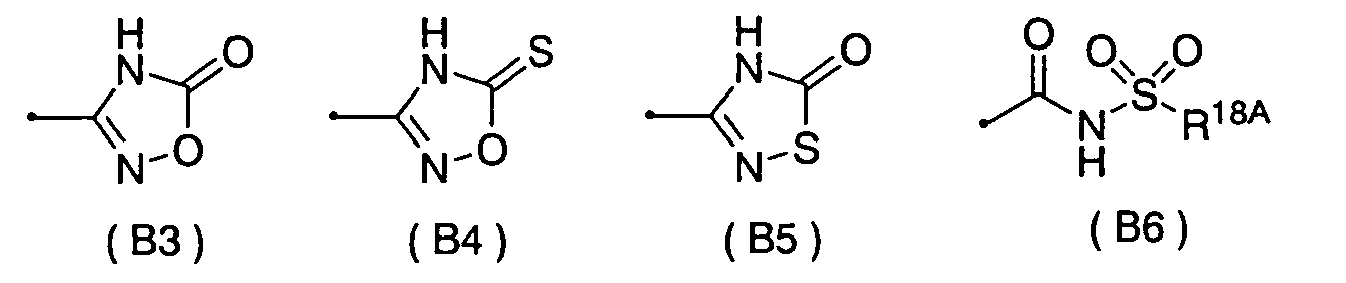
- (wherein R18A is as defined above)>,
or a pharmaceutically acceptable salt thereof.
(6) The tricyclic compound or the pharmaceutically acceptable salt thereof according to (5), wherein the group -

- in the formula (IA) is a group selected from the group consisting of the aforementioned formulas (A1) to (A20).
(7) The tricyclic compound or the pharmaceutically acceptable salt thereof according to (5), wherein -

- in the formula (IA) is a group selected from the group consisting of the following formulas (A4), (A9), (A11) and (A12)
-

- (wherein R1A, R6A and R7A are as defined above, respectively). (8) The tricyclic compound or the pharmaceutically acceptable salt thereof according to (5), wherein
-

- in the formula (IA) is a group represented by the following formula (A4)
-

- (wherein R1A, R6A and R7A are as defined above, respectively). (9) The tricyclic compound or the pharmaceutically acceptable salt thereof according to (5), wherein
-

- in the formula (IA) is a group represented by the following formula (A12)
-

- (wherein R1A, R6A and R7A are as defined above, respectively).
- (10) The tricyclic compound or the pharmaceutically acceptable salt thereof according to any of (5) to (9), wherein Z1A-Z2A is C=CR13AA (wherein R13AA is as defined above), CH-CHR15AA (wherein R15AA is as defined above), or N-CR16AAR17A (wherein R16AA and R17A are as defined above, respectively).
- (11) The tricyclic compound or the pharmaceutically acceptable salt thereof according to any of (5) to (10), wherein AA is the following formula (B3)
-

-
- (12) The tricyclic compound or the pharmaceutically acceptable salt thereof according to any of (5) to (11), wherein Q1A-Q2A-Q3A is CH=CH-CH=CH.
- (13) The tricyclic compound or the pharmaceutically acceptable salt thereof according to any of (5) to (12), wherein YA is CH2CH2 or CH2O.
- (14) A pharmaceutical composition comprising the tricyclic compound or the pharmaceutically acceptable salt thereof recited in any of (5) to (13) as an active ingredient.
- (15) A PPARγ agonist comprising the tricyclic compound or the pharmaceutically acceptable salt thereof recited in any of (5) to (13) as an active ingredient.
- (16) An agent having a PPARγ agonistic action and an angiotensin II receptor antagonistic action in combination, which comprises the tricyclic compound or the pharmaceutically acceptable salt thereof recited in any of (5) to (13) as an active ingredient.
- (17) An agent for treating and/or preventing a disease related to PPARγ, which comprises the tricyclic compound or the pharmaceutically acceptable salt thereof recited in any of (5) to (13) as an active ingredient.
- (18) The agent according to (17), wherein the disease related to PPARγ is a disease further related to an angiotensin II receptor.
- (19) The agent according to (17) or (18), wherein the disease related to PPARγ is selected from the group consisting of type 2 diabetes, impaired glucose tolerance, insulin resistance syndrome, hypertension, hyperlipidemia, metabolic syndrome, visceral obesity, obesity and hypertriglyceridemia.
- (20) An angiotensin II receptor antagonist comprising the tricyclic compound or the pharmaceutically acceptable salt thereof recited in any of (5) to (13) as an active ingredient. (21) An agent for treating and/or preventing a disease related to an angiotensin II receptor, which comprises the tricyclic compound or the pharmaceutically acceptable salt thereof recited in any of (5) to (13) as an active ingredient.
- (22) An antihypertensive agent which comprises the tricyclic compound or the pharmaceutically acceptable salt thereof recited in any of (5) to (13) as an active ingredient.
- (23) A method of activating PPARγ, which comprises administering an effective amount of the tricyclic compound or the pharmaceutically acceptable salt thereof recited in (1). (24) A method of activating PPARγ and antagonizing an angiotensin II receptor, which comprises administering an effective amount of the tricyclic compound or the pharmaceutically acceptable salt thereof recited in (1).
- (25) The method according to (23) or (24), wherein the method of activating PPARγ is a method for treating and/or preventing a disease related to PPARγ.
- (26) The method according to (25), wherein the disease related to PPARγ is a disease further related to an angiotensin II receptor.
- (27) The method according to (25) or (26), wherein the disease related to PPARγ is a disease selected from the group consisting of type 2 diabetes, impaired glucose tolerance, insulin resistance syndrome, hypertension, hyperlipidemia, metabolic syndrome, visceral obesity, obesity and hypertriglyceridemia.
- (28) A method of activating PPARγ, which comprises administering an effective amount of the tricyclic compound or the pharmaceutically acceptable salt thereof recited in any of (5) to (13).
- (29) A method of activating PPARγ and antagonizing an angiotensin II receptor, which comprises administering an effective amount of the tricyclic compound or the pharmaceutically acceptable salt thereof recited in any of (5) to (13).
- (30) The method according to (28) or (29), wherein the method of activating PPARγ is a method for treating and/or preventing a disease related to PPARγ.
- (31) The method according to (30), wherein the treating the disease related to PPARγ is a disease further related to an angiotensin II receptor.
- (32) The method according to (30) or (31), wherein the disease related to PPARγ is a disease selected from the group consisting of type 2 diabetes, impaired glucose tolerance, insulin resistance syndrome, hypertension, hyperlipidemia, metabolic syndrome, visceral obesity, obesity and hypertriglyceridemia.
- (33) A method of antagonizing an angiotensin II receptor, which comprises administering an effective amount of the tricyclic compound or the pharmaceutically acceptable salt thereof recited in any of (5) to (13).
- (34) The method according to any of (29) to (33), wherein the method of antagonizing an angiotensin II receptor is a method for treating and/or preventing a disease related to an angiotensin II receptor.
- (35) The method according to (34), wherein the method for treating and/or preventing a disease related to an angiotensin II receptor is a method for treating and/or preventing hypertension.
- (36) Use of the tricyclic compound or the pharmaceutically acceptable salt thereof recited in (1) for the production of a PPARγ agonist.
- (37) Use of the tricyclic compound or the pharmaceutically acceptable salt thereof recited in (1) for the production of an agent having a PPARγ agonistic action and an angiotensin II receptor antagonistic action in combination.
- (38) Use of the tricyclic compound or the pharmaceutically acceptable salt thereof recited in (1) for the production of an agent for treating and/or preventing a disease related to PPARγ.
- (39) Use according to (38), wherein the disease related to PPARγ is a disease selected from the group consisting of type 2 diabetes, impaired glucose tolerance, insulin resistance syndrome, hypertension, hyperlipidemia, metabolic syndrome, visceral obesity, obesity and hypertriglyceridemia.
- (40) Use of the tricyclic compound or the pharmaceutically acceptable salt thereof recited in any of (5) to (13) for the production of a PPARγ agonist.
- (41) Use of the tricyclic compound or the pharmaceutically acceptable salt thereof recited in any of (5) to (13) for the production of an agent having a PPARγ agonistic action and an angiotensin II receptor antagonistic action in combination.
- (42) Use of the tricyclic compound or the pharmaceutically acceptable salt thereof recited in any of (5) to (13) for the production of an agent for treating and/or preventing a disease related to PPARγ.
- (43) Use according to (42), wherein the disease related to PPARγ is a disease further related to an angiotensin II receptor.
- (44) Use according to (42) or (43), wherein the disease related to PPARγ is a disease selected from the group consisting of type 2 diabetes, impaired glucose tolerance, insulin resistance syndrome, hypertension, hyperlipidemia, metabolic syndrome, visceral obesity, obesity and hypertriglyceridemia.
- (45) Use of the tricyclic compound or the pharmaceutically acceptable salt thereof recited in any of (5) to (13) for the production of an angiotensin II receptor antagonist.
- (46) Use of the tricyclic compound or the pharmaceutically acceptable salt thereof recited in any of (5) to (13) for the production of an agent for treating and/or preventing a disease related to an angiotensin II receptor.
- (47) Use of the tricyclic compound or the pharmaceutically acceptable salt thereof recited in any of (5) to (13) for the production of an antihypertensive agent.
- The present invention provides a PPARγ agonist comprising a tricyclic compound as an active ingredient, which is useful as an agent for treating and/or preventing, for example, type 2 diabetes, impaired glucose tolerance, insulin resistance syndrome, hypertension, hyperlipidemia, metabolic syndrome, visceral obesity, obesity, hypertriglyceridemia, inflammatory dermatic diseases (e.g., psoriasis, atopic dermatitis, seborrheic dermatitis, solar dermatitis etc.), inflammatory diseases (e.g., rheumatoid arthritis, ulcerative colitis, Crohn's disease, endometritis etc.), proliferative diseases (e.g., atherosclerosis, angiostenosis, restenosis etc.), inflammatory neuropsychiatric diseases (e.g., multiple sclerosis etc.), neurodegenerative neuropsychiatric diseases (e.g., Alzheimer's disease, Parkinson's disease etc.) or the like. The PPARγ agonist provided by the present invention preferably further has an angiotensin II receptor antagonistic action, and is useful as an agent for treating and/or preventing, for example, cardiovascular diseases such as arteriosclerosis, cardiac disease, cerebral apoplexy, renal diseases, etc. or the like, in addition to the above-mentioned diseases.
- In addition, a novel tricyclic compound or a pharmaceutically acceptable salt thereof having a PPARγ agonist activity, which is useful as an agent for treating and/or preventing, for example, type 2 diabetes, impaired glucose tolerance, insulin resistance syndrome, hypertension, hyperlipidemia, metabolic syndrome, visceral obesity, obesity, hypertriglyceridemia, inflammatory dermatic diseases (e.g., psoriasis, atopic dermatitis, seborrheic dermatitis, solar dermatitis etc.), inflammatory diseases (e.g., rheumatoid arthritis, ulcerative colitis, Crohn's disease, endometritis etc.), proliferative diseases (e.g., atherosclerosis, angiostenosis, restenosis etc.), inflammatory neuropsychiatric diseases (e.g., multiple sclerosis etc.), neurodegenerative neuropsychiatric diseases (e.g., Alzheimer's disease, Parkinson's disease etc.) or the like is provided. The tricyclic compound or a pharmaceutically acceptable salt thereof provided by the present invention preferably further has an angiotensin II receptor antagonistic action, and is useful as an agent for treating and/or preventing, for example, cardiovascular diseases such as arteriosclerosis, cardiac disease, cerebral apoplexy, renal diseases, or the like, in addition to the above-mentioned diseases.
- Hereinafter a compound represented by the formula (I) is referred to as compound (I). The same applies to the compounds of other formula numbers.
In the definition of each group of the formulas (I) and (IA),
examples of lower alkyl, and the lower alkyl moiety of lower alkoxy, lower alkylsulfanyl, lower alkanoyloxy, lower alkanoyl, lower alkoxycarbonyl, lower alkylcarbamoyl and di-lower alkylcarbamoyl include straight chain or branched alkyl having 1 to 10 carbon atoms, and more specific examples thereof include methyl, ethyl, propyl, isopropyl, butyl, isobutyl, sec-butyl, tert-butyl, pentyl, isopentyl, neopentyl, hexyl, heptyl, octyl, nonyl, decyl and the like. Two lower alkyl moieties of di-lower alkylcarbamoyl may be the same or different. - Examples of the lower alkenyl include straight chain or branched alkenyl having 2 to 10 carbon atoms, and more specific examples thereof include vinyl, allyl, 1-propenyl, butenyl, pentenyl, hexenyl, heptenyl, octenyl, nonenyl, decenyl and the like.
Examples of the cycloalkyl include cycloalkyl having 3 to 8 carbon atoms, and more specific examples thereof include cyclopropyl, cyclobutyl, cyclopentyl, cyclohexyl, cycloheptyl, cyclooctyl and the like. - Examples of the aralkyl include aralkyl having 7 to 16 carbon atoms, and more specific examples thereof include benzyl, phenethyl, phenylpropyl, phenylbutyl, phenylpentyl, phenylhexyl, phenylheptyl, phenyloctyl, phenylnonyl, phenyldecyl, naphthylmethyl, naphthylethyl, naphthylpropyl, naphthylbutyl, naphthylpentyl, naphthylhexyl, anthrylmethyl, anthrylethyl and the like.
- Examples of the aryl include aryl having 6 to 14 carbon atoms, and more specific examples thereof include phenyl, naphthyl, azulenyl, anthryl and the like.
Examples of the aliphatic heterocyclic group and the aliphatic heterocyclic group moiety of aliphatic heterocycle-carbonyl include a 5-membered or 6-membered monocyclic aliphatic heterocyclic group comprising at least one atom selected from a nitrogen atom, an oxygen atom and a sulfur atom, a bicyclic or tricyclic condensed aliphatic heterocyclic group containing at least one atom selected from a nitrogen atom, an oxygen atom and a sulfur atom, wherein 3- to 8-membered rings are condensed, and the like, and more specific examples thereof include aziridinyl, azetidinyl, pyrrolidinyl, piperidino, piperidinyl, azepanyl, 1,2,5,6-tetrahydropyridyl, imidazolidinyl, pyrazolidinyl, piperazinyl, homopiperazinyl, pyrazolinyl, oxiranyl, tetrahydrofuranyl, tetrahydro-2H-pyranyl, 5,6-dihydro-2H-pyranyl, oxazolidinyl, morpholino, morpholinyl, thioxazolidinyl, thiomorpholinyl, 2H-oxazolyl, 2H-thioxazolyl, dihydroindolyl, dihydroisoindolyl, dihydrobenzofuranyl, benzimidazolidinyl, dihydrobenzooxazolyl, dihydrobenzothioxazolyl, benzodioxolinyl, tetrahydroquinolyl, tetrahydroisoquinolyl, dihydro-2H-chromanyl, dihydro-1H-chromanyl, dihydro-2H-thiochromanyl, dihydro-1H-thiochromanyl, tetrahydroquinoxalinyl, tetrahydroquinazolinyl, dihydrobenzodioxanyl and the like. - Examples of the aromatic heterocyclic group include a 5-membered or 6-membered monocyclic aromatic heterocyclic group containing at least one atom selected from a nitrogen atom, an oxygen atom and a sulfur atom, a bicyclic or tricyclic condensed aromatic heterocyclic group containing at least one atom selected from a nitrogen atom, an oxygen atom and a sulfur atom, wherein 3- to 8-membered rings are condensed, and the like, and more specific examples thereof include furyl, thienyl, pyrrolyl, imidazolyl, pyrazolyl, oxazolyl, isoxazolyl, oxadiazolyl, thiazolyl, isothiazolyl, thiadiazolyl, triazolyl, tetrazolyl, pyridyl, pyridazinyl, pyrimidinyl, pyrazinyl, triazinyl, benzofuranyl, benzothiophenyl, benzoxazolyl, benzothiazolyl, isoindolyl, indolyl, indazolyl, benzimidazolyl, benzotriazolyl, oxazolopyrimidinyl, thiazolopyrimidinyl, pyrrolopyridinyl, pyrrolopyrimidinyl, imidazopyridinyl, purinyl, quinolinyl, isoquinolinyl, cinnolinyl, phthalazinyl, quinazolinyl, quinoxalinyl, naphthyridinyl and the like.
- Examples of the nitrogen-containing heterocyclic group formed together with the adjacent nitrogen atom thereto include a 5-membered or 6-membered monocyclic heterocyclic group containing at least one nitrogen atom (said monocyclic heterocyclic group may contain other nitrogen atom, oxygen atom or sulfur atom), a bicyclic or tricyclic condensed heterocyclic group containing at least one nitrogen atom (said condensed heterocyclic group may contain other nitrogen atom, oxygen atom or sulfur atom), wherein 3- to 8-membered rings are condensed, and the like, and more specific examples thereof include aziridinyl, azetidinyl, pyrrolidinyl, piperidino, azepanyl, pyrrolyl, imidazolidinyl, imidazolyl, pyrazolidinyl, pyrazolinyl, pyrazolyl, piperazinyl, homopiperazinyl, oxazolidinyl, 2H-oxazolyl, thioxazolidinyl, 2H-thioxazolyl, morpholino, thiomorpholinyl, dihydroindolyl, dihydroisoindolyl, indolyl, isoindolyl, tetrahydroquinolyl, tetrahydroisoquinolyl, dihydrobenzooxazolyl, dihydrobenzothioxazolyl, benzimidazolidinyl, benzimidazolyl, dihydroindazolyl, indazolyl, benzotriazolyl, pyrrolopyridinyl, pyrrolopyrimidinyl, imidazopyridinyl, purinyl and the like.
- Halogen means each atom of fluorine, chlorine, bromine or iodine.
The substituent(s) of lower alkyl optionally having substituent(s), lower alkenyl optionally having substituent(s), lower alkoxy optionally having substituent(s), lower alkylsulfanyl optionally having substituent(s), lower alkanoyloxy optionally having substituent(s), lower alkanoyl optionally having substituent(s), lower alkoxycarbonyl optionally having substituent(s), lower alkylcarbamoyl optionally having substituent(s) and di-lower alkylcarbamoyl optionally having substituent(s) are the same or different and examples thereof include 1 to 3 substituents selected from the group consisting of
halogen, hydroxy, sulfanyl, nitro, cyano, carbamoyl, C3-8 cycloalkyl, an aliphatic heterocyclic group, an aromatic heterocyclic group,
C1-10 alkoxy, C3-8 cycloalkoxy, C6-14 aryloxy, C7-16 aralkyloxy, C2-11 alkanoyloxy, C7-15 aroyloxy, C1-10 alkylsulfanyl,
-NRXRY (wherein RX and RY are the same or different and each represents a hydrogen atom, C1-10 alkyl, C3-8 cycloalkyl, C6-14 aryl, an aromatic heterocyclic group, C7-16 aralkyl, C2-11 alkanoyl, C7-15 aroyl, C1-10 alkoxycarbonyl or C7-16 aralkyloxycarbonyl),
C2-11 alkanoyl, C7-15 aroyl, C1-10 alkoxycarbonyl, C6-14 aryloxycarbonyl, C1-10 alkylcarbamoyl, di-C1-10 alkylcarbamoyl and the like. - The substituents of aryl optionally having substituent(s), aralkyl optionally having substituent(s) and an aromatic heterocyclic group optionally having substituent(s) are the same or different and examples thereof include 1 to 3 substituents selected from the group consisting of halogen, hydroxy, sulfanyl, nitro, cyano, carbamoyl, C1-10 alkyl, trifluoromethyl, C3-8 cycloalkyl, C6-14 aryl, an aliphatic heterocyclic group, an aromatic heterocyclic group, C1-10 alkoxy, C3-8 cycloalkoxy, C6-14 aryloxy, C7-16 aralkyloxy, C2-11 alkanoyloxy, C7-15 aroyloxy,
C1-10 alkylsulfanyl,
-NRXRY (wherein RX and RY are the same or different and each represents a hydrogen atom, C1-10 alkyl, C3-8 cycloalkyl, C6-14 aryl, an aromatic heterocyclic group, C7-16 aralkyl, C2-11 alkanoyl, C7-15 aroyl, C1-10 alkoxycarbonyl or C7-16 aralkyloxycarbonyl),
C2-11 alkanoyl, C7-15 aroyl, C1-10 alkoxycarbonyl, C6-14 aryloxycarbonyl, C1-10 alkylcarbamoyl, di-C1-10 alkylcarbamoyl and the like. - The substituents of cycloalkyl optionally having substituent(s), an aliphatic heterocyclic group optionally having substituent(s), aliphatic heterocycle-carbonyl optionally having substituent(s) and a nitrogen-containing heterocyclic group optionally having substituent(s), which is formed together with the adjacent nitrogen atom thereto, are the same or different and examples thereof include 1 to 3 substituents selected from the group consisting of oxo, halogen, hydroxy, sulfanyl, nitro, cyano, carbamoyl, C1-10 alkyl, trifluoromethyl, C3-8 cycloalkyl, C6-14 aryl, an aliphatic heterocyclic group, an aromatic heterocyclic group, C1-10 alkoxy, C3-8 cycloalkoxy, C6-14 aryloxy, C7-16 aralkyloxy, C2-11 alkanoyloxy, C7-15 aroyloxy,
C1-10 alkylsulfanyl,
-NRXRY (wherein RX and RY are the same or different and each represents a hydrogen atom, C1-10 alkyl, C3-8 cycloalkyl, C6-14 aryl, an aromatic heterocyclic group, C7-16 aralkyl, C2-11 alkanoyl, C7-15 aroyl, C1-10 alkoxycarbonyl or C7-16 aralkyloxycarbonyl),
C2-11 alkanoyl, C7-15 aroyl, C1-10 alkoxycarbonyl, C6-14 aryloxycarbonyl, C1-10 alkylcarbamoyl, di-C1-10 alkylcarbamoyl and the like. - Examples of C1-10 alkyl and the C1-10 alkyl moiety of C1-10 alkoxy, C2-11 alkanoyloxy, C1-10 alkylsulfanyl, C2-11 alkanoyl, C1-10 alkoxycarbonyl, C1-10 alkylcarbamoyl and di-C1-10 alkylcarbamoyl shown here include the groups recited as examples of the aforementioned lower alkyl. Two C1-10 alkyl in di-C1-10 alkylcarbamoyl may be the same or different.
- Examples of C3-8 cycloalkyl and the cycloalkyl moiety of C3-8 cycloalkoxy include the groups recited as examples of the aforementioned cycloalkyl.
Examples of C6-14 aryl and the aryl moiety of C6-14 aryloxy, C7-15 aroyl, C7-15 aroyloxy and C6-14 aryloxycarbonyl include the groups recited as examples of the aforementioned aryl. - Examples of C7-16 aralkyl and the C7-16 aralkyl moiety of C7-16 aralkyloxy and C7-16 aralkyloxycarbonyl include the groups recited as examples of the aforementioned aralkyl.
Examples of the aliphatic heterocyclic group, the aromatic heterocyclic group and halogen include the groups recited as examples of the aforementioned aliphatic heterocyclic group, the aforementioned aromatic heterocyclic group and the aforementioned halogen, respectively. - As compounds (I) and (IA), the compounds described in the aforementioned (6) to (13) are more preferable. More specifically, compounds represented by the formulas (IA-A) or (IA-B),
-

- (wherein D represents CH or N, R1X represents C1-6 alkyl, C3-8 cycloalkyl or C1-6 alkoxy, R6X represents a hydrogen atom, halogen, trifluoromethyl or C1-6 alkyl, R7X represents a hydrogen atom, halogen or C1-6 alkyl, YX represents CH2CH2, CH2O or OCH2, R13X represents a hydrogen atom or C1-6 alkyl, and AX represents the following formula (b2) or (b3),
-

- are preferable, and
compounds represented by the formulas (IA-C) or (IA-D), -

- (wherein D, R1X, R6X, R7X, YX, R13X and AX are as defined above, respectively),
are more preferable.
Still more preferably, in each of the groups of compounds (IA-A), (IA-B), (IA-C), and (IA-D),
D is CH or N,
R1X is preferably, for example, methyl, ethyl, propyl, cyclopropyl, cyclobutyl, cyclopentyl, cyclohexyl, methoxy, ethoxy, propoxy or the like, more preferably ethyl, propyl, cyclopropyl, ethoxy or the like,
R6X is preferably, for example, a hydrogen atom, a fluorine atom, a chlorine atom, a bromine atom, methyl, ethyl, propyl, isopropyl or the like, more preferably a hydrogen atom, a chlorine atom, methyl or the like, still more preferably a chlorine atom, methyl or the like,
R7X is preferably, for example, a hydrogen atom, a fluorine atom, a chlorine atom, a bromine atom, methyl, ethyl, propyl, isopropyl or the like, more preferably a hydrogen atom, methyl or the like,
YX is more preferably, for example, CH2CH2, CH2O or the like, R13X is preferably, for example, C1-6 alkyl or the like, more preferably methyl, ethyl, propyl or the like, still more preferably methyl or the like, and
AX is preferably, for example, the above-mentioned formula (b3). - The pharmaceutically acceptable salts of compound (I) and (IA) comprise, for example, pharmaceutically acceptable acid addition salts, metal salts, ammonium salts, organic amine addition salts, amino acid addition salts and the like. Examples of the pharmaceutically acceptable acid addition salts of compounds (I) and (IA) include inorganic acid salts such as hydrochloride, hydrobromide, nitrate, sulfate, phosphate and the like, organic acid salts such as acetate, oxalate, maleate, fumarate, citrate, benzoate, methanesulfonate etc., and the like. Examples of the pharmaceutically acceptable metal salts include alkali metal salts such as sodium salt, potassium salt and the like, alkaline earth metal salts such as magnesium salt, calcium salt and the like, aluminum salt, zinc salt and the like. Examples of the pharmaceutically acceptable ammonium salt include salts of ammonium, tetramethylammonium and the like. Examples of the pharmaceutically acceptable organic amine addition salt include addition salts such as morpholine, piperidine and the like. Examples of the pharmaceutically acceptable amino acid addition salt include addition salts such as lysine, glycine, phenylalanine, aspartic acid, glutamic acid and the like.
- The production methods of compound (I) are explained in the following.
In the production methods shown below, when the defined groups change under the conditions of the production methods or are inappropriate for performing the production methods, the desired compound can be produced by performing the methods for the introduction and removal of the protecting groups conventionally performed in the synthetic organic chemistry (e.g., methods described in Protective Groups in Organic Synthesis, third edition, T.W. Greene, John Wiley & Sons Inc., 1999 etc.) or the like. If necessary, the order of the reaction steps such as substituent introduction or the like can also be changed. - Of compound (I), a compound wherein A is the following formula (b1) or (b2)
-

- can be produced by known methods (e.g.,
JP-B-2526005 JP-A-7-61983 - Of compound (I), compounds (Ia) to (Id) wherein each of Z1-Z2 is N-CR16R17 (wherein R16 and R17 are as defined above, respectively) and A is the following formula (b2), (b3), (b4) or (b5)
-

- can be produced according to the following steps.
-
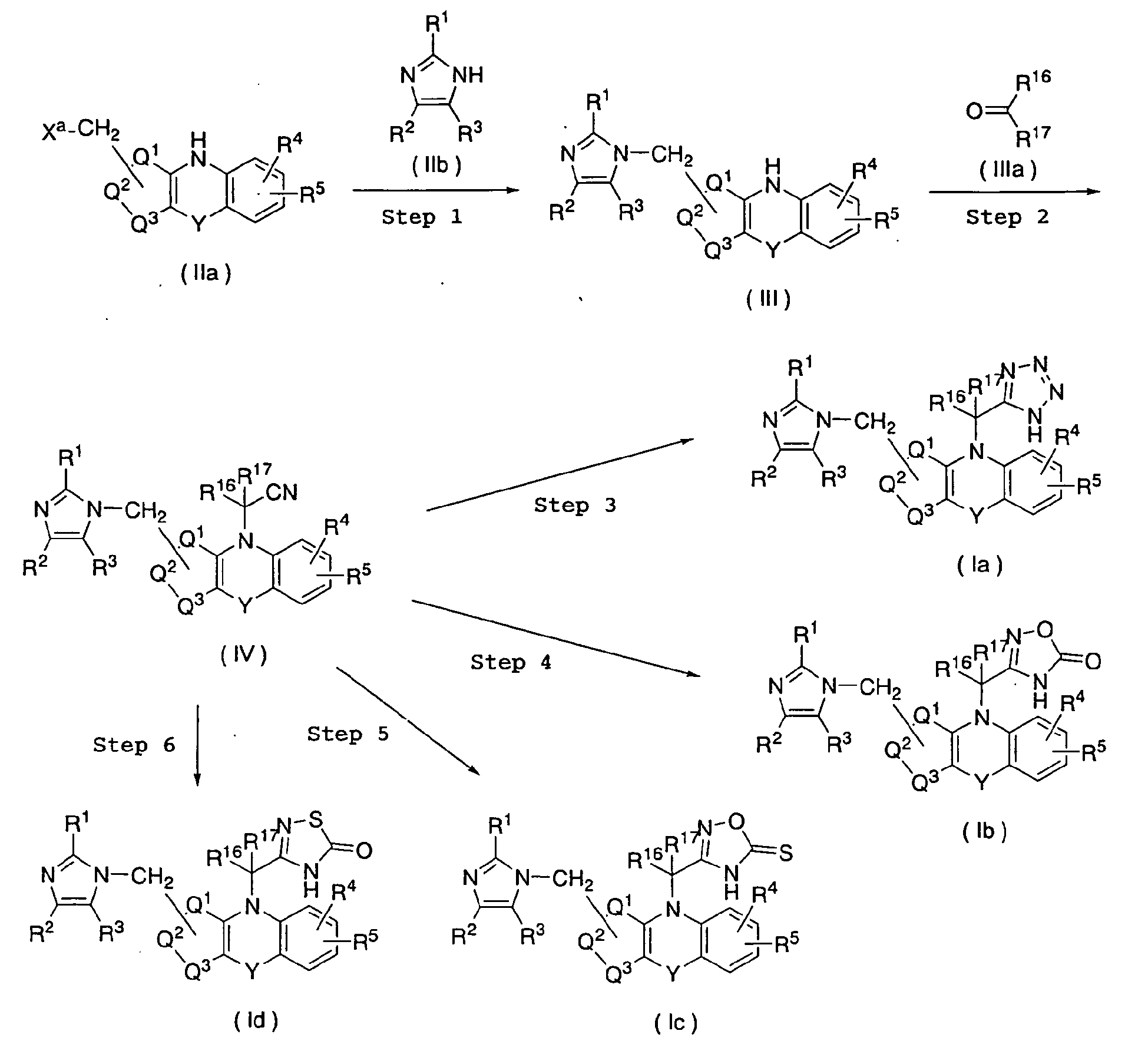
- [wherein R1, R2, R3, R4, R5, R16, R17, Q1-Q2-Q3 and Y are as defined above, respectively, Xa represents a leaving group such as a chlorine atom, a bromine atom, an iodine atom, trifluoromethanesulfonyloxy, methanesulfonyloxy, benzenesulfonyloxy, p-toluenesulfonyloxy or the like or a group represented by the following formula
-

- (wherein X represents a chlorine atom, a bromine atom, an iodine atom, trifluoromethanesulfonyloxy, methanesulfonyloxy, benzenesulfonyloxy, p-toluenesulfonyloxy or the like, Ra represents C1-10 alkyl, C2-10 alkenyl, phenyl or benzyl, Rb and Rc are the same or different and each represents C1-10 alkyl or C3-8 cycloalkyl, or Rb and Rc form a nitrogen-containing heterocyclic group together with the adjacent nitrogen atom thereto)].
- Compound (III) can be obtained by reacting compound (IIa) with 1 equivalent amount to 5 equivalent amount of compound (IIb) in a solvent in the presence of, if necessary, 1 equivalent amount to large excess amount of a base for 5 min to 120 hr at a temperature between -20°C and the boiling point of the solvent to be used.
- Examples of the base include sodium carbonate, potassium carbonate, lithium carbonate, cesium carbonate, sodium hydrogen carbonate, potassium hydrogen carbonate, lithium hydrogen carbonate, sodium hydroxide, potassium hydroxide, lithium hydroxide, sodium methoxide, potassium ethoxide, potassium tert-butoxide, sodium hydride, potassium hydride, butyl lithium, lithium bistrimethylsilylamide, sodium bistrimethylsilylamide, triethylamine, diisopropylethylamine, tributylamine, dicyclohexylmethylamine and the like. Examples of the solvent include dimethylformamide (DMF), dimethylacetamide (DMA), N-methylpyrrolidone (NMP), dimethyl sulfoxide (DMSO), tetrahydrofuran (THF), acetonitrile, isopropyl alcohol and the like, and these can be used alone or in a mixture.
- Here, compound (IIa) can be obtained by the methods described in
JP-B-2526005 JP-A-7-61983 US Patent No. 5332744 ,EP-B-400835 JP-A-5-783228 - Compound (IV) can be obtained by reacting compound (III) obtained in step 1 with 1 equivalent amount to large excess amount of compound (IIIa) and 1 equivalent amount to large excess amount of a cyanide salt in a solvent or without solvent in the presence of 1 equivalent amount to large excess amount of an acid for 5 min to 72 hr at a temperature between -20°C and the boiling point of the solvent to be used.
- Examples of the cyanide salt include sodium cyanide, potassium cyanide and the like. Examples of the acid include acetic acid, trifluoroacetic acid and the like. Examples of the solvent include dichloroethane, dioxane, THF, ethanol and the like, and these can be used alone or in a mixture.
Here, compound (IIIa) can be obtained as a commercially available product. - Compound (Ia) can be obtained by reacting compound (IV) obtained in step 2 with 1 equivalent amount to 10 equivalent amount of sodium azide in a solvent in the presence of 1 equivalent amount to large excess amount of a weak acid for 5 min to 120 hr at a temperature between -20°C and the boiling point of the solvent to be used.
- Examples of the weak acid include ammonium chloride, triethylamine hydrochloride and the like. Examples of the solvent include DMF, DMA, NMP, DMSO and the like, and these can be used alone or in a mixture.
In addition, as another method, compound (Ia) can be also obtained by reacting compound (IV) with 1 equivalent amount to 10 equivalent amount of sodium azide in a solvent in the presence of 0.01 to 10 equivalent amount of an additive for 1 hr to 120 hr at a temperature between -10°C and the boiling point of the solvent to be used. - Examples of the additive include tributyltin chloride, trimethyltin chloride, dibutyltin oxide and the like. Examples of the solvent include toluene, xylene and the like, and these can be used alone or in a mixture.
- Compound (Ib) can be produced using compound (IV) obtained in step 2 and according to the following steps.
-

- (wherein R1, R2, R3, R4, R5, R16, R17, Q1-Q2-Q3 and Y are as defined above, respectively , and Rd represents methyl, ethyl, propyl, phenyl or the like).
- Compound (Ib-1) can be obtained by reacting compound (IV) with 1 equivalent amount to large excess amount of hydroxylamine in a solvent for 5 min to 120 hr at a temperature between -20°C and the boiling point of the solvent to be used.
- As hydroxylamine, for example, an inorganic acid salt such as hydroxylamine hydrochloride or the like can be used. In this case, it is preferred that an equivalent amount of a base such as sodium methoxide or the like coexist. Examples of the solvent include methanol, ethanol, DMF, DMA, DMSO and the like, and these can be used alone or in a mixture.
- Compound (Ib-2) can be obtained by reacting compound (Ib-1) obtained in the above-mentioned step 4-1 with 1 equivalent amount to large excess amount of chlorocarbonate ester in a solvent in the presence of 1 equivalent amount to large excess amount of a base for 5 min to 72 hr at a temperature between 20°C and the boiling point of the solvent to be used.
- Examples of chlorocarbonate ester include methyl chlorocarbonate, ethyl chlorocarbonate, propyl chlorocarbonate, phenyl chlorocarbonate and the like. Examples of the base include triethylamine, pyridine, 4-dimethylaminopyridine (DMAP), sodium hydroxide, sodium hydride, potassium tert-butoxide, sodium methoxide and the like. Examples of the solvent include THF, DMF, DMA, toluene, xylene and the like, and these can be used alone or in a mixture.
- Compound (Ib) can be obtained by reacting compound (Ib-2) obtained in the above-mentioned step 4-2 in a solvent in the presence of, if necessary, a catalytic amount to 10 equivalent amount of a base for 5 min to 72 hr at a temperature between - 20°C and the boiling point of the solvent to be used.
- Examples of the base include sodium hydroxide, sodium hydride, potassium tert-butoxide, sodium methoxide and the like. Examples of the solvent include THF, DMF, DMA, toluene, xylene and the like, and these can be used alone or in a mixture.
The above-mentioned steps 4-1 to 4-3 can also be performed continuously by successively adding a reagent to the reaction mixture without isolating the resultant product. - Compound (Ic) can be obtained by reacting compound (Ib-1) obtained from compound (IV) in the same manner as in the above-mentioned step 4-1, with 1 equivalent amount to large excess amount of N,N'-thiocarbonyldiimidazole in a solvent in the presence of 1 equivalent amount to large excess amount of a base for 5 min to 72 hr at a temperature between -20°C and the boiling point of the solvent to be used.
- Examples of the base include triethylamine, pyridine, DMAP, diazabicycloundecene (DBU) and the like. Examples of the solvent include THF, 1,4-dioxane, dichloromethane, chloroform, acetonitrile, acetone and the like, and these can be used alone or in a mixture.
- Compound (Id) can be obtained by reacting compound (Ib-1) obtained from compound (IV) in the same manner as in the above-mentioned step 4-1, with 1 equivalent amount to large excess amount of N,N'-thiocarbonyldiimidazole in a solvent in the presence of 1 equivalent amount to large excess amount of a Lewis acid for 5 min to 72 hr at a temperature between -20°C and the boiling point of the solvent to be used.
- Examples of Lewis acid include boron trifluoride diethyl ether complex, stannous chloride, zinc chloride, silica gel and the like. Examples of the solvent include THF, 1,4-dioxane, dichloromethane, chloroform, methanol, ethanol and the like, and these can be used alone or in a mixture.
- Compound (III) can also be produced according to the following steps.
-

- (wherein R1, R2, R3, R4, R5, Q1-Q2-Q3 and Y are as defined above, respectively).
- Compound (III) can be obtained by reacting compound (IIc) with 1 equivalent amount to 5 equivalent amount of compound (IIb) in a solvent in the presence of 1 equivalent amount to large excess amount of a condensation agent and, if necessary, 1 equivalent amount to large excess amount of a phosphine compound for 5 min to 72 hr at a temperature between -20°C and the boiling point of the solvent to be used.
- Examples of the condensation agent include diethyl azodicarboxylate, diisopropyl azodicarboxylate, di(tert-butyl) azodicarboxylate, (cyanomethylene)trimethylphosphorane, (cyanomethylene)tributylphosphorane and the like. Examples of the phosphine compound include triphenylphosphine, tributylphosphine, polymer supported triphenylphosphine and the like. Examples of the solvent include THF, DMF, dichloromethane, acetonitrile and the like, and these can be used alone or in a mixture.
- As another method, compound (III) can also be obtained by reacting compound (IIc) in a solvent or without solvent in the presence of 1 equivalent amount to large excess amount of a halogenating agent for 5 min to 72 hr at a temperature between -20°C and the boiling point of the solvent to be used, and successively in the same manner as in step 1 of production method 2.
Examples of the halogenating agent include thionyl chloride; phosphorus tribromide; a combination of triphenylphosphine, 2,6-lutidine and carbon tetrachloride; a combination of triphenylphosphine, 2,6-lutidine and carbon tetrabromide; a combination of methanesulfonyl chloride and lithium chloride, a combination of methanesulfonyl chloride and lithium bromide and the like. Examples of the solvent include THF, DMF, DMA, dichloromethane, dichloroethane, acetonitrile and the like, and these can be used alone or in a mixture. - Here, compound (IIc) can be obtained according to
JP-B-2526005 - Of compound (I), compound (Ie) wherein A is the following formula (b1), (b2), (b3), (b4) or (b5)
-

- and Z1-Z2 is C=CR13 (wherein R13 is as defined above), can be produced according to the following steps.
-
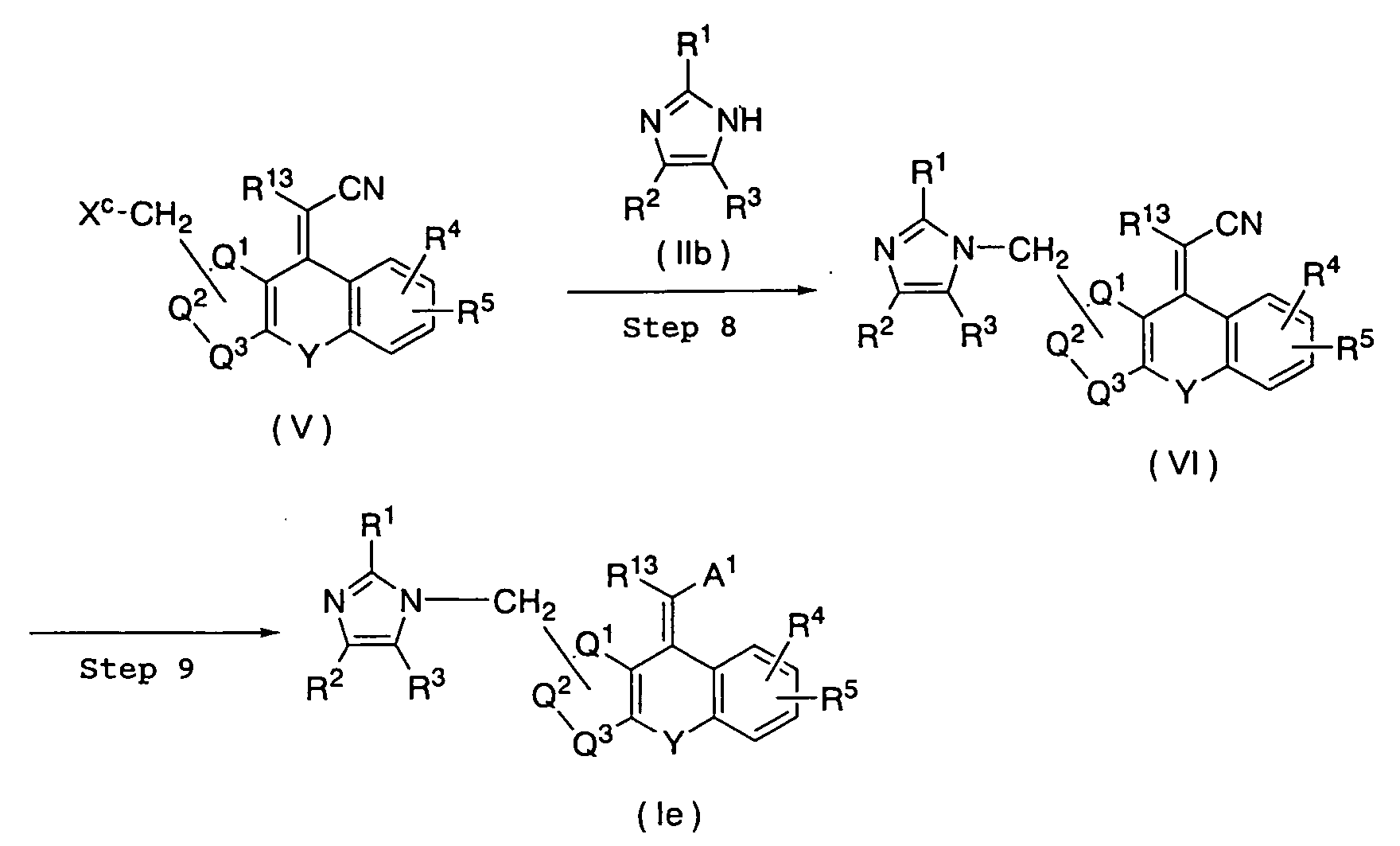
- (wherein Xc is as Xa defined above or hydroxy, R1, R2, R3, R4, R5, R13, Q1-Q2-Q3 and Y are as defined above, respectively and A1 represents a group represented by any of the above-mentioned formulas (b1) to (b5)).
- Compound (VI) can be obtained by using compound (V) and compound (IIb) and in the same manner as in the known methods described in production method 1, step 1 of production method 2 or production method 3.
- Here, compound (V) can be obtained according the method described in
JP-B-2526005 - Compound (Ie) can be obtained by using compound (VI) obtained in step 8 and in the same manner as in the known method described in production method 1 or steps 3 to 6 of production method 2.
- Of compound (I), compound (If) wherein Z1-Z2 is CH-CR14R15 (wherein R14 and R15 are as defined above, respectively) can be obtained according to the following steps.
-

- (wherein Xc, R1, R2, R3, R4, R5, R14, R15, Q1-Q2-Q3, Y and A1 are as defined above, respectively).
- Compound (VIII) can be obtained by using compound (VII) and compound (IIb) and in the same manner as in the known methods described in production method 1, step 1 of production method 2 or production method 3.
- Here, compound (VII) can be obtained according to the method described in
JP-B-2526005 - Compound (If) can be obtained by using compound (VIII) obtained in step 10 and in the same manner as in the known methods described in production method 1 or steps 3 to 6 of production method 2.
- Of compound (I), compound (Ih) wherein A is
-

- (wherein R18 is as defined above), can be obtained according to the following step.
-

- (wherein R1, R2, R3, R4, R5, R18, Q1-Q2-Q3, Z1- Z2 and Y are as defined above, respectively).
- Compound (Ih) can be obtained by treating compound (Ig) obtained in production method 1 with 1 to 50 equivalent amount of a carboxylic acid activator, and then, by reacting the compound with 1 to 50 equivalent amount of compound (VII) in a solvent in the presence of 1 to 30 equivalent amount of a base for 5 min to 72 hr at a temperature between -20°C and the boiling point of the solvent to be used.
- Examples of the carboxylic acid activator include N,N'-carbonyldiimidazole (CDI), 1-(3-dimethylaminopropyl)-3-ethylcarbodiimide (EDCI) or hydrochloride thereof, dicyclohexylcarbodiimide (DCC) and the like. Examples of the solvent include dichloromethane, acetonitrile, toluene, ethyl acetate, THF, 1,4-dioxane, DMF, NMP and the like, and these can be used alone or in a mixture. Examples of the base include DBU, triethylamine, DMAP, N,N-dimethylaniline, pyridine, N-methylmorpholine and the like. In addition, compound (VII) can be obtained as a commercially available product.
- The functional groups contained in R1, R2, R3, R4, R5, Z1, Z2, A, and Y in compound (I) can also be converted by a known method (e.g., the method described in Comprehensive Organic Transformations 2nd edition, R.C. Larock, Vch Verlagsgesellschaft Mbh, 1999 and the like) or similar methods thereto.
- The intermediates and the desired compounds in the above-mentioned respective production methods can be isolated and purified by applying separation purification methods usually used in the synthetic organic chemistry such as filtration, extraction, washing, drying, concentration, recrystallization, various chromatographies or the like. In addition, intermediates can also be subjected to a next reaction without particular purification.
Some of compounds (I) and (IA) contain a geometric isomer, a stereoisomer such as an optical isomer and the like, a tautomer and the like. The present invention comprises all possible isomers and mixtures thereof including these. - When a salt of compound (I) or (IA) is to be obtained, compound (I) or (IA) obtained in the form of a salt can be directly purified. When it is obtained in a free form, compound (I) or (IA) may be dissolved or suspended in a suitable solvent, and an acid or base is added thereto to form a salt, which may be isolated and purified.
While compounds (I) and (IA) and pharmaceutically acceptable salts thereof may exist in the form of adducts with water or various solvents, these adducts are also comprised in the present invention. - Specific examples of compound (I) obtained by the present invention are shown in Table 1 to Table 34. However, the compound of the present invention is not limited to them.
- [Table 1]
Table 1 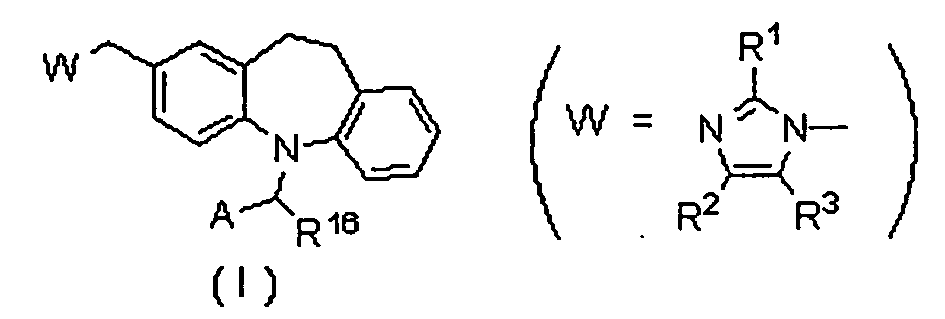
Ex. No. Compound No. W A R16 1 1 

H 2 2 

H 3 3 
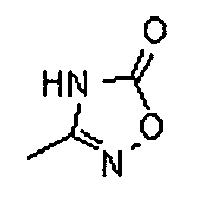
H 4 4 
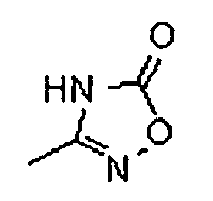
H 5 5 

H 6 6 
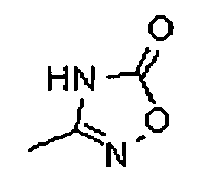
H - [Table 2]
Table 2 
Ex. No. Compound No. W A R16 7 7 
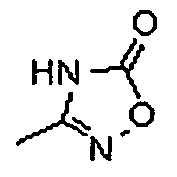
H 8 8 

H 9 9 

H 10 10 

H 11 11 

H 12 12 

H 13 13 

H - [Table 3]
Table 3 
Ex. No. Compound No. W A R16 14 14 

H 15 15 

H 16 16 

H 17 17 

H 18 18 

CH3 19 19 

CH3 20 20 
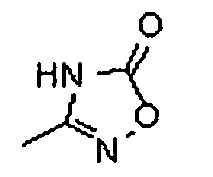
CH3 - [Table 4]
Table 4 
Ex. No. Compound No. W A R16 21 21 

CH3 22 22 

CH3 23 23 

CH2CH3 24 24 

CH2CH2CH3 25 25 

CH3 26 26 

CH3 27 27 

CH3 - [Table 5]
Table 5 
Ex. No. Compound No. W A R16 28 28 

CH3 67 67 

H 68 68 

H 69 69 
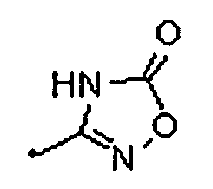
CH3 70 70 

CH3 71 71 

CH3 - [Table 6]
Table 6 
Ex. No. Compound No. W A R16 72 72 

(-) form CH3 73 73 

(+) form CH3 74 74 

(-) form CH3 75 75 

(+) form CH3 76 76 
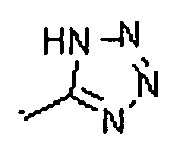
(-) form CH3 77 77 

(+) form CH3 - [Table 7]
Table 7 
Ex. No. Compound No. W A R16 78 78 

(-) form CH3 79 79 

(+) form CH3 80 80 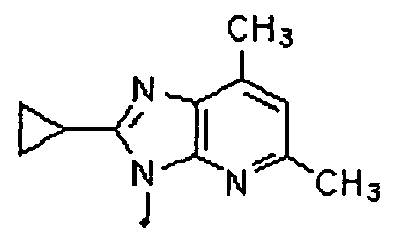

(-) form CH3 81 81 

(+) form CH3 - [Table 8]
Table 8 
Ex. No. Compound No. W A R13 29 29 

H 30 30 

H 31 31 

H 32 32 
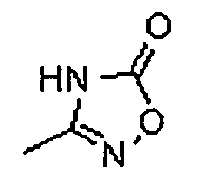
H 33 33 

H 34 34 

H - [Table 9]
Table 9 
Ex. No. Compound No. W A R13 35 35 

H 36 36 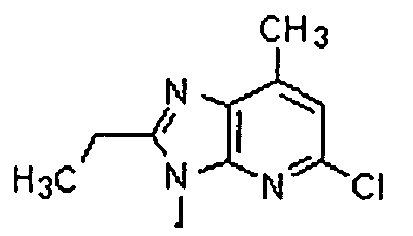

H 37 37 

H 38 38 

H 39 39 
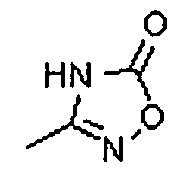
H 40 40 

CH3 41 41 

H - [Table 10]
Table 10 
Ex. No. Compound No. W A R13 42 42 

CH3 43 43 

CH3 44 44 

CH3 45 45 

CH3 46 46 

CH3 47 47 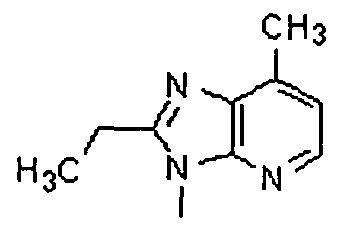

CH3 - [Table 11]
Table 11 
Ex. No. Compound No. W A R13 48 48 

H 49 49 

H 50 50 

H 51 51 

H 52 52 

H 53 53 

H - [Table 12]
Table 12 
Ex. No. Compound No. W A R13 54 54 

H 55 55 
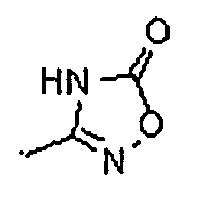
H 56 56 

H 57 57 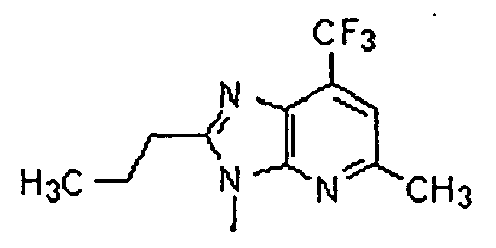

H 58 58 
H 59 59 

CH3 60 60 
H - [Table 13]
Table 13 
Ex. No. Compound No. W A R13 61 61 

CH3 62 62 

CH3 - [Table 14]
Table 14 
Ex. No. Compound No. W A R15 63 63 

H 64 64 

H 65 65 

H 66 66 

H - [Table 15]
Table 15 
Ex. No. Compound No. W A R13 82 82 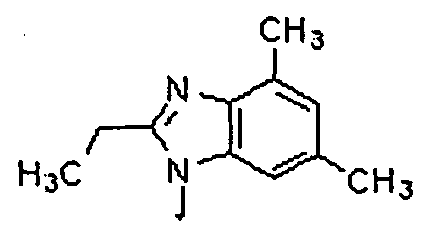

CH3 83 83 
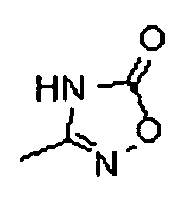
CH3 84 84 

CH3 85 85 

CH3 86 86 

CH3 87 87 

CH3 - [Table 16]
Table 16 
Ex. No. Compound No. W A R13 88 88 

CH3 89 89 

CH3 90 90 

CH3 91 91 

CH3 92 92 

CH3 93 93 

CH3 94 94 
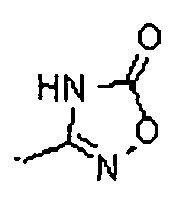
CH3 - [Table 17]
Table 17 
Ex. No. Compound No. W A R13 95 95 

CH3 96 96 

CH3 97 97 

CH3 98 98 

CH3 99 99 

CH3 100 100 

CH3 - [Table 18]
Table 18 
Ex. No. Compound No. W A R13 101 101 

CH3 102 102 

CH3 103 103 

CH3 - [Table 19]
Table 19 
Ex. No. Compound No. W A R13 104 104 

H 105 105 

H 106 106 
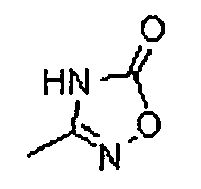
H 107 107 

H 108 108 

H 109 109 

CH3 - [Table 20]
Table 20 
Ex. No. Compound No. W A R13 110 110 

CH3 111 111 

CH3 112 112 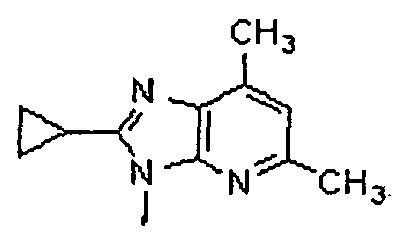

CH3 113 113 

CH3 114 114 

CH3 115 115 

CH3 - [Table 21]
Table 21 
Ex. No. Compound No. W A R13 116 116 

CH3 117 117 

CH3 - [Table 22]
Table 22 
Ex. No. Compound No. W A R13 118 118 

H 119 119 

H 120 120 

H 121 121 

H 122 122 

H 123 123 

H - [Table 23]
Table 23 
Ex. No. Compound No. W A R13 124 124 
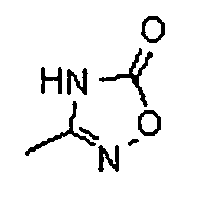
H 125 125 

H 126 126 

H 127 127 
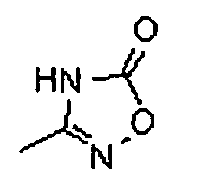
CH3 128 128 

CH3 129 129 

CH3 - [Table 24]
Table 24 
Ex. No. Compound No. W A R13 130 130 

CH3 131 131 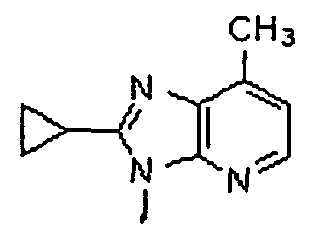

CH3 132 132 

CH3 133 133 

CH3 134 134 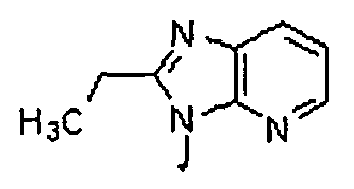

CH3 135 135 
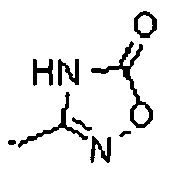
CH3 136 136 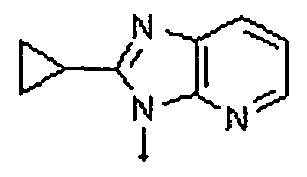

CH3 - [Table 25]
Table 25 
Ex. No. Compound No. W A R13 137 137 

CH3 138 138 

CH3 139 139 

CH3 140 140 

CH3 - [Table 26]
Table 26 
Ex. No. Compound No. W A R13 141 141 
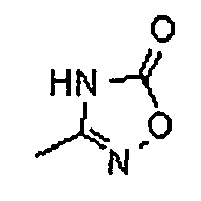
CH3 142 142 

CH3 143 143 

CH3 144 144 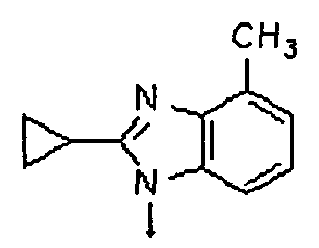

CH3 145 145 

CH3 146 146 

CH3 - [Table 27]
Table 27 
Ex. No. Compound No. W A R13 147 147 

CH3 148 148 

CH3 149 149 

CH3 150 150 

CH3 151 151 
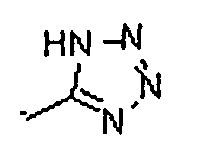
CH3 152 152 

CH3 - [Table 28]
Table 28 
Ref. No. Compound No. W A R16 7 S7 

H 8 S8 

H 9 S9 

H 10 S10 

H 11 S11 

H 12 S12 

H - [Table 29]
Table 29 
Ref. No. Compound No. W A R16 13 S13 

H 14 S14 

H - [Table 30]
Table 30 
Ref. No. Compound No. W A R15 15 S15 

H - [Table 31]
Table 31 
Ref. No. Compound No. W A R13 16 S16 

H - [Table 32]
Table 32 
Ref. No. Compound No. W A R13 17 S17 

H - [Table 33]
Table 33 
Ref. No. Compound No. W A R13 18 S18 

H - [Table 34]
Table 34 
Ref. No. Compound No. W A R13 19 S19 

H - Next, the pharmacological action of the representative compound (I) is specifically explained by Test Examples.
- The agonist activity of compound (I) to PPARγ was determined by a transactivation assay method using a chimeric nuclear receptor of a DNA binding region of a yeast transcription factor GAL4 and a PPARγ ligand binding region. Specifically, the PPARγ agonist activity of compound (I) was evaluated by the following method based on the method of Lehmann et al. (J Biol Chem., 1995, vol. 270, page 12953).
- HEK293EBNA cells cultured in Dulbecco's Modified Eagle medium (Invitrogen) containing 10 v/v% fetal calf serum (Invitrogen) were used. 30 mL of the above-mentioned cells (density: 1×10⁵ cells/mL) were inooculated in a 10 cm2 culture dish (Iwaki Glass), and cultured overnight. Using SuperFect Transfection Reagent (QIAGEN), a plasmid expressing a GAL4-PPARγ chimeric nuclear receptor fusing 174-475 amino acids, which are human PPARγ ligand binding region, and 1-147 amino acids, which are GAL4 DNA binding region, and a reporter plasmid expressing a GAL4 responsive luciferase were transiently introduced into the cells at a proportion of 4:1. After 5 hr from gene introduction, the cells were detached from the culture dish, and the detached cells (density: 2×10⁴ cells/mL) were inoculated by 100 µL in each well of a 96 well white plate (SUMITOMO BAKELITE), and cultured overnight. The medium was removed, compound (I) diluted in various concentrations with serum-free Dulbecco's Modified Eagle medium was added by 100 µL, and the mixture was reacted under a 5% carbon dioxide gas stream (5% CO2) at 37°C for 24 hr. On the other hand, as a positive control, 10 µmol/L of pioglitazone (100 µL) was added, and the mixture was reacted under a 5% carbon dioxide gas stream (5% CO2) at 37°C for 24 hr. As a substrate of luciferase, 100 µL of Steady-Glo (Promega) was added to each well and the mixture was thoroughly stirred. Immediately thereafter, the chemical luminescence due to luciferase was measured using TopCount NTX (Packard).
- The agonist activity (activity rate (%)) of compound (I) to PPARγ was calculated according to the following formula, as a relative activity when the agonist activity on addition of pioglitazone (10 µmol/L) was 100%.
-

- The activity rate at which compound (I) shows the maximum activity is referred as efficacy and the concentration showing 50% activity rate of the efficacy was calculated as EC50 value. The results are shown in Table 35.
- [Table 35]
Table 35 Compound No. EC50 value (nmol/L) Compound No. EC50 value (nmol/L) 6 97 18 48 22 1002 25 233 28 325 29 326 33 103 37 415 42 1018 44 784 45 1091 47 1935 51 94 57 440 62 251 64 73 S13 4564 S14 4130 S15 1246 S16 305 S17 1290 70 53 71 235 83 342 86 323 91 1524 95 527 100 1021 106 310 112 1130 118 348 124 320 129 611 137 1837 138 550 146 336 147 226 - From the above-mentioned results, compounds (I) and (IA) and pharmaceutically acceptable salts thereof of the present invention was confirmed to have a PPARγ agonist activity. Accordingly, compounds (I) and (IA) and pharmaceutically acceptable salts thereof of the present invention are expected as agents for treating and/or preventing various diseases related to PPARγ, such as type 2 diabetes, impaired glucose tolerance, insulin resistance syndrome, hypertension, hyperlipidemia, metabolic syndrome, visceral obesity, obesity, hypertriglyceridemia, inflammatory dermatic diseases (e.g., psoriasis, atopic dermatitis, seborrheic dermatitis, solar dermatitis etc.), inflammatory diseases (e.g., rheumatoid arthritis, ulcerative colitis, Crohn's disease, endometritis etc.), proliferative diseases (e.g., atherosclerosis, angiostenosis, restenosis etc.), inflammatory neuropsychiatric diseases (e.g., multiple sclerosis etc.), neurodegenerative neuropsychiatric diseases (e.g., Alzheimer's disease, Parkinson's disease etc.) or the like. Specifically, they are expected as agents for treating and/or preventing type 2 diabetes, impaired glucose tolerance, insulin resistance syndrome, hypertension, hyperlipidemia, metabolic syndrome, visceral obesity, obesity, hypertriglyceridemia or the like.
- The membrane fraction (PerkinElmer) of CHO cells showing forced expression of human angiotensin II type 1 receptor was diluted 128-fold with assay buffer (50 mmol/L tris(hydroxymethyl)aminomethane, 5 mmol/L MgCl2, 1 mmol/L ethylenediamine-N,N,N',N'-tetraacetic acid, and 0.1 w/v % bovine serum albumin (Seikagaku Corporation; pH 7.4)) and used for the following experiment. The prepared cellular membrane (150 µL, 2.1 µg protein), 200 pmol/L of [125I]-angiotensin II (Amersham Bioscience) (10 µL), and compound (I) solution (10 µL) in various concentrations were added to a polypropylene tube (Assist Co., Ltd.). After reaction at 37°C for 60 min, the reaction was stopped by suction filtration through a GF/C glass filter (Whatman) treated with 0.3 v/v % polyethylene imine, using a Cell Harvester M-48 (Brandel). Thereafter, the filter was washed 9 times with wash buffer (50 mmol/L tris(hydroxymethyl)aminomethane; pH 7.4, 500 µL). Then, the filter was placed in the polypropylene tube, and the radioactivity was measured using an automatic γ counter COBRA (Packard).
- The binding inhibitory rate (%) of compound (I) against binding of [125I]-angiotensin II and human angiotensin type 1 receptor was calculated according to the following formula.
-

- The total binding amount refers to [125I]-angiotensin II bound radiation amount in the absence of compound (I), the binding amount with the addition of compound (I) refers to [125I]-angiotensin II bound radiation amount in the presence of compound (I), and the nonspecific binding amount refers to [125I]-angiotensin II bound radiation amount when unlabeled angiotensin II (PEPTIDE INSTITUTE, INC.) 10 µmol/L was added instead of compound (I).
- The concentration showing 50% inhibition of the binding was calculated as IC50 value from respective binding inhibitory rates, and the binding inhibitory constant (Ki) was determined from the formula of Cheng-Prusoff (Biochem Pharmacol., 1973, vol. 22, p. 3099). Compounds 6, 22, 25, 29, 45, 42, 47, 44, 62, 64, S13, 83, 95, 137, 138, 139, 146, 147 and the like showed Ki values of 10 nmol/L or below.
- From the foregoing, compounds (I) and (IA) were confirmed to strongly inhibit binding of angiotensin II with human angiotensin II type 1 receptor. That is, compounds (I) and (IA) and pharmaceutically acceptable salts thereof of the present invention have an angiotensin II type 1 receptor antagonistic action, and are expected as agents for treating and/or preventing cardiovascular diseases such as arteriosclerosis, hypertension, cardiac disease, cerebral apoplexy, renal diseases, etc. or the like.
- Compound (I) was orally administered to db/db mouse (7-week-old, female), a model of spontaneous type 2 diabetes, at a dose of 30 mg/kg/day once a day for 6 days. A solvent (0.5% methylcellulose solution) was administered to the control group. After 7 days from the administration, glucose and triglycelide in plasma were measured. Statistically significant difference was examined using Student's t test, and risk rate (P)<0.05 was taken as significant.
- As a result, compound (I) remarkably suppressed an increase of serum glucose and triglycelide, and compound (I) was confirmed to have a glucose- and lipid-lowering actions in the diabetes model in this Experiment.
- A test compound was repeatedly administered orally to Zucker obese rat, a model of type 2 diabetes, once a day for 4 weeks at a dose of 3 mg/kg. A solvent (0.5% methylcellulose solution) was administered to the control group in a similar manner. After 4 weeks of administration, an oral glucose tolerance test was performed as shown below. In addition, plasma insulin level was measured under full feeding condition.
- Oral glucose tolerance test: After rat was fasted overnight, a glucose solution was orally administered at a dose of 2 g/kg. Blood samples were collected from the rat tail vein at 30 min, 60 min and 120 min after administration of the glucose solution, and the blood glucose level was measured.
Some of the compound (I) of the present invention were evaluated as the above-mentioned test compounds. These compounds showed improving actions of impaired glucose tolerance and insulin resistance. It could also be confirmed that they improved obesity. - 18- to 22-week-old spontaneously hypertensive rats (SHR) were used.
- Before drug administration, the body weight, blood pressure and heart rate of each rat were measured, and the rats were grouped such that these values are almost the same between groups. A solvent (0.5% methylcellulose solution) and a test compound were repeatedly administered orally once a day for 7 days. At about 4 to 9 hr after the final administration, systolic blood pressure and heart rate were non-invasively measured according to the following.
- The rats were placed in a cylindrical restrainer, heated to 37°C, and blood pressure and heart rate were measured under resting state using a Tail Cuff Method. For the measurement, a non-invasive blood pressure measurement apparatus (PS-600, Riken Kaihatsu, Tokyo) was used. The blood pressure and heart rate of each rat was measured 5 times, and the average was taken as the value of each rat.
- As the results of the above-mentioned test, compounds 26, 29, 42, 44, 47, S13, 95, 137, 139 and the like were confirmed to have antihypertensive action.
- A telemetry transmitter was indwelled in the abdominal artery of spontaneously hypertensive rats (SHR), and the blood pressure and heart rate were monitored. The rats were acclimated and reared for 4 weeks or more, and only the rats with hypertension were used for the test. Before drug administration, the rats were grouped such that the blood pressure and heart rate of each rat would be of the same levels between the groups. A solvent (0.5% methylcellulose solution) and a test compound were repeatedly administered orally once a day for 4 days. The average systolic blood pressure for 24 hr, average diastolic blood pressure for 24 hr and average heart rate for 24 hr were calculated on each administration day.
- As a result of the above-mentioned test, compounds 22, 25, 29, 42, 44, 45, 47, S13, S15, S16, 71, 86, 95, 100, 118, 124, 129, 137, 138, 146, 147 and the like were confirmed to have a antihypertensive action.
From the above-mentioned results, compounds (I) and (IA) and pharmaceutically acceptable salts thereof of the present invention were confirmed to have a PPARγ agonist activity. In addition, they were also confirmed to further have an angiotensin II receptor antagonistic action. Hence, compounds (I) and (IA) and pharmaceutically acceptable salts thereof of the present invention have been suggested to be useful as agents for treating and/or preventing not only diseases related to PPARγ but also diseases related to an angiotensin II receptor, and particularly useful as agents for treating and/or preventing diseases related to both PPARγ and angiotensin II receptor. That is, compounds (I) and (IA) or pharmaceutically acceptable salts thereof of the present invention are expected as agents for treating and/or preventing, for example, type 2 diabetes, impaired glucose tolerance, insulin resistance syndrome, hypertension, hyperlipidemia, metabolic syndrome, visceral obesity, obesity, hypertriglyceridemia, inflammatory dermatic diseases (e.g., psoriasis, atopic dermatitis, seborrheic dermatitis, solar dermatitis etc.), inflammatory diseases (e.g., rheumatoid arthritis, ulcerative colitis, Crohn's disease, endometritis etc.), proliferative diseases (e.g., atherosclerosis, angiostenosis, restenosis etc.), inflammatory neuropsychiatric diseases (e.g., multiple sclerosis etc.), neurodegenerative neuropsychiatric diseases (e.g., Alzheimer's disease, Parkinson's disease etc.), cardiovascular diseases such as arteriosclerosis, cardiac disease, cerebral apoplexy, renal diseases, etc. or the like; particularly, as agents for treating and/or preventing diseases such as type 2 diabetes, impaired glucose tolerance, insulin resistance syndrome, hypertension, hyperlipidemia, metabolic syndrome, visceral obesity, obesity, hypertriglyceridemia or the like. - It is known that about 60% of hypertension patients develops complications of impaired glucose tolerance or type 2 diabetes (insulin resistance). Accordingly, compound (I) or (IA) or a pharmaceutically acceptable salt thereof of the present invention is specifically expected as an agent for treating and/or preventing hypertension that concurrently developed impaired glucose tolerance or type 2 diabetes (insulin resistance), and as an agent for treating and/or preventing hypertension, which has a prophylactic effect on impaired glucose tolerance or type 2 diabetes (insulin resistance).
- While compounds (I) or (IA) or pharmaceutically acceptable salts thereof can be administered alone as they are, generally, they are desirably provided as various pharmaceutical preparations. In addition, such pharmaceutical preparations are used for animals and humans.
The pharmaceutical preparation relating to the present invention can contain, as an active ingredient, compound (I) or (IA) or a pharmaceutically acceptable salt thereof alone or as a mixture with an active ingredient for any other treatment. Moreover, the pharmaceutical preparation can be produced by mixing the active ingredient with one or more kinds of pharmaceutically acceptable carriers (e.g., diluent, solvent, excipient or the like) according to any method well known in the technical field of galenical pharmacy. - As the administration route, a route most effective for the treatment is desirably employed, which may be an oral or parenteral route such as intravenous route or the like.
The dosage form may be, for example, tablet, injection or the like.
A form suitable for oral administration, such as tablet or the like, can be produced by using an excipient such as lactose or the like, a disintegrant such as starch or the like, a lubricant such as magnesium stearate or the like, a binder such as hydroxypropylcellulose or the like. - A form suitable for parenteral administration, such as injection or the like, can be produced by using a diluent such as a salt solution, a glucose solution or a mixture of salt solution and a glucose solution or the like, or a solvent or the like.
While the dose and administration frequency of compound (I) or (IA) or a pharmaceutically acceptable salt thereof varies depending on the mode of administration, age and body weight of patients, nature and severity of the symptom to be treated or the like, it is generally within the range of 0.01 to 1000 mg, preferably 0.05 to 100 mg, for oral administration to an adult, which is administered at once or in several portions a day. In the case of parenteral administration such as intravenous administration or the like, 0.001 to 1000 mg, preferably 0.01 to 100 mg, is administered to an adult at once or in several portions a day. However, these doses and administration frequencies vary depending on the aforementioned various conditions. - The PPARγ agonist of the present invention shows an excellent treatment and/or preventive effect on a disease related to PPARγ (e.g., type 2 diabetes, impaired glucose tolerance, insulin resistance syndrome, hypertension, hyperlipidemia, metabolic syndrome, visceral obesity, obesity, hyperglyceridemia etc.). As mentioned above, compound (I) or a pharmaceutically acceptable salt thereof can also be used in combination with one or more kinds of other pharmaceutical components.
- Examples of other pharmaceutical components to be used in combination include pharmaceutical agents such as calcium channel blockers (e.g., verapamil, diltiazem, nifedipine, amlodipine, benidipine, nicardipine, nilvadipine, nisoldipine, nitrendipine, nimodipine, manidipine, bepridil, barnidipine, flunarizine, cilnidipine, lacidipine, efonidipine, felodipine, aranidipine and the like); ACE inhibitor (e.g., captopril, enalapril, alacepril, delapril, cilazapril, lisinopril, benazepril, imidapril, temocapril, quinapril, trandolapril, perindopril, fosinopril and the like); diuretic (e.g., amiloride, chlorothiazide, benzthiazide, ticrynafan, acetazolamide, aminophylline, cyclothiazide, trichloromethiazide, cyclopenthiazide, hytodochlorothiazide, methyclothiazide, benzylhydrochlorothiazide, penfluthiazide, ethiazide, hydroflumethiazide, polythiazide, clofenamide, chlortalidone, cyclothiazide, bendroflumethiazide, meticrane, tripamide, metolazone, indapamide, quinethazone, furosemide, bumetanide, mefruside, azosemide, ethacrynic acid, sodium ethacrynate, piretanide, spironolactone, eplerenone, potassium canrenoate, triamterene, carperitide and the like); β blockers (e.g., propranolol, pindolol, carteolol, atenolol, bopindolol, bisoprolol, celiprolol, tilisolol and the like); α blockers (e.g., prazosin, bunazosin, doxazosin, terazosin, urapidil and the like); α β blockers (e.g., amosulalol, carvedilol, arotinolol and the like); sympathetic depressant drugs (e.g., guanabenz, clonidine, methyldopa and the like); sulfonylurea drugs (e.g., glibenclamide, gliclazide, tolbutamide, glimepiride and the like); fast-acting postprandial hypoglycemic drug (e.g., nateglinide, mitiglinide, repaglinide and the like); biguanide drugs (e.g., metformin, buformin and the like); insulin sensitizers (e.g., pioglitazone, rosiglitazone and the like); α glucosidase inhibitors (e.g., acarbose, voglibose, miglitol and the like); DPP-4 inhibitors (e.g., sitagliptin, vildagliptin and the like); glucagon-like peptide-1 or analogs thereof; insulin; statin drugs (e.g., pravastatin, simvastatin, atorvastatin, fluvastatin, cerivastatin, pitavastatin and the like); cholesterol absorption inhibitors (e.g., ezetimibe and the like); anion exchange resins (e.g., colestyramine, colestimide and the like); fibrate drugs (e.g., bezafibrate, fenofibrate, clinofibrate, clofibrate and the like); nicotinic acid drugs (e.g., tocopherol nicotinate, niceritrol, nicomol and the like); probucol; Eicosapentaenoic acid; polyenephosphatidylcholine; dextran sulfate sodium; elastase and the like.
- When compound (I) or a pharmaceutically acceptable salt thereof and other pharmaceutical component are used in combination, compound (I) or a pharmaceutically acceptable salt thereof and other pharmaceutical component may be simultaneously administered or separately in a staggered manner. The dose thereof only need to follow clinically employed doses, which varies depending on the administration subject, administration route, disease, combination of pharmaceutical components or the like.
- The present invention is explained in more detail in the following by Examples and Reference Examples, which are not to be construed as limitative.
The proton nuclear magnetic resonance spectrum (1H NMR) used in the Examples and Reference Examples were measured at 270 MHz or 300 MHz, and exchanging protons may not be clearly observed depending on the compound and measurement conditions. The indication of the multiplicity of the signals is conventional, where br means an apparently broad signal. - To a mixture of 2,4-dimethylaniline (0.918 mL, 7.42 mmol) and propionic anhydride (6.0 mL) fuming nitric acid (1.25 mL, 29.7 mmol) was added dropwise under ice-cooling over 20 min. Under ice-cooling, the mixture was stirred for 1 hr and added with water and ethyl acetate, followed by extraction. The organic layer was washed with saturated aqueous sodium hydrogen carbonate solution and brine, dried over anhydrous magnesium sulfate, and concentrated under reduced pressure. Ethyl acetate-hexane (1/1, 24 mL) was added to the residue, and the precipitated solid was collected by filtration. The obtained solid was dissolved in methanol (17 mL), and the mixture was stirred in the presence of 10% palladium carbon (448 mg) under a hydrogen atmosphere at room temperature for 1 hr. The mixture was filtrated, and the filtrate was concentrated under reduced pressure. The residue was dissolved in acetic acid (14 mL) and the mixture was stirred at 110°C for 30 min. The mixture was concentrated under reduced pressure, diluted with chloroform, and washed with saturated aqueous sodium hydrogen carbonate solution and brine. The organic layer was dried over anhydrous magnesium sulfate, and concentrated under reduced pressure. Ethyl acetate-hexane (1/5, 30 mL) was added to the residue, and the precipitated solid was collected by filtration to give the title compound (585 mg, 45%).
1H-NMR (CDCl3, δ): 1.42 (t, J = 7.7 Hz, 3H), 2.42 (s, 3H), 2.56 (br s, 3H), 2.95 (q, J = 7.7 Hz, 2H), 6.86 (s, 1H), 7.04 (br s, 1H), 8.91 (s, 1H). - 2,3-Diamino-4,6-dimethylpyridine (
US5332744 ; 2.70 g, 19.7 mmol) and tetraethoxymethane (16.5 mL, 78.7 mmol) were mixed, and the mixture was stirred at 155°C for 2 hr. The mixture was cooled to room temperature, and diisopropyl ether (30 mL) was added. The precipitated solid was collected by filtration to give the title compound (2.42 g, 64%).
ESI-MS m/z: 192 (M + H)+; 1H-NMR (CDCl3, δ): 1.47 (t, J = 7.1 Hz, 3H), 2.54 (s, 3H), 2.63 (s, 3H), 4.61 (q, J = 7.1 Hz, 2H), 6.78 (br s, 1H), 13.42 (s, 1H). - Ethyl propionimidate hydrochloride (1.37 g, 10.0 mmol), aminoacetonitrile hydrochloride (0.93 g, 10.0 mmol), 1,1,1-trifluoro-2,4-pentanedione (3.64 mL, 30.0 mmol) and diisopropylethylamine (5.23 mL, 30.0 mmol) were stirred in 1,2-dichloroethane (50 mL) under reflux for 4 hr. Ethyl acetate was added to the mixture, and the mixture was washed with water and brine, dried over anhydrous sodium sulfate, and concentrated under reduced pressure. The residue was purified by silica gel column chromatography (hexane/ethyl acetate=30/70) to give the title compound (1.07 g, 47%).
ESI-MS m/z: 230 (M + H)+; 1H-NMR (CDCl3, δ): 1.47 (t, J = 7.6 Hz, 3H), 2.77 (s, 3H), 3.09 (q, J = 7.6 Hz, 2H), 7.31 (s, 1H), 12.18 (br s, 1H). - The title compound (0.70 g, 12%) was obtained in the same manner as in Reference Example 1, using 2-fluoro-5-methylaniline (3.75 g, 30.0 mmol) instead of 2,4-dimethylaniline and butyric anhydride(19 mL) instead of propionic anhydride.
ESI-MS m/z: 193 (M + H)+; 1H-NMR (CDCl3, δ): 1.03 (t, J = 7.3 Hz, 3H), 1.83-1.95 (m, 2H), 2.48 (br s, 3H), 2.92 (t, J = 7.7 Hz, 2H), 6.83 (dd, J = 10.2, 8.0 Hz, 1H), 6.91 (dd, J = 8.0, 5.0 Hz, 1H), 9.42 (br s, 1H). - The title compound (503 mg, 41%) was obtained in the same manner as in Reference Example 3, using ethyl butylimidate hydrochloride (758 mg, 5.0 mmol) instead of ethyl propionimidate hydrochloride.
1H-NMR (CDCl3, δ): 1.05 (t, J = 7.4 Hz, 3H), 1.85-1.96 (m, 2H), 2.75 (s, 3H), 3.02 (t, J = 7.8 Hz, 2H), 7.32 (br s, 1H), 11.52 (s, 1H). -
- [step 1] 5-Oxo-10,11-dihydro-5H-dibenzo[a,d]cycloheptene-2-carboxylic acid (
JP-B-2526005
ESI-MS m/z: 281 (M + H)+; 1H-NMR (CDCl3, δ): 1.42 (t, J = 7.2 Hz, 3H), 3.21-3.30 (m, 4H), 4.40 (q, J = 7.2 Hz, 2H), 7.24 (d, J = 7.5 Hz, 1H), 7.34 (td, J = 7.5, 1.3 Hz, 1H), 7.46 (td, J = 7.5, 1.5 Hz, 1H), 7.92-8.04 (m, 4H). - [step 2] To a solution of sodium hydride (60%, 0.856 g, 21.4 mmol) and diethyl 1-cyanoethylphosphonate (4.09 g, 21.4 mmol) in DMF (35 mL), a solution of ethyl 10,11-dihydro-5-oxo-5H-dibenzo[a,d]cycloheptene-2-carboxylate (3.0 g, 10.7 mmol) obtained in step 1 in DMF (10 mL) was added under ice-cooling, and the mixture was stirred at 80°C for 3 hr. Water was added to the mixture, and the mixture was extracted with ethyl acetate. The organic layer was dried over anhydrous magnesium sulfate, and concentrated under reduced pressure to give a residue. The obtained residue was dissolved in THF (50 mL), followed by adding lithium borohydride (1.11 g, 50.9 mmol) and the mixture was stirred at 50°C for 5 hr. The mixture was neutralized with 2 mol/L hydrochloric acid, and extracted with ethyl acetate. The organic layer was dried over anhydrous magnesium sulfate, and concentrated under reduced pressure. The residue was purified by silica gel column chromatography (chloroform /ethyl acetate=98/2) to give (E)-2-(2-hydroxymethyl-10,11-dihydro-5H-dibenzo[a,d]cyclohepten-5-ylidene)propiononitrile (0.730 g, 27%) and (Z)-2-(2-hydroxymethyl-10,11-dihydro-5H-dibenzo[a,d]cyclohepten-5-ylidene)propiononitrile (0.728 g, 27%), respectively.
E form; 1H-NMR (CDCl3, δ): 2.04 (s, 3H), 2.82-2.95 (m, 2H), 3.27-3.40 (m, 2H), 4.67 (d, J = 5.8 Hz, 2H), 7.08 (d, J = 7.8 Hz, 1H), 7.13-7.29 (m, 5H), 7.41 (dd, J = 7.1, 1.8 Hz, 1H). Z form; 1H-NMR (CDCl3, δ): 2.03 (s, 3H), 2.81-2.97 (m, 2H), 3.26-3.40 (m, 2H), 4.64 (d, J = 5.6 Hz, 2H), 7.07 (d, J = 7.1 Hz, 1H), 7.16-7.28 (m, 5H), 7.43 (d, J = 7.8 Hz, 1H). - 5-Cyanomethyl-2-[5-ethoxycarbonyl-4-(1-hydroxy-1-methyl)ethyl-2-propylimidazol-1-yl]methyl-10,11-dihydro-5H-dibenzo[b,f]azepine (2.21 g, 4.5 mmol) obtained in step 2 of Example 10, was dissolved in DMF (23 mL), and the solution was added with sodium azide (1.18 g, 18.2 mmol) and triethylamine hydrochloride (1.87 g, 13.6 mmol), followed by stirring at 90°C for 20 hr. A 5% aqueous citric acid solution was added to the mixture, and the mixture was extracted with chloroform. The organic layer was washed with brine, dried over anhydrous magnesium sulfate, and concentrated under reduced pressure.
The residue was purified by silica gel column chromatography (chloroform /methanol=25/1) to give the title compound (compound S7, 1.97 g, 81.9%).
ESI-MS m/z: 530 (M + H)+; 1H-NMR (DMSO-d6, δ): 0.85 (t, J = 7.3 Hz, 3H), 1.02 (t, J = 7.1 Hz, 3H), 1.45 (s, 6H), 1.55 (m, 2H), 2.57 (t, J = 7.5 Hz, 2H), 3.11 (br s, 4H), 4.11 (q, J = 7.2 Hz, 2H), 5.25 (s, 2H), 5.30 (s, 2H), 5.35 (s, 1H), 6.59-7.20 (m, 7H). - The title compound (compound S8, 1.22 g, 79%) was obtained in the same manner as in Reference Example 7, using 5-cyanomethyl-2-[5-ethoxycarbonyl-2-ethyl-4-(1-hydroxy-1-methyl)ethylimidazol-1-yl]methyl-10,11-dihydro-5H-dibenzo[b,f]azepine (1.42 g, 3.00 mmol) obtained in step 2 of Example 11.
ESI-MS m/z: 516 (M + H)+; 1H-NMR (CDCl3, δ): 1.09 (t, J = 6.4 Hz, 3H), 1.15 (t, J = 6.8 Hz, 3H), 1.60 (s, 6H), 2.60 (q, J = 7.5 Hz, 2H), 3.04-3.14 (m, 4H), 4.17 (q, J = 7.1 Hz, 2H), 5.26 (s, 2H), 5.30 (s, 2H), 6.57-6.63 (m, 2H), 6.94-7.15 (m, 5H). -
- [step 1] 2-[5-Ethoxycarbonyl-4-(1-hydroxy)ethyl-2-propylimidazol-1-yl]methyl-10,11-dihydro-5H-dibenzo[b,f]azepine (1.20 g, 44.9%) was obtained in the same manner as in step 1 of Example 1, using 5-ethoxycarbonyl-4-(1-hydroxy)ethyl-2-propylimidazole (
JP-A-5-783228
ESI-MS m/z: 434 (M + H)+; 1H-NMR (CDCl3, δ): 0.95 (t, J = 7.3 Hz, 3H), 1.29 (t, J = 7.1 Hz, 3H), 1.52 (d, J = 6.4 Hz, 3H), 1.66-1.78 (m, 2H), 2.63 (t, J = 7.8 Hz, 2H), 2.99-3.07 (m, 4H), 3.79 (d, J = 7.9 Hz, 1H), 4.27 (q, J = 7.2 Hz, 1H), 5.17-5.26 (m, 1H), 5.35 (d, J = 16.0 Hz, 1H), 5.46 (d, J = 16.0 Hz, 1H), 5.99 (s, 1H), 6.64-6.81 (m, 5H), 7.01-7.11 (m, 2H). - [step 2] 5-Cyanomethyl-2-[5-ethoxycarbonyl-4-(1-hydroxy)ethyl-2-propylimidazol-1-yl]methyl-10,11-dihydro-5H-dibenzo[b,f]azepine (742 mg, 72.6%) was obtained in the same manner as in step 2 of Example 1, using 2-[5-ethoxycarbonyl-4-(1-hydroxy)ethyl-2-propylimidazol-1-yl]methyl-10,11-dihydro-5H-dibenzo[b,f]azepine (938 mg, 2.16 mmol) obtained in step 1.
ESI-MS m/z: 473 (M + H)+; 1H-NMR (CDCl3, δ): 0.95 (t, J = 7.3 Hz, 3H), 1.28 (t, J = 7.2 Hz, 3H), 1.52 (d, J = 6.6 Hz, 3H), 1.66-1.79 (m, 2H), 2.60 (t, J = 7.7 Hz, 2H), 3.03-3.15 (m, 4H), 3.74 (d, J = 7.9 Hz, 1H), 4.25 (q, J = 7.3 Hz, 2H), 4.53 (s, 2H), 5.17-5.26 (m, 1H), 5.39 (d, J = 16.3 Hz, 1H), 5.47 (d, J = 16.3 Hz, 1H), 6.73-6.79 (m, 2H), 7.00-7.27 (m, 5H). - [step 3] The title compound (compound S9, 557 mg, 69.7%) was obtained in the same manner as in Reference Example 7, using 5-cyanomethyl-2-[5-ethoxycarbonyl-4-(1-hydroxy)ethyl-2-propylimidazol-1-yl]methyl-10,11-dihydro-5H-dibenzo[b,f]azepine (732 mg, 1.55 mmol) obtained in step 2.
ESI-MS m/z: 516 (M + H)+; 1H-NMR (CDCl3, δ): 0.81 (t, J = 7.3 Hz, 3H), 1.22 (t, J = 7.1 Hz, 3H), 1.47 (d, J = 6.4 Hz, 3H), 1.58 (m, 2H), 2.56 (t, J = 7.8 Hz, 2H), 3.02-3.11 (m, 4H), 4.15-4.27 (m, 2H), 5.24 (s, 2H), 5.25 (m, 1H), 5.29 (d, J = 16.1 Hz, 1H), 5.44 (d, J = 16.1 Hz, 1H), 6.62-6.66 (m, 2H), 6.92-7.11 (m, 5H). -
- [step 1] Compound S7 (793 mg, 1.50 mmol) obtained in Reference Example 7 was dissolved in DMF (15 mL) and the solution was added with chlorotriphenylmethane (543 mg, 1.94 mmol) and triethylamine (313 µL, 2.25 mmol), followed by stirring at room temperature for 3.5 hr. Ethyl acetate was added to the mixture, and the organic layer was washed with 5% aqueous citric acid solution, saturated aqueous sodium hydrogen carbonate solution, and brine. The organic layer was dried over anhydrous magnesium sulfate, and concentrated under reduced pressure. The residue was purified by silica gel column chromatography (chloroform /methanol=99/1) to give 2-[5-ethoxycarbonyl-4-(1-hydroxy-1-methyl)ethyl-2-propylimidazol-1-yl]methyl-5-(2-trityl-2H-tetrazol-5-yl)methyl-10,11-dihydro-5H-dibenzo[b,f]azepine (981 mg, 85%).
ESI-MS m/z: 772 (M + H)+; 1H-NMR (CDCl3, δ): 0.91 (t, J = 7.3 Hz, 3H), 1.12 (t, J = 7.1 Hz, 3H), 1.61-1.73 (m, 2H), 1.63 (s, 6H), 2.56 (t, J = 7.8 Hz, 2H), 3.03 (br s, 4H), 4.15 (q, J = 7.1 Hz, 2H), 5.21 (s, 2H), 5.32 (s, 2H), 5.76 (s, 1H), 6.60-6.65 (m, 2H), 6.86-7.35 (m, 20H). - [step 2] 2-[5-Ethoxycarbonyl-4-(1-hydroxy-1-methyl)ethyl-2-propylimidazol-1-yl]methyl-5-(2-trityl-2H-tetrazol-5-yl)methyl-10,11-dihydro-5H-dibenzo[b,f]azepine (979 mg, 1.27 mmol) obtained in step 1 was dissolved in a mixed solvent of THF-methanol-water (12 mL - 3 mL - 3 mL), and the solution was added with lithium hydroxide monohydrate (266 mg, 6.34 mmol), followed by stirring at room temperature for 15 min. The mixture was concentrated under reduced pressure. Chloroform and brine were added to the residue, and the mixture was neutralized with 1 mol/L hydrochloric acid and extracted with chloroform. The organic layer was dried over anhydrous magnesium sulfate, and concentrated under reduced pressure to give 2-[5-carboxy-4-(1-hydroxy-1-methyl)ethyl-2-propylimidazol-1-yl]methyl-5-(2-trityl-2H-tetrazol-5-yl)methyl-10,11-dihydro-5H-dibenzo[b,f]azepine (1.15 g) quantitatively.
ESI-MS m/z: 744 (M + H)+; 1H-NMR (CDCl3, δ): 0.67 (t, J = 6.9 Hz, 3H), 1.32-1.40 (m, 2H), 1.62 (s, 6H), 2.60-2.69 (m, 2H), 2.98 (br s, 4H), 5.14 (s, 2H), 5.62 (s, 2H), 6.70-6.74 (m, 2H), 6.85-7.32 (m, 20H). - [step 3] 2-[5-Carboxy-4-(1-hydroxy-1-methyl)ethyl-2-propylimidazol-1-yl]methyl-5-(2-trityl-2H-tetrazol-5-yl)methyl-10,11-dihydro-5H-dibenzo[b,f]azepine (200 mg, 0.269 mmol) obtained in step 2 was dissolved in DMF (1.3 mL), and the solution was added with potassium carbonate (93.0 mg, 0.673 mmol) and 1-bromopropane (48.8 µL, 0.537 mmol), followed by stirring at 50°C for 2 hr. Ethyl acetate was added to the mixture. The organic layer was washed with water and brine, dried over anhydrous magnesium sulfate, and concentrated under reduced pressure. The residue was purified by silica gel column chromatography (hexane/ethyl acetate=70/30) to give 2-[4-(1-hydroxy-1-methyl)ethyl-5-propoxycarbonyl-2-propylimidazol-1-yl]methyl-5-(2-trityl-2H-tetrazol-5-yl)methyl-10,11-dihydro-5H-dibenzo[b,f]azepine (130 mg, 62%).
ESI-MS m/z: 786 (M + H)+; 1H-NMR (CDCl3, δ): 0.76 (t, J = 7.4 Hz, 3H), 0.90 (t, J = 7.4 Hz, 3H), 1.45-1.72 (m, 4H), 1.63 (s, 6H), 2.55 (t, J = 7.8 Hz, 2H), 3.03 (br s, 4H), 4.06 (t, J = 6.8 Hz, 2H), 5.21 (s, 2H), 5.32 (s, 2H), 5.78 (s, 1H), 6.61-6.64 (m, 2H), 6.87-7.35 (m, 20H). - [step 4] 2-[4-(1-Hydroxy-1-methyl)ethyl-5-propoxycarbonyl-2-propylimidazol-1-yl]methyl-5-(2-trityl-2H-tetrazol-5-yl)methyl-10,11-dihydro-5H-dibenzo[b,f]azepine (128 mg, 0.163 mmol) obtained in step 3 was suspended in a mixed solvent of acetic acid-acetone-water (1.6 mL - 1.6 mL - 1.6 mL), and the mixture was stirred at 50°C for 2 hr. The mixture was concentrated under reduced pressure, and the residue was purified by silica gel column chromatography (chloroform /methanol=99/1) to give the title compound (compound S10, 64.5 mg, 73%).
ESI-MS m/z: 544 (M + H)+; 1H-NMR (CDCl3, δ): 0.75 (t, J = 7.4 Hz, 3H), 0.84 (t, J = 7.3 Hz, 3H), 1.43-1.64 (m, 4H), 1.60 (s, 6H), 2.54 (t, J = 7.8 Hz, 2H), 3.00-3.13 (m, 4H), 4.07 (t, J = 6.8 Hz, 2H), 5.24 (s, 2H), 5.31 (s, 2H), 6.56-6.61 (m, 2H), 6.92-7.13 (m, 5H). -
- [step 1] 2-[4-(1-Hydroxy-1-methyl)ethyl-5-isopropoxycarbonyl-2-propylimidazol-1-yl]methyl-5-(2-trityl-2H-tetrazol-5-yl)methyl-10,11-dihydro-5H-dibenzo[b,f]azepine (140 mg, 66%) was obtained in the same manner as in step 3 of Reference Example 10, using 2-[5-carboxy-4-(1-hydroxy-1-methyl)ethyl-2-propylimidazol-1-yl]methyl-5-(2-trityl-2H-tetrazol-5-yl)methyl-10,11-dihydro-5H-dibenzo[b,f]azepine (200 mg, 0.269 mmol) obtained in step 2 of Reference Example 10 and 2-bromopropane (101 µL, 1.08 mmol) instead of 1-bromopropane.
ESI-MS m/z: 786 (M + H)+; 1H-NMR (CDCl3, δ): 0.90 (t, J = 7.3 Hz, 3H), 1.08 (d, J = 6.3 Hz, 6H), 1.58-1.71 (m, 2H), 1.63 (s, 6H), 2.54 (t, J = 7.8 Hz, 2H), 3.04 (br s, 4H), 5.01-5.11 (m, 1H), 5.21 (s, 2H), 5.32 (s, 2H), 5.84 (s, 1H), 6.61-6.64 (m, 2H), 6.87-7.34 (m, 20H). - [step 2] The title compound (compound S11, 75.8 mg, 80%) was obtained in the same manner as in step 4 of Reference Example 10, using 2-[4-(1-hydroxy-1-methyl)ethyl-5-isopropoxycarbonyl-2-propylimidazol-1-yl]methyl-5-(2-trityl-2H-tetrazol-5-yl)methyl-10,11-dihydro-5H-dibenzo[b,f]azepine (137 mg, 0.174 mmol) obtained in step 1.
ESI-MS m/z: 544 (M + H)+; 1H-NMR (CDCl3, δ): 0.83 (t, J = 7.3 Hz, 3H), 1.02 (d, J = 6.2 Hz, 6H), 1.51-1.61 (m, 2H), 1.60 (s, 6H), 2.55 (t, J = 7.8 Hz, 2H), 3.02-3.13 (m, 4H), 5.06 (q, J = 6.2 Hz, 1H), 5.24 (s, 2H), 5.30 (s, 2H), 6.55-6.60 (m, 2H), 6.92-7.14 (m, 5H). -
- [step 1] 2-[5-Cyclohexylmethoxycarbonyl-4-(1-hydroxy-1-methyl)ethyl-2-propylimidazol-1-yl]methyl-5-(2-trityl-2H-tetrazol-5-yl)methyl-10,11-dihydro-5H-dibenzo[b,f]azepine (159 mg, 62%) was obtained in the same manner as in step 3 of Reference Example 10, using 2-[5-carboxy-4-(1-hydroxy-1-methyl)ethyl-2-propylimidazol-1-yl]methyl-5-(2-trityl-2H-tetrazol-5-yl)methyl-10,11-dihydro-5H-dibenzo[b,f]azepine (228 mg, 0.306 mmol) obtained in step 2 of Example 10 and bromomethylcyclohexane (257 µL, 1.84 mmol) instead of 1-bromopropane.
ESI-MS m/z: 840 (M + H)+; 1H-NMR (CDCl3, δ): 0.68-1.08 (m, 5H), 0.90 (t, J = 7.3 Hz, 3H), 1.35-1.65 (m, 8H), 1.60 (s, 6H), 2.54 (t, J = 7.8 Hz, 2H), 3.03 (br s, 4H), 3.92 (d, J = 6.1 Hz, 2H), 5.20 (s, 2H), 5.32 (s, 2H), 5.89 (br s, 1H), 6.57-6.61 (m, 2H), 6.87-7.11 (m, 10H), 7.20-7.34 (m, 10H). - [step 2] The title compound (compound S12, 75.4 mg, 68%) was obtained in the same manner as in step 4 of Reference Example 10, using 2-[5-cyclohexylmethoxycarbonyl-4-(1-hydroxy-1-methyl)ethyl-2-propylimidazol-1-yl]methyl-5-(2-trityl-2H-tetrazol-5-yl)methyl-10,11-dihydro-5H-dibenzo[b,f]azepine (156 mg, 0.186 mmol) obtained in step 1.
ESI-MS m/z: 598 (M + H)+; 1H-NMR (CDCl3, δ): 0.68-1.06 (m, 5H), 0.82 (t, J = 7.3 Hz, 3H), 1.35-1.64 (m, 8H), 1.60 (s, 6H), 2.53 (t, J = 7.8 Hz, 2H), 3.01-3.13 (m, 4H), 3.93 (d, J = 6.1 Hz, 2H), 5.23 (s, 2H), 5.31 (s, 2H), 6.53-6.57 (m, 2H), 6.90-7.10 (m, 5H). - 2,3-Diamino-4-methylpyridine (
US5332744 ; 2.00 g, 16.2 mmol) and tetraethoxymethane (15.0 mL, 71.7 mmol) were mixed, and the mixture was stirred at 150°C for 2 hr. The mixture was cooled to room temperature, diisopropyl ether (15 mL) was added thereto and the precipitated solid was collected by filtration to give the title compound (1.96 g, 68%).
ESI-MS m/z: 178 (M + H)+; 1H-NMR (CDCl3, δ): 1.49 (t, J = 7.2 Hz, 3H), 2.57 (s, 3H), 4.63 (q, J = 7.2 Hz, 2H), 6.93 (d, J = 5.1 Hz, 1H), 8.03 (d, J = 5.1 Hz, 1H). - 2,3-Diaminopyridine (7.84 g, 71.9 mmol) and tetraethoxymethane (35 mL, 167 mmol) were mixed, and the mixture was stirred at 130°C for 2 hr. The mixture was cooled to room temperature, ethyl acetate (100 mL) was added thereto and the precipitated solid was collected by filtration to give the title compound (4.17 g, 36%).
ESI-MS m/z: 164 (M + H)+; 1H-NMR (CDCl3, δ): 1.52 (t, J = 7.2 Hz, 3H), 4.65 (q, J = 7.2 Hz, 2H), 7.13 (dd, J = 7.9, 5.0 Hz, 1H), 7.80 (dd, J = 7.9, 1.3 Hz, 1H), 8.18 (dd, J = 5.0, 1.3 Hz, 1H). - 2-Ethyl-3H-imidazo[4,5-b]pyridine (
US5332744 ; 4.00 g, 27.2 mmol) was dissolved in chloroform (45 mL), and the solution was added with m-chloroperbenzoic acid (5.18 g, 29.9 mmol) followed by stirring at room temperature for 5 hr. The reaction mixture was concentrated, added with ethyl acetate and water, and partitioned between ethyl acetate and water.
The aqueous layer was concentrated and the residue was dissolved in chloroform (8 mL). Phosphorus oxychloride (24 mL, 257 mmol) was added thereto and the mixture was stirred at room temperature for 2 hr. The reaction mixture was poured onto ice, neutralized with aqueous ammonia, and extracted with ethyl acetate. The organic layer was washed with brine, dried over anhydrous magnesium sulfate, and concentrated under reduced pressure. Ethyl acetate (30 mL) was added to the residue and the precipitated solid was collected by filtration to give the title compound (3.32 g, 67%).
ESI-MS m/z: 182 (M + H)+; 1H-NMR (CDCl3, δ): 1.55 (t, J = 7.6 Hz, 3H), 3.13 (q, J = 7.6 Hz, 2H), 7.29 (d, J = 5.4 Hz, 1H), 8.21 (d, J = 5.4 Hz, 1H). - The title compound (0.34 g, 31%) was obtained in the same manner as in Reference Example 21, using 4-chloro-2,3-diaminopyridine (
EP420237
ESI-MS m/z: 198 (M + H)+; 1H-NMR (CDCl3, δ): 1.51 (t, J = 7.1 Hz, 3H), 4.70 (q, J = 7.1 Hz, 2H), 7.16 (d, J = 5.3 Hz, 1H), 8.06 (d, J = 5.3 Hz, 1H). - The title compound (3.22 g, 55%) was obtained in the same manner as in Reference Example 22, using 2-cyclopropyl-3H-imidazo[4,5-b]pyridine (
EP420237
ESI-MS m/z: 194 (M + H)+; 1H-NMR (DMSO-d6, δ): 1.09-1.18 (m, 4H), 2.10-2.20 (m, 1H), 7.26 (d, J = 5.4 Hz, 1H), 8.14 (d, J = 5.4 Hz, 1H). - 2-Chloro-6-nitroaniline (3.45 g, 20.0 mmol) and stannous chloride dihydrate (18.05 g, 80.0 mmol) were heated under reflux in ethanol (80 mL) for 3 hr. The reaction mixture was neutralized with aqueous sodium hydroxide solution, and the precipitate was filtered off. The filtrate was extracted with ethyl acetate, washed with brine, dried over anhydrous magnesium sulfate, and concentrated under reduced pressure.
The residue was mixed with tetraethoxymethane (10 mL, 47.7 mmol) and the mixture was stirred at 130°C for 12 hr. The reaction mixture was purified by silica gel column chromatography (hexane/ethyl acetate=50/50) to give the title compound (1.38 g, 35%).
ESI-MS m/z: 197 (M + H)+; 1H-NMR (CDCl3, δ): 1.42-1.50 (m, 3H), 4.52-4.74 (m, 2H), 6.99-7.46 (m, 3H). - 2-Chloro-6-nitroaniline (3.00 g, 17.4 mmol) and pyridine (7.0 mL, 86.9 mmol) were dissolved in DMA (17 mL), and the solution was added with cyclopropanecarbonylchloride (4.0 mL, 43.5), followed by stirring at 50°C for 3 hr. Methanol (10 mL) and aqueous ammonia (9 mL) were added to the reaction mixture, and the mixture was stirred at room temperature for 30 min. Water (10 mL) was added, and the precipitated solid was collected by filtration. The solid was suspended in ethanol (38 mL) and water (38 mL) and the solution was added with ferrous sulfate 7 hydrate (13.86 g, 49.9 mmol) and aqueous ammonia (19 mL), followed by stirring at 50°C for 4 hr. The reaction mixture was filtrated, and the filtrate was extracted with ethyl acetate, washed with brine, dried over anhydrous magnesium sulfate, and concentrated under reduced pressure. Acetic acid (8 mL) was added to the residue, and the mixture was stirred at 90°C for 1 hr. The reaction mixture was concentrated under reduced pressure, and the residue was neutralized with aqueous sodium hydroxide solution, and the mixture was extracted with ethyl acetate. The organic layer was washed with brine, dried over anhydrous magnesium sulfate, and concentrated under reduced pressure. Ethyl acetate (5 mL) and diisopropyl ether (5 mL) were added to the residue and the precipitated solid was collected by filtration to give the title compound (1.20 g, 36%).
ESI-MS m/z: 193 (M + H)+; 1H-NMR (CDCl3, δ): 1.11-1.25 (m, 4H), 2.01-2.14 (m, 1H), 7.05-7.55 (m, 3H). - 2,3-Diaminotoluene (6.09 g, 49.8 mmol) and tetraethoxymethane (25 mL, 119 mmol) were mixed, and the mixture was stirred at 130°C for 16 hr. The mixture was cooled to room temperature, diluted with ethyl acetate, washed with brine, dried over anhydrous magnesium sulfate, and concentrated under reduced pressure. The residue was purified by silica gel column chromatography (hexane/ethyl acetate=70/30) to give the title compound (6.89 g, 78%).
ESI-MS m/z: 177 (M + H)+; 1H-NMR (CDCl3, δ): 1.45 (t, J = 7.1 Hz, 1.2H), 1.46 (t, J = 7.1 Hz, 1.8H), 2.41 (s, 1.8H), 2.56 (s, 1.2H), 4.59 (q, J = 7.1 Hz, 1.2H), 4.60 (q, J = 7.1 Hz, 0.8H), 6.91-7.10 (m, 2.4H), 7.38 (d, J = 7.9 Hz, 0.6H). - The title compound (6.91 g, 80%) was obtained in the same manner as in Reference Example 26, using 2-methyl-6-nitroaniline (7.61 g, 50.0 mmol).
ESI-MS m/z: 173 (M + H)+; 1H-NMR (CDCl3, δ): 1.08-1.23 (m, 4H), 2.11 (br s, 1H), 2.51-2.62 (br m, 3H), 7.00 (d, J = 7.5 Hz, 1H), 7.11 (t, J = 7.5 Hz, 1H), 7.18-7.52 (br m, 2H). -
- [step 1] Propionic anhydride (40 mL) was cooled to 0°C, added with 2-chloroaniline (5.0 mL, 47.5 mmol) and the mixture was stirred for 15 min. While maintaining the inside temperature at 10°C or below, fuming nitric acid (8.0 mL, 190 mmol) was added dropwise, and the mixture was stirred under ice-cooling for 15 min. Water (100 mL) was added to the reaction mixture, and the precipitated solid was collected by filtration. The solid was dried and recrystallized from ethyl acetate (50 mL) to give N-(2-chloro-6-nitrophenyl)propionamide (3.73 g, 34%).
1H-NMR (CDCl3, δ): 1.27 (t, J = 7.6 Hz, 3H), 2.49 (q, J = 7.6 Hz, 2H), 7.31 (t, J = 8.3 Hz, 1H), 7.70 (dd, J = 8.3, 1.3 Hz, 1H), 7.88 (dd, J = 8.3, 1.3 Hz, 1H). - [step 2] The title compound (1.53 g, 52%) was obtained in the same manner as in Reference Example 26, using N-(2-chloro-6-nitrophenyl)propionamide (3.72 g, 16.3 mmol) obtained in step 1.
1H-NMR (CDCl3, δ): 1.45 (t, J = 7.7 Hz, 3H), 2.99 (q, J = 7.7 Hz, 2H), 7.12-7.59 (m, 3H). -
- [step 1] Lithium diisopropylamide (2.0 mol/L heptane/THF/ethylbenzene solution, 100 mL, 200 mmol) was diluted with THF (40 mL), and a solution of propiononitrile (7.13 mL, 100 mmol) in THF (40 mL) was added dropwise at 0°C over 15 min with stirring. After stirring at 0°C for 30 min, a solution of diethyl chlorophosphate (14.4 mL, 100 mmol) in THF (40 mL) was added dropwise over 45 min. After stirring at room temperature for 2 hr, methyl 11-oxo-6,11-dihydrodibenzo[b,e]oxepine-3-carboxylate (
JP-B-2526005
E form; 1H-NMR (DNSO-d6, δ): 2.20 (s, 3H), 3.83 (s, 3H), 5.04 (d, J = 12.7 Hz, 1H), 5.57 (d, J = 12.7 Hz, 1H), 7.34-7.62 (m, 7H).
Z form; 1H-NMR (DMSO-d6, δ): 1.98 (s, 3H), 3.83 (s, 3H), 5.03 (d, J = 12.7 Hz, 1H), 5.55 (d, J = 12.7 Hz, 1H), 7.33-7.65 (m, 7H). - [step 2] Methyl (E)-11-(1-cyanoethylidene)-6,11-dihydrodibenzo[b,e]oxepine-3-carboxylate (6.40 g, 21.0 mmol) was suspended in THF (105 mL), and the solution was added with lithium borohydride (2.29 g, 105 mmol), followed by stirring at 50°C for 6 hr. Ice was added to the reaction mixture, and the mixture was neutralized with 1 mol/L hydrochloric acid to pH 2, and extracted twice with ethyl acetate. The organic layer was washed with brine, dried over anhydrous magnesium sulfate, and concentrated under reduced pressure. The residue was purified by silica gel column chromatography (ethyl acetate:hexane = 30:70) to give the title compound (4.89 g, 17.6 mmol, 84.1%).
1H-NMR (CDCl3, δ): 1.63 (t, J = 5.9 Hz, 1H), 2.26 (s, 3H), 4.61 (d, J = 5.9 Hz, 2H), 4.87 (d, J = 12.5 Hz, 1H), 5.48 (d, J = 12.5 Hz, 1H), 6.84-6.96 (m, 2H), 7.07 (d, J = 7.9 Hz, 1H), 7.36-7.50 (m, 4H). - The title compound (0.178 g, 17%) and an E isomer thereof (0.260 g, 25%) were obtained in the same manner as in Step 2 of Reference Example 6, using Methyl 11-oxo-6,11-dihydrodibenzo[b,e]oxepine-8-carboxylate (
JP-B-2526005
Z form; 1H-NMR (CDCl3, δ): 2.03 (s, 3H), 4.72 (br s, 2H), 4.85 (d, J = 12.6 Hz, 1H), 5.48 (d, J = 12.6 Hz, 1H), 6.82 (dd, J = 8.2, 1.1 Hz, 1H), 6.93-6.98 (m, 1H), 7.16 (d, J = 7.9 Hz, 1H), 7.22-7.27 (m, 1H), 7.37 (dd, J = 7.8, 1.7 Hz, 1H), 7.42 (br s, 1H), 7.51 (dd, J = 7.9, 1.6 Hz, 1H).
E form; 1H-NMR (CDCl3, δ): 2.23 (s, 3H), 4.61 (s, 2H), 4.82 (d, J = 12.6 Hz, 1H), 5.45 (d, J = 12.6 Hz, 1H), 6.83-6.92 (m, 2H), 7.05 (dd, J = 7.8, 1.7 Hz, 1H), 7.18-7.24 (m, 1H), 7.30-7.34 (m, 2H), 7.42 (d, J = 8.3 Hz, 1H). -
- [step 1] 2-Ethyl-5,7-dimethyl-3H-imidazo[4,5-b]pyridine (
US5332744 ; 36.55 g, 209 mmol) was dissolved in DMF (365.5 mL), and the solution was added with lithium hydroxide (5.62 g, 235 mmol), followed by stirring at room temperature for 15 min. 1-(10,11-Dihydro-5H-dibenzo[b,f]azepin-2-ylmethyl)-1-methylpiperidinium iodide (JP-A-7-61983
ESI-MS m/z: 384 (M + H)+; 1H-NMR (CDCl3,δ): 1.30 (t, J = 7.5 Hz, 3H), 2.60 (s, 3H), 2.63 (s, 3H), 2.78 (q, J = 7.5 Hz, 2H), 2.90-3.10 (m, 4H), 5.34 (s, 2H), 6.15 (s, 1H), 6.26 (d, J = 8.0 Hz, 1H), 6.65-6.85 (m, 4H), 6.89 (s, 1H), 6.95-7.10 (s, 2H). - [step 2] 2-(2-Ethyl-5,7-dimethyl-3H-imidazo[4,5-b]pyridin-3-yl)methyl-10,11-dihydro-5H-dibenzo[b,f]azepine (55.4 g, 145 mmol) obtained in step 1 was dissolved in acetic acid (500 mL) and the solution was added with potassium cyanide (11 g, 169 mmol) and paraformaldehyde (4.6 g, 152 mmol) at 10°C, followed by stirring at room temperature for 24 hr. The mixture was added to a mixed solution of 10 mol/L aqueous sodium hydroxide solution (900 mL), ice (1 L) and dichloromethane (1 L). The organic layer was washed with 0.1 mol/L aqueous sodium hydroxide solution and brine, dried over anhydrous magnesium sulfate, and concentrated under reduced pressure. The residue was purified by silica gel column chromatography (hexane/ethyl acetate/triethylamine=10/10/1) to give 5-cyanomethyl-2-(2-ethyl-5,7-dimethyl-3H-imidazo[4,5-b]pyridin-3-yl)methyl-10,11-dihydro-5H-dibenzo[b,f]azepine (39.0 g, 64%).
ESI-MS m/z: 422 (M + H)+; 1H-NMR (CDCl3,δ): 1.32 (t, J = 7.6 Hz, 3H), 2.58 (s, 3H), 2.63 (s, 3H), 2.77 (q, J = 7.6 Hz, 2H), 3.06 (br s, 4H), 4.51 (s, 2H), 5.37 (s, 2H), 6.89-7.04 (m, 6H), 7.10-7.26 (s, 4H). - [step 3] 5-Cyanomethyl-2-(2-ethyl-5,7-dimethyl-3H-imidazo[4,5-b]pyridin-3-yl)methyl-10,11-dihydro-5H-dibenzo[b,f]azepine (200 mg, 0.47 mmol) obtained in step 2 was dissolved in ethanol (4 mL), and the solution was added with hydroxylamine (50% aqueous solution, 0.15 mL, 2.37 mmol), followed by heating under reflux for 1 hr. The mixture was concentrated under reduced pressure. The obtained residue was dissolved in DMF (1 mL) and the solution was added with pyridine (46 µL, 0.57 mmol) and ethyl chlorocarbonate (54 µL, 0.57 mmol) at 0°C, followed by stirring at room temperature for 2 hr. Ethyl acetate and saturated aqueous sodium hydrogen carbonate solution were added thereto. The organic layer was washed with brine, dried over anhydrous magnesium sulfate, and concentrated under reduced pressure. The obtained residue was dissolved in toluene (10 mL), and the solution was added with potassium tert-butoxide (51 mg, 0.45 mmol), followed by stirring at room temperature for 15 min. Ethyl acetate was added to the mixture, and the organic layer was washed with 5% aqueous citric acid solution, dried over anhydrous magnesium sulfate, and concentrated under reduced pressure to give the title compound (compound 1, 190 mg, 83%).
ESI-MS m/z: 481 [M + H]+; 1H-NMR (DMSO-d6, δ): 1.19 (t, J = 7.5 Hz, 3H), 2.65 (d, J = 15.4 Hz, 3H), 2.75 (d, J = 15.4 Hz, 3H), 3.05-3.12 (m, 4H), 3.37 (q, J = 7.0 Hz, 2H), 4.84 (s, 2H), 5.34 (s, 2H), 6.93 (dd, J = 8.4, 2.2 Hz, 1H), 6.93 (s, 1H), 6.95-6.97 (m, 2H), 7.10-7.18 (m, 4H), 12.32 (br s, 1H). -
- [step 1] 2-[4-Methyl-6-(1-methylbenzimidazol-2-yl)-2-propylbenzimidazol-1-yl]methyl-10,11-dihydro-5H-dibenzo[b,f]azepine (1.67 g, 98%) was obtained in the same manner as in step 1 of Example 1, using 4-methyl-6-(1-methylbenzimidazol-2-yl)-2-propylbenzimidazole (
EP502314
ESI-MS m/z: 512 (M + H)+; 1H-NMR (CDCl3, δ): 1.04 (t, J = 6.9 Hz, 3H), 1.78-1.92 (m, 2H), 2.76 (s, 3H), 2.88-3.03 (m, 6H), 3.79 (s, 3H), 5.28 (s, 2H), 6.02 (s, 1H), 6.62-6.79 (m, 5H), 7.00-7.08 (m, 2H), 7.26-7.37 (m, 3H), 7.41 (s, 1H), 7.47 (s, 1H), 7.78-7.81 (m, 1H). - [step 2] 5-Cyanomethyl-2-[4-methyl-6-(1-methylbenzimidazol-2-yl)-2-propylbenzimidazol-1-yl]methyl-10,11-dihydro-5H-dibenzo[b,f]azepine (1.43 g, 80%) was obtained in the same manner as in step 2 of Example 1, using 2-[4-methyl-6-(1-methylbenzimidazol-2-yl)-2-propylbenzimidazol-1-yl]methyl-10,11-dihydro-5H-dibenzo[b,f]azepine (1.67 g, 3.26 mmol) obtained in step 1.
ESI-MS m/z: 551 (M + H)+; 1H-NMR (CDCl3, δ): 1.04 (t, J = 7.1 Hz, 3H), 1.80-1.92 (m, 2H), 2.76 (s, 3H), 2.89 (t, J = 7.9 Hz, 2H), 3.01-3.10 (m, 4H), 3.72 (s, 3H), 4.51 (s, 2H), 5.32 (s, 2H), 6.82-6.89 (m, 2H), 7.00-7.35 (m, 8H), 7.39 (s, 1H), 7.42 (s, 1H), 7.77-7.80 (m, 1H). - [step 3] The title compound (compound 2, 69 mg, 32%) was obtained in the same manner as in step 3 of Example 1, using 5-cyanomethyl-2-[4-methyl-6-(1-methylbenzimidazol-2-yl)-2-propylbenzimidazol-1-yl]methyl-10,11-dihydro-5H-dibenzo[b,f]azepine (0.20 g, 0.36 mmol) obtained in step 2.
ESI-MS m/z: 610 (M + H)+; 1H-NMR (DMSO-d6, δ): 0.98 (t, J = 7.8 Hz, 3H), 1.79 (q, J = 7.1 Hz, 2H), 2.61 (s, 3H), 2.89 (t, J = 7.9 Hz, 2H), 3.07 (br s, 4H), 3.74 (s, 3H), 4.44 (s, 2H), 5.44 (s, 2H), 6.83-6.93 (m, 2H), 6.99-7.11 (m, 5H), 7.19-7.29 (m, 2H), 7.45 (s, 1H), 7.54 (t, J = 7.1 Hz, 1H), 7.64 (d, J = 7.5 Hz, 1H), 7.67 (s, 1H), 12.54 (br s, 1H). -
- [step 1] 2-(5,7-Dimethyl-2-propyl-3H-imidazo[4,5-b]pyridin-3-yl)methyl-10,11-dihydro-5H-dibenzo[b,f]azepine (2.74 g, 69%) was obtained in the same manner as in step 1 of Example 1, using 5,7-dimethyl-2-propyl-3H-imidazo[4,5-b]pyridine (
US5332744 ; 1.89 g, 10.0 mmol) instead of 2-ethyl-5,7-dimethyl-3H-imidazo[4,5-b]pyridine.
ESI-MS m/z: 397 (M + H)+; 1H-NMR (CDCl3, δ): 0.96 (t, J = 7.3 Hz, 3H), 1.66-1.79 (m, 2H), 2.60 (s, 3H), 2.62 (s, 3H), 2.75 (t, J = 7.8 Hz, 2H), 2.97-3.03 (m, 4H), 5.35 (s, 2H), 5.99 (s, 1H), 6.60-6.84 (m, 5H), 6.88 (s, 1H), 7.00-7.09 (m, 2H). - [step 2] 5-Cyanomethyl-2-(5,7-dimethyl-2-propyl-3H-imidazo[4,5-b]pyridin-3-yl)methyl-10,11-dihydro-5H-dibenzo[b,f]azepine (2.01 g, 72%) was obtained in the same manner as in step 2 of Example 1, using 2-(5,7-dimethyl-2-propyl-3H-imidazo[4,5-b]pyridin-3-yl)methyl-10,11-dihydro-5H-dibenzo[b,f]azepine (2.54 g, 6.41 mmol) obtained in step 1.
ESI-MS m/z: 436 (M + H)+; 1H-NMR (CDCl3, δ): 0.97 (t, J = 7.3 Hz, 3H), 1.68-1.82 (m, 2H), 2.58 (s, 3H), 2.62 (s, 3H), 2.73 (t, J = 7.8 Hz, 2H), 3.01-3.12 (m, 4H), 4.51 (s, 2H), 5.37 (s, 2H), 6.88-7.24 (m, 8H). - [step 3] The title compound (compound 3, 173 mg, 70%) was obtained in the same manner as in step 3 of Example 1, using 5-cyanomethyl-2-(5,7-dimethyl-2-propyl-3H-imidazo[4,5-b]pyridin-3-yl)methyl-10,11-dihydro-5H-dibenzo[b,f]azepine (218 mg, 0.501 mmol) obtained in step 2.
ESI-MS m/z: 495 (M + H)+; 1H-NMR (DMSO-d6, δ): 0.86 (t, J = 7.3 Hz, 3H), 1.57-1.71 (m, 2H), 2.49 (s, 6H), 2.70 (t, J = 7.5 Hz, 2H), 3.09 (br s, 4H), 4.84 (s, 2H), 5.34 (s, 2H), 6.80-7.18 (m, 8H), 12.33 (br s, 1H). -
- [step 1] 2-(2,5-Diethyl-7-methyl-3H-imidazo[4,5-b]pyridin-3-yl)methyl-10,11-dihydro-5H-dibenzo[b,f]azepine (139 mg, 74%) was obtained in the same manner as in step 1 of Example 1, using 2,5-diethyl-7-methyl-3H-imidazo[4,5-b]pyridine (
US5332744 ; 226 mg, 0.520 mmol) instead of 2-ethyl-5,7-dimethyl-3H-imidazo[4,5-b]pyridine.
ESI-MS m/z: 367 (M + H)+; 1H-NMR (CDCl3, δ): 1.31 (t, J = 7.6 Hz, 3H), 1.34 (t, J = 7.5 Hz, 3H), 2.64 (s, 3H), 2.78-2.90 (m, 4H), 2.96-3.04 (m, 4H), 5.35 (s, 2H), 5.99 (s, 1H), 6.61-7.08 (m, 8H). - [step 2] 5-Cyanomethyl-2-(2,5-diethyl-7-methyl-3H-imidazo[4,5-b]pyridin-3-yl)methyl-10,11-dihydro-5H-dibenzo[b,f]azepine (102 mg, 68%) was obtained in the same manner as in step 2 of Example 1, using 2-(2,5-diethyl-7-methyl-3H-imidazo[4,5-b]pyridin-3-yl)methyl-10,11-dihydro-5H-dibenzo[b,f]azepine (136 mg, 0.343 mmol) obtained in step 1.
ESI-MS m/z: 436 (M + H)+; 1H-NMR (CDCl3, δ): 1.32 (t, J = 7.6 Hz, 3H), 1.33 (t, J = 7.6 Hz, 3H), 2.63 (s, 3H), 2.79 (q, J = 7.6 Hz, 2H), 2.85 (q, J = 7.6 Hz, 2H), 3.03-3.11 (m, 4H), 4.51 (s, 2H), 5.37 (s, 2H), 6.89-7.26 (m, 8H). - [step 3] The title compound (compound 4, 28.2 mg, 46%) was obtained in the same manner as in step 3 of Example 1, using 5-cyanomethyl-2-(2,5-diethyl-7-methyl-3H-imidazo[4,5-b]pyridin-3-yl)methyl-10,11-dihydro-5H-dibenzo[b,f]azepine (54.0 mg, 0.124 mmol) obtained in step 2.
ESI-MS m/z: 495 (M + H)+; 1H-NMR (DMSO-d 6, δ): 1.20 (t, J = 7.5 Hz, 3H), 1.25 (t, J = 7.5 Hz, 3H), 2.50 (s, 3H), 2.77 (q, J = 7.5 Hz, 2H), 2.77 (q, J = 7.5 Hz, 2H), 3.08 (br s, 4H), 4.84 (s, 2H), 5.33 (s, 2H), 6.89-6.97 (m, 3H), 7.02-7.18 (m, 5H), 12.31 (s, 1H). -
- [step 1] 2-(2-Ethyl-4,6-dimethylbenzimidazol-1-yl)methyl-10,11-dihydro-5H-dibenzo[b,f]azepine (422 mg, 75%) was obtained in the same manner as in step 1 of Example 1, using 2-ethyl-4,6-dimethylbenzimidazole (256 mg, 1.47 mmol), obtained in Reference Example 1, instead of 2-ethyl-5,7-dimethyl-3H-imidazo[4,5-b]pyridine.
ESI-MS m/z: 382 (M + H)+; 1H-NMR (DMSO-d 6, δ): 1.25 (t, J = 7.4 Hz, 3H), 2.33 (s, 3H), 2.46 (s, 3H), 2.81 (q, J = 7.4 Hz, 2H), 2.85-2.91 (m, 4H), 5.22 (s, 2H), 6.62-7.05 (m, 10H). - [step 2] 5-Cyanomethyl-2-(2-ethyl-4,6-dimethylbenzimidazol-1-yl)methyl-10,11-dihydro-5H-dibenzo[b,f]azepine (241 mg, 52%) was obtained in the same manner as in step 2 of Example 1, using 2-(2-ethyl-4,6-dimethylbenzimidazol-1-yl)methyl-10,11-dihydro-5H-dibenzo[b,f]azepine (422 mg, 1.11 mmol) obtained in step 1.
ESI-MS m/z: 421 (M + H)+; 1H-NMR (CDCl3, δ) : 1.34 (t, J = 7.6 Hz, 3H), 2.38 (s, 3H), 2.64 (s, 3H), 2.85 (q, J = 7.6 Hz, 2H), 3.02-3.12 (m, 4H), 4.52 (s, 2H), 5.21 (s, 2H), 6.78-6.87 (m, 4H), 7.00-7.24 (m, 5H). - [step 3] The title compound (compound 5, 71.5 mg, 51%) was obtained in the same manner as in step 3 of Example 1, using 5-cyanomethyl-2-(2-ethyl-4,6-dimethylbenzimidazol-1-yl)methyl-10,11-dihydro-5H-dibenzo[b,f]azepine (122 mg, 0.290 mmol) obtained in step 2.
ESI-MS m/z: 480 (M + H)+; 1H-NMR (DMSO-d 6, δ): 1.22 (t, J = 7.5 Hz, 3H), 2.31 (s, 3H), 2.46 (s, 3H), 2.77 (q, J = 7.4 Hz, 2H), 3.09 (br s, 4H), 4.83 (s, 2H), 5.28 (s, 2H), 6.74-7.18 (m, 9H), 12.34 (s, 1H). -
- [step 1] 2-(4-Methyl-2-propylbenzimidazol-1-yl)methyl-10,11-dihydro-5H-dibenzo[b,f]azepine (4.46 g, 71%) was obtained in the same manner as in step 1 of Example 1, using 4-methyl-2-propylbenzimidazole (
EP400835
ESI-MS m/z: 382 (M + H)+; 1H-NMR (CDCl3, δ): 1.00 (t, J = 7.3 Hz, 3H), 1.73-1.86 (m, 2H), 2.69 (s, 3H), 2.86 (t, J = 8.1 Hz, 2H), 2.97-3.04 (s, 4H), 5.22 (s, 2H), 6.02 (s, 1H), 6.61-6.64 (m, 1H), 6.70-6.80 (m, 4H), 7.01-7.12 (m, 5H). - [step 2] 5-Cyanomethyl-2-(4-methyl-2-propylbenzimidazol-1-yl)methyl-10,11-dihydro-5H-dibenzo[b,f]azepine (3.73 g, 76%) was obtained in the same manner as in step 2 of Example 1, using 2-(4-methyl-2-propylbenzimidazol-1-yl)methyl-10,11-dihydro-5H-dibenzo[b,f]azepine (4.46 g, 11.7 mmol) obtained in step 1.
ESI-MS m/z: 421 (M + H)+; 1H-NMR (CDCl3, δ): 1.00 (t, J = 7.1 Hz, 3H), 1.74-1.87 (m, 2H), 2.69 (s, 3H), 2.84 (t, J = 8.1 Hz, 2H), 3.00-3.11 (s, 4H), 4.51 (s, 2H), 5.24 (s, 2H), 6.79-6.80 (m, 1H), 6.87 (dd, J = 8.4, 2.2 Hz, 1H), 6.98-7.24 (m, 8H). - [step 3] The title compound (compound 6, 0.20 g, 35%) was obtained in the same manner as in step 3 of Example 1, using 5-cyanomethyl-2-(4-methyl-2-propylbenzimidazol-1-yl)methyl-10,11-dihydro-5H-dibenzo[b,f]azepine (0.50 g, 1.19 mmol) obtained in step 2.
ESI-MS m/z: 480 (M + H)+; 1H-NMR (DMSO-d6, δ) : 0.90 (t, J = 7.4 Hz, 3H), 1.69 (q, J = 7.3 Hz, 2H), 2.48 (s, 3H), 2.75 (t, J = 7.6 Hz, 2H), 3.07 (br s, 4H), 4.82 (s, 2H), 5.32 (s, 2H), 6.75-6.79 (m, 1H), 6.90-7.02 (m, 4H), 7.07-7.20 (m, 5H), 12.35 (br s, 1H). -
- [step 1] 2-(2-Ethoxy-5,7-dimethyl-3H-imidazo[4,5-b]pyridin-3-yl)methyl-10,11-dihydro-5H-dibenzo[b,f]azepine (324 mg, 33%) was obtained in the same manner as in step 1 of Example 1, using 2-ethoxy-5,7-dimethyl-3H-imidazo[4,5-b]pyridine (478 mg, 2.50 mmol), obtained in Reference Example 2, instead of 2-ethyl-5,7-dimethyl-3H-imidazo[4,5-b]pyridine.
ESI-MS m/z: 399 (M + H)+; 1H-NMR (CDCl3, δ): 1.44 (t, J = 7.1 Hz, 3H), 2.49 (s, 3H), 2.56 (s, 3H), 3.02 (br s, 4H), 4.58 (q, J = 7.0 Hz, 2H), 5.12 (s, 2H), 5.98 (s, 1H), 6.60-6.78 (m, 4H), 7.00-7.08 (m, 4H). - [step 2] 5-Cyanomethyl-2-(2-ethoxy-5,7-dimethyl-3H-imidazo[4,5-b]pyridin-3-yl)methyl-10,11-dihydro-5H-dibenzo[b,f]azepine (336 mg, 96%) was obtained in the same manner as in step 2 of Example 1, using 2-(2-ethoxy-5,7-dimethyl-3H-imidazo[4,5-b]pyridin-3-yl)methyl-10,11-dihydro-5H-dibenzo[b,f]azepine (320 mg, 0.803 mmol) obtained in step 1.
ESI-MS m/z: 438 (M + H)+; 1H-NMR (DMSO-d 6, δ): 1.36 (t, J = 7.1 Hz, 3H), 2.40 (s, 3H), 2.44 (s, 3H), 3.04 (br s, 4H), 4.53 (q, J = 7.1 Hz, 2H), 4.89 (s, 2H), 5.09 (s, 2H), 6.84 (s, 1H), 6.98-7.19 (m, 7H). - [step 3] The title compound (compound 7, 119 mg, 66%) was obtained in the same manner as in step 3 of Example 1, using 5-cyanomethyl-2-(2-ethoxy-5,7-dimethyl-3H-imidazo[4,5-b]pyridin-3-yl)methyl-10,11-dihydro-5H-dibenzo[b,f]azepine (159 mg, 0.363 mmol) obtained in step 2.
ESI-MS m/z: 497 (M + H)+; 1H-NMR (DMSO-d 6, δ): 1.34 (t, J = 7.0 Hz, 3H), 2.39 (s, 3H), 2.43 (s, 3H), 3.10 (br s, 4H), 4.51 (q, J = 7.1 Hz, 2H), 4.84 (s, 2H), 5.06 (s, 2H), 6.83 (s, 1H), 6.92-6.97 (m, 2H), 7.03-7.18 (m, 5H), 12.33 (s, 1H). -
- [step 1] 2-(2-Methoxy-5,7-dimethyl-3H-imidazo[4,5-b]pyridin-3-yl)methyl-10,11-dihydro-5H-dibenzo[b,f]azepine (285 mg, 30%) was obtained in the same manner as in step 1 of Example 1, using 2-methoxy-5,7-dimethyl-3H-imidazo[4,5-b]pyridine (
W02005/82905
ESI-MS m/z: 385 (M + H)+; 1H-NMR (CDCl3, δ): 2.51 (s, 3H), 2.56 (s, 3H), 3.01 (br s, 4H), 4.17 (s, 3H), 5.12 (s, 2H), 5.99 (s, 1H), 6.60-6.79 (m, 4H), 6.99-7.08 (m, 4H). - [step 2] 5-Cyanomethyl-2-(2-methoxy-5,7-dimethyl-3H-imidazo[4,5-b]pyridin-3-yl)methyl-10,11-dihydro-5H-dibenzo[b,f]azepine (210 mg, 68%) was obtained in the same manner as in step 2 of Example 1, using 2-(2-methoxy-5,7-dimethyl-3H-imidazo[4,5-b]pyridin-3-yl)methyl-10,11-dihydro-5H-dibenzo[b,f]azepine (281 mg, 0.731 mmol) obtained in step 1.
ESI-MS m/z: 424 (M + H)+; 1H-NMR (DMSO-d 6, δ): 2.41 (s, 3H), 2.44 (s, 3H), 3.04 (br s, 4H), 4.10 (s, 3H), 4.89 (s, 2H), 5.10 (s, 2H), 6.86 (s, 1H), 6.97-7.06 (m, 3H), 7.12-7.20 (m, 4H). - [step 3] The title compound (compound 8, 69.0 mg, 60%) was obtained in the same manner as in step 3 of Example 1, using 5-cyanomethyl-2-(2-methoxy-5,7-dimethyl-3H-imidazo[4,5-b]pyridin-3-yl)methyl-10,11-dihydro-5H-dibenzo[b,f]azepine (101 mg, 0.238 mmol) obtained in step 2.
ESI-MS m/z: 483 (M + H)+; 1H-NMR (CDCl3, δ): 2.49 (s, 3H), 2.52 (s, 3H), 3.06 (br s, 4H), 4.13 (s, 3H), 4.72 (s, 2H), 5.11 (s, 2H), 6.77 (s, 1H), 6.87-7.11 (m, 7H). -
- [step 1] 2-(2-Ethyl-7-methyl-3H-imidazo[4,5-b]pyridin-3-yl)methyl-10,11-dihydro-5H-dibenzo[b,f]azepine (153 mg, 21%) was obtained in the same manner as in step 1 of Example 1, using 2-ethyl-7-methyl-3H-imidazo[4,5-b]pyridine (
US5332744 ; 322 mg, 2.00 mmol) instead of 2-ethyl-5,7-dimethyl-3H-imidazo[4,5-b]pyridine.
ESI-MS m/z: 369 (M + H)+; 1H-NMR (DMSO-d 6, δ): 1.25 (t, J = 7.4 Hz, 3H), 2.55 (s, 3H), 2.85 (q, J = 7.4 Hz, 2H), 2.89 (br s, 4H), 5.33 (s, 2H), 6.61-6.66 (m, 1H), 6.82-7.08 (m, 7H), 8.16 (d, J = 4.8 Hz, 1H), 8.30 (s, 1H). - [step 2] 5-Cyanomethyl-2-(2-ethyl-7-methyl-3H-imidazo[4,5-b]pyridin-3-yl)methyl-10,11-dihydro-5H-dibenzo[b,f]azepine (156 mg, 94%) was obtained in the same manner as in step 2 of Example 1, using 2-(2-ethyl-7-methyl-3H-imidazo[4,5-b]pyridin-3-yl)methyl-10,11-dihydro-5H-dibenzo[b,f]azepine (150 mg, 0.407 mmol) obtained in step 1.
ESI-MS m/z: 408 (M + H)+; 1H-NMR (CDCl3, δ): 1.35 (t, J = 7.5 Hz, 3H), 2.69 (s, 3H), 2.84 (q, J = 7.5 Hz, 2H), 3.02-3.10 (m, 4H), 4.50 (s, 2H), 5.40 (s, 2H), 6.90-7.26 (m, 8H), 8.19 (d, J = 5.0 Hz, 1H). - [step 3] The title compound (compound 9, 20.6 mg, 23%) was obtained in the same manner as in step 3 of Example 1, using 5-cyanomethyl-2-(2-ethyl-7-methyl-3H-imidazo[4,5-b]pyridin-3-yl)methyl-10,11-dihydro-5H-dibenzo[b,f]azepine (79.0 mg, 0.194 mmol) obtained in step 2.
ESI-MS m/z: 467 (M + H)+; 1H-NMR (CDCl3, δ): 1.23 (t, J = 7.6 Hz, 3H), 2.58 (s, 3H), 2.79 (q, J = 7.6 Hz, 2H), 2.87-2.99 (m, 4H), 4.74 (s, 2H), 5.35 (s, 2H), 6.50 (s, 1H), 6.77 (s, 1H), 6.84-7.16 (m, 7H), 8.13 (d, J = 5.0 Hz, 1H). -
- [step 1] 2-[5-Ethoxycarbonyl-4-(1-hydroxy-1-methyl)ethyl-2-propylimidazol-1-yl]methyl-10,11-dihydro-5H-dibenzo[b,f]azepine (2.73 g, 45%) was obtained in the same manner as in step 1 of Example 1, using 5-ethoxycarbonyl-4-(1-hydroxy-1-methyl)ethyl-2-propylimidazole (
JP-A-5-783228
ESI-MS m/z: 448 (M + H)+; 1H-NMR (CDCl3, δ): 0.95 (t, J = 7.3 Hz, 3H), 1.21 (t, J = 7.1 Hz, 3H), 1.63-1.76 (m, 2H), 1.63 (s, 6H), 2.63 (t, J = 7.8 Hz, 2H), 2.99-3.07 (m, 4H), 4.25 (q, J = 7.1 Hz, 2H), 5.34 (s, 2H), 5.80 (s, 1H), 5.99 (s, 1H), 6.58-6.81 (m, 5H), 7.02-7.10 (m, 2H). - [step 2] 5-Cyanomethyl-2-[5-ethoxycarbonyl-4-(1-hydroxy-1-methyl)ethyl-2-propylimidazo1-1-yl]methyl-10,11-dihydro-5H-dibenzo[b,f]azepine (2.21 g, 74%) was obtained in the same manner as in step 2 of Example 1, using 2-[5-ethoxycarbonyl-4-(1-hydroxy-1-methyl)ethyl-2-propylimidazol-1-yl]methyl-10,11-dihydro-5H-dibenzo[b,f]azepine (2.73 g, 6.1 mmol) obtained in step 1.
ESI-MS m/z: 487 (M + H)+; 1H-NMR (CDCl3, δ): 0.94 (t, J = 7.3 Hz, 3H), 1.19 (t, J = 7.1 Hz, 3H), 1.62-1.77 (m, 2H), 1.63 (s, 6H), 2.60 (t, J = 7.8 Hz, 2H), 3.06-3.14 (m, 4H), 4.23 (q, J = 7.1 Hz, 2H), 4.54 (s, 2H), 5.37 (s, 2H), 5.73 (s, 1H), 6.68-6.76 (m, 2H), 7.01-7.28 (m, 5H). - [step 3] The title compound (compound 10, 106 mg, 72%) was obtained in the same manner as in step 3 of Example 1, using 5-cyanomethyl-2-[5-ethoxycarbonyl-4-(1-hydroxy-1-methyl)ethyl-2-propylimidazol-1-yl]methyl-10,11-dihydro-5H-dibenzo[b,f]azepine (131 mg, 0.269 mmol) obtained in step 2.
ESI-MS m/z: 546 (M + H)+; 1H-NMR (CDCl3, δ): 0.92 (t, J = 7.3 Hz, 3H), 1.13 (t, J = 7.1 Hz, 3H), 1.61 (s, 6H), 1.68 (m, 2H), 2.58 (t, J = 7.8 Hz, 2H), 3.13 (br s, 4H), 4.18 (q, J = 7.2 Hz, 2H), 4.81 (s, 2H), 5.33 (s, 2H), 5.79 (br s, 1H), 6.66-6.70 (m, 2H), 7.20-6.97 (m, 5H). -
- [step 1] 2-[5-Ethoxycarbonyl-2-ethyl-4-(1-hydroxy-1-methyl)ethylimidazol-1-yl]methyl-10,11-dihydro-5H-dibenzo[b,f]azepine (302 mg, 47%) was obtained in the same manner as in step 1 of Example 1, using 5-ethoxycarbonyl-2-ethyl-4-(1-hydroxy-1-methyl)ethylimidazole (
JP-A-5-783228
ESI-MS m/z: 434 (M + H)+; 1H-NMR (CDCl3, δ): 1.22 (t, J = 7.1 Hz, 3H), 1.25 (t, J = 7.5 Hz, 3H), 1.64 (s, 6H), 2.69 (q, J = 7.5 Hz, 2H), 2.99-3.07 (m, 4H), 4.26 (q, J = 7.1 Hz, 2H), 5.34 (s, 2H), 5.79 (s, 1H), 5.98 (s, 1H), 6.57-6.81 (m, 5H), 7.02-7.10 (m, 2H). - [step 2] 5-Cyanomethyl-2-[5-ethoxycarbonyl-2-ethyl-4-(1-hydroxy-1-methyl)ethylimidazol-1-yl]methyl-10,11-dihydro-5H-dibenzo[b,f]azepine (253 mg, 78%) was obtained in the same manner as in step 2 of Example 1, using 2-[5-ethoxycarbonyl-2-ethyl-4-(1-hydroxy-1-methyl)ethylimidazol-1-yl]methyl-10,11-dihydro-5H-dibenzo[b,f]azepine (299 mg, 0.690 mmol) obtained in step 1.
ESI-MS m/z: 473 (M + H)+; 1H-NMR (CDCl3, δ): 1.20 (t, J = 7.2 Hz, 3H), 1.25 (t, J = 7.6 Hz, 3H), 1.63 (s, 6H), 2.65 (q, J = 7.6 Hz, 2H), 3.06-3.14 (m, 4H), 4.24 (q, J = 7.2 Hz, 2H), 4.54 (s, 2H), 5.37 (s, 2H), 5.71 (s, 1H), 6.69-6.77 (m, 2H), 7.01-7.28 (m, 5H). - [step 3] The title compound (compound 11, 97.5 mg, 69%) was obtained in the same manner as in step 3 of Example 1, using 5-cyanomethyl-2-[5-ethoxycarbonyl-2-ethyl-4-(1-hydroxy-1-methyl)ethylimidazol-1-yl]methyl-10,11-dihydro-5H-dibenzo[b,f]azepine (126 mg, 0.267 mmol) obtained in step 2.
ESI-MS m/z: 532 (M + H)+; 1H-NMR (CDCl3, δ): 1.14 (t, J = 7.1 Hz, 3H), 1.23 (t, J = 7.6 Hz, 3H), 1.61 (s, 6H), 2.63 (q, J = 7.5 Hz, 2H), 3.14 (br s, 4H), 4.20 (q, J = 7.1 Hz, 2H), 4.82 (s, 2H), 5.34 (s, 2H), 5.77 (s, 1H), 6.68-6.71 (m, 2H), 6.98-7.19 (m, 5H). -
- [step 1] 2-(7-Chloro-2-ethyl-5-methyl-3H-imidazo[4,5-b]pyridin-3-yl)methyl-10,11-dihydro-5H-dibenzo[b,f]azepine (246 mg, 72%) was obtained in the same manner as in step 1 of Example 1, using 7-chloro-2-ethyl-5-methyl-3H-imidazo[4,5-b]pyridine (
US5332744 ; 166 mg, 0.850 mmol) instead of 2-ethyl-5,7-dimethyl-3H-imidazo[4,5-b]pyridine.
ESI-MS m/z: 403 (M + H)+; 1H-NMR (DMSO-d 6, δ): 1.25 (t, J = 7.5 Hz, 3H), 2.57 (s, 3H), 2.83 (q, J = 7.4 Hz, 2H), 2.89 (br s, 4H), 5.32 (s, 2H), 6.61-7.03 (m, 7H), 7.28 (s, 1H). - [step 2] 2-(7-Chloro-2-ethyl-5-methyl-3H-imidazo[4,5-b]pyridin-3-yl)methyl-5-cyanomethyl-10,11-dihydro-5H-dibenzo[b,f]azepine (208 mg, 78%) was obtained in the same manner as in step 2 of Example 1, using 2-(7-chloro-2-ethyl-5-methyl-3H-imidazo[4,5-b]pyridin-3-yl)methyl-10,11-dihydro-5H-dibenzo[b,f]azepine (242 mg, 0.601 mmol) obtained in step 1.
ESI-MS m/z: 442 (M + H)+; 1H-NMR (CDCl3, δ): 1.35 (t, J = 7.5 Hz, 3H), 2.60 (s, 3H), 2.80 (q, J = 7.5 Hz, 2H), 3.01-3.12 (m, 4H), 4.52 (s, 2H), 5.37 (s, 2H), 6.86-7.25 (m, 8H). - [step 3] The title compound (compound 12, 92.4 mg, 81%) was obtained in the same manner as in step 3 of Example 1, using 2-(7-chloro-2-ethyl-5-methyl-3H-imidazo[4,5-b]pyridin-3-yl)methyl-5-cyanomethyl-10,11-dihydro-5H-dibenzo[b,f]azepine (101 mg,.0229 mmol) obtained in step 2.
ESI-MS m/z: 501 (M + H)+; 1H-NMR (DMSO-d 6, δ): 1.21 (t, J = 7.4 Hz, 3H), 2.54 (s, 3H), 2.78 (q, J = 7.5 Hz, 2H), 3.09 (br s, 4H), 4.84 (s, 2H), 5.37 (s, 2H), 6.84-6.98 (m, 3H), 7.09-7.18 (m, 4H), 7.27 (s, 1H), 12.33 (s, 1H). -
- [step 1] 2-(2-Butyl-5,7-dimethyl-3H-imidazo[4,5-b]pyridin-3-yl)methyl-10,11-dihydro-5H-dibenzo[b,f]azepine (2.35 g, 57%) was obtained in the same manner as in step 1 of Example 1, using 2-butyl-5,7-dimethyl-3H-imidazo[4,5-b]pyridine (
US5332744 ; 2.03 g, 10.0 mmol) instead of 2-ethyl-5,7-dimethyl-3H-imidazo[4,5-b]pyridine.
ESI-MS m/z: 411 (M + H)+; 1H-NMR (CDCl3, δ): 0.88 (t, J = 7.3 Hz, 3H), 1.32-1.43 (m, 2H), 1.62-1.72 (m, 2H), 2.60 (s, 3H), 2.62 (s, 3H), 2.77 (t, J = 8.0 Hz, 2H), 2.96-3.04 (m, 4H), 5.35 (s, 2H), 5.99 (s, 1H), 6.61-6.88 (m, 6H), 7.00-7.09 (m, 2H). - [step 2] 2-(2-Butyl-5,7-dimethyl-3H-imidazo[4,5-b]pyridin-3-yl)methyl-5-cyanomethyl-10,11-dihydro-5H-dibenzo[b,f]azepine (1.48 g, 63%) was obtained in the same manner as in step 2 of Example 1, using 2-(2-butyl-5,7-dimethyl-3H-imidazo[4,5-b]pyridin-3-yl)methyl-10,11-dihydro-5H-dibenzo[b,f]azepine (2.15 g, 5.24 mmol) obtained in step 1.
ESI-MS m/z: 450 (M + H)+; 1H-NMR (CDCl3, δ): 0.87 (t, J = 7.3 Hz, 3H), 1.30-1.43 (m, 2H), 1.62-1.74 (m, 2H), 2.58 (s, 3H), 2.62 (s, 3H), 2.74 (t, J = 8.0 Hz, 2H), 3.01-3.12 (m, 4H), 4.51 (s, 2H), 5.37 (s, 2H), 6.88-7.24 (m, 8H). - [step 3] The title compound (compound 13, 195 mg, 77%) was obtained in the same manner as in step 3 of Example 1, using 2-(2-butyl-5,7-dimethyl-3H-imidazo[4,5-b]pyridin-3-yl)methyl-5-cyanomethyl-10,11-dihydro-5H-dibenzo[b,f]azepine (225 mg, 0.500 mmol) obtained in step 2.
ESI-MS m/z: 509 (M + H)+; 1H-NMR (DMSO-d 6, δ): 0.77 (t, J = 7.3 Hz, 3H), 1.20-1.34 (m, 2H), 1.51-1.62 (m, 2H), 2.49 (s, 6H), 2.71 (t, J = 7.7 Hz, 2H), 3.09 (br s, 4H), 4.84 (s, 2H), 5.34 (s, 2H), 6.80-7.19 (m, 8H), 12.34 (br s, 1H). -
- [step 1] 2-(5-Ethoxycarbonyl-4-ethyl-2-propylimidazol-1-yl)methyl-10,11-dihydro-5H-dibenzo[b,f]azepine (372 mg, 26%) was obtained in the same manner as in step 1 of Example 1, using 5-ethoxycarbonyl-4-ethyl-2-propylimidazole (Bioorg. Med. Chem. Lett., 1994, vol.4, p.63; 1.50 g, 3.45 mmol) instead of 2-ethyl-5,7-dimethyl-3H-imidazo[4,5-b]pyridine and potassium tert-butoxide (1.67 g, 14.9 mmol) instead of lithium hydroxide. ESI-MS m/z: 418 (M + H)+; 1H-NMR (CDCl3, δ): 0.94 (t, J = 7.3 Hz, 3H), 1.25 (t, J = 7.8 Hz, 3H), 1.30 (t, J = 7.5 Hz, 3H), 1.63-1.76 (m, 2H), 2.62 (t, J = 7.8 Hz, 2H), 2.90 (q, J = 7.5 Hz, 2H), 2.98-3.06 (m, 4H), 4.25 (q, J = 7.3 Hz, 2H), 5.41 (s, 2H), 5.97 (s, 1H), 6.65-6.79 (m, 5H), 7.01-7.10 (m, 2H).
- [step 2] 5-Cyanomethyl-2-(5-ethoxycarbonyl-4-ethyl-2-propylimidazol-1-yl)methyl-10,11-dihydro-5H-dibenzo[b,f]azepine (356 mg, 88%) was obtained in the same manner as in step 2 of Example 1, using 2-(5-ethoxycarbonyl-4-ethyl-2-propylimidazol-1-yl)methyl-10,11-dihydro-5H-dibenzo[b,f]azepine (369 mg, 0.884 mmol) obtained in step 1.
ESI-MS m/z: 457 (M + H)+; 1H-NMR (CDCl3, δ): 0.94 (t, J = 7.1 Hz, 3H), 1.22-1.32 (m, 6H), 1.65-1.75 (m, 2H), 2.59 (t, J = 7.6 Hz, 2H), 2.90 (q, J = 7.4 Hz, 2H), 3.05-3.13 (m, 4H), 4.23 (q, J = 7.1 Hz, 2H), 4.52 (s, 2H), 5.43 (s, 2H), 6.74-6.78 (m, 2H), 6.99-7.28 (m, 5H). - [step 3] The title compound (compound 14, 163 mg, 60%) was obtained in the same manner as in step 3 of Example 1, using 5-cyanomethyl-2-(5-ethoxycarbonyl-4-ethyl-2-propylimidazol-1-yl)methyl-10,11-dihydro-5H-dibenzo[b,f]azepine (242 mg, 0.530 mmol) obtained in step 2.
ESI-MS m/z: 516 (M + H)+; 1H-NMR (CDCl3, δ): 0.90 (t, J = 7.3 Hz, 3H), 1.28 (t, J = 7.4 Hz, 3H), 1.29 (t, J = 7.1 Hz, 3H), 1.68 (m, 2H), 2.76 (t, J = 7.8 Hz, 2H), 2.97 (q, J = 7.5 Hz, 2H), 3.14 (br s, 4H), 4.26 (q, J = 7.2 Hz, 2H), 4.83 (s, 2H), 5.47 (s, 2H), 6.75 (m, 2H), 6.98-7.18 (m, 5H). -
- [step 1] 2-(2-Ethyl-5-methyl-7-trifluoromethyl-3H-imidazo[4,5-b]pyridin-3-yl)methyl-10,11-dihydro-5H-dibenzo[b,f]azepine (153 mg, 50%) was obtained in the same manner as in step 1 of Example 1, using 2-ethyl-5-methyl-7-trifluoromethyl-3H-imidazo[4,5-b]pyridine (160 mg, 0.700 mmol), obtained in Reference Example 3, instead of 2-ethyl-5,7-dimethyl-3H-imidazo[4,5-b]pyridine.
ESI-MS m/z: 437 (M + H)+; 1H-NMR (DMSO-d 6, δ): 1.24 (t, J = 7.4 Hz, 3H), 2.67 (s, 3H), 2.89 (q, J = 7.4 Hz, 2H), 2.90 (br s, 4H), 5.38 (s, 2H), 6.61-7.04 (m, 7H), 7.46 (s, 1H). - [step 2] 5-Cyanomethyl-2-(2-ethyl-5-methyl-7-trifluoromethyl-3H-imidazo[4,5-b]pyridin-3-yl)methyl-10,11-dihydro-5H-dibenzo[b,f]azepine (134 mg, 82%) was obtained in the same manner as in step 2 of Example 1, using 2-(2-ethyl-5-methyl-7-trifluoromethyl-3H-imidazo[4,5-b]pyridin-3-yl)methyl-10,11-dihydro-5H-dibenzo[b,f]azepine (150 mg, 0.344 mmol) obtained in step 1.
ESI-MS m/z: 476 (M + H)+; 1H-NMR (CDCl3, δ): 1.34 (t, J = 7.6 Hz, 3H), 2.69 (s, 3H), 2.85 (q, J = 7.5 Hz, 2H), 3.03-3.13 (m, 4H), 4.52 (s, 2H), 5.41 (s, 2H), 6.89-7.29 (m, 8H). - [step 3] The title compound (compound 15, 65.3 mg, 87%) was obtained in the same manner as in step 3 of Example 1, using 5-cyanomethyl-2-(2-ethyl-5-methyl-7-trifluoromethyl-3H-imidazo[4,5-b]pyridin-3-yl)methyl-10,11-dihydro-5H-dibenzo[b,f]azepine (66.6 mg, 0.140 mmol) obtained in step 2.
ESI-MS m/z: 535 (M + H)+; 1H-NMR (CDCl3, δ): 1.30 (t, J = 7.5 Hz, 3H), 2.67 (s, 3H), 2.82 (q, J = 7.5 Hz, 2H), 3.11 (br s, 4H), 4.80 (s, 2H), 5.38 (s, 2H), 6.89-7.18 (m, 7H), 7.27 (s, 1H). -
- [step 1] 2-(5-Chloro-2-ethyl-7-methyl-3H-imidazo[4,5-b]pyridin-3-yl)methyl-10,11-dihydro-5H-dibenzo[b,f]azepine (222 mg, 67%) was obtained in the same manner as in step 1 of Example 1, using 5-chloro-2-ethyl-7-methyl-3H-imidazo[4,5-b]pyridine (
US5332744 ; 355 mg, 0.817 mmol) instead of 2-ethyl-5,7-dimethyl-3H-imidazo[4,5-b]pyridine.
ESI-MS m/z: 403 (M + H)+; 1H-NMR (DMSO-d 6, δ): 1.24 (t, J = 7.5 Hz, 3H), 2.56 (s, 3H), 2.83 (q, J = 7.5 Hz, 2H), 2.90 (br s, 4H), 5.29 (s, 2H), 6.62-7.03 (m, 7H), 7.18 (s, 1H). - [step 2] 2-(5-Chloro-2-ethyl-7-methyl-3H-imidazo[4,5-b]pyridin-3-yl)methyl-5-cyanomethyl-10,11-dihydro-5H-dibenzo[b,f]azepine (164 mg, 75%) was obtained in the same manner as in step 2 of Example 1, using 2-(5-chloro-2-ethyl-7-methyl-3H-imidazo[4,5-b]pyridin-3-yl)methyl-10,11-dihydro-5H-dibenzo[b,f]azepine (199 mg, 0.494 mmol) obtained in step 1.
ESI-MS m/z: 442 (M + H)+; 1H-NMR (CDCl3, δ): 1.33 (t, J = 7.5 Hz, 3H), 2.65 (s, 3H), 2.78 (q, J = 7.5 Hz, 2H), 3.03-3.12 (m, 4H), 4.51 (s, 2H), 5.34 (s, 2H), 6.88-7.28 (m, 8H). - [step 3] The title compound (compound 16, 48.1 mg, 84%) was obtained in the same manner as in step 3 of Example 1, using 2-(5-chloro-2-ethyl-7-methyl-3H-imidazo[4,5-b]pyridin-3-yl)methyl-5-cyanomethyl-10,11-dihydro-5H-dibenzo[b,f]azepine (50.7 mg, 0.115 mmol) obtained in step 2.
ESI-MS m/z: 501 (M + H)+; 1H-NMR (CDCl3, δ): 1.27 (t, J = 7.6 Hz, 3H), 2.61 (s, 3H), 2.76 (q, J = 7.5 Hz, 2H), 3.08 (br s, 4H), 4.80 (s, 2H), 5.31 (s, 2H), 6.84-7.18 (m, 8H). -
- [step 1] 2-(7-Fluoro-4-methyl-2-propylbenzimidazol-1-yl)methyl-10,11-dihydro-5H-dibenzo[b,f]azepine (370 mg, 92%) was obtained in the same manner as in step 1 of Example 1, using 4-fluoro-7-methyl-2-propylbenzimidazole (478 mg, 1.10 mmol), obtained in Reference Example 4, instead of 2-ethyl-5,7-dimethyl-3H-imidazo[4,5-b]pyridine.
ESI-MS m/z: 400 (M + H)+; 1H-NMR (DMSO-d 6, δ): 0.96 (t, J = 7.3 Hz, 3H), 1.72-1.75 (m, 2H), 2.47 (s, 3H), 2.84 (q, J = 7.3 Hz, 2H), 2.89 (br s, 4H), 5.37 (s, 2H), 6.61-7.03 (m, 9H). - [step 2] 5-Cyanomethyl-2-(7-fluoro-4-methyl-2-propylbenzimidazol-1-yl)methyl-10,11-dihydro-5H-dibenzo[b,f]azepine (323 mg, 80%) was obtained in the same manner as in step 2 of Example 1, using 2-(7-fluoro-4-methyl-2-propylbenzimidazol-1-yl)methyl-10,11-dihydro-5H-dibenzo[b,f]azepine (367 mg, 0.919 mmol) obtained in step 1.
ESI-MS m/z: 439 (M + H)+; 1H-NMR (CDCl3, δ): 1.01 (t, J = 7.3 Hz, 3H), 1.76-1.85 (m, 2H), 2.61 (s, 3H), 2.80 (t, J = 7.8 Hz, 2H), 3.02-3.12 (m, 4H), 4.51 (s, 2H), 5.41 (s, 2H), 6.73-7.27 (m, 9H). - [step 3] The title compound (compound 17, 118 mg, 64%) was obtained in the same manner as in step 3 of Example 1, using 5-cyanomethyl-2-(7-fluoro-4-methyl-2-propylbenzimidazol-1-yl)methyl-10,11-dihydro-5H-dibenzo[b,f]azepine (162 mg, 0.369 mmol) obtained in step 2.
ESI-MS m/z: 498 (M + H)+; 1H-NMR (CDCl3, δ): 0.92 (t, J = 7.3 Hz, 3H), 1.72 (m, 2H), 2.55 (s, 3H), 2.88 (t, J = 7.9 Hz, 2H), 3.05 (br s, 4H), 4.78 (s, 2H), 5.39 (s, 2H), 6.77-7.15 (m, 9H). -
- [step 1] 5-(1-Cyanoethyl)-2-(4-methyl-2-propylbenzimidazol-1-yl)methyl-10,11-dihydro-5H-dibenzo[b,f]azepine (527 mg, 87%) was obtained in the same manner as in step 2 of Example 1, using 2-(4-methyl-2-propylbenzimidazol-1-yl)methyl-10,11-dihydro-5H-dibenzo[b,f]azepine (531 mg, 1.39 mmol) obtained in step 1 of Example 6 and acetaldehyde (117 µL, 2.09 mmol) instead of paraformaldehyde.
ESI-MS m/z: 435 (M + H)+; 1H-NMR (CDCl3, δ): 1.00 (t, J = 7.3 Hz, 3H), 1.48 (d, J = 7.3 Hz, 3H), 1.75-1.85 (m, 2H), 2.68 (s, 3H), 2.84 (t, J = 7.9 Hz, 2H), 2.89-3.10 (m, 4H), 4.65 (q, J = 7.3 Hz, 1H), 5.24 (s, 2H), 6.75-7.58 (m, 10H). - [step 2] The title compound (compound 18, 55.5 mg, 19%) was obtained in the same manner as in step 3 of Example 1, using 5-(1-cyanoethyl)-2-(4-methyl-2-propylbenzimidazol-1-yl)methyl-10,11-dihydro-5H-dibenzo[b,f]azepine (251 mg, 0.578 mmol) obtained in step 1.
ESI-MS m/z: 494 (M + H)+; 1H-NMR (CDCl3, δ): 0.95 (t, J = 7.3 Hz, 3H), 1.48 (d, J = 6.4 Hz, 3H), 1.75 (m, 2H), 2.64 (s, 3H), 2.79 (t, J = 7.9 Hz, 2H), 2.88-3.16 (m, 4H), 5.20 (s, 2H), 5.21 (q, J = 6.5 Hz, 1H), 6.74-6.79 (m, 2H), 6.96-7.12 (m, 8H). -
- [step 1] 5-(1-Cyanoethyl)-2-(2-ethyl-5,7-dimethyl-3H-imidazo[4,5-b]pyridin-3-yl)methyl-10,11-dihydro-5H-dibenzo[b,f]azepine (595 mg, 99%) was obtained in the same manner as in step 2 of Example 1, using 2-(2-ethyl-5,7-dimethyl-3H-imidazo[4,5-b]pyridin-3-yl)methyl-10,11-dihydro-5H-dibenzo[b,f]azepine (532 mg, 1.39 mmol) obtained in step 1 of Example 1, acetaldehyde (156 µL, 2.78 mmol) instead of paraformaldehyde.
ESI-MS m/z: 436 (M + H)+; 1H-NMR (DMSO-d 6, δ): 1.22 (t, J = 7.5 Hz, 3H), 1.37 (d, J = 6.9 Hz, 3H), 2.50 (s, 6H), 2.77 (q, J = 7.5 Hz, 2H), 2.99 (br s, 4H), 5.08 (q, J = 6.9 Hz, 1H), 5.36 (s, 2H), 6.92-7.42 (m, 8H). - [step 2] The title compound (compound 19, 114 mg, 30%) was obtained in the same manner as in step 3 of Example 1, using 5-(1-cyanoethyl)-2-(2-ethyl-5,7-dimethyl-3H-imidazo[4,5-b]pyridin-3-yl)methyl-10,11-dihydro-5H-dibenzo[b,f]azepine (337 mg, 0.774 mmol) obtained in step 1.
ESI-MS m/z: 495 (M + H)+; 1H-NMR (DMSO-d 6, δ): 1.17 (t, J = 7.4 Hz, 3H), 1.37 (d, J = 6.4 Hz, 3H), 2.49 (s, 6H), 2.72 (q, J = 7.4 Hz, 2H), 3.07 (br s, 4H), 5.29 (q, J = 6.4 Hz, 1H), 5.32 (s, 2H), 6.77-7.22 (m, 8H), 12.38 (s, 1H). -
- [step 1] 5-(1-Cyanoethyl)-2-(2-ethyl-7-methyl-3H-imidazo[4,5-b]pyridin-3-yl)methyl-10,11-dihydro-5H-dibenzo[b,f]azepine (593 mg, 88%) was obtained in the same manner as in step 2 of Example 1, using 2-(2-ethyl-7-methyl-3H-imidazo[4,5-b]pyridin-3-yl)methyl-10,11-dihydro-5H-dibenzo[b,f]azepine (586 mg, 1.6 mmol) obtained in step 1 of Example 9 and acetaldehyde (134 µL, 2.4 mmol) instead of paraformaldehyde.
ESI-MS m/z: 422 (M + H)+; 1H-NMR (CDCl3, δ): 1.34 (t, J = 7.6 Hz, 3H), 1.47 (d, J = 7.1 Hz, 3H), 2.68 (s, 3H), 2.83 (q, J = 7.6 Hz, 2H), 2.85-3.14 (m, 4H), 4.64 (q, J = 7.1 Hz, 1H), 5.40 (s, 2H), 6.87 (d, J = 1.5 Hz, 1H), 6.96-7.12 (m, 4H), 7.16-7.22 (m, 1H), 7.48-7.56 (m, 2H), 8.20 (d, J = 5.0 Hz, 1H). - [step 2] The title compound (compound 20, 98 mg, 46%) was obtained in the same manner as in step 3 of Example 1, using 5-(1-cyanoethyl)-2-(2-ethyl-7-methyl-3H-imidazo[4,5-b]pyridin-3-yl)methyl-10,11-dihydro-5H-dibenzo[b,f]azepine (186 mg, 0.44 mmol) obtained in step 1.
ESI-MS m/z: 481 (M + H)+; 1H-NMR (CDCl3, δ): 1.29 (t, J = 7.5 Hz, 3H), 1.45 (d, J = 6.4 Hz, 3H), 2.66 (s, 3H), 2.79 (q, J = 7.5 Hz, 2H), 2.87-3.11 (m, 4H), 5.19 (q, J = 6.4 Hz, 1H), 5.35 (s, 2H), 6.82-6.85 (m, 2H), 6.95-7.11 (m, 6H), 8.15 (d, J = 4.9 Hz, 1H). -
- [step 1] 2-(7-Chloro-2-ethyl-5-methyl-3H-imidazo[4,5-b]pyridin-3-yl)methyl-5-(1-cyanoethyl)-10,11-dihydro-5H-dibenzo[b,f]azepine (1.59 g, 82%) was obtained in the same manner as in step 2 of Example 1, using 2-(7-chloro-2-ethyl-5-methyl-3H-imidazo[4,5-b]pyridin-3-yl)methyl-10,11-dihydro-5H-dibenzo[b,f]azepine (1.71 g, 4.3 mmol) obtained in step 1 of Example 12 and acetaldehyde (358 µL, 6.4 mmol) instead of paraformaldehyde.
ESI-MS m/z: 456 (M + H)+; 1H-NMR (CDCl3, δ): 1.34 (t, J = 7.5 Hz, 3H), 1.48 (d, J = 7.3 Hz, 3H), 2.61 (s, 3H), 2.80 (q, J = 7.5 Hz, 2H), 2.90-3.11 (m, 4H), 4.65 (q, J = 7.3 Hz, 1H), 5.37 (s, 2H), 6.84 (d, J = 2.0 Hz, 1H), 6.99-7.13 (m, 4H), 7.17-7.23 (m, 1H), 7.50-7.58 (m, 2H). - [step 2] The title compound (compound 21, 255 mg, 41%) was obtained in the same manner as in step 3 of Example 1, using 2-(7-chloro-2-ethyl-5-methyl-3H-imidazo[4,5-b]pyridin-3-yl)methyl-5-(1-cyanoethyl)-10,11-dihydro-5H-dibenzo[b,f]azepine (550 mg, 1.2 mmol) obtained in step 1.
ESI-MS m/z: 515 (M + H)+; 1H-NMR (CDCl3, δ): 1.27 (t, J = 7.5 Hz, 3H), 1.47 (d, J = 6.4 Hz, 3H), 2.59 (s, 3H), 2.74 (q, J = 7.5 Hz, 2H), 2.95-3.17 (m, 4H), 5.21 (q, J = 6.4 Hz, 1H), 5.26-5.38 (m, 2H), 6.83-6.87 (m, 2H), 6.95-7.09 (m, 6H). - 5-(1-Cyanoethyl)-2-(2-ethyl-5,7-dimethyl-3H-imidazo[4,5-b]pyridin-3-yl)methyl-10,11-dihydro-5H-dibenzo[b,f]azepine (520 mg, 1.19 mmol) obtained in step 1 of Example 19 was dissolved in toluene (12 mL), and the solution was added with trimethylsilylazide (2.54 mL, 19.1 mmol) and dibutyltinoxide (177 mg, 0.71 mmol), followed by stirring at 70°C for 2 days.
The mixture was concentrated under reduced pressure, and the residue was purified by silica gel column chromatography (chloroform /methanol=25/1) to give the title compound (compound 22, 354 mg, 62%).
ESI-MS m/z: 479 (M + H)+; 1H-NMR (CDCl3, δ): 1.17 (t, J = 7.5 Hz, 3H), 1.57 (d, J = 6.6 Hz, 3H), 2.60 (s, 3H), 2.61 (s, 3H), 2.82 (q, J = 7.5 Hz, 2H), 2.80-3.26 (m, 4H), 5.36 (s, 2H), 5.71 (q, J = 6.6 Hz, 1H), 6.71-7.19 (m, 8H). -
- [step 1] 5-(1-Cyanopropyl)-2-(2-ethyl-5,7-dimethyl-3H-imidazo[4,5-b]pyridin-3-yl)methyl-10,11-dihydro-5H-dibenzo[b,f]azepine (669 mg, 95%) was obtained in the same manner as in step 2 of Example 1, using 2-(2-ethyl-5,7-dimethyl-3H-imidazo[4,5-b]pyridin-3-yl)methyl-10,11-dihydro-5H-dibenzo[b,f]azepine (600 mg, 1.57 mmol) obtained in step 1 of Example 1, propionaldehyde (227 µL, 3.14 mmol) instead of paraformaldehyde.
ESI-MS m/z: 450 (M + H)+; 1H-NMR (CDCl3, δ): 1.01 (t, J = 7.4 Hz, 3H), 1.31 (t, J = 7.6 Hz, 3H), 1.79-1.89 (m, 2H), 2.59 (s, 3H), 2.63 (s, 3H), 2.77 (q, J = 7.5 Hz, 2H), 2.92-3.10 (m, 4H), 4.36 (t, J = 7.9 Hz, 1H), 5.37 (s, 2H), 6.61-7.26 (m, 6H), 7.49-7.58 (m, 2H). - [step 2] The title compound (compound 23, 265 mg, 36%) was obtained in the same manner as in Example 22, using 5-(1-cyanopropyl)-2-(2-ethyl-5,7-dimethyl-3H-imidazo[4,5-b]pyridin-3-yl)methyl-10,11-dihydro-5H-dibenzo[b,f]azepine (671 mg, 1.49 mmol) obtained in step 1.
ESI-MS m/z: 493 (M + H)+; 1H-NMR (CDCl3, δ): 0.75 (t, J = 7.3 Hz, 3H), 1.12 (t, J = 7.5 Hz, 3H), 1.91-2.17 (m, 2H), 2.46 (s, 3H), 2.56 (s, 3H), 2.66 (q, J = 7.5 Hz, 2H), 2.77-3.05 (m, 4H), 5.29 (s, 2H), 5.49 (dd, J = 8.5, 4.7 Hz, 1H), 6.67-6.73 (m, 2H), 6.87-7.03 (m, 5H), 7.14 (d, J = 7.5 Hz, 1H). -
- [step 1] 5-(1-Cyanobutyl)-2-(2-ethyl-5,7-dimethyl-3H-imidazo[4,5-b]pyridin-3-yl)methyl-10,11-dihydro-5H-dibenzo[b,f]azepine (697 mg, 96%) was obtained in the same manner as in step 2 of Example 1, using 2-(2-ethyl-5,7-dimethyl-3H-imidazo[4,5-b]pyridin-3-yl)methyl-10,11-dihydro-5H-dibenzo[b,f]azepine (600 mg, 1.57 mmol) obtained in step 1 of Example 1 and butylaldehyde (283 µL, 3.14 mmol) instead of paraformaldehyde.
ESI-MS m/z: 464 (M + H)+; 1H-NMR (CDCl3, δ): 0.87 (t, J = 7.4 Hz, 3H), 1.31 (t, J = 7.6 Hz, 3H), 1.40-1.51 (m, 2H), 1.74-1.83 (m, 2H), 2.59 (s, 3H), 2.63 (s, 3H), 2.77 (q, J = 7.5 Hz, 2H), 2.95-3.08 (m, 4H), 4.44 (t, J = 7.8 Hz, 1H), 5.37 (s, 2H), 6.61-7.26 (m, 6H), 7.51-7.60 (m, 2H). - [step 2] The title compound (compound 24, 101 mg, 13%) was obtained in the same manner as in Example 22, using 5-(1-cyanobutyl)-2-(2-ethyl-5,7-dimethyl-3H-imidazo[4,5-b]pyridin-3-yl)methyl-10,11-dihydro-5H-dibenzo[b,f]azepine (695 mg, 1.50 mmol) obtained in step 1.
ESI-MS m/z: 507 (M + H)+; 1H-NMR (CDCl3, δ): 0.76 (t, J = 7.2 Hz, 3H), 0.97-1.29 (m, 2H), 1.15 (t, J = 7.6 Hz, 3H), 1.91-2.12 (m, 2H), 2.62 (s, 3H), 2.65 (s, 3H), 2.82-2.94 (m, 2H), 2.90 (q, J = 7.6 Hz, 2H), 3.09-3.38 (m, 2H), 5.38 (s, 2H), 5.62 (dd, J = 9.2, 4.4 Hz, 1H), 6.73 (dd, J = 8.2, 1.8 Hz, 1H), 6.84 (d, J = 1.8 Hz, 1H), 6.92-7.08 (m, 5H), 7.19 (d, J = 7.7 Hz, 1H). - The title compound (compound 25, 738 mg, 67%) was obtained in the same manner as in Example 22, using 2-(7-chloro-2-ethyl-5-methyl-3H-imidazo[4,5-b]pyridin-3-yl)methyl-5-(1-cyanoethyl)-10,11-dihydro-5H-dibenzo[b,f]azepine (1.00 g, 2.2 mmol) obtained in step 1 of Example 21.
ESI-MS m/z: 499 (M + H)+; 1H-NMR (CDCl3, δ): 1.13 (t, J = 7.5 Hz, 3H), 1.58 (d, J = 6.6 Hz, 3H), 2.59 (s, 3H), 2.60 (q, J = 7.5 Hz, 2H), 2.80-3.07 (m, 4H), 5.22-5.35 (m, 2H), 5.71 (q, J = 6.6 Hz, 1H), 6.70-6.75 (m, 2H), 6.89-7.04 (m, 4H), 7.10-7.13 (m, 2H). - The title compound (compound 26, 1.00 g, 73%) was obtained in the same manner as in Example 22, using 5-(1-cyanoethyl)-2-(2-ethyl-7-methyl-3H-imidazo[4,5-b]pyridin-3-yl)methyl-10,11-dihydro-5H-dibenzo[b,f]azepine (1.24 g, 3.0 mmol) obtained in step 1 of Example 20.
ESI-MS m/z: 465 (M + H)+; 1H-NMR (CDCl3, δ): 1.22 (t, J = 7.5 Hz, 3H), 1.49 (d, J = 6.8 Hz, 3H), 2.57 (s, 3H), 2.74 (q, J = 7.5 Hz, 2H), 2.75-2.96 (m, 4H), 5.32 (s, 2H), 5.66 (q, J = 6.8 Hz, 1H), 6.69-6.72 (m, 2H), 6.90-7.03 (m, 5H), 7.10 (d, J = 7.9 Hz, 1H), 8.12 (d, J = 4.9 Hz, 1H). -
- [step 1] 2-(7-Methyl-2-propyl-3H-imidazo[4,5-b]pyridin-3-yl)methyl-10,11-dihydro-5H-dibenzo[b,f]azepine (1.10 g, 25%) was obtained in the same manner as in step 1 of Example 1, using 7-methyl-2-propyl-3H-imidazo[4,5-b]pyridine (
US5332744 ; 2.0 g, 11.4 mmol) instead of 2-ethyl-5,7-dimethyl-3H-imidazo[4,5-b]pyridine.
ESI-MS m/z: 383 (M + H)+; 1H-NMR (CDCl3, δ): 0.99 (t, J = 7.3 Hz, 3H), 1.70-1.83 (m, 2H), 2.68 (s, 3H), 2.78-2.83 (m, 2H), 2.96-3.03 (m, 4H), 5.37 (s, 2H), 6.01 (s, 1H), 6.61-6.84 (m, 5H), 7.01-7.08 (m, 3H), 8.21 (d, J = 4.9 Hz, 1H). - [step 2] 5-(1-Cyanoethyl)-2-(7-methyl-2-propyl-3H-imidazo[4,5-b]pyridin-3-yl)methyl-10,11-dihydro-5H-dibenzo[b,f]azepine (1.31 g, quantitative) was obtained in the same manner as in step 2 of Example 1, using 2-(7-methyl-2-propyl-3H-imidazo[4,5-b]pyridin-3-yl)methyl-10,11-dihydro-5H-dibenzo[b,f]azepine (1.09 g, 2.9 mmol) obtained in step 1 and acetaldehyde (0.48 mL, 8.6 mmol) instead of paraformaldehyde.
ESI-MS m/z: 436 (M + H)+; 1H-NMR (CDCl3, δ): 0.98 (t, J = 7.3 Hz, 3H), 1.47 (d, J = 7.1 Hz, 3H), 1.71-1.84 (m, 2H), 2.68 (s, 3H), 2.76-2.81 (m, 2H), 2.85-3.12 (m, 4H), 4.65 (q, J = 7.1 Hz, 1H), 5.40 (s, 2H), 6.87 (d, J = 1.8 Hz, 1H), 6.96-7.22 (m, 5H), 7.49-7.57 (m, 2H), 8.19 (d, J = 4.9 Hz, 1H). - [step 3] The title compound (compound 27, 956 mg, 70%) was obtained in the same manner as in Example 22, using 5-(1-cyanoethyl)-2-(7-methyl-2-propyl-3H-imidazo[4,5-b]pyridin-3-yl)methyl-10,11-dihydro-5H-dibenzo[b,f]azepine (1.31 g, 2.9 mmol) obtained in step 2.
ESIMS m/z: 479 (M + H)+; 1H-NMR (CDCl3, δ): 0.87 (t, J = 7.3 Hz, 3H), 1.50 (d, J = 6.6 Hz, 3H), 1.61-1.73 (m, 2H), 2.58 (s, 3H), 2.70 (t, J = 7.8 Hz, 2H), 2.76-2.93 (m, 4H), 5.33 (s, 2H), 5.66 (q, J = 6.6 Hz, 1H), 6.69-6.72 (m, 2H), 6.90-7.03 (m, 5H) 7.10 (d, J = 7.3 Hz, 1H), 8.12 (d, J = 4.9 Hz, 1H). -
- [step 1] 5-(1-Cyanoethyl)-2-(5-ethoxycarbonyl-4-ethyl-2-propyl-1H-imidazol-1-yl)methyl-10,11-dihydro-5H-dibenzo[b,f]azepine (481 mg, 94%) was obtained in the same manner as in step 2 of Example 1, using 2-(5-ethoxycarbonyl-4-ethyl-2-propyl-1H-imidazol-1-yl)methyl-10,11-dihydro-5H-dibenzo[b,f]azepine (452 mg, 1.1 mmol) obtained in step 1 of Example 14 and acetaldehyde (183 µL, 3.3 mmol) instead of paraformaldehyde.
ESI-MS m/z: 471 (M + H)+; 1H-NMR (CDCl3, δ): 0.93 (t, J = 7.3 Hz, 3H), 1.22-1.32 (m, 6H), 1.49 (d, J = 7.2 Hz, 3H), 1.63-1.76 (m, 2H), 2.58 (t, J = 7.8 Hz, 2H), 2.86-3.10 (m, 4H), 2.90 (q, J = 7.5 Hz, 2H), 4.23 (q, J = 7.3 Hz, 2H), 4.66 (q, J = 7.2 Hz, 1H), 5.43 (s, 2H), 6.72-6.80 (m, 2H), 7.01-7.23 (m, 3H), 7.48-7.58 (m, 2H). - [step 2] The title compound (compound S7, 200 mg, 38%) was obtained in the same manner as in Example 22, using 5-(1-cyanoethyl)-2-(5-ethoxycarbonyl-4-ethyl-2-propyl-1H-imidazol-1-yl)methyl-10,11-dihydro-5H-dibenzo[b,f]azepine (480 mg, 1.0 mmol) obtained in step 2.
ESI-MS m/z: 514 (M + H)+; 1H-NMR (CDCl3, δ): 0.81 (t, J = 7.1 Hz, 3H), 1.26 (t, J = 7.3 Hz, 3H), 1.30 (t, J = 7.1 Hz, 3H), 1.53-1.62 (m, 2H), 1.61 (d, J = 6.9 Hz, 3H), 2.68 (t, J = 7.8 Hz, 2H), 2.94-3.33 (m, 4H), 2.97 (q, J = 7.3 Hz, 2H), 4.28 (q, J = 7.1 Hz, 2H), 5.45 (s, 2H), 5.72 (q, J = 6.9 Hz, 1H), 6.54 (dd, J = 8.3, 1.8 Hz, 1H), 6.73 (d, J = 1.8 Hz, 1H), 6.95-7.00 (m, 1H), 7.05-7.10 (m, 3H), 7.24 (d, J = 7.9 Hz, 1H). -
- [step 1] (E)-(2-Hydroxymethyl-10,11-dihydro-5H-dibenzo[a,d]cyclohepten-5-ylidene)acetonitrile (
JP-B-2526005 - 2-Ethyl-5,7-dimethyl-3H-imidazo[4,5-b]pyridine (0.85 g, 4.8 mmol) was dissolved in DMF (15 mL), and the solution was added with potassium tert-butoxide (0.60 g, 5.3 mmol) at 0°C followed by stirring for 10 min. Thereto was added a solution of the residue obtained above in DMF (8 mL), and the mixture was stirred at room temperature for 2 hr. Ethyl acetate was added to the mixture, the organic layer was washed with brine, dried over anhydrous magnesium sulfate, and concentrated under reduced pressure. The residue was purified by silica gel column chromatography (hexane/ethyl acetate=3/1-1/3) to give (E)-[2-(2-ethyl-5,7-dimethyl-3H-imidazo[4,5-b]pyridin-3-yl)methyl-10,11-dihydro-5H-dibenzo[a,d]cyclohepten-5-ylidene]acetonitrile (1.28 g, 63%).
ESI-MS m/z: 419 (M + H)+; 1H-NMR (CDCl3, δ): 1.32 (t, J = 7.5 Hz, 3H), 2.57 (s, 3H), 2.63 (s, 3H), 2.75 (q, J = 7.5 Hz, 2H), 3.06 (br s, 4H), 5.41 (s, 2H), 5.66 (s, 1H), 6.88-6.92 (m, 3H), 7.19-7.32 (m, 4H), 7.41-7.42 (m, 1H). - [step 2] The title compound (compound 29, 215 mg, 75%) was obtained in the same manner as in step 3 of Example 1, using (E)-[2-(2-ethyl-5,7-dimethyl-3H-imidazo[4,5-b]pyridin-3-yl)methyl-10,11-dihydro-5H-dibenzo[a,d]cyclohepten-5-ylidene]acetonitrile (250 mg, 0.60 mmol) obtained in step 1.
ESI-MS m/z: 478 (M + H)+; 1H-NMR (DMSO-d6, δ): 1.22 (t, J = 7.6 Hz, 3H), 2.46 (s, 3H), 2.53 (s, 3H), 2.70-2.78 (m, 2H), 2.80-3.39 (m, 4H), 5.39 (s, 2H), 6.32 (s, 1H), 6.85 (dd, J = 7.8, 1.4 Hz, 1H), 6.92 (s, 1H), 6.99-7.12 (m, 3H), 7.22-7.30 (m, 3H). -
- [step 1] (E)-[2-(6-Methoxycarbonyl-4-methyl-2-propylbenzimidazol-1-yl)methyl-10,11-dihydro-5H-dibenzo[a,d]cyclohepten-5-ylidene]acetonitrile (1.78 g, 73%) was obtained in the same manner as in step 1 of Example 29, using 5-methoxycarbonyl-7-methyl-2-propylbenzimidazole (
EP502314
ESI-MS m/z; 476 (M + H)+; 1H-NMR (CDCl3, δ): 1.00 (t, J = 7.3 Hz, 3H), 1.75-1.89 (m, 2H), 2.70 (s, 3H), 2.82 (t, J = 7.8 Hz, 2H), 3.06 (br s, 4H), 3.88 (s, 3H), 5.33 (s, 2H), 5.67 (s, 1H), 6.68 (s, 1H), 6.81 (dd, J = 8.1, 1.4 Hz, 1H), 7.20-7.34 (m, 4H), 7.43 (dd, J = 7.4, 1.8 Hz, 1H), 7.74 (d, J = 1.0 Hz, 1H), 7.77 (d, J = 1.0 Hz, 1H). - [step 2] The title compound (compound 30, 0.27 g, 35%) was obtained in the same manner as in step 3 of Example 1, using (E)-[2-(6-methoxycarbonyl-4-methyl-2-propylbenzimidazol-1-yl)methyl-10,11-dihydro-5H-dibenzo[a,d]cyclohepten-5-ylidene]acetonitrile (0.68 g, 1.43 mmol) obtained in step 1.
ESI-MS m/z; 535 (M + H)+; 1H-NMR (DMSO-d6, δ): 0.93 (t, J = 7.3 Hz, 3H), 1.68-1.81 (m, 2H), 2.55 (s, 3H), 2.81 (t, J = 7.5 Hz, 2H), 2.83-3.25 (m, 4H), 3.79 (s, 3H), 5.53 (s, 2H), 6.33 (s, 1H), 6.77 (d, J = 7.9 Hz, 1H), 6.94 (s, 1H), 7.05 (d, J = 7.3 Hz, 1H), 7.09-7.14 (m, 1H), 7.23-7.25 (m, 2H), 7.30 (d, J = 7.9 Hz, 1H), 7.62 (d, J = 1.0 Hz, 1H), 7.84 (d, J = 1.2 Hz, 1H). -
- [step 1] (E)-2-(5,7-Dimethyl-2-propyl-3H-imidazo[4,5-b]pyridin-3-yl)methyl-10,11-dihydro-5H-dibenzo[a,d]cyclohepten-5-ylidene]acetonitrile (0.86 g, 65%) was obtained in the same manner as in step 1 of Example 29, using 5,7-dimethyl-2-propyl-3H-imidazo[4,5-b]pyridine (0.80 g, 3.07 mmol) instead of 2-ethyl-5,7-dimethyl-3H-imidazo[4,5-b]pyridine.
ESI-MS m/z: 433 (M + H)+; 1H-NMR (CDCl3, δ): 0.96 (t, J = 7.4 Hz, 3H), 1.69-1.83 (m, 2H), 2.56 (s, 3H), 2.63 (s, 3H), 2.70 (t, J = 8.1 Hz, 2H), 3.06 (br s, 4H), 5.41 (s, 2H), 5.66 (s, 1H), 6.87-6.94 (m, 3H), 7.19-7.35 (m, 4H), 7.43 (dd, J = 7.4, 1.8 Hz, 1H). - [step 2] The title compound (compound 31, 0.31 g, 66%) was obtained in the same manner as in step 3 of Example 1, using (E)-2-(5,7-dimethyl-2-propyl-3H-imidazo[4,5-b]pyridin-3-yl)methyl-10,11-dihydro-5H-dibenzo[a,d]cyclohepten-5-ylidene]acetonitrile (0.42 g, 0.96 mmol) obtained in step 1.
ESI-MS m/z: 492 (M + H)+; 1H-NMR (DMSO-d6, δ): 0.90 (t, J = 7.3 Hz, 3H), 1.61-1.76 (m, 2H), 2.47 (s, 3H), 2.51 (s, 3H), 2.72 (t, J = 8.4 Hz, 2H), 2.90-3.19 (m, 4H), 5.42 (s, 2H), 6.35(s, 1H), 6.85-6.88 (m, 1H), 6.93 (s, 1H), 7.00-7.01 (m, 1H), 7.06-7.08 (m, 1H), 7.11-7.17 (m, 1H), 7.26-7.32 (m, 3H). -
- [step 1] (E)-2-[4-Methyl-6-(1-methylbenzimidazol-2-yl)-2-propylbenzimidazol-1-yl]methyl-10,11-dihydro-5H-dibenzo[a,d]cyclohepten-5-ylidene]acetonitrile (1.13 g, 64%) was obtained in the same manner as in step 1 of Example 29, using 4-methyl-6-(1-methylbenzimidazol-2-yl)-2-propylbenzimidazole (0.99 g, 3.25 mmol) instead of 2-ethyl-5,7-dimethyl-3H-imidazo[4,5-b]pyridine.
ESI-MS m/z: 548 (M + H)+; 1H-NMR (CDCl3, δ): 1.03 (t, J = 7.3 Hz, 3H), 1.78-1.92 (m, 2H), 2.76 (s, 3H), 2.84-2.91 (m, 2H), 3.05 (br s, 4H), 3.73 (s, 3H), 5.35 (s, 2H), 5.66 (s, 1H) 6.81-6.89 (m, 2H), 7.17-7.44 (m, 10H), 7.76-7.79 (m, 1H). - [step 2] The title compound (compound 32, 0.20 g, 88%) was obtained in the same manner as in step 3 of Example 1, using (E)-2-[4-methyl-6-(1-methylbenzimidazol-2-yl)-2-propylbenzimidazol-1-yl]methyl-10,11-dihydro-5H-dibenzo[a,d]cyclohepten-5-ylidene]acetonitrile (0.20 g, 0.37 mmol) obtained in step 1.
ESI-MS m/z: 607 (M + H)+; 1H-NMR (DMSO-d6, δ): 0.96 (t, J = 7.5 Hz, 3H), 1.73-1.84 (m, 2H), 2.61 (s, 3H), 2.86 (t, J = 7.5 Hz, 2H), 2.88-3.27 (m, 4H), 3.71 (s, 3H), 5.53 (s, 2H), 6.32 (s, 1H), 6.88 (d, J = 8.1 Hz, 1H), 7.05 (d, J = 7.9 Hz, 2H), 7.10-7.32 (m, 6H), 7.45 (s, 1H), 7.53 (d, J = 7.1 Hz, 1H), 7.61 (d, J = 7.5 Hz, 2H). -
- [step 1] (E)-2-(4-Methyl-2-propylbenzimidazol-1-yl)methyl-10,11-dihydro-5H-dibenzo[a,d]cyclohepten-5-ylidene]acetonitrile (0.94 g, 57%) was obtained in the same manner as in step 1 of Example 29, using 4-methyl-2-propylbenzimidazole (1.04 g, 4.00 mmol) instead of 2-ethyl-5,7-dimethyl-3H-imidazo[4,5-b]pyridine.
ESI-MS m/z: 418 (M + H)+; 1H-NMR (CDCl3, δ): 1.00 (t, J = 7.5 Hz, 3H), 1.73-1.86 (m, 2H), 2.69 (s, 3H), 2.82 (t, J = 8.2 Hz, 2H), 3.06 (br s, 4H), 5.28 (s, 2H), 5.67 (s, 1H), 6.80 (s, 1H), 6.85 (dd, J = 7.9, 1.7 Hz, 1H), 6.95 (dd, J = 6.6, 2.0 Hz, 1H), 7.03-7.10 (m, 2H), 7.18-7.35 (m, 4H), 7.43 (dd, J = 7.3, 1.7 Hz, 1H). - [step 2] The title compound (compound 33, 0.20 g, 45%) was obtained in the same manner as in step 3 of Example 1, using (E)-2-(4-methyl-2-propylbenzimidazol-1-yl)methyl-10,11-dihydro-5H-dibenzo[a,d]cyclohepten-5-ylidene]acetonitrile (0.40 g, 0.96 mmol) obtained in step 1.
ESI-MS m/z: 477 (M + H)+; 1H-NMR (DMSO-d6, δ): 0.94 (t, J = 7.3 Hz, 3H), 1.69-1.80 (m, 2H), 2.52 (s, 3H), 2.79 (t, J = 7.6 Hz, 2H), 2.82-3.30 (m, 4H), 5.42 (s, 2H), 6.33 (s, 1H), 6.82 (d, J = 7.9 Hz, 1H), 6.94-7.19 (m, 6H), 7.25-7.32 (m, 3H). -
- [step 1] (E)-[2-(2-Ethyl-7-methyl-3H-imidazo[4,5-b]pyridin-3-yl)methyl-10,11-dihydro-5H-dibenzo[a,d]cyclohepten-5-ylidene]acetonitrile (470 mg, 27%) was obtained in the same manner as in step 1 of Example 29, using 2-ethyl-7-methyl-3H-imidazo[4,5-b]pyridine (684 mg, 4.3 mmol) instead of 2-ethyl-5,7-dimethyl-3H-imidazo[4,5-b]pyridine.
ESI-MS m/z: 405 (M + H)+; 1H-NMR (CDCl3, δ): 1.35 (t, J = 7.6 Hz, 3H), 2.69 (s, 3H), 2.82 (q, J = 7.6 Hz, 2H), 3.06 (br s, 4H), 5.43 (s, 2H), 5.66 (s, 1H), 6.89 (s, 1H), 6.93 (d, J = 8.1 Hz, 1H), 7.03 (d, J = 4.9 Hz, 1H), 7.20 (d, J = 7.7 Hz, 2H), 7.28-7.35 (m, 2H), 7.42 (dd, J = 7.4, 1.6 Hz, 1H), 8.18 (d, J = 4.9 Hz, 1H). - [step 2] The title compound (compound 34, 102 mg, 44%) was obtained in the same manner as in step 3 of Example 1, using (E)-[2-(2-ethyl-7-methyl-3H-imidazo[4,5-b]pyridin-3-yl)methyl-10,11-dihydro-5H-dibenzo[a,d]cyclohepten-5-ylidene]acetonitrile (200 mg, 0.49 mmol) obtained in step 1.
ESI-MS m/z: 464 (M + H)+; 1H-NMR (DMSO-d 6, δ): 1.24 (t, J = 7.4 Hz, 3H), 2.54 (s, 3H), 2.80 (q, J = 7.4 Hz, 2H), 2.85-3.28 (m, 4H), 5.43 (s, 2H), 6.32 (s, 1H), 6.91 (d, J = 8.4 Hz, 1H), 7.02-7.14 (m, 4H), 7.23-7.30 (m, 3H), 8.11 (d, J = 5.0 Hz, 1H). -
- [step 1] (E)-{-[5-Ethoxycarbonyl-4-(1-hydroxy-1-methyl)ethyl-2-propylimidazol-1-yl]methyl-10,11-dihydro-5H-dibenzo[a,d]cyclohepten-5-ylidene)acetonitrile (379 mg, 82%) was obtained in the same manner as in step 1 of Example 29, using 5-ethoxycarbonyl-4-(1-hydroxy-1-methyl)ethyl-2-propylimidazole (253 mg, 1.05 mmol) instead of 2-ethyl-5,7-dimethyl-3H-imidazo[4,5-b]pyridine.
ESI-MS m/z: 484 (M + H)+; 1H-NMR (CDCl3, δ): 0.94 (t, J = 7.3 Hz, 3H), 1.18 (t, J = 7.2 Hz, 3H), 1.63 (s, 6H), 1.77-1.66 (m, 2H), 2.57 (t, J = 7.8 Hz, 2H), 3.24-3.00 (m, 4H), 4.21 (q, J = 7.2 Hz, 2H), 5.41 (s, 2H), 5.67 (s, 1H), 5.69 (s, 1H), 6.68 (s, 1H), 6.73 (d, J = 7.9 Hz, 1H), 7.37-7.19 (m, 4H), 7.44 (dd, J = 7.3, 1.7 Hz, 1H). - [step 2] The title compound (compound 35, 80 mg, 49%) was obtained in the same manner as in step 3 of Example 1, using (E)-(2-[5-ethoxycarbonyl-4-(1-hydroxy-1-methyl)ethyl-2-propylimidazol-1-yl]methyl-10,11-dihydro-5H-dibenzo[a,d]cyclohepten-5-ylidene}acetonitrile (144 mg, 0.3 mmol) obtained in step 1.
ESI-MS m/z: 543 (M + H)+; 1H-NMR (CDCl3, δ): 0.94 (t, J = 7.3 Hz, 3H), 1.18 (t, J = 7.1 Hz, 3H), 1.63 (s, 6H), 1.77-1.66 (m, 2H), 2.58 (t, J = 7.8 Hz, 2H), 3.00-2.81 (m, 2H), 3.43-3.19 (m, 2H), 4.22 (q, J = 7.1 Hz, 2H), 5.40 (s, 2H), 5.66 (s, 1H), 6.50 (s, 1H), 6.62 (s, 1H), 6.79 (d, J = 8.2 Hz, 1H), 7.46-7.17 (m, 5H). -
- [step 1] (E)-(2-Hydroxymethyl-10,11-dihydro-5H-dibenzo[a,d]cyclohepten-5-ylidene)acetonitrile (120 mg, 0.46 mmol) and 5-chloro-2-ethyl-7-methyl-3H-imidazo[4,5-b]pyridine (117 mg, 0.60 mmol) were dissolved in THF (6.6 mL) and the solution was added with polymer supported triphenylphosphine (469 mg, 0.92 mmol) and di-t-butyl azodicarboxylate (211 mg, 0.92 mmol) at 0°C, followed by stirring at room temperature for 2 hr. The mixture was filtrated, and the filtrate was concentrated under reduced pressure. The residue was purified by silica gel column chromatography (hexane/ethyl acetate=3/1) to give (E)-[2-(5-chloro-2-ethyl-7-methyl-3H-imidazo[4,5-b]pyridin-3-yl)methyl-10,11-dihydro-5H-dibenzo[a,d]cyclohepten-5-ylidene]acetonitrile (90 mg, 45%).
ESI-MS m/z: 439 (M + H)+; 1H-NMR (CDCl3, δ): 1.33 (t, J = 7.6 Hz, 3H), 2.65 (s, 3H), 2.76 (q, J = 7.5 Hz, 2H), 3.02-3.12 (m, 4H), 5.38 (s, 2H), 5.67 (s, 1H), 6.88 (s, 1H), 6.93 (dd, J = 8.0, 1.7 Hz, 1H), 7.06 (d, J = 0.7 Hz, 1H), 7.18-7.35 (m, 4H), 7.43 (dd, J = 7.3, 1.5 Hz, 1H). - [step 2] The title compound (compound 36, 54 mg, 52%) was obtained in the same manner as in step 3 of Example 1, using (E)-[2-(5-chloro-2-ethyl-7-methyl-3H-imidazo[4,5-b]pyridin-3-yl)methyl-10,11-dihydro-5H-dibenzo[a,d]cyclohepten-5-ylidene]acetonitrile (90 mg, 0.21 mmol) obtained in step 1.
ESI-MS m/z: 498 (M + H)+; 1H-NMR (CDCl3, δ): 1.34 (t, J = 7.5 Hz, 3H), 2.65 (d, J = 0.7 Hz, 3H), 2.73-2.96 (m, 2H), 2.77 (q, J = 7.5 Hz, 2H), 3.22-3.39 (m, 2H), 5.37 (s, 2H), 6.48 (s, 1H), 6.84 (s, 1H), 6.96 (d, J = 8.1 Hz, 1H), 7.06 (d, J = 0.7 Hz, 1H), 7.16 (dd, J = 7.5, 0.9 Hz, 1H), 7.26-7.44 (m, 4H). -
- [step 1] (E)-[2-(2-Ethyl-5-methyl-7-trifluoromethyl-3H-imidazo[4,5-b]pyridin-3-yl)methyl-10,11-dihydro-5H-dibenzo[a,d]cyclohepten-5-ylidene]acetonitrile (221 mg, 87%) was obtained in the same manner as in step 1 of Example 36, using 2-ethyl-5-methyl-7-trifluoromethyl-3H-imidazo[4,5-b]pyridine (160 mg, 0.7 mmol) instead of 5-chloro-2-ethyl-7-methyl-3H-imidazo[4,5-b]pyridine.
ESI-MS m/z: 473 (M + H)+; 1H-NMR (CDCl3, δ): 1.34 (t, J = 7.5 Hz, 3H), 2.67 (s, 3H), 2.83 (q, J = 7.5 Hz, 2H), 3.00-3.13 (m, 4H), 5.45 (s, 2H), 5.67 (s, 1H), 6.89 (s, 1H), 6.95 (dd, J = 7.9, 1.6 Hz, 1H), 7.19-7.36 (m, 5H), 7.43 (dd, J = 7.2, 1.6 Hz, 1H). - [step 2] The title compound (compound 37, 184 mg, 76%) was obtained in the same manner as in step 3 of Example 1, using (E)-[2-(2-ethyl-5-methyl-7-trifluoromethyl-3H-imidazo[4,5-b]pyridin-3-yl)methyl-10,11-dihydro-5H-dibenzo[a,d]cyclohepten-5-ylidene]acetonitrile (221 mg, 0.47 mmol) obtained in step 1.
ESI-MS m/z: 532 (M + H)+; 1H-NMR (CDCl3, δ): 1.34 (t, J = 7.5 Hz, 3H), 2.67 (s, 3H), 2.80-2.98 (m, 2H), 2.83 (q, J = 7.6 Hz, 2H), 3.22-3.39 (m, 2H), 5.45 (s, 2H), 6.49 (s, 1H), 6.85 (s, 1H), 6.99 (d, J = 7.9 Hz, 1H), 7.17 (dd, J = 7.4, 1.0 Hz, 1H), 7.26-7.44 (m, 5H). -
- [step 1] (E)-[2-(5-Methyl-2-propyl-7-trifluoromethyl-3H-imidazo[4,5-b]pyridin-3-yl)methyl-10,11-dihydro-5H-dibenzo[a,d]cyclohepten-5-ylidene]acetonitrile was obtained as a crude product in the same manner as in step 1 of Example 36, using 5-methyl-2-propyl-7-trifluoromethyl-3H-imidazo[4,5-b]pyridine (169 mg, 0.7 mmol), obtained in Reference Example 5, instead of 5-chloro-2-ethyl-7-methyl-3H-imidazo[4,5-b]pyridine.
- [step 2] The title compound (compound 38, 170 mg, 58%) was obtained in the same manner as in step 3 of Example 1, using (E)-[2-(5-methyl-2-propyl-7-trifluoromethyl-3H-imidazo[4,5-b]pyridin-3-yl)methyl-10,11-dihydro-5H-dibenzo[a,d]cyclohepten-5-ylidene]acetonitrile obtained in step 1.
ESI-MS m/z: 546 (M + H)+; 1H-NMR (CDCl3, δ): 0.97 (t, J = 7.3 Hz, 3H), 1.73-1.85 (m, 2H), 2.67 (s, 3H), 2.78 (t, J = 7.9 Hz, 2H), 2.78-2.96 (m, 2H), 3.23-3.40 (m, 2H), 5.45 (s, 2H), 6.50 (s, 1H), 6.84 (s, 1H), 6.99 (d, J = 7.9 Hz, 1H), 7.17 (dd, J = 7.4, 1.2 Hz, 1H), 7.26-7.44 (m, 5H). -
- [step 1] (E)-[2-(8-Oxo-2-propyl-8H-cycloheptaimidazol-1-yl)methyl-10,11-dihydro-5H-dibenzo[a,d]cyclohepten-5-ylidene]acetonitrile (146 mg, 63%) was obtained in the same manner as in step 1 of Example 36, using (E)-(2-hydroxymethyl-10,11-dihydro-5H-dibenzo[a,d]cyclohepten-5-ylidene)acetonitrile (140 mg, 0.54 mmol) and 8-oxo-2-propylcycloheptaimidazole (BioMed. Chem. Lett., 1993. vol.3, p.1559; 150 mg, 0.8 mmol) instead of 5-chloro-2-ethyl-7-methyl-3H-imidazo[4,5-b]pyridine.
ESI-MS m/z: 432 (M + H)+; 1H-NMR (CDCl3, δ): 1.00 (t, J = 7.3 Hz, 3H), 1.76-1.90 (m, 2H), 2.73 (t, J = 7.7 Hz, 2H), 2.98-3.10 (m, 4H), 5.66 (s, 1H), 5.95 (s, 2H), 6.79 (s, 1H), 6.80 (d, J = 7.7 Hz, 1H), 6.95 (ddd, J = 11.0, 8.3, 1.0 Hz, 1H), 7.07 (dt, J = 12.5, 0.9 Hz, 1H), 7.14-7.34 (m, 5H), 7.41 (dd, J = 7.3, 1.5 Hz, 1H), 7.72 (dt, J = 10.9, 1.0 Hz, 1H). - [step 2] The title compound (compound 39, 115 mg, 70%) was obtained in the same manner as in step 3 of Example 1, using (E)-[2-(8-oxo-2-propyl-8H-cycloheptaimidazol-1-yl)methyl-10,11-dihydro-5H-dibenzo[a,d]cyclohepten-5-ylidene]acetonitrile (146 mg, 0.34 mmol) obtained in step 1.
ESI-MS m/z: 491 (M + H)+; 1H-NMR (CDCl3, δ): 1.00 (t, J = 7.3 Hz, 3H), 1.77-1.90 (m, 2H), 2.74 (t, J = 7.7 Hz, 2H), 2.79-2.97 (m, 2H), 3.22-3.38 (m, 2H), 5.94 (s, 2H), 6.48 (s, 1H), 6.75 (s, 1H), 6.82 (d, J = 8.1 Hz, 1H), 6.94 (ddd, J = 11.0, 8.2, 0.9 Hz, 1H), 7.05-7.43 (m, 7H), 7.72 (dt, J = 10.9, 1.0 Hz, 1H). -
- [step 1] (E)-2-[2-(2-Ethyl-5,7-dimethyl-3H-imidazo[4,5-b]pyridin-3-yl)methyl-10,11-dihydro-5H-dibenzo[a,d]cyclohepten-5-ylidene]propiononitrile (399 mg, 69%) was obtained in the same manner as in step 1 of Example 36, using (E)-2-(2-hydroxymethyl-10,11-dihydro-5H-dibenzo[a,d]cyclohepten-5-ylidene)propiononitrile (367 mg, 1.3 mmol) obtained in Reference Example 6 and 2-ethyl-5,7-dimethyl-3H-imidazo[4,5-b]pyridine (366 mg, 2.1 mmol) instead of 5-chloro-2-ethyl-7-methyl-3H-imidazo[4,5-b]pyridine.
ESI-MS m/z: 433 (M + H)+; 1H-NMR (CDCl3, δ): 1.31 (t, J = 7.6 Hz, 3H), 1.99 (s, 3H), 2.58 (s, 3H), 2.63 (s, 3H), 2.73-2.88 (m, 2H), 2.76 (q, J = 7.6 Hz, 2H), 3.18-3.34 (m, 2H), 5.41 (s, 2H), 6.90-7.01 (m, 4H), 7.13 (dd, J = 7.1, 1.6 Hz, 1H), 7.18-7.28 (m, 2H), 7.39 (dd, J = 7.1, 1.6 Hz, 1H). - [step 2] The title compound (compound 40, 166 mg, 76%) was obtained in the same manner as in step 3 of Example 1, using (E)-2-[2-(2-ethyl-5,7-dimethyl-3H-imidazo[4,5-b]pyridin-3-yl)methyl-10,11-dihydro-5H-dibenzo[a,d]cyclohepten-5-ylidene]propiononitrile (192 mg, 0.44 mmol) obtained in step 1.
ESI-MS m/z: 492 (M + H)+; 1H-NMR (CDCl3, δ): 1.31 (t, J = 7.5 Hz, 3H), 2.09 (s, 3H), 2.57 (s, 3H), 2.62 (s, 3H), 2.72-2.87 (m, 4H), 3.21-3.37 (m, 2H), 5.40 (s, 2H), 6.91-6.94 (m, 3H), 7.06-7.11 (m, 2H), 7.19-7.35 (m, 3H). - Compound 39 (50 mg, 0.1 mmol) obtained in Example 39 was dissolved in THF (1 mL), and platinum (IV) oxide (23 mg, 0.1 mmol) was added under nitrogen atmosphere. Under hydrogen atmosphere, the mixture was stirred at room temperature for 7 hr. The mixture was filtrated, and the filtrate was concentrated under reduced pressure. The obtained residue was purified by preparative thin layer chromatography (hexane/ethyl acetate=1/4) to give the title compound (compound 41, 12 mg, 24%).
ESI-MS m/z: 495 (M + H)+; 1H-NMR (CDCl3, δ): 0.95 (t, J = 7.3 Hz, 3H), 1.66-1.79 (m, 2H), 1.83-1.97 (m, 4H), 2.54-2.65 (m, 4H), 2.81-3.03 (m, 2H), 3.01 (t, J = 6.1 Hz, 2H), 3.24-3.39 (m, 2H), 5.48 (s, 2H), 6.49 (s, 1H), 6.71 (s, 1H), 6.78 (d, J = 8.1 Hz, 1H), 7.16 (dd, J = 7.3, 0.9 Hz, 1H), 7.26-7.43 (m, 4H). -
- [step 1] (E)-2-[2-(2-Ethyl-7-methyl-3H-imidazo[4,5-b]pyridin-3-yl)methyl-10,11-dihydro-5H-dibenzo[a,d]cyclohepten-5-ylidene]propiononitrile (153 mg, 50%) was obtained in the same manner as in step 1 of Example 29, using (E)-2-(2-hydroxymethyl-10,11-dihydro-5H-dibenzo[a,d]cyclohepten-5-ylidene)propiononitrile (200mg, 0.73 mmol) and 2-ethyl-7-methyl-3H-imidazo[4,5-b]pyridine (152 mg, 0.94mmol) instead of 2-ethyl-5,7-dimethyl-3H-imidazo[4,5-b]pyridine.
ESI-MS m/z: 419 (M + H)+; 1H-NMR (CDCl3, δ): 1.34 (t, J = 7.5 Hz, 3H), 1.98 (s, 3H), 2.69 (s, 3H), 2.71-2.88 (m, 2H), 2.82 (q, J = 7.6 Hz, 2H), 3.18-3.34 (m, 2H), 5.44 (s, 2H), 6.91-7.04 (m, 4H), 7.12 (dd, J = 7.1, 1.4 Hz, 1H), 7.18-7.28 (m, 2H), 7.38 (dd, J = 7.3, 1.6 Hz, 1H), 8.19 (d, J = 4.9 Hz, 1H). - [step 2] The title compound (compound 42, 111 mg, 64%) was obtained in the same manner as in step 3 of Example 1, using ((E)-2-[2-(2-ethyl-7-methyl-3H-imidazo[4,5-b]pyridin-3-yl)methyl-10,11-dihydro-5H-dibenzo[a,d]cyclohepten-5-ylidene]propiononitrile (153 mg, 0.37 mmol) obtained in step 1.
ESI-MS m/z: 478 (M + H)+; 1H-NMR (CDCl3, δ): 1.35 (t, J = 7.5 Hz, 3H), 2.09 (s, 3H), 2.69 (s, 3H), 2.73-2.87 (m, 2H), 2.83 (q, J = 7.5 Hz, 2H), 3.22-3.36 (m, 2H), 5.43 (s, 2H), 6.92 (s, 1H), 6.94 (d, J = 7.5 Hz, 1H), 7.02-7.11 (m, 4H), 7.19-7.35 (m, 2H), 8.19 (d, J = 4.9 Hz, 1H). -
- [step 1] (E)-2-{2-[5-Ethoxycarbonyl-4-(1-hydroxy-1-methyl)ethyl-2-propylimidazol-1-yl]methyl-10,11-dihydro-5H-dibenzo[a,d]cyclohepten-5-ylidene}propiononitrile (311 mg, 86%) was obtained in the same manner as in step 1 of Example 29, using (E)-2-(2-hydroxymethyl-10,11-dihydro-5H-dibenzo[a,d]cyclohepten-5-ylidene)propiononitrile (200 mg, 0.73 mmol) and 5-ethoxycarbonyl-4-(1-hydroxy-1-methyl)ethyl-2-propylimidazole (192 mg, 0.8mmol) instead of 2-ethyl-5,7-dimethyl-3H-imidazo[4,5-b]pyridine.
ESI-MS m/z: 498 (M + H)+; 1H-NMR (CDCl3, δ): 0.93 (t, J = 7.3 Hz, 3H), 1.14 (t, J = 7.1 Hz, 3H), 1.63 (s, 6H), 1.65-1.75 (m, 2H), 2.01 (s, 3H), 2.59 (t, J = 7.8 Hz, 2H), 2.75-2.92 (m, 2H), 3.22-3.38 (m, 2H), 4.21 (q, J = 7.1 Hz, 2H), 5.41 (s, 2H), 5.71 (s, 1H), 6.73 (d, J = 8.1 Hz, 1H), 6.77 (s, 1H), 7.03 (d, J = 7.9 Hz, 1H), 7.15 (dd, J = 7.1, 1.5 Hz, 1H), 7.20-7.30 (m, 2H), 7.41 (dd, J = 7.1, 1.6 Hz, 1H). - [step 2] The title compound (compound 43, 195 mg, 56%) was obtained in the same manner as in step 3 of Example 1, using (E)-2-[2-(5-ethoxycarbonyl-4-(1-hydroxy-1-methyl)ethyl-2-propylimidazol-1-yl)methyl-10,11-dihydro-5H-dibenzo[a,d]cyclohepten-5-ylidene]propiononitrile (311 mg, 0.63 mmol) obtained in step 1.
ESI-MS m/z: 557 (M + H)+; 1H-NMR (CDCl3, δ): 0.93 (t, J = 7.3 Hz, 3H), 1.11 (t, J = 7.2 Hz, 3H), 1.63 (s, 6H), 1.66-1.76 (m, 2H), 2.11 (s, 3H), 2.59 (t, J = 7.7 Hz, 2H), 2.76-2.90 (m, 2H), 3.26-3.42 (m, 2H), 4.21 (q, J = 7.1 Hz, 2H), 5.39 (s, 2H), 5.70 (s, 1H), 6.70-6.84 (m, 2H), 7.09-7.13 (m, 2H), 7.17-7.37 (m, 3H). -
- [step 1] (E)-2-[2-(7-Chloro-2-ethyl-5-methyl-3H-imidazo[4,5-b]pyridin-3-yl)methyl-10,11-dihydro-5H-dibenzo[a,d]cyclohepten-5-ylidene]propiononitrile (674 mg, 74%) was obtained in the same manner as in step 1 of Example 40, using 7-chloro-2-ethyl-5-methyl-3H-imidazo[4,5-b]pyridine (586 mg, 3.0 mmol) instead of 2-ethyl-5,7-dimethyl-3H-imidazo[4,5-b]pyridine.
ESI-MS m/z: 453 (M + H)+; 1H-NMR (CDCl3, δ): 1.34 (t, J = 7.5 Hz, 3H), 1.99 (s, 3H), 2.60 (s, 3H), 2.72-2.89 (m, 2H), 2.78 (q, J = 7.6 Hz, 2H), 3.19-3.35 (m, 2H), 5.41 (s, 2H), 6.92 (d, J = 7.5 Hz, 1H), 6.94 (s, 1H), 7.01 (d, J = 8.6 Hz, 1H), 7.12-7.28 (m, 4H), 7.39 (dd, J = 7.0, 1.8 Hz, 1H). - [step 2] The title compound (compound 44, 324 mg, 85%) was obtained in the same manner as in step 3 of Example 1, using (E)-2-[2-(7-chloro-2-ethyl-5-methyl-3H-imidazo[4,5-b]pyridin-3-yl)methyl-10,11-dihydro-5H-dibenzo[a,d]cyclohepten-5-ylidene]propiononitrile (337 mg, 0.74 mmol) obtained in step 1.
ESI-MS m/z: 512 (M + H)+; 1H-NMR (CDCl3, δ): 1.34 (t, J = 7.5 Hz, 3H), 2.10 (s, 3H), 2.60 (s, 3H), 2.74-2.88 (m, 2H), 2.79 (q, J = 7.6 Hz, 2H), 3.22-3.39 (m, 2H), 5.40 (s, 2H), 6.90 (s, 1H), 6.95 (d, J = 7.9 Hz, 1H), 7.08-7.12 (m, 3H), 7.20-7.36 (m, 3H). - The title compound (compound 45, 190 mg, 90%) was obtained in the same manner as in Example 22, using (E)-2-[2-(2-ethyl-5,7-dimethyl-3H-imidazo[4,5-b]pyridin-3-yl)methyl-10,11-dihydro-5H-dibenzo[a,d]cyclohepten-5-ylidene]propiononitrile (193 mg, 0.45 mmol) obtained in step 1 of Example 40.
ESI-MS m/z: 476 (M + H)+; 1H-NMR (CDCl3, δ): 1.28 (t, J = 7.5 Hz, 3H), 2.31 (s, 3H), 2.53 (s, 3H), 2.58 (s, 3H), 2.66-2.78 (m, 4H), 3.09-3.25 (m, 2H), 5.41 (s, 2H), 6.88-6.91 (m, 2H), 6.99-7.02 (m, 2H), 7.13-7.32 (m, 4H). - The title compound (compound 46, 313 mg, 85%) was obtained in the same manner as in Example 22, using (E)-2-[2-(7-chloro-2-ethyl-5-methyl-3H-imidazo[4,5-b]pyridin-3-yl)methyl-10,11-dihydro-5H-dibenzo[a,d]cyclohepten-5-ylidene]propiononitrile (337 mg, 0.74 mmol) obtained in step 1 of Example 44.
ESI-MS m/z: 496 (M + H)+ ; 1H-NMR (CDCl3, δ): 1.32 (t, J = 7.5 Hz, 3H), 2.34 (s, 3H), 2.60 (s, 3H), 2.74-2.83 (m, 2H), 2.78 (q, J = 7.6 Hz, 2H), 3.23-3.32 (m, 2H), 5.41 (s, 2H), 6.89 (s, 1H), 6.97-7.03 (m, 2H), 7.12 (s, 1H), 7.16-7.22 (m, 2H), 7.29-7.36 (m, 2H). - The title compound (compound 47, 261 mg, 82%) was obtained in the same manner as in Example 22, using (E)-2-[2-(2-ethyl-7-methyl-3H-imidazo[4,5-b]pyridin-3-yl)methyl-10,11-dihydro-5H-dibenzo[a,d]cyclohepten-5-ylidene]propiononitrile (288 mg, 0.69 mmol) obtained in step 1 of Example 42.
ESI-MS m/z: 462 (M + H)+; 1H-NMR (CDCl3, δ): 1.34 (t, J = 7.5 Hz, 3H), 2.32 (s, 3H), 2.65 (s, 3H), 2.68-2.87 (m, 2H), 2.83 (q, J = 7.5 Hz, 2H), 3.21-3.29 (m, 2H), 5.44 (s, 2H), 6.91 (s, 1H), 6.96-7.04 (m, 3H), 7.16-7.22 (m, 2H), 7.29-7.36 (m, 2H), 8.19 (d, J = 4.9 Hz, 1H). -
- [step 1] (Z)-[2-(2-Ethyl-5,7-dimethyl-3H-imidazo[4,5-b]pyridin-3-yl)methyl-10,11-dihydro-5H-dibenzo[a,d]cyclohepten-5-ylidene]acetonitrile (1.66 g, 67%) was obtained in the same manner as in step 1 of Example 29, using (Z)-(2-hydroxymethyl-10,11-dihydro-5H-dibenzo[a,d]cyclohepten-5-ylidene)acetonitrile (
JP-B-2526005
ESI-MS m/z: 419 (M + H)+; 1H-NMR (CDCl3, δ): 1.31 (t, J = 7.6 Hz, 3H), 2.58 (s, 3H), 2.64 (s, 3H), 2.77 (q, J = 7.3 Hz, 2H), 2.99-3.13 (m, 4H), 5.45 (s, 2H), 5.68 (s, 1H), 6.90-6.92 (m, 2H), 7.05 (dd, J = 7.6, 1.6 Hz, 1H), 7.12 (d, J = 7.1 Hz, 1H),7.20-7.31 (m, 3H), 7.40 (d, J = 7.8 Hz, 1H). - [step 2] The title compound (compound 48, 0.16 g, 47%) was obtained in the same manner as in step 3 of Example 1, using (Z)-[2-(2-ethyl-5,7-dimethyl-3H-imidazo[4,5-b]pyridin-3-yl)methyl-10,11-dihydro-5H-dibenzo[a,d]cyclohepten-5-ylidene]acetonitrile (0.30 g, 0.72 mmol) obtained in step 1.
ESI-MS m/z: 478 (M + H)+; H-NMR (DMSO-d6, δ): 1.20 (t, J = 7.4 Hz, 3H), 2.49 (s, 3H), 2.50 (s, 3H), 2.70-2.77 (m, 2H), 2.78-3.38 (m, 4H), 5.43 (s, 2H), 6.34 (s, 1H), 6.83 (dd, J = 8.0, 1.4 Hz, 1H), 6.94 (s, 1H), 7.06 (d, J = 8.0 Hz, 2H), 7.17-7.32 (m, 4H). -
- [step 1] (Z)-2-[4-Methyl-6-(1-methylbenzimidazol-2-yl)-2-propylbenzimidazol-1-yl]methyl-10,11-dihydro-5H-dibenzo[a,d]cyclohepten-5-ylidene]acetonitrile (1.30 g, 73%) was obtained in the same manner as in step 1 of Example 32, using (Z)-(2-hydroxymethyl-10,11-dihydro-5H-dibenzo[a,d]cyclohepten-5-ylidene)acetonitrile (0.85 g, 3.25 mmol) instead of (E)-(2-hydroxymethyl-10,11-dihydro-5H-dibenzo[a,d]cyclohepten-5-ylidene)acetonitrile.
ESI-MS m/z; 548 (M + H)+; 1H-NMR (CDCl3, δ): 1.05 (t, J = 7.4 Hz, 3H), 1.80-1.93 (m, 2H), 2.77 (s, 3H), 2.87-2.95 (m, 2H), 2.98-3.13 (m, 4H), 3.68 (s, 3H), 5.39 (s, 2H), 5.69 (s, 1H), 6.88 (s, 1H), 7.00 (d, J = 8.4 Hz, 1H), 7.11 (d, J = 7.6 Hz, 1H), 7.17-7.33 (m, 6H), 7.36-7.45 (m, 3H), 7.75-7.79 (m, 1H). - [step 2] The title compound (compound 49, 0.26 g, 58%) was obtained in the same manner as in step 3 of Example 1, using (Z)-2-[4-methyl-6-(1-methylbenzimidazol-2-yl)-2-propylbenzimidazol-1-yl]methyl-10,11-dihydro-5H-dibenzo[a,d]cyclohepten-5-ylidene]acetonitrile (0.40 g, 0.73 mmol) obtained in step 1.
ESI-MS m/z: 607 (M + H)+; 1H-NMR (DMSO-d6, δ) : 0.95 (t, J = 7.3 Hz, 3H), 1.70-1.82 (m, 2H), 2.61 (s, 3H), 2.78-3.25 (m, 4H), 2.86 (t, J = 7.5 Hz, 2H), 3.71 (s, 3H), 5.55 (s, 2H), 6.33 (s, 1H), 6.90 (d, J = 7.8 Hz, 1H), 7.07-7.34 (m, 8H), 7.46 (s, 1H), 7.52 (d, J = 6.6 Hz, 1H), 7.63 (dd, J = 7.0, 1.6 Hz, 1H), 7.71 (s, 1H). -
- [step 1] (Z)-2-(5,7-Dimethyl-2-propyl-3H-imidazo[4,5-b]pyridin-3-yl)methyl-10,11-dihydro-5H-dibenzo[a,d]cyclohepten-5-ylidene]acetonitrile (0.64 g, 49%) was obtained in the same manner as in step 1 of Example 31, using (Z)-(2-hydroxymethyl-10,11-dihydro-5H-dibenzo[a,d]cyclohepten-5-ylidene)acetonitrile (0.80 g, 3.07 mmol) instead of (E)-(2-hydroxymethyl-10,11-dihydro-5H-dibenzo[a,d]cyclohepten-5-ylidene)acetonitrile.
ESI-MS m/z; 433 (M + H)+; 1H-NMR (CDCl3, δ): 0.96 (t, J = 7.5 Hz, 3H), 1.69-1.82 (m, 2H), 2.58 (s, 3H), 2.64 (s, 3H), 2.72 (t, J = 7.9 Hz, 2H), 3.00-3.11 (m, 4H), 5.45 (s, 2H), 5.69 (s, 1H), 6.89-6.91 (m, 2H), 7.04 (dd, J = 7.7, 1.5 Hz, 1H), 7.12 (d, J = 7.3 Hz, 1H), 7.18-7.31 (m, 3H), 7.40 (d, J = 7.9 Hz, 1H). - [step 2] The title compound (compound 50, 0.20 g, 60%) was obtained in the same manner as in step 3 of Example 1, using (Z)-2-(5,7-dimethyl-2-propyl-3H-imidazo[4,5-b]pyridin-3-yl)methyl-10,11-dihydro-5H-dibenzo[a,d]cyclohepten-5-ylidene]acetonitrile (0.30 g, 0.69 mmol) obtained in step 1.
ESI-MS m/z: 492 (M + H)+; 1H-NMR (DMSO-d6, δ): 0.86 (t, J = 7.3 Hz, 3H), 1.58-1.71 (m, 2H), 2.48 (s, 3H), 2.49 (s, 3H), 2.68 (t, J = 7.3 Hz, 2H), 2.80-3.20 (m, 4H), 5.42 (s, 2H), 6.33 (s, 1H), 6.81 (d, J = 7.9 Hz, 1H), 6.92 (s, 1H), 7.03-7.34 (m, 6H). -
- [step 1] (Z)-2-(4-Methyl-2-propylbenzimidazol-1-yl)methyl-10,11-dihydro-5H-dibenzo[a,d]cyclohepten-5-ylidene]acetonitrile (1.20 g, 72%) was obtained in the same manner as in step 1 of Example 33, using (Z)-(2-hydroxymethyl-10,11-dihydro-5H-dibenzo[a,d]cyclohepten-5-ylidene)acetonitrile (1.04 g, 4.00 mmol) instead of (E)-(2-hydroxymethyl-10,11-dihydro-5H-dibenzo[a,d]cyclohepten-5-ylidene)acetonitrile.
ESI-MS m/z: 418 (M + H)+; 1H-NMR (CDCl3, δ): 1.00 (t, J = 7.6 Hz, 3H), 1.73-1.87 (m, 2H), 2.69 (s, 3H), 2.84 (t, J = 8.2 Hz, 2H), 2.96-3.11 (m, 4H), 5.32 (s, 2H), 5.69 (s, 1H), 6.81 (s, 1H), 6.98-7.13 (m, 5H), 7.20-7.32 (m, 3H), 7.42 (d, J = 7.9 Hz, 1H). - [step 2] The title compound (compound 51, 0.36 g, 70%) was obtained in the same manner as in step 3 of Example 1, using (Z)-2-(4-methyl-2-propylbenzimidazol-1-yl)methyl-10,11-dihydro-5H-dibenzo[a,d]cyclohepten-5-ylidene]acetonitrile (0.45 g, 1.08 mmol) obtained in step 1.
ESI-MS m/z: 477 (M + H)+; 1H-NMR (DMSO-d6, δ): 0.92 (t, J = 7.3 Hz, 3H), 1.65-1.77 (m, 2H), 2.52 (s, 3H), 2.78 (t, J = 7.6 Hz, 2H), 2.79-3.25 (m, 4H), 5.43 (s, 2H), 6.34 (s, 1H), 6.83 (dd, J = 7.9, 1.6 Hz, 1H), 6.95 (d, J = 7.1 Hz, 1H), 7.00-7.08 (m, 3H), 7.16-7.34 (m, 5H). -
- [step 1] (Z)-2-(2-Ethyl-7-methyl-3H-imidazo[4,5-b]pyridin-3-yl)methyl-10,11-dihydro-5H-dibenzo[a,d]cyclohepten-5-ylidene]acetonitrile (0.67 g, 44%) was obtained in the same manner as in step 1 of Example 34, using (Z)-(2-hydroxymethyl-10,11-dihydro-5H-dibenzo[a,d]cyclohepten-5-ylidene)acetonitrile (0.97 g, 3.71 mmol) instead of (E)-(2-hydroxymethyl-10,11-dihydro-5H-dibenzo[a,d]cyclohepten-5-ylidene)acetonitrile.
ESI-MS m/z: 405 (M + H)+; 1H-NMR (CDCl3, δ): 1.35 (t, J = 7.4 Hz, 3H), 2.70 (s, 3H), 2.84 (q, J = 7.4 Hz, 2H), 2.98-3.12 (m, 4H), 5.47 (s, 2H), 5.68 (s, 1H), 6.94-6.95 (m, 1H), 7.02-7.07 (m, 2H), 7.11 (d, J = 8.1 Hz, 1H), 7.16-7.31 (m, 3H), 7.39 (d, J = 8.1 Hz, 1H), 8.19 (d, J = 5.0 Hz, 1H). - [step 2] The title compound (compound 52, 0.11 g, 64%) was obtained in the same manner as in step 3 of Example 1, using (Z)-2-(2-ethyl-7-methyl-3H-imidazo[4,5-b]pyridin-3-yl)methyl-10,11-dihydro-5H-dibenzo[a,d]cyclohepten-5-ylidene]acetonitrile (0.15 g, 0.37 mmol) obtained in step 1.
ESI-MS m/z: 464 (M + H)+; 1H-NMR (DMSO-d6, δ): 1.21 (t, J = 7.5 Hz, 3H), 2.54 (s, 3H), 2.79 (q, J = 7.5 Hz, 2H), 2.81-3.26 (m, 4H), 5.45 (s, 2H), 6.32 (s, 1H), 6.87 (dd, J = 7.8, 1.7 Hz, 1H), 7.02-7.07 (m, 3H), 7.12-7.33 (m, 4H), 8.13 (d, J = 4.8 Hz, 1H). -
- [step 1] (Z)-2-(2-Ethoxy-5,7-dimethyl-3H-imidazo[4,5-b]pyridin-3-yl)methyl-10,11-dihydro-5H-dibenzo[a,d]cyclohepten-5-ylidene]acetonitrile (1.11 g, 44%) was obtained in the same manner as in step 1 of Example 29, using (Z)-(2-hydroxymethyl-10,11-dihydro-5H-dibenzo[a,d]cyclohepten-5-ylidene)acetonitrile (1.50 g, 5.74 mmol) instead of (E)-(2-hydroxymethyl-10,11-dihydro-5H-dibenzo[a,d]cyclohepten-5-ylidene)acetonitrile and 2-ethoxy-5,7-dimethyl-3H-imidazo[4,5-b]pyridine (1.10 g, 5.74 mmol) instead of 2-ethyl-5,7-dimethyl-3H-imidazo[4,5-b]pyridine.
ESI-MS m/z: 435 (M + H)+; 1H-NMR (CDCl3, δ): 1.42 (t, J = 7.0 Hz, 3H), 2.50 (s, 3H), 2.54 (s, 3H), 3.02-3.13 (m, 4H), 4.58 (q, J = 7.1 Hz, 2H), 5.22 (s, 2H), 5.68 (s, 1H), 6.79 (s, 1H), 7.11-7.30 (m, 6H), 7.39 (d, J = 7.9 Hz, 1H). - [step 2] The title compound (compound 53, 0.19 g, 56%) was obtained in the same manner as in step 3 of Example 1, using (Z)-2-(2-ethoxy-5,7-dimethyl-3H-imidazo[4,5-b]pyridin-3-yl)methyl-10,11-dihydro-5H-dibenzo[a,d]cyclohepten-5-ylidene]acetonitrile (0.30 g, 0.69 mmol) obtained in step 1.
ESI-MS m/z: 494 (M + H)+; 1H-NMR (DMSO-d6, δ): 1.32 (t, J = 7.1 Hz, 3H), 2.39 (s, 3H), 2.42 (s, 3H), 2.86-3.24 (m, 4H), 4.51 (q, J = 7.1 Hz, 2H), 5.14 (s, 2H), 6.32 (s, 1H), 6.83 (s, 1H), 6.92 (dd, J = 8.0, 1.6 Hz, 1H), 7.05 (d, J = 7.7 Hz, 1H), 7.13-7.32 (m, 5H). -
- [step 1] (Z)-[2-(5-Ethoxycarbonyl-4-(1-hydroxy-1-methyl)ethyl-2-propylimidazol-1-yl)methyl-10,11-dihydro-5H-dibenzo[a,d]cyclohepten-5-ylidene]acetonitrile (362 mg, 78%) was obtained in the same manner as in step 1 of Example 35, using (Z)-[2-hydroxymethyl-10,11-dihydro-5H-dibenzo[a,d]cyclohepten-5-ylidene]acetonitrile (250 mg, 0.96 mmol) instead of (E)-(2-hydroxymethyl-10,11-dihydro-5H-dibenzo[a,d]cyclohepten-5-ylidene)acetonitrile.
ESI-MS m/z: 484 (M + H)+; 1H-NMR (CDCl3, δ): 0.95 (t, J = 7.3 Hz, 3H), 1.14 (t, J = 7.1 Hz, 3H), 1.64 (s, 6H), 1.65-1.78 (m, 2H), 2.61 (t, J = 7.8 Hz, 2H), 3.00-3.19 (m, 4H), 4.20 (q, J = 7.2 Hz, 2H), 5.44 (s, 2H), 5.70 (s, 1H), 5.79 (s, 1H), 6.72 (s, 1H), 6.88 (dd, J = 7.8, 1.4 Hz, 1H), 7.13-7.33 (m, 4H), 7.43 (d, J = 7.9 Hz, 1H). - [step 2] The title compound (compound 54, 88 mg, 53%) was obtained in the same manner as in step 3 of Example 1, using (Z)-[2-(5-ethoxycarbonyl-4-(1-hydroxy-1-methyl)ethyl-2-propylimidazol-1-yl)methyl-10,11-dihydro-5H-dibenzo[a,d]cyclohepten-5-ylidene]acetonitrile (146 mg, 0.3 mmol) obtained in step 1.
ESI-MS m/z: 543 (M + H)+; 1H-NMR (CDCl3, δ): 0.97 (t, J = 7.4 Hz, 3H), 1.19 (t, J = 7.1 Hz, 3H), 1.64 (s, 6H), 1.68-1.78 (m, 2H), 2.65 (t, J = 7.7 Hz, 2H), 2.75-3.01 (m, 2H), 3.27-3.43 (m, 2H), 4.23 (q, J = 7.0 Hz, 2H), 5.47 (d, J = 4.4 Hz, 2H), 5.60 (s, 1H), 6.53 (s, 1H), 6.87 (s, 1H), 6.90 (d, J = 7.7 Hz, 1H), 7.10-7.31 (m, 4H), 7.37 (dd, J = 7.4, 1.7 Hz, 1H). -
- [step 1] (Z)-[2-(5-Chloro-2-ethyl-7-methyl-3H-imidazo[4,5-b]pyridin-3-yl)methyl-10,11-dihydro-5H-dibenzo[a,d]cyclohepten-5-ylidene]acetonitrile (147 mg, 73%) was obtained in the same manner as in step 1 of Example 36, using (Z)-(2-hydroxymethyl-10,11-dihydro-5H-dibenzo[a,d]cyclohepten-5-ylidene)acetonitrile (120 mg, 0.46 mmol) instead of (E)-(2-hydroxymethyl-10,11-dihydro-5H-dibenzo[a,d]cyclohepten-5-ylidene)acetonitrile.
ESI-MS m/z: 439 (M + H)+; 1H-NMR (CDCl3, δ): 1.33 (t, J = 7.5 Hz, 3H), 2.66 (s, 3H), 2.79 (q, J = 7.5 Hz, 2H), 2.98-3.14 (m, 4H), 5.42 (s, 2H), 5.69 (s, 1H), 6.94 (s, 1H), 7.02-7.07 (m, 2H), 7.13 (d, J = 7.5 Hz, 1H), 7.20-7.32 (m, 3H), 7.41 (d, J = 7.7 Hz, 1H). - [step 2] The title compound (compound 55, 99 mg, 59%) was obtained in the same manner as in step 3 of Example 1, using (Z)-[2-(5-chloro-2-ethyl-7-methyl-3H-imidazo[4,5-b]pyridin-3-yl)methyl-10,11-dihydro-5H-dibenzo[a,d]cyclohepten-5-ylidene]acetonitrile (147 mg, 0.33 mmol) obtained in step 1.
ESI-MS m/z: 498 (M + H)+; 1H-NMR (CDCl3, δ): 1.37 (t, J = 7.5 Hz, 3H), 2.66 (d, J = 0.5 Hz, 3H), 2.75-3.00 (m, 2H), 2.84 (q, J = 7.5 Hz, 2H), 3.25-3.40 (m, 2H), 5.45 (s, 2H), 6.51 (s, 1H), 7.05-7.17 (m, 5H), 7.20-7.30 (m, 2H), 7.36 (dd, J = 7.3, 1.6 Hz, 1H). -
- [step 1] (Z)-[2-(2-Ethyl-5-methyl-7-trifluoromethyl-3H-imidazo[4,5-b]pyridin-3-yl)methyl-10,11-dihydro-5H-dibenzo[a,d]cyclohepten-5-ylidene]acetonitrile (214 mg, 85%) was obtained in the same manner as in Step 1 of Example 37, using (Z)-(2-hydroxymethyl-10,11-dihydro-5H-dibenzo[a,d]cyclohepten-5-ylidene)acetonitrile (140 mg, 0.54 mmol) instead of (E)-(2-hydroxymethyl-10,11-dihydro-5H-dibenzo[a,d]cyclohepten-5-ylidene)acetonitrile.
ESI-MS m/z: 473 (M + H)+; 1H-NMR (CDCl3, δ): 1.34 (t, J = 7.6 Hz, 3H), 2.69 (s, 3H), 2.85 (q, J = 7.5 Hz, 2H), 2.98-3.15 (m, 4H), 5.50 (s, 2H), 5.70 (s, 1H), 6.93 (s, 1H), 7.05-7.14 (m, 2H), 7.18-7.32 (m, 4H), 7.42 (d, J = 7.9 Hz, 1H). - [step 2] The title compound (compound 56, 192 mg, 77%) was obtained in the same manner as in step 3 of Example 1, using (Z)-[2-(2-ethyl-5-methyl-7-trifluoromethyl-3H-imidazo[4,5-b]pyridin-3-yl)methyl-10,11-dihydro-5H-dibenzo[a,d]cyclohepten-5-ylidene]acetonitrile (214 mg, 0.45 mmol) obtained in step 1.
ESI-MS m/z: 532 (M + H)+; 1H-NMR (CDCl3, δ): 1.37 (t, J = 7.6 Hz, 3H), 2.68 (s, 3H), 2.73-2.98 (m, 2H), 2.89 (q, J = 7.6 Hz, 2H), 3.25-3.40 (m, 2H), 5.53 (s, 2H), 6.52 (s, 1H), 7.05-7.17 (m, 4H), 7.20-7.31 (m, 3H), 7.36 (dd, J = 7.3, 1.6 Hz, 1H). -
- [step 1] (Z)-[2-(5-Methyl-2-propyl-7-trifluoromethyl-3H-imidazo[4,5-b]pyridin-3-yl)methyl-10,11-dihydro-5H-dibenzo[a,d]cyclohepten-5-ylidene]acetonitrile was obtained as a crude product in the same manner as in step 1 of Example 38, using (Z)-(2-hydroxymethyl-10,11-dihydro-5H-dibenzo[a,d]cyclohepten-5-ylidene)acetonitrile (140 mg, 0.54 mmol) instead of (E)-(2-hydroxymethyl-10,11-dihydro-5H-dibenzo[a,d]cyclohepten-5-ylidene)acetonitrile.
- [step 2] The title compound (compound 57, 165 mg, 57%) was obtained in the same manner as in step 3 of Example 1, using (Z)-[2-(5-methyl-2-propyl-7-trifluoromethyl-3H-imidazo[4,5-b]pyridin-3-yl)methyl-10,11-dihydro-5H-dibenzo[a,d]cyclohepten-5-ylidene]acetonitrile obtained in step 1.
ESI-MS m/z: 546 (M + H)+; 1H-NMR (CDCl3, δ): 0.99 (t, J = 7.3 Hz, 3H), 1.76-1.86 (m, 2H), 2.68 (s, 3H), 2.76-2.99 (m, 2H), 2.84 (t, J = 7.8 Hz, 2H), 3.28-3.40 (m, 2H), 5.53 (s, 2H), 6.52 (s, 1H), 7.04-7.17 (m, 4H), 7.21-7.30 (m, 3H), 7.37 (dd, J = 7.2, 1.7 Hz, 1H). -
- [step 1] (Z)-[2-(8-Oxo-2-propyl-8H-cycloheptaimidazol-1-yl)methyl-10,11-dihydro-5H-dibenzo[a,d]cyclohepten-5-ylidene]acetonitrile (206 mg, 89%) was obtained in the same manner as in step 1 of Example 39, using (Z)-(2-hydroxymethyl-10,11-dihydro-5H-dibenzo[a,d]cyclohepten-5-ylidene)acetonitrile (140 mg, 0.54 mmol) instead of (E)-(2-hydroxymethyl-10,11-dihydro-5H-dibenzo[a,d]cyclohepten-5-ylidene)acetonitrile.
ESI-MS m/z: 432 (M + H)+ ; 1H-NMR (CDCl3, δ): 1.00 (t, J = 7.4 Hz, 3H), 1.77-1.89 (m, 2H), 2.76 (t, J = 7.7 Hz, 2H), 2.99-3.15 (m, 4H), 5.67 (s, 1H), 6.01 (s, 2H), 6.89-6.99 (m, 3H), 7.07-7.31 (m, 6H), 7.40 (d, J = 8.4 Hz, 1H), 7.73 (d, J = 11.0 Hz, 1H). - [step 2] The title compound (compound 58, 108 mg, 46%) was obtained in the same manner as in step 3 of Example 1, using (Z)-[2-(8-oxo-2-propyl-8H-cycloheptaimidazol-1-yl)methyl-10,11-dihydro-5H-dibenzo[a,d]cyclohepten-5-ylidene]acetonitrile (206 mg, 0.48 mmol) obtained in step 1.
ESI-MS m/z: 491 (M + H)+; 1H-NMR (CDCl3, δ): 1.02 (t, J = 7.3 Hz, 3H), 1.80-1.93 (m, 2H), 2.80 (t, J = 7.7 Hz, 2H), 2.84-2.99 (m, 2H), 3.28-3.40 (m, 2H), 5.93 (s, 2H), 6.50 (s, 1H), 6.86 (d, J = 7.9 Hz, 1H), 6.95-7.13 (m, 5H), 7.20-7.29 (m, 3H), 7.36 (dd, J = 7.3, 1.8 Hz, 1H), 7.76 (d, J = 11.0 Hz, 1H). -
- [step 1] (Z)-2-[2-(2-Ethyl-5,7-dimethyl-3H-imidazo[4,5-b]pyridin-3-yl)methyl-10,11-dihydro-5H-dibenzo[a,d]cyclohepten-5-ylidene]propiononitrile (376 mg, 68%) was obtained in the same manner as in step 1 of Example 36, using (Z)-2-(2-hydroxymethyl-10,11-dihydro-5H-dibenzo[a,d]cyclohepten-5-ylidene)propiononitrile (350 mg, 1.3 mmol) obtained in Reference Example 6 and 2-ethyl-5,7-dimethyl-3H-imidazo[4,5-b]pyridine (349 mg, 2.0 mmol) instead of 5-chloro-2-ethyl-7-methyl-3H-imidazo[4,5-b]pyridine.
ESI-MS m/z: 433 (M + H)+; 1H-NMR (CDCl3, δ): 1.31 (t, J = 7.4 Hz, 3H), 2.00 (s, 3H), 2.56 (s, 3H), 2.63 (s, 3H), 2.73-2.84 (m, 2H), 2.75 (q, J = 7.4 Hz, 2H), 3.20-3.30 (m, 2H), 5.40 (s, 2H), 6.83 (s, 1H), 6.88 (s, 1H), 6.97 (dd, J = 8.0, 1.6 Hz, 1H), 7.04 (dd, J = 8.0, 1.6 Hz, 1H), 7.15-7.25 (m, 3H), 7.36 (d, J = 7.9 Hz, 1H). - [step 2] The title compound (compound 59, 126 mg, 56%) was obtained in the same manner as in step 3 of Example 1, using (Z)-2-[2-(2-ethyl-5,7-dimethyl-3H-imidazo[4,5-b]pyridin-3-yl)methyl-10,11-dihydro-5H-dibenzo[a,d]cyclohepten-5-ylidene]propiononitrile (197 mg, 0.46 mmol) obtained in step 1.
ESI-MS m/z: 492 (M + H)+; 1H-NMR (CDCl3, δ): 1.33 (t, J = 7.5 Hz, 3H), 2.11 (s, 3H), 2.55 (s, 3H), 2.63 (s, 3H), 2.75-2.83 (m, 4H), 3.26-3.33 (m, 2H), 5.42 (s, 2H), 6.89 (s, 1H), 6.91-6.94 (m, 2H), 7.05-7.24 (m, 5H). - The title compound (compound 60, 5 mg, 4%) was obtained in the same manner as in Example 41, using compound 58 (131 mg, 0.27 mmol) obtained in Example 58.
ESI-MS m/z: 495 (M + H)+; 1H-NMR (CDCl3, δ): 0.98 (t, J = 7.4 Hz, 3H), 1.68-1.79 (m, 2H), 1.82-1.98 (m, 4H), 2.54-2.67 (m, 4H), 2.80-3.04 (m, 2H), 3.02 (t, J = 6.2 Hz, 2H), 3.22-3.40 (m, 2H), 5.50 (s, 2H), 6.50 (s, 1H), 6.71-6.85 (m, 2H), 6.96 (s, 1H), 7.06-7.45 (m, 4H). -
- [step 1] (Z)-2-[2-(5-Ethoxycarbonyl-4-(1-hydroxy-1-methyl)ethyl-2-propylimidazol-1-yl)methyl-10,11-dihydro-5H-dibenzo[a,d]cyclohepten-5-ylidene]propiononitrile (282 mg, 78%) was obtained in the same manner as in step 1 of Example 43, using (Z)-2-(2-hydroxymethyl-10,11-dihydro-5H-dibenzo[a,d]cyclohepten-5-ylidene)propiononitrile (200mg, 0.73 mmol) instead of (E)-2-(2-hydroxymethyl-10,11-dihydro-5H-dibenzo[a,d]cyclohepten-5-ylidene)propiononitrile.
ESI-MS m/z: 498 (M + H)+; 1H-NMR (CDCl3, δ): 0.93 (t, J = 7.3 Hz, 3H), 1.12 (t, J = 7.1 Hz, 3H), 1.63 (s, 6H), 1.65-1.75 (m, 2H), 2.02 (s, 3H), 2.59 (t, J = 7.8 Hz, 2H), 2.75-2.89 (m, 2H), 3.21-3.33 (m, 2H), 4.19 (q, J = 7.1 Hz, 2H), 5.39 (s, 2H), 5.79 (s, 1H), 6.62 (s, 1H), 6.82 (dd, J = 7.9, 1.6 Hz, 1H), 7.06 (dd, J = 8.0, 1.4 Hz, 1H), 7.17-7.31 (m, 3H), 7.39 (d, J = 7.9 Hz, 1H). - [step 2] The title compound (compound 61, 67 mg, 21%) was obtained in the same manner as in step 3 of Example 1, using (Z)-2-[2-(5-ethoxycarbonyl-4-(1-hydroxy-1-methyl)ethyl-2-propyl-1H-imidazol-1-yl)methyl-10,11-dihydro-5H-dibenzo[a,d]cyclohepten-5-ylidene]propiononitrile (282 mg, 0.57 mmol) obtained in step 1.
ESI-MS m/z: 557 (M + H)+; 1H-NMR (CDCl3, δ): 0.95 (t, J = 7.3 Hz, 3H), 1.12 (t, J = 7.2 Hz, 3H), 1.62 (s, 6H), 1.78-1.65 (m, 2H), 2.12 (s, 3H), 2.61 (t, J = 7.8 Hz, 2H), 2.90-2.76 (m, 2H), 3.39-3.27 (m, 2H), 4.20 (q, J = 7.2 Hz, 2H), 5.41 (s, 2H), 5.66 (s, 1H), 6.74 (s, 1H), 6.81 (dd, J = 7.8, 1.8 Hz, 1H), 7.27-7.05 (m, 5H). - The title compound (compound 62, 171 mg, 74%) was obtained in the same manner as in Example 22, using (Z)-2-[2-(2-ethyl-5,7-dimethyl-3H-imidazo[4,5-b]pyridin-3-yl)methyl-10,11-dihydro-5H-dibenzo[a,d]cyclohepten-5-ylidene]propiononitrile (212 mg, 0.49 mmol) obtained in step 1 of Example 59.
ESI-MS m/z: 476 (M + H)+; 1H-NMR (CDCl3, δ): 1.31 (t, J = 7.6 Hz, 3H), 2.33 (s, 3H), 2.54 (s, 3H), 2.61 (s, 3H), 2.68-2.82 (m, 4H), 3.15-3.35 (m, 2H), 5.38 (s, 2H), 6.83-6.94 (m, 4H), 7.13-7.24 (m, 4H). -
- [step 1] 5-Cyanomethyl-2-(2-ethyl-5,7-dimethyl-3H-imidazo[4,5-b]pyridin-3-yl)methyl-10,11-dihydro-5H-dibenzo[a,d]cycloheptene (252 mg, 47%) was obtained in the same manner as in step 1 of Example 36, using 5-cyanomethyl-2-hydroxymethyl-10,11-dihydro-5H-dibenzo[a,d]cycloheptene (
JP-B-2526005
ESI-MS m/z: 421 (M + H)+; 1H-NMR (CDCl3, δ): 1.30 (t, J = 7.6 Hz, 3H), 2.58 (s, 3H), 2.63 (s, 3H), 2.75 (q, J = 7.6 Hz, 2H), 2.90-3.05 (m, 4H), 3.14-3.26 (m, 2H), 4.38 (t, J = 8.1 Hz, 1H), 5.40 (s, 2H), 6.87-6.94 (m, 3H), 7.10-7.23 (m, 5H). - [step 2] The title compound (compound 63, 224 mg, 78%) was obtained in the same manner as in step 3 of Example 1, using 5-cyanomethyl-2-(2-ethyl-5,7-dimethyl-3H-imidazo[4,5-b]pyridin-3-yl)methyl-10,11-dihydro-5H-dibenzo[a,d]cycloheptene (252 mg, 0.60 mmol) obtained in step 1.
ESI-MS m/z: 480 (M + H)+; 1H-NMR (CDCl3, δ): 1.27 (t, J = 7.5 Hz, 3H), 2.55 (s, 3H), 2.58 (s, 3H), 2.73 (q, J = 7.5 Hz, 2H), 2.79-2.91 (m, 2H), 3.02-3.24 (m, 4H), 4.28 (br s, 1H), 5.35 (s, 2H), 6.75 (d, J = 7.8 Hz, 1H), 6.79 (s, 1H), 6.88 (d, J = 7.8 Hz, 1H), 6.90 (s, 1H), 7.00-7.17 (m, 4H). -
- [step 1] 5-Cyanomethyl-2-(4-methyl-2-propylbenzimidazol-1-yl)methyl-10,11-dihydro-5H-dibenzo[a,d]cycloheptene (508 mg, 78%) was obtained in the same manner as in step 1 of Example 29, using 5-cyanomethyl-2-hydroxymethyl-10,11-dihydro-5H-dibenzo[a,d]cycloheptene (408 mg, 1.55 mmol) and 4-methyl-2-propylbenzimidazole (297 mg, 1.70 mmol) instead of 2-ethyl-5,7-dimethyl-3H-imidazo[4,5-b]pyridine.
ESI-MS m/z: 420 (M + H)+; 1H-NMR (CDCl3, δ): 0.99 (t, J = 7.3 Hz, 3H), 1.73-1.85 (m, 2H), 2.69 (s, 3H), 2.80-2.86 (m, 2H), 2.88-3.29 (m, 4H), 3.04 (d, J = 8.2 Hz, 2H), 4.39 (t, J = 8.2 Hz, 1H), 5.27 (s, 2H), 6.78 (s, 1H), 6.88 (d, J = 7.7 Hz, 1H), 6.98-7.24 (m, 8H). - [step 2] The title compound (compound 64, 363 mg, 63%) was obtained in the same manner as in step 3 of Example 1, using 5-cyanomethyl-2-(4-methyl-2-propylbenzimidazol-1-yl)methyl-10,11-dihydro-5H-dibenzo[a,d]cycloheptene (508 mg, 1.2 mmol) obtained in step 1.
ESI-MS m/z: 479 (M + H)+; 1H-NMR (CDCl3, δ): 0.95 (t, J = 7.3 Hz, 3H), 1.67-1.78 (m, 2H), 2.59 (s, 3H), 2.67-2.86 (m, 2H), 2.77 (t, J = 7.8 Hz, 2H), 2.94-3.17 (m, 2H), 3.19-3.34 (m, 2H), 4.40 (br s, 1H), 5.24 (s, 2H), 6.70 (s, 1H), 6.76 (d, J = 7.9 Hz, 1H), 6.97 (d, J = 7.9 Hz, 1H), 7.03-7.17 (m, 7H). -
- [step 1] 5-Cyanomethyl-2-(7-chloro-2-ethyl-5-methyl-3H-imidazo[4,5-b]pyridin-3-yl)methyl-10,11-dihydro-5H-dibenzo[a,d]cycloheptene (362 mg, 70%) was obtained in the same manner as in step 1 of Example 36, using 5-cyanomethyl-2-hydroxymethyl-10,11-dihydro-5H-dibenzo[a,d]cycloheptene (310 mg, 1.2 mmol) and 7-chloro-2-ethyl-5-methyl-3H-imidazo[4,5-b]pyridine (345 mg, 1.8 mmol) instead of 5-chloro-2-ethyl-7-methyl-3H-imidazo[4,5-b]pyridine.
ESI-MS m/z: 441 (M + H)+; 1H-NMR (CDCl3, δ): 1.33 (t, J = 7.5 Hz, 3H), 2.60 (s, 3H), 2.78 (q, J = 7.5 Hz, 2H), 2.90-3.05 (m, 2H), 3.04 (d, J = 8.2 Hz, 2H), 3.14-3.28 (m, 2H), 4.39 (t, J = 8.2 Hz, 1H), 5.40 (s, 2H), 6.85 (s, 1H), 6.94 (dd, J = 7.9, 1.6 Hz, 1H), 7.11-7.15 (m, 2H), 7.17-7.23 (m, 4H). - [step 2] The title compound (compound 65, 338 mg, 82%) was obtained in the same manner as in step 3 of Example 1, using 5-cyanomethyl-2-(7-chloro-2-ethyl-5-methyl-3H-imidazo[4,5-b]pyridin-3-yl)methyl-10,11-dihydro-5H-dibenzo[a,d]cycloheptene (362 mg, 0.82 mmol) obtained in step 1.
ESI-MS m/z: 500 (M + H)+; 1H-NMR (CDCl3, δ): 1.27 (t, J = 7.5 Hz, 3H), 2.60 (s, 3H), 2.74 (q, J = 7.5 Hz, 2H), 2.82-2.95 (m, 2H), 3.06-3.33 (m, 4H), 4.39 (br s, 1H), 5.37 (s, 2H), 6.80-6.83 (m, 2H), 6.98 (d, J = 8.3 Hz, 1H), 7.04-7.16 (m, 5H). -
- [step 1] 5-Cyanomethyl-2-(2-ethyl-7-methyl-3H-imidazo[4,5-b]pyridin-3-yl)methyl-10,11-dihydro-5H-dibenzo[a,d]cycloheptene (171 mg, 35%) was obtained in the same manner as in step 1 of Example 29, using 5-cyanomethyl-2-hydroxymethyl-10,11-dihydro-5H-dibenzo[a,d]cycloheptene (362 mg, 1.4 mmol) and 2-ethyl-7-methyl-3H-imidazo[4,5-b]pyridine (214 mg, 1.3 mmol) instead of 2-ethyl-5,7-dimethyl-3H-imidazo[4,5-b]pyridine.
ESI-MS m/z: 407 (M + H)+; 1H-NMR (CDCl3, δ): 1.33 (t, J = 7.6 Hz, 3H), 2.69 (s, 3H), 2.82 (q, J = 7.6 Hz, 2H), 2.90-3.04 (m, 2H), 3.03 (d, J = 8.1 Hz, 2H), 3.13-3.26 (m, 2H), 4.38 (t, J = 8.1 Hz, 1H), 5.43 (s, 2H), 6.89 (s, 1H), 6.94 (dd, J = 7.8, 1.7 Hz, 1H), 7.03 (dd, J = 4.9, 0.7 Hz, 1H), 7.11-7.24 (m, 5H), 8.19 (d, J = 4.9 Hz, 1H). - [step 2] The title compound (compound 66, 178 mg, 91%) was obtained in the same manner as in step 3 of Example 1, using 5-cyanomethyl-2-(2-ethyl-7-methyl-3H-imidazo[4,5-b]pyridin-3-yl)methyl-10,11-dihydro-5H-dibenzo[a,d]cycloheptene (171 mg, 0.42 mmol) obtained in step 1.
ESI-MS m/z: 466 (M + H)+; 1H-NMR (CDCl3, δ): 1.33 (t, J = 7.5 Hz, 3H), 2.67 (s, 3H), 2.74-3.17 (m, 6H), 2.82 (q, J = 7.5 Hz, 2H), 4.23 (br s, 1H), 5.38 (s, 2H), 6.72 (d, J = 8.1 Hz, 1H), 6.81-6.85 (m, 2H), 6.97 (d, J = 7.3 Hz, 1H), 7.03-7.18 (m, 4H), 8.10 (d, J = 4.9 Hz, 1H). -
- [step 1] 2-(2-Cyclopropyl-5,7-dimethyl-3H-imidazo[4,5-b]pyridin-3-yl)methyl-10,11-dihydro-5H-dibenzo[b,f]azepine (2.19 g, 52%) was obtained in the same manner as in step 1 of Example 1, using 2-cyclopropyl-5,7-dimethyl-3H-imidazo[4,5-b]pyridine (
EP420237
ESI-MS m/z: 395 (M + H)+; 1H-NMR (CDCl3, δ): 0.94-1.01 (m, 2H), 1.12-1.18 (m, 2H), 1.90 (tt, J = 8.3, 5.0 Hz, 1H), 2.58 (s, 3H), 2.59 (s, 3H), 2.96-3.06 (m, 4H), 5.44 (s, 2H), 6.00 (s, 1H), 6.60-6.65 (m, 1H), 6.68-6.78 (m, 2H), 6.85-6.91 (m, 3H), 7.00-7.09 (m, 2H). - [step 2] 5-Cyanomethyl-2-(2-cyclopropyl-5,7-dimethyl-3H-imidazo[4,5-b]pyridin-3-yl)methyl-10,11-dihydro-5H-dibenzo[b,f]azepine (580 mg, 98%) was obtained in the same manner as in step 2 of Example 1, using 2-(2-cyclopropyl-5,7-dimethyl-3H-imidazo[4,5-b]pyridin-3-yl)methyl-10,11-dihydro-5H-dibenzo[b,f]azepine (540 mg, 1.37 mmol) obtained in step 1.
ESI-MS m/z: 434 (M + H)+; 1H-NMR (CDCl3, δ): 0.95-1.01 (m, 2H), 1.13-1.18 (m, 2H), 1.81-1.89 (m, 1H), 2.57 (s, 6H), 3.04-3.10 (m, 4H), 4.52 (s, 2H), 5.47 (s, 2H), 6.85 (s, 1H), 6.96-7.04 (m, 3H), 7.11 (dd, J = 7.5, 1.5 Hz, 1H), 7.16-7.24 (m, 3H). - [step 3] The title compound (compound 67, 137 mg, 82%) was obtained in the same manner as in step 3 of Example 1, using 5-cyanomethyl-2-(2-cyclopropyl-5,7-dimethyl-3H-imidazo[4,5-b]pyridin-3-yl)methyl-10,11-dihydro-5H-dibenzo[b,f]azepine (146 mg, 0.34 mmol) obtained in step 2.
ESI-MS m/z: 493 (M + H)+; 1H-NMR (CDCl3, δ) : 0.92-0.98 (m, 2H), 1.09-1.14 (m, 2H), 1.77-1.86 (m, 1H), 2.52 (s, 6H), 2.97-3.07 (m, 4H), 4.71 (s, 2H), 5.44 (s, 2H), 6.84 (s, 1H), 6.87-7.01 (m, 5H), 7.07-7.16 (m, 2H). -
- [step 1] 2-(2-Ethoxy-7-methyl-3H-imidazo[4,5-b]pyridin-3-yl)methyl-10,11-dihydro-5H-dibenzo[b,f]azepine (300 mg, 6.9%) was obtained in the same manner as in step 1 of Example 1, using 2-ethoxy-7-methyl-3H-imidazo[4,5-b]pyridine (4.90 g, 11.3 mmol), obtained in Reference Example 20, instead of 2-ethyl-5,7-dimethyl-3H-imidazo[4,5-b]pyridine.
ESI-MS m/z: 385 (M + H)+; 1H-NMR (DMSO-d6, δ): 1.41 (t, J = 7.0 Hz, 3H), 2.45 (s, 3H), 2.90 (m, 4H), 4.58 (q, J = 7.0 Hz, 2H), 5.05 (s, 2H), 6.64 (td, J = 7.2, 1.3 Hz, 1H), 6.86-7.04 (m, 7H), 7.99 (d, J = 5.0 Hz, 1H), 8.29 (s, 1H). - [step 2] 5-Cyanomethyl-2-(2-ethoxy-7-methyl-3H-imidazo[4,5-b]pyridin-3-yl)methyl-10,11-dihydro-5H-dibenzo[b,f]azepine (261 mg, 80%) was obtained in the same manner as in step 2 of Example 1, using 2-(2-ethoxy-7-methyl-3H-imidazo[4,5-b]pyridin-3-yl)methyl-10,11-dihydro-5H-dibenzo[b,f]azepine (297 mg, 0.772 mmol) obtained in step 1.
ESI-MS m/z: 424 (M + H)+; 1H-NMR (CDCl3, δ): 1.46 (t, J = 7.1 Hz, 3H), 2.54 (s, 3H), 3.05-3.11 (m, 4H), 4.50 (s, 2H), 4.62 (q, J = 7.1 Hz, 2H), 5.16 (s, 2H), 6.89-7.23 (m, 8H), 8.03 (d, J = 5.1 Hz, 1H). - [step 3] The title compound (compound 68, 135 mg, 89%) was obtained in the same manner as in step 3 of Example 1, using 5-cyanomethyl-2-(2-ethoxy-7-methyl-3H-imidazo[4,5-b]pyridin-3-yl)methyl-10,11-dihydro-5H-dibenzo[b,f]azepine (133 mg, 0.314 mmol) obtained in step 2.
ESI-MS m/z: 483 (M + H)+; 1H-NMR (CDCl3, δ) : 1.43 (t, J = 7.1 Hz, 3H), 2.51 (s, 3H), 3.02 (br s, 4H), 4.59 (q, J = 7.1 Hz, 2H), 4.71 (s, 2H), 5.11 (s, 2H), 6.85-7.13 (m, 8H), 7.95 (d, J = 5.1 Hz, 1H). - The title compound (compound 69, 109 mg, 47%) was obtained in the same manner as in step 3 of Example 1, using 5-(1-cyanoethyl)-2-(7-methyl-2-propyl-3H-imidazo[4,5-b]pyridin-3-yl)methyl-10,11-dihydro-5H-dibenzo[b,f]azepine (204 mg, 0.47 mmol) obtained in step 2 of Example 27.
ESIMS m/z: 495 (M + H)+; 1H-NMR (CDCl3, δ) : 0.97 (t, J = 7.3 Hz, 3H), 1.49 (d, J = 6.5 Hz, 3H), 1.70-1.84 (m, 2H), 2.69 (s, 3H), 2.79 (t, J = 7.8 Hz, 2H), 2.94-3.18 (m, 4H), 5.23 (q, J = 6.5 Hz, 1H), 5.39 (s, 2H), 6.86-6.89 (m, 2H), 6.99-7.15 (m, 6H), 8.19 (d, J = 5.0 Hz, 1H). -
- [step 1] 5-(1-Cyanoethyl)-2-(2-cyclopropyl-5,7-dimethyl-3H-imidazo[4,5-b]pyridin-3-yl)methyl-10,11-dihydro-5H-dibenzo[b,f]azepine (1.95 g, quantitative) was obtained in the same manner as in step 2 of Example 1, using 2-(2-cyclopropyl-5,7-dimethyl-3H-imidazo[4,5-b]pyridin-3-yl)methyl-10,11-dihydro-5H-dibenzo[b,f]azepine (1.66 g, 4.20 mmol) obtained in step 1 of Example 67 and acetaldehyde (707 µL, 12.6 mmol) instead of paraformaldehyde.
ESI-MS m/z: 448 (M + H)+; 1H-NMR (CDCl3, δ): 0.94-1.02 (m, 2H), 1.12-1.18 (m, 2H), 1.47 (d, J = 7.1 Hz, 3H), 1.80-1.89 (m, 1H), 2.57 (s, 6H), 2.98-3.02 (br m, 4H), 4.65 (q, J = 7.1 Hz, 1H), 5.47 (s, 2H), 6.85-7.22 (m, 6H), 7.51-7.54 (m, 2H). - [step 2] The title compound (compound 70, 242 mg, 47%) was obtained in the same manner as in step 3 of Example 1, using 5-(1-cyanoethyl)-2-(2-cyclopropyl-5,7-dimethyl-3H-imidazo[4,5-b]pyridin-3-yl)methyl-10,11-dihydro-5H-dibenzo[b,f]azepine (453 mg, 1.01 mmol) obtained in step 1.
ESI-MS m/z: 507 (M + H)+; 1H-NMR (CDCl3, δ): 0.90-0.96 (m, 2H), 1.08-1.13 (m, 2H), 1.48 (d, J = 6.6 Hz, 3H), 1.75-1.85 (m, 1H), 2.52 (s, 3H), 2.55 (s, 3H), 2.90-3.13 (m, 4H), 5.21 (q, J = 6.6 Hz, 1H), 5.42 (s, 2H), 6.83 (s, 1H), 6.91-7.10 (m, 7H). - The title compound (compound 71, 736 mg, 45%) was obtained in the same manner as in Example 22, using 5-(1-cyanoethyl)-2-(2-cyclopropyl-5,7-dimethyl-3H-imidazo[4,5-b]pyridin-3-yl)methyl-10,11-dihydro-5H-dibenzo[b,f]azepine (1.50 g, 3.23 mmol) obtained in step 1 of Example 70.
ESI-MS m/z: 491 (M + H)+; 1H-NMR (CDCl3, δ): 0.82-0.87 (m, 2H), 1.00-1.04 (m, 2H), 1.52 (d, J = 6.6 Hz, 3H), 1.70-1.79 (m, 1H), 2.28 (s, 3H), 2.47-2.87 (m, 4H), 2.55 (s, 3H), 5.42 (s, 2H), 5.71 (q, J = 6.6 Hz, 1H), 6.77 (s, 1H), 6.84 (s, 1H), 6.86-6.89 (m, 3H), 6.93-7.10 (m, 3H). - The title compound (compound 72, [a]D, CHCl3: -37°) was obtained by separating compound 22 with CHIRALPAK AD (ethanol/hexane/trifluoroacetic acid =20/80/0.1) manufactured by Daicel Chemical Industries, Ltd.
- The title compound (compound 73, [a]D, CHCl3: +42°) was obtained by separating compound 22 in the same manner as in Example 72.
- The title compound (compound 74, [a]D, CHCl3: -34°) was obtained by separating compound 25 in the same manner as in Example 72.
- The title compound (compound 75, [a]D, CHCl3: +35°) was obtained by separating compound 25 in the same manner as in Example 72.
- The title compound (compound 76, [a]D, CHCl3: -30°) was obtained by separating compound 26 in the same manner as in Example 72.
- The title compound (compound 77, [a]D, CHCl3: +30°) was obtained by separating compound 26 in the same manner as in Example 72.
- The title compound (compound 78, [a]D, CHCl3: -25°) was obtained by separating compound 27 in the same manner as in Example 72.
- The title compound (compound 79, [a]D, CHCl3: +26°) was obtained by separating compound 27 in the same manner as in Example 72.
- The title compound (compound 80, [a]D, CHCl3: -46°) was obtained by separating compound 71 in the same manner as in Example 72.
- The title compound (compound 81, [a]D, CHCl3: +40°) was obtained by separating compound 71 in the same manner as in Example 72.
-
- [step 1] (E)-2-[2-(2-Ethyl-4,6-dimethylbenzimidazol-1-yl)methyl-10,11-dihydro-5H-dibenzo[a,d]cyclohepten-5-ylidene]propiononitrile (208 mg, 68%) was obtained in the same manner as in step 1 of Example 43, using 2-ethyl-4,6-dimethylbenzimidazole (123 mg, 0.71 mmol) instead of 5-ethoxycarbonyl-4-(1-hydroxy-1-methyl)ethyl-2-propylimidazole.
ESI-MS m/z: 432 (M + H)+; 1H-NMR (CDCl3, δ): 1.33 (t, J = 7.6 Hz, 3H), 2.00 (s, 3H), 2.38 (s, 3H), 2.65 (s, 3H), 2.71-2.88 (m, 2H), 2.84 (q, J = 7.6 Hz, 2H), 3.19-3.35 (m, 2H), 5.24 (s, 2H), 6.79 (s, 1H), 6.81-6.88 (m, 3H), 7.01 (d, J = 7.9 Hz, 1H), 7.14 (dd, J = 7.0, 2.0 Hz, 1H), 7.21-7.27 (m, 2H), 7.40 (dd, J = 7.1, 1.8 Hz, 1H). - [step 2] The title compound (compound 82, 94 mg, 40%) was obtained in the same manner as in step 3 of Example 1, using (E)-2-[2-(2-ethyl-4,6-dimethylbenzimidazol-1-yl)methyl-10,11-dihydro-5H-dibenzo[a,d]cyclohepten-5-ylidene]propiononitrile (206 mg, 0.48 mmol) obtained in step 1.
ESI-MS m/z: 491 (M + H)+; 1H-NMR (DMSO-d6, δ): 1.23 (t, J = 7.5 Hz, 3H), 1.92 (s, 3H), 2.30 (s, 3H), 2.46 (s, 3H), 2.75 (m, 2H), 2.76 (q, J = 7.5 Hz, 2H), 3.30 (m, 2H), 5.37 (s, 2H), 6.70-7.19 (m, 9H). -
- [step 1] (E)-2-[2-(4-Methyl-2-propylbenzimidazol-1-yl)methyl-10,11-dihydro-5H-dibenzo[a,d]cyclohepten-5-ylidene]propiononitrile (179 mg, 58%) was obtained in the same manner as in step 1 of Example 43, using 4-methyl-2-propylbenzimidazole (123 mg, 0.71 mmol) instead of 5-ethoxycarbonyl-4-(1-hydroxy-1-methyl)ethyl-2-propylimidazole.
ESI-MS m/z: 432 (M + H)+; 1H-NMR (CDCl3, δ): 0.99 (t, J = 7.4 Hz, 3H), 1.73-1.86 (m, 2H), 1.99 (s, 3H), 2.69 (s, 3H), 2.71-2.88 (m, 4H), 3.18-3.35 (m, 2H), 5.28 (s, 2H), 6.84 (d, J = 7.8 Hz, 1H), 6.88 (s, 1H), 6.97-7.29 (m, 7H), 7.40 (dd, J = 7.3, 1.8 Hz, 1H). - [step 2] The title compound (compound 83, 65 mg, 41%) was obtained in the same manner as in step 3 of Example 1, using (E)-2-[2-(4-methyl-2-propylbenzimidazol-1-yl)methyl-10,11-dihydro-5H-dibenzo[a,d]cyclohepten-5-ylidene]propiononitrile (139 mg, 0.32 mmol) obtained in step 1.
ESI-MS m/z: 491 (M + H)+; 1H-NMR (DMSO-d6, δ): 0.90 (t, J = 7.4 Hz, 3H), 1.70 (m, 2H), 1.92 (s, 3H), 2.50 (s, 3H), 2.70 (m, 2H), 2.78 (t, J = 7.6 Hz, 2H), 3.28 (m, 2H), 5.42 (s, 2H), 6.76-7.25 (m, 10H). -
- [step 1] (E)-2-[2-(2-Propylbenzimidazol-1-yl)methyl-10,11-dihydro-5H-dibenzo[a,d]cyclohepten-5-ylidene]propiononitrile (260 mg, 88%) was obtained in the same manner as in step 1 of Example 43, using 2-propylbenzimidazole (114 mg, 0.71 mmol) instead of 5-ethoxycarbonyl-4-(1-hydroxy-1-methyl)ethyl-2-propylimidazole.
ESI-MS m/z: 418 (M + H)+, 1H-NMR (CDCl3, δ): 1.00 (t, J = 7.2 Hz, 3H), 1.80-1.94 (m, 2H), 2.00 (s, 3H), 2.67-2.89 (m, 4H), 3.19-3.36 (m, 2H), 5.30 (s, 2H), 6.82-6.88 (m, 2H), 7.02 (d, J = 7.6 Hz, 1H), 7.12-7.29 (m, 6H), 7.40 (dd, J = 7.1, 1.8 Hz, 1H), 7.77 (d, J = 7.6 Hz, 1H). - [step 2] The title compound (compound 84, 93 mg, 32%) was obtained in the same manner as in step 3 of Example 1, using (E)-2-[2-(2-propylbenzimidazol-1-yl)methyl-10,11-dihydro-5H-dibenzo[a,d]cyclohepten-5-ylidene]propiononitrile (257 mg, 0.62 mmol) obtained in step 1.
ESI-MS m/z: 477 (M + H)+; 1H-NMR (DMSO-d6, δ): 0.90 (t, J = 7.4 Hz, 3H), 1.72 (m, 2H), 1.92 (s, 3H), 2.74 (m, 2H), 2.78 (t, J = 7.4 Hz, 2H), 3.30 (m, 2H), 5.44 (s, 2H), 6.75-7.65 (m, 11H). -
- [step 1] (E)-2-[2-(7-Methyl-2-propyl-3H-imidazo[4,5-b]pyridin-3-yl)methyl-10,11-dihydro-5H-dibenzo[a,d]cyclohepten-5-ylidene]propiononitrile (198 mg, 36%) was obtained in the same manner as in step 1 of Example 40, using 7-methyl-2-propyl-3H-imidazo[4,5-b]pyridine (223 mg, 1.27 mmol) instead of 2-ethyl-5,7-dimethyl-3H-imidazo[4,5-b]pyridine.
ESI-MS m/z: 433 (M + H)+; 1H-NMR (CDCl3, δ): 0.97 (t, J = 7.3 Hz, 3H), 1.73-1.78 (m, 2H), 1.98 (s, 3H), 2.68 (s, 3H), 2.71-2.88 (m, 4H), 3.18-3.34 (m, 2H), 5.44 (s, 2H), 6.91-7.04 (m, 4H), 7.12 (dd, J = 7.1, 1.5 Hz, 1H), 7.18-7.25 (m, 2H), 7.39 (dd, J = 7.2, 1.7 Hz, 1H), 8.19 (d, J = 4.9 Hz, 1H). - [step 2] The title compound (compound 85, 147 mg, 66%) was obtained in the same manner as in step 3 of Example 1, using (E)-2-[2-(7-methyl-2-propyl-3H-imidazo[4,5-b]pyridin-3-yl)methyl-10,11-dihydro-5H-dibenzo[a,d]cyclohepten-5-ylidene]propiononitrile (196 mg, 0.45 mmol) obtained in step 1.
ESI-MS m/z: 492 (M + H)+; 1H-NMR (CDCl3, δ): 0.96 (t, J = 7.5 Hz, 3H), 1.73-1.79 (m, 2H), 2.08 (s, 3H), 2.67 (s, 3H), 2.73-2.86 (m, 2H), 2.77 (t, J = 7.5 Hz, 2H), 3.20-3.37 (m, 2H), 5.43 (s, 2H), 6.92-6.95 (m, 2H), 7.01-7.10 (m, 3H), 7.15-7.35 (m, 3H), 8.18 (d, J = 5.0 Hz, 1H). -
- [step 1] (E)-2-[2-(2-Ethoxy-5,7-dimethyl-3H-imidazo[4,5-b]pyridin-3-yl)methyl-10,11-dihydro-5H-dibenzo[a,d]cyclohepten-5-ylidene]propiononitrile (268 mg, 47%) was obtained in the same manner as in step 1 of Example 40, using 2-ethoxy-5,7-dimethyl-3H-imidazo[4,5-b]pyridine (243 mg, 1.27 mmol) instead of 2-ethyl-5,7-dimethyl-3H-imidazo[4,5-b]pyridine.
ESI-MS m/z: 449 (M + H)+; 1H-NMR (CDCl3, δ): 1.41 (t, J = 7.1 Hz, 3H), 2.00 (s, 3H), 2.49 (s, 3H), 2.53 (s, 3H), 2.79-2.89 (m, 2H), 3.21-3.34 (m, 2H), 4.57 (q, J = 7.1 Hz, 2H), 5.17 (s, 2H), 6.78 (s, 1H), 6.99 (d, J = 7.9 Hz, 1H), 7.11-7.39 (m, 6H). - [step 2] The title compound (compound 86, 53 mg, 18%) was obtained in the same manner as in step 3 of Example 1, using (E)-2-[2-(2-ethoxy-5,7-dimethyl-3H-imidazo[4,5-b]pyridin-3-yl)methyl-10,11-dihydro-5H-dibenzo[a,d]cyclohepten-5-ylidene]propiononitrile (262 mg, 0.58 mmol) obtained in step 1.
ESI-MS m/z: 508 (M + H)+; 1H-NMR (CDCl3, δ): 1.41 (t, J = 7.1 Hz, 3H), 2.10 (s, 3H), 2.49 (s, 3H), 2.53 (s, 3H), 2.76-2.88 (m, 2H), 3.23-3.38 (m, 2H), 4.57 (q, J = 7.1 Hz, 2H), 5.17 (s, 2H), 6.78 (s, 1H), 7.05-7.33 (m, 7H). -
- [step 1] (E)-2-[2-(2-Cyclopropyl-5,7-dimethyl-3H-imidazo[4,5-b]pyridin-3-yl)methyl-10,11-dihydro-5H-dibenzo[a,d]cyclohepten-5-ylidene]propiononitrile (401 mg, 48%) was obtained in the same manner as in step 1 of Example 40, using 2-cyclopropyl-5,7-dimethyl-3H-imidazo[4,5-b]pyridine (354 mg, 1.89 mmol) instead of 2-ethyl-5,7-dimethyl-3H-imidazo[4,5-b]pyridine.
ESI-MS m/z: 445 (M + H)+; 1H-NMR (CDCl3, δ): 0.93-0.99 (m, 2H), 1.12-1.17 (m, 2H), 1.77-1.86 (m, 1H), 1.99 (s, 3H), 2.56 (s, 3H), 2.58 (d, J = 0.5 Hz, 3H), 2.72-2.86 (m, 2H), 3.19-3.35 (m, 2H), 5.51 (d, J = 1.8 Hz, 2H), 6.86 (s, 1H), 7.00-7.02 (m, 3H), 7.13 (dd, J = 7.0, 1.5 Hz, 1H), 7.19-7.28 (m, 2H), 7.39 (dd, J = 7.2, 1.7 Hz, 1H). - [step 2] The title compound (compound 87, 152 mg, 70%) was obtained in the same manner as in step 3 of Example 1, using (E)-2-[2-(2-cyclopropyl-5,7-dimethyl-3H-imidazo[4,5-b]pyridin-3-yl)methyl-10,11-dihydro-5H-dibenzo[a,d]cyclohepten-5-ylidene]propiononitrile (190 mg, 0.43 mmol) obtained in step 1.
ESI-MS m/z: 504 (M + H)+; 1H-NMR (CDCl3, δ): 0.93-1.00 (m, 2H), 1.12-1.17 (m, 2H), 1.77-1.87 (m, 1H), 2.10 (s, 3H), 2.56 (s, 3H), 2.57 (s, 3H), 2.73-2.88 (m, 2H), 3.22-3.39 (m, 2H), 5.50 (s, 2H), 6.86 (s, 1H), 6.98-7.11 (m, 4H), 7.19-7.36 (m, 3H). -
- [step 1] (E)-2-[2-(2-Cyclopropyl-7-methyl-3H-imidazo[4,5-b]pyridin-3-yl)methyl-10,11-dihydro-5H-dibenzo[a,d]cyclohepten-5-ylidene]propiononitrile (148 mg, 36%) was obtained in the same manner as in step 1 of Example 40, using 2-cyclopropyl-7-methyl-3H-imidazo[4,5-b]pyridine (
EP420237
ESI-MS m/z: 431 (M + H)+; 1H-NMR (CDCl3, δ): 0.98-1.05 (m, 2H), 1.18-1.23 (m, 2H), 1.84-1.92 (m, 1H), 1.99 (s, 3H), 2.63 (s, 3H), 2.72-2.88 (m, 2H), 3.19-3.34 (m, 2H), 5.54 (s, 2H), 6.98-7.03 (m, 4H), 7.12 (dd, J = 7.0, 1.5 Hz, 1H), 7.17-7.28 (m, 2H), 7.39 (dd, J = 7.2, 1.9 Hz, 1H), 8.16 (d, J = 4.9 Hz, 1H). [step 2] The title compound (compound 88, 120 mg, 71%) was obtained in the same manner as in step 3 of Example 1, using (E)-2-[2-(2-cyclopropyl-7-methyl-3H-imidazo[4,5-b]pyridin-3-yl)methyl-10,11-dihydro-5H-dibenzo[a,d]cyclohepten-5-ylidene]propiononitrile (148 mg, 0.34 mmol) obtained in step 1.
ESI-MS m/z: 490 (M + H)+; 1H-NMR (CDCl3, δ): 0.98-1.05 (m, 2H), 1.18-1.23 (m, 2H), 1.84-1.94 (m, 1H), 2.09 (s, 3H), 2.62 (d, J = 0.5 Hz, 3H), 2.72-2.87 (m, 2H), 3.21-3.37 (m, 2H), 5.53 (s, 2H), 6.97-7.10 (m, 5H), 7.18-7.35 (m, 3H), 8.15 (d, J = 4.8 Hz, 1H). -
- [step 1] (E)-2-[2-(2-Ethoxy-7-methyl-3H-imidazo[4,5-b]pyridin-3-yl)methyl-10,11-dihydro-5H-dibenzo[a,d]cyclohepten-5-ylidene]propiononitrile (109 mg, 11%) was obtained in the same manner as in step 1 of Example 40, using 2-ethoxy-7-methyl-3H-imidazo[4,5-b]pyridine (420 mg, 2.37 mmol) instead of 2-ethyl-5,7-dimethyl-3H-imidazo[4,5-b]pyridine.
ESI-MS m/z: 435 (M + H)+; 1H-NMR (CDCl3, δ): 1.44 (t, J = 7.2 Hz, 3H), 1.99 (s, 3H), 2.55 (s, 3H), 2.75-2.88 (m, 2H), 3.20-3.35 (m, 2H), 4.62 (q, J = 7.2 Hz, 2H), 5.20 (s, 2H), 6.92 (d, J = 5.6 Hz, 1H), 6.99 (d, J = 7.9 Hz, 1H), 7.11-7.24 (m, 5H), 7.37 (dd, J = 7.3, 1.7 Hz, 1H), 8.03 (d, J = 5.0 Hz, 1H). - [step 2] The title compound (compound 89, 85 mg, 72%) was obtained in the same manner as in step 3 of Example 1, using (E)-2-[2-(2-ethoxy-7-methyl-3H-imidazo[4,5-b]pyridin-3-yl)methyl-10,11-dihydro-5H-dibenzo[a,d]cyclohepten-5-ylidene]propiononitrile (104 mg, 0.24 mmol) obtained in step 1.
ESI-MS m/z: 494 (M + H)+; 1H-NMR (CDCl3, δ): 1.45 (t, J = 7.1 Hz, 3H), 2.09 (s, 3H), 2.55 (s, 3H), 2.75-2.88 (m, 2H), 3.22-3.39 (m, 2H), 4.62 (q, J = 7.1 Hz, 2H), 5.20 (s, 2H), 6.88-6.93 (m, 2H), 7.06-7.33 (m, 6H), 8.02 (d, J = 5.1 Hz, 1H). -
- [step 1] (E)-2-[2-(2-Ethyl-3H-imidazo[4,5-b]pyridin-3-yl)methyl-10,11-dihydro-5H-dibenzo[a,d]cyclohepten-5-ylidene]propiononitrile (655 mg, 51%) was obtained in the same manner as in step 1 of Example 40, using 2-ethyl-3H-imidazo[4,5-b]pyridine (
US5332744 ; 470 mg, 3.20 mmol) instead of 2-ethyl-5,7-dimethyl-3H-imidazo[4,5-b]pyridine.
ESI-MS m/z: 405 (M + H)+; 1H-NMR (CDCl3, δ): 1.40 (t, J = 7.3 Hz, 3H), 1.99 (s, 3H), 2.72-2.88 (m, 4H), 3.19-3.33 (m, 2H), 5.45 (s, 2H), 6.92-7.02 (m, 3H), 7.13 (dd, J = 7.3, 1.5 Hz, 1H), 7.20-7.27 (m, 3H), 7.39 (dd, J = 7.3, 1.8 Hz, 1H), 8.03 (dd, J = 8.1, 1.5 Hz, 1H), 8.34 (dd, J = 5.1, 1.5 Hz, 1H). - [step 2] The title compound (compound 90, 433 mg, 85%) was obtained in the same manner as in step 3 of Example 1, using (E)-2-[2-(2-ethyl-3H-imidazo[4,5-b]pyridin-3-yl)methyl-10,11-dihydro-5H-dibenzo[a,d]cyclohepten-5-ylidene]propiononitrile (446 mg, 1.10 mmol) obtained in step 1.
ESI-MS m/z: 464 (M + H)+; 1H-NMR (CDCl3, δ): 1.40 (t, J = 7.4 Hz, 3H), 2.09 (s, 3H), 2.72-2.87 (m, 2H), 2.82 (q, J = 7.4 Hz, 2H), 3.21-3.38 (m, 2H), 5.44 (s, 2H), 6.94-6.98 (m, 2H), 7.09 (d, J = 8.6 Hz, 2H), 7.17-7.34 (m, 4H), 8.02 (dd, J = 7.9, 1.3 Hz, 1H), 8.33 (dd, J = 4.8, 1.3 Hz, 1H). -
- [step 1] (E)-2-[2-(2-Ethoxy-3H-imidazo[4,5-b]pyridin-3-yl)methyl-10,11-dihydro-5H-dibenzo[a,d]cyclohepten-5-ylidene]propiononitrile (471 mg, 28%) was obtained in the same manner as in step 1 of Example 40, using 2-ethoxy-3H-imidazo[4,5-b]pyridine (652 mg, 4.00 mmol) obtained in Reference Example 21 instead of 2-ethyl-5,7-dimethyl-3H-imidazo[4,5-b]pyridine.
ESI-MS m/z: 421 (M + H)+; 1H-NMR (CDCl3, δ): 1.47 (t, J = 7.1 Hz, 3H), 2.00 (s, 3H), 2.76-2.89 (m, 2H), 3.22-3.35 (m, 2H), 4.62 (q, J = 7.1 Hz, 2H), 5.22 (s, 2H), 7.01 (d, J = 7.7 Hz, 1H), 7.09-7.26 (m, 6H), 7.38 (dd, J = 7.3, 1.8 Hz, 1H), 7.75 (dd, J = 7.9, 1.5 Hz, 1H), 8.17 (dd, J = 5.1, 1.5 Hz, 1H). - [step 2] The title compound (compound 91, 330 mg, 78%) was obtained in the same manner as in step 3 of Example 1, using (E)-2-[2-(2-ethoxy-3H-imidazo[4,5-b]pyridin-3-yl)methyl-10,11-dihydro-5H-dibenzo[a,d]cyclohepten-5-ylidene]propiononitrile (370 mg, 0.88 mmol) obtained in step 1.
ESI-MS m/z: 480 (M + H)+; 1H-NMR (CDCl3, δ): 1.47 (t, J = 7.1 Hz, 3H), 2.10 (s, 3H), 2.77-2.89 (m, 2H), 3.25-3.39 (m, 2H), 4.62 (q, J = 7.1 Hz, 2H), 5.22 (s, 2H), 7.07-7.34 (m, 8H), 7.74 (dd, J = 7.9, 1.3 Hz, 1H), 8.16 (dd, J = 5.0, 1.3 Hz, 1H). -
- [step 1] (E)-2-[2-(2-Cyclopropyl-3H-imidazo[4,5-b]pyridin-3-yl)methyl-10,11-dihydro-5H-dibenzo[a,d]cyclohepten-5-ylidene]propiononitrile (517 mg, 39%) was obtained in the same manner as in step 1 of Example 40, using 2-cyclopropyl-3H-imidazo[4,5-b]pyridine (
EP420237
ESI-MS m/z: 417 (M + H)+; 1H-NMR (CDCl3, δ): 1.02-1.09 (m, 2H), 1.22-1.27 (m, 2H), 1.88-1.94 (m, 1H), 2.00 (s, 3H), 2.74-2.90 (m, 2H), 3.20-3.33 (m, 2H), 5.57 (s, 2H), 7.02-7.06 (m, 3H), 7.12-7.29 (m, 4H), 7.39 (dd, J = 7.3, 1.7 Hz, 1H), 7.93 (dd, J = 7.9, 1.5 Hz, 1H), 8.30 (dd, J = 5.0, 1.5 Hz, 1H). - [step 2] The title compound (compound 92, 237 mg, 60%) was obtained in the same manner as in step 3 of Example 1, using (E)-2-[2-(2-cyclopropyl-3H-imidazo[4,5-b]pyridin-3-yl)methyl-10,11-dihydro-5H-dibenzo[a,d]cyclohepten-5-ylidene]propiononitrile (345 mg, 0.83 mmol) obtained in step 1.
ESI-MS m/z: 476 (M + H)+; 1H-NMR (CDCl3, δ): 1.03-1.10 (m, 2H), 1.21-1.29 (m, 2H), 1.88-1.98 (m, 1H), 2.10 (s, 3H), 2.75-2.88 (m, 2H), 3.23-3.39 (m, 2H), 5.56 (s, 2H), 7.02-7.12 (m, 4H), 7.16-7.35 (m, 4H), 7.92 (dd, J = 8.1, 1.5 Hz, 1H), 8.29 (dd, J = 4.8, 1.5 Hz, 1H). -
- [step 1] (E)-2-[2-(7-Chloro-2-ethyl-3H-imidazo[4,5-b]pyridin-3-yl)methyl-10,11-dihydro-5H-dibenzo[a,d]cyclohepten-5-ylidene]propiononitrile (280 mg, 45%) was obtained in the same manner as in.step 1 of Example 40, using 7-chloro-2-ethyl-3H-imidazo[4,5-b]pyridine (257 mg, 1.42 mmol), obtained in Reference Example 22, instead of 2-ethyl-5,7-dimethyl-3H-imidazo[4,5-b]pyridine.
ESI-MS m/z: 439 (M + H)+; 1H-NMR (CDCl3, δ): 1.37 (t, J = 7.5 Hz, 3H), 1.98 (s, 3H), 2.71-2.88 (m, 2H), 2.85 (q, J = 7.5 Hz, 2H), 3.19-3.35 (m, 2H), 5.44 (s, 2H), 6.92-7.03 (m, 3H), 7.13 (dd, J = 6.8, 2.1 Hz, 1H), 7.17-7.29 (m, 3H), 7.39 (dd, J = 7.3, 1.7 Hz, 1H), 8.21 (d, J = 5.3 Hz, 1H). - [step 2] The title compound (compound 93, 229 mg, 72%) was obtained in the same manner as in step 3 of Example 1, using (E)-2-[2-(7-chloro-2-ethyl-3H-imidazo[4,5-b]pyridin-3-yl)methyl-10,11-dihydro-5H-dibenzo[a,d]cyclohepten-5-ylidene]propiononitrile (280 mg, 0.64 mmol) obtained in step 1.
ESI-MS m/z: 498 (M + H)+; 1H-NMR (CDCl3, δ): 1.37 (t, J = 7.5 Hz, 3H), 2.09 (s, 3H), 2.72-2.89 (m, 2H), 2.85 (q, J = 7.5 Hz, 2H), 3.22-3.38 (m, 2H), 5.44 (s, 2H), 6.92 (s, 1H), 6.95 (dd, J = 7.9, 1.6 Hz, 1H), 7.07-7.11 (m, 2H), 7.17-7.34 (m, 4H), 8.21 (d, J = 5.3 Hz, 1H). -
- [step 1] (E)-2-[2-(7-Chloro-2-ethoxy-3H-imidazo[4,5-b]pyridin-3-yl)methyl-10,11-dihydro-5H-dibenzo[a,d]cyclohepten-5-ylidene]propiononitrile (187 mg, 41%) was obtained in the same manner as in step 1 of Example 40, using 7-chloro-2-ethoxy-3H-imidazo[4,5-b]pyridine (200 mg, 1.01 mmol), obtained in Reference Example 23, instead of 2-ethyl-5,7-dimethyl-3H-imidazo[4,5-b]pyridine.
ESI-MS m/z: 455 (M + H)+; 1H-NMR (CDCl3, δ): 1.46 (t, J = 7.0 Hz, 3H), 2.00 (s, 3H), 2.79-2.86 (m, 2H), 3.24-3.32 (m, 2H), 4.69 (q, J = 7.0 Hz, 2H), 5.21 (s, 2H), 7.01 (d, J = 7.6 Hz, 1H), 7.11-7.28 (m, 6H), 7.38 (dd, J = 7.1, 1.8 Hz, 1H), 8.04 (d, J = 5.6 Hz, 1H). - [step 2] The title compound (compound 94, 154 mg, 73%) was obtained in the same manner as in step 3 of Example 1, using (E)-2-[2-(7-chloro-2-ethoxy-3H-imidazo[4,5-b]pyridin-3-yl)methyl-10,11-dihydro-5H-dibenzo[a,d]cyclohepten-5-ylidene]propiononitrile (186 mg, 0.41 mmol) obtained in step 1.
ESI-MS m/z: 514 (M + H)+; 1H-NMR (CDCl3, δ): 1.47 (t, J = 7.1 Hz, 3H), 2.08 (s, 3H), 2.77-2.90 (m, 2H), 3.26-3.43 (m, 2H), 4.68 (q, J = 7.1 Hz, 2H), 5.21 (s, 2H), 7.06-7.30 (m, 8H), 8.05 (d, J = 5.5 Hz, 1H). -
- [step 1] (E)-2-[2-(7-Chloro-2-cyclopropyl-3H-imidazo[4,5-b]pyridin-3-yl)methyl-10,11-dihydro-5H-dibenzo[a,d]cyclohepten-5-ylidene]propiononitrile (352 mg, 36%) was obtained in the same manner as in step 1 of Example 40, using 7-chloro-2-cyclopropyl-3H-imidazo[4,5-b]pyridine (422 mg, 2.18 mmol), obtained in Reference Example 24, instead of 2-ethyl-5,7-dimethyl-3H-imidazo[4,5-b]pyridine.
ESI-MS m/z: 451 (M + H)+; 1H-NMR (CDCl3, δ): 1.03-1.10 (m, 2H), 1.26-1.34 (m, 2H), 1.86-1.95 (m, 1H), 1.99 (s, 3H), 2.72-2.90 (m, 2H), 3.20-3.36 (m, 2H), 5.55 (s, 2H), 7.02-7.05 (m, 3H), 7.13 (dd, J = 7.0, 1.7 Hz, 1H), 7.18-7.28 (m, 3H), 7.39 (dd, J = 7.2, 1.8 Hz, 1H), 8.17 (d, J = 5.3 Hz, 1H). - [step 2] The title compound (compound 95, 283 mg, 83%) was obtained in the same manner as in step 3 of Example 1, using (E)-2-[2-(7-chloro-2-cyclopropyl-3H-imidazo[4,5-b]pyridin-3-yl)methyl-10,11-dihydro-5H-dibenzo[a,d]cyclohepten-5-ylidene]propiononitrile (300 mg, 0.67 mmol) obtained in step 1.
ESI-MS m/z: 510 (M + H)+; 1H-NMR (CDCl3, δ): 1.03-1.10 (m, 2H), 1.28-1.34 (m, 2H), 1.87-1.97 (m, 1H), 2.10 (s, 3H), 2.74-2.89 (m, 2H), 3.22-3.40 (m, 2H), 5.54 (s, 2H), 6.87-7.13 (m, 4H), 7.18-7.35 (m, 4H), 8.17 (d, J = 5.3 Hz, 1H). -
- [step 1] (E)-2-[2-(4-Chloro-2-ethoxybenzimidazol-1-yl)methyl-10,11-dihydro-5H-dibenzo[a,d]cyclohepten-5-ylidene]propiononitrile (370 mg, 41%) was obtained in the same manner as in step 1 of Example 43, using 4-chloro-2-ethoxybenzimidazole (393 mg, 2.00 mmol), obtained in Reference Example 25, instead of 5-ethoxycarbonyl-4-(1-hydroxy-1-methyl)ethyl-2-propylimidazole.
ESI-MS m/z: 454 (M + H)+; 1H-NMR (CDCl3, δ): 1.46 (t, J = 7.1 Hz, 3H), 2.00 (s, 3H), 2.74-2.89 (m, 2H), 3.20-3.33 (m, 2H), 4.71 (q, J = 7.1 Hz, 2H), 5.11 (s, 2H), 6.92-7.02 (m, 5H), 7.11-7.26 (m, 4H), 7.39 (dd, J = 7.1, 1.8 Hz, 1H). - [step 2] The title compound (compound 96, 228 mg, 54%) was obtained in the same manner as in step 3 of Example 1, using (E)-2-[2-(4-chloro-2-ethoxybenzimidazol-1-yl)methyl-10,11-dihydro-5H-dibenzo[a,d]cyclohepten-5-ylidene]propiononitrile (368 mg, 0.82 mmol) obtained in step 1.
ESI-MS m/z: 513 (M + H)+; 1H-NMR (DMSO-d6, δ): 1.38 (t, J = 7.1 Hz, 3H), 1.92 (s, 3H), 2.74 (m, 2H), 3.30 (m, 2H), 4.59 (q, J = 7.1 Hz, 2H), 5.20 (s, 2H), 6.89-7.39 (m, 10H). -
- [step 1] (E)-2-[2-(4-Chloro-2-cyclopropylbenzimidazol-1-yl)methyl-10,11-dihydro-5H-dibenzo[a,d]cyclohepten-5-ylidene]propiononitrile (687 mg, 76%) was obtained in the same manner as in step 1 of Example 43, using 4-chloro-2-cyclopropylbenzimidazole (385 mg, 2.00 mmol) obtained in Reference Example 26 instead of 5-ethoxycarbonyl-4-(1-hydroxy-1-methyl)ethyl-2-propylimidazole.
ESI-MS m/z: 450 (M + H)+; 1H-NMR (CDCl3, δ): 0.96-1.36 (m, 4H), 1.82-1.94 (m, 1H), 2.00 (s, 3H), 2.70-2.92 (m, 2H), 3.18-3.39 (m, 2H), 5.41 (s, 2H), 6.91-7.42 (m, 10H). - [step 2] The title compound (compound 97, 125 mg, 19%) was obtained in the same manner as in step 3 of Example 1, using (E)-2-[2-(4-chloro-2-cyclopropylbenzimidazol-1-yl)methyl-10,11-dihydro-5H-dibenzo[a,d]cyclohepten-5-ylidene]propiononitrile (584 mg, 1.30 mmol) obtained in step 1.
ESI-MS m/z: 509 (M + H)+; 1H-NMR (DMSO-d6, δ): 0.98-1.12 (m, 4H), 1.92 (s, 3H), 2.25 (m, 1H), 2.77 (m, 2H), 3.30 (m, 2H), 5.59 (s, 2H), 6.90-7.20 (m, 9H), 7.44 (d, J = 8.1 Hz, 1H). - The title compound (compound 98, 63 mg, 52%) was obtained in the same manner as in Example 22, using (E)-2-[2-(4-methyl-2-propylbenzimidazol-1-yl)methyl-10,11-dihydro-5H-dibenzo[a,d]cyclohepten-5-ylidene]propiononitrile (110 mg, 0.26 mmol) obtained in step 1 of Example 83.
ESI-MS m/z: 475 (M + H)+; 1H-NMR (DMSO-d6, δ): 0.91 (t, J = 7.4 Hz, 3H), 1.71 (m, 2H), 2.01 (s, 3H), 2.50 (s, 3H), 2.75 (m, 2H), 2.79 (t, J = 7.6 Hz, 2H), 3.38 (m, 2H), 5.43 (s, 2H), 6.57 (d, J = 7.2 Hz, 1H), 6.77-7.28 (m, 9H). - The title compound (compound 99, 156 mg, 67%) was obtained in the same manner as in Example 22, using (E)-2-[2-(2-cyclopropyl-5,7-dimethyl-3H-imidazo[4,5-b]pyridin-3-yl)methyl-10,11-dihydro-5H-dibenzo[a,d]cyclohepten-5-ylidene]propiononitrile (211 mg, 0.47 mmol) obtained in step 1 of Example 87.
ESI-MS m/z: 488 (M + H)+; 1H-NMR (CDCl3, δ): 0.90-0.98 (m, 2H), 1.04-1.11 (m, 2H), 1.76-1.86 (m, 1H), 2.27 (s, 3H), 2.39 (s, 3H), 2.51-2.67 (m, 2H), 2.58 (s, 3H), 2.89-2.99 (m, 1H), 3.08-3.18 (m, 1H), 5.47 (d, J = 16.3 Hz, 1H), 5.56 (d, J = 16.2 Hz, 1H), 6.86 (s, 1H), 6.90-6.98 (m, 2H), 7.07-7.13 (m, 3H), 7.18-7.23 (m, 2H). - The title compound (compound 100, 38 mg, 26%) was obtained in the same manner as in Example 22, using (E)-2-[2-(2-cyclopropyl-7-methyl-3H-imidazo[4,5-b]pyridin-3-yl)methyl-10,11-dihydro-5H-dibenzo[a,d]cyclohepten-5-ylidene]propiononitrile (131 mg, 0.30 mmol) obtained in step 1 of Example 88.
ESI-MS m/z: 474 (M + H)+; 1H-NMR (CDCl3, δ): 0.99-1.06 (m, 2H), 1.16-1.21 (m, 2H), 1.86-1.95 (m, 1H), 2.32 (s, 3H), 2.58 (s, 3H), 2.71-2.80 (m, 2H), 3.16-3.28 (m, 2H), 5.54 (s, 2H), 6.91-7.08 (m, 4H), 7.16-7.34 (m, 4H), 8.15 (d, J = 4.9 Hz, 1H). - The title compound (compound 101, 183 mg, 82%) was obtained in the same manner as in Example 22, using (E)-2-[2-(2-ethyl-3H-imidazo[4,5-b]pyridin-3-yl)methyl-10,11-dihydro-5H-dibenzo[a,d]cyclohepten-5-ylidene]propiononitrile (202 mg, 0.50 mmol) obtained in step 1 of Example 90.
ESI-MS m/z: 448 (M + H)+; 1H-NMR (CDCl3, δ): 1.38 (t, J = 7.5 Hz, 3H), 2.32 (s, 3H), 2.68-2.82 (m, 2H), 2.82 (q, J = 7.5 Hz, 2H), 3.16-3.29 (m, 2H), 5.45 (s, 2H), 6.92 (s, 1H), 6.98-7.02 (m, 2H), 7.14-7.34 (m, 5H), 7.96 (dd, J = 7.9, 1.5 Hz, 1H), 8.33 (dd, J = 4.8, 1.5 Hz, 1H). - The title compound (compound 102, 66 mg, 60%) was obtained in the same manner as in Example 22, using (E)-2-[2-(2-ethoxy-3H-imidazo[4,5-b]pyridin-3-yl)methyl-10,11-dihydro-5H-dibenzo[a,d]cyclohepten-5-ylidene]propiononitrile (100 mg, 0.24 mmol) obtained in step 1 of Example 91.
ESI-MS m/z: 464 (M + H)+; 1H-NMR (CDCl3, δ): 1.47 (t, J = 7.0 Hz, 3H), 2.36 (s, 3H), 2.76-2.91 (m, 2H), 3.25-3.38 (m, 2H), 4.62 (q, J = 7.0 Hz, 2H), 5.23 (s, 2H), 7.02 (d, J = 7.6 Hz, 1H), 7.09-7.34 (m, 7H), 7.74 (dd, J = 7.4, 1.0 Hz, 1H), 8.16 (dd, J = 5.0, 1.0 Hz, 1H). - The title compound (compound 103, 148 mg, 83%) was obtained in the same manner as in Example 22, using (E)-2-[2-(2-cyclopropyl-3H-imidazo[4,5-b]pyridin-3-yl)methyl-10,11-dihydro-5H-dibenzo[a,d]cyclohepten-5-ylidene]propiononitrile (161 mg, 0.39 mmol) obtained in step 1 of Example 92.
ESI-MS m/z: 460 (M + H)+; 1H-NMR (CDCl3, δ): 1.02-1.09 (m, 2H), 1.19-1.24 (m, 2H), 1.88-1.97 (m, 1H), 2.31 (s, 3H), 2.68-2.79 (m, 2H), 3.13-3.29 (m, 2H), 5.57 (s, 2H), 6.98-7.01 (m, 2H), 7.07-7.32 (m, 6H), 7.86 (dd, J = 8.1, 1.5 Hz, 1H), 8.29 (dd, J = 4.8, 1.5 Hz, 1H). -
- [step 1] (E)-(3-Hydroxymethyl-6,11-dihydrodibenzo[b,e]oxepin-11-ylidene)acetonitrile (
JP-B-2526005
ESI-MS m/z: 421 (M + H)+; 1H-NMR (DMSO-d6, δ): 1.22 (t, J = 7.4 Hz, 3H), 2.47 (s, 3H), 2.50 (s, 3H), 2.74 (q, J = 7.4 Hz, 2H), 5.14 (s, 2H), 5.39 (s, 2H), 6.33 (s, 1H), 6.52 (d, J = 1.8 Hz, 1H), 6.72 (dd, J = 8.2, 1.8 Hz, 1H), 6.94 (s, 1H), 7.42 (d, J = 8.2 Hz, 1H), 7.47-7.54 (m, 4H). - [step 2] The title compound (compound 104, 94.3 mg, 53%) was obtained in the same manner as in step 3 of Example 1, using (E)-[3-(2-ethyl-5,7-dimethyl-3H-imidazo[4,5-b]pyridin-3-yl)methyl-6,11-dihydrodibenzo[b,e]oxepin-11-ylidene]acetonitrile (156 mg, 0.371 mmol) obtained in step 1.
ESI-MS m/z: 480 (M + H)+, 1H-NMR (CDCl3, δ): 1.32 (t, J = 7.6 Hz, 3H), 2.56 (s, 3H), 2.61 (s, 3H), 2.75 (q, J = 7.6 Hz, 2H), 4.86 (br s, 1H), 5.37 (s, 2H), 5.44 (br s, 1H), 6.54 (d, J = 1.7 Hz, 1H), 6.58 (s, 1H), 6.74 (dd, J = 8.1, 1.7 Hz, 1H), 6.88 (s, 1H), 7.24-7.31 (m, 2H), 7.44-7.52 (m, 3H). -
- [step 1] (E)-[3-(2-Ethyl-7-methyl-3H-imidazo[4,5-b]pyridin-3-yl)methyl-6,11-dihydrodibenzo[b,e]oxepin-11-ylidene]acetonitrile (151 mg, 22%) was obtained in the same manner as in step 1 of Example 104, using 2-ethyl-7-methyl-3H-imidazo[4,5-b]pyridine (276 mg, 1.71 mmol) instead of 2-ethyl-5,7-dimethyl-3H-imidazo[4,5-b]pyridine.
ESI-MS m/z: 407 (M + H)+; 1H-NMR (DMSO-d3, δ): 1.25 (t, J = 7.5 Hz, 3H), 2.56 (s, 3H), 2.80 (q, J = 7.5 Hz, 2H), 5.14 (s, 2H), 5.43 (s, 2H), 6.32 (s, 1H), 6.57 (d, J = 1.6 Hz, 1H), 6.75 (dd, J = 8.2, 1.6 Hz, 1H), 7.07 (d, J = 4.9 Hz, 1H), 7.41 (d, J = 8:2 Hz, 1H), 7.47-7.54 (m, 4H), 8.12 (d, J = 4.9 Hz, 1H). - [step 2] The title compound (compound 105, 64.9 mg, 38%) was obtained in the same manner as in step 3 of Example 1, using (E)-[3-(2-ethyl-7-methyl-3H-imidazo[4,5-b]pyridin-3-yl)methyl-6,11-dihydrodibenzo[b,e]oxepin-11-ylidene]acetonitrile (149 mg, 0.367 mmol) obtained in step 1.
ESI-MS m/z: 466 (M + H)+; 1H-NMR (DMSO-d6, δ): 1.25 (t, J = 7.5 Hz, 3H), 2.56 (s, 3H), 2.80 (q, J = 7.5 Hz, 2H), 5.16 (br s, 2H), 5.42 (s, 2H), 6.54 (d, J = 1.8 Hz, 1H), 6.55 (s, 1H), 6.75 (dd, J = 8.1, 1.8 Hz, 1H), 7.07 (dd, J = 4.9, 0.7 Hz, 1H), 7.21 (dd, J = 7.3, 1.2 Hz, 1H), 7.31-7.50 (m, 4H), 8.12 (d, J = 4.8 Hz, 1H), 11.99 (s, 1H). -
- [step 1] (E)-[3-(7-Chloro-2-ethyl-5-methyl-3H-imidazo[4,5-b]pyridin-3-yl)methyl-6,11-dihydrodibenzo[b,e]oxepin-11-ylidene]acetonitrile (199 mg, 44%) was obtained in the same manner as in step 1 of Example 104, using 7-chloro-2-ethyl-5-methyl-3H-imidazo[4,5-b]pyridine (201 mg, 1.03 mmol) instead of 2-ethyl-5,7-dimethyl-3H-imidazo[4,5-b]pyridine.
ESI-MS m/z: 441 (M + H)+; 1H-NMR (DMSO-d6, δ): 1.24 (t, J = 7.5 Hz, 3H), 2.53 (s, 3H), 2.78 (q, J = 7.5 Hz, 2H), 5.15 (s, 2H), 5.43 (s, 2H), 6.33 (s, 1H), 6.57 (d, J = 1.7 Hz, 1H), 6.74 (dd, J = 8.1, 1.7 Hz, 1H), 7.29 (s, 1H), 7.42 (d, J = 8.1 Hz, 1H), 7.48-7.55 (m, 4H). - [step 2] The title compound (compound 106, 130 mg, 58%) was obtained in the same manner as in step 3 of Example 1, using (E)-[3-(7-chloro-2-ethyl-5-methyl-3H-imidazo[4,5-b]pyridin-3-yl)methyl-6,11-dihydrodibenzo[b,e]oxepin-11-ylidene]acetonitrile (196 mg, 0.445 mmol) obtained in step 1.
ESI-MS m/z: 500 (M + H)+; 1H-NMR (DMSO-d6, δ): 1.24 (t, J = 7.4 Hz, 3H), 2.53 (s, 3H), 2.79 (q, J = 7.5 Hz, 2H), 5.17 (br s, 2H), 5.42 (s, 2H), 6.53 (d, J = 1.7 Hz, 1H), 6.56 (s, 1H), 6.73 (dd, J = 8.1, 1.7 Hz, 1H), 7.20-7.51 (m, 6H). -
- [step 1] (E)-[3-(2-Cyclopropyl-5,7-dimethyl-3H-imidazo[4,5-b]pyridin-3-yl)methyl-6,11-dihydrodibenzo[b,e]oxepin-11-ylidene]acetonitrile (147 mg, 27%) was obtained in the same manner as in step 1 of Example 104, using 2-cyclopropyl-5,7-dimethyl-3H-imidazo[4,5-b]pyridine (235 mg, 1.25 mmol) instead of 2-ethyl-5,7-dimethyl-3H-imidazo[4,5-b]pyridine.
ESI-MS m/z: 433 (M + H)+; 1H-NMR (DMSO-d6, δ): 0.96-1.01 (m, 4H), 2.07-2.15 (m, 1H), 2.44 (s, 3H), 2.46 (s, 3H), 5.15 (s, 2H), 5.50 (s, 2H), 6.33 (s, 1H), 6.61 (d, J = 1.7 Hz, 1H), 6.79 (dd, J = 8.2, 1.7 Hz, 1H), 6.90 (s, 1H), 7.42 (d, J = 8.2 Hz, 1H), 7.47-7.55 (m, 4H). - [step 2] The title compound (compound 107, 97.7 mg, 59%) was obtained in the same manner as in step 3 of Example 1, using (E)-[3-(2-cyclopropyl-5,7-dimethyl-3H-imidazo[4,5-b]pyridin-3-yl)methyl-6,11-dihydrodibenzo[b,e]oxepin-11-ylidene]acetonitrile (145 mg, 0.335 mmol) obtained in step 1.
ESI-MS m/z: 492 (M + H)+; 1H-NMR (DMSO-d6, δ): 0.96-1.02 (m, 4H), 2.07-2.15 (m, 1H), 2.44 (s, 3H), 2.46 (s, 3H), 5.17 (br s, 2H), 5.49 (s, 2H), 6.56 (s, 1H), 6.57 (d, J = 1.8 Hz, 1H), 6.79 (dd, J = 8.1, 1.8 Hz, 1H), 6.90 (s, 1H), 7.19-7.51 (m, 5H). -
- [step 1] (E)-[3-(2-Cyclopropyl-7-methyl-3H-imidazo[4,5-b]pyridin-3-yl)methyl-6,11-dihydrodibenzo[b,e]oxepin-11-ylidene]acetonitrile (62.5 mg, 15%) was obtained in the same manner as in step 1 of Example 104, using 2-cyclopropyl-7-methyl-3H-imidazo[4,5-b]pyridine (177 mg, 1.02 mmol) instead of 2-ethyl-5,7-dimethyl-3H-imidazo[4,5-b]pyridine.
ESI-MS m/z: 419 (M + H)+; 1H-NMR (DMSO-d6, δ): 1.01-1.11 (m, 4H), 2.18-2.24 (m, 1H), 2.49 (s, 3H), 5.15 (s, 2H), 5.54 (s, 2H), 6.33 (s, 1H), 6.67 (d, J = 1.7 Hz, 1H), 6.83 (dd, J = 8.2, 1.7 Hz, 1H), 7.04 (d, J = 4.8 Hz, 1H), 7.42 (d, J = 8.2 Hz, 1H), 7.47-7.54 (m, 4H), 8.08 (d, J = 4.8 Hz, 1H). - [step 2] The title compound (compound 108, 26.8 mg, 39%) was obtained in the same manner as in step 3 of Example 1, using (E)-[3-(2-cyclopropyl-7-methyl-3H-imidazo[4,5-b]pyridin-3-yl)methyl-6,11-dihydrodibenzo[b,e]oxepin-11-ylidene]acetonitrile (60.3 mg, 0.144 mmol) obtained in step 1.
ESI-MS m/z: 478 (M + H)+; 1H-NMR (DMSO-d6, δ): 1.01-1.06 (m, 4H), 2.18-2.24 (m, 1H), 2.49 (s, 3H), 5.16 (br s, 2H), 5.53 (s, 2H), 6.56 (s, 1H), 6.63 (d, J = 1.8 Hz, 1H), 6.83 (dd, J = 8.1, 1.8 Hz, 1H), 7.03 (dd, J = 4.9, 0.7 Hz, 1H), 7.21 (dd, J = 7.4, 1.3 Hz, 1H), 7.31-7.50 (m, 4H), 8.09 (d, J = 4.9 Hz, 1H). -
- [step 1] (E)-2-[3-(2-Ethyl-5,7-dimethyl-3H-imidazo[4,5-b]pyridin-3-yl)methyl-6,11-dihydrodibenzo[b,e]oxepin-11-ylidene]propiononitrile (168 mg, 27%) was obtained in the same manner as in step 1 of Example 104, using (E)-2-(3-hydroxymethyl-6,11-dihydrodibenzo[b,e]oxepin-11-ylidene)propiononitrile (264 mg, 0.952 mmol) obtained in Reference Example 30 and 2-ethyl-5,7-dimethyl-3H-imidazo[4,5-b]pyridine (250 mg, 1.43 mmol).
ESI-MS m/z: 435 (M + H)+; 1H-NMR (CDCl3, δ): 1.31 (t, J = 7.5 Hz, 3H), 2.22 (s, 3H), 2.56 (s, 3H), 2.62 (s, 3H), 2.74 (q, J = 7.5 Hz, 2H), 4.81 (d, J = 12.6 Hz, 1H), 5.35 (s, 2H), 5.44 (d, J = 12.6 Hz, 1H), 6.58 (d, J = 1.6 Hz, 1H), 6.64 (dd, J = 8.1, 1.6 Hz, 1H), 6.88 (s, 1H), 6.98 (d, J = 8.1 Hz, 1H), 7.32-7.45 (m, 4H). - [step 2] The title compound (compound 109, 90.5 mg, 48%) was obtained in the same manner as in step 3 of Example 1, using (E)-2-[3-(2-ethyl-5,7-dimethyl-3H-imidazo[4,5-b]pyridin-3-yl)methyl-6,11-dihydrodibenzo[b,e]oxepin-11-ylidene]propiononitrile (165 mg, 0.380 mmol) obtained in step 1.
ESI-MS m/z: 494 (M + H)+; 1H-NMR (CDCl3, δ): 1.22 (t, J = 7.5 Hz, 3H), 2.15 (s, 3H), 2.48 (s, 3H), 2.50 (s, 3H), 2.73 (q, J = 7.5 Hz, 2H), 4.90 (d, J = 12.5 Hz, 1H), 5.37 (s, 2H), 5.49 (d, J = 12.5 Hz, 1H), 6.49 (d, J = 1.7 Hz, 1H), 6.65 (dd, J = 7.9, 1.7 Hz, 1H), 6.94 (s, 1H), 7.03-7.06 (m, 1H), 7.16 (d, J = 7.9 Hz, 1H), 7.24-7.35 (m, 2H), 7.42-7.45 (m, 1H). -
- [step 1] (E)-2-[3-(2-Ethyl-7-methyl-3H-imidazo[4,5-b]pyridin-3-yl)methyl-6,11-dihydrodibenzo[b,e]oxepin-11-ylidene]propiononitrile (173 mg, 24%) was obtained in the same manner as in step 1 of Example 109, using 2-ethyl-7-methyl-3H-imidazo[4,5-b]pyridine (279 mg, 1.73 mmol) instead of 2-ethyl-5,7-dimethyl-3H-imidazo[4,5-b]pyridine.
ESI-MS m/z: 421 (M + H)+; 1H-NMR (DMSO-d6, δ): 1.24 (t, J = 7.5 Hz, 3H), 2.14 (s, 3H), 2.55 (s, 3H), 2.80 (q, J = 7.5 Hz, 2H), 4.92 (d, J = 12.7 Hz, 1H), 5.41 (s, 2H), 5.43 (d, J = 12.7 Hz, 1H), 6.55 (d, J = 1.7 Hz, 1H), 6.70 (dd, J = 8.0, 1.7 Hz, 1H), 7.07 (d, J = 4.9 Hz, 1H), 7.18 (d, J = 8.0 Hz, 1H), 7.40-7.52 (m, 4H), 8.12 (d, J = 4.9 Hz, 1H). - [step 2] The title compound (compound 110, 126 mg, 64%) was obtained in the same manner as in step 3 of Example 1, using (E)-2-[3-(2-ethyl-7-methyl-3H-imidazo[4,5-b]pyridin-3-yl)methyl-6,11-dihydrodibenzo[b,e]oxepin-11-ylidene]propiononitrile (172 mg, 0.409 mmol) obtained in step 1.
ESI-MS m/z: 480 (M + H)+; 1H-NMR (DMSO-d6, δ): 1.24 (t, J = 7.5 Hz, 3H), 2.14 (s, 3H), 2.55 (s, 3H), 2.80 (q, J = 7.5 Hz, 2H), 4.90 (d, J = 12.4 Hz, 1H), 5.40 (s, 2H), 5.49 (d, J = 12.4 Hz, 1H), 6.55 (d, J = 1.6 Hz, 1H), 6.68 (dd, J = 8.1, 1.6 Hz, 1H), 7.02-7.45 (m, 6H), 8.12 (d, J = 4.9 Hz, 1H). -
- [step 1] (E)-2-[3-(7-Chloro-2-ethyl-5-methyl-3H-imidazo[4,5-b]pyridin-3-yl)methyl-6,11-dihydrodibenzo[b,e]oxepin-11-ylidene]propiononitrile (519 mg, 64%) was obtained in the same manner as in step 1 of Example 109, using 7-chloro-2-ethyl-5-methyl-3H-imidazo[4,5-b]pyridine (350 mg, 1.79 mmol) instead of 2-ethyl-5,7-dimethyl-3H-imidazo[4,5-b]pyridine.
ESI-MS m/z: 455 (M + H)+; 1H-NMR (DMSO-d6, δ): 1.23 (t, J = 7.4 Hz, 3H), 2.15 (s, 3H), 2.52 (s, 3H), 2.78 (q, J = 7.4 Hz, 2H), 4.93 (d, J = 12.7 Hz, 1H), 5.41 (s, 2H), 5.44 (d, J = 12.7 Hz, 1H), 6.55 (d, J = 1.6 Hz, 1H), 6.68 (dd, J = 8.1, 1.6 Hz, 1H), 7.19 (d, J = 8.1 Hz, 1H), 7.28 (s, 1H), 7.41-7.52 (m, 4H). - [step 2] The title compound (compound 111, 296 mg, 66%) was obtained in the same manner as in step 3 of Example 1, using (E)-2-[3-(7-chloro-2-ethyl-5-methyl-3H-imidazo[4,5-b]pyridin-3-yl)methyl-6,11-dihydrodibenzo[b,e]oxepin-11-ylidene]propiononitrile (397 mg, 0.873 mmol) obtained in step 1.
ESI-MS m/z: 514 (M + H)+; 1H-NMR (DMSO-d6, δ): 1.23 (t, J = 7.4 Hz, 3H), 2.15 (s, 3H), 2.53 (s, 3H), 2.78 (q, J = 7.4 Hz, 2H), 4.91 (d, J = 12.6 Hz, 1H), 5.41 (s, 2H), 5.50 (d, J = 12.6 Hz, 1H), 6.55 (d, J = 1.7 Hz, 1H), 6.67 (dd, J = 8.1, 1.7 Hz, 1H), 7.03-7.07 (m, 1H), 7.17 (d, J = 8.1 Hz, 1H), 7.25-7.35 (m, 3H), 7.43-7.46 (m, 1H). -
- [step 1] (E)-2-[3-(2-Cyclopropyl-5,7-dimethyl-3H-imidazo[4,5-b]pyridin-3-yl)methyl-6,11-dihydrodibenzo[b,e]oxepin-11-ylidene]propiononitrile (353 mg, 33%) was obtained in the same manner as in step 1 of Example 109, using 2-cyclopropyl-5,7-dimethyl-3H-imidazo[4,5-b]pyridine (446 mg, 2.38 mmol) instead of 2-ethyl-5,7-dimethyl-3H-imidazo[4,5-b]pyridine.
ESI-MS m/z: 447 (M + H)+; 1H-NMR (DMSO-d6, δ): 0.94-1.01 (m, 4H), 2.15 (s, 3H), 2.16-2.24 (m, 1H), 2.44 (s, 3H), 2.46 (s, 3H), 4.93 (d, J = 12.7 Hz, 1H), 5.43 (d, J = 12.7 Hz, 1H), 5.49 (s, 2H), 6.59 (d, J = 1.8 Hz, 1H), 6.74 (dd, J = 8.1, 1.8 Hz, 1H), 6.90 (s, 1H), 7.19 (d, J = 8.1 Hz, 1H), 7.40-7.52 (m, 4H). - [step 2] The title compound (compound 112, 197 mg, 50%) was obtained in the same manner as in step 3 of Example 1, using (E)-2-[3-(2-cyclopropyl-5,7-dimethyl-3H-imidazo[4,5-b]pyridin-3-yl)methyl-6,11-dihydrodibenzo[b,e]oxepin-11-ylidene]propiononitrile (351 mg, 0.786 mmol) obtained in step 1.
ESI-MS m/z: 506 (M + H)+; 1H-NMR (DMSO-d6, δ): 1.01-1.05 (m, 4H), 2.15 (s, 3H), 2.16-2.24 (m, 1H), 2.44 (s, 3H), 2.46 (s, 3H), 4.91 (d, J = 12.5 Hz, 1H), 5.49 (d, J = 12.5 Hz, 1H), 5.51 (s, 2H), 6.63 (d, J = 1.8 Hz, 1H), 6.76 (dd, J = 8.1, 1.8 Hz, 1H), 7.02-7.06 (m, 2H), 7.17 (d, J = 8.1 Hz, 1H), 7.24-7.35 (m, 2H), 7.42-7.45 (m, 1H), 8.08 (d, J = 4.9 Hz, 1H). -
- [step 1] (E)-2-[3-(2-Cyclopropyl-7-methyl-3H-imidazo[4,5-b]pyridin-3-yl)methyl-6,11-dihydrodibenzo[b,e]oxepin-11-ylidene]propiononitrile (109 mg, 15%) was obtained in the same manner as in step 1 of Example 109, using 2-cyclopropyl-7-methyl-3H-imidazo[4,5-b]pyridine (300 mg, 1.73 mmol) instead of 2-ethyl-5,7-dimethyl-3H-imidazo[4,5-b]pyridine.
ESI-MS m/z: 433 (M + H)+; 1H-NMR (DMSO-d6, δ): 0.99-1.05 (m, 4H), 2.15 (s, 3H), 2.15-2.19 (m, 1H), 2.49 (s, 3H), 4.92 (d, J = 12.8 Hz, 1H), 5.43 (d, J = 12.8 Hz, 1H), 5.52 (s, 2H), 6.64 (d, J = 1.7 Hz, 1H), 6.77 (dd, J = 8.1, 1.7 Hz, 1H), 7.03 (d, J = 4.9 Hz, 1H), 7.18 (d, J = 8.1 Hz, 1H), 7.40-7.50 (m, 4H), 8.08 (d, J = 4.9 Hz, 1H). - [step 2] The title compound (compound 113, 78.2 mg, 64%) was obtained in the same manner as in step 3 of Example 1, using (E)-2-[3-(2-cyclopropyl-7-methyl-3H-imidazo[4,5-b]pyridin-3-yl)methyl-6,11-dihydrodibenzo[b,e]oxepin-11-ylidene]propiononitrile (107 mg, 0.247 mmol) obtained in step 1.
ESI-MS m/z: 492 (M + H)+; 1H-NMR (DMSO-d6, δ): 1.01-1.05 (m, 4H), 2.15 (s, 3H), 2.17-2.22 (m, 1H), 2.49 (s, 3H), 4.91 (d, J = 12.5 Hz, 1H), 5.49 (d, J = 12.5 Hz, 2H), 5.51 (s, 1H), 6.63 (d, J = 1.8 Hz, 1H), 6.76 (dd, J = 8.1, 1.8 Hz, 1H), 7.02-7.06 (m, 2H), 7.17 (d, J = 8.1 Hz, 1H), 7.24-7.45 (m, 3H), 8.08 (d, J = 4.9 Hz, 1H). - The title compound (compound 114, 40.2 mg, 44%) was obtained in the same manner as in Example 22, using (E)-2-[3-(2-ethyl-5,7-dimethyl-3H-imidazo[4,5-b]pyridin-3-yl)methyl-6,11-dihydrodibenzo[b,e]oxepin-11-ylidene]propiononitrile (82.2 mg, 0.189 mmol) obtained in step 1 of Example 109.
ESI-MS m/z: 478 (M + H)+; 1H-NMR (DMSO-d6, δ): 1.22 (t, J = 7.5 Hz, 3H), 2.23 (s, 3H), 2.50 (s, 3H), 2.51 (s, 3H), 2.75 (q, J = 7.5 Hz, 2H), 4.93 (d, J = 12.3 Hz, 1H), 5.38 (s, 2H), 5.59 (d, J = 12.3 Hz, 1H), 6.50 (d, J = 1.6 Hz, 1H), 6.63-6.70 (m, 2H), 6.94 (s, 1H), 7.08 (td, J = 7.5, 1.2 Hz, 1H), 7.20-7.27 (m, 2H), 7.41 (d, J = 6.7 Hz, 1H). - The title compound (compound 115, 152 mg, 42%) was obtained in the same manner as in Example 22, using (E)-2-[3-(2-ethyl-7-methyl-3H-imidazo[4,5-b]pyridin-3-yl)methyl-6,11-dihydrodibenzo[b,e]oxepin-11-ylidene]propiononitrile (330 mg, 0.785 mmol) obtained in step 1 of Example 110.
ESI-MS m/z: 464 (M + H)+; 1H-NMR (DMSO-d6, δ): 1.25 (t, J = 7.5 Hz, 3H), 2.23 (s, 3H), 2.56 (s, 3H), 2.81 (q, J = 7.5 Hz, 2H), 4.93 (d, J = 12.5 Hz, 1H), 5.41 (s, 2H), 5.59 (d, J = 12.5 Hz, 1H), 6.56 (d, J = 1.5 Hz, 1H), 6.67-6.71 (m, 2H), 7.07-7.10 (m, 2H), 7.19-7.27 (m, 2H), 7.41 (d, J = 6.6 Hz, 1H), 8.13 (d, J = 4.9 Hz, 1H). - The title compound (compound 116, 33.4 mg, 25%) was obtained in the same manner as in Example 22, using (E)-2-[3-(7-chloro-2-ethyl-5-methyl-3H-imidazo[4,5-b]pyridin-3-yl)methyl-6,11-dihydrodibenzo[b,e]oxepin-11-ylidene]propiononitrile (120 mg, 0.264 mmol) obtained in step 1 of Example 111.
ESI-MS m/z: 498 (M + H)+; 1H-NMR (DMSO-d6, δ): 1.24 (t, J = 7.5 Hz, 3H), 2.24 (s, 3H), 2.54 (s, 3H), 2.79 (q, J = 7.5 Hz, 2H), 4.94 (d, J = 12.5 Hz, 1H), 5.41 (s, 2H), 5.60 (d, J = 12.5 Hz, 1H), 6.55 (d, J = 1.6 Hz, 1H), 6.66-6.70 (m, 2H), 7.09 (td, J = 7.5, 1.2 Hz, 1H), 7.20-7.29 (m, 3H), 7.42 (d, J = 6.6 Hz, 1H). - The title compound (compound 117, 163 mg, 51%) was obtained in the same manner as in Example 22, using (E)-2-[3-(2-cyclopropyl-5,7-dimethyl-3H-imidazo[4,5-b]pyridin-3-yl)methyl-6,11-dihydrodibenzo[b,e]oxepin-11-ylidene]propiononitrile (292 mg, 0.654 mmol) obtained in step 1 of Example 112.
ESI-MS m/z: 490 (M + H)+; 1H-NMR (DMSO-d6, δ): 0.97-1.01 (m, 4H), 2.07-2.14 (m, 1H), 2.24 (s, 3H), 2.44 (s, 3H), 2.47 (s, 3H), 4.94 (d, J = 12.3 Hz, 1H), 5.49 (s, 2H), 5.60 (d, J = 12.3 Hz, 1H), 6.58 (d, J = 1.6 Hz, 1H), 6.68-6.75 (m, 2H), 6.91 (s, 1H), 7.05-7.28 (m, 3H), 7.42 (d, J = 6.6 Hz, 1H). -
- [step 1] (Z)-[8-(2-Ethyl-5,7-dimethyl-3H-imidazo[4,5-b]pyridin-3-yl)methyl-6,11-dihydrodibenzo[b,e]oxepin-11-ylidene]acetonitrile (70 mg, 16%) was obtained in the same manner as in step 1 of Example 104, using (Z)-(8-hydroxymethyl-6,11-dihydrodibenzo[b,e]oxepin-11-ylidene)acetonitrile (
JP-B-2526005
ESI-MS m/z: 421 (M + H)+; 1H-NMR (CDCl3, δ): 1.33 (t, J = 7.5 Hz, 3H), 2.57 (s, 3H), 2.64 (s, 3H), 2.76 (q, J = 7.5 Hz, 2H), 5.07 (s, 2H), 5.45 (s, 1H), 5.46 (s, 2H), 6.87-6.91 (m, 2H), 6.99-7.13 (m, 3H), 7.20-7.33 (m, 2H), 7.69 (dd, J = 7.8, 1.6 Hz, 1H). - [step 2] The title compound (compound 118, 45 mg, 56%) was obtained in the same manner as in step 3 of Example 1, using (Z)-[8-(2-ethyl-5,7-dimethyl-3H-imidazo[4,5-b]pyridin-3-yl)methyl-6,11-dihydrodibenzo[b,e]oxepin-11-ylidene]acetonitrile (70 mg, 0.17 mmol) obtained in step 1.
ESI-MS m/z: 480 (M + H)+; 1H-NMR (CDCl3, δ): 1.30 (t, J = 7.5 Hz, 3H), 2.57 (s, 3H), 2.61 (s, 3H), 2.74 (q, J = 7.5 Hz, 2H), 5.07 (br s, 2H), 5.45 (s, 2H), 6.27 (s, 1H), 6.87-6.97 (m, 3H), 7.02 (s, 1H), 7.09-7.15 (m, 2H), 7.30 (d, J = 7.8 Hz, 2H). -
- [step 1] (Z)-[8-(5,7-Dimethyl-2-propyl-3H-imidazo[4,5-b]pyridin-3-yl)methyl-6,11-dihydrodibenzo[b,e]oxepin-11-ylidene]acetonitrile (270 mg, 42%) was obtained in the same manner as in step 1 of Example 118, using 5,7-dimethyl-2-propyl-3H-imidazo[4,5-b]pyridine (281 mg, 1.49 mmol) instead of 2-ethyl-5,7-dimethyl-3H-imidazo[4,5-b]pyridine.
ESI-MS m/z: 435 (M + H)+; 1H-NMR (CDCl3, δ): 0.97 (t, J = 7.3 Hz, 3H), 1.70-1.84 (m, 2H), 2.57 (s, 3H), 2.63 (s, 3H), 2.72 (t, J = 7.8 Hz, 2H), 5.08 (s, 2H), 5.46 (s, 1H), 5.47 (s, 2H), 6.88-6.92 (m, 2H), 6.99-7.13 (m, 3H), 7.22 (d, J = 7.8 Hz, 1H), 7.28-7.34 (m, 1H), 7.70 (dd, J = 7.9, 1.7 Hz, 1H). - [step 2] The title compound (compound 119, 163 mg, 72%) was obtained in the same manner as in step 3 of Example 1, using (Z)-[8-(5,7-dimethyl-2-propyl-3H-imidazo[4,5-b]pyridin-3-yl)methyl-6,11-dihydrodibenzo[b,e]oxepin-11-ylidene]acetonitrile (200 mg, 0.46 mmol) obtained in step 1.
ESI-MS m/z: 494 (M + H)+; 1H-NMR (CDCl3, δ): 0.96 (t, J = 7.3 Hz, 3H), 1.69-1.83 (m, 2H), 2.57 (s, 3H), 2.62 (s, 3H), 2.71 (t, J = 7.8 Hz, 2H), 5.12 (br s, 2H), 5.46 (s, 2H), 6.31 (s, 1H), 6.90 (s, 1H), 6.94-7.03 (m, 3H), 7.09-7.17 (m, 2H), 7.30-7.37 (m, 2H). -
- [step 1] (Z)-[8-(2-Ethyl-7-methyl-3H-imidazo[4,5-b]pyridin-3-yl)methyl-6,11-dihydrodibenzo[b,e]oxepin-11-ylidene]acetonitrile (135 mg, 28%) was obtained in the same manner as in step 1 of Example 118, using 2-ethyl-7-methyl-3H-imidazo[4,5-b]pyridine (189 mg, 1.17 mmol) instead of 2-ethyl-5,7-dimethyl-3H-imidazo[4,5-b]pyridine.
ESI-MS m/z: 407 (M + H)+; 1H-NMR (CDCl3, δ): 1.36 (t, J = 7.5 Hz, 3H), 2.69 (s, 3H), 2.83 (q, J = 7.5 Hz, 2H), 5.07 (s, 2H), 5.45 (s, 1H), 5.49 (s, 2H), 6.89 (dd, J = 8.2, 1.1 Hz, 1H), 6.99-7.14 (m, 4H), 7.22 (d, J = 7.9 Hz, 1H), 7.31 (ddd, J = 8.6, 6.8, 1.5 Hz, 1H), 7.69 (dd, J = 7.9, 1.5 Hz, 1H), 8.19 (d, J = 4.9 Hz, 1H). - [step 2] The title compound (compound 120, 119 mg, 77%) was obtained in the same manner as in step 3 of Example 1, using (Z)-[8-(2-ethyl-7-methyl-3H-imidazo[4,5-b]pyridin-3-yl)methyl-6,11-dihydrodibenzo[b,e]oxepin-11-ylidene]acetonitrile (135 mg, 0.33 mmol) obtained in step 1.
ESI-MS m/z: 466 (M + H)+; 1H-NMR (CDCl3, δ): 1.35 (t, J = 7.5 Hz, 3H), 2.68 (s, 3H), 2.82 (q, J = 7.5 Hz, 2H), 5.04 (br s, 2H), 5.47 (s, 2H), 6.24 (s, 1H), 6.89-7.16 (m, 6H), 7.26-7.33 (m, 2H), 8.11 (d, J = 5.0 Hz, 1H). -
- [step 1] (Z)-[8-(7-Chloro-2-ethyl-5-methyl-3H-imidazo[4,5-b]pyridin-3-yl)methyl-6,11-dihydrodibenzo[b,e]oxepin-11-ylidene]acetonitrile (94 mg, 43%) was obtained in the same manner as in step 1 of Example 118, using 7-chloro-2-ethyl-5-methyl-3H-imidazo[4,5-b]pyridine (97 mg, 0.49 mmol) instead of 2-ethyl-5,7-dimethyl-3H-imidazo[4,5-b]pyridine.
ESI-MS m/z: 441 (M + H)+; 1H-NMR (CDCl3, δ): 1.36 (t, J = 7.5 Hz, 3H), 2.60 (s, 3H), 2.79 (q, J = 7.5 Hz, 2H), 5.09 (s, 2H), 5.47 (br s, 3H), 6.90 (dd, J = 8.2, 1.1 Hz, 1H), 7.00-7.14 (m, 4H), 7.24 (d, J = 7.9 Hz, 1H), 7.32 (ddd, J = 8.4, 7.0, 1.6 Hz, 1H), 7.70 (dd, J = 7.9, 1.6 Hz, 1H). - [step 2] The title compound (compound 121, 96 mg, 90%) was obtained in the same manner as in step 3 of Example 1, using (Z)-[8-(7-chloro-2-ethyl-5-methyl-3H-imidazo[4,5-b]pyridin-3-yl)methyl-6,11-dihydrodibenzo[b,e]oxepin-11-ylidene]acetonitrile (94 mg, 0.21 mmol) obtained in step 1.
ESI-MS m/z: 500 (M + H)+; 1H-NMR (CDCl3, δ): 1.34 (t, J = 7.5 Hz, 3H), 2.60 (s, 3H), 2.77 (q, J = 7.5 Hz, 2H), 5.14 (br s, 2H), 5.46 (s, 2H), 6.31 (s, 1H), 6.91-7.03 (m, 3H), 7.09-7.18 (m, 3H), 7.29-7.35 (m, 2H). -
- [step 1] (Z)-[8-(2-Cyclopropyl-5,7-dimethyl-3H-imidazo[4,5-b]pyridin-3-yl)methyl-6,11-dihydrodibenzo[b,e]oxepin-11-ylidene]acetonitrile (126 mg, 34%) was obtained in the same manner as in step 1 of Example 118, using 2-cyclopropyl-5,7-dimethyl-3H-imidazo[4,5-b]pyridine (159 mg, 0.85 mmol) instead of 2-ethyl-5,7-dimethyl-3H-imidazo[4,5-b]pyridine.
ESI-MS m/z: 433 (M + H)+; 1H-NMR (CDCl3, δ): 0.95-1.01 (m, 2H), 1.14-1.19 (m, 2H), 1.81 (tt, J = 8.2, 5.0 Hz, 1H), 2.56 (s, 3H), 2.58 (s, 3H), 5.09 (s, 2H), 5.46 (s, 1H), 5.57 (s, 2H), 6.87 (s, 1H), 6.90 (dd, J = 8.3, 1.0 Hz, 1H), 7.00-7.05 (m, 1H), 7.15 (s, 1H), 7.19 (dd, J = 7.9, 1.7 Hz, 1H), 7.23 (d, J = 7.9 Hz, 1H), 7.28-7.34 (m, 1H), 7.70 (dd, J = 7.9, 1.5 Hz, 1H). - [step 2] The title compound (compound 122, 117 mg, 82%) was obtained in the same manner as in step 3 of Example 1, using (Z)-[8-(2-cyclopropyl-5,7-dimethyl-3H-imidazo[4,5-b]pyridin-3-yl)methyl-6,11-dihydrodibenzo[b,e]oxepin-11-ylidene]acetonitrile (126 mg, 0.29 mmol) obtained in step 1.
ESI-MS m/z: 492 (M + H)+; 1H-NMR (CDCl3, δ): 0.95-1.01 (m, 2H), 1.13-1.19 (m, 2H), 1.76-1.87 (m, 1H), 2.56 (s, 3H), 2.57 (s, 3H), 5.13 (br s, 2H), 5.56 (s, 2H), 6.30 (s, 1H), 6.87 (s, 1H), 6.93-7.00 (m, 2H), 7.10-7.13 (m, 2H), 7.21-7.36 (m, 3H). -
- [step 1] (Z)-[8-(2-Cyclopropyl-7-methyl-3H-imidazo[4,5-b]pyridin-3-yl)methyl-6,11-dihydrodibenzo[b,e]oxepin-11-ylidene]acetonitrile (104 mg, 21%) was obtained in the same manner as in step 1 of Example 118, using 2-cyclopropyl-7-methyl-3H-imidazo[4,5-b]pyridine (203 mg, 1.17 mmol) instead of 2-ethyl-5,7-dimethyl-3H-imidazo[4,5-b]pyridine.
ESI-MS m/z: 419 (M + H)+; 1H-NMR (CDCl3, δ): 1.00-1.07 (m, 2H), 1.19-1.29 (m, 2H), 1.85-1.90 (m, 1H), 2.64 (s, 3H), 5.09 (s, 2H), 5.45 (s, 1H), 5.59 (s, 2H), 6.89 (dd, J = 8.3, 1.2 Hz, 1H), 7.01-7.03 (m, 2H), 7.17-7.34 (m, 4H), 7.69 (dd, J = 7.8, 1.7 Hz, 1H), 8.16 (d, J = 5.0 Hz, 1H). - [step 2] The title compound (compound 123, 89 mg, 75%) was obtained in the same manner as in step 3 of Example 1, using (Z)-[8-(2-cyclopropyl-7-methyl-3H-imidazo[4,5-b]pyridin-3-yl)methyl-6,11-dihydrodibenzo[b,e]oxepin-11-ylidene]acetonitrile (103 mg, 0.25 mmol) obtained in step 1.
ESI-MS m/z: 478 (M + H)+; 1H-NMR (CDCl3, δ): 1.00-1.07 (m, 2H), 1.19-1.24 (m, 2H), 1.83-1.92 (m, 1H), 2.62 (s, 3H), 5.04 (br s, 2H), 5.57 (s, 2H), 6.22 (s, 1H), 6.89-7.00 (m, 3H), 7.08-7.11 (m, 2H), 7.22 (dd, J = 7.8, 1.7 Hz, 1H), 7.27-7.34 (m, 2H), 8.05 (d, J = 5.1 Hz, 1H). -
- [step 1] (Z)-[8-(2-Ethoxy-5,7-dimethyl-3H-imidazo[4,5-b]pyridin-3-yl)methyl-6,11-dihydrodibenzo[b,e]oxepin-11-ylidene]acetonitrile (450 mg, 49%) was obtained in the same manner as in step 1 of Example 118, using 2-ethoxy-5,7-dimethyl-3H-imidazo[4,5-b]pyridine (400 mg, 2.09 mmol) instead of 2-ethyl-5,7-dimethyl-3H-imidazo[4,5-b]pyridine.
ESI-MS m/z: 437 (M + H)+; 1H-NMR (CDCl3, δ): 1.42 (t, J = 7.2 Hz, 3H), 2.50 (s, 3H), 2.54 (s, 3H), 4.58 (q, J = 7.2 Hz, 2H), 5.10 (s, 2H), 5.23 (s, 2H), 5.45 (s, 1H), 6.80 (s, 1H), 6.89 (dd, J = 8.3, 1.3 Hz, 1H), 7.02 (ddd, J = 8.3, 6.9, 1.0 Hz, 1H), 7.21 (d, J = 7.6 Hz, 1H), 7.27-7.35 (m, 3H), 7.69 (dd, J = 7.9, 1.7 Hz, 1H). - [step 2] The title compound (compound 124, 353 mg, 70%) was obtained in the same manner as in step 3 of Example 1, using (Z)-[8-(2-ethoxy-5,7-dimethyl-3H-imidazo[4,5-b]pyridin-3-yl)methyl-6,11-dihydrodibenzo[b,e]oxepin-11-ylidene]acetonitrile (442 mg, 1.01 mmol) obtained in step 1.
ESI-MS m/z: 496 (M + H)+; 1H-NMR (CDCl3, δ): 1.42 (t, J = 7.1 Hz, 3H), 2.49 (s, 3H), 2.52 (s, 3H), 4.56 (q, J = 7.1 Hz, 2H), 5.15 (br s, 2H), 5.23 (s, 2H), 6.23 (s, 1H), 6.80 (s, 1H), 6.88-6.94 (m, 2H), 7.10 (dd, J = 7.9, 1.6 Hz, 1H), 7.25-7.35 (m, 4H). -
- [step 1] (Z)-[8-(2-Ethoxy-7-methyl-3H-imidazo[4,5-b]pyridin-3-yl)methyl-6,11-dihydrodibenzo[b,e]oxepin-11-ylidene]acetonitrile (374 mg, 26%) was obtained in the same manner as in step 1 of Example 118, using 2-ethoxy-7-methyl-3H-imidazo[4,5-b]pyridine (592 mg, 3.34 mmol) instead of 2-ethyl-5,7-dimethyl-3H-imidazo[4,5-b]pyridine.
ESI-MS m/z: 423 (M + H)+; 1H-NMR (CDCl3, δ): 1.46 (t, J = 7.1 Hz, 3H), 2.55 (s, 3H), 4.63 (q, J = 7.1 Hz, 2H), 5.10 (s, 2H), 5.26 (s, 2H), 5.45 (s, 1H), 6.87-7.04 (m, 3H), 7.21-7.36 (m, 4H), 7.69 (dd, J = 7.9, 1.3 Hz, 1H), 8.03 (d, J = 5.3 Hz, 1H). [step 2] The title compound (compound 125, 268 mg, 64%) was obtained in the same manner as in step 3 of Example 1, using (Z)-[8-(2-ethoxy-7-methyl-3H-imidazo[4,5-b]pyridin-3-yl)methyl-6,11-dihydrodibenzo[b,e]oxepin-11-ylidene]acetonitrile (369 mg, 0.88 mmol) obtained in step 1.
ESI-MS m/z: 482 (M + H)+; 1H-NMR (CDCl3, δ): 1.45 (t, J = 7.1 Hz, 3H), 2.55 (s, 3H), 4.62 (q, J = 7.1 Hz, 2H), 5.08 (br s, 2H), 5.25 (s, 2H), 6.25 (s, 1H), 6.91-6.99 (m, 3H), 7.09 (dd, J = 7.7, 1.8 Hz, 1H), 7.24 (d, J = 1.1 Hz, 1H), 7.29-7.37 (m, 3H), 7.96 (d, J = 5.1 Hz, 1H). -
- [step 1] (Z)-[8-(7-Chloro-2-ethyl-3H-imidazo[4,5-b]pyridin-3-yl)methyl-6,11-dihydrodibenzo[b,e]oxepin-11-ylidene]acetonitrile (177 mg, 36%) was obtained in the same manner as in step 1 of Example 118, using 7-chloro-2-ethyl-3H-imidazo[4,5-b]pyridine (209 mg, 1.15 mmol) instead of 2-ethyl-5,7-dimethyl-3H-imidazo[4,5-b]pyridine.
ESI-MS m/z: 427 (M + H)+; 1H-NMR (CDCl3, δ): 1.39 (t, J = 7.5 Hz, 3H), 2.85 (q, J = 7.5 Hz, 2H), 5.09 (s, 2H), 5.46 (s, 1H), 5.50 (s, 2H), 6.90 (dd, J = 8.3, 1.0 Hz, 1H), 7.03 (ddd, J = 8.2, 7.0, 1.0 Hz, 1H), 7.09-7.15 (m, 2H), 7.23-7.34 (m, 3H), 7.70 (dd, J = 7.9, 1.5 Hz, 1H), 8.22 (d, J = 5.3 Hz, 1H). - [step 2] The title compound (compound 126, 127 mg, 77%) was obtained in the same manner as in step 3 of Example 1, using (Z)-[8-(7-chloro-2-ethyl-3H-imidazo[4,5-b]pyridin-3-yl)methyl-6,11-dihydrodibenzo[b,e]oxepin-11-ylidene]acetonitrile (146 mg, 0.34 mmol) obtained in step 1.
ESI-MS m/z: 486 (M + H)+; 1H-NMR (CDCl3, δ): 1.38 (t, J = 7.5 Hz, 3H), 2.84 (q, J = 7.5 Hz, 2H), 5.12 (br s, 2H), 5.49 (s, 2H), 6.30 (s, 1H), 6.92-7.00 (m, 2H), 7.05 (d, J = 1.5 Hz, 1H), 7.10 (dd, J = 7.8, 1.7 Hz, 1H), 7.17 (dd, J = 7.8, 1.7 Hz, 1H), 7.25-7.35 (m, 3H), 8.20 (d, J = 5.3 Hz, 1H). -
- [step 1] (Z)-2-[8-(2-Ethyl-5,7-dimethyl-3H-imidazo[4,5-b]pyridin-3-yl)methyl-6,11-dihydrodibenzo[b,e]oxepin-11-ylidene]propiononitrile (158 mg, 57%) was obtained in the same manner as in step 1 of Example 104, using (Z)-2-(8-hydroxymethyl-6,11-dihydrodibenzo[b,e]oxepin-11-ylidene)propiononitrile (178 mg, 0.64 mmol) obtained in Reference Example 31 and 2-ethyl-5,7-dimethyl-3H-imidazo[4,5-b]pyridine (169 mg, 0.96 mmol).
ESI-MS m/z: 435 (M + H)+; 1H-NMR (CDCl3, δ): 1.32 (t, J = 7.5 Hz, 3H), 1.98 (s, 3H), 2.58 (s, 3H), 2.64 (s, 3H), 2.77 (q, J = 7.5 Hz, 2H), 4.73 (d, J = 12.6 Hz, 1H), 5.41 (d, J = 12.6 Hz, 1H), 5.46 (s, 2H), 6.80 (dd, J = 8.3, 1.2 Hz, 1H), 6.91 (s, 1H), 6.95 (td, J = 7.6, 1.2 Hz, 1H), 7.07-7.14 (m, 2H), 7.16 (s, 1H), 7.21-7.27 (m, 1H), 7.49 (dd, J = 7.9, 1.6 Hz, 1H). - [step 2] The title compound (compound 127, 85 mg, 56%) was obtained in the same manner as in step 3 of Example 1, using (Z)-2-[8-(2-ethyl-5,7-dimethyl-3H-imidazo[4,5-b]pyridin-3-yl)methyl-6,11-dihydrodibenzo[b,e]oxepin-11-ylidene]propiononitrile (133 mg, 0.31 mmol) obtained in step 1.
ESI-MS m/z: 494 (M + H)+; 1H-NMR (CDCl3, δ): 1.23 (t, J = 7.5 Hz, 3H), 2.06 (s, 3H), 2.54 (s, 3H), 2.58 (s, 3H), 2.68 (q, J = 7.5 Hz, 2H), 4.51 (d, J = 12.6 Hz, 1H), 5.28 (d, J = 12.6 Hz, 1H), 5.44 (s, 2H), 6.65 (dd, J = 8.3, 1.1 Hz, 1H), 6.80 (td, J = 7.5, 1.1 Hz, 1H), 6.90 (s, 1H), 7.01 (dd, J = 7.8, 1.7 Hz, 1H), 7.06 (s, 1H), 7.11-7.15 (m, 1H), 7.17 (br s, 2H). -
- [step 1] (Z)-2-[8-(2-Ethyl-7-methyl-3H-imidazo[4,5-b]pyridin-3-yl)methyl-6,11-dihydrodibenzo[b,e]oxepin-11-ylidene]propiononitrile (181 mg, 18%) was obtained in the same manner as in step 1 of Example 127, using 2-ethyl-7-methyl-3H-imidazo[4,5-b]pyridine (392 mg, 2.43 mmol) instead of 2-ethyl-5,7-dimethyl-3H-imidazo[4,5-b]pyridine.
ESI-MS m/z: 421 (M + H)+; 1H-NMR (CDCl3, δ): 1.35 (t, J = 7.6 Hz, 3H), 1.98 (s, 3H), 2.70 (s, 3H), 2.83 (q, J = 7.5 Hz, 2H), 4.73 (d, J = 12.7 Hz, 1H), 5.40 (d, J = 12.7 Hz, 1H), 5.49 (s, 2H), 6.79 (dd, J = 8.3, 1.1 Hz, 1H), 6.92-7.27 (m, 6H), 7.48 (dd, J = 7.8, 1.7 Hz, 1H), 8.20 (d, J = 5.0 Hz, 1H). - [step 2] The title compound (compound 128, 118 mg, 67%) was obtained in the same manner as in step 3 of Example 1, using (Z)-2-[8-(2-ethyl-7-methyl-3H-imidazo[4,5-b]pyridin-3-yl)methyl-6,11-dihydrodibenzo[b,e]oxepin-11-ylidene]propiononitrile (153 mg, 0.36 mmol) obtained in step 1.
ESI-MS m/z: 480 (M + H)+; 1H-NMR (CDCl3, δ): 1.35 (t, J = 7.6 Hz, 3H), 2.08 (s, 3H), 2.68 (s, 3H), 2.83 (q, J = 7.6 Hz, 2H), 4.74 (d, J = 12.7 Hz, 1H), 5.46 (d, J = 12.7 Hz, 1H), 5.49 (s, 2H), 6.81-6.91 (m, 2H), 6.99 (dd, J = 7.6, 1.6 Hz, 1H), 7.04 (dd, J = 4.9, 0.8 Hz, 1H), 7.15-7.29 (m, 4H), 8.20 (d, J = 4.8 Hz, 1H). -
- [step 1] (Z)-2-[8-(7-Chloro-2-ethyl-5-methyl-3H-imidazo[4,5-b]pyridin-3-yl)methyl-6,11-dihydrodibenzo[b,e]oxepin-11-ylidene]propiononitrile (374 mg, 51%) was obtained in the same manner as in step 1 of Example 127, using 7-chloro-2-ethyl-5-methyl-3H-imidazo[4,5-b]pyridine (317 mg, 1.62 mmol) instead of 2-ethyl-5,7-dimethyl-3H-imidazo[4,5-b]pyridine.
ESI-MS m/z: 455 (M + H)+; 1H-NMR (CDCl3, δ): 1.35 (t, J = 7.5 Hz, 3H), 1.99 (s, 3H), 2.60 (s, 3H), 2.80 (q, J = 7.5 Hz, 2H), 4.74 (d, J = 12.6 Hz, 1H), 5.42 (d, J = 12.6 Hz, 1H), 5.47 (s, 2H), 6.81 (dd, J = 8.3, 1.2 Hz, 1H), 6.93-6.98 (m, 1H), 7.11-7.13 (m, 3H), 7.17 (s, 1H), 7.22-7.29 (m, 1H), 7.49 (dd, J = 7.8, 1.7 Hz, 1H). - [step 2] The title compound (compound 129, 283 mg, 75%) was obtained in the same manner as in step 3 of Example 1, using (Z)-2-[8-(7-chloro-2-ethyl-5-methyl-3H-imidazo[4,5-b]pyridin-3-yl)methyl-6,11-dihydrodibenzo[b,e]oxepin-11-ylidene]propiononitrile (334 mg, 0.73 mmol) obtained in step 1.
ESI-MS m/z: 514 (M + H)+; 1H-NMR (CDCl3, δ): 1.34 (t, J = 7.5 Hz, 3H), 2.10 (s, 3H), 2.61 (s, 3H), 2.79 (q, J = 7.6 Hz, 2H), 4.76 (d, J = 12.8 Hz, 1H), 5.47 (s, 2H), 5.48 (d, J = 10.8 Hz, 1H), 6.82-6.92 (m, 2H), 7.00 (dd, J = 7.7, 1.6 Hz, 1H), 7.13-7.30 (m, 5H). -
- [step 1] (Z)-2-[8-(2-Cyclopropyl-5,7-dimethyl-3H-imidazo[4,5-b]pyridin-3-yl)methyl-6,11-dihydrodibenzo[b,e]oxepin-11-ylidene]propiononitrile (241 mg, 33%) was obtained in the same manner as in step 1 of Example 127, using 2-cyclopropyl-5,7-dimethyl-3H-imidazo[4,5-b]pyridine (304 mg, 1.62 mmol) instead of 2-ethyl-5,7-dimethyl-3H-imidazo[4,5-b]pyridine.
ESI-MS m/z: 447 (M + H)+; 1H-NMR (CDCl3, δ): 0.94-1.00 (m, 2H), 1.13-1.18 (m, 2H), 1.77-1.86 (m, 1H), 1.99 (s, 3H), 2.57 (s, 3H), 2.58 (d, J = 0.5 Hz, 3H), 4.74 (d, J = 12.8 Hz, 1H), 5.42 (d, J = 12.8 Hz, 1H), 5.57 (s, 2H), 6.80 (dd, J = 8.3, 1.0 Hz, 1H), 6.88 (s, 1H), 6.92-6.98 (m, 1H), 7.10 (d, J = 7.9 Hz, 1H), 7.17-7.28 (m, 3H), 7.49 (dd, J = 7.9, 1.5 Hz, 1H). - [step 2] The title compound (compound 130, 191 mg, 85%) was obtained in the same manner as in step 3 of Example 1, using (Z)-2-[8-(2-cyclopropyl-5,7-dimethyl-3H-imidazo[4,5-b]pyridin-3-yl)methyl-6,11-dihydrodibenzo[b,e]oxepin-11-ylidene]propiononitrile (200 mg, 0.45 mmol) obtained in step 1.
ESI-MS m/z: 506 (M + H)+; 1H-NMR (CDCl3, δ): 0.93-0.99 (m, 2H), 1.12-1.17 (m, 2H), 1.77-1.86 (m, 1H), 2.10 (s, 3H), 2.57 (d, J = 0.5 Hz, 3H), 2.57 (s, 3H), 4.74 (d, J = 12.8 Hz, 1H), 5.45 (d, J = 12.5 Hz, 1H), 5.57 (s, 2H), 6.82-6.91 (m, 3H), 7.01 (dd, J = 7.7, 1.6 Hz, 1H), 7.17-7.29 (m, 4H). -
- [step 1] (Z)-2-[8-(2-Cyclopropyl-7-methyl-3H-imidazo[4,5-b]pyridin-3-yl)methyl-6,11-dihydrod-ibenzo[b,e]oxepin-11-ylidene]propiononitrile (205 mg, 19%) was obtained in the same manner as in step 1 of Example 127, using 2-cyclopropyl-7-methyl-3H-imidazo[4,5-b]pyridine (422 mg, 2.43 mmol) instead of 2-ethyl-5,7-dimethyl-3H-imidazo[4,5-b]pyridine.
ESI-MS m/z: 433 (M + H)+; 1H-NMR (CDCl3, δ): 0.99-1.06 (m, 2H), 1.18-1.24 (m, 2H), 1.84-1.93 (m, 1H), 1.98 (s, 3H), 2.64 (s, 3H), 4.74 (d, J = 12.7 Hz, 1H), 5.41 (d, J = 12.9 Hz, 1H), 5.60 (s, 2H), 6.80 (dd, J = 8.3, 1.0 Hz, 1H), 6.92-7.02 (m, 2H), 7.10 (d, J = 7.8 Hz, 1H), 7.18-7.28 (m, 3H), 7.48 (dd, J = 7.8, 1.7 Hz, 1H), 8.16 (d, J = 4.8 Hz, 1H). - [step 2] The title compound (compound 131, 104 mg, 56%) was obtained in the same manner as in step 3 of Example 1, using (Z)-2-[8-(2-cyclopropyl-7-methyl-3H-imidazo[4,5-b]pyridin-3-yl)methyl-6,11-dihydrodibenzo[b,e]oxepin-11-ylidene]propiononitrile (164 mg, 0.38 mmol) obtained in step 1.
ESI-MS m/z: 492 (M + H)+; 1H-NMR (CDCl3, δ): 1.01-1.06 (m, 2H), 1.19-1.23 (m, 2H), 1.85-1.96 (m, 1H), 2.09 (s, 3H), 2.63 (s, 3H), 4.76 (d, J = 12.6 Hz, 1H), 5.47 (d, J = 12.8 Hz, 1H), 5.60 (s, 2H), 6.82-6.91 (m, 2H), 6.98-7.01 (m, 2H), 7.18-7.29 (m, 4H), 8.16 (d, J = 4.9 Hz, 1H). -
- [step 1] (Z)-2-[8-(2-Ethoxy-5,7-dimethyl-3H-imidazo[4,5-b]pyridin-3-yl)methyl-6,11-dihydrodibenzo[b,e]oxepin-11-ylidene]propiononitrile (454 mg, 47%) was obtained in the same manner as in step 1 of Example 127, using 2-ethoxy-5,7-dimethyl-3H-imidazo[4,5-b]pyridine (414 mg, 2.16 mmol) instead of 2-ethyl-5,7-dimethyl-3H-imidazo[4,5-b]pyridine.
ESI-MS m/z: 451 (M + H)+; 1H-NMR (CDCl3, δ): 1.41 (t, J = 7.1 Hz, 3H), 1.99 (s, 3H), 2.50 (s, 3H), 2.54 (s, 3H), 4.58 (q, J = 7.1 Hz, 2H), 4.77 (d, J = 12.5 Hz, 1H), 5.23 (s, 2H), 5.42 (d, J = 12.6 Hz, 1H), 6.78-6.81 (m, 2H), 6.94 (td, J = 7.6, 1.1 Hz, 1H), 7.09 (d, J = 7.7 Hz, 1H), 7.20-7.26 (m, 1H), 7.31-7.37 (m, 2H), 7.48 (dd, J = 7.9, 1.6 Hz, 1H). - [step 2] The title compound (compound 132, 311 mg, 60%) was obtained in the same manner as in step 3 of Example 1, using (Z)-2-[8-(2-ethoxy-5,7-dimethyl-3H-imidazo[4,5-b]pyridin-3-yl)methyl-6,11-dihydrodibenzo[b,e]oxepin-11-ylidene]propiononitrile (454 mg, 1.01 mmol) obtained in step 1.
ESI-MS m/z: 510 (M + H)+; 1H-NMR (CDCl3, δ): 1.41 (t, J = 7.1 Hz, 3H), 2.10 (s, 3H), 2.49 (s, 3H), 2.54 (s, 3H), 4.56 (q, J = 7.1 Hz, 2H), 4.78 (d, J = 12.5 Hz, 1H), 5.23 (s, 2H), 5.48 (d, J = 12.5 Hz, 1H), 6.80-6.91 (m, 3H), 6.99 (dd, J = 7.7, 1.8 Hz, 1H), 7.16-7.28 (m, 2H), 7.35-7.38 (m, 2H). -
- [step 1] (Z)-2-[8-(2-Ethoxy-7-methyl-3H-imidazo[4,5-b]pyridin-3-yl)methyl-6,11-dihydrodibenzo[b,e]oxepin-11-ylidene]propiononitrile (329 mg, 25%) was obtained in the same manner as in step 1 of Example 127, using 2-ethoxy-7-methyl-3H-imidazo[4,5-b]pyridine (579 mg, 3.03 mmol) instead of 2-ethyl-5,7-dimethyl-3H-imidazo[4,5-b]pyridine.
ESI-MS m/z: 437 (M + H)+; 1H-NMR (CDCl3, δ): 1.45 (t, J = 7.1 Hz, 3H), 1.99 (s, 3H), 2.56 (s, 3H), 4.63 (q, J = 7.1 Hz, 2H), 4.77 (d, J = 12.8 Hz, 1H), 5.26 (s, 2H), 5.42 (d, J = 12.6 Hz, 1H), 6.79 (dd, J = 8.3, 1.2 Hz, 1H), 6.91-6.97 (m, 2H), 7.09 (d, J = 7.7 Hz, 1H), 7.16-7.53 (m, 4H), 8.04 (d, J = 5.1 Hz, 1H). - [step 2] The title compound (compound 133, 216 mg, 58%) was obtained in the same manner as in step 3 of Example 1, using (Z)-2-[8-(2-ethoxy-7-methyl-3H-imidazo[4,5-b]pyridin-3-yl)methyl-6,11-dihydrodibenzo[b,e]oxepin-11-ylidene]propiononitrile (329 mg, 0.75 mmol) obtained in step 1.
ESI-MS m/z: 496 (M + H)+; 1H-NMR (CDCl3, δ): 1.45 (t, J = 7.1 Hz, 3H), 2.09 (s, 3H), 2.55 (s, 3H), 4.62 (q, J = 7.2 Hz, 2H), 4.78 (d, J = 12.8 Hz, 1H), 5.26 (s, 2H), 5.48 (d, J = 12.5 Hz, 1H), 6.81-7.00 (m, 4H), 7.17-7.28 (m, 2H), 7.35-7.38 (m, 2H), 8.03 (d, J = 5.1 Hz, 1H). -
- [step 1] (Z)-2-[8-(2-Ethyl-3H-imidazo[4,5-b]pyridin-3-yl)methyl-6,11-dihydrodibenzo[b,e]oxepin-11-ylidene]propiononitrile (659 mg, 41%) was obtained in the same manner as in step 1 of Example 127, using 2-ethyl-3H-imidazo[4,5-b]pyridine (584 mg, 3.97 mmol) instead of 2-ethyl-5,7-dimethyl-3H-imidazo[4,5-b]pyridine.
ESI-MS m/z: 407 (M + H)+; 1H-NMR (CDCl3, δ): 1.41 (t, J = 7.5 Hz, 3H), 1.99 (s, 3H), 2.83 (q, J = 7.5 Hz, 2H), 4.74 (d, J = 12.8 Hz, 1H), 5.42 (d, J = 12.8 Hz, 1H), 5.50 (s, 2H), 6.80 (dd, J = 8.4, 1.1 Hz, 1H), 6.92-6.98 (m, 1H), 7.09-7.16 (m, 2H), 7.20-7.26 (m, 3H), 7.49 (dd, J = 7.9, 1.6 Hz, 1H), 8.04 (dd, J = 8.1, 1.5 Hz, 1H), 8.34 (dd, J = 4.8, 1.5 Hz, 1H). - [step 2] The title compound (compound 134, 385 mg, 75%) was obtained in the same manner as in step 3 of Example 1, using (Z)-2-[8-(2-ethyl-3H-imidazo[4,5-b]pyridin-3-yl)methyl-6,11-dihydrodibenzo[b,e]oxepin-11-ylidene]propiononitrile (448 mg, 1.10 mmol) obtained in step 1.
ESI-MS m/z: 466 (M + H)+; 1H-NMR (CDCl3, δ): 1.39 (t, J = 7.5 Hz, 3H), 2.09 (s, 3H), 2.82 (q, J = 7.5 Hz, 2H), 4.72 (d, J = 12.8 Hz, 1H), 5.45 (d, J = 12.8 Hz, 1H), 5.50 (s, 2H), 6.80 (d, J = 8.4 Hz, 1H), 6.87 (t, J = 7.7 Hz, 1H), 7.00 (dd, J = 7.7, 1.5 Hz, 1H), 7.16-7.26 (m, 5H), 8.01 (d, J = 7.7 Hz, 1H), 8.34 (d, J = 4.8 Hz, 1H). -
- [step 1] (Z)-2-[8-(2-Ethoxy-3H-imidazo[4,5-b]pyridin-3-yl)methyl-6,11-dihydrodibenzo[b,e]oxepin-11-ylidene]propiononitrile (387 mg, 29%) was obtained in the same manner as in step 1 of Example 127, using 2-ethoxy-3H-imidazo[4,5-b]pyridine (518 mg, 3.17 mmol) instead of 2-ethyl-5,7-dimethyl-3H-imidazo[4,5-b]pyridine.
ESI-MS m/z: 423 (M + H)+; 1H-NMR (CDCl3, δ): 1.47 (t, J = 7.1 Hz, 3H), 1.99 (s, 3H), 4.63 (q, J = 7.1 Hz, 2H), 4.78 (d, J = 12.6 Hz, 1H), 5.28 (s, 2H), 5.43 (d, J = 12.6 Hz, 1H), 6.80 (dd, J = 8.3, 1.2 Hz, 1H), 6.92-6.97 (m, 1H), 7.10-7.15 (m, 2H), 7.20-7.26 (m, 1H), 7.35-7.41 (m, 2H), 7.48 (dd, J = 7.8, 1.7 Hz, 1H), 7.76 (dd, J = 7.8, 1.4 Hz, 1H), 8.17 (dd, J = 5.0, 1.4 Hz, 1H). - [step 2] The title compound (compound 135, 324 mg, 73%) was obtained in the same manner as in step 3 of Example 1, using (Z)-2-[8-(2-ethoxy-3H-imidazo[4,5-b]pyridin-3-yl)methyl-6,11-dihydrodibenzo[b,e]oxepin-11-ylidene]propiononitrile (380 mg, 0.92 mmol) obtained in step 1.
ESI-MS m/z: 482 (M + H)+; 1H-NMR (CDCl3, δ): 1.47 (t, J = 7.1 Hz, 3H), 2.10 (s, 3H), 4.62 (q, J = 7.1 Hz, 2H), 4.80 (d, J = 12.8 Hz, 1H), 5.28 (s, 2H), 5.50 (d, J = 12.8 Hz, 1H), 6.81-6.89 (m, 2H), 6.99 (dd, J = 7.9, 1.6 Hz, 1H), 7.13 (dd, J = 7.9, 4.9 Hz, 1H), 7.18-7.27 (m, 2H), 7.38-7.40 (m, 2H), 7.75 (dd, J = 7.9, 1.3 Hz, 1H), 8.17 (dd, J = 4.9, 1.3 Hz, 1H). -
- [step 1] (Z)-2-[8-(2-Cyclopropyl-3H-imidazo[4,5-b]pyridin-3-yl)methyl-6,11-dihydrodibenzo[b,e]oxepin-11-ylidene]propiononitrile (402 mg, 30%) was obtained in the same manner as in step 1 of Example 127, using 2-cyclopropyl-3H-imidazo[4,5-b]pyridine (505 mg, 3.17 mmol) instead of 2-ethyl-5,7-dimethyl-3H-imidazo[4,5-b]pyridine.
ESI-MS m/z: 419 (M + H)+; 1H-NMR (CDCl3, δ): 1.05-1.09 (m, 2H), 1.23-1.28 (m, 2H), 1.88-1.96 (m, 1H), 1.99 (s, 3H), 4.76 (d, J = 12.6 Hz, 1H), 5.43 (d, J = 12.6 Hz, 1H), 5.62 (s, 2H), 6.80 (dd, J = 8.3, 1.2 Hz, 1H), 6.93-6.98 (m, 1H), 7.12 (J, J = 7.9 Hz, 1H), 7.19-7.28 (m, 4H), 7.49 (dd, J = 7.8, 1.7 Hz, 1H), 7.94 (dd, J = 8.0, 1.4 Hz, 1H), 8.31 (dd, J = 4.9, 1.4 Hz, 1H). - [step 2] The title compound (compound 136, 377 mg, 82%) was obtained in the same manner as in step 3 of Example 1, using (Z)-2-[8-(2-cyclopropyl-3H-imidazo[4,5-b]pyridin-3-yl)methyl-6,11-dihydrodibenzo[b,e]oxepin-11-ylidene]propiononitrile (400 mg, 0.96 mmol) obtained in step 1.
ESI-MS m/z: 478 (M + H)+; 1H-NMR (CDCl3, δ): 1.04-1.10 (m, 2H), 1.22-1.28 (m, 2H), 1.88-1.97 (m, 1H), 2.10 (s, 3H), 4.77 (d, J = 12.6 Hz, 1H), 5.49 (d, J = 12.6 Hz, 1H), 5.62 (s, 2H), 6.83 (dd, J = 8.4, 1.1 Hz, 1H), 6.88 (td, J = 7.4, 1.1 Hz, 1H), 7.00 (dd, J = 7.7, 1.8 Hz, 1H), 7.18-7.28 (m, 5H), 7.93 (dd, J = 8.1, 1.5 Hz, 1H), 8.30 (dd, J = 4.8, 1.5 Hz, 1H). -
- [step 1] (Z)-2-[8-(7-Chloro-2-ethyl-3H-imidazo[4,5-b]pyridin-3-yl)methyl-6,11-dihydrodibenzo[b,e]oxepin-11-ylidene]propiononitrile (442 mg, 41%) was obtained in the same manner as in step 1 of Example 127, using 7-chloro-2-ethyl-3H-imidazo[4,5-b]pyridine (442 mg, 2.43 mmol) instead of 2-ethyl-5,7-dimethyl-3H-imidazo[4,5-b]pyridine.
ESI-MS m/z: 441 (M + H)+; 1H-NMR (CDCl3, δ): 1.38 (t, J = 7.5 Hz, 3H), 1.98 (s, 3H), 2.86 (q, J = 7.5 Hz, 2H), 4.74 (d, J = 12.7 Hz, 1H), 5.41 (d, J = 12.6 Hz, 1H), 5.50 (s, 2H), 6.80 (dd, J = 8.3, 1.2 Hz, 1H), 6.92-6.98 (m, 1H), 7.12-7.30 (m, 5H), 7.49 (dd, J = 7.8, 1.7 Hz, 1H), 8.22 (d, J = 5.4 Hz, 1H). - [step 2] The title compound (compound 137, 191 mg, 42%) was obtained in the same manner as in step 3 of Example 1, using (Z)-2-[8-(7-chloro-2-ethyl-3H-imidazo[4,5-b]pyridin-3-yl)methyl-6,11-dihydrodibenzo[b,e]oxepin-11-ylidene]propiononitrile (400 mg, 0.91 mmol) obtained in step 1.
ESI-MS m/z: 500 (M + H)+; 1H-NMR (CDCl3, δ) : 1.27 (t, J = 7.4 Hz, 3H), 1.96 (s, 3H), 2.90 (q, J = 7.5 Hz, 2H), 4.87 (d, J = 12.6 Hz, 1H), 5.56 (s, 2H), 5.59 (d, J = 13.7 Hz, 1H), 6.72-6.80 (m, 2H), 6.93 (dd, J = 7.7, 1.6 Hz, 1H), 7.13-7.22 (m, 2H), 7.30-7.42 (m, 3H), 8.25 (d, J = 5.1 Hz, 1H). -
- [step 1] (Z)-2-[8-(7-Chloro-2-ethoxy-3H-imidazo[4,5-b]pyridin-3-yl)methyl-6,11-dihydrodibenzo[b,e]oxepin-11-ylidene]propiononitrile (40 mg, 32%) was obtained in the same manner as in step 1 of Example 127, using 7-chloro-2-ethoxy-3H-imidazo[4,5-b]pyridine (53 mg, 0.27 mmol) instead of 2-ethyl-5,7-dimethyl-3H-imidazo[4,5-b]pyridine.
ESI-MS m/z: 457 (M + H)+; 1H-NMR (CDCl3, δ): 1.47 (t, J = 7.2 Hz, 3H), 1.99 (s, 3H), 4.70 (q, J = 7.2 Hz, 2H), 4.78 (d, J = 12.6 Hz, 1H), 5.27 (s, 2H), 5.43 (d, J = 12.6 Hz, 1H), 6.80 (dd, J = 8.3, 1.0 Hz, 1H), 6.94 (td, J = 7.6, 1.1 Hz, 1H), 7.10-7.16 (m, 2H), 7.21-7.23 (m, 1H), 7.33-7.39 (m, 2H), 7.48 (dd, J = 7.6, 1.7 Hz, 1H), 8.05 (d, J = 5.6 Hz, 1H). - [step 2] The title compound (compound 138, 15 mg, 34%) was obtained in the same manner as in step 3 of Example 1, using (Z)-2-[8-(7-chloro-2-ethoxy-3H-imidazo[4,5-b]pyridin-3-yl)methyl-6,11-dihydrodibenzo[b,e]oxepin-11-ylidene]propiononitrile (39 mg, 0.087 mmol) obtained in step 1.
ESI-MS m/z: 516 (M + H)+; 1H-NMR (CDCl3, δ): 1.46 (t, J = 7.0 Hz, 3H), 2.09 (s, 3H), 4.66 (q, J = 7.0 Hz, 2H), 4.77 (d, J = 12.6 Hz, 1H), 5.27 (s, 2H), 5.48 (d, J = 12.6 Hz, 1H), 6.78-6.89 (m, 2H), 6.98 (dd, J = 7.7, 1.8 Hz, 1H), 7.15 (d, J = 5.5 Hz, 1H), 7.19-7.23 (m, 2H), 7.36-7.39 (m, 2H), 8.06 (d, J = 5.5 Hz, 1H). -
- [step 1] (Z)-2-[8-(7-Chloro-2-cyclopropyl-3H-imidazo[4,5-b]pyridin-3-yl)methyl-6,11-dihydrodibenzo[b,e]oxepin-11-ylidene]propiononitrile (376 mg, 32%) was obtained in the same manner as in step 1 of Example 127, using 7-chloro-2-cyclopropyl-3H-imidazo[4,5-b]pyridine (494 mg, 2.55 mmol) instead of 2-ethyl-5,7-dimethyl-3H-imidazo[4,5-b]pyridine.
ESI-MS m/z: 453 (M + H)+; 1H-NMR (CDCl3, δ): 1.05-1.12 (m, 2H), 1.29-1.34 (m, 2H), 1.87-1.95 (m, 1H), 1.99 (s, 3H), 4.76 (d, J = 12.6 Hz, 1H), 5.43 (d, J = 12.8 Hz, 1H), 5.60 (s, 2H), 6.80 (dd, J = 8.2, 1.1 Hz, 1H), 6.95 (td, J = 7.6, 1.0 Hz, 1H), 7.12 (d, J = 7.9 Hz, 1H), 7.19-7.27 (m, 4H), 7.49 (dd, J = 7.8, 1.7 Hz, 1H), 8.18 (d, J = 5.3 Hz, 1H). - [step 2] The title compound (compound 139, 214 mg, 56%) was obtained in the same manner as in step 3 of Example 1, using (Z)-2-[8-(7-chloro-2-cyclopropyl-3H-imidazo[4,5-b]pyridin-3-yl)methyl-6,11-dihydrodibenzo[b,e]oxepin-11-ylidene]propiononitrile (335 mg, 0.74 mmol) obtained in step 1.
ESI-MS m/z: 512 (M + H)+; 1H-NMR (CDCl3, δ): 1.04-1.13 (m, 4H), 1.97 (s, 3H), 2.28-2.37 (m, 1H), 4.88 (d, J = 12.6 Hz, 1H), 5.61 (d, J = 12.3 Hz, 1H), 5.69 (s, 2H), 6.72-6.81 (m, 2H), 6.93 (dd, J = 7.8, 1.7 Hz, 1H), 7.14-7.19 (m, 1H), 7.25-7.44 (m, 4H), 8.21 (d, J = 5.3 Hz, 1H). -
- [step 1] (Z)-2-(8-Hydroxymethyl-6,11-dihydrodibenzo[b,e]oxepin-11-ylidene)propiononitrile (150 mg, 0.54 mmol) was dissolved in THF (5.5 mL), and the solution was added with 2,6-lutidine (0.378 mL, 3.25 mmol), lithium bromide (282 mg, 3.25 mmol) and methanesulfonic anhydride (236 mg, 1.35 mmol), followed by stirring at room temperature for 16 hr. Ethyl acetate was added to the mixture, and the organic layer was washed with brine. The organic layer was dried over anhydrous magnesium sulfate, and concentrated under reduced pressure to give a residue. The obtained residue and 2-ethyl-4,6-dimethylbenzimidazole (123 mg, 0.71 mmol) were dissolved in DMF (3.0 mL) and the solution was added with lithium hydroxide (24 mg, 0.98 mmol) at 0°C, followed by stirring at room temperature for 2 hr. Ethyl acetate was added to the mixture, and the organic layer was washed with brine, dried over anhydrous magnesium sulfate, and concentrated under reduced pressure. The residue was purified by silica gel column chromatography (hexane/ethyl acetate=7/3-6/4) to give (Z)-2-[8-(2-ethyl-4,6-dimethylbenzimidazol-1-yl)methyl-6,11-dihydrodibenzo[b,e]oxepin-11-ylidene]propiononitrile (219 mg, 93%).
ESI-MS m/z: 434 (M + H)+; 1H-NMR (CDCl3, δ): 1.34 (t, J = 7.6 Hz, 3H), 1.99 (s, 3H), 2.38 (s, 3H), 2.65 (s, 3H), 2.84 (q, J = 7.6 Hz, 2H), 4.74 (d, J = 12.5 Hz, 1H), 5.30 (s, 2H), 5.42 (d, J = 12.5 Hz, 1H), 6.78-6.83 (m, 2H), 6.89 (s, 1H), 6.93-7.01 (m, 2H), 7.09-7.11 (m, 2H), 7.22-7.28 (m, 1H), 7.49 (dd, J = 7.6, 1.6 Hz, 1H). - [step 2] The title compound (compound 140, 38 mg, 15%) was obtained in the same manner as in step 3 of Example 1, using (Z)-2-[8-(2-ethyl-4,6-dimethylbenzimidazol-1-yl)methyl-6,11-dihydrodibenzo[b,e]oxepin-11-ylidene]propiononitrile (217 mg, 0.50 mmol) obtained in step 1.
ESI-MS m/z: 493 (M + H)+; 1H-NMR (DMSO-d6, δ) : 1.24 (t, J = 7.4 Hz, 3H), 1.95 (s, 3H), 2.31 (s, 3H), 2.47 (s, 3H), 2.79 (q, J = 7.4 Hz, 2H), 4.86 (d, J = 12.6 Hz, 1H), 5.45 (s, 2H), 5.59 (d, J = 12.6 Hz, 1H), 6.70-6.80 (m, 3H), 6.91 (dd, J = 7.6, 1.7 Hz, 1H), 7.00-7.05 (m, 2H), 7.12-7.18 (m, 1H), 7.26 (d, J = 1.3 Hz, 1H), 7.30 (d, J = 7.9 Hz, 1H). -
- [step 1] (Z)-2-[8-(4-Methyl-2-propylbenzimidazol-1-yl)methyl-6,11-dihydrodibenzo[b,e]oxepin-11-ylidene]propiononitrile (301 mg, 74%) was obtained in the same manner as in step 1 of Example 140, using 4-methyl-2-propylbenzimidazole (163 mg, 0.94 mmol) instead of 2-ethyl-4,6-dimethylbenzimidazole.
ESI-MS m/z: 434 (M + H)+; 1H-NMR (CDCl3, δ): 0.99 (t, J = 7.4 Hz, 3H), 1.77-1.83 (m, 2H), 1.99 (s, 3H), 2.69 (s, 3H), 2.83 (t, J = 7.9 Hz, 2H), 4.74 (d, J = 12.6 Hz, 1H), 5.35 (s, 2H), 5.41 (d, J = 12.6 Hz, 1H), 6.81 (dd, J = 8.2, 1.0 Hz, 1H), 6.93-7.12 (m, 7H), 7.23-7.27 (m, 1H), 7.49 (dd, J = 7.9, 1.6 Hz, 1H). - [step 2] The title compound (compound 141, 63 mg, 22%) was obtained in the same manner as in step 3 of Example 1, using (Z)-2-[8-(4-methyl-2-propylbenzimidazol-1-yl)methyl-6,11-dihydrodibenzo[b,e]oxepin-11-ylidene]propiononitrile (248 mg, 0.57 mmol) obtained in step 1.
ESI-MS m/z: 493 (M + H)+; 1H-NMR (DMSO-d6, δ): 0.91 (t, J = 7.5 Hz, 3H), 1.66-1.77 (m, 2H), 1.94 (s, 3H), 2.51 (s, 3H), 2.81 (t, J = 7.5 Hz, 2H), 4.85 (d, J = 12.5 Hz, 1H), 5.50 (s, 2H), 5.58 (d, J = 12.5 Hz, 1H), 6.71-6.78 (m, 2H), 6.91 (dd, J = 7.9, 1.6 Hz, 1H), 6.95 (d, J = 7.0 Hz, 1H), 6.99-7.08 (m, 2H), 7.12-7.18 (m, 1H), 7.23 (d, J = 7.7 Hz, 1H), 7.28-7.31 (m, 2H). -
- [step 1] (Z)-2-[8-(2-Propylbenzimidazol-1-yl)methyl-6,11-dihydrodibenzo[b,e]oxepin-11-ylidene]propiononitrile (256 mg, 87%) was obtained in the same manner as in step 1 of Example 140, using 2-propylbenzimidazole (114 mg, 0.71 mmol) instead of 2-ethyl-4,6-dimethylbenzimidazole.
ESI-MS m/z: 420 (M + H)+; 1H-NMR (CDCl3, δ): 1.01 (t, J = 7.6 Hz, 3H), 1.81-1.95 (m, 2H), 1.99 (s, 3H), 2.80 (t, J = 7.6 Hz, 2H), 4.74 (d, J = 12.6 Hz, 1H), 5.36 (s, 2H), 5.42 (d, J = 12.6 Hz, 1H), 6.81 (dd, J = 8.4, 1.2 Hz, 1H), 6.95-7.01 (m, 2H), 7.10-7.29 (m, 6H), 7.49 (dd, J = 7.9, 1.6 Hz, 1H), 7.77-7.79 (m, 1H). - [step 2] The title compound (compound 142, 67 mg, 23%) was obtained in the same manner as in step 3 of Example 1, using (Z)-2-[8-(2-propylbenzimidazol-1-yl)methyl-6,11-dihydrodibenzo[b,e]oxepin-11-ylidene]propiononitrile (256 mg, 0.61 mmol) obtained in step 1.
ESI-MS m/z: 479 (M + H)+; 1H-NMR (DMSO-d6, δ): 0.91 (t, J = 7.4 Hz, 3H), 1.69-1.79 (m, 2H), 1.94 (s, 3H), 2.81 (t, J = 7.4 Hz, 2H), 4.85 (d, J = 12.6 Hz, 1H), 5.52 (s, 2H), 5.59 (d, J = 12.6 Hz, 1H), 6.70-6.79 (m, 2H), 6.91 (dd, J = 7.6, 1.7 Hz, 1H), 7.07-7.18 (m, 4H), 7.29-7.32 (m, 2H), 7.43-7.45 (m, 1H), 7.56-7.59 (m, 1H). -
- [step 1] (Z)-2-[8-(2-Ethoxy-4-methylbenzimidazol-1-yl)methyl-6,11-dihydrodibenzo[b,e]oxepin-11-ylidene]propiononitrile (653 mg, 76%) was obtained in the same manner as in step 1 of Example 140, using 2-ethoxy-4-methylbenzimidazole (349 mg, 1.98 mmol), obtained in Reference Example 27, instead of 2-ethyl-4,6-dimethylbenzimidazole.
ESI-MS m/z: 436 (M + H)+; 1H-NMR (CDCl3, δ): 1.45 (t, J = 7.2 Hz, 3H), 1.99 (s, 3H), 2.58 (s, 3H), 4.65 (q, J = 7.2 Hz, 2H), 4.76 (d, J = 12.6 Hz, 1H), 5.15 (s, 2H), 5.42 (d, J = 12.6 Hz, 1H), 6.80 (dd, J = 8.3, 1.3 Hz, 1H), 6.88-7.00 (m, 4H), 7.10 (d, J = 7.9 Hz, 1H), 7.19-7.26 (m, 3H), 7.48 (dd, J = 7.9, 1.7 Hz, 1H). - [step 2] The title compound (compound 143, 288 mg, 42%) was obtained in the same manner as in step 3 of Example 1, using (Z)-2-[8-(2-ethoxy-4-methylbenzimidazol-1-yl)methyl-6,11-dihydrodibenzo[b,e]oxepin-11-ylidene]propiononitrile (600 mg, 0.61 mmol) obtained in step 1.
ESI-MS m/z: 495 (M + H)+; 1H-NMR (DMSO-d6, δ): 1.38 (t, J = 7.1 Hz, 3H), 1.94 (s, 3H), 2.42 (s, 3H), 4.57 (q, J = 7.1 Hz, 2H), 4.86 (d, J = 12.5 Hz, 1H), 5.23 (s, 2H), 5.59 (d, J = 12.5 Hz, 1H), 6.68-7.44 (m, 10H). -
- [step 1] (Z)-2-[8-(2-Cyclopropyl-4-methylbenzimidazol-1-yl)methyl-6,11-dihydrodibenzo[b,e]oxepin-11-ylidene]propiononitrile (764 mg, 89%) was obtained in the same manner as in step 1 of Example 140, using 2-cyclopropyl-4-methylbenzimidazole (342 mg, 1.98 mmol), obtained in Reference Example 28, instead of 2-ethyl-4,6-dimethylbenzimidazole.
ESI-MS m/z: 432 (M + H)+; 1H-NMR (CDCl3, δ): 1.00-1.04 (m, 2H), 1.19-1.22 (m, 2H), 1.85-1.90 (m, 1H), 1.99 (s, 3H), 2.65 (s, 3H), 4.74 (d, J = 12.8 Hz, 1H), 5.42 (d, J = 12.8 Hz, 1H), 5.46 (s, 2H), 6.79-6.83 (m, 1H), 6.92-7.18 (m, 7H), 7.23-7.27 (m, 1H), 7.49 (dd, J = 7.9, 1.6 Hz, 1H). - [step 2] The title compound (compound 144, 290 mg, 39%) was obtained in the same manner as in step 3 of Example 1, using (Z)-2-[8-(2-cyclopropyl-4-methylbenzimidazol-1-yl)methyl-6,11-dihydrodibenzo[b,e]oxepin-11-ylidene]propiononitrile (662 mg, 1.53 mmol) obtained in step 1.
ESI-MS m/z: 491 (M + H)+; 1H-NMR (DMSO-d6, δ): 0.92-1.10 (m, 4H), 1.94 (s, 3H), 2.22 (m, 1H), 2.45 (s, 3H), 4.86 (d, J = 12.3 Hz, 1H), 5.61 (s, 2H), 5.60 (d, J = 12.3 Hz, 1H), 6.68-7.40 (m, 10H). -
- [step 1] (Z)-2-[8-(4-Chloro-2-ethylbenzimidazol-1-yl)methyl-6,11-dihydrodibenzo[b,e]oxepin-11-ylidene]propiononitrile (816 mg, 60%) was obtained in the same manner as in step 1 of Example 140, using 4-chloro-2-ethylbenzimidazole (559 mg, 3.09 mmol), obtained in Reference Example 29, instead of 2-ethyl-4,6-dimethylbenzimidazole.
ESI-MS m/z: 440 (M + H)+; 1H-NMR (CDCl3, δ): 1.40 (t, J = 7.6 Hz, 3H), 1.99 (s, 3H), 2.90 (q, J = 7.6 Hz, 2H), 4.74 (d, J = 12.6 Hz, 1H), 5.36 (s, 2H), 5.42 (d, J = 12.6 Hz, 1H), 6.81 (dd, J = 8.3, 1.0 Hz, 1H), 6.93-7.15 (m, 6H), 7.23-7.29 (m, 2H), 7.49 (dd, J = 7.9, 1.7 Hz, 1H). - [step 2] The title compound (compound 145, 244 mg, 31%) was obtained in the same manner as in step 3 of Example 1, using (Z)-2-[8-(4-chloro-2-ethylbenzimidazol-1-yl)methyl-6,11-dihydrodibenzo[b,e]oxepin-11-ylidene]propiononitrile (697 mg, 1.58 mmol) obtained in step 1.
ESI-MS m/z: 499 (M + H)+; 1H-NMR (CDCl3, δ): 1.37 (t, J = 7.6 Hz, 3H), 2.10 (s, 3H), 2.86 (q, J = 7.6 Hz, 2H), 4.69 (d, J = 12.5 Hz, 1H), 5.36 (s, 2H), 5.46 (d, J = 12.5 Hz, 1H), 6.75-7.33 (m, 10H). -
- [step 1] (Z)-2-[8-(4-Chloro-2-ethoxybenzimidazol-1-yl)methyl-6,11-dihydrodibenzo[b,e]oxepin-11-ylidene]propiononitrile (294 mg, 33%) was obtained in the same manner as in step 1 of Example 140, using 4-chloro-2-ethoxybenzimidazole (389 mg, 1.98 mmol), obtained in Reference Example 25, instead of 2-ethyl-4,6-dimethylbenzimidazole.
ESI-MS m/z: 456 (M + H)+; 1H-NMR (CDCl3, δ): 1.47 (t, J = 7.2 Hz, 3H), 1.99 (s, 3H), 4.72 (q, J = 7.2 Hz, 2H), 4.77 (d, J = 12.8 Hz, 1H), 5.17 (s, 2H), 5.43 (d, J = 12.8 Hz, 1H), 6.81 (dd, J = 8.4, 1.2 Hz, 1H), 6.92-7.28 (m, 8H), 7.49 (dd, J = 7.9, 1.6 Hz, 1H). - [step 2] The title compound (compound 146, 200 mg, 60%) was obtained in the same manner as in step 3 of Example 1, using (Z)-2-[8-(4-chloro-2-ethoxybenzimidazol-1-yl)methyl-6,11-dihydrodibenzo[b,e]oxepin-11-ylidene]propiononitrile (293 mg, 0.64 mmol) obtained in step 1.
ESI-MS m/z: 515 (M + H)+; 1H-NMR (DMSO-d6, δ): 1.37 (t, J = 7.0 Hz, 3H), 1.93 (s, 3H), 4.58 (q, J = 7.0 Hz, 2H), 4.86 (d, J = 12.6 Hz, 1H), 5.26 (s, 2H), 5.58 (d, J = 12.6 Hz, 1H), 6.66-7.48 (m, 10H). -
- [step 1] (Z)-2-[8-(4-Chloro-2-cyclopropylbenzimidazol-1-yl)methyl-6,11-dihydrodibenzo[b,e]oxepin-11-ylidene]propiononitrile (710 mg, 79%) was obtained in the same manner as in step 1 of Example 140, using 4-chloro-2-cyclopropylbenzimidazole (382 mg, 1.98 mmol), obtained in Reference Example 26, instead of 2-ethyl-4,6-dimethylbenzimidazole.
ESI-MS m/z: 452 (M + H)+; 1H-NMR (CDCl3, δ): 1.03-1.32 (m, 4H), 1.85-1.92 (m, 1H), 2.00 (s, 3H), 4.75 (d, J = 12.9 Hz, 1H), 5.43 (d, J = 12.9 Hz, 1H), 5.48 (s, 2H), 6.81 (dd, J = 8.0, 1.3 Hz, 1H), 6.96 (td, J = 7.6, 1.1 Hz, 1H), 7.05-7.27 (m, 7H), 7.50 (dd, J = 7.6, 1.7 Hz, 1H). - [step 2] The title compound (compound 147, 176 mg, 26%) was obtained in the same manner as in step 3 of Example 1, using (Z)-2-[8-(4-chloro-2-cyclopropylbenzimidazol-1-yl)methyl-6,11-dihydrodibenzo[b,e]oxepin-11-ylidene]propiononitrile (600 mg, 1.33 mmol) obtained in step 1.
ESI-MS m/z: 511 (M + H)+; 1H-NMR (DMSO-d6, δ): 1.01-1.26 (m, 4H), 2.02 (s, 3H), 2.36 (m, 1H), 4.94 (d, J = 12.3 Hz, 1H), 5.66 (d, J = 12.3 Hz, 1H), 5.74 (s, 2H), 6.72-7.60 (m, 10H). - The title compound (compound 148, 12 mg, 54%) was obtained in the same manner as in Example 22, using (Z)-2-[8-(2-ethyl-5,7-dimethyl-3H-imidazo[4,5-b]pyridin-3-yl)methyl-6,11-dihydrodibenzo[b,e]oxepin-11-ylidene]propiononitrile (20 mg, 0.046 mmol) obtained in step 1 of Example 127.
ESI-MS m/z: 478 (M + H)+; 1H-NMR (CDCl3, δ): 1.10 (t, J = 7.6 Hz, 3H), 2.15 (s, 3H), 2.34 (s, 3H), 2.58 (q, J = 7.6 Hz, 2H), 2.60 (s, 3H), 4.20 (d, J = 12.5 Hz, 1H), 5.05 (d, J = 12.5 Hz, 1H), 5.42 (d, J = 16.4 Hz, 1H), 5.49 (d, J = 16.4 Hz, 1H), 6.45 (d, J = 8.2 Hz, 1H), 6.61 (t, J = 7.5 Hz, 1H), 6.72 (d, J = 7.7 Hz, 1H), 6.91 (s, 1H), 6.93 (s, 1H), 7.00 (t, J = 7.7 Hz, 1H), 7.30 (br s, 2H). - The title compound (compound 149, 8.8 mg, 29%) was obtained in the same manner as in Example 22, using (Z)-2-[8-(2-ethyl-7-methyl-3H-imidazo[4,5-b]pyridin-3-yl)methyl-6,11-dihydrodibenzo[b,e]oxepin-11-ylidene]propiononitrile (28 mg, 0.07 mmol) obtained in step 1 of Example 128.
ESI-MS m/z: 464 (M + H)+; 1H-NMR (CDCl3, δ): 1.23 (t, J = 7.5 Hz, 3H), 2.17 (s, 3H), 2.53 (s, 3H), 2.73 (q, J = 7.6 Hz, 2H), 4.37 (d, J = 12.3 Hz, 1H), 5.22 (d, J = 12.5 Hz, 1H), 5.48 (s, 2H), 6.59-6.75 (m, 3H), 7.03-7.11 (m, 3H), 7.24-7.30 (m, 2H), 8.19 (d, J = 4.9 Hz, 1H). - The title compound (compound 150, 27 mg, 62%) was obtained in the same manner as in Example 22, using (Z)-2-[8-(7-chloro-2-ethyl-5-methyl-3H-imidazo[4,5-b]pyridin-3-yl)methyl-6,11-dihydrodibenzo[b,e]oxepin-11-ylidene]propiononitrile (41 mg, 0.09 mmol) obtained in step 1 of Example 129.
ESI-MS m/z: 498 (M + H)+; 1H-NMR (CDCl3, δ): 1.21 (t, J = 7.5 Hz, 3H), 2.23 (s, 3H), 2.62 (s, 3H), 2.68 (q, J = 7.5 Hz, 2H), 4.50 (d, J = 12.6 Hz, 1H), 5.34 (d, J = 12.6 Hz, 1H), 5.43 (d, J = 16.2 Hz, 1H), 5.52 (d, J = 16.3 Hz, 1H), 6.64-6.80 (m, 3H), 7.03 (s, 1H), 7.09-7.16 (m, 2H), 7.22-7.31 (m, 2H). - The title compound (compound 151, 22.3 mg, 49%) was obtained in the same manner as in Example 22, using (Z)-2-[8-(2-cyclopropyl-5,7-dimethyl-3H-imidazo[4,5-b]pyridin-3-yl)methyl-6,11-dihydrodibenzo[b,e]oxepin-11-ylidene]propiononitrile (41.5 mg, 0.09 mmol) obtained in step 1 of Example 130.
ESI-MS m/z: 490 (M + H)+; 1H-NMR (CDCl3, δ): 0.79-0.85 (m, 2H), 0.98-1.03 (m, 2H), 1.66-1.72 (m, 1H), 2.18 (s, 3H), 2.32 (s, 3H), 2.60 (s, 3H), 4.26 (d, J = 12.6 Hz, 1H), 5.03 (d, J = 12.4 Hz, 1H), 5.56 (d, J = 3.5 Hz, 2H), 6.56 (d, J = 8.1 Hz, 1H), 6.69 (t, J = 6.9 Hz, 1H), 6.80 (dd, J = 7.8, 1.7 Hz, 1H), 6.88 (s, 1H), 7.04-7.12 (m, 2H), 7.27-7.37 (m, 2H). - The title compound (compound 152, 4 mg, 9%) was obtained in the same manner as in Example 22, using (Z)-2-[8-(2-cyclopropyl-7-methyl-3H-imidazo[4,5-b]pyridin-3-yl)methyl-6,11-dihydrodibenzo[b,e]oxepin-11-ylidene]propiononitrile (41.3 mg, 0.10 mmol) obtained in step 1 of Example 131.
ESI-MS m/z: 476 (M + H)+; 1H-NMR (CDCl3, δ): 0.86-0.96 (m, 2H), 1.07-1.12 (m, 2H), 1.75-1.84 (m, 1H), 2.16 (s, 3H), 2.43 (s, 3H), 4.31 (d, J = 12.5 Hz, 1H), 5.12 (d, J = 12.5 Hz, 1H), 5.57 (s, 2H), 6.57 (d, J = 8.2 Hz, 1H), 6.68 (t, J = 7.3 Hz, 1H), 6.76 (dd, J = 7.8, 1.6 Hz, 1H), 7.01 (d, J = 5.1 Hz, 1H), 7.05-7.10 (m, 2H), 7.23-7.38 (m, 2H), 8.15 (d, J = 4.9 Hz, 1H). - Tablets having the following composition are prepared by a conventional method. Compound S16 (40 g), lactose (286.8 g) and potato starch (60 g) are mixed, and a 10% aqueous solution (120 g) of hydroxypropylcellulose is added thereto. According to a conventional method, the obtained mixture is kneaded, granulated, dried and sieved to give granules for tableting. Magnesium stearate (1.2 g) is added thereto and mixed therewith. The mixture is tableted by a tableting machine (RT-15, manufactured by KIKUSUI SEISAKUSHO LTD.) with a punch having a diameter of 8 mm to give tablets containing 20 mg of the active ingredient per tablet.
-
[Table 36] Formulation compound S16 20 mg lactose 143.4 mg potato starch 30 mg hydroxypropylcellulose 6 mg magnesium stearate 0.6 mg 200 mg - Injections having the following composition are prepared by a conventional method. Compound S13 (1 g) is added to distilled water for injection and mixed therewith.
Hydrochloric acid and aqueous sodium hydroxide solution are further added to adjust pH of the mixture to 7, and distilled water for injection is added to make the total amount 1000 mL. The obtained mixture is aseptically filled in glass vials by 2 mL to give injections containing 2 mg of the active ingredient per vial. -
[Table 37] formulation compound S13 2 mg hydrochloric acid q.s. aqueous sodium hydroxide solution q.s. distilled water for injection q.s. 2.00 mL - According to the present invention, a PPAR γ agonist comprising a tricyclic compound as an active ingredient and the like can be provided.
In addition, a novel tricyclic compound or a pharmaceutically acceptable salt thereof having a PPAR γ agonistic activity or the like can be provided.
Claims (47)
- An agent for activating peroxisome growth substance activation receptor (PPAR)γ comprising, as an active ingredient, a tricyclic compound represented by the formula (I)

R2 and R3 are the same or different and each represents a hydrogen atom, lower alkyl optionally having substituent(s), lower alkenyl optionally having substituent(s), lower alkanoyl optionally having substituent(s), lower alkoxycarbonyl optionally having substituent(s), lower alkylcarbamoyl optionally having substituent(s), di-lower alkylcarbamoyl optionally having substituent(s) or aliphatic heterocycle-carbonyl optionally having substituent(s),
or a group


R4 and R5 are the same or different and each represents a hydrogen atom, halogen, hydroxy, lower alkoxy or lower alkyl, Q1-Q2-Q3 represents CH=CH-CH=CH, S-CH=CH or CH=CH-S,
Y represents a single bond, CH2, CH2CH2, CH=CH, O, S, CH2O, OCH2, CH2S or SCH2,
Z1-Z2 represents C=CR13 (wherein R13 represents a hydrogen atom or lower alkyl optionally having substituent(s)), CH-CR14R15 (wherein R14 and R15 are the same or different and each represents a hydrogen atom or lower alkyl optionally having substituent(s)), or N-CR16R17 (wherein R16 and R17 are the same or different and each represents a hydrogen atom or lower alkyl optionally having substituent(s)), and
A represents a group selected from the group consisting of the following formulas (b1) to (b6)
or a pharmaceutically acceptable salt thereof. - An agent having a PPARγ agonistic action and an angiotensin II receptor antagonistic action in combination, which comprises the tricyclic compound recited or the pharmaceutically acceptable salt thereof in claim 1, as an active ingredient.
- The agent according to claim 1 or 2, wherein the agent is an agent for treating and/or preventing a disease related to PPARγ.
- The agent according to claim 3, wherein the disease related to PPARγ is a disease selected from the group consisting of type 2 diabetes, impaired glucose tolerance, insulin resistance syndrome, hypertension, hyperlipidemia, metabolic syndrome, visceral obesity, obesity and hypertriglyceridemia.
- A tricyclic compound represented by the formula (IA)

R2A and R3A are the same or different and each represents a hydrogen atom, lower alkyl optionally having substituent(s), lower alkenyl optionally having substituent(s), lower alkanoyl optionally having substituent(s), lower alkoxycarbonyl optionally having substituent(s), lower alkylcarbamoyl optionally having substituent(s), di-lower alkylcarbamoyl optionally having substituent(s) or aliphatic heterocycle-carbonyl optionally having substituent(s), or
a group


R4A and R5A are the same or different and each represents a hydrogen atom, halogen, hydroxy, lower alkoxy or lower alkyl, Q1A-Q2A-Q3A represents CH=CH-CH=CH, S-CH=CH or CH=CH-S,
YA represents a single bond, CH2, CH2CH2, CH=CH, O, S, CH2O, OCH2, CH2S or SCH2,
Z1A-Z2A represents C=CR13A (wherein R13A represents a hydrogen atom or lower alkyl optionally having substituent(s)), CH-CR14AR15A (wherein R14A and R15A are the same or different and each represents a hydrogen atom or lower alkyl optionally having substituent(s)), or N-CR16AR17A (wherein R16A and R17A are the same or different and each represents a hydrogen atom or lower alkyl optionally having substituent(s)), and(i) when Z1A-Z2A is C=CR13AA (wherein R13AA represents lower alkyl optionally having substituent(s)), CH-CR14AR15AA (wherein R14A is as defined above, and R15AA represents lower alkyl optionally having substituent(s)), or N-CR16AAR17A (wherein R16AA is lower alkyl optionally having substituent(s) and R17A is as defined above),
AA represents a group selected from the group consisting of the following formulas (B1) to (B6) (ii) when Z1A-Z2A is C=CR13AB (wherein R13AB represents a hydrogen atom), CH-CR14ABR15AB (wherein both of R14AB and R15AB represent a hydrogen atom), or N-CR16ABR17AB. (wherein both of R16AB and R17AB represent a hydrogen atom),or a pharmaceutically acceptable salt thereof.
AA represents a group selected from the group consisting of the following formulas (B3) to (B6)
- The tricyclic compound or the pharmaceutically acceptable salt thereof according to claim 5, wherein the group

- The tricyclic compound or the pharmaceutically acceptable salt thereof according to claim 5, wherein


- The tricyclic compound or the pharmaceutically acceptable salt thereof according to claim 5, wherein


- The tricyclic compound or the pharmaceutically acceptable salt thereof according to claim 5, wherein
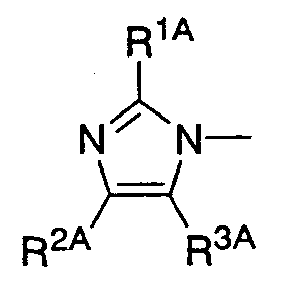

- The tricyclic compound or the pharmaceutically acceptable salt thereof according to any of claims 5 to 9, wherein Z1A-Z2A is C=CR13AA (wherein R13AA is as defined above), CH-CHR15AA (wherein R15AA is as defined above), or N-CR16AAR17A (wherein R16AA and R17A are as defined above, respectively).
- The tricyclic compound or the pharmaceutically acceptable salt thereof according to any of claims 5 to 10, wherein AA is the following formula (B3)

- The tricyclic compound or the pharmaceutically acceptable salt thereof according to any of claims 5 to 11, wherein Q1A-Q2A-Q3A is CH=CH-CH=CH.
- The tricyclic compound or the pharmaceutically acceptable salt thereof according to any of claims 5 to 12, wherein YA is CH2CH2 or CH2O.
- A pharmaceutical composition comprising the tricyclic compound or the pharmaceutically acceptable salt thereof recited in any of claims 5 to 13 as an active ingredient.
- A PPARγ agonist comprising the tricyclic compound or the pharmaceutically acceptable salt thereof recited in any of claims 5 to 13 as an active ingredient.
- An agent having a PPARγ agonistic action and an angiotensin II receptor antagonistic action in combination, which comprises the tricyclic compound or the pharmaceutically acceptable salt thereof recited in any of claims 5 to 13 as an active ingredient.
- An agent for treating and/or preventing a disease related to PPARγ, which comprises the tricyclic compound or the pharmaceutically acceptable salt thereof recited in any of claims 5 to 13 as an active ingredient.
- The agent according to claim 17, wherein the disease related to PPARγ is a disease further related to an angiotensin II receptor.
- The agent according to claim 17 or 18, wherein the disease related to PPARγ is selected from the group consisting of type 2 diabetes, impaired glucose tolerance, insulin resistance syndrome, hypertension, hyperlipidemia, metabolic syndrome, visceral obesity, obesity and hypertriglyceridemia.
- An angiotensin II receptor antagonist comprising the tricyclic compound or the pharmaceutically acceptable salt thereof recited in any of claims 5 to 13 as an active ingredient.
- An agent for treating and/or preventing a disease related to an angiotensin II receptor, which comprises the tricyclic compound or the pharmaceutically acceptable salt thereof recited in any of claims 5 to 13 as an active ingredient.
- An antihypertensive agent which comprises the tricyclic compound or the pharmaceutically acceptable salt thereof recited in any of claims 5 to 13 as an active ingredient.
- A method of activating PPARγ, which comprises administering an effective amount of the tricyclic compound or the pharmaceutically acceptable salt thereof recited in claim 1.
- A method of activating PPARγ and antagonizing an angiotensin II receptor, which comprises administering an effective amount of the tricyclic compound or the pharmaceutically acceptable salt thereof recited in claim 1.
- The method according to claim 23 or 24, wherein the method of activating PPARγ is a method for treating and/or preventing a disease related to PPARγ.
- The method according to claim 25, wherein the disease related to PPARγ is a disease further related to an angiotensin II receptor.
- The method according to claim 25 or 26, wherein the disease related to PPARγ is a disease selected from the group consisting of type 2 diabetes, impaired glucose tolerance, insulin resistance syndrome, hypertension, hyperlipidemia, metabolic syndrome, visceral obesity, obesity and hypertriglyceridemia.
- A method of activating PPARγ, which comprises administering an effective amount of the tricyclic compound or the pharmaceutically acceptable salt thereof recited in any of claims 5 to 13.
- A method of activating PPARγ and antagonizing an angiotensin II receptor, which comprises administering an effective amount of the tricyclic compound or the pharmaceutically acceptable salt thereof recited in any of claims 5 to 13.
- The method according to claim 28 or 29, wherein the method of activating PPARγ is a method for treating and/or preventing a disease related to PPARγ.
- The method according to claim 30, wherein the disease related to PPARγ is a disease further related to an angiotensin II receptor.
- The method according to claim 30 or 31, wherein the disease related to PPARγ is a disease selected from the group consisting of type 2 diabetes, impaired glucose tolerance, insulin resistance syndrome, hypertension, hyperlipidemia, metabolic syndrome, visceral obesity, obesity and hypertriglyceridemia.
- A method of antagonizing an angiotensin II receptor, which comprises administering an effective amount of the tricyclic compound or the pharmaceutically acceptable salt thereof recited in any of claims 5 to 13.
- The method according to any of claims 29 to 33, wherein the method of antagonizing an angiotensin II receptor is a method for treating and/or preventing a disease related to an angiotensin II receptor.
- The method according to claim 34, wherein the method for treating and/or preventing a disease related to an angiotensin II receptor is a method for treating and/or preventing hypertension.
- Use of the tricyclic compound or the pharmaceutically acceptable salt thereof recited in claim 1 for the production of a PPARγ agonist.
- Use of the tricyclic compound or the pharmaceutically acceptable salt thereof recited in claim 1 for the production of an agent having a PPARγ agonistic action and an angiotensin II receptor antagonistic action in combination.
- Use of the tricyclic compound or the pharmaceutically acceptable salt thereof recited in claim 1 for the production of an agent for treating and/or preventing a disease related to PPARγ.
- Use according to claim 38, wherein the disease related to PPARγ is a disease selected from the group consisting of type 2 diabetes, impaired glucose tolerance, insulin resistance syndrome, hypertension, hyperlipidemia, metabolic syndrome, visceral obesity, obesity and hypertriglyceridemia.
- Use of the tricyclic compound or the pharmaceutically acceptable salt thereof recited in any of claims 5 to 13 for the production of a PPARγ agonist.
- Use of the tricyclic compound or the pharmaceutically acceptable salt thereof recited in any of claims 5 to 13 for the production of an agent having a PPARγ agonistic action and an angiotensin II receptor antagonistic action in combination.
- Use of the tricyclic compound or the pharmaceutically acceptable salt thereof recited in any of claims 5 to 13 for the production of an agent for treating and/or preventing a disease related to PPARγ.
- Use according to claim 42, wherein the disease related to PPARγ is a disease further related to an angiotensin II receptor.
- Use according to claim 42 or 43, wherein the disease related to PPARγ is a disease selected from the group consisting of type 2 diabetes, impaired glucose tolerance, insulin resistance syndrome, hypertension, hyperlipidemia, metabolic syndrome, visceral obesity, obesity and hypertriglyceridemia.
- Use of the tricyclic compound or the pharmaceutically acceptable salt thereof recited in any of claims 5 to 13 for the production of an angiotensin II receptor antagonist.
- Use of the tricyclic compound or the pharmaceutically acceptable salt thereof recited in any of claims 5 to 13 for the production of an agent for treating and/or preventing a disease related to an angiotensin II receptor.
- Use of the tricyclic compound or the pharmaceutically acceptable salt thereof recited in any of claims 5 to 13 for the production of an antihypertensive agent.
Applications Claiming Priority (3)
| Application Number | Priority Date | Filing Date | Title |
|---|---|---|---|
| JP2007027534 | 2007-02-07 | ||
| JP2007295224 | 2007-11-14 | ||
| PCT/JP2008/052068 WO2008096829A1 (en) | 2007-02-07 | 2008-02-07 | Tricyclic compounds |
Publications (3)
| Publication Number | Publication Date |
|---|---|
| EP1988091A1 true EP1988091A1 (en) | 2008-11-05 |
| EP1988091A4 EP1988091A4 (en) | 2011-04-27 |
| EP1988091B1 EP1988091B1 (en) | 2015-06-10 |
Family
ID=39681732
Family Applications (1)
| Application Number | Title | Priority Date | Filing Date |
|---|---|---|---|
| EP08710947.6A Not-in-force EP1988091B1 (en) | 2007-02-07 | 2008-02-07 | Tricyclic compounds |
Country Status (7)
| Country | Link |
|---|---|
| US (1) | US8242151B2 (en) |
| EP (1) | EP1988091B1 (en) |
| JP (1) | JP4866901B2 (en) |
| KR (1) | KR101126383B1 (en) |
| CA (1) | CA2677661A1 (en) |
| TW (1) | TW200900402A (en) |
| WO (1) | WO2008096829A1 (en) |
Cited By (3)
| Publication number | Priority date | Publication date | Assignee | Title |
|---|---|---|---|---|
| WO2011055911A1 (en) * | 2009-11-04 | 2011-05-12 | Rohm And Haas Electronic Materials Korea Ltd. | Novel organic electroluminescent compounds and organic electroluminescent device using the same |
| WO2013018899A1 (en) | 2011-08-03 | 2013-02-07 | 協和発酵キリン株式会社 | Dibenzooxepin derivative |
| EP3081213A1 (en) * | 2008-08-06 | 2016-10-19 | Kyowa Hakko Kirin Co., Ltd. | Tricyclic compound |
Families Citing this family (18)
| Publication number | Priority date | Publication date | Assignee | Title |
|---|---|---|---|---|
| CN102196809B (en) * | 2008-10-22 | 2013-06-26 | 协和发酵麒麟株式会社 | Agent for treatment of diabetic nephropathy |
| US8664226B2 (en) | 2009-04-17 | 2014-03-04 | Kowa Company, Ltd. | Compound having 3-heteroarylpyrimidin-4-(3H)-one structure and pharmaceutical preparation containing same |
| JPWO2010137336A1 (en) | 2009-05-29 | 2012-11-12 | 興和株式会社 | Novel α-phenoxybenzeneacetic acid derivative and pharmaceutical containing the same |
| US20120122906A1 (en) | 2009-08-27 | 2012-05-17 | Kowa Company, Ltd. | Novel sulfonamide derivative and pharmaceutical product containing same |
| WO2011040004A1 (en) | 2009-09-29 | 2011-04-07 | 興和株式会社 | Novel phenylpyridine derivative and medicinal agent comprising same |
| WO2011107494A1 (en) | 2010-03-03 | 2011-09-09 | Sanofi | Novel aromatic glycoside derivatives, medicaments containing said compounds, and the use thereof |
| EP2582709B1 (en) | 2010-06-18 | 2018-01-24 | Sanofi | Azolopyridin-3-one derivatives as inhibitors of lipases and phospholipases |
| US8530413B2 (en) | 2010-06-21 | 2013-09-10 | Sanofi | Heterocyclically substituted methoxyphenyl derivatives with an oxo group, processes for preparation thereof and use thereof as medicaments |
| TW201221505A (en) | 2010-07-05 | 2012-06-01 | Sanofi Sa | Aryloxyalkylene-substituted hydroxyphenylhexynoic acids, process for preparation thereof and use thereof as a medicament |
| TW201215387A (en) | 2010-07-05 | 2012-04-16 | Sanofi Aventis | Spirocyclically substituted 1,3-propane dioxide derivatives, processes for preparation thereof and use thereof as a medicament |
| TW201215388A (en) | 2010-07-05 | 2012-04-16 | Sanofi Sa | (2-aryloxyacetylamino)phenylpropionic acid derivatives, processes for preparation thereof and use thereof as medicaments |
| MY170236A (en) | 2010-10-06 | 2019-07-11 | Glaxosmithkline Llc | Benzimidazole derivatives as pi3 kinase inhibitors |
| EP2687523B1 (en) | 2011-03-14 | 2016-01-06 | Kowa Company Ltd. | Novel phenylpyridine derivative and drug containing same |
| BR112014001018A2 (en) | 2011-07-15 | 2017-01-10 | Shionogi & Co | azabenzimidazole derivative having ampk activation activity |
| WO2013037390A1 (en) | 2011-09-12 | 2013-03-21 | Sanofi | 6-(4-hydroxy-phenyl)-3-styryl-1h-pyrazolo[3,4-b]pyridine-4-carboxylic acid amide derivatives as kinase inhibitors |
| WO2013045413A1 (en) | 2011-09-27 | 2013-04-04 | Sanofi | 6-(4-hydroxy-phenyl)-3-alkyl-1h-pyrazolo[3,4-b]pyridine-4-carboxylic acid amide derivatives as kinase inhibitors |
| WO2013068486A1 (en) | 2011-11-08 | 2013-05-16 | INSERM (Institut National de la Santé et de la Recherche Médicale) | Methods for the diagnosis and treatment of male infertility |
| CA2965781A1 (en) | 2014-10-28 | 2016-05-06 | Shionogi & Co., Ltd. | Heterocyclic derivative having ampk activating effect |
Family Cites Families (35)
| Publication number | Priority date | Publication date | Assignee | Title |
|---|---|---|---|---|
| GB1043158A (en) | 1962-06-07 | 1966-09-21 | Sandoz Ag | Improvements in or relating to piperidylalkidene-5h-dibenzo(a,d)cycloheptenes |
| AR240698A1 (en) | 1985-01-19 | 1990-09-28 | Takeda Chemical Industries Ltd | Process for the preparation of 5-(4-(2-(5-ethyl-2-pyridil)-ethoxy)benzyl)-2,4-thiazolodinedione and their salts |
| US4812462A (en) * | 1986-04-01 | 1989-03-14 | Warner-Lambert Company | 4,5,6,7-tetrahydro-1H-imidazo[4,5-c]pyridine-6-carboxylic acid analogs having antihypertensive activity |
| US5646169A (en) | 1987-09-04 | 1997-07-08 | Beecham Group P.L.C. | Compounds for treating eating disorders in which blood glucose levels are raised |
| US5194443A (en) | 1987-09-04 | 1993-03-16 | Beecham Group P.L.C. | Compounds |
| EP0842925A1 (en) | 1987-09-04 | 1998-05-20 | Beecham Group Plc | Substituted thiazolidinedione derivatives |
| US5260445A (en) | 1987-09-04 | 1993-11-09 | Beecham Group P.L.C. | 2,4-thiazolidinediones |
| US5232925A (en) | 1987-09-04 | 1993-08-03 | Beecham Group P.L.C. | Compounds |
| US6288095B1 (en) | 1987-09-04 | 2001-09-11 | Beecham Group P.L.C. | Compounds |
| US20020049240A1 (en) | 1994-12-19 | 2002-04-25 | Beecham Group P.1.C. | Novel compounds |
| EP0400835A1 (en) | 1989-05-15 | 1990-12-05 | Merck & Co. Inc. | Substituted benzimidazoles as angiotensin II antagonists |
| US5332744A (en) | 1989-05-30 | 1994-07-26 | Merck & Co., Inc. | Substituted imidazo-fused 6-membered heterocycles as angiotensin II antagonists |
| IE70593B1 (en) | 1989-09-29 | 1996-12-11 | Eisai Co Ltd | Biphenylmethane derivative the use of it and pharmacological compositions containing same |
| US5196444A (en) | 1990-04-27 | 1993-03-23 | Takeda Chemical Industries, Ltd. | 1-(cyclohexyloxycarbonyloxy)ethyl 2-ethoxy-1-[[2'-(1H-tetrazol-5-yl)biphenyl-4-yl]methyl]benzimidazole-7-carboxylate and compositions and methods of pharmaceutical use thereof |
| SI9210098B (en) | 1991-02-06 | 2000-06-30 | Dr. Karl Thomae | Benzimidazoles, drugs with this compounds, and process for their preparation |
| IS1756B (en) | 1991-02-21 | 2000-12-28 | Sankyo Company Limited | Analogue method for the preparation of 1-biphenylmethylimidazole derivatives |
| US5378701A (en) | 1991-12-27 | 1995-01-03 | Kyowa Hakko Kogyo | Tricyclic compounds |
| JP2526005B2 (en) * | 1991-12-27 | 1996-08-21 | 協和醗酵工業株式会社 | Tricyclic compound |
| DE69230721T2 (en) * | 1991-12-27 | 2000-08-31 | Kyowa Hakko Kogyo Co., Ltd. | Tricyclic compounds as angiotensin II antagonists |
| JPH0761983A (en) * | 1993-08-25 | 1995-03-07 | Kyowa Hakko Kogyo Co Ltd | Method for producing tricyclic compound |
| JP3710502B2 (en) * | 1993-10-21 | 2005-10-26 | 塩野義製薬株式会社 | Tricyclic compounds |
| EP0914158B2 (en) | 1996-04-05 | 2006-01-25 | Takeda Chemical Industries, Ltd. | Pharmaceutical combination containing a compound having angiotensin ii antagonistic activity and a compound which increases the insulin-sensitivity |
| EP1452176A4 (en) | 2001-12-03 | 2009-01-21 | Takeda Pharmaceutical | MEANS FOR IMPROVING INSULIN RESISTANCE |
| JP4484427B2 (en) * | 2001-12-03 | 2010-06-16 | 武田薬品工業株式会社 | Insulin resistance improving agent |
| TW200400816A (en) | 2002-06-26 | 2004-01-16 | Lilly Co Eli | Tricyclic steroid hormone nuclear receptor modulators |
| US7232828B2 (en) | 2002-08-10 | 2007-06-19 | Bethesda Pharmaceuticals, Inc. | PPAR Ligands that do not cause fluid retention, edema or congestive heart failure |
| AU2003262230A1 (en) | 2002-08-22 | 2004-03-11 | Kyowa Hakko Kogyo Co., Ltd. | Preventive and/or therapeutic drugs for itch |
| US20060239999A1 (en) | 2002-08-22 | 2006-10-26 | Mayumi Saki | Preventive and/or therapeutic drugs for asthma |
| JP4585198B2 (en) | 2002-12-27 | 2010-11-24 | 武田薬品工業株式会社 | Weight gain inhibitor |
| JPWO2005082905A1 (en) | 2004-02-26 | 2007-08-02 | 協和醗酵工業株式会社 | Bicyclic heterocyclic compounds |
| WO2005105736A1 (en) | 2004-05-05 | 2005-11-10 | Novo Nordisk A/S | Novel compounds, their preparation and use |
| KR101257233B1 (en) | 2004-07-29 | 2013-04-29 | 아더시스 인코포레이티드 | Tricyclic indeno-pyrrole derivatives as serotonin receptor modulators |
| PL1863801T3 (en) * | 2005-03-30 | 2011-03-31 | Takeda Pharmaceuticals Co | Benzimidazole derivative and use thereof |
| EP1922069A2 (en) * | 2005-08-08 | 2008-05-21 | Nitromed, Inc. | Nitric oxide enhancing angiotensin ii antagonist compounds, compositions and methods of use |
| US8486980B2 (en) | 2008-08-06 | 2013-07-16 | Kyowa Hakko Kirin Co., Ltd. | Tricyclic compound |
-
2008
- 2008-02-07 US US12/162,119 patent/US8242151B2/en not_active Expired - Fee Related
- 2008-02-07 EP EP08710947.6A patent/EP1988091B1/en not_active Not-in-force
- 2008-02-07 CA CA002677661A patent/CA2677661A1/en not_active Abandoned
- 2008-02-07 KR KR1020087021296A patent/KR101126383B1/en not_active Expired - Fee Related
- 2008-02-07 WO PCT/JP2008/052068 patent/WO2008096829A1/en not_active Ceased
- 2008-02-07 JP JP2008510932A patent/JP4866901B2/en not_active Expired - Fee Related
- 2008-02-12 TW TW097104855A patent/TW200900402A/en unknown
Cited By (3)
| Publication number | Priority date | Publication date | Assignee | Title |
|---|---|---|---|---|
| EP3081213A1 (en) * | 2008-08-06 | 2016-10-19 | Kyowa Hakko Kirin Co., Ltd. | Tricyclic compound |
| WO2011055911A1 (en) * | 2009-11-04 | 2011-05-12 | Rohm And Haas Electronic Materials Korea Ltd. | Novel organic electroluminescent compounds and organic electroluminescent device using the same |
| WO2013018899A1 (en) | 2011-08-03 | 2013-02-07 | 協和発酵キリン株式会社 | Dibenzooxepin derivative |
Also Published As
| Publication number | Publication date |
|---|---|
| US8242151B2 (en) | 2012-08-14 |
| JP4866901B2 (en) | 2012-02-01 |
| US20090176760A1 (en) | 2009-07-09 |
| TW200900402A (en) | 2009-01-01 |
| CA2677661A1 (en) | 2008-08-14 |
| KR20090006065A (en) | 2009-01-14 |
| EP1988091B1 (en) | 2015-06-10 |
| WO2008096829A1 (en) | 2008-08-14 |
| EP1988091A4 (en) | 2011-04-27 |
| KR101126383B1 (en) | 2012-04-12 |
| JPWO2008096829A1 (en) | 2010-05-27 |
Similar Documents
| Publication | Publication Date | Title |
|---|---|---|
| EP1988091B1 (en) | Tricyclic compounds | |
| JP6324956B2 (en) | Substituted aminoindane- and aminotetralin carboxylic acids and uses thereof | |
| CA2806051C (en) | Cyclic n,n'-diarylthioureas and n,n'-diarylureas - androgen receptor antagonists, anticancer agent, method for preparation and use thereof | |
| UA109660C2 (en) | Substituted 5-fluoro-1H-pyrazolopyridines and their applications | |
| TW200911771A (en) | Piperidine/piperazine derivatives | |
| HK1216890A1 (en) | Benzyl-substituted pyrazolopyridines and use thereof | |
| CA2920559A1 (en) | Substituted imidazo[1,2-a]pyrazinecarboxamides and use thereof | |
| US9493430B2 (en) | Biaryl- or heterocyclic biaryl-substituted cyclohexene derivative compounds as CETP inhibitors | |
| EP2646417A1 (en) | Kat ii inhibitors | |
| CA2957828A1 (en) | Substituted quinoline-4-carboxamides and use thereof | |
| EP1716867A1 (en) | Preventives for migraine | |
| US9475805B2 (en) | Tricyclic compound | |
| JP2005239611A (en) | Pyrazolopyrimidine derivative and its application | |
| EP3263567A1 (en) | Carboxamide-substituted pyrazoles and tri(hetero)aryl-pyrazoles for use in methods of treating and / or preventing cardiovascular diseases and / or comorbidities thereof | |
| CN107567451A (en) | As the soluble guanylate cyclase for treating angiocardiopathy(SGC)The carboxamides derivatives of 8 [(2,6 difluorobenzyl) epoxide] 2,6 dimethyl-imidazos [1,2 A] pyrazine 3 of the N substitutions of stimulant | |
| CN101646666A (en) | Tricyclic compounds | |
| HK1141023A (en) | Tricyclic compounds | |
| JPH03287587A (en) | Pyridylpyrrolothiazole derivative and its intermediate | |
| CN107567446A (en) | Substituted formamide of pyrazolo [1,5 a] pyridine 3 and application thereof |
Legal Events
| Date | Code | Title | Description |
|---|---|---|---|
| PUAI | Public reference made under article 153(3) epc to a published international application that has entered the european phase |
Free format text: ORIGINAL CODE: 0009012 |
|
| 17P | Request for examination filed |
Effective date: 20080331 |
|
| AK | Designated contracting states |
Kind code of ref document: A1 Designated state(s): AT BE BG CH CY CZ DE DK EE ES FI FR GB GR HR HU IE IS IT LI LT LU LV MC MT NL NO PL PT RO SE SI SK TR |
|
| AX | Request for extension of the european patent |
Extension state: AL BA MK RS |
|
| RAP1 | Party data changed (applicant data changed or rights of an application transferred) |
Owner name: KYOWA HAKKO KIRIN CO., LTD. |
|
| A4 | Supplementary search report drawn up and despatched |
Effective date: 20110328 |
|
| 17Q | First examination report despatched |
Effective date: 20120411 |
|
| DAX | Request for extension of the european patent (deleted) | ||
| GRAP | Despatch of communication of intention to grant a patent |
Free format text: ORIGINAL CODE: EPIDOSNIGR1 |
|
| RIC1 | Information provided on ipc code assigned before grant |
Ipc: C07D 403/14 20060101AFI20141117BHEP Ipc: A61P 3/04 20060101ALI20141117BHEP Ipc: A61P 3/10 20060101ALI20141117BHEP Ipc: A61P 9/10 20060101ALI20141117BHEP Ipc: A61P 3/06 20060101ALI20141117BHEP Ipc: A61P 1/04 20060101ALI20141117BHEP Ipc: A61P 9/00 20060101ALI20141117BHEP Ipc: A61K 31/55 20060101ALI20141117BHEP Ipc: A61K 31/4245 20060101ALI20141117BHEP Ipc: A61P 9/12 20060101ALI20141117BHEP Ipc: A61K 31/437 20060101ALI20141117BHEP |
|
| INTG | Intention to grant announced |
Effective date: 20141205 |
|
| GRAS | Grant fee paid |
Free format text: ORIGINAL CODE: EPIDOSNIGR3 |
|
| GRAA | (expected) grant |
Free format text: ORIGINAL CODE: 0009210 |
|
| AK | Designated contracting states |
Kind code of ref document: B1 Designated state(s): AT BE BG CH CY CZ DE DK EE ES FI FR GB GR HR HU IE IS IT LI LT LU LV MC MT NL NO PL PT RO SE SI SK TR |
|
| REG | Reference to a national code |
Ref country code: GB Ref legal event code: FG4D |
|
| RIN1 | Information on inventor provided before grant (corrected) |
Inventor name: KUBOYAMA, TAKESHI Inventor name: ARATAKE, SEIJI Inventor name: YANAGISAWA, ARATA Inventor name: YAO, KOZO Inventor name: SUZUKI, MICHIHIKO Inventor name: UENO, KIMIHISA Inventor name: HAMAGUCHI, AKINORI Inventor name: TSUKUMO, YUKIHITO Inventor name: MATSUBARA, MASAHIRO Inventor name: HEMMI, KAZUKI |
|
| REG | Reference to a national code |
Ref country code: CH Ref legal event code: EP |
|
| REG | Reference to a national code |
Ref country code: AT Ref legal event code: REF Ref document number: 730847 Country of ref document: AT Kind code of ref document: T Effective date: 20150715 |
|
| REG | Reference to a national code |
Ref country code: DE Ref legal event code: R096 Ref document number: 602008038495 Country of ref document: DE |
|
| REG | Reference to a national code |
Ref country code: IE Ref legal event code: FG4D |
|
| PG25 | Lapsed in a contracting state [announced via postgrant information from national office to epo] |
Ref country code: ES Free format text: LAPSE BECAUSE OF FAILURE TO SUBMIT A TRANSLATION OF THE DESCRIPTION OR TO PAY THE FEE WITHIN THE PRESCRIBED TIME-LIMIT Effective date: 20150610 Ref country code: NO Free format text: LAPSE BECAUSE OF FAILURE TO SUBMIT A TRANSLATION OF THE DESCRIPTION OR TO PAY THE FEE WITHIN THE PRESCRIBED TIME-LIMIT Effective date: 20150910 Ref country code: FI Free format text: LAPSE BECAUSE OF FAILURE TO SUBMIT A TRANSLATION OF THE DESCRIPTION OR TO PAY THE FEE WITHIN THE PRESCRIBED TIME-LIMIT Effective date: 20150610 Ref country code: LT Free format text: LAPSE BECAUSE OF FAILURE TO SUBMIT A TRANSLATION OF THE DESCRIPTION OR TO PAY THE FEE WITHIN THE PRESCRIBED TIME-LIMIT Effective date: 20150610 |
|
| REG | Reference to a national code |
Ref country code: AT Ref legal event code: MK05 Ref document number: 730847 Country of ref document: AT Kind code of ref document: T Effective date: 20150610 |
|
| REG | Reference to a national code |
Ref country code: NL Ref legal event code: MP Effective date: 20150610 |
|
| PG25 | Lapsed in a contracting state [announced via postgrant information from national office to epo] |
Ref country code: BG Free format text: LAPSE BECAUSE OF FAILURE TO SUBMIT A TRANSLATION OF THE DESCRIPTION OR TO PAY THE FEE WITHIN THE PRESCRIBED TIME-LIMIT Effective date: 20150910 Ref country code: GR Free format text: LAPSE BECAUSE OF FAILURE TO SUBMIT A TRANSLATION OF THE DESCRIPTION OR TO PAY THE FEE WITHIN THE PRESCRIBED TIME-LIMIT Effective date: 20150911 Ref country code: LV Free format text: LAPSE BECAUSE OF FAILURE TO SUBMIT A TRANSLATION OF THE DESCRIPTION OR TO PAY THE FEE WITHIN THE PRESCRIBED TIME-LIMIT Effective date: 20150610 |
|
| PG25 | Lapsed in a contracting state [announced via postgrant information from national office to epo] |
Ref country code: EE Free format text: LAPSE BECAUSE OF FAILURE TO SUBMIT A TRANSLATION OF THE DESCRIPTION OR TO PAY THE FEE WITHIN THE PRESCRIBED TIME-LIMIT Effective date: 20150610 |
|
| REG | Reference to a national code |
Ref country code: FR Ref legal event code: PLFP Year of fee payment: 9 |
|
| PG25 | Lapsed in a contracting state [announced via postgrant information from national office to epo] |
Ref country code: PT Free format text: LAPSE BECAUSE OF FAILURE TO SUBMIT A TRANSLATION OF THE DESCRIPTION OR TO PAY THE FEE WITHIN THE PRESCRIBED TIME-LIMIT Effective date: 20151012 Ref country code: CZ Free format text: LAPSE BECAUSE OF FAILURE TO SUBMIT A TRANSLATION OF THE DESCRIPTION OR TO PAY THE FEE WITHIN THE PRESCRIBED TIME-LIMIT Effective date: 20150610 Ref country code: RO Free format text: LAPSE BECAUSE OF NON-PAYMENT OF DUE FEES Effective date: 20150610 Ref country code: PL Free format text: LAPSE BECAUSE OF FAILURE TO SUBMIT A TRANSLATION OF THE DESCRIPTION OR TO PAY THE FEE WITHIN THE PRESCRIBED TIME-LIMIT Effective date: 20150610 Ref country code: SK Free format text: LAPSE BECAUSE OF FAILURE TO SUBMIT A TRANSLATION OF THE DESCRIPTION OR TO PAY THE FEE WITHIN THE PRESCRIBED TIME-LIMIT Effective date: 20150610 Ref country code: IS Free format text: LAPSE BECAUSE OF FAILURE TO SUBMIT A TRANSLATION OF THE DESCRIPTION OR TO PAY THE FEE WITHIN THE PRESCRIBED TIME-LIMIT Effective date: 20151010 Ref country code: AT Free format text: LAPSE BECAUSE OF FAILURE TO SUBMIT A TRANSLATION OF THE DESCRIPTION OR TO PAY THE FEE WITHIN THE PRESCRIBED TIME-LIMIT Effective date: 20150610 |
|
| REG | Reference to a national code |
Ref country code: DE Ref legal event code: R097 Ref document number: 602008038495 Country of ref document: DE |
|
| PLBE | No opposition filed within time limit |
Free format text: ORIGINAL CODE: 0009261 |
|
| STAA | Information on the status of an ep patent application or granted ep patent |
Free format text: STATUS: NO OPPOSITION FILED WITHIN TIME LIMIT |
|
| PG25 | Lapsed in a contracting state [announced via postgrant information from national office to epo] |
Ref country code: IT Free format text: LAPSE BECAUSE OF FAILURE TO SUBMIT A TRANSLATION OF THE DESCRIPTION OR TO PAY THE FEE WITHIN THE PRESCRIBED TIME-LIMIT Effective date: 20150610 Ref country code: DK Free format text: LAPSE BECAUSE OF FAILURE TO SUBMIT A TRANSLATION OF THE DESCRIPTION OR TO PAY THE FEE WITHIN THE PRESCRIBED TIME-LIMIT Effective date: 20150610 |
|
| 26N | No opposition filed |
Effective date: 20160311 |
|
| PG25 | Lapsed in a contracting state [announced via postgrant information from national office to epo] |
Ref country code: SI Free format text: LAPSE BECAUSE OF FAILURE TO SUBMIT A TRANSLATION OF THE DESCRIPTION OR TO PAY THE FEE WITHIN THE PRESCRIBED TIME-LIMIT Effective date: 20150610 Ref country code: BE Free format text: LAPSE BECAUSE OF NON-PAYMENT OF DUE FEES Effective date: 20160229 |
|
| PG25 | Lapsed in a contracting state [announced via postgrant information from national office to epo] |
Ref country code: MC Free format text: LAPSE BECAUSE OF FAILURE TO SUBMIT A TRANSLATION OF THE DESCRIPTION OR TO PAY THE FEE WITHIN THE PRESCRIBED TIME-LIMIT Effective date: 20150610 Ref country code: LU Free format text: LAPSE BECAUSE OF FAILURE TO SUBMIT A TRANSLATION OF THE DESCRIPTION OR TO PAY THE FEE WITHIN THE PRESCRIBED TIME-LIMIT Effective date: 20160207 |
|
| REG | Reference to a national code |
Ref country code: CH Ref legal event code: PL |
|
| PG25 | Lapsed in a contracting state [announced via postgrant information from national office to epo] |
Ref country code: LI Free format text: LAPSE BECAUSE OF NON-PAYMENT OF DUE FEES Effective date: 20160229 Ref country code: CH Free format text: LAPSE BECAUSE OF NON-PAYMENT OF DUE FEES Effective date: 20160229 |
|
| REG | Reference to a national code |
Ref country code: IE Ref legal event code: MM4A |
|
| PG25 | Lapsed in a contracting state [announced via postgrant information from national office to epo] |
Ref country code: BE Free format text: LAPSE BECAUSE OF FAILURE TO SUBMIT A TRANSLATION OF THE DESCRIPTION OR TO PAY THE FEE WITHIN THE PRESCRIBED TIME-LIMIT Effective date: 20150610 |
|
| PG25 | Lapsed in a contracting state [announced via postgrant information from national office to epo] |
Ref country code: IE Free format text: LAPSE BECAUSE OF NON-PAYMENT OF DUE FEES Effective date: 20160207 |
|
| REG | Reference to a national code |
Ref country code: FR Ref legal event code: PLFP Year of fee payment: 10 |
|
| PG25 | Lapsed in a contracting state [announced via postgrant information from national office to epo] |
Ref country code: SE Free format text: LAPSE BECAUSE OF FAILURE TO SUBMIT A TRANSLATION OF THE DESCRIPTION OR TO PAY THE FEE WITHIN THE PRESCRIBED TIME-LIMIT Effective date: 20150610 Ref country code: NL Free format text: LAPSE BECAUSE OF FAILURE TO SUBMIT A TRANSLATION OF THE DESCRIPTION OR TO PAY THE FEE WITHIN THE PRESCRIBED TIME-LIMIT Effective date: 20150610 |
|
| PG25 | Lapsed in a contracting state [announced via postgrant information from national office to epo] |
Ref country code: MT Free format text: LAPSE BECAUSE OF FAILURE TO SUBMIT A TRANSLATION OF THE DESCRIPTION OR TO PAY THE FEE WITHIN THE PRESCRIBED TIME-LIMIT Effective date: 20150610 |
|
| REG | Reference to a national code |
Ref country code: FR Ref legal event code: PLFP Year of fee payment: 11 |
|
| PG25 | Lapsed in a contracting state [announced via postgrant information from national office to epo] |
Ref country code: CY Free format text: LAPSE BECAUSE OF FAILURE TO SUBMIT A TRANSLATION OF THE DESCRIPTION OR TO PAY THE FEE WITHIN THE PRESCRIBED TIME-LIMIT Effective date: 20150610 Ref country code: HU Free format text: LAPSE BECAUSE OF FAILURE TO SUBMIT A TRANSLATION OF THE DESCRIPTION OR TO PAY THE FEE WITHIN THE PRESCRIBED TIME-LIMIT; INVALID AB INITIO Effective date: 20080207 |
|
| PG25 | Lapsed in a contracting state [announced via postgrant information from national office to epo] |
Ref country code: TR Free format text: LAPSE BECAUSE OF FAILURE TO SUBMIT A TRANSLATION OF THE DESCRIPTION OR TO PAY THE FEE WITHIN THE PRESCRIBED TIME-LIMIT Effective date: 20150610 Ref country code: HR Free format text: LAPSE BECAUSE OF FAILURE TO SUBMIT A TRANSLATION OF THE DESCRIPTION OR TO PAY THE FEE WITHIN THE PRESCRIBED TIME-LIMIT Effective date: 20150610 Ref country code: MT Free format text: LAPSE BECAUSE OF FAILURE TO SUBMIT A TRANSLATION OF THE DESCRIPTION OR TO PAY THE FEE WITHIN THE PRESCRIBED TIME-LIMIT Effective date: 20160229 |
|
| REG | Reference to a national code |
Ref country code: DE Ref legal event code: R082 Ref document number: 602008038495 Country of ref document: DE Representative=s name: VOSSIUS & PARTNER PATENTANWAELTE RECHTSANWAELT, DE Ref country code: DE Ref legal event code: R081 Ref document number: 602008038495 Country of ref document: DE Owner name: KYOWA KIRIN CO., LTD., JP Free format text: FORMER OWNER: KYOWA HAKKO KIRIN CO., LTD., 100-8185 TOKYO, JP |
|
| PGFP | Annual fee paid to national office [announced via postgrant information from national office to epo] |
Ref country code: GB Payment date: 20211223 Year of fee payment: 15 |
|
| PGFP | Annual fee paid to national office [announced via postgrant information from national office to epo] |
Ref country code: DE Payment date: 20220224 Year of fee payment: 15 |
|
| PGFP | Annual fee paid to national office [announced via postgrant information from national office to epo] |
Ref country code: FR Payment date: 20220113 Year of fee payment: 15 |
|
| REG | Reference to a national code |
Ref country code: DE Ref legal event code: R119 Ref document number: 602008038495 Country of ref document: DE |
|
| GBPC | Gb: european patent ceased through non-payment of renewal fee |
Effective date: 20230207 |
|
| PG25 | Lapsed in a contracting state [announced via postgrant information from national office to epo] |
Ref country code: GB Free format text: LAPSE BECAUSE OF NON-PAYMENT OF DUE FEES Effective date: 20230207 |
|
| PG25 | Lapsed in a contracting state [announced via postgrant information from national office to epo] |
Ref country code: GB Free format text: LAPSE BECAUSE OF NON-PAYMENT OF DUE FEES Effective date: 20230207 Ref country code: FR Free format text: LAPSE BECAUSE OF NON-PAYMENT OF DUE FEES Effective date: 20230228 Ref country code: DE Free format text: LAPSE BECAUSE OF NON-PAYMENT OF DUE FEES Effective date: 20230901 |