EP1990977A2 - Protection côté client contre le détournement de domaine par commande via la vérification d'indicateur - Google Patents
Protection côté client contre le détournement de domaine par commande via la vérification d'indicateur Download PDFInfo
- Publication number
- EP1990977A2 EP1990977A2 EP08155808A EP08155808A EP1990977A2 EP 1990977 A2 EP1990977 A2 EP 1990977A2 EP 08155808 A EP08155808 A EP 08155808A EP 08155808 A EP08155808 A EP 08155808A EP 1990977 A2 EP1990977 A2 EP 1990977A2
- Authority
- EP
- European Patent Office
- Prior art keywords
- http
- http request
- pharming
- address
- content
- Prior art date
- Legal status (The legal status is an assumption and is not a legal conclusion. Google has not performed a legal analysis and makes no representation as to the accuracy of the status listed.)
- Granted
Links
Images


Classifications
-
- H—ELECTRICITY
- H04—ELECTRIC COMMUNICATION TECHNIQUE
- H04L—TRANSMISSION OF DIGITAL INFORMATION, e.g. TELEGRAPHIC COMMUNICATION
- H04L63/00—Network architectures or network communication protocols for network security
- H04L63/14—Network architectures or network communication protocols for network security for detecting or protecting against malicious traffic
- H04L63/1441—Countermeasures against malicious traffic
- H04L63/145—Countermeasures against malicious traffic the attack involving the propagation of malware through the network, e.g. viruses, trojans or worms
-
- H—ELECTRICITY
- H04—ELECTRIC COMMUNICATION TECHNIQUE
- H04L—TRANSMISSION OF DIGITAL INFORMATION, e.g. TELEGRAPHIC COMMUNICATION
- H04L63/00—Network architectures or network communication protocols for network security
- H04L63/14—Network architectures or network communication protocols for network security for detecting or protecting against malicious traffic
- H04L63/1441—Countermeasures against malicious traffic
- H04L63/1483—Countermeasures against malicious traffic service impersonation, e.g. phishing, pharming or web spoofing
-
- H—ELECTRICITY
- H04—ELECTRIC COMMUNICATION TECHNIQUE
- H04L—TRANSMISSION OF DIGITAL INFORMATION, e.g. TELEGRAPHIC COMMUNICATION
- H04L67/00—Network arrangements or protocols for supporting network services or applications
- H04L67/50—Network services
- H04L67/56—Provisioning of proxy services
- H04L67/563—Data redirection of data network streams
-
- H—ELECTRICITY
- H04—ELECTRIC COMMUNICATION TECHNIQUE
- H04L—TRANSMISSION OF DIGITAL INFORMATION, e.g. TELEGRAPHIC COMMUNICATION
- H04L67/00—Network arrangements or protocols for supporting network services or applications
- H04L67/01—Protocols
- H04L67/02—Protocols based on web technology, e.g. hypertext transfer protocol [HTTP]
-
- H—ELECTRICITY
- H04—ELECTRIC COMMUNICATION TECHNIQUE
- H04L—TRANSMISSION OF DIGITAL INFORMATION, e.g. TELEGRAPHIC COMMUNICATION
- H04L67/00—Network arrangements or protocols for supporting network services or applications
- H04L67/50—Network services
- H04L67/56—Provisioning of proxy services
Definitions
- the present invention relates to computer systems. More particularly, the present invention relates to computer security.
- Inexpensive broadband routers are a popular way for people to create an internal, and sometimes wireless, network in their homes.
- a person can inadvertently open up the router for a malicious attack.
- One type of malicious attack mountable against the client side router is termed a drive-by pharming attack, which can result in denial of service, infection with malicious code, or identity theft, as well as other malicious consequences.
- a method for protecting a client computer system from drive-by pharming attacks includes: proxying an HTTP request on a client computer system prior to release to a router, the HTTP request including an HTTP header; determining whether the HTTP header identifies a referrer URL corresponding to routable, public IP address and a target URL corresponding to a non-routable, private IP address; upon a determination that the HTTP header identifies a referrer URL corresponding to a routable, public IP address and a target URL corresponding to a non-routable, private IP address, blocking the HTTP request; and providing an alert notification.
- the HTTP request is released.
- the method further includes: proxying an HTTP response to a released HTTP request prior to release to the web browser, determining the content type of the HTTP response; determining whether the content type is type text/html or type script; wherein upon a determination that the content type is type text/html or type script; modifying the content to prevent malicious activity; and releasing the HTTP response.
- proxying an HTTP response to a released HTTP request prior to release to the web browser determining the content type of the HTTP response; determining whether the content type is type text/html or type script; wherein upon a determination that the content type is type text/html or type script; modifying the content to prevent malicious activity; and releasing the HTTP response.
- the HTTP response is released.
- modifying the content to prevent malicious activity includes: parsing the HTML content for each HTML-referenced URL; determining whether each HTML-referenced URL corresponds to a non-routable, private IP address; wherein upon a determination that an HTML-referenced URL corresponds to a non-routable, private IP address, replacing the HTML-referenced URL with a safe URL; and releasing the HTTP response.
- the user is alerted.
- the HTTP response is released.
- modifying the content to prevent malicious activity includes: injecting a JavaScript override at the top of the content prior to any scripts, the JavaScript override defining a safe XMLHttpRequest and a safe ActiveX replacement object; parsing the content for scripts other than the JavaScript override; replacing each XMLHttpRequest in each script with the safe XMLHttpRequest; replacing each object tag in each script with the ActiveX replacement object; and releasing the HTTP response.
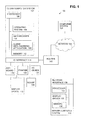
- FIG. 1 is a diagram of a computer system that includes a client anti-pharming application executing on a client computer system in accordance with one embodiment of the invention.
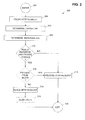
- FIG. 2 illustrates a flow diagram of a method for protecting a client computer system from drive-by pharming attacks in accordance with one embodiment of the invention.
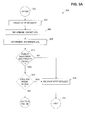
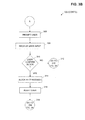
- FIGS. 3A and 3B illustrate a flow diagram of a method for protecting a client computer system from drive-by pharming attacks with user prompting in accordance with another embodiment of the invention.
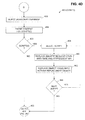
- FIGS. 4A-4D illustrate a flow diagram of a method for protecting a client computer system from drive-by pharming attacks in accordance with another embodiment of the invention.
- a user inputs a request for a resource, such as the URL of a web page, into a web browser on a client computer system of the home network.
- the web browser generates an HTTP request for the web page that is sent to the router which manages the DNS settings for the computer systems on the home network.
- the router performs a DNS lookup to locate the IP address associated with the URL of the requested web page and when completed, the HTTP request is sent to the associated server hosting the web page.
- a web page including malicious code such as drive-by pharming code
- a web page including malicious code is returned as an HTTP response to the HTTP request.
- the malicious code begins sending HTTP requests from the web browser to the router in an attempt to learn the IP address of the router. Once the router's IP address is obtained, the malicious code then connects to the web interface of the router and changes the settings so that DNS resolutions are redirected to a fraudulent web site.
- the fraudulent web site mimics the appearance of the true web site so as not to alert the user of the redirection.
- This allows an attacker to capture information input to the fraudulent web site by the user, such as personal credentials and passwords.
- the attacker can then utilize the user's information to initiate malicious activity, such as obtaining false access to data or stealing money from the user's bank accounts.
- Further information on drive-by pharming can be found in the article " Drive-By Pharming" by Sid Stamm, Zulfikar Ramzan, and Markus Jakobsson, dated December 13, 2006 and available at http://www.symantec.com/avcenter/reference/ Driveby Pharming.pdf .
- a URL is a string of text that specifies the location of a resource accessible though HTTP. For example, with HTTP, a URL may be "http://abigbank.com”.
- a URL is typically resolved to a specific Internet Protocol (IP) address via a Domain Name Server (DNS) query, for example, by the web browser.
- IP Internet Protocol
- DNS Domain Name Server
- an IP address is a 32-bit number.
- the URL "http://abigbank.com” may be resolved to an IP address of "25.234.56.71".
- An IP address is either a private IP address or a public IP address.
- a URL corresponds to a particular IP address, herein a URL that corresponds to a private IP address is termed a private URL, and a URL that corresponds to a public IP address is herein termed a public URL.
- a private IP address is an IP address that is not routable, i.e., a private IP address cannot be used to connect directly to the Internet.
- IP addresses assigned to client computer systems on a home network served by a home router are non-routable, private IP addresses.
- IP addresses corresponding to the dot-decimal notation form, 10.x.x.x, 172.16.x.x, and 192.168.x.x are private IP addresses and are non-routable.
- a public IP address is an IP address that is routable, i.e., a public IP address can be used to connect directly to the Internet.
- IP addresses assigned to web servers hosting web pages on the Internet are routable, public IP addresses.
- IP addresses that do not correspond to the dot-decimal notation form, 10.x.x.x, 172.16.x.x, and 192.168.x.x are public IP addresses and are routable.
- HTTP protocol The format of an HTTP request for a resource, such as a web page, is specified by the HTTP protocol which requires an HTTP header that provides information about the HTTP request.
- the HTTP protocol defines numerous fields which can be utilized in an HTTP header.
- an HTTP request from an HTTP client typically includes a target URL field that includes data that identifies a requested URL, herein termed the target URL, and a "referrer" URL field that includes data that identifies the URL of the page containing the link the user followed to get to the current page from which the HTTP request is initiated, herein termed the referrer URL.
- An HTTP response typically includes an HTTP message field, sometimes termed a content field, which contains the requested data or content, such as an HTML web page, scripts, files or program code.
- An HTTP response typically includes a content type field that includes data that identifies the media type, and sub-type when applicable, of the content being returned in the HTTP response, herein termed the content type.
- a content type field may contain data that identifies the media type of the content as text/html or script.
- an HTTP request generated on a client computer system is proxied prior to release from the client computer system to a router, e.g., such as a client side home router (operation 204).
- a router e.g., such as a client side home router
- the HTTP header present in the HTTP request is evaluated to determine the target URL (operation 206) and the referrer URL (operation 208).
- a determination is made whether the HTTP header identifies both a referrer URL that corresponds to a routable, public IP address and a target URL that corresponds to a non-routable, private IP address (operation 210).
- the HTTP request is determined to be indicative of a drive-by pharming attack.
- the HTTP request is blocked from sending to the router (operation 214), when not optionally excluded (operation 212), and a user alert is generated (operation 216).
- the HTTP request is not determined to be indicative of a drive-by pharming attack, and the HTTP request is released for sending to the router (operation 218).
- an HTTP response to a released HTTP request is proxied and modified as indicated to protect the client computer system from drive-by pharming attacks which utilize embedded HTML object tags, script generated HTML object tags, and AJAX style XMLHttpRequest calls.
- an HTTP response to a released HTTP request is proxied prior to receipt by the web browser (operation 406) and the content type of the HTTP response is determined (operation 408). A determination is made whether the content type is identified as text/html or script (operation 410).
- the HTTP response is released for sending to the web browser (operation 412).
- the content is parsed for instances of HTML-referenced URLs (operation 416).
- Each HTML-referenced URL is evaluated to determine whether or not the URL points to a non-routable, private IP address (operations 420, 422).
- a safe URL such as blank string or a safe replacement URL (operation 426).
- a user alert is also generated (operation 424).
- the HTTP response is then released for sending to the web browser (operation 412).
- a JavaScript override is injected at the top of the content prior to any scripts (operation 432).
- the JavaScript override defines a safe XMLHttpRequest and an ActiveX replacement object.
- the content is parsed for scripts, other than the injected JavaScript override (operation 434).
- Each instance of a direct use of an XMLHttpRequest in each script is replaced with the safe XMLHttpRequest (operation 440), and each object tag is replaced with the ActiveX replacement object (operation 442).
- the HTTP response is then released for sending to the web browser (operation 412).
- FIG. 1 is a diagram of a computer system 100 that includes a client anti-pharming application 106 executing on a client computer system 102, e.g., a first computer system, in accordance with one embodiment of the present invention.
- Client computer system 102 sometimes called a user device, typically includes a central processing unit (CPU) 108, hereinafter processor 108, an input output (I/O) interface 110, and a memory 112, including an operating system 104.
- CPU central processing unit
- I/O input output
- memory 112 including an operating system 104.
- memory 112 includes client anti-pharming application 106 and a web browser application 114.
- web browser application 114 renders web page content.
- Web browser application 114 is any one of a number of conventional web browser applications, and the particular web browser application is not essential to this embodiment. Conventional web browsers are well known to those of skill in the art and are not further described herein to avoid detracting from the principles of the invention.
- Client computer system 102 may further include standard devices like a keyboard 116, a mouse 118, a printer 120, and a display device 122, as well as, one or more standard input/output (I/O) devices 124, such as a compact disk (CD) or DVD drive, floppy disk drive, or other digital or waveform port for inputting data to and outputting data from client computer system 102.
- I/O input/output
- client anti-pharming application 106 is loaded into client computer system 102 via I/O device 124, such as from a CD, DVD or floppy disk containing client anti-pharming application 106.
- Client computer system 102 is coupled to a router 140, such as a home broadband router.
- Router 140 receives outbound HTTP requests initiated in web browser 114 and sent from client computer system 102.
- Router 140 sends the HTTP request to the indicated computer system, such as computer system 128.
- Router 140 also receives inbound communications, such as an inbound HTTP response sent in return to an HTTP request. Router 140 sends the HTTP response to the identified computer system, such as client computer system 102. More particularly, router 140 sends the HTTP response to web browser 114 of client computer system 102. Router 140 is any one of a number of conventional routers, such as a home broadband router, and the particular router is not essential to this embodiment.
- inbound communications such as an inbound HTTP response sent in return to an HTTP request.
- Router 140 sends the HTTP response to the identified computer system, such as client computer system 102. More particularly, router 140 sends the HTTP response to web browser 114 of client computer system 102.
- Router 140 is any one of a number of conventional routers, such as a home broadband router, and the particular router is not essential to this embodiment.
- client anti-pharming application 106 proxies HTTP requests generated by web browser 114 prior to release from client computer system 102 to router 140.
- the HTTP requests are evaluated as further described herein for indications of malicious code activity, such as a drive-by pharming attack.
- HTTP requests determined to be indicative of a drive-by pharming attack are blocked from release from client computer system 102 to router 140, or other protective actions are taken prior to release to router 140.
- client anti-pharming application 106 also proxies HTTP responses prior to receipt by web browser 114, such as an HTTP response sent from computer system 128 in response to an HTTP request from web browser 114.
- the HTTP responses are evaluated and modified, when indicated, as further described herein to prevent malicious activity, such as a drive by pharming attack.
- Router 140 is coupled to external computer systems by a network 126.
- router 140 is coupled to a server computer system 130 and computer system 128 via network 126, e.g., the Internet.
- Server computer system 130 typically includes a display device 132, a processor 134, a memory 136, and a network interface 138.
- computer system 128 can be a web content server hosting a web page having malicious code that can effect a drive-by pharming attack when downloaded to a computer system.
- malicious code is defined as any computer program, module, set of modules, or code that enters a computer system environment without an authorized user's knowledge and/or without an authorized user's consent. Code that can effect a drive-by pharming attack is one example of malicious code.
- malicious activity is any activity resulting from the execution of malicious code.
- computer system 128 is similar to client computer system 102 and/or server computer system 130, for example, includes a central processing unit, an input output (I/O) interface, and a memory.
- Computer system 128 may further include standard devices like a keyboard, a mouse, a printer, a display device and an I/O device(s).
- the various hardware components of computer system 128 are not illustrated to avoid detracting from the principles of the invention.
- Network 126 can be any network or network system that is of interest to a user.
- network interface 138 and I/O interface 110 include analog modems, digital modems, or a network interface card.
- client computer system 102, computer system 128, and server computer system 130 are not essential to this embodiment of the present invention.
- FIG. 2 illustrates a flow diagram of a method 200 for protecting a client computer system 102 from a drive-by pharming attack in accordance with one embodiment of the invention.
- a first HTTP request to a web site has issued from web browser 114 to computer system 128, and that a web page containing malicious drive-by pharming code was returned to web browser 114 and is now executing in web browser 114.
- malicious drive-by pharming code present in a web page executing in web browser 114 is initiating HTTP requests, for example, in an attempt to effect a drive-by pharming attack on client computer system 102.
- execution of client anti-pharming application 106 by processor 108 results in the operations of method 200 as described below.
- Method 200 is entered at an ENTER operation 202 with processing transitioning to a PROXY HTTP REQUEST operation 204.
- an outbound HTTP request originating on client computer system 102 is proxied prior to release from client computer system 102 to router 140.
- the HTTP request is proxied by an HTTP proxy component of client anti-pharming application 106.
- the HTTP request can be proxied utilizing any of a variety of proxy techniques, such as by hooking techniques, such that the HTTP request is stalled from sending to router 140. Proxying of HTTP requests is well known to those of skill in the art and is not further described herein to avoid detracting from the principles of the invention.
- the HTTP request includes an HTTP header having at least a referrer URL and a target URL.
- the referrer URL corresponds to, i.e., resolves to, an IP address of the web page the user accessed from which the target URL is being requested.
- the target URL corresponds to, i.e., resolves to, an IP address of the requested web page, herein referred to as the target URL IP address.
- DETERMINE TARGET URL operation 206 the target URL is determined from the HTTP header of the HTTP request proxied in operation 204, for example, by parsing the HTTP header or by using other evaluative techniques to determine the target URL. From DETERMINE TARGET URL operation 206, processing transitions to a DETERMINE REFERRER URL operation 208.
- DETERMINE REFERRER URL operation 208 the referrer URL is determined from the HTTP header of the HTTP request proxied in operation 204, for example, by parsing the HTTP header or by using other evaluative techniques to determine the referrer URL. From DETERMINE REFERRER URL operation 208, processing transitions to a PUBLIC REFERRER AND PRIVATE TARGET check operation 210.
- the target URL determined in operation 206 and the referrer URL determined in operation 208 are each resolved, or otherwise corresponded, to respective IP addresses.
- the target URL is resolved, or otherwise corresponded, to a target URL IP address
- the referrer URL is resolved, or otherwise corresponded, to a referrer URL IP address.
- the referrer URL IP address and the target URL IP address are compared to a database of known private and/or public IP addresses, or are otherwise evaluated to determine whether each respective URL IP address is a public or a private IP address.
- the combination of a referrer URL IP address that is determined to be a routable, public IP address together with a target URL IP address that is determined to be a non-routable, private IP address is viewed as indicative of a drive-by pharming attack.
- the above combination can indicate an to attempt by malicious code executing in web browser 114 to identify the IP address of router 140 so that malicious changes can be implemented on router 140 to enable a drive-by pharming attack.
- RELEASE HTTP REQUEST operation 2108 the HTTP request proxied in operation 204 is released and allowed to proceed from client computer system 102 to router 140. From RELEASE HTTP REQUEST operation 218 processing exits method 200 at an EXIT operation 220, or optionally returns to operation 204 on proxying of a next HTTP request.
- PUBLIC REFERRER AND PRIVATE TARGET check operation 210 when it is determined that the referrer URL IP address is a routable, public IP address and the target URL IP address is a non-routable, private IP address ("YES"), this combination is indicative of a drive-by pharming attack. From PUBLIC REFERRER AND PRIVATE TARGET check operation 210, processing optionally transitions to an EXCLUDE FROM BLOCK check operation 212, or transitions directly to a BLOCK HTTP REQUEST operation 214.
- a match of the referrer URL IP address to an entry in the excluded referrer URL IP address list and/or a match of the target URL IP address to an entry in the excluded target URL IP address list results in a determination to exclude the HTTP request from being blocked.
- other exclusionary evaluation techniques utilizing the referrer URL IP address and/or the target URL IP address can be utilized.
- other parameters of the HTTP request can be evaluated to make the determination whether to exclude the HTTP request from being blocked.
- processing transitions from optional EXCLUDE FROM BLOCK check operation 212 to RELEASE HTTP REQUEST operation 218, earlier described.
- processing transitions to BLOCK HTTP REQUEST operation 214.
- BLOCK HTTP REQUEST operation 214 the HTTP REQUEST is blocked.
- the HTTP request is prevented from sending to router 140.
- the malicious code is prevented from learning the IP address of the router via an HTTP request, and is prevented from initiating malicious changes to router 140, such as those malicious changes used to support a drive-by pharming attack.
- processing transitions to an ALERT USER operation 216.
- an alert notification is generated and provided to a user.
- the user is notified using any one of a number of techniques, for example, by generating and displaying a pop up window on display device 122.
- the user of client computer system 102 is alerted that malicious code, such as drive-by pharming code, is present on client computer system 102 and/or that the HTTP request is blocked.
- processing exits method 200 at EXIT operation 220, or optionally returns to operation 204 on proxying of a next outbound HTTP request on client computer system 102.
- the blocking of the HTTP request e.g., operation 214
- the user is queried to confirm or deny the blocking of the HTTP request prior to the blocking of the HTTP request as further described herein with reference to FIGS. 3A and 3B .
- FIGS. 3A and 3B illustrate a flow diagram of a method 300 for protecting a client computer system 102 from a drive-by pharming attack in accordance with another embodiment of the invention.
- execution of client anti-pharming application 106 by processor 108 results in the operations of method 300 as described below.
- method 300 is entered at an ENTER operation 302 and processing transitions to PROXY HTTP REQUEST operation 204.
- PROXY HTTP REQUEST operation 204 is performed as earlier described with reference to FIG. 2 and method 200, hereby incorporated by reference, with processing continuing through operations 206, 208, check operation 210, and check operation 212 (optional) as earlier described, except that from EXCLUDE FROM BLOCK check operation 212 ("NO"), or directly from PUBLIC REFERRER AND PRIVATE TARGET check operation 210 ("YES") when check operation 212 is not performed, processing transitions to a PROMPT USER operation 306 ( FIG. 3B ).
- a user prompt is generated and displayed on client computer system 102 requesting user input whether to confirm or deny the blocking action.
- a pop up or other notification is generated and displayed on display device 122 prompting a user (not shown) for input whether or not to block the HTTP request.
- the user prompt provides a text explanation, such as an explanation that the HTTP request is suspicious and/or indicative of a drive-by pharming attack.
- the user prompt is a graphical user interface that allows a user to input a response selection that results in the blocking or release of the HTTP request when received by client anti-pharming application 106.
- the graphical user interface can include a text query, such as "An HTTP request that is indicative of a drive-by pharming attack has been generated. Do you want to block the request?"; and, can further include two response selection buttons, such as "YES” and "NO". In one example, selection of the "YES” button results in an affirmative response being sent to client anti-pharming application 106, and selection of the "NO” button results in a negative response being sent to client anti-pharming application 106. From PROMPT USER operation 306, processing transitions to a RECEIVE USER INPUT operation 308.
- RECEIVE USER INPUT operation 308 the user's input is received by client anti-pharming application 106. For example, a user's input to the graphical user interface generated and displayed in operation 306 to confirm or deny the blocking of the HTTP request is received. From RECEIVE USER INPUT operation 308, processing transitions to a USER CONFIRM BLOCK check operation 310.
- USER CONFIRM BLOCK check operation 310 a determination is made whether or not the user input received in operation 308 confirms the blocking of the HTTP request. Continuing the earlier example, an affirmative response (“YES”) confirms the blocking of the HTTP request, and a negative response (“NO”) denies blocking of the HTTP request.
- YES affirmative response
- NO negative response
- USER CONFIRM BLOCK check operation 310 when the user confirms the block of the HTTP request ("YES"), the HTTP request is to be blocked, and processing transitions from USER CONFIRM BLOCK check operation 310 to BLOCK HTTP REQUEST operation 214, performed as earlier described. From BLOCK HTTP REQUEST operation 218, processing transitions to ALERT USER operation 216, performed as earlier described. From ALERT USER operation 218 processing transitions to EXIT operation 304 with processing exiting method 300, or optionally returning to operation 204 ( FIG. 3A ) on proxying of a next outbound HTTP request.
- method 200 is extended so that an HTTP response returned in response to an HTTP request is evaluated and modified, as indicated, to further protect client computer system 102 from drive-by pharming attacks. More particularly, an inbound HTTP response is proxied prior to receipt by web browser 114 and evaluated and modified , where indicated, to protect client computer system 102 from malicious code present in the content of the HTTP response.
- FIGS. 4A-4D illustrates a flow diagram of a method 400 for protecting a client computer system from a drive-by pharming attack in accordance with another embodiment of the invention.
- execution of client anti-pharming application 106 by processor 108 results in the operations of method 400 as described below.
- method 400 is entered at an ENTER operation 402 and processing transitions to PROXY HTTP REQUEST operation 204.
- PROXY HTTP REQUEST operation 204 is performed as earlier described with reference to FIG. 2 and method 200, hereby incorporated by reference, with processing continuing through operations 206, 208, check operation 210, check operation 212, operations 214, 216 and 218, as earlier described with reference to method 200 and FIG. 2 , except that following RELEASE HTTP REQUEST operation 218, processing transitions to a PROXY HTTP RESPONSE operation 406 ( FIG. 4B ) on proxying of an HTTP response returned in response to the HTTP request released in operation 218
- an inbound HTTP response received on client computer system 102 is proxied prior to sending to web browser 114.
- the inbound HTTP response is stalled by an HTTP proxy component of client anti-pharming application 106.
- the HTTP response can be stalled utilizing any of a variety of proxy techniques, such as by hooking techniques. Proxying of HTTP responses is well known to those of skill in the art and is not further described herein to avoid detracting from the principles of the invention.
- the HTTP response includes an HTTP header having at least a content type field(s), and may further include content, such as malicious drive-by pharming code.
- PROXY HTTP RESPONSE operation 406 processing transitions to a DETERMINE CONTENT TYPE operation 408.
- DETERMINE CONTENT TYPE operation 408 the HTTP response is evaluated to determine the content type of the content being returned in the HTTP response, if any.
- the content type field(s) of the HTTP response is evaluated to determine the content type and any subtype, when applicable, for example, by parsing or scanning or otherwise evaluating the HTTP response. From DETERMINE CONTENT TYPE operation 408, processing transitions to a TYPE TEXT/HTML OR SCRIPT check operation 410.
- TYPE TEXT/HTML OR SCRIPT check operation 410 a determination is made whether the content type determined in operation 408 is identified as either text/html or script. When the content type is not text/html or script ("NO"), from TYPE TEXT/HTML OR SCRIPT check operation 410, processing transitions to RELEASE HTTP RESPONSE operation 412.
- RELEASE HTTP RESPONSE operation 412 the HTTP response proxied in operation 406 is released and allowed to proceed to web browser 114. From RELEASE HTTP RESPONSE operation 412, processing exits method 400 at an EXIT operation 404, or optionally returns to operation 204 ( FIG. 4A ) on proxying of a next HTTP request.
- TYPE TEXT/HTML OR SCRIPT check operation 410 ( FIG. 4B ), alternatively, when the content type is text/html or script ("YES"), from TYPE TEXT/HTML OR SCRIPT check operation 410, processing transitions to a PARSE CONTENT FOR HTML-REFERENCED URL(S) operation 416 ( FIG. 4C ), when the type is text/html, or to an INJECT JAVASCRIPT OVERRIDE operation 432 ( FIG. 4D ), when the type is script.
- the HTML content of the HTTP response is parsed to locate each HTML-referenced URL.
- a light-weight HTML parser component of client anti-pharming application 106 can be used to parse the HTML content and locate each HTML-referenced URL.
- examples of HTML-referenced URLs include A, IMG, SCRIPT, STYLE, OBJECT, and EMBED tags, as well as URLs referenced from inline or block styles. From PARSE CONTENT FOR HTML-REFERENCED URL(S) operation 416, processing transitions to an HTML-REFERENCED URL(S) check operation 418.
- HTML-REFERENCED URL(S) check operation 418 a determination is made whether at least one HTML-referenced URL is identified in operation 416.
- no HTML-referenced URLs are identified in operation 416 ("NO")
- HTML-REFERENCED URL(S) check operation 418 processing transitions to a SELECT HTML-REFERENCED URL operation 420.
- SELECT HTML-REFERENCED URL operation 420 a first HTML-referenced URL identified in operation 416 is selected for evaluation. From SELECT HTML-REFERENCED URL operation 420, processing transitions to a POINT TO PRIVATE IP ADDRESS check operation 422.
- the HTML-referenced URL is resolved, or otherwise corresponded, to an IP address, herein termed the HTML-referenced URL IP address.
- the HTML-referenced URL IP address is compared to a database of known private and/or public IP addresses, or is otherwise evaluated to determine whether or not the HTML-referenced URL IP address is a private IP address.
- the HTML-referenced URL IP address is not a private IP address, i.e., is a public IP address ("NO"), from POINT TO PRIVATE URL IP ADDRESS check operation 422, processing transitions to a NEXT HTML-REFERENCED URL check operation 428.
- NEXT HTML-REFERENCED URL check operation 428 a determination is made whether a next HTML-referenced URL identified in operation 416 remains to be evaluated. When a next HTML-referenced URL remains to be evaluated ("YES"), from NEXT HTML-REFERENCED URL check operation 428 processing returns to operation 420 with a next HTML-referenced URL being selected for evaluation. Alternatively, when a next HTML-referenced URL does not remain to be evaluated (“NO"), from NEXT HTML-REFERENCED URL check operation 428, at operation 430, processing transitions to operation 412 ( FIG. 4B ) with the HTTP response released for sending to web browser 114, and processing exiting method 400 at EXIT operation 404, or optionally returning to operation 204 ( FIG. 4A ) on proxying of a next HTTP request.
- an alert notification is generated and provided to a user.
- the user is notified using any one of a number of techniques, for example, by generating and displaying a pop up window on display device 122.
- the user of client computer system 102 ( FIG. 1 ) is alerted that malicious code, such as drive-by pharming code is detected and that HTML-referenced URLs in the HTTP response will be replaced with a safe HTML URL, or removed.
- processing transitions to a REPLACE HTML-REFERENCED URL WITH SAFE URL operation 426.
- the original HTML-referenced URL is replaced with a safe URL, such as a blank string, or a dummy URL, for example, that points to a dummy file.
- a safe URL such as a blank string, or a dummy URL, for example, that points to a dummy file.
- TYPE TEXT/HTML OR SCRIPT check operation 410 alternatively, when the content type of the HTTP response is determined to be script, processing transitions from TYPE TEXT/HTML check operation 410, to INJECT JAVASCRIPT OVERRIDE operation 432 ( FIG. 4D ).
- INJECT JAVASCRIPT OVERRIDE operation 432 JavaScript that overrides selected proper functionality(ies) in the content to prevent scripted attacks, herein termed a JavaScript override, is injected in the content of the HTML request.
- the JavaScript override is injected at the top of the HTML page content prior to all ⁇ script> tags.
- the JavaScript override defines a safe application program interface (API) class, e.g., a safe XMLHttpRequest API, for example, called SafeXMLHttpRequest, which contains all the functionality of a standard XMLHttpRequest API, but also determines the referrer IP address and target IP address before issuing an HTTP request.
- API application program interface
- variable and class names used in the JavaScript override are randomized to reduce circumvention of the JavaScript override should an attacker become aware of the variable and class names used in the injected JavaScript override.
- the JavaScript override also defines an ActiveX replacement object.
- the ActiveX replacement object proxies the request to the original ActiveX object, first checking whether the request identifies a referrer IP address that is public and a target IP address that is private, and taking the appropriate block/prompt action as earlier described with reference to methods 200 and 300.
- This provides protection for older versions of some web browsers, such as Internet Explorer, that do not support the XMLHttpRequest API, and protection against web sites that attempt to use older ActiveX objects to attack a computer system.
- the ActiveX replacement object does not need to take over the registration for the true ActiveX object as the method of replacing XMLHttpRequest API with the safe XMLHttpRequest API earlier described with reference to operation 426 ( FIG. 4C ) can also be used to replace Microsoft.XMLHTTP, for example with a safe object, such as Symantec.SafeXMLHTTP, e.g., search and replace in existing JavaScript and searching document.write() calls for generated script. From INJECT JAVA SCRIPT OVERRIDE operation 432, processing transitions to a PARSE CONTENT FOR SCRIPT(S) operation 434.
- PARSE CONTENT FOR SCRIPT(S) operation 434 the content of the HTTP response is parsed to locate each script, other than the JavaScript override injected in operation 432. In one embodiment, the data present in the content field of the HTTP response is parsed to identify each script. From PARSE CONTENT FOR SCRIPT(S) operation 434, processing transitions to a SCRIPT(S) check operation 436.
- SCRIPT(S) check operation 436 a determination is made whether at least one script is identified in operation 434.
- no scripts are identified in operation 434 ("NO")
- SCRIPT(S) check operation 436 processing transitions, at operation 450, to RELEASE HTTP RESPONSE operation 412 ( FIG. 4B ) earlier described with release of the HTTP response to web browser 114.
- SELECT SCRIPT operation 438 a script identified in operation 434 is selected for evaluation. From SELECT SCRIPT operation 438, processing transitions to a REPLACE XMLHTTPREQUEST API(S) WITH SAFE XMLHTTPREQUEST API operation 440.
- each XMLHttpRequest API present in the script if any, is replaced with the safe XMLHttpRequest API, e.g., SafeXMLHttpRequest API, or other safe equivalent, earlier injected and defined at operation 432.
- the safe XMLHttpRequest API e.g., SafeXMLHttpRequest API, or other safe equivalent, earlier injected and defined at operation 432.
- REPLACE XMLHTTPREQUEST API(S) WITH SAFE XMLHTTPREQUEST API operation 440 processing transitions to a REPLACE OBJECT TAG(S) WITH ACTIVEX REPLACEMENT OBJECT operation 442.
- each object tag present in the script, if any, is replaced with the ActiveX replacement object earlier injected and defined in operation 432.
- Microsoft.XMLHTTP objects, as well as the Msxml2.XMLHTTP object and any other used XML requesters are replaced with the ActiveX replacement object.
- NEXT SCRIPT check operation 448 a determination is made whether a next script identified in operation 434 remains to be evaluated. When a next script remains to be evaluated (“YES”), from NEXT SCRIPT check operation 448 processing returns to operation 438 with a next script selected for evaluation. Alternatively, when a next script does not remain to be evaluated (“NO"), from NEXT SCRIPT check operation 448, processing transitions, at operation 450, to operation 412 ( FIG. 4B ) with the HTTP response released to web browser 114, and processing exiting method 400 at EXIT operation 404 ( FIG. 4A ), or optionally returning to operation 204 ( FIG. 4A ) on proxying of a next inbound HTTP request.
- method 400 can be extended to include operations 304, 306, and 308 ( FIG. 3B ), e.g., between operations 210/212 and operation 214, such that similar to method 300, a user is prompted to input whether to confirm or deny blocking an HTTP request prior to a selected HTTP request being blocked.
- proxying and evaluation of an HTTP response can be separately implemented.
- operations 402-450 can be separately performed by client anti-pharming application 106 to protect a client computer system from malicious code and/or malicious activity, such as a drive-by pharming attack.
- client anti-pharming application 106 is in computer memory 112.
- a computer memory refers to a volatile memory, a non-volatile memory, or a combination of the two.
- client anti-pharming application 106 is referred to as an application, this is illustrative only.
- Client anti-pharming application 106 should be capable of being called from an application or the operating system.
- an application is generally defined to be any executable code.
- those of skill in the art will understand that when it is said that an application or an operation takes some action, the action is the result of executing one or more instructions by a processor.
- an embodiment of the present invention may be carried out using any suitable means and/or hardware configuration involving a personal computer, a workstation, a portable device, or a network of computer devices.
- Other network configurations other than client configurations, e.g., client-server, peer-to-peer, web-based, intranet, internet network configurations, are used in other embodiments.
- a computer program product comprises a medium configured to store or transport computer readable code in accordance with an embodiment of the present invention.
- Some examples of computer program products are CD-ROM discs, DVD S , ROM cards, floppy discs, magnetic tapes, computer hard drives, servers on a network and signals transmitted over a network representing computer readable code.
- a computer program product comprises a tangible medium configured to store computer readable code including CD-ROM discs, DVDs, ROM cards, floppy discs, magnetic tapes, computer hard drives and servers on a network.
- this medium may belong to the computer system itself. However, the medium also may be removed from the computer system.
- client anti-pharming application 106 may be stored in memory 136 that is physically located in a location different from processor 108.
- Processor 108 should be coupled to the memory 136. This could be accomplished in a client-server system, or alternatively via a connection to another computer via modems and analog lines, or digital interfaces and a digital carrier line.
- client computer system 102 and/or server computer system 130 is a portable computer, a workstation, a two-way pager, a cellular telephone, a digital wireless telephone, a personal digital assistant, a server computer, an Internet appliance, or any other device that includes components that can execute the parental control functionality in accordance with at least one of the embodiments as described herein.
- client computer system 102 and/or server computer system 130 is comprised of multiple different computers, wireless devices, cellular telephones, digital telephones, two-way pagers, or personal digital assistants, server computers, or any desired combination of these devices that are interconnected to perform, the methods as described herein.
- client anti-pharming application 106 in accordance with the embodiments of the present invention can be implemented in a wide variety of computer system configurations.
- the functionalities of client anti-pharming application 106 could be stored as different modules in memories of different devices.
- client anti-pharming application 106 could initially be stored in server computer system 130, and then as necessary, a portion of client anti-pharming application 106 could be transferred to client computer system 102 and executed on client computer system 102. Consequently, part of the functionality of client anti-pharming application 106 would be executed on processor 134 of server computer system 130, and another part would be executed on processor 108 of client computer system 102.
- client anti-pharming application 106 is stored in memory 136 of server computer system 130. Client anti-pharming application 106 is transferred over network 126 to memory 112 in client computer system 102.
- network interface 138 and I/O interface 110 would include analog modems, digital modems, or a network interface card. If modems are used, network 126 includes a communications network, and client anti-pharming application 106 is downloaded via the communications network.
Landscapes
- Engineering & Computer Science (AREA)
- Computer Security & Cryptography (AREA)
- Computer Networks & Wireless Communication (AREA)
- Signal Processing (AREA)
- Computer Hardware Design (AREA)
- Computing Systems (AREA)
- General Engineering & Computer Science (AREA)
- Health & Medical Sciences (AREA)
- General Health & Medical Sciences (AREA)
- Virology (AREA)
- Computer And Data Communications (AREA)
- Data Exchanges In Wide-Area Networks (AREA)
Applications Claiming Priority (1)
| Application Number | Priority Date | Filing Date | Title |
|---|---|---|---|
| US11/746,188 US7827311B2 (en) | 2007-05-09 | 2007-05-09 | Client side protection against drive-by pharming via referrer checking |
Publications (3)
| Publication Number | Publication Date |
|---|---|
| EP1990977A2 true EP1990977A2 (fr) | 2008-11-12 |
| EP1990977A3 EP1990977A3 (fr) | 2008-11-19 |
| EP1990977B1 EP1990977B1 (fr) | 2012-10-03 |
Family
ID=39766821
Family Applications (1)
| Application Number | Title | Priority Date | Filing Date |
|---|---|---|---|
| EP08155808A Not-in-force EP1990977B1 (fr) | 2007-05-09 | 2008-05-07 | Protection côté client contre le détournement de domaine par commande via la vérification d'indicateur |
Country Status (5)
| Country | Link |
|---|---|
| US (1) | US7827311B2 (fr) |
| EP (1) | EP1990977B1 (fr) |
| JP (1) | JP5254656B2 (fr) |
| CN (1) | CN101304418B (fr) |
| AU (1) | AU2008201981B2 (fr) |
Cited By (2)
| Publication number | Priority date | Publication date | Assignee | Title |
|---|---|---|---|---|
| GB2512267A (en) * | 2012-10-30 | 2014-10-01 | Openwave Mobility Inc | Determination of information relating to messages |
| GB2540375A (en) * | 2015-07-14 | 2017-01-18 | F Secure Corp | Preventing browser-originating attacks in a local area network |
Families Citing this family (41)
| Publication number | Priority date | Publication date | Assignee | Title |
|---|---|---|---|---|
| US11868421B1 (en) * | 2004-07-23 | 2024-01-09 | Ellis Robinson Giles | System and method for evaluating hyperdocuments using a trained artificial neural network |
| US8181246B2 (en) * | 2007-06-20 | 2012-05-15 | Imperva, Inc. | System and method for preventing web frauds committed using client-scripting attacks |
| US9906549B2 (en) * | 2007-09-06 | 2018-02-27 | Microsoft Technology Licensing, Llc | Proxy engine for custom handling of web content |
| US20090070663A1 (en) * | 2007-09-06 | 2009-03-12 | Microsoft Corporation | Proxy engine for custom handling of web content |
| US8949990B1 (en) | 2007-12-21 | 2015-02-03 | Trend Micro Inc. | Script-based XSS vulnerability detection |
| US8578482B1 (en) | 2008-01-11 | 2013-11-05 | Trend Micro Inc. | Cross-site script detection and prevention |
| US8850567B1 (en) * | 2008-02-04 | 2014-09-30 | Trend Micro, Inc. | Unauthorized URL requests detection |
| US9202248B2 (en) | 2008-03-11 | 2015-12-01 | The Rubicon Project, Inc. | Ad matching system and method thereof |
| US8473346B2 (en) | 2008-03-11 | 2013-06-25 | The Rubicon Project, Inc. | Ad network optimization system and method thereof |
| US10157280B2 (en) * | 2009-09-23 | 2018-12-18 | F5 Networks, Inc. | System and method for identifying security breach attempts of a website |
| US8214903B2 (en) | 2009-10-02 | 2012-07-03 | International Business Machines Corporation | Analysis of scripts |
| US20110231891A1 (en) * | 2010-03-18 | 2011-09-22 | Tovar Tom C | Systems and Methods for Expression of Disassociation with Online Content |
| US9049247B2 (en) | 2010-04-01 | 2015-06-02 | Cloudfare, Inc. | Internet-based proxy service for responding to server offline errors |
| US10102301B2 (en) | 2010-04-01 | 2018-10-16 | Cloudflare, Inc. | Internet-based proxy security services |
| US8484740B2 (en) | 2010-09-08 | 2013-07-09 | At&T Intellectual Property I, L.P. | Prioritizing malicious website detection |
| US8285808B1 (en) | 2011-05-20 | 2012-10-09 | Cloudflare, Inc. | Loading of web resources |
| US8949350B2 (en) | 2011-08-26 | 2015-02-03 | International Business Machines Corporation | Tracking desktop application referrals to content distributed over a network |
| US9122870B2 (en) | 2011-09-21 | 2015-09-01 | SunStone Information Defense Inc. | Methods and apparatus for validating communications in an open architecture system |
| GB2496107C (en) * | 2011-10-26 | 2022-07-27 | Cliquecloud Ltd | A method and apparatus for preventing unwanted code execution |
| US20130132508A1 (en) * | 2011-11-21 | 2013-05-23 | Google Inc. | Low latency referrer free requests |
| US9195477B1 (en) * | 2012-10-09 | 2015-11-24 | Sencha, Inc. | Device profiles, deep linking, and browser history support for web applications |
| CN102917049A (zh) * | 2012-10-17 | 2013-02-06 | 北京奇虎科技有限公司 | 呈现访问网站的信息的方法、浏览器和系统 |
| US9450970B2 (en) * | 2013-08-12 | 2016-09-20 | Wal-Mart Stores, Inc. | Automatic blocking of bad actors across a network |
| US9231915B2 (en) * | 2013-10-29 | 2016-01-05 | A 10 Networks, Incorporated | Method and apparatus for optimizing hypertext transfer protocol (HTTP) uniform resource locator (URL) filtering |
| GB2518460B (en) * | 2013-12-09 | 2015-10-28 | F Secure Corp | Unauthorised/Malicious redirection |
| WO2015162985A1 (fr) * | 2014-04-25 | 2015-10-29 | 株式会社セキュアブレイン | Système de réseau de détection d'activité illicite et procédé de détection d'activité illicite |
| CN104378357A (zh) * | 2014-10-23 | 2015-02-25 | 河北省电力建设调整试验所 | 一种HTTP Get Flood攻击的防护方法 |
| JP6499461B2 (ja) * | 2015-01-29 | 2019-04-10 | 株式会社三菱Ufj銀行 | 情報処理装置 |
| EP3268887A4 (fr) * | 2015-03-08 | 2018-11-14 | Soreq Nuclear Research Center | Transmission sécurisée de documents |
| US11120479B2 (en) | 2016-01-25 | 2021-09-14 | Magnite, Inc. | Platform for programmatic advertising |
| CN105700894A (zh) * | 2016-02-25 | 2016-06-22 | 深圳市分期乐网络科技有限公司 | 一种修改http响应数据的方法及装置 |
| CN107528811A (zh) * | 2016-06-21 | 2017-12-29 | 中兴通讯股份有限公司 | 请求的响应方法及装置 |
| CN106161478B (zh) * | 2016-09-19 | 2019-02-19 | 成都知道创宇信息技术有限公司 | 基于http响应头变化的准确攻击识别方法 |
| US11496438B1 (en) | 2017-02-07 | 2022-11-08 | F5, Inc. | Methods for improved network security using asymmetric traffic delivery and devices thereof |
| US10791119B1 (en) | 2017-03-14 | 2020-09-29 | F5 Networks, Inc. | Methods for temporal password injection and devices thereof |
| US10931662B1 (en) | 2017-04-10 | 2021-02-23 | F5 Networks, Inc. | Methods for ephemeral authentication screening and devices thereof |
| US11658995B1 (en) | 2018-03-20 | 2023-05-23 | F5, Inc. | Methods for dynamically mitigating network attacks and devices thereof |
| US11288699B2 (en) | 2018-07-13 | 2022-03-29 | Pubwise, LLLP | Digital advertising platform with demand path optimization |
| US10681048B1 (en) * | 2018-11-26 | 2020-06-09 | Jpmorgan Chase Bank, N.A. | Systems and methods for intercepting WebView traffic |
| CN113726757B (zh) * | 2021-08-24 | 2023-08-22 | 杭州迪普科技股份有限公司 | Https协议客户端的验证方法及装置 |
| US20250117459A1 (en) * | 2023-10-04 | 2025-04-10 | Capital One Services, Llc | Systems and methods for dynamically generating digital rights management protections |
Citations (2)
| Publication number | Priority date | Publication date | Assignee | Title |
|---|---|---|---|---|
| EP1684825A2 (fr) | 2003-11-05 | 2006-08-02 | Baxter International Inc. | Hemodialyse/hemofiltration a domicile a convection elevee et systeme sorbant |
| US20070074169A1 (en) | 2005-08-25 | 2007-03-29 | Fortify Software, Inc. | Apparatus and method for analyzing and supplementing a program to provide security |
Family Cites Families (6)
| Publication number | Priority date | Publication date | Assignee | Title |
|---|---|---|---|---|
| US20060075494A1 (en) | 2004-10-01 | 2006-04-06 | Bertman Justin R | Method and system for analyzing data for potential malware |
| ES2382361T3 (es) | 2005-01-14 | 2012-06-07 | Bae Systems Plc | Sistema de seguridad basado en red |
| US20070174630A1 (en) * | 2005-02-21 | 2007-07-26 | Marvin Shannon | System and Method of Mobile Anti-Pharming and Improving Two Factor Usage |
| JP4950606B2 (ja) * | 2005-09-30 | 2012-06-13 | トレンドマイクロ株式会社 | 通信システム、セキュリティ管理装置およびアクセス制御方法 |
| ATE540515T1 (de) * | 2006-04-13 | 2012-01-15 | Art Of Defence Gmbh | Verfahren zur bereitstellung von webanwendungssicherheit |
| US20080060054A1 (en) * | 2006-09-05 | 2008-03-06 | Srivastava Manoj K | Method and system for dns-based anti-pharming |
-
2007
- 2007-05-09 US US11/746,188 patent/US7827311B2/en not_active Expired - Fee Related
-
2008
- 2008-05-05 AU AU2008201981A patent/AU2008201981B2/en not_active Ceased
- 2008-05-07 EP EP08155808A patent/EP1990977B1/fr not_active Not-in-force
- 2008-05-08 JP JP2008122127A patent/JP5254656B2/ja not_active Expired - Fee Related
- 2008-05-09 CN CN200810099303.8A patent/CN101304418B/zh not_active Expired - Fee Related
Patent Citations (2)
| Publication number | Priority date | Publication date | Assignee | Title |
|---|---|---|---|---|
| EP1684825A2 (fr) | 2003-11-05 | 2006-08-02 | Baxter International Inc. | Hemodialyse/hemofiltration a domicile a convection elevee et systeme sorbant |
| US20070074169A1 (en) | 2005-08-25 | 2007-03-29 | Fortify Software, Inc. | Apparatus and method for analyzing and supplementing a program to provide security |
Cited By (3)
| Publication number | Priority date | Publication date | Assignee | Title |
|---|---|---|---|---|
| GB2512267A (en) * | 2012-10-30 | 2014-10-01 | Openwave Mobility Inc | Determination of information relating to messages |
| GB2512267B (en) * | 2012-10-30 | 2015-09-16 | Openwave Mobility Inc | Determination of information relating to messages |
| GB2540375A (en) * | 2015-07-14 | 2017-01-18 | F Secure Corp | Preventing browser-originating attacks in a local area network |
Also Published As
| Publication number | Publication date |
|---|---|
| US7827311B2 (en) | 2010-11-02 |
| CN101304418B (zh) | 2012-10-24 |
| EP1990977A3 (fr) | 2008-11-19 |
| US20080281983A1 (en) | 2008-11-13 |
| JP2008283686A (ja) | 2008-11-20 |
| AU2008201981A1 (en) | 2008-11-27 |
| EP1990977B1 (fr) | 2012-10-03 |
| CN101304418A (zh) | 2008-11-12 |
| AU2008201981B2 (en) | 2013-04-04 |
| JP5254656B2 (ja) | 2013-08-07 |
Similar Documents
| Publication | Publication Date | Title |
|---|---|---|
| US7827311B2 (en) | Client side protection against drive-by pharming via referrer checking | |
| US8578481B2 (en) | Method and system for determining a probability of entry of a counterfeit domain in a browser | |
| EP2447878B1 (fr) | Détection de programmes malveillants à distance par Internet | |
| US8826411B2 (en) | Client-side extensions for use in connection with HTTP proxy policy enforcement | |
| US10298599B1 (en) | Systems for detecting a headless browser executing on a client computer | |
| US7690035B2 (en) | System and method for preventing fraud of certification information, and recording medium storing program for preventing fraud of certification information | |
| US20080222299A1 (en) | Method for preventing session token theft | |
| US20080222736A1 (en) | Scrambling HTML to prevent CSRF attacks and transactional crimeware attacks | |
| Shrivastava et al. | XSS vulnerability assessment and prevention in web application | |
| US8839424B2 (en) | Cross-site request forgery protection | |
| Adida | Beamauth: two-factor web authentication with a bookmark | |
| Bin et al. | A DNS based anti-phishing approach | |
| US9756058B1 (en) | Detecting network attacks based on network requests | |
| Kerschbaum | Simple cross-site attack prevention | |
| Johns | Code injection vulnerabilities in web applications: Exemplified at cross-site scripting | |
| Kellezi et al. | Securing Open Banking with Model‐View‐Controller Architecture and OWASP | |
| CN118202350A (zh) | 检测并防止跨站点请求伪造缓解特征的不一致使用 | |
| CN103023869B (zh) | 恶意攻击防止方法和浏览器 | |
| CN102932353B (zh) | 一种防止恶意攻击的方法和设备 | |
| Sinha et al. | CookieArmor: Safeguarding against cross‐site request forgery and session hijacking | |
| KR101731838B1 (ko) | 자바 스크립트를 기반으로 한 웹사이트의 취약점 점검 장치 및 방법 | |
| Ninawe et al. | Detection of DOM-based XSS attack on web application | |
| Gupta et al. | Web Penetration Testing | |
| Thopate et al. | Cross site scripting attack detection & prevention system | |
| Feil et al. | Evolution of cross site request forgery attacks |
Legal Events
| Date | Code | Title | Description |
|---|---|---|---|
| PUAI | Public reference made under article 153(3) epc to a published international application that has entered the european phase |
Free format text: ORIGINAL CODE: 0009012 |
|
| PUAL | Search report despatched |
Free format text: ORIGINAL CODE: 0009013 |
|
| AK | Designated contracting states |
Kind code of ref document: A2 Designated state(s): AT BE BG CH CY CZ DE DK EE ES FI FR GB GR HR HU IE IS IT LI LT LU LV MC MT NL NO PL PT RO SE SI SK TR |
|
| AX | Request for extension of the european patent |
Extension state: AL BA MK RS |
|
| AK | Designated contracting states |
Kind code of ref document: A3 Designated state(s): AT BE BG CH CY CZ DE DK EE ES FI FR GB GR HR HU IE IS IT LI LT LU LV MC MT NL NO PL PT RO SE SI SK TR |
|
| AX | Request for extension of the european patent |
Extension state: AL BA MK RS |
|
| 17P | Request for examination filed |
Effective date: 20090409 |
|
| 17Q | First examination report despatched |
Effective date: 20090513 |
|
| AKX | Designation fees paid |
Designated state(s): AT BE BG CH CY CZ DE DK EE ES FI FR GB GR HR HU IE IS IT LI LT LU LV MC MT NL NO PL PT RO SE SI SK TR |
|
| RTI1 | Title (correction) |
Free format text: CLIENT SIDE PROTECTION AGAINST DRIVE-BY PHARMING VIA REFERRER CHECKING |
|
| GRAP | Despatch of communication of intention to grant a patent |
Free format text: ORIGINAL CODE: EPIDOSNIGR1 |
|
| GRAS | Grant fee paid |
Free format text: ORIGINAL CODE: EPIDOSNIGR3 |
|
| GRAA | (expected) grant |
Free format text: ORIGINAL CODE: 0009210 |
|
| AK | Designated contracting states |
Kind code of ref document: B1 Designated state(s): AT BE BG CH CY CZ DE DK EE ES FI FR GB GR HR HU IE IS IT LI LT LU LV MC MT NL NO PL PT RO SE SI SK TR |
|
| REG | Reference to a national code |
Ref country code: GB Ref legal event code: FG4D |
|
| REG | Reference to a national code |
Ref country code: AT Ref legal event code: REF Ref document number: 578440 Country of ref document: AT Kind code of ref document: T Effective date: 20121015 Ref country code: CH Ref legal event code: EP |
|
| REG | Reference to a national code |
Ref country code: IE Ref legal event code: FG4D |
|
| REG | Reference to a national code |
Ref country code: DE Ref legal event code: R096 Ref document number: 602008019108 Country of ref document: DE Effective date: 20121206 |
|
| REG | Reference to a national code |
Ref country code: AT Ref legal event code: MK05 Ref document number: 578440 Country of ref document: AT Kind code of ref document: T Effective date: 20121003 |
|
| PG25 | Lapsed in a contracting state [announced via postgrant information from national office to epo] |
Ref country code: SI Free format text: LAPSE BECAUSE OF FAILURE TO SUBMIT A TRANSLATION OF THE DESCRIPTION OR TO PAY THE FEE WITHIN THE PRESCRIBED TIME-LIMIT Effective date: 20121003 |
|
| REG | Reference to a national code |
Ref country code: NL Ref legal event code: VDEP Effective date: 20121003 |
|
| REG | Reference to a national code |
Ref country code: LT Ref legal event code: MG4D |
|
| PG25 | Lapsed in a contracting state [announced via postgrant information from national office to epo] |
Ref country code: NL Free format text: LAPSE BECAUSE OF FAILURE TO SUBMIT A TRANSLATION OF THE DESCRIPTION OR TO PAY THE FEE WITHIN THE PRESCRIBED TIME-LIMIT Effective date: 20121003 Ref country code: NO Free format text: LAPSE BECAUSE OF FAILURE TO SUBMIT A TRANSLATION OF THE DESCRIPTION OR TO PAY THE FEE WITHIN THE PRESCRIBED TIME-LIMIT Effective date: 20130103 Ref country code: HR Free format text: LAPSE BECAUSE OF FAILURE TO SUBMIT A TRANSLATION OF THE DESCRIPTION OR TO PAY THE FEE WITHIN THE PRESCRIBED TIME-LIMIT Effective date: 20121003 Ref country code: LT Free format text: LAPSE BECAUSE OF FAILURE TO SUBMIT A TRANSLATION OF THE DESCRIPTION OR TO PAY THE FEE WITHIN THE PRESCRIBED TIME-LIMIT Effective date: 20121003 Ref country code: ES Free format text: LAPSE BECAUSE OF FAILURE TO SUBMIT A TRANSLATION OF THE DESCRIPTION OR TO PAY THE FEE WITHIN THE PRESCRIBED TIME-LIMIT Effective date: 20130114 Ref country code: FI Free format text: LAPSE BECAUSE OF FAILURE TO SUBMIT A TRANSLATION OF THE DESCRIPTION OR TO PAY THE FEE WITHIN THE PRESCRIBED TIME-LIMIT Effective date: 20121003 Ref country code: SE Free format text: LAPSE BECAUSE OF FAILURE TO SUBMIT A TRANSLATION OF THE DESCRIPTION OR TO PAY THE FEE WITHIN THE PRESCRIBED TIME-LIMIT Effective date: 20121003 Ref country code: IS Free format text: LAPSE BECAUSE OF FAILURE TO SUBMIT A TRANSLATION OF THE DESCRIPTION OR TO PAY THE FEE WITHIN THE PRESCRIBED TIME-LIMIT Effective date: 20130203 |
|
| PG25 | Lapsed in a contracting state [announced via postgrant information from national office to epo] |
Ref country code: PT Free format text: LAPSE BECAUSE OF FAILURE TO SUBMIT A TRANSLATION OF THE DESCRIPTION OR TO PAY THE FEE WITHIN THE PRESCRIBED TIME-LIMIT Effective date: 20130204 Ref country code: CY Free format text: LAPSE BECAUSE OF FAILURE TO SUBMIT A TRANSLATION OF THE DESCRIPTION OR TO PAY THE FEE WITHIN THE PRESCRIBED TIME-LIMIT Effective date: 20121003 Ref country code: BE Free format text: LAPSE BECAUSE OF FAILURE TO SUBMIT A TRANSLATION OF THE DESCRIPTION OR TO PAY THE FEE WITHIN THE PRESCRIBED TIME-LIMIT Effective date: 20121003 Ref country code: PL Free format text: LAPSE BECAUSE OF FAILURE TO SUBMIT A TRANSLATION OF THE DESCRIPTION OR TO PAY THE FEE WITHIN THE PRESCRIBED TIME-LIMIT Effective date: 20121003 Ref country code: LV Free format text: LAPSE BECAUSE OF FAILURE TO SUBMIT A TRANSLATION OF THE DESCRIPTION OR TO PAY THE FEE WITHIN THE PRESCRIBED TIME-LIMIT Effective date: 20121003 Ref country code: GR Free format text: LAPSE BECAUSE OF FAILURE TO SUBMIT A TRANSLATION OF THE DESCRIPTION OR TO PAY THE FEE WITHIN THE PRESCRIBED TIME-LIMIT Effective date: 20130104 |
|
| PG25 | Lapsed in a contracting state [announced via postgrant information from national office to epo] |
Ref country code: AT Free format text: LAPSE BECAUSE OF FAILURE TO SUBMIT A TRANSLATION OF THE DESCRIPTION OR TO PAY THE FEE WITHIN THE PRESCRIBED TIME-LIMIT Effective date: 20121003 |
|
| PG25 | Lapsed in a contracting state [announced via postgrant information from national office to epo] |
Ref country code: SK Free format text: LAPSE BECAUSE OF FAILURE TO SUBMIT A TRANSLATION OF THE DESCRIPTION OR TO PAY THE FEE WITHIN THE PRESCRIBED TIME-LIMIT Effective date: 20121003 Ref country code: BG Free format text: LAPSE BECAUSE OF FAILURE TO SUBMIT A TRANSLATION OF THE DESCRIPTION OR TO PAY THE FEE WITHIN THE PRESCRIBED TIME-LIMIT Effective date: 20130103 Ref country code: EE Free format text: LAPSE BECAUSE OF FAILURE TO SUBMIT A TRANSLATION OF THE DESCRIPTION OR TO PAY THE FEE WITHIN THE PRESCRIBED TIME-LIMIT Effective date: 20121003 Ref country code: CZ Free format text: LAPSE BECAUSE OF FAILURE TO SUBMIT A TRANSLATION OF THE DESCRIPTION OR TO PAY THE FEE WITHIN THE PRESCRIBED TIME-LIMIT Effective date: 20121003 Ref country code: DK Free format text: LAPSE BECAUSE OF FAILURE TO SUBMIT A TRANSLATION OF THE DESCRIPTION OR TO PAY THE FEE WITHIN THE PRESCRIBED TIME-LIMIT Effective date: 20121003 |
|
| PLBE | No opposition filed within time limit |
Free format text: ORIGINAL CODE: 0009261 |
|
| STAA | Information on the status of an ep patent application or granted ep patent |
Free format text: STATUS: NO OPPOSITION FILED WITHIN TIME LIMIT |
|
| PG25 | Lapsed in a contracting state [announced via postgrant information from national office to epo] |
Ref country code: IT Free format text: LAPSE BECAUSE OF FAILURE TO SUBMIT A TRANSLATION OF THE DESCRIPTION OR TO PAY THE FEE WITHIN THE PRESCRIBED TIME-LIMIT Effective date: 20121003 Ref country code: RO Free format text: LAPSE BECAUSE OF FAILURE TO SUBMIT A TRANSLATION OF THE DESCRIPTION OR TO PAY THE FEE WITHIN THE PRESCRIBED TIME-LIMIT Effective date: 20121003 |
|
| 26N | No opposition filed |
Effective date: 20130704 |
|
| REG | Reference to a national code |
Ref country code: DE Ref legal event code: R097 Ref document number: 602008019108 Country of ref document: DE Effective date: 20130704 |
|
| PG25 | Lapsed in a contracting state [announced via postgrant information from national office to epo] |
Ref country code: MC Free format text: LAPSE BECAUSE OF FAILURE TO SUBMIT A TRANSLATION OF THE DESCRIPTION OR TO PAY THE FEE WITHIN THE PRESCRIBED TIME-LIMIT Effective date: 20121003 |
|
| REG | Reference to a national code |
Ref country code: CH Ref legal event code: PL |
|
| PG25 | Lapsed in a contracting state [announced via postgrant information from national office to epo] |
Ref country code: CH Free format text: LAPSE BECAUSE OF NON-PAYMENT OF DUE FEES Effective date: 20130531 Ref country code: LI Free format text: LAPSE BECAUSE OF NON-PAYMENT OF DUE FEES Effective date: 20130531 |
|
| REG | Reference to a national code |
Ref country code: IE Ref legal event code: MM4A |
|
| REG | Reference to a national code |
Ref country code: DE Ref legal event code: R082 Ref document number: 602008019108 Country of ref document: DE Representative=s name: D YOUNG & CO LLP, GB |
|
| PG25 | Lapsed in a contracting state [announced via postgrant information from national office to epo] |
Ref country code: IE Free format text: LAPSE BECAUSE OF NON-PAYMENT OF DUE FEES Effective date: 20130507 |
|
| PG25 | Lapsed in a contracting state [announced via postgrant information from national office to epo] |
Ref country code: MT Free format text: LAPSE BECAUSE OF FAILURE TO SUBMIT A TRANSLATION OF THE DESCRIPTION OR TO PAY THE FEE WITHIN THE PRESCRIBED TIME-LIMIT Effective date: 20121003 |
|
| PG25 | Lapsed in a contracting state [announced via postgrant information from national office to epo] |
Ref country code: TR Free format text: LAPSE BECAUSE OF FAILURE TO SUBMIT A TRANSLATION OF THE DESCRIPTION OR TO PAY THE FEE WITHIN THE PRESCRIBED TIME-LIMIT Effective date: 20121003 |
|
| PG25 | Lapsed in a contracting state [announced via postgrant information from national office to epo] |
Ref country code: HU Free format text: LAPSE BECAUSE OF FAILURE TO SUBMIT A TRANSLATION OF THE DESCRIPTION OR TO PAY THE FEE WITHIN THE PRESCRIBED TIME-LIMIT; INVALID AB INITIO Effective date: 20080507 Ref country code: LU Free format text: LAPSE BECAUSE OF NON-PAYMENT OF DUE FEES Effective date: 20130507 |
|
| REG | Reference to a national code |
Ref country code: FR Ref legal event code: PLFP Year of fee payment: 9 |
|
| REG | Reference to a national code |
Ref country code: FR Ref legal event code: PLFP Year of fee payment: 10 |
|
| REG | Reference to a national code |
Ref country code: FR Ref legal event code: PLFP Year of fee payment: 11 |
|
| PGFP | Annual fee paid to national office [announced via postgrant information from national office to epo] |
Ref country code: DE Payment date: 20190418 Year of fee payment: 12 |
|
| PGFP | Annual fee paid to national office [announced via postgrant information from national office to epo] |
Ref country code: FR Payment date: 20190418 Year of fee payment: 12 |
|
| PGFP | Annual fee paid to national office [announced via postgrant information from national office to epo] |
Ref country code: GB Payment date: 20190423 Year of fee payment: 12 |
|
| REG | Reference to a national code |
Ref country code: DE Ref legal event code: R082 Ref document number: 602008019108 Country of ref document: DE Representative=s name: D YOUNG & CO LLP, GB Ref country code: DE Ref legal event code: R081 Ref document number: 602008019108 Country of ref document: DE Owner name: NORTONLIFELOCK INC., CUPERTINO, US Free format text: FORMER OWNER: SYMANTEC CORPORATION, CUPERTINO, CALIF., US Ref country code: DE Ref legal event code: R082 Ref document number: 602008019108 Country of ref document: DE Representative=s name: D YOUNG & CO LLP, DE Ref country code: DE Ref legal event code: R081 Ref document number: 602008019108 Country of ref document: DE Owner name: NORTONLIFELOCK INC., TEMPE, US Free format text: FORMER OWNER: SYMANTEC CORPORATION, CUPERTINO, CALIF., US |
|
| REG | Reference to a national code |
Ref country code: DE Ref legal event code: R082 Ref document number: 602008019108 Country of ref document: DE Representative=s name: D YOUNG & CO LLP, DE |
|
| REG | Reference to a national code |
Ref country code: DE Ref legal event code: R082 Ref document number: 602008019108 Country of ref document: DE Representative=s name: D YOUNG & CO LLP, DE Ref country code: DE Ref legal event code: R081 Ref document number: 602008019108 Country of ref document: DE Owner name: NORTONLIFELOCK INC., TEMPE, US Free format text: FORMER OWNER: NORTONLIFELOCK INC., CUPERTINO, CA, US |
|
| REG | Reference to a national code |
Ref country code: DE Ref legal event code: R119 Ref document number: 602008019108 Country of ref document: DE |
|
| GBPC | Gb: european patent ceased through non-payment of renewal fee |
Effective date: 20200507 |
|
| PG25 | Lapsed in a contracting state [announced via postgrant information from national office to epo] |
Ref country code: GB Free format text: LAPSE BECAUSE OF NON-PAYMENT OF DUE FEES Effective date: 20200507 Ref country code: FR Free format text: LAPSE BECAUSE OF NON-PAYMENT OF DUE FEES Effective date: 20200531 |
|
| PG25 | Lapsed in a contracting state [announced via postgrant information from national office to epo] |
Ref country code: DE Free format text: LAPSE BECAUSE OF NON-PAYMENT OF DUE FEES Effective date: 20201201 |
|
| REG | Reference to a national code |
Ref country code: DE Ref legal event code: R081 Ref document number: 602008019108 Country of ref document: DE Owner name: GEN DIGITAL INC., TEMPE, US Free format text: FORMER OWNER: NORTONLIFELOCK INC., TEMPE, AZ, US |