EP1993574B1 - Spezifische cd4+cd25+-regulatorische t-zellen für die hämatopoetische zelltransplantation und immuntoleranz - Google Patents
Spezifische cd4+cd25+-regulatorische t-zellen für die hämatopoetische zelltransplantation und immuntoleranz Download PDFInfo
- Publication number
- EP1993574B1 EP1993574B1 EP07726744A EP07726744A EP1993574B1 EP 1993574 B1 EP1993574 B1 EP 1993574B1 EP 07726744 A EP07726744 A EP 07726744A EP 07726744 A EP07726744 A EP 07726744A EP 1993574 B1 EP1993574 B1 EP 1993574B1
- Authority
- EP
- European Patent Office
- Prior art keywords
- cells
- male
- mice
- tregs
- dby
- Prior art date
- Legal status (The legal status is an assumption and is not a legal conclusion. Google has not performed a legal analysis and makes no representation as to the accuracy of the status listed.)
- Not-in-force
Links
Images

Classifications
-
- A—HUMAN NECESSITIES
- A61—MEDICAL OR VETERINARY SCIENCE; HYGIENE
- A61K—PREPARATIONS FOR MEDICAL, DENTAL OR TOILETRY PURPOSES
- A61K39/00—Medicinal preparations containing antigens or antibodies
- A61K39/0005—Vertebrate antigens
- A61K39/001—Preparations to induce tolerance to non-self, e.g. prior to transplantation
-
- A—HUMAN NECESSITIES
- A61—MEDICAL OR VETERINARY SCIENCE; HYGIENE
- A61K—PREPARATIONS FOR MEDICAL, DENTAL OR TOILETRY PURPOSES
- A61K35/00—Medicinal preparations containing materials or reaction products thereof with undetermined constitution
- A61K35/12—Materials from mammals; Compositions comprising non-specified tissues or cells; Compositions comprising non-embryonic stem cells; Genetically modified cells
- A61K35/28—Bone marrow; Haematopoietic stem cells; Mesenchymal stem cells of any origin, e.g. adipose-derived stem cells
-
- A—HUMAN NECESSITIES
- A61—MEDICAL OR VETERINARY SCIENCE; HYGIENE
- A61K—PREPARATIONS FOR MEDICAL, DENTAL OR TOILETRY PURPOSES
- A61K40/00—Cellular immunotherapy
- A61K40/10—Cellular immunotherapy characterised by the cell type used
- A61K40/11—T-cells, e.g. tumour infiltrating lymphocytes [TIL] or regulatory T [Treg] cells; Lymphokine-activated killer [LAK] cells
-
- A—HUMAN NECESSITIES
- A61—MEDICAL OR VETERINARY SCIENCE; HYGIENE
- A61K—PREPARATIONS FOR MEDICAL, DENTAL OR TOILETRY PURPOSES
- A61K40/00—Cellular immunotherapy
- A61K40/20—Cellular immunotherapy characterised by the effect or the function of the cells
- A61K40/22—Immunosuppressive or immunotolerising
-
- A—HUMAN NECESSITIES
- A61—MEDICAL OR VETERINARY SCIENCE; HYGIENE
- A61K—PREPARATIONS FOR MEDICAL, DENTAL OR TOILETRY PURPOSES
- A61K40/00—Cellular immunotherapy
- A61K40/40—Cellular immunotherapy characterised by antigens that are targeted or presented by cells of the immune system
- A61K40/41—Vertebrate antigens
- A61K40/418—Antigens related to induction of tolerance to non-self
-
- A—HUMAN NECESSITIES
- A61—MEDICAL OR VETERINARY SCIENCE; HYGIENE
- A61P—SPECIFIC THERAPEUTIC ACTIVITY OF CHEMICAL COMPOUNDS OR MEDICINAL PREPARATIONS
- A61P37/00—Drugs for immunological or allergic disorders
- A61P37/02—Immunomodulators
- A61P37/06—Immunosuppressants, e.g. drugs for graft rejection
-
- C—CHEMISTRY; METALLURGY
- C12—BIOCHEMISTRY; BEER; SPIRITS; WINE; VINEGAR; MICROBIOLOGY; ENZYMOLOGY; MUTATION OR GENETIC ENGINEERING
- C12N—MICROORGANISMS OR ENZYMES; COMPOSITIONS THEREOF; PROPAGATING, PRESERVING, OR MAINTAINING MICROORGANISMS; MUTATION OR GENETIC ENGINEERING; CULTURE MEDIA
- C12N5/00—Undifferentiated human, animal or plant cells, e.g. cell lines; Tissues; Cultivation or maintenance thereof; Culture media therefor
- C12N5/06—Animal cells or tissues; Human cells or tissues
- C12N5/0602—Vertebrate cells
- C12N5/0634—Cells from the blood or the immune system
- C12N5/0636—T lymphocytes
- C12N5/0637—Immunosuppressive T lymphocytes, e.g. regulatory T cells or Treg
Definitions
- the invention relates to CD4 + CD25 + regulatory T cells specific for a minor antigen, and more specifically to their association with hematopoietic stem cells in a pharmaceutical composition, as well as their use as a medicament for increasing the immune tolerance of a histocompatible host, including vis-à-vis transgenes.
- Gene replacement therapy has generated great interest in the treatment of various metabolic diseases and genetic disorders such as muscular dystrophies, or hemophilia. However, it is very important to avoid deleterious immune responses. Considerable efforts have been made to improve gene delivery procedures by searching for the least immunogenic vectors, tissue-specific promoters, and appropriate injection routes and doses (1, 2). However, these approaches face the risk of creating an immune ignorance status, in which secondary inflammation or neighboring pathogen signals can induce immune rejection of therapeutic gene products (3). Induction of peripheral tolerance using immunosuppressive co-treatments or transient blockade of co-stimulation pathways, initially developed for transplantation or autoimmunity applications, has been successfully transposed to gene therapy (4).
- BM cells bone marrow (BM) cells can overcome the limited availability of available niches (9, 10).
- minor histocompatibility antigens AgMH
- HSC hematopoietic system
- CD4 + CD25 + T cells driven by the Foxp3 forkhead transcription factor, are particularly promising for tolerance induction in transplantation (12, 13) since they can prevent graft-versus-host disease (14, 15) and inhibit MO allograft rejection in subletally irradiated recipients (16).
- antigen recognition (17) is suspected to be involved in immune regulation by Tregs, their mode of action in vivo remains to be elucidated.
- the modalities of the use of this cell population for potential therapeutic applications are further to be defined.
- the technical problem to be solved by the present invention is therefore to find an alternative treatment to traditional immunosuppressive myeloabalative treatment, ponderedly long, heavy and potentially dangerous vis-à-vis infectious and tumoral risks that it generally generates in the recipient.
- the Applicant has demonstrated the antigen-specific immunodepressive potential of a particular class of regulatory T cells, which constitutes an alternative for the packaging of the recipient for example for transplantation.
- simple conditioning with this cell population can increase the long-term immune tolerance of a histocompatible host.
- the invention relates to the introduction of cells or tissues into histocompatible hosts. This implies that the graft and host have a similar major histocompatibility (HLA) system and are therefore haploidic. We are talking about a homograft.
- HLA major histocompatibility
- the reaction or rejection of the graft by the host is related to the presence, in transplanted CSH, non-HLA antigens, called minor histocompatibility antigens (AgMH), specific to the transplant (and therefore donor) and divergent or absent in the host (recipient).
- AgMH minor histocompatibility antigens
- male antigens are coded by the Y chromosome and are preferentially the DBY, UTY or SMCY proteins. These particular antigens have the advantage of being correctly expressed (effective) and well preserved (little polymorphism) in different individuals, making them so-called universal antigens.
- the active principle of a pharmaceutical composition according to the invention resides in CD4 + CD25 + regulatory T cells specific for at least one AgMH antigen as defined above.
- these regulatory T cells are able to specifically recognize this AgMH through their T-receptor or any other specific recognition mechanism.
- Regulatory T cells correspond to a sub-population of T lymphocytes-blood cells involved in the proper functioning of the immune system-capable of neutralizing the destructive action of autoreactive T cells at the periphery. These regulatory cells are involved in prevention the triggering of auto-reactive immune reactions, at the root of autoimmune pathologies.
- CD4 + CD25 + regulatory T cells are easily identified, isolated and purified by the presence of CD4 and CD2 markers. They are also characterized by the fact that they specifically express the transcription factor Foxp3, recently demonstrated in this cell population.
- T cells express TCR surface receptors capable of recognizing and interacting with at least one epitope of the AgMH antigen. Equivalently, T cells are said to be directed against said antigens.
- mice carrying a transgenic T cell receptor specific for the DBY peptide (NAGFNSNRANSSRSS) (SEQ ID No. 1), complexed with IA b .
- NGFNSNRANSSRSS transgenic T cell receptor
- Such mice are known as Marylin mice ( 18 ).
- Such mono-specific T cells can now be cultured and propagated in vitro using the protocol described by Tarbel et al. ( 19 ). In addition, it is also possible to generate this cell type de novo in humans ( 20 ).
- composition according to the invention will contain the factors necessary for the de novo generation in the host of T cells as defined above.
- the T cells as defined above are autologous, ie they are derived from the donor who, in this particular case, is also the recipient.
- the pharmaceutical composition further comprises a second cell type, namely stem cells.
- stem cells directly from human embryos.
- These cells are carriers and express at least the antigen which differs in the recipient, but which is able to be recognized by the Treg cells of the pharmaceutical composition according to the invention.
- these cells are derived from the histocompatible donor and carry "naturally" (encoded in their genetic heritage) this antigen, absent in the recipient.
- they may be autologous cells from the recipient (which is also the donor), in which at least one AgMH antigen has been introduced.
- this is done by gene transfer using tools known to those skilled in the art, including viral vectors.
- the recipient host of such a composition will acquire an immune tolerance towards the antigen specifically recognized by the Tregs according to the invention, and will thus also develop a state of tolerance towards the set of antigens carried by these stem cells, initially recognized by specific regulatory T cells.
- the male / female transfer it may be cells derived from a male donor and therefore carrying minor male antigens such as DBY, UTY and SMCY, for example male bone marrow (BM) cells. .
- minor male antigens such as DBY, UTY and SMCY, for example male bone marrow (BM) cells.
- it may be bone marrow cells derived from the female recipient, transduced by vectors carrying the genes encoding DBY and / or UTY and / or SMCY.
- the use of autologous cells has an obvious advantage in terms of compatibility.
- HSCs hematopoietic stem cells
- These HSCs of medullary origin or derived from various populations of non-embryonic progenitor cells may also have a direct therapeutic power either by virtue of their maintenance of the state of specific tolerance with respect to one or more AgMH, or by allowing the production of metabolic factors allowing the correction of disorders of genetic origin.
- these are bone marrow (BM) cells containing hematopoietic stem cells (HSCs). These pluripotent cells are intended to give rise to different types of blood cells during hematopoiesis. These cells are conventionally extracted from medullary or blood samples and purified according to phenotypic markers (for example CD34), or finally enriched according to functional criteria, such as their capacity to exclude the Hoechst marker.
- the stem cells are also of hematopoietic nature, but undergo an initial purification to isolate a fraction enriched in progenitor cells. This method eliminates a large number of cells that do not have the power to implant in the recipient and allows the effective genetic modification of a limited number of cells.
- transgenes may be introduced using a vector, preferably a viral vector.
- Lentiviral vectors are preferred in the context of therapeutic applications involving HSCs.
- the product of these transgenes is also perceived as a minor histocompatibility antigen on the part of the recipient host of a pharmaceutical composition according to the invention. This transgene can therefore be expressed in addition to the antigen specifically recognized by the Treg cells according to the invention or may itself constitute this antigen.
- composition according to the invention makes it possible to ensure the stable expression of the transgene.
- transgene of interest one can for example consider any functional gene capable of compensating a defective gene in the host, for example the dystrophin gene in patients with DMD.
- composition targeted by the invention may further contain adjuvants or pharmaceutically acceptable vehicles, known to those skilled in the art.
- the amount of cells in the claimed pharmaceutical composition is advantageously administered at 10 4 and 10 8 cells per kg of the recipient. In the context of the invention, it has been shown that even a small amount of Treg cells is sufficient for effective conditioning.
- the amount of Treg cells is advantageously equal to about 10 6 cells per kg.
- Blood injection preferably intravenously, is the preferred mode of administration of the pharmaceutical composition according to the invention. It has been found that a single injection is as effective as a succession of repeated (weekly) injections of equivalent amounts of cells.
- Another aspect of the invention relates to the use of such a composition for the preparation of a medicament for enhancing or improving immune tolerance in a histocompatible host.
- a histocompatible host is the recipient of a graft from a donor having compatible major antigens but minor antigens divergent, capable of triggering an immune reaction resulting in the rejection of the graft and / or the therapeutic transgene by the host .
- the grafting of the stem cells is only a preliminary stage of conditioning, preparatory to the secondary graft of the tissue of interest, from the donor.
- the invention therefore also relates to the use of the composition described in the case where the immune tolerance is increased for the purpose of transplanting a tissue derived from a donor carrying a minor histocompatibility antigen, for example for a skin graft.
- the stem cells may be the vector of one or more so-called repairing genes used to correct a genetic defect present in the host.
- the repair gene can be provided by the genetic heritage of the stem cells themselves or introduced into these cells by means of a vector, preferably viral. In the latter case, it is a transgene borne by the stem cells.
- the described packaging satisfies the claimed therapeutic applications.
- the drug according to the invention therefore constitutes a sufficient treatment as such.
- the following embodiment is based on this model to test whether male-specific Tregs can promote long-term engraftment of spinal cord progenitor cells.
- This model mimics the situations in which autologous stem cells, transduced with foreign transgenes, are rejected because of the specific transgene responses of the host.
- the presence of several male antigens introduces an appreciable level of complexity, making it possible to test to which extent the Tregs directed against a single epitope can suppress the induced immune responses against all the other proteins expressed.
- Tregs directed against the DBY male antigen obtained from Marylin mice carrying a transgenic TCR was used as sole conditioning to obtain a long-term engraftment of appreciable doses of male MO in female B6 hosts.
- B6 mice tolerated by this procedure become permissive to secondary engraftment of autologous tissues modified with the transgene present in the initial OM, independently of the DBY antigen recognized by the perfused Tregs.
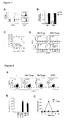
- Figure 1 In vivo expansion and immunosuppressive properties of Tregs-DBY.
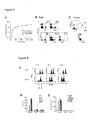
- Figure 2 Short-term engraftment of male MO and transient expansion of DBY-Tregs.
- Figure 3 The tolerance towards the male antigens takes place mainly via peripheral mechanisms.
- FIG. 4 Male-female mixed chimerism alters T cells specific for male antigens.
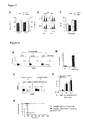
- Figure 6 Strong tolerance against male antigens in chimeric mice.
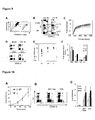
- Figure 8 Secondary engraftment of tissues expressing the EGFP transgene in the absence of the DBY antigen.
- Figure 9 Purified hematopoietic stem cell transplant without pre-conditioning of the host
- Fig. 10 Unpaired hematopoietic stem cells on minor antigens can graft in the presence of specific Tregs
- mice aged 6-8 weeks C57BI / 6 (CD45.2) and Ly5.1 congenic (PtprcaPep3b / BoyJ [CD45.1]) were obtained from Charles River (L'Arbresle, France).
- Marilyn mice bearing a transgenic T cell receptor, specific for the DBY peptide (NAGFNSNRANSSRSS) (SEQ ID 1), complexed with IA b ( 18 ) were given by O. Lantz and the females were used here on a B6 genetic background.
- RAG2 +/- (CDTA, Louis, France).
- Mata-Hari RAG1 - / mice bearing a transgenic TCR specific for the UTY peptide (WMHHNMDLI) SEQ ID No.
- mice 2 complexed with D b ( 21 ) were also given by O. Lantz.
- EGFP transgenic hemizygous mice C57BL / 6-Tg (ACTB-EGFP) 10sb / J, Jackson Laboratory, USA) express the EGFP cDNA under the control of a chicken beta-actin promoter and the cytomegalovirus.
- EGFP mice were also crossed with CD45.1 mice to generate EGFP x CD45.1 mice. Both species were raised in our animal facilities. All animal experiments were conducted according to institutional guidelines for the care and use of animals.
- PBMC Peripheral blood mononuclear cells
- Splenocytes and lymph node cells were incubated with saturating amounts of biotinylated anti-CD25 (7D4) and streptavidin microbeads (Miltenyi Biotec, Paris, France), followed by magnetic separation of the cells using LS columns. (Miltenyi Biotec), according to the manufacturer's instructions. The cells were then stained for 30 minutes on ice with streptavidin-FITC, sorted on a MoFlow (DakoCytomation, Freiburg, Germany) and injected into the tail vein, in 0.2 ml of PBS.
- the donor bone marrow was extracted with PBS from the femurs and shins.
- the red blood cells were lysed with ACK buffer and bone marrow (BM) cells were injected into the tail vein in 0.2 mL of 1x PBS in the presence or absence of CD4 + CD25 + Tregs.
- mice Female and male C57BI / 6 spleen cells, or sex-matched spleen cells carrying or not carrying 10 ⁇ M OVA257 (2 ⁇ 10 7 / ml in RPMI 1640) were incubated with 5 ⁇ M or 0.5 ⁇ M CFSE (Molecular Probes). , Cambridge, United Kingdom) at 37 ° C for 10 min. After washing, the cells were mixed, and 2 x 10 7 cells were injected into the tail vein in 0.2 mL 1x PBS. PBMCs were collected from individual mice at regular time intervals, labeled with anti-B220 PE and 7-AAD and analyzed for CFSE expression by FACS.
- the quantities m and f are measured on standard gates placed on the peaks of the low and high male CFSE histograms.
- mice were subcutaneously challenged at the base of the tail with 100 ⁇ g of ovalbumin protein (Sigma) or 50 ⁇ g of the OVA257 peptide (SIINFEKL) (Epytop, Nîmes, France), emulsified in an incomplete Freund's adjuvant (Difco laboratories, BD). Analyzes by IFN ⁇ -ELISPOT and ELISA were performed 8 to 10 days later, as already described (17). Briefly, for the analysis of IFN ⁇ -ELISPOT, freshly isolated splenocytes (2x10 6 / well and serial dilutions) were cultured in complete medium with 10 ⁇ M of OVA257 or without.
- IFN ⁇ -ELISPOT freshly isolated splenocytes (2x10 6 / well and serial dilutions) were cultured in complete medium with 10 ⁇ M of OVA257 or without.
- Skin grafts 1 cm in diameter were prepared from female EGFP mouse backs and grafted onto the flanks of the recipients, using tissue adhesive (3M Vetbond, France) instead of surgical seam. The bandages were removed on day 5. The transplants were followed every 2 or 3 days until day 20, then weekly, and recorded as rejected when less than 10% viable tissue persisted.
- the marrow cells are prepared from the femurs and shins. After lysis of the red blood cells by hypotonic shock, the cells are resuspended at 10 6 / ml in PBS supplemented with 1% autologous serum and labeled with 6.5 ⁇ g / ml of Hoechst 33342 (Sigma) for 90 min at 37 ° C. The controls are incubated in the presence of 100 ⁇ M of verapamil. The cells are then washed and labeled with 7-actinomycin D (7-AAD, Sigma Chemical Co., St., MO). Cell sorting and analysis excluding Hoechst (SP) was done on MoFlow sorter (DakoCytomation, Freiburg, Germany). SP cells typically account for 0.04% to 0.05% of total marrow cells.
- CD4 + CD25 + Tregs were isolated from mice Marylin expressing a transgenic TCR specific for IA b restricted epitope male DBY NAGFNSNRANSSRSS (SEQ ID 1) (18).
- the female RAG +/- Marylin mice have a distinct population of CD4 + CD25 + T cells (DBY-Tregs) expressing the V ⁇ 6 TCR transgene and representing 6-11% of the total CD4 + T cells ( Fig. 1A ).
- the phenotype of these regulatory T cells was confirmed by quantification of the recently identified lineage / differentiation marker for Tregs, FoxP3 ( Fig. 1B ).
- purified CD25 + from Marylin mice express FoxP3 levels similar to those seen in B6 T-regs (B6-Tregs) and 80-fold higher than those found in CD25-T cells. .
- DBY-Treg The specificity and suppressive function of DBY-Treg was characterized in vitro and inhibition of the proliferation of Marylin CD4 + CD25- na ⁇ ve T cells (DBY-T-helper), stimulated with male splenocytes and labeled with CFSE, was followed. As shown in Fig. 1 C , DBY-Tregs inhibit the proliferation of DBY-T-helper in a dose-dependent manner, while non-specific B6-Tregs are ineffective regardless of the ratio.
- DBY-Tregs were verified in vivo by their ability to proliferate in female recipients challenged with female or male splenocytes. As measured with dilution experiments. CFSE, a vigorous expansion of DBY-Tregs was observed on day 6 ( Fig. 1D ). This only occurred after immunization with male splenocytes. The B6-Tregs remained mostly undivided under all conditions ( Fig. 1D ). In conclusion, DBY-Tregs from Marylin mice have been shown to be effective in in vitro suppression experiments and have been specifically male-activated in vivo.
- DBY-Tregs As expected, the female infusion of DBY-Tregs, concomitantly with the male OM, suppressed rejection of the graft and achieved nearly 0.4% chimerism ( Fig. 2A ).
- the dose of DBY-Tregs was then modulated and an all-or-nothing effect on the engraftment of OM was observed between 5.10 4 and 5.10 3 DBY-Tregs ( Fig. 2B ).
- doses of DBY-Tregs above the threshold promoted maximal engraftment in all female mice, reaching a level identical to that in control male recipients, treated with the same amount of MO cells.
- DBY-Tregs Given the extremely low number of DBY-Tregs required, the question of their proliferation parallel to the engraftment of male BMs arose. Indeed, a 10-15-fold expansion of DBY-Tregs was observed in the spleen on day 10 ( Fig. 2C ). This is in agreement with their strong proliferative capacity observed against male splenocytes in vivo ( Fig. 1D ). Interestingly, DBY-Tregs drop back to lower levels at day 16 without compromising long-term engraftment of MO on day 28 ( Fig. 2B ), suggesting that mechanisms other than active deletion by DBY-Tregs occur later.
- CD3 - / - MB mice lacking both CD25- and CD25 + T cells, were transplanted into female C45.1 mice conditioned with DBY-Tregs. As shown in Fig. 3B , the absence of donor mast cells has no consequence on the grafting of OM.
- DBY-Tregs effectively inhibited the anti-male immune response, promoting short-term BM engraftment, but their transient expansion could be associated only with short-term suppression, compromising the longer-term engraftment of CSH. and donor-specific tolerance.
- CD11c + donor dendritic cells were also present in the thymus, as well as normally developing thymocytes, as demonstrated by the percentages CD4 +, CD8 + and CD4 + CD8 + ( Fig. 5C ). This result suggests that the repertoire of T cells generated in the recipient thymus can be educated by the hematopoietic cells of both recipient and donor origin.
- mice exhibiting a minimum of 3-5% chimerism were challenged with different formulations of male antigen.
- In vivo cytotoxic assays were performed, infusing 5 ⁇ 10 6 male or female B6 splenocytes, labeled with two levels of CFSE.
- naive female mice were sensitized and selectively reacted against male splenocytes at day 10 post-perfusion, eliminating almost all male cells at day 16, whereas no cytotoxicity was observed in the male hosts ( Fig. 6A ).
- the chimerised mice showed no rejection of the male targets during the 29 days of the experiment ( Fig. 6B ), indicating that the long-term peripheral tolerance towards male antigens had been reached.
- mice were used as secondary grafts.
- Female B6 naive mice rejected EGFP skin grafting rapidly between days 12 and 16 ( Fig. 8E ).
- control mice chimerized with CD45.2 MB mice which were not made tolerant to EGFP, did not accept this allograft from a third party EGFP (5/6), illustrating the strength and specificity of the tolerance created towards the EGFP transgene.
- SP side-population
- Fig 9A SP cells sorted from four CD45.2 mice, on their ability to exclude Hoechst (Fig 9A ), were injected intravenously into CD45.1 congenic mice in the absence of any myeloablative conditioning. While 4 weeks after transplantation, less than 0.5% of chimerism is observed in the peripheral blood ( Fig. 9B this percentage increases rapidly to over 2% at 6 weeks.
Landscapes
- Health & Medical Sciences (AREA)
- Life Sciences & Earth Sciences (AREA)
- Immunology (AREA)
- General Health & Medical Sciences (AREA)
- Engineering & Computer Science (AREA)
- Veterinary Medicine (AREA)
- Public Health (AREA)
- Animal Behavior & Ethology (AREA)
- Epidemiology (AREA)
- Chemical & Material Sciences (AREA)
- Biomedical Technology (AREA)
- Biotechnology (AREA)
- Zoology (AREA)
- Bioinformatics & Cheminformatics (AREA)
- Cell Biology (AREA)
- Organic Chemistry (AREA)
- Pharmacology & Pharmacy (AREA)
- Medicinal Chemistry (AREA)
- Genetics & Genomics (AREA)
- Wood Science & Technology (AREA)
- Developmental Biology & Embryology (AREA)
- Hematology (AREA)
- Microbiology (AREA)
- Transplantation (AREA)
- Virology (AREA)
- Mycology (AREA)
- Biochemistry (AREA)
- General Engineering & Computer Science (AREA)
- Chemical Kinetics & Catalysis (AREA)
- General Chemical & Material Sciences (AREA)
- Nuclear Medicine, Radiotherapy & Molecular Imaging (AREA)
- Medicines Containing Material From Animals Or Micro-Organisms (AREA)
- Micro-Organisms Or Cultivation Processes Thereof (AREA)
Claims (11)
- Pharmazeutische Zusammensetzung, Folgendes umfassend:- spezifische CD4+ CD25+-regulatorische T-Zellen eines Minorhistokompatibilitätsantigens oder mehrerer Minorhistokompatibilitätsantigene; und- Stammzellen, die keine Stammzellen sind, die direkt aus menschlichen Embryonen stammen, vorteilhafter Weise hämatopoetische Stammzellen, wobei die Stammzellen Träger mindestens dieses Antigens sind.
- Pharmazeutische Zusammensetzung nach Anspruch 1, dadurch gekennzeichnet, dass die spezifischen CD4+ CD25+-regulatorischen T-Zellen monospezifisch sind.
- Pharmazeutische Zusammensetzung nach Anspruch 1 oder 2, dadurch gekennzeichnet, dass die spezifischen C04 CD25+-regulatorischen T-Zellen und/oder die Stammzellen autolog sind.
- Pharmazeutische Zusammensetzung nach einem der vorhergehenden Ansprüche, dadurch gekennzeichnet, dass das Minorantigen ein männliches Minorantigen ist, das bevorzugt aus der Gruppe ausgewählt ist, die DBY, UTY und SMCY umfasst.
- Pharmazeutische Zusammensetzung nach einem der vorhergehenden Ansprüche, dadurch gekennzeichnet, dass die Stammzellen durch einen Vektor transduziert werden, der Träger eines das Minorantigen kodierenden Gens ist.
- Pharmazeutische Zusammensetzung nach einem der vorhergehenden Ansprüche, dadurch gekennzeichnet, dass die Stammzellen mindestens ein Transgen tragen, das vorteilhafter Weise mittels eines viralen Vektors eingeschleust wird.
- Pharmazeutische Zusammensetzung nach einem der vorhergehenden Ansprüche als Kombinationszusammensetzung für eine gleichzeitige, getrennte oder über die Zeit verteilte Verwendung in einer Zell- oder Gentherapie.
- Verwendung einer pharmazeutischen Zusammensetzung nach einem der Ansprüche 1 bis 7 zur Herstellung eines Medikaments, das dazu bestimmt ist, die Immuntoleranz bei einem histokompatiblen Wirt zu erhöhen.
- Verwendung nach Anspruch 8, dadurch gekennzeichnet, dass die Immuntoleranz im Hinblick auf die stabile Expression des Transgens erhöht wird.
- Verwendung nach Anspruch 8 oder 9, dadurch gekennzeichnet, dass die Toleranz im Hinblick auf die Transplantation eines Gewebes erhöht wird, das von einem Spender stammt, der Träger zumindest des Antigens ist.
- Verwendung nach Anspruch 19, dadurch gekennzeichnet, dass die Transplantation des Gewebes eine Hautverpflanzung ist.
Applications Claiming Priority (2)
| Application Number | Priority Date | Filing Date | Title |
|---|---|---|---|
| FR0650828A FR2898275B1 (fr) | 2006-03-10 | 2006-03-10 | Cellules t regulatrices cd4+cd25+specifiques pour la greffe de cellules hematopoietiques et la tolerance immunitaire |
| PCT/EP2007/052222 WO2007104715A2 (fr) | 2006-03-10 | 2007-03-09 | Cellules t regulatrices cd4+cd25+ specifiques pour la greffe de cellules hematopoïetiques et la tolerance immunitaire |
Publications (2)
| Publication Number | Publication Date |
|---|---|
| EP1993574A2 EP1993574A2 (de) | 2008-11-26 |
| EP1993574B1 true EP1993574B1 (de) | 2011-12-14 |
Family
ID=37387347
Family Applications (1)
| Application Number | Title | Priority Date | Filing Date |
|---|---|---|---|
| EP07726744A Not-in-force EP1993574B1 (de) | 2006-03-10 | 2007-03-09 | Spezifische cd4+cd25+-regulatorische t-zellen für die hämatopoetische zelltransplantation und immuntoleranz |
Country Status (7)
| Country | Link |
|---|---|
| US (1) | US20090220468A1 (de) |
| EP (1) | EP1993574B1 (de) |
| AT (1) | ATE536914T1 (de) |
| CA (1) | CA2643580A1 (de) |
| ES (1) | ES2378164T3 (de) |
| FR (1) | FR2898275B1 (de) |
| WO (1) | WO2007104715A2 (de) |
Families Citing this family (14)
| Publication number | Priority date | Publication date | Assignee | Title |
|---|---|---|---|---|
| WO2008017517A1 (en) | 2006-08-11 | 2008-02-14 | Life Sciences Research Partners Vzw | Immunogenic peptides and their use in immune disorders |
| WO2009061182A1 (en) * | 2007-11-05 | 2009-05-14 | Leiden University Medical Center | Hla class ii pi4k2b mhags and application thereof |
| US20120009678A1 (en) | 2008-02-14 | 2012-01-12 | Jean-Marie Saint-Remy | Immunotherapy targeting intracellular pathogens |
| WO2009100505A1 (en) | 2008-02-14 | 2009-08-20 | Life Sciences Research Partners Vzw | Immunogenic peptides and their use in transplantati |
| EP2245059B1 (de) | 2008-02-14 | 2017-09-20 | Life Sciences Research Partners VZW | Cd4+-t-zellen mit zytolytischen eigenschaften |
| WO2009101204A2 (en) | 2008-02-14 | 2009-08-20 | Life Sciences Research Partners Vzw | Elimination of immune responses to viral vectors |
| WO2009101205A2 (en) | 2008-02-14 | 2009-08-20 | Life Sciences Research Partners Vzw | Immunogenic control of tumours and tumour cells |
| WO2009101206A2 (en) * | 2008-02-14 | 2009-08-20 | Life Sciences Research Partners Vzw | Strategies to prevent and/or treat immune responses to soluble allofactors |
| US10023847B2 (en) | 2010-11-25 | 2018-07-17 | Imnate Sarl | Immunogenic peptides for use in the prevention and/or treatment of infectious diseases, autoimmune diseases, immune responses to allofactors, allergic diseases, tumors, graft rejection and immune responses against viral vectors used for gene therapy or gene vaccination |
| GB201201511D0 (en) | 2012-01-30 | 2012-03-14 | Univ Leuven Kath | Modified epitopes for boosting CD4+ T-cell responses |
| GB201309469D0 (en) | 2013-05-28 | 2013-07-10 | Imcyse Sa | Detection of CD4+ T lymphocytes |
| US10729791B2 (en) | 2015-05-18 | 2020-08-04 | Imcyse Sa | Animal models for evaluating pharmaceutical compounds |
| EP3352782B1 (de) | 2015-09-25 | 2021-03-31 | ImCyse SA | Verbesserte verfahren und verbindungen zur beseitigung von immunreaktionen auf therapeutische mittel |
| WO2017182528A1 (en) | 2016-04-19 | 2017-10-26 | Imcyse Sa | Novel immunogenic cd1d binding peptides |
Family Cites Families (2)
| Publication number | Priority date | Publication date | Assignee | Title |
|---|---|---|---|---|
| EP1241249A1 (de) * | 2001-03-12 | 2002-09-18 | Gerold Schuler | Regulatorische CD4+CD25+ T Zellen aus menschlichem Blut |
| FR2864546A1 (fr) * | 2003-12-24 | 2005-07-01 | Assist Publ Hopitaux De Paris | Methode d'identification et de preparation de lymphocytes t regulateurs/suppresseurs, compositions et utilisations |
-
2006
- 2006-03-10 FR FR0650828A patent/FR2898275B1/fr not_active Expired - Fee Related
-
2007
- 2007-03-09 ES ES07726744T patent/ES2378164T3/es active Active
- 2007-03-09 CA CA002643580A patent/CA2643580A1/fr not_active Abandoned
- 2007-03-09 WO PCT/EP2007/052222 patent/WO2007104715A2/fr not_active Ceased
- 2007-03-09 AT AT07726744T patent/ATE536914T1/de active
- 2007-03-09 EP EP07726744A patent/EP1993574B1/de not_active Not-in-force
- 2007-03-09 US US12/281,782 patent/US20090220468A1/en not_active Abandoned
Also Published As
| Publication number | Publication date |
|---|---|
| ATE536914T1 (de) | 2011-12-15 |
| CA2643580A1 (fr) | 2007-09-20 |
| US20090220468A1 (en) | 2009-09-03 |
| FR2898275A1 (fr) | 2007-09-14 |
| WO2007104715A3 (fr) | 2007-12-06 |
| WO2007104715A2 (fr) | 2007-09-20 |
| ES2378164T3 (es) | 2012-04-09 |
| FR2898275B1 (fr) | 2012-12-14 |
| EP1993574A2 (de) | 2008-11-26 |
Similar Documents
| Publication | Publication Date | Title |
|---|---|---|
| WO2007104715A2 (fr) | Cellules t regulatrices cd4+cd25+ specifiques pour la greffe de cellules hematopoïetiques et la tolerance immunitaire | |
| Tsang et al. | Conferring indirect allospecificity on CD4+ CD25+ Tregs by TCR gene transfer favors transplantation tolerance in mice | |
| Pilat et al. | Treg‐therapy allows mixed chimerism and transplantation tolerance without cytoreductive conditioning | |
| Lee et al. | Attenuation of donor‐reactive T cells allows effective control of allograft rejection using regulatory T cell therapy | |
| EP1244803B1 (de) | Vetozellen die wirksam in der prävention von transplantatabstossung sind und kein graft-versus-host potential aufweisen | |
| EP1349919B1 (de) | Zellen aus extramedullärem fettgewebe und deren anwendungen zur wiederherstellung von hartzgewebe | |
| ES2686424T3 (es) | Inmunoterapia con células alogénicas redireccionadas | |
| JP6422344B2 (ja) | 同種抗原反応性の制御性t細胞を増大させる方法 | |
| Kim et al. | Interleukin (IL)-10 induced by CD11b+ cells and IL-10-activated regulatory T cells play a role in immune modulation of mesenchymal stem cells in rat islet allografts | |
| US9421228B2 (en) | Use of anti third party central memory T cells for anti-leukemia/lymphoma treatment | |
| HUE030503T2 (en) | Cell populations having immunoregulatory activity, method for isolation and uses | |
| CN108135935A (zh) | 表达pd-l1的造血干细胞及其用途 | |
| Flutter et al. | Nonhematopoietic antigen blocks memory programming of alloreactive CD8+ T cells and drives their eventual exhaustion in mouse models of bone marrow transplantation | |
| JP2015513403A5 (de) | ||
| FR3026744A1 (fr) | Methode de generation de progeniteurs de cellules t | |
| Le Guen et al. | Alloantigen gene transfer to hepatocytes promotes tolerance to pancreatic islet graft by inducing CD8+ regulatory T cells | |
| US20170216417A1 (en) | Population of immunoregulatory t cells specific for an irrelevant antigen and uses thereof for preventing or treating immune diseases | |
| FR2864546A1 (fr) | Methode d'identification et de preparation de lymphocytes t regulateurs/suppresseurs, compositions et utilisations | |
| Lalfer et al. | Foxp3+ regulatory and conventional CD4+ T cells display similarly high frequencies of alloantigen-reactive cells | |
| Cremoni et al. | Overcoming barriers to widespread use of CAR‐Treg therapy in organ transplant recipients | |
| Fan et al. | Regulatory T cell therapy for the induction of clinical organ transplantation tolerance | |
| WO2010129770A1 (en) | Methods for expanding human t regulatory cells and uses of same | |
| EP2217698B1 (de) | Verfahren für optimierte blutzellentransplantation | |
| Peters et al. | Immunotherapy with regulatory T cells in transplantation | |
| Namdari et al. | Overview and recent advances of regulatory t cell therapy in solid organ transplantation |
Legal Events
| Date | Code | Title | Description |
|---|---|---|---|
| PUAI | Public reference made under article 153(3) epc to a published international application that has entered the european phase |
Free format text: ORIGINAL CODE: 0009012 |
|
| 17P | Request for examination filed |
Effective date: 20080905 |
|
| AK | Designated contracting states |
Kind code of ref document: A2 Designated state(s): AT BE BG CH CY CZ DE DK EE ES FI FR GB GR HU IE IS IT LI LT LU LV MC MT NL PL PT RO SE SI SK TR |
|
| REG | Reference to a national code |
Ref country code: DE Ref legal event code: R079 Ref document number: 602007019335 Country of ref document: DE Free format text: PREVIOUS MAIN CLASS: A61K0035140000 Ipc: A61P0037060000 |
|
| GRAP | Despatch of communication of intention to grant a patent |
Free format text: ORIGINAL CODE: EPIDOSNIGR1 |
|
| RIC1 | Information provided on ipc code assigned before grant |
Ipc: A61K 35/30 20060101ALI20110325BHEP Ipc: A61P 37/06 20060101AFI20110325BHEP Ipc: C12N 5/095 20100101ALI20110325BHEP Ipc: A61K 35/14 20060101ALI20110325BHEP |
|
| DAX | Request for extension of the european patent (deleted) | ||
| GRAS | Grant fee paid |
Free format text: ORIGINAL CODE: EPIDOSNIGR3 |
|
| GRAA | (expected) grant |
Free format text: ORIGINAL CODE: 0009210 |
|
| AK | Designated contracting states |
Kind code of ref document: B1 Designated state(s): AT BE BG CH CY CZ DE DK EE ES FI FR GB GR HU IE IS IT LI LT LU LV MC MT NL PL PT RO SE SI SK TR |
|
| REG | Reference to a national code |
Ref country code: GB Ref legal event code: FG4D Free format text: NOT ENGLISH |
|
| REG | Reference to a national code |
Ref country code: CH Ref legal event code: EP |
|
| REG | Reference to a national code |
Ref country code: IE Ref legal event code: FG4D |
|
| REG | Reference to a national code |
Ref country code: DE Ref legal event code: R096 Ref document number: 602007019335 Country of ref document: DE Effective date: 20120209 |
|
| REG | Reference to a national code |
Ref country code: NL Ref legal event code: T3 |
|
| REG | Reference to a national code |
Ref country code: SE Ref legal event code: TRGR |
|
| REG | Reference to a national code |
Ref country code: ES Ref legal event code: FG2A Ref document number: 2378164 Country of ref document: ES Kind code of ref document: T3 Effective date: 20120409 |
|
| PG25 | Lapsed in a contracting state [announced via postgrant information from national office to epo] |
Ref country code: LT Free format text: LAPSE BECAUSE OF FAILURE TO SUBMIT A TRANSLATION OF THE DESCRIPTION OR TO PAY THE FEE WITHIN THE PRESCRIBED TIME-LIMIT Effective date: 20111214 |
|
| LTIE | Lt: invalidation of european patent or patent extension |
Effective date: 20111214 |
|
| PG25 | Lapsed in a contracting state [announced via postgrant information from national office to epo] |
Ref country code: GR Free format text: LAPSE BECAUSE OF FAILURE TO SUBMIT A TRANSLATION OF THE DESCRIPTION OR TO PAY THE FEE WITHIN THE PRESCRIBED TIME-LIMIT Effective date: 20120315 Ref country code: LV Free format text: LAPSE BECAUSE OF FAILURE TO SUBMIT A TRANSLATION OF THE DESCRIPTION OR TO PAY THE FEE WITHIN THE PRESCRIBED TIME-LIMIT Effective date: 20111214 Ref country code: SI Free format text: LAPSE BECAUSE OF FAILURE TO SUBMIT A TRANSLATION OF THE DESCRIPTION OR TO PAY THE FEE WITHIN THE PRESCRIBED TIME-LIMIT Effective date: 20111214 |
|
| PG25 | Lapsed in a contracting state [announced via postgrant information from national office to epo] |
Ref country code: CY Free format text: LAPSE BECAUSE OF FAILURE TO SUBMIT A TRANSLATION OF THE DESCRIPTION OR TO PAY THE FEE WITHIN THE PRESCRIBED TIME-LIMIT Effective date: 20111214 |
|
| PGFP | Annual fee paid to national office [announced via postgrant information from national office to epo] |
Ref country code: IT Payment date: 20120327 Year of fee payment: 6 |
|
| REG | Reference to a national code |
Ref country code: IE Ref legal event code: FD4D |
|
| PG25 | Lapsed in a contracting state [announced via postgrant information from national office to epo] |
Ref country code: CZ Free format text: LAPSE BECAUSE OF FAILURE TO SUBMIT A TRANSLATION OF THE DESCRIPTION OR TO PAY THE FEE WITHIN THE PRESCRIBED TIME-LIMIT Effective date: 20111214 Ref country code: IS Free format text: LAPSE BECAUSE OF FAILURE TO SUBMIT A TRANSLATION OF THE DESCRIPTION OR TO PAY THE FEE WITHIN THE PRESCRIBED TIME-LIMIT Effective date: 20120414 Ref country code: BG Free format text: LAPSE BECAUSE OF FAILURE TO SUBMIT A TRANSLATION OF THE DESCRIPTION OR TO PAY THE FEE WITHIN THE PRESCRIBED TIME-LIMIT Effective date: 20120314 Ref country code: IE Free format text: LAPSE BECAUSE OF FAILURE TO SUBMIT A TRANSLATION OF THE DESCRIPTION OR TO PAY THE FEE WITHIN THE PRESCRIBED TIME-LIMIT Effective date: 20111214 Ref country code: EE Free format text: LAPSE BECAUSE OF FAILURE TO SUBMIT A TRANSLATION OF THE DESCRIPTION OR TO PAY THE FEE WITHIN THE PRESCRIBED TIME-LIMIT Effective date: 20111214 Ref country code: SK Free format text: LAPSE BECAUSE OF FAILURE TO SUBMIT A TRANSLATION OF THE DESCRIPTION OR TO PAY THE FEE WITHIN THE PRESCRIBED TIME-LIMIT Effective date: 20111214 |
|
| PG25 | Lapsed in a contracting state [announced via postgrant information from national office to epo] |
Ref country code: RO Free format text: LAPSE BECAUSE OF FAILURE TO SUBMIT A TRANSLATION OF THE DESCRIPTION OR TO PAY THE FEE WITHIN THE PRESCRIBED TIME-LIMIT Effective date: 20111214 Ref country code: PL Free format text: LAPSE BECAUSE OF FAILURE TO SUBMIT A TRANSLATION OF THE DESCRIPTION OR TO PAY THE FEE WITHIN THE PRESCRIBED TIME-LIMIT Effective date: 20111214 Ref country code: PT Free format text: LAPSE BECAUSE OF FAILURE TO SUBMIT A TRANSLATION OF THE DESCRIPTION OR TO PAY THE FEE WITHIN THE PRESCRIBED TIME-LIMIT Effective date: 20120416 |
|
| REG | Reference to a national code |
Ref country code: AT Ref legal event code: MK05 Ref document number: 536914 Country of ref document: AT Kind code of ref document: T Effective date: 20111214 |
|
| PLBE | No opposition filed within time limit |
Free format text: ORIGINAL CODE: 0009261 |
|
| STAA | Information on the status of an ep patent application or granted ep patent |
Free format text: STATUS: NO OPPOSITION FILED WITHIN TIME LIMIT |
|
| PG25 | Lapsed in a contracting state [announced via postgrant information from national office to epo] |
Ref country code: DK Free format text: LAPSE BECAUSE OF FAILURE TO SUBMIT A TRANSLATION OF THE DESCRIPTION OR TO PAY THE FEE WITHIN THE PRESCRIBED TIME-LIMIT Effective date: 20111214 Ref country code: MC Free format text: LAPSE BECAUSE OF NON-PAYMENT OF DUE FEES Effective date: 20120331 |
|
| 26N | No opposition filed |
Effective date: 20120917 |
|
| REG | Reference to a national code |
Ref country code: DE Ref legal event code: R097 Ref document number: 602007019335 Country of ref document: DE Effective date: 20120917 |
|
| PG25 | Lapsed in a contracting state [announced via postgrant information from national office to epo] |
Ref country code: AT Free format text: LAPSE BECAUSE OF FAILURE TO SUBMIT A TRANSLATION OF THE DESCRIPTION OR TO PAY THE FEE WITHIN THE PRESCRIBED TIME-LIMIT Effective date: 20111214 |
|
| PGFP | Annual fee paid to national office [announced via postgrant information from national office to epo] |
Ref country code: LU Payment date: 20130220 Year of fee payment: 7 |
|
| PGFP | Annual fee paid to national office [announced via postgrant information from national office to epo] |
Ref country code: CH Payment date: 20130312 Year of fee payment: 7 Ref country code: GB Payment date: 20130315 Year of fee payment: 7 Ref country code: SE Payment date: 20130313 Year of fee payment: 7 Ref country code: DE Payment date: 20130311 Year of fee payment: 7 |
|
| PGFP | Annual fee paid to national office [announced via postgrant information from national office to epo] |
Ref country code: NL Payment date: 20130222 Year of fee payment: 7 |
|
| PG25 | Lapsed in a contracting state [announced via postgrant information from national office to epo] |
Ref country code: FI Free format text: LAPSE BECAUSE OF FAILURE TO SUBMIT A TRANSLATION OF THE DESCRIPTION OR TO PAY THE FEE WITHIN THE PRESCRIBED TIME-LIMIT Effective date: 20111214 |
|
| PGFP | Annual fee paid to national office [announced via postgrant information from national office to epo] |
Ref country code: ES Payment date: 20120323 Year of fee payment: 6 |
|
| PG25 | Lapsed in a contracting state [announced via postgrant information from national office to epo] |
Ref country code: MT Free format text: LAPSE BECAUSE OF FAILURE TO SUBMIT A TRANSLATION OF THE DESCRIPTION OR TO PAY THE FEE WITHIN THE PRESCRIBED TIME-LIMIT Effective date: 20111214 |
|
| PGFP | Annual fee paid to national office [announced via postgrant information from national office to epo] |
Ref country code: BE Payment date: 20130327 Year of fee payment: 7 |
|
| PGFP | Annual fee paid to national office [announced via postgrant information from national office to epo] |
Ref country code: FR Payment date: 20130425 Year of fee payment: 7 |
|
| PG25 | Lapsed in a contracting state [announced via postgrant information from national office to epo] |
Ref country code: TR Free format text: LAPSE BECAUSE OF FAILURE TO SUBMIT A TRANSLATION OF THE DESCRIPTION OR TO PAY THE FEE WITHIN THE PRESCRIBED TIME-LIMIT Effective date: 20111214 |
|
| PG25 | Lapsed in a contracting state [announced via postgrant information from national office to epo] |
Ref country code: HU Free format text: LAPSE BECAUSE OF FAILURE TO SUBMIT A TRANSLATION OF THE DESCRIPTION OR TO PAY THE FEE WITHIN THE PRESCRIBED TIME-LIMIT Effective date: 20070309 |
|
| REG | Reference to a national code |
Ref country code: DE Ref legal event code: R119 Ref document number: 602007019335 Country of ref document: DE |
|
| REG | Reference to a national code |
Ref country code: NL Ref legal event code: V1 Effective date: 20141001 |
|
| PG25 | Lapsed in a contracting state [announced via postgrant information from national office to epo] |
Ref country code: LU Free format text: LAPSE BECAUSE OF NON-PAYMENT OF DUE FEES Effective date: 20140309 |
|
| REG | Reference to a national code |
Ref country code: CH Ref legal event code: PL |
|
| REG | Reference to a national code |
Ref country code: SE Ref legal event code: EUG |
|
| GBPC | Gb: european patent ceased through non-payment of renewal fee |
Effective date: 20140309 |
|
| PG25 | Lapsed in a contracting state [announced via postgrant information from national office to epo] |
Ref country code: SE Free format text: LAPSE BECAUSE OF NON-PAYMENT OF DUE FEES Effective date: 20140310 |
|
| REG | Reference to a national code |
Ref country code: FR Ref legal event code: ST Effective date: 20141128 |
|
| REG | Reference to a national code |
Ref country code: DE Ref legal event code: R119 Ref document number: 602007019335 Country of ref document: DE Effective date: 20141001 |
|
| PG25 | Lapsed in a contracting state [announced via postgrant information from national office to epo] |
Ref country code: FR Free format text: LAPSE BECAUSE OF NON-PAYMENT OF DUE FEES Effective date: 20140331 Ref country code: DE Free format text: LAPSE BECAUSE OF NON-PAYMENT OF DUE FEES Effective date: 20141001 Ref country code: LI Free format text: LAPSE BECAUSE OF NON-PAYMENT OF DUE FEES Effective date: 20140331 Ref country code: GB Free format text: LAPSE BECAUSE OF NON-PAYMENT OF DUE FEES Effective date: 20140309 Ref country code: CH Free format text: LAPSE BECAUSE OF NON-PAYMENT OF DUE FEES Effective date: 20140331 |
|
| PG25 | Lapsed in a contracting state [announced via postgrant information from national office to epo] |
Ref country code: NL Free format text: LAPSE BECAUSE OF NON-PAYMENT OF DUE FEES Effective date: 20141001 |
|
| PG25 | Lapsed in a contracting state [announced via postgrant information from national office to epo] |
Ref country code: IT Free format text: LAPSE BECAUSE OF NON-PAYMENT OF DUE FEES Effective date: 20140309 |
|
| REG | Reference to a national code |
Ref country code: ES Ref legal event code: FD2A Effective date: 20150424 |
|
| PG25 | Lapsed in a contracting state [announced via postgrant information from national office to epo] |
Ref country code: ES Free format text: LAPSE BECAUSE OF NON-PAYMENT OF DUE FEES Effective date: 20140310 |
|
| PG25 | Lapsed in a contracting state [announced via postgrant information from national office to epo] |
Ref country code: BE Free format text: LAPSE BECAUSE OF NON-PAYMENT OF DUE FEES Effective date: 20140331 |