EP1997513B1 - Kombinationen und Zubereitung zur Anwendung in PDT zur Behandlung von Augenleiden mit unerwünschter choriodaler Neovascularisation - Google Patents
Kombinationen und Zubereitung zur Anwendung in PDT zur Behandlung von Augenleiden mit unerwünschter choriodaler Neovascularisation Download PDFInfo
- Publication number
- EP1997513B1 EP1997513B1 EP08001574A EP08001574A EP1997513B1 EP 1997513 B1 EP1997513 B1 EP 1997513B1 EP 08001574 A EP08001574 A EP 08001574A EP 08001574 A EP08001574 A EP 08001574A EP 1997513 B1 EP1997513 B1 EP 1997513B1
- Authority
- EP
- European Patent Office
- Prior art keywords
- pdt
- apoptosis
- cells
- factor
- combination
- Prior art date
- Legal status (The legal status is an assumption and is not a legal conclusion. Google has not performed a legal analysis and makes no representation as to the accuracy of the status listed.)
- Expired - Lifetime
Links
Images



Classifications
-
- A—HUMAN NECESSITIES
- A61—MEDICAL OR VETERINARY SCIENCE; HYGIENE
- A61K—PREPARATIONS FOR MEDICAL, DENTAL OR TOILETRY PURPOSES
- A61K41/00—Medicinal preparations obtained by treating materials with wave energy or particle radiation ; Therapies using these preparations
- A61K41/0057—Photodynamic therapy with a photosensitizer, i.e. agent able to produce reactive oxygen species upon exposure to light or radiation, e.g. UV or visible light; photocleavage of nucleic acids with an agent
-
- A—HUMAN NECESSITIES
- A61—MEDICAL OR VETERINARY SCIENCE; HYGIENE
- A61K—PREPARATIONS FOR MEDICAL, DENTAL OR TOILETRY PURPOSES
- A61K38/00—Medicinal preparations containing peptides
- A61K38/04—Peptides having up to 20 amino acids in a fully defined sequence; Derivatives thereof
- A61K38/10—Peptides having 12 to 20 amino acids
-
- A—HUMAN NECESSITIES
- A61—MEDICAL OR VETERINARY SCIENCE; HYGIENE
- A61K—PREPARATIONS FOR MEDICAL, DENTAL OR TOILETRY PURPOSES
- A61K38/00—Medicinal preparations containing peptides
- A61K38/16—Peptides having more than 20 amino acids; Gastrins; Somatostatins; Melanotropins; Derivatives thereof
- A61K38/43—Enzymes; Proenzymes; Derivatives thereof
- A61K38/46—Hydrolases (3)
- A61K38/48—Hydrolases (3) acting on peptide bonds (3.4)
- A61K38/482—Serine endopeptidases (3.4.21)
- A61K38/484—Plasmin (3.4.21.7)
-
- A—HUMAN NECESSITIES
- A61—MEDICAL OR VETERINARY SCIENCE; HYGIENE
- A61K—PREPARATIONS FOR MEDICAL, DENTAL OR TOILETRY PURPOSES
- A61K41/00—Medicinal preparations obtained by treating materials with wave energy or particle radiation ; Therapies using these preparations
- A61K41/0057—Photodynamic therapy with a photosensitizer, i.e. agent able to produce reactive oxygen species upon exposure to light or radiation, e.g. UV or visible light; photocleavage of nucleic acids with an agent
- A61K41/0071—PDT with porphyrins having exactly 20 ring atoms, i.e. based on the non-expanded tetrapyrrolic ring system, e.g. bacteriochlorin, chlorin-e6, or phthalocyanines
-
- A—HUMAN NECESSITIES
- A61—MEDICAL OR VETERINARY SCIENCE; HYGIENE
- A61K—PREPARATIONS FOR MEDICAL, DENTAL OR TOILETRY PURPOSES
- A61K41/00—Medicinal preparations obtained by treating materials with wave energy or particle radiation ; Therapies using these preparations
- A61K41/0057—Photodynamic therapy with a photosensitizer, i.e. agent able to produce reactive oxygen species upon exposure to light or radiation, e.g. UV or visible light; photocleavage of nucleic acids with an agent
- A61K41/0076—PDT with expanded (metallo)porphyrins, i.e. having more than 20 ring atoms, e.g. texaphyrins, sapphyrins, hexaphyrins, pentaphyrins, porphocyanines
-
- A—HUMAN NECESSITIES
- A61—MEDICAL OR VETERINARY SCIENCE; HYGIENE
- A61K—PREPARATIONS FOR MEDICAL, DENTAL OR TOILETRY PURPOSES
- A61K45/00—Medicinal preparations containing active ingredients not provided for in groups A61K31/00 - A61K41/00
- A61K45/06—Mixtures of active ingredients without chemical characterisation, e.g. antiphlogistics and cardiaca
-
- A—HUMAN NECESSITIES
- A61—MEDICAL OR VETERINARY SCIENCE; HYGIENE
- A61K—PREPARATIONS FOR MEDICAL, DENTAL OR TOILETRY PURPOSES
- A61K47/00—Medicinal preparations characterised by the non-active ingredients used, e.g. carriers or inert additives; Targeting or modifying agents chemically bound to the active ingredient
- A61K47/50—Medicinal preparations characterised by the non-active ingredients used, e.g. carriers or inert additives; Targeting or modifying agents chemically bound to the active ingredient the non-active ingredient being chemically bound to the active ingredient, e.g. polymer-drug conjugates
- A61K47/51—Medicinal preparations characterised by the non-active ingredients used, e.g. carriers or inert additives; Targeting or modifying agents chemically bound to the active ingredient the non-active ingredient being chemically bound to the active ingredient, e.g. polymer-drug conjugates the non-active ingredient being a modifying agent
- A61K47/62—Medicinal preparations characterised by the non-active ingredients used, e.g. carriers or inert additives; Targeting or modifying agents chemically bound to the active ingredient the non-active ingredient being chemically bound to the active ingredient, e.g. polymer-drug conjugates the non-active ingredient being a modifying agent the modifying agent being a protein, peptide or polyamino acid
- A61K47/64—Drug-peptide, drug-protein or drug-polyamino acid conjugates, i.e. the modifying agent being a peptide, protein or polyamino acid which is covalently bonded or complexed to a therapeutically active agent
-
- A—HUMAN NECESSITIES
- A61—MEDICAL OR VETERINARY SCIENCE; HYGIENE
- A61K—PREPARATIONS FOR MEDICAL, DENTAL OR TOILETRY PURPOSES
- A61K47/00—Medicinal preparations characterised by the non-active ingredients used, e.g. carriers or inert additives; Targeting or modifying agents chemically bound to the active ingredient
- A61K47/50—Medicinal preparations characterised by the non-active ingredients used, e.g. carriers or inert additives; Targeting or modifying agents chemically bound to the active ingredient the non-active ingredient being chemically bound to the active ingredient, e.g. polymer-drug conjugates
- A61K47/51—Medicinal preparations characterised by the non-active ingredients used, e.g. carriers or inert additives; Targeting or modifying agents chemically bound to the active ingredient the non-active ingredient being chemically bound to the active ingredient, e.g. polymer-drug conjugates the non-active ingredient being a modifying agent
- A61K47/68—Medicinal preparations characterised by the non-active ingredients used, e.g. carriers or inert additives; Targeting or modifying agents chemically bound to the active ingredient the non-active ingredient being chemically bound to the active ingredient, e.g. polymer-drug conjugates the non-active ingredient being a modifying agent the modifying agent being an antibody, an immunoglobulin or a fragment thereof, e.g. an Fc-fragment
- A61K47/6835—Medicinal preparations characterised by the non-active ingredients used, e.g. carriers or inert additives; Targeting or modifying agents chemically bound to the active ingredient the non-active ingredient being chemically bound to the active ingredient, e.g. polymer-drug conjugates the non-active ingredient being a modifying agent the modifying agent being an antibody, an immunoglobulin or a fragment thereof, e.g. an Fc-fragment the modifying agent being an antibody or an immunoglobulin bearing at least one antigen-binding site
- A61K47/6849—Medicinal preparations characterised by the non-active ingredients used, e.g. carriers or inert additives; Targeting or modifying agents chemically bound to the active ingredient the non-active ingredient being chemically bound to the active ingredient, e.g. polymer-drug conjugates the non-active ingredient being a modifying agent the modifying agent being an antibody, an immunoglobulin or a fragment thereof, e.g. an Fc-fragment the modifying agent being an antibody or an immunoglobulin bearing at least one antigen-binding site the antibody targeting a receptor, a cell surface antigen or a cell surface determinant
-
- A—HUMAN NECESSITIES
- A61—MEDICAL OR VETERINARY SCIENCE; HYGIENE
- A61N—ELECTROTHERAPY; MAGNETOTHERAPY; RADIATION THERAPY; ULTRASOUND THERAPY
- A61N5/00—Radiation therapy
- A61N5/06—Radiation therapy using light
- A61N5/0613—Apparatus adapted for a specific treatment
- A61N5/062—Photodynamic therapy, i.e. excitation of an agent
-
- A—HUMAN NECESSITIES
- A61—MEDICAL OR VETERINARY SCIENCE; HYGIENE
- A61P—SPECIFIC THERAPEUTIC ACTIVITY OF CHEMICAL COMPOUNDS OR MEDICINAL PREPARATIONS
- A61P27/00—Drugs for disorders of the senses
- A61P27/02—Ophthalmic agents
-
- A—HUMAN NECESSITIES
- A61—MEDICAL OR VETERINARY SCIENCE; HYGIENE
- A61P—SPECIFIC THERAPEUTIC ACTIVITY OF CHEMICAL COMPOUNDS OR MEDICINAL PREPARATIONS
- A61P27/00—Drugs for disorders of the senses
- A61P27/02—Ophthalmic agents
- A61P27/06—Antiglaucoma agents or miotics
-
- A—HUMAN NECESSITIES
- A61—MEDICAL OR VETERINARY SCIENCE; HYGIENE
- A61P—SPECIFIC THERAPEUTIC ACTIVITY OF CHEMICAL COMPOUNDS OR MEDICINAL PREPARATIONS
- A61P43/00—Drugs for specific purposes, not provided for in groups A61P1/00-A61P41/00
Definitions
- the invention relates to combinations... (as intitle).
- Choroidal neovascularization can lead to hemorrhage and fibrosis, with resulting visual loss in a number of conditions of the eye, including, for example, age-related macular degeneration, ocular histoplasmosis syndrome, pathologic myopia, angioid streaks, idiopathic disorders, choroiditis, choroidal rupture, overlying choroid nevi, and certain inflammatory diseases.
- age-related macular degeneration AMD
- OPHTHALMOL is the leading cause of severe vision loss in people aged 65 and above ( Bressler et al. (1988) SURV. OPHTHALMOL. 32, 375-413 , Guyer et al. (1986) ARCH. OPHTHALMOL.
- Dry AMD is the more common form of the disease, characterized by drusen, pigmentary and atrophic changes in the macula, with slowly progressive loss of central vision.
- Wet or neovascular AMD is characterized by subretinal hemorrhage, fibrosis and fluid secondary to the formation of choroidal neovasculature (CNV), and more rapid and pronounced loss of vision. While less common than dry AMD, neovascular AMD accounts for 80% of the severe vision loss due to AMD. Approximately 200,000 cases of neovascular AMD are diagnosed yearly in the United States alone.
- Photodynamic therapy has shown promising results as a new treatment for removing unwanted CNV and for treating neovascular AMD ( Miller et al. (1999) ARCHIVES OF OPHTHALMOLOGY 117: 1161 -1173 , Schmidt-Erfurth et al. (1999) ARCHIVES OF OPHTHALMOLOGY 117: 1177-1187 , TAP Study Group (1999) ARCHIVES OF OPHTHALMOLOGY 117: 1329-45 , Husain et al. (1999) PHILADELPHIA: MOSBY; 297-307 ).
- PDT involves the systemic administration of a photosensitizer or PDT dye (photosensitizer) that accumulates in proliferating tissues such as tumors and newly formed blood vessels; followed by irradiation of the target tissue with low-intensity, non-thermal light at a wavelength corresponding to the absorption peak of the dye ( Oleinick et al. (1998) RADIATION RESEARCH: 150: S146-S156 ). Excitation of the dye leads to the formation of singlet oxygen and free radicals-better known as reactive oxygen species which cause photochemical damage to the target tissue ( Weisberger et al. (1976) CANCER RES. 36: 2326-2329 ).
- a photosensitizer or PDT dye photosensitizer
- WO 98/22098 disclosed a composition and method for inhibiting apoptosis, or decreasing the rate or extent of apoptosis, in target cells.
- the method comprises the step of contacting the target cells with an apoptosis-regulating amount of at least one cysteine or serine protease inhibitor that: a) inhibits the conversion of the pro-enzyme form of CPP32 to its enzymatically-active form; b) blocks the proteolytic action of activated CPP32 against its cellular substrates; or c) both.
- the method is said to be particularly applicable to ameliorating the side effects of, or enhancing the selectivity of, photodynamic therapy.
- the present invention is directed to combinations and compositions for use in PDT in treating ocular conditions associated with unwanted choroidal neovasculature.
- Such conditions include, for example, neovascular AMD, ocular histoplasmosis syndrome, pathologic myopia, angioid streaks, idiopathic disorders, choroiditis, choroidal rupture, overlying choroid nevi, and certain inflammatory diseases.
- the invention can be used in a more effective PDT-based method for treating unwanted CNV that has one or more of the following advantages: increased efficacy of treatment; increased selectivity for CNV; and reduced or delayed recurrence of the condition following PDT.
- the present invention provides a combination of an apoptosis inducing factor, an apoptosis enhancing factor, or an apoptosis stimulating factor and a photosensitiser, for use in photodynamic therapy involving irradiation with laser light to treat an ocular condition of a primate that is characterised by unwanted choroidal neovasculature (CNV); wherein the combination is for simultaneous administration or is for administration of the apoptosis inducing factor, apoptosis enhancing factor or apoptosis stimulating factor prior to the photosensitiser and/or irradiation.
- CNV choroidal neovasculature
- the ocular condition may, for example, be selected from: neovascular AMD, ocular histoplasmosis syndrome, pathological myopia, angioid streaks, an idiopathic disorder, choroiditis, choroidal rupture, overlying choroid nevi or an inflammatory condition.
- the photosensitiser may, for example, be:
- the targeting moiety can, for example, be a peptide that binds preferentially to an ⁇ -v ⁇ integrin, or an antibody or an antigen binding fragment thereof that binds specifically to a vascular endothelial growth factor receptor.
- the invention further includes a combination as described earlier, for the use described; wherein the apoptosis inducing factor is:
- the apoptosis inducing factor may, for example, be angiostatin.
- KLAKLAKKLAKLAK SEQ ID NO 1
- the sequence may be coupled via cross linking or via a peptide domain to a targeting domain that can direct it to endothelial cells.
- the death antagonist may for example be Hcl- 2 or Bcl-x L
- the invention also includes a composition comprising an apoptosis inducing factor, an apoptosis enhancing factor, or an apoptosis stimulating factor and a photosensitiser, for use in photodynamic therapy involving irradiation with laser light to treat an ocular condition of a primate that is characterised by unwanted choroidal neovasculature.
- the ocular condition, photosensitiser and apoptosis inducing factor can be as described earlier.
- the invention relates to medical uses as set forth in claim 1 to 14.
- the uses involve administration of a photosensitizer to a primate in need of such treatment in an amount sufficient to permit an effective amount (i.e., an amount sufficient to facilitate PDT) of the photosensitizer to localize in the target CNV.
- the CNV then is irradiated with laser light under conditions such that the light is absorbed by the photosensitizer.
- the photosensitizer when activated by the light, generates singlet oxygen and free radicals, for example, reactive oxygen species, that result in damage to surrounding tissue. For example, PDT-induced damage of endothelial cells results in platelet adhesion and degranulation, leading to stasis and aggregration of blood cells and vascular occlusion.
- An increase in efficacy and/or selectivity of the PDT, and/or reduction or delay of recurrence of the CNV can be achieved by (i) administering an anti-angiogenic factor to the mammal prior to or concurrent with administration of the photosensitizer, (ii) using a photosensitizer with a targeting molecule that targets the photosensitizer to the CNV, (iii) administering an apoptosis-modulating factor to the mammal prior to or concurrent with administration of the photosensitizer, (iv) a combination of any two of the foregoing, for example, a combination of the anti-angiogenesis factor and the targeted photosensitizer, a combination of the anti-angiogenesis factor and the apoptosis modulating agent, or a combination of the targeted photosenitizer and the apoptosis modulating agent, or (v) a combination of all three of the foregoing.
- photosensitizers useful in PDT may be useful in the practice of the invention and include, for example, amino acid derivatives, azo dyes, xanthene derivatives, chlorins, tetrapyrrole derivatives, phthalocyanines, and assorted other photosensitizers.
- Amino acid derivatives include, for example, 5-aminolevulinic acid ( Berg et al. (1997) PHOTOCHEM. PHOTOBIOL 65: 403-409 ; El-Far et al. (1985) CELL. BIOCHEM. FUNCTION 3, 115-119 ).
- Azo dyes include, for example, Sudan I, Sudan II, Sudan III, Sudan IV, Sudan Black, Disperse Orange, Disperse Red, Oil Red O, Trypan Blue, Congo Red, ⁇ -carotene ( Mosky et al. (1984) EXP. RES. 155, 389-396 ).
- Xanthene derivatives include, for example, rose bengal.
- Chlorins include, for example, lysyl chlorin p6 (Berg et al. (1997) supra) and etiobenzochlorin (Berg et al. (1997) supra), 5, 10, 15, 20 - tetra (m-hydroxyphenyl) chlorin (M-THPC), N-aspartyl chlorin e6 ( Dougherty et al. (1998) J. NATL. CANCER INST. 90: 889-905 ), and bacteriochlorin ( Korbelik et al. (1992) J. PHOTOCHEM. PHOTOBIOL. 12: 107-119 ).
- Tetrapyrrole derivatives include, for example, lutetium texaphrin (Lu-Tex, PCI-0123) (Dougherty et al. (1998) supra, Young et al. (1996) PHOTOCHEM. PHOTOBIOL. 63: 892-897 ); benzoporphyrin derivative (BPD) ( U.S. Pat. Nos. 5,171,749 , 5,214,036 , 5,283,255 , and 5,798,349 , Jori et al. (1990) LASERS MED. SCI. 5, 115-120 ), benzoporphyrin derivative mono acid (BPD-MA) ( U.S. Pat. Nos.
- protoporphyrin IX PpIX
- TCPP meso-tetra (4-carboxyphenyl) porphine
- TSPP meso-tetra (4-sulfonatophenyl) porphine
- UROP-I uroporphyrin I
- Phthalocyanines include, for example, chloroaluminum phthalocyanine (AlPcCl) ( Rerko et al. (1992) PHOTOCHEM. PHOTOBIOL. 55, 75-80 ), aluminum phthalocyanine with 2-4 sulfonate groups (AlPcS 2-4 ) (Berg et al. (1997) supra, Glassberg et al. (1991) LASERS SURG. MED. 11, 432-439 ), chloro-aluminum sulfonated phthalocyanine (CASPc) ( Roberts et al. (1991) J. NATL. CANCER INST.
- AlPcCl chloroaluminum phthalocyanine
- AlPcS 2-4 aluminum phthalocyanine with 2-4 sulfonate groups
- CASPc chloro-aluminum sulfonated phthalocyanine
- phthalocyanine (PC) (Jori et al. (1990) supra), silicon phthalocyanine (Pc4) ( He et al. (1998) PHOTOCHEM. PHOTOBIOL. 67: 720-728 , Jori et al. (1990) supra), magnesium phthalocyanine (Mg 2+ -PC) (Jori et al. (1990) supra), zinc phthalocyanine (ZnPC) (Berg et al. (1997) supra).
- Other photosensitizers include, for example, thionin, toluidine blue, neutral red and azure c.
- preferred photosensitizers include, for example, Lutetium Texaphyrin (Lu-Tex), a new generation photosensitizer currently in clinical trial for. CNV because of its favorable clinical properties including absorption at about 730 nm permitting deep tissue penetration and rapid clearance which is available from Alcon Laboratories, Fort Worth, TX.
- Other preferred photosensitizers include benzoporhyrin and benzoporphyrin derivatives, for example, BPD-MA and BPD-DA, available from QLT Phototherapeutics, Inc., Vancouver, Canada.
- the photosensitizer preferably is formulated into a delivery system that delivers high concentrations of the photosensitizer to the CNV.
- Such formulations may include, for example the combination of a photosensitizer with a carrier that delivers higher concentrations of the photosensitizer to CNV and/or coupling the photosensitizer to a specific binding ligand that binds preferentially to a specific cell surface component of the CNV.
- the photosensitizer can be combined with a lipid based carrier.
- liposomal formulations have been found to be particularly effective at delivering the photosensitizer, green porphyrin, and more particularly BPD-MA to the low-density lipoprotein component of plasma, which in turn acts as a carrier to deliver the photosensitizer more effectively to the CNV.
- Increased numbers of LDL receptors have been shown to be associated with CNV, and by increasing the partitioning of the photosenstizer into the lipoprotein phase of the blood, it may be delivered more efficiently to the CNV.
- Certain photosensitizers for example, green porphyrins, and in particular BPD-MA, interact strongly with lipoproteins.
- LDL itself can be used as a carrier, but LDL is considerably more expensive and less practical than a liposomal formulation.
- LDL, or preferably liposomes are thus preferred carriers for the green porphyrins since green porphyrins strongly interact with lipoproteins and are easily packaged in liposomes.
- Compositions of green porphyrins formulated as lipocomplexes, including liposomes, are described, for example, in U.S. Pat. Nos. 5,214,036, 5,707,608 and 5,798,349 .
- Liposomal formulations of green porphyrin can be obtained from QLT Phototherapeutics, Inc., Vancouver, Canada. It is contemplated that certain other photosensitizers may likewise be formulated with lipid carriers, for example, liposomes or LDL, to deliver the photosensitizer to CNV.
- the photosensitizer can be coupled to a specific binding ligand that binds preferentially to a cell surface component of the CNV, for example, neovascular endothelial homing motif. It appears that a variety of cell surface ligands are expressed at higher levels in new blood vessels relative to other cells or tissues.
- Endothelial cells in new blood vessels express several proteins that are absent or barely detectable in established blood vessels ( Folkman (1995) NATURE MEDICINE 1:27-31 ), and include integrins ( Brooks et al. (1994) SCIENCE 264: 569-571 ; Friedlander et al. (1995) SCIENCE 270: 1500-1502 ) and receptors for certain angiogenic factors like vascular endothelial growth factor (VEGF).
- VEGF vascular endothelial growth factor
- phage peptide libraries have also identified peptides expressed by the vasculature that are organ-specific, implying that many tissues have vascular "addresses" ( Pasqualini et al. (1996) NATURE 380: 364-366 ). It is contemplated that a suitable targeting moiety can direct a photosensitizer to the CNV endothelium thereby increasing the efficacy and lowering the toxicity of PDT.
- ⁇ -v integrins in particular ⁇ -v ⁇ 3 and ⁇ -v ⁇ 5, appear to be expressed in ocular neovascular tissue, in both clinical specimens and experimental models ( Corjay et al. (1997) INVEST. OPHTHALMOL. VIS. SCI. 38, S965 ; Friedlander et al. (1995) supra). Accordingly, molecules that preferentially bind ⁇ -v integrins can be used to target the photosensitizer to CNV.
- cyclic peptide antagonists of these integrins have been used to inhibit neovascularization in experimental models ( Friedlander et al. (1996) PROC. NATL. ACAD. SCI. USA 93:9764-9769 ).
- a peptide motif having an amino acid sequence, in an N-to C-terminal direction, ACDCRGDCFC (SEQ ID NO: 2) - also know as RGD-4C - has been identified that selectively binds to human ⁇ -v integrins and accumulates in tumor neovasculature more effectively than other angiogenesis targeting peptides ( Arap et al. (1998) NATURE 279:377-380 ; Ellerby et al.
- Angiostatin may also be used as a targeting molecule for the photosensitizer. Studies have shown, for example, that angiostatin binds specifically to ATP synthase disposed on the surface of human endothelial cells ( Moser et al. (1999) PROC. NATL. ACAD. SCI. USA 96:2811-2816 )
- VEGF-2R vascular endothelial growth factor receptor
- VEGF-2R vascular endothelial growth factor receptor
- Antibodies to the VEGF receptor may also bind preferentially to neovascular endothelium.
- the term "antibody” includes, for example, a monoclonal antibody or an antigen binding fragment thereof (for example, an Fv, Fab, Fab' or an (Fab') 2 molecule), a polyclonal antibody or an antigen binding fragment thereof, or a biosynthetic antibody binding site, for example, an sFv ( U.S. Patent Nos. 5,091,513 ; 5,132,405 ; 5,258,498 ; and 5,482858 ) that binds specifically to a target ligand.
- sFv U.S. Patent Nos. 5,091,513 ; 5,132,405 ; 5,258,498 ; and 5,482858
- the terms binds "specifically” or “preferentially” are understood to mean that the targeting molecule, for example, the antibody, binds to the complementary or target ligand with a binding affinity of at least 10 5 , and more preferably 10 7 M -1 .
- the targeting molecule may be synthesized using methodologies known and used in the art.
- proteins and peptides may be synthesized using conventional synthetic peptide chemistries or expressed as recombinant proteins or peptides in a recombinant expression system (see, for example, "Molecular Cloning” Sambrook et al. eds, Cold Spring Harbor Laboratories).
- antibodies may be prepared and purified using conventional methodologies, for example, as described in " Practical Immunology", Butt, W.R. ed., 1984 Marcel Deckker, New York and “ Antibodies, A Laboratory Approach” Harlow et al., eds. (1988), Cold Spring Harbor Press .
- the targeting agent may be coupled to the photosensitizer using standard coupling chemistries, using, for example, conventional cross linking reagents, for example, heterobifunctional cross linking reagents available, for example, from Pierce, Rockford, IL.
- conventional cross linking reagents for example, heterobifunctional cross linking reagents available, for example, from Pierce, Rockford, IL.
- the photosensitizer may be administered in any of a wide variety of ways, for example, orally, parenterally, or rectally.
- Parenteral administration such as intravenous, intramuscular, or subcutaneous, is preferred. Intravenous injection is especially preferred.
- the dose of photosensitizer can vary widely depending on the tissue to be treated; the physical delivery system in which it is carried, such as in the form of liposomes; or whether it is coupled to a target-specific ligand, such as an antibody or an immunologically active fragment.
- the various parameters used for effective, selective photodynamic therapy in the invention are interrelated. Therefore, the dose should also be adjusted with respect to other parameters, for example, fluence, irradiance, duration of the light used in PDT, and time interval between administration of the dose and the therapeutic irradiation. All of these parameters should be adjusted to produce significant damage to CNV without significant damage to the surrounding tissue.
- the dose of photosensitizer used is within the range of from about 0.1 to about 20 mg/kg, preferably from about 0.15 to about 5.0 mg/kg, and even more preferably from about 0.25 to about 2.0 mg/kg.
- the dosage of photosensitizer is reduced, for example, from about 2 to about 1 mg/kg in the case of green porphyrin or BPD-MA, the fluence required to close CNV may increase, for example, from about 50 to about 100 Joules/cm 2 . Similar trends may be observed with the other photosensitizers discussed herein.
- the CNV is irradiated at a wavelength typically around the maximum absorbance of the photosensitizer, usually in the range from about 550 nm to about 750 nm. A wavelength in this range is especially preferred for enhanced penetration into bodily tissues.
- Preferred wavelengths used for certain photosensitizers include, for example, about 690 nm for benzoporphyrin derivative mono acid, about 630 nm for hematoporphyrin derivative, about 675 nm for chloro-aluminum sulfonated phthalocyanine, about 660 nm for tin ethyl etiopurpurin, about 730 nm for lutetium texaphyrin, about 670 mm for ATX-S 10(NA), about 665 nm for N-aspartyl chlorin e6, and about 650 nm for 5, 10, 15, 20 - tetra (m-hydroxyphenyl) chlorin.
- the photosensitizer in its triplet state is thought to interact with oxygen and other compounds to form reactive intermediates, such as singlet oxygen and reactive oxygen species, which can disrupt cellular structures.
- Possible cellular targets include the cell membrane, mitochondria, lysosomal membranes, and the nucleus.
- Evidence from tumor and neovascular models indicates that occlusion of the vasculature is a major mechanism of photodynamic therapy, which occurs by damage to the endothelial cells, with subsequent platelet adhesion, degranulation, and thrombus formation.
- the fluence during the irradiating treatment can vary widely, depending on the type of photosensitizer used, the type of tissue, the depth of target tissue, and the amount of overlying fluid or blood. Fluences preferably vary from about 10 to about 400 Joules/cm 2 and more preferably vary from about 50 to about 200 Joules/cm 2 .
- the irradiance varies typically from about 50 mW/cm 2 to about 1800 mW/cm 2 , more preferably from about 100 mW/cm 2 to about 900 mW/cm 2 , and most preferably in the range from about 150 mW/cm 2 to about 600 mW/cm 2 .
- the irradiance will be within the range of about 300 mW/cm 2 to about 900 mW/cm 2 .
- the use of higher irradiances may be selected as effective and having the advantage of shortening treatment times.
- the time of light irradiation after administration of the photosensitizer may be important as one way of maximizing the selectivity of the treatment, thus minimizing damage to structures other than the target tissues.
- the optimum time following photosensitizer administration until light treatment can vary widely depending on the mode of administration, the form of administration such as in the form of liposomes or as a complex with LDL, and the type of target tissue.
- benzoporphyrin derivative typically becomes present within the target neovasculature within one minute post administration and persists for about fifty minutes
- lutetium texaphyrin typically becomes present within the target neovasculature within one minute post administration and persists for about twenty minutes
- N-aspartyl chlorin e6 typically becomes present within the target neovasculature within one minute post administration and persists for about twenty minutes
- rose bengal typically becomes present in the target vasculature within one minute post administration and persists for about ten minutes.
- Effective vascular closure generally occurs at times in the range of about one minute to about three hours following administration of the photosensitizer.
- the efficacy of PDT may be monitored using conventional methodologies, for example, via fundus photography or angiography. Closure can usually be observed angiographically by hypofluorescence in the treated areas in the early angiographic frames. During the later angiographic frames, a corona of hyperfluorescence may begin to appear which then fills the treated area, possibly representing leakage from the adjacent choriocapillaris through damaged retinal pigment epithelium in the treated area. Large retinal vessels in the treated area typically perfuse following photodynamic therapy.
- Minimal retinal damage is generally found on histopathologic correlation and is dependent on the fluence and the time interval after irradiation that the photosensitizer is administered. It is contemplated that the choice of appropriate photosensitizer, dosage, mode of administration, formulation, timing post administration prior to irradiation, and irradiation parameters may be determined empirically.
- an apoptosis-modulating factor is any factor, for example, a protein (for example a growth factor or antibody), peptide, nucleic acid (for example, an antisense oligonucleotide), peptidyl nucleic acid (for example, an antisense molecule), organic molecule or inorganic molecule, that enhances, stimulates or induces apoptosis in a particular cell type.
- endothelial cells primed in this manner are contemplated to be more susceptible to PDT.
- This approach may also reduce the light dose (fluence) required to achieve CNV closure and thereby decreasing the level of damage on surrounding cells such as RPE.
- the cells outside the CNV may be primed with an a repressor of apoptosis so as to decrease their sensitivity to PDT. In this approach, the PDT at a particular fluence can become more selective for CNV.
- Apoptosis involves the activation of a genetically determined cell suicide program that results in a morphologically distinct form of cell death characterized by cell shrinkage, nuclear condensation, DNA fragmentation, membrane reorganization and blebbing ( Kerr et al. (1972) BR. J. CANCER 26: 239-257 ).
- caspases a conserved set of proenzymes, called caspases, and two important members of this family are caspases 3 and 7 ( Nicholson et al. (1997) TIBS 22:299-306 ). Monitoring their activity can be used to assess on-going apoptosis.
- Bcl- 2 belongs to a growing family of apoptosis regulatory gene products, which may either be death antagonists (Bcl- 2 , Bcl-x L ..) or death agonists (Bax, Bak..) ( Kroemer et al. (1997) NAT. MED. 3: 614-620 ). Control of cell death appears to be regulated by these interactions and by constitutive activities of the various family members ( Hockenbery et al. (1993) CELL 75: 241-251 ). Several apoptotic pathways may coexist in mammalian cells that are preferentially activated in a stimulus-, stage-, context-specific and cell-type manner ( Hakem et al. (1998) CELL 94: 339-352 ).
- the apoptosis-inducing factor preferably is a protein or peptide capable of inducing apoptosis in cells, for example, endothelial cells, disposed in the CNV.
- One apoptosis inducing peptide comprises an amino sequence having, in an N- to C-terminal direction, KLAKLAKKLAKLAK (SEQ ID NO: 1). This peptide reportedly is non-toxic outside cells, but become toxic when internalized into targeted cells by disrupting mitochondrial membranes (Ellerby et al. (1999) supra).
- This sequence may be coupled, either by means of a crosslinking agent or a peptide bond, to a targeting domain, for example, the amino acid sequence known as RGD-4C (Ellerby et al. (1999) supra) that reportedly can direct the apoptosis-inducing peptide to endothelial cells.
- RGD-4C the amino acid sequence known as RGD-4C (Ellerby et al. (1999) supra) that reportedly can direct the apoptosis-inducing peptide to endothelial cells.
- Other apoptosis-inducing factors include, for example, constantin ( Kamphaus et al. (2000) J. BIOL. CHEM. 14: 1209-1215 ), tissue necrosis factor a ( Lucas et al. (1998) BLOOD 92: 4730-4741 ) including bioactive fragments and analogs thereof, cycloheximide ( O'Connor et al. (2000) AM. J.
- apoptosis-inducing factors may include, for example, anti-sense nucleic acid or peptidyl nucleic acid sequences that reduce or turn off the expression of one or more of the death antagonists, for example (Bcl- 2 , Bcl-x L ).
- Antisense nucleotides directed against Bcl- 2 have been shown to reduce the expression of Bcl- 2 protein in certain lines together with increased phototoxicity and susceptibility to apoptosis during PDT ( Zhang et al. (1999) PHOTOCHEM PHOTOBIOL 69: 582-586 ). Furthermore, an 18mer phosphorothiate oligonucleotide complementary to the first six codons of the Bcl- 2 open reading frame, and known as G3139, is being tested in humans as a treatment for non-Hodgkins' lymphoma.
- Apoptosis-repressing factors include, survivin including bioactive fragments and analogs thereof ( Papapetropoulos et al. (2000) J. BIOL. CHEM. 275: 9102-9105 ), CD39 ( Goepfert et al. (2000) MOL. MED. 6: 591-603 ), BDNF ( Caffe et al. (2001) INVEST. OPHTHALMOL. VIS. SCI. 42: 275-82 ), FGF2 ( Bryckaert et al. (1999) ONCOGENE 18: 7584-7593 ), Caspase inhibitors ( Ekert et al.
- apoptosis-repressing factors may include, for example, anti-sense nucleic acid or peptidyl nucleic acid sequences that reduce or turn off the expression of one or more of the death agonists, for example (Bax, Bak).
- the apoptosis-modulating factor is a protein or peptide, nucleic acid, peptidyl nucleic acid, organic or inorganic compound, it may be synthesized and purified by one or more the methodologies described below:
- Synthesis may be performed using methodologies known and used in the art. For example, proteins and peptides may be synthesized and purified using conventional synthetic peptide chemistries and purification protocols, or expressed as recombinant proteins or peptides in a recombinant expression system (see, for example, "Molecular Cloning” Sambrook et al, eds, Cold Spring Harbor Laboratories). Similarly, antibodies may be prepared and purified using conventional methodologies, for example, as described in " Practical Immunology", Butt, W.R. ed., 1984 Marcel Deckker, New York and “ Antibodies, A Laboratory Approach” Harlow et al., eds. (1988), Cold Spring Harbor Press .
- nucleic acid or peptidyl nucleic acid such compounds may be synthesized by any of the known chemical oligonucleotide and peptidyl nucleic acid synthesis methodologies known in the art (see, for example, PCT/EP92/20702 and PCT/US94/013523 ) and used in antisense therapy.
- Anti-sense oligonucleotide and peptidyl nucleic acid sequences usually 10 to 100 and more preferably 15 to 50 units in length, are capable of hybridizing to a gene and/or mRNA transcript and, therefore, may be used to inhibit transcription and/or translation of a target protein.
- oligoribonucleotide sequences generally are more susceptible to enzymatic attack by ribonucleases than are deoxyribonucleotide sequences. Hence, oligodeoxyribonucleotides are preferred over oligoribonucleotides for in vivo use.
- phosphodiester linkages may be replaced by thioester linkages making the resulting molecules more resistant to nuclease degradation.
- the peptidyl nucleic acid sequences unlike regular nucleic acid sequences, are not susceptible to nuclease degradation and, therefore, are likely to have greater longevity in vivo.
- peptidyl nucleic acid sequences bind complementary single stranded DNA and RNA strands more strongly than corresponding DNA sequences ( PCT/EP92/20702 ). Furthermore, to the extent that the anti-angiogenesis factor is an organic or inorganic compound, such compounds may be synthesized, extracted and/or purified by standard procedures known in the art.
- the type and amount of apoptosis-modulating factor to be administered may depend upon the PDT and cell type to be treated. It is contemplated, however, that optimal apoptosis-modulating factors, modes of administration and dosages may be determined empirically.
- the apoptosis modulating factor may be administered in a pharmaceutically acceptable carrier or vehicle so that administration does not otherwise adversely affect the recipient's electrolyte and/or volume balance.
- the carrier may comprise, for example, physiologic saline.
- Protein, peptide or nucleic acid based apoptosis modulators can be administered at doses ranging, for example, from about 0.001 to about 500 mg/kg, more preferably from about 0.01 to about 250 mg/kg, and most preferably from about 0.1 to about 100 mg/kg.
- nucleic acid-based apopotosis inducers for example, G318, may be administered at doses ranging from about 1 to about 20 mglkg daily.
- antibodies may be administered intravenously at doses ranging from about 0.1 to about 5 mg/kg once every two to four weeks.
- the apoptosis modulators for example, antibodies, may be administered periodically as boluses a dosages ranging from about 10 ⁇ g to about 5 mg/eye and more preferably from about 100 ⁇ g to about 2 mg/eye.
- the apoptosis-modulating factor preferably is administered to the primate prior to PDT. Accordingly, it is preferable to administer the apoptosis-modulating factor prior to administration of the photosensitizer.
- the apoptosis-modulating factor may be administered in any one of a wide variety of ways, for example, orally, parenterally, or rectally. However, parenteral administration, such as intravenous, intramuscular, subcutaneous, and intravitreal is preferred. Administration may be provided as a periodic bolus (for example, intravenously or intravitreally) or by continuous infusion from an internal reservoir (for example, bioerodable implant disposed at an intra- or extra-ocular location) or an external reservoir (for example, and intravenous bag).
- the apoptosis modulating factor may be administered locally, for example, by continuous release from a sustained release drug delivery device immobilized to an inner wall of the eye or via targeted trans-scleral controlled release into the choroid (see, PCT/US00/00207 ).
- compositions described herein may be useful in treated unwanted choroidal neovasculature and thereby ameliorating the symptoms of ocular disorders including, for example, AMD, ocular histoplasmosis syndrome, pathologic myopia, angioid streaks, idiopathic disorders, choroiditis, choroidal rupture, overlying choroid nevi, and inflammatory diseases, it is contemplated that the same methods and compositions may also be useful in treating other forms of ocular neovasculature.
- compositions described herein may likewise be useful at treating and removing or reducing corneal neovasculature, iris neovasculature, retinal neovasculature, retinal angiomas and choroidal hemangiomas.
- Bovine retinal capillary endothelial (BRCE) cells from Patricia A. D'Amore, Schepens Eye Research Institute, Boston, MA
- Human retinal pigment epithelial (RPE) cells from Anthony P. Adamis, Massachusetts Eye & Ear Infirmary, Boston, MA
- BRCE Bovine retinal capillary endothelial
- RPE Human retinal pigment epithelial
- DMEM Dulbecco's modified Eagle's medium
- FBS Gibco, Grand Island, NY
- L-glutamine penicillin
- streptomycin Gibco Grand Island, NY
- Lutetium Texaphyrin (Lu-Tex) was obtained from Alcon Laboratories, Inc. (Fort Worth, TX) as a stock solution of 2 mg/ml, stable in the dark at 4°C, and used in accordance with the manufacturer's guidelines.
- BRCE or RPE cells were plated at a density of 10 5 cells in DMEM with 5% FBS and incubated at 37°C in 5% CO 2 . After eighteen hours, and if desired, recombinant human angiostatin (Calbiochem, La Jolla, CA) was added at a concentration of 500 ng/ml. Eighteen hours later, the medium was removed and replaced by 3 ⁇ g/ml Lu-Tex in complete media. Thirty minutes later, the cultures were exposed to timed irradiation using an argon/dye Photocoagulator at 732nm and laser delivery system (model 920, Coherent Inc., Palo Alto, CA).
- Irradiance was delivered at a rate of 10 mw/cm 2 to give a total dose of 5 to 20 J/cm 2 , and irradiation time ranged from 7 to 28 minutes. After irradiation, the medium was removed and replaced with complete medium. Cultures were returned to the incubator for 7 days, after which cells were dispersed in trypsin, counted in a masked fashion, and the surviving fraction determined. The results, reported as the mean of triplicate ⁇ SD, are summarized in Table 1. Cultures were photographed at various times following Lu-Tex/PDT using a 16X-0.32 numeric aperture on a phase contrast inverted microscope (Diaphot, Nikon, Melville, NY).
- BRCE cells appear to be another endothelial cell line, along with bovine adrenal cortex-microvascular cells, bovine adrenal cortex capillary cells, bovine aortic cells, human umbilical vein cells and human dermal microvascular endothelium cells ( Mauceri et al. (1998) NATURE 394: 287-291 , Lucas et al. (1998) BLOOD 92: 4730-41 ), that is specifically targeted by angiostatin.
- BRCE cells were used a representative capillary endothelial line of the posterior segment to test the anti-angiogenic effect of angiostatin.
- the finding that angiostatin induces apoptosis in BRCE cells suggests that cell death might contribute to the overall reduction of cell number.
- little is known concerning the exact anti-angiogenic mechanism of angiostatin Lucas et al. (1998) BLOOD 92: 4730-4741 ).
- the studies show that Lu-Tex/PDT and angiostatin have combined cytotoxic effects on retinal capillary endothelial cells, but not on pigment epithelial cells.
- angiostatin was administered after PDT, the combination did not potentiate the effects of PDT.
- a fluence of 20 J/cm 2 sufficed to achieve nearly 100% mortality of BRCE.
- a light dose of 40 J/cm 2 was required to achieve this level of cytotoxicity.
- RPE cell survival post-PDT was improved by 20%. The results thus support the potential of combining angiostatin with Lu-Tex/PDT to improve CNV eradication and to decrease deleterious effects on the RPE.
- Cellular lysates were stored in aliquots at -84°C for later protease activity assay or Western blot analysis.
- a protein assay (Coomassie Plus protein assay (Pierce, Rockford, IL) with a bovine serum albumin (BSA) standard was used to assay protein concentration in cell extract.
- BSA bovine serum albumin
- protease activity In order to measure protease activity, aliquots containing 50 ⁇ g of cellular protein were incubated with 14 ⁇ M (final concentration N-acetyl (Asp-Glu-Val-Asp (SEQ. ID NO: 3) - (7-amino-4-trifluoromethly coumarin) (Ac-DEVD-AFC); (Pharmingen San Diego, CA) in 1 ml protease assay buffer pH 7.2 (20 mM piperazine-N-N 1 -bis (2-ethanesulfuric acid) (PIPES), 100 mM NaCl, 10 mM dithiothreitol (DTT), 1 mM EDTA, 0.1%(w/v) 3-[(3-Cholamidopropyl) dimethyl ammonio]-1-propane sulfonate (CHAPS), and 10% sucrose) at 37°C for 1 hour.
- PEPPS piperazine-N-N 1
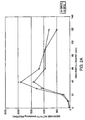
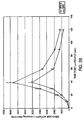
- Figure 2 illustrates the time course of Ac-DEVD-AFC cleavage after Lu-Tex/PDT at three different light doses in BRCE and RPE.
- Figures 2A , 2B and 2C represent data generated using light does of 10, 20 and 40 J/cm 2 , respectively.
- the results show a rapid elevation of caspase 3-like activity immediately after Lu-Tex/PDT - as early as 10 min post-Lu-Tex/PDT and peaking at 40 min - in both BRCE and RPE cells and at all doses used.
- the rate of entry into apoptosis was time and dose-dependent in each cell line. However, the amount of caspase 3-like activation was always significantly higher in BRCE cells compared to RPE cells.
- the amount of caspase 3-like activation increased by about 50% in BRCE cells as compared to RPE cells; at 40J/cm 2 (equivalent to the LD 100 for BRCE cells), the levels in BRCE were 5-fold those in RPE cells.
- BRCE and RPE cells were subjected to Lu-Tex/PDT and the resultant cellular lysates subjected to Western blot analysis for detection of the anti-apoptotic Bcl-2, Bcl-x L markers, and the pro-apoptotic Bax and Bak markers.
- Cell lysates were produced as described in Example 3. Sodium dodecyl sulfate-polyacrylamide gel electrophoresis of proteins was performed with 12% SDS-polyacrylamide gels. All samples were boiled in denaturing sample buffer, and equal amounts of proteins were loaded per lane. Proteins were separated at room temperature under reducing conditions at 120 V. Western blot transfer of separated proteins was performed at room temperature, using polyvinylidene fluoride membranes at 50 mA for 1 hr. To verify equal protein loading, blots were stained with 0.1% ponceau red (Sigma) diluted in 5% acetic acid.
- blots were blocked for 1 hr in Tris buffered saline (TBS; 10 mM Tris-HCl, pH 7.5, and 150 mM NaCl) containing 5% non-fat dried milk.
- TBS Tris buffered saline
- the membranes were probed with an appropriate dilution (1 :250 to 1: 1000) of primary antibody in TBS containing 2.5% non-fat dried milk for one and a half hours.
- Mouse polyclonal antibodies against Bcl-2, Bcl-x L , Bax and Bak were purchased from Pharmingen.
- the blots were washed for 30 minutes with frequent changes of TBS, blocked in 1% non-fat dried milk in TBS for 30 minutes, followed by incubation in a peroxidase-coupled secondary antibody for 1 hour in TBS containing 1% non-fat dried milk.
- the blots were washed for 1 hour with frequent changes of TBST (TBS, 0.1% Tween).
- Immunoblot analysis was performed using enhanced chemiluminescence plus Western blotting detection reagents (Amersham, Pharmacia Biotec Piscataway, NJ) followed by exposure to x-ray film (ML Eastman Kodak, Rochester, NY).
- Results showed a differential expression of members of Bcl-2 family members in BRCE and RPE cells. Specifically, Bcl-2 and Bax were detected in BRCE cells whereas Bcl-x L and Bak were detected in RPE cells (Table 2). After Lu-Tex/PDT at LD 50 , downregulation of Bcl-2 and upregulation of Bax was observed in BRCE cells resulting in an increase of the cellular ratio of Bax to Bcl-2 protein. In RPE cells, there was an upregulation of both Bcl-x L and Bak up to 4 hours post-PDT, after which, Bcl-x L levels reached a plateau, and Bak level started to decline.
- Lu-Tex/PDT induced caspase 3-like activation in both BRCE and RPE cells in a dose- and time-dependent fashion, suggesting that apoptosis is a mediator of Lu-Tex/PDT cytotoxicity in these cell lines. Furthermore, the data indicate that Lu-Tex/PDT induced apoptosis in BRCE cells through the modulation of Bcl-2 and Bax in a dose- and time-dependent fashion, and in RPE cells through the modulation of Bel-x L and Bak. As a result, Lu-Tex/PDT may cause different modes of death in each of the different cell types.
- a photosensitizer can be directed to the CNV endothelium by coupling the photosensitizer to a neovascular endothelium binding moieties in order to increase the efficacy and lower the toxicity of PDT.
- Several targeting molecules may be used to target photosensitizers to the neovascular endothelium.
- the ⁇ -v integrins in particular ⁇ -v ⁇ -3 and ⁇ -v ⁇ -5 integrins, appear to be expressed in ocular neovascular tissue, in both clinical specimens and experimental models (Corjay et al. (1997) supra; Friedlander et al. (1995) supra).
- Cyclic peptide antagonists of these integrins have been used to inhibit neovascularization in experimental models ( Friedlander et al. (1996) PROC. NATL. ACAD. SCI. USA 93:9764-9769 ).
- a peptide motif ACDCRGDCFC SEQ ID NO: 2) - also called RGD-4C - was identified that selectively binds to human ⁇ -v integrins and accumulates in tumor neovasculature more effectively than other angiogenesis targeting peptides ( Arap et al. (1998) NATURE 279:377-380 ).
- Another potential targeting molecule is an antibody for vascular endothelial growth factor receptor (VEGF-2R).
- VEGF vascular endothelium
- ischemia-associated neovascularization Adamis et al. (1996) ARCH. OPHTHALMOL. 114:66-71 ; Tolentino et al. (1996) ARCH. OPHTHALMOL. 114:964-970 ; Tolentino et al. (1996) OPHTHALMOLOGY 103:1820-1828 ).
- Antibody to the VEGF receptor (VEGFR-2 also known as KDR) can be expected to bind preferentially to neovascular endothelium.
- the photosensitizer Verteporfin (QLT Phototherapeutics, Inc., Vancouver BC) or Lutetium Texaphryin (Alcon Laboratories, Fort Worth, TX) will be coupled to a targeting moiety, for example, an RGD-4C peptide, or an anti-VEGF receptor antibody using standard coupling chemistries.
- a targeting moiety for example, an RGD-4C peptide, or an anti-VEGF receptor antibody using standard coupling chemistries.
- the spectral characteristics (emission & excitation) of the resulting photosensitizer complex can be measured in vitro. Subsequently, in vitro studies can be carried out using BRCE and RPE cells, to assess cellular uptake and phototoxicity following PDT. Experiments may address PDT treatment parameters including optimal timing as well as drug and light dosimetry for selective phototoxicity in vitro.
- the efficacy and selectivity of PDT using the bound photosensitizer in vivo in the rat model of CNV can be tested.
- the results of PDT with photosensitizer comprising the targeting molecule may then be compared to the results of PDT with the same photosensitizer lacking the targeting molecule.
- CNV can be induced in animals using a krypton laser, and documented by digital fundus fluorescein angiography. More specifically, the laser injury model in the rat is a modification of a similar model in the monkey ( Dobi et al. (1989) ARCH. OPHTHALMOL. 107:264-269 ; Ryan (1982) ARCH. OPHTHALMOL. 100:1804-1809 ; Tobe et al. (1994) J. JPN. OPHTHALMOL. SOC. 98:837-845 ). Briefly, 5-6 high intensity krypton laser burns (100 ⁇ m spot size, 0.1-second duration, 160 mW) can be placed in a peripapillary fashion. CNV as evidenced by hyperfluorescence and late leakage can be documented using digital fluorescein angiography and is expected to develop in at least 60% of the lesions within 2-3 weeks of laser injury.
- PDT can then be performed over areas of CNV and normal choroid and the effects assessed angiographically and histologically. More specifically, PDT may be carried out using tail vein injection of the photosensitizer either containing or lacking a targeting molecule, followed by laser irradiation of the treatment area. PDT may also be applied to areas of CNV in one eye and to areas of normal choroid in the fellow eye. Photosensitizer and laser parameters will be based on previous experiments using Verteporfin and Lu-Tex in the monkey model, as well as some preliminary dosimetry in the rat model.
- peptides of interest will first be tested in vitro in BRCE and RPE cells to ascertain specificity and efficacy. Then, the pro-apoptotic peptide/PDT regimen may be assessed in vitro, and then compared with PDT alone and peptide alone in both BRCE and RPE cells.
- BRCE and RPE cells may be grown using standard tissue culture techniques.
- the ApoAlert assay kit (Clonetech) may be used to assay for caspase-3 like activity in cells post-treatment. This colorimetric assay follows the chromophore p-nitroanilide (pNA) arising from cleavage of the substrate DEVD-pNA.
- pNA chromophore p-nitroanilide
- Targeted pro-apoptotic peptides may be injected intravenously 4 hours prior to PDT.
- PDT may be performed over areas of CNV and in normal eyes, comparing the effect on CNV closure of PDT alone with PDT after pro-apoptotic peptide, and comparing the selectivity in normal choroid as described in Example 5.
Landscapes
- Health & Medical Sciences (AREA)
- Life Sciences & Earth Sciences (AREA)
- Chemical & Material Sciences (AREA)
- Veterinary Medicine (AREA)
- Public Health (AREA)
- General Health & Medical Sciences (AREA)
- Animal Behavior & Ethology (AREA)
- Medicinal Chemistry (AREA)
- Pharmacology & Pharmacy (AREA)
- Epidemiology (AREA)
- Engineering & Computer Science (AREA)
- Bioinformatics & Cheminformatics (AREA)
- Molecular Biology (AREA)
- Proteomics, Peptides & Aminoacids (AREA)
- Biochemistry (AREA)
- Immunology (AREA)
- Nuclear Medicine, Radiotherapy & Molecular Imaging (AREA)
- Gastroenterology & Hepatology (AREA)
- Organic Chemistry (AREA)
- General Chemical & Material Sciences (AREA)
- Chemical Kinetics & Catalysis (AREA)
- Ophthalmology & Optometry (AREA)
- Biomedical Technology (AREA)
- Cell Biology (AREA)
- Pathology (AREA)
- Biophysics (AREA)
- Radiology & Medical Imaging (AREA)
- Medicines That Contain Protein Lipid Enzymes And Other Medicines (AREA)
- Pharmaceuticals Containing Other Organic And Inorganic Compounds (AREA)
- Acyclic And Carbocyclic Compounds In Medicinal Compositions (AREA)
- Radiation-Therapy Devices (AREA)
- Nitrogen Condensed Heterocyclic Rings (AREA)
Claims (14)
- Kombination aus einem Apoptose-induzierenden Faktor, einem Apoptose-verstärkenden Faktor oder einem Apoptose-stimulierenden Faktor und einem Lichtsensibilisator für die Verwendung bei der photodynamischen Therapie unter Einbeziehung von Bestrahlung mit Laserlicht zur Behandlung eines Augenzustands bei einem Primaten, der durch ungewünschte chorioidale Neovaskularisierung (CNV) gekennzeichnet ist, wobei die Kombination zur gleichzeitigen Verabreichung oder zur Verabreichung des Apoptose-induzierenden Faktors, Apoptose-verstärkenden Faktors oder Apoptose-stimulierenden Faktors vor dem Lichtsensibilisator und/oder der Bestrahlung bestimmt ist.
- Kombination nach Anspruch 1 für die darin beschriebene Verwendung, wobei der Augenzustand ausgewählt ist aus: neovaskulärer AMD, okularem Histoplasmose-Syndrom, pathologischer Myopie, angioiden Streifen, einer idiopathischen Störung, Chorioiditis, Chorioidea-Ruptur, überlagernden chorioidalen Nävi oder einem entzündlichen Zustand.
- Kombination nach einem vorhergehenden Anspruch für die darin beschriebene Verwendung, wobei der Lichtsensibilisator:i) ein Aminosäurederivat, ein Azofarbstoff, ein Xanthenderivat, ein Chlorin, ein Tetrapyrrolderivat oder ein Phthalocyanin oderii) Lutetiumtexaphyrin, ein Benzoporphyrin, ein Benzoporphyrinderivat, ein Hämatoporphyrin oder ein Hämatoporphyrinderivat ist.
- Kombination nach Anspruch 3 für die darin beschriebene Verwendung, wobei der Lichtsensibilisator an eine Zielsteuerungseinheit gekoppelt ist, die bevorzugt an Endothelzellen der Neovaskulatur bindet.
- Kombination nach Anspruch 4 für die darin beschriebene Verwendung, wobei die Zielsteuerungseinheit ein Peptid ist, das bevorzugt an ein αVβ-Integrin bindet oder ein Antikörper oder ein antigenbindendes Fragment davon ist, der/das spezifisch an einen Gefäßendothel-Wachstumsfaktor-Rezeptor bindet.
- Kombination nach einem vorhergehenden Anspruch für die darin beschriebene Verwendung, wobei der Apoptose-induzierende Faktor Folgendes ist:(i) ein Protein oder Peptid, das in der Lage ist, die Apoptose in Zellen zu induzieren, die bei der CNV disponiert werden,(ii) Constantin, TNFα, ein biologisch aktives Fragment von TNFα, Cycloheximid, Tunicamycin, Adenosin oder(iii) eine Antisense-Nukleinsäure oder Peptidyl-Nukleinsäure, welche die Expression eines Todes-Antagonisten verringert oder abschaltet.
- Kombination nach Anspruch 6 für die darin beschriebene Verwendung, wobei der Apoptose-induzierende Faktor Angiostatin ist.
- Kombination nach Anspruch 6 für die darin beschriebene Verwendung, wobei der im Teil (iii) von Anspruch 6 genannte Todes-Antagonist Bcl-2 oder Bcl-xL ist.
- Kombination nach Anspruch 6 für die darin beschriebene Verwendung, wobei der Apoptose-induzierende Faktor eine Aminosäuresequenz hat, die in N- nach C-Richtung umfasst: KLAKLAKKLAKLAK (SEQ ID NR: 1).
- Kombination nach Anspruch 9 für die darin beschriebene Verwendung, wobei die Sequenz über Vernetzung oder über eine Peptiddomäne an eine Zielsteuerungsdomäne gekoppelt ist, die sie zu Endothelzellen steuern kann.
- Zusammensetzung, umfassend einen Apoptose-induzierenden Faktor, einen Apoptose-verstärkenden Faktor oder einen Apoptose-stimulierenden Faktor und einen Lichtsensibilisator für die Verwendung bei der photodynamischen Therapie unter Einbeziehung von Bestrahlung mit Laserlicht zur Behandlung eines Augenzustands bei einem Primaten, der durch ungewünschte chorioidale Neovaskularisierung gekennzeichnet ist.
- Zusammensetzung nach Anspruch 11, wobei der Augenzustand wie im Anspruch 2 beschrieben ist.
- Zusammensetzung nach Anspruch 11 oder Anspruch 12, wobei der Lichtsensibilisator wie in einem der Ansprüche 3 bis 5 beschrieben ist.
- Zusammensetzung nach einem der Ansprüche 11 bis 13, wobei der Apoptose-induzierende Faktor wie in einem der Ansprüche 6 bis 10 beschrieben ist.
Applications Claiming Priority (2)
| Application Number | Priority Date | Filing Date | Title |
|---|---|---|---|
| US18164100P | 2000-02-10 | 2000-02-10 | |
| EP01907170A EP1253943B1 (de) | 2000-02-10 | 2001-02-09 | Photodynamische therapie zur behandlung von augenerkrankungen |
Related Parent Applications (2)
| Application Number | Title | Priority Date | Filing Date |
|---|---|---|---|
| EP01907170A Division EP1253943B1 (de) | 2000-02-10 | 2001-02-09 | Photodynamische therapie zur behandlung von augenerkrankungen |
| EP01907170.3 Division | 2001-02-09 |
Publications (2)
| Publication Number | Publication Date |
|---|---|
| EP1997513A1 EP1997513A1 (de) | 2008-12-03 |
| EP1997513B1 true EP1997513B1 (de) | 2012-04-11 |
Family
ID=22665146
Family Applications (2)
| Application Number | Title | Priority Date | Filing Date |
|---|---|---|---|
| EP08001574A Expired - Lifetime EP1997513B1 (de) | 2000-02-10 | 2001-02-09 | Kombinationen und Zubereitung zur Anwendung in PDT zur Behandlung von Augenleiden mit unerwünschter choriodaler Neovascularisation |
| EP01907170A Expired - Lifetime EP1253943B1 (de) | 2000-02-10 | 2001-02-09 | Photodynamische therapie zur behandlung von augenerkrankungen |
Family Applications After (1)
| Application Number | Title | Priority Date | Filing Date |
|---|---|---|---|
| EP01907170A Expired - Lifetime EP1253943B1 (de) | 2000-02-10 | 2001-02-09 | Photodynamische therapie zur behandlung von augenerkrankungen |
Country Status (9)
| Country | Link |
|---|---|
| US (7) | US7125542B2 (de) |
| EP (2) | EP1997513B1 (de) |
| JP (3) | JP2003530146A (de) |
| AT (2) | ATE552855T1 (de) |
| AU (2) | AU2001234979B2 (de) |
| CA (2) | CA2398901C (de) |
| DE (1) | DE60135633D1 (de) |
| ES (1) | ES2311507T3 (de) |
| WO (1) | WO2001058240A2 (de) |
Families Citing this family (68)
| Publication number | Priority date | Publication date | Assignee | Title |
|---|---|---|---|---|
| EP1997513B1 (de) * | 2000-02-10 | 2012-04-11 | Massachusetts Eye & Ear Infirmary | Kombinationen und Zubereitung zur Anwendung in PDT zur Behandlung von Augenleiden mit unerwünschter choriodaler Neovascularisation |
| JP2003528926A (ja) | 2000-03-24 | 2003-09-30 | ノバルティス アクチエンゲゼルシャフト | 新血管形成の改善された処置 |
| EP1570859A3 (de) * | 2000-03-24 | 2008-04-02 | Novartis AG | Verbesserte Behandlung von Neovaskularisation |
| AU2002248284A1 (en) * | 2000-11-01 | 2002-08-06 | Allergan, Inc. | Compositions for treatment of ocular neovascularization |
| US20030082183A1 (en) * | 2000-11-01 | 2003-05-01 | Wheeler Larry A. | Methods and compositions for treatment of ocular neovascularization and neural injury |
| US6800086B2 (en) | 2001-02-06 | 2004-10-05 | Qlt Inc. | Reduced fluence rate PDT |
| US7753943B2 (en) * | 2001-02-06 | 2010-07-13 | Qlt Inc. | Reduced fluence rate PDT |
| US20020183253A1 (en) * | 2001-02-22 | 2002-12-05 | Brazzell Romulus Kimbro | Method of treating ocular neovascularization |
| US6875165B2 (en) * | 2001-02-22 | 2005-04-05 | Retinalabs, Inc. | Method of radiation delivery to the eye |
| CA2445898A1 (en) * | 2001-05-01 | 2002-12-19 | The General Hospital Corporation | Photoimmunotherapies for cancer using photosensitizer immunoconjugates and combination therapies |
| NZ531294A (en) * | 2001-08-06 | 2005-11-25 | Childrens Medical Center | Synthesis and anti-tumor activity of nitrogen substituted thalidomide analogs |
| HRP20040406A2 (en) * | 2001-11-09 | 2005-02-28 | Eyetech Pharmaceuticals | Methods for treating ocular neovascular diseases |
| AU2003209297A1 (en) * | 2002-01-18 | 2003-09-02 | Massachusetts Eye And Ear Infirmary | Methods and compositions for preserving the viability of photoreceptor cells |
| WO2004030588A2 (en) | 2002-10-03 | 2004-04-15 | Light Sciences Corporation | Excitation of photoreactive compounds in eye tissue |
| US20050043220A1 (en) * | 2002-11-08 | 2005-02-24 | Guyer David R. | Methods and compositions for treating macular degeneration |
| JP2006516288A (ja) * | 2003-01-21 | 2006-06-29 | アーケミックス コーポレイション | 眼の薬物療法において有用なアプタマー治療薬 |
| WO2004080284A2 (en) * | 2003-03-07 | 2004-09-23 | Board Of Regents, The University Of Texas System | Antibody-targeted photodynamic therapy |
| US20070020272A1 (en) * | 2003-04-30 | 2007-01-25 | Tayyaba Hasan | Indirectly linked photosensitizer immunoconjugates, processes for the production thereof and methods of use thereof |
| US20050101582A1 (en) | 2003-11-12 | 2005-05-12 | Allergan, Inc. | Compositions and methods for treating a posterior segment of an eye |
| US20070224278A1 (en) | 2003-11-12 | 2007-09-27 | Lyons Robert T | Low immunogenicity corticosteroid compositions |
| CN100548271C (zh) | 2004-01-20 | 2009-10-14 | 阿勒根公司 | 用于眼部的局部治疗、并优选包括有曲安奈德及透明质酸的组合物 |
| US7563222B2 (en) * | 2004-02-12 | 2009-07-21 | Neovista, Inc. | Methods and apparatus for intraocular brachytherapy |
| US7744520B2 (en) * | 2004-02-12 | 2010-06-29 | Neovista, Inc. | Method and apparatus for intraocular brachytherapy |
| US20050244458A1 (en) * | 2004-04-30 | 2005-11-03 | Allergan, Inc. | Sustained release intraocular implants and methods for treating ocular neuropathies |
| US7771742B2 (en) | 2004-04-30 | 2010-08-10 | Allergan, Inc. | Sustained release intraocular implants containing tyrosine kinase inhibitors and related methods |
| US8425929B2 (en) * | 2004-04-30 | 2013-04-23 | Allergan, Inc. | Sustained release intraocular implants and methods for preventing retinal dysfunction |
| US9498457B2 (en) | 2004-04-30 | 2016-11-22 | Allergan, Inc. | Hypotensive prostamide-containing biodegradable intraocular implants and related implants |
| US8455656B2 (en) | 2004-04-30 | 2013-06-04 | Allergan, Inc. | Kinase inhibitors |
| US8591885B2 (en) | 2004-04-30 | 2013-11-26 | Allergan, Inc. | Carbonic anhydrase inhibitor sustained release intraocular drug delivery systems |
| US20050244462A1 (en) * | 2004-04-30 | 2005-11-03 | Allergan, Inc. | Devices and methods for treating a mammalian eye |
| US7799336B2 (en) | 2004-04-30 | 2010-09-21 | Allergan, Inc. | Hypotensive lipid-containing biodegradable intraocular implants and related methods |
| US8512738B2 (en) | 2004-04-30 | 2013-08-20 | Allergan, Inc. | Biodegradable intravitreal tyrosine kinase implants |
| US8673341B2 (en) * | 2004-04-30 | 2014-03-18 | Allergan, Inc. | Intraocular pressure reduction with intracameral bimatoprost implants |
| US20070059336A1 (en) * | 2004-04-30 | 2007-03-15 | Allergan, Inc. | Anti-angiogenic sustained release intraocular implants and related methods |
| US8722097B2 (en) | 2004-04-30 | 2014-05-13 | Allergan, Inc. | Oil-in-water method for making polymeric implants containing a hypotensive lipid |
| US8119154B2 (en) * | 2004-04-30 | 2012-02-21 | Allergan, Inc. | Sustained release intraocular implants and related methods |
| US8147865B2 (en) * | 2004-04-30 | 2012-04-03 | Allergan, Inc. | Steroid-containing sustained release intraocular implants and related methods |
| US20050244472A1 (en) * | 2004-04-30 | 2005-11-03 | Allergan, Inc. | Intraocular drug delivery systems containing excipients with reduced toxicity and related methods |
| US7993634B2 (en) | 2004-04-30 | 2011-08-09 | Allergan, Inc. | Oil-in-oil emulsified polymeric implants containing a hypotensive lipid and related methods |
| US20050244500A1 (en) * | 2004-04-30 | 2005-11-03 | Allergan, Inc. | Intravitreal implants in conjuction with photodynamic therapy to improve vision |
| US20050244463A1 (en) * | 2004-04-30 | 2005-11-03 | Allergan, Inc. | Sustained release intraocular implants and methods for treating ocular vasculopathies |
| WO2006020979A2 (en) * | 2004-08-13 | 2006-02-23 | Yale University | Factor vii conjugates for selectively treating neovascularization disorders |
| WO2006091666A2 (en) * | 2005-02-23 | 2006-08-31 | Massachusetts Eye And Ear Infirmary | Methods and compositions for treating conditions of the eye |
| US7592330B2 (en) * | 2005-08-08 | 2009-09-22 | Massachusetts Eye And Ear Infirmary | Methods and compositions for preserving the viability of photoreceptor cells |
| US20070072933A1 (en) * | 2005-09-26 | 2007-03-29 | Peyman Gholam A | Delivery of an ocular agent |
| CA2629648A1 (en) | 2005-11-15 | 2007-05-24 | Neovista Inc. | Methods and apparatus for intraocular brachytherapy |
| US7666912B2 (en) | 2006-03-23 | 2010-02-23 | Massachusetts Eye And Ear Infirmary | Compositions and methods for reducing body fat |
| US8969415B2 (en) | 2006-12-01 | 2015-03-03 | Allergan, Inc. | Intraocular drug delivery systems |
| US10259860B2 (en) * | 2007-02-27 | 2019-04-16 | Aprogen Inc. | Fusion proteins binding to VEGF and angiopoietin |
| US8480662B2 (en) * | 2007-08-22 | 2013-07-09 | Cardiac Pacemakers, Inc. | Systems and devices for photoablation |
| US20090170770A1 (en) * | 2007-11-06 | 2009-07-02 | Ali Hafezi-Moghadam | Methods and compositions for treating conditions associated with angiogenesis using a vascular adhesion protein-1 (vap 1) inhibitor |
| CA2724327A1 (en) | 2008-06-04 | 2009-12-10 | Neovista, Inc. | Handheld radiation delivery system for advancing a radiation source wire |
| EP2349339A4 (de) * | 2008-10-16 | 2015-01-07 | Kathleen Cogan Farinas | Wirkstofffreisetzungssystem mit langzeitwirkung |
| US8530189B2 (en) * | 2008-10-16 | 2013-09-10 | Kathleen Cogan Farinas | Sustained drug delivery system |
| WO2010129775A1 (en) | 2009-05-06 | 2010-11-11 | University Of Virginia Patent Foundation | Self-illuminated handheld lens for retinal examination and photography and related method thereof |
| EP3421030A1 (de) | 2009-11-09 | 2019-01-02 | Allergan, Inc. | Zusammensetzungen und verfahren zur stimulation des haarwuchses |
| WO2011147193A1 (en) * | 2010-05-27 | 2011-12-01 | The University Of Hong Kong | High-affinity nucleic acid aptamers against sclerostin protein |
| JP5609273B2 (ja) * | 2010-06-01 | 2014-10-22 | 国立大学法人 東京大学 | 血小板解析方法及び血小板解析システム |
| CA2824317C (en) | 2011-01-19 | 2014-12-16 | Terakine Therapeutics, Inc. | Uses of certain f-series prostaglandin analogs for treating diabetes and dyslipidemia |
| US8426471B1 (en) | 2011-12-19 | 2013-04-23 | Topokine Therapeutics, Inc. | Methods and compositions for reducing body fat and adipocytes |
| KR101651448B1 (ko) | 2012-11-21 | 2016-08-26 | 토포카인 쎄라퓨틱스, 인코포레이티드 | 체지방을 국소적으로 증가시키는 방법 및 조성물 |
| CA2901280A1 (en) | 2013-02-15 | 2014-08-21 | Allergan, Inc. | Sustained drug delivery implant |
| NO2753788T3 (de) | 2013-05-10 | 2018-06-16 | ||
| WO2014186504A1 (en) | 2013-05-15 | 2014-11-20 | Topokine Therapeutics, Inc. | Methods and compositions for topical delivery of prostaglandins to subcutaneous fat |
| US10188661B2 (en) | 2014-06-27 | 2019-01-29 | Topokine Therapeutics, Inc. | Topical dosage regimen |
| US10314473B2 (en) * | 2015-09-09 | 2019-06-11 | New York University | System and method for in vivo detection of fluorescence from an eye |
| WO2017132639A1 (en) * | 2016-01-30 | 2017-08-03 | The Board Of Trustees Of The Leland Stanford Junior University | Light-activated anchoring of therapeutic factors to tissues |
| US10750943B2 (en) | 2017-06-09 | 2020-08-25 | Northwestern University | Imaging-guided creating and monitoring of retinal vascular occlusive disease |
Family Cites Families (49)
| Publication number | Priority date | Publication date | Assignee | Title |
|---|---|---|---|---|
| US49247A (en) * | 1865-08-08 | Improvement in the manufacture of pyroligneous acid | ||
| US43220A (en) * | 1864-06-21 | Improved evaporating-pan for sugar-and sirup | ||
| US167091A (en) * | 1875-08-24 | Improvement in swinging berths for ships | ||
| US171320A (en) * | 1875-12-21 | Improvement in horseshoe-machines | ||
| US5171749A (en) | 1987-01-20 | 1992-12-15 | University Of British Columbia | Wavelength-specific cytotoxic agents |
| US5283255A (en) | 1987-01-20 | 1994-02-01 | The University Of British Columbia | Wavelength-specific cytotoxic agents |
| US5132405A (en) | 1987-05-21 | 1992-07-21 | Creative Biomolecules, Inc. | Biosynthetic antibody binding sites |
| US5091513A (en) | 1987-05-21 | 1992-02-25 | Creative Biomolecules, Inc. | Biosynthetic antibody binding sites |
| US5258498A (en) | 1987-05-21 | 1993-11-02 | Creative Biomolecules, Inc. | Polypeptide linkers for production of biosynthetic proteins |
| US5214036A (en) | 1990-03-08 | 1993-05-25 | University Of British Columbia | Benzoporphyrin derivatives for photodynamic therapy |
| DK51092D0 (da) | 1991-05-24 | 1992-04-15 | Ole Buchardt | Oligonucleotid-analoge betegnet pna, monomere synthoner og fremgangsmaade til fremstilling deraf samt anvendelser deraf |
| US5770592A (en) | 1991-11-22 | 1998-06-23 | Alcon Laboratories, Inc. | Prevention and treatment of ocular neovascularization using angiostatic steroids |
| US5700922A (en) | 1991-12-24 | 1997-12-23 | Isis Pharmaceuticals, Inc. | PNA-DNA-PNA chimeric macromolecules |
| US5776427A (en) * | 1992-03-05 | 1998-07-07 | Board Of Regents, The University Of Texas System | Methods for targeting the vasculature of solid tumors |
| DE4322409C2 (de) * | 1993-07-06 | 2003-12-04 | Beck August Gmbh Co | Vorrichtung zur zerspanenden Bearbeitung |
| US5840301A (en) * | 1994-02-10 | 1998-11-24 | Imclone Systems Incorporated | Methods of use of chimerized, humanized, and single chain antibodies specific to VEGF receptors |
| US5798349A (en) * | 1994-03-14 | 1998-08-25 | The General Hospital Corporation | Use of green porphyrins to treat neovasculature in the eye |
| US5707986A (en) * | 1994-03-14 | 1998-01-13 | Miller; Joan W. | Angiographic method using green porphyrins in primate eyes |
| CA2536069C (en) * | 1994-03-14 | 2008-06-03 | Massachusetts Eye And Ear Infirmary | Use of green porphyrins in ocular diagnosis and therapy |
| US5639725A (en) * | 1994-04-26 | 1997-06-17 | Children's Hospital Medical Center Corp. | Angiostatin protein |
| ATE355379T1 (de) | 1994-04-26 | 2006-03-15 | Childrens Medical Center | Angiostatin und verfahren zu seiner nutzung zur vermeidung der angiogenese |
| US5837682A (en) | 1996-03-08 | 1998-11-17 | The Children's Medical Center Corporation | Angiostatin fragments and method of use |
| US5859228A (en) * | 1995-05-04 | 1999-01-12 | Nexstar Pharmaceuticals, Inc. | Vascular endothelial growth factor (VEGF) nucleic acid ligand complexes |
| US6008211A (en) | 1995-07-27 | 1999-12-28 | Pdt Pharmaceuticals, Inc. | Photoactivatable compounds comprising benzochlorin and furocoumarin |
| US5707608A (en) | 1995-08-02 | 1998-01-13 | Qlt Phototherapeutics, Inc. | Methods of making liposomes containing hydro-monobenzoporphyrin photosensitizer |
| US5854205A (en) * | 1995-10-23 | 1998-12-29 | The Children's Medical Center Corporation | Therapeutic antiangiogenic compositions and methods |
| US5756541A (en) | 1996-03-11 | 1998-05-26 | Qlt Phototherapeutics Inc | Vision through photodynamic therapy of the eye |
| JP4318752B2 (ja) | 1996-05-31 | 2009-08-26 | ヘルス・リサーチ・インコーポレーテッド | 抗エンドグリンモノクローナル抗体および抗血管新生治療におけるその使用 |
| US6180402B1 (en) * | 1996-11-20 | 2001-01-30 | Qlt Inc. | Method for inhibiting apoptosis induced by photodynamic therapy using a cysteine or serine protease inhibitor |
| BR9714642A (pt) | 1996-12-11 | 2000-10-03 | Pharmacyclics Inc | "uso de texafirina na preparação de um medicamento para uso em diagnóstico e terapia ocular" |
| US6270749B1 (en) * | 1996-12-11 | 2001-08-07 | Pharmacyclics, Inc. | Use of Texaphyrin in ocular diagnosis and therapy |
| GB9700396D0 (en) * | 1997-01-10 | 1997-02-26 | Photocure As | Photochemotherapeutic compositions |
| IL131776A0 (en) * | 1997-03-10 | 2001-03-19 | Res Dev Foundation | Photodynamic therapy generated oxidative stress for temporal and selective expression of heterologous genes |
| US6331523B1 (en) * | 1998-03-12 | 2001-12-18 | Genentech, Inc. | Method of enhancing the survival of retinal neurons and treating ocular diseases using FGF-5 |
| ATE329622T1 (de) | 1998-04-15 | 2006-07-15 | Lexigen Pharm Corp | Steigerung der antikörper-zytokin- fusionsproteinmediierten immunantwort durch mitverabreichung mit einem angiogeneseinhibitor |
| WO1999059973A1 (en) * | 1998-05-15 | 1999-11-25 | Guilford Pharmaceuticals Inc. | Carboxamide compounds, compositions, and methods for inhibiting parp activity |
| JP2002516261A (ja) * | 1998-05-22 | 2002-06-04 | エンターメッド インコーポレイテッド | セリンプロテアーゼを利用して内皮細胞増殖を阻害し血管新生を調節するための組成物と方法 |
| US6117862A (en) * | 1998-10-09 | 2000-09-12 | Qlt, Inc. | Model and method for angiogenesis inhibition |
| EP1154691A4 (de) | 1999-01-05 | 2004-07-07 | Massachusetts Eye & Ear Infirm | Gezielte transsklerale gesteuerte wirkstoffabgabe an die retina und choroidae |
| US6602274B1 (en) | 1999-01-15 | 2003-08-05 | Light Sciences Corporation | Targeted transcutaneous cancer therapy |
| US6162242A (en) * | 1999-01-21 | 2000-12-19 | Peyman; Gholam A. | Selective photodynamic treatment |
| AU2789900A (en) * | 1999-02-26 | 2000-09-21 | Qlt Phototherapeutics, Inc. | Photodynamic therapy in combination with apoptosis inducing factors |
| IL145941A (en) * | 1999-04-28 | 2007-08-19 | Univ Texas | Compositions and methods for cancer treatment by selectively inhibiting vegf |
| US6443976B1 (en) * | 1999-11-30 | 2002-09-03 | Akorn, Inc. | Methods for treating conditions and illnesses associated with abnormal vasculature |
| CA2395567A1 (en) | 2000-01-12 | 2001-07-19 | Light Sciences Corporation | Novel treatment for eye disease |
| EP1997513B1 (de) | 2000-02-10 | 2012-04-11 | Massachusetts Eye & Ear Infirmary | Kombinationen und Zubereitung zur Anwendung in PDT zur Behandlung von Augenleiden mit unerwünschter choriodaler Neovascularisation |
| HRP20040406A2 (en) | 2001-11-09 | 2005-02-28 | Eyetech Pharmaceuticals | Methods for treating ocular neovascular diseases |
| US20050043220A1 (en) * | 2002-11-08 | 2005-02-24 | Guyer David R. | Methods and compositions for treating macular degeneration |
| WO2006091666A2 (en) * | 2005-02-23 | 2006-08-31 | Massachusetts Eye And Ear Infirmary | Methods and compositions for treating conditions of the eye |
-
2001
- 2001-02-09 EP EP08001574A patent/EP1997513B1/de not_active Expired - Lifetime
- 2001-02-09 US US09/780,142 patent/US7125542B2/en not_active Expired - Lifetime
- 2001-02-09 DE DE60135633T patent/DE60135633D1/de not_active Expired - Lifetime
- 2001-02-09 AU AU2001234979A patent/AU2001234979B2/en not_active Expired
- 2001-02-09 CA CA2398901A patent/CA2398901C/en not_active Expired - Lifetime
- 2001-02-09 EP EP01907170A patent/EP1253943B1/de not_active Expired - Lifetime
- 2001-02-09 CA CA2714081A patent/CA2714081C/en not_active Expired - Lifetime
- 2001-02-09 JP JP2001557365A patent/JP2003530146A/ja active Pending
- 2001-02-09 WO PCT/US2001/004231 patent/WO2001058240A2/en not_active Ceased
- 2001-02-09 ES ES01907170T patent/ES2311507T3/es not_active Expired - Lifetime
- 2001-02-09 AT AT08001574T patent/ATE552855T1/de active
- 2001-02-09 AT AT01907170T patent/ATE406914T1/de not_active IP Right Cessation
- 2001-02-09 AU AU3497901A patent/AU3497901A/xx active Pending
-
2003
- 2003-05-05 US US10/429,496 patent/US20030175282A1/en not_active Abandoned
- 2003-05-05 US US10/429,428 patent/US20030185834A1/en not_active Abandoned
-
2007
- 2007-11-26 US US11/945,150 patent/US20090286743A1/en not_active Abandoned
-
2009
- 2009-12-03 JP JP2009275243A patent/JP2010065057A/ja not_active Withdrawn
-
2010
- 2010-09-08 US US12/877,662 patent/US20110144035A1/en not_active Abandoned
-
2012
- 2012-03-16 US US13/422,462 patent/US20120323162A1/en not_active Abandoned
-
2013
- 2013-01-23 JP JP2013010176A patent/JP5749750B2/ja not_active Expired - Lifetime
- 2013-08-12 US US13/964,510 patent/US20140163451A1/en not_active Abandoned
Also Published As
| Publication number | Publication date |
|---|---|
| CA2398901C (en) | 2010-11-16 |
| US20030185834A1 (en) | 2003-10-02 |
| CA2714081A1 (en) | 2001-08-16 |
| EP1253943A2 (de) | 2002-11-06 |
| US20110144035A1 (en) | 2011-06-16 |
| AU2001234979B2 (en) | 2006-07-27 |
| ATE406914T1 (de) | 2008-09-15 |
| AU3497901A (en) | 2001-08-20 |
| CA2398901A1 (en) | 2001-08-16 |
| US20140163451A1 (en) | 2014-06-12 |
| US20090286743A1 (en) | 2009-11-19 |
| WO2001058240A3 (en) | 2002-04-11 |
| JP2003530146A (ja) | 2003-10-14 |
| EP1253943B1 (de) | 2008-09-03 |
| US20120323162A1 (en) | 2012-12-20 |
| US20020040015A1 (en) | 2002-04-04 |
| ATE552855T1 (de) | 2012-04-15 |
| DE60135633D1 (de) | 2008-10-16 |
| JP2013082746A (ja) | 2013-05-09 |
| EP1997513A1 (de) | 2008-12-03 |
| US7125542B2 (en) | 2006-10-24 |
| US20030175282A1 (en) | 2003-09-18 |
| CA2714081C (en) | 2013-08-06 |
| JP5749750B2 (ja) | 2015-07-15 |
| WO2001058240A2 (en) | 2001-08-16 |
| JP2010065057A (ja) | 2010-03-25 |
| ES2311507T3 (es) | 2009-02-16 |
Similar Documents
| Publication | Publication Date | Title |
|---|---|---|
| CA2398901C (en) | Methods and compositions for treating conditions of the eye | |
| AU2001234979A1 (en) | Methods and compositions for treating conditions of the eye | |
| US8658633B2 (en) | Methods and compositions for treating conditions of the eye | |
| US20180369380A1 (en) | Methods and Compositions for Treating Conditions of the Eye | |
| US20060021623A1 (en) | Methods and compositions for treating ocular glaucoma | |
| Dougherty et al. | Photodynamic therapy | |
| Nagata et al. | Necrotic and apoptotic cell death of human malignant melanoma cells following photodynamic therapy using an amphiphilic photosensitizer, ATX‐S10 (Na) | |
| Granville et al. | Photodynamic therapy: shedding light on the biochemical pathways regulating porphyrin-mediated cell death. | |
| US9572829B2 (en) | Treatment of ocular disorders | |
| WO2009061830A1 (en) | Methods and compositions for treating conditions associated with angiogenesis using a vascular adhesion protein-1 (vap-1) inhibitor | |
| Renno et al. | Photodynamic therapy using Lu-Tex induces apoptosis in vitro, and its effect is potentiated by angiostatin in retinal capillary endothelial cells | |
| Schmidt-Erfurth et al. | Benzoporphyrin-lipoprotein-mediated photodestruction of intraocular tumors | |
| AU2006203044B2 (en) | Methods and compositions for treating conditions of the eye | |
| Ufret-Vincenty et al. | Photosensitizers in photodynamic therapy of choroidal neovascularization | |
| Calzavara-Pinton et al. | Future directions–photosensitizer targeting |
Legal Events
| Date | Code | Title | Description |
|---|---|---|---|
| PUAI | Public reference made under article 153(3) epc to a published international application that has entered the european phase |
Free format text: ORIGINAL CODE: 0009012 |
|
| 17P | Request for examination filed |
Effective date: 20080129 |
|
| AC | Divisional application: reference to earlier application |
Ref document number: 1253943 Country of ref document: EP Kind code of ref document: P |
|
| AK | Designated contracting states |
Kind code of ref document: A1 Designated state(s): AT BE CH CY DE DK ES FI FR GB GR IE IT LI LU MC NL PT SE TR |
|
| 17Q | First examination report despatched |
Effective date: 20090226 |
|
| AKX | Designation fees paid |
Designated state(s): AT BE CH CY DE DK ES FI FR GB GR IE IT LI LU MC NL PT SE TR |
|
| GRAP | Despatch of communication of intention to grant a patent |
Free format text: ORIGINAL CODE: EPIDOSNIGR1 |
|
| RTI1 | Title (correction) |
Free format text: COMBINATIONS AND COMPOSITIONS FOR USE IN PDT IN TREATING OCULAR CONDITIONS INVOLVING UNWANTED CHORIODAL NEOVASCULARISATION |
|
| GRAS | Grant fee paid |
Free format text: ORIGINAL CODE: EPIDOSNIGR3 |
|
| GRAA | (expected) grant |
Free format text: ORIGINAL CODE: 0009210 |
|
| AC | Divisional application: reference to earlier application |
Ref document number: 1253943 Country of ref document: EP Kind code of ref document: P |
|
| AK | Designated contracting states |
Kind code of ref document: B1 Designated state(s): AT BE CH CY DE DK ES FI FR GB GR IE IT LI LU MC NL PT SE TR |
|
| REG | Reference to a national code |
Ref country code: GB Ref legal event code: FG4D |
|
| REG | Reference to a national code |
Ref country code: CH Ref legal event code: EP |
|
| REG | Reference to a national code |
Ref country code: AT Ref legal event code: REF Ref document number: 552855 Country of ref document: AT Kind code of ref document: T Effective date: 20120415 |
|
| REG | Reference to a national code |
Ref country code: IE Ref legal event code: FG4D |
|
| REG | Reference to a national code |
Ref country code: DE Ref legal event code: R096 Ref document number: 60146412 Country of ref document: DE Effective date: 20120606 |
|
| REG | Reference to a national code |
Ref country code: NL Ref legal event code: VDEP Effective date: 20120411 |
|
| REG | Reference to a national code |
Ref country code: AT Ref legal event code: MK05 Ref document number: 552855 Country of ref document: AT Kind code of ref document: T Effective date: 20120411 |
|
| PG25 | Lapsed in a contracting state [announced via postgrant information from national office to epo] |
Ref country code: FI Free format text: LAPSE BECAUSE OF FAILURE TO SUBMIT A TRANSLATION OF THE DESCRIPTION OR TO PAY THE FEE WITHIN THE PRESCRIBED TIME-LIMIT Effective date: 20120411 Ref country code: SE Free format text: LAPSE BECAUSE OF FAILURE TO SUBMIT A TRANSLATION OF THE DESCRIPTION OR TO PAY THE FEE WITHIN THE PRESCRIBED TIME-LIMIT Effective date: 20120411 Ref country code: CY Free format text: LAPSE BECAUSE OF FAILURE TO SUBMIT A TRANSLATION OF THE DESCRIPTION OR TO PAY THE FEE WITHIN THE PRESCRIBED TIME-LIMIT Effective date: 20120411 |
|
| PG25 | Lapsed in a contracting state [announced via postgrant information from national office to epo] |
Ref country code: PT Free format text: LAPSE BECAUSE OF FAILURE TO SUBMIT A TRANSLATION OF THE DESCRIPTION OR TO PAY THE FEE WITHIN THE PRESCRIBED TIME-LIMIT Effective date: 20120813 Ref country code: GR Free format text: LAPSE BECAUSE OF FAILURE TO SUBMIT A TRANSLATION OF THE DESCRIPTION OR TO PAY THE FEE WITHIN THE PRESCRIBED TIME-LIMIT Effective date: 20120712 |
|
| PG25 | Lapsed in a contracting state [announced via postgrant information from national office to epo] |
Ref country code: BE Free format text: LAPSE BECAUSE OF FAILURE TO SUBMIT A TRANSLATION OF THE DESCRIPTION OR TO PAY THE FEE WITHIN THE PRESCRIBED TIME-LIMIT Effective date: 20120411 |
|
| PG25 | Lapsed in a contracting state [announced via postgrant information from national office to epo] |
Ref country code: NL Free format text: LAPSE BECAUSE OF FAILURE TO SUBMIT A TRANSLATION OF THE DESCRIPTION OR TO PAY THE FEE WITHIN THE PRESCRIBED TIME-LIMIT Effective date: 20120411 Ref country code: DK Free format text: LAPSE BECAUSE OF FAILURE TO SUBMIT A TRANSLATION OF THE DESCRIPTION OR TO PAY THE FEE WITHIN THE PRESCRIBED TIME-LIMIT Effective date: 20120411 Ref country code: AT Free format text: LAPSE BECAUSE OF FAILURE TO SUBMIT A TRANSLATION OF THE DESCRIPTION OR TO PAY THE FEE WITHIN THE PRESCRIBED TIME-LIMIT Effective date: 20120411 |
|
| PLBE | No opposition filed within time limit |
Free format text: ORIGINAL CODE: 0009261 |
|
| STAA | Information on the status of an ep patent application or granted ep patent |
Free format text: STATUS: NO OPPOSITION FILED WITHIN TIME LIMIT |
|
| PG25 | Lapsed in a contracting state [announced via postgrant information from national office to epo] |
Ref country code: IT Free format text: LAPSE BECAUSE OF FAILURE TO SUBMIT A TRANSLATION OF THE DESCRIPTION OR TO PAY THE FEE WITHIN THE PRESCRIBED TIME-LIMIT Effective date: 20120411 |
|
| 26N | No opposition filed |
Effective date: 20130114 |
|
| PG25 | Lapsed in a contracting state [announced via postgrant information from national office to epo] |
Ref country code: ES Free format text: LAPSE BECAUSE OF FAILURE TO SUBMIT A TRANSLATION OF THE DESCRIPTION OR TO PAY THE FEE WITHIN THE PRESCRIBED TIME-LIMIT Effective date: 20120722 |
|
| REG | Reference to a national code |
Ref country code: DE Ref legal event code: R097 Ref document number: 60146412 Country of ref document: DE Effective date: 20130114 |
|
| PG25 | Lapsed in a contracting state [announced via postgrant information from national office to epo] |
Ref country code: MC Free format text: LAPSE BECAUSE OF NON-PAYMENT OF DUE FEES Effective date: 20130228 |
|
| REG | Reference to a national code |
Ref country code: CH Ref legal event code: PL |
|
| PG25 | Lapsed in a contracting state [announced via postgrant information from national office to epo] |
Ref country code: LI Free format text: LAPSE BECAUSE OF NON-PAYMENT OF DUE FEES Effective date: 20130228 Ref country code: CH Free format text: LAPSE BECAUSE OF NON-PAYMENT OF DUE FEES Effective date: 20130228 |
|
| REG | Reference to a national code |
Ref country code: IE Ref legal event code: MM4A |
|
| PG25 | Lapsed in a contracting state [announced via postgrant information from national office to epo] |
Ref country code: IE Free format text: LAPSE BECAUSE OF NON-PAYMENT OF DUE FEES Effective date: 20130209 |
|
| REG | Reference to a national code |
Ref country code: FR Ref legal event code: PLFP Year of fee payment: 15 |
|
| PG25 | Lapsed in a contracting state [announced via postgrant information from national office to epo] |
Ref country code: TR Free format text: LAPSE BECAUSE OF FAILURE TO SUBMIT A TRANSLATION OF THE DESCRIPTION OR TO PAY THE FEE WITHIN THE PRESCRIBED TIME-LIMIT Effective date: 20120411 |
|
| PG25 | Lapsed in a contracting state [announced via postgrant information from national office to epo] |
Ref country code: LU Free format text: LAPSE BECAUSE OF NON-PAYMENT OF DUE FEES Effective date: 20130209 |
|
| REG | Reference to a national code |
Ref country code: FR Ref legal event code: PLFP Year of fee payment: 16 |
|
| REG | Reference to a national code |
Ref country code: FR Ref legal event code: PLFP Year of fee payment: 17 |
|
| REG | Reference to a national code |
Ref country code: FR Ref legal event code: PLFP Year of fee payment: 18 |
|
| PGFP | Annual fee paid to national office [announced via postgrant information from national office to epo] |
Ref country code: DE Payment date: 20200227 Year of fee payment: 20 Ref country code: GB Payment date: 20200227 Year of fee payment: 20 |
|
| PGFP | Annual fee paid to national office [announced via postgrant information from national office to epo] |
Ref country code: FR Payment date: 20200225 Year of fee payment: 20 |
|
| REG | Reference to a national code |
Ref country code: DE Ref legal event code: R071 Ref document number: 60146412 Country of ref document: DE |
|
| REG | Reference to a national code |
Ref country code: GB Ref legal event code: PE20 Expiry date: 20210208 |
|
| PG25 | Lapsed in a contracting state [announced via postgrant information from national office to epo] |
Ref country code: GB Free format text: LAPSE BECAUSE OF EXPIRATION OF PROTECTION Effective date: 20210208 |