EP1997892A1 - Criblage pour des transfectants exprimables dans un système eucaryote - Google Patents
Criblage pour des transfectants exprimables dans un système eucaryote Download PDFInfo
- Publication number
- EP1997892A1 EP1997892A1 EP08156793A EP08156793A EP1997892A1 EP 1997892 A1 EP1997892 A1 EP 1997892A1 EP 08156793 A EP08156793 A EP 08156793A EP 08156793 A EP08156793 A EP 08156793A EP 1997892 A1 EP1997892 A1 EP 1997892A1
- Authority
- EP
- European Patent Office
- Prior art keywords
- eppf
- cells
- expression
- nucleic acids
- expression product
- Prior art date
- Legal status (The legal status is an assumption and is not a legal conclusion. Google has not performed a legal analysis and makes no representation as to the accuracy of the status listed.)
- Withdrawn
Links
- 238000012216 screening Methods 0.000 title description 30
- 238000000034 method Methods 0.000 claims abstract description 108
- 210000004027 cell Anatomy 0.000 claims abstract description 101
- 230000014509 gene expression Effects 0.000 claims abstract description 83
- 239000013598 vector Substances 0.000 claims abstract description 67
- 210000003527 eukaryotic cell Anatomy 0.000 claims abstract description 52
- 108090000623 proteins and genes Proteins 0.000 claims abstract description 47
- 102000004169 proteins and genes Human genes 0.000 claims abstract description 30
- 239000000047 product Substances 0.000 claims description 89
- 150000007523 nucleic acids Chemical class 0.000 claims description 80
- 108020004707 nucleic acids Proteins 0.000 claims description 74
- 102000039446 nucleic acids Human genes 0.000 claims description 74
- 230000003321 amplification Effects 0.000 claims description 65
- 238000003199 nucleic acid amplification method Methods 0.000 claims description 65
- 239000013612 plasmid Substances 0.000 claims description 22
- 230000000694 effects Effects 0.000 claims description 21
- 238000012360 testing method Methods 0.000 claims description 19
- 230000027455 binding Effects 0.000 claims description 18
- 239000002773 nucleotide Substances 0.000 claims description 17
- 125000003729 nucleotide group Chemical group 0.000 claims description 17
- 241000894007 species Species 0.000 claims description 17
- 238000003556 assay Methods 0.000 claims description 16
- 239000000427 antigen Substances 0.000 claims description 15
- 102000036639 antigens Human genes 0.000 claims description 15
- 108091007433 antigens Proteins 0.000 claims description 15
- 108010014303 DNA-directed DNA polymerase Proteins 0.000 claims description 13
- 102000016928 DNA-directed DNA polymerase Human genes 0.000 claims description 13
- 239000012634 fragment Substances 0.000 claims description 13
- 230000002068 genetic effect Effects 0.000 claims description 13
- 108090000765 processed proteins & peptides Proteins 0.000 claims description 12
- 108091028732 Concatemer Proteins 0.000 claims description 11
- 238000005096 rolling process Methods 0.000 claims description 11
- 108091026890 Coding region Proteins 0.000 claims description 10
- 108010017826 DNA Polymerase I Proteins 0.000 claims description 10
- 102000004594 DNA Polymerase I Human genes 0.000 claims description 10
- 230000001580 bacterial effect Effects 0.000 claims description 10
- 238000012258 culturing Methods 0.000 claims description 10
- 238000004925 denaturation Methods 0.000 claims description 10
- 230000036425 denaturation Effects 0.000 claims description 10
- 102000004196 processed proteins & peptides Human genes 0.000 claims description 10
- 108091028043 Nucleic acid sequence Proteins 0.000 claims description 8
- 229920001184 polypeptide Polymers 0.000 claims description 8
- 102000008394 Immunoglobulin Fragments Human genes 0.000 claims description 6
- 108010021625 Immunoglobulin Fragments Proteins 0.000 claims description 6
- 239000003795 chemical substances by application Substances 0.000 claims description 6
- 239000001963 growth medium Substances 0.000 claims description 6
- 238000004519 manufacturing process Methods 0.000 claims description 6
- 241000894006 Bacteria Species 0.000 claims description 5
- 241000701844 Bacillus virus phi29 Species 0.000 claims description 4
- 108010058966 bacteriophage T7 induced DNA polymerase Proteins 0.000 claims description 4
- 230000003197 catalytic effect Effects 0.000 claims description 4
- 239000012228 culture supernatant Substances 0.000 claims description 4
- 230000002255 enzymatic effect Effects 0.000 claims description 4
- 230000003834 intracellular effect Effects 0.000 claims description 4
- 239000003446 ligand Substances 0.000 claims description 4
- 230000004060 metabolic process Effects 0.000 claims description 4
- 108020004638 Circular DNA Proteins 0.000 claims description 3
- 241000233866 Fungi Species 0.000 claims description 3
- 102000015636 Oligopeptides Human genes 0.000 claims description 3
- 108010038807 Oligopeptides Proteins 0.000 claims description 3
- 240000004808 Saccharomyces cerevisiae Species 0.000 claims description 3
- 230000012010 growth Effects 0.000 claims description 3
- 230000001900 immune effect Effects 0.000 claims description 3
- 239000012528 membrane Substances 0.000 claims description 3
- 238000012163 sequencing technique Methods 0.000 claims description 3
- 230000002463 transducing effect Effects 0.000 claims description 3
- FGUUSXIOTUKUDN-IBGZPJMESA-N C1(=CC=CC=C1)N1C2=C(NC([C@H](C1)NC=1OC(=NN=1)C1=CC=CC=C1)=O)C=CC=C2 Chemical compound C1(=CC=CC=C1)N1C2=C(NC([C@H](C1)NC=1OC(=NN=1)C1=CC=CC=C1)=O)C=CC=C2 FGUUSXIOTUKUDN-IBGZPJMESA-N 0.000 claims description 2
- 108060002716 Exonuclease Proteins 0.000 claims description 2
- 241001092905 Thermophis Species 0.000 claims description 2
- 210000004102 animal cell Anatomy 0.000 claims description 2
- 210000003578 bacterial chromosome Anatomy 0.000 claims description 2
- 230000002950 deficient Effects 0.000 claims description 2
- 102000013165 exonuclease Human genes 0.000 claims description 2
- 230000002538 fungal effect Effects 0.000 claims description 2
- 230000001717 pathogenic effect Effects 0.000 claims description 2
- 230000000704 physical effect Effects 0.000 claims description 2
- 108010068698 spleen exonuclease Proteins 0.000 claims description 2
- 230000005945 translocation Effects 0.000 claims description 2
- 230000001419 dependent effect Effects 0.000 claims 2
- 239000003155 DNA primer Substances 0.000 claims 1
- 239000013615 primer Substances 0.000 claims 1
- 238000001890 transfection Methods 0.000 abstract description 26
- 239000002299 complementary DNA Substances 0.000 abstract description 15
- 210000004962 mammalian cell Anatomy 0.000 abstract description 13
- 238000001400 expression cloning Methods 0.000 abstract description 11
- 238000010369 molecular cloning Methods 0.000 abstract description 4
- 230000004544 DNA amplification Effects 0.000 abstract description 3
- 230000007423 decrease Effects 0.000 abstract description 2
- 108020004414 DNA Proteins 0.000 description 38
- 235000018102 proteins Nutrition 0.000 description 25
- 239000006228 supernatant Substances 0.000 description 20
- HEMHJVSKTPXQMS-UHFFFAOYSA-M Sodium hydroxide Chemical compound [OH-].[Na+] HEMHJVSKTPXQMS-UHFFFAOYSA-M 0.000 description 18
- 239000000203 mixture Substances 0.000 description 18
- 239000011324 bead Substances 0.000 description 11
- 238000006243 chemical reaction Methods 0.000 description 10
- 238000013459 approach Methods 0.000 description 9
- 238000003752 polymerase chain reaction Methods 0.000 description 9
- 238000002965 ELISA Methods 0.000 description 8
- 102000004190 Enzymes Human genes 0.000 description 8
- 108090000790 Enzymes Proteins 0.000 description 8
- 238000001514 detection method Methods 0.000 description 8
- 238000005516 engineering process Methods 0.000 description 8
- 239000013604 expression vector Substances 0.000 description 8
- 238000002360 preparation method Methods 0.000 description 8
- 239000006144 Dulbecco’s modified Eagle's medium Substances 0.000 description 7
- 241000588724 Escherichia coli Species 0.000 description 7
- 210000004978 chinese hamster ovary cell Anatomy 0.000 description 7
- 102000052116 epidermal growth factor receptor activity proteins Human genes 0.000 description 7
- 108700015053 epidermal growth factor receptor activity proteins Proteins 0.000 description 7
- 238000002955 isolation Methods 0.000 description 6
- YOHYSYJDKVYCJI-UHFFFAOYSA-N n-[3-[[6-[3-(trifluoromethyl)anilino]pyrimidin-4-yl]amino]phenyl]cyclopropanecarboxamide Chemical compound FC(F)(F)C1=CC=CC(NC=2N=CN=C(NC=3C=C(NC(=O)C4CC4)C=CC=3)C=2)=C1 YOHYSYJDKVYCJI-UHFFFAOYSA-N 0.000 description 6
- 229960000814 tetanus toxoid Drugs 0.000 description 6
- 108091003079 Bovine Serum Albumin Proteins 0.000 description 5
- 125000000539 amino acid group Chemical group 0.000 description 5
- 238000004458 analytical method Methods 0.000 description 5
- 239000000463 material Substances 0.000 description 5
- 108060003951 Immunoglobulin Proteins 0.000 description 4
- 125000003275 alpha amino acid group Chemical group 0.000 description 4
- 230000002096 anti-tetanic effect Effects 0.000 description 4
- 229940098773 bovine serum albumin Drugs 0.000 description 4
- 239000000872 buffer Substances 0.000 description 4
- 108010087914 epidermal growth factor receptor VIII Proteins 0.000 description 4
- 238000001943 fluorescence-activated cell sorting Methods 0.000 description 4
- 102000018358 immunoglobulin Human genes 0.000 description 4
- 230000001976 improved effect Effects 0.000 description 4
- 230000001404 mediated effect Effects 0.000 description 4
- 239000000523 sample Substances 0.000 description 4
- 108700011259 MicroRNAs Proteins 0.000 description 3
- 108020004459 Small interfering RNA Proteins 0.000 description 3
- 241000700605 Viruses Species 0.000 description 3
- 235000001014 amino acid Nutrition 0.000 description 3
- 150000001413 amino acids Chemical class 0.000 description 3
- 238000012197 amplification kit Methods 0.000 description 3
- 230000000890 antigenic effect Effects 0.000 description 3
- 230000008901 benefit Effects 0.000 description 3
- 238000010367 cloning Methods 0.000 description 3
- 230000001351 cycling effect Effects 0.000 description 3
- 238000010790 dilution Methods 0.000 description 3
- 239000012895 dilution Substances 0.000 description 3
- 239000012636 effector Substances 0.000 description 3
- 238000003505 heat denaturation Methods 0.000 description 3
- 238000000338 in vitro Methods 0.000 description 3
- 238000011534 incubation Methods 0.000 description 3
- 230000010354 integration Effects 0.000 description 3
- 239000002679 microRNA Substances 0.000 description 3
- 238000002703 mutagenesis Methods 0.000 description 3
- 231100000350 mutagenesis Toxicity 0.000 description 3
- 230000008569 process Effects 0.000 description 3
- 238000000746 purification Methods 0.000 description 3
- 239000011541 reaction mixture Substances 0.000 description 3
- 108020003175 receptors Proteins 0.000 description 3
- 102000005962 receptors Human genes 0.000 description 3
- 108091008146 restriction endonucleases Proteins 0.000 description 3
- 230000028327 secretion Effects 0.000 description 3
- 210000002966 serum Anatomy 0.000 description 3
- 239000004055 small Interfering RNA Substances 0.000 description 3
- 108091032973 (ribonucleotides)n+m Proteins 0.000 description 2
- 241000283707 Capra Species 0.000 description 2
- 241000196324 Embryophyta Species 0.000 description 2
- 241000238631 Hexapoda Species 0.000 description 2
- 101000851181 Homo sapiens Epidermal growth factor receptor Proteins 0.000 description 2
- 101000934346 Homo sapiens T-cell surface antigen CD2 Proteins 0.000 description 2
- 108010052285 Membrane Proteins Proteins 0.000 description 2
- 102000018697 Membrane Proteins Human genes 0.000 description 2
- 241001529936 Murinae Species 0.000 description 2
- 241000283973 Oryctolagus cuniculus Species 0.000 description 2
- VYPSYNLAJGMNEJ-UHFFFAOYSA-N Silicium dioxide Chemical compound O=[Si]=O VYPSYNLAJGMNEJ-UHFFFAOYSA-N 0.000 description 2
- 102100025237 T-cell surface antigen CD2 Human genes 0.000 description 2
- 206010043376 Tetanus Diseases 0.000 description 2
- 238000002835 absorbance Methods 0.000 description 2
- AVKUERGKIZMTKX-NJBDSQKTSA-N ampicillin Chemical compound C1([C@@H](N)C(=O)N[C@H]2[C@H]3SC([C@@H](N3C2=O)C(O)=O)(C)C)=CC=CC=C1 AVKUERGKIZMTKX-NJBDSQKTSA-N 0.000 description 2
- 230000001028 anti-proliverative effect Effects 0.000 description 2
- 230000006907 apoptotic process Effects 0.000 description 2
- 230000032823 cell division Effects 0.000 description 2
- 230000010261 cell growth Effects 0.000 description 2
- 238000003306 harvesting Methods 0.000 description 2
- 102000045108 human EGFR Human genes 0.000 description 2
- 229940072221 immunoglobulins Drugs 0.000 description 2
- 230000006698 induction Effects 0.000 description 2
- 230000001939 inductive effect Effects 0.000 description 2
- 239000007788 liquid Substances 0.000 description 2
- 239000002609 medium Substances 0.000 description 2
- 230000000394 mitotic effect Effects 0.000 description 2
- 239000003068 molecular probe Substances 0.000 description 2
- 239000000178 monomer Substances 0.000 description 2
- 238000006386 neutralization reaction Methods 0.000 description 2
- 230000035755 proliferation Effects 0.000 description 2
- 239000011535 reaction buffer Substances 0.000 description 2
- 230000009257 reactivity Effects 0.000 description 2
- 230000001177 retroviral effect Effects 0.000 description 2
- 239000012723 sample buffer Substances 0.000 description 2
- 230000035945 sensitivity Effects 0.000 description 2
- 239000007787 solid Substances 0.000 description 2
- 230000009870 specific binding Effects 0.000 description 2
- 239000000725 suspension Substances 0.000 description 2
- 238000012546 transfer Methods 0.000 description 2
- 241000251468 Actinopterygii Species 0.000 description 1
- 239000012114 Alexa Fluor 647 Substances 0.000 description 1
- 241001489705 Aquarius Species 0.000 description 1
- 241000271566 Aves Species 0.000 description 1
- 108020000946 Bacterial DNA Proteins 0.000 description 1
- 102000053642 Catalytic RNA Human genes 0.000 description 1
- 108090000994 Catalytic RNA Proteins 0.000 description 1
- 108010001857 Cell Surface Receptors Proteins 0.000 description 1
- 102000000844 Cell Surface Receptors Human genes 0.000 description 1
- 241000282693 Cercopithecidae Species 0.000 description 1
- 108020004635 Complementary DNA Proteins 0.000 description 1
- 108090000695 Cytokines Proteins 0.000 description 1
- 102000004127 Cytokines Human genes 0.000 description 1
- 102000052510 DNA-Binding Proteins Human genes 0.000 description 1
- 108700020911 DNA-Binding Proteins Proteins 0.000 description 1
- 230000004568 DNA-binding Effects 0.000 description 1
- 102000007260 Deoxyribonuclease I Human genes 0.000 description 1
- 108010008532 Deoxyribonuclease I Proteins 0.000 description 1
- 108090000204 Dipeptidase 1 Proteins 0.000 description 1
- 241000206602 Eukaryota Species 0.000 description 1
- 241000941423 Grom virus Species 0.000 description 1
- 102100021519 Hemoglobin subunit beta Human genes 0.000 description 1
- 108091005904 Hemoglobin subunit beta Proteins 0.000 description 1
- 101000746373 Homo sapiens Granulocyte-macrophage colony-stimulating factor Proteins 0.000 description 1
- 102000001706 Immunoglobulin Fab Fragments Human genes 0.000 description 1
- 108010054477 Immunoglobulin Fab Fragments Proteins 0.000 description 1
- 102000017727 Immunoglobulin Variable Region Human genes 0.000 description 1
- 108010067060 Immunoglobulin Variable Region Proteins 0.000 description 1
- 108010002386 Interleukin-3 Proteins 0.000 description 1
- 102100039064 Interleukin-3 Human genes 0.000 description 1
- 241000124008 Mammalia Species 0.000 description 1
- 241000699666 Mus <mouse, genus> Species 0.000 description 1
- 241000699670 Mus sp. Species 0.000 description 1
- 229930193140 Neomycin Natural products 0.000 description 1
- 102000043276 Oncogene Human genes 0.000 description 1
- 108700020796 Oncogene Proteins 0.000 description 1
- 101710160107 Outer membrane protein A Proteins 0.000 description 1
- 206010035226 Plasma cell myeloma Diseases 0.000 description 1
- 229920001213 Polysorbate 20 Polymers 0.000 description 1
- 108010076504 Protein Sorting Signals Proteins 0.000 description 1
- 102000002067 Protein Subunits Human genes 0.000 description 1
- 108010001267 Protein Subunits Proteins 0.000 description 1
- 241000235525 Rhizomucor pusillus Species 0.000 description 1
- 108010039445 Stem Cell Factor Proteins 0.000 description 1
- 108091008874 T cell receptors Proteins 0.000 description 1
- 102000016266 T-Cell Antigen Receptors Human genes 0.000 description 1
- 210000001744 T-lymphocyte Anatomy 0.000 description 1
- 102000040945 Transcription factor Human genes 0.000 description 1
- 108091023040 Transcription factor Proteins 0.000 description 1
- 241000251539 Vertebrata <Metazoa> Species 0.000 description 1
- 230000010530 Virus Neutralization Effects 0.000 description 1
- 239000002253 acid Substances 0.000 description 1
- 238000000246 agarose gel electrophoresis Methods 0.000 description 1
- 238000012867 alanine scanning Methods 0.000 description 1
- 229960000723 ampicillin Drugs 0.000 description 1
- -1 antibodies Proteins 0.000 description 1
- 239000002246 antineoplastic agent Substances 0.000 description 1
- 229940041181 antineoplastic drug Drugs 0.000 description 1
- 239000012298 atmosphere Substances 0.000 description 1
- 210000003719 b-lymphocyte Anatomy 0.000 description 1
- 102000006635 beta-lactamase Human genes 0.000 description 1
- 102000023732 binding proteins Human genes 0.000 description 1
- 108091008324 binding proteins Proteins 0.000 description 1
- 238000004166 bioassay Methods 0.000 description 1
- 230000003115 biocidal effect Effects 0.000 description 1
- 230000009141 biological interaction Effects 0.000 description 1
- 230000000903 blocking effect Effects 0.000 description 1
- 210000004369 blood Anatomy 0.000 description 1
- 239000008280 blood Substances 0.000 description 1
- 108010006025 bovine growth hormone Proteins 0.000 description 1
- 229960003669 carbenicillin Drugs 0.000 description 1
- FPPNZSSZRUTDAP-UWFZAAFLSA-N carbenicillin Chemical compound N([C@H]1[C@H]2SC([C@@H](N2C1=O)C(O)=O)(C)C)C(=O)C(C(O)=O)C1=CC=CC=C1 FPPNZSSZRUTDAP-UWFZAAFLSA-N 0.000 description 1
- 238000005266 casting Methods 0.000 description 1
- 230000030833 cell death Effects 0.000 description 1
- 230000004663 cell proliferation Effects 0.000 description 1
- 230000001413 cellular effect Effects 0.000 description 1
- 238000005119 centrifugation Methods 0.000 description 1
- 238000012512 characterization method Methods 0.000 description 1
- 239000003153 chemical reaction reagent Substances 0.000 description 1
- 239000013599 cloning vector Substances 0.000 description 1
- 150000001875 compounds Chemical class 0.000 description 1
- 238000010276 construction Methods 0.000 description 1
- 230000003247 decreasing effect Effects 0.000 description 1
- 238000012217 deletion Methods 0.000 description 1
- 230000037430 deletion Effects 0.000 description 1
- 239000013578 denaturing buffer Substances 0.000 description 1
- 230000001627 detrimental effect Effects 0.000 description 1
- 230000004069 differentiation Effects 0.000 description 1
- 229940079593 drug Drugs 0.000 description 1
- 239000003814 drug Substances 0.000 description 1
- 230000005670 electromagnetic radiation Effects 0.000 description 1
- 230000002708 enhancing effect Effects 0.000 description 1
- 238000011156 evaluation Methods 0.000 description 1
- 238000002474 experimental method Methods 0.000 description 1
- 239000013613 expression plasmid Substances 0.000 description 1
- 238000000605 extraction Methods 0.000 description 1
- 239000012894 fetal calf serum Substances 0.000 description 1
- 238000010230 functional analysis Methods 0.000 description 1
- 238000002825 functional assay Methods 0.000 description 1
- 239000000499 gel Substances 0.000 description 1
- 230000013595 glycosylation Effects 0.000 description 1
- 238000006206 glycosylation reaction Methods 0.000 description 1
- 239000003102 growth factor Substances 0.000 description 1
- 239000003630 growth substance Substances 0.000 description 1
- 210000005260 human cell Anatomy 0.000 description 1
- 230000003053 immunization Effects 0.000 description 1
- 238000002649 immunization Methods 0.000 description 1
- 239000000411 inducer Substances 0.000 description 1
- 230000006882 induction of apoptosis Effects 0.000 description 1
- 230000000977 initiatory effect Effects 0.000 description 1
- 230000003993 interaction Effects 0.000 description 1
- 238000004020 luminiscence type Methods 0.000 description 1
- 239000006166 lysate Substances 0.000 description 1
- 239000003550 marker Substances 0.000 description 1
- 239000011159 matrix material Substances 0.000 description 1
- 230000007246 mechanism Effects 0.000 description 1
- 230000002906 microbiologic effect Effects 0.000 description 1
- 238000002156 mixing Methods 0.000 description 1
- 201000000050 myeloid neoplasm Diseases 0.000 description 1
- 229960004927 neomycin Drugs 0.000 description 1
- 238000010899 nucleation Methods 0.000 description 1
- 210000004940 nucleus Anatomy 0.000 description 1
- 238000005580 one pot reaction Methods 0.000 description 1
- 238000004091 panning Methods 0.000 description 1
- 102000013415 peroxidase activity proteins Human genes 0.000 description 1
- 108040007629 peroxidase activity proteins Proteins 0.000 description 1
- 230000001766 physiological effect Effects 0.000 description 1
- 230000008488 polyadenylation Effects 0.000 description 1
- 238000006116 polymerization reaction Methods 0.000 description 1
- 239000000256 polyoxyethylene sorbitan monolaurate Substances 0.000 description 1
- 235000010486 polyoxyethylene sorbitan monolaurate Nutrition 0.000 description 1
- 230000004481 post-translational protein modification Effects 0.000 description 1
- 238000004321 preservation Methods 0.000 description 1
- 238000000159 protein binding assay Methods 0.000 description 1
- 108020001580 protein domains Proteins 0.000 description 1
- 230000010076 replication Effects 0.000 description 1
- 229920005989 resin Polymers 0.000 description 1
- 239000011347 resin Substances 0.000 description 1
- 108091092562 ribozyme Proteins 0.000 description 1
- 238000010079 rubber tapping Methods 0.000 description 1
- 238000003118 sandwich ELISA Methods 0.000 description 1
- 238000000926 separation method Methods 0.000 description 1
- 239000000377 silicon dioxide Substances 0.000 description 1
- 230000000087 stabilizing effect Effects 0.000 description 1
- 238000010186 staining Methods 0.000 description 1
- 230000004936 stimulating effect Effects 0.000 description 1
- 239000000758 substrate Substances 0.000 description 1
- 210000001519 tissue Anatomy 0.000 description 1
- 238000013518 transcription Methods 0.000 description 1
- 230000035897 transcription Effects 0.000 description 1
- 238000003151 transfection method Methods 0.000 description 1
- 230000001052 transient effect Effects 0.000 description 1
- 238000003146 transient transfection Methods 0.000 description 1
- 230000032258 transport Effects 0.000 description 1
- 241001430294 unidentified retrovirus Species 0.000 description 1
- 230000003612 virological effect Effects 0.000 description 1
Images

Classifications
-
- C—CHEMISTRY; METALLURGY
- C12—BIOCHEMISTRY; BEER; SPIRITS; WINE; VINEGAR; MICROBIOLOGY; ENZYMOLOGY; MUTATION OR GENETIC ENGINEERING
- C12N—MICROORGANISMS OR ENZYMES; COMPOSITIONS THEREOF; PROPAGATING, PRESERVING, OR MAINTAINING MICROORGANISMS; MUTATION OR GENETIC ENGINEERING; CULTURE MEDIA
- C12N15/00—Mutation or genetic engineering; DNA or RNA concerning genetic engineering, vectors, e.g. plasmids, or their isolation, preparation or purification; Use of hosts therefor
- C12N15/09—Recombinant DNA-technology
- C12N15/10—Processes for the isolation, preparation or purification of DNA or RNA
- C12N15/1034—Isolating an individual clone by screening libraries
- C12N15/1093—General methods of preparing gene libraries, not provided for in other subgroups
Definitions
- the present invention relates to the field of molecular cloning and to the field of expression cloning in higher, eukaryotic cells.
- the present invention relates to a method for fast and reliable identification of vectors and vector DNA which will be capable of providing a desired expression product if a eukaryotic host cell is transfected with the vector DNA.
- cDNA derived from different cell lines or tissues are cloned as a library into a viral or plasmid based expression vector and transfected transiently or permanently into an appropriate mammalian cell line.
- a selection or screening for cDNA encoding genes exerting either an intracellular function of interest, e.g. resistance to induction of apoptosis, induction of proliferation, panning of cells expressing a cell-surface receptor or inducing an activity can be performed [ Seed B and Aruffo A. Molecular cloning of the CD2 antigen, the T-cell erythrocyte receptor, by a rapid immunoselection procedure.
- a secreted protein e.g. an antibody
- a surface protein e.g. a receptor fragment
- Mammalian cells displaying antibodies can be screened for binding to an antigen. Positive hits can be isolated using for example FACS and the cDNA can be obtained from the identified cell as described above.
- WO 2004/013350 (Novozymes) concerns methods for rapid and efficient industrial exploitation of relevant secreted or surface-displayed polypeptides from new organisms.
- the methods involve rolling circle amplification and signal tapping of libraries, wherein rolling circle amplification is used to amplify a pool of cDNAs isolated e.g. from an microbiological species.
- the amplified DNA that consists of concatemers, can be cut with a restriction enzyme to isolate monomers, which after purification can be inserted into a bacterial cell for screening.
- the examples show that a cDNA library from Rhizomucor pusillus can be amplified using Phi29 (TempliPhi TM ), cut with a restriction enzyme and subsequently be inserted into E. coli for further screening.
- WO 2005/003389 (Royal Holloway and Bedford New College) concerns the problem that some DNA sequences appear to be "unclonable” using standard PCR based methods.
- the reference suggests that such unclonable DNA can be amplified using rolling circle amplification to produce a tandem series of repeats of the DNA fragment.
- the amplified DNA Prior to transfection into host cells the amplified DNA may be cut with a restriction enzyme to isolate monomers of the amplified fragment.
- Phi29 is available under the tradename TempliPhi® from Amersham and is described in US 5,198,543 (Consejo Superior Investigativations Cientificas).
- the present invention resides in the surprising finding that it is possible to utilise concatemers consisting of amplified plasmid DNA, obtained with the commercially available Templiphi® (PHI29 DNA polymerase, US 5,198,543 ) DNA template preparation method in an expression cloning like setup in eukaryotic cells, where the cells are transfected directly with the concatemers and subsequently tested for the presence of a desired expression product.
- Templiphi® PHI29 DNA polymerase, US 5,198,543
- This has in turn enabled an effective screening of expression product produced by multiple transfectants of eukaryotic cells without the drawbacks of first having to purify plasmid DNA by conventional labour intensive methods such as silica membrane or magnetic bead based methods.
- the invention allows automated DNA amplification of cDNA libraries arrayed in multi-well plates.
- the method significantly decreases the complexity and time consumption for performing High throughput expression cloning of secreted proteins.
- the use of amplified DNA for transfections will simplify and thereby increase the throughput of procedures that include transfection of mammalian cells in multi-well format with a catalogued or arrayed library.
- the present invention relates to a method for identifying and/or isolating vector nucleic acids, which each encodes an expression product with at least one predetermined functionality (EPPF) and which includes genetic elements sufficient to express said EPPF in a eukaryotic cell, the method comprising
- the invention relates to a method for identifying and/or isolating vector nucleic acids, which each encodes an expression product with at least one predetermined functionality (EPPF) and which includes genetic elements sufficient to express said EPPF in a eukaryotic cell, the method comprising
- the present invention relates to a method for producing an EPPF in eukaryotic cells, the method comprising identifying a vector nucleic acid by means of the identification methods of the invention, and subsequently transfecting or transducing a suitable eukaryotic host cell with the vector from where the vector nucleic acid is derived, culturing the transfected or transduced eukaryotic cell under conditions which facilitate expression of the EPPF encoding nucleic acid and recovering the EPPF from the culture
- E xpression P roduct with at least one P redetermined F unctionality is in the present context the product of eukaryotic expression of a nucleic acid, where said expression product exhibits a functionality which can be assayed for.
- the EPPF is a polypeptide or a protein, but it may also be a biologically active RNA molecule such as microRNA (miRNA), small interfering RNA (siRNA) or a ribozyme.
- a "vector nucleic acid” is a nucleic acid constituting or forming part of a vector, such as a cloning vector or an expression vector.
- the vector nucleic acids tested in the present invention are those which include genetic elements which will allow an eukarotic cell to express the vector nucleic acid, whereby an EPPF is the expression product.
- a sample includes "one single vector nucleic acid species", this means that essentially all vector nucleic acids present in the sample have the same nucleotide sequence.
- amplify nucleic acids in a molecular amplification procedure means that one single amino acid sequence (the “template”) is amplified in an in vitro system where there is no necessity for living cells.
- Typical amplification procedures known in the art are polymerase chain reaction (PCR) and nucleic acid sequence based amplification (NASBA), but for the purposes of the present invention a number of other methods are preferred, cf. below.
- Rolling circle amplification is a molecular amplification process, where circular DNA is amplified
- An "amplification product” is the nucleic acid being the result of a molecular amplification procedure.
- a “concatemer” of a vector nucleic acid species is a molecule which includes multiple repeats of the vector nucleic acid species which are linked end-to-end.
- Transfection is a term generally used to denote a method for introduction of nucleic acid into a host cell. Transfection may be transient meaning that the transfected DNA is not introduced into the host cell genome and therefore will not be stably passed on from parent to daughter cells during mitotic cell division. Transfection may also be “stable” or “permanent”, meaning that the transfected nucleic acids are introduced into the host cell genome and stably passed on from parent to daughter cells during mitotic cell division.
- Transfection of "a separate population of cells" with an amplification product means that a distinguishable population or subset of host cells are transfected with the same amplification product. This can e.g. be done by maintaining host cells in separate compartments, where the cells of each compartment are only transfected with identical amplification products.
- a eukaryotic cell is a cell comprising a nucleus. Examples are plant cells and fungal cells (including filamentous fungi and yeast), protozoans, animal cells from invertebrates such as insects and vertebrates such as mammals, fish and birds.
- “Culturing” denotes the technology of maintaining cells in vitro, so as to sustain their metabolism and allow them to proliferate and/or express genes (autologous as well as heterologous).
- culturing is typically performed using conditions which, for the host cell of choice, facilitates expression of genes - this may e.g. entail use of specialized culture media and physical culture conditions known to the skilled person, but also of expression inducers (e.g. to induce inducible promoters controlling recombinant genes introduced into the host cells).
- a “ligand” is a molecule which exhibits binding to a specific binding partner (such as a receptor).
- An "antigen” is a type of ligand which specifically binds an antibody or a T-cell receptor.
- antibody describes a functional component of serum and is often referred to either as a collection of molecules (antibodies or immunoglobulins, fragments, etc) or as one molecule (the antibody molecule or immunoglobulin molecule).
- An antibody molecule is capable of binding to or reacting with a specific antigenic determinant (the antigen or the antigenic epitope), which in turn may lead to induction of immunological effector mechanisms.
- An individual antibody molecule is usually regarded as monospecific, and a composition of antibody molecules may be monoclonal (i.e., consisting of identical antibody molecules) or polyclonal (i.e., consisting of different antibody molecules reacting with the same or different epitopes on the same antigen or on distinct, different antigens).
- the distinct and different antibody molecules constituting a polyclonal antibody may be termed "members". Each antibody molecule has a unique structure that enables it to bind specifically to its corresponding antigen, and all natural antibody molecules have the same overall basic structure of two identical light chains and two identical heavy chains. Antibodies are also known collectively as immunoglobulins.
- the terms antibody or antibodies as used herein are used in the broadest sense and cover intact antibodies, non-human e.g. murine or rabbit etc., chimeric, humanized, fully human and single chain antibodies, as well as binding fragments of antibodies, such as Fab, Fv fragments or scFv fragments, as well as multimeric forms such as dimeric IgA molecules or pentavalent IgM.
- polyclonal antibody describes a composition of different (diverse) antibody molecules which are capable of binding to or reacting with several different specific antigenic determinants on the same or on different antigens.
- the variability of a polyclonal antibody is located in the so-called variable regions of the polyclonal antibody, in particular in the CDR regions.
- a mixture of two or more polyclonal antibodies is preferably produced in one pot from a polyclonal polycomposition cell line, which is produced from two or more parental polyclonal cell lines each expressing antibody molecules which are capable of binding to a distinct target, but it may also be a mixture of two or more polyclonal antibodies produced separately.
- a mixture of monoclonal antibodies providing the same antigen/epitope coverage as a polyclonal antibody of the present invention will be considered as an equivalent of a polyclonal antibody.
- a member of a polyclonal antibody binds to an antigen, it is herein meant to be binding with a binding constant below at least 1 ⁇ M, and below 100 nM, preferably below 10 nM, even more preferred below 1 nM.
- recombinant antibody is used to describe an antibody molecule or several molecules that is/are expressed from a cell or cell line transfected with an expression vector comprising the coding sequence of the antibody which is not naturally associated with the cell. If the "antibody molecules” in a “recombinant antibody” are diverse or different, the term “recombinant polyclonal antibody” applies in accordance with the definition of a “polyclonal antibody”.
- immunoglobulin commonly is used as a collective designation of the mixture of antibodies found in blood or serum, but may also be used to designate a mixture of antibodies derived from other sources, or may be used synonymous for the term "antibody”.
- the classes of human antibody molecules are: IgA, IgD, IgE, IgG and IgM. Members of each class are said to be of the same isotype. IgA and IgG isotypes are further subdivided into subtypes. The subtype(s) of IgA and IgG commonly refers to IgA 1 , IgA 2 and IgG 1 , IgG 2 , IgG 3 and IgG 4 , respectively.
- cognate V H and V L coding pair or "cognate pairs of V H and V L sequences” describes an original pair of V H and V L coding sequences contained within or derived from the same cell.
- a cognate V H and V L pair represents the V H and V L pairing originally present in the donor from which such a cell is derived.
- an antibody expressed from a V H and V L coding pair indicates that an antibody or an antibody fragment is produced from a vector, plasmid or similar containing the V H and V L coding sequences.
- cognate V H and V L coding pair When a cognate V H and V L coding pair is expressed, either as a complete antibody or as a stable fragment thereof, they preserve the binding affinity and specificity of the antibody originally expressed from the cell they are derived from.
- a composition of cognate pairs is also termed a repertoire of cognate pairs, and may be kept individually or pooled.
- recombinant polyclonal cell line or “polyclonal cell line” refers to a mixture/population of protein-expressing cells that are transfected or transduced with a repertoire of variant nucleic acid sequences (e.g. a repertoire of antibody-encoding nucleic acid sequences), such that the individual cells, which together constitute the recombinant polyclonal cell line, each carry at least one transcriptionally active copy of a distinct nucleic acid sequence of interest, which encodes one member of the recombinant polyclonal antibody of interest.
- a single copy of a distinct nucleic acid sequence is integrated at a specific site in the genome of each of the cells.
- the cells constituting the recombinant polyclonal cell line are selected for their ability to retain the integrated copy of the distinct nucleic acid sequence of interest, for example by antibiotic selection.
- Cells which can constitute such a polyclonal cell line can be for example bacteria, fungi, eukaryotic cells, such as yeast, insect cells, plant cells or mammalian cells, especially immortal mammalian cell lines such as CHO cells, COS cells, BHK cells, myeloma cells (e.g., Sp2/0 cells, NSO, YB2/0), NIH 3T3, and immortalized human cells, such as HeLa cells, HEK 293 cells, or PER.C6.
- immortal mammalian cell lines such as CHO cells, COS cells, BHK cells, myeloma cells (e.g., Sp2/0 cells, NSO, YB2/0), NIH 3T3, and immortalized human cells, such as HeLa cells, HEK 293 cells, or PER.C6
- sequences encoding V H and V L pairs or "V H and V L encoding sequence pairs” indicate nucleic acid molecules, where each molecule comprise a sequence that code for the expression of a variable heavy chain and a variable light chain, such that these can be expressed as a pair from the nucleic acid molecule if suitable promoter and/or IRES regions are present and operably linked to the sequences.
- the nucleic acid molecule may also code for part of the constant regions or the complete constant region of the heavy chain and/or the light chain, allowing for the expression of a Fab fragment, a full-length antibody or other antibody fragments if suitable promoter and/or IRES regions are present and operably linked to the sequences.
- polypeptide is in the present context intended to mean molecules comprising multiple amino acids covalently linked via peptide bonds, and the term encompasses both short peptides of from 2 to 10 amino acid residues, oligopeptides of from 11 to 100 amino acid residues, and poly-peptides of more than 100 amino acid residues. Furthermore, the term is also intended to include proteins, i.e. functional biomolecules comprising at least one polypeptide; when comprising at least two polypeptides, these may form complexes, be covalently linked, or may be non-covalently linked.
- polypeptide(s) in a protein can be glycosylated and/or lipidated and/or acetylated and/or phosphorylated and/or comprise prosthetic groups.
- the term includes enzymes, antibodies, antigens, transcription factors, binding proteins e.g. DNA binding proteins, or protein domains or fragments of proteins or any other amino acid based material.
- polyamino acid denotes a molecule constituted by at least 3 covalently linked amino acid residues.
- sequence means any consecutive stretch of at least 3 amino acids or, when relevant, of at least 3 nucleotides, derived directly from a naturally occurring complete amino acid sequence or nucleic acid sequence, respectively.
- a "functional part" of a (bio)molecule such as a DNA polymerase is in the present context intended to mean the part of the molecule which is responsible for at least one of the biochemical or physiological effects exerted by the molecule. It is well-known in the art that many enzymes and other effector molecules have an active site which is responsible for the effects exerted by the molecule in question. Other parts of the molecule may serve a stabilizing or solubility enhancing purpose and can therefore be left out if these purposes are not of relevance in the context of its desired function.
- An example of such a functional part of a biomolecule is the Klenow fragment of DNA polymerase I.
- the present invention allows for simple, convenient and fast identification of vectors (typically derived from libraries of vectors and/or from bacterial cells transfected with nucleic acids of which at least some are expected to encode the EPPF) which encode and can effect expression of a functional expression product in eukaryotic cells.
- vectors typically derived from libraries of vectors and/or from bacterial cells transfected with nucleic acids of which at least some are expected to encode the EPPF
- Fig 3 method of the invention
- the number of steps and the time needed to obtain confirmatory results of the usefulness of a given vector is reduced in the method of the invention, i.a. because the step of obtaining sufficient material for functional screening is much simpler and less resource consuming in the method of the invention.
- a particular advantage of the methods of the invention is that they can be subjected to automation using standard laboratory robots.
- the invention provides that it is possible to identify EPPFs, where the functionality is selected from the group consisting of
- the expression product may be advantageous to partly purify the expression product prior to performing the assay.
- secreted expression products such as secreted proteins
- this may be done in a high throughput manner by using a solid surface with an affinity for the expression produce, for example beads, columns, sticks or other solid surfaces.
- the secreted proteins can subsequently be eluted from the surface.
- High throughput purification using columns adapted for use in multiwell dishes is also a possibility.
- the expression product whose presence or activity is identified/quantified can be any expression product and is typically selected from an RNA (such as a ribosome, a miRNA or a siRNA), a peptide, an oligopeptide, a polypeptide, a monomeric protein and a multimeric protein.
- RNA such as a ribosome, a miRNA or a siRNA
- peptide such as a ribosome, a miRNA or a siRNA
- a peptide such as a ribosome, a miRNA or a siRNA
- one very convenient feature of the present invention is the fact that culture supernatants from step d) or D) can be assayed directly in step e) or E), respectively.
- this requires that the expression product is secreted by the eukaryotic cells - but for many expression products this is readily accomplished by incorporating genetic information encoding suitable secretion signals so as to allow export from the eukaryotic cells.
- the method of the invention is conveniently one, wherein testing in step e) or E) involves an assay for the presence and/or activity of the EPPF in the culture supernatant.
- step e) or E involves an assay for the presence and/or activity of the EPPF in the culture supernatant.
- step e) In the practice of the first embodiment of the invention it is of importance that the test in step e) can be readily related to one of the samples of vector nucleic acids in step a). Termed otherwise, in the practice of the present invention it is convenient that steps a)-e) of the first aspect of the invention ensure that a population of eukaryotic cells wherein the EPPF is found to be present in step e) is unambiguously derived from one vector nucleic acid species of step a).
- the present invention also envisages the above-discussed second aspect of the invention in the form of an alternative method for identifying and/or isolating vector nucleic acids, which each encodes an expression product with at least one predetermined functionality (EPPF) and which includes genetic elements sufficient to express said EPPF in a eukaryotic cell, the method comprising
- the coding sequence for the EPPF found in step E) can be retrieved by excising or amplifying and optionally sequencing it from the amplification product present in the eukaryotic cell. This can for example be done if the EPPF is located inside the cell or on the surface of the cell, so that the phenotype (EPPF) and genotype (expression vector) is linked directly.
- the vector identified may of course be one single functional expressible unit of the concatemer amplification product, but alternatively the vector nucleic acids may be produced or identified by simply combining the coding sequence for the EPPF found in step E) with remaining necessary genetic elements sufficient to effect expression of the EPPF in a eukaryotic cell. Hence, the coding sequence for the EPPF can subsequently be combined with any convenient expression cassette useful in eukaryotic cells.
- preferred embodiments of the invention are those, wherein the vector nucleic acid species in step a) of the first embodiment as well as their derived products are physically separated from each other in each step, or wherein the vector nucleic acids in step a) as well as their derived products are uniquely labelled - both these modes of the invention ensure that it is unproblematic to identify the vector nucleic acid in step a) directly on the basis of the test result in step e) without any need for further steps of isolating and/or sequencing material from the eukaryotic cells used in the test steps.
- the first aspect of the invention entails that the plurality of samples and/or vector nucleic acids in step a) as well as their derived products are arrayed and/or catalogued so as to facilitate the identification in step f).
- a convenient way to physically separate vector nucleic acid species is the use of standard multiwell dishes in 96 or 384 well format.
- the vector nucleic acids in step a) or the nucleic acids in step A) are selected from a circular DNA such as a bacterial plasmid or a bacterial chromosome.
- a circular DNA such as a bacterial plasmid or a bacterial chromosome.
- Many libraries of nucleic acids are prepared using cloning vectors in this format, and traditionally these cloning vectors are then separated from other DNA in several time-consuming steps before they may be used for testing in relevant eukaryotic cells.
- the present invention facilitates this particular part of an expression cloning process, because the bacterial cells containing the DNA can be directly subjected to denaturing conditions (e.g.
- the molecular amplification procedure comprises rolling circle amplification.
- Rolling circle amplification produces concatemers of the template nucleic acid molecule, a feature which is generally preferred in the present invention.
- Polymerases useful in the present methods include those that will initiate 5'-3' polymerization.
- the polymerase should also displace the polymerized strand downstream from the initiation site, and, importantly, should also lack any 5' ⁇ 3' exonuclease activity.
- Polymerases such as the Klenow fragment of DNA polymerase I and the exonuclease deficient Klenow fragment of DNA polymerase I and a similar fragment from the Bst polymerase (Bio-Rad, Richmond, Calif.) are useful.
- SEQUENASE 1.0 and SEQUENASE 2.0 (US Biochemical), T5 DNA polymerase, Vent R (exo-) (New England Biolabs), ThermoPhi (Prokaria, Iceland), and Phi29 DNA polymerases (TempliPhi®, GE Healthcare) also work. Alternatively, it would also be possible to PCR amplify the entire expression cassette.
- Especially preferred polymerases are bacteriophage phi29 DNA polymerase or a functionally equivalent polymerase, such as truncated phi29 polymerase, and a mutant of phi29 polymerase having at least 80% sequence identity with phi29 or with a functional truncate thereof.
- This sequence identity may be higher, e.g. at least 81, 82, 83, 84, 85, 86, 87, 88, 89, 90, 91, 92, 93, 94, 95, 96, 97, 98, or 99%.
- Sequence identity between a reference amino acid sequence and a variant amino acid sequences is performed by aligning the sequences using the default settings of Clustal W (1.82). The number of fully conserved residues is counted and divided by the total number of residues in the reference sequence.
- rolling circle amplification does not require temperature cycling, i.e. it is isothermal (which is also a preferred feature of the methods of the invention).
- Many amplification methods e.g. traditional PCR
- a single temperature may be employed after denaturation has occurred.
- the absence of temperature cycling means that the method is more simple and robust and easier to automate.
- proper temperature should support efficient enzyme activity, determined mainly by the temperature optimum of the enzyme, typically between 15 and 50°C such as between 20 and 45°C or between 15 and 30°C.
- TempliPhi enzyme a temperature around 30°C has been found effective. The important consideration in this context is to ensure that denaturation of the polymerases and nucleic acid is avoided.
- the testing steps in the method of the invention can be designed according to any protocol known to the person skilled in the art. They may comprise test for presence or activity of the EPPF in the culture medium (as a secretion product or a shed membrane protein), EPPF present on the surface of the eukaryotic cells and/or intracellular EPPF. Preferably, the culture medium is tested for the presence or activity of the EPPF.
- the present invention enables testing of culture medium for e.g. virus neutralization or antiproliferative activity as opposed to the known display systems.
- the EPPF is an antibody, antibody fragment, or a synthetic or semi-synthetic antibody or antibody analogue which binds a predetermined antigen.
- antibodies are readily expressed and secreted from cells transfected with TempliPhi amplifed DNA, allowing for the detection of the antibodies directly in the culture supernatant from the transfected cells.
- the present invention hence facilitates screening of large antibody encoding DNA libraries so as to allow identification of interesting/useful antibody species which fulfill predetermined binding and other functional criteria in a relevant biological system.
- the invention also pertains to a method for producing an EPPF in eukaryotic cells, the method comprising identifying a vector nucleic acid by means of the methods of the invention, and subsequently transfecting or transducing a suitable eukaryotic host cell with the vector from where the vector nucleic acid is derived, culturing the transfected or transduced eukaryotic cell under conditions which facilitate expression of the EPPF encoding nucleic acid and recovering the EPPF from the culture.
- the EPPF is an antibody, antibody fragment or antibody analogue.
- the plurality of vector nucleic acid species encoding an EPPF are preferably derived through a multiplex molecular amplification procedure using separate templates derived from isolated single cells, the molecular amplification comprising generating cognate pairs of variable region encoding sequences through linking of nucleotide sequences encoding variable region each cognate pair being derived from one isolated single cell.
- Methods for cognate pairing of variable region encoding sequences are described in WO 2005/042774 .
- the Symplex TM technology provides arrayed or catalogued vectors encoding cognate pairs of V H and V L chains in a format suitable for screening using the methods of the invention.
- TempliPhi amplified DNA is applicable to other approaches that operate cDNA libraries or in vitro generated composition of protein variants. Especially in situations that requires a catalogued array of the tested clones in order for back tracing of positive reactions during the screening.
- One example may be Alanine scanning of a secreted protein for activity knock outs in order to identify amino acid residues important for the biological interaction or reaction and thereby the assayed activity.
- the protein of interest is a growth stimulating protein
- a library may be constructed by error prone PCR or alternative mutagenesis technologies [ Ling MM and Robinson BH. Approaches to DNA mutagenesis: an overview.
- the present invention using the TempliPhi amplified DNA of the libraries will allow efficient screening of arrayed catalogued cDNA libraries for proteins with such activities.
- the invention will be useful for screening mutated libraries for improved function.
- One example could be screening a library where an antibody with a desired activity is mutated (error-prone PCR or alternative mutagenesis procedures) in the CDR regions for mutants with improved function, such as improved affinity and/or specificity.
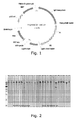
- the 12 plasmids ( Figure 1 ) used in the following were derived from a project aiming at providing an anti-tetanus polyclonal antibody.
- One of these plasmids (no. 11, 2-B9) was without a promoter fragment and accordingly smaller in size.
- Bacterial colonies containing the 12 plasmids were picked into 384-well plates containing 150 ⁇ l 2 x YT medium containing 100 ⁇ g/ml carbenicillin and shaken overnight at 37°C.
- TempliPhi DNA representing the 12 different plasmids ( Figure 1 ) was prepared as described in Example 1 using heat denaturation. After amplification the reaction mixtures were diluted with 4 volumes of H 2 O. CHO Flp-In cells (Invitrogen) were seeded into 384-well plates (Applied Biosystems, cat.no. 4307723) in a density of 2000 cells per well in 20 ⁇ l of Ham-F12 medium containing 10% fetal calf serum. A total of four transfections were performed in parallel with each TempliPhi preparation.
- Transfection was performed the following day (the day after seeding). Transfection mixes were prepared as follows:
- the cell supernatants were analysed for the presence of tetanus specific antibodies by a direct binding assay utilising the FMAT technology (fluorometric microvolume assay technology).
- FMAT fluorometric microvolume assay technology
- TempliPhi reaction mix 5 ⁇ l Enzyme buffer + 5 ⁇ l Denaturing buffer
- TempliPhi kit 25-6400-01 10 ⁇ l TempliPhi reaction mix was dispensed in an AB-1111 384-well plate. 0.5 ⁇ l of the E.coli/NaOH suspension was transferred to the plate with TempliPhi reaction mix and mixed by aspirating and dispensing 3 times. The plate was sealed and incubated at 30°C overnight.
- CHO-cells were prepared and seeded in three 384-well plates as in Example 2. Transfection was performed in triplicate the following day by preparing a mix of FuGene and DMEM in a ratio of 1:19.6 ⁇ l of the FuGene/DMEM mix is dispensed in each well in an AB-1111 384-well plate (ABgene). 2 ⁇ l of the TempliPhi amplified DNA was transferred from the TempliPhi plate above to the FuGene/DMEM mix plate. The reaction was mixed by aspirating and dispensing 3 times and was incubated for 15 min at room temperature. 2 ⁇ l of the FuGene/DMEM/DNA mix was then transferred to each of the CHO-cell plate wells. A gentle mixing was performed by aspirating and dispensing. The transfected CHO-cell plates were incubated for 2 days at 37°C in a 5% CO 2 atmosphere.
- the CHO-cell supernatants were harvested by first adding 20 ⁇ l PBS + 1% BSA to the transfected cells and then transferring the diluted supernatant to an identical but empty 384-well plate. The supernatant was frozen at -20°C before further analysis.
- the 384-well plates with supernatants were thawed and further diluted by transferring 30 ⁇ l supernatant and adding 45 ⁇ l PBS + 1% BSA. The final dilution of the supernatants was 1:5.
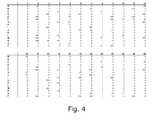
- the supernatant were analysed by FMAT using beads coated with tetanus toxoid as in example 2. All wells that gave rise to a positive FMAT signal (using 50 counts as cut off as in example 2) were scored as positive (Cf. Fig. 4 ). 76% of the positive wells were identical in all three plates, 17% of the wells were scored positive in two out of three plates and 7% of the wells were scored positive in one out of three plates. In all, 71 positive wells were identified if all positive well-positions are counted in the three plates.
- mice were immunised with human EFGR or the extracellular domain of human EGFR, B-cells were harvested and Symplex TM (( Meijer et al, 2006, J. Mol. Biol, 358:764-772 ; WO 2005/042774 ) linking of cognate V H and V L sequences was performed.
- Symplex TM ( Meijer et al, 2006, J. Mol. Biol, 358:764-772 ; WO 2005/042774 ) linking of cognate V H and V L sequences was performed.
- the PCR fragments were subsequently transferred to an expression vector similar to the one shown in Figure 1 .
- the screening of the supernatants was made as a two step procedure.
- the antibody-libraries containing supernatants were screened for reactivity to recombinant EGFR protein in ELISA after which FMAT (FLISA) was used as a cell based approach, with the NR6wtEGFR cell line, for detection of EGFR-antibodies binding to cell-surface expressed EGFR.
- FMAT FLISA
- the ELISA was performed with recombinant EGFR representing the extracellular domain of the EGFR only.
- Nunc maxisorb plates (cat no 464718) were coated with 1 ⁇ g/ml protein (in house produced), diluted in PBS at 4°C overnight. Prior to blocking in 50 ⁇ l 2%-Milk-PBS-T the plates were washed once with PBS + 0.05 % Tween 20 (PBS-T). The plates were washed once with PBS-T, 20 ⁇ l of 2%- milk-PBS-T and 5 ⁇ l supernatants were added and incubated for 1.5 hour at room temparature after which the plates were washed once with PBS-T 20 ⁇ l per well. Secondary antibody (HRP-Goat-anti-human IgG, Jackson, cat. no.
- SKBR-3 ATCC #HTB-30
- NR6wtEGFR NR6wtEGFR
- H-L alexa-647 conjugated goat-anti-human IgG
- the data from the screening indicates that 221 (4.8%) of the total clones were positive in the ELISA. 93 (2.0%) of those clones were also positive in FMAT. In total 220 (4.8%) of the clones were positive in the FMAT and among those 127 (220-93) uniquely positive for the cell surface antigen.
- One library was screened in a similar fashion, but since the immunization procedure was made to generate antibodies specific for the deletion mutant EGFR receptor EGFRvIII, the ELISA screenings included assays to detect both wild-type EGFR and EGFRvIII. Seven clones were identified to be specific for the EGFRvIII in the ELISA and interestingly those clones were negative for staining of wtEGFR expressing cells in the FMAT. 13 clones were identified to be positive for the wtEGFR in FMAT and ELISA but not for the EGFRvIII, which were unique for this library. All the ELISA positive clones were selected for further analysis.
Landscapes
- Health & Medical Sciences (AREA)
- Life Sciences & Earth Sciences (AREA)
- Genetics & Genomics (AREA)
- Chemical & Material Sciences (AREA)
- Engineering & Computer Science (AREA)
- Organic Chemistry (AREA)
- Zoology (AREA)
- Wood Science & Technology (AREA)
- Biomedical Technology (AREA)
- Bioinformatics & Cheminformatics (AREA)
- Biotechnology (AREA)
- General Engineering & Computer Science (AREA)
- Molecular Biology (AREA)
- Plant Pathology (AREA)
- Biophysics (AREA)
- Microbiology (AREA)
- Physics & Mathematics (AREA)
- Crystallography & Structural Chemistry (AREA)
- Biochemistry (AREA)
- General Health & Medical Sciences (AREA)
- Bioinformatics & Computational Biology (AREA)
- Measuring Or Testing Involving Enzymes Or Micro-Organisms (AREA)
- Micro-Organisms Or Cultivation Processes Thereof (AREA)
- Preparation Of Compounds By Using Micro-Organisms (AREA)
Applications Claiming Priority (1)
| Application Number | Priority Date | Filing Date | Title |
|---|---|---|---|
| DKPA200700765 | 2007-05-25 |
Publications (1)
| Publication Number | Publication Date |
|---|---|
| EP1997892A1 true EP1997892A1 (fr) | 2008-12-03 |
Family
ID=38941851
Family Applications (1)
| Application Number | Title | Priority Date | Filing Date |
|---|---|---|---|
| EP08156793A Withdrawn EP1997892A1 (fr) | 2007-05-25 | 2008-05-23 | Criblage pour des transfectants exprimables dans un système eucaryote |
Country Status (3)
| Country | Link |
|---|---|
| US (1) | US20080299581A1 (fr) |
| EP (1) | EP1997892A1 (fr) |
| JP (1) | JP2008289483A (fr) |
Families Citing this family (7)
| Publication number | Priority date | Publication date | Assignee | Title |
|---|---|---|---|---|
| TWI333977B (en) * | 2003-09-18 | 2010-12-01 | Symphogen As | Method for linking sequences of interest |
| CN101675075B (zh) * | 2007-03-01 | 2014-06-18 | 西福根有限公司 | 重组抗表皮生长因子受体抗体组合物 |
| RU2011111725A (ru) * | 2008-08-29 | 2012-10-10 | Симфоген А/С (Dk) | Способ клонирования антител птиц |
| US8663640B2 (en) * | 2008-08-29 | 2014-03-04 | Symphogen A/S | Methods using recombinant anti-epidermal growth factor receptor antibody compositions |
| KR102262704B1 (ko) * | 2009-08-11 | 2021-06-09 | 상가모 테라퓨틱스, 인코포레이티드 | 표적화 변형에 대한 동형접합성 유기체 |
| US9155802B2 (en) | 2010-11-01 | 2015-10-13 | Symphogen A/S | Pan-HER antibody composition |
| EP2844675B1 (fr) | 2012-05-02 | 2019-01-02 | Symphogen A/S | Compositions d'anticorps pan-her humanisés |
Citations (5)
| Publication number | Priority date | Publication date | Assignee | Title |
|---|---|---|---|---|
| US5198543A (en) | 1989-03-24 | 1993-03-30 | Consejo Superior Investigaciones Cientificas | PHI29 DNA polymerase |
| WO2002030945A2 (fr) * | 2000-10-13 | 2002-04-18 | Domantis Limited | Sequences d'acide nucleique enchainees |
| WO2004013350A1 (fr) | 2002-08-01 | 2004-02-12 | Novozymes A/S | Procedes d'amplification du cercle roulant et de piegeage de signal de bibliotheques |
| WO2005003389A2 (fr) | 2003-06-28 | 2005-01-13 | Royal Holloway And Bedford New College | Amplification in vitro de l'adn |
| WO2005042774A2 (fr) | 2003-09-18 | 2005-05-12 | Symphogen A/S | Procede de liaison de sequences specifiques |
Family Cites Families (11)
| Publication number | Priority date | Publication date | Assignee | Title |
|---|---|---|---|---|
| CA1324227C (fr) * | 1987-07-16 | 1993-11-09 | Masafumi Hongo | Composition de resine ignifuge a l'epreuve des chocs |
| US5455166A (en) * | 1991-01-31 | 1995-10-03 | Becton, Dickinson And Company | Strand displacement amplification |
| US6509189B1 (en) * | 1995-11-27 | 2003-01-21 | Millennium Pharmaceuticals, Inc. | Nucleic acid molecules encoding the cytoplasmic domain of human Ob receptor |
| ES2332524T3 (es) * | 2004-07-20 | 2010-02-08 | Symphogen A/S | Un procedimiento para la caracterizacion de una linea celular policlonal. |
| KR20070038556A (ko) * | 2004-07-20 | 2007-04-10 | 심포젠 에이/에스 | 항-rhesus d 재조합 폴리클로날 항체 및 이의 제조방법 |
| EP2314619A1 (fr) * | 2005-12-05 | 2011-04-27 | Symphogen A/S | Anticorps polyclonal recombinant anti-orthopoxvirus |
| JP2009528828A (ja) * | 2006-03-06 | 2009-08-13 | シムフォゲン・アクティーゼルスカブ | 消化器多核体ウイルス感染症の治療のための組み換えポリクローナル抗体 |
| PT2121920E (pt) * | 2007-03-01 | 2011-10-03 | Symphogen As | Método de clonagem de anticorpos cognatos |
| CN101675075B (zh) * | 2007-03-01 | 2014-06-18 | 西福根有限公司 | 重组抗表皮生长因子受体抗体组合物 |
| WO2008106980A2 (fr) * | 2007-03-06 | 2008-09-12 | Symphogen A/S | Anticorps recombinants pour le traitement des infections au virus respiratoire syncytial |
| RU2011111725A (ru) * | 2008-08-29 | 2012-10-10 | Симфоген А/С (Dk) | Способ клонирования антител птиц |
-
2008
- 2008-05-22 JP JP2008134696A patent/JP2008289483A/ja not_active Withdrawn
- 2008-05-23 EP EP08156793A patent/EP1997892A1/fr not_active Withdrawn
- 2008-05-23 US US12/153,804 patent/US20080299581A1/en not_active Abandoned
Patent Citations (5)
| Publication number | Priority date | Publication date | Assignee | Title |
|---|---|---|---|---|
| US5198543A (en) | 1989-03-24 | 1993-03-30 | Consejo Superior Investigaciones Cientificas | PHI29 DNA polymerase |
| WO2002030945A2 (fr) * | 2000-10-13 | 2002-04-18 | Domantis Limited | Sequences d'acide nucleique enchainees |
| WO2004013350A1 (fr) | 2002-08-01 | 2004-02-12 | Novozymes A/S | Procedes d'amplification du cercle roulant et de piegeage de signal de bibliotheques |
| WO2005003389A2 (fr) | 2003-06-28 | 2005-01-13 | Royal Holloway And Bedford New College | Amplification in vitro de l'adn |
| WO2005042774A2 (fr) | 2003-09-18 | 2005-05-12 | Symphogen A/S | Procede de liaison de sequences specifiques |
Non-Patent Citations (16)
| Title |
|---|
| CHRIST DANIEL ET AL: "Tapping diversity lost in transformations - in vitro amplification of ligation reactions", NUCLEIC ACIDS RESEARCH, vol. 34, no. 16, September 2006 (2006-09-01), XP002466079, ISSN: 0305-1048 * |
| DHULIPALA R ET AL: "NEW AMPLIFICATION TECHNOLOGIES FOR DNA PREPARATION", ABSTRACTS OF THE GENERAL MEETING OF THE AMERICAN SOCIETY FOR MICROBIOLOGY, THE SOCIETY, WASHINGTON, DC, US, vol. 103, 18 May 2003 (2003-05-18), XP009041694, ISSN: 1060-2011 * |
| DURICK K; MENDLEIN J; XANTHOPOULOS KG.: "Hunting with traps: genome-wide strategies for gene discovery and functional analysis", GENOME RES, vol. 9, 1999, pages 1019 - 1025, XP000906671, DOI: doi:10.1101/gr.9.11.1019 |
| KITAMURA T.: "New experimental approaches in retrovirus-mediated expression screening", INT J HEMATOL, vol. 67, 1998, pages 351 - 359, XP002932670, DOI: doi:10.1016/S0925-5710(98)00025-5 |
| LEE F ET AL.: "Isolation of cDNA for a human granulocyte-macrophage colony- stimulating factor by functional expression in mammalian cells", PROC NATL ACAD SCI U S A, vol. 82, 1985, pages 4360 - 4364, XP002341521 |
| LING MM; ROBINSON BH.: "Approaches to DNA mutagenesis: an overview", ANAL BIOCHEM, vol. 254, 1997, pages 157 - 178, XP000955621, DOI: doi:10.1006/abio.1997.2428 |
| MEIJER ET AL., J. MOL. BIOL, vol. 358, 2006, pages 764 - 772 |
| MEIJER PJ ET AL.: "Isolation of human antibody repertoires with preservation of the natural heavy and light chain pairing", J MOL BIOL, vol. 358, 2006, pages 764 - 772, XP024950964, DOI: doi:10.1016/j.jmb.2006.02.040 |
| MICHIELS F ET AL.: "Arrayed adenoviral expression libraries for functional screening", NATURE BIOTECHNOL, vol. 20, 2002, pages 1154 - 1157, XP002298665, DOI: doi:10.1038/nbt746 |
| PEARLBERG J; LABAER J.: "Protein expression clone repositories for functional proteomics", CURR OPIN CHEM BIOL, vol. 8, 2004, pages 98 - 102 |
| SEED B; ARUFFO A.: "Molecular cloning of the CD2 antigen, the T-cell erythrocyte receptor, by a rapid immunoselection procedure", PROC NATL ACAD SCI U S A, vol. 84, 1987, pages 3365 - 3369, XP002911145, DOI: doi:10.1073/pnas.84.10.3365 |
| STARK GR; GUDKOV AV.: "Forward genetics in mammalian cells: functional approaches to gene discovery", HUM MOL GENET, vol. 8, 1999, pages 1925 - 1938, XP002964457, DOI: doi:10.1093/hmg/8.10.1925 |
| WANG TW ET AL.: "Mutant library construction in directed molecular evolution: casting a wider net", MOL BIOTECHNOL, vol. 34, 2006, pages 55 - 68 |
| WELSH ET AL., J CELL BIOL, vol. 114, no. 3, 1991, pages 533 - 543 |
| WHITEHEAD I; KIRK H; KAY R.: "Expression cloning of oncogenes by retroviral transfer of cDNA libraries", MOL CELL BIOL, vol. 15, 1995, pages 704 - 710 |
| YOKOTA T ET AL.: "Isolation and characterization of a mouse cDNA clone that expresses mast-cell growth-factor activity in monkey cells", PROC NATL ACAD SCI U S A, vol. 81, 1984, pages 1070 - 1074 |
Also Published As
| Publication number | Publication date |
|---|---|
| US20080299581A1 (en) | 2008-12-04 |
| JP2008289483A (ja) | 2008-12-04 |
Similar Documents
| Publication | Publication Date | Title |
|---|---|---|
| JP6043431B2 (ja) | 特異的な結合タンパク質または機能性タンパク質の遺伝子転位を利用した同定 | |
| AU2008255383B2 (en) | Method for manufacturing a recombinant polyclonal protein | |
| EP1392859B1 (fr) | Isolement de cellules exprimant des proteines secretees | |
| EP1997892A1 (fr) | Criblage pour des transfectants exprimables dans un système eucaryote | |
| CN108368505A (zh) | 改善的flare(流式细胞术减弱报道蛋白表达)技术用于快速批量分选 | |
| EP2964768A1 (fr) | Système d'expression cellulaire | |
| AU2002245272A1 (en) | Isolating cells expressing secreted proteins | |
| CN110785494B (zh) | 用于生产生物制品的通用自调节哺乳动物细胞系平台 | |
| JP6683598B2 (ja) | 安定なトランスフェクトされた細胞を生成するための方法および組成物 | |
| CN111315883A (zh) | 用于全长t细胞受体可读框的快速装配和多样化的两组分载体文库系统 | |
| CN116218782A (zh) | 细胞选择和修饰细胞代谢的方法 | |
| US10704040B2 (en) | Triple-mode system for antibody maturation, surface display and secretion | |
| US11946055B2 (en) | Protein engineering via error-prone orthogonal replication and yeast surface display | |
| EP4469571A1 (fr) | Comptage numérique des événements de fusion cellulaire à l'aide de codes-barres d'adn | |
| WO2023051972A1 (fr) | Procédé de génération et de sélection d'une cellule productrice | |
| EP3821017B1 (fr) | Système d'échange de marqueurs de surface cellulaire (cste) pour le traçage et la manipulation de cellules pendant l'intégration d'un échange de cassettes induit par la recombinase de séquences d'acides nucléiques à des cellules réceptrices modifiées | |
| CN118995825B (zh) | 一种特异性定量标定白细胞介素15活性的细胞系及其应用 | |
| Strannermyr | Increased expression of proteins in CHO cells by identification of signal peptides for improved secretion of translated proteins | |
| HK40051069A (en) | A cell surface tag exchange (cste) system for tracing and manipulation of cells during recombinase mediated cassette exchange integration of nucleic acid sequences to engineered receiver cells | |
| HK1134519B (en) | Method for manufacturing a recombinant polyclonal protein | |
| HK40032919A (en) | Multi-site specific integration cells for difficult to express proteins | |
| HK1059290B (en) | Isolating cells expressing secreted proteins |
Legal Events
| Date | Code | Title | Description |
|---|---|---|---|
| PUAI | Public reference made under article 153(3) epc to a published international application that has entered the european phase |
Free format text: ORIGINAL CODE: 0009012 |
|
| AK | Designated contracting states |
Kind code of ref document: A1 Designated state(s): AT BE BG CH CY CZ DE DK EE ES FI FR GB GR HR HU IE IS IT LI LT LU LV MC MT NL NO PL PT RO SE SI SK TR |
|
| AX | Request for extension of the european patent |
Extension state: AL BA MK RS |
|
| 17P | Request for examination filed |
Effective date: 20090603 |
|
| AKX | Designation fees paid |
Designated state(s): AT BE BG CH CY CZ DE DK EE ES FI FR GB GR HR HU IE IS IT LI LT LU LV MC MT NL NO PL PT RO SE SI SK TR |
|
| AXX | Extension fees paid |
Extension state: RS Payment date: 20090603 Extension state: MK Payment date: 20090603 Extension state: BA Payment date: 20090603 Extension state: AL Payment date: 20090603 |
|
| 17Q | First examination report despatched |
Effective date: 20091105 |
|
| GRAP | Despatch of communication of intention to grant a patent |
Free format text: ORIGINAL CODE: EPIDOSNIGR1 |
|
| STAA | Information on the status of an ep patent application or granted ep patent |
Free format text: STATUS: THE APPLICATION IS DEEMED TO BE WITHDRAWN |
|
| 18D | Application deemed to be withdrawn |
Effective date: 20121003 |