EP2000532A1 - Procédé de mesure du cytochrome P450 humain (CYP2C8/9) - Google Patents
Procédé de mesure du cytochrome P450 humain (CYP2C8/9) Download PDFInfo
- Publication number
- EP2000532A1 EP2000532A1 EP08105435A EP08105435A EP2000532A1 EP 2000532 A1 EP2000532 A1 EP 2000532A1 EP 08105435 A EP08105435 A EP 08105435A EP 08105435 A EP08105435 A EP 08105435A EP 2000532 A1 EP2000532 A1 EP 2000532A1
- Authority
- EP
- European Patent Office
- Prior art keywords
- sample
- substrate
- antibody
- cyp2c9
- cyp2c8
- Prior art date
- Legal status (The legal status is an assumption and is not a legal conclusion. Google has not performed a legal analysis and makes no representation as to the accuracy of the status listed.)
- Withdrawn
Links
Images







Classifications
-
- C—CHEMISTRY; METALLURGY
- C12—BIOCHEMISTRY; BEER; SPIRITS; WINE; VINEGAR; MICROBIOLOGY; ENZYMOLOGY; MUTATION OR GENETIC ENGINEERING
- C12Q—MEASURING OR TESTING PROCESSES INVOLVING ENZYMES, NUCLEIC ACIDS OR MICROORGANISMS; COMPOSITIONS OR TEST PAPERS THEREFOR; PROCESSES OF PREPARING SUCH COMPOSITIONS; CONDITION-RESPONSIVE CONTROL IN MICROBIOLOGICAL OR ENZYMOLOGICAL PROCESSES
- C12Q1/00—Measuring or testing processes involving enzymes, nucleic acids or microorganisms; Compositions therefor; Processes of preparing such compositions
- C12Q1/26—Measuring or testing processes involving enzymes, nucleic acids or microorganisms; Compositions therefor; Processes of preparing such compositions involving oxidoreductase
-
- C—CHEMISTRY; METALLURGY
- C07—ORGANIC CHEMISTRY
- C07K—PEPTIDES
- C07K16/00—Immunoglobulins [IG], e.g. monoclonal or polyclonal antibodies
- C07K16/40—Immunoglobulins [IG], e.g. monoclonal or polyclonal antibodies against enzymes
-
- G—PHYSICS
- G01—MEASURING; TESTING
- G01N—INVESTIGATING OR ANALYSING MATERIALS BY DETERMINING THEIR CHEMICAL OR PHYSICAL PROPERTIES
- G01N33/00—Investigating or analysing materials by specific methods not covered by groups G01N1/00 - G01N31/00
- G01N33/48—Biological material, e.g. blood, urine; Haemocytometers
- G01N33/50—Chemical analysis of biological material, e.g. blood, urine; Testing involving biospecific ligand binding methods; Immunological testing
- G01N33/53—Immunoassay; Biospecific binding assay; Materials therefor
- G01N33/573—Immunoassay; Biospecific binding assay; Materials therefor for enzymes or isoenzymes
-
- C—CHEMISTRY; METALLURGY
- C12—BIOCHEMISTRY; BEER; SPIRITS; WINE; VINEGAR; MICROBIOLOGY; ENZYMOLOGY; MUTATION OR GENETIC ENGINEERING
- C12N—MICROORGANISMS OR ENZYMES; COMPOSITIONS THEREOF; PROPAGATING, PRESERVING, OR MAINTAINING MICROORGANISMS; MUTATION OR GENETIC ENGINEERING; CULTURE MEDIA
- C12N2799/00—Uses of viruses
- C12N2799/02—Uses of viruses as vector
- C12N2799/021—Uses of viruses as vector for the expression of a heterologous nucleic acid
- C12N2799/026—Uses of viruses as vector for the expression of a heterologous nucleic acid where the vector is derived from a baculovirus
-
- G—PHYSICS
- G01—MEASURING; TESTING
- G01N—INVESTIGATING OR ANALYSING MATERIALS BY DETERMINING THEIR CHEMICAL OR PHYSICAL PROPERTIES
- G01N2333/00—Assays involving biological materials from specific organisms or of a specific nature
- G01N2333/795—Porphyrin- or corrin-ring-containing peptides
-
- G—PHYSICS
- G01—MEASURING; TESTING
- G01N—INVESTIGATING OR ANALYSING MATERIALS BY DETERMINING THEIR CHEMICAL OR PHYSICAL PROPERTIES
- G01N2333/00—Assays involving biological materials from specific organisms or of a specific nature
- G01N2333/795—Porphyrin- or corrin-ring-containing peptides
- G01N2333/80—Cytochromes
-
- G—PHYSICS
- G01—MEASURING; TESTING
- G01N—INVESTIGATING OR ANALYSING MATERIALS BY DETERMINING THEIR CHEMICAL OR PHYSICAL PROPERTIES
- G01N2333/00—Assays involving biological materials from specific organisms or of a specific nature
- G01N2333/90—Enzymes; Proenzymes
- G01N2333/902—Oxidoreductases (1.)
- G01N2333/90245—Oxidoreductases (1.) acting on paired donors with incorporation of molecular oxygen (1.14)
Definitions
- the present invention relates to monoclonal antibodies (MAbs) specific for human cytochrome P450 3A4 (CYP3A4) and human cytochrome P450 2C9, assays using said antibodies and hybridomas producing specific antibodies.
- MAbs monoclonal antibodies
- cytochrome P450 isoforms Although the precise number of cytochrome P450 isoforms is unknown, there are at least fifteen forms of basal and inducible P450s derived from P450 families 1, 2, and 3, which play a role in the metabolism of most xenobiotics.
- the P450s identified so far are represented by multiple forms, and some exist at very low concentrations in tissues. Their substrate and product specificity often overlap.
- the levels of many P450s change in response to environmental, hormonal or nutritional influences, or are determined by genetic polymorphism.
- Monoclonal antibodies are ideally suited for these types of inquiries (i.e., the detailed analysis of specific molecules, such as the cytochrome P450 molecules above) in that they are chemically pure reagents that recognize a single antigenic determinant or epitope on the surface of a P450 molecule resulting in the inhibition of the catalytic activity associated with same.
- the measurement of P450 inhibition in different tissue preparations thus, allows one to estimate the contribution of a particular P450 to the metabolism of various compounds in the tissue preparations, e.g., in human liver microsomes containing multiple P450s.
- MAb-A334TM IgM
- CYP3A4 cytochrome P450 3A4
- the MAbs displayed only partial inhibition (45 ⁇ 90%) of most recombinant CYP3A4-mediated reactions (up to 100 ⁇ l ascites/mL incubation), and the inhibitory cross-reactivity of the MAb with other subfamilies of P450 was not fully investigated by using individual recombinant P450s, or P450- marker assays with human liver microsomes.
- the MAb exhibited no immunoblot activity for CYP3A4 antigen on a Western blot impairing the use of same to characterize the quantitative role of CYP3A4 in the metabolism of a given drug.
- Gelboin proposes a supplementing monoclonal antibody, MAb 275-1-2, which, while lacking any inhibitory activity against CYP3A4, provides a Western blot against CYP3A4.
- CYP3A4 remains of considerable interest and represents one of the best-studied members of the human P450 superfamily. Interest has focused on this P450 due to its abundance in human liver, inducibility by numerous agents (e.g., glucocorticoids, phenobarbital, etc.), and because of its prominent role in the metabolism of a large number of clinically relevant drugs.
- agents e.g., glucocorticoids, phenobarbital, etc.
- a monoclonal antibody specific for CYP3A4, which both provides an immunoblot reaction against CYP3A4 and effectively inhibits CYP3A4-mediated reactions would contribute greatly towards the phenotyping of CYP3A4 in preclinical and clinical drug metabolism.
- Such a MAb could be ideally used in assays to assess the contribution of a particular P450 to the metabolism of a suspect drug in human tissue preparation. Further, said MAb could be used to determine the expression level of CYP3A4 in various tissues by a variety of immunoassays, including ELISA, western blot and immunohistochemical methods.
- cytochrome P450 2C9 Another cytochrome of particular interest is cytochrome P450 2C9 (CYP2C9).
- CYP2C9 is a major human hepatic cytochrome P450 which plays a principal role in the oxidation of (S)-warfarin, tolbutamide, tienilic acid, losartan, diazepam, diclofenac, ibuprofen, nifedipine, mephenytoin, flurbiprofen, phenytoin, progesterone, testosterone and other drugs.
- Phenotyping of CYP2C9 in preclinical and clinical drug metabolism currently represents one of the major goals toward generating a full understanding of the pharmacological, toxicological and pharmacokinetic consequences of drug metabolism.
- An inhibitory monoclonal antibody to CYP2C9 has not been developed.
- a monoclonal antibody that is a powerful inhibitor of CYP2C9- catalyzed reactions and a strong binder on Westernblot to the CYP2C9 antigen would be desired, particularly one that exhibits no cross-reaction towards any other P450 subfamily members.
- Such an antibody would be invaluable for use as a precise and sensitive probe for functional analysis of CYP2C8/9 in studies of human drug metabolism.
- the present invention relates to monoclonal antibodies specific for human cytochrome P450s 3A4 and 2C9.
- the present invention further relates to a monoclonal antibody specific for human cytochrome P450 3A4 which was developed by the fusion of myeloma tumor cells with isolated B-lymphocytes from spleens of mice immunized with baculovirus-expressed human CYP3A4.
- the present invention further relates to monoclonal antibodies specific for human CYP3A4 of the isotype IgG 2a wherein the antibody exhibits cross-reactivity with human CYP3A5, human fetal CYP3A7 and Rhesus monkey testosterone 6 ⁇ -hydroxylase.
- a preferred embodiment of the present invention is a monoclonal antibody specific for human CYP3A4 of the isotype IgG 2a which exhibits cross-reactivity with human CYP3A5, human fetal CYP3A7 and monkey testosterone 6 ⁇ -hydroxylase but does not cross-react with human CYP1A1, CYP1A2, CYP2A6, CYP2B6, CYP2C8, CYP2C9, CYP2C19, CYP2D6, CYP2E1 or testosterone 6 ⁇ -hydroxylase in dog, rat and mouse liver microsomes.
- An antibody in accordance with this description is MAb 10-1-1 as illustrated in the examples. This antibody was deposited with the American Type Culture Collection (ATCC), 10801 University Boulevard, Manassas, VA 20110-2209, in accordance with the Budapest Treaty on July 14, 1999 and assigned an accession number of PTA-351.
- Another embodiment of the present invention relates to antibodies as described above wherein the antibody inhibits at least about 90% of human CYP3A4 activity and, preferably, at least about 95% of the activity.
- the antibody inhibits at least about 90% of human CYP3A4 activity and, preferably, at least about 95% of the activity.
- Inhibition of human CYP3A4 activity is measured by the inhibition of CYP3A4-catalyzed reactions such as testosterone 6 ⁇ -hydroxylation, diazepam 3-hydroxylation and N-demethylation.
- Reactions catalyzed by CYP3A4 are known in the art as are methods by which to measure the resultant degree of metabolism.
- One way by which the degree of metabolism could be measured is by measuring the substrate and product levels after stopping the reaction and comparing said levels with a control sample wherein antibody was not added.
- the reaction could be stopped by the addition of dichloromethane, the metabolites then extracted from the aqueous phase to the organic phase, the organic phase dried out, and the residue of the sample applied to a High Performance Liquid Chromatograph (HPLC) immediately for separation and quantitation of metabolites.
- HPLC High Performance Liquid Chromatograph
- the present invention also relates to monoclonal antibodies specific for cytochrome P450 2C9 (MAbs2C9).
- An embodiment of the present invention is a monoclonal antibody specific for cytochrome P450 2C9 which was developed by the fusion of myeloma tumor cells with isolated B-lymphocytes from spleens of mice immunized with baculovirus-expressed human CYP2C9.
- Another embodiment of the present invention is a monoclonal antibody specific for human CYP2C9 of the isotype IgM.
- a preferred embodiment of the present invention is a monoclonal antibody specific for human CYP2C9 of the isotype IgM wherein the antibody exhibits cross-reactivity with CYP2C8 and, to a lesser extent, CYP2C19.
- a further embodiment of the instant invention is a monoclonal antibody specific for human CYP2C9 of the isotype IgM which exhibits cross-reactivity with human CYP2C8 and CYP2C19 but does not cross-react with human CYP1A2, CYP2A6, CYP2B6, CYP2D6, CYP2E1, CYP3A4, CYP3A5 or CYP3A7.
- Two antibodies in accordance with this description - MAb 30-12-1 and MAb 73-19-2 - were deposited with the ATCC in accordance with the Budapest Treaty on August 20, 1999 and assigned accession numbers PTA-568 and PTA-569, respectively.
- Especially preferred embodiments are monoclonal antibodies specific for human CYP2C9 as described above wherein the antibody inhibits at least about 70%, preferably, greater than 90% of human CYP2C9 activity, or more preferably, about 95% of human CYP2C9 activity (e.g., flurbiprofen 4'-hydroxylation).
- Particularly preferred embodiments are monoclonal antibodies specific for human CYP2C9 as described above wherein the antibody inhibits at least about 90% of human CYP2C8 activity, or preferably, about 95% of CYP2C8 activity (e.g., taxol 6 ⁇ -hydroxylation).
- Further embodiments are monoclonal antibodies specific for human CYP2C9 as described above wherein the antibody inhibits at least about 20%, preferably 24% (MAb73-19-2), more preferably, at least about 40%, most preferably 46% (Mab 30-12-1), of CYP2C19 activity (mephenytoin 4'-hydroxylation).
- Another embodiment of the present invention is a hybridoma developed by the fusion of myeloma tumor cells with isolated B-lymphocytes from spleens of mice immunized with insect cell microsomes comprising baculovirus-expressed antigen.
- Immunization involves injecting the antigen (in this case, the microsomal preparation) into an antibody-producing species, preferably a mammal and, more preferably, a mouse. Usually an initial injection is followed by subsequent booster injections to maximize the response.
- the antigen can be any substance which is capable, under appropriate conditions, of inducing a specific immune response. The amount of antigen injected must be adequate to elicit a sufficient amount of antibody to be detectable.
- Balb/c mice are immunized intraperitoneally with 50 ⁇ g of Sf21 cell microsomes containing baculovirus-expressed antigen (of approximately 29% purity) emulsified in 0.2 mL of complete Freund's adjuvant (first immunization), followed by two booster injections with incomplete Freund's adjuvant on the 10 th and 20 th days. Following immunization, the animal will produce B-cells that produce and secrete antibodies specific for the antigen. These cells can be isolated by removal of the spleen of said animal.
- Fusion of the antibody-producing cells to a suitable stable and long living cell line is done according to techniques that are known in the art. Most preferably, fusion is performed with PEG 5000 as described in ( Park et al., 1986 Biochem. Pharmacol. 35:2859-2867 ).
- hybridoma in accordance with the above description wherein the insect used is Spodoptera frugiperda .
- a preferred embodiment of the instant invention is a hybridoma which produces monoclonal antibodies in accordance with the instant invention and which is made by the fusion of myeloma tumor cells with isolated B-lymphoctyes from spleens of mice immunized with insect cell microsomes comprising baculovirus-expressed human CYP3A4 (or human CYP2C9). Screening techniques to select a hybridoma colony consisting of cells that produce the desired antibody are known in the art.
- positive clones are selected by comparison with microsomes of cells infected with wild type baculoviruses, the positive clones evidenced by a notable increase in absorption at 405 nm.
- selected positive hybridomas are then transferred to 24-well plates for further growth until confluence and the media tested for ELISA and inhibitory activity by HPLC or LC-MS for assurance of the desired MAbs excreted from cloned hybridomas.
- Hybridoma cells producing such inhibitory MAbs are then subcloned at least three times and the media tested at each time.
- Another preferred embodiment involves a method of making hybridomas producing monoclonal antibodies specific for a particular antigen which comprises immunizing mice with microsomal proteins comprising baculovirus-expressed antigen, and fusing isolated B-lymphocytes from spleens of the immunized mice with myeloma tumor cells.
- Yet another preferred embodiment is a method of making ascites fluid comprising monoclonal antibodies specific for a particular antigen which comprises immunizing mice with microsomal proteins comprising baculovirus-expressed antigen, fusing isolated B-lymphocytes from spleens of the immunized mice with myeloma tumor cells, identifying those hybridomas producing antibodies which are reactive to the antigen and which inhibit reactions catalyzed by the antigen, injecting the hybridomas into mice, and extracting the ascites fluid.
- Means by which one of ordinary skill in the art can identify antibodies reactive to the antigen are available in the art and well known, e.g., ELISA, Western blot, etc.
- Methods of determining whether an antibody is capable of inhibiting a particular reaction catalyzed by its respective antigen involve carrying out the reaction both in the presence and in the absence of the antibody and determining the levels of substrate and product produced, the level of product produced indicating the level of metabolism had (i.e., a lower level of substrate-to-product conversion in the sample comprising the antibody indicating the presence of inhibition).
- a further embodiment is a method of determining expression levels of cytochrome P450 3A4 (, cytochrome P450 2C9, or cytochrome P450 2C8) in a sample which comprises contacting the sample purportedly containing cytrochrome P450 3A4 (,CYP2C9 or CYP2C8, respectively) with the above antibody specific to the cytochrome used having a detectable label, and measuring the amount of label in said sample; said amount indicating the level of expression of CYP3A4 (,CYP2C9 or CYP2C8) in the sample.
- Detectable labels are labels which can be detected.
- Labels suitable in this process include fluorescent labels, radioactive labels, and enzymes wherein a substrate is metabolized to a quantifiable product (e.g., wherein the enzyme is alkaline phosphatase and the substrate is 5-bromo-4-chloro-3-indolyl-phosphate/nitroblue tetrazolium).
- a preferred method of determining expression levels of cytochrome P450 3A4 (, cytochrome P450 2C9 or cytochrome P450 2C8) in a sample comprises separating a sample on a gel such as an SDS polyacrylamide gel, transferring same to a piece of material capable of adsorbing the separated sample (e.g., nitrocellulose paper), contacting the separated sample on the material with a first antibody in accordance with the above description specific for said cytochrome, contacting the material with a second antibody specific for the first antibody which comprises a detectable label (see above) allowing for the quantitation of the bound first antibody (e.g., an alkaline phosphatase-conjugated anti-mouse IgG (H+L) for CYP3A4, or an alkaline phosphatase-conjugated anti-mouse IgM ( ⁇ chain) for CYP2C8/9); and quantitating the level of antibody, same indicating the level of antigen.
- This last step would include, for example, treating the alkaline phosphatase-conjugated anti-mouse IgG (H+L) (or IgM ( ⁇ chain) for CYP2C8/9) on the adsorbed material with a substrate for the alkaline phosphatase, e.g., 5-bromo-4 chloro-3-indolyl-phosphate/nitroblue tetrazolium, the metabolism of same being identified by a colored product which is to be quantitated to determine the level of antigen.
- a substrate for the alkaline phosphatase e.g., 5-bromo-4 chloro-3-indolyl-phosphate/nitroblue tetrazolium
- Another embodiment is a method of identifying CYP3A4-(, CYP2C8- or CYP2C9-)catalyzed metabolism of a substrate, which comprises contacting a sample comprising both CYP3A4 (, CYP2C8 or CYP2C9) and the above antibody with the substrate, measuring both substrate and product levels, and comparing the substrate and product levels with levels obtained from a control sample comprising both CYP3A4 (, CYP2C8 or CYP2C9) and the substrate but not the antibody; a lower level of substrate-to-product conversion in the sample comprising the antibody indicating the presence of CYP3A4-(CYP2C8- or CYP2C9-)catalyzed metabolism.
- inhibition of CYP3A4-(, CYP2C8- or CYP2C9-)catalyzed metabolism by the antibody is present when the level of substrate-to-product conversion is less in the sample comprising the antibody; "substrate-to-product conversion” being the metabolism of the substrate to the product.
- Yet another embodiment is a method of quantifying CYP3A4-specific (, CYP2C8-specific or CYP2C9-specific) metabolism of a substrate in a sample which comprises contacting a sample comprising both the above antibody specific to the cytochrome employed and cytochrome P450s known to be involved in the metabolism of the substrate with the substrate, measuring substrate and product levels, and comparing the substrate and product levels with levels obtained from a control sample comprising CYP3A4 (, CYP2C8 or CYP2C9) and the substrate but not the antibody.
- CYP3A4-specific metabolism (, "CYP2C8-specific metabolism” or "CYP2C9-specific metabolism") in this respect, thus, means only that metabolism wherein CYP3A4 (, CYP2C8 or CYP2C9, respectively) is the responsible agent, and not other CYP3A4s which may be present in the sample.
- antibodies to other CYP3A4s could also be used either in conjunction with the above antibodies or separate. In this manner, the particular contributions of each cytochrome P450 could be quantified and analyzed. This is extremely useful in situations where a compound is metabolized by more than one P450.
- MAb 3A4a A monoclonal antibody specific for cytochrome P450 3A4 (MAb 3A4a ) of the isotype IgG 2a has been identified.
- MAb 3A4a is directed at a single epitope on the antigen, cytochrome P450 3A4, allowing for the high specificity noted of monoclonal antibodies.
- microsomes of Spodoptera frugiperda (Sf21) insect cells infected with recombinant baculoviruses encoding human CYP3A4 cDNA were used to immunize mice.
- Spleen cells from the immunized mice were then fused to myeloma cells, and hybridoma cells producing the monoclonal antibodies of the instant invention were identified using ELISA; identification being based on binding to microsomes containing CYP3A4 antigen. This involved subtracting out those non-specific antibodies with absorption at 405nm.
- MAb 3A4a did not cross-react with any of the other eight human P450s tested (CYP1A2, CYP2A6, CYP2B6, CYP2C8, CYP2C9, CYP2C19, CYP2D6, and CYP2E1).
- CYP3A4 within insect microsome preparations served as both immunogen and cloning component of the hybridoma technology.
- the implications arising from this finding are significant.
- Applicants have found that, through the use of relatively impure antigen preparations in both immunization and cloning, one could obtain MAbs to P450 proteins which may be present at low concentrations or minor deviants of the primary protein in the immunogen preparation. Further, this method is not limited to antibodies of P450 molecules. Antibodies to other molecules of interest could be identified via this process as well.
- MAb 3A4a The resulting antibody in the instant case, MAb 3A4a , was shown to have both a strong ELISA and western blot with CYP 3A4 antigen.
- the positive westernblot result indicates that the epitope on CYP3A4 recognized by MAb 3A4a is of the native conformation of the protein.
- MAb 3A4a can thus be used beneficially as a sensitive probe for the quantitation of the specific CYP3A4 in human tissue with a sensitivity of 0.1 pmol of CYP3A4 being able to be reached on westernblot using alkaline phosphatase-conjugated anti-mouse IgG (H+L).
- the antibody of the instant invention possesses many advantages over that disclosed in the art. For instance, roughly 80 ⁇ L of MAb-A334TM mouse ascites (Gelboin) per mL incubation is required to obtain inhibition of CYP3A4-mediated testosterone-6 ⁇ -hydroxylation by 79%. By contrast, only 0.5 ⁇ L of MAb 3A4a ascites, a preparation of Applicants' monoclonal antibody, is required to achieve that percent inhibition (82%).
- the antibody of the instant invention cross-reacts to a lesser extent with CYP3A5 and CYP3A7. This most likely reflects truly shared antigenic determinants on the surface of the antigens, especially given the highly conserved homology amongst CYP3A5/7 and CYP3A4, 84% and 88%, respectively.
- a monoclonal antibody like that of the instant invention which cross-reacts with CYP3A7 is a benefit for identification of CYP3A7 in human fetal liver in which CYP3A7 is a sole CYP3A subfamily member.
- cross-reactivity of MA b3A4a with CYP3A5 can be utilized to assess quantitatively the total contribution of CYP3A subclass to in vitro drug metabolism, although the expression level of CYP3A5 in liver is insignificant.
- MAb 3A4a immunoblots microsomal P450(s) and strongly inhibits testosterone 6 ⁇ -hydroxylase activity present in humans and monkey, but not in dog, rat, or mouse.
- the cross-reactivity of MAb 3A4a in closely related species is probably attributed to the highly conserved CYP3A sequences between human and monkey, in which CYP3A4 exhibits 93% identity of amino acid sequence with CYP3A8 (monkey), but to a lesser extent, 80% with CYP3A12 (dog), 73% and 72% with CYP3A1/2 in rat, and 73% with CYP 3a11 in mouse.
- MAb 3A4a directed against one CYP3A4 generally cross-reacts not only with other forms (CYP3A5 and CYP3A7) in the same species but also with other CYP3A forms in monkey. Consequently, cross-reactivity of the MAb with other species can provide an additional usefulness in the identification of CYP3A(s).
- MAb 3A4a is, further, uniquely suited for reaction phenotyping, i.e., determining the contribution of epitope-specific CYP3A to metabolic reactions and for immuno-quantitation of CYP3A expression in human tissues.
- reaction phenotyping i.e., determining the contribution of epitope-specific CYP3A to metabolic reactions and for immuno-quantitation of CYP3A expression in human tissues.
- the cross-reactivity of MA b3A4a with other CYP3As in both inhibitory and westernblotting activity can be very useful for the study of CYP3A7 in human fetal and CYP3A in monkey.
- Monoclonal antibodies specific for cytochrome P450 2C9 were also identified in accordance with the instant invention.
- these monoclonal antibodies are of the isotype IgM. More preferably, the antibodies are Mabs 30-12-1 and 73-19-2, ATCC accession numbers PTA-568 and PTA-569, respectively.
- the antibodies were obtained in accordance with the methods described above except that instead of CYP3A4 cDNA, baculovirus-encoded CYP2C9 cDNA was employed.
- ELISA was carried out with microsomes containing CYP2C9 antigen. Also, selected hybridoma clones were tested for inhibition of CYP2C9-catalyzed flurbiprofen metabolism.
- MAb 73-19-2 had a strong immunoblot with both CYP2C8 and CYP2C9.
- the binding of MAb 30-12-1 was found to be much more selective to CYP2C8 than CYP2C9.
- Both MAbs can be used to measure the expression levels of CYP2C8 and CYP2C9 present in a human tissue preparation.
- the two MAbs (73-19-2 and 30-12-1) can be used simultaneously.
- This process would involve separating a sample separately on two gels; transferring the separated samples to a piece of material capable of adsorbing said samples; contacting the sample on the first gel with MAb 73-19-2; contacting the sample on the second gel with MAb 30-12-1; contacting both gels with a second antibody specific for the first antibody which comprises a detectable label allowing for the quantitation of the bound first antibody on each sample; and comparing the pattern of antibody detected on each gel.
- MAb 73-19-2 has a strong immunoblot with both CYP2C8 and CYP2C9 and MAb 30-12-1 is much more selective to CYP2C8, only exhibiting a weak signal with CYP2C9, the two samples can be compared and the individual expression levels of CYP2C8 and CYP2C9 determined by comparison.
- the Mabs exhibited no cross-reactivity with any of the other recombinant human P450 isoforms (CYP1A2, CYP2A6, CYP2B6, CYP2D6, CYP2E1, CYP3A4, CYP3A5 and CYP3A7) in the course of both cytochrome P450 reaction phenotyping and Western immunoblot analyses.
- the Mabs were employed to assess the quantitative role of CYP2C9 to the flurbiprofen 4'-hydroxylation in liver microsomes.
- the results showed that CYP2C9 contributes 73-97% to flurbiprofen 4'-hydroxylation in human livers.
- flurbiprofen 4'-hydroxylase activity was inhibited almost completely in Rhesus monkey liver microsomes and inhibited partially in mouse by the two Mabs. By comparison, no significant inhibition of the enzyme was observed in the presence of rat and dog liver microsomes.
- inhibitory and immunoblot MAbs can offer a precise and useful tool for quantitative identification of CYP2C8/9 in the metabolism of clinically used drugs and drugs in development.
- the cross-reactivity of the MAb inhibition with the P450s in other species, i.e., monkey can be used to assess the P450 contribution to the metabolism of a given drug or drug candidate in animal.
- Plasmids containing the full length cDNAs for P450s 3A4, 1A1, 1A2, 2A6, 2B6, 2C8, 2C9, 2C19, 2D6, 2E1, 3A5 and 3A7 and P450 oxidoreductase (OR) were provided from Dr. Frank J. Gonzalez of National Cancer Institute.
- each cDNA was excised from the vectors by digestion with respective enzymes and inserted into baculovirus shuttle vector, pBlueBac 4.5 (Invitrogen Corp., Carlsbad, CA), downstream of the polyhedrin promoter.
- Recombinant virus was constructed according to the manufacturer's procedure ( Gonzalez et al., 1991 Methods Enzymol. 206:93-99 ) and isolated using Blue-Gal for color selection of recombinant virus. After two runs of plaque purification, the recombinant baculoviruses were propagated in Spodoptera frugiperda ( Sf21 ) cells to generate high titer virus stocks for protein expression.
- Sf21 insect cells (Invitrogen) were grown at 27°C in complete Sf900 SFM medium (BRL, Gaithersburg, MD) to a density of 1-2 x 10⁶ cells/mL (400 mL in total) in 1-liter spinner flasks (Bellco Glass, Inc., Vineland, NJ) with enlarged blades at 90 rpm. Cells were infected at approximately 1.0 MOI (multiplicity of infection) of virus encoding individual P450s and 0.1 MOI of virus encoding OR. 1 ⁇ g hemin/mL medium in the form of a hemin-albumin complex was added.
- Sf21 cell microsomes containing individual P450s with and without OR were used as a source of enzyme for metabolism study and immunogens for MAb production, respectively.
- mice Three female Balb/c mice were immunized intraperitoneally with 50 ⁇ g of Sf21 cell microsomes containing baculovirus-expressed human CYP3A4 (29% purity) protein emulsified in 0.2 mL of complete Freund's adjuvant (first immunization), followed by two booster injections with incomplete Freund's adjuvant on 10 th and 20 th days.
- splenocytes of the mouse were taken for fusion with non-secreting myeloma cells P3/NSI/1-Ag4-1 (NS-1). Fusion of the spleen cells with the NS-1 cells was performed with PEG 5000 as previously described ( Park et al., 1986 Biochem. Pharmacol.
- Positive clones (a total of 128 out of 1000 wells) were selected by comparison with microsomes of cells infected with wild type baculoviruses, which showed an approximate 3-fold increase in absorption at 405 nm with CYP3A4 (vs. wild type protein). Selected hybridomas were transferred to 24-well plates for further growth until confluence and then media were further tested for ELISA and inhibitory activity by HPLC or LC-MS for assurance of the desired MAbs excreted from cloned hybridomas.
- Hybridoma cells producing such inhibitory MAbs were subcloned at least three times and their media were tested at each time.
- ELISA was used for testing the binding activity of hybridoma supernatants collected from hybridoma screening (Gelboin et al ., 1995). This procedure utilized alkaline phosphatase-conjugated goat F(ab')2 fragment to mouse IgG (H+L) from Cappel Research Products, and to mouse IgG ( ⁇ chain specific) or to mouse IgM ( ⁇ chain specific) from Jackson Immuno-Research Laboratories. Immunoassay plates were coated with Sf 21 microsomes containing baculovirus-expressed BYP3A4 at 1 pmol/well (100 ⁇ L) or wild type baculovirus infected Sf21 cell microsomes as control in 1 X coating solution. As the hybrids began to grow, the spent medium from each well was screened for the presence of antibody.
- nitrocellulose membranes were incubated for 2 hr in BSA blocking buffer (3% w/v BSA in TBS containing 0.05% v/v Tween-20) to reduce nonspecific binding and then washed twice for 5 min with TBS containing 0.05% v/v Tween-20.
- BSA blocking buffer 3% w/v BSA in TBS containing 0.05% v/v Tween-20
- the ascites fluid containing MAbs was diluted in antibody buffer at a final titer of 1:1000 or 1:2000 and incubated with membrane for 3 hr at room temperature.
- the membranes were washed and protein bands were detected using alkaline phosphatase-conjugated anti-mouse IgG (H+L).
- MAbs Large scale production of MAbs was performed by growing cloned hybridomas in culture.
- the MAb-forming hybridomas (1 x 10⁶ cells/mouse) were injected intraperitoneally into pristine-primed female BALB/c mice for production of concentrated MAbs.
- the ascites fluid was built up and withdrawn, two to three weeks after inoculation, and stored at -70°C ( Park et al., 1986 Biochem. Pharmacol. 35:2859-2867 ).
- the protein concentration of this immunoglobulin preparation was 74 mg/mL mouse ascites.
- Isotyping of MAbs was conducted by the Ouchterlony immunodiffusion using the mouse monoclonal antibody typing kits containing anti-mouse IgG 1 , IgG 2a , IgG 2b , IgG 3 and IgM from Binding Site, Inc. (Birmingham, AL).
- the murine immunoglobulin isotype of the Mab 3A4a was identified as IgG 2a .
- CYP1A1 phenanthrene-9-hydroxylation
- CYP1A2 estrone 2-hydroxylation
- CYP2B6 diazepam N-demethylation
- testosterone 6 ⁇ -hydroxylation CYP3A4/5/7
- the metabolite of bufuralol 1'-hydroxylation was separated by Zorbax C8 column (5 ⁇ , 4.6mm x 15 cm), eluted with 20% ACN in water for 5 min and a 15-min gradient from 20% to 70%, and detected with a fluorescence detector at 252 nm of excitation and 302 nm of emission; Crespi et al., 1995 Pharmacogenetics 5:234-243 .
- the 4'-hydroxy product formed in the metabolism of flurbiprofen was measured on the ODS C18 20/20 column (5 ⁇ , 4.6mm x 15 cm) and eluted with a 20-min gradient from 30% ACN in water containing 0.1% acetic acid to 60% at a detection of 260 nm of excitation and 320 nm of emission; Tracy et al., 1995 Biochem. Pharmacol. 49:1269-1275 .
- MAb 3A4a was examined for its inhibitory effect on CYP3A4-, CYP3A5-, and CYP3A7-catalyzed metabolism of two known substrates, testosterone and diazepam.
- Figs. 4 and 5 show the titration curve of MAb inhibition of metabolism versus mouse ascites amount.
- MAb 3A4a was found to be very inhibitory to all three CYP3A forms. As seen in Fig.
- MAb 3A4a addition of MAb 3A4a at 1 ⁇ l ascites per one mL incubation of testosterone containing 20 pmol of each enzyme, inhibited CYP3A4/5/7-catalyzed testosterone 6 ⁇ -hydroxylation by 95%, 52% and 58%, respectively, while at 10 ⁇ l/mL, metabolism was inhibited by 99%, 90% and 90%, respectively.
- MAb 3A4a (10 ⁇ l) inhibited the CYP3A4-mediated conversion of diazepam (DZ) to temazepam (TMZ) and nordiazepam (NDZ) by 99% and 98%, respectively ( Fig. 5 ).
- MAb-A334TM (Gentest Corp.) was employed to inhibit CYP3A4-mediated 6 ⁇ -hydroxylation of testosterone.
- MAb 3A4a and MAb-A334TM at 5 ⁇ l ascites in one mL incubation inhibited separately CYP3A4 activity by 99% and 24%.
- 80 ⁇ L ascites of MAb-A334TM was used only 79% inhibition was observed.
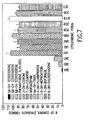
- MAb 3A4a did not exhibit any significant effect on coumarin-7-hydroxylation (CYP2A6, 76 ⁇ 110% of control), flurbiprofen-4'-hydroxylation (CYP2C9, 87 ⁇ 110%), (S)mephenytoin-4'-hydroxylation (CYP2C19, 80 ⁇ 104%), bufuralol-1'-hydroxylation (CYP2D6, 92 ⁇ 115%) and chlorzoxazone-6-hydroxylation (CYP2E1, 89 ⁇ 111%) ( Fig. 8 ).
- the minor inhibition exhibited by the MAb 3A4a for some marker assays (up to 24%) could be contributed by the overlapping substrate specificity of CYP3A4 in human liver.
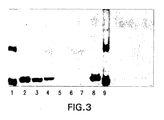
- MAb 3A4a inhibited the testosterone 6 ⁇ -hydroxylase activity (94-98%) in liver microsomes from human and Rhesus monkey. By comparison, no inhibition was observed with dog, rat and mouse liver microsomes. This was in agreement with the specificity of MAb 3A4a observed with immunoblot assay ( Fig. 3 ).
- Testosterone is known to be a prototype substrate for CYP3A.
- MAb 3A4a inhibited testosterone 6 ⁇ -hydroxy formation by more than 95% in all five microsomal preparations, indicating that CYP3A4/5 are essentially the sole P450 responsible for testosterone metabolism in human liver ( Fig. 8 ).
- Diazepam (DZ) is hydroxylated to temazepam (TMZ) mainly by CYP3A4/5 and N -demethylated to nordiazepam (NDZ) by multiple P450s, (e.g., CYP3A4/5, 2B6 and 2C8/9/19) as illustrated in Figure 9 .
- MAb 3A4a and MAb 2C inhibitive anti-CYP2C8/9/19 MAb to assess the additive contribution of the CYP3A and CYP2C subfamilies to TMZ and NDZ formation in human livers.
- CYP3A4/5 are responsible for the 3-hydrozylation of diazepam in human liver (reaction-specific).
- mice Three female Balb/c mice were immunized intraperitoneally with 50-100 ⁇ g of Sf21 cell microsomes containing baculovirus-expressed CYP2C9 protein emulsified in 0.2 mL of complete Freund's adjuvant (first immunization), followed by two booster injections with incomplete Freund's adjuvant on the 10 th and 20 th days. Three days after the third injection, splenocytes of the mouse were taken for fusion with non-secreting myeloma cells P3/NSI/1-Ag4-1 (NS-1).
- NS-1 non-secreting myeloma cells
- Fusion of the spleen cells with the NS-1 cells was performed with PEG 5000 and the fused cells were plated in microtiter wells in 96-well plate at a density of 1 x 10 4 cells per well. HAT medium was supplemented with 20% of FBS PRMI 1640 medium. Microtiter wells were examined daily for hybridoma growth. Three weeks later, when hybridoma cells approached confluence, media was tested with ELISA using baculovirus-expressed CYP2C9 as antigen (0.1 pmol/well).
- Positive clones (a total of 144 out of 1000 wells) were selected by comparison with microsomes of cells infected with wild type baculoviruses, which showed an approximate 2-fold increase or greater in absorption at 405 nm with CYP2C9 (vs. wild type protein).
- the background observed with the wild type microsomes can vary in a range of 0.1 ⁇ 1.0 absorption unit per well due to the antibodies raised against non-specific microsomal proteins.
- ELISA was used for testing the binding activity of hybridoma supernatants collected from hybridoma screening.
- Alkaline phosphatase-conjugated goat F(ab')2 fragment to mouse IgG (H+L) was purchased from Cappel Research Products, and to mouse IgG ( ⁇ chain specific) or to mouse IgM ( ⁇ chain specific) was from Jackson Immuno-Research Laboratories.
- baculovirus-expressed P450s (1A2, 2A6, 2B6, 2C8, 2C9, 2C19, 2D6, 2E1 and 3A4) were subjected to SDS-PAGE on an 8% polyacrylamide gel for 2 hr at 120 volt (1 pmol/lane). Wild type Sf21 cell microsomes were also used as a negative control.
- nitrocellulose membranes were incubated for 2 hrs in BSA blocking buffer (3% w/v BSA in TBS containing 0.05% v/v Tween-20) to reduce nonspecific binding and then washed twice for 5 min with TBS containing 0.05% v/v Tween-20.
- BSA blocking buffer 3% w/v BSA in TBS containing 0.05% v/v Tween-20
- the ascites fluid containing MAbs 30-12-1 and 73-19-2 was diluted in antibody buffer at a final titer of 1:1000 or 1:2000 and incubated with membrane for 3 hrs at room temperature.
- the membranes were washed and protein bands were detected using alkaline phosphatase-conjugated anti-mouse IgM (H+L).
- MAb30-12-1 exhibited a strong binding activity with CYP2C8 and to a much lesser extent, with CYP2C9; see Figure 13 .
- MAb73-19-2 by contrast, showed binding activity to a same extent for both CYP2C8 and CYP2C9; Figure 14 .
- the two Mabs are, therefore, not characteristically the same in immunoblotting activity.
- the Mabs did not cross-bind to CYP2C19, a member of the CYP2C subfamily. They, further, did not cross-react with any of the seven P450s from other families.
- MAbs Large-scale production of MAbs was performed by growing cloned hybridomas in culture.
- the MAb-forming hybridomas (1 x 10 6 cells/mouse) were injected intraperitoneally into pristine-primed female BALB/c mice for production of concentrated MAbs.
- the ascites fluid was built up and withdrawn, two to three weeks after inoculation, and stored at -70°C.
- HPLC assays are done according to the description within Example 9 except for the following addition.
- the product of phenacetin-O-deethylation (CYP1A2) was separated on the ODS C18 20/20 column (5 ⁇ , 4.6mm x 15 cm) eluted with 10% acetonitrile for a 6-min isocratic and then to a 9-min gradient to 60%.
- the metabolite (acetominophen) was detected at 250 nm and quantitated according to the ratio of chromatographic area of the metabolite to internal standard (acetanilide).
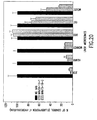
- Results show that the two MAbs inhibited strongly CYP2C8/9-catalyzed reaction, and partially cross-inhibited CYP2C19 activity, but did not significantly display any inhibitory effects toward cDNA-expressed human P450-mediated phenacetin O-deethylation (CYP1A2), coumarin 7-hydroxylation (CYP2A6), diazepam N -demethylation (CYP2B6), bufuralol 1'-hydroxylation (CYP2D6), chlorzoxazone 6-hydroxylation (CYP2E1) and testosterone 6 ⁇ -hydroxylation (CYP3A4/5/7), respectively.
- CYP1A2 cDNA-expressed human P450-mediated phenacetin O-deethylation
- CYP2A6 coumarin 7-hydroxylation
- CYP2B6 diazepam N -demethylation
- CYP2D6 bufuralol 1'-hydroxylation
Landscapes
- Chemical & Material Sciences (AREA)
- Health & Medical Sciences (AREA)
- Life Sciences & Earth Sciences (AREA)
- Immunology (AREA)
- Engineering & Computer Science (AREA)
- Organic Chemistry (AREA)
- Molecular Biology (AREA)
- Proteomics, Peptides & Aminoacids (AREA)
- General Health & Medical Sciences (AREA)
- Biochemistry (AREA)
- Microbiology (AREA)
- Biotechnology (AREA)
- Genetics & Genomics (AREA)
- Medicinal Chemistry (AREA)
- Physics & Mathematics (AREA)
- Analytical Chemistry (AREA)
- Hematology (AREA)
- Zoology (AREA)
- Wood Science & Technology (AREA)
- Biomedical Technology (AREA)
- Biophysics (AREA)
- Urology & Nephrology (AREA)
- Pathology (AREA)
- General Physics & Mathematics (AREA)
- Cell Biology (AREA)
- Bioinformatics & Cheminformatics (AREA)
- General Engineering & Computer Science (AREA)
- Food Science & Technology (AREA)
- Preparation Of Compounds By Using Micro-Organisms (AREA)
- Peptides Or Proteins (AREA)
- Micro-Organisms Or Cultivation Processes Thereof (AREA)
- Measuring Or Testing Involving Enzymes Or Micro-Organisms (AREA)
- Enzymes And Modification Thereof (AREA)
- Medicines Containing Antibodies Or Antigens For Use As Internal Diagnostic Agents (AREA)
Applications Claiming Priority (3)
| Application Number | Priority Date | Filing Date | Title |
|---|---|---|---|
| US14731599P | 1999-08-05 | 1999-08-05 | |
| US15363899P | 1999-09-13 | 1999-09-13 | |
| EP00955297A EP1206530B1 (fr) | 1999-08-05 | 2000-08-01 | Mésuration du cytochrome p450 3A4 humain (CYP3A4) |
Related Parent Applications (1)
| Application Number | Title | Priority Date | Filing Date |
|---|---|---|---|
| EP00955297A Division EP1206530B1 (fr) | 1999-08-05 | 2000-08-01 | Mésuration du cytochrome p450 3A4 humain (CYP3A4) |
Publications (1)
| Publication Number | Publication Date |
|---|---|
| EP2000532A1 true EP2000532A1 (fr) | 2008-12-10 |
Family
ID=26844805
Family Applications (2)
| Application Number | Title | Priority Date | Filing Date |
|---|---|---|---|
| EP08105435A Withdrawn EP2000532A1 (fr) | 1999-08-05 | 2000-08-01 | Procédé de mesure du cytochrome P450 humain (CYP2C8/9) |
| EP00955297A Expired - Lifetime EP1206530B1 (fr) | 1999-08-05 | 2000-08-01 | Mésuration du cytochrome p450 3A4 humain (CYP3A4) |
Family Applications After (1)
| Application Number | Title | Priority Date | Filing Date |
|---|---|---|---|
| EP00955297A Expired - Lifetime EP1206530B1 (fr) | 1999-08-05 | 2000-08-01 | Mésuration du cytochrome p450 3A4 humain (CYP3A4) |
Country Status (6)
| Country | Link |
|---|---|
| EP (2) | EP2000532A1 (fr) |
| JP (1) | JP2003506084A (fr) |
| AT (1) | ATE434041T1 (fr) |
| CA (1) | CA2381455A1 (fr) |
| DE (1) | DE60042410D1 (fr) |
| WO (1) | WO2001011035A1 (fr) |
Families Citing this family (9)
| Publication number | Priority date | Publication date | Assignee | Title |
|---|---|---|---|---|
| US6623960B1 (en) * | 1999-02-12 | 2003-09-23 | The United States Of America As Represented By The Department Of Health And Human Services | Agents that bind to and inhibit human cytochrome P450 2C8, 2C9, 2C18 and 2C19 |
| US7148046B2 (en) | 2001-04-02 | 2006-12-12 | Astex Therapeutics Limited | Crystal structure of cytochrome P450 |
| AU2002257411A1 (en) * | 2001-04-30 | 2002-11-11 | Mcgill University | Individualization of therapy with antineoplastic agents |
| EP1438337B1 (fr) * | 2001-10-25 | 2006-09-20 | Astex Therapeutics Limited | Cristaux de cytochrome p450 2c9, leurs structures et leur utilisation |
| WO2003052425A2 (fr) * | 2001-12-19 | 2003-06-26 | Xanthus Life Sciences, Inc. | Trousse elisa permettant de determiner des phenotypes metaboliques cyp 2c9, et utilisations de ladite trousse |
| CN105969744A (zh) * | 2016-07-26 | 2016-09-28 | 王红阳 | Cyp3a5蛋白、编码基因、重组载体及其在制备抗肿瘤复发或转移药物中的应用 |
| CN112877296B (zh) * | 2021-03-01 | 2022-10-11 | 江南大学 | 一种抗非那西丁单克隆抗体杂交瘤细胞株ad及其制备方法与应用 |
| WO2024223797A1 (fr) | 2023-04-28 | 2024-10-31 | Institut National de la Santé et de la Recherche Médicale | Utilisation d'inhibiteurs de cyp3a4 pour le traitement d'infections par le virus de l'hépatite d (vhd) |
| CN118440208B (zh) * | 2024-06-21 | 2024-09-10 | 吉林省继明生物科技有限责任公司 | 一种cyp3a4检测试剂盒以及应用 |
Citations (1)
| Publication number | Priority date | Publication date | Assignee | Title |
|---|---|---|---|---|
| WO2000047627A1 (fr) * | 1999-02-12 | 2000-08-17 | The Government Of The United States Of America As Represented By The Secretary Of The Department Of Health And Human Services | Agents fixant et inhibant les cytochromes humains p450 2c8, 2c9, 2c18 et 2c19 |
Family Cites Families (5)
| Publication number | Priority date | Publication date | Assignee | Title |
|---|---|---|---|---|
| US5298418A (en) * | 1991-09-16 | 1994-03-29 | Boyce Thompson Institute For Plant Research, Inc. | Cell line isolated from larval midgut tissue of Trichoplusia ni |
| KR0138005B1 (ko) * | 1993-10-21 | 1998-05-15 | 김낙두 | 신규의 화학적 보호제(chemopreventive agent)및 그의 제조방법 |
| US5650295A (en) * | 1995-06-02 | 1997-07-22 | Human Genone Sciences, Inc. | Macrophage migration inhibitory factor-3 |
| US5939530A (en) * | 1995-11-17 | 1999-08-17 | The United States Of America As Represented By The Department Of Health And Human Services | Inhibitory and non-inhibitory antigen binding polypeptides against human P450 enzymes |
| US6300476B1 (en) * | 1997-04-10 | 2001-10-09 | Merck & Co., Inc. | Anti-peptide antibody against human cytochrome P450 3A4 |
-
2000
- 2000-08-01 EP EP08105435A patent/EP2000532A1/fr not_active Withdrawn
- 2000-08-01 DE DE60042410T patent/DE60042410D1/de not_active Expired - Lifetime
- 2000-08-01 JP JP2001515821A patent/JP2003506084A/ja not_active Withdrawn
- 2000-08-01 AT AT00955297T patent/ATE434041T1/de not_active IP Right Cessation
- 2000-08-01 EP EP00955297A patent/EP1206530B1/fr not_active Expired - Lifetime
- 2000-08-01 CA CA002381455A patent/CA2381455A1/fr not_active Abandoned
- 2000-08-01 WO PCT/US2000/020864 patent/WO2001011035A1/fr not_active Ceased
Patent Citations (1)
| Publication number | Priority date | Publication date | Assignee | Title |
|---|---|---|---|---|
| WO2000047627A1 (fr) * | 1999-02-12 | 2000-08-17 | The Government Of The United States Of America As Represented By The Secretary Of The Department Of Health And Human Services | Agents fixant et inhibant les cytochromes humains p450 2c8, 2c9, 2c18 et 2c19 |
Non-Patent Citations (35)
| Title |
|---|
| AOYAMA ET AL., J. BIOL. CHEM., vol. 264, 1989, pages 10388 - 10395 |
| CRESPI ET AL., PHARMACOGENETICS, vol. 5, 1995, pages 234 - 243 |
| GELBOIN ET AL., BIOCHEM., vol. 50, no. 11, 1995, pages 1841 - 1850 |
| GELBOIN ET AL., PHARMACOGENETICS, vol. 7, 1997, pages 469 - 477 |
| GELBOIN H V ET AL: "Inhibitory monoclonal antibodies to human cytochrome P450 enzymes: a new avenue for drug discovery", TRENDS IN PHARMACOLOGICAL SCIENCES, ELSEVIER TRENDS JOURNAL, CAMBRIDGE, GB, vol. 20, no. 11, 1 November 1999 (1999-11-01), pages 432 - 438, XP004182934, ISSN: 0165-6147 * |
| GELBOIN H V: "CYTOCHROME P450 AND MONOCLONAL ANTIBODIES", PHARMACOLOGICAL REVIEWS, WILLIAMS AND WILKINS INC., BALTIMORE, MD,, US, vol. 45, no. 4, 1993, pages 413 - 453, XP002951949, ISSN: 0031-6997 * |
| GOLDSTEIN ET AL., BIOCHEMISTRY, vol. 33, 1994, pages 1743 - 1752 |
| GONZALEZ ET AL., DNA, vol. 7, no. 2, 1988, pages 79 - 86 |
| GONZALEZ ET AL., METHODS ENZYMOL., vol. 206, 1991, pages 93 - 99 |
| GONZALEZ ET AL., NATURE, vol. 331, no. 6155, 1988, pages 442 - 6 |
| HANIOKA ET AL., PROTEIN ENG., vol. 3, 1990, pages 571 - 575 |
| J BIOL CHEM, vol. 262, no. 18, 25 June 1987 (1987-06-25), pages 8940 |
| JAISWAL ET AL., JEXP PATHOL, vol. 3, no. 1, 1987, pages 1 - 17 |
| JAISWAL ET AL., NUCLEIC ACIDS RES, vol. 13, no. 12, 1985, pages 4503 - 20 |
| JAISWAL ET AL., NUCLEIC ACIDS RES, vol. 14, no. 16, 1986, pages 6773 - 4 |
| JAISWAL ET AL., SCIENCE, vol. 228, no. 4695, 1985, pages 80 - 3 |
| KIMURA ET AL., NUCLEIC ACIDS RES, vol. 15, no. 23, 1987, pages 10053 - 4 |
| KITADA ET AL., J. BIOL. CHEM., vol. 262, 1987, pages 13534 - 13537 |
| KRAUSZ ET AL: "Inhibitory monoclonal antibodies specific for human cytochrome P450 2C8 and 2C9 define their roles in human liver microsomal metabolism", FASEB JOURNAL, FED. OF AMERICAN SOC. FOR EXPERIMENTAL BIOLOGY, BETHESDA, MD, US, vol. 13, no. 5, PART 2, 15 March 1999 (1999-03-15), pages A811, XP002140770, ISSN: 0892-6638 * |
| PARK ET AL., BIOCHEM. PHARMACOL., vol. 35, 1986, pages 2859 - 2867 |
| PETER ET AL., CHEM. RES. TOXICOL., vol. 3, 1990, pages 566 - 573 |
| RAHMAN ET AL., CANCER RES., vol. 54, 1994, pages 5543 - 5556 |
| ROMKES ET AL., BIOCHEMISTRY, vol. 30, 1991, pages 3247 - 3277 |
| SHOU ET AL., CANCER LETT., vol. 83, 1994, pages 305 - 313 |
| SHOU ET AL., CARCINOGENESIS, vol. 18, 1997, pages 207 - 214 |
| SONG ET AL., J. BIOL. CHEM., vol. 261, no. 35, 1986, pages 16689 - 97 |
| TRACY ET AL., BIOCHEM. PHARMACOL., vol. 49, 1995, pages 1269 - 1275 |
| WANG ET AL., BIOCHEMISTRY, vol. 22, 1983, pages 5375 - 5383 |
| XU ZHEN-HUA ET AL: "Evidence for involvement of polymorphic CYP2C19 and 2C9 in the N-demethylation of sertraline in human liver microsomes", BRITISH JOURNAL OF CLINICAL PHARMACOLOGY, vol. 48, no. 3, September 1999 (1999-09-01), pages 416 - 423, XP002500089, ISSN: 0306-5251 * |
| YAMANO ET AL., BIOCHEMISTRY, vol. 28, no. 18, 1989, pages 7340 - 8 |
| YAMANO ET AL., BIOCHEMISTRY, vol. 29, no. 5, 1990, pages 1322 - 9 |
| YAMANO ET AL., NUCLEIC ACIDS RES, vol. 17, no. 12, 1989, pages 4888 |
| YANG ET AL., BIOCHEM. PHARMACOL., vol. 55, 1998, pages 889 - 896 |
| YANG T J ET AL: "Eight inhibitory monoclonal antibodies define the role of individual P-450S in human liver microsomal diazepam, 7-ethoxycoumarin and imipramine metabolism", DRUG METABOLISM AND DISPOSITION, WILLIAMS AND WILKINS., BALTIMORE, MD, US, vol. 27, no. 1, 1 January 1999 (1999-01-01), pages 102 - 109, XP002235496, ISSN: 0090-9556 * |
| YUN ET AL., MOL. PHARMACOL., vol. 40, 1991, pages 679 - 685 |
Also Published As
| Publication number | Publication date |
|---|---|
| JP2003506084A (ja) | 2003-02-18 |
| WO2001011035A9 (fr) | 2002-07-11 |
| DE60042410D1 (de) | 2009-07-30 |
| EP1206530B1 (fr) | 2009-06-17 |
| EP1206530A1 (fr) | 2002-05-22 |
| ATE434041T1 (de) | 2009-07-15 |
| WO2001011035A1 (fr) | 2001-02-15 |
| CA2381455A1 (fr) | 2001-02-15 |
| EP1206530A4 (fr) | 2003-05-21 |
Similar Documents
| Publication | Publication Date | Title |
|---|---|---|
| Mei et al. | Role of a potent inhibitory monoclonal antibody to cytochrome P-450 3A4 in assessment of human drug metabolism | |
| Gelboin et al. | Inhibitory and non-inhibitory monoclonal antibodies to human cytochrome P450 3A3/4 | |
| Yang et al. | Eight inhibitory monoclonal antibodies define the role of individual P-450s in human liver microsomal diazepam, 7-ethoxycoumarin, and imipramine metabolism | |
| EP1206530B1 (fr) | Mésuration du cytochrome p450 3A4 humain (CYP3A4) | |
| Krausz et al. | Monoclonal antibodies specific and inhibitory to human cytochromes P450 2C8, 2C9, and 2C19 | |
| US6060253A (en) | Agents that bind to and inhibit human cytochrome P450 2D6 | |
| Wang et al. | Inhibitory anti-peptide antibody against human CYP3A4 | |
| Sai et al. | An inhibitory monoclonal antibody to human cytochrome P450 2A6 defines its role in the metabolism of coumarin, 7-ethoxycoumarin and 4-nitroanisole in human liver | |
| AU724468B2 (en) | Inhibitory and non-inhibitory antigen binding polypeptides against human P450 enzymes | |
| US7682800B2 (en) | Agents that bind to and inhibit human cytochrome P450 2C19 | |
| US6623960B1 (en) | Agents that bind to and inhibit human cytochrome P450 2C8, 2C9, 2C18 and 2C19 | |
| US6335428B1 (en) | Agents that bind to and inhibit human cytochrome P450 1A2 | |
| Mei et al. | Inhibition kinetics of monoclonal antibodies against cytochromes P450 | |
| US7015008B2 (en) | Antibodies for human cytochrome P450 2D6 | |
| Shou et al. | Antibodies as a probe in cytochrome P450 research | |
| US6908738B2 (en) | Agents that bind to and inhibit human cytochrome P450 2C19 | |
| US6323325B1 (en) | Agents that bind to and inhibit human cytochrome P450 2A6 | |
| CA2286008A1 (fr) | Anticorps anti-peptide dirige contre le cytochrome humain p450 3a4 |
Legal Events
| Date | Code | Title | Description |
|---|---|---|---|
| PUAI | Public reference made under article 153(3) epc to a published international application that has entered the european phase |
Free format text: ORIGINAL CODE: 0009012 |
|
| 17P | Request for examination filed |
Effective date: 20080925 |
|
| AC | Divisional application: reference to earlier application |
Ref document number: 1206530 Country of ref document: EP Kind code of ref document: P |
|
| AK | Designated contracting states |
Kind code of ref document: A1 Designated state(s): AT BE CH CY DE DK ES FI FR GB GR IE IT LI LU MC NL PT SE |
|
| 17Q | First examination report despatched |
Effective date: 20090122 |
|
| RIN1 | Information on inventor provided before grant (corrected) |
Inventor name: SHOU, MAGANG Inventor name: RUSHMORE, THOMAS H. Inventor name: MEI, QIN |
|
| AKX | Designation fees paid |
Designated state(s): AT BE CH CY DE DK ES FI FR GB GR IE IT LI LU MC NL PT SE |
|
| RAP1 | Party data changed (applicant data changed or rights of an application transferred) |
Owner name: MERCK SHARP & DOHME CORP. |
|
| STAA | Information on the status of an ep patent application or granted ep patent |
Free format text: STATUS: THE APPLICATION IS DEEMED TO BE WITHDRAWN |
|
| 18D | Application deemed to be withdrawn |
Effective date: 20100129 |