EP2010906B1 - Utilisation du recepteur 4-1bb pour identifier et/ou separer des lymphocytes t auxiliaires regulateurs activés (treg) - Google Patents
Utilisation du recepteur 4-1bb pour identifier et/ou separer des lymphocytes t auxiliaires regulateurs activés (treg) Download PDFInfo
- Publication number
- EP2010906B1 EP2010906B1 EP07723802.0A EP07723802A EP2010906B1 EP 2010906 B1 EP2010906 B1 EP 2010906B1 EP 07723802 A EP07723802 A EP 07723802A EP 2010906 B1 EP2010906 B1 EP 2010906B1
- Authority
- EP
- European Patent Office
- Prior art keywords
- cells
- regulatory
- receptor
- treg
- cell
- Prior art date
- Legal status (The legal status is an assumption and is not a legal conclusion. Google has not performed a legal analysis and makes no representation as to the accuracy of the status listed.)
- Active
Links
Images




Classifications
-
- G—PHYSICS
- G01—MEASURING; TESTING
- G01N—INVESTIGATING OR ANALYSING MATERIALS BY DETERMINING THEIR CHEMICAL OR PHYSICAL PROPERTIES
- G01N33/00—Investigating or analysing materials by specific methods not covered by groups G01N1/00 - G01N31/00
- G01N33/48—Biological material, e.g. blood, urine; Haemocytometers
- G01N33/50—Chemical analysis of biological material, e.g. blood, urine; Testing involving biospecific ligand binding methods; Immunological testing
- G01N33/5005—Chemical analysis of biological material, e.g. blood, urine; Testing involving biospecific ligand binding methods; Immunological testing involving human or animal cells
- G01N33/5008—Chemical analysis of biological material, e.g. blood, urine; Testing involving biospecific ligand binding methods; Immunological testing involving human or animal cells for testing or evaluating the effect of chemical or biological compounds, e.g. drugs, cosmetics
- G01N33/5044—Chemical analysis of biological material, e.g. blood, urine; Testing involving biospecific ligand binding methods; Immunological testing involving human or animal cells for testing or evaluating the effect of chemical or biological compounds, e.g. drugs, cosmetics involving specific cell types
- G01N33/5047—Cells of the immune system
- G01N33/505—Cells of the immune system involving T-cells
-
- G—PHYSICS
- G01—MEASURING; TESTING
- G01N—INVESTIGATING OR ANALYSING MATERIALS BY DETERMINING THEIR CHEMICAL OR PHYSICAL PROPERTIES
- G01N2333/00—Assays involving biological materials from specific organisms or of a specific nature
- G01N2333/435—Assays involving biological materials from specific organisms or of a specific nature from animals; from humans
- G01N2333/705—Assays involving receptors, cell surface antigens or cell surface determinants
Definitions
- the present invention relates to the use of a 4-1BB receptor for the identification and / or separation of activated regulatory T cells according to claim 1 and the use of a kit according to claim 13, comprising an antibody for detecting the 4-1BB receptor (CD137). for the identification and / or separation of activated regulatory Th cells, wherein the antibody is coupled to a fluorescent substance or magnetic microparticles.
- the regulatory T cells can be activated both polyclonal and with specific antigens. Activation may be in vitro or already in vivo.
- T-cells which actively suppress unwanted immune reactions, such as endogenous structures (autoantigens). They are referred to as regulatory T cells (Treg). Regulatory T cells are essential in the lifelong maintenance of peripheral tolerance to autoantigens. They are formed in the thymus, but their activity is greatly reduced with age.
- Tregs Regulatory T cells can lead to the suppression of anti-tumor responses ( Onizuka et al., Cancer Res. 59: 3128-3133 (1999 ); Shimizu et al., J. Immunol. 163: 5211-5218 (1999 )), since many tumor antigens represent classical autoantigens. In contrast, decreased numbers of Tregs or functional changes in Treg can lead to autoimmune diseases, during which the body's own structures such as foreign substances or pathogens are attacked uncontrollably.
- Tregs are involved in maintaining immunological self-tolerance by blocking the activation of autoreactive T cells. They are capable of suppressing both cytokine production and the proliferation of such potentially pathogenic T cells.
- An important step in the identification of T-regulatory regulatory cells was the characterization of CD4 + T helper cells constitutively displaying the alpha chain of the interleukin-2 (IL-2) receptor (CD25) as a surface membrane protein. The functional relevance and the exact molecular mechanisms of the suppression of these CD25 + CD4 + regulatory T cells and how they arise have not yet been clarified. Since the CD25 receptor is also expressed by sub-populations of nonregulatory T cells, this marker is of limited use for analysis and enrichment of Treg. In particular, however, CD25 can not be used to identify and separate activated antigen-specific regulatory T cells.
- Treg isolation of Treg and in particular Treg specific for certain antigens is still one of the major therapeutic targets.
- antigen-specific Treg! Auto antigen-specific Tregs are a specific means of suppressing unwanted immune responses such as autoimmune reactions in rheumatoid arthritis (RA), multiple sclerosis (MS), atherosclerosis (AS), diabetes, psoriasis.
- Other unwanted immune responses in which Treg would be a specific agent are GvHD (graft vesus host disease) in allogeneic stem cell transplantation or graft rejection in organ transplants ( Hara et al., J. Immunol. 166: 3789-3796 (2001 ); Taylor et al., J. Exp. Med.
- Tregs the molecules and mechanisms involved in suppression, as well as reliable Treg markers, are of great importance.
- the prior art recognizes a molecular biology Treg marker, the forkhead family transcriptional repressor FoxP3 ( Hori et al (2003) Science 99 (5609): 1057-61 ).
- regulatory T cells can be identified by expression of the CD25 molecule ( Thomton and Shevach (1998) J. Exp. Med. 188 287-296 ; Sakaguchi et al. (1995) J. Immunol. 1551151-1164 ).
- Tregs that recognize a specific antigen. This would be possible if specifically activated Treg could be separated and would be a prerequisite for specific therapies with Treg, for example, in autoimmune diseases in which the autoimmune reactivities underlying the disease should be suppressed but not immunoreactivities against tumor cells.
- the majority of methods that identify and / or isolate regulatory Th cells by expression of a particular cell surface marker depend on the recognition of a marker and the binding of an antibody. If a single marker can not be used to identify and / or isolate a particular cell type, a combination of markers and the appropriate antibodies must be found ( Levings et al., J Exp. Med. 193 (11): 1295-1302 (2001 )). Such experiments can be very complex and difficult to carry out in practice. Furthermore, the binding of the antibodies can influence the activity of the target cell or the expression of the other markers, so that the identification and / or separation process is negatively influenced by the other antibodies.
- binding of antibodies can lead to cross-linking, capping and internalization of the markers in question.
- the cell function can be restricted. Even if Fab fragments are used, the markers in question are masked and may possibly be impaired in their function. Binding to certain markers may also lead to deactivation of the cell (CD28, go3), induce apoptosis (cross-linking of CD4 in activated cells), or induce secretion of cytokines (CD3, CD2, CD28).
- BD Pharmingen TM "Technical Data Sheet PE conjugated mouse anti-human CD137 (4-1BB)", May 7, 2005, http://www.bdbiosciences.com/external_files/pm/doc/tds/human/live/ web_enabled /36005X_555956.pdf that the 4-1BB marker is an activation marker for all T cells WO 2005/124346 merely describes that 4-1BB markers are on CD4 + CD25 + ; However, the document does not disclose that CD4 + CD25 + specifically express 4-1BB markers compared to CD4 + CD25 - T cells at a particular point in time of activation. The specific time can be determined, for example, by checks, preferably regular checks.
- the multiple, preferably regular controls are accordingly regular observations of the system, directly by a skilled person or by means of analyzers or mechanisms at intervals of 5, 10, 15, 30, 45 minutes, preferably 1 hour intervals. It is therefore to be determined by the controls the time at which only the activated regulatory cells activate the receptor / marker, it was surprising that this within a short period of time, of about 3-8 hours, especially of substantially or About 4 hours. These times are based on the usual laboratory conditions for the activation of T cells.
- the period may be lengthened or shortened.
- a specialist controls the formation of the marker / receptor, a simple determination of the specific temporal expression is possible.
- 4-1BB receptor
- the cited references thus reflect the view of the prior art, according to which 4-1BB marker can not be used as a discriminatory marker for CD25 + Treg cells in comparison to CD25 - T cells.
- 4-1BB marker can not be used as a discriminatory marker for CD25 + Treg cells in comparison to CD25 - T cells.
- BD Pharmingen TM describes a PE conjugated mouse anti-human CD137 antibody.
- the co-stimulation of freshly isolated CD4 + CD25 + mouse Treg cells via the 4-1BB receptor is revealed.
- the Treg cells are stimulated not by the 4-1BB receptor but by the presence of strong activation stimuli such as CD3.
- strong activation stimuli such as CD3.
- CD4 + CD25 + and CD4 + CD25 + T cells are both revealed in Figure 1D of the activation express the 4-1BB receptor, so that the cited documents do not motivate the expert to use 4-1BB receptors for the specific representation or isolation of CD4 + CD25 + Treg cells from cell mixtures.
- the invention thus relates to the surprising teaching that, in particular, antigen-specifically activated CD4 + CD25 + Treg can be isolated from, in particular, activated CD4 + CD25 - T cells by means of the 4-1BB receptor.
- 4-1BB is an activation marker for CD4 + CD25 + and for CD4 + CD25 + T cells.
- none of the abovementioned publications of the prior art has a specific expression of 4-1BB CD4 + CD25 + Treg is open or suggested.
- the regulatory cells can be identified and / or separated by the expression of one and / or more markers.
- markers for this purpose, all known to the expert markers for identification and / or separation can be used.
- Preferred are the markers 4-1BB, CD25, CTLA-4 (cytotoxic T lymphocyte antigen-4), GITR (glucocorticoid-induced TNFR receptor), FoxP3, IL-10, CD69, CD40L, ICOS, OX40 and TGFbeta, individually and / or used in combination. All markers known to those skilled in the art for the exclusion or the depletion of non-regulatory cells can also be used in combination for this purpose.
- the use of the 4-1BB receptor as a marker of living, activated regulatory cells is particularly preferred. Either directly activated regulatory T cells are identified or separated or activation is induced by the addition of cells, proteins, peptides, pathogens or other substances
- the invention relates to the surprising doctrine that, especially within a time dependence, 4-1BB is a specific marker for activated Treg cells, especially over a period of 3 to 8 hours; especially at a temperature of 37 ° C.
- 4-1BB can serve as a marker for the separation and isolation of the above-mentioned activated times (activated Treg) according to claim 1-ie the invention relates in a preferred embodiment to the surprising teaching that identifies activated Th regulatory cells and / or can be separated, in particular if a time-dependent observation is carried out, within which the 4-1BB receptor can be used to isolate CD4 + CD25 + Treg from cell mixtures against CD4 + CD25 - Th cells.
- the time-dependent observation of the cells allows the use of 4-1BB as a discriminative marker for CD25 + Treg compared to CD25 - T cells.
- 4-1BB As a discriminative marker for CD25 + Treg compared to CD25 - T cells.
- the duration of the incubation allows the use of 4-1BB as a discriminatory marker for Treg against CD4 + CD25 - Th cells.
- This teaching leads in a different direction than the entire prior art.
- one of ordinary skill in the art can modify and extend to equivalent uses. For example, he will recognize that activation is also over a period of 18 hours when certain inhibitors are added to the system. For example, if an additive is added to the system that prevents regulatory T cells from being activated, then the activation period would be longer than 18 hours.
- Treg isolated directly from lymphatic tissue eg in experiments with mouse cells in which the cells are basically prepared from the spleen
- a small part of the isolated Treg has a weak expression of 4-1BB whereas no peripheral blood-derived Treg can detect 4-1BB expression.
- the Treg must be activated, for example, in vitro, the skilled person would not interpret this doctrine so that this is also the case with selected cells, when the Treg are isolated directly from an inflamed sample material. In such a situation, it is conceivable to isolate the cells directly without activation by their 4-1 BB expression.
- Tregs have been activated in vivo directly at the site of inflammation, it is preferred to isolate such cells, expand them in vitro and use them e.g. B. in inflammation with associated chronic autoimmunity reinfundieren for therapy.
- the separated cells may be placed in each respective container - e.g. a collection tube - collected and / or collected, which allows the survival and / or proliferation of cells.
- Various media are commercially available and may be used depending on the type of cells identified and / or separated. These media may e.g. DMEM, HBSS, dPBS, RPMI, Iscove's medium, etc., which are often supplemented with fetal calf serum, human serum or serum substitutes.
- the identified and / or separated cell populations can be used immediately or cultured after isolation in vitro. After this, the cells can be frozen or frozen before the separation process. If the cells are stored for a prolonged period, it is preferred to freeze them at temperatures around -80 ° C or in liquid nitrogen to ensure that they can be reused after thawing. In this case, the cells are normally stored in DMSO and / or FCS / HS in conjunction with a medium, glucose, etc. Once thawed, the cells can be used either directly for therapeutic purposes or in vitro experiments or through the use of growth factors, antigens, cells etc. are increased and / or differentiated.
- the regulatory Th cells are identified and / or separated from mammalian (Mamalia) cell samples, but especially from humans, and preferably from healthy volunteers and / or patients in vitro.
- the cell samples can eg. from blood samples containing immune cells (peritoneal, cerebral-spinal, pleural and / or synovial body fluid), laryngeal fluid (respiratory tract, lungs), homogenates and aspirates from lymph nodes, spleen, tonsils and / or other lymphoid tissue.
- the cells can be obtained from animal tissues (eg from the spleen or lymph nodes of an animal).
- the cells may also be part of a blood sample, eg from a subject or human patient, more preferably from a peripheral blood sample.
- activated regulatory Th cells according to claim 1 are identified and / or separated.
- Activated regulatory Th cells are directly able to suppress the activity of T cells. In animal models, it has been demonstrated that activated regulatory T cells can prevent the development of autoimmune diseases, graft rejection reactions and allergic reactions. By analogy, it has been suggested that activated regulatory T cells can also prevent the development of chronic immune reactions in humans.
- activated Th regulatory cells are specifically identified and / or separated. Preference is given to identifying and / or separating previously in vitro activated Regutaton Th cells with the phenotype CD4 + CD25 + FoxP3 +.
- the activation is preferably carried out by means of antigens, antibodies, peptides, proteins, chemical compounds (or mixtures of such substances) or pathogens or cells.
- Another particular embodiment of the invention is to identify and / or isolate living regulatory Th cells directly ex vivo according to claim 1.
- activated Th regulatory cells can be preferably identified and / or separated, which is a preferred use of the invention for identifying and isolating antigen-specific regulatory Th cells allowed according to claim 1.
- a cell mixture from a patient and / or probant After obtaining a cell mixture from a patient and / or probant, it can be stimulated with certain antigens.
- antigens For this purpose, antibodies, peptides, proteins, chemical compounds (or mixtures of such substances) or pathogens or cells may be used.
- the use of the 4-1BB marker identifies and / or separates the regulatory Th cells.
- antigen-specific regulatory Th cells are preferably identified and / or separated.
- the cells separated according to the invention are generally derived from an in vivo source and therefore reflect the immunological status of the donor with respect to the number, location and T cell antigen receptor specificity of the Treg cells. This information can be used in diagnostic tests relating to immunological disorders, e.g. Cancer-related immunosuppression, autoimmune disorders; atopic states, etc.
- Th cells of the target patient may be exposed in vitro to cells, cell extracts, separated antigens or organ donor proteins before or after transplantation. After that, the active regulatory Th cells are identified and / or separated after an appropriate activation time using the 4-1 BB marker.
- the cells may be identified and / or separated by any techniques known to those skilled in the art.
- identification of the cells the methods of magnetic cell sorting (MACS), fluorescence-activated cell sorting (FACS), ELISA, PCR and / or all fluorescence microscopes known to those skilled in the art are preferred.
- Particularly preferred is the flow cytometry (FACS).
- FACS flow cytometry
- tent separation systems are sorted by the cells using a magnetic field (MACS) or by flow cytometry (FACS). It is preferred that the expression of the 4-1 BB receptor is measured after a stimulation.
- the regulatory Th cells are stimulated by substances known to the person skilled in the art. After 3h to 8h stimulation, the expression of the 4-1 BB receptor is measured. Preferably, expression is measured after 4 hours of stimulation.
- the preferred optimal stimulation time is when as many of the activated regulatory T cells as possible are expressed, but as few as possible of the non-regulatory cells express 4-1B B. This point in time can be determined by the person skilled in the art by an analysis of the 4-1BB expression at various time points after stimulation.
- the regulatory Th cells are identified and / or separated after a stimulation of the cells in the cell mixture.
- the cells are stimulated by antigens, proteins, peptides, chemicals, cells, growth factors, antibodies and / or ligands.
- the culture may also contain suitable growth factors.
- Growth factors are defined as molecules that promote the survival, growth, and / or differentiation of a cell, either in culture or in intact tissue, through certain effects on a transmembrane receptor. Growth factors include polypeptides and non-polypeptide factors. Certain growth factors that can be used to culture the separated and / or used cell include the interieukins, eg, IL-1, IL-2, IL-3, IL-4, IL-5, IL-6, IL-7 , IL-8, IL-8, IL-10, IL-11, IL-12, IL-13, IL-14, IL-15, IL-16, IL-17, IL-18, etc.; Antigens, eg. Peptide antigens, protein antigens such as alloantigens preferably in conjunction with antigen-presenting cells, lectins, eg ConA, [alpha] -CD3, LPs, etc.
- the culture may also contain antibodies or specific ligands (purified ligands, FC fusion proteins or other recombinant forms of leucine zipper) for cell surface receptors that can stimulate or inhibit Treg activity.
- specific ligands purified ligands, FC fusion proteins or other recombinant forms of leucine zipper
- mAbs or ligands that bind TNFR or other co-stimulatory molecules to Treg and stimulate and / or increase Treg activity, override Treg activity (and cause proliferation), or stimulate apoptosis of Treg.
- the specific culture conditions serve a particular purpose, e.g. the maintenance of Treg cell activity, etc.
- antibodies for detection of the 4-1 BB receptor according to the inventive use of the 4-1BB receptor are used as a discriminatory marker.
- the 4-1BB antibodies are added to a cell suspension and incubated for a sufficient period of time to bind the available cell surface antigens.
- the incubation is normally at least about 5 minutes to 18 hours. Expression is measured after 3h to 8h of stimulation.
- the optimal incubation period is that within which as many as possible of the activated regulatory T cells but as few as possible of the non-regulatory cells 4-1 B are labeled. This time frame can be determined by a person skilled in the art by analyzing different incubation times during or after the stimulation. It is desirable to have a sufficient concentration of antibodies in the reaction mixture so that the efficiency of the separation is not limited by the lack of antibody. The corresponding concentration can also be determined by titration.
- the means in which the cells are separated may be any agent which maintains the activity of the cells.
- a preferred agent is a phosphate buffered saline solution containing 0.1 to 0.5% BSA or in equal proportions autologous pooled serum or serum replacement.
- Various media are commercially available and may be used depending on the cell type and the experiment. Available media are Dulbecco's Modified Eagle's Medium (dMEM), Hank's Basic Salt Solution (HBSS), Dulbecco's Phosphate Buffered Saline (dPBS), RPMI, Iscove's Medium, PBS with 5mM EDTA, etc. often supplemented by fetal calf serum BSA, HSA, etc.
- dMEM Dulbecco's Modified Eagle's Medium
- HBSS Hank's Basic Salt Solution
- dPBS Dulbecco's Phosphate Buffered Saline
- RPMI Iscove's Medium
- the labeled cells are then separated depending on the expression of 4-1BB.
- the separated cells may be collected in any appropriate means that preserve the viability of the cells. Usually, they are collected in a collection tube containing some serum.
- Various media are commercially available and may be used depending on the type of cells identified and / or separated, eg. dMEM, including HBSS, dPBS, RPMI, Iscove's Medium, etc., often supplemented with fetal calf serum, autologous or pooled serum, or serum replacement.
- the antigens for detecting the 4-1 BB receptor are coupled with a fluorescent substance or directly with magnetic microparticles.
- antibodies are used which may be coupled to fluorescent stains or magnetic microparticles known to those skilled in the art, such as FITC, phycoerythrin (PE ), Allophycocyanin (APC), Cascade yellow and Peridinin Chlorophyll Protein (PerCP).
- the antibodies may also be coupled to haptens and then detected with hapten-specific secondary antibodies.
- a combination of antibodies may be used to detect, analyze, and / or isolate various cells having different properties, based on markers such as e.g. secretory proteins or characteristic surface molecules.
- fluorescently labeled antibodies can be used for FoxP3, CD25 and / or CD4 markers.
- Particularly preferred fluorescence-labeled or coupled with magnetic microparticles 4-1BB antibodies can be used.
- Magnetic microparticles may be used directly or indirectly (hapten, e.g., biotin and anti-hapten microparticles or fluorochromes, e.g., PE or APC and anti-fluororochrome microparticles).
- the regulatory Th cells from blood, peripheral blood mononuclear cells (PBMC), body tissue or tissue fluid cells are directly identified and / or separated or isolated in vitro.
- PBMC peripheral blood mononuclear cells
- regulatory Th cells are identified and / or separated from mammalian (Mamalia) cell samples, but especially from humans, and preferably from subject and / or patient.
- Th regulatory cells may be e.g. from blood samples containing immune cells (peritoneal, cerebral-spinal, pleural and / or synovial body fluid), flushing fluids from hollow organs (respiratory tract, lungs), homogenates and aspirates from lymph nodes, spleen, tonsils and / or other lymphoid tissue.
- the regulatory Th cells can also be obtained from animal tissues (e.g., the spleen or lymph nodes of an animal).
- the Th cells may also be part of a blood sample, e.g. of a subject or human patient, more preferably peripheral blood mononuclear cells (PBMC), body tissue or cells of the tissue fluid
- the invention provides the use of a kit comprising an antibody for detecting the 4-1BB receptor for the identification and / or separation of a regulatory Th cell according to the inventive use of the 4-1BB receptor as a discriminatory marker.
- the 4-1BB receptor antibody is coupled to a fluorescent substance, to a hapten or to magnetic microparticles.
- a 4-1BB receptor antibody coupled to a fluorescent label, hapten or magnetic microparticle is provided.
- Fluorescent markers are known in the art, such as FITC, phycoerythrin (PE), allophycocyanin (APC), Cascade yellow and peridinin chlorophyll protein (PerCP).
- kits activated Th regulatory cells are identified and / or separated.
- Th regulatory cells can be identified and / or separated.
- activated Th regulatory cells can preferably be identified and / or separated.
- living, activated regulatory Th cells are identified and / or separated.
- the method of the invention may e.g. can be used to identify and / or separate regulatory Th cells ex vivo from a blood sample (or from a blood derivative) or cell mixture data from lymphoid organs or tumors of mammals.
- the separated regulatory Th cells can be used before and / or after cloning and / or propagation and / or in cell mixtures enriched in and / or as a pharmaceutical agent in the therapy or prevention of diseases.
- the coding gene sequences of the TCR can be isolated from the separated regulatory T cells and used for further therapeutic purposes, for example for cancer therapies.
- the regulatory Th cells present in said form can be used in further investigations and / or analyzes.
- the pharmaceutical agent may be used for the treatment and / or prevention of diseases in mammals, which may include administration of a pharmaceutically effective amount of the pharmaceutical agent into the mammal.
- the disease may be any disease that can be treated and / or prevented by the presence of a separated cell and / or by increasing the concentration of the cells concerned in / at the site concerned, or throughout the mammalian subject and / or patient.
- the cell may be a regulatory Th cell and the treated and / or preventively treated disease an autoimmune disease, an infectious disease, an allergy, graft versus host disease (or allograft rejection) and / or any other hypersensitivity-induced disease.
- Diseases for which the use set forth in the invention is particularly suitable are those which arise through and / or during a lack of regulation of the immune response. These diseases may be transplant rejection, allergic conditions, certain infectious diseases and / or autoimmune diseases.
- autoimmune diseases In connection with autoimmune diseases, it is known that the immune system attacks the body's own structures, such as. in rheumatoid arthritis, insulin-dependent diabetes mellitus (IDDM), multiple sclerosis (MS), atherosclerosis, psoriasis, allogeneic stem cell transplantation, organ transplantation.
- IDDM insulin-dependent diabetes mellitus
- MS multiple sclerosis
- psoriasis allogeneic stem cell transplantation
- organ transplantation organ transplantation.
- Therapy with specific regulatory T cells is advantageous here.
- regulatory T cells are to be specifically eliminated for tumor antigens, so that the immune system can initiate efficient anti-tumor immune responses.
- the described composition and / or the described pharmaceutical agent could be used for the treatment of diseases associated with a deficiency of cellular immunity, for example in the defect according to ICDIO code: D.84.4.
- diseases associated with a deficiency of cellular immunity for example in the defect according to ICDIO code: D.84.4.
- These may be sepsis, inflammatory reactions and fever, autoimmune diseases and cell division disorders such as cancer.
- Inflammation is the response of the organism to an externally or internally induced inflammatory stimulus, carried on by the connective tissue and the blood vessels, with the purpose of eliminating or inactivating it and repairing irritable tissue damage.
- the process will complemented by disturbance of the electrolyte balance (transmineralization), immigration of neutrophilic granulocytes and monocytes through the vessel walls (see also Leukotaxis), the latter with the purpose of eliminating the inflammatory stimulus and damaged to necrotic cells (phagocytosis); Furthermore, lymphocyte effector cells, which lead to the formation of specific antibodies against the inflammatory stimulus (immune reaction), as well as eosinophils (in the healing phase or - very early - in allergic-hyperergic events).
- the activation of the complement system releases fragments (C3a and C5a) of this system which, like histamine and bradykinin, act as mediators of inflammation, in the sense of stimulating the chemotaxis of the cited blood cells; Furthermore, the blood clotting is activated. As a result, damage (dystrophy and coagulation necrosis) of the associated organ parenchyma occurs. Depending on the intensity and type of inflammation, the entire organism reacts with fever, stress (see adaptation syndrome), leucocytosis and changes in the composition of the plasma proteins (acute phase reaction), which lead to an accelerated erythrocyte sedimentation reaction.
- Preferred inflammations in the sense of the invention are purulent, exudative, fibrinous, gangrenous, granulomatous, hemorrhagic, catarrhal, necrotizing, proliferative or productive, pseudomembranous, serous, specific and / or ulcerous inflammations ,
- autoimmune diseases are diseases that are in part due to the formation of autoantibodies and their damaging effects on the whole organism or organ systems, that is to say on autoaggression.
- autoimmune diseases may also be diseases in which T cells play a prominent role in pathogenesis or initiation. Classification is possible as an organ-specific, intermediate and / or systemic autoimmune disease.
- Preferred organ-specific autoimmune diseases are HASHIMOTO thyroiditis, primary myxedema, thyrotoxicosis (BASEDOW disease), pernicious anemia, ADDISON disease, myasthenia gravis and / or juvenile diabetes mellitus.
- Preferred intermediate autoimmune diseases are GOODPASTURE syndrome, autoimmune hemolytic anemia, autoimmune leukopenia, idiopathic thrombocytopenia, pemphigus vulgaris, sympathetic ophthalmia, primary biliary cirrhosis, autoimmune hepatitis, ulcerative colitis and / or SJ ⁇ GREN syndrome.
- Preferred autoimmune systemic diseases are rheumatoid arthritis, rheumatic fever, systemic lupus erythematosus, dermatomyositis / polymyositis, progressive systemic sclerosis, WEGENER granulomatosis, panarteritis nodosa, and / or hypersensitivity angiitis.
- the basis for this is an aggressive immune reaction as a result of the collapse of immune tolerance towards self-determinants and an overweight of inflammatory T-helper cells.
- autoantigens for example, by linking host proteins with haptens (for example, armies), ontogenetic tissue, which develops only after development of self-tolerance, and protein components unmasked by changes in the conformation of the proteins, for example, with infection by viruses or bacteria; also for neoplasia-derived new proteins.
- Sepsis diseases are diseases due to permanent or periodic penetration of pathogenic bacteria and / or their toxins from a disease focus and their spread on the lymph-blood route to the general or local infection.
- Sepsis are preferably wound sepsis (phlegmon, thrombophlebitis, lymphangitis), puerperal sepsis (in puerperal fever), otogenic sepsis (in otitis media), tonsillogenic sepsis (in angina, peritoneillitis), cholan-gitic sepsis (in purulent cholecystitis, cholangitis), pylephlebitische sepsis ( in pylephtebitis) umbilical sepsis (in case of omphalitis etc.), urosepsis and tooth granuloma.
- Sepsis can be acute to very severe (foudroyant), subacute (for example, endocarditis lenta) or chronic, but of course neonatal sepsis. Sepsis are therefore all pathogenic changes in a patient, which may be associated with intermittent fever and chills and with splenic tumor, with toxic reactions or damage of the bone marrow or the blood (polynuclear leukocytosis, anemia, hemolysis, thrombocytopenia) or with pathogenic reactions in the heart and the vascular nerves (tachycardia, central circulation, edema, oliguria, possibly shock) or the digestive tract (dry, covered tongue, diarrhea) or with septicopyemia (pyemia with formation of septic infarction and metastatic abscess).
- the cancer or tumor to be treated or prevented could be selected from the group of cancers or tumors of the ear, nose and throat, lung, mediastinum, gastrointestinal, genitourinary, gynecological, and Breasts, endocrine system, skin, bone and soft tissue sarcomas, mesotheliomas, melanomas, neoplasms of the central nervous system, childhood cancers or tumors, lymphomas, leukemias, paraneoplastic syndromes, metastases without known primary tumors (CUP syndrome), peritoneal carcinomatosis , Immunosuppression-related malignancies and / or tumor metastases.
- CUP syndrome primary tumors
- peritoneal carcinomatosis Immunosuppression-related malignancies and / or tumor metastases.
- the tumors may be the following cancers: adenocarcinoma of the breast. the prostate and the colon; all forms of lung cancer emanating from the bronchi; Bone marrow cancer, melanoma, hepatoma, neuroblastoma; the papilloma; Apudom, Choristom, Branchioma; the malignant carcinoid syndrome; carcinoid heart disease; the carcinoma (to Example, Walker carcinoma, basal tenth carcinoma, basosquamous carcinoma, Brown Pearce carcinoma, ductal carcinoma, Ehrlich tumor, in situ carcinoma, cancer 2 carcinoma, Merkel cell carcinoma, mucous carcinoma, non-small cell lung carcinoma, oat cells Carcinoma, papillary carcinoma, cirrhotic carcinoma, bronchiolo-alveolar carcinoma, bronchial carcinoma, squamous cell carcinoma and transitional cell carcinoma); histiocytic dysfunction; Leukemia (for example, B-cell leukemia, mixed cell leukemia, null-cell leukemia, nu
- the cancer or tumor that could be treated or prevented is selected from the group: tumors of the ear, nose and throat, including tumors of the inner nose, paranasal sinuses, nasopharynx, lips, oral cavity, oropharynx , laryngeal, hypopharynx, ear, salivary and paragangliomas, tumors of the lung comprising non-small cell lung carcinomas, small cell lung carcinomas, tumors of the mediastinum, tumors of the gastrointestinal tract comprising tumors of the esophagus, stomach, pancreas, liver, gallbladder and biliary tract, small intestine, colon and rectal cancers and anal carcinomas.
- Tumors of the kidneys, the hamstrings, the bladder, the prostate, the urethra, the penis and the testes comprising tumors of the cervix, vagina, vulva, corpuscular brain, malignant trophoblast disease, ovarian carcinoma, tumors of the fallopian tube (Tuba Faloppii ), Tumors of the abdominal cavity, breast carcinomas, tumors of endocrine organs including tumors of the thyroid, parathyroid, adrenal, endocrine pancreatic tumors, carcinoid tumors and carcinoid syndrome, multiple endocrine neoplasias, bone and soft tissue sarcomas, mesotheliomas, skin tumors, melanomas comprising cutaneous and intraocular melanomas, tumors of the central nervous system, childhood tumors comprising retinoblastoma, Wilms tumor, neurofibromatosis, neuroblastoma, Ewing's
- the cancer or tumor that could be treated or prevented is selected from the group consisting of cancers or tumors of breast carcinomas, gastrointestinal tumors, including colon carcinomas, gastric carcinomas, pancreatic carcinomas, colon cancer. Small bowel cancer, ovarian cancer, cervical carcinoma, lung cancer, prostate cancer, renal cell carcinoma and / or liver metastases.
- Immunopathological reactions cause the functional distress of a particular tissue and can destroy tissue.
- the use according to the invention allows active regulatory Th cells of patients with these diseases to be isolated.
- the tissue-damaging immune response can be treated.
- the described use should allow for specific elimination of tumor-specific Treg in vitro or ex vivo.
- the regulatory Th cells are present in too small numbers, they can be separated and enriched and / or propagated in cell cultures. In both cases, the patient could be treated with the enriched and / or increased and thus increased number of regulatory Th cells, which would be expected to suppress the immunopathological response and thus improve and / or cure the disease.
- Autoimmune diseases for which the 4-1 BB receptor could be used as a marker for identification and / or isolation and subsequent enrichment of active regulatory Th cells and expected successful therapy would include, but not limited to, these.
- Diabetes mellitus (IDDM), multiple sclerosis (MS), atherosclerosis (AS), psoriasis, intestinal inflammation, autoimmune haemolytic anemia, Sjogrens syndrome, autoimmune thyroiditis and systemic lupus erythematosis.
- IDDM Diabetes mellitus
- MS multiple sclerosis
- AS atherosclerosis
- psoriasis psoriasis
- intestinal inflammation autoimmune haemolytic anemia
- Sjogrens syndrome autoimmune thyroiditis
- systemic lupus erythematosis systemic lupus erythematosis.
- regulatory Th cells in the context of transplantation are capable of suppressing immune responses that could lead to graft rejection.
- Treatment of a patient and / or subject with initially isolated and then enriched specifically activated regulatory Th cells could prevent and / or prevent graft rejection.
- Graft rejections are triggered by an immune response of the graft acceptor
- the immune cells of the acceptor fight the foreign body tissue.
- Th cells from the target patient would be exposed in vitro to cells, cell extracts, isolated antigens or organ donor proteins before or after transplantation. Thereafter, the active regulatory Th cells would be identified and / or separated after an appropriate propagation time using the 4-1 BB marker. The identified and / or separated active regulatory Th cells would then be returned to the graft acceptor.
- the cells treated by this method suppress the immune response to the graft and delay or prevent graft rejection.
- the use of the 4-1 BB marker could, among others, in allograft and / or xenografts, such as. used in heart, lung, intestinal, coma, kidney and bone marrow transplants.
- regulatory Th cells In case of allergy, regulatory Th cells would be identified and / or separated either prior to polyclonal activation of T cells or after culturing with specific allergens. The identified and / or separated cells would then be returned to the patient after eventual multiplication. It is now expected that the thus treated regulatory Th cells suppress the immune response and improve the symptoms associated with the antigens used
- the treatment of allergies by identifying and / or isolating active regulatory Th cells with the marker 4-1BB and the method described would be among others in skin rashes, atopic dermatitis. Asthma, allergic rhinitis, insect venoms and food allergy, e.g. against gluten. Dairy products, nuts and / or fish antigens.
- Another alternative would be treatment with patient isolated regulatory Th cells exposed to certain antigens to obtain regulatory Th cells that could switch the immune response in a defined, particular direction.
- Genes can be introduced into the cells before culture or transplantation for a variety of purposes, e.g. to prevent or reduce the susceptibility of infection, to replace genes which are subject to loss of a functional mutation, the ability of Treg to increase to inhibit Th cells, etc.
- vectors which express antisense mRNA or ribozymes can be introduced whereby the expression of an undesired gene is blocked.
- Other methods of gene therapy include the introduction of drug resistance genes, for example drug resistance gene (MDR) or anti-apoptosis genes, such as bcl-2.
- MDR drug resistance gene
- anti-apoptosis genes such as bcl-2.
- techniques known to those skilled in the art for transfecting target cells e.g. by electroporation, calcium precipitated DNA, fusion, transfection or lipofection. The particular manner in which the DNA is introduced is not critical to the use of the invention.
- the vectors may be episomal, e.g. Plasmids, virus vectors such as e.g. Cytomegalovirus, adenovirus, etc.
- the contributions may be integrated by homologous recombination or by random integration into the target cell genome, e.g. retrovate-derived vectors such as MMLV, HIV-1, ALV, etc.
- active factors of the Treg cells can be analyzed.
- Co-cutture assays can also be performed to study the alterations of Tregs that suppressed the proliferation of nonnal T cells including CD4 T as well as CD8 T. Interactions with dendritic cells and other antigen-determined cells can also be investigated.
- the regulatory cells separated according to the invention may be the starting material of a wide variety of different analyzes, e.g. immunoassays for protein binding studies, cell growth determinations, differentiation and functional activity, production of hormones, etc.
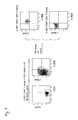
- FIG. 7 demonstrates the suppression potential of TSST-1-specific Treg after isolation and in vitro culture.
- the proliferation of TSST-1-specific naive T cells is suppressed by more than 55% by TSST-1-specific Tregs to less than 10% ( Fig. 7 ).
Landscapes
- Health & Medical Sciences (AREA)
- Life Sciences & Earth Sciences (AREA)
- Immunology (AREA)
- Engineering & Computer Science (AREA)
- Biomedical Technology (AREA)
- Cell Biology (AREA)
- Molecular Biology (AREA)
- Hematology (AREA)
- Chemical & Material Sciences (AREA)
- Urology & Nephrology (AREA)
- Food Science & Technology (AREA)
- Physics & Mathematics (AREA)
- Bioinformatics & Cheminformatics (AREA)
- Biotechnology (AREA)
- Tropical Medicine & Parasitology (AREA)
- Toxicology (AREA)
- Medicinal Chemistry (AREA)
- Microbiology (AREA)
- Analytical Chemistry (AREA)
- Biochemistry (AREA)
- General Health & Medical Sciences (AREA)
- General Physics & Mathematics (AREA)
- Pathology (AREA)
- Medicines That Contain Protein Lipid Enzymes And Other Medicines (AREA)
- Medicines Containing Material From Animals Or Micro-Organisms (AREA)
- Pharmaceuticals Containing Other Organic And Inorganic Compounds (AREA)
Claims (13)
- Utilisation in vitro d'un récepteur 4-1 BB comme marqueur de discrimination en vue de l'identification et/ou de la séparation de lymphocytes auxiliaires Th CD4+ CD25+ régulateurs (Treg) activés de lymphocytes auxiliaires Th CD4+ CD25- activés en un laps de temps de 3 à 8 heures, de préférence de 4 heures, après une activation, le récepteur 4-1 BB étant exprimé par les lymphocytes auxiliaires Th CD4+ CD25+ régulateurs (Treg) activés.
- Utilisation selon l'une quelconque des revendications 1 ou 2, caractérisée en ce que l'expression dans le temps du récepteur en tant que marqueur de discrimination pour des lymphocytes auxiliaires Th régulateurs activés peut être déterminée par des contrôles multiples, de préférence réguliers, en particulier à des intervalles essentiellement de 10 à 40 minutes, de manière particulièrement préférée à des intervalles essentiellement de 30 minutes.
- Utilisation selon la revendication 1, caractérisée en ce que des lymphocytes auxiliaires Th CD4+, CD25+ et/ou FoxP3+ régulateurs sont identifiés et/ou séparés.
- Utilisation selon l'une quelconque des revendications précédentes, caractérisée en ce que des lymphocytes auxiliaires Th régulateurs spécifiques d'antigènes sont identifiés et/ou séparés.
- Utilisation selon l'une quelconque des revendications précédentes, caractérisée en ce que l'expression du récepteur 4-1 BB est mesurée après et/ou pendant une stimulation.
- Utilisation selon l'une quelconque des revendications précédentes, caractérisée en ce que des lymphocytes auxiliaires Th régulateurs sont identifiés et/ou séparés après et/ou pendant une stimulation des lymphocytes dans le mélange de lymphocytes.
- Utilisation selon l'une quelconque des revendications précédentes, caractérisée en ce que les lymphocytes sont stimulés par des facteurs de croissance, des anticorps et/ou des ligands.
- Utilisation selon l'une quelconque des revendications précédentes, caractérisée en ce qu'on utilise des antigènes, des ligands et/ou des anticorps pour la détection du récepteur 4-1 BB.
- Utilisation selon l'une quelconque des revendications précédentes, caractérisée en ce que les antigènes, les ligands et/ou les anticorps pour la détection du récepteur 4-1 BB sont couplés à une substance fluorescente, des haptènes et/ou des particules magnétiques.
- Utilisation selon l'une quelconque des revendications précédentes, caractérisée en ce que l'anticorps anti-récepteur 4-1 BB est couplé à une substance fluorescente, des haptènes et/ou des particules magnétiques.
- Utilisation selon l'une quelconque des revendications précédentes, caractérisée en ce que des lymphocytes auxiliaires Th régulateurs vivants sont identifiés et/ou séparés.
- Utilisation d'un anticorps pour la détection du récepteur 4-1 BB dans l'utilisation selon l'une quelconque des revendications 1 à 11.
- Utilisation d'un kit, comprenant un anticorps pour la détection du récepteur 4-1 BB dans l'utilisation selon l'une quelconque des revendications 1 à 11.
Priority Applications (1)
| Application Number | Priority Date | Filing Date | Title |
|---|---|---|---|
| EP07723802.0A EP2010906B1 (fr) | 2006-03-24 | 2007-03-26 | Utilisation du recepteur 4-1bb pour identifier et/ou separer des lymphocytes t auxiliaires regulateurs activés (treg) |
Applications Claiming Priority (4)
| Application Number | Priority Date | Filing Date | Title |
|---|---|---|---|
| DE200610014193 DE102006014193A1 (de) | 2006-03-24 | 2006-03-24 | Verwendung des 4-1BB Rezeptors zur Identifizierung und/oder Separation aktivierter regulatorischer Th-Zellen (Treg) |
| EP06090038A EP1840569A1 (fr) | 2006-03-28 | 2006-03-28 | Utilisation du récepteur 4-1BB pour l'identification et/ou la séparation de cellules Th régulatrices activées (Treg) |
| PCT/EP2007/002860 WO2007110249A1 (fr) | 2006-03-24 | 2007-03-26 | UTILISATION DU RÉCEPTEUR 4-1BB POUR IDENTIFIER ET/OU SÉPARER DES LYMPHOCYTES T AUXILIAIRES RÉGULATEURS ACTIVÉS (Treg) |
| EP07723802.0A EP2010906B1 (fr) | 2006-03-24 | 2007-03-26 | Utilisation du recepteur 4-1bb pour identifier et/ou separer des lymphocytes t auxiliaires regulateurs activés (treg) |
Publications (2)
| Publication Number | Publication Date |
|---|---|
| EP2010906A1 EP2010906A1 (fr) | 2009-01-07 |
| EP2010906B1 true EP2010906B1 (fr) | 2014-06-11 |
Family
ID=38161967
Family Applications (1)
| Application Number | Title | Priority Date | Filing Date |
|---|---|---|---|
| EP07723802.0A Active EP2010906B1 (fr) | 2006-03-24 | 2007-03-26 | Utilisation du recepteur 4-1bb pour identifier et/ou separer des lymphocytes t auxiliaires regulateurs activés (treg) |
Country Status (3)
| Country | Link |
|---|---|
| US (1) | US8129126B2 (fr) |
| EP (1) | EP2010906B1 (fr) |
| WO (1) | WO2007110249A1 (fr) |
Families Citing this family (4)
| Publication number | Priority date | Publication date | Assignee | Title |
|---|---|---|---|---|
| WO2010022341A1 (fr) * | 2008-08-21 | 2010-02-25 | The United State Of America, As Represented By The Secretary, Department Of Health And Human Services | Procédés pour enrichir et utiliser des cellules t régulatrices |
| US8790916B2 (en) | 2009-05-14 | 2014-07-29 | Genestream, Inc. | Microfluidic method and system for isolating particles from biological fluid |
| DE102009040716B4 (de) | 2009-09-10 | 2011-07-14 | Miltenyi Biotec GmbH, 51429 | Verwendung von CD154 zur Identifizierung und Abtrennung von nicht-regulatorischen T-Zellen aus einem Gemisch mit regulatorischen T-Zellen |
| AU2017299608A1 (en) * | 2016-07-20 | 2019-02-07 | Igm Biosciences, Inc. | Multimeric CD137/4-1BB binding molecules and uses thereof |
Family Cites Families (6)
| Publication number | Priority date | Publication date | Assignee | Title |
|---|---|---|---|---|
| US20030049696A1 (en) | 2001-06-07 | 2003-03-13 | Norment Anne M. | Regulatory T cells and uses thereof |
| TW200502391A (en) * | 2003-05-08 | 2005-01-16 | Xcyte Therapies Inc | Generation and isolation of antigen-specific t cells |
| US7288638B2 (en) * | 2003-10-10 | 2007-10-30 | Bristol-Myers Squibb Company | Fully human antibodies against human 4-1BB |
| US20050118655A1 (en) * | 2003-11-17 | 2005-06-02 | University Of Iowa Research Foundation | Use of parasitic biological agents for diseases prevention and control |
| US7592313B2 (en) * | 2004-05-17 | 2009-09-22 | Board Of Trustees Of The University Of Illinois | Method of stimulating proliferation of regulatory T cells in a diabetic mammal |
| WO2007067683A2 (fr) * | 2005-12-08 | 2007-06-14 | University Of Louisville Research Foundation, Inc. | Procédés et compositions permettant d'étendre des lymphocytes t régulateurs |
-
2007
- 2007-03-26 WO PCT/EP2007/002860 patent/WO2007110249A1/fr not_active Ceased
- 2007-03-26 US US12/294,181 patent/US8129126B2/en active Active
- 2007-03-26 EP EP07723802.0A patent/EP2010906B1/fr active Active
Non-Patent Citations (3)
| Title |
|---|
| ANONYMOUS: "Regulatorische T-Zelle", 10 October 2009 (2009-10-10), pages 1 - 5, Retrieved from the Internet <URL:http://de.wikipedia.org/wiki/Regulatorische_T-Zelle> [retrieved on 20091022] * |
| GROUX H: "An overview of regulatory T cells.", MICROBES AND INFECTION / INSTITUT PASTEUR SEP 2001 LNKD- PUBMED:11564435, vol. 3, no. 11, September 2001 (2001-09-01), pages 883 - 889, ISSN: 1286-4579 * |
| PAULY S ET AL: "CD137 IS EXPRESSED BY FOLLICULAR DENDRITIC CELLS AND COSTIMULATES B LUMPHOCYTE ACTIVATION IN GERMINAL CENTERS", JOURNAL OF LEUKOCYTE BIOLOGY, FEDERATION OF AMERICAN SOCIETIES FOR EXPERIMENTAL BIOLOGY, US, vol. 72, no. 1, 1 July 2002 (2002-07-01), pages 35 - 42, XP009005219, ISSN: 0741-5400 * |
Also Published As
| Publication number | Publication date |
|---|---|
| EP2010906A1 (fr) | 2009-01-07 |
| US20100055720A1 (en) | 2010-03-04 |
| US8129126B2 (en) | 2012-03-06 |
| WO2007110249A1 (fr) | 2007-10-04 |
Similar Documents
| Publication | Publication Date | Title |
|---|---|---|
| DE102009040716B4 (de) | Verwendung von CD154 zur Identifizierung und Abtrennung von nicht-regulatorischen T-Zellen aus einem Gemisch mit regulatorischen T-Zellen | |
| DE60130130T2 (de) | Zusammensetzungen und verfahren zur auslösung spezifischer zytolytischer t-zellantworten | |
| KR102107862B1 (ko) | 조절 t 세포, 및 cd6-발현 또는 cd4, cd25 및 cd127의 조합을 사용하여 이를 확인 및 단리하는 방법 | |
| Brunschwig et al. | Host resistance to cancer. Clinical experiments by homotransplants, autotransplants and admixture of autologous leucocytes | |
| DE102018108612A1 (de) | Verfahren zur erhöhung der persistenz von adoptiv infundierten t-zellen | |
| Tait Wojno et al. | Isolation and identification of innate lymphoid cells (ILCs) for immunotoxicity testing | |
| EP2010906B1 (fr) | Utilisation du recepteur 4-1bb pour identifier et/ou separer des lymphocytes t auxiliaires regulateurs activés (treg) | |
| Jones et al. | RESTRICTION OF GENE EXPRESSION IN B LYMPHOCYTES AND THEIR PROGENY: I. Commitment to Immunoglobulin Allotype | |
| Koh et al. | Assessing macrophage phenotype during tissue repair | |
| Gharibi et al. | STA-21, a small molecule STAT3 inhibitor, ameliorates experimental autoimmune encephalomyelitis by altering Th-17/Treg balance | |
| Lee et al. | PIAS3 suppresses acute graft-versus-host disease by modulating effector T and B cell subsets through inhibition of STAT3 activation | |
| Lorentz et al. | Isolation and characterization of human intestinal mast cells | |
| EP1840569A1 (fr) | Utilisation du récepteur 4-1BB pour l'identification et/ou la séparation de cellules Th régulatrices activées (Treg) | |
| DE102006014193A1 (de) | Verwendung des 4-1BB Rezeptors zur Identifizierung und/oder Separation aktivierter regulatorischer Th-Zellen (Treg) | |
| WO2003048779A1 (fr) | Procede de detection d'allergies et utilisation d'un anticorps pour detecter des allergies | |
| Pohlmeier | Characterization of inflammatory responses in mouse models of asthma and wound healing | |
| Tamadaho | The relevance of myeloid-derived suppressor cells during Litomosoides sigmodontis infection | |
| und Alloreaktivität | Lack of NFATc1 SUMOylation prevents autoimmunity and alloreactivity | |
| Treg | The role of Tr1-cells in inflammatory bowel diseases | |
| Filz | Concepts of Immune Regulation in Chronic Filarial Infections | |
| Ma | Interplay between cytokines and senescence in NK-like cytotoxicity in T cells | |
| CN121569028A (zh) | 用于细胞疗法的先天淋巴细胞及其生物标志物 | |
| Kunz | The role of the chemokine CCL22 in the interaction of dendritic cells and regulatory T cells | |
| Müller | Charakterisierung der Rolle von XIAP in der Modulation des entzündlichen Zelltodes und dessen Konsequenzen | |
| Mazzitelli | Modulating regulatory T cells towards effective cancer immunotherapy |
Legal Events
| Date | Code | Title | Description |
|---|---|---|---|
| PUAI | Public reference made under article 153(3) epc to a published international application that has entered the european phase |
Free format text: ORIGINAL CODE: 0009012 |
|
| 17P | Request for examination filed |
Effective date: 20081024 |
|
| AK | Designated contracting states |
Kind code of ref document: A1 Designated state(s): AT BE BG CH CY CZ DE DK EE ES FI FR GB GR HU IE IS IT LI LT LU LV MC MT NL PL PT RO SE SI SK TR |
|
| AX | Request for extension of the european patent |
Extension state: AL BA HR MK RS |
|
| 17Q | First examination report despatched |
Effective date: 20090317 |
|
| RAP1 | Party data changed (applicant data changed or rights of an application transferred) |
Owner name: MILTENYI BIOTEC GMBH |
|
| DAX | Request for extension of the european patent (deleted) | ||
| GRAP | Despatch of communication of intention to grant a patent |
Free format text: ORIGINAL CODE: EPIDOSNIGR1 |
|
| INTG | Intention to grant announced |
Effective date: 20140103 |
|
| GRAS | Grant fee paid |
Free format text: ORIGINAL CODE: EPIDOSNIGR3 |
|
| GRAA | (expected) grant |
Free format text: ORIGINAL CODE: 0009210 |
|
| AK | Designated contracting states |
Kind code of ref document: B1 Designated state(s): AT BE BG CH CY CZ DE DK EE ES FI FR GB GR HU IE IS IT LI LT LU LV MC MT NL PL PT RO SE SI SK TR |
|
| REG | Reference to a national code |
Ref country code: GB Ref legal event code: FG4D Free format text: NOT ENGLISH |
|
| REG | Reference to a national code |
Ref country code: CH Ref legal event code: EP |
|
| REG | Reference to a national code |
Ref country code: IE Ref legal event code: FG4D Free format text: LANGUAGE OF EP DOCUMENT: GERMAN |
|
| REG | Reference to a national code |
Ref country code: AT Ref legal event code: REF Ref document number: 672493 Country of ref document: AT Kind code of ref document: T Effective date: 20140715 |
|
| REG | Reference to a national code |
Ref country code: DE Ref legal event code: R096 Ref document number: 502007013184 Country of ref document: DE Effective date: 20140724 |
|
| PG25 | Lapsed in a contracting state [announced via postgrant information from national office to epo] |
Ref country code: FI Free format text: LAPSE BECAUSE OF FAILURE TO SUBMIT A TRANSLATION OF THE DESCRIPTION OR TO PAY THE FEE WITHIN THE PRESCRIBED TIME-LIMIT Effective date: 20140611 Ref country code: GR Free format text: LAPSE BECAUSE OF FAILURE TO SUBMIT A TRANSLATION OF THE DESCRIPTION OR TO PAY THE FEE WITHIN THE PRESCRIBED TIME-LIMIT Effective date: 20140912 Ref country code: LT Free format text: LAPSE BECAUSE OF FAILURE TO SUBMIT A TRANSLATION OF THE DESCRIPTION OR TO PAY THE FEE WITHIN THE PRESCRIBED TIME-LIMIT Effective date: 20140611 |
|
| REG | Reference to a national code |
Ref country code: NL Ref legal event code: VDEP Effective date: 20140611 |
|
| REG | Reference to a national code |
Ref country code: LT Ref legal event code: MG4D |
|
| PG25 | Lapsed in a contracting state [announced via postgrant information from national office to epo] |
Ref country code: SE Free format text: LAPSE BECAUSE OF FAILURE TO SUBMIT A TRANSLATION OF THE DESCRIPTION OR TO PAY THE FEE WITHIN THE PRESCRIBED TIME-LIMIT Effective date: 20140611 Ref country code: LV Free format text: LAPSE BECAUSE OF FAILURE TO SUBMIT A TRANSLATION OF THE DESCRIPTION OR TO PAY THE FEE WITHIN THE PRESCRIBED TIME-LIMIT Effective date: 20140611 |
|
| PG25 | Lapsed in a contracting state [announced via postgrant information from national office to epo] |
Ref country code: SK Free format text: LAPSE BECAUSE OF FAILURE TO SUBMIT A TRANSLATION OF THE DESCRIPTION OR TO PAY THE FEE WITHIN THE PRESCRIBED TIME-LIMIT Effective date: 20140611 Ref country code: ES Free format text: LAPSE BECAUSE OF FAILURE TO SUBMIT A TRANSLATION OF THE DESCRIPTION OR TO PAY THE FEE WITHIN THE PRESCRIBED TIME-LIMIT Effective date: 20140611 Ref country code: RO Free format text: LAPSE BECAUSE OF FAILURE TO SUBMIT A TRANSLATION OF THE DESCRIPTION OR TO PAY THE FEE WITHIN THE PRESCRIBED TIME-LIMIT Effective date: 20140611 Ref country code: PT Free format text: LAPSE BECAUSE OF FAILURE TO SUBMIT A TRANSLATION OF THE DESCRIPTION OR TO PAY THE FEE WITHIN THE PRESCRIBED TIME-LIMIT Effective date: 20141013 Ref country code: CZ Free format text: LAPSE BECAUSE OF FAILURE TO SUBMIT A TRANSLATION OF THE DESCRIPTION OR TO PAY THE FEE WITHIN THE PRESCRIBED TIME-LIMIT Effective date: 20140611 Ref country code: EE Free format text: LAPSE BECAUSE OF FAILURE TO SUBMIT A TRANSLATION OF THE DESCRIPTION OR TO PAY THE FEE WITHIN THE PRESCRIBED TIME-LIMIT Effective date: 20140611 |
|
| PG25 | Lapsed in a contracting state [announced via postgrant information from national office to epo] |
Ref country code: PL Free format text: LAPSE BECAUSE OF FAILURE TO SUBMIT A TRANSLATION OF THE DESCRIPTION OR TO PAY THE FEE WITHIN THE PRESCRIBED TIME-LIMIT Effective date: 20140611 Ref country code: NL Free format text: LAPSE BECAUSE OF FAILURE TO SUBMIT A TRANSLATION OF THE DESCRIPTION OR TO PAY THE FEE WITHIN THE PRESCRIBED TIME-LIMIT Effective date: 20140611 Ref country code: IS Free format text: LAPSE BECAUSE OF FAILURE TO SUBMIT A TRANSLATION OF THE DESCRIPTION OR TO PAY THE FEE WITHIN THE PRESCRIBED TIME-LIMIT Effective date: 20141011 |
|
| REG | Reference to a national code |
Ref country code: DE Ref legal event code: R097 Ref document number: 502007013184 Country of ref document: DE |
|
| PLBE | No opposition filed within time limit |
Free format text: ORIGINAL CODE: 0009261 |
|
| STAA | Information on the status of an ep patent application or granted ep patent |
Free format text: STATUS: NO OPPOSITION FILED WITHIN TIME LIMIT |
|
| PG25 | Lapsed in a contracting state [announced via postgrant information from national office to epo] |
Ref country code: DK Free format text: LAPSE BECAUSE OF FAILURE TO SUBMIT A TRANSLATION OF THE DESCRIPTION OR TO PAY THE FEE WITHIN THE PRESCRIBED TIME-LIMIT Effective date: 20140611 Ref country code: IT Free format text: LAPSE BECAUSE OF FAILURE TO SUBMIT A TRANSLATION OF THE DESCRIPTION OR TO PAY THE FEE WITHIN THE PRESCRIBED TIME-LIMIT Effective date: 20140611 |
|
| 26N | No opposition filed |
Effective date: 20150312 |
|
| REG | Reference to a national code |
Ref country code: DE Ref legal event code: R097 Ref document number: 502007013184 Country of ref document: DE Effective date: 20150312 |
|
| PG25 | Lapsed in a contracting state [announced via postgrant information from national office to epo] |
Ref country code: SI Free format text: LAPSE BECAUSE OF FAILURE TO SUBMIT A TRANSLATION OF THE DESCRIPTION OR TO PAY THE FEE WITHIN THE PRESCRIBED TIME-LIMIT Effective date: 20140611 |
|
| PG25 | Lapsed in a contracting state [announced via postgrant information from national office to epo] |
Ref country code: LU Free format text: LAPSE BECAUSE OF FAILURE TO SUBMIT A TRANSLATION OF THE DESCRIPTION OR TO PAY THE FEE WITHIN THE PRESCRIBED TIME-LIMIT Effective date: 20150326 Ref country code: MC Free format text: LAPSE BECAUSE OF FAILURE TO SUBMIT A TRANSLATION OF THE DESCRIPTION OR TO PAY THE FEE WITHIN THE PRESCRIBED TIME-LIMIT Effective date: 20140611 |
|
| REG | Reference to a national code |
Ref country code: CH Ref legal event code: PL |
|
| REG | Reference to a national code |
Ref country code: IE Ref legal event code: MM4A |
|
| PG25 | Lapsed in a contracting state [announced via postgrant information from national office to epo] |
Ref country code: CH Free format text: LAPSE BECAUSE OF NON-PAYMENT OF DUE FEES Effective date: 20150331 Ref country code: IE Free format text: LAPSE BECAUSE OF NON-PAYMENT OF DUE FEES Effective date: 20150326 Ref country code: LI Free format text: LAPSE BECAUSE OF NON-PAYMENT OF DUE FEES Effective date: 20150331 |
|
| REG | Reference to a national code |
Ref country code: FR Ref legal event code: PLFP Year of fee payment: 10 |
|
| REG | Reference to a national code |
Ref country code: AT Ref legal event code: MM01 Ref document number: 672493 Country of ref document: AT Kind code of ref document: T Effective date: 20150326 |
|
| PG25 | Lapsed in a contracting state [announced via postgrant information from national office to epo] |
Ref country code: AT Free format text: LAPSE BECAUSE OF NON-PAYMENT OF DUE FEES Effective date: 20150326 |
|
| PG25 | Lapsed in a contracting state [announced via postgrant information from national office to epo] |
Ref country code: MT Free format text: LAPSE BECAUSE OF FAILURE TO SUBMIT A TRANSLATION OF THE DESCRIPTION OR TO PAY THE FEE WITHIN THE PRESCRIBED TIME-LIMIT Effective date: 20140611 |
|
| REG | Reference to a national code |
Ref country code: FR Ref legal event code: PLFP Year of fee payment: 11 |
|
| PG25 | Lapsed in a contracting state [announced via postgrant information from national office to epo] |
Ref country code: HU Free format text: LAPSE BECAUSE OF FAILURE TO SUBMIT A TRANSLATION OF THE DESCRIPTION OR TO PAY THE FEE WITHIN THE PRESCRIBED TIME-LIMIT; INVALID AB INITIO Effective date: 20070326 Ref country code: BG Free format text: LAPSE BECAUSE OF FAILURE TO SUBMIT A TRANSLATION OF THE DESCRIPTION OR TO PAY THE FEE WITHIN THE PRESCRIBED TIME-LIMIT Effective date: 20140611 |
|
| PG25 | Lapsed in a contracting state [announced via postgrant information from national office to epo] |
Ref country code: CY Free format text: LAPSE BECAUSE OF FAILURE TO SUBMIT A TRANSLATION OF THE DESCRIPTION OR TO PAY THE FEE WITHIN THE PRESCRIBED TIME-LIMIT Effective date: 20140611 |
|
| PG25 | Lapsed in a contracting state [announced via postgrant information from national office to epo] |
Ref country code: BE Free format text: LAPSE BECAUSE OF NON-PAYMENT OF DUE FEES Effective date: 20150331 |
|
| PG25 | Lapsed in a contracting state [announced via postgrant information from national office to epo] |
Ref country code: TR Free format text: LAPSE BECAUSE OF FAILURE TO SUBMIT A TRANSLATION OF THE DESCRIPTION OR TO PAY THE FEE WITHIN THE PRESCRIBED TIME-LIMIT Effective date: 20140611 |
|
| REG | Reference to a national code |
Ref country code: FR Ref legal event code: PLFP Year of fee payment: 12 |
|
| REG | Reference to a national code |
Ref country code: DE Ref legal event code: R082 Ref document number: 502007013184 Country of ref document: DE Ref country code: DE Ref legal event code: R081 Ref document number: 502007013184 Country of ref document: DE Owner name: MILTENYI BIOTEC B.V. & CO. KG, DE Free format text: FORMER OWNER: MILTENYI BIOTEC GMBH, 51429 BERGISCH GLADBACH, DE |
|
| PGFP | Annual fee paid to national office [announced via postgrant information from national office to epo] |
Ref country code: GB Payment date: 20260324 Year of fee payment: 20 |
|
| PGFP | Annual fee paid to national office [announced via postgrant information from national office to epo] |
Ref country code: DE Payment date: 20260319 Year of fee payment: 20 |
|
| PGFP | Annual fee paid to national office [announced via postgrant information from national office to epo] |
Ref country code: FR Payment date: 20260320 Year of fee payment: 20 |