EP2011877A2 - Konjugate für die Modulierung der Immunantworten - Google Patents
Konjugate für die Modulierung der Immunantworten Download PDFInfo
- Publication number
- EP2011877A2 EP2011877A2 EP08011334A EP08011334A EP2011877A2 EP 2011877 A2 EP2011877 A2 EP 2011877A2 EP 08011334 A EP08011334 A EP 08011334A EP 08011334 A EP08011334 A EP 08011334A EP 2011877 A2 EP2011877 A2 EP 2011877A2
- Authority
- EP
- European Patent Office
- Prior art keywords
- notch
- sequence
- cells
- cell
- domain
- Prior art date
- Legal status (The legal status is an assumption and is not a legal conclusion. Google has not performed a legal analysis and makes no representation as to the accuracy of the status listed.)
- Withdrawn
Links
- 230000028993 immune response Effects 0.000 title description 3
- 108010070047 Notch Receptors Proteins 0.000 claims abstract description 253
- 108090000765 processed proteins & peptides Proteins 0.000 claims abstract description 99
- 102000004196 processed proteins & peptides Human genes 0.000 claims abstract description 85
- 229920001184 polypeptide Polymers 0.000 claims abstract description 83
- 230000011664 signaling Effects 0.000 claims abstract description 68
- 102000040430 polynucleotide Human genes 0.000 claims abstract description 61
- 108091033319 polynucleotide Proteins 0.000 claims abstract description 61
- 239000002157 polynucleotide Substances 0.000 claims abstract description 61
- 230000027455 binding Effects 0.000 claims abstract description 53
- 230000026683 transduction Effects 0.000 claims abstract description 24
- 238000010361 transduction Methods 0.000 claims abstract description 24
- 102000008394 Immunoglobulin Fragments Human genes 0.000 claims abstract description 5
- 108010021625 Immunoglobulin Fragments Proteins 0.000 claims abstract description 5
- 108090000623 proteins and genes Proteins 0.000 claims description 182
- 102000004169 proteins and genes Human genes 0.000 claims description 134
- 210000001744 T-lymphocyte Anatomy 0.000 claims description 118
- 239000003446 ligand Substances 0.000 claims description 114
- 238000000034 method Methods 0.000 claims description 63
- 239000012634 fragment Substances 0.000 claims description 42
- 208000037265 diseases, disorders, signs and symptoms Diseases 0.000 claims description 35
- 241000282414 Homo sapiens Species 0.000 claims description 29
- 201000010099 disease Diseases 0.000 claims description 27
- 102000011842 Serrate-Jagged Proteins Human genes 0.000 claims description 26
- 108010036039 Serrate-Jagged Proteins Proteins 0.000 claims description 26
- 230000008685 targeting Effects 0.000 claims description 24
- 238000011282 treatment Methods 0.000 claims description 18
- 102000018713 Histocompatibility Antigens Class II Human genes 0.000 claims description 17
- 108020001507 fusion proteins Proteins 0.000 claims description 16
- 102000037865 fusion proteins Human genes 0.000 claims description 16
- 230000001404 mediated effect Effects 0.000 claims description 15
- 108020000411 Toll-like receptor Proteins 0.000 claims description 13
- 102000002689 Toll-like receptor Human genes 0.000 claims description 11
- 208000015181 infectious disease Diseases 0.000 claims description 11
- 108010027412 Histocompatibility Antigens Class II Proteins 0.000 claims description 9
- 206010028980 Neoplasm Diseases 0.000 claims description 9
- 239000008194 pharmaceutical composition Substances 0.000 claims description 8
- 239000003814 drug Substances 0.000 claims description 7
- 108010073807 IgG Receptors Proteins 0.000 claims description 6
- 102000009490 IgG Receptors Human genes 0.000 claims description 6
- 238000002360 preparation method Methods 0.000 claims description 6
- 206010020751 Hypersensitivity Diseases 0.000 claims description 5
- 239000003085 diluting agent Substances 0.000 claims description 5
- 230000002265 prevention Effects 0.000 claims description 5
- 101000946889 Homo sapiens Monocyte differentiation antigen CD14 Proteins 0.000 claims description 4
- 102100035877 Monocyte differentiation antigen CD14 Human genes 0.000 claims description 4
- 206010052779 Transplant rejections Diseases 0.000 claims description 4
- 239000000546 pharmaceutical excipient Substances 0.000 claims description 4
- 108010078070 scavenger receptors Proteins 0.000 claims description 4
- 102000014452 scavenger receptors Human genes 0.000 claims description 4
- 102100028681 C-type lectin domain family 4 member K Human genes 0.000 claims description 3
- 101710183165 C-type lectin domain family 4 member K Proteins 0.000 claims description 3
- 102100035793 CD83 antigen Human genes 0.000 claims description 3
- 208000035473 Communicable disease Diseases 0.000 claims description 3
- 108010037897 DC-specific ICAM-3 grabbing nonintegrin Proteins 0.000 claims description 3
- 102100026122 High affinity immunoglobulin gamma Fc receptor I Human genes 0.000 claims description 3
- 101000946856 Homo sapiens CD83 antigen Proteins 0.000 claims description 3
- 101000913074 Homo sapiens High affinity immunoglobulin gamma Fc receptor I Proteins 0.000 claims description 3
- 101000917826 Homo sapiens Low affinity immunoglobulin gamma Fc region receptor II-a Proteins 0.000 claims description 3
- 101000917824 Homo sapiens Low affinity immunoglobulin gamma Fc region receptor II-b Proteins 0.000 claims description 3
- 101000934372 Homo sapiens Macrosialin Proteins 0.000 claims description 3
- 101000934338 Homo sapiens Myeloid cell surface antigen CD33 Proteins 0.000 claims description 3
- 102100029204 Low affinity immunoglobulin gamma Fc region receptor II-a Human genes 0.000 claims description 3
- 102100025136 Macrosialin Human genes 0.000 claims description 3
- 108010031099 Mannose Receptor Proteins 0.000 claims description 3
- 102100025243 Myeloid cell surface antigen CD33 Human genes 0.000 claims description 3
- 208000026935 allergic disease Diseases 0.000 claims description 3
- 230000004075 alteration Effects 0.000 claims description 3
- 208000006673 asthma Diseases 0.000 claims description 3
- 102100037877 Intercellular adhesion molecule 1 Human genes 0.000 claims description 2
- 230000007815 allergy Effects 0.000 claims description 2
- 230000005784 autoimmunity Effects 0.000 claims description 2
- 102000014736 Notch Human genes 0.000 claims 9
- 101000599852 Homo sapiens Intercellular adhesion molecule 1 Proteins 0.000 claims 1
- 102000005650 Notch Receptors Human genes 0.000 abstract description 244
- 210000004027 cell Anatomy 0.000 description 141
- 235000018102 proteins Nutrition 0.000 description 110
- 230000014509 gene expression Effects 0.000 description 109
- 210000000612 antigen-presenting cell Anatomy 0.000 description 73
- 230000005754 cellular signaling Effects 0.000 description 48
- 150000007523 nucleic acids Chemical class 0.000 description 44
- 230000005913 Notch signaling pathway Effects 0.000 description 40
- 235000001014 amino acid Nutrition 0.000 description 39
- 108091028043 Nucleic acid sequence Proteins 0.000 description 37
- 125000003275 alpha amino acid group Chemical class 0.000 description 36
- 229940024606 amino acid Drugs 0.000 description 36
- 230000004913 activation Effects 0.000 description 35
- 150000001413 amino acids Chemical class 0.000 description 35
- 239000000427 antigen Substances 0.000 description 30
- 102000036639 antigens Human genes 0.000 description 29
- 108091007433 antigens Proteins 0.000 description 28
- 239000002773 nucleotide Substances 0.000 description 28
- 125000003729 nucleotide group Chemical group 0.000 description 28
- 102000018233 Fibroblast Growth Factor Human genes 0.000 description 27
- 108050007372 Fibroblast Growth Factor Proteins 0.000 description 27
- 239000000126 substance Substances 0.000 description 26
- 108020004414 DNA Proteins 0.000 description 25
- 239000013598 vector Substances 0.000 description 24
- 108091008874 T cell receptors Proteins 0.000 description 23
- 102000016266 T-Cell Antigen Receptors Human genes 0.000 description 23
- 102000039446 nucleic acids Human genes 0.000 description 23
- 108020004707 nucleic acids Proteins 0.000 description 23
- 231100000617 superantigen Toxicity 0.000 description 23
- 108010007726 Bone Morphogenetic Proteins Proteins 0.000 description 22
- 102000007350 Bone Morphogenetic Proteins Human genes 0.000 description 22
- 229940112869 bone morphogenetic protein Drugs 0.000 description 22
- 229940126864 fibroblast growth factor Drugs 0.000 description 22
- 230000000694 effects Effects 0.000 description 21
- 239000000523 sample Substances 0.000 description 21
- ZDXPYRJPNDTMRX-VKHMYHEASA-N L-glutamine Chemical compound OC(=O)[C@@H](N)CCC(N)=O ZDXPYRJPNDTMRX-VKHMYHEASA-N 0.000 description 20
- 238000003752 polymerase chain reaction Methods 0.000 description 20
- 239000013615 primer Substances 0.000 description 20
- 108091054438 MHC class II family Proteins 0.000 description 19
- 239000000047 product Substances 0.000 description 19
- 102000004127 Cytokines Human genes 0.000 description 18
- 108090000695 Cytokines Proteins 0.000 description 18
- 150000001875 compounds Chemical class 0.000 description 18
- ZDXPYRJPNDTMRX-UHFFFAOYSA-N glutamine Natural products OC(=O)C(N)CCC(N)=O ZDXPYRJPNDTMRX-UHFFFAOYSA-N 0.000 description 18
- 235000004554 glutamine Nutrition 0.000 description 18
- 101000584736 Ciona intestinalis Suppressor of hairless homolog Proteins 0.000 description 17
- 239000006144 Dulbecco’s modified Eagle's medium Substances 0.000 description 16
- 230000003834 intracellular effect Effects 0.000 description 16
- 125000005647 linker group Chemical group 0.000 description 16
- 102000005962 receptors Human genes 0.000 description 16
- 108020003175 receptors Proteins 0.000 description 16
- 108020004705 Codon Proteins 0.000 description 15
- 102000012545 EGF-like domains Human genes 0.000 description 15
- 108050002150 EGF-like domains Proteins 0.000 description 15
- 230000003993 interaction Effects 0.000 description 15
- 108020004999 messenger RNA Proteins 0.000 description 15
- 230000037361 pathway Effects 0.000 description 15
- 238000003556 assay Methods 0.000 description 14
- 239000002299 complementary DNA Substances 0.000 description 14
- 230000006870 function Effects 0.000 description 14
- 241000255581 Drosophila <fruit fly, genus> Species 0.000 description 13
- 102000049556 Jagged-1 Human genes 0.000 description 13
- 230000002757 inflammatory effect Effects 0.000 description 13
- 108700018351 Major Histocompatibility Complex Proteins 0.000 description 12
- 101000686985 Mouse mammary tumor virus (strain C3H) Protein PR73 Proteins 0.000 description 12
- 238000004519 manufacturing process Methods 0.000 description 12
- 239000000203 mixture Substances 0.000 description 12
- -1 nitro- Chemical class 0.000 description 12
- 102000045246 noggin Human genes 0.000 description 12
- 108700007229 noggin Proteins 0.000 description 12
- 230000019491 signal transduction Effects 0.000 description 12
- 230000020382 suppression by virus of host antigen processing and presentation of peptide antigen via MHC class I Effects 0.000 description 12
- 206010061218 Inflammation Diseases 0.000 description 11
- 102000003814 Interleukin-10 Human genes 0.000 description 11
- 108090000174 Interleukin-10 Proteins 0.000 description 11
- 108700003486 Jagged-1 Proteins 0.000 description 11
- 102000043131 MHC class II family Human genes 0.000 description 11
- 102000006533 chordin Human genes 0.000 description 11
- 108010008846 chordin Proteins 0.000 description 11
- 238000001943 fluorescence-activated cell sorting Methods 0.000 description 11
- 230000004054 inflammatory process Effects 0.000 description 11
- 230000003612 virological effect Effects 0.000 description 11
- 239000003795 chemical substances by application Substances 0.000 description 10
- 230000000139 costimulatory effect Effects 0.000 description 10
- 239000003112 inhibitor Substances 0.000 description 10
- 210000000056 organ Anatomy 0.000 description 10
- 239000000243 solution Substances 0.000 description 10
- 108091032973 (ribonucleotides)n+m Proteins 0.000 description 9
- DHMQDGOQFOQNFH-UHFFFAOYSA-N Glycine Chemical compound NCC(O)=O DHMQDGOQFOQNFH-UHFFFAOYSA-N 0.000 description 9
- 101710189714 Major cell-binding factor Proteins 0.000 description 9
- 102100030000 Recombining binding protein suppressor of hairless Human genes 0.000 description 9
- 238000006243 chemical reaction Methods 0.000 description 9
- 230000001086 cytosolic effect Effects 0.000 description 9
- 239000013604 expression vector Substances 0.000 description 9
- 230000002401 inhibitory effect Effects 0.000 description 9
- 230000005764 inhibitory process Effects 0.000 description 9
- 238000006467 substitution reaction Methods 0.000 description 9
- 210000001519 tissue Anatomy 0.000 description 9
- 238000001890 transfection Methods 0.000 description 9
- VBEQCZHXXJYVRD-GACYYNSASA-N uroanthelone Chemical compound C([C@@H](C(=O)N[C@H](C(=O)N[C@@H](CS)C(=O)N[C@@H](CC(N)=O)C(=O)N[C@@H](CS)C(=O)N[C@H](C(=O)N[C@@H]([C@@H](C)CC)C(=O)NCC(=O)N[C@@H](CC=1C=CC(O)=CC=1)C(=O)N[C@@H](CO)C(=O)NCC(=O)N[C@@H](CC(O)=O)C(=O)N[C@@H](CCCNC(N)=N)C(=O)N[C@@H](CS)C(=O)N[C@@H](CCC(N)=O)C(=O)N[C@@H]([C@@H](C)O)C(=O)N[C@@H](CCCNC(N)=N)C(=O)N[C@@H](CC(O)=O)C(=O)N[C@@H](CC(C)C)C(=O)N[C@@H](CCCNC(N)=N)C(=O)N[C@@H](CC=1C2=CC=CC=C2NC=1)C(=O)N[C@@H](CC=1C2=CC=CC=C2NC=1)C(=O)N[C@@H](CCC(O)=O)C(=O)N[C@@H](CC(C)C)C(=O)N[C@@H](CCCNC(N)=N)C(O)=O)C(C)C)[C@@H](C)O)NC(=O)[C@H](CO)NC(=O)[C@H](CC(O)=O)NC(=O)[C@H](CC(C)C)NC(=O)[C@H](CO)NC(=O)[C@H](CCC(O)=O)NC(=O)[C@@H](NC(=O)[C@H](CC=1NC=NC=1)NC(=O)[C@H](CCSC)NC(=O)[C@H](CS)NC(=O)[C@@H](NC(=O)CNC(=O)CNC(=O)[C@H](CC(N)=O)NC(=O)[C@H](CC(C)C)NC(=O)[C@H](CS)NC(=O)[C@H](CC=1C=CC(O)=CC=1)NC(=O)CNC(=O)[C@H](CC(O)=O)NC(=O)[C@H](CC=1C=CC(O)=CC=1)NC(=O)[C@H](CO)NC(=O)[C@H](CO)NC(=O)[C@H]1N(CCC1)C(=O)[C@H](CS)NC(=O)CNC(=O)[C@H]1N(CCC1)C(=O)[C@H](CC=1C=CC(O)=CC=1)NC(=O)[C@H](CO)NC(=O)[C@@H](N)CC(N)=O)C(C)C)[C@@H](C)CC)C1=CC=C(O)C=C1 VBEQCZHXXJYVRD-GACYYNSASA-N 0.000 description 9
- 208000023275 Autoimmune disease Diseases 0.000 description 8
- 241001465754 Metazoa Species 0.000 description 8
- 102000006382 Ribonucleases Human genes 0.000 description 8
- 108010083644 Ribonucleases Proteins 0.000 description 8
- 230000000295 complement effect Effects 0.000 description 8
- 230000007423 decrease Effects 0.000 description 8
- 108700041286 delta Proteins 0.000 description 8
- 208000035475 disorder Diseases 0.000 description 8
- 230000004927 fusion Effects 0.000 description 8
- 239000013612 plasmid Substances 0.000 description 8
- 230000006337 proteolytic cleavage Effects 0.000 description 8
- 238000013518 transcription Methods 0.000 description 8
- 230000035897 transcription Effects 0.000 description 8
- 108010049777 Ankyrins Proteins 0.000 description 7
- 102000008102 Ankyrins Human genes 0.000 description 7
- 108010014612 Follistatin Proteins 0.000 description 7
- 102000016970 Follistatin Human genes 0.000 description 7
- 108010043121 Green Fluorescent Proteins Proteins 0.000 description 7
- 102000004144 Green Fluorescent Proteins Human genes 0.000 description 7
- 101100118545 Holotrichia diomphalia EGF-like gene Proteins 0.000 description 7
- 102000049546 Jagged-2 Human genes 0.000 description 7
- DCXYFEDJOCDNAF-REOHCLBHSA-N L-asparagine Chemical compound OC(=O)[C@@H](N)CC(N)=O DCXYFEDJOCDNAF-REOHCLBHSA-N 0.000 description 7
- 102000040945 Transcription factor Human genes 0.000 description 7
- 108091023040 Transcription factor Proteins 0.000 description 7
- 101001124893 Xenopus laevis Nodal homolog 3-A Proteins 0.000 description 7
- 230000003321 amplification Effects 0.000 description 7
- 230000000692 anti-sense effect Effects 0.000 description 7
- 230000001580 bacterial effect Effects 0.000 description 7
- 210000003169 central nervous system Anatomy 0.000 description 7
- 239000005090 green fluorescent protein Substances 0.000 description 7
- 238000009396 hybridization Methods 0.000 description 7
- 238000000338 in vitro Methods 0.000 description 7
- 238000001727 in vivo Methods 0.000 description 7
- 230000001965 increasing effect Effects 0.000 description 7
- 238000003780 insertion Methods 0.000 description 7
- 230000037431 insertion Effects 0.000 description 7
- 238000003199 nucleic acid amplification method Methods 0.000 description 7
- UBWXUGDQUBIEIZ-UHFFFAOYSA-N (13-methyl-3-oxo-2,6,7,8,9,10,11,12,14,15,16,17-dodecahydro-1h-cyclopenta[a]phenanthren-17-yl) 3-phenylpropanoate Chemical compound CC12CCC(C3CCC(=O)C=C3CC3)C3C1CCC2OC(=O)CCC1=CC=CC=C1 UBWXUGDQUBIEIZ-UHFFFAOYSA-N 0.000 description 6
- 108010059616 Activins Proteins 0.000 description 6
- 102000005606 Activins Human genes 0.000 description 6
- 101800003838 Epidermal growth factor Proteins 0.000 description 6
- 101000994437 Homo sapiens Protein jagged-1 Proteins 0.000 description 6
- 101000801209 Homo sapiens Transducin-like enhancer protein 4 Proteins 0.000 description 6
- 102100033237 Pro-epidermal growth factor Human genes 0.000 description 6
- 102100036011 T-cell surface glycoprotein CD4 Human genes 0.000 description 6
- 102000004887 Transforming Growth Factor beta Human genes 0.000 description 6
- 108090001012 Transforming Growth Factor beta Proteins 0.000 description 6
- 241000251539 Vertebrata <Metazoa> Species 0.000 description 6
- 239000000488 activin Substances 0.000 description 6
- 210000003719 b-lymphocyte Anatomy 0.000 description 6
- 210000004978 chinese hamster ovary cell Anatomy 0.000 description 6
- 125000004122 cyclic group Chemical group 0.000 description 6
- 239000003623 enhancer Substances 0.000 description 6
- 229940116977 epidermal growth factor Drugs 0.000 description 6
- 230000002068 genetic effect Effects 0.000 description 6
- 239000003102 growth factor Substances 0.000 description 6
- 102000056036 human JAG1 Human genes 0.000 description 6
- 230000001976 improved effect Effects 0.000 description 6
- 230000003902 lesion Effects 0.000 description 6
- 210000004962 mammalian cell Anatomy 0.000 description 6
- 210000004940 nucleus Anatomy 0.000 description 6
- 239000002953 phosphate buffered saline Substances 0.000 description 6
- 241000894007 species Species 0.000 description 6
- ZRKFYGHZFMAOKI-QMGMOQQFSA-N tgfbeta Chemical compound C([C@H](NC(=O)[C@H](C(C)C)NC(=O)CNC(=O)[C@H](CCC(O)=O)NC(=O)[C@H](CCCNC(N)=N)NC(=O)[C@H](CC(N)=O)NC(=O)[C@H](CC(C)C)NC(=O)[C@H]([C@@H](C)O)NC(=O)[C@H](CCC(O)=O)NC(=O)[C@H]([C@@H](C)O)NC(=O)[C@H](CC(C)C)NC(=O)CNC(=O)[C@H](C)NC(=O)[C@H](CO)NC(=O)[C@H](CCC(N)=O)NC(=O)[C@@H](NC(=O)[C@H](C)NC(=O)[C@H](C)NC(=O)[C@@H](NC(=O)[C@H](CC(C)C)NC(=O)[C@@H](N)CCSC)C(C)C)[C@@H](C)CC)C(=O)N[C@@H]([C@@H](C)O)C(=O)N[C@@H](C(C)C)C(=O)N[C@@H](CC=1C=CC=CC=1)C(=O)N[C@@H](C)C(=O)N1[C@@H](CCC1)C(=O)N[C@@H]([C@@H](C)O)C(=O)N[C@@H](CC(N)=O)C(=O)N[C@@H](CCC(O)=O)C(=O)N[C@@H](C)C(=O)N[C@@H](CC=1C=CC=CC=1)C(=O)N[C@@H](CCCNC(N)=N)C(=O)N[C@@H](C)C(=O)N[C@@H](CC(C)C)C(=O)N1[C@@H](CCC1)C(=O)N1[C@@H](CCC1)C(=O)N[C@@H](CCCNC(N)=N)C(=O)N[C@@H](CCC(O)=O)C(=O)N[C@@H](CCCNC(N)=N)C(=O)N[C@@H](CO)C(=O)N[C@@H](CCCNC(N)=N)C(=O)N[C@@H](CC(C)C)C(=O)N[C@@H](CC(C)C)C(O)=O)C1=CC=C(O)C=C1 ZRKFYGHZFMAOKI-QMGMOQQFSA-N 0.000 description 6
- 210000004881 tumor cell Anatomy 0.000 description 6
- DCXYFEDJOCDNAF-UHFFFAOYSA-N Asparagine Natural products OC(=O)C(N)CC(N)=O DCXYFEDJOCDNAF-UHFFFAOYSA-N 0.000 description 5
- 101001120236 Crotalus durissus cumanensis Basic phospholipase A2 10 Proteins 0.000 description 5
- 101150092640 HES1 gene Proteins 0.000 description 5
- 101000994434 Homo sapiens Protein jagged-2 Proteins 0.000 description 5
- 241000701044 Human gammaherpesvirus 4 Species 0.000 description 5
- 241000725303 Human immunodeficiency virus Species 0.000 description 5
- 102000013462 Interleukin-12 Human genes 0.000 description 5
- 108010065805 Interleukin-12 Proteins 0.000 description 5
- 101100284799 Mus musculus Hesx1 gene Proteins 0.000 description 5
- 102400000552 Notch 1 intracellular domain Human genes 0.000 description 5
- 101800001628 Notch 1 intracellular domain Proteins 0.000 description 5
- FAPWRFPIFSIZLT-UHFFFAOYSA-M Sodium chloride Chemical compound [Na+].[Cl-] FAPWRFPIFSIZLT-UHFFFAOYSA-M 0.000 description 5
- 102100033763 Transducin-like enhancer protein 4 Human genes 0.000 description 5
- 241000700605 Viruses Species 0.000 description 5
- 239000012190 activator Substances 0.000 description 5
- 125000000539 amino acid group Chemical group 0.000 description 5
- 235000009582 asparagine Nutrition 0.000 description 5
- 229960001230 asparagine Drugs 0.000 description 5
- 230000008901 benefit Effects 0.000 description 5
- 230000001419 dependent effect Effects 0.000 description 5
- 238000010790 dilution Methods 0.000 description 5
- 239000012895 dilution Substances 0.000 description 5
- 231100000655 enterotoxin Toxicity 0.000 description 5
- 239000001963 growth medium Substances 0.000 description 5
- 125000001183 hydrocarbyl group Chemical group 0.000 description 5
- 230000001506 immunosuppresive effect Effects 0.000 description 5
- 210000004698 lymphocyte Anatomy 0.000 description 5
- 230000007246 mechanism Effects 0.000 description 5
- 238000007826 nucleic acid assay Methods 0.000 description 5
- 239000002243 precursor Substances 0.000 description 5
- 230000004044 response Effects 0.000 description 5
- 206010039073 rheumatoid arthritis Diseases 0.000 description 5
- 230000001225 therapeutic effect Effects 0.000 description 5
- MTCFGRXMJLQNBG-REOHCLBHSA-N (2S)-2-Amino-3-hydroxypropansäure Chemical compound OC[C@H](N)C(O)=O MTCFGRXMJLQNBG-REOHCLBHSA-N 0.000 description 4
- MZOFCQQQCNRIBI-VMXHOPILSA-N (3s)-4-[[(2s)-1-[[(2s)-1-[[(1s)-1-carboxy-2-hydroxyethyl]amino]-4-methyl-1-oxopentan-2-yl]amino]-5-(diaminomethylideneamino)-1-oxopentan-2-yl]amino]-3-[[2-[[(2s)-2,6-diaminohexanoyl]amino]acetyl]amino]-4-oxobutanoic acid Chemical compound OC[C@@H](C(O)=O)NC(=O)[C@H](CC(C)C)NC(=O)[C@H](CCCN=C(N)N)NC(=O)[C@H](CC(O)=O)NC(=O)CNC(=O)[C@@H](N)CCCCN MZOFCQQQCNRIBI-VMXHOPILSA-N 0.000 description 4
- 108010040422 Bone Morphogenetic Protein Receptors Proteins 0.000 description 4
- 102000001893 Bone Morphogenetic Protein Receptors Human genes 0.000 description 4
- 101100510615 Caenorhabditis elegans lag-2 gene Proteins 0.000 description 4
- 102000004190 Enzymes Human genes 0.000 description 4
- 108090000790 Enzymes Proteins 0.000 description 4
- 108090000386 Fibroblast Growth Factor 1 Proteins 0.000 description 4
- 102000003971 Fibroblast Growth Factor 1 Human genes 0.000 description 4
- WHUUTDBJXJRKMK-UHFFFAOYSA-N Glutamic acid Natural products OC(=O)C(N)CCC(O)=O WHUUTDBJXJRKMK-UHFFFAOYSA-N 0.000 description 4
- 239000004471 Glycine Substances 0.000 description 4
- 101000914484 Homo sapiens T-lymphocyte activation antigen CD80 Proteins 0.000 description 4
- 108060003951 Immunoglobulin Proteins 0.000 description 4
- 102100037850 Interferon gamma Human genes 0.000 description 4
- 108010074328 Interferon-gamma Proteins 0.000 description 4
- 102000003816 Interleukin-13 Human genes 0.000 description 4
- 108090000176 Interleukin-13 Proteins 0.000 description 4
- CKLJMWTZIZZHCS-REOHCLBHSA-N L-aspartic acid Chemical compound OC(=O)[C@@H](N)CC(O)=O CKLJMWTZIZZHCS-REOHCLBHSA-N 0.000 description 4
- WHUUTDBJXJRKMK-VKHMYHEASA-N L-glutamic acid Chemical compound OC(=O)[C@@H](N)CCC(O)=O WHUUTDBJXJRKMK-VKHMYHEASA-N 0.000 description 4
- ROHFNLRQFUQHCH-YFKPBYRVSA-N L-leucine Chemical compound CC(C)C[C@H](N)C(O)=O ROHFNLRQFUQHCH-YFKPBYRVSA-N 0.000 description 4
- ROHFNLRQFUQHCH-UHFFFAOYSA-N Leucine Natural products CC(C)CC(N)C(O)=O ROHFNLRQFUQHCH-UHFFFAOYSA-N 0.000 description 4
- 108060001084 Luciferase Proteins 0.000 description 4
- 239000005089 Luciferase Substances 0.000 description 4
- KDXKERNSBIXSRK-UHFFFAOYSA-N Lysine Natural products NCCCCC(N)C(O)=O KDXKERNSBIXSRK-UHFFFAOYSA-N 0.000 description 4
- 241000699666 Mus <mouse, genus> Species 0.000 description 4
- 108700037064 Neurogenic locus notch homolog protein 2 Proteins 0.000 description 4
- 102100025246 Neurogenic locus notch homolog protein 2 Human genes 0.000 description 4
- 108010050254 Presenilins Proteins 0.000 description 4
- 102000015499 Presenilins Human genes 0.000 description 4
- 108700037966 Protein jagged-1 Proteins 0.000 description 4
- 108020004511 Recombinant DNA Proteins 0.000 description 4
- 102100027222 T-lymphocyte activation antigen CD80 Human genes 0.000 description 4
- 108060008682 Tumor Necrosis Factor Proteins 0.000 description 4
- 102000000852 Tumor Necrosis Factor-alpha Human genes 0.000 description 4
- 230000002378 acidificating effect Effects 0.000 description 4
- 230000003213 activating effect Effects 0.000 description 4
- 208000009956 adenocarcinoma Diseases 0.000 description 4
- 125000003277 amino group Chemical group 0.000 description 4
- 230000000890 antigenic effect Effects 0.000 description 4
- 238000003491 array Methods 0.000 description 4
- 230000033228 biological regulation Effects 0.000 description 4
- 201000011510 cancer Diseases 0.000 description 4
- 210000000170 cell membrane Anatomy 0.000 description 4
- 230000001413 cellular effect Effects 0.000 description 4
- 238000003776 cleavage reaction Methods 0.000 description 4
- 238000010367 cloning Methods 0.000 description 4
- 235000018417 cysteine Nutrition 0.000 description 4
- 238000012217 deletion Methods 0.000 description 4
- 230000037430 deletion Effects 0.000 description 4
- 229940088598 enzyme Drugs 0.000 description 4
- 238000000684 flow cytometry Methods 0.000 description 4
- 125000000524 functional group Chemical group 0.000 description 4
- 102000051466 human JAG2 Human genes 0.000 description 4
- 102000018358 immunoglobulin Human genes 0.000 description 4
- 230000006698 induction Effects 0.000 description 4
- 230000000670 limiting effect Effects 0.000 description 4
- 239000002609 medium Substances 0.000 description 4
- 230000004048 modification Effects 0.000 description 4
- 238000012986 modification Methods 0.000 description 4
- 201000006417 multiple sclerosis Diseases 0.000 description 4
- 201000001119 neuropathy Diseases 0.000 description 4
- 230000007823 neuropathy Effects 0.000 description 4
- 201000005737 orchitis Diseases 0.000 description 4
- 208000033808 peripheral neuropathy Diseases 0.000 description 4
- 238000000159 protein binding assay Methods 0.000 description 4
- 230000007017 scission Effects 0.000 description 4
- 239000003381 stabilizer Substances 0.000 description 4
- 238000010561 standard procedure Methods 0.000 description 4
- 125000001424 substituent group Chemical group 0.000 description 4
- 239000003826 tablet Substances 0.000 description 4
- 230000017423 tissue regeneration Effects 0.000 description 4
- 230000002103 transcriptional effect Effects 0.000 description 4
- ZTOBILYWTYHOJB-WBCGDKOGSA-N 3',6'-bis[[(2s,3r,4s,5r,6r)-3,4,5-trihydroxy-6-(hydroxymethyl)oxan-2-yl]oxy]spiro[2-benzofuran-3,9'-xanthene]-1-one Chemical compound O[C@@H]1[C@@H](O)[C@@H](O)[C@@H](CO)O[C@H]1OC1=CC=C2C3(C4=CC=CC=C4C(=O)O3)C3=CC=C(O[C@H]4[C@@H]([C@@H](O)[C@@H](O)[C@@H](CO)O4)O)C=C3OC2=C1 ZTOBILYWTYHOJB-WBCGDKOGSA-N 0.000 description 3
- 239000004475 Arginine Substances 0.000 description 3
- 108091026890 Coding region Proteins 0.000 description 3
- 102100039498 Cytotoxic T-lymphocyte protein 4 Human genes 0.000 description 3
- BCCRXDTUTZHDEU-VKHMYHEASA-N Gly-Ser Chemical compound NCC(=O)N[C@@H](CO)C(O)=O BCCRXDTUTZHDEU-VKHMYHEASA-N 0.000 description 3
- 102100021186 Granulysin Human genes 0.000 description 3
- 101100499372 Homo sapiens DLL1 gene Proteins 0.000 description 3
- 101000872077 Homo sapiens Delta-like protein 4 Proteins 0.000 description 3
- 101001040751 Homo sapiens Granulysin Proteins 0.000 description 3
- 101000577199 Homo sapiens Neurogenic locus notch homolog protein 2 Proteins 0.000 description 3
- 101000914514 Homo sapiens T-cell-specific surface glycoprotein CD28 Proteins 0.000 description 3
- 102100025390 Integrin beta-2 Human genes 0.000 description 3
- 102000004388 Interleukin-4 Human genes 0.000 description 3
- 108090000978 Interleukin-4 Proteins 0.000 description 3
- 206010022941 Iridocyclitis Diseases 0.000 description 3
- 108700003489 Jagged-2 Proteins 0.000 description 3
- QNAYBMKLOCPYGJ-REOHCLBHSA-N L-alanine Chemical compound C[C@H](N)C(O)=O QNAYBMKLOCPYGJ-REOHCLBHSA-N 0.000 description 3
- AGPKZVBTJJNPAG-WHFBIAKZSA-N L-isoleucine Chemical compound CC[C@H](C)[C@H](N)C(O)=O AGPKZVBTJJNPAG-WHFBIAKZSA-N 0.000 description 3
- COLNVLDHVKWLRT-QMMMGPOBSA-N L-phenylalanine Chemical compound OC(=O)[C@@H](N)CC1=CC=CC=C1 COLNVLDHVKWLRT-QMMMGPOBSA-N 0.000 description 3
- AYFVYJQAPQTCCC-GBXIJSLDSA-N L-threonine Chemical compound C[C@@H](O)[C@H](N)C(O)=O AYFVYJQAPQTCCC-GBXIJSLDSA-N 0.000 description 3
- OUYCCCASQSFEME-QMMMGPOBSA-N L-tyrosine Chemical compound OC(=O)[C@@H](N)CC1=CC=C(O)C=C1 OUYCCCASQSFEME-QMMMGPOBSA-N 0.000 description 3
- 239000004472 Lysine Substances 0.000 description 3
- 108700037638 Neurogenic locus notch homolog protein 1 Proteins 0.000 description 3
- 102100023181 Neurogenic locus notch homolog protein 1 Human genes 0.000 description 3
- 102100025254 Neurogenic locus notch homolog protein 4 Human genes 0.000 description 3
- 108010029741 Notch4 Receptor Proteins 0.000 description 3
- 208000018737 Parkinson disease Diseases 0.000 description 3
- 101710149951 Protein Tat Proteins 0.000 description 3
- 101710170213 Protein jagged-2 Proteins 0.000 description 3
- 108700008625 Reporter Genes Proteins 0.000 description 3
- 241000701062 Saimiriine gammaherpesvirus 2 Species 0.000 description 3
- 206010040070 Septic Shock Diseases 0.000 description 3
- MTCFGRXMJLQNBG-UHFFFAOYSA-N Serine Natural products OCC(N)C(O)=O MTCFGRXMJLQNBG-UHFFFAOYSA-N 0.000 description 3
- 241001415395 Spea Species 0.000 description 3
- 102100027213 T-cell-specific surface glycoprotein CD28 Human genes 0.000 description 3
- 239000002253 acid Substances 0.000 description 3
- 230000001154 acute effect Effects 0.000 description 3
- 235000004279 alanine Nutrition 0.000 description 3
- 125000000217 alkyl group Chemical group 0.000 description 3
- 239000013566 allergen Substances 0.000 description 3
- 239000005557 antagonist Substances 0.000 description 3
- 201000004612 anterior uveitis Diseases 0.000 description 3
- ODKSFYDXXFIFQN-UHFFFAOYSA-N arginine Natural products OC(=O)C(N)CCCNC(N)=N ODKSFYDXXFIFQN-UHFFFAOYSA-N 0.000 description 3
- 235000003704 aspartic acid Nutrition 0.000 description 3
- OQFSQFPPLPISGP-UHFFFAOYSA-N beta-carboxyaspartic acid Natural products OC(=O)C(N)C(C(O)=O)C(O)=O OQFSQFPPLPISGP-UHFFFAOYSA-N 0.000 description 3
- 230000004071 biological effect Effects 0.000 description 3
- 230000015572 biosynthetic process Effects 0.000 description 3
- 239000002775 capsule Substances 0.000 description 3
- 125000003178 carboxy group Chemical group [H]OC(*)=O 0.000 description 3
- 238000003501 co-culture Methods 0.000 description 3
- 239000003184 complementary RNA Substances 0.000 description 3
- 230000001351 cycling effect Effects 0.000 description 3
- XUJNEKJLAYXESH-UHFFFAOYSA-N cysteine Natural products SCC(N)C(O)=O XUJNEKJLAYXESH-UHFFFAOYSA-N 0.000 description 3
- 230000003247 decreasing effect Effects 0.000 description 3
- 238000001514 detection method Methods 0.000 description 3
- 206010012601 diabetes mellitus Diseases 0.000 description 3
- 230000002222 downregulating effect Effects 0.000 description 3
- 238000007877 drug screening Methods 0.000 description 3
- 238000005516 engineering process Methods 0.000 description 3
- 239000007850 fluorescent dye Substances 0.000 description 3
- 125000002485 formyl group Chemical group [H]C(*)=O 0.000 description 3
- 210000002443 helper t lymphocyte Anatomy 0.000 description 3
- 238000013537 high throughput screening Methods 0.000 description 3
- 102000044457 human DLL4 Human genes 0.000 description 3
- 210000005260 human cell Anatomy 0.000 description 3
- 210000000987 immune system Anatomy 0.000 description 3
- 230000006058 immune tolerance Effects 0.000 description 3
- 230000001939 inductive effect Effects 0.000 description 3
- 230000002458 infectious effect Effects 0.000 description 3
- 208000014674 injury Diseases 0.000 description 3
- 239000000543 intermediate Substances 0.000 description 3
- 238000001990 intravenous administration Methods 0.000 description 3
- AGPKZVBTJJNPAG-UHFFFAOYSA-N isoleucine Natural products CCC(C)C(N)C(O)=O AGPKZVBTJJNPAG-UHFFFAOYSA-N 0.000 description 3
- 229960000310 isoleucine Drugs 0.000 description 3
- 238000003670 luciferase enzyme activity assay Methods 0.000 description 3
- 239000012528 membrane Substances 0.000 description 3
- 238000000520 microinjection Methods 0.000 description 3
- 238000010369 molecular cloning Methods 0.000 description 3
- 238000012544 monitoring process Methods 0.000 description 3
- 206010028417 myasthenia gravis Diseases 0.000 description 3
- 230000002018 overexpression Effects 0.000 description 3
- COLNVLDHVKWLRT-UHFFFAOYSA-N phenylalanine Natural products OC(=O)C(N)CC1=CC=CC=C1 COLNVLDHVKWLRT-UHFFFAOYSA-N 0.000 description 3
- 235000008729 phenylalanine Nutrition 0.000 description 3
- 230000004481 post-translational protein modification Effects 0.000 description 3
- 230000008569 process Effects 0.000 description 3
- 201000002241 progressive bulbar palsy Diseases 0.000 description 3
- 238000002731 protein assay Methods 0.000 description 3
- 238000000746 purification Methods 0.000 description 3
- 230000009467 reduction Effects 0.000 description 3
- 230000022532 regulation of transcription, DNA-dependent Effects 0.000 description 3
- 210000003289 regulatory T cell Anatomy 0.000 description 3
- 230000001105 regulatory effect Effects 0.000 description 3
- 230000000754 repressing effect Effects 0.000 description 3
- 230000028327 secretion Effects 0.000 description 3
- 235000004400 serine Nutrition 0.000 description 3
- 239000007787 solid Substances 0.000 description 3
- 238000012360 testing method Methods 0.000 description 3
- 206010043778 thyroiditis Diseases 0.000 description 3
- 108091006106 transcriptional activators Proteins 0.000 description 3
- 238000003146 transient transfection Methods 0.000 description 3
- 238000002054 transplantation Methods 0.000 description 3
- OUYCCCASQSFEME-UHFFFAOYSA-N tyrosine Natural products OC(=O)C(N)CC1=CC=C(O)C=C1 OUYCCCASQSFEME-UHFFFAOYSA-N 0.000 description 3
- 235000002374 tyrosine Nutrition 0.000 description 3
- 238000001262 western blot Methods 0.000 description 3
- 208000024827 Alzheimer disease Diseases 0.000 description 2
- 108020005544 Antisense RNA Proteins 0.000 description 2
- IJGRMHOSHXDMSA-UHFFFAOYSA-N Atomic nitrogen Chemical compound N#N IJGRMHOSHXDMSA-UHFFFAOYSA-N 0.000 description 2
- 108010027344 Basic Helix-Loop-Helix Transcription Factors Proteins 0.000 description 2
- 102000018720 Basic Helix-Loop-Helix Transcription Factors Human genes 0.000 description 2
- 102100026189 Beta-galactosidase Human genes 0.000 description 2
- 102100022544 Bone morphogenetic protein 7 Human genes 0.000 description 2
- 108091003079 Bovine Serum Albumin Proteins 0.000 description 2
- 108010021064 CTLA-4 Antigen Proteins 0.000 description 2
- 229940045513 CTLA4 antagonist Drugs 0.000 description 2
- 201000009030 Carcinoma Diseases 0.000 description 2
- 102000000844 Cell Surface Receptors Human genes 0.000 description 2
- 108010001857 Cell Surface Receptors Proteins 0.000 description 2
- 108700010070 Codon Usage Proteins 0.000 description 2
- 206010009900 Colitis ulcerative Diseases 0.000 description 2
- 102000053602 DNA Human genes 0.000 description 2
- 239000003155 DNA primer Substances 0.000 description 2
- 230000004568 DNA-binding Effects 0.000 description 2
- 101000994439 Danio rerio Protein jagged-1a Proteins 0.000 description 2
- 102100036462 Delta-like protein 1 Human genes 0.000 description 2
- 201000004624 Dermatitis Diseases 0.000 description 2
- 108010003661 Distal-less homeobox proteins Proteins 0.000 description 2
- 101100015729 Drosophila melanogaster drk gene Proteins 0.000 description 2
- 101150113929 EBNA2 gene Proteins 0.000 description 2
- KCXVZYZYPLLWCC-UHFFFAOYSA-N EDTA Chemical compound OC(=O)CN(CC(O)=O)CCN(CC(O)=O)CC(O)=O KCXVZYZYPLLWCC-UHFFFAOYSA-N 0.000 description 2
- 102000010834 Extracellular Matrix Proteins Human genes 0.000 description 2
- 108010037362 Extracellular Matrix Proteins Proteins 0.000 description 2
- 108090000379 Fibroblast growth factor 2 Proteins 0.000 description 2
- 102000003974 Fibroblast growth factor 2 Human genes 0.000 description 2
- 108090000378 Fibroblast growth factor 3 Proteins 0.000 description 2
- 102100028043 Fibroblast growth factor 3 Human genes 0.000 description 2
- 108090000381 Fibroblast growth factor 4 Proteins 0.000 description 2
- 102100028072 Fibroblast growth factor 4 Human genes 0.000 description 2
- 108090000380 Fibroblast growth factor 5 Proteins 0.000 description 2
- 102100028073 Fibroblast growth factor 5 Human genes 0.000 description 2
- 108090000382 Fibroblast growth factor 6 Proteins 0.000 description 2
- 102100028075 Fibroblast growth factor 6 Human genes 0.000 description 2
- 108090000385 Fibroblast growth factor 7 Proteins 0.000 description 2
- 102100028071 Fibroblast growth factor 7 Human genes 0.000 description 2
- 102000003886 Glycoproteins Human genes 0.000 description 2
- 108090000288 Glycoproteins Proteins 0.000 description 2
- 241000282412 Homo Species 0.000 description 2
- 101000878605 Homo sapiens Low affinity immunoglobulin epsilon Fc receptor Proteins 0.000 description 2
- 208000023105 Huntington disease Diseases 0.000 description 2
- GRRNUXAQVGOGFE-UHFFFAOYSA-N Hygromycin-B Natural products OC1C(NC)CC(N)C(O)C1OC1C2OC3(C(C(O)C(O)C(C(N)CO)O3)O)OC2C(O)C(CO)O1 GRRNUXAQVGOGFE-UHFFFAOYSA-N 0.000 description 2
- 102000000589 Interleukin-1 Human genes 0.000 description 2
- 108010002352 Interleukin-1 Proteins 0.000 description 2
- 208000008839 Kidney Neoplasms Diseases 0.000 description 2
- ONIBWKKTOPOVIA-BYPYZUCNSA-N L-Proline Chemical compound OC(=O)[C@@H]1CCCN1 ONIBWKKTOPOVIA-BYPYZUCNSA-N 0.000 description 2
- QIVBCDIJIAJPQS-VIFPVBQESA-N L-tryptophane Chemical compound C1=CC=C2C(C[C@H](N)C(O)=O)=CNC2=C1 QIVBCDIJIAJPQS-VIFPVBQESA-N 0.000 description 2
- KZSNJWFQEVHDMF-BYPYZUCNSA-N L-valine Chemical compound CC(C)[C@H](N)C(O)=O KZSNJWFQEVHDMF-BYPYZUCNSA-N 0.000 description 2
- 102100038007 Low affinity immunoglobulin epsilon Fc receptor Human genes 0.000 description 2
- 108010064548 Lymphocyte Function-Associated Antigen-1 Proteins 0.000 description 2
- 108010052285 Membrane Proteins Proteins 0.000 description 2
- BAVYZALUXZFZLV-UHFFFAOYSA-N Methylamine Chemical compound NC BAVYZALUXZFZLV-UHFFFAOYSA-N 0.000 description 2
- 241000699660 Mus musculus Species 0.000 description 2
- 206010028570 Myelopathy Diseases 0.000 description 2
- 208000012902 Nervous system disease Diseases 0.000 description 2
- 102100025247 Neurogenic locus notch homolog protein 3 Human genes 0.000 description 2
- 108010029756 Notch3 Receptor Proteins 0.000 description 2
- 108020004711 Nucleic Acid Probes Proteins 0.000 description 2
- 102000057297 Pepsin A Human genes 0.000 description 2
- 108090000284 Pepsin A Proteins 0.000 description 2
- 108010002747 Pfu DNA polymerase Proteins 0.000 description 2
- 208000010366 Postpoliomyelitis syndrome Diseases 0.000 description 2
- ONIBWKKTOPOVIA-UHFFFAOYSA-N Proline Natural products OC(=O)C1CCCN1 ONIBWKKTOPOVIA-UHFFFAOYSA-N 0.000 description 2
- 201000004681 Psoriasis Diseases 0.000 description 2
- 241000700159 Rattus Species 0.000 description 2
- 241000700157 Rattus norvegicus Species 0.000 description 2
- 240000004808 Saccharomyces cerevisiae Species 0.000 description 2
- 206010039705 Scleritis Diseases 0.000 description 2
- 208000003954 Spinal Muscular Atrophies of Childhood Diseases 0.000 description 2
- 101000930762 Sulfolobus acidocaldarius (strain ATCC 33909 / DSM 639 / JCM 8929 / NBRC 15157 / NCIMB 11770) Signal recognition particle receptor FtsY Proteins 0.000 description 2
- 230000006044 T cell activation Effects 0.000 description 2
- 108091085018 TGF-beta family Proteins 0.000 description 2
- 102000043168 TGF-beta family Human genes 0.000 description 2
- AYFVYJQAPQTCCC-UHFFFAOYSA-N Threonine Natural products CC(O)C(N)C(O)=O AYFVYJQAPQTCCC-UHFFFAOYSA-N 0.000 description 2
- 239000004473 Threonine Substances 0.000 description 2
- 102100026966 Thrombomodulin Human genes 0.000 description 2
- 108010079274 Thrombomodulin Proteins 0.000 description 2
- 206010044248 Toxic shock syndrome Diseases 0.000 description 2
- 231100000650 Toxic shock syndrome Toxicity 0.000 description 2
- 102000009618 Transforming Growth Factors Human genes 0.000 description 2
- 108010009583 Transforming Growth Factors Proteins 0.000 description 2
- QIVBCDIJIAJPQS-UHFFFAOYSA-N Tryptophan Natural products C1=CC=C2C(CC(N)C(O)=O)=CNC2=C1 QIVBCDIJIAJPQS-UHFFFAOYSA-N 0.000 description 2
- 201000006704 Ulcerative Colitis Diseases 0.000 description 2
- 206010046851 Uveitis Diseases 0.000 description 2
- 241001105470 Valenzuela Species 0.000 description 2
- KZSNJWFQEVHDMF-UHFFFAOYSA-N Valine Natural products CC(C)C(N)C(O)=O KZSNJWFQEVHDMF-UHFFFAOYSA-N 0.000 description 2
- 108010067390 Viral Proteins Proteins 0.000 description 2
- 241000269370 Xenopus <genus> Species 0.000 description 2
- 238000001042 affinity chromatography Methods 0.000 description 2
- 239000000556 agonist Substances 0.000 description 2
- 206010002026 amyotrophic lateral sclerosis Diseases 0.000 description 2
- 238000004458 analytical method Methods 0.000 description 2
- 208000007502 anemia Diseases 0.000 description 2
- 210000004102 animal cell Anatomy 0.000 description 2
- 238000000137 annealing Methods 0.000 description 2
- 238000013459 approach Methods 0.000 description 2
- 125000003118 aryl group Chemical group 0.000 description 2
- 108010005774 beta-Galactosidase Proteins 0.000 description 2
- 210000004369 blood Anatomy 0.000 description 2
- 239000008280 blood Substances 0.000 description 2
- 210000001185 bone marrow Anatomy 0.000 description 2
- 210000000481 breast Anatomy 0.000 description 2
- 239000013592 cell lysate Substances 0.000 description 2
- 210000003855 cell nucleus Anatomy 0.000 description 2
- 206010008118 cerebral infarction Diseases 0.000 description 2
- 230000008859 change Effects 0.000 description 2
- 238000004587 chromatography analysis Methods 0.000 description 2
- 230000002759 chromosomal effect Effects 0.000 description 2
- 208000019425 cirrhosis of liver Diseases 0.000 description 2
- 239000013599 cloning vector Substances 0.000 description 2
- 210000001072 colon Anatomy 0.000 description 2
- 238000007796 conventional method Methods 0.000 description 2
- 239000006071 cream Substances 0.000 description 2
- 239000003431 cross linking reagent Substances 0.000 description 2
- 210000004748 cultured cell Anatomy 0.000 description 2
- 238000012258 culturing Methods 0.000 description 2
- 125000000151 cysteine group Chemical group N[C@@H](CS)C(=O)* 0.000 description 2
- 230000003412 degenerative effect Effects 0.000 description 2
- 230000029087 digestion Effects 0.000 description 2
- 229940079593 drug Drugs 0.000 description 2
- 239000003937 drug carrier Substances 0.000 description 2
- 238000009510 drug design Methods 0.000 description 2
- 238000004520 electroporation Methods 0.000 description 2
- 210000002744 extracellular matrix Anatomy 0.000 description 2
- 238000000605 extraction Methods 0.000 description 2
- 239000012894 fetal calf serum Substances 0.000 description 2
- 239000012467 final product Substances 0.000 description 2
- 238000009472 formulation Methods 0.000 description 2
- 239000000499 gel Substances 0.000 description 2
- 235000013922 glutamic acid Nutrition 0.000 description 2
- 239000004220 glutamic acid Substances 0.000 description 2
- 101150098203 grb2 gene Proteins 0.000 description 2
- 125000005842 heteroatom Chemical group 0.000 description 2
- HNDVDQJCIGZPNO-UHFFFAOYSA-N histidine Natural products OC(=O)C(N)CC1=CN=CN1 HNDVDQJCIGZPNO-UHFFFAOYSA-N 0.000 description 2
- 102000046883 human NOTCH2 Human genes 0.000 description 2
- GRRNUXAQVGOGFE-NZSRVPFOSA-N hygromycin B Chemical compound O[C@@H]1[C@@H](NC)C[C@@H](N)[C@H](O)[C@H]1O[C@H]1[C@H]2O[C@@]3([C@@H]([C@@H](O)[C@@H](O)[C@@H](C(N)CO)O3)O)O[C@H]2[C@@H](O)[C@@H](CO)O1 GRRNUXAQVGOGFE-NZSRVPFOSA-N 0.000 description 2
- 229940097277 hygromycin b Drugs 0.000 description 2
- 239000000893 inhibin Substances 0.000 description 2
- 210000000265 leukocyte Anatomy 0.000 description 2
- 206010025135 lupus erythematosus Diseases 0.000 description 2
- 125000003588 lysine group Chemical group [H]N([H])C([H])([H])C([H])([H])C([H])([H])C([H])([H])C([H])(N([H])[H])C(*)=O 0.000 description 2
- 230000003211 malignant effect Effects 0.000 description 2
- 201000001441 melanoma Diseases 0.000 description 2
- 210000001616 monocyte Anatomy 0.000 description 2
- 210000004898 n-terminal fragment Anatomy 0.000 description 2
- 230000003472 neutralizing effect Effects 0.000 description 2
- 230000008689 nuclear function Effects 0.000 description 2
- 239000002853 nucleic acid probe Substances 0.000 description 2
- 239000002674 ointment Substances 0.000 description 2
- 150000002894 organic compounds Chemical class 0.000 description 2
- 210000001672 ovary Anatomy 0.000 description 2
- 229910052760 oxygen Inorganic materials 0.000 description 2
- 239000002245 particle Substances 0.000 description 2
- 230000003169 placental effect Effects 0.000 description 2
- 125000003367 polycyclic group Chemical group 0.000 description 2
- 230000029279 positive regulation of transcription, DNA-dependent Effects 0.000 description 2
- 108091008146 restriction endonucleases Proteins 0.000 description 2
- 238000003757 reverse transcription PCR Methods 0.000 description 2
- 238000012552 review Methods 0.000 description 2
- 150000003839 salts Chemical class 0.000 description 2
- 210000002966 serum Anatomy 0.000 description 2
- 238000002741 site-directed mutagenesis Methods 0.000 description 2
- 239000011780 sodium chloride Substances 0.000 description 2
- 230000004936 stimulating effect Effects 0.000 description 2
- 239000000758 substrate Substances 0.000 description 2
- 239000006228 supernatant Substances 0.000 description 2
- 230000001629 suppression Effects 0.000 description 2
- 239000000725 suspension Substances 0.000 description 2
- 238000003786 synthesis reaction Methods 0.000 description 2
- 201000000596 systemic lupus erythematosus Diseases 0.000 description 2
- 229940124597 therapeutic agent Drugs 0.000 description 2
- 125000003396 thiol group Chemical group [H]S* 0.000 description 2
- 235000008521 threonine Nutrition 0.000 description 2
- 230000000699 topical effect Effects 0.000 description 2
- 230000008733 trauma Effects 0.000 description 2
- 241000701161 unidentified adenovirus Species 0.000 description 2
- 241001515965 unidentified phage Species 0.000 description 2
- 230000003827 upregulation Effects 0.000 description 2
- 210000003932 urinary bladder Anatomy 0.000 description 2
- 210000004291 uterus Anatomy 0.000 description 2
- 239000004474 valine Substances 0.000 description 2
- 239000013603 viral vector Substances 0.000 description 2
- 108010047303 von Willebrand Factor Proteins 0.000 description 2
- 102100036537 von Willebrand factor Human genes 0.000 description 2
- 229960001134 von willebrand factor Drugs 0.000 description 2
- OIXLLKLZKCBCPS-RZVRUWJTSA-N (2s)-2-azanyl-5-[bis(azanyl)methylideneamino]pentanoic acid Chemical compound OC(=O)[C@@H](N)CCCNC(N)=N.OC(=O)[C@@H](N)CCCNC(N)=N OIXLLKLZKCBCPS-RZVRUWJTSA-N 0.000 description 1
- WHTVZRBIWZFKQO-AWEZNQCLSA-N (S)-chloroquine Chemical compound ClC1=CC=C2C(N[C@@H](C)CCCN(CC)CC)=CC=NC2=C1 WHTVZRBIWZFKQO-AWEZNQCLSA-N 0.000 description 1
- 102000040650 (ribonucleotides)n+m Human genes 0.000 description 1
- VHYBUUMUUNCHCK-UHFFFAOYSA-N 2,4,6-tribromo-1,3,5-triazine Chemical compound BrC1=NC(Br)=NC(Br)=N1 VHYBUUMUUNCHCK-UHFFFAOYSA-N 0.000 description 1
- AENZGWONVTXLRC-UHFFFAOYSA-N 2-(2,5-dioxopyrrol-1-yl)benzoic acid Chemical class OC(=O)C1=CC=CC=C1N1C(=O)C=CC1=O AENZGWONVTXLRC-UHFFFAOYSA-N 0.000 description 1
- FALRKNHUBBKYCC-UHFFFAOYSA-N 2-(chloromethyl)pyridine-3-carbonitrile Chemical compound ClCC1=NC=CC=C1C#N FALRKNHUBBKYCC-UHFFFAOYSA-N 0.000 description 1
- YVOOPGWEIRIUOX-UHFFFAOYSA-N 2-azanyl-3-sulfanyl-propanoic acid Chemical compound SCC(N)C(O)=O.SCC(N)C(O)=O YVOOPGWEIRIUOX-UHFFFAOYSA-N 0.000 description 1
- 108020005065 3' Flanking Region Proteins 0.000 description 1
- 108020005029 5' Flanking Region Proteins 0.000 description 1
- HCXJFMDOHDNDCC-UHFFFAOYSA-N 5-$l^{1}-oxidanyl-3,4-dihydropyrrol-2-one Chemical class O=C1CCC(=O)[N]1 HCXJFMDOHDNDCC-UHFFFAOYSA-N 0.000 description 1
- 208000030507 AIDS Diseases 0.000 description 1
- 206010065040 AIDS dementia complex Diseases 0.000 description 1
- 102000007469 Actins Human genes 0.000 description 1
- 108010085238 Actins Proteins 0.000 description 1
- 206010000830 Acute leukaemia Diseases 0.000 description 1
- 206010001052 Acute respiratory distress syndrome Diseases 0.000 description 1
- 108030001653 Adamalysin Proteins 0.000 description 1
- 208000026872 Addison Disease Diseases 0.000 description 1
- 206010027654 Allergic conditions Diseases 0.000 description 1
- 208000032671 Allergic granulomatous angiitis Diseases 0.000 description 1
- 102100026882 Alpha-synuclein Human genes 0.000 description 1
- 102000002659 Amyloid Precursor Protein Secretases Human genes 0.000 description 1
- 108010043324 Amyloid Precursor Protein Secretases Proteins 0.000 description 1
- 206010002412 Angiocentric lymphomas Diseases 0.000 description 1
- 201000003076 Angiosarcoma Diseases 0.000 description 1
- 206010002556 Ankylosing Spondylitis Diseases 0.000 description 1
- 108010005853 Anti-Mullerian Hormone Proteins 0.000 description 1
- 208000003343 Antiphospholipid Syndrome Diseases 0.000 description 1
- 206010003210 Arteriosclerosis Diseases 0.000 description 1
- 239000000592 Artificial Cell Substances 0.000 description 1
- 241000228212 Aspergillus Species 0.000 description 1
- 206010003571 Astrocytoma Diseases 0.000 description 1
- 201000001320 Atherosclerosis Diseases 0.000 description 1
- 206010003827 Autoimmune hepatitis Diseases 0.000 description 1
- 102100025218 B-cell differentiation antigen CD72 Human genes 0.000 description 1
- 102100038080 B-cell receptor CD22 Human genes 0.000 description 1
- 230000003844 B-cell-activation Effects 0.000 description 1
- 244000063299 Bacillus subtilis Species 0.000 description 1
- 235000014469 Bacillus subtilis Nutrition 0.000 description 1
- 241000894006 Bacteria Species 0.000 description 1
- 206010004146 Basal cell carcinoma Diseases 0.000 description 1
- 208000027496 Behcet disease Diseases 0.000 description 1
- 208000009137 Behcet syndrome Diseases 0.000 description 1
- 208000006373 Bell palsy Diseases 0.000 description 1
- 208000034577 Benign intracranial hypertension Diseases 0.000 description 1
- 206010004593 Bile duct cancer Diseases 0.000 description 1
- 206010005003 Bladder cancer Diseases 0.000 description 1
- 102000004152 Bone morphogenetic protein 1 Human genes 0.000 description 1
- 108090000654 Bone morphogenetic protein 1 Proteins 0.000 description 1
- 102100022525 Bone morphogenetic protein 6 Human genes 0.000 description 1
- 241000283690 Bos taurus Species 0.000 description 1
- 101100263837 Bovine ephemeral fever virus (strain BB7721) beta gene Proteins 0.000 description 1
- 201000006474 Brain Ischemia Diseases 0.000 description 1
- 208000014644 Brain disease Diseases 0.000 description 1
- 206010006542 Bulbar palsy Diseases 0.000 description 1
- 102100027207 CD27 antigen Human genes 0.000 description 1
- 101150075764 CD4 gene Proteins 0.000 description 1
- 108010029697 CD40 Ligand Proteins 0.000 description 1
- 102100032937 CD40 ligand Human genes 0.000 description 1
- 108010084313 CD58 Antigens Proteins 0.000 description 1
- 101100297347 Caenorhabditis elegans pgl-3 gene Proteins 0.000 description 1
- 206010008120 Cerebral ischaemia Diseases 0.000 description 1
- 206010008342 Cervix carcinoma Diseases 0.000 description 1
- 208000010693 Charcot-Marie-Tooth Disease Diseases 0.000 description 1
- VEXZGXHMUGYJMC-UHFFFAOYSA-M Chloride anion Chemical compound [Cl-] VEXZGXHMUGYJMC-UHFFFAOYSA-M 0.000 description 1
- 208000005243 Chondrosarcoma Diseases 0.000 description 1
- 201000009047 Chordoma Diseases 0.000 description 1
- 206010008748 Chorea Diseases 0.000 description 1
- 208000006332 Choriocarcinoma Diseases 0.000 description 1
- 208000002691 Choroiditis Diseases 0.000 description 1
- 208000006344 Churg-Strauss Syndrome Diseases 0.000 description 1
- KRKNYBCHXYNGOX-UHFFFAOYSA-K Citrate Chemical compound [O-]C(=O)CC(O)(CC([O-])=O)C([O-])=O KRKNYBCHXYNGOX-UHFFFAOYSA-K 0.000 description 1
- 208000027932 Collagen disease Diseases 0.000 description 1
- 206010009944 Colon cancer Diseases 0.000 description 1
- 108020004394 Complementary RNA Proteins 0.000 description 1
- 206010010741 Conjunctivitis Diseases 0.000 description 1
- 201000006306 Cor pulmonale Diseases 0.000 description 1
- 208000009798 Craniopharyngioma Diseases 0.000 description 1
- 241000699662 Cricetomys gambianus Species 0.000 description 1
- 208000011231 Crohn disease Diseases 0.000 description 1
- 102000001189 Cyclic Peptides Human genes 0.000 description 1
- 108010069514 Cyclic Peptides Proteins 0.000 description 1
- 206010058202 Cystoid macular oedema Diseases 0.000 description 1
- 241000701022 Cytomegalovirus Species 0.000 description 1
- 238000007399 DNA isolation Methods 0.000 description 1
- 238000011238 DNA vaccination Methods 0.000 description 1
- 102000052510 DNA-Binding Proteins Human genes 0.000 description 1
- 101710096438 DNA-binding protein Proteins 0.000 description 1
- 206010011968 Decreased immune responsiveness Diseases 0.000 description 1
- 102000000541 Defensins Human genes 0.000 description 1
- 108010002069 Defensins Proteins 0.000 description 1
- 101150014361 Delta gene Proteins 0.000 description 1
- 101710112750 Delta-like protein 1 Proteins 0.000 description 1
- 102100033553 Delta-like protein 4 Human genes 0.000 description 1
- 101710112728 Delta-like protein 4 Proteins 0.000 description 1
- 229920002307 Dextran Polymers 0.000 description 1
- 208000032131 Diabetic Neuropathies Diseases 0.000 description 1
- 102000004648 Distal-less homeobox proteins Human genes 0.000 description 1
- 201000010374 Down Syndrome Diseases 0.000 description 1
- 206010059866 Drug resistance Diseases 0.000 description 1
- 238000012286 ELISA Assay Methods 0.000 description 1
- 239000004150 EU approved colour Substances 0.000 description 1
- 241000244160 Echinococcus Species 0.000 description 1
- 201000009051 Embryonal Carcinoma Diseases 0.000 description 1
- 241000196324 Embryophyta Species 0.000 description 1
- 208000032274 Encephalopathy Diseases 0.000 description 1
- 101100316840 Enterobacteria phage P4 Beta gene Proteins 0.000 description 1
- 206010014950 Eosinophilia Diseases 0.000 description 1
- 208000018428 Eosinophilic granulomatosis with polyangiitis Diseases 0.000 description 1
- 206010014967 Ependymoma Diseases 0.000 description 1
- YQYJSBFKSSDGFO-UHFFFAOYSA-N Epihygromycin Natural products OC1C(O)C(C(=O)C)OC1OC(C(=C1)O)=CC=C1C=C(C)C(=O)NC1C(O)C(O)C2OCOC2C1O YQYJSBFKSSDGFO-UHFFFAOYSA-N 0.000 description 1
- 206010015226 Erythema nodosum Diseases 0.000 description 1
- 241000588724 Escherichia coli Species 0.000 description 1
- 108050001049 Extracellular proteins Proteins 0.000 description 1
- 101150021185 FGF gene Proteins 0.000 description 1
- 206010016228 Fasciitis Diseases 0.000 description 1
- 201000008808 Fibrosarcoma Diseases 0.000 description 1
- 206010016654 Fibrosis Diseases 0.000 description 1
- 206010016952 Food poisoning Diseases 0.000 description 1
- 208000019331 Foodborne disease Diseases 0.000 description 1
- 241000700662 Fowlpox virus Species 0.000 description 1
- 108091006027 G proteins Proteins 0.000 description 1
- 102000030782 GTP binding Human genes 0.000 description 1
- 108091000058 GTP-Binding Proteins 0.000 description 1
- 101000834253 Gallus gallus Actin, cytoplasmic 1 Proteins 0.000 description 1
- 208000007465 Giant cell arteritis Diseases 0.000 description 1
- 208000010412 Glaucoma Diseases 0.000 description 1
- 102000034615 Glial cell line-derived neurotrophic factor Human genes 0.000 description 1
- 108091010837 Glial cell line-derived neurotrophic factor Proteins 0.000 description 1
- 208000032612 Glial tumor Diseases 0.000 description 1
- 206010018338 Glioma Diseases 0.000 description 1
- 206010018364 Glomerulonephritis Diseases 0.000 description 1
- 102000005720 Glutathione transferase Human genes 0.000 description 1
- 108010070675 Glutathione transferase Proteins 0.000 description 1
- 102000051366 Glycosyltransferases Human genes 0.000 description 1
- 108700023372 Glycosyltransferases Proteins 0.000 description 1
- 208000008899 Habitual abortion Diseases 0.000 description 1
- 241000606768 Haemophilus influenzae Species 0.000 description 1
- 208000010496 Heart Arrest Diseases 0.000 description 1
- 208000001258 Hemangiosarcoma Diseases 0.000 description 1
- 201000004331 Henoch-Schoenlein purpura Diseases 0.000 description 1
- 206010019617 Henoch-Schonlein purpura Diseases 0.000 description 1
- 206010019668 Hepatic fibrosis Diseases 0.000 description 1
- 208000005176 Hepatitis C Diseases 0.000 description 1
- 208000007514 Herpes zoster Diseases 0.000 description 1
- 241000175212 Herpesvirales Species 0.000 description 1
- 101150094793 Hes3 gene Proteins 0.000 description 1
- 101150029234 Hes5 gene Proteins 0.000 description 1
- 241000238631 Hexapoda Species 0.000 description 1
- 101000834898 Homo sapiens Alpha-synuclein Proteins 0.000 description 1
- 101000934359 Homo sapiens B-cell differentiation antigen CD72 Proteins 0.000 description 1
- 101000884305 Homo sapiens B-cell receptor CD22 Proteins 0.000 description 1
- 101000899390 Homo sapiens Bone morphogenetic protein 6 Proteins 0.000 description 1
- 101000899361 Homo sapiens Bone morphogenetic protein 7 Proteins 0.000 description 1
- 101000914511 Homo sapiens CD27 antigen Proteins 0.000 description 1
- 101000889276 Homo sapiens Cytotoxic T-lymphocyte protein 4 Proteins 0.000 description 1
- 101000928537 Homo sapiens Delta-like protein 1 Proteins 0.000 description 1
- 101000935040 Homo sapiens Integrin beta-2 Proteins 0.000 description 1
- 101001063392 Homo sapiens Lymphocyte function-associated antigen 3 Proteins 0.000 description 1
- 101000978766 Homo sapiens Neurogenic locus notch homolog protein 1 Proteins 0.000 description 1
- 101000611936 Homo sapiens Programmed cell death protein 1 Proteins 0.000 description 1
- 101000932478 Homo sapiens Receptor-type tyrosine-protein kinase FLT3 Proteins 0.000 description 1
- 101000738771 Homo sapiens Receptor-type tyrosine-protein phosphatase C Proteins 0.000 description 1
- 101000740205 Homo sapiens Sal-like protein 1 Proteins 0.000 description 1
- 101001059454 Homo sapiens Serine/threonine-protein kinase MARK2 Proteins 0.000 description 1
- 101000652359 Homo sapiens Spermatogenesis-associated protein 2 Proteins 0.000 description 1
- 101000831567 Homo sapiens Toll-like receptor 2 Proteins 0.000 description 1
- 101000669447 Homo sapiens Toll-like receptor 4 Proteins 0.000 description 1
- 101000669460 Homo sapiens Toll-like receptor 5 Proteins 0.000 description 1
- 101000679851 Homo sapiens Tumor necrosis factor receptor superfamily member 4 Proteins 0.000 description 1
- 101000851376 Homo sapiens Tumor necrosis factor receptor superfamily member 8 Proteins 0.000 description 1
- 101000851370 Homo sapiens Tumor necrosis factor receptor superfamily member 9 Proteins 0.000 description 1
- 206010021245 Idiopathic thrombocytopenic purpura Diseases 0.000 description 1
- 208000031814 IgA Vasculitis Diseases 0.000 description 1
- 208000022559 Inflammatory bowel disease Diseases 0.000 description 1
- 108010004250 Inhibins Proteins 0.000 description 1
- 102000002746 Inhibins Human genes 0.000 description 1
- 102100034343 Integrase Human genes 0.000 description 1
- 108010064593 Intercellular Adhesion Molecule-1 Proteins 0.000 description 1
- 102000003810 Interleukin-18 Human genes 0.000 description 1
- 108090000171 Interleukin-18 Proteins 0.000 description 1
- 108010002350 Interleukin-2 Proteins 0.000 description 1
- 108010002616 Interleukin-5 Proteins 0.000 description 1
- 102000015696 Interleukins Human genes 0.000 description 1
- 108010063738 Interleukins Proteins 0.000 description 1
- 206010022557 Intermediate uveitis Diseases 0.000 description 1
- 208000003456 Juvenile Arthritis Diseases 0.000 description 1
- 206010059176 Juvenile idiopathic arthritis Diseases 0.000 description 1
- 208000011200 Kawasaki disease Diseases 0.000 description 1
- ODKSFYDXXFIFQN-BYPYZUCNSA-P L-argininium(2+) Chemical compound NC(=[NH2+])NCCC[C@H]([NH3+])C(O)=O ODKSFYDXXFIFQN-BYPYZUCNSA-P 0.000 description 1
- SHZGCJCMOBCMKK-DHVFOXMCSA-N L-fucopyranose Chemical group C[C@@H]1OC(O)[C@@H](O)[C@H](O)[C@@H]1O SHZGCJCMOBCMKK-DHVFOXMCSA-N 0.000 description 1
- HNDVDQJCIGZPNO-YFKPBYRVSA-N L-histidine Chemical compound OC(=O)[C@@H](N)CC1=CN=CN1 HNDVDQJCIGZPNO-YFKPBYRVSA-N 0.000 description 1
- FFEARJCKVFRZRR-BYPYZUCNSA-N L-methionine Chemical compound CSCC[C@H](N)C(O)=O FFEARJCKVFRZRR-BYPYZUCNSA-N 0.000 description 1
- 108010001831 LDL receptors Proteins 0.000 description 1
- GUBGYTABKSRVRQ-QKKXKWKRSA-N Lactose Natural products OC[C@H]1O[C@@H](O[C@H]2[C@H](O)[C@@H](O)C(O)O[C@@H]2CO)[C@H](O)[C@@H](O)[C@H]1O GUBGYTABKSRVRQ-QKKXKWKRSA-N 0.000 description 1
- 108090001090 Lectins Proteins 0.000 description 1
- 102000004856 Lectins Human genes 0.000 description 1
- 108010006444 Leucine-Rich Repeat Proteins Proteins 0.000 description 1
- 208000034624 Leukocytoclastic Cutaneous Vasculitis Diseases 0.000 description 1
- 208000032514 Leukocytoclastic vasculitis Diseases 0.000 description 1
- 102000003960 Ligases Human genes 0.000 description 1
- 108090000364 Ligases Proteins 0.000 description 1
- 241000234269 Liliales Species 0.000 description 1
- 239000012097 Lipofectamine 2000 Substances 0.000 description 1
- 102100024640 Low-density lipoprotein receptor Human genes 0.000 description 1
- 206010058467 Lung neoplasm malignant Diseases 0.000 description 1
- 208000016604 Lyme disease Diseases 0.000 description 1
- 102100030984 Lymphocyte function-associated antigen 3 Human genes 0.000 description 1
- 206010025323 Lymphomas Diseases 0.000 description 1
- 108091054455 MAP kinase family Proteins 0.000 description 1
- 102000043136 MAP kinase family Human genes 0.000 description 1
- 229940124761 MMP inhibitor Drugs 0.000 description 1
- 241000829100 Macaca mulatta polyomavirus 1 Species 0.000 description 1
- 101710175243 Major antigen Proteins 0.000 description 1
- 206010026749 Mania Diseases 0.000 description 1
- 102000002274 Matrix Metalloproteinases Human genes 0.000 description 1
- 108010000684 Matrix Metalloproteinases Proteins 0.000 description 1
- 102100025169 Max-binding protein MNT Human genes 0.000 description 1
- 201000005505 Measles Diseases 0.000 description 1
- 208000007054 Medullary Carcinoma Diseases 0.000 description 1
- 208000000172 Medulloblastoma Diseases 0.000 description 1
- 102000018697 Membrane Proteins Human genes 0.000 description 1
- 206010027406 Mesothelioma Diseases 0.000 description 1
- 229930191564 Monensin Natural products 0.000 description 1
- GAOZTHIDHYLHMS-UHFFFAOYSA-N Monensin A Natural products O1C(CC)(C2C(CC(O2)C2C(CC(C)C(O)(CO)O2)C)C)CCC1C(O1)(C)CCC21CC(O)C(C)C(C(C)C(OC)C(C)C(O)=O)O2 GAOZTHIDHYLHMS-UHFFFAOYSA-N 0.000 description 1
- 101000928517 Mus musculus Delta-like protein 1 Proteins 0.000 description 1
- 101100016883 Mus musculus Hes1 gene Proteins 0.000 description 1
- 101100129323 Mus musculus Maneal gene Proteins 0.000 description 1
- 208000003926 Myelitis Diseases 0.000 description 1
- 201000002481 Myositis Diseases 0.000 description 1
- 125000000729 N-terminal amino-acid group Chemical group 0.000 description 1
- 238000000636 Northern blotting Methods 0.000 description 1
- 102000001759 Notch1 Receptor Human genes 0.000 description 1
- 108010029755 Notch1 Receptor Proteins 0.000 description 1
- 102000001756 Notch2 Receptor Human genes 0.000 description 1
- 108010029751 Notch2 Receptor Proteins 0.000 description 1
- 108091007494 Nucleic acid- binding domains Proteins 0.000 description 1
- 201000010133 Oligodendroglioma Diseases 0.000 description 1
- 108091034117 Oligonucleotide Proteins 0.000 description 1
- 108700026244 Open Reading Frames Proteins 0.000 description 1
- 208000003435 Optic Neuritis Diseases 0.000 description 1
- 206010030924 Optic ischaemic neuropathy Diseases 0.000 description 1
- 206010069350 Osmotic demyelination syndrome Diseases 0.000 description 1
- 208000005141 Otitis Diseases 0.000 description 1
- 206010033128 Ovarian cancer Diseases 0.000 description 1
- 206010061535 Ovarian neoplasm Diseases 0.000 description 1
- 238000012408 PCR amplification Methods 0.000 description 1
- 206010061902 Pancreatic neoplasm Diseases 0.000 description 1
- 108090000526 Papain Proteins 0.000 description 1
- 208000008469 Peptic Ulcer Diseases 0.000 description 1
- 102000035195 Peptidases Human genes 0.000 description 1
- 108091005804 Peptidases Proteins 0.000 description 1
- 108700019535 Phosphoprotein Phosphatases Proteins 0.000 description 1
- 102000045595 Phosphoprotein Phosphatases Human genes 0.000 description 1
- 108091000080 Phosphotransferase Proteins 0.000 description 1
- 208000007641 Pinealoma Diseases 0.000 description 1
- 206010035138 Placental insufficiency Diseases 0.000 description 1
- 206010035226 Plasma cell myeloma Diseases 0.000 description 1
- 241000224016 Plasmodium Species 0.000 description 1
- 208000000474 Poliomyelitis Diseases 0.000 description 1
- 241000276498 Pollachius virens Species 0.000 description 1
- 206010065159 Polychondritis Diseases 0.000 description 1
- 208000007048 Polymyalgia Rheumatica Diseases 0.000 description 1
- 208000003971 Posterior uveitis Diseases 0.000 description 1
- 208000006664 Precursor Cell Lymphoblastic Leukemia-Lymphoma Diseases 0.000 description 1
- 208000032319 Primary lateral sclerosis Diseases 0.000 description 1
- 241000288906 Primates Species 0.000 description 1
- 208000002158 Proliferative Vitreoretinopathy Diseases 0.000 description 1
- XBDQKXXYIPTUBI-UHFFFAOYSA-N Propionic acid Chemical class CCC(O)=O XBDQKXXYIPTUBI-UHFFFAOYSA-N 0.000 description 1
- 206010060862 Prostate cancer Diseases 0.000 description 1
- 208000000236 Prostatic Neoplasms Diseases 0.000 description 1
- 102000007327 Protamines Human genes 0.000 description 1
- 108010007568 Protamines Proteins 0.000 description 1
- 239000004365 Protease Substances 0.000 description 1
- 241000589516 Pseudomonas Species 0.000 description 1
- 201000001263 Psoriatic Arthritis Diseases 0.000 description 1
- 208000036824 Psoriatic arthropathy Diseases 0.000 description 1
- 102000014128 RANK Ligand Human genes 0.000 description 1
- 108010025832 RANK Ligand Proteins 0.000 description 1
- 108010092799 RNA-directed DNA polymerase Proteins 0.000 description 1
- 102100020718 Receptor-type tyrosine-protein kinase FLT3 Human genes 0.000 description 1
- 102100037422 Receptor-type tyrosine-protein phosphatase C Human genes 0.000 description 1
- 208000033464 Reiter syndrome Diseases 0.000 description 1
- 208000006265 Renal cell carcinoma Diseases 0.000 description 1
- 206010063837 Reperfusion injury Diseases 0.000 description 1
- 208000013616 Respiratory Distress Syndrome Diseases 0.000 description 1
- 206010038910 Retinitis Diseases 0.000 description 1
- 208000007014 Retinitis pigmentosa Diseases 0.000 description 1
- 201000000582 Retinoblastoma Diseases 0.000 description 1
- 108091028664 Ribonucleotide Proteins 0.000 description 1
- 102100037204 Sal-like protein 1 Human genes 0.000 description 1
- 206010039491 Sarcoma Diseases 0.000 description 1
- 206010039710 Scleroderma Diseases 0.000 description 1
- 102100028904 Serine/threonine-protein kinase MARK2 Human genes 0.000 description 1
- 241000700584 Simplexvirus Species 0.000 description 1
- 108020004682 Single-Stranded DNA Proteins 0.000 description 1
- 208000021386 Sjogren Syndrome Diseases 0.000 description 1
- 238000002105 Southern blotting Methods 0.000 description 1
- 206010058571 Spinal cord infarction Diseases 0.000 description 1
- 208000036982 Spinal cord ischaemia Diseases 0.000 description 1
- 241000256248 Spodoptera Species 0.000 description 1
- 241000295644 Staphylococcaceae Species 0.000 description 1
- 229920002472 Starch Polymers 0.000 description 1
- 208000014151 Stomatognathic disease Diseases 0.000 description 1
- 241000187747 Streptomyces Species 0.000 description 1
- 208000037065 Subacute sclerosing leukoencephalitis Diseases 0.000 description 1
- 206010042297 Subacute sclerosing panencephalitis Diseases 0.000 description 1
- 241000701093 Suid alphaherpesvirus 1 Species 0.000 description 1
- NINIDFKCEFEMDL-UHFFFAOYSA-N Sulfur Chemical compound [S] NINIDFKCEFEMDL-UHFFFAOYSA-N 0.000 description 1
- 239000005864 Sulphur Substances 0.000 description 1
- 208000027522 Sydenham chorea Diseases 0.000 description 1
- 206010042742 Sympathetic ophthalmia Diseases 0.000 description 1
- 201000009594 Systemic Scleroderma Diseases 0.000 description 1
- 208000018359 Systemic autoimmune disease Diseases 0.000 description 1
- 206010042953 Systemic sclerosis Diseases 0.000 description 1
- 230000024932 T cell mediated immunity Effects 0.000 description 1
- 230000005867 T cell response Effects 0.000 description 1
- 108700026226 TATA Box Proteins 0.000 description 1
- 208000001106 Takayasu Arteritis Diseases 0.000 description 1
- 208000011622 Testicular disease Diseases 0.000 description 1
- 241000149010 Thespea Species 0.000 description 1
- 208000031981 Thrombocytopenic Idiopathic Purpura Diseases 0.000 description 1
- 102100024333 Toll-like receptor 2 Human genes 0.000 description 1
- 102100039360 Toll-like receptor 4 Human genes 0.000 description 1
- 102100039357 Toll-like receptor 5 Human genes 0.000 description 1
- 241000223996 Toxoplasma Species 0.000 description 1
- 101800002279 Transforming growth factor beta-1 Proteins 0.000 description 1
- 102400000716 Transforming growth factor beta-1 Human genes 0.000 description 1
- 101800000304 Transforming growth factor beta-2 Proteins 0.000 description 1
- 102400001359 Transforming growth factor beta-2 Human genes 0.000 description 1
- 206010044688 Trisomy 21 Diseases 0.000 description 1
- 102100022153 Tumor necrosis factor receptor superfamily member 4 Human genes 0.000 description 1
- 102100036857 Tumor necrosis factor receptor superfamily member 8 Human genes 0.000 description 1
- 102100036856 Tumor necrosis factor receptor superfamily member 9 Human genes 0.000 description 1
- 206010067584 Type 1 diabetes mellitus Diseases 0.000 description 1
- 102000006275 Ubiquitin-Protein Ligases Human genes 0.000 description 1
- 108010083111 Ubiquitin-Protein Ligases Proteins 0.000 description 1
- 208000017379 Undifferentiated connective tissue syndrome Diseases 0.000 description 1
- 206010046298 Upper motor neurone lesion Diseases 0.000 description 1
- 102000003990 Urokinase-type plasminogen activator Human genes 0.000 description 1
- 108090000435 Urokinase-type plasminogen activator Proteins 0.000 description 1
- 208000012931 Urologic disease Diseases 0.000 description 1
- 208000006105 Uterine Cervical Neoplasms Diseases 0.000 description 1
- 208000036826 VIIth nerve paralysis Diseases 0.000 description 1
- 241000700618 Vaccinia virus Species 0.000 description 1
- 206010047115 Vasculitis Diseases 0.000 description 1
- 208000036142 Viral infection Diseases 0.000 description 1
- 208000026481 Werdnig-Hoffmann disease Diseases 0.000 description 1
- 208000027418 Wounds and injury Diseases 0.000 description 1
- 241000607479 Yersinia pestis Species 0.000 description 1
- HCHKCACWOHOZIP-UHFFFAOYSA-N Zinc Chemical compound [Zn] HCHKCACWOHOZIP-UHFFFAOYSA-N 0.000 description 1
- HMNZFMSWFCAGGW-XPWSMXQVSA-N [3-[hydroxy(2-hydroxyethoxy)phosphoryl]oxy-2-[(e)-octadec-9-enoyl]oxypropyl] (e)-octadec-9-enoate Chemical compound CCCCCCCC\C=C\CCCCCCCC(=O)OCC(COP(O)(=O)OCCO)OC(=O)CCCCCCC\C=C\CCCCCCCC HMNZFMSWFCAGGW-XPWSMXQVSA-N 0.000 description 1
- 238000009825 accumulation Methods 0.000 description 1
- 208000033017 acquired idiopathic inflammatory myopathy Diseases 0.000 description 1
- 230000009471 action Effects 0.000 description 1
- 239000011543 agarose gel Substances 0.000 description 1
- 125000003545 alkoxy group Chemical group 0.000 description 1
- DKNWSYNQZKUICI-UHFFFAOYSA-N amantadine Chemical compound C1C(C2)CC3CC2CC1(N)C3 DKNWSYNQZKUICI-UHFFFAOYSA-N 0.000 description 1
- 229960003805 amantadine Drugs 0.000 description 1
- 150000001408 amides Chemical class 0.000 description 1
- BFNBIHQBYMNNAN-UHFFFAOYSA-N ammonium sulfate Chemical compound N.N.OS(O)(=O)=O BFNBIHQBYMNNAN-UHFFFAOYSA-N 0.000 description 1
- 229910052921 ammonium sulfate Inorganic materials 0.000 description 1
- 238000012870 ammonium sulfate precipitation Methods 0.000 description 1
- 235000011130 ammonium sulphate Nutrition 0.000 description 1
- 238000005571 anion exchange chromatography Methods 0.000 description 1
- 150000001450 anions Chemical class 0.000 description 1
- 239000000868 anti-mullerian hormone Substances 0.000 description 1
- 230000030741 antigen processing and presentation Effects 0.000 description 1
- 239000007864 aqueous solution Substances 0.000 description 1
- 208000011775 arteriosclerosis disease Diseases 0.000 description 1
- 206010003246 arthritis Diseases 0.000 description 1
- 125000003710 aryl alkyl group Chemical group 0.000 description 1
- 239000013584 assay control Substances 0.000 description 1
- 230000003143 atherosclerotic effect Effects 0.000 description 1
- QVGXLLKOCUKJST-UHFFFAOYSA-N atomic oxygen Chemical compound [O] QVGXLLKOCUKJST-UHFFFAOYSA-N 0.000 description 1
- 201000003710 autoimmune thrombocytopenic purpura Diseases 0.000 description 1
- 238000000376 autoradiography Methods 0.000 description 1
- 230000009286 beneficial effect Effects 0.000 description 1
- 201000007180 bile duct carcinoma Diseases 0.000 description 1
- 239000011230 binding agent Substances 0.000 description 1
- 230000008827 biological function Effects 0.000 description 1
- 239000012620 biological material Substances 0.000 description 1
- 201000001531 bladder carcinoma Diseases 0.000 description 1
- 230000023555 blood coagulation Effects 0.000 description 1
- 239000003114 blood coagulation factor Substances 0.000 description 1
- 230000037396 body weight Effects 0.000 description 1
- 210000000988 bone and bone Anatomy 0.000 description 1
- 238000010322 bone marrow transplantation Methods 0.000 description 1
- 208000003362 bronchogenic carcinoma Diseases 0.000 description 1
- 210000004899 c-terminal region Anatomy 0.000 description 1
- 239000001506 calcium phosphate Substances 0.000 description 1
- 229910000389 calcium phosphate Inorganic materials 0.000 description 1
- 235000011010 calcium phosphates Nutrition 0.000 description 1
- 125000002915 carbonyl group Chemical group [*:2]C([*:1])=O 0.000 description 1
- PFKFTWBEEFSNDU-UHFFFAOYSA-N carbonyldiimidazole Chemical compound C1=CN=CN1C(=O)N1C=CN=C1 PFKFTWBEEFSNDU-UHFFFAOYSA-N 0.000 description 1
- 238000005277 cation exchange chromatography Methods 0.000 description 1
- 125000002091 cationic group Chemical group 0.000 description 1
- 238000004113 cell culture Methods 0.000 description 1
- 230000010261 cell growth Effects 0.000 description 1
- 230000006037 cell lysis Effects 0.000 description 1
- 108091092328 cellular RNA Proteins 0.000 description 1
- 230000004700 cellular uptake Effects 0.000 description 1
- 208000009885 central pontine myelinolysis Diseases 0.000 description 1
- 208000026106 cerebrovascular disease Diseases 0.000 description 1
- 201000010881 cervical cancer Diseases 0.000 description 1
- 238000012412 chemical coupling Methods 0.000 description 1
- 238000007385 chemical modification Methods 0.000 description 1
- 239000003153 chemical reaction reagent Substances 0.000 description 1
- WHTVZRBIWZFKQO-UHFFFAOYSA-N chloroquine Natural products ClC1=CC=C2C(NC(C)CCCN(CC)CC)=CC=NC2=C1 WHTVZRBIWZFKQO-UHFFFAOYSA-N 0.000 description 1
- 229960003677 chloroquine Drugs 0.000 description 1
- 201000004709 chorioretinitis Diseases 0.000 description 1
- 230000001684 chronic effect Effects 0.000 description 1
- 208000024207 chronic leukemia Diseases 0.000 description 1
- 208000025302 chronic primary adrenal insufficiency Diseases 0.000 description 1
- 230000007882 cirrhosis Effects 0.000 description 1
- 238000012411 cloning technique Methods 0.000 description 1
- 230000003081 coactivator Effects 0.000 description 1
- 239000011248 coating agent Substances 0.000 description 1
- 238000012875 competitive assay Methods 0.000 description 1
- 230000002860 competitive effect Effects 0.000 description 1
- 108010047295 complement receptors Proteins 0.000 description 1
- 102000006834 complement receptors Human genes 0.000 description 1
- 238000007906 compression Methods 0.000 description 1
- 230000006835 compression Effects 0.000 description 1
- 108091036078 conserved sequence Proteins 0.000 description 1
- 239000000470 constituent Substances 0.000 description 1
- 238000010276 construction Methods 0.000 description 1
- 210000004087 cornea Anatomy 0.000 description 1
- 238000010168 coupling process Methods 0.000 description 1
- 238000004132 cross linking Methods 0.000 description 1
- 201000003278 cryoglobulinemia Diseases 0.000 description 1
- 210000000695 crystalline len Anatomy 0.000 description 1
- 208000002445 cystadenocarcinoma Diseases 0.000 description 1
- 150000001944 cysteine derivatives Chemical class 0.000 description 1
- 150000001945 cysteines Chemical class 0.000 description 1
- 210000000805 cytoplasm Anatomy 0.000 description 1
- 230000001472 cytotoxic effect Effects 0.000 description 1
- 230000006378 damage Effects 0.000 description 1
- 230000002950 deficient Effects 0.000 description 1
- 238000004925 denaturation Methods 0.000 description 1
- 230000036425 denaturation Effects 0.000 description 1
- 210000004443 dendritic cell Anatomy 0.000 description 1
- 239000005547 deoxyribonucleotide Substances 0.000 description 1
- 125000002637 deoxyribonucleotide group Chemical group 0.000 description 1
- 239000007933 dermal patch Substances 0.000 description 1
- 230000004069 differentiation Effects 0.000 description 1
- 239000000539 dimer Substances 0.000 description 1
- LOKCTEFSRHRXRJ-UHFFFAOYSA-I dipotassium trisodium dihydrogen phosphate hydrogen phosphate dichloride Chemical compound P(=O)(O)(O)[O-].[K+].P(=O)(O)([O-])[O-].[Na+].[Na+].[Cl-].[K+].[Cl-].[Na+] LOKCTEFSRHRXRJ-UHFFFAOYSA-I 0.000 description 1
- 238000009826 distribution Methods 0.000 description 1
- 238000012377 drug delivery Methods 0.000 description 1
- 238000007878 drug screening assay Methods 0.000 description 1
- 238000010410 dusting Methods 0.000 description 1
- 230000004064 dysfunction Effects 0.000 description 1
- 208000019258 ear infection Diseases 0.000 description 1
- 208000002296 eclampsia Diseases 0.000 description 1
- 230000002500 effect on skin Effects 0.000 description 1
- 239000012636 effector Substances 0.000 description 1
- 238000001962 electrophoresis Methods 0.000 description 1
- 239000000839 emulsion Substances 0.000 description 1
- 206010014599 encephalitis Diseases 0.000 description 1
- 201000002491 encephalomyelitis Diseases 0.000 description 1
- 210000002472 endoplasmic reticulum Anatomy 0.000 description 1
- 230000002708 enhancing effect Effects 0.000 description 1
- 239000000147 enterotoxin Substances 0.000 description 1
- 210000002615 epidermis Anatomy 0.000 description 1
- 208000037828 epithelial carcinoma Diseases 0.000 description 1
- 150000002148 esters Chemical class 0.000 description 1
- 238000012869 ethanol precipitation Methods 0.000 description 1
- 230000005284 excitation Effects 0.000 description 1
- 231100000776 exotoxin Toxicity 0.000 description 1
- 239000002095 exotoxin Substances 0.000 description 1
- 230000001815 facial effect Effects 0.000 description 1
- 238000001914 filtration Methods 0.000 description 1
- 239000000796 flavoring agent Substances 0.000 description 1
- 108700014844 flt3 ligand Proteins 0.000 description 1
- 239000012530 fluid Substances 0.000 description 1
- 230000005714 functional activity Effects 0.000 description 1
- 230000002538 fungal effect Effects 0.000 description 1
- 230000002496 gastric effect Effects 0.000 description 1
- 210000001035 gastrointestinal tract Anatomy 0.000 description 1
- 238000001415 gene therapy Methods 0.000 description 1
- 238000007429 general method Methods 0.000 description 1
- 210000004907 gland Anatomy 0.000 description 1
- 230000000762 glandular Effects 0.000 description 1
- 150000002333 glycines Chemical class 0.000 description 1
- PCHJSUWPFVWCPO-UHFFFAOYSA-N gold Chemical compound [Au] PCHJSUWPFVWCPO-UHFFFAOYSA-N 0.000 description 1
- 239000010931 gold Substances 0.000 description 1
- 229910052737 gold Inorganic materials 0.000 description 1
- 210000002288 golgi apparatus Anatomy 0.000 description 1
- 230000012010 growth Effects 0.000 description 1
- 150000004820 halides Chemical class 0.000 description 1
- 125000001475 halogen functional group Chemical group 0.000 description 1
- 208000019622 heart disease Diseases 0.000 description 1
- 244000000013 helminth Species 0.000 description 1
- 201000002222 hemangioblastoma Diseases 0.000 description 1
- 230000002949 hemolytic effect Effects 0.000 description 1
- 208000006454 hepatitis Diseases 0.000 description 1
- 231100000283 hepatitis Toxicity 0.000 description 1
- 206010073071 hepatocellular carcinoma Diseases 0.000 description 1
- 239000000833 heterodimer Substances 0.000 description 1
- 238000004128 high performance liquid chromatography Methods 0.000 description 1
- 210000003630 histaminocyte Anatomy 0.000 description 1
- 239000000710 homodimer Substances 0.000 description 1
- 238000002744 homologous recombination Methods 0.000 description 1
- 230000006801 homologous recombination Effects 0.000 description 1
- 102000045609 human NOTCH1 Human genes 0.000 description 1
- 230000028996 humoral immune response Effects 0.000 description 1
- 238000004191 hydrophobic interaction chromatography Methods 0.000 description 1
- 238000012872 hydroxylapatite chromatography Methods 0.000 description 1
- 230000035874 hyperreactivity Effects 0.000 description 1
- 230000009610 hypersensitivity Effects 0.000 description 1
- 201000006362 hypersensitivity vasculitis Diseases 0.000 description 1
- 230000001969 hypertrophic effect Effects 0.000 description 1
- 210000002865 immune cell Anatomy 0.000 description 1
- 230000001900 immune effect Effects 0.000 description 1
- 230000008105 immune reaction Effects 0.000 description 1
- 208000026278 immune system disease Diseases 0.000 description 1
- 230000002163 immunogen Effects 0.000 description 1
- 208000015446 immunoglobulin a vasculitis Diseases 0.000 description 1
- 229940072221 immunoglobulins Drugs 0.000 description 1
- 239000007943 implant Substances 0.000 description 1
- 238000007901 in situ hybridization Methods 0.000 description 1
- 238000011065 in-situ storage Methods 0.000 description 1
- 238000011534 incubation Methods 0.000 description 1
- 208000000509 infertility Diseases 0.000 description 1
- 231100000535 infertility Toxicity 0.000 description 1
- 230000036512 infertility Effects 0.000 description 1
- 208000027866 inflammatory disease Diseases 0.000 description 1
- 238000001802 infusion Methods 0.000 description 1
- 239000007972 injectable composition Substances 0.000 description 1
- 238000002347 injection Methods 0.000 description 1
- 239000007924 injection Substances 0.000 description 1
- 230000015788 innate immune response Effects 0.000 description 1
- 210000005007 innate immune system Anatomy 0.000 description 1
- 230000002452 interceptive effect Effects 0.000 description 1
- 229940076144 interleukin-10 Drugs 0.000 description 1
- 230000004073 interleukin-2 production Effects 0.000 description 1
- 229940047122 interleukins Drugs 0.000 description 1
- 230000031146 intracellular signal transduction Effects 0.000 description 1
- 238000007918 intramuscular administration Methods 0.000 description 1
- 238000007912 intraperitoneal administration Methods 0.000 description 1
- 230000007654 ischemic lesion Effects 0.000 description 1
- 238000002955 isolation Methods 0.000 description 1
- 239000000644 isotonic solution Substances 0.000 description 1
- 208000017169 kidney disease Diseases 0.000 description 1
- 238000002372 labelling Methods 0.000 description 1
- 239000008101 lactose Substances 0.000 description 1
- 210000001821 langerhans cell Anatomy 0.000 description 1
- 201000010901 lateral sclerosis Diseases 0.000 description 1
- 239000002523 lectin Substances 0.000 description 1
- 210000004901 leucine-rich repeat Anatomy 0.000 description 1
- 208000032839 leukemia Diseases 0.000 description 1
- 150000002632 lipids Chemical class 0.000 description 1
- 206010024627 liposarcoma Diseases 0.000 description 1
- 239000002502 liposome Substances 0.000 description 1
- 229940057995 liquid paraffin Drugs 0.000 description 1
- 210000004185 liver Anatomy 0.000 description 1
- 208000019423 liver disease Diseases 0.000 description 1
- 238000011068 loading method Methods 0.000 description 1
- 230000004807 localization Effects 0.000 description 1
- 239000006210 lotion Substances 0.000 description 1
- 239000007937 lozenge Substances 0.000 description 1
- 239000000314 lubricant Substances 0.000 description 1
- 238000003468 luciferase reporter gene assay Methods 0.000 description 1
- 238000004020 luminiscence type Methods 0.000 description 1
- 210000004072 lung Anatomy 0.000 description 1
- 201000005296 lung carcinoma Diseases 0.000 description 1
- 208000037829 lymphangioendotheliosarcoma Diseases 0.000 description 1
- 208000012804 lymphangiosarcoma Diseases 0.000 description 1
- 208000003747 lymphoid leukemia Diseases 0.000 description 1
- 208000006116 lymphomatoid granulomatosis Diseases 0.000 description 1
- 210000002540 macrophage Anatomy 0.000 description 1
- 230000036210 malignancy Effects 0.000 description 1
- 208000015486 malignant pancreatic neoplasm Diseases 0.000 description 1
- 210000001161 mammalian embryo Anatomy 0.000 description 1
- 239000003550 marker Substances 0.000 description 1
- 239000000463 material Substances 0.000 description 1
- 239000011159 matrix material Substances 0.000 description 1
- 238000005259 measurement Methods 0.000 description 1
- 208000023356 medullary thyroid gland carcinoma Diseases 0.000 description 1
- 238000002844 melting Methods 0.000 description 1
- 230000008018 melting Effects 0.000 description 1
- 229910021645 metal ion Inorganic materials 0.000 description 1
- 229930182817 methionine Natural products 0.000 description 1
- 230000000813 microbial effect Effects 0.000 description 1
- 239000013586 microbial product Substances 0.000 description 1
- 244000005700 microbiome Species 0.000 description 1
- 230000003278 mimic effect Effects 0.000 description 1
- 230000002297 mitogenic effect Effects 0.000 description 1
- 238000002156 mixing Methods 0.000 description 1
- 102000035118 modified proteins Human genes 0.000 description 1
- 108091005573 modified proteins Proteins 0.000 description 1
- 230000009149 molecular binding Effects 0.000 description 1
- 229960005358 monensin Drugs 0.000 description 1
- GAOZTHIDHYLHMS-KEOBGNEYSA-N monensin A Chemical compound C([C@@](O1)(C)[C@H]2CC[C@@](O2)(CC)[C@H]2[C@H](C[C@@H](O2)[C@@H]2[C@H](C[C@@H](C)[C@](O)(CO)O2)C)C)C[C@@]21C[C@H](O)[C@@H](C)[C@@H]([C@@H](C)[C@@H](OC)[C@H](C)C(O)=O)O2 GAOZTHIDHYLHMS-KEOBGNEYSA-N 0.000 description 1
- 239000000178 monomer Substances 0.000 description 1
- 150000002772 monosaccharides Chemical class 0.000 description 1
- 230000000921 morphogenic effect Effects 0.000 description 1
- 208000005264 motor neuron disease Diseases 0.000 description 1
- 208000001725 mucocutaneous lymph node syndrome Diseases 0.000 description 1
- 201000000585 muscular atrophy Diseases 0.000 description 1
- 201000006938 muscular dystrophy Diseases 0.000 description 1
- 230000035772 mutation Effects 0.000 description 1
- 201000000050 myeloid neoplasm Diseases 0.000 description 1
- 208000010125 myocardial infarction Diseases 0.000 description 1
- 208000001611 myxosarcoma Diseases 0.000 description 1
- 229930014626 natural product Natural products 0.000 description 1
- 230000007896 negative regulation of T cell activation Effects 0.000 description 1
- 208000015122 neurodegenerative disease Diseases 0.000 description 1
- 230000000926 neurological effect Effects 0.000 description 1
- 208000008795 neuromyelitis optica Diseases 0.000 description 1
- 210000002569 neuron Anatomy 0.000 description 1
- 208000004235 neutropenia Diseases 0.000 description 1
- 229910052757 nitrogen Inorganic materials 0.000 description 1
- 238000002515 oligonucleotide synthesis Methods 0.000 description 1
- 231100000590 oncogenic Toxicity 0.000 description 1
- 230000002246 oncogenic effect Effects 0.000 description 1
- 238000011275 oncology therapy Methods 0.000 description 1
- 229940006093 opthalmologic coloring agent diagnostic Drugs 0.000 description 1
- 230000033667 organ regeneration Effects 0.000 description 1
- 201000008968 osteosarcoma Diseases 0.000 description 1
- 239000001301 oxygen Substances 0.000 description 1
- 201000002528 pancreatic cancer Diseases 0.000 description 1
- 208000008443 pancreatic carcinoma Diseases 0.000 description 1
- 206010033675 panniculitis Diseases 0.000 description 1
- 208000004019 papillary adenocarcinoma Diseases 0.000 description 1
- 201000010198 papillary carcinoma Diseases 0.000 description 1
- 239000012188 paraffin wax Substances 0.000 description 1
- 238000007911 parenteral administration Methods 0.000 description 1
- 229940111202 pepsin Drugs 0.000 description 1
- 208000011906 peptic ulcer disease Diseases 0.000 description 1
- 238000010647 peptide synthesis reaction Methods 0.000 description 1
- 230000000737 periodic effect Effects 0.000 description 1
- 208000028169 periodontal disease Diseases 0.000 description 1
- 230000002093 peripheral effect Effects 0.000 description 1
- 210000001428 peripheral nervous system Anatomy 0.000 description 1
- 210000001322 periplasm Anatomy 0.000 description 1
- 229940021222 peritoneal dialysis isotonic solution Drugs 0.000 description 1
- 230000000144 pharmacologic effect Effects 0.000 description 1
- 229940080469 phosphocellulose Drugs 0.000 description 1
- 102000020233 phosphotransferase Human genes 0.000 description 1
- 230000010399 physical interaction Effects 0.000 description 1
- 208000024724 pineal body neoplasm Diseases 0.000 description 1
- 201000004123 pineal gland cancer Diseases 0.000 description 1
- 239000013600 plasmid vector Substances 0.000 description 1
- 239000004033 plastic Substances 0.000 description 1
- 229920003023 plastic Polymers 0.000 description 1
- 229920002401 polyacrylamide Polymers 0.000 description 1
- 238000002264 polyacrylamide gel electrophoresis Methods 0.000 description 1
- 201000006292 polyarteritis nodosa Diseases 0.000 description 1
- 229920001223 polyethylene glycol Polymers 0.000 description 1
- 108010040003 polyglutamine Proteins 0.000 description 1
- 229920000155 polyglutamine Polymers 0.000 description 1
- 229920000642 polymer Polymers 0.000 description 1
- 208000005987 polymyositis Diseases 0.000 description 1
- 230000003389 potentiating effect Effects 0.000 description 1
- 239000000843 powder Substances 0.000 description 1
- 201000011461 pre-eclampsia Diseases 0.000 description 1
- 230000001855 preneoplastic effect Effects 0.000 description 1
- 239000003755 preservative agent Substances 0.000 description 1
- 125000002924 primary amino group Chemical group [H]N([H])* 0.000 description 1
- 238000012545 processing Methods 0.000 description 1
- 230000000750 progressive effect Effects 0.000 description 1
- 206010036807 progressive multifocal leukoencephalopathy Diseases 0.000 description 1
- 201000008752 progressive muscular atrophy Diseases 0.000 description 1
- 230000002062 proliferating effect Effects 0.000 description 1
- 230000035755 proliferation Effects 0.000 description 1
- 230000006785 proliferative vitreoretinopathy Effects 0.000 description 1
- 229940048914 protamine Drugs 0.000 description 1
- 230000009145 protein modification Effects 0.000 description 1
- 208000020016 psychiatric disease Diseases 0.000 description 1
- 230000001698 pyrogenic effect Effects 0.000 description 1
- 238000012207 quantitative assay Methods 0.000 description 1
- 238000000163 radioactive labelling Methods 0.000 description 1
- 238000003127 radioimmunoassay Methods 0.000 description 1
- 239000011541 reaction mixture Substances 0.000 description 1
- 208000002574 reactive arthritis Diseases 0.000 description 1
- 238000003753 real-time PCR Methods 0.000 description 1
- 238000003259 recombinant expression Methods 0.000 description 1
- 238000010188 recombinant method Methods 0.000 description 1
- 230000002829 reductive effect Effects 0.000 description 1
- 238000011069 regeneration method Methods 0.000 description 1
- 208000009169 relapsing polychondritis Diseases 0.000 description 1
- 238000009877 rendering Methods 0.000 description 1
- 238000003571 reporter gene assay Methods 0.000 description 1
- 230000004043 responsiveness Effects 0.000 description 1
- 230000000717 retained effect Effects 0.000 description 1
- 230000001177 retroviral effect Effects 0.000 description 1
- 201000009410 rhabdomyosarcoma Diseases 0.000 description 1
- 208000017779 riboflavin transporter deficiency Diseases 0.000 description 1
- 239000002336 ribonucleotide Substances 0.000 description 1
- 125000002652 ribonucleotide group Chemical group 0.000 description 1
- 201000000306 sarcoidosis Diseases 0.000 description 1
- 230000036573 scar formation Effects 0.000 description 1
- 230000037390 scarring Effects 0.000 description 1
- 238000012216 screening Methods 0.000 description 1
- 238000007423 screening assay Methods 0.000 description 1
- 201000008407 sebaceous adenocarcinoma Diseases 0.000 description 1
- 230000003248 secreting effect Effects 0.000 description 1
- 230000035945 sensitivity Effects 0.000 description 1
- 230000036303 septic shock Effects 0.000 description 1
- 238000002864 sequence alignment Methods 0.000 description 1
- 238000012163 sequencing technique Methods 0.000 description 1
- 230000035939 shock Effects 0.000 description 1
- 230000003584 silencer Effects 0.000 description 1
- 210000003491 skin Anatomy 0.000 description 1
- 208000000587 small cell lung carcinoma Diseases 0.000 description 1
- 239000011734 sodium Substances 0.000 description 1
- 239000001509 sodium citrate Substances 0.000 description 1
- NLJMYIDDQXHKNR-UHFFFAOYSA-K sodium citrate Chemical compound O.O.[Na+].[Na+].[Na+].[O-]C(=O)CC(O)(CC([O-])=O)C([O-])=O NLJMYIDDQXHKNR-UHFFFAOYSA-K 0.000 description 1
- 239000007790 solid phase Substances 0.000 description 1
- 239000012453 solvate Substances 0.000 description 1
- 230000009870 specific binding Effects 0.000 description 1
- 238000004611 spectroscopical analysis Methods 0.000 description 1
- 238000001228 spectrum Methods 0.000 description 1
- 230000007480 spreading Effects 0.000 description 1
- 238000003892 spreading Methods 0.000 description 1
- 206010041823 squamous cell carcinoma Diseases 0.000 description 1
- 239000008107 starch Substances 0.000 description 1
- 235000019698 starch Nutrition 0.000 description 1
- 210000000130 stem cell Anatomy 0.000 description 1
- 230000000638 stimulation Effects 0.000 description 1
- 229960005322 streptomycin Drugs 0.000 description 1
- 229940014800 succinic anhydride Drugs 0.000 description 1
- 239000013589 supplement Substances 0.000 description 1
- 239000000829 suppository Substances 0.000 description 1
- 238000001356 surgical procedure Methods 0.000 description 1
- 239000000375 suspending agent Substances 0.000 description 1
- 238000013268 sustained release Methods 0.000 description 1
- 239000012730 sustained-release form Substances 0.000 description 1
- 208000011580 syndromic disease Diseases 0.000 description 1
- 206010042863 synovial sarcoma Diseases 0.000 description 1
- 208000006379 syphilis Diseases 0.000 description 1
- 230000009885 systemic effect Effects 0.000 description 1
- 206010043207 temporal arteritis Diseases 0.000 description 1
- 230000002381 testicular Effects 0.000 description 1
- 238000002560 therapeutic procedure Methods 0.000 description 1
- 230000034005 thiol-disulfide exchange Effects 0.000 description 1
- 150000003573 thiols Chemical class 0.000 description 1
- 210000001541 thymus gland Anatomy 0.000 description 1
- 238000004448 titration Methods 0.000 description 1
- 231100000765 toxin Toxicity 0.000 description 1
- 239000003053 toxin Substances 0.000 description 1
- 230000007888 toxin activity Effects 0.000 description 1
- 108700012359 toxins Proteins 0.000 description 1
- 108091006107 transcriptional repressors Proteins 0.000 description 1
- 239000012096 transfection reagent Substances 0.000 description 1
- 238000012546 transfer Methods 0.000 description 1
- 230000005945 translocation Effects 0.000 description 1
- 102000035160 transmembrane proteins Human genes 0.000 description 1
- 108091005703 transmembrane proteins Proteins 0.000 description 1
- 102000027257 transmembrane receptors Human genes 0.000 description 1
- 108091008578 transmembrane receptors Proteins 0.000 description 1
- 230000000472 traumatic effect Effects 0.000 description 1
- QORWJWZARLRLPR-UHFFFAOYSA-H tricalcium bis(phosphate) Chemical compound [Ca+2].[Ca+2].[Ca+2].[O-]P([O-])([O-])=O.[O-]P([O-])([O-])=O QORWJWZARLRLPR-UHFFFAOYSA-H 0.000 description 1
- LZMSXDHGHZKXJD-VJANTYMQSA-N trypanothione disulfide Chemical compound OC(=O)[C@@H](N)CCC(=O)N[C@H]1CSSC[C@H](NC(=O)CC[C@H](N)C(O)=O)C(=O)NCC(=O)NCCCNCCCCNC(=O)CNC1=O LZMSXDHGHZKXJD-VJANTYMQSA-N 0.000 description 1
- 201000008827 tuberculosis Diseases 0.000 description 1
- 208000035408 type 1 diabetes mellitus 1 Diseases 0.000 description 1
- 208000032527 type III spinal muscular atrophy Diseases 0.000 description 1
- 241000701447 unidentified baculovirus Species 0.000 description 1
- 241001430294 unidentified retrovirus Species 0.000 description 1
- 238000011144 upstream manufacturing Methods 0.000 description 1
- 208000010570 urinary bladder carcinoma Diseases 0.000 description 1
- 208000014001 urinary system disease Diseases 0.000 description 1
- 229960005356 urokinase Drugs 0.000 description 1
- 229960005486 vaccine Drugs 0.000 description 1
- 230000002792 vascular Effects 0.000 description 1
- 239000003981 vehicle Substances 0.000 description 1
- 230000009385 viral infection Effects 0.000 description 1
- XLYOFNOQVPJJNP-UHFFFAOYSA-N water Substances O XLYOFNOQVPJJNP-UHFFFAOYSA-N 0.000 description 1
- 229940045860 white wax Drugs 0.000 description 1
- 210000005253 yeast cell Anatomy 0.000 description 1
- 229910052725 zinc Inorganic materials 0.000 description 1
- 239000011701 zinc Substances 0.000 description 1
- 230000004572 zinc-binding Effects 0.000 description 1
Images

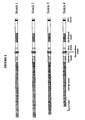
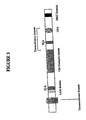


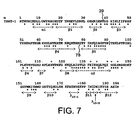


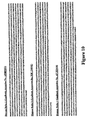
Classifications
-
- C—CHEMISTRY; METALLURGY
- C12—BIOCHEMISTRY; BEER; SPIRITS; WINE; VINEGAR; MICROBIOLOGY; ENZYMOLOGY; MUTATION OR GENETIC ENGINEERING
- C12N—MICROORGANISMS OR ENZYMES; COMPOSITIONS THEREOF; PROPAGATING, PRESERVING, OR MAINTAINING MICROORGANISMS; MUTATION OR GENETIC ENGINEERING; CULTURE MEDIA
- C12N15/00—Mutation or genetic engineering; DNA or RNA concerning genetic engineering, vectors, e.g. plasmids, or their isolation, preparation or purification; Use of hosts therefor
- C12N15/09—Recombinant DNA-technology
- C12N15/11—DNA or RNA fragments; Modified forms thereof; Non-coding nucleic acids having a biological activity
- C12N15/62—DNA sequences coding for fusion proteins
-
- A—HUMAN NECESSITIES
- A61—MEDICAL OR VETERINARY SCIENCE; HYGIENE
- A61K—PREPARATIONS FOR MEDICAL, DENTAL OR TOILETRY PURPOSES
- A61K47/00—Medicinal preparations characterised by the non-active ingredients used, e.g. carriers or inert additives; Targeting or modifying agents chemically bound to the active ingredient
- A61K47/50—Medicinal preparations characterised by the non-active ingredients used, e.g. carriers or inert additives; Targeting or modifying agents chemically bound to the active ingredient the non-active ingredient being chemically bound to the active ingredient, e.g. polymer-drug conjugates
- A61K47/51—Medicinal preparations characterised by the non-active ingredients used, e.g. carriers or inert additives; Targeting or modifying agents chemically bound to the active ingredient the non-active ingredient being chemically bound to the active ingredient, e.g. polymer-drug conjugates the non-active ingredient being a modifying agent
- A61K47/62—Medicinal preparations characterised by the non-active ingredients used, e.g. carriers or inert additives; Targeting or modifying agents chemically bound to the active ingredient the non-active ingredient being chemically bound to the active ingredient, e.g. polymer-drug conjugates the non-active ingredient being a modifying agent the modifying agent being a protein, peptide or polyamino acid
- A61K47/64—Drug-peptide, drug-protein or drug-polyamino acid conjugates, i.e. the modifying agent being a peptide, protein or polyamino acid which is covalently bonded or complexed to a therapeutically active agent
-
- A—HUMAN NECESSITIES
- A61—MEDICAL OR VETERINARY SCIENCE; HYGIENE
- A61P—SPECIFIC THERAPEUTIC ACTIVITY OF CHEMICAL COMPOUNDS OR MEDICINAL PREPARATIONS
- A61P1/00—Drugs for disorders of the alimentary tract or the digestive system
- A61P1/02—Stomatological preparations, e.g. drugs for caries, aphtae, periodontitis
-
- A—HUMAN NECESSITIES
- A61—MEDICAL OR VETERINARY SCIENCE; HYGIENE
- A61P—SPECIFIC THERAPEUTIC ACTIVITY OF CHEMICAL COMPOUNDS OR MEDICINAL PREPARATIONS
- A61P1/00—Drugs for disorders of the alimentary tract or the digestive system
- A61P1/04—Drugs for disorders of the alimentary tract or the digestive system for ulcers, gastritis or reflux esophagitis, e.g. antacids, inhibitors of acid secretion, mucosal protectants
-
- A—HUMAN NECESSITIES
- A61—MEDICAL OR VETERINARY SCIENCE; HYGIENE
- A61P—SPECIFIC THERAPEUTIC ACTIVITY OF CHEMICAL COMPOUNDS OR MEDICINAL PREPARATIONS
- A61P1/00—Drugs for disorders of the alimentary tract or the digestive system
- A61P1/16—Drugs for disorders of the alimentary tract or the digestive system for liver or gallbladder disorders, e.g. hepatoprotective agents, cholagogues, litholytics
-
- A—HUMAN NECESSITIES
- A61—MEDICAL OR VETERINARY SCIENCE; HYGIENE
- A61P—SPECIFIC THERAPEUTIC ACTIVITY OF CHEMICAL COMPOUNDS OR MEDICINAL PREPARATIONS
- A61P1/00—Drugs for disorders of the alimentary tract or the digestive system
- A61P1/18—Drugs for disorders of the alimentary tract or the digestive system for pancreatic disorders, e.g. pancreatic enzymes
-
- A—HUMAN NECESSITIES
- A61—MEDICAL OR VETERINARY SCIENCE; HYGIENE
- A61P—SPECIFIC THERAPEUTIC ACTIVITY OF CHEMICAL COMPOUNDS OR MEDICINAL PREPARATIONS
- A61P11/00—Drugs for disorders of the respiratory system
-
- A—HUMAN NECESSITIES
- A61—MEDICAL OR VETERINARY SCIENCE; HYGIENE
- A61P—SPECIFIC THERAPEUTIC ACTIVITY OF CHEMICAL COMPOUNDS OR MEDICINAL PREPARATIONS
- A61P11/00—Drugs for disorders of the respiratory system
- A61P11/06—Antiasthmatics
-
- A—HUMAN NECESSITIES
- A61—MEDICAL OR VETERINARY SCIENCE; HYGIENE
- A61P—SPECIFIC THERAPEUTIC ACTIVITY OF CHEMICAL COMPOUNDS OR MEDICINAL PREPARATIONS
- A61P13/00—Drugs for disorders of the urinary system
- A61P13/12—Drugs for disorders of the urinary system of the kidneys
-
- A—HUMAN NECESSITIES
- A61—MEDICAL OR VETERINARY SCIENCE; HYGIENE
- A61P—SPECIFIC THERAPEUTIC ACTIVITY OF CHEMICAL COMPOUNDS OR MEDICINAL PREPARATIONS
- A61P15/00—Drugs for genital or sexual disorders; Contraceptives
-
- A—HUMAN NECESSITIES
- A61—MEDICAL OR VETERINARY SCIENCE; HYGIENE
- A61P—SPECIFIC THERAPEUTIC ACTIVITY OF CHEMICAL COMPOUNDS OR MEDICINAL PREPARATIONS
- A61P15/00—Drugs for genital or sexual disorders; Contraceptives
- A61P15/08—Drugs for genital or sexual disorders; Contraceptives for gonadal disorders or for enhancing fertility, e.g. inducers of ovulation or of spermatogenesis
-
- A—HUMAN NECESSITIES
- A61—MEDICAL OR VETERINARY SCIENCE; HYGIENE
- A61P—SPECIFIC THERAPEUTIC ACTIVITY OF CHEMICAL COMPOUNDS OR MEDICINAL PREPARATIONS
- A61P17/00—Drugs for dermatological disorders
-
- A—HUMAN NECESSITIES
- A61—MEDICAL OR VETERINARY SCIENCE; HYGIENE
- A61P—SPECIFIC THERAPEUTIC ACTIVITY OF CHEMICAL COMPOUNDS OR MEDICINAL PREPARATIONS
- A61P17/00—Drugs for dermatological disorders
- A61P17/02—Drugs for dermatological disorders for treating wounds, ulcers, burns, scars, keloids, or the like
-
- A—HUMAN NECESSITIES
- A61—MEDICAL OR VETERINARY SCIENCE; HYGIENE
- A61P—SPECIFIC THERAPEUTIC ACTIVITY OF CHEMICAL COMPOUNDS OR MEDICINAL PREPARATIONS
- A61P17/00—Drugs for dermatological disorders
- A61P17/06—Antipsoriatics
-
- A—HUMAN NECESSITIES
- A61—MEDICAL OR VETERINARY SCIENCE; HYGIENE
- A61P—SPECIFIC THERAPEUTIC ACTIVITY OF CHEMICAL COMPOUNDS OR MEDICINAL PREPARATIONS
- A61P19/00—Drugs for skeletal disorders
-
- A—HUMAN NECESSITIES
- A61—MEDICAL OR VETERINARY SCIENCE; HYGIENE
- A61P—SPECIFIC THERAPEUTIC ACTIVITY OF CHEMICAL COMPOUNDS OR MEDICINAL PREPARATIONS
- A61P19/00—Drugs for skeletal disorders
- A61P19/02—Drugs for skeletal disorders for joint disorders, e.g. arthritis, arthrosis
-
- A—HUMAN NECESSITIES
- A61—MEDICAL OR VETERINARY SCIENCE; HYGIENE
- A61P—SPECIFIC THERAPEUTIC ACTIVITY OF CHEMICAL COMPOUNDS OR MEDICINAL PREPARATIONS
- A61P19/00—Drugs for skeletal disorders
- A61P19/04—Drugs for skeletal disorders for non-specific disorders of the connective tissue
-
- A—HUMAN NECESSITIES
- A61—MEDICAL OR VETERINARY SCIENCE; HYGIENE
- A61P—SPECIFIC THERAPEUTIC ACTIVITY OF CHEMICAL COMPOUNDS OR MEDICINAL PREPARATIONS
- A61P21/00—Drugs for disorders of the muscular or neuromuscular system
-
- A—HUMAN NECESSITIES
- A61—MEDICAL OR VETERINARY SCIENCE; HYGIENE
- A61P—SPECIFIC THERAPEUTIC ACTIVITY OF CHEMICAL COMPOUNDS OR MEDICINAL PREPARATIONS
- A61P21/00—Drugs for disorders of the muscular or neuromuscular system
- A61P21/04—Drugs for disorders of the muscular or neuromuscular system for myasthenia gravis
-
- A—HUMAN NECESSITIES
- A61—MEDICAL OR VETERINARY SCIENCE; HYGIENE
- A61P—SPECIFIC THERAPEUTIC ACTIVITY OF CHEMICAL COMPOUNDS OR MEDICINAL PREPARATIONS
- A61P25/00—Drugs for disorders of the nervous system
-
- A—HUMAN NECESSITIES
- A61—MEDICAL OR VETERINARY SCIENCE; HYGIENE
- A61P—SPECIFIC THERAPEUTIC ACTIVITY OF CHEMICAL COMPOUNDS OR MEDICINAL PREPARATIONS
- A61P25/00—Drugs for disorders of the nervous system
- A61P25/02—Drugs for disorders of the nervous system for peripheral neuropathies
-
- A—HUMAN NECESSITIES
- A61—MEDICAL OR VETERINARY SCIENCE; HYGIENE
- A61P—SPECIFIC THERAPEUTIC ACTIVITY OF CHEMICAL COMPOUNDS OR MEDICINAL PREPARATIONS
- A61P25/00—Drugs for disorders of the nervous system
- A61P25/14—Drugs for disorders of the nervous system for treating abnormal movements, e.g. chorea, dyskinesia
-
- A—HUMAN NECESSITIES
- A61—MEDICAL OR VETERINARY SCIENCE; HYGIENE
- A61P—SPECIFIC THERAPEUTIC ACTIVITY OF CHEMICAL COMPOUNDS OR MEDICINAL PREPARATIONS
- A61P25/00—Drugs for disorders of the nervous system
- A61P25/14—Drugs for disorders of the nervous system for treating abnormal movements, e.g. chorea, dyskinesia
- A61P25/16—Anti-Parkinson drugs
-
- A—HUMAN NECESSITIES
- A61—MEDICAL OR VETERINARY SCIENCE; HYGIENE
- A61P—SPECIFIC THERAPEUTIC ACTIVITY OF CHEMICAL COMPOUNDS OR MEDICINAL PREPARATIONS
- A61P25/00—Drugs for disorders of the nervous system
- A61P25/18—Antipsychotics, i.e. neuroleptics; Drugs for mania or schizophrenia
-
- A—HUMAN NECESSITIES
- A61—MEDICAL OR VETERINARY SCIENCE; HYGIENE
- A61P—SPECIFIC THERAPEUTIC ACTIVITY OF CHEMICAL COMPOUNDS OR MEDICINAL PREPARATIONS
- A61P25/00—Drugs for disorders of the nervous system
- A61P25/28—Drugs for disorders of the nervous system for treating neurodegenerative disorders of the central nervous system, e.g. nootropic agents, cognition enhancers, drugs for treating Alzheimer's disease or other forms of dementia
-
- A—HUMAN NECESSITIES
- A61—MEDICAL OR VETERINARY SCIENCE; HYGIENE
- A61P—SPECIFIC THERAPEUTIC ACTIVITY OF CHEMICAL COMPOUNDS OR MEDICINAL PREPARATIONS
- A61P27/00—Drugs for disorders of the senses
- A61P27/02—Ophthalmic agents
-
- A—HUMAN NECESSITIES
- A61—MEDICAL OR VETERINARY SCIENCE; HYGIENE
- A61P—SPECIFIC THERAPEUTIC ACTIVITY OF CHEMICAL COMPOUNDS OR MEDICINAL PREPARATIONS
- A61P27/00—Drugs for disorders of the senses
- A61P27/16—Otologicals
-
- A—HUMAN NECESSITIES
- A61—MEDICAL OR VETERINARY SCIENCE; HYGIENE
- A61P—SPECIFIC THERAPEUTIC ACTIVITY OF CHEMICAL COMPOUNDS OR MEDICINAL PREPARATIONS
- A61P29/00—Non-central analgesic, antipyretic or antiinflammatory agents, e.g. antirheumatic agents; Non-steroidal antiinflammatory drugs [NSAID]
-
- A—HUMAN NECESSITIES
- A61—MEDICAL OR VETERINARY SCIENCE; HYGIENE
- A61P—SPECIFIC THERAPEUTIC ACTIVITY OF CHEMICAL COMPOUNDS OR MEDICINAL PREPARATIONS
- A61P3/00—Drugs for disorders of the metabolism
- A61P3/08—Drugs for disorders of the metabolism for glucose homeostasis
- A61P3/10—Drugs for disorders of the metabolism for glucose homeostasis for hyperglycaemia, e.g. antidiabetics
-
- A—HUMAN NECESSITIES
- A61—MEDICAL OR VETERINARY SCIENCE; HYGIENE
- A61P—SPECIFIC THERAPEUTIC ACTIVITY OF CHEMICAL COMPOUNDS OR MEDICINAL PREPARATIONS
- A61P31/00—Antiinfectives, i.e. antibiotics, antiseptics, chemotherapeutics
- A61P31/04—Antibacterial agents
-
- A—HUMAN NECESSITIES
- A61—MEDICAL OR VETERINARY SCIENCE; HYGIENE
- A61P—SPECIFIC THERAPEUTIC ACTIVITY OF CHEMICAL COMPOUNDS OR MEDICINAL PREPARATIONS
- A61P31/00—Antiinfectives, i.e. antibiotics, antiseptics, chemotherapeutics
- A61P31/04—Antibacterial agents
- A61P31/06—Antibacterial agents for tuberculosis
-
- A—HUMAN NECESSITIES
- A61—MEDICAL OR VETERINARY SCIENCE; HYGIENE
- A61P—SPECIFIC THERAPEUTIC ACTIVITY OF CHEMICAL COMPOUNDS OR MEDICINAL PREPARATIONS
- A61P31/00—Antiinfectives, i.e. antibiotics, antiseptics, chemotherapeutics
- A61P31/12—Antivirals
-
- A—HUMAN NECESSITIES
- A61—MEDICAL OR VETERINARY SCIENCE; HYGIENE
- A61P—SPECIFIC THERAPEUTIC ACTIVITY OF CHEMICAL COMPOUNDS OR MEDICINAL PREPARATIONS
- A61P31/00—Antiinfectives, i.e. antibiotics, antiseptics, chemotherapeutics
- A61P31/12—Antivirals
- A61P31/14—Antivirals for RNA viruses
-
- A—HUMAN NECESSITIES
- A61—MEDICAL OR VETERINARY SCIENCE; HYGIENE
- A61P—SPECIFIC THERAPEUTIC ACTIVITY OF CHEMICAL COMPOUNDS OR MEDICINAL PREPARATIONS
- A61P31/00—Antiinfectives, i.e. antibiotics, antiseptics, chemotherapeutics
- A61P31/12—Antivirals
- A61P31/14—Antivirals for RNA viruses
- A61P31/16—Antivirals for RNA viruses for influenza or rhinoviruses
-
- A—HUMAN NECESSITIES
- A61—MEDICAL OR VETERINARY SCIENCE; HYGIENE
- A61P—SPECIFIC THERAPEUTIC ACTIVITY OF CHEMICAL COMPOUNDS OR MEDICINAL PREPARATIONS
- A61P31/00—Antiinfectives, i.e. antibiotics, antiseptics, chemotherapeutics
- A61P31/12—Antivirals
- A61P31/14—Antivirals for RNA viruses
- A61P31/18—Antivirals for RNA viruses for HIV
-
- A—HUMAN NECESSITIES
- A61—MEDICAL OR VETERINARY SCIENCE; HYGIENE
- A61P—SPECIFIC THERAPEUTIC ACTIVITY OF CHEMICAL COMPOUNDS OR MEDICINAL PREPARATIONS
- A61P31/00—Antiinfectives, i.e. antibiotics, antiseptics, chemotherapeutics
- A61P31/12—Antivirals
- A61P31/20—Antivirals for DNA viruses
- A61P31/22—Antivirals for DNA viruses for herpes viruses
-
- A—HUMAN NECESSITIES
- A61—MEDICAL OR VETERINARY SCIENCE; HYGIENE
- A61P—SPECIFIC THERAPEUTIC ACTIVITY OF CHEMICAL COMPOUNDS OR MEDICINAL PREPARATIONS
- A61P33/00—Antiparasitic agents
- A61P33/02—Antiprotozoals, e.g. for leishmaniasis, trichomoniasis, toxoplasmosis
-
- A—HUMAN NECESSITIES
- A61—MEDICAL OR VETERINARY SCIENCE; HYGIENE
- A61P—SPECIFIC THERAPEUTIC ACTIVITY OF CHEMICAL COMPOUNDS OR MEDICINAL PREPARATIONS
- A61P33/00—Antiparasitic agents
- A61P33/10—Anthelmintics
-
- A—HUMAN NECESSITIES
- A61—MEDICAL OR VETERINARY SCIENCE; HYGIENE
- A61P—SPECIFIC THERAPEUTIC ACTIVITY OF CHEMICAL COMPOUNDS OR MEDICINAL PREPARATIONS
- A61P35/00—Antineoplastic agents
-
- A—HUMAN NECESSITIES
- A61—MEDICAL OR VETERINARY SCIENCE; HYGIENE
- A61P—SPECIFIC THERAPEUTIC ACTIVITY OF CHEMICAL COMPOUNDS OR MEDICINAL PREPARATIONS
- A61P35/00—Antineoplastic agents
- A61P35/02—Antineoplastic agents specific for leukemia
-
- A—HUMAN NECESSITIES
- A61—MEDICAL OR VETERINARY SCIENCE; HYGIENE
- A61P—SPECIFIC THERAPEUTIC ACTIVITY OF CHEMICAL COMPOUNDS OR MEDICINAL PREPARATIONS
- A61P37/00—Drugs for immunological or allergic disorders
-
- A—HUMAN NECESSITIES
- A61—MEDICAL OR VETERINARY SCIENCE; HYGIENE
- A61P—SPECIFIC THERAPEUTIC ACTIVITY OF CHEMICAL COMPOUNDS OR MEDICINAL PREPARATIONS
- A61P37/00—Drugs for immunological or allergic disorders
- A61P37/02—Immunomodulators
- A61P37/06—Immunosuppressants, e.g. drugs for graft rejection
-
- A—HUMAN NECESSITIES
- A61—MEDICAL OR VETERINARY SCIENCE; HYGIENE
- A61P—SPECIFIC THERAPEUTIC ACTIVITY OF CHEMICAL COMPOUNDS OR MEDICINAL PREPARATIONS
- A61P37/00—Drugs for immunological or allergic disorders
- A61P37/08—Antiallergic agents
-
- A—HUMAN NECESSITIES
- A61—MEDICAL OR VETERINARY SCIENCE; HYGIENE
- A61P—SPECIFIC THERAPEUTIC ACTIVITY OF CHEMICAL COMPOUNDS OR MEDICINAL PREPARATIONS
- A61P41/00—Drugs used in surgical methods, e.g. surgery adjuvants for preventing adhesion or for vitreum substitution
-
- A—HUMAN NECESSITIES
- A61—MEDICAL OR VETERINARY SCIENCE; HYGIENE
- A61P—SPECIFIC THERAPEUTIC ACTIVITY OF CHEMICAL COMPOUNDS OR MEDICINAL PREPARATIONS
- A61P43/00—Drugs for specific purposes, not provided for in groups A61P1/00-A61P41/00
-
- A—HUMAN NECESSITIES
- A61—MEDICAL OR VETERINARY SCIENCE; HYGIENE
- A61P—SPECIFIC THERAPEUTIC ACTIVITY OF CHEMICAL COMPOUNDS OR MEDICINAL PREPARATIONS
- A61P5/00—Drugs for disorders of the endocrine system
- A61P5/14—Drugs for disorders of the endocrine system of the thyroid hormones, e.g. T3, T4
-
- A—HUMAN NECESSITIES
- A61—MEDICAL OR VETERINARY SCIENCE; HYGIENE
- A61P—SPECIFIC THERAPEUTIC ACTIVITY OF CHEMICAL COMPOUNDS OR MEDICINAL PREPARATIONS
- A61P7/00—Drugs for disorders of the blood or the extracellular fluid
-
- A—HUMAN NECESSITIES
- A61—MEDICAL OR VETERINARY SCIENCE; HYGIENE
- A61P—SPECIFIC THERAPEUTIC ACTIVITY OF CHEMICAL COMPOUNDS OR MEDICINAL PREPARATIONS
- A61P7/00—Drugs for disorders of the blood or the extracellular fluid
- A61P7/06—Antianaemics
-
- A—HUMAN NECESSITIES
- A61—MEDICAL OR VETERINARY SCIENCE; HYGIENE
- A61P—SPECIFIC THERAPEUTIC ACTIVITY OF CHEMICAL COMPOUNDS OR MEDICINAL PREPARATIONS
- A61P9/00—Drugs for disorders of the cardiovascular system
-
- A—HUMAN NECESSITIES
- A61—MEDICAL OR VETERINARY SCIENCE; HYGIENE
- A61P—SPECIFIC THERAPEUTIC ACTIVITY OF CHEMICAL COMPOUNDS OR MEDICINAL PREPARATIONS
- A61P9/00—Drugs for disorders of the cardiovascular system
- A61P9/04—Inotropic agents, i.e. stimulants of cardiac contraction; Drugs for heart failure
-
- A—HUMAN NECESSITIES
- A61—MEDICAL OR VETERINARY SCIENCE; HYGIENE
- A61P—SPECIFIC THERAPEUTIC ACTIVITY OF CHEMICAL COMPOUNDS OR MEDICINAL PREPARATIONS
- A61P9/00—Drugs for disorders of the cardiovascular system
- A61P9/10—Drugs for disorders of the cardiovascular system for treating ischaemic or atherosclerotic diseases, e.g. antianginal drugs, coronary vasodilators, drugs for myocardial infarction, retinopathy, cerebrovascula insufficiency, renal arteriosclerosis
-
- C—CHEMISTRY; METALLURGY
- C07—ORGANIC CHEMISTRY
- C07K—PEPTIDES
- C07K14/00—Peptides having more than 20 amino acids; Gastrins; Somatostatins; Melanotropins; Derivatives thereof
- C07K14/195—Peptides having more than 20 amino acids; Gastrins; Somatostatins; Melanotropins; Derivatives thereof from bacteria
- C07K14/305—Peptides having more than 20 amino acids; Gastrins; Somatostatins; Melanotropins; Derivatives thereof from bacteria from Micrococcaceae (F)
- C07K14/31—Peptides having more than 20 amino acids; Gastrins; Somatostatins; Melanotropins; Derivatives thereof from bacteria from Micrococcaceae (F) from Staphylococcus (G)
-
- C—CHEMISTRY; METALLURGY
- C07—ORGANIC CHEMISTRY
- C07K—PEPTIDES
- C07K14/00—Peptides having more than 20 amino acids; Gastrins; Somatostatins; Melanotropins; Derivatives thereof
- C07K14/435—Peptides having more than 20 amino acids; Gastrins; Somatostatins; Melanotropins; Derivatives thereof from animals; from humans
- C07K14/705—Receptors; Cell surface antigens; Cell surface determinants
-
- C—CHEMISTRY; METALLURGY
- C07—ORGANIC CHEMISTRY
- C07K—PEPTIDES
- C07K2319/00—Fusion polypeptide
-
- C—CHEMISTRY; METALLURGY
- C07—ORGANIC CHEMISTRY
- C07K—PEPTIDES
- C07K2319/00—Fusion polypeptide
- C07K2319/20—Fusion polypeptide containing a tag with affinity for a non-protein ligand
- C07K2319/21—Fusion polypeptide containing a tag with affinity for a non-protein ligand containing a His-tag
-
- C—CHEMISTRY; METALLURGY
- C07—ORGANIC CHEMISTRY
- C07K—PEPTIDES
- C07K2319/00—Fusion polypeptide
- C07K2319/32—Fusion polypeptide fusions with soluble part of a cell surface receptor, "decoy receptors"
-
- C—CHEMISTRY; METALLURGY
- C07—ORGANIC CHEMISTRY
- C07K—PEPTIDES
- C07K2319/00—Fusion polypeptide
- C07K2319/70—Fusion polypeptide containing domain for protein-protein interaction
- C07K2319/71—Fusion polypeptide containing domain for protein-protein interaction containing domain for transcriptional activaation, e.g. VP16
Definitions
- the present invention relates to a molecule and method for modifying T cell activation via targeting of a protein for T cell signalling modulation, and particularly, but not exclusively, a protein for Notch signalling modulation.
- Immunological tolerance to self-antigens is vital to the proper functioning of the mammalian immune system.
- active suppression mediated by regulatory T cells has recently been identified as an important mechanism for maintaining peripheral tolerance ( WO98/20142 ).
- autoimmune diseases such as multiple sclerosis, rheumatoid arthritis or diabetes
- Improved treatment methods for reestablishing tolerance are desirable for autoimmune diseases.
- allergic conditions and for transplantation of an organ or tissue from a donor individual induction of tolerance to particular foreign antigens or profiles of foreign antigens is desirable.
- regulatory T cells which are able to transmit antigen-specific tolerance to other T cells, a process termed infectious tolerance (WO98/20142 ).
- infectious tolerance WO98/20142
- the functional activity of these cells can be mimicked by over-expression of a Notch ligand protein on their cell surfaces or on the surface of antigen presenting cells.
- regulatory T cells can be generated by over-expression of a member of the Delta or Serrate family of Notch ligand proteins. Delta or Serrate induced T cells specific to one antigenic epitope are also able to transfer tolerance to T cells recognising other epitopes on the same or related antigens, a phenomenon termed "epitope spreading" (Hoyne et al).
- WO00/36089 describes a method for producing a lymphocyte or antigen presenting cell (APC) having tolerance to an allergen or antigen which method comprises incubating a lymphocyte or APC obtained from a human or animal patient with (i) a composition capable of upregulating expression of an endogenous Notch or Notch ligand in the lymphocyte and/or APC and (ii) the allergen or antigen.
- APC lymphocyte or antigen presenting cell
- Notch ligand expression also plays a role in cancer. Indeed, upregulated Notch ligand expression has been observed in some tumour cells. These tumour cells are capable of rendering T cells unresponsive to restimulation with a specific antigen, thus providing a possible explanation of how tumour cells prevent normal T cell responses. By downregulating Notch signalling in vivo in T cells, it may be possible to prevent tumour cells from inducing immunotolerance in those T cells that recognise tumour specific antigens. In turn, this would allow the T cells to mount an immune response against the tumour cells ( WO00/135990 ).
- the present invention addresses the above mentioned problems by delivering an effective Notch signal directly to T cells. More generally the present invention relates to the concept of delivering a modulator of T cell signalling, such as a Notch ligand, to an antigen presenting cell (APC).
- APC antigen presenting cell
- the targeting approach disclosed uses, for example, the major histocompatibility complex (MHC) class II binding motif from a superantigen coupled to a modulator of the Notch signalling pathway.
- MHC major histocompatibility complex
- superantigens bind both MHC class II molecules and subsets of T cell receptors and thus effectively cross-link APCs to T cells and activate cells polyclonally.
- TCR T cell receptor
- the MHC class II binding domain By using the MHC class II binding domain with a modulator of the Notch signalling pathway we can focus the activity of the Notch signalling pathway modulator to the APCs at the site of delivery. Further, the domain lacks toxin activity because it cannot find the T cell receptor to activate T cells.
- a conjugate comprising a first and a second sequence wherein the first sequence comprises a polypeptide which is capable of binding to an APC, or a polynucleotide encoding therefor, and the second sequence comprises a polypeptide comprising a modulator of a signalling pathway in a T cell or a polynucleotide encoding therefor.
- the sequence which is capable of binding to an APC is sometimes referred to as a targeting sequence, targeting molecule or target protein.
- the present invention relates to a conjugate which is a molecule comprising at least one targeting protein linked to at least one protein for T cell signalling modulation or polynucleotide encoding said T cell ligand protein formed through genetic fusion or chemical coupling.
- a conjugate which is a molecule comprising at least one targeting protein linked to at least one protein for T cell signalling modulation or polynucleotide encoding said T cell ligand protein formed through genetic fusion or chemical coupling.
- linked we mean that the first and second sequences are associated such that the second sequence is able to be associated by the first sequence into an APC, i.e. the target cell.
- conjugates include fusion proteins in which the targeting protein is linked to a protein for T cell signalling modulation via their polypeptide backbones through genetic expression of a DNA molecule encoding these proteins, directly synthesised proteins and coupled proteins in which pre-formed sequences are associated by a cross-linking agent
- the term is also used herein to include associations, such as aggregates, of the protein for T cell signalling modulation with the target protein.
- the second sequence may comprise a polynucleotide sequence, e.g, a nucleic acid binding domain. This embodiment may be seen as a protein/nucleic acid complex.
- APC we mean a cell expressing MHC class II molecules and able to present antigen to CD4+ T cells.
- APCs include macrophages, dentritic cells, B cells, Langerhans cells and virtually any other cell type capable of expressing MHC class II molecules may function as antigen presenting cells (APCs) and are all included in the present invention.
- the second sequence may be from the same species as the first sequence, but is present in the conjugate of the invention in a manner different from the natural situation, or from a different species.
- the conjugates of the present invention are capable of being bond by or taken up by a population of APCs so that an effector function corresponding to the second polypeptide sequence coupled can take place within a T cell to which the APC presents.
- the second sequence of the present invention is a protein which is for T cell signalling modulation.
- T cell signalling modulation involves transduction, activation or inhibition of the T cell signalling pathways including upstream and downstream events.
- modulate refers to a change or alteration in the biological activity of the T cell signalling pathway or a target signalling pathway thereof
- modulator may refer to antagonists or inhibitors of T cell signalling, i.e. compounds which block, at least to some extent, the normal biological activity of the T cell signalling pathway. Conveniently such compounds may be referred to herein as inhibitors or antagonists.
- modulator may refer to agonists of T cell signalling, i.e. compounds which stimulate or upregulate, at least to some extent, the normal biological activity of the T cell signalling pathway. Conveniently such compounds may be referred to as upregulators or agonists.
- the modulator of the present invention or indeed the targeting molecule may be an organic compound or other chemical.
- the modulator or targeting sequence will be an organic compound composing two or more hydrocarbyl groups.
- hydrocarbyl group means a group comprising at least C and H and may optionally comprise one or more other suitable substituents.
- substituents may include halo-, alkoxy-, nitro-, an alkyl group, a cyclic group etc.
- a combination of substituents may form a cyclic group. If the hydrocarbyl group comprises more than one C then those carbons need not necessarily be linked to each other. For example, at least two of the carbons may be linked via a suitable element or group. Thus, the hydrocarbyl group may contain hetero atoms.
- the candidate modulator may compose at least one cyclic group.
- the cyclic group may be a polycyclic group, such as a non-fused polycyclic group.
- the agent comprises at least the one of said cyclic groups linked to another hydrocarbyl group.
- the modulator and/or targeting molecule will be an amino acid sequence or a chemical derivative thereof, or a combination thereof. In another preferred embodiment, the modulator and/or targeting molecule will be a nucleotide sequence - which may be a sense sequence or an anti-sense sequence. The modulator and/or targeting molecule may also be an antibody.
- antibody includes intact molecules as well as fragments thereof, such as Fab, F(ab')2, Fv and scFv which are capable of binding the epitopic determinant. These antibody fragments retain some ability to selectively bind with its antigen or receptor and include, for example:
- Modulators may be synthetic compounds or natural isolated compounds.
- T cell activation not only requires a signal through a T cell receptor but may also also a second signal generated by the interaction of costimulatory molecules (also known as accessory molecules), e.g. CD80 and CD86, on the surface of APCs and on T cells, e.g. CD28 or CTLA-4, respectively.
- costimulatory molecules also known as accessory molecules
- T cell signalling pathway we include not only signalling through the T cell receptor, but also signalling through T cell costimulatory molecules.
- T cell costimulatory molecules examples include: Notch, CD28, CTLA4, ICOS, CD40L, CD30, CD27, PD1, CD134, CD137 and TRANCE, but any T cell costimulatory molecule known or subsequently discovered may be employed in the present invention.
- the modulator of the T cell signalling pathway comprises the corresponding ligand of such T cell costimulatory molecules.
- ligands are often referred to as APC costimulatory molecules. Any such pairing which is known or becomes available may be employed in the present invention.
- T cell APC CD2 LFA-3(CD58) LFA-1 (CD11a/CD18) ICAM-1 (CD54) CD28 B7.1(CD80) CTLA-4 B7.2 (CD86) CD5 CD72 CD45 CD22
- the present invention is directed to modulation of the Notch signalling pathway and the modulator of a T cell signalling pathway is a protein for Notch signalling transduction.
- a protein which is for Notch signalling transduction we mean a molecule which participates in signalling through Notch receptors including activation of Notch, the downstream events of the Notch signalling pathway, transcriptional regulation of downstream target genes and other non-transcriptional downstream events (e.g. post-translational modification of existing proteins). More particularly, the second sequence is a domain that allows activation of target genes of the Notch signalling pathway, or a polynucleotide sequence which codes therefor.
- the second amino acid sequence is Notch or a fragment thereof which retains the signalling transduction ability of Notch or an analogue of Notch which has the signalling transduction ability of Notch.
- analogue of Notch includes variants thereof which retain the signalling transduction ability of Notch.
- analogue we include a protein which has Notch signalling transduction ability, but generally has a different evolutionary origin to Notch.
- Analogues of Notch include proteins from the Epstein Barr virus (EBV), such as EBNA2, BARF0 or LMP2A.
- EBV Epstein Barr virus
- a protein which is for Notch signalling activation we mean a molecule which is capable of activating Notch, the Notch signalling pathway or any one or more of the components of the Notch signalling pathway.
- the molecule will be capable of inducing or increasing Notch or Notch ligand expression.
- a molecule may be a nucleic acid sequence capable of inducing or increasing Notch or Notch ligand expression.
- the molecule will be capable of upregulating expression of the endogenous genes encoding Notch or Notch ligands in target cells.
- the molecule may be an immunosuppressive cytokine capable of upregulating the expression of endogenous Notch or Notch ligands in target cells, or a polynucleotide which encodes such a cytokine.
- Immunosuppressive cytokines include IL-4, IL-10, IL-13, TGF- ⁇ and SLIP3 (FLT3) ligand.
- the molecule will be a polypeptide selected from Noggin, Chordin, Follistatin, Xnr3, fibroblast growth factors and derivatives, fragments, variants and homologues thereof, or a polynucleotide encoding any one or more of the above.
- the molecule may be a Notch ligand, or a polynucleotide encoding a Notch ligand.
- Notch ligands of use in the present invention include endogenous Notch ligands which are typically capable of binding to a Notch receptor polypeptide present in the membrane of a variety of mammalian cells, for example hemapoietic stem cells.
- Serrate-1 and Serrate-2 WO97/01571 , WO96/27610 and WO92/19734
- Jagged-1 Genbank Accession No. U73936 - Homo sapiens
- Jagged-2 Genbank Accession No. AF029778 - Homo sapiens
- LAG-2 LAG-2. Homology between family members is extensive. Sequences of human Delta and Jagged ligands are provided in Figure 10 and 11 respectively.
- the activator will be a constitutively active Notch receptor or Notch intracellular domain, or a polynucleotide encoding such a receptor or intracellular domain.
- the activator of Notch signalling will act downstream of the Notch receptor.
- the activator of Notch signalling may be a constitutively active Deltex polypeptide or a polynucleotide encoding such a polypeptide.
- Other downstream components of the Notch signalling pathway of use in the present invention include the polypeptides involved in the Ras/MAPK cascade catalysed by Deltex, polypeptides involved in the proteolytic cleavage of Notch such as Presenilin and polypeptides involved in the transcriptional regulation of Notch target genes, Preferably in a constitutively active form.
- polypeptides for Notch signalling activation is also meant any polypeptides expressed as a result of Notch activation and any polypeptides involved in the expression of such polypeptides, or polynucleotides encoding for such polypeptides.
- Activation of Notch signalling may also be achieved by repressing inhibitors of the Notch signalling pathway.
- polypeptides for Notch signalling activation will include molecules capable of repressing any Notch signalling inhibitors.
- the molecule will be a polypeptide, or a polynucleotide encoding such a polypeptide, that decreases or interferes with the production or activity of compounds that are capable of producing an decrease in the expression or activity of Notch, Notch ligands, or any downstream components of the Notch signalling pathway.
- the molecules will be capable of repressing polypeptides of the Toll-like receptor protein family, cytokines such as IL-12, IFN- ⁇ , TNF- ⁇ , and growth factors such as the bone morphogenetic protein (BMP), BMP receptors and activins, derivatives, fragments, variants and homologues thereof.
- cytokines such as IL-12, IFN- ⁇ , TNF- ⁇
- growth factors such as the bone morphogenetic protein (BMP), BMP receptors and activins, derivatives, fragments, variants and homologues thereof.
- BMP bone morphogenetic protein
- a protein which is for Notch signalling inhibition or a polynucleotide encoding such a protein we mean a molecule which is capable of inhibiting Notch, the Notch signalling pathway or any one or more of the components of the Notch signalling pathway.
- the molecule will be capable of reducing or preventing Notch or Notch ligand expression.
- a molecule may be a nucleic acid sequence capable of reducing or preventing Notch or Notch ligand expression.
- the nucleic acid sequence encodes a polypeptide selected from Toll-like receptor protein family, a cytokine such as IL-12, IFN- ⁇ , TNF- ⁇ , or a growth factor such as a bone morphogenetic protein (BMP), a BMP receptor and activins.
- a cytokine such as IL-12, IFN- ⁇ , TNF- ⁇ , or a growth factor such as a bone morphogenetic protein (BMP), a BMP receptor and activins.
- BMP bone morphogenetic protein
- the agent is a polypeptide, or a polynucleotide encoding such a polypeptide, that decreases or interferes with the production of compounds that are capable of producing an increase in the expression of Notch ligand, such as Noggin, Chordin, Follistatin, Xnr3, fibroblast growth factors and derivatives, fragments, variants and homologues thereof.
- the nucleic acid sequence is an antisense construct derived from a sense nucleotide sequence encoding a polypeptide selected from a Notch ligand and a polypeptide capable of upregulating Notch ligand expression, such as Noggin, Chordin, Follistatin, Xnr3, fibroblast growth factors and derivatives, fragments, variants and homologues thereof
- the inhibitor of Notch signalling is a molecule which is capable of modulating Notch-Notch ligand interactions.
- a molecule may be considered to modulate Notch-Notch ligand interactions if it is capable of inhibiting the interaction of Notch with its ligands, preferably to an extent sufficient to provide therapeutic efficacy.
- the molecule may be a polypeptide, or a polynucleotide encoding such a polypeptide, selected from a Toll-like receptor, a cytokine such as IL-12, IFN- ⁇ , TNF- ⁇ , or a growth factor such as a BMP, a BMP receptor and activins.
- a polypeptide decreases or interferes with the production of an agent that is capable of producing an increase in the expression of Notch ligand, such as Noggin, Chordin, Follistatin, Xnr3, fibroblast growth factors and derivatives, fragments, variants, homologues and analogs thereof.
- the receptor is activated.
- the agent is a nucleic acid sequence
- the receptor is constitutively active when expressed.
- Inhibitors of Notch signalling also include downstream inhibitors of the Notch signalling pathway, compounds that prevent expression of Notch target genes or induce expression of genes repressed by the Notch signalling pathway.
- Examples of such proteins include dominant negative versions of Notch IC, Deltex, Dsh or Numb.
- Proteins for Notch signalling inhibition will also include variants of the wild-type component of the Notch signalling pathway which have been modified in such a way that their presence blocks rather than transduces the signalling pathway.
- An example of such a compound would be a Notch receptor which has been modified such that proteolytic cleavage of its intracellular domain is no longer possible.
- the first sequence is capable of targeting a second sequence to an APC for presentation to a TCR.
- the first sequence comprises a polypeptide that is capable of binding to a MHC class II molecule.
- the first sequence is or is derived from a superantigen and comprises the MHC class II molecule binding domain thereof.
- the first sequence does not include the TCR binding domain of the superantigen.
- T cells recognise antigen only in the context of appropriate (i.e. self) MHC molecules. Self MHC is therefore required for effective antigen presentation to T cells, which are activated to offer T cell help or cytotoxic activity.
- CD4+ T cells usually T-helper cells, are restricted to recognizing antigen only in association with MHC class II molecules. According to the "associated recognition theory" of antigen and MHC by T cells, a single T cell receptor recognises both MHC and antigen specificities.
- the T cell receptor (TCR) engages with the antigenic peptide-MHC molecule complex, T cell CD4 molecules bind to a conserved region of the MHC class II molecule.
- superantigens generally are certain bacterial and viral glycoproteins that bind TCR and MHC class II antigens outside of the conventional groove for antigenic peptide binding, leading to nonspecific activation of multiple T cell clones.
- the first sequence comprises a polypeptide which is capable of binding to another APC surface molecule.
- APC molecules include: CD205 (DEC205), CD204 (Scavenger receptor), CD14, CD206 (Mannose receptor), TLRs, Langerin (CD207), DC-SIGN (CD209), Fc ⁇ receptor 1 (CD64) and Fc ⁇ receptor 2 (CD32), CD68, CD83, CD33, CD54 and BDCA-2,3,4.
- Other such surface molecules may are known or become available may also be targeted by the first sequence.
- the first sequence may therefore take the form of an antibody to an APC surface molecule.
- the antibody is generated against the APC extracellular domain of the APC surface molecule, or a fragment thereof.
- the production of antibodies is described in for example Kohler and Milstein (1975) Nature 256:495-497 .
- any one or more of appropriate targets - such as an amino acid sequence and/or nucleotide sequence - may be used for identifying a compound capable of modulating the T cell signalling pathway and/or a targeting molecule in any of a variety of drug screening techniques.
- the target employed in such a test may be free in solution, affixed to a solid support, borne on a cell surface, or located intracellularly.
- Techniques for drug screening may be based on the method described in Geysen, European Patent No. 0138855, published on September 13, 1984 .
- large numbers of different small peptide candidate modulators or targeting molecules are synthesized on a solid substrate, such as plastic pins or some other surface.
- the peptide test compounds are reacted with a suitable target or fragment thereof and washed. Bound entities are then detected - such as by appropriately adapting methods well known in the art.
- a purified target can also be coated directly onto plates for use in drug screening techniques. Plates of use for high throughput screening (HTS) will be multi-well plates, preferably having 96, 384 or over 384 wells/plate. Cells can also be spread as "lawns".
- non-neutralising antibodies can be used to capture the peptide and immobilise it on a solid support.
- High throughput screening as described above for synthetic compounds, can also be used for identifying organic candidate modulators and targeting molecules.
- This invention also contemplates the use of competitive drug screening assays in which neutralising antibodies capable of binding a target specifically compete with a test compound for binding to a target.
- mammalian and microbial host cells comprising such vectors or other polynucleotides encoding the fusion proteins, and their production and use.
- a fusion polypeptide as described herein can be targeted to a target population of APCs, by introducing a polynucleotide or other vector encoding the fusion polypeptide into a population of cells, e.g. by transfection or microinjection; expressing the encoding polynucleotide to produce the fusion polypeptide, thereby to cause it to be exported from said population of cells, and to cause it to be taken up by a said APCs.
- fusion polypeptide as described herein can be targeted to a target population of APCs, by introducing a polynucleotide or other vector encoding the fusion polypeptide into a first part of the target population of APCs, e.g. by transfection or microinjection; expressing the encoding polymicleotide to produce the fusion polypeptide, thereby to cause it to be exported from said first part of said target population, and to cause it to be taken up by a second part of the target population of cells not directly producing the fusion polypeptide.
- Coupled products can also be targeted into a target population of APCs by directly exposing the APCs to a preparation of the coupled products, thereby to cause the target APCs to take them up.
- variant proteins proteins useful in the present invention
- the specific amino acid residues may be modified in such a manner that the protein in question retains at least one of its endogenous functions, such modified proteins are referred to as "variants”.
- a variant protein can be modified by addition, deletion and/or substitution of at least one amino acid present in the naturally-occurring protein.
- amino acid substitutions may be made, for example from 1, 2 or 3 to 10 or 20 substitutions provided that the modified sequence retains the required target activity or ability to modulate Notch signalling.
- Amino acid substitutions may include the use of non-naturally occurring analogues.
- the protein used in the present invention may also have deletions, insertions or substitutions of amino acid residues which produce a silent change and result in a functionally equivalent protein.
- Deliberate amino acid substitutions may be made on the basis of similarity in polarity, charge, solubility, hydrophobicity, hydrophilicity, and/or the amphipathic nature of the residues as long as the target or modulation function is retained.
- negatively charged amino acids include aspartic acid and glutamic acid; positively charged amino acids include lysine and arginine; and amino acids with uncharged polar head groups having similar hydrophilicity values include leucine, isoleucine, valine, glycine, alanine, asparagine, glutamine, serine, threonine, phenylalanine, and tyrosine.
- protein includes single-chain polypeptide molecules as well as multiple-polypeptide complexes where individual constituent polypeptides are linked by covalent or non-covalent means.
- polypeptide and peptide refer to a polymer in which the monomers are amino acids and are joined together through peptide or disulfide bonds.
- subunit and domain may also refer to polypeptides and peptides having biological function.
- a peptide useful in the invention will at least have a target or signalling modulation capability.
- “Fragments” are also variants and the term typically refers to a selected region of the protein that is of interest in a binding assay and for which a binding partner is known or determinable.
- “Fragment” thus refers to an amino acid sequence that is a portion of a full-length polypeptide, between about 8 and about 745 amino acids in length, preferably about 8 to about 300, more preferably about 8 to about 200 amino acids, and even more preferably about 10 to about 50 or 100 amino acids in length.
- “Peptide” refers to a short amino acid sequence that is 10 to 40 amino acids long, preferably 10 to 35 amino acids.
- Such variants may be prepared using standard recombinant DNA techniques such as site-directed mutagenesis. Where insertions are to be made, synthetic DNA encoding the insertion together with 5' and 3' flanking regions corresponding to the naturally-occurring sequence either side of the insertion site. The flanking regions will contain convenient restriction sites corresponding to sites in the naturally-occurring sequence so that the sequence may be cut with the appropriate enzyme(s) and the synthetic DNA ligated into the cut. The DNA is then expressed in accordance with the invention to make the encoded protein. These methods are only illustrative of the numerous standard techniques known in the art for manipulation of DNA sequences and other known techniques may also be used.
- Variants of the nucleotide sequence may also be made. Such variants will preferably comprise codon optimised sequences. Codon optimisation is known in the art as a method of enhancing RNA stability and therefore gene expression. The redundancy of the genetic code means that several different codons may encode the same amino-acid. For example, Leucine, Arginine and Serine are each encoded by six different codons. Different organisms show preferences in their use of the different codons. Viruses such as HIV, for instance, use a large number of rare codons. By changing a nucleotide sequence such that rare codons are replaced by the corresponding commonly used mammalian codons, increased expression of the sequences in mammalian target cells can be achieved. Codon usage tables are known in the art for mammalian cells, as well as for a variety of other organisms.
- At least one of the nucleotide sequences encoding either the target protein or the protein for T cell signalling is codon optimised for expression in mammalian cells.
- sequences are optimised in their entirety.
- any non-native protein is prepared by use of recombinant techniques.
- Polynucleotide refers to a polymeric form of nucleotides of at least 10 bases in length and up to 1,000 bases or even more, either ribonucleotides or deoxyribonucleotides or a modified form of either type of nucleotide.
- the term includes single and double stranded forms of DNA.
- the nucleic acid may be RNA or DNA and is preferably DNA Where it is RNA, manipulations may be performed via cDNA intermediates.
- a nucleic acid sequence encoding the first region will be prepared and suitable restriction sites provided at the 5' and/or 3' ends. Conveniently the sequence is manipulated in a standard laboratory vector, such as a plasmid vector based on pBR322 or pUC19 (see below). Reference may be made to Molecular Cloning by Sambrook et al. (Cold Spring Harbor, 1989) or similar standard reference books for exact details of the appropriate techniques.
- Nucleic acid encoding the second region may likewise be provided in a similar vector system.
- Sources of nucleic acid may be ascertained by reference to published literature or databanks such as GenBank.
- Nucleic acid encoding the desired first or second sequences may be obtained from academic or commercial sources where such sources are willing to provide the material or by synthesising or cloning the appropriate sequence where only the sequence data are available. Generally this may be done by reference to literature sources which describe the cloning of the gene in question.
- nucleic acid sequences known in the art can be characterised as those nucleotide sequences which hybridise to the nucleic acid sequences known in the art.
- nucleotide sequences can encode the same target protein or protein for T cell signalling modulation used in the present invention as a result of the degeneracy of the genetic code.
- skilled persons may, using routine techniques, make nucleotide substitutions that do not affect the target protein or protein for T cell signalling modulation encoded by the nucleotide sequence of the present invention to reflect the codon usage of any particular host organism in which the target protein or protein for Notch signalling modulation of the present invention is to be expressed.
- variant in relation to the nucleotide sequence used in the present invention includes any substitution of, variation of, modification of, replacement of, deletion of or addition of one (or more) nucleic acid from or to the sequence providing the resultant nucleotide sequence codes for a target protein or protein for T cell signalling modulation.
- sequence homology preferably there is at least 75%, more preferably at least 85%, more preferably at least 90% homology to the reference sequences. More preferably there is at least 95%, more preferably at least 98%, homology.
- Nucleotide homology comparisons may be conducted as described above.
- a preferred sequence comparison program is the GCG Wisconsin Bestfit program described above.
- the default scoring matrix has a match value of 10 for each identical nucleotide and -9 for each mismatch.
- the default gap creation penalty is -50 and the default gap extension penalty is -3 for each nucleotide.
- the present invention also encompasses nucleotide sequences that are capable of hybridising selectively to the reference sequences, or any variant, fragment or derivative thereof or to the complement of any of the above.
- Nucleotide sequences are preferably at least 15 nucleotides in length, more preferably at least 20, 30, 40 or 50 nucleotides in length.
- hybridization shall include “the process by which a strand of nucleic acid joins with a complementary strand through base pairing” as well as the process of amplification as carried out in polymerase chain reaction (PCR) technologies.
- Nucleotide sequences useful in the invention capable of selectively hybridising to the nucleotide sequences presented herein, or to their complement will be generally at least 75%, preferably at least 85 or 90% and more preferably at least 95% or 98% homologous to the corresponding nucleotide sequences presented herein over a region of at least 20, preferably at least 25 or 30, for instance at least 40, 60 or 100 or more contiguous nucleotides.
- Preferred nucleotide sequences of the invention will comprise regions homologous to the nucleotide sequence, preferably at least 80 or 90% and more preferably at least 95% homologous to the nucleotide sequence.
- the term "selectively hybridizable" means that the nucleotide sequence used as a probe is used under conditions where a target nucleotide sequence of the invention is found to hybridize to the probe at a level significantly above background.
- the background hybridization may occur because of other nucleotide sequences present, for example, in the cDNA or genomic DNA library being screened.
- background implies a level of signal generated by interaction between the probe and a non-specific DNA member of the library which is less than 10 fold, preferably less than 100 fold as intense as the specific interaction observed with the target DNA.
- the intensity of interaction may be measured, for example, by radiolabelling the probe, e.g. with 32 P.
- Hybridization conditions are based on the melting temperature (Tm) of the nucleic acid binding complex, as taught in Berger and Kimmel (1987, Guide to Molecular Cloning Techniques, Methods in Enzymology, Vol 152, Academic Press, San Diego CA ), and confer a defined "stringency” as explained below.
- Maximum stringency typically occurs at about Tm-5°C (5°C below the Tm of the probe); high stringency at about 5°C to 10°C below Tm; intermediate stringency at about 10°C to 20°C below Tm; and low stringency at about 20°C to 25°C below Tm.
- a maximum stringency hybridization can be used to identify or detect identical nucleotide sequences while an intermediate (or low) stringency hybridization can be used to identify or detect similar or related polynucleotide sequences.
- both strands of the duplex either individually or in combination, are encompassed by the present invention.
- the nucleotide sequence is single-stranded, it is to be understood that the complementary sequence of that nucleotide sequence is also included within the scope of the present invention
- Nucleotide sequences which are not 100% homologous to the sequences of the present invention but fall within the scope of the invention can be obtained in a number of ways. Other variants of the sequences described herein may be obtained for example by probing DNA libraries made from a range of sources.
- other vital/bacterial, or cellular homologues particularly cellular homologues found in mammalian cells e.g. rat, mouse, bovine and primate cells
- such homologues and fragments thereof in general will be capable of selectively hybridising to the sequences shown in the sequence listing herein.
- Such sequences may be obtained by probing cDNA libraries made from or genomic DNA libraries from other animal species, and probing such libraries with probes comprising all or part of the reference nucleotide sequence under conditions of medium to high stringency. Similar considerations apply to obtaining species homologues and allelic variants of the amino acid and/or nucleotide sequences useful in the present invention.
- Variants and strain/species homologues may also be obtained using degenerate PCR. which will use primers designed to target sequences within the variants and homologues encoding conserved amino acid sequences within the sequences of the present invention. conserveed sequences can be predicted, for example, by aligning the amino acid sequences from several variants/homologues. Sequence alignments can be performed using computer software known in the art For example the GCG Wisconsin PileUp program is widely used. The primers used in degenerate PCR will contain one or more degenerate positions and will be used at stringency conditions lower than those used for cloning sequences with single sequence primers against known sequences.
- nucleotide sequences may be obtained by site directed mutagenesis of characterised sequences. This may be useful where for example silent codon changes are required to sequences to optimise codon preferences for a particular host cell in which the nucleotide sequences are being expressed. Other sequence changes may be desired in order to introduce restriction enzyme recognition sites, or to alter the activity of the target protein or protein for T cell signalling modulation encoded by the nucleotide sequences.
- nucleotide sequences such as a DNA polynucleotides useful in the invention may be produced recombinantly, synthetically, or by any means available to those of skill in the art. They may also be cloned by standard techniques.
- primers will be produced by synthetic means, involving a step wise manufacture of the desired nucleic acid sequence one nucleotide at a time. Techniques for accomplishing this using automated techniques are readily available in the art.
- PCR polymerase chain reaction
- This will involve making a pair of primers (e.g. of about 15 to 30 nucleotides) flanking a region of the targeting sequence which it is desired to clone, bringing the primers into contact with mRNA or cDNA obtained from an animal or human cell, performing a polymerase chain reaction (PCR) under conditions which bring about amplification of the desired region, isolating the amplified fragment (e.g. by purifying the reaction mixture on an agarose gel) and recovering the amplified DNA.
- the primers may be designed to contain suitable restriction enzyme recognition sites so that the amplified DNA can be cloned into a suitable cloning vector
- an expression vector comprising the polynucleotide sequence of the present invention; a host cell transformed with the expression vector of the present invention; a method for preparing a fusion protein of the present invention comprising culturing the host cell of the present invention under conditions which provide for the expression of the fusion protein; a method of targeting a protein for T cell signalling modulation to an APC comprising exposing an APC to a conjugate according to the present invention; a conjugate prepared by the method of the present invention; a pharmaceutical composition comprising the conjugate of the present invention, particularly for use in the treatment of T-cell mediated disease; and use of the conjugate of the present invention in the preparation of a medicament for the prevention and/or treatment of disease or infection, particularly a T-cell mediated disease.
- the conjugates of the present invention may be prepared by any methods known in the art.
- the present invention also relates to vectors which comprise a polynucleotide useful in the present invention, host cells which are genetically engineered with vectors of the invention and the production of polypeptides useful in the present invention by such techniques.
- host cells can be genetically engineered to incorporate expression systems or polynucleotides of the invention.
- Introduction of a polynucleotide into the host cell can be effected by methods described in many standard laboratory manuals, such as Davis et al and Sambrook et al, such as calcium phosphate transfection, DEAE-dextran mediated transfection, transvection, microinjection, cationic lipid-mediated transfection, electroporation, transduction, scrape loading, ballistic introduction and infection.
- methods described in many standard laboratory manuals such as Davis et al and Sambrook et al, such as calcium phosphate transfection, DEAE-dextran mediated transfection, transvection, microinjection, cationic lipid-mediated transfection, electroporation, transduction, scrape loading, ballistic introduction and infection.
- methods can be employed in vitro or in vivo as drug delivery systems.
- bacterial cells such as streptococci, staphylococci, E. coli, streptomyces and Bacillus subtilis cells
- fungal cells such as yeast cells and Aspergillus cells
- insect cells such as Drosophila S2 and Spodoptera Sf9 cells
- animal cells such as CHO, COS, NSO, HeLa, C127, 3T3, BHK, 293 and Bowes melanoma cells
- plant cells include bacterial cells, such as streptococci, staphylococci, E. coli, streptomyces and Bacillus subtilis cells
- fungal cells such as yeast cells and Aspergillus cells
- insect cells such as Drosophila S2 and Spodoptera Sf9 cells
- animal cells such as CHO, COS, NSO, HeLa, C127, 3T3, BHK, 293 and Bowes melanoma cells
- vectors include, among others, chromosomal, episomal and virus-derived vectors, e.g., vectors derived from bacterial plasmids, from bacteriophage, from transposons, from yeast episomes, from insertion elements, from yeast chromosomal elements, from viruses such as baculoviruses, papova viruses, such as SV40, vaccinia viruses, adenoviruses, fowl pox viruses, pseudorabies viruses and retroviruses, and vectors derived from combinations thereof, such as those derived from plasmid and bacteriophage genetic elements, such as cosmids and phagemids.
- vectors include, among others, chromosomal, episomal and virus-derived vectors, e.g., vectors derived from bacterial plasmids, from bacteriophage, from transposons, from yeast episomes, from insertion elements, from yeast chromosomal elements, from viruses such as baculoviruses
- the expression system constructs may contain control regions that regulate as well as engender expression.
- any system or vector suitable to maintain, propagate or express polynucleotides and/or to express a polypeptide in a host may be used for expression, in this regard.
- the appropriate DNA sequence may be inserted into the expression system by any of a variety of well-known and routine techniques, such as, for example, those set forth in Sambrook et al.
- secretion signals may be incorporated into the expressed polypeptide. These signals may be endogenous to the polypeptide or they may be heterologous signals.
- Conjugates of the invention can be recovered and purified from recombinant cell cultures by well-known methods including ammonium sulfate or ethanol precipitation, acid extraction, anion or cation exchange chromatography, phosphocellulose chromatography, hydrophobic interaction chromatography, affinity chromatography, hydroxylapatite chromatography and lectin chromatography. Most preferably, high performance liquid chromatography is employed for purification. Well known techniques for refolding protein may be employed to regenerate active conformation when the polypeptide is denatured during isolation and/or purification.
- Chemically coupled sequences can be prepared from individual proteins sequences and coupled using known chemically coupling techniques.
- the conjugate can be assembled using conventional solution- or solid-phase peptide synthesis methods, affording a fully protected precursor with only the terminal amino group in deprotected reactive form. This function can then be reacted directly with a protein for T cell signalling modulation or a suitable reactive derivative thereof. Alternatively, this amino group may be converted into a different functional group suitable for reaction with a cargo moiety or a linker.
- reaction of the amino group with succinic anhydride will provide a selectively addressable carboxyl group, while further peptide chain extension with a cysteine derivative will result in a selectively addressable thiol group.
- a protein for T cell signalling modulation or a derivative thereof may be attached through e.g. amide, ester, or disulphide bond formation.
- Cross-linking reagents which can be utilized are discussed, for example, in Neans, G.E. and Feeney, R.E., Chemical Modification of Proteins, Holden-Day, 1974, pp. 39-43 .
- Target protein and protein for T cell signalling modulation may be linked directly or indirectly via a cleavable linker moiety.
- Direct linkage may occur through any convenient functional group on the protein for T cell signalling modulation such as a hydroxy, carboxy or amino group. Indirect linkage which is preferable, will occur through a linking moiety.
- Suitable linking moieties include bi- and multi-functional alkyl, aryl, aralkyl or peptidic moieties, alkyl, aryl or aralkyl aldehydes acids esters and anyhdrides, sulphydryl or carboxyl groups, such as maleimido benzoic acid derivatives, maleimido proprionic acid derivatives and succinimido derivatives or may be derived from cyanuric bromide or chloride, carbonyldiimidazole, succinimidyl esters or sulphonic halides and the like.
- the functional groups on the linker moiety used to form covalent bonds between linker and protein for T cell signalling modulation on the one hand, as well as linker and target protein on the other hand, may be two or more of, e.g., amino, hydrazino, hydroxyl, thiol, maleimido, carbonyl, and carboxyl groups, etc.
- the linker moiety may include a short sequence of from 1 to 4 amino acid residues that optionally includes a cysteine residue through which the linker moiety bonds to the target protein.
- each target protein may be linked to at least one protein for T cell signalling modulation.
- the target protein is prepared such as to facilitate linkage to more than one protein for T cell signalling modulation, each protein for T cell signalling modulation being the same or different.
- the target protein may comprise components that themselves facilitate the attachment of more than one protein for T cell signalling modulation such as derivatives of naturally occurring amino acids or insertion of a multi-valent synthetic amino acid, or it may be specifically adapted to do so for example by a network of branched lysine residues that may be attached to the target protein as a linking group and each lysine residue may then be attached to a protein for T cell signalling modulation.
- a single target protein may carry up to 32 proteins far T cell signalling modulation, preferably from 2 to 10 or more preferably from 4 to 5 proteins for T cell signalling modulation.
- each protein for T cell signalling modulation may be directly or indirectly linked to the carrier moiety.
- Stable aggregates having particle sizes for example in the range of from 0.1 to 5 microns, may be formed by mixing the protein for T cell signalling modulation with the target protein. Ratios of from 2:1 to 1:1 of target protein to protein for T cell signalling modulation are preferred.
- the conjugate may further comprise a targeting moiety.
- the targeting moiety is capable of directing the target protein to the specific cell type to which it is preferable for the protein for T cell signalling modulation to function.
- the targeting moiety acts as an address system biasing the body's natural distribution of drugs or the conjugate to a particular cell type.
- the targeting moiety may be attached to the protein for T cell signalling modulation or more preferably to the target protein and will direct the conjugate to a desired site, upon arrival at which the target protein will facilitate the cellular internalisation of the protein for T cell signalling modualtion.
- Suitable targeting moieties include, for example, cell specific antibodies or antibody fragments such as phage-displayed ScFv and other peptide sequences identified by E Ruoslahti et al. in US Patent 5,622,699 ; Pasqualini, R, Ruoslahti E; Ruoslahti E; and Arap, W, Pasqualini, R, Ruoslahti, B.
- a stabilizing agent which serves to increase conjugate stability and uptake, can optionally be brought into contact with cells, in conjunction with the conjugate.
- metal ions which bind to tat protein and increase its stability and uptake, can be used for this purpose.
- a lysosomotrophic agent is provided extracellularly in conjunction with the conjugate, in order to enhance uptake by cells.
- the lysosomotrophic agent can be used alone or in conjunction with a stabilizer.
- lysosomotrophic agents such as chloroquine, monensin, amantadine and methylamine, which have been shown to increase uptake of tat in some cells by a few hundred fold, can be used for this purpose.
- a basic peptide such as tat 38-58 or protamine, is provided extracellularly with the conjugate to enhance its uptake.
- Such basic peptides can also be used alone, in combination or with stabilizing agents or lysosomotrophic agents.
- the conjugates of the present invention can also be used to raise antibodies which can be used in diagnostic and monitoring specific binding assays using conventional techniques, for example, monitoring the localisation of the conjugates themselves or their components.
- antibodies specifically recognising and binding the conjugates according to the invention. More preferably, however, the antibodies are specific for the second sequence of the conjugates.
- the second sequence of the conjugate is recognised by the antibodies when in its natural context.
- the second sequence is an isolated fragment or domain from a protein for T cell signalling modulation, that fragment or domain is recognised by the antibodies of the invention in the context of the whole of the larger protein.
- the invention moreover provides a method for preparing an immunoglobulin, comprising the steps of:
- the antibodies may be isolated in the form of a crude preparation, i.e. an antiserum, by affinity chromatography against the conjugate.
- monoclonal antibodies may be prepared according to standard techniques in the art and purified.
- the therapeutic effect resulting from the administration of the conjugate may arise from the intact conjugate or any of the dissociated proteins for T cell signalling modulation alone or bound to the linker, part of the linker or the linker and part of the target protein.
- the therapeutic effect results from a protein for Notch signalling.
- Notch signalling pathway and conditions affected by it may be found in our WO98/20142 , WO00/36089 and PCT/GB00/04391 .
- T cells Diseased or infectious states that may be described as being mediated by T cells include, but are not limited to, any one or more of asthma, allergy, graft rejection, autoimmunity, tumour induced aberrations to the T cell system and infectious diseases such as those caused by Plasmodium species, Microfilariae, Helminths, Mycobacteria, HIV, Cytomegalovirus, Pseudomonas, Toxoplasma, Echinococcus, Haemophilus influenza type B, measles, Hepatitis C or Toxicara.
- infectious diseases such as those caused by Plasmodium species, Microfilariae, Helminths, Mycobacteria, HIV, Cytomegalovirus, Pseudomonas, Toxoplasma, Echinococcus, Haemophilus influenza type B, measles, Hepatitis C or Toxicara.
- infectious diseases such as those caused by Plasmodium species, Microfilariae, Helminths, My
- the present invention is useful in treating immune disorders such as autoimmune diseases or graft rejection such as allograft rejection.
- disorders that may be treated include a group commonly called autoimmune diseases.
- the spectrum of autoimmune disorders ranges from organ specific diseases (such as thyroiditis, insulitis, multiple sclerosis, iridocyclitis, uveitis, orchitis, hepatitis, Addison's disease, myasthenia gravis) to systemic illnesses such as rheumatoid arthritis or lupus erythematosus.
- organ specific diseases such as thyroiditis, insulitis, multiple sclerosis, iridocyclitis, uveitis, orchitis, hepatitis, Addison's disease, myasthenia gravis
- Other disorders include immune hyperreactivity, such as allergic reactions.
- Organ-specific autoimmune diseases include multiple sclerosis, insulin dependent diabetes mellitus, several forms of anemia (aplastic, hemolytic), autoimmune hepatitis, thyroiditis, insulitis, iridocyclitis, skleritis, uveitis, orchitis, myasthenia gravis, idiopathic thrombocytopenic purpura, inflammatory bowel diseases (Crohn's disease, ulcerative colitis).
- Systemic autoimmune diseases include: rheumatoid arthritis, juvenile arthritis, scleroderma and systemic sclerosis, sjogren's syndrom, undifferentiated connective tissue syndrome, antiphospholipid syndrome, different forms of vasculitis (polyarteritis nodosa, allergic granulomatosis and angütis, Wegner's granulomatosis, Kawasaki disease, hypersensitivity vasculitis, Henoch-Schoenlein purpura, Behcet's Syndrome, Takayasu arteritis, Giant cell arteritis, Thrombangütis obliterans), lupus erythematosus, polymyalgia rheumatica, correspondingl (mixed) cryoglobulinemia, Psoriasis vulgaris and psoriatic arthritis, diffus fasciitis with or without eosinophilia, polymyositis and other idiopathic inflammatory myopathie
- a more extensive list of disorders includes: unwanted immune reactions and inflammation including arthritis, including rheumatoid arthritis, inflammation associated with hypersensitivity, allergic reactions, asthma, systemic lupus erythematosus, collagen diseases and other autoimmune diseases, inflammation associated with atherosclerosis, arteriosclerosis, atherosclerotic heart disease, reperfusion injury, cardiac arrest, myocardial infarction, vascular inflammatory disorders, respiratory distress syndrome or other cardiopulmonary diseases, inflammation associated with peptic ulcer, ulcerative colitis and other diseases of the gastrointestinal tract, hepatic fibrosis, liver cirrhosis or other hepatic diseases, thyroiditis or other glandular diseases, glomerulonephritis or other renal and urologic diseases, otitis or other oto-rhino-laryngological diseases, dermatitis or other dermal diseases, periodontal diseases or other dental diseases, orchitis or epididimo-orchitis, infertility, orchidal tramma or other immune-related testi
- retinitis or cystoid macular oedema retinitis or cystoid macular oedema, sympathetic ophthalmia, scleritis, retinitis pigmentosa, immune and inflammatory components of degenerative fondus disease, inflammatory components of ocular trauma, ocular inflammation caused by infection, proliferative vitreo-retinopathies, acute ischaemic optic neuropathy, excessive scarring, e.g.
- monocyte or leukocyte proliferative diseases e.g. leukaemia
- monocytes or lymphocytes for the prevention and/or treatment of graft rejection in cases of transplantation of natural or artificial cells, tissue and organs such as cornea, bone marrow, organs, lenses, pacemakers, natural or artificial skin tissue.
- the present invention is also useful in cancer therapy.
- the present invention is especially useful in relation to adenocarcinomas such as: small cell long cancer, and cancer of the kidney, uterus, prostrate, bladder, ovary, colon and breast.
- the present invention is also useful in methods for altering the fate of a cell, tissue or organ type by altering Notch pathway function in the cell.
- the present application has application in the treatment of malignant and pre-neoplastic disorders.
- the present invention is especially useful in relation to adenocarcinomas such as: small cell hmg cancer, and cancer of the kidney, uterus, prostrate, bladder, ovary, colon and breast.
- malignancies which may be treatable according to the present invention include acute and chronic leukemias, lymphomas, myelomas, sarcomas such as Fibrosarcoma, myxosarcoma, liposarcoma, lymphangioendotheliosarcoma, angiosarcoma, endotheliosarcoma, chondrosarcoma, osteogenic sarcoma, chordoma, lymphangiosarcoma, synovioma, mesothelioma, leimyosarcoma, rhabdomyosarcoma, colon carcinoma, ovarian cancer, prostate cancer, pancreatic cancer, breasy cancer, squamous cell carcinoma, basal cell carcinoma, adenocarcinoma, sewat gland carcinoma
- Nervous system disorders which may be treated according to the present invention include neurological lesions including traumatic lesions resulting from physical injuries; ischaemic lesions; malignant lesions; infectious lesions such as those caused by HIV, herpes zoster or herpes simplex virus, Lyme disease, tuberculosis or syphilis; degenerative lesions and diseases and demyelinated lesions.
- the present invention may be used to treat, for example, diabetes (including diabetic neuropathy, Bell's palsy), systemic lupus erythematosus, sarcoidosis, multiple sclerosis, human immunodeficiency virus-associated myelopathy, transverse myelopathy or various etiologies, progressive multifocal leukoencephalopathy, central pontine myelinolysis, Parkinson's disease, Alzheimer's disease, Huntington's chorea, amyotrophic lateral sclerosis, cerebral infarction or ischemia, spinal cord infarction or ischemia, progressive spinal muscular atrophy, progressive bulbar palsy, primary lateral sclerosis, infantile and juvenile muscular atrophy, progressive bulbar paralysis of childhood (Fazio-Londe syndrome), poliomyelitis and the post polio syndrome, and Hereditary Motorsensory Neuropathy (Charcot-Marie-Tooth Disease).
- diabetes including diabetic neuropathy, Bell's palsy
- the present invention may further be useful in the promotion of tissue regeneration and repair.
- the present invention may also be used to treat diseases associated with defective tissue repair and regeneration such as, for example, cirrhosis of the liver, hypertrophic scar formation and psoriasis.
- the invention may also be useful in the treatment of neutropenia or anemia and in techniques of organ regeneration and tissue engineering.
- the present invention can be used to deliver a protein for T cell signal modulation into cells, particularly the cell nucleus, in vitro or in vivo.
- the conjugate may be added to a culture medium of the target cells.
- the conjugate can also be combined with a cell sample obtained from an individual in order to introduce the protein for T cell signalling modulation into cells present in the sample. After treatment in this manner the sample can be returned to the individual.
- the conjugate can also be administered in vivo. For example cells that synthesise the conjugate can be produced and implanted into an individual.
- the conjugate can be used much like a conventional therapeutic agent and can be a component of a pharmaceutical composition.
- delivery can be carried out in vitro by adding a conjugate to cultured cells, by producing cells that synthesize conjugate or by combining a sample (e.g., blood, bone marrow) obtained from an individual with the conjugate, under appropriate conditions.
- the target cells may be in vitro cells, Le., cultured animals cells, human cells or micro-orzanisms. Delivery can be carried out in vivo by administering the conjugate to an individual in whom it is to be used for diagnostic, preventative or therapeutic purposes.
- the target cells may be in vivo cells, i.e., cells composing the organs or tissues of living animals or humans, or microorganisms found in living animals or humans.
- the conjugate may be administered by viral or non-viral techniques.
- Viral delivery mechanisms include but are not limited to adenoviral vectors, adeno-associated viral (AAV) vectos, herpes viral vectors, retroviral vectors, lentiviral vectors, and baculoviral vectors.
- Non-viral delivery mechanisms include lipid mediated transfection, liposomes, immunoliposomes, lipofectin, cationic facial amphiphiles (CFAs) and combinations thereof.
- the routes for such delivery mechanisms include but are not limited to mucosal, nasal, oral, parenteral, gastrointestinal, topical, or sublingual routes.
- the conjugates of the present invention may be adminstered by conventional DNA delivery techniques, such as DNA vaccination etc., or injected or otherwise delivered with needleless systems, such as ballistic delivery on particles, such as gold, coated with the DNA for delivery to the epidermis or other sites such as mucosal surfaces.
- conventional DNA delivery techniques such as DNA vaccination etc.
- needleless systems such as ballistic delivery on particles, such as gold, coated with the DNA for delivery to the epidermis or other sites such as mucosal surfaces.
- the conjugates of the present invention are typically formulated for administration to patients with a pharmaceutically acceptable carrier or diluent to produce a pharmaceutical composition.
- the formulation will depend upon the nature of the compound identified and the route of administration but typically they can be formulated for topical, parenteral, intramuscular, intravenous, intra-peritoneal, intranasal inhalation, lung inhalation, intradermal or intra-articular administration.
- the conjugate may be used in an injectable form. It may therefore be mixed with any vehicle which is pharmaceutically acceptable for an injectable formulation, preferably for a direct injection at the site to be treated, although it may be administered systemically.
- the pharmaceutically acceptable carrier or diluent may be, for example, sterile isotonic saline solutions, or other isotonic solutions such as phosphate-buffered saline.
- the conjugates of the present invention may be admixed with any suitable binder(s), lubricant(s), suspending agent(s), coating agent(s), solubilising agent(s). It is also preferred to formulate the compound in an orally active form.
- a therapeutically effective daily oral or intravenous dose of the conjugate of the invention is likely to range from 0.01 to 50 mg/kg body weight of the subject to be treated, preferably 0.1 to 20 mg/kg.
- the conjugate may also be administered by intravenous infusion, at a dose which is likely to range from 0.001-10 mg/kg/hr.
- Tablets or capsules of the conjugates may be administered singly or two or more at a time, as appropriate. It is also possible to administer the conjugates in sustained release formulations.
- the physician will determine the actual dosage which will be most suitable for an individual patient and it will vary with the age, weight and response of the particular patient.
- the above dosages are exemplary of the average case. There can, of course, be individual instances where higher or lower dosage ranges are merited, and such are within the scope of this invention.
- the conjugates of the invention can be administered by inhalation or in the form of a suppository or pessary, or they may be applied topically in the form of a lotion, solution, cream, ointment or dusting powder.
- An alternative means of transdermal administration is by use of a skin patch.
- they can be incorporated into a cream consisting of an aqueous emulsion of polyethylene glycols or liquid paraffin. They can also be incorporated, at a concentration of between 1 and 10% by weight, into an ointment consisting of a white wax or white soft paraffin base together with such stabilisers and preservatives as may be required.
- the conjugates are administered orally in the form of tablets containing excipients such as starch or lactose, or in capsules or ovules either alone or in admixture with excipients, or in the form of elixirs, solutions or suspensions containing flavouring or colouring agents.
- excipients such as starch or lactose
- capsules or ovules either alone or in admixture with excipients, or in the form of elixirs, solutions or suspensions containing flavouring or colouring agents.
- the conjugates can also be injected parenterally, for example intracavernosally, intravenously, intramuscularly or subcutaneously.
- the conjugates will comprise a suitable carrier or diluent.
- the conjugates are best used in the form of a sterile aqueous solution which may contain other substances, for example enough salts or monosaccharides to make the solution isotonic with blood.
- the conjugates may be administered in the form of tablets or lozenges which can be formulated in a conventional manner.
- the daily dosage level of the conjugates of the present invention and their pharmaceutically acceptable salts and solvates may typically be from 10 to 500 mg (in single or divided doses).
- tablets or capsules may contain from 5 to 100 mg of active compound for administration singly, or two or more at a time, as appropriate.
- the physician will determine the actual dosage which will be most suitable for an individual patient and it will vary with the age, weight and response of the particular patient. It is to be noted that whilst the above-mentioned dosages are exemplary of the average case there can, of course, be individual instances where higher or lower dosage ranges are merited and such dose ranges are within the scope of this invention.
- treatment or therapy as used herein should be taken to encompass diagnostic and prophylatic applications.
- the treatment of the present invention includes both human and veterinary applications.
- the conjugates of the present invention provide several advantages over known delivery systems. These advantages include improved efficacy compared to conventional treatments, improved cellular uptake of the therapeutic agent, improved water solubility, reduction of side effects and cellular bioavailability and decreased occurrence of drug resistance.
- conjugates of the present invention are characterised by a structure that is recognised by MHC class II molecules as being a superantigen.
- a single peptide antigen may be recognised by or is immunogenic for a small number of T cell clones
- a special category of antigens known as superantigens
- superantigens which have been identified thus far as bacterial and viral glycoproteins, are superstimulators of T cells because they are capable of binding to a large number of T cell receptor V ⁇ sequences, as well as to MHC class II molecules outside of the peptide presentation groove.
- the binding of superantigens to relatively nonpolymorphic regions of MHC and TCR molecules promotes adherence of T cells to antigen-presenting cells, irrespective of antigen specificity of the TCR.
- Such cross-linking of TCR with MHC molecules leads to activation of multiple clones of CD4+ cells.
- Superantigens are a unique class of antigen from bacteria and viruses that have the ability to bind to the TCR-MHC complex in a less stringent fashion and to activate a large number of T cells, resulting in various severe illnesses such as food poisoning and toxic shock syndrome.
- the superantigens bind to the lateral surfaces of MHC II. Further more, they bind directly to the portion of TCR encoded by the V ⁇ genes that are not part of the antigen binding sites (CDR3). It should be noted that binding of superantigen to TCR ⁇ is independent of the ⁇ chain and the DJ segments of the V ⁇ chains, the segment that encodes CDR3.
- Preferred superantigens are selected from the group of staphylococcal enterotoxins (SEs), such as SEA, SEB, SEC, SED, SEE and SEH, toxoids, and active fragments thereof.
- SEs staphylococcal enterotoxins
- the superantigens may include other microbial products, such as bacterial as well as viral, such as products from staphylococcal strains, e.g. Toxic Shock syndrome toxins (TSST-1), and from streptococcal strains, e.g. the pyrogenic exotoxins (SPE), such as SPEA, SPEC and SSA.
- TSST-1 In a particularly preferred embodiment of the present invention use is made of TSST-1.
- a review of the binding domains of TSST-1 is provided in Wahlstein and Ramakrishnan (1998) which confirms that structurally TSST-1 is composed of two distinct domains and localising the MHC II contact residues to within the TSST-1 N-terminal ⁇ -barrel and corresponds to N-terminal residues 1-87.
- the amino acid sequence of TSST-1 is shown in Fig 6 .
- Kum 2000 reports TSST-1 residues G31/S32 to be important for MHC class II binding, but that other binding regions exist such as a discontinuous epitope comprising of regions within both the beta 1/beta 2 and beta 3/beta 4 loops.
- the sequence used comprises approx the first 90 amino acids or TSST-1 or a sequence having at least 50%, preferably at least 70%, preferably at least 90%, perfaerably at least 95% amino acid sequence similarity, preferably identity to such a sequence.
- SpeA MHC class II binding domain A review of the SpeA MHC class II binding domain is provided by Papageorgiou et al. (1999). Roussel et al (1997) reports that in SpeC MHC class II binding occurs through a zinc binding site that is analogous to the site in SpeA.
- MHC class II binding domains from viral proteins such as herpesvirus saimiri (HVS).
- HVS protein capable of binding a MHC class II molecule is discloses in US Patent 5.716,623 .
- US Patent No. 5,925,734 discloses viral proteins from Epstein Barr virus (EBV) which bind to MHC class II molecules.
- EBV Epstein Barr virus
- a protein which is for Notch signalling transduction is meant a molecule which participates in signalling through Notch receptors including activation of Notch, the downstream events of the Notch signalling pathway, transcriptional regulation of downstream target genes and other non-transcriptional downstream events (e.g. post-translational modification of existing proteins). More particularly, the protein is a domain that allows activation of target genes of the Notch signalling pathway, or a polynucleotide sequence which codes therefor.
- Notch signalling may involve changes in expression, nature, amount or activity of Notch ligands or receptors or their resulting cleavage products.
- Notch signalling may involve changes in expression, nature, amount or activity of Notch signalling pathway membrane proteins or G-proteins or Notch signalling pathway enzymes such as proteases, kinases (e.g. serine/threonine kinases), phosphatases, ligases (e.g. ubiquitin ligases) or glycosyltraosferases.
- the signalling may involve changes in expression, nature, amount or activity of DNA binding elements such as transcription factors.
- Notch signalling means specific signalling, meaning that the signal detected results substantially or at least predominantly from the Notch signalling pathway, and preferably from Notch/Notch ligand interaction, rather than any other significant interfering or competing cause, such as cytokine signalling.
- the term "Notch signalling” excludes cytokine signalling.
- Proteins or polypeptides may be in the form of the "mature" protein or may be a part of a larger protein such as a fusion protein or precursor.
- an additional amino acid sequence which contains secretory or leader sequences or pro-sequences (such as a HIS oligomer, immunoglobulin Fc, glutathione S-transferase, FLAG etc) to aid in purification.
- secretory or leader sequences or pro-sequences such as a HIS oligomer, immunoglobulin Fc, glutathione S-transferase, FLAG etc
- the additional sequence may sometimes be desirable to provide added stability during recombinant production.
- the additional sequence may be cleaved (eg chemically or enzymatically) to yield the final product.
- the additional sequence may also confer a desirable pharmacological profile (as in the case of IgFc fusion proteins) in which case it may be preferred that the additional sequence is not removed so that it
- the Notch ligand which activates Notch may be expressed on a cell or cell membrane, suitably derived from a cell.
- Notch signalling pathway directs binary cell fate decisions in the embryo. Notch was first described in Drosophila as a transmembrane protein that functions as a receptor for two different ligands, Delta and Serrate. Vertebrates express multiple Notch receptors and ligands (discussed below). At least four Notch receptors (Notch-1, Notch 2, Notch-3 and Notch-4) have been identified to date in human cells.
- Notch proteins are synthesized as single polypeptide precursors that undergo cleavage via a Furin-like convertase that yields two polypeptide chains that are further processed to form the mature receptor.
- the Notch receptor present in the plasma membrane comprises a heterodimer of two Notch proteolytic cleavage products, one comprising an N-terminal fragment consisting of a portion of the extracellular domain, the transmembrane domain and the intracellular domain, and the other comprising the majority of the extracellular domain.
- the proteolytic cleavage step of Notch to activate the receptor occurs in the Golgi apparatus and is mediated by a furin-like convertase.
- the cytoplasmic domain of Notch contains six ankyrin-like repeats, a polyglutamine stretch (OPA) and a PEST sequence.
- a further domain termed RAM23 lies proximal to the ankyrin repeats and is involved in binding to a transcription factor, known as Suppressor of Hairless [Su(H)] in Drosophila and CBF1 in vertebrates (Tamura).
- the Notch ligands also display multiple EGF-like repeats in their extracellular domains together with a cysteine-rich DSL ( D elta- S errate L ag2) domain that is characteristic of all Notch ligands (Artavanis-Tsakonas). Schematic representations of Notch and the Notch intracellular domain are shown in Figures 2 and 3 .
- the Notch receptor is activated by binding of extracellular ligands, such as Delta, Serrate and Scabrous, to the EGF-like repeats of Notch's extracellular domain.
- Delta requires cleavage for activation. It is cleaved by the ADAM disintegrin metalloprotease Kuzbanian at the cell surface, the cleavage event releasing a soluble and active form of Delta.
- Su(H) is the Drosophila homologue of C-promoter binding factor-1 [CBF-1], a mammalian DNA binding protein involved in the Epstein-Barr virus-induced immortalization of B-cells. It has been demonstrated that, at least in cultured cells, Su(H) associates with the cdc10/ankyrin repeats in the cytoplasm and translocates into the nucleus upon the interaction of the Notch receptor with its ligand Delta on adjacent cells. Su(H) includes responsive elements found in the promoters of several genes and has been found to be a critical downstream protein in the Notch signalling pathway. The involvement of Su(H) in transcription is thought to be modulated by Hairless.
- NotchIC The intracellular domain of Notch (NotchIC) also has a direct nuclear function (Lieber). Recent studies have indeed shown that Notch activation requires that the six cdc10/ankyrin repeats of the Notch intracellular domain reach the nucleus and participate in transcriptional activation.
- the site of proteolytic cleavage on the intracellular tail of Notch has been identified between gly1743 and val1744 (termed site 3, or S3) (Schroeter). It is thought that the proteolytic cleavage step that releases the cdc10/ankyrin repeats for nuclear entry is dependent on Presenilin activity.
- the intracellular domain has been shown to accumulate in the nucleus where it forms a transcriptional activator complex with the CSL family protein CBF1 (suppressor of hairless, Su(H) in Drosophila, Lag-2 in C. elegans) (Schroeter; StruhI).
- CSL family protein CBF1 suppressor of hairless, Su(H) in Drosophila, Lag-2 in C. elegans
- StruhI CSL family protein CBF1
- the NotchIC-CBF1 complexes then activate target genes, such as the bHLH proteins HES (hairy-enhancer of split like) 1 and 5 (Weinmaster).
- This nuclear function of Notch has also been shown for the mammalian Notch homologue (Lu).
- Fringe modifies Notch to prevent it from interacting functionally with Serrate/Jagged ligands but allow it to preferentially bind Delta (Panin; Hicks).
- Drosophila has a single Fringe gene, vertebrates are known to express multiple genes (Radical, Manic and Lunatic Fringes) (Irvine).
- Notch IC proteolytic cleavage of the intracellular domain of Notch
- CBF1 activator of Hairless, Su(H) in Drosophila, Lag-2 in C. elegans
- NotchIC-CBF1 complexes then activate target genes, such as the bHLH proteins HES (hairy-enhancer of split like) 1 and 5.
- Notch can also signal in a CBF1-independent manner that invovles the sytoplasmic zinc finger containing protein Deltx ( Fig 4 ).
- Deltex does not move to the nucleus following Notch activation but instead can interact with Grb2 and modulate the Ras-INK signalling pathway.
- Target genes of the Notch signalling pathway include Deltex, genes of the Hes family (Hes-1 in particular), Enhancer of Split [E(spl)] complex genes, IL-10, CD-23, CD-4 and Dll-1.
- Deltex an intracellular docking protein, replaces Su(H) as it leaves its site of interaction with the intracellular tail of Notch, as shown in Figure 3 .
- Deltex is a cytoplasmic protein containing a zinc-finger (Artavanis-Tsakonas; Osborne). It interacts with the ankyrin repeats of the Notch intracellular domain. Studies indicate that Deltex promotes Notch pathway activation by interacting with Grb2 and modulating the Ras-JNK signalling pathway (Matsuno). Deltex also acts as a docking protein which prevents Su(H) from binding to the intracellular tail of Notch (Matsano). Thus, Su(H) is released into the nucleus where it acts as a transcriptional modulator.
- Hes-1 Human-enhancer of Split-1 (Takebayashi) is a transcriptional factor with a basic helix-loop-helix structure. It binds to an important functional site in the CD4 silencer leading to repression of CD4 gene expression. Thus, Hes-1 is strongly involved in the determination of T-cell fate.
- Other genes from the Hes family include Hes-5 (mammalian Enhancer of Split homologue), the expression of which is also upregulated by Notch activation, and Hes-3. Expression of Hes-1 is upregulated as a result of Notch activation.
- the sequence of Mus musculus Hes-1 can be found in GenBank Accession No. D16464.
- E(spl) gene complex [E(spl)-C] (Leimeister) comprises seven genes of which only E(spl) and Groucho show visible phenotypes when mutant. E(spl) was named after its ability to enhance Split mutations, Split being another name for Notch. Indeed, E(spl)-C genes repress Delta through regulation of achaete-scute complex gene expression. Expression of E(spl) is upregulated as a result of Notch activation.
- IL-10 (interleukin-10) is a factor produced by Th2 helper T-cells. It is a co-regulator of mast cell growth and shows extensive homology with the Epstein-Barr berfi gene. Although it is not known to be a direct downstream target of the Notch signalling pathway, its expression has been found to be strongly upregulated coincident with Notch activation.
- the mRNA sequence of IL-10 may be found in GenBank ref. No. GI1041812.
- CD-23 is the human leukocyte differentiation antigen CD23 (FCE2) which is a key molecule for B-cell activation and growth. It is the low-affinity receptor for IgE. Furthermore, the truncated molecule can be secreted, then functioning as a potent mitogenic growth factor. Although it is not thought to be a direct downstream target of the Notch signalling pathway, its expression has been found to be strongly upregulated coincident with Notch activation.
- FCE2 human leukocyte differentiation antigen CD23
- Dlx-1 distalless-1 (McGuiness) expression is downregulated as a result of Notch activation. Sequences for Dlx genes may be found in GenBank Accession Nos. U51000-3.
- CD-4 expression is downregulated as a result of Notch activation.
- a sequence for the CD-4 antigen may be found in GenBank Accession No. XM006966.
- Examples of mammalian Notch ligands identified to date include the Delta family, for example Delta-1 (Genbank Accession No. AF003522 - Homo sapiens), Delta-3 (Genbank Accession No. AF084576 - Rattus norvegicus) and Delta-like 3 (Mus musculus), the Serrate family, for example Serrate-1 and Serrate-2 ( WO97/01571 , WO96/27610 and WO92/19734 ), Jagged-1 and Jagged-2 (Genbank Accession No. AF029778 - Homo sapiens), and LAG-2. Homology between family members is extensive. For example, human Jagged-2 has 40.6% identity and 58.7% similarity to Serrate.
- hompits of known mammalian Notch ligands may be identified using standard techniques.
- a “homologue” it is meant a gene product that exhibits sequence homology, either amino acid or nucleic acid sequence homology, to any one of the known Notch ligands, for example as mentioned above.
- a homologue of a known Notch ligand will be at least 20%, preferably at least 30%, identical at the amino acid level to the corresponding known Notch ligand.
- Notch ligands identified to date have a diagnostic DSL domain ( D . Delta, S . Serrate, L . Lag2) comprising 20 to 22 amino acids at the amino terminus of the protein and between 3 to 8 EGF-like repeats on the extracellular surface. It is therefore preferred that homologues of Notch ligands also comprise a DSL domain at the N-terminus and between 3 to 8 EGF-like repeats on the extracellular surface.
- the protein or polypeptide comprises a Notch ligand DSL an at least one EGF domain or a fragment, derivative, homologue, analogue or allelic variant thereof.
- the protein for Notch activation comprises a Notch ligand DSL domain and at least 1 to 20, suitably at least 3 to 15, for example at least 3 to 8 Notch ligand EGF repeat motifs.
- DSL and EGF sequences are or correspond to mammalian sequences. Preferred sequences include human sequences.
- Notch ligands comprise a number of distinctive domains. Some predicted/potential domain locations for various naturally occurring human Notch ligands (based on amino acid numbering in the precursor proteins) are shown below: Human Delta 1 Component Amino acids Proposed function/domain SIGNAL 1-17 SIGNAL CHAIN 18-723 DELTA-LIKE PROTEIN 1 DOMAIN 18-545 EXTRACELLULAR TRANSMEM 546- 568 TRANSMEMBRANE DOMAIN 569-723 CYTOPLASMIC DOMAIN 159-221 DSL DOMAIN 226-254 EGF-LIKE 1 DOMAIN 257-285 EGF-LIKE 2 DOMAIN 292-325 EGF-LIKE 3 DOMAIN 332-363 EGF-LIKE 4 DOMAIN 370-402 EGF-LIKE 5 DOMAIN 409-440 EGF-LIKE 6 DOMAIN 447-478 EGF-LIKE 7 DOMAIN 485-516 EGF-LIKE 8 Human Delta 3 Component Amino acids Proposed function/domain SIGNAL
- a typical DSL domain may include most or all of the following consensus amino acid sequence:
- DSL domain may include most or all of the following consensus amino acid sequence: wherein:
- the DSL domain may include most or all of the following consensus amino acid sequence: (wherein Xaa may be any amino acid and Asx is either aspartic acid or asparagine).
- the DSL domain used may be derived from any suitable species, including for example Drosophila, Xenopus, rat, mouse or human.
- the DSL domain is derived from a vertebrate, preferably a mammalian, preferably a human Notch ligand sequence.
- a DSL domain for use in the present invention may have at least 30%, preferably at least 50%, preferably at least 60%, preferably at least 70%, preferably at least 80%, preferably at least 90%, preferably at least 95% amino acid sequence identity to the DSL domain of human Jagged 1.
- a DSL domain for use in the present invention may, for example, have at least 30%, preferably at least 50%, preferably at least 60%, preferably at least 70%, preferably at least 80%, preferably at least 90%, preferably at least 95% amino acid sequence identity to the DSL domain of human Jagged 2.
- a DSL domain for use in the present invention may, for example, have at least 30%, preferably at least 50%, preferably at least 60%, preferably at least 70%, preferably at least 80%, preferably at least 90%, preferably at least 95% amino acid sequence identity to the DSL domain of human Delta 1.
- a DSL domain for use in the present invention may, for example, have at least 30%, preferably at least 50%, preferably at least 60%, preferably at least 70%, preferably at least 80%, preferably at least 90%, preferably at least 95% amino acid sequence identity to the DSL domain of human Delta 3.
- a DSL domain for use in the present invention may, for example, have at least 30%, preferably at least 50%, preferably at least 60%, preferably at least 70%, preferably at least 80%, preferably at least 90%, preferably at least 95% amino acid sequence identity to the DSL domain of human Delta 4.
- the EGF-like motif has been found in a variety of proteins, as well as EGF and Notch and Notch ligands, including those involved in the blood clotting cascade ( Furie and Furie, 1988, Cell 53: 505-518 ).
- this motif has been found in extracellular proteins such as the blood clotting factors IX and X ( Rees et aL, 1988, EMB4 J. 7:2053-2061 ; Furie and Furie, 1988, Cell 53: 505-518 ), in other Drosophila genes ( Knust et aL, 1987 EMBO J.
- EGF domain typically includes six cysteine residues which have been shown (in EGF) to be involved in disulfide bonds.
- the main structure is proposed, but not necessarily required, to be a two-stranded beta-sheet followed by a loop to a C-terminal short two-stranded sheet.
- Subdomains between the conserved cysteines strongly vary in length as shown in the following schematic representation of the EGF-like domain: wherein:
- the region between the 5th and 6th cysteine contains two conserved glycines of which at least one is normally present in most EGF-like domains.
- the EGF-like domain used may be derived from any suitable species, including for example Drosophila, Xenopus, rat, mouse or human.
- the EGF-like domain is derived from a vertebrate, preferably a mammalian, preferably a human Notch ligand sequence.
- an EGF-like domain for use in the present invention may have at least 30%, preferably at least 50%, preferably at least 60%, preferably at least 70%, preferably at least 80%, preferably at least 90%, preferably at least 95% amino acid sequence identity to an EGF-like domain of human Jagged 1.
- an EGF-like domain for use in the present invention may, for example, have at least 30%, preferably at least 50%, preferably at least 60%, preferably at least 70%, preferably at least 80%, preferably at least 90%, preferably at least 95% amino acid sequence identity to an EGF-like domain of human Jagged 2.
- an EGF-like domain for use in the present invention may, for example, have at least 30%, preferably at least 50%, preferably at least 60%, preferably at least 70%, preferably at least 80%, preferably at least 90%, preferably at least 95% amino acid sequence identity to an EGF-like domain of human Delta 1.
- an EGF-like domain for use in the present invention may, for example, have at least 30%, preferably at least 50%, preferably at least 60%, preferably at least 70%, preferably at least 80%, preferably at least 90%, preferably at least 95% amino acid sequence identity to an EGF-like domain of human Delta 3.
- an EGF-like domain for use in the present invention may, for example, have at least 30%, preferably at least 50%, preferably at least 60%, preferably at least 70%, preferably at least 80%, preferably at least 90%, preferably at least 95% amino acid sequence identity to an EGF-like domain of human Delta 4.
- Notch ligand, homologue or combination of Notch Ligand domains may be determined by use of the an assay such as the assay described in Example 2 below.
- suitable homologues of Notch ligands will be capable of binding to a Notch receptor. Binding may be assessed by a variety of techniques known in the art including in vitro binding assays.
- Homologues of Notch ligands can be identified in a number of ways, for example by probing genomic or cDNA libraries with probes comprising all or part of a nucleic acid encoding a Notch ligand under conditions of medium to high stringency (for example 0.03M sodium chloride and 0.03M sodium citrate at from about 50°C to about 60°C).
- medium to high stringency for example 0.03M sodium chloride and 0.03M sodium citrate at from about 50°C to about 60°C.
- homologues may also be obtained using degenerate PCR which will generally use primers designed to target sequences within the variants and homologues encoding conserved amino acid sequences. The primers will contain one or more degenerate positions and will be used at stringency conditions lower than those used for cloning sequences with single sequence primers against known sequences.
- Other substances capable of activating the Notch signalling pathway include compounds capable of upregulating Notch ligand expression including polypeptides that bind to and reduce or neutralise the activity of bone morphogenetic proteins (BMPs). Binding of extracellular BMPs (Wilson and Hemmati-Brivanlou, Hemmati-Brivanlou and Melton) to their receptors leads to down-regulated Delta transcription due to the inhibition of the expression of transcription factors of the achaete/scute complex. This complex is believed to be directly involved in the regulation of Delta expression. Thus, any substance that inhibits BMP expression and/or inhibits the binding of BMPs to their receptors may be capable of producing an increase in the expression of Notch ligands such as Delta and/or Serrate.
- Notch ligands such as Delta and/or Serrate.
- inhibitors include Noggin (Valenzuela), Chordin (Sasai), Follistatin (Iemura), Xnr3, and derivatives and variants thereof.
- Noggin and Chordin bind to BMPs thereby preventing activation of their signalling cascade which leads to decreased Delta transcription. Consequently, increasing Noggin and Chordin levels may lead to increase Notch ligand, in particular Delta, expression.
- any substance that upregulates expression of transcription factors of the achaete/scute complex may also upregulate Notch ligand expression.
- transforming growth factors such as members of the fibroblast growth factor (FGF) family.
- the FGF may be a mammalian basic FGF, acidic FGF or another member of the FGF family such as an FGF-1, FGF-2, FGF-3, FGF-4, FGF-5, FGF-6, FGF-7.
- FGF is not acidic FGF (FGF-1; Zhao).
- the FGF is a member of the FGF family which acts by stimulating the upregulation of expression of a Serrate polypeptide on APCs. The inventors have shown that members of the FGF family can upregulate Serrate-1 gene expression in APCs.
- Immunosuppressive cytokines may also be used to upregulate Notch ligand expression.
- TGF- ⁇ family such as TGF- ⁇ -1 and TGF- ⁇ -2, and interleukins such as IL-4, IL-10 and IL-13, and FLT3 ligand.
- the TGF- ⁇ family can upregulate Notch, particularly Notch 1, expression;
- IL-10 can upregulate Serrate, particularly Senate 1, expression;
- IL-10 can upregulate Notch, Delta and Serrate, particularly Notch 2, Notch 4, Delta 1 and Serrate 1, expression; and
- IL-10 can upregulate Serrate, particularly Serrate 1, expression.
- the substance capable of upregulating expression of Notch or a Notch ligand may be selected from polypeptides and fragments thereof, linear peptides, cyclic peptides, including synthetic and natural compounds.
- the substances capable of upregulating expression of a Notch ligand may be derived from a biological material such as a component of extracellular matrix. Suitable extracellular matrix components are derived from immunologically privileged sites such as the eye. For example aqueous humour or components thereof may be used.
- Polypeptide substances such as Noggin, FGFs and TGF- ⁇ may be purified from mammalian cells, obtained by recombinant expression in suitable host cells or obtained commercially.
- nucleic acid constructs encoding the polypeptides may be used.
- overexpression of Notch or Notch ligand, such as Delta or Serrate may be brought about by introduction of a nucleic acid construct capable of activating the endogenous gene, such as the Serrate or Delta gene.
- gene activation can be achieved by the use of homologous recombination to insert a heterologous promoter in place of the natural promoter, such as the Serrate or Delta promoter, in the genome of the target cell.
- the activating molecule of the present invention will, in an alternative embodiment, be capable of modifying Notch-protein expression or presentation on the cell membrane or signalling pathways.
- Agents that enhance the presentation of a fully functional Notch-protein on the target cell surface include matrix metalloproteinases such as the product of the Kuzbanian gene of Drosophila (Dkuz) and other ADAMALYSIN gene family members.
- Activators of the Notch signalling pathway also include antibodies to the aforementioned activators.
- Substances that may be used to inhibit Notch ligand expression include nucleic acid sequences encoding polypeptides that affect the expression of genes encoding Notch ligands. For instance, for Delta expression, binding of extracellular BMPs (bone morphogenetic proteins, Wilson and Hemmati-Brivanlou; Hemmati-Brivanlou and Melton) to their receptors leads to down-regulated Delta transcription due to the inhibition of the expression of transcription factors of the achaete/scute complex. This complex is believed to be directly involved in the regulation of Delta expression.
- BMPs bone morphogenetic proteins, Wilson and Hemmati-Brivanlou; Hemmati-Brivanlou and Melton
- any polypeptide that upregulates BMP expression and/or stimulates the binding of BMPs to their receptors may be capable of producing a decrease in the expression of Notch ligands such as Delta and/or Serrate.
- Notch ligands such as Delta and/or Serrate. Examples may include nucleic acids encoding BMPs themselves.
- any substance that inhibits expression of transcription factors of the achaete/scute complex may also downregulate Notch ligand expression.
- BMP1 to BMP6 BMP7 also called OP1, OP2 (BMP8) and others.
- BMPs belong to the transforming growth factor beta (TGF-beta) superfamily, which includes, in addition to the TGF-betas, activins/inhibins (e.g., alpba-inhibin), mullerian inhibiting substance, and glial cell line-derived neurotrophic factor.
- TGF-beta transforming growth factor beta
- polypeptides that inhibit the expression of Delta and/or Serrate include the Toll-like receptor (Medzhitov) or any other receptors linked to the innate immune system (for example CD14, complement receptors, scavenger receptors or defensin proteins), and other polypeptides that decrease or interfere with the production of Noggin (Valenzuela), Chordin (Sasai), Follistatin (Iemura), Xnr3, and derivatives and variants thereof.
- Noggin and Chordin bind to BMPs thereby preventing activation of their signalling cascade which leads to decreased Delta transcription. Consequently, reducing Noggin and Chordin levels may lead to decrease Notch ligand, in particular Delta, expression.
- the Toll transmembrane receptor plays a central role in the signalling pathways that control amongst other things the innate nonspecific immune response.
- This Toll-mediated immune response reflects an ancestral conserved signalling system that has homologous components in a wide range of organisms.
- Human Toll homologues have been identified amongst the Toll-like receptor (TLR) genes and Toll/interleukin-1 receptor-like (TIL) genes and contain the characteristic Toll motifs: an extracellular leucine-rich repeat domain and a cytoplasmic interleukin-1 receptor-like region.
- TLR Toll-like receptor
- TIL Toll/interleukin-1 receptor-like
- the Toll-like receptor genes now include TLR4, TIL3, TIL4, and 4 other identified TLR genes.
- Notch ligand expression examples include those encoding immune costimulatory molecules (for example CD80, CD86, ICOS, SLAM) and other accessory molecules that are associated with immune potentiation (for example CD2, LFA-1).
- immune costimulatory molecules for example CD80, CD86, ICOS, SLAM
- accessory molecules that are associated with immune potentiation
- Suitable substances that may be used to downregulate Notch ligand expression include nucleic acids that inhibit the effect of transforming growth factors such as members of the fibroblast growth factor (FGF) family.
- the FGF may be a mammalian basic FGF, acidic FGF or another member of the FGF family such as an FGF-1, FGF-2, FGF-3, FGF-4, FGF-5, FGF-6, FGF-7.
- the FGF is not acidic FGF (FGF-1; Zhao et al., 1995).
- the FGF is a member of the FGF family which acts by stimulating the upregulation of expression of a Senate polypeptide on APCs. The inventors have shown that members of the FGF family can upregulate Serrate-1 gene expression in APCs.
- Suitable nucleic acid sequences may include ami-sense constructs, for example nucleic acid sequences encoding antisense Notch ligand constructs as well as antisense constructs designed to reduce or inhibit the expression of upregulators of Notch ligand expression (see above).
- the antisense nucleic acid may be an oligonucleotide such as a synthetic single-stranded DNA.
- the antisense is an antisense RNA produced in the patient's own cells as a result of introduction of a genetic vector.
- the vector is responsible for production of antisense RNA of the desired specificity on introduction of the vector into a host cell.
- the nucleic acid sequence for use in the present invention is capable of inhibiting Serrate and Delta, preferably Serrate 1 and Serrate 2 as well as Delta 1 and Delta 3 expression in APCs such as dendritic cells.
- the nucleic acid sequence may be capable of inhibiting Serrate expression but not Delta expression in APCs.
- the nucleic acid sequence for use in the present invention is capable of inhibiting Delta expression in T cells such as CD4 + helper T cells or other cells of the immune system that express Delta (for example in response to stimulation of cell surface receptors).
- the nucleic acid sequence may be capable of inhibiting Delta expression but not Serrate expression in T cells.
- the nucleic acid sequence is capable of inhibiting Notch ligand expression in both T cells and APC, for example Serrate expression in APCs and Delta expression in T cells.
- Preferred suitable substances that may be used to downregulate Notch ligand expression include growth factors and cytokines. More preferably soluble protein growth factors may be used to inhibit Notch or Notch ligand expression. For instance, Notch ligand expression may be reduced or inhibited by the addition of BMPs or activins (a member of the TGF- ⁇ superfamily). In addition, T cells, APCs or tumour cells could be cultured in the presence of inflammatory type cytokines including IL-12, IFN- ⁇ , IL-18, TNF- ⁇ , either alone or in combination with BMPs.
- Molecules for inhibition of Notch signalling will also include polypeptides, or polynucleotides which encode therefore, capable of modifying Notch-protein expression or presentation on the cell membrane or signalling pathways.
- Molecules that reduce or interfere with its presentation as a fully functional cell membrane protein may include MMP inhibitors such as hydroxymate-based inhibitors.
- Notch ligands Other substances which may be used to reduce interaction between Notch and Notch ligands are exogenous Notch or Notch ligands or functional derivatives thereof.
- Notch ligand derivatives would preferably have the DSL domain at the N-terminus and between 3 to S EGF-like repeats on the extracellular surface.
- a peptide corresponding to the Delta/Serrate/LAG-2 domain of hJagged1 and supernatants from COS cells expressing a soluble form of the extracellular portion of hJagged1 was found to mimic the effect of Jagged1 in inhibiting Notch1 (Li).
- Notch signalling pathway antagonists include antibodies which inhibit interactions between components of the Notch signalliing pathway, e.g. antibodies to Notch ligands.
- Whether a substance can be used for modulating Notch-Notch ligand expression may be determined using suitable screening assays.
- Notch signalling can be monitored either through protein assays or through nucleic acid assays. Activation of the Notch receptor leads to the proteolytic cleavage of its cytoplasmic domain and the translocation thereof into the cell nucleus.
- the "detectable signal" referred to herein may be any detectable manifestation attributable to the presence of the cleaved intracellular domain of Notch. Thus, increased Notch signalling can be assessed at the protein level by measuring intracellular concentrations of the cleaved Notch domain.
- Activation of the Notch receptor also catalyses a series of downstream reactions leading to changes in the levels of expression of certain well defined genes.
- the assay is a protein assay. In another preferred embodiment of the present invention, the assay is a nucleic acid assay.
- nucleic acid assay The advantage of using a nucleic acid assay is that they are sensitive and that small samples can be analysed.
- the intracellular concentration of a particular mRNA reflects the level of expression of the corresponding gene at that time.
- levels of mRNA of downstream target genes of the Notch signalling pathway can be measured in an indirect assay of the T-cells of the immune system.
- an increase in levels of Deltex, Hes-1 and/or IL-10 mRNA may, for instance, indicate induced anergy while an increase in levels of DII-1 or IFN-(mRNA, or in the levels of mRNA encoding cytokines such as IL-2, IL-5 and IL-13, may indicate improved responsiveness.
- nucleic acid assays are known. Any convention technique which is known or which is subsequently disclosed may be employed. Examples of suitable nucleic acid assay are mentioned below and include amplification, PCR, RT-PCR, RNase protection, blotting, spectrometry, reporter gene assays, gene chip arrays and other hybridization methods.
- gene presence, amplification and/or expression may be measured in a sample directly, for example, by conventional Southern blotting, Northern blotting to quantitate the transcription of mRNA, dot blotting (DNA or RNA analysis), or in situ hybridisation, using an appropriately labelled probe.
- Southern blotting Northern blotting to quantitate the transcription of mRNA
- dot blotting DNA or RNA analysis
- in situ hybridisation using an appropriately labelled probe.
- PCR was originally developed as a means of amplifying DNA from an impure sample. The technique is based on a temperature cycle which repeatedly heats and cools the reaction solution allowing primers to anneal to target sequences and extension of those primers for the formation of duplicate daughter strands.
- RT-PCR uses an RNA template for generation of a first strand cDNA with a reverse transcriptase. The cDNA is then amplified according to standard PCR protocol. Repeated cycles of synthesis and denaturation result in an exponential increase in the number of copies of the target DNA produced. However, as reaction components become limiting, the rate of amplification decreases until a plateau is reached and there is little or no net increase in PCR product. The higher the starting copy number of the nucleic acid target, the sooner this "end-point" is reached.
- Real-time PCR uses probes labeled with a fluorescent tag or fluorescent dyes and differs from end-point PCR for quantitative assays in that it is used to detect PCR products as they accumulate rather than for the measurement of product accumulation after a fixed number of cycles.
- the reactions are characterized by the point in time during cycling when amplification of a target sequence is first detected through a significant increase in fluorescence.
- the ribonuclease protection (RNase protection) assay is an extremely sensitive technique for the quantitation of specific RNAs in solution .
- the ribonuclease protection assay can be performed on total cellular RNA or poly(A)-selected mRNA as a target.
- the sensitivity of the ribonuclease protection assay derives from the use of a complementary in vitro transcript probe which is radiolabeled to high specific activity.
- the probe and target RNA are hybridized in solution, after which the mixture is diluted and treated with ribonuclease (RNase) to degrade all remaining single-stranded RNA.
- RNase ribonuclease
- the hybridized portion of the probe will be protected from digestion and can be visualized via electrophoresis of the mixture on a denaturing polyacrylamide gel followed by autoradiography. Since the protected fragments are analyzed by high resolution polyacrylamide gel electrophoresis, the ribonuclease protection assay can be employed to accurately map mRNA features. If the probe is hybridized at a molar excess with respect to the target RNA, then the resulting signal will be directly proportional to the amount of complementary RNA in the sample.
- Gene expression may also be detected using a reporter system.
- a reporter system may comprise a readily identifiable marker under the control of an expression system, e.g. of the gene being monitored. Fluorescent markers, which can be detected and sorted by FACS, are preferred. Especially preferred are GFP and luciferase.
- Another type of preferred reporter is cell surface markers, i.e. proteins expressed on the cell surface and therefore easily identifiable.
- reporter constructs useful for detecting Notch signalling by expression of a reporter gene may be constructed according to the general teaching of Sambrook et al (1989).
- constructs according to the invention comprise a promoter by the gene of interest, and a coding sequence encoding the desired reporter constructs, for example of GFP or luciferase.
- Vectors encoding GFP and luciferase are known in the art and available commercially.
- Sorting of cells may be performed by any technique known in the art, as exemplified above.
- cells may be sorted by flow cytometry or FACS.
- flow cytometry FACS
- FACS Fluorescence Activated Cell Sorting
- F.A.C.S. Fluorescence Activated Cell Sorting
- flow cytometry Fluorescence Activated Cell Sorting
- FACS can be used to measure gene expression in cells transfected with recombinant DNA encoding polypeptides. This can be achieved directly, by labelling of the protein product, or indirectly by using a reporter gene in the construct.
- reporter genes are ⁇ -galactosidase and Green Fluorescent Protein (GFP).
- ⁇ -galactosidase activity can be detected by FACS using fluorogenic substrates such as fluorescein digalactoside (FDG).
- FDG fluorescein digalactoside
- FDG fluorescein digalactoside
- FDG fluorescein digalactoside
- Mutants of GFP are available which have different excitation frequencies, but which emit fluorescence in the same channel. In a two-laser FACS machine, it is possible to distinguish cells which are excited by the different lasers and therefore assay two transfections at the same time.
- the invention comprises the use of nucleic acid probes complementary to mRNA.
- Such probes can be used to identify cells expressing polypeptides individually, such that they may subsequently be sorted either manually, or using FACS sorting.
- Nucleic acid probes complementary to mRNA may be prepared according to the teaching set forth above, using the general procedures as described by Sambrook et al (1989).
- the invention comprises the use of an antisense nucleic acid molecule, complementary to a mRNA, conjugated to a fluorophore which may be used in FACS cell sorting.
- IVET In Vivo Expression Technology
- the advantage of using a protein assay is that Notch activation can be directly measured.
- Assay techniques that can be used to determine levels of a polypeptide are well known to those skilled in the art. Such assay methods include radioimmunoassays, competitive-binding assays, Western Blot analysis, antibody sandwich assays, antibody detection, FACS and ELISA assays.
- immune cells may be used to present antigens or allergens and/or may be treated to modulate expression or interaction of Notch, a Notch ligand or the Notch signalling pathway.
- APCs Antigen Presenting Cells
- DMEM fetal calf serum
- Optimum cytokine concentrations may be determined by titration.
- One or more substances capable of up-regulating or down-regulating the Notch signalling pathway are then typically added to the culture medium together with the antigen of interest.
- the antigen may be added before, after or at substantially the same time as the substance(s).
- Cells are typically incubated with the substance(s) and antigen for at least one hour, preferably at least 3 hours, if necessary for at least 12 hours or more at 37°C. If required, a small aliquot of cells may be tested for modulated target gene expression as described above. Alternatively, cell activity may be measured by the inhibition of T cell activation by monitoring surface markers, cytokine secretion or proliferation as described in WO98/20142 .
- APCs transfected with a nucleic acid construct directing the expression of, for example Serrate, may be used as a control.
- polypeptide substances may be administered to APCs by introducing nucleic acid constructs/viral vectors encoding the polypeptide into cells under conditions that allow for expression of the polypeptide in the APC.
- nucleic acid constructs encoding antigens may be introduced into the APCs by transfection, viral infection or viral transduction. The resulting APCs that show increased levels of a Notch signalling are now ready for use.
- T cells are generally co-cultured with the APCs.
- the primed APCs may be pelleted and washed with PBS before being resuspended in fresh culture medium. This has the advantage that if, for example, it is desired to treat the T cells with a different substance(s) capable of modulating presemilin to that used with the APC, then the T cell will not be brought into contact with the different substance(s) used in the APC.
- the T cell may be incubated with a first substance (or set of substances) to modulate presenilin or presenilin-dependent gamma-secretase and, optionally, Notch signalling, washed, resuspended and then incubated with the primed APC in the absence of both the substance(s) used to modulate the APC and the substance(s) used to modulate the T cell.
- T cells may be cultured and primed in the absence of APCs by use of APC substitutes such as anti-TCR antibodies (e.g, anti-CD3) with or without antibodies to costimulatory molecules (e.g. anti-CD28) or alternatively T cells may be activated with MHC-peptide complexes (e.g. tetramers).
- Incubations will typically be for at least 1 hour, preferably at least 3 or 6 hours, in suitable culture medium at 37°C. Induction of immunotolerance may be determined by subsequently challenging T cells with antigen and measuring IL-2 production compared with control cells not exposed to APCs.
- T cells or B cells which have been primed in this way may be used according to the invention to induce immunotolerance in other T cells or B cells.
- a fusion protein was made between the N-tetminal 90 amino acids of TSST1 and an N-terminal fragment of human Jagged1 such that the Jagged1 fragment was at the N-terminus of the fusion protein and the TSST1 fragment at the C-terminus.
- a fragment of human Jagged 1 (hJag1) cDNA (see for example GenBank Accession No U61276) coding for the sequence from amino acid 1 of the immature protein sequence (i.e. the Met (M) residue used to initiate transcription) through to amino acid 296 (Asp (D)) was prepared in a pcDNA3.1 expression vector (Invitrogen, Carlsbad, CA, USA and Paisley, UK).
- the nucleic acid sequence of the Jagged 1 cDNA fragment was as follows: Amino acid 296 naturally forms part of the recognition sequence of the restriction site BglII (AGATCT), and therefore the TSST-1 fragment site was cloned as a BglII/EcoRI piece in frame into the hJagged1 vector using the BglII site to generate an open reading frame coding for the following:
- the hJag1 296 amino acid fragment in the resulting fusion protein had the following amino acid sequence:
- the TSST-1 N-terminal 90 amino acid fragment in the resulting fusion protein had the following amino acid sequence:
- the (Gly-Ser) 5 artificial linker sequence in the resulting fusion protein had the amino acid sequence: GSGSGSGSGSGS
- TSST/linker portion of the fusion protein a polynucleotide coding TSST-1 N-terminal sequence amino acids 1-90 and the 5' (Gly-Ser) 5 linker was generated with the following nucleic acid sequence:
- This polynucleotide was generated by gene assembly (using oligonucleotide primers followed by PCR amplification using oligonucleotide primers designed to amplify from the 5' and 3' ends at the same time as introducing BglII and EcoRI sites respectively), by annealing overlapping "upper strand” and "lower strand” primers (selected such that the upper and lower strand primers overlap with each other by approximately 12-15 base pairs) as follows:
- C2C12 cells were then transiently transfected (using Effectene TM transfection reagent; Qiagen, Valencia, CA, US and Crawley, UK)-with 0.4 ⁇ g of the resulting pcDNA3.1 expression vector DNA and the transfected cells were cultured to express the final fusion protein.
- Effectene TM transfection reagent Qiagen, Valencia, CA, US and Crawley, UK
- TP1 promoter sequence (TP1; equivalent to 2 CBF1 -repeats) with BamHI and BglII cohesive ends was generated as follows:
- This sequence was pentamerised by repeated insertion into a BglII site and the resulting TP1 pentamer (equivalent to 10 CBF1 repeats) was inserted into pGL3.
- AdTATA at the BglII site to generate plasmid pLOR91.
- a cDNA clone spanning the complete coding sequence of the human Notch2 gene was constructed as follows. A 3' cDNA fragment encoding the entire intracellular domain and a portion of the extracellular domain was isolated from a human placental cDNA library (OriGene Technologies Ltd., USA) using a PCR-based screening strategy. The remaining 5' coding sequence was isolated using a RACE (Rapid Amplification of cDNA Ends) strategy and ligated onto the existing 3' fragment using a unique restriction site common to both fragments (Cla I).
- RACE Rapid Amplification of cDNA Ends
- pLOR92 When expressed in mammalian cells, pLOR92 thus expresses the full-length human Notch2 protein with V5 and His tags at the 3' end of the intracellular domain.
- Wild-type CHO-K1 cells (eg see ATCC No CCL 61) were transfected with pLOR92 (pcDNA3.1-FLNotch2-V5-His) using Lipfectamine 2000 TM (Invitrogen) to generate a stable CHO cell clone expressing full length human Notch2 (N2).
- pLOR92 pcDNA3.1-FLNotch2-V5-His
- Lipfectamine 2000 TM Invitrogen
- Transfectant clones were selected in Dulbecco's Modified Eagle Medium (DMEM) plus 10% heat inactivated fetal calf serum ((HI)FCS) plus glutamine plus Penicillin-Streptomycin (P/S) plus 1 mg/ml G418 (Geneticin TM - Invitrogen) in 96-well plates using limiting dilution Individual colonies were expanded in DMEM plus 10%(HI)FCS plus glutamine plus PIS plus 0.5 mg/ml G418. Clones were tested for expression of N2 by Western blots of cell lysates using an anti-V5 monoclonal antibody (Invitrogen).
- DMEM Dulbecco's Modified Eagle Medium
- HIFCS heat inactivated fetal calf serum
- P/S Penicillin-Streptomycin
- G418 Geneticin TM - Invitrogen
- CHO-N2 stable clone N27 was found to give high levels of induction when transiently transfected with pLOR91 (10xCBF1-Luc) and co-cultured with the stable CHO cell clone expressing full length human DLL1 (CHO-Delta1).
- a hygromycin gene cassette (obtainable from pcDNA3.1/hygro, Invitrogen) was inserted into pLOR91 (10xCBF1-Luc) using BamH1 and Sal1 and this vector (10xCBF1-Luc-hygro) was transfected into the CHO-N2 stable clone (N27) using Lipfectamine 2000 (Invitrogen).
- Transfectant clones were selected in DMEM plus 10%(HI)FCS plus glutamine plus PIS plus 0.4 mg/ml hygromycin B (Invitrogen) plus 0.5 mg/ml G418 (Invitrogen) in 96-well plates using limiting dilution. Individual colonies were expanded in DMEM plus 10%(HI)FCS plus glutamine plus PIS + 0.2 mg/ml hygromycin B plus 0.5 mg/ml G418 (Invitrogen).
- Clones were tested by co-culture with a stable CHO cell clone expressing FL human DLL1.
- Three stable reporter cell lines were produced N27#11, N27#17 and N27#36.
- N27#11 was selected for further use because of its low background signal in the absence of Notch signalling, and hence high fold induction when signalling is initiated.
- Assays were set up in 96-well plates with 2 x 10 4 N27#11 cells per well in 100 ⁇ l per well of DMEM plus 10%(HI)FCS plus glutamine plus P/S.
- CHO-N2 (Clone N27) cells were maintained in DMEM plus 10%(HI)FCS plus glutamine plus P/S plus 0.5 mg/ml G418 and a T 80 flask of the CHO-N2 cells was transfected as follows. The medium on the cells was replaced with 8 ml of fresh in DMEM plus 10%(HI)FCS plus glutamine plus P/S. In a sterile bijou 10 ⁇ g of pLOR91 (10xCBF1-Luc) was added to OptiMem (Invitrogen) to give a final volume of 1 ml and mixed. In a second sterile bijou 20 ⁇ l of Lipofectamine 2000 reagent was added to 980 ⁇ l of OptiMem and mixed.
- each bijou were mixed and left at room temperature for 20 minutes.
- the 2 ml of transfection mixture was added to the flask of cells containing 8 ml of medium and the resulting mixture was left in a CO 2 incubator overnight before removing the transfected cells and adding to the 96-well plate containing the immobilised Notch ligand protein.
- transfected CHO-N2 cells were removed using 0.02% EDTA solution (Sigma), spun down and resuspended in 10 ml DMEM plus 10%(HI)FCS plus glutamine plus P/S. 10 ⁇ l of cells were counted and the cell density was adjusted to 2.0 x 10 5 cells/ml with fresh DMEM plus 10%(HT)FCS plus glutamine plus P/S. 100 ⁇ l per well was added to a 96-well tissue culture plate (flat bottom), i.e. 2.0 x 10 4 transfected cells per well, using a multi-channel pipette and the plate was then incubated overnight.
- the lid of the plate was sealed with parafilm and the plate was left at 4 °C overnight or at 37°C for 2 hours.
- the protein was then removed and the plate was washed with 200 ⁇ l of PBS.
- the IVS, IRES, Neo and pA elements were removed from plasmid pIRESneo2 (Clontech, USA) and inserted into a pUC cloning vector downstream of a chicken beta-actin promoter (eg see GenBank Accession No E02199).
- Mouse Delta-1 eg see GenBank Accession No NM_007865 was inserted between the actin promoter and IVS elements and a sequence with multiple stop codons in all three reading frames was inserted between the Delta and IVS elements.
- the resulting construct was transfected into A20 cells using electroporation and G418 to provide A20 cells expressing mouse Delta1 on their surfaces (A20-Delta).
- CHO cells were maintained in DMEM plus 10%(HI)FCS plus glutamine plus PIS and CHO-hDelta1-V5-His (clone#10) cells were maintained in DMEM plus 10%(HI)FCS plus glutamine plus P/S plus 0.5mg/ml G418.
- Cells were removed using 0.02% EDTA solution (Sigma), spun down and resuspended in 10 ml DMEM plus 10%(HI)FCS plus glutamine plus P/S. 10 ⁇ l of cells were counted and the cell density was adjusted to 5.0 x 10 5 cells/ml with fresh DMEM plus 10%(HI)FCS plus glutamine plus P/S. 300 ⁇ l of each cell line at 5.0 x 10 5 cells/ml was added into duplicate wells of a 96-well tissue culture plate. 150 ⁇ l of DMEM plus 10%(HI)FCS plus glutamine plus P/S was added in to the next 5 wells below each well.
- 150 ⁇ l of cells were serially diluted into the next 4 wells giving cell density dilution of 5.0 x 10 5 cells/ml, 2.5 x 10 5 cells/ml, 1.25 x 10 5 cells/ml, 0.625 x 10 5 cells/ml, 03125 x 10 5 cells/ml and 0 cells/ml.
- CHO-N2 cells 5 x 10 4 CHO-N2 cells were plated on a 96 well plate.
- CHO-Delta or A20-Delta cells were titrated in as required (max ratio CHO-N2: CHO-Delta was 1:1, max ratio CHO-N2: A20-Delta was 1:2). The mixture was incubated overnight before conducting a luciferase assay.
Landscapes
- Health & Medical Sciences (AREA)
- Life Sciences & Earth Sciences (AREA)
- Chemical & Material Sciences (AREA)
- Organic Chemistry (AREA)
- Engineering & Computer Science (AREA)
- General Health & Medical Sciences (AREA)
- Medicinal Chemistry (AREA)
- Veterinary Medicine (AREA)
- Bioinformatics & Cheminformatics (AREA)
- Animal Behavior & Ethology (AREA)
- Public Health (AREA)
- Pharmacology & Pharmacy (AREA)
- Nuclear Medicine, Radiotherapy & Molecular Imaging (AREA)
- General Chemical & Material Sciences (AREA)
- Chemical Kinetics & Catalysis (AREA)
- Biomedical Technology (AREA)
- Molecular Biology (AREA)
- Genetics & Genomics (AREA)
- Virology (AREA)
- Neurology (AREA)
- Immunology (AREA)
- Oncology (AREA)
- Proteomics, Peptides & Aminoacids (AREA)
- Neurosurgery (AREA)
- Communicable Diseases (AREA)
- Zoology (AREA)
- Biophysics (AREA)
- Biochemistry (AREA)
- Diabetes (AREA)
- Pulmonology (AREA)
- Gastroenterology & Hepatology (AREA)
- Physical Education & Sports Medicine (AREA)
- Biotechnology (AREA)
- Cardiology (AREA)
- Endocrinology (AREA)
- Hematology (AREA)
- General Engineering & Computer Science (AREA)
- Wood Science & Technology (AREA)
- Dermatology (AREA)
- Reproductive Health (AREA)
Applications Claiming Priority (2)
| Application Number | Priority Date | Filing Date | Title |
|---|---|---|---|
| GBGB0118155.1A GB0118155D0 (en) | 2001-07-25 | 2001-07-25 | Superantigen |
| EP02745675A EP1419256A2 (de) | 2001-07-25 | 2002-07-25 | Konjugaten für die modulation der immunantworten |
Related Parent Applications (1)
| Application Number | Title | Priority Date | Filing Date |
|---|---|---|---|
| EP02745675A Division EP1419256A2 (de) | 2001-07-25 | 2002-07-25 | Konjugaten für die modulation der immunantworten |
Publications (2)
| Publication Number | Publication Date |
|---|---|
| EP2011877A2 true EP2011877A2 (de) | 2009-01-07 |
| EP2011877A3 EP2011877A3 (de) | 2009-07-29 |
Family
ID=9919173
Family Applications (2)
| Application Number | Title | Priority Date | Filing Date |
|---|---|---|---|
| EP08011334A Withdrawn EP2011877A3 (de) | 2001-07-25 | 2002-07-25 | Konjugate für die Modulierung der Immunantworten |
| EP02745675A Ceased EP1419256A2 (de) | 2001-07-25 | 2002-07-25 | Konjugaten für die modulation der immunantworten |
Family Applications After (1)
| Application Number | Title | Priority Date | Filing Date |
|---|---|---|---|
| EP02745675A Ceased EP1419256A2 (de) | 2001-07-25 | 2002-07-25 | Konjugaten für die modulation der immunantworten |
Country Status (6)
| Country | Link |
|---|---|
| US (1) | US20040213797A1 (de) |
| EP (2) | EP2011877A3 (de) |
| JP (1) | JP4530129B2 (de) |
| AU (1) | AU2002317388A1 (de) |
| GB (1) | GB0118155D0 (de) |
| WO (1) | WO2003012111A2 (de) |
Cited By (2)
| Publication number | Priority date | Publication date | Assignee | Title |
|---|---|---|---|---|
| WO2014205111A1 (en) | 2013-06-19 | 2014-12-24 | Integrated Biotherapeutics, Inc. | Toxoid peptides derived from phenol soluble modulin, delta toxin, superantigens, and fusions thereof |
| US11260120B2 (en) | 2017-07-27 | 2022-03-01 | Integrated Biotherapeutic Vaccines, Inc. | Immunogenic composition comprising a fusion peptide derived from superantigen toxoids |
Families Citing this family (18)
| Publication number | Priority date | Publication date | Assignee | Title |
|---|---|---|---|---|
| AU2002950779A0 (en) * | 2002-08-15 | 2002-09-12 | The Corporation Of The Trustees Of The Order Of The Sisters Of Mercy In Queensland | A method of immunomodulation |
| AU2003267563A1 (en) * | 2002-09-10 | 2004-04-30 | Lorantis Limited | Pharmaceutical composition and medical treatments comprising notch ligand proteins |
| GB0300428D0 (en) * | 2003-01-09 | 2003-02-05 | Lorantis Ltd | Medical treatment |
| JP2006517533A (ja) * | 2003-01-23 | 2006-07-27 | ロランティス リミテッド | Notchシグナル伝達経路のアクチベーターを用いる自己免疫疾患の治療 |
| GB0307472D0 (en) * | 2003-04-01 | 2003-05-07 | Lorantis Ltd | Medical treatment |
| WO2005092918A2 (en) * | 2004-03-22 | 2005-10-06 | University College London | Targeting polypeptide |
| EP1740600A4 (de) * | 2004-04-13 | 2009-01-07 | Medtronic Sofamor Danek Inc | Intrazelluläre zuführung von osteoinduktiven proteinen und peptiden |
| KR100775958B1 (ko) | 2005-03-30 | 2007-11-13 | 김정문 | 조직재생 기능을 가지는 비활성 폴리펩티드 및 그 제조방법 |
| US20090304719A1 (en) | 2007-08-22 | 2009-12-10 | Patrick Daugherty | Activatable binding polypeptides and methods of identification and use thereof |
| RU2636046C2 (ru) | 2009-01-12 | 2017-11-17 | Сайтомкс Терапьютикс, Инк | Композиции модифицированных антител, способы их получения и применения |
| AU2010215761B2 (en) | 2009-02-23 | 2017-04-06 | Cytomx Therapeutics, Inc | Proproteins and methods of use thereof |
| AU2010303304A1 (en) * | 2009-10-08 | 2012-05-17 | President And Fellows Of Harvard College | Methods and compositions for amelioration of autoimmune disease using fusion proteins of anti-dendritic cell receptor antibody to peptide sequences |
| WO2011063237A2 (en) | 2009-11-19 | 2011-05-26 | Oncomed Pharmaceuticals, Inc. | Jagged-binding agents and uses thereof |
| EP2970468B1 (de) | 2013-03-13 | 2021-07-07 | Novartis AG | Notch2-bindungsmoleküle zur behandlung von atemwegserkrankungen |
| CN109535254B (zh) * | 2013-12-24 | 2022-06-24 | 安斯泰来制药株式会社 | 抗人bdca-2抗体、其生产方法、多核苷酸、表达载体、宿主细胞及医药组合物 |
| CN105017428B (zh) * | 2014-05-13 | 2018-09-11 | 中国人民解放军军事科学院军事医学研究院 | 双靶向融合蛋白及其编码基因与应用 |
| JP7735291B2 (ja) | 2020-02-21 | 2025-09-08 | エーアールエス ファーマシューティカルズ、インコーポレイテッド | ネクチン-4抗体コンジュゲートおよびその使用 |
| JP2023532304A (ja) | 2020-07-01 | 2023-07-27 | エーアールエス ファーマシューティカルズ オペレーションズ,インク. | 抗asgr1抗体コンジュゲートおよびその使用 |
Citations (11)
| Publication number | Priority date | Publication date | Assignee | Title |
|---|---|---|---|---|
| EP0138855A1 (de) | 1983-03-08 | 1985-05-02 | Commw Serum Lab Commission | Nachweis von antigen aktiven aminosäurensequenzen. |
| WO1992019734A1 (en) | 1991-05-03 | 1992-11-12 | Yale University | Binding domains in notch and delta proteins |
| WO1996027610A1 (en) | 1995-03-07 | 1996-09-12 | Yale University | Nucleotide and protein sequences of vertebrate serrate genes and methods based thereon |
| WO1997001571A1 (en) | 1995-06-28 | 1997-01-16 | Imperial Cancer Research Technology, Ltd. | Nucleotide and protein sequences of vertebrate delta genes and methods based thereon |
| US5622699A (en) | 1995-09-11 | 1997-04-22 | La Jolla Cancer Research Foundation | Method of identifying molecules that home to a selected organ in vivo |
| US5716623A (en) | 1994-12-07 | 1998-02-10 | Immunex Corporation | Isolated Herpesvirus saimiri proteins that bind MHC Class II molecules |
| WO1998020142A1 (en) | 1996-11-07 | 1998-05-14 | Lorantis Limited | Notch |
| US5925734A (en) | 1994-04-28 | 1999-07-20 | Immunex Corporation | Isolated Epstein-Barr virus BZLF2 proteins that bind MHC class II βchains |
| WO2000036089A2 (en) | 1998-12-15 | 2000-06-22 | Lorantis Limited | Methods of immunosuppression |
| US6121045A (en) | 1997-04-04 | 2000-09-19 | Millennium Biotherapeutics, Inc. | Human Delta3 nucleic acid molecules |
| WO2001035990A2 (en) | 1999-11-18 | 2001-05-25 | Lorantis Limited | Method for enhancing t cell reactivity toward tumour antigens |
Family Cites Families (10)
| Publication number | Priority date | Publication date | Assignee | Title |
|---|---|---|---|---|
| US6004924A (en) * | 1991-12-11 | 1999-12-21 | Imperial Cancer Research Technology, Ltd. | Protein sequences of serrate gene products |
| US5786158A (en) * | 1992-04-30 | 1998-07-28 | Yale University | Therapeutic and diagnostic methods and compositions based on notch proteins and nucleic acids |
| SE9402430L (sv) * | 1994-07-11 | 1996-01-12 | Pharmacia Ab | Konjugat mellan modifierat superantigen och en målsökande förening samt användning av konjugaten |
| SE9601245D0 (sv) * | 1996-03-29 | 1996-03-29 | Pharmacia Ab | Chimeric superantigens and their use |
| US6340461B1 (en) * | 1996-12-17 | 2002-01-22 | David Stephen Terman | Superantigen based methods and compositions for treatment of diseases |
| US6664098B1 (en) * | 1997-05-14 | 2003-12-16 | Asahi Kasei Kabushiki Kaisha | Differentiation inhibitory agent |
| US6136952A (en) * | 1997-06-25 | 2000-10-24 | University Of Washington | Human jagged polypeptide, encoding nucleic acids and methods of use |
| US7030228B1 (en) * | 1999-11-15 | 2006-04-18 | Miltenyi Biotec Gmbh | Antigen-binding fragments specific for dendritic cells, compositions and methods of use thereof antigens recognized thereby and cells obtained thereby |
| US20030148316A1 (en) * | 2001-08-01 | 2003-08-07 | Lipford Grayson B. | Methods and compositions relating to plasmacytoid dendritic cells |
| US20050137130A1 (en) * | 2001-11-14 | 2005-06-23 | Bodmer Mark W. | Medical treatment |
-
2001
- 2001-07-25 GB GBGB0118155.1A patent/GB0118155D0/en not_active Ceased
-
2002
- 2002-07-25 EP EP08011334A patent/EP2011877A3/de not_active Withdrawn
- 2002-07-25 JP JP2003517285A patent/JP4530129B2/ja not_active Expired - Fee Related
- 2002-07-25 WO PCT/GB2002/003381 patent/WO2003012111A2/en not_active Ceased
- 2002-07-25 AU AU2002317388A patent/AU2002317388A1/en not_active Abandoned
- 2002-07-25 EP EP02745675A patent/EP1419256A2/de not_active Ceased
-
2004
- 2004-01-23 US US10/763,362 patent/US20040213797A1/en not_active Abandoned
Patent Citations (11)
| Publication number | Priority date | Publication date | Assignee | Title |
|---|---|---|---|---|
| EP0138855A1 (de) | 1983-03-08 | 1985-05-02 | Commw Serum Lab Commission | Nachweis von antigen aktiven aminosäurensequenzen. |
| WO1992019734A1 (en) | 1991-05-03 | 1992-11-12 | Yale University | Binding domains in notch and delta proteins |
| US5925734A (en) | 1994-04-28 | 1999-07-20 | Immunex Corporation | Isolated Epstein-Barr virus BZLF2 proteins that bind MHC class II βchains |
| US5716623A (en) | 1994-12-07 | 1998-02-10 | Immunex Corporation | Isolated Herpesvirus saimiri proteins that bind MHC Class II molecules |
| WO1996027610A1 (en) | 1995-03-07 | 1996-09-12 | Yale University | Nucleotide and protein sequences of vertebrate serrate genes and methods based thereon |
| WO1997001571A1 (en) | 1995-06-28 | 1997-01-16 | Imperial Cancer Research Technology, Ltd. | Nucleotide and protein sequences of vertebrate delta genes and methods based thereon |
| US5622699A (en) | 1995-09-11 | 1997-04-22 | La Jolla Cancer Research Foundation | Method of identifying molecules that home to a selected organ in vivo |
| WO1998020142A1 (en) | 1996-11-07 | 1998-05-14 | Lorantis Limited | Notch |
| US6121045A (en) | 1997-04-04 | 2000-09-19 | Millennium Biotherapeutics, Inc. | Human Delta3 nucleic acid molecules |
| WO2000036089A2 (en) | 1998-12-15 | 2000-06-22 | Lorantis Limited | Methods of immunosuppression |
| WO2001035990A2 (en) | 1999-11-18 | 2001-05-25 | Lorantis Limited | Method for enhancing t cell reactivity toward tumour antigens |
Non-Patent Citations (67)
| Title |
|---|
| "Current Protocols in Molecular Biology", 1995, JOHN WILEY & SONS, INC. |
| "Flow Cytometry and Cell Sorting: A laboratory Manual", 1992, SPRINGER |
| "Oligonucleotide Synthesis: A Practical Approach", 1984, IRL PRESS |
| APPELLA ET AL., J. BIOL CHEM., vol. 262, 1987, pages 4437 - 4440 |
| ARAP, W; PASQUALINI, R; RUOSLAHTI, E, SCIENCE, vol. 279, 1998, pages 377 - 380 |
| ARTAVANIS-TSAKONAS S ET AL., SCIENCE, vol. 268, 1995, pages 225 - 232 |
| ARTAVANIS-TSAKONAS S ET AL., SCIENCE, vol. 284, 1999, pages 770 - 776 |
| AUSUBEL, F. M. ET AL.: "Current Protocols in Molecular Biology", 1995, JOHN WILEY & SONS |
| B. ROE; J. CRABTREE; A. KALM: "DNA Isolation and Sequencing: Essential Techniques", 1996, JOHN WILEY & SONS |
| BERGER; KIMMEL: "Guide to Molecular Cloning Techniques, Methods in Enzymology", vol. 152, 1987, ACADEMIC PRESS |
| BRUCKER K ET AL., NATURE, vol. 406, 2000, pages 411 - 415 |
| CAMILLI ET AL., PROC NATL ACAD SCI USA, vol. 91, 1994, pages 2634 - 2638 |
| CHEE M. ET AL., SCIENCE, vol. 274, 1996, pages 601 - 614 |
| D. M. J. LILLEY; J. E. DAHLBERG: "Methods of Enzymology: DNA Structrue Part A: Synthests and Physical Analysis of DNA Methods in Enzymology", 1992, ACADEMIC PRESS |
| DKUZ ET AL., CELL, vol. 90, 1997, pages 271 - 280 |
| FURIC; FURIE, CELL, vol. 53, 1988, pages 505 - 518 |
| FURIE; FURIE, CELL, vol. 53, 1988, pages 505 - 518 |
| HARLOW; LANE: "Antibodies: A Laboratory Manual", 1988, COLD SPRING HARBOR LABORATORY |
| HEMMATI-BRIVANLOU; MELTON, CELL, vol. 88, 1997, pages 13 - 17 |
| HICKS C ET AL., NAT CELL. BIOL, vol. 2, 2000, pages 515 - 520 |
| HOYNE, G. ET AL., IMMUNOLOGY, vol. 100, 2000, pages 281 - 288 |
| IRVINE KD, GUN, OPIN. GENET. DEVEL., vol. 9, 1999, pages 434 - 441 |
| J. M. POLAK; JAMES O'D. MCGEE: "Situ Hybridization: Principles and Practice", 1990, OXFORD UNIVERSITY PRESS |
| J. SAMBROOK; E. F. FRITSCH; T. MANIATIS: "Molecular Cloning: A Laboratory Manula", vol. 1-3, 1989, COLD SPRING HARBOR LABORATORY PRESS |
| JARRIAULT S. ET AL., NATURE, vol. 377, no. 6547, 1995, pages 355 - 8 |
| JU BJ ET AL., NATURE, vol. 405, 2000, pages 191 - 195 |
| KNUST ET AL., EMBO J., 1987, pages 761 - 766 |
| KOHLER; MILSTEIN, NATURE, vol. 256, 1975, pages 495 - 497 |
| KUM ET AL., CAN J MICROBIOL, vol. 46, no. 2, 2000, pages 171 - 9 |
| KUROSAWA ET AL., J. BIOL. CBEM, vol. 263, 1988, pages 5993 - 5996 |
| LEIMEISTER C. ET AL., MECH DEV, vol. 85, no. 1-2, 1999, pages 173 - 7 |
| LEMURA ET AL., PNAS, vol. 95, 1998, pages 9337 - 9345 |
| LI ET AL., IMMUNITY, vol. 8, no. 1, 1998, pages 43 - 55 |
| LIEBER, T. ET AL., GENES DEV, vol. 7, no. 10, 1993, pages 1949 - 65 |
| LU, F. M. ET AL., PROC NATL ACAD SCI, vol. 93, no. 11, 1996, pages 5663 - 7 |
| MADSUNO K ET AL., NAT. GENET., vol. 19, 1998, pages 74 - 78 |
| MATSUNO, K. ET AL., DEVELOPMENT, vol. 121, no. 8, 1995, pages 2633 - 44 |
| MEDHZHITOV ET AL., NATURE, vol. 388, 1997, pages 394 - 397 |
| MOLONEY DJ ET AL., NATURE, vol. 406, 2000, pages 369 - 375 |
| MUNRO S; FREEMAN M., CUTR. BIOL, vol. 10, 2000, pages 813 - 820 |
| NEANS, G.E.; FEENEY, R.E., CHEMICAL MODIFICATION OF PROTEINS, HOLDEN-DAY, 1974, pages 39 - 43 |
| ORDENTLICH ET AL., MOL. CELL. BIOL, vol. 18, 1998, pages 2230 - 2239 |
| OSBOME B; MIELE L., IMMUNITY, vol. 11, 1999, pages 653 - 663 |
| PANIN VM ET AL., NATURE, vol. 387, 1997, pages 908 - 912 |
| PAPAGEORGIOU ET AL., THE EMBO JOURNAL, vol. 18, no. 1, 1999, pages 9 - 21 |
| PASQUALINI R; RUOSLAHTI E., NATURE, vol. 380, 1996, pages 364 - 366 |
| REES ET AL., EMBO J., vol. 7, 1988, pages 2053 - 2061 |
| ROTHBERG ET AL., CELL, vol. 55, 1988, pages 1047 - 1059 |
| ROUSSEL ET AL., NAT STRUCT BIOL, vol. 4, no. 8, 1997, pages 635 - 43 |
| RUBINCHIK; CHOW, VACCINE, vol. 18, no. 21, 2000, pages 2312 - 20 |
| RUOSLAHTI, E. ANN. REV. CELL DEV. BIOL., vol. 12, 1996, pages 697 - 715 |
| SAMBROOK ET AL.: "Molecular Cloning", 1989, COLD SPRING HARBOR |
| SASAI ET AL., CELL, vol. 79, 1994, pages 779 - 790 |
| SCHROETER, E.H. ET AL., NATURE, vol. 393, no. 6683, 1998, pages 382 - 6 |
| SCHROETTER EH ET AL., NATURE, vol. 393, 1998, pages 382 - 386 |
| STRUHL G; ADACHI A., CELL, vol. 93, 1998, pages 649 - 660 |
| STRUHL, G ET AL., CELL, vol. 93, no. 4, 1998, pages 6490 - 60 |
| SUDHOF ET AL., SCIENCE, vol. 228, 1985, pages 815 - 822 |
| SUNDSTROM ET AL., EMBO J, vol. 15, no. 24, 1996, pages 6932 - 40 |
| SUZUKI ET AL., EMBO J., vol. 6, 1987, pages 1891 - 1897 |
| TAKEBAYASHI K. ET AL., J BIOL CHEM, vol. 269, no. 7, 1994, pages 150 - 6 |
| TAMURA K ET AL., CURR. BIOL, vol. 5, 1995, pages 1416 - 1423 |
| VALENZUELA ET AL., J. NEUROSCI., vol. 15, 1995, pages 6077 - 6084 |
| WAHLSTEN; RAMAKRISHNAN, J. IMMUNOLOGY, vol. 160, 1998, pages 854 - 859 |
| WEINMASTER G., CURR. OPIN. GENET DEV., vol. 10, 2000, pages 363 - 369 |
| WILSON; HEMMATI-BRIVANLOU, NEURON, vol. 18, 1997, pages 699 - 710 |
| ZHAO ET AL., J. IMMUNOL., vol. 155, 1995, pages 3904 - 3911 |
Cited By (5)
| Publication number | Priority date | Publication date | Assignee | Title |
|---|---|---|---|---|
| WO2014205111A1 (en) | 2013-06-19 | 2014-12-24 | Integrated Biotherapeutics, Inc. | Toxoid peptides derived from phenol soluble modulin, delta toxin, superantigens, and fusions thereof |
| US10174085B2 (en) | 2013-06-19 | 2019-01-08 | Integrated Biotherapeutics, Inc. | Toxoid peptides derived from phenol soluble modulin, delta toxin, superantigens, and fusions thereof |
| EP3010535B1 (de) * | 2013-06-19 | 2019-08-14 | Integrated Biotherapeutics, Inc. | Aus phenollöslichem modulin gewonnene toxoidpeptide, delta-toxin, superantigene und fusionen davon |
| US11260120B2 (en) | 2017-07-27 | 2022-03-01 | Integrated Biotherapeutic Vaccines, Inc. | Immunogenic composition comprising a fusion peptide derived from superantigen toxoids |
| US11826412B2 (en) | 2017-07-27 | 2023-11-28 | Abvacc, Inc. | Immunogenic composition comprising a fusion peptide derived from superantigen toxoids |
Also Published As
| Publication number | Publication date |
|---|---|
| US20040213797A1 (en) | 2004-10-28 |
| GB0118155D0 (en) | 2001-09-19 |
| AU2002317388A1 (en) | 2003-02-17 |
| JP4530129B2 (ja) | 2010-08-25 |
| EP2011877A3 (de) | 2009-07-29 |
| WO2003012111A2 (en) | 2003-02-13 |
| JP2005524381A (ja) | 2005-08-18 |
| EP1419256A2 (de) | 2004-05-19 |
| WO2003012111A3 (en) | 2003-11-13 |
Similar Documents
| Publication | Publication Date | Title |
|---|---|---|
| EP2011877A2 (de) | Konjugate für die Modulierung der Immunantworten | |
| US20050025751A1 (en) | Modulators of Notch signalling for use in immunotherapy | |
| US20050261477A1 (en) | Pharmaceutical compositions and medical treatments comprising notch ligand proteins | |
| WO2003042246A2 (en) | Inhibitors of the notch signalling pathway for use in the treatment of cancer | |
| US20050201975A1 (en) | Medical treatment | |
| EP1492816A2 (de) | Modulatoren des notch-signaltransduktionsweges und deren verwendung in medizinischer behandlung | |
| US20060084588A1 (en) | Modulation of immune function | |
| US20040203099A1 (en) | Conjugate of a transport protein and a protein for modulation of notch signalling | |
| US20040253245A1 (en) | Modulators | |
| US20050220886A1 (en) | Modulators of the Notch signalling pathway and uses thereof in medical treatment | |
| EP1410802A1 (de) | Zelltod-induktoren für mastzellen | |
| US20030235864A1 (en) | Method to screen ligands using eukaryotic cell display | |
| US20060003927A1 (en) | Modulation of immune function | |
| US20040234527A1 (en) | Peptides for use as translocation factors | |
| US20060128619A1 (en) | Therapeutic use of modulators of notch | |
| WO2004087195A2 (en) | Therapeutic use of modulators of notch and/or kruppel-like factors | |
| JP2025535146A (ja) | 哺乳類細胞における外因性キャリアとしての細胞毒性壊死因子 | |
| EP1912069A2 (de) | Verfahren für Schirmliganden mit eukaryotischer Zellenanzeige | |
| AU2002355670A1 (en) | Modulators of notch signalling for use in immunotherapy | |
| AU2002319407A1 (en) | Peptides for use as translocation factors |
Legal Events
| Date | Code | Title | Description |
|---|---|---|---|
| PUAI | Public reference made under article 153(3) epc to a published international application that has entered the european phase |
Free format text: ORIGINAL CODE: 0009012 |
|
| AC | Divisional application: reference to earlier application |
Ref document number: 1419256 Country of ref document: EP Kind code of ref document: P |
|
| AK | Designated contracting states |
Kind code of ref document: A2 Designated state(s): AT BE BG CH CY CZ DE DK EE ES FI FR GB GR IE IT LI LU MC NL PT SE SK TR |
|
| AX | Request for extension of the european patent |
Extension state: LV RO SI |
|
| PUAL | Search report despatched |
Free format text: ORIGINAL CODE: 0009013 |
|
| AK | Designated contracting states |
Kind code of ref document: A3 Designated state(s): AT BE BG CH CY CZ DE DK EE ES FI FR GB GR IE IT LI LU MC NL PT SE SK TR |
|
| AX | Request for extension of the european patent |
Extension state: LV RO SI |
|
| 17P | Request for examination filed |
Effective date: 20100121 |
|
| AKX | Designation fees paid |
Designated state(s): AT BE BG CH CY CZ DE DK EE ES FI FR GB GR IE IT LI LU MC NL PT SE SK TR |
|
| 17Q | First examination report despatched |
Effective date: 20100310 |
|
| STAA | Information on the status of an ep patent application or granted ep patent |
Free format text: STATUS: THE APPLICATION IS DEEMED TO BE WITHDRAWN |
|
| 18D | Application deemed to be withdrawn |
Effective date: 20110927 |