EP2014283A1 - Entzündungshemmendes mittel und mittel zur prävention von krebs mit canolol oder einem prodrug davon und dieses enthaltendes pharmazeutikum, kosmetikum und nahrungsmittel - Google Patents
Entzündungshemmendes mittel und mittel zur prävention von krebs mit canolol oder einem prodrug davon und dieses enthaltendes pharmazeutikum, kosmetikum und nahrungsmittel Download PDFInfo
- Publication number
- EP2014283A1 EP2014283A1 EP06730565A EP06730565A EP2014283A1 EP 2014283 A1 EP2014283 A1 EP 2014283A1 EP 06730565 A EP06730565 A EP 06730565A EP 06730565 A EP06730565 A EP 06730565A EP 2014283 A1 EP2014283 A1 EP 2014283A1
- Authority
- EP
- European Patent Office
- Prior art keywords
- cancer
- canolol
- inflammatory
- inflammatory agent
- preventive
- Prior art date
- Legal status (The legal status is an assumption and is not a legal conclusion. Google has not performed a legal analysis and makes no representation as to the accuracy of the status listed.)
- Withdrawn
Links
Images


Classifications
-
- A—HUMAN NECESSITIES
- A61—MEDICAL OR VETERINARY SCIENCE; HYGIENE
- A61K—PREPARATIONS FOR MEDICAL, DENTAL OR TOILETRY PURPOSES
- A61K31/00—Medicinal preparations containing organic active ingredients
- A61K31/075—Ethers or acetals
- A61K31/085—Ethers or acetals having an ether linkage to aromatic ring nuclear carbon
- A61K31/09—Ethers or acetals having an ether linkage to aromatic ring nuclear carbon having two or more such linkages
-
- A—HUMAN NECESSITIES
- A61—MEDICAL OR VETERINARY SCIENCE; HYGIENE
- A61P—SPECIFIC THERAPEUTIC ACTIVITY OF CHEMICAL COMPOUNDS OR MEDICINAL PREPARATIONS
- A61P1/00—Drugs for disorders of the alimentary tract or the digestive system
-
- A—HUMAN NECESSITIES
- A61—MEDICAL OR VETERINARY SCIENCE; HYGIENE
- A61P—SPECIFIC THERAPEUTIC ACTIVITY OF CHEMICAL COMPOUNDS OR MEDICINAL PREPARATIONS
- A61P1/00—Drugs for disorders of the alimentary tract or the digestive system
- A61P1/02—Stomatological preparations, e.g. drugs for caries, aphtae, periodontitis
-
- A—HUMAN NECESSITIES
- A61—MEDICAL OR VETERINARY SCIENCE; HYGIENE
- A61P—SPECIFIC THERAPEUTIC ACTIVITY OF CHEMICAL COMPOUNDS OR MEDICINAL PREPARATIONS
- A61P1/00—Drugs for disorders of the alimentary tract or the digestive system
- A61P1/04—Drugs for disorders of the alimentary tract or the digestive system for ulcers, gastritis or reflux esophagitis, e.g. antacids, inhibitors of acid secretion, mucosal protectants
-
- A—HUMAN NECESSITIES
- A61—MEDICAL OR VETERINARY SCIENCE; HYGIENE
- A61P—SPECIFIC THERAPEUTIC ACTIVITY OF CHEMICAL COMPOUNDS OR MEDICINAL PREPARATIONS
- A61P1/00—Drugs for disorders of the alimentary tract or the digestive system
- A61P1/16—Drugs for disorders of the alimentary tract or the digestive system for liver or gallbladder disorders, e.g. hepatoprotective agents, cholagogues, litholytics
-
- A—HUMAN NECESSITIES
- A61—MEDICAL OR VETERINARY SCIENCE; HYGIENE
- A61P—SPECIFIC THERAPEUTIC ACTIVITY OF CHEMICAL COMPOUNDS OR MEDICINAL PREPARATIONS
- A61P1/00—Drugs for disorders of the alimentary tract or the digestive system
- A61P1/18—Drugs for disorders of the alimentary tract or the digestive system for pancreatic disorders, e.g. pancreatic enzymes
-
- A—HUMAN NECESSITIES
- A61—MEDICAL OR VETERINARY SCIENCE; HYGIENE
- A61P—SPECIFIC THERAPEUTIC ACTIVITY OF CHEMICAL COMPOUNDS OR MEDICINAL PREPARATIONS
- A61P11/00—Drugs for disorders of the respiratory system
-
- A—HUMAN NECESSITIES
- A61—MEDICAL OR VETERINARY SCIENCE; HYGIENE
- A61P—SPECIFIC THERAPEUTIC ACTIVITY OF CHEMICAL COMPOUNDS OR MEDICINAL PREPARATIONS
- A61P11/00—Drugs for disorders of the respiratory system
- A61P11/04—Drugs for disorders of the respiratory system for throat disorders
-
- A—HUMAN NECESSITIES
- A61—MEDICAL OR VETERINARY SCIENCE; HYGIENE
- A61P—SPECIFIC THERAPEUTIC ACTIVITY OF CHEMICAL COMPOUNDS OR MEDICINAL PREPARATIONS
- A61P17/00—Drugs for dermatological disorders
- A61P17/02—Drugs for dermatological disorders for treating wounds, ulcers, burns, scars, keloids, or the like
-
- A—HUMAN NECESSITIES
- A61—MEDICAL OR VETERINARY SCIENCE; HYGIENE
- A61P—SPECIFIC THERAPEUTIC ACTIVITY OF CHEMICAL COMPOUNDS OR MEDICINAL PREPARATIONS
- A61P17/00—Drugs for dermatological disorders
- A61P17/18—Antioxidants, e.g. antiradicals
-
- A—HUMAN NECESSITIES
- A61—MEDICAL OR VETERINARY SCIENCE; HYGIENE
- A61P—SPECIFIC THERAPEUTIC ACTIVITY OF CHEMICAL COMPOUNDS OR MEDICINAL PREPARATIONS
- A61P27/00—Drugs for disorders of the senses
- A61P27/02—Ophthalmic agents
-
- A—HUMAN NECESSITIES
- A61—MEDICAL OR VETERINARY SCIENCE; HYGIENE
- A61P—SPECIFIC THERAPEUTIC ACTIVITY OF CHEMICAL COMPOUNDS OR MEDICINAL PREPARATIONS
- A61P29/00—Non-central analgesic, antipyretic or antiinflammatory agents, e.g. antirheumatic agents; Non-steroidal antiinflammatory drugs [NSAID]
-
- A—HUMAN NECESSITIES
- A61—MEDICAL OR VETERINARY SCIENCE; HYGIENE
- A61P—SPECIFIC THERAPEUTIC ACTIVITY OF CHEMICAL COMPOUNDS OR MEDICINAL PREPARATIONS
- A61P35/00—Antineoplastic agents
-
- A—HUMAN NECESSITIES
- A61—MEDICAL OR VETERINARY SCIENCE; HYGIENE
- A61P—SPECIFIC THERAPEUTIC ACTIVITY OF CHEMICAL COMPOUNDS OR MEDICINAL PREPARATIONS
- A61P39/00—General protective or antinoxious agents
- A61P39/06—Free radical scavengers or antioxidants
-
- A—HUMAN NECESSITIES
- A61—MEDICAL OR VETERINARY SCIENCE; HYGIENE
- A61P—SPECIFIC THERAPEUTIC ACTIVITY OF CHEMICAL COMPOUNDS OR MEDICINAL PREPARATIONS
- A61P43/00—Drugs for specific purposes, not provided for in groups A61P1/00-A61P41/00
Definitions
- the present invention relates to an anti-inflammatory agent and cancer-preventive agent comprising canolol or prodrug (PD) thereof and pharmaceutical, cosmetic and food comprising the same.
- PD canolol or prodrug
- An anti-inflammatory agent is a substance that suppresses inflammatory cytokines and/or inflammatory mediators (such as prostaglandins). Aspirin and teprenone are known examples of anti-inflammatory agents.
- a cancer-preventive agent is a substance that prevents carcinogenesis induced by intake of carcinogen or by chronic infection. No remarkable agent has been known so far.
- LEO lipid-peroxyl radicals
- canolol Since canolol has LOO• neutralizing activity, it may be used as a medicament, cosmetic, or food ingredient.
- canolol or PD thereof can be used as such an ingredient and results in desired effects. Because canolol is not widely known, and that it is not commercially available, there has been no medicament, cosmetic or food additive containing canolol as an active ingredient.
- the present inventors undertook research to develop canolol applications to solve the above problem, and have found that canolol possesses potent therapeutic or prophylactic effects on inflammation and cancer, and by investigating further, the present invention has thus been accomplished. More specifically, the present inventors examined preventive effects on gastric cancer development using Mongolian gerbils which were infected with Helicobacter pylori as a model of chronic inflammation, and have found that administration of canolol strongly suppressed stomach and duodenum inflammation; the present invention has thus been accomplished.
- the present invention relates to (1) 4-vinyl-2,6-dimethoxyphenol.
- the present invention has accomplished to provide an anti-inflammatory agent and cancer-preventive agent by utilizing canolol's LOO• neutralizing activity.
- the present invention provides a cosmetic and food with cancer preventing activity.
- the present invention provides an anti-inflammatory agent and cancer-preventive agent with sufficient anti-inflammatory and cancer preventive activity while having less side effect, and further provides medicament, cosmetic and food comprising said agents.
- the active component used in the present invention is canolol, an active ingredient according to the invention has the following advantages:
- anti-inflammatory agents of the invention those which may be used for treatment of one or more of the following diseases: gastro-duodenitis, gastro-duodenal ulcer, gastritis, bronchitis, rheumatism, hepatitis, colitis, conjunctivitis, pneumonitis, pancreatitis, stomatitis, pharyngitis and burn, can be used for treatment of a wide variety of other inflammatory diseases.
- anti-inflammatory agents of the invention those which suppress inflammation by one or more selected from: suppression of 8-oxodeoxyguanosine formation, inhibition of COX-2 activity, inhibition of iNOS activity (suppression of NO production) and inhibition of cytokine induction, have various mechanism of action and can be used for treatment of a wide variety of inflammation [a reference related to suppression of cytokine production by phytochemicals such as flavonoids: J. K. Kundu, Y. J. Surh, Mutation Res. 591, 123-146(2005 )].
- cancer-preventive agents of the invention those which prevents carcinogenesis by suppression of mutagenesis by peroxynitrite exhibit effects as cancer-preventive agents.
- anti-inflammatory agents or cancer-preventive agents those which comprise an excipient for medicament (medicaments) exhibit effects that they facilitate treatment of diseases.
- those which further comprise a cosmetic ingredient are used as cosmetics and exhibit anti-inflammatory activity and/or cancer preventive effects.
- anti-inflammatory agents or cancer-preventive agents comprising a cosmetic ingredient those which are used for treatment of one or more of the following symptoms: aging of skin, cytotoxicity and sunburn, exhibit effects that they facilitate treatment of various inflammation by employing a treatment means that is similar to application of conventional cosmetics.
- anti-inflammatory agents or cancer-preventive agents of the invention those which have the form of cream, tablet, capsule, lipid formulation, aqueous formulation (water solubilized form) or emulsion exhibit effects that they further facilitate treatment of diseases.
- those which further comprise a food ingredient are taken like conventional foods and exhibit anti-inflammatory activity and/or cancer preventive effects.
- the anti-inflammatory agent and the cancer-preventive agent of the invention and medicament, cosmetics or food comprising the same may be in any composition or form as far as they comprise canolol or PD thereof.
- Canolol or PD thereof can be obtained by extraction from rape seed oil as described in, for example WO 2003/030888 .
- Canolol can also be chemically synthesized from sinapic acid (3,5-dimethoxy-4-hydroxycinnamic acid) or phenol by a known procedure.
- the amount of canolol in these anti-inflammatory agent and cancer-preventive agent comprising canolol or PD thereof and medicament, or cosmetic or food comprising the same may be modified according to purposes.
- various formulations comprising 0.1-5% of canolol or PD thereof are preferred, various formulations comprising 0.1-3% of canolol or PD thereof are more preferred.
- the anti-inflammatory agent of the invention may further comprise an additional component such as camphor, sucralfate, methyl salicylate and teprenone. Teprenone is preferred.
- the anti-inflammatory agent of the invention exerts anti-inflammatory effects on various types of inflammation.
- inflammation are one or more selected from: gastro-duodenitis, gastro-duodenal ulcer, gastritis, bronchitis, rheumatism, hepatitis, colitis, conjunctivitis, pneumonitis, pancreatitis, stomatitis, pharyngitis and burn. More specifically, since the anti-inflammatory agent of the invention exhibits superior effects on gastro-duodenitis, it is preferably used for these inflammations.
- the cancer preventive agent of the invention may comprise an additional ingredient such as sucralfate and teprenone.
- the cancer-preventive agent of the invention exhibits preventive activity against various cancers.
- cancers include one or more from: gastric cancer, colon cancer, hepatoma, gallbladder cancer, bile duct cancer, oesophageal cancer and lung cancer. Since the cancer-preventive agent of the invention exhibits superior effects particularly on prevention of gastric cancer development, it is preferably used for these cancers.
- the anti-inflammatory agent or cancer-preventive agent of the invention may comprise a conventional supplemental ingredient such as water, organic solvent, emulsifier, oil and fat. Other components may be modified according to purposes.
- a pharmaceutical component comprising the anti-inflammatory agent or cancer-preventive agent of the invention namely, medicament
- the excipient for medicament suitable for formulation of medicament of the invention is suitable for enteral (e.g., oral route), parenteral or topical administration, and is an organic or inorganic substance, which does not react with said compound, for example water, vegetable oil, benzyl alcohol, alkylene glycol, polyethylene glycol, glycerol triacetate, gelatin, carbohydrate such as lactose and starch, magnesium stearate, talc and vaseline (petrolatum).
- Formulations suitable for oral administration are tablet, pill, coated tablet, capsule, powder, granule, syrup, juice, solution, suspension or drop; formulations suitable for rectal administration are suppository; formulations suitable for parenteral administration are solution, preferably oil-based solution, aqueous solution, suspension, emulsion or implant; and formulations suitable for topical application are ointment, cream, or powder, or patch for transdermal application.
- oral administration is preferred because canolol exhibits its activity by oral administration and in terms of easiness in administration. Since said oral administration can be performed by the subject itself, it is also beneficial in terms of improvement of compliance, such as saving inconvenience of visiting clinic.
- Canolol and PD thereof are relatively heat-stable, thus sterilization can be performed during manufacturing of the injectable formulation, and/or auxiliaries such as lubricant and preservative and/or moistening agent, emulsifier, PD to change osmotic pressure, buffering agent, coloring agent and flavoring agent and/or other active ingredients such as one or more vitamins may be added.
- auxiliaries such as lubricant and preservative and/or moistening agent, emulsifier, PD to change osmotic pressure, buffering agent, coloring agent and flavoring agent and/or other active ingredients such as one or more vitamins may be added.
- Formulations suitable for administration in the form of aerosol or spray are, for example, solution, suspension or emulsion of the pharmaceutically acceptable active ingredient represented by formula (1).
- the medicament of the invention is administrated per unit dose at 1-500 mg per kg body weight as the amount of active ingredient, more preferably 5-100mg per kg body weight.
- Daily dose is about 0.01-100 mg per kg body weight, more preferably about 0.1-80 mg, particularly preferably about 1-70 mg/kg.
- specific dose to each individual patient may be variable depending on a wide range of factors, for example, efficacy of the specific compound employed, age, body weight, general health condition, sex, dietary interval, timing and method of administration, excretion rate, combination with other drugs, and severity of the diseases. Amongst all, oral administration is preferred.
- the invention further relates to use of the medicaments for manufacturing, particularly by non-chemical procedure.
- the active ingredients of these medicaments, canolol and PD thereof may be formulated in a suitable dosage form with at least one solid, liquid and/or semi-liquid excipient or auxiliary, and if desired in combination with one or more other active ingredients.
- compositions comprising cosmetic ingredients, namely cosmetics, have anti-inflammatory activity against various inflammations and/or cosmetic effects.
- inflammations include one or more selected from aging of skin, cytotoxicity and sun burn. Since the cosmetics of the invention exhibit superior effects on prevention of inflammations particularly caused by sun, or ultraviolet ray, these cosmetics are preferably used for such inflammations.
- prodrug herein means a drug that it is inactive as PD per se, but it becomes active only after it is chemically reacted by drug metabolizing enzymes in vivo.
- PD of canolol used for the invention is not limited, but PD represented by the following formula is exemplified: (wherein R is a carboxyl residue having 1-24 carbon atoms). R is preferably fatty acid residue having 1-24 carbon atoms, amino acid residue, peptide spacer, sugar residue or organic acid residue, more preferably, CH 3 CO-, C 2 H 5 CO-, NH 2 CH 2 CO-, NH 2 CH(R')CO- (wherein R' is amino acid side-chain residue).
- R' is amino acid side-chain residue.
- An example of preferred peptide spacers are Gly-Phe-Len-Gly.
- sugar residues are those of sugars, such as glucuronic acid, uronic acid, ascorbic acid, sialic acid and hyaluronic acid.
- organic acid residues are those of organic acids, such as malic acid, citric acid, oxalic acid, malonic acid and succinic acid.
- bonds as ester bond or amide bond with acyl group or peptide spacer are hydrolyzed by esterases, amidases, cathepsins or peptidases, and yield parental drug, canolol.
- PD is preferred to deliver canolol to the target site more efficiently and to prepare lipophilic formulations more easily.
- the cosmetic of the invention may comprise additional ingredients, e.g. carotenes such as ⁇ -carotene, tocopherol, vitamin C or its derivative, melanin, chlorophyll, lignin, phytic acid, kojic acid and BHT (butyl hydroxyl toluene). ⁇ -carotene and/or tocopherol is most preferred.
- Such cosmetic ingredients include excipients, fragrances, coloring agents and other active ingredients.
- the excipients include lipids such as olive oil, honey wax, lanolin, candelilla wax, squalene, paraffin, stearic acid, cetanol (cetyl alcohol), octyldodecyl myristate, tri(caprylcapric acid) and glycerin; water soluble synthetic polymers such as sodium alginate, dextrin, sodium carboxymethylcellulose, carboxyvinylpolymer and polyvinylalcohol; polyalcohols such as propyleneglycol and polyethylene glycol; sugars such as glucose, sorbitol and maltitol; surfactants such as sorbitan monostearate, polyoxyethylene glyceryl monostearate and polyoxyethylene nonylphenylether. These excipients may be used alone or in combination of two or more.
- flagrances may be recommended as embodiments of the invention to enhance consumers' preference.
- Either natural or synthetic flavors may be used according to the invention.
- one or plural plant and/or fruit flavors may be used, and such flavors may be either synthetic or natural flavors, preferably combination thereof.
- Flagrances include a mixture of various flavors.
- flavors in fragrances may be in the form of emulsified droplets, which may be dispersed in drinks or concentrates.
- the fragrances are available as concentrates or as extracts, or in the form of synthetically produced flavor esters, alcohols, aldehydes, terpenes or sesquiterpenes.
- the coloring agents are, for example, tar pigments such as "Red No.2” and “Blue No.1”and inorganic dyes such as talc, mica and titanium oxide.
- Said other active ingredients may be selected according to cosmetic uses, and include vitamins such as vitamin E, vitamin C and vitamin D; animal or plant extracts such as licorice, aloe and placenta; antioxidants such as dibutylhydroxytoluene; and antiplasmin agents such as ⁇ -aminocapronic acid and tranexamic acid; and ultraviolet absorbers such as para-methoxycinnamic acid ethylhexyl ester and oxybenzone.
- the amount of each cosmetic ingredient is variable, and it is preferred to adjust according to the purposes.
- Examples of the forms of the cosmetics of the invention include the forms of cream, tablet, capsule, lipid formulation or aqueous formulation (water solubilized form) or emulsion.
- compositions comprising various food ingredients, namely foods, exert anticarcinogenesis activity or anti-inflammatory activity.
- the food of the invention comprises, in addition to canolol, at least one food ingredient such as protein, carbohydrate, fat, vitamins and minerals.
- vitamins and minerals include niacin, thiamine, folic acid, pantothenic acid, biotin, vitamin A, vitamin C, vitamin B 2 , vitamin B 3 , vitamin B 6 , vitamin B 12 , vitamin D, vitamin E, vitamin K, iron, zinc, copper, phosphorous, iodine, chromium, molybdenum and fluorine.
- vitamins or minerals are selected from niacin, thiamine, folic acid, iodine, vitamin A, vitamin C, vitamin B 6 , vitamin B 12 , vitamin D, vitamin E, iron, zinc and calcium.
- at least one vitamin is selected from vitamin C, vitamin B 6 , vitamin B 12 , vitamin E, pantothenic acid, niacin and biotin.
- the compositions of the invention comprise one or plural of other vitamins selected from vitamin C and vitamin B 6 , vitamin B 12 , vitamin E, pantothenic acid, niacin and biotin.
- Foods of the invention may comprise an effective amount of one or plural sweeteners, which encompass carbohydrate sweeteners and natural and/or artificial calorie-free/low-calorie sweeteners.
- the foods normally comprise them.
- the amount of sweeteners used in drinks of the invention depends on the intensity of sweetness of the individual sweeteners.
- the amount of calorie-free/low-calorie sweeteners varies depending on the intensity of sweetness of each sweetener.
- the foods of the invention may be sweetened by any carbohydrate sugars, preferably by monosaccharides and/or disaccharides.
- the sweetened drinks contain about 0.1 to about 20% of sweeteners, most preferably, about 6 to about 14%.
- sugars may be contained in solid or liquid form, typically, preferably added as syrup, most preferably as concentrated syrup such as high fructose corn syrup.
- these sugar sweeteners may be provided, to a certain level, in the form of fruit juice and/or other ingredients for drinks such as flavors.
- the six-week old Mongolian gerbils were given drinking water with 10 ppm of MNU (a carcinogen N-methylnitrosourea) for one week followed by oral infection with Helicobacter pylori ATCC 43504 strain, or were orally infected with 1 ⁇ 10 8 CFU of H. pylori and 10 ppm of MNU were then given for one week. They were divided into two groups: one was fed with AIN-93G diet for mice containing 0.1 % of canolol ("canolol-fed group"); the other was fed with the same diet compositions without canolol. The experiment was continued for up to 52 weeks ( X. Cao et al, Jpn. J.
- Example (2) Suppression of 8-oxodeoxyguanosine (8-OHdG) production at the site of inflammation by canolol.
- 8-OHdG is one of the markers of inflammatory disorders that are generated as a result from a reaction of reactive oxygen species with DNA, said reactive oxygen species being derived from inflammatory cells in vivo.
- the amount of 8-OHdG produced was studied under similar conditions as Example (1) using a conventional fluorescent antibody staining method with the anti-8-OHdG antibody against excised gastric specimens of each group after 12 weeks.
- Table 1 shows that while canolol exerted suppressive activity against 8-OHdG production in vivo, it did not show any antibacterial activity. Therefore, it is demonstrated that since canolol exerts suppressive activity against 8-OHdG production, canolol has anti-inflammatory activity, namely suppressive activity against gastritis.
- Table 1 Effects of canolol on 8-OHdG formation and Helicobacter pylori count (CFU) in mid-stomach tissues of Mongolian gerbils infected with H. pylori. Amount of 8-OHdG (ratio) H. pylori count (CFU) Canolol-fed group 19.6 ⁇ 5.5* 4.42 ⁇ 0.2 Control (No canolol) group 29.8 ⁇ 7.6 4.54 ⁇ 0.3 * indicates that there was a significant difference P ⁇ 0.05
- Example (3) Study on infiltration of neutrophil and hyperplasia in stomach tissues of Mongolian gerbils infected with H. pylori.
- Example (1) Specimens of Example (1) were prepared 12 weeks after administration. Stomach specimens were prepared and examined under microscope after conventional hematoxylin-eosin staining. The results are shown in Table 2.
- the canolol-fed group significantly suppressed gastritis in both gastric antrum and corpus.
- Example (4) Quantification of induction of cycloxygenase-2 (COX-2) and enzyme activity of the inducible form of NO synthase (iNOS) in gastric lesions infected with H. pylori.
- Example (1) The expression levels of both enzymes were quantified by means of enzyme antibody using the specimens of Example (1) prepared 12 weeks after administration according to Example (2).
- Both COX-2 and iNOS induced during inflammation are typical enzymes to onset an inflammation reaction. Namely, COX-2 produces prostanoid inflammatory mediators such as prostaglandin E 2 , and iNOS produces nitric oxide (NO), where these mediators and NO evokes inflammation.
- Both superoxide (O 2 - ) and NO produced at the site of inflammation immediately react with each other and form more reactive peroxynitrite (ONOO - ) (described later).
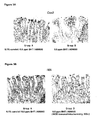
- Figure 3A shows pathological findings after immunostaining of COX-2
- Figure 3B shows pathological findings after immunostaining of iNOS.
- Table 3 shows quantification of both enzymes from immunostaining using respective antibodies.
- Table 3 Table3. Induction of inflammatory enzymes and suppression by canolol diet in H. pylori infected model.
- Example (5) Suppression of NO production from macrophages by canolol.
- the exuded peritoneal macrophages were collected by peritoneal puncture using a needled syringe, centrifuged in the presence of 10% heat-inactivated fetal calf serum and washed.
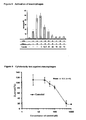
- the peritoneal macrophages (1 ⁇ 10 5 /well), LPS (1 ⁇ g/ml), interferon- ⁇ (IFN- ⁇ ) (0.1 ⁇ g/ml) and variable doses of canolol (5, 12.5, 25, 50, 100 ⁇ M) were plated in the plastic microplate (96-well) (Sumitomo Bakelite, Cat. # MS-8096F), and allowed to incubate for 24 hours at 37°C, under 5% CO 2 and 95% air.
- nitrite and nitrate ions in the supernatant were quantified by the Gries method.
- the results are shown in Figure 4 .
- the culture medium used for the macrophages was RPMI-1640 containing 10% of heat-inactivated fetal calf serum.
- As control groups LPS alone, and LPS + IFN- ⁇ without canolol were used.
- the vertical axis of Figure 4 indicates the total amount of nitrate and nitrite ions.
- canolol When the effects of canolol on the survival of macrophage were examined, canolol was found to be essentially non-toxic at 100 ⁇ M ( Figure 5 ) where the effective concentration of canolol was 10-100 ⁇ M. Canolol at 800 ⁇ M or higher was found cytotoxic, while the effective concentration of 100 ⁇ M or less shows no cytotoxicity, thus canolol is suitable for use as medicament.
- Example (6) Neutralizing capacity of canolol against the toxicity by peroxynitrite.
- peroxynitrite At the inflammatory site, peroxynitrite (ONOO - ) is excessively generated as a result of inflammatory reaction, and toxic effect thereof to living cells is one of the cause of pathogenesis. It was anticipated that canolol would exert protective effects against said toxicity of ONOO- to cultured cells.
- Example (7) Suppression of gastric carcinogenesis in Mongolian gerbils infected with Helicobacter pylori and treated with chemical carcinogen N-methylnitrosourea (MNU).
- MNU chemical carcinogen N-methylnitrosourea
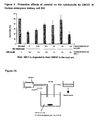
- gerbils were bred for more than 20 weeks, and at around 57 weeks, stomach was excised from gerbils under anesthesia and fixed, and paraffin blocks thereof were prepared by a conventional method. Thin slices obtained from the paraffin blocks were examined with HE (hematoxyline eosin) staining under microscope. Those identified as carcinoma were calculated for each gerbil, and the results are shown in Table 4. With regard to gerbils fed with 0.1% canolol, the cancer incidence of was 15% while that of gerbils without canolol was 41%. This means that 64% suppression of the cancer incidence was observed. These results are consistent with the data of genetic damage by ONOO- as seen in mutagenicity, by peroxynitrite (ONOO - ) of Salmonella as in Figure 6 , being suppressed by canolol.
- compositions containing canolol can be used as anti-inflammatory agents and cancer-preventive agents. Accordingly, canolol can be used as a component of cosmetics and foods as well as in medicine as an anti-inflammatory agent and cancer-preventive agent by administering to the host. Followings are the representative formulations for medicament, cosmetic and food containing canolol.
- a conventional antioxidant such as BHT (2,6-di-tert-butyl-4-methylphenol, butylated hydroxytoluene), or ⁇ -tocopherol, or vitamin C, carotenoids or derivative thereof is added with 0.001-0.1%, more preferably 0.01%, and canolol content of 0.01-5%, more preferably 0.3-3.0% is added thereto.
- BHT 2,6-di-tert-butyl-4-methylphenol, butylated hydroxytoluene
- ⁇ -tocopherol or vitamin C
- carotenoids or derivative thereof is added with 0.001-0.1%, more preferably 0.01%, and canolol content of 0.01-5%, more preferably 0.3-3.0% is added thereto.
- the cream thus obtained is applied and rubbed to lesions such as skin.
- Various emulsifiers such as sugar esters or lecithin as well as antiseptics may be added to the cream at an appropriate amount.
- aqueous solution containing canolol-containing emulsified liquid or solution formulation and a small amount of antioxidant (for example, palmityl ascorbate derivative(s), or PD thereof, BHT etc.), 0.1-10 g canolol dissolved in 10 ml of ethanol, propanol or isopropanol was added to prepare a drug solution. Humidification and/or sonication may be applied. Alcohol or aqueous solution may contain 0.1-50% of canolol.
- antioxidant for example, palmityl ascorbate derivative(s), or PD thereof, BHT etc.
- Example (11) Lipid formulation (capsulated lipid formulation).
- Lipid formulation can be prepared by dissolving canolol in soybean oil, sesame seed oil, rape seed (canola) oil, olive oil, medium-chain fatty acids, linoleic acid, camellia oil, poppy seed oil or coconut oil to make the content of 0.1-50%.
- the lipid formulation may be filled in soft gel capsules or the like to contain 0.1-0.5 g of canolol per capsule.
- One to ten capsules may be orally administered as an anti-inflammatory agent per day.
- Canolol may be administered as canolol-containing tablets.
- ethanol containing 0.01-0.1% of the aforementioned general antioxidant such as BHT dissolving 1-50% of canolol therein, or canolol itself is added, stirred thoroughly, then ethanol is removed under vacuum, then form tablets.
- One tablet may contain 1-500 mg.
- 3-5 tablets may be administered for 3 times a day after each meal.
- Example (13) Aqueous formulation for injection.
- canolol 100 ml of canolol may be dissolved in 1 ml of alcohol (ethanol), and the resultant is added to 50-100 times its volumes of distilled water, physiological saline, 5% glucose, 8% sodium bicarbonate solution, mannitol solution, lactose solution, or hyperalimentation reinfusion such as Intralipid®, vitamin mixture solution, and infusion such as amino acid solution, or other reinfusion to prepare injection solution.
- Canolol can also be made into micelle formulation using various micelle forming agents or cyclodextrin inclusions, or emulsified suspension by adding lecithin, sphingomyelin or sugar esters such as Nikkor®. It can also be directly added to high calorie reinfusion such as Intralipid® or aqueous injection. Concentration of canolol may be 1-300 mg per ml, more preferably 50-80 mg/ml for injection formulation.
- Example (14) Suppository formulation.
- canolol containing formulation in shape of a conventional rectal suppository is prepared and used as enteric formulation.
- Cosmetics are prepared by using appropriate excipient, fragrance, coloring agent and other active ingredients in appropriate forms.
- Various foods, beverages, vitamin drinks, biscuits or the like containing 0.01-2.0% of canolol in addition to antioxidant BHT or vitamin C may be prepared. By taking these foods cancer can be prevented. That is, said foods can be used as cancer-preventive agents.
- the anti-inflammatory agent and cancer-preventive agent according to the invention, or medicament, cosmetic or food comprising the same not only provide sufficient anti-inflammatory and cancer preventing activity but also exert superior effects in terms of manufacture, manufacturing cost, bioactivity, safety, administration and intake compared to conventional agents.
- the present invention therefore contributes to pharmaceutical industry, cosmetics industry, food industry and related industries to a great extent.
Landscapes
- Health & Medical Sciences (AREA)
- Chemical & Material Sciences (AREA)
- Life Sciences & Earth Sciences (AREA)
- Animal Behavior & Ethology (AREA)
- Veterinary Medicine (AREA)
- Medicinal Chemistry (AREA)
- Public Health (AREA)
- General Health & Medical Sciences (AREA)
- Pharmacology & Pharmacy (AREA)
- General Chemical & Material Sciences (AREA)
- Organic Chemistry (AREA)
- Nuclear Medicine, Radiotherapy & Molecular Imaging (AREA)
- Chemical Kinetics & Catalysis (AREA)
- Bioinformatics & Cheminformatics (AREA)
- Engineering & Computer Science (AREA)
- Pulmonology (AREA)
- Epidemiology (AREA)
- Dermatology (AREA)
- Biochemistry (AREA)
- Rheumatology (AREA)
- Ophthalmology & Optometry (AREA)
- Gastroenterology & Hepatology (AREA)
- Pain & Pain Management (AREA)
- Toxicology (AREA)
- Otolaryngology (AREA)
- Acyclic And Carbocyclic Compounds In Medicinal Compositions (AREA)
- Coloring Foods And Improving Nutritive Qualities (AREA)
- Medicines Containing Plant Substances (AREA)
- Pharmaceuticals Containing Other Organic And Inorganic Compounds (AREA)
- Cosmetics (AREA)
Applications Claiming Priority (1)
| Application Number | Priority Date | Filing Date | Title |
|---|---|---|---|
| PCT/JP2006/306617 WO2007116432A1 (ja) | 2006-03-30 | 2006-03-30 | キャノロールまたはそのプロドラッグ(pd)を含む抗炎症剤および癌予防剤ならびにこれらを含む医薬、化粧品および食品 |
Publications (2)
| Publication Number | Publication Date |
|---|---|
| EP2014283A1 true EP2014283A1 (de) | 2009-01-14 |
| EP2014283A4 EP2014283A4 (de) | 2010-04-21 |
Family
ID=38580741
Family Applications (1)
| Application Number | Title | Priority Date | Filing Date |
|---|---|---|---|
| EP06730565A Withdrawn EP2014283A4 (de) | 2006-03-30 | 2006-03-30 | Entzündungshemmendes mittel und mittel zur prävention von krebs mit canolol oder einem prodrug davon und dieses enthaltendes pharmazeutikum, kosmetikum und nahrungsmittel |
Country Status (6)
| Country | Link |
|---|---|
| US (2) | US20090163600A1 (de) |
| EP (1) | EP2014283A4 (de) |
| JP (1) | JP5222131B2 (de) |
| CA (1) | CA2659767A1 (de) |
| TW (1) | TW200735857A (de) |
| WO (1) | WO2007116432A1 (de) |
Families Citing this family (3)
| Publication number | Priority date | Publication date | Assignee | Title |
|---|---|---|---|---|
| JP2012110273A (ja) * | 2010-11-25 | 2012-06-14 | Kagoshima Univ | 焙煎全脂ナタネ種子成分を含む飲食品、医薬品、および飼料 |
| US10959968B2 (en) | 2016-01-13 | 2021-03-30 | Board Of Supervisors Of Louisiana State University | Methods for treating c-Met-dependent cancers |
| CN110615731B (zh) * | 2019-09-16 | 2022-10-14 | 中国农业科学院油料作物研究所 | 一种制备2,6-二甲氧基-4-乙烯基苯酚的方法 |
Family Cites Families (2)
| Publication number | Priority date | Publication date | Assignee | Title |
|---|---|---|---|---|
| WO2003030888A1 (en) | 2001-10-09 | 2003-04-17 | The Japanese Research And Development Association For New Functional Foods | Antiradicals and fat compositions, foods, drinks, drugs or feeds containing the antiradicals |
| PE20070978A1 (es) | 2006-02-14 | 2007-11-15 | Novartis Ag | COMPUESTOS HETEROCICLICOS COMO INHIBIDORES DE FOSFATIDILINOSITOL 3-QUINASAS (PI3Ks) |
-
2006
- 2006-03-30 JP JP2008509584A patent/JP5222131B2/ja not_active Expired - Fee Related
- 2006-03-30 US US12/294,972 patent/US20090163600A1/en not_active Abandoned
- 2006-03-30 EP EP06730565A patent/EP2014283A4/de not_active Withdrawn
- 2006-03-30 WO PCT/JP2006/306617 patent/WO2007116432A1/ja not_active Ceased
- 2006-03-30 CA CA002659767A patent/CA2659767A1/en not_active Abandoned
- 2006-04-27 TW TW095115028A patent/TW200735857A/zh unknown
-
2012
- 2012-01-20 US US13/354,507 patent/US8865775B2/en not_active Expired - Fee Related
Also Published As
| Publication number | Publication date |
|---|---|
| US20120122995A1 (en) | 2012-05-17 |
| JP5222131B2 (ja) | 2013-06-26 |
| WO2007116432A1 (ja) | 2007-10-18 |
| US8865775B2 (en) | 2014-10-21 |
| US20090163600A1 (en) | 2009-06-25 |
| EP2014283A4 (de) | 2010-04-21 |
| JPWO2007116432A1 (ja) | 2009-08-20 |
| TW200735857A (en) | 2007-10-01 |
| CA2659767A1 (en) | 2007-10-18 |
Similar Documents
| Publication | Publication Date | Title |
|---|---|---|
| JP4205943B2 (ja) | 天然および合成hcaのバイオアベイラブルな組成物 | |
| EP2344154B1 (de) | Anthocyanidine enthaltende zusammensetzungen und anwendungsverfahren | |
| KR102132833B1 (ko) | 항염증 또는 피부 미백용 조성물 | |
| KR101621856B1 (ko) | 모노아세틸디아실글리세롤 화합물을 유효성분으로 함유하는 류마티스 관절염의 예방 또는 치료용 조성물 | |
| EP3375440A2 (de) | Verfahren zur behandlung von mukositis | |
| Ozdal et al. | Naringenin: Advances on Resources, Biosynthesis Pathway, Bioavailability, Bioactivity, and Pharmacology | |
| US8865775B2 (en) | Anti-inflammatory agent and cancer-preventive agent comprising canolol or prodrug thereof and pharmaceutical, cosmetic and food comprising the same | |
| KR101715294B1 (ko) | 디오스민 또는 이의 염을 유효성분으로 함유하는 피부보습 개선, 피부각질 제거, 피부탄력 증진, 홍반 억제, 피부주름 개선 또는 피부광노화 개선 효과를 갖는 조성물 | |
| Khan et al. | Phospholipids: a novel adjuvant in herbal drug delivery systems | |
| KR20190127207A (ko) | 음나무 수피의 효소 가수분해 추출물을 유효성분으로 포함하는, 항산화 또는 항염증용 약학적 조성물 | |
| KR20130097537A (ko) | 강황, 석창포, 원지의 열수추출물의 혼합물을 유효성분으로 포함하는 인지력 및 기억력 향상용 조성물 | |
| JP2011195530A (ja) | タンパク質糖化抑制剤 | |
| KR101645535B1 (ko) | 글루코사민 함유 항염 및 통증 억제용 조성물 | |
| WO1998009652A1 (en) | COMPOSITION, ANTIMICROBIAL AGENT, INFECTION PREVENTIVE, AND FOOD AGAINST $i(HELICOBACTER PYLORI) | |
| JP2007126383A (ja) | 消化管粘膜保護剤、カベオリン遺伝子発現促進剤及び抗ストレス剤 | |
| KR20110085517A (ko) | 안트라퀴논 유도체를 유효성분으로 함유하는 알레르기성 질환 예방 및 치료용 약학조성물 | |
| JP5187935B2 (ja) | 羅漢果エキスを含有する創傷治癒促進組成物と適用方法 | |
| KR101281108B1 (ko) | 항염증 활성을 갖는 리소포스파티딜에탄올아민 유도체 또는 이의 약학적으로 허용가능한 염, 이의 제조방법 및 이를 유효성분으로 함유하는 항염증 조성물 | |
| US20030086981A1 (en) | Glycerin fatty acid ester for palliate a symptom of premenstrual syndrome, a palliative of premenstrual syndrome, oil or fat composition for palliate a symptom of premenstrual syndrome, and food and drink for palliate a symptom of premenstrual syndrome | |
| WO2017142371A1 (ko) | 노근 추출물을 유효성분으로 함유하는 항암제 부작용에 의한 질환의 예방, 개선 또는 치료용 조성물 | |
| KR102706822B1 (ko) | 포스파티딜콜린과 콜키신을 포함하는 통풍 또는 고뇨산혈증치료용 조성물 | |
| KR101229438B1 (ko) | 항염증 활성을 갖는 오메가-3 계열 리소포스파티딜콜린 수산화물 유도체 또는 이의 약학적으로 허용가능한 염, 이의 제조방법 및 이를 유효성분으로 함유하는 항염증 조성물 | |
| KR20240040441A (ko) | 검은지느러미 빙어 추출물 또는 에메랄드 암치 추출물을 유효성분으로 포함하는 항염증용 조성물 | |
| KR20250159442A (ko) | 멜로시라 눔물로이드 추출물을 유효성분으로 함유하는 간암의 예방, 개선 또는 치료용 조성물 | |
| KR20040036092A (ko) | 진세노사이드 Rh2 및 Rg3 항암 조성물 |
Legal Events
| Date | Code | Title | Description |
|---|---|---|---|
| PUAI | Public reference made under article 153(3) epc to a published international application that has entered the european phase |
Free format text: ORIGINAL CODE: 0009012 |
|
| 17P | Request for examination filed |
Effective date: 20081029 |
|
| AK | Designated contracting states |
Kind code of ref document: A1 Designated state(s): AT BE BG CH CY CZ DE DK EE ES FI FR GB GR HU IE IS IT LI LT LU LV MC NL PL PT RO SE SI SK TR |
|
| AX | Request for extension of the european patent |
Extension state: AL BA HR MK YU |
|
| RIN1 | Information on inventor provided before grant (corrected) |
Inventor name: TATEMATSU, MASAE Inventor name: TSUKAMOTO, TETSUYA Inventor name: MAEDA, HIROSHI |
|
| RIC1 | Information provided on ipc code assigned before grant |
Ipc: A61P 39/06 20060101ALI20100302BHEP Ipc: A61P 1/02 20060101ALI20100302BHEP Ipc: A61P 11/00 20060101ALI20100302BHEP Ipc: A61P 1/04 20060101ALI20100302BHEP Ipc: A61P 35/00 20060101ALI20100302BHEP Ipc: A61P 29/00 20060101ALI20100302BHEP Ipc: A61K 31/09 20060101AFI20071210BHEP |
|
| A4 | Supplementary search report drawn up and despatched |
Effective date: 20100318 |
|
| DAX | Request for extension of the european patent (deleted) | ||
| 17Q | First examination report despatched |
Effective date: 20121212 |
|
| RIN1 | Information on inventor provided before grant (corrected) |
Inventor name: MAEDA, HIROSHI Inventor name: TATEMATSU, MASAE Inventor name: TSUKAMOTO, TETSUYA |
|
| STAA | Information on the status of an ep patent application or granted ep patent |
Free format text: STATUS: THE APPLICATION IS DEEMED TO BE WITHDRAWN |
|
| 18D | Application deemed to be withdrawn |
Effective date: 20151001 |