EP2014301A1 - AND optimisé et séquence de protéine d'un anticorps pour améliorer la qualité et le rendement des protéines de fusion d'anticorps exprimés bactériennement - Google Patents
AND optimisé et séquence de protéine d'un anticorps pour améliorer la qualité et le rendement des protéines de fusion d'anticorps exprimés bactériennement Download PDFInfo
- Publication number
- EP2014301A1 EP2014301A1 EP07013750A EP07013750A EP2014301A1 EP 2014301 A1 EP2014301 A1 EP 2014301A1 EP 07013750 A EP07013750 A EP 07013750A EP 07013750 A EP07013750 A EP 07013750A EP 2014301 A1 EP2014301 A1 EP 2014301A1
- Authority
- EP
- European Patent Office
- Prior art keywords
- seq
- cancer
- frp5
- scfv
- amino acid
- Prior art date
- Legal status (The legal status is an assumption and is not a legal conclusion. Google has not performed a legal analysis and makes no representation as to the accuracy of the status listed.)
- Withdrawn
Links
Images
Classifications
-
- C—CHEMISTRY; METALLURGY
- C07—ORGANIC CHEMISTRY
- C07K—PEPTIDES
- C07K16/00—Immunoglobulins [IG], e.g. monoclonal or polyclonal antibodies
- C07K16/18—Immunoglobulins [IG], e.g. monoclonal or polyclonal antibodies against material from animals or humans
- C07K16/32—Immunoglobulins [IG], e.g. monoclonal or polyclonal antibodies against material from animals or humans against translation products of oncogenes
-
- A—HUMAN NECESSITIES
- A61—MEDICAL OR VETERINARY SCIENCE; HYGIENE
- A61P—SPECIFIC THERAPEUTIC ACTIVITY OF CHEMICAL COMPOUNDS OR MEDICINAL PREPARATIONS
- A61P35/00—Antineoplastic agents
-
- A—HUMAN NECESSITIES
- A61—MEDICAL OR VETERINARY SCIENCE; HYGIENE
- A61P—SPECIFIC THERAPEUTIC ACTIVITY OF CHEMICAL COMPOUNDS OR MEDICINAL PREPARATIONS
- A61P43/00—Drugs for specific purposes, not provided for in groups A61P1/00-A61P41/00
-
- C—CHEMISTRY; METALLURGY
- C07—ORGANIC CHEMISTRY
- C07K—PEPTIDES
- C07K14/00—Peptides having more than 20 amino acids; Gastrins; Somatostatins; Melanotropins; Derivatives thereof
- C07K14/195—Peptides having more than 20 amino acids; Gastrins; Somatostatins; Melanotropins; Derivatives thereof from bacteria
- C07K14/21—Peptides having more than 20 amino acids; Gastrins; Somatostatins; Melanotropins; Derivatives thereof from bacteria from Pseudomonadaceae (F)
-
- C—CHEMISTRY; METALLURGY
- C07—ORGANIC CHEMISTRY
- C07K—PEPTIDES
- C07K2317/00—Immunoglobulins specific features
- C07K2317/50—Immunoglobulins specific features characterized by immunoglobulin fragments
- C07K2317/56—Immunoglobulins specific features characterized by immunoglobulin fragments variable (Fv) region, i.e. VH and/or VL
- C07K2317/567—Framework region [FR]
-
- C—CHEMISTRY; METALLURGY
- C07—ORGANIC CHEMISTRY
- C07K—PEPTIDES
- C07K2317/00—Immunoglobulins specific features
- C07K2317/60—Immunoglobulins specific features characterized by non-natural combinations of immunoglobulin fragments
- C07K2317/62—Immunoglobulins specific features characterized by non-natural combinations of immunoglobulin fragments comprising only variable region components
- C07K2317/622—Single chain antibody (scFv)
-
- C—CHEMISTRY; METALLURGY
- C07—ORGANIC CHEMISTRY
- C07K—PEPTIDES
- C07K2319/00—Fusion polypeptide
-
- C—CHEMISTRY; METALLURGY
- C07—ORGANIC CHEMISTRY
- C07K—PEPTIDES
- C07K2319/00—Fusion polypeptide
- C07K2319/55—Fusion polypeptide containing a fusion with a toxin, e.g. diphteria toxin
Definitions
- the antibody-toxin scFv(FRP5)-ETA is a recombinant fusion protein that consists of a single-chain antibody fragment derived from the ErbB2-specific antibody FRP5, via gene fusion linked to a truncated fragment of Pseudomonas exotoxin A.
- High and selective antitumoral activity of scFv(FRP5)-ETA against ErbB2 expressing cancer cells in vitro , in animal models and in cancer patients has been described in detail in the literature. Production of scFv(FRP5)-ETA by bacterial expression in E.
- Object matter of the invention is an optimized DNA sequence encoding the scFv(FRP5) antibody fragment.
- This novel sequence prevents the generation of the undesired by-product in the context of an scFv(FRP5)-ETA fusion protein, and possibly also other bacterially expressed scFv(FRP5)-containing fusion proteins.
- the DNA sequence of the scFv(FRP5) domain of scFv(FRP5)-ETA was modified by exchanging a distinct codon, thereby preventing an otherwise possible internal start of protein translation.
- ErbB2 HER2 receptor tyrosine kinase
- HER2 ErbB2 receptor tyrosine kinase
- ErbB2 expression is strongly enhanced, often as a result of gene amplification. Due to this preferential expression in many tumors of epithelial origin, its accessibility from the extracellular space, and its involvement in the transformation process, the ErbB2 receptor tyrosine kinase is a preferred target for directed cancer therapy.
- scFv(FRP5)-ETA effectively inhibited growth of established human tumor xenografts (1, 3-5) and murine and rat tumor cells stably transfected with human c- erb B2 constructs (7, 8).
- intratumoral injection of scFv(FRP5)-ETA into cutaneous lesions of ErbB2 expressing tumors resulted in a response rate of 60% with complete regression of injected tumor nodules observed in 40%, and partial reduction in the size of injected tumors in another 20% of patients (9).
- maximum tolerated dose (MTD), dose limiting toxicity and pharmacokinetic parameters of intravenously injected scFv(FRP5)-ETA were determined (10). Thereby three out of 18 patients showed stable disease, and in another three patients clinical signs of activity in terms of signs and symptoms were observed.
- Preparations of therapeutic proteins for the treatment of human patients must meet very high standards of purity and homogeneity to qualify for approval by regulatory authorities.
- By-products contaminating preparations of the active compound may cause adverse events in a patient such as toxic reactions, and/or the induction of undesired immune responses.
- This plasmid encodes a fusion protein consisting of the ErbB2-specific scFv antibody fragment scFv(FRP5) derived from monoclonal antibody FRP5 (11, 12), genetically fused to truncated Pseudomonas exotoxin A (ETA) representing amino acid residues 252-613 of the wildtype toxin.
- ETA Pseudomonas exotoxin A
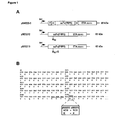
- the scFv(FRP5)-ETA expression unit in plasmid pSW220-5 includes sequences for two hexahistidine clusters (His 6 ) and an N-terminal FLAG tag for purification and detection of the protein ( Figure 1A ).
- Protein preparations from bacterial expression cultures transformed with pSW220-5 contain a major product corresponding to full-length scFv(FRP5)-ETA, and a major by-product (about 10%) that migrates directly below the main band. Both protein bands can be detected in purified protein preparations by Coomassie-staining of SDS-PAA gels (see Figure 2A , left lane), and with ETA-specific antibodies in immunoblot experiments (data not shown).
- This invention covers the modification of the expression unit encoding scFv(FRP5)-ETA in such a way, that a homogeneous protein preparation can be obtained from bacterial expression cultures, which lacks the truncated by-product mentioned above.
- the by-product may not be generated by proteolytic degradation of full-length protein, but may be the result of an alternative start of protein translation from an internal AUG codon within the scFv(FRP5) sequence of the scFv(FRP5)-ETA mRNA.
- the invention relates to a polypeptide comprising a first amino acid sequence which comprises amino acids 2-120 of SEQ ID NO:11, and a second amino acid sequence which comprises amino acids 136-242 of SEQ ID NO:11, wherein said first and second amino acid sequence are linked by a peptide spacer group.
- the polypeptide of the invention comprises the following structure: V H - S P - V L , wherein
- the first amino acid sequence is usually at the N-terminal end of the polypeptide.
- the polypeptide of the invention is usually a single-chain antibody wherein the heavy chain variable domain and the light chain variable domain are linked by way of a spacer group, preferably a peptide.
- the first amino acid sequence in the polypeptide of the invention represents the heavy chain variable domain
- the second amino acid sequence represents the light chain variable domain.
- Most preferred is a single-chain antibody wherein the heavy chain variable domain is located at the N-terminus of the recombinant antibody.
- the first amino acid sequence comprises amino acids 2-120 of SEQ ID NO:11, preferably it comprises amino acids 1-120 of SEQ ID NO:11, or it consists of amino acids 1-120 of SEQ ID NO:11.
- the first amino acid sequence comprises amino acids 2-120 of SEQ ID NO: 1, preferably it comprises amino acids 1-120 of SEQ ID NO:1, or it consists of amino acids 1-120 of SEQ ID NO:1.
- the second amino acid sequence comprises amino acids 136-242 of SEQ ID NO:11, preferably it consists of amino acids 136-242 of SEQ ID NO:11.
- the peptide spacer group may have a length of from 3 to 30 amino acids, preferably of from 5 to 25 amino acids, more preferably of from 10 to 20 amino acids, most preferably of about 15 amino acids (e.g. 13, 14, 15, 16 or 17 amino acids). It is also preferred that the peptide spacer group consists of amino acids selected from glycine and serine. Particularly preferred is an embodiment, wherein the spacer group is the 15 amino acid peptide consisting of three repetitive subunits of Gly-Gly-Gly-Gly-Ser.
- polypeptide of the invention preferably comprises the amino acid sequence as shown in SEQ ID NO:11, more preferably it comprises the amino acid sequence as shown in SEQ ID NO:1.
- the amino acid Xaa in SEQ ID NO:11 may be any amino acid except methionine or be absent. In the latter case, the amino acids at position 91 and 93 are linked directly to each other via a peptide bond.
- Xaa in SEQ ID NO:11 may be any amino acid except methionine, including naturally occurring amino acids, non-naturally occurring amino acids and modified amino acids.
- Xaa When Xaa is a naturally occurring amino acid, Xaa may be alanine, cysteine, aspartic acid, glutamic acid, phenylalanine, glycine, histidine, isoleucine, lysine, leucine, asparagine, proline, glutamine, arginine, serine, threonine, valine, tryptophane, tyrosine or selenocysteine.
- Xaa is selected from the group consisting of serine, alanine, threonine and cysteine. Most preferably, Xaa is serine.
- Xaa is a non-naturally occurring or modified amino acid
- possible meanings of Xaa include, but are not limited to ornithine, norleucine, norvaline, hydroxyproline, hydroxylysine, ethylglycine and ethylasparagine.
- Xaa may also be any modified amino acid as defined in table 4 of WIPO Standard ST.25, which is incorporated herein by reference.
- Xaa may be absent which means that the methionine at position 92 of the FRP5 sequence (see e.g. SEQ ID NO:9) has been deleted and is not replaced by another amino acid.
- the polypeptide of the invention may comprise the amino acid sequence as shown in SEQ ID NO:12.
- the single-chain recombinant antibody may further comprise an effector molecule and/or signal sequences facilitating the processing of the antibody by the host cell in which it is prepared.
- Effector molecules considered are those useful for therapeutic or diagnostic purposes, for example enzymes causing a detectable reaction, e.g. phosphatase, such as alkaline phosphatase from E.coli or mammalian alkaline phosphatase, e.g. bovine alkaline phosphatase, horseradish peroxidase, beta-D-galactosidase, glucose oxidase, glucoamylase, carbonic anhydrase, acetylcholinesterase, lysozyme, malate dehydrogenase or glucose-6-phosphate, a peptide having particular binding properties, e.g.
- phosphatase such as alkaline phosphatase from E.coli or mammalian alkaline phosphatase, e.g. bovine alkaline phosphatase, horseradish peroxidase, beta-D-galactosidase, glucose oxidase, glucoamy
- streptavidin from Streptomyces avidinii strongly binding to biotin, or enzymes, toxins or other drugs attacking the cells to which the antibody is bound, e.g. a protease, a cytolysin or an exotoxin, for example ricin A, diphtheria toxin A, or Pseudomonas exotoxin.
- a single-chain recombinant antibody further comprising an effector molecule is referred to as fusion protein or intended to be within the meaning of the terms "single chain (recombinant) antibody” or "recombinant antibody”, if appropriate.
- the effector molecule may be a polypeptide having cell killing activity. Cell killing activity may be determined according to Example 3 of this application.
- effector molecule also includes biologically active variants of the above-mentioned proteins, e.g. variants produced from a DNA which has been subjected to in vitro mutagenesis, with the provision that the protein encoded by said DNA retains the biological activity of the native protein.
- modifications may consist in an addition, exchange or deletion of amino acids, the latter resulting in shortened variants.
- an enzyme such as phosphatase
- an exotoxin such as Pseudomonas exotoxin, may be prepared from a DNA which has been mutated to delete the cell binding domain and/or to enhance or reduce its cell killing potential.
- the effector polypeptide may comprise the amino acids 245-606 of SEQ ID NO:1.
- effector molecule also includes chemical entities having cell killing activity.
- Cell killing activity may be determined according to Example 3 of this application.
- Such chemical entities include, but are not limited to, chemotherapeutic drugs, cytotoxic compounds and cytostatic compounds. Examples of chemotherapeutic drugs and cytotoxic compounds are
- Alkylating agents react with nucleophilic residues, such as the chemical entities on the nucleotide precursors for DNA production. They affect the process of cell division by alkylating these nucleotides and preventing their assembly into DNA. Suitable alkylating agents include Mustargen, Estramustinphosphate, Melphalan, Chlorambucil, Prednimustin, Cyclophosphamide, Ifosfamid, Trofosfamid, Busulfan, Treosulfan, Thiotepa, Carmustin (BCNU), Lomustin (CCNU), Nimustin (ACNU), dacarbazine (DTIC), Procarbazine, Cisplatin, and Carboplatin.
- Cytotoxic antibiotics act by directly inhibiting DNA or RNA synthesis and are effective throughout the cell cycle. Suitable cytotoxic antibiotics include Actinomycin D, Daunorubicin, Doxorubicin, Epirubicin, Idarubicin, Mitoxantron, Bleomycin, Mitomycin C, Irinotecan (CPT-11), and Topotecan.
- Antimetabolites interfere with cellular enzymes or natural metabolites that are involved in the process of cell division, thus disrupting the division of the cell.
- Suitable Antimetabolites include Methotrexate, 6-Mercaptopurine, 6-Thioguanine, Pentostatin, Fludarabinphosphate, Cladribine, 5-Fluorouracil, Capecitabine, Cytarabin, Gemcitabine, and Hydroxyurea.
- Plant alkaloids and etoposides are agents derived from plants. They inhibit cell replication by preventing the assembly of the cell's components that are essential to cell division (e.g. Vinca alkaloids; Etoposide). Suitable alkaloids and etoposides include Vincristin, Vinblastin, Vindesin, Etoposide (VP16), Teniposide (VM26).
- the group of compounds labelled 'Others' is made up primarily of taxanes (e.g. Paclitaxel, Taxol, Docetaxel, Taxotere) and metal complexes (e.g. cisPlatinum), and signal transduction inhibitors (STIs), inhibitors of specific enzyme functions, including but not limited to histone deacetylase inhibitors, kinase and protease inhibitors.
- the histone deacetylase (HDAC) inhibitor may be selected from the group consisting of vorinostat, belinostat, PCI-24781, CHR-3242, JNJ-16241199, MGCD-0103, romidepsin, MS-275, butyrate, valproic acid and combinations thereof.
- the kinase inhibitor may be selected from the group consisting of imatinib, cedarinib, gefitinib, vandetanib, sarafenib, danatinib, lestaurtinib, enzastaurin, pazopanib, alvocidib, nilotinib, vatalinib, erlotinib, suninib and combinations thereof.
- the protease inhibitor may be selected from the group consisting of WX-UK1, bortezomib and combinations thereof.
- the chemical entity having cell killing activity may be a radioactive substance, e.g. Cobalt-60.
- the effector molecule may be bound to the polypeptide of the invention via a covalent bond or via a non-covalent linkage.
- the effector molecule may be fused to the N-terminal or to the C-terminal part of the polypeptide.
- the effector molecule is fused to the C-terminal end of the second amino acid sequence to form a fusion polypeptide.
- the polypeptide of the invention comprises the amino acids 2-606 of the amino acid sequence SEQ ID NO:3, or it comprises the amino acids 1-606 of the amino acid sequence SEQ ID NO:3, or it consists of the amino acid sequence as shown in SEQ ID NO:3.
- the polypeptide of the invention optionally comprises another peptide, e.g. a peptide facilitating purification, in particular a peptide being an epitope against which an antibody is available, such as the FLAG peptide.
- a fusion protein comprising such a peptide is advantageous e.g. in that it may be faster, more specific and/or gentler.
- the peptide may be placed at the N-terminus of the fusion protein, in between the recombinant antibody and the effector molecule, or at the C-terminus of the fusion protein. Preferably, it is located at the N-terminus or at the C-terminus, in particular at the N-terminus.
- these constructs also contain a cleavage site, so that the fusion protein can be liberated therefrom, either by enzymatic cleavage, e.g. by enterokinase or by Factor Xa, or by the chemical methods known in the art.
- these constructs may comprise a peptide spacer consisting of one or more, e.g. 1 to 10, in particular about 2 amino acids, said spacer facilitating the linkage of the above-mentioned peptide and/or the cleavage site to the recombinant antibody.
- the cleavage site is placed in such a way that the fusion protein comprising the recombinant antibody and the effector molecule can be easily liberated, if desired, preferably in vitro.
- the FLAG peptide and an enterokinase cleavage site are linked to a spacer and placed in front of the Fv heavy chain/light chain variable domain and exotoxin A fusion protein.
- the FLAG peptide can be cleaved off by enterokinase, preferably after affinity purification of the protein, yielding a fusion protein comprising the single-chain antibody Fv(FRP5) and exotoxin A.
- polynucleotide(s) generally refers to any polyribonucleotide or polydeoxyribonucleotide that may be unmodified RNA or DNA or modified RNA or DNA.
- the polynucleotide may be single- or double-stranded DNA, single or double-stranded RNA.
- polynucleotide(s) also includes DNAs or RNAs that comprise one or more modified bases and/or unusual bases, such as inosine. It will be appreciated that a variety of modifications may be made to DNA and RNA that serve many useful purposes known to those of skill in the art.
- polynucleotide(s) as it is employed herein embraces such chemically, enzymatically or metabolically modified forms of polynucleotides, as well as the chemical forms of DNA and RNA characteristic of viruses and cells, including, for example, simple and complex cells.
- polynucleotides encoding the amino acid sequence as shown in SEQ ID NO:11. More preferably, the polynucleotide encodes a polypeptide comprising the amino acid sequence as shown in SEQ ID NO:1. Even more preferably, the polynucleotide encodes a polypeptide comprising the amino acid sequence as shown in SEQ ID NO: 3.
- the most preferred polynucleotides comprise the nucleotide sequence as shown in SEQ ID NO:2 or the nucleotide sequence as shown in SEQ ID NO:4.
- the polynucleotide of the invention is an isolated polynucleotide.
- isolated polynucleotide refers to a polynucleotide that is substantially free from other nucleic acid sequences, such as and not limited to other chromosomal and extrachromosomal DNA and RNA. Isolated polynucleotides may be purified from a host cell. Conventional nucleic acid purification methods known to skilled artisans may be used to obtain isolated polynucleotides. The term also includes recombinant polynucleotides and chemically synthesized polynucleotides.
- plasmid of a vector containing a polynucleotide according to the present invention.
- vector refer to an extrachromosomal element often carrying genes which are not part of the central metabolism of the cell, and usually in the form of circular double-stranded DNA fragments.
- Such elements may be autonomously replicating sequences, genome integrating sequences, phage or nucleotide sequences, linear or circular, of a single- or double-stranded DNA or RNA, derived from any source, in which a number of nucleotide sequences have been joined or recombined into a unique construction which is capable of introducing a promoter fragment and DNA sequence for a selected gene product along with appropriate 3' untranslated sequence into a cell.
- the polynucleotide in the plasmid or vector is operably linked to one or more expression control sequences.
- operably linked refers to the association of nucleic acid sequences on a single nucleic acid fragment so that the function of one is affected by the other.
- a promoter is operably linked with a coding sequence when it is capable of affecting the expression of that coding sequence (i.e., that the coding sequence is under the transcriptional control of the promoter). Coding sequences can be operably linked to regulatory sequences in sense or antisense orientation.
- a "promoter” is a DNA sequence upstream from the start of transcription of a gene and involved in recognition and binding of RNA polymerase and/or other proteins to initiate transcription of the gene. Usually, the promoter determines under what conditions the gene is expressed. Usually, the promoter used herein is heterologous to the polynucleotide of the invention to which it is operably linked.
- Vectors typically perform two functions in collaboration with compatible host cells. One function is to facilitate the cloning of the nucleic acid that encodes the immunoglobulin variable domains, i.e. to produce usable quantities of the nucleic acid (cloning vectors). The other function is to provide for replication and expression of the recombinant gene constructs in a suitable host, either by maintenance as an extrachromosomal element or by integration into the host chromosome (expression vectors).
- a cloning vector comprises the recombinant gene constructs as described above, an origin of replication or an autonomously replicating sequence, dominant marker sequences and, optionally, signal sequences and additional restriction sites.
- An expression vector additionally comprises expression control sequences essential for the transcription and translation of the recombinant genes.
- An origin of replication or an autonomously replicating sequence is provided either by construction of the vector to include an exogeneous origin such as derived from Simian virus 40 (SV 40) or another viral source, or by the host cell chromosomal mechanisms.
- an exogeneous origin such as derived from Simian virus 40 (SV 40) or another viral source, or by the host cell chromosomal mechanisms.
- the markers allow for selection of host cells which contain the vector.
- Selection markers include genes which confer resistance to heavy metals such as copper or to antibiotics such as geneticin (G-418), kanamycin or hygromycin, or genes which complement a genetic lesion of the host cell such as the absence of thymidin kinase, hypoxanthine phosphoryl transferase, dihydrofolate reductase or the like.
- Signal sequences may be, for example, presequences or secretory leaders directing the secretion of the recombinant antibody, splice signals, or the like.
- Examples for signal sequences directing the secretion of the recombinant antibody are sequences derived from the ompA gene, the pelB (pectate lyase) gene or the phoA gene.
- the vector DNA comprises a promoter, sequences necessary for the initiation and termination of transcription and for stabilizing the mRNA and, optionally, enhancers and further regulatory sequences.
- Promoters that are strong and at the same time well regulated are the most useful. Sequences for the initiation of translation are for example Shine-Daigarno sequences. Sequences necessary for the initiation and termination of transcription and for stabilizing the mRNA are commonly available from the noncoding 5'-regions and 3'-regions, respectively, of viral or eukaryotic cDNAs, e.g. from the expression host. Enhancers are transcription-stimulating DNA sequences of viral origin, e.g. derived from Simian virus, polyoma virus, bovine papilloma virus or Moloney sarcoma virus, or of genomic, especially murine, origin.
- Enhancers are transcription-stimulating DNA sequences of viral origin, e.g. derived from Simian virus, polyoma virus, bovine papilloma virus or Moloney sarcoma virus, or of genomic, especially murine, origin.
- vectors which are suitable for replication and expression in an E. coli strain are bacteriophages, for example derivatives of lambda bacteriophages, or plasmids, such as, in particular, the plasmid ColE1 and its derivatives, for example pMB9, pSF2124, pBR317 or pBR322 and plasmids derived from pBR322, such as pUC9, pUCK0, pHRi148 and pLc24.
- Suitable vectors contain a complete replicon, a marker gene, recognition sequences for restriction endonucleases, so that the foreign DNA and, if appropriate, the expression control sequence can be inserted at these sites, and optionally signal sequences and enhancers.
- Microbial promoters are, for example, the strong leftward promoter PL of bacteriophage lambda which is controlled by a temperature sensitive repressor.
- E. coli promoters such as the lac (lactose) promoter regulated by the lac repressor and induced by isopropyl- beta -D-thiogalactoside, the trp (tryptophan) promoter regulated by the trp repressor and induced e.g. by tryptophan starvation, and the tac (hybrid trp-lac promoter) regulated by the lac repressor.
- Vectors which are suitable for replication and expression in yeast contain a yeast replication start and a selective genetic marker for yeast.
- One group of such vectors includes so-called ars sequences (autonomous replication sequences) as origin of replication. These vectors are retained extrachromosomally within the yeast cell after the transformation and are replicated autonomously.
- vectors which contain all or part of the 2 ⁇ (2 mikron) plasmid DNA from Saccharomyces cerevisiae can be used. Such vectors will get integrated by recombination into 2 ⁇ plasmids already existing within the cell, or replicate autonomously. 2 ⁇ sequences are particularly suitable when high transformation frequency and high copy numbers are to be achieved.
- Expression control sequences which are suitable for expression in yeast are, for example, those of highly expressed yeast genes.
- PGK glyceraldehyde-3-phosphate kinase
- PGK glyceraldehyde-3-phosphate kinase
- Vectors suitable for replication and expression in mammalian cells are preferably provided with promoting sequences derived from DNA of viral origin, e.g. from Simian virus 40 (SV40), Rous sarcoma virus (RSV), adenovirus 2, bovine papilloma virus (BPV), papovavirus BK mutant (BKV), or mouse or human cytomegalovirus (CMV).
- the vectors may comprise promoters from mammalian expression products, such as actin, collagen, myosin etc., or the native promoter and control sequences which are normally associated with the desired gene sequence, i.e. the immunoglobulin H-chain or L-chain promoter.
- Preferred vectors are suitable for both procaryotic and eucaryotic hosts and are based on viral replication systems. Particularly preferred are vectors comprising Simian virus promoters, e.g. pSVgpt or pSVneo, further comprising an enhancer, e.g. an enhancer normally associated with the immunoglobulin gene sequences, in particular the mouse Ig H- or L-chain enhancer.
- Simian virus promoters e.g. pSVgpt or pSVneo
- an enhancer e.g. an enhancer normally associated with the immunoglobulin gene sequences, in particular the mouse Ig H- or L-chain enhancer.
- the recombinant DNA coding for a recombinant antibody of the invention can be prepared, for example, by culturing a transformed host cell and optionally isolating the prepared DNA.
- Suitable host cells include prokaryotic and eukaryotic cells (e.g. mammalian cells), yeast cells, bacterial cells (e.g. E. coli cells). Preferred host cells are E. coli cells. Suitable host cells and transformation procedures are described in US patent No. 5,939,531 and are incorporated herein entirely by reference.
- the present invention also relates to methods of culturing the host cells and to methods for the preparation of the polypeptide of the invention.
- One aspect of the invention is a process for the preparation of the polypeptide of the invention, comprising culturing a host cell described herein under suitable conditions and recovering the polypeptide.
- Described in US patent No. 5,939,531 are methods of culturing host cells and methods for producing recombinant single-chain antibody fragments and antibodies. These methods are applicable to the host cells of the present invention and to the polypeptides of the present invention mutatis mutandis and are incorporated herein in their entirety by reference.
- Another aspect of the invention is the use of a polypeptide according to the invention or of a polynucleotide according to the invention for the manufacture of a medicament for the treatment of a disorder involving aberrant activity and/or expression of ErbB2 (e.g. cancer, tumors).
- a disorder involving aberrant activity and/or expression of ErbB2 e.g. cancer, tumors.
- Such disorders include, but are not limited to, breast cancer, prostate cancer, ovarian cancer, squamous cell carcinoma, head and neck cancer, non small cell lung cancer, pancreas cancer, gastric cancer, salivary gland cancer, parotid tumors, melanoma, cervical carcinoma, pancreas cancer, colon and colorectal cancer, bladder cancer, medulloblastoma, kidney cancer, liver cancer and stomach cancer.
- the disorder may also be metastasis and/or minimal residual disease.
- compositions for treating tumors over-expressing the growth factor receptor c-erbB-2
- a pharmaceutically acceptable carrier diluent or vehicle
- pharmaceutical compositions for parenteral application are e.g. isotonic aqueous solutions or suspensions, optionally prepared shortly before use from lyophilized or concentrated preparations.
- Suspensions in oil contain as oily component the vegetable, synthetic or semi-synthetic oils customary for injection purposes.
- the pharmaceutical compositions may be sterilized and contain adjuncts, e.g.
- compositions of the invention contain from approximately 0.001% to approximately 50% of active ingredients. They may be in dosage unit form, such as ready-to-use ampoules or vials, or also in lyophylized solid form.
- the therapeutically effective dose for mammals is between approximately 0.1 and 100 ⁇ g of a polypeptide of the invention per kg body weight, more preferably between 1 and 50 ⁇ g, and even more preferably between 5 and 25 ⁇ g, depending on the type of polypeptide, the status of the patient and the mode of application.
- the specific mode of administration and the appropriate dosage will be selected by the attending physician taking into account the particulars of the patient, the state of the disease, the type of tumor treated, and the like.
- the pharmaceutical compositions of the invention are prepared by methods known in the art, e.g. by conventional mixing, dissolving, confectioning or lyophilizing processes. Pharmaceutical compositions for injection are processed, filled into ampoules or vials, and sealed under aseptic conditions according to methods known in the art.
- the polypeptide is administered in combination with another anti-cancer therapy.
- Incorporated herein are all anti-cancer therapies designated as "second therapeutic agent" in the WO 03/024442 A2 .
- the invention concerns a method for improving the production of a single-chain recombinant antibody directed to the extracellular domain of the receptor tyrosine kinase ErbB2, comprising preventing the initiation of translation from codon No. 92 of SEQ ID NO:9. This may be accomplished by modifying one or more nucleotides at positions 262-270 of SEQ ID NO:10 such that internal translation starting at codon No. 92 (Met 92) no longer occurs. The nucleotides may be substituted without changing the encoded amino acid sequence.
- nucleotide position 262 263 264 265 266 267 268 269 270 (1) A A A A G T G A A (2) A A A T C T G A A (3) A A A T C C G A A
- amino acid residues Lys, Ser or Glu may be replaced by other chemically similar or unrelated amino acids, naturally occurring or artificially generated, and may be encoded by nucleotides which are chemically modified.
- Another possibility is (as described hereinabove) replacing M92 in the amino acid sequence SEQ ID NO:9 with a different amino acid.
- the different amino acid is serine.
- Yet another possibility is (as described hereinabove) deleting M92 in the amino acid sequence SEQ ID NO:9 without replacing it by a different amino acid. This embodiment is represented by the amino acid sequence as shown in SEQ ID NO:12.
- scFv(FRP5)-ETA expression vectors The plasmid pSW220-5 was described before (7). It contains sequences coding for an N-terminal FLAG tag, a first His 6 cluster, the ErbB2-specific scFv(FRP5), a second His 6 cluster, and truncated Pseudomonas exotoxin A (residues 252-613 of the wildtype toxin) in a single open reading frame.
- Plasmid pSES211 (unpublished; provided by TopoTarget Germany AG) contains an open reading frame for scFv(FRP5)-ETA originally derived from pSW220-5 and still including the first N-terminal His 6 cluster, but lacking the N-terminal FLAG tag and the internal His 6 cluster between scFv(FRP5) and exotoxin A sequences. Plasmid pSES212 was derived by deleting the remaining N-terminal His 6 cluster of pSES211.
- the plasmid was generated by PCR using the oligonucleotide primers 5' Ndel- scFv(FRP5) 5'-CGATTAGCATATGCAGGTACAACTGCAGCAGTCAGGACC-3' (SEQ ID NO:5) and 3' Xba I-scFv(FRP5) 5'-GCTGCCGCCCTCTAGAGCTTTGATCTC-3' (SEQ ID NO:6) (BioSpring, Frankfurt, Germany) and plasmid pSES211 as a template.
- the sequence of the scFv(FRP5) fragment was amplified without the coding sequences for the N-terminal His 6 cluster.
- the PCR product was subcloned into the vector pCR2.1 by TA-cloning (Invitrogen, Düsseldorf, Germany).
- the resulting plasmid was digested with Nde I and Xho I, and the resulting scFv(FRP5) fragment was inserted into pSES211 digested with the same enzymes, yielding plasmid pSES212.
- the Met 92 to Ser mutation was introduced into plasmid pSES212 by site-directed mutagenesis via PCR using the oligonucleotide primers pSES212_M92S_sense 5'-CCTCAAAAGTGAAGACTCGGCTA-CATATTTCTGTGC-3' (SEQ ID NO:7) and pSES212_M92S_as 5'-GCACAGAAATAT-GTAGCCGAGTCTTCACTTTTGAGG-3' (SEQ ID NO:8) (BioSpring) and plasmid pSES212 as a template, yielding plasmid pSES213.
- the DNA sequences of all expression vectors were verified by DNA-sequencing.
- scFv(FRP5)-ETA coding region As a basis for the modification of the scFv(FRP5)-ETA coding region, we used the expression plasmid pSES212 (unpublished).
- the scFv(FRP5)-ETA coding region within pSES212 lacks the sequences encoding the N-terminal FLAG tag and the two His 6 clusters present in the corresponding region of pSW220-5 (see Figure 1A ).
- the vector backbone outside the scFv(FRP5)-ETA sequence of pSES212 is different from that of pSW220-5. These differences are not relevant in the context of this invention.
- the truncated scFv(FRP5)-ETA by-product is being produced to the same extent by expression using pSES212 or pSW220-5 expression vectors.
- an internal ATG codon (a potential internal AUG start codon on the mRNA level) within the scFv(FRP5) antibody heavy chain framework 3 region near the complementarity determining region 3 (CDR3) at nucleotide (nt) positions 274-276 of the open reading frame, corresponding to codon 92 of scFv(FRP5)-ETA in pSES212 (see Figure 1B ).
- This potential start codon is also preceded by a sequence with moderate similarity to a Shine-Dalgarno sequence at nt positions 262-270 ( Figure 1B ; underlined).
- pSES213 carries a mutation changing ATG at codon position 92 to TCG, which results in Serine (Ser; S) instead of Methionine (Met; M) as the amino acid residue encoded by this codon (see Figure 1 ).
- Serine was chosen for replacement of Methionine, because it is present at the equivalent position in other murine antibody heavy chains of subgroup V (13).
- Ser and Met have similar isoelectric points, and a similar length of their side-chains.
- changing codon 92 in such a way that any amino acid other than Met is being encoded, or deleting codon 92, and/or mutating the sequence from nt 262-270 in such a way that it no longer displays similarity to a Shine-Dalgarno sequence, or does no longer act as a Shine-Dalgarno sequence, may solve the problem in a similar fashion.
- E. coli DH5 ⁇ expression of scFv(FRP5)-ETA derivatives in E. coli , preparation of inclusion bodies, solubilization and refolding E. coli DH5 ⁇ were transformed with the expression plasmids pSW220-5, pSES212 or pSES213.
- One liter expression cultures (LB, 0.5 % glucose, 50 ⁇ g/ml kanamycin in the case of pSES212 or pSES213, or 100 ⁇ g/ml ampicillin in the case of pSW220-5) were grown at 37°C to an OD 600 of 0.8. The cultures were induced by addition of 0.5 mM IPTG for 3 hours.
- E. coli DH5 ⁇ were transformed with pSW220-5, pSES212 and pSES213, and selected on LB Kan (for pSES212 and pSES213) or LB AMP agar plates (for pSW220-5).
- Expression cultures of 1 l volume were inoculated with single colonies, and cultivated and induced as described in the Materials and Methods section below. Cell pellets of these cultures were resuspended in PBS, and lysed in a French pressure cell.
- scFv(FRP5)-ETA proteins were mainly present in the insoluble fractions of these lysates (data not shown).
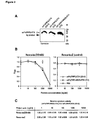
- Inclusion bodies were collected by centrifugation and washed with buffer containing 2 M urea and 2% Triton X-100, before their denaturation with buffer containing 8 M urea. After centrifugation, the supernatant fractions were renatured by dialysis against PBS, and the partially purified renatured proteins were analyzed by SDS-PAGE and subsequent Coomassie-staining (see Figure 2A ).
- Proteins are indicated as scFv(FRP5)-ETA or scFv(FRP5-M92S)-ETA, followed by the name of the expression vector in brackets [scFv(FRP5)-ETA (220-5), scFv(FRP5)-ETA (212), scFv(FRP5-M92S)-ETA (213)].
- scFv(FRP5)-ETA 220-5
- scFv(FRP5)-ETA 212
- scFv(FRP5-M92S)-ETA 213.
- the scFv(FRP5)-ETA (220-5) and scFv(FRP5)-ETA (212) protein preparations obtained contain a major by-product (filled arrow), migrating in SDS-PAGE directly below the band of the full-length product (open arrow).
- the scFv(FRP5-M92S)-ETA (213) preparation isolated following the very same protocol did not contain this undesired by-product.
- Murine renal carcinoma cells stably expressing E. coli ⁇ -galactosidase (Renca-IacZ), or ⁇ -galactosidase and human ErbB2 (Renca-IacZ/ErbB2) (8) were maintained in RPMI 1640 medium supplemented with 10% heat-inactivated FBS, 2 mM glutamine, 100 units/ml penicillin, 100 ⁇ g/ml streptomycin, 0.25 mg/ml Zeocin (Invitrogen, Düsseldorf, Germany), and 0.48 mg/ml G418 (Renca-IacZ/ErbB2).
- Cell viability assay Cells were seeded in 96-well plates at a density of 1.5x10 4 cells/well in normal growth medium. Different concentrations of scFv(FRP5)-ETA fusion proteins or diluent were added to triplicate samples, and the cells were incubated for 48 h at 37°C in 5% CO 2 and 95% humidified air. An aliquot of 10 ⁇ l of 10 mg/ml MTT (3-(4,5-dimethylthiazole-2-yl)-2,5-diphenyltetrazolium bromide) (Sigma, Deisenhofen, Germany) in PBS was added to each well, and the cells were incubated for another 3 h.
- MTT 3-(4,5-dimethylthiazole-2-yl)-2,5-diphenyltetrazolium bromide
- scFv(FRP5)-ETA derivatives were evaluated in MTT metabolisation assays using murine Renca-IacZ/ErbB2 renal carcinoma cells expressing human ErbB2, and ErbB2-negative Renca-IacZ cells as a control (8).
- scFv(FRP5)-ETA (220-5) protein expressed and purified in parallel with scFv(FRP5-M92S)-ETA (213) protein was used as a standard for assaying cytotoxic activities.
- Target cells were incubated with increasing concentrations of the fusion proteins for 48 h.
- Figure 2C represents the activity of scFv(FRP5-M92S)-ETA relative to that of scFv(FRP5)-ETA at the different concentrations tested. A value close to 1.00 indicates that there is no significant difference. The values obtained demonstrate that scFv(FRP5-M92S)-ETA is not significantly different in its biological activities from scFv(FRP5)-ETA.
- SEQ ID NO:2 Nucleotide sequence encoding the optimized scFv(FRP5) antibody fragment
- SEQ ID NO:4 Nucleotide sequence encoding scFv(FRP5)-ETA (213)
Landscapes
- Health & Medical Sciences (AREA)
- Chemical & Material Sciences (AREA)
- Organic Chemistry (AREA)
- General Health & Medical Sciences (AREA)
- Medicinal Chemistry (AREA)
- Life Sciences & Earth Sciences (AREA)
- Veterinary Medicine (AREA)
- Genetics & Genomics (AREA)
- Proteomics, Peptides & Aminoacids (AREA)
- Pharmacology & Pharmacy (AREA)
- General Chemical & Material Sciences (AREA)
- Animal Behavior & Ethology (AREA)
- Nuclear Medicine, Radiotherapy & Molecular Imaging (AREA)
- Public Health (AREA)
- Chemical Kinetics & Catalysis (AREA)
- Molecular Biology (AREA)
- Biochemistry (AREA)
- Biophysics (AREA)
- Engineering & Computer Science (AREA)
- Gastroenterology & Hepatology (AREA)
- Bioinformatics & Cheminformatics (AREA)
- Oncology (AREA)
- Immunology (AREA)
- Peptides Or Proteins (AREA)
- Micro-Organisms Or Cultivation Processes Thereof (AREA)
- Preparation Of Compounds By Using Micro-Organisms (AREA)
- Medicines That Contain Protein Lipid Enzymes And Other Medicines (AREA)
Priority Applications (15)
| Application Number | Priority Date | Filing Date | Title |
|---|---|---|---|
| EP07013750A EP2014301A1 (fr) | 2007-07-13 | 2007-07-13 | AND optimisé et séquence de protéine d'un anticorps pour améliorer la qualité et le rendement des protéines de fusion d'anticorps exprimés bactériennement |
| CA 2692693 CA2692693A1 (fr) | 2007-07-13 | 2008-07-10 | Sequence d'adn et proteique d'anticorps optimisee destinee a ameliorer la qualite et le rendement des proteines de fusion d'anticorps exprimees de maniere bacterienne |
| AU2008277936A AU2008277936A1 (en) | 2007-07-13 | 2008-07-10 | Optimized DNA and protein sequence of an antibody to improve quality and yield of bacterially expressed antibody fusion proteins |
| DK08773954.6T DK2164516T3 (da) | 2007-07-13 | 2008-07-10 | Optimeret DNA- og protein-sekvens af et antistof til forbedring af kvalitet og udbytte af bakterielt udtrykte antistoffusionsproteiner |
| SI200830164T SI2164516T1 (sl) | 2007-07-13 | 2008-07-10 | Optimizirana DNA in proteinska sekvenca protitelesa za izboljšanje kvalitete in dobitka bakterijsko eksprimiranih fuzijskih proteinov |
| HR20110070T HRP20110070T1 (hr) | 2007-07-13 | 2008-07-10 | Optimizirani dna i proteinski slijed za protutijelo radi poboljšavanja kvalitete i prinosa protutijelnih fuzijskih proteina eksprimiranih od strane bakterija |
| AT08773954T ATE492291T1 (de) | 2007-07-13 | 2008-07-10 | Optimierte dna- und proteinsequenz eines antikörpers zur verbesserung der qualität und ausbeute von bakteriell exprimierten antikörperfusionsproteinen |
| ES08773954T ES2356708T3 (es) | 2007-07-13 | 2008-07-10 | Secuencia de adn y proteína optimizada de un anticuerpo para mejorar la calidad y el rendimiento de proteínas de fusión con anticuerpos expresadas en bacterias. |
| PL08773954T PL2164516T3 (pl) | 2007-07-13 | 2008-07-10 | Zoptymalizowana sekwencja DNA i białkowa przeciwciała do ulepszenia jakości i ilości fuzyjnych białek przeciwciał eksprymowanych w bakteriach |
| DE602008004147T DE602008004147D1 (de) | 2007-07-13 | 2008-07-10 | Optimierte dna- und proteinsequenz eines antikörpers zur verbesserung der qualität und ausbeute von |
| PCT/EP2008/005632 WO2009010228A1 (fr) | 2007-07-13 | 2008-07-10 | Séquence d'adn et protéique d'anticorps optimisée destinée à améliorer la qualité et le rendement des protéines de fusion d'anticorps exprimées de manière bactérienne |
| EP08773954A EP2164516B9 (fr) | 2007-07-13 | 2008-07-10 | Sequence d'adn et proteique d'anticorps optimisee destinee a ameliorer la qualite et le rendement des proteines de fusion d'anticorps exprimees de maniere bacterienne |
| JP2010515413A JP2010532977A (ja) | 2007-07-13 | 2008-07-10 | 細菌で発現させる抗体融合タンパク質の質および収量を改善するために最適化された抗体のdna配列およびそのタンパク質配列 |
| PT08773954T PT2164516E (pt) | 2007-07-13 | 2008-07-10 | Sequência de proteína e adn optimizada de um anticorpo para melhorar a qualidade e o rendimento de proteínas de fusão com anticorpos expressadas em bactérias |
| CY20111100041T CY1111104T1 (el) | 2007-07-13 | 2011-01-13 | Βελτιστοποιημενη dna και πρωτεϊνης αλληλουχια ενος αντισωματος για να βελτιωνεται η ποιοτητα και η αποδοση βακτηριακως εκφρασμενων πρωτεϊνων συντηξης αντισωματος |
Applications Claiming Priority (1)
| Application Number | Priority Date | Filing Date | Title |
|---|---|---|---|
| EP07013750A EP2014301A1 (fr) | 2007-07-13 | 2007-07-13 | AND optimisé et séquence de protéine d'un anticorps pour améliorer la qualité et le rendement des protéines de fusion d'anticorps exprimés bactériennement |
Publications (1)
| Publication Number | Publication Date |
|---|---|
| EP2014301A1 true EP2014301A1 (fr) | 2009-01-14 |
Family
ID=38480666
Family Applications (1)
| Application Number | Title | Priority Date | Filing Date |
|---|---|---|---|
| EP07013750A Withdrawn EP2014301A1 (fr) | 2007-07-13 | 2007-07-13 | AND optimisé et séquence de protéine d'un anticorps pour améliorer la qualité et le rendement des protéines de fusion d'anticorps exprimés bactériennement |
Country Status (9)
| Country | Link |
|---|---|
| EP (1) | EP2014301A1 (fr) |
| JP (1) | JP2010532977A (fr) |
| AT (1) | ATE492291T1 (fr) |
| CA (1) | CA2692693A1 (fr) |
| DE (1) | DE602008004147D1 (fr) |
| DK (1) | DK2164516T3 (fr) |
| ES (1) | ES2356708T3 (fr) |
| PT (1) | PT2164516E (fr) |
| SI (1) | SI2164516T1 (fr) |
Families Citing this family (1)
| Publication number | Priority date | Publication date | Assignee | Title |
|---|---|---|---|---|
| FI3546585T3 (fi) * | 2014-04-25 | 2025-11-20 | Genethon | Muokatun intronin käsittäviä nukleiinihappoja käytettäviksi hyperbilirubinemian hoidossa |
-
2007
- 2007-07-13 EP EP07013750A patent/EP2014301A1/fr not_active Withdrawn
-
2008
- 2008-07-10 ES ES08773954T patent/ES2356708T3/es active Active
- 2008-07-10 SI SI200830164T patent/SI2164516T1/sl unknown
- 2008-07-10 JP JP2010515413A patent/JP2010532977A/ja active Pending
- 2008-07-10 AT AT08773954T patent/ATE492291T1/de active
- 2008-07-10 DE DE602008004147T patent/DE602008004147D1/de active Active
- 2008-07-10 PT PT08773954T patent/PT2164516E/pt unknown
- 2008-07-10 DK DK08773954.6T patent/DK2164516T3/da active
- 2008-07-10 CA CA 2692693 patent/CA2692693A1/fr not_active Abandoned
Non-Patent Citations (7)
| Title |
|---|
| ALTENSCHMIDT U ET AL: "Targeted therapy of schwannoma cells in immunocompetent rats with an erbB2-specific antibody-toxin.", INTERNATIONAL JOURNAL OF CANCER. JOURNAL INTERNATIONAL DU CANCER 26 SEP 1997, vol. 73, no. 1, 26 September 1997 (1997-09-26), pages 117 - 124, XP002452508, ISSN: 0020-7136 * |
| BEERLI R R ET AL: "INHIBITION OF SIGNALING FROM TYPE 1 RECEPTOR TYROSINE KINASES VIA INTRACELLULAR EXPRESSION OF SINGLE-CHAIN ANTIBODIES", BREAST CANCER RESEARCH AND TREATMENT, NIJHOFF, BOSTON, US, vol. 38, 1996, pages 11 - 17, XP002906666, ISSN: 0167-6806 * |
| MESSMER DAVORKA ET AL: "Treatment of solid tumors with immunotoxins.", BREAST CANCER RESEARCH : BCR 2005, vol. 7, no. 5, 2005, pages 184 - 186, XP002452223, ISSN: 1465-542X * |
| SCHMIDT M ET AL: "SYNERGISTIC INTERACTION BETWEEN AND ANTI-P185HER-2 PSEUDOMONAS EXOTOXIN FUSION PROTEIN SCFV(FRP5)-ETA AND LONIZING RADIATION FOR INHIBITING GROWTH OF OVARIAN CANCER CELLS THAT OVEREXPRESS HER-2", GYNECOLOGIC ONCOLOGY, ACADEMIC PRESS, LONDON, GB, vol. 80, no. 2, February 2001 (2001-02-01), pages 145 - 155, XP001024046, ISSN: 0090-8258 * |
| VON MINCKWITZ GUNTER ET AL: "Phase I clinical study of the recombinant antibody toxin scFv(FRP5)-ETA specific for the ErbB2/HER2 receptor in patients with advanced solid malignomas.", BREAST CANCER RESEARCH : BCR 2005, vol. 7, no. 5, 2005, pages R617 - R626, XP002452225, ISSN: 1465-542X * |
| WANG L ET AL: "ANTITUMOR EFFECT OF AN HER2-SPECIFIC ANTIBODY-TOXIN FUSION PROTEIN ON HUMAN PROSTATE CANCER CELLS", PROSTATE, WILEY-LISS, NEW YORK, NY, US, vol. 47, no. 1, 1 April 2001 (2001-04-01), pages 21 - 28, XP001022814, ISSN: 0270-4137 * |
| WELS W ET AL: "SELECTIVE INHIBITION OF TUMOR CELL GROWTH BY A RECOMBINANT SINGLE-CHAIN ANTIBODY-TOXIN SPECIFIC FOR THE ERBB-2 RECEPTOR", CANCER RESEARCH, AMERICAN ASSOCIATION FOR CANCER RESEARCH, BALTIMORE, MD, US, vol. 52, no. 22, 15 November 1992 (1992-11-15), pages 6310 - 6317, XP000647735, ISSN: 0008-5472 * |
Also Published As
| Publication number | Publication date |
|---|---|
| DK2164516T3 (da) | 2011-02-07 |
| JP2010532977A (ja) | 2010-10-21 |
| DE602008004147D1 (de) | 2011-02-03 |
| CA2692693A1 (fr) | 2009-01-22 |
| ATE492291T1 (de) | 2011-01-15 |
| SI2164516T1 (sl) | 2011-04-29 |
| ES2356708T3 (es) | 2011-04-12 |
| ES2356708T9 (es) | 2011-08-17 |
| PT2164516E (pt) | 2011-02-23 |
Similar Documents
| Publication | Publication Date | Title |
|---|---|---|
| US7887801B2 (en) | Optimized DNA and protein sequence of an antibody to improve quality and yield of bacterially expressed antibody fusion proteins | |
| EP2968583B1 (fr) | Procédé de production d'un conjugué de ligand immunologique/charge utile à l'aide d'une enzyme transpeptidase spécifique pour une séquence | |
| US8383575B2 (en) | (DI)barnase-barstar complexes | |
| JP6486686B2 (ja) | 単鎖抗体及び他のヘテロ多量体 | |
| EP2178559B1 (fr) | Exotoxines recombinantes de vibrio cholerae | |
| JP2019205435A (ja) | 特定の細胞型の選択的死滅のための細胞標的化結合領域と志賀毒素aサブユニット領域とを含む細胞毒性タンパク質 | |
| EP3576789B1 (fr) | Anticorps bispécifiques et fc d'igg1 humaine monomères | |
| EP2046375A2 (fr) | Procédés, compositions, et trousses permettant une activation sélective de protoxines par un ciblage combinatoire | |
| KR20170063946A (ko) | Fap 및 dr5에 특이적인 이중특이성 항체와 화학요법제의 병용요법 | |
| JP2019528323A (ja) | 条件的活性型ポリペプチド及びそれを生成する方法 | |
| CN107206103A (zh) | 用于治疗目的的抗体‑脲酶缀合物 | |
| US20180028682A1 (en) | Maytansine-drug conjugates of her-2 specific binding proteins generated by site specific sortase-enzyme mediated conjugation | |
| WO2015143581A1 (fr) | Protéine de fusion à double mutant à spécificité de cible et son procédé de fabrication | |
| Choe et al. | B3 (Fab)-PE38M: a recombinant immunotoxin in which a mutant form of Pseudomonas exotoxin is fused to the Fab fragment of monoclonal antibody B3 | |
| KR102353086B1 (ko) | 신규 면역독소 제조방법 | |
| EP2014301A1 (fr) | AND optimisé et séquence de protéine d'un anticorps pour améliorer la qualité et le rendement des protéines de fusion d'anticorps exprimés bactériennement | |
| EP2164516B9 (fr) | Sequence d'adn et proteique d'anticorps optimisee destinee a ameliorer la qualite et le rendement des proteines de fusion d'anticorps exprimees de maniere bacterienne | |
| Sheikholvaezin et al. | Optimizing the generation of recombinant single-chain antibodies against placental alkaline phosphatase | |
| WO2004050867A1 (fr) | Anticorps l49-sfv modifie presentant une stabilite accrue et methodes d'utilisation associees | |
| EP1877102B1 (fr) | Molecules tab | |
| CN116648262A (zh) | 具有改善的胞质溶胶穿透活性的抗原结合分子 | |
| WO2019176866A1 (fr) | Polypeptide bispécifique structurellement basé sur une utéroglobine | |
| ES2241268T3 (es) | Onconasa recombinante y proteinas de fusion de onconasa recombinante. | |
| CN119032101A (zh) | 包括核糖体失活蛋白的重组免疫毒素 | |
| US20060160174A1 (en) | Modified l49-sfv exhibiting increased stability and methods of use thereof |
Legal Events
| Date | Code | Title | Description |
|---|---|---|---|
| PUAI | Public reference made under article 153(3) epc to a published international application that has entered the european phase |
Free format text: ORIGINAL CODE: 0009012 |
|
| AK | Designated contracting states |
Kind code of ref document: A1 Designated state(s): AT BE BG CH CY CZ DE DK EE ES FI FR GB GR HU IE IS IT LI LT LU LV MC MT NL PL PT RO SE SI SK TR |
|
| AX | Request for extension of the european patent |
Extension state: AL BA HR MK RS |
|
| AKX | Designation fees paid | ||
| STAA | Information on the status of an ep patent application or granted ep patent |
Free format text: STATUS: THE APPLICATION IS DEEMED TO BE WITHDRAWN |
|
| 18D | Application deemed to be withdrawn |
Effective date: 20090715 |
|
| REG | Reference to a national code |
Ref country code: DE Ref legal event code: 8566 |