EP2019108A2 - Novel red electroluminescent compounds and organic electronluminescent device using same - Google Patents
Novel red electroluminescent compounds and organic electronluminescent device using same Download PDFInfo
- Publication number
- EP2019108A2 EP2019108A2 EP08161026A EP08161026A EP2019108A2 EP 2019108 A2 EP2019108 A2 EP 2019108A2 EP 08161026 A EP08161026 A EP 08161026A EP 08161026 A EP08161026 A EP 08161026A EP 2019108 A2 EP2019108 A2 EP 2019108A2
- Authority
- EP
- European Patent Office
- Prior art keywords
- alkyl
- branched
- linear
- halogen
- independently represent
- Prior art date
- Legal status (The legal status is an assumption and is not a legal conclusion. Google has not performed a legal analysis and makes no representation as to the accuracy of the status listed.)
- Withdrawn
Links
- 0 CCC*C1C(CC(**2)C2C2(CC3C(C4)C4C(CCC(C)C(C)C)*3)CC2)C1 Chemical compound CCC*C1C(CC(**2)C2C2(CC3C(C4)C4C(CCC(C)C(C)C)*3)CC2)C1 0.000 description 9
Images


Classifications
-
- H—ELECTRICITY
- H10—SEMICONDUCTOR DEVICES; ELECTRIC SOLID-STATE DEVICES NOT OTHERWISE PROVIDED FOR
- H10K—ORGANIC ELECTRIC SOLID-STATE DEVICES
- H10K85/00—Organic materials used in the body or electrodes of devices covered by this subclass
- H10K85/30—Coordination compounds
- H10K85/341—Transition metal complexes, e.g. Ru(II)polypyridine complexes
- H10K85/342—Transition metal complexes, e.g. Ru(II)polypyridine complexes comprising iridium
-
- C—CHEMISTRY; METALLURGY
- C09—DYES; PAINTS; POLISHES; NATURAL RESINS; ADHESIVES; COMPOSITIONS NOT OTHERWISE PROVIDED FOR; APPLICATIONS OF MATERIALS NOT OTHERWISE PROVIDED FOR
- C09K—MATERIALS FOR MISCELLANEOUS APPLICATIONS, NOT PROVIDED FOR ELSEWHERE
- C09K11/00—Luminescent materials, e.g. electroluminescent or chemiluminescent
- C09K11/06—Luminescent materials, e.g. electroluminescent or chemiluminescent containing organic luminescent materials
-
- C—CHEMISTRY; METALLURGY
- C07—ORGANIC CHEMISTRY
- C07F—ACYCLIC, CARBOCYCLIC OR HETEROCYCLIC COMPOUNDS CONTAINING ELEMENTS OTHER THAN CARBON, HYDROGEN, HALOGEN, OXYGEN, NITROGEN, SULFUR, SELENIUM OR TELLURIUM
- C07F15/00—Compounds containing elements of Groups 8, 9, 10 or 18 of the Periodic Table
- C07F15/0006—Compounds containing elements of Groups 8, 9, 10 or 18 of the Periodic Table compounds of the platinum group
- C07F15/0033—Iridium compounds
-
- C—CHEMISTRY; METALLURGY
- C07—ORGANIC CHEMISTRY
- C07F—ACYCLIC, CARBOCYCLIC OR HETEROCYCLIC COMPOUNDS CONTAINING ELEMENTS OTHER THAN CARBON, HYDROGEN, HALOGEN, OXYGEN, NITROGEN, SULFUR, SELENIUM OR TELLURIUM
- C07F5/00—Compounds containing elements of Groups 3 or 13 of the Periodic Table
- C07F5/06—Aluminium compounds
-
- H—ELECTRICITY
- H10—SEMICONDUCTOR DEVICES; ELECTRIC SOLID-STATE DEVICES NOT OTHERWISE PROVIDED FOR
- H10K—ORGANIC ELECTRIC SOLID-STATE DEVICES
- H10K50/00—Organic light-emitting devices
- H10K50/10—OLEDs or polymer light-emitting diodes [PLED]
- H10K50/11—OLEDs or polymer light-emitting diodes [PLED] characterised by the electroluminescent [EL] layers
-
- H—ELECTRICITY
- H10—SEMICONDUCTOR DEVICES; ELECTRIC SOLID-STATE DEVICES NOT OTHERWISE PROVIDED FOR
- H10K—ORGANIC ELECTRIC SOLID-STATE DEVICES
- H10K85/00—Organic materials used in the body or electrodes of devices covered by this subclass
- H10K85/30—Coordination compounds
- H10K85/321—Metal complexes comprising a group IIIA element, e.g. Tris (8-hydroxyquinoline) gallium [Gaq3]
- H10K85/324—Metal complexes comprising a group IIIA element, e.g. Tris (8-hydroxyquinoline) gallium [Gaq3] comprising aluminium, e.g. Alq3
-
- H—ELECTRICITY
- H10—SEMICONDUCTOR DEVICES; ELECTRIC SOLID-STATE DEVICES NOT OTHERWISE PROVIDED FOR
- H10K—ORGANIC ELECTRIC SOLID-STATE DEVICES
- H10K85/00—Organic materials used in the body or electrodes of devices covered by this subclass
- H10K85/60—Organic compounds having low molecular weight
- H10K85/631—Amine compounds having at least two aryl rest on at least one amine-nitrogen atom, e.g. triphenylamine
- H10K85/633—Amine compounds having at least two aryl rest on at least one amine-nitrogen atom, e.g. triphenylamine comprising polycyclic condensed aromatic hydrocarbons as substituents on the nitrogen atom
-
- C—CHEMISTRY; METALLURGY
- C09—DYES; PAINTS; POLISHES; NATURAL RESINS; ADHESIVES; COMPOSITIONS NOT OTHERWISE PROVIDED FOR; APPLICATIONS OF MATERIALS NOT OTHERWISE PROVIDED FOR
- C09K—MATERIALS FOR MISCELLANEOUS APPLICATIONS, NOT PROVIDED FOR ELSEWHERE
- C09K2211/00—Chemical nature of organic luminescent or tenebrescent compounds
- C09K2211/10—Non-macromolecular compounds
- C09K2211/1003—Carbocyclic compounds
- C09K2211/1007—Non-condensed systems
-
- C—CHEMISTRY; METALLURGY
- C09—DYES; PAINTS; POLISHES; NATURAL RESINS; ADHESIVES; COMPOSITIONS NOT OTHERWISE PROVIDED FOR; APPLICATIONS OF MATERIALS NOT OTHERWISE PROVIDED FOR
- C09K—MATERIALS FOR MISCELLANEOUS APPLICATIONS, NOT PROVIDED FOR ELSEWHERE
- C09K2211/00—Chemical nature of organic luminescent or tenebrescent compounds
- C09K2211/10—Non-macromolecular compounds
- C09K2211/1003—Carbocyclic compounds
- C09K2211/1011—Condensed systems
-
- C—CHEMISTRY; METALLURGY
- C09—DYES; PAINTS; POLISHES; NATURAL RESINS; ADHESIVES; COMPOSITIONS NOT OTHERWISE PROVIDED FOR; APPLICATIONS OF MATERIALS NOT OTHERWISE PROVIDED FOR
- C09K—MATERIALS FOR MISCELLANEOUS APPLICATIONS, NOT PROVIDED FOR ELSEWHERE
- C09K2211/00—Chemical nature of organic luminescent or tenebrescent compounds
- C09K2211/10—Non-macromolecular compounds
- C09K2211/1018—Heterocyclic compounds
- C09K2211/1025—Heterocyclic compounds characterised by ligands
- C09K2211/1029—Heterocyclic compounds characterised by ligands containing one nitrogen atom as the heteroatom
-
- C—CHEMISTRY; METALLURGY
- C09—DYES; PAINTS; POLISHES; NATURAL RESINS; ADHESIVES; COMPOSITIONS NOT OTHERWISE PROVIDED FOR; APPLICATIONS OF MATERIALS NOT OTHERWISE PROVIDED FOR
- C09K—MATERIALS FOR MISCELLANEOUS APPLICATIONS, NOT PROVIDED FOR ELSEWHERE
- C09K2211/00—Chemical nature of organic luminescent or tenebrescent compounds
- C09K2211/18—Metal complexes
- C09K2211/185—Metal complexes of the platinum group, i.e. Os, Ir, Pt, Ru, Rh or Pd
-
- H—ELECTRICITY
- H10—SEMICONDUCTOR DEVICES; ELECTRIC SOLID-STATE DEVICES NOT OTHERWISE PROVIDED FOR
- H10K—ORGANIC ELECTRIC SOLID-STATE DEVICES
- H10K2101/00—Properties of the organic materials covered by group H10K85/00
- H10K2101/10—Triplet emission
-
- Y—GENERAL TAGGING OF NEW TECHNOLOGICAL DEVELOPMENTS; GENERAL TAGGING OF CROSS-SECTIONAL TECHNOLOGIES SPANNING OVER SEVERAL SECTIONS OF THE IPC; TECHNICAL SUBJECTS COVERED BY FORMER USPC CROSS-REFERENCE ART COLLECTIONS [XRACs] AND DIGESTS
- Y10—TECHNICAL SUBJECTS COVERED BY FORMER USPC
- Y10S—TECHNICAL SUBJECTS COVERED BY FORMER USPC CROSS-REFERENCE ART COLLECTIONS [XRACs] AND DIGESTS
- Y10S428/00—Stock material or miscellaneous articles
- Y10S428/917—Electroluminescent
Definitions
- the present invention relates to novel red electroluminescent compounds exhibiting high luminous efficiency and organic electroluminescent devices using the same.
- the most important factor to determine luminous efficiency in an OLED is the type of electroluminescent material. Though fluorescent materials has been widely used as an electroluminescent material up to the present, development of phosphorescent materials is one of the best methods to improve the luminous efficiency theoretically up to four(4) times, in view of electroluminescent mechanism.
- iridium (III) complexes are widely known as phosphorescent material, including (acac)Ir(btp) 2 , Ir(ppy) 3 and Firpic, as the red, green and blue one, respectively.
- phosphorescent material including (acac)Ir(btp) 2 , Ir(ppy) 3 and Firpic, as the red, green and blue one, respectively.
- a lot of phosphorescent materials have been recently investigated in Japan and Europe and America.
- the red materials having no significant problem of life time, have tendency of easy commercialization if they have good color purity or luminous efficiency.
- the above-mentioned iridium complex is a material having very high possibility of commercialization due to its excellent color purity and luminous efficiency.
- the iridium complex is still construed only as a material which is applicable to small displays, while higher levels of EL properties than those of known materials are practically required for an OLED panel of medium to large size.
- the object of the invention is to provide compounds having the skeletal to give more excellent electroluminescent properties as compared to those of conventional red phosphorescent materials.
- Another object of the invention is to provide novel phosphorescent compounds which are applicable to OLED panels of medium to large size.
- the present invention relates novel red phosphorescent compounds and organic electroluminescent devices employing the same in an electroluminescent layer.
- the red phosphorescent compounds according to the invention are characterized in that they are represented by Chemical Formula 1:
- the alicyclic ring, or the monocyclic or polycyclic aromatic ring formed from R 5 and R 6 of the compound of Chemical Formula (1) according to the present invention by linkage via (C 3 -C 12 )alkylene or (C 3 -C 12 )alkenylene with or without a fused ring may be benzene, naphthalene, anthracene, fluorene, indene, phenanthrene or pyridine.
- the species enclosed by square brackets ([]) act as primary ligands of iridium, and L as subsidiary ligands.
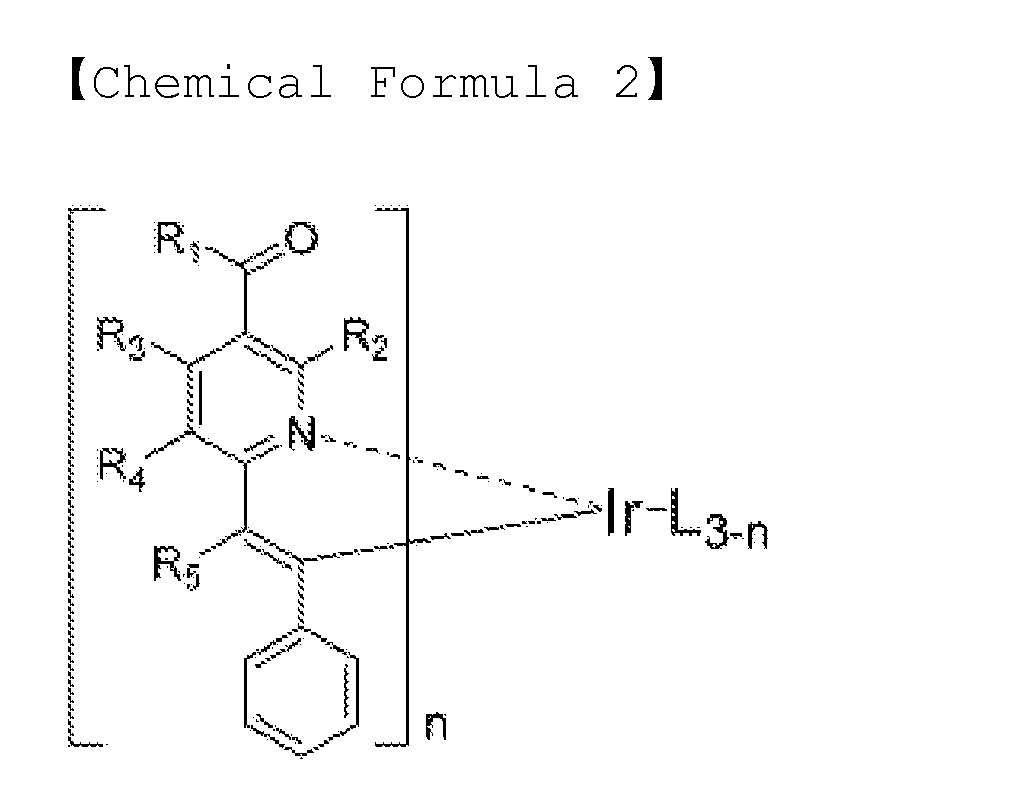
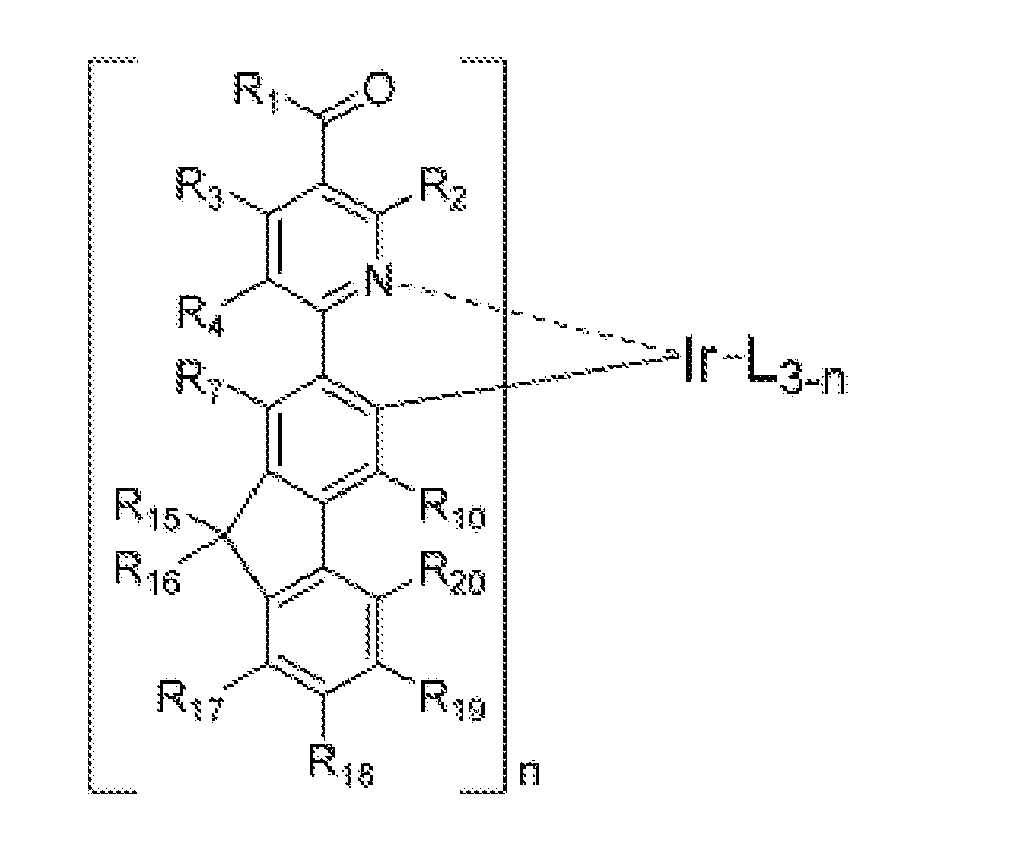
- organic phosphorescent compounds represented by Chemical Formula (1) according to the present invention may be exemplified by the compounds represented by one of Chemical Formulas (2) to (7):
- R 1 of Chemical Formulas (2) to (7) represents methyl, ethyl, n-propyl, i-propyl, n-butyl, t-butyl, phenyl, biphenyl, naphthyl, t-butylphenyl or fluorophenyl;
- R 2 through R 5 independently represent hydrogen, methyl, ethyl, n-propyl, i-propyl, n-butyl or t-butyl;
- R 7 through R 14 and R 17 through R 24 independently represent hydrogen, methyl, ethyl, n-propyl, i-propyl, n-butyl, t-butyl, fluoro, methoxy, ethoxy, butoxy, phenyl, biphenyl, trimethylsilyl, triphenylsilyl or trifluoromethyl;
- R 15 and R 16 independently represent hydrogen or methyl.
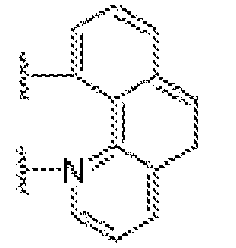
- organic phosphorescent compounds of Chemical Formula (1) according to the present invention may be specifically exemplified by the following compounds, but are not restricted thereto: [wherein, L is an organic ligand, and n is an integer from 1 to 3.]
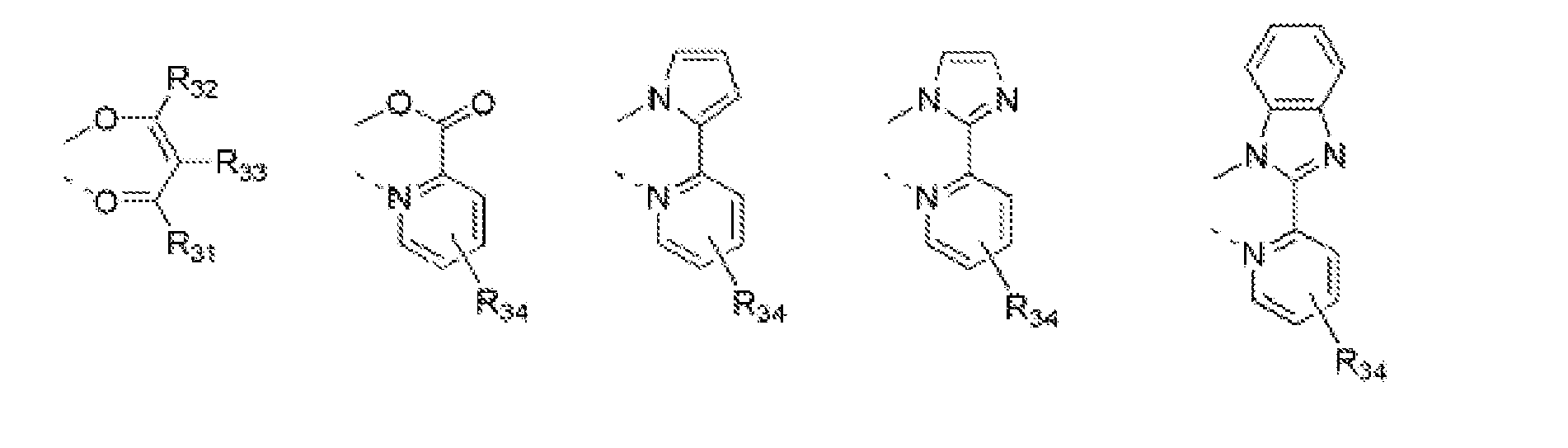
- the subsidiary ligand L of Chemical Formula (1) according to the invention comprises one of the following structures:
- the subsidiary ligands (L) of Chemical Formula (1) according to the present invention may be exemplified by the following structures, but are not restricted thereto.
- preferable solvent is alcohol or a mixed solvent of alcohol/water, such as 2-ethoxyethanol, and 2-ethoxyethanol/water mixtures.
- the isolated diiridium dimmer is then heated with a primary ligand compound in organic solvent to provide an organic phosphorescent iridium compound having the ratio of primary ligand: subsidiary ligand of 1:2 as the final product.
- the reaction is carried out with AgCF 3 SO 3 , Na 2 CO 3 or NaOH being admixed with organic solvent such as 2-ethoxyethanol and 2-methoxyethylether.
- preferable solvent is alcohol or a mixed solvent of alcohol/water, such as 2-ethoxyethanol, and 2-ethoxyethanol/water mixture.
- the isolated diiridium dimmer is then heated with a subsidiary ligand (L) compound in organic solvent to provide an organic phosphorescent iridium compound having the ratio of primary ligand: subsidiary ligand of 2:1 as the final product.
- the molar ratio of the primary ligand and the subsidiary ligand in the final product is determined by appropriate molar ratio of the reactant depending on the composition.
- the reaction may be carried out with AgCF 3 SO 3 , Na 2 CO 3 or NaOH being admixed with organic solvent such as 2-ethoxyethanol, 2-methoxyethylether and 1,2-dichloromethane.
- the compounds employed as a primary ligand in the present invention can be prepared according to Reaction Scheme (4) or (5), on the basis of conventional processes. [wherein, R 1 through R 6 are defined as in Chemical Formula (1).]
- 967.31 967.19 154 ⁇ 9.03(s, 1H), 8.1-7.81(m, 9H), 7.7-7.6(m, 4H), 7.54-7.4(m, 9H), 7.3-7.14(m, 12H), 1.34(s, 9H).
- An OLED device was manufactured by using a red phosphorescent compound according to the invention.
- an ITO substrate was equipped in a substrate folder of a vacuum vapor-deposit device, and 4,4',4"-tris(N,N-(2-naphthyl)-phenylamino)triphenylamine (2-TNATA) was placed in a cell of the vacuum vapor-deposit device, which was then ventilated up to 10 -6 torr of vacuum in the chamber. Electric current was applied to the cell to evaporate 2-TNATA, thereby providing vapor-deposit of a hole injection layer (3) having 60 nm of thickness on the ITO substrate.
- NPB N,N'-bis( ⁇ -naphthyl)-N,N'-diphenyl-4,4'-diamine
- CBP 4,4'-N,N'-dicarbazole-biphenyl
- red phosphorescent compound according to the present invention was charged to still another cell.
- the two materials were evaporated at different rates to carry out doping to vapor-deposit an electroluminescent layer (5) having 30 nm of thickness on the hole transportation layer.
- the suitable doping concentration is 4 to 10 mol% on the basis of CBP.
- the complexes having high synthetic yield were purified by vacuum sublimation at 10 -6 torr and used as a dopant for an electroluminescent layer of an OLED, but in case of the material having low synthetic yield, photoluminescence peaks were simply confirmed.
- the photoluminescence peaks were measured by preparing a solution in methylene chloride with a concentration or 10 -4 M or less. In every measurement of photoluminescence of each material, the wavelength of excitation was 250 nm.
- the synthesized material (101), having phenyl for R 1 and hydrogen for R 2 , R 3 , R 4 , R 7 , R 8 , R 9 and R 10 shows excellent properties: 616 nm of wavelength, color coordinate (0.64, 0.36), and 8.78 cd/A of luminous efficiency.
- the electroluminescent materials (113 ⁇ 116) wherein an aromatic ring has been introduced at R 1 showed somewhat different shift of wavelength depending on the binding position.
- Table 4 shows device properties of phosphorescent materials consisting of primary ligands and subsidiary ligands having alkyl or aromatic ring substituted at R 1 or R 9 of the material developed according to the present invention. It is recognized that the electroluminescent materials have various range of EL wavelength depending upon the type of primary or subsidiary ligand(s).
- Fig. 1 is a cross-sectional view of an OLED; and Figs. 2 to 5 show EL spectrum, current density-voltage property, luminance- voltage property and luminous efficieny-luminance property of an OLED employing the red phosphorescent compound (102) according to the present invention as a dopant.
- the red electroluminescent compounds according to the present invention being a compound of more beneficial skeletal in terms of better properties than conventional red phosphorescent materials, show more excellent EL properties.
- the results of advancement in developing OLED's of medium to large size are anticipated if the red electroluminescent compounds according to the present invention are applied to OLED panels.
Landscapes
- Chemical & Material Sciences (AREA)
- Organic Chemistry (AREA)
- Engineering & Computer Science (AREA)
- Materials Engineering (AREA)
- Inorganic Chemistry (AREA)
- Crystallography & Structural Chemistry (AREA)
- Physics & Mathematics (AREA)
- Spectroscopy & Molecular Physics (AREA)
- Optics & Photonics (AREA)
- Electroluminescent Light Sources (AREA)
- Organic Low-Molecular-Weight Compounds And Preparation Thereof (AREA)
Abstract
Description
- The present invention relates to novel red electroluminescent compounds exhibiting high luminous efficiency and organic electroluminescent devices using the same.
- The most important factor to determine luminous efficiency in an OLED is the type of electroluminescent material. Though fluorescent materials has been widely used as an electroluminescent material up to the present, development of phosphorescent materials is one of the best methods to improve the luminous efficiency theoretically up to four(4) times, in view of electroluminescent mechanism.
- Up to now, iridium (III) complexes are widely known as phosphorescent material, including (acac)Ir(btp)2, Ir(ppy)3 and Firpic, as the red, green and blue one, respectively. In particular, a lot of phosphorescent materials have been recently investigated in Japan and Europe and America.

- Among conventional red phosphorescent materials, several materials are reported to have good EL properties. However, very rare materials among them have reached the level of commercialization. As the best material, an iridium complex of 1-phenyl isoquinoline may be mentioned, which is known to have excellent EL property and to exhibit color purity of dark red with high luminous efficiency. [See A. Tsuboyama et al., J. Am. Chem. Soc. 2003, 125(42), 12971-12979.]

- Moreover, the red materials, having no significant problem of life time, have tendency of easy commercialization if they have good color purity or luminous efficiency. Thus, the above-mentioned iridium complex is a material having very high possibility of commercialization due to its excellent color purity and luminous efficiency.
- However, the iridium complex is still construed only as a material which is applicable to small displays, while higher levels of EL properties than those of known materials are practically required for an OLED panel of medium to large size.
- As a result of intensive efforts of the present inventors to overcome the problems of conventional techniques as described above, they have developed novel red phosphorescent compounds to realize an organic EL device having excellent luminous efficiency and surprisingly improved lifetime.
- The object of the invention is to provide compounds having the skeletal to give more excellent electroluminescent properties as compared to those of conventional red phosphorescent materials. Another object of the invention is to provide novel phosphorescent compounds which are applicable to OLED panels of medium to large size.
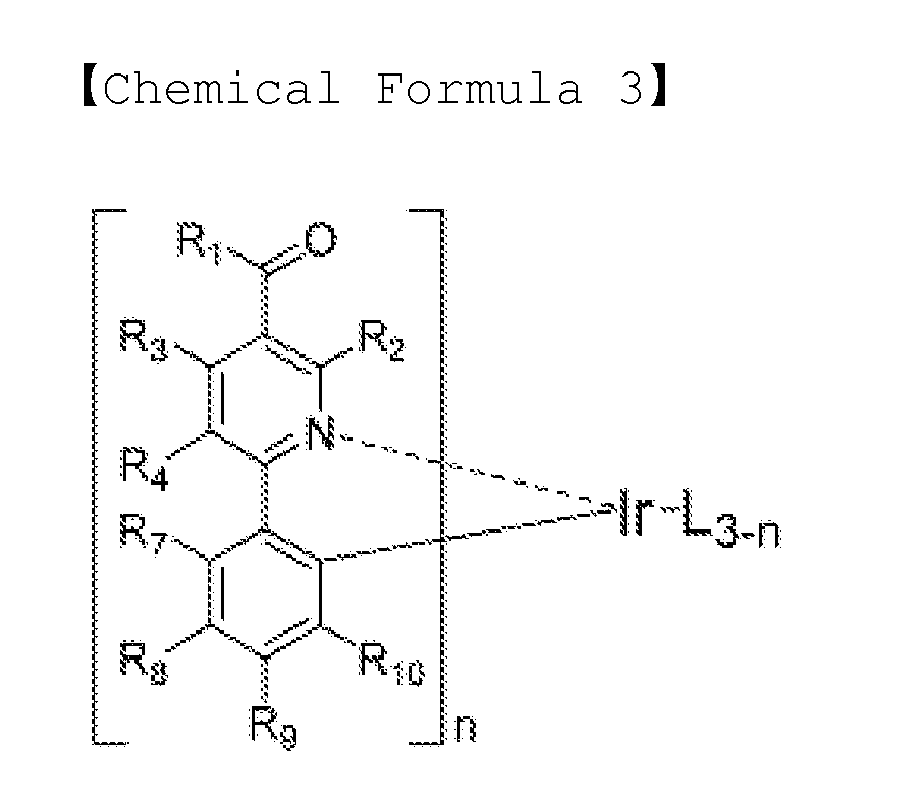
- Thus, the present invention relates novel red phosphorescent compounds and organic electroluminescent devices employing the same in an electroluminescent layer. Specifically, the red phosphorescent compounds according to the invention are characterized in that they are represented by Chemical Formula 1:

- wherein, L is an organic ligand;
- B is C if A is N, and B is N if A is C;
- R1 represents a linear or branched and a saturated or unsaturated (C1-C20)alkyl or (C6-C20)aryl;
- R2 through R4 independently represent hydrogen, a linear or branched and a saturated or unsaturated (C1-C20)alkyl, (C1-C20)alkoxy, (C3-C12)cycloalkyl, (C6-C20)aryl, halogen, tri(C1-C20)alkylsilyl or tri(C6-C20)arylsilyl;
- R5 and R6 independently represent hydrogen, a linear or branched (C1-C20)alkyl, (C6-C20)aryl or halogen, or R5 and R6 may be linked via (C3-C12)alkylene or (C3-C12)alkenylene with or without a fused ring to form an alicyclic ring, or a monocyclic or polycyclic aromatic ring; the alkyl or aryl of R5 and R6, or the alicyclic ring, or the monocyclic or polycyclic aromatic ring formed therefrom by linkage via (C3-C12)alkylene or (C3-C12)alkenylene with or without a fused ring may be further substituted by one or more substituent(s) selected from a linear or branched (C1-C20)alkyl with or without halogen substituent (s), (C1-C20) alkoxy, halogen, tri (C1-C20) alkylsilyl, tri(C6-C20)arylsilyl and (C6-C20)aryl;
- the alkyl, alkoxy, cycloalkyl and aryl of R1 through R4 may be further substituted by one or more substituent(s) selected from a linear or branched (C1-C20)alkyl with or without halogen substituent(s), (C1-C20)alkoxy, halogen, tri(C1-C20)alkylsilyl, tri(C6-C20)arylsilyl and (C6-C20)aryl; and
- n is an integer from 1 to 3.
- The alicyclic ring, or the monocyclic or polycyclic aromatic ring formed from R5 and R6 of the compound of Chemical Formula (1) according to the present invention by linkage via (C3-C12)alkylene or (C3-C12)alkenylene with or without a fused ring may be benzene, naphthalene, anthracene, fluorene, indene, phenanthrene or pyridine. In Chemical Formula (1), the species enclosed by square brackets ([]) act as primary ligands of iridium, and L as subsidiary ligands. The phosphorescent compounds according to the present invention include the complexes with a ratio of primary ligand: subsidiary ligand = 2:1 (n=2), in addition to the tris-chelated complexes without subsidiary ligand (L) (n=3).
- The organic phosphorescent compounds represented by Chemical Formula (1) according to the present invention may be exemplified by the compounds represented by one of Chemical Formulas (2) to (7):



- [wherein, L, R1, R2, R3, R4, R5 and n are defined as in Chemical Formula (1);
- R7 through R14 and R17 through R24 independently represent hydrogen, a linear or branched (C1-C20)alkyl with or without halogen substituent(s), (C1-C20)alkoxy, halogen, tri(C1-C20)alkylsilyl, tri(C6-C20)arylsilyl or (C6-C20)aryl; and
- R15 and R16 independently represent hydrogen or a linear or branched (C1-C20)alkyl.
- An embodiment of the present invention is characterized in that R1 of Chemical Formulas (2) to (7) represents methyl, ethyl, n-propyl, i-propyl, n-butyl, t-butyl, phenyl, biphenyl, naphthyl, t-butylphenyl or fluorophenyl; R2 through R5 independently represent hydrogen, methyl, ethyl, n-propyl, i-propyl, n-butyl or t-butyl; R7 through R14 and R17 through R24 independently represent hydrogen, methyl, ethyl, n-propyl, i-propyl, n-butyl, t-butyl, fluoro, methoxy, ethoxy, butoxy, phenyl, biphenyl, trimethylsilyl, triphenylsilyl or trifluoromethyl; R15 and R16 independently represent hydrogen or methyl.
- The organic phosphorescent compounds of Chemical Formula (1) according to the present invention may be specifically exemplified by the following compounds, but are not restricted thereto:


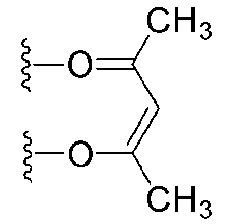
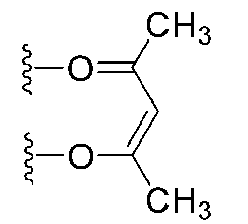
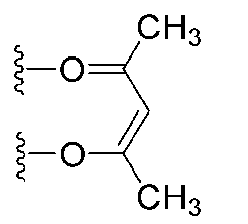
- The subsidiary ligand L of Chemical Formula (1) according to the invention comprises one of the following structures:

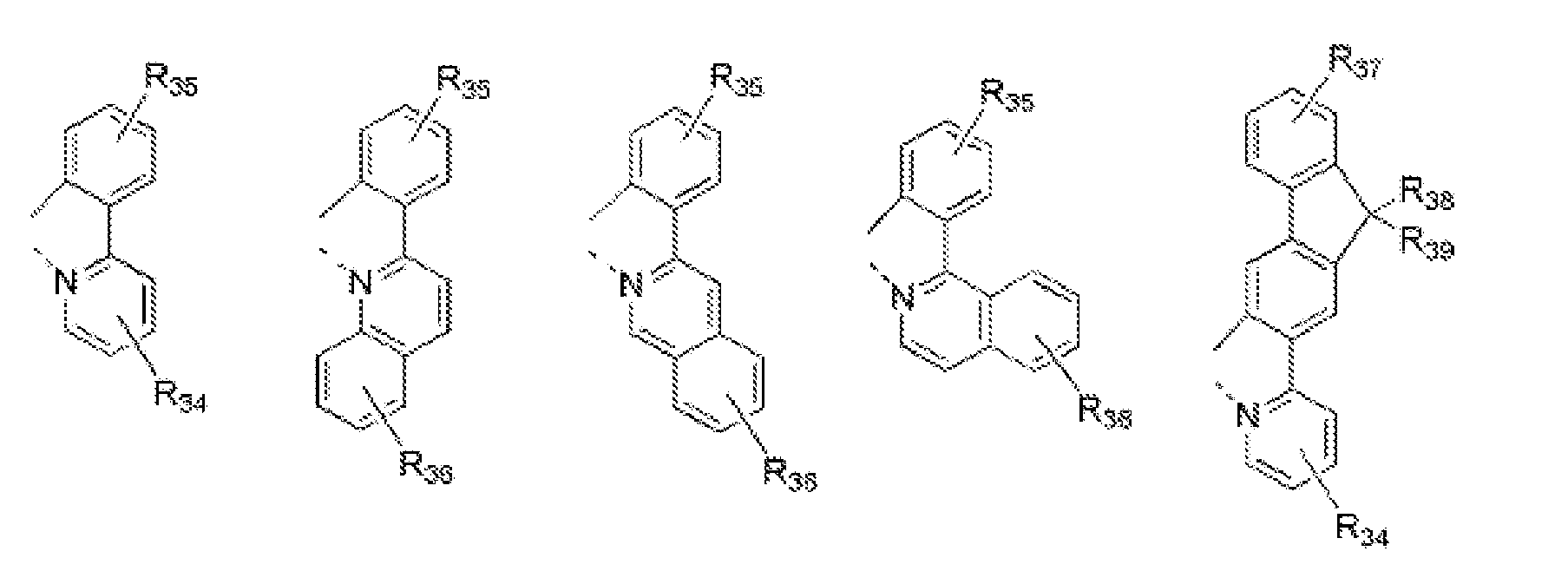
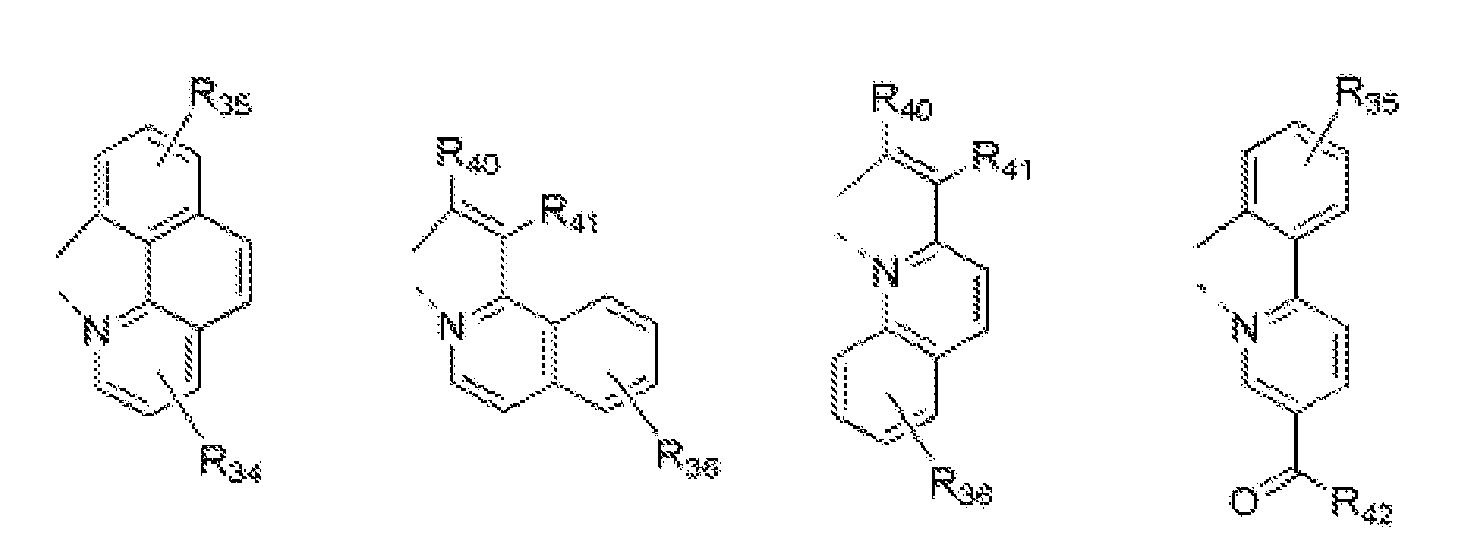
- [wherein, R31 and R32 independently represent hydrogen, a linear or branched (C1-C20)alkyl with or without halogen substituent(s), phenyl with or without linear or branched (C1-C20)alkyl substituent(s), or halogen;]
- R33 through R37 independently represent hydrogen, a linear or branched (C1-C20)alkyl, phenyl with or without linear or branched (C1-C20)alkyl substituent (s), tri(C1-C20)alkylsilyl or halogen;
- R38 through R41 independently represent hydrogen, a linear or branched (C1-C20)alkyl, phenyl with or without linear or branched (C1-C20)alkyl substituent(s); and
- R42 represents a linear or branched (C1-C20)alkyl, phenyl with or without linear or branched (C1-C20)alkyl substituent(s), or halogen.
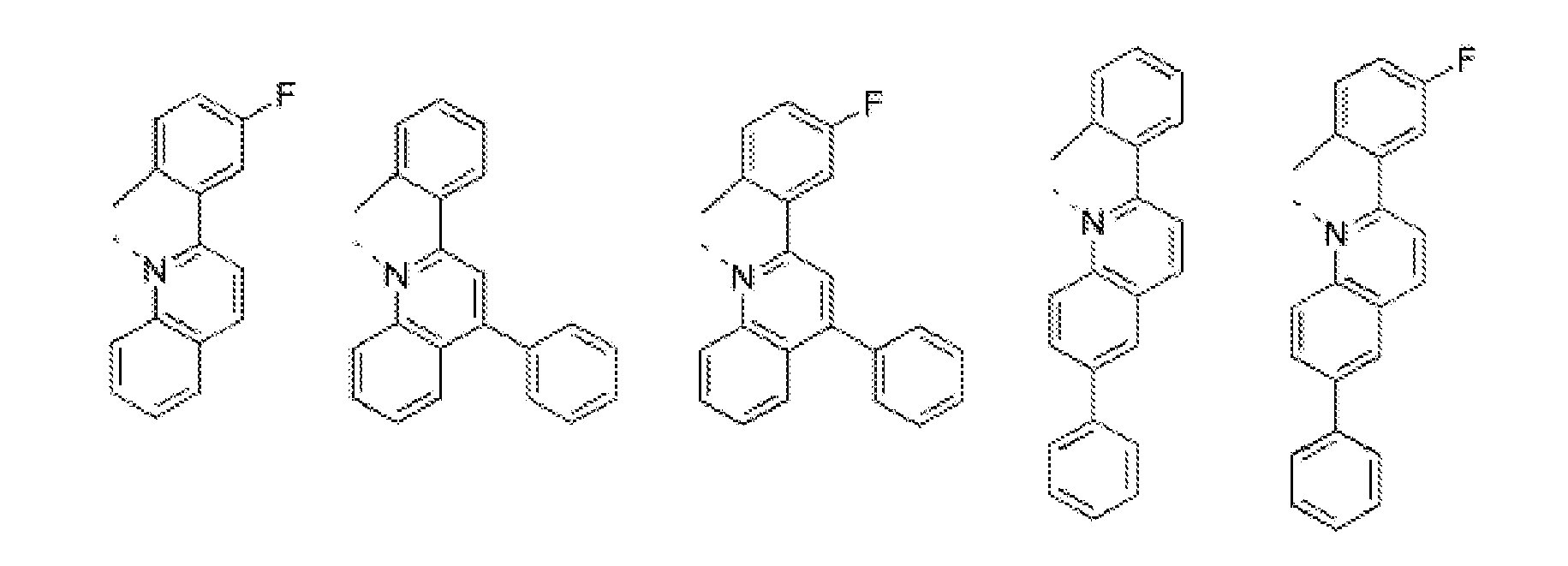
- The subsidiary ligands (L) of Chemical Formula (1) according to the present invention may be exemplified by the following structures, but are not restricted thereto.


- The process for preparing the organic phosphorescent compounds according to the present invention is described by referring to Reaction Schemes (1) to (3) shown below:


- Reaction Scheme (1) provides a compound of Chemical Formula (1) with n=1, in which iridium trichloride (IrCl3) and a subsidiary ligand (L) compound are mixed in a solvent at a molar ratio of 1:2∼3, and the mixture is heated under reflux to obtain diiridium dimmer isolated. In the reaction stage, preferable solvent is alcohol or a mixed solvent of alcohol/water, such as 2-ethoxyethanol, and 2-ethoxyethanol/water mixtures. The isolated diiridium dimmer is then heated with a primary ligand compound in organic solvent to provide an organic phosphorescent iridium compound having the ratio of primary ligand: subsidiary ligand of 1:2 as the final product. The reaction is carried out with AgCF3SO3, Na2CO3 or NaOH being admixed with organic solvent such as 2-ethoxyethanol and 2-methoxyethylether.
- Reaction Scheme (2) provides a compound of Chemical Formula (1) with n=2, in which iridium trichloride (IrCl3) and a primary ligand compound are mixed in a solvent at a molar ratio of 1:2∼3, and the mixture is heated under reflux to obtain diiridium dimmer isolated. In the reaction stage, preferable solvent is alcohol or a mixed solvent of alcohol/water, such as 2-ethoxyethanol, and 2-ethoxyethanol/water mixture. The isolated diiridium dimmer is then heated with a subsidiary ligand (L) compound in organic solvent to provide an organic phosphorescent iridium compound having the ratio of primary ligand: subsidiary ligand of 2:1 as the final product.
- The molar ratio of the primary ligand and the subsidiary ligand in the final product is determined by appropriate molar ratio of the reactant depending on the composition. The reaction may be carried out with AgCF3SO3, Na2CO3 or NaOH being admixed with organic solvent such as 2-ethoxyethanol, 2-methoxyethylether and 1,2-dichloromethane.
- Reaction Scheme (3) provides a compound of Chemical Formula (1) with n=3, in which iridium complex prepared according to Reaction Scheme (2) and a primary ligand compound are mixed in glycerol at a molar ratio of 1:2∼3, and the mixture is heated under reflux to obtain organic phosphorescent iridium complex coordinated with three primary ligands.
- The compounds employed as a primary ligand in the present invention can be prepared according to Reaction Scheme (4) or (5), on the basis of conventional processes.



-
-
Fig. 1 is a cross-sectional view of an OLED; -
Fig. 2 is an EL spectrum of an OLED employing the red phosphorescent compound (102) according to the present invention as a dopant; -
Fig. 3 shows current density-voltage property of an OLED employing the red phosphorescent compound (102) according to the present invention as a dopant; -
Fig. 4 shows luminance-voltage property of an OLED employing the red phosphorescent compound (102) according to the present invention as a dopant; and -
Fig. 5 shows luminous efficiency-luminance property of an OLED employing the red phosphorescent compound (102) according to the present invention as a dopant. -
- 1: Glass
- 2: Transparent electrode
- 3: Hole injection layer
- 4: Hole transportation layer
- 5: Electroluminescent layer
- 6: Electron transportation layer
- 7: Electron injection layer
- 8: Al cathode
- The present invention is further described with respect to the processes for preparing novel organic phosphorescent compounds according to the invention by referring to Examples, which are provided for illustration only but are not intended to limit the scope of the invention by any means.
-

- A 2000 mL round-bottomed flask was charged with 2,5-dibromopyridine (25.0 g, 105 mmol), which was then dissolved with diethyl ether (1240 mL) under argon atmosphere. Under the temperature condition of -75°C, n-BuLi (80 mL) (1.6 M in hexane, 127 mmol) was slowly added dropwise thereto. After stirring for 30 minutes, a solution of N,N-dimethylbenzamide (23.6 g, 158 mmol) dissolved in diethyl ether (200 mL) was slowly added, and the resultant mixture was stirred for 35 minutes. When the reaction was completed, aqueous NH4Cl solution was added to the reaction mixture. Extraction with diethyl ether and purification via silica gel column chromatography gave Compound (201) (18.0 g, 68.9 mmol, yield: 65.6%).
- A 500 mL round-bottomed flask was charged with Compound (201) (18.0 g, 68.9 mmol), phenylboronic acid (9.24 g, 75.8 mmol), toluene (160 mL), ethanol (80 mL) and Pd(PPh3)4 (3.18 g, 2.76 mmol), and the mixture was stirred under argon atmosphere. After adding aqueous 2 M Na2CO3 solution (80 mL), the resultant mixture was heated under reflux with stirring for 4 hours. When the reaction was completed, distilled water was added. Extraction with ethyl acetate and purification via silica gel column chromatography gave Compound (202) (15.5 g, 59.6 mmol, yield 86.5%).
- A 500 mL round-bottomed flask was charged with Compound (202) (15.5 g, 59.6 mmol), iridium chloride (IrCl3) (8.09 g, 27.1 mmol), 2-ethoxyethanol (210 mL) and distilled water (70 mL), and the mixture was heated under reflux and argon atmosphere for 24 hours. When the reaction was completed, the reaction mixture was cooled to ambient temperature. The precipitate was filtered and completely dried to obtain Compound (203) (18.2 g, 24.4 mmol).
- A 500 mL round-bottomed flask was charged with Compound (203) (18.2 g, 24.4 mmol), 2,4-pentanedione (3.67 g, 36.6 mmol), Na2CO3 (7.76 g, 73.2 mmol) and 2-ethoxyethanol (300 mL), and the mixture was heated for 4 hours. When the reaction was completed, the reaction mixture was cooled to room temperature. The solid precipitate was filtered and purified via silica gel column chromatography and recrystallization to obtain the title compound, iridium complex (101) (8.47 g, 10.5 mmol, yield: 38.6%) as red crystals.
- mp. > 350°C
- 1H NMR (300 MHz, CDCl3) : δ = 8.89 (d, J = 1.2 Hz, 2H), 8.30 (dd, J = 1.8 Hz, 8.4 Hz, 2H), 7.98 (d, J = 8.7 Hz, 2H), 7.83-7.80 (m, 4H), 7.65-7.58 (m, 4H) 7.53-7.48 (m, 4H), 6.86 (td, J = 1.2 Hz, 7.5 Hz, 2H), 6.74 (td, J = 1.5 Hz, 7.5 Hz, 2H), 6.30 (dd, J = 1. 2 Hz, 7.8 Hz, 2H), 5.29 (s, 1H), 1.55 (s, 6H).
- HRMS(FAB) calcd for C41H31IrN2O4 808.1913 : found, 808.1910
-

- A 500 mL round-bottomed flask was charged with 4-bromobenzophenone (17.0 g, 65.2 mmol), Pd(PPh3)4 (3.14 g, 2.72 mmol) and LiCl (69.0 g, 163 mmol), and the mixture was stirred with toluene (250 mL) under argon atmosphere. After 5 minutes, solution of tributyl(2-pyridyl)tin (20.0 g, 54.3 mmol) dissolved in toluene (20 mL) was added dropwise thereto. The mixture was stirred under reflux for 18 hours, and then cooled to room temperature. When the reaction was completed, aqueous KF solution was added to the reaction mixture. Extraction with ethyl acetate and purification via silica gel column chromatography gave Compound (204) (11.9 g, 45.9 mmol, yield: 84.5%).
- A 500 mL round-bottomed flask was charged with Compound (204) (11.9 g, 45.9 mmol), iridium chloride (IrCl3) (6.24 g, 20.9 mmol), 2-ethoxyethanol (210 mL) and distilled water (70 mL), and the mixture was heated under reflux and argon atmosphere for 24 hours. When the reaction was completed, the reaction mixture was cooled to ambient temperature. The precipitate was filtered and completely dried to obtain Compound (205) (10.6 g, 14.2 mmol).
- A 500 mL round-bottomed flask was charged with Compound (205) (10.6 g, 14.2 mmol), 2,4-pentanedione (2.13 g, 21.3 mmol), Na2CO3 (4.52 g, 42.6 mmol) and 2-ethoxyethanol (300 mL), and the mixture was heated for 6 hours. When the reaction was completed, the reaction mixture was cooled to room temperature. The solid precipitate was filtered and purified via silica gel column chromatography. Recrystallization gave the title compound, iridium complex (131) (9.19 g, 11.4 mmol, yield: 54.4%) as red crystals.
- mp. > 350°C
- 1H NMR(300 MHz, CDCl3) : δ = 8.51-8.49 (m, 2H), 7.86 (d, J = 8.1 Hz, 2H), 7.68 (dd, J = 1.5 Hz, 7.5 Hz, 2H), 7.63 (d, J = 8.4 Hz, 2H), 7.57-7.54 (m, 4H), 7.49-7.44 (m, 2H), 7.34-7.28 (m, 6H), 7.16-7.11 (m, 2H), 6.59 (d, J = 1.5 Hz, 2H), 5.25 (s, 1H), 1.80 (s, 6H)
- HRMS(FAB) calcd for C41H31IrN2O4 808.1913 : found, 808.1918.
-
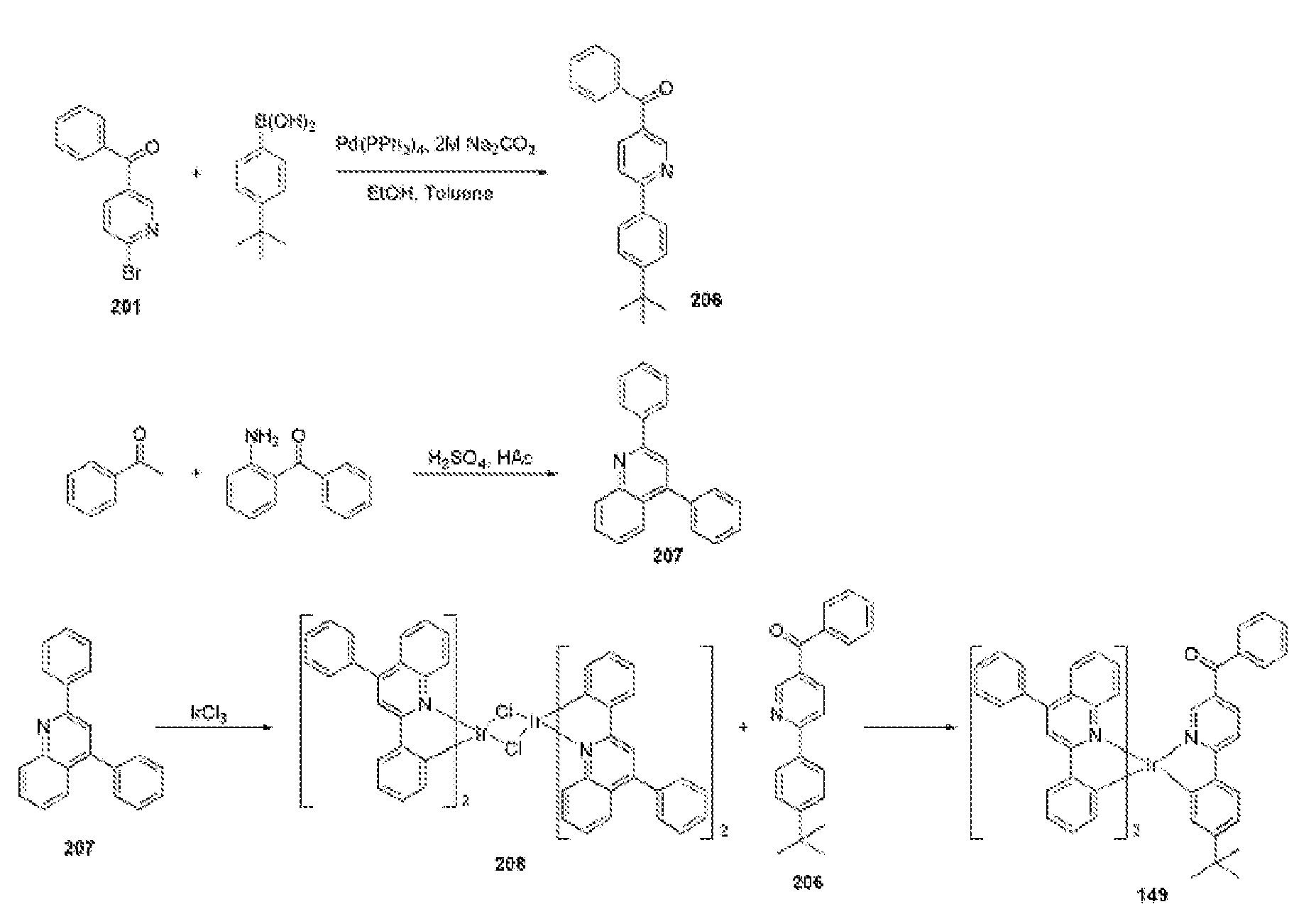
- A 500 mL round-bottomed flask was charged with Compound (201) (18.0 g, 68.9 mmol), 4-t-butylphenylboronic acid (13.5 g, 75.8 mmol), toluene (160 mL), ethanol (80 mL) and Pd(PPh3)4 (3.18 g, 2.76 mmol) and aqueous 2 M Na2CO3 solution (80 mL). According to the same procedure as described in
Preparation 1, obtained was Compound (206) (17.8 g, 56.5 mmol, yield: 82.0%). - Acetophenone (50 g, 416 mmol) and o-aminobenzophenone (82 g, 416 mmol) were stirred under reflux with concentrated sulfuric acid (4 mL) and glacial acetic acid (600 mL) for 24 hours. After cooling to room temperature, the reaction mixture was washed with cold concentrated ammonium hydroxide (450 mL) and distilled water (1.6 L). The precipitate was collected, and recrystallized from ethanol and water to obtain Compound (207) (81.9 g, 291 mmol).
- Compound (207) (81.9 g, 291 mmol), iridium chloride (IrCl3) (39.1 g, 131 mmol), 2-ethoxyethanol (600 mL) and distilled water (200 mL) were stirred under reflux for 24 hours, and the reaction mixture was cooled to room temperature. The precipitate was washed with water and methanol, and filtered, and recrystallized from hexane to obtain Compound (208) (67.8 g, 43 mmol).
- Compound (208) (67.8 g, 43 mmol) and Compound (206) (40.7 g, 129 mmol), AgCF3SO3 (27.6 g, 107.5 mmol) and 2-methoxy ethylether (500 mL) were stirred under reflux for 12 hours. After cooling to room temperature, the reaction mixture was washed with water and methanol. The solid obtained was dissolved in methylene chloride, and purified via silica gel column chromatography to obtain the title compound, iridium complex (149) (32 g, 30 mmol, 35%) as red crystals.
- mp. 350 〉 °C
- 1H NMR (300 MHz, CDCl3): δ = 9.03(s, 1H), 8.1(d, J = 8.1 Hz, 2H), 8.01(d, J = 7.6 Hz, 1H), 8(d, J = 7.5 Hz, 2H), 7.91-7.81(m, 6H), 7.7(d, J = 8.1 Hz, 2H), 7.6-7.4(m, 13H), 7.3-7.2(m, 12H), 1.34(s, 9H)
- HRMS(FAB) calcd for C64H48IrN3O 1067.00 : found, 1067.34
- The organic electroluminescent compounds listed in Table 1 were prepared according to the procedures described in Preparation Example 1 - 3, and the 1H NMR, melting point (mp.) and MS/FAB data of the compounds are shown in Table 2.
[Table 1] 
compound No. R1 R2 R3 R4 A--- 
L n 101 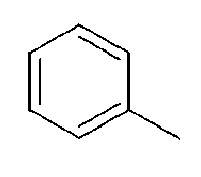
H H H N--- 

2 102 
H H H N--- 

2 103 
H H H N--- 

2 104 
H H H N--- 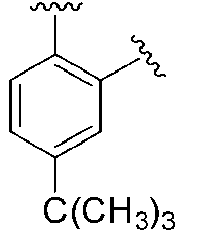

2 105 
H H H N--- 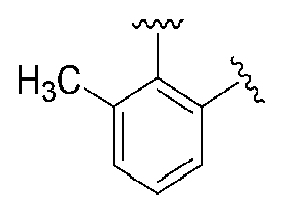
2 106 
H H H N--- 
2 107 
H H H N--- 
2 108 
H H H N--- 

2 109 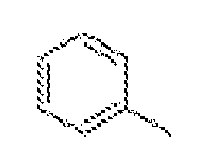
H H H N--- 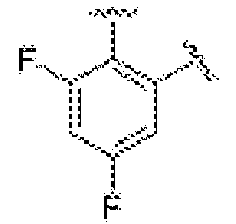

2 110 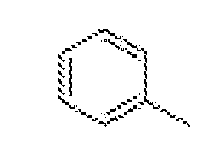
H H H N--- 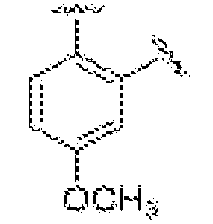

2 111 
H H H N--- 

2 112 
H H H N--- 

113 
H H H N--- 

2 114 
H H H N--- 

2 115 
H H H N--- 

116 
H H H N--- 

2 117 
H H H N--- 
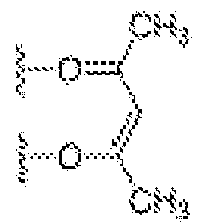
2 118 
H H H N--- 

2 119 
H H H N--- 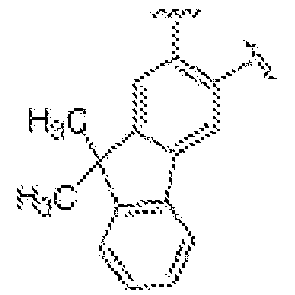

2 120 
H H H N--- 

2 121 
H H H N--- 

2 122 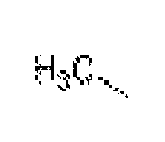
H H H N--- 

2 123 
H H H N--- 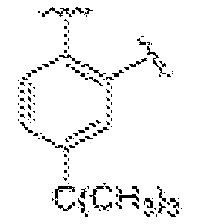

2 124 
H H H N--- 

2 125 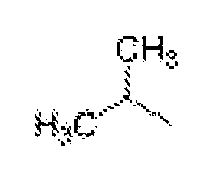
H H H N--- 

2 126 
H H H N--- 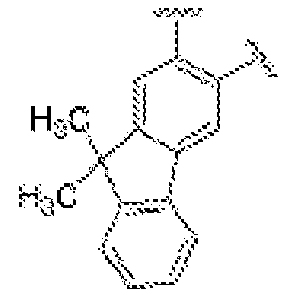

2 127 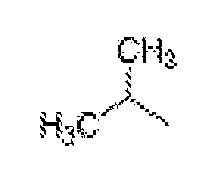
H H H N--- 

2 128 
H H H N--- 

2 129 
H H H N--- 

2 130 
H H H N--- 

2 131 
H H H C--- 

2 132 
H H H C--- 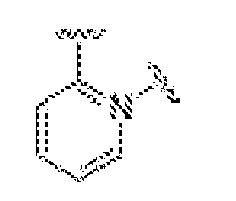
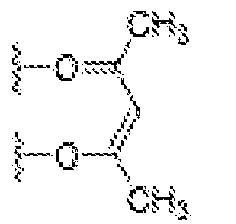
2 133 
H H H N--- 

2 134 
H H H N--- 

2 135 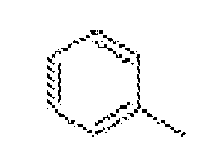
H H H N--- 

2 136 
H H H N--- 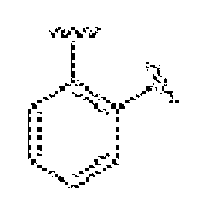

2 137 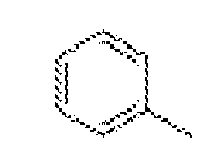
H H H N--- 

2 138 
H H H N--- 

1 139 
H H H N--- 

1 140 
H H H N--- 

1 141 
H H H N--- 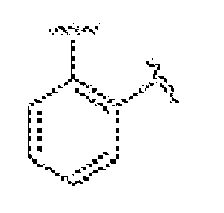

1 142 
H H H N--- 
1 143 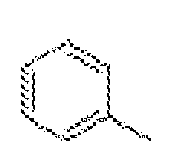
H H H N--- 

1 144 
H H H N--- 

1 145 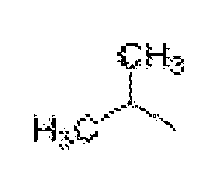
H H H N--- 

1 146 
H H H N--- 

1 147 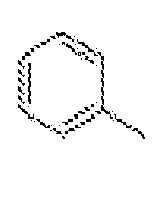
H H H N--- 

1 148 
H H H N--- 

1 149 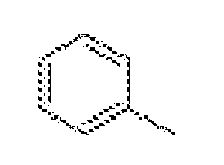
H H H N--- 

1 150 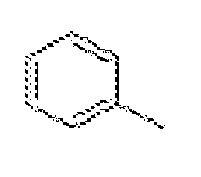
H H H N--- 

1 151 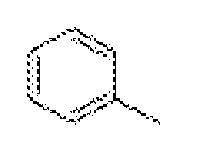
H H H N--- 

1 152 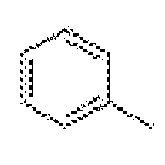
H H H N--- 

1 153 
H H H N--- 

1 154 
H H H N--- 
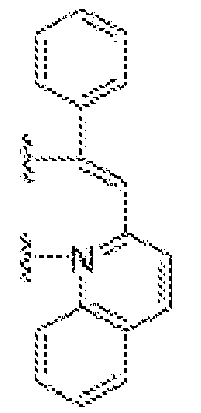
1 155 
H H H N--- 

1 156 
H H H N--- 

1 157 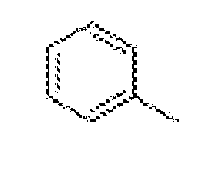
H H H N--- 

1 158 
H H H N --- 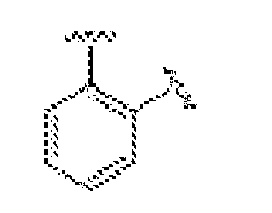
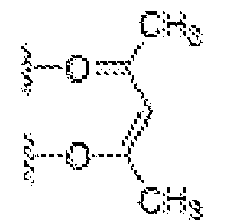
2 159 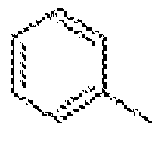
-CH3 H H N --- 

2 160 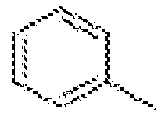
H -CH3 -CH3 N --- 

2 161 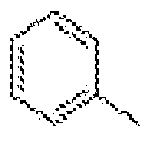
H H H N --- 

2 162 
H H H N --- 

2 163 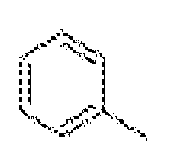
H H H N--- 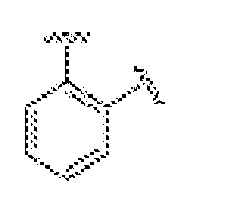

2 164 
H H H N--- 
- 3 165 
H H H N--- 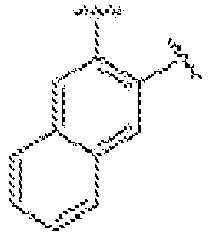

2 166 
H H H N--- 

2 167 
H H H N--- 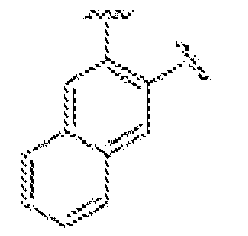

2 168 
H H H N--- 

2 169 
H H H N--- 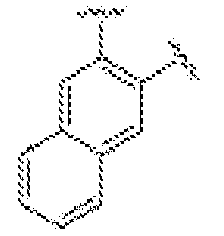

2 170 
H H H N--- 
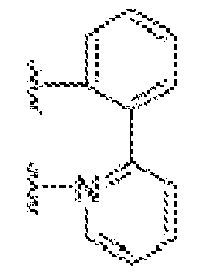
2 171 
H H H N--- 
- 3 172 
H H H N--- 
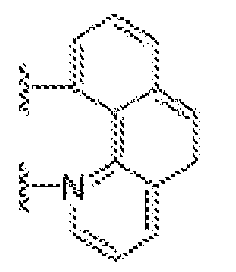
2 173 
H H H N--- 
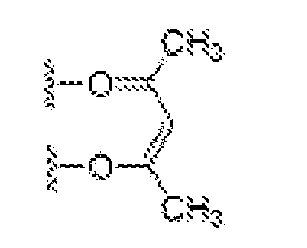
2 174 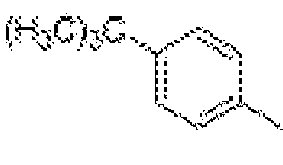
H H H N--- 

2 175 
H H H N--- 

2 176 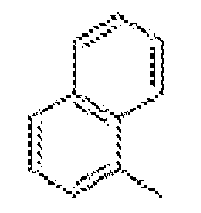
H H H N--- 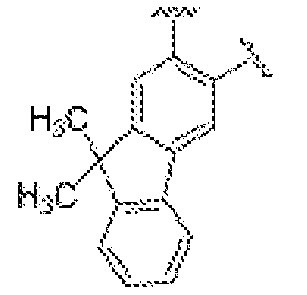

2 177 
H H H N--- 

2 178 
H H H N--- 
- 3 179 
H H H N--- 
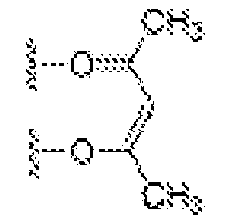
2 180 
-CH3 -CH3 -CH3 N--- 

2 181 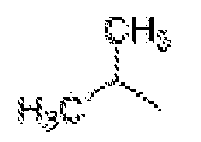
H H H N--- 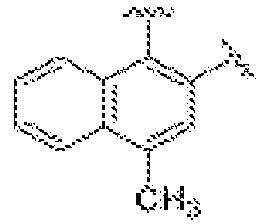

2 182 
H H H N--- 

2 183 
H H H N--- 

2 184 
H H H N--- 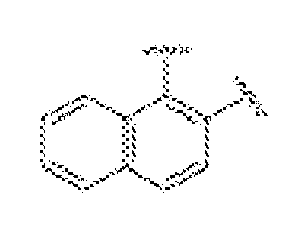

2 185 
H H H N--- 
- 3 186 
H H H C--- 

2 187 
H H H C--- 

2 188 
H H H C--- 

2 189 
H H H C--- 

2 190 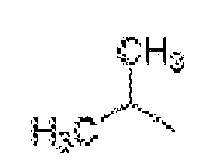
H H H C--- 

2 191 
H H H C--- 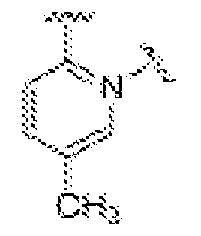

2 192 
H H H C- 
- 3 193 
H H H N- 

2 194 
H H H N- 

2 195 
H H H N- 
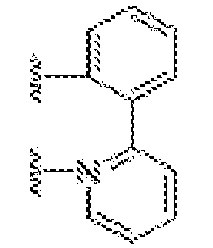
2 196 
H H H N- 

2 197 
H H H N- 

2 198 
H H H N- 

2 199 
H H H N- 

2 200 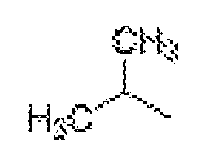
H H H N- 
- 3 [Table 2] Compound No. 1H NMR (CDCl3, 300 MHz) MS/FAB found calculated 101 δ = 8.89 (d, J = 1.2 Hz, 2H), 8.30 (dd, J = 1.8 Hz, 8.4 Hz, 2H), 7.98 (d, J = 8.7 Hz, 2H), 7.83-7.80 (m, 4H), 7.65-7.58 (m, 4H) 7.53-7.48 (m, 4H), 6.86 (td, J = 1.2 Hz, 7.5 Hz, 2H), 6.74 (td, J = 1.5 Hz, 7.5 Hz, 2H), 6.30 (dd, J = 1.2 Hz, 7.8 Hz, 2H), 5.29 (s, 1H), 1.55 (s, 6H). 808.1910 808.1913 102 δ =8.83 (d, J= 2.0 Hz, 2H), 8.27 (dd, J = 2.0 Hz, 8.5 Hz, 2H), 7.93 (d, J = 8.6 Hz, 2H), 7.82-7.79 (m, 4H), 7.63-7.57 (m, 2H), 7.55-7.47 (m, 6H), 6.68 (dd, J = 1.6 Hz, 7.9 Hz, 2H), 6.10 (s, 2H), 5.28 (s, 1 H), 2.08 (s, 6H), 1.55 (s, 6H). 836.2228 836.2226 103 δ = 8.92 (d, J = 1.3 Hz, 2H), 8.29 (dd, J = 2.0 Hz, 8.5 Hz, 2H), 8.00 (d, J = 8.7 Hz, 2H), 7.81 (dd, J = 1.3 Hz, 8.3 Hz, 4H), 7.70 (d, J = 8.1 Hz, 2H), 7.63-7.58 (m, 2H), 7.51-7.46 (m, 4H), 7.35-7.19 (m, 10H), 7.11 (dd, J = 1.8 Hz, 8.1 Hz, 2H), 6.54 (d, J = 1.6 Hz, 2H), 5.28 (s, 1H), 1.57 (s, 6H). 960.2545 960.2539 104 δ =8.89 (dd, J = 0.6 Hz, 1.4 Hz, 2H), 8.26 (dd, J= 2.0 Hz, 8.5 Hz, 2H), 7.92 (d, J = 8.1 Hz, 2H), 7.83 (dd, J = 1.4 Hz, 8.3 Hz, 4H), 7.61-7.46 (m, 8H), 6.90 (dd, J = 1.9 Hz, 8.3 Hz, 2H), 6.30 (d, J = 1.8 Hz, 2H), 5.12 (s, 1H), 1.47 (s, 6H), 1.07 (s, 18H). 920.3160 920.3165 105 δ =8.80 (d, J= 2.0 Hz, 2H), 8.27 (dd, J = 2.2 Hz, 8.5 Hz, 2H), 7.93 (d, J = 8.6 Hz, 2H), 7.82-7.79 (m, 4H), 7.63-7.58 (m, 2H), 7.55-7.47 (m, 6H), 6.68 (dd, J = 1.6 Hz, 7.9 Hz, 2H), 6.10 (s, 2H), 5.28 (s, 1H), 2.08 (s, 6H), 1.55 (s, 6H). 836.2228 836.2226 106 δ = 8.81 (d, J = 2.0 Hz, 2H), 8.30 (dd, J = 2.0 Hz, 8.5 Hz, 2H), 7.92 (d, J = 8.6 Hz, 2H), 7.80 (d, J= 7.0 Hz, 4H), 7.67-7.60 (m, 4H), 7.54-7.49 (m, 4H), 6.61 (td, J = 2.5 Hz, 8.7 Hz, 2H), 5.91 (dd, J = 2.5 Hz, 9.5 Hz, 2H), 5.28 (s, 1 H), 1.57 (s, 6H). 844.171 844.1725 107 δ = 8.92 (d, J = 1.3 Hz, 2H), 8.29 (dd, J = 2.0 Hz, 8.5 Hz, 2H), 8.00 (d, J = 8.2 Hz, 2H), 7.81 (dd, J = 1.3 Hz, 8.3 Hz, 4H), 7.70 (d, J = 8.1 Hz, 2H), 7.63-7.59 (m, 2H), 7.51-7.46 (m, 4H), 7.35-7.25 (m, 10H), 7.16 (dd, J = 1.8 Hz, 8.1 Hz, 2H), 6.54 (d, J = 1.6 Hz, 2H), 5.28 (s, 1H), 1.55 (s, 6H). 960.2545 960.2539 108 δ =8.89 (dd, J = 0.6 Hz, 1.4 Hz, 2H), 8.26 (dd, J= 2.0 Hz, 8.5 Hz, 2H), 7.92 (d, J = 8.1 Hz, 2H), 7.83 (dd, J = 1.4 Hz, 8.3 Hz, 4H), 7.61-7.46 (m, 8H), 6.90 (dd, J = 1.9 Hz, 8.3 Hz, 2H), 6.30 (d, J = 1.8 Hz, 2H), 5.12 (s, 1 H), 1.47 (s, 6H), 1.07 (s, 9H), 0.66(s, 9H). 952.28 952.27 109 δ = 8.81 (d, J = 1.9 Hz, 2H), 8.41-8.31 (m, 4H), 7.82-7.79 (m, 4H), 7.64 (t, J = 7.4 Hz, 2H), 7.53 (t, J= 7.6 Hz, 4H), 6.43-6.36 (m, 2H), 5.70 (dd, J = 2.3 Hz, 8.6 Hz, 2H), 5.31 (s, 1H), 1.59 (s, 6H). 880.1533 880.1536 110 δ = 8.80 (d, J = 2.0 Hz, 2H). 8.25 (dd, J= 2.0 Hz, 8.6 Hz, 2H), 7.84 (d, J = 8.7 Hz, 2H), 7.79 (d, J = 7.7 Hz, 4H), 7.61 (d, J = 8.7 Hz, 4H). 7.53-7.48 (m, 4H), 6.48 (dd, J= 2.5 Hz, 8.6 Hz, 2H), 5.79 (d, J = 2.5 Hz, 2H), 5.28 (s, 1H), 8.56 (s, 6H), 1.55 868.2139 888.2125 111 δ = 8.92 (d, J = 1.3 Hz, 2H), 8.29 (dd, J = 2.0 Hz, 8.5 Hz, 2H), 8.00 (d, J = 8.7 Hz, 2H), 7.81 (dd, J = 1.3 Hz, 8.3 Hz, 4H), 7.70 (d, J = 8.1 Hz, 2H), 7.63-7.58 (m, 2H), 7.51-7.46 (m, 6H), 7.35-7.19 (m, 13H), 7.11 (dd, J = 1.8 Hz, 8.1 Hz, 2H), 6.54 (d, J = 1.8 Hz, 2H), 5.28 (s, 1H), 1.57 (s, 6H). 1112.30 1112.32 112 δ = 9.06 (d, J = 2.0 Hz, 2H), 8.26 (dd, J = 2.0 Hz, 8.6 Hz, 2H), 7.93 (d, J = 8.7 Hz, 2H), 7.62 (d, J = 7.7Hz, 2H), 6.88-6.83 (m, 2H), 6.76-6.70 (m, 2H), 6.28 (d, J = 7.7Hz, 2H), 5.29 (s, 1H), 2.60 (s, 6H), 1.84 (s, 6H). 684.1585 684.1600 113 δ = 8.81 (d, J = 2.0 Hz, 2H), 8.38 (dd, J = 2.0 Hz, 8.5 Hz, 2H), 8.04 (d, J = 7.8 Hz, 2H), 8.00 (d, 8.2 Hz, 2H), 7.95 (d, J = 8.2 Hz, 2H), 7.90 (d, J = 7.8 Hz, 2H), 7.51-7.58 (m, 4H), 7.57-7.47 (m, 6H), 6.82 (td, J = 1.2 Hz, 7.5 Hz, 2H), 6.71 (td, J = 1.4 Hz, 7.4 Hz, 2H), 6.24 (dd, J = -0.8 Hz, 7.6 Hz, 2H), 4.65 (s, 1H), 1.19 (s, 6H). 908.2236 908.2226 114 δ = 8.92 (d, J =1.4 Hz, 2H), 8.32 (dd, J 2.0 Hz, 8.5 Hz, 2H). 8.23 (s, 2H), 8.00 (d, J = 8.2 Hz, 2H), 7.96-7.90 (m, 8H), 7.66-7.59 (m, 6H), 6.87 (td, J = 1.2 Hz, 7.5 Hz, 2H), 6.76 (td, J = 1.4 Hz, 7.4 Hz, 2H), 6.32 (dd, J = 1.0 Hz, 7.6 Hz, 2H), 5.18 (s, 1H), 1.22 (s, 6H). 908.2236 908.2226 115 δ = 8.94 (d, J = 2.0 Hz, 2H), 8.31 (dd, J = 2.0 Hz, 8.5 Hz, 2H), 8.00 (d, J =8.3 Hz, 2H), 7.90 (d, J = 8.3 Hz, 4H), 7.72 (d, J = 8.3 Hz, 4H), 7.66-7.60 (m, 6H), 7.51-7.38 (m, 6H), 6.87 (td, J = 1.0 Hz, 7.5 Hz, 2H), 6.76 (td, J = 1.3 Hz, 7.5 Hz, 2H), 6.33 (d, J = 7.5 Hz, 2H), 5.31 (s, 1H), 1.57 (s, 6H). 960.2555 960.2539 116 δ = 8.91 (d, J = 2.0 Hz, 2H), 8.31 (dd, J = 2.0 Hz, 8.5 Hz, 2H), 7.98 (d, J = 8.7 Hz, 2H), 7.77 (d, J = 8.4 Hz, 4H), 7.64 (dd, J = 1.2 Hz, 7.8 Hz, 2H), 7.51 (d, J = 8.4 Hz, 4H), 6.86 (td, J = 1.2 Hz, 7.5 Hz, 2H), 6.74 (td, J = 1.4 Hz, 7.4 Hz, 2H), 6.30 (dd, J = 0.8 Hz, 7.6 Hz, 2H), 5.28 (s, 1H), 1.56 (s, 6H), 1.35 (s, 18H). 920.3166 920.3165 117 δ = 9.09 (d, J = 1.8 Hz, 2H), 8.28 (dd, J = 1.8 Hz, 8.4 Hz, 2H), 7.94 (d, = 8.4 Hz, 2H), 7.63 (dd, = 1.2 Hz, 8.4 Hz, 2H), 6.87-6.83 (m, 2H), 6.76-6.71 (m, 2H), 6.30 (d, = 0.9 Hz, 7.8 Hz, 2H), 5.29 (s, 1H), 3.42 (m, 2H), 1.83 (s, 6H), 1.27 (d, = 7.2 Hz, 12H). 740.2222 740.2226 118 δ = 9.22 (d, J = 1.5 Hz, 2H), 8.41 (dd, J = 2.0 Hz, 8.6 Hz, 2H), 8.24 (d, J = 8.4 Hz, 2H), 8.19 (s, 2H), 7.67 (d, J = 7.5 Hz, 2H), 7.26 (d, J = 9.4 Hz, 2H), 7.21-7.18 (m, 2H), 7.16-7.13 (m, 2H), 6.61 (s, 2H), 5.32 (s, 1H), 2.68 (s 6H), 1.88 (s, 6H). 784.1920 784.1913 119 δ = 9.14, (d, J = 2.0 Hz, 2H), 8.40 (dd, J = 2.0 Hz, 8.6 Hz, 2H), 8.14 (d, J = 8.8 Hz, 2H), 7.83 (s, 2H), 7.40 (d, J = 7.5 Hz, 2H), 7.36 (d, J = 7.5 Hz, 2H), 7.27 (dd, J = 1.2 Hz, 7.4 Hz, 2H), 7.22-7.18 (m, 2H), 6.72 (s, 2H), 5.43 (s, 1H), 2.66 (s, 6H), 1.91 (s, 6H), 1.52 (s, 6H), 1.46 (s, 6H). 916.2869 916.2852 120 δ = 9.14, (d, J = 2.0 Hz, 2H), 8.40 (dd, J = 2.0 Hz, 8.6 Hz, 2H), 8.14 (d, J = 8.8 Hz, 2H), 7.83 (s, 2H), 7.81-7.45(m, 5H), 7.40 (d, J = 7.5 Hz, 2H), 7.38 (d, J = 7.5 Hz, 2H), 7.27 (dd, J = 1.2 Hz, 7.4 Hz, 2H), 7.22-7.19 (m, 2H), 6.72 (s, 2H), 5.43 (s, 1H), 2.66 (s, 6H), 1.91 (s, 6H), 1.52 (s, 6H), 1.46 (s, 6H). 1040.32 1040.23 121 δ = 8.28 (d, J = 2.1 Hz, 2H), 7.88 (dd, J = 2.1 Hz, 8.7 Hz, 2H), 7.22 (d, J = 8.1 Hz, 2H), 6.95-6.91 (m, 6H), 6.90-6.87 (m, 6H), 5.17 (s, 1H), 3.08 (m, 2H), 1.87 (s, 6H), 1.12 (d, J = 6.6 Hz, 6H), 1.03 (d, J = 6.6 Hz, 6H). 792.2558 792.2539 122 δ = 9.06 (d, J = 2.0 Hz, 2H), 8.26 (dd, J = 2.0 Hz, 8.6 Hz, 2H), 7.93 (d, J = 8.7 Hz, 2H), 7.62 (d, J = 7.7Hz, 2H), 6.88-6.85 (m, 1H), 6.76-6.70 (m, 2H), 6.28 (d, J = 7.7Hz, 2H), 5.29 (s, 1H), 2.60 (s, 6H), 2.35(s, 3H), 1.84 (s, 6H). 712.1918 711.8311 123 δ = 9.09 (d, J = 2.0 Hz, 2H), 8.24 (dd, J = 2.0 Hz, 8.6 Hz, 2H). 7.87 (d, J = 8.5 Hz, 2H), 7.54 (d, J = 8.3 Hz), 2H), 6.89 (dd, J = 1.9 Hz, 8.3 Hz, 2H), 6.23 (d. J = 1.9 Hz, 2H), 5.27 (s, 1H), 2.60 (s, 6H), 1.85 (s, 6H), 1.03 (s, 18H). 796.2852 796.2855 124 δ = 9.10 (d, J = 2.0 Hz, 2H), 8.29 (dd, J = 2.0 Hz, 8.6 Hz, 2H), 7.97 (d, J = 8.7 Hz, 2H), 7.70 (d, J = 8.2Hz, 2H), 7.30-7.27 (m, 10H), 7.11 (dd, J = 1.8 Hz, 8.1 Hz, 2H), 6.50 (d, J = 1.7 Hz, 2H), 5.33 (s, 1H), 2.63 (s, 6H), 1.87 (s, 6H). 836.2196 836.2226 125 δ = 9.22 (d, J = 1.8 Hz, 2H), 8.40 (dd, J = 1.8 Hz, 8.7 Hz, 2H), 8.22 (d, J = 8.7 Hz, 2H), 8.16 (s, 2H), 7.65 (d, J = 7.8 Hz, 2H), 7.24-7.11 (m, 6H), 6.61 (s, 2H), 5.33 (s, 1H), 3.47 (m, 2H), 1.84 (s, 6H), 1.30 (d, J = 6.6 Hz, 12H). 840.2556 840.2542 126 δ = 9.15 (d, J = 2.1 Hz, 2H), 8.35 (dd, J = 2.1 Hz, 8.7 Hz, 2H), 8.06 (d, J = 8.7 Hz, 2H), 7.70 (s, 2H), 7.32-7.28 (m, 4H), 7.22-7.15 (m, 4H), 6.64 (s, 2H), 5.33 (s, 1H), 3.48 (m, 2H), 1.86 (s, 6H), 1.43 (d, J = 10 Hz, 12H), 1.29 (d, J = 8.6 Hz, 12H). 972.3484 972.3478 127 δ = 9.13 (d, J = 1.8 Hz, 2H), 8.62 (d, J = 8.7 Hz, 2H), 8.53 (d, J = 8.7 Hz, 2H), 8.36 (dd, J = 2.1 Hz, 8.7 Hz, 2H), 7.65-7.62 (m, 2H), 7.52-7.47 (m, 2H), 7.31-7.26 (m, 2H), 7.06 (d, J = 8.4 Hz, 2H), 6.35 (d, 8.4 Hz, 2H), 5.33 (s, 1H), 3.42 (m, 2H), 1.84 (s, 6H), 1.27 (d, J = 6.6 Hz, 6H), 1.26 (d, J = 6.6 Hz, 6H). 840.2535 840.2542 128 δ = 8.86 (d, J = 2.0 Hz, 2H), 8.26 (dd, J = 2.0 Hz, 8.5 Hz, 7.99 (d, J = 8.6 Hz, 2H), 7.86 (dd, J = 5.4 Hz, 8.7 Hz, 4H), 7.64 (dd, J = 1.1 Hz, 7.8 Hz, 2H), 7.19 (t, J = 8.5 Hz, 4H), 6.82 (td, J = 1.1 Hz, 7.5 Hz, 2H), 6.75 (td, J = 1.3 Hz, 7.4 Hz, 2H), 6.29 (dd, J = 1.1 Hz, 7.5 Hz, 2H), 5.29 (s, 1H), 1.59 (s, 6H). 844.1733 844.1725 129 δ = 8.85 (d, J = 1.9 Hz, 2H), 8.36 (dd, J = 2.0 Hz, 8.4 Hz, 2H), 8.08 (d, J = 8.6 Hz, 2H), 7.82-7.79 (m, 4H), 7.74 (d, J = 8.1 Hz, 2H), 7.63-7.60 (m, 2H), 7.54-7.49 (m, 4H), 7.14 (d, J = 7.7 Hz, 2H), (s, 2H), 5.23 (s, 1H), 1.53 (s, 6H). 944.1659 944.1661 130 6.50 δ = 8.79 (d, J = 2.0 Hz, 2H), 8.29 (dd, J = 2.0 Hz, 8.5 Hz, 2H), 7.89 (d, J = 8.6 Hz, 2H), 7.81-7.78 (m, 4H), 7.63-7.60 (m, 2H) 7.54-7,49 (m, 4H), 7.30 (dd, J = 2.3 Hz, 9.2 Hz, 2H), 6.29 (td, J = 2.3 Hz, 9.2 Hz, 2H), 5.29 (s, 1H), 1.54 (s, 6H). 880.1533 880.1536 131 δ = 8.51-8.49 (m, 2H), 7.86 (d, J = 8.1 Hz, 2H), 7.68 (dd, J = 1.6 Hz, 7.5 Hz, 2H), 7.63 (d, J = 8.4 Hz, 2H), 7.57-7.54 (m, 4H), 7.49-7.44 (m, 2H), 7.34-7.28 (m, 6H), 7.16-7.11 (m, 2H), 6.59 (d, J = 1.5 Hz, 2H), 5.25 (s, 1H), 1.80 (s, 6H). 808.1918 808.1913 132 δ = 8.58 (dd, J = 0.8 Hz, 5.7 Hz), 2H), 7.96 (d, J = 7.8 Hz, 2H), 7.87-7.81 (m, 2H), 7.61 (d, J = 8.1 Hz, 2H), 7.41 (dd, J = 1.8 Hz, 8.1 Hz, 2H), 7.31-7.28 (m, 2H), 7.65 (d, J = 1.8 Hz, 2H), 5.25 (s, 1H), 2.27 (s, 6H), 1.80 (s, 6H). 684.1606 684.1600 133 δ = 9.03(s, 2H), 8.1-8.0(m, 6H), 7.91(d, J = 7.5 Hz, 2H), 7.81-7.79(m, 5H), 7.7-7.6(m, 3H), 7.54-7.4(m, 7H), 7.38-7.32(m, 9H) 913.23 913.05 134 δ = 9.05(s, 2H), 8.56(d, J = 2.8 Hz, 1H), 8.1-8.0(m, 5H), 7.91(d, J = 8.3 Hz, 2H), 7.81(d, J = 7.6 Hz, 4H), 7.54-7.45(m, 8H), 7.3-6.98(m, 10H). 863.21 862.99 135 δ = 9.03(s, 2H), 8.5(d, J = 2.5 Hz, 2H), 8.1-8.0(m, 5H), 7.95-7.9(m, 3H), 7.81-7.7(m, 5H), 7.6-7.48(m, 8H), 7.3-7.1(m, 10H). 913.23 913.05 136 δ = 9.03(s, 2H), 8.56(d, J = 6.2 Hz, 1H), 8.3(d, J = 7.2 Hz, 1H), 8.1-8.0(m, 4H), 7.91-7.81(m, 8H), 7.6-7.4(m, 10H), 7.38-7.22(m, 8H), 1.67(s, 6H). 979.27 979.15 137 δ = 9.03(s, 2H), 8.8(d, J = 7.2 Hz, 1H), 8.1-8.0(m, 5H), 7.91(d, J = 7.5 Hz, 2H), 7.81-7.7(m, 6H), 7.54-7.4(m, 7H), 7.35-7.3(m, 9H). 887.21 887.01 138 δ = 9.03(s, 1H), 8.1-8.0(m, 6H), 7.91(d, J = 7.5 Hz, 1H), 7.81-7.79(m, 4H), 7.7-7.6(m, 6H), 7.54-7.4(m, 5H), 859.22 859.00 139 δ = 9.05(s, 1H), 8.56(d, J = 2.8 Hz, 2H), 8.1-8.0(m, 4H, 7.91(d, J = 8.3 Hz, 1H), 7.81(d, J = 7.6 Hz, 2H), 7.54-7.45(m, 7H), 7.3-6.98(m, 11H). 759.89 759.19 140 δ = 9.03(s, 1H), 8.5(d, J = 2.5 Hz, 2H), 8.1-8.0(m, 4H), 7.95-7.9(m, 3H), 7.81-7.7(m, 4H), 7.6-7.48(m, 7H), 7.3-7.1(m, 11H). 859.22 859.00 141 δ = 9.03(s, 1H), 8.56(d, J = 6.2 Hz, 2H), 8.3(d, J = 7.2 Hz, 2H), 8.1-8.0(m, 2H), 7.91-7.81m, 7H), 7.6-7.4(m, 11H), 7.38-7.22(m, 7H), 1.67(s, 12H). 991.31 991.21 142 δ = 9.03(s, 1H), 8.8(d, J = 7.2 Hz, 2H), 8.1-8.0(m, 4H), 7.91(d, J = 7.5 Hz, 1H), 7.81-7.7(m, 6H), 7.54-7.4(m, 5H), 7.35-7.3(m, 9H). 807.19 806.93 143 δ = 9.03(s, 1H), 8.4(d, J = 7.2 Hz, 2H), 8.1-8.0(m, 2H), 7.91-7.81(m, 5H), 7.7-7.5(m, 7H), 7.45-7.32(m, 7H), 6.6(s, 2H), 1.71(s, 6H). 787.22 786.94 144 δ = 9.28(s, 1H), 8.4(d, J = 7.2 Hz, 2H), 8.15-8.0(m, 2H), 7.90-7.84(m, 3H), 7.7-7.5(m, 6H), 7.4-7.32(m, 5H), 6,6(s, 2H), 2.55(s, 3H), 1.71(s, 6H). 725.20 724.87 145 δ = 9.28(s, 1H), 8.4(d, J = 7.2 Hz, 2H), 8.15-8.0(m, 2H), 7.90-7.84(m, 3H), 7.7-7.5(m, 6H), 7.4-7.32(m, 5H), 6.6(s, 2H), 2.7(m, 1H), 1,71(s, 6H), 1.23(d, J = 2.2 Hz, 6H). 753.23 752.92 146 δ = 9.03(s, 1H), 8.4(d, J = 7.2 Hz, 2H), 8.01-7.9(m, 5H), 7.81-7.6(m, 6H), 7.54-7.4(m, 7H), 7.3-7.28(m, 2H), 6.6(s, 2H), 1.71(s, 6H), 1.34(s, 9H). 843.26 843.05 147 δ = 9.0(s, 1H), 8.1(d, J = 7.2 Hz. 2H), 8.01-7.9(m, 5H), 7.84-7.8(m, 4H), 7.7(d, J = 7.2 Hz, 2H), 7.6-7.54(m, 5H), 7.45-7.4(m, 5H), 7.3-7.1(m, 6H), 1.41(s, 9H). 915.28 915.00 148 δ = 9.01(s, 1H), 8.1(d, J = 7.2 Hz, 2H), 8.01- 7.9(m, 7H), 7.8-7.75(m, 6H), 7.6-7.4(m, 11H), 7.3-7.2(m, 12H), 1.36(s, 9H). 1067.34 1067.00 149 δ = 9.03(s, 1H), 8.1(d, J = 8.1 Hz, 2H), 8.01(d, J = 7.6 Hz, 1H), 8(d, J = 7.5 Hz, 2H), 7.91-7.81(m, 6H), 7.7(d, J = 8.1 Hz, 2H), 7,6-7.4(m, 13H), 7.3-7.2(m, 12H), 1.34(s, 9H). 1067.34 1067.00 150 δ = 9.02(s, 1H), 8.1(d, J = 7.2 Hz, 2H), 8.01(d, J = 7.0 Hz, 1H), 7.91-7.8(m, 6H), 7.7-7.65(m, 4H), 7.6-7.4(m, 11H), 7.3(m, 2H), 7.0(m, 2H), 1.38(s, 9H). 951.26 951.09 151 δ = 9.03(s, 1H), 8.1(d, J = 8.1 Hz, 2H), 8.01(d, J = 7.6 Hz, 1H), 7.91-7.86(m, 4H), 7.81-7.77(m, 6H), 7.7(s, 1H), 7.6-7.4(m, 11H), 7.4-7.3(m, 10H), 7.0(d, J = 5.6 Hz, 2H), 1.34(s, 9H). 1103.32 1103.28 152 δ = 9.03(s, 1H), 8.1-7.9(m, 9H), 7.81(d, J = 7.5 Hz, 2H), 7.7(d, J = 7.1 Hz, 2H), 7.6-7.4(m, 13H), 7.3-7.22(m, 12H), 1.34(s, 9H). 1103.32 1103.28 153 δ = 9.03(s, 1H), 8.5(d, J = 7.7 Hz, 2H), 8.01-7.81(m, 7H), 7.7(d, J = 7.1 Hz, 2H), 7.6-7.4(m, 9H), 7,3(d, J = 8.0 Hz, 4H), 7.26-7.23(m, 6H), 7.2(s, 2H), 7.14(m, 2H), 1.34(s, 9H). 967.31 967.19 154 δ = 9.03(s, 1H), 8.1-7.81(m, 9H), 7.7-7.6(m, 4H), 7.54-7.4(m, 9H), 7.3-7.14(m, 12H), 1.34(s, 9H). 967.31 967.19 155 δ = 9.03(s, 1H), 8.56(d, J = 2.8 Hz, 2H), 8.1-8.0(m, 3H), 7.95-7.9(m, 2H), 7.81(d, J = 7.6 Hz, 2H), 7.54-7.45(m, 9H), 7.3-6.98(m, 8H), 1.34(s, 9H). 815.25 814.99 156 δ = 9.0(s, 1H), 8.5(d, J = 7.2 Hz 2H), 8.01-7.9(m, 7H), 7.81(d, J = 7.5 Hz, 2H), 7.7(d, J= 7.2 Hz, 2H), 7.6-7.5(m, 5H), 7.45-7.4(m, 4H), 7.3-7.1(m, 8H), 1.34(s 9H) 915.28 915.11 157 δ=9.03(s, 1H), 8.56(d, J=6.2 Hz, 2H), 8.3(s, 2H), 8.01(d, J = 7.3 Hz, 1H), 7.9-7.81(m, 8H), 7.6-7.46(m, 9H), 7.4-7.3(m, 6H), 6.9-6.7(m, 2H), 1.67(s, 12H), 1.34(s, 9H). 1047.37 1047.31 - An OLED device was manufactured by using a red phosphorescent compound according to the invention.
- First, a transparent electrode ITO thin film (15 Ω/□) (2) obtained from a glass for OLED (produced by Samsung Corning) was subjected to ultrasonic washing with trichloroethylene, acetone, ethanol and distilled water, sequentially, and stored in isopronanol before use.
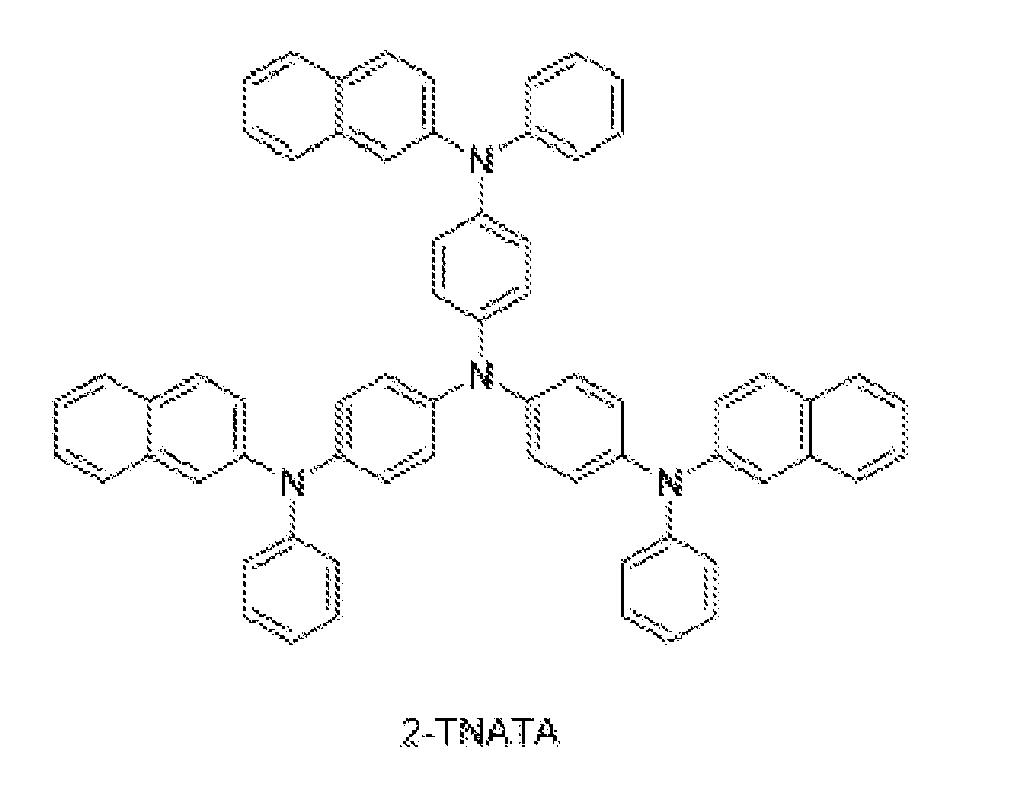
- Then, an ITO substrate was equipped in a substrate folder of a vacuum vapor-deposit device, and 4,4',4"-tris(N,N-(2-naphthyl)-phenylamino)triphenylamine (2-TNATA) was placed in a cell of the vacuum vapor-deposit device, which was then ventilated up to 10-6 torr of vacuum in the chamber. Electric current was applied to the cell to evaporate 2-TNATA, thereby providing vapor-deposit of a hole injection layer (3) having 60 nm of thickness on the ITO substrate.
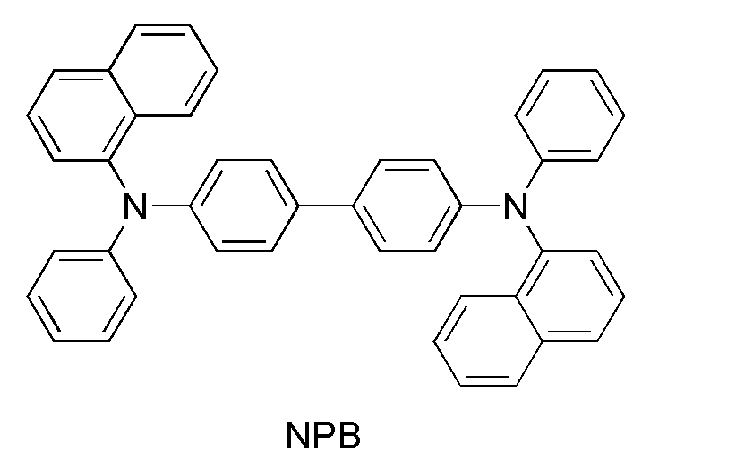
- Then, to another cell of the vacuum vapor-deposit device, charged was N,N'-bis(α-naphthyl)-N,N'-diphenyl-4,4'-diamine (NPB), and electric current was applied to the cell to evaporate NPB, thereby providing vapor-deposit of a hole transportation layer (4) of 20 nm of thickness on the hole injection layer.
- In another cell of said vacuum vapor-deposit device, charged was 4,4'-N,N'-dicarbazole-biphenyl (CBP) as an electroluminescent host material, and a red phosphorescent compound according to the present invention was charged to still another cell. The two materials were evaporated at different rates to carry out doping to vapor-deposit an electroluminescent layer (5) having 30 nm of thickness on the hole transportation layer. The suitable doping concentration is 4 to 10 mol% on the basis of CBP.

- Then, on the electroluminescent layer, bis(2-methyl-8-quinolinato)(p-phenylphenolato)aluminum (III) (BAlq) was vapor-deposited as a hole blocking layer in a thickness of 10 nm, tris(8-hydroxyquinoline)aluminum (III) (Alq) was vapor-deposited as an electron transportation layer (6) in a thickness of 20 nm, and then lithium quinolate (Liq) was vapor-deposited as an electron injection layer (7) in a thickness of 1 to 2 nm. Thereafter, an Al cathode (8) was vapor-deposited in a thickness of 150 nm by using another vacuum vapor-deposit device to manufacture an OLED.


- The complexes having high synthetic yield were purified by vacuum sublimation at 10-6 torr and used as a dopant for an electroluminescent layer of an OLED, but in case of the material having low synthetic yield, photoluminescence peaks were simply confirmed. The photoluminescence peaks were measured by preparing a solution in methylene chloride with a concentration or 10-4 M or less. In every measurement of photoluminescence of each material, the wavelength of excitation was 250 nm.
- In order to confirm the performance of the OLED's prepared according to Example 1, the luminous efficiency of the OLED's was measured at 10 mA/cm2. Various properties are shown in Tables 3 and 4.
[Table 3] Material n L' Structure of L' Color coordinate (x,y) EL (nm) Max. luminous efficiency(cd/A) 101 2 1 Acac (0.64,0.36) 616 8.78 102 2 1 Acac (0.64,0.36) 612 10.3 103 2 1 Acac (0.63,0.36) 614 8.95 104 2 1 Acac (0.65,0.35) 618 8.80 105 2 1 Acac (0.66,0.33) 630 4.92 106 2 1 Acac (0.60,0.40) 598 15.5 107 2 1 Acac (0.66,0.34) 626 4.98 108 2 1 Acac (0.66,0.34) 620 8.54 109 2 1 Acac (0.61,0.39) 604 13.3 110 2 1 Acac (0.65,0.35) 618 8.59 111 2 1 Acac (0.63,0.36) 612 6.87 112 2 1 Acac (0.63,0.36) 614 4.56 113 2 1 Acac (0.65,0.34) 622 5.92 114 2 1 Acac (0.64,0.36) 616 7.72 115 2 1 Acac (0.65,0.35) 620 7.23 116 2 1 Acac (0.63,0.37) 610 12.2 117 2 1 Acac (0.63,0.36) 614 7.58 118 2 1 Acac (0.66,0.34) 626 3.3 119 2 1 Acac (0.69,0.31) 640 2.06 120 2 1 Acac (0.70,0.30) 642 1.5 121 2 1 Acac (0.64,0.35) 622 4.4 122 2 1 Acac (0.67,0.32) 626 2.63 123 2 1 Acac (0.68,0.30) 634 2.18 124 2 1 Acac (0.66,0.32) 628 3.56 125 2 1 Acac (0.63,0.35) 618 6.28 126 2 1 Acac (0.64,0.35) 620 3.4 127 2 1 Acac (0.61,0.28) 612 5.8 128 2 1 Acac (0.67,0.34) 624 4.3 129 2 1 Acac (0.63,0.36) 614 5.5 130 2 1 Acac (0.68,0.32) 622 3.8 131 2 1 Acac (0.66,0.34) 620 6.8 132 2 1 Acac (0.64,0.36) 616 8.1 - Table 3 shows device properties of the electroluminescent materials developed according to the present invention, wherein n=2 and L'=1, and particularly the L' is comprised of only subsidiary ligands of acac type, in the general structure of the material developed by the present invention.
- The synthesized material (101), having phenyl for R1 and hydrogen for R2, R3, R4, R7, R8, R9 and R10 shows excellent properties: 616 nm of wavelength, color coordinate (0.64, 0.36), and 8.78 cd/A of luminous efficiency.
- The electroluminescent materials (102, 104, 105, 107 and 108), having alkyl group or aromatic ring introduced at R7, R8 or R9, showed wavelength change of 2 ∼ 14 nm, as compared to material (101). The electroluminescent material (102), though having the shift toward shorter wavelength by about 4 nm, showed narrow width of the EL peak without change in color coordinate, and increased luminous efficiency. The electroluminescent materials (113∼116) wherein an aromatic ring has been introduced at R1, showed somewhat different shift of wavelength depending on the binding position. The electroluminescent material (116), with shift toward shorter wavelength by 6 nm as compared to that of material (101), exhibited the color coordinate (0.63, 0.37).
[Table 4] Material n L' Structure of L' Color coordinate (x,y) EL (nm) Max. luminous efficiency(cd/A) 133 2 1 Pq (0.65,0.35) 616 6.83 134 2 1 Ppy (0.65,0.35) 620 5.83 135 2 1 Piq (0.65,0.34) 620 5.36 136 2 1 Pyfl (0.65,0.35) 620 5.52 137 2 1 Bq (0.65,0.34) 618 6.10 138 1 2 Pq (0.64,0.36) 612 9.7 139 1 2 Ppy (0.66,0.34) 628 4.76 140 1 2 Piq (0.67,0.33) 624 8.50 141 1 2 Pyfl (0.64,0.36) 616 7.01 142 1 2 Bq (0.64,0.36) 614 7.75 143 1 2 Priq (0.64,0.36) 608 6.7 144 1 2 Priq (0.66,0.34) 610 6.24 145 1 2 Priq (0.66,0.34) 610 6.57 146 1 2 Priq (0.65,0.35) 608 6.66 147 1 2 Pq (0.64,0.36) 616 7.93 148 1 2 2,6-Dpq (0.62,0.37) 610 5.40 149 1 2 Dpq (0.65,0.35) 622 12.5 150 1 2 PqF (0.64,0.36) 608 15.6 151 1 2 2,6-DpqF (0.64,0.36) 614 6.48 152 1 2 2,4-DpqF (0.65,0.35) 618 - 153 1 2 Peiq (0.70,0.30) 648 2.51 154 1 2 Peq (0.68,0.31) 626 3.46 155 1 2 Ppy (0.65,0.35) 612 6.83 156 1 2 Piq (0.68,0.32) 620 8.8 157 1 2 Pyfl (0.66,0.34) 610 6.48 - Table 4 shows device properties of phosphorescent materials consisting of primary ligands and subsidiary ligands having alkyl or aromatic ring substituted at R1 or R9 of the material developed according to the present invention. It is recognized that the electroluminescent materials have various range of EL wavelength depending upon the type of primary or subsidiary ligand(s).
- When the materials developed according to the invention are used as a subsidiary ligand of various luminous body (n=1), color coordinate and efficiency, and in particular, chemical stability of the primary luminous body can be enhanced. Material (140) using piq luminous body, and the material developed according to the invention as a subsidiary ligand, provides the device with good properties: 624 nm of electroluminescent wavelength, color coordinate (0.67, 0.33), and 8.5 cd/A of luminous efficiency. Particularly, the color coordinate corresponds to deep red range satisfying that of NTSC. Ir(piq)3 has more or less unstable bonding with slightly distorted binding of ligands to Ir core metal. Structural stability was enhanced by using the material developed according to the invention as a subsidiary ligand instead of three Piq ligands.
-
Fig. 1 is a cross-sectional view of an OLED; andFigs. 2 to 5 show EL spectrum, current density-voltage property, luminance- voltage property and luminous efficieny-luminance property of an OLED employing the red phosphorescent compound (102) according to the present invention as a dopant. - It is also found that current property is improved even in conventional CBP:dopant/HBL, when a red phosphorescent compound according to the invention is employed as a dopant.
- The red electroluminescent compounds according to the present invention, being a compound of more beneficial skeletal in terms of better properties than conventional red phosphorescent materials, show more excellent EL properties. Thus, the results of advancement in developing OLED's of medium to large size are anticipated if the red electroluminescent compounds according to the present invention are applied to OLED panels.
Claims (8)
- An organic phosphorescent compound represented by Chemical Formula (1):
 wherein, L is an organic ligand;B is C if A is N, and B is N if A is C;R1 represents a linear or branched and a saturated or unsaturated (C1-C20)alkyl or (C6-C20)aryl;R2 through R4 independently represent hydrogen, a linear or branched and a saturated or unsaturated (C1-C20)alkyl, (C1-C20)alkoxy, (C3-C12)cycloalkyl, (C6-C20)aryl, halogen, tri(C1-C20)alkylsilyl or tri(C6-C20)arylsilyl;R5 and R6 independently represent hydrogen, a linear or branched (C1-C20)alkyl, (C6-C20)aryl or halogen, or R5 and R6 may be linked via (C3-C12) alkylene or (C3-C12)alkenylene with or without a fused ring to form an alicyclic ring, or a monocyclic or polycyclic aromatic ring; the alkyl or aryl of R5 and R6, or the alicyclic ring, or the monocyclic or polycyclic aromatic ring formed therefrom by linkage via (C3-C12)alkylene or (C3-C12)alkenylene with or without a fused ring may be further substituted by one or more substituent(s) selected from a linear or branched (C1-C20)alkyl with or without halogen substituent(s), (C1-C20) alkoxy, halogen, tri (C1-C20) alkylsilyl, tri(C6-C20)arylsilyl and (C6-C20)aryl;the alkyl, alkoxy, cycloalkyl and aryl of R1 through R4 may be further substituted by one or more substituent(s) selected from a linear or branched (C1-C20)alkyl with or without halogen substituent(s), (C1-C20)alkoxy, halogen, tri(C1-C20)alkylsilyl, tri(C6-C20)arylsilyl and (C6-C20)aryl; andn is an integer from 1 to 3.
 - An organic phosphorescent compound according to claim 1, wherein the alicyclic ring, or the monocyclic or polycyclic aromatic ring formed from R5 and R6 by linkage via (C3-C12)alkylene or (C3-C12)alkenylene with or without a fused ring is benzene, naphthalene, anthracene, fluorene, indene, phenanthrene or pyridine.
- An organic phosphorescent compound according to claim 2, which is selected from the compounds represented by one of Chemical Formulas (2) to (7):



 [wherein, L, R1, R2, R3, R4, R5 and n are defined as in claim 1;R7 through R14 and R17 through R24 independently represent hydrogen, a linear or branched (C1-C20)alkyl with or without halogen substituent(s), (C1-C20)alkoxy, halogen, tri(C1-C20)alkylsilyl, tri(C6-C20)arylsilyl or (C6-C20)aryl; andR15 and R16 independently represent hydrogen or a linear or branched (C1-C20)alkyl.]
 - An organic phosphorescent compound according to claim 3, which is selected from the compounds represented by one of the following chemical formulas:


- An organic phosphorescent compound according to claim 4, wherein the ligand (L) has a structure represented by one of the following chemical formulas:

 wherein, R31 and R32 independently represent hydrogen, a linear or branched (C1-C20)alkyl with or without halogen substituent(s), phenyl with or without linear or branched (C1-C20)alkyl substituent(s), or halogen;R33 through R37 independently represent hydrogen, a linear or branched (C1-C20)alkyl, phenyl with or without linear or branched (C1-C20)alkyl substituent(s), tri (C1-C20) alkylsilyl or halogen;R38 through R41 independently represent hydrogen, a linear or branched (C1-C20)alkyl, phenyl with or without linear or branched (C1-C20)alkyl substituent(s); andR42 represents a linear or branched (C1-C20)alkyl, phenyl with or without linear or branched (C1-C20)alkyl substituent(s), or halogen.
 - An organic phosphorescent compound according to claim 5, wherein the ligand (L) has a structure represented by one of the following chemical formulas:


- An organic phosphorescent compound according to claim 3, wherein R1 represents methyl, ethyl, n-propyl, i-propyl, n-butyl, t-butyl, phenyl, biphenyl, naphthyl, t-butylphenyl or fluorophenyl; R2 through R5 independently represent hydrogen, methyl, ethyl, n-propyl, i-propyl, n-butyl or t-butyl; R7 through R14 and R17 through R24 independently represent hydrogen, methyl, ethyl, n-propyl, i-propyl, n-butyl, t-butyl, fluoro, methoxy, ethoxy, butoxy, phenyl, biphenyl, trimethylsilyl, triphenylsilyl or trifluoromethyl; and R15 and R16 independently represent hydrogen or methyl.
- An organic electroluminescent device comprising an organic phosphorescent compound according to any one of claims 1 to 7.
Applications Claiming Priority (1)
| Application Number | Priority Date | Filing Date | Title |
|---|---|---|---|
| KR20070073804 | 2007-07-24 |
Publications (2)
| Publication Number | Publication Date |
|---|---|
| EP2019108A2 true EP2019108A2 (en) | 2009-01-28 |
| EP2019108A3 EP2019108A3 (en) | 2009-04-08 |
Family
ID=39951456
Family Applications (1)
| Application Number | Title | Priority Date | Filing Date |
|---|---|---|---|
| EP08161026A Withdrawn EP2019108A3 (en) | 2007-07-24 | 2008-07-23 | Novel red electroluminescent compounds and organic electronluminescent device using same |
Country Status (6)
| Country | Link |
|---|---|
| US (1) | US7723520B2 (en) |
| EP (1) | EP2019108A3 (en) |
| JP (1) | JP5669346B2 (en) |
| KR (1) | KR20100070320A (en) |
| CN (1) | CN101570549A (en) |
| TW (1) | TWI468490B (en) |
Cited By (3)
| Publication number | Priority date | Publication date | Assignee | Title |
|---|---|---|---|---|
| EP2075251A3 (en) * | 2007-12-31 | 2009-10-21 | Gracel Display Inc. | Novel red electroluminescent compounds and organic electroluminescent device using the same |
| US9257659B2 (en) | 2009-10-07 | 2016-02-09 | Semiconductor Energy Laboratory Co., Ltd. | Organometallic complex, and light-emitting element, light-emitting device, electronic device and electronic device using the organometallic complex |
| CN111647139A (en) * | 2020-06-15 | 2020-09-11 | 徐海琴 | Hyperbranched phosphorescent polymer and preparation method thereof |
Families Citing this family (12)
| Publication number | Priority date | Publication date | Assignee | Title |
|---|---|---|---|---|
| KR100989817B1 (en) * | 2007-07-24 | 2010-10-29 | 다우어드밴스드디스플레이머티리얼 유한회사 | Novel red phosphorescent compound and organic electroluminescent element employing it as light emitting material |
| KR100923566B1 (en) * | 2007-10-25 | 2009-10-27 | (주)그라쎌 | Novel red phosphorescent compound and organic light emitting device employing it as light emitting material |
| KR101431644B1 (en) * | 2009-08-10 | 2014-08-21 | 롬엔드하스전자재료코리아유한회사 | Novel organic electroluminescent compounds and organic electroluminescent devices containing them |
| CN103965871A (en) * | 2013-01-30 | 2014-08-06 | 海洋王照明科技股份有限公司 | Red organic electroluminescent material and its preparation method and application |
| CN103965872A (en) * | 2013-01-30 | 2014-08-06 | 海洋王照明科技股份有限公司 | Red organic electroluminescent material and its preparation method and application |
| CN103965869A (en) * | 2013-01-30 | 2014-08-06 | 海洋王照明科技股份有限公司 | Red organic electroluminescent material and its preparation method and application |
| CN103965251A (en) * | 2013-01-30 | 2014-08-06 | 海洋王照明科技股份有限公司 | Red organic electroluminescent material and its preparation method and application |
| CN103965874A (en) * | 2013-01-30 | 2014-08-06 | 海洋王照明科技股份有限公司 | Red organic electroluminescent material and its preparation method and application |
| CN104119859A (en) * | 2013-04-27 | 2014-10-29 | 海洋王照明科技股份有限公司 | Iridium-metal-complex organic electrophosphorescent material, preparation method thereof and organic electroluminescent device |
| CN104119857A (en) * | 2013-04-27 | 2014-10-29 | 海洋王照明科技股份有限公司 | Iridium-metal-complex organic electrophosphorescent material, preparation method thereof and organic electroluminescent device |
| JP6059293B2 (en) * | 2015-06-10 | 2017-01-11 | ユー・ディー・シー アイルランド リミテッド | Iridium complex mixture, organic electroluminescent device and method for producing the same |
| KR102516312B1 (en) * | 2017-11-08 | 2023-04-03 | 롬엔드하스전자재료코리아유한회사 | Organic electroluminescent compound and organic electroluminescent device comprising the same |
Family Cites Families (18)
| Publication number | Priority date | Publication date | Assignee | Title |
|---|---|---|---|---|
| EP0579151B1 (en) | 1992-07-13 | 1996-10-09 | Eastman Kodak Company | An internal junction organic electroluminescent device with a novel composition |
| JPH07133483A (en) | 1993-11-09 | 1995-05-23 | Shinko Electric Ind Co Ltd | Organic light emitting material for EL device and EL device |
| DE69526614T2 (en) | 1994-09-12 | 2002-09-19 | Motorola, Inc. | Light emitting devices containing organometallic complexes. |
| US5779937A (en) | 1995-05-16 | 1998-07-14 | Sanyo Electric Co., Ltd. | Organic electroluminescent device |
| JPH09279134A (en) | 1996-04-11 | 1997-10-28 | Shinko Electric Ind Co Ltd | Organic EL element |
| WO1998037736A1 (en) | 1997-02-22 | 1998-08-27 | Lg Chemical Ltd. | Organometallic complexes for use in electroluminescent devices |
| US6645645B1 (en) | 2000-05-30 | 2003-11-11 | The Trustees Of Princeton University | Phosphorescent organic light emitting devices |
| JP4192592B2 (en) | 2001-12-26 | 2008-12-10 | 三菱化学株式会社 | Organic iridium complex and organic electroluminescent device using the same |
| JP2003192691A (en) | 2001-12-26 | 2003-07-09 | Mitsubishi Chemicals Corp | Organic iridium complex and organic electroluminescent device |
| US6998492B2 (en) | 2003-05-16 | 2006-02-14 | Semiconductor Energy Laboratory Co., Ltd. | Organometallic complex and light-emitting element containing the same |
| WO2005003095A1 (en) | 2003-07-02 | 2005-01-13 | Idemitsu Kosan Co., Ltd. | Metal complex compound and organic electroluminescence device containing the same |
| JP4438394B2 (en) * | 2003-10-30 | 2010-03-24 | 三菱化学株式会社 | Organometallic complex and organic electroluminescence device using the same |
| TWI245068B (en) | 2003-11-18 | 2005-12-11 | Chi Mei Optoelectronics Corp | Iridium complex as light emitting material and organic light emitting diode device |
| JP4296995B2 (en) * | 2004-06-11 | 2009-07-15 | Jsr株式会社 | Fluorene compound and method for producing the same |
| TWI237524B (en) | 2004-05-17 | 2005-08-01 | Au Optronics Corp | Organometallic compound and organic electroluminescent device including the same |
| JP4478555B2 (en) * | 2004-11-30 | 2010-06-09 | キヤノン株式会社 | Metal complex, light emitting element and image display device |
| WO2006098460A1 (en) * | 2005-03-17 | 2006-09-21 | Semiconductor Energy Laboratory Co., Ltd. | Organometallic complex, and light-emitting element, light-emitting device and electronic device using the organometallic complex |
| JP5262104B2 (en) * | 2006-12-27 | 2013-08-14 | 住友化学株式会社 | Metal complexes, polymer compounds, and devices containing them |
-
2008
- 2008-07-23 EP EP08161026A patent/EP2019108A3/en not_active Withdrawn
- 2008-07-23 JP JP2008189582A patent/JP5669346B2/en not_active Expired - Fee Related
- 2008-07-23 TW TW97127892A patent/TWI468490B/en not_active IP Right Cessation
- 2008-07-24 CN CNA200810175699XA patent/CN101570549A/en active Pending
- 2008-07-24 US US12/220,367 patent/US7723520B2/en not_active Expired - Fee Related
-
2010
- 2010-06-10 KR KR1020100055008A patent/KR20100070320A/en not_active Ceased
Non-Patent Citations (1)
| Title |
|---|
| A. TSUBOYAMA ET AL., J. AM. CHEM. SOC., vol. 125, no. 42, 2003, pages 12971 - 12979 |
Cited By (3)
| Publication number | Priority date | Publication date | Assignee | Title |
|---|---|---|---|---|
| EP2075251A3 (en) * | 2007-12-31 | 2009-10-21 | Gracel Display Inc. | Novel red electroluminescent compounds and organic electroluminescent device using the same |
| US9257659B2 (en) | 2009-10-07 | 2016-02-09 | Semiconductor Energy Laboratory Co., Ltd. | Organometallic complex, and light-emitting element, light-emitting device, electronic device and electronic device using the organometallic complex |
| CN111647139A (en) * | 2020-06-15 | 2020-09-11 | 徐海琴 | Hyperbranched phosphorescent polymer and preparation method thereof |
Also Published As
| Publication number | Publication date |
|---|---|
| KR20100070320A (en) | 2010-06-25 |
| EP2019108A3 (en) | 2009-04-08 |
| TWI468490B (en) | 2015-01-11 |
| US7723520B2 (en) | 2010-05-25 |
| JP2009062361A (en) | 2009-03-26 |
| CN101570549A (en) | 2009-11-04 |
| US20090062542A1 (en) | 2009-03-05 |
| JP5669346B2 (en) | 2015-02-12 |
| TW200914580A (en) | 2009-04-01 |
Similar Documents
| Publication | Publication Date | Title |
|---|---|---|
| EP2019108A2 (en) | Novel red electroluminescent compounds and organic electronluminescent device using same | |
| JP4388590B2 (en) | Compound for organic electroluminescence device and organic electroluminescence device | |
| KR100933226B1 (en) | Novel red phosphorescent compound and organic light emitting device employing it as light emitting material | |
| EP2272828B1 (en) | Organic electroluminescent device | |
| JP5027947B2 (en) | Phosphorescent light emitting device material and organic electroluminescent device using the same | |
| JP4593631B2 (en) | Compound for organic electroluminescence device and organic electroluminescence device | |
| JP4891615B2 (en) | Metal complex compound and organic electroluminescence device using the same | |
| KR100933229B1 (en) | Novel red phosphorescent compound and organic light emitting device employing it as light emitting material | |
| KR100910153B1 (en) | Novel red phosphorescent compound and organic light emitting device employing it as light emitting material | |
| JP5591464B2 (en) | Novel red electroluminescent compound and organic electroluminescent device using the same | |
| EP2080795A1 (en) | Electroluminescent device using electroluminescent compounds | |
| JP5009922B2 (en) | Organic electroluminescent element material and organic electroluminescent element | |
| KR100923655B1 (en) | Novel red phosphorescent compound and organic light emitting device employing it as light emitting material | |
| KR20100017738A (en) | Compound for organic electroluminescent device and organic electroluminescent device | |
| JP2007254297A (en) | Luminescent layer compound and organic electroluminescent device | |
| JP2008288254A (en) | Organic EL device | |
| US20090189520A1 (en) | Novel red electroluminescent compounds and organic electroluminescent device using the same | |
| KR100734500B1 (en) | High Efficiency Phosphorescent Material and Display Device Containing It | |
| EP2075251A2 (en) | Novel red electroluminescent compounds and organic electroluminescent device using the same | |
| JP2008528754A (en) | ELECTROLUMINESCENT MATERIAL CONTAINING MIXTURE, ITS MANUFACTURING METHOD, AND DISPLAY ELEMENT HAVING THE ELECTROELECTRIC LIGHT EMITTING MATERIAL |
Legal Events
| Date | Code | Title | Description |
|---|---|---|---|
| PUAI | Public reference made under article 153(3) epc to a published international application that has entered the european phase |
Free format text: ORIGINAL CODE: 0009012 |
|
| 17P | Request for examination filed |
Effective date: 20080723 |
|
| AK | Designated contracting states |
Kind code of ref document: A2 Designated state(s): AT BE BG CH CY CZ DE DK EE ES FI FR GB GR HR HU IE IS IT LI LT LU LV MC MT NL NO PL PT RO SE SI SK TR |
|
| AX | Request for extension of the european patent |
Extension state: AL BA MK RS |
|
| PUAL | Search report despatched |
Free format text: ORIGINAL CODE: 0009013 |
|
| RIN1 | Information on inventor provided before grant (corrected) |
Inventor name: YOON, SEUNG SOO Inventor name: KIM, SUNG MIN Inventor name: KIM, BONG OK Inventor name: KWON, HYUCK JOO Inventor name: CHO, YOUNG JUN Inventor name: KIM, HYUN |
|
| AK | Designated contracting states |
Kind code of ref document: A3 Designated state(s): AT BE BG CH CY CZ DE DK EE ES FI FR GB GR HR HU IE IS IT LI LT LU LV MC MT NL NO PL PT RO SE SI SK TR |
|
| AX | Request for extension of the european patent |
Extension state: AL BA MK RS |
|
| 17Q | First examination report despatched |
Effective date: 20090619 |
|
| AKX | Designation fees paid |
Designated state(s): DE FR GB |
|
| STAA | Information on the status of an ep patent application or granted ep patent |
Free format text: STATUS: THE APPLICATION IS DEEMED TO BE WITHDRAWN |
|
| 18D | Application deemed to be withdrawn |
Effective date: 20110628 |