EP2019136B1 - Verfahren zum nachweis oder zur quantifizierung weizenendogener dna und verfahren zur bestimmung der kontaminationsrate von gentechnisch verändertem weizen in einer testprobe - Google Patents
Verfahren zum nachweis oder zur quantifizierung weizenendogener dna und verfahren zur bestimmung der kontaminationsrate von gentechnisch verändertem weizen in einer testprobe Download PDFInfo
- Publication number
- EP2019136B1 EP2019136B1 EP07743162.5A EP07743162A EP2019136B1 EP 2019136 B1 EP2019136 B1 EP 2019136B1 EP 07743162 A EP07743162 A EP 07743162A EP 2019136 B1 EP2019136 B1 EP 2019136B1
- Authority
- EP
- European Patent Office
- Prior art keywords
- dna
- wheat
- seq
- nucleic acid
- nucleotide sequence
- Prior art date
- Legal status (The legal status is an assumption and is not a legal conclusion. Google has not performed a legal analysis and makes no representation as to the accuracy of the status listed.)
- Active
Links
Images



Classifications
-
- C—CHEMISTRY; METALLURGY
- C12—BIOCHEMISTRY; BEER; SPIRITS; WINE; VINEGAR; MICROBIOLOGY; ENZYMOLOGY; MUTATION OR GENETIC ENGINEERING
- C12Q—MEASURING OR TESTING PROCESSES INVOLVING ENZYMES, NUCLEIC ACIDS OR MICROORGANISMS; COMPOSITIONS OR TEST PAPERS THEREFOR; PROCESSES OF PREPARING SUCH COMPOSITIONS; CONDITION-RESPONSIVE CONTROL IN MICROBIOLOGICAL OR ENZYMOLOGICAL PROCESSES
- C12Q1/00—Measuring or testing processes involving enzymes, nucleic acids or microorganisms; Compositions therefor; Processes of preparing such compositions
- C12Q1/68—Measuring or testing processes involving enzymes, nucleic acids or microorganisms; Compositions therefor; Processes of preparing such compositions involving nucleic acids
- C12Q1/6876—Nucleic acid products used in the analysis of nucleic acids, e.g. primers or probes
- C12Q1/6888—Nucleic acid products used in the analysis of nucleic acids, e.g. primers or probes for detection or identification of organisms
- C12Q1/6895—Nucleic acid products used in the analysis of nucleic acids, e.g. primers or probes for detection or identification of organisms for plants, fungi or algae
-
- C—CHEMISTRY; METALLURGY
- C12—BIOCHEMISTRY; BEER; SPIRITS; WINE; VINEGAR; MICROBIOLOGY; ENZYMOLOGY; MUTATION OR GENETIC ENGINEERING
- C12N—MICROORGANISMS OR ENZYMES; COMPOSITIONS THEREOF; PROPAGATING, PRESERVING, OR MAINTAINING MICROORGANISMS; MUTATION OR GENETIC ENGINEERING; CULTURE MEDIA
- C12N15/00—Mutation or genetic engineering; DNA or RNA concerning genetic engineering, vectors, e.g. plasmids, or their isolation, preparation or purification; Use of hosts therefor
- C12N15/09—Recombinant DNA-technology
- C12N15/11—DNA or RNA fragments; Modified forms thereof; Non-coding nucleic acids having a biological activity
-
- C—CHEMISTRY; METALLURGY
- C12—BIOCHEMISTRY; BEER; SPIRITS; WINE; VINEGAR; MICROBIOLOGY; ENZYMOLOGY; MUTATION OR GENETIC ENGINEERING
- C12Q—MEASURING OR TESTING PROCESSES INVOLVING ENZYMES, NUCLEIC ACIDS OR MICROORGANISMS; COMPOSITIONS OR TEST PAPERS THEREFOR; PROCESSES OF PREPARING SUCH COMPOSITIONS; CONDITION-RESPONSIVE CONTROL IN MICROBIOLOGICAL OR ENZYMOLOGICAL PROCESSES
- C12Q1/00—Measuring or testing processes involving enzymes, nucleic acids or microorganisms; Compositions therefor; Processes of preparing such compositions
- C12Q1/68—Measuring or testing processes involving enzymes, nucleic acids or microorganisms; Compositions therefor; Processes of preparing such compositions involving nucleic acids
- C12Q1/6844—Nucleic acid amplification reactions
Definitions
- the present invention relates to a method of detecting or quantitating endogenous wheat DNA in a test sample, and more particularly to a method of detecting or quantitating endogenous wheat DNA to be used when determining the contamination rate of genetically modified wheat contained in a food material or processed food.
- GMO genetically modified organism
- GMO crops may sometimes be cultivated together with non-GMO crops once the safety evaluation has been completed, and contamination may occur after harvest during the distribution process.
- the makers of food products and the like often subcontract the manufacturing of processed foods to manufacturing plants, and even though the contract may stipulate to use a non-GMO material, small amounts of a GMO may contaminate processed foods if a GMO is also used in the same plant. Therefore, to comply with the labeling obligations the makers of food products must inspect and analyze the finished processed food products to verify that they are not contaminated with a GMO.
- Test methods for detecting a GMO in a test sample of a processed food, the raw material thereof, etc. include the detection of recombinant DNA by the polymerase chain reaction (hereinafter, "PCR") and the detection of a recombinant protein by ELISA.
- PCR polymerase chain reaction
- proteins often become denatured by heat and pressure, and they cannot be detected accurately by ELISA. Therefore, detection by PCR is commonly used.
- Methods of laboratory analysis include the methods described in JAS Analytical Test Handbook, "Genetically Modified Food Test and Analysis Manual for Individual Products, Revised Second Edition (Non-Patent Document 1)" and those described in “ Testing for Foods Produced by Recombinant DNA Techniques (Partially Revised)” (Notice No. 0618002 of the Food Sanitation Department, Ministry of Health, Labor and Welfare, June 18, 2003 ). These documents describe that in the testing and analysis of a GMO it is necessary to perform PCR using a primer pair recognizing the endogenous DNA of each agricultural product and to verify that a PCR product of the predicted length is obtained for verification that DNA extracted from the test sample can be amplified by PCR. When quantitating a GMO contained in a test sample, a method is used of measuring the contamination rate of the modified crop based on the ratio of recombinant DNA to endogenous DNA that is always present in that crop.
- primer pairs have been developed that recognize each of the 5 strains of approved GMO varieties, along with a primer pair that recognizes the SSIIB gene region as an endogenous maize DNA (Non-patent document 1).
- one particularly useful technique is to utilize a common standard reference material to measure the contamination rate of each strain, which can be done by using a standard reference material having endogenous DNA and DNAs specific to each strain incorporated into a single circular DNA molecule.
- genes found in wheat have diverse variations compared with other grains. That is because hexaploid, tetraploid, and diploid genotypes occur depending on the variety of wheat.
- general common wheat is hexaploid (AA, BB, DD), and although each of the genes is similar, partial differences are found due to translocation and the like.
- durum wheat is tetraploid and does not contain genomic DD.
- wheat In terms of its genome structure and the nucleotide sequence of its encoded genes, wheat shares a high degree of homology with other cereal grains such as barley, rye and oats. These grains have a high level of homology with common wheat, and therefore the possibility of false detection is high.
- Patent Document 1 discloses that a partial sequence of the Waxy gene (see Non-Patent Document 2), etc., can be used as endogenous wheat DNA satisfying such conditions.
- Patent Document 1 JAS Analytical Test Handbook, "Genetically Modified Food Test and Analysis Manual for Individual Products, Revised Second Editi on”
- Non-Patent Document 2 Ainsworth C, et al., Plant Mol Biol. 1993 Apr;22(1):67-82
- an object of the present invention is to discover an additional endogenous wheat sequence satisfying conditions a) to d) above, and a further object of the present invention is to provide a method of accurately detecting or quantitating endogenous wheat DNA in a test sample by the polymerase chain reaction.
- PRP proline rich protein
- the present invention relates to:
- GM wheat genetically modified wheat
- wax refers to common wheat, durum wheat, and waxy wheat unless specifically stated otherwise.
- the method of the present invention detects a specific part of the PRP gene (GeneBank Accession No. X52472, SEQ ID NO: 1) in the wheat genome, and more specifically, the region consisting of the nucleotide sequence identified as SEQ ID NO: 2 or a partial sequence thereof, wherein the partial sequence thereof is at least 80 bases in length, as the endogenous wheat DNA sequence.
- the inventors continued their investigation and found that if a region consisting of the nucleotide sequence identified as SEQ ID NO: 2 or a partial sequence thereof (providing it is a region of 80 bases or more) is amplified, that amplification product and the Wx012 amplification product are obtained in a 1:1 ratio.
- the nucleotide sequence identified as SEQ ID NO: 2 or partial sequence thereof is detected in durum wheat as well. Therefore, it can be assumed that the PRP gene is present on wheat genome A or B. Since the wheat currently distributed on the market includes common wheat, durum wheat, waxy wheat, etc., as the endogenous wheat gene to be detected, it is preferred that the gene be universally present in these varieties of wheat and the amount present does not vary depending on the variety. In this regard, because genomes A and B must both be present in these varieties of wheat, the region consisting of the nucleotide sequence identified as SEQ ID NO: 2 is preferred as an endogenous wheat gene.
- the inventors have verified that if PCR is performed using a primer that amplifies the region consisting of the nucleotide sequence identified as SEQ ID NO: 2 or a partial sequence thereof, wherein the partial sequence thereof is at least 80 bases in length, only that region of the PRP gene will be amplified with no pseudogene cross-reactivity.
- the region consisting of the nucleotide sequence identified as SEQ ID NO: 2 is an extremely short 330 bp compared with the total genome length, and therefore it is possible to detect and quantitate endogenous wheat DNA from a sample of a processed food, etc., in which the DNA may be fragmented.
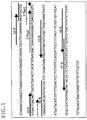
- the length of the partial sequence of the nucleotide sequence identified as SEQ ID NO: 2 is at least 80 bases. Any one of the nucleotide sequences identified as SEQ ID NOs: 11 to 18 is preferred. These sequences can be amplified with PCR by suitably combining primers consisting of nucleic acid molecules comprising the nucleotide sequences identified as SEQ ID NOs: 3 to 8. Figure 1 shows the binding regions of the primers identified as SEQ ID NOs: 3 to 8 in SEQ ID NO: 2.
- the amplified sequence becomes a region slightly displaced from the region comprising the nucleotide sequences identified in SEQ ID NOs: 11 to 18, but those regions are included within the "partial sequence of the nucleotide sequence identified as SEQ ID NO: 2" in the present invention.
- An example of such a region is a region having at least 80% or more, and preferably 90% or more, in common with the nucleotide sequences identified in SEQ ID NOs: 3 to 8.
- the primer pair used in the PCR method in the present invention is not particularly limited provided it is a primer pair that can amplify a region consisting of the nucleotide sequence identified as SEQ ID NO: 2 or a partial sequence thereof, and the primer pair can be designed according to the basic rules for primer preparation in accordance with the nucleotide sequence of the region to be amplified. During that process unification of the Tm values of the primers should be kept in mind.
- the length of each primer should normally be 15 to 40 bp, and preferably 15 to 30 bp.
- the primer pair to be used cross-reacts with a crop other than wheat, not only will the possibility of a false positive detection of wheat arise, but also it will be impossible to accurately quantitate the endogenous wheat DNA sequence in the test sample.
- the method of the present invention provides accurate information on the presence of wheat in a test sample such as a food material, processed food, etc., and the quantity thereof. Therefore, the primer pair for PCR used in the method of the present invention must not cross-react with other crops such as rice, barley, rye, oats, rapeseed, maize, foxtail millet, kibi millet, buckwheat, etc.
- primer pairs include (i) a primer pair consisting of a nucleic acid molecule comprising the nucleotide sequence identified as SEQ ID NO: 3 and a nucleic acid molecule comprising the nucleotide sequence identified as SEQ ID NO: 4, (ii) a primer pair consisting of a nucleic acid molecule comprising the nucleotide sequence identified as SEQ ID NO: 5 and a nucleic acid molecule comprising the nucleotide sequence identified as SEQ ID NO: 4, (iii) a primer pair consisting of a nucleic acid molecule comprising the nucleotide sequence identified as SEQ ID NO: 3 and a nucleic acid molecule comprising the nucleotide sequence identified as SEQ ID NO: 6, (iv) a primer pair consisting of a nucleic acid molecule comprising the nucleotide sequence identified as SEQ ID NO: 5 and a nucleic acid molecule comprising the nucleotide sequence identified as SEQ ID NO: 6, (iv
- the probe for detecting the region to be amplified by PCR is not particularly limited provided it can detect the amplification product quantitatively, but it is preferable to perform detection using a probe comprising the nucleotide sequence identified as SEQ ID NO: 9 or 10.
- These probes bind with high specificity to the amplification product, i.e., part of the region consisting of any of the nucleotide sequences identified as SEQ ID NOs: 11 to 18, and therefore they can detect the amplification product quantitatively.
- Figure 1 shows the region to which a probe consisting of the nucleotide sequence identified as SEQ ID NO: 9 or 10 will bind.
- the test sample used in the present invention is a food material or processed food that contains or may contain wheat, and examples include food materials and processed intermediate materials thereof such as raw grains of wheat, dried grains, wheat flour, mixed flour, and the like, and processed foods such as bread, noodles, and the like.
- the food material or food product includes not only human food products but also pet food and animal feed.
- crops other than wheat refers to all crops that can be used as a food material or food raw material and include, for example, the aforementioned crops.
- a test sample may be subjected to extraction of nucleic acid molecule as is or after pulverized, or may be subjected to extraction of nucleic acid molecule after washed, dried, and then pulverized.
- the nucleic acid molecule extracted from the test sample used in analysis is normally DNA.
- the DNA may be extracted by a publicly known desired method. At present many DNA extraction kits are on the market, and extraction can be performed using such a kit.
- DNA can be extracted from a test sample using the DNeasy Plant Maxi Kit (QIAGEN GmbH) following the method of Koppel, et al., ( Kopell, E. et al., Mitt.berichte Levensm, Hyg., 88, 164 ).
- the concentration of extracted DNA can be determined by an absorbance measurement, etc., and preferably is diluted to a concentration optimal for PCR and used.
- PCR can be performed according to the conventional manner in consideration of the primers and DNA polymerase to be used.
- the PCR buffer solution, dNTP, reagents such as MgCl 2 and the like can be prepared, or a commercially available PCR kit can be used.
- One or two or more of the above primer pairs can be used in the PCR.
- An example of PCR conditions is 40 cycles with one cycle being 30 sec at 95°C, 30 sec at 63°C, and 30 sec at 72°C, with the final reaction being 7 min at 72°C.
- these conditions can be suitably varied in consideration of the Tm of the primers to be used, the length of the region to be amplified, concentration of template DNA, and the like.
- Detection of the amplified nucleic acid molecule can be performed using a desired method that can identify a specific DNA fragment, more specifically, methods including agarose gel electrophoresis, acrylamide gel electrophoresis, capillary electrophoresis, hybridization, immunological methods, and the like. Generally, the result is verified by the migration pattern of the electrophoresis performed with the PCR product. For example, electrophoresis on a 0.8% agarose gel containing ethidium bromide can be performed and detection can be accomplished by band verification.
- the present invention includes the primer pairs used in the aforementioned detection and quantitation method, and a kit containing those primer pairs.
- the primers can be produced by conventional methods.
- the kit can contain other reagents, e.g., dNTP, MgCl 2 , a polymerase such as TaqDNA polymerase, buffer solution (for example, Tris-HCl), glycerol, DMSO, DNA for a positive control, DNA for a negative control, distilled water, and the like.
- these reagents may be provided in individual packages, or two or more types of reagents may be provided as a mixture thereof.
- concentrations of each of the reagents in the kit are not particularly limited in the present invention provided they are within a permissible range for performance of the PCR method in the present invention. Information on optimal PCR conditions and the like may also be included in the kit, or the kit may contain only the primer reagents.
- the present invention provides a standard reference material useful when measuring the GM wheat contamination rate by quantitative PCR.
- This standard reference material is made by ligating endogenous DNA common to both non-GM wheat and GM wheat, which is a DNA sequence consisting of the nucleotide sequence identified as SEQ ID No. 2, or a partial sequence thereof, and DNA specific to at least one GM wheat on a single DNA vector.
- DNA comprising a nucleotide sequence identified as any one of SEQ ID NOs: 11 to 18 can be used as the aforementioned partial sequence.
- the standard reference material of the present invention may also be a DNA vector comprising DNA consisting of a nucleotide sequence having at least 80% homology with DNA consisting of the nucleotide sequence identified as SEQ ID NO: 2 or a partial sequence thereof as endogenous DNA, and one or more DNA sequences consisting of sequences that are specific to each strain of genetically modified wheat as genetically modified wheat-specific DNA.
- the DNA vector may be a commercially available vector such as a pBR-series vector (e.g., pBR322, pBR328, etc.), a pUC-series vector (pUC19, pUC18, etc.), a ⁇ phase series vector ( ⁇ gt10, ⁇ gt11, etc.), or a modified form thereof can be used.
- a pBR-series vector e.g., pBR322, pBR328, etc.
- pUC-series vector pUC19, pUC18, etc.
- ⁇ phase series vector ⁇ gt10, ⁇ gt11, etc.
- GM wheat In the case of detecting GM wheat, it is not only necessary to amplify and detect a foreign DNA sequence inserted into the normal wheat genome by genetic engineering, but also to amplify a region containing the endogenous sequences upstream and downstream of the foreign DNA. Because GMO are prepared in other crops as well by inserting the same foreign DNA sequence, if the foreign DNA sequence alone is detected, it is still impossible to judge whether it originates in GM wheat or in another genetically modified crop. Therefore, primers for detecting a sequence specific to a GMO strain must be primers that can amplify the region containing the foreign DNA sequence inserted into each strain of GM wheat, and also the upstream and downstream endogenous sequences.
- primers are prepared, for example, by following the aforementioned method of Koppel et al., reported for soybeans, the method of Wurz et al., (Wurz, A. et al.; 2nd Status report. BgW, BgW-Heft, 1/199797,118), or a method based thereon.
- the sequence specific to each strain of GM wheat inserted in the aforementioned standard reference material is selected from DNA sequences that can be amplified by these primers.
- PCR is performed using the normal wheat genome or GM wheat genome as a template, the endogenous DNA and the GM wheat-specific DNA are cloned, and by cleaving the cloned DNA fragments and the cloning site of the aforementioned replicable DNA with the same restriction enzyme, the DNA fragments can be ligated into the cleavage site in the replicable DNA.
- Publicly known restriction enzymes can be suitably selected and used, and examples include EcoRI, SpeI, EcoRV, SmaI, SacI, NotI, HindIII, XhoI, etc.
- the standard reference material of the present invention can also be used as a positive control for the endogenous wheat DNA sequence and GMO-specific DNA sequence in qualitative PCR.
- the present invention includes a method of determining the GM-wheat contamination rate in a test sample by preparing two or more types of concentration dilution series of solutions containing the above standard reference material, performing quantitative PCR for each, amplifying the endogenous wheat DNA and at least one type of genetically modified wheat-specific DNA, determining the calibration curve for each partial region, performing for a test sample a quantitative polymerase chain reaction under the same conditions used when determining the calibration curve, determining the number of endogenous wheat DNA molecules and the number of the GM wheat-specific DNA molecules present in the test sample using the calibration curve, wherein amplification of the endogenous wheat DNA is performed using at least one primer pair of (3) above.
- the method also comprises a step of determining the contamination rate of GM wheat in a test sample, by calculating the formula 100 ⁇ A/B.
- First ratio A is determined: Ratio A is obtained by dividing the number of molecules of the partial region of the GM wheat-specific DNA sequence by the number of molecules of the partial region of the endogenous wheat DNA sequence.
- ratio B is determined: Ratio B is obtained by dividing the number of molecules of the partial region of the DNA sequence specific to each strain of GM wheat, which is obtained by performing quantitative PCR using a standard grain of genetically modified wheat, by the number of molecules of the partial region of the endogenous wheat DNA sequence.
- the above ratio B is called the "internal standard ratio" in Non-Patent Document 1, and it is the ratio signifying (recombinant gene)/(endogenous gene) in the DNA extracted from the grains of each pure GM strain.
- each PCR step performed in the method of determining the GM wheat contamination rate in the present invention can be performed separately, but they may be performed simultaneously. It is preferred that each PCR step be performed under conditions wherein the nucleic acid molecule amplification reaction occurs at approximately the same rate as in the PCR performed to prepare the calibration curves. Examples of such conditions are ones wherein the temperatures and cycles are the same as in the PCR performed to prepare the calibration curves.
- the calculation of the GM wheat contamination rate may be performed by measuring the amounts of endogenous DNA and recombinant DNA separately and calculating those measured results, but it is also possible to perform amplification with a real-time PCR apparatus following the method described in Non-Patent Document 1 and calculate the GM wheat contamination rate thereby.
- the term "recombinant DNA” refers to an arbitrary foreign DNA molecule artificially inserted into wheat, and examples include DNA of a region encoding a foreign gene, an untranscribed or untranslated region, linker region, or vector part.
- Triticum aestivum dried seeds of the following varieties were used: Hank, Scarlet, Tara, Yecora Rojo, Finch, Lewjain, Rod, Weatherford, Estica, Buchanan, Finley, Garland, TAM 107, Declo, Hatton, Morgan, Neely, Ramp, Amidon, Ernest, McNeai, AC-Barrie, AC-Splendor, CDC-Teal, Laura, Nishikaze, Nishihonami, Chikugo Izumi, Tsugaru HDC, Shirogane, Shirasagi, Bihoro HDN, Hokushin, Bandowase, Kita HDI, Norin No. 61, Hatsumochi, Mochiotome, Kanto 107, and Bai Huo.
- Durum wheat Triticum durum : dried seeds of the following variety were used: AC Navigator.
- Maize Zea mays : dried seeds of the following variety were used: Dent corn.
- Soybeans Glycine max : dried seeds of the following variety were used: descendent variety of genetically modified soybean Roundup® Ready Soy.
- Rice (Oryza sativa): dried seeds of the following variety were used: Koshihikari.
- Barley Hordeum vulgare : dried seeds of the following variety were used: Benkei.
- Oats Avena sativa : dried seeds of the following variety were used: Commercial product.
- Rapeseed Brassica napus : dried seeds of the following variety were used: Canola.
- Kibi millet Panicum miliaceum Panicum: dried seeds of the following variety were used: Mochikibi.
- Sorghum (Sorghum subglabrescens) : dried seeds of the following variety were used: Commercial product.
- Buckwheat Fagopyrum esculentum : dried seeds of the following variety were used: Domestic variety.
- Acetic acid (special reagent grade) (Wako Pure Chemical Industries, Ltd.) Tris (hydroxymethyl) aminomethane (Tris) (special reagent grade) (Sigma Chemical Co.) Ethylenediaminetetraacetate (EDTA) (special reagent grade) (Sigma Chemical Co.) Agarose powder "TaKaRa LO3" (TaKaRa Shuzo Co., Ltd.) Ethidium bromide (Sigma Chemical Co.) Bromophenol blue (Sigma Chemical Co.) Xylene cyanol (Sigma Chemical Co.) DNA marker "1 kb ladder” (New England Biolabs Inc.) DNA marker "100 bp ladder” (New England Biolabs Inc.)
- Genomic DNA was extracted from grains of the Ernest cultivar of wheat, and PCR was performed using this DNA as a template.
- Table 1 shows the targets of amplification, and amplification was performed for two types of endogenous wheat gene candidates (PRP gene and Waxy gene), and for the RRS gene as a hypothetical GM wheat gene.
- Table 2 shows the primers that were used. As explained below, the RRS gene is a Roundup® resistant gene.
- the purified fragments were ligated to pUC19 vectors, and E. coli were transformed thereby.
- TA cloning into a pCR4 vector was performed. After the insertion fragments were verified by restriction enzyme mapping, the entire sequences of the obtained clones were verified by sequencing.
- the purified fragments were ligated to pUC19 vectors, and E. coli were transformed thereby.
- the plasmids were extracted from the transformants and purified, and the sequences were verified.
- Plasmids were constructed according to the process described above. More specifically, the WaxyD1 region amplified with a primer having a restriction enzyme cleavage site added thereto was digested with Xbal, and then it was ligated to pUC19 that had been subjected to Xbal digestion in the same manner and dephosphorylated to construct pWIG01.
- TA cloning was performed once on the PCR-amplified RRS gene, the obtained plasmid pRRS was digested with EcoRI and SacI, and the RRS fragment was purified.
- pWIG01 was digested with EcoRI and SacI, and after the plasmid was purified, the RRS fragment was ligated thereto to construct pWIG02.
- TA cloning was performed once on the PCR-amplified PRP gene, the obtained plasmid pPRP was digested with EcoRI, and the PRP fragment was purified.
- pWIG02 was digested with EcoRI, and dephosphorylated, and then the PRP fragment was ligated thereto to construct pWIG03.
- each DNA solution was mixed with the restriction enzyme, distilled water, and the x10 buffer for the enzyme, and the reaction was normally carried out for 2 h at 37°C.
- the DNA fragments were separated using agarose gel electrophoresis.
- the kit from QIAGEN was used for purification from the gel. In other words, the gel containing the target DNA was heated and dissolved, and the DNA was bound to a silica film. After the silica film was rinsed with a solution containing ethanol, etc., the DNA was eluted with distilled water.
- the plasmids were subjected to restriction enzyme digestion and desalted. Then the plasmids were mixed with calf intestinal alkaline phosphatase (CIAP, GIBCO BRL) and a dedicated buffer, and reacted for 30 min at 37°C. The CIAP was deactivated after the reaction by treatment with phenol, and the dephosphorylated plasmid was recovered by ethanol precipitation.
- CIAP calf intestinal alkaline phosphatase
- a DNA ligation kit (TAKARA BIO INC.) ver. 2 was used. More specifically, the target DNA was mixed into solution, an equivalent volume of the kit reaction solution (solution I) was added, and the mixture was let stand for 30 min at 16°C to perform DNA ligation.
- E. coli DH5 ⁇ competent cells (Toyobo Co., Ltd.) were used. A thawed suspension of 10 to 50 ⁇ L of competent cells was mixed with DNA and let stand on ice for 30 min, and after a heat shock for 50 sec at 42°C, the mixture was placed on ice again, 450 ⁇ L of SOC medium warmed to 37°C was added after 2 min had elapsed, and the mixture was incubated for 1 h at 37°C. The incubate was then spread at 100 ⁇ L/plate on Circlegrow® Amp+ medium plates and cultured for 16 h at 37°C.
- Culturing for the purpose of plasmid purification was performed using Circlegrow® medium. Ampicillin resistance was used for the plasmid production selection pressure, and a final concentration of 100 ⁇ g/mL of ampicillin was used. Culturing was performed for 14 to 16 h at 37°C using a test tube shaker.
- AmpliTaq Gold polymerase from Applied Biosystems was used.
- the composition shown in Table 3 was used as the reaction composition.
- the reaction was performed under the conditions shown in Table 4.
- TA cloning was performed using the TOPO TA cloning system from Invitrogen according to the manufacturer's manual.
- DNA sequencing was performed using a model CEQ8000 from Beckman Coulter according to the manufacturer's manual. DTCS Quick Start Master Mix from Invitrogen was used as the kit.
- Step Temp Time Cycle Ramp time 1 50°C 2 min 1 Auto 2 95°C 10 min 1 Auto 3 95°C 5 sec 40 Auto 60°C 30 sec Auto 4 95°C 15 sec 1 Auto 5 60°C 20 sec 1 Auto 6 95°C 15 sec 1 20 min 7 20°C 1 min 1 Auto
- Step Temp Time Cycle Ramp time 1 50°C 2 min 1 Auto 2 95°C 10 min 1 Auto 3 95°C 5 sec 40 Auto 60°C 30 sec Auto 4 20°C 1 min 1 Auto
- the template DNA (plasmid) was diluted in accordance with Table 9 (A 5 ng/ ⁇ L solution of ColE1 was used for the dilution).
- the aforementioned pulverizer a Multi Beads Shocker MB301, was used.
- a mill was used for pulverization.
- the column was placed in a fresh 1.5 mL tube, 50 ⁇ L of AE was added, and after the mixture was let stand for 5 min at room temperature, centrifugal separation (10,000 rpm, 1 min, room temperature) was performed.
- a GeneSpec was used as the instrument, and DNA quantitation was performed according to the instrument manual.
- the cell was 5 mm, the dilution rate was 1-fold, and the control was kit elution solution (AE).
- a search for regions in the PRP gene of which the detected quantity does not vary depending on the variety of wheat was made.
- the Waxy gene was used as a positive control, and a search for regions that give the detective amount equivalent of Wx012 amplified regions was made.
- the primer pairs used were: PRP01-F and PRP01-R, PRP03-F and PRP03-R, and PRP03-F and PRP07-R shown in Table 10.
- Real-time PCR was performed by the SYBR procedure using DNA extracted from wheat seeds as a template.
- a fluorescently labeled probe was synthesized from the designed probe sequence. The 5' end was labeled with FAM and the 3' end was labeled with TAMRA as fluorescent labels. Using these probes, real-time PCR conditions were established for the TaqMan procedure using the standard plasmid as a template. After optimal conditions were determined, a comparison of various primer (see Table 10) and probe combinations was performed. Satisfactory amplification was obtained with each of the combinations, and the detection efficiency was approximately the same.
- Table 11 shows the sequences of the designed probes.
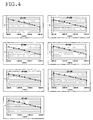
- Figure 4 shows the results obtained using each type of primer.
- Step Temp Time Cycle Ramp time 1 50°C 2 min 1 Auto 2 95°C 10 min 1 Auto 3 95°C 5 sec 40 Auto 60°C 30 sec Auto 4 20°C 1 min 1 Auto
- a comparison of the detected amount was performed by real-time PCR using the TaqMan procedure for 40 varieties of wheat.
- the amplification product Wx012 (SEQ ID NO: 31) amplified by the primers Wx012-F and Wx012-R was used as a comparative control.
- the PRP03-F and PRP03-R were used as the primers and PRPTaq-1 was used as the probe.
- the amplification product PRP03 (SEQ ID NO: 15) amplified by the primers PRP03-F and PRP03-R was detected in all 40 varieties.
- Wx012 was detected in all varieties except durum wheat and waxy wheat varieties. In the comparison with PRP03, the Wx012: PRP03 ratio was approximately 1:1 in all varieties wherein Wx012 was detected.
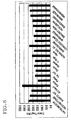
- Figure 5 shows the detection examples of 20 of the 40 varieties of wheat wherein PRP03 was detected.
- Hatsumochi and Mochiotome indicate varieties of waxy wheat
- AC-Navi refers to the AC Navigator variety of durum wheat. These were all detected.
- GM wheat is produced by Monsanto, etc., but it is very difficult to obtain. Therefore, a test was conducted using a hypothetical GM wheat to verify whether or not an estimation of the GM wheat contamination rate is possible by quantitation of the endogenous wheat gene discovered by the present invention.
- GM wheat produced by Monsanto is imparted with a Roundup® resistance gene
- GM soybean seeds were pulverized, AC Barrie variety wheat seeds were pulverized and mixed therewith, and that was used as the hypothetical GM wheat.
- the mix ratio of both was investigated in preliminary tests so that the internal standard ratio would approach 1, and the mix ratio of GM soybeans to wheat was determined as 6:94.
- Quantitation of the Roundup® resistance gene and the endogenous gene (PRP region) was performed by real-time PCR with a TaqMan probe using DNA extracted from the hypothetical GM wheat as a template under the conditions shown in Example 5.
- RRS refers to the Roundup® resistance gene.
- SEQ ID NO: 32 The sequence amplified at that time is identified as SEQ ID NO: 32.
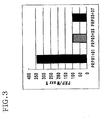
- Figure 6 shows the hypothetical GM wheat contamination rate determined from those results. It was confirmed that the contamination rate determined by a calculation in accordance with the method of the present invention shows a high correlation with the actual mix ratio. More specifically the detected amount of GM wheat (copy number concentration: copy/ ⁇ L) per volume of obtained template solution was divided by the detected amount (copy number concentration: copy/ ⁇ L) per volume of obtained template solution of endogenous wheat gene. That quotient was divided by the internal standard ratio of 1.0 and multiplied by 100, and the resulting quotient was used as the GM contamination rate.
- a specificity test was performed to verify that the method according to the present invention does not have cross-reactivity with other crops.
- Barley, oats, rye, rice, sorghum, rapeseed, maize, buckwheat, and kibi millet were used as the other crops.
- DNA was extracted from these crops, and real-time PCR was performed using the DNA as a template under the conditions established in accordance with the method presented in Example 5.
- PRP03-F and PRP03-R Two types of primer pairs, PRP03-F and PRP03-R, and PRP03-F and PRP07-R were used, and PRP-Taq2 was used as the probe.
- Figure 7 shows the results.
- the primer pair of PRP03-F and PRP07-R 140 copies per 1 ⁇ g of DNA were detected in wheat, but in the above crops no more than 0.2 copies were detected.
- the nonspecific detection rate in those crops was no more than 0.05%, and because this value is much lower than the standard error in wheat detection, it was confirmed that these crops do not affect the quantitation of the endogenous wheat gene.
- the primer pair of PRP03-F and PRP03-R was used, although a detection of 0.3% with respect to wheat was found in barley, the rate was no more than 0.05% in other crops. Therefore, even when this primer pair was used, the value was much lower than the standard error in wheat detection, and it was confirmed that these crops do not affect the quantitation of the endogenous wheat gene.
Landscapes
- Chemical & Material Sciences (AREA)
- Life Sciences & Earth Sciences (AREA)
- Engineering & Computer Science (AREA)
- Organic Chemistry (AREA)
- Health & Medical Sciences (AREA)
- Zoology (AREA)
- Wood Science & Technology (AREA)
- Biotechnology (AREA)
- Genetics & Genomics (AREA)
- Proteomics, Peptides & Aminoacids (AREA)
- Analytical Chemistry (AREA)
- Bioinformatics & Cheminformatics (AREA)
- General Engineering & Computer Science (AREA)
- Molecular Biology (AREA)
- Biophysics (AREA)
- Physics & Mathematics (AREA)
- Biochemistry (AREA)
- Microbiology (AREA)
- General Health & Medical Sciences (AREA)
- Biomedical Technology (AREA)
- Immunology (AREA)
- Mycology (AREA)
- Botany (AREA)
- Plant Pathology (AREA)
- Chemical Kinetics & Catalysis (AREA)
- Measuring Or Testing Involving Enzymes Or Micro-Organisms (AREA)
Claims (11)
- Verfahren zum Nachweisen oder Quantifizieren von endogener Weizen-DNA in einer Testprobe durch eine Polymerasekettenreaktion, wobei das Verfahren umfasst:Verwenden eines Nucleinsäuremoleküls in der Probe oder eines Nucleinsäuremoleküls, extrahiert aus der Probe, als Matrize, um spezifisch das Nucleinsäuremolekül einer Region, bestehend aus der Nucleinsäuresequenz, identifiziert als SEQ ID NO: 2, oder einer Teilsequenz davon, wobei die Teilsequenz eine Länge von mindestens 80 Basen hat, mit einem Primerpaar, fähig zum Amplifizieren dieser Region, zu amplifizieren, und Nachweisen oder Quantifizieren der amplifizierten Nucleinsäuremo leküle.
- Verfahren gemäß Anspruch 1, wobei die Region, bestehend aus der Teilsequenz der Nucleotidsequenz, identifiziert als SEQ ID NO: 2, eine Region, bestehend aus einer der Nucleotidsequenzen, identifiziert als SEQ ID NOs: 11 bis 18, ist.
- Verfahren gemäß Anspruch 1, wobei das Primerpaar ein Primerpaar ist, ausgewählt aus einer Gruppe, bestehend aus:(i) einem Primerpaar, bestehend aus einem Nucleinsäuremolekül, umfassend die Nucleotidsequenz, identifiziert als SEQ ID NO: 3, und einem Nucleinsäuremolekül, umfassend die Nucleotidsequenz, identifiziert als SEQ ID NO: 4;(ii) einem Primerpaar, bestehend aus einem Nucleinsäuremolekül, umfassend die Nucleotidsequenz, identifiziert als SEQ ID NO: 5, und einem Nucleinsäuremolekül, umfassend die Nucleotidsequenz, identifiziert als SEQ ID NO: 4;(iii) einem Primerpaar, bestehend aus einem Nucleinsäuremolekül, umfassend die Nucleotidsequenz, identifiziert als SEQ ID NO: 3, und einem Nucleinsäuremolekül, umfassend die Nucleotidsequenz, identifiziert als SEQ ID NO: 6;(iv) einem Primerpaar, bestehend aus einem Nucleinsäuremolekül, umfassend die Nucleotidsequenz, identifiziert als SEQ ID NO: 5, und einem Nucleinsäuremolekül, umfassend die Nucleotidsequenz, identifiziert als SEQ ID NO: 6;(v) einem Primerpaar, bestehend aus einem Nucleinsäuremolekül, umfassend die Nucleotidsequenz, identifiziert als SEQ ID NO: 3, und einem Nucleinsäuremolekül, umfassend die Nucleotidsequenz, identifiziert als SEQ ID NO: 7;(vi) einem Primerpaar, bestehend aus einem Nucleinsäuremolekül, umfassend die Nucleotidsequenz, identifiziert als SEQ ID NO: 3, und einem Nucleinsäuremolekül, umfassend die Nucleotidsequenz, identifiziert als SEQ ID NO: 8;(vii) einem Primerpaar, bestehend aus einem Nucleinsäuremolekül, umfassend die Nucleotidsequenz, identifiziert als SEQ ID NO: 5, und einem Nucleinsäuremolekül, umfassend die Nucleotidsequenz, identifiziert als SEQ ID NO: 8;(viii) einem Primerpaar, bestehend aus einem Nucleinsäuremolekül, umfassend die Nucleotidsequenz, identifiziert als SEQ ID NO: 5, und einem Nucleinsäuremolekül, umfassend die Nucleotidsequenz, identifiziert als SEQ ID NO: 7; und(ix) einem Primerpaar, bestehend aus einem Paar von Nucleinsäuremolekülen, wobei jedes Nucleinsäuremolekül eine Nucleotidsequenz, gemeinsam mit mindestens 80% kontinuierlicher Nucleotidsequenz von jedem Nucleinsäuremolekül in den Primerpaaren in vorstehenden (i) bis (viii), umfasst.
- Verfahren gemäß einem der Ansprüche 1 bis 3, wobei jeder Primer in dem Primerpaar ein Nucleinsäuremolekül mit einer Länge von 15 bis 40 Basen ist.
- Verfahren gemäß einem der Ansprüche 1 bis 4, wobei die Region, amplifiziert in der Polymerasekettenreaktion, unter Verwendung einer Sonde, identifiziert als SEQ ID NO: 9 oder 10, nachgewiesen wird.
- Kit zum Nachweisen oder Quantifizieren einer endogenen Weizen-DNA-Sequenz in einer Testprobe durch die Polymerasekettenreaktion, enthaltend mindestens ein Primerpaar von den Primerpaaren gemäß Anspruch 3.
- DNA-Vektor, umfassend:eine DNA-Sequenz, bestehend aus der Nucleotidsequenz, identifiziert als SEQ ID NO: 2, oder einer Teilsequenz davon, als endogene DNA, gemeinsam sowohl genetisch modifiziertem Weizen als auch nicht genetisch modifiziertem Weizen; undeine oder mehrere DNA-Sequenzen, umfassend Sequenzen, die für jeden Stamm von genetisch modifiziertem Weizen als für genetisch modifizierten Weizen spezifische DNA spezifisch sind.
- DNA-Vektor, umfassend:eine DNA-Sequenz, bestehend aus einer Nucleotidsequenz mit mindestens 80% Homologie mit der DNA, bestehend aus der Nucleotidsequenz, identifiziert als SEQ ID NO: 2, oder einer Teilsequenz davon, als endogene DNA, gemeinsam sowohl genetisch modifiziertem Weizen als auch nicht genetisch modifiziertem Weizen; undeine oder mehrere DNA-Sequenzen, bestehend aus Sequenzen, die für jeden Stamm von genetisch modifiziertem Weizen als für genetisch modifizierten Weizen spezifische DNA spezifisch sind.
- DNA-Vektor gemäß Anspruch 7 oder 8, wobei die DNA, bestehend aus der Teilsequenz der Nucleotidsequenz, identifiziert als SEQ ID NO: 2, DNA, bestehend aus einer der Nucleotidsequenzen, identifiziert als SEQ ID NOs: 11 bis 18, ist.
- DNA-Vektor, umfassend:DNA, bestehend aus einer Sequenz, fähig, durch die Polymerasekettenreaktion unter Verwendung eines der Primerpaare gemäß Anspruch 3 als endogene DNA, gemeinsam sowohl genetisch modifiziertem Weizen als auch nicht genetisch modifiziertem Weizen, amplifiziert zu werden; undeine oder mehrere DNA-Sequenzen, bestehend aus Sequenzen, die für jeden Stamm von genetisch modifiziertem Weizen als für genetisch modifizierten Weizen spezifische DNA spezifisch sind.
- Verfahren zum Bestimmen einer Kontaminationsrate von genetisch modifiziertem Weizen in einer Testprobe, wobei das Verfahren umfasst:einen Schritt der Herstellung von zwei oder mehreren Typen von Konzentrationsverdünnungsreihen von Lösungen, enthaltend DNA gemäß einem der Ansprüche 7 bis 10, der Durchführung von quantitativen Polymerasekettenreaktionen für jede, der Amplifizierung der endogenen Weizen-DNA und des mindestens einen Typs der für genetisch modifizierten Weizen spezifischen DNA und der Bestimmung einer Kalibrierungskurve für jede Teilregion;einen Schritt der Durchführung, für die Testprobe, einer quantitativen Polymerasekettenreaktionen unter den gleichen Bedingungen wie den Schritt für die Bestimmung der Kalibrierungskurven und der Bestimmung der Anzahl der endogenen Weizen-DNA-Moleküle und der Anzahl der für genetisch modifizierten Weizen spezifischen DNA-Moleküle, vorhanden in der Testprobe, unter Verwendung der Kalibrierungskurve,wobei die Amplifikation der endogenen Weizen-DNA unter Verwendung von mindestens einem Primerpaar, ausgewählt aus den Primerpaaren gemäß Anspruch 3, durchgeführt wird, und;einen Schritt der Bestimmung der Kontaminationsrate von genetisch modifiziertem Weizen in der Testprobe durch Berechnen einer Formel 100*A/B, indem verwendet wird:ein Verhältnis A, erhalten durch Dividieren der Anzahl der für genetisch modifizierten Weizen spezifischen DNA-Moleküle durch die Anzahl der endogenen Weizen-DNA-Moleküle, vorhanden in der Testprobe; undein Verhältnis B, erhalten durch Dividieren der Anzahl von DNA-Molekülen, spezifisch für jeden Stamm von genetisch modifiziertem Weizen, bestimmt durch Durchführung von quantitativen Polymerasekettenreaktionen unter Verwendung der Standardsamen von jedem Stamm von genetisch modifiziertem Weizen, durch die Anzahl von endogenen Weizen-DNA-Molekülen.
Applications Claiming Priority (2)
| Application Number | Priority Date | Filing Date | Title |
|---|---|---|---|
| JP2006135835 | 2006-05-15 | ||
| PCT/JP2007/059727 WO2007132760A1 (ja) | 2006-05-15 | 2007-05-11 | コムギ内在性dnaの検出・定量法、および被検試料における遺伝子組換えコムギの混入率の決定方法 |
Related Child Applications (1)
| Application Number | Title | Priority Date | Filing Date |
|---|---|---|---|
| EP13157508.6 Division-Into | 2013-03-01 |
Publications (3)
| Publication Number | Publication Date |
|---|---|
| EP2019136A1 EP2019136A1 (de) | 2009-01-28 |
| EP2019136A4 EP2019136A4 (de) | 2010-07-14 |
| EP2019136B1 true EP2019136B1 (de) | 2013-12-18 |
Family
ID=38693854
Family Applications (1)
| Application Number | Title | Priority Date | Filing Date |
|---|---|---|---|
| EP07743162.5A Active EP2019136B1 (de) | 2006-05-15 | 2007-05-11 | Verfahren zum nachweis oder zur quantifizierung weizenendogener dna und verfahren zur bestimmung der kontaminationsrate von gentechnisch verändertem weizen in einer testprobe |
Country Status (6)
| Country | Link |
|---|---|
| US (3) | US8173400B2 (de) |
| EP (1) | EP2019136B1 (de) |
| JP (1) | JP5100644B2 (de) |
| KR (1) | KR101426573B1 (de) |
| ES (1) | ES2452819T3 (de) |
| WO (1) | WO2007132760A1 (de) |
Families Citing this family (6)
| Publication number | Priority date | Publication date | Assignee | Title |
|---|---|---|---|---|
| ATE530646T1 (de) | 2004-04-09 | 2011-11-15 | Nisshin Seifun Group Inc | Verfahren zum nachweis und zur quantifizierung von endogener weizen-dna-sequenz |
| JP5550060B2 (ja) * | 2008-10-03 | 2014-07-16 | 独立行政法人産業技術総合研究所 | そうか病病原菌種のpcr定量用試薬キット |
| JP5610331B2 (ja) * | 2009-02-02 | 2014-10-22 | 国立大学法人 岡山大学 | 原料植物種判定方法 |
| JP5917788B2 (ja) | 2009-12-21 | 2016-05-18 | 国立研究開発法人農業・食品産業技術総合研究機構 | コムギ内在性遺伝子の検出及び定量方法 |
| JP5625211B2 (ja) * | 2009-12-21 | 2014-11-19 | 独立行政法人農業・食品産業技術総合研究機構 | 普通系コムギを定性的及び定量的に検出する方法 |
| JP7854642B2 (ja) * | 2022-03-30 | 2026-05-07 | 国立研究開発法人農業・食品産業技術総合研究機構 | 遺伝子組換え体の検出方法 |
Family Cites Families (7)
| Publication number | Priority date | Publication date | Assignee | Title |
|---|---|---|---|---|
| GB9005772D0 (en) * | 1990-03-14 | 1990-05-09 | Cambridge Advanced Tech | Plant promoter |
| JP3170595B2 (ja) | 1992-10-15 | 2001-05-28 | 農林水産省東北農業試験場長 | Wx遺伝子発現の確認方法およびモチコムギの作出方法 |
| GB9615679D0 (en) | 1996-07-25 | 1996-09-04 | Mini Agriculture & Fisheries | Detection means |
| WO2003068989A1 (fr) * | 2002-02-15 | 2003-08-21 | Nisshin Seifun Group Inc. | Procédé de détection de blé |
| JP2003284598A (ja) | 2002-03-29 | 2003-10-07 | Nisshin Seifun Group Inc | 部分的モチコムギの検出方法 |
| ATE530646T1 (de) | 2004-04-09 | 2011-11-15 | Nisshin Seifun Group Inc | Verfahren zum nachweis und zur quantifizierung von endogener weizen-dna-sequenz |
| US9012723B2 (en) * | 2009-01-16 | 2015-04-21 | Monsanto Technology Llc | Isolated novel acid and protein molecules from soy and methods of using those molecules to generate transgene plants with enhanced agronomic traits |
-
2007
- 2007-05-11 EP EP07743162.5A patent/EP2019136B1/de active Active
- 2007-05-11 JP JP2008515528A patent/JP5100644B2/ja active Active
- 2007-05-11 US US12/300,973 patent/US8173400B2/en active Active
- 2007-05-11 KR KR1020087027931A patent/KR101426573B1/ko active Active
- 2007-05-11 WO PCT/JP2007/059727 patent/WO2007132760A1/ja not_active Ceased
- 2007-05-11 ES ES07743162.5T patent/ES2452819T3/es active Active
-
2012
- 2012-02-03 US US13/366,062 patent/US20120214161A1/en not_active Abandoned
- 2012-02-03 US US13/366,190 patent/US20120208992A1/en not_active Abandoned
Also Published As
| Publication number | Publication date |
|---|---|
| US20120214161A1 (en) | 2012-08-23 |
| KR101426573B1 (ko) | 2014-08-13 |
| ES2452819T3 (es) | 2014-04-02 |
| US20120208992A1 (en) | 2012-08-16 |
| US8173400B2 (en) | 2012-05-08 |
| EP2019136A4 (de) | 2010-07-14 |
| KR20090015061A (ko) | 2009-02-11 |
| JP5100644B2 (ja) | 2012-12-19 |
| JPWO2007132760A1 (ja) | 2009-09-24 |
| US20100062432A1 (en) | 2010-03-11 |
| EP2019136A1 (de) | 2009-01-28 |
| WO2007132760A1 (ja) | 2007-11-22 |
Similar Documents
| Publication | Publication Date | Title |
|---|---|---|
| US9453263B2 (en) | Method for detecting and quantifying wheat endogenous gene | |
| US20120208992A1 (en) | Method of detecting or quantitating endogenous wheat dna and method of determining contamination rate of genetically modified wheat in test sample | |
| US8344117B2 (en) | Method for detecting and quantifying endogenous wheat DNA sequence | |
| CA2476581C (en) | Wheat detecting method | |
| AU2002332325A1 (en) | Method of testing food |
Legal Events
| Date | Code | Title | Description |
|---|---|---|---|
| PUAI | Public reference made under article 153(3) epc to a published international application that has entered the european phase |
Free format text: ORIGINAL CODE: 0009012 |
|
| 17P | Request for examination filed |
Effective date: 20081113 |
|
| AK | Designated contracting states |
Kind code of ref document: A1 Designated state(s): AT BE BG CH CY CZ DE DK EE ES FI FR GB GR HU IE IS IT LI LT LU LV MC MT NL PL PT RO SE SI SK TR |
|
| AX | Request for extension of the european patent |
Extension state: AL BA HR MK RS |
|
| A4 | Supplementary search report drawn up and despatched |
Effective date: 20100610 |
|
| 17Q | First examination report despatched |
Effective date: 20110221 |
|
| DAX | Request for extension of the european patent (deleted) | ||
| GRAP | Despatch of communication of intention to grant a patent |
Free format text: ORIGINAL CODE: EPIDOSNIGR1 |
|
| INTG | Intention to grant announced |
Effective date: 20130710 |
|
| GRAS | Grant fee paid |
Free format text: ORIGINAL CODE: EPIDOSNIGR3 |
|
| GRAA | (expected) grant |
Free format text: ORIGINAL CODE: 0009210 |
|
| AK | Designated contracting states |
Kind code of ref document: B1 Designated state(s): AT BE BG CH CY CZ DE DK EE ES FI FR GB GR HU IE IS IT LI LT LU LV MC MT NL PL PT RO SE SI SK TR |
|
| REG | Reference to a national code |
Ref country code: GB Ref legal event code: FG4D |
|
| REG | Reference to a national code |
Ref country code: CH Ref legal event code: EP |
|
| REG | Reference to a national code |
Ref country code: AT Ref legal event code: REF Ref document number: 645662 Country of ref document: AT Kind code of ref document: T Effective date: 20140115 |
|
| REG | Reference to a national code |
Ref country code: IE Ref legal event code: FG4D |
|
| REG | Reference to a national code |
Ref country code: DE Ref legal event code: R096 Ref document number: 602007034323 Country of ref document: DE Effective date: 20140213 |
|
| REG | Reference to a national code |
Ref country code: CH Ref legal event code: NV Representative=s name: MARKS AND CLERK (LUXEMBOURG) LLP, CH |
|
| REG | Reference to a national code |
Ref country code: ES Ref legal event code: FG2A Ref document number: 2452819 Country of ref document: ES Kind code of ref document: T3 Effective date: 20140402 |
|
| REG | Reference to a national code |
Ref country code: NL Ref legal event code: VDEP Effective date: 20131218 |
|
| PG25 | Lapsed in a contracting state [announced via postgrant information from national office to epo] |
Ref country code: SE Free format text: LAPSE BECAUSE OF FAILURE TO SUBMIT A TRANSLATION OF THE DESCRIPTION OR TO PAY THE FEE WITHIN THE PRESCRIBED TIME-LIMIT Effective date: 20131218 Ref country code: FI Free format text: LAPSE BECAUSE OF FAILURE TO SUBMIT A TRANSLATION OF THE DESCRIPTION OR TO PAY THE FEE WITHIN THE PRESCRIBED TIME-LIMIT Effective date: 20131218 Ref country code: LT Free format text: LAPSE BECAUSE OF FAILURE TO SUBMIT A TRANSLATION OF THE DESCRIPTION OR TO PAY THE FEE WITHIN THE PRESCRIBED TIME-LIMIT Effective date: 20131218 |
|
| REG | Reference to a national code |
Ref country code: AT Ref legal event code: MK05 Ref document number: 645662 Country of ref document: AT Kind code of ref document: T Effective date: 20131218 |
|
| REG | Reference to a national code |
Ref country code: LT Ref legal event code: MG4D |
|
| PG25 | Lapsed in a contracting state [announced via postgrant information from national office to epo] |
Ref country code: LV Free format text: LAPSE BECAUSE OF FAILURE TO SUBMIT A TRANSLATION OF THE DESCRIPTION OR TO PAY THE FEE WITHIN THE PRESCRIBED TIME-LIMIT Effective date: 20131218 |
|
| PG25 | Lapsed in a contracting state [announced via postgrant information from national office to epo] |
Ref country code: IS Free format text: LAPSE BECAUSE OF FAILURE TO SUBMIT A TRANSLATION OF THE DESCRIPTION OR TO PAY THE FEE WITHIN THE PRESCRIBED TIME-LIMIT Effective date: 20140418 Ref country code: EE Free format text: LAPSE BECAUSE OF FAILURE TO SUBMIT A TRANSLATION OF THE DESCRIPTION OR TO PAY THE FEE WITHIN THE PRESCRIBED TIME-LIMIT Effective date: 20131218 |
|
| PG25 | Lapsed in a contracting state [announced via postgrant information from national office to epo] |
Ref country code: RO Free format text: LAPSE BECAUSE OF FAILURE TO SUBMIT A TRANSLATION OF THE DESCRIPTION OR TO PAY THE FEE WITHIN THE PRESCRIBED TIME-LIMIT Effective date: 20131218 Ref country code: NL Free format text: LAPSE BECAUSE OF FAILURE TO SUBMIT A TRANSLATION OF THE DESCRIPTION OR TO PAY THE FEE WITHIN THE PRESCRIBED TIME-LIMIT Effective date: 20131218 Ref country code: AT Free format text: LAPSE BECAUSE OF FAILURE TO SUBMIT A TRANSLATION OF THE DESCRIPTION OR TO PAY THE FEE WITHIN THE PRESCRIBED TIME-LIMIT Effective date: 20131218 Ref country code: SK Free format text: LAPSE BECAUSE OF FAILURE TO SUBMIT A TRANSLATION OF THE DESCRIPTION OR TO PAY THE FEE WITHIN THE PRESCRIBED TIME-LIMIT Effective date: 20131218 Ref country code: PL Free format text: LAPSE BECAUSE OF FAILURE TO SUBMIT A TRANSLATION OF THE DESCRIPTION OR TO PAY THE FEE WITHIN THE PRESCRIBED TIME-LIMIT Effective date: 20131218 Ref country code: PT Free format text: LAPSE BECAUSE OF FAILURE TO SUBMIT A TRANSLATION OF THE DESCRIPTION OR TO PAY THE FEE WITHIN THE PRESCRIBED TIME-LIMIT Effective date: 20140418 Ref country code: CY Free format text: LAPSE BECAUSE OF FAILURE TO SUBMIT A TRANSLATION OF THE DESCRIPTION OR TO PAY THE FEE WITHIN THE PRESCRIBED TIME-LIMIT Effective date: 20131218 Ref country code: CZ Free format text: LAPSE BECAUSE OF FAILURE TO SUBMIT A TRANSLATION OF THE DESCRIPTION OR TO PAY THE FEE WITHIN THE PRESCRIBED TIME-LIMIT Effective date: 20131218 |
|
| REG | Reference to a national code |
Ref country code: DE Ref legal event code: R097 Ref document number: 602007034323 Country of ref document: DE |
|
| PLBE | No opposition filed within time limit |
Free format text: ORIGINAL CODE: 0009261 |
|
| STAA | Information on the status of an ep patent application or granted ep patent |
Free format text: STATUS: NO OPPOSITION FILED WITHIN TIME LIMIT |
|
| PG25 | Lapsed in a contracting state [announced via postgrant information from national office to epo] |
Ref country code: DK Free format text: LAPSE BECAUSE OF FAILURE TO SUBMIT A TRANSLATION OF THE DESCRIPTION OR TO PAY THE FEE WITHIN THE PRESCRIBED TIME-LIMIT Effective date: 20131218 |
|
| 26N | No opposition filed |
Effective date: 20140919 |
|
| PG25 | Lapsed in a contracting state [announced via postgrant information from national office to epo] |
Ref country code: LU Free format text: LAPSE BECAUSE OF FAILURE TO SUBMIT A TRANSLATION OF THE DESCRIPTION OR TO PAY THE FEE WITHIN THE PRESCRIBED TIME-LIMIT Effective date: 20140511 |
|
| REG | Reference to a national code |
Ref country code: DE Ref legal event code: R097 Ref document number: 602007034323 Country of ref document: DE Effective date: 20140919 |
|
| GBPC | Gb: european patent ceased through non-payment of renewal fee |
Effective date: 20140511 |
|
| PG25 | Lapsed in a contracting state [announced via postgrant information from national office to epo] |
Ref country code: MC Free format text: LAPSE BECAUSE OF FAILURE TO SUBMIT A TRANSLATION OF THE DESCRIPTION OR TO PAY THE FEE WITHIN THE PRESCRIBED TIME-LIMIT Effective date: 20131218 |
|
| REG | Reference to a national code |
Ref country code: IE Ref legal event code: MM4A |
|
| PG25 | Lapsed in a contracting state [announced via postgrant information from national office to epo] |
Ref country code: IE Free format text: LAPSE BECAUSE OF NON-PAYMENT OF DUE FEES Effective date: 20140511 |
|
| PG25 | Lapsed in a contracting state [announced via postgrant information from national office to epo] |
Ref country code: SI Free format text: LAPSE BECAUSE OF FAILURE TO SUBMIT A TRANSLATION OF THE DESCRIPTION OR TO PAY THE FEE WITHIN THE PRESCRIBED TIME-LIMIT Effective date: 20131218 Ref country code: GB Free format text: LAPSE BECAUSE OF NON-PAYMENT OF DUE FEES Effective date: 20140511 |
|
| PG25 | Lapsed in a contracting state [announced via postgrant information from national office to epo] |
Ref country code: MT Free format text: LAPSE BECAUSE OF FAILURE TO SUBMIT A TRANSLATION OF THE DESCRIPTION OR TO PAY THE FEE WITHIN THE PRESCRIBED TIME-LIMIT Effective date: 20131218 |
|
| REG | Reference to a national code |
Ref country code: FR Ref legal event code: PLFP Year of fee payment: 10 |
|
| PG25 | Lapsed in a contracting state [announced via postgrant information from national office to epo] |
Ref country code: BG Free format text: LAPSE BECAUSE OF FAILURE TO SUBMIT A TRANSLATION OF THE DESCRIPTION OR TO PAY THE FEE WITHIN THE PRESCRIBED TIME-LIMIT Effective date: 20131218 |
|
| PG25 | Lapsed in a contracting state [announced via postgrant information from national office to epo] |
Ref country code: IT Free format text: LAPSE BECAUSE OF FAILURE TO SUBMIT A TRANSLATION OF THE DESCRIPTION OR TO PAY THE FEE WITHIN THE PRESCRIBED TIME-LIMIT Effective date: 20131218 Ref country code: GR Free format text: LAPSE BECAUSE OF FAILURE TO SUBMIT A TRANSLATION OF THE DESCRIPTION OR TO PAY THE FEE WITHIN THE PRESCRIBED TIME-LIMIT Effective date: 20140319 |
|
| PG25 | Lapsed in a contracting state [announced via postgrant information from national office to epo] |
Ref country code: HU Free format text: LAPSE BECAUSE OF FAILURE TO SUBMIT A TRANSLATION OF THE DESCRIPTION OR TO PAY THE FEE WITHIN THE PRESCRIBED TIME-LIMIT; INVALID AB INITIO Effective date: 20070511 Ref country code: TR Free format text: LAPSE BECAUSE OF FAILURE TO SUBMIT A TRANSLATION OF THE DESCRIPTION OR TO PAY THE FEE WITHIN THE PRESCRIBED TIME-LIMIT Effective date: 20131218 |
|
| REG | Reference to a national code |
Ref country code: FR Ref legal event code: PLFP Year of fee payment: 11 |
|
| REG | Reference to a national code |
Ref country code: FR Ref legal event code: PLFP Year of fee payment: 12 |
|
| REG | Reference to a national code |
Ref country code: FR Ref legal event code: PLFP Year of fee payment: 17 |
|
| REG | Reference to a national code |
Ref country code: CH Ref legal event code: U11 Free format text: ST27 STATUS EVENT CODE: U-0-0-U10-U11 (AS PROVIDED BY THE NATIONAL OFFICE) Effective date: 20260601 |
|
| PGFP | Annual fee paid to national office [announced via postgrant information from national office to epo] |
Ref country code: ES Payment date: 20260604 Year of fee payment: 20 |
|
| PGFP | Annual fee paid to national office [announced via postgrant information from national office to epo] |
Ref country code: DE Payment date: 20260402 Year of fee payment: 20 |
|
| PGFP | Annual fee paid to national office [announced via postgrant information from national office to epo] |
Ref country code: CH Payment date: 20260601 Year of fee payment: 20 Ref country code: BE Payment date: 20260402 Year of fee payment: 20 |
|
| PGFP | Annual fee paid to national office [announced via postgrant information from national office to epo] |
Ref country code: FR Payment date: 20260401 Year of fee payment: 20 |