EP2021360B1 - Cyclodipeptidsynthetase und ihre verwendung zur synthese von cyclo(tyr-xaa)cyclodipeptiden - Google Patents
Cyclodipeptidsynthetase und ihre verwendung zur synthese von cyclo(tyr-xaa)cyclodipeptiden Download PDFInfo
- Publication number
- EP2021360B1 EP2021360B1 EP06755972A EP06755972A EP2021360B1 EP 2021360 B1 EP2021360 B1 EP 2021360B1 EP 06755972 A EP06755972 A EP 06755972A EP 06755972 A EP06755972 A EP 06755972A EP 2021360 B1 EP2021360 B1 EP 2021360B1
- Authority
- EP
- European Patent Office
- Prior art keywords
- tyr
- xaa
- cyclo
- cyclodipeptides
- group
- Prior art date
- Legal status (The legal status is an assumption and is not a legal conclusion. Google has not performed a legal analysis and makes no representation as to the accuracy of the status listed.)
- Expired - Lifetime
Links
Images






Classifications
-
- C—CHEMISTRY; METALLURGY
- C12—BIOCHEMISTRY; BEER; SPIRITS; WINE; VINEGAR; MICROBIOLOGY; ENZYMOLOGY; MUTATION OR GENETIC ENGINEERING
- C12N—MICROORGANISMS OR ENZYMES; COMPOSITIONS THEREOF; PROPAGATING, PRESERVING, OR MAINTAINING MICROORGANISMS; MUTATION OR GENETIC ENGINEERING; CULTURE MEDIA
- C12N9/00—Enzymes; Proenzymes; Compositions thereof; Processes for preparing, activating, inhibiting, separating or purifying enzymes
- C12N9/93—Ligases (6)
Definitions
- the present invention relates to an isolated, natural or synthetic polynucleotide and to the polypeptide encoded by said polynucleotide, that is involved in the synthesis of cyclodipeptides, to the recombinant vector comprising said polynucleotide or any substantially homologous polynucleotide, to the host cell modified with said polynucleotide or said recombinant vector and also to methods for in vitro and in vivo synthesizing cyclodipeptides, in particular cyclo(Tyr-Xaa) cyclodipeptides, wherein Xaa is any amino acid and their derivatives.
- the term “diketopiperazine derivatives”, “DKP”, “2,5-DKP”, “cyclic dipeptides”, cyclodipeptides or “cyclic diamino acids” is intended to mean molecules having a diketopiperazine (piperazine-2,5-dione or 2,5-dioxopiperazines) ring.
- the substituent groups R1 and R2 are ⁇ , ⁇ -unsaturated amino acyl side chains ( Figure 1 ). Such derivatives are hereafter referred to as " ⁇ " derivatives.
- the DKP derivatives constitute a growing family of compounds that are naturally produced by many organisms such as bacteria, yeast, filamentous fungi and lichens. Others have also been isolated from marine organisms, such as sponges and starfish. An example of these derivatives: cyclo(L-His-L-Pro), has been shown to be present in mammals.
- the DKP derivatives display a very wide diversity of structures ranging from simple cyclodipeptides to much more complex structures.
- the simple cyclodipeptides constitute only a small fraction of the DKP derivatives, the majority of which have more complex structures in which the main ring and/or the side chains comprise many modifications: introduction of carbon-based, hydroxyl, nitro, epoxy, acetyl or methoxy groups, and also the formation of disulfide bridges or of heterocycles. The formation of a double bond between two carbons is also quite widespread.
- Certain derivatives, of marine origin incorporate halogen atoms.
- Bicyclomycin (BicozamineTM) is an antibacterial agent used as food additive to prevent diarrhea in calve and swine ( Magyar et al., J. Biol. Chem., 1999, 274, 7316-7324 ).
- Gliotoxin has immunosuppressive properties which were evaluated for the selective ex vivo removal of immune cells responsible for tissue rejection ( Waring et al., Gen. Pharmacol., 1996, 27, 1311-1316 ).
- Several compounds such as ambewelamides, verticillin and phenylahistin exhibit antitumour activities involving various mechanisms ( Chu et al., J. Antibiot.
- cyclo(Tyr-Phe) was shown to induce growth inhibition of three different cultured cell lines (Kilian et al., precited). It has been described that cyclo( ⁇ Ala-L-Val) produced by Pseudomonas aerugirzosa could be involved in interbacterial communication signals ( Holden et al., Mol. Microbiol. 1999, 33, 1254-1266 ). Other compounds are described as being involved in the virulence of pathogenic microorganisms or else as binding to iron or as having neurobiological properties ( King et al., J. Agr.
- DKPs occurs spontaneously from linear dipeptides for which the cis-conformation of the peptide bond is favoured by the presence of an N-alkylated amino acid or a proline residue.
- Such spontaneous cyclisation has also been observed in the course of non ribosomal peptide synthesis of gramicidin S and tyrocidine A in Bacillus brevis, due to the instability of the thioester linkage during peptide elongation on peptide synthetase megacomplexes ( Schwarzer et al., Chem. Biol, 2001, 8, 997-1010 ).
- DKP-derivatives include chemical synthesis, extraction from natural producer organisms and also enzymatic methods:
- cyclo(Phe-Leu) cyclodipeptide may be transformed into a cyclo( ⁇ , ⁇ -dehydro-dipeptide), i.e. albonoursin, or cyclo( ⁇ Phe- ⁇ Leu), an antibiotic produced by Streptomyces noursei, in the presence of cyclic dipeptide oxydase (CDO) which specifically catalyzed the formation of albonoursin, in a two-step sequential reaction starting from the natural substrate cyclo(L-Phe-L-Leu) leading first to cyclo ( ⁇ Phe-L-Leu) and finally to cyclo ( ⁇ Phe- ⁇ Leu) corresponding to albonoursin ( Gondry et al., Eur.
- CDO cyclic dipeptide oxydase
- Said CDO may also transform various cyclodipeptides into ⁇ , ⁇ -dehydrodipeptides ( Gondry M. et al., Eur. J. Biochem., 2001 , precited).
- the DKP derivatives exhibit various biological functions, making them useful entities for the discovery and development of new drugs, food additives and the like. Accordingly, it is necessary to be able to have large amounts of these compounds available.
- Xaa is any proteinogenic or non-proteinogenic amino acid, preferably Xaa is selected among amino acid bearing an aromatic or an alkyl side chain, and even more preferably, Xaa is selected among Tyr, Phe, Trp, and Ala.
- an object of the present invention is an isolated cyclodipeptide synthetase, characterized in that:
- the percentages of identity and the percentages of similarity defined herein can be obtained using the BLAST program (blast2seq, default parameters) ( Tatutsova and Madden, FEMS Microbiol Lett., 1999, 174, 247-250 ) over a comparison window consisting of the full-length of the sequence SEQ ID NO: 3 and preferably by calculating them on an overlap representing at least 90% of the length of SEQ ID NO:3, i.e. in 217 aminoacid overlap.
- Another object of the present invention is an isolated polynucleotide selected from:
- Said isolated polynucleotide advantageously hybridizes to a complementary polynucleotide of the polynucleotide sequence of SEQ ID NO:1 under stringent conditions, and encodes a cyclodipeptide synthesizing enzyme having the ability to produce cyclo(Tyr-Xaa), wherein Xaa is any amino acid.
- hybridize(s) refers to a process in which polynucleotides hybridize to the recited nucleic acid sequence or parts thereof. Therefore, said nucleic acid sequence may be useful as probes in Northern or Southern Blot analysis of RNA or DNA preparations, respectively, or can be used as oligonucleotide primers in PCR analysis dependent on their respective size.
- said hybridizing polynucleotides comprise at least 10, more preferably at least 15 nucleotides while a hybridizing polynucleotide of the present to be used as a probe preferably comprises at least 100, more preferably at least 200, or most preferably at least 500 nucleotides.
- hybridization conditions are referred to in standard text books such as Sambrook et al., Molecular Cloning: A Laboratory Manual; Cold Spring Harbor Laboratory Press, 2nd edition 1989 and 3rd edition 2001 ; Gerhardt et al.; Methods for General and Molecular Bacteriology; ASM Press, 1994 ; Lefkovits; Immunology Methods Manual: The Comprehensive Sourcebook of Techniques; Academic Press, 1997 ; Golemis; Protein-Protein Interactions: A Molecular Cloning Manual; Cold Spring Harbor Laboratory Press, 2002 and other standard laboratory manuals known by the person skilled in the Art or as recited above.
- Preferred in accordance with the present inventions are stringent hybridization conditions.
- “Stringent hybridization conditions” refer, e.g. to an overnight incubation at 42°C in a solution comprising 50% formamide, 5xSSC (750 mM NaCl, 75 mM sodium citrate), 50 mM sodium phosphate (pH 7.6), 5x Denhardt's solution, 10% dextran sulfate, and 20 ⁇ g/ml denatured, sheared salmon sperm DNA, followed e.g. by washing the filters in 0.2 x SSC at about 65°C.
- nucleic acid molecules that hybridize at low stringency hybridization conditions. Changes in the stringency of hybridization and signal detection are primarily accomplished through the manipulation of formamide concentration; salt conditions, or temperature.
- washes performed following stringent hybridization can be done at higher salt concentrations (e.g. 5 x SSC). It is of note that variations in the above conditions may be accomplished through the inclusion and/or substitution of alternate blocking reagents used to suppress background in hybridization experiments.
- Typical blocking reagents include Denhardt's reagent, BLOTTO, heparin, denatured salmon sperm DNA, and commercially available proprietary formulations.
- an isolated polynucleotide of the invention is the polynucleotide of sequence SEQ ID NO: 2 corresponding to the sequence known as Rv2275 gene, isolated from Mycobacterium tuberculosis (SEQ ID NO: 2 corresponds to positions from 2546883 to 2547752 of Mycobacterium tuberculosis H37Rv complete genome of GenBank accession number GI:57116681) and which encodes a cyclodipeptide synthetase of sequence SEQ ID NO: 4.
- the information available on the different databases concerns hypothetical proteins, which were not isolated and for which no function has been defined.
- an isolated polynucleotide of the invention is the polynucleotide of sequence SEQ ID NO: 5 corresponding to a variant of SEQ ID NO: 2 wherein 2 nd codon is a GCA codon (instead of a TCA codon in SEQ ID NO:2) and which encodes a cyclodipeptide synthetase of sequence SEQ ID NO: 6 wherein 2 nd amino acid is Ala (instead of Ser).
- a further example of an isolated polynucleotide of the Invention is the polynucleotide of the sequence SEQ ID NO: 1 corresponding to the 5'-truncated sequence of SEQ ID NO: 2 starting from 49 th codon (TTT) wherein said 49 th codon is replaced with an ATG codon and 50 th codon is either unchanged (CAG) or replaced with a GAG codon, and which encodes a truncated form of a cyclodipeptide synthetase of sequence SEQ ID NO: 3 wherein 2 nd amino acid is either Gln or Glu.
- said polynucleotide has a polynucleotide sequence other than SEQ ID NO:2.
- Isolated polynucleotides of the invention can be obtained from DNA libraries, particularly from Mycobacterium DNA libraries, for example from a Mycobacterium tuberculosis or a Mycobacterium bovis DNA library, using SEQ ID NO: 1 as a probe.
- Polynucleotides of the invention can also be obtained by means of a polymerase chain reaction (PCR) carried out on the total DNA of a Mycobacterium, in particular of Mycobacterium tuberculosis or Mycobacterium bovis, or can be obtained by RT-PCR carried out on the total RNA of a Mycobacterium, in particular of Mycobacterium tuberculosis or Mycobacterium bovis.
- PCR polymerase chain reaction
- Another object of the present invention is a recombinant vector characterised in that it comprises a polynucleotide of the present invention as defined above.
- the vector used may be any known vector of the prior art.
- vectors that can be used according to the invention mention may in particular be made of plasmids, cosmids, bacterial artificial chromosomes (BACs), integrative elements of actinobacteria, viruses or else bacteriophages.
- BACs bacterial artificial chromosomes
- Said vector may also comprise any regulatory sequences required for the replication of the vector and/or the expression of the polypeptide encoded by the polynucleotide (promoter, termination sites, etc.).
- Another object of the invention is a modified host cell into which a polynucleotide or a recombinant vector of the invention as defined above, has been introduced.
- Such a modified host cell may be any known heterologous expression system using prokaryotes or eukaryotes as hosts, and is preferably a prokaryotic cell.
- prokaryotes or eukaryotes as hosts, and is preferably a prokaryotic cell.
- prokaryotes or eukaryotes
- prokaryotic cell By way of example, mention may be made of animal or insect cells, and preferably of a microorganism and in particular a bacterium such as Escherichia coli.
- Another object of the invention is the use of a polynucleotide or of a recombinant vector of the invention as defined above, for preparing a modified host cell as defined above.
- the introduction of the polynucleotide or of the recombinant vector according to the invention into the host cell to be modified can be carried out by any known method, such as, for example, transfection, infection, fusion, electroporation, microinjection or else biolistics.
- Another object of the invention is the use of a cyclodipeptide synthetase, characterized in that it has the ability to produce cyclo(Tyr-Xaa) cyclodipeptides from two amino acids Tyr and Xaa, and it consists of a polypeptide sequence selected in the group consisting of SEQ ID NO:3, 4 and 6, for producing cyclodipeptides cyclo(Tyr-Xaa), wherein Xaa is selected in the group consisting of Tyr, Phe, Trp and Ala.
- said CDS is used for producing the specific cyclodipeptides cyclo(Tyr-Tyr), cyclo(Tyr-Phe), cyclo(Tyr-Trp) and cyclo(Tyr-Ala).
- the present invention relates to a method for the synthesis of cyclo(Tyr-Xaa) cyclodipeptides wherein Xaa is selected in the group consisting of Tyr, Phe, Trp and Ala, characterized in that it comprises:
- the present invention relates to a method for the synthesis of ⁇ , ⁇ -dehydrogenated cyclo(Tyr-Xaa) cyclodipeptides, wherein Xaa is selected in the group consisting of Tyr, Phe, Trp and Ala, characterized in that it comprises:
- suitable conditions is preferably intended to mean the appropriate conditions (concentrations, pH, buffer, temperature, time of reaction, etc%) under which the amino acids and the cyclodipeptide synthetase of the invention are incubated to allow the synthesis of said cyclodipeptides.
- amino acids (Tyr and Xaa) are at a concentration of 0.1 mM to 100 mM, preferably of 1 mM to 10 mM; the cyclodipeptide synthetases of the invention are at a concentration of 0.1 nM to 100 ⁇ M, preferably of 1 ⁇ M to 100 ⁇ M.
- An example of an appropriate buffer is 100 mM Tris-HCl containing 150 mM NaCl, 10 mM ATP, 20 mM MgCl 2 supplemented with a soluble prokaryote cell extract.
- Appropriate pH is ranging between 6 and 8
- appropriate temperature is ranging between 20 and 40°C
- appropriate time is ranging between 12 and 24 hours.
- step (1) or step (1') is performed in presence of appropriate aminoacids at a concentration between 0.1 mM to 100 mM, preferably of 1 mM to 10 mM, a cyclodipeptide synthetase according to the invention at a concentration between 0.1 nM and 100 ⁇ M, preferably of 1 ⁇ M to 100 ⁇ M, in a buffer at a pH between 6 and 8, and containing a soluble extract of prokaryote cells such as E . coli or Streptomyces cells which do not produce cyclodipeptide synthetase.
- ⁇ , ⁇ -dehydrogenated cyclodipeptide derivatives may be obtained from the here above described cyclodipeptides as specified hereabove and according to the method described in Gondry et al. (Eur. J Biochem., 2001 precited) or in the International PCT Application WO 2004/000879 .
- an amount of 5 10 -3 units of CDO is added to the buffer used according to the method described above.
- One unit of CDO was defined as the amount catalyzing the formation of 1 ⁇ mol of cyclo( ⁇ phe-His) per min under standard assay conditions ( Gondry et al., Eur. J. Biochem., 2001, 268, 4918-4927 ).
- a preliminary step (P) consisting in the use of a polynucleotide selected in the group consisting of SEQ ID NO:1, 2 and 5 for synthesizing cyclodipeptide synthetases, is performed before step (1) or step (1').
- the methods of synthesis of cyclodipeptides and ⁇ , ⁇ -dehydrogenated derivatives thereof may be carried out in any suitable biological system, notably in a host such as, for example, a microorganism, for instance a bacterium such as Escherichia coli or Streptomyces lividans, or any known heterologous expression system using prokaryotes or eukaryotes as hosts, or even in acellular systems.
- methods for the synthesis of cyclodipeptides and ⁇ , ⁇ -dehydrogenated derivatives thereof are carried out in a culture of the modified host cells of the invention expressing the cyclodipeptide synthetase of the invention.
- Another object of the invention is the use of the modified host cell of the invention as defined above, for producing cyclodipeptides cyclo(Tyr-Xaa) selected in the group consisting of Tyr, Phe, Trp and Ala.
- the present invention relates to a method for the synthesis of cyclo(Tyr-Xaa) cyclodipeptides, wherein Xaa is selected in the group consisting of Tyr, Phe, Trp and Ala, comprising the following steps:
- ⁇ , ⁇ -dehydrogenated cyclodipeptides derivatives may be obtained from the here above described cyclodipeptides as specified hereabove and according to the method described in Gondry et al. (Eur. J. Biochem., 2001 , precited) or in the International PCT Application WO 2004/000879 , in the following conditions:
- the recovering of the cyclodipeptides or of the ⁇ , ⁇ -dehydrogenated cyclodipeptides derivatives can be carried out directly from synthesis by means of liquid-phase extraction techniques or by means of precipitation, or thin-layer or liquid-phase chromatography techniques, in particular reverse-phase HPLC, or any method suitable for purifying peptides, one known to those skilled in the art.
- EXAMPLE 1 CONSTRUCTION OF AN Escherichia coli EXPRESSION VECTOR ENCODING THE Rv2275 PROTEIN AS A N-TERMINAL HIS 6 -TAGGED FUSION.
- the expression vector encoding Rv2275 was constructed using the GatewayTM cloning technology (Invitrogen). It was designed to express Rv2275 as a cytoplasmic fusion protein carrying at its N-terminus end a (His) 6 tag, the translated sequence of the attB recombination site (necessary for cloning) and the TEV protease cleavage site, resulting in a N-terminal extension of 29 residues, i.e . MSYYHHHHHHLESTSLYKKAGFENLYFQG (SEQ ID NO: 18). As the gene encoding Rv2275 is conserved in several strains of the Mycobacterium tuberculosis complex ( M. tuberculosis, M.
- the whole cloning strategy is shown in Figure 2 .
- the attB- flanked DNA suitable for recombinational cloning and encoding the Rv2275 protein was obtained after three successive PCR.
- the mb2298 gene was amplified in the first PCR (PCR 1 in Figure 2 ) using Mycobacterium bovis BCG Pasteur genomic DNA as a template and primers A and B (Table I).
- the PCR conditions were one initial denaturation step at 97°C for 4 minutes followed by 25 cycles at 94°C for one minute, 54°C for one minute, 72°C for 2 minutes, and one final extension step at 72°C for 10 minutes.
- the reaction mixture (50 ⁇ l) comprised 1 ⁇ l of chromosomal DNA (25 ng/ ⁇ l), 0.3 ⁇ l of each primer solution at 100 ⁇ M, 5 ⁇ l of 10X Pfu DNA polymerase buffer with MgSO 4 (provided by the Pfu DNA polymerase supplier), 0.1 ⁇ l of a mix of dNTPs 10 mM each and 1 ⁇ l of Pfu DNA polymerase (2.5 U/ ⁇ l; Fermentas).
- PCR product 1 The PCR product was then purified using the "GFX PCR DNA and Gel Band Purification” kit (Amersham Biosciences) after electrophoresis in 1% agarose gel ( Sambrook et al., Molecular Cloning: A Laboratory manual, 2001, New York ).
- the second PCR (PCR 2 in Figure 2 ) enabled the addition of the sequence encoding the TEV protease cleavage site to the PCR product 1 5'-terminus and that of the attB2 encoding sequence to the 3'-terminus.
- PCR conditions were one initial denaturation step at 95°C for 5 minutes followed by 30 cycles at 95°C for 45 seconds, 50°C for 45 seconds, 72°C for 1.5 minutes, and one final extension step at 72°C for 10 minutes.
- the reaction mixture (50 ⁇ l) comprised 5 ng PCR product 1 , 0.4 ⁇ M primers C and D (see Table I), 2.5 units Expand High Fidelity Enzyme mix (Roche), 1X Expand High Fidelity buffer with 1.5 mM MgCl 2 (Roche) and 200 ⁇ M each dNTP.
- PCR products 2 After electrophoresis in 1% agarose gel and purification with the QIAquick Gel Extraction kit (Qiagen), the PCR product (hereinafter referred to as "PCR products 2 ”) was used for the third PCR (PCR 3 in Figure 2 ) that enabled the addition to the PCR product 2 5'-terminus of the attB1 encoding sequence.
- PCR was carried out as described above using 5 ng PCR product 2 as a template and 0.4 ⁇ M primers E and D (see Table I).
- the resulting PCR product (hereinafter referred to as "PCR product 3 ”) was purified as previously described.
- the attB -flanked PCR product 3 was recombined with the pDONRTM221 donor vector (Invitrogen) in BP clonaseTM reaction to generate the entry vector pENT-Rv2275.
- pENT-Rv2275 was sequenced between the two-recombination sites using ABI PRISM 310 Genetic Analyzer (Applied Biosystem) and primers M13 forward, M13 reverse and F (see Table I).
- pENT-Rv2275 and the commercial destination vector pDEST-17 (Invitrogen) were used in LR clonaseTM subcloning reaction to generate the expression vector pEXP-Rv2275 (SEQ ID NO: 19) following the supplier recommendations. Table I.
- the recombination mixture was used for transformation of E. coli DH5 ⁇ chemically competent cells and a positive clone was selected after analysis by colony PCR.
- the 50 ⁇ l reaction mix comprised a small amount of colony as a template, 200 ⁇ M each dNTP, 0.2 ⁇ M primer M13 forward and M13 reverse, 1X ThermoPol Reaction Buffer (New England Biolabs) and 1.25 unit Taq DNA Polymerase (New England Biolabs).
- the PCR conditions used were the following: one initial denaturation step at 95°C for 5 minutes followed by 30 cycles at 92°C for 30 seconds, 50°C for 30 seconds, 72°C for 2 minutes. Plasmid DNA was isolated from positive clones using the Wizard DNA Purification System (Promega) and conserved at-20°C.
- EXAMPLE 2 EXPRESSION OF Rv2275 IN Escherichia coli CYTOPLASM LEADS TO THE SYNTHESIS OF CYCLODIPEPTIDES.
- Rv2275 was performed by cultivating E. coli cells harboring the plasmid pEXP-Rv2275 in minimal medium.
- This medium contains all the elements of the M9 minimal medium (6 g/l Na 2 HPO 4 , 3 g/l KH 2 PO 4 , 0.5 g/l NaCl, 1 g/l NH 4 Cl, 1mM MgSO 4 , 0.1 mM CaCl 2 , 1 ⁇ g/ml thiamine and 0.5% glucose or glycerol) (Sambrook et al ., aforementioned) plus 1 ml of a vitamins solution and 2 ml of an oligoelements solution per liter of minimal medium.
- M9 minimal medium 6 g/l Na 2 HPO 4 , 3 g/l KH 2 PO 4 , 0.5 g/l NaCl, 1 g/l NH 4 Cl, 1mM MgSO 4 , 0.1 mM CaCl 2 , 1 ⁇ g
- Vitamins solution contains 1.1 mg/l biotin, 1.1 mg/l folic acid, 110 mg/l para-aminobenzoic acid, 110 mg/l riboflavin, 220 mg/l pantothenic acid, 220 mg/l pyridoxine-HCl, 220 mg/l thiamine and 220 mg/l niacinamide in 50% ethanol. Oligoelements solution was made by diluting a FeCl 2 -containing solution 50 fold in H 2 O.
- the FeCl 2 -containing solution contains for 100 ml: 8 ml concentrated HCl, 5g FeCl 2 .4H 2 O, 184 mg CaCl 2 .2H2O, 64 mg H 3 BO 3 , 40 mg MnCl 2 .4H 2 O, 18 mg CoCl 2 .6H 2 O, 4 mg CuCl 2 .2H 2 O, 340 mg ZnCl 2 , 605 mg Na 2 MoO4.2H 2 O.
- Recombinant expression of Rv2275 from the plasmid pEXP-Rv2275 was made using E coli BL21AI cells (Invitrogen). 50 ⁇ l chemically competent cells were transformed with 20 ng plasmid using standard heat-shock procedure (Sambrook et al., aforementioned). BL21AI cells were also transformed by pQE60 in order to make the CDS-non producing control culture. After 1 h outgrowth in SOC medium (Sambrook et al., aforementioned) at 37°C, bacteria of the two transformation mix were spread on LB plates containing 200 ⁇ g/ml ampicillin and incubated overnight at 37°C.
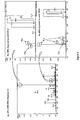
- Peak 1 was the minor peak and it was characterized by a retention time of 15.9 min and an absorption band centered at around 275 nm. Peaks 3 and 4 are not completely resolved as they displayed very close retention times. Peak 3 was characterized by a retention time of 29.6 min and an absorption band centered at around 277 nm with a shoulder at 288 nm. Peak 4 was characterized by a retention time of 29.8 min and an absorption band centered at around 275 nm. The four peaks were collected for further analysis by mass spectrometry.
- HPLC-eluted fractions from culture supernatants were collected and analyzed by mass spectrometry using an ion trap mass analyzer Esquire HCT equipped with an orthogonal Atmospheric Pressure Interface-ElectroSpray Ionization (AP-ESI) source (Bruker Daltonik GmbH, Germany).
- the samples were directly infused into the mass spectrometer at a flow rate of 3 ⁇ l/min by means of a syringe pump. Nitrogen served as the drying and nebulizing gas while helium gas was introduced into the ion trap for efficient trapping and cooling of the ions generated by the ESI as well as for fragmentation processes.
- AP-ESI orthogonal Atmospheric Pressure Interface-ElectroSpray Ionization
- Ionization was carried out in positive mode with a nebulizing gas set at 9 psi, a drying gas set at 5 ⁇ l/min and a drying temperature set at 300°C.
- Ionization and mass analyses conditions capillary high voltage, skimmer and capillary exit voltages and ions transfer parameters
- an isolation width of 1 mass unit was used for isolating the parent ion. Fragmentation amplitude was tuned until at least 90% of the isolated precursor ion was fragmented.
- Full scan MS and MSMS spectra were acquired using EsquireControl software and all data were processed using DataAnalysis software.
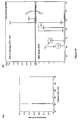
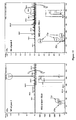
- MS spectra of the eluted fractions corresponding to the N-terminal tagged Rv2275, hereinafter referred to as "fraction 1" for the elution of peak 1, "fraction 2" for the elution of peak 2 and “fraction 3-4" for the elution of both peaks 3 and 4 were respectively shown in Figures 4a , 5a & 6a .
- These spectra showed heterogeneous masses and rather low intensity m/z peaks. This might be due to the difficulty of the cyclodipeptides potentially produced by Rv2275 to be ionized by electrospray ionisation.
- MS spectra we compared all significant m/z values (Signal/Noise ratio > 5) to expected mass values of natural cyclodipeptides (quoted in Table II).
- EXAMPLE 3 EXPRESSION OF Rv2275 IN Escherichia coli CYTOPLASM LEADS TO THE SYNTHESIS OF CYCLO(TYR-Xaa).
- Rv2275 is a cyclo(Tyr-Xaa)-synthesizing enzyme that can be produced in an active form in E . coli.
- EXAMPLE 4 CONSTRUCTION OF AN Escherichia coli EXPRESSION VECTOR ENCODING A TRUNCATED Rv2275 PROTEIN (SEQ ID NO: 3) AS A C-TERMINAL HIS 6 -TAGGED FUSION
- Rv2275 is 289 amino acids long, compared to 239 for AlbC.
- the alignment of both proteins shows that in Rv2275 there is an N-terminal extension of 48 amino acids, which has no equivalent in AlbC.
- two constructions were made to express two different C-terminal His 6 -tagged versions of Rv2275 in the cloning vector pQE60 (Qiagen).
- plasmid pQE60-Rv2275L the complete coding sequence of Rv2275 is present and in the second construction, named plasmid pQE60-Rv2275C, a truncated coding sequence lacking the first 48 codons is present.
- a DNA fragment carrying the complete sequence encoding Rv2275 was obtained after PCR amplification using pEXP-Rv2275 as template, Taq DNA polymerase (Pharmacia) and the following primers under conditions recommended by the manufacturer:
- Nco I site upstream of the coding sequence Two restriction sites were thus introduced: a Nco I site upstream of the coding sequence and a Bgl II site downstream.
- the introduction of the Nco I site was accompanied by the replacement of the second codon TCA by GCA (see SEQ ID NO: 5 wherein K is G), leading to the replacement of the second amino acid serine by alanine in the corresponding protein (see SEQ ID NO: 6 wherein the amino acid at location 2 stands for Ala).
- This DNA fragment was cloned as a Nco I -Bgl II fragment into the vector pQE60 digested by Nco I and Bam HI, yielding the plasmid pQE60-Rv2275L (SEQ ID NO: 20).
- the DNA sequence of the insert was confirmed by sequencing.
- a DNA fragment carrying the sequence encoding the truncated version of Rv2275 was obtained after PCR amplification using pEXP-Rv2275 as template, Taq DNA polymerase (Pharmacia) and the following primers under conditions recommended by the manufacturer:
- Nco I site upstream of the coding sequence and a Bgl II site downstream.
- TTT 49 th codon
- the introduction of the Nco I site was also accompanied by the replacement of the codon CAG (50 th codon in the original sequence) by GAG (second codon in the truncated sequence) (see SEQ ID NO: 1 wherein S is G), leading to the replacement of a glutamine by glutamic acid in the corresponding protein (see SEQ ID NO: 3 wherein the amino acid at location stands for Glu).
- This DNA fragment was cloned as a Nco I -Bgl II fragment into the vector pQE60 digested by Nco I and Bam HI, yielding the plasmid pQE60-Rv2275C (SEQ ID NO: 21).
- the DNA sequence of the insert was confirmed by sequencing.
- Expressions of C-terminal tagged Rv2275 from plasmids pQE60-Rv2275L and pQE60-Rv2275C were made by using E. coli strain M15 containing the pREP4 plasmid (hereinafter referred as to "M15pREP4") (Qiagen). 50 ⁇ l chemically competent cells were transformed with 20 ng plasmid pQE60-Rv2275L, pQE60-Rv2275C and pQE60 using standard heat-shock procedure (Sambrook et al., aforementioned).
- transformation mixture was spread on LB plates containing 0.5% glucose, 100 ⁇ g/ml ampicillin and 30 ⁇ g/ml kanamycin and incubated overnight at 37°C. A few colonies were picked up to inoculate M9 liquid medium supplemented with vitamins and oligoelements solutions containing 0.5% glucose, 100 ⁇ g/ml ampicillin and 30 ⁇ g/ml kanamycin.
- E. coli M15pREP4 cells harbouring the plasmid pQE60-Rv2275L were cultivated and their ability to synthesize cyclo(Tyr-Tyr), cyclo(Tyr-Ala), cyclo(Tyr-Phe) and cyclo(Tyr-Trp) was evaluated by HPLC as previously described.
- the chomatogram at 220 nm was found similar to that obtained with supernatant of E . coli cells harbouring the plasmid pEXP-Rv2275 (data not shown).
- E. coli M15pREP4 cells harbouring the plasmid pQE60-Rv2275C were cultivated and their ability to synthesize cyclo(Tyr-Tyr), cyclo(Tyr-Ala), cyclo(Tyr-Phe) and cyclo(Tyr-Trp) was evaluated by HPLC as previously described ( Figure 11 ).
- the chomatogram at 220 nm was found similar to that obtained with supernatant of E .
- EXAMPLE 5 IN VITRO PRODUCTION OF CYCLO(TYR-TYR) BY THE PURIFIED Rv2275 PROTEIN.
- Bacteria culture for production of the Rv2275 protein was performed as already described in Example 2, except that minimal medium was replaced by LB medium (Sambrook et al., aforementioned). After induction with 0.02% arabinose, the culture was continued at 20°C for 12h. The bacterial cells were harvested by centrifugation at 4,000 g for 20 min and frozen at -80°C. Then, bacterial cells were thawed and resuspended in 1.5 ml of an extraction buffer composed of 100 mM Tris-HCl pH 8, 150 mM NaCl and 5% glycerol. Cells were broken using an Eaton press and centrifuged at 20,000 g and 4°C for 20 min.
- the resulting supernatant containing the soluble proteins was loaded onto a Ni 2+ -column (HisTrap HP from Amersham) equilibrated with a buffer composed of 100 mM Tris-HCl pH 8, 150 mM NaCl.
- the column was washed with the same buffer and submitted to a linear gradient of imidazole (from 0 to 1 M imidazole at pH 8).
- the Rv2275 protein was eluted at around 250 mM imidazole.
- the purified Rv2275 protein was then washed (to eliminate imidazole) and concentrated using a Vivaspin concentrator (Vivascience).
- Bacteria transformed with the empty vector pQE60 were cultivated and broken as previously described. The broken cells were centrifuged at 20,000 g and 4°C for 20 min. The resulting supernatant corresponds to a soluble extract of E . coli cells, which does not contain cyclodipeptide synthetase.
- a 215 ⁇ l-reaction mixture comprising 5.5 mM Tyr, 10 mM ATP, 20 mM MgCl 2 and 25 ⁇ M of the purified Rv2275 protein was supplemented with 115 ⁇ l of the previously described soluble cell extract. This mixture was incubated at 30°C for 12h. The reaction was stopped by adding TFA and submitted to a centrifugation at 20,000 g for 20 min. The supernatant was then analyzed by HPLC and HPLC-eluted fractions were characterized by mass spectrometry as described in Example 2. As a control, the same experiment was performed under similar conditions except that the purified Rv2275 was omitted.
Landscapes
- Life Sciences & Earth Sciences (AREA)
- Chemical & Material Sciences (AREA)
- Health & Medical Sciences (AREA)
- Genetics & Genomics (AREA)
- Organic Chemistry (AREA)
- Zoology (AREA)
- Engineering & Computer Science (AREA)
- Bioinformatics & Cheminformatics (AREA)
- Wood Science & Technology (AREA)
- Microbiology (AREA)
- Biotechnology (AREA)
- Biomedical Technology (AREA)
- Molecular Biology (AREA)
- Biochemistry (AREA)
- General Engineering & Computer Science (AREA)
- General Health & Medical Sciences (AREA)
- Medicinal Chemistry (AREA)
- Micro-Organisms Or Cultivation Processes Thereof (AREA)
- Peptides Or Proteins (AREA)
- Enzymes And Modification Thereof (AREA)
- Preparation Of Compounds By Using Micro-Organisms (AREA)
Claims (13)
- Isolierte Cyclodipeptidsynthetase, dadurch gekennzeichnet, dass:- sie die Fähigkeit, Cyclo(Tyr-Xaa) Cyclodipeptide aus zwei Aminosäuren Tyr und Xaa zu produzieren, besitzt, wobei Xaa jegliche Aminosäure ist und- sie aus einem Polypeptid besteht, welches aus der aus SEQ ID NO: 3 und SEQ ID NO: 6 bestehenden Gruppe ausgewählt ist.
- Isoliertes Polynucleotid, dadurch gekennzeichnet, dass es ausgewählt ist aus:a) einem Polynucleotid, welches eine Cyclodipeptidsynthetase codiert, das aus der Gruppe bestehend aus den Sequenzen SEQ ID NO: 1 und SEQ ID NO: 5 ausgewählt ist;b) einem komplementären Polynucleotid des Polynucleotids a).
- Rekombinanter Vektor, welcher ein Polynucleotid, wie definiert in Anspruch 2, umfasst oder ein Plasmid, welches das Polynucleotid umfasst.
- Wirtszelle, die durch ein Polynucleotid, wie definiert in Anspruch 2, oder durch einen rekombinanten Vektor, wie definiert in Anspruch 3, modifiziert ist.
- Wirtszelle gemäß Anspruch 4, welche aus der Gruppe, bestehend aus einer prokaryontischen Zelle, bevorzugt einem Bakterium, ausgewählt ist.
- Verwendung einer Cyclodipeptidsynthetase, dadurch gekennzeichnet, dass sie die Fähigkeit besitzt, Cyclo(Tyr-Xaa)-cyclodipeptide aus zwei Aminosäuren Tyr und Xaa zu produzieren und die aus einer Polypeptidsequenz besteht, welche aus der Gruppe ausgewählt ist, die aus SEQ ID NO: 3, 4 und 6 besteht, zur Herstellung von Cyclodipeptiden Cyclo(Tyr-Xaa), wobei Xaa innerhalb der Gruppe ausgewählt wird, die aus Tyr, Phe, Trp und Ala besteht.
- Verwendung einer Wirtszelle, welche mit einem Polynucleotid, dass eine Cyclodipeptidsynthetase, wie definiert in Anspruch 6, codiert, modifiziert ist, zur Herstellung von Cyclodipeptiden Cyclo(Tyr-Xaa), wobei Xaa ausgewählt wird aus der Gruppe, bestehend aus Tyr, Phe, Trp und Ala.
- Verfahren zur Synthese von Cyclo(Tyr-Xaa)-cylodipeptiden, wobei Xaa aus der Gruppe ausgewählt ist, welche aus Tyr, Phe, Trp und Ala besteht, dadurch gekennzeichnet, dass es umfasst:(1) Inkubieren zweier Aminosäuren Tyr und Xaa unter geeigneten Bedingungen mit einer Cyclodipeptidsynthetase, welche aus der Gruppe bestehend aus SEQ ID NO: 3, 4 und 6 ausgewählt wird, und(2) Gewinnen der Cyclo(Tyr-Xaa)-cyclodipeptide, die hierdurch erhalten werden.
- Verfahren zur Synthese von α,β-dehydrierten Cyclo(Tyr-Xaa)-cyclodipeptiden, wobei Xaa aus der Gruppe ausgewählt wird, welche aus Tyr, Phe, Trp und Ala besteht und dadurch gekennzeichnet ist, dass es umfasst:(1') Inkubieren zweier Aminosäuren Tyr und Xaa unter geeigneten Bedingungen mit einer Cyclodipeptidsynthetase, welche aus der Gruppe ausgewählt wird, die aus SEQ ID NO: 3, 4 und 6 besteht, und einer gereinigten CDO und(2') Gewinnen der α,β-dehydrierten Cyclodipeptide.
- Verfahren gemäß Anspruch 8 oder Anspruch 9, wobei Schritt (1) oder Schritt (1') in Anwesenheit geeigneter Aminosäuren in einer Konzentration zwischen 0,1 mM bis 100 mM, bevorzugt von 1 mM bis 10 mM, einer Cyclodipeptidsynthetase in einer Konzentration zwischen 0,1 nM und 100 µM, bevorzugt von 1 µM bis 100 µM, in einem Puffer mit einem pH-Wert zwischen 6 und 8, welcher ein lösliches Extrakt prokaryontischer Zellen, zum Beispiel E. coli oder Streptomyces-Zellen enthält, welche keine Cyclodipeptidsynthetase produzieren, durchgeführt wird.
- Verfahren gemäß einem der Ansprüche 8 bis 10, dadurch gekennzeichnet, dass es des Weiteren einen vorangehenden Schritt (P) umfasst, welcher in der Verwendung eines Polynucleotids, ausgewählt aus der Gruppe, bestehend aus SEQ ID NO: 1, 2 und 5, besteht, zur Synthese einer Cyclodipeptidsynthetase, wobei dieser Schritt vor Schritt (1) oder Schritt (1') durchgeführt wird.
- Verfahren zur Synthese von Cyclo(Tyr-Xaa)-cyclodipeptide, wobei Xaa aus der Gruppe ausgewählt wird, welche aus Tyr, Phe, Trp und Ala besteht, und das die folgenden Schritte umfasst:(1') Kultivieren einer Wirtszelle, modifiziert mit einem Polynucleotid, welches eine Cyclodipeptidsynthetase codiert, ausgewählt aus der Gruppe, bestehend aus SEQ ID NO: 1, 2 und 5, unter geeigneten Kulturbedingungen für diesen Wirt und(2') Gewinnen der Cyclodipeptide aus dem Kulturmedium.
- Verfahren zur Synthese von α,β-dehydrierten Cyclo(Tyr-Xaa)-cyclodipeptiden, wobei Xaa aus der Gruppe ausgewählt wird, welche aus Tyr, Phe, Trp und Ala besteht, umfassend die folgenden Schritte:(1') Kultivieren einer Wirtszelle, modifiziert mit einem Polynucleotid, welches eine Cyclodipeptidsynthetase codiert, ausgewählt aus der Gruppe, bestehend aus SEQ ID NO: 1, 2 und 5, unter geeigneten Kulturbedingungen für diesen Wirt,(1") Inkubieren des Cyclo(Tyr-Xaa)-cyclodipeptids, erhalten aus Schritt (1'), mit einer gereinigten CDO, und(2') Gewinnen der Cyclodipeptide aus dem Kulturmedium.
Applications Claiming Priority (1)
| Application Number | Priority Date | Filing Date | Title |
|---|---|---|---|
| PCT/IB2006/001852 WO2007122447A1 (en) | 2006-04-26 | 2006-04-26 | CYCLODIPEPTIDE SYNTHETASE AND ITS USE FOR SYNTHESIS OF CYCLO(TYR-Xaa) CYCLODIPEPTIDES |
Publications (2)
| Publication Number | Publication Date |
|---|---|
| EP2021360A1 EP2021360A1 (de) | 2009-02-11 |
| EP2021360B1 true EP2021360B1 (de) | 2011-09-14 |
Family
ID=37651032
Family Applications (1)
| Application Number | Title | Priority Date | Filing Date |
|---|---|---|---|
| EP06755972A Expired - Lifetime EP2021360B1 (de) | 2006-04-26 | 2006-04-26 | Cyclodipeptidsynthetase und ihre verwendung zur synthese von cyclo(tyr-xaa)cyclodipeptiden |
Country Status (5)
| Country | Link |
|---|---|
| US (2) | US20100055737A1 (de) |
| EP (1) | EP2021360B1 (de) |
| JP (1) | JP2009534049A (de) |
| AT (1) | ATE524490T1 (de) |
| WO (1) | WO2007122447A1 (de) |
Families Citing this family (2)
| Publication number | Priority date | Publication date | Assignee | Title |
|---|---|---|---|---|
| EP2088143A1 (de) | 2008-01-24 | 2009-08-12 | Commissariat A L'energie Atomique | Neuartige Inhibitoren des Mycobacterium tuberculosis-Komplex-Zytochroms P450 CYP121 |
| CN120623262B (zh) * | 2025-06-19 | 2026-03-13 | 遵义医科大学珠海校区 | 一种nrps基因、载体及其高产环二肽类化合物重组菌株的构建和制备 |
Family Cites Families (2)
| Publication number | Priority date | Publication date | Assignee | Title |
|---|---|---|---|---|
| FR2841260B1 (fr) * | 2002-06-21 | 2004-10-22 | Commissariat Energie Atomique | Polynucleotides et polypeptides codes par lesdits polynucleotides impliques dans la synthese de derives des dicetopiperazines |
| JPWO2005103260A1 (ja) * | 2004-04-21 | 2007-08-16 | 協和醗酵工業株式会社 | ジペプチドの製造法 |
-
2006
- 2006-04-26 AT AT06755972T patent/ATE524490T1/de not_active IP Right Cessation
- 2006-04-26 US US12/226,660 patent/US20100055737A1/en not_active Abandoned
- 2006-04-26 WO PCT/IB2006/001852 patent/WO2007122447A1/en not_active Ceased
- 2006-04-26 JP JP2009507186A patent/JP2009534049A/ja active Pending
- 2006-04-26 EP EP06755972A patent/EP2021360B1/de not_active Expired - Lifetime
-
2011
- 2011-06-21 US US13/165,219 patent/US20110318781A1/en not_active Abandoned
Also Published As
| Publication number | Publication date |
|---|---|
| EP2021360A1 (de) | 2009-02-11 |
| ATE524490T1 (de) | 2011-09-15 |
| WO2007122447A1 (en) | 2007-11-01 |
| US20100055737A1 (en) | 2010-03-04 |
| JP2009534049A (ja) | 2009-09-24 |
| US20110318781A1 (en) | 2011-12-29 |
Similar Documents
| Publication | Publication Date | Title |
|---|---|---|
| Steller et al. | Structural and functional organization of the fengycin synthetase multienzyme system from Bacillus subtilis b213 and A1/3 | |
| Yakimov et al. | Recombinant acylheptapeptide lichenysin: high level of production by Bacillus subtilis cells | |
| EP2766389B1 (de) | Gencluster zur biosynthese von griselimycin und methylgriselimycin | |
| Kaniusaite et al. | Understanding the early stages of peptide formation during the biosynthesis of teicoplanin and related glycopeptide antibiotics | |
| FI117674B (fi) | Polypeptidit, jotka liittyvät streptogramiinien biosynteesiin, näitä polypeptidejä koodittavat nukleotidisekvenssit, ja niiden käyttö | |
| JP4521270B2 (ja) | ポリヌクレオチド、および該ポリヌクレオチドによりコードされ、ジケトピペラジン誘導体の合成に関与するポリペプチド | |
| EP2021357B1 (de) | Cyclodipeptidsynthetasen und ihre verwendung zur synthese von cyclo(leu-leu)cyclodipeptid | |
| US20110318781A1 (en) | CYCLODIPEPTIDE SYNTHETASE AND ITS USE FOR SYNTHESIS OF CYCLO(Tyr-Xaa) CYCLODIPEPTIDES | |
| US20100279334A1 (en) | Cyclodipeptide synthases (cdss) and their use in the synthesis of linear dipeptides | |
| WO2000058478A1 (en) | MICROBIOLOGICAL PRODUCTION METHOD FOR α-L-ASPARTYL-L-PHENYLALANINE | |
| KR20020022758A (ko) | 환상 리포펩티드 아실라제를 암호화하는 유전자 및 그 발현 | |
| CA2365594A1 (en) | Microbiological production method for .alpha.-l-aspartyl-l-phenylalanine | |
| Endo et al. | Characterization of mutants defective in melanogenesis and a gene for tyrosinase of Streptomyces griseus | |
| CN105755076B (zh) | 利用突变合成获得sansanmycin结构类似物的方法 | |
| WO2019216248A1 (ja) | ペプチド類の大環状化酵素 | |
| Xiao | A Novel Epimerase Catalyzing Multiple Isomerization of Amino Acid Residues of Ribosomal Peptide | |
| EP1041150A1 (de) | Hybrid Synthetase, Fungus oder Bakterium Stamm, Hybrid Peptide und Zusammensetzungen die sie enthalten | |
| US20080026999A1 (en) | Two-component bacillus lantibiotic and methods for producing and using the same | |
| US7985837B2 (en) | Two component Bacillus lantibiotic and methods for producing and using the same | |
| Hucul et al. | Brad Haltli,* Ying Tan, 2 Nathan A. Magarvey, 4, 5 Melissa Wagenaar, Xihou Yin, 2 Michael Greenstein | |
| O'Neill | CONNECTING GENES TO MOLECULES: IDENTIFYING SMALL MOLECULES FROM PHYTOPATHOGENIC BACTERIA | |
| Zhang et al. | Identification and characterization of the anti-MRSA WAP-8294A2 biosynthetic gene cluster from Lysobacter enzymogenes OH11 | |
| EP2586791A1 (de) | Gencluster zur Biosynthese von Griselimycin und Methylgriselimycin | |
| AU2003260619A1 (en) | Novel variants of the papm polypeptide of bacteria of genus streptomyces | |
| HK1196377B (en) | Gene cluster for biosynthesis of griselimycin and methylgriselimycin |
Legal Events
| Date | Code | Title | Description |
|---|---|---|---|
| PUAI | Public reference made under article 153(3) epc to a published international application that has entered the european phase |
Free format text: ORIGINAL CODE: 0009012 |
|
| 17P | Request for examination filed |
Effective date: 20081126 |
|
| AK | Designated contracting states |
Kind code of ref document: A1 Designated state(s): AT BE BG CH CY CZ DE DK EE ES FI FR GB GR HU IE IS IT LI LT LU LV MC NL PL PT RO SE SI SK TR |
|
| AX | Request for extension of the european patent |
Extension state: AL BA HR MK YU |
|
| 17Q | First examination report despatched |
Effective date: 20090323 |
|
| RAP1 | Party data changed (applicant data changed or rights of an application transferred) |
Owner name: UNIVERSITE PARIS-SUD (PARIS 11) Owner name: KYOWA HAKKO BIO CO., LTD Owner name: CENTRE NATIONAL DE LA RECHERCHE SCIENTIFIQUE Owner name: COMMISSARIAT A L'ENERGIE ATOMIQUE ET AUX ENERGIES |
|
| GRAP | Despatch of communication of intention to grant a patent |
Free format text: ORIGINAL CODE: EPIDOSNIGR1 |
|
| DAX | Request for extension of the european patent (deleted) | ||
| GRAS | Grant fee paid |
Free format text: ORIGINAL CODE: EPIDOSNIGR3 |
|
| GRAA | (expected) grant |
Free format text: ORIGINAL CODE: 0009210 |
|
| AK | Designated contracting states |
Kind code of ref document: B1 Designated state(s): AT BE BG CH CY CZ DE DK EE ES FI FR GB GR HU IE IS IT LI LT LU LV MC NL PL PT RO SE SI SK TR |
|
| REG | Reference to a national code |
Ref country code: GB Ref legal event code: FG4D |
|
| REG | Reference to a national code |
Ref country code: CH Ref legal event code: EP |
|
| REG | Reference to a national code |
Ref country code: IE Ref legal event code: FG4D |
|
| REG | Reference to a national code |
Ref country code: DE Ref legal event code: R096 Ref document number: 602006024404 Country of ref document: DE Effective date: 20111110 |
|
| REG | Reference to a national code |
Ref country code: NL Ref legal event code: VDEP Effective date: 20110914 |
|
| PG25 | Lapsed in a contracting state [announced via postgrant information from national office to epo] |
Ref country code: LT Free format text: LAPSE BECAUSE OF FAILURE TO SUBMIT A TRANSLATION OF THE DESCRIPTION OR TO PAY THE FEE WITHIN THE PRESCRIBED TIME-LIMIT Effective date: 20110914 Ref country code: SE Free format text: LAPSE BECAUSE OF FAILURE TO SUBMIT A TRANSLATION OF THE DESCRIPTION OR TO PAY THE FEE WITHIN THE PRESCRIBED TIME-LIMIT Effective date: 20110914 Ref country code: FI Free format text: LAPSE BECAUSE OF FAILURE TO SUBMIT A TRANSLATION OF THE DESCRIPTION OR TO PAY THE FEE WITHIN THE PRESCRIBED TIME-LIMIT Effective date: 20110914 |
|
| LTIE | Lt: invalidation of european patent or patent extension |
Effective date: 20110914 |
|
| PG25 | Lapsed in a contracting state [announced via postgrant information from national office to epo] |
Ref country code: LV Free format text: LAPSE BECAUSE OF FAILURE TO SUBMIT A TRANSLATION OF THE DESCRIPTION OR TO PAY THE FEE WITHIN THE PRESCRIBED TIME-LIMIT Effective date: 20110914 Ref country code: SI Free format text: LAPSE BECAUSE OF FAILURE TO SUBMIT A TRANSLATION OF THE DESCRIPTION OR TO PAY THE FEE WITHIN THE PRESCRIBED TIME-LIMIT Effective date: 20110914 Ref country code: AT Free format text: LAPSE BECAUSE OF FAILURE TO SUBMIT A TRANSLATION OF THE DESCRIPTION OR TO PAY THE FEE WITHIN THE PRESCRIBED TIME-LIMIT Effective date: 20110914 Ref country code: GR Free format text: LAPSE BECAUSE OF FAILURE TO SUBMIT A TRANSLATION OF THE DESCRIPTION OR TO PAY THE FEE WITHIN THE PRESCRIBED TIME-LIMIT Effective date: 20111215 Ref country code: CY Free format text: LAPSE BECAUSE OF FAILURE TO SUBMIT A TRANSLATION OF THE DESCRIPTION OR TO PAY THE FEE WITHIN THE PRESCRIBED TIME-LIMIT Effective date: 20110914 |
|
| REG | Reference to a national code |
Ref country code: AT Ref legal event code: MK05 Ref document number: 524490 Country of ref document: AT Kind code of ref document: T Effective date: 20110914 |
|
| PG25 | Lapsed in a contracting state [announced via postgrant information from national office to epo] |
Ref country code: BE Free format text: LAPSE BECAUSE OF FAILURE TO SUBMIT A TRANSLATION OF THE DESCRIPTION OR TO PAY THE FEE WITHIN THE PRESCRIBED TIME-LIMIT Effective date: 20110914 |
|
| PG25 | Lapsed in a contracting state [announced via postgrant information from national office to epo] |
Ref country code: CZ Free format text: LAPSE BECAUSE OF FAILURE TO SUBMIT A TRANSLATION OF THE DESCRIPTION OR TO PAY THE FEE WITHIN THE PRESCRIBED TIME-LIMIT Effective date: 20110914 Ref country code: IS Free format text: LAPSE BECAUSE OF FAILURE TO SUBMIT A TRANSLATION OF THE DESCRIPTION OR TO PAY THE FEE WITHIN THE PRESCRIBED TIME-LIMIT Effective date: 20120114 Ref country code: SK Free format text: LAPSE BECAUSE OF FAILURE TO SUBMIT A TRANSLATION OF THE DESCRIPTION OR TO PAY THE FEE WITHIN THE PRESCRIBED TIME-LIMIT Effective date: 20110914 |
|
| PG25 | Lapsed in a contracting state [announced via postgrant information from national office to epo] |
Ref country code: RO Free format text: LAPSE BECAUSE OF FAILURE TO SUBMIT A TRANSLATION OF THE DESCRIPTION OR TO PAY THE FEE WITHIN THE PRESCRIBED TIME-LIMIT Effective date: 20110914 Ref country code: EE Free format text: LAPSE BECAUSE OF FAILURE TO SUBMIT A TRANSLATION OF THE DESCRIPTION OR TO PAY THE FEE WITHIN THE PRESCRIBED TIME-LIMIT Effective date: 20110914 Ref country code: IT Free format text: LAPSE BECAUSE OF FAILURE TO SUBMIT A TRANSLATION OF THE DESCRIPTION OR TO PAY THE FEE WITHIN THE PRESCRIBED TIME-LIMIT Effective date: 20110914 Ref country code: PT Free format text: LAPSE BECAUSE OF FAILURE TO SUBMIT A TRANSLATION OF THE DESCRIPTION OR TO PAY THE FEE WITHIN THE PRESCRIBED TIME-LIMIT Effective date: 20120116 Ref country code: NL Free format text: LAPSE BECAUSE OF FAILURE TO SUBMIT A TRANSLATION OF THE DESCRIPTION OR TO PAY THE FEE WITHIN THE PRESCRIBED TIME-LIMIT Effective date: 20110914 Ref country code: PL Free format text: LAPSE BECAUSE OF FAILURE TO SUBMIT A TRANSLATION OF THE DESCRIPTION OR TO PAY THE FEE WITHIN THE PRESCRIBED TIME-LIMIT Effective date: 20110914 |
|
| PLBE | No opposition filed within time limit |
Free format text: ORIGINAL CODE: 0009261 |
|
| STAA | Information on the status of an ep patent application or granted ep patent |
Free format text: STATUS: NO OPPOSITION FILED WITHIN TIME LIMIT |
|
| PG25 | Lapsed in a contracting state [announced via postgrant information from national office to epo] |
Ref country code: DK Free format text: LAPSE BECAUSE OF FAILURE TO SUBMIT A TRANSLATION OF THE DESCRIPTION OR TO PAY THE FEE WITHIN THE PRESCRIBED TIME-LIMIT Effective date: 20110914 |
|
| PGFP | Annual fee paid to national office [announced via postgrant information from national office to epo] |
Ref country code: DE Payment date: 20120416 Year of fee payment: 7 |
|
| 26N | No opposition filed |
Effective date: 20120615 |
|
| PGFP | Annual fee paid to national office [announced via postgrant information from national office to epo] |
Ref country code: FR Payment date: 20120511 Year of fee payment: 7 |
|
| REG | Reference to a national code |
Ref country code: DE Ref legal event code: R097 Ref document number: 602006024404 Country of ref document: DE Effective date: 20120615 |
|
| PG25 | Lapsed in a contracting state [announced via postgrant information from national office to epo] |
Ref country code: MC Free format text: LAPSE BECAUSE OF NON-PAYMENT OF DUE FEES Effective date: 20120430 |
|
| REG | Reference to a national code |
Ref country code: CH Ref legal event code: PL |
|
| GBPC | Gb: european patent ceased through non-payment of renewal fee |
Effective date: 20120426 |
|
| REG | Reference to a national code |
Ref country code: IE Ref legal event code: MM4A |
|
| PG25 | Lapsed in a contracting state [announced via postgrant information from national office to epo] |
Ref country code: GB Free format text: LAPSE BECAUSE OF NON-PAYMENT OF DUE FEES Effective date: 20120426 Ref country code: LI Free format text: LAPSE BECAUSE OF NON-PAYMENT OF DUE FEES Effective date: 20120430 Ref country code: CH Free format text: LAPSE BECAUSE OF NON-PAYMENT OF DUE FEES Effective date: 20120430 Ref country code: IE Free format text: LAPSE BECAUSE OF NON-PAYMENT OF DUE FEES Effective date: 20120426 |
|
| PG25 | Lapsed in a contracting state [announced via postgrant information from national office to epo] |
Ref country code: BG Free format text: LAPSE BECAUSE OF FAILURE TO SUBMIT A TRANSLATION OF THE DESCRIPTION OR TO PAY THE FEE WITHIN THE PRESCRIBED TIME-LIMIT Effective date: 20111214 |
|
| PG25 | Lapsed in a contracting state [announced via postgrant information from national office to epo] |
Ref country code: ES Free format text: LAPSE BECAUSE OF FAILURE TO SUBMIT A TRANSLATION OF THE DESCRIPTION OR TO PAY THE FEE WITHIN THE PRESCRIBED TIME-LIMIT Effective date: 20111225 |
|
| PG25 | Lapsed in a contracting state [announced via postgrant information from national office to epo] |
Ref country code: DE Free format text: LAPSE BECAUSE OF NON-PAYMENT OF DUE FEES Effective date: 20131101 |
|
| REG | Reference to a national code |
Ref country code: FR Ref legal event code: ST Effective date: 20131231 |
|
| REG | Reference to a national code |
Ref country code: DE Ref legal event code: R119 Ref document number: 602006024404 Country of ref document: DE Effective date: 20131101 |
|
| PG25 | Lapsed in a contracting state [announced via postgrant information from national office to epo] |
Ref country code: FR Free format text: LAPSE BECAUSE OF NON-PAYMENT OF DUE FEES Effective date: 20130430 |
|
| PG25 | Lapsed in a contracting state [announced via postgrant information from national office to epo] |
Ref country code: TR Free format text: LAPSE BECAUSE OF FAILURE TO SUBMIT A TRANSLATION OF THE DESCRIPTION OR TO PAY THE FEE WITHIN THE PRESCRIBED TIME-LIMIT Effective date: 20110914 |
|
| PG25 | Lapsed in a contracting state [announced via postgrant information from national office to epo] |
Ref country code: LU Free format text: LAPSE BECAUSE OF NON-PAYMENT OF DUE FEES Effective date: 20120426 |
|
| PG25 | Lapsed in a contracting state [announced via postgrant information from national office to epo] |
Ref country code: HU Free format text: LAPSE BECAUSE OF FAILURE TO SUBMIT A TRANSLATION OF THE DESCRIPTION OR TO PAY THE FEE WITHIN THE PRESCRIBED TIME-LIMIT Effective date: 20060426 |