EP2024552B1 - Kondensationstrockner mit einer prozessluftspirale, und verfahren zum trocknen in einem solchen kondensationstrockner - Google Patents
Kondensationstrockner mit einer prozessluftspirale, und verfahren zum trocknen in einem solchen kondensationstrockner Download PDFInfo
- Publication number
- EP2024552B1 EP2024552B1 EP07727968A EP07727968A EP2024552B1 EP 2024552 B1 EP2024552 B1 EP 2024552B1 EP 07727968 A EP07727968 A EP 07727968A EP 07727968 A EP07727968 A EP 07727968A EP 2024552 B1 EP2024552 B1 EP 2024552B1
- Authority
- EP
- European Patent Office
- Prior art keywords
- process air
- fan
- collecting vessel
- water
- drying chamber
- Prior art date
- Legal status (The legal status is an assumption and is not a legal conclusion. Google has not performed a legal analysis and makes no representation as to the accuracy of the status listed.)
- Not-in-force
Links
Images
Classifications
-
- D—TEXTILES; PAPER
- D06—TREATMENT OF TEXTILES OR THE LIKE; LAUNDERING; FLEXIBLE MATERIALS NOT OTHERWISE PROVIDED FOR
- D06F—LAUNDERING, DRYING, IRONING, PRESSING OR FOLDING TEXTILE ARTICLES
- D06F58/00—Domestic laundry dryers
- D06F58/20—General details of domestic laundry dryers
-
- D—TEXTILES; PAPER
- D06—TREATMENT OF TEXTILES OR THE LIKE; LAUNDERING; FLEXIBLE MATERIALS NOT OTHERWISE PROVIDED FOR
- D06F—LAUNDERING, DRYING, IRONING, PRESSING OR FOLDING TEXTILE ARTICLES
- D06F58/00—Domestic laundry dryers
- D06F58/20—General details of domestic laundry dryers
- D06F58/24—Condensing arrangements
Definitions
- the invention relates to a condensation dryer having a drying chamber and a process air circuit for circulating process air through the drying chamber, the process air circuit from the drying chamber first to a condenser for cooling the process air, separating water from the process air and collecting the water in a first receiver, thereafter to a first fan for driving the process air, then to a heater for heating the process air and then back to the drying chamber, and wherein the first fan has a rotor and a stator formed as a process air spiral.
- the invention relates to a method for drying laundry in such a condensation dryer.
- condensation dryer in which a fan has blades over which forms a pressure gradient during operation.
- the fan is positioned to deliver moisture-saturated air so that further condensation of moisture occurs in the areas on the vanes where the pressure is relatively low.
- the resulting in the housing of the blower condensate can be fed through a corresponding outlet to a condensate collector.
- a condensation dryer In a condensation dryer (condensation dryer) work generally a closed hot air circuit (process air circuit) and an open cooling air flow.
- process air circuit process air circuit
- the laundry to be dried In the hot air circulation, the laundry to be dried is heated by means of flowing process air, the water being absorbed and transported to a heat exchanger (condenser). There, the water contained in the process air condenses due to cooling with the cooling air and is separated from the process air and collected in a condensate tank.
- the dehumidified process air is reheated by a heating unit and then passed through the laundry to be dried again.
- a condensation dryer In a condensation dryer is located in the In general, a process air blower, in the lower part of which the water removed from the wet laundry accumulates. This is especially true when the condensation dryer is at a standstill.
- the lower part of the process air blower by design, is generally lower than the condensate tank used to catch the water from the process air used to dry the wet
- a blower in a spiral housing, in particular for use in a condensation dryer is apparent from the EP 1 046 822 B1 , of the EP 0 702 105 B1 or the U.S. Patent 5,915,922 , A condenser for a condenser dryer is described in U.S. Patent No. 5,376,866 EP 1 050 618 B1 ,
- the object of the invention is therefore to provide a condensation dryer and a method in which the water accumulating in the process air blower can be removed and, in particular, transferred to a condensate container for disposal by an operator.
- the condensation dryer according to the invention with a drying chamber and a process air circuit for circulating process air through the drying chamber, wherein the process air circuit from the drying chamber first to a condenser for cooling the process air, separating water from the process air and collecting the water in a first collecting vessel, then to a first blower for driving the process air, then to a heater for heating the process air and then back to the drying chamber, and wherein the first blower has a rotor and a stator formed as a process air spiral, characterized in that between the process air spiral and the first collecting vessel a guide arrangement is formed, through which water from the fan can be transported by means of an adjusting between the condenser and the fan pressure difference in the first collecting vessel.
- the inventive method for drying laundry with such a condensation dryer is characterized by water, which collects in the process air spiral, formed by the between the process air coil and the first collecting vessel guide assembly by means of an adjusting between the condenser and the fan pressure difference in the first Collecting vessel is transported.
- a condensation dryer in which the guide arrangement has an opening in the process air spiral, a second one communicating with the fan via the latter Collecting vessel, in which water from the process air spiral can drip, and a communicating with the second receptacle and the first receptacle pipe socket comprises.
- water that enters the process air spiral drip easily into the second receptacle, so that the process air coil can be kept largely dry.
- the second receptacle is brought through a pipe socket in the necessary communication with the first receptacle, so that a structurally possibly required height difference between the process air coil and the condenser or communicating with this first receptacle can be bridged, taking advantage of a pressure difference between suction and Pressure side of the blower.
- a condensation dryer is preferred in which the opening is located at the vertically lowest point of the process air spiral.
- the condensation dryer according to the invention may be a dryer with or without a heat pump cycle.
- condensation dryer in which the first blower is a centrifugal blower.
- a particularly preferred condensation dryer is characterized in that the first collecting vessel communicates with a condensate container above it for collecting the water.
- a condensate container In such a condensate container, collected condensate including the water carried from the process air coil can be easily provided for disposal by an operator.
- a likewise particularly preferred condensation dryer has an open or closed cooling air duct, through which the condenser can be supplied by means of a second blower cooling air from an environment of the condensation dryer and led out after cooling the process air from the condensation dryer.
- At standstill of the condensation dryer i. at standstill of the stator or fan wheel in the first fan, prevails in the lower region or at the lowest point of the process air coil atmospheric pressure.
- the fan in the fan in the flow direction of the process air in front of the blower (fan wheel) is a negative pressure, while behind there is an overpressure.
- the invention has numerous advantages. So there is no condensate in the process air spiral.
- the condensate water does not collect in the process air spiral, but is collected centrally, and can be easily and regularly disposed of.
- the condensation dryer 1 has a drying chamber 2, in which the material to be dried, generally laundry, is filled.
- the drying chamber 2 can be driven by a motor, not shown.
- a first blower 7 By means of a first blower 7, the drying chamber 2 is supplied with the process air heated by means of a heater 13 in the direction of the arrow.
- the air fed to the condensation dryer 1 is conducted in a closed process air circuit 3, 4, 5.
- the process air enriched with moisture flows into the condenser 10, where the moisture is condensed in the condenser 10 as a function of the cooling and collected in a first collecting vessel 11.
- the process air dried in this way is then passed through the first fan 7 through a heater 13 and heated. Subsequently, the heated process air is fed back into the drying chamber 2, whereby the cycle of the process air is closed.
- the first collecting vessel 11 is located in the vicinity of the condenser 10 and thus at a location that is quite low and difficult to access for a non-expert operator. In order to make the disposal of condensed water possible for such an operator, the water from the first receptacle 11 is pumped into a more accessible condensate tank 14; a designated pump is not shown for clarity.
- the condensate tank 14 can be easily emptied after each use of the condensation dryer 1.
- the location of the process air coil 20 is shown in the schematic drawing of FIG. 1 only hinted.
- a second collecting vessel 12 which is connected via a pipe socket 19 with the overlying first collecting vessel 11.
- the first blower 7 and the second blower 8 which conveys cooling air for the condenser 10 are driven by a common motor located in a drive unit 6.
- the drive of the two fans 7 and 8 can also be done separately.
- the process air circuit 3, 4, 5 need not necessarily be closed; if necessary, it is possible to change between an open and a closed process air circuit 3, 4, 5 by means of a suitable system of flaps or the like. In FIG. 1 the process air cycle is closed for the sake of simplicity.
- the condensation dryer 1 according to FIG. 1 has an open cooling air channel 9, in which a cooling air flow from the cooling air inlet 15 is conveyed to the cooling air outlet 16. According to the invention, however, a closed cooling air flow circuit is possible, or the condenser 10 and the heater 13 may be components of a heat pump.
- FIG. 2 shows the area in the condensation dryer in which the process air coil 20 is located (in section 4 of the process air cycle).
- the process air entering in the arrow direction in section 4 of the process air cycle is conveyed by means of a first blower 7, 20 with rotor or fan wheel 7 and stator or process air coil 20 into the section 5 of the process air cycle (see arrow direction).
- a first blower 7, 20 with rotor or fan wheel 7 and stator or process air coil 20 into the section 5 of the process air cycle (see arrow direction).
- stator or process air coil 20 In the lower part of the process air coil 20 there is an opening 17, through which water can enter a second collecting vessel 12.
- the opening 17, the second collecting vessel 12 and the pipe socket 19 thus form an example of a guide arrangement, with which water from the process air coil 20 can be sucked into the first collecting vessel 11 and disposed of together with the separated from the process air in the condenser 20 water.
Landscapes
- Engineering & Computer Science (AREA)
- Textile Engineering (AREA)
- Detail Structures Of Washing Machines And Dryers (AREA)
- Drying Of Solid Materials (AREA)
- Freezing, Cooling And Drying Of Foods (AREA)
Description
- Die Erfindung betrifft einen Kondensationstrockner mit einer Trocknungskammer und einem Prozessluftkreis zur Zirkulierung von Prozessluft durch die Trocknungskammer, wobei der Prozessluftkreis von der Trocknungskammer zuerst zu einem Kondensator zum Abkühlen der Prozessluft, Abscheiden von Wasser aus der Prozessluft und Sammeln des Wassers in einem ersten Auffanggefäß, danach zu einem ersten Gebläse zum Antreiben der Prozessluft, danach zu einer Heizung zum Erwärmen der Prozessluft und dann wieder zur Trocknungskammer führt, und wobei das erste Gebläse einen Rotor und einen als Prozessluftspirale ausgebildeten Stator aufweist. Ebenso betrifft die Erfindung ein Verfahren zum Trocknen von Wäsche in einem solchen Kondensationstrockner.
- Ein solcher Kondensationstrockner und ein solches Verfahren gehen hervor aus der Schrift
DE 41 06 713 A1 . Dort ist ein Kondensationstrockner beschrieben, bei dem ein Gebläse Schaufeln aufweist, über denen sich im Betrieb ein Druckgefälle bildet. Das Gebläse ist so positioniert, dass es mit Feuchtigkeit gesättigte Luft fördert, so dass es in den Bereichen an den Schaufeln, in denen der Druck relativ niedrig ist, zu einem weiteren Auskondensieren von Feuchtigkeit kommt. Das dabei im Gehäuse des Gebläses anfallende Kondensat kann durch einen entsprechenden Abfluss einem Kondensatsammelbehälter zugeführt werden. - In einem Kondensationstrockner (Kondensationswäschetrockner) arbeiten im Allgemeinen ein geschlossener Heißluftkreislauf (Prozessluftkreislauf) und ein offener Kühlluftstrom. Im Heißluftkreislauf wird mittels strömender Prozessluft die zu trocknende Wäsche erwärmt, das dabei verdunstende Wasser aufgenommen und zu einem Wärmeaustauscher (Kondensator) transportiert. Dort kondensiert das in der Prozessluft enthaltene Wasser aufgrund einer Abkühlung mit der Kühlluft und wird von der Prozessluft abgeschieden und in einem Kondensatbehälter gesammelt. Die auf diese Weise entfeuchtete Prozessluft wird durch ein Heizaggregat wieder aufgeheizt und danach erneut durch die zu trocknende Wäsche geführt. In einem Kondensationstrockner befindet sich im Allgemeinen ein Prozessluftgebläse, in dessen unterem Teil sich das der feuchten Wäsche entzogene Wasser anreichert. Dies trifft insbesondere beim Stillstand des Kondensationstrockners zu. Der untere Teil des Prozessluftgebläses liegt konstruktionsbedingt im Allgemeinen tiefer als der Kondensatbehälter, der zum Auffangen des Wassers aus der zum Trocknen der feuchten Wäsche verwendeten Prozessluft benutzt wird.
- Ein Gebläse in einem Spiralgehäuse, insbesondere zum Einsatz in einem Kondensationstrockner, geht hervor aus der
EP 1 046 822 B1 , derEP 0 702 105 B1 oder demUS-Patent 5,915,922 . Ein Kondensator für einen Kondensationstrockner ist beschrieben in derEP 1 050 618 B1 . - Aufgabe der Erfindung ist es daher, einen Kondensationstrockner und ein Verfahren bereitzustellen, bei denen das in dem Prozessluftgebläse anfallende Wasser entfernt und insbesondere in einen Kondensatbehälter zur Entsorgung durch eine Bedienperson überführt werden kann.
- Demgemäß wurden der Kondensationstrockner gemäß Anspruch 1 und das Verfahren gemäß Anspruch 7 erfunden. Bevorzugte Ausführungsformen sind in abhängigen Patentansprüchen aufgeführt.
- Der erfindungsgemäße Kondensationstrockner mit einer Trocknungskammer und einem Prozessluftkreis zur Zirkulierung von Prozessluft durch die Trocknungskammer, wobei der Prozessluftkreis von der Trocknungskammer zuerst zu einem Kondensator zum Abkühlen der Prozessluft, Abscheiden von Wasser aus der Prozessluft und Sammeln des Wassers in einem ersten Auffanggefäß, danach zu einem ersten Gebläse zum Antreiben der Prozessluft, danach zu einer Heizung zum Erwärmen der Prozessluft und dann wieder zur Trocknungskammer führt, und wobei das erste Gebläse einen Rotor und einen als Prozessluftspirale ausgebildeten Stator aufweist, zeichnet sich dadurch aus, dass zwischen der Prozessluftspirale und dem ersten Auffanggefäß eine Leitanordnung gebildet ist, durch welche Wasser aus dem Gebläse mittels einer sich zwischen dem Kondensator und dem Gebläse einstellenden Druckdifferenz in das erste Auffanggefäß transportierbar ist.
- Das erfindungsgemäße Verfahren zum Trocknen von Wäsche mit einem solchen Kondensationstrockner zeichnet sich dadurch aus, Wasser, welches sich in der Prozessluftspirale sammelt, durch die zwischen der Prozessluftspirale und dem ersten Auffanggefäß gebildete Leitanordnung mittels einer sich zwischen dem Kondensator und dem Gebläse einstellenden Druckdifferenz in das erste Auffanggefäß transportiert wird.
- Bevorzugt ist ein Kondensationstrockner, bei dem die Leitanordnung eine Öffnung in der Prozessluftspirale, ein über diese mit dem Gebläse kommunizierendes zweites Auffanggefäß, in welches Wasser aus der Prozessluftspirale eintropfen kann, und einen mit dem zweiten Auffanggefäß und dem ersten Auffanggefäß kommunizierenden Rohrstutzen umfasst. Bei dieser Ausführung kann Wasser, welches in die Prozessluftspirale gelangt, ohne weiteres in das zweite Auffanggefäß tropfen, so dass die Prozessluftspirale weitgehend trocken gehalten werden kann. Das zweite Auffanggefäß wird durch einen Rohrstutzen in die nötige Kommunikation mit dem ersten Auffanggefäß gebracht, so dass ein konstruktiv eventuell erforderlicher Höhenunterschied zwischen der Prozessluftspirale und dem Kondensator bzw. dem mit diesem kommunizierenden ersten Auffanggefäß überbrückt werden kann, unter Ausnutzung einer Druckdifferenz zwischen Saug-und Druckseite des Gebläses. Weiterhin ist ein Kondensationstrockner bevorzugt, bei dem sich die Öffnung an der vertikal untersten Stelle der Prozessluftspirale befindet.
- Beim erfindungsgemäßen Kondensationstrockner kann es sich um einen Trockner mit oder ohne Wärmepumpenkreislauf handeln.
- Ebenfalls bevorzugt ist ein Kondensationstrockner, bei dem das erste Gebläse ein Zentrifugalgebläse ist.
- Ein besonders bevorzugter Kondensationstrockner zeichnet sich dadurch aus, dass das erste Auffanggefäß mit einem oberhalb diesem liegenden Kondensatbehälter zur Sammlung des Wassers kommuniziert. In einem solchen Kondensatbehälter kann aufgesammeltes Kondensat einschließlich des aus der Prozessluftspirale transportierten Wassers einfach zur Entsorgung durch eine Bedienperson bereitgestellt werden.
- Ein ebenfalls besonders bevorzugter Kondensationstrockner weist einen offenen oder geschlossenen Kühlluftkanal auf, durch welchen dem Kondensator mittels einen zweiten Gebläses Kühlluft aus einer Umgebung des Kondensationstrockners zugeführt und nach dem Kühlen der Prozessluft aus dem Kondensationstrockner herausgeführt werden kann.
- Bei Stillstand des Kondensationstrockners, d.h. bei Stillstand des Stators oder Ventilatorrades im ersten Gebläse, herrscht im unteren Bereich bzw. an der tiefstliegenden Stelle der Prozessluftspirale atmosphärischer Druck. Beim Einschalten des Kondensationstrockners und damit des Ventilators im Gebläse liegt dagegen in Strömungsrichtung der Prozessluft vor dem Gebläse (Ventilatorrad) ein Unterdruck, während dahinter ein Überdruck besteht.
- Die Erfindung hat zahlreiche Vorteile. So befindet sich kein Kondensat in der Prozessluftspirale. Das Kondensatwasser sammelt sich nicht in der Prozessluftspirale, sondern wird zentral aufgefangen, und kann leicht und regelmäßig entsorgt werden.
- Ausführungsbeispiele des erfindungsgemäßen Kondensationstrockners und Verfahrens werde anhand von
Figur 1 undFigur 2 erläutert. -
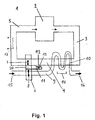
Figur 1 zeigt einen Kondensationstrockner; -
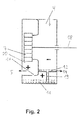
Figur 2 zeigt den Bereich in dem Kondensationstrockner, in dem sich die Prozessluftspirale befindet. - Der Kondensationstrockner 1 gemäß
Figur 1 weist eine Trocknungskammer 2 auf, in die das zu trocknende Gut, im Allgemeinen Wäsche, eingefüllt wird. Die Trocknungskammer 2 kann über einen nicht dargestellten Motor angetrieben werden. Mittels eines ersten Gebläses 7 wird der Trocknungskammer 2 in Pfeilrichtung die mittels einer Heizung 13 erwärmte Prozessluft zugeführt. Die dem Kondensationstrockner 1 zugeleitete Luft wird in einem geschlossenen Prozessluftkreis 3,4,5 geführt. Von der Trocknungskammer 2 strömt die mit Feuchtigkeit angereicherte Prozessluft in den Kondensator 10, wo die Feuchtigkeit in Abhängigkeit von der Kühlung im Kondensator 10 kondensiert und in einem ersten Auffanggefäß 11 aufgefangen wird. Die auf diese Weise getrocknete Prozessluft wird dann durch das erste Gebläse 7 hindurch über eine Heizung 13 geleitet und erwärmt. Anschließend wird die erwärmte Prozessluft wieder in die Trocknungskammer 2 geführt, womit der Kreislauf der Prozessluft geschlossen ist. - Das erste Auffanggefäß 11 befindet sich in der Nähe des Kondensators 10 und damit an einem recht tief liegenden und für eine nicht fachkundige Bedienperson schlecht zugänglichen Ort. Um die Entsorgung des kondensierten Wassers auch für eine solche Bedienperson möglich zu machen, wird das Wasser aus dem ersten Auffanggefäß 11 in einen besser zugänglichen Kondensatbehälter 14 gepumpt; eine dazu vorgesehene Pumpe ist der Übersicht halber nicht dargestellt. Der Kondensatbehälter 14 kann nach jeder Benutzung des Kondensationstrockners 1 leicht entleert werden.
- Die Stelle der Prozessluftspirale 20 ist in der schematischen Zeichnung der
Figur 1 nur angedeutet. Am unteren Ende der Prozessluftspirale 20 befindet sich ein zweites Auffanggefäß 12, das über einen Rohrstutzen 19 mit dem darüber liegenden ersten Auffanggefäß 11 verbunden ist. - Im Kondensationstrockner 1 der
Figur 1 werden das erste Gebläse 7 und das zweite Gebläse 8, welches Kühlluft für den Kondensator 10 fördert, durch einen gemeinsamen Motor, der sich in einer Antriebseinheit 6 befindet, angetrieben. Der Antrieb der beiden Gebläse 7 und 8 kann jedoch auch getrennt erfolgen. - Der Prozessluftkreislauf 3, 4, 5 muss nicht notwendig geschlossen sein; gegebenenfalls kann durch ein geeignetes System von Klappen oder dergleichen zwischen einem offenen und einem geschlossenen Prozessluftkreislauf 3, 4, 5 gewechselt werden. In
Figur 1 ist der Prozessluftkreislauf aus Gründen der vereinfachten Darstellung geschlossen. - Der Kondensationstrockner 1 gemäß
Figur 1 weist einen offenen Kühlluftkanal 9 auf, in dem ein Kühlluftstrom von Kühllufteintritt 15 bis zum Kühlluftaustritt 16 befördert wird. Erfindungsgemäß ist jedoch ein geschlossener Kühlluftstromkreislauf möglich, oder der Kondensator 10 und die Heizung 13 können Komponenten einer Wärmepumpe sein. -
Figur 2 zeigt den Bereich in dem Kondensationstrockner, in dem sich die Prozessluftspirale 20 befindet (in Abschnitt 4 des Prozessluftkreislaufes). - Die im Abschnitt 4 des Prozessluftkreislaufes in Pfeilrichtung eintretende Prozessluft wird mittels eines ersten Gebläses 7, 20 mit Rotor oder Ventilatorrad 7 und Stator oder Prozessluftspirale 20 in den Abschnitt 5 des Prozessluftkreislaufes befördert (siehe Pfeilrichtung). Im unteren Teil der Prozessluftspirale 20 befindet sich eine Öffnung 17, durch welche Wasser in ein zweites Auffanggefäß 12 gelangen kann.
- Durch die Drehbewegung des Ventilatorrades 7 um die Ventilatorachse 18 entsteht am Außenumfang des Ventilatorrades 7 ein Überdruck (in
Figur 2 durch ein "+" angedeutet). Vor dem Gebläses 7, 20, insbesondere auch im Bereich des oberen ersten Auffanggefäßes 11, entsteht dagegen ein Unterdruck (inFigur 2 durch ein "-" angedeutet). Da aufgrund des Betriebes des Gebläses 7, 20 auch im Bereich des zweiten Auffanggefäßes 12 ein Überdruck erzeugt wird, kann das dort eingetropfte Wasser durch einen Rohrstutzen 19 hindurch, der sowohl in das zweite Auffanggefäß 12 wie auch in das erste Auffanggefäß 11 ragt, aufgrund der Druckdifferenz in das oben liegende erste Auffanggefäß 11 transportiert werden. Von dort kann das Wasser dann weiter zu dem Kondensatbehälter 14 befördert werden, wie bereits ausgeführt. Die Öffnung 17, das zweite Auffanggefäß 12 und der Rohrstutzen 19 bilden somit ein Beispiel für eine Leitanordnung, mit welcher Wasser aus der Prozessluftspirale 20 in das erste Auffanggefäß 11 gesaugt und zusammen mit dem im Kondensator 20 aus der Prozessluft abgeschiedenen Wasser entsorgt werden kann.
Claims (8)
- Kondensationstrockner (1) mit einer Trocknungskammer (2) und einem Prozessluftkreis (3,4,5) zur Zirkulierung von Prozessluft durch die Trocknungskammer (2), wobei der Prozessluftkreis (3,4,5) von der Trocknungskammer (2) zuerst zu einem Kondensator (10) zum Abkühlen der Prozessluft, Abscheiden von Wasser aus der Prozessluft und Sammeln des Wassers in einem ersten Auffanggefäß (11), danach zu einem ersten Gebläse (7,20) zum Antreiben der Prozessluft, danach zu einer Heizung (13) zum Erwärmen der Prozessluft und dann wieder zur Trocknungskammer (2) führt, und wobei das erste Gebläse (7,20) einen Rotor (7) und einen als Prozessluftspirale (20) ausgebildeten Stator (20) aufweist,
dadurch gekennzeichnet, dass zwischen der Prozessluftspirale (20) und dem ersten Auffanggefäß eine Leitanordnung (12, 17,19) gebildet ist, durch welche Wasser aus dem Gebläse (7,20) mittels einer sich zwischen dem Kondensator (20) und dem Gebläse (7,20) einstellenden Druckdifferenz in das erste Auffanggefäß (11) transportierbar ist. - Kondensationstrockner (1) nach Anspruch 1, bei dem die Leitanordnung (12,17,19) eine Öffnung (17) in der Prozessluftspirale (20), ein über diese mit dem Gebläse (7,20) kommunizierendes zweites Auffanggefäß (12), in welches Wasser aus der Prozessluftspirale (20) eintropfen kann, und einen mit dem zweiten Auffanggefäß (12) und dem ersten Auffanggefäß (11) kommunizierenden Rohrstutzen (19) umfasst.
- Kondensationstrockner (1) nach Anspruch 2, bei dem sich die Öffnung (17) an einer vertikal untersten Stelle der Prozessluftspirale (20) befindet.
- Kondensationstrockner (1) nach einem der vorigen Ansprüche, bei dem das erste Gebläse (7,20) ein Zentrifugalgebläse (7,20) ist.
- Kondensationstrockner (1) nach einem der vorigen Ansprüche, bei dem das erste Auffanggefäß (11) mit einem oberhalb diesem liegenden Kondensatbehälter (14) zur Sammlung des Wassers kommuniziert.
- Kondensationstrockner (1) nach einem der vorigen Ansprüche, welcher einen offenen oder geschlossenen Kühlluftkanal (9) aufweist, durch welchen dem Kondensator (10) mittels einen zweiten Gebläses (8) Kühlluft aus einer Umgebung des Kondensationstrockners (1) zugeführt und nach dem Kühlen der Prozessluft aus dem Kondensationstrockner (1) herausgeführt werden kann.
- Verfahren zum Trocknen von Wäsche in einem Kondensationstrockner (1) Kondensationstrockner (1) mit einer Trocknungskammer (2) und einem Prozessluftkreis (3,4,5) zur Zirkulierung von Prozessluft durch die Trocknungskammer (2), wobei der Prozessluftkreis (3,4,5) von der Trocknungskammer (2) zuerst zu einem Kondensator (10) zum Abkühlen der Prozessluft, Abscheiden von Wasser aus der Prozessluft und Sammeln des Wassers in einem ersten Auffanggefäß (11), danach zu einem ersten Gebläse (7,20) zum Antreiben der Prozessluft, danach zu einer Heizung (13) zum Erwärmen der Prozessluft und dann wieder zur Trocknungskammer (2) führt, und wobei das erste Gebläse (7,20) einen Rotor (7) und einen als Prozessluftspirale (20) ausgebildeten Stator (20) aufweist,
dadurch gekennzeichnet, dass Wasser, welches sich in der Prozessluftspirale (20) sammelt, durch eine zwischen der Prozessluftspirale (20) und dem ersten Auffanggefäß gebildete Leitanordnung (12, 17,19) mittels einer sich zwischen dem Kondensator (20) und dem Gebläse (7,20) einstellenden Druckdifferenz in das erste Auffanggefäß (11) transportiert wird. - Verfahren nach Anspruch 7, bei dem das im ersten Auffanggefäß (11) aufgefangene Wasser in einen Kondensatbehälter (14) gepumpt wird.
Applications Claiming Priority (2)
| Application Number | Priority Date | Filing Date | Title |
|---|---|---|---|
| DE102006021828A DE102006021828A1 (de) | 2006-05-10 | 2006-05-10 | Kondensationstrockner mit einer Prozessluftspirale, und Verfahren zum Trocknen in einem solchen Kondensationstrockner |
| PCT/EP2007/053500 WO2007128641A1 (de) | 2006-05-10 | 2007-04-11 | Kondensationstrockner mit einer prozessluftspirale, und verfahren zum trocknen in einem solchen kondensationstrockner |
Publications (2)
| Publication Number | Publication Date |
|---|---|
| EP2024552A1 EP2024552A1 (de) | 2009-02-18 |
| EP2024552B1 true EP2024552B1 (de) | 2010-03-10 |
Family
ID=38197813
Family Applications (1)
| Application Number | Title | Priority Date | Filing Date |
|---|---|---|---|
| EP07727968A Not-in-force EP2024552B1 (de) | 2006-05-10 | 2007-04-11 | Kondensationstrockner mit einer prozessluftspirale, und verfahren zum trocknen in einem solchen kondensationstrockner |
Country Status (4)
| Country | Link |
|---|---|
| EP (1) | EP2024552B1 (de) |
| AT (1) | ATE460526T1 (de) |
| DE (2) | DE102006021828A1 (de) |
| WO (1) | WO2007128641A1 (de) |
Families Citing this family (3)
| Publication number | Priority date | Publication date | Assignee | Title |
|---|---|---|---|---|
| WO2009080577A1 (de) * | 2007-12-20 | 2009-07-02 | BSH Bosch und Siemens Hausgeräte GmbH | Wäschetrocknungsgerät mit einem prozessluftkanal |
| DE102007061523A1 (de) * | 2007-12-20 | 2009-06-25 | BSH Bosch und Siemens Hausgeräte GmbH | Wäschetrocknungsgerät und Verfahren zum Betreiben desselben |
| DE102009003170A1 (de) | 2009-05-15 | 2010-12-02 | BSH Bosch und Siemens Hausgeräte GmbH | Lüfterrad, Gebläse mit einem Lüfterrad, Wäschetrocknungsgerät mit einem Gebläse und Verfahren zum Herstellen eines Lüfterrads |
Family Cites Families (8)
| Publication number | Priority date | Publication date | Assignee | Title |
|---|---|---|---|---|
| US3875681A (en) * | 1974-02-27 | 1975-04-08 | Gen Electric | Condenser apparatus |
| FR2664625B1 (fr) * | 1990-07-10 | 1993-12-24 | Ciapem | Seche-linge a turbine. |
| DE4106713A1 (de) * | 1991-03-02 | 1992-09-03 | Bauknecht Hausgeraete | Kondensationswaeschetrockner |
| DE4238546A1 (de) * | 1992-11-14 | 1994-05-19 | Bauknecht Hausgeraete | Wäschetrockner |
| DE4432567A1 (de) * | 1994-09-13 | 1996-03-14 | Bosch Siemens Hausgeraete | Gehäuse für ein Gebläse in einem Haushaltgerät, insbesondere in einem Haushalt-Wäschetrockner |
| US5806204A (en) * | 1997-06-13 | 1998-09-15 | Mmats, Inc. | Material dryer using vacuum drying and vapor condensation |
| EP1050618B1 (de) * | 1999-04-08 | 2003-10-15 | BSH Bosch und Siemens Hausgeräte GmbH | Wärmetauscher für Haushaltwäschetrockner |
| DE19918085A1 (de) * | 1999-04-21 | 2000-10-26 | Bsh Bosch Siemens Hausgeraete | Gebläse mit einem Spiralgehäuse |
-
2006
- 2006-05-10 DE DE102006021828A patent/DE102006021828A1/de not_active Withdrawn
-
2007
- 2007-04-11 WO PCT/EP2007/053500 patent/WO2007128641A1/de not_active Ceased
- 2007-04-11 DE DE502007003089T patent/DE502007003089D1/de active Active
- 2007-04-11 AT AT07727968T patent/ATE460526T1/de active
- 2007-04-11 EP EP07727968A patent/EP2024552B1/de not_active Not-in-force
Also Published As
| Publication number | Publication date |
|---|---|
| DE502007003089D1 (de) | 2010-04-22 |
| EP2024552A1 (de) | 2009-02-18 |
| ATE460526T1 (de) | 2010-03-15 |
| WO2007128641A1 (de) | 2007-11-15 |
| DE102006021828A1 (de) | 2007-11-15 |
Similar Documents
| Publication | Publication Date | Title |
|---|---|---|
| DE3000865A1 (de) | Waeschetrockner mit waermerueckgewinnung | |
| DE2529577A1 (de) | Kombinierte trommelwasch- und trockeneinrichtung | |
| EP2777474B1 (de) | Geschirrspülautomat | |
| DE2914859C2 (de) | Wäschetrockner | |
| EP2024552B1 (de) | Kondensationstrockner mit einer prozessluftspirale, und verfahren zum trocknen in einem solchen kondensationstrockner | |
| WO2021058365A1 (de) | Gerät zum trocknen von wäsche und verfahren zum betreiben eines solchen geräts | |
| EP0082443B1 (de) | Reinigungsanlage zum chemischen Reinigen von Gegenständen aus Stoff | |
| EP2160488A1 (de) | Kondensationstrockner mit einer wärmepumpe sowie verfahren zu seinem betrieb | |
| DE4422191A1 (de) | Trockengerät, insbesondere Kondensationswäschetrockner, mit einer Wärmepumpeneinrichtung | |
| EP2075368B1 (de) | Verfahren zum Entsorgen eines Kondensats in einem Hausgerät zur Pflege von Wäschestücken | |
| EP2055826B1 (de) | Ablufttrockner mit Wärmerückgewinnung und Kondensatwanne sowie Verfahren zu seinem Betrieb | |
| WO2001068223A1 (de) | Verfahren und vorrichtung zur nutzung bei einer saug- /druckluftversorgung an einer druckmaschine anfallenden abwärme | |
| EP0920830A1 (de) | Verfahren zur Geschirrtrocknung in einer elekrischen Haushaltsmaschine | |
| DE602004010877T2 (de) | Trockungsverfahren und Wäschetrockner | |
| DE4408147C1 (de) | Vakuumtrocknungsverfahren und Vorrichtung zu dessen Durchführung | |
| DE2626788A1 (de) | Kondensatoranlage, insbesondere vorrichtung zum kondensieren des abdampfes eines kraftwerkes | |
| DE19642165A1 (de) | Wäschetrockner mit einem Wärmepumpenkreis | |
| DE102009011673B4 (de) | Wäschetrockner mit kontinuierlicher Wärmerückgewinnung | |
| DE2218440B1 (de) | Verfahren zum Trocknen von Wasche oder dgl und Vorrichtung zur Durch führung des Verfahrens | |
| DE19642164A1 (de) | Wäschetrockner mit einem Wärmepumpenkreis | |
| WO2009121754A1 (de) | Trockner mit gekühltem motor sowie verfahren zu seinem betrieb | |
| DE2923635A1 (de) | Trockenvorrichtung fuer waschmaschinen | |
| DE68902744T2 (de) | Trommeltrockner. | |
| WO2013092384A2 (de) | Kondensationstrockner mit einer kondensatpumpe sowie verfahren zum betrieb eines kondensationstrockners | |
| DE10046537A1 (de) | Verfahren zur Wiedergewinnung der Abwärmeenergie aus einer mit fein verteilten Teilchen beladenen Gasströmung |
Legal Events
| Date | Code | Title | Description |
|---|---|---|---|
| PUAI | Public reference made under article 153(3) epc to a published international application that has entered the european phase |
Free format text: ORIGINAL CODE: 0009012 |
|
| 17P | Request for examination filed |
Effective date: 20081210 |
|
| AK | Designated contracting states |
Kind code of ref document: A1 Designated state(s): AT BE BG CH CY CZ DE DK EE ES FI FR GB GR HU IE IS IT LI LT LU LV MC MT NL PL PT RO SE SI SK TR |
|
| AX | Request for extension of the european patent |
Extension state: AL BA HR MK RS |
|
| 17Q | First examination report despatched |
Effective date: 20090330 |
|
| GRAP | Despatch of communication of intention to grant a patent |
Free format text: ORIGINAL CODE: EPIDOSNIGR1 |
|
| GRAS | Grant fee paid |
Free format text: ORIGINAL CODE: EPIDOSNIGR3 |
|
| GRAA | (expected) grant |
Free format text: ORIGINAL CODE: 0009210 |
|
| AK | Designated contracting states |
Kind code of ref document: B1 Designated state(s): AT BE BG CH CY CZ DE DK EE ES FI FR GB GR HU IE IS IT LI LT LU LV MC MT NL PL PT RO SE SI SK TR |
|
| REG | Reference to a national code |
Ref country code: GB Ref legal event code: FG4D Free format text: NOT ENGLISH |
|
| REG | Reference to a national code |
Ref country code: CH Ref legal event code: EP |
|
| REG | Reference to a national code |
Ref country code: IE Ref legal event code: FG4D |
|
| REF | Corresponds to: |
Ref document number: 502007003089 Country of ref document: DE Date of ref document: 20100422 Kind code of ref document: P |
|
| REG | Reference to a national code |
Ref country code: NL Ref legal event code: VDEP Effective date: 20100310 |
|
| PG25 | Lapsed in a contracting state [announced via postgrant information from national office to epo] |
Ref country code: LT Free format text: LAPSE BECAUSE OF FAILURE TO SUBMIT A TRANSLATION OF THE DESCRIPTION OR TO PAY THE FEE WITHIN THE PRESCRIBED TIME-LIMIT Effective date: 20100310 |
|
| LTIE | Lt: invalidation of european patent or patent extension |
Effective date: 20100310 |
|
| PG25 | Lapsed in a contracting state [announced via postgrant information from national office to epo] |
Ref country code: PL Free format text: LAPSE BECAUSE OF FAILURE TO SUBMIT A TRANSLATION OF THE DESCRIPTION OR TO PAY THE FEE WITHIN THE PRESCRIBED TIME-LIMIT Effective date: 20100310 Ref country code: FI Free format text: LAPSE BECAUSE OF FAILURE TO SUBMIT A TRANSLATION OF THE DESCRIPTION OR TO PAY THE FEE WITHIN THE PRESCRIBED TIME-LIMIT Effective date: 20100310 Ref country code: LV Free format text: LAPSE BECAUSE OF FAILURE TO SUBMIT A TRANSLATION OF THE DESCRIPTION OR TO PAY THE FEE WITHIN THE PRESCRIBED TIME-LIMIT Effective date: 20100310 Ref country code: SI Free format text: LAPSE BECAUSE OF FAILURE TO SUBMIT A TRANSLATION OF THE DESCRIPTION OR TO PAY THE FEE WITHIN THE PRESCRIBED TIME-LIMIT Effective date: 20100310 |
|
| REG | Reference to a national code |
Ref country code: IE Ref legal event code: FD4D |
|
| PG25 | Lapsed in a contracting state [announced via postgrant information from national office to epo] |
Ref country code: GR Free format text: LAPSE BECAUSE OF FAILURE TO SUBMIT A TRANSLATION OF THE DESCRIPTION OR TO PAY THE FEE WITHIN THE PRESCRIBED TIME-LIMIT Effective date: 20100611 Ref country code: CY Free format text: LAPSE BECAUSE OF FAILURE TO SUBMIT A TRANSLATION OF THE DESCRIPTION OR TO PAY THE FEE WITHIN THE PRESCRIBED TIME-LIMIT Effective date: 20100310 Ref country code: EE Free format text: LAPSE BECAUSE OF FAILURE TO SUBMIT A TRANSLATION OF THE DESCRIPTION OR TO PAY THE FEE WITHIN THE PRESCRIBED TIME-LIMIT Effective date: 20100310 Ref country code: ES Free format text: LAPSE BECAUSE OF FAILURE TO SUBMIT A TRANSLATION OF THE DESCRIPTION OR TO PAY THE FEE WITHIN THE PRESCRIBED TIME-LIMIT Effective date: 20100621 Ref country code: NL Free format text: LAPSE BECAUSE OF FAILURE TO SUBMIT A TRANSLATION OF THE DESCRIPTION OR TO PAY THE FEE WITHIN THE PRESCRIBED TIME-LIMIT Effective date: 20100310 Ref country code: RO Free format text: LAPSE BECAUSE OF FAILURE TO SUBMIT A TRANSLATION OF THE DESCRIPTION OR TO PAY THE FEE WITHIN THE PRESCRIBED TIME-LIMIT Effective date: 20100310 Ref country code: SE Free format text: LAPSE BECAUSE OF FAILURE TO SUBMIT A TRANSLATION OF THE DESCRIPTION OR TO PAY THE FEE WITHIN THE PRESCRIBED TIME-LIMIT Effective date: 20100310 |
|
| BERE | Be: lapsed |
Owner name: BSH BOSCH UND SIEMENS HAUSGERATE G.M.B.H. Effective date: 20100430 |
|
| PG25 | Lapsed in a contracting state [announced via postgrant information from national office to epo] |
Ref country code: MC Free format text: LAPSE BECAUSE OF NON-PAYMENT OF DUE FEES Effective date: 20100430 Ref country code: SK Free format text: LAPSE BECAUSE OF FAILURE TO SUBMIT A TRANSLATION OF THE DESCRIPTION OR TO PAY THE FEE WITHIN THE PRESCRIBED TIME-LIMIT Effective date: 20100310 Ref country code: BG Free format text: LAPSE BECAUSE OF FAILURE TO SUBMIT A TRANSLATION OF THE DESCRIPTION OR TO PAY THE FEE WITHIN THE PRESCRIBED TIME-LIMIT Effective date: 20100610 Ref country code: CZ Free format text: LAPSE BECAUSE OF FAILURE TO SUBMIT A TRANSLATION OF THE DESCRIPTION OR TO PAY THE FEE WITHIN THE PRESCRIBED TIME-LIMIT Effective date: 20100310 Ref country code: IS Free format text: LAPSE BECAUSE OF FAILURE TO SUBMIT A TRANSLATION OF THE DESCRIPTION OR TO PAY THE FEE WITHIN THE PRESCRIBED TIME-LIMIT Effective date: 20100710 |
|
| PLBE | No opposition filed within time limit |
Free format text: ORIGINAL CODE: 0009261 |
|
| STAA | Information on the status of an ep patent application or granted ep patent |
Free format text: STATUS: NO OPPOSITION FILED WITHIN TIME LIMIT |
|
| PG25 | Lapsed in a contracting state [announced via postgrant information from national office to epo] |
Ref country code: PT Free format text: LAPSE BECAUSE OF FAILURE TO SUBMIT A TRANSLATION OF THE DESCRIPTION OR TO PAY THE FEE WITHIN THE PRESCRIBED TIME-LIMIT Effective date: 20100712 Ref country code: IE Free format text: LAPSE BECAUSE OF FAILURE TO SUBMIT A TRANSLATION OF THE DESCRIPTION OR TO PAY THE FEE WITHIN THE PRESCRIBED TIME-LIMIT Effective date: 20100310 Ref country code: DK Free format text: LAPSE BECAUSE OF FAILURE TO SUBMIT A TRANSLATION OF THE DESCRIPTION OR TO PAY THE FEE WITHIN THE PRESCRIBED TIME-LIMIT Effective date: 20100310 |
|
| 26N | No opposition filed |
Effective date: 20101213 |
|
| PG25 | Lapsed in a contracting state [announced via postgrant information from national office to epo] |
Ref country code: IT Free format text: LAPSE BECAUSE OF NON-PAYMENT OF DUE FEES Effective date: 20100411 Ref country code: BE Free format text: LAPSE BECAUSE OF NON-PAYMENT OF DUE FEES Effective date: 20100430 |
|
| PG25 | Lapsed in a contracting state [announced via postgrant information from national office to epo] |
Ref country code: MT Free format text: LAPSE BECAUSE OF FAILURE TO SUBMIT A TRANSLATION OF THE DESCRIPTION OR TO PAY THE FEE WITHIN THE PRESCRIBED TIME-LIMIT Effective date: 20100310 |
|
| REG | Reference to a national code |
Ref country code: CH Ref legal event code: PL |
|
| PG25 | Lapsed in a contracting state [announced via postgrant information from national office to epo] |
Ref country code: LI Free format text: LAPSE BECAUSE OF NON-PAYMENT OF DUE FEES Effective date: 20110430 Ref country code: CH Free format text: LAPSE BECAUSE OF NON-PAYMENT OF DUE FEES Effective date: 20110430 |
|
| PG25 | Lapsed in a contracting state [announced via postgrant information from national office to epo] |
Ref country code: LU Free format text: LAPSE BECAUSE OF NON-PAYMENT OF DUE FEES Effective date: 20100411 Ref country code: HU Free format text: LAPSE BECAUSE OF FAILURE TO SUBMIT A TRANSLATION OF THE DESCRIPTION OR TO PAY THE FEE WITHIN THE PRESCRIBED TIME-LIMIT Effective date: 20100911 |
|
| PG25 | Lapsed in a contracting state [announced via postgrant information from national office to epo] |
Ref country code: TR Free format text: LAPSE BECAUSE OF FAILURE TO SUBMIT A TRANSLATION OF THE DESCRIPTION OR TO PAY THE FEE WITHIN THE PRESCRIBED TIME-LIMIT Effective date: 20100310 |
|
| REG | Reference to a national code |
Ref country code: AT Ref legal event code: MM01 Ref document number: 460526 Country of ref document: AT Kind code of ref document: T Effective date: 20120411 |
|
| PG25 | Lapsed in a contracting state [announced via postgrant information from national office to epo] |
Ref country code: AT Free format text: LAPSE BECAUSE OF NON-PAYMENT OF DUE FEES Effective date: 20120411 |
|
| PGFP | Annual fee paid to national office [announced via postgrant information from national office to epo] |
Ref country code: FR Payment date: 20130523 Year of fee payment: 7 Ref country code: IT Payment date: 20130429 Year of fee payment: 7 |
|
| REG | Reference to a national code |
Ref country code: FR Ref legal event code: ST Effective date: 20141231 |
|
| PG25 | Lapsed in a contracting state [announced via postgrant information from national office to epo] |
Ref country code: FR Free format text: LAPSE BECAUSE OF NON-PAYMENT OF DUE FEES Effective date: 20140430 |
|
| PG25 | Lapsed in a contracting state [announced via postgrant information from national office to epo] |
Ref country code: IT Free format text: LAPSE BECAUSE OF NON-PAYMENT OF DUE FEES Effective date: 20140411 |
|
| REG | Reference to a national code |
Ref country code: DE Ref legal event code: R081 Ref document number: 502007003089 Country of ref document: DE Owner name: BSH HAUSGERAETE GMBH, DE Free format text: FORMER OWNER: BSH BOSCH UND SIEMENS HAUSGERAETE GMBH, 81739 MUENCHEN, DE Effective date: 20150407 |
|
| REG | Reference to a national code |
Ref country code: DE Ref legal event code: R084 Ref document number: 502007003089 Country of ref document: DE |
|
| PGFP | Annual fee paid to national office [announced via postgrant information from national office to epo] |
Ref country code: DE Payment date: 20230430 Year of fee payment: 17 |
|
| PGFP | Annual fee paid to national office [announced via postgrant information from national office to epo] |
Ref country code: GB Payment date: 20230420 Year of fee payment: 17 |
|
| REG | Reference to a national code |
Ref country code: DE Ref legal event code: R119 Ref document number: 502007003089 Country of ref document: DE |
|
| GBPC | Gb: european patent ceased through non-payment of renewal fee |
Effective date: 20240411 |
|
| PG25 | Lapsed in a contracting state [announced via postgrant information from national office to epo] |
Ref country code: DE Free format text: LAPSE BECAUSE OF NON-PAYMENT OF DUE FEES Effective date: 20241105 |
|
| PG25 | Lapsed in a contracting state [announced via postgrant information from national office to epo] |
Ref country code: GB Free format text: LAPSE BECAUSE OF NON-PAYMENT OF DUE FEES Effective date: 20240411 |
|
| PG25 | Lapsed in a contracting state [announced via postgrant information from national office to epo] |
Ref country code: GB Free format text: LAPSE BECAUSE OF NON-PAYMENT OF DUE FEES Effective date: 20240411 Ref country code: DE Free format text: LAPSE BECAUSE OF NON-PAYMENT OF DUE FEES Effective date: 20241105 |