EP2033659A2 - Hemmer der komplementären Aktivierung - Google Patents
Hemmer der komplementären Aktivierung Download PDFInfo
- Publication number
- EP2033659A2 EP2033659A2 EP08018816A EP08018816A EP2033659A2 EP 2033659 A2 EP2033659 A2 EP 2033659A2 EP 08018816 A EP08018816 A EP 08018816A EP 08018816 A EP08018816 A EP 08018816A EP 2033659 A2 EP2033659 A2 EP 2033659A2
- Authority
- EP
- European Patent Office
- Prior art keywords
- factor
- mab
- inhibitor
- antibody
- human
- Prior art date
- Legal status (The legal status is an assumption and is not a legal conclusion. Google has not performed a legal analysis and makes no representation as to the accuracy of the status listed.)
- Granted
Links
Images










Classifications
-
- A—HUMAN NECESSITIES
- A61—MEDICAL OR VETERINARY SCIENCE; HYGIENE
- A61K—PREPARATIONS FOR MEDICAL, DENTAL OR TOILETRY PURPOSES
- A61K39/00—Medicinal preparations containing antigens or antibodies
- A61K39/395—Antibodies; Immunoglobulins; Immune serum, e.g. antilymphocytic serum
-
- C—CHEMISTRY; METALLURGY
- C07—ORGANIC CHEMISTRY
- C07K—PEPTIDES
- C07K16/00—Immunoglobulins [IG], e.g. monoclonal or polyclonal antibodies
- C07K16/40—Immunoglobulins [IG], e.g. monoclonal or polyclonal antibodies against enzymes
-
- A—HUMAN NECESSITIES
- A61—MEDICAL OR VETERINARY SCIENCE; HYGIENE
- A61P—SPECIFIC THERAPEUTIC ACTIVITY OF CHEMICAL COMPOUNDS OR MEDICINAL PREPARATIONS
- A61P29/00—Non-central analgesic, antipyretic or antiinflammatory agents, e.g. antirheumatic agents; Non-steroidal antiinflammatory drugs [NSAID]
-
- A—HUMAN NECESSITIES
- A61—MEDICAL OR VETERINARY SCIENCE; HYGIENE
- A61P—SPECIFIC THERAPEUTIC ACTIVITY OF CHEMICAL COMPOUNDS OR MEDICINAL PREPARATIONS
- A61P37/00—Drugs for immunological or allergic disorders
- A61P37/02—Immunomodulators
-
- A—HUMAN NECESSITIES
- A61—MEDICAL OR VETERINARY SCIENCE; HYGIENE
- A61P—SPECIFIC THERAPEUTIC ACTIVITY OF CHEMICAL COMPOUNDS OR MEDICINAL PREPARATIONS
- A61P37/00—Drugs for immunological or allergic disorders
- A61P37/02—Immunomodulators
- A61P37/06—Immunosuppressants, e.g. drugs for graft rejection
-
- A—HUMAN NECESSITIES
- A61—MEDICAL OR VETERINARY SCIENCE; HYGIENE
- A61P—SPECIFIC THERAPEUTIC ACTIVITY OF CHEMICAL COMPOUNDS OR MEDICINAL PREPARATIONS
- A61P41/00—Drugs used in surgical methods, e.g. surgery adjuvants for preventing adhesion or for vitreum substitution
-
- A—HUMAN NECESSITIES
- A61—MEDICAL OR VETERINARY SCIENCE; HYGIENE
- A61P—SPECIFIC THERAPEUTIC ACTIVITY OF CHEMICAL COMPOUNDS OR MEDICINAL PREPARATIONS
- A61P43/00—Drugs for specific purposes, not provided for in groups A61P1/00-A61P41/00
-
- A—HUMAN NECESSITIES
- A61—MEDICAL OR VETERINARY SCIENCE; HYGIENE
- A61P—SPECIFIC THERAPEUTIC ACTIVITY OF CHEMICAL COMPOUNDS OR MEDICINAL PREPARATIONS
- A61P7/00—Drugs for disorders of the blood or the extracellular fluid
-
- A—HUMAN NECESSITIES
- A61—MEDICAL OR VETERINARY SCIENCE; HYGIENE
- A61P—SPECIFIC THERAPEUTIC ACTIVITY OF CHEMICAL COMPOUNDS OR MEDICINAL PREPARATIONS
- A61P9/00—Drugs for disorders of the cardiovascular system
-
- C—CHEMISTRY; METALLURGY
- C07—ORGANIC CHEMISTRY
- C07K—PEPTIDES
- C07K16/00—Immunoglobulins [IG], e.g. monoclonal or polyclonal antibodies
- C07K16/18—Immunoglobulins [IG], e.g. monoclonal or polyclonal antibodies against material from animals or humans
-
- A—HUMAN NECESSITIES
- A61—MEDICAL OR VETERINARY SCIENCE; HYGIENE
- A61K—PREPARATIONS FOR MEDICAL, DENTAL OR TOILETRY PURPOSES
- A61K39/00—Medicinal preparations containing antigens or antibodies
- A61K2039/505—Medicinal preparations containing antigens or antibodies comprising antibodies
-
- A—HUMAN NECESSITIES
- A61—MEDICAL OR VETERINARY SCIENCE; HYGIENE
- A61K—PREPARATIONS FOR MEDICAL, DENTAL OR TOILETRY PURPOSES
- A61K38/00—Medicinal preparations containing peptides
-
- C—CHEMISTRY; METALLURGY
- C07—ORGANIC CHEMISTRY
- C07K—PEPTIDES
- C07K2317/00—Immunoglobulins specific features
- C07K2317/20—Immunoglobulins specific features characterized by taxonomic origin
- C07K2317/24—Immunoglobulins specific features characterized by taxonomic origin containing regions, domains or residues from different species, e.g. chimeric, humanized or veneered
-
- C—CHEMISTRY; METALLURGY
- C07—ORGANIC CHEMISTRY
- C07K—PEPTIDES
- C07K2317/00—Immunoglobulins specific features
- C07K2317/50—Immunoglobulins specific features characterized by immunoglobulin fragments
- C07K2317/55—Fab or Fab'
-
- C—CHEMISTRY; METALLURGY
- C07—ORGANIC CHEMISTRY
- C07K—PEPTIDES
- C07K2317/00—Immunoglobulins specific features
- C07K2317/70—Immunoglobulins specific features characterized by effect upon binding to a cell or to an antigen
- C07K2317/76—Antagonist effect on antigen, e.g. neutralization or inhibition of binding
-
- C—CHEMISTRY; METALLURGY
- C07—ORGANIC CHEMISTRY
- C07K—PEPTIDES
- C07K2319/00—Fusion polypeptide
Definitions
- This invention relates to inhibitors specific to factor D and the use of such inhibitors in inhibiting complement system activation and inhibiting alternative pathway complement activation.
- the complement system plays a central role in the clearance of immune complexes and the immune response to infectious agents, foreign antigens, virus-infected cells and tumor cells.
- complement is also involved in pathological inflammation and in autoimmune diseases. Therefore, inhibition of excessive or uncontrolled activation of the complement cascade could provide clinical benefit to patients with such diseases and conditions.
- the complement system encompasses two distinct activation pathways, designated the classical and the alternative pathways ( V.M. Holers, In Clinical Immunology: Principles and Practice, ed. R.R. Rich, Mosby Press; 1996, 363-391 ).
- the classical pathway is a calcium/magnesium-dependent cascade which is normally activated by the formation of antigen-antibody complexes.
- the alternative pathway is magnesium-dependent cascade which is activated by deposition and activation of C3 on certain susceptible surfaces (e.g. cell wall polysaccharides of yeast and bacteria, and certain biopolymer materials). Activation of the complement pathway generates biologically active fragments of complement proteins, e.g.
- C3a, C4a and C5a anaphylatoxins and C5b-9 membrane attack complexes (MAC), which mediate inflammatory activities involving leukocyte chemotaxis, activation of macrophages, neutrophils, platelets, mast cells and endothelial cells, vascular permeability, cytolysis, and tissue injury.
- MAC membrane attack complexes
- Factor D is a highly specific serine protease essential for activation of the alternative complement pathway. It cleaves factor B bound to C3b, generating the C3b/Bb enzyme which is the active component of the alternative pathway C3/C5 convertases. Factor D may be a suitable target for inhibition, since its plasma concentration in humans is very low (1.8 ⁇ g/ml), and it has been shown to be the limiting enzyme for activation of the alternative complement pathway ( P.H. Lesavre and H.J. Muller-Eberhard. J. Exp. Med., 1978; 148: 1498-1510 ; J.E. Volanakis et al., New Eng. J. Med., 1985; 312: 395-401 ).
- the invention includes factor D inhibitors, which bind to factor D and block the functional activity of factor D complement activation, in alternative pathway complement activation.
- the inhibitors include antibody molecules, as well as homologues, analogues and modified or derived forms thereof, including immunoglobulin fragments like Fab, F(ab') 2 and Fv. Small molecules including peptides, oligonucleotides, peptidomimetics and organic compounds which bind to factor D and block its functional activity are also included.
- a monoclonal antibody which bound to factor D and blocked its ability to activate complement was generated and designated 166-32.
- the hybridoma producing this antibody was deposited at the American Type Culture Collection, 10801 University Boulevard., Manassas, VA 20110-2209, under Accession Number HB-12476.
- Fig. 6 shows the inhibition of factor-dependent EAC3b cell lysis by MAb 166-32.
- the alternative C3 convertase was assembled on EAC3b cells by incubation with factor B, factor P and factor D. Different concentrations of MAb 166-32 were added to the incubation buffer to inhibit the activity of factor D.
- the line marked with filled squares represents MAb 166-32.
- the line marked with filled circles represents MAb G3-519.
- the Y-axis represents the % hemolysis inhibition.
- the X-axis represents the concentration of the MAbs.
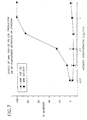
- Fig. 7 shows the inhibition of C3a production from zymosan by MAb 166-32.
- Zymosan activated the alternative complement pathway in the presence of human serum.
- the production of C3a was measured by using an ELISA assay kit.
- the line marked with filled squares represents MAb 166-32.
- the line marked with filled circles represents the irrelevant isotype-control MAb G3-519.
- the Y-axis represents the % inhibition of C3a production.
- the X-axis represents the concentration of the MAbs.
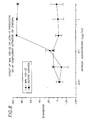
- Fig. 8 shows the inhibition of sC5b-9 production from zymosan by MAb 166-32.
- Zymosan activated the alternative complement pathway in the presence of human serum.
- the production of sC5b-9 was measured by using an ELISA assay kit.
- the line marked with filled squares represents MAb 166-32.
- the line marked with filled circles represents the irrelevant isotype-control MAb G3-519.
- the Y-axis represents the % inhibition of sC5b-9 production.
- the X-axis represents the concentration of the MAbs.
- Fig. 9 shows the inhibition of alternative pathway hemolysis of unsensitized rabbit RBCs by MAb 166-32 and its Fab.
- the line marked with filled circles represents MAb 166-32 (whole IgG).
- the line marked with filled squares represents the Fab of the MAb 166-32.
- the Y-axis represents the % hemolysis inhibition.
- the X-axis represents the concentration of the MAbs.
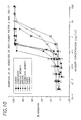
- Fig. 10 shows the inhibitory effect of MAb 166-32 on factor D in sera from different animal species in alternative pathway hemolysis of unsensitized rabbit RBCs.
- the line marked with filled squares represents human serum.
- the line marked with filled circles represents chimpanzee serum.
- the line marked with filled triangles represents rhesus monkey serum.
- the line marked with filled, inverted triangles represents baboon serum.
- the line marked with filled diamonds represents cynomolgus monkey serum.
- the line marked with open circles represents sheep serum.
- the line marked with open triangles represents canine serum.
- the Y-axis represents the % hemolysis inhibition.
- the X-axis represents the concentration of MAb 166-32.
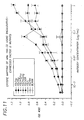
- Fig. 11 shows the reactivity of MAb 166-32 with different Baculovirus expressed factor D ("FD") mutants and hybrids in ELISA.
- the line marked with filled squares represents human factor D, FD/Hu.
- the line marked with filled circles represents pig factor D, FD/Pig.
- the line marked with filled triangles represents FD/Pighu.
- the line marked with filled, inverted triangles represents the hybrid protein, FD/Hupig.
- the line marked with filled diamonds represents the mutant protein, FDNDA.
- the line marked with open circles represents the mutant protein, FD/L.
- the line marked with open triangles represents the mutant protein, FD/RH.
- the line marked with open diamonds represents the blank with no coating antigen.
- the recombinant proteins are further described in the text.
- Fig. 12 shows the schematic representation of the expression vector plasmids for chimeric 166-32 Fab: (A) pSV2dhfrFd and (B) pSV2neo ⁇ . Solid boxes represent the exons encoding the Fd or ⁇ gene. Hatched segments represent the HCMV-derived enhancer and promoter elements (E-P), as indicated below. Open boxes are the dihydrofolate reductase (dhfr) and neo genes, as marked.
- dhfr dihydrofolate reductase
- neo genes as marked.
- the pSV2 plasmid consists of DNA segments from various sources: pBR322 DNA (thin line) contains the pBR322 origin of DNA replication (pBR ori) and the lactamase ampicillin resistance gene (Amp); SV40 DNA, represented by wider hatching and marked, contains the SV40 origin of DNA replication (SV40 ori), early promoter (5' to the dhfr and neo genes), and polyadenylation signal (3' to the dhfr and neo genes). The SV40-derived polyadenylation signal (pA) is also placed at the 3' end of the Fd gene.
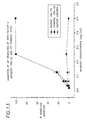
- Fig. 13 shows the inhibition of alternative pathway (AP) hemolysis of unsensitized rabbit RBCs.
- the line marked with filled squares represents the murine MAb 166-32.
- the line marked with filled circles represents chimeric MAb I66-32.
- the line marked with filled triangles represents isotype-matched negative control antibody G3-519.
- the Y-axis represents % inhibition of hemolysis.
- the X-axis represents the antibody concentration.
- Fig. 14 shows the inhibition of alternative pathway (AP) hemolysis of unsensitized rabbit RBCs.
- the line marked with filled squares represents chimeric 166-32 IgG.
- the line marked with filled circles represents cFab/9aa.
- the line marked with filled triangles represents cFab.
- the Y-axis represents % inhibition of hemolysis.
- the X-axis represents the protein concentration of the IgG and Fab.
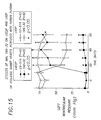
- Fig. 15 shows the effects of anti-factor D MAb 166-32 treatment on the hemodynamic functions of isolated rabbit hearts perfused with human plasma.
- Left ventricular end-diastolic pressure (LVEDP) is represented by filled circles (for MAb 166-32) and filled squares (for MAb G3-519).
- Left ventricular developed pressure (LVDP) is represented by open circles (for MAb 166-32) and open squares (for MAb G3-519).
- MAb G3-519 is the isotype-matched irrelevant control.
- Fig. 16 is a typical representation of left ventricular developed pressure (LVDP) by the two antibody groups in an isolated rabbit heart study.
- the upper panel represents a heart treated with the negative control antibody, MAb G3-519, and the lower panel a heart treated with MAb 166-32.
- the MAb G3-519 treated heart was not able to maintain LVDP after challenge with 4% human plasma, while the MAb 166-32 treated heart retained almost baseline LVDP after 60 minutes of perfusion with 4% human plasma.
- Fig. 17 shows the concentration of Bb in lymphatic effluents at selected timepoints from isolated rabbit hearts perfused with 4% human plasma.
- Samples from MAb 166-32 treated hearts (open circles) contained significantly less Bb than MAb G3-519 treated hearts (filled squares), p ⁇ 0.05.
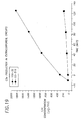
- Fig. 18 shows the alternative pathway hemolytic activity of plasma samples collected at different time points from the extracorporeal circuits treated with MAb 166-32 (filled squares) or MAb G3-519 (filled circles).
- Fig. 19 shows the concentration of C3a in plasma samples collected at different time points from the extracorporeal circuits treated with MAb 166-32 (filled squares) or MAb G3-519 (filled circles).
- Fig. 20 shows the concentration of sC5b-9 in plasma samples collected at different time points from the extracorporeal circuits treated with MAb 166-32 (filled squares) or MAb G3-519 (filled circles).
- Fig. 21 shows the concentration of Bb in plasma samples collected at different time points from the extracorporeal circuits treated with MAb 166-32 (filled squares) or MAb G3-519 (filled circles).
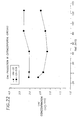
- Fig. 22 shows the concentration of C4d in plasma samples collected at different time points from the extracorporeal circuits treated with MAb 166-32 (filled squares) or MAb G3-519 (filled circles).
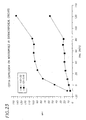
- Fig. 23 shows the level of expression of CD11b on the surface of neutrophils obtained at different time points from the extracorporeal circuits treated with MAb 166-32 (filled squares) or MAb G3-519 (filled circles).
- the level of expression of CD11b is represented by mean fluorescence intensity (MFI) obtained by immunocytofluorometic analyses.
- Fig. 24 shows the level of expression of CD62P on the surface of platelets obtained at different time points from the extracorporeal circuits treated with MAb 166-32 (filled squares) or MAb G3-519 (filled circles).
- the level of expression of CD62P is represented by mean fluorescence intensity (MFI) obtained by immunocytofluorometric analyses.
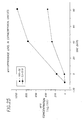
- Fig. 25 shows the concentration of neutrophil-specific myeloperoxidase (MPO) in plasma samples collected at different time points from the extracorporeal circuits treated with MAb 166-32 (filled squares) or MAb G3-519 (filled circles).
- MPO neutrophil-specific myeloperoxidase
- SEQ ID NO:1 shows the nucleotide sequence of human factor D.
- SEQ ID NO:2 shows the amino acid sequence of human factor D.
- SEQ ID NO:3 shows the nucleotide sequence of pig factor D.
- SEQ ID NO:4 shows the amino acid sequence of pig factor D.
- SEQ ID NO:5 is the primer used for cloning the V K gene of MAb 166-32.
- SEQ ID NO:6 was used as an anealed adaptor for cloning the V K gene of MAb 166-32, as described below, and as a primer.
- SEQ ID NO:7 was also used as an anealed adaptor for cloning the V K gene of MAb 166-32, as described below.
- SEQ ID NO:8 was used as a 3' primer for cloning the V H gene of MAb 166-32, as described below.
- SEQ ID NO:9 was a primer used for cloning the V H gene of MAb 166-32.
- SEQ ID NO:10 was used as a primer for cloning the V H gene of MAb 166-32.
- SEQ ID NO:11 was the 5' primer for the PCR of the Fd gene of MAb 166-32.
- SEQ ID NO:12 was the 3' primer for the PCR of the Fd gene of MAb 166-32.
- SEQ ID NO: 13 was the 5' primer for the Fd gene PCR of MAb 166-32
- SEQ ID NO: 14 was the 3' primer for the Fd gene PCR of MAb 166-32.
- SEQ ID NO: 15 is the sequence for additional amino acids added to Fd to obtain recombinant Fab.
- anti-factor D MAbs can be raised by immunizing rodents (e.g. mice, rats, hamsters and guinea pigs) with either native factor D purified from human plasma or urine, or recombinant factor D or its fragments expressed by either eukaryotic or prokaryotic systems.
- Other animals can be used for immunization, e.g. non-human primates, transgenic mice expressing human immunoglobulins and severe combined immunodeficient (SCID) mice transplanted with human B lymphocytes.
- SCID severe combined immunodeficient
- Hybridomas can be generated by conventional procedures by fusing B lymphocytes from the immunized animals with myeloma cells (e.g. Sp2/0 and NS0), as described by G.
- anti-factor D antibodies can be generated by screening of recombinant single-chain Fv or Fab libraries from human B lymphocytes in phage-display systems.
- the specificity of the MAbs to human factor D can be tested by enzyme linked immunosorbent assay (ELISA), Western immunoblotting, or other immunochemical techniques.
- ELISA enzyme linked immunosorbent assay
- the inhibitory activity of the antibodies on complement activation can be assessed by hemolytic assays using unsensitized rabbit or guinea pig red blood cells (RBCs) for the alternative pathway, and using sensitized chicken or sheep RBCs for the classical pathway.
- the hybridomas in the positive wells are cloned by limiting dilution.
- the antibodies are purified for characterization for specificity to human factor D by the assays described above.
- the anti-factor D antibodies would preferably be used as chimeric, deimmunized, humanized or human antibodies. Such antibodies can reduce immunogenicity and thus avoid human anti-mouse antibody (HAMA) response. It is preferable that the antibody be IgG4, IgG2, or other genetically mutated IgG or IgM which does not augment antibody-dependent cellular cytotoxicity ( S.M. Canfield and S.L. Morrison, J. Exp. Med., 1991: 173: 1483-1491 ) and complement mediated cytolysis ( Y.Xu et al., J. Biol. Chem., 1994: 269: 3468-3474 ; V.L. Pulito et al., J. Immunol., 1996; 156: 2840-2850 ).
- Chimeric antibodies are produced by recombinant processes well known in the art, and have an animal variable region and a human constant region. Humanized antibodies have a greater degree of human peptide sequences than do chimeric antibodies. In a humanized antibody, only the complementarity determining regions (CDRs) which are responsible for antigen binding and specificity are animal derived and have an amino acid sequence corresponding to the animal antibody, and substantially all of the remaining portions of the molecule (except, in some cases, small portions of the framework regions within the variable region) are human derived and correspond in amino acid sequence to a human antibody. See L. Riechmann et al., Nature, 1988; 332: 323-327 ; G. Winter, United States Patent No. 5,225,539 ; C.Queen et al., U.S. patent number 5,530,101 .
- CDRs complementarity determining regions
- Deimmunized antibodies are antibodies in which the T and B cell epitopes have been eliminated, as described in International Patent Application PCT/GB98/01473 . They have no or reduced immunogenicity when applied in vivo.
- Human antibodies can be made by several different ways, including by use of human immunoglobulin expression libraries (Stratagene Corp., La Jolla, California) to produce fragments of human antibodies (VH, VL, Fv, Fd, Fab, or F(ab') 2 , and using these fragments to construct whole human antibodies using techniques similar to those for producing chimeric antibodies.
- Human antibodies can also be produced in transgenic mice with a human immunoglobulin genome. Such mice are available from Abgenix, Inc., Fremont, California, and Medarex, Inc., Annandale, New Jersey.
- Single chain antibodies Single chain antibodies
- Fab can be constructed and expressed by similar means ( M.J. Evans et al., J. Immunol. Meth., 1995; 184: 123-138 ). All of the wholly and partially human antibodies are less immunogenic than wholly murine MAbs, and the fragments and single chain antibodies are also less immunogenic. All these types of antibodies are therefore less likely to evoke an immune or allergic response. Consequently, they are better suited for in vivo administration in humans than wholly animal antibodies, especially when repeated or long-term administration is necessary.
- the smaller size of the antibody fragment may help improve tissue bioavailability, which may be critical for better dose accumulation in acute disease indications.
- variable regions of the anti-factor D antibodies Based on the molecular structures of the variable regions of the anti-factor D antibodies, one could use molecular modeling and rational molecular design to generate and screen small molecules which mimic the molecular structures of the binding region of the antibodies and inhibit the activities of factor D.
- These small molecules can be peptides, peptidomimetics, oligonucleotides, or organic compounds.
- the mimicking molecules can be used as inhibitors of complement activation in inflammatory indications and autoimmune diseases.
- a chimeric Fab having animal (mouse) variable regions and human constant regions is used therapeutically, because it is smaller than a whole immunoglobulin and may provide better tissue penetration.
- the anti-factor D binding molecules, antibodies, and fragments of this invention can be administered to patients in an appropriate pharmaceutical formulation by a variety of routes, including, but not limited, intravenous infusion, intravenous bolus injection, and intraperitoneal, intradermal, intramuscular, subcutaneous, intranasal, intratracheal, intraspinal, intracranial, and oral routes.
- routes including, but not limited, intravenous infusion, intravenous bolus injection, and intraperitoneal, intradermal, intramuscular, subcutaneous, intranasal, intratracheal, intraspinal, intracranial, and oral routes.
- Such administration enables them to bind to endogenous factor D and thus inhibit the generation of C3b, C3a and C5a anaphylatoxins, and C5b-9.
- the estimated preferred dosage of such antibodies and molecules is between 10 and 500 ⁇ g/ml of serum.
- the actual dosage can be determined in clinical trials following the conventional methodology for determining optimal dosages, i.e., administering various dosages and determining which is most effective.
- the anti-factor D molecules can function to inhibit in vivo complement activation and/or the alternative complement pathway and inflammatory manifestations that accompany it, such as recruitment and activation of macrophages, neutrophils, platelets, and mast cells, edema, and tissue damage. These inhibitors can be used for treatment of diseases or conditions that are mediated by excessive or uncontrolled activation of the complement system.
- inflammatory disorders e.g., burns, endotoxemia and septic shock, adult respiratory distress syndrome, cardiopulmonary bypass, hemodialysis; anaphylactic shock, severe asthma, angioedema, Crohn's disease, sickle cell anemia, poststreptococcal glomerulonephritis and pancreatitis
- transplant rejection e.g., hyperacute xenograft rejection; and (4) adverse drug reactions, e.g., drug allergy, IL-2 induced vascular leakage syndrome and radiographic contrast media allergy.
- Autoimmune disorders including, but not limited to, systemic lupus erythematosus, myasthenia gravis, rheumatoid arthritis, Alzheimer's disease and multiple sclerosis, may also be treated with the inhibitors of the invention.
- the anti-factor D molecules can also be used diagnostically to ascertain the presence of, or to quantify, factor D in a tissue specimen or a body fluid sample, such as serum, plasma, urine or spinal fluid.
- a tissue specimen or a body fluid sample such as serum, plasma, urine or spinal fluid.
- well known assay formats can be used, such as immunohistochemistry or ELISA, respectively. Such diagnostic tests could be useful in determining whether certain individuals are either deficient in or overproduce factor D.
- factor D inhibitors in various disease indications described above can be confirmed by using available animal models for various inflammatory and autoimmune manifestations.
- the in vitro tests described below in the examples are adequate to establish their efficacy.
- mice Male A/J mice (Harlan, Houston, TX), 8-12 weeks old, were injected subcutaneously with 25 ⁇ g of factor D purified from human serum (Advanced Research Technologies, San Diego,CA) in complete Freund's adjuvant (Difco Laboratories, Detroit, Michigan) in 200 ⁇ l of phosphate-buffered saline (PBS) pH7.4.
- the factor D preparation were tested to be > 95% pure by sodium dodecylsulphate (SDS)-polyacrylamide gel electrophoresis (PAGE).
- SDS sodium dodecylsulphate
- PAGE polyacrylamide gel electrophoresis
- mice were again injected intraperitoneally with 25 ⁇ g of the same antigen in PBS.
- single cell suspensions were prepared from the spleen of an immunized mouse and used for fusion with Sp2/0 myeloma cells.
- 5 x 10 8 of the Sp2/0 and 5 x 10 8 spleen cells were fused in a medium containing 50% polyethylene glycol (M.W. 1450) (Kodak, Rochester, NY) and 5% dimethylsulfoxide (Sigma Chemical Co., St. Louis, MO).
- the cells were then adjusted to a concentration of 1.5 x 10 5 spleen cells per 200 ⁇ l of the suspension in Iscove medium (Gibco, Grand Island, NY), supplemented with 10% fetal bovine serum, 100 units/ml of penicillin, 100 ⁇ g/ml of streptomycin, 0.1 mM hypoxanthine, 0.4 ⁇ M aminopterin, and 16 ⁇ M thymidine.
- Iscove medium Gibco, Grand Island, NY
- penicillin 100 ⁇ g/ml of streptomycin
- 0.1 mM hypoxanthine 100 ⁇ g/ml of streptomycin
- 0.1 mM hypoxanthine 0.1 mM hypoxanthine
- 0.4 ⁇ M aminopterin 16 ⁇ M thymidine.
- Two hundred microliters of the cell suspension were added to each well of about twenty 96-well microculture plates. After about ten days culture supernatants were withdrawn for screening for reactivity with pur
- Wells of lmmulon 2 (Dynatech Laboratories, Chantilly, VA) microtest plates were coated by adding 50 ⁇ l of purified human factor at 50 ng/ml overnight at room temperature.
- the low concentration of factor D for coating enabled the selection of high-affinity antibodies.
- 200 ⁇ l of BLOTTO (non-fat dry milk) in PBS was added to each well for one hour to block the non-specific sites. An hour later, the wells were then washed with a buffer PBST (PBS containing 0.05% Tween 20).
- the culture supernatants from the positive wells were then tested by two assays: i) inhibition of alternative pathway hemolysis of unsensitized rabbit RBCs by pre-titered human serum by the method described below; and ii) inhibition of formation of C3a by zymosan treated with human serum as described below.
- the cells in those positive wells were cloned by limiting dilution.
- the MAbs were tested again for reactivity with factor D in the ELISA.
- the selected hybridomas were grown in spinner flasks and the spent culture supernatant collected for antibody purification by protein A affinity chromatography. Four MAbs were tested to be strongly reactive with human factor D in ELISA.
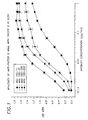
- MAbs are designated 166-11, 166-32, 166-188, and 166-222 ( Fig. 1 ).
- MAb 166-32 IgG1 strongly inhibited the alternative pathway hemolysis of unsensitized rabbit RBCs as described below.
- Example 2 Determination the kinetic constants of the anti-factor D MAbs by surface plasmon resonance method
- the kinetic constants for the binding of MAbs 166-11, 166-32, 166-188, and 166-22 to human factor D were determined by surface plasmon resonance-based measurements using the BlAcore instrument (Pharmacia Biosensor AB, Uppsala, Sweden). All the binding measurements were performed in HEPES-buffered saline (HBS) (10 mM HEPES, pH 7.4, 150 mM NaCl, 3.4 mM EDTA, 0.005% Surfactant P20) at 25°C.
- HBS HEPES-buffered saline
- a rabbit anti-mouse IgG H+L was immobilized onto a CM5 sensorchip by amine coupling using N-hydroxysuccinimide and N-ethyl-N'-(3-diethylaminopropyl) carbodimide. Each individual MAb was then captured onto the coated sensorchip before the injection of factor D at different concentrations.
- MAb 166-32 Since MAb 166-32 has a very fast k assoc which is beyond the reliability limit of the assay format due to the limitation of the mass transport effect, an additional binding format was also used to measure its kinetic rate constants.
- Factor D was immobilized onto the sensorchip by amine coupling as described above while MAb 166-32 of different dilutions (5 nM, 10 nM, 15 nM, 20 nM and 25 nM for the measurement of k assoc and 200 nM for the measurement of k dissoc flowed to the sensorchip at the flow rate of 5 ⁇ l/min.
- MAbs 166-32 and 166-222 have very high affinity to factor D, with equilibrium dissociation constant (K D ) less than 0.1 nM.
- the plate was then centrifuged at 300 x g for 3 minutes. Supernatants (80 ⁇ l) were collected and transferred to wells on a flat-bottom 96-well microtest plates for measurement of OD at 405 nm. The percent inhibition of hemolysis is defined as 100 x [(OD without MAb - OD serum color background) - (OD with MAb - OD serum color background)] / (OD without MAb - OD serum color background).
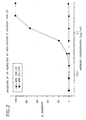
- Fig. 2 shows the data that MAb 166-32 strongly inhibits in a dose-dependent manner the alternative pathway hemolysis of unsensitized rabbit RBCs in the presence of 10% human serum, whereas the irrelevant isotype-matched control MAb G3-519 does not.
- MAb G3-519 is specific to HIV envelope glycoprotein gp120.
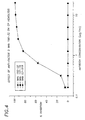
- Fig. 4 shows the data that MAb 166-32 and the irrelevant control G3-519 do not inhibit the classical pathway hemolysis of sensitized chicken RBCs, whereas the positive control anti-human C5 MAb 137-76 does.
- the data from Figs. 2 , 3 and 4 indicate that MAb 166-32 is specific to the inhibition of the alternative pathway of complement activation.
- a human serum sample was first depleted of factor D by passing it through an affinity column packed with 3M Emphaze Biosupport Medium (Pierce, Rockford, IL) coupled with the anti-factor D MAb 166-222.
- the flow-through serum was tested to be inactive in triggering alternative pathway hemolysis due to the complete depletion of factor D.
- the procedure of this assay is similar to that described in Example 3 described above, except purified factor D of varying concentrations was added to the factor D depleted serum to reconstitute the hemolytic activity. Under these conditions, the hemolysis of rabbit RBCs was factor D dependent.
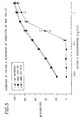
- the reconstituted hemolytic activity is linearly proportional to the concentration of the supplemented factor D (from 0.01 ⁇ g/ml to 2 ⁇ g/ml ( Fig. 5 )).
- the data from Fig. 5 also shows that 0.3 ⁇ g/ml of MAb 166-32 can completely inhibit hemolysis of unsensitized rabbit RBCs in the presence of 0.1 ⁇ g/ml supplemented factor D, whereas the negative control MAb G3-519 has no effect on the factor D dependent hemolysis.
- MAb 166-32 can effectively inhibit the biological activity of human factor D at a molar ratio of 1:2 (MAb 166-32 to factor D). Therefore MAb 166-32 is a potent, high-affinity antibody to factor D.
- the antibody has the potential to be used clinically to treat diseases or indications caused by activation of the alternative complement pathway.
- EAC3b cells are sheep RBCs coated with human C3b (purchased from the National Jewish Center of Immunology and Respiratory Medicine, Denver, CO). In this assay, the alternative C3 convertase was assembled on the surface of EAC3b cells by addition of factor B, factor P (properdin) and factor D. EAC3b cells (5 x 10 8 ), which were then washed three times in DGVB ++ medium (50% veronal buffered saline, pH7.2, containing 0.075 mM CaCl 2 0.25 mM MgCl 2 , 0.1% gelatin, 2.5% (w/v) dextrose, and 0.01% sodium azide).
- DGVB ++ medium 50% veronal buffered saline, pH7.2, containing 0.075 mM CaCl 2 0.25 mM MgCl 2 , 0.1% gelatin, 2.5% (w/v) dextrose, and 0.01% sodium azide).
- the washed cells were then resuspended in 1.5 ml of DGVB ++ , factor P (30 ⁇ g) and factor B (20 ⁇ g).
- the concentrations of factor P and factor B were pre-determined to be in excess.
- Fifty microlliters of the cell suspension was added to each well of a round-bottom 96-well microtest plate.
- 50 ⁇ lof a mixture of factor D (1.2 ng/ml) and serially diluted MAb 166-32 or MAb G3-519 was added to the wells containing to the cells for incubation for 15 minutes at 30°C.
- the concentration of factor D (1.2 ng/ml) was pre-determined to give over 90% hemolysis under these conditions.
- GVB-EDTA medium gelatin/veronal-buffered saline containing 10 mM EDTA.
- the cells were then resuspended in 30 ⁇ l of GVB-EDTA medium.
- 100 ⁇ l of guinea pig serum (Sigma) (diluted 1:10 in GVB-EDTA) were added to each well. The mixtures were then incubated at 37°C for 30 minutes. The microtest plate was then centrifuged at 300 x g for 3 minutes. The supernatant was collected for OD measurement at 405 nm.
- Fig. 6 shows the results of the experiments that MAb 166-32 inhibits the lysis of EAC3b cells, whereas the irrelevant MAb G3-519 does not.
- MAb 166-32 inhibits factor D from cleavage of factor B, therefore preventing the formation of C3 convertase on the surface of EAC3b cells.
- Example 5 Inhibition of the generation of C3a from complement-activated zymogen by MAb 166-32
- Fig. 7 shows that MAb 166-32 inhibits the generation of C3a from complement-activated zymosan, whereas the irrelevant MAb G3-519 has no effect.
- Example 6 Inhibition of complement-activated hemolysis by the Fab of MAb 166-32
- the Fab of MAb 166-32 was prepared by papain digestion using a commercial reagent kit (Pierce). The Fab was then tested for inhibitory activity on the alternative pathway hemolysis using unsensitized rabbit RBCs as described above.
- Fig. 9 shows the data of the experiments that both the whole IgG and Fab show similar potency in blocking the alternative complement activation, taking into consideration that there are two binding sites per antibody molecule.
- Fig. 10 shows that MAb 166-32 has strong inhibitory activity against sera from human, rhesus monkey, cynomolgus monkey, baboon and chimpanzee and moderate inhibitory activity against sera from sheep and dog.
- the antibody does not inhibit sera from mouse, hamster, rat, rabbit, guinea pig and pig.
- Example 8 Construction of human Factor D mutants for epitope mapping of MAb 166-32
- MAb 166-32 To delineate the binding epitope on human factor D recognized by MAb 166-32, the reactivity of the antibody with human factor D on Western blots was first tested. MAb 166-32 did not react with SDS-denatured human factor D (either reduced or non-reduced) immobilized on nitrocellulose membrane. This result indicates the MAb 166-32 binds native but not denatured factor D.
- MAb 166-32 does not inhibit the hemolytic activity of mouse and pig factor D as described in Example 7, it is likely that MAb 166-32 binds to a site on human factor D that has a high degree of difference in the amino acid sequence from those of mouse and pig factor D. Based on this concept, various factor D mutants and hybrids were made by replacing amino acid residues in human factor D with the corresponding amino acid residues in the pig counterpart, for mapping the binding epitope of Mab 166-32, as described below.
- Human factor D gene segments were obtained by polymerase chain reaction (PCR) using human adipocyte cDNA (Clontech, San Francisco, CA) as the template and appropriate oligonucleotide primers. Amplified DNA fragments were digested with Bam HI and Eco RI restriction enzymes and the digested product was inserted at the Bam HI and Eco RI sites of the Baculovirus transfer vector pVL1393 (Pharmingen, San Diego, CA) to give the wild type pVL1393-factor D/Hu. The human factor D is designated as factor D/Hu.
- the nucleotide sequence and the deduced amino acid sequence of the mature human factor D protein are shown in SEQ ID NOS: 1and 2 ( R.T. White et al., J. Biol. Chem., 1992; 267:9210-9213 ; GenBank accession number: M84526).
- Pig factor D cDNA clone pMon24909 was obtained as a gift from J.L. Miner of University of Iowa (GenBank accession number: U29948).
- the Bam HI- Eco RI fragments of pMon24909 were cloned into pVL1393 to give pVL1393-factor D/Pig.
- the pig factor D is designated as factor D/Pig.
- the nucleotide sequence and the deduced amino acid sequence of the mature pig factor D protein are shown in SEQ ID NOS: 3 and 4.
- the amino acid mutations were designed by replacing the amino acid residues in the human sequence with the corresponding amino acid residues of the pig sequence when the amino acid sequences of human and pig factor D are aligned for homology comparison.
- the first mutant, factor D/VDA contained three amino acid mutations: V113E, D116E, and A118P. (This is a short-hand method of designating mutations in which, for example, V113E means that the valine at amino acid residue number 113 in human factor D was changed to glutamic acid in pig factor D).
- the second mutant, factor D/RH contained two amino acid mutations: R156L and H159Y.
- the third mutant, factor D/L contained a single mutation: L168M. DNA sequences encoding these mutants were confirmed by DNA sequencing. After digesting with appropriate enzymes, DNA fragments were inserted at the Bam HI and Eco RI sites of the Baculovirus transfer vector pVL1393 to give pVL1393-factorD/VDA, pVL1393-factorD/RH and pVL1393-factorD/L, respectively.
- Two chimeric human-pig factor D hybrids were also constructed by using appropriate primers and overlapping PCR.
- the first hybrid, factor D/Hupig contained 52 human factor D-derived amino acids at the N-terminus, and the remaining amino acids were derived from the pig factor D.
- the other hybrid, factor D/Pighu contained 52 pig factor D-derived amino acids at the N-terminus and the remaining amino acids were derived from the human factor D.
- the Bam HI and Eco RI-digested DNA fragments were inserted at the Bam HI and Eco RI sites of the Baculovirus transfer vector pVL1393 to give pVL1393-factorD/Hupig and pVL1393-factorD/Pighu.
- the beads were washed first with 50 mM diethylamine, pH 11.5 to saturate all the remaining reactive sites and then with a buffer containing 10 mM Tris, 0.15 M NaCl, 5 mM EDTA, 1% Triton X-1 00, and 0.02% NaN 3 , pH 8.0.
- the gel was stored in the buffer at 4°C.
- the reactivity of MAb 166-32 with the various factor D mutants and hybrids was tested by ELISA.
- Different wells of 96-well microtest plates were coated with the proteins (factor D/Hu, factor D/Pig, factor D/Hupig, factor D/Pighu, factor DNDH, factor D/RH, and factor D/L) by addition of 100 ⁇ l of each protein at 0.5 ⁇ g/ml in PBS. After overnight incubation at room temperature, the wells were treated with PBSTB (PBST containing 2% BSA) to saturate the remaining binding sites. The wells were then washed with PBST.
- PBSTB PBST containing 2% BSA
- Fig. 11 shows that MAb 166-32 reacts with factor D/Hu, factor D/Pighu, and factor D/VDA, but not factor D/Pig, factor D/Hupig, factor D/RH, and factor D/L.
- the ELISA results indicate that amino acid residues Arg156, His159 and Leu168 of human factor D are essential for the binding of MAb 166-32. This is consistent with the fact that MAb 166-32 did not bind factor D/Hupig when the C-terminus portion of human factor D was replaced with that of pig.
- Amino acid residues Arg156, His159 and Leu168 are located in a so-called "methionine loop" constituted by a disulfide linkage between Cys154 and Cys170 with a methionine residue at position 169 ( J.E. Volanakis et al., In: The Human Complement System in Health and Disease, J.E. Volanakis and M.M. Franks, eds., Marcel Dekker, 1998, pp. 49-81 ).
- the "methionine loop” is a member of a rigid type 1 ⁇ turn. It is found to be exposed on the surface of the factor D molecule based on the data from X-ray crystallography studies ( S.V.L.
- Example 9 Cloning of anti-factor D MAb 166-32 variable region genes and construction and expression of chimeric 166-32 IgG and its Fab
- a chimeric form of MAb 166-32 was made by replacing the mouse constant regions with human constant regions of IgG1.Two forms of chimeric Fab of the antibody were also made by replacing the mouse constant regions with their human counterparts.
- the cloning of MAb 166-32 variable region genes and the construction and expression of the chimeric 166-32 antibody and its Fab are described below.
- RNA was isolated from the hybridoma cells secreting anti-Factor D MAb 166-32 using RNAzol following the manufacturer's protocol (Biotech, Houston, TX).
- First strand cDNA was synthesized from the total RNA using oligo dT as the primer.
- PCR was performed using the immunoglobulin constant (C) region-derived 3' primers and degenerate primer sets derived from the leader peptide or the first framework region of murine V H or V K genes as the 5' primers. Although amplified DNA was noted for V H , no DNA fragment of expected lengths was amplified for V K . Both V H and V K genes were cloned by anchored PCR .
- the digested product was used as the template in PCR with the AD1 oligonucleotide as the 5' primer and MAK2 (5'-CATTGAAAGCTTTGGGGTAGAAGTTGTTC-3' SEQ ID NO:8) as the 3' primer.
- DNA fragments of approximately 500 bp were cloned into pUC19. Twelve clones were selected for further analysis. Seven clones were found to contain the CDR3 sequence specific for the Sp2/0 V message, and presumably were derived from the aberrant ⁇ light chain messages of the fusion partner for the 166-32 hybridoma cell line.
- the Not I-MAK1 and MAK2 oligonucleotides were derived from the murine C ⁇ region, and were 182 and 84 bp, respectively, downstream from the first bp of the C ⁇ gene. Three clones were analyzed by DNA sequencing, yielding sequences encompassing part of murine C ⁇ , the complete V ⁇ , and the leader peptide.
- double-stranded cDNA was prepared using the Not I-MAG1 primer (5'-CGCGGCCGCAGCTGCTCAGAGTGTAGA-3' SEQ ID NO:9).
- Annealed adaptors AD1 and AD2 were ligated to both 5' and 3' termini of the double-stranded cDNA. Adaptors at the 3' ends were removed by Not I digestion.
- the digested product was used as the template in PCR with the AD1 oligonucleotide and MAG2 (5'-CGGTAAGCTTCACTGGCTCAGGGAAATA-3' SEQ ID NO:10) as primers. DNA fragments of 500 to 600 bp in length were cloned into pUC19.
- the Not I-MAG1 and MAG2 oligonucleotides were derived from the murine C ⁇ 1 region, and were 180 and 93 bp, respectively, downstream from the first bp of the murine C ⁇ 1 gene. Three clones were analyzed by DNA sequencing, yielding sequences encompassing part of murine C ⁇ 1, the complete V H , and the leader peptide.
- V H and V ⁇ genes were used as templates in PCR for adding the Kozak sequence to the 5' end and the splice donor to the 3' end. After the sequences were analyzed to confirm the absence of PCR errors, the V H and V ⁇ genes were inserted into expression vector cassettes containing human C ⁇ 1 and C ⁇ respectively, to give pSV2neoV H -huC ⁇ 1 and pSV2neoV-huC ⁇ . CsC gradient-purified plasmid DNAs of the heavy- and light-chain vectors were used to transfect COS cells by electroporation. After 48 hours, the culture supernatant was tested by ELISA to contain approximately 200 ng/ml of chimeric IgG.
- RNA sequence was confirmed to contain the complete V H and the CH1 domain of human IgG1.
- the Fd DNA fragments were inserted at the Hin dIII and Bam HI restriction sites of the expression vector cassette pSV2dhfr-TUS to give pSV2dhfrFd ( Fig. 12A ).
- ⁇ gene PCR was carried out using (5'-AAGAAAGCTTGCCGCCACCATGTTCTCACTAGCTCT-3' SEQ ID NO:13) as the 5' primer and a C ⁇ -derived 3' primer (5'-CGGGATCCTTCTCCCTCTAACACTCT-3' SEQ ID NO:14). DNA sequence was confirmed to contain the complete V ⁇ and human C ⁇ regions. After digestion with proper restriction enzymes, the ⁇ DNA fragments were inserted at the Hind III and Bam HI restriction sites of the expression vector cassette pSV2neo-TUS to give pSV2neo ⁇ ( Fig. 12B ). The expression of both Fd and ⁇ genes are driven by the HCMV-derived enhancer and promoter elements.
- this recombinant chimeric Fab contains non-covalently linked heavy- and light-chains.
- This chimeric Fab is designated as cFab.
- the above Fd gene was extended to include the coding sequence for additional 9 amino acids (EPKSCDKTH SEQ ID NO:15) from the hinge region of human IgG1.
- the Bst EII- Bam HI DNA segment encoding 30 amino acids at the 3' end of the Fd gene was replaced with DNA segments encoding the extended Fd.
- Sequence of the extended Fd with additional 9 amino acids from the hinge region of human IgG1 was confirmed by DNA sequencing.
- This Fd/9aa gene was inserted into the expression vector cassette pSV2dhfr-TUS to give pSV2dhfrFd/9aa.
- This chimeric Fab is designated as cFab/9aa.
- NS0 cells were transfected with purified plasmid DNAs of pSV2neoV H -huC ⁇ 1and pSV2neoV-huC ⁇ by electroporation. Transfected cells were selected in the presence of 0.7mg/ml G418. Cells were grown in a 250-ml spinner flask using serum-containing medium.
- CHO cells were transfected with purified plasmid DNAs of pSV2dhfrFd (or pSV2dhfrFd/9aa) and pSV2neo ⁇ by electroporation. Transfected cells were selected in the presence of G418 and methotrexate. Selected cell lines were amplified in increasing concentrations of methotrexate. Cells were single-cell subcloned by limiting dilution. High-producing single-cell subcloned cell lines were then grown in 100-ml spinner culture using serum-free medium.
- Chimeric 166-32 Fab was purified by affinity chromatography using a mouse anti-idiotypic MAb to MAb 166-32.
- the anti-idiotypic MAb is designated as MAb 172-25-3. It was made by immunizing mice with MAb 166-32 conjugated with keyhole limpet hemocyanin (KLH) and screening for specific MAb 166-32 binding could be competed with human factor D.
- KLH keyhole limpet hemocyanin
- the affinity chromatography matrix was prepared by mixing 25 mg MAb 172-25-3 with 5 ml of dry azlactone beads (UltraLink Biosupport Medium, Pierce) in a coupling buffer (0.1 M borate and 0.75 M Na 2 SO 4 , pH 9.0) for 2 hours at room temperature. Then the residual reactive sites were blocked with 1 M ethanolamine, pH 9.0 for 2.5 hours at room temperature. The beads were then washed in a buffer containing 10 mM Tris, 0.15 M NaCl, 5 mM EDTA, 1% Triton X-100 and 0.02% NaN 3 , pH 8.0) and stored then at 4°C.
- the purified chimeric 166-32 IgG, cFab and cFab/9aa were analyzed for purity and molecular size by SDS-PAGE.
- the proteins were treated with sample buffers with or without mercaptoethanol.
- the samples were then run on pre-cast gels (12.5%) (Amersham Pharmacia Biotech, Uppsala, Sweden) together with pre-stained molecular weight standard (low molecular weight range) (BIO-RAD Laboratories, Hercules, CA) using the PhastSystem (Amersham Pharmacia Biotech).
- the gels were then stained in Coomassie Brilliant Blue solution (BIO-RAD) for 5 minutes and then de-stained in an aqueous solution containing 40% methanol and 10% acetic acid.
- cFab, cFab/9aa and chimeric IgG have a protein band of 150 kD, and two protein bands of heavy (HC) and light (LC) chains of approximately 50 kD and 29 kD, respectively.
- HC heavy
- LC light
- cFab/9aa had only 1 protein band of about 40 kD under non-reducing condition, indicating that the heavy and light chains are linked by an inter-chain disulfide bond.
- cFab showed two protein bands under non-reducing condition, indicating that the heavy and light chains are not linked by an inter-chain disulfide bond.
- chimeric 166-32 IgG, cFab and cFab/9aa were determined by using the alternative complement hemolytic assay described above.
- Fig. 13 shows that the murine and chimeric forms of MAb 166-32 have identical potency in inhibiting factor D.
- Fig. 14 shows that cFab and cFab/9aa have almost identical potency in inhibiting factor D.
- the potency of the two forms of chimeric Fab is identical to that of the chimeric IgG, taking into consideration that there are two binding sites per IgG molecule. Together, the results demonstrate that chimeric IgG, cFab and cFab/9aa retain the potency of the parental murine MAb 166-32.
- Example 10 Protection of complement-mediated tissue damage by Mab 166-32 in an ex vivo model of rabbit hearts perfused with human plasma
- Activation of the complement system contributes to hyperacute rejection of xenografts. It may occur as a result of binding of complement fixing antibodies, the direct activation of complement via the alternative pathway on foreign cell surfaces, and/or the failure of complement regulation by the foreign organ ( J.L. Platt et al., Transplantation, 1991; 52: 937-947 ). Depending on the particular species-species interaction, complement activation through either the classical or alternative pathway predominates, though in some cases both pathways may be operative ( T. Takahashi et al., Immunol. Res., 1997; 16: 273-297 ). Previous studies have shown that hyperacute rejection can occur in the absence of anti-donor antibodies via activation of the alternative pathway ( P.S. Johnston et al., Transplant. Proc., 1991; 23: 877-879 ).
- the perfusion medium consisted of a recirculating volume (250 ml) modified Krebs-Henseleit (K-H) buffer (pH 7.4, 37°C) delivered at a constant rate of 20-25 ml/min.
- the composition of the buffer medium in millimoles per liter was as follows: NaCl,117; KCI, 4.0; CaCl 2 .
- K-H buffer passed through a gas porous "lung" consisting of Silastic TM Laboratory Grade Tubing (Dow Corning, Midland, MI), 55.49 meters in length, with an inner diameter of 1.47 mm and an outer diameter of 1.96 mm.
- the membranous "lung" was exposed continuously to a mixture of 95% O 2 /5% CO 2 to obtain an oxygen partial pressure within the perfusion medium equal to 500 mm Hg.
- the hearts were paced throughout the protocol via electrodes attached to the right atrium.
- Pacing stimuli (3 Hz, 4 msec duration) were delivered from a laboratory square wave generator (Grass SD-5, Quincy, MA).
- the pulmonary artery was cannulated with polyethylene tubing to facilitate collection of the pulmonary artery effluent, representing the coronary venous return.
- the superior and inferior vena cava and the pulmonary veins were ligated to prevent exit of the perfusate from the severed vessels.
- a left ventricular drain, thermistor probe, and latex balloon were inserted via the left atrium and positioned in the left ventricle.
- the fluidfilled latex balloon was connected with rigid tubing to a pressure transducer to permit for measurement of left ventricular systolic and end-diastolic pressures.
- the left ventricular developed pressure is defined as the difference between the left ventricular systolic and end-diastolic pressures.
- the intraventricular balloon was expanded with distilled water to achieve an initial baseline left ventricular end-diastolic pressure of 5 mm Hg.
- Coronary perfusion pressure was measured with a pressure transducer connected to a side-arm of the aortic cannula. All hemodynamic variables were monitored continuously using a multichannel recorder (Grass Polygraph 79D, Quincy, MA).
- the isolated hearts were maintained at 37°C throughout the experimental period by enclosing them in a temperature-regulated double-lumen glass chamber and passing the perfusion medium through a heated reservoir and delivery system.
- Hemodynamic variables including coronary perfusion pressure (CPP), left ventricular systolic pressure (LVSP), left ventricular end-diastolic pressure (LVEDP), and left ventricular developed pressure (LVDP) were recorded before the addition of antibody (baseline), before the addition of 4% human plasma, and every 10 minutes thereafter, for 60 minutes.
- CPP coronary perfusion pressure
- LVSP left ventricular systolic pressure
- LVEDP left ventricular end-diastolic pressure
- LVDP left ventricular developed pressure
- MAb 166-32 attenuated the increase in coronary perfusion pressure (CPP) when compared to hearts treated with MAb G3-519 (0.3 ⁇ g/ml) when exposed to 4% human plasma.
- CPP coronary perfusion pressure
- a rise in CPP indicates coronary vascular resistance which is often associated with myocardial tissue damage.
- Isolated rabbit hearts perfused with MAb 166-32 maintained left ventricular end-diastolic pressure (LVEDP), in marked contrast to the results obtained with MAb G3-519 ( Fig. 15 ).
- the latter group of hearts developed a progressive increase in LVEDP after exposure to 4% human plasma, indicating contracture or a failure of the ventricle to relax during diastole ( Fig. 15 ).
- MAb 166-32 also attenuated the decrease in left ventricular developed pressure (LVDP) compared to the hearts treated with MAb G3-519 after exposure to diluted human plasma. ( Fig. 15 ).
- Fig. 16 depicts representative recordings of cardiac function obtained before and after 10, 30 and 60 minutes of perfusion in the presence of 4% human plasma.
- the progressive increase in the LVEDP and the decrease in the LVDP of a MAb G3-519 treated rabbit heart is obvious after 10 minutes with progressive deterioration of ventricular function over the subsequent 50 minutes.
- preservation of ventricular function of a heart treated with MAb 166-32 is evident over the period of 60 minutes.
- Factor D catalyzes the cleavage of bound factor B, yielding the Ba and Bb fragments.
- concentration of Bb present serves as an index of factor D activity.
- concentrations of activated component Bb in the lymphatic fluid collected from the isolated rabbit hearts were measured using a commercially available ELISA kit (Quidel).
- the assays made use of a MAb directed against human complement Bb to measure the activation of human complement system during perfusion of rabbit hearts in the presence of human plasma. Lymphatic effluent from the severed lymphatic vessels was collected from the apex of the heart, snap-frozen in liquid nitrogen, and stored at -70°C until assayed. The flow rate of the lymphatic effluent was recorded and accounted for in order to normalize the Bb concentration.
- the inflammatory responses consist of humoral and cellular changes that contribute to both tissue injury and impaired hemostasis.
- Complement activation has been implicated as the primary cause of the systemic inflammatory reaction ( P. Haslam et al., Anaesthesia, 1980; 25: 22-26 ; A. Salama et al., N. Eng. J. Med., 1980; 318: 408-414 ; J. Steinberg et al., J. Thorac. Cardiovasc. Surg., 1993; 106: 1008-1016 ).
- Complement activation is attributed to the interaction between the blood and the surface of the extracorporeal circuit constituting CPB machines ( D. Royston, J. Cardiothorac. Vasc. Anesth., 1997; 11: 341-354 ).
- C5a has been shown to upregulate CD11b (integrin) and CD18 (integrin) of MAC-1 complex in polymorphonuclear cells PMN (comprising mainly neutrophils) in vitro ( M.P. Fletcher et al., Am. J. Physiol., 1993; 265: H1750-H1761 ) and to induce lysosomal enzyme release by PMN.
- C5b-9 can induce the expression of P-selectin (CD62P) on platelets ( T.
- Extracorporeal circuits were assembled using a hollow-fiber pediatric membrane oxygenator with an integrated heat exchanger module (D 901 LILLPUT 1; DIDECO, Mirandola (MO), Italy), a pediatric venous reservoir with an integrated cardiotomy filter (D 752 Venomidicard; DIDECO), a perfusion tubing set (Sorin Biomedical, Inc., Irvine, CA) and a multiflow roller pump (Stockert Instruments GmbH, Kunststoff, Germany).
- Oxygenator and circuitry were primed with Plasma-Lyte 148 solution (Baxter Healthcare Corp., Deerfield, IL).
- the prime was warmed to 32°C with a cooler-heater (Sarns; 3M Health Care, Ann Arbor, MI) and circulated at 500 ml/min, while the sweep gas flow was maintained at 0.25 liters per min using 100% oxygen.
- the sweep gas was changed to a mixture of oxygen (95%) and carbon dioxide (5%) after the blood was added to the circuit.
- the pH, PCO 2 , PO 2 , and perfusate temperature were continuously monitored throughout the recirculation period.
- Sodium bicarbonate was added as required to maintain pH in the range of 7.25-7.40.
- 450 ml of blood were drawn over 5-10 minutes from healthy volunteers on no medications into a transfer pack (Haemo-Pak; Chartermed, Inc., Lakewood, NJ) containing porcine heparin (5 units/ml, final concentration; Elkins-Sinn, Cherry Hill, NJ) and the anti-factor D MAb 166-32 or the isotype-matched negative control MAb G3-519 (18 ⁇ g/ml final concentration).
- This concentration of antibody is equivalent to about 1.5 times the molar concentration of factor D in the blood.
- a blood sample was taken from the transfer pack as the "pre-circuit" sample, designated the "-10 minute sample”. The blood was then added to the reservoir via the prime port.
- Prime fluid was simultaneously withdrawn distal to the oxygenator outlet to yield a final circuit volume of 600 ml and a final hematocrit of 25-28%. Blood was circulated with prime, and complete mixing was accomplished within 3 minutes; a baseline sample was drawn and designated as time 0. To mimic usual procedures of surgical operation under hypothermia, the circuit was then cooled to 27°C for 70 minutes after which it was rewarmed to 37°C for another 50 minutes (for a total of 120 minutes of recirculation).
- Plasma samples were also drawn at 10, 25, 40, 55, 70, 80 and 120 minutes during the recirculation. Plasma samples were prepared by immediate centrifugation at 2,000 x g at 4°C. Aliquots for the alternative pathway hemolytic assays and neutrophil-specific myeloperoxidase assays were snap-frozen on dry ice and then stored at -80°C. Aliquots for measurement of complements C3a, C4d, sC5b-9, and Bb by ELISA were immediately mixed with equal volume of a Specimen Stabilizing Medium (Quidel), snap-frozen on dry ice, and then stored at -80°C.
- Specimen Stabilizing Medium Quantidel
- Fig. 18 shows that the alternative complement activity in the MAb 166-32 treated circuit was completely inhibited by the antibody, whereas MAb G3-519 had no effect on the complement activity when used in the corresponding circuit.
- the results indicate MAb 166-32 is a potent inhibitor of the alternative complement pathway. Even at a molar ratio of only 1.5: 1 (MAb : factor D), MAb 166-32 can completely inhibit the alternative complement activity.
- sC5b-9 is an alternative marker for C5 convertase activity in the complement cascade. Both C5a and sC5b-9 are produced as a result of cleavage of C5 by C5 convertase.
- Complement Bb is a specific marker for the activation of the alternative complement pathway, whereas C4d a specific marker for the activation of the classical pathway.
- Figs. 19 and 20 show that MAb 166-32 inhibited effectively the production of C3a and sC5b-9 respectively, whereas the isotype-matched negative control MAb G3-519 did not.
- the specificity and potency of MAb 166-32 are further elucidated in Figs. 21 and 22 .
- the production of Bb by the alternative complement pathway was completely inhibited by MAb 166-32, whereas the levels of Bb in the G3-519 circuit increase over time during the recirculation.
- the levels of C4d in both MAb 166-32 and G3-519 circuit did not vary significantly over time. The latter results on Bb and C4d levels strongly indicate that the complement activation in extracorporeal circulation is mediated mainly via the alternative pathway.
- the activation of neutrophils and platelets were quantitated by measuring the levels of the cell-surface expression of CD11 b and CD62P on neutrophils and platelets, respectively.
- CD11b labeling of neutrophils 100 ⁇ l of whole blood collected from the circuits were immediately incubated with 20 ⁇ l of phycoerythrin (PE)-anti-CD11b antibody (clone D12, Becton Dickinson, San Jose, CA) for 10 minutes at room temperature in a microcentrifuge tube. Then 1.4 ml of FACS Lysing Solution (Becton Dickinson) was added for 10 minutes at room temperature to lyse red blood cells and to fix leukocytes.
- PE phycoerythrin
- FACS Lysing Solution Becton Dickinson
- the microcentrifuge tubes were centrifuged at 300 x g for 5 minutes. The supernatant was aspirated and the cells resuspended in PBS for washing. The microcentrifuge tubes were spun again, the supernatant aspirated, and the cells finally resuspended in 0.5 ml of 1% paraformaldehyde overnight prior to analysis using an EPIC-XL flow cytometer (Coulter Corp., Miami, FL). For double labeling to concomitantly identify the neutrophil population, 5 ⁇ l of fluorescein isothiocyanate (FITC)-anti-CD15 antibody (clone MMA, Becton Dickinson) were added for incubation together with PE-anti-CD11b antibody.
- FITC fluorescein isothiocyanate
- CD62P labeling of platelets 40 ⁇ l of whole blood collected from the circuits were immediately incubated with 20 ⁇ l of PE-anti-CD62P antibody (clone AC1.2, Becton Dickinson) for 10 minutes at room temperature in a microcentrifuge tube. Then the mixture was treated with FACS Lysing Solution as described above. The microcentrifuge tubes were centrifuged at 2,000 x g for 5 minutes. The platelets were washed in PBS, fixed in 1 % paraformaldehyde and then analyzed as described above. For double labeling to concomitantly identify the platelet population, 5 ⁇ l of FITC-anti-CD42a antibody were added for incubation together with PE-anti-CD62P antibody.
- PE-anti-CD62P antibody clone AC1.2, Becton Dickinson
- the PMN containing mainly neutrophils
- platelet populations were identified by live-gating based on forward- versus side-scatter parameters and specific staining with FITC-anti-CD15 antibody and FITC-anti-CD42a antibody, respectively.
- the background staining was gated using isotype-matched labeled antibodies.
- the intensity of expression of CD11b and CD62P was represented by mean fluorescence intensity (MFI).
- Fig. 23 shows that neutrophils from the MAb 166-32 treated extracorporeal circuit showed substantially lower expression of CD11b as compared to those from the MAb G3-519 treated circuit.
- Fig. 24 shows that platelets from the MAb 166-32 treated extracorporeal circuit showed substantially lower expression of CD62P as compared to those from the MAb G3-519 treated circuit. Again these data together with those above indicate that inhibition of the alternative complement activation by MAb 166-32 can prevent activation of platelets.
- the degree of activation of neutrophils was also measured using a commercial ELISA kit (R & D Systems, Inc., Minneapolis, MN) to quantitate the amount of neutrophil-specific myeloperoxidase (MPO) in the plasma samples from the extracorporeal circuits.
- MPO neutrophil-specific myeloperoxidase
- the assays were performed according to the manufacturer's manual. Briefly, samples were incubated in the cells of a microplate, which have been coated with a first MAb to MPO.
- the MPO-MAb complex is labeled with a biotin-linked polyclonal antibody prepared from goat MPO-antisera.
- the final step of the assay is based on a biotin-avidin coupling in which avidin has been covalently linked to alkaline phosphatase.
- the amount of MPO in each sample is enzymatically measured upon addition of the substrate 4-nitrophenyl-phosphate (pNPP), by reading OD at 405 nm.
- Fig. 25 shows that the levels of MPO in the MAb 166-32 treated circuit were substantially lower than those in the MAb G3-519 circuit. The results corroborate with those on the expression of CD11b in the immunofluorometric studies described above.
- MAb 166-32 would protect myocardial tissues from injury due to ischemia and reperfusion in dogs, although it was recognized at the outset that dog might not be a desirable animal model to study this indication for MAb 166-32.
- the ability of MAb 166-32 to neutralize dog factor D in hemolytic assays was at least 10 times less effective as compared to human factor D (see Example 7). Because of the limited amount of MAb 166-32 available at the time, MAb 166-32 was administered into the heart via the intracoronary blood vessel. It was hoped that the antibody would build up a concentration of at least 60 ⁇ g/ml in the coronary blood in order to inhibit completely dog factor D in the heart. The dosage was calculated to be 3.15 mg/kg/infusion for 6 infusions.
- MAb G3-519 was used as the isotype-matched control in the study.
- purpose-bred hound dogs were anaesthetized.
- a left thoracotomy was performed at the fourth intercostal space to expose the heart.
- the proximal left circumflex coronary artery was isolated and ligated for 90 minutes for induction of ischemia that was followed by 6 hours of reperfusion.
- the antibody was given 6 times at 30 minutes before ischemia, 10 minutes before reperfusion, and then 75, 150, 225, 300 minutes during reperfusion.
- Radioactive microspheres were injected at different time points to measure regional blood flow.
- hearts were perfused with Evans blue dye and triphenyltetrazolium for measurement of area at risk and infarct size, respectively.
- Coronary lymph and whole blood from the jugular vein were collected before ischemia and at the end of the experiment. These samples were used to measure the concentration of the injected antibodies and alternative pathway hemolytic activity.
Landscapes
- Health & Medical Sciences (AREA)
- Chemical & Material Sciences (AREA)
- Organic Chemistry (AREA)
- Medicinal Chemistry (AREA)
- Life Sciences & Earth Sciences (AREA)
- General Health & Medical Sciences (AREA)
- Immunology (AREA)
- Pharmacology & Pharmacy (AREA)
- Bioinformatics & Cheminformatics (AREA)
- Animal Behavior & Ethology (AREA)
- Public Health (AREA)
- Veterinary Medicine (AREA)
- Engineering & Computer Science (AREA)
- General Chemical & Material Sciences (AREA)
- Nuclear Medicine, Radiotherapy & Molecular Imaging (AREA)
- Chemical Kinetics & Catalysis (AREA)
- Molecular Biology (AREA)
- Biochemistry (AREA)
- Proteomics, Peptides & Aminoacids (AREA)
- Genetics & Genomics (AREA)
- Biophysics (AREA)
- Surgery (AREA)
- Mycology (AREA)
- Rheumatology (AREA)
- Hematology (AREA)
- Diabetes (AREA)
- Transplantation (AREA)
- Cardiology (AREA)
- Heart & Thoracic Surgery (AREA)
- Microbiology (AREA)
- Pain & Pain Management (AREA)
- Epidemiology (AREA)
- Peptides Or Proteins (AREA)
- Medicines Containing Antibodies Or Antigens For Use As Internal Diagnostic Agents (AREA)
- Pharmaceuticals Containing Other Organic And Inorganic Compounds (AREA)
- Micro-Organisms Or Cultivation Processes Thereof (AREA)
- Preparation Of Compounds By Using Micro-Organisms (AREA)
- Medicines That Contain Protein Lipid Enzymes And Other Medicines (AREA)
Priority Applications (6)
| Application Number | Priority Date | Filing Date | Title |
|---|---|---|---|
| EP14168816.8A EP2848634A1 (de) | 1998-02-20 | 1999-02-19 | Hemmer der komplementären Aktivierung |
| DK10182251.8T DK2277920T3 (da) | 1998-02-20 | 1999-02-19 | Komplementaktiveringsinhibitorer |
| EP15185734.9A EP3056516A1 (de) | 1998-02-20 | 1999-02-19 | Hemmer der komplementär aktivierung |
| EP17156521.1A EP3260467A1 (de) | 1998-02-20 | 1999-02-19 | Hemmer der komplementär aktivierung |
| EP10182251.8A EP2277920B1 (de) | 1998-02-20 | 1999-02-19 | Hemmer der komplementären Aktivierung |
| SI9931073T SI2033659T1 (sl) | 1998-02-20 | 1999-02-19 | Inhibitorji komplementne aktivacije |
Applications Claiming Priority (2)
| Application Number | Priority Date | Filing Date | Title |
|---|---|---|---|
| US7532898P | 1998-02-20 | 1998-02-20 | |
| EP99909512A EP1054693B8 (de) | 1998-02-20 | 1999-02-19 | Inhibitoren der komplement-aktivierung |
Related Parent Applications (2)
| Application Number | Title | Priority Date | Filing Date |
|---|---|---|---|
| EP99909512A Division EP1054693B8 (de) | 1998-02-20 | 1999-02-19 | Inhibitoren der komplement-aktivierung |
| EP99909512.8 Division | 1999-02-19 |
Related Child Applications (5)
| Application Number | Title | Priority Date | Filing Date |
|---|---|---|---|
| EP14168816.8A Division EP2848634A1 (de) | 1998-02-20 | 1999-02-19 | Hemmer der komplementären Aktivierung |
| EP17156521.1A Division EP3260467A1 (de) | 1998-02-20 | 1999-02-19 | Hemmer der komplementär aktivierung |
| EP15185734.9A Division EP3056516A1 (de) | 1998-02-20 | 1999-02-19 | Hemmer der komplementär aktivierung |
| EP10182251.8A Division EP2277920B1 (de) | 1998-02-20 | 1999-02-19 | Hemmer der komplementären Aktivierung |
| EP10182251.8 Division-Into | 2010-09-29 |
Publications (3)
| Publication Number | Publication Date |
|---|---|
| EP2033659A2 true EP2033659A2 (de) | 2009-03-11 |
| EP2033659A3 EP2033659A3 (de) | 2009-08-19 |
| EP2033659B1 EP2033659B1 (de) | 2013-12-04 |
Family
ID=22124992
Family Applications (6)
| Application Number | Title | Priority Date | Filing Date |
|---|---|---|---|
| EP99909512A Expired - Lifetime EP1054693B8 (de) | 1998-02-20 | 1999-02-19 | Inhibitoren der komplement-aktivierung |
| EP15185734.9A Withdrawn EP3056516A1 (de) | 1998-02-20 | 1999-02-19 | Hemmer der komplementär aktivierung |
| EP17156521.1A Withdrawn EP3260467A1 (de) | 1998-02-20 | 1999-02-19 | Hemmer der komplementär aktivierung |
| EP10182251.8A Expired - Lifetime EP2277920B1 (de) | 1998-02-20 | 1999-02-19 | Hemmer der komplementären Aktivierung |
| EP14168816.8A Withdrawn EP2848634A1 (de) | 1998-02-20 | 1999-02-19 | Hemmer der komplementären Aktivierung |
| EP08018816.2A Expired - Lifetime EP2033659B1 (de) | 1998-02-20 | 1999-02-19 | Hemmer der Komplementaktivierung |
Family Applications Before (5)
| Application Number | Title | Priority Date | Filing Date |
|---|---|---|---|
| EP99909512A Expired - Lifetime EP1054693B8 (de) | 1998-02-20 | 1999-02-19 | Inhibitoren der komplement-aktivierung |
| EP15185734.9A Withdrawn EP3056516A1 (de) | 1998-02-20 | 1999-02-19 | Hemmer der komplementär aktivierung |
| EP17156521.1A Withdrawn EP3260467A1 (de) | 1998-02-20 | 1999-02-19 | Hemmer der komplementär aktivierung |
| EP10182251.8A Expired - Lifetime EP2277920B1 (de) | 1998-02-20 | 1999-02-19 | Hemmer der komplementären Aktivierung |
| EP14168816.8A Withdrawn EP2848634A1 (de) | 1998-02-20 | 1999-02-19 | Hemmer der komplementären Aktivierung |
Country Status (17)
| Country | Link |
|---|---|
| US (1) | US7439331B2 (de) |
| EP (6) | EP1054693B8 (de) |
| JP (1) | JP4437192B2 (de) |
| KR (1) | KR100425965B1 (de) |
| CN (2) | CN100366293C (de) |
| AT (1) | ATE412431T1 (de) |
| AU (1) | AU762050B2 (de) |
| BR (2) | BR9909220A (de) |
| CA (1) | CA2321140C (de) |
| CY (1) | CY1108663T1 (de) |
| DE (1) | DE69939813D1 (de) |
| DK (2) | DK1054693T3 (de) |
| ES (3) | ES2446930T3 (de) |
| NZ (1) | NZ506920A (de) |
| PT (1) | PT1054693E (de) |
| SI (2) | SI1054693T1 (de) |
| WO (1) | WO1999042133A1 (de) |
Families Citing this family (43)
| Publication number | Priority date | Publication date | Assignee | Title |
|---|---|---|---|---|
| US7112327B2 (en) * | 1998-02-20 | 2006-09-26 | Tanox, Inc. | Inhibition of complement activation |
| CA2499843A1 (en) * | 2002-09-25 | 2004-04-08 | Genentech, Inc. | Novel compositions and methods for the treatment of psoriasis |
| JP2011516026A (ja) * | 2002-11-26 | 2011-05-26 | ジェネンテック・インコーポレーテッド | 免疫関連疾患の治療のための組成物と方法 |
| BRPI0506629A (pt) | 2004-02-10 | 2007-05-02 | Univ Colorado | inibição do fator b, a via alternativa do sistema complemento e métodos relacionados |
| WO2006128006A1 (en) | 2005-05-26 | 2006-11-30 | The Regents Of The University Of Colorado | Inhibition of the alternative complement pathway for treatment of traumatic brain injury, spinal cord injury and related conditions |
| SG10201804008UA (en) * | 2005-11-04 | 2018-06-28 | Genentech Inc | Use of complement pathway inhibitors to treat ocular diseases |
| WO2007141004A1 (en) * | 2006-06-09 | 2007-12-13 | Bayer Healthcare Ag | Use of adipsin (adn) as a therapeutic or diagnostic target |
| US7759304B2 (en) | 2006-06-21 | 2010-07-20 | Regents Of The University Of Colorado | Targeting complement factor H for treatment of diseases |
| TW201716437A (zh) * | 2006-11-02 | 2017-05-16 | 建南德克公司 | 人類化之抗-因子d抗體及其用途 |
| PL1920781T3 (pl) * | 2006-11-10 | 2015-06-30 | Glycotope Gmbh | Kompozycje zawierające core-1-dodatnie mikroorganizmy i ich zastosowanie w leczeniu lub profilaktyce nowotworów |
| HUE026001T2 (en) * | 2007-02-05 | 2016-04-28 | Apellis Pharmaceuticals Inc | Compstatin analogues for use in the treatment of the inflammatory condition of the respiratory system |
| CN101668773B (zh) | 2007-03-14 | 2016-08-31 | 亚力史制药公司 | 人工程化抗b因子抗体 |
| AR066660A1 (es) * | 2007-05-23 | 2009-09-02 | Genentech Inc | Prevencion y tratamiento de condiciones del ojo asociadas con su complemento |
| RU2473563C2 (ru) * | 2007-06-07 | 2013-01-27 | Дженентек, Инк. | АНТИТЕЛА ПРОТИВ C3b И СПОСОБЫ ПРОФИЛАКТИКИ И ЛЕЧЕНИЯ СВЯЗАННЫХ С КОМПЛЕМЕНТОМ НАРУШЕНИЙ |
| CR20170001A (es) | 2008-04-28 | 2017-08-10 | Genentech Inc | Anticuerpos anti factor d humanizados |
| WO2011003098A1 (en) | 2009-07-02 | 2011-01-06 | Musc Foundation For Research Development | Methods of stimulating liver regeneration |
| CA2795311A1 (en) | 2009-11-05 | 2011-05-12 | Taligen Therapeutics, Inc. | Treatment of paroxysmal nocturnal hemoglobinuria, hemolytic anemias and disease states involving intravascular and extravascular hemolysis |
| BR112012029067A2 (pt) | 2010-05-14 | 2019-09-24 | Univ Colorado Regents | grupos-alvo de receptor do complemento 2 (cr2) melhorados. |
| SG186397A1 (en) | 2010-06-22 | 2013-01-30 | Univ Colorado Regents | Antibodies to the c3d fragment of complement component 3 |
| US9803005B2 (en) | 2012-05-24 | 2017-10-31 | Alexion Pharmaceuticals, Inc. | Humaneered anti-factor B antibody |
| US10413620B2 (en) | 2012-08-17 | 2019-09-17 | The Regents Of The University Of Colorado, A Body Corporate | Light-emitting versions of the monoclonal antibody to C3D (MAB 3D29) for imaging |
| JP2015535212A (ja) | 2012-08-17 | 2015-12-10 | ザ・リージエンツ・オブ・ザ・ユニバーシテイ・オブ・コロラド、ア・ボデイー・コーポレイト | 補体活性化を検出するための組成物および方法 |
| EP3722320A3 (de) | 2012-10-25 | 2020-12-30 | Bioverativ USA Inc. | Anti-komplement-c1s-antikörper und verwendungen davon |
| DK2914291T3 (da) | 2012-11-02 | 2022-05-16 | Bioverativ Usa Inc | Anti-komplement-c1s-antistoffer og anvendelser deraf |
| ES2514165B1 (es) * | 2013-03-27 | 2015-09-09 | Consejo Superior De Investigaciones Científicas (Csic) | Anticuerpo anti-factor b, composición farmacéutica útil para el tratamiento de enfermedades del complemento y sus aplicaciones |
| SI3011345T1 (sl) | 2013-08-07 | 2017-12-29 | Alexion Pharmaceuticals, Inc. | Biomarkerski proteini za atipični hemolitični uremični sindrom (ahus) |
| SG11201601044XA (en) | 2013-08-12 | 2016-03-30 | Genentech Inc | Compositions and method for treating complement-associated conditions |
| AU2015253042A1 (en) | 2014-05-01 | 2016-10-20 | Genentech, Inc. | Anti-factor D antibody variants and uses thereof |
| WO2015168615A2 (en) * | 2014-05-02 | 2015-11-05 | Uab Research Foundation | Methods and compositions for diagnosis and treatment of meningitis |
| US9840553B2 (en) | 2014-06-28 | 2017-12-12 | Kodiak Sciences Inc. | Dual PDGF/VEGF antagonists |
| IL320434A (en) * | 2015-07-22 | 2025-06-01 | Wave Life Sciences Ltd | Oligonucleotide preparations and methods |
| EP3368090A1 (de) | 2015-10-30 | 2018-09-05 | H. Hoffnabb-La Roche Ag | Anti-faktor-d-antikörpervarianten-konjugate und verwendungen davon |
| US10407510B2 (en) | 2015-10-30 | 2019-09-10 | Genentech, Inc. | Anti-factor D antibodies and conjugates |
| CN108513585A (zh) | 2015-10-30 | 2018-09-07 | 豪夫迈·罗氏有限公司 | 测量因子d活性和因子d抑制剂效力的方法 |
| AU2016344133A1 (en) * | 2015-10-30 | 2018-05-17 | Genentech, Inc. | Anti-Factor D antibody formulations |
| KR20250057128A (ko) | 2015-12-30 | 2025-04-28 | 코디악 사이언시스 인코포레이티드 | 항체 및 이의 접합체 |
| CN110300520B (zh) | 2016-10-12 | 2022-10-04 | 美国比奥维拉迪维股份有限公司 | 抗C1s抗体及其使用方法 |
| US11007254B2 (en) | 2016-10-17 | 2021-05-18 | Musc Foundation For Research Development | Compositions and methods for treating central nervous system injury |
| AU2018217720A1 (en) * | 2017-02-10 | 2019-09-05 | The Trustees Of The University Of Pennsylvania | Anti-factor D antibodies and uses thereof |
| CA3059938A1 (en) | 2017-04-14 | 2018-10-18 | Kodiak Sciences Inc. | Complement factor d antagonist antibodies and conjugates thereof |
| GB2583560A (en) | 2018-12-11 | 2020-11-04 | Admirx Inc | Fusion protein constructs for complement associated disease |
| CA3157509A1 (en) | 2019-10-10 | 2021-04-15 | Kodiak Sciences Inc. | Methods of treating an eye disorder |
| WO2022215054A1 (en) * | 2021-04-09 | 2022-10-13 | Takeda Pharmaceutical Company Limited | Antibodies targeting complement factor d and uses therof |
Citations (3)
| Publication number | Priority date | Publication date | Assignee | Title |
|---|---|---|---|---|
| US4946778A (en) | 1987-09-21 | 1990-08-07 | Genex Corporation | Single polypeptide chain binding molecules |
| US5225539A (en) | 1986-03-27 | 1993-07-06 | Medical Research Council | Recombinant altered antibodies and methods of making altered antibodies |
| US5530101A (en) | 1988-12-28 | 1996-06-25 | Protein Design Labs, Inc. | Humanized immunoglobulins |
Family Cites Families (11)
| Publication number | Priority date | Publication date | Assignee | Title |
|---|---|---|---|---|
| US5256642A (en) | 1988-04-01 | 1993-10-26 | The Johns Hopkins University | Compositions of soluble complement receptor 1 (CR1) and a thrombolytic agent, and the methods of use thereof |
| US5456909A (en) | 1992-08-07 | 1995-10-10 | T Cell Sciences, Inc. | Glycoform fractions of recombinant soluble complement receptor 1 (sCR1) having extended half-lives in vivo |
| US5861156A (en) * | 1993-01-08 | 1999-01-19 | Creative Biomolecules | Methods of delivering agents to target cells |
| US5856300A (en) | 1994-05-12 | 1999-01-05 | T Cell Sciences, Inc. | Compositions comprising complement related proteins and carbohydrates, and methods for producing and using said compositions |
| US5679546A (en) | 1993-09-24 | 1997-10-21 | Cytomed, Inc. | Chimeric proteins which block complement activation |
| US5627264A (en) | 1994-03-03 | 1997-05-06 | Alexion Pharmaceuticals, Inc. | Chimeric complement inhibitor proteins |
| DE69533921T2 (de) | 1994-03-23 | 2005-12-01 | Alexion Pharmaceuticals, Inc., New Haven | Verfahren zur reduktion von fehlfunktionen des immunsystems und der hämostase während des extrakorporalen kreislaufs |
| US6074642A (en) | 1994-05-02 | 2000-06-13 | Alexion Pharmaceuticals, Inc. | Use of antibodies specific to human complement component C5 for the treatment of glomerulonephritis |
| US5679345A (en) * | 1994-06-02 | 1997-10-21 | The Johns Hopkins University | Method for preventing complement-dependent rejection of organ or tissue transplants |
| US7112327B2 (en) * | 1998-02-20 | 2006-09-26 | Tanox, Inc. | Inhibition of complement activation |
| US6956107B2 (en) * | 1998-02-20 | 2005-10-18 | Tanox, Inc. | Inhibitors of complement activation |
-
1999
- 1999-02-19 JP JP2000532147A patent/JP4437192B2/ja not_active Expired - Lifetime
- 1999-02-19 DE DE69939813T patent/DE69939813D1/de not_active Expired - Lifetime
- 1999-02-19 SI SI9931018T patent/SI1054693T1/sl unknown
- 1999-02-19 CN CNB998052566A patent/CN100366293C/zh not_active Expired - Lifetime
- 1999-02-19 NZ NZ506920A patent/NZ506920A/en not_active IP Right Cessation
- 1999-02-19 ES ES08018816.2T patent/ES2446930T3/es not_active Expired - Lifetime
- 1999-02-19 EP EP99909512A patent/EP1054693B8/de not_active Expired - Lifetime
- 1999-02-19 AT AT99909512T patent/ATE412431T1/de active
- 1999-02-19 CA CA2321140A patent/CA2321140C/en not_active Expired - Lifetime
- 1999-02-19 ES ES99909512T patent/ES2317689T3/es not_active Expired - Lifetime
- 1999-02-19 KR KR10-2000-7008454A patent/KR100425965B1/ko not_active Expired - Lifetime
- 1999-02-19 ES ES10182251.8T patent/ES2488819T3/es not_active Expired - Lifetime
- 1999-02-19 EP EP15185734.9A patent/EP3056516A1/de not_active Withdrawn
- 1999-02-19 EP EP17156521.1A patent/EP3260467A1/de not_active Withdrawn
- 1999-02-19 EP EP10182251.8A patent/EP2277920B1/de not_active Expired - Lifetime
- 1999-02-19 EP EP14168816.8A patent/EP2848634A1/de not_active Withdrawn
- 1999-02-19 BR BR9909220-4A patent/BR9909220A/pt not_active IP Right Cessation
- 1999-02-19 CN CNA2007103002136A patent/CN101298481A/zh active Pending
- 1999-02-19 WO PCT/US1999/003566 patent/WO1999042133A1/en not_active Ceased
- 1999-02-19 EP EP08018816.2A patent/EP2033659B1/de not_active Expired - Lifetime
- 1999-02-19 PT PT99909512T patent/PT1054693E/pt unknown
- 1999-02-19 SI SI9931073T patent/SI2033659T1/sl unknown
- 1999-02-19 DK DK99909512T patent/DK1054693T3/da active
- 1999-02-19 DK DK08018816.2T patent/DK2033659T3/en active
- 1999-02-19 AU AU28700/99A patent/AU762050B2/en not_active Expired
- 1999-02-19 BR BRPI9909220A patent/BRPI9909220B1/pt unknown
-
2006
- 2006-06-29 US US11/478,089 patent/US7439331B2/en not_active Expired - Fee Related
-
2008
- 2008-12-23 CY CY20081101490T patent/CY1108663T1/el unknown
Patent Citations (3)
| Publication number | Priority date | Publication date | Assignee | Title |
|---|---|---|---|---|
| US5225539A (en) | 1986-03-27 | 1993-07-06 | Medical Research Council | Recombinant altered antibodies and methods of making altered antibodies |
| US4946778A (en) | 1987-09-21 | 1990-08-07 | Genex Corporation | Single polypeptide chain binding molecules |
| US5530101A (en) | 1988-12-28 | 1996-06-25 | Protein Design Labs, Inc. | Humanized immunoglobulins |
Non-Patent Citations (54)
| Title |
|---|
| A. SALAMA ET AL., N. ENG. J. MED., vol. 318, 1980, pages 408 - 414 |
| B.P. MORGAN., EUR. J. CLIN. INVEST., vol. 24, 1994, pages 219 - 228 |
| C.S. RINDER ET AL., J. CLIN. INVEST., vol. 96, 1995, pages 1564 - 1572 |
| C.S. RINDER, J. CLIN. INVEST., vol. 96, 1995, pages 1564 - 1572 |
| CHEN; PLATSUCAS, SCAND. J. IMMUNOL., vol. 35, 1992, pages 539 - 549 |
| D. ROYSTON, J. CARDIOTHORAC. VASC. ANESTH., vol. 11, 1997, pages 341 - 354 |
| D.J. SALVANT; A.V. CYBULSKY, METH. ENZYMOL., vol. 162, 1988, pages 421 - 461 |
| E.A. AMSTERDAM ET AL., AM. J. PHYSIOL., vol. 268, 1995, pages H448 - H457 |
| G. K6HLER; C. MILSTEIN, NATURE, vol. 256, 1975, pages 495 - 497 |
| H.F. WEISMAN ET AL., SCIENCE, vol. 249, 1990, pages 146 - 151 |
| J. KAPPELAMYER ET AL., CIRC. RES., vol. 72, 1993, pages 1075 - 1081 |
| J. STEINBERG ET AL., J. THORAC. CARDIOVASC. SURG., vol. 106, 1993, pages 1008 - 1016 |
| J. W. HOMEISTER ET AL., J. IMMUNOL., vol. 150, 1993, pages 1055 - 1064 |
| J.E. VOLANAKIS ET AL., NEW ENG. J. MED., vol. 312, 1985, pages 395 - 401 |
| J.E. VOLANAKIS ET AL., PROTEIN SCI., vol. 5, 1996, pages 553 - 564 |
| J.E. VOLANAKIS ET AL.: "The Human Complement System in Health and Disease", 1998, MARCEL DEKKER, pages: 49 - 81 |
| J.K. KIRKLIN ET AL., J. THORAC. CARDIOVASC. SURG., vol. 86, 1983, pages 845 - 857 |
| J.L. PLATT ET AL., TRANSPLANTATION, vol. 52, 1991, pages 937 - 947 |
| J.W. HOMEISTER ET AL., J. IMMUNOL., vol. 150, 1993, pages 1055 - 1064 |
| K. HARTMANN ET AL., BLOOD, vol. 89, 1997, pages 2868 - 2870 |
| K. WHALEY ET AL.: "Complement: A Practical Approach.", 1997, OXFORD UNIVERSITY PRESS, pages: 19 - 47 |
| K.E. FOREMAN ET AL., J. CLIN. INVEST., vol. 94, 1994, pages 1147 - 1155 |
| L. NILSSON ET AL., SCAND. J. THORAC. CARDIOVASC. SURG., vol. 22, 1988, pages 51 - 53 |
| L. RIECHMANN ET AL., NATURE, vol. 332, 1988, pages 323 - 327 |
| M.J. EVANS ET AL., J. IMMUNOL. METH., vol. 184, 1995, pages 123 - 138 |
| M.P. FLETCHER ET AL., AM. J. PHYSIOL., vol. 265, 1993, pages H1750 - H1761 |
| M.R. GRALINSKI ET AL., IMMUNOPHARMACOLOGY, vol. 34, 1996, pages 79 - 88 |
| M.S. MULLIGAN ET AL., J. IMMUNOL., vol. 148, 1992, pages 1479 - 1485 |
| N. MOAT ET AL., ANN. THORAC. SURG., vol. 56, 1993, pages 1509 - 1514 |
| P. HASLAM ET AL., ANAESTHESIA, vol. 25, 1980, pages 22 - 26 |
| P.G. LOUBSER, PERFUSION, vol. 2, 1987, pages 219 - 222 |
| P.H. LESAVRE; H.J. MUTIER-EBERHARD., J. EXP. MED., vol. 148, 1978, pages 1498 - 1510 |
| P.S. JOHNSTON ET AL., TRANSPLANT. PROC., vol. 23, 1991, pages 877 - 879 |
| P.W. WEERWIND ET AL., J. THORAC. CARDIOVASC. SURG., vol. 110, 1995, pages 1633 - 1641 |
| R. RABINOVICI ET AL., J. IMMUNOL., vol. 149, 1992, pages 1744 - 1750 |
| R.T. WHITE ET AL., J. BIOL. CHEM., vol. 267, 1992, pages 9210 - 9213 |
| S.C. MAKRIDES, PHARMACOLOGICAL REV., vol. 50, 1998, pages 59 - 87 |
| S.K. DATTA., METH. ENZYMOL., vol. 162, 1988, pages 385 - 442 |
| S.M. CANFIELD; S.L. MORRISON, J. EXP. MED., vol. 173, 1991, pages 1483 - 1491 |
| S.T. BAKSAAS ET AL., PERFUSION, vol. 13, 1998, pages 429 - 436 |
| S.V.L. NARAYANA ET AL., J. MOL. BIOL., vol. 235, 1994, pages 695 - 708 |
| SCIENCE, vol. 249, 1990, pages 146 - 151 |
| T. TAKAHASHI ET AL., IMMUNOL. RES., vol. 16, 1997, pages 273 - 297 |
| T. WIEDMER ET AL., BLOOD, vol. 78, 1991, pages 2880 - 2886 |
| T.J. KROSHUS ET AL., TRANSPLANTATION, vol. 60, 1995, pages 1194 - 1202 |
| T.J. WILLIAMS, AGENTS ACTIONS, vol. 13, 1983, pages 451 - 455 |
| V.L. JR. HENNESY ET AL., AM. J. PHYSIOL., vol. 2132, 1977, pages H622 - H628 |
| V.L. PULITO ET AL., J. IMMUNOL., vol. 156, 1996, pages 2840 - 2850 |
| V.M. HOLERS: "In Clinical Immunology: Principles and Practice", 1996, MOSBY PRESS, pages: 363 - 391 |
| Y. KUBOTA, J. DERMATOL., vol. 19, 1992, pages 19 - 26 |
| Y. WACHTFOGEL ET AL., J. LAB. CLIN. MED., vol. 105, 1985, pages 601 - 607 |
| Y. WANG ET AL., PROC. NATL. ACAD. SCI., vol. 92, 1995, pages 8955 - 8959 |
| Y. WANG ET AL., PROC. NATL. ACAD. SCI., vol. 93, 1996, pages 8563 - 8568 |
| Y.XU ET AL., J. BIOL. CHEM., vol. 269, 1994, pages 3468 - 3474 |
Also Published As
Similar Documents
| Publication | Publication Date | Title |
|---|---|---|
| EP2033659B1 (de) | Hemmer der Komplementaktivierung | |
| US6956107B2 (en) | Inhibitors of complement activation | |
| US8383802B2 (en) | Nucleic acids encoding antibodies that bind factor D | |
| US8221756B2 (en) | Complement inhibitors and uses thereof | |
| HK1036016B (en) | Inhibitors of complement activation | |
| HK1126226A (en) | Inhibitors of complement activation |
Legal Events
| Date | Code | Title | Description |
|---|---|---|---|
| PUAI | Public reference made under article 153(3) epc to a published international application that has entered the european phase |
Free format text: ORIGINAL CODE: 0009012 |
|
| AC | Divisional application: reference to earlier application |
Ref document number: 1054693 Country of ref document: EP Kind code of ref document: P |
|
| AK | Designated contracting states |
Kind code of ref document: A2 Designated state(s): AT BE CH CY DE DK ES FI FR GB GR IE IT LI LU MC NL PT SE |
|
| AX | Request for extension of the european patent |
Extension state: AL LT LV MK RO SI |
|
| PUAL | Search report despatched |
Free format text: ORIGINAL CODE: 0009013 |
|
| AK | Designated contracting states |
Kind code of ref document: A3 Designated state(s): AT BE CH CY DE DK ES FI FR GB GR IE IT LI LU MC NL PT SE |
|
| AX | Request for extension of the european patent |
Extension state: AL LT LV MK RO SI |
|
| RIC1 | Information provided on ipc code assigned before grant |
Ipc: C12N 5/12 20060101ALI20090715BHEP Ipc: C07K 16/40 20060101AFI20090715BHEP Ipc: A61K 39/395 20060101ALI20090715BHEP |
|
| 17P | Request for examination filed |
Effective date: 20090924 |
|
| 17Q | First examination report despatched |
Effective date: 20091026 |
|
| AKX | Designation fees paid |
Designated state(s): AT BE CH CY DE DK ES FI FR GB GR IE IT LI LU MC NL PT SE |
|
| AXX | Extension fees paid |
Extension state: LT Payment date: 20090924 Extension state: SI Payment date: 20090924 Extension state: MK Payment date: 20090924 Extension state: LV Payment date: 20090924 Extension state: AL Payment date: 20090924 Extension state: RO Payment date: 20090924 |
|
| GRAP | Despatch of communication of intention to grant a patent |
Free format text: ORIGINAL CODE: EPIDOSNIGR1 |
|
| GRAS | Grant fee paid |
Free format text: ORIGINAL CODE: EPIDOSNIGR3 |
|
| GRAP | Despatch of communication of intention to grant a patent |
Free format text: ORIGINAL CODE: EPIDOSNIGR1 |
|
| INTG | Intention to grant announced |
Effective date: 20130724 |
|
| GRAA | (expected) grant |
Free format text: ORIGINAL CODE: 0009210 |
|
| AC | Divisional application: reference to earlier application |
Ref document number: 1054693 Country of ref document: EP Kind code of ref document: P |
|
| AK | Designated contracting states |
Kind code of ref document: B1 Designated state(s): AT BE CH CY DE DK ES FI FR GB GR IE IT LI LU MC NL PT SE |
|
| AX | Request for extension of the european patent |
Extension state: AL LT LV MK RO SI |
|
| REG | Reference to a national code |
Ref country code: GB Ref legal event code: FG4D |
|
| REG | Reference to a national code |
Ref country code: CH Ref legal event code: EP |
|
| REG | Reference to a national code |
Ref country code: AT Ref legal event code: REF Ref document number: 643525 Country of ref document: AT Kind code of ref document: T Effective date: 20140115 Ref country code: IE Ref legal event code: FG4D |
|
| REG | Reference to a national code |
Ref country code: DE Ref legal event code: R096 Ref document number: 69944949 Country of ref document: DE Effective date: 20140130 |
|
| REG | Reference to a national code |
Ref country code: CH Ref legal event code: NV Representative=s name: KIRKER AND CIE S.A., CH |
|
| REG | Reference to a national code |
Ref country code: DK Ref legal event code: T3 Effective date: 20140214 |
|
| REG | Reference to a national code |
Ref country code: NL Ref legal event code: T3 |
|
| REG | Reference to a national code |
Ref country code: SE Ref legal event code: TRGR |
|
| REG | Reference to a national code |
Ref country code: ES Ref legal event code: FG2A Ref document number: 2446930 Country of ref document: ES Kind code of ref document: T3 Effective date: 20140310 |
|
| PG25 | Lapsed in a contracting state [announced via postgrant information from national office to epo] |
Ref country code: FI Free format text: LAPSE BECAUSE OF FAILURE TO SUBMIT A TRANSLATION OF THE DESCRIPTION OR TO PAY THE FEE WITHIN THE PRESCRIBED TIME-LIMIT Effective date: 20131204 |
|
| REG | Reference to a national code |
Ref country code: LT Ref legal event code: MG9D |
|
| PG25 | Lapsed in a contracting state [announced via postgrant information from national office to epo] |
Ref country code: CY Free format text: LAPSE BECAUSE OF FAILURE TO SUBMIT A TRANSLATION OF THE DESCRIPTION OR TO PAY THE FEE WITHIN THE PRESCRIBED TIME-LIMIT Effective date: 20131204 |
|
| PG25 | Lapsed in a contracting state [announced via postgrant information from national office to epo] |
Ref country code: PT Free format text: LAPSE BECAUSE OF FAILURE TO SUBMIT A TRANSLATION OF THE DESCRIPTION OR TO PAY THE FEE WITHIN THE PRESCRIBED TIME-LIMIT Effective date: 20140404 |
|
| REG | Reference to a national code |
Ref country code: DE Ref legal event code: R097 Ref document number: 69944949 Country of ref document: DE |
|
| PG25 | Lapsed in a contracting state [announced via postgrant information from national office to epo] |
Ref country code: MC Free format text: LAPSE BECAUSE OF FAILURE TO SUBMIT A TRANSLATION OF THE DESCRIPTION OR TO PAY THE FEE WITHIN THE PRESCRIBED TIME-LIMIT Effective date: 20131204 Ref country code: LU Free format text: LAPSE BECAUSE OF FAILURE TO SUBMIT A TRANSLATION OF THE DESCRIPTION OR TO PAY THE FEE WITHIN THE PRESCRIBED TIME-LIMIT Effective date: 20140219 |
|
| PLBE | No opposition filed within time limit |
Free format text: ORIGINAL CODE: 0009261 |
|
| STAA | Information on the status of an ep patent application or granted ep patent |
Free format text: STATUS: NO OPPOSITION FILED WITHIN TIME LIMIT |
|
| 26N | No opposition filed |
Effective date: 20140905 |
|
| REG | Reference to a national code |
Ref country code: DE Ref legal event code: R097 Ref document number: 69944949 Country of ref document: DE Effective date: 20140905 |
|
| REG | Reference to a national code |
Ref country code: FR Ref legal event code: PLFP Year of fee payment: 18 |
|
| PG25 | Lapsed in a contracting state [announced via postgrant information from national office to epo] |
Ref country code: GR Free format text: LAPSE BECAUSE OF FAILURE TO SUBMIT A TRANSLATION OF THE DESCRIPTION OR TO PAY THE FEE WITHIN THE PRESCRIBED TIME-LIMIT Effective date: 20140305 |
|
| REG | Reference to a national code |
Ref country code: FR Ref legal event code: PLFP Year of fee payment: 19 |
|
| REG | Reference to a national code |
Ref country code: FR Ref legal event code: PLFP Year of fee payment: 20 |
|
| PGFP | Annual fee paid to national office [announced via postgrant information from national office to epo] |
Ref country code: NL Payment date: 20180209 Year of fee payment: 20 |
|
| PGFP | Annual fee paid to national office [announced via postgrant information from national office to epo] |
Ref country code: GB Payment date: 20180125 Year of fee payment: 20 Ref country code: ES Payment date: 20180302 Year of fee payment: 20 Ref country code: DE Payment date: 20180207 Year of fee payment: 20 Ref country code: CH Payment date: 20180125 Year of fee payment: 20 Ref country code: DK Payment date: 20180125 Year of fee payment: 20 |
|
| PGFP | Annual fee paid to national office [announced via postgrant information from national office to epo] |
Ref country code: SE Payment date: 20180207 Year of fee payment: 20 Ref country code: AT Payment date: 20180126 Year of fee payment: 20 Ref country code: IT Payment date: 20180216 Year of fee payment: 20 Ref country code: FR Payment date: 20180118 Year of fee payment: 20 Ref country code: IE Payment date: 20180126 Year of fee payment: 20 Ref country code: BE Payment date: 20180219 Year of fee payment: 20 |
|
| REG | Reference to a national code |
Ref country code: DE Ref legal event code: R071 Ref document number: 69944949 Country of ref document: DE |
|
| REG | Reference to a national code |
Ref country code: NL Ref legal event code: MK Effective date: 20190218 |
|
| REG | Reference to a national code |
Ref country code: DK Ref legal event code: EUP Effective date: 20190219 |
|
| REG | Reference to a national code |
Ref country code: CH Ref legal event code: PL |
|
| REG | Reference to a national code |
Ref country code: GB Ref legal event code: PE20 Expiry date: 20190218 |
|
| REG | Reference to a national code |
Ref country code: IE Ref legal event code: MK9A |
|
| REG | Reference to a national code |
Ref country code: BE Ref legal event code: MK Effective date: 20190219 |
|
| REG | Reference to a national code |
Ref country code: SE Ref legal event code: EUG |
|
| REG | Reference to a national code |
Ref country code: AT Ref legal event code: MK07 Ref document number: 643525 Country of ref document: AT Kind code of ref document: T Effective date: 20190219 |
|
| PG25 | Lapsed in a contracting state [announced via postgrant information from national office to epo] |
Ref country code: GB Free format text: LAPSE BECAUSE OF EXPIRATION OF PROTECTION Effective date: 20190218 Ref country code: IE Free format text: LAPSE BECAUSE OF EXPIRATION OF PROTECTION Effective date: 20190219 |
|
| REG | Reference to a national code |
Ref country code: ES Ref legal event code: FD2A Effective date: 20220127 |
|
| PG25 | Lapsed in a contracting state [announced via postgrant information from national office to epo] |
Ref country code: ES Free format text: LAPSE BECAUSE OF EXPIRATION OF PROTECTION Effective date: 20190220 |