EP2038285B1 - A2a-adenosin-rezeptor-antagonisten - Google Patents
A2a-adenosin-rezeptor-antagonisten Download PDFInfo
- Publication number
- EP2038285B1 EP2038285B1 EP07796492A EP07796492A EP2038285B1 EP 2038285 B1 EP2038285 B1 EP 2038285B1 EP 07796492 A EP07796492 A EP 07796492A EP 07796492 A EP07796492 A EP 07796492A EP 2038285 B1 EP2038285 B1 EP 2038285B1
- Authority
- EP
- European Patent Office
- Prior art keywords
- compound
- independently selected
- alkyl
- substituents independently
- parkinson
- Prior art date
- Legal status (The legal status is an assumption and is not a legal conclusion. Google has not performed a legal analysis and makes no representation as to the accuracy of the status listed.)
- Active
Links
- 0 CC(C12)=N*3cc*cc3C1=NN(CCc1ccccc1)C2=C Chemical compound CC(C12)=N*3cc*cc3C1=NN(CCc1ccccc1)C2=C 0.000 description 3
- DZNPOCHJCGTGCP-UHFFFAOYSA-N COc(cccc1c(Cl)n2)c1nc2Cl Chemical compound COc(cccc1c(Cl)n2)c1nc2Cl DZNPOCHJCGTGCP-UHFFFAOYSA-N 0.000 description 1
- YMORPAFNONZHIN-UHFFFAOYSA-N Cc1cccc(CN(C2=O)N=C3N2C(N)=Nc2ccccc32)c1 Chemical compound Cc1cccc(CN(C2=O)N=C3N2C(N)=Nc2ccccc32)c1 YMORPAFNONZHIN-UHFFFAOYSA-N 0.000 description 1
- TUQSVSYUEBNNKQ-UHFFFAOYSA-N Clc1nc(Cl)nc2c1cccc2 Chemical compound Clc1nc(Cl)nc2c1cccc2 TUQSVSYUEBNNKQ-UHFFFAOYSA-N 0.000 description 1
- BYPNGJYPFXYCBO-UHFFFAOYSA-N NC(N12)=NC3=CC=CCC3C1=NN(Cc(c(F)c(cc1)Cl)c1F)C2O Chemical compound NC(N12)=NC3=CC=CCC3C1=NN(Cc(c(F)c(cc1)Cl)c1F)C2O BYPNGJYPFXYCBO-UHFFFAOYSA-N 0.000 description 1
- DWCYTFFTVWNQBG-UHFFFAOYSA-N NC(N12)=Nc3ccccc3C1=NN(Cc(cc1)ccc1Cl)C2=O Chemical compound NC(N12)=Nc3ccccc3C1=NN(Cc(cc1)ccc1Cl)C2=O DWCYTFFTVWNQBG-UHFFFAOYSA-N 0.000 description 1
- OLXAMMXSRQKINJ-UHFFFAOYSA-N NC(N12)=Nc3ccccc3C1=NN(Cc1cccc(C(F)(F)F)c1)C2=O Chemical compound NC(N12)=Nc3ccccc3C1=NN(Cc1cccc(C(F)(F)F)c1)C2=O OLXAMMXSRQKINJ-UHFFFAOYSA-N 0.000 description 1
- SDQJTWBNWQABLE-UHFFFAOYSA-N O=C(c1ccccc1N1)NC1=O Chemical compound O=C(c1ccccc1N1)NC1=O SDQJTWBNWQABLE-UHFFFAOYSA-N 0.000 description 1
Classifications
-
- C—CHEMISTRY; METALLURGY
- C07—ORGANIC CHEMISTRY
- C07D—HETEROCYCLIC COMPOUNDS
- C07D487/00—Heterocyclic compounds containing nitrogen atoms as the only ring hetero atoms in the condensed system, not provided for by groups C07D451/00 - C07D477/00
- C07D487/02—Heterocyclic compounds containing nitrogen atoms as the only ring hetero atoms in the condensed system, not provided for by groups C07D451/00 - C07D477/00 in which the condensed system contains two hetero rings
- C07D487/04—Ortho-condensed systems
-
- A—HUMAN NECESSITIES
- A61—MEDICAL OR VETERINARY SCIENCE; HYGIENE
- A61P—SPECIFIC THERAPEUTIC ACTIVITY OF CHEMICAL COMPOUNDS OR MEDICINAL PREPARATIONS
- A61P25/00—Drugs for disorders of the nervous system
-
- A—HUMAN NECESSITIES
- A61—MEDICAL OR VETERINARY SCIENCE; HYGIENE
- A61P—SPECIFIC THERAPEUTIC ACTIVITY OF CHEMICAL COMPOUNDS OR MEDICINAL PREPARATIONS
- A61P25/00—Drugs for disorders of the nervous system
- A61P25/14—Drugs for disorders of the nervous system for treating abnormal movements, e.g. chorea, dyskinesia
- A61P25/16—Anti-Parkinson drugs
-
- A—HUMAN NECESSITIES
- A61—MEDICAL OR VETERINARY SCIENCE; HYGIENE
- A61P—SPECIFIC THERAPEUTIC ACTIVITY OF CHEMICAL COMPOUNDS OR MEDICINAL PREPARATIONS
- A61P25/00—Drugs for disorders of the nervous system
- A61P25/18—Antipsychotics, i.e. neuroleptics; Drugs for mania or schizophrenia
-
- A—HUMAN NECESSITIES
- A61—MEDICAL OR VETERINARY SCIENCE; HYGIENE
- A61P—SPECIFIC THERAPEUTIC ACTIVITY OF CHEMICAL COMPOUNDS OR MEDICINAL PREPARATIONS
- A61P25/00—Drugs for disorders of the nervous system
- A61P25/24—Antidepressants
-
- A—HUMAN NECESSITIES
- A61—MEDICAL OR VETERINARY SCIENCE; HYGIENE
- A61P—SPECIFIC THERAPEUTIC ACTIVITY OF CHEMICAL COMPOUNDS OR MEDICINAL PREPARATIONS
- A61P25/00—Drugs for disorders of the nervous system
- A61P25/28—Drugs for disorders of the nervous system for treating neurodegenerative disorders of the central nervous system, e.g. nootropic agents, cognition enhancers, drugs for treating Alzheimer's disease or other forms of dementia
-
- A—HUMAN NECESSITIES
- A61—MEDICAL OR VETERINARY SCIENCE; HYGIENE
- A61P—SPECIFIC THERAPEUTIC ACTIVITY OF CHEMICAL COMPOUNDS OR MEDICINAL PREPARATIONS
- A61P43/00—Drugs for specific purposes, not provided for in groups A61P1/00-A61P41/00
-
- A—HUMAN NECESSITIES
- A61—MEDICAL OR VETERINARY SCIENCE; HYGIENE
- A61P—SPECIFIC THERAPEUTIC ACTIVITY OF CHEMICAL COMPOUNDS OR MEDICINAL PREPARATIONS
- A61P9/00—Drugs for disorders of the cardiovascular system
- A61P9/10—Drugs for disorders of the cardiovascular system for treating ischaemic or atherosclerotic diseases, e.g. antianginal drugs, coronary vasodilators, drugs for myocardial infarction, retinopathy, cerebrovascula insufficiency, renal arteriosclerosis
Definitions
- the present invention relates to adenosine A 2a receptor antagonists, the use of said compounds in the treatment of central nervous system diseases, in particular Parkinson's disease, and to pharmaceutical compositions comprising said compounds.
- Adenosine is known to be an endogenous modulator of a number of physiological functions. At the cardiovascular system level, adenosine is a strong vasodilator and a cardiac depressor. On the central nervous system, adenosine induces sedative, anxiolytic and antiepileptic effects. On the respiratory system, adenosine induces bronchoconstriction. At the kidney level, it exerts a biphasic action, inducing vasoconstriction at low concentrations and vasodilation at high doses. Adenosine acts as a lipolysis inhibitor on fat cells and as an antiaggregant on platelets.
- Adenosine action is mediated by the interaction with different membrane specific receptors which belong to the family of receptors coupled with G proteins.
- Biochemical and pharmacological studies, together with advances in molecular biology, have allowed the identification of at least four subtypes of adenosine receptors: A 1 , A 2a , A 2b and A 3 .
- a 1 and A 3 are high-affinity, inhibiting the activity of the enzyme adenylate cyclase, and A 2a and A 2b are low-affinity, stimulating the activity of the same enzyme.
- Analogs of adenosine able to interact as antagonists with the A 1 , A 2a , A 2b and A 3 receptors have also been identified.
- a 2a antagonists for the A 2a receptor are of pharmacological interest because of their reduced level of side affects.
- a 2a antagonists can have antidepressant properties and stimulate cognitive functions.
- data has shown that A 2a receptors are present in high density in the basal ganglia, known to be important in the control of movement.
- a 2a antagonists can improve motor impairment due to neurodegenerative diseases such as Parkinson's disease, senile dementia as in Alzheimer's disease, and psychoses of organic origin.
- Some xanthine-related compounds have been found to be A 3 receptor selective antagonists, and xanthine and non-xanthine compounds have been found to have high A 2a affinity with varying degrees of A 2a vs. A 1 selectivity.
- Certain imidazolo- and pyrazolo-substituted triazaolo-pyrimidine adenosine A 2a receptor antagonists have been disclosed previously, for example in WO 95/01356 ; WO 97/05138 ; and WO 98/52568 .
- Certain pyrazolo-substituted triazolo-pyrimidine adenosine A 2a receptor antagonists are disclosed in US 09/207,143, filled May 24, 2001 .
- Certain imidazolo-substituted triazolo-pyrimidine adenosine A 2a receptor antagonists are disclosed in US Provisional Application 60/329,567, filed October 15, 2001 .
- US 5,565,460 discloses certain triazolo-triazines as antidepressants.
- EP 0976753 and WO 99/43678 disclose certain triazolo-pyrimidines as adenosine A 2a receptor antagonists
- WO 01/17999 discloses certain triazolo pyridines as adenosine A 2a receptor antagonists.
- the present invention relates to a compound represented by the structural formula I or a pharmaceutically acceptable salt, solvate, or enantiomer thereof, wherein:
- Another aspect of the invention is a pharmaceutical composition
- a pharmaceutical composition comprising a therapeutically effective amount of at least one compound of formula I in a pharmaceutically acceptable carrier.
- Yet another aspect of the invention is the compound of the formula I for use in the treatment of central nervous system diseases such as depression, cognitive diseases and neurodegenerative diseases such as Parkinson's disease, Alzheimer's disease, senile dementia or psychoses, and stroke, comprising administering at least one compound of formula I to a mammal in need of such treatment.
- central nervous system diseases such as depression, cognitive diseases and neurodegenerative diseases such as Parkinson's disease, Alzheimer's disease, senile dementia or psychoses, and stroke
- administering at least one compound of formula I to a mammal in need of such treatment.
- the invention also relates to the compound of the formula I for use in the treatment of attention related disorders such as attention deficit disorder (ADD) and attention deficit hyperactivity disorder (ADHD).
- the invention also relates to the compound of the formula I for use in the treatment of or prevention of Extra-Pyramidal Syndrome (e.g., dystonia, akathisia, pseudoparkinsonism and tardive dyskinesia), the treatment of primary (idiopathic) dystonia, and the treatment or prevention of dystonia in patients who exhibit dystonia as a result of treatment with a tricyclic antidepressant, lithium or an anticonvulsant, or who have used cocaine, comprising administering at least one compound of formula I to a mammal in need of such treatment.
- Extra-Pyramidal Syndrome e.g., dystonia, akathisia, pseudoparkinsonism and tardive dyskinesia
- the treatment of primary (idiopathic) dystonia e.g., a tricyclic antide
- the invention further relates to the compound of the formula I for use in the treatment of abnormal movement disorders such as restless leg syndrome (RLS) or periodic limb movement in sleep (PLMS), comprising administering to a patient in need thereof a therapeutically effective amount of at least one compound of formula I.
- abnormal movement disorders such as restless leg syndrome (RLS) or periodic limb movement in sleep (PLMS)
- the invention is drawn to the compound of the formula I for use in the treatment of Parkinson's disease comprising administering at least one compound of formula I to a mammal in need of such treatment.
- Still another aspect of the invention is the compound of the formula I for use in the treatment of Parkinson's disease with a combination of at least one compound of formula I and one or more agents useful in the treatment of Parkinson's disease, for example dopamine; a dopaminergic agonist; an inhibitor of monoamine oxidase, type B (MAO-B); a DOPA decarboxylase inhibitor (DCI); a catechol-O-methyltransferase (COMT) inhibitor; or a (N-methyl-D-aspartic acid) (NMDA) receptor antagonist.
- a pharmaceutical composition comprising at least one compound of formula I and one or more agents known to be useful in the treatment of Parkinson's in a pharmaceutically acceptable carrier.
- the invention also comprises the compound of the formula I for use in the treatment of EPS, dystonia, RLS or PLMS comprising administering a combination of at least one compound of formula I with another agent useful in treating RLS or PLMS, such as levodopa/carbidopa, levodopa/benserazide, a dopamine agonist, a benzodiazepine, an opioid, an anticonvulsant or iron, to a patient in need thereof.
- another agent useful in treating RLS or PLMS such as levodopa/carbidopa, levodopa/benserazide, a dopamine agonist, a benzodiazepine, an opioid, an anticonvulsant or iron, to a patient in need thereof.
- kits comprising in separate containers in a single package pharmaceutical compositions for use in combination to treat Parkinson's disease wherein one container comprises a pharmaceutical composition comprising an effective amount of a compound of formula I in a pharmaceutically acceptable carrier, and wherein, in separate containers, one or more pharmaceutical compositions each comprise an effective amount of an agent useful in the treatment of Parkinson's disease, EPS, dystonia, RLS or PLMS in a pharmaceutically acceptable carrier.
- preferred compounds of formula I are those wherein n is 1. Also preferred are compounds of formula I wherein R and R' are each H.
- X 1 is preferably 1 or 2 substituents independently selected from H, halo, alkyl, alkoxy and -CF 3 ; more preferably, X 1 is 1 or 2 substituents independently selected from H, fluoro, chloro, methyl, methoxy and -CF 3 .
- X 2 is preferably 1, 2 or 3 substituents independently selected from H, halo, alkyl, alkoxy, -CF 3 , -OCF 3 and -CN; more preferably, X 2 is 1, 2 or 3 substituents independently selected from H, fluoro, chloro, methyl, methoxy, -CF 3 , -OCF 3 and -CN.
- Preferred compounds are those of Examples 2, 8, 12, 13 and 31, shown below.
- alkyl means an aliphatic hydrocarbon group which may be straight or branched and comprising about 1 to about 6 carbon atoms, in the chain. Branched means that one or more lower alkyl groups such as methyl, ethyl or propyl, are attached to a linear alkyl chain.
- suitable alkyl groups include methyl, ethyl, n-propyl, isopropyl, n-butyl, t-butyl and n-pentyl.
- Alkoxy means an alkyl-O- group in which the alkyl group is as previously described.
- suitable alkoxy groups include methoxy, ethoxy, n-propoxy, isopropoxy and n-butoxy.
- the bond to the parent moiety is through the ether oxygen.
- Halo means fluoro, chloro, bromo or iodo.
- substituted means that one or more hydrogens on the designated atom is replaced with a selection from the indicated group, provided that the designated atom's normal valency under the existing circumstances is not exceeded, and that the substitution results in a stable compound. Combinations of substituents and/or variables are permissible only if such combinations result in stable compounds.
- stable compound' or “stable structure” is meant a compound that is sufficiently robust to survive isolation to a useful degree of purity from a reaction mixture, and formulation into an efficacious therapeutic agent.
- purified refers to the physical state of said compound after being isolated from a synthetic process (e.g. from a reaction mixture), or natural source or combination thereof.
- purified refers to the physical state of said compound after being obtained from a purification process or processes described herein or well known to the skilled artisan (e.g., chromatography, recrystallization and the like) , in sufficient purity to be characterizable by standard analytical techniques described herein or well known to the skilled artisan.
- protecting groups When a functional group in a compound is termed "protected", this means that the group is in modified form to preclude undesired side reactions at the protected site when the compound is subjected to a reaction. Suitable protecting groups will be recognized by those with ordinary skill in the art as well as by reference to standard textbooks such as, for example, T. W. Greene et al, Protective Groups in organic Synthesis (1991), Wiley, New York .
- any variable e.g., X 2 , etc.
- its definition on each occurrence is independent of its definition at every other occurrence.
- composition is intended to encompass a product comprising the specified ingredients in the specified amounts, as well as any product which results, directly or indirectly, from combination of the specified ingredients in the specified amounts.
- Solidvate means a physical association of a compound of this invention with one or more solvent molecules. This physical association involves varying degrees of ionic and covalent bonding, including hydrogen bonding. In certain instances the solvate will be capable of isolation, for example when one or more solvent molecules are incorporated in the crystal lattice of the crystalline solid. "solvate” encompasses both solution-phase and isolatable solvates. Non-limiting examples of suitable solvates include ethanolates, methanolates, and the like. "Hydrate” is a solvate wherein the solvent molecule is H 2 O.
- One or more compounds of the invention may optionally be converted to a solvate.
- Preparation of solvates is generally known.
- M. Caira et al, J. Pharmaceutical Sci., 93(3), 601-611 (2004 ) describe the preparation of the solvates of the antifungal fluconazole in ethyl acetate as well as from water.
- Similar preparations of solvates, hemisolvate, hydrates and the like are described by E. C, van Tonder et al, AAPS PharmSciTech., 5(1), article 12 (2004 ); and A. L. Bingham et al, Chem. Commun., 603-604 (2004 ).
- a typical, non-limiting process involves dissolving the inventive compound in desired amounts of the desired solvent (organic or water or mixtures thereof) at a higher than ambient temperature, and cooling the solution at a rate sufficient to form crystals which are then isolated by standard methods.
- Analytical techniques such as, for example I. R. spectroscopy, show the presence of the solvent (or water) in the crystals as a solvate (or hydrate).
- Effective amount or “therapeutically effective amount” is meant to describe an amount of compound or a composition of the present invention effective in inhibiting the above-noted diseases and thus producing the desired therapeutic, ameliorative, inhibitory or preventative effect.
- the compounds of Formula I can form salts which are also within the scope of this invention.
- Reference to a compound of Formula I herein is understood to include reference to salts thereof, unless otherwise indicated.
- the term "salt(s)", as employed herein, denotes acidic salts formed with inorganic and/or organic acids, as well as basic salts formed with inorganic and/or organic bases.
- zwitterions inner salts
- Pharmaceutically acceptable salts are preferred, although other salts are also useful.
- Salts of the compounds of the Formula I may be formed, for example, by reacting a compound of Formula I with an amount of acid or base, such as an equivalent amount, in a medium such as one in which the salt precipitates or in an aqueous medium followed by lyophilization.
- Exemplary acid addition salts include acetates, ascorbates, benzoates, benzenesulfonates, bisulfates, borates, butyrates, citrates, camphorates, camphorsulfonates, fumarates, hydrochlorides, hydrobromides, hydroiodides, lactates, maleates, methanesulfonates, naphthalenesulfonates, nitrates, oxalates, phosphates, propionates, salicylates, succinates, sulfates, tartarates, thiocyanates, toluenesulfonates (also known as tosylates,) and the like.
- Exemplary basic salts include ammonium salts, alkali metal salts such as sodium, lithium, and potassium salts, alkaline earth metal salts such as calcium and magnesium salts, salts with organic bases (for example, organic amines) such as dicyclohexylamines, t-butyl amines, and salts with amino acids such as arginine, lysine and the like.
- Basic nitrogen-containing groups may be quartemized with agents such as lower alkyl halides (e.g. methyl, ethyl, and butyl chlorides, bromides and iodides), dialkyl sulfates (e.g.
- dimethyl, diethyl, and dibutyl sulfates dimethyl, diethyl, and dibutyl sulfates
- long chain halides e.g. decyl, lauryl, and stearyl chlorides, bromides and iodides
- aralkyl halides e.g. benzyl and phenethyl bromides
- esters of the present compounds include the following groups: (1) carboxylic acid esters obtained by esterification of the hydroxy groups, in which the non-carbonyl moiety of the carboxylic acid portion of the ester grouping is selected from straight or branched chain alkyl (for example, acetyl, n-propyl, t-butyl, or n-butyl), alkoxyalkyl (for example, methoxymethyl), aralkyl (for example, benzyl), aryloxyalkyl (for example, phenoxymethyl), aryl (for example, phenyl optionally substituted with, for example, halogen, C 1-4 alkyl, or C 1-4 alkoxy or amino); (2) sulfonate esters, such as alkyl- or aralkylsulfonyl (for example, methanesulfonyl); (3) amino acid esters (for example, L-valyl or L-isoleucyl); (4) phosphoric acid
- the compounds of Formula (I) may contain asymmetric or chiral centers, and, therefore, exist in different stereoisomeric forms. It is intended that all stereoisomeric forms of the compounds of Formula (I) as well as mixtures thereof, including racemic mixtures, form part of the present invention.
- the present invention embraces all geometric and positional isomers. For example, if a compound of Formula (I) incorporates a double bond or a fused ring, both the cis- and trans-forms, as well as mixtures, are embraced within the scope of the invention.
- Diastereomeric mixtures can be separated into their individual diastereomers on the basis of their physical chemical differences by methods well known to those skilled in the art, such as, for example, by chromatography and/or fractional crystallization.
- Enantiomers can be separated by converting the enantiomeric mixture into a diastereomeric mixture by reaction with an appropriate optically active compound (e.g., chiral auxiliary such as a chiral alcohol or Mosher's acid chloride), separating the diastereomers and converting (e.g., hydrolyzing) and individual diastereomers to the corresponding pure enantiomers.
- an appropriate optically active compound e.g., chiral auxiliary such as a chiral alcohol or Mosher's acid chloride
- converting e.g., hydrolyzing
- some of the compounds of Formula (I) may be atropisomers (e.g., substituted biaryls) and are considered as part of this invention.
- Enantiomers
- All stereoisomers (for example, geometric isomers, optical isomers and the like) of the present compounds including these of the salts and solvates, of the compounds), such as those which may exist due to asymmetric carbons on various substituents, including enantiomeric forms (which may exist even in the absence of asymmetric carbons), rotameric forms, atropisomers, and diastereomeric forms, are contemplated within the scope of this invention, as are positional isomers (such as, for example, 4-pyridyl and 3-pyridyl).
- positional isomers such as, for example, 4-pyridyl and 3-pyridyl.
- Individual stereoisomers of the compounds of the invention may, for example, be substantially free of other isomers, or may be admixed, for example, as racemates or with all other, or other selected, stereoisomers.
- the chiral centers of the present invention can have the S or R configuration as defined by the IUPAC 1974 Recommendations.
- the present invention also embraces isotopically-labelled compounds of the present invention which are identical to those recited herein, but for the fact that one or more atoms are replaced by an atom having an atomic mass or mass number different from the atomic mass or mass number usually found in nature.
- isotopes that can be incorporated into compounds of the invention include isotopes of hydrogen, carbon, nitrogen, oxygen, phosphorus, fluorine and chlorine, such as 2 H, 3 H, 13 C, 14 C, 16 N, 18 O, 17 O, 31 P, 32 P, 35 S, 18 F, and 36 Cl, respectively.
- Certain isotopicaily-labelled compounds of Formula (I) are useful in compound and/or substrate tissue distribution assays.
- Tritiated (i.e., 3 H) and carbon-14 (i.e., 14 C) isotopes are particularly preferred for their ease of preparation and detectability.
- substitution with heavier isotopes such as deuterium (i.e., 2 H) may efford certain therapeutic advantages resulting from greater metabolic stability (e.g., increased in vivo half-life or reduced dosage requirements) and hence may be preferred in some circumstances.
- Isotopically labelled compounds of Formula (I) can generally be prepared by following procedures analogous to those disclosed in the Schemes and/or in the Examples hereinbelow, by substituting an appropriate isotopically labelled reagent for a non-isotopically labelled reagent.
- Patient includes both human and animals.
- “Mammal” means humans and other mammalian animals. Lines drawn into the ring systems, such as, for example: indicate that the indicated line (bond) may be attached to any of the substitutable ring carbon atoms.
- compounds of this invention can be synthesized by combining dichlorides of type 1 and hydrazines of type 2.
- the intermediates of type 3 are then treated with phosgene to form the cyclic compounds of type 4, which are then converted to the target examples 5 by treatment with ammonia under microwave conditions (Scheme 1).
- the dichlorides 1 are available from anthranilic acids of type 10 in two steps via condensation with KOCN or urea followed by treatment with POCl 3 (Scheme 3).
- the hydrazines 2 are readily available from benzyl bromides of type 12 or benzyl chlorides of type 13 in two steps via displacement of the halide with tert-butyl carbazate and removal of the Boc protecting group with HCl (Scheme 4).
- 3-Fluoroanthranilic acid (3g, 0.019 mol) was suspended in water/AcOH (107ml/1.18 ml).
- KOCN (2g, 1.3 eq) in water (11 ml) was added dropwise at 35°C. Once the addition was complete the mixture was heated at 35°C for 3 h. The mixture was cooled to 0°C and NaOH (40 g) was added, maintaining the temperature below 40°C. The resulting solid was collected, dissolved in hot water, acidified to pH 3 and 1.5g (0.0083 mol) of solid was collected by filtration.
- 6-Trifluoromethylanthranilic acid (1.485 g, 0.00724 mol) and urea (1.8 g, 4.1 eq) were heated together at 210°C for 15 min; after cooling to rt, the residue was taken up in hot 2N NaOH, cooled to 0°C and acidified to pH 3. The resulting solid was suspended in POCl 3 (9 ml) and treated with N,N -dimethylaniline (0.38 ml), then heated at 135°C for 5 h. The mixture was poured onto ice and the solid collected to give 798 mg of 42 .
- step 2 The product of step 2 (100 mg, 0.000264 mol) was suspended in EtOH (4 ml) and 2M NH 3 in EtOH (0.46 ml, 3.3 eq) was added. The mixture was heated at 80°C for 20 minutes by microwave. After cooling to rt the solid was collected to give 74 mg of the title compound (Example 1 ).
- LCMS MH + 360.2.
- compounds of the present invention are useful in the treatment of depression, cognitive function diseases and neurodegenerative diseases such as Parkinson's disease, senile dementia as in Alzheimer's disease, psychoses, attention deficit disorders, EPS, dystonia, RLS and PLMS.
- the compounds of the present invention can improve motor-impairment due to neurodegenerative diseases such as Parkinson's disease.
- the other agents known to be useful in the treatment of Parkinson's disease that can be administered in combination with the compounds of formula I include: L-DOPA; dopaminergic agonists such as quinpirole, ropinirole, pramipexole, pergolide and bromocriptine; MAO-B inhibitors such as deprenyl and selegiline; DOPA decarboxylase inhibitors such as carbidopa and benserazide; COMT inhibitors such as tolcapone and entacapone; and NMDA receptor antagonists such as amantadine.
- Amantadine is used as an adjunct to L-DOPA treatment for control of L-DOPA induced dyskinesia.
- Adenosine A 2a antagonists of the invention can also be co-administered with the antipsychotic agents known to cause the EPS and tricyclic antidepressants known to cause dystonia.
- Antipsychotic agents causing the EPS treated by adenosine A 2a receptor antagonists and for use in combination with adenosine A 2a receptor antagonists include typical and atypical antipsychotic agents.
- Typical antipsychotics include loxapine, haloperidol, chlorpromazine, prochlorperazine and thiothixene.
- Atypical antipsychotics include clozapine, olanzapine, loxapine, quetiapine, ziprasidone and risperidone.
- Tricyclic antidepressants causing dystonia treated by adenosine A 2a receptor antagonists include perphenazine, amitriptyline, desipramine, doxepin, trimipramine and protriptyline.
- Anticonvulsants which may cause dystonia, but which also may be useful in treating ERLS or PLMS include phenytoin, carbamazepine and gabapentin.
- Dopamine agonists useful in treating RLS and PLMS include pergolide, pramipexole, ropinerole, fenoldopam and cabergoline.
- Opioids useful in treating PRLS and PLMS include codeine, hydrocodone, oxycodone, propoxyphene and tramadol.
- Benzodiazepines useful in treating PRLS and PLMS include clonazepam, triazolam and temazepam.
- antipsychotics tricyclic antidepressants, anticonvulsants, dopamine agonists, opioids and benzodiazepines are commercially available and are described in the literature, e.g., in The Physicians' Desk Reference (Montvale: Medical Economics Co., Inc., 2001 ).
- One to three other agents can be used in combination with the compounds of formula I, preferably one.
- the pharmacological activity of the compounds of the invention was determined by the following in vitro and in vivo assays to measure A 2a receptor activity.
- a 2a Human A 2a Adenosine Receptor membranes, Catalog #RB-HA2a, Receptor Biology, Inc., Beltsville, MD. Dilute to 17 ⁇ g/100 ⁇ l in membrane dilution buffer (see below).
- Membrane dilution buffer Dulbecco's Phosphate Buffered Saline (Gibco/BRL) + 10 mM MgCl 2 .
- Compound Dilution Buffer Dulbecco's Phosphate Buffered Saline (Gibco/BRL) + 10 mM MgCl 2 supplemented with 1.6 mg/ml methyl cellulose and 16% DMSO. Prepared fresh daily.
- a 2a [3H]-SCH 58261, custom synthesis, AmershamPharmacia Biotech, Piscataway, NJ. Stock is prepared at 1 nM in membrane dilution buffer. Final assay concentration is 0.5 nM.
- a 2a To determine non-specific binding, add 100 nM CGS 15923 (RBI, Natick, MA). Working stock is prepared at 400 nM in compound dilution buffer.
- a 1 To determine non-specific binding, add 100 ⁇ M NECA (RBI, Natick, MA). Working stock is prepared at 400 ⁇ M in compound dilution buffer.
- Total assay volume is 200 ⁇ l.
- mice Male Sprague-Dawley rats (Charles River, Calco, Italy) weighing 175-200 g are used.
- the cataleptic state is induced by the subcutaneous administration of the dopamine receptor antagonist haloperidol (1 mg/kg, sc), 90 min before testing the animals on the vertical grid test.
- the rats are placed on the wire mesh cover of a 25x43 plexiglass cage placed at an angle of about 70 degrees with the bench table.
- the rat is placed on the grid with all four legs abducted and extended ("frog posture").
- the use of such an unnatural posture is essential for the specificity of this test for catalepsy.
- the time span from placement of the paws until the first complete removal of one paw ( decent latency ) is measured maximally for 120 sec.
- the selective A 2A adenosine antagonists under evaluation are administered orally at doses ranging between 1 and 30 mg/kg, 1 and 4 h before scoring the animals. Also, the selective A 2A adenosine antagonists under evaluation are administered subcutaneously at doses ranging between 10 and 30 mg/kg, 1 and 4 h before scoring the animals.
- Rats Male male Sprague-Dowley rats (Charles River, Calco, Como, Italy), weighing 275-300 g, are used in all experiments.
- the rats are housed in groups of 4 per cage, with free access to food and water, under controlled temperature and 12 hour light/ dark cycle. The day before the surgery the rats are fasted over night with water ad libitum.
- Unilateral 6-hydroxydopamine (6-OHDA) lesion of the middle forebrain bundle is performed according to the method described in Ungerstedt et al, Brian Research, 24 (1970), p. 485-493 , and Ungerstedt, Eur. J. Pharmacol., 5 (1968), p. 107-110 , with minor changes. Briefly, the animals are anaesthetized with chloral hydrate (400 mg/kg, ip) and treated with desipramine (10 mpk, ip) 30 min prior to 6-OHDA injection in order to block the uptake of the toxin by the noradrenergic terminals. Then, the animals are placed in a stereotaxic frame.
- the skin over the skull is reflected and the stereotaxic coordinates (-2.2 posterior from bregma (AP), +1.5 lateral from bregma (ML), 7.8 ventral from dura (DV) are taken, according to the atlas of Pellegrino et al ( Pellegrino L.J., Pellegrino A.S. and Cushman A.J., A Stereotaxic Atlas of the Rat Brain, 1979, New York: Plenum Press ).
- a burr hole is then placed in the skull over the lesion site and a needle, attached to a Hamilton syringe, is lowered into the left MFB.
- 6-OHDA-HCl 8 ⁇ g 6-OHDA-HCl is dissolved in 4 ⁇ l of saline with 0.05% ascorbic acid as antioxidant, and infused at the constant flow rate of 1 ⁇ l/1 min using an infusion pump. The needle is withdrawn after additional 5 min and the surgical wound is closed and the animals left to recover for 2 weeks.
- rats Two weeks after the lesion the rats are administered with L-DOPA (50 mg/kg, ip) plus Benserazide (25 mg/kg, ip) and selected on the basis of the number of full contralateral turns quantified in the 2 h testing period by automated rotameters ( priming test ). Any rat not showing at least 200 complete turns /2h is not included in the study.
- Selected rats receive the test drug 3 days after the priming test (maximal dopamine receptor supersensitivity).
- the new A 2A receptor antagonists are administered orally at dose levels ranging between 0.1 and 3 mg/kg at different time points (i.e., 1, 6, 12 h) before the injection of a subthreshold dose of L-DOPA (4 mpk, ip) plus benserazide (4 mpk, ip) and the evaluation of turning behavior.
- Results of the binding assay on compounds of the invention showed A 2a Ki vaules of about 4 to about 1800 nM, with preferred compounds showing Ki values between 4 and 100 nM, more preferably between 4 and 20 nM.
- Representative preferred compounds and their Ki values are listed in the following table: Example Ki (nM) 3 17.6 8 12 12 12.2 13 4.7 31 6.2
- Selectivity is determined by dividing Ki for A1 receptor by Ki for A2a receptor.
- Compounds of the invention have a selectivity ranging from about 1 to about 1600. Preferred are compounds are those wherein the selectivity is >100.
- Preferred compounds showed about a 20-40% decrease in descent latency when tested for anti-cataleptic activity in rats.
- One to three compounds of formula I can be administered in the method of the invention, preferably one.
- inert, pharmaceutically acceptable carriers can be either solid or liquid.
- Solid form preparations include powders, tablets, dispersible granules, capsules, cachets and suppositories.
- the powders and tablets may be comprised of from about 5 to about 70 percent active ingredient.
- Suitable solid carriers are known in the art, e.g. magnesium carbonate, magnesium stearate, talc, sugar, lactose. Tablets, powders, cachets and capsules can be used as solid dosage forms suitable for oral administration.
- a low melting wax such as a mixture of fatty acid glycerides or cocoa butter is first melted, and the active ingredient is dispersed homogeneously therein as by stirring. The molten homogeneous mixture is then poured into convenient sized molds, allowed to cool and thereby solidify.
- Liquid form preparations include solutions, suspensions and emulsions. As an example may be mentioned water or water-propylene glycol solutions for parenteral injection.
- Liquid form preparations may also include solutions for intranasal administration.
- Aerosol preparations suitable for inhalation may include solutions and solids in powder form, which may be in combination with a pharmaceutically acceptable carrier, such as an inert compressed gas.
- a pharmaceutically acceptable carrier such as an inert compressed gas.
- solid form preparations which are intended to be converted, shortly before use, to liquid form preparations for either oral or parenteral administration.
- liquid forms include solutions, suspensions and emulsions.
- the compounds of the invention may also be deliverable transdermally.
- the transdermal compositions can take the form of creams, lotions, aerosols and/or emulsions and can be included in a transdermal patch of the matrix or reservoir type as are conventional in the art for this purpose.
- the compound is administered orally.
- the pharmaceutical preparation is in unit dosage form.
- the preparation is subdivided into unit doses containing appropriate quantities of the active component, e.g., an effective amount to achieve the desired purpose.
- the quantity of active compound of formula I in a unit dose of preparation may be varied or adjusted from about 0.1 mg to 1000 mg, more preferably from about 1 mg to 300 mg, according to the particular application.
- the actual dosage employed may be varied depending upon the requirements of the patient and the severity of the condition being treated. Determination of the proper dosage for a particular situation is within the skill of the art. Generally, treatment is initiated with smaller dosages which are less than the optimum dose of the compound. Thereafter, the dosage is increased by small increments until the optimum effect under the circumstances is reached. For convenience, the total daily dosage may be divided and administered in portions during the day if desired.
- a typical recommended dosage regimen for compounds of formula I is oral administration of from 10 mg to 2000 mg/day preferably 10 to 1000 mg/day, in two to four divided doses to provide relief from central nervous system diseases such as Parkinson's disease or the other disease or conditions listed above.
- the doses and dosage regimen of the other agents used in the treatment of Parkinson's disease will be determined by the attending clinician in view of the approved doses and dosage regimen in the package insert, taking into consideration the age, sex and condition of the patient and the severity of the disease. It is expected that when the combination of a compound of formula I and another agent useful for treating Parkinson's disease, EPS, dystonia, RLS or PLMS is administered, lower doses of the components will be effective compared to the doses of the components administered as monotherapy. When administered in combination, the compound(s) of formula and the other agent(s) for treating Parkinson's disease, EPS, dystonia, RLS or PLMS can be administered simultaneously or sequentially.
- kits comprising the separate dosage form is therefore advantageous.
Landscapes
- Health & Medical Sciences (AREA)
- Chemical & Material Sciences (AREA)
- Organic Chemistry (AREA)
- Engineering & Computer Science (AREA)
- Bioinformatics & Cheminformatics (AREA)
- Life Sciences & Earth Sciences (AREA)
- General Health & Medical Sciences (AREA)
- Neurosurgery (AREA)
- Chemical Kinetics & Catalysis (AREA)
- General Chemical & Material Sciences (AREA)
- Medicinal Chemistry (AREA)
- Nuclear Medicine, Radiotherapy & Molecular Imaging (AREA)
- Neurology (AREA)
- Pharmacology & Pharmacy (AREA)
- Biomedical Technology (AREA)
- Animal Behavior & Ethology (AREA)
- Veterinary Medicine (AREA)
- Public Health (AREA)
- Psychiatry (AREA)
- Psychology (AREA)
- Heart & Thoracic Surgery (AREA)
- Pain & Pain Management (AREA)
- Urology & Nephrology (AREA)
- Vascular Medicine (AREA)
- Cardiology (AREA)
- Hospice & Palliative Care (AREA)
- Pharmaceuticals Containing Other Organic And Inorganic Compounds (AREA)
- Nitrogen Condensed Heterocyclic Rings (AREA)
- Medicines That Contain Protein Lipid Enzymes And Other Medicines (AREA)
Claims (18)
- Verbindung dargestellt durch die Strukturformel
 X1 1-3 Substituenten ist, unabhängig ausgewählt aus der Gruppe bestehend aus H, Alkyl, Halo, - CF3, -OCF3, Alkoxy, -OH und -CN;X2 1-3 Substituenten ist, unabhängig ausgewählt aus der Gruppe bestehend aus H, Alkyl, Halo, - CF3, -OCF3, Alkoxy, -OH und -CN;n 0, 1 oder 2 ist; undR und R1 unabhängig ausgewählt sind aus der Gruppe bestehend aus H und Alkyl.
- Verbindung gemäss Anspruch 1, wobei n 1 ist.
- Verbindung gemäss Anspruch 1, wobei R und R1 jeweils H sind.
- Verbindung gemäss Anspruch 1, wobei X1 1 oder 2 Substituenten sind, unabhängig ausgewählt aus H, Halo, Alkyl, Alkoxy und -CF3.
- Verbindung gemäss Anspruch 4, wobei X1 1 oder 2 Substituenten sind, unabhängig ausgewählt aus H, Fluor, Chlor, Methyl, Methoxy und -CF3.
- Verbindung gemäss Anspruch 1, wobei X2 1, 2 oder 3 Substituenten sind, unabhängig ausgewählt aus H, Halo, Alkyl, Alkoxy, -CF3, -OCF3 und -CN.
- Verbindung gemäss Anspruch 6, wobei X2 1, 2 oder 3 Substituenten sind, unabhängig ausgewählt aus H, Fluor, Chlor, Methyl, Methoxy, -CF3, -OCF3 und -CN.
- Verbindung gemäss Anspruch 1, wobei n 1 ist; R und R1 jeweils H sind; X1 1 oder 2 Substituenten sind, unabhängig ausgewählt aus H, Halo, Alkyl, Alkoxy und -CF3; und X2 1, 2 oder 3 Substituenten ist, unabhängig ausgewählt aus H, Halo, Alkyl, Alkoxy, -CF3, -OCF3 und -CN.
- Verbindung gemäss Anspruch 8, wobei X1 1 oder 2 Substituenten ist, unabhängig ausgewählt aus H, Fluor, Chlor, Methyl, Methoxy und -CF3, und X2 1, 2 oder 3 Substituenten ist, unabhängig ausgewählt aus H, Fluor, Chlor, Methyl, Methoxy, -CF3, -OCF3 und -CN.
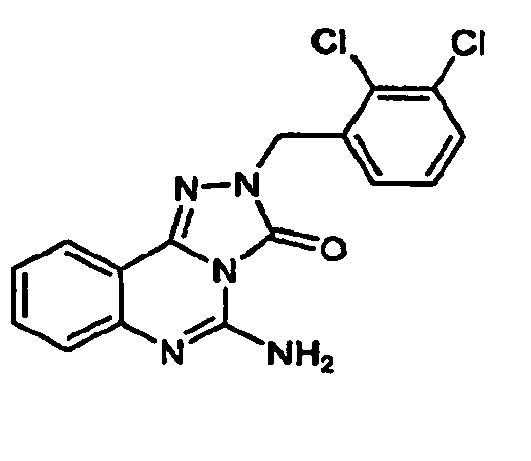
- Verbindung gemäss Anspruch 1, ausgewählt aus der Gruppe bestehend aus

- Pharmazeutische Zusammensetzung, umfassend eine therapeutisch wirksame Menge einer Verbindung gemäss Anspruch 1 in einem pharmazeutisch verträglichen Träger.
- Verbindung gemäss Anspruch 1 für die Verwendung in der Therapie.
- Verbindung gemäss Anspruch 1 für die Verwendung bei einer Behandlung eines Hirnschlags, bei Depression, Wahrnehmungsstörungen oder neurodegenerative Störungen.
- Verbindung gemäss Anspruch 13 für die Verwendung bei einer Behandlung der Parkinson-Krankheit, Altersdemenz, Psychosen, Aufmerksamkeitsstörungen, des extrapyramidalen Syndroms, Dystonie, des Syndroms der ruhelosen Beine (Restless-Legs-Syndrom, RLS) oder periodische Beinbewegungen im Schlaf (PLMD).
- Pharmazeutische Zusammensetzung, umfassend eine therapeutisch wirksame Menge einer Kombination einer Verbindung gemäss Anspruch 1 und einer bis drei anderen Agenzien, welche nützlich sind bei der Behandlung der Parkinson-Krankheit in einem pharmazeutisch verträglichen Träger.
- Kombination zur Verwendung bei der Behandlung der Parkinson-Krankheit, umfassend eine Verbindung gemäss Anspruch 1 und einer bis drei andere Agenzien, welche nützlich sind bei der Behandlung der Parkinson-Krankheit.
- Kombination gemäss Anspruch 16, wobei die anderen Agenzien ausgewählt sind aus der Gruppe bestehend aus L-DOPA, dopaminergene Agonisten, MAO-B Inhibitoren, DOPA Decarboxylase-Inhibitoren; COMT-Inhibitoren und NMDA-Rezeptorantagonisten.
- Kit, umfassend getrennte Behälter in einer Einzelpackung von pharmazeutischen Zusammensetzungen für eine Verwendung in Kombination zur Behandlung der Parkinson-Krankheit, wobei ein Behälter eine pharmazeutische Zusammensetzung umfasst, umfassend eine wirksame Menge einer Verbindung gemäss Anspruch 1 in einem pharmazeutisch verträglichen Träger, und wobei, in getrennten Behältern, eine oder mehrere pharmazeutische Zusammensetzungen jeweils eine wirksame Menge eines Agens umfassend, welches nützlich ist bei der Behandlung der Parkinson-Krankheit in einem pharmazeutisch verträglichen Träger.
Applications Claiming Priority (2)
| Application Number | Priority Date | Filing Date | Title |
|---|---|---|---|
| US81651606P | 2006-06-26 | 2006-06-26 | |
| PCT/US2007/014886 WO2008002596A2 (en) | 2006-06-26 | 2007-06-25 | Adenosine a2a receptor antagonists |
Publications (2)
| Publication Number | Publication Date |
|---|---|
| EP2038285A2 EP2038285A2 (de) | 2009-03-25 |
| EP2038285B1 true EP2038285B1 (de) | 2010-02-17 |
Family
ID=38846284
Family Applications (1)
| Application Number | Title | Priority Date | Filing Date |
|---|---|---|---|
| EP07796492A Active EP2038285B1 (de) | 2006-06-26 | 2007-06-25 | A2a-adenosin-rezeptor-antagonisten |
Country Status (10)
| Country | Link |
|---|---|
| US (1) | US7713985B2 (de) |
| EP (1) | EP2038285B1 (de) |
| JP (1) | JP2010509189A (de) |
| CN (1) | CN101506215A (de) |
| AT (1) | ATE457988T1 (de) |
| CA (1) | CA2655987A1 (de) |
| DE (1) | DE602007004851D1 (de) |
| ES (1) | ES2339502T3 (de) |
| MX (1) | MX2009000104A (de) |
| WO (1) | WO2008002596A2 (de) |
Families Citing this family (20)
| Publication number | Priority date | Publication date | Assignee | Title |
|---|---|---|---|---|
| JP2011513417A (ja) | 2008-03-04 | 2011-04-28 | シェーリング コーポレイション | アデノシンA2a受容体アンタゴニストとして使用するための1,2,4−トリアゾロ[4,3−c]ピリミジン−3−オンおよびピラゾロ[4,3−e]−1,2,4−トリアゾロ[4,3−c]ピリミジン−3−オン化合物 |
| WO2009136578A1 (ja) * | 2008-05-09 | 2009-11-12 | パイオニア株式会社 | 空間映像表示装置 |
| BRPI1009398A2 (pt) | 2009-03-13 | 2016-03-08 | Advinus Therapeutics Private Ltd | compostos de pirimidina fundida substituída |
| TWI548411B (zh) | 2009-04-28 | 2016-09-11 | Kyowa Hakko Kirin Co Ltd | Exercise disorder treatment |
| WO2011060207A1 (en) | 2009-11-16 | 2011-05-19 | Schering Corporation | FUSED TRICYCLIC COMPOUNDS WITH ADENOSINE A2a RECEPTOR ANTAGONIST ACTIVITY |
| WO2011101861A1 (en) | 2010-01-29 | 2011-08-25 | Msn Laboratories Limited | Process for preparation of dpp-iv inhibitors |
| CN103261202B (zh) * | 2010-09-24 | 2016-01-20 | 阿迪维纳斯疗法有限公司 | 作为腺苷受体拮抗剂的稠合三环化合物 |
| AU2013251079B2 (en) * | 2012-04-20 | 2017-03-23 | Ucb Pharma S.A. | Methods for treating Parkinson's disease |
| CN102659620A (zh) * | 2012-05-18 | 2012-09-12 | 东南大学 | 2,4-双(三氟甲基)苄肼的合成方法 |
| WO2014101113A1 (en) * | 2012-12-28 | 2014-07-03 | Merck Sharp & Dohme Corp. | Piperazine-substituted 7-methoxy-[1,2,4]triazolo[1,5-c]quinazolin-5-amine compounds with a2a antagonist properties |
| WO2014101120A1 (en) | 2012-12-28 | 2014-07-03 | Merck Sharp & Dohme Corp. | Heterobicyclo-substituted-7-methoxy-[1,2,4]triazolo[1,5-c]quinazolin-5-amine compounds with a2a antagonist properties |
| JP2022507734A (ja) | 2018-11-20 | 2022-01-18 | メルク・シャープ・アンド・ドーム・コーポレーション | 置換アミノトリアゾロピリミジン及びアミノトリアゾロピラジンアデノシン受容体アンタゴニスト、医薬組成物及びそれらの使用 |
| US12414952B2 (en) | 2018-11-20 | 2025-09-16 | Merck Sharp & Dohme Llc | Substituted amino triazolopyrimidine and amino triazolopyrazine adenosine receptor antagonists, pharmaceutical compositions and their use |
| JP2022511778A (ja) | 2018-11-30 | 2022-02-01 | メルク・シャープ・アンド・ドーム・コーポレーション | アデノシン受容体拮抗薬としての7-、8-及び10-置換されたアミノトリアゾロキナゾリン誘導体、医薬組成物及びそれらの使用 |
| AR117164A1 (es) | 2018-11-30 | 2021-07-14 | Merck Sharp & Dohme | Derivados de amino-triazoloquinazolina 9-sustituidos como antagonistas del receptor de adenosina, composiciones farmacéuticas y su uso para el tratamiento de diversos tipos de cáncer |
| US12398139B2 (en) | 2019-03-05 | 2025-08-26 | Centre For Addiction And Mental Health | Modulators of AMPA receptor signaling |
| US12552799B2 (en) | 2020-03-26 | 2026-02-17 | Nxera Pharma Uk Limited | Triazolone compounds |
| CA3177056A1 (en) | 2020-03-26 | 2021-09-30 | Astrazeneca Ab | 5-amino-8-(4-pyridyl)-[1,2,4]triazolo[4,3-c]pyrimidin-3-one compounds for use against cancer |
| WO2021191376A1 (en) | 2020-03-26 | 2021-09-30 | Astrazeneca Ab | Triazolone compounds |
| WO2021191378A1 (en) | 2020-03-26 | 2021-09-30 | Astrazeneca Ab | 5-amino-8-(4-pyridyl)-[1,2,4]triazolo[4,3-c]pyrimidin-3-one compounds for use against cancer |
Family Cites Families (4)
| Publication number | Priority date | Publication date | Assignee | Title |
|---|---|---|---|---|
| US5955465A (en) | 1996-03-22 | 1999-09-21 | Neurogen Corporation | 1,2,4-triazolo 4,3-c!quinazolin-3-ones and 1,2,4-triazolo 4,3-c!quinazolin-3-thiones |
| WO2004058974A1 (en) | 2002-12-27 | 2004-07-15 | Actar Ab | A method of drug screening to select agonists or antagonists of g protein coupled receptors (gpcr). |
| US7452892B2 (en) | 2005-06-17 | 2008-11-18 | Bristol-Myers Squibb Company | Triazolopyrimidine cannabinoid receptor 1 antagonists |
| AR057817A1 (es) | 2005-09-19 | 2007-12-19 | Schering Corp | Antagonistas del receptor a2a de 2-heteroaril-pirazolo-[4,3-e]-1,2,4-triazolo-[1,5-c]-pirimidin adenosina. composiciones farmaceuticas |
-
2007
- 2007-06-25 EP EP07796492A patent/EP2038285B1/de active Active
- 2007-06-25 MX MX2009000104A patent/MX2009000104A/es active IP Right Grant
- 2007-06-25 JP JP2009518245A patent/JP2010509189A/ja not_active Withdrawn
- 2007-06-25 AT AT07796492T patent/ATE457988T1/de not_active IP Right Cessation
- 2007-06-25 CN CNA2007800313042A patent/CN101506215A/zh active Pending
- 2007-06-25 WO PCT/US2007/014886 patent/WO2008002596A2/en not_active Ceased
- 2007-06-25 CA CA002655987A patent/CA2655987A1/en not_active Abandoned
- 2007-06-25 US US11/767,624 patent/US7713985B2/en active Active
- 2007-06-25 ES ES07796492T patent/ES2339502T3/es active Active
- 2007-06-25 DE DE602007004851T patent/DE602007004851D1/de active Active
Also Published As
| Publication number | Publication date |
|---|---|
| ES2339502T3 (es) | 2010-05-20 |
| EP2038285A2 (de) | 2009-03-25 |
| WO2008002596A3 (en) | 2008-07-03 |
| MX2009000104A (es) | 2009-01-23 |
| ATE457988T1 (de) | 2010-03-15 |
| WO2008002596A2 (en) | 2008-01-03 |
| US20080255156A1 (en) | 2008-10-16 |
| US7713985B2 (en) | 2010-05-11 |
| CA2655987A1 (en) | 2008-01-03 |
| CN101506215A (zh) | 2009-08-12 |
| DE602007004851D1 (de) | 2010-04-01 |
| JP2010509189A (ja) | 2010-03-25 |
Similar Documents
| Publication | Publication Date | Title |
|---|---|---|
| US7713985B2 (en) | Adenosine Aa2 receptor antagonists | |
| EP1448565B1 (de) | Adenosin a2a rezeptor antagonisten | |
| JP4574112B2 (ja) | アデノシンa2aレセプターアンタゴニスト | |
| EP1453835B1 (de) | Adenosine a2a receptor antagonisten | |
| EP2509983B1 (de) | Kondensierte tricyclische verbindungen mit adenosin-a2a-rezeptorantagonistenwirkung | |
| US6653315B2 (en) | Adenosine A2a receptor antagonists | |
| EP2282999B1 (de) | Amino-quinoxaline und amino-quinoline verbindungen zur verwendung als adenosine a2a antagonisten | |
| EP1836205B1 (de) | PYRAZOLO[1,5-A]PYRIMIDINE ALS ANTAGONISTEN DES ADENOSIN-A2a-REZEPTORS | |
| AU2002340184A1 (en) | Imidazo (4,3-E)-1,2,4-triazolo(1,5-C) pyrimidines as adenosine A2A receptor antagonists | |
| JP2011513417A (ja) | アデノシンA2a受容体アンタゴニストとして使用するための1,2,4−トリアゾロ[4,3−c]ピリミジン−3−オンおよびピラゾロ[4,3−e]−1,2,4−トリアゾロ[4,3−c]ピリミジン−3−オン化合物 | |
| HK1063780B (en) | Adenosine a2a receptor antagonists | |
| HK1108882B (en) | Pyrazolo[1,5-a]pyrimidine adenosine a2a receptor antagonists | |
| HK1064100B (en) | Adenosine a 2a receptor antagonists |
Legal Events
| Date | Code | Title | Description |
|---|---|---|---|
| PUAI | Public reference made under article 153(3) epc to a published international application that has entered the european phase |
Free format text: ORIGINAL CODE: 0009012 |
|
| 17P | Request for examination filed |
Effective date: 20090126 |
|
| AK | Designated contracting states |
Kind code of ref document: A2 Designated state(s): AT BE BG CH CY CZ DE DK EE ES FI FR GB GR HU IE IS IT LI LT LU LV MC MT NL PL PT RO SE SI SK TR |
|
| AX | Request for extension of the european patent |
Extension state: AL BA HR MK RS |
|
| 17Q | First examination report despatched |
Effective date: 20090514 |
|
| GRAP | Despatch of communication of intention to grant a patent |
Free format text: ORIGINAL CODE: EPIDOSNIGR1 |
|
| REG | Reference to a national code |
Ref country code: HK Ref legal event code: DE Ref document number: 1127059 Country of ref document: HK |
|
| GRAS | Grant fee paid |
Free format text: ORIGINAL CODE: EPIDOSNIGR3 |
|
| GRAA | (expected) grant |
Free format text: ORIGINAL CODE: 0009210 |
|
| AK | Designated contracting states |
Kind code of ref document: B1 Designated state(s): AT BE BG CH CY CZ DE DK EE ES FI FR GB GR HU IE IS IT LI LT LU LV MC MT NL PL PT RO SE SI SK TR |
|
| AX | Request for extension of the european patent |
Extension state: AL BA HR MK RS |
|
| REG | Reference to a national code |
Ref country code: GB Ref legal event code: FG4D |
|
| REG | Reference to a national code |
Ref country code: CH Ref legal event code: EP |
|
| REG | Reference to a national code |
Ref country code: IE Ref legal event code: FG4D |
|
| REG | Reference to a national code |
Ref country code: NL Ref legal event code: T3 |
|
| REF | Corresponds to: |
Ref document number: 602007004851 Country of ref document: DE Date of ref document: 20100401 Kind code of ref document: P |
|
| REG | Reference to a national code |
Ref country code: ES Ref legal event code: FG2A Ref document number: 2339502 Country of ref document: ES Kind code of ref document: T3 |
|
| LTIE | Lt: invalidation of european patent or patent extension |
Effective date: 20100217 |
|
| PG25 | Lapsed in a contracting state [announced via postgrant information from national office to epo] |
Ref country code: PT Free format text: LAPSE BECAUSE OF FAILURE TO SUBMIT A TRANSLATION OF THE DESCRIPTION OR TO PAY THE FEE WITHIN THE PRESCRIBED TIME-LIMIT Effective date: 20100617 Ref country code: IS Free format text: LAPSE BECAUSE OF FAILURE TO SUBMIT A TRANSLATION OF THE DESCRIPTION OR TO PAY THE FEE WITHIN THE PRESCRIBED TIME-LIMIT Effective date: 20100617 Ref country code: LT Free format text: LAPSE BECAUSE OF FAILURE TO SUBMIT A TRANSLATION OF THE DESCRIPTION OR TO PAY THE FEE WITHIN THE PRESCRIBED TIME-LIMIT Effective date: 20100217 |
|
| PG25 | Lapsed in a contracting state [announced via postgrant information from national office to epo] |
Ref country code: AT Free format text: LAPSE BECAUSE OF FAILURE TO SUBMIT A TRANSLATION OF THE DESCRIPTION OR TO PAY THE FEE WITHIN THE PRESCRIBED TIME-LIMIT Effective date: 20100217 Ref country code: FI Free format text: LAPSE BECAUSE OF FAILURE TO SUBMIT A TRANSLATION OF THE DESCRIPTION OR TO PAY THE FEE WITHIN THE PRESCRIBED TIME-LIMIT Effective date: 20100217 Ref country code: LV Free format text: LAPSE BECAUSE OF FAILURE TO SUBMIT A TRANSLATION OF THE DESCRIPTION OR TO PAY THE FEE WITHIN THE PRESCRIBED TIME-LIMIT Effective date: 20100217 Ref country code: PL Free format text: LAPSE BECAUSE OF FAILURE TO SUBMIT A TRANSLATION OF THE DESCRIPTION OR TO PAY THE FEE WITHIN THE PRESCRIBED TIME-LIMIT Effective date: 20100217 Ref country code: SI Free format text: LAPSE BECAUSE OF FAILURE TO SUBMIT A TRANSLATION OF THE DESCRIPTION OR TO PAY THE FEE WITHIN THE PRESCRIBED TIME-LIMIT Effective date: 20100217 |
|
| PG25 | Lapsed in a contracting state [announced via postgrant information from national office to epo] |
Ref country code: EE Free format text: LAPSE BECAUSE OF FAILURE TO SUBMIT A TRANSLATION OF THE DESCRIPTION OR TO PAY THE FEE WITHIN THE PRESCRIBED TIME-LIMIT Effective date: 20100217 Ref country code: GR Free format text: LAPSE BECAUSE OF FAILURE TO SUBMIT A TRANSLATION OF THE DESCRIPTION OR TO PAY THE FEE WITHIN THE PRESCRIBED TIME-LIMIT Effective date: 20100518 Ref country code: RO Free format text: LAPSE BECAUSE OF FAILURE TO SUBMIT A TRANSLATION OF THE DESCRIPTION OR TO PAY THE FEE WITHIN THE PRESCRIBED TIME-LIMIT Effective date: 20100217 Ref country code: SE Free format text: LAPSE BECAUSE OF FAILURE TO SUBMIT A TRANSLATION OF THE DESCRIPTION OR TO PAY THE FEE WITHIN THE PRESCRIBED TIME-LIMIT Effective date: 20100217 Ref country code: CY Free format text: LAPSE BECAUSE OF FAILURE TO SUBMIT A TRANSLATION OF THE DESCRIPTION OR TO PAY THE FEE WITHIN THE PRESCRIBED TIME-LIMIT Effective date: 20100217 Ref country code: BE Free format text: LAPSE BECAUSE OF FAILURE TO SUBMIT A TRANSLATION OF THE DESCRIPTION OR TO PAY THE FEE WITHIN THE PRESCRIBED TIME-LIMIT Effective date: 20100217 |
|
| PGFP | Annual fee paid to national office [announced via postgrant information from national office to epo] |
Ref country code: ES Payment date: 20100727 Year of fee payment: 4 |
|
| PG25 | Lapsed in a contracting state [announced via postgrant information from national office to epo] |
Ref country code: SK Free format text: LAPSE BECAUSE OF FAILURE TO SUBMIT A TRANSLATION OF THE DESCRIPTION OR TO PAY THE FEE WITHIN THE PRESCRIBED TIME-LIMIT Effective date: 20100217 Ref country code: CZ Free format text: LAPSE BECAUSE OF FAILURE TO SUBMIT A TRANSLATION OF THE DESCRIPTION OR TO PAY THE FEE WITHIN THE PRESCRIBED TIME-LIMIT Effective date: 20100217 Ref country code: BG Free format text: LAPSE BECAUSE OF FAILURE TO SUBMIT A TRANSLATION OF THE DESCRIPTION OR TO PAY THE FEE WITHIN THE PRESCRIBED TIME-LIMIT Effective date: 20100517 |
|
| PLBE | No opposition filed within time limit |
Free format text: ORIGINAL CODE: 0009261 |
|
| STAA | Information on the status of an ep patent application or granted ep patent |
Free format text: STATUS: NO OPPOSITION FILED WITHIN TIME LIMIT |
|
| 26N | No opposition filed |
Effective date: 20101118 |
|
| PG25 | Lapsed in a contracting state [announced via postgrant information from national office to epo] |
Ref country code: MC Free format text: LAPSE BECAUSE OF NON-PAYMENT OF DUE FEES Effective date: 20100630 Ref country code: DK Free format text: LAPSE BECAUSE OF FAILURE TO SUBMIT A TRANSLATION OF THE DESCRIPTION OR TO PAY THE FEE WITHIN THE PRESCRIBED TIME-LIMIT Effective date: 20100217 |
|
| PG25 | Lapsed in a contracting state [announced via postgrant information from national office to epo] |
Ref country code: MT Free format text: LAPSE BECAUSE OF FAILURE TO SUBMIT A TRANSLATION OF THE DESCRIPTION OR TO PAY THE FEE WITHIN THE PRESCRIBED TIME-LIMIT Effective date: 20100217 Ref country code: IE Free format text: LAPSE BECAUSE OF NON-PAYMENT OF DUE FEES Effective date: 20100625 |
|
| PGFP | Annual fee paid to national office [announced via postgrant information from national office to epo] |
Ref country code: IT Payment date: 20100630 Year of fee payment: 4 |
|
| REG | Reference to a national code |
Ref country code: CH Ref legal event code: PL |
|
| PG25 | Lapsed in a contracting state [announced via postgrant information from national office to epo] |
Ref country code: LI Free format text: LAPSE BECAUSE OF NON-PAYMENT OF DUE FEES Effective date: 20110630 Ref country code: CH Free format text: LAPSE BECAUSE OF NON-PAYMENT OF DUE FEES Effective date: 20110630 |
|
| REG | Reference to a national code |
Ref country code: ES Ref legal event code: FD2A Effective date: 20120717 |
|
| PG25 | Lapsed in a contracting state [announced via postgrant information from national office to epo] |
Ref country code: ES Free format text: LAPSE BECAUSE OF NON-PAYMENT OF DUE FEES Effective date: 20110626 |
|
| PG25 | Lapsed in a contracting state [announced via postgrant information from national office to epo] |
Ref country code: HU Free format text: LAPSE BECAUSE OF FAILURE TO SUBMIT A TRANSLATION OF THE DESCRIPTION OR TO PAY THE FEE WITHIN THE PRESCRIBED TIME-LIMIT Effective date: 20100818 Ref country code: LU Free format text: LAPSE BECAUSE OF NON-PAYMENT OF DUE FEES Effective date: 20100625 |
|
| REG | Reference to a national code |
Ref country code: NL Ref legal event code: TD Effective date: 20120924 |
|
| PG25 | Lapsed in a contracting state [announced via postgrant information from national office to epo] |
Ref country code: TR Free format text: LAPSE BECAUSE OF FAILURE TO SUBMIT A TRANSLATION OF THE DESCRIPTION OR TO PAY THE FEE WITHIN THE PRESCRIBED TIME-LIMIT Effective date: 20100217 |
|
| REG | Reference to a national code |
Ref country code: FR Ref legal event code: CD Owner name: SCHERING CORPORATION, US Effective date: 20130319 |
|
| REG | Reference to a national code |
Ref country code: DE Ref legal event code: R082 Ref document number: 602007004851 Country of ref document: DE Representative=s name: WUESTHOFF & WUESTHOFF PATENT- UND RECHTSANWAEL, DE Effective date: 20130516 Ref country code: DE Ref legal event code: R081 Ref document number: 602007004851 Country of ref document: DE Owner name: MERCK SHARP & DOHME CORP., US Free format text: FORMER OWNER: SCHERING CORP., 07033-0530 KENILWORTH, US Effective date: 20130516 Ref country code: DE Ref legal event code: R081 Ref document number: 602007004851 Country of ref document: DE Owner name: MERCK SHARP & DOHME CORP., RAHWAY, US Free format text: FORMER OWNER: SCHERING CORP., 07033-0530 KENILWORTH, NEW JERSEY, US Effective date: 20130516 Ref country code: DE Ref legal event code: R082 Ref document number: 602007004851 Country of ref document: DE Representative=s name: WUESTHOFF & WUESTHOFF, PATENTANWAELTE PARTG MB, DE Effective date: 20130516 |
|
| PGFP | Annual fee paid to national office [announced via postgrant information from national office to epo] |
Ref country code: NL Payment date: 20130620 Year of fee payment: 7 |
|
| REG | Reference to a national code |
Ref country code: NL Ref legal event code: V1 Effective date: 20150101 |
|
| PG25 | Lapsed in a contracting state [announced via postgrant information from national office to epo] |
Ref country code: NL Free format text: LAPSE BECAUSE OF NON-PAYMENT OF DUE FEES Effective date: 20150101 |
|
| REG | Reference to a national code |
Ref country code: HK Ref legal event code: WD Ref document number: 1127059 Country of ref document: HK |
|
| REG | Reference to a national code |
Ref country code: FR Ref legal event code: PLFP Year of fee payment: 10 |
|
| REG | Reference to a national code |
Ref country code: FR Ref legal event code: PLFP Year of fee payment: 11 |
|
| REG | Reference to a national code |
Ref country code: FR Ref legal event code: PLFP Year of fee payment: 12 |
|
| PGFP | Annual fee paid to national office [announced via postgrant information from national office to epo] |
Ref country code: FR Payment date: 20210520 Year of fee payment: 15 Ref country code: DE Payment date: 20210512 Year of fee payment: 15 |
|
| PGFP | Annual fee paid to national office [announced via postgrant information from national office to epo] |
Ref country code: GB Payment date: 20210528 Year of fee payment: 15 |
|
| REG | Reference to a national code |
Ref country code: DE Ref legal event code: R119 Ref document number: 602007004851 Country of ref document: DE |
|
| GBPC | Gb: european patent ceased through non-payment of renewal fee |
Effective date: 20220625 |
|
| PG25 | Lapsed in a contracting state [announced via postgrant information from national office to epo] |
Ref country code: FR Free format text: LAPSE BECAUSE OF NON-PAYMENT OF DUE FEES Effective date: 20220630 |
|
| PG25 | Lapsed in a contracting state [announced via postgrant information from national office to epo] |
Ref country code: GB Free format text: LAPSE BECAUSE OF NON-PAYMENT OF DUE FEES Effective date: 20220625 Ref country code: DE Free format text: LAPSE BECAUSE OF NON-PAYMENT OF DUE FEES Effective date: 20230103 |