EP2039251B1 - Verfahren zur Erzeugung von genetisch veränderten Antikörperherstellungszelllinien mit verbesserter Antikörpereigenschaft - Google Patents
Verfahren zur Erzeugung von genetisch veränderten Antikörperherstellungszelllinien mit verbesserter Antikörpereigenschaft Download PDFInfo
- Publication number
- EP2039251B1 EP2039251B1 EP08167325A EP08167325A EP2039251B1 EP 2039251 B1 EP2039251 B1 EP 2039251B1 EP 08167325 A EP08167325 A EP 08167325A EP 08167325 A EP08167325 A EP 08167325A EP 2039251 B1 EP2039251 B1 EP 2039251B1
- Authority
- EP
- European Patent Office
- Prior art keywords
- cell
- antibody
- cells
- producing
- gene
- Prior art date
- Legal status (The legal status is an assumption and is not a legal conclusion. Google has not performed a legal analysis and makes no representation as to the accuracy of the status listed.)
- Expired - Lifetime
Links
Images


Classifications
-
- C—CHEMISTRY; METALLURGY
- C12—BIOCHEMISTRY; BEER; SPIRITS; WINE; VINEGAR; MICROBIOLOGY; ENZYMOLOGY; MUTATION OR GENETIC ENGINEERING
- C12N—MICROORGANISMS OR ENZYMES; COMPOSITIONS THEREOF; PROPAGATING, PRESERVING, OR MAINTAINING MICROORGANISMS; MUTATION OR GENETIC ENGINEERING; CULTURE MEDIA
- C12N15/00—Mutation or genetic engineering; DNA or RNA concerning genetic engineering, vectors, e.g. plasmids, or their isolation, preparation or purification; Use of hosts therefor
- C12N15/09—Recombinant DNA-technology
- C12N15/10—Processes for the isolation, preparation or purification of DNA or RNA
- C12N15/102—Mutagenizing nucleic acids
- C12N15/1024—In vivo mutagenesis using high mutation rate "mutator" host strains by inserting genetic material, e.g. encoding an error prone polymerase, disrupting a gene for mismatch repair
-
- C—CHEMISTRY; METALLURGY
- C07—ORGANIC CHEMISTRY
- C07K—PEPTIDES
- C07K16/00—Immunoglobulins [IG], e.g. monoclonal or polyclonal antibodies
- C07K16/42—Immunoglobulins [IG], e.g. monoclonal or polyclonal antibodies against immunoglobulins
- C07K16/4283—Immunoglobulins [IG], e.g. monoclonal or polyclonal antibodies against immunoglobulins against an allotypic or isotypic determinant on Ig
- C07K16/4291—Immunoglobulins [IG], e.g. monoclonal or polyclonal antibodies against immunoglobulins against an allotypic or isotypic determinant on Ig against IgE
-
- A—HUMAN NECESSITIES
- A01—AGRICULTURE; FORESTRY; ANIMAL HUSBANDRY; HUNTING; TRAPPING; FISHING
- A01K—ANIMAL HUSBANDRY; AVICULTURE; APICULTURE; PISCICULTURE; FISHING; REARING OR BREEDING ANIMALS, NOT OTHERWISE PROVIDED FOR; NEW BREEDS OF ANIMALS
- A01K2217/00—Genetically modified animals
- A01K2217/05—Animals comprising random inserted nucleic acids (transgenic)
-
- C—CHEMISTRY; METALLURGY
- C07—ORGANIC CHEMISTRY
- C07K—PEPTIDES
- C07K2317/00—Immunoglobulins specific features
- C07K2317/90—Immunoglobulins specific features characterized by (pharmaco)kinetic aspects or by stability of the immunoglobulin
- C07K2317/92—Affinity (KD), association rate (Ka), dissociation rate (Kd) or EC50 value
Definitions
- the invention is related to the area of antibody maturation and cellular production. In particular, it is related to the field of mutagenesis.
- antibodies to block the activity of foreign and/or endogenous polypeptides provides an effective and selective strategy for treating the underlying cause of disease.
- MAb monoclonal antibodies
- MAb monoclonal antibodies
- the FDA approved ReoPro Glaser, V. (1996) Can ReoPro repolish tarnished monoclonal therapeutics? Nat. Biotechnol. 14:1216-1217
- an anti-platelet MAb from Centocor Herceptin ( Weiner, L.M. (1999) Monoclonal antibody therapy of cancer. Semin. Oncol. 26:43-51 )
- an anti-Her2/neu MAb from Genentech
- Synagis Saez-Llorens, X.E., et al.
- Standard methods for generating MAbs against candidate protein targets are known by those skilled in the art. Briefly, rodents such as mice or rats are injected with a purified antigen in the presence of adjuvant to generate an immune response ( Shield, C.F., et al. (1996) A cost-effective analysis of OKT3 induction therapy in cadaveric kidney transplantation. Am. J. Kidney Dis. 27:855-864 ). Rodents with positive immune sera are sacrificed and splenocytes are isolated. Isolated splenocytes are fused to melanomas to produce immortalized cell lines that are then screened for antibody production. Positive lines are isolated and characterized for antibody production.
- rodent MAbs as human therapeutic agents were confounded by the fact that human anti-rodent antibody (HARA) responses occurred in a significant number of patients treated with the rodent-derived antibody ( Khazaeli, M.B., et al., (1994) Human immune response to monoclonal antibodies. J. Immunother. 15:42-52 ).
- HAA human anti-rodent antibody
- CDRs complementarity determining regions
- Ig immunoglobulin subunits making up the antigen binding domain
- HAb rodent-derived MAbs
- Another problem that exists in antibody engineering is the generation of stable, high yielding producer cell lines that is required for manufacturing of the molecule for clinical materials.
- Several strategies have been adopted in standard practice by those skilled in the art to circumvent this problem.
- One method is the use of Chinese Hamster Ovary (CHO) cells transfected with exogenous Ig fusion genes containing the grafted human light and heavy chains to produce whole antibodies or single chain antibodies, which are a chimeric molecule containing both light and heavy chains that form an antigen-binding polypeptide ( Reff, M.E. (1993) High-level production of recombinant immunoglobulins in mammalian cells. Curr. Opin. Biotechnol. 4:573-576 ).
- Another method employs the use of human lymphocytes derived from transgenic mice containing a human grafted immune system or transgenic mice containing a human Ig gene repertoire.
- Yet another method employs the use of monkeys to produce primate MAbs, which have been reported to lack a human anti-monkey response ( Neuberger, M., and Gruggermann, M. (1997) Monoclonal antibodies. Mice perform a human repertoire. Nature 386:25-26 ). In all cases, the generation of a cell line that is capable of generating sufficient amounts of high affinity antibody poses a major limitation for producing sufficient materials for clinical studies.
- CA 2,240,609 discloses a method of generating hypermutable cells and organisms by the introduction of dominant negative alleles of human mismatch repair genes.
- a method for generating diverse antibody sequences within the variable domain that results in HAbs and Mabs with high binding affinities to antigens would be useful for the creation of more potent therapeutic and diagnostic reagents respectively.
- the generation of randomly altered nucleotide and polypeptide residues throughout an entire antibody molecule will result in new reagents that are less antigenic and/or have beneficial pharmacokinetic properties.
- the invention described herein is directed to the use of random genetic mutation throughout an antibody structure in vivo by blocking the endogenous mismatch repair (MMR) activity of a host cell producing immunoglobulins that encode biochemically active antibodies.
- MMR mismatch repair
- the invention also relates to methods for repeated in vivo genetic alterations and selection for antibodies with enhanced binding and pharmacokinetic profiles.
- the ability to develop genetically altered host cells that are capable of secreting increased amounts of antibody will also provide a valuable method for creating cell hosts for product development.
- the invention described herein is direct to the creation of genetically altered cell hosts with increased antibody production via the blockade of MMR.
- the invention facilitates the generation of high affinity antibodies and the production of cell lines with elevated levels of antibody production.
- Other advantages of the present invention are described in the examples and figures described herein.
- the invention provides a method of producing a mutated immunoglobulin, comprising:
- This method of the invention preferably further comprises screening for a desirable property of said mutated immunoglobulin and recovering said mutated immunoglobulin, or screening for a desirable property of said mutated immunoglobulin, transfecting a polynucleotide encoding said mutated immunoglobulin into a genetically stable cell, thereby producing a genetically stable cell producing a mutated immunoglobulin and recovering said mutated immunoglobulin produced by said genetically stable cell producing a mutated immunoglobulin.
- the present invention also provides a method for generating a mutation in a gene encoding an antibody of interest, said method comprising:
- the present invention further provides a method of producing a cell producing a mutated immunoglobulin, comprising:
- the present invention yet further provides a method of making a cell that produces a mutated antibody of interest, said method comprising:
- the dominant negative allele of a mismatch repair gene may comprises a truncation mutation, for example it may encode a protein consisting of the first 133 amino acids of human PMS2.
- the antibody producing cells suitable for use in the invention include, but are not limited to rodent, primate, or human hybridomas or lymphoblastoids; mammalian cells transfected and expressing exogenous Ig subunits or chimeric single chain molecules; plant cells, yeast or bacteria transfected and expressing exogenous Ig subunits or chimeric single chain molecules.
- Blocking MMR in antibody-producing cells such as but not limited to: hybridomas; mammalian cells transfected with genes encoding for Ig light and heavy chains; mammalian cells transfected with genes encoding for single chain antibodies; eukaryotic cells transfected with Ig genes, can enhance the rate of mutation within these cells leading to clones that have enhanced antibody production and/or cells containing genetically altered antibodies with enhanced biochemical properties such as increased antigen binding.
- the process of MMR also called mismatch proofreading, is carried out by protein complexes in cells ranging from bacteria to mammalian cells.
- a MMR gene is a gene that encodes for one of the proteins of such a mismatch repair complex.
- a MMR complex is believed to detect distortions of the DNA helix resulting from non-complementary pairing of nucleotide bases.
- the non-complementary base on the newer DNA strand is excised, and the excised base is replaced with the appropriate base, which is complementary to the older DNA strand.
- cells eliminate many mutations that occur as a result of mistakes in DNA replication.
- Dominant negative alleles cause a MMR defective phenotype even in the presence of a wild-type allele in the same cell.
- An example of a dominant negative allele of a MMR gene is the human gene hPMS2-134, which carries a truncating mutation at codon 134 (SEQ ID NO:15). The mutation causes the product of this gene to abnormally terminate at the position of the 134th amino acid, resulting in a shortened polypeptide containing the N-terminal 133 amino acids. Such a mutation causes an increase in the rate of mutations, which accumulate in cells after DNA replication. Expression of a dominant negative allele of a mismatch repair gene results in impairment of mismatch repair activity, even in the presence of the wild-type allele.
- Dominant negative alleles of a MMR gene can be obtained from the cells of humans, animals, yeast, bacteria, or other organisms. Such alleles can be identified by screening cells for defective MMR activity. Cells from animals or humans with cancer can be screened for defective mismatch repair. Cells from colon cancer patients may be particularly useful. Genomic DNA, cDNA, or mRNA from any cell encoding a MMR protein can be analyzed for variations from the wild type sequence. Dominant negative alleles of a MMR gene can also be created artificially, for example, by producing variants of the hPMS2-134 allele or other MMR genes. Various techniques of site-directed mutagenesis can be used.
- the suitability of such alleles, whether natural or artificial, for use in generating hypermutable cells or animals can be evaluated by testing the mismatch repair activity caused by the allele in the presence of one or more wild-type alleles, to determine if it is a dominant negative allele.
- a cell or an animal into which a dominant negative allele of a mismatch repair gene has been introduced will become hypermutable.
- This means that the spontaneous mutation rate of such cells or animals is elevated compared to cells or animals without such alleles.
- the degree of elevation of the spontaneous mutation rate can be at least 2-fold, 5-fold, 10-fold, 20-fold, 50-fold, 100-fold, 200-fold, 500-fold, or 1000-fold that of the normal cell or animal.
- chemical mutagens such as but limited to methane sulfonate, dimethyl sulfonate, O6-methyl benzadine, MNU, ENU, etc. can be used in MMR defective cells to increase the rates an additional 10 to 100 fold that of the MMR deficiency itself.
- a polynucleotide encoding for a dominant negative form of a MMR protein is introduced into a cell.
- the gene is PMS2 .
- the dominant negative allele can be naturally occurring or made in the laboratory.
- the polynucleotide can be in the form of genomic DNA, cDNA, RNA, or a chemically synthesized polynucleotide.
- the polynucleotide can be cloned into an expression vector containing a constitutively active promoter segment (such as but not limited to CMV, SV40, Elongation Factor or LTR sequences) or to inducible promoter sequences such as the steroid inducible pIND vector (Invitrogen), where the expression of the dominant negative MMR gene can be regulated.
- a constitutively active promoter segment such as but not limited to CMV, SV40, Elongation Factor or LTR sequences
- inducible promoter sequences such as the steroid inducible pIND vector (Invitrogen)
- the polynucleotide can be introduced into the cell by transfection.
- Transfection is any process whereby a polynucleotide is introduced into a cell.
- the process of transfection can be carried out in a living animal, e.g ., using a vector for gene therapy, or it can be carried out in vitro, e.g., using a suspension of one or more isolated cells in culture.
- the cell can be any type of eukaryotic cell, including, for example, cells isolated from humans or other primates, mammals or other vertebrates, invertebrates, and single celled organisms such as protozoa, yeast, or bacteria.
- transfection will be carried out using a suspension of cells, or a single cell, but other methods can also be applied as long as a sufficient fraction of the treated cells or tissue incorporates the polynucleotide so as to allow transfected cells to be grown and utilized.
- the protein product of the polynucleotide may be transiently or stably expressed in the cell.
- Techniques for transfection are well known. Available techniques for introducing polynucleotides include but are not limited to electroporation, transduction, cell fusion, the use of calcium chloride, and packaging of the polynucleotide together with lipid for fusion with the cells of interest.
- An isolated cell is a cell obtained from a tissue of humans or animals by mechanically separating out individual cells and transferring them to a suitable cell culture medium, either with or without pretreatment of the tissue with enzymes, e.g ., collagenase or trypsin. Such isolated cells are typically cultured in the absence of other types of cells.
- Cells selected for the introduction of a dominant negative allele of a mismatch repair gene may be derived from a eukaryotic organism in the form of a primary cell culture or an immortalized cell line, or may be derived from suspensions of single-celled organisms.
- a polynucleotide encoding for a dominant negative form of a MMR protein can be introduced into the genome of an animal by producing a transgenic animal.
- the animal can be any species for which suitable techniques are available to produce transgenic animals.
- transgenic animals can be prepared from domestic livestock, e.g ., bovine, swine, sheep, goats, horses, etc.; from animals used for the production of recombinant proteins, e.g ., bovine, swine, or goats that express a recombinant polypeptide in their milk; or experimental animals for research or product testing, e.g ., mice, rats, guinea pigs, hamsters, rabbits, etc.
- Cell lines that are determined to be MMR defective can then be used as a source for producing genetically altered immunoglobulin genes in vitro by introducing whole, intact immunoglobulin genes and/or chimeric genes encoding for single chain antibodies into MMR defective cells from any tissue of the MMR defective animal.
- transfected cell line or a colony of transgenic animals Once a transfected cell line or a colony of transgenic animals has been produced, it can be used to generate new mutations in one or more gene(s) of interest.
- a gene of interest can be any gene naturally possessed by the cell line or transgenic animal or introduced into the cell line or transgenic animal.
- An advantage of using such cells or animals to induce mutations is that the cell or animal need not be exposed to mutagenic chemicals or radiation, which may have secondary harmful effects, both on the object of the exposure and on the workers.
- chemical mutagens may be used in combination with MMR deficiency, which renders such mutagens less toxic due to an undetermined mechanism.
- Hypermutable animals can then be bred and selected for those producing genetically variable B-cells that may be isolated and cloned to identify new cell lines that are useful for producing genetically variable cells.
- the dominant negative MMR gene allele can be removed by directly knocking out the allele by technologies used by those skilled in the art or by breeding to mates lacking the dominant negative allele to select for offspring with a desired trait and a stable genome.
- Another alternative is to use a CRE-LOX expression system, whereby the dominant negative allele is spliced from the animal genome once an animal containing a genetically diverse immunoglobulin profile has been established.
- inducible vectors such as the steroid induced pIND (Invitrogen) or pMAM (Clonetech) vectors which express exogenous genes in the presence of corticosteroids.
- Mutations can be detected by analyzing for alterations in the genotype of the cells or animals, for example by examining the sequence of genomic DNA, cDNA, messenger RNA, or amino acids associated with the gene of interest. Mutations can also be detected by screening for the production of antibody titers.
- a mutant polypeptide can be detected by identifying alterations in electrophoretic mobility, spectroscopic properties, or other physical or structural characteristics of a protein encoded by a mutant gene.
- One can also screen for altered function of the protein in situ, in isolated form, or in model systems.
- One can screen for alteration of any property of the cell or animal associated with the function of the gene of interest, such as but not limited to Ig secretion.
- mismatch repair proteins and nucleic acid sequences include the following:
- EXAMPLE 1 Stable expression of dominant negative MMR genes in hybridoma cells
- This patent application teaches of the use of dominant negative MMR genes in antibody-producing cells, including but not limited to rodent hybridomas, human hybridomas, chimeric rodent cells producing human immunoglobulin gene products, human cells expressing immunoglobulin genes, mammalian cells producing single chain antibodies, and prokaryotic cells producing mammalian immunoglobulin genes or chimeric immunoglobulin molecules such as those contained within single-chain antibodies.
- the cell expression systems described above that are used to produce antibodies are well known by those skilled in the art of antibody therapeutics.
- the MMR proficient mouse H36 hybridoma cell line was transfected with various hPMS2 expression plasmids plus reporter constructs for assessing MMR activity.
- the MMR genes were cloned into the pEF expression vector, which contains the elongation factor promoter upstream of the cloning site followed by a mammalian polyadenylation signal.
- This vector also contains the NEOr gene that allows for selection of cells retaining this plasmid. Briefly, cells were transfected with 1 ⁇ g of each vector using polyliposomes following the manufacturer's protocol (Life Technologies). Cells were then selected in 0.5 mg/ml of G418 for 10 days and G418 resistant cells were pooled together to analyze for gene expression.
- the pEF construct contains an intron that separates the exon 1 of the EF gene from exon 2, which is juxtaposed to the 5' end of the polylinker cloning site.
- This allows for a rapid reverse transcriptase polymerase chain reaction (RT-PCR) screen for cells expressing the spliced products.
- RT-PCR reverse transcriptase polymerase chain reaction
- 100,000 cells were isolated and their RNA extracted using the trizol method as previously described ( Nicolaides N.C., Kinzler, K.W., and Vogelstein, B. (1995) Analysis of the 5' region of PMS2 reveals heterogeneous transcripts and a novel overlapping gene. Genomics 29:329-334 ).
- RNAs were reverse transcribed using Superscript II (Life Technologies) and PCR amplified using a sense primer located in exon 1 of the EF gene (5'-ttt cgc aac ggg ttt gcc g-3') (SEQ ID No 17) and an antisense primer (5'-gtt tca gag tta age ctt cg-3') SEQ ID No 18 centered at nt 283 of the published human PMS2 cDNA, which will detect both the full length as well as the PMS134 gene expression. Reactions were carried out using buffers and conditions as previously described ( Nicolaides, N.C., et al. (1995) Genomic organization of the human PMS2 gene family.
- Genomics 30:1995-206 using the following amplification parameters: 94°C for 30 sec, 52°C for 2 min, 72°C for 2 min, for 30 cycles. Reactions were analyzed on agarose gels.
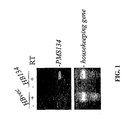
- Figure 1 shows a representative example of PMS expression in stably transduced H3 6 cells.
- EXAMPLE 2 hPMS134 causes a Defect in MMR Activity and hypermutability in hybridoma cells
- MI microsatellite instability
- a method used to detect MMR deficiency in eukaryotic cells is to employ a reporter gene that has a polynucleotide repeat inserted within the coding region that disrupts its reading frame due to a frame shift.
- the reporter gene will acquire random mutations (i.e. insertions and/or deletions) within the polynucleotide repeat yielding clones that contain a reporter with an open reading frame.
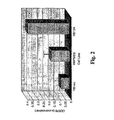
- the reporter construct used the pCAR-OF, which contains a hygromycin resistance (HYG) gene plus a ⁇ -galactosidase gene containing a 29 bp out-of-frame poly-CA tract at the 5' end of its coding region.
- the pCAR-OF reporter would not generate ⁇ -galactosidase activity unless a frame-restoring mutation (i.e ., insertion or deletion) arose following transfection.
- HBvec, HBPMS2, and HB134 cells were each transfected with pCAR-OF vector in duplicate reactions following the protocol described in Example 1.
- Cells were selected in 0.5 mg/ml G418 and 0.5mg/ml HYG to select for cells retaining both the MMR effector and the pCAR-OF reporter plasmids. All cultures transfected with the pCAR vector resulted in a similar number of HYG/G418 resistant cells. Cultures were then expanded and tested for ⁇ -galactosidase activity in situ as well as by biochemical analysis of cell extracts.
- Table 1 ⁇ -galactosidase expression of HBvec, HBPMS2 and HB134 cells transfected with pCAR-OF reporter vectors.
- Cells were transfected with the pCAR-OF ⁇ -galactosidase reporter plasmid.
- Transfected cells were selected in hygromycin and G418, expanded and stained with X-gal solution to measure for ⁇ -galactosidase activity (blue colored cells). 3 fields of 200 cells each were analyzed by microscopy. The results below represent the mean +/- standard deviation of these experiments. produced by each clone.
- ELISAs are also performed on conditioned (CM) from the same clones to measure total Ig production within the conditioned medium of each well. Clones that produce an increased ELISA signal and have increased antibody levels are then further analyzed for variants that over-express and/or over-secrete antibodies as described in Example 4.
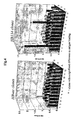
- FIG. 4 shows a representative example of HB134 clones producing antibodies that bind to specific antigen (in this case IgE) with a higher affinity.
- Figure 4 provides raw data from the analysis of 96 wells of HBvec (left graph) or HB134 (right graph) which shows 2 clones from the HB134 plate to have a higher OD reading due to 1) genetic alteration of the antibody variable domain that leads to an increased binding to IgE antigen, or 2) genetic alteration of a cell host that leads to over-production/secretion of the antibody molecule.
- Anti-Ig ELISA found that the two clones, shown in figure 4 have Ig levels within their CM similar to the surrounding wells exhibiting ower OD values.
- RNAs are reverse transcribed using Superscript II as suggested by the manufacturer (Life Technology) and PCR amplified for the antigen binding sites contained within the variable light and heavy chains. Because of the heterogeneous nature of these genes, the following degenerate primers are used to amplify light and heavy chain alleles from the parent H36 strain.
- PCR reactions using degenerate oligonucleotides are carried out at 94°C for 30 sec, 52°C for 1 min, and 72°C for 1 min for 35 cycles. Products are analyzed on agarose gels. Products of the expected molecular weights are purified from the gels by Gene Clean (Bio 101), cloned into T-tailed vectors, and sequenced to identify the wild type sequence of the variable light and heavy chains. Once the wild type sequence has been determined, nondegenerate primers were made for RT-PCR amplification of positive HB134 clones. Both the light and heavy chains were amplified, gel purified and sequenced using the corresponding sense and antisense primers.
- RT-PCR products give representative sequence data of the endogenous immunoglobulin gene and not due to PCR induced mutations. Sequences from clones were then compared to the wild type sequence for sequence comparison.
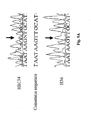
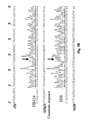
- An example of the ability to create in vivo mutations within an immunoglobulin light or heavy chain is shown in figure 5 , where HB134 clone92 was identified by ELISA to have an increased signal for hIgE.
- the light chain was amplified using specific sense and antisense primers.
- the light chain was RT-PCR amplified and the resulting product was purified and analyzed on an automated ABI377 sequencer.
- a residue -4 upstream of the CDR region 3 had a genetic change from ACT to TCT, which results in a Thr to Ser change within the framework region just preceding the CDR#3.
- a residue -6 upstream of the CDR region had a genetic change from CCC to CTC, which results in a Pro to Leu change within framework region preceding CDR#2.
- the ability to generate random mutations in immunoglobulin genes or chimeric immunoglobulin genes is not limited to hybridomas.
- Nicolaides et al. ( Nicolaides et al. (1998) A Naturally Occurring hPMS2 Mutation Can Confer a Dominant Negative Mutator Phenotype Mol. Cell. Biol. 18:1635-1641 ) has previously shown the ability to generate hypermutable hamster cells and produce mutations within an endogenous gene.
- a common method for producing humanized antibodies is to graft CDR sequences from a MAb (produced by immunizing a rodent host) onto a human Ig backbone, and transfection of the chimeric genes into Chinese Hamster Ovary (CHO) cells whih in turn produce a functional Ab that is secreted by the CHO cells ( Shields, R.L., et al. (1995) Anti-IgE monoclonal antibodies that inhibit allergen-specific histamine release. Int. Arch. Allergy Immunol. 107:412-413 ).
- the methods described within this application are also useful for generating genetic alterations within Ig genes or chimeric Igs transfected within host cells such as rodent cell lines, plants, yeast and prokaryotes ( Frigerio L, et al. (2000) Assembly, secretion, and vacuolar delivery of a hybrid immunoglobulin in plants. Plant Physiol. 123:1483-1494 ).
- hypermutable hybridomas or other Ig producing host cells that can be grown and selected, to identify structurally altered immunoglobulins yielding antibodies with enhanced biochemical properties, including but not limited to increased antigen binding affinity.
- hypermutable clones that contain missense mutations within the immunoglobulin gene that result in an amino acid change or changes can be then further characterized for in vivo stability, antigen clearance, on-off binding to antigens, etc. Clones can also be further expanded for subsequent rounds of in vivo mutations and can be screened using the strategy listed above.
- Example 4 Generation of antibody producing cells with enhanced antibody production
- HB134 clones with higher MAb levels within the conditioned medium (CM) were analyzed to determine if the increased production was simply due to genetic alterations at the Ig locus that may lead to over-expression of the polypeptides forming the antibody, or due to enhanced secretion due to a genetic alteration affecting secretory pathway mechanisms.
- CM conditioned medium
- H36 cells were used as a standard reference (Lane 2) and a rodent fibroblast (Lane 1) was used as an Ig negative control.
- Figure 6 shows a representative analysis where a subset of clones had enhanced Ig production which accounted for increased Ab production (Lane 5) while others had a similar steady state level as the control sample, yet had higher levels of Ab within the CM.
- Examples from this application show the ability of a truncated MMR allele (PMS134) as well as a full length human PMS2 when expressed in a hybridoma cell line is capable of blocking MMR resulting in a hypermutable cell line that gains genetic alterations throughout its entire genome per cell division.
- PMS134 truncated MMR allele
- a hybridoma cell line is capable of blocking MMR resulting in a hypermutable cell line that gains genetic alterations throughout its entire genome per cell division.
- hPMS2 and PMS134 results in an increase in microsatellite instability in hybridoma cells. That this elevated microsatellite instability is due to MAR deficiency was proven by evaluation of extracts from stably transduced cells.
- the expression of PMS 134 results in a polar defect in MMR, which was only observed using heteroduplexes designed to test repair from the 5' direction (no significant defect in repair from the 3' direction was observed in the same extracts) ( Nicolaides et al. (1998) A Naturally Occurring hPMS2 Mutation Can Confer a Dominant Negative Mutator Phenotype. Mol. Cell. Biol. 18:1635-1641 ).
- the blockade of MMR in such cells can be through the use of dominant negative MMR gene alleles from any species including bacteria, yeast, protozoa, insects, rodents, primates, mammalian cells, and man.
- Blockade of MMR can also be generated through the use of antisense RNA or deoxynucleotides directed to any of the genes involved in the MMR biochemical pathway.
- Blockade of MMR can be through the use of polypeptides that interfere with subunits of the MMR complex including but not limited to antibodies.
- the blockade of MMR may be through the use chemicals such as but not limited to nonhydrolyzable ATP analogs, which have been shown to block MMR ( Galio, L, et al. (1999) ATP hydrolysis-dependent formation of a dynamic ternary nucleoprotein complex with MutS and MutL. Nucl. Acids Res. 27:2325-23231 ).
Landscapes
- Health & Medical Sciences (AREA)
- Chemical & Material Sciences (AREA)
- Genetics & Genomics (AREA)
- Organic Chemistry (AREA)
- Life Sciences & Earth Sciences (AREA)
- Immunology (AREA)
- Engineering & Computer Science (AREA)
- General Health & Medical Sciences (AREA)
- Biochemistry (AREA)
- Biotechnology (AREA)
- General Engineering & Computer Science (AREA)
- Molecular Biology (AREA)
- Biophysics (AREA)
- Bioinformatics & Cheminformatics (AREA)
- Biomedical Technology (AREA)
- Wood Science & Technology (AREA)
- Zoology (AREA)
- Plant Pathology (AREA)
- Microbiology (AREA)
- Physics & Mathematics (AREA)
- Crystallography & Structural Chemistry (AREA)
- Medicinal Chemistry (AREA)
- Proteomics, Peptides & Aminoacids (AREA)
- Micro-Organisms Or Cultivation Processes Thereof (AREA)
- Preparation Of Compounds By Using Micro-Organisms (AREA)
- Peptides Or Proteins (AREA)
- Medicines Containing Antibodies Or Antigens For Use As Internal Diagnostic Agents (AREA)
Claims (9)
- Verfahren zur Herstellung eines mutierten Immunglobulins, umfassend:Transfizieren einer Immunglobulin produzierenden Zelle mit einem Polynucleotid,welches ein dominant negatives Allel eines Fehlpaarungs-Reparaturgens codiert, wobei das Fehlpaarungs-Reparaturgen PMS2 ist, undZüchten der Zelle, wobei ein mutiertes Immunglobulin erzeugt wird.
- Verfahren nach Anspruch 1, ferner umfassend:Screenen nach einer wünschenswerten Eigenschaft des mutierten Immunglobulins, undGewinnen des mutierten Immunglobulins.
- Verfahren nach Anspruch 1, ferner umfassend:Screenen nach einer wünschenswerten Eigenschaft des mutierten Immunglobulins;Transfizieren eines Polynucleotids, das das mutierte Immunglobulin codiert, in eine genetisch stabile Zelle, wobei eine genetisch stabile Zelle erzeugt wird, die ein mutiertes Immunglobulin herstellt, undGewinnen des mutierten Immunglobulins, das durch die genetisch stabile Zelle, die ein mutiertes Immunglobulin erzeugt, hergestellt worden ist.
- Verfahren zur Erzeugung einer Mutation in einem Gen, das einen Antikörper von Interesse codiert, wobei das Verfahren umfasst:Züchten einer Zelle, die das Gen, das den Antikörper von Interesse codiert, und ein dominant negatives Allel eines Fehlpaarungs-Reparaturgens enthält, wobei das Fehlpaarungs-Reparaturgen PMS2 ist; undTesten der Zelle, um festzustellen, ob das Gen, das den Antikörper von Interesse codiert,eine Mutation enthält.
- Verfahren zur Herstellung einer Zelle, die ein mutiertes Immunglobulin produziert, umfassend:Transfizieren einer Immunglobulin produzierenden Zelle mit einem Polynucleotid, das ein dominant negatives Allel eines Fehlpaarungs-Reparaturgens codiert, wobei das Fehlpaarungs-Reparaturgen PMS2 ist;Züchten der Zelle, wobei ein mutiertes Polynucleotid erzeugt wird, das ein mutiertes Immunglobulin codiert;Screenen nach einer wünschenswerten Eigenschaft des mutierten Immunglobulins; undTransfizieren des mutierten Polynucleotids, das das mutierte Immunglobulin codiert, in eine genetisch stabile Zelle, wobei eine genetisch stabile Zelle erzeugt wird, die ein mutiertes Immunglobulin herstellt.
- Verfahren zur Herstellung einer Zelle, die einen mutierten Antikörper von Interesse erzeugt, wobei das Verfahren umfasst:Einführen eines dominant negativen Allels eines Fehlpaarungs-Reparaturgens in eine Zelle, die einen Antikörper von Interesse erzeugt, wobei das Fehlpaarungs-Reparaturgen PMS2 ist, wobei eine Zelle erzeugt wird, die einen hypermutablen Antikörper herstellt;Testen der Zelle, die einen hypermutablen Antikörper herstellt, um festzustellen, ob ein Gen, das den Antikörper von Interesse codiert, eine Mutation enthält;wobei die Zelle erzeugt wird, die den mutierten Antikörper von Interesse herstellt.
- Verfahren nach Anspruch 6, ferner umfassend das Isolieren des Gens, das den mutierten Antikörper von Interesse codiert, und Exprimieren des Gens, das den mutierten Antikörper von Interesse codiert, in einer genetisch stabilen Zelle.
- Verfahren nach einem der vorstehenden Ansprüche, wobei das dominant negative Allel des Fehlpaarungs-Reparaturgens eine Verkürzungs-Mutation enthält.
- Verfahren nach einem der vorstehenden Ansprüche, wobei das dominant negative Allel eines Fehlpaarungs-Reparaturgens ein Protein codiert, das aus den ersten 133 Aminosäuren des menschlichen PMS2 besteht.
Priority Applications (1)
| Application Number | Priority Date | Filing Date | Title |
|---|---|---|---|
| DE60045652T DE60045652D1 (de) | 2000-11-07 | 2000-11-07 | Verfahren zur Erzeugung von genetisch veränderten Antikörperherstellungszelllinien mit verbesserter Antikörpereigenschaft |
Applications Claiming Priority (2)
| Application Number | Priority Date | Filing Date | Title |
|---|---|---|---|
| PCT/US2000/030588 WO2002037967A1 (en) | 2000-11-07 | 2000-11-07 | Methods for generating genetically altered antibody-producing cell lines with improved antibody characteristics |
| EP00977014A EP1345495B1 (de) | 2000-11-07 | 2000-11-07 | Verfahren zur herstellung von genetisch modifizierten antikörperproduzierenden zelllinien mit verbesserten antikörpereigenschaften |
Related Parent Applications (2)
| Application Number | Title | Priority Date | Filing Date |
|---|---|---|---|
| EP00977014.0 Division | 2000-11-07 | ||
| EP00977014A Division EP1345495B1 (de) | 2000-11-07 | 2000-11-07 | Verfahren zur herstellung von genetisch modifizierten antikörperproduzierenden zelllinien mit verbesserten antikörpereigenschaften |
Publications (2)
| Publication Number | Publication Date |
|---|---|
| EP2039251A1 EP2039251A1 (de) | 2009-03-25 |
| EP2039251B1 true EP2039251B1 (de) | 2011-02-16 |
Family
ID=21741972
Family Applications (2)
| Application Number | Title | Priority Date | Filing Date |
|---|---|---|---|
| EP00977014A Expired - Lifetime EP1345495B1 (de) | 2000-11-07 | 2000-11-07 | Verfahren zur herstellung von genetisch modifizierten antikörperproduzierenden zelllinien mit verbesserten antikörpereigenschaften |
| EP08167325A Expired - Lifetime EP2039251B1 (de) | 2000-11-07 | 2000-11-07 | Verfahren zur Erzeugung von genetisch veränderten Antikörperherstellungszelllinien mit verbesserter Antikörpereigenschaft |
Family Applications Before (1)
| Application Number | Title | Priority Date | Filing Date |
|---|---|---|---|
| EP00977014A Expired - Lifetime EP1345495B1 (de) | 2000-11-07 | 2000-11-07 | Verfahren zur herstellung von genetisch modifizierten antikörperproduzierenden zelllinien mit verbesserten antikörpereigenschaften |
Country Status (7)
| Country | Link |
|---|---|
| EP (2) | EP1345495B1 (de) |
| JP (1) | JP2004529613A (de) |
| AT (2) | ATE498314T1 (de) |
| AU (1) | AU2001214708A1 (de) |
| CA (1) | CA2428214C (de) |
| DE (2) | DE60045652D1 (de) |
| WO (1) | WO2002037967A1 (de) |
Families Citing this family (9)
| Publication number | Priority date | Publication date | Assignee | Title |
|---|---|---|---|---|
| US7235643B2 (en) | 2000-11-07 | 2007-06-26 | Morphotek, Inc. | Antibodies and methods for generating genetically altered antibodies with high affinity |
| US6982169B2 (en) | 2001-01-15 | 2006-01-03 | Morphotek, Inc. | Chemical inhibitors of mismatch repair |
| WO2004009782A2 (en) * | 2002-07-19 | 2004-01-29 | Morphotek, Inc. | Methods for generating enhanced antibody-producing cell lines with improved growth characteristics |
| JP4555089B2 (ja) * | 2002-11-15 | 2010-09-29 | モーフオテク・インコーポレーテツド | invitro免疫感作により創製されたハイブリドーマからの抗体の高生産量の生成方法 |
| EP1648511A1 (de) * | 2003-07-29 | 2006-04-26 | Morphotek, Inc. | Antikörper und methoden zur generierung genetisch veränderter antikörper mit verbesserter effektorfunktion |
| US7604994B2 (en) | 2003-09-03 | 2009-10-20 | Morphotek, Inc. | Genetically altered antibody-producing cell lines with improved antibody characteristics |
| EP3101034A1 (de) | 2004-02-12 | 2016-12-07 | Morphotek, Inc. | Monoklonale, spezifisch an folatrezeptor-alpha bindende antikörper |
| CA2607444C (en) | 2005-04-22 | 2015-03-10 | Morphotek, Inc. | Antibodies with immune effector activity and that internalize in folate receptor alpha-positive cells |
| US20090075378A1 (en) | 2007-02-20 | 2009-03-19 | Anaptysbio, Inc. | Somatic hypermutation systems |
Family Cites Families (2)
| Publication number | Priority date | Publication date | Assignee | Title |
|---|---|---|---|---|
| US5530101A (en) | 1988-12-28 | 1996-06-25 | Protein Design Labs, Inc. | Humanized immunoglobulins |
| US6146894A (en) | 1998-04-14 | 2000-11-14 | The Johns Hopkins University | Method for generating hypermutable organisms |
-
2000
- 2000-11-07 EP EP00977014A patent/EP1345495B1/de not_active Expired - Lifetime
- 2000-11-07 DE DE60045652T patent/DE60045652D1/de not_active Expired - Lifetime
- 2000-11-07 DE DE60041665T patent/DE60041665D1/de not_active Expired - Lifetime
- 2000-11-07 CA CA002428214A patent/CA2428214C/en not_active Expired - Lifetime
- 2000-11-07 EP EP08167325A patent/EP2039251B1/de not_active Expired - Lifetime
- 2000-11-07 WO PCT/US2000/030588 patent/WO2002037967A1/en not_active Ceased
- 2000-11-07 AT AT08167325T patent/ATE498314T1/de not_active IP Right Cessation
- 2000-11-07 AT AT00977014T patent/ATE423467T1/de not_active IP Right Cessation
- 2000-11-07 JP JP2002540568A patent/JP2004529613A/ja active Pending
- 2000-11-07 AU AU2001214708A patent/AU2001214708A1/en not_active Abandoned
Also Published As
| Publication number | Publication date |
|---|---|
| ATE423467T1 (de) | 2009-03-15 |
| CA2428214C (en) | 2010-02-02 |
| EP2039251A1 (de) | 2009-03-25 |
| CA2428214A1 (en) | 2002-05-16 |
| EP1345495A4 (de) | 2005-08-17 |
| EP1345495A1 (de) | 2003-09-24 |
| ATE498314T1 (de) | 2011-03-15 |
| AU2001214708A1 (en) | 2002-05-21 |
| JP2004529613A (ja) | 2004-09-30 |
| WO2002037967A1 (en) | 2002-05-16 |
| DE60045652D1 (de) | 2011-03-31 |
| DE60041665D1 (de) | 2009-04-09 |
| EP1345495B1 (de) | 2009-02-25 |
Similar Documents
| Publication | Publication Date | Title |
|---|---|---|
| EP1556508A2 (de) | Antikörper und verfahren zur erzeugung genetisch veränderter antikörper mit hoher affinität | |
| US7807416B2 (en) | Antibodies and methods for generating genetically altered antibodies with enhanced effector function | |
| US20100021996A1 (en) | Genetically Altered Anti-body Producing Cell Lines With Improved Antibody Characteristics | |
| KR102362774B1 (ko) | 키메라 항체의 제조를 위한 인간 이외의 포유동물 | |
| US11832598B2 (en) | Genetically modified non-human animals and methods for producing heavy chain-only antibodies | |
| US20110185441A1 (en) | Transgenic animals and methods of making recombinant antibodies | |
| CA3006800A1 (en) | Genetic engineering of non-human animals for the production of chimeric antibodies | |
| US20090155797A1 (en) | Methods For Generating Enhanced Antibody-Producing Cell Lines With Improved Growth Characteristics | |
| EP2039251B1 (de) | Verfahren zur Erzeugung von genetisch veränderten Antikörperherstellungszelllinien mit verbesserter Antikörpereigenschaft | |
| JP2002527060A (ja) | 多様性を生み出す方法 |
Legal Events
| Date | Code | Title | Description |
|---|---|---|---|
| PUAI | Public reference made under article 153(3) epc to a published international application that has entered the european phase |
Free format text: ORIGINAL CODE: 0009012 |
|
| 17P | Request for examination filed |
Effective date: 20081022 |
|
| AC | Divisional application: reference to earlier application |
Ref document number: 1345495 Country of ref document: EP Kind code of ref document: P |
|
| AK | Designated contracting states |
Kind code of ref document: A1 Designated state(s): AT BE CH CY DE DK ES FI FR GB GR IE IT LI LU MC NL PT SE TR |
|
| AKX | Designation fees paid |
Designated state(s): AT BE CH CY DE DK ES FI FR GB GR IE IT LI LU MC NL PT SE TR |
|
| 17Q | First examination report despatched |
Effective date: 20100121 |
|
| GRAP | Despatch of communication of intention to grant a patent |
Free format text: ORIGINAL CODE: EPIDOSNIGR1 |
|
| GRAS | Grant fee paid |
Free format text: ORIGINAL CODE: EPIDOSNIGR3 |
|
| GRAA | (expected) grant |
Free format text: ORIGINAL CODE: 0009210 |
|
| RIN1 | Information on inventor provided before grant (corrected) |
Inventor name: NICOLAIDES, NICHOLAS C Inventor name: GRASSO, LUIGI Inventor name: SASS, PHILIP M |
|
| AC | Divisional application: reference to earlier application |
Ref document number: 1345495 Country of ref document: EP Kind code of ref document: P |
|
| AK | Designated contracting states |
Kind code of ref document: B1 Designated state(s): AT BE CH CY DE DK ES FI FR GB GR IE IT LI LU MC NL PT SE TR |
|
| REG | Reference to a national code |
Ref country code: GB Ref legal event code: FG4D |
|
| REG | Reference to a national code |
Ref country code: CH Ref legal event code: EP Ref country code: CH Ref legal event code: NV Representative=s name: ISLER & PEDRAZZINI AG |
|
| REG | Reference to a national code |
Ref country code: IE Ref legal event code: FG4D |
|
| REF | Corresponds to: |
Ref document number: 60045652 Country of ref document: DE Date of ref document: 20110331 Kind code of ref document: P |
|
| REG | Reference to a national code |
Ref country code: DE Ref legal event code: R096 Ref document number: 60045652 Country of ref document: DE Effective date: 20110331 |
|
| REG | Reference to a national code |
Ref country code: NL Ref legal event code: VDEP Effective date: 20110216 |
|
| PG25 | Lapsed in a contracting state [announced via postgrant information from national office to epo] |
Ref country code: ES Free format text: LAPSE BECAUSE OF FAILURE TO SUBMIT A TRANSLATION OF THE DESCRIPTION OR TO PAY THE FEE WITHIN THE PRESCRIBED TIME-LIMIT Effective date: 20110527 Ref country code: GR Free format text: LAPSE BECAUSE OF FAILURE TO SUBMIT A TRANSLATION OF THE DESCRIPTION OR TO PAY THE FEE WITHIN THE PRESCRIBED TIME-LIMIT Effective date: 20110517 Ref country code: SE Free format text: LAPSE BECAUSE OF FAILURE TO SUBMIT A TRANSLATION OF THE DESCRIPTION OR TO PAY THE FEE WITHIN THE PRESCRIBED TIME-LIMIT Effective date: 20110216 Ref country code: PT Free format text: LAPSE BECAUSE OF FAILURE TO SUBMIT A TRANSLATION OF THE DESCRIPTION OR TO PAY THE FEE WITHIN THE PRESCRIBED TIME-LIMIT Effective date: 20110616 |
|
| PG25 | Lapsed in a contracting state [announced via postgrant information from national office to epo] |
Ref country code: BE Free format text: LAPSE BECAUSE OF FAILURE TO SUBMIT A TRANSLATION OF THE DESCRIPTION OR TO PAY THE FEE WITHIN THE PRESCRIBED TIME-LIMIT Effective date: 20110216 Ref country code: NL Free format text: LAPSE BECAUSE OF FAILURE TO SUBMIT A TRANSLATION OF THE DESCRIPTION OR TO PAY THE FEE WITHIN THE PRESCRIBED TIME-LIMIT Effective date: 20110216 Ref country code: AT Free format text: LAPSE BECAUSE OF FAILURE TO SUBMIT A TRANSLATION OF THE DESCRIPTION OR TO PAY THE FEE WITHIN THE PRESCRIBED TIME-LIMIT Effective date: 20110216 Ref country code: FI Free format text: LAPSE BECAUSE OF FAILURE TO SUBMIT A TRANSLATION OF THE DESCRIPTION OR TO PAY THE FEE WITHIN THE PRESCRIBED TIME-LIMIT Effective date: 20110216 Ref country code: CY Free format text: LAPSE BECAUSE OF FAILURE TO SUBMIT A TRANSLATION OF THE DESCRIPTION OR TO PAY THE FEE WITHIN THE PRESCRIBED TIME-LIMIT Effective date: 20110216 |
|
| PG25 | Lapsed in a contracting state [announced via postgrant information from national office to epo] |
Ref country code: DK Free format text: LAPSE BECAUSE OF FAILURE TO SUBMIT A TRANSLATION OF THE DESCRIPTION OR TO PAY THE FEE WITHIN THE PRESCRIBED TIME-LIMIT Effective date: 20110216 |
|
| PLBE | No opposition filed within time limit |
Free format text: ORIGINAL CODE: 0009261 |
|
| STAA | Information on the status of an ep patent application or granted ep patent |
Free format text: STATUS: NO OPPOSITION FILED WITHIN TIME LIMIT |
|
| 26N | No opposition filed |
Effective date: 20111117 |
|
| REG | Reference to a national code |
Ref country code: DE Ref legal event code: R097 Ref document number: 60045652 Country of ref document: DE Effective date: 20111117 |
|
| PG25 | Lapsed in a contracting state [announced via postgrant information from national office to epo] |
Ref country code: IT Free format text: LAPSE BECAUSE OF FAILURE TO SUBMIT A TRANSLATION OF THE DESCRIPTION OR TO PAY THE FEE WITHIN THE PRESCRIBED TIME-LIMIT Effective date: 20110216 |
|
| PG25 | Lapsed in a contracting state [announced via postgrant information from national office to epo] |
Ref country code: MC Free format text: LAPSE BECAUSE OF NON-PAYMENT OF DUE FEES Effective date: 20111130 |
|
| REG | Reference to a national code |
Ref country code: IE Ref legal event code: MM4A |
|
| PG25 | Lapsed in a contracting state [announced via postgrant information from national office to epo] |
Ref country code: IE Free format text: LAPSE BECAUSE OF NON-PAYMENT OF DUE FEES Effective date: 20111107 |
|
| PG25 | Lapsed in a contracting state [announced via postgrant information from national office to epo] |
Ref country code: LU Free format text: LAPSE BECAUSE OF NON-PAYMENT OF DUE FEES Effective date: 20111107 |
|
| PG25 | Lapsed in a contracting state [announced via postgrant information from national office to epo] |
Ref country code: TR Free format text: LAPSE BECAUSE OF FAILURE TO SUBMIT A TRANSLATION OF THE DESCRIPTION OR TO PAY THE FEE WITHIN THE PRESCRIBED TIME-LIMIT Effective date: 20110216 |
|
| REG | Reference to a national code |
Ref country code: FR Ref legal event code: PLFP Year of fee payment: 16 |
|
| REG | Reference to a national code |
Ref country code: FR Ref legal event code: PLFP Year of fee payment: 17 |
|
| REG | Reference to a national code |
Ref country code: FR Ref legal event code: PLFP Year of fee payment: 18 |
|
| REG | Reference to a national code |
Ref country code: CH Ref legal event code: PUE Owner name: EISAI, INC., US Free format text: FORMER OWNER: MORPHOTEK, INC., US |
|
| REG | Reference to a national code |
Ref country code: GB Ref legal event code: 732E Free format text: REGISTERED BETWEEN 20190404 AND 20190410 |
|
| REG | Reference to a national code |
Ref country code: DE Ref legal event code: R082 Ref document number: 60045652 Country of ref document: DE Representative=s name: VOSSIUS & PARTNER PATENTANWAELTE RECHTSANWAELT, DE Ref country code: DE Ref legal event code: R081 Ref document number: 60045652 Country of ref document: DE Owner name: EISAI, INC., WOODCLIFF LAKE, US Free format text: FORMER OWNER: MORPHOTEK INC., EXTON, PA., US |
|
| PGFP | Annual fee paid to national office [announced via postgrant information from national office to epo] |
Ref country code: DE Payment date: 20191127 Year of fee payment: 20 |
|
| PGFP | Annual fee paid to national office [announced via postgrant information from national office to epo] |
Ref country code: FR Payment date: 20191125 Year of fee payment: 20 |
|
| PGFP | Annual fee paid to national office [announced via postgrant information from national office to epo] |
Ref country code: CH Payment date: 20191203 Year of fee payment: 20 |
|
| PGFP | Annual fee paid to national office [announced via postgrant information from national office to epo] |
Ref country code: GB Payment date: 20191127 Year of fee payment: 20 |
|
| REG | Reference to a national code |
Ref country code: DE Ref legal event code: R071 Ref document number: 60045652 Country of ref document: DE |
|
| REG | Reference to a national code |
Ref country code: CH Ref legal event code: PL |
|
| REG | Reference to a national code |
Ref country code: GB Ref legal event code: PE20 Expiry date: 20201106 |
|
| PG25 | Lapsed in a contracting state [announced via postgrant information from national office to epo] |
Ref country code: GB Free format text: LAPSE BECAUSE OF EXPIRATION OF PROTECTION Effective date: 20201106 |