EP2039361A2 - Verwendung von immunomodulierenden Verbindungen - Google Patents
Verwendung von immunomodulierenden Verbindungen Download PDFInfo
- Publication number
- EP2039361A2 EP2039361A2 EP08020804A EP08020804A EP2039361A2 EP 2039361 A2 EP2039361 A2 EP 2039361A2 EP 08020804 A EP08020804 A EP 08020804A EP 08020804 A EP08020804 A EP 08020804A EP 2039361 A2 EP2039361 A2 EP 2039361A2
- Authority
- EP
- European Patent Office
- Prior art keywords
- alkyl
- alkoxy
- group
- chain
- optionally substituted
- Prior art date
- Legal status (The legal status is an assumption and is not a legal conclusion. Google has not performed a legal analysis and makes no representation as to the accuracy of the status listed.)
- Withdrawn
Links
- 0 C[C@](CCC*)CCOC[C@]1N=C(c2ccccc2)OC1 Chemical compound C[C@](CCC*)CCOC[C@]1N=C(c2ccccc2)OC1 0.000 description 9
- JSZOYPIOYAOLLZ-UHFFFAOYSA-N C=CCC(C1)C(C2)C2C1O Chemical compound C=CCC(C1)C(C2)C2C1O JSZOYPIOYAOLLZ-UHFFFAOYSA-N 0.000 description 1
- LRSBXBOMGJFHTQ-LLVKDONJSA-N C=COC[C@H]1N=C(c2ccccc2)OC1 Chemical compound C=COC[C@H]1N=C(c2ccccc2)OC1 LRSBXBOMGJFHTQ-LLVKDONJSA-N 0.000 description 1
Images


Classifications
-
- A—HUMAN NECESSITIES
- A61—MEDICAL OR VETERINARY SCIENCE; HYGIENE
- A61K—PREPARATIONS FOR MEDICAL, DENTAL OR TOILETRY PURPOSES
- A61K39/00—Medicinal preparations containing antigens or antibodies
- A61K39/39—Medicinal preparations containing antigens or antibodies characterised by the immunostimulating additives, e.g. chemical adjuvants
-
- A—HUMAN NECESSITIES
- A61—MEDICAL OR VETERINARY SCIENCE; HYGIENE
- A61K—PREPARATIONS FOR MEDICAL, DENTAL OR TOILETRY PURPOSES
- A61K31/00—Medicinal preparations containing organic active ingredients
- A61K31/16—Amides, e.g. hydroxamic acids
-
- A—HUMAN NECESSITIES
- A61—MEDICAL OR VETERINARY SCIENCE; HYGIENE
- A61K—PREPARATIONS FOR MEDICAL, DENTAL OR TOILETRY PURPOSES
- A61K31/00—Medicinal preparations containing organic active ingredients
- A61K31/16—Amides, e.g. hydroxamic acids
- A61K31/17—Amides, e.g. hydroxamic acids having the group >N—C(O)—N< or >N—C(S)—N<, e.g. urea, thiourea, carmustine
-
- A—HUMAN NECESSITIES
- A61—MEDICAL OR VETERINARY SCIENCE; HYGIENE
- A61K—PREPARATIONS FOR MEDICAL, DENTAL OR TOILETRY PURPOSES
- A61K31/00—Medicinal preparations containing organic active ingredients
- A61K31/66—Phosphorus compounds
- A61K31/661—Phosphorus acids or esters thereof not having P—C bonds, e.g. fosfosal, dichlorvos, malathion or mevinphos
- A61K31/6615—Compounds having two or more esterified phosphorus acid groups, e.g. inositol triphosphate, phytic acid
-
- A—HUMAN NECESSITIES
- A61—MEDICAL OR VETERINARY SCIENCE; HYGIENE
- A61P—SPECIFIC THERAPEUTIC ACTIVITY OF CHEMICAL COMPOUNDS OR MEDICINAL PREPARATIONS
- A61P1/00—Drugs for disorders of the alimentary tract or the digestive system
-
- A—HUMAN NECESSITIES
- A61—MEDICAL OR VETERINARY SCIENCE; HYGIENE
- A61P—SPECIFIC THERAPEUTIC ACTIVITY OF CHEMICAL COMPOUNDS OR MEDICINAL PREPARATIONS
- A61P1/00—Drugs for disorders of the alimentary tract or the digestive system
- A61P1/04—Drugs for disorders of the alimentary tract or the digestive system for ulcers, gastritis or reflux esophagitis, e.g. antacids, inhibitors of acid secretion, mucosal protectants
-
- A—HUMAN NECESSITIES
- A61—MEDICAL OR VETERINARY SCIENCE; HYGIENE
- A61P—SPECIFIC THERAPEUTIC ACTIVITY OF CHEMICAL COMPOUNDS OR MEDICINAL PREPARATIONS
- A61P1/00—Drugs for disorders of the alimentary tract or the digestive system
- A61P1/16—Drugs for disorders of the alimentary tract or the digestive system for liver or gallbladder disorders, e.g. hepatoprotective agents, cholagogues, litholytics
-
- A—HUMAN NECESSITIES
- A61—MEDICAL OR VETERINARY SCIENCE; HYGIENE
- A61P—SPECIFIC THERAPEUTIC ACTIVITY OF CHEMICAL COMPOUNDS OR MEDICINAL PREPARATIONS
- A61P11/00—Drugs for disorders of the respiratory system
- A61P11/02—Nasal agents, e.g. decongestants
-
- A—HUMAN NECESSITIES
- A61—MEDICAL OR VETERINARY SCIENCE; HYGIENE
- A61P—SPECIFIC THERAPEUTIC ACTIVITY OF CHEMICAL COMPOUNDS OR MEDICINAL PREPARATIONS
- A61P11/00—Drugs for disorders of the respiratory system
- A61P11/06—Antiasthmatics
-
- A—HUMAN NECESSITIES
- A61—MEDICAL OR VETERINARY SCIENCE; HYGIENE
- A61P—SPECIFIC THERAPEUTIC ACTIVITY OF CHEMICAL COMPOUNDS OR MEDICINAL PREPARATIONS
- A61P17/00—Drugs for dermatological disorders
-
- A—HUMAN NECESSITIES
- A61—MEDICAL OR VETERINARY SCIENCE; HYGIENE
- A61P—SPECIFIC THERAPEUTIC ACTIVITY OF CHEMICAL COMPOUNDS OR MEDICINAL PREPARATIONS
- A61P17/00—Drugs for dermatological disorders
- A61P17/02—Drugs for dermatological disorders for treating wounds, ulcers, burns, scars, keloids, or the like
-
- A—HUMAN NECESSITIES
- A61—MEDICAL OR VETERINARY SCIENCE; HYGIENE
- A61P—SPECIFIC THERAPEUTIC ACTIVITY OF CHEMICAL COMPOUNDS OR MEDICINAL PREPARATIONS
- A61P19/00—Drugs for skeletal disorders
- A61P19/02—Drugs for skeletal disorders for joint disorders, e.g. arthritis, arthrosis
-
- A—HUMAN NECESSITIES
- A61—MEDICAL OR VETERINARY SCIENCE; HYGIENE
- A61P—SPECIFIC THERAPEUTIC ACTIVITY OF CHEMICAL COMPOUNDS OR MEDICINAL PREPARATIONS
- A61P19/00—Drugs for skeletal disorders
- A61P19/06—Antigout agents, e.g. antihyperuricemic or uricosuric agents
-
- A—HUMAN NECESSITIES
- A61—MEDICAL OR VETERINARY SCIENCE; HYGIENE
- A61P—SPECIFIC THERAPEUTIC ACTIVITY OF CHEMICAL COMPOUNDS OR MEDICINAL PREPARATIONS
- A61P21/00—Drugs for disorders of the muscular or neuromuscular system
-
- A—HUMAN NECESSITIES
- A61—MEDICAL OR VETERINARY SCIENCE; HYGIENE
- A61P—SPECIFIC THERAPEUTIC ACTIVITY OF CHEMICAL COMPOUNDS OR MEDICINAL PREPARATIONS
- A61P25/00—Drugs for disorders of the nervous system
-
- A—HUMAN NECESSITIES
- A61—MEDICAL OR VETERINARY SCIENCE; HYGIENE
- A61P—SPECIFIC THERAPEUTIC ACTIVITY OF CHEMICAL COMPOUNDS OR MEDICINAL PREPARATIONS
- A61P27/00—Drugs for disorders of the senses
- A61P27/02—Ophthalmic agents
-
- A—HUMAN NECESSITIES
- A61—MEDICAL OR VETERINARY SCIENCE; HYGIENE
- A61P—SPECIFIC THERAPEUTIC ACTIVITY OF CHEMICAL COMPOUNDS OR MEDICINAL PREPARATIONS
- A61P29/00—Non-central analgesic, antipyretic or antiinflammatory agents, e.g. antirheumatic agents; Non-steroidal antiinflammatory drugs [NSAID]
-
- A—HUMAN NECESSITIES
- A61—MEDICAL OR VETERINARY SCIENCE; HYGIENE
- A61P—SPECIFIC THERAPEUTIC ACTIVITY OF CHEMICAL COMPOUNDS OR MEDICINAL PREPARATIONS
- A61P3/00—Drugs for disorders of the metabolism
- A61P3/08—Drugs for disorders of the metabolism for glucose homeostasis
- A61P3/10—Drugs for disorders of the metabolism for glucose homeostasis for hyperglycaemia, e.g. antidiabetics
-
- A—HUMAN NECESSITIES
- A61—MEDICAL OR VETERINARY SCIENCE; HYGIENE
- A61P—SPECIFIC THERAPEUTIC ACTIVITY OF CHEMICAL COMPOUNDS OR MEDICINAL PREPARATIONS
- A61P31/00—Antiinfectives, i.e. antibiotics, antiseptics, chemotherapeutics
- A61P31/04—Antibacterial agents
-
- A—HUMAN NECESSITIES
- A61—MEDICAL OR VETERINARY SCIENCE; HYGIENE
- A61P—SPECIFIC THERAPEUTIC ACTIVITY OF CHEMICAL COMPOUNDS OR MEDICINAL PREPARATIONS
- A61P31/00—Antiinfectives, i.e. antibiotics, antiseptics, chemotherapeutics
- A61P31/12—Antivirals
-
- A—HUMAN NECESSITIES
- A61—MEDICAL OR VETERINARY SCIENCE; HYGIENE
- A61P—SPECIFIC THERAPEUTIC ACTIVITY OF CHEMICAL COMPOUNDS OR MEDICINAL PREPARATIONS
- A61P37/00—Drugs for immunological or allergic disorders
- A61P37/02—Immunomodulators
-
- A—HUMAN NECESSITIES
- A61—MEDICAL OR VETERINARY SCIENCE; HYGIENE
- A61P—SPECIFIC THERAPEUTIC ACTIVITY OF CHEMICAL COMPOUNDS OR MEDICINAL PREPARATIONS
- A61P37/00—Drugs for immunological or allergic disorders
- A61P37/02—Immunomodulators
- A61P37/04—Immunostimulants
-
- A—HUMAN NECESSITIES
- A61—MEDICAL OR VETERINARY SCIENCE; HYGIENE
- A61P—SPECIFIC THERAPEUTIC ACTIVITY OF CHEMICAL COMPOUNDS OR MEDICINAL PREPARATIONS
- A61P37/00—Drugs for immunological or allergic disorders
- A61P37/02—Immunomodulators
- A61P37/06—Immunosuppressants, e.g. drugs for graft rejection
-
- A—HUMAN NECESSITIES
- A61—MEDICAL OR VETERINARY SCIENCE; HYGIENE
- A61P—SPECIFIC THERAPEUTIC ACTIVITY OF CHEMICAL COMPOUNDS OR MEDICINAL PREPARATIONS
- A61P37/00—Drugs for immunological or allergic disorders
- A61P37/08—Antiallergic agents
-
- A—HUMAN NECESSITIES
- A61—MEDICAL OR VETERINARY SCIENCE; HYGIENE
- A61P—SPECIFIC THERAPEUTIC ACTIVITY OF CHEMICAL COMPOUNDS OR MEDICINAL PREPARATIONS
- A61P7/00—Drugs for disorders of the blood or the extracellular fluid
- A61P7/06—Antianaemics
-
- A—HUMAN NECESSITIES
- A61—MEDICAL OR VETERINARY SCIENCE; HYGIENE
- A61P—SPECIFIC THERAPEUTIC ACTIVITY OF CHEMICAL COMPOUNDS OR MEDICINAL PREPARATIONS
- A61P9/00—Drugs for disorders of the cardiovascular system
-
- A—HUMAN NECESSITIES
- A61—MEDICAL OR VETERINARY SCIENCE; HYGIENE
- A61P—SPECIFIC THERAPEUTIC ACTIVITY OF CHEMICAL COMPOUNDS OR MEDICINAL PREPARATIONS
- A61P9/00—Drugs for disorders of the cardiovascular system
- A61P9/10—Drugs for disorders of the cardiovascular system for treating ischaemic or atherosclerotic diseases, e.g. antianginal drugs, coronary vasodilators, drugs for myocardial infarction, retinopathy, cerebrovascula insufficiency, renal arteriosclerosis
-
- C—CHEMISTRY; METALLURGY
- C07—ORGANIC CHEMISTRY
- C07F—ACYCLIC, CARBOCYCLIC OR HETEROCYCLIC COMPOUNDS CONTAINING ELEMENTS OTHER THAN CARBON, HYDROGEN, HALOGEN, OXYGEN, NITROGEN, SULFUR, SELENIUM OR TELLURIUM
- C07F9/00—Compounds containing elements of Groups 5 or 15 of the Periodic Table
- C07F9/02—Phosphorus compounds
- C07F9/06—Phosphorus compounds without P—C bonds
- C07F9/08—Esters of oxyacids of phosphorus
- C07F9/09—Esters of phosphoric acids
- C07F9/091—Esters of phosphoric acids with hydroxyalkyl compounds with further substituents on alkyl
-
- C—CHEMISTRY; METALLURGY
- C07—ORGANIC CHEMISTRY
- C07F—ACYCLIC, CARBOCYCLIC OR HETEROCYCLIC COMPOUNDS CONTAINING ELEMENTS OTHER THAN CARBON, HYDROGEN, HALOGEN, OXYGEN, NITROGEN, SULFUR, SELENIUM OR TELLURIUM
- C07F9/00—Compounds containing elements of Groups 5 or 15 of the Periodic Table
- C07F9/02—Phosphorus compounds
- C07F9/06—Phosphorus compounds without P—C bonds
- C07F9/08—Esters of oxyacids of phosphorus
- C07F9/09—Esters of phosphoric acids
- C07F9/10—Phosphatides, e.g. lecithin
-
- C—CHEMISTRY; METALLURGY
- C07—ORGANIC CHEMISTRY
- C07F—ACYCLIC, CARBOCYCLIC OR HETEROCYCLIC COMPOUNDS CONTAINING ELEMENTS OTHER THAN CARBON, HYDROGEN, HALOGEN, OXYGEN, NITROGEN, SULFUR, SELENIUM OR TELLURIUM
- C07F9/00—Compounds containing elements of Groups 5 or 15 of the Periodic Table
- C07F9/02—Phosphorus compounds
- C07F9/547—Heterocyclic compounds, e.g. containing phosphorus as a ring hetero atom
- C07F9/655—Heterocyclic compounds, e.g. containing phosphorus as a ring hetero atom having oxygen atoms, with or without sulfur, selenium, or tellurium atoms, as the only ring hetero atoms
- C07F9/65515—Heterocyclic compounds, e.g. containing phosphorus as a ring hetero atom having oxygen atoms, with or without sulfur, selenium, or tellurium atoms, as the only ring hetero atoms the oxygen atom being part of a five-membered ring
-
- A—HUMAN NECESSITIES
- A61—MEDICAL OR VETERINARY SCIENCE; HYGIENE
- A61K—PREPARATIONS FOR MEDICAL, DENTAL OR TOILETRY PURPOSES
- A61K39/00—Medicinal preparations containing antigens or antibodies
- A61K2039/555—Medicinal preparations containing antigens or antibodies characterised by a specific combination antigen/adjuvant
- A61K2039/55511—Organic adjuvants
- A61K2039/55555—Liposomes; Vesicles, e.g. nanoparticles; Spheres, e.g. nanospheres; Polymers
Definitions
- the immune system provides vital defenses against invading pathogens, such as bacteria, viruses, parasites, helminthes, and other foreign invaders, as well as providing protection against the proliferation of neoplastic cells.
- pathogens such as bacteria, viruses, parasites, helminthes, and other foreign invaders
- the elimination of pathogens and neoplastic cells requires stimulation of the immune system.
- immune responses and immune stimulation can also cause or contribute to diseases and pathologies such as autoimmune disease, inflammation, allergy, anaphylaxis, and septic shock.
- the present invention provides a method for inducing or stimulating an immune response by administering an effective amount of a compound of the formula I, II, or III.
- the invention provides a method for upregulating an immune response by administering an effective amount of a compound of the formula I, II, or III.
- the invention provides a method for reducing an immune response in a subject, the method comprising administering to the subject a compound of the formula I, II, or III.
- the invention provides a method for desensitizing a subject against the occurrence of an allergic reaction in response to contact with a particular allergen or antigen, comprising administering to the subject an effective amount of a compound of the formula I, II, or III.
- the invention provides a method for treating a subject having an autoimmune disease, comprising administering to the subject an effective amount of a compound of the formula I, II, or III.
- the invention provides a method for treating a subject having an inflammatory condition, comprising administering to the subject an effective amount of a compund of the formula I, II, or III.
- the invention provides a method for preventing or reducing ischemic damage in a subject requiring surgery, comprising administering to the subject an effective amount of a compound of the formula I, II, or III.
- the invention provides a method for preventing, ameliorating, or delaying the onset of asthma in a subject, comprising administering to the subject an effective amount of a compound of the formula I, II, or III.
- the invention provides an immunostimulatory remedy containing as the active ingredient a compound of the formula I, II, or III.
- the present invention is directed in part to methods of using immunomodulatory compounds of the formula I, II, or III; Wherein for each of formula I, II, or III; R 1 is selected from the group consisting of
- R' is a C(O)C 1-14 alkyl-C(O), wherein said C 1-14 alkyl is substituted, for example with a C 1-5 alkoxy group;
- the invention is directed to compounds ER 803022. ER 803058, ER 803732, ER 804053, ER 804057, ER 804058. ER 804059, ER 80442. ER 804680 and ER 804764, and compositions containing these compounds.
- alkylene means a bivalent straight chain or branched alkyl hydrocarbon group.
- alkenylene means a bivalent straight chain or branched hydrocarbon group having a single carbon to carbon double bond.
- dialkenylene means a bivalent unsaturated straight chain or branched chain hydrocarbon group having two carbon to carbon double bonds.
- arylene refers to a bivalent aromatic group.
- Boc means t-butyloxycarbonyl.
- type 1 refers to those compounds of the invention corresponding to formula I above where the values of a and b are the same; the values of d and e are the same; the values of d' and e' are the same; the values of d' and e' are the same; X 1 and Y 1 are the same; X 2 and Y 2 are the same; W 1 and W 2 are the same; R 2 and R 5 are the same; G 1 and G 3 are the same; R 3 and R 6 are the same; G 2 and G 4 are the same; and R 4 and R 7 are the same.
- Type 2 refers to compounds or compositions corresponding to formula I where any one or more of the following applies: the values of a and b are different, the values of d and e are the same, the values of d' and e' are different; the values of d' and e' are the same; X 1 and Y 1 are different; X 2 and Y 2 are different; W 1 and W 2 are different; R 2 and R 5 are different; G 1 and G 3 are different; R 3 and R 6 are different; G 2 and G 4 are different; or R 4 and R 7 are different.
- the present invention is directed to methods of modulating immune responses by administering immunomodulatory compounds that elicit cytokines and activate immune cells.
- the present invention is directed to methods of using immunomodulatory compounds to stimulate immune responses directed against pathogens or neoplastic cells, or to suppress immune responses associated with inflammation, allergy, and anaphylaxis.
- immunomodulatory compounds describes compounds which, when administered to a subject, stimulate the production of cytokines and elicit particular responses by immune cells.
- the stimulation of cytokines is known to enhance the activity of some immune cells and to suppress the activity of other immune cells.
- TLR4 is a member of the Toll-like receptor (TLR) family of receptors.
- TLR family comprises ten known receptors, designated TLR1-10.
- TLR receptors are associated with innate immune recognition of pathogens
- known TLR ligands are associated with pathogens or tissue damage.
- other known TLR4 ligands include bacterial endotoxin (also known as lipopolysaccharide, or LPS), parasite lipoproteins, human heat shock protein 70, and human necrotic cell debris.
- Ligands to other known TLRs are also associated with pathogens and tissue damage, and include peptidoglycan, which is recognized by TLR2, flagellin, which is recognized by TLR5, and unmethylated bacterial CpG DNA sequences, which are recognized by TLR9.
- TLR4 ligands typically elicit a set of cytokines that includes IL-1 ⁇ , IL-6, IL-10, IL-12, and TNF ⁇ . Many of the cytokines elicited by TLR4 ligands have known immunomodulatory or immunoprotective effects. At least two of these cytokines, IL-10 and IL-12, play a role in regulating inflammatory responses. For example, IL-10 has anti-inflammatory properties, and is associated with T cell populations that down-regulate inflammatory reactions.
- IL-10 may also be involved in down-regulating responses mediated by the Th1 subset of T helper cells, which are associated with many forms of inflammatory disease such as rheumatoid arthritis and Crohn's disease.
- TLR4 ligands can be useful for modulating responses mediated by Th1 cells.
- IL-12 is associated with Th1 related functions involved in suppressing certain aspects of allergic disease, including B cell synthesis of IgE, which are mediated through the Th2 subset of T helper cells.
- TLR4 agonists and related compounds may be useful for down-regulating Th2 responses and resolving conditions dependent on IL-4 or other Th2 associated cytokines.
- the imnunomodulatory compounds used in the methods of the invention can elicit production of cytokines, including IL-1 ⁇ , IL-1 ⁇ , IL-6, IL-10, IL12, interferon- ⁇ , interferon- ⁇ , and GM-CSF.
- cytokines including IL-1 ⁇ , IL-1 ⁇ , IL-6, IL-10, IL12, interferon- ⁇ , interferon- ⁇ , and GM-CSF.
- the invention provides a method of inducing or stimulating an immune response in an animal by administering a compound of the formula I, II, or III.
- inducing or stimulating an immune response means stimulating the production of cytokines, stimulating the proliferation of immune cells, stimulating the activation of immune cells, or stimulating the lytic activity of immune cells.
- immune responses stimulated by the methods of the invention are the secretion of cytokines, the activation of NK cells, the proliferation of B cells, T cells, macrophages, monocytes, and other immune cells, and other immune responses. These responses may in turn enhance or down-regnlate other immune functions.
- the methods of the invention can be used to stimulate immune responses to treat a variety of infections, including, but not limited to, gram-positive and gram-negative bacterial infections, viral infections, fungal infections, and parasitic infections.
- the methods of the invention can also be used to treat neoplastic conditions, including, but not limited to biliary tract cancers, brain cancer, breast cancer, cervical cancer, choriocarcinoma, colon cancer, endometrial cancer, esophageal cancer, gastric cancer, intraepithelial neoplasms, lymphomas, liver cancer, lung cancer, melanoma, neuroblastomas, oral cancer, ovarian cancer, pancreatic cancer, prostate cancer, rectal cancer, sarcomas, skin cancer, testicular cancer, thyroid cancer, renal cancer, and other carcinomas and sarcomas.
- the invention provides a method for upregulating an immune response in a subject by administering an immunomodulatory compound of the formula I, II, or III.
- upregulating an immune response means to increase an existing immune response or a component of an existing immune response.
- Methods for upregulating immune responses can be used to treat any of the infections or neoplastic disorders described above herein.
- Methods for upregulating immune responses can also be used to treat autoimmune, inflammatory, or allergic disorders by altering the balance of Th1 and Th2 responses.
- administration of the immunomodulatory compounds of the invention can be used to alter the balance of Th 1 and Th2 responses, thereby reducing a subject's immune response to animal danders, pollen, dust mites, hymenoptera venoms, and other antigens or allergens.
- Administration of the immunomodulatory compounds of the invention can also be used to treat conditions such as asthma, atopic dermatitis, allergic rhinitis, eczema, urticaria, and food allergies.
- the invention provides a method for reducing an immune response in a subject by administering an immunomodulatory compound of the formula I, II, or III.
- reducing an immune response in a subject means to cause a decrease in the production of cytokines, the proliferation of lymphocytes, monocytes, macrophages, dendritic cells, or natural killer cells, to cause a decrease in the lytic activity of natural killer cells, or to cause a decrease in the lytic activity of cytotoxic T cells.
- the invention provides a method of desensitizing a subject against the occurrence of an allergic reaction in response to contact with a particular antigen or allergen, comprising administering an immunostimulatory compound of formula I, II, or III as the active ingredient.
- desensitizing a subject means to reduce the immune response of the subject to exposure to particular allergens or antigens.
- the subject may display decreased production of IgE, decreased production of IgE producing B cells, decreased production of hastamine, or decreased release of cytokines in response to exposure to an allergen or antigen.
- the invention provides a method of preventing, ameliorating, or delaying the onset of asthma in a subject by administering a compound of formula I, II, or III to the subject.
- At least one of the immunostimulatory compounds according to the Formula I, II, or III is administered to a subject at risk of developing allergies or asthma.
- the subject is a juvenile subject.
- Endotoxin also known as lipopolysaccharide, or LPS
- LPS lipopolysaccharide
- Endotoxin tolerance refers to the observation that an initial low or sublethal dose of endotoxin results in a decreased immune response to a later, high dose of endotoxin, and can protect against lethal subsequent doses of endotoxin.
- the decreased immune response is manifested in the down-regulation of macrophage responsiveness, and decreased levels of cytokine release compared to individuals who were not pretreated, or tolerized, with low doses of endotoxin.
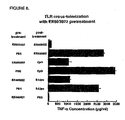
- administration of the immunomodulatory compounds described herein can suppress subsequent responses to TLR4 ligands such as endotoxin.
- administration of the immunomodulatory compounds described herein can also down regulate responses mediated by subsequent exposure to other TLR ligands, including TLR2 ligands, such as lipoprotein, and TLR9 ligands, such as unmethylated CpG nucleic acids, as described in more detail in Example 7.
- TLR ligands such as bacterial DNA, viral RNA, endogenous human heat shock proteins, parasitic or bacterial lipids, glycolipids or lipoproteins to stimulate immune responses.
- TLR ligands such as endotoxin are shown to elicit or exacerbate a number of immune-based diseases.
- intestinally derived Endotoxin is released during graft-versus-host disease after bone marrow grafting, and increases the severity of post-graft symptoms.
- Endotoxin is the active principle in eliciting lung responses to environmental or occupational irritants such as grain dust, cotton dust, or poultry processing dusts.
- Environmental endotoxin is found to enhance bronchial responses in pre-existing asthma.
- a TLR9 ligand is found to enhance proliferation of B cells associated with secretion of autoantibodies in systemic lupus erythematosus.
- TLRs may prevent TLR ligands from exacerbating or causing diseases or syndromes such as systemic lupus erythematosus, asthma, atherosclerosis, graft-versus-host disease, grain dust fever, inflammatory bowel disease, rheumatoid arthritis, mucositis, and others.
- diseases or syndromes such as systemic lupus erythematosus, asthma, atherosclerosis, graft-versus-host disease, grain dust fever, inflammatory bowel disease, rheumatoid arthritis, mucositis, and others.
- the invention provides a method of preventing or reducing ischemic damage in a subject requiring surgery by administering a compound of formula I, II, or III prior to performing surgery on the subject.
- Ischemia and reperfusion result in tissue injury in a number of organs, including heart, brain, kidney, and gastrointestinal tract.
- Ischemia/repedusion injury is associated with a number of surgical procedures, including transplantation of organs such as kidney, liver and heart, procedures that require periods of hyperperfusion, and revascularization procedures.
- TLR4 ligand endotoxin has been shown to induce cross-tolerance to insults other than endotoxemia.
- Pretreatment of subjects with endotoxin has been shown to provide protection against ischemia-reperfusion injury in the myocardium, liver, and kidney ( Meldrum, et al. (1996) Arch. Surg. 131:1203-1208 , Colletti, et al.. (1994) J. Surg. Res. 57:337-343 , and Heemann et al. (2000) Am. J. Path. 156:287-293 ).
- At least one of the immunostimulatory compounds according to the formula I, II, or III is administered to a subject prior to surgery.
- the compound or compounds can be administered from several hours up to three days prior to surgery.
- the invention provides a method of treating autoimmune condition by administering an immunostimulatory compound of formulas I, II, or III.
- Innate immunity has been implicated in the development and progression of autoimmune conditions including type I diabetes mellitus, systemic lupus erythimatosus, and others.
- the modulation of autoimmune responses is mediated by toll-like receptor-ligand interactions, and recent evidence indicates that TLR ligands can be used to modulate autoimmune responses.
- a TLR-9 mediated mechanism enhances proliferation of B cells associated with secretion of autoantibodies in systemic lupus erythematosus.
- B cells activated by endotoxin have been shown to prevent the onset of autoimmune diabetes in nonobese diabetic mice ( Tian, J., et al. (2001) J. Immunol. 167: 1081-9 ).
- modulation of immune responses by TLR ligands can provide treatments for autoimmune conditions.
- At least one immunomodulatory compound defined by the general formula I, II, or III is administered to a subject suffering from an autoimmune disorder or other disorder having an autoimmune component.
- Administration of an immunomodulatory compound can modulate the release of cytokines and suppress T-cell subsets involved in autoimmune disease. Many autoimmune disorders am associated with Th1 cytokine patterns. Redirection of T help to Th2 may treat these diseases. Alternatively, tolerization of TLRs using these immunostimulatory compounds may suppress aspects of the disease that are mediated by TLR stimulation.
- Diseases and conditions that can be treated by the methods of the invention include, but are not limited to, systemic lupus erythematosis, sceleroderma. Sjögren's syndrome, multiple sclerosis and other demyelinating diseases, rheumatoid arthritis, juvenile arthritis, myocarditis, Graves'disease, uveitis, Reiter's syndrome, gout, osteoarthritis, polymyositis, primary biliary cirrhosis, Crohn's disease, ulcerative colitis, aplastic anemia, Addison's disease, insulin-dependent diabetes mellitus, and other diseases.
- the invention provides a method of treating an inflammatory condition by administering an immunomodulatory compound of formula I, II, or III.
- the immunomodulatory compounds used in the methods of the invention elicit the production of cytokines such as IL-1 ⁇ , IL-1 ⁇ , IL-6, IL-10, IL12. interferon- ⁇ , interferon- ⁇ , and GM-CSF.
- cytokines such as IL-1 ⁇ , IL-1 ⁇ , IL-6, IL-10, IL12. interferon- ⁇ , interferon- ⁇ , and GM-CSF.
- the cytokine IL-1 ⁇ , IL-1 ⁇ , and IL-10 are associated with the suppression of inflammatory responses, and agents that stimulate the production of these cytokines can be used to treat inflammatory conditions.
- Inflammatory conditions that can be treated according to the methods of the invention include, but are not limited to, inflammatory bowel disease, multiple sclerosis, autoimmune diabetes, atopic dermatitis, urticaria, contact sensitivity, cutaneous allergic conditions, psoriasis, chronic adrenocortical disorder and hyperfunction, rheumatoid arthritis, lupus, pneumonia, bronchial asthma, hematological disorders, dermatitis and eczema.
- the invention also provides immunostimulatory remedies comprising as the active ingredient a compound of the formula I, II, or III.
- the host animals to which the immunomodulatory compounds of the present invention are usefully administered include human as well as non-human mammals, birds, fish, reptiles, etc.
- compositions of the present invention may thus be carried out in any suitable manner which will render the immunomodulatory compound or compounds bioavailable, safe and effective in the subject to whom the formulation is administered.
- the modes of administration may comprise the use of any suitable means and/or methods for delivering the immunomodulatory compound to one or more corporeal loci of the host animal where the adjuvant and associated antigens are immumostimulatively effective.
- Delivery modes may include, without limitation, parenteral administration methods, such as subcutaneous (SC) injection, transmucosal, intranasal (IN), ophthalmic, transdermal, intramuscular (IM), intradermal (ID), intraperitoneal (IP), intravaginal, pulmonary, and rectal administration, as well as non-parenteral, e,g., oral, administration.
- the dose rate and suitable dosage forms for the immunomodulatory compounds of the present invention may be readily determined by those of ordinary skill in the art without undue experimentation, by use of conventional antibody titer determination techniques and conventional bioefficacy/biocompatibility protocols, and depending on the desired therapeutic effect, and the desired time span of bioactivity.
- immunomodulatory compounds of the present invention may be usefully administered to the host animal with any other suitable pharmacologically or physiologically active agents, e.g., antigenic and/or other biologically active substances.
- Formulations of the invention can include additional components such as saline, oil, squalene, oil-water dispersion, liposomes, and the like.
- a 2-amino-1,3-dihydroxypropane or ( ⁇ ) serinol is transformed into the 2-azido compound by reaction with trifluoromethanesulfonyl azide followed by protection as the per-acetate for easy manipulation.
- the resulting compound is dracetylated, followed by reaction with an appropriately activated primary alcohol of a diol moiety.
- the primary alcohol moiety of the product of this reaction is then protected, e.g., by using TBDpSCL, followed by inaction with phosgene and then allyl alcohol, to yield a fully protected dioL
- the protected diol is then treated to cleave the protecting group from the primary alcohol.
- the unprotected alcohol is reacted with a properly functionalized phosphorylating reagent with formula (11) as indicated in the Examples, to form a phosphate ester compound.
- the azido moiety of the product is reduced, and then reacted with an activated acyl acid to form an amide.
- the protected terminal amine on the functionalized phosphate is deprotected, and subsequently reacted with a phosgene or a dicarboxylic acid in the presence of a dehydrating agent, such as EDC.
- the phosphate groups of the resulting compound are then deprotected, yielding a racemic amide.
- a chiral amino acid ester with the desired structure is protected with a benzimidate ester.
- the protected compound is reacted with a reducing agent, e.g., DIBAL or the like, to reduce the acid moiety of the amino acid to an alcohol.
- a reducing agent e.g., DIBAL or the like
- the resulting alcohol compound is reacted with an appropriately activated primacy alcohol of a diol moiety, followed by cleavage of the benzimidate protecting group, yielding an amino-diol.
- the diol is then reacted with an appropriate acid chloride to yield a diol-amide.
- the diol-amide is then reacted with a properly functionalized phosphorylating reagent at the free primary hydroxyl group.
- the resulting compound is esterified at the secondary alcohol group with an appropriate acyl moiety.
- the N-BOC group is then cleaved from the amino group introduced by phosphorylating reagent (11), yielding a phosphate ester compound with a free primary amine.
- This product is then reacted with phosgene or a dicarboxylic acid in the presence of a dehydrating agent, to yield a diamide product.
- the protected phosphate groups of the diamide product are then deprotected, typically with palladium(0) and phenylsilane.
- Chiral diamide compounds of Type 2 are synthesized essentially as described for chiral diamide compounds of Type 1, up to the point just after cleavage of the protecting group from the primary amine group of the phosphate ester compound. At this point, a dicarboxylic acid which has one of the acid moieties protected is reacted with the primary amine group, to yield a monoamide, The protecting group on the other carboxylic acid is then cleaved, providing a free carboxylic acid which can then be reacted with a primary amine from an alternative, appropriately substituted phosphate system, in the presence of a dehydrating agent to yield a diamide of type 2, which can then be treated to deprotect the phosphate group or groups to yield a desired compound of the invention.
- the primary amino group of the N-BOC amino group of the phosphate ester is deprotected and then reacted with trichloromethyl chloroformate or the like, in order to form an isocyanate compound.
- the isocyanate is then reacted with a primary amine from an alternative, appropriately substituted phosphate system to yield a urea product of type 2. This product can then be treated to deprotect the phosphate group or groups.
- These compounds of the invention have an ester moiety attached to the carbon which is beta to the phosphate group, instead of an amide moiety.
- these compounds are prepared by the etherification of a protected chiral glycerol with an activated primary alcohol of a diol moiety, followed by esterification of the secondary alcohol moiety and subsequent deprotection of the glycerol moiety, to yield a new diol.
- the primary hydroxyl group of the diol is then protected, and the secondary hydroxyl group is condensed with an acyl moiety to yield a diester.
- the primary hydroxyl is deprotected, followed by esterification with a phosphorylating agent, of which compound (11), below is exemplary.
- the product is reacted with phosgene or a dicarboxylic acid using a dehydrating agent such as EDC. Subsequent deprotection of the phosphate groups yield compounds of the invention.
- the substituent at R 1 of the compounds of the invention can easily be varied by utilizing different dicarboxylic acid compounds.
- Such acids can be coupled to the amine group of the phosphate ester intermediate of the reaction scheme outlined above, either using a dehydrating agent such as EDC, or by activating the dicarboxylic acid by synthesizing, e . g ., the corresponding diacid chloride.
- the substituents represented by variables R 3 and R 6 of formula I can be varied by using an intermediate containing the desired number of carbon atoms which also contains an activated carbon functionality, e.g., a halogen or sulfonate (OSO 2 CH 3 , OSO 2 CF 3 , OSO 2 CH 2 C 6 H 4 -p-CH 3 ) which can be reacted with the azido diol, amino alcohol, or glycerol starting materials.
- an intermediate containing the desired number of carbon atoms which also contains an activated carbon functionality, e.g., a halogen or sulfonate (OSO 2 CH 3 , OSO 2 CF 3 , OSO 2 CH 2 C 6 H 4 -p-CH 3 ) which can be reacted with the azido diol, amino alcohol, or glycerol starting materials.
- the diacetate (2) (16 g) was dissolved in methanol (150 mL) and sodium metal (2.0 g) was slowly added. The mixture was stirred for 90 minutes and Dowex ® 50-8 resin was added until the pH was less than or equal to 7. The mixture was filtered followed by concentration of the filtrate and chromatography to give 6.73 g of the diol (3).
- the filtrate was concentrated followed by the suspension and filtering of the residue with hexanes (200 mL).
- the resulting hexanes filtrate was concentrated to dry and azeotroped with 2,10-mL portions of toluene to provide the crude product (11) (21.54 g) as an oil.
- the alcohol (24) (4.3 g) was dissolved in 4 N aqueous hydrochloric acid and heated to reflux for 20 hours. The mixture was cooled, filtered, extracted with ether, made basic with sodium hydroxide and extracted twice with chloroform The combined chloroform layers were dried and the solvent removed to give 2.88 g of diol (25) as an oil.
- the diol (25)(2.88 g) was dissolved in saturated aqueous sodium bicarbonate (45 mL) and THF (25 mL) and allowed to stir for five minutes.
- Myristoyl chloride (3.4 mL) was added dropwise over a 25-minute period after which time the reaction mixture was allowed to stir for an additional hour.
- the reaction was worked up in the usual manner and chromatographed to give 3.07 g of alcohol (26) as an oil.
- the alcohol (37) (1.03) was dissolved in 4 N aqueous hydrochloric acid (25 mL) and the mixture was heated to 100 °C for 20 hours. Additional hydrochloric acid (5 mL) was added and the reflux continued for 6 hours. The mixture was cooled, washed with ether, made basic with 1 N aqueous sodium hydroxide, and extracted (3x) with chloroform. The combined chloroform layers were dried and the solvent removed under reduced pressure to give 553 mg of amino-diol (39).
- the protected dimer (71) (32.5 mg) from the preceding reaction was dissolved in degassed chloroform (2 mL) and PhSiH 3 (8.6 ⁇ L) was added in a dry box. The mixture was removed from the dry box and Pd(PPh 3 ) 4 (22.6 mg), previously weighed in the dry box, was added. After 2 hours, the mixture was chromatographed on DEAE to give 27.9 mg of white solid (72) after the addition of IN sodium hydroxide (34.2 ⁇ L) followed by lyophilization.
- the mesylate (630 mg) and sodium azide (299 mg) were dissolved in DMSO (6 mL) and heated to 60°C for 90 minutes. After cooling to room temperature the reaction mixture was diluted with methylene chloride, washed with water and brine. After extracting the aqueous washes the combined organic was dried, concentrated, purified over silica gel using a 4:1 ratio of hexanes to ethyl acetate and the dried product fractions give 420 mg.
- the amide (1.11 g) was dissolved in methanol (14 mL) and 4 N hydrochloric acid (8 mL) added. The mixture was stirred for 1 our at 50°C and then concentrated. Methanol (16 mL) and 40% sodium hydroxide (8 mL) was added and the mixture refluxed for 1 hour. It was cooled, extracted with methylene chloride and the extract washed with water, dried and the solvent removed to give 930 mg.
- the amino alcohol was dissolved in THF (6 mL) and saturated sodium bicarbonate added (13 mL). After 5 minutes the mixture was cooled to 0 ° C and myristoyl chloride (300 ⁇ L) added. After 30 minutes, the mixture was worked up in the usual way to give 430 mg.
- the amine was dissolved in methylene chloride (3 mL) and saturated. sodium bicarbonate solution (3 mL) was added. The mixture was cooled in ice and phosgene in toluene (0.55 equiv.) was added dropwise. The mixture was stirred for 20 minutes and worked up to give 112.3 mg.
- the Wittig reagent (679 mg) was suspended in THE (10 mL) and KHMDS solution (4 mL of 0.5 M) added. After 20 minutes, the mixture was cooled to -78 °C and the aldehyde (567 mg) in THF (5 mL) was added. After 15 minutes, the mixture was worked up in the usual manner to give 342 mg.
- the diol amine was mono-protected as its t-butyl-diphenylsilylether outlined above.
- ER-804222 was prepared in a similar manner except that the condensation product between lauryl chloride and glycine, 15-methylmyristic acid was used.
- This material was phosphorylated, deblocked with TFA, dimerized with phosgene and the allyl protecting groups removed with phenylsilane and palladium as described above to give ER-804281.
- the azides were reduced using the tin reagent described above.
- the diamine was acylated with dodecanoyl chloride, and the protecting groups removed with phenylsilane and palladium as described above to give ER-804596.
- the protected aminoalcohol (0.466 g) was hydrolyzed using 4 N HCl (15 mL) at 107 °C for 3 hours. After cooling to room temperature, the reaction mixture was filtered and extracted with ethyl ether, dried, concentrated and used in the next reaction.
- the crude aminoalcohol was dissolved in THE (5 mL) with saturated sodium bicarbonate (6 mL) and cooled to 0 °C. Myristoyl chloride (0.79 mL) was added dropwise after which time the reaction was warmed to room temperature and stirred for 2 hours. The reaction mixture was worked up using the usual methods and gave 0.751 g.
- the azide (0.975 g) was dissolved in methanol (20 mL) with 10 % palladium on carbon (0.180 g). The mixture was stirred under an atmosphere of hydrogen gas under atmospheric pressure for 2 hours after which time the gas was evacuated and the mixture filtered over Celite 545 and concentrated. Purification using the usual methods gave 0.873g.
- the secondary amine was dissolved in 1,4-dioxane (15 mL) and cooled to 0 °C followed by the slow addition of 1 M sodium hydroxide (3.0 mL). After stirring for 10 minutes allyl chloroformate (0.236 mL) was added dropwise after which time the reaction was warmed to room temperature and stirred for 16 hours. Work up in the usual manner gave 0.613 g.
- the para-methoxybenzyl ether (0.613 g) was dissolved in a 4 to 1 ratio of acetonitrile to water (15 mL), cooled to 0 °C and then CAN (1.525 g) was added. The reaction mixture was stirred at 0 °C for 2 hours and then worked up in the usual manner to give 0.357 g.
- This material was phosphorylated, deblocked with TFA, dimerized with phosgene and the allyl protecting groups removed with phenylsilane and palladium as descried above to give ER-804732.
- the aldehyde (1.54 g) was dissolved in THE (28 mL) and cooled to 0 °C after which time 2-methyl-2-butene (14 mL) and tert-butyl alcohol (28 mL) was added.
- a stirred suspension of sodium chlorite (3.70 g) and sodium trihydrogen phosphate (4.09 g) in water (42.7 mL) was added to the above mixture and stirred at 0 °C for 1.5 hours.
- the completed reaction was diluted with ethyl acetate (100 mL) and washed with 10 % sodium bisulfite, brine, dried, concentrated and silica gel chromatographed to give 1.55 g.
- the methoxybenzyl ether (0.567 g) was dissolved in a 1 to 1 ratio of acetonitrile to water (16 mL) with methylene chloride (8 mL) and cooled to 0 °C. CAN (1.53 g) was added and the reaction mixture was stirred for 1 hour after which time it was worked up in the usual manner to give the crude alcohol.
- This material was phosphorylated, deblocked with TFA, dimerized with phosgene and the allyl protecting groups removed with phenylsilane and palladium as described above to give ER-804780.
- the protected secondary amine (0.071 g) was dissolved in degassed chloroform (3 mL) with phenylsilane (0.017 mL) and acetic anhydride (0.014 mL). The reaction mixture was cooled to 0 °C followed by the addition of tetrakistriphenylphosphine palladium (0) (0.002 g). The reaction mixture was warmed to room temperature and allowed to stir for 30 minutes. The completed reaction was diluted with methylene chloride, washed with water, dried, concentrated, and chromatographed to give 0.068 g.
- This material was phosphorylated, deblocked with TFA, dimerized with phosgene and the allyl protecting groups removed with phenylsilane and palladium as described above to give ER-804679.
- the enol ether (0.193 g) was hydrolyzed with 57% hydrogen iodide (0.114 L) in acetonitrile (2 mL). After stirring at room temperature for 2 hours the reaction was quenched with saturated sodium bicarbonate, extracted with methylene chloride, and dried to give 0.211 g crude aldehyde.
- This material was phosphorylated, deblocked with TFA, dimerized with phosgene and the allyl protecting groups removed with phenylsilane and palladium as described above to give ER-804764.
- the para -methoxybenzyl protecting group was hydrolyzed with CAN, the protected amino alcohol hydrolyzed using aqueous HCl then KOH, acylation of the amine with tetradecanoyl chloride, silylation of the primary alcohol with TBDPS, acylation of the secondary alcohol with dodecanoyl chloride, and hydrolysis of the silyl protecting group using TBAF to give the primary alcohol.
- This material was phosphorylated, deblocked with TFA, dimerized with phosgene and the allyl protecting groups removed with phenylsilane and palladium as described above to give ER-804772.
- the protected aminoalcohol (0.189 g) was hydrolyzed using 4 N hydrochloric acid (2.5 mL) followed by 40% sodium hydroxide (2.5 mL) as described previously to provide 0.121 g.
- the benzyl ether (0.355 g) was dissolved in ethyl acetate (50 mL) with palladium hydroxide (0.048 g) and acetic acid (0.25 mL). The reaction mixture was placed under 50 psi of a hydrogen atmosphere and shaken for 10 hours. Work up in the usual manner gave 0.255 g.
- This material was phosphorylated, deblocked with TFA, dimerized with phosgene and the allyl protecting groups removed with phenylsilane and palladium as described above to give ER-804947.
- the product is purified by cation exchange chromatography using CM-Sephadex using dilute HCl as the eluting counter ion, followed by silica gel chromatography, and then anion exchange with SP-Sephadex containing the appropriate anionic counter ion using similar elution solvents as described in the previous experimentals.
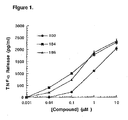
- compounds such as 100, 184 and 186 stimulate blood-borne cells to release TNF-alpha.
- This stimulatory activity can be compared to that of 10 ng/ml endotoxin (or LPS) present in similar incubations in the same assay.
- activity of compounds tested at 10 ⁇ M ranges from inactive (such as compound 110) to compounds demonstrating greater activity than the LPS standard.
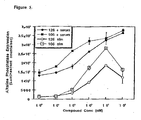
- compounds such as 803022, 804057, and 804058 stimulate blood-borne cells to release IL-10.
- Compounds 803022, 804057, 804058, and 804059 stimulate blood-borne cells to release IL-12.
- cytokines are secreted by nonadherent and adherent peripheral blood mononuclear cells (PBMC) when treated with compound 804057, including IL1- ⁇ , IL-1 ⁇ , IL-6, IL-10, IL-12, Interferon- ⁇ , Interferon- ⁇ , CM-CSF, and TNF ⁇ .
- PBMC peripheral blood mononuclear cells
- the ability of compounds to stimulate cytokine release from splenocytes can be assessed in a mouse model.
- Spleen cells harvested from C57BL/6 mice are cultured for 24 hours in RPMI 1640 cell culture medium containing 5% FBS, 1 mM sodium pyruvate, 2 mM L-glutamine, 100 U/ml penicitllin/streptomycin and 50 ⁇ M beta-mercaptoethanol, various concentrations of test compound for 20-24 hours, after which the cell culture supernatant is tested for the presence of cytokines.
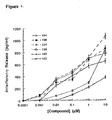
- cytokines such as IL-10 and interferon-gamma from splenocytes is stimulated by compounds such as 104, 106, 124, 160, and 162.
- cytokine induction can be caused both by direct effects of test compounds on cells and through more indirect stimulation ofcytokine "cascades" where the release of a cytokine by one type of cell can induce release of other cytokines in other cells present in the same media. It is possible that this cytokine "milieu” is responsible for part of this robust immune responses.
- Table 4 below contains the compound number as referenced herein to the corresponding ER number. Table 4. Correspondence of Compound Nos. to ER Nos. Compound # ER # Compound # ER # 16 112048 152 113634 31 803058 154 113635 48 803733 156 113643 50 803022 158 113644 62 803789 160 113651 72 803592 164 113665 100 112022 166 113666 102 111230 168 118023 104 111231 170 019772 106 111232 172 118989 108 111233 176 118999 110 112043 178 119000 112 112047 180 119001 114 112047 182 118949 116 112048 184 119327 118 112049 186 119328 120 112063 188 119329 122 112064 190 119521 124 112065 192 119522 126 112066 194 119523 128 112071 196 803022 130 112072 198
Landscapes
- Health & Medical Sciences (AREA)
- Chemical & Material Sciences (AREA)
- Life Sciences & Earth Sciences (AREA)
- General Health & Medical Sciences (AREA)
- Organic Chemistry (AREA)
- Medicinal Chemistry (AREA)
- Animal Behavior & Ethology (AREA)
- Veterinary Medicine (AREA)
- Public Health (AREA)
- Pharmacology & Pharmacy (AREA)
- General Chemical & Material Sciences (AREA)
- Chemical Kinetics & Catalysis (AREA)
- Nuclear Medicine, Radiotherapy & Molecular Imaging (AREA)
- Engineering & Computer Science (AREA)
- Bioinformatics & Cheminformatics (AREA)
- Immunology (AREA)
- Epidemiology (AREA)
- Molecular Biology (AREA)
- Biochemistry (AREA)
- Diabetes (AREA)
- Pulmonology (AREA)
- Rheumatology (AREA)
- Physical Education & Sports Medicine (AREA)
- Hematology (AREA)
- Oncology (AREA)
- Orthopedic Medicine & Surgery (AREA)
- Heart & Thoracic Surgery (AREA)
- Pain & Pain Management (AREA)
- Dermatology (AREA)
- Cardiology (AREA)
- Mycology (AREA)
- Neurology (AREA)
- Microbiology (AREA)
- Communicable Diseases (AREA)
- Obesity (AREA)
- Virology (AREA)
- Neurosurgery (AREA)
- Biomedical Technology (AREA)
- Ophthalmology & Optometry (AREA)
- Urology & Nephrology (AREA)
Applications Claiming Priority (2)
| Application Number | Priority Date | Filing Date | Title |
|---|---|---|---|
| US10/157,791 US20040006242A1 (en) | 1999-02-01 | 2002-05-28 | Immunomodulatory compounds and method of use thereof |
| EP03740968A EP1511499B1 (de) | 2002-05-28 | 2003-05-28 | Immunmodulatorische verbindungen sowie deren verwendungsverfahren |
Related Parent Applications (1)
| Application Number | Title | Priority Date | Filing Date |
|---|---|---|---|
| EP03740968A Division EP1511499B1 (de) | 2002-05-28 | 2003-05-28 | Immunmodulatorische verbindungen sowie deren verwendungsverfahren |
Publications (2)
| Publication Number | Publication Date |
|---|---|
| EP2039361A2 true EP2039361A2 (de) | 2009-03-25 |
| EP2039361A3 EP2039361A3 (de) | 2010-01-13 |
Family
ID=29582541
Family Applications (2)
| Application Number | Title | Priority Date | Filing Date |
|---|---|---|---|
| EP08020804A Withdrawn EP2039361A3 (de) | 2002-05-28 | 2003-05-28 | Verwendung von immunomodulierenden Verbindungen |
| EP03740968A Expired - Lifetime EP1511499B1 (de) | 2002-05-28 | 2003-05-28 | Immunmodulatorische verbindungen sowie deren verwendungsverfahren |
Family Applications After (1)
| Application Number | Title | Priority Date | Filing Date |
|---|---|---|---|
| EP03740968A Expired - Lifetime EP1511499B1 (de) | 2002-05-28 | 2003-05-28 | Immunmodulatorische verbindungen sowie deren verwendungsverfahren |
Country Status (8)
| Country | Link |
|---|---|
| US (2) | US20040006242A1 (de) |
| EP (2) | EP2039361A3 (de) |
| JP (1) | JP2005530805A (de) |
| AT (1) | ATE415974T1 (de) |
| AU (1) | AU2003273171A1 (de) |
| DE (1) | DE60325048D1 (de) |
| ES (1) | ES2315511T3 (de) |
| WO (1) | WO2003099195A2 (de) |
Families Citing this family (59)
| Publication number | Priority date | Publication date | Assignee | Title |
|---|---|---|---|---|
| PT1147117E (pt) * | 1999-02-01 | 2004-10-29 | Eisai Co Ltd | Compostos adjuvantes imunologicos |
| US7915238B2 (en) * | 1999-02-01 | 2011-03-29 | Eisai R & D Management Co., Ltd. | Immunomodulatory compounds and methods of use thereof |
| US20040006242A1 (en) | 1999-02-01 | 2004-01-08 | Hawkins Lynn D. | Immunomodulatory compounds and method of use thereof |
| US6835721B2 (en) * | 1999-02-01 | 2004-12-28 | Eisai Co., Ltd. | Immunomodulatory compounds and methods of use thereof |
| JP2007514648A (ja) | 2003-10-24 | 2007-06-07 | エーザイ株式会社 | Toll−likereceptor2に関連する疾患及び状態を治療するための化合物及び方法 |
| WO2006014653A1 (en) * | 2004-07-20 | 2006-02-09 | Schering Corporation | Induction of apoptosis in toll-like receptor expressing tumor cells |
| DK1861120T3 (en) | 2005-03-23 | 2016-07-25 | Glaxosmithkline Biologicals Sa | Use of an influenza virus and an oil-in-water emulsion adjuvant to induce CD 4 T cell and / or enhanced B memory cell response |
| CN101355928B (zh) * | 2005-04-26 | 2013-05-22 | 卫材R&D管理株式会社 | 用于癌症免疫疗法的组合物和方法 |
| US20070292418A1 (en) * | 2005-04-26 | 2007-12-20 | Eisai Co., Ltd. | Compositions and methods for immunotherapy |
| EP2292628A3 (de) * | 2005-06-30 | 2011-05-11 | Eisai R&D Management Co., Ltd. | Verbindungen zur Herstellung eines immunologischen Ajduvans |
| FR2896162B1 (fr) | 2006-01-13 | 2008-02-15 | Sanofi Pasteur Sa | Emulsion huile dans eau thermoreversible |
| EP2043682B1 (de) | 2006-07-17 | 2014-04-02 | GlaxoSmithKline Biologicals S.A. | Influenzaimpfstoff |
| US9452209B2 (en) | 2007-04-20 | 2016-09-27 | Glaxosmithkline Biologicals Sa | Influenza vaccine |
| US8563002B2 (en) | 2007-12-24 | 2013-10-22 | Glaxosmithkline Biologicals, S.A. | Recombinant RSV antigens |
| WO2010079081A1 (en) | 2009-01-07 | 2010-07-15 | Glaxosmithkline Biologicals S.A. | Methods for recovering a virus or a viral antigen produced by cell culture |
| WO2010089339A1 (en) | 2009-02-06 | 2010-08-12 | Glaxosmithkline Biologicals S.A. | Purification of virus or viral antigens by density gradient ultracentrifugation |
| NZ700477A (en) | 2009-02-17 | 2016-04-29 | Glaxosmithkline Biolog Sa | Inactivated dengue virus vaccine with aluminium-free adjuvant |
| PL2445526T3 (pl) | 2009-06-24 | 2017-08-31 | Glaxosmithkline Biologicals S.A. | Rekombinowane antygeny rsv |
| SG176807A1 (en) | 2009-06-24 | 2012-01-30 | Id Biomedical Corp Quebec | Vaccine |
| US9907746B2 (en) | 2009-07-06 | 2018-03-06 | Variation Biotechnologies, Inc. | Methods for preparing vesicles and formulations produced therefrom |
| MX2012000372A (es) | 2009-07-06 | 2012-02-28 | Variation Biotechnologies Inc | Metodos para preparar vesiculas y formulaciones producidas a partir de las mismas. |
| EP4183412B1 (de) | 2009-07-15 | 2024-08-14 | GlaxoSmithKline Biologicals SA | Rsv-f-proteinzusammensetzungen und verfahren zu ihrer herstellung |
| JP5774010B2 (ja) | 2009-09-25 | 2015-09-02 | グラクソスミスクライン バイオロジカルズ ソシエテ アノニム | インフルエンザウイルスのための免疫拡散アッセイ |
| GB0919117D0 (en) | 2009-10-30 | 2009-12-16 | Glaxosmithkline Biolog Sa | Process |
| JP2013520498A (ja) | 2010-02-25 | 2013-06-06 | デューク ユニバーシティー | 防御的抗hiv−1抗体の産生を誘導する方法 |
| EP2566958B1 (de) | 2010-05-03 | 2015-12-30 | GlaxoSmithKline Biologicals S.A. | Verfahren zur inaktivierung des influenza-virus |
| CA2840079C (en) | 2010-07-06 | 2018-07-03 | Variation Biotechnologies Inc. | Compositions and methods for treating influenza |
| SG190937A1 (en) | 2010-12-14 | 2013-07-31 | Glaxosmithkline Biolog Sa | Mycobacterium antigenic composition |
| US10736844B2 (en) | 2011-01-13 | 2020-08-11 | Variation Biotechnologies Inc. | Compositions and methods for treating viral infections |
| RS56748B1 (sr) | 2011-05-13 | 2018-03-30 | Glaxosmithkline Biologicals Sa | Pre-fuzioni rsv f antigeni |
| HK1200459A1 (en) | 2011-09-19 | 2015-08-07 | Gencia Corporation | Modified creatine compounds |
| CA2894442C (en) | 2012-01-12 | 2020-01-21 | Variation Biotechnologies Inc. | Compositions and methods for treating viral infections |
| EP4008354A1 (de) | 2012-01-27 | 2022-06-08 | Variation Biotechnologies Inc. | Verfahren und zusammensetzungen für therapeutika |
| CN104203270A (zh) | 2012-03-18 | 2014-12-10 | 葛兰素史密丝克莱恩生物有限公司 | 针对人乳头状瘤病毒的接种方法 |
| SG11201500573RA (en) | 2012-08-06 | 2015-02-27 | Glaxosmithkline Biolog Sa | Method for eliciting in infants an immune response against rsv and b. pertussis |
| US20140037680A1 (en) | 2012-08-06 | 2014-02-06 | Glaxosmithkline Biologicals, S.A. | Novel method |
| EP4421177A3 (de) | 2013-03-13 | 2024-12-18 | The United States of America, as represented by the Secretary, Department of Health and Human Services | Rsv-f-prefusionsproteine und deren verwendung |
| US10058603B2 (en) | 2013-03-15 | 2018-08-28 | Glaxosmithkline Biologicals S.A. | Vaccine |
| CN105555756B (zh) | 2013-06-28 | 2018-12-07 | 奥克兰联合服务有限公司 | 氨基酸缀合物和肽缀合物及缀合方法 |
| SG11201600709TA (en) | 2013-08-05 | 2016-02-26 | Glaxosmithkline Biolog Sa | Combination immunogenic compositions |
| BE1022132B1 (fr) | 2013-08-30 | 2016-02-19 | Glaxosmithkline Biologicals S.A. | Nouvelle methode. |
| WO2015048635A1 (en) | 2013-09-27 | 2015-04-02 | Duke University | Mper-liposome conjugates and uses thereof |
| WO2015112485A1 (en) * | 2014-01-21 | 2015-07-30 | Immune Design Corp. | Compositions for use in the treatment of allergic conditions |
| EP3154576A1 (de) | 2014-06-13 | 2017-04-19 | GlaxoSmithKline Biologicals S.A. | Immunogene kombinationen |
| CA2971677A1 (en) | 2014-12-23 | 2016-06-30 | Margaret Anne Brimble | Amino acid and peptide conjugates and uses thereof |
| WO2016140702A1 (en) | 2015-03-03 | 2016-09-09 | The United States Of America, As Represented By The Secretary, Department Of Health & Human Serivces | Display platform from bacterial spore coat proteins |
| CN108367062B (zh) | 2015-10-13 | 2022-05-06 | 赛诺菲巴斯德有限公司 | 抗金黄色葡萄球菌的免疫原性组合物 |
| TW201735952A (zh) | 2016-02-26 | 2017-10-16 | 瑪格蕾特 安 布萊博 | 胺基酸及肽共軛物以及共軛過程 |
| GB201616904D0 (en) | 2016-10-05 | 2016-11-16 | Glaxosmithkline Biologicals Sa | Vaccine |
| CA3045952A1 (en) | 2016-12-07 | 2018-06-14 | Glaxosmithkline Biologicals Sa | Novel process |
| WO2018109220A2 (en) | 2016-12-16 | 2018-06-21 | Institute For Research In Biomedicine | Novel recombinant prefusion rsv f proteins and uses thereof |
| EP3612562A2 (de) | 2017-04-19 | 2020-02-26 | Institute for Research in Biomedicine | Plasmodium sporozoit-npdp-peptide als impfstoff und ziel neuer malaria-impfstoffe und antikörper die daran binden |
| US20210187098A1 (en) | 2017-04-28 | 2021-06-24 | Glaxosmithkline Biologicals Sa | Vaccination |
| GB201707700D0 (en) | 2017-05-12 | 2017-06-28 | Glaxosmithkline Biologicals Sa | Dried composition |
| KR20200051778A (ko) | 2017-09-13 | 2020-05-13 | 사노피 파스퇴르 | 인간 시토메갈로바이러스 면역원성 조성물 |
| EP3581201A1 (de) | 2018-06-15 | 2019-12-18 | GlaxoSmithKline Biologicals S.A. | Escherichia coli o157:h7 polypeptide und verwendungen davon |
| WO2021245025A1 (en) | 2020-06-01 | 2021-12-09 | Loop Diagnostics, S.L. | Method and kit for the early detection of sepsis |
| JP2023553854A (ja) | 2020-12-02 | 2023-12-26 | グラクソスミスクライン バイオロジカルズ ソシエテ アノニム | ドナー鎖補完性fimh |
| US20250082745A1 (en) | 2021-12-13 | 2025-03-13 | The U.S.A., As Represented By The Secretary, Department Of Health And Human Services | Bacteriophage lambda-vaccine system |
Citations (2)
| Publication number | Priority date | Publication date | Assignee | Title |
|---|---|---|---|---|
| US5530113A (en) | 1991-10-11 | 1996-06-25 | Eisai Co., Ltd. | Anti-endotoxin compounds |
| US5756718A (en) | 1991-10-11 | 1998-05-26 | Eisai Co., Ltd. | Anti-endotoxin compounds |
Family Cites Families (37)
| Publication number | Priority date | Publication date | Assignee | Title |
|---|---|---|---|---|
| US5030621A (en) * | 1987-04-23 | 1991-07-09 | Bystryn Jean Claude | Shed melanoma antigen compositions |
| JPH06104789B2 (ja) | 1989-03-31 | 1994-12-21 | 日本ペイント株式会社 | 金属顔料組成物およびそれを含む水性塗料組成物 |
| WO1993004672A1 (en) | 1991-09-11 | 1993-03-18 | Pitman-Moore, Inc. | Method for enhancing the immune system in a host employing liposome-encapsulated polypeptides |
| US5484911A (en) | 1993-04-01 | 1996-01-16 | Health Research, Inc. | Nucleoside 5'-diphosphate conjugates of ether lipids |
| US5961970A (en) | 1993-10-29 | 1999-10-05 | Pharmos Corporation | Submicron emulsions as vaccine adjuvants |
| WO1995011700A1 (en) | 1993-10-29 | 1995-05-04 | Pharmos Corp. | Submicron emulsions as vaccine adjuvants |
| JP3814290B2 (ja) | 1993-12-09 | 2006-08-23 | エスクナー,ハインリッヒ | 抗原用のアジュバントおよびその製法ならびに用途 |
| GB9326253D0 (en) | 1993-12-23 | 1994-02-23 | Smithkline Beecham Biolog | Vaccines |
| DE19511276C2 (de) | 1995-03-27 | 1999-02-18 | Immuno Ag | Adjuvans auf der Basis kolloidaler Eisenverbindungen |
| US6180111B1 (en) | 1995-05-18 | 2001-01-30 | University Of Maryland | Vaccine delivery system |
| US5750664A (en) * | 1995-06-05 | 1998-05-12 | Eisai Co., Ltd. | Substituted liposaccharides useful in the treatment and prevention of endotoxemia |
| JPH11507815A (ja) | 1995-06-07 | 1999-07-13 | ジンタ・インコーポレイテッド | ホスホン酸基本カチオン性脂質 |
| TW343975B (en) | 1995-12-15 | 1998-11-01 | Boehringer Mannheim Gmbh | New phospholipid derivatives of phosphonocarboxylic acids, the production thereof as well as their use as antiviral pharmaceutical agents |
| US6284267B1 (en) * | 1996-08-14 | 2001-09-04 | Nutrimed Biotech | Amphiphilic materials and liposome formulations thereof |
| US5834015A (en) | 1996-09-11 | 1998-11-10 | Albany Medical College | Protein-lipid vesicles and autogenous vaccine comprising the same |
| US6355257B1 (en) | 1997-05-08 | 2002-03-12 | Corixa Corporation | Aminoalkyl glucosamine phosphate compounds and their use as adjuvants and immunoeffectors |
| GB9712347D0 (en) | 1997-06-14 | 1997-08-13 | Smithkline Beecham Biolog | Vaccine |
| CA2330610A1 (en) * | 1998-05-07 | 1999-11-11 | Corixa Corporation | Adjuvant composition and methods for its use |
| US6461637B1 (en) * | 2000-09-01 | 2002-10-08 | Neopharm, Inc. | Method of administering liposomal encapsulated taxane |
| US6146659A (en) * | 1998-07-01 | 2000-11-14 | Neopharm, Inc. | Method of administering liposomal encapsulated taxane |
| US6306404B1 (en) | 1998-07-14 | 2001-10-23 | American Cyanamid Company | Adjuvant and vaccine compositions containing monophosphoryl lipid A |
| US6835721B2 (en) * | 1999-02-01 | 2004-12-28 | Eisai Co., Ltd. | Immunomodulatory compounds and methods of use thereof |
| US7915238B2 (en) * | 1999-02-01 | 2011-03-29 | Eisai R & D Management Co., Ltd. | Immunomodulatory compounds and methods of use thereof |
| US20040006242A1 (en) | 1999-02-01 | 2004-01-08 | Hawkins Lynn D. | Immunomodulatory compounds and method of use thereof |
| US6551600B2 (en) * | 1999-02-01 | 2003-04-22 | Eisai Co., Ltd. | Immunological adjuvant compounds compositions and methods of use thereof |
| PT1147117E (pt) * | 1999-02-01 | 2004-10-29 | Eisai Co Ltd | Compostos adjuvantes imunologicos |
| DE60016205T2 (de) | 1999-05-28 | 2005-12-01 | Vical, Inc., San Diego | Cytofectin-dimere und verfahren zu ihrer anwendung |
| AU1581400A (en) | 1999-12-22 | 2001-07-03 | Om Pharma | Acyl pseudopeptides bearing a functionalised auxiliary spacer |
| AU5345901A (en) * | 2000-04-13 | 2001-10-30 | Univ Rockefeller | Enhancement of antibody-mediated immune responses |
| PT1284740E (pt) * | 2000-05-19 | 2008-07-09 | Corixa Corp | Tratamento profiláctico e terapêutico de doenças infecciosas, autoimunes e alérgicas com compostos à base de monossacáridos |
| JP4230765B2 (ja) * | 2000-07-31 | 2009-02-25 | エーザイ株式会社 | 免疫アジュバント化合物、組成物、およびその使用方法 |
| WO2002018395A1 (en) | 2000-08-31 | 2002-03-07 | Merck & Co., Inc. | Phosphate derivatives as immunoregulatory agents |
| WO2003003985A2 (en) | 2001-07-06 | 2003-01-16 | Sloan-Kettering Institute For Cancer Research | Polyvalent conjugate vaccine for cancer |
| TWI248610B (en) * | 2003-04-07 | 2006-02-01 | Mediatek Inc | Method and related apparatus for deriving a tracking error signal |
| US20070292418A1 (en) * | 2005-04-26 | 2007-12-20 | Eisai Co., Ltd. | Compositions and methods for immunotherapy |
| CN101355928B (zh) * | 2005-04-26 | 2013-05-22 | 卫材R&D管理株式会社 | 用于癌症免疫疗法的组合物和方法 |
| EP2292628A3 (de) * | 2005-06-30 | 2011-05-11 | Eisai R&D Management Co., Ltd. | Verbindungen zur Herstellung eines immunologischen Ajduvans |
-
2002
- 2002-05-28 US US10/157,791 patent/US20040006242A1/en not_active Abandoned
-
2003
- 2003-05-28 EP EP08020804A patent/EP2039361A3/de not_active Withdrawn
- 2003-05-28 EP EP03740968A patent/EP1511499B1/de not_active Expired - Lifetime
- 2003-05-28 ES ES03740968T patent/ES2315511T3/es not_active Expired - Lifetime
- 2003-05-28 AT AT03740968T patent/ATE415974T1/de not_active IP Right Cessation
- 2003-05-28 WO PCT/IB2003/003082 patent/WO2003099195A2/en not_active Ceased
- 2003-05-28 DE DE60325048T patent/DE60325048D1/de not_active Expired - Lifetime
- 2003-05-28 JP JP2004506722A patent/JP2005530805A/ja active Pending
- 2003-05-28 AU AU2003273171A patent/AU2003273171A1/en not_active Abandoned
-
2005
- 2005-03-09 US US11/077,344 patent/US7833993B2/en not_active Expired - Fee Related
Patent Citations (2)
| Publication number | Priority date | Publication date | Assignee | Title |
|---|---|---|---|---|
| US5530113A (en) | 1991-10-11 | 1996-06-25 | Eisai Co., Ltd. | Anti-endotoxin compounds |
| US5756718A (en) | 1991-10-11 | 1998-05-26 | Eisai Co., Ltd. | Anti-endotoxin compounds |
Non-Patent Citations (6)
| Title |
|---|
| COLLETTI ET AL., J, SURG. RES., vol. 57, 1994, pages 337 - 343 |
| GOTO ET AL., MOLECULAR PHARMACOLOGY, vol. 49, 1996, pages 860 - 873 |
| HEEMANN ET AL., AM. J. PATH., vol. 156, 2000, pages 287 - 293 |
| LIU, A.H., J. ALLERGY CLIN IMMUNOL., vol. 109, 2002, pages 379 - 92 |
| MELDRUM ET AL., ARCH. SURG., vol. 131, 1996, pages 1203 - 1208 |
| TIAN, J. ET AL., J. IMMUNOL., vol. 167, 2001, pages 1081 - 9 |
Also Published As
| Publication number | Publication date |
|---|---|
| WO2003099195A2 (en) | 2003-12-04 |
| AU2003273171A1 (en) | 2003-12-12 |
| US20050164988A1 (en) | 2005-07-28 |
| JP2005530805A (ja) | 2005-10-13 |
| EP2039361A3 (de) | 2010-01-13 |
| AU2003273171A8 (en) | 2005-11-03 |
| DE60325048D1 (de) | 2009-01-15 |
| US20040006242A1 (en) | 2004-01-08 |
| EP1511499B1 (de) | 2008-12-03 |
| ES2315511T3 (es) | 2009-04-01 |
| US7833993B2 (en) | 2010-11-16 |
| HK1076713A1 (en) | 2006-01-27 |
| EP1511499A2 (de) | 2005-03-09 |
| ATE415974T1 (de) | 2008-12-15 |
| WO2003099195A3 (en) | 2004-10-07 |
Similar Documents
| Publication | Publication Date | Title |
|---|---|---|
| EP1511499B1 (de) | Immunmodulatorische verbindungen sowie deren verwendungsverfahren | |
| EP1439184B1 (de) | Verbindungen mit immunologischem Adjuvanseffekt | |
| US6551600B2 (en) | Immunological adjuvant compounds compositions and methods of use thereof | |
| CA2337807C (fr) | Nouveaux pseudodipeptides acyles, leur mode de preparation et les compositions pharmaceutiques en renfermant | |
| US6835721B2 (en) | Immunomodulatory compounds and methods of use thereof | |
| EP1307466A2 (de) | Immunologische adjuvans verbindungen | |
| HK1076713B (en) | Immunomodulatory compounds and methods of use thereof | |
| EP4423093B1 (de) | Multiantennäre glycolipidmimetika | |
| AU2008202882B2 (en) | Immunological adjuvant compound | |
| HK1070372B (en) | Immunological adjuvant compounds |
Legal Events
| Date | Code | Title | Description |
|---|---|---|---|
| PUAI | Public reference made under article 153(3) epc to a published international application that has entered the european phase |
Free format text: ORIGINAL CODE: 0009012 |
|
| AC | Divisional application: reference to earlier application |
Ref document number: 1511499 Country of ref document: EP Kind code of ref document: P |
|
| AK | Designated contracting states |
Kind code of ref document: A2 Designated state(s): AT BE BG CH CY CZ DE DK EE ES FI FR GB GR HU IE IT LI LU MC NL PT RO SE SI SK TR |
|
| PUAL | Search report despatched |
Free format text: ORIGINAL CODE: 0009013 |
|
| AK | Designated contracting states |
Kind code of ref document: A3 Designated state(s): AT BE BG CH CY CZ DE DK EE ES FI FR GB GR HU IE IT LI LU MC NL PT RO SE SI SK TR |
|
| 17P | Request for examination filed |
Effective date: 20100713 |
|
| AKX | Designation fees paid |
Designated state(s): AT BE BG CH CY CZ DE DK EE ES FI FR GB GR HU IE IT LI LU MC NL PT RO SE SI SK TR |
|
| 17Q | First examination report despatched |
Effective date: 20101014 |
|
| STAA | Information on the status of an ep patent application or granted ep patent |
Free format text: STATUS: THE APPLICATION IS DEEMED TO BE WITHDRAWN |
|
| 18D | Application deemed to be withdrawn |
Effective date: 20110225 |