EP2052376B1 - Vorrichtung und verfahren zur bereitstellung einer adaptiven schnittstelle - Google Patents
Vorrichtung und verfahren zur bereitstellung einer adaptiven schnittstelle Download PDFInfo
- Publication number
- EP2052376B1 EP2052376B1 EP07768868A EP07768868A EP2052376B1 EP 2052376 B1 EP2052376 B1 EP 2052376B1 EP 07768868 A EP07768868 A EP 07768868A EP 07768868 A EP07768868 A EP 07768868A EP 2052376 B1 EP2052376 B1 EP 2052376B1
- Authority
- EP
- European Patent Office
- Prior art keywords
- attention
- degree
- driver
- interface
- car
- Prior art date
- Legal status (The legal status is an assumption and is not a legal conclusion. Google has not performed a legal analysis and makes no representation as to the accuracy of the status listed.)
- Not-in-force
Links
Images


Classifications
-
- B—PERFORMING OPERATIONS; TRANSPORTING
- B60—VEHICLES IN GENERAL
- B60W—CONJOINT CONTROL OF VEHICLE SUB-UNITS OF DIFFERENT TYPE OR DIFFERENT FUNCTION; CONTROL SYSTEMS SPECIALLY ADAPTED FOR HYBRID VEHICLES; ROAD VEHICLE DRIVE CONTROL SYSTEMS FOR PURPOSES NOT RELATED TO THE CONTROL OF A PARTICULAR SUB-UNIT
- B60W40/00—Estimation or calculation of non-directly measurable driving parameters for road vehicle drive control systems not related to the control of a particular sub unit, e.g. by using mathematical models
- B60W40/08—Estimation or calculation of non-directly measurable driving parameters for road vehicle drive control systems not related to the control of a particular sub unit, e.g. by using mathematical models related to drivers or passengers
- B60W40/09—Driving style or behaviour
-
- B—PERFORMING OPERATIONS; TRANSPORTING
- B60—VEHICLES IN GENERAL
- B60W—CONJOINT CONTROL OF VEHICLE SUB-UNITS OF DIFFERENT TYPE OR DIFFERENT FUNCTION; CONTROL SYSTEMS SPECIALLY ADAPTED FOR HYBRID VEHICLES; ROAD VEHICLE DRIVE CONTROL SYSTEMS FOR PURPOSES NOT RELATED TO THE CONTROL OF A PARTICULAR SUB-UNIT
- B60W40/00—Estimation or calculation of non-directly measurable driving parameters for road vehicle drive control systems not related to the control of a particular sub unit, e.g. by using mathematical models
- B60W40/08—Estimation or calculation of non-directly measurable driving parameters for road vehicle drive control systems not related to the control of a particular sub unit, e.g. by using mathematical models related to drivers or passengers
-
- B—PERFORMING OPERATIONS; TRANSPORTING
- B60—VEHICLES IN GENERAL
- B60K—ARRANGEMENT OR MOUNTING OF PROPULSION UNITS OR OF TRANSMISSIONS IN VEHICLES; ARRANGEMENT OR MOUNTING OF PLURAL DIVERSE PRIME-MOVERS IN VEHICLES; AUXILIARY DRIVES FOR VEHICLES; INSTRUMENTATION OR DASHBOARDS FOR VEHICLES; ARRANGEMENTS IN CONNECTION WITH COOLING, AIR INTAKE, GAS EXHAUST OR FUEL SUPPLY OF PROPULSION UNITS IN VEHICLES
- B60K28/00—Safety devices for propulsion-unit control, specially adapted for, or arranged in, vehicles, e.g. preventing fuel supply or ignition in the event of potentially dangerous conditions
- B60K28/02—Safety devices for propulsion-unit control, specially adapted for, or arranged in, vehicles, e.g. preventing fuel supply or ignition in the event of potentially dangerous conditions responsive to conditions relating to the driver
- B60K28/06—Safety devices for propulsion-unit control, specially adapted for, or arranged in, vehicles, e.g. preventing fuel supply or ignition in the event of potentially dangerous conditions responsive to conditions relating to the driver responsive to incapacity of driver
-
- B—PERFORMING OPERATIONS; TRANSPORTING
- B60—VEHICLES IN GENERAL
- B60W—CONJOINT CONTROL OF VEHICLE SUB-UNITS OF DIFFERENT TYPE OR DIFFERENT FUNCTION; CONTROL SYSTEMS SPECIALLY ADAPTED FOR HYBRID VEHICLES; ROAD VEHICLE DRIVE CONTROL SYSTEMS FOR PURPOSES NOT RELATED TO THE CONTROL OF A PARTICULAR SUB-UNIT
- B60W50/00—Details of control systems for road vehicle drive control not related to the control of a particular sub-unit, e.g. process diagnostic or vehicle driver interfaces
- B60W50/08—Interaction between the driver and the control system
- B60W50/14—Means for informing the driver, warning the driver or prompting a driver intervention
-
- G—PHYSICS
- G08—SIGNALLING
- G08B—SIGNALLING SYSTEMS, e.g. PERSONAL CALLING SYSTEMS; ORDER TELEGRAPHS; ALARM SYSTEMS
- G08B21/00—Alarms responsive to a single specified undesired or abnormal condition and not otherwise provided for
- G08B21/02—Alarms for ensuring the safety of persons
- G08B21/06—Alarms for ensuring the safety of persons indicating a condition of sleep, e.g. anti-dozing alarms
-
- G—PHYSICS
- G08—SIGNALLING
- G08G—TRAFFIC CONTROL SYSTEMS
- G08G1/00—Traffic control systems for road vehicles
- G08G1/09—Arrangements for giving variable traffic instructions
- G08G1/0962—Arrangements for giving variable traffic instructions having an indicator mounted inside the vehicle, e.g. giving voice messages
- G08G1/0968—Systems involving transmission of navigation instructions to the vehicle
- G08G1/096877—Systems involving transmission of navigation instructions to the vehicle where the input to the navigation device is provided by a suitable I/O arrangement
- G08G1/096888—Systems involving transmission of navigation instructions to the vehicle where the input to the navigation device is provided by a suitable I/O arrangement where input information is obtained using learning systems, e.g. history databases
-
- B—PERFORMING OPERATIONS; TRANSPORTING
- B60—VEHICLES IN GENERAL
- B60W—CONJOINT CONTROL OF VEHICLE SUB-UNITS OF DIFFERENT TYPE OR DIFFERENT FUNCTION; CONTROL SYSTEMS SPECIALLY ADAPTED FOR HYBRID VEHICLES; ROAD VEHICLE DRIVE CONTROL SYSTEMS FOR PURPOSES NOT RELATED TO THE CONTROL OF A PARTICULAR SUB-UNIT
- B60W40/00—Estimation or calculation of non-directly measurable driving parameters for road vehicle drive control systems not related to the control of a particular sub unit, e.g. by using mathematical models
- B60W40/08—Estimation or calculation of non-directly measurable driving parameters for road vehicle drive control systems not related to the control of a particular sub unit, e.g. by using mathematical models related to drivers or passengers
- B60W2040/0818—Inactivity or incapacity of driver
-
- B—PERFORMING OPERATIONS; TRANSPORTING
- B60—VEHICLES IN GENERAL
- B60W—CONJOINT CONTROL OF VEHICLE SUB-UNITS OF DIFFERENT TYPE OR DIFFERENT FUNCTION; CONTROL SYSTEMS SPECIALLY ADAPTED FOR HYBRID VEHICLES; ROAD VEHICLE DRIVE CONTROL SYSTEMS FOR PURPOSES NOT RELATED TO THE CONTROL OF A PARTICULAR SUB-UNIT
- B60W40/00—Estimation or calculation of non-directly measurable driving parameters for road vehicle drive control systems not related to the control of a particular sub unit, e.g. by using mathematical models
- B60W40/08—Estimation or calculation of non-directly measurable driving parameters for road vehicle drive control systems not related to the control of a particular sub unit, e.g. by using mathematical models related to drivers or passengers
- B60W2040/0872—Driver physiology
-
- B—PERFORMING OPERATIONS; TRANSPORTING
- B60—VEHICLES IN GENERAL
- B60W—CONJOINT CONTROL OF VEHICLE SUB-UNITS OF DIFFERENT TYPE OR DIFFERENT FUNCTION; CONTROL SYSTEMS SPECIALLY ADAPTED FOR HYBRID VEHICLES; ROAD VEHICLE DRIVE CONTROL SYSTEMS FOR PURPOSES NOT RELATED TO THE CONTROL OF A PARTICULAR SUB-UNIT
- B60W50/00—Details of control systems for road vehicle drive control not related to the control of a particular sub-unit, e.g. process diagnostic or vehicle driver interfaces
- B60W50/08—Interaction between the driver and the control system
- B60W50/14—Means for informing the driver, warning the driver or prompting a driver intervention
- B60W2050/143—Alarm means
-
- B—PERFORMING OPERATIONS; TRANSPORTING
- B60—VEHICLES IN GENERAL
- B60W—CONJOINT CONTROL OF VEHICLE SUB-UNITS OF DIFFERENT TYPE OR DIFFERENT FUNCTION; CONTROL SYSTEMS SPECIALLY ADAPTED FOR HYBRID VEHICLES; ROAD VEHICLE DRIVE CONTROL SYSTEMS FOR PURPOSES NOT RELATED TO THE CONTROL OF A PARTICULAR SUB-UNIT
- B60W2422/00—Indexing codes relating to the special location or mounting of sensors
-
- B—PERFORMING OPERATIONS; TRANSPORTING
- B60—VEHICLES IN GENERAL
- B60W—CONJOINT CONTROL OF VEHICLE SUB-UNITS OF DIFFERENT TYPE OR DIFFERENT FUNCTION; CONTROL SYSTEMS SPECIALLY ADAPTED FOR HYBRID VEHICLES; ROAD VEHICLE DRIVE CONTROL SYSTEMS FOR PURPOSES NOT RELATED TO THE CONTROL OF A PARTICULAR SUB-UNIT
- B60W40/00—Estimation or calculation of non-directly measurable driving parameters for road vehicle drive control systems not related to the control of a particular sub unit, e.g. by using mathematical models
- B60W40/02—Estimation or calculation of non-directly measurable driving parameters for road vehicle drive control systems not related to the control of a particular sub unit, e.g. by using mathematical models related to ambient conditions
- B60W40/06—Road conditions
- B60W40/072—Curvature of the road
-
- B—PERFORMING OPERATIONS; TRANSPORTING
- B60—VEHICLES IN GENERAL
- B60W—CONJOINT CONTROL OF VEHICLE SUB-UNITS OF DIFFERENT TYPE OR DIFFERENT FUNCTION; CONTROL SYSTEMS SPECIALLY ADAPTED FOR HYBRID VEHICLES; ROAD VEHICLE DRIVE CONTROL SYSTEMS FOR PURPOSES NOT RELATED TO THE CONTROL OF A PARTICULAR SUB-UNIT
- B60W40/00—Estimation or calculation of non-directly measurable driving parameters for road vehicle drive control systems not related to the control of a particular sub unit, e.g. by using mathematical models
- B60W40/02—Estimation or calculation of non-directly measurable driving parameters for road vehicle drive control systems not related to the control of a particular sub unit, e.g. by using mathematical models related to ambient conditions
- B60W40/06—Road conditions
- B60W40/076—Slope angle of the road
-
- B—PERFORMING OPERATIONS; TRANSPORTING
- B60—VEHICLES IN GENERAL
- B60W—CONJOINT CONTROL OF VEHICLE SUB-UNITS OF DIFFERENT TYPE OR DIFFERENT FUNCTION; CONTROL SYSTEMS SPECIALLY ADAPTED FOR HYBRID VEHICLES; ROAD VEHICLE DRIVE CONTROL SYSTEMS FOR PURPOSES NOT RELATED TO THE CONTROL OF A PARTICULAR SUB-UNIT
- B60W40/00—Estimation or calculation of non-directly measurable driving parameters for road vehicle drive control systems not related to the control of a particular sub unit, e.g. by using mathematical models
- B60W40/10—Estimation or calculation of non-directly measurable driving parameters for road vehicle drive control systems not related to the control of a particular sub unit, e.g. by using mathematical models related to vehicle motion
- B60W40/105—Speed
-
- B—PERFORMING OPERATIONS; TRANSPORTING
- B60—VEHICLES IN GENERAL
- B60Y—INDEXING SCHEME RELATING TO ASPECTS CROSS-CUTTING VEHICLE TECHNOLOGY
- B60Y2400/00—Special features of vehicle units
- B60Y2400/90—Driver alarms
-
- G—PHYSICS
- G08—SIGNALLING
- G08G—TRAFFIC CONTROL SYSTEMS
- G08G1/00—Traffic control systems for road vehicles
- G08G1/09—Arrangements for giving variable traffic instructions
- G08G1/0962—Arrangements for giving variable traffic instructions having an indicator mounted inside the vehicle, e.g. giving voice messages
Definitions
- the present invention relates to an adaptive interface providing apparatus and method for determining a degree of attention according to a driver's driving pattern and a driving environment and providing a suitable interface to the driver according to the degree of attention.
- WO 02/30700 A discloses a method for improving driver performance. It includes the steps of receiving vehicle operating data from the vehicle; monitoring an interior portion of the vehicle and receiving operator activity data from the interior portion of the vehicle; receiving vehicle environment data from the environment external to the vehicle; monitoring the vehicle operator and receiving operator condition data relating to a condition of the vehicle operator; recording an operator performance assessment based on the vehicle operating data, the operator activity data, the vehicle environment data and the operator condition data; and reporting the operator performance assessment to the operator.
- adaptive interface providing techniques based on recognition of a driver' s characteristics and environment have been developed.
- various features such as driver's driving feature and drive environment are taken into consideration, so that the aforementioned information services can be easily utilized by persons that are not apt at using information apparatuses.
- an adaptive telematics human interface technique is provided, and a personalized telematics driver interface technique capable of providing a driving safety and convenience using a human model based on a driving environment and personal features is provided.
- a personalized telematics driver interface technique capable of providing a driving safety and convenience using a human model based on a driving environment and personal features is provided.
- the personalized telematics interface technique it is possible to improve a telematics service quality.
- the present invention it is possible to implement a modeling technique obtained from an analysis of driver's characteristics, states of a car, and external environment and to implement domestic and international standards.
- the modeling technique by applying the modeling technique to fields of interaction between human and compute rs, it is possible to provide various convergence services.
- an adaptive telematics human interface technique provides an environment where persons who are not apt at using an information apparatus can easily use various telematics services. Accordingly, it is possible to alleviate the problem of' digital divide' and to develop a new convergence technique between information apparatuses.
- the present invention it is possible to actively promote a telematics service market, to ensure driving safety, and to develop a new high-valued convergence industry of an information technique and an automobile industry.
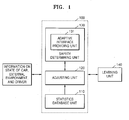
- FIG. 1 is a view showing the construction of an adaptive interface providing apparatus according to an embodiment of the present invention
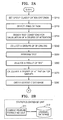
- FIGS. 2A and 2B are views showing a data collecting process performed by a statistics database unit of the adaptive interface providing apparatus shown in FIG. 1 , according to an embodiment of the present invention
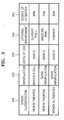
- FIG. 3 is a view showing an example of the statistics database unit of the adaptive interface providing apparatus shown in FIG. 1 , according to an embodiment of the present invention
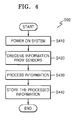
- FIG. 4 is a view showing a data collecting method performed by a personal characteristic setting unit of the adaptive interface providing apparatus shown in FIG. 1 , according to an embodiment of the present invention
- FIG. 5 is a view showing an example of the personal characteristic setting unit of the adaptive interface providing apparatus shown in FIG. 1 , according to an embodiment of the present invention
- FIG. 6 is a view showing the construction of a unit which determines a degree of attention suitable for a personal characteristic, according to an embodiment of the present invention.
- FIG. 7 is a view showing a data collecting process performed by the personal characteristic setting unit of the adaptive interface providing apparatus shown in FIG. 1 , according to an embodiment of the present invention
- FIG. 8 is a view showing a module which provides an interface suitable for a driver' s situation, according to an embodiment of the present invention.
- FIG. 9 is a flowchart showing a method of providing an interface suitable for a driver s situation, according to another embodiment of the present invention.
- FIG. 10 is a flowchart showing an adaptive interface providing method according to another embodiment of the present invention.
- the present invention provides an apparatus and method capable of dynamically selecting an interface based on a driver's characteristics and an external environment and improving driving safety for the driver.
- the present invention also provides an apparatus and method capable of selecting an interface suitable for a degree of attention and providing a diving safety and convenience to a driver.
- an adaptive interface providing apparatus comprising: a statistics database unit which analyses a predetermined statistical population, extracts a context feature including an average degree of attention required when a driving operation, the state of a car, or an external environment changes, a degree of attention required for interface manipulation when a driver manipulates interfaces of a car, and a similarity between the functions of the interfaces using at least one of a sensor, an RFID, and a GPS, and stores and manages the context feature; an adjusting unit which senses a change in at least one of the driving operation, the state of the car, and the external environment using at least one of the sensor, the RFID, and the GPS and adjusts an individual degree of attention based on the extracted context feature and the average degree of attention according to the sensed change; and a safety determining unit which determines whether or not a sum of the individual degree of attention and the degree of attention required for interface manipulation when the driver manipulates the interfaces is larger than a pre-determined threshold degree of safety attention required for safe driving.
- FIG. 1 is a view showing the construction of an adaptive interface providing apparatus according to an embodiment of the present invention.
- the adaptive interface providing apparatus 100 includes a statistics database unit 110, an adjusting unit 120, and a safety determining unit 130.
- the statistics database unit 110 stores and manages information on an average degree of attention required when there is a change in at least one of a driving operation, the state of a car, and an external environment, on a degree of attention required for interface manipulation when a driver manipulates interfaces of a car, and on a similarity between the functions of the interfaces.
- the statistics database unit 110 is described in detail with reference to FIGS. 2A and 2B .
- the state of the car includes speed, tire pressure, duration of use, and other information on the car
- the external environment includes weather information such as temperature and humidity, the state of a road surface, the state of a road (for example, a curved road), and other factors which may externally influence driving of the car.
- the average degree of attention is an average value of degrees of attention required for individual drivers of a specific driver group when there is a change in conditions, i.e., a change in at least one of, for example, a driving operation, the state of a car, and an external environment.
- the adjusting unit 120 searches for the driver group in which a specific driver is included and checks the average degree of attention required for the specific driver of the driver group using the statistics database unit 110. For example, the adjusting unit 120 may check the average degree of attention required for an age group in which the driver is included when the driver performs a specific operation.
- a driving characteristic of liver is stored.
- the driving feature is used to adjust an individual degree of attention, More specifically, the individual degree of attention is obtained by adjusting the average degree of attention according to a change in at least one of the driving operation, the state of the car, and the external environment with respect to each driver.
- the degree of attention may be 80.
- the driving conditions are accumulatively stored and updated, and a degree of attention for the specific driver is selected based the average degree of attention under the stored and updated driving conditions. A detailed description thereof will be made with reference to FIGS. 4 to 6 .
- the safety determining unit 130 determines whether or not a sum of the individual degree of attention adjusted for the individual driver by the adjusting unit 120 and the degree of attention required for interface manipulation when the driver manipulates the interface is larger than a predetermined threshold of attention required for safe driving, hereinafter referred to as 'safety attention'.
- an adaptive safety determining unit 131 searches for a new substitute for the interface based on the similarity and provides the new substitute for the interface to the driver.
- the adaptive safety determining unit 131 issues an alert message to the driver.
- FIGS. 2A and 2B are views showing a data collecting process performed by the statistics database unit 110 of the adaptive interface providing apparatus 100 according to the embodiment of the present invention.
- a statistical population of drivers is collected and classified into groups according to a predetermined driver classification criterion (S210).
- the driver classification criterion may be age, gender, or the like.
- the test conditions may include a testing method, a to-be-tested, and a to-be-tested person.
- test driver of the group After the design of the test condition, a suitable number of test drivers of the group are selected (S240). Next, a test for the degree of attention is carried out using an actual car to which sensors are attached or a simulator (S250).
- a context feature extracting unit 211 extracts a context feature using an algorithm analyzing information (context) on a driver, a car, and an external environment obtained using the actual car to which sensors are attached or the simulator, and stores the context feature in a statistical database 212.
- the result of the test is analyzed (S260), and the degree of attention for the group is calculated (S270). Next, the statistic database 212 is obtained (S280).
- FIG. 3 is a view showing an example of the statistics database unit 110 of the adaptive interface providing apparatus 100 shown in FIG. 1 , according to an embodiment of the present invention
- Driving operations may be classified into a primary task, that is, the driving operation, and a secondary task such as manipulation of an information apparatus and door manipulation.
- driver classification criterion such as gender, age, race, and physical feature.
- the test conditions may include a testing method, a to-be-tested item, and a to-be-tested person.
- the context according to the driver, the state of the car, and the external environment obtained using an actual car to which sensors are attached or a simulator is analyzed to extract a context feature using a context analyzing algorithm.
- the result of analysis is stored in a database.
- the result of the test is analyzed to calculate a degree of attention for groups, and a human model database is obtained.
- ' Driver Classification ' 310 denotes a common attribute of drivers in a group, for example, age and gender.
- ' Manipulation ' 320 denotes a manipulation which a driver included in the ' Driver Classification ' 310 performs.
- the ' Manipulation ' 320 may include a series of driver's manipulations such as making a telephone call, applying the brake pedal and window manipulation.
- ' State of Car' 330 denotes the state of a car when a driver included in a ' Driver Classification' 310 performs a manipulation included in ' Manipulation ' 320.
- the ' State of Car ' 330 may include a car's speed, tire pressure, accumulated date of use, or other information on a car.
- the ' External Environment' 340 denotes an external environment of a car when a driver included in ' Driver Classification ' 310 performs a manipulation included in ' Manipulation ' 320.
- the ' External Environment ' 430 may include weather information such as temperature and humidity and road information such as the state of a surface of a road and the shape of the road (for example, a curved road), or other information on external conditions which may affect driving of the car.
- ' Degree of Attention ' 350 is a value obtained by statistically analyzing data based on information collected according to the items of ' Driver Classification ' 3 10, ' Manipulation ' 320, ' State of Car ' 330, and ' External Environment ' 340.
- the degree of attention of a specific driver may be analyzed according to the speed of the car. Namely, when the driver does not drive the car, the degree of attention is determined to be 0%. When the driver drives the car at a speed of 100km/h, the degree of attention is determined to be 100%. When the driver drives the car at a speed of 50km/h, the degree of attention is determined to be 50%.
- the degree of attention of a specific driver may be analyzed with respect to window manipulation.
- the degree of attention required for opening the widow during driving is set to be about 20%
- the degree of attention required for tuning the radio is determined to be a value higher than 20%. In this manner, the average degrees of attention for drivers in each group are analyzed and stored.
- FIG. 4 is a view showing a data collecting method performed by a personal characteristic setting unit 120 of the adaptive interface providing apparatus 100 shown in FIG. 1 , according to the embodiment of the present invention
- a personal characteristic setting unit 120 receives identification information of a driver and checks an average degree of attention for a group to which the driver belongs by referring to the statistics database unit 110. Next, information (context) on the driver, the state of a car, and an external environment is collected using sensors, an RFID, or GPS(S420).
- the driving conditions are accumulatively stored and updated, and a degree of attention for the specific driver is selected based the average degree of attention under the stored and updated driving conditions.
- the collected context is processed in such a format that the context can be used for the adaptive interface providing apparatus 100 (S430).
- the context is stored in a database (S440).
- the collecting and processing of the context feature are well known to persons having ordinary skill in the related art.
- FIG. 5 is a view showing an example of the personal characteristic setting unit 120 of the adaptive interface providing apparatus 100 shown in FIG. 1 , according to an embodiment of the present invention.
- ' driver '510 denotes a specific driver.
- ' Manipulation ' 520 denotes a manipulation which the specific driver included in the ' Driver ' 510 performs.
- ' State of Car ' 530 denotes the state of a car when the specific driver included in ' Driver ' 510 performs a manipulation included in ' Manipulation ' 520.
- ' External Environment ' 540 denotes an external environment of a car when the specific driver included in ' Driver ' 510 performs a manipulation included in ' Manipulation ' 520.
- ' Personal Feature ' 550 denotes features of the specific driver.
- the ' Personal Feature ' 550 may include a driving feature of the specific driver, a physical handicap of the specific driver, or the like.
- ' Degree of Attention ' 550 is a value obtained by statistically analyzing data based on information collected according to the items of ' Driver ' 510, ' Manipulation ' 520, ' State of Car ' 530,' External Environment ' 540, and ' Personal Feature ' 550.
- FIG. 6 is a view showing the construction of a unit which determines a degree of attention suitable for a personal feature, according to the embodiment of the present invention
- the personal feature setting unit 120 includes a personal feature determining unit 621 which determines personal features of a specific driver under a condition that different degrees of attention of the specific driver are stored according to different states of a car and different external environments and an individual attention determining unit 622 which determines an individual degree of attention evaluated based on the personal features of the specific driver.
- personal features denote information such as a driving pattern.
- some men who are experienced at using computers may be more apt at using to an information apparatus than other men who have no experience.
- an individual degree of attention suitable for the specific driver can be obtained from the degree of attention stored in the statistics database unit 110.
- a degree of attention for a ' making a call' manipulation is set to 80%. If a specific driver is a man in his thirties, a degree of attention is statically allocated to the specific driver based on the index of the statistic database.
- the personal feature setting unit 120 records data indicating that the specific driver drove the car on such a slippery road at a speed of 40km/h while making a call. If the specific driver drives the car under the same condition safely ten times, the specific driver is determined to be used to the driving condition, so that a degree of attention statistic of 80% is set to 75% which is suitable for the specific driver. In this manner, the individual degrees of attention suitable for the individual drivers are selected by analyzing the accumulated driving patterns of individual drivers.
- FIG. 7 is a view showing a data collecting process performed by the personal feature setting unit 120 of the adaptive interface providing apparatus 100 shown in FIG. 1 , according to an embodiment of the present invention
- the personal feature setting unit 120 receives identification information of a driver from the statistics database shown in FIG. 2A (S710).
- driving conditions such as the driving operation, the state of the car, and the external environment changes
- driving conditions are accumulatively stored and updated, and driving features of the specific driver (for example, sudden braking and reckless driving) are collected (S720).
- a degree of attention statistic of a group to which the driver belongs is determined using the statistics database unit 110, and a degree of attention suitable for a personal characteristic of an individual driver is determined based on the degree of attention statistic and stored (S730 to S750).
- FIG. 8 is a view showing a module which provides an interface suitable for a driver ' s situation, according to an embodiment of the present invention.
- the safety determining unit 830 includes a registry 831 which stores and manages information on the interfaces of the car, a degree of attention for manipulation of the interfaces, and a similarity between functions of the interfaces.
- the registry 831 stores and manages a degree of attention for manipulation of the interfaces. For example, a degree of attention for operation of a radio component may be set to ' 20 ', and a degree of attention for manipulation of a mobile phone may be set to ' 40 ' .
- the registry 831 stores and manages information on similarity between the functions of the interfaces.
- a degree of attention to a text e-mail function is 20
- a degree of attention to a voice mail application as an example of a similar function may be checked to be 15.
- log-on database 833 which stores information of an individual driver who logs on interfaces or application, it can be determined how frequently the driver uses a specific interface or application.
- An interaction controller 832 substantially activates an interface suitable for the driver based on the degree of attention and the interface-function similarity managed by a registry 831.
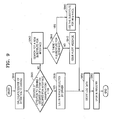
- FIG. 9 is a flowchart showing a method of providing an interface suitable for a driver ' s situation, according to another embodiment of the present invention
- a safety determining unit 130 calculates a degree of attention to driving using a statistics database unit 110 (S910).
- a personal feature setting unit 120 determines whether or not a sum of the individual degree of attention and the degree of attention required for interface manipulation when the driver manipulates the selected interface is larger than a predetermined threshold value (for example, 100) (S920).
- the driver is allowed to use the selected interface and application (S930).
- the threshold value for example, 100
- a new substitute for the interface is searched for based on degrees of attention of interfaces and the similarity between interfaces stored in the statistics database unit and the registry (S940).
- the safety determining unit 130 provides the substitute for the interface to the driver (S943). If not, an alert message is issued to the driver (S942).
- a learning unit 140 learns the registry which is dynamically requested for the conditions of the individual drivers.
- a degree of attention required for a driving operation of the driver may be 80, and a degree of attention required for a text e-mail application selected by the driver may be 30.
- the sum of the degree of attention required for a driving operation and the degree of attention required for the text e-mail application may be larger than a threshold value (for example, 100). In this case, a new substitute for the interface is searched for.
- a voice e-mail application which is determined to have a degree of attention (for example, 15) smaller than that of the text e-mail application is searched for. Since the sum of the degree of attention (80) required for the driving operation and the degree of attention (15) required for the voice e-mail application is not larger than the threshold value (f100), the voice e-mail application can be selected as a substitute for the interface.
- the state of the car and external environment of the driver who uses the voice e-mail application are stored and updated in the registry.
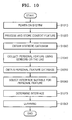
- FIG. 10 is a flowchart showing an adaptive interface providing method according to another embodiment of the present invention.
- a group classification criterion is set.
- a degree of attention required when a driving operation, the state of a car, or an external environment changes is obtained from a pre-determined statistical population of drivers under predetermined test conditions as a context feature (S1010 and S1020).
- the degree of attention is stored in a statistics database unit (S1030).
- a driving characteristic of a specific driver is determined, and the state of the car and the external environment of a specific car are determined using a sensor, an RFID, and a GPS attached to the car so as to adaptively provide an interface to the driver (S1040).
- the statistics database unit checks an index of the specific driver.
- a reference degree of attention is selected based on a database of the statistics database unit.
- a degree of attention of the specific driver is determined based on the driver's characteristics, the state of the car, and the external environment obtained in operation S1040 (S1050).
- the degree of attention of the specific driver is larger than a threshold degree of attention required when the driver selects an interface in terms of driving safety. If the degree of attention is not larger than the threshold degree of attention, the interface is provided to the driver. If the degree of attention is larger than the threshold degree of attention, a new substitute for the interface may be provided to the driver, or an alert message may be issued to the driver.
- the invention can also be embodied as computer readable codes on a computer readable recording medium.
- the computer readable recording medium is any data storage device that can store data which can be thereafter read by a computer system. Examples of the computer readable recording medium include read-only memory (ROM), random-access memory (RAM), CD-ROMs, magnetic tapes, floppy disks, optical data storage devices, and carrier waves (such as data transmission through the Internet).
- ROM read-only memory
- RAM random-access memory
- CD-ROMs compact discs
- magnetic tapes magnetic tapes
- floppy disks optical data storage devices
- carrier waves such as data transmission through the Internet
Landscapes
- Engineering & Computer Science (AREA)
- Physics & Mathematics (AREA)
- Automation & Control Theory (AREA)
- Transportation (AREA)
- Mechanical Engineering (AREA)
- Mathematical Physics (AREA)
- General Physics & Mathematics (AREA)
- Remote Sensing (AREA)
- Radar, Positioning & Navigation (AREA)
- Business, Economics & Management (AREA)
- Emergency Management (AREA)
- Combustion & Propulsion (AREA)
- Databases & Information Systems (AREA)
- Chemical & Material Sciences (AREA)
- Human Computer Interaction (AREA)
- Traffic Control Systems (AREA)
- Communication Control (AREA)
Claims (2)
- Vorrichtung zur Bereitstellung einer adaptiven Schnittstelle, umfassend:eine Statistikdatenbankeinheit (110), die dafür eingerichtet ist, eine vorbestimmte statistische Population zu analysieren, ein Kontextmerkmal zu gewinnen, das Fahrbetriebe, einen mittleren Aufmerksamkeitgrad, der erforderlich ist, wenn sich ein Fahrbetrieb, ein Status eines Fahrzeugs oder eine äußere Umgebung ändert, einen Aufmerksamkeitsgrad, der für Schnittstellenbetätigung erforderlich ist, wenn ein Fahrer Schnittstellen eines Fahrzeugs betätigt, und eine Ähnlichkeit zwischen den Funktionen der Schnittstellen unter Verwendung eines Sensors, eines RFID und/oder eines GPS enthält, und das Kontextmerkmal zu speichern und zu verwalten;eine Einstelleinheit (120), die dafür eingerichtet ist, eine Änderung des Fahrbetriebs, des Status des Fahrzeugs und/oder der äußeren Umgebung unter Verwendung des Sensors, des RFID und/oder des GPS abzufühlen und auf Basis des gewonnenen Kontextmerkmals und des mittleren Aufmerksamkeitsgrades in Übereinstimmung mit der abgefühlten Änderung einen individuellen Aufmerksamkeitsgrad einzustellen;eine Sicherheitsermittlungseinheit (130), die dafür eingerichtet ist, zu ermitteln, ob eine Summe des individuellen Aufmerksamkeitsgrades und des für Schnittstellenbetätigung erforderlichen Aufmerksamkeitsgrades, wenn der Fahrer die Schnittstellen betätigt, größer ist als ein vorbestimmter Schwellen-Sicherheits-Aufmerksamkeitgrad, der für sicheres Fahren erforderlich ist, oder nicht; undeine adaptive Sicherheitsermittlungseinheit (131),wobei, wenn die Summe des individuellen Aufmerksamkeitsgrades und des für Schnittstellenbetätigung erforderlichen Aufmerksamkeitsgrades größer ist als der Schwellen-Sicherheits-Aufmerksamkeitgrad, die adaptive Sicherheitsermittlungseinheit (131) dafür eingerichtet ist, auf Basis der Ähnlichkeit nach einem neuen Ersatz für die Schnittstelle zu suchen und dem Fahrer den neuen Ersatz für die Schnittstelle bereitzustellen, undwobei, wenn es keinen Ersatz für die Schnittstelle gibt, die adaptive Sicherheitsermittlungseinheit (131) dafür eingerichtet ist, eine Alarmmeldung an den Fahrer auszugeben.
- Verfahren zur Unterstützung von adaptivem Fahren, umfassend:(a) eine vorbestimmte statistische Population zu analysieren, ein Kontextmerkmal zu gewinnen, das Fahrbetriebe, einen mittleren Aufmerksamkeitgrad, der erforderlich ist, wenn sich ein Fahrbetrieb, ein Status eines Fahrzeugs oder eine äußere Umgebung ändert, einen Aufmerksamkeitsgrad, der für Schnittstellenbetätigung erforderlich ist, wenn ein Fahrer Schnittstellen eines Fahrzeugs betätigt, und eine Ähnlichkeit zwischen den Funktionen der Schnittstellen unter Verwendung eines Sensors, eines RFID und/oder eines GPS enthält, und das Kontextmerkmal zu speichern und zu verwalten;(b) eine Änderung des Fahrbetriebs, des Status des Fahrzeugs und/oder der äußeren Umgebung unter Verwendung des Sensors, des RFID und/oder des GPS abzufühlen;(c) auf Basis des gewonnenen Kontextmerkmals und des mittleren Aufmerksamkeitsgrades in Übereinstimmung mit der abgefühlten Änderung einen individuellen Aufmerksamkeitsgrad einzustellen;(d) zu ermitteln, ob eine Summe des individuellen Aufmerksamkeitsgrades und des für Schnittstellenbetätigung erforderlichen Aufmerksamkeitsgrades, wenn der Fahrer die Schnittstellen betätigt, größer ist als ein vorbestimmter Schwellen-Sicherheits-Aufmerksamkeitgrad, der für sicheres Fahren erforderlich ist, oder nicht; und(e1) wenn die Summe des individuellen Aufmerksamkeitsgrades und des für Schnittstellenbetätigung erforderlichen Aufmerksamkeitsgrades größer ist als der Schwellen-Sicherheits-Aufmerksamkeitsgrad, auf Basis der Ähnlichkeit nach einem neuen Ersatz für die Schnittstelle zu suchen und dem Fahrer den neuen Ersatz für die Schnittstelle bereitzustellen; und(e2) wenn es keinen Ersatz für die Schnittstelle gibt, eine Alarmmeldung an den Fahrer auszugeben.
Applications Claiming Priority (2)
| Application Number | Priority Date | Filing Date | Title |
|---|---|---|---|
| KR1020060076362A KR100753839B1 (ko) | 2006-08-11 | 2006-08-11 | 적응형 차량 인터페이스 제공 장치 및 방법 |
| PCT/KR2007/003563 WO2008018699A1 (en) | 2006-08-11 | 2007-07-25 | Adaptive interface providing apparatus and method |
Publications (3)
| Publication Number | Publication Date |
|---|---|
| EP2052376A1 EP2052376A1 (de) | 2009-04-29 |
| EP2052376A4 EP2052376A4 (de) | 2009-08-26 |
| EP2052376B1 true EP2052376B1 (de) | 2011-12-21 |
Family
ID=38615889
Family Applications (1)
| Application Number | Title | Priority Date | Filing Date |
|---|---|---|---|
| EP07768868A Not-in-force EP2052376B1 (de) | 2006-08-11 | 2007-07-25 | Vorrichtung und verfahren zur bereitstellung einer adaptiven schnittstelle |
Country Status (5)
| Country | Link |
|---|---|
| US (1) | US8106756B2 (de) |
| EP (1) | EP2052376B1 (de) |
| KR (1) | KR100753839B1 (de) |
| AT (1) | ATE538011T1 (de) |
| WO (1) | WO2008018699A1 (de) |
Families Citing this family (11)
| Publication number | Priority date | Publication date | Assignee | Title |
|---|---|---|---|---|
| KR101971715B1 (ko) | 2012-06-21 | 2019-04-23 | 삼성전자 주식회사 | 모바일 단말 사용자의 몰입 위험 판단 장치 및 방법 |
| CN104685532B (zh) * | 2012-10-19 | 2018-11-23 | 迈克菲公司 | 人身安全和应急服务 |
| US10137902B2 (en) * | 2015-02-12 | 2018-11-27 | Harman International Industries, Incorporated | Adaptive interactive voice system |
| CN107428244A (zh) * | 2015-03-13 | 2017-12-01 | 普罗杰克特雷有限公司 | 用于使用户界面适应用户注意力和驾驶条件的系统和方法 |
| CN108369767B (zh) * | 2015-12-06 | 2021-12-14 | 声钰科技 | 基于用户认知状态和/或情境状态的会话调整系统和方法 |
| FR3048542A1 (fr) * | 2016-03-01 | 2017-09-08 | Valeo Comfort & Driving Assistance | Dispositif et methode de surveillance personnalises d'un conducteur d'un vehicule automobile |
| CN111746401B (zh) * | 2020-06-29 | 2022-03-11 | 广州橙行智动汽车科技有限公司 | 一种基于三维泊车的交互方法和车辆 |
| DE102021201459B3 (de) * | 2021-02-16 | 2022-06-15 | Volkswagen Aktiengesellschaft | Verfahren zum Unterstützen eines Fahrzeugführers eines Fahrzeugs beim Führen des Fahrzeugs, sowie elektronisches Fahrerunterstützungssystem und Fahrzeug |
| US12549684B2 (en) * | 2023-08-15 | 2026-02-10 | Google Llc | Adjusting a user interface of a virtual meeting based on a participant motion |
| KR20250160755A (ko) * | 2024-05-07 | 2025-11-14 | 한국전자통신연구원 | 운전자의 운전 행위를 제한하는 차량제어시스템 및 이를 이용한 차량제어방법 |
| CN119339587A (zh) * | 2024-10-15 | 2025-01-21 | 中国民航大学 | 一种基于自适应控制算法的飞行汽车动态预警方法 |
Family Cites Families (14)
| Publication number | Priority date | Publication date | Assignee | Title |
|---|---|---|---|---|
| JPH1020985A (ja) | 1996-07-05 | 1998-01-23 | Mitsubishi Electric Corp | 適応型ヒューマン・インターフェース |
| US7565230B2 (en) * | 2000-10-14 | 2009-07-21 | Temic Automotive Of North America, Inc. | Method and apparatus for improving vehicle operator performance |
| US6909947B2 (en) | 2000-10-14 | 2005-06-21 | Motorola, Inc. | System and method for driver performance improvement |
| JP2003211933A (ja) * | 2002-01-21 | 2003-07-30 | Toyota Central Res & Dev Lab Inc | 運転疲労低減装置 |
| CN100488443C (zh) * | 2002-02-19 | 2009-05-20 | 沃尔沃技术公司 | 用于监视和管理司机注意力负荷的系统和方法 |
| JP2003276470A (ja) * | 2002-03-22 | 2003-09-30 | Nissan Motor Co Ltd | 情報提示制御装置 |
| JP2004110546A (ja) | 2002-09-19 | 2004-04-08 | Denso Corp | 表示装置、音響装置、およびアクチュエータ制御装置 |
| KR100519023B1 (ko) | 2003-02-14 | 2005-10-05 | (주)더싸인 | 주행정보 장치 및 그 서비스 방법과, 이를 이용한 운전성향 분석 시스템 및그 방법 |
| JP2004294264A (ja) | 2003-03-27 | 2004-10-21 | Mazda Motor Corp | ナビゲーションシステム |
| JP2004301547A (ja) | 2003-03-28 | 2004-10-28 | Mitsubishi Electric Corp | ナビゲーション装置 |
| US7292152B2 (en) * | 2003-06-12 | 2007-11-06 | Temic Automotive Of North America, Inc. | Method and apparatus for classifying vehicle operator activity state |
| KR100535395B1 (ko) * | 2003-10-10 | 2005-12-08 | 현대자동차주식회사 | 운전 패턴 분석장치 및 방법 |
| JP4525169B2 (ja) * | 2004-05-14 | 2010-08-18 | 日産自動車株式会社 | ナビゲーションシステム |
| US7880621B2 (en) * | 2006-12-22 | 2011-02-01 | Toyota Motor Engineering & Manufacturing North America, Inc. | Distraction estimator |
-
2006
- 2006-08-11 KR KR1020060076362A patent/KR100753839B1/ko not_active Expired - Fee Related
-
2007
- 2007-07-25 AT AT07768868T patent/ATE538011T1/de active
- 2007-07-25 WO PCT/KR2007/003563 patent/WO2008018699A1/en not_active Ceased
- 2007-07-25 US US12/377,227 patent/US8106756B2/en active Active
- 2007-07-25 EP EP07768868A patent/EP2052376B1/de not_active Not-in-force
Also Published As
| Publication number | Publication date |
|---|---|
| EP2052376A4 (de) | 2009-08-26 |
| KR100753839B1 (ko) | 2007-08-31 |
| US8106756B2 (en) | 2012-01-31 |
| EP2052376A1 (de) | 2009-04-29 |
| ATE538011T1 (de) | 2012-01-15 |
| US20100182141A1 (en) | 2010-07-22 |
| WO2008018699A1 (en) | 2008-02-14 |
Similar Documents
| Publication | Publication Date | Title |
|---|---|---|
| EP2052377B1 (de) | Vorrichtung und verfahren zur adaptiven fahrunterstützung | |
| US8106756B2 (en) | Adaptive interface providing apparatus and method | |
| US11830297B2 (en) | Method for determining driving characteristics of a vehicle | |
| US6879969B2 (en) | System and method for real-time recognition of driving patterns | |
| US10642276B2 (en) | Customize and legalize self-driving motor vehicles | |
| JP7398383B2 (ja) | テレマティクスデータに基づく車両分類 | |
| US20190263417A1 (en) | Systems and methods for driver scoring with machine learning | |
| US20170344620A1 (en) | Feature Summarization Filter With Applications Using Data Analytics | |
| CN105539026B (zh) | 一种胎压检测系统和方法 | |
| KR20150000350A (ko) | 차량 주행환경 제공 시스템 및 그 방법 | |
| CN113401135B (zh) | 驾驶功能智能配置推送方法、装置、设备及存储介质 | |
| CN110969844A (zh) | 一种基于行车数据计算驾驶行为相似度的方法及应用 | |
| CN113320537A (zh) | 一种车辆控制方法和系统 | |
| CN114707425A (zh) | 车辆碰撞预测方法、装置、计算机设备、车辆和介质 | |
| CN112086098B (zh) | 一种驾乘人员分析方法、装置及计算机可读存储介质 | |
| WO2023102183A2 (en) | System and/or method for personalized driver classifications | |
| JP7035814B2 (ja) | 車両提案システム、運転特徴生成装置、車両提案装置 | |
| CN110826433B (zh) | 试驾用户情绪分析数据处理方法、装置、设备与存储介质 | |
| CN118781788B (zh) | 车辆告警方法、装置及设备 | |
| US20210049625A1 (en) | System and method for using vehicle data for future vehicle designs | |
| JP7448350B2 (ja) | エージェント装置、エージェントシステム、及びエージェントプログラム | |
| CN117874649A (zh) | 一种用车行为分类模型的训练方法、装置及电子设备 | |
| CN120065984A (zh) | 基于车载自动诊断系统的车辆诊断方法及相关装置 | |
| CN112379988A (zh) | 一种信息处理方法、装置、电子设备及存储介质 | |
| CN120670889A (zh) | 驾驶行为识别方法、装置、存储介质及电子设备 |
Legal Events
| Date | Code | Title | Description |
|---|---|---|---|
| PUAI | Public reference made under article 153(3) epc to a published international application that has entered the european phase |
Free format text: ORIGINAL CODE: 0009012 |
|
| 17P | Request for examination filed |
Effective date: 20090311 |
|
| AK | Designated contracting states |
Kind code of ref document: A1 Designated state(s): AT BE BG CH CY CZ DE DK EE ES FI FR GB GR HU IE IS IT LI LT LU LV MC MT NL PL PT RO SE SI SK TR |
|
| AX | Request for extension of the european patent |
Extension state: AL BA HR MK RS |
|
| A4 | Supplementary search report drawn up and despatched |
Effective date: 20090728 |
|
| RIC1 | Information provided on ipc code assigned before grant |
Ipc: G08G 1/0968 20060101AFI20080326BHEP Ipc: G06F 3/048 20060101ALI20090722BHEP |
|
| 17Q | First examination report despatched |
Effective date: 20091012 |
|
| REG | Reference to a national code |
Ref country code: DE Ref legal event code: R079 Ref document number: 602007019532 Country of ref document: DE Free format text: PREVIOUS MAIN CLASS: G08G0001096800 Ipc: B60W0040080000 |
|
| RIC1 | Information provided on ipc code assigned before grant |
Ipc: B60W 40/08 20060101AFI20110620BHEP Ipc: G06F 3/048 20060101ALI20110620BHEP Ipc: G06F 9/44 20060101ALI20110620BHEP |
|
| GRAP | Despatch of communication of intention to grant a patent |
Free format text: ORIGINAL CODE: EPIDOSNIGR1 |
|
| DAX | Request for extension of the european patent (deleted) | ||
| GRAS | Grant fee paid |
Free format text: ORIGINAL CODE: EPIDOSNIGR3 |
|
| GRAA | (expected) grant |
Free format text: ORIGINAL CODE: 0009210 |
|
| AK | Designated contracting states |
Kind code of ref document: B1 Designated state(s): AT BE BG CH CY CZ DE DK EE ES FI FR GB GR HU IE IS IT LI LT LU LV MC MT NL PL PT RO SE SI SK TR |
|
| REG | Reference to a national code |
Ref country code: GB Ref legal event code: FG4D |
|
| REG | Reference to a national code |
Ref country code: CH Ref legal event code: EP |
|
| REG | Reference to a national code |
Ref country code: AT Ref legal event code: REF Ref document number: 538011 Country of ref document: AT Kind code of ref document: T Effective date: 20120115 |
|
| REG | Reference to a national code |
Ref country code: IE Ref legal event code: FG4D |
|
| REG | Reference to a national code |
Ref country code: DE Ref legal event code: R096 Ref document number: 602007019532 Country of ref document: DE Effective date: 20120216 |
|
| REG | Reference to a national code |
Ref country code: NL Ref legal event code: VDEP Effective date: 20111221 |
|
| PG25 | Lapsed in a contracting state [announced via postgrant information from national office to epo] |
Ref country code: LT Free format text: LAPSE BECAUSE OF FAILURE TO SUBMIT A TRANSLATION OF THE DESCRIPTION OR TO PAY THE FEE WITHIN THE PRESCRIBED TIME-LIMIT Effective date: 20111221 |
|
| LTIE | Lt: invalidation of european patent or patent extension |
Effective date: 20111221 |
|
| PG25 | Lapsed in a contracting state [announced via postgrant information from national office to epo] |
Ref country code: GR Free format text: LAPSE BECAUSE OF FAILURE TO SUBMIT A TRANSLATION OF THE DESCRIPTION OR TO PAY THE FEE WITHIN THE PRESCRIBED TIME-LIMIT Effective date: 20120322 Ref country code: NL Free format text: LAPSE BECAUSE OF FAILURE TO SUBMIT A TRANSLATION OF THE DESCRIPTION OR TO PAY THE FEE WITHIN THE PRESCRIBED TIME-LIMIT Effective date: 20111221 Ref country code: LV Free format text: LAPSE BECAUSE OF FAILURE TO SUBMIT A TRANSLATION OF THE DESCRIPTION OR TO PAY THE FEE WITHIN THE PRESCRIBED TIME-LIMIT Effective date: 20111221 Ref country code: SI Free format text: LAPSE BECAUSE OF FAILURE TO SUBMIT A TRANSLATION OF THE DESCRIPTION OR TO PAY THE FEE WITHIN THE PRESCRIBED TIME-LIMIT Effective date: 20111221 Ref country code: SE Free format text: LAPSE BECAUSE OF FAILURE TO SUBMIT A TRANSLATION OF THE DESCRIPTION OR TO PAY THE FEE WITHIN THE PRESCRIBED TIME-LIMIT Effective date: 20111221 |
|
| PG25 | Lapsed in a contracting state [announced via postgrant information from national office to epo] |
Ref country code: CY Free format text: LAPSE BECAUSE OF FAILURE TO SUBMIT A TRANSLATION OF THE DESCRIPTION OR TO PAY THE FEE WITHIN THE PRESCRIBED TIME-LIMIT Effective date: 20111221 Ref country code: BE Free format text: LAPSE BECAUSE OF FAILURE TO SUBMIT A TRANSLATION OF THE DESCRIPTION OR TO PAY THE FEE WITHIN THE PRESCRIBED TIME-LIMIT Effective date: 20111221 |
|
| PG25 | Lapsed in a contracting state [announced via postgrant information from national office to epo] |
Ref country code: BG Free format text: LAPSE BECAUSE OF FAILURE TO SUBMIT A TRANSLATION OF THE DESCRIPTION OR TO PAY THE FEE WITHIN THE PRESCRIBED TIME-LIMIT Effective date: 20120321 Ref country code: CZ Free format text: LAPSE BECAUSE OF FAILURE TO SUBMIT A TRANSLATION OF THE DESCRIPTION OR TO PAY THE FEE WITHIN THE PRESCRIBED TIME-LIMIT Effective date: 20111221 Ref country code: SK Free format text: LAPSE BECAUSE OF FAILURE TO SUBMIT A TRANSLATION OF THE DESCRIPTION OR TO PAY THE FEE WITHIN THE PRESCRIBED TIME-LIMIT Effective date: 20111221 Ref country code: EE Free format text: LAPSE BECAUSE OF FAILURE TO SUBMIT A TRANSLATION OF THE DESCRIPTION OR TO PAY THE FEE WITHIN THE PRESCRIBED TIME-LIMIT Effective date: 20111221 Ref country code: IS Free format text: LAPSE BECAUSE OF FAILURE TO SUBMIT A TRANSLATION OF THE DESCRIPTION OR TO PAY THE FEE WITHIN THE PRESCRIBED TIME-LIMIT Effective date: 20120421 |
|
| PG25 | Lapsed in a contracting state [announced via postgrant information from national office to epo] |
Ref country code: PT Free format text: LAPSE BECAUSE OF FAILURE TO SUBMIT A TRANSLATION OF THE DESCRIPTION OR TO PAY THE FEE WITHIN THE PRESCRIBED TIME-LIMIT Effective date: 20120423 Ref country code: PL Free format text: LAPSE BECAUSE OF FAILURE TO SUBMIT A TRANSLATION OF THE DESCRIPTION OR TO PAY THE FEE WITHIN THE PRESCRIBED TIME-LIMIT Effective date: 20111221 Ref country code: RO Free format text: LAPSE BECAUSE OF FAILURE TO SUBMIT A TRANSLATION OF THE DESCRIPTION OR TO PAY THE FEE WITHIN THE PRESCRIBED TIME-LIMIT Effective date: 20111221 |
|
| REG | Reference to a national code |
Ref country code: AT Ref legal event code: MK05 Ref document number: 538011 Country of ref document: AT Kind code of ref document: T Effective date: 20111221 |
|
| PLBE | No opposition filed within time limit |
Free format text: ORIGINAL CODE: 0009261 |
|
| STAA | Information on the status of an ep patent application or granted ep patent |
Free format text: STATUS: NO OPPOSITION FILED WITHIN TIME LIMIT |
|
| PG25 | Lapsed in a contracting state [announced via postgrant information from national office to epo] |
Ref country code: DK Free format text: LAPSE BECAUSE OF FAILURE TO SUBMIT A TRANSLATION OF THE DESCRIPTION OR TO PAY THE FEE WITHIN THE PRESCRIBED TIME-LIMIT Effective date: 20111221 |
|
| 26N | No opposition filed |
Effective date: 20120924 |
|
| PG25 | Lapsed in a contracting state [announced via postgrant information from national office to epo] |
Ref country code: IT Free format text: LAPSE BECAUSE OF FAILURE TO SUBMIT A TRANSLATION OF THE DESCRIPTION OR TO PAY THE FEE WITHIN THE PRESCRIBED TIME-LIMIT Effective date: 20111221 |
|
| REG | Reference to a national code |
Ref country code: DE Ref legal event code: R097 Ref document number: 602007019532 Country of ref document: DE Effective date: 20120924 |
|
| PG25 | Lapsed in a contracting state [announced via postgrant information from national office to epo] |
Ref country code: AT Free format text: LAPSE BECAUSE OF FAILURE TO SUBMIT A TRANSLATION OF THE DESCRIPTION OR TO PAY THE FEE WITHIN THE PRESCRIBED TIME-LIMIT Effective date: 20111221 |
|
| PG25 | Lapsed in a contracting state [announced via postgrant information from national office to epo] |
Ref country code: MC Free format text: LAPSE BECAUSE OF NON-PAYMENT OF DUE FEES Effective date: 20120731 |
|
| REG | Reference to a national code |
Ref country code: CH Ref legal event code: PL |
|
| GBPC | Gb: european patent ceased through non-payment of renewal fee |
Effective date: 20120725 |
|
| REG | Reference to a national code |
Ref country code: FR Ref legal event code: ST Effective date: 20130329 |
|
| PG25 | Lapsed in a contracting state [announced via postgrant information from national office to epo] |
Ref country code: LI Free format text: LAPSE BECAUSE OF NON-PAYMENT OF DUE FEES Effective date: 20120731 Ref country code: CH Free format text: LAPSE BECAUSE OF NON-PAYMENT OF DUE FEES Effective date: 20120731 Ref country code: ES Free format text: LAPSE BECAUSE OF FAILURE TO SUBMIT A TRANSLATION OF THE DESCRIPTION OR TO PAY THE FEE WITHIN THE PRESCRIBED TIME-LIMIT Effective date: 20120401 Ref country code: FR Free format text: LAPSE BECAUSE OF NON-PAYMENT OF DUE FEES Effective date: 20120731 Ref country code: GB Free format text: LAPSE BECAUSE OF NON-PAYMENT OF DUE FEES Effective date: 20120725 |
|
| REG | Reference to a national code |
Ref country code: IE Ref legal event code: MM4A |
|
| PG25 | Lapsed in a contracting state [announced via postgrant information from national office to epo] |
Ref country code: FI Free format text: LAPSE BECAUSE OF FAILURE TO SUBMIT A TRANSLATION OF THE DESCRIPTION OR TO PAY THE FEE WITHIN THE PRESCRIBED TIME-LIMIT Effective date: 20111221 |
|
| PG25 | Lapsed in a contracting state [announced via postgrant information from national office to epo] |
Ref country code: IE Free format text: LAPSE BECAUSE OF NON-PAYMENT OF DUE FEES Effective date: 20120725 Ref country code: MT Free format text: LAPSE BECAUSE OF FAILURE TO SUBMIT A TRANSLATION OF THE DESCRIPTION OR TO PAY THE FEE WITHIN THE PRESCRIBED TIME-LIMIT Effective date: 20111221 |
|
| PG25 | Lapsed in a contracting state [announced via postgrant information from national office to epo] |
Ref country code: TR Free format text: LAPSE BECAUSE OF FAILURE TO SUBMIT A TRANSLATION OF THE DESCRIPTION OR TO PAY THE FEE WITHIN THE PRESCRIBED TIME-LIMIT Effective date: 20111221 |
|
| PG25 | Lapsed in a contracting state [announced via postgrant information from national office to epo] |
Ref country code: LU Free format text: LAPSE BECAUSE OF NON-PAYMENT OF DUE FEES Effective date: 20120725 |
|
| PG25 | Lapsed in a contracting state [announced via postgrant information from national office to epo] |
Ref country code: HU Free format text: LAPSE BECAUSE OF FAILURE TO SUBMIT A TRANSLATION OF THE DESCRIPTION OR TO PAY THE FEE WITHIN THE PRESCRIBED TIME-LIMIT Effective date: 20070725 |
|
| PGFP | Annual fee paid to national office [announced via postgrant information from national office to epo] |
Ref country code: DE Payment date: 20190620 Year of fee payment: 13 |
|
| REG | Reference to a national code |
Ref country code: DE Ref legal event code: R119 Ref document number: 602007019532 Country of ref document: DE |
|
| PG25 | Lapsed in a contracting state [announced via postgrant information from national office to epo] |
Ref country code: DE Free format text: LAPSE BECAUSE OF NON-PAYMENT OF DUE FEES Effective date: 20210202 |