EP2062970A1 - Compositions pour traiter une condition inflammatoire intestinale - Google Patents
Compositions pour traiter une condition inflammatoire intestinale Download PDFInfo
- Publication number
- EP2062970A1 EP2062970A1 EP07301581A EP07301581A EP2062970A1 EP 2062970 A1 EP2062970 A1 EP 2062970A1 EP 07301581 A EP07301581 A EP 07301581A EP 07301581 A EP07301581 A EP 07301581A EP 2062970 A1 EP2062970 A1 EP 2062970A1
- Authority
- EP
- European Patent Office
- Prior art keywords
- antigens
- cells
- subject
- use according
- medicament
- Prior art date
- Legal status (The legal status is an assumption and is not a legal conclusion. Google has not performed a legal analysis and makes no representation as to the accuracy of the status listed.)
- Withdrawn
Links
Images

Classifications
-
- A—HUMAN NECESSITIES
- A61—MEDICAL OR VETERINARY SCIENCE; HYGIENE
- A61K—PREPARATIONS FOR MEDICAL, DENTAL OR TOILETRY PURPOSES
- A61K39/00—Medicinal preparations containing antigens or antibodies
- A61K39/35—Allergens
-
- A—HUMAN NECESSITIES
- A61—MEDICAL OR VETERINARY SCIENCE; HYGIENE
- A61K—PREPARATIONS FOR MEDICAL, DENTAL OR TOILETRY PURPOSES
- A61K35/00—Medicinal preparations containing materials or reaction products thereof with undetermined constitution
- A61K35/12—Materials from mammals; Compositions comprising non-specified tissues or cells; Compositions comprising non-embryonic stem cells; Genetically modified cells
- A61K35/28—Bone marrow; Haematopoietic stem cells; Mesenchymal stem cells of any origin, e.g. adipose-derived stem cells
-
- A—HUMAN NECESSITIES
- A61—MEDICAL OR VETERINARY SCIENCE; HYGIENE
- A61K—PREPARATIONS FOR MEDICAL, DENTAL OR TOILETRY PURPOSES
- A61K40/00—Cellular immunotherapy
- A61K40/10—Cellular immunotherapy characterised by the cell type used
- A61K40/11—T-cells, e.g. tumour infiltrating lymphocytes [TIL] or regulatory T [Treg] cells; Lymphokine-activated killer [LAK] cells
-
- A—HUMAN NECESSITIES
- A61—MEDICAL OR VETERINARY SCIENCE; HYGIENE
- A61K—PREPARATIONS FOR MEDICAL, DENTAL OR TOILETRY PURPOSES
- A61K40/00—Cellular immunotherapy
- A61K40/20—Cellular immunotherapy characterised by the effect or the function of the cells
- A61K40/22—Immunosuppressive or immunotolerising
-
- A—HUMAN NECESSITIES
- A61—MEDICAL OR VETERINARY SCIENCE; HYGIENE
- A61K—PREPARATIONS FOR MEDICAL, DENTAL OR TOILETRY PURPOSES
- A61K40/00—Cellular immunotherapy
- A61K40/40—Cellular immunotherapy characterised by antigens that are targeted or presented by cells of the immune system
- A61K40/41—Vertebrate antigens
- A61K40/416—Antigens related to auto-immune diseases; Preparations to induce self-tolerance
-
- A—HUMAN NECESSITIES
- A61—MEDICAL OR VETERINARY SCIENCE; HYGIENE
- A61K—PREPARATIONS FOR MEDICAL, DENTAL OR TOILETRY PURPOSES
- A61K40/00—Cellular immunotherapy
- A61K40/40—Cellular immunotherapy characterised by antigens that are targeted or presented by cells of the immune system
- A61K40/41—Vertebrate antigens
- A61K40/42—Cancer antigens
-
- A—HUMAN NECESSITIES
- A61—MEDICAL OR VETERINARY SCIENCE; HYGIENE
- A61K—PREPARATIONS FOR MEDICAL, DENTAL OR TOILETRY PURPOSES
- A61K45/00—Medicinal preparations containing active ingredients not provided for in groups A61K31/00 - A61K41/00
- A61K45/06—Mixtures of active ingredients without chemical characterisation, e.g. antiphlogistics and cardiaca
-
- A—HUMAN NECESSITIES
- A61—MEDICAL OR VETERINARY SCIENCE; HYGIENE
- A61P—SPECIFIC THERAPEUTIC ACTIVITY OF CHEMICAL COMPOUNDS OR MEDICINAL PREPARATIONS
- A61P1/00—Drugs for disorders of the alimentary tract or the digestive system
-
- A—HUMAN NECESSITIES
- A61—MEDICAL OR VETERINARY SCIENCE; HYGIENE
- A61P—SPECIFIC THERAPEUTIC ACTIVITY OF CHEMICAL COMPOUNDS OR MEDICINAL PREPARATIONS
- A61P1/00—Drugs for disorders of the alimentary tract or the digestive system
- A61P1/04—Drugs for disorders of the alimentary tract or the digestive system for ulcers, gastritis or reflux esophagitis, e.g. antacids, inhibitors of acid secretion, mucosal protectants
-
- A—HUMAN NECESSITIES
- A61—MEDICAL OR VETERINARY SCIENCE; HYGIENE
- A61P—SPECIFIC THERAPEUTIC ACTIVITY OF CHEMICAL COMPOUNDS OR MEDICINAL PREPARATIONS
- A61P29/00—Non-central analgesic, antipyretic or antiinflammatory agents, e.g. antirheumatic agents; Non-steroidal antiinflammatory drugs [NSAID]
-
- A—HUMAN NECESSITIES
- A61—MEDICAL OR VETERINARY SCIENCE; HYGIENE
- A61P—SPECIFIC THERAPEUTIC ACTIVITY OF CHEMICAL COMPOUNDS OR MEDICINAL PREPARATIONS
- A61P37/00—Drugs for immunological or allergic disorders
- A61P37/02—Immunomodulators
- A61P37/06—Immunosuppressants, e.g. drugs for graft rejection
-
- A—HUMAN NECESSITIES
- A61—MEDICAL OR VETERINARY SCIENCE; HYGIENE
- A61P—SPECIFIC THERAPEUTIC ACTIVITY OF CHEMICAL COMPOUNDS OR MEDICINAL PREPARATIONS
- A61P37/00—Drugs for immunological or allergic disorders
- A61P37/08—Antiallergic agents
-
- C—CHEMISTRY; METALLURGY
- C12—BIOCHEMISTRY; BEER; SPIRITS; WINE; VINEGAR; MICROBIOLOGY; ENZYMOLOGY; MUTATION OR GENETIC ENGINEERING
- C12N—MICROORGANISMS OR ENZYMES; COMPOSITIONS THEREOF; PROPAGATING, PRESERVING, OR MAINTAINING MICROORGANISMS; MUTATION OR GENETIC ENGINEERING; CULTURE MEDIA
- C12N5/00—Undifferentiated human, animal or plant cells, e.g. cell lines; Tissues; Cultivation or maintenance thereof; Culture media therefor
- C12N5/06—Animal cells or tissues; Human cells or tissues
- C12N5/0602—Vertebrate cells
- C12N5/0634—Cells from the blood or the immune system
- C12N5/0636—T lymphocytes
-
- A—HUMAN NECESSITIES
- A61—MEDICAL OR VETERINARY SCIENCE; HYGIENE
- A61K—PREPARATIONS FOR MEDICAL, DENTAL OR TOILETRY PURPOSES
- A61K35/00—Medicinal preparations containing materials or reaction products thereof with undetermined constitution
- A61K35/12—Materials from mammals; Compositions comprising non-specified tissues or cells; Compositions comprising non-embryonic stem cells; Genetically modified cells
- A61K2035/122—Materials from mammals; Compositions comprising non-specified tissues or cells; Compositions comprising non-embryonic stem cells; Genetically modified cells for inducing tolerance or supression of immune responses
-
- A—HUMAN NECESSITIES
- A61—MEDICAL OR VETERINARY SCIENCE; HYGIENE
- A61K—PREPARATIONS FOR MEDICAL, DENTAL OR TOILETRY PURPOSES
- A61K35/00—Medicinal preparations containing materials or reaction products thereof with undetermined constitution
- A61K35/12—Materials from mammals; Compositions comprising non-specified tissues or cells; Compositions comprising non-embryonic stem cells; Genetically modified cells
- A61K2035/124—Materials from mammals; Compositions comprising non-specified tissues or cells; Compositions comprising non-embryonic stem cells; Genetically modified cells the cells being hematopoietic, bone marrow derived or blood cells
-
- A—HUMAN NECESSITIES
- A61—MEDICAL OR VETERINARY SCIENCE; HYGIENE
- A61K—PREPARATIONS FOR MEDICAL, DENTAL OR TOILETRY PURPOSES
- A61K2239/00—Indexing codes associated with cellular immunotherapy of group A61K40/00
- A61K2239/31—Indexing codes associated with cellular immunotherapy of group A61K40/00 characterized by the route of administration
-
- A—HUMAN NECESSITIES
- A61—MEDICAL OR VETERINARY SCIENCE; HYGIENE
- A61K—PREPARATIONS FOR MEDICAL, DENTAL OR TOILETRY PURPOSES
- A61K2239/00—Indexing codes associated with cellular immunotherapy of group A61K40/00
- A61K2239/38—Indexing codes associated with cellular immunotherapy of group A61K40/00 characterised by the dose, timing or administration schedule
-
- C—CHEMISTRY; METALLURGY
- C12—BIOCHEMISTRY; BEER; SPIRITS; WINE; VINEGAR; MICROBIOLOGY; ENZYMOLOGY; MUTATION OR GENETIC ENGINEERING
- C12N—MICROORGANISMS OR ENZYMES; COMPOSITIONS THEREOF; PROPAGATING, PRESERVING, OR MAINTAINING MICROORGANISMS; MUTATION OR GENETIC ENGINEERING; CULTURE MEDIA
- C12N2501/00—Active agents used in cell culture processes, e.g. differentation
- C12N2501/20—Cytokines; Chemokines
- C12N2501/23—Interleukins [IL]
Definitions
- the present invention relates to the field of treatment of an intestinal inflammatory condition.
- the present invention relates in particular to methods for treating inflammatory bowel diseases and intestinal inflammation linked to food intolerance or allergy, using a medicament comprising human Tr1 cells directed against a food antigen from common human diet.
- Intestinal inflammatory condition refers to inflammatory bowel disease and inflammation linked to food intolerance or allergy.
- IBD Inflammatory bowel disease
- endoscopy either sigmoidoscopy or colonoscopy
- CT computed tomography
- Both diseases are chronic, relapsing/remitting inflammatory diseases of the gastrointenstinal tract.
- the regions of the gastrointenstinal tract that are most often affected by Crohn's disease are the small intestine and large intestine, also called the colon, including the rectum; however, Crohn's disease can affect the entire gastrointenstinal tract from the mouth to the anus.
- There may be single or multiple patches of inflammation. Ulcerative colitis affects only the large intestine. Inflammation and ulceration in ulcerative colitis are limited to the mucosal and submucosal layers, two innermost layers of the four layers of the large intestine.
- Crohn's disease can extend through all layers of the intestinal wall in both the small and large intestines.
- Common symptoms of the diseases include diarrhea, abdominal pain, rectal bleeding and weight loss.
- Complications of Crohn's disease include intestinal abscesses, fistula, abnormal passage leading from one portion of the intestine to another and permitting passage of fluids or secretions, and intestinal obstructions.
- the course of both diseases is intermittent, with disease exacerbations followed by periods of remission.
- ulcerative colitis may be a single event, or continuous with unrelenting symptoms.
- aminosalicylates are typically the first line of treatment.
- the aminosalicylate class consists of agents that contain 5-aminosalicyclic acid (5- ASA), is one of the oldest anti-inflammatory compounds employed in IBD. Used in high doses, 5-ASAs can induce remission in acute attacks. Although commonly used for maintenance therapy, 5-ASAs have not been demonstrated to be effective in maintaining remission.
- 5-ASA formulations include sulfasalazine, oral and topical mesalamine, olsalazine and balsalazide.
- Various formulations are modified to provide available active drug to the site of interest (e.g. small or large intestine). Side effects are however not uncommon with 5-ASAs.
- Corticosteroids are among the most effective agents for inducing remission in IBD attacks and are typically the second therapeutic option upon failure of treatment with 5-ASAs.
- the compounds are delivered first either orally or rectally, with or without concomitant administration of 5-ASAs. Upon failure of oral delivery, the compounds are administered intravenously.
- corticosteroids are used for only a short course of treatment and tapered off upon remission of disease.
- Corticosteroids commonly used for the treatment of IBD include prednisone, budesonide and hydrocortisone.
- the use of corticosteroids is limited by the number of severe and significant side effects associated with their use. Common side effects of short term use include insomnia, night sweats, mood changes and altered glucose metabolism.
- Prolonged maintenance therapy is typically reserved only for severe, refractory cases. Prolonged therapy can lead to adrenal atrophy, whereas abrupt cessation can cause adrenal insufficiency, hypotension, and even death. Other side effects include acne, abnormal fat deposition, excessive hair growth and osteoporosis. In Crohn's disease, corticosteroids can thwart the healing of fistula, exacerbating the disease state.
- 6-Mercaptopurine and azathioprine can cause fever, rash, nausea and headache, with more severe side effects including leucopenia, pancreatitis, severe infections and bone marrow suppression.
- Cyclosporine can have more severe side effects including paresthesias (abnormal sensations like burning or tingling), excessive hair growth, hypertension, tremor, renal insufficiency, headache and opportunistic infections.
- Antibiotics typically ciprofloxacin or metronidazole, are used as add on therapies to 5-ASA or corticosteroids, especially with patients with fistulizing or colonic disease. As with all of the other therapies, there are side effects of long term treatment with antibiotics.
- Infliximab and adalimumab are currently the pharmacotherapy of last resort in inflammatory bowel diseases.
- Infliximab is a chimeric monoclonal antibody composed of 75% human and 25% mouse protein, whereas adalimumab is full humanized antibody.
- Infliximab and adalimumab are inhibitors of tumor necrosis factor-alpha (TNF- ⁇ ), a potent inflammatory cytokine.
- TNF- ⁇ tumor necrosis factor-alpha
- the drug acts as a sink by binding both soluble and membrane bound TNF- ⁇ .
- TNF- ⁇ tumor necrosis factor-alpha
- immunosuppressive agents are typically given in conjunction with infliximab maintenance therapy.
- infliximab maintenance therapy As with all other therapies for inflammatory bowel diseases, there are substantial side effects of infliximab.
- TNF- ⁇ plays an important role in the eradication of neoplastic cells; therefore, its suppression can lead to opportunistic infections, malignancies and other complications, especially as a long term strategy.
- Surgical interventions are a method of treatment of inflammatory bowel diseases, not a cure. Due to the chronic nature of IBD and the relatively early age of onset, multiple surgeries can be required over the lifetime of patients who are not responsive to pharmacological interventions. Removal of short portions of the intestine is possible without substantial side effects. However, removal of larger or multiple segments of the intestine can result in short bowel syndrome in which individuals are unable to absorb nutrients. Removal of portions of the large intestine can result in the need for colostomy or other further surgical procedures. Therefore, surgery is not a preferred method of treatment of inflammatory bowel diseases. Surgical interventions for the treatment of inflammatory bowel diseases can result in further disease.
- an ileal pouch may be constructed from the small intestine by the surgeon to allow removal of feces through the anus rather than requiring a permanent ostomy.
- Pouchitis is a nonspecific inflammation of the ileal pouch which typically occurs within the first two years after reconstruction. Symptoms include steadily increasing stool frequency that may be accompanied by incontinence, bleeding, fever and/or a feeling of urgency. Of those who have ulcerative colitis, approximately 20 to 30 percent experience at least one episode. Antibiotics can be sufficient to treat pouchitis; however, other more aggressive therapies similar to those used in IBD are required.
- W02007/027132 discloses a method for treating said diseases, comprising the administration of regulatory CD4+CD25+ T cells collected from sentinel nodes of the patient and expanded in vitro.
- Another type of intestinal inflammatory condition is due to food intolerance or allergy. Humans rather frequently suffer from more or less severe allergic or intolerance reactions after consumption of dietary proteins. The prevalence of food allergy or intolerance is approximately 1-2% in adults and 6-8% in children. Food allergy or intolerance is mainly associated with a limited range of foodstuffs, mainly peanuts, tree nuts, hen's eggs, cow's milk, wheat (gluten), soybeans, fish and shellfish. To date, no effective treatment of food allergy or intolerance is available. Most allergic or intolerant individuals adapt to their situation and avoid intake of foodstuffs to which they are allergic or intolerant.
- Therapies involving drugs are available but only combat the symptoms of intolerance or an allergic reaction. They do not prevent that future exposure to the allergen or dietary proteins causes new allergenic reactions or new intolerance.
- the Applicant thus aims to provide a treatment for intestinal inflammatory condition based on the use of Tr1 cells, which are different from regulatory CD4+CD25+ T cells.
- the present invention is directed to a composition comprising at least one human Tr1 cell population directed against a food antigen from common human diet.
- Said food antigen from common human diet is preferably selected from the group comprising bovine antigens, Ca-binding SlOO, alpha-lactalbumin, lactoglobulins such as beta-lactoglobulin, bovine serum albumin, caseins, atlantic salmon antigens, chicken antigens, ovalbumin, Ag22, conalbumin, lysozyme or chicken serum albumin, shrimp antigens, wheat antigens, celery antigens, carrot antigens, apple antigens, apple lipid transfer protein, apple profilin, pear antigens, isoflavone reductase, avocado antigens, apricot antigens, peach antigens, soybean antigens, peanuts, ovalbumin, fragments, variants and mixtures thereof.
- said food antigen is ovalbumin, casein, beta-lactoglobulin, soya protein
- Another object of the present invention is to provide a medicament or a pharmaceutical composition comprising the composition of the invention.
- the present invention relates also to a method for treating an intestinal inflammatory condition in a subject in need thereof, comprising administering to said subject an effective amount of the medicament or the pharmaceutical composition of the invention.
- said method is for treating an inflammatory bowel disease.
- said inflammatory bowel disease is Crohn's disease.
- said inflammatory bowel disease is ulcerative colitis.
- said method is for treating intestinal inflammation linked to food allergy or intolerance.
- said food intolerance is celiac disease.
- said food allergy is milk protein allergy.
- said food allergy is peanut allergy.
- said food allergy is ovalbumin allergy.
- the medicament or the pharmaceutical composition to be administered to a subject in need thereof comprises human Tr1 cells autologous to the cells of said subject.
- the method for treating an intestinal inflammatory condition in a subject in need thereof comprises the administration to said subject of an effective amount of the medicament or the pharmaceutical composition of the invention in combination with another therapeutic agent used for treating intestinal inflammatory conditions.
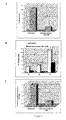
- Figure 1 Cytokines expression profile of mouse anti-fish proteins Tr1 and mouse anti-soy proteins Tr1 lymphocytes.
- FIG. 1 Mouse anti-fish proteins and mouse anti-soy proteins Tr1 cells control inflammatory colitis in mice.
- a and B Analysis of weight loss.
- C Production of IFN- ⁇ by mouse anti-soy proteins Tr1 cells.
- Tr1 cells refers to cells having the following phenotype at rest CD4+CD25-FoxP3- and capable of secreting high levels of IL-10 and low to moderate levels of TGF- ⁇ upon activation. Tr1 cells are characterized, in part, by their unique cytokine profile: they produce high levels of IL-10, significant levels of TGF- ⁇ and intermediate levels of IFN- ⁇ , but little or no IL-4 or IL-2.
- the cytokine production is typically evaluated in cultures of cells after activation with polyclonal activators of T lymphocytes such as anti-CD3+ anti-CD28 antibodies or Interleukin-2, PMA + ionomycin, Alternatively, the cytokine production is evaluated in cultures of cells after activation with the specific T-cell antigen presented by antigen presenting cells.
- High levels of IL-10 correspond to at least about 500 pg/ml, typically greater than about 1, 2, 4, 6, 8, 10, 12, 14, 16, 18, or 20 thousand pg/ml or more.
- Significant levels of TGF- ⁇ correspond to at least about 100 pg/ml, typically greater than about 200, 300, 400, 600, 800, or 1000 pg/ml or more.
- IFN- ⁇ concentrations comprised between 0 pg/ml and at least 400 pg/ml, typically greater than about 600, 800, 1000, 1200, 1400, 1600, 1800, or 2000 pg/ml or more. Little or no IL-4 or IL-2 corresponds to less than about 500 pg/ml, preferably less than about 250, 100, 75, or 50 pg/ml, or less.
- the term "antigen" as used herein refers to a protein, or peptide for which the cells of this invention are being used to modulate, or for use in any of the methods of this invention.
- the term "antigen" may refer to a synthetically derived molecule, or a naturally derived molecule, which shares sequence homology with an antigen of interest, or structural homology with an antigen of interest, or a combination thereof.
- the antigen may be a mimetope.
- a "fragment” of the antigen refers to any subset of the antigen, as a shorter peptide.
- a “variant” of the antigen refers to a molecule substantially similar to either the entire antigen or a fragment thereof. Variant antigens may be conveniently prepared by direct chemical synthesis of the variant peptide, using methods well-known in the art.
- the term "subject” as used herein refers to a human being.
- the term "effective amount” as used herein refers to an amount sufficient to cause a beneficial or desired clinical result (e.g. improvement in clinical condition).
- the term "clone” or “clone population” as used herein refers to a population of differentiated cells being derived from a unique differentiated cell.
- treatment or “treating” as used herein generally refers to a clinical intervention in an attempt to alter the natural course of the individual being treated, and may be performed during the course of clinical pathology. Desirable effects include, but are not limited to, alleviating symptoms, suppressing, diminishing or inhibiting any direct or indirect pathological consequences of the disease, lowering the rate of disease progression, ameliorating or palliating the disease state, and causing remission or improved prognosis.
- the present invention is a.
- the present invention relates to a method for treating an intestinal inflammatory condition in a subject in need thereof, comprising the administration to said subject of a composition comprising human Tr1 cells directed against a food antigen from common human diet.
- food antigen from common human diet refers to an immunogenic peptide, which comes from foodstuffs common for humans, such as food antigens of the following non-limiting list: bovine antigens such as lipocalin, Ca-binding SlOO, alpha-lactalbumin, lactoglobulins such as beta-lactoglobulin, bovine serum albumin, caseins.
- Food-antigens may also be atlantic salmon antigens such as parvalbumin, chicken antigens such as ovomucoid, ovalbumin, Ag22, conalbumin, lysozyme or chicken serum albumin, peanuts, shrimp antigens such as tropomyosin, wheat antigens such as agglutinin or gliadin, celery antigens such as celery profilin, carrot antigens such as carrot profilin, apple antigens such as thaumatin, apple lipid transfer protein, apple profilin, pear antigens such as pear profilin, isoflavone reductase, avocado antigens such as endochitinase, apricot antigens such as apricot lipid transfer protein, peach antigens such as peach lipid transfer protein or peach profilin, soybean antigens such as HPS, soybean profilin or (SAM22) PR-10 prot.
- atlantic salmon antigens such as parvalbumin, chicken antigens
- Tr1 cell population directed to a food antigen from common human diet would be activated in vivo by the food antigen present in the intestinal tissue after common food intake and then would be able to control intestinal inflammatory conditions such as inflammatory bowel disease and inflammation linked to food allergy or intolerance.
- the present invention relates to a composition
- a composition comprising at least one human Tr1 cell population directed against a food antigen from common human diet.
- human Tr1 cells may be obtained by:
- human Tr1 cells may be obtained by:
- human Tr1 cells may be obtained by:
- human Tr1 cells may be obtained by:
- human Tr1 cells may be obtained by:
- Leukocytes encompass several types of cells, which are characterized by their importance, their distribution, their number, their lifetime and their potentiality. These types are the following : the polynuclear or granular leukocytes, among which one finds the eosinophilic, the neutrophilic and the basophilic leukocytes, and the mononuclear cells, or peripheral blood mononuclear cells (PBMCs), which are large white blood cells and consist in the cell types of the immune system (lymphocytes and monocytes).
- PBMCs peripheral blood mononuclear cells
- the leukocytes or the PBMCs can be separated from the peripheral blood by any method known to those skilled in the art.
- centrifugation may be used, preferably density gradient centrifugation, preferably discontinuous density gradient centrifugation.
- An alternative is the use of specific monoclonal antibodies.
- PBMC are typically isolated from the whole blood product by means of Ficoll-Hypaque, using standard procedures.
- the PBMCs are recovered by means of leukapheresis. Said method is described in the patent application W02007/010406 .
- human Tr1 cells may be obtained by:
- human Tr1 cells can be characterized by the identification method described in WO2005/000344 .
- Said identification method of Tr1 cells is based on the detection of the simultaneous presence of expression products of genes coding CD4 molecule and molecules from the group comprising CD 18 and/or CD11a, and CD49b.
- Tr1 cells can be identified and/or purified by Elisa, flow cytometry, or immunoaffinity methods with antibodies directed against said markers. Tr1 cells can also be enriched by positive selection or negative selection using flow cytometry or magnetic beads. Such methods are also described in W02005/000344 .
- the Tr1 cells directed to a food antigen from human common diet antigen may be expanded by the in vitro method described in WO2006/108882 .
- Said method comprises:
- said Tr1 cells directed to food antigen from common human diet may be cloned by using conventional methods for cloning T cells.
- said composition comprising at least one human Tr1 cell population directed against a food antigen from common human diet or at least one clone of human Tr1 cell directed against a food antigen from common human diet may be frozen to be stored.
- said food antigen from common human diet is selected from the group comprising bovine antigens, Ca-binding SlOO, alpha-lactalbumin, lactoglobulins such as beta-lactoglobulin, bovine serum albumin, caseins, atlantic salmon antigens, chicken antigens, ovalbumin, Ag22, conalbumin, lysozyme or chicken serum albumin, shrimp antigens, wheat antigens such as gluten proteins: gliadin, celery antigens, carrot antigens, apple antigens, apple lipid transfer protein, apple profilin, pear antigens, isoflavone reductase, avocado antigens, apricot antigens, peach antigens, soybean antigens, peanuts, fragments, variants and mixtures thereof.
- lactoglobulins such as beta-lactoglobulin
- bovine serum albumin bovine serum albumin
- caseins caseins
- atlantic salmon antigens chicken antigens
- ovalbumin Ag22
- the food antigen is a recombinant or a synthesized antigen.
- said food antigen from common human diet is ovalbumin, casein, beta-lactoglobulin, soya protein, gliadin, peanuts, fragments, variants and mixtures thereof. More preferably, said food antigen from common human diet is ovalbumin, fragments and variants thereof. More preferably, said food antigen from common human diet is gliadin, fragments and variants thereof. More preferably, said food antigen from common human diet is casein, fragments and variants thereof. More preferably, said food antigen from common human diet is beta-lactoglobulin, fragments and variants thereof. More preferably, said food antigen from common human diet is peanut, fragments and variants thereof.
- variant of the food antigen from common human diet refers herein to an antigen that is almost identical to the natural antigen and which shares the same biological activity.
- the minimal difference between the natural antigen and its variant may lie for example in an amino-acid substitution, deletion, and/or addition.
- variants may contain for example conservative amino acid substitutions in which amino acid residues are replaced with amino acid residues having a similar side chain.
- Families of amino acid residues having similar side chains have been defined in the art, including basic side chains (e.g., lysine, arginine, histidine), acidic side chains (e.g., aspartic acid, glutamic acid), uncharged polar side chains (e.g., glycine, asparagine, glutamine, serine, threonine, tyrosine, cysteine), nonpolar side chains (e.g., alanine, valine, leucine, isoleucine, proline, phenylalanine, methionine, tryptophan), beta. -branched side chains (e.g., threonine, valine, isoleucine) and aromatic side chains (e.g., tyrosine, phenylalanine, tryptophan, histidine).
- basic side chains e.g., lysine, arginine, histidine
- acidic side chains e.g., aspart
- Another object of the present invention is to provide a medicament comprising a composition as described here above.
- the present invention also intends to provide a pharmaceutical composition
- a pharmaceutical composition comprising a composition as described here above in combination with one or more pharmaceutically acceptable carrier.
- the pharmaceutically acceptable carriers useful herein are conventional. Remington's Pharmaceutical Sciences 16th edition, Osol, A. Ed. (1980 ) describes composition and formulations suitable for pharmaceutical delivery of the composition of the present invention.
- the nature of the carrier will depend on the mode of administration being employed.
- parenteral formulations usually comprise injectable fluids that include pharmaceutically and physiologically acceptable fluids such as water, physiological saline, balanced salt solutions, aqueous dextrose, sesame oil, glycerol, ethanol, combinations thereof, or the like, as vehicle.
- the carrier and composition can be sterile, and the formulation suits the mode of administration.
- compositions to be administrated can contain minor amounts of non toxic auxiliary substances, such as wetting or emulsifying agents, preservatives, and pH buffering agents and the like, for example sodium acetate or sorbitan monolaurate.
- auxiliary substances such as wetting or emulsifying agents, preservatives, and pH buffering agents and the like, for example sodium acetate or sorbitan monolaurate.
- the composition can be a liquid solution, suspension, emulsion.
- the present invention relates to the use of a composition as described here above for the preparation of a medicament or a pharmaceutical composition for treating an intestinal inflammatory condition.
- the present invention relates to the use of a composition as described here above for the preparation of a medicament or a pharmaceutical composition for treating inflammatory bowel disease.
- the present invention relates to the use of a composition as described here above for the preparation of a medicament or a pharmaceutical composition for treating Crohn's disease.
- the present invention relates to the use of a composition as described here above for the preparation of a medicament or a pharmaceutical composition for treating ulcerative colitis.
- the present invention relates to the use of a composition as described here above for the preparation of a medicament or a pharmaceutical composition for treating intestinal inflammation linked to food allergy or intolerance.
- the present invention relates to the use of a composition as described here above for the preparation of a medicament or a pharmaceutical composition for treating intestinal inflammation linked to milk protein allergy.
- said medicament or a pharmaceutical composition for treating intestinal inflammation linked to milk protein allergy comprises human Tr1 cells directed to casein or beta-lactoglobulin, fragments and variants thereof.
- the present invention relates to the use of a composition as described here above for the preparation of a medicament or a pharmaceutical composition for treating intestinal inflammation linked to celiac disease.
- said medicament or a pharmaceutical composition for treating intestinal inflammation linked to celiac disease comprises human Tr1 cells directed to gliadin, fragments and variants thereof.
- the present invention relates to the use of a composition as described here above for the preparation of a medicament or a pharmaceutical composition for treating intestinal inflammation linked to hen egg allergy.
- said medicament or a pharmaceutical composition for treating intestinal inflammation linked to hen egg allergy comprises human Tr1 cells directed to ovalbumin, fragments and variants thereof.
- the present invention relates to the use of a composition as described here above for the preparation of a medicament or a pharmaceutical composition for treating intestinal inflammation linked to peanut allergy.
- said medicament or a pharmaceutical composition for treating intestinal inflammation linked to peanut allergy comprises human Tr1 cells directed to peanut, fragments and variants thereof.
- An object of the present invention is also a method for treating inflammatory bowel diseases, preferably Crohn's disease or ulcerative colitis, in a subject in need thereof, comprising administering to said subject an effective amount of a medicament as described here above or a pharmaceutical composition as described here above.
- Another object of the present invention is a method for treating intestinal inflammation linked to food allergy or intolerance, preferably milk protein allergy, celiac disease, hen egg allergy or peanut allergy, in a subject in need thereof, comprising administering to said subject an effective amount of a medicament as described here above or a pharmaceutical composition as described here above.
- the composition may be formulated for parenteral, intramuscular, intravenous, intraperitoneal, injection, intranasal inhalation, lung inhalation, intradermal, intra-articular, intrathecal, or via the alimentary tract.
- the composition may be formulated for intra-tissular or intra-mucosal administration via endoscopic route, to deliver the composition directly in colon or in the small intestine.
- the medicament or pharmaceutical composition of the invention may be administrated by intramuscular, intraperitoneal or intravenous injection, or by direct injection into the lymph nodes of the patient, preferably by intravenous injection.
- Tr1 cells directed to a food antigen from common human diet effective in the treatment of an intestinal inflammatory condition such as inflammatory bowel disease and intestinal inflammation linked to food allergy or intolerance will depend on the nature of the inflammation, and can be determined by standard clinical techniques.
- the precise dose to be employed in the formulation will also depend on the route of administration, and the seriousness of the disease or disorder, and should be decided according to the judgment of the practitioner and each individual's circumstances. Effective doses can be extrapolated from dose-response curves derived from in vitro or animal model test systems.
- 10 4 /kg to 10 9 /kg cells are administrated to the subject.
- the subject is administrated with the medicament at the time when flare-up are demonstrated by a decline in the clinical status of the subject or at the time when inflammatory lesions can be visualized for example by endoscopic examinations.
- the subject is administrated once with the medicament or the pharmaceutical composition of the present invention.
- the subject is administrated once a month with the medicament or the pharmaceutical composition of the present invention.
- the subject is administrated once a quarter with the medicament or the pharmaceutical composition of the present invention.
- the subject is administrated once to twice a year with the medicament or the pharmaceutical composition of the present invention.
- the medicament or pharmaceutical composition to be administered to a subject in need thereof comprises human Tr1 cells autologous to the cells of said subject. This means that Tr1 cells will be administrated to the subject they come from or that precursors used for the production of Tr1 cells come from the subject the Tr1 cells will be administrated to.
- the present invention relates also to a process for treating an intestinal inflammatory condition in a subject in need thereof, said process comprising the steps of:
- Tr1 clones directed to a selected food antigen from common human diet is carried out with the following method: a) cultivating at a temperature T1 inferior to 35°C, in a culture medium Mf, feeder cells such as insect feeder cells, said temperature T1 allowing the proliferation of feeder cells and said feeder cells expressing factors which interact with the following cell surface proteins:
- the method for treating an intestinal inflammatory condition such as inflammatory bowel diseases or intestinal inflammation linked to food allergy or intolerance, in a subject in need thereof comprises the administration to said subject of an effective amount of the medicament or the pharmaceutical composition of the invention in combination with one or more therapeutic agent used for treating an intestinal inflammatory condition.
- the present invention relates to the use of the pharmaceutical composition or medicament of the invention, wherein the administration to said subject of an effective amount of the medicament or the pharmaceutical composition of the invention is in combination with one or more therapeutic agent used for treating an intestinal inflammatory condition.
- therapeutic agents commonly used for treating an intestinal inflammatory condition are the following:
- the method for treating an intestinal inflammatory condition in a subject in need thereof comprises the administration to said subject of an effective amount of the medicament or the pharmaceutical composition of the invention in combination with one or more therapeutic agent selected in the group of anti-TNF, natalizumab, anti-IL1, anti-IL-6, anti- IL-12, anti-IL-17 and anti-IL-23; IL-1 receptor antagonist analogs (anakinra); 5 aminosalicyclic acid and analogs such as mesalazine, sulfazaline, olsalazine, balsalazide; corticoids such as prednisone, budesonide, hydrocortisone, prednisolone, methylprednisolone, betamethasone, bedomethasone, tixocortol.
- one or more therapeutic agent selected in the group of anti-TNF, natalizumab, anti-IL1, anti-IL-6, anti- IL-12, anti-IL-17 and anti-IL-23; IL
- the present invention relates to the use of the pharmaceutical composition or medicament of the invention for treating an intestinal inflammatory condition in a subject in need thereof, wherein the administration to said subject of an effective amount of the medicament or the pharmaceutical composition of the invention is in combination with one or more therapeutic agent selected in the group of anti-TNF, natalizumab, anti-IL1, anti-IL-6, anti- IL-12, anti-IL-17 and anti-IL-23; IL-1 receptor antagonist analogs (anakinra); 5 aminosalicyclic acid and analogs such as mesalazine, sulfazaline, olsalazine, balsalazide; corticoids such as prednisone, budesonide, hydrocortisone, prednisolone, methylprednisolone, betamethasone, bedomethasone, tixocortol.
- one or more therapeutic agent selected in the group of anti-TNF, natalizumab, anti-IL1, anti-IL-6, anti
- the present invention also relates to a method of treatment of an intestinal inflammatory condition in which the medicament or the pharmaceutical composition of the invention is to be administrated to a subject in need thereof, wherein the subject does not respond adequately to, or is unlikely to respond adequately to, one or more therapeutic agent in the group of anti-TNF, natalizumab, anti-IL1, anti-IL-6, anti- IL-12, anti-IL-17 and anti-IL-23; IL-1 receptor antagonist analogs (anakinra); 5 aminosalicyclic acid and analogs such as mesalazine, sulfazaline, olsalazine, balsalazide; corticoids such as prednisone, budesonide, hydrocortisone, prednisolone, methylprednisolone, betamethasone, bedomethasone, tixocortol, probiotics such as saccharomyces boulardii, methotrexate, azathioprine
- the present invention relates to the use of the pharmaceutical composition or medicament of the invention, wherein said subject does not respond adequately to, or is unlikely to respond adequately to, one or more therapeutic agent in the group of anti-TNF, natalizumab, anti-IL1, anti-IL-6, anti- IL-12, anti-IL-17 and anti-IL-23; IL-1 receptor antagonist analogs (anakinra); 5 aminosalicyclic acid and analogs such as mesalazine, sulfazaline, olsalazine, balsalazide; corticoids such as prednisone, budesonide, hydrocortisone, prednisolone, methylprednisolone, betamethasone, bedomethasone, tixocortol, probiotics such as saccharomyces boulardii, methotrexate, azathioprine, 6-mercaptopurine, thalidomide, leflunomide.
- IL-1 receptor antagonist analogs
- Balb/c splenocytes were first cultured at 2.510 6 cells/ml in Yssel medium supplemented with IL-2 (100UI/ml) plus IL-4 (20ng/ml) in the presence of the Soy or Fish proteins found in common breeding mouse diet (SAFE). Cells were cultured at 37°C, 5% CO2 and divided when required in the same culture medium. Mouse T cells were then stimulated once a week in the presence of 4.10 5 irradiated autologous splenocytes in 24-well plates and in presence of the Soy or Fish proteins. T-cell populations were restimulated once a week during two or five weeks.
- Sandwich ELISAs were performed on 48 hours supernatants of T-cell populations (5.10 5 cells) stimulated with the specific antigen (fish or soy proteins) in the presence or absence of irradiated autologous splenocytes (4.10 5 ).
- ELISAs were performed using anti-IL-4 (11B11), anti-IL-10 (2A5), anti-IFN- ⁇ (XGM1.2), biotin anti-IL-4 (24G2), anti-IL-10 (SXC1), anti-IFN- ⁇ (R4-6A2) (Pharmingen Becton Dickinson).
- Dextran sodium sulfate (DSS, ICN, Biomedicals) was added in the drinking water of mice from day 0 to day 5.
- FIG 1 shows the cytokine expression profile of Tr1 cells specific for fish proteins ( figure 1A ) and soy proteins ( figure 1B ).
- Mice were treated with 5% DSS in water during 5 days to induce acute inflammatory colitis and weight of the mice was measured in day 5, 6 and 7.
- figure 2A first group of mice was untreated and second group was injected on day 1 with 10 6 mouse anti-fish Tr1 cells.
- figure 2B first group of mice was untreated and second group was treated on day 1 and 3 with 4.10 5 mouse anti-soy Tr1 cell and on day 6 with 3.10 5 mouse anti-soy Tr1 cells.
- Figure 2C shows that IFN- ⁇ production at day 8 by colon cells is also inhibited by administration of mouse anti-soy Tr1 cells. Results of these experiments show that administration of Tr1 cells directed to a food antigen from common mouse diet results in an inhibition of weight loss and allows control of inflammatory colitis induced by DSS in mice.
Landscapes
- Health & Medical Sciences (AREA)
- Life Sciences & Earth Sciences (AREA)
- General Health & Medical Sciences (AREA)
- Veterinary Medicine (AREA)
- Public Health (AREA)
- Animal Behavior & Ethology (AREA)
- Engineering & Computer Science (AREA)
- Chemical & Material Sciences (AREA)
- Immunology (AREA)
- Epidemiology (AREA)
- Medicinal Chemistry (AREA)
- Pharmacology & Pharmacy (AREA)
- Bioinformatics & Cheminformatics (AREA)
- Organic Chemistry (AREA)
- Biomedical Technology (AREA)
- Zoology (AREA)
- Biotechnology (AREA)
- Cell Biology (AREA)
- Chemical Kinetics & Catalysis (AREA)
- General Chemical & Material Sciences (AREA)
- Nuclear Medicine, Radiotherapy & Molecular Imaging (AREA)
- Genetics & Genomics (AREA)
- Wood Science & Technology (AREA)
- Hematology (AREA)
- Developmental Biology & Embryology (AREA)
- Microbiology (AREA)
- Biochemistry (AREA)
- General Engineering & Computer Science (AREA)
- Virology (AREA)
- Mycology (AREA)
- Rheumatology (AREA)
- Pain & Pain Management (AREA)
- Pulmonology (AREA)
- Transplantation (AREA)
- Medicines Containing Material From Animals Or Micro-Organisms (AREA)
- Natural Medicines & Medicinal Plants (AREA)
- Medicines That Contain Protein Lipid Enzymes And Other Medicines (AREA)
- Coloring Foods And Improving Nutritive Qualities (AREA)
- Gastroenterology & Hepatology (AREA)
- Proteomics, Peptides & Aminoacids (AREA)
Priority Applications (15)
| Application Number | Priority Date | Filing Date | Title |
|---|---|---|---|
| EP07301581A EP2062970A1 (fr) | 2007-11-26 | 2007-11-26 | Compositions pour traiter une condition inflammatoire intestinale |
| JP2010534504A JP5908670B2 (ja) | 2007-11-26 | 2008-11-26 | 腸の炎症性疾患を治療するための組成物 |
| CN200880117667A CN101874108A (zh) | 2007-11-26 | 2008-11-26 | 治疗肠炎性病症的组合物 |
| RU2010126174/10A RU2495121C2 (ru) | 2007-11-26 | 2008-11-26 | Композиции для лечения воспалительного состояния кишечника |
| BRPI0819912-4A BRPI0819912A2 (pt) | 2007-11-26 | 2008-11-26 | Composições para tratamento de uma condição inflamatória intestinal |
| CN201510134640.6A CN104721229A (zh) | 2007-11-26 | 2008-11-26 | 治疗肠炎性病症的组合物 |
| KR1020107014214A KR20100098663A (ko) | 2007-11-26 | 2008-11-26 | 장염 병태의 치료용 조성물 |
| PCT/EP2008/066263 WO2009068575A1 (fr) | 2007-11-26 | 2008-11-26 | Compositions pour le traitement d'un trouble intestinal inflammatoire |
| KR1020167002011A KR20160013275A (ko) | 2007-11-26 | 2008-11-26 | 장염 병태의 치료용 조성물 |
| AU2008328805A AU2008328805B2 (en) | 2007-11-26 | 2008-11-26 | Compositions for treating an intestinal inflammatory condition |
| US12/744,697 US8992907B2 (en) | 2007-11-26 | 2008-11-26 | Compositions for treating an intestinal inflammatory condition |
| EP08854735A EP2215217A1 (fr) | 2007-11-26 | 2008-11-26 | Compositions pour le traitement d'un trouble intestinal inflammatoire |
| CA2706429A CA2706429C (fr) | 2007-11-26 | 2008-11-26 | Compositions pour le traitement d'un trouble intestinal inflammatoire |
| JP2014247149A JP2015063550A (ja) | 2007-11-26 | 2014-12-05 | 腸の炎症性疾患を治療するための組成物 |
| US14/627,304 US20150157707A1 (en) | 2007-11-26 | 2015-02-20 | Compositions for treating an intestinal inflammatory condition |
Applications Claiming Priority (1)
| Application Number | Priority Date | Filing Date | Title |
|---|---|---|---|
| EP07301581A EP2062970A1 (fr) | 2007-11-26 | 2007-11-26 | Compositions pour traiter une condition inflammatoire intestinale |
Publications (1)
| Publication Number | Publication Date |
|---|---|
| EP2062970A1 true EP2062970A1 (fr) | 2009-05-27 |
Family
ID=39201878
Family Applications (2)
| Application Number | Title | Priority Date | Filing Date |
|---|---|---|---|
| EP07301581A Withdrawn EP2062970A1 (fr) | 2007-11-26 | 2007-11-26 | Compositions pour traiter une condition inflammatoire intestinale |
| EP08854735A Withdrawn EP2215217A1 (fr) | 2007-11-26 | 2008-11-26 | Compositions pour le traitement d'un trouble intestinal inflammatoire |
Family Applications After (1)
| Application Number | Title | Priority Date | Filing Date |
|---|---|---|---|
| EP08854735A Withdrawn EP2215217A1 (fr) | 2007-11-26 | 2008-11-26 | Compositions pour le traitement d'un trouble intestinal inflammatoire |
Country Status (10)
| Country | Link |
|---|---|
| US (2) | US8992907B2 (fr) |
| EP (2) | EP2062970A1 (fr) |
| JP (2) | JP5908670B2 (fr) |
| KR (2) | KR20100098663A (fr) |
| CN (2) | CN104721229A (fr) |
| AU (1) | AU2008328805B2 (fr) |
| BR (1) | BRPI0819912A2 (fr) |
| CA (1) | CA2706429C (fr) |
| RU (1) | RU2495121C2 (fr) |
| WO (1) | WO2009068575A1 (fr) |
Families Citing this family (4)
| Publication number | Priority date | Publication date | Assignee | Title |
|---|---|---|---|---|
| EP2378287A1 (fr) * | 2010-04-15 | 2011-10-19 | TXCell | Nouveau procédé pour l'isolement de cellules T1 |
| EP2439534A1 (fr) * | 2010-10-08 | 2012-04-11 | TXCell | Procédé pour évaluer l'efficacité d'une thérapie cellulaire TR1 chez un sujet |
| BR112013023968A2 (pt) * | 2011-03-25 | 2016-12-13 | Txcell | uso de células t reguladoras para a fabricação de medicamentos para tratar condição inflamatória ou autoimune |
| EP3969019A4 (fr) | 2019-05-14 | 2023-06-07 | Hadasit Medical Research Services and Development Ltd. | Vésicules extracellulaires dérivées du lait destinées à être utilisées dans le traitement d'une maladie intestinale inflammatoire |
Citations (6)
| Publication number | Priority date | Publication date | Assignee | Title |
|---|---|---|---|---|
| US20020034500A1 (en) * | 2000-08-15 | 2002-03-21 | Levings Megan K. | Regulatory T cells; methods |
| WO2002092793A1 (fr) | 2001-05-11 | 2002-11-21 | Institut National De La Sante Et De La Recherche Medicale-Inserm | Procede d'obtention de lymphocytes tr1 regulateurs specifiques d'antigene |
| WO2005000344A2 (fr) | 2003-06-24 | 2005-01-06 | Txcell | Procede d’identification de lymphocytes tr1 regulateurs par la presence et la surexpression de molecules specifiques et ses applications |
| EP1712615A1 (fr) * | 2005-04-15 | 2006-10-18 | Txcell | Production in vitro d'une population de cellules en utilisant une cellule nourricière |
| EP1739166A1 (fr) * | 2005-07-01 | 2007-01-03 | Institut National De La Sante Et De La Recherche Medicale (Inserm) | Obtention de cellules Tr1 spécifiques pour un allergène alimentaire ou un auto-antigène à partir d'une population leucocytaire ou mononucléaire du sang périphérique |
| WO2007027132A1 (fr) | 2005-08-31 | 2007-03-08 | Ith Immune Therapy Holdings Ab | Traitement de l’affection abdominale inflammatoire (ibd) |
Family Cites Families (3)
| Publication number | Priority date | Publication date | Assignee | Title |
|---|---|---|---|---|
| AU3881100A (en) * | 1999-03-15 | 2000-10-04 | Human Genome Sciences, Inc. | Human tumor necrosis factor receptor-like genes |
| GB0307472D0 (en) * | 2003-04-01 | 2003-05-07 | Lorantis Ltd | Medical treatment |
| ES2595103T3 (es) * | 2007-10-17 | 2016-12-27 | Txcell | Células Tr1, células madre mesenquimales y usos de estas |
-
2007
- 2007-11-26 EP EP07301581A patent/EP2062970A1/fr not_active Withdrawn
-
2008
- 2008-11-26 KR KR1020107014214A patent/KR20100098663A/ko not_active Ceased
- 2008-11-26 BR BRPI0819912-4A patent/BRPI0819912A2/pt not_active Application Discontinuation
- 2008-11-26 RU RU2010126174/10A patent/RU2495121C2/ru not_active IP Right Cessation
- 2008-11-26 KR KR1020167002011A patent/KR20160013275A/ko not_active Ceased
- 2008-11-26 EP EP08854735A patent/EP2215217A1/fr not_active Withdrawn
- 2008-11-26 CA CA2706429A patent/CA2706429C/fr not_active Expired - Fee Related
- 2008-11-26 US US12/744,697 patent/US8992907B2/en not_active Expired - Fee Related
- 2008-11-26 JP JP2010534504A patent/JP5908670B2/ja active Active
- 2008-11-26 CN CN201510134640.6A patent/CN104721229A/zh active Pending
- 2008-11-26 AU AU2008328805A patent/AU2008328805B2/en not_active Ceased
- 2008-11-26 CN CN200880117667A patent/CN101874108A/zh active Pending
- 2008-11-26 WO PCT/EP2008/066263 patent/WO2009068575A1/fr not_active Ceased
-
2014
- 2014-12-05 JP JP2014247149A patent/JP2015063550A/ja active Pending
-
2015
- 2015-02-20 US US14/627,304 patent/US20150157707A1/en not_active Abandoned
Patent Citations (10)
| Publication number | Priority date | Publication date | Assignee | Title |
|---|---|---|---|---|
| US20020034500A1 (en) * | 2000-08-15 | 2002-03-21 | Levings Megan K. | Regulatory T cells; methods |
| US6746670B2 (en) | 2000-08-15 | 2004-06-08 | Schering Corporation | Regulatory T cells; methods |
| WO2002092793A1 (fr) | 2001-05-11 | 2002-11-21 | Institut National De La Sante Et De La Recherche Medicale-Inserm | Procede d'obtention de lymphocytes tr1 regulateurs specifiques d'antigene |
| US20040191235A1 (en) * | 2001-05-11 | 2004-09-30 | Herve Groux | Method for obtaining antigen-specific tr1 regulatory lymphocytes |
| WO2005000344A2 (fr) | 2003-06-24 | 2005-01-06 | Txcell | Procede d’identification de lymphocytes tr1 regulateurs par la presence et la surexpression de molecules specifiques et ses applications |
| EP1712615A1 (fr) * | 2005-04-15 | 2006-10-18 | Txcell | Production in vitro d'une population de cellules en utilisant une cellule nourricière |
| WO2006108882A1 (fr) | 2005-04-15 | 2006-10-19 | Txcell | Production in vitro d'une population de cellules au moyen de cellules nourricieres |
| EP1739166A1 (fr) * | 2005-07-01 | 2007-01-03 | Institut National De La Sante Et De La Recherche Medicale (Inserm) | Obtention de cellules Tr1 spécifiques pour un allergène alimentaire ou un auto-antigène à partir d'une population leucocytaire ou mononucléaire du sang périphérique |
| WO2007010406A2 (fr) | 2005-07-01 | 2007-01-25 | Institut National De La Sante Et De La Recherche Medicale (Inserm) | Production de cellules tr1 specifiques des antigenes propres aux aliments ou aux autoantigenes a partir de population de leucocytes ou de pbmc |
| WO2007027132A1 (fr) | 2005-08-31 | 2007-03-08 | Ith Immune Therapy Holdings Ab | Traitement de l’affection abdominale inflammatoire (ibd) |
Non-Patent Citations (9)
| Title |
|---|
| "Remington's Pharmaceutical Sciences", 1980, article "The pharmaceutically acceptable carriers useful herein are conventional" |
| FOUSSAT A ET AL: "A comparative study between T regulatory type 1 and CD4+CD25+ T cells in the control of inflammation", JOURNAL OF IMMUNOLOGY, THE WILLIAMS AND WILKINS CO. BALTIMORE, US, vol. 171, no. 10, 7 November 2003 (2003-11-07), pages 5018 - 5026, XP002292996, ISSN: 0022-1767 * |
| GIANFRANI CARMEN ET AL: "Gliadin-specific type 1 regulatory T cells from the intestinal mucosa of treated celiac patients inhibit pathogenic T cells", JOURNAL OF IMMUNOLOGY, vol. 177, no. 6, September 2006 (2006-09-01), pages 4178 - 4186, XP002475100, ISSN: 0022-1767 * |
| GROUX ET AL., NATURE, vol. 389, no. 6652, 1997, pages 737 - 42 |
| GROUX HERVE ET AL: "A CD4+ T-cell subset inhibits antigen-specific T-cell responses and prevents colitis", NATURE, NATURE PUBLISHING GROUP, LONDON, GB, vol. 389, no. 6652, 16 October 1997 (1997-10-16), pages 737 - 742, XP002164695, ISSN: 0028-0836 * |
| MAKRAUER FREDERICK L ET AL: "Biologic and novel therapy of the inflammatory bowel diseases", CURRENT MEDICINAL CHEMISTRY. ANTI-INFLAMMATORY & ANTI-ALLERGY AGENTS, BENTHAM SCIENCE PUBLISHERS, HILVERSUM, NL, vol. 4, no. 3, June 2005 (2005-06-01), pages 319 - 331, XP009097949, ISSN: 1568-0142 * |
| VIEIRA PEDRO L ET AL: "IL-10-secreting regulatory T cells do not express Foxp3 but have comparable regulatory function to naturally occurring CD4+CD25+ regulatory T cells", JOURNAL OF IMMUNOLOGY, vol. 172, no. 10, 15 May 2004 (2004-05-15), pages 5986 - 5993, XP002475101, ISSN: 0022-1767 * |
| WAKKACH A ET AL: "Characterization of dendritic cells that induce tolerance and T regulatory 1 cell differentiation in vivo", IMMUNITY, CELL PRESS, US, vol. 18, no. 5, May 2003 (2003-05-01), pages 605 - 617, XP002265204, ISSN: 1074-7613 * |
| WAKKACH ET AL., IMMUNITY, vol. 18, no. 5, May 2003 (2003-05-01), pages 605 - 17 |
Also Published As
| Publication number | Publication date |
|---|---|
| CA2706429A1 (fr) | 2009-06-04 |
| KR20100098663A (ko) | 2010-09-08 |
| JP2015063550A (ja) | 2015-04-09 |
| CA2706429C (fr) | 2017-04-18 |
| JP5908670B2 (ja) | 2016-04-26 |
| KR20160013275A (ko) | 2016-02-03 |
| AU2008328805B2 (en) | 2015-02-12 |
| WO2009068575A1 (fr) | 2009-06-04 |
| RU2495121C2 (ru) | 2013-10-10 |
| BRPI0819912A2 (pt) | 2015-05-19 |
| JP2011504482A (ja) | 2011-02-10 |
| RU2010126174A (ru) | 2012-01-10 |
| US20150157707A1 (en) | 2015-06-11 |
| EP2215217A1 (fr) | 2010-08-11 |
| AU2008328805A1 (en) | 2009-06-04 |
| CN104721229A (zh) | 2015-06-24 |
| CN101874108A (zh) | 2010-10-27 |
| US8992907B2 (en) | 2015-03-31 |
| US20100303780A1 (en) | 2010-12-02 |
Similar Documents
| Publication | Publication Date | Title |
|---|---|---|
| JP7451468B2 (ja) | 非造血組織常在性γδ T細胞の増幅および該細胞の使用 | |
| AU2008313693B2 (en) | Tr1 cells, mesenchymal stem cells and uses thereof | |
| CN103118691B (zh) | 预防和治疗免疫病变和炎性疾病的包括用nod2激动剂处理的干细胞或其培养物的药物组合物 | |
| JP6869994B2 (ja) | Nk細胞培養用培地添加キット、及びキットを用いるnk細胞培養方法 | |
| EP2281032B1 (fr) | Cellules tr1 pour le traitement d'un état arthritique | |
| He et al. | Prolonged survival effects induced by immature dendritic cells and regulatory T cells in a rat liver transplantation model | |
| US20150157707A1 (en) | Compositions for treating an intestinal inflammatory condition | |
| AU2009242297B2 (en) | Compositions for treating an inflammatory autoimmune condition | |
| KR20140137444A (ko) | 인간 림프 기관-유래 억제성 기질 세포의 분리 및 용도 | |
| NZ569105A (en) | A method for the expansion of tumor-reactive CD4 positive T-helper and CD positive T-lymphocytes | |
| US20150064206A1 (en) | Compositions for treating uveitis | |
| Ireland | Intra-tumoural regulatory T cells |
Legal Events
| Date | Code | Title | Description |
|---|---|---|---|
| PUAI | Public reference made under article 153(3) epc to a published international application that has entered the european phase |
Free format text: ORIGINAL CODE: 0009012 |
|
| AK | Designated contracting states |
Kind code of ref document: A1 Designated state(s): AT BE BG CH CY CZ DE DK EE ES FI FR GB GR HU IE IS IT LI LT LU LV MC MT NL PL PT RO SE SI SK TR |
|
| AX | Request for extension of the european patent |
Extension state: AL BA HR MK RS |
|
| 17P | Request for examination filed |
Effective date: 20091014 |
|
| 17Q | First examination report despatched |
Effective date: 20091110 |
|
| AKX | Designation fees paid |
Designated state(s): AT BE BG CH CY CZ DE DK EE ES FI FR GB GR HU IE IS IT LI LT LU LV MC MT NL PL PT RO SE SI SK TR |
|
| STAA | Information on the status of an ep patent application or granted ep patent |
Free format text: STATUS: THE APPLICATION IS DEEMED TO BE WITHDRAWN |
|
| 18D | Application deemed to be withdrawn |
Effective date: 20150218 |