EP2063577B1 - Procédé de transmission et d'analyse de données dans un réseau de communications sans fil et son appareil - Google Patents
Procédé de transmission et d'analyse de données dans un réseau de communications sans fil et son appareil Download PDFInfo
- Publication number
- EP2063577B1 EP2063577B1 EP07800762A EP07800762A EP2063577B1 EP 2063577 B1 EP2063577 B1 EP 2063577B1 EP 07800762 A EP07800762 A EP 07800762A EP 07800762 A EP07800762 A EP 07800762A EP 2063577 B1 EP2063577 B1 EP 2063577B1
- Authority
- EP
- European Patent Office
- Prior art keywords
- data packet
- header
- sub
- data
- component
- Prior art date
- Legal status (The legal status is an assumption and is not a legal conclusion. Google has not performed a legal analysis and makes no representation as to the accuracy of the status listed.)
- Not-in-force
Links
- 238000000034 method Methods 0.000 title claims description 34
- 238000004891 communication Methods 0.000 title claims description 27
- 230000011218 segmentation Effects 0.000 claims description 185
- 230000005540 biological transmission Effects 0.000 claims description 102
- 238000010586 diagram Methods 0.000 description 8
- 239000000284 extract Substances 0.000 description 6
- 230000004075 alteration Effects 0.000 description 2
- 230000007812 deficiency Effects 0.000 description 1
- 230000007774 longterm Effects 0.000 description 1
- 238000012986 modification Methods 0.000 description 1
- 230000004048 modification Effects 0.000 description 1
Images





Classifications
-
- H—ELECTRICITY
- H04—ELECTRIC COMMUNICATION TECHNIQUE
- H04W—WIRELESS COMMUNICATION NETWORKS
- H04W28/00—Network traffic management; Network resource management
- H04W28/02—Traffic management, e.g. flow control or congestion control
- H04W28/06—Optimizing the usage of the radio link, e.g. header compression, information sizing, discarding information
-
- H—ELECTRICITY
- H04—ELECTRIC COMMUNICATION TECHNIQUE
- H04L—TRANSMISSION OF DIGITAL INFORMATION, e.g. TELEGRAPHIC COMMUNICATION
- H04L69/00—Network arrangements, protocols or services independent of the application payload and not provided for in the other groups of this subclass
- H04L69/22—Parsing or analysis of headers
-
- H—ELECTRICITY
- H04—ELECTRIC COMMUNICATION TECHNIQUE
- H04L—TRANSMISSION OF DIGITAL INFORMATION, e.g. TELEGRAPHIC COMMUNICATION
- H04L12/00—Data switching networks
- H04L12/54—Store-and-forward switching systems
- H04L12/56—Packet switching systems
- H04L12/5601—Transfer mode dependent, e.g. ATM
- H04L2012/5603—Access techniques
Definitions
- the present invention relates to a communication network, and more particularly, to a method and an apparatus for transmitting and parsing data in a wireless communication network.
- ARQ automatic retransmission request
- the present invention is proposed to overcome the above problems in the prior art.
- the present invention provides optimized definitions of a header structure of a transmitted data packet in a sending device of a communication network, which reduces header overheads and makes better use of limited TTI.
- a method for, in a sending device of a communication network, processing a to-be-transmitted data packets based on transmission time interval comprising the steps of: a. according to said transmission time interval, determining, based on to-be-transmitted data packets, a transmission queue of component data packets corresponding to the transmission time; b.
- generating a sub-header for each component data packet in the transmission queue in accordance with needs, which comprises the following information of the component data packet: original data packet ID for indicating the original data packet which the component data packet belongs to; segmentation processing ID for indicating time of segmentation that happened to the original data packet in order to generating the component data packet, and the data segment which said component data packet belongs to after each segmentation; data amount ID for indicating the data amount of the data portion of the component data packet; c. generating a transmitted data packet based on each of said generated sub-headers and data portions of the respective component data packets in said transmission queue, whose header portion contains component number indicating information for indicating the number of component data packets contained in said transmitted data packet.
- a processing apparatus for, in a sending device of a communication network, processing to-be-transmitted data packets based on transmission time interval, comprising: a determining means for, according to said transmission time interval, determining, based on the to-be-transmitted data packets, a transmission queue of component data packets corresponding to the transmission time; a first generating means for generating a sub-header for each component data packet in the transmission queue in accordance with needs, which comprises the following information of the component data packet: original data packet ID for indicating the original data packet which the component data packet belongs to; segmentation processing ID for indicating time of segmentation that happened to the original data packet in order to generating the component data packet, and the data segment which said component data packet belongs to after each segmentation; data amount ID for indicating the data amount of the data portion of the component data packet; second generating means for generating a transmitted data packet based on said generated sub-headers and data portions of the respective component data packets in said
- a method for, in a receiving device of a communication network, parsing a transmitted data packet which is based on transmission time interval comprising the steps of: 1) extracting component number indicating information from the header portion of said transmitted data packet; 2) extracting a first-order sub-header from the header portion of said transmitted data packet; 3) according to segmentation processing information contained in the first-order sub-header, judging whether or not time of segmentation that happened to the original data packet in order to obtain the component data packet corresponding to the first-order sub-header is zero; 4) if time of segmentation that happened to the original data packet in order to obtain the component data packet corresponding to the first-order sub-header is not zero, extracting the corresponding data portion from the data portion of the transmitted data packet and storing it to a buffer; 5) using the next sub-header to the first-order sub-header in the header portion of the transmitted data packet as a new first-order sub-header, and repeating
- a parsing apparatus for, in a receiving device of a communication network, parsing a received transmitted data packet which is based on transmission time interval, comprising: an extracting means for extracting component number indicating information from the header portion of said transmitted data packet, wherein said extracting means is further used for extracting a first-order sub-header from the header portion of said transmitted data packet; a judging means for, according to segmentation processing information contained in the first-order sub-header, judging whether or not time of segmentation that happened to the original data packet in order to obtain the component data packet corresponding to the first-order sub-header is zero, wherein said judging means is further used for extracting a corresponding data portion from the data portion of the transmitted data packet and storing it to a buffer if time of segmentation that happened to the original data packet in order to obtain the component data packet corresponding to the first-order sub-header is not zero; the parsing apparatus further comprising a controlling means for using the
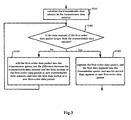
- step S10 said processing apparatus 1 determines a transmission queue of component data packet(s) corresponding to the transmission time interval, i.e. the transmission queue of component data packet(s) to be transmitted in said TTI.
- processing apparatus 1 in sending device a of base station I determines from to-be-transmitted data packets (the following description will not distinguish between retransmission queue and conventional transmission queue for the purpose of conciseness) component data packet(s) that can be transmitted in said TTI.
- the determined queue of component data packet(s) to be transmitted in the TTI may comprise the following circumstances:
- step S10 starts with sub-step S101 in which a transmittable data amount in the transmission time is calculated based on the TTI.
- the calculation is conducted according to the following expression:
- step S102 it is judged whether the data amount of a first-order data packet (which might be an original data packet or a data segment) in the to-be-transmitted data packets is larger than said transmittable data amount. If the data amount of said first-order data packet is larger than said transmittable data amount, it means that the first-order data packet in the to-be-transmitted data packets cannot be transmitted totally in the current TTI. Thus, it is necessary to go to step S103 in order to make full use of the TTI.
- a first-order data packet which might be an original data packet or a data segment
- the first-order data packet is segmented into a first data segment that is added to the transmission queue and a second data segment that acts as a new first-order data packet, wherein the data amount of said first data segment is equal to the transmittable data amount. Since the TTI is too small, the queue of component data packet(s) that will be used for generating a transmitted data packet merely comprises said first data segment, and after segmentation, the first-order data packet in the to-be-transmitted data packets becomes said second data segment obtained from the segmentation which waits for the arrival of the next TTI.
- step S103' If the data amount of said first-order data packet is smaller than or equal to said transmittable data amount, it means that at least the first-order data packet in the to-be-transmitted data packets can be transmitted in the current TTI. Thus, the procedure goes to step S103'.
- step S103' the first-order data packet is added to the transmission queue as a component data packet, and calculation is conducted according to the following expression:
- step S 102 is repeated.
- processing apparatus 1 performs corresponding processing on the to-be-transmitted data packets until the TTI runs out, thereby obtaining a component data packet transmission queue comprising one or more component data packets for generating a transmission data packet. Then, the procedure goes to step S11.
- step S11 a sub-header is generated for each component data packet in the transmission queue in accordance with needs, which contains the following information of the component data packet:
- a to-be-transmitted data packet corresponding to the component data packet is the second data segment obtained from the last segmentation.
- the solution based on the present invention will generate a sub-header for each of the two data segments generated from the segmentation.
- said judgment can be fulfilled by judging whether or not the to-be-transmitted data packet has such a sub-header.
- said segmentation processing ID has the following situations:
- step S12 So far, sub-headers have been generated for the component data packets used for constituting the transmitted data packet transmitted in the current TTI. The procedure goes to step S12:
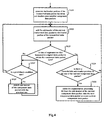
- step S12 a transmitted data packet is generated based on each of said generated sub-headers and data portion of respective component data packets in said transmitted queue. The specific flow of step S12 will be described in conjunction with Fig. 4 .
- Fig. 4 is a specific flowchart of step S12 shown in Fig. 2 .
- Step S12 starts with sub-step S121: In sub-step S121, based on the number of component data packets (or generated sub-headers) in said transmission queue, component number indicating information is determined for indicating the number of component data packets contained in said transmitted data packet and then is added to the header portion of the transmitted data packet. Then, the flow goes to step S122;
- sub-header that was previously generated for the current component data packet i.e. the first-order component data packet
- the sub-header that was previously generated for the current component data packet will be referred to as “the sub-header of the component data packet” for the conciseness reason
- the flow goes to step sub-step S123:
- sub-step S123 it is judged, according to the segmentation processing ID contained in the sub-header of the component data packet, whether or not time of segmentation that happened to the corresponding original data packet in order to obtain said component data packet is zero.
- the present invention is aimed at reducing header overheads as much as possible. If the previously generated sub-headers are added to the header potion of the transmitted data packet in order simply and without any alteration, the present invention also has the advantage of less header overheads over the prior art, whereas such an advantage can be increased through step S123 and its subsequently steps.
- the present invention selectively deletes those segmentation processing IDs, which indicate no segmentation, in respective sub-headers (preferably, the segmentation processing ID may merely comprise the segmentation processing time ID for the situation of no segmentation) so as to reduce the number of bits occupied by the header portion of the transmitted data packet, and releases them to the data portion.
- step S123 if the judgment result is that time of segmentation that happened to the original data packet in order to obtain said component data packet is not zero, then the flow goes to step S124':
- step S124' it is judged whether or not a predefined condition is met.
- Said predefined condition is that in the header portion of the transmitted data packet, the segmentation processing ID contained in the previous sub-header to the sub-header of the current component data packet indicates that time of segmentation that happened to the original data packet in order to obtain a component data packet corresponding to the previous sub-header is not zero, or indicates that the sub-header of the current component data packet is at the top of the header portion of the transmitted data packet;
- step S124' If the judgment result of step S124' is that the predefined condition is met, then the next component data packet to the current data packet in the transmission queue acts as a new current component data packet, and steps S122 and S123 as well as subsequently operations are performed on the new current component data packet.
- step S124' If the judgment result of step S124' is that the predefined condition is not met, then the flow goes to step S125'.
- step S125' the sub-header of the current component data packet is switched with the previous sub-header to the sub-header of the current component data packet in the header portion of the transmitted data packet. Then, the flow returns to step S124 to continue to make judgment.
- step S123 if the judgment result is that there is no segmentation happened to the original data packet in order to obtain the component data packet, then the flow goes to step S124:
- step S124 it is judged whether or not there is a characteristic sub-header before the sub-header corresponding to the current component data packet in the header portion of said transmitted data packet.
- the segmentation processing ID contained in said characteristic sub-header indicates that there is no segmentation happened to the original data packet in order to obtain the component data packet corresponding to the characteristic sub-header.
- step S124 If the judgment result of step S124 is that in the header portion of said transmitted data packet, there is a characteristic sub-header previous to the sub-header corresponding to the current component data packet (there is already said signal that assists the receiver end in correct parsing), then the flow goes to step S125 to delete the segmentation processing ID from the sub-header corresponding to said current component data packet and use the next component data packet to the current component data packet in the transmission queue as a new current component data packet. And steps S122 and S123 as well as subsequent operations are performed to the new current component data packet.
- step S124 If the judgment of step S124 is that in the header portion of said transmitted data packet, there is no characteristic sub-header previous to the sub-header corresponding to the current component data packet (there is already said signal that assists the receiver end in correct parsing), then the next component data packet to the current component data packet in the transmission queue is used as a new current component data packet, and steps S122 and S123 as well as subsequent operations are performed to the new current component data packet.
- each component data packet in the transmission queue its data portion is added to the data portion of the transmitted data packet in the same position relationship as its sub-header in the header portion of the transmitted data packet, to finally generate a complete transmitted data packet.
- Fig. 5 is a block diagram of a processing apparatus for, in the sending device of the communication network, processing to-be-transmitted data packets based on transmission time interval according to an embodiment of the present invention. The method will be described with reference to Fig. 5 and in conjunction with Fig. 1 .
- Processing apparatus 1 comprises determining means 10, first generating means 11, second generating means 12 and second judging means 13.
- determining means 10 comprises calculating means 101, first judging means 103, segmenting means 103 and first controlling means 104;
- second generating means 12 comprises component number determining means 120, adding means 121, third judging means 122, second controlling means 123, switching means 124 and deleting means 125. Take downlink transmission as an example.
- Determining means 10 determines a transmission queue of component data packet(s) corresponding to the transmission time interval, i.e. a transmission queue of component data packet(s) to be transmitted in the TTI.
- processing apparatus 1 in sending device a of base station I determines from to-be-transmitted data packets (the following description will not distinguish between retransmission queue and conventional transmission queue for the purpose of conciseness) component data packet(s) that can be transmitted in said TTI.
- the queue of determined component data packet(s) to be transmitted in the TTI may comprise the following circumstances:
- Calculating means 101 calculates a transmittable data amount in the transmission time interval based on the TTI. For example, the calculation is conducted according to the following expression:
- First judging means 102 judges whether the data amount of a first-order data packet (which might be an original data packet or a data segment) in the to-be-transmitted data packets is larger than said transmittable data amount. If the data amount of said first-order data packet is larger than said transmittable data amount, it means that the first-order data packet in the to-be-transmitted data packets cannot be transmitted totally in the current TTI.
- a first-order data packet which might be an original data packet or a data segment
- segmenting means 103 segments the first-order data packet into a first data segment that is added to the transmission queue and a second data segment that acts as a new first-order data packet, wherein the data amount of said first data segment is equal to the transmittable data amount. Since the TTI is too small, the queue of component data packet(s) that will be used for generating a transmitted data packet merely comprises said first data segment, and after segmentation, the first-order data packet in the to-be-transmitted data packets becomes said second data segment obtained from the segmentation which waits for the arrival of the next TTI.
- the first controlling means 104 adds the first-order data packet to the transmission queue as a component data packet and conducts calculation according to the following expression (said first controlling means 104 comprises a calculation means which, however, is not shown in the figure for conciseness reason):
- the difference between the transmittable data amount and the data amount of the first-order data packet is used as the new transmittable data amount, and the next data packet to the first-order data packet acts as a new first-order data packet, then, the first controlling means 104 controls the first judging means 102 to judge whether or not the data amount of the new first-order data packet is larger than the new transmittable data amount.
- processing apparatus 1 performs corresponding processing on the respective to-be-transmitted data packets until the TTI runs out, thereby obtains a component data packet transmission queue comprising one or more component data packets for generating a transmitted data packet.
- the First generating means 11 generates a sub-header for each component data packet in the transmission queue in accordance with needs, which contains the following information of the component data packet:
- a judging means that is not shown in Fig. 5 .
- the judging means judges whether or not the to-be-transmitted data packet corresponding to the component data packet is the second data segment obtained from the last segmentation.
- the solution based on the present invention will generate a sub-header for each of the two data segments generated from a segmentation.
- said judgment can be fulfilled by judging whether or not the to-be-transmitted data packet has such a sub-header.
- said segmentation processing ID has the following situations:
- first generating means 11 has generated sub-headers for the component data packets used for constituting the transmitted data packet which will be transmitted in the current TTI.
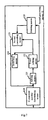
- Second generating means 12 generates a transmitted data packet based on each of said sub-headers generated by first generating means 11 and data portion of respective component data packets in said transmitted queue. Second generating means 12 will be described in detail with reference to Fig. 7 and in conjunction with Fig. 5 .
- Fig. 7 is a specific block diagram of second generating means 12 shown in Fig. 5 .
- component number determining means 121 determines component number indicating information for indicating the number of component data packets contained in said transmitted data packet and adds it to the header portion of the transmitted data packet.
- Adding means 121 adds the sub-header that was previously generated for the current component data packet (i.e. the first-order component data packet) in the transmission queue (hereinafter, "the sub-header that was previously generated for the current component data packet" will be referred to as “the sub-header of the component data packet" for the conciseness reason) to the header portion of the transmitted data packet.
- a third judging means 122 judges whether or not time of segmentation that happened to the corresponding original data packet in order to obtain this component data packet is zero.
- the present invention is aimed at reducing header overheads as much as possible. If the previously generated sub-headers are added to the header potion of the transmitted data packet in order without any alteration, the present invention also has the advantage of less header overheads over the prior art, whereas such an advantage can be further increased.
- the present invention selectively deletes those segmentation processing IDs, which indicate no segmentation, in respective sub-headers (preferably, the segmentation processing ID may merely comprise the segmentation processing time ID for the situation of no segmentation) so as to reduce the number of bits occupied by the header portion of the transmitted data packet, and release them to the data portion.
- the third judging means 122 judges whether or not a predefined condition is met.
- Said predefined condition is that in the header portion of the transmitted data packet, the segmentation processing ID contained in the previous sub-header to the sub-header of the current component data packet indicates that time of segmentation that happened to the original data packet in order to obtain the component data packet corresponding to the previous sub-header is not zero, or indicates that the sub-header of the current component data packet is already at the top of the header portion of the transmitted data packet;
- second controlling means 123 uses the next component data packet to the current data packet in the transmission queue as a new current component data packet and controls adding means 121 and third judging means 122 to perform corresponding operations on said new current component data packet.
- switching means 124 switches the sub-header of the current component data packet with the previous sub-header to the sub-header of the current component data packet in the header portion of the transmitted data packet. Then, the third judging means 122 continues to judge whether or not the predefined condition is met.
- the third judging means 122 judges whether or not there is a characteristic sub-header before the sub-header corresponding to the current component data packet in the header portion of said transmitted data packet.
- the segmentation processing ID contained in said characteristic sub-header indicates that there is no segmentation happened to the original data packet in order to obtain the component data packet corresponding to the characteristic sub-header.
- deleting means 125 deletes the segmentation processing ID from the sub-header corresponding to said current component data packet
- second controlling means 123 uses the next component data packet to the current component data packet in the transmission queue as a new current component data packet, and then the controls adding means 121 and the third judging means 122 to perform corresponding operations on the new current component data packet.
- second controlling means 123 uses the next component data packet to the current component data packet in the transmission queue as a new current component data packet to control adding means 121 and third judging means 122 to perform corresponding subsequent operations on it.
- adding means 121 adds its data portion to the data portion of the transmitted data packet in the same position relationship as its sub-header in the header portion of the transmitted data packet, to finally generate a complete transmitted data packet.
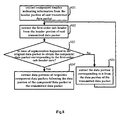
- Fig. 8 is a flowchart of a method for, in a receiving device of the communication network, parsing a transmitted data packet based on transmission time interval according to an embodiment of the present invention.
- the method starts with step S21 in which component number indicating information is extracted from the header portion of the transmitted data packet. Only according to said component number indicating information, will the receiver end correctly perform subsequent processing on the received transmitted data packet, otherwise the receiver end cannot know when to finish parsing the transmitted data packet (i.e. whether or not the parsing process has reached the terminal point of the transmitted data packet). Then, the flow goes to step S22.
- step S22 a first-order sub-header is extracted from the header portion of said transmitted data packet. Then, the flow goes to step S23.
- step S23 according to segmentation processing information contained in the first-order sub-header, it is judged whether or not time of segmentation that happened to the original data packet in order to obtain the component data packet corresponding to said first-order sub-header is zero.
- the optimized data packet structure defining manner, in a transmitted data packet, all component data packets following a component data packet for which a first "segmentation processing ID" indicates no segmentation are all complete original data packets.
- step S24 the data portion corresponding to it is extracted from the data portion of the transmitted data packet and stored into a buffer to be combined with subsequent corresponding component data packet(s) to restore the original data packet.
- step S25 the next sub-header to the first-order sub-header in the header portion of the transmitted data packet is used as a new first-order sub-header in step S25. And steps S22 and S23 are repeated.
- step S24' When time of segmentation that happened to the original data packet in order to obtain said component data packet corresponding to the first-order sub-header is zero, in step S24', the data portion of each component data packet following the data portion of said component data packet is extracted to be sent.
- the receiver end parses sub-headers according to the extracted component number indicating information, it extracts the corresponding data portion according to the data amount ID in each sub-header.
- the processing on the transmitted data packet ends with parsing N (N is a decimal value corresponding to the component number indicating information) sub-headers and extracting N data portions.
- Fig. 9 is a block diagram of a parsing apparatus for, in the receiving device of the communication network, parsing a transmitted data packet based on transmission time interval according to an embodiment of the present invention, comprising a extracting means 21, a judging means 22, a parsing apparatus 23 and a controlling means 24.
- Said extracting means 21 extracts component number indicating information from the header portion of the transmitted data packet. Only according to said component number indicating information, will the receiver end correctly perform subsequent processing on the received transmitted data packet, otherwise the receiver end cannot know when to finish parsing the transmitted data packet (i.e. whether or not the parsing process has reached the terminal point of the transmitted data packet).
- extracting means 21 extracts a first-order sub-header from the header portion of said transmitted data packet.
- judging means 22 judges whether or not time of segmentation that happened to the original data packet in order to obtain the component data packet corresponding to the first-order sub-header is zero.
- the optimized data packet structure defining manner, in a transmitted data packet, all component data packets following the component data packet for which a first "segmentation processing ID" indicates no segmentation are all complete original data packets.
- extracting means 21 extracts the corresponding data portion from the data portion of the transmitted data packet and stores it into a buffer.
- said controlling means 23 uses the next sub-header to the first-order sub-header in the header portion of the transmitted data packet as a new first-order sub-header and controls the respective means mentioned above to perform corresponding operations on the new first-order sub-header.
- the extracting means 21 extracts a corresponding data portion from the data portion of the component data packet.
- the receiver end parses sub-headers according to the extracted component number indicating information, it extracts a corresponding data portion according to a data amount ID in each sub-header.
- the processing on the transmitted data packet ends with parsing N (N is a decimal value corresponding to the component number indicating information) sub-headers and extracting N data portions.
Landscapes
- Engineering & Computer Science (AREA)
- Computer Networks & Wireless Communication (AREA)
- Signal Processing (AREA)
- Computer Security & Cryptography (AREA)
- Data Exchanges In Wide-Area Networks (AREA)
- Mobile Radio Communication Systems (AREA)
Claims (29)
- Procédé de traitement de paquets de données à émettre en se basant sur l'intervalle de temps d'émission pour un dispositif d'émission (a) d'un réseau de communication sans fil, comprenant les étapes suivantes :a) conformément audit intervalle de temps d'émission, détermination (S10), en se basant sur les paquets de données à émettre, d'une file d'attente d'émission des paquets de données composants correspondant au temps d'émission ;b) génération (S11) d'un sous-en-tête pour chaque paquet de données composant dans ladite file d'attente d'émission conformément aux besoins, lequel comprend les informations suivantes sur le paquet de données composant :- l'ID du paquet de données original pour indiquer le paquet de données original auquel appartient le paquet de données composant ;- l'ID de traitement de segmentation pour indiquer le nombre de fois que la segmentation a été appliquée audit paquet de données original en vue d'obtenir ledit paquet de données composant, et le segment de données auquel appartient ledit paquet de données composant après chaque segmentation ;- l'ID de volume de données pour indiquer le volume de données de la portion de données dudit paquet de données composant ;
caractérisé en ce qu'il comprend en outre l'étape suivante:c) génération (812) d'un paquet de données émis en se basant sur lesdits sous-en-têtes générés et lesdites portions de données des paquets de données composants respectifs dans ladite file d'attente d'émission dont la portion d'en-tête contient des informations indiquant le nombre de composants pour indiquer le nombre de paquets de données composants contenus dans ledit paquet de données émis. - Procédé selon la revendication 1, selon lequel ladite étape a) comprend en outre :a1) conformément audit intervalle de temps d'émission, calcul (S101) du volume de données pouvant être émis dans ledit intervalle de temps d'émission ;a2) estimation (S102) si le volume de données du paquet de données de premier ordre dans les paquets de données à émettre est supérieur ou non audit volume de données pouvant être émis ;a3) si le volume de données dudit paquet de données de premier ordre est supérieur audit volume de données pouvant être émis, segmentation (S103') du paquet de données de premier ordre en un premier segment de données et un deuxième segment de données, ajout dudit premier segment de données dans la file d'attente d'émission et utilisation dudit deuxième segment de données comme nouveau paquet de données de premier ordre, le volume de données dudit premier segment de données étant égal au volume de données pouvant être émis.
- Procédé selon la revendication 2, selon lequel ladite étape b) comprend :b') génération de sous-en-têtes respectivement pour ledit premier segment de données et ledit deuxième segment de données, chacun des sous-en-têtes générés contenant :l'ID du paquet de données original pour indiquer un paquet de données original auquel appartient le segment de données ;ID de traitement de segmentation pour indiquer le nombre de fois que la segmentation a été appliquée au paquet de données original en vue d'obtenir le segment de données, et le segment de données auquel appartient ledit segment de données après chaque segmentation ;une information indiquant un volume de données pour indiquer le volume de données de la portion de données dudit segment de données ;ledit ID de traitement de segmentation comprenant :l'ID de temps de traitement de segmentation pour indiquer le nombre de fois que la segmentation a été appliquée au paquet de données original en vue d'obtenir ledit segment de données, ;l'ID de segment de données pour indiquer le segment de données auquel appartient ledit segment de données après chaque segmentation pendant le traitement d'obtention dudit segment de données par le paquet de données original.
- Procédé selon la revendication 2, selon lequel ladite étape a) comprend en outre :a3') si le volume de données dudit paquet de données de premier ordre est inférieur ou égal audit volume de données pouvant être émis, ajout (S103) dudit paquet de données de premier ordre dans la file d'attente d'émission en tant que paquet de données composant, utilisation de la différence entre ledit volume de données pouvant être émis et le volume de données dudit paquet de données de premier ordre comme nouveau volume de données pouvant être émis, prise du paquet de données qui suit le paquet de données de premier ordre comme nouveau paquet de données de premier ordre et répétition de l'étape a2.
- Procédé selon la revendication 3, selon lequel ladite étape b) comprend en outre :- estimation si le paquet de données à émettre correspondant au paquet de données composant est ou non le deuxième segment de données obtenu du traitement de segmentation précédent ;- si ledit paquet de données à émettre est le deuxième segment de données obtenu de la segmentation précédente, génération d'un sous-en-tête pour le paquet de données composant en se basant sur le sous-en-tête généré précédemment pour ledit paquet de données à émettre ;
ladite étape b') comprend en outre :- si ledit paquet de données à émettre est le deuxième segment de données obtenu de la segmentation précédente, alors génération de sous-en-têtes pour ledit premier segment de données et ledit deuxième segment de données obtenus de la segmentation courante en se basant sur le sous-en-tête généré précédemment pour ledit paquet de données à émettre. - Procédé selon l'une quelconque des revendications 1 à 5, selon lequel ladite étape c) comprend :- génération (S121) d'une portion d'en-tête dudit paquet de données émis en se basant sur les sous-en-têtes générés pour les paquets de données composants respectifs dans ladite file d'attente d'émission, ladite portion d'en-tête contenant des informations indiquant le nombre de composants pour indiquer le nombre de paquets de données composants contenus dans ledit paquet de données émis.
- Procédé selon l'une quelconque des revendications 1 à 6, selon lequel ladite étape c) comprend :c1) ajout (S122) du sous-en-tête du paquet de données composant courant dans ladite file d'attente d'émission à la portion d'en-tête du paquet de données émis ;c2) conformément à l'ID de traitement de segmentation contenu dans le sous-en-tête du paquet de données composant, estimation (S123) si le nombre de fois que la segmentation a été appliquée au paquet de données original correspondant en vue d'obtenir ledit paquet de données composant est ou non égal à zéro ;c3) si le nombre de fois que la segmentation a été appliquée audit paquet de données original correspondant en vue d'obtenir ledit paquet de données composant est différent de zéro, estimation (s124') si une condition prédéfinie est remplie ou non ;c4) si la condition prédéfinie est remplie, prise du paquet de données composant qui suit le paquet de données composant courant dans la file d'attente d'émission comme nouveau paquet de données composant courant, puis exécution des étapes c1)-c2) ainsi que des opérations suivantes correspondantes sur celui-ci;c5) ajout de la portion de données de chaque paquet de données composant à la portion de données du paquet de données émis dans la même relation de position que le sous-en-tête de chacun desdits paquets de données composants dans ladite file d'attente d'émission dans la portion d'en-tête du paquet de données émis.
- Procédé selon la revendication 7, comprenant en outre :c4') si la condition prédéfinie n'est pas satisfaite, permutation (S125') du sous-en-tête dudit paquet de données composant courant avec le sous-en-tête qui précède le sous-en-tête dudit paquet de données composant courant dans la portion d'en-tête du paquet de données émis, et retour à l'étape c3).
- Procédé selon la revendication 7, comprenant en outre :c3') si le nombre de fois que la segmentation a été appliquée au paquet de données original en vue d'obtenir ledit paquet de données composant est égal à zéro, estimation (S124) s'il existe ou non dans la portion d'en-tête dudit paquet de données émis un sous-en-tête caractéristique antérieur au sous-en-tête correspondant audit paquet de données composant courant, l'ID de traitement de segmentation contenu dans ledit sous-en-tête caractéristique indiquant qu'aucune segmentation n'a été appliquée à un paquet de données original en vue d'obtenir le paquet de données composant correspondant au sous-en-tête caractéristique :- si ledit sous-en-tête caractéristique est présent, suppression (S125) de l'ID de traitement de segmentation de celui-ci du sous-en-tête correspondant audit paquet de données composant courant, en prenant le paquet de données composant qui suit ledit paquet de données composant courant dans la file d'attente d'émission comme nouveau paquet de données composant courant, puis exécution des étapes c1)-c2) ainsi que des opérations suivantes correspondantes sur celui-ci ;- s'il n'existe aucun sous-en-tête caractéristique, prise du paquet de données composant qui suit ledit paquet de données composant courant dans la file d'attente d'émission comme nouveau paquet de données composant courant, puis exécution des étapes c1)-c2) ainsi que des opérations suivantes correspondantes sur celui-ci.
- Procédé selon l'une quelconque des revendications 7 à 9, selon lequel ladite condition prédéfinie est que dans la portion d'en-tête du paquet de données émis, l'ID de traitement de segmentation contenu dans le sous-en-tête qui précède le sous-en-tête dudit paquet de données composant courant indique que le nombre de fois que la segmentation a été appliquée à un paquet de données original en vue d'obtenir le paquet de données composant correspondant au sous-en-tête précédent est différent de zéro, ou indique que le sous-en-tête dudit paquet de données composant courant se trouve déjà au sommet de la portion d'en-tête du paquet de données émis.
- Procédé selon l'une quelconque des revendications 1 à 10, selon lequel ledit paquet de données composant et ledit paquet de données à émettre comprennent chacun un paquet de données original et/ou des segments de données obtenus de la segmentation d'un paquet de données original ou d'un segment de données.
- Appareil de traitement (1) pour un dispositif d'émission (a) d'un réseau de communication sans fil pour le traitement de paquets de données à émettre en se basant sur l'intervalle de temps d'émission, comprenant :des moyens de détermination (10) pour, conformément audit intervalle de temps d'émission, déterminer une file d'attente d'émission des paquets de données composants correspondant au temps d'émission en se basant sur un paquet de données à émettre;des premiers moyens de génération (11) pour générer un sous-en-tête pour chaque paquet de données composant dans ladite file d'attente d'émission conformément aux besoins, lequel comprend les informations suivantes sur le paquet de données composant :- l'ID du paquet de données original pour indiquer le paquet de données original auquel appartient le paquet de données composant ;- l'ID de traitement de segmentation pour indiquer le nombre de fois que la segmentation a été appliquée audit paquet de données original en vue d'obtenir ledit paquet de données composant, et le segment de données auquel appartient ledit paquet de données composant après chaque segmentation ;- l'ID de volume de données pour indiquer le volume de données de la portion de données dudit paquet de données composant ;des deuxièmes moyens de génération (12) pour générer un paquet de données émis en se basant sur chacun desdits sous-en-têtes générés et portions de données des paquets de données composants respectifs dans ladite file d'attente d'émission dont la portion d'en-tête contient des informations indiquant le nombre de composants pour indiquer le nombre de paquets de données composants contenus dans ledit paquet de données émis.
- Appareil de traitement selon la revendication 12, avec lequel lesdits moyens de détermination (10) comprennent en outre :des moyens de calcul (101) pour calculer un volume de données pouvant être émis dans le temps d'émission conformément audit intervalle de temps d'émission ;des premiers moyens .d'estimation (102) pour estimer si le volume de données du paquet de données de premier ordre dans les paquets de données à émettre est supérieur ou non audit volume de données pouvant être émis ;des moyens de segmentation (103) pour, si le volume de données dudit paquet de données de premier ordre est supérieur audit volume de données pouvant être émis, segmenter le paquet de données de premier ordre en un premier segment de données et un deuxième segment de données, ajouter ledit premier segment de données dans la file d'attente d'émission et utiliser ledit deuxième segment de données comme nouveau paquet de données de premier ordre, le volume de données dudit premier segment de données étant égal au volume de données pouvant être émis.
- Appareil de traitement selon la revendication 13, avec lequel lesdits premiers moyens de génération (11) sont en outre utilisés pour générer des sous-en-têtes respectivement pour ledit premier segment de données et ledit deuxième segment de données, chacun des sous-en-têtes générés contenant :l'ID du paquet de données original pour indiquer un paquet de données original auquel appartient le segment de données ;ID de traitement de segmentation pour indiquer le nombre de fois que la segmentation a été appliquée au paquet de données original en vue d'obtenir le segment de données, et le segment de données auquel appartient ledit segment de données après chaque segmentation ;une information indiquant un volume de données pour indiquer le volume de données de la portion de données dudit segment de données ;ledit ID de traitement de segmentation comprenant :l'ID de temps de traitement de segmentation pour indiquer le nombre de fois que la segmentation a été appliquée au paquet de données original en vue d'obtenir ledit segment de données ;l'ID de segment de données pour indiquer le segment de données auquel appartient ledit segment de données après chaque segmentation pendant le traitement d'obtention du segment de données par le paquet de données original.
- Appareil de traitement selon la revendication 13, avec lequel lesdits moyens de détermination (10) comprennent en outre :des premiers moyens de commande (104) pour, si le volume de données dudit paquet de données de premier ordre est inférieur ou égal audit volume de données pouvant être émis, ajouter ledit paquet de données de premier ordre dans la file d'attente d'émission en tant que paquet de données composant, utiliser la différence entre le volume de données pouvant être émis et le volume de données dudit paquet de données de premier ordre comme nouveau volume de données pouvant être émis, prendre le paquet de données qui suit le paquet de données de premier ordre comme nouveau paquet de données de premier ordre et commandes lesdits moyens d'estimation pour exécuter les opérations sur le nouveau paquet de données de premier ordre.
- Appareil de traitement selon l'une quelconque des revendications 12 à 15, comprenant en outre :des deuxièmes moyens d'estimation (13) pour estimer si le paquet de données à émettre correspondant au paquet de données composant est ou non le deuxième segment de données obtenu du traitement de segmentation précédent ;lesdits premiers moyens de génération (11) étant en outre utilisés pour, si ledit paquet de données à émettre est le deuxième segment de données obtenu de la segmentation précédente, générer un sous-en-tête pour le paquet de données composant en se basant sur le sous-en-tête généré précédemment pour ledit paquet de données à émettre ;et si ledit paquet de données à émettre est le deuxième segment de données obtenu de la segmentation précédente, alors générer des sous-en-têtes pour le premier segment de données et le deuxième segment de données obtenus de la segmentation courante en se basant sur les sous-en-têtes générés précédemment pour ledit paquet de données à émettre.
- Appareil de traitement selon l'une quelconque des revendications 12 à 16, avec lequel lesdits deuxièmes moyens de génération (12) comprennent :des moyens de détermination du nombre de composants (120) pour générer une portion d'en-tête dudit paquet de données émis en se basant sur les sous-en-têtes générés pour les paquets de données composants respectifs dans ladite file d'attente d'émission, ladite portion d'en-tête contenant des informations indiquant le nombre de composants pour indiquer le nombre de paquets de données composants contenus dans ledit paquet de données émis.
- Appareil de traitement selon l'une quelconque des revendications 12 à 17, avec lequel lesdits deuxièmes moyens de génération (12) comprennent en outre :des moyens d'ajout (121) pour ajouter le sous-en-tête du paquet de données composant courant dans la file d'attente d'émission à la portion d'en-tête du paquet de données émis ;des troisièmes moyens d'estimation (122) pour, conformément à l'ID de traitement de segmentation contenu dans le sous-en-tête du paquet de données composant, estimer si le nombre de fois que la segmentation a été appliquée à un paquet de données original correspondant en vue d'obtenir le paquet de données composant est ou non égal à zéro ;lesdits troisièmes moyens d'estimation (122) étant en outre utilisés pour, si le nombre de fois que la segmentation a été appliquée audit paquet de données original correspondant en vue d'obtenir ledit paquet de données composant est différent de zéro, estimer si une condition prédéfinie est remplie ou non ;des deuxièmes moyens de commande (123) pour, si la condition prédéfinie est remplie, prendre le paquet de données composant qui suit le paquet de données composant courant dans la file d'attente d'émission comme nouveau paquet de données composant courant, puis exécuter les étapes c1)-c2) ainsi que des opérations suivantes correspondantes sur celui-ci ;lesdits moyens d'ajout (121) étant en outre utilisés pour ajouter la portion de données de chaque paquet de données composant à la portion de données du paquet de données émis dans la même relation de position que le sous-en-tête de chacun desdits paquets de données composants dans ladite file d'attente d'émission dans la portion d'en-tête du paquet de données émis.
- Appareil de traitement selon la revendication 18, avec lequel lesdits deuxièmes moyens de génération (12) comprennent :des moyens de commutation (124) pour, si la condition prédéfinie n'est pas satisfaite, permuter le sous-en-tête dudit paquet de données composant courant avec le sous-en-tête qui précède le sous-en-tête dudit paquet de données composant courant dans la portion d'en-tête du paquet de données émis ;et les troisièmes moyens d'estimation (122) sont en outre utilisés pour, après ladite permutation, estimer si la condition prédéfinie est remplie ou non.
- Appareil de traitement selon la revendication 18, avec lequel
lesdits troisièmes moyens d'estimation (122) sont en outre utilisés pour, si le nombre de fois que la segmentation a été appliquée au paquet de données original en vue d'obtenir ledit paquet de données composant est égal à zéro, estimer s'il existe ou non dans la portion d'en-tête dudit paquet de données émis un sous-en-tête caractéristique antérieur au sous-en-tête correspondant au paquet de données composant courant, l'ID de traitement de segmentation contenu dans ledit sous-en-tête caractéristique indiquant qu'aucune segmentation n'a été appliquée à un paquet de données original en vue d'obtenir le paquet de données composant correspondant au sous-en-tête caractéristique ;
lesdits deuxièmes moyens de génération (12) comprennent en outre des moyens de suppression (125) pour, si ledit sous-en-tête caractéristique est présent, supprimer l'ID de traitement de segmentation de celui-ci d'un sous-en-tête correspondant audit paquet de données composant courant ;
lesdits deuxièmes moyens de commande (123) sont en outre utilisés pour, s'il n'existe aucun sous-en-tête caractéristique, prendre le paquet de données composant qui suit ledit paquet de données composant courant dans la file d'attente d'émission comme nouveau paquet de données composant courant, puis commander lesdits moyens d'ajout (121) et lesdits troisièmes moyens d'estimation (122) pour exécuter les opérations correspondantes sur le nouveau paquet de données composant courant ;
et après avoir supprimé l'ID de traitement de segmentation de celui-ci du sous-en-tête correspondant audit paquet de données composant courant, prendre le paquet de données composant qui suit le paquet de données composant courant dans la file d'attente d'émission comme nouveau paquet de données composant courant, puis commander lesdits moyens d'ajout (121) et lesdits troisièmes moyens d'estimation (122) pour exécuter les opérations correspondantes sur le nouveau paquet de données composant courant. - Appareil de traitement selon l'une quelconque des revendications 18 à 20, avec lequel ladite condition prédéfinie est que dans la portion d'en-tête du paquet de données émis, l'ID de traitement de segmentation contenu dans le sous-en-tête qui précède le sous-en-tête dudit paquet de données composant courant indique que le nombre de fois que la segmentation a été appliquée à un paquet de données original en vue d'obtenir le paquet de données composant correspondant au sous-en-tête précédent est différent de zéro, ou indique que le sous-en-tête dudit paquet de données composant courant se trouve déjà au sommet de la portion d'en-tête du paquet de données émis.
- Appareil de traitement selon l'une quelconque des revendications 12 à 21, avec lequel ledit paquet de données composant et ledit paquet de données à émettre comprennent chacun un paquet de données original et/ou des segments de données obtenus de la segmentation d'un paquet de données original ou d'un segment de données.
- Procédé d'analyse d'un paquet de données émis en se basant sur l'intervalle de temps d'émission pour un dispositif de réception (b) d'un réseau de communication sans fil, comprenant les étapes suivantes :I) extraction (S21) des informations indiquant le nombre de composants de la portion d'en-tête dudit paquet de données émis ;II) extraction (S22) du sous-en-tête de premier ordre de la portion d'en-tête dudit paquet de données émis ;III) conformément aux informations de traitement de segmentation contenues dans ledit sous-en-tête de premier ordre, estimation (S23) si le nombre de fois que la segmentation a été appliquée à un paquet de données original en vue d'obtenir le paquet de données composant correspondant audit sous-en-tête de premier ordre est ou non égal à zéro ;IV) si le nombre de fois que la segmentation a été appliquée au paquet de données original en vue d'obtenir le paquet de données composant correspondant audit sous-en-tête de premier ordre est différent de zéro, extraction (S24) de la portion de données correspondante de la portion de données dudit paquet de données émis et stockage de celle-ci dans un tampon ;V) utilisation du sous-en-tête qui suit ledit sous-en-tête de premier ordre dans la portion d'en-tête dudit paquet de données émis comme nouveau sous-en-tête de premier ordre, et répétition des étapes II) et III).
- Procédé selon la revendication 23, comprenant en outre :IV') si le nombre de fois que la segmentation a été appliquée au paquet de données original en vue d'obtenir le paquet de données composant correspondant est égal à zéro, extraction (S24') des portions de données des paquets de données composants respectifs qui suivent la portion de données dudit paquet de données composant dans le paquet de données émis conformément aux informations indiquant le nombre de composants dudit paquet de données émis, en vue de leur émission.
- Appareil d'analyse (2) pour un dispositif de réception (b) d'un réseau de communication sans fil pour l'analyse d'un paquet de données émis reçu qui se base sur l'intervalle de temps d'émission, comprenant :des moyens d'extraction (21) pour extraire des informations indiquant le nombre de composants de la portion d'en-tête dudit paquet de données émis ;lesdits moyens d'extraction (21) étant en outre utilisés pour extraire le sous-en-tête de premier ordre de la portion d'en-tête dudit paquet de données émis ;des moyens d'estimation (22) pour, conformément aux informations de traitement de segmentation contenues dans ledit sous-en-tête de premier ordre, estimer si le nombre de fois que la segmentation a été appliquée au paquet de données original en vue d'obtenir le paquet de données composant correspondant audit sous-en-tête de premier ordre est ou non égal à zéro ;lesdits moyens d'extraction (21) étant en outre utilisés pour extraire la portion de données correspondante dudit paquet de données émis et la stocker dans un tampon si le nombre de fois que la segmentation a été appliquée au paquet de données original en vue d'obtenir le paquet de données composant correspondant audit sous-en-tête de premier ordre est différent de zéro ;l'appareil d'analyse (2) comprenant en outre des moyens de commande (23) pour utiliser le sous-en-tête qui suit le sous-en-tête de premier ordre dans la portion d'en-tête dudit paquet de données émis comme nouveau sous-en-tête de premier ordre pour commander lesdits moyens d'extraction et lesdits moyens d'estimation pour exécuter les opérations correspondantes sur le nouveau sous-en-tête de premier ordre.
- Appareil d'analyse selon la revendication 25, avec lequel lesdits moyens d'extractions (21) sont en outre utilisés pour :si le nombre de fois que la segmentation a été appliquée au paquet de données original en vue d'obtenir le paquet de données composant correspondant est égal à zéro, extraire des portions de données des paquets de données composants respectifs qui suivent la portion de données dudit paquet de données composant dans le paquet de données émis conformément aux informations indiquant le nombre de composants dudit paquet de données émis, en vue de leur émission.
- Dispositif d'émission (a) pour un réseau de communication sans fil, comprenant un appareil de traitement (1) selon l'une quelconque des revendications 12 à 22.
- Dispositif de réception (b) pour un réseau de communication sans fil, comprenant un appareil d'analyse (2) selon les revendications 25 ou 26.
- Dispositif de communication pour un réseau de communication sans fil, comprenant un dispositif d'émission (a) selon la revendication 27 et un dispositif de réception (b) selon la revendication 28.
Priority Applications (1)
| Application Number | Priority Date | Filing Date | Title |
|---|---|---|---|
| PL07800762T PL2063577T3 (pl) | 2006-08-23 | 2007-08-22 | Sposób transmitowania i analizowania danych w bezprzewodowej sieci komunikacyjnej i odpowiednie urządzenie |
Applications Claiming Priority (2)
| Application Number | Priority Date | Filing Date | Title |
|---|---|---|---|
| CN200610030361A CN100576822C (zh) | 2006-08-23 | 2006-08-23 | 无线通信网络中的数据传输及解析方法及其装置 |
| PCT/CN2007/002542 WO2008025250A1 (fr) | 2006-08-23 | 2007-08-22 | Procédé de transmission et d'analyse de données dans un réseau de communications sans fil et son appareil |
Publications (3)
| Publication Number | Publication Date |
|---|---|
| EP2063577A1 EP2063577A1 (fr) | 2009-05-27 |
| EP2063577A4 EP2063577A4 (fr) | 2011-12-07 |
| EP2063577B1 true EP2063577B1 (fr) | 2012-12-26 |
Family
ID=39129477
Family Applications (1)
| Application Number | Title | Priority Date | Filing Date |
|---|---|---|---|
| EP07800762A Not-in-force EP2063577B1 (fr) | 2006-08-23 | 2007-08-22 | Procédé de transmission et d'analyse de données dans un réseau de communications sans fil et son appareil |
Country Status (8)
| Country | Link |
|---|---|
| US (1) | US8345657B2 (fr) |
| EP (1) | EP2063577B1 (fr) |
| JP (1) | JP5208945B2 (fr) |
| KR (1) | KR101443054B1 (fr) |
| CN (1) | CN100576822C (fr) |
| ES (1) | ES2401906T3 (fr) |
| PL (1) | PL2063577T3 (fr) |
| WO (1) | WO2008025250A1 (fr) |
Families Citing this family (15)
| Publication number | Priority date | Publication date | Assignee | Title |
|---|---|---|---|---|
| US8417942B2 (en) * | 2007-08-31 | 2013-04-09 | Cisco Technology, Inc. | System and method for identifying encrypted conference media traffic |
| US8837598B2 (en) * | 2007-12-28 | 2014-09-16 | Cisco Technology, Inc. | System and method for securely transmitting video over a network |
| US20090169001A1 (en) * | 2007-12-28 | 2009-07-02 | Cisco Technology, Inc. | System and Method for Encryption and Secure Transmission of Compressed Media |
| KR20110108341A (ko) * | 2009-01-14 | 2011-10-05 | 엔트로픽 커뮤니케이션즈, 인크. | 통신 네트워크에서의 재전송 및 프래그먼트화를 위한 시스템 및 방법 |
| CN102647768B (zh) * | 2011-02-18 | 2014-06-18 | 电信科学技术研究院 | 基于lte-lan的报文转发方法及装置 |
| JP2014093655A (ja) * | 2012-11-02 | 2014-05-19 | Sony Corp | 情報処理装置、情報処理方法及びプログラム |
| CN103001863B (zh) * | 2012-11-27 | 2015-09-09 | 中国科学院声学研究所 | 数据包快速复制方法、数据包读取方法 |
| CN103856453B (zh) * | 2012-11-30 | 2016-12-21 | 中国科学院沈阳自动化研究所 | 一种面向半导体生产线搬运系统的数据传输方法 |
| CN105531951A (zh) * | 2014-07-29 | 2016-04-27 | 华为技术有限公司 | 数据加密传输方法和装置 |
| CN105187370B (zh) * | 2015-06-05 | 2019-11-12 | 北京奇虎科技有限公司 | 数据处理方法和系统 |
| CN105187533A (zh) * | 2015-09-10 | 2015-12-23 | 浪潮软件股份有限公司 | 一种数据传输的方法及装置 |
| CN106936538A (zh) * | 2015-12-29 | 2017-07-07 | 北京大唐高鸿数据网络技术有限公司 | 车载自组织网中提高mac层数据传输效率的方法 |
| US10341070B2 (en) * | 2016-08-12 | 2019-07-02 | Mediatek Inc. | Method and apparatus of data transmission by setting segmentation threshold based on transmission time interval |
| WO2018145301A1 (fr) * | 2017-02-10 | 2018-08-16 | 广东欧珀移动通信有限公司 | Procédé et appareil de transmission de données |
| CN118540672A (zh) * | 2024-06-12 | 2024-08-23 | 中国第一汽车股份有限公司 | 充电消息的通信方法、装置及电子设备 |
Family Cites Families (15)
| Publication number | Priority date | Publication date | Assignee | Title |
|---|---|---|---|---|
| JPH08223217A (ja) * | 1995-02-08 | 1996-08-30 | Nippon Telegr & Teleph Corp <Ntt> | 無線パケット多重方法 |
| DE19820233B4 (de) * | 1998-05-06 | 2004-08-05 | Siemens Ag | Verfahren zum Übertragen von Nutzdaten in Telekommunikationssystemen mit drahtloser auf einem vorgegebenen Luftschnittstellenprotokoll basierender Telekommunikation zwischen Telekommunikationsgeräten, insbesondere Sprach- und/oder Paketdaten in DECT-Systemen |
| JP2000216791A (ja) | 1999-01-27 | 2000-08-04 | Oki Electric Ind Co Ltd | 複数回線利用情報転送装置 |
| JP2001016209A (ja) * | 1999-06-25 | 2001-01-19 | Sony Corp | 情報処理装置および方法、並びにコンピュータ読み取り可能な媒体 |
| US6427169B1 (en) | 1999-07-30 | 2002-07-30 | Intel Corporation | Parsing a packet header |
| KR100662286B1 (ko) * | 2000-11-30 | 2007-01-02 | 엘지전자 주식회사 | 무선 링크 제어 계층에서의 프로토콜 데이터 유닛 송신 방법 및 무선 링크 제어 계층을 갖는 무선 통신 시스템 |
| CN1134918C (zh) | 2001-08-06 | 2004-01-14 | 华为技术有限公司 | 基于移动台能力的包数据调度方法 |
| WO2004079971A2 (fr) * | 2003-02-28 | 2004-09-16 | Motorola, Inc. | Procede et systeme d'agregation dynamique de paquets dans un reseau sans fil |
| US7953115B2 (en) | 2003-06-18 | 2011-05-31 | Nippon Telegraph And Telephone Corporation | Wireless packet communication method |
| US7668143B2 (en) * | 2003-07-30 | 2010-02-23 | Nippon Telegraph And Telephone Corporation | Wireless packet communication method and apparatus |
| JP2005086438A (ja) | 2003-09-08 | 2005-03-31 | Nec Corp | パケット送信端末 |
| US8718089B2 (en) * | 2003-09-08 | 2014-05-06 | Toshiba America Research Inc. | Aggregation and fragmentation of multiplexed downlink packets |
| US7571242B2 (en) | 2003-10-24 | 2009-08-04 | Alcatel Lucent | Method for accelerated packet processing |
| US8090857B2 (en) * | 2003-11-24 | 2012-01-03 | Qualcomm Atheros, Inc. | Medium access control layer that encapsulates data from a plurality of received data units into a plurality of independently transmittable blocks |
| US20070297375A1 (en) * | 2006-06-27 | 2007-12-27 | Motorola, Inc. | System and method for data transmission in an ad hoc communication network |
-
2006
- 2006-08-23 CN CN200610030361A patent/CN100576822C/zh active Active
-
2007
- 2007-08-22 ES ES07800762T patent/ES2401906T3/es active Active
- 2007-08-22 WO PCT/CN2007/002542 patent/WO2008025250A1/fr not_active Ceased
- 2007-08-22 EP EP07800762A patent/EP2063577B1/fr not_active Not-in-force
- 2007-08-22 KR KR1020097003626A patent/KR101443054B1/ko not_active Expired - Fee Related
- 2007-08-22 JP JP2009524887A patent/JP5208945B2/ja active Active
- 2007-08-22 PL PL07800762T patent/PL2063577T3/pl unknown
- 2007-08-22 US US12/438,210 patent/US8345657B2/en active Active
Also Published As
| Publication number | Publication date |
|---|---|
| CN100576822C (zh) | 2009-12-30 |
| ES2401906T3 (es) | 2013-04-25 |
| WO2008025250A1 (fr) | 2008-03-06 |
| US20100008350A1 (en) | 2010-01-14 |
| JP2010502059A (ja) | 2010-01-21 |
| PL2063577T3 (pl) | 2013-06-28 |
| CN101132346A (zh) | 2008-02-27 |
| KR101443054B1 (ko) | 2014-09-22 |
| EP2063577A4 (fr) | 2011-12-07 |
| EP2063577A1 (fr) | 2009-05-27 |
| JP5208945B2 (ja) | 2013-06-12 |
| US8345657B2 (en) | 2013-01-01 |
| KR20090053791A (ko) | 2009-05-27 |
Similar Documents
| Publication | Publication Date | Title |
|---|---|---|
| EP2063577A1 (fr) | Procédé de transmission et d'analyse de données dans un réseau de communications sans fil et son appareil | |
| KR100722312B1 (ko) | 데이터 통신에서 폴링 요구를 관리하는 방법 및 장치 | |
| US7423963B2 (en) | Apparatus and method for controlling packet data transmission between BSC and BTS | |
| EP0454364B1 (fr) | Protocole de transport à grande vitesse avec deux fenêtres | |
| US20020181437A1 (en) | Data link transmission control methods, mobile communication systems, data link transmission control apparatus, base stations, mobile stations, mobile station control programs, and computer-readable recording media | |
| US20080123673A1 (en) | Method for transmitting packet and system for mobile communication thereof and mobile station | |
| CN101194453A (zh) | 用于动态地调整例如媒体接入控制(mac)层的协议层处的分段的方法、设备和计算机程序 | |
| WO2003081834A1 (fr) | Station de base et methode de transmission par paquets | |
| JP2003521155A (ja) | 無線ネットワーク・システムおよび方法 | |
| EP1821441A1 (fr) | Dispositif d'emission, dispositif de reception et methode d'emission/reception pour ceux-ci | |
| US7746953B1 (en) | Method and apparatus for asynchronous incremental redundancy transmission in a communication system | |
| KR100624618B1 (ko) | 제어 패이로드데이터유닛을 이용한 데이터와 제어정보의병렬 송수신 방법 | |
| CN103312469B (zh) | 组播重传中的确认代表选择方法及装置 | |
| US10582410B2 (en) | Predicting downlink throughput | |
| EP1770930A1 (fr) | Dispositif et procédé pour la récuperation d'une communication "Network Layer Service Access Point Indentifier (NSAPI)" sans réception accusée dans le "Subnetwork Dependent Convergence Protocol SNDCP" | |
| CN116318353A (zh) | 通信卫星终端的通信方法及存储介质 | |
| CN112566256B (zh) | 一种基于rlc um模式发送协议数据单元的方法 | |
| JPWO2004091148A1 (ja) | 無線アクセスシステムにおける移動端末と無線アクセスポイント | |
| KR20030030892A (ko) | 서버와 이동 터미널 사이에 패킷들의 시퀀스들을 전송하는시스템 | |
| JP2011044800A (ja) | 通信装置、通信システムおよび通信方法 | |
| US8432934B2 (en) | Multi-rate multi-receiver multi-response aggregation | |
| US11853261B2 (en) | Coded-caching in a wireless communication network | |
| CN120389835B (zh) | 用于时间敏感网络中的发送节点和接收节点的帧抢占方法、发送设备和接收设备 | |
| JP2006128853A (ja) | 無線パケット通信方法および無線パケット通信装置 | |
| WO2011061855A1 (fr) | Appareil de communication sans fil, système et procédé de commande de retransmission |
Legal Events
| Date | Code | Title | Description |
|---|---|---|---|
| PUAI | Public reference made under article 153(3) epc to a published international application that has entered the european phase |
Free format text: ORIGINAL CODE: 0009012 |
|
| 17P | Request for examination filed |
Effective date: 20090323 |
|
| AK | Designated contracting states |
Kind code of ref document: A1 Designated state(s): AT BE BG CH CY CZ DE DK EE ES FI FR GB GR HU IE IS IT LI LT LU LV MC MT NL PL PT RO SE SI SK TR |
|
| AX | Request for extension of the european patent |
Extension state: AL BA HR MK RS |
|
| RIN1 | Information on inventor provided before grant (corrected) |
Inventor name: YOU, MINGLI Inventor name: YANG, TAO Inventor name: LIU, JINC/O ALCATEL-LUCENT SHANGHAI BELL CO.LTD. Inventor name: WEN, PINGPING |
|
| REG | Reference to a national code |
Ref country code: DE Ref legal event code: R079 Ref document number: 602007027663 Country of ref document: DE Free format text: PREVIOUS MAIN CLASS: H04L0012560000 Ipc: H04L0029060000 |
|
| A4 | Supplementary search report drawn up and despatched |
Effective date: 20111109 |
|
| RIC1 | Information provided on ipc code assigned before grant |
Ipc: H04L 29/06 20060101AFI20111103BHEP |
|
| RAP1 | Party data changed (applicant data changed or rights of an application transferred) |
Owner name: ALCATEL LUCENT |
|
| GRAP | Despatch of communication of intention to grant a patent |
Free format text: ORIGINAL CODE: EPIDOSNIGR1 |
|
| DAX | Request for extension of the european patent (deleted) | ||
| GRAS | Grant fee paid |
Free format text: ORIGINAL CODE: EPIDOSNIGR3 |
|
| GRAA | (expected) grant |
Free format text: ORIGINAL CODE: 0009210 |
|
| AK | Designated contracting states |
Kind code of ref document: B1 Designated state(s): AT BE BG CH CY CZ DE DK EE ES FI FR GB GR HU IE IS IT LI LT LU LV MC MT NL PL PT RO SE SI SK TR |
|
| REG | Reference to a national code |
Ref country code: GB Ref legal event code: FG4D |
|
| REG | Reference to a national code |
Ref country code: CH Ref legal event code: EP |
|
| REG | Reference to a national code |
Ref country code: AT Ref legal event code: REF Ref document number: 590967 Country of ref document: AT Kind code of ref document: T Effective date: 20130115 |
|
| REG | Reference to a national code |
Ref country code: DE Ref legal event code: R096 Ref document number: 602007027663 Country of ref document: DE Effective date: 20130228 |
|
| REG | Reference to a national code |
Ref country code: ES Ref legal event code: FG2A Ref document number: 2401906 Country of ref document: ES Kind code of ref document: T3 Effective date: 20130425 |
|
| PG25 | Lapsed in a contracting state [announced via postgrant information from national office to epo] |
Ref country code: FI Free format text: LAPSE BECAUSE OF FAILURE TO SUBMIT A TRANSLATION OF THE DESCRIPTION OR TO PAY THE FEE WITHIN THE PRESCRIBED TIME-LIMIT Effective date: 20121226 Ref country code: LT Free format text: LAPSE BECAUSE OF FAILURE TO SUBMIT A TRANSLATION OF THE DESCRIPTION OR TO PAY THE FEE WITHIN THE PRESCRIBED TIME-LIMIT Effective date: 20121226 Ref country code: SE Free format text: LAPSE BECAUSE OF FAILURE TO SUBMIT A TRANSLATION OF THE DESCRIPTION OR TO PAY THE FEE WITHIN THE PRESCRIBED TIME-LIMIT Effective date: 20121226 |
|
| REG | Reference to a national code |
Ref country code: AT Ref legal event code: MK05 Ref document number: 590967 Country of ref document: AT Kind code of ref document: T Effective date: 20121226 |
|
| REG | Reference to a national code |
Ref country code: LT Ref legal event code: MG4D |
|
| REG | Reference to a national code |
Ref country code: NL Ref legal event code: VDEP Effective date: 20121226 |
|
| PG25 | Lapsed in a contracting state [announced via postgrant information from national office to epo] |
Ref country code: SI Free format text: LAPSE BECAUSE OF FAILURE TO SUBMIT A TRANSLATION OF THE DESCRIPTION OR TO PAY THE FEE WITHIN THE PRESCRIBED TIME-LIMIT Effective date: 20121226 Ref country code: LV Free format text: LAPSE BECAUSE OF FAILURE TO SUBMIT A TRANSLATION OF THE DESCRIPTION OR TO PAY THE FEE WITHIN THE PRESCRIBED TIME-LIMIT Effective date: 20121226 Ref country code: GR Free format text: LAPSE BECAUSE OF FAILURE TO SUBMIT A TRANSLATION OF THE DESCRIPTION OR TO PAY THE FEE WITHIN THE PRESCRIBED TIME-LIMIT Effective date: 20130327 |
|
| REG | Reference to a national code |
Ref country code: PL Ref legal event code: T3 |
|
| PG25 | Lapsed in a contracting state [announced via postgrant information from national office to epo] |
Ref country code: SK Free format text: LAPSE BECAUSE OF FAILURE TO SUBMIT A TRANSLATION OF THE DESCRIPTION OR TO PAY THE FEE WITHIN THE PRESCRIBED TIME-LIMIT Effective date: 20121226 Ref country code: IS Free format text: LAPSE BECAUSE OF FAILURE TO SUBMIT A TRANSLATION OF THE DESCRIPTION OR TO PAY THE FEE WITHIN THE PRESCRIBED TIME-LIMIT Effective date: 20130426 Ref country code: BG Free format text: LAPSE BECAUSE OF FAILURE TO SUBMIT A TRANSLATION OF THE DESCRIPTION OR TO PAY THE FEE WITHIN THE PRESCRIBED TIME-LIMIT Effective date: 20130326 Ref country code: BE Free format text: LAPSE BECAUSE OF FAILURE TO SUBMIT A TRANSLATION OF THE DESCRIPTION OR TO PAY THE FEE WITHIN THE PRESCRIBED TIME-LIMIT Effective date: 20121226 Ref country code: CZ Free format text: LAPSE BECAUSE OF FAILURE TO SUBMIT A TRANSLATION OF THE DESCRIPTION OR TO PAY THE FEE WITHIN THE PRESCRIBED TIME-LIMIT Effective date: 20121226 Ref country code: EE Free format text: LAPSE BECAUSE OF FAILURE TO SUBMIT A TRANSLATION OF THE DESCRIPTION OR TO PAY THE FEE WITHIN THE PRESCRIBED TIME-LIMIT Effective date: 20121226 Ref country code: AT Free format text: LAPSE BECAUSE OF FAILURE TO SUBMIT A TRANSLATION OF THE DESCRIPTION OR TO PAY THE FEE WITHIN THE PRESCRIBED TIME-LIMIT Effective date: 20121226 |
|
| PG25 | Lapsed in a contracting state [announced via postgrant information from national office to epo] |
Ref country code: PT Free format text: LAPSE BECAUSE OF FAILURE TO SUBMIT A TRANSLATION OF THE DESCRIPTION OR TO PAY THE FEE WITHIN THE PRESCRIBED TIME-LIMIT Effective date: 20130426 Ref country code: NL Free format text: LAPSE BECAUSE OF FAILURE TO SUBMIT A TRANSLATION OF THE DESCRIPTION OR TO PAY THE FEE WITHIN THE PRESCRIBED TIME-LIMIT Effective date: 20121226 Ref country code: RO Free format text: LAPSE BECAUSE OF FAILURE TO SUBMIT A TRANSLATION OF THE DESCRIPTION OR TO PAY THE FEE WITHIN THE PRESCRIBED TIME-LIMIT Effective date: 20121226 |
|
| REG | Reference to a national code |
Ref country code: GB Ref legal event code: 732E Free format text: REGISTERED BETWEEN 20130926 AND 20131002 |
|
| PG25 | Lapsed in a contracting state [announced via postgrant information from national office to epo] |
Ref country code: DK Free format text: LAPSE BECAUSE OF FAILURE TO SUBMIT A TRANSLATION OF THE DESCRIPTION OR TO PAY THE FEE WITHIN THE PRESCRIBED TIME-LIMIT Effective date: 20121226 |
|
| PLBE | No opposition filed within time limit |
Free format text: ORIGINAL CODE: 0009261 |
|
| STAA | Information on the status of an ep patent application or granted ep patent |
Free format text: STATUS: NO OPPOSITION FILED WITHIN TIME LIMIT |
|
| REG | Reference to a national code |
Ref country code: FR Ref legal event code: GC Effective date: 20131018 |
|
| PG25 | Lapsed in a contracting state [announced via postgrant information from national office to epo] |
Ref country code: CY Free format text: LAPSE BECAUSE OF FAILURE TO SUBMIT A TRANSLATION OF THE DESCRIPTION OR TO PAY THE FEE WITHIN THE PRESCRIBED TIME-LIMIT Effective date: 20121226 |
|
| 26N | No opposition filed |
Effective date: 20130927 |
|
| REG | Reference to a national code |
Ref country code: DE Ref legal event code: R097 Ref document number: 602007027663 Country of ref document: DE Effective date: 20130927 |
|
| REG | Reference to a national code |
Ref country code: CH Ref legal event code: PL |
|
| PG25 | Lapsed in a contracting state [announced via postgrant information from national office to epo] |
Ref country code: LI Free format text: LAPSE BECAUSE OF NON-PAYMENT OF DUE FEES Effective date: 20130831 Ref country code: MC Free format text: LAPSE BECAUSE OF FAILURE TO SUBMIT A TRANSLATION OF THE DESCRIPTION OR TO PAY THE FEE WITHIN THE PRESCRIBED TIME-LIMIT Effective date: 20121226 Ref country code: CH Free format text: LAPSE BECAUSE OF NON-PAYMENT OF DUE FEES Effective date: 20130831 |
|
| REG | Reference to a national code |
Ref country code: IE Ref legal event code: MM4A |
|
| PG25 | Lapsed in a contracting state [announced via postgrant information from national office to epo] |
Ref country code: IE Free format text: LAPSE BECAUSE OF NON-PAYMENT OF DUE FEES Effective date: 20130822 |
|
| PG25 | Lapsed in a contracting state [announced via postgrant information from national office to epo] |
Ref country code: MT Free format text: LAPSE BECAUSE OF FAILURE TO SUBMIT A TRANSLATION OF THE DESCRIPTION OR TO PAY THE FEE WITHIN THE PRESCRIBED TIME-LIMIT Effective date: 20121226 Ref country code: TR Free format text: LAPSE BECAUSE OF FAILURE TO SUBMIT A TRANSLATION OF THE DESCRIPTION OR TO PAY THE FEE WITHIN THE PRESCRIBED TIME-LIMIT Effective date: 20121226 |
|
| PG25 | Lapsed in a contracting state [announced via postgrant information from national office to epo] |
Ref country code: LU Free format text: LAPSE BECAUSE OF NON-PAYMENT OF DUE FEES Effective date: 20130822 Ref country code: HU Free format text: LAPSE BECAUSE OF FAILURE TO SUBMIT A TRANSLATION OF THE DESCRIPTION OR TO PAY THE FEE WITHIN THE PRESCRIBED TIME-LIMIT; INVALID AB INITIO Effective date: 20070822 |
|
| REG | Reference to a national code |
Ref country code: FR Ref legal event code: PLFP Year of fee payment: 9 |
|
| REG | Reference to a national code |
Ref country code: FR Ref legal event code: PLFP Year of fee payment: 10 |
|
| PGFP | Annual fee paid to national office [announced via postgrant information from national office to epo] |
Ref country code: DE Payment date: 20160822 Year of fee payment: 10 Ref country code: GB Payment date: 20160819 Year of fee payment: 10 Ref country code: IT Payment date: 20160825 Year of fee payment: 10 |
|
| PGFP | Annual fee paid to national office [announced via postgrant information from national office to epo] |
Ref country code: FR Payment date: 20160822 Year of fee payment: 10 |
|
| PGFP | Annual fee paid to national office [announced via postgrant information from national office to epo] |
Ref country code: ES Payment date: 20160810 Year of fee payment: 10 |
|
| PGFP | Annual fee paid to national office [announced via postgrant information from national office to epo] |
Ref country code: PL Payment date: 20171214 Year of fee payment: 11 |
|
| REG | Reference to a national code |
Ref country code: DE Ref legal event code: R119 Ref document number: 602007027663 Country of ref document: DE |
|
| GBPC | Gb: european patent ceased through non-payment of renewal fee |
Effective date: 20170822 |
|
| REG | Reference to a national code |
Ref country code: FR Ref legal event code: ST Effective date: 20180430 |
|
| PG25 | Lapsed in a contracting state [announced via postgrant information from national office to epo] |
Ref country code: DE Free format text: LAPSE BECAUSE OF NON-PAYMENT OF DUE FEES Effective date: 20180301 Ref country code: GB Free format text: LAPSE BECAUSE OF NON-PAYMENT OF DUE FEES Effective date: 20170822 |
|
| PG25 | Lapsed in a contracting state [announced via postgrant information from national office to epo] |
Ref country code: IT Free format text: LAPSE BECAUSE OF NON-PAYMENT OF DUE FEES Effective date: 20170822 Ref country code: FR Free format text: LAPSE BECAUSE OF NON-PAYMENT OF DUE FEES Effective date: 20170831 |
|
| REG | Reference to a national code |
Ref country code: ES Ref legal event code: FD2A Effective date: 20181029 |
|
| PG25 | Lapsed in a contracting state [announced via postgrant information from national office to epo] |
Ref country code: ES Free format text: LAPSE BECAUSE OF NON-PAYMENT OF DUE FEES Effective date: 20170823 |
|
| PG25 | Lapsed in a contracting state [announced via postgrant information from national office to epo] |
Ref country code: PL Free format text: LAPSE BECAUSE OF NON-PAYMENT OF DUE FEES Effective date: 20180822 |