EP2065053A1 - Inhibiteur de mort cellulaire - Google Patents
Inhibiteur de mort cellulaire Download PDFInfo
- Publication number
- EP2065053A1 EP2065053A1 EP07828882A EP07828882A EP2065053A1 EP 2065053 A1 EP2065053 A1 EP 2065053A1 EP 07828882 A EP07828882 A EP 07828882A EP 07828882 A EP07828882 A EP 07828882A EP 2065053 A1 EP2065053 A1 EP 2065053A1
- Authority
- EP
- European Patent Office
- Prior art keywords
- mif
- inhibitory factor
- optionally
- disease
- macrophage migration
- Prior art date
- Legal status (The legal status is an assumption and is not a legal conclusion. Google has not performed a legal analysis and makes no representation as to the accuracy of the status listed.)
- Withdrawn
Links
- 0 CC(*)*C(*)C(*)OC(C(*)C(C(*)[C@@](*)S[C@](CC(C)N=O)O)O)SC Chemical compound CC(*)*C(*)C(*)OC(C(*)C(C(*)[C@@](*)S[C@](CC(C)N=O)O)O)SC 0.000 description 1
- GBAKVEWPYUIGHN-UHFFFAOYSA-N O=C1N=C(c2ccccn2)Sc2c1cccc2 Chemical compound O=C1N=C(c2ccccn2)Sc2c1cccc2 GBAKVEWPYUIGHN-UHFFFAOYSA-N 0.000 description 1
Images


Classifications
-
- A—HUMAN NECESSITIES
- A61—MEDICAL OR VETERINARY SCIENCE; HYGIENE
- A61K—PREPARATIONS FOR MEDICAL, DENTAL OR TOILETRY PURPOSES
- A61K31/00—Medicinal preparations containing organic active ingredients
- A61K31/33—Heterocyclic compounds
- A61K31/395—Heterocyclic compounds having nitrogen as a ring hetero atom, e.g. guanethidine or rifamycins
- A61K31/54—Heterocyclic compounds having nitrogen as a ring hetero atom, e.g. guanethidine or rifamycins having six-membered rings with at least one nitrogen and one sulfur as the ring hetero atoms, e.g. sulthiame
- A61K31/5415—Heterocyclic compounds having nitrogen as a ring hetero atom, e.g. guanethidine or rifamycins having six-membered rings with at least one nitrogen and one sulfur as the ring hetero atoms, e.g. sulthiame ortho- or peri-condensed with carbocyclic ring systems, e.g. phenothiazine, chlorpromazine, piroxicam
-
- A—HUMAN NECESSITIES
- A61—MEDICAL OR VETERINARY SCIENCE; HYGIENE
- A61K—PREPARATIONS FOR MEDICAL, DENTAL OR TOILETRY PURPOSES
- A61K38/00—Medicinal preparations containing peptides
- A61K38/16—Peptides having more than 20 amino acids; Gastrins; Somatostatins; Melanotropins; Derivatives thereof
- A61K38/17—Peptides having more than 20 amino acids; Gastrins; Somatostatins; Melanotropins; Derivatives thereof from animals; from humans
- A61K38/19—Cytokines; Lymphokines; Interferons
-
- A—HUMAN NECESSITIES
- A61—MEDICAL OR VETERINARY SCIENCE; HYGIENE
- A61P—SPECIFIC THERAPEUTIC ACTIVITY OF CHEMICAL COMPOUNDS OR MEDICINAL PREPARATIONS
- A61P13/00—Drugs for disorders of the urinary system
- A61P13/12—Drugs for disorders of the urinary system of the kidneys
-
- A—HUMAN NECESSITIES
- A61—MEDICAL OR VETERINARY SCIENCE; HYGIENE
- A61P—SPECIFIC THERAPEUTIC ACTIVITY OF CHEMICAL COMPOUNDS OR MEDICINAL PREPARATIONS
- A61P19/00—Drugs for skeletal disorders
-
- A—HUMAN NECESSITIES
- A61—MEDICAL OR VETERINARY SCIENCE; HYGIENE
- A61P—SPECIFIC THERAPEUTIC ACTIVITY OF CHEMICAL COMPOUNDS OR MEDICINAL PREPARATIONS
- A61P19/00—Drugs for skeletal disorders
- A61P19/02—Drugs for skeletal disorders for joint disorders, e.g. arthritis, arthrosis
-
- A—HUMAN NECESSITIES
- A61—MEDICAL OR VETERINARY SCIENCE; HYGIENE
- A61P—SPECIFIC THERAPEUTIC ACTIVITY OF CHEMICAL COMPOUNDS OR MEDICINAL PREPARATIONS
- A61P19/00—Drugs for skeletal disorders
- A61P19/08—Drugs for skeletal disorders for bone diseases, e.g. rachitism, Paget's disease
-
- A—HUMAN NECESSITIES
- A61—MEDICAL OR VETERINARY SCIENCE; HYGIENE
- A61P—SPECIFIC THERAPEUTIC ACTIVITY OF CHEMICAL COMPOUNDS OR MEDICINAL PREPARATIONS
- A61P25/00—Drugs for disorders of the nervous system
-
- A—HUMAN NECESSITIES
- A61—MEDICAL OR VETERINARY SCIENCE; HYGIENE
- A61P—SPECIFIC THERAPEUTIC ACTIVITY OF CHEMICAL COMPOUNDS OR MEDICINAL PREPARATIONS
- A61P29/00—Non-central analgesic, antipyretic or antiinflammatory agents, e.g. antirheumatic agents; Non-steroidal antiinflammatory drugs [NSAID]
-
- A—HUMAN NECESSITIES
- A61—MEDICAL OR VETERINARY SCIENCE; HYGIENE
- A61P—SPECIFIC THERAPEUTIC ACTIVITY OF CHEMICAL COMPOUNDS OR MEDICINAL PREPARATIONS
- A61P3/00—Drugs for disorders of the metabolism
- A61P3/08—Drugs for disorders of the metabolism for glucose homeostasis
- A61P3/10—Drugs for disorders of the metabolism for glucose homeostasis for hyperglycaemia, e.g. antidiabetics
-
- A—HUMAN NECESSITIES
- A61—MEDICAL OR VETERINARY SCIENCE; HYGIENE
- A61P—SPECIFIC THERAPEUTIC ACTIVITY OF CHEMICAL COMPOUNDS OR MEDICINAL PREPARATIONS
- A61P31/00—Antiinfectives, i.e. antibiotics, antiseptics, chemotherapeutics
-
- A—HUMAN NECESSITIES
- A61—MEDICAL OR VETERINARY SCIENCE; HYGIENE
- A61P—SPECIFIC THERAPEUTIC ACTIVITY OF CHEMICAL COMPOUNDS OR MEDICINAL PREPARATIONS
- A61P31/00—Antiinfectives, i.e. antibiotics, antiseptics, chemotherapeutics
- A61P31/04—Antibacterial agents
-
- A—HUMAN NECESSITIES
- A61—MEDICAL OR VETERINARY SCIENCE; HYGIENE
- A61P—SPECIFIC THERAPEUTIC ACTIVITY OF CHEMICAL COMPOUNDS OR MEDICINAL PREPARATIONS
- A61P35/00—Antineoplastic agents
-
- A—HUMAN NECESSITIES
- A61—MEDICAL OR VETERINARY SCIENCE; HYGIENE
- A61P—SPECIFIC THERAPEUTIC ACTIVITY OF CHEMICAL COMPOUNDS OR MEDICINAL PREPARATIONS
- A61P39/00—General protective or antinoxious agents
-
- A—HUMAN NECESSITIES
- A61—MEDICAL OR VETERINARY SCIENCE; HYGIENE
- A61P—SPECIFIC THERAPEUTIC ACTIVITY OF CHEMICAL COMPOUNDS OR MEDICINAL PREPARATIONS
- A61P43/00—Drugs for specific purposes, not provided for in groups A61P1/00-A61P41/00
-
- A—HUMAN NECESSITIES
- A61—MEDICAL OR VETERINARY SCIENCE; HYGIENE
- A61P—SPECIFIC THERAPEUTIC ACTIVITY OF CHEMICAL COMPOUNDS OR MEDICINAL PREPARATIONS
- A61P9/00—Drugs for disorders of the cardiovascular system
Definitions
- the present invention relates to a cell death inhibitor, an antioxidant response element (ARE) activator, and the like.
- ARE antioxidant response element
- MIF macrophage migration inhibitory factor
- MIF levels markedly increase in the synovial fluid or serum from the patient with rheumatism, in the alveolar lavage fluid from the patient with acute respiratory distress syndrome, in the urine collected during rejection from the patient who has received a kidney transplant and in the serum from the patient with acute myocardial infarction, diabetes mellitus, systemic lupus erythematosus, Crohn's disease and atopic dermatitis, as compared to healthy individuals.
- Non-Patent Document 1 J. Exp. Med., 190, 1375-1382, 1999
- Non-Patent Document 2 PNAS, 99, 345-350, 2001
- Non-Patent Document 3 Cardiovascular Res., 52, 438-445, 2001
- 1,3-Benzothiazinone derivatives having a cell death inhibitory activity and capable of binding to MIF are reported in WO 03/20719 (Patent Document 1).
- Patent Document 2 It is described in WO 03/90782 (Patent Document 2) that substances capable of binding to MIF (e.g., 1,3-benzothiazinone derivatives) potentiate the cell death inhibitory activity and the expression of a gene or protein production under control of antioxidant response element (ARE).
- MIF e.g., 1,3-benzothiazinone derivatives
- Non-Patent Document 4 Expert Opin. Ther. Targets, 7, 153-164, 2003 ).
- neurodegenerative diseases e.g., Alzheimer's disease, Parkinson's disease, amyotrophic lateral sclerosis, etc.
- ischemic diseases e.g., myocardial infarction, heart failure, apoplexy, cerebral infarction, ischemic acute renal failure, etc.
- bone/joint diseases e.g., osteoporosis, degenerative arthritis, rheumatism, etc.
- digestive diseases e.g., inflammatory bowel disorders, acute pancreatitis, etc.
- hepatic diseases e.g., alcoholic hepatitis, viral hepatitis, etc.
- diabetes mellitus AIDS, etc.
- the antioxidant response element regulates the expression of a variety of protective factors against oxidative stress and its transcriptional activation is considered as one of the most important cytoprotective mechanisms against oxidative stress ( Current Pharmaceutical Design, 10, 879, 2004 ).
- the present invention relates to the following features, and so on.
- the macrophage migration inhibitory factor (MIF) used in the present invention includes the protein comprising the amino acid sequence represented by SEQ ID NO: 1 (hMIF) or SEQ ID NO: 7 (rMIF), or salts thereof, etc.
- the modified form of MIF includes the protein comprising such an amino acid sequence that is substantially the same as the amino acid sequence represented by SEQ ID NO: 1or SEQ ID NO: 7, or salts thereof, etc.
- the protein comprising the amino acid sequence that is substantially the same as the amino acid sequence represented by SEQ ID NO: 1or SEQ ID NO: 7 includes proteins comprising amino acid sequences having homology of at least about 50%, preferably at least 70%, preferably at least 80%, preferably at least 90%, and preferably at least 95%, to the amino acid sequence represented by SEQ ID NO: 1 or SEQ ID NO: 7, and having the same physiological activities (ARE activation activity or/and cell death inhibitory activity) as in MIF.
- the protein comprising substantially the same amino acid sequence as the amino acid sequence represented by SEQ ID NO: 1 or SEQ ID NO: 7 includes proteins wherein 1 or at least 2 (preferably approximately 1 to 20, more preferably approximately 1 to 10 and most preferably approximately several (1 to 5)) amino acids may be deleted of the amino acid sequence, 1 or at least 2 (preferably approximately 1 to 20, more preferably approximately 1 to 10 and most preferably approximately several (1 to 6)) amino acids may be added to in the amino acid sequence, 1 or at least 2 (preferably approximately 1 to 20, more preferably approximately 1 to 10 and most preferably approximately several (1 to 6)) amino acids may be inserted into the amino acid sequence, or, 1 or at least 2 (preferably approximately 1 to 20, more preferably approximately 1 to 10 and most preferably approximately several (1 to 6)) amino acids in the amino acid sequence may be substituted with other amino acid(s), and have the same physiological activities (ARE activation activity or/and cell death inhibitory activity) as those of MIF.
- 1 or at least 2 preferably approximately 1 to 20, more preferably approximately 1 to 10 and most
- the modified MIF includes, for example, variants wherein at least one amino acid (e.g., 1 to 10, preferably 1 to 5 and more preferably 1 or 2 amino acids) selected from the amino acids in the vicinity of N-terminal side (e.g., a sequence of amino acids 1 to 5) and positions 32 (e.g., 22 to 42, more preferably 27 to 37 and most preferably 30 to 34), 64 (e.g., 54 to 74, more preferably 59 to 69 and most preferably 62 to 66), 95 (e.g., 85 to 96, more preferably 90 to 96 and most preferably 93 to 96) and 97 (e.g., 97 to 107, more preferably 97 to 102 and most preferably 97 to 99) in the amino acid sequence represented by SEQ ID NO: 1 is/are deleted, added or/and substituted.
- amino acid e.g., 1 to 10, preferably 1 to 5 and more preferably 1 or 2 amino acids
- positions 32 e.g., 22 to
- amino acid residues in the same group are mutually substitutable in general, though the amino acid is not limited thereto.
- the modified MIF wherein the amino acids in the vicinity of N-terminal side, amino acids 32, 64, 95 and 97 of the amino acid sequence represented by SEQ ID NO: 1 is substituted with the substitutable amino acid(s) listed in Groups 1 through 7 described above can be preferably used in the present invention.
- amino acids other than those in the vicinity ofN-terminal side, amino acids 32, 64, 95 and 97 of the amino acid sequence represented by SEQ ID NO: 1 can also be modified, so long as the modified form has a desired pharmacological activity (ARE activation activity or/and cell death inhibitory activity).
- Such a modified MIF includes, for example, proteins having comprising amino acid sequences wherein one or more (e.g., 1 to 10, preferably 1 to several (e.g., 1 to 6) and more preferably 1 or 2) amino acids are deleted, substituted, added and/or inserted in the sequence part other than the amino acids in the vicinity ofN-terminal side, amino acids 32, 64, 95 and 97 of the amino acid sequence represented by SEQ ID NO: 1.
- one or more amino acids e.g., 1 to 10, preferably 1 to several (e.g., 1 to 6) and more preferably 1 or 2 amino acids are deleted, substituted, added and/or inserted in the sequence part other than the amino acids in the vicinity ofN-terminal side, amino acids 32, 64, 95 and 97 of the amino acid sequence represented by SEQ ID NO: 1.
- the modified MIF further includes MIF in which a substance capable specifically to MIF (e.g., a 1,3-benzothiazinone derivative, an anti-MIF antibody, etc.) is bound to MIF, and the like.
- a substance capable specifically to MIF e.g., a 1,3-benzothiazinone derivative, an anti-MIF antibody, etc.
- the MIF and its modified form may be those commercially available, or can be prepared by methods publicly known or their modifications.
- the MIF and its modified form which can be used in the present invention can also be prepared by, for example, known genetic engineering techniques (cf., e.g., the procedures described in EXAMPLES, REFERENCE EXAMPLES, EXPERIMENTS, etc. later described), known methods for protein/peptide synthesis, etc.
- These known methods for protein/peptide synthesis include, for example, solid synthesis, liquid synthesis, etc. (see (i) M. Bodanszky and M. A. Ondetti, Peptide Synthesis, Interscience Publishers, New York (1966 ); (ii) Schroeder and Luebke, The Peptide, Academic Press.
- the protein/peptide of the present invention can be purified and isolated by using such techniques as solvent extraction, distillation, column chromatography, liquid chromatography, recrystallization, etc. in a suitable combination.
- the free form can be converted to an appropriate salt by a known method or its modifications; conversely when the protein/peptide is obtained in the form of a salt, the salt can be converted into a free form or another salt by a known method or its modifications.
- the MIF and modified MIF may be further modified through glycosylation, phosphorylation, carbonylation, ubiquitinization, acetylation, methylation, lipid modification, etc. by a known method, as long as they maintain the ARE activation activity or/and cell death inhibitory activity.
- ARE activator comprising the combination of MIR or its modified form and the substance capable of binding to MIF
- the present invention further includes the ARE activator comprising the combination of MIF or its modified form and the substance capable of binding to MIF (hereinafter sometimes referred to as the bindable substance).
- the MIF or modified MIF described above can be used as MIF or its modified form.
- the ARE activator comprising the combination of MIF or its modified form and the bindable substance, it is preferred that the first amino acid in MIF or its modified form represented by SEQ ID NO: 1 or SEQ ID NO: 7 is Pro.
- the N-terminal amino acid in MIF or its modified form represented by SEQ ID NO: 1 or SEQ ID NO: 7 is Pro.
- phrase "comprising the combination of MIF or its modified form and the substance capable of binding to MIF” means not only a case where MIF or its modified form is covalently bound to the substance capable of binding to MIF but also a case where they are bound to each other in a mutually hydrophobic, electrical or ionic interactive state.
- the substance capable of binding to MIF or its modified form may be any substance as long as the substance is capable of binding to MIF or its modified form, and may be any substance that can regulate the functions of MIF or its modified form.
- the substance includes, for example, a substance capable of activating MIF.
- the substance capable of binding to MIF includes, for example, a 5- to 8-membered cyclic compound which may optionally be substituted and contains at least one carbon atom in the atoms constituting the ring, a 5- to 8-membered bicyclic compound, each of which ring may optionally be substituted and contains at least one carbon atom in the atoms constituting the ring, etc.
- the substituent includes the same substituents given for R 1 or R 2 in the formula of the 1,3-benzothiazinone derivative.
- the substance capable of binding to MIF includes, for example, (a) an antibody against MIF, (b) the 1,3-benzothiazinone derivative, etc.
- the bindable substance is the 1,3-benzothiazinone derivative.
- the first amino acid in MIF represented by SEQ ID NO: 1 or SEQ ID NO: 7 or its modified form is Pro; it is also preferred that the N-terminal amino acid in MIF or its modified form represented by SEQ ID NO: 1 or SEQ ID NO: 7 is Pro.
- the substance capable of activating MIF includes, for example, (b) the 1,3-benzothiazinone derivative, etc.
- the antibody against MIF may be any antibody so far as the antibody specifically reacts with MIF and includes a polyclonal antibody or a monoclonal antibody, preferably a monoclonal antibody.
- the antibody can be produced according to known methods of producing antibodies or antisera, using MIF as an antigen.
- the 1,3-benzothiazinone derivative includes the compounds represented by formula:
- R 1 represents hydrogen atom, a halogen atom, hydroxy, nitro, an alkyl which may optionally be halogenated, an alkoxy which may optionally be substituted, an acyl, or an amino which may optionally be substituted.
- the "halogen atom" shown by R 1 includes, for example, fluorine, chlorine, bromine, iodine, etc.
- alkyl which may optionally be halogenated shown by R 1 includes, for example, an alkyl which may optionally have 1 to 5, preferably 1 to 3 halogen atoms (e.g., fluorine, chlorine, bromine, iodine, etc.) (e.g., C 1-6 alkyl such as methyl, ethyl, propyl, isopropyl, butyl, isobutyl, sec-butyl, tert-butyl, pentyl, hexyl, etc.), and the like.
- halogen atoms e.g., fluorine, chlorine, bromine, iodine, etc.
- C 1-6 alkyl such as methyl, ethyl, propyl, isopropyl, butyl, isobutyl, sec-butyl, tert-butyl, pentyl, hexyl, etc.
- alkoxy in the "alkoxy which may optionally be substituted” shown by R 1 includes, for example, C 1-8 alkoxy such as methoxy, ethoxy, propoxy, isopropoxy, butoxy, isobutoxy, sec-butoxy, pentyloxy, hexyloxy, etc.
- the "substituent" in the "alkoxy which may optionally be substituted” shown by R 1 includes the "substituents" given for the "hydrocarbon group which may optionally be substituted” shown by R 3 later described and 1 to 3 of the substituents are used at the substitutable positions.
- the "hydrocarbon group" in the "hydrocarbon group which may optionally be substituted” shown by R 3 includes, for example, a linear or cyclic hydrocarbon group (e.g., alkyl, alkenyl, alkynyl, cycloalkyl, aryl, aralkyl, etc.), and the like. Of these groups, a linear or cyclic hydrocarbon group having 1 to 16 carbon atoms is preferred.
- alkyl are C 1-6 alkyl (e.g., methyl, ethyl, propyl, isopropyl, butyl, isobutyl, sec-butyl, tert-butyl, pentyl, hexyl, etc.) and the like.
- alkenyl are C 2-6 alkenyl (e.g., vinyl, allyl, isopropenyl, 1-butenyl, 2-butenyl, 3-butenyl, 2-methyl-2-propenyl, 1-methyl-2-propenyl, 2-methyl-1-propenyl, etc.) and the like.
- alkynyl are C 2-6 alkynyl (e.g., ethynyl, propargyl, 1-butynyl, 2-butynyl, 3-butynyl, 1-hexynyl, etc.) and the like.
- cycloalkyl are C 3-6 cycloalkyl (e.g., cyclopropyl, cyclobutyl, cyclopentyl, cyclohexyl, etc.) and the like.
- aryl are C 6-14 aryl (e.g., phenyl, 1-naphthyl, 2-naphthyl, 2-biphenylyl, 3-biphenylyl, 4-biphenylyl, 2-anthryl, etc.) and the like.
- aralkyl are C 7-16 aralkyl (e.g., benzyl, phenethyl, diphenylmethyl, 1-naphthylmethyl, 2-naphthylmethyl, 2,2-diphenylethyl, 3-phenylpropyl, 4-phenylbutyl, 5-phenylpentyl, etc.) and the like.
- the "substituent" in the "hydrocarbon group which may optionally be substituted” shown by R 3 includes, for example, a halogen atom (e.g., fluorine, chlorine, bromine, iodine, etc.), C 1-3 alkylenedioxy (e.g., methylenedioxy, ethylenedioxy, etc.), nitro, cyano, C 1-6 alkyl which may optionally be halogenated, C 2-6 alkenyl which may optionally be halogenated, carboxy C 2-6 alkenyl (e.g., 2-carboxyethenyl, 2-carboxy-2-methylethenyl, etc.), C 2-6 alkynyl which may optionally be halogenated, C 3-6 cycloalkyl which may optionally be halogenated, C 6-14 aryl (e.g., phenyl, 1-naphthyl, 2-naphthyl, 2-biphenylyl,
- the "hydrocarbon group” may have, for example, 1 to 5, preferably 1 to 3, of the above substituents at substitutable positions. Where the number of substituents is 2 or more, the respective substituents may be the same or different.
- C 1-6 alkyl which may optionally be halogenated includes alkyl (e.g., C 1-6 alkyl such as methyl, ethyl, propyl, isopropyl, butyl, isobutyl, see-butyl, tert-butyl, pentyl, hexyl, etc.) which may optionally have, for example, 1 to 5, preferably 1 to 3 halogen atoms (e.g., fluorine, chlorine, bromine, iodine, etc.), and the like.
- alkyl e.g., C 1-6 alkyl such as methyl, ethyl, propyl, isopropyl, butyl, isobutyl, see-butyl, tert-butyl, pentyl, hexyl, etc.
- halogen atoms e.g., fluorine, chlorine, bromine, iodine, etc.
- Specific examples include methyl, chloromethyl, difluoromethyl, trichloromethyl, trifluoromethyl, ethyl, 2-bromoethyl, 2,2,2-trifluoroethyl, pentafluoroethyl, propyl, 3,3,3-trifluoropropyl, isopropyl, butyl, 4,4,4-trifluorobutyl, isobutyl, see-butyl, tert-butyl, pentyl, isopentyl, neopentyl, 5,5,5-trifluoropentyl, hexyl, 6,6,6-trifluorohexyl, and the like.
- C 2-6 alkenyl which may optionally be halogenated
- C 2-6 alkenyl e.g., vinyl, propenyl, isopropenyl, 2-buten-1-yl, 4-penten-1-yl, 5-hexen-1-yl, etc.
- halogen atoms e.g., fluorine, chlorine, bromine, iodine, etc.
- C 2-6 alkynyl which may optionally be halogenated includes C 2-6 alkynyl (e.g., 2-butyn-1-yl, 4-pentyn-1-yl, 5-hexyn-1-yl, etc.), which may optionally have, for example, 1 to 5, preferably 1 to 3 halogen atoms (e.g., fluorine, chlorine, bromine, iodine, etc.), and the like.
- C 2-6 alkynyl e.g., 2-butyn-1-yl, 4-pentyn-1-yl, 5-hexyn-1-yl, etc.
- halogen atoms e.g., fluorine, chlorine, bromine, iodine, etc.
- C 3-6 cycloalkyl which may optionally be halogenated” described above includes C 3-6 cycloalkyl (e.g., cyclopropyl, cyclobutyl, cyclopentyl, cyclohexyl, etc.), which may optionally have, for example, 1 to 5, preferably 1 to 3 halogen atoms (e.g., fluorine, chlorine, bromine, iodine, etc.), and the like.
- C 3-6 cycloalkyl e.g., cyclopropyl, cyclobutyl, cyclopentyl, cyclohexyl, etc.
- halogen atoms e.g., fluorine, chlorine, bromine, iodine, etc.
- cyclopropyl cyclobutyl
- cyclopentyl cyclohexyl
- 4,4-dichlorocyclohexyl 2,2,3,3-tetrafluorocyclopentyl
- 4-chlorocyclohexyl etc.
- C 1-8 alkoxy which may optionally be halogenated
- C 1-8 alkoxy e.g., methoxy, ethoxy, propoxy, isopropoxy, butoxy, isobutoxy, sec-butoxy, pentyloxy, hexyloxy, etc.
- C 1-8 alkoxy e.g., methoxy, ethoxy, propoxy, isopropoxy, butoxy, isobutoxy, sec-butoxy, pentyloxy, hexyloxy, etc.
- halogen atoms e.g., fluorine, chlorine, bromine, iodine, etc.
- the C 1-6 alkylthio which may optionally be halogenated" described above includes C 1-6 alkylthio (e.g., methylthio, ethylthio, propylthio, isopropylthio, butylthio, sec-butylthio, tert-butylthio, etc.), which may optionally have, for example, 1 to 5, preferably 1 to 3 halogen atoms (e.g., fluorine, chlorine, bromine, iodine, etc.), and the like.
- C 1-6 alkylthio e.g., methylthio, ethylthio, propylthio, isopropylthio, butylthio, sec-butylthio, tert-butylthio, etc.
- halogen atoms e.g., fluorine, chlorine, bromine, iodine, etc.
- methylthio difluoromethylthio, trifluoromethylthio, ethylthio, propylthio, isopropylthio, butylthio, 4,4,4-trifluorobutylthio, pentylthio, hexylthio, and the like.
- the “5- to 7-membered saturated cyclic amino which may optionally be substituted” described above includes, for example, 5- to 7-membered saturated cyclic amino optionally containing 1 to 4 hetero atoms of one or two species selected from nitrogen, sulfur and oxygen atoms, in addition to one nitrogen atom and carbon atom.
- Specific examples are pyrrolidin-1-yl, piperidino, piperazin-1-yl, morpholino, thiomorpholino, tetrahydroazepin-1-yl, etc.
- the "substituent" may be 1 to 3 and include, for example, C 1-6 alkyl (e.g., methyl, ethyl, propyl, isopropyl, butyl, isobutyl, sec-butyl, tert-butyl, pentyl, hexyl, etc.), C 6-14 aryl (e.g., phenyl, 1-naphthyl, 2-naphthyl, 2-biphenylyl, 3-biphenylyl, 4-biphenylyl, 2-anthryl, etc.), C 1-6 alkyl-carbonyl (e.g., acetyl, propionyl, etc.), 5- to 10-membered aromatic heterocyclic group (e.g., 2-thienyl, 3-thienyl, 2-pyridyl, 3-pyridyl, 4-
- the “heterocyclic group” includes, for example, a monovalent group formed by removing optional one hydrogen atom from a 5- to 14-membered (mono-, bi- or tricyclic) hetero ring containing 1 to 4 hetero atoms of one or two species selected from nitrogen, sulfur and oxygen atoms, in addition to the carbon atoms, preferably (i) a 5- to 14-membered (preferably 5- to 10-membered) aromatic hetero ring, (ii) a 5- to 10-membered non-aromatic hetero ring, or (iii) a 7-to 10-membered bridged-hetero ring.
- the "5- to 14-membered (preferably 5- to 10-membered) aromatic hetero ring” includes, for example, aromatic hetero rings such as thiophene, benzo[b]thiophene, benzo[b]furan, benzimidazole, benzoxazole, benzothiazole, benzisothiazole, naphtho[2, 3-b]thiophene, furan, pyrrole, imidazole, pyrazole, pyridine, pyrazine, pyrimidine, pyridazine, indole, isoindole, 1H-indazole, purine, 4H-quinolidine, isoquinoline, quinoline, phthalazine, naphthylidine, quinoxaline, quinazoline, cinnoline, carbazole, ⁇ -carboline, phenanthridine, acridine, phenazine, thiazole, isothiazole, phenothi
- the "5- to 10-membered non-aromatic hetero ring" described above includes, for example, pyrrolidine, imidazoline, pyrazolidine, pyrazoline, piperidine, piperazine, morpholine, thiomorpholine, dioxazole, oxadiazoline, thiadiazoline, triazoline, thiadiazole, dithiazole, and the like.
- the "7- to 10-membered bridged-hetero ring” includes, for example, quinuclidine, 7-azabicyclo[2.2.1]heptane, and the like.
- heterocyclic group is preferably a 5- to 14-membered (preferably 5-to 10-membered) (monocyclic or bicyclic) heterocyclic group containing preferably 1 to 4 hetero atoms of one or two species selected from nitrogen, sulfur and oxygen atoms, in addition to the carbon atoms.
- aromatic heterocyclic group such as 2-thienyl, 3-thienyl, 2-furyl, 3-furyl, 2-pyridyl, 3-pyridyl, 4-pyridyl, 2-quinolyl, 3-quinolyl, 4-quinolyl, 5-quinolyl, 8-quinolyl, 1-isoquinolyl, 3-isoquinolyl, 4-isoquinolyl, 5-isoquinolyl, pyrazinyl, 2-pyrimidinyl, 4-pyrimidinyl, 3-pyrrolyl, 2-imidazolyl, 3-pyridazinyl, 3-isothiazolyl, 3-isoxazolyl, 1-indolyl, 2-indolyl, 3-indolyl, 2-benzothiazolyl, 2-benzo[b]thienyl, 3-benzo[b]thienyl, 2-benzo[b]furanyl, 3-benzo[b]furanyl, etc.; a non-aromatic heterocyclic group such as 1-
- Specific examples include 2-thienyl, 3-thienyl, 2-pyridyl, 3-pyridyl, 4-pyridyl, 2-furyl, 3-furyl, pyrazinyl, 2-pyrimidinyl, 3-pyrrolyl, 3-pyridazinyl, 3-isothiazolyl, 3-isoxazolyl, 1-pyrrolidinyl, 2-pyrrolidinyl, 3-pyrrolidinyl, 2-imidazolinyl, 4-imidazolinyl, 2-pyrazolidinyl, 3-pyrazolidinyl, 4-pyrazolidinyl, piperidino, 2-piperidyl, 3-piperidyl, 4-piperidyl, 1-piperazinyl, 2-piperazinyl, morpholino, thiomorph
- substituted heterocyclic group includes the same substituents exemplified as the "substituents" in the "hydrocarbon group which may optionally be substituted” shown by R 3 described above.
- heterocyclic group may have, for example, 1 to 5, preferably 1 to 3, of the above substituents at substitutable positions. Where the number of substituents is 2 or more, the respective substituents may be the same or different.
- C 1-6 alkyl shown by R 4 includes, for example, methyl, ethyl, propyl, isopropyl, butyl, isobutyl, sec-butyl, tert-butyl, pentyl, hexyl, and the like.
- hydrocarbon group which may optionally be substituted and heterocyclic group which may optionally be substituted represented by R 5 include, for example, the "hydrocarbon group which may optionally be substituted” and "heterocyclic group which may optionally be substituted” represented by R 3 described above, respectively.
- the "substituent" in the "amino group which may optionally be substituted” represented by R 1 may be 1 or 2 and includes the "substituents" given for the "hydrocarbon group which may optionally be substituted” represented by R 3 described above.
- R 1 are (1) hydrogen atom, (2) a halogen atom, (3) hydroxy, (4) C 1-6 alkyl which may optionally be halogenated, (5) C 1-6 alkoxy which may have a substituent(s) selected from carboxy, hydroxy, C 1-6 alkoxy-carbonyl and C 6-10 aryl, (6) C 1-6 alkyl-carbamoyl, (7) C 3-6 cycloalkyl-carbamoyl, (8) 5- or 6-membered saturated cyclic amino-carbonyl, and the like.
- R 1 are hydrogen atom, a halogen atom, an alkyl (preferably C 1-6 alkyl) which may optionally be halogenated, or an alkoxy (preferably C 1-6 alkoxy) which may optionally be halogenated, and the like. Particularly preferred is hydrogen atom.
- hydrocarbon group which may optionally be substituted and heterocyclic group which may optionally be substituted represented by R 2 include, for example, the "hydrocarbon group which may optionally be substituted” and "heterocyclic group which may optionally be substituted” represented by R 3 described above, respectively.
- the "amino group which may optionally be substituted" represented by R 2 includes the “amino which may optionally be substituted” represented by R 1 described above.
- R 2 include aromatic heterocyclic rings [e.g., pyridyl, furyl, thienyl, pyrrolyl, quinolyl, pyrazinyl, pyrimidinyl, pyridazinyl, indolyl, tetrahydroquinolyl or thiazolyl (preferably pyridyl and more preferably 2- or 4-pyridyl)], etc., each ring having 1 to 3 substituents selected from:
- the pyridyl may also be N-oxidized.
- a preferred substituent of the pyridyl is C 1-6 alkyl-carbonyl which may optionally be aminated.
- R 2 includes pyridyl, furyl, thienyl, pyrrolyl, quinolyl, pyrazinyl, pyrimidinyl, pyridazinyl, indolyl, tetrahydroquinolyl or thiazolyl (preferably pyridyl, more preferably 2- or 4-pyridyl), etc., which may optionally have 1 to 3 substituents selected from (1) C 1-6 alkyl which may optionally have a substituent selected from C 1-6 alkoxycarbonyl-C 1-6 alkoxy, carboxy-C 1-6 alkoxy, carboxy, C 1-6 alkoxycarbonyl and C 1-6 alkylsulfonyloxy, (2) C 1-6 alkenyl which may optionally have carboxy or C 1-6 alkoxy-carbonyl, (3) C 1-6 alkylthio which may optionally have mono- or di-C 1-6 alkylamino or C 1-6 alkoxycarbonyl, (4) C
- salts of the compound represented by formula (I) are pharmaceutically acceptable salts and include, for example, salts with inorganic bases, salts with organic bases, salts with inorganic acids, salts with organic acids, salts with basic or acidic amino acids, etc.
- Preferred examples of the salts with inorganic bases are alkali metal salts such as sodium salts, potassium salts; alkaline earth metal salts such as calcium salts, magnesium salts, etc.; aluminum salts, ammonium salts, and the like.
- Preferred examples of the salts with organic bases are salts with trimethylamine, triethylamine, pyridine, picoline, ethanolamine, diethanolamine, triethanolamine, dicyclohexylamine, N,N'-dibenzylethylenediamine, etc.
- Preferred examples of the salts with inorganic acids are salts with hydrochloric acid, hydrobromic acid, nitric acid, sulfuric acid, phosphoric acid, etc.
- Preferred examples of the salts with organic acids are salts with formic acid, acetic acid, trifluoroacetic acid, fumaric acid, oxalic acid, tartaric acid, maleic acid, citric acid, succinic acid, malic acid, methanesulfonic acid, benzenesulfonic acid, p-toluenesulfonic acid, etc.
- Preferred examples of the salts with basic amino acids are salts with arginine, lysine, ornithine, etc. and preferred examples of the salts with acidic amino acids are salts with aspartic acid, glutamic acid, etc.
- the compound represented by formula (I) may be purchased when it is commercially available, or can be produced by per se known methods or modifications thereof. Reference can be made to, for example, WO 03/20719 , WO 03/90782 , WO 2006-132438 , etc., for details of the 1,3-benzothiazinone derivative and its production methods.
- MIF or its modified form can suppress cell death since it has the activities of inducing the expression of cell protective factors (e.g., heme oxygenase-1, etc.) and activating ARE.
- MIF or its modified form can attenuate adverse effects caused by drugs (e.g., anticancer agents, HMG-CoA reductase inhibitors, etc.).
- the ARE activator comprising the combination of MIF or its modified form and the bindable substance can suppress cell death because it induces the expression of cell protective factors (e.g., heme oxygenase-1, etc.) and has the ARE activation activity.
- the ARE activator can also attenuate adverse effects caused by drugs (e.g., anticancer agents, HMG-CoA reductase inhibitors, etc.).
- MIF or its modified form has the ARE activation activity so that it can induce the expression of cell protective factors (e.g., heme oxygenase-1, etc.) and suppress cell death.
- MIF or its modified form can also attenuate adverse effects caused by drugs (e.g., anticancer agents, HMG-CoA reductase inhibitors, etc.).
- the ARE activator comprising the combination of MIF or its modified form and the bindable substance has the ARE activation activity thereby to induce the expression of cell protective factors (e.g., heme oxygenase-1, etc.) and hence can suppress cell death.
- the ARE activator can also attenuate adverse effects caused by drugs (e.g., anticancer agents, HMG-CoA reductase inhibitors, etc.).
- drugs e.g., anticancer agents, HMG-CoA reductase inhibitors, etc.
- MIF or its modified form or (b) the combination of MIF or its modified form and the substance capable of binding to MIF is useful as a safe and low-toxic ARE activator (e.g., an ARE gene expression promoting agent, a promoting agent for the expression of ARE protein, a promoting agent for the activity of ARE protein, a promoting agent for the gene (e.g., heme oxygenase-1, liver glutathione S-transferase Ya subunit, liver glutathione S-transferase Yc subunit, glutathione S-transferase Yb subunit, glutathione S-transferase Yc1 subunit, gamma-
- Medicament comprising MIF or its modified form (single drug) or medicament using MIF or its modified form in combination with the substance capable of binding to MIF (concomitant drug)
- MIF or its modified form can be used as a single drug comprising the same.
- MIF or its modified form can also be used in combination with the substance capable of binding to MIF.
- MIF or its modified form and the substance capable of binding to MIF can be safely administered orally or parenterally (e.g., topically, rectally, intravenously, etc.) to a mammal (e.g., human, monkey, etc.), each alone or as a mixture of both, in the form of a pharmaceutical composition with a pharmacologically acceptable carrier according to known methods, such as tablets (including dragees and film-coated tablets), powdery preparations, granules, capsules (including soft capsules), liquid preparations, injectable preparations, suppositories, sustained release agents, etc.
- the injectable preparation can be administered intravenously, intramuscularly, subcutaneously or into the organ, or directly administratered to the lesion.
- the pharmaceutically acceptable carriers described above include a variety of organic or inorganic carrier materials conventionally used as materials for pharmaceutical preparations, and are mixed as excipients, lubricants, binders, disintegrators, solvents, solubilizers, suspending agents, isotonizing agents, buffers, soothing agents, etc. If necessary, additives such as conventional preservatives, antioxidants, coloring agents, sweeteners, adsorbents, wetting agents, etc. can also be used suitably.
- the content of MIF or its modified form and the substance capable of binding to MIF in the preparation described above is about 0.01 to 100% by weight, based on the whole preparation.
- the timing of the administration of MIF or its modified form and the substance capable of binding to MIF is not limited.
- MIF or modified MIF or its pharmaceutical composition and the substance capable of binding to MIF or its pharmaceutical composition can be administered to the subject simultaneously, or may be administered at different times.
- the dose of the concomitant drug of the present invention may be determined according to the dose clinically used, and can be appropriately chosen depending on the subject to be administered, administration route, disease, combination, and the like.
- the administration mode of the concomitant drug of the present invention is not particularly limited, and it is sufficient if MIF or its modified form and the substance capable of binding to MIF are used in combination upon administration.
- administration mode include, for example, (1) administration of a single preparation obtained by simultaneous pharmaceutical manufacturing of MIF or its modified form and the substance capable of binding to MIF, (2) simultaneous administration of two kinds of preparations obtained by separate pharmaceutical manufacturing of MIF or its modified form and the substance capable of binding to MIF, through the same administration route, (3) administration of two kinds of preparations obtained by separate pharmaceutical manufacturing of MIF or its modified form and the substance capable of binding to MIF, at different time intervals, (4) simultaneous administration of two kinds of preparations obtained by separate pharmaceutical manufacturing of MIF or its modified form and the substance capable of binding to MIF, through different administration routes, (5) administration at different time intervals of two kinds of preparations obtained by separate pharmaceutical manufacturing of MIF or its modified form and the substance capable of binding to MIF, through different administration routes, etc.
- the formulation ratio or use ratio ofMIF or its modified form and the substance capable of binding to MIF in the concomitant drug of the present invention can be suitably chosen depending on target subject, administration route, symptoms, etc.
- the content of MIF or its modified form in the concomitant drug of the present invention varies depending on type of preparation and is generally about 0.01 to 100% by weight, preferably about 0.1 to 50% by weight and more preferably about 0.5 to 20% by weight, based on the whole preparation.
- the content of the substance capable of binding to MIF in the concomitant drug of the present invention varies depending on type of preparation and is generally about 0.01 to 100% by weight, preferably about 0.1 to 50% by weight and more preferably about 0.5 to 20% by weight, based on the whole preparation.
- the content of additives such as carriers, etc. in the concomitant drug of the present invention varies depending on type of preparation and is generally about 1 to 99.99% by weight and preferably about 10 to 90% by weight, based on the whole preparation.
- the contents may be the same.
- the dose of MIF or its modified form and the concomitant drug of the present invention vary depending upon degree of symptom; age, sex and body weight of target subject; time and interval of administration; property, dispensing and kind of pharmaceutical preparation; kind of active ingredient, etc. and is not particularly limited.
- MIF or its modified form and the concomitant drug is used for the treatment of inflammatory bowel disorder, it is administered to adult at a daily dose of generally about 10 ⁇ g to about 100 mg/kg weight, preferably 100 ⁇ g to about 50 mg/kg weight as the active ingredient.
- the dose is usually divided and administered 1 to 4 times per day.
- the ARE activator and cell death inhibitor of the present invention can also be used in combination with HMG-CoA reductase inhibitors (e.g., Simvastatin, Atorvastatin, etc.), fibrate-type antihyperlipidemic drugs (e.g., Gemfibrozil, etc.), anticancer agents (e.g., Ifosfamide, UFT, Adriamycin, Doxorubicin, Peplomycin, Cisplatin, Cyclophosphamide, 5-FU, Methotrexate, Mitomycin C, Mitoxantrone, etc.), or the like.
- HMG-CoA reductase inhibitors e.g., Simvastatin, Atorvastatin, etc.
- fibrate-type antihyperlipidemic drugs e.g., Gemfibrozil, etc.
- anticancer agents e.g., Ifosfamide, UFT, Adriamycin, Doxorubicin, Peplomycin, Cisplatin, Cyclo
- nucleotides amino acids, etc. are based on abbreviations specified by the IUPAC-IUB Commission on Biochemical Nomenclature or abbreviations in common use in the art. Some examples are given below.
- an optical isomer may be present in an amino acid, it is of the L-configuration, unless otherwise indicated.
- sequence identification numbers in the sequence listing of the specification indicate the following sequences, respectively [SEQ ID NO: 1]
- the region encoding MIF was amplified from human complementary DNA (cDNA) library (GIBCO BRL, Inc.) by polymerase chain reaction (PCR).
- the recovered DNA fragment was inserted between the NdeI and EcoRV sites of T7 promoter expression plasmid pET32b(+) (Novagen) to give human MIF-intein-chitin binding domain fusion protein expression plasmid pET32b-hMIF-Int-CBD
- the MIFcDNA sequence in the resulting expression plasmid was confirmed using a DNA Sequence System (Applied Biosystems, Inc.).
- an expression plasmid of the modified MIF protein (hMIF-P1S) in which the N-terminal proline (Pro1) in human MIF was replaced by serine was prepared by replacing the DNA sequence (CCG) encoding Pro1 of pET32b-hMIF-Int-CBD by the sequence (TCG) encoding serine using QuickChange Site-Directed Mutagenesis Kit (Stratagene, Inc.).
- the MIFcDNA sequence in the expression plasmid obtained was confirmed using a DNA Sequence System (Applied Biosystems, Inc.).
- pET32b-hMIF-Int-CBD was transfected to Escherichia coli BL21 (DE3) (Novagen)
- the cells were inoculated on ampicillin-supplemented LB medium (1% tryptone, 0.5% yeast extract, 0.5% NaCl) (LBamp medium), followed by shake culture at 37°C overnight.
- the cells were transferred to LBamp medium at a density of 1% and shake-cultured at 37°C for about 2.5 hours.
- 0.4 mM isopropyl-1-thio- ⁇ -D-galactopyranoside (IPTG) was added thereto and further cultured at 15°C for about 24 hours to induce the expression of human MIF-intein-chitin binding domain fusion protein.
- Escherichia coli was recovered and suspended in a column buffer (20 mM Tris-HCl; pH 8.0, 500 mM NaCl, 0.1 mM EDTA) containing 1/10 volume of 0.1% Triton X-100, followed by ultrasonication.
- the cell lysate was centrifuged at 4°C and 12000 rpm for 30 minutes to recover the supernatant.
- the recovered supernatant was passed through a chitin bead column (New England BioLabs, Inc.), which had been equilibrated with the column buffer containing 0.1% Triton X-100, to bind the human MIF-intein-chitin binding domain fusion protein to the column.
- the column was washed with 0.1% Triton X-100-containing column buffer in a 10-fold volume of the column size and the column buffer in a 10-fold volume of the column size to remove non-specifically bound proteins and accompanied substances.
- the buffer within the column was replaced by a column buffer containing 50 mM dithiothreitol.
- the column was allowed to stand at 4°C overnight, thereby to excise the MIF protein from the fusion protein, utilizing the protein splicing activity of intein.
- the excised MIF protein was eluted with the column buffer, followed by dialysis to 20 mM sodium phosphate buffer.
- the modified protein (hMIF-P1S) was prepared in a similar manner.
- T7 promoter expression plasmid pET32b(+) (Novagen) was cleaved with SapI and TthIII, the cleaved site was blunt ended and then religated, whereby pET32b-1 in which the SapI cleavage site was removed from pET32b(+) was obtained.
- pCYB1 IMPACT I: One-Step Protein Purification System, New England BioLabs, Inc.
- NdeI and BglI was cleaved with NdeI and BglI to recover the DNA fragment in the region encoding the fusion protein of multicloning site and a intein-chitin binding domain.
- the BglI cleavage site was blunt ended and then inserted between the NdeI and EcoRV sites of pET32b-1 to give pET32b-Int-CBD.
- rat complementary DNA (cDNA) library (GIBCO BRL, Inc.) by polymerase chain reaction (PCR).
- cDNA complementary DNA
- PCR polymerase chain reaction
- SEQ ID NO: 8 a sense strand coincident with the N terminus of rat MIF containing the NdeI cleavage site at the 5' end
- SEQ ID NO: 9 an antisense strand coincident with the C terminus of rat MIF containing the SapI cleavage site at the 5' end were used.
- the cleavage product was inserted between the NdeI and SapI sites of pET32b-Int-CBD to give rat MIF-intein-chitin binding domain fusion protein expression plasmid pET32b-rMIF-Int-CBD.
- the MIFcDNA sequence in the resulting expression plasmid was confirmed using a DNA Sequence System (Applied Biosystems, Inc.).
- pET32b-rMIF-Int-CBD was transfected to Escherichia coli BL21 (DE3) (Novagen)
- the cells were inoculated on ampicillin-supplemented LB medium (1% tryptone, 0.5% yeast extract, 0.5% NaCl) (LBamp medium), followed by shake culture at 37°C overnight.
- the cells were transferred to LBamp medium at a density of 1% and shake-cultured at 37°C for about 2.5 hours.
- 0.4 mM isopropyl-1-thio- ⁇ -D-galactopyranoside (IPTG) was added thereto and cultured at 15°C for further 24 hours to induce the expression of rat MIF-intein-chitin binding domain fusion protein.
- Escherichia coli was recovered and suspended in a column buffer (20 mM Tris-HCl; pH 8.0, 500 mM NaCl, 0.1 mM EDTA) containing 1/10 volume of 0.1% Triton X-100, followed by ultrasonication.
- the cell lysate was centrifuged at 4°C and 12000 rpm for 30 minutes to recover the supernatant.
- the recovered supernatant was passed through a chitin bead column (New England BioLabs, Inc.), which had been equilibrated with the column buffer containing 0.1% Triton X-100, to bind the rat MIF-intein-chitin binding domain fusion protein to the column.
- the column was washed with 0.1% Triton X-100-containing column buffer in a 10-fold volume of the column size and the column buffer in a 10-fold volume of the column size to remove non-specifically bound proteins and accompanied substances.
- the buffer within the column was replaced by a column buffer containing 50 mM dithiothreitol.
- the column was allowed to stand at 4°C for at least 16 hours, thereby to excise the MIF protein from the fusion protein, utilizing the protein splicing activity of intein.
- the excised MIF protein was eluted with the column buffer, followed by dialysis to 20 mM sodium phosphate buffer.
- the amino acid sequence of rat MIF protein is shown by SEQ ID NO: 7.
- the region encoding MIF was amplified from human complementary DNA (cDNA) library using hMIF-5' primer (5'-CGGAATTCATCATGCCGATGTTCATCGT-3'; SEQ ID NO: 10) and hMIF-3' primer (5'-GCCTCGAGTTAGGCGAAGGTGGAGTTGT-3'; SEQ ID NO: 11) by PCR.
- the digestion product was inserted between the EcoRI and XhoI sites of T7 promoter expression plasmid pET32a(+) (Novagen) to give pET32a/hMIF vector.
- pET32a/hMIF was cleaved with NdeI and then religated thereby to remove the sequence encoding thioredoxin.
- This vector was cleaved with EcoRI and NspV, the cleavage site was blunt ended and then religated to give (His-hMIF) expression vector pET32a-His-hMIF of the human MIF protein added with the peptide of 30 amino acids (SEQ ID NO: 12) containing histidine tag in the N terminus of MIF.
- pET32a-His-hMIF was transfected to Escherichia coli BL21 (DE3)
- the cells were inoculated on ampicillin-supplemented LB medium (1% tryptone, 0.5% yeast extract, 0.5% NaCl) (LBamp medium), followed by shake culture at 37°C overnight.
- the cells were transferred to LBamp medium at a density of 1% and shake-cultured at 37°C for about 2.5 hours. Then 0.4 mM IPTG was added thereto and cultured at 15°C for further 5 hours.
- Escherichia coli was recovered and suspended in a binding buffer (20 mM Tris-HCl; pH 7.9, 500 mM NaCl, 5 mM imidazole) supplemented with 0.1% NP-40, followed by ultrasonication.
- the cell lysate was centrifuged at 4°C and 12,000 g for 20 minutes to recover the supernatant.
- the recovered supernatant was filtered through a filter of 0.22 ⁇ m.
- His Bind resin Novagen was charged with charge buffer (50mM NiSO 4 ) in a 5-fold volume of the column size and then equilibrated with a binding buffer in a 3-fold volume, through which the cell lysate described above was passed to bind His-hMIF to the column and then washed with binding buffer in a 10-fold volume of the column size and wash buffer (20 mM Tris-HCl, pH 7.9, 500 mM NaCl, 60 mM imidazole) in a 6-fold volume of the column size to remove non-specifically bound proteins and accompanied substances.
- charge buffer 50mM NiSO 4
- a binding buffer in a 3-fold volume through which the cell lysate described above was passed to bind His-hMIF to the column and then washed with binding buffer in a 10-fold volume of the column size and wash buffer (20 mM Tris-HCl, pH 7.9, 500 mM NaCl, 60 mM imidazole) in a 6-fold volume of the column
- the His-hMIF protein was eluted with elution buffer (20 mM Tris-HCl, pH 7.9, 500 mM NaCl, 1M imidazole) in a 6-fold volume.
- the His-hMIF obtained was dialyzed by 20 mM sodium phosphate buffer (pH 7.2) supplemented with 8M urea and 5 mM DTT, dialyzed by 5 mM DTT-containing 20 mM sodium phosphate buffer (pH 7.2), and further dialyzed with 20 mM sodium phosphate buffer (pH 7.2) alone.
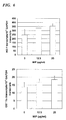
- rat MIF obtained in REFERENCE EXAMPLE 2 was further purified by filtering through Superdex 75 (Amersham Bioscience Corp.) using AKTA Purifier (Amersham Bioscience Corp.), endotoxin was removed using Detoxi-Gel (Pierce Chemical Co.). Next, it was examined if the purified MIF showed the ARE activation activity in the presence of Compound B which binds to MIF (cf., WO 02/18356 , REFERENCE EXAMPLE 1; see the formula below).
- Rat H9c2 cells were suspended in Dulbecco's Modified Eagle Medium containing 10% heat-inactivated fetal calf serum (10% FEBS, D-MEM medium) at 7 x 10 4 /ml, followed by incubation at 37°C for about 16 hours under 5% CO 2 .
- Dulbecco's Modified Eagle Medium containing 10% heat-inactivated fetal calf serum (10% FEBS, D-MEM medium) at 7 x 10 4 /ml, followed by incubation at 37°C for about 16 hours under 5% CO 2 .
- FuGENE6 Transfection reagent manufactured by Roche Inc.
- pGL3-Promoter Vector manufactured by Promega in which ARE (SEQ ID NO: 6) of rat glutathione S-transferase Ya subunit gene was integrated was transfected to the cells, followed by further incubation for about 7 hours.
- the cells were recovered and suspended in 10 % FBS-containing D-MEM at 1 x 10 5 /ml, and 100 ⁇ l each of the cells were plated on each well of a 96-well opaque plate (manufactured by Falcon), followed by incubation at 37°C for about 17 hours under 5% CO 2 .
- the medium was exchanged with 0.3% FBS-containing D-MEM.
- the medium was again exchanged with 0.3% FBS-containing D-MEM, followed by incubation at 37°C for about 5 hours under 5% CO 2 .
- Compound B and rat MIF were added to the medium, which was then incubated at 37°C for about 24 hours under 5% CO 2 . After completion of the incubation, 80 ⁇ l each of Steady-Glo Reagent (manufactured by Promega) was added to each well and allowed to stand at room temperature for 40 minutes. Thereafter the luminescence levels emitted by luciferase were assayed using WALLAC ARVO SX (manufactured by Perkin Elmer).
- Neonates (within one day after birth) were obtained from pregnant Wistar rats purchased from Charles River Japan, Inc. and anesthetized with ether. After sterilization with 70% ethanol, the heart was removed with forceps. After washing with phosphate buffered saline (manufactured by Takara Co., Ltd., T900), the heart removed was minced with surgical scissors. The tissue pieces were washed 4 or 5 times with phosphate buffered saline to remove most of non-cardiomyocytes derived from blood.
- the thus collected cells corresponding to 10 neonates were suspended in 50 ml of Medium 199 containing 10% fetal calf serum, and 10 ml each of the suspension was seeded on a 100 mm Petri dish (manufactured by Iwaki Co., Ltd.), followed by incubation for an hour in a CO 2 incubator set at 37°C and 5% CO 2 . Thereafter, the non-adherent cells were filtered through a cell strainer and then centrifuged at 400 x g for 5 minutes to collect the cells.
- the collected cells were suspended in 2 ml of a hypotonic solution [solution obtained by dissolving NH 4 Cl (8.29 g), KHCO 3 (1.0 g) and EDTA/2Na (ethylenediaminetetraacetic acid disodium; manufactured by Dojin Chemical Research Laboratories) (37 mg) in water (1 L)].
- the suspension was allowed to stand for 3 minutes to disrupt erythrocytes.
- 10 ml of Medium 199 containing 10% fetal calf serum was added to the suspension, the mixture was centrifuged at 400 x g for 5 minutes and the collected cells were used as cardiomyocytes.
- cardiomyocytes derived from rat neonates were suspended in Medium 199 containing 10% fetal calf serum in 3 x 10 5 cells/ml, the suspension was plated on a 48-well plate in 0.5 ml/well, followed by incubation for a day in a CO 2 incubator set at 37°C and 5% CO 2 . After stirring with a micromixer (manufactured by Taiyo Kagaku Kogyo Co., Ltd.), the medium was replaced 3 times with serum-free Medium 199 to remove serum and rat MIF was added thereto. After incubation for further an hour, 10 ⁇ M NOR3
- the rat MIF used was the one obtained by gel-filtering the rat MIF obtained in REFERENCE EXAMPLE 2 through Superdex 75 (manufactured by Amersham Bioscience) using AKTA purifier (manufactured by Amersham Bioscience) and then removing endotoxin by Detoxi-Gel (Pierce Chemical Co.).
- HO-1 mRNA and GST Ya mRNA were determined for the mRNA, 4 hours after and 7 hours after the addition of MIF, respectively, using the recovered mRNA.
Landscapes
- Health & Medical Sciences (AREA)
- Life Sciences & Earth Sciences (AREA)
- Medicinal Chemistry (AREA)
- Chemical & Material Sciences (AREA)
- Pharmacology & Pharmacy (AREA)
- Animal Behavior & Ethology (AREA)
- General Health & Medical Sciences (AREA)
- Public Health (AREA)
- Veterinary Medicine (AREA)
- Chemical Kinetics & Catalysis (AREA)
- General Chemical & Material Sciences (AREA)
- Nuclear Medicine, Radiotherapy & Molecular Imaging (AREA)
- Organic Chemistry (AREA)
- Engineering & Computer Science (AREA)
- Bioinformatics & Cheminformatics (AREA)
- Epidemiology (AREA)
- Physical Education & Sports Medicine (AREA)
- Immunology (AREA)
- Rheumatology (AREA)
- Diabetes (AREA)
- Proteomics, Peptides & Aminoacids (AREA)
- Gastroenterology & Hepatology (AREA)
- Zoology (AREA)
- Orthopedic Medicine & Surgery (AREA)
- Communicable Diseases (AREA)
- Oncology (AREA)
- Heart & Thoracic Surgery (AREA)
- Obesity (AREA)
- Pain & Pain Management (AREA)
- Neurology (AREA)
- Toxicology (AREA)
- Biomedical Technology (AREA)
- Cardiology (AREA)
- Neurosurgery (AREA)
- Hematology (AREA)
- Endocrinology (AREA)
- Emergency Medicine (AREA)
- Urology & Nephrology (AREA)
- Medicines That Contain Protein Lipid Enzymes And Other Medicines (AREA)
- Pharmaceuticals Containing Other Organic And Inorganic Compounds (AREA)
Applications Claiming Priority (2)
| Application Number | Priority Date | Filing Date | Title |
|---|---|---|---|
| JP2006257487 | 2006-09-22 | ||
| PCT/JP2007/069141 WO2008035823A1 (fr) | 2006-09-22 | 2007-09-21 | Inhibiteur de mort cellulaire |
Publications (2)
| Publication Number | Publication Date |
|---|---|
| EP2065053A1 true EP2065053A1 (fr) | 2009-06-03 |
| EP2065053A4 EP2065053A4 (fr) | 2011-07-27 |
Family
ID=39200636
Family Applications (1)
| Application Number | Title | Priority Date | Filing Date |
|---|---|---|---|
| EP07828882A Withdrawn EP2065053A4 (fr) | 2006-09-22 | 2007-09-21 | Inhibiteur de mort cellulaire |
Country Status (4)
| Country | Link |
|---|---|
| US (1) | US9044483B2 (fr) |
| EP (1) | EP2065053A4 (fr) |
| JP (1) | JP5250419B2 (fr) |
| WO (1) | WO2008035823A1 (fr) |
Families Citing this family (2)
| Publication number | Priority date | Publication date | Assignee | Title |
|---|---|---|---|---|
| US9643922B2 (en) * | 2008-08-18 | 2017-05-09 | Yale University | MIF modulators |
| US9540322B2 (en) | 2008-08-18 | 2017-01-10 | Yale University | MIF modulators |
Family Cites Families (7)
| Publication number | Priority date | Publication date | Assignee | Title |
|---|---|---|---|---|
| EP1325918A4 (fr) | 2000-08-31 | 2004-03-10 | Takeda Chemical Industries Ltd | Inhibiteurs de l'apoptose des cellules du muscle cardiaque et agents therapeutiques/prophylactiques contre les maladies cardiaques |
| CA2459224C (fr) * | 2001-09-03 | 2012-05-08 | Takeda Chemical Industries, Ltd. | Derives de 1,3-benzothiazinone et leurs utilisations |
| JP4413523B2 (ja) * | 2002-04-26 | 2010-02-10 | 武田薬品工業株式会社 | 細胞死抑制剤 |
| EP1500402A4 (fr) * | 2002-04-26 | 2009-12-30 | Takeda Pharmaceutical | Inhibiteur de la mort cellulaire |
| WO2004060881A1 (fr) * | 2002-12-05 | 2004-07-22 | Takeda Pharmaceutical Company Limited | Derives de 1,3-benzothiazinone, leur procede de production et leur utilisation |
| JP2004196792A (ja) * | 2002-12-05 | 2004-07-15 | Takeda Chem Ind Ltd | 1,3−ベンゾチアジノン誘導体、その製造法および用途 |
| JPWO2006132438A1 (ja) | 2005-06-09 | 2009-01-08 | 武田薬品工業株式会社 | 1,3−ベンゾチアジノン誘導体およびその用途 |
-
2007
- 2007-09-21 JP JP2008535424A patent/JP5250419B2/ja not_active Expired - Fee Related
- 2007-09-21 EP EP07828882A patent/EP2065053A4/fr not_active Withdrawn
- 2007-09-21 US US12/442,091 patent/US9044483B2/en not_active Expired - Fee Related
- 2007-09-21 WO PCT/JP2007/069141 patent/WO2008035823A1/fr not_active Ceased
Also Published As
| Publication number | Publication date |
|---|---|
| EP2065053A4 (fr) | 2011-07-27 |
| US9044483B2 (en) | 2015-06-02 |
| JP5250419B2 (ja) | 2013-07-31 |
| US20090270326A1 (en) | 2009-10-29 |
| WO2008035823A1 (fr) | 2008-03-27 |
| JPWO2008035823A1 (ja) | 2010-01-28 |
Similar Documents
| Publication | Publication Date | Title |
|---|---|---|
| KR102061353B1 (ko) | 인간 ezh2의 억제제 및 이의 사용 방법 | |
| ES3059247T3 (en) | Inhibitors of sarm1 | |
| US20240307359A1 (en) | Method of screening for agents for differentiating stem cells | |
| ES3028093T3 (en) | Inhibitors of sarm1 | |
| JP2022050493A (ja) | 癌を治療する方法における使用のための毛細血管拡張性運動失調症の変異したRad3関連タンパク質キナーゼ(ATR)の阻害剤 | |
| Abate et al. | Elements in support of the ‘non-identity’of the PGRMC1 protein with the σ2 receptor | |
| CN113164508A (zh) | 与神经保护剂组合的sarm1抑制剂 | |
| CN101495116A (zh) | 蛋白降解病症的治疗 | |
| Han et al. | A series of beta-carboline derivatives inhibit the kinase activity of PLKs | |
| US9861679B2 (en) | Method of treating cancer | |
| EA029017B1 (ru) | ДВОЙНЫЕ СЕЛЕКТИВНЫЕ ИНГИБИТОРЫ PI3-КИНАЗ δ И γ | |
| US8173360B2 (en) | Cell death inhibitor | |
| JP6357292B2 (ja) | Cnksr1を阻害するための方法及び組成物 | |
| WO2017189553A1 (fr) | Élimination de macrophages associés à la sénescence | |
| Li et al. | Antitumor activity of a novel dual functional podophyllotoxin derivative involved PI3K/AKT/mTOR pathway | |
| WO2015179955A1 (fr) | Inhibiteurs d'uba5 | |
| US9044483B2 (en) | Cell death inhibition by macrophage migration inhibitory factor and a binding substance thereto | |
| JP6264685B2 (ja) | マルチキナーゼ阻害剤、抗癌剤、抗転移剤、薬剤耐性抑制剤、疼痛抑制剤及び止痒薬 | |
| WO2013052006A1 (fr) | Inhibiteurs de parp-1 | |
| JP2009521928A (ja) | 神経細胞変性疾患の治療に有用な化合物を特定する方法 | |
| Gioeli | The promise of novel androgen receptor antagonists | |
| JP4718453B2 (ja) | Gタンパク質共役型レセプタータンパク質の新規リガンドとその用途 | |
| WO2011034896A2 (fr) | Inhibiteurs à petites molécules de l'interaction alpha4-paxilline | |
| Petsri et al. | DH_27, a right-half derivative of renieramycin T, induce apoptosis through inhibition of mTOR signaling for lung cancer suppression | |
| Choo | The impact of the integrated stress response on DNA replication |
Legal Events
| Date | Code | Title | Description |
|---|---|---|---|
| PUAI | Public reference made under article 153(3) epc to a published international application that has entered the european phase |
Free format text: ORIGINAL CODE: 0009012 |
|
| 17P | Request for examination filed |
Effective date: 20090320 |
|
| AK | Designated contracting states |
Kind code of ref document: A1 Designated state(s): AT BE BG CH CY CZ DE DK EE ES FI FR GB GR HU IE IS IT LI LT LU LV MC MT NL PL PT RO SE SI SK TR |
|
| AX | Request for extension of the european patent |
Extension state: AL BA HR MK RS |
|
| A4 | Supplementary search report drawn up and despatched |
Effective date: 20110624 |
|
| DAX | Request for extension of the european patent (deleted) | ||
| 17Q | First examination report despatched |
Effective date: 20130513 |
|
| RIC1 | Information provided on ipc code assigned before grant |
Ipc: A61K 45/00 20060101AFI20160729BHEP Ipc: A61P 9/00 20060101ALI20160729BHEP Ipc: A61K 31/5415 20060101ALI20160729BHEP Ipc: A61K 38/19 20060101ALI20160729BHEP |
|
| GRAP | Despatch of communication of intention to grant a patent |
Free format text: ORIGINAL CODE: EPIDOSNIGR1 |
|
| INTG | Intention to grant announced |
Effective date: 20160922 |
|
| STAA | Information on the status of an ep patent application or granted ep patent |
Free format text: STATUS: THE APPLICATION IS DEEMED TO BE WITHDRAWN |
|
| 18D | Application deemed to be withdrawn |
Effective date: 20170203 |