EP2065785A1 - Leistungssteuerungsverfahren für tragbare elektronische Geräte - Google Patents
Leistungssteuerungsverfahren für tragbare elektronische Geräte Download PDFInfo
- Publication number
- EP2065785A1 EP2065785A1 EP08016466A EP08016466A EP2065785A1 EP 2065785 A1 EP2065785 A1 EP 2065785A1 EP 08016466 A EP08016466 A EP 08016466A EP 08016466 A EP08016466 A EP 08016466A EP 2065785 A1 EP2065785 A1 EP 2065785A1
- Authority
- EP
- European Patent Office
- Prior art keywords
- electronic device
- handheld electronic
- normal vector
- downward direction
- component
- Prior art date
- Legal status (The legal status is an assumption and is not a legal conclusion. Google has not performed a legal analysis and makes no representation as to the accuracy of the status listed.)
- Granted
Links
Images

Classifications
-
- G—PHYSICS
- G06—COMPUTING OR CALCULATING; COUNTING
- G06F—ELECTRIC DIGITAL DATA PROCESSING
- G06F1/00—Details not covered by groups G06F3/00 - G06F13/00 and G06F21/00
- G06F1/26—Power supply means, e.g. regulation thereof
- G06F1/32—Means for saving power
- G06F1/3203—Power management, i.e. event-based initiation of a power-saving mode
-
- G—PHYSICS
- G06—COMPUTING OR CALCULATING; COUNTING
- G06F—ELECTRIC DIGITAL DATA PROCESSING
- G06F1/00—Details not covered by groups G06F3/00 - G06F13/00 and G06F21/00
- G06F1/16—Constructional details or arrangements
- G06F1/1613—Constructional details or arrangements for portable computers
- G06F1/1626—Constructional details or arrangements for portable computers with a single-body enclosure integrating a flat display, e.g. Personal Digital Assistants [PDAs]
-
- G—PHYSICS
- G06—COMPUTING OR CALCULATING; COUNTING
- G06F—ELECTRIC DIGITAL DATA PROCESSING
- G06F1/00—Details not covered by groups G06F3/00 - G06F13/00 and G06F21/00
- G06F1/16—Constructional details or arrangements
- G06F1/1613—Constructional details or arrangements for portable computers
- G06F1/1633—Constructional details or arrangements of portable computers not specific to the type of enclosures covered by groups G06F1/1615 - G06F1/1626
- G06F1/1684—Constructional details or arrangements related to integrated I/O peripherals not covered by groups G06F1/1635 - G06F1/1675
-
- H—ELECTRICITY
- H04—ELECTRIC COMMUNICATION TECHNIQUE
- H04W—WIRELESS COMMUNICATION NETWORKS
- H04W52/00—Power management, e.g. Transmission Power Control [TPC] or power classes
- H04W52/02—Power saving arrangements
- H04W52/0209—Power saving arrangements in terminal devices
- H04W52/0251—Power saving arrangements in terminal devices using monitoring of local events, e.g. events related to user activity
- H04W52/0254—Power saving arrangements in terminal devices using monitoring of local events, e.g. events related to user activity detecting a user operation or a tactile contact or a motion of the device
-
- H—ELECTRICITY
- H04—ELECTRIC COMMUNICATION TECHNIQUE
- H04M—TELEPHONIC COMMUNICATION
- H04M2250/00—Details of telephonic subscriber devices
- H04M2250/12—Details of telephonic subscriber devices including a sensor for measuring a physical value, e.g. temperature or motion
-
- Y—GENERAL TAGGING OF NEW TECHNOLOGICAL DEVELOPMENTS; GENERAL TAGGING OF CROSS-SECTIONAL TECHNOLOGIES SPANNING OVER SEVERAL SECTIONS OF THE IPC; TECHNICAL SUBJECTS COVERED BY FORMER USPC CROSS-REFERENCE ART COLLECTIONS [XRACs] AND DIGESTS
- Y02—TECHNOLOGIES OR APPLICATIONS FOR MITIGATION OR ADAPTATION AGAINST CLIMATE CHANGE
- Y02D—CLIMATE CHANGE MITIGATION TECHNOLOGIES IN INFORMATION AND COMMUNICATION TECHNOLOGIES [ICT], I.E. INFORMATION AND COMMUNICATION TECHNOLOGIES AIMING AT THE REDUCTION OF THEIR OWN ENERGY USE
- Y02D30/00—Reducing energy consumption in communication networks
- Y02D30/70—Reducing energy consumption in communication networks in wireless communication networks
Definitions
- the present invention relates to a power management method, and in particular, to a power management method using a G-sensor.
- handheld electronic devices such as a mobile phone, a personal digital assistant (PDA), and a note book have integrated a greater number of functions. Besides functions such as making calls, sending/receiving messages, and making notes, surfing the Internet and receiving/sending e-mails also have become basic functions of the handheld electronic devices in the current market. Multiple functions not only can facilitate people's life but also can provide entertainments, and thus the handheld electronic devices have become one of the most popular high-tech electronic products in the current market.
- PDA personal digital assistant
- the handheld electronic devices are intended for use in the outdoors. Under such a circumstance where there is no external power supply available to the handheld electronic device, the only power source available to the handheld electronic device is the battery installed in the device. Accordingly, power management is one of the most important issues for the handheld electronic devices. How to control the handheld electronic devices to enter a power saving mode timely according to the users' usage condition for improving the efficiency of the battery and for extending the lifetime of the battery is crucial for the power management.
- the user has to set up a predetermined period of time on their own.
- the handheld electronic device enters the power saving mode only when the user has not operated the handheld electronic device for more than the predetermined time.
- the above-mentioned method controls the handheld electronic device to enter the power saving mode after the handheld electronic device operates in a normal operating mode for a period of time, so quite some power is wasted.
- the user can also control the handheld electronic device to enter the power saving mode by selecting the power saving function from layered menus when the user wants to stop using the handheld electronic device.
- the manual control method wastes time, but the operating procedures are complicated, so that the user often feels troublesome and would rather not to use the power saving function. Therefore, the effect of power saving can not be carried out eventually.
- the present invention provides a power management method for a handheld electronic device, in which a G-sensor is used for detecting an inclined status of the handheld electronic device, so as to determine whether a power saving mode should be entered for saving electric power.
- the present invention provides a power management method for the handheld electronic device.
- a G-sensor is used for detecting a normal vector of a plane of the handheld electronic device and then the normal vector is determined whether being directed toward a downward direction. If the normal vector is directed toward the downward direction, then the handheld electronic device is controlled to enter a power saving mode.
- the plane of the above-mentioned handheld electronic device preferably is the plane including a screen of the handheld electronic device when the handheld electronic device is laid horizontally.
- the normal vector preferably includes an x component, a y component, and a z component.
- the step of determining whether the normal vector is directed toward the downward direction includes determining whether the z component of the normal vector is negative, and the x component and y component fall within a specific range respectively.
- the normal vector is determined as being directed toward the downward direction when the z component of the normal vector is negative and the x component and y component fall within the specific range.
- the present invention preferably includes determining whether the normal vector is directed to the downward direction for more than a first time period.
- the handheld electronic device is controlled to enter the power saving mode when the normal vector is directed to the downward direction for more than the first time period.
- the above-mentioned method further includes continuing to detect the normal vector of the plane of the handheld electronic device and determining whether the normal vector deviates from the downward direction.
- the handheld electronic device is controlled to resume a normal operating mode when the normal vector deviates from the downward direction.
- the present invention further includes determining whether the normal vector deviates from the downward direction for more than a second time period.
- the handheld electronic device is controlled to resume the normal operating mode when the normal vector deviates from the downward direction for more than the second time period.
- the handheld electronic device entering the power saving mode is controled by an operating system of the handheld device, and the handheld electronic device resuming the normal operating mode is controled by an embedded controller of the handheld electronic device.
- the power saving mode includes a sleep mode, a hibernate mode, a silent mode, or a mute mode.
- the above-mentioned handheld electronic device includes a mobile phone, a smart phone, a personal digital assistance (PDA) phone, or an ultra-mobile personal computer (UMPC).
- PDA personal digital assistance
- UMPC ultra-mobile personal computer
- the G-sensor is used to detect the value of the normal vector of the front plane of the handheld electronic device.
- the value of the normal vector is then used to determine whether the front plane of the handheld electronic device is directed toward the downward direction, so as to control the handheld electronic device to enter the power saving mode without going through the complicated operating procedures such as selecting menus, and thereby a more intuitive and convenient way for power management is provided.
- Fig. 1 is a block diagram of a handheld electronic device according to one embodiment of the present invention.
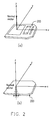
- Fig. 2 is schematic view illustrating a normal vector of a plane of the handheld electronic device according to one embodiment of the present invention.
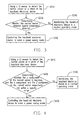
- Fig. 3 is a flowchart illustrating a power management method for the handheld electronic device according to one embodiment of the present invention.
- Fig. 4 is a flowchart illustrating the power management method for the handheld electronic device according to one embodiment of the present invention.
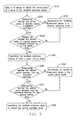
- Fig. 5 is a flowchart illustrating the power management method for the handheld electronic device according to one embodiment of the present invention.
- a front plane i.e. the plane having a screen
- the user stop operating the device, and place it on a table or other objects, the user often places the front plane of the device upwards.
- the user can place the front plane of the device downward.
- the device is a flip-open type (clam shall type) handheld electronic device, the user may also place an upper lid having the screen upwards or inclined upwardly when the device is in use. When the user does not want to use the device, he/she may place the upper lid having the screen downward or close it to prevent others from seeing the content on the screen.
- the present invention provides a power management method for a handheld electronic device, which is developed from the above-mentioned concept. In order to make the present invention more comprehensible, embodiments are described below as the examples to prove that the invention can actually be realized.
- Fig. 1 is a block diagram of the handheld electronic device according to one embodiment of the present invention.
- the handheld electronic device 100 of the present invention includes a system board 110, a screen 120, an embedded controller 130, a G-sensor 140, and an operating system 150.
- the handheld electronic device 100 includes, for example, a mobile phone, a smart phone, a touch phone, a PDA phone, or an ultra-mobile PC (UMPC), and the scope of types of the handheld electronic device 100 has no limitation.
- UMPC ultra-mobile PC
- the G-sensor 140 is disposed in the handheld electronic device 100 for detecting a normal vector of a plane of the handheld electronic device 100.
- the plane includes, for example, the screen of the handheld electronic device when the handheld electronic device is laid horizontally, or the plane includes an upper lid having the screen of the handheld electronic device when a flip-open type handheld electronic device is in use.
- Fig. 2 is schematic view illustrating the normal vector of the plane of the handheld electronic device according to one embodiment of the present invention. Referring to Fig. 2(a) , which illustrates the status when a front plane of the handheld electronic device is placed upwards, a plane 200 is a plane having the screen and the normal vector is vertical to the plane 200 and has a component in a Z-axis direction.
- the plane 200 is a plane having the screen and the normal vector is vertical to the plane 200 and has a component opposite to the Z-axis direction.
- the detected value of the normal vector is transmitted to the operating system 150 through the embedded controller 130 and then is analyzed by the operating system 150, so as to determine whether the handheld electronic device should enter the power saving mode.
- the handheld electronic device is controlled to enter the power saving mode, and power saving functions such as switching off the screen 120, switching off the speaker (not shown in the figures), switching the handheld electronic device 100 to silent mode, and muting the ring of an incoming call are carried out when the operating system 150 determines that the normal vector is directed toward the downward direction. Otherwise, the handheld electronic device maintains the normal operating mode.
- the embedded controller 130 takes charge of the control of the handheld electronic device 100, and the G-sensor 140 continues to detect the normal vector of the plane of the handheld electronic device 100.
- the embedded controller 130 controls the handheld electronic device to resume the normal operating mode and returns the control of the handheld electronic device back to the operating system 150, so that the users can operate the handheld electronic device.
- Another embodiment is exemplified hereinafter to describe the detailed steps of the power management method of the handheld electronic device 100.
- Fig. 3 is a flowchart illustrating the power management method for the handheld electronic device according to one embodiment of the present invention.
- the present embodiment can be applied to the handheld electronic device 100 of the above-mentioned embodiments in order to control the handheld electronic device to enter to the power saving mode timely when the front plane of the handheld electronic device or the upper lid having the screen is determined as being directed toward the downward direction.
- the steps of the present embodiment are as follows:
- a G-sensor is used for detecting the normal vector of a plane of the handheld electronic device.
- the plane (as the plane 200 shown in Fig. 2 ) includes the screen of the handheld electronic device when the handheld electronic device is laid horizontally.
- the normal vector is then transmitted to the operating system through the embedded controller and the system board for performing the subsequent analyses and processes.
- a step S320 whether the normal vector is directed toward a downward direction is determined by the operating system.
- the normal vector of the plane of the handheld electronic device includes an x component, a y component, and a z component.
- the x component and the y component are 0. Accordingly, whether the normal vector is directed toward the downward direction or an upward direction can be determined according to the value of the z component.
- the operating system determines that the value of the z component is negative, the normal vector can be determined as being directed toward the downward direction.
- the operating system further controls the handheld electronic device to enter the power saving mode when the normal vector is determined as being directed toward the downward direction.
- the handheld electronic device maintains the normal operating mode in a step S340 when it is determined that the normal vector is not directed toward the downward direction.
- the above-mentioned power saving mode includes a sleep mode, a hibernate mode, a silent mode, or a mute mode.
- the power saving mode can be designed according to different demands of the users, and therefore the scope of the power saving mode is not limited by the present embodiment.
- the handheld electronic device or the upper lid having the screen is directed toward the downward direction can be determined easily, so that the handheld electronic device can be controlled to enter to the power saving mode timely and power consumption can be reduced. It should be noted that the result of determining the direction of the normal vector of the handheld electronic device can vary with different angles at which the handheld electronic device is placed or can vary with variances in angle when the users carry the device around.
- the present invention provides solutions for the above-mentioned situations, and one embodiment is exemplified hereinafter for each of the above-mentioned solutions.
- Fig. 4 is a flowchart illustrating the power management method for the handheld electronic device according to one embodiment of the present invention.
- the present embodiment can be applied to the handheld electronic device 100 of the above-mentioned embodiments in order to control the handheld electronic device to enter the power saving mode timely when the front plane of the handheld electronic device or the upper lid having the screen is determined as being directed toward the downward direction.
- the difference between the above-mentioned embodiment and the present embodiment is that the present embodiment provides a buffering range to allow the handheld electronic device to achieve the same power saving effect when the normal vector of the front plane of the handheld electronic device is not exactly directed toward the vertically downward direction.
- the steps of the present embodiment are as follows:
- a G-sensor is used for detecting the normal vector of a plane of the handheld electronic device, wherein the plane includes the screen of the handheld electronic device when the handheld electronic device is laid horizontally.
- the normal vector is then transmitted to the operating system through the embedded controller and the system board for performing the subsequent analyses and processes.
- the normal vector of the handheld electronic device includes an x component, a y component, and a z component.
- the normal vector is determined as being directed toward the downward direction when the x component, y component are 0 and when the z component is negative.
- the front plane of the device is not always exactly placed toward the vertically downward direction. Accordingly, the normal vector of the front plane may include the x component or the y component (i.e. the x component and the y component may not be 0). Therefore, in a step S420, in addition to determining whether the z component of the normal vector is negative, whether the x component and the y component respectively fall within a specific range is determined.
- a step S430 when the z component of the normal vector is negative, and the x component and y component fall within the specific range, the normal vector is determined as being directed toward the downward direction, and the operating system further controls the handheld electronic device to enter the power saving mode.
- the handheld electronic device when the z component of the normal vector is not negative, or the x component or the y component does not fall within the specific range, the handheld electronic device maintains the normal operating mode.
- a specific range indicated by dotted lines is provided for the normal vector.
- the normal vector falls within the specific range, the normal vector is determined as being directed toward the downward direction, and thereby the handheld electronic device is controlled to enter the power saving mode.
- the flip-open type handheld electronic device when the flip-open type handheld electronic device is in use, if the upper lid having the screen is slightly inclined to the downward direction, the flip-open type handheld electronic device is not controlled to enter the power saving mode because the normal vector does not fall within the specific range.
- the device is controlled to enter the power saving mode.
- the present invention provides a buffering time to determine that the users really want the device to enter the power saving mode instead of placing the front plane of the device downward unknowingly.
- a buffering time to determine that the users really want the device to enter the power saving mode instead of placing the front plane of the device downward unknowingly.
- Fig. 5 is a flowchart illustrating the power management method for the handheld electronic device according to one embodiment of the present invention.
- the present embodiment can be applied to the handheld electronic device 100 of the above-mentioned embodiments in order to control the handheld electronic device to enter to the power saving mode timely when the front plane of the handheld electronic device is determined as being directed toward the downward direction.
- the difference between the present embodiment and the above-mentioned embodiments is that the present embodiment provides a buffering time, so that only after it is determined that the front plane of the handheld electronic device has been directed toward the downward direction for a period of time, the status that the users would like to switch off the device temporarily can be determined. Accordingly, the device is controlled to enter the power saving mode.
- a G-sensor is used for detecting the normal vector of a plane of the handheld electronic device.
- the plane includes the screen of the handheld electronic device when the handheld electronic device is laid horizontally.
- the normal vector is then transmitted to the operating system through the embedded controller and the system board for performing the subsequent analyses and processes.
- a step S520 whether the normal vector is directed toward the downward direction is determined by the operating system.
- the detailed step of determining whether the normal vector is directed toward the downward direction is the same as or similar to those of the above-mentioned embodiments, so is not repeated herein.
- step S530 When the normal vector is determined as being directed toward the downward direction, whether the normal vector is directed toward the downward direction for a first time period is further determined in a step S530.
- step S540 when the normal vector is directed toward the downward direction and lasts for more than the first time period, the handheld electronic device is controlled to enter the power saving mode.
- step S550 when the normal vector deviates from the downward direction before the time period, the handheld electronic device is not controlled to enter the power saving mode and the handheld electronic device still maintains the normal operating mode.
- the present embodiment further includes steps of switching on the device when the user wants to use the device again after the device enters the power saving mode.
- the embedded controller takes charge of the device.
- the G-sensor of the device continues to detect the normal vector of the plane of the handheld electronic device.
- the value of the normal vector is transmitted to the embedded controller to determine whether the normal vector deviates from the downward direction.
- the embedded controller further determines whether the normal vector deviates from the downward direction for more than the second time period.
- the embedded controller controls the handheld electronic device to resume the normal operating mode.
- the handheld electronic device maintains the power saving mode if it is determined that the normal vector does not deviate from the downward direction or the normal vector does not deviate from the downward direction for more than the second time period.
- the power management method for the handheld electronic device determines whether the handheld electronic device should enter the power saving mode.
- the front plane of the handheld electronic device is placed toward the downward direction, it is determined that the user does not want to use the device temporarily, so that the device is controlled to enter the power saving mode for reducing power consumption.
- the front plane of the handheld electronic device deviates from the downward direction, it is determined that the user wants to use the device again, so that the device is controlled to resume the normal operating mode.
Landscapes
- Engineering & Computer Science (AREA)
- Theoretical Computer Science (AREA)
- Computer Hardware Design (AREA)
- Physics & Mathematics (AREA)
- General Engineering & Computer Science (AREA)
- General Physics & Mathematics (AREA)
- Human Computer Interaction (AREA)
- Computer Networks & Wireless Communication (AREA)
- Signal Processing (AREA)
- Power Sources (AREA)
- Telephone Function (AREA)
- User Interface Of Digital Computer (AREA)
Applications Claiming Priority (1)
| Application Number | Priority Date | Filing Date | Title |
|---|---|---|---|
| TW096144990A TWI373708B (en) | 2007-11-27 | 2007-11-27 | Power management method for handheld electronic device |
Publications (2)
| Publication Number | Publication Date |
|---|---|
| EP2065785A1 true EP2065785A1 (de) | 2009-06-03 |
| EP2065785B1 EP2065785B1 (de) | 2017-07-19 |
Family
ID=39929932
Family Applications (1)
| Application Number | Title | Priority Date | Filing Date |
|---|---|---|---|
| EP08016466.8A Active EP2065785B1 (de) | 2007-11-27 | 2008-09-18 | Leistungssteuerungsverfahren für eine tragbare elektronische Vorrichtung. |
Country Status (3)
| Country | Link |
|---|---|
| US (1) | US8117471B2 (de) |
| EP (1) | EP2065785B1 (de) |
| TW (1) | TWI373708B (de) |
Cited By (1)
| Publication number | Priority date | Publication date | Assignee | Title |
|---|---|---|---|---|
| US10198025B2 (en) | 2010-07-02 | 2019-02-05 | Nokia Technologies Oy | Apparatus and method for detecting a rocking movement of an electronic device and execute a function in response to the detected movement |
Families Citing this family (191)
| Publication number | Priority date | Publication date | Assignee | Title |
|---|---|---|---|---|
| US8645137B2 (en) | 2000-03-16 | 2014-02-04 | Apple Inc. | Fast, language-independent method for user authentication by voice |
| US8677377B2 (en) | 2005-09-08 | 2014-03-18 | Apple Inc. | Method and apparatus for building an intelligent automated assistant |
| US9318108B2 (en) | 2010-01-18 | 2016-04-19 | Apple Inc. | Intelligent automated assistant |
| US8977255B2 (en) | 2007-04-03 | 2015-03-10 | Apple Inc. | Method and system for operating a multi-function portable electronic device using voice-activation |
| US8213999B2 (en) * | 2007-11-27 | 2012-07-03 | Htc Corporation | Controlling method and system for handheld communication device and recording medium using the same |
| US10002189B2 (en) | 2007-12-20 | 2018-06-19 | Apple Inc. | Method and apparatus for searching using an active ontology |
| US9330720B2 (en) | 2008-01-03 | 2016-05-03 | Apple Inc. | Methods and apparatus for altering audio output signals |
| US8996376B2 (en) | 2008-04-05 | 2015-03-31 | Apple Inc. | Intelligent text-to-speech conversion |
| US10496753B2 (en) | 2010-01-18 | 2019-12-03 | Apple Inc. | Automatically adapting user interfaces for hands-free interaction |
| US20100030549A1 (en) | 2008-07-31 | 2010-02-04 | Lee Michael M | Mobile device having human language translation capability with positional feedback |
| US8676904B2 (en) | 2008-10-02 | 2014-03-18 | Apple Inc. | Electronic devices with voice command and contextual data processing capabilities |
| US9959870B2 (en) | 2008-12-11 | 2018-05-01 | Apple Inc. | Speech recognition involving a mobile device |
| US8886252B2 (en) * | 2008-12-22 | 2014-11-11 | Htc Corporation | Method and apparatus for automatically changing operating modes in a mobile device |
| TWI384845B (zh) * | 2008-12-31 | 2013-02-01 | Inventec Appliances Corp | 可攜式通訊裝置及其來電告知控制方法 |
| CN101848280A (zh) * | 2009-03-25 | 2010-09-29 | 深圳富泰宏精密工业有限公司 | 静音播放音乐的省电系统及方法 |
| US10255566B2 (en) | 2011-06-03 | 2019-04-09 | Apple Inc. | Generating and processing task items that represent tasks to perform |
| US9858925B2 (en) | 2009-06-05 | 2018-01-02 | Apple Inc. | Using context information to facilitate processing of commands in a virtual assistant |
| US10241644B2 (en) | 2011-06-03 | 2019-03-26 | Apple Inc. | Actionable reminder entries |
| US10241752B2 (en) | 2011-09-30 | 2019-03-26 | Apple Inc. | Interface for a virtual digital assistant |
| US20110040989A1 (en) * | 2009-06-22 | 2011-02-17 | David Keyes Keyes | Systems and methods for managing power consumption of mobile computing devices |
| US9431006B2 (en) | 2009-07-02 | 2016-08-30 | Apple Inc. | Methods and apparatuses for automatic speech recognition |
| US10705794B2 (en) | 2010-01-18 | 2020-07-07 | Apple Inc. | Automatically adapting user interfaces for hands-free interaction |
| US10679605B2 (en) | 2010-01-18 | 2020-06-09 | Apple Inc. | Hands-free list-reading by intelligent automated assistant |
| US10276170B2 (en) | 2010-01-18 | 2019-04-30 | Apple Inc. | Intelligent automated assistant |
| US10553209B2 (en) | 2010-01-18 | 2020-02-04 | Apple Inc. | Systems and methods for hands-free notification summaries |
| US8682667B2 (en) | 2010-02-25 | 2014-03-25 | Apple Inc. | User profiling for selecting user specific voice input processing information |
| US10762293B2 (en) | 2010-12-22 | 2020-09-01 | Apple Inc. | Using parts-of-speech tagging and named entity recognition for spelling correction |
| TWI423645B (zh) * | 2011-03-02 | 2014-01-11 | Nat Taichung Inst Of Technology | A smartphone that gives control commands in a user's dynamic mode of operation |
| US9262612B2 (en) | 2011-03-21 | 2016-02-16 | Apple Inc. | Device access using voice authentication |
| US10057736B2 (en) | 2011-06-03 | 2018-08-21 | Apple Inc. | Active transport based notifications |
| KR101892301B1 (ko) * | 2011-08-09 | 2018-09-28 | 엘지이노텍 주식회사 | 휴대 단말기 및 그의 자세를 검출하는 방법 |
| KR101340794B1 (ko) * | 2011-08-12 | 2013-12-11 | 엘지이노텍 주식회사 | 휴대용 단말기 및 그의 구동 방법 |
| US8994660B2 (en) | 2011-08-29 | 2015-03-31 | Apple Inc. | Text correction processing |
| TWI461897B (zh) * | 2011-11-16 | 2014-11-21 | Wistron Corp | 電源控制裝置及電子裝置 |
| KR101515629B1 (ko) | 2012-01-07 | 2015-04-27 | 삼성전자주식회사 | 플렉서블 표시부를 갖는 휴대단말의 이벤트 제공 방법 및 장치 |
| US10134385B2 (en) | 2012-03-02 | 2018-11-20 | Apple Inc. | Systems and methods for name pronunciation |
| US9483461B2 (en) | 2012-03-06 | 2016-11-01 | Apple Inc. | Handling speech synthesis of content for multiple languages |
| CN103324263B (zh) * | 2012-03-21 | 2016-06-15 | 神讯电脑(昆山)有限公司 | 电源管理方法及其装置 |
| US9280610B2 (en) | 2012-05-14 | 2016-03-08 | Apple Inc. | Crowd sourcing information to fulfill user requests |
| US10417037B2 (en) | 2012-05-15 | 2019-09-17 | Apple Inc. | Systems and methods for integrating third party services with a digital assistant |
| US9721563B2 (en) | 2012-06-08 | 2017-08-01 | Apple Inc. | Name recognition system |
| US9043619B2 (en) | 2012-06-19 | 2015-05-26 | Getac Technology Corporation | Method and apparatus for power management according to a situation mode |
| US9495129B2 (en) | 2012-06-29 | 2016-11-15 | Apple Inc. | Device, method, and user interface for voice-activated navigation and browsing of a document |
| US9576574B2 (en) | 2012-09-10 | 2017-02-21 | Apple Inc. | Context-sensitive handling of interruptions by intelligent digital assistant |
| US9547647B2 (en) | 2012-09-19 | 2017-01-17 | Apple Inc. | Voice-based media searching |
| DE112014000709B4 (de) | 2013-02-07 | 2021-12-30 | Apple Inc. | Verfahren und vorrichtung zum betrieb eines sprachtriggers für einen digitalen assistenten |
| US9368114B2 (en) | 2013-03-14 | 2016-06-14 | Apple Inc. | Context-sensitive handling of interruptions |
| WO2014144949A2 (en) | 2013-03-15 | 2014-09-18 | Apple Inc. | Training an at least partial voice command system |
| WO2014144579A1 (en) | 2013-03-15 | 2014-09-18 | Apple Inc. | System and method for updating an adaptive speech recognition model |
| US8989781B2 (en) | 2013-03-20 | 2015-03-24 | Htc Corporation | Portable electronic device and power-saving method therefor |
| US9582608B2 (en) | 2013-06-07 | 2017-02-28 | Apple Inc. | Unified ranking with entropy-weighted information for phrase-based semantic auto-completion |
| WO2014197336A1 (en) | 2013-06-07 | 2014-12-11 | Apple Inc. | System and method for detecting errors in interactions with a voice-based digital assistant |
| WO2014197334A2 (en) | 2013-06-07 | 2014-12-11 | Apple Inc. | System and method for user-specified pronunciation of words for speech synthesis and recognition |
| WO2014197335A1 (en) | 2013-06-08 | 2014-12-11 | Apple Inc. | Interpreting and acting upon commands that involve sharing information with remote devices |
| US10176167B2 (en) | 2013-06-09 | 2019-01-08 | Apple Inc. | System and method for inferring user intent from speech inputs |
| KR101959188B1 (ko) | 2013-06-09 | 2019-07-02 | 애플 인크. | 디지털 어시스턴트의 둘 이상의 인스턴스들에 걸친 대화 지속성을 가능하게 하기 위한 디바이스, 방법 및 그래픽 사용자 인터페이스 |
| KR101809808B1 (ko) | 2013-06-13 | 2017-12-15 | 애플 인크. | 음성 명령에 의해 개시되는 긴급 전화를 걸기 위한 시스템 및 방법 |
| KR101584590B1 (ko) | 2013-07-11 | 2016-01-13 | 삼성전자주식회사 | 어플리케이션을 표시하는 사용자 단말 장치 및 그 방법 |
| KR101749009B1 (ko) | 2013-08-06 | 2017-06-19 | 애플 인크. | 원격 디바이스로부터의 활동에 기초한 스마트 응답의 자동 활성화 |
| US10296160B2 (en) | 2013-12-06 | 2019-05-21 | Apple Inc. | Method for extracting salient dialog usage from live data |
| US9620105B2 (en) | 2014-05-15 | 2017-04-11 | Apple Inc. | Analyzing audio input for efficient speech and music recognition |
| US10592095B2 (en) | 2014-05-23 | 2020-03-17 | Apple Inc. | Instantaneous speaking of content on touch devices |
| US9502031B2 (en) | 2014-05-27 | 2016-11-22 | Apple Inc. | Method for supporting dynamic grammars in WFST-based ASR |
| WO2015184186A1 (en) | 2014-05-30 | 2015-12-03 | Apple Inc. | Multi-command single utterance input method |
| US9715875B2 (en) | 2014-05-30 | 2017-07-25 | Apple Inc. | Reducing the need for manual start/end-pointing and trigger phrases |
| US9760559B2 (en) | 2014-05-30 | 2017-09-12 | Apple Inc. | Predictive text input |
| US9734193B2 (en) | 2014-05-30 | 2017-08-15 | Apple Inc. | Determining domain salience ranking from ambiguous words in natural speech |
| US9785630B2 (en) | 2014-05-30 | 2017-10-10 | Apple Inc. | Text prediction using combined word N-gram and unigram language models |
| US10170123B2 (en) | 2014-05-30 | 2019-01-01 | Apple Inc. | Intelligent assistant for home automation |
| US9633004B2 (en) | 2014-05-30 | 2017-04-25 | Apple Inc. | Better resolution when referencing to concepts |
| US9842101B2 (en) | 2014-05-30 | 2017-12-12 | Apple Inc. | Predictive conversion of language input |
| US9430463B2 (en) | 2014-05-30 | 2016-08-30 | Apple Inc. | Exemplar-based natural language processing |
| US10289433B2 (en) | 2014-05-30 | 2019-05-14 | Apple Inc. | Domain specific language for encoding assistant dialog |
| US10078631B2 (en) | 2014-05-30 | 2018-09-18 | Apple Inc. | Entropy-guided text prediction using combined word and character n-gram language models |
| US10659851B2 (en) | 2014-06-30 | 2020-05-19 | Apple Inc. | Real-time digital assistant knowledge updates |
| US9338493B2 (en) | 2014-06-30 | 2016-05-10 | Apple Inc. | Intelligent automated assistant for TV user interactions |
| TWI509404B (zh) * | 2014-07-25 | 2015-11-21 | Quanta Comp Inc | 感測器之控制方法 |
| US10446141B2 (en) | 2014-08-28 | 2019-10-15 | Apple Inc. | Automatic speech recognition based on user feedback |
| US9818400B2 (en) | 2014-09-11 | 2017-11-14 | Apple Inc. | Method and apparatus for discovering trending terms in speech requests |
| US10789041B2 (en) | 2014-09-12 | 2020-09-29 | Apple Inc. | Dynamic thresholds for always listening speech trigger |
| US9606986B2 (en) | 2014-09-29 | 2017-03-28 | Apple Inc. | Integrated word N-gram and class M-gram language models |
| US10127911B2 (en) | 2014-09-30 | 2018-11-13 | Apple Inc. | Speaker identification and unsupervised speaker adaptation techniques |
| US9646609B2 (en) | 2014-09-30 | 2017-05-09 | Apple Inc. | Caching apparatus for serving phonetic pronunciations |
| US10074360B2 (en) | 2014-09-30 | 2018-09-11 | Apple Inc. | Providing an indication of the suitability of speech recognition |
| US9668121B2 (en) | 2014-09-30 | 2017-05-30 | Apple Inc. | Social reminders |
| US9886432B2 (en) | 2014-09-30 | 2018-02-06 | Apple Inc. | Parsimonious handling of word inflection via categorical stem + suffix N-gram language models |
| US10552013B2 (en) | 2014-12-02 | 2020-02-04 | Apple Inc. | Data detection |
| US9711141B2 (en) | 2014-12-09 | 2017-07-18 | Apple Inc. | Disambiguating heteronyms in speech synthesis |
| US9865280B2 (en) | 2015-03-06 | 2018-01-09 | Apple Inc. | Structured dictation using intelligent automated assistants |
| US10152299B2 (en) | 2015-03-06 | 2018-12-11 | Apple Inc. | Reducing response latency of intelligent automated assistants |
| US9721566B2 (en) | 2015-03-08 | 2017-08-01 | Apple Inc. | Competing devices responding to voice triggers |
| US10567477B2 (en) | 2015-03-08 | 2020-02-18 | Apple Inc. | Virtual assistant continuity |
| US9886953B2 (en) | 2015-03-08 | 2018-02-06 | Apple Inc. | Virtual assistant activation |
| US9899019B2 (en) | 2015-03-18 | 2018-02-20 | Apple Inc. | Systems and methods for structured stem and suffix language models |
| US9842105B2 (en) | 2015-04-16 | 2017-12-12 | Apple Inc. | Parsimonious continuous-space phrase representations for natural language processing |
| US10460227B2 (en) | 2015-05-15 | 2019-10-29 | Apple Inc. | Virtual assistant in a communication session |
| US10083688B2 (en) | 2015-05-27 | 2018-09-25 | Apple Inc. | Device voice control for selecting a displayed affordance |
| US10127220B2 (en) | 2015-06-04 | 2018-11-13 | Apple Inc. | Language identification from short strings |
| US10101822B2 (en) | 2015-06-05 | 2018-10-16 | Apple Inc. | Language input correction |
| US9578173B2 (en) | 2015-06-05 | 2017-02-21 | Apple Inc. | Virtual assistant aided communication with 3rd party service in a communication session |
| US11025565B2 (en) | 2015-06-07 | 2021-06-01 | Apple Inc. | Personalized prediction of responses for instant messaging |
| US10255907B2 (en) | 2015-06-07 | 2019-04-09 | Apple Inc. | Automatic accent detection using acoustic models |
| US10186254B2 (en) | 2015-06-07 | 2019-01-22 | Apple Inc. | Context-based endpoint detection |
| US20160378747A1 (en) | 2015-06-29 | 2016-12-29 | Apple Inc. | Virtual assistant for media playback |
| US10671428B2 (en) | 2015-09-08 | 2020-06-02 | Apple Inc. | Distributed personal assistant |
| US10747498B2 (en) | 2015-09-08 | 2020-08-18 | Apple Inc. | Zero latency digital assistant |
| US9697820B2 (en) | 2015-09-24 | 2017-07-04 | Apple Inc. | Unit-selection text-to-speech synthesis using concatenation-sensitive neural networks |
| US11010550B2 (en) | 2015-09-29 | 2021-05-18 | Apple Inc. | Unified language modeling framework for word prediction, auto-completion and auto-correction |
| US10366158B2 (en) | 2015-09-29 | 2019-07-30 | Apple Inc. | Efficient word encoding for recurrent neural network language models |
| US11587559B2 (en) | 2015-09-30 | 2023-02-21 | Apple Inc. | Intelligent device identification |
| US10691473B2 (en) | 2015-11-06 | 2020-06-23 | Apple Inc. | Intelligent automated assistant in a messaging environment |
| US10049668B2 (en) | 2015-12-02 | 2018-08-14 | Apple Inc. | Applying neural network language models to weighted finite state transducers for automatic speech recognition |
| US10223066B2 (en) | 2015-12-23 | 2019-03-05 | Apple Inc. | Proactive assistance based on dialog communication between devices |
| US10446143B2 (en) | 2016-03-14 | 2019-10-15 | Apple Inc. | Identification of voice inputs providing credentials |
| US9934775B2 (en) | 2016-05-26 | 2018-04-03 | Apple Inc. | Unit-selection text-to-speech synthesis based on predicted concatenation parameters |
| US9972304B2 (en) | 2016-06-03 | 2018-05-15 | Apple Inc. | Privacy preserving distributed evaluation framework for embedded personalized systems |
| US11227589B2 (en) | 2016-06-06 | 2022-01-18 | Apple Inc. | Intelligent list reading |
| US10249300B2 (en) | 2016-06-06 | 2019-04-02 | Apple Inc. | Intelligent list reading |
| US10049663B2 (en) | 2016-06-08 | 2018-08-14 | Apple, Inc. | Intelligent automated assistant for media exploration |
| DK179588B1 (en) | 2016-06-09 | 2019-02-22 | Apple Inc. | INTELLIGENT AUTOMATED ASSISTANT IN A HOME ENVIRONMENT |
| US10509862B2 (en) | 2016-06-10 | 2019-12-17 | Apple Inc. | Dynamic phrase expansion of language input |
| US10192552B2 (en) | 2016-06-10 | 2019-01-29 | Apple Inc. | Digital assistant providing whispered speech |
| US10067938B2 (en) | 2016-06-10 | 2018-09-04 | Apple Inc. | Multilingual word prediction |
| US10586535B2 (en) | 2016-06-10 | 2020-03-10 | Apple Inc. | Intelligent digital assistant in a multi-tasking environment |
| US10490187B2 (en) | 2016-06-10 | 2019-11-26 | Apple Inc. | Digital assistant providing automated status report |
| DK179415B1 (en) | 2016-06-11 | 2018-06-14 | Apple Inc | Intelligent device arbitration and control |
| DK201670540A1 (en) | 2016-06-11 | 2018-01-08 | Apple Inc | Application integration with a digital assistant |
| DK179049B1 (en) | 2016-06-11 | 2017-09-18 | Apple Inc | Data driven natural language event detection and classification |
| DK179343B1 (en) | 2016-06-11 | 2018-05-14 | Apple Inc | Intelligent task discovery |
| US10474753B2 (en) | 2016-09-07 | 2019-11-12 | Apple Inc. | Language identification using recurrent neural networks |
| US10043516B2 (en) | 2016-09-23 | 2018-08-07 | Apple Inc. | Intelligent automated assistant |
| US11281993B2 (en) | 2016-12-05 | 2022-03-22 | Apple Inc. | Model and ensemble compression for metric learning |
| US10593346B2 (en) | 2016-12-22 | 2020-03-17 | Apple Inc. | Rank-reduced token representation for automatic speech recognition |
| US11204787B2 (en) | 2017-01-09 | 2021-12-21 | Apple Inc. | Application integration with a digital assistant |
| US10417266B2 (en) | 2017-05-09 | 2019-09-17 | Apple Inc. | Context-aware ranking of intelligent response suggestions |
| DK201770383A1 (en) | 2017-05-09 | 2018-12-14 | Apple Inc. | USER INTERFACE FOR CORRECTING RECOGNITION ERRORS |
| US10726832B2 (en) | 2017-05-11 | 2020-07-28 | Apple Inc. | Maintaining privacy of personal information |
| DK201770439A1 (en) | 2017-05-11 | 2018-12-13 | Apple Inc. | Offline personal assistant |
| US10395654B2 (en) | 2017-05-11 | 2019-08-27 | Apple Inc. | Text normalization based on a data-driven learning network |
| DK179745B1 (en) | 2017-05-12 | 2019-05-01 | Apple Inc. | SYNCHRONIZATION AND TASK DELEGATION OF A DIGITAL ASSISTANT |
| DK201770428A1 (en) | 2017-05-12 | 2019-02-18 | Apple Inc. | LOW-LATENCY INTELLIGENT AUTOMATED ASSISTANT |
| DK179496B1 (en) | 2017-05-12 | 2019-01-15 | Apple Inc. | USER-SPECIFIC Acoustic Models |
| US11301477B2 (en) | 2017-05-12 | 2022-04-12 | Apple Inc. | Feedback analysis of a digital assistant |
| DK201770432A1 (en) | 2017-05-15 | 2018-12-21 | Apple Inc. | Hierarchical belief states for digital assistants |
| DK201770431A1 (en) | 2017-05-15 | 2018-12-20 | Apple Inc. | Optimizing dialogue policy decisions for digital assistants using implicit feedback |
| US10303715B2 (en) | 2017-05-16 | 2019-05-28 | Apple Inc. | Intelligent automated assistant for media exploration |
| US10403278B2 (en) | 2017-05-16 | 2019-09-03 | Apple Inc. | Methods and systems for phonetic matching in digital assistant services |
| DK179560B1 (en) | 2017-05-16 | 2019-02-18 | Apple Inc. | FAR-FIELD EXTENSION FOR DIGITAL ASSISTANT SERVICES |
| US10311144B2 (en) | 2017-05-16 | 2019-06-04 | Apple Inc. | Emoji word sense disambiguation |
| US10657328B2 (en) | 2017-06-02 | 2020-05-19 | Apple Inc. | Multi-task recurrent neural network architecture for efficient morphology handling in neural language modeling |
| US10445429B2 (en) | 2017-09-21 | 2019-10-15 | Apple Inc. | Natural language understanding using vocabularies with compressed serialized tries |
| US10755051B2 (en) | 2017-09-29 | 2020-08-25 | Apple Inc. | Rule-based natural language processing |
| US10636424B2 (en) | 2017-11-30 | 2020-04-28 | Apple Inc. | Multi-turn canned dialog |
| US10733982B2 (en) | 2018-01-08 | 2020-08-04 | Apple Inc. | Multi-directional dialog |
| US10733375B2 (en) | 2018-01-31 | 2020-08-04 | Apple Inc. | Knowledge-based framework for improving natural language understanding |
| US10789959B2 (en) | 2018-03-02 | 2020-09-29 | Apple Inc. | Training speaker recognition models for digital assistants |
| US10592604B2 (en) | 2018-03-12 | 2020-03-17 | Apple Inc. | Inverse text normalization for automatic speech recognition |
| US10818288B2 (en) | 2018-03-26 | 2020-10-27 | Apple Inc. | Natural assistant interaction |
| US10909331B2 (en) | 2018-03-30 | 2021-02-02 | Apple Inc. | Implicit identification of translation payload with neural machine translation |
| US10928918B2 (en) | 2018-05-07 | 2021-02-23 | Apple Inc. | Raise to speak |
| US11145294B2 (en) | 2018-05-07 | 2021-10-12 | Apple Inc. | Intelligent automated assistant for delivering content from user experiences |
| US10984780B2 (en) | 2018-05-21 | 2021-04-20 | Apple Inc. | Global semantic word embeddings using bi-directional recurrent neural networks |
| US11386266B2 (en) | 2018-06-01 | 2022-07-12 | Apple Inc. | Text correction |
| DK201870355A1 (en) | 2018-06-01 | 2019-12-16 | Apple Inc. | VIRTUAL ASSISTANT OPERATION IN MULTI-DEVICE ENVIRONMENTS |
| US10892996B2 (en) | 2018-06-01 | 2021-01-12 | Apple Inc. | Variable latency device coordination |
| DK179822B1 (da) | 2018-06-01 | 2019-07-12 | Apple Inc. | Voice interaction at a primary device to access call functionality of a companion device |
| DK180639B1 (en) | 2018-06-01 | 2021-11-04 | Apple Inc | DISABILITY OF ATTENTION-ATTENTIVE VIRTUAL ASSISTANT |
| US10504518B1 (en) | 2018-06-03 | 2019-12-10 | Apple Inc. | Accelerated task performance |
| US10573273B2 (en) * | 2018-06-13 | 2020-02-25 | Mapsted Corp. | Method and system for device placement based optimization techniques |
| US11010561B2 (en) | 2018-09-27 | 2021-05-18 | Apple Inc. | Sentiment prediction from textual data |
| US10839159B2 (en) | 2018-09-28 | 2020-11-17 | Apple Inc. | Named entity normalization in a spoken dialog system |
| US11462215B2 (en) | 2018-09-28 | 2022-10-04 | Apple Inc. | Multi-modal inputs for voice commands |
| US11170166B2 (en) | 2018-09-28 | 2021-11-09 | Apple Inc. | Neural typographical error modeling via generative adversarial networks |
| US11475898B2 (en) | 2018-10-26 | 2022-10-18 | Apple Inc. | Low-latency multi-speaker speech recognition |
| US11638059B2 (en) | 2019-01-04 | 2023-04-25 | Apple Inc. | Content playback on multiple devices |
| US11348573B2 (en) | 2019-03-18 | 2022-05-31 | Apple Inc. | Multimodality in digital assistant systems |
| US11475884B2 (en) | 2019-05-06 | 2022-10-18 | Apple Inc. | Reducing digital assistant latency when a language is incorrectly determined |
| DK201970509A1 (en) | 2019-05-06 | 2021-01-15 | Apple Inc | Spoken notifications |
| US11307752B2 (en) | 2019-05-06 | 2022-04-19 | Apple Inc. | User configurable task triggers |
| US11423908B2 (en) | 2019-05-06 | 2022-08-23 | Apple Inc. | Interpreting spoken requests |
| US11140099B2 (en) | 2019-05-21 | 2021-10-05 | Apple Inc. | Providing message response suggestions |
| US11289073B2 (en) | 2019-05-31 | 2022-03-29 | Apple Inc. | Device text to speech |
| DK180129B1 (en) | 2019-05-31 | 2020-06-02 | Apple Inc. | User activity shortcut suggestions |
| US11496600B2 (en) | 2019-05-31 | 2022-11-08 | Apple Inc. | Remote execution of machine-learned models |
| US11360641B2 (en) | 2019-06-01 | 2022-06-14 | Apple Inc. | Increasing the relevance of new available information |
| US11488406B2 (en) | 2019-09-25 | 2022-11-01 | Apple Inc. | Text detection using global geometry estimators |
| CN111586816A (zh) * | 2020-04-29 | 2020-08-25 | 上海创功通讯技术有限公司 | 一种增加移动终端待机时间的方法、移动终端及存储介质 |
| CN113286087B (zh) * | 2021-05-28 | 2022-09-02 | 杭州微影软件有限公司 | 一种屏幕控制方法、装置及一种热像仪 |
| CN113747552B (zh) * | 2021-06-18 | 2024-03-19 | 荣耀终端有限公司 | 一种功耗优化方法和电子设备 |
| US12596605B2 (en) * | 2023-11-09 | 2026-04-07 | Dell Products L.P. | Systems and methods for device ecosystem disruption notification following an accident |
| US20250181439A1 (en) * | 2023-11-30 | 2025-06-05 | Dell Products, L.P. | Handling contextual accident data in an information handling system (ihs) |
Citations (2)
| Publication number | Priority date | Publication date | Assignee | Title |
|---|---|---|---|---|
| US20020021278A1 (en) | 2000-07-17 | 2002-02-21 | Hinckley Kenneth P. | Method and apparatus using multiple sensors in a device with a display |
| US20060240866A1 (en) | 2005-04-25 | 2006-10-26 | Texas Instruments Incorporated | Method and system for controlling a portable communication device based on its orientation |
Family Cites Families (11)
| Publication number | Priority date | Publication date | Assignee | Title |
|---|---|---|---|---|
| US6408178B1 (en) * | 1999-03-29 | 2002-06-18 | Ericsson Inc. | Systems and methods for resolving GPS pseudo-range ambiguity |
| US6466198B1 (en) * | 1999-11-05 | 2002-10-15 | Innoventions, Inc. | View navigation and magnification of a hand-held device with a display |
| KR20040062289A (ko) * | 2003-01-02 | 2004-07-07 | 삼성전자주식회사 | 휴대용 컴퓨터 및 그 제어방법 |
| JP4091897B2 (ja) * | 2003-10-23 | 2008-05-28 | 松下電器産業株式会社 | 携帯無線機 |
| TWI248043B (en) | 2004-04-20 | 2006-01-21 | Wistron Corp | Electrical device capable of auto-adjusting display direction as a tilt of a display |
| US7469155B2 (en) | 2004-11-29 | 2008-12-23 | Cisco Technology, Inc. | Handheld communications device with automatic alert mode selection |
| JP4505740B2 (ja) * | 2005-05-16 | 2010-07-21 | ソニー株式会社 | 撮像装置及びその起動方法 |
| US20070004451A1 (en) * | 2005-06-30 | 2007-01-04 | C Anderson Eric | Controlling functions of a handheld multifunction device |
| JP2007233505A (ja) * | 2006-02-28 | 2007-09-13 | Toshiba Corp | 情報処理装置および制御方法 |
| JP4569510B2 (ja) | 2006-04-06 | 2010-10-27 | 日本電気株式会社 | 折り畳み式携帯端末装置及びその制御方法 |
| WO2008075082A1 (en) | 2006-12-21 | 2008-06-26 | Symbian Software Limited | Mobile device and method of operation thereof |
-
2007
- 2007-11-27 TW TW096144990A patent/TWI373708B/zh active
-
2008
- 2008-06-26 US US12/146,455 patent/US8117471B2/en active Active
- 2008-09-18 EP EP08016466.8A patent/EP2065785B1/de active Active
Patent Citations (2)
| Publication number | Priority date | Publication date | Assignee | Title |
|---|---|---|---|---|
| US20020021278A1 (en) | 2000-07-17 | 2002-02-21 | Hinckley Kenneth P. | Method and apparatus using multiple sensors in a device with a display |
| US20060240866A1 (en) | 2005-04-25 | 2006-10-26 | Texas Instruments Incorporated | Method and system for controlling a portable communication device based on its orientation |
Cited By (1)
| Publication number | Priority date | Publication date | Assignee | Title |
|---|---|---|---|---|
| US10198025B2 (en) | 2010-07-02 | 2019-02-05 | Nokia Technologies Oy | Apparatus and method for detecting a rocking movement of an electronic device and execute a function in response to the detected movement |
Also Published As
| Publication number | Publication date |
|---|---|
| US8117471B2 (en) | 2012-02-14 |
| TW200923636A (en) | 2009-06-01 |
| US20090138736A1 (en) | 2009-05-28 |
| EP2065785B1 (de) | 2017-07-19 |
| TWI373708B (en) | 2012-10-01 |
Similar Documents
| Publication | Publication Date | Title |
|---|---|---|
| US8117471B2 (en) | Power management method for handheld electronic device using G-sensor | |
| US8682277B2 (en) | Controlling method and system for handheld communication device and recording medium using the same | |
| CN101815127B (zh) | 移动终端及其屏幕视效调整方法 | |
| US8761844B2 (en) | Power consumption control apparatus in PDA phone | |
| CN101458557B (zh) | 手持电子装置的电源管理方法 | |
| CN101335941B (zh) | 移动通讯终端及其电量控制方法 | |
| EP2602981B1 (de) | Standby-verfahren für ein tragbares mobiles endgerät, mikroprozessor und mobiltelefon | |
| CN103309428B (zh) | 信息处理方法和电子设备 | |
| CN101667080A (zh) | 双屏幕显示装置及控制该装置进入省电模式的方法 | |
| CN107707761A (zh) | 一种信息提示方法及移动终端 | |
| US20100026914A1 (en) | Digital photo frame capable of automatically changing display mode | |
| CN104918310A (zh) | 一种快速省电移动终端及其快速省电方法 | |
| US20100048139A1 (en) | Battery power consumption control | |
| KR20120074648A (ko) | 전자기기의 터치 입력 방법 및 장치 | |
| US20130178199A1 (en) | Apparatus and method for providing shortcut service in portable terminal | |
| CN101146143A (zh) | 节能电子装置及节能方法 | |
| EP2075994A1 (de) | Tragbare elektronische Vorrichtung mit automatischer Umschaltung zwichen zwei Betriebsmoden | |
| JP2005354544A (ja) | 携帯機器 | |
| CN110572516B (zh) | 通话控制方法、装置、存储介质及终端设备 | |
| KR100442942B1 (ko) | 화상 이동통신 단말기의 통화모드에서 전원 제어를 통한배터리 소모량 절약방법 | |
| JP2008072464A (ja) | 通信端末装置およびその制御方法 | |
| CN112198955A (zh) | 省电处理方法、装置、存储介质及移动终端 | |
| KR101417766B1 (ko) | 휴대단말기의 상태 변화 시 기능을 전환하는 휴대단말기 및방법 | |
| CN100387083C (zh) | 一种具备画面控制功能的移动通信终端 | |
| JP2010278689A (ja) | 情報端末装置 |
Legal Events
| Date | Code | Title | Description |
|---|---|---|---|
| PUAI | Public reference made under article 153(3) epc to a published international application that has entered the european phase |
Free format text: ORIGINAL CODE: 0009012 |
|
| 17P | Request for examination filed |
Effective date: 20081009 |
|
| AK | Designated contracting states |
Kind code of ref document: A1 Designated state(s): AT BE BG CH CY CZ DE DK EE ES FI FR GB GR HR HU IE IS IT LI LT LU LV MC MT NL NO PL PT RO SE SI SK TR |
|
| AX | Request for extension of the european patent |
Extension state: AL BA MK RS |
|
| 17Q | First examination report despatched |
Effective date: 20090528 |
|
| AKX | Designation fees paid |
Designated state(s): AT BE BG CH CY CZ DE DK EE ES FI FR GB GR HR HU IE IS IT LI LT LU LV MC MT NL NO PL PT RO SE SI SK TR |
|
| RAP1 | Party data changed (applicant data changed or rights of an application transferred) |
Owner name: HTC CORPORATION |
|
| GRAP | Despatch of communication of intention to grant a patent |
Free format text: ORIGINAL CODE: EPIDOSNIGR1 |
|
| STAA | Information on the status of an ep patent application or granted ep patent |
Free format text: STATUS: GRANT OF PATENT IS INTENDED |
|
| INTG | Intention to grant announced |
Effective date: 20170208 |
|
| GRAS | Grant fee paid |
Free format text: ORIGINAL CODE: EPIDOSNIGR3 |
|
| GRAA | (expected) grant |
Free format text: ORIGINAL CODE: 0009210 |
|
| STAA | Information on the status of an ep patent application or granted ep patent |
Free format text: STATUS: THE PATENT HAS BEEN GRANTED |
|
| AK | Designated contracting states |
Kind code of ref document: B1 Designated state(s): AT BE BG CH CY CZ DE DK EE ES FI FR GB GR HR HU IE IS IT LI LT LU LV MC MT NL NO PL PT RO SE SI SK TR |
|
| REG | Reference to a national code |
Ref country code: GB Ref legal event code: FG4D |
|
| REG | Reference to a national code |
Ref country code: CH Ref legal event code: EP |
|
| REG | Reference to a national code |
Ref country code: IE Ref legal event code: FG4D |
|
| REG | Reference to a national code |
Ref country code: AT Ref legal event code: REF Ref document number: 910982 Country of ref document: AT Kind code of ref document: T Effective date: 20170815 |
|
| REG | Reference to a national code |
Ref country code: DE Ref legal event code: R096 Ref document number: 602008051142 Country of ref document: DE |
|
| REG | Reference to a national code |
Ref country code: FR Ref legal event code: PLFP Year of fee payment: 10 |
|
| REG | Reference to a national code |
Ref country code: NL Ref legal event code: FP |
|
| REG | Reference to a national code |
Ref country code: LT Ref legal event code: MG4D |
|
| REG | Reference to a national code |
Ref country code: AT Ref legal event code: MK05 Ref document number: 910982 Country of ref document: AT Kind code of ref document: T Effective date: 20170719 |
|
| PG25 | Lapsed in a contracting state [announced via postgrant information from national office to epo] |
Ref country code: HR Free format text: LAPSE BECAUSE OF FAILURE TO SUBMIT A TRANSLATION OF THE DESCRIPTION OR TO PAY THE FEE WITHIN THE PRESCRIBED TIME-LIMIT Effective date: 20170719 Ref country code: FI Free format text: LAPSE BECAUSE OF FAILURE TO SUBMIT A TRANSLATION OF THE DESCRIPTION OR TO PAY THE FEE WITHIN THE PRESCRIBED TIME-LIMIT Effective date: 20170719 Ref country code: AT Free format text: LAPSE BECAUSE OF FAILURE TO SUBMIT A TRANSLATION OF THE DESCRIPTION OR TO PAY THE FEE WITHIN THE PRESCRIBED TIME-LIMIT Effective date: 20170719 Ref country code: SE Free format text: LAPSE BECAUSE OF FAILURE TO SUBMIT A TRANSLATION OF THE DESCRIPTION OR TO PAY THE FEE WITHIN THE PRESCRIBED TIME-LIMIT Effective date: 20170719 Ref country code: LT Free format text: LAPSE BECAUSE OF FAILURE TO SUBMIT A TRANSLATION OF THE DESCRIPTION OR TO PAY THE FEE WITHIN THE PRESCRIBED TIME-LIMIT Effective date: 20170719 Ref country code: NO Free format text: LAPSE BECAUSE OF FAILURE TO SUBMIT A TRANSLATION OF THE DESCRIPTION OR TO PAY THE FEE WITHIN THE PRESCRIBED TIME-LIMIT Effective date: 20171019 |
|
| PG25 | Lapsed in a contracting state [announced via postgrant information from national office to epo] |
Ref country code: LV Free format text: LAPSE BECAUSE OF FAILURE TO SUBMIT A TRANSLATION OF THE DESCRIPTION OR TO PAY THE FEE WITHIN THE PRESCRIBED TIME-LIMIT Effective date: 20170719 Ref country code: ES Free format text: LAPSE BECAUSE OF FAILURE TO SUBMIT A TRANSLATION OF THE DESCRIPTION OR TO PAY THE FEE WITHIN THE PRESCRIBED TIME-LIMIT Effective date: 20170719 Ref country code: IS Free format text: LAPSE BECAUSE OF FAILURE TO SUBMIT A TRANSLATION OF THE DESCRIPTION OR TO PAY THE FEE WITHIN THE PRESCRIBED TIME-LIMIT Effective date: 20171119 Ref country code: GR Free format text: LAPSE BECAUSE OF FAILURE TO SUBMIT A TRANSLATION OF THE DESCRIPTION OR TO PAY THE FEE WITHIN THE PRESCRIBED TIME-LIMIT Effective date: 20171020 Ref country code: BG Free format text: LAPSE BECAUSE OF FAILURE TO SUBMIT A TRANSLATION OF THE DESCRIPTION OR TO PAY THE FEE WITHIN THE PRESCRIBED TIME-LIMIT Effective date: 20171019 Ref country code: PL Free format text: LAPSE BECAUSE OF FAILURE TO SUBMIT A TRANSLATION OF THE DESCRIPTION OR TO PAY THE FEE WITHIN THE PRESCRIBED TIME-LIMIT Effective date: 20170719 |
|
| REG | Reference to a national code |
Ref country code: DE Ref legal event code: R097 Ref document number: 602008051142 Country of ref document: DE |
|
| PG25 | Lapsed in a contracting state [announced via postgrant information from national office to epo] |
Ref country code: RO Free format text: LAPSE BECAUSE OF FAILURE TO SUBMIT A TRANSLATION OF THE DESCRIPTION OR TO PAY THE FEE WITHIN THE PRESCRIBED TIME-LIMIT Effective date: 20170719 Ref country code: DK Free format text: LAPSE BECAUSE OF FAILURE TO SUBMIT A TRANSLATION OF THE DESCRIPTION OR TO PAY THE FEE WITHIN THE PRESCRIBED TIME-LIMIT Effective date: 20170719 Ref country code: CZ Free format text: LAPSE BECAUSE OF FAILURE TO SUBMIT A TRANSLATION OF THE DESCRIPTION OR TO PAY THE FEE WITHIN THE PRESCRIBED TIME-LIMIT Effective date: 20170719 |
|
| REG | Reference to a national code |
Ref country code: CH Ref legal event code: PL |
|
| PLBE | No opposition filed within time limit |
Free format text: ORIGINAL CODE: 0009261 |
|
| STAA | Information on the status of an ep patent application or granted ep patent |
Free format text: STATUS: NO OPPOSITION FILED WITHIN TIME LIMIT |
|
| PG25 | Lapsed in a contracting state [announced via postgrant information from national office to epo] |
Ref country code: MC Free format text: LAPSE BECAUSE OF FAILURE TO SUBMIT A TRANSLATION OF THE DESCRIPTION OR TO PAY THE FEE WITHIN THE PRESCRIBED TIME-LIMIT Effective date: 20170719 Ref country code: IT Free format text: LAPSE BECAUSE OF FAILURE TO SUBMIT A TRANSLATION OF THE DESCRIPTION OR TO PAY THE FEE WITHIN THE PRESCRIBED TIME-LIMIT Effective date: 20170719 Ref country code: SK Free format text: LAPSE BECAUSE OF FAILURE TO SUBMIT A TRANSLATION OF THE DESCRIPTION OR TO PAY THE FEE WITHIN THE PRESCRIBED TIME-LIMIT Effective date: 20170719 Ref country code: EE Free format text: LAPSE BECAUSE OF FAILURE TO SUBMIT A TRANSLATION OF THE DESCRIPTION OR TO PAY THE FEE WITHIN THE PRESCRIBED TIME-LIMIT Effective date: 20170719 |
|
| 26N | No opposition filed |
Effective date: 20180420 |
|
| REG | Reference to a national code |
Ref country code: IE Ref legal event code: MM4A |
|
| REG | Reference to a national code |
Ref country code: BE Ref legal event code: MM Effective date: 20170930 |
|
| PG25 | Lapsed in a contracting state [announced via postgrant information from national office to epo] |
Ref country code: LU Free format text: LAPSE BECAUSE OF NON-PAYMENT OF DUE FEES Effective date: 20170918 |
|
| PG25 | Lapsed in a contracting state [announced via postgrant information from national office to epo] |
Ref country code: IE Free format text: LAPSE BECAUSE OF NON-PAYMENT OF DUE FEES Effective date: 20170918 Ref country code: LI Free format text: LAPSE BECAUSE OF NON-PAYMENT OF DUE FEES Effective date: 20170930 Ref country code: CH Free format text: LAPSE BECAUSE OF NON-PAYMENT OF DUE FEES Effective date: 20170930 |
|
| REG | Reference to a national code |
Ref country code: FR Ref legal event code: PLFP Year of fee payment: 11 |
|
| PG25 | Lapsed in a contracting state [announced via postgrant information from national office to epo] |
Ref country code: SI Free format text: LAPSE BECAUSE OF FAILURE TO SUBMIT A TRANSLATION OF THE DESCRIPTION OR TO PAY THE FEE WITHIN THE PRESCRIBED TIME-LIMIT Effective date: 20170719 Ref country code: BE Free format text: LAPSE BECAUSE OF NON-PAYMENT OF DUE FEES Effective date: 20170930 |
|
| PG25 | Lapsed in a contracting state [announced via postgrant information from national office to epo] |
Ref country code: MT Free format text: LAPSE BECAUSE OF NON-PAYMENT OF DUE FEES Effective date: 20170918 |
|
| PG25 | Lapsed in a contracting state [announced via postgrant information from national office to epo] |
Ref country code: HU Free format text: LAPSE BECAUSE OF FAILURE TO SUBMIT A TRANSLATION OF THE DESCRIPTION OR TO PAY THE FEE WITHIN THE PRESCRIBED TIME-LIMIT; INVALID AB INITIO Effective date: 20080918 |
|
| PG25 | Lapsed in a contracting state [announced via postgrant information from national office to epo] |
Ref country code: CY Free format text: LAPSE BECAUSE OF NON-PAYMENT OF DUE FEES Effective date: 20170719 |
|
| PG25 | Lapsed in a contracting state [announced via postgrant information from national office to epo] |
Ref country code: TR Free format text: LAPSE BECAUSE OF FAILURE TO SUBMIT A TRANSLATION OF THE DESCRIPTION OR TO PAY THE FEE WITHIN THE PRESCRIBED TIME-LIMIT Effective date: 20170719 |
|
| PG25 | Lapsed in a contracting state [announced via postgrant information from national office to epo] |
Ref country code: PT Free format text: LAPSE BECAUSE OF FAILURE TO SUBMIT A TRANSLATION OF THE DESCRIPTION OR TO PAY THE FEE WITHIN THE PRESCRIBED TIME-LIMIT Effective date: 20170719 |
|
| P01 | Opt-out of the competence of the unified patent court (upc) registered |
Effective date: 20230602 |
|
| PGFP | Annual fee paid to national office [announced via postgrant information from national office to epo] |
Ref country code: NL Payment date: 20250704 Year of fee payment: 18 |
|
| PGFP | Annual fee paid to national office [announced via postgrant information from national office to epo] |
Ref country code: DE Payment date: 20250702 Year of fee payment: 18 |
|
| PGFP | Annual fee paid to national office [announced via postgrant information from national office to epo] |
Ref country code: GB Payment date: 20250703 Year of fee payment: 18 |
|
| PGFP | Annual fee paid to national office [announced via postgrant information from national office to epo] |
Ref country code: FR Payment date: 20250708 Year of fee payment: 18 |