EP2070242B1 - Optimale fehlerschutzkodierung für vorher/nachher-mimo-ack/nack-informationen - Google Patents
Optimale fehlerschutzkodierung für vorher/nachher-mimo-ack/nack-informationen Download PDFInfo
- Publication number
- EP2070242B1 EP2070242B1 EP07835276.2A EP07835276A EP2070242B1 EP 2070242 B1 EP2070242 B1 EP 2070242B1 EP 07835276 A EP07835276 A EP 07835276A EP 2070242 B1 EP2070242 B1 EP 2070242B1
- Authority
- EP
- European Patent Office
- Prior art keywords
- ack
- nack
- code
- nonlinear
- code words
- Prior art date
- Legal status (The legal status is an assumption and is not a legal conclusion. Google has not performed a legal analysis and makes no representation as to the accuracy of the status listed.)
- Active
Links
Images



Classifications
-
- H—ELECTRICITY
- H04—ELECTRIC COMMUNICATION TECHNIQUE
- H04L—TRANSMISSION OF DIGITAL INFORMATION, e.g. TELEGRAPHIC COMMUNICATION
- H04L1/00—Arrangements for detecting or preventing errors in the information received
- H04L1/004—Arrangements for detecting or preventing errors in the information received by using forward error control
-
- H—ELECTRICITY
- H04—ELECTRIC COMMUNICATION TECHNIQUE
- H04L—TRANSMISSION OF DIGITAL INFORMATION, e.g. TELEGRAPHIC COMMUNICATION
- H04L1/00—Arrangements for detecting or preventing errors in the information received
- H04L1/004—Arrangements for detecting or preventing errors in the information received by using forward error control
- H04L1/0072—Error control for data other than payload data, e.g. control data
- H04L1/0073—Special arrangements for feedback channel
-
- H—ELECTRICITY
- H04—ELECTRIC COMMUNICATION TECHNIQUE
- H04L—TRANSMISSION OF DIGITAL INFORMATION, e.g. TELEGRAPHIC COMMUNICATION
- H04L1/00—Arrangements for detecting or preventing errors in the information received
- H04L1/12—Arrangements for detecting or preventing errors in the information received by using return channel
- H04L1/16—Arrangements for detecting or preventing errors in the information received by using return channel in which the return channel carries supervisory signals, e.g. repetition request signals
- H04L1/1607—Details of the supervisory signal
-
- H—ELECTRICITY
- H04—ELECTRIC COMMUNICATION TECHNIQUE
- H04L—TRANSMISSION OF DIGITAL INFORMATION, e.g. TELEGRAPHIC COMMUNICATION
- H04L1/00—Arrangements for detecting or preventing errors in the information received
- H04L1/12—Arrangements for detecting or preventing errors in the information received by using return channel
- H04L1/16—Arrangements for detecting or preventing errors in the information received by using return channel in which the return channel carries supervisory signals, e.g. repetition request signals
- H04L1/18—Automatic repetition systems, e.g. Van Duuren systems
- H04L1/1812—Hybrid protocols; Hybrid automatic repeat request [HARQ]
-
- H—ELECTRICITY
- H04—ELECTRIC COMMUNICATION TECHNIQUE
- H04L—TRANSMISSION OF DIGITAL INFORMATION, e.g. TELEGRAPHIC COMMUNICATION
- H04L1/00—Arrangements for detecting or preventing errors in the information received
- H04L1/12—Arrangements for detecting or preventing errors in the information received by using return channel
- H04L2001/125—Arrangements for preventing errors in the return channel
Definitions
- the technical field relates to data communications, and in particular, to coding messages for multiple input multiple output (MIMO) data packet communications.
- MIMO multiple input multiple output
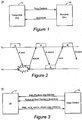
- a communications system 10 includes a transmitter 12 and receiver 14.
- the transmitter 12 sends one or more data packets to the receiver 14.
- the receiver 14 sends an acknowledgment (ACK) message to the transmitter 12 to indicate that it has correctly received a data packet.
- ACK acknowledgment
- NACK negative acknowledgment
- FIG. 2 illustrates the sequence of events.
- the transmitter 12 sends packet A to receiver 14 which detects some sort of error. So the receiver returns a NACK message.
- the transmitter 12 resends packet A, and because it is correctly received this second time, the receiver 14 sends an ACK message back.
- the next packet B can then be sent.
- ARQ hybrid ARQ
- HARQ is used in radio communications to enable faster recovery from errors by storing corrupted packets in the receiving device rather than discarding them. Even if retransmitted packets have errors, a good packet can be derived from the combination of bad ones.
- HSDPA High Speed Downlink Packet Access
- WCDMA Wideband Code Division Multiple Access
- FIG. 3 shows a simplified example of an HSDPA communication system 15 where a user equipment (UE) 17 (sometimes called a mobile radio terminal or station) receives data packets over the air from a base station 19 (sometimes called a Node B).
- the packets are transmitted downlink using a high-speed downlink shared channel (HS-DSCH).
- the base station uses a high-speed shared control channel (HS-SCCH) to send corresponding physical layer control information (e.g., UE identity and spreading code allocation and decoding information which also supports soft combining in case of retransmission).
- the HS-SCCH is used to inform the UE 17 of the intended recipient of the data packet soon to be transmitted.
- the UE 17 uses a high-speed dedicated physical control channel (HS-DPCCH) to convey to the base station 19 ACK and NACK messages, preamble (PRE) and postamble (POST) messages, and feedback information on the quality of the downlink channel.
- HS-DPCCH high-speed dedicated physical control channel
- Communication over HSDPA channels occurs as frames of subframes provided during transmission time intervals (TTIs), i.e., one subframe is one TTI (e.g., 2 ms for HSDPA).
- TTIs transmission time intervals
- One subframe on the HS-DSCH may be used to convey a data packet or other unit.
- the UE first receives an indication on the HS-SCCH that the packet is intended for it as well as information needed for demodulating allocated code channels.
- the UE 17 determines based on the advance indicator on the HS-SCCH that the next packet is intended for UE 17, it sends a PRE message back to the base station 19 over the HS-DPCCH to acknowledge its readiness to receive and decode that data packet. After the data packet has been transmitted, which may take multiple TTIs, and the UE detects it has received the end of the packet, the UE 17 acknowledges that fact by sending a POST message back to the base station 19 over the HS-DPCCH.
- Figure 4 illustrates an-example of the timing relationship between messages and packets sent on the HS-SCCH, HS-DSCH, and the HS-DPCCH.
- the UE detects control information addressed to it in sub-frame N on the HS-SCCH, the UE transmits a preamble (PRE) in sub-frame N-1 on the HS-DPCCH.
- PRE preamble
- the UE After decoding the HS-DSCH packet and transmitting the hybrid ARQ ACK/NACK in sub-frame N on the HS-DPCCH, the UE transmits a postamble (POST) in sub-frame N+1 on the HS-DPCCH (unless a packet is detected in subframe N+1 on the HS-DSCH, in which case an ACK/NACK is sent, or HS-SCCH control information is detected in subframe N+2, in which case PRE is sent). Accordingly, a series of TTIs containing ACK/NACK signals is typically preceded with a TTI containing the PRE signal. A series of TTIs containing ACK/NACK signals may be also succeeded by a TTI containing the POST signal.
- POST postamble
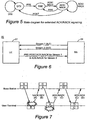
- a trellis structure may be employed by the ACK/NACK signaling channel (e.g., the HS-DPCCH) as shown in Figure 5 .
- the ACK/NACK signaling channel e.g., the HS-DPCCH
- a UE of interest starts in a discontinuous transmission (DTX) state in which nothing is sent over the HS-DPCCH.
- DTX discontinuous transmission
- the UE of interest stays in the DTX state. If the HS-SCCH addresses the UE of interest, then the UE moves from the DTX state to the PRE state where a PRE message is sent over the HS-DPCCH.
- the UE While in the PRE state in subframe N-1, the UE demodulates and decodes the HS-DSCH packet in subframe N and sends an ACK or NACK message over the HS-DPCCH in subframe N, depending on whether HS-DSCH is correctly received. After sending an ACK or NACK over the HS-DPCCH, the UE transitions from the PRE state to the ACK/NACK state where it can continue to receive data on the HS-DSCH in subframe N+1. In that case, the UE sends an ACK or NACK on the HS-DPCCH and remains in the ACK/NACK state.
- the UE sends a POST message on the HS-DPCCH during subframe N+1 and transitions back to the DTX state. If there is no more data on the HS-DSCH for the UE in subframe N+1, but the HS-SCCH addresses the UE in subframe N+2, then that UE sends a PRE message on the HS-DPCCH during subframe N+1 and transitions back to the PRE state.
- the ACK and NACK messages are important messages that need to be received reliably and correctly.
- Channel coding is one way to provide increased message reliability.
- the HARQ ACK and NACK messages are sent using repetition coding over 10 bits. In other words, a binary "1" is repeated ten times for an ACK message and a binary "0" is repeated ten times for a NACK message.
- the more repetition bits used to encode the message the more reliably the receiver can accurately decode the received information and extract the message that was actually transmitted.
- MIMO Multiple Input/Multiple Output
- MIMO means that multiple transmitting antennas and/or multiple receiver antennas are used. When two transmitting antennas and two or more receiving antenna are used, two simultaneous data streams can be sent, which doubles the data rate. Multiple receivers alone allow greater distances between wireless devices.
- Figure 6 shows an example of a communications system 20 that employs dual stream MIMO.
- the base station 24 transmits two data streams 1 and 2 to the UE 22.
- the first data stream in this example includes data packet A and the second data stream includes data packet B .
- the HS-SCCH signaling informs the UE 22 that there are two data streams being transmitted by the base station 24 over the HS-DSCH addressed to that UE 22.
- the UE 22 sends ACK/NACK messages for each of the two streams using the HS-DPCCH.
- US2005/030964 discusses ACK/NACK feedback signaling and implies methods of reducing errors in ACK/NACK reception.
- MIMO increases the level of ACK/NACK signaling.
- ACK/NACK message groups or combinations there are four possible values for ACK/NACK message groups or combinations.
- the first and second data stream transmissions from the base station of packets A and B are received, but only packet B is received successfully.
- a NACK message is returned for packet A (from the 1 st stream) and an ACK message for packet B (from the 2 nd stream).
- the base station sends packets A and C, but only packet A is received successfully.
- an ACK message is returned for packet A (1 st stream) and a NACK message for packet C (2 nd stream).
- the base station sends packets D (1 st stream) and C (2 nd stream) which are both successfully received so that the UE sends two ACK messages.
- the fourth ACK/NACK group or combination (not illustrated) is both transmitted packets are not received successfully resulting in the UE sending two NACK messages.
- those ten bits can be used to carry one ACK/NACK message for each stream by simply repeating the ACK/NACK bits five times rather than ten, five "1's” for ACK and five "0's” for NACK. In this way, two ACK/NACKs can be fit into the ten bits available in the current HS-DPCCH. With this scheme the following codewords are mapped to the different ACK/NACK combinations.
- the goal is to employ an optimal coding scheme for ACK/NACK signaling in a MIMO context as described in the background.
- There are typically three characteristics that define the properties of a code set or code book including the length of each code word in the code set (i.e., the total number of bits in each code word), the total number of valid code words in the code set, and the minimum Hamming distance between two valid distinct code words in the code set.
- the Hamming distance is the number of symbol positions for which the corresponding symbols are different. For example, the Hamming distance between code words 1011101 and 1001001 is 2 because the bit values at two bit positions differ.
- Figure 8 illustrates a first code word set with a Hamming distance of five, meaning that every code word in the code book differs from all the other code words in the book by five symbol or bit values.
- the originally-transmitted code word A has a Hamming distance of five relative to another code word B in the code set.
- the transmitted code word A is received, however, two of the bits are detected as different values from what they were when code word A was transmitted.
- the Hamming distance for the code set is five
- the received codeword has a Hamming distance of two from code word A and a Hamming distance of three from code word B.
- the receiver chooses the code word with the shortest Hamming distance, which in this case is the correct code word A.
- Figure 9 illustrates a second code set with a Hamming distance of three.
- the transmitted code word A When the transmitted code word A is received, two of the bits are again detected as different values from what they were when code word A was transmitted. Because the Hamming distance for the code set is only three, the received code word has a Hamming distance of two from code word A. But the received code word has an even shorter Hamming distance of one from the wrong code word B. The receiver chooses code word B since it has the shortest Hamming distance, which in this case is the incorrect code word. So a code book with a longer Hamming distance is desirable.
- ARQ message might include ACK and/or NACK signals, one ACK or NACK indicator per MIMO stream, and possibly also a preamble (PRE) and a postamble (POST) for use in various MIMO schemes such as 2-stream, 3-stream, and 4-stream MIMO.
- PRE preamble
- POST postamble
- One or typically a series of TTIs containing ACK/NACK signals may be preceded with a TTI containing a preamble (PRE) signal.
- POST postamble
- a preferred, non-limiting example embodiment uses an optimal nonlinear code set where the minimum Hamming distance between all the code words in the code set achieves the Plotkin bound, which is the longest minimum Hamming distance that can ever be achieved.
- the four different possible combinations of ACK/NACK signals for two MIMO streams include: 1) ACK/ACK, 2) ACK/NACK, 3) NACK/ACK, AND 4) NACK/NACK.
- One of these ACK/NACK pairs is sent during the transition from the ACK/NACK state back to the ACK/NACK state according to the state diagram in Figure 5 .
- One ACK or NACK indicator is sent per MIMO stream per transmission time interval.
- the PRE is sent during the transition from the DTX state to the PRE state and also during the transition from the ACK/NACK state to the PRE state.
- the POST is sent during the transition from the ACK/NACK state to the DTX state.
- Each of the six code words in the code book has a length of 10 bits, and the minimum Hamming distance between any pair of the distinct code words is 6. So the code set has a code set property of C 10,6,6 .
- the code set property notation C i,j,k is used where the first subscript i indicates the length of the code (number of encoded bits), the second subscript j indicates the number of code words, and the third subscript k indicates the minimum Hamming distance between any distinct pair of code words in that code set.
- nonlinear code set property is simply referred to as a nonlinear code set with the understanding that the set of codes has a particular code set property C i,j,k .
- the inventors determined that 10 code words should be used based on the eight different possible combinations of ACK/NACK signals for three MIMO streams including: 1) ACK/ACK/ACK, 2) ACK/ACK/NACK, 3) ACK/NACK/ACK, 4) ACK/NACK/NACK, 5) NACK/ACK/ACK, 6) NACK/ACK/NACK, 7) NACK/NACK/ACK, 8) NACK/NACK/NACK.
- One of these messages is sent during the transition from the ACK/NACK state back to the ACK/NACK state according to the state diagram in Figure 5 .
- One ACK or NACK indicator is sent per MIMO stream per transmission time interval.
- the PRE is sent during the transition from the DTX state to the PRE state and also during the transition from the ACK/NACK state to the PRE state.
- the POST is sent during the transition from the ACK/NACK state to the DTX state.
- An optimal nonlinear code set in this case has 10 code words, each of length 10, and the minimum Hamming distance between any pair of the distinct code words is 5.
- the optimal nonlinear code set has the nonlinear code set property of C 10,10,5 .
- the inventors determined that 18 code words should be used based on the 16 different possible combinations of ACK/NACK signals or indicators for four MIMO streams in addition to a PRE and a POST.
- One ACK or NACK indicator is sent per MIMO stream per transmission time interval. Accordingly, there are 18 code words in the code book, each of length 10 bits, and the minimum Hamming distance between any pair of the distinct code words is 4.
- the optimal code set has the nonlinear code set property of C 10,10,4 .
- an example illustrating how an optimal code set having the nonlinear code set property C 10,6,6 may be constructed is described.
- the optimal code set is not limited to this particular construction. Instead, any code set that has the code set property C 10,6,6 may be used. For example, a mask may be used to transform the values of the code words themselves but the masked code set will still have the code set property C 10,6,6 . Also, any permutation of the encoded bits preserves the minimum Hamming distance and thus results in another code set with the same code set property.
- a column of the code set C 11,12,6 can be arbitrarily chosen to sort the code words into two subsets: one with 1 at a particular chosen column and the other with 0 at the same chosen column.
- the two subsets each contain 6 code words. After puncturing the chosen sorting column, either of these subsets can be chosen to form an optimal code of length 10 and minimum distance 6.
- the first column of the C 11,12,6 code set can be chosen for such sorting.
- These six codewords can be used to represent the six possible HS-DPCCH messages as shown in Table 2.
- the subcode containing the ACK/NACK indicators is a nonlinear code.
- the minimum or Hamming distance between any signals is six.
- the Hadamard transform a generalized class of Fourier transforms, is one non-limiting example of a
- the code set may be masked, permuted, or otherwise transformed without changing the underlying code set property C 10,6,6 .
- a code set which differs from the code set shown in Table 2 by a mask and a permutation but that also has the same nonlinear code set property C 10,6,6 for the six different code words sent over the HS-DPCCH is set forth in Table 3: Table 3 HARQ-ACK msg w 0 w 1 w 2 w 3 w 4 w 5 w 6 w 7 w 8 w 9 Response to 1 st block Response to 2 nd block ACK ACK 1 0 1 0 1 1 1 1 1 0 1 ACK NACK 1 1 0 1 0 1 0 1 0 1 1 NACK ACK 0 1 1 1 1 0 1 0 1 1 NACK NACK 1 0 0 1 0 1 0 0 0 0 PRE/POST indication PRE 0 0 1 0 0 1 0 1 0 1 0 POST 0
- code words of different lengths might be needed.
- the technology described here may be extended to constructing code words of different lengths. For instance, a construction of an optimal nonlinear code set C 16,6,9 of length 16 and minimum distance 9 is demonstrated in the following. Starting from the optimal code set C 10 , 6 , 6 given above, six more columns are added to the code set. Four additional columns can be repeats of the 1 st , 4 th , 8 th and 9 th columns from C 10,6,6 . Two more columns include four consecutive ones and two consecutive zeros.
- 10 code words can be arbitrarily chosen from these 12 code words.
- the minimum or Hamming distance between any HS-DPCCH messages is at least 5.
- the subcode containing the 8 combinations of ACK/NACK indicators is a nonlinear code.
- the Hadamard transform can be employed in a receiver for decoding this code.
- the nonlinear code set property C 10,12,5 may be implemented using different code words, as explained above, as long as they have the nonlinear code set property of C 10,12,5 .
- An optimal code set having code words of length 9 and minimum distance of 4 contains 20 code words.
- This code set may be constructed in one non-limiting example from a size 10 conference matrix.
- a conference matrix also called a C-matrix
- C T C is a multiple of the identity matrix I.
- the code word CW0 has a distance of at least 6 from any of the other code words in the set
- the code word CW19 has a distance of at least 5 from any of the other code words in the set. It may be useful to assign CW0 to represent the POST signal arid CW19 to represent the PRE signal.
- the other 16 code words in the nonlinear code set can be used to represent the different combinations of ACK/NACK of the four individual streams. In any case, choosing 16 codewords from the above to convey the ACK/NACK results in a subcode that is nonlinear.
- Figure 10 is simplified function block diagram of a non-limiting example 2-stream MIMO radio communication using a 10, 6, 6 nonlinear code set for error protecting ACK/NACK/PRE/POST signals in an example HSDPA radio communications system 30.
- the UE 32 includes radio transceiving circuitry 36 coupled to an ACK/NACK/PRE/POST encoder 40 and to an HS-DSCH/HS-SCCH decoder and error detector/corrector 42.
- the encoder 40 is coupled to a code word memory 38, which in this example stores a code book 39 having a nonlinear code set property of C 10 , 6 , 6 ⁇
- the base station 34 includes radio transceiving circuitry 44 coupled to an ACK/NACK/PRE/POST decoder 46.
- the decoder 46 is coupled to a code word memory 48, which in this example also stores a code book 49 having a nonlinear code set property of C 10,6,6 .
- the decoder is coupled to processing circuitry 50.
- the base station 34 sends two data streams 1 and 2 over the HS-DSCH to the UE 32. As described above in conjunction with Figure 4 , it also sends a corresponding data transmission indication message that is shared by both data streams to the UE 32 to alert the UE of the packets that will soon be transmitted.
- the radio transceiving circuitry 36 in the UE provides received data indicator and packets corresponding to the two streams to the HS-DSCH/HS-SCCH decoder and error detector/corrector 42, which after decoding, generates appropriate ACK/NACK/PRE/POST signals.
- the ACK/NACK/PRE/POST encoder 40 encodes those ACK/NACK/PRE/POST signals using code words obtained from the 10,6,6 codebook 39 stored in the codeword memory 38. Each 10-bit code word is then provided to the radio transceiving circuitry 36 for transmission back to the base station 34 over the HS-DPCCH.
- the base station 34 receives the ACK/NACK/PRE/POST code words in its radio transceiving circuitry 44 which provides demodulated code words to the ACK/NACK/PRE/POST decoder 46.
- the decoder 46 decodes the code words using the code book 49 which, like the codebook 39, has a nonlinear code set property of C 10,6,6 .
- the decoded ACK/NACK/PRE/POST signals are provided to the processing circuitry 50 to determine whether to retransmit a packet or not.
- the inventors discovered an optimal nonlinear code set for coding two, three, or four information bits, an example of which are the ACK/NACK bits, in various MIMO schemes such as 2-stream, 3-stream, and 4-stream MIMO.
- the optimal nonlinear code set for the 2-stream case is C 10,4,6 which can be constructed using the same procedure as in the six signals (4 ACK or NACK indicators, a PRE, and a POST), 2-stream case described above and then selecting four of the six possible code words.
- the C 10,4,6 code is a subcode of C 10,6,6 .
- a subcode of a code set A is formed by selecting a subset of codewords from code set A.
- the optimal nonlinear code set for sending three ACK/NACK bits for the 3-stream case is C 10,8,5 which can be constructed using the subcode of the aforementioned code set C 10,10,5 .
- the optimal nonlinear code set for sending four ACK/NACK bits for the 4-stream case is C 10,6,4 which can be constructed using the subcode of the aforementioned code set C 10,18,4 . All these subcodes are nonlinear codes.
- Figure 11 is simplified function block diagram of a non-limiting example two stream MIMO radio communication using a 10,4,6 nonlinear code set for error protecting ARQ messages in an example HSDPA radio communications system 60.
- Figure 11 differs from Figure 10 in that only four messages corresponding to two ACK/NACK bits are encoded/decoded and that an optimal nonlinear code set C 10,4,6 is used in codework memory to perform that encoding and decoding.
- K ACK/NACK bits may be encoded/decoded using a nonlinear code of 2 K codewords.
- a radio communications system is a High Speed Downlink Packet Access (HSDPA) system in which the apparatus or methods may be implemented in a mobile radio station or in radio base station.
- HSDPA High Speed Downlink Packet Access
- a radio receiver receives two or more MIMO data streams transmitted over a radio interface.
- a decoder decodes the received MIMO data streams and generates an automatic repeat request (ARQ) message for one or more data units received for each MIMO data stream for each transmission time interval.
- An encoder codes the ARQ message using a code word from a nonlinear code set.
- a transmitter transmits in transmission time intervals one or more data units for two or more MIMO data streams transmitted.
- a receiver receives an ARQ message associated with one or more data units received for each MIMO data stream for each transmission time interval.
- a decoder decodes the ARQ message using a code word from the nonlinear code set.
- the ARQ message includes one or both of acknowledgment (ACK) and negative acknowledgement (NACK) signals.
- the ARQ message includes one of the following acknowledgment (ACK) and/or negative acknowledgement (NACK) pairs, with one ACK or NACK indicator per MIMO stream: ACK/ACK, ACK/NACK, NACK/ACK, and NACK/NACK.
- the nonlinear code set for a two MIMO stream system has a nonlinear code set property of C 10,4,6 such that there are ten bits per code word, four code words in the nonlinear code set, and a minimum code distance of six between each of the four code words from the remaining ones of the four code words.
- the ARQ message includes one of the following acknowledgment (ACK) and/or negative acknowledgement (NACK) triplets, with one ACK or NACK indicator per MIMO stream: ACK/ACK/ACK, ACK/ACK/NACK, ACK/NACK/ACK, ACK/NACK/NACK, NACK/ACK/ACK, NACK/ACK/NACK, NACK/NACK/ACK, and NACK/NACK/NACK.
- the nonlinear code set for a three MIMO stream system has a nonlinear code set property of C 10,8,5 such that there are ten bits per code word, eight code words in the nonlinear code set, and a minimum code distance of five between each of the eight code words from the remaining ones of the eight code words.
- the ARQ message includes one of sixteen different combinations of four ARQ messages having one or both of an acknowledgment (ACK) signal and a negative acknowledgement (NACK) signal, with one ACK or NACK indicator per MIMO stream.
- the nonlinear code set for a four MIMO stream system has a nonlinear code set property of C 10,16,4 such that there are ten bits per code word, sixteen code words in the nonlinear code set, and a minimum code distance of four between each of the sixteen code words from the remaining ones of the sixteen code words.
- the ARQ message transmitted in a TTI includes one of four different combinations of acknowledgment (ACK) and/or negative acknowledgement (NACK) signals plus a preamble (PRE) and a postamble (POST).
- ACK acknowledgment
- NACK negative acknowledgement
- PRE preamble
- POST postamble
- One or typically a series of TTIs containing ACK/NACK signals is preceded with a TTI containing the preamble (PRE) signal.
- One or a series of TTIs containing ACK/NACK signals may be further succeeded by a TTI containing the postamble (POST) signal.
- POST postamble
- the nonlinear code set for a two MIMO stream system has a nonlinear code set property of C 10,6,6 such that there are ten bits per code word, six code words in the nonlinear code set, and a minimum code distance of six between each of the six code words from the remaining ones of the six code words.
- the ARQ message includes one of eight different groups of different combinations of acknowledgment (ACK) and/or negative acknowledgement (NACK) signals plus a preamble (PRE) and a postamble (POST).
- ACK acknowledgment
- NACK negative acknowledgement
- PRE preamble
- POST postamble
- One or typically a series of TTIs containing ACK/NACK signals is preceded with a TTI containing the preamble (PRE) signal.
- One or a series of TTIs containing ACK/NACK signals may be further succeeded by a TTI containing the postamble (POST) signal.
- POST postamble
- the nonlinear code set for a three MIMO stream system has a nonlinear code set property of C 10,10,5 such that there are ten bits per code word, ten code words in the nonlinear code set, and a minimum code distance of five between each of the ten code words from the remaining ones of the ten code words.
- the ARQ message includes one of four different combinations of acknowledgment (ACK) and/or negative acknowledgement (NACK) signals plus a preamble (PRE) and a postamble (POST).
- ACK acknowledgment
- NACK negative acknowledgement
- PRE preamble
- POST postamble
- One or typically a series of TTIs containing ACK/NACK signals is preceded with a TTI containing the preamble (PRE) signal.
- POST postamble
- the nonlinear code set for a four MIMO stream system has a nonlinear code set property of C 16,6,9 such that there are sixteen bits per code word, six code words in the nonlinear code set, and a minimum code distance of nine between each of the six code words from the remaining ones of the six code words.
- the technology described above solves the technical problems described in the background.
- the optimal nonlinear code sets described above for different numbers of messages e.g., the combination of ACK/NACK bits for multiple stream MIMO with or without PRE and POST signals, provide significantly greater performance as compared to simple repetition codes and to codes with shorter Hamming distances.
Landscapes
- Engineering & Computer Science (AREA)
- Computer Networks & Wireless Communication (AREA)
- Signal Processing (AREA)
- Mobile Radio Communication Systems (AREA)
- Detection And Prevention Of Errors In Transmission (AREA)
- Radio Transmission System (AREA)
Claims (8)
- Fehlerschutzverfahren zur Verwendung in einem Mehrfacheingangs-Mehrfachausgangs, MIMO,- Funkkommunikationssystem (20), umfassend:Empfangen von zwei oder mehr MIMO-Datenströmen, die über eine Funkschnittstelle gesendet werden, wobei jeder MIMO-Datenstrom Dateneinheiten enthält,Erzeugen einer Nachricht mit einer automatischen Wiederholungsanforderung, ARQ, für eine oder mehrere Dateneinheiten, die für jeden MIMO-Datenstrom empfangen werden,Codieren der ARQ-Nachricht unter Verwendung eines Codeworts aus einer Liste nichtlinearer Codes,wobei das Verfahren dadurch gekennzeichnet ist, dass die Liste nichtlinearer Codes für ein MIMO-Zweistromsystem eine Eigenschaft der Liste nichtlinearer Codes aus der folgenden Gruppe aufweist:C 10.4.6, derart dass es zehn Bits pro Codewort, vier Codewörter in der Liste nichtlinearer Codes und einen Mindestcodeabstand von sechs zwischen jedem der vier Codewörter von den restlichen der vier Codewörter gibt, wobei die ARQ-Nachricht eines der folgenden ACK- und/oder NACK-Paare umfasst, wobei ein ACK- oder NACK-Indikator pro MIMO-Strom pro Sendezeitintervall gesendet wird: ACK/ACK, ACK/NACK, NACK/ACK und NACK/NACK, oderC 10.6.6, derart dass es zehn Bits pro Codewort, sechs Codewörter in der Liste nichtlinearer Codes und einen Mindestcodeabstand von sechs zwischen jedem der sechs Codewörter von den restlichen der sechs Codewörter gibt, wobei die ARQ-Nachricht eine von vier verschiedenen Kombinationen von ACK- und/oder NACK-Signalen plus einer Präambel und einer Postambel umfasst, wobei einem oder mehreren Sendezeitintervallen, TTIs, welche ACK-/NACK-Signale enthalten, ein TTI vorangeht, welches das Präambelsignal enthält, und gegebenenfalls ein TTI nachfolgt, welches das Postambelsignal enthält, oderC 16.6.9, derart dass es sechzehn Bits pro Codewort, sechs Codewörter in der Liste nichtlinearer Codes und einen Mindestcodeabstand von neun zwischen jedem der sechs Codewörter von den restlichen der sechs Codewörter gibt, wobei die ARQ-Nachricht eine von vier verschiedenen Kombinationen von ACK- und/oder NACK-Signalen plus einer Präambel und einer Postambel umfasst, wobei einem oder mehreren TTIs, welche ACK-/NACK-Signale enthalten, ein TTI vorangeht, welches das Präambelsignal enthält, und gegebenenfalls ein TTI nachfolgt, welches das Postambelsignal enthält;dadurch, dass die Liste nichtlinearer Codes für ein MIMO-Dreistromsystem eine Eigenschaft der Liste nichtlinearer Codes aus der folgenden Gruppe aufweist:C 10.8.5, derart dass es zehn Bits pro Codewort, acht Codewörter in der Liste nichtlinearer Codes und einen Mindestcodeabstand von fünf zwischen jedem der acht Codewörter von den restlichen der acht Codewörter gibt, wobei die ARQ-Nachricht eines der folgenden ACK- und/oder NACK-Tripel umfasst, wobei ein ACK- oder NACK-Indikator pro MIMO-Strom pro Sendezeitintervall gesendet wird: ACK/ACK/ACK, ACK/ACK/NACK, ACK/NACK/ACK, ACK/NACK/NACK, NACK/ACK/ACK, NACK/ACK/NACK, NACK/NACK/ACK und NACK/NACK/NACK, oderC 10.10.5, derart dass es zehn Bits pro Codewort, zehn Codewörter in der Liste nichtlinearer Codes und einen Mindestcodeabstand von fünf zwischen jedem der zehn Codewörter von den restlichen der zehn Codewörter gibt, wobei die ARQ-Nachricht eine von acht verschiedenen Gruppen von verschiedenen Kombinationen von ACK- und/oder NACK-Signalen plus der Präambel und der Postambel umfasst, wobei einem oder mehreren TTIs, welche ACK-/NACK-Signale enthalten, ein TTI vorangeht, welches das Präambelsignal enthält, und gegebenenfalls ein TTI nachfolgt, welches das Postambelsignal enthält; unddadurch, dass die Liste nichtlinearer Codes für ein MIMO-Vierstromsystem eine Eigenschaft der Liste nichtlinearer Codes von C 10.16.4 aufweist, derart dass es zehn Bits pro Codewort, sechzehn Codewörter in der Liste nichtlinearer Codes und einen Mindestcodeabstand von vier zwischen jedem der sechzehn Codewörter von den restlichen der sechzehn Codewörter gibt, wobei die ARQ-Nachricht eine von sechzehn verschiedenen Kombinationen von vier ARQ-Signalen mit einem oder beiden von einem ACK-Signal und einem NACK-Signal umfasst, wobei ein ACK- oder NACK-Indikator pro MIMO-Strom pro Sendezeitintervall gesendet wird.
- Verfahren nach Anspruch 1, wobei das Funkkommunikationssystem ein System (30, 60) mit Hochgeschwindigkeitspaketzugriff auf der Abwärtsstrecke, HSDPA, ist, und das Verfahren in einer Mobilfunkstation (32) oder in einer Funkbasisstation (34) implementiert wird.
- Fehlerschutzverfahren zur Verwendung in einem Mehrfacheingangs-Mehrfachausgangs, MIMO,- Funkkommunikationssystem (20), umfassend:Senden in Sendezeitintervallen einer oder mehrerer Dateneinheiten aus einem oder mehreren MIMO-Datenströmen, die über eine Funkschnittstelle gesendet werden,Empfangen einer Nachricht mit einer automatischen Wiederholungsanforderung, ARQ, für eine oder mehrere Dateneinheiten, die für jeden MIMO-Datenstrom für jedes Sendezeitintervall empfangen werden, undDecodieren der ARQ-Nachricht unter Verwendung eines Codeworts aus einer Liste nichtlinearer Codes,wobei das Verfahren dadurch gekennzeichnet ist, dass die Liste nichtlinearer Codes für ein MIMO-Zweistromsystem eine Eigenschaft der Liste nichtlinearer Codes aus der folgenden Gruppe aufweist:C 10.4.6, derart dass es zehn Bits pro Codewort, vier Codewörter in der Liste nichtlinearer Codes und einen Mindestcodeabstand von sechs zwischen jedem der vier Codewörter von den restlichen der vier Codewörter gibt, wobei die ARQ-Nachricht eines der folgenden Bestätigungs, ACK,- und/oder Negativbestätigungs, NACK,-Paare umfasst, wobei ein ACK- oder NACK-Indikator pro MIMO-Strom pro Sendezeitintervall gesendet wird: ACK/ACK, ACK/NACK, NACK/ACK und NACK/NACK, oderC 10.6.6, derart dass es zehn Bits pro Codewort, sechs Codewörter in der Liste nichtlinearer Codes und einen Mindestcodeabstand von sechs zwischen jedem der sechs Codewörter von den restlichen der sechs Codewörter gibt, wobei die ARQ-Nachricht eine von vier verschiedenen Kombinationen von ACK- und/oder NACK-Signalen plus einer Präambel oder einer Postambel umfasst.
- Verfahren nach Anspruch 3, wobei das Funkkommunikationssystem ein System (30, 60) mit Hochgeschwindigkeitspaketzugriff auf der Abwärtsstrecke, HSDPA, ist, und das Verfahren in einer Mobilfunkstation (32) oder in einer Funkbasisstation (34) implementiert wird.
- Fehlerschutzvorrichtung zur Verwendung in einem Mehrfacheingangs-Mehrfachausgangs, MIMO,- Funkkommunikationssystem (20, 30, 60), umfassend:einen Funkempfänger (22, 32) zum Empfangen von zwei oder mehr MIMO-Datenströmen, die über eine Funkschnittstelle gesendet werden, wobei jeder MIMO-Datenstrom Datenpakete enthält,einen Decoder (42) zum Decodieren der empfangenen MIMO-Datenströme und Erzeugen einer Nachricht mit einer automatischen Wiederholungsanforderung, ARQ, die mit einer oder mehreren Dateneinheiten assoziiert ist, die für jeden MIMO-Datenstrom empfangen werden, undeinen Encoder (40) zum Codieren der ARQ-Nachricht unter Verwendung eines Codeworts aus einer Liste nichtlinearer Codes,wobei die Vorrichtung dadurch gekennzeichnet ist, dass die Liste nichtlinearer Codes für ein MIMO-Zweistromsystem eine Eigenschaft der Liste nichtlinearer Codes aus der folgenden Gruppe aufweist:C 10.4.6, derart dass es zehn Bits pro Codewort, vier Codewörter in der Liste nichtlinearer Codes und einen Mindestcodeabstand von sechs zwischen jedem der vier Codewörter von den restlichen der vier Codewörter gibt, wobei die ARQ-Nachricht eines der folgenden Bestätigungs, ACK,- und/oder Negativbestätigungs, NACK,-Paare umfasst, wobei ein ACK- oder NACK-Indikator pro MIMO-Strom pro Sendezeitintervall gesendet wird: ACK/ACK, ACK/NACK, NACK/ACK und NACK/NACK, oderC 10.6.6, derart dass es zehn Bits pro Codewort, sechs Codewörter in der Liste nichtlinearer Codes und einen Mindestcodeabstand von sechs zwischen jedem der sechs Codewörter von den restlichen der sechs Codewörter gibt, wobei die ARQ-Nachricht eine von vier verschiedenen Kombinationen von ACK- und/oder NACK-Signalen plus einer Präambel und einer Postambel umfasst, wobei einem oder mehreren Sendezeitintervallen, TTIs, welche ACK-/NACK-Signale enthalten, ein TTI vorangeht, welches das Präambelsignal enthält, und gegebenenfalls ein TTI nachfolgt, welches das Postambelsignal enthält, oderC 16.6.9, derart dass es sechzehn Bits pro Codewort, sechs Codewörter in der Liste nichtlinearer Codes und einen Mindestcodeabstand von neun zwischen jedem der sechs Codewörter von den restlichen der sechs Codewörter gibt, wobei die ARQ-Nachricht eine von vier verschiedenen Kombinationen von Bestätigungs, ACK,- und/oder Negativbestätigungs, NACK,-Signalen plus einer Präambel und einer Postambel umfasst, wobei einem oder mehreren TTIs, welche ACK-/NACK-Signale enthalten, ein TTI vorangeht, welches das Präambelsignal enthält, und gegebenenfalls ein TTI nachfolgt, welches das Postambelsignal enthält;dadurch, dass die Liste nichtlinearer Codes für ein MIMO-Dreistromsystem eine Eigenschaft der Liste nichtlinearer Codes aus der folgenden Gruppe aufweist:C 10.8.5, derart dass es zehn Bits pro Codewort, acht Codewörter in der Liste nichtlinearer Codes und einen Mindestcodeabstand von fünf zwischen jedem der acht Codewörter von den restlichen der acht Codewörter gibt, wobei die ARQ-Nachricht eines der folgenden ACK- und/oder NACK-Tripel umfasst, wobei ein ACK- oder NACK-Indikator pro MIMO-Strom pro Sendezeitintervall gesendet wird: ACK/ACK/ACK, ACK/ACK/NACK, ACK/NACK/ACK, ACK/NACK/NACK, NACK/ACK/ACK, NACK/ACK/NACK, NACK/NACK/ACK und NACK/NACK/NACK, oderC 10.10.5, derart dass es zehn Bits pro Codewort, zehn Codewörter in der Liste nichtlinearer Codes und einen Mindestcodeabstand von fünf zwischen jedem der zehn Codewörter von den restlichen der zehn Codewörter gibt, wobei die ARQ-Nachricht eine von acht verschiedenen Gruppen von verschiedenen Kombinationen von ACK- und/oder NACK-Signalen plus der Präambel und der Postambel umfasst, wobei einem oder mehreren TTIs, welche ACK-/NACK-Signale enthalten, ein TTI vorangeht, welches das Präambelsignal enthält, und gegebenenfalls ein TTI nachfolgt, welches das Postambelsignal enthält; unddadurch, dass die Liste nichtlinearer Codes für ein MIMO-Vierstromsystem eine Eigenschaft der Liste nichtlinearer Codes von C 10.16.4 aufweist, derart dass es zehn Bits pro Codewort, sechzehn Codewörter in der Liste nichtlinearer Codes und einen Mindestcodeabstand von vier zwischen jedem der sechzehn Codewörter von den restlichen der sechzehn Codewörter gibt, wobei die ARQ-Nachricht eine von sechzehn verschiedenen Kombinationen von vier ARQ-Signalen mit einem oder beiden von einem ACK-Signal und einem NACK-Signal umfasst, wobei ein ACK- oder NACK-Indikator pro MIMO-Strom pro Sendezeitintervall gesendet wird.
- Vorrichtung nach Anspruch 5, wobei das Funkkommunikationssystem ein System (30, 60) mit Hochgeschwindigkeitspaketzugriff auf der Abwärtsstrecke, HSDPA, ist, und die Vorrichtung in einer Mobilfunkstation (32) oder in einer Funkbasisstation (34) implementiert ist.
- Fehlerschutzvorrichtung zur Verwendung in einem Mehrfacheingangs-Mehrfachausgangs, MIMO,- Funkkommunikationssystem (20, 30, 60), umfassend:einen Sender (44) zum Senden in Sendezeitintervallen einer oder mehrerer Dateneinheiten aus einem oder mehreren MIMO-Datenströmen, die über eine Funkschnittstelle gesendet werden, undeinen Empfänger (44) zum Empfangen einer Nachricht mit einer automatischen Wiederholungsanforderung, ARQ, für eine oder mehrere Dateneinheiten, die für jeden MIMO-Datenstrom für jedes Sendezeitintervall empfangen werden,einen Decoder (46) zum Decodieren der ARQ-Nachricht unter Verwendung eines Codeworts aus einer Liste nichtlinearer Codes,wobei die Vorrichtung dadurch gekennzeichnet ist, dass die Liste nichtlinearer Codes für ein MIMO-Zweistromsystem eine Eigenschaft der Liste nichtlinearer Codes aus der folgenden Gruppe aufweist:C 10.4.6, derart dass es zehn Bits pro Codewort, vier Codewörter in der Liste nichtlinearer Codes und einen Mindestcodeabstand von sechs zwischen jedem der vier Codewörter von den restlichen der vier Codewörter gibt, wobei die ARQ-Nachricht eines der folgenden Bestätigungs, ACK,- und/oder Negativbestätigungs, NACK,-Paare umfasst, wobei ein ACK- oder NACK-Indikator pro MIMO-Strom pro Sendezeitintervall gesendet wird: ACK/ACK, ACK/NACK, NACK/ACK und NACK/NACK, oderC 10.6.6, derart dass es zehn Bits pro Codewort, sechs Codewörter in der Liste nichtlinearer Codes und einen Mindestcodeabstand von sechs zwischen jedem der sechs Codewörter von den restlichen der sechs Codewörter gibt, wobei die ARQ-Nachricht eine von vier verschiedenen Kombinationen von ACK- und/oder NACK-Signalen plus einer Präambel oder einer Postambel umfasst.
- Vorrichtung nach Anspruch 7, wobei das Funkkommunikationssystem ein System (30, 60) mit Hochgeschwindigkeitspaketzugriff auf der Abwärtsstrecke, HSDPA, ist, und die Vorrichtung in einer Mobilfunkstation (32) oder in einer Funkbasisstation (34) implementiert ist.
Applications Claiming Priority (3)
| Application Number | Priority Date | Filing Date | Title |
|---|---|---|---|
| US82780606P | 2006-10-02 | 2006-10-02 | |
| US86303606P | 2006-10-26 | 2006-10-26 | |
| PCT/SE2007/050691 WO2008041932A1 (en) | 2006-10-02 | 2007-10-01 | Optimal error protection coding for mimo ack/nack/pre/post information |
Publications (3)
| Publication Number | Publication Date |
|---|---|
| EP2070242A1 EP2070242A1 (de) | 2009-06-17 |
| EP2070242A4 EP2070242A4 (de) | 2013-04-17 |
| EP2070242B1 true EP2070242B1 (de) | 2016-06-29 |
Family
ID=39268703
Family Applications (1)
| Application Number | Title | Priority Date | Filing Date |
|---|---|---|---|
| EP07835276.2A Active EP2070242B1 (de) | 2006-10-02 | 2007-10-01 | Optimale fehlerschutzkodierung für vorher/nachher-mimo-ack/nack-informationen |
Country Status (9)
| Country | Link |
|---|---|
| US (2) | US8176376B2 (de) |
| EP (1) | EP2070242B1 (de) |
| CN (2) | CN103546252B (de) |
| BR (1) | BRPI0717221B8 (de) |
| DK (1) | DK2070242T3 (de) |
| ES (1) | ES2593931T3 (de) |
| HU (1) | HUE029542T2 (de) |
| MX (1) | MX2009003041A (de) |
| WO (1) | WO2008041932A1 (de) |
Families Citing this family (37)
| Publication number | Priority date | Publication date | Assignee | Title |
|---|---|---|---|---|
| US8116391B2 (en) | 2006-05-26 | 2012-02-14 | Wi-Lan Inc. | Quantization of channel state information in multiple antenna systems |
| US8787344B2 (en) * | 2006-08-30 | 2014-07-22 | Qualcomm Incorporated | Method and apparatus for ACKCH with repetition in orthogonal systems |
| US8176376B2 (en) * | 2006-10-02 | 2012-05-08 | Telefonaktiebolaget Lm Ericsson (Publ) | Optimal error protection coding for MIMO ACK/NACK/POST information |
| US8036282B2 (en) | 2007-09-07 | 2011-10-11 | Wi-Lan Inc. | Multi-tiered quantization of channel state information in multiple antenna systems |
| US20090109912A1 (en) * | 2007-10-25 | 2009-04-30 | Interdigital Patent Holdings, Inc. | Method and apparatus for pre-allocation of uplink channel resources |
| US8448037B2 (en) * | 2007-12-20 | 2013-05-21 | Telefonaktiebolaget L M Ericsson (Publ) | Prescheduled retransmission for initial establishment |
| WO2009120118A1 (en) * | 2008-03-25 | 2009-10-01 | Telefonaktiebolaget Lm Ericsson (Publ) | Methods and devices for multiple modulated data streams signaling |
| US8737517B2 (en) * | 2008-03-26 | 2014-05-27 | Qualcomm Incorporated | Scrambling and modulation to constrain the constellation size of ACK/NAK transmission on the data channel |
| US8234546B2 (en) | 2008-04-21 | 2012-07-31 | Wi-Lan, Inc. | Mitigation of transmission errors of quantized channel state information feedback in multi antenna systems |
| US8634333B2 (en) | 2008-05-07 | 2014-01-21 | Qualcomm Incorporated | Bundling of ACK information in a wireless communication system |
| US8958441B2 (en) * | 2008-06-05 | 2015-02-17 | Qualcomm Incorporated | System and method of an in-band modem for data communications over digital wireless communication networks |
| US8503517B2 (en) * | 2008-06-05 | 2013-08-06 | Qualcomm Incorporated | System and method of an in-band modem for data communications over digital wireless communication networks |
| US8964788B2 (en) * | 2008-06-05 | 2015-02-24 | Qualcomm Incorporated | System and method of an in-band modem for data communications over digital wireless communication networks |
| US8725502B2 (en) * | 2008-06-05 | 2014-05-13 | Qualcomm Incorporated | System and method of an in-band modem for data communications over digital wireless communication networks |
| US8825480B2 (en) * | 2008-06-05 | 2014-09-02 | Qualcomm Incorporated | Apparatus and method of obtaining non-speech data embedded in vocoder packet |
| US9083521B2 (en) * | 2008-06-05 | 2015-07-14 | Qualcomm Incorporated | System and method of an in-band modem for data communications over digital wireless communication networks |
| JP2011527137A (ja) * | 2008-07-03 | 2011-10-20 | テレフオンアクチーボラゲット エル エム エリクソン(パブル) | 無線通信システムにおける方法及び構成 |
| US8780817B2 (en) | 2008-09-22 | 2014-07-15 | Qualcomm Incorporated | Apparatus and method for reducing overhead for communications |
| US7924754B2 (en) * | 2008-09-23 | 2011-04-12 | Telefonaktiebolaget L M Ericsson | Multiple carrier acknowledgment signaling |
| KR101648775B1 (ko) * | 2008-10-30 | 2016-08-17 | 엘지전자 주식회사 | 무선 통신 시스템에서 harq 확인 응답 전송 및 전송 블록 재전송 방법 |
| US8687619B2 (en) * | 2008-11-04 | 2014-04-01 | Telefonaktiebolaget Lm Ericsson (Publ) | System and method of downlinking data to an unsynchronized user equipment in a telecommunications network |
| US8737374B2 (en) * | 2009-01-06 | 2014-05-27 | Qualcomm Incorporated | System and method for packet acknowledgment |
| WO2010099653A1 (zh) | 2009-03-03 | 2010-09-10 | 深圳华为通信技术有限公司 | 信号编码方法及装置、联合反馈信号编码方法 |
| ES2423813T3 (es) | 2009-03-17 | 2013-09-24 | Huawei Technologies Co., Ltd. | Método y aparato de codificación de señal de realimentación |
| US8345614B2 (en) * | 2009-03-17 | 2013-01-01 | Qualcomm Incorporated | Single channelization code HARQ feedback for DC-HSDPA +MIMO |
| US9270420B2 (en) * | 2009-04-24 | 2016-02-23 | Samsung Electronics Co., Ltd. | Data communication using 2D bar codes |
| US8855100B2 (en) * | 2009-06-16 | 2014-10-07 | Qualcomm Incorporated | System and method for supporting higher-layer protocol messaging in an in-band modem |
| US8743864B2 (en) * | 2009-06-16 | 2014-06-03 | Qualcomm Incorporated | System and method for supporting higher-layer protocol messaging in an in-band modem |
| EP2293486A1 (de) * | 2009-09-03 | 2011-03-09 | Panasonic Corporation | Rückmeldungsschema zur Bereitstellung von Rückmeldungen auf mehreren Übertragungen |
| WO2011134522A1 (en) * | 2010-04-29 | 2011-11-03 | Telefonaktiebolaget L M Ericsson (Publ) | Efficient harq receiver for hsdpa |
| US8418017B2 (en) | 2010-08-31 | 2013-04-09 | Canon Kabushiki Kaisha | Adaptive acknowledgment mechanism for network communication |
| EP2847913B1 (de) * | 2012-05-11 | 2018-03-07 | Telefonaktiebolaget LM Ericsson (publ) | Verfahren, anordnungen und knoten zur bereitstellung zusammengesetzter rückquittierungsinformationen in einem drahtlosen kommunikationssystem |
| WO2014053067A1 (en) * | 2012-10-05 | 2014-04-10 | Sierra Wireless, Inc. | Method and system for radio resource allocation |
| WO2014053065A1 (en) | 2012-10-05 | 2014-04-10 | Sierra Wireless, Inc. | Method, apparatus and system for uplink radio resource allocation in an lte communication system |
| US9439141B2 (en) * | 2013-04-09 | 2016-09-06 | Telefonaktiebolaget L M Ericsson (Publ) | Decoding algorithm for the HS-DPCCH HARQ message exploiting the pre-and postambles |
| EP2995116A4 (de) | 2013-05-10 | 2016-12-21 | Sierra Wireless Inc | Verfahren und vorrichtung zur kommunikation von systeminformationen in einem drahtlosen system |
| CN111585713B (zh) | 2019-02-15 | 2021-10-26 | 华为技术有限公司 | 一种码本的处理方法及装置 |
Family Cites Families (18)
| Publication number | Priority date | Publication date | Assignee | Title |
|---|---|---|---|---|
| US3818442A (en) * | 1972-11-08 | 1974-06-18 | Trw Inc | Error-correcting decoder for group codes |
| NL8200560A (nl) * | 1982-02-15 | 1983-09-01 | Philips Nv | Stelsel voor kommunikatie middels herhaald uitgezonden berichten alsmede stations voor gebruik in zo een stelsel. |
| GB8416495D0 (en) | 1984-06-28 | 1984-08-01 | King R A | Encoding method |
| US20030126545A1 (en) * | 2001-10-05 | 2003-07-03 | Tan Alfred Keng Tiong | Non-linear code-division multiple access technology with improved detection algorithms and error correction coding |
| US7287206B2 (en) * | 2002-02-13 | 2007-10-23 | Interdigital Technology Corporation | Transport block set transmission using hybrid automatic repeat request |
| EP2081310A1 (de) * | 2002-09-20 | 2009-07-22 | Nokia Corporation | Verfahren und Vorrichtung zum Anzeigen von HSDPA-Aktivitätsinformationen |
| US7231183B2 (en) * | 2003-04-29 | 2007-06-12 | Telefonaktiebolaget Lm Ericsson (Publ) | Quality determination for a wireless communications link |
| US7483675B2 (en) * | 2004-10-06 | 2009-01-27 | Broadcom Corporation | Method and system for weight determination in a spatial multiplexing MIMO system for WCDMA/HSDPA |
| US7126928B2 (en) * | 2003-08-05 | 2006-10-24 | Qualcomm Incorporated | Grant, acknowledgement, and rate control active sets |
| US7957263B2 (en) * | 2003-09-08 | 2011-06-07 | Qualcomm Corporation | Method and apparatus for acknowledging reverse link transmissions in a communications system |
| US8483105B2 (en) * | 2003-10-15 | 2013-07-09 | Qualcomm Incorporated | High speed media access control |
| US7551589B2 (en) * | 2004-04-02 | 2009-06-23 | Lg Electronics Inc. | Frame structure of uplink control information transmission channel in MIMO communication system |
| FR2873878A1 (fr) | 2004-08-02 | 2006-02-03 | Nortel Networks Ltd | Procede d'emission radio a diversite spatiale et emetteur radio mettant en oeuvre le procede |
| US9154211B2 (en) * | 2005-03-11 | 2015-10-06 | Qualcomm Incorporated | Systems and methods for beamforming feedback in multi antenna communication systems |
| US7499474B2 (en) * | 2005-04-13 | 2009-03-03 | Nokia Corporation | Efficient HARQ control and channel quality feedback reporting for multicarrier systems |
| KR101042747B1 (ko) * | 2005-06-21 | 2011-06-20 | 삼성전자주식회사 | 구조적 저밀도 패리티 검사 부호를 사용하는 통신시스템에서 데이터 송수신 장치 및 방법 |
| US8116267B2 (en) | 2006-02-09 | 2012-02-14 | Samsung Electronics Co., Ltd. | Method and system for scheduling users based on user-determined ranks in a MIMO system |
| US8176376B2 (en) * | 2006-10-02 | 2012-05-08 | Telefonaktiebolaget Lm Ericsson (Publ) | Optimal error protection coding for MIMO ACK/NACK/POST information |
-
2007
- 2007-09-27 US US11/905,173 patent/US8176376B2/en active Active
- 2007-10-01 CN CN201310526872.7A patent/CN103546252B/zh active Active
- 2007-10-01 ES ES07835276.2T patent/ES2593931T3/es active Active
- 2007-10-01 DK DK07835276.2T patent/DK2070242T3/da active
- 2007-10-01 MX MX2009003041A patent/MX2009003041A/es active IP Right Grant
- 2007-10-01 HU HUE07835276A patent/HUE029542T2/en unknown
- 2007-10-01 EP EP07835276.2A patent/EP2070242B1/de active Active
- 2007-10-01 CN CN2007800369546A patent/CN101563877B/zh not_active Expired - Fee Related
- 2007-10-01 WO PCT/SE2007/050691 patent/WO2008041932A1/en not_active Ceased
- 2007-10-01 BR BRPI0717221A patent/BRPI0717221B8/pt active IP Right Grant
-
2012
- 2012-04-10 US US13/443,039 patent/US8892975B2/en active Active
Also Published As
| Publication number | Publication date |
|---|---|
| US20120198299A1 (en) | 2012-08-02 |
| HUE029542T2 (en) | 2017-03-28 |
| DK2070242T3 (da) | 2016-10-03 |
| CN103546252A (zh) | 2014-01-29 |
| MX2009003041A (es) | 2009-04-01 |
| US20080086669A1 (en) | 2008-04-10 |
| CN103546252B (zh) | 2017-01-18 |
| BRPI0717221B1 (pt) | 2020-01-07 |
| CN101563877B (zh) | 2013-11-06 |
| US8176376B2 (en) | 2012-05-08 |
| EP2070242A4 (de) | 2013-04-17 |
| CN101563877A (zh) | 2009-10-21 |
| BRPI0717221A2 (pt) | 2013-09-24 |
| EP2070242A1 (de) | 2009-06-17 |
| BRPI0717221B8 (pt) | 2020-12-08 |
| WO2008041932A1 (en) | 2008-04-10 |
| US8892975B2 (en) | 2014-11-18 |
| ES2593931T3 (es) | 2016-12-14 |
Similar Documents
| Publication | Publication Date | Title |
|---|---|---|
| EP2070242B1 (de) | Optimale fehlerschutzkodierung für vorher/nachher-mimo-ack/nack-informationen | |
| KR101149640B1 (ko) | 무선 통신 시스템에서 ack 정보의 번들링 | |
| EP2260604B1 (de) | Kodierung und dekodierung von steuerinformationen für drahtlose kommunikation | |
| AU767043B2 (en) | Data transmitting/receiving method in HARQ data communication system | |
| CN201230317Y (zh) | 提供、支持和检测应答字段指示符和轮询指示符的装置 | |
| CN1965521B (zh) | 用于上行链路增强专用信道的冗余版本实现 | |
| US8121096B2 (en) | Method and apparatus for circular buffer-based rate matching and burst multiplexing for packet data transmission in a communication system | |
| EP2537278B1 (de) | Verfahren zur codierung von harq-rückkopplungsinformationen mit zwei separaten codewörtern mit ungleichem fehlerschutz für dtx und ack/nack | |
| EP3857747B1 (de) | Bitauswahl für hybride automatische wiederholungsanforderungen | |
| US12015489B2 (en) | Communication transmitter for retransmitting medium access control (MAC) protocol data unit (MPDU) | |
| US8656246B2 (en) | Method and an apparatus for use of codes in multicast transmission | |
| WO2005048519A1 (en) | Communication method, system and device | |
| KR101033592B1 (ko) | 이동통신 시스템에 적용되는 패킷 송수신 방법 | |
| Li et al. | Hybrid Type-II ARQ Schemes with Scheduling for Packet Data Transmission over Rayleigh Fading Channels | |
| HK1154133A (en) | Bundling of ack information in a wireless communication system |
Legal Events
| Date | Code | Title | Description |
|---|---|---|---|
| PUAI | Public reference made under article 153(3) epc to a published international application that has entered the european phase |
Free format text: ORIGINAL CODE: 0009012 |
|
| 17P | Request for examination filed |
Effective date: 20090326 |
|
| AK | Designated contracting states |
Kind code of ref document: A1 Designated state(s): AT BE BG CH CY CZ DE DK EE ES FI FR GB GR HU IE IS IT LI LT LU LV MC MT NL PL PT RO SE SI SK TR |
|
| AX | Request for extension of the european patent |
Extension state: AL BA HR MK RS |
|
| DAX | Request for extension of the european patent (deleted) | ||
| A4 | Supplementary search report drawn up and despatched |
Effective date: 20130319 |
|
| RIC1 | Information provided on ipc code assigned before grant |
Ipc: H04L 1/18 20060101AFI20130313BHEP Ipc: H04L 1/00 20060101ALI20130313BHEP Ipc: H04L 1/06 20060101ALI20130313BHEP Ipc: H04L 1/16 20060101ALI20130313BHEP |
|
| 17Q | First examination report despatched |
Effective date: 20140303 |
|
| GRAP | Despatch of communication of intention to grant a patent |
Free format text: ORIGINAL CODE: EPIDOSNIGR1 |
|
| INTG | Intention to grant announced |
Effective date: 20151207 |
|
| GRAP | Despatch of communication of intention to grant a patent |
Free format text: ORIGINAL CODE: EPIDOSNIGR1 |
|
| INTG | Intention to grant announced |
Effective date: 20160118 |
|
| GRAR | Information related to intention to grant a patent recorded |
Free format text: ORIGINAL CODE: EPIDOSNIGR71 |
|
| GRAS | Grant fee paid |
Free format text: ORIGINAL CODE: EPIDOSNIGR3 |
|
| GRAA | (expected) grant |
Free format text: ORIGINAL CODE: 0009210 |
|
| AK | Designated contracting states |
Kind code of ref document: B1 Designated state(s): AT BE BG CH CY CZ DE DK EE ES FI FR GB GR HU IE IS IT LI LT LU LV MC MT NL PL PT RO SE SI SK TR |
|
| INTG | Intention to grant announced |
Effective date: 20160524 |
|
| REG | Reference to a national code |
Ref country code: GB Ref legal event code: FG4D |
|
| REG | Reference to a national code |
Ref country code: CH Ref legal event code: EP |
|
| REG | Reference to a national code |
Ref country code: AT Ref legal event code: REF Ref document number: 809834 Country of ref document: AT Kind code of ref document: T Effective date: 20160715 Ref country code: CH Ref legal event code: NV Representative=s name: ISLER AND PEDRAZZINI AG, CH |
|
| REG | Reference to a national code |
Ref country code: IE Ref legal event code: FG4D |
|
| REG | Reference to a national code |
Ref country code: DE Ref legal event code: R096 Ref document number: 602007046827 Country of ref document: DE |
|
| REG | Reference to a national code |
Ref country code: NL Ref legal event code: FP |
|
| REG | Reference to a national code |
Ref country code: DK Ref legal event code: T3 Effective date: 20160926 |
|
| REG | Reference to a national code |
Ref country code: LT Ref legal event code: MG4D Ref country code: FR Ref legal event code: PLFP Year of fee payment: 10 |
|
| PG25 | Lapsed in a contracting state [announced via postgrant information from national office to epo] |
Ref country code: LT Free format text: LAPSE BECAUSE OF FAILURE TO SUBMIT A TRANSLATION OF THE DESCRIPTION OR TO PAY THE FEE WITHIN THE PRESCRIBED TIME-LIMIT Effective date: 20160629 |
|
| PG25 | Lapsed in a contracting state [announced via postgrant information from national office to epo] |
Ref country code: SE Free format text: LAPSE BECAUSE OF FAILURE TO SUBMIT A TRANSLATION OF THE DESCRIPTION OR TO PAY THE FEE WITHIN THE PRESCRIBED TIME-LIMIT Effective date: 20160629 Ref country code: LV Free format text: LAPSE BECAUSE OF FAILURE TO SUBMIT A TRANSLATION OF THE DESCRIPTION OR TO PAY THE FEE WITHIN THE PRESCRIBED TIME-LIMIT Effective date: 20160629 Ref country code: GR Free format text: LAPSE BECAUSE OF FAILURE TO SUBMIT A TRANSLATION OF THE DESCRIPTION OR TO PAY THE FEE WITHIN THE PRESCRIBED TIME-LIMIT Effective date: 20160930 |
|
| REG | Reference to a national code |
Ref country code: ES Ref legal event code: FG2A Ref document number: 2593931 Country of ref document: ES Kind code of ref document: T3 Effective date: 20161214 |
|
| REG | Reference to a national code |
Ref country code: AT Ref legal event code: MK05 Ref document number: 809834 Country of ref document: AT Kind code of ref document: T Effective date: 20160629 |
|
| PG25 | Lapsed in a contracting state [announced via postgrant information from national office to epo] |
Ref country code: EE Free format text: LAPSE BECAUSE OF FAILURE TO SUBMIT A TRANSLATION OF THE DESCRIPTION OR TO PAY THE FEE WITHIN THE PRESCRIBED TIME-LIMIT Effective date: 20160629 Ref country code: IS Free format text: LAPSE BECAUSE OF FAILURE TO SUBMIT A TRANSLATION OF THE DESCRIPTION OR TO PAY THE FEE WITHIN THE PRESCRIBED TIME-LIMIT Effective date: 20161029 Ref country code: SK Free format text: LAPSE BECAUSE OF FAILURE TO SUBMIT A TRANSLATION OF THE DESCRIPTION OR TO PAY THE FEE WITHIN THE PRESCRIBED TIME-LIMIT Effective date: 20160629 Ref country code: CZ Free format text: LAPSE BECAUSE OF FAILURE TO SUBMIT A TRANSLATION OF THE DESCRIPTION OR TO PAY THE FEE WITHIN THE PRESCRIBED TIME-LIMIT Effective date: 20160629 Ref country code: RO Free format text: LAPSE BECAUSE OF FAILURE TO SUBMIT A TRANSLATION OF THE DESCRIPTION OR TO PAY THE FEE WITHIN THE PRESCRIBED TIME-LIMIT Effective date: 20160629 |
|
| PG25 | Lapsed in a contracting state [announced via postgrant information from national office to epo] |
Ref country code: PT Free format text: LAPSE BECAUSE OF FAILURE TO SUBMIT A TRANSLATION OF THE DESCRIPTION OR TO PAY THE FEE WITHIN THE PRESCRIBED TIME-LIMIT Effective date: 20161031 Ref country code: PL Free format text: LAPSE BECAUSE OF FAILURE TO SUBMIT A TRANSLATION OF THE DESCRIPTION OR TO PAY THE FEE WITHIN THE PRESCRIBED TIME-LIMIT Effective date: 20160629 Ref country code: AT Free format text: LAPSE BECAUSE OF FAILURE TO SUBMIT A TRANSLATION OF THE DESCRIPTION OR TO PAY THE FEE WITHIN THE PRESCRIBED TIME-LIMIT Effective date: 20160629 Ref country code: BE Free format text: LAPSE BECAUSE OF NON-PAYMENT OF DUE FEES Effective date: 20160629 |
|
| REG | Reference to a national code |
Ref country code: HU Ref legal event code: AG4A Ref document number: E029542 Country of ref document: HU |
|
| REG | Reference to a national code |
Ref country code: DE Ref legal event code: R097 Ref document number: 602007046827 Country of ref document: DE |
|
| PLBE | No opposition filed within time limit |
Free format text: ORIGINAL CODE: 0009261 |
|
| STAA | Information on the status of an ep patent application or granted ep patent |
Free format text: STATUS: NO OPPOSITION FILED WITHIN TIME LIMIT |
|
| 26N | No opposition filed |
Effective date: 20170330 |
|
| PG25 | Lapsed in a contracting state [announced via postgrant information from national office to epo] |
Ref country code: BG Free format text: LAPSE BECAUSE OF FAILURE TO SUBMIT A TRANSLATION OF THE DESCRIPTION OR TO PAY THE FEE WITHIN THE PRESCRIBED TIME-LIMIT Effective date: 20160929 Ref country code: SI Free format text: LAPSE BECAUSE OF FAILURE TO SUBMIT A TRANSLATION OF THE DESCRIPTION OR TO PAY THE FEE WITHIN THE PRESCRIBED TIME-LIMIT Effective date: 20160629 Ref country code: LU Free format text: LAPSE BECAUSE OF NON-PAYMENT OF DUE FEES Effective date: 20161001 |
|
| REG | Reference to a national code |
Ref country code: FR Ref legal event code: PLFP Year of fee payment: 11 |
|
| PG25 | Lapsed in a contracting state [announced via postgrant information from national office to epo] |
Ref country code: CY Free format text: LAPSE BECAUSE OF FAILURE TO SUBMIT A TRANSLATION OF THE DESCRIPTION OR TO PAY THE FEE WITHIN THE PRESCRIBED TIME-LIMIT Effective date: 20160629 |
|
| PG25 | Lapsed in a contracting state [announced via postgrant information from national office to epo] |
Ref country code: MT Free format text: LAPSE BECAUSE OF NON-PAYMENT OF DUE FEES Effective date: 20161031 Ref country code: MC Free format text: LAPSE BECAUSE OF FAILURE TO SUBMIT A TRANSLATION OF THE DESCRIPTION OR TO PAY THE FEE WITHIN THE PRESCRIBED TIME-LIMIT Effective date: 20160629 |
|
| REG | Reference to a national code |
Ref country code: FR Ref legal event code: PLFP Year of fee payment: 12 |
|
| PGFP | Annual fee paid to national office [announced via postgrant information from national office to epo] |
Ref country code: CH Payment date: 20221116 Year of fee payment: 16 |
|
| REG | Reference to a national code |
Ref country code: CH Ref legal event code: PL |
|
| PG25 | Lapsed in a contracting state [announced via postgrant information from national office to epo] |
Ref country code: CH Free format text: LAPSE BECAUSE OF NON-PAYMENT OF DUE FEES Effective date: 20231031 |
|
| PG25 | Lapsed in a contracting state [announced via postgrant information from national office to epo] |
Ref country code: CH Free format text: LAPSE BECAUSE OF NON-PAYMENT OF DUE FEES Effective date: 20231031 |
|
| PGFP | Annual fee paid to national office [announced via postgrant information from national office to epo] |
Ref country code: NL Payment date: 20241026 Year of fee payment: 18 |
|
| PGFP | Annual fee paid to national office [announced via postgrant information from national office to epo] |
Ref country code: HU Payment date: 20240927 Year of fee payment: 18 |
|
| PGFP | Annual fee paid to national office [announced via postgrant information from national office to epo] |
Ref country code: TR Payment date: 20240925 Year of fee payment: 18 |
|
| PGFP | Annual fee paid to national office [announced via postgrant information from national office to epo] |
Ref country code: DE Payment date: 20241029 Year of fee payment: 18 |
|
| PGFP | Annual fee paid to national office [announced via postgrant information from national office to epo] |
Ref country code: DK Payment date: 20241025 Year of fee payment: 18 |
|
| PGFP | Annual fee paid to national office [announced via postgrant information from national office to epo] |
Ref country code: FI Payment date: 20241025 Year of fee payment: 18 |
|
| PGFP | Annual fee paid to national office [announced via postgrant information from national office to epo] |
Ref country code: GB Payment date: 20241028 Year of fee payment: 18 |
|
| PGFP | Annual fee paid to national office [announced via postgrant information from national office to epo] |
Ref country code: FR Payment date: 20241025 Year of fee payment: 18 |
|
| PGFP | Annual fee paid to national office [announced via postgrant information from national office to epo] |
Ref country code: IE Payment date: 20241028 Year of fee payment: 18 |
|
| PGFP | Annual fee paid to national office [announced via postgrant information from national office to epo] |
Ref country code: IT Payment date: 20241021 Year of fee payment: 18 Ref country code: ES Payment date: 20241104 Year of fee payment: 18 |