EP2070426A2 - Verbessertes Tierfuttermittel für Wiederkäuer - Google Patents
Verbessertes Tierfuttermittel für Wiederkäuer Download PDFInfo
- Publication number
- EP2070426A2 EP2070426A2 EP08171009A EP08171009A EP2070426A2 EP 2070426 A2 EP2070426 A2 EP 2070426A2 EP 08171009 A EP08171009 A EP 08171009A EP 08171009 A EP08171009 A EP 08171009A EP 2070426 A2 EP2070426 A2 EP 2070426A2
- Authority
- EP
- European Patent Office
- Prior art keywords
- seaweed meal
- ruminant
- seaweed
- meal
- alfalfa
- Prior art date
- Legal status (The legal status is an assumption and is not a legal conclusion. Google has not performed a legal analysis and makes no representation as to the accuracy of the status listed.)
- Withdrawn
Links
- 241001465754 Metazoa Species 0.000 title claims abstract description 94
- 241000282849 Ruminantia Species 0.000 title claims description 90
- 241001474374 Blennius Species 0.000 claims abstract description 240
- 235000012054 meals Nutrition 0.000 claims abstract description 235
- 229910052500 inorganic mineral Inorganic materials 0.000 claims abstract description 72
- 239000011707 mineral Substances 0.000 claims abstract description 72
- 235000015097 nutrients Nutrition 0.000 claims abstract description 11
- 210000004767 rumen Anatomy 0.000 claims description 91
- 235000013336 milk Nutrition 0.000 claims description 80
- 239000008267 milk Substances 0.000 claims description 80
- 210000004080 milk Anatomy 0.000 claims description 80
- 235000017587 Medicago sativa ssp. sativa Nutrition 0.000 claims description 65
- 230000001965 increasing effect Effects 0.000 claims description 65
- 108090000623 proteins and genes Proteins 0.000 claims description 60
- 102000004169 proteins and genes Human genes 0.000 claims description 60
- 150000001720 carbohydrates Chemical class 0.000 claims description 57
- 238000004519 manufacturing process Methods 0.000 claims description 43
- 238000000034 method Methods 0.000 claims description 39
- 239000000203 mixture Substances 0.000 claims description 29
- 230000006651 lactation Effects 0.000 claims description 20
- 230000001225 therapeutic effect Effects 0.000 claims description 12
- 230000035558 fertility Effects 0.000 claims description 11
- 230000002708 enhancing effect Effects 0.000 claims description 8
- 230000029142 excretion Effects 0.000 claims description 6
- 241000219823 Medicago Species 0.000 claims 6
- 235000021238 nutrient digestion Nutrition 0.000 claims 1
- 239000010828 animal waste Substances 0.000 abstract 1
- 230000028327 secretion Effects 0.000 abstract 1
- 235000010755 mineral Nutrition 0.000 description 70
- 240000004658 Medicago sativa Species 0.000 description 64
- 235000018102 proteins Nutrition 0.000 description 58
- 230000015556 catabolic process Effects 0.000 description 56
- 235000014633 carbohydrates Nutrition 0.000 description 54
- 238000006731 degradation reaction Methods 0.000 description 47
- 239000010949 copper Substances 0.000 description 28
- 239000007789 gas Substances 0.000 description 28
- 235000020786 mineral supplement Nutrition 0.000 description 28
- 229940029985 mineral supplement Drugs 0.000 description 28
- 230000000694 effects Effects 0.000 description 24
- 244000144980 herd Species 0.000 description 24
- 241000283690 Bos taurus Species 0.000 description 22
- 244000005700 microbiome Species 0.000 description 21
- 235000010469 Glycine max Nutrition 0.000 description 20
- 244000068988 Glycine max Species 0.000 description 20
- 239000000047 product Substances 0.000 description 20
- 239000011669 selenium Substances 0.000 description 18
- RYGMFSIKBFXOCR-UHFFFAOYSA-N Copper Chemical compound [Cu] RYGMFSIKBFXOCR-UHFFFAOYSA-N 0.000 description 17
- 229910052802 copper Inorganic materials 0.000 description 17
- 229920002472 Starch Polymers 0.000 description 15
- 239000011572 manganese Substances 0.000 description 15
- 239000011701 zinc Substances 0.000 description 15
- IJGRMHOSHXDMSA-UHFFFAOYSA-N Atomic nitrogen Chemical compound N#N IJGRMHOSHXDMSA-UHFFFAOYSA-N 0.000 description 14
- 235000010980 cellulose Nutrition 0.000 description 14
- 229920002678 cellulose Polymers 0.000 description 14
- 239000001913 cellulose Substances 0.000 description 14
- 235000021231 nutrient uptake Nutrition 0.000 description 14
- 241000209140 Triticum Species 0.000 description 11
- 235000021307 Triticum Nutrition 0.000 description 11
- 230000008901 benefit Effects 0.000 description 11
- 235000013305 food Nutrition 0.000 description 11
- 208000010444 Acidosis Diseases 0.000 description 10
- 230000007950 acidosis Effects 0.000 description 10
- 208000026545 acidosis disease Diseases 0.000 description 10
- 235000005911 diet Nutrition 0.000 description 10
- 230000029087 digestion Effects 0.000 description 9
- 239000006052 feed supplement Substances 0.000 description 9
- 230000000813 microbial effect Effects 0.000 description 9
- 239000013589 supplement Substances 0.000 description 9
- 229940100445 wheat starch Drugs 0.000 description 9
- 239000002253 acid Substances 0.000 description 8
- 230000037213 diet Effects 0.000 description 8
- BUGBHKTXTAQXES-UHFFFAOYSA-N Selenium Chemical compound [Se] BUGBHKTXTAQXES-UHFFFAOYSA-N 0.000 description 7
- 229910052757 nitrogen Inorganic materials 0.000 description 7
- 230000002829 reductive effect Effects 0.000 description 7
- 229910052711 selenium Inorganic materials 0.000 description 7
- 239000011573 trace mineral Substances 0.000 description 7
- 235000013619 trace mineral Nutrition 0.000 description 7
- QGZKDVFQNNGYKY-UHFFFAOYSA-N Ammonia Chemical compound N QGZKDVFQNNGYKY-UHFFFAOYSA-N 0.000 description 6
- 229920002261 Corn starch Polymers 0.000 description 6
- 235000019759 Maize starch Nutrition 0.000 description 6
- 102000014171 Milk Proteins Human genes 0.000 description 6
- 108010011756 Milk Proteins Proteins 0.000 description 6
- 238000010521 absorption reaction Methods 0.000 description 6
- 150000007513 acids Chemical class 0.000 description 6
- 239000011575 calcium Substances 0.000 description 6
- 230000001079 digestive effect Effects 0.000 description 6
- 239000007788 liquid Substances 0.000 description 6
- 239000011777 magnesium Substances 0.000 description 6
- 235000013372 meat Nutrition 0.000 description 6
- 235000021239 milk protein Nutrition 0.000 description 6
- 239000011734 sodium Substances 0.000 description 6
- 235000019698 starch Nutrition 0.000 description 6
- 231100000331 toxic Toxicity 0.000 description 6
- 230000002588 toxic effect Effects 0.000 description 6
- 238000005406 washing Methods 0.000 description 6
- 238000004458 analytical method Methods 0.000 description 5
- 230000001461 cytolytic effect Effects 0.000 description 5
- 235000013365 dairy product Nutrition 0.000 description 5
- 239000000835 fiber Substances 0.000 description 5
- 239000002245 particle Substances 0.000 description 5
- 231100000419 toxicity Toxicity 0.000 description 5
- 230000001988 toxicity Effects 0.000 description 5
- ZCYVEMRRCGMTRW-UHFFFAOYSA-N 7553-56-2 Chemical compound [I] ZCYVEMRRCGMTRW-UHFFFAOYSA-N 0.000 description 4
- 244000025254 Cannabis sativa Species 0.000 description 4
- 241000196324 Embryophyta Species 0.000 description 4
- PWHULOQIROXLJO-UHFFFAOYSA-N Manganese Chemical compound [Mn] PWHULOQIROXLJO-UHFFFAOYSA-N 0.000 description 4
- ZOKXTWBITQBERF-UHFFFAOYSA-N Molybdenum Chemical compound [Mo] ZOKXTWBITQBERF-UHFFFAOYSA-N 0.000 description 4
- HCHKCACWOHOZIP-UHFFFAOYSA-N Zinc Chemical compound [Zn] HCHKCACWOHOZIP-UHFFFAOYSA-N 0.000 description 4
- 239000006227 byproduct Substances 0.000 description 4
- 230000008859 change Effects 0.000 description 4
- 239000007857 degradation product Substances 0.000 description 4
- 235000014113 dietary fatty acids Nutrition 0.000 description 4
- 229930195729 fatty acid Natural products 0.000 description 4
- 239000000194 fatty acid Substances 0.000 description 4
- 150000004665 fatty acids Chemical class 0.000 description 4
- 210000003608 fece Anatomy 0.000 description 4
- 238000000855 fermentation Methods 0.000 description 4
- 230000004151 fermentation Effects 0.000 description 4
- 230000036541 health Effects 0.000 description 4
- 229910052740 iodine Inorganic materials 0.000 description 4
- 239000011630 iodine Substances 0.000 description 4
- 229910052748 manganese Inorganic materials 0.000 description 4
- 229910052750 molybdenum Inorganic materials 0.000 description 4
- 239000011733 molybdenum Substances 0.000 description 4
- 230000009467 reduction Effects 0.000 description 4
- 210000002784 stomach Anatomy 0.000 description 4
- 229910052725 zinc Inorganic materials 0.000 description 4
- QTBSBXVTEAMEQO-UHFFFAOYSA-N Acetic acid Chemical compound CC(O)=O QTBSBXVTEAMEQO-UHFFFAOYSA-N 0.000 description 3
- 241000894006 Bacteria Species 0.000 description 3
- 235000019750 Crude protein Nutrition 0.000 description 3
- 235000010624 Medicago sativa Nutrition 0.000 description 3
- 241000199919 Phaeophyceae Species 0.000 description 3
- -1 acidosis Chemical class 0.000 description 3
- 230000002411 adverse Effects 0.000 description 3
- 229910021529 ammonia Inorganic materials 0.000 description 3
- 244000309466 calf Species 0.000 description 3
- 230000003247 decreasing effect Effects 0.000 description 3
- 238000002474 experimental method Methods 0.000 description 3
- 239000000284 extract Substances 0.000 description 3
- 210000001035 gastrointestinal tract Anatomy 0.000 description 3
- 238000000338 in vitro Methods 0.000 description 3
- WPBNNNQJVZRUHP-UHFFFAOYSA-L manganese(2+);methyl n-[[2-(methoxycarbonylcarbamothioylamino)phenyl]carbamothioyl]carbamate;n-[2-(sulfidocarbothioylamino)ethyl]carbamodithioate Chemical compound [Mn+2].[S-]C(=S)NCCNC([S-])=S.COC(=O)NC(=S)NC1=CC=CC=C1NC(=S)NC(=O)OC WPBNNNQJVZRUHP-UHFFFAOYSA-L 0.000 description 3
- 235000015816 nutrient absorption Nutrition 0.000 description 3
- 230000008569 process Effects 0.000 description 3
- 230000017854 proteolysis Effects 0.000 description 3
- 210000000813 small intestine Anatomy 0.000 description 3
- 238000000638 solvent extraction Methods 0.000 description 3
- 241000894007 species Species 0.000 description 3
- GHOKWGTUZJEAQD-ZETCQYMHSA-N (D)-(+)-Pantothenic acid Chemical compound OCC(C)(C)[C@@H](O)C(=O)NCCC(O)=O GHOKWGTUZJEAQD-ZETCQYMHSA-N 0.000 description 2
- GVJHHUAWPYXKBD-UHFFFAOYSA-N (±)-α-Tocopherol Chemical compound OC1=C(C)C(C)=C2OC(CCCC(C)CCCC(C)CCCC(C)C)(C)CCC2=C1C GVJHHUAWPYXKBD-UHFFFAOYSA-N 0.000 description 2
- CURLTUGMZLYLDI-UHFFFAOYSA-N Carbon dioxide Chemical compound O=C=O CURLTUGMZLYLDI-UHFFFAOYSA-N 0.000 description 2
- 108010068370 Glutens Proteins 0.000 description 2
- 235000007340 Hordeum vulgare Nutrition 0.000 description 2
- 240000005979 Hordeum vulgare Species 0.000 description 2
- XEEYBQQBJWHFJM-UHFFFAOYSA-N Iron Chemical compound [Fe] XEEYBQQBJWHFJM-UHFFFAOYSA-N 0.000 description 2
- JVTAAEKCZFNVCJ-UHFFFAOYSA-M Lactate Chemical compound CC(O)C([O-])=O JVTAAEKCZFNVCJ-UHFFFAOYSA-M 0.000 description 2
- PXHVJJICTQNCMI-UHFFFAOYSA-N Nickel Chemical compound [Ni] PXHVJJICTQNCMI-UHFFFAOYSA-N 0.000 description 2
- 241001494479 Pecora Species 0.000 description 2
- 241000209504 Poaceae Species 0.000 description 2
- 240000008042 Zea mays Species 0.000 description 2
- 235000016383 Zea mays subsp huehuetenangensis Nutrition 0.000 description 2
- 235000002017 Zea mays subsp mays Nutrition 0.000 description 2
- 235000001014 amino acid Nutrition 0.000 description 2
- 229940024606 amino acid Drugs 0.000 description 2
- 150000001413 amino acids Chemical class 0.000 description 2
- 230000001580 bacterial effect Effects 0.000 description 2
- 235000015278 beef Nutrition 0.000 description 2
- 235000015895 biscuits Nutrition 0.000 description 2
- 235000008429 bread Nutrition 0.000 description 2
- 230000003139 buffering effect Effects 0.000 description 2
- 229910052791 calcium Inorganic materials 0.000 description 2
- 230000003001 depressive effect Effects 0.000 description 2
- 230000000378 dietary effect Effects 0.000 description 2
- 235000015872 dietary supplement Nutrition 0.000 description 2
- 235000019621 digestibility Nutrition 0.000 description 2
- 238000007865 diluting Methods 0.000 description 2
- XBDQKXXYIPTUBI-UHFFFAOYSA-N dimethylselenoniopropionate Natural products CCC(O)=O XBDQKXXYIPTUBI-UHFFFAOYSA-N 0.000 description 2
- 230000007613 environmental effect Effects 0.000 description 2
- 238000000605 extraction Methods 0.000 description 2
- 235000021050 feed intake Nutrition 0.000 description 2
- OVBPIULPVIDEAO-LBPRGKRZSA-N folic acid Chemical compound C=1N=C2NC(N)=NC(=O)C2=NC=1CNC1=CC=C(C(=O)N[C@@H](CCC(O)=O)C(O)=O)C=C1 OVBPIULPVIDEAO-LBPRGKRZSA-N 0.000 description 2
- 235000021312 gluten Nutrition 0.000 description 2
- 210000000987 immune system Anatomy 0.000 description 2
- JVTAAEKCZFNVCJ-UHFFFAOYSA-N lactic acid Chemical compound CC(O)C(O)=O JVTAAEKCZFNVCJ-UHFFFAOYSA-N 0.000 description 2
- 235000009973 maize Nutrition 0.000 description 2
- 230000018984 mastication Effects 0.000 description 2
- 238000010077 mastication Methods 0.000 description 2
- 239000000463 material Substances 0.000 description 2
- VNWKTOKETHGBQD-UHFFFAOYSA-N methane Chemical compound C VNWKTOKETHGBQD-UHFFFAOYSA-N 0.000 description 2
- 239000012071 phase Substances 0.000 description 2
- 230000035935 pregnancy Effects 0.000 description 2
- 239000002689 soil Substances 0.000 description 2
- 210000001082 somatic cell Anatomy 0.000 description 2
- 239000008107 starch Substances 0.000 description 2
- 235000000346 sugar Nutrition 0.000 description 2
- 230000002195 synergetic effect Effects 0.000 description 2
- XLYOFNOQVPJJNP-UHFFFAOYSA-N water Substances O XLYOFNOQVPJJNP-UHFFFAOYSA-N 0.000 description 2
- 230000036642 wellbeing Effects 0.000 description 2
- BMGWZHWESYHXHC-UHFFFAOYSA-N 2-amino-3-methylpentanoic acid;2-amino-4-methylpentanoic acid Chemical compound CCC(C)C(N)C(O)=O.CC(C)CC(N)C(O)=O BMGWZHWESYHXHC-UHFFFAOYSA-N 0.000 description 1
- ZEEYNQNRMIBLMK-DFWYDOINSA-N 2-aminoacetic acid;(2s)-2-aminopentanedioic acid Chemical compound NCC(O)=O.OC(=O)[C@@H](N)CCC(O)=O ZEEYNQNRMIBLMK-DFWYDOINSA-N 0.000 description 1
- FHVDTGUDJYJELY-UHFFFAOYSA-N 6-{[2-carboxy-4,5-dihydroxy-6-(phosphanyloxy)oxan-3-yl]oxy}-4,5-dihydroxy-3-phosphanyloxane-2-carboxylic acid Chemical compound O1C(C(O)=O)C(P)C(O)C(O)C1OC1C(C(O)=O)OC(OP)C(O)C1O FHVDTGUDJYJELY-UHFFFAOYSA-N 0.000 description 1
- QTBSBXVTEAMEQO-UHFFFAOYSA-M Acetate Chemical compound CC([O-])=O QTBSBXVTEAMEQO-UHFFFAOYSA-M 0.000 description 1
- 235000002198 Annona diversifolia Nutrition 0.000 description 1
- 239000004475 Arginine Substances 0.000 description 1
- 241000512260 Ascophyllum Species 0.000 description 1
- 241000512259 Ascophyllum nodosum Species 0.000 description 1
- 206010004716 Binge eating Diseases 0.000 description 1
- ZOXJGFHDIHLPTG-UHFFFAOYSA-N Boron Chemical compound [B] ZOXJGFHDIHLPTG-UHFFFAOYSA-N 0.000 description 1
- 208000032841 Bulimia Diseases 0.000 description 1
- FERIUCNNQQJTOY-UHFFFAOYSA-M Butyrate Chemical compound CCCC([O-])=O FERIUCNNQQJTOY-UHFFFAOYSA-M 0.000 description 1
- FERIUCNNQQJTOY-UHFFFAOYSA-N Butyric acid Natural products CCCC(O)=O FERIUCNNQQJTOY-UHFFFAOYSA-N 0.000 description 1
- OYPRJOBELJOOCE-UHFFFAOYSA-N Calcium Chemical compound [Ca] OYPRJOBELJOOCE-UHFFFAOYSA-N 0.000 description 1
- 241000282832 Camelidae Species 0.000 description 1
- 241000283707 Capra Species 0.000 description 1
- 241000282994 Cervidae Species 0.000 description 1
- GHOKWGTUZJEAQD-UHFFFAOYSA-N Chick antidermatitis factor Natural products OCC(C)(C)C(O)C(=O)NCCC(O)=O GHOKWGTUZJEAQD-UHFFFAOYSA-N 0.000 description 1
- ZAMOUSCENKQFHK-UHFFFAOYSA-N Chlorine atom Chemical compound [Cl] ZAMOUSCENKQFHK-UHFFFAOYSA-N 0.000 description 1
- VYZAMTAEIAYCRO-UHFFFAOYSA-N Chromium Chemical compound [Cr] VYZAMTAEIAYCRO-UHFFFAOYSA-N 0.000 description 1
- LEVWYRKDKASIDU-QWWZWVQMSA-N D-cystine Chemical compound OC(=O)[C@H](N)CSSC[C@@H](N)C(O)=O LEVWYRKDKASIDU-QWWZWVQMSA-N 0.000 description 1
- 241000283086 Equidae Species 0.000 description 1
- 241000220485 Fabaceae Species 0.000 description 1
- 241000195480 Fucus Species 0.000 description 1
- 241000227647 Fucus vesiculosus Species 0.000 description 1
- 241000233866 Fungi Species 0.000 description 1
- UFHFLCQGNIYNRP-UHFFFAOYSA-N Hydrogen Chemical compound [H][H] UFHFLCQGNIYNRP-UHFFFAOYSA-N 0.000 description 1
- DGAQECJNVWCQMB-PUAWFVPOSA-M Ilexoside XXIX Chemical compound C[C@@H]1CC[C@@]2(CC[C@@]3(C(=CC[C@H]4[C@]3(CC[C@@H]5[C@@]4(CC[C@@H](C5(C)C)OS(=O)(=O)[O-])C)C)[C@@H]2[C@]1(C)O)C)C(=O)O[C@H]6[C@@H]([C@H]([C@@H]([C@H](O6)CO)O)O)O.[Na+] DGAQECJNVWCQMB-PUAWFVPOSA-M 0.000 description 1
- CKLJMWTZIZZHCS-REOHCLBHSA-N L-aspartic acid Chemical compound OC(=O)[C@@H](N)CC(O)=O CKLJMWTZIZZHCS-REOHCLBHSA-N 0.000 description 1
- FFEARJCKVFRZRR-BYPYZUCNSA-N L-methionine Chemical compound CSCC[C@H](N)C(O)=O FFEARJCKVFRZRR-BYPYZUCNSA-N 0.000 description 1
- QIVBCDIJIAJPQS-VIFPVBQESA-N L-tryptophane Chemical compound C1=CC=C2C(C[C@H](N)C(O)=O)=CNC2=C1 QIVBCDIJIAJPQS-VIFPVBQESA-N 0.000 description 1
- OUYCCCASQSFEME-QMMMGPOBSA-N L-tyrosine Chemical compound OC(=O)[C@@H](N)CC1=CC=C(O)C=C1 OUYCCCASQSFEME-QMMMGPOBSA-N 0.000 description 1
- KZSNJWFQEVHDMF-BYPYZUCNSA-N L-valine Chemical compound CC(C)[C@H](N)C(O)=O KZSNJWFQEVHDMF-BYPYZUCNSA-N 0.000 description 1
- 241000282838 Lama Species 0.000 description 1
- KDXKERNSBIXSRK-UHFFFAOYSA-N Lysine Natural products NCCCCC(N)C(O)=O KDXKERNSBIXSRK-UHFFFAOYSA-N 0.000 description 1
- 239000004472 Lysine Substances 0.000 description 1
- FYYHWMGAXLPEAU-UHFFFAOYSA-N Magnesium Chemical compound [Mg] FYYHWMGAXLPEAU-UHFFFAOYSA-N 0.000 description 1
- 241000218922 Magnoliophyta Species 0.000 description 1
- OVBPIULPVIDEAO-UHFFFAOYSA-N N-Pteroyl-L-glutaminsaeure Natural products C=1N=C2NC(N)=NC(=O)C2=NC=1CNC1=CC=C(C(=O)NC(CCC(O)=O)C(O)=O)C=C1 OVBPIULPVIDEAO-UHFFFAOYSA-N 0.000 description 1
- PVNIIMVLHYAWGP-UHFFFAOYSA-N Niacin Chemical compound OC(=O)C1=CC=CN=C1 PVNIIMVLHYAWGP-UHFFFAOYSA-N 0.000 description 1
- NACGRLJESUPJTE-ZVIMSEFHSA-N OC(=O)[C@@H]1CCCN1.NCCC[C@H](N)C(O)=O.OC(=O)[C@@H](N)CC1=CC=CC=C1 Chemical compound OC(=O)[C@@H]1CCCN1.NCCC[C@H](N)C(O)=O.OC(=O)[C@@H](N)CC1=CC=CC=C1 NACGRLJESUPJTE-ZVIMSEFHSA-N 0.000 description 1
- 208000001388 Opportunistic Infections Diseases 0.000 description 1
- ZLMJMSJWJFRBEC-UHFFFAOYSA-N Potassium Chemical compound [K] ZLMJMSJWJFRBEC-UHFFFAOYSA-N 0.000 description 1
- XBDQKXXYIPTUBI-UHFFFAOYSA-M Propionate Chemical compound CCC([O-])=O XBDQKXXYIPTUBI-UHFFFAOYSA-M 0.000 description 1
- 206010067171 Regurgitation Diseases 0.000 description 1
- BQCADISMDOOEFD-UHFFFAOYSA-N Silver Chemical compound [Ag] BQCADISMDOOEFD-UHFFFAOYSA-N 0.000 description 1
- 235000019764 Soybean Meal Nutrition 0.000 description 1
- 241000282887 Suidae Species 0.000 description 1
- NINIDFKCEFEMDL-UHFFFAOYSA-N Sulfur Chemical compound [S] NINIDFKCEFEMDL-UHFFFAOYSA-N 0.000 description 1
- 239000005864 Sulphur Substances 0.000 description 1
- AYFVYJQAPQTCCC-UHFFFAOYSA-N Threonine Natural products CC(O)C(N)C(O)=O AYFVYJQAPQTCCC-UHFFFAOYSA-N 0.000 description 1
- 239000004473 Threonine Substances 0.000 description 1
- QIVBCDIJIAJPQS-UHFFFAOYSA-N Tryptophan Natural products C1=CC=C2C(CC(N)C(O)=O)=CNC2=C1 QIVBCDIJIAJPQS-UHFFFAOYSA-N 0.000 description 1
- KZSNJWFQEVHDMF-UHFFFAOYSA-N Valine Natural products CC(C)C(N)C(O)=O KZSNJWFQEVHDMF-UHFFFAOYSA-N 0.000 description 1
- 241001416177 Vicugna pacos Species 0.000 description 1
- 229930003451 Vitamin B1 Natural products 0.000 description 1
- 229930003779 Vitamin B12 Natural products 0.000 description 1
- 229930003471 Vitamin B2 Natural products 0.000 description 1
- 229930003427 Vitamin E Natural products 0.000 description 1
- 230000001133 acceleration Effects 0.000 description 1
- 238000009825 accumulation Methods 0.000 description 1
- 230000001154 acute effect Effects 0.000 description 1
- 229940072056 alginate Drugs 0.000 description 1
- 235000010443 alginic acid Nutrition 0.000 description 1
- 229920000615 alginic acid Polymers 0.000 description 1
- OENHQHLEOONYIE-UKMVMLAPSA-N all-trans beta-carotene Natural products CC=1CCCC(C)(C)C=1/C=C/C(/C)=C/C=C/C(/C)=C/C=C/C=C(C)C=CC=C(C)C=CC1=C(C)CCCC1(C)C OENHQHLEOONYIE-UKMVMLAPSA-N 0.000 description 1
- 239000004411 aluminium Substances 0.000 description 1
- 229910052782 aluminium Inorganic materials 0.000 description 1
- XAGFODPZIPBFFR-UHFFFAOYSA-N aluminium Chemical compound [Al] XAGFODPZIPBFFR-UHFFFAOYSA-N 0.000 description 1
- ODKSFYDXXFIFQN-UHFFFAOYSA-N arginine Natural products OC(=O)C(N)CCCNC(N)=N ODKSFYDXXFIFQN-UHFFFAOYSA-N 0.000 description 1
- 235000003704 aspartic acid Nutrition 0.000 description 1
- 230000009286 beneficial effect Effects 0.000 description 1
- OQFSQFPPLPISGP-UHFFFAOYSA-N beta-carboxyaspartic acid Natural products OC(=O)C(N)C(C(O)=O)C(O)=O OQFSQFPPLPISGP-UHFFFAOYSA-N 0.000 description 1
- 235000013734 beta-carotene Nutrition 0.000 description 1
- 239000011648 beta-carotene Substances 0.000 description 1
- TUPZEYHYWIEDIH-WAIFQNFQSA-N beta-carotene Natural products CC(=C/C=C/C=C(C)/C=C/C=C(C)/C=C/C1=C(C)CCCC1(C)C)C=CC=C(/C)C=CC2=CCCCC2(C)C TUPZEYHYWIEDIH-WAIFQNFQSA-N 0.000 description 1
- 229960002747 betacarotene Drugs 0.000 description 1
- 208000014679 binge eating disease Diseases 0.000 description 1
- 239000008280 blood Substances 0.000 description 1
- 210000004369 blood Anatomy 0.000 description 1
- 230000037396 body weight Effects 0.000 description 1
- 229910052796 boron Inorganic materials 0.000 description 1
- 210000000481 breast Anatomy 0.000 description 1
- 235000014121 butter Nutrition 0.000 description 1
- 239000001569 carbon dioxide Substances 0.000 description 1
- 229910002092 carbon dioxide Inorganic materials 0.000 description 1
- 238000006243 chemical reaction Methods 0.000 description 1
- 230000001055 chewing effect Effects 0.000 description 1
- 239000000460 chlorine Substances 0.000 description 1
- 229910052801 chlorine Inorganic materials 0.000 description 1
- 229960001231 choline Drugs 0.000 description 1
- OEYIOHPDSNJKLS-UHFFFAOYSA-N choline Chemical compound C[N+](C)(C)CCO OEYIOHPDSNJKLS-UHFFFAOYSA-N 0.000 description 1
- 229910052804 chromium Inorganic materials 0.000 description 1
- 239000011651 chromium Substances 0.000 description 1
- 239000010941 cobalt Substances 0.000 description 1
- 229910017052 cobalt Inorganic materials 0.000 description 1
- GUTLYIVDDKVIGB-UHFFFAOYSA-N cobalt atom Chemical compound [Co] GUTLYIVDDKVIGB-UHFFFAOYSA-N 0.000 description 1
- 238000007796 conventional method Methods 0.000 description 1
- 235000019784 crude fat Nutrition 0.000 description 1
- 230000001186 cumulative effect Effects 0.000 description 1
- 229960003067 cystine Drugs 0.000 description 1
- 230000001419 dependent effect Effects 0.000 description 1
- 230000001627 detrimental effect Effects 0.000 description 1
- 238000004821 distillation Methods 0.000 description 1
- 238000001035 drying Methods 0.000 description 1
- 239000000428 dust Substances 0.000 description 1
- 201000006549 dyspepsia Diseases 0.000 description 1
- 238000000921 elemental analysis Methods 0.000 description 1
- 210000002257 embryonic structure Anatomy 0.000 description 1
- 235000020776 essential amino acid Nutrition 0.000 description 1
- 239000003797 essential amino acid Substances 0.000 description 1
- 235000019197 fats Nutrition 0.000 description 1
- 239000010419 fine particle Substances 0.000 description 1
- 229960000304 folic acid Drugs 0.000 description 1
- 235000019152 folic acid Nutrition 0.000 description 1
- 239000011724 folic acid Substances 0.000 description 1
- 239000004459 forage Substances 0.000 description 1
- WIGCFUFOHFEKBI-UHFFFAOYSA-N gamma-tocopherol Natural products CC(C)CCCC(C)CCCC(C)CCCC1CCC2C(C)C(O)C(C)C(C)C2O1 WIGCFUFOHFEKBI-UHFFFAOYSA-N 0.000 description 1
- 238000000227 grinding Methods 0.000 description 1
- 231100001261 hazardous Toxicity 0.000 description 1
- 244000309465 heifer Species 0.000 description 1
- HNDVDQJCIGZPNO-UHFFFAOYSA-N histidine Natural products OC(=O)C(N)CC1=CN=CN1 HNDVDQJCIGZPNO-UHFFFAOYSA-N 0.000 description 1
- BHEPBYXIRTUNPN-UHFFFAOYSA-N hydridophosphorus(.) (triplet) Chemical compound [PH] BHEPBYXIRTUNPN-UHFFFAOYSA-N 0.000 description 1
- 239000001257 hydrogen Substances 0.000 description 1
- 229910052739 hydrogen Inorganic materials 0.000 description 1
- 230000001771 impaired effect Effects 0.000 description 1
- 235000013666 improved nutrition Nutrition 0.000 description 1
- 235000008212 improved nutritional status Nutrition 0.000 description 1
- 230000006872 improvement Effects 0.000 description 1
- 238000010874 in vitro model Methods 0.000 description 1
- 208000015181 infectious disease Diseases 0.000 description 1
- 230000036512 infertility Effects 0.000 description 1
- 208000000509 infertility Diseases 0.000 description 1
- 231100000535 infertility Toxicity 0.000 description 1
- 230000002401 inhibitory effect Effects 0.000 description 1
- 239000007924 injection Substances 0.000 description 1
- 238000002347 injection Methods 0.000 description 1
- 230000009027 insemination Effects 0.000 description 1
- PNDPGZBMCMUPRI-UHFFFAOYSA-N iodine Chemical compound II PNDPGZBMCMUPRI-UHFFFAOYSA-N 0.000 description 1
- 229910052742 iron Inorganic materials 0.000 description 1
- 239000004310 lactic acid Substances 0.000 description 1
- 235000014655 lactic acid Nutrition 0.000 description 1
- 238000011031 large-scale manufacturing process Methods 0.000 description 1
- 230000000670 limiting effect Effects 0.000 description 1
- 244000144972 livestock Species 0.000 description 1
- 239000010871 livestock manure Substances 0.000 description 1
- 229910052749 magnesium Inorganic materials 0.000 description 1
- 238000012423 maintenance Methods 0.000 description 1
- 230000014759 maintenance of location Effects 0.000 description 1
- 208000004396 mastitis Diseases 0.000 description 1
- 238000005259 measurement Methods 0.000 description 1
- 238000010338 mechanical breakdown Methods 0.000 description 1
- 230000007246 mechanism Effects 0.000 description 1
- 229910052751 metal Inorganic materials 0.000 description 1
- 229930182817 methionine Natural products 0.000 description 1
- 238000005528 milk analysis Methods 0.000 description 1
- 235000021243 milk fat Nutrition 0.000 description 1
- 238000003801 milling Methods 0.000 description 1
- 230000000116 mitigating effect Effects 0.000 description 1
- 238000012986 modification Methods 0.000 description 1
- 230000004048 modification Effects 0.000 description 1
- 229910052759 nickel Inorganic materials 0.000 description 1
- 229960003512 nicotinic acid Drugs 0.000 description 1
- 235000001968 nicotinic acid Nutrition 0.000 description 1
- 239000011664 nicotinic acid Substances 0.000 description 1
- 238000010606 normalization Methods 0.000 description 1
- 235000005900 nutrient bioavailability Nutrition 0.000 description 1
- 235000016709 nutrition Nutrition 0.000 description 1
- 230000035764 nutrition Effects 0.000 description 1
- 229940055726 pantothenic acid Drugs 0.000 description 1
- 235000019161 pantothenic acid Nutrition 0.000 description 1
- 239000011713 pantothenic acid Substances 0.000 description 1
- 230000000737 periodic effect Effects 0.000 description 1
- 230000005195 poor health Effects 0.000 description 1
- 239000011591 potassium Substances 0.000 description 1
- 229910052700 potassium Inorganic materials 0.000 description 1
- 244000144977 poultry Species 0.000 description 1
- 239000000843 powder Substances 0.000 description 1
- 230000000750 progressive effect Effects 0.000 description 1
- 235000019260 propionic acid Nutrition 0.000 description 1
- IUVKMZGDUIUOCP-BTNSXGMBSA-N quinbolone Chemical compound O([C@H]1CC[C@H]2[C@H]3[C@@H]([C@]4(C=CC(=O)C=C4CC3)C)CC[C@@]21C)C1=CCCC1 IUVKMZGDUIUOCP-BTNSXGMBSA-N 0.000 description 1
- 230000011514 reflex Effects 0.000 description 1
- 238000011160 research Methods 0.000 description 1
- 210000003660 reticulum Anatomy 0.000 description 1
- 230000000630 rising effect Effects 0.000 description 1
- 210000000090 ruminant stomach Anatomy 0.000 description 1
- 230000022676 rumination Effects 0.000 description 1
- 208000015212 rumination disease Diseases 0.000 description 1
- 210000003296 saliva Anatomy 0.000 description 1
- 239000013535 sea water Substances 0.000 description 1
- 230000009919 sequestration Effects 0.000 description 1
- 239000004460 silage Substances 0.000 description 1
- 229910052709 silver Inorganic materials 0.000 description 1
- 239000004332 silver Substances 0.000 description 1
- 238000004088 simulation Methods 0.000 description 1
- 229910052708 sodium Inorganic materials 0.000 description 1
- 239000007790 solid phase Substances 0.000 description 1
- 239000004455 soybean meal Substances 0.000 description 1
- 239000000126 substance Substances 0.000 description 1
- 239000000758 substrate Substances 0.000 description 1
- 150000008163 sugars Chemical class 0.000 description 1
- 230000009469 supplementation Effects 0.000 description 1
- 230000001502 supplementing effect Effects 0.000 description 1
- 208000024891 symptom Diseases 0.000 description 1
- 230000032258 transport Effects 0.000 description 1
- OUYCCCASQSFEME-UHFFFAOYSA-N tyrosine Natural products OC(=O)C(N)CC1=CC=C(O)C=C1 OUYCCCASQSFEME-UHFFFAOYSA-N 0.000 description 1
- 210000002700 urine Anatomy 0.000 description 1
- 239000004474 valine Substances 0.000 description 1
- 235000010374 vitamin B1 Nutrition 0.000 description 1
- 239000011691 vitamin B1 Substances 0.000 description 1
- 235000019163 vitamin B12 Nutrition 0.000 description 1
- 239000011715 vitamin B12 Substances 0.000 description 1
- 235000019165 vitamin E Nutrition 0.000 description 1
- 239000011709 vitamin E Substances 0.000 description 1
- 229940046009 vitamin E Drugs 0.000 description 1
- 239000003643 water by type Substances 0.000 description 1
- OENHQHLEOONYIE-JLTXGRSLSA-N β-Carotene Chemical compound CC=1CCCC(C)(C)C=1\C=C\C(\C)=C\C=C\C(\C)=C\C=C\C=C(/C)\C=C\C=C(/C)\C=C\C1=C(C)CCCC1(C)C OENHQHLEOONYIE-JLTXGRSLSA-N 0.000 description 1
Images







Classifications
-
- A—HUMAN NECESSITIES
- A23—FOODS OR FOODSTUFFS; TREATMENT THEREOF, NOT COVERED BY OTHER CLASSES
- A23K—FODDER
- A23K50/00—Feeding-stuffs specially adapted for particular animals
- A23K50/10—Feeding-stuffs specially adapted for particular animals for ruminants
-
- A—HUMAN NECESSITIES
- A23—FOODS OR FOODSTUFFS; TREATMENT THEREOF, NOT COVERED BY OTHER CLASSES
- A23K—FODDER
- A23K10/00—Animal feeding-stuffs
- A23K10/30—Animal feeding-stuffs from material of plant origin, e.g. roots, seeds or hay; from material of fungal origin, e.g. mushrooms
Definitions
- the present invention relates to animal feed, in particular for ruminants.
- the ruminant stomach has a plurality of compartments.
- the rumen contains a large population of microorganisms (including bacteria, fungi and protozoa), on which ruminant digestion is heavily dependent.
- the food bolus passes to the reticulum, which enables regurgitation of food back to the mouth for further mastication and mechanical breakdown in a process known as rumination.
- the food bolus passes into the rumen where microorganisms breakdown and absorb the majority of the food.
- plant carbohydrates are degraded by cellulolytic rumen microorganisms into volatile fatty acids, (e.g. acetate, propionate and butyrate), lactate, carbon dioxide, methane and hydrogen.
- This balance is important to maximise the potential contribution of the microorganisms through their multiplication and growth in the rumen generating degradation products in the rumen and supplying high grade microbial mass for downstream absorption in the digestive tract.
- High concentration of rumen ammonia is toxic to both the microbes and the host animal and consequently there are limits to the intake of rumen degradable protein. Any disturbance of the optimal balance may lead to reduced nutrient absorption by the animal, impaired animal health, decreased animal productivity and lower growth rates.
- Liquid feeding is one method of delivering by-pass nutrients.
- Calves have a reflex action when suckling that closes the oesophageal groove enabling milk to by-pass the rumen.
- Mature animals still retain some capability for diverting significant quantities of liquid past the rumen and this mechanism may be utilised e.g. by Choline supplementation, to by-pass rumen degradation, as disclosed in US patent application 2006/0073236 .
- feed supplements which have been chemically modified, e.g. supplements which have been lignified or chelated by the addition of metallic elements in order to render the supplements at least partially resistant to microbial degradation, and thus increase the proportion of the supplement which escapes rumen degradation.
- Restricting feed available to rumen microorganisms in turn may affect the overall wellbeing of the animal. Indeed, the present inventors believe that the use of chemically modified supplements may contribute to a decrease in the overall digestive efficiency of the animal, which may lead to an imbalance in nutrient uptake, as well as general poor health and an increased susceptibility to opportunistic infections.
- Seaweed is known to be a rich source of plant nutrients, particularly minerals. Historically, this led to seaweed being used as manure. Later, the growth of the alginate industry enabled the large scale production of seaweed meal, a dried form of seaweed, making this product commercially and widely available.
- the inventors have surprisingly discovered that proteins and carbohydrates within seaweed meal exhibit a natural resistance to degradation and absorption by rumen microrganisms. As described in the Examples, it was found that, in the presence of seaweed meal, the amount of food which by-passes the rumen and is available for direct absorption by ruminants was significantly enhanced, suggesting that seaweed meal acts as a highly effective source of by-pass protein and/or by-pass carbohydrates. This increased by-pass effect enables increased nutrient uptake by the animal, which has numerous benefits and downstream advantages. Typically the enhancement of nutrient uptake occurs in the small intestine or in the stomach.
- seaweed meal does not adversely affect the efficiency of the ruminant digestive microorganisms, in contrast to conventional by-pass products. This surprising and unexpected finding enables the use of seaweed meal as a source of by-pass protein and by-pass carbohydrate for ruminants.
- the present invention provides a method of enhancing nutrient uptake and/or utilisation in a ruminant, said method comprising orally administering seaweed meal to the ruminant.
- the seaweed meal can be administered alone or in a mix with other feed sources.
- the seaweed meal is provided in a feed regimen with animal feed.
- a predetermined amount of seaweed meal may be mixed with animal feed and the mix orally administered to the ruminant.
- the seaweed meal is administered in a feeding regimen which does not include artificial feed supplements, in particular, chelated or lignified mineral supplements.
- the present invention provides a non-therapeutic use of seaweed meal as a source of by-pass protein and/or by-pass carbohydrate to improve the efficiency of nutrient uptake and/or utilisation by the ruminant.
- the present invention provides a method of enhancing milk production by a ruminant, said method comprising orally administering seaweed meal to said ruminant.
- the present invention provides the non-therapeutic use of seaweed meal to enhance milk production in a ruminant.
- Enhanced milk production may be measured by any suitable means, for example, it may be assessed as (i) an increase in milk volume produced per day, (ii) an increased milk volume per Kg of feed given to the ruminant, (iii) increased lactation lifespan, and/or (iv) an increase in milk quality, for example increased milk protein concentration, increased butter fat and/or increased mineral content.
- Enhanced milk production may be measured with respect to control animals to which seaweed meal is not fed or, indeed, animals prior to application of a feeding regime including seaweed meal.
- the present invention provides a method of extending the lactation lifespan of a ruminant comprising orally administering seaweed meal to the ruminant.
- the present invention provides the non-therapeutic use of seaweed meal to extend the lactation lifespan of a ruminant.
- the lactation lifespan relates to the amount of time during the lifetime of the ruminant in which the ruminant can produce milk.
- the present invention provides a method of increasing animal production, e.g. increasing animal growth and/or meat production, comprising orally administering seaweed meal to the ruminant.
- Increased animal production may be assessed by comparing an animal which has been fed with conventional feed supplements with an animal which has been fed seaweed meal or a diet comprising or supplemented with seaweed meal.
- the present invention provides the non-therapeutic use of seaweed meal to increase animal production, e.g. to increase growth and meat production, in a ruminant.
- the present invention provides a method of increasing fertility rates and/or longevity of a ruminant comprising orally administering seaweed meal to the ruminant.
- the invention provides the non-therapeutic use of seaweed meal to increase the fertility rate and/or longevity of a ruminant. Fertility rates relate to the number of offspring produced by the ruminant during the lifespan of the ruminant. Longevity relates to an increased lifespan of the ruminant.
- the present invention provides the use of seaweed meal as a source of by-pass protein and/or by-pass carbohydrate without any additional risk of causing or increasing the incidence of rumen acidosis.
- the inventors have also surprisingly discovered that, by combining seaweed meal with alfalfa, the above noted effects are significantly enhanced in a synergistic and most unexpected manner. Additionally, the present inventors have surprisingly discovered that alfalfa not only provides a bypass effect but also acts as a source of readily digestible protein without high gas production resulting in mitigation of acidosis. Thus, in one embodiment, in any of the above aspects of the invention, the seaweed meal is provided in a feeding regimen along with alfalfa.
- the present invention provides a feedstuff for use in feeding a ruminant, said feedstuff comprising seaweed meal and alfalfa composition.
- the feedstuff may comprise seaweed meal or a byproduct thereof in an amount of between 10 to 90% of the total weight composition of the feedstuff, while alfalfa may be present in the feedstuff in an amount of between 90 to 10% of the total weight composition of the feedstuff.
- the present invention provides a method of enhancing nutrient uptake and/or utilisation in a ruminant, said method comprising orally administering seaweed meal and alfalfa to the ruminant.
- the seaweed meal and alfalfa may be administered separately, sequentially or simultaneously.
- the seaweed meal may be administered as an admixture or a composition.
- the seaweed meal and alfalfa may be administered sequentially, simultaneously or separately, wherein simultaneous or separate administration can have the seaweed meal and alfalfa administered in any order.
- composition is intended to mean a feedstuff, such as a feedstuff for a ruminant which comprises an alfalfa and seaweed meal combination.
- the seaweed meal and alfalfa are provided in a feed regimen with other known animal feed.
- a predetermined amount of seaweed meal and alfalfa admixture or composition may be mixed with animal feed and the mix orally administered to the ruminant.
- the seaweed meal and alfalfa is administered in a feeding regimen which does not include artificial feed supplements, for example, chelated or lignified mineral supplements.
- the present invention provides a non-therapeutic use of seaweed meal and alfalfa as sources of by-pass protein and/or by-pass carbohydrate to improve the efficiency of nutrient uptake and/or utilisation by the ruminant.
- the present invention provides a method of enhancing milk production by a ruminant, said method comprising orally administering seaweed meal and alfalfa separately, sequentially or simultaneously to said ruminant.
- the present invention provides the non-therapeutic use of seaweed meal and alfalfa to enhance milk production in a ruminant.
- the present invention provides a method of extending the lactation lifespan of a ruminant comprising orally administering seaweed meal and alfalfa separately, sequentially or simultaneously to the ruminant.
- the present invention provides the non-therapeutic use of seaweed meal and alfalfa to extend the lactation lifespan of a ruminant.
- the present invention provides a method of increasing animal production, e.g. increasing animal growth and/or meat production, said method comprising orally administering seaweed meal and alfalfa separately, sequentially or simultaneously to the ruminant.
- the present invention provides the non-therapeutic use of seaweed meal and alfalfa to increase animal production e.g. to increase growth and meat production, in a ruminant.
- the present invention provides a method of increasing fertility rates and/or longevity of a ruminant comprising orally administering seaweed meal and alfalfa separately, sequentially or simultaneously to the ruminant.
- the invention provides the non-therapeutic use of seaweed meal and alfalfa to increase the fertility rate and/or longevity of a ruminant.
- the present invention provides the use of seaweed meal and alfalfa as sources of by-pass protein and/or by-pass carbohydrate without any additional risk of causing or increasing the incidence of rumen acidosis.
- seaweed meal provides a particularly efficient source of by-pass protein and by-pass carbohydrate and, as such, provides enhanced food absorption per kg of feed compared to conventional feed or feed supplements.
- the demonstration that seaweed meal exhibits a resistance to degradation by rumen microorganisms enables it to be used to by-pass the rumen and to reach sections of the stomach and small intestine where nutrients may then be absorbed to the benefit of the animal.
- seaweed meal confers further advantages over the use of conventional feed supplements.
- seaweed meal is used as a source of by-pass protein and/or by-pass carbohydrate.
- Use of seaweed meal has the advantage that it substantially prevents the generation of a rumen environment which is toxic to the microorganisms and yet does not substantially inhibit the rumen microorganisms which enables the maintenance of a healthy animal.
- celluloytic microorganisms which breakdown cellulose into, inter alia, acids, for example, lactic acid, volatile fatty acids e.g.
- propionic acid, acetic acid and butyric, or other fermentation acids, required by the animal for growth and milk production, are sensitive to a rumen pH below pH6.2.
- a build up of fermentation acids occurs when excess carbohydrates, e.g. starch and sugars, are fed to the ruminant.
- Such an increase in fermentation acids in the rumen environment quickly reduces the rumen pH to below pH6.2, and has a detrimental effect on the efficiency of rumen digestion.
- the products of the current invention may be used without any risk of increasing or causing acidosis in the ruminant
- compositions, feeding regimes and methods of the present invention may be used to reduce or prevent acidosis in a ruminant.
- seaweed meal has been found to not depress the efficiency of the rumen microorganisms as is the case with chemically chelated and lignified products manufactured to act as a source of by-pass product. This lack of toxicity allows the rumen microorganisms to function more efficiently than in the presence of conventional sources of by-pass protein and by-pass carbohydrates.
- seaweed meal When seaweed meal is used as a source of by-pass protein and/or by-pass carbohydrate, seaweed meal results in high nutrient absorption by the animal. This renders seaweed meal a highly efficient source of by-pass protein and by-pass carbohydrate. This efficiency facilitates greater nutrient absorption from seaweed meal compared to the nutrient uptake observed from the equivalent weight of conventional by-pass product.
- seaweed meal allows the ruminant to modify the partitioning between starches degraded quickly in the rumen, "fast starches”, and starches degraded slowly in the rumen, “slow starches”. Changes in partitioning can improve rumen digestion and/or increase the efficiency of feed utilisation.
- acceleration of degradation may have some benefit as it increases the amount of degradation by rumen microorganisms in a given time frame, thus increasing both microbial mass and the amount of microbial degradation products which are absorbable by the animal, e.g. volatile fatty acids.
- a shift to slow degradation from quick degradation can also be of benefit when there is an excess of quickly degradable carbohydrate and protein as this shift causes a by-pass effect thereby increasing the amount of food directly absorbable by the animal lower down the digestive tract.
- SARA sub acute ruminal acidosis
- Rumen pH falls inhibiting cellulolytic bacteria and the process of fibre digestion.
- a build up of undigested fibre depresses feed intake, thus alleviating symptoms.
- Cows increase water intake, thereby diluting the rumen acidity.
- a recognizable cyclical pattern of binge eating, indigestion and fasting ensues with alternating liquid and stiff faeces; liquid faeces due to increased water intake and lack of fibre content, stiff faeces due to high fibre content after fasting and ruminating mechanically reducing indigestible fibre by chewing and increasing pH with natural buffering in saliva raising the pH to encourage cellulolytic bacteria.
- the current invention provides compositions, combinations, feed regimens and admixtures which can be administered orally without the associated risk of increasing or causing SARA.
- compositions, feeding regimes and methods of the present invention may be used to reduce or prevent SARA in a ruminant.
- seaweed meal as a source of by-pass protein and carbohydrate
- the increased digestive efficiency observed with the use of seaweed meal as a source of by-pass protein and carbohydrate i.e. increased nutrient uptake by the ruminant, the lack of a toxic microbial environment, removal of the depressive effect on rumen microorganisms observed with conventional artificial feed, partitioning and high nutrient bioavailability of seaweed meal, facilitates increased milk production and/or increased meat production.
- Overall animal health may also be improved due to the improved nutrition of the animal.
- a desired milk protein level is approximately at least 3.2%, 3.5% being exceptionally good.
- increasing milk volume can have a diluting effect thereby decreasing milk protein levels from approximately 3.2% to a poor level of approximately 2.7%. It has been found that using seaweed meal in the diet of milk producing ruminants may increase the milk protein concentration as well as increasing milk volume.
- seaweed meal when seaweed meal is employed in accordance with the invention, the mineral content of the milk is greatly increased, for some minerals by an amount greater than would be expected taking into account the mineral content of seaweed meal.
- copper levels in milk measured from an animal before and after administration of seaweed meal to the animal shows an increase in milk copper levels after administration of seaweed meal, which exceeds the amount of copper administered to the animal in the form of seaweed.
- Seaweed meal therefore results in a synergistic effect enhancing nutrient uptake not only from seaweed meal but also from other feed administered to the animal.
- the improved animal wellbeing resulting from the use of seaweed meal may also result in an increase in the lactation lifespan of a ruminant, i.e. lactation may occur for longer periods and/or more frequently during the lifetime of the ruminant, e.g. due to improved fertility and more calvings.
- lactation lifespan of ruminants e.g. dairy cattle
- lactation lifespan of ruminants is generally limited due to infections, infertility etc, which the inventors believe, without being bound by any one particular theory, are attributable to the effectiveness of immune systems being adversely affected by poor nutrient utilisation.
- seaweed meal leads to increased nutrient uptake by the animal which reduces the incidence of such problems. Improved nutritional status may lead to an increased time period over which the ruminant can lactate and produce offspring.
- seaweed meal as a source of by-pass protein and or by-pass carbohydrates may lead to the lactating lifespan of the dairy cow being increased from 2 to 3 years to up to ten years.
- Seaweed meal also increases fertility rates. Without being bound by any particular theory, the inventors believe that seaweed meal acts on the fertility rate of the animal as increased nutrition brings the animal into a more demonstrable season, thereby enhancing the effectiveness of insemination procedures, increasing both conception rates and the retention of embryos.
- the invention also provides a method of increasing conception rates in ruminants, said method comprising supplementing the ruminant's diet with seaweed meal.
- seaweed meal not only has all the above noted benefits
- the use of seaweed meal as a ruminant mineral source reduces the amount of minerals secreted by the animal into the environment in faecal matter and urine.
- the use of seaweed meal may be used to reduce environmental mineral toxicity, e.g. soil toxicity, which can be damaging to plant and animal life.
- seaweed meal enables the more effective extraction and utilisation of minerals from the rest of the ration or feed provided to the animal.
- seaweed meal refers to any seaweed containing foodstuff, including seaweed itself, or a seaweed by-product.
- the seaweed may be processed e.g. by drying and grinding to form a seaweed meal product. It may be mixed with other nutrients or mixed with conventionally used animal feedstuffs or feed mixes.
- Conventionally used feed mixes may include, but are not limited to, any of the following: maize, wheat, cellulose, barley, wholecrop and grass silages, grasses, soya, gluten and human foodstuffs such as bread and biscuit meal, and any distillate or other byproduct produced by the distillation and/or brewing or the like of maize, wheat, cellulose, barley, wholecrop and grass silages, grasses, soya, gluten and human foodstuffs such as bread and biscuit meal.
- seaweed species for use in the invention are those seaweed species capable of growth in the mid shore line; such species receive UV light exposure and regular washings with seawater.
- the seaweed used is brown seaweed from the Phylum Chromophycota, for example, from Class Phaeophyceae.
- the species used are those found in the waters of the North Atlantic, West and Falkland Island coastlines, for example, Ascophyllum species, e.g. Ascophyllum nodosum, or Fucus species, e.g Fucus vesiculosus.
- Milling the dried seaweed produces a seaweed meal product, the particle sizes of which may vary, with specific particle sizes being selected by methods known in the art.
- seaweed meal in accordance with the invention, it will be appreciated that the exact amount of seaweed meal used can be tailored to suit the specific needs of the animal. Additionally, the mix of feed and seaweed meal can similarly be adapted and may be provided separately without animal feed or mixed therewith.
- the seaweed meal may be administered in the absence of any artificial feed supplements, e.g. artificially chelated or lignified feed supplements.
- Seaweed meal may be added to any food source or mix generally available and suitable for use in ruminants. Seaweed meal may for example be added to food as a powder or as a gel. When used as a gel, the seaweed meal may be sprayed onto the feed prior to administration to the animal.
- Typical seaweed meal contains approximately 7% protein and approximately 55 to 60% carbohydrates.
- a typical feeding regime will vary depending on the weight, age and expected output for that animal, for example the expected milk yield or expected meat production and/or growth rate.
- seaweed meal typically approximately 100 to 250g/day may be administered to dairy cows.
- the amount to be administered may depend on weight.
- the equivalent of 0.05% of the calf body weight may be administered per day, increasing to 0.1% during times of stress, e.g. fast growth periods, during pregnancy and lactation or during illness.
- 75-150g may be administered per day, with levels increasing within this range during calving.
- the amount of seaweed meal to administer may also be calculated based on the total feed intake of the animal per day; for example, 150g to 250g of seaweed meal per 20Kg of dry matter food eaten by the animal.
- Amounts of seaweed meal administered to the ruminant may also be increased during times of animal stress, e.g. periods of rapid growth and during pregnancy.
- An analysis of the contents of seaweed meal is provided in table 1 below.
- the amount of seaweed meal to be administered per day will depend upon the current milk output of the animal; e.g. for a cow producing 5500-7000L of milk, 120-150g of seaweed meal per day may be administered.
- the present invention may be used with any rumen containing animal , e.g. ruminants such as cattle, goats, sheep and camels, alpacas, llamas, horses and deer, but is not limited to ruminants and can be fed to monogastrics and other animals e.g. pigs, poultry and aquatic species.
- ruminants such as cattle, goats, sheep and camels, alpacas, llamas, horses and deer, but is not limited to ruminants and can be fed to monogastrics and other animals e.g. pigs, poultry and aquatic species.
- runimant includes any animal containing a rumen.
- Alfalfa also known as Lucerne or lucerne grass, is a flowering plant of the pea family Fabaceae cultivated as an important forage crop. Any alfalfa species may be used in the admixtures, foodstuffs compositions and methods of the present invention. In one embodiment, Medicago sativa is the alfalfa species used in the present invention.
- seaweed meal may be synergistically enhanced by administering seaweed meal along with alfalfa.
- a composition comprising both seaweed meal and alfalfa is administered.
- Alfalfa and seaweed meal may be administered with conventional feed either at the same time or sequentially. Admixtures of alfalfa and seaweed meal may also be used.
- dried alfalfa extract is added to seaweed meal, although other forms of alfalfa may be utilized in the present invention.
- protein feed levels are increased with high quality protein which also provides a by-pass effect.
- an increase in rumen digestible protein without high gas production due to carbohydrate breakdown is also observed in the rumen model assessment of alfalfa.
- seaweed meal By administering both seaweed meal and alfalfa to the ruminant, the benefits associated with administration of seaweed meal are enhanced by increasing the amount of high quality protein available to the animal. Furthermore, administration of alfalfa enhances vitamin E levels.
- the amount of alfalfa administered to each animal varies depending on the feeding rate, animal size and milk output of the animal.
- the admixture or composition comprises at least 5, 10, 15, 20, 25, 30, 35, 40, 45, 50, 55, 60, 65, 70, 75, 80, 85, 90 or 95% by weight seaweed meal.
- the admixture or composition may comprise at least 5, 10, 15, 20, 25, 30, 35, 40, 45, 50, 55, 60, 65, 70, 75, 80, 85, 90 or 95% by weight alfalfa.
- Typical compositions and admixtures of seaweed meal and alfalfa are as follows: % by weight seaweed meal % by weight alfalfa Typical analysis of protein (% of total sdry matter [DM]) 92.5 7.5 9.7 91 9 10 85 8.5 12.5 78 22 15.5 70 30 20.24 60 40 24.9 50 50 29.6
- Rumen liquor was used to assess the effect of seaweed meal on the speed and efficiency of rumen digestion as a function of rumen microbial function. Rumen liquor, harvested from a freshly culled sheep was filtered and microrganism numbers standardised. Typically, rumen liquor was supplemented with nitrogen sources and ammonia in order to ensure degradation is limited solely by the amount of feed substrate. 50mg of seaweed meal, either in the form of Hebridean seaweed meal or Seaquim TM Elite Seaweed Meal was added per 220mg of cellulose, maize starch or wheat starch in the presence and absence of artificial mineral sources.
- Seaquim TM Elite Seaweed Meal and Hebridean Seaweed Meal represent two different seaweed meal products, differing by the inclusion of different particle sizes.
- Seaquim TM Elite fine or dust particles have been removed from the milled seaweed meal.
- Hebridean Seaweed Meal the fine particles have not been removed, leading to a product with a more diverse particle range.
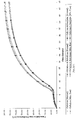
- Figure 1 data therefore demonstrates the ability of seaweed meal to improve rumen microorganism efficiency in the absence of artificial mineral supplements compared to the presence of such artificial mineral sources.
- Figure 1 data also demonstrates that seaweed meal does not adversely affect rumen microorganisms.
- wheat starch was tested in the presence and absence of mineral supplements and seaweed meal.
- wheat starch in the presence of artifical mineral supplements produced approximately 7ml less gas compared to wheat starch degraded in the absence of artificial mineral supplements.
- Wheat starch plus artificial minerals and Hebridean seaweed meal produced approximately 3ml less gas compared wheat starch and Hebridean seaweed degraded in the absence of artificial minerals.
- Figure 2 data therefore demonstrates that seaweed meal does not impair the ability of rumen microorganisms to degrade wheat starch and further demonstrates that artificial mineral sources depress microorganisms present in the rumen.
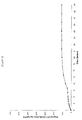
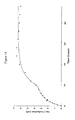
- Figure 4 demonstrates the degradation of Hebridean seaweed meal carbohydrate in rumen liquor over a 48 hour period. As can be seen from Figure 4 , after 36 hours, only approximately 114g/kg of carbohydrate had been degraded, with this figure not rising significantly by the end of the 48 hour time period. This corresponds to approximately 11% of the seaweed meal carbohydrate being degraded. In contrast, for conventional feed (e.g. feed not acting as a source of by-pass protein, for crimped wheat approximately 65% of the crimped wheat would be expected to be degraded (data not shown).
- conventional feed e.g. feed not acting as a source of by-pass protein
- Figure 5 illustrates, in percentage terms, Hebridean seaweed meal protein degraded in rumen liquor during a 48 hour time period using the rumen simulation model described above. By 48 hours approximately 60 percent of the total protein had been degraded. In contrast, for conventional feed (i.e. feed not acting as by-pass product, for example palm kernel meal, soya bean meal over 80% protein degradation would be expected (data not shown).
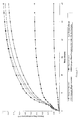
- Figures 6 and 7 demonstrate the ability of seaweed meal proteins and seaweed meal carbohydrates to resist degradation in the rumen. Figures 6 and 7 also demonstrate that the use of seaweed meal gel sprayed onto soya and crimped wheat increased the resistance of soya and crimped wheat to degradation in the rumen.
- Figures 6 and 7 also demonstrate the increased by-pass effect observed with the use of seaweed meal gel sprayed onto crimped wheat and soya to a concentration of 8.7%. Both protein degradation and carbohydrate degradation are decreased relative to the degradation levels seen with untreated crimped wheat and soya. The data therefore demonstrates that seaweed meal may be used effectively in a gel form and that seaweed meal enhances resistance to degradation of different carbohydrates and proteins in foodstuffs.
- seaweed meal protein and carbohydrates to substantially resist degradation and breakdown by rumen microrganisms. This ability allows seaweed meal to act as a source of by-pass protein and/or bypass carbohydrate in ruminants.
- FIGs 8 and 9 demonstrate the ability of seaweed meal to increase milk trace mineral concentrations.
- the quantities measured in parts per billion for manganese, zinc, copper, selenium, iodine and molybdenum were assessed prior to administration of seaweed meal and the values are shown as sample 1.
- 200g of seaweed meal was administered daily per animal mixed in with the total mixed rations.
- Samples 2 and 3 show the milk concentration of these minerals approximately one and two months after the administration of seaweed meal began.
- Bulk milk taken from the whole herd was assessed.
- the bulk milk was a pool of milk taken from a herd of 350 Jersey cattle.
- Figure 9 data the bulk milk was a pool of milk taken from 180 Holstein cattle.
- the exceptionally high copper value in sample 1, prior to the use of seaweed meal is the effect of injecting cattle with artificial copper supplements.
- This common practice involves the use of periodic copper injections which results in milk copper levels fluctuating between very high levels and very low levels.
- High copper levels are capable of causing toxicity in cattle.
- Low copper levels are associated with cattle with an increased susceptibility to mastitis, poor fertility e.g. returns to service and lower milk yields.
- the use of seaweed meal over the two month period resulted in the normalisation of copper levels within optimum levels without the need to administer artificial supplements and risking the associated toxicity and instability of milk copper levels.
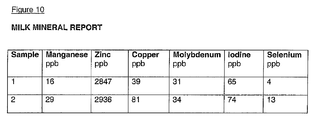
- Figure 10 further demonstrates the ability of seaweed meal to increase milk trace mineral concentrations by improving the animals' ability to absorb minerals in the diet.
- sample 1 relates to milk mineral concentrations prior to administration of 200mg of seaweed meal per animal per day mixed in with total mixed rations. Trace mineral concentrations in milk samples taken approximately one month after administration of seaweed meal began are shown in sample 2.
- bulk milk was assessed, the herd assessed in figure 10 including 120 cattle. Mineral concentrations of all 6 minerals increased over the course of the experiment illustrating the ability of seaweed meal to increase milk mineral concentrations.
- rumen liquor was used to assess the degradability of alfalfa extract compared to soya bean meal.
- alfalfa provides a source of protein which is readily available for degradation and is more available for degradation than soya bean meal protein.
- degradation of alfalfa surprisingly generates far less gas compared to the amount of gas generated by soya bean meal degradation.
- Gas production results from the chemical conversion of acids generated upon fermentation of carbohydrates within soya bean meal and alfalfa.
- Lower gas production by alfalfa is an indication of the suitability of alfalfa as a source of protein and carbohydrates in ruminants.
- the low gas production is also surprising given that alfalfa proteins are also shown to be readily digestible.
- figures 11 to 14 demonstrate the double benefit of alfalfa: readily available and digestible good quality protein which does not also result in large gas production.
- gas production is a function of acids
- low gas production points to a reduction in acidosis within the rumen.
- This effect makes the use of alfalfa particularly beneficial when used in the diets of high production animals.
- the diets of high production animals are associated with high carbohydrate degradation, large gas production and acidosis, which is harmful to the animal.
- Figure 15 demonstrates the increase in milk trace mineral concentrations following administration of seaweed meal and further demonstrates a reduction in milk trace mineral concentrations following withdrawal of seaweed meal.
- the data demonstrates that compared to conventional mineral supplements, seaweed meal provide a source of more readily accessible minerals, as explained below.
- Mineral concentration calculated as a percentage of total dry matter fed to the animal (DM) and as a g/day dose per animal, are presented for each farm prior to the administration of seaweed meal when animals were fed artificial mineral supplements and silage prepared by each farm.
- Table 7 shows the relative reduction in mineral concentrations administered to the herds after reducing artificial mineral supplements by half and introducing seaweed meal to feed.
- Table 8 shows the average milk mineral concentrations in ppb and percentage terms after seaweed meal was removed from the animal's diet. Mineral concentrations were calculated on herds continuing to produce the same average daily milk production produced at the start of the trial.
- Table 9 illustrates the change in mineral concentrations fed to the animal. As can be seen by comparing the data in table 9 with table 8, reducing the total amount of minerals fed to the herd during the trial did not reduce milk quality. Samples were taken during the trial once seaweed meal and been removed from the feed. As shown in Table 10, milk sampled immediately after the removal of seaweed meal from the feed shows an improved somatic cell count, indicative of a more efficiently functioning immune system and reduced bacterial debris in milk. Milk yields and the number of days the herd was in milk also increased, which resulted in an insignificant drop in milk protein and butterfat commonly seen in herds with a longer lactating period.
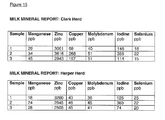
- Figure 15 shows representative data sets for two herds (Harper and Clark) following the trial described above.
- the Harper herd represents a low performance herd
- the Clark herd a high performance herd.
- the quantities measured in parts per billion for manganese, zinc, copper, selenium, iodine and molybdenum were assessed prior to administration of seaweed meal and the values are shown as sample 1.
- the Clark herd was fed 180g of artificial mineral supplement at the start of the trial which was halved to 90g during the trial and supplemented with 200g of seaweed meal.
- Figure 15 clearly demonstrates a rise in milk concentrations of zinc, copper and iodine after administration of seaweed meal. Following withdrawal of seaweed meal, milk mineral trace concentrations fell. Similar results are also illustrated for manganese, molybdenum and selenium levels.
- the data demonstrates the ability of seaweed meal to provide readily accessible minerals to the animal and to support animal output, function and health in a more efficient manner than artificial mineral supplements despite seaweed meal containing lower concentrations of minerals.
- Table 9 compares mineral milk excretion pre trial and after seaweed meal was removed from the feed. Data is expressed in parts per billion. As can be seen, after the administration of seaweed meal, mineral milk content was analogous to that seen pre-trial, but the amount of minerals fed to the animal was reduced by approximately 50%. Excess minerals fed to the animals and not excreted in milk is excreted in faecal matter. Thus, the use of seaweed meal also provides an environmental benefit as it results in reduced mineral excretion from the animal onto the land. Increased soil mineral concentration leads to toxic levels of minerals in the environment which had hazardous consequences to plant and animal life.
- seaweed meal also leads to more effective extraction and utilisation of minerals from the rest of the ration or feed fed to the animal.
- Table 1 analysis of seaweed meal Average Analysis Elemental analysis Amino Acid content % g/kg g/g mg in 200mg 20 different amino acids are present including 13 essential amino acids Crude Protein 6.9 Calcium 35.5 0.0355 7.1 Alganine Arginine Aspartic acid Citruline Cystine Glycine Glutamic acid Histidine Isoleucine Leucine Lysine Methionine Ornithine Phenylalanine Proline Threonine Tyrosine Tryptophan Valine Crude fat 2.4 Chlorine 25 0.025 5 Nitrogen free extracts (carbohydrates) 55-60 Potassium 26.78 0.02678 5.356 Ash 26-28 Nitrogen 12.32 0.1232 2.464 Fibre-less than 8 Sodium 20.4 0.204 4.08 Sand-less than 0.5 Phosphorous 1.2 0.0012 0.24 sulphur 29.6 0.0296 5.92 mg/kg mg/kg mg/mg Micrograms per 200mg Provit A (beta carotene) 40-65 Silver
Landscapes
- Life Sciences & Earth Sciences (AREA)
- Chemical & Material Sciences (AREA)
- Polymers & Plastics (AREA)
- Engineering & Computer Science (AREA)
- Animal Husbandry (AREA)
- Zoology (AREA)
- Food Science & Technology (AREA)
- Birds (AREA)
- Health & Medical Sciences (AREA)
- Biotechnology (AREA)
- Botany (AREA)
- Molecular Biology (AREA)
- Mycology (AREA)
- Physiology (AREA)
- Fodder In General (AREA)
- Feed For Specific Animals (AREA)
Applications Claiming Priority (1)
| Application Number | Priority Date | Filing Date | Title |
|---|---|---|---|
| GBGB0723969.2A GB0723969D0 (en) | 2007-12-07 | 2007-12-07 | Seaweed meal |
Publications (2)
| Publication Number | Publication Date |
|---|---|
| EP2070426A2 true EP2070426A2 (de) | 2009-06-17 |
| EP2070426A3 EP2070426A3 (de) | 2009-07-22 |
Family
ID=39016337
Family Applications (1)
| Application Number | Title | Priority Date | Filing Date |
|---|---|---|---|
| EP08171009A Withdrawn EP2070426A3 (de) | 2007-12-07 | 2008-12-08 | Verbessertes Tierfuttermittel für Wiederkäuer |
Country Status (2)
| Country | Link |
|---|---|
| EP (1) | EP2070426A3 (de) |
| GB (2) | GB0723969D0 (de) |
Cited By (3)
| Publication number | Priority date | Publication date | Assignee | Title |
|---|---|---|---|---|
| CN111184127A (zh) * | 2019-12-18 | 2020-05-22 | 内蒙古自治区农牧业科学院 | 保护反刍动物瘤胃上皮通透性的营养活性物质调控剂 |
| KR102150570B1 (ko) * | 2019-07-15 | 2020-09-01 | 경상남도 | 반추위 비분해성 베타카로틴 사료첨가제 |
| CN112243349A (zh) * | 2018-06-05 | 2021-01-19 | 乐斯福公司 | 改进麦秸瘤胃降解的方法 |
Citations (1)
| Publication number | Priority date | Publication date | Assignee | Title |
|---|---|---|---|---|
| US20060073236A1 (en) | 2004-04-16 | 2006-04-06 | Aqtrition Usa, Llc | Method of feeding choline |
Family Cites Families (4)
| Publication number | Priority date | Publication date | Assignee | Title |
|---|---|---|---|---|
| DE2952048A1 (de) * | 1979-12-22 | 1981-07-02 | Edmund 8901 Wehringen Müller | Futter und nahrungsmittel-grundstoff und verfahren zu seiner herstellung |
| JP3205073B2 (ja) * | 1992-09-24 | 2001-09-04 | 神協産業株式会社 | 飼 料 |
| SK57096A3 (sk) * | 1996-05-03 | 1997-11-05 | Josef Palicka | : Tableta zo zeleniny s výživnými a podpornými účinkami na ľudský organizmus |
| WO2008074062A1 (en) * | 2006-12-18 | 2008-06-26 | Plantmaster Products International Pty Ltd | Organic fertilizer and application system therefore |
-
2007
- 2007-12-07 GB GBGB0723969.2A patent/GB0723969D0/en not_active Ceased
-
2008
- 2008-12-08 EP EP08171009A patent/EP2070426A3/de not_active Withdrawn
- 2008-12-08 GB GB0822338A patent/GB2455422A/en not_active Withdrawn
Patent Citations (1)
| Publication number | Priority date | Publication date | Assignee | Title |
|---|---|---|---|---|
| US20060073236A1 (en) | 2004-04-16 | 2006-04-06 | Aqtrition Usa, Llc | Method of feeding choline |
Cited By (3)
| Publication number | Priority date | Publication date | Assignee | Title |
|---|---|---|---|---|
| CN112243349A (zh) * | 2018-06-05 | 2021-01-19 | 乐斯福公司 | 改进麦秸瘤胃降解的方法 |
| KR102150570B1 (ko) * | 2019-07-15 | 2020-09-01 | 경상남도 | 반추위 비분해성 베타카로틴 사료첨가제 |
| CN111184127A (zh) * | 2019-12-18 | 2020-05-22 | 内蒙古自治区农牧业科学院 | 保护反刍动物瘤胃上皮通透性的营养活性物质调控剂 |
Also Published As
| Publication number | Publication date |
|---|---|
| GB0723969D0 (en) | 2008-01-23 |
| GB0822338D0 (en) | 2009-01-14 |
| GB2455422A (en) | 2009-06-10 |
| EP2070426A3 (de) | 2009-07-22 |
Similar Documents
| Publication | Publication Date | Title |
|---|---|---|
| Sarwar et al. | Nutritional management for buffalo production | |
| Karamnejad et al. | Effects of nitrogen source on the performance and feeding behavior of lambs fed a high concentrate diet containing pomegranate peel | |
| Chaji et al. | Effects of processed recycled poultry bedding with tannins extracted from pomegranate peel on the nutrient digestibility and growth performance of lambs | |
| Jasim et al. | Effect of chitosan and antibiotic adding to corn-soybean diet on the productive performance of broiler chickens | |
| Shirzadegan et al. | The effect of different levels of sesame wastes on performance, milk composition and blood metabolites in Holstein lactating dairy cows | |
| Luthfi et al. | Ruminal fermentation and blood glucose at low and high level intake of growing and mature Kacang goat | |
| EP2070426A2 (de) | Verbessertes Tierfuttermittel für Wiederkäuer | |
| Yavuz et al. | Effect of physical form of starter feed on intake, growth rate, behavior and health status of female dairy calves | |
| Salehpour et al. | Effect sof feeding different levels of Guar meal on performance and blood metabolites in Holstein lactating cows. | |
| Olafadehan et al. | Effect of replacement of soybean meal with urea or urea supplemented with sulphur on the performance of lambs | |
| JP2000281575A (ja) | 油脂被覆ビタミンc経口給与による、家畜の免疫力増強、並びにストレスの防除及び損耗を防止する方法 | |
| RU2467591C1 (ru) | Кормовая добавка для сельскохозяйственных животных | |
| WO2009070291A1 (en) | Animal feed composition with enhanced nutritional characteristics | |
| Oliveira et al. | Use of simplify diet with cassava by products for rabbits | |
| JPH0698688A (ja) | 飼 料 | |
| Kamali et al. | Effect of microwave-treated poultry byproduct meal on growth performance, rumen parameters, microbial protein, and nitrogen retention in Dalagh fattening lambs. | |
| Kellaway et al. | The roughage requirement of early weaned calves | |
| Mahboubi et al. | Investigation of the effects alfalfa removal in the diet on growth performance and carcass characteristics in fattening Afshar male lambs. | |
| Muktiani et al. | Milk Production of Ettawah Grade Goat Fed Diet Containing Different Protein and Energy Contents Supplemented with Organic Mineral and Grapes Seed Oil | |
| US20230413879A1 (en) | Food comprising isosteviol and uses thereof | |
| KR100877800B1 (ko) | 사육동물의 사료 조성물 | |
| JP3151306B2 (ja) | 反芻動物用飼料組成物とそれを用いる反芻動物の飼育方法 | |
| Aghjehgheshlagh et al. | Effects of Dietary Tomato (Solanum lycopersicum) Pomace with or Without Enzyme Supplementation on Performance, Nutrient Digestibility, Blood Metabolites, and Hepatic Enzyme Activity in Fattening Lambs. | |
| VIGH et al. | Effects of Low-Dose Organic Trace Minerals Supplementation on the Mineral Excretion and Physiological Mineral Status in Small Ruminants. | |
| Mirzababaei et al. | The Effects of Oregano Essential Oil and Sodium Butyrate on the Growth Performance, Blood and Rumen Fermentation Parameters of Suckling Holstein Calves. |
Legal Events
| Date | Code | Title | Description |
|---|---|---|---|
| PUAI | Public reference made under article 153(3) epc to a published international application that has entered the european phase |
Free format text: ORIGINAL CODE: 0009012 |
|
| AK | Designated contracting states |
Kind code of ref document: A2 Designated state(s): AT BE BG CH CY CZ DE DK EE ES FI FR GB GR HR HU IE IS IT LI LT LU LV MC MT NL NO PL PT RO SE SI SK TR |
|
| AX | Request for extension of the european patent |
Extension state: AL BA MK RS |
|
| PUAL | Search report despatched |
Free format text: ORIGINAL CODE: 0009013 |
|
| AK | Designated contracting states |
Kind code of ref document: A3 Designated state(s): AT BE BG CH CY CZ DE DK EE ES FI FR GB GR HR HU IE IS IT LI LT LU LV MC MT NL NO PL PT RO SE SI SK TR |
|
| AX | Request for extension of the european patent |
Extension state: AL BA MK RS |
|
| AKX | Designation fees paid | ||
| REG | Reference to a national code |
Ref country code: DE Ref legal event code: 8566 |
|
| STAA | Information on the status of an ep patent application or granted ep patent |
Free format text: STATUS: THE APPLICATION IS DEEMED TO BE WITHDRAWN |
|
| 18D | Application deemed to be withdrawn |
Effective date: 20100123 |