EP2071460A2 - Virtualisation de dispositif local - Google Patents
Virtualisation de dispositif local Download PDFInfo
- Publication number
- EP2071460A2 EP2071460A2 EP08170881A EP08170881A EP2071460A2 EP 2071460 A2 EP2071460 A2 EP 2071460A2 EP 08170881 A EP08170881 A EP 08170881A EP 08170881 A EP08170881 A EP 08170881A EP 2071460 A2 EP2071460 A2 EP 2071460A2
- Authority
- EP
- European Patent Office
- Prior art keywords
- local
- transaction request
- driver
- remote
- remote system
- Prior art date
- Legal status (The legal status is an assumption and is not a legal conclusion. Google has not performed a legal analysis and makes no representation as to the accuracy of the status listed.)
- Granted
Links
Images




Classifications
-
- G—PHYSICS
- G06—COMPUTING OR CALCULATING; COUNTING
- G06F—ELECTRIC DIGITAL DATA PROCESSING
- G06F9/00—Arrangements for program control, e.g. control units
- G06F9/06—Arrangements for program control, e.g. control units using stored programs, i.e. using an internal store of processing equipment to receive or retain programs
- G06F9/44—Arrangements for executing specific programs
- G06F9/4401—Bootstrapping
- G06F9/4411—Configuring for operating with peripheral devices; Loading of device drivers
Definitions
- the subject technology relates generally to remote computing and, in particular, relates to virtualization of a local device.
- One approach to the design and implementation of computer networks includes designing client applications and client devices so that the majority of the heavily used resources are at a remote computing device, such as a centralized server, connected via network.
- client devices generally have minimal memory, disk storage, and processor power, but are designed under the premise that most users connected to a powerful server do not need the additional processing power.
- the total cost of ownership is minimized, because of the reduced resources and because the clients can be centrally administered and updated from the server. As such, these clients are especially suited for a network, which requires a significant number of workstations.
- server-side devices devices connected to the server
- server-side devices are shared amongst a large number of clients. For example, in a data entry facility or in an office environment, multiple clients may periodically use a printer device connected to a server to print documents.
- client-side device usually cannot be shared with other clients on the network, and the client is generally limited to having exclusive local access to the client-side device.
- server in addition to other clients on the network not having access to the client-side device, the server also will have limited, if any, access to the client-side device.
- a system for virtualization of a local device includes a proxy configured to report, to a remote system, a status of a local device of the system.
- the proxy is further configured to receive at least one transaction request designated for the local device from the remote system.
- the system further includes a generic device driver configured to receive the at least one transaction request for the local device.
- the generic device driver is further configured to provide a result of the at least one transaction request.
- the generic device driver is operable with the local device and one or more devices other than the local device.
- the proxy is further configured to provide the result of the at least one transaction request to the remote system.
- the local device is remote to the remote system.
- the remote system is configured to comprise a device-specific driver for the local device.
- the local device may be a Universal Serial Bus ("USB") device.
- USB Universal Serial Bus
- a system for utilizing a local device of a remote system includes a virtual device bus driver configured to receive at least one transaction request.
- the at least one transaction request is designated for a local device of a remote system.
- the system further includes an agent configured to receive a notification that the local device is connected to the remote system.
- the agent is further configured to receive the at least one transaction request.
- the agent is also configured to provide the at least one transaction request to the remote system.
- the agent is further configured to receive, from the remote system, a result of the at least one transaction request.
- the agent is also configured to provide the result of the at least one transaction request.
- the virtual device bus driver is further configured to receive the result of the at least one transaction request.
- the system is configured to comprise a device-specific driver specific to the local device.
- the local device is remote to the system.
- a method for virtualization of a local device includes reporting, to a remote system, a status of a local device of a local system.
- the method further includes receiving at least one transaction request designated for the local device from the remote system, and communicating the at least one transaction request to the local device.
- the method also includes receiving a result of the at least one transaction request from the local device, and transmitting the result of the at least one transaction request to the remote system.
- the local device is remote to the remote system.
- the remote system is configured to comprise a device-specific driver for the local device.
- a method for utilizing a device locally connected to a remote system.
- the method includes receiving a notification that a device is locally connected to a remote system, and loading, at a system, a device-specific driver for the device locally connected to the remote system.
- the method further includes accepting at least one transaction request from the device-specific driver.
- the at least one transaction request is designated for the device locally connected to the remote system.
- the method also includes providing the at least one transaction request to the remote system, and receiving, from the remote system, a result of the at least one transaction request.
- the method further includes providing the result of the at least one transaction request to the device-specific driver.
- the system is remote to the device.
- a system for virtualization of a local device includes means for reporting, to a remote system, a status of a local device of a local system.
- the system also includes means for receiving at least one transaction request designated for the local device from the remote system.
- the system further includes means for communicating the at least one transaction request to the local device and means for receiving a result of the at least one transaction request from the local device.
- the system includes means for transmitting the result of the at least one transaction request to the remote system.
- the local device is remote to the remote system.
- the remote system is configured to comprise a device-specific driver for the local device.
- a system for utilizing a device locally connected to a remote system includes means for receiving a notification that a device is locally connected to a remote system.
- the system also includes means for loading, at a system, a device-specific driver for the device locally connected to the remote system.
- the system further includes means for accepting at least one transaction request from the device-specific driver.
- the at least one transaction request is designated for the device locally connected to the remote system.
- the system includes means for providing the at least one transaction request to the remote system.
- the system also includes means for receiving, from the remote system, a result of the at least one transaction request, and means for providing the result of the at least one transaction request to the device-specific driver.
- the system is remote to the device.
- a machine-readable medium is encoded with instructions executable by a processor to perform a method for virtualization of a local device.
- the instructions include code for reporting, to a remote system, a status of a local device of a local system and code for receiving at least one transaction request designated for the local device from the remote system.
- the instructions also include code for communicating the at least one transaction request to the local device.
- the instructions include code for receiving a result of the at least one transaction request from the local device, and transmitting the result of the at least one transaction request to the remote system.
- the local device is remote to the remote system.
- the remote system is configured to comprise a device-specific driver for the local device.
- a machine-readable medium is encoded with instructions executable by a processor to perform a method for utilizing a device locally connected to a remote system.
- the instructions include code for receiving a notification that a device is locally connected to a remote system.
- the instructions also include code for, loading, at a system, a device-specific driver for the device locally connected to the remote system, and accepting at least one transaction request from the device-specific driver.
- the at least one transaction request is designated for the device locally connected to the remote system.
- the instructions also include code for providing the at least one transaction request to the remote system.
- the instructions further include code for receiving, from the remote system, a result of the at least one transaction request, and providing the result of the at least one transaction request to the device-specific driver.
- the system is remote to the device.
- the invention provides a system for visualization of a local Universal Serial Bus (“USB”) device, comprising:
- the invention provides a system for utilizing a local device of a remote system, comprising:
- the local device is a Universal Serial Bus device.
- the remote system is configured with, or configured for, a first operating system
- the system is configured with, or configured for, a second operating system
- the first operating system is different than the second operating system.
- a proxy, a generic device driver, or both the proxy and the generic device driver may be configured to translate the at least one transaction request from a form compatible with the second operating system into a form that is compatible with the first operating system.
- the virtual device bus driver is configured to accept transaction requests from other device-specific drivers.
- the agent is further configured to receive identifying information about the local device from the remote system.
- the system may be configured to load the device-specific driver based on the identifying information about the local device.
- the virtual device bus driver is configured to receive the notification from the agent, is configured to provide the notification to an operating system of the system, is configured to receive the at least one transaction request from the device-specific driver, is configured to receive the result of the at least one transaction request from the agent, and is configured to provide the result of the at least one transaction request to the device-specific driver, wherein the agent is configured to receive the notification from the remote system, and is configured to receive the at least one transaction request from the virtual device bus driver.
- the device-specific driver is configured to translate a transaction with the local device to a transaction request understandable by the local device.
- At least one of the at least one transaction request and the result of the at least one transaction request is encrypted.
- the invention provides a method for virtualization of a local device, comprising:
- the local device is a Universal Serial Bus device.
- the local system is configured with a first operating system
- the remote system is configured with a second operating system
- the first operating system is different than the second operating system.
- the method may further comprise translating the at least one transaction request from a form compatible with the second operating system into a form that is compatible with the first operating system.
- the local system does not comprise a device-specific driver for the local device.
- the step of receiving at least one transaction request comprises receiving the at least one transaction request by a proxy from the remote system, wherein the step of transmitting the result comprises transmitting the result by the proxy to the remote system, and wherein the method further comprises:
- the step of communicating the at least one transaction request to the local device is performed from a generic device driver at the local system or from a device bus driver at the local system, wherein the device bus driver is operable with a first operating system and not operable with a second operating system, the device bus driver is operable with a first type of communications protocol and not operable with a second type of communications protocol, the device bus driver is operable with the local device and operable with a second local device, and the local device and the second local device utilize one type of communications protocol, wherein the generic device driver is operable with the first operating system and not operable with a second operating system, and the generic device driver is operable with different types of communications protocol.
- the step of receiving at least one transaction request comprises receiving the at least one transaction request at a proxy of the local system, and wherein the method further comprises:
- the status of the local device includes whether the local device is connected to the local system.
- the status of the local device includes identifying information about the local device.
- the local system is a computer comprising a processor, and wherein the remote system comprises a virtual device bus driver, an agent and a processor.
- the method further comprises encrypting at least one of the at least one transaction request and the result of the at least one transaction request.
- the invention provides a method for utilizing a device locally connected to a remote system, comprising:
- the device is a Universal Serial Bus device.
- the remote system is configured with a first operating system
- the system is configured with a second operating system
- the first operating system is different than the second operating system
- the remote system is configured to translate the at least one transaction request from a form compatible with the second operating system into a form that is compatible with the first operating system.
- the step of accepting at least one transaction request from the device-specific driver comprises accepting the at least one transaction request by a virtual device bus driver, the virtual device bus driver configured to accept transaction requests from other device-specific drivers.
- the method further comprises: receiving, by the system, identifying information about the local device from the remote system.
- the step of loading a device-specific driver for the device locally connected to the remote system may be based on the identifying information about the local device.
- the step of receiving a notification that a device is locally connected to a remote system is performed by an agent, wherein the step of accepting at least one transaction request from the device-specific driver is performed by a virtual device bus driver, wherein the step of receiving, from the remote system, a result of the at least one transaction request is performed by the agent, wherein the step of providing the result of the at least one transaction request to the device-specific driver is performed by the virtual device bus driver, and wherein the method further comprises:
- the method further comprises: translating a transaction with the local device to a transaction request understandable by the local device.
- the method further comprises comprising encrypting at least one of the at least one transaction request and the result of the at least one transaction request.
- the invention provides a machine-readable medium encoded with instructions executable by a processor to perform a method for virtualization of a local device, the method comprising:
- the local device is a Universal Serial Bus device.
- the local system is configured with, or configured for, a first operating system
- the remote system is configured with, or configured for, a second operating system
- the first operating system is different than the second operating system.
- the method may further comprise translating the at least one transaction request from a form compatible with the second operating system into a form that is compatible with the first operating system.
- the local system does not comprise a device-specific driver for the local device.
- the step of receiving at least one transaction request comprises receiving the at least one transaction request by a proxy from the remote system, wherein the step of transmitting the result comprises transmitting the result by the proxy to the remote system, and wherein the method further comprises:
- the step of communicating the at least one transaction request to the local device is performed from a generic device driver at the local system or from a device bus driver at the local system, wherein the device bus driver is operable with a first operating system and not operable with a second operating system, the device bus driver is operable with a first type of communications protocol and not operable with a second type of communications protocol, the device bus driver is operable with the local device and operable with a second local device, and the local device and the second local device utilize one type of communications protocol, wherein the generic device driver is operable with the first operating system and not operable with a second operating system, and the generic device driver is operable with different types of communications protocol.
- the step of receiving at least one transaction request comprises receiving the at least one transaction request at a proxy of the local system, and wherein the method further comprises:
- the status of the local device includes whether the local device is connected to the local system.
- the status of the local device includes identifying information about the local device.
- the local system is a computer comprising a processor, and wherein the remote system comprises a virtual device bus driver, an agent and a processor.
- the method further comprises encrypting at least one of the at least one transaction request and the result of the at least one transaction request.
- the invention provides a machine-readable medium encoded with instructions executable by a processor to perform a method for utilizing a device locally connected to a remote system, the method comprising:
- the device is a Universal Serial Bus device.
- the remote system is configured with, or configured for, a first operating system
- the system is configured with, or configured for, a second operating system
- the first operating system is different than the second operating system.
- the remote system may be configured to translate the at least one transaction request from a form compatible with the second operating system into a form that is compatible with the first operating system.
- the step of accepting at least one transaction request from the device-specific driver comprises accepting the at least one transaction request by a virtual device bus driver, the virtual device bus driver configured to accept transaction requests from other device-specific drivers.
- the method further comprises: receiving, by the system, identifying information about the local device from the remote system.
- the step of loading a device-specific driver for the device locally connected to the remote system may be based on the identifying information about the local device.
- the step of receiving a notification that a device is locally connected to a remote system is performed by an agent, wherein the step of accepting at least one transaction request from the device-specific driver is performed by a virtual device bus driver, wherein the step of receiving, from the remote system, a result of the at least one transaction request is performed by the agent, wherein the step of providing the result of the at least one transaction request to the device-specific driver is performed by the virtual device bus driver, and wherein the method further comprises:
- the method further comprises: translating a transaction with the local device to a transaction request understandable by the local device.
- the method further comprises encrypting at least one of the at least one transaction request and the result of the at least one transaction request.
- Figure 1 is a block diagram of a local device virtualization system in accordance with one configuration of the present disclosure.
- Figure 2 is a block diagram illustrating an exemplary hardware configuration of a local device virtualization system.
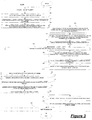
- Figure 3 is a flow chart depicting an exemplary process of virtualizing a local device from a local computing device to a remote computing device.
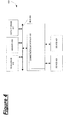
- Figure 4 is a block diagram that illustrates an exemplary computing system that can perform certain aspects of the present disclosure in accordance with one configuration of the present disclosure.
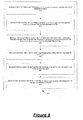
- Figure 5 is a flow chart illustrating an exemplary operation of virtualizing a local device.
- Figure 6 is a flow chart illustrating an exemplary operation of utilizing a device locally connected to a remote system.
- Figure 7 is a conceptual block diagram illustrating an example of the functionality of modules in a system for virtualization of a local device.
- Figure 8 is a conceptual block diagram illustrating an example of the functionality of modules in a system for utilizing a device locally connected to a remote system.
- the local device virtualization system 100 may include local client computing device 110 ("client") in communication with remote server computing device 160 ("server”) using socket connection 150.
- client 110 may include proxy 140, generic device driver 131, and device bus driver 132.
- Client 110 can be connected to device 120.
- Server 160 may include agent 170, virtual device bus driver 190; and device-specific driver 180.
- device 120 while device 120 is not locally or physically connected to server 160 and is remote to server 160, device 120 appears to server 160 as if it is locally installed on and connected to server 160. Device 120 thus appears to server 160 as virtual device 195.
- device 120 may be a machine-readable storage medium, a keyboard, a joystick, a monitor, a mouse, a camera, a scanner, a printer, a facsimile machine, a phone, a personal digital assistant (PDA), an audio player, a game console, a camcorder, an audio device, a video device, a multimedia device, a mobile pocket personal computer ("PC"), a mobile phone, a peripheral device, or other suitable devices that can be connected to client 110.
- Device 120 may be a stationary device or a mobile device.
- Device 120 may be a single interface device or a multiple interface device.
- Device 120 may be an external device (i.e., external to client 110).
- device 120 may be an internal device (i.e., internal to client 110).
- a keyboard, a monitor or a camera may be internal devices of client 110.
- Device 120 may be configured for synchronization with server 160.
- device 120 is a Universal Serial Bus (“USB”) device and can be locally connected to client 110 using a wired USB or wireless USB connection. In another aspect of the disclosure, device 120 may be a device other than a USB device.
- USB Universal Serial Bus
- Device 120 can be locally connected to client 110 using a wired communications interface including, without limitation, (i) a serial communications interface such as wired USB (discussed above), RS-232, Ethernet, another serial communications interface, or (ii) a parallel communications interface.
- device 120 may be locally connected to client 110 using a wireless communications interface, including without limitation, radio frequency ("RF"), infrared, Bluetooth ® , wireless USB (discussed above), wireless fidelity (Wi-Fi), Institute for Electrical and Electronic Engineers (“IEEE”) 802.11x, or the like.
- RF radio frequency
- WiFi wireless fidelity
- IEEE Institute for Electrical and Electronic Engineers
- a "local" device of a system may be a device directly connected to the system using one or more wires or connectors (e.g., physically connected to the system), a device indirectly connected to the system using one or more hubs, or a device directly connected to the system using a wireless link.
- device 120 is a local device of client 110.
- a local device of a system or a device locally connected to a system may include a device within the system (e.g., an internal device of client 110).
- a “remote” device, or a device “remote” to a system may be a device that is not directly connected to the system.
- server 160 is remote to both client 110 and device 120 because server 160 is not directly connected to client 110 or device 120 but connected indirectly through network 135 (illustrated in Figure 2 ), which can include, for example, a router, another server, or the Internet.
- Device bus driver 132 can be configured to allow computing programs, such as generic device driver 131, to interact with device 120.
- Device bus driver 132 may be specific to the operating system of client 110, and thus operable with the operating system of client 110 but not operable with another operating system (e.g., the operating system of server 160 or the operating system of another client).
- device bus driver 132 may be compatible with one or more operating systems.
- Device bus driver 132 is not specific to device 120.
- device bus driver 132 can be used for devices that are of a certain type (e.g., devices that utilize the same communications protocol).
- device bus driver 132 may be used for a keyboard connected to client 110 utilizing a USB interface and also used for an external storage device connected to client 10 utilizing a USB interface.
- Device bus driver 132 may be compatible with one or more devices (e.g., device 120 and other devices that utilize the same type of communications protocol).
- Device bus driver 132 is specific to a communications protocol.
- client 110 may be loaded with a device bus driver operable with a USB interface and thus utilizing a USB communications protocol
- another separate device bus driver may be loaded to operate with a parallel communications interface and thus utilizing a parallel communications protocol
- yet another separate device bus driver may be loaded to operate with a Bluetooth ® interface and thus utilizing a Bluetooth ® communications protocol.
- device bus driver 132 may be operable with one type of communications protocol but not operable with another type of communications protocol.
- device bus driver 132 may be operable with one type of devices but not operable with another type of devices that utilizes a different type of communications protocol.
- device bus driver 132 may be compatible with one or more communications protocols.
- device bus driver 132 may be generic to communications protocols (i.e., one device bus driver is operable with many different types of communications protocols and thus operable with different types of devices).
- Device bus driver 132 can identify information regarding device 120 ("device information,"), such as features, characteristics, and other information that is specific to device 120.
- Device bus driver 132 can communicate with device 120 through a computer bus or other wired or wireless communications interfaces, as described above.
- Device bus driver 132 can be configured to receive transaction requests for device 120 from a computing program, such as generic device driver 131, (e.g., when a routine is called on device bus driver 132 by the computing program), and provide the transaction requests to device 120 (e.g., issue commands to device 120).
- a computing program such as generic device driver 131
- device bus driver 132 receives the results of the transaction requests from device 120 (e.g., the executed commands)
- device bus driver 132 can send the results to the computing program that issued the transaction requests (e.g., the computing program that called the routine).
- Generic device driver 131 may be specific to, or compatible with, the operating system of client 110. However, generic device driver 131 is not specific to device 120. Accordingly, generic device driver 131 can be used for, or can be compatible with, various types of devices. Generic device driver 131 can be operable with devices other than device 120, and can be generic to devices. These devices may be peripheral devices of client 110, Generic device driver 131 may also be generic to and compatible with different types of communications protocols (i.e., generic device driver 131 is operable with many different may be combined as a single driver. For example, generic device driver 131 can represent both generic device driver 131 and device bus driver 132.
- Proxy 140 can be configured to receive a notification from generic device driver 131 that device 120 is connected to client 110, and to report the notification, along with the device information, to agent 170 running on server 160.
- the device information can include, for example, one or more of the following: the type of device (i.e., data storage, printer, camera, etc.), its brand, its model designation, and its assigned address.
- Proxy 140 can be also configured to receive transaction requests over socket connection 150 issued for device 120 (e.g., commands for device 120) from the server-side (e.g., agent 170) and provide those requests to generic device driver 131 for ensuing execution on device 120.
- Proxy 140 can be also configured to receive results of the transaction requests (e.g., the executed commands), if any exists, and provide those results over socket connection 150 to the server-side (e.g., agent 170).
- proxy 140 along with generic device driver 131, (ii) proxy 140, or (iii) generic device driver 131 may translate the transaction requests from a form compatible with the operating system of server 160 into a form compatible with the operating system of client 110.
- Device bus driver 132 and device 120 may receive the transaction requests in a form compatible with, or understandable by, the operating system of client 110.
- proxy 140 along with generic device driver 131, (ii) proxy 140, or (iii) generic device driver 131 may, if necessary, translate the results of the transaction requests received, from device 120 through device bus driver 132, from a form compatible with the operating system of client 110 into a form compatible with the operating system of server 160.
- client 110 receive information about the operating system running on server 160.
- server 160 is independent of the type of operating system running on client 110.
- server 160 can operate without knowing the type of operating system running on client 110 and without receiving information about the operating system of client 110.
- types of communications protocols such as serial communications protocols, parallel communications protocols, and wireless communications protocols.
- generic device driver 131 can assign priority depending on different features of device 120 or its data paths, such as an endpoint type (i.e., bulk, control, isochronous, and interrupt).
- generic device driver 131 may be compatible with one or more operating systems.
- client 110 may have multiple devices and/or multiple generic device drivers.
- the multiple devices may be the same type or different types of devices, or a combination thereof.
- all of the devices may be the same type of devices; all of the devices may be different types of devices; or some of the devices are one type of device, and some of the devices are different types of devices.
- each generic device driver may be associated with, and may operate with, its respective one of the multiple devices.
- a generic device driver may be associated with, and may operate with, more than one of the multiple devices or all of the multiple devices.
- proxy 140 may be generally a module that performs a function or operation on behalf of generic device driver 131 and/or device bus driver 132, and communicates with server 160, while not disclosing the details of the function or operation to server 160, or may be a module that performs a task in the background.
- Agent 170 can be configured to receive the notification from proxy 140 that device 120 is connected to client 110 and the device information. Agent 170 can provide the notification and device information to virtual device bus driver 190. Agent 170 can also receive, from virtual device bus driver 190, transaction requests issued for device 120 (e.g., commands for device 120) and send those requests to proxy 140 over socket connection 150. Agent 170 can also receive the results of those requests (if any) over socket connection 150 and send them to virtual device bus driver 190.
- transaction requests issued for device 120 e.g., commands for device 120
- Agent 170 can also receive the results of those requests (if any) over socket connection 150 and send them to virtual device bus driver 190.
- agent 170 may be generally a module that performs a function or operation on behalf of virtual device bus driver 190 and/or device-specific driver 180, and communicates with client 110, while not disclosing the details of the function or operation to client 110, or may be a module that performs a task in the background.
- Virtual device bus driver 190 can be configured to report to the operating system of server 160 that device 120 is connected and provide the device information for device 120 to the operating system, so that the operating system can load device-specific driver 180 for device 120.
- device-specific driver 180 is operating-system specific (e.g., operable or compatible with one type of operating system).
- Device-specific driver 180 may be specific and compatible with the operating system of server 160.
- Virtual device bus driver 190 can be further configured to intercept from device-specific driver 180 transaction requests designated for device 120 (e.g., device-understandable commands), send the transaction requests to agent 170, and wait to receive from agent 170 any results of the transaction requests. Upon receiving the results, virtual device bus driver 190 can provide the results to device-specific driver 180.
- Virtual device bus driver may also accept transaction request from device-specific drivers other than device-specific driver 180.
- device-specific driver 180 resides in server 160 (and not in client 110) and is configured for usage with the operating system of server 160 (and not with the operating system of client 110)
- device bus driver 132 resides in client 110 and is configured for use with the operating system of client 110
- the local device virtualization system as described herein is capable of usage not only with homogeneous operating systems, but also with heterogeneous operating systems (i.e., the operating systems of client 110 and server 160 do not have to be the same).
- the device-specific driver 180 since only one instance of the device-specific driver 180 is present in the device virtualization system, regardless of the number of clients which use virtual device 195 centrally accessible through server 160, only the single device-specific driver 180 needs to be updated or reconfigured if necessary, thus obviating the need to update an instance of a device-specific driver for each and every client.
- client 110 may install a device-specific driver for device 120 locally so that when client 110 is not connected to server 160 (in which case device-specific driver 180 on server 160 is not available to client 110), client 110 can still utilize local device 120 via the local device-specific driver on client 110.
- client 110 may install a device-specific driver for device 120 locally so that when client 110 is not connected to server 160 (in which case device-specific driver 180 on server 160 is not available to client 110), client 110 can still utilize local device 120 via the local device-specific driver on client 110.
- client 110 may install a device-specific driver for device 120 locally so that when client 110 is not connected to server 160 (in which case device-specific driver 180 on server 160 is not available to client 110), client 110 can still utilize local device 120 via the local device-specific driver on client 110.
- server 160 e.g., printing a document to device 120 utilizing an application on server 160
- device-specific driver 180 on server 160 is utilized.
- client 185 of Figure 2 is another client system which, when connected to server 160, can gain access to device 120 through server 160.
- client 185 can gain access to device 120 through server 160 when the operating system of server 160 is Windows 2003 Terminal Server®.
- Each of clients 110 and 185 can represent a computer, a laptop computer, a thin client, a PDA, a portable computing device, or a suitable device with a processor.
- a client when a client is a thin client, it may be a device having at least a processor and memory, where the total amount of memory of the thin client is less than the total amount of memory in server 160.
- a thin client may not have a hard disk.
- each of clients 110 and 185 can represent a mobile telephone, an audio player, a game console, a camera, a camcorder, an audio device, a video device, a multimedia device, or a device capable of supporting a connection to remote server 160.
- Clients 110 and 185 can be stationary or mobile.
- Server 160 may represent a computer, a laptop computer, a thin client, a PDA, a portable computing device, a virtual machine (e.g. VMWare® Virtual Machine), or a suitable device with a processor.
- server 160 can represent a mobile telephone, an audio player, a game console, a camera, a camcorder, an audio device, a video device, a multimedia device, or a device capable of supporting a connection to remote server 160.
- Server 160 can be stationary or mobile.
- a processor such as processor 115, illustrated as part of clients 110 and 185 and server 160, may be implemented using software, hardware, or a combination of both.
- a processor may be implemented with one or more processors.
- a processor may be a general-purpose microprocessor, a microcontroller, a digital signal processor ("DSP"), an application specific integrated circuit (“ASIC”), a field programmable gate array (“FPGA”), a programmable logic device (“PLD”), a controller, a state machine, gated logic, discrete hardware components, or any other suitable device that can perform calculations or other manipulations of information.
- DSP digital signal processor
- ASIC application specific integrated circuit
- FPGA field programmable gate array
- PLD programmable logic device
- a processor may also include one or more machine-readable media for storing software.
- Software shall be construed broadly to mean instructions, data, or any combination thereof, whether referred to as software, firmware, middleware, microcode, hardware description language, or otherwise. Instructions may include code (e.g., in source code format, binary code format, executable code format, or any other suitable format of code).
- Machine-readable media may include storage integrated into a processor, such as might be the case with an ASIC.
- Machine-readable media may also include storage external to a processor, such as a random access memory (“RAM”), a flash memory, a read only memory (“ROM”), a programmable read-only memory (“PROM”), an erasable PROM (“EPROM”), registers, a hard disk, a removable disk, a CD-ROM, a DVD, or any other suitable storage device.
- RAM random access memory
- ROM read only memory
- PROM programmable read-only memory
- EPROM erasable PROM
- registers a hard disk, a removable disk, a CD-ROM, a DVD, or any other suitable storage device.
- machine-readable media may include a transmission line or a carrier wave that encodes a data signal.
- a machine-readable medium is a computer-readable medium encoded or stored with instructions and is a computing element, which defines structural and functional interrelationships between the instructions and the rest of the system, which permit the instructions' functionality to be realized.
- Instructions may be executable, for example, by clients 110 and 185, by server 160 or by processor 115. Instructions can be, for example, a computer program including code.
- a machine-readable medium may comprise one or more media.
- Communications modules 105, 155, and 145 may be implemented using software, hardware, or a combination of both.
- communications modules 105, 155, and 145 may be implemented with one or communications devices, such as, but not limited to, a modem, RS-232, Ethernet, Wi-Fi, IEEE 802.1 1x, or other forms of communication.
- Communications modules 105, 155, and 145 may also include one or more machine-readable media for storing software.
- Communications module 105 of client 110 includes previously described proxy 140, generic device driver 131, and device bus driver 132, each of which may have direct access to its respective processor 115.
- communications module 145 of server 160 includes previously described agent 170, device-specific driver 180, and virtual device bus driver 190, each of which may have direct access to its respective processor 115.
- Device 120 is connected locally to client 110, as described above.
- Each of communications modules 105, 155, and 145 is also configured for communicating with the other illustrated devices over network 135, Communications modules 105, 155, and 145 can be connected to network 135, for example, via a modem connection, a local-area network (“LAN”) connection including the Ethernet, or a broadband wide-area network (“WAN”) connection including digital subscriber line (“DSL”), Cable, T1, T3, Fiber Optics, and Satellite connection.
- Network 135 can be a LAN network, a corporate WAN network, or the Internet, and may include features such as a firewall.
- Communications modules 105, 155, and 145 may be configured to communicate information for their respective devices, clients 110, 185, and server 160.
- the functionality of the communications modules 105, 155, and 145 for one configuration of a local device virtualization system is illustrated in Figure 2 , but those skilled in the art will readily appreciate that other configurations may include a communications module that has the same or different functionality.
- Communications module 155 may include one or more blocks included in communications module 105.
- Figure 3 is a flowchart illustrating an exemplary method of virtualizing a local device from a local computing device (e.g., client 110) to a remote computing device (e.g., server 160).
- the instructions for this method may be embodied in a machine-readable medium according to one aspect of the present disclosure.
- the method may include the following steps.
- step 301 device 120 is connected to client 110.
- the connection can be a physical or wired connection, or the connection can be wireless, as described above.
- step 302 the client operating system loads device bus driver 132.
- step 303 generic device driver 131 notifies proxy 140 that device 120 is connected.
- proxy 140 subsequently notifies server-side agent 170 over socket connection 150 that device 120 is connected to client 110, and further provides device information to agent 170. Socket connection 150 is established over network 135.
- Steps 305-311 are performed on the server side.
- agent 170 notifies virtual device bus driver 190 that device 120 is connected to client 110 and provides the device information received from proxy 140 to virtual device bus driver 190.
- virtual device bus driver 190 reports to the server operating system that device 120 is connected to client 110 and provides the device information to the server operating system.
- Device 120 appears as virtual device 195 to server 160.
- the server operating system loads device-specific driver 180 intended for virtual device 195, but instead used for device 120. It should be noted that step 307 may be performed prior to any of steps 301 1 through 306.
- device-specific driver 180 may be a driver that is specific to, or is compatible with, a software application, such as an image application for a camera, a fax application for a scanner, or a word processor application for a printer. In another configuration, a device-specific driver may be incorporated into a software application.
- a loop then begins at step 308, such that the loop steps 309 to 318 occur for each transaction (e.g., a routine) designated for device 120 (or virtual device 195).
- a transaction request (e.g., a command) may be issued or originated by higher-level computer programs on server 120.
- a higher-level computer program as discussed with reference to Figure 3 can be any application that has permission to issue a command or other request to device-specific driver 180.
- a higher-level computer program can include the server operating system or applications running within the server operating system, such as document editing software.
- Exemplary transactions initiated by higher-level computer programs can include, for example, a print request from server side document editing software to be printed by device 120 (e.g., an external printer), a read or write request from the server side operating system to read information from or write information to device 120 (e.g., an external data storage device), or a request to maintain an open channel to listen for a key-press from device 120 (e.g., an external keyboard device).
- server side document editing software e.g., an external printer
- read or write request from the server side operating system to read information from or write information to device 120
- a request to maintain an open channel to listen for a key-press from device 120 e.g., an external keyboard device.
- step 309 device-specific driver 180, which is configured to translate, or parse, the transactions to transaction requests understandable by device 120 (e.g., device-understandable commands), issues a transaction request to virtual device bus driver 190 for device 120 (corresponding to virtual device 195).
- step 310 virtual device bus driver 190 sends the transaction request to agent 170 to send to client 110, and waits for the result, if any, of the transaction request to return from the client side.
- step 311 agent 170 receives the transaction request from virtual device bus driver 190 and sends it to proxy 140 on client 110 over socket connection 150.
- Steps 312-316 are performed on the client side.
- proxy 140 pushes the transaction request received from agent 170 on server 160 to generic device driver 131.
- proxy 140, generic device driver 131, or proxy 140 and generic device driver 131 translate the transaction request into a form compatible with the operating system of client 110.
- generic device driver 131 sends the transaction request to device bus driver 132, which then in step 314 performs the transaction request on device 120 and issues the results of the request (if any) to generic device driver 131. If any results exist, then the method proceeds to steps 315-318, otherwise, the method can jump to step 319.
- step 315 generic device driver 131 receives from device bus driver 132 the results of the transaction request and sends the results to proxy 140, and in step 316 proxy 140 sends the results over socket connection 150 to agent 170 on server 160.
- proxy 140, generic device driver 131, or proxy 140 and generic device driver 131 may translate the results of the transaction request into a form compatible with the operating system of server 160.
- Steps 317-318 occur on the server side.
- agent 170 sends the results of the transaction request to virtual device bus driver 190, which has been waiting for the results since step 310, and, in step 318, virtual device bus driver 190 sends the results of the transaction request issued by device-specific driver 180 in step 309 to device-specific driver 180.
- Device-specific driver 180 is accordingly unaware that its original transaction request issued in step 309 was sent to client 110, which is remote to server 160, nor does it know that the results of its transaction request have been received from device 120 locally connected to remote client 110.
- step 319 the method determines if any transactions for device 120 remain. If such transactions do remain, the method returns to step 308, but if no such transactions remain, the method ends.
- FIG 4 is an exemplary block diagram that illustrates a computing system 400 that can perform an aspect of the present disclosure.
- Computing system 400 may represent any one or more of clients 110 and 185 and server 160.
- the computing system 400 may include communications module 405 for communicating information, bus 406 for communicating information between different modules, and processor 415 coupled with the communications module 405 for processing information.
- Communications module 405 may represent communications module 105, 115 or 145 (see Figure 2 ).
- Processor 415 may represent processor 115 (see Figure 2 ).
- Computing system 400 may also be coupled to one device 420 or a plurality of devices 420.
- Devices 420 may include same devices, similar devices or different devices.
- One or more devices 420 may represent one or more devices 120 (see Figure 2 ).
- Computing system may 400 further include memory 416, such as a RAM, a ROM or other memory device, coupled to bus 406, for storing information and instructions to be executed by processor 415.
- Memory 416 may also be used for storing temporary variable or other intermediate information during execution of instructions to be executed by processor 415.
- Computing system 400 may further include data storage device 417, such as a magnetic disk or optical disk, coupled to bus 406 for storing information and instructions.
- the operating system(s) as discussed herein may reside wholly or in part, in memory 416 and/or data storage 417, and may be executed by processor 415. According to one configuration, computing system 400 functioning as a client may not have data storage 417. According to another configuration, computing system 400 functioning as a client may have data storage 417.
- WTOS Wyse Thin operating system
- server 160 may utilize, for example, any one of the following operating systems: a version of Windows Vista®, Windows XP®, Windows 2000®, Windows 2003®, or any other operating system.
- Server 160 may run any one of the following: Microsoft® Terminal Services, Citrix® Presentation server, Windows XP®, or Windows Vista®.
- each of clients 110 and 185 may utilize, for example, any one of the following operating systems: a version of Wyse Thin OS, Wyse Linux, Linux®, Windows CE® (including Windows CE® 5.0 and Windows CE® 6.0), Windows XP®, Windows XPe®, PocketPC®, or any other operating system.
- Each of clients 110 and 185 may use different class thin computing platforms, such as platforms that differ in their levels of scalability, flexibility, and expense. In another configuration, each of clients 110 and 185 may use the same class thin computing platforms.
- User experience is that of a regular PC with plug and play for each device 120.
- device 120 is moved from one port of client 110 to another, a new physical device object can be created, and the user experience is the same as it would be with a regular PC.
- client 110 is not connected to server 160, device 120 is not available to server 160.
- Clients 110 and 185 may use, for example, a Microsoft® Remote Desktop Protocol application or a Citrix® Independent Computing Architecture application to connect to server 160.
- no additional validations are needed for device 120. Validation can be done, for example, using a group policy object, which can detail the specific model of device 120 and the driver required for device 120.
- Server 160 may restrict a client or a group of clients from accessing device 120 (corresponding to virtual device 195) or other devices.
- Server 160 may utilize group policy objects, a standard Microsoft® utility or other utilities to prevent the access.
- a driver specific to, or compatible with, device 120 can be installed on server 160 as device-specific driver 180, either before or after device 120 is connected to client 110. If server 160 does not have a driver specific to, or compatible with, device 120 (i.e., if a device-specific driver 180 for device 120 matching the device information identified by device bus driver 132 is not present) when device 120 is connected to client 110, then server 160 can present a message to a user that device 120 is not recognized by server 160. In one aspect of the disclosure, server 160 does not need additional validations to present this message.
- the server operating system may automatically attempt to locate and load an appropriate device-specific driver based on the device information, such as by searching the Internet through network 135. Similarly, other components, such as generic device driver 131, proxy 140, agent 170, and virtual device bus driver 190, may already exist on their respective client and server systems, or they may be added to their respective systems at a later time.
- FIG. 5 is a flow chart illustrating an exemplary operation of virtualizing a local device.
- a module e.g., proxy 140 reports, to a remote system (e.g., server 160), a status of a local device (e.g., device 120) of a local system (e.g., client 110).
- the local device is remote to the remote system.
- the module receives at least one transaction request designated for the local device from the remote system.
- the at least one transaction request is communicated to the local device.
- a result of the at least one transaction request is received from the local device.
- the result of the at least one transaction request is transmitted to the remote system.
- the remote system may be configured to comprise a device-specific driver for the local device.
- the local system may be configured with, or configured for, a first operating system, and the remote system may be configured with, or configured for, a second operating system.
- a machine-readable medium may be encoded with instructions executable by a processor to perform a method for virtualization of a local device described above.
- FIG. 6 is a flow chart illustrating an exemplary operation of utilizing a device locally connected to a remote system.
- a module e.g., agent 170 receives a notification that a device (e.g., device 120) is locally connected to a remote system (e.g., client 110).
- a device-specific driver e.g., device-specific driver 180
- the device locally connected to the remote system is loaded at a system (e.g., server 160).
- the system is remote to the device.
- at least one transaction request is accepted from the device-specific driver, where the at least one transaction request is designated for the device locally connected to the remote system.
- the at least one transaction request is provided to the remote system.
- step 605 a result of the at least one transaction request is received from the remote system.
- step 606 the result of the at least one transaction request is provided to the device-specific driver.
- a machine-readable medium may be encoded with instructions executable by a processor to perform a method for utilizing a device locally connected to a remote system, as described above.
- FIG. 7 is a conceptual block diagram illustrating an example of the functionality of modules in a system 710 (e.g., client 110).
- system 710 comprises a module 720 for reporting, to a remote system, a status of a local device of a local system.
- the local device is remote to the remote system.
- Client 710 further comprises a module 730 for receiving at least one transaction request designated for the local device from the remote system, a module 740 for communicating the at least one transaction request to the local device, a module 750 for receiving a result of the at least one transaction request from the local device, and a module 760 for transmitting the result of the at least one transaction request to the remote system.
- the remote system is configured to comprise a device-specific driver for the local device.
- the local system may be configured with, or configured for, a first operating system
- the remote system may be configured with, or configured for, a second operating system.
- the local device can be a Universal Serial Bus device.
- the system can be configured with, or configured for, a first operating system
- the remote system can be configured with, or configured for, a second operating system, where the first operating system is different than the second operating system.
- system 710 can further include a module for translating the at least one transaction request from a form compatible with the second operating system into a form that is compatible with the first operating system.
- the local system does not comprise a device-specific driver for the local device.
- the system 710 can further include a module for receiving the at least one transaction request for the local device from a generic device driver, and a module for providing the result of the at least one transaction to the generic device driver, where the generic device driver is configured to provide the result of the at least one transaction to the means for transmitting.
- the module for communicating the at least one transaction request to the local device can include a generic device driver, a device bus driver, or both of the generic device driver and the device bus driver, and the device bus driver can be operable with a first operating system and not operable with a second operating system, the device bus driver can be operable with a first type of communications protocol and not operable with a second type of communications protocol, the device bus driver can be operable with the local device and operable with a second local device, and the local device and the second local device can utilize one type of communications protocol, where the generic device driver can be operable with the first operating system and not operable with a second operating system, and the generic device driver can be operable with different types of communications protocol.
- the module for reporting can include a proxy
- the module for receiving a result of the at least one transaction request from the local device can include a device bus driver
- the system can further include a module for receiving, from the proxy, the at least one transaction request, a module for controlling the local device, a module for receiving the result of the at least one transaction request from the device bus driver, and a module for providing the result of the at least one transaction request to the proxy.
- the status of the local device can include whether the local device is connected to the local system.
- the status of the local device can include identifying information about the local device.
- the local system can be a computer comprising a processor
- the remote system can include a virtual device bus driver, an agent and a processor.
- FIG. 8 is a conceptual block diagram illustrating an example of the functionality of modules in a system 810 (e.g., server 160).
- system 810 comprises a module 820 for receiving a notification that a device is locally connected to a remote system.
- System 810 further comprises a module 830 for loading, at a system, a device-specific driver for the device locally connected to the remote system, a module 840 for accepting at least one transaction request from the device-specific driver, the at least one transaction request designated for the device locally connected to the remote system.
- System 810 also comprises a module 850 for providing the at least one transaction request to the remote system, a module 860 for receiving, from the remote system, a result of the at least one transaction request, and a module 870 for providing the result of the at least one transaction request to the device-specific driver.
- the system is remote to the device.
- the device can be a Universal Serial Bus device.
- the remote system can be configured with, or configured for, a first operating system, and the system can be configured with, or configured for, a different operating system.
- the at least one transaction request can be configured to be translated from a form compatible with the second operating system into a form that can be compatible with the first operating system.
- the module for accepting at least one transaction request from the device-specific driver can be a virtual device bus driver, the virtual device bus driver configured to accept transaction requests from other device-specific drivers.
- System 810 can further include a module for receiving identifying information about the local device from the remote system.
- the module for loading a device-specific driver for the device locally connected to the remote system can be based on the identifying information about the local device.
- the module for receiving a notification that a device can be locally connected to a remote system includes an agent, and system 810 can further include a module for receiving the notification from the agent, a module for providing the notification to an operating system of the system, a module for receiving the at least one transaction request from the device-specific driver, a module for receiving the result of the at least one transaction request from the agent, a module for providing the result of the at least one transaction request to the device-specific driver, and the agent can be configured to receive the at least one transaction request from the module for receiving the at least one transaction request from the device-specific driver.
- the device-specific, driver can be configured to translate a transaction with the local device to a transaction request understandable by the local device.
- modules and blocks may be arranged differently (e.g., arranged in a different order, or partitioned in a different way) all without departing from the scope of the subject technology.
- various blocks in a communications module may be implemented in one or more different modules.
- a communications module, a processor and a memory may be arranged differently.
- a proxy, an agent, and a driver may be stored in a memory or data storage and/or executed by a processor.
- a processor may include a memory.
- information when information is discussed as being received, notified or accepted from/by a module or sent, issued, notified, transmitted, reported, provided or pushed to/from a module, it is understood that the information may be received, notified or accepted from/by the module or sent, issued, notified, transmitted, reported, provided or pushed to/from the module either directly or indirectly.
- information such as a transaction request, a result of a transaction request and/or device information may be encrypted.
- information may be unencrypted. It is understood that information may be received, notified or accepted from/by a module or sent, issued, notified, transmitted, reported, provided or pushed to/from a module in either encrypted or unencrypted form.
- a local device virtualization system is not limited to a server-client architecture.
- client 110 may be a server and server 160 may be a client; both client 110 and server 160 may be servers; and both client 110 and server 160 may be clients.
- Client 110 and server 160 may represent other architectures.
Landscapes
- Engineering & Computer Science (AREA)
- Software Systems (AREA)
- Theoretical Computer Science (AREA)
- Computer Security & Cryptography (AREA)
- Physics & Mathematics (AREA)
- General Engineering & Computer Science (AREA)
- General Physics & Mathematics (AREA)
- Bus Control (AREA)
- Stored Programmes (AREA)
- Computer And Data Communications (AREA)
Applications Claiming Priority (1)
| Application Number | Priority Date | Filing Date | Title |
|---|---|---|---|
| US11/952,071 US8789070B2 (en) | 2007-12-06 | 2007-12-06 | Local device virtualization |
Publications (3)
| Publication Number | Publication Date |
|---|---|
| EP2071460A2 true EP2071460A2 (fr) | 2009-06-17 |
| EP2071460A3 EP2071460A3 (fr) | 2010-04-21 |
| EP2071460B1 EP2071460B1 (fr) | 2017-03-08 |
Family
ID=40380192
Family Applications (1)
| Application Number | Title | Priority Date | Filing Date |
|---|---|---|---|
| EP08170881.0A Active EP2071460B1 (fr) | 2007-12-06 | 2008-12-05 | Virtualisation de dispositif local |
Country Status (2)
| Country | Link |
|---|---|
| US (1) | US8789070B2 (fr) |
| EP (1) | EP2071460B1 (fr) |
Cited By (1)
| Publication number | Priority date | Publication date | Assignee | Title |
|---|---|---|---|---|
| EP3340063A4 (fr) * | 2015-09-30 | 2018-10-24 | Huawei Technologies Co., Ltd. | Procédé, dispositif, terminal, serveur et système permettant d'accéder à un dispositif usb |
Families Citing this family (27)
| Publication number | Priority date | Publication date | Assignee | Title |
|---|---|---|---|---|
| US8645559B2 (en) * | 2008-09-22 | 2014-02-04 | Microsoft Corporation | Redirection of multiple remote devices |
| JP2010160616A (ja) * | 2009-01-07 | 2010-07-22 | Seiko Epson Corp | ホスト装置、ホスト装置の制御方法、画像形成システム及びコンピュータープログラム |
| US9256440B1 (en) * | 2009-03-30 | 2016-02-09 | Amazon Technologies, Inc. | Facilitating device driver interactions |
| US8554957B1 (en) | 2010-02-24 | 2013-10-08 | Open Invention Network, Llc | Method for creation of device drivers and device objects for peripheral devices |
| US8554956B1 (en) | 2010-02-24 | 2013-10-08 | Open Invention Network Llc | Method for creation of a device driver for a peripheral device |
| US8935434B1 (en) * | 2010-02-24 | 2015-01-13 | Open Invention Network, Llc | Interconnection of peripheral devices on different electronic devices |
| DE102010051768A1 (de) * | 2010-11-18 | 2012-05-24 | Fujitsu Technology Solutions Intellectual Property Gmbh | Verfahren und Anordnung zur zentralen Verwaltung tragbarer Endgeräte, Endgerät und Computer zum Betreiben mit einer Anordnung zur zentralen Verwaltung tragbarer Endgeräte |
| US8615544B2 (en) * | 2011-02-25 | 2013-12-24 | Wyse Technology Inc. | System and method for unlocking a device remotely from a server |
| US8572754B2 (en) * | 2011-02-25 | 2013-10-29 | Wyse Technology Inc. | System and method for facilitating unlocking a device connected locally to a client |
| KR101251250B1 (ko) * | 2011-07-01 | 2013-04-08 | 알서포트 주식회사 | 원격 디바이스 드라이버를 이용한 원격 제어 시스템 및 원격 디바이스 드라이버를 이용한 원격 제어 방법 |
| US8782472B2 (en) | 2011-10-28 | 2014-07-15 | Dell Products L.P. | Troubleshooting system using device snapshots |
| US8555409B2 (en) | 2011-11-02 | 2013-10-08 | Wyse Technolgoy Inc. | System and method for providing private session-based access to a redirected USB device or local device |
| US9411761B2 (en) * | 2012-06-22 | 2016-08-09 | Microsoft Technology Licensing, Llc | Platform neutral device protocols |
| US10067887B2 (en) * | 2012-09-14 | 2018-09-04 | Dell Products L.P. | Local interface redirection |
| US20140095578A1 (en) * | 2012-09-28 | 2014-04-03 | Venkatesh Rajendran | Systems and methods for capability sharing over a communicative link |
| US9286094B2 (en) * | 2012-10-12 | 2016-03-15 | Citrix Systems, Inc. | Human interface device virtualization using paravirtual USB system |
| JP6349783B2 (ja) * | 2014-02-28 | 2018-07-04 | 富士通株式会社 | 端末装置、サーバ装置、デバイスドライバプログラム及び外部周辺機器制御方法 |
| US9274777B2 (en) * | 2014-05-07 | 2016-03-01 | Xerox Corporation | Method and apparatus for universal control of networked devices |
| US10360043B2 (en) | 2015-07-20 | 2019-07-23 | Dell Products, Lp | Installation of device drivers from virtual media |
| US9760730B2 (en) * | 2015-08-28 | 2017-09-12 | Dell Products L.P. | System and method to redirect and unlock software secure disk devices in a high latency environment |
| US10097534B2 (en) * | 2015-08-28 | 2018-10-09 | Dell Products L.P. | System and method to redirect hardware secure USB storage devices in high latency VDI environments |
| US10067891B2 (en) * | 2015-10-16 | 2018-09-04 | Dell Products L.P. | System and method for USB redirection for conferencing in an enterprise |
| US10476927B2 (en) * | 2015-11-30 | 2019-11-12 | Dell Products L.P. | System and method for display stream compression for remote desktop protocols |
| US10719273B2 (en) * | 2017-01-24 | 2020-07-21 | Wyse Technology L.L.C. | Enabling SCSI commands that are not supported by a client terminal |
| US10620835B2 (en) * | 2017-01-27 | 2020-04-14 | Wyse Technology L.L.C. | Attaching a windows file system to a remote non-windows disk stack |
| US10572246B2 (en) * | 2018-04-27 | 2020-02-25 | Ati Technologies Ulc | Live update of a kernel device module |
| CN119892923A (zh) * | 2023-10-24 | 2025-04-25 | 中国联合网络通信集团有限公司 | 云上运算单元访问终端i/o器件的方法、系统 |
Citations (1)
| Publication number | Priority date | Publication date | Assignee | Title |
|---|---|---|---|---|
| US20070061477A1 (en) | 2005-09-09 | 2007-03-15 | Microsoft Corporation | Plug And Play Device Redirection For Remote Systems |
Family Cites Families (29)
| Publication number | Priority date | Publication date | Assignee | Title |
|---|---|---|---|---|
| US711106A (en) * | 1901-08-15 | 1902-10-14 | Philip S Henthorn | Churn. |
| US6269409B1 (en) * | 1997-09-02 | 2001-07-31 | Lsi Logic Corporation | Method and apparatus for concurrent execution of operating systems |
| US6128679A (en) * | 1998-02-26 | 2000-10-03 | Unisys Corporation | Computer for executing I/O instructions, by emulation, in a foreign application program wherein the emulator result thread is blocked from running between processes |
| US6760784B1 (en) * | 1998-10-08 | 2004-07-06 | International Business Machines Corporation | Generic virtual device driver |
| US7349391B2 (en) * | 1999-03-19 | 2008-03-25 | F5 Networks, Inc. | Tunneling between a bus and a network |
| US6895588B1 (en) | 1999-04-09 | 2005-05-17 | Sun Microsystems, Inc. | Remote device access over a network |
| US7577834B1 (en) * | 2000-05-09 | 2009-08-18 | Sun Microsystems, Inc. | Message authentication using message gates in a distributed computing environment |
| JP4470346B2 (ja) * | 2001-01-18 | 2010-06-02 | トヨタ自動車株式会社 | 車載用燃料電池システムおよび水素オフガス排出方法 |
| US7017162B2 (en) * | 2001-07-10 | 2006-03-21 | Microsoft Corporation | Application program interface for network software platform |
| US20030061401A1 (en) * | 2001-09-25 | 2003-03-27 | Luciani Luis E. | Input device virtualization with a programmable logic device of a server |
| US6924799B2 (en) * | 2002-02-28 | 2005-08-02 | Hewlett-Packard Development Company, L.P. | Method, node, and network for compositing a three-dimensional stereo image from a non-stereo application |
| US7222348B1 (en) * | 2002-12-16 | 2007-05-22 | Unisys Corporation | Universal multi-path driver for storage systems |
| JP4377603B2 (ja) | 2003-03-26 | 2009-12-02 | Okiセミコンダクタ株式会社 | バス通信システムおよびその通信制御方法 |
| US7412625B2 (en) * | 2003-05-27 | 2008-08-12 | American Megatrends, Inc. | Method and system for remote software debugging |
| US7546584B2 (en) * | 2003-06-16 | 2009-06-09 | American Megatrends, Inc. | Method and system for remote software testing |
| JP4980879B2 (ja) | 2004-03-12 | 2012-07-18 | トムソン ライセンシング | ジオグラフィックドライブ上の自動リモートサイトダウンロード |
| US7647614B2 (en) * | 2004-06-07 | 2010-01-12 | Sling Media, Inc. | Fast-start streaming and buffering of streaming content for personal media player |
| US7689987B2 (en) * | 2004-06-30 | 2010-03-30 | Microsoft Corporation | Systems and methods for stack-jumping between a virtual machine and a host environment |
| US7712110B2 (en) | 2004-09-28 | 2010-05-04 | Citrix Systems, Inc. | System and method for remoting twain function calls from a user session to a client system |
| US7912987B2 (en) | 2005-01-14 | 2011-03-22 | Microsoft Corporation | USB devices in application server environments |
| JP4741292B2 (ja) * | 2005-06-09 | 2011-08-03 | 株式会社日立製作所 | デバイス管理システム |
| US7636323B2 (en) * | 2005-06-14 | 2009-12-22 | Broadcom Corporation | Method and system for handling connection setup in a network |
| US20070005867A1 (en) * | 2005-06-30 | 2007-01-04 | Nimrod Diamant | Virtual peripheral device interface and protocol for use in peripheral device redirection communication |
| US20070061814A1 (en) * | 2005-09-13 | 2007-03-15 | Choi Andrew C | Method and apparatus for transparently interfacing a computer peripheral with a messaging system |
| JP4736828B2 (ja) * | 2006-02-03 | 2011-07-27 | 株式会社デンソー | 電子制御装置 |
| US7555570B2 (en) * | 2006-02-17 | 2009-06-30 | Avocent Huntsville Corporation | Device and method for configuring a target device |
| WO2007117613A2 (fr) * | 2006-04-06 | 2007-10-18 | Ferguson Kenneth H | Procede et appareil de controle de programmation de contenu multimedia |
| JP2008158785A (ja) * | 2006-12-22 | 2008-07-10 | Toshiba Corp | デバイスの接続方法、情報処理装置、及びデバイス接続用プログラム |
| US8433812B2 (en) * | 2008-04-01 | 2013-04-30 | Microsoft Corporation | Systems and methods for managing multimedia operations in remote sessions |
-
2007
- 2007-12-06 US US11/952,071 patent/US8789070B2/en active Active
-
2008
- 2008-12-05 EP EP08170881.0A patent/EP2071460B1/fr active Active
Patent Citations (1)
| Publication number | Priority date | Publication date | Assignee | Title |
|---|---|---|---|---|
| US20070061477A1 (en) | 2005-09-09 | 2007-03-15 | Microsoft Corporation | Plug And Play Device Redirection For Remote Systems |
Cited By (2)
| Publication number | Priority date | Publication date | Assignee | Title |
|---|---|---|---|---|
| EP3340063A4 (fr) * | 2015-09-30 | 2018-10-24 | Huawei Technologies Co., Ltd. | Procédé, dispositif, terminal, serveur et système permettant d'accéder à un dispositif usb |
| US10552348B2 (en) | 2015-09-30 | 2020-02-04 | Huawei Technologies Co., Ltd. | USB device access method, apparatus and system, a terminal, and a server |
Also Published As
| Publication number | Publication date |
|---|---|
| US20090150909A1 (en) | 2009-06-11 |
| EP2071460B1 (fr) | 2017-03-08 |
| EP2071460A3 (fr) | 2010-04-21 |
| US8789070B2 (en) | 2014-07-22 |
| HK1132061A1 (en) | 2010-02-12 |
Similar Documents
| Publication | Publication Date | Title |
|---|---|---|
| EP2071460B1 (fr) | Virtualisation de dispositif local | |
| EP2448222B1 (fr) | Redirection de dispositif local | |
| US6775700B2 (en) | System and method for common information model object manager proxy interface and management | |
| EP2774343B1 (fr) | Système et procédé de fourniture d'accès basé sur une session privée afin de rediriger un dispositif usb ou un dispositif local | |
| US20110134799A1 (en) | Ad hoc wireless networking | |
| US9467458B2 (en) | System and method for providing selective access to a redirected device | |
| EP2678781B1 (fr) | Dispositif et procédé pour déverrouiller un dispositif à distance à partir d'un serveur | |
| US10313448B2 (en) | Employing an auxiliary device to implement USB device redirection | |
| EP2771803A1 (fr) | Extraction de fichier d'un dispositif client à distance | |
| US10440099B2 (en) | Accessing services provided by computing devices in a network | |
| US8572754B2 (en) | System and method for facilitating unlocking a device connected locally to a client | |
| US10313474B1 (en) | System and method of load balancing by offloading redundant queries to client devices | |
| CN106357814A (zh) | 一种文件处理方法、代理服务端及客户端 | |
| JP2006333433A (ja) | データ通信プロトコル | |
| WO2009122526A1 (fr) | Procédé de réalisation d'un client léger et terminal client et serveur pour celui-ci | |
| US20050060700A1 (en) | Seamless scaling of multiple appliances | |
| HK1132061B (en) | Local device virtualization | |
| US20120324107A1 (en) | Shared access to a local device | |
| EP1936922B1 (fr) | Découverte et addition de services dans un dispositif multiservice | |
| HK1170082B (en) | Local device redirection | |
| HK1132595B (en) | Local device redirection | |
| WO2022026232A1 (fr) | Partage de ressources entre des dispositifs clients dans un environnement d'espace de travail virtuel | |
| US20250337813A1 (en) | Dynamic experiential snapshots |
Legal Events
| Date | Code | Title | Description |
|---|---|---|---|
| PUAI | Public reference made under article 153(3) epc to a published international application that has entered the european phase |
Free format text: ORIGINAL CODE: 0009012 |
|
| AK | Designated contracting states |
Kind code of ref document: A2 Designated state(s): AT BE BG CH CY CZ DE DK EE ES FI FR GB GR HR HU IE IS IT LI LT LU LV MC MT NL NO PL PT RO SE SI SK TR |
|
| AX | Request for extension of the european patent |
Extension state: AL BA MK RS |
|
| 17P | Request for examination filed |
Effective date: 20091223 |
|
| REG | Reference to a national code |
Ref country code: HK Ref legal event code: DE Ref document number: 1132061 Country of ref document: HK |
|
| PUAL | Search report despatched |
Free format text: ORIGINAL CODE: 0009013 |
|
| AK | Designated contracting states |
Kind code of ref document: A3 Designated state(s): AT BE BG CH CY CZ DE DK EE ES FI FR GB GR HR HU IE IS IT LI LT LU LV MC MT NL NO PL PT RO SE SI SK TR |
|
| AX | Request for extension of the european patent |
Extension state: AL BA MK RS |
|
| RIC1 | Information provided on ipc code assigned before grant |
Ipc: G06F 9/50 20060101AFI20090311BHEP Ipc: G06F 9/445 20060101ALI20100317BHEP |
|
| AKX | Designation fees paid |
Designated state(s): AT BE BG CH CY CZ DE DK EE ES FI FR GB GR HR HU IE IS IT LI LT LU LV MC MT NL NO PL PT RO SE SI SK TR |
|
| 17Q | First examination report despatched |
Effective date: 20110504 |
|
| RAP1 | Party data changed (applicant data changed or rights of an application transferred) |
Owner name: WYSE TECHNOLOGY L.L.C. |
|
| GRAP | Despatch of communication of intention to grant a patent |
Free format text: ORIGINAL CODE: EPIDOSNIGR1 |
|
| RIC1 | Information provided on ipc code assigned before grant |
Ipc: G06F 9/445 20060101ALI20160308BHEP Ipc: G06F 9/50 20060101AFI20160308BHEP Ipc: G06F 9/44 20060101ALI20160308BHEP |
|
| INTG | Intention to grant announced |
Effective date: 20160404 |
|
| RIN1 | Information on inventor provided before grant (corrected) |
Inventor name: BARRETO, DANIEL ERNESTO Inventor name: NIRANJANMURTHY, JAYADEV MARULAPPA Inventor name: WANG, SHISHUANG Inventor name: SEETHARAMAIAH, SRIRANGA |
|
| GRAJ | Information related to disapproval of communication of intention to grant by the applicant or resumption of examination proceedings by the epo deleted |
Free format text: ORIGINAL CODE: EPIDOSDIGR1 |
|
| GRAP | Despatch of communication of intention to grant a patent |
Free format text: ORIGINAL CODE: EPIDOSNIGR1 |
|
| INTC | Intention to grant announced (deleted) | ||
| INTG | Intention to grant announced |
Effective date: 20160801 |
|
| GRAS | Grant fee paid |
Free format text: ORIGINAL CODE: EPIDOSNIGR3 |
|
| GRAJ | Information related to disapproval of communication of intention to grant by the applicant or resumption of examination proceedings by the epo deleted |
Free format text: ORIGINAL CODE: EPIDOSDIGR1 |
|
| GRAL | Information related to payment of fee for publishing/printing deleted |
Free format text: ORIGINAL CODE: EPIDOSDIGR3 |
|
| INTC | Intention to grant announced (deleted) | ||
| GRAR | Information related to intention to grant a patent recorded |
Free format text: ORIGINAL CODE: EPIDOSNIGR71 |
|
| GRAA | (expected) grant |
Free format text: ORIGINAL CODE: 0009210 |
|
| AK | Designated contracting states |
Kind code of ref document: B1 Designated state(s): AT BE BG CH CY CZ DE DK EE ES FI FR GB GR HR HU IE IS IT LI LT LU LV MC MT NL NO PL PT RO SE SI SK TR |
|
| INTG | Intention to grant announced |
Effective date: 20170127 |
|
| REG | Reference to a national code |
Ref country code: GB Ref legal event code: FG4D |
|
| REG | Reference to a national code |
Ref country code: CH Ref legal event code: EP Ref country code: AT Ref legal event code: REF Ref document number: 874099 Country of ref document: AT Kind code of ref document: T Effective date: 20170315 |
|
| REG | Reference to a national code |
Ref country code: IE Ref legal event code: FG4D |
|
| REG | Reference to a national code |
Ref country code: DE Ref legal event code: R096 Ref document number: 602008049054 Country of ref document: DE |
|
| REG | Reference to a national code |
Ref country code: LT Ref legal event code: MG4D |
|
| REG | Reference to a national code |
Ref country code: NL Ref legal event code: MP Effective date: 20170308 |
|
| PG25 | Lapsed in a contracting state [announced via postgrant information from national office to epo] |
Ref country code: LT Free format text: LAPSE BECAUSE OF FAILURE TO SUBMIT A TRANSLATION OF THE DESCRIPTION OR TO PAY THE FEE WITHIN THE PRESCRIBED TIME-LIMIT Effective date: 20170308 Ref country code: FI Free format text: LAPSE BECAUSE OF FAILURE TO SUBMIT A TRANSLATION OF THE DESCRIPTION OR TO PAY THE FEE WITHIN THE PRESCRIBED TIME-LIMIT Effective date: 20170308 Ref country code: HR Free format text: LAPSE BECAUSE OF FAILURE TO SUBMIT A TRANSLATION OF THE DESCRIPTION OR TO PAY THE FEE WITHIN THE PRESCRIBED TIME-LIMIT Effective date: 20170308 Ref country code: NO Free format text: LAPSE BECAUSE OF FAILURE TO SUBMIT A TRANSLATION OF THE DESCRIPTION OR TO PAY THE FEE WITHIN THE PRESCRIBED TIME-LIMIT Effective date: 20170608 Ref country code: GR Free format text: LAPSE BECAUSE OF FAILURE TO SUBMIT A TRANSLATION OF THE DESCRIPTION OR TO PAY THE FEE WITHIN THE PRESCRIBED TIME-LIMIT Effective date: 20170609 |
|
| REG | Reference to a national code |
Ref country code: AT Ref legal event code: MK05 Ref document number: 874099 Country of ref document: AT Kind code of ref document: T Effective date: 20170308 |
|
| PG25 | Lapsed in a contracting state [announced via postgrant information from national office to epo] |
Ref country code: ES Free format text: LAPSE BECAUSE OF FAILURE TO SUBMIT A TRANSLATION OF THE DESCRIPTION OR TO PAY THE FEE WITHIN THE PRESCRIBED TIME-LIMIT Effective date: 20170308 Ref country code: SE Free format text: LAPSE BECAUSE OF FAILURE TO SUBMIT A TRANSLATION OF THE DESCRIPTION OR TO PAY THE FEE WITHIN THE PRESCRIBED TIME-LIMIT Effective date: 20170308 Ref country code: LV Free format text: LAPSE BECAUSE OF FAILURE TO SUBMIT A TRANSLATION OF THE DESCRIPTION OR TO PAY THE FEE WITHIN THE PRESCRIBED TIME-LIMIT Effective date: 20170308 Ref country code: BG Free format text: LAPSE BECAUSE OF FAILURE TO SUBMIT A TRANSLATION OF THE DESCRIPTION OR TO PAY THE FEE WITHIN THE PRESCRIBED TIME-LIMIT Effective date: 20170608 |
|
| PG25 | Lapsed in a contracting state [announced via postgrant information from national office to epo] |
Ref country code: NL Free format text: LAPSE BECAUSE OF FAILURE TO SUBMIT A TRANSLATION OF THE DESCRIPTION OR TO PAY THE FEE WITHIN THE PRESCRIBED TIME-LIMIT Effective date: 20170308 |
|
| PG25 | Lapsed in a contracting state [announced via postgrant information from national office to epo] |
Ref country code: RO Free format text: LAPSE BECAUSE OF FAILURE TO SUBMIT A TRANSLATION OF THE DESCRIPTION OR TO PAY THE FEE WITHIN THE PRESCRIBED TIME-LIMIT Effective date: 20170308 Ref country code: IT Free format text: LAPSE BECAUSE OF FAILURE TO SUBMIT A TRANSLATION OF THE DESCRIPTION OR TO PAY THE FEE WITHIN THE PRESCRIBED TIME-LIMIT Effective date: 20170308 Ref country code: EE Free format text: LAPSE BECAUSE OF FAILURE TO SUBMIT A TRANSLATION OF THE DESCRIPTION OR TO PAY THE FEE WITHIN THE PRESCRIBED TIME-LIMIT Effective date: 20170308 Ref country code: AT Free format text: LAPSE BECAUSE OF FAILURE TO SUBMIT A TRANSLATION OF THE DESCRIPTION OR TO PAY THE FEE WITHIN THE PRESCRIBED TIME-LIMIT Effective date: 20170308 Ref country code: CZ Free format text: LAPSE BECAUSE OF FAILURE TO SUBMIT A TRANSLATION OF THE DESCRIPTION OR TO PAY THE FEE WITHIN THE PRESCRIBED TIME-LIMIT Effective date: 20170308 Ref country code: SK Free format text: LAPSE BECAUSE OF FAILURE TO SUBMIT A TRANSLATION OF THE DESCRIPTION OR TO PAY THE FEE WITHIN THE PRESCRIBED TIME-LIMIT Effective date: 20170308 |
|
| PG25 | Lapsed in a contracting state [announced via postgrant information from national office to epo] |
Ref country code: IS Free format text: LAPSE BECAUSE OF FAILURE TO SUBMIT A TRANSLATION OF THE DESCRIPTION OR TO PAY THE FEE WITHIN THE PRESCRIBED TIME-LIMIT Effective date: 20170708 Ref country code: PT Free format text: LAPSE BECAUSE OF FAILURE TO SUBMIT A TRANSLATION OF THE DESCRIPTION OR TO PAY THE FEE WITHIN THE PRESCRIBED TIME-LIMIT Effective date: 20170710 Ref country code: PL Free format text: LAPSE BECAUSE OF FAILURE TO SUBMIT A TRANSLATION OF THE DESCRIPTION OR TO PAY THE FEE WITHIN THE PRESCRIBED TIME-LIMIT Effective date: 20170308 |
|
| REG | Reference to a national code |
Ref country code: DE Ref legal event code: R097 Ref document number: 602008049054 Country of ref document: DE |
|
| REG | Reference to a national code |
Ref country code: HK Ref legal event code: GR Ref document number: 1132061 Country of ref document: HK |
|
| PLBE | No opposition filed within time limit |
Free format text: ORIGINAL CODE: 0009261 |
|
| STAA | Information on the status of an ep patent application or granted ep patent |
Free format text: STATUS: NO OPPOSITION FILED WITHIN TIME LIMIT |
|
| PG25 | Lapsed in a contracting state [announced via postgrant information from national office to epo] |
Ref country code: DK Free format text: LAPSE BECAUSE OF FAILURE TO SUBMIT A TRANSLATION OF THE DESCRIPTION OR TO PAY THE FEE WITHIN THE PRESCRIBED TIME-LIMIT Effective date: 20170308 |
|
| 26N | No opposition filed |
Effective date: 20171211 |
|
| PG25 | Lapsed in a contracting state [announced via postgrant information from national office to epo] |
Ref country code: SI Free format text: LAPSE BECAUSE OF FAILURE TO SUBMIT A TRANSLATION OF THE DESCRIPTION OR TO PAY THE FEE WITHIN THE PRESCRIBED TIME-LIMIT Effective date: 20170308 |
|
| REG | Reference to a national code |
Ref country code: CH Ref legal event code: PL |
|
| REG | Reference to a national code |
Ref country code: IE Ref legal event code: MM4A |
|
| PG25 | Lapsed in a contracting state [announced via postgrant information from national office to epo] |
Ref country code: LU Free format text: LAPSE BECAUSE OF NON-PAYMENT OF DUE FEES Effective date: 20171205 Ref country code: MT Free format text: LAPSE BECAUSE OF NON-PAYMENT OF DUE FEES Effective date: 20171205 |
|
| REG | Reference to a national code |
Ref country code: FR Ref legal event code: ST Effective date: 20180831 |
|
| REG | Reference to a national code |
Ref country code: BE Ref legal event code: MM Effective date: 20171231 |
|
| PG25 | Lapsed in a contracting state [announced via postgrant information from national office to epo] |
Ref country code: FR Free format text: LAPSE BECAUSE OF NON-PAYMENT OF DUE FEES Effective date: 20180102 Ref country code: IE Free format text: LAPSE BECAUSE OF NON-PAYMENT OF DUE FEES Effective date: 20171205 |
|
| PG25 | Lapsed in a contracting state [announced via postgrant information from national office to epo] |
Ref country code: BE Free format text: LAPSE BECAUSE OF NON-PAYMENT OF DUE FEES Effective date: 20171231 Ref country code: LI Free format text: LAPSE BECAUSE OF NON-PAYMENT OF DUE FEES Effective date: 20171231 Ref country code: CH Free format text: LAPSE BECAUSE OF NON-PAYMENT OF DUE FEES Effective date: 20171231 |
|
| PG25 | Lapsed in a contracting state [announced via postgrant information from national office to epo] |
Ref country code: HU Free format text: LAPSE BECAUSE OF FAILURE TO SUBMIT A TRANSLATION OF THE DESCRIPTION OR TO PAY THE FEE WITHIN THE PRESCRIBED TIME-LIMIT; INVALID AB INITIO Effective date: 20081205 Ref country code: MC Free format text: LAPSE BECAUSE OF FAILURE TO SUBMIT A TRANSLATION OF THE DESCRIPTION OR TO PAY THE FEE WITHIN THE PRESCRIBED TIME-LIMIT Effective date: 20170308 |
|
| PG25 | Lapsed in a contracting state [announced via postgrant information from national office to epo] |
Ref country code: CY Free format text: LAPSE BECAUSE OF NON-PAYMENT OF DUE FEES Effective date: 20170308 |
|
| PG25 | Lapsed in a contracting state [announced via postgrant information from national office to epo] |
Ref country code: TR Free format text: LAPSE BECAUSE OF FAILURE TO SUBMIT A TRANSLATION OF THE DESCRIPTION OR TO PAY THE FEE WITHIN THE PRESCRIBED TIME-LIMIT Effective date: 20170308 |
|
| REG | Reference to a national code |
Ref country code: DE Ref legal event code: R081 Ref document number: 602008049054 Country of ref document: DE Owner name: DELL MARKETING CORP. (N. D. GES. D. STAATES DE, US Free format text: FORMER OWNER: WYSE TECHNOLOGY L.L.C., SAN JOSE, CALIF., US |
|
| REG | Reference to a national code |
Ref country code: GB Ref legal event code: 732E Free format text: REGISTERED BETWEEN 20220623 AND 20220629 |
|
| P01 | Opt-out of the competence of the unified patent court (upc) registered |
Effective date: 20230528 |
|
| PGFP | Annual fee paid to national office [announced via postgrant information from national office to epo] |
Ref country code: DE Payment date: 20251126 Year of fee payment: 18 |
|
| PGFP | Annual fee paid to national office [announced via postgrant information from national office to epo] |
Ref country code: GB Payment date: 20251119 Year of fee payment: 18 |