EP2073850B1 - Hybride blockcopolymer-mizellen mit gemischter stereochemie zur verkapselung hydrophober stoffe - Google Patents
Hybride blockcopolymer-mizellen mit gemischter stereochemie zur verkapselung hydrophober stoffe Download PDFInfo
- Publication number
- EP2073850B1 EP2073850B1 EP08747201A EP08747201A EP2073850B1 EP 2073850 B1 EP2073850 B1 EP 2073850B1 EP 08747201 A EP08747201 A EP 08747201A EP 08747201 A EP08747201 A EP 08747201A EP 2073850 B1 EP2073850 B1 EP 2073850B1
- Authority
- EP
- European Patent Office
- Prior art keywords
- nitrogen
- sulfur
- oxygen
- group
- optionally substituted
- Prior art date
- Legal status (The legal status is an assumption and is not a legal conclusion. Google has not performed a legal analysis and makes no representation as to the accuracy of the status listed.)
- Not-in-force
Links
- 0 CC(C=C)NC(C)(C)CC(C)(C)O* Chemical compound CC(C=C)NC(C)(C)CC(C)(C)O* 0.000 description 39
- UYWQUFXKFGHYNT-UHFFFAOYSA-N O=COCc1ccccc1 Chemical compound O=COCc1ccccc1 UYWQUFXKFGHYNT-UHFFFAOYSA-N 0.000 description 35
- QUKGYYKBILRGFE-UHFFFAOYSA-N CC(OCc1ccccc1)=O Chemical compound CC(OCc1ccccc1)=O QUKGYYKBILRGFE-UHFFFAOYSA-N 0.000 description 16
- DCOGPEJTZORLNK-UHFFFAOYSA-N O=C(OCc1ccccc1)I Chemical compound O=C(OCc1ccccc1)I DCOGPEJTZORLNK-UHFFFAOYSA-N 0.000 description 10
- VHOMAPWVLKRQAZ-UHFFFAOYSA-N CCC(OCc1ccccc1)=O Chemical compound CCC(OCc1ccccc1)=O VHOMAPWVLKRQAZ-UHFFFAOYSA-N 0.000 description 8
- LDZYRENCLPUXAX-UHFFFAOYSA-N Cc1nc2ccccc2[nH]1 Chemical compound Cc1nc2ccccc2[nH]1 LDZYRENCLPUXAX-UHFFFAOYSA-N 0.000 description 5
- DLRJIFUOBPOJNS-UHFFFAOYSA-N CCOc1ccccc1 Chemical compound CCOc1ccccc1 DLRJIFUOBPOJNS-UHFFFAOYSA-N 0.000 description 3
- POMNVBSTROHITC-UHFFFAOYSA-N C[IH](OCc1ccccc1)=O Chemical compound C[IH](OCc1ccccc1)=O POMNVBSTROHITC-UHFFFAOYSA-N 0.000 description 3
- GEOWCLRLLWTHDN-UHFFFAOYSA-N O=COc1ccccc1 Chemical compound O=COc1ccccc1 GEOWCLRLLWTHDN-UHFFFAOYSA-N 0.000 description 3
- JXRHEARMEBRZFV-UHFFFAOYSA-N O=[IH](OCc1ccccc1)I Chemical compound O=[IH](OCc1ccccc1)I JXRHEARMEBRZFV-UHFFFAOYSA-N 0.000 description 3
- WVDDGKGOMKODPV-UHFFFAOYSA-N OCc1ccccc1 Chemical compound OCc1ccccc1 WVDDGKGOMKODPV-UHFFFAOYSA-N 0.000 description 3
- JWDWROXBPTWEJO-UHFFFAOYSA-N CCC(O)OCc1ccccc1 Chemical compound CCC(O)OCc1ccccc1 JWDWROXBPTWEJO-UHFFFAOYSA-N 0.000 description 2
- YEDZWQCVYBGHIQ-UHFFFAOYSA-N O=[I]OCc1ccccc1 Chemical compound O=[I]OCc1ccccc1 YEDZWQCVYBGHIQ-UHFFFAOYSA-N 0.000 description 2
- MMWRSBUHYDTEAQ-UHFFFAOYSA-N O=[O]Cc1ccccc1 Chemical compound O=[O]Cc1ccccc1 MMWRSBUHYDTEAQ-UHFFFAOYSA-N 0.000 description 2
- RITUGMAIQCZEOG-UHFFFAOYSA-N CC(C)c1nc2ccccc2[nH]1 Chemical compound CC(C)c1nc2ccccc2[nH]1 RITUGMAIQCZEOG-UHFFFAOYSA-N 0.000 description 1
- IPBVNPXQWQGGJP-UHFFFAOYSA-N CC(Oc1ccccc1)=O Chemical compound CC(Oc1ccccc1)=O IPBVNPXQWQGGJP-UHFFFAOYSA-N 0.000 description 1
- JSAOSUACLDMVOD-UHFFFAOYSA-N CNC(Cc1ncc[nH]1)C(NC)=O Chemical compound CNC(Cc1ncc[nH]1)C(NC)=O JSAOSUACLDMVOD-UHFFFAOYSA-N 0.000 description 1
- DNKROMRWLDRTKP-UHFFFAOYSA-N C[IH]c1nc2ccccc2[nH]1 Chemical compound C[IH]c1nc2ccccc2[nH]1 DNKROMRWLDRTKP-UHFFFAOYSA-N 0.000 description 1
- FQXFUOMYYXJAOY-UHFFFAOYSA-N I/[O]=C/OCc1ccccc1 Chemical compound I/[O]=C/OCc1ccccc1 FQXFUOMYYXJAOY-UHFFFAOYSA-N 0.000 description 1
- DPQFQWQXSCYVIH-UHFFFAOYSA-N ICc1nc2ccccc2[nH]1 Chemical compound ICc1nc2ccccc2[nH]1 DPQFQWQXSCYVIH-UHFFFAOYSA-N 0.000 description 1
- GCUPLRINQHVUDX-UHFFFAOYSA-N O=C(CI)Oc1ccccc1 Chemical compound O=C(CI)Oc1ccccc1 GCUPLRINQHVUDX-UHFFFAOYSA-N 0.000 description 1
- FSRKYTCWPKJDKH-UHFFFAOYSA-N O=C(OCc1ccccc1)[IH+] Chemical compound O=C(OCc1ccccc1)[IH+] FSRKYTCWPKJDKH-UHFFFAOYSA-N 0.000 description 1
- XKJCHHZQLQNZHY-UHFFFAOYSA-N O=C(c1ccccc11)NC1=O Chemical compound O=C(c1ccccc11)NC1=O XKJCHHZQLQNZHY-UHFFFAOYSA-N 0.000 description 1
- UYWQUFXKFGHYNT-UHFFFAOYSA-O O=C[OH+]Cc1ccccc1 Chemical compound O=C[OH+]Cc1ccccc1 UYWQUFXKFGHYNT-UHFFFAOYSA-O 0.000 description 1
- CYMORAFDRLTUIL-UHFFFAOYSA-N OCCN(C(c1ccccc11)O)C1=O Chemical compound OCCN(C(c1ccccc11)O)C1=O CYMORAFDRLTUIL-UHFFFAOYSA-N 0.000 description 1
- NQJCTFVBNOAXQF-UHFFFAOYSA-N OCOCC1=CC=CCC1 Chemical compound OCOCC1=CC=CCC1 NQJCTFVBNOAXQF-UHFFFAOYSA-N 0.000 description 1
- YVJRCWCFDJYONJ-UHFFFAOYSA-N OOCc1ccccc1 Chemical compound OOCc1ccccc1 YVJRCWCFDJYONJ-UHFFFAOYSA-N 0.000 description 1
Images




Classifications
-
- C—CHEMISTRY; METALLURGY
- C08—ORGANIC MACROMOLECULAR COMPOUNDS; THEIR PREPARATION OR CHEMICAL WORKING-UP; COMPOSITIONS BASED THEREON
- C08G—MACROMOLECULAR COMPOUNDS OBTAINED OTHERWISE THAN BY REACTIONS ONLY INVOLVING UNSATURATED CARBON-TO-CARBON BONDS
- C08G65/00—Macromolecular compounds obtained by reactions forming an ether link in the main chain of the macromolecule
- C08G65/02—Macromolecular compounds obtained by reactions forming an ether link in the main chain of the macromolecule from cyclic ethers by opening of the heterocyclic ring
- C08G65/04—Macromolecular compounds obtained by reactions forming an ether link in the main chain of the macromolecule from cyclic ethers by opening of the heterocyclic ring from cyclic ethers only
- C08G65/06—Cyclic ethers having no atoms other than carbon and hydrogen outside the ring
- C08G65/08—Saturated oxiranes
-
- C—CHEMISTRY; METALLURGY
- C08—ORGANIC MACROMOLECULAR COMPOUNDS; THEIR PREPARATION OR CHEMICAL WORKING-UP; COMPOSITIONS BASED THEREON
- C08G—MACROMOLECULAR COMPOUNDS OBTAINED OTHERWISE THAN BY REACTIONS ONLY INVOLVING UNSATURATED CARBON-TO-CARBON BONDS
- C08G69/00—Macromolecular compounds obtained by reactions forming a carboxylic amide link in the main chain of the macromolecule
- C08G69/02—Polyamides derived from amino-carboxylic acids or from polyamines and polycarboxylic acids
- C08G69/08—Polyamides derived from amino-carboxylic acids or from polyamines and polycarboxylic acids derived from amino-carboxylic acids
-
- A—HUMAN NECESSITIES
- A61—MEDICAL OR VETERINARY SCIENCE; HYGIENE
- A61K—PREPARATIONS FOR MEDICAL, DENTAL OR TOILETRY PURPOSES
- A61K47/00—Medicinal preparations characterised by the non-active ingredients used, e.g. carriers or inert additives; Targeting or modifying agents chemically bound to the active ingredient
- A61K47/50—Medicinal preparations characterised by the non-active ingredients used, e.g. carriers or inert additives; Targeting or modifying agents chemically bound to the active ingredient the non-active ingredient being chemically bound to the active ingredient, e.g. polymer-drug conjugates
-
- A—HUMAN NECESSITIES
- A61—MEDICAL OR VETERINARY SCIENCE; HYGIENE
- A61P—SPECIFIC THERAPEUTIC ACTIVITY OF CHEMICAL COMPOUNDS OR MEDICINAL PREPARATIONS
- A61P35/00—Antineoplastic agents
-
- C—CHEMISTRY; METALLURGY
- C08—ORGANIC MACROMOLECULAR COMPOUNDS; THEIR PREPARATION OR CHEMICAL WORKING-UP; COMPOSITIONS BASED THEREON
- C08G—MACROMOLECULAR COMPOUNDS OBTAINED OTHERWISE THAN BY REACTIONS ONLY INVOLVING UNSATURATED CARBON-TO-CARBON BONDS
- C08G65/00—Macromolecular compounds obtained by reactions forming an ether link in the main chain of the macromolecule
- C08G65/02—Macromolecular compounds obtained by reactions forming an ether link in the main chain of the macromolecule from cyclic ethers by opening of the heterocyclic ring
- C08G65/26—Macromolecular compounds obtained by reactions forming an ether link in the main chain of the macromolecule from cyclic ethers by opening of the heterocyclic ring from cyclic ethers and other compounds
- C08G65/2618—Macromolecular compounds obtained by reactions forming an ether link in the main chain of the macromolecule from cyclic ethers by opening of the heterocyclic ring from cyclic ethers and other compounds the other compounds containing nitrogen
- C08G65/2621—Macromolecular compounds obtained by reactions forming an ether link in the main chain of the macromolecule from cyclic ethers by opening of the heterocyclic ring from cyclic ethers and other compounds the other compounds containing nitrogen containing amine groups
- C08G65/2627—Macromolecular compounds obtained by reactions forming an ether link in the main chain of the macromolecule from cyclic ethers by opening of the heterocyclic ring from cyclic ethers and other compounds the other compounds containing nitrogen containing amine groups containing aromatic or arylaliphatic amine groups
-
- C—CHEMISTRY; METALLURGY
- C08—ORGANIC MACROMOLECULAR COMPOUNDS; THEIR PREPARATION OR CHEMICAL WORKING-UP; COMPOSITIONS BASED THEREON
- C08G—MACROMOLECULAR COMPOUNDS OBTAINED OTHERWISE THAN BY REACTIONS ONLY INVOLVING UNSATURATED CARBON-TO-CARBON BONDS
- C08G65/00—Macromolecular compounds obtained by reactions forming an ether link in the main chain of the macromolecule
- C08G65/02—Macromolecular compounds obtained by reactions forming an ether link in the main chain of the macromolecule from cyclic ethers by opening of the heterocyclic ring
- C08G65/32—Polymers modified by chemical after-treatment
- C08G65/321—Polymers modified by chemical after-treatment with inorganic compounds
- C08G65/325—Polymers modified by chemical after-treatment with inorganic compounds containing nitrogen
-
- C—CHEMISTRY; METALLURGY
- C08—ORGANIC MACROMOLECULAR COMPOUNDS; THEIR PREPARATION OR CHEMICAL WORKING-UP; COMPOSITIONS BASED THEREON
- C08G—MACROMOLECULAR COMPOUNDS OBTAINED OTHERWISE THAN BY REACTIONS ONLY INVOLVING UNSATURATED CARBON-TO-CARBON BONDS
- C08G65/00—Macromolecular compounds obtained by reactions forming an ether link in the main chain of the macromolecule
- C08G65/02—Macromolecular compounds obtained by reactions forming an ether link in the main chain of the macromolecule from cyclic ethers by opening of the heterocyclic ring
- C08G65/32—Polymers modified by chemical after-treatment
- C08G65/329—Polymers modified by chemical after-treatment with organic compounds
- C08G65/333—Polymers modified by chemical after-treatment with organic compounds containing nitrogen
- C08G65/33331—Polymers modified by chemical after-treatment with organic compounds containing nitrogen containing imide group
- C08G65/33337—Polymers modified by chemical after-treatment with organic compounds containing nitrogen containing imide group cyclic
- C08G65/33341—Polymers modified by chemical after-treatment with organic compounds containing nitrogen containing imide group cyclic aromatic
-
- C—CHEMISTRY; METALLURGY
- C08—ORGANIC MACROMOLECULAR COMPOUNDS; THEIR PREPARATION OR CHEMICAL WORKING-UP; COMPOSITIONS BASED THEREON
- C08G—MACROMOLECULAR COMPOUNDS OBTAINED OTHERWISE THAN BY REACTIONS ONLY INVOLVING UNSATURATED CARBON-TO-CARBON BONDS
- C08G69/00—Macromolecular compounds obtained by reactions forming a carboxylic amide link in the main chain of the macromolecule
- C08G69/02—Polyamides derived from amino-carboxylic acids or from polyamines and polycarboxylic acids
- C08G69/08—Polyamides derived from amino-carboxylic acids or from polyamines and polycarboxylic acids derived from amino-carboxylic acids
- C08G69/10—Alpha-amino-carboxylic acids
-
- C—CHEMISTRY; METALLURGY
- C08—ORGANIC MACROMOLECULAR COMPOUNDS; THEIR PREPARATION OR CHEMICAL WORKING-UP; COMPOSITIONS BASED THEREON
- C08G—MACROMOLECULAR COMPOUNDS OBTAINED OTHERWISE THAN BY REACTIONS ONLY INVOLVING UNSATURATED CARBON-TO-CARBON BONDS
- C08G73/00—Macromolecular compounds obtained by reactions forming a linkage containing nitrogen with or without oxygen or carbon in the main chain of the macromolecule, not provided for in groups C08G12/00 - C08G71/00
- C08G73/02—Polyamines
- C08G73/028—Polyamidoamines
-
- C—CHEMISTRY; METALLURGY
- C08—ORGANIC MACROMOLECULAR COMPOUNDS; THEIR PREPARATION OR CHEMICAL WORKING-UP; COMPOSITIONS BASED THEREON
- C08J—WORKING-UP; GENERAL PROCESSES OF COMPOUNDING; AFTER-TREATMENT NOT COVERED BY SUBCLASSES C08B, C08C, C08F, C08G or C08H
- C08J3/00—Processes of treating or compounding macromolecular substances
- C08J3/02—Making solutions, dispersions, lattices or gels by other methods than by solution, emulsion or suspension polymerisation techniques
- C08J3/03—Making solutions, dispersions, lattices or gels by other methods than by solution, emulsion or suspension polymerisation techniques in aqueous media
-
- A—HUMAN NECESSITIES
- A61—MEDICAL OR VETERINARY SCIENCE; HYGIENE
- A61K—PREPARATIONS FOR MEDICAL, DENTAL OR TOILETRY PURPOSES
- A61K47/00—Medicinal preparations characterised by the non-active ingredients used, e.g. carriers or inert additives; Targeting or modifying agents chemically bound to the active ingredient
- A61K47/30—Macromolecular organic or inorganic compounds, e.g. inorganic polyphosphates
- A61K47/34—Macromolecular compounds obtained otherwise than by reactions only involving carbon-to-carbon unsaturated bonds, e.g. polyesters, polyamino acids, polysiloxanes, polyphosphazines, copolymers of polyalkylene glycol or poloxamers
-
- A—HUMAN NECESSITIES
- A61—MEDICAL OR VETERINARY SCIENCE; HYGIENE
- A61K—PREPARATIONS FOR MEDICAL, DENTAL OR TOILETRY PURPOSES
- A61K9/00—Medicinal preparations characterised by special physical form
- A61K9/10—Dispersions; Emulsions
- A61K9/107—Emulsions ; Emulsion preconcentrates; Micelles
- A61K9/1075—Microemulsions or submicron emulsions; Preconcentrates or solids thereof; Micelles, e.g. made of phospholipids or block copolymers
-
- B—PERFORMING OPERATIONS; TRANSPORTING
- B82—NANOTECHNOLOGY
- B82Y—SPECIFIC USES OR APPLICATIONS OF NANOSTRUCTURES; MEASUREMENT OR ANALYSIS OF NANOSTRUCTURES; MANUFACTURE OR TREATMENT OF NANOSTRUCTURES
- B82Y5/00—Nanobiotechnology or nanomedicine, e.g. protein engineering or drug delivery
-
- C—CHEMISTRY; METALLURGY
- C08—ORGANIC MACROMOLECULAR COMPOUNDS; THEIR PREPARATION OR CHEMICAL WORKING-UP; COMPOSITIONS BASED THEREON
- C08G—MACROMOLECULAR COMPOUNDS OBTAINED OTHERWISE THAN BY REACTIONS ONLY INVOLVING UNSATURATED CARBON-TO-CARBON BONDS
- C08G2261/00—Macromolecular compounds obtained by reactions forming a carbon-to-carbon link in the main chain of the macromolecule
- C08G2261/10—Definition of the polymer structure
- C08G2261/12—Copolymers
- C08G2261/126—Copolymers block
-
- C—CHEMISTRY; METALLURGY
- C08—ORGANIC MACROMOLECULAR COMPOUNDS; THEIR PREPARATION OR CHEMICAL WORKING-UP; COMPOSITIONS BASED THEREON
- C08J—WORKING-UP; GENERAL PROCESSES OF COMPOUNDING; AFTER-TREATMENT NOT COVERED BY SUBCLASSES C08B, C08C, C08F, C08G or C08H
- C08J2377/00—Characterised by the use of polyamides obtained by reactions forming a carboxylic amide link in the main chain; Derivatives of such polymers
- C08J2377/04—Polyamides derived from alpha-amino carboxylic acids
-
- C—CHEMISTRY; METALLURGY
- C08—ORGANIC MACROMOLECULAR COMPOUNDS; THEIR PREPARATION OR CHEMICAL WORKING-UP; COMPOSITIONS BASED THEREON
- C08L—COMPOSITIONS OF MACROMOLECULAR COMPOUNDS
- C08L2203/00—Applications
- C08L2203/02—Applications for biomedical use
-
- Y—GENERAL TAGGING OF NEW TECHNOLOGICAL DEVELOPMENTS; GENERAL TAGGING OF CROSS-SECTIONAL TECHNOLOGIES SPANNING OVER SEVERAL SECTIONS OF THE IPC; TECHNICAL SUBJECTS COVERED BY FORMER USPC CROSS-REFERENCE ART COLLECTIONS [XRACs] AND DIGESTS
- Y10—TECHNICAL SUBJECTS COVERED BY FORMER USPC
- Y10S—TECHNICAL SUBJECTS COVERED BY FORMER USPC CROSS-REFERENCE ART COLLECTIONS [XRACs] AND DIGESTS
- Y10S930/00—Peptide or protein sequence
- Y10S930/01—Peptide or protein sequence
- Y10S930/29—Polyamino acid or polypeptide with an uninterrupted series of peptide repeating units
-
- Y—GENERAL TAGGING OF NEW TECHNOLOGICAL DEVELOPMENTS; GENERAL TAGGING OF CROSS-SECTIONAL TECHNOLOGIES SPANNING OVER SEVERAL SECTIONS OF THE IPC; TECHNICAL SUBJECTS COVERED BY FORMER USPC CROSS-REFERENCE ART COLLECTIONS [XRACs] AND DIGESTS
- Y10—TECHNICAL SUBJECTS COVERED BY FORMER USPC
- Y10S—TECHNICAL SUBJECTS COVERED BY FORMER USPC CROSS-REFERENCE ART COLLECTIONS [XRACs] AND DIGESTS
- Y10S977/00—Nanotechnology
- Y10S977/70—Nanostructure
- Y10S977/773—Nanoparticle, i.e. structure having three dimensions of 100 nm or less
-
- Y—GENERAL TAGGING OF NEW TECHNOLOGICAL DEVELOPMENTS; GENERAL TAGGING OF CROSS-SECTIONAL TECHNOLOGIES SPANNING OVER SEVERAL SECTIONS OF THE IPC; TECHNICAL SUBJECTS COVERED BY FORMER USPC CROSS-REFERENCE ART COLLECTIONS [XRACs] AND DIGESTS
- Y10—TECHNICAL SUBJECTS COVERED BY FORMER USPC
- Y10S—TECHNICAL SUBJECTS COVERED BY FORMER USPC CROSS-REFERENCE ART COLLECTIONS [XRACs] AND DIGESTS
- Y10S977/00—Nanotechnology
- Y10S977/902—Specified use of nanostructure
- Y10S977/904—Specified use of nanostructure for medical, immunological, body treatment, or diagnosis
- Y10S977/906—Drug delivery
Definitions
- the present invention relates to the field of polymer chemistry and more particularly to multiblock copolymers and uses thereof.
- Rationally-designed, nanoscopic drug carriers, or "nanovectors,” offer a promising approach to achieving these goals due to their inherent ability to overcome many biological barriers. Moreover, their multi-functionality permits the incorporation of cell-targeting groups, diagnostic agents, and a multitude of drugs in a single delivery system. Polymer micelles, formed by the molecular assembly of functional, amphiphilic block copolymers, represent one notable type of multifunctional nanovector.
- Polymer micelles are particularly attractive due to their ability to deliver large payloads of a variety of drugs (e.g . small molecule, proteins, and DNA/RNA therapeutics), their improved in vivo stability as compared to other colloidal carriers (e.g . liposomes), and their nanoscopic size which allows for passive accumulation in diseased tissues, such as solid tumors, by the enhanced permeation and retention (EPR) effect.
- drugs e.g . small molecule, proteins, and DNA/RNA therapeutics
- colloidal carriers e.g . liposomes
- EPR enhanced permeation and retention
- polymer micelles are further decorated with cell-targeting groups and permeation enhancers that can actively target diseased cells and aid in cellular entry, resulting in improved cell-specific delivery.
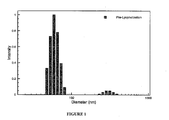
- Figure 1 depicts the results of dynamic light scattering of Fe 2 O 3 encapsulated micelles.
- Figure 2 depicts the results of dynamic light scattering of Fe 2 O 3 encapsulated micelles.
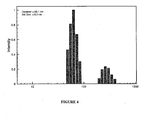
- Figure 3 depicts the results of dynamic light scattering of Docetaxel encapsulated micelles.
- Figure 4 depicts the results of dynamic light scattering of Letrozole encapsulated micelles.
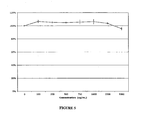
- Figure 5 depicts the results of a cytotoxicity assay on a micelle of the present invention.
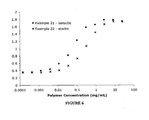
- Figure 6 depicts the CMC curves of N 3 -PEG12K- b -Poly(Asp) 10 - b -Poly(L-Leu 13 - co- L-Tyr 17 )-Ac (Example 21) and N 3 -PEG12K- b -Poly(Asp) 10 - b -Poly(D-Leu 13 - co -L-Tyr 17 )-Ac (Example 22).
- Figure 7 depicts the CMC curves of N 3 -PEG12K- b -P(L-Glu(Bzl) 30 )-Ac (Example 17) and N 3 -PEG12K- b -Poly(L-Glu(Bzl) 15 - co -D-Glu(Bzl) 15 )-Ac (Example 18).
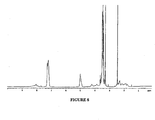
- Figure 8 depicts the solution 1 H NMR of N 3 -PEG12K- b -P(L-Glu(Bzl) 30 )-Ac (Example 17) in DMSO- d 6 .
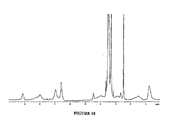
- Figure 9 depicts the solution 1 H NMR of N 3 -PEG12K- b -Poly(L-Glu(Bzl) 15 - co -D-Glu(Bzl) 15 )-Ac (Example 18) in DMSO- d 6 .
- Figure 10 depicts the solution 1 H NMR of N 3 -PEG12K- b -Poly(Asp) 10 - b -Poly(L-Leu 13 - co -L-Tyr 17 )-Ac (Example 21) in DMSO- d 6 .
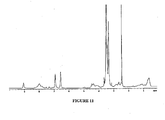
- Figure 11 depicts the solution 1 H NMR of N 3 -PEG12K- b -Poly(Asp) 10 - b -Poly(D-Leu 13 - co -L-Tyr 17 )-Ac (Example 22) in DMSO- d 6 .
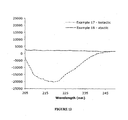
- Figure 12 depicts the circular dichroism spectra of N 3 -PEG12K- b -P(L-Glu(Bzl) 30 )-Ac (Example 17) and N 3 -PEG12K- b -Poly(L-Glu(Bzl) 15 - co -D-Glu(Bzl) 15 )-Ac (Example 18).
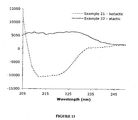
- Figure 13 depicts the circular dichroism spectra of N 3 -PEG12K- b -Poly(Asp) 10 - b- Poly(L-Leu 13 - co -L-Tyr 17 )-Ac (Example 21) and N 3 -PEG12K- b -Poly(Asp) 10 - b -Poly(D-Leu 13 - co- L-Tyr 17 )-Ac (Example 22).
- the present invention provides a micelle according to claim 1 comprising a multiblock copolymer which comprises a polymeric hydrophilic block, optionally a crosslinkable or crosslinked poly(amino acid block), and a hydrophobic D,L-mixed poly(amino acid) block, characterized in that said micelle has an inner core, optionally a crosslinkable or crosslinked outer core, and a hydrophilic shell.
- the polymeric hydrophilic block corresponds to the hydrophilic shell
- the optionally crosslinkable or crosslinked poly(amino acid block) corresponds to the optionally crosslinked outer core
- the hydrophobic D,L-mixed poly(amino acid) block corresponds to the inner core.
- hydrophobic D,L-mixed poly(amino acid)" block consists of a mixture of D and L enantiomers to facilitate the encapsulation of hydrophobic moieties. It is well established that homopolymers and copolymers of amino acids, consisting of a single stereoisomer, may exbibit secondary structures such as the ⁇ -helix or ⁇ -sheet. See ⁇ -Aminoacid-N-Caroboxy-Anhydrides and Related Heterocycles, H.R. Kricheldorf, Springer-Verlag, 1987 .
- poly(L-benzyl glutatmate) typically exhibits an ⁇ -helical conformation; however this secondary structure can be disrupted by a change of solvent or temperature (see Advances in Protein Chemistry XVI, P. Urnes and P. Doty, Academic Press, New York 1961 ).
- the secondary structure can also be disrupted by the incorporation of structurally dissimilar amino acids such as ⁇ -sheet forming amino acids (e.g. proline) or through the incorporation of amino acids with dissimilar stereochemistry (e.g. mixture of D and L stereoisomers), which results in poly(amino acids) with a random coil conformation. See Sakai, R.; Ikeda; S.; Isemura, T. Bull Chem. Soc.
- block copolymers possessing a random coil conformation are particularly useful for the encapsulation of hydrophobic molecules and nanoparticles when compared to similar block copolymers possessing a helical segment.
- block copolymers having a coil-coil conformation allow for efficient packing and loading of hydrophobic moieties within the micelle core, while the steric demands of a rod-coil conformation for a helix-containing block copolymer results in less effective encapsulation.
- sequential polymerization refers to the method wherein, after a first monomer (e.g. NCA, lactam, or imide) is incorporated into the polymer, thus forming an amino acid "block", a second monomer (e.g. NCA, lactam, or imide) is added to the reaction to form a second amino acid block, which process may be continued in a similar fashion to introduce additional amino acid blocks into the resulting multi-block copolymers.
- a first monomer e.g. NCA, lactam, or imide
- multiblock copolymer refers to a polymer comprising one synthetic polymer portion and two or more poly(amino acid) portions.
- Such multi-block copolymers include those having the format W-X'-X", wherein W is a synthetic polymer portion and X and X' are poly(amino acid) chains or "amino acid blocks".
- the multiblock copolymers of the present invention are triblock copolymers.
- one or more of the amino acid blocks may be "mixed blocks", meaning that these blocks can contain a mixture of amino acid monomers thereby creating multiblock copolymers of the present invention.
- the multiblock copolymers of the present invention comprise a mixed amino acid block and are tetrablock copolymers.
- trimer copolymer refers to a polymer comprising one synthetic polymer portion and two poly(amino acid) portions.
- tetrablock copolymer refers to a polymer comprising one synthetic polymer portion and either two poly(amino acid) portions, wherein 1 poly(amino acid) portion is a mixed block or a polymer comprising one synthetic polymer portion and three poly(amino acid) portions.
- the term "inner core” as it applies to a micelle of the present invention refers to the center of the micelle formed by the hydrophobic D,L-mixed poly(amino acid) block.
- the inner core is not crosslinked.
- the inner core corresponds to the X" block.
- the term "outer core” as it applies to a micelle of the present invention refers to the layer formed by the first poly(amino acid) block.
- the outer core lies between the inner core and the hydrophilic shell.
- the outer core is either crosslinkable or is cross-linked.
- the outer core corresponds to the X' block. It is contemplated that the X' block can be a mixed block.
- a “drug-loaded” micelle refers to a micelle having a drug, or therapeutic agent, situated within the core of the micelle. This is also refered to as a drug, or therapeutic agent, being “encapsulated” within the micelle.
- polymeric hydrophilic block refers to a polymer that is not a poly(amino acid) and is hydrophilic in nature.
- hydrophilic polymers are well known in the art and include polyethyleneoxide (also referred to as polyethylene glycol or PEG), and derivatives thereof, poly(N-vinyl-2-pyrrolidone), and derivatives therof, poly(N-isopropylacrylamide), and derivatives thereof, poly(hydroxyethyl acrylate), and derivatives thereof, poly(hydroxylethyl methacrylate), and derivatives thereof, and polymers of N -(2-hydroxypropoyl)methacrylamide (HMPA) and derivatives thereof.
- HMPA N -(2-hydroxypropoyl)methacrylamide
- poly(amino acid) or “amino acid block” refers to a covalently linked amino acid chain wherein each monomer is an amino acid unit.
- amino acid units include natural and unnatural amino acids.
- each amino acid unit of the optionally a crosslinkable or crosslinked poly(amino acid block) is in the L-configuration.
- Such poly(amino acids) include those having suitably protected functional groups.
- amino acid monomers may have hydroxyl or amino moieties which are optionally protected by a suitable hydroxyl protecting group or a suitable amine protecting group, as appropriate.
- suitable hydroxyl protecting groups and suitable amine protecting groups are described in more detail herein, infra.
- amino acid block comprises one or more monomers or a set of two or more monomers.
- an amino acid block comprises one or more monomers such that the overall block is hydrophilic.
- amino acid blocks of the present invention include random amino acid blocks, ie blocks comprising a mixture of amino acid residues.
- the term "D,L-mixed poly(amino acid) block” refers to a poly(amino acid) block wherein the poly(amino acid) consists of a mixture of amino acids in both the D- and L-configurations.
- the D,L-mixed poly(amino acid) block is hydrophobic.
- the D,L-mixed poly(amino acid) block consists of a mixture of D-configured hydrophobic amino acids and L-configured hydrophilic amino acid side-chain groups such that the overall poly(amino acid) block comprising is hydrophobic.
- Exemplary poly(amino acids) include poly(benzyl glutamate), poly(benzyl aspartate), poly(L-leucine-co-tyrosine), poly(D-leucine-co-tyrosine), poly(L-phenylalanine-co-tyrosine), poly(D-phenylalanine-co-tyrosine), poly(L-phenylalanine-co-tyrosine), poly(L-leucine-coaspartic acid), poly(D-leucine-co-aspartic acid), poly(L-phenylalanine-co-aspartic acid), poly(D-phenylalanine-co-aspartic acid), poly(L-benzyl aspartate-co-aspartic acid), poly(D-benzyl aspartate-co-aspartic acid), poly(L-benzyl aspartate-co-tyrosine), poly(D-benzyl aspartate-co-tyrosine).
- natural amino acid side-chain group refers to the side-chain group of any of the 20 amino acids naturally occuring in proteins.
- natural amino acids include the nonpolar, or hydrophobic amino acids, glycine, alanine, valine, leucine isoleucine, methionine, phenylalanine, tryptophan, and proline. Cysteine is sometimes classified as nonpolar or hydrophobic and other times as polar.
- Natural amino acids also include polar, or hydrophilic amino acids, such as tyrosine, serine, threonine, aspartic acid (also known as aspartate, when charged), glutamic acid (also known as glutamate, when charged), asparagine, and glutamine.
- Certain polar, or hydrophilic, amino acids have charged side-chains. Such charged amino acids include lysine, arginine, and histidine.
- protection of a polar or hydrophilic amino acid side-chain can render that amino acid nonpolar.
- a suitably protected tyrosine hydroxyl group can render that tyrosine nonpolar and hydrophobic by virtue of protecting the hydroxyl group.
- unnatural amino acid side-chain group refers to amino acids not included in the list of 20 amino acids naturally occuring in proteins, as described above. Such amino acids include the D-isomer of any of the 20 naturally occuring amino acids. Unnatural amino acids also include homoserine, DOPA (also referred to as levodopa or 3,4-dihydroxy phenyl alanine), ornithine, and thyroxine. Other unnatural amino acids side-chains are well know to one of ordinary skill in the art and include unnatural aliphatic side chains. Other unnatural amino acids include modified amino acids, including those that are N-alkylated, cyclized, phosphorylated, acetylated, amidated, azidylated, labelled, and the like.
- the term "tacticity” refers to the stereochemistry of the poly(amino acid) hydrophobic block.
- a poly(amino acid) block consisting of a single stereoisomer (e.g. all L isomer) is referred to as "isotactic".
- a poly(amino acid) consisting of a random incorporation of D and L amino acid monomers is referred to as an “atactic” polymer.
- a poly(amino acid) with alternating stereochemistry e.g....DLDLDL
- Syndiotactic Polymer tacticity is described in more detail in " Principles of Polymerization", 3rd Ed., G. Odian, John Wiley & Sons, New York: 1991 .
- living polymer chain-end refers to the terminus resulting from a polymerization reaction which maintains the ability to react further with additional monomer or with a polymerization terminator.
- terminal refers to attaching a terminal group to a polymer chain-end by the reaction of a living polymer with an appropriate compound.
- terminal may refer to attaching a terminal group to an amine or hydroxyl end, or derivative thereof, of the polymer chain.
- polymerization terminator is used interchangeably with the term “polymerization terminating agent” and refers to a compound that reacts with a living polymer chain-end to afford a polymer with a terminal group.
- polymerization terminator may refer to a compound that reacts with an amine or hydroxyl end, or derivative thereof, of the polymer chain, to afford a polymer with a terminal group.
- the term "polymerization initiator” refers to a compound, which reacts with, or whose anion or free base form reacts with, the desired monomer in a manner which results in polymerization of that monomer.
- the polymerization initiator is the compound that reacts with an alkylene oxide to afford a polyalkylene oxide block.
- the polymerization initiator is an amine salt as described herein.
- the polymerization initiator is a trifluoroacetic acid amine salt.
- aliphatic or "aliphatic group”, as used herein, denotes a hydrocarbon moiety that may be straight-chain (i.e., unbranched), branched, or cyclic (including fused, bridging, and spiro-fused polycyclic) and may be completely saturated or may contain one or more units of unsaturation, but which is not aromatic. Unless otherwise specified, aliphatic groups contain 1-20 carbon atoms. In some embodiments, aliphatic groups contain 1-10 carbon atoms. In other embodiments, aliphatic groups contain 1-8 carbon atoms. In still other embodiments, aliphatic groups contain 1-6 carbon atoms, and in yet other embodiments aliphatic groups contain 1-4 carbon atoms.
- Suitable aliphatic groups include, but are not limited to, linear or branched, alkyl, alkenyl, and alkynyl groups, and hybrids thereof such as (cycloalkyl)alkyl, (cycloalkenyl)alkyl or (cycloalkyl)alkenyl.
- unsaturated means that a moiety has one or more units of unsaturation.
- bivalent, saturated or unsaturated, straight or branched C 1-12 hydrocarbon chain refers to bivalent alkylene, alkenylene, and alkynylene chains that are straight or branched as defined herein.
- aryl used alone or as part of a larger moiety as in “aralkyl”, “aralkoxy”, or “aryloxyalkyl”, refers to monocyclic, bicyclic, and tricyclic ring systems having a total of five to fourteen ring members, wherein at least one ring in the system is aromatic and wherein each ring in the system contains three to seven ring members.
- aryl may be used interchangeably with the term “aryl ring”.
- compounds of the invention may contain "optionally substituted” moieties.
- substituted whether preceded by the term “optionally” or not, means that one or more hydrogens of the designated moiety are replaced with a suitable substituent.
- an “optionally substituted” group may have a suitable substituent at each substitutable position of the group, and when more than one position in any given structure may be substituted with more than one substituent selected from a specified group, the substituent may be either the same or different at every position.
- Combinations of substituents envisioned by this invention are preferably those that result in the formation of stable or chemically feasible compounds.
- stable refers to compounds that are not substantially altered when subjected to conditions to allow for their production, detection, and, in certain embodiments, their recovery, purification, and use for one or more of the purposes disclosed herein.
- Suitable monovalent substituents on R° are independently halogen, -(CH 2 ) 0-2 R • , -(haloR • ), -(CH 2 ) 0-2 OH, -(CH 2 ) 0-2 OR • , -(CH 2 ) 0-2 CH(OR • ) 2 ; -O(haloR • ), -CN, -N 3 , -(CH 2 ) 0-2 C(O)R • , -(CH 2 ) 0-2 C(O)OH, -(CH 2 ) 0-2 C(O)OR • , -(CH 2 ) 0-2 SR • , -(CH 2 ) 0-2 SH, -(CH 2 ) 0-2 NH 2 , -(CH 2 ) 0-2 NHR • , -(CH 2 ) 0-2 NR • 2 ,
- Suitable divalent substituents that are bound to vicinal substitutable carbons of an "optionally substituted” group include: -O(CR * 2 ) 2-3 O-, wherein each independent occurrence of R * is selected from hydrogen, C 1-6 aliphatic which may be substituted as defined below, or an unsubstituted 5-6-membered saturated, partially unsaturated, or aryl ring having 0-4 heteroatoms independently selected from nitrogen, oxygen, or sulfur.
- a suitable tetravalent substituent that is bound to vicinal substitutable methylene carbons of an "optionally substituted” group is the dicobalt hexacarbonyl cluster represented by when depicted with the methylenes which bear it.
- Suitable substituents on the aliphatic group of R * include halogen, -R • , -(haloR • ), -OH, -OR • , -O(haloR • ), -CN, -C(O)OH, -C(O)OR • , -NH 2 , -NHR • , -NR • 2 , or -NO 2 , wherein each R • is unsubstituted or where preceded by "halo" is substituted only with one or more halogens, and is independently C 1-4 aliphatic, -CH 2 Ph, -O(CH 2 ) 0-1 Ph, or a 5-6-membered saturated, partially unsaturated, or aryl ring having 0-4 heteroatoms independently selected from nitrogen, oxygen, or sulfur.
- Suitable substituents on a substitutable nitrogen of an "optionally substituted" group include -R ⁇ , -NR ⁇ 2 , -C(O)R ⁇ , -C(O)OR ⁇ , -C(O)C(O)R ⁇ , -C(O)CH 2 C(O)R ⁇ , -S(O) 2 R ⁇ , -S(O) 2 NR ⁇ 2 , -C(S)NR ⁇ 2 , -C(NH)NR ⁇ 2 , or -N(R ⁇ )S(O) 2 R ⁇ ; wherein each R ⁇ is independently hydrogen, C 1-6 aliphatic which may be substituted as defined below, unsubstituted -OPh, or an unsubstituted 5-6-membered saturated, partially unsaturated, or aryl ring having 0-4 heteroatoms independently selected from nitrogen, oxygen, or sulfur, or, notwithstanding the definition above, two independent occurrence
- Suitable substituents on the aliphatic group of R ⁇ are independently halogen, -R • , -(haloR • ), -OH, -OR • , -O(haloR • ), -CN, -C(O)OH, -C(O)OR • , -NH 2 , -NHR • , -NR • 2 , or -NO 2 , wherein each R • is unsubstituted or where preceded by "halo" is substituted only with one or more halogens, and is independently C 1-4 aliphatic, -CH 2 Ph, -O(CH 2 ) 0-1 Ph, or a 5-6-membered saturated, partially unsaturated, or aryl ring having 0-4 heteroatoms independently selected from nitrogen, oxygen, or sulfur.
- Protected hydroxyl groups are well known in the art and include those described in detail in Protecting Groups in Organic Synthesis, T. W. Greene and P. G. M. Wuts, 3rd edition, John Wiley & Sons, 1999 .
- Examples of suitably protected hydroxyl groups further include, but are not limited to, esters, carbonates, sulfonates allyl ethers, ethers, silyl ethers, alkyl ethers, arylalkyl ethers, and alkoxyalkyl ethers.
- suitable esters include formates, acetates, propionates, pentanoates, crotonates, and benzoates.
- esters include formate, benzoyl formate, chloroacetate, trifluoroacetate, methoxyacetate, triphenylmethoxyacetate, p-chlorophenoxyacetate, 3-phenylpropionate, 4-oxopentanoate, 4,4-(ethylenedithio)pentanoate, pivaloate (trimethylacetate), crotonate, 4-methoxy-crotonate, benzoate, p-benylbenzoate, 2,4,6-trimethylbenzoate.
- suitable carbonates include 9-fluorenylmethyl, ethyl, 2,2,2-trichloroethyl, 2-(trimethylsilyl)ethyl, 2-(phenylsulfonyl)ethyl, vinyl, allyl, and p-nitrobenzyl carbonate.
- suitable silyl ethers include trimethylsilyl, triethylsilyl, t-butyldimethylsilyl, t-butyldiphenylsilyl, triisopropylsilyl ether, and other trialkylsilyl ethers.
- alkyl ethers examples include methyl, benzyl, p-methoxybenzyl, 3,4-dimethoxybenzyl, trityl, t-butyl, and allyl ether, or derivatives thereof.
- Alkoxyalkyl ethers include acetals such as methoxymethyl, methylthiomethyl, (2-methoxyethoxy)methyl, benzyloxymethyl, beta-(trimethylsilyl)ethoxymethyl, and tetrahydropyran-2-yl ether.
- Suitable arylalkyl ethers include benzyl, p-methoxybenzyl (MPM), 3,4-dimethoxybenzyl, O-nitrobenzyl, p-nitrobenzyl, p-halobenzyl, 2,6-dichlorobenzyl, p-cyanobenzyl, 2- and 4-picolyl ethers.
- Protected amines are well known in the art and include those described in detail in Greene (1999). Suitable mono-protected amines further include, but are not limited to, aralkylamines, carbamates, allyl amines, amides, and the like.
- Suitable mono-protected amino moieties include t-butyloxycarbonylamino (-NHBOC), ethyloxycarbonylamino, methyloxycarbonylamino, trichloroethyloxycarbonylamino, allyloxycarbonylamino (-NHAlloc), benzyloxocarbonylamino (-NHCBZ), allylamino, benzylamino (-NHBn), fluorenylmethylcarbonyl (-NHFmoc), formamido, acetamido, chloroacetamido, dichloroacetamido, trichloroacetamido, phenylacetamido, trifluoroacetamido, benzamido, t-butyldiphenylsilyl, and the like.
- Suitable di-protected amines include amines that are substituted with two substituents independently selected from those described above as mono-protected amines, and further include cyclic imides, such as phthalimide, maleimide, succinimide, and the like. Suitable di-protected amines also include pyrroles and the like, 2,2,5,5-tetramethyl-[1,2,5]azadisilolidine and the like, and azide.
- Protected aldehydes are well known in the art and include those described in detail in Greene (1999). Suitable protected aldehydes further include, but are not limited to, acyclic acetals, cyclic acetals, hydrazones, imines, and the like. Examples of such groups include dimethyl acetal, diethyl acetal, diisopropyl acetal, dibenzyl acetal, bis(2-nitrobenzyl) acetal, 1,3-dioxanes, 1,3-dioxolanes, semicarbazones, and derivatives thereof.
- Suitable protected carboxylic acids are well known in the art and include those described in detail in Greene (1999). Suitable protected carboxylic acids further include, but are not limited to, optionally substituted C 1-6 aliphatic esters, optionally substituted aryl esters, silyl esters, activated esters, amides, hydrazides, and the like. Examples of such ester groups include methyl, ethyl, propyl, isopropyl, butyl, isobutyl, benzyl, and phenyl ester, wherein each group is optionally substituted. Additional suitable protected carboxylic acids include oxazolines and ortho esters.
- Protected thiols are well known in the art and include those described in detail in Greene (1999). Suitable protected thiols further include, but are not limited to, disulfides, thioethers, silyl thioethers, thioesters, thiocarbonates, and thiocarbamates, and the like. Examples of such groups include, but are not limited to, alkyl thioethers, benzyl and substituted benzyl thioethers, triphenylmethyl thioethers, and trichloroethoxycarbonyl thioester, to name but a few.
- a “crown ether moiety” is the radical of a crown ether.
- a crown ether is a monocyclic polyether comprised of repeating units of -CH 2 CH 2 O-. Examples of crown ethers include 12-crown-4, 15-crown-5, and 18-crown-6.
- structures depicted herein are also meant to include all isomeric (e.g., enantiomeric, diastereomeric, and geometric (or conformational)) forms of the structure; for example, the R and S configurations for each asymmetric center, Z and E double bond isomers, and Z and E conformational isomers. Therefore, single stereochemical isomers as well as enantiomeric, diastereomeric, and geometric (or conformational) mixtures of the present compounds are within the scope of the invention. Unless otherwise stated, all tautomeric forms of the compounds of the invention are within the scope of the invention.
- structures depicted herein are also meant to include compounds that differ only in the presence of one or more isotopically enriched atoms.
- compounds having the present structures except for the replacement of hydrogen by deuterium or tritium, or the replacement of a carbon by a 13 C- or 14 C-enriched carbon are within the scope of this invention.
- Such compounds are useful, for example, as in neutron scattering experiments, as analytical tools or probes in biological assays.
- detectable moiety is used interchangeably with the term “label” and relates to any moiety capable of being detected (e.g., primary labels and secondary labels).
- a “detectable moiety” or “label” is the radical of a detectable compound.
- Primary labels include radioisotope-containing moieties (e.g., moieties that contain 32 P, 33 P, 35 S, or 14 C), mass-tags, and fluorescent labels, and are signal-generating reporter groups which can be detected without further modifications.
- primary labels include those useful for positron emission tomography including molecules containing radioisotopes (e.g. 18 F) or ligands with bound radioactive metals (e.g. 62 Cu).
- primary labels are contrast agents for magnetic resonance imaging such as gadolinium, gadolinium chelates, or iron oxide (e.g Fe 3 O 4 and Fe 2 O 3 ) particles.
- semiconducting nanoparticles e.g. cadmium selenide, cadmium sulfide, cadmium telluride
- Other metal nanoparticles e.g colloidal gold also serve as primary labels.
- “Secondary” labels include moieties such as biotin, or protein antigens, that require the presence of a second compound to produce a detectable signal.
- the second compound may include streptavidin-enzyme conjugates.
- the second compound may include an antibody-enzyme conjugate.
- certain fluorescent groups can act as secondary labels by transferring energy to another compound or group in a process of nonradiative fluorescent resonance energy transfer (FRET), causing the second compound or group to then generate the signal that is detected.
- FRET nonradiative fluorescent resonance energy transfer
- radioisotope-containing moieties are optionally substituted hydrocarbon groups that contain at least one radioisotope. Unless otherwise indicated, radioisotope-containing moieties contain from 1-40 carbon atoms and one radioisotope. In certain embodiments, radioisotope-containing moieties contain from 1-20 carbon atoms and one radioisotope.
- fluorescent label refers to compounds or moieties that absorb light energy at a defined excitation wavelength and emit light energy at a different wavelength.
- fluorescent compounds include, but are not limited to: Alexa Fluor dyes (Alexa Fluor 350, Alexa Fluor 488, Alexa Fluor 532, Alexa Fluor 546, Alexa Fluor 568, Alexa Fluor 594, Alexa Fluor 633, Alexa Fluor 660 and Alexa Fluor 680), AMCA, AMCA-S, BODIPY dyes (BODIPY FL, BODIPY R6G, BODIPY TMR, BODIPY TR, BODIPY 530/550, BODIPY 558/568, BODIPY 564/570, BODIPY 576/589, BODIPY 581/591, BODIPY 630/650, BODIPY 650/665), Carboxyrhodamine 6G, carboxy-X-rhodamine (ROX), Cascade Blue, Cascade Yellow, Coumarin 343, Cyanine dyes (Cy3, Cy5, Cy3.5, Cy5.5), Dansyl, Dapoxyl, Dialkyla
- mass-tag refers to any moiety that is capable of being uniquely detected by virtue of its mass using mass spectrometry (MS) detection techniques.
- mass-tags include electrophore release tags such as N-[3-[4'-[(p-Methoxytetrafluorobenzyl)oxy]phenyl]-3-methylglyceronyl]isonipecotic Acid, 4'-[2,3,5,6-Tetrafluoro-4-(pentafluorophenoxyl)]methyl acetophenone, and their derivatives.
- mass-tags include, but are not limited to, nucleotides, dideoxynucleotides, oligonucleotides of varying length and base composition, oligopeptides, oligosaccharides, and other synthetic polymers of varying length and monomer composition.
- nucleotides dideoxynucleotides
- oligonucleotides of varying length and base composition oligopeptides, oligosaccharides
- other synthetic polymers of varying length and monomer composition.
- a large variety of organic molecules, both neutral and charged (biomolecules or synthetic compounds) of an appropriate mass range (100-2000 Daltons) may also be used as mass-tags.
- substrate refers to any material or macromolecular complex to which a functionalized end-group of a block copolymer can be attached.
- substrates include, but are not limited to, glass surfaces, silica surfaces, plastic surfaces, metal surfaces, surfaces containing a metalic or chemical coating, membranes (eg., nylon, polysulfone, silica), micro-beads (eg., latex, polystyrene, or other polymer), porous polymer matrices (eg., polyacrylamide gel, polysaccharide, polymethacrylate), macromolecular complexes (eg., protein, polysaccharide).
- membranes eg., nylon, polysulfone, silica
- micro-beads eg., latex, polystyrene, or other polymer
- porous polymer matrices eg., polyacrylamide gel, polysaccharide, polymethacrylate
- macromolecular complexes eg
- one embodiment of the present invention provides a micelle according to claim 1 comprising a multiblock copolymer which comprises a polymeric hydrophilic block, optionally a poly(amino acid block) that may be crosslinked, and a hydrophobic D,L-mixed poly(amino acid) block, characterized in that said micelle has an inner core, optionally a crosslinkable outer core, and a hydrophilic shell.
- Amphiphilic multiblock copolymers can self-assemble in aqueous solution to form nano- and micron-sized structures.
- these amphiphilic multiblock copolymers assemble by multi-molecular micellization when present in solution above the critical micelle concentration (CMC).
- CMC critical micelle concentration
- the hydrophobic poly(amino acid) portion or "block” of the copolymer collapses to form the micellar core, while the hydrophilic PEG block forms a peripheral corona and imparts water solubility.
- the multiblock copolymers in accordance with the present invention possess distinct hydrophobic and hydrophilic segments that form micelles.
- these multiblock polymers optionally comprise a poly(amino acid) block which contains functionality suitable for crosslinking. It will be appreciated that this functionality is found on the corresponding amino acid side-chain.
- the PEG block possesses a molecular weight of approx. 10,000 Da (225 repeat units) and contains at least one terminal amine hydrochloride salt used to initiate the synthesis of poly(amino acid) multi-block copolymers. In other embodiments, the PEG block possesses a molecular weight of approx. 12,000 Da (270 repeat units) and contains at least one terminal amine difluoroacetic acid (“DFA”) salt used to initiate the synthesis of poly(amino acid) multi-block copolymers.
- DFA difluoroacetic acid
- the present invention provides a micelle according to claim 1 comprising a multiblock copolymer of formula I : wherein:
- One embodiment provides compounds of formula I, as described above, wherein said compounds have a polydispersity index (“PDI”) of about 1.0 to about 1.2. According to another embodiment, the present invention provides compounds of formula I, as described above, wherein said compound has a polydispersity index (“PDI") of about 1.03 to about 1.15. Another embodiment provides compounds of formula I, as described above, wherein said compound has a polydispersity index (“PDI") of about 1.10 to about 1.20. Other embodiments provide compounds of formula I having a PDI of less than about 1.10.
- n group of formula I is 10-2500. In certain embodiments, n is about 225. In other embodiments, n is about 270. In other embodiments, n is about 350. In other embodiments, n is about 10 to about 40. In other embodiments, n is about 40 to about 60. In other embodiments, n is about 60 to about 90. In still other embodiments, n is about 90 to about 150. In other embodiments, n is about 150 to about 200. In still other embodiments, n is about 200 to about 250. In other embodiments, n is about 300 to about 375. In other embodiments, n is about 400 to about 500. In still other embodiments, n is about 650 to about 750. In certain embodiments, n is selected from 50 ⁇ 10. In other embodiments, n is selected from 80 ⁇ 10, 115 ⁇ 10, 180 ⁇ 10, 225 ⁇ 10, 275 ⁇ 10, 315 ⁇ 10, or 340 ⁇ 10.
- the m' group of formula I is about 5 to about 500. In certain embodiments, the m' group of formula I is about 10 to about 250. In other embodiments, m' is about 10 to about 50. According to yet another embodiment, m' is about 15 to about 40. In other embodiments, m' is about 20 to about 40. According to yet another embodiment, m' is about 50 to about 75. According to other embodiments, m and m' are independently about 10 to about 100.
- m is 0. In certain embodiments, m is 5-50. In other embodiments, m is 5-25. In certain embodiments, m' is 5-50. In other embodiments, m' is 5-10. In other embodiments, m' is 10-20. In certain embodiments, m and m' add up to about 30 to about 60. In still other embodiments, m is 1-20 repeat units and m' is 10-50 repeat units.
- the R 3 moiety of the R 1 group of formula I is -N 3 .
- the R 3 moiety of the R 1 group of formula I is -CN.
- the R 3 moiety of the R 1 group of formula I is hydrogen.
- the R 3 moiety of the R 1 group of formula I is a mono-protected amine or a di-protected amine.
- the R 3 moiety of the R 1 group of formula I is an optionally substituted aliphatic group. Examples include methyl, t-butyl, 5-norbornene-2-yl, octane-5-yl, acetylenyl, trimethylsilylacetylenyl, triisopropylsilylacetylenyl, and t-butyldimethylsilylacetylenyl. In some embodiments, said R 3 moiety is an optionally substituted alkyl group. In other embodiments, said R 3 moiety is an optionally substituted alkynyl or alkenyl group.
- R 3 When said R 3 moiety is a substituted aliphatic group, suitable substituents on R 3 include CN, N 3 , trimethylsilyl, triisopropylsilyl, t-butyldimethylsilyl, N-methyl propiolamido, N-methyl-4-acetylenylanilino, N-methyl-4-acetylenylbenzoamido, bis-(4-ethynyl-benzyl)-amino, dipropargylamino, di-hex-5-ynyl-amino, di-pent-4-ynyl-amino, di-but-3-ynyl-amino, propargyloxy, hex-5-ynyloxy, pent-4-ynyloxy, di-but-3-ynyloxy, N-methyl-propargylamino, N-methyl-hex-5-ynyl-amino, N-methyl-pent-4-yn
- the R 1 group is 2-(N-methyl-N-(ethynylcarbonyl)amino)ethoxy, 4-ethynylbenzyloxy, or 2-(4-ethynylphenoxy)ethoxy:
- the R 3 moiety of the R 1 group of formula I is an optionally substituted aryl group.
- the R 3 moiety is an aryl group substituted with a suitably protected amino group. According to another aspect, the R 3 moiety is phenyl substituted with a suitably protected amino group.
- the R 3 moiety of the R 1 group of formula I is a protected hydroxyl group.
- the protected hydroxyl of the R 3 moiety is an ester, carbonate, sulfonate, allyl ether, ether, silyl ether, alkyl ether, arylalkyl ether, or alkoxyalkyl ether.
- the ester is a formate, acetate, propionate, pentanoate, crotonate, or benzoate.
- esters include formate, benzoyl formate, chloroacetate, trifluoroacetate, methoxyacetate, triphenylmethoxyacetate, p-chlorophenoxyacetate, 3-phenylpropionate, 4-oxopentanoate, 4,4-(ethylenedithio)pentanoate, pivaloate (trimethylacetate), crotonate, 4-methoxy-crotonate, benzoate, p-benylbenzoate, 2,4,6-trimethylbenzoate.
- Exemplary carbonates include 9-fluorenylmethyl, ethyl, 2,2,2-trichloroethyl, 2-(trimethylsilyl)ethyl, 2-(phenylsulfonyl)ethyl, vinyl, allyl, and p-nitrobenzyl carbonate.
- suitable silyl ethers include trimethylsilyl, triethylsilyl, t-butyldimethylsilyl, t-butyldiphenylsilyl, triisopropylsilyl ether, and other trialkylsilyl ethers.
- Exemplary alkyl ethers include methyl, benzyl, p-methoxybenzyl, 3,4-dimethoxybenzyl, trityl, t-butyl, and allyl ether, or derivatives thereof.
- Exemplary alkoxyalkyl ethers include acetals such as methoxymethyl, methylthiomethyl, (2-methoxyethoxy)methyl, benzyloxymethyl, beta-(trimethylsilyl)ethoxymethyl, and tetrahydropyran-2-yl ether.
- Exemplary arylalkyl ethers include benzyl, p-methoxybenzyl (MPM), 3,4-dimethoxybenzyl, O-nitrobenzyl, p-nitrobenzyl, p-halobenzyl, 2,6-dichlorobenzyl, p-cyanobenzyl, 2- and 4-picolyl ethers.
- the R 3 moiety of the R 1 group of formula I is a mono-protected or di-protected amino group. In certain embodiments R 3 is a mono-protected amine. In certain embodiments R 3 is a mono-protected amine selected from aralkylamines, carbamates, allyl amines, or amides.
- Exemplary mono-protected amino moieties include t-butyloxycarbonylamino, ethyloxycarbonylamino, methyloxycarbonylamino, trichloroethyloxycarbonylamino, allyloxycarbonylamino, benzyloxocarbonylamino, allylamino, benzylamino, fluorenylmethylcarbonyl, formamido, acetamido, chloroacetamido, dichloroacetamido, trichloroacetamido, phenylacetamido, trifluoroacetamido, benzamido, and t-butyldiphenylsilylamino.
- R 3 is a di-protected amine.
- Exemplary di-protected amines include di-benzylamine, di-allylamine, phthalimide, maleimide, succinimide, pyrrole, 2,2,5,5-tetramethyl-[1,2,5]azadisilolidine, and azide.
- the R 3 moiety is phthalimido.
- the R 3 moiety is mono- or di-benzylamino or mono- or di-allylamino.
- the R 1 group is 2-dibenzylaminoethoxy.
- the R 3 moiety of the R 1 group of formula I is a protected aldehyde group.
- the protected aldehydo moiety of R 3 is an acyclic acetal, a cyclic acetal, a hydrazone, or an imine.
- Exemplary R 3 groups include dimethyl acetal, diethyl acetal, diisopropyl acetal, dibenzyl acetal, bis(2-nitrobenzyl) acetal, 1,3-dioxane, 1,3-dioxolane, and semicarbazone.
- R 3 is an acyclic acetal or a cyclic acetal.
- R 3 is a dibenzyl acetal.
- the R 3 moiety of the R 1 group of formula I is a protected carboxylic acid group.
- the protected carboxylic acid moiety of R 3 is an optionally substituted ester selected from C 1-6 aliphatic or aryl, or a silyl ester, an activated ester, an amide, or a hydrazide. Examples of such ester groups include methyl, ethyl, propyl, isopropyl, butyl, isobutyl, benzyl, and phenyl ester.
- the protected carboxylic acid moiety of R 3 is an oxazoline or an ortho ester.
- Examples of such protected carboxylic acid moieties include oxazolin-2-yl and 2-methoxy-[1,3]dioxin-2-yl.
- the R 1 group is oxazolin-2-ylmethoxy or 2-oxazolin-2-yl-1-propoxy.
- the R 3 moiety of the R 1 group of formula I is a protected thiol group.
- the protected thiol of R 3 is a disulfide, thioether, silyl thioether, thioester, thiocarbonate, or a thiocarbamate.
- protected thiols include triisopropylsilyl thioether, t-butyldimethylsilyl thioether, t-butyl thioether, benzyl thioether, p-methylbenzyl thioether, triphenylmethyl thioether, and p-methoxyphenyldiphenylmethyl thioether.
- R 3 is an optionally substituted thioether selected from alkyl, benzyl, or triphenylmethyl, or trichloroethoxycarbonyl thioester.
- R 3 is -S-S-pyridin-2-yl, -S-SBn, -S-SCH 3 , or -S-S(p-ethynylbenzyl).
- R 3 is -S-S-pyridin-2-yl.
- the R 1 group is 2-triphenylmethylsulfanyl-ethoxy.
- the R 3 moiety of the R 1 group of formula I is a crown ether.
- crown ethers include 12-crown-4, 15-crown-5, and 18-crown-6.
- the R 3 moiety of the R 1 group of formula I is a detectable moiety.
- the R 3 moiety of the R 1 group of formula I is a fluorescent moiety.
- fluorescent moieties are well known in the art and include coumarins, quinolones, benzoisoquinolones, hostasol, and Rhodamine dyes, to name but a few.
- Exemplary fluorescent moieties of the R 3 group of R 1 include anthracen-9-yl, pyren-4-yl, 9- H -carbazol-9-yl, the carboxylate of rhodamine B, and the carboxylate of coumarin 343.
- the R 3 moiety of the R 1 group of formula I is a detectable moiety selected from:
- the R 3 moiety of the R 1 group of formula I is a group suitable for Click chemistry.
- Click reactions tend to involve high-energy (“spring-loaded") reagents with well-defined reaction coordinates, giving rise to selective bond-forming events of wide scope. Examples include the nucleophilic trapping of strained-ring electrophiles (epoxide, aziridines, aziridinium ions, episulfonium ions), certain forms of carbonyl reactivity (aldehydes and hydrazines or hydroxylamines, for example), and several types of cycloaddition reactions. The azide-alkyne 1,3-dipolar cycloaddition is one such reaction.
- Click chemistry is known in the art and one of ordinary skill in the art would recognize that certain R 3 moieties of the present invention are suitable for Click chemistry.
- Compounds of formula I having R 3 moieties suitable for Click chemistry are useful for conjugating said compounds to biological systems or macromolecules such as proteins, viruses, and cells, to name but a few.
- the Click reaction is known to proceed quickly and selectively under physiological conditions.
- most conjugation reactions are carried out using the primary amine functionality on proteins (e.g. lysine or protein end-group). Because most proteins contain a multitude of lysines and arginines, such conjugation occurs uncontrollably at multiple sites on the protein. This is particularly problematic when lysines or arginines are located around the active site of an enzyme or other biomolecule.
- another embodiment of the present invention provides a method of conjugating the R 1 groups of a compound of formula I to a macromolecule via Click chemistry.
- Yet another embodiment of the present invention provides a macromolecule conjugated to a compound of formula I via the R 1 group.
- the R 3 moiety of the R 1 group of formula I is an azide-containing group. According to another embodiment, the R 3 moiety of the R 1 group of formula I is an alkyne-containing group. In certain embodiments, the R 3 moiety of the R 1 group of formula I has a terminal alkyne moiety. In other embodiments, R 3 moiety of the R 1 group of formula I is an alkyne moiety having an electron withdrawing group. Accordingly, in such embodiments, the R 3 moiety of the R 1 group of formula I is wherein E is an electron withdrawing group and y is 0-6. Such electron withdrawing groups are known to one of ordinary skill in the art. In certain embodiments, E is an ester. In other embodiments, the R 3 moiety of the R 1 group of formula I is wherein E is an electron withdrawing group, such as a -C(O)O- group and y is 0-6.
- Q is a valence bond or a bivalent, saturated or unsaturated, straight or branched C 1-12 hydrocarbon chain, wherein 0-6 methylene units of Q are independently replaced by -Cy-, -O-, -NH-, -S-, -OC(O)-, -C(O)O-, -C(O)-, -SO-, -SO 2 -, -NHSO 2 -, -SO 2 NH-, -NHC(O)-, -C(O)NH-, -OC(O)NH-, or -NHC(O)O-, wherein -Cy- is an optionally substituted 5-8 membered bivalent, saturated, partially unsaturated, or aryl ring having 0-4 heteroatoms independently selected from nitrogen, oxygen, or sulfur, or an optionally substituted 8-10 membered bivalent saturated, partially unsaturated, or aryl bicyclic ring having 0-5 heteroatoms independently selected from nitrogen
- Q is a valence bond.
- Q is a bivalent, saturated C 1-12 alkylene chain, wherein 0-6 methylene units of Q are independently replaced by -Cy-, -O-, -NH-, -S-, -OC(O)-, -C(O)O-, or -C(O)-, wherein -Cy- is an optionally substituted 5-8 membered bivalent, saturated, partially unsaturated, or aryl ring having 0-4 heteroatoms independently selected from nitrogen, oxygen, or sulfur, or an optionally substituted 8-10 membered bivalent saturated, partially unsaturated, or aryl bicyclic ring having 0-5 heteroatoms independently selected from nitrogen, oxygen, or sulfur.
- Q is -Cy- (i.e. a C, alkylene chain wherein the methylene unit is replaced by -Cy-), wherein -Cy- is an optionally substituted 5-8 membered bivalent, saturated, partially unsaturated, or aryl ring having 0-4 heteroatoms independently selected from nitrogen, oxygen, or sulfur.
- -Cy- is an optionally substituted bivalent aryl group.
- -Cy- is an optionally substituted bivalent phenyl group.
- -Cy- is an optionally substituted 5-8 membered bivalent, saturated carbocyclic ring.
- -Cy- is an optionally substituted 5-8 membered bivalent, saturated heterocyclic ring having 1-2 heteroatoms independently selected from nitrogen, oxygen, or sulfur.
- exemplary -Cy- groups include bivalent rings selected from phenyl, pyridyl, pyrimidinyl, cyclohexyl, cyclopentyl, or cyclopropyl.
- R x is a crosslinkable amino acid side-chain group.
- crosslinkable amino acid side-chain groups include tyrosine, serine, cysteine, threonine, aspartic acid (also known as aspartate, when charged), glutamic acid (also known as glutamate, when charged), asparagine, histidine, lysine, arginine, glutamine, or a benzimidazole-functionalized amino acid.
- R x is a natural or unnatural amino acid side-chain group capable of forming cross-links. It will be appreciated that a variety of amino acid side-chain functional groups are capable of such cross-linking, including, but not limited to, carboxylate, hydroxyl, thiol, and amino groups.
- R y forms a hydrophobic D,L-mixed amino acid block.
- hydrophobic amino acid side-chain groups include a suitably protected tyrosine side-chain, a suitably protected serine side-chain, a suitably protected threonine side-chain, phenylalanine, alanine, valine, leucine, tryptophan, proline, benzyl and alkyl glutamates, or benzyl and alkyl aspartates or mixtures thereof.
- protection of a polar or hydrophilic amino acid side-chain can render that amino acid nonpolar.
- a suitably protected tyrosine hydroxyl group can render that tyrosine nonpolar and hydrophobic by virtue of protecting the hydroxyl group.
- Suitable protecting groups for the hydroxyl, amino, and thiol, and carboxylate functional groups of R x and R y are as described herein.
- R y consists of a mixture of D-hydrophobic and L-hydrophilic amino acid side-chain groups such that the overall poly(amino acid) block comprising R y is hydrophobic and is a mixture of D- and L-configured amino acids.
- Such mixtures of amino acid side-chain groups include L-tyrosine and D-leucine, L-tyrosine and D-phenylalanine, L-serine and D-phenylalanine, L-aspartic acid and D-phenylalanine, L-glutamic acid and D-phenylalanine, L-tyrosine and D-benzyl glutamate, L-tyrosine and D-benzyl aspartate, L-serine and D-benzyl glutamate, L-serine and D-benzyl aspartate, L-aspartic acid and D-benzyl glutamate, L-aspartic acid and D-benzyl aspartate, L-glutamic acid and D-benzyl glutamate, L-glutamic acid and D-benzyl aspartate, L-aspartic acid and D-leucine, and L-glutamic acid and D-leucine.
- R y consists of a mixture of D-hydrophobic and L-hydrophobic amino acids.
- Such mixtures include D-benzyl glutamate and L-benzyl glutamate, D-benzyl aspartate and L-benzyl aspartate, D-benzyl aspartate and L-benzyl glutamate, or D-benzyl glutamate and L-benzyl aspartate.
- Exemplary compounds are set forth below.
- the R 2a group of formula I is a mono-protected amine, a di-protected amine, -NHR 4 , -N(R 4 ) 2 , -NHC(O)R 4 , -NR 4 C(O)R 4 , -NHC(O)NHR 4 , -NHC(O)N(R 4 ) 2 , -NR 4 C(O)NHR 4 , -NR 4 C(O)N(R 4 ) 2 , -NHC(O)OR 4 , -NR 4 C(O)OR 4 , -NHSO 2 R 4 , or -NR 4 SO 2 R 4 , wherein each R 4 is independently an optionally substituted group selected from aliphatic, a 5-8 membered saturated, partially unsaturated, or aryl ring having 0-4 heteroatoms independently selected from nitrogen, oxygen, or sulfur, an 8-10-membered saturated, partially unsaturated, or aryl bicyclic
- the R 2a group of formula I is -NHR 4 or -N(R 4 ) 2 wherein each R 4 is an optionally substituted aliphatic group.
- One exemplary R 4 group is 5-norbomen-2-yl-methyl.
- the R 2a group of formula I is -NHR 4 wherein R 4 is a C 1-6 aliphatic group substituted with N 3 . Examples include -CH 2 N 3 .
- R 4 is an optionally substituted C 1-6 alkyl group.
- Examples include methyl, ethyl, propyl, butyl, pentyl, hexyl, 2-(tetrahydropyran-2-yloxy)ethyl, pyridin-2-yldisulfanylmethyl, methyldisulfanylmethyl, (4-acetylenylphenyl)methyl, 3-(methoxycarbonyl)-prop-2-ynyl, methoxycarbonylmethyl, 2-(N-methyl-N-(4-acetylenylphenyl)carbonylamino)-ethyl, 2-phthalimidoethyl, 4-bromobenzyl, 4-chlorobenzyl, 4-fluorobenzyl, 4-iodobenzyl, 4-propargyloxybenzyl, 2-nitrobenzyl, 4-(bis-4-acetylenylbenzyl)aminomethyl-benzyl, 4-propargyloxy-benzyl, 4-dipropargylamin
- R 4 is an optionally substituted C 2-6 alkenyl group. Examples include vinyl, allyl, crotyl, 2-propenyl, and but-3-enyl.
- R 4 group is a substituted aliphatic group, suitable substituents on R 4 include N 3 , CN, and halogen.
- R 4 is -CH 2 CN, -CH 2 CH 2 CN, -CH 2 CH(OCH 3 ) 2 , 4-(bisbenzyloxymethyl)phenylmethyl, and the like.
- the R 2a group of formula I is -NHR 4 wherein R 4 is an optionally substituted C 2-6 alkynyl group.
- R 4 is an optionally substituted C 2-6 alkynyl group. Examples include -CC ⁇ CH, -CH 2 C ⁇ CH, -CH 2 C ⁇ CCH 3 , and -CH 2 CH 2 C ⁇ CH.
- the R 2a group of formula I is -NHR 4 wherein R 4 is an optionally substituted 5-8-membered aryl ring.
- R 4 is optionally substituted phenyl or optionally substituted pyridyl. Examples include phenyl, 4-t-butoxycarbonylaminophenyl, 4-azidomethylphenyl, 4-propargyloxyphenyl, 2-pyridyl, 3-pyridyl, and 4-pyridyl.
- R 2a is 4-t-butoxycarbonylaminophenylamino, 4-azidomethylphenamino, or 4-propargyloxyphenylamino.
- the R 2a group of formula I is -NHR 4 wherein R 4 is an optionally substituted phenyl ring.
- the R 2a group of formula I is -NHR 4 wherein R 4 is phenyl substituted with one or more optionally substituted C 1-6 aliphatic groups.
- R 4 is phenyl substituted with vinyl, allyl, acetylenyl, -CH 2 N 3 , -CH 2 CH 2 N 3 , -CH 2 C ⁇ CCH 3 , or -CH 2 C ⁇ CH.
- the R 2a group of formula I is -NHR 4 wherein R 4 is phenyl substituted with N 3 , N(R°) 2 , CO 2 R°, or C(O)R° wherein each R° is independently as defined herein supra.
- the R 2a group of formula I is -N(R 4 ) 2 wherein each R 4 is independently an optionally substituted group selected from aliphatic, phenyl, naphthyl, a 5-6 membered aryl ring having 1-4 heteroatoms independently selected from nitrogen, oxygen, or sulfur, or a 8-10 membered bicyclic aryl ring having 1-5 heteroatoms independently selected from nitrogen, oxygen, or sulfur, or a detectable moiety.
- the R 2a group of formula I is -N(R 4 ) 2 wherein the two R 4 groups are taken together with said nitrogen atom to form an optionally substituted 4-7 membered saturated, partially unsaturated, or aryl ring having 1-4 heteroatoms independently selected from nitrogen, oxygen, or sulfur.
- the two R 4 groups are taken together to form a 5-6-membered saturated or partially unsaturated ring having one nitrogen wherein said ring is substituted with one or two oxo groups.
- Such R 2a groups include, but are not limited to, phthalimide, maleimide and succinimide.
- the R 2a group of formula I is a mono-protected or di-protected amino group. In certain embodiments R 2a is a mono-protected amine. In certain embodiments R 2a is a mono-protected amine selected from aralkylamines, carbamates, allyl amines, or amides.
- Exemplary mono-protected amino moieties include t-butyloxycarbonylamino, ethyloxycarbonylamino, methyloxycarbonylamino, trichloroethyloxycarbonylamino, allyloxycarbonylamino, benzyloxocarbonylamino, allylamino, benzylamino, fluorenylmethylcarbonyl, formamido, acetamido, chloroacetamido, dichloroacetamido, trichloroacetamido, phenylacetamido, trifluoroacetamido, benzamido, and t-butyldiphenylsilylamino.
- R 2a is a di-protected amine.
- Exemplary di-protected amino moieties include di-benzylamino, di-allylamino, phthalimide, maleimido, succinimido, pyrrolo, 2,2,5,5-tetramethyl-[1,2,5]azadisilolidino, and azido.
- the R 2a moiety is phthalimido.
- the R 2a moiety is mono- or di-benzylamino or mono- or di-allylamino.
- the R 2a group of formula I comprises a group suitable for Click chemistry.
- One of ordinary skill in the art would recognize that certain R 2a groups of the present invention are suitable for Click chemistry.
- Compounds of formula I having R 2a groups comprising groups suitable for Click chemistry are useful for conjugating said compounds to biological systems such as proteins, viruses, and cells, to name but a few.
- the other end-group functionality corresponding to the R 1 moiety of formula I
- another embodiment of the present invention provides a method of conjugating the R 2a group of a compound of formula I to a fluorescent dye, small molecule drug, or macromolecule via Click chemistry.
- Yet another embodiment of the present invention provides a macromolecule conjugated to a compound of formula I via the R 2a group.
- the R 2a group of formula I is an azide-containing group. According to another embodiment, the R 2a group of formula I is an alkyne-containing group.
- the R 2a group of formula I has a terminal alkyne moiety.
- the R 2a group of formula I is an alkyne-containing moiety having an electron withdrawing group.
- the R 2a group of formula I is wherein E is an electron withdrawing group and y is 0-6.
- E is an electron withdrawing group and y is 0-6.
- E is an ester.
- the R 2a group of formula I is wherein E is an electron withdrawing group, such as a -C(O)O- group and y is 0-6.
- Table I sets forth exemplary compounds of the present invention having the formula: wherein w is 50 to 400, x is 0-30, y is 1-50, z is 1-50, and p is the sum of y and z. Table 1.
- Compound A 1 A 2 E 1 1 2 3 4 5 6 7 8 9 10 11 12 13 14 15 16 17 18 19 20 21 22 23 24 25 26 27 28 29 30 31 32 33 34 35 36 37 38 39 40 41 42 43 44 45 46 47 48 49 50 51 52 53 54 55 56 57 58 59 60
- Table 2 sets forth exemplary compounds of the present invention having the formula: wherein w is 50 to 400, x is 0-30, y is 1-50, z is 1-50, and p is the sum of y and z. Table 2.
- Table 3 sets forth exemplary compounds of the present invention having the formula: wherein w is 50 to 400, x is 0-30, y is 1-50, z is 1-50, and p is the sum of y and z. Table 3.
- Compound A 1 A 2 E 1 121 122 123 124 125 126 127 128 129 130 131 132 133 134 135 136 137 138 139 140 141 142 143 144 145 146 147 148 149 150 151 152 153 154 155 156 157 158 159 160 161 162 163 164 165 166 167 168 169 170 171 172 173 174 175 176 177 178 179 180
- Table 4 sets forth exemplary compounds of the present invention having the formula: wherein w is 50 to 400, x is 0-30, y is 1-50, z is 1-50, and p is the sum of y and z. Table 4.
- Table 5 sets forth exemplary compounds of the present invention having the formula: wherein w is 50 to 400, x is 0-30, y is 1-50, z is 1-50, and p is the sum of y and z. Table 5.
- Table 6 sets forth exemplary compounds of the present invention having the formula: wherein w is 50 to 400, x is 0-30, y is 1-50, z is 1-50, and p is the sum of y and z. Table 6.
- Certain embodiments relate to a micelle comprising a multiblock copolymer of formula I , wherein m is 0 thus forming a compound of formula I-a: wherein:
- Another embodiment provides compounds of formula I-a , as described above, wherein said compounds have a polydispersity index ("PDI") of about 1.0 to about 1.2. Another embodiment provides compounds of formula I-a , as described above, wherein said compound has a polydispersity index (“PDI") of about 1.03 to about 1.15. Another embodiment provides compounds of formula I-a , as described above, wherein said compound has a polydispersity index (“PDI") of about 1.10 to about 1.20. Other embodiments provide compounds of formula I-a having a PDI of less than about 1.10.
- Table 7 sets forth exemplary compounds of the present invention having the formula: wherein w is 50 to 400, y is 1-50, z is 1-50, and p is the sum of y and z. Table 7.
- micelle comprising a multiblock copolymer of formula II : wherein:
- Another embodiment provides compounds of formula II , as described above, wherein said compounds have a polydispersity index (“PDI”) of about 1.0 to about 1.2. Another embodiment, provides compounds of formula II , as described above, wherein said compound has a polydispersity index (“PDI”) of about 1.03 to about 1.15. Another embodiment provides compounds of formula II , as described above, wherein said compound has a polydispersity index (“PDI") of about 1.10 to about 1.20. Other embodiments provide compounds of formula II having a PDI of less than about 1.10.
- the present invention provides a compound selected from: wherein each w is independently, 50 to 400, each x is independently, 0-30, each y is independently 1-50, each z is independently 1-50, and each p is the sum of y and z.
- the present invention provides a compound selected from: wherein each w is independently, 50 to 400, each y is independently 1-50, each z is independently 1-50, and each p is the sum of y and z.
- Certain embodiments relate to crosslinked micelles which effectively encapsulate hydrophobic or ionic therapeutic agents at pH 7.4 (blood) but dissociate and release the drug at targeted, acidic pH values ranging from 5.0 (endosomal pH) to 6.8 (extracellular tumor pH).
- the pH value can be adjusted between 4.0 and 7.4.
- These pH-targeted nanovectors will dramatically improve the cancer-specific delivery of chemotherapeutic agents and minimize the harmful side effects commonly encountered with potent chemotherapy drugs.
- the utilization of chemistries which can be tailored to dissociate across a range of pH values make these drug-loaded micelles applicable in treating solid tumors and malignancies that have become drug resistant.
- micelles comprise a crosslinked multiblock polymer of formula III: wherein:
- the present invention provides compounds of formula III, as described above, wherein said compounds have a polydispersity index ("PDI") of about 1.0 to about 1.2. According to another embodiment, the present invention provides compounds of formula III, as described above, wherein said compound has a polydispersity index (“PDI") of about 1.03 to about 1.15. According to yet another embodiment, the present invention provides compounds of formula I, as described above, wherein said compound has a polydispersity index (“PDI") of about 1.10 to about 1.20. According to other embodiments, the present invention provides compounds of formula III having a PDI of less than about 1.10.
- the L group of formula III is a bivalent, saturated or unsaturated, straight or branched C 1-12 hydrocarbon chain, wherein 0-6 methylene units of L are independently replaced by -M-, Cy , -O-, NH-, -S-, -C(O)-, -SO-, -SO2-,NHC(O)-, C(O)NH-, OC(O)NH-, or -NHC(O)O-, wherein -M- is a suitable bivalent metal, and -Cy- is an optionally substituted 5-8 membered bivalent, saturated, partially unsaturated, or aryl ring having 0-4 heteroatoms independently selected from nitrogen, oxygen, or sulfur, or an optionally substituted 8-10 membered bivalent saturated, partially unsaturated, or aryl bicyclic ring having 0-5 heteroatoms independently selected from nitrogen, oxygen, or sulfur.
- the L group of formula III represents crosslinked amino acid side-chain groups.
- the crosslinked amino acid side-chain groups correspond to the R x moiety of compounds of formulae I and II as described herein.
- the L group of formula III represents a metal crosslinked amino acid side-chain group, a hydrazone crosslinked amino acid side-chain group, an ester crosslinked amino acid side-chain group, an amide crosslinked side-chain group, an imine (e.g. Schiff base) crosslinked side-chain group, or a disulfide crosslinked side-chain group.
- the L group of formula III comprises -M-.
- -M- is zinc, calcium or iron.
- -M- is strontium, manganese, palladium, gold, cadmium, chromium, indium, or lead.
- the L group of formula III is a bivalent, saturated or unsaturated, straight or branched C 1-6 hydrocarbon chain, wherein two methylene units of L are replaced by -C(O)- or -C(O)NH-.
- the L group of formula III is a bivalent, saturated or unsaturated, straight or branched C 1-12 hydrocarbon chain having at least 2 units of unsaturation.
- the L group of formula III is a bivalent, saturated or unsaturated, straight or branched C 1-12 alkylene chain wherein two methylene units of L are replaced by -NH-.
- the L group of formula III is a bivalent, saturated or unsaturated, straight or branched C 1-12 alkylene chain wherein two methylene units of L are replaced by -C(O)NHN.
- the -M- moiety of the L group of formula III is zinc.
- L forms a zinc-dicarboxylate crosslinking moiety.
- the crosslinking utilizes zinc-mediated coupling of carboxylic acids, a highly selective and pH-sensitive reaction that is performed in water. This reaction, which is widely used in cough lozenge applications, involves the association of zinc ions with carboxylic acids at basic pH. See Bakar, N. K. A.; Taylor, D. M.; Williams, D. R. Chem. Spec. Bioavail. 1999, 11, 95-101 ; and Eby, G. A. J. Antimicrob. Chemo. 1997, 40, 483-493 . These zinc-carboxylate bonds readily dissociate in the presence of acid.
- Scheme 1 above illustrates the reaction of an aqueous zinc ion (e.g. from zinc chloride) with two equivalents of an appropriate carboxylic acid to form the zinc dicarboxylate.
- This reaction occurs rapidly and irreversibly in a slightly basic pH environment but upon acidification, is reversible within a tunable range of pH 4.0 - 6.8 to reform ZnX 2 , where X is the conjugate base.
- a variety of natural and unnatural amino acid side-chains have a carboxylic acid moeity that can be crosslinked by zinc or another suitable metal.
- L represents aspartic acid side-chains crosslinked with zinc.
- the zinc aspartate crosslinks are stable in the blood compartment (pH 7.4), allowing for effective accumulation of the drug-loaded micelles in solid tumors by passive and active targeting mechanisms.
- lactic acid concentrations commonly encountered in solid tumors or in acidic organelles of cancer cells rapid degradation of the metal crosslinks leading to micelle dissociation and release of the drug at the tumor site.
- qualitative studies have shown that crosslinked zinc aspartate segments are reversible in the presence of ⁇ -hydroxyacids.
- the -M- moiety of the L group of formula III is zinc.
- L forms a zinc-imidazole crosslinking moiety.
- the crosslinking utilizes zinc-mediated coupling of imidazoles.
- R x is a histidine side-chain crosslinked with zinc.
- zinc-histidine crosslinks are stable in the blood compartment (pH 7.4), allowing for effective accumulation of therapeutic loaded micelles in solid tumors by passive and/or active targeting mechanisms.
- lactic acid concentrations commonly encountered in solid tumors or hydrochloric acid in acidic organelles of cancer cells rapid degradation of the metal crosslinks occurs which leads to micelle dissociation and release of the polynucleotide at the tumor site.
- Scheme 3 above illustrates the reaction of an aqueous zinc (II) ion (e.g. from zinc chloride or zinc acetate) with two equivalents of an appropriate imidazole (e.g. benzimidazole) to form a zinc-benzimidazole complex.
- II aqueous zinc
- imidazole e.g. benzimidazole
- R x is a benzimidazole side-chain crosslinked with zinc.
- zinc-benzimidazole crosslinks are stable in the blood compartment (pH 7.4), allowing for effective accumulation of therapeutic loaded micelles in solid tumors by passive and/or active targeting mechanisms.
- lactic acid concentrations commonly encountered in solid tumors or hydrochloric acid in acidic organelles of cancer cells rapid degradation of the metal crosslinks occurs which leads to micelle dissociation and release of the polynucleotide at the tumor site.
- imidazole- and benzimidazole-containing side-chains can be incorporated into a provided multiblock copolymer during preparation of a compound of formula I by virtue of incorporation of the R x group.
- imidazole- and benzimidazole-containing side-chains can be incorporated into said compound of formula I after polymerization, i.e. post-polymerization.
- post-polymerization incorporation of imidazole- and benzimidazole-containing side-chains is depicted in Schemes 4 and 5, below. Other methods of post-polymerization modification will be apparent to one of ordinary skill in the art.
- Zinc chloride and the zinc lactate by-product are generally recognized as nontoxic, and other safety concerns are not anticipated.
- Pharmaceutical grade zinc chloride is commonly used in mouthwash and as a chlorophyll stabilizer in vegetables while zinc lactate is used as an additive in toothpaste and drug preparation.
- the reaction is reversible within a tunable pH range, selective toward carboxylic acids, and should not alter the encapsulated chemotherapy agents.
- zinc has been chosen as an exemplary metal for micelle crosslinking, it should be noted that many other metals undergo acid sensitive coupling with carboxylic acids. These metals include calcium, iron and aluminum, to name but a few. One or more of these metals can be substituted for zinc.
- the concentration of zinc chloride and the number of aspartic acid, or other carboxylic acid-containing amino acid, repeat units in the crosslinking block will ultimately control the pH at which complete micelle disassembly occurs.
- the synthetic versatility of the block copolymer design is advantageous since one or more variables are tuned to achieve the desired pH reversibility.
- pH-reversible crosslinking is finely tuned across the pH range of interest. For example, higher zinc concentrations yield more zinc crosslinks which require higher acid concentrations (i.e. lower pH) to dissociate.
- Adjustments in zinc/polymer stoichiometry will yield the desired pH reversibility, however other variables such as increasing the poly(aspartic acid) block length (i.e. 15 - 25 repeat units) further tune the reversible crosslinking reaction if necessary.
- L comprises a mixture of crosslinked hydrophilic amino acid side-chain groups.
- Such mixtures of amino acid side-chain groups include those having a carboxylic acid functionality, a hydroxyl functionality, a thiol functionality, and/or amine functionality.
- L comprises a mixture of crosslinked hydrophilic amino acid side-chain functionalities, then multiple crosslinking can occur.
- L comprises a carboxylic acid-containing side-chain (e.g., aspartic acid or glutamic acid) and a thiol-containing side-chain (e.g., cysteine)
- the amino acid block can have both zinc crosslinking and cysteine crosslinking (dithiol).
- This sort of mixed crosslinked block is advantageous for the delivery of therapeutic drugs to the cytosol of diseased cells because a second stimuli must be present to allow for drug reslease.
- micelles possessing both carboxylic acid-zinc crosslinking and cysteine dithiol crosslinking would be required to enter an acidic environment (e.g. a tumor) and enter an environment with a high concentration of glutathione (e.g. in the cell cytoplasm).
- L comprises an amine-containing side-chain (e.g., lysine or arginine) and a thiol-containing side-chain (e.g., cysteine)
- the amino acid block can have both imine (e.g.
- Schiff base crosslinking and cysteine crosslinking (dithiol).
- the zinc and ester crosslinked carboxylic acid functionality and the imine (e.g. Schiff base) crosslinked amine functionality are reversible in acidic organelles (i.e. endosomes, lysosome) while disulfides are reduced in the cytosol by glutathione or other reducing agents resulting in drug release exclusively in the cytoplasm.
- R 1 groups of any of formulae I, I-a, II, and III are set forth in Table 8, below.
- R 1 groups depicted in Tables 1-8 are protected groups, e.g. protected amine, protected hydroxyl, protected thiol, protected carboxylic acid, or protected alkyne groups. Each of these protected groups is readily deprotected (see, for example, Green ). Accordingly, the deprotected groups corresponding to the protected groups set forth in Table 8 are also contemplated. According to another embodiment, the R 1 group of any of formulae I, I-a, II, and III is selected from a deprotected group of Table 8.
- the R 1 group of any of formulae I, I-a , II , and III is selected from any of those R 1 groups depicted in Table 8, supra .
- the R 1 group of any of formulae I, I-a , II , and III is group k or l .
- the R 1 group of any of formulae I, I-a , II , and III is n, o, cc, ee, ff hh, h, ii, jj, ll, or uu.
- the R 1 group of any of formulae I, I-a, II , and III is h , aa, yy, zz, or aaa .
- the R 1 group of any of formulae I, I-a , II , and III is q, r, s, t, www, xxx, or yyy.
- R 2a groups of any of formulae I, I-a , II, and III are set forth in Table 9, below.
- the R 2a group of any of formulae I, I-a , II, and III is selected from any of those R 2a groups depicted in Table 9, supra .
- the R 2a group of any of formulae I, I-a , II, and III is group v, viii, xvi, xix, xxii, xxx, xxxi, xxxiii, xxxiv , xxxcv, xxxvi, xxxvii , or xlii .
- the R 2a group of any of formulae I, I-a , II , and III is xv, xviii, xx, xxi, xxxviii , or xxxix . In certain embodiments, the R 2a group of any of formulae I, I-a , II , and III is xxxiv .
- R 2a groups depicted in Table 9 are protected groups, e.g. protected amine, protected hydroxyl, protected thiol, protected carboxylic acid, or protected alkyne groups. Each of these protected groups is readily deprotected (see, for example, Green) . Accordingly, the deprotected groups corresponding to the protected groups set forth in Table 9 are also contemplated. According to another embodiment, the R 2a group of any of formulae I, I-a , II , and III is selected from a deprotected group of Table 9.
- Certain embodiments relate to a compound of any of formulae I, I-a , II , and III wherein each variable is as defined herein or described in classes and subclasses both singly and in combination.
- a drug-loaded micelle comprising a multiblock copolymer which comprises a polymeric hydrophilic block, optionally a crosslinkable or crosslinked poly(amino acid block), and a hydrophobic D,L-mixed poly(amino acid block), characterized in that said micelle has a drug-loaded inner core, optionally a crosslinked outer core, and a hydrophilic shell.
- micelles of the present invention are especially useful for encapsulating hydrophobic therapeutic agents.
- Another embodiment provides a drug-loaded micelle comprising a multiblock copolymer of formula I: wherein:
- Certain embodiments provide a drug-loaded micelle, as described herein, wherein the drug is docetaxel or taxol.
- Certain embodiments provide a drug-loaded micelle, as described herein, wherein the drug is SN-38.
- Certain embodiments provide a drug-loaded micelle, as described herein, wherein the drug is irinotecan.
- Certain embodiments provide a drug-loaded micelle, as described herein, wherein the drug is letrozole.
- Certain embodiments provide a drug-loaded micelle, as described herein, wherein the drug is doxorubicin.
- the R 2a moiety can interact with the encapsulated drug.
- the R 2a moiety is hydrophobic when the encapsulated drug is hydrophobic.
- Such hydrophobic R 2a groups include linear and branched alkanes.
- the accomodation of structurally diverse therapeutic agents within a micelle of the present invention is effected by adjusting the hydrophobic D,L-mixed poly(amino acid) block, i.e., the block comprising R y .
- the hydrophobic mixture of D and L stereoisomers affords a poly(amino acid) block with a random coil conformation thereby enhancing the encapsulation of hydrophobic drugs.
- micelles are loaded with a hydrophobic drug.
- R y forms a hydrophobic D,L-mixed amino acid block.
- Such hydrophobic amino acid side-chain groups include a suitably protected tyrosine side-chain, a suitably protected serine side-chain, a suitably protected threonine side-chain, phenylalanine, alanine, valine, leucine, tryptophan, proline, benzyl and alkyl glutamates, or benzyl and alkyl aspartates, or mixtures thereof.
- protection of a polar or hydrophilic amino acid side-chain can render that amino acid nonpolar.
- a suitably protected tyrosine hydroxyl group can render that tyrosine nonpolar and hydrophobic by virtue of protecting the hydroxyl group.
- Suitable protecting groups for the hydroxyl, amino, and thiol, and carboxylate functional groups of R y are as described herein.
- the R y group of formula I comprises a mixture of D-hydrophobic and L-hydrophilic amino acid side-chain groups such that the overall poly(amino acid) block comprising R y is hydrophobic.
- Such mixtures of amino acid side-chain groups include D-phenylalanine/L-tyrosine, D-phenalanine/L-serine, D-benzyl glutamate/L-tyrosine, D-benzyl glutamate/L-aspartic acid and the like.
- R y is a hydrophobic amino acid side-chain group selected from D-leucine, D-phenylalanine, D-alanine, D-benzyl aspartate, or D-benzyl glutamate, and one or more of L-tyrosine, L-cysteine, L-aspartic acid, L-glutamic acid, L- DOPA, L-histidine, L-lysine, or L-omithine.
- Hydrophobic small molecule drugs suitable for loading into micelles of the present invention are well known in the art.
- the present invention provides a drug-loaded micelle as described herein, wherein the drug is a hydrophobic drug selected from those described herein, infra.
- Certain embodiments relate to a drug-loaded micelle comprising a diblock copolymer of formula I-a : wherein each of the R 1 , R 2a , Q, R y , n, and m' groups of formula I-a , are as described in various classes and subclasses, both singly and in combination, herein.
- the R y group of formula I-a comprises a mixture of hydrophobic and hydrophilic amino acid side-chain groups such that the overall poly(amino acid) block comprising R y is hydrophobic.
- R y comprises a mixture of phenylalanine and tyrosine.
- R y comprises a mixture of benzyl glutamate and aspartic acid.
- R y comprises a mixture of benzyl glutamate and glutamic acid.
- this particular copolymer is used to encapsulate one or more of docetaxel, CPT, and paclitaxel in the hydrophobic of benzyl glutamate/aspartic acid inner core.
- these drugs possess polar functionalities (e.g. amine, alcohol, and phenols), which makes the incorporation of aspartic acid, a polar amino acid, advantageous for effective encapsulation.
- polar functionalities e.g. amine, alcohol, and phenols
- a micelle comprising a compound of formula I-a characterized in that docetaxel, CPT, and paclitaxel are encapsulated in the hydrophobic benzyl glutamate/aspartic acid inner core.
- m' is 10-50 repeat units.
- the phenylalanine/tyrosine ratio of m' is 4:1.
- the phenylalanine/tyrosine ratio of m' is 9:1.
- the benzyl glutamate/aspartic acid ratio of m' is 3:1.
- R y comprises 4-8 asapartic acid repeat units and 20-32 benzyl glutamate.
- R y comprises 2-40 tyrosine and 10-100 benzyl glutamate repeat units.
- a drug-loaded micelle comprising a multiblock copolymer of formula II : wherein each of the R 1 , R 2a , Q, R x , R y , n, m, and m' groups of formula II , are as described in various classes and subclasses, both singly and in combination, herein.
- a drug-loaded micelle comprising a multiblock copolymer of formula III : wherein each of the R 1 , R 2a , Q, R x , R y , n, m, L, and m' groups of formula III , are as described in various classes and subclasses, both singly and in combination, herein.
- the R y group of formula III comprises a mixture of D-hydrophobic and L-hydrophilic amino acid side-chain groups such that the overall poly(amino acid) block comprising R y is hydrophobic.
- Such mixtures of amino acid side-chain groups include D-phenylalanine/L-tyrosine, D-phenalanine/L-serine, D-benzyl glutamate/L-tyrosine, D-benzyl glutamate/L-aspartic acid and the like.
- R y is a hydrophobic amino acid side-chain group selected from D-leucine, D-phenylalanine, D-alanine, D-benzyl aspartate, or D-benzyl glutamate, and one or more of L-tyrosine, L-cysteine, L-aspartic acid, L-glutamic acid, L- DOPA, L-histidine, L-lysine, or L-ornithine.
- a micelle comprising a compound of formula III characterized in that docetaxel, doxorubicin, CPT, and paclitaxel are encapsulated in the hydrophobic phenylalanine/tyrosine inner core and the poly(aspartic acid) outer core is crosslinked with zinc.
- m and m' add up to about 30 to about 60.
- m is 1-20 repeat units and m' is 10-50 repeat units.
- the phenylalanine/tyrosine ratio of m' is 4:1.
- the phenylalanine/tyrosine ratio of m' is 9:1.
- the phenylalanine/tyrosine ratio of m' is 3:1.
- R y comprises 4-8 tyrosine repeat units and 20-32 phenylalanine.
- R y comprises 2-40 tyrosine and 10-100 phenylalanine repeat units.
- Hydrophobic small molecule drugs suitable for loading into micelles of the present invention are well known in the art.
- a drug-loaded micelle as described herein wherein the drug is a hydrophobic drug selected from analgesics, anti-inflammatory agents, antihelminthics, anti-arrhythmic agents, anti-bacterial agents, anti-viral agents, anti-coagulants, anti-depressants, anti-diabetics, anti-epileptics, antifungal agents, anti-gout agents, anti-hypertensive agents, anti-malarials, anti-migraine agents, anti-muscarinic agents, anti-neoplastic agents, erectile dysfunction improvement agents, immunosuppressants, anti-protozoal agents, anti-thyroid agents, anxiolytic agents, sedatives, hypnotics, neuroleptics, ⁇ -blockers, cardiac inotropic agents, corticosteroids, diuretics, anti-parkinsonian agents, gastro-intestinal agents,
- the hydrophobic drug is selected from one or more analgesics, anti-bacterial agents, anti-viral agents, anti-inflammatory agents, anti-depressants, anti-diabetics, anti-epileptics, anti-hypertensive agents, anti-migraine agents, immunosuppressants, anxiolytic agents, sedatives, hypnotics, neuroleptics, ⁇ -blockers, gastro-intestinal agents, lipid regulating agents, anti-anginal agents, Cox-2 inhibitors, leukotriene inhibitors, macrolides, muscle relaxants, opioid analgesics, protease inhibitors, sex hormones, cognition enhancers, anti-urinary incontinence agents, and mixtures thereof.
- a micelle as described herein is, loaded with a hydrophobic drug selected from any one or more of a Exemestance (aromasin), Camptosar (irinotecan), Ellence (epirubicin), Femara (Letrozole), Gleevac (imatinib mesylate), Lentaron (formestane), Cytadren/Orimeten (aminoglutethimide), Temodar, Proscar (finasteride), Viadur (leuprolide), Nexavar (Sorafenib), Kytril (Granisetron), Taxotere (Docetaxel), Taxol (paclitaxel), Kytril (Granisetron), Vesanoid (tretinoin) (retin A), XELODA (Capecitabine), Arimidex (Anastrozole), Casodex/Cosudex (Bicalutamide), Faslodex (Fulvest, etc.
- polymer micelles can be modified to enable passive and active cell-targeting to maximize the benefits of current and future therapeutic agents.
- drug-loaded micelles typically possess diameters greater than 20 nm, they exhibit dramatically increased circulation time when compared to stand-alone drugs due to minimized renal clearance.
- This unique feature of nanovectors and polymeric drugs leads to selective accumulation in diseased tissue, especially cancerous tissue due to the enhanced permeation and retention effect ("EPR").
- EPR effect is a consequence of the disorganized nature of the tumor vasculature, which results in increased permeability of polymer therapeutics and drug retention at the tumor site.
- micelles are designed to actively target tumor cells through the chemical attachment of targeting groups to the micelle periphery.
- the incorporation of such groups is most often accomplished through end-group functionalization of the hydrophilic block using chemical conjugation techniques.
- micelles functionalized with targeting groups utilize receptor-ligand interactions to control the spatial distribution of the micelles after administration, further enhancing cell-specific delivery of therapeutics.
- targeting groups are designed to interact with receptors that are over-expressed in cancerous tissue relative to normal tissue such as folic acid, oligopeptides, sugars, and monoclonal antibodies. See Pan, D.; Turner, J. L.; Wooley, K. L. Chem. Commun.
- Another embodiment provides a method of conjugating the R 1 groups of a compound of any of formulae I, I-a , II , and III to a macromolecule via Click chemistry. Yet another embodiment provides a macromolecule conjugated to a compound of any of formulae I, I-a , II , and III via the R 1 group.
- the other end-group functionality corresponding to the R 1 moiety of any of formulae I, I-a , II , and III, can be used to attach targeting groups for cell specific delivery including, but not limited to, attach targeting groups for cell specific delivery including, but not limited to, proteins, oliogopeptides, antibodies, monosaccarides, oligosaccharides, vitamins, or other small biomolecules.
- targeting groups include, but or not limited to monoclonal and polyclonal antibodies (e.g.
- IgG, IgA, IgM, IgD, IgE antibodies sugars (e.g. mannose, mannose-6-phosphate, galactose), proteins (e.g. Transferrin), oligopeptides (e.g. cyclic and acylic RGD-containing oligopedptides), and vitamins (e.g. folate).
- sugars e.g. mannose, mannose-6-phosphate, galactose
- proteins e.g. Transferrin
- oligopeptides e.g. cyclic and acylic RGD-containing oligopedptides
- vitamins e.g. folate.
- the R 1 moiety of any of formulae I, I-a , II, and III is bonded to a biomolecule, drug, cell, or other suitable substrate.
- the R 1 moiety of any of formulae I, I-a , II , and III is bonded to biomolecules which promote cell entry and/or endosomal escape.
- biomolecules include, but are not limited to, oligopeptides containing protein transduction domains such as the HIV Tat peptide sequence (GRKKRRQRRR) or oligoarginine (RRRRRRRRR).
- Oligopeptides which undergo conformational changes in varying pH environments such oligohistidine (HHHHH) also promote cell entry and endosomal escape.
- the R 1 moiety of any of formulae I , I-a , II , and III is bonded to detectable moieties, such as fluorescent dyes or labels for positron emission tomography including molecules containing radioisotopes (e.g. 18 F) or ligands with bound radioactive metals (e.g. 62 Cu).
- the R 1 moiety of any of formulae I, I-a , II , and III is bonded to a contrast agents for magnetic resonance imaging such as gadolinium, gadolinium chelates, or iron oxide (e.g Fe 3 O 4 and Fe 2 O 3 ) particles.
- the R 1 moiety of any of formulae I, I-a , II, and III is bonded to a semiconducting nanoparticle such as cadmium selenide, cadmium sulfide, or cadmium telluride or bonded to other metal nanoparticles such as colloidal gold.
- the R 1 moiety of any of formulae I , I-a , II, and III is bonded to natural or synthetic surfaces, cells, viruses, dyes, drugs, chelating agents, or used for incorporation into hydrogels or other tissue scaffolds.
- the R 1 moiety of any of formulae I , I-a , II, and III is an alkyne or a terminal alkyne derivative which is capable of undergoing [3+2] cycloaddition reactions with complementary azide-bearing molecules and biomolecules.
- the R 1 moiety of any of formulae I, I-a , II , and III is an azide or an azide derivative which is capable of undergoing [3+2] cycloaddition reactions with complementary alkyne-bearing molecules and biomolecules ( i.e . click chemistry).
- the [3+2] cycloaddition reaction of azide or acetylene-bearing nanovectors and complimentary azide or acetylene-bearing biomolecules are transition metal catalyzed.
- Copper-containing molecules which catalyze the "click" reaction include, but are not limited to, copper bromide (CuBr), copper chloride (CuCl), copper sulfate (CuSO 4 ), copper iodide (CuI), [Cu(MeCN) 4 ](OTf), and [Cu(MeCN) 4 ](PF 6 ).
- Organic and inorganic metal-binding ligands can be used in conjunction with metal catalysts and include, but are not limited to, sodium ascorbate, tris(triazolyl)amine ligands, tris(carboxycthyl)phosphine (TCEP), and sulfonated bathophenanthroline ligands.
- metal catalysts include, but are not limited to, sodium ascorbate, tris(triazolyl)amine ligands, tris(carboxycthyl)phosphine (TCEP), and sulfonated bathophenanthroline ligands.
- the R 1 moiety of any of formulae I, I-a , II , and III is an hydrazine or hydrazide derivative which is capable of undergoing reaction with biomolecules containing aldehydes or ketones to form hydrazone linkages.
- the R 1 moiety of any of formulae I, I-a , II , and III is an aldehyde or ketone derivative which is capable of undergoing reaction with biomolecules containing a hydrazine or hydrazide derivative to form hydrazone linkages.
- the R 1 moiety of any of formulae I , I-a , II , and III is a hydroxylamine derivative which is capable of undergoing reaction with biomolecules containing aldehydes or ketones.
- the R 1 moiety of any of formulae I, I-a , II , and III is an aldehyde or ketone which is capable of undergoing reaction with biomolecules containing a hydroxylamine, or a hydroxylamine derivative.
- the R 1 moiety of any of formulae I, I-a, II , and III is an aldehyde or ketone derivative which is capable of undergoing reaction with biomolecules containing primary or secondary amines to form imine linkages.
- the R 1 moiety of any of formulae I, I-a, II , and III is a primary or secondary amine which is capable of undergoing reaction with biomolecules containing an aldehyde or ketone functionality to form imine linkages. It will be appreciated that imine linkages can be further converted to stable amine linkages by treatment with a suitable reducing agent (e.g. lithium aluminum hydride, sodium borohydride, sodium cyanoborohydride, etc.)
- a suitable reducing agent e.g. lithium aluminum hydride, sodium borohydride, sodium cyanoborohydride, etc.
- the R 1 moiety of any of formulae I, I-a, II, and III is an amine (primary or secondary) or alcohol which is capable of undergoing reaction with biomolecules containing activated esters (e.g. 4-nitrophenol ester, N-hydroxysuccinimide, pentafluorophenyl ester, ortho -pyridylthioester), to form amide or ester linkages.
- activated esters e.g. 4-nitrophenol ester, N-hydroxysuccinimide, pentafluorophenyl ester, ortho -pyridylthioester
- the R 1 moiety of any of formulae I, I-a, II, and III is an activated ester which is capable of undergoing reaction with biomolecules possessing amine (primary or secondary) or alcohols to form amide or ester linkages.
- the R 1 moiety of any of formulae I, I-a , II , and III is an amine or alcohol which is bound to biomolecules with carboxylic acid functionality using a suitable coupling agent.
- the R 1 moiety of any of formulae I , I-a , II , and III is a carboxylic acid functionality which is bound to biomolecules containing amine or alcohol functionality using a suitable coupling agent.
- Such coupling agents include, but are not limited to, carbodiimides (e.g.
- EDC 1-ethyl-3-(3-dimethylaminopropyl)-carbodiimide
- DIC diisopropyl carbodiimide
- DCC dicyclohexyl carbodiimide
- aminium or phosphonium derivatives e.g. PyBOP, PyAOP, TBTU, HATU, HBTU
- HOBt 1-hydroxybenzotriazole
- the R 1 moiety of any of formulae I, I-a , II , and III is an electrophile such as maleimide, a maleimide derivative, or a bromoacetamide derivative, which is capable of reaction with biomolecules containing thiols or amines.
- the R 1 moiety of any of formulae I, I-a , II , and III is a nucleophile such as an amine or thiol which is capable or reaction with biomolecules containing electrophilic functionality such as maleimide, a maleimide derivative, or a bromoacetamide derivative.
- the R 1 moiety of any of formulae I , I-a , II, and III is a ortho -pyridyl disulfide moiety which undergoes disulfide exchange with biomolecules containing thiol functionality.
- the R 1 moiety of any of formulae I , I-a, II , and III is a thiol or thiol derivative which undergoes disulfide exchange with biomolecules containing ortho -pyridyl disulfide functionality. It will be appreciated that such exchange reactions result in a disulfide linkage which is reversible in the presence of a suitable reducing agent (e.g. glutathione, dithiothreitol (DTT), etc.).
- a suitable reducing agent e.g. glutathione, dithiothreitol (DTT), etc.
- micelles of the present invention are mixed micelles comprising one or more compounds of formula I, I-a , II , or III .
- mixed micelles having different R 1 groups, as described herein can be conjugated to multiple other compounds and/or macromolecules.
- a mixed micelle of the present invention can have one R 1 group suitable for Click chemistry and another R 1 group suitable for covalent attachment via a variety of coupling reacions.
- Such a mixed micelle can be conjugated to different compounds and/or macromolecules via these different R 1 groups.
- conjugation reactions are well known to one of ordinary skill in the art and include those described herein.
- Multiblock copolymers of the present invention are prepared by methods known to one of ordinary skill in the art and those described in detail in United States patent application serial number 11/325,020 filed January 4, 2006 and published as US 20060172914 on August 3, 2006 , the entirety of which is hereby incorporated herein by reference.
- such multiblock copolymers are prepared by sequentially polymerizing one or more cyclic amino acid monomers onto a hydrophilic polymer having a terminal amine salt wherein said polymerization is initiated by said amine salt.
- said polymerization occurs by ring-opening polymerization of the cyclic amino acid monomers.
- the cyclic amino acid monomer is an amino acid NCA, lactam, or imide.
- Scheme 6 above depicts a general method for preparing multiblock polymers of the present invention.
- a macroinitiator of formula A is treated with a first amino acid NCA to form a compound of formula B having a first amino acid block.
- the second amino acid NCA is added to the living polymer of formula B to form a compound of formula I' having two differing amino acid blocks.
- Each of the R 1 ,A, n, Q, R x , R y , m, and m' groups depicted in Scheme 6 are as defined and described in classes and subclasses, singly and in combination, herein.
- One step in the preparation of a compound of formula I comprises terminating the living polymer chain-end of the compound of formula I ' with a suitable polymerization terminator to afford a compound of formula I .
- a suitable polymerization terminator provides the R 2a group of formula I. Accordingly, embodiments directed to the R 2a group of formula I as set forth above and herein, are also directed to the suitable polymerization terminator itself, and similarly, embodiments directed to the suitable polymerization terminator, as set forth above and herein, are also directed to the R 2a group of formula I .
- compounds of formula I are prepared from compounds of formula I ' by treatment with a suitable terminating agent.
- a suitable terminating agent One of ordinary skill in the art would recognize that compounds of formula I are also readily prepared directly from compounds of formula I '.
- the compound of formula I ' is treated with a base to form the freebase compound prior to, or concurrent with, treatment with the suitable terminating agent.
- a compound of formula I' is treated with a base and suitable terminating agent in the same reaction to form a freebase of that compound.
- the base may also serve as the reaction medium.
- a compound of formula I may be performed as a "one-pot" synthesis of compounds of formula I that utilizes the living polymer chain-end to incorporate the R 2 group of formula I.
- compounds of formula I may also be prepared in a multi-step fashion. For example, the living polymer chain-end of a compound of formula I' may be quenched to afford an amino group which may then be further derivatized, according to known methods, to afford a compound of formula I.
- polymerization terminating agents include any R 2a -containing group capable of reacting with the living polymer chain-end of a compound of formula I' , or the free-based amino group of formula I' , to afford a compound of formula I.
- polymerization terminating agents include anhydrides, and other acylating agents, and groups that contain a suitable leaving group LG that is subject to nucleophilic displacement.
- compounds of formula I' may be coupled to carboxylic acid-containing groups to form an amide thereof.
- the amine group of formula I' or freease thereof may be coupled with a carboxylic acid moiety to afford compounds of formula I wherein R 2a is -NHC(O)R 4 .
- Such coupling reactions are well known in the art.
- the coupling is achieved with a suitable coupling reagent.
- Such reagents are well known in the art and include, for example, DCC and EDC, among others.
- the carboxylic acid moiety is activated for use in the coupling reaction.
- Such activation includes formation of an acyl halide, use of a Mukaiyama reagent, and the like. These methods, and others, are known to one of ordinary skill in the art, e.g., see, “ Advanced Organic Chemistry,” Jerry March, 5th Ed., pp. 351-357, John Wiley and Sons, N.Y .
- a “suitable leaving group that is subject to nucleophilic displacement” is a chemical group that is readily displaced by a desired incoming chemical moiety.
- Suitable leaving groups are well known in the art, e.g., see, March .
- Such leaving groups include, but are not limited to, halogen, alkoxy, sulphonyloxy, optionally substituted alkylsulphonyloxy, optionally substituted alkenylsulfonyloxy, optionally substituted arylsulfonyloxy, and diazonium moieties.
- Suitable leaving groups include chloro, iodo, bromo, fluoro, methanesulfonyloxy (mesyloxy), tosyloxy, triflyloxy, nitro-phenylsulfonyloxy (nosyloxy), and bromo-phenylsulfonyloxy (brosyloxy).
- the suitable leaving group may be generated in situ within the reaction medium.
- a leaving group may be generated in situ from a precursor of that compound wherein said precursor contains a group readily replaced by said leaving group in situ.
- the protecting group(s) is removed and that functional group may be derivatized or protected with a different protecting group. It will be appreciated that the removal of any protecting group of the R 2a group of formula I is performed by methods suitable for that protecting group. Such methods are described in detail in Green .
- the R 2a group of formula I is incorporated by derivatization of the amino group of formula I' , or freebase thereof, via anhydride coupling, optionally in the presence of base as appropriate.
- anhydride polymerization terminating agents containing an azide, an aldehyde, a hydroxyl, an alkyne, and other groups, or protected forms thereof, may be used to incorporate said azide, said aldehyde, said protected hydroxyl, said alkyne, and other groups into the R 2a group of compounds of formula I.
- anhydride polymerization terminating agents are also suitable for terminating the living polymer chain-end of a compound of formula I' , or freebase thereof.
- Such anhydride polymerization terminating agents include, but are not limited to, those set forth in Table 10 below.
- the R 4 moiety of the R 2a group of formula III is incorporated by derivatization of the amino group of formula I' , or freebase thereof, via reaction with a polymerization terminating agent having a suitable leaving group.
- a polymerization terminating agent having a suitable leaving group are also suitable for terminating the living polymer chain-end of a compound of formula I' , or freebase thereof. Examples of these polymerization terminating agents include, but are not limited to, those set forth in Table 11, below. wherein each L is a suitable leaving group as defined above and in classes and subclasses as described above and herein.
- the hydrophilic polymer block is poly(ethylene glycol) (PEG) having a terminal amine salt ("PEG macroinitiator").
- PEG macroinitiator initiates the polymerization of NCAs to provide the multiblock copolymers of the present invention.
- Such polymers having a terminal amine salt may be prepared from synthetic polymers having a terminal amine.
- Such synthetic polymers having a terminal amine group are known in the art and include PEG-amines.
- PEG-amines may be obtained by the deprotection of a suitably protected PEG-amine. Preparation of such suitably protected PEG-amines, and methods of deprotecting the same, is described in detail in United States patent application serial number 11/256,735, filed October 24, 2005 and published as US 20060142506 on June 29, 2006 .
- suitably protected PEG-amines may be formed by terminating the living polymer chain end of a PEG with a terminating agent that contains a suitably protected amine.
- the suitably protected amine may then be deprotected to generate a PEG that is terminated with a free amine that may subsequently be converted into the corresponding PEG-amine salt macroinitiator.
- the PEG-amine salt macroinitiator of the present invention is prepared directly from a suitably protected PEG-amine by deprotecting said protected amine with an acid.
- the terminating agent has suitably protected amino group wherein the protecting group is acid-labile.
- suitable synthetic polymers having a terminal amine salt may be prepared from synthetic polymers that contain terminal functional groups that may be converted to amine salts by known synthetic routes.
- the conversion of the terminal functional groups to the amine salts is conducted in a single synthetic step.
- the conversion of the terminal functional groups to the amine salts is achieved by way of a multi-step sequence.
- Functional group transformations that afford amines, amine salts, or protected amines are well known in the art and include those described in Larock, R.C., "Comprehensive Organic Transformations," John Wiley & Sons, New York, 1999 .
- Scheme 7 above shows one exemplary method for preparing the bifunctional PEGs used to prepare the multiblock copolymers of the present invention.
- the polymerization initiator is treated with a suitable base to form D.
- bases include, but are not limited to, potassium naphthalenide, diphenylmethyl potassium, triphenylmethyl potassium, and potassium hydride.
- the resulting anion is treated with ethylene oxide to form the polymer E.
- Polymer E can be transformed at step (d) to a compound of formula A directly by terminating the living polymer chain-end of E with a suitable polymerization terminator to afford a compound of formula A.
- polymer E may be quenched at step (c) to form the hydroxyl compound F.
- Compound F is then derivatized to afford a compound of formula A by methods known in the art, including those described herein.
- R 1 , A, n, and Q groups depicted in Scheme 7 are as defined and described in classes and subclasses, singly and in combination, herein.
- Micelles can be prepared by a number of different dissolution methods.
- the direct dissolution method the block copolymer is added directly to an aqueous medium with or without heating and micelles are spontaneously formed up dissolution.
- the dialysis method is often used when micelles are formed from poorly aqueous soluble copolymes.
- the copolymer is dissolved in a water miscible organic solvent such as N-methyl pyrollidinone, dimethylformamide, dimethylsulfoxide, tetrahydrofuran, or dimethylacetamide, and this solution is then dialyzed against water or another aqueous medium.
- a water miscible organic solvent such as N-methyl pyrollidinone, dimethylformamide, dimethylsulfoxide, tetrahydrofuran, or dimethylacetamide
- the block copolymer can be dissolved in in a water miscible organic solvent such as N-methyl pyrollidinone, dimethylformamide, dimethylsulfoxide, tetrahydrofuran, or dimethylacetamide and added dropwise to water or another aqueous medium.
- a water miscible organic solvent such as N-methyl pyrollidinone, dimethylformamide, dimethylsulfoxide, tetrahydrofuran, or dimethylacetamide
- the micelles can then be isolated by filtration or lyophilization.
- Emulsification methods can also be employed for micelle formation.
- the block copolymer is dissolved in a water-immiscible, volatile solvent (e.g. dichloromethane) and added to water with vigorous agitation. As the solvent is removed by evaporation, micelles spontaneously form. Prepared micelles can then be filtered and isolated by lyophilization.
- a water-immiscible, volatile solvent e.g. dichloromethane
- drug-loaded miclles possessing carboxylic acid functionality in the outer core are crosslinked by addition of zinc chloride to the micelle solution along with a small amount of sodium hydroxide to neutralize any hydrochloric acid by-product.
- the reaction of zinc chloride with the poly(aspartic acid) crosslinking block should be rapid and irreversible.
- drug loaded micelles possessing amine functionality in the outer core are crosslinked by the addition of a bifunctional, or multi-functional aldehyde-containing molecule which forms pH-reversible imine crosslinks.
- drug loaded micelles possessing aldehyde functionality in the outer core are crosslinked by the addition of a bifunctional, or multi-functional amine-containing molecule which forms pH-reversible imine crosslinks.
- drug loaded micelles possessing alcohol or amine functionality in the outer core are crosslinked by the addition of a bifunctional, or multi-functional carboxylic acid-containing molecules and a coupling agent to form amide or ester crosslinks.
- drug loaded micelles possessing carboxylic acid functionality in the outer core are crosslinked by the addition of a bifunctional, or multi-functional amine or alcohol-containing molecules and a coupling agent to form amide or ester crosslinks.
- Such coupling agents include, but are not limited to, carbodiimides (e.g.
- EDC 1-ethyl-3-(3-dimethylaminopropyl)-carbodiimide
- DIC diisopropyl carbodiimide
- DCC dicyclohexyl carbodiimide
- aminium or phosphonium derivatives e.g. PyBOP, PyAOP, TBTU, HATU, HBTU
- HOBt 1-hydroxybenzotriazole
- drug loaded micelles possessing aldehyde or ketone functionality in the outer core are crosslinked by the addition of a bifunctional, or multifunctional hydrazine or hydrazide-containing molecule to form pH-reversible hydrazone crosslinks.
- drug loaded micelles hydrazine or hydrazide-functionality in the outer core are crosslinked by the addition of a bifunctional, or multifunctional aldehyde or ketone-containing molecule to form pH-reversible hydrazone crosslinks.
- drug loaded micelles possessing thiol functionality in the outer core are crosslinked by the addition of an oxidizing agent (e.g. metal oxides, halogens, oxygen, peroxides, ozone, peroxyacids, etc.) to form disulfide crosslinks.
- an oxidizing agent e.g. metal oxides, halogens, oxygen, peroxides, ozone, peroxyacids, etc.
- a suitable reducing agent e.g. glutathione, dithiothreitol (DTT), etc.
- drug loaded micelles possessing both carboxylic acid and thiol functionality in the outer core can be dual crosslinked by the addition of an oxidizing agent (e.g. metal oxides, halogens, oxygen, peroxides, ozone, peroxyacids, etc.) to form disulfide crosslinks followed by the addition of zinc chloride to the micelle solution along with a small amount of sodium bicarbonate to neutralize any hydrochloric acid by-product.
- an oxidizing agent e.g. metal oxides, halogens, oxygen, peroxides, ozone, peroxyacids, etc.
- Another aspect relates to a method for preparing a micelle comprising a multiblock copolymer which comprises a polymeric hydrophilic block, optionally a crosslinkable or crosslinked poly(amino acid block), and a hydrophobic D,L-mixed poly(amino acid) block, characterized in that said micelle has an inner core, an optionally crosslinkable or crosslinked outer core, and a hydrophilic shell, said method comprising the steps of:
- drugs are loaded into the micelle inner core by adding an aliquot of a copolymer solution in water to the drug to be incorporated.
- a stock solution of the drug in a polar organic solvent is made and allowed to evaporate, and then the copolymer/water solution is added.
- the drug is incorporated using an oil in water emulsion technique.
- the drug is dissolved in an organic solvent and added dropwise to the micelle solution in water, and the drug is incorporated into the micelle during solvent evaporation.
- the drug is dissolved with the copolymer in a common polar organic solvent and dialyzed against water or another aqueous medium. See Allen, C.; Maysinger, D.; Eisenberg A. Colloid Surface B 1999, 16, 3-27 .
- the loading and crosslinking of drug-filled micelles is carried out by dissolving neutral doxorubicin, camptothecin, docetaxel, or paclitaxel and the block copolymer in a polar solvent such as acetone or ethanol, followed by slow addition to water or buffer solution. Due to the limited solubility of these agents in water, the drug is forced into the core of the micelle, effectively encapsulating the drug.
- a polar solvent such as acetone or ethanol
- micelles of the present invention can encapsulate a wide variety of therpaeutic agents useful for treating a wide variety of diseases.
- the present invention provides a drug-loaded micelle, as described herein, wherein said micelle is useful for treating the disorder for which the drug is known to treat.
- the present invention provides a method for treating one or more disorders selected from pain, inflammation, arrhythmia, arthritis (rheumatoid or osteoarthritis), atherosclerosis, restenosis, bacterial infection, viral infection, depression, diabetes, epilepsy, fungal infection, gout, hypertension, malaria, migraine, cancer or other proliferative disorder, erectile dysfunction, a thyroid disorder, neurological disorders and hormone-related diseases, Parkinson's disease, Huntington's disease, Alzheimer's disease, a gastro-intestinal disorder, allergy, an autoimmune disorder, such as asthma or psoriasis, osteoporosis, obesity and comorbidities, a cognitive disorder, stroke, AIDS-associated dementia, amyotrophic lateral sclerosis (ALS, Lou Gehrig's disease), multiple sclerosis (MS), schizophrenia, anxiety, bipolar disorder, tauopothy, a spinal cord or peripheral nerve injury, myocardial infarction, cardiomyocyte hypertrophy, glaucoma, an attention deficit
- disorders selected
- the present invention provides a method for treating one or more disorders selected from autoimmune disease, an inflammatory disease, a metabolic disorder, a psychiatric disorder, diabetes, an angiogenic disorder, tauopothy, a neurological or neurodegenerative disorder, a spinal cord injury, glaucoma, baldness, or a cardiovascular disease, comprising adminsitering to a patient a multiblock copolymer which comprises a polymeric hydrophilic block, optionally a crosslinkable or crosslinked poly(amino acid block), and a hydrophobic D,L-mixed poly(amino acid block), characterized in that said micelle has a drug-loaded inner core, optionally a crosslinkable or crosslinked outer core, and a hydrophilic shell, wherein said micelle encapsulates a therapeutic agent suitable for treating said disorder.
- a multiblock copolymer which comprises a polymeric hydrophilic block, optionally a crosslinkable or crosslinked poly(amino acid block), and a hydrophobic D,
- drug-loaded micelles of the present invention are useful for treating cancer.
- another aspect of the present invention provides a method for treating cancer in a patient comprising adminsitering to a patient a multiblock copolymer which comprises a polymeric hydrophilic block, optionally a crosslinkable or crosslinked poly(amino acid block), and a hydrophobic D,L-mixed poly(amino acid block), characterized in that said micelle has a drug-loaded inner core, optionally a crosslinkable or crosslinked outer core, and a hydrophilic shell, wherein said micelle encapsulates a chemotherapeutic agent.
- the present invention relates to a method of treating a cancer selected from breast, ovary, cervix, prostate, testis, genitourinary tract, esophagus, larynx, glioblastoma, neuroblastoma, stomach, skin, keratoacanthoma, lung, epidermoid carcinoma, large cell carcinoma, small cell carcinoma, lung adenocarcinoma, bone, colon, adenoma, pancreas, adenocarcinoma, thyroid, follicular carcinoma, undifferentiated carcinoma, papillary carcinoma, seminoma, melanoma, sarcoma, bladder carcinoma, liver carcinoma and biliary passages, kidney carcinoma, myeloid disorders, lymphoid disorders, Hodgkin's, hairy cells, buccal cavity and pharynx (oral), lip, tongue, mouth, pharynx, small intestine, colon-rectum, large intestine, rectum, brain and central nervous
- P-glycoprotein (Pgp, also called multidrug resistance protein) is found in the plasma membrane of higher eukaryotes where it is responsible for ATP hydrolysis-driven export of hydrophobic molecules. In animals, Pgp plays an important role in excretion of and protection from environmental toxins; when expressed in the plasma membrane of cancer cells, it can lead to failure of chemotherapy by preventing the hydrophobic chemotherapeutic drugs from reaching their targets inside cells. Indeed, Pgp is known to transport hydrophobic chemotherapeutic drugs out of tumor cells.
- the present invention provides a method for delivering a hydrophobic chemotherapeutic drug to a cancer cell while preventing, or lessening, Pgp excretion of that chemotherapeutic drug, comprising administering a drug-loaded micelle comprising a multiblock polymer of the present invention loaded with a hydrophobic chemotherapeutic drug.
- a hydrophobic chemotherapeutic drug are well known in the art and include those described herein.
- the invention provides a composition comprising a micelle of this invention or a pharmaceutically acceptable derivative thereof and a pharmaceutically acceptable carrier, adjuvant, or vehicle.
- the composition of this invention is formulated for administration to a patient in need of such composition.
- the composition of this invention is formulated for oral administration to a patient.
- patient means an animal, preferably a mammal, and most preferably a human.
- compositions of this invention refers to a nontoxic carrier, adjuvant, or vehicle that does not destroy the pharmacological activity of the compound with which it is formulated.
- Pharmaceutically acceptable carriers, adjuvants or vehicles that may be used in the compositions of this invention include, but are not limited to, ion exchangers, alumina, aluminum stearate, lecithin, serum proteins, such as human serum albumin, buffer substances such as phosphates, glycine, sorbic acid, potassium sorbate, partial glyceride mixtures of saturated vegetable fatty acids, water, salts or electrolytes, such as protamine sulfate, disodium hydrogen phosphate, potassium hydrogen phosphate, sodium chloride, zinc salts, colloidal silica, magnesium trisilicate, polyvinyl pyrrolidone, cellulose-based substances, polyethylene glycol, sodium carboxymethylcellulose, polyacrylates, waxes, polyethylene-polyoxypropylene-block poly
- Pharmaceutically acceptable salts of the compounds of this invention include those derived from pharmaceutically acceptable inorganic and organic acids and bases.
- suitable acid salts include acetate, adipate, alginate, aspartate, benzoate, benzenesulfonate, bisulfate, butyrate, citrate, camphorate, camphorsulfonate, cyclopentanepropionate, digluconate, dodecylsulfate, ethanesulfonate, formate, fumarate, glucoheptanoate, glycerophosphate, glycolate, hemisulfate, heptanoate, hexanoate, hydrochloride, hydrobromide, hydroiodide, 2-hydroxyethanesulfonate, lactate, maleate, malonate, methanesulfonate, 2-naphthalenesulfonate, nicotinate, nitrate, oxalate, palmoate, pec
- Salts derived from appropriate bases include alkali metal (e.g., sodium and potassium), alkaline earth metal (e.g., magnesium), ammonium and N+(C1-4 alkyl)4 salts.
- alkali metal e.g., sodium and potassium
- alkaline earth metal e.g., magnesium
- ammonium and N+(C1-4 alkyl)4 salts e.g., sodium and potassium
- alkaline earth metal e.g., magnesium
- ammonium e.g., sodium and potassium
- N+(C1-4 alkyl)4 salts e.g., sodium and potassium
- compositions of the present invention may be administered orally, parenterally, by inhalation spray, topically, rectally, nasally, buccally, vaginally or via an implanted reservoir.
- parenteral as used herein includes subcutaneous, intravenous, intramuscular, intra-articular, intra-synovial, intrasternal, intrathecal, intrahepatic, intralesional and intracranial injection or infusion techniques.
- the compositions are administered orally, intraperitoneally or intravenously.
- Sterile injectable forms of the compositions of this invention may be aqueous or oleaginous suspension. These suspensions may be formulated according to techniques known in the art using suitable dispersing or wetting agents and suspending agents.
- the sterile injectable preparation may also be a sterile injectable solution or suspension in a nontoxic parenterally acceptable diluent or solvent, for example as a solution in 1,3-butanediol.
- a nontoxic parenterally acceptable diluent or solvent for example as a solution in 1,3-butanediol.
- acceptable vehicles and solvents that may be employed are water, Ringer's solution and isotonic sodium chloride solution.
- sterile, fixed oils are conventionally employed as a solvent or suspending medium.
- any bland fixed oil may be employed including synthetic mono- or di-glycerides.
- Fatty acids such as oleic acid and its glyceride derivatives are useful in the preparation of injectables, as are natural pharmaceutically-acceptable oils, such as olive oil or castor oil, especially in their polyoxyethylated versions.
- These oil solutions or suspensions may also contain a long-chain alcohol diluent or dispersant, such as carboxymethyl cellulose or similar dispersing agents that are commonly used in the formulation of pharmaceutically acceptable dosage forms including emulsions and suspensions.
- Other commonly used surfactants such as Tweens, Spans and other emulsifying agents or bioavailability enhancers which are commonly used in the manufacture of pharmaceutically acceptable solid, liquid, or other dosage forms may also be used for the purposes of formulation.
- compositions of this invention may be orally administered in any orally acceptable dosage form including, but not limited to, capsules, tablets, aqueous suspensions or solutions.
- carriers commonly used include lactose and corn starch.
- Lubricating agents such as magnesium stearate, are also typically added.
- useful diluents include lactose and dried cornstarch.
- aqueous suspensions are required for oral use, the active ingredient is combined with emulsifying and suspending agents. If desired, certain sweetening, flavoring or coloring agents may also be added.
- pharmaceutically acceptable compositions of the present invention are enterically coated.
- compositions of this invention may be administered in the form of suppositories for rectal administration.
- suppositories for rectal administration.
- suppositories can be prepared by mixing the agent with a suitable non-irritating excipient that is solid at room temperature but liquid at rectal temperature and therefore will melt in the rectum to release the drug.
- suitable non-irritating excipient include cocoa butter, beeswax and polyethylene glycols.
- compositions of this invention may also be administered topically, especially when the target of treatment includes areas or organs readily accessible by topical application, including diseases of the eye, the skin, or the lower intestinal tract. Suitable topical formulations are readily prepared for each of these areas or organs.
- Topical application for the lower intestinal tract can be effected in a rectal suppository formulation (see above) or in a suitable enema formulation. Topically-transdermal patches may also be used.
- the pharmaceutically acceptable compositions may be formulated in a suitable ointment containing the active component suspended or dissolved in one or more carriers.
- Carriers for topical administration of the compounds of this invention include, but are not limited to, mineral oil, liquid petrolatum, white petrolatum, propylene glycol, polyoxyethylene, polyoxypropylene compound, emulsifying wax and water.
- the pharmaceutically acceptable compositions can be formulated in a suitable lotion or cream containing the active components suspended or dissolved in one or more pharmaceutically acceptable carriers.
- Suitable carriers include, but are not limited to, mineral oil, sorbitan imonostearate, polysorbate 60, cetyl esters wax, cetearyl alcohol, 2-octyldodecanol, benzyl alcohol and water.
- the pharmaceutically acceptable compositions may be formulated as micronized suspensions in isotonic, pH adjusted sterile saline, or, preferably, as solutions in isotonic, pH adjusted sterile saline, either with or without a preservative such as benzylalkonium chloride.
- the pharmaceutically acceptable compositions may be formulated in an ointment such as petrolatum.
- compositions of this invention may also be administered by nasal aerosol or inhalation.
- Such compositions are prepared according to techniques well-known in the art of pharmaceutical formulation and may be prepared as solutions in saline, employing benzyl alcohol or other suitable preservatives, absorption promoters to enhance bioavailability, fluorocarbons, and/or other conventional solubilizing or dispersing agents.
- compositions of this invention are formulated for oral administration.
- compositions should be formulated so that a dosage of between 0.01 - 100 mg/kg body weight/day of the drug can be administered to a patient receiving these compositions.
- dosages typically employed for the encapsulated drug are contemplated by the present invention.
- a patient is administered a drug-loaded micelle of the present invention wherein the dosage of the drug is equivalent to what is typically administered for that drug.
- a patient is administered a drug-loaded micelle of the present invention wherein the dosage of the drug is lower than is typically administered for that drug.
- a specific dosage and treatment regimen for any particular patient will depend upon a variety of factors, including the activity of the specific compound employed, the age, body weight, general health, sex, diet, time of administration, rate of excretion, drug combination, and the judgment of the treating physician and the severity of the particular disease being treated.
- the amount of a compound of the present invention in the composition will also depend upon the particular compound in the composition.
- multiblock copolymers of the present invention are prepared using the heterobifunctional PEGs described herein and in United States patent application serial number 11/256,735, filed October 24, 2005 , published as WO2006/047419 on May 4, 2006 and published as US 20060142506 on June 29, 2006 .
- the preparation of multiblock polymers in accordance with the present invention is accomplished by methods known in the art, including those described in detail in United States patent application serial number 11/325,020, filed January 4, 2006 , published as WO2006/74202 on July 13, 2006 and published as US 20060172914 on August 3, 2006 .
- N,N-dibenzyl-2-aminoethanol was then converted to N,N-dibenzyl-2-aminoethoxide by titration by potassium naphthalenide (0.2 M solution into THF) until a dark green color persisted in solution for a few seconds.
- Ethylene oxide (184.0 ml, 4.0 mol) was condensed at -30°C in the jacketed addition funnel and subsequently added to the alkoxide solution which had been cooled to -10°C.
- the reactor was pressurized with argon and sealed and then warmed to 10°C and stirred for 4 hours, then warmed to 20°C and stirred for 12 hours, and then warmed to 40°C and stirred for 3 days.
- Boc-HN-PEGIOK-Mesylate - BocHN-PEG10K-OH (104 g, 10.4 mmol) was dried by azeotropic distillation from toluene and dissolved in 600 mL of dry dichloromethane under nitrogen. The solution was cooled to 0°C using an ice/water bath and methanesulfonyl chloride (2.4 mL, 31.2 mmol) was added by syringe. Triethylamine (2.9 mL, 20.8 mmol) was subsequently added by syringe and the reaction was allowed to warm to room temperature and stirred overnight.
- N 3 -PEG12K-NH 3 DFA salt - N 3 -PEG12K-NHBoc (15.0 g, 1.3 mmol) was dissolved in 100 mL of a CH 2 Cl 2 /DFA solution (70/30) and was allowed to stir at room temperature overnight. The product was precipitated into diethyl ether, dissolved in dichloromethane, and reprecipitated into diethyl ether. The product was isolated by filtration and dried in vacuo to yield 13.5 g (90% yield) of an off-white powder.
- 1 H NMR (d 6 -DMSO) 7.77 (3H), 5.97 (1H), 3.83-3.21 (1050 H), 2.98 (2H) ppm
- NMP Dry N-methylpyrrolidone
- DIPEA diisopropylethylamine
- DMAP dimethylaminopyridine
- acetic anhydride 1.0 mL
- N 3 -PEG12K- b -Poly(L-Glu(Bzl) 15 - c o-D-Glu(Bzl) 15 )-Ac - N 3 -PEG12K- b -Poly(L-Glu(Bzl) 15 - co -D-Glu(Bzl) 15 ) was synthesized as described in Example 13 from N 3 -PEG-NH 3 DFA salt, 12 kDa (5.0 g, 0.42 mmol), L-Glu(Bzl) NCA (1.7 g, 6.3 mmol), and D-Glu(Bzl) NCA (1.7 g, 6.3 mmol).
- N 3 -PEG12K- b -Poly(Asp(But)) 10 - b -Poly(D-Leu 13 - co -L-Tyr(Bzl) 17 ) was synthesized as described in Example 15 from N 3 -PEG-NH 3 DFA salt, 12 kDa (5.0 g, 0.42 mmol), Asp(But) NCA (0.9 g, 4.2 mmol), D-Leu NCA (0.9 g, 5.4 mmol), and Tyr(Bzl) NCA (2.1 g, 7.1 mmol).
- N 3 -PEG12K- b -Poly(Asp) 10 - b -Poly(D-Leu 13 - co -L-Tyr 17 )-Ac N 3 -PEG12K- b- Poly(Asp) 10 - b -Poly(D-Leu 13 - co -L-Tyr 17 ) was synthesized as described in Example 17 from N 3 -PEG12K- b -Poly(Asp(But) 10 )- b -Poly(D-Leu 13 - co -L-Tyr(Bzl) 17 ) (7.05 g) and 80 mL of a 0.5 M solution of pentamethylbenzene (PMB) in TFA.
- PMB pentamethylbenzene
- MCF10A cells were maintained in a 50:50 mix of DMEM and Ham's F12 supplemented with 5% FBS, 2mM L-glutamine, 10ng/mL EGF, 500ng/mL hydrocortisone, 0.01mg/mL insulin, 100 IU penilcillin/mL and 100 ⁇ g/mL streptomycin/mL. Cells were maintained at 37 degrees Celsius with 5% CO2 and were subcultured weekly.
- Polymer cytotoxicity Assay - 1.2 x10 4 MDA-MB-231 cells were plated in 96-well plates. Twenty-four hours later, media was replaced with micelle diluted in growth media at a final concentration of 0, 100, 250, 500, 750, 1000, 2500 or 5000 ⁇ g/mL mPEG-PAsp-(PAsp-co-DBzGlu)-Ac . After 72 hours, cell viability was determined using the Cell-Titer Glo reagent according to the manufacturer's protocol (Promega, Madison, WI). Data were collected using a plate reader with luminescence detection (BMG Labtech, Durham, NC). Experiments were performed in triplicate and shown in Figure 5 .
- CMC Determination The CMC of micelles prepared from block copolymers were determined using the method described by Eisnberg. ( Astafieva, I.; Zhong, X.F.; Eisenberg, A. "Critical Micellization Phenomena in Block Copolymer Polyelectrolyte Solutions” Macromolecules 1993, 26, 7339-7352 .) To perform these experiments, a constant concentration of pyrene (5 x 10 -7 M) was equilibrated with varying concentrations of block copolymer (ca. 2 x 10 2 - 1 x 10 -4 mg/mL) in phosphate buffered saline at room temperature for 16 hours.
- Excitation spectra (recorded on a Perkin Elmer LS-55 spectrophotometer with excitation between 328 and 342 nm, emission at 390 nm, 2.5 nm slit width, 15 nm/min scan speed) were recorded for each polymer concentration and the fluorescence intensities recorded at 333 and 338 nm. Eisenberg has shown that the vibrational fine structure of pyrene is highly sensitive to the polarity of its environment. Specifically, the (0,0) excitation band of pyrene will shift from 333 nm in an aqueous environment to 338.5 nm in a hydrophobic environment.
- FIG. 6 and Figure 7 show exemplary CMC curves for polymers found in Example 17, Example 18, Example 21, and Example 22.
- Block copolymers were dissolved in phosphate buffered saline at 5 mg/mL and equilibrated with 5.5 x 10 -6 M dipyrene for 16 hours.
- the fluorescence emission spectra (recorded on a Perkin Elmer LS-55 spectrophotometer with emission between 360 and 500 nm, excitation at 333 nm, 5 nm slit width, 120 nm/min scan speed) were recorded for each sample and the peak intensities at 398 and 480 nm were recorded.
- the mobility can be inferred from the I 480 /I 398 ratio as described above, and is recorded in Table 12.
- Diameters of polymer micelles were determined by dynamic light scattering. Lyophilyzed polymers were dissolved at 5 mg/mL in phosphate buffered saline at pH 7.4 and equilibrated overnight. Each sample was analyzed in a PSS NICOMP 380 with a 690 nm laser at a 90 degree angle. DLS sizing data was recorded from the volume weighted Gaussian distribution. Results are summarized in Table 12.
- Circular Dichroism (CD) Spectroscopy - Block copolymers were dissolved in phosphate buffered saline at 0.1 mg/mL.
- CD/UV spectra were recorded on a AVIV 215 spectrophotometer.
- ⁇ A millidegrees was recorded in a 1 cm cuvette at 25 °C from 200-250 nm, and the data was averaged over three scans, then subtracted from the average of three blank samples.
- ⁇ A was converted to molar elipticity using the AVIV software and the number of amino acid residues per polymer chain. Data is plotted in Figure 12 and Figure 13 .
- Example 17 and Example 21 exhibited CD spectra consistent with a helical secondary structure, while the actactic, mixed stereochemistry polymers of Example 18 and Example 22 exhibited little to no CD response, consistent with disruption of any secondary structure.
- Example 17 The drug loading efficiency of Example 17, Example 18, Example 21 , and Example 22 were evaluated for docetaxel, irinotecan, and SN-38. Target loadings of 10 wt% were attempted for docetaxel, 15 wt% for irinotecan, and 2 wt% for SN-38.
- the drugs were encapsulated with the following general procedure:
- a solution consisting of the desired active (e.g. 10 mg docetaxel, 15 mg irinotecan, or 2 mg SN-38) and the desired polymer (ca. 100 mg) in CHCl 3 was added drop-wise to a vortexing flask containing water (20 mL). The mixture was vortexed until a homogenous solution was formed, or until the organic phase had completely evaporated. This solution was filtered through a 0.22 ⁇ m filter, then lyophilized and the dry powder stored at 4 °C. Actual drug loading was determined by HPLC with the following methods:
- Irinotecan loading was determined by weighing ca. 10-20 mg of drug loaded micelle into a 10 mL volumetric flask and filling to volume with 5 mL of 100 mM sodium acetate buffer at pH 3.1 and 5 mL acetonitrile. 10 ⁇ L of this solution was injected onto a Waters 2695 HPLC with a 996 photodiode array detector and ES Industries Chromegabond Alkyl-Phenyl column (300mm) eluting with 40% 100 mM sodium acetate buffer (pH ⁇ 3.1) and 60% acetonitrile at 1 mL/min. Irinotecan eluted at 6.5 minutes under these conditions.
- SN-38 loading was determined by weighing ca. 10-20 mg of drug loaded micelle into a 10 mL volumetric flask and filling to volume with 2 mL of DMSO and 8 mL of acetonitrile. 10 ⁇ L of this solution was injected onto a Waters 2695 HPLC with a 996 photodiode array detector and ES Industries Chromegabond Alkyl-Phenyl column (300mm) eluting with 50% 25 mM monobasic sodium phosphate buffer (pH ⁇ 3.1) and 50% acetonitrile at 1 mL/min. SN-38 eluted at 4.0 minutes under these conditions.
Landscapes
- Chemical & Material Sciences (AREA)
- Health & Medical Sciences (AREA)
- Medicinal Chemistry (AREA)
- Chemical Kinetics & Catalysis (AREA)
- Organic Chemistry (AREA)
- Polymers & Plastics (AREA)
- General Chemical & Material Sciences (AREA)
- Inorganic Chemistry (AREA)
- Dispersion Chemistry (AREA)
- Public Health (AREA)
- Pharmacology & Pharmacy (AREA)
- Life Sciences & Earth Sciences (AREA)
- Animal Behavior & Ethology (AREA)
- General Health & Medical Sciences (AREA)
- Veterinary Medicine (AREA)
- Nuclear Medicine, Radiotherapy & Molecular Imaging (AREA)
- Engineering & Computer Science (AREA)
- Bioinformatics & Cheminformatics (AREA)
- Epidemiology (AREA)
- Medicinal Preparation (AREA)
- Pharmaceuticals Containing Other Organic And Inorganic Compounds (AREA)
- Medicines Containing Antibodies Or Antigens For Use As Internal Diagnostic Agents (AREA)
- Polyethers (AREA)
- Graft Or Block Polymers (AREA)
- Peptides Or Proteins (AREA)
- Medicines That Contain Protein Lipid Enzymes And Other Medicines (AREA)
- Polyamides (AREA)
- Addition Polymer Or Copolymer, Post-Treatments, Or Chemical Modifications (AREA)
- Closures For Containers (AREA)
- Other Resins Obtained By Reactions Not Involving Carbon-To-Carbon Unsaturated Bonds (AREA)
Claims (15)
- Mizelle umfassend ein Multiblock-Copolymer, welches einen polymeren hydrophilen Block umfasst, optional einen vernetzbaren oder vernetzten Polyaminosäure-Block, und einen hydrophoben D,L-gemischten Polyaminosäure-Block, wobei besagte Mizelle einen inneren Kern aufweist, gegebenenfalls einen vernetzbaren oder vernetzten äußeren Kern, und eine hydrophile Hülle,
wobei das Multiblock-Copolymer die Formel I aufweist:
n 10 bis 2500 beträgt;
m 0 bis 1000 beträgt;
m' 2 bis 1000 beträgt;
Rx eine Seitenkettengruppe einer natürlichen oder unnatürlichen Aminosäure ist, die vernetzbar ist;
Ry einen hydrophoben D,L-gemischten Polyaminosäure-Block bildet;
R1 -Z(CH2CH2Y)P(CH2)tR3 ist, wobei
Z -O-, -S-, -C≡C- oder -CH2 ist;
jedes Y unabhängig -O- oder -S- ist;
p 0 bis 10 beträgt;
t 0 bis 10 beträgt; und
R3 ist: Wasserstoff, -N3, -CN, ein monogeschütztes Amin, ein digeschütztes Amin, ein geschützter Aldehyd, ein geschütztes Hydroxyl, eine geschützte Carbonsäure, ein geschütztes Thiol, ein 9- bis 30- gliedriger Kronenether, oder eine gegebenenfalls substituierte Gruppe ausgewählt aus einem aliphatischen, einem 5- bis 8-gliedrigen gesättigten, teilweise ungesättigten oder arylischen Ring mit 0 bis 4 Heteroatomen unabhängig ausgewählt aus Stickstoff, Sauerstoff oder Schwefel, einem 8- bis 10-gliedrigen gesättigten, teilweise ungesättigten oder arylischen bizyklischen Ring mit 0 bis 5 Heteroatomen unabhängig ausgewählt aus Stickstoff, Sauerstoff oder Schwefel;
Q ist: eine Valenzbindung oder eine bivalente, gesättigte oder ungesättigte, geradkettige oder verzweigte C1-12 Kohlenwasserstoffkette, wobei 0 bis 6 Methyleneinheiten von Q unabhängig ersetzt werden können durch -Cy-, -O-, -NH-, -S-, -OC(O)-, -C(O)O-, -C(O)-, -SO-, -SO2-, -NHSO2-, -SO2NH-, -NHC(O)-, -C(O)NH-, -OC(O)NH- oder -NHC(O)O-, wobei
-Cy- ist: ein gegebenenfalls substituierter 5- bis 8-gliedriger bivalenter, gesättigter, teilweise ungesättigter oder arylischer Ring mit 0 bis 4 Heteroatomen unabhängig ausgewählt aus Stickstoff, Sauerstoff oder Schwefel, oder ein gegebenenfalls substituierter 8- bis 10-gliedriger bivalenter gesättigter, teilweise ungesättigter oder arylischer bizyklischer Ring mit 0 bis 5 Heteroatomen unabhängig ausgewählt aus Stickstoff, Sauerstoff oder Schwefel;
R2a ein monogeschütztes Amin, ein digeschütztes Amin, -N(R4)2, -NR4C(O)R4, -NR4C(O)N(R4)2, -NR4C(O)OR4 oder -NR4SO2R4 ist; und
jedes R4 unabhängig ist: Wasserstoff oder eine gegebenenfalls substituierte Gruppe ausgewählt aus einem aliphatischen, einem 5- bis 8-gliedrigen gesättigten, teilweise ungesättigten oder arylischen Ring mit 0 bis 4 Heteroatomen unabhängig ausgewählt aus Stickstoff, Sauerstoff oder Schwefel, einem 8- bis 10-gliedrigen gesättigten, teilweise ungesättigten oder arylischen bizyklischen Ring mit 0 bis 5 Heteroatomen unabhängig ausgewählt aus Stickstoff, Sauerstoff oder Schwefel, oder:
zwei R4 am selben Stickstoffatom zusammen mit diesem Stickstoffatom einen gegebenenfalls substituierten 4- bis 7-gliedrigen gesättigten, teilweise ungesättigten oder arylischen Ring mit 1 bis 4 Heteroatomen bilden unabhängig ausgewählt aus Stickstoff, Sauerstoff oder Schwefel,
dadurch gekennzeichnet, dass Ry aus einer Mischung von D-hydrophoben und L-hydrophilen Seitenkettengruppen von Aminosäuren besteht derart, dass der gesamte Polyaminosäure-Block, welcher Ry umfasst, hydrophob ist. - Mizelle nach Anspruch 1, wobei R3 ist: eine gegebenenfalls substituierte aliphatische Gruppe, vorzugsweise eine aliphatische Gruppe substituiert mit einem oder mehreren von CN, N3, Trimethylsilyl, Triisopropylsilyl, t-Butyldimethylsilyl, N-Methyl-propiolamido, N-Methyl-4-acetylenylanilino, N-Methyl-4-acetylenylbenzoamido, Bis-(4-ethinyl-benzyl)-amino, Dipropargylamino, Di-hex-5-inyl-amino, Di-pent-4-inyl-amino, Di-but-3-inyl-amino, Propargyloxy, Hex-5-inyloxy, Pent-4-inyloxy, Di-but-3-inyloxy, N-Methyl-propargylamino, N-Methyl-hex-5-inyl-amino, N-Methyl-pent-4-inyl-amino, N-Methyl-but-3-inyl-amino, 2-Hex-5-inyldisulfanyl, 2-Pent-4-inyldisulfanyl, 2-But-3-inyldisulfanyl oder 2-Propargyldisulfanyl, oder wobei R3 ist: eine gegebenenfalls substituierte Arylgruppe; vorzugsweise Phenyl oder Pyridyl substituiert mit einem oder mehreren von CN, N3, NO2, -CH3, -CH2N3, - CH=CH2, -C≡CH, Br, I, F, Bis-(4-ethinyl-benzyl)-amino, Dipropargylamino, Di-hex-5-inyl-amino, Di-pent-4-inyl-amino, Di-but-3-inyl-amino, Propargyloxy, Hex-5-inyloxy, Pent-4-inyloxy, Di-but-3-inyloxy, 2-Hex-5-inyloxy-ethyldisulfanyl, 2-Pent-4-inyloxy-ethyldisulfanyl, 2-But-3-inyloxy-ethyldisulfanyl, 2-Propargyloxyethyldisulfanyl, Bis-benzyloxy-methyl, [1,3]Dioxolan-2-yl oder [1,3]Dioxan-2-yl, oder wobei R3 ist: eine Azid-enthaltende Gruppe oder eine Alkin-enthaltende Gruppe
- Mizelle nach Anspruch 1, wobei Q ist: eine Valenzindung, oder wobei Q ist: eine bivalente, gesättigte C1-12-Alkylenkette, wobei 0 bis 6 Methyleneinheiten von Q unabhängig ersetzt werden können durch -Cy-, -O-, -NH-, -S-, -OC(O)-, -C(O)O-oder -C(O)-, wobei -Cy- ist: ein gegebenenfalls substituierter 5- bis 8-gliedriger bivalenter, gesättigter, teilweise ungesättigter, oder arylischer Ring mit 0 bis 4 Heteroatomen unabhängig ausgewählt aus Stickstoff, Sauerstoff oder Schwefel, oder ein gegebenenfalls substituierter 8- bis 10-gliedriger bivalenter gesättigter, teilweise ungesättigter oder arylischer bizyklischer Ring mit 0 bis 5 Heteroatomen unabhängig ausgewählt aus Stickstoff, Sauerstoff oder Schwefel.
- Mizelle nach Anspruch 1, wobei Rx ist: eine Seitenkettengruppe einer natürlichen oder unnatürlichen Aminosäure ausgewählt aus einer Glutaminsäure-Seitenkette, einer Aspartinsäure-Seitenkette, einer Cystein-Seitenkette, einer Serin-Seitenkette, einer einen Aldehyd-enthaltenden Seitenkette, einer Lysin-Seitenkette, einer Arginin-Seitenkette, einer lmidazol-enthaltenden Seitenkette, einer Benzimidazolenthaltenden Seitenkette, oder einer Histidin-Seitenkette.
- Mizelle nach Anspruch 1, wobei Ry besteht aus einer Mischung einer hydrophoben Seitenkettengruppe einer Aminosäure ausgewählt aus D-Leucin, D-Phenylalanin, D-Alanin, D-Benzylaspartat oder D-Benzylglutamat, und einer oder mehreren Aminosäuren ausgewählt aus L-Tyrosin, L-Cystein, L-Serin, L-Aspartinsäure, L-Glutaminsäure, L-DOPA, L-Histidin, L-Lysin, L-Ornithin oder L-Arginin.
- Mizelle nach Anspruch 5, wobei die Mischung der L-hydrophilen Seitenkettengruppen der Aminosäuren und der hydrophoben D-hydrophoben Seitenkettengruppen der Aminosäuren ausgewählt ist aus L-Tyrosin und D-Leucin, L-Tyrosin und D-Phenylalanin, L-Serin und D-Phenylalanin, L-Aspartinsäure und D-Phenylalanin, L-Glutaminäure und D-Phenylalanin, L-Tyrosin und D-Benzylglutamat, L-Tyrosin und D-Benzylaspartat, L-Serin und D-Benzylglutamat, L-Serin und D-Benzylaspartat, L-Aspartinsäure und D-Benzylglutamant, L-Aspartinsäure und D-Benzylaspartat, L-Glutaminsäure und D-Benzylglutamat, L-Glutaminsäure und D-Benzylaspartat, L-Aspartinsäure und D-Leucin, und L-Glutaminsäure und D-Leucin.
- Mizelle nach Anspruch 2, wobei R2a ist: -NHC(O)R4, -NHR4 oder -N(R4)2, wobei jedes R4 ist: eine gegebenenfalls substituierte aliphatische Gruppe, oder wobei R2a ist: NHR4 oder -N(R4)2, wobei jedes R4 unabhängig ist: Methyl, Ethyl, Propyl, Butyl, Pentyl, Hexyl, 2-(Tetrahydropyran-2-yloxy)ethyl, Pyridin-2-yldisulfanylmethyl, Methyldisulfanylmethyl, (4-Acetylenylphenyl)methyl, 3-(Methoxycarbonyl)-prop-2-inyl, Methoxycarbonylmethyl, 2-(N-Methyl-N-(4-Acetylenylphenyl)carbonylamino)-ethyl, 2-Phthalimidoethyl, 4-Bromobenzyl, 4-Chlorobenzyl, 4-Fluorobenzyl, 4-lodobenzyl, 4-Propargyloxybenzyl, 2-Nitrobenzyl, 4-(Bis-4-acetylenylbenzyl)aminomethyl-benzyl, 4-Propargyloxy-benzyl, 4-Dipropargylamino-benzyl, 4-(2-Propargyloxy-ethyldisulfanyl)benzyl, 2-Propargyloxy-ethyl, 2-Propargyldisulfanyl-ethyl, 4-Propargyloxy-butyl, 2-(N-Methyl-N-propargylamino)ethyl, 2-(2-Dipropargylaminoethoxy)-ethyl, Vinyl, Allyl, Crotyl, 2-Propenyl, But-3-enyl, -CH2CN, -CH2CH2CN, -CH2CH(OCH3)2, 4-(Bisbenzyloxymethyl)phenylmethyl, -CC≡CH, -CH2C=CH, -CH2C=CCH3 oder -CH2CH2C≡CH.
- Mizelle nach Anspruch 1, wobei m 0 beträgt und das Multiblock-Copolymer die Formel I-a aufweist:

n 10 bis 2500 beträgt;
m' 2 bis 1000 beträgt;
Ry einen hydrophoben D,L-gemischten Polyaminosäure-Block bildet;
R1 -Z(CH2CH2Y)P(CH2)tR3 ist, wobei
Z -O-, -S-, -C≡C- oder -CH2- ist;
jedes Y unabhängig -O- oder -S- ist;
p 0 bis 10 beträgt;
t 0 bis 10 beträgt; und
R3 ist: Wasserstoff, -N3, -CN, ein monogeschütztes Amin, ein digeschütztes Amin, ein geschützter Aldehyd, ein geschütztes Hydroxyl, eine geschützte Carbonsäure, ein geschütztes Thiol, ein 9- bis 30- gliedriger Kronenether oder eine gegebenenfalls substituierte Gruppe ausgewählt aus einem aliphatischen, einem 5- bis 8-gliedrigen gesättigten, teilweise ungesättigten, oder arylischen Ring mit 0 bis 4 Heteroatomen unabhängig ausgewählt aus Stickstoff, Sauerstoff oder Schwefel, einem 8- bis 10-gliedrigen gesättigten, teilweise ungesättigten, oder arylischen bizyklischen Ring mit 0 bis 5 Heteroatomen unabhängig ausgewählt aus Stickstoff, Sauerstoff oder Schwefel;
Q ist: eine Valenzbindung oder eine bivalente, gesättigte oder ungesättigte, geradkettige oder verzweigte C1-12 Kohlenwasserstoffkette, wobei 0 bis 6 Methyleneinheiten von Q unabhängig ersetzt werden können durch -Cy-, -O-, -NH-, -S-, -OC(O)-, -C(O)O-, -C(O)-, -SO-, -SO2-, -NHSO2-, -SO2NH-, -NHC(O)-, -C(O)NH-, -OC(O)NH- oder -NHC(O)O-, wobei
-Cy- ist: ein gegebenenfalls substituierter 5- bis 8-gliedriger bivalenter, gesättigter, teilweise ungesättigter oder arylischer Ring mit 0 bis 4 Heteroatomen unabhängig voneinander ausgewählt aus Stickstoff, Sauerstoff oder Schwefel, oder ein gegebenenfalls substituierter 8- bis 10-gliedriger bivalenter gesättigter, teilweise ungesättigter oder arylischer bizyklischer Ring mit 0 bis 5 Heteroatomen unabhängig ausgewählt aus Stickstoff, Sauerstoff oder Schwefel;
R2a ein monogeschütztes Amin, ein digeschütztes Amin, -N(R4)2, -NR4C(O)R4, -NR4C(O)N(R4)2, -NR4C(O)OR4 oder -NR4SO2R4 ist; und
jedes R4 unabhängig ist: Wasserstoff oder eine gegebenenfalls substituierte Gruppe ausgewählt aus einem aliphatischen, einem 5- bis 8-gliedrigen gesättigten, teilweise ungesättigten oder arylischen Ring mit 0 bis 4 Heteroatomen unabhängig ausgewählt aus Stickstoff, Sauerstoff oder Schwefel, einem 8- bis 10-gliedrigen gesättigten, teilweise ungesättigten oder arylischen bizyklischen Ring mit 0 bis 5 Heteroatomen unabhängig ausgewählt aus Stickstoff, Sauerstoff oder Schwefel, oder:
zwei R4 am selben Stickstoffatom zusammen mit diesem Stickstoffatom einen gegebenenfalls substituierten 4- bis 7-gliedrigen gesättigten, teilweise ungesättigten oder arylischen Ring mit 1 bis 4 Heteroatomen unabhängig ausgewählt aus Stickstoff, Sauerstoff oder Schwefel bilden. - Mizelle umfassend ein Multiblock-Copolymeres, welches einen polymeren hydrophilen Block umfasst, gegebenenfalls einen vernetzbaren oder vernetzten Polyaminosäure-Block, und einen hydrophoben D,L-gemischten Polyaminosäure-Block, wobei besagte Mizelle einen inneren Kern aufweist, gegebenenfalls einen vernetzbaren oder vernetzten äußeren Kern und eine hydrophile Hülle, wobei das Multiblock-Polymere die Formel III aufweist:

n 10 bis 2500 beträgt;
m 1 bis 1000 beträgt;
m' 2 bis 1000 beträgt;
L eine bivalente, gesättigte oder ungesättigte, geradkettige oder verzweigte C1-12 Kohlenwasserstoffkette ist, wobei 0 bis 6 Methyleneinheiten von L unabhängig ersetzt werden können durch -M-, -Cy-, -O-, -NH-, -S-, -OC(O)-, - C(O)O-, -C(O)-, -SO-, -SO2-, -NHSO2-, -SO2NH-, -NHC(O)-, -C(O)NH-, -OC(O)NH- oder -NHC(O)O-,
wobei
-M- ein geeignetes bivalentes Metall ist;
-Cy- ist: ein gegebenenfalls substituierter 5- bis 8-gliedriger bivalenter, gesättigter, teilweise ungesättigter, oder arylischer Ring mit 0 bis 4 Heteroatomen unabhängig ausgewählt aus Stickstoff, Sauerstoff oder Schwefel, oder ein gegebenenfalls substituierter 8- bis 10-gliedriger bivalenter gesättigter, teilweise ungesättigter oder arylischer bizyklischer Ring mit 0 bis 5 Heteroatomen unabhängig ausgewählt aus Stickstoff, Sauerstoff oder Schwefel;
Ry einen hydrophoben D,L-gemischten Polyaminosäure-Block bildet;
R1 Z(CH2CH2Y)p(CH2)tR3 ist, wobei
Z -O-, -S-, -C≡C- oder -CH2 ist;
jedes Y unabhängig -O- oder -S- ist;
p 0 bis 10 beträgt;
t 0 bis 10 beträgt; und
R3 ist: -N3, -CN, ein monogeschütztes Amin, ein digeschütztes Amin, ein geschützter Aldehyd, ein geschütztes Hydroxyl, eine geschützte Carbonsäure, ein geschütztes Thiol, ein 9- bis 30-gliedriger Kronenether oder eine gegebenenfalls substituierte Gruppe ausgewählt aus einem aliphatischen, einem 5- bis 8-gliedrigen gesättigten, teilweise ungesättigten, oder arylischen Ring mit 0 bis 4 Heteroatomen unabhängig ausgewählt aus Stickstoff, Sauerstoff oder Schwefel, einem 8- bis 10-gliedrigen gesättigten, teilweise ungesättigten, oder arylischen bizyklischen Ring mit 0 bis 5 Heteroatomen unabhängig ausgewählt aus Stickstoff, Sauerstoff oder Schwefel; Q ist: eine Valenzbindung oder eine bivalente, gesättigte oder ungesättigte, geradkettige oder verzweigte C1-12 Kohlenwasserstoffkette, wobei 0 bis 6 Methyleneinheiten von Q unabhängig ersetzt werden können durch -Cy-, -O-, -NH-, -S-, -OC(O)-, -C(O)O-, -C(O)-, -SO-, -SO2-, -NHSO2-, -SO2NH-, -NHC(O)-, -C(O)NH-, -OC(O)NH- oder -NHC(O)O-, wobei
-Cy- ist: ein gegebenenfalls substituierter 5- bis 8-gliedriger bivalenter, gesättigter, teilweise ungesättigter oder arylischer Ring mit 0 bis 4 Heteroatomen unabhängig ausgewählt aus Stickstoff, Sauerstoff oder Schwefel, oder ein gegebenenfalls substituierter 8- bis 10-gliedriger bivalenter gesättigter, teilweise ungesättigter oder arylischer bizyklischer Ring mit 0 bis 5 Heteroatomen unabhängig ausgewählt aus Stickstoff, Sauerstoff oder Schwefel;
R2a ein monogeschütztes Amin, ein digeschütztes Amin, -N(R4)2, -NR4C(O)R4, -NR4C(O)N(R4)2, -NR4C(O)OR4 oder -NR4SO2R4 ist; und
jedes R4 unabhängig eine gegebenenfalls substituierte Gruppe ist ausgewählt aus: Wasserstoff, einem aliphatischen, einem 5- bis 8-gliedrigen gesättigten, teilweise ungesättigten oder arylischen Ring mit 0 bis 4 Heteroatomen unabhängig ausgewählt aus Stickstoff, Sauerstoff oder Schwefel, einem 8-bis 10-gliedrigen gesättigten, teilweise ungesättigten oder arylischen bizyklischer Ring mit 0 bis 5 Heteroatomen unabhängig ausgewählt aus Stickstoff, Sauerstoff oder Schwefel, oder:
zwei R4 am selben Stickstoffatom zusammen mit diesem Stickstoffatom einen gegebenenfalls substituierten 4- bis 7-gliedrigen gesättigten, teilweise ungesättigten oder arylischen Ring mit 1 bis 4 Heteroatomen unabhängig ausgewählt aus Stickstoff, Sauerstoff oder Schwefel bilden. - Mizelle nach Anspruch 1, wobei das Multiblock-Copolymer ausgewählt ist aus einer der folgenden Verbindungen:
Verbindungen der Formel: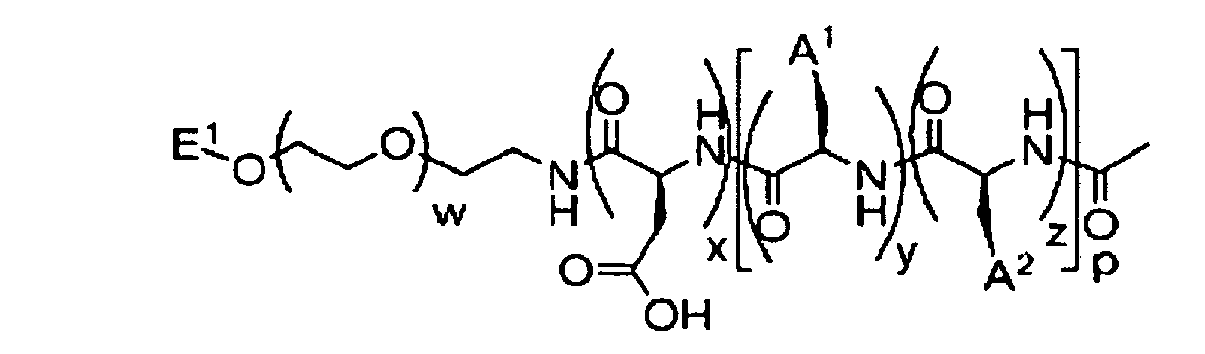
Verbindung A1 A2 E1 1 


2 
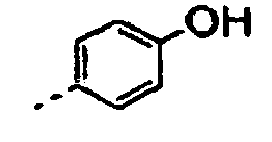

3 


4 


5 


6 


7 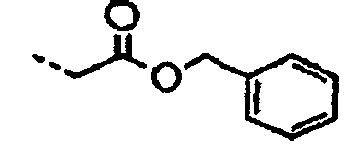


8 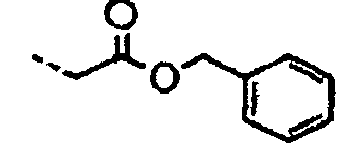
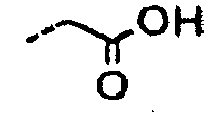

9 


10 


11 


12 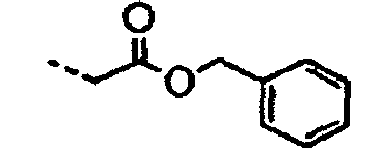


13 


14 


15 


16 


17 


18 


19 


20 


21 


22 


23 


24 
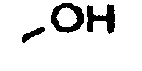

25 


26 


27 
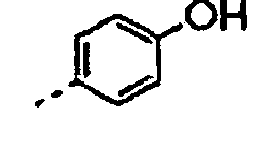

28 


29 


30 


31 


32 
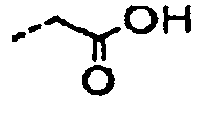

33 


34 
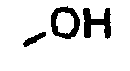

35 
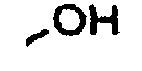

36 


37 


38 


39 

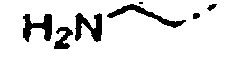
40 

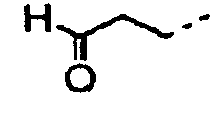
41 


42 


43 


44 
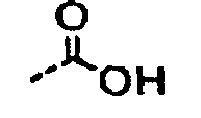

45 


46 


47 

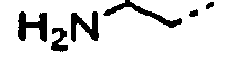
48 


49 


50 


51 
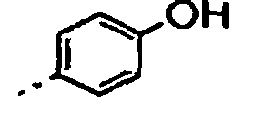

52 


53 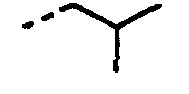


54 


55 


56 


57 


58 


59 


60 


Verbindung A1 A2 E1 61 


62 
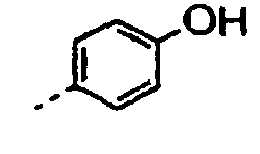

63 


64 


65 
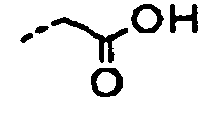

66 


67 


68 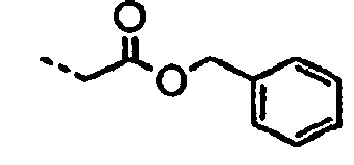


69 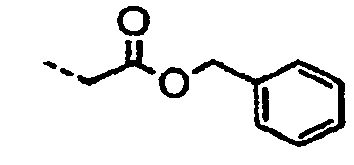


70 

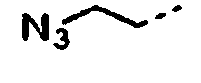
71 


72 

73 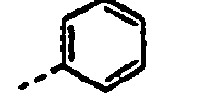


74 


75 


76 


77 


78 


79 


80 


81 


82 


83 

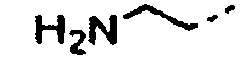
84 


85 


86 

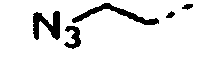
87 
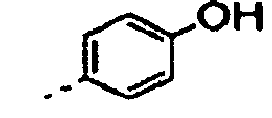

88 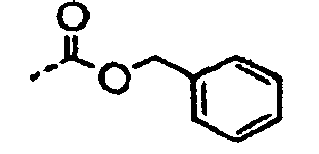


89 

90 


91 


92 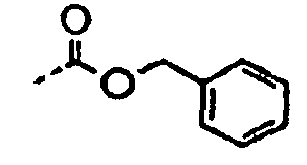


93 


94 


95 


96 


97 


98 


99 


100 


101 


102 


103 


104 


105 


106 


107 


108 


109 


110 


111 


112 


113 


114 


115 
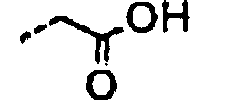

116 


117 


118 


119 

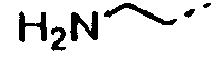
120 


Verbindung A1 A2 E1 121 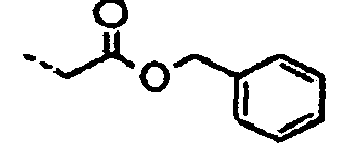


122 


123 

124 


125 


126 


127 


128 


129 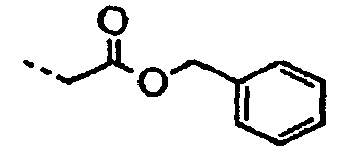


130 


131 


132 

133 


134 


135 


136 


137 


138 


139 


140 


141 

142 


143 


144 


145 


146 


147 


148 


149 
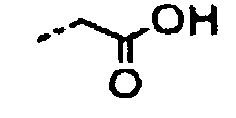

150 


151 


152 


153 
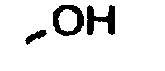

154 


155 
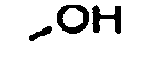

156 


157 


158 


159 


160 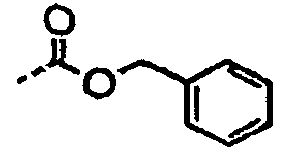


161 


162 


163 

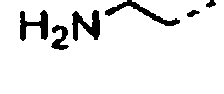
164 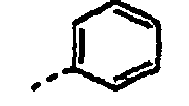


165 


166 

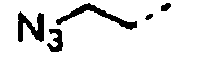
167 


168 


169 
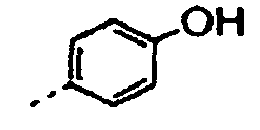

170 


171 


172 


173 


174 

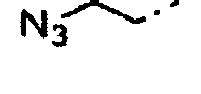
175 

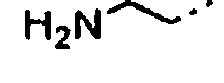
176 


177 


178 


179 


180 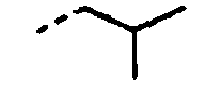


Verbindung A1 A2 E1 181 


182 


183 


184 


185 


186 


187 


188 


189 


190 


191 


192 


193 


194 


195 


196 
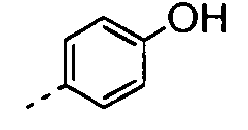

197 


198 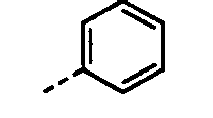


199 


200 


201 


202 


203 


204 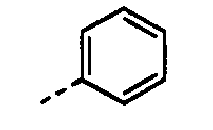


205 


206 


207 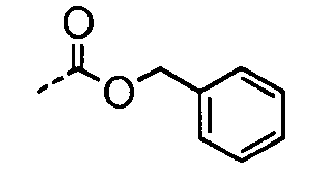


208 


209 


210 


211 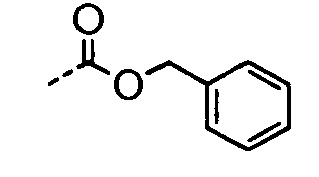
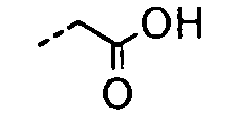

212 


213 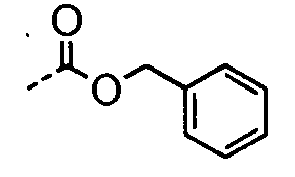


214 


215 


216 


217 


218 


219 


220 
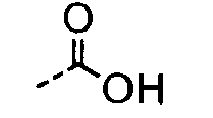

221 


222 


223 


224 


225 


226 


227 


228 


229 


230 


231 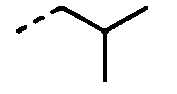
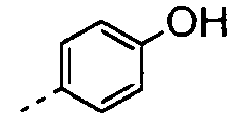
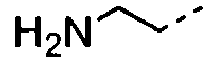
232 


233 


234 


235 


236 


237 


238 


239 


240 


Verbindung A1 A2 E1 241 
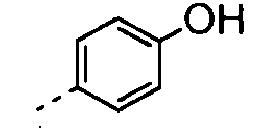

242 


243 


244 


245 


246 


247 


248 


249 


250 


251 


252 


253 


254 
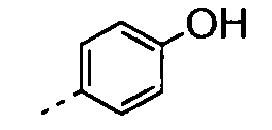

255 


256 


257 


258 


259 


260 


261 


262 


263 


264 

265 


266 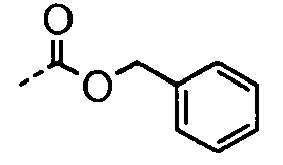


267 


268 


269 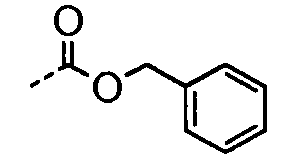


270 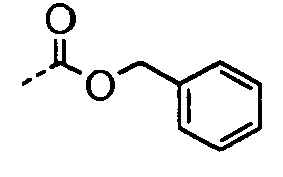


271 


272 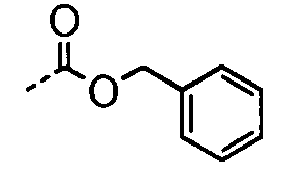


273 


274 


275 


276 


277 


278 


279 


280 


281 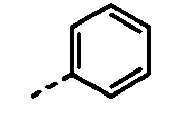


282 


283 


284 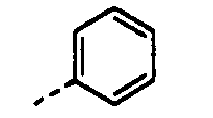


285 


286 


287 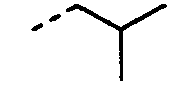


288 


289 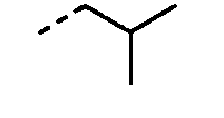


290 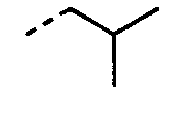


291 


292 


293 


294 


295 


296 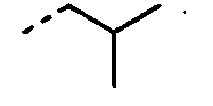


297 


298 


299 
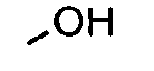

300 

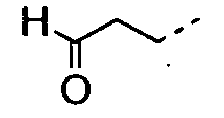

Verbindung A1 A2 A3 301 


302 


303 


304 


305 


306 


307 


308 


309 


310 

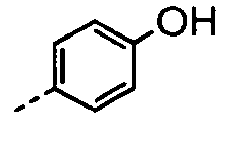
311 


312 


313 

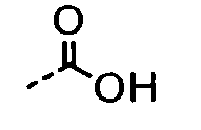
314 

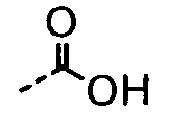
315 
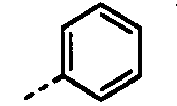

316 

317 


318 


319 


320 


321 

322 


323 


324 


325 


326 

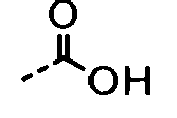
327 


328 


329 


330 


331 


332 
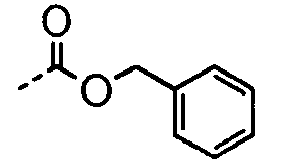

333 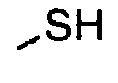


334 


335 


336 


337 


338 


339 


340 


341 


342 


343 

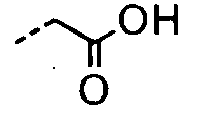
344 


345 


346 


347 


348 


349 


350 


351 


352 


353 


354 


355 

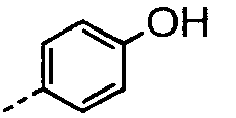
356 


357 


358 


359 
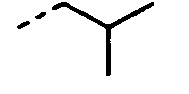

360 


361 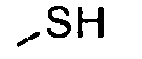


362 


363 


364 


365 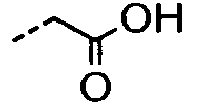
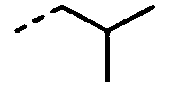

366 


367 


368 


369 


370 


371 


372 


373 


374 


375 


376 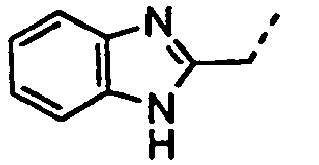


377 


378 


379 

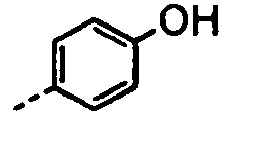
380 


Verbindung E1 A1 A2 381 


382 


383 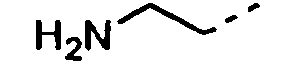

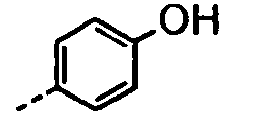
384 


385 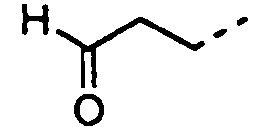


386 


387 


388 
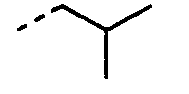

381 


382 

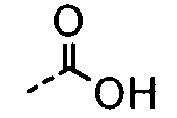
383 
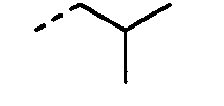

384 


385 


386 


387 


388 
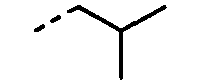

389 

390 


391 


392 


393 

394 


395 


396 


397 


398 


399 


400 


401 


402 


403 


404 

405 


406 

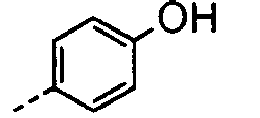
407 
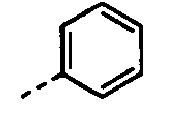

408 


409 


410 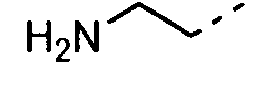


411 


412 


413 


414 


415 


416 

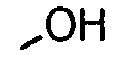
417 


418 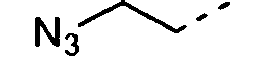


419 


420 


421 


422 


423 


424 
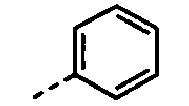

425 


426 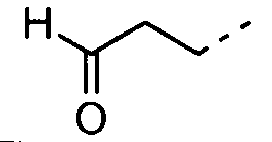


427 
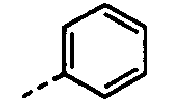

428 


429 


430 


431 


432 


433 


434 

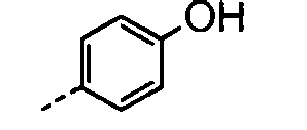
435 
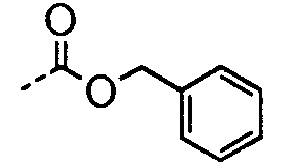

436 


437 

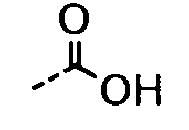
438 


439 


440 


441 


442 


443 


444 


445 


446 


447 
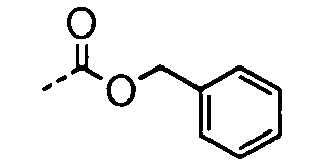

448 


449 


450 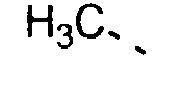


451 


452 


453 


454 


455 


456 

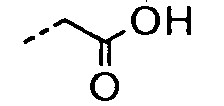
457 

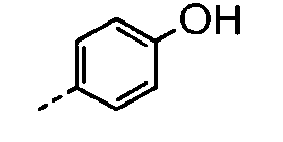
458 


459 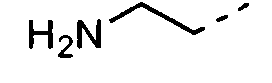

460 


461 


462 


463 


464 

465 


466 


467 


468 


469 


470 
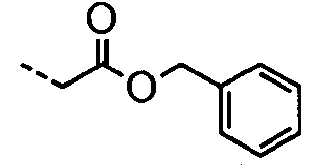

471 


472 


473 


474 


475 

476 


477 


478 
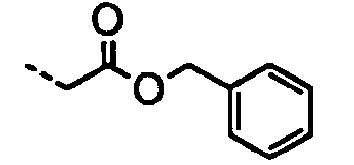

479 


480 


481 


482 


483 
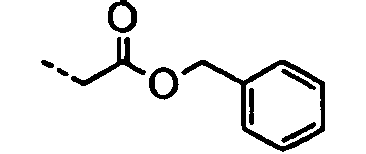

484 

- Mizelle nach Anspruch 1, wobei das Multiblock-Copolymer ausgewählt ist aus der Gruppe bestehend aus:


- Mizelle nach einem der vorgehenden Ansprüche, wobei die Mizelle ein hydrophobes Arzneimittel aufweist, welches darin verkapselt ist, wobei das Arzneimittel vorzugsweise ein chemotherapeutischer Wirkstoff ist, wobei weiter vorzugsweise der chemotherapeutische Wirkstoff Docetaxel, Taxol, SN-38, Irinotecan, Letrozol oder Doxorubicin ist.
- Mizelle nach einem der vorhergehenden Ansprüche, wobei R1 konjugiert ist zu einer Gruppe, die ausgewählt ist aus primären Labels, Farbstoffen, Proteinen, Oligopeptiden, Antikörpern, Monosacchariden, Oligosacchariden, Vitaminen oder anderen kleinen Biomolekülen.
- Pharmazeutisch verträgliche Zusammensetzung umfassend die Mizelle nach einem der vorstehenden Ansprüche und einen pharmazeutisch verträglichen Träger, Adjuvans oder Vehikel, insbesondere zur Behandlung von Krebs in einem Patienten.
- Mizelle nach Anspruch 8, wobei Ry aus einer Mischung von D-hydrophoben und L-hydrophoben Aminosäuren besteht ausgewählt aus D-Benzylglutamat und L-Benzylglutamat, D-Benzylaspartat und L-Benzylaspartat, D-Benzylaspartat und L-Benzylglutamat oder D-Benzylglutamat und L-Benzylaspartat, wobei das Multiblock-Copolymere vorzugsweise ausgewählt ist aus:


Priority Applications (1)
| Application Number | Priority Date | Filing Date | Title |
|---|---|---|---|
| EP10013947.6A EP2359862B1 (de) | 2007-04-30 | 2008-04-30 | Mizellen aus hybriden Blockcopolymeren mit gemischter Stereochemie zur Enkapsulation von hydrophoben Stoffen |
Applications Claiming Priority (2)
| Application Number | Priority Date | Filing Date | Title |
|---|---|---|---|
| US91495807P | 2007-04-30 | 2007-04-30 | |
| PCT/US2008/062033 WO2008134731A1 (en) | 2007-04-30 | 2008-04-30 | Hybrid block copolymer micelles with mixed stereochemistry for encapsulation of hydrophobic agents |
Publications (2)
| Publication Number | Publication Date |
|---|---|
| EP2073850A1 EP2073850A1 (de) | 2009-07-01 |
| EP2073850B1 true EP2073850B1 (de) | 2010-10-27 |
Family
ID=39586942
Family Applications (2)
| Application Number | Title | Priority Date | Filing Date |
|---|---|---|---|
| EP08747201A Not-in-force EP2073850B1 (de) | 2007-04-30 | 2008-04-30 | Hybride blockcopolymer-mizellen mit gemischter stereochemie zur verkapselung hydrophober stoffe |
| EP10013947.6A Active EP2359862B1 (de) | 2007-04-30 | 2008-04-30 | Mizellen aus hybriden Blockcopolymeren mit gemischter Stereochemie zur Enkapsulation von hydrophoben Stoffen |
Family Applications After (1)
| Application Number | Title | Priority Date | Filing Date |
|---|---|---|---|
| EP10013947.6A Active EP2359862B1 (de) | 2007-04-30 | 2008-04-30 | Mizellen aus hybriden Blockcopolymeren mit gemischter Stereochemie zur Enkapsulation von hydrophoben Stoffen |
Country Status (13)
| Country | Link |
|---|---|
| US (3) | US7799339B2 (de) |
| EP (2) | EP2073850B1 (de) |
| JP (2) | JP5403826B2 (de) |
| KR (1) | KR101697363B1 (de) |
| AT (1) | ATE485840T1 (de) |
| AU (1) | AU2008245404B2 (de) |
| CA (1) | CA2685350C (de) |
| DE (1) | DE602008003183D1 (de) |
| ES (2) | ES2357354T3 (de) |
| IL (1) | IL201839A (de) |
| MX (1) | MX2009011479A (de) |
| NZ (2) | NZ580605A (de) |
| WO (1) | WO2008134731A1 (de) |
Cited By (1)
| Publication number | Priority date | Publication date | Assignee | Title |
|---|---|---|---|---|
| CN104856952A (zh) * | 2015-05-13 | 2015-08-26 | 江南大学 | 一种聚(L-谷氨酸)-b-聚乙二醇载药纳米胶束的制备 |
Families Citing this family (47)
| Publication number | Priority date | Publication date | Assignee | Title |
|---|---|---|---|---|
| CA2650035C (en) | 2006-04-27 | 2015-02-03 | Intezyne Technologies, Inc. | Poly (ethylene glycol) containing chemically disparate endgroups |
| US8258190B2 (en) * | 2007-04-30 | 2012-09-04 | Intezyne Technologies, Inc. | Encapsulated contrast agents |
| ATE485840T1 (de) * | 2007-04-30 | 2010-11-15 | Intezyne Technologies Inc | Hybride blockcopolymer-mizellen mit gemischter stereochemie zur verkapselung hydrophober stoffe |
| US20100311903A1 (en) * | 2007-11-07 | 2010-12-09 | Raghavan Rajagopalan | Photonic Shell-Core Cross Linked and Functionalized Nanostructures for Biological Applications |
| WO2009134984A1 (en) * | 2008-04-30 | 2009-11-05 | Intezyne Technolgies Inc. | Synthesis of hybrid block copolymers from difluoroacetate ammonium salts |
| CN101869712B (zh) * | 2009-04-21 | 2016-01-20 | 财团法人工业技术研究院 | 使用包囊抗肿瘤药物的聚合胶束用于治疗肿瘤的药物组合物 |
| GB0907251D0 (en) * | 2009-04-28 | 2009-06-10 | Univ Leiden | Coplymers |
| WO2010127271A1 (en) | 2009-04-30 | 2010-11-04 | Intezyne Technologies, Incorporated | Polymer micelles containing anthracylines for the treatment of cancer |
| US8524784B2 (en) | 2009-04-30 | 2013-09-03 | Intezyne Technologies, Incorporated | Polymer micelles containing anthracylines for the treatment of cancer |
| CA2760771A1 (en) * | 2009-05-04 | 2010-11-11 | Intezyne Technologies, Incorporated | Polymer micelles containing sn-38 for the treatment of cancer |
| CN103002921A (zh) * | 2010-05-14 | 2013-03-27 | 马林克罗特有限公司 | 用于联合的光学成像和治疗的功能性交联纳米结构 |
| CN103096935B (zh) * | 2010-08-23 | 2017-06-16 | 株式会社岛津制作所 | 开关型荧光纳米颗粒探针及使用其的荧光分子成像法 |
| WO2012058552A1 (en) * | 2010-10-29 | 2012-05-03 | Intezyne Technologies, Incorporated | Iron stabilized polymer micelles for drug delivery applications |
| WO2012097133A2 (en) * | 2011-01-12 | 2012-07-19 | H. Lee Moffitt Cancer Center And Research Institute, Inc. | Compounds and methods for inducing apoptosis in cancer cells using a bh3 alpha-helical mimetic |
| GB2488788B (en) * | 2011-03-07 | 2013-07-10 | Natco Pharma Ltd | Oral formulation of phenylaminopyrymidine compound with enhanced bioavailability and pharmacological response |
| CN103501821A (zh) * | 2011-03-08 | 2014-01-08 | 艾克塞斯制药公司 | 用于递送活性剂穿过生物膜的靶向纳米载体系统 |
| WO2012162307A2 (en) * | 2011-05-23 | 2012-11-29 | University Of Massachusetts | Crosslinked polymer nano-assemblies and uses thereof |
| US8609146B2 (en) | 2011-09-19 | 2013-12-17 | Intezyne Technologies, Inc. | Multi-block copolymers for the preparation of stabilized micelles |
| CN102408561B (zh) * | 2011-11-14 | 2013-03-27 | 中国科学院长春应用化学研究所 | 一种嵌段共聚物、其制备方法及温度敏感型水凝胶 |
| WO2013151537A1 (en) * | 2012-04-03 | 2013-10-10 | Empire Technology Development Llc | Biocompatible adhesive polymers |
| AU2014256366B2 (en) * | 2012-04-11 | 2016-12-08 | Intezyne Technologies, Inc. | Block copolymers for stable micelles |
| AU2016250403B2 (en) * | 2012-04-11 | 2018-12-06 | Intezyne Technologies, Inc | Block copolymers for stable micelles |
| US20140114051A1 (en) * | 2012-04-11 | 2014-04-24 | Intezyne Technologies, Inc. | Block copolymers for stable micelles |
| US20140113879A1 (en) * | 2012-04-11 | 2014-04-24 | Intezyne Technologies, Inc. | Block copolymers for stable micelles |
| US20140127271A1 (en) * | 2012-04-11 | 2014-05-08 | Intezyne Technologies, Inc. | Block copolymers for stable micelles |
| US9944752B2 (en) | 2012-04-11 | 2018-04-17 | Intezyne Technologies, Inc. | Block copolymers for stable micelles |
| NZ700397A (en) | 2012-04-11 | 2016-02-26 | Intezyne Technologies Inc | Block copolymers for stable micelles |
| CA2885941A1 (en) * | 2012-09-28 | 2014-04-03 | Delpor, Inc. | Device and method for sustained release of antipsychotic medications |
| TWI454450B (zh) | 2012-11-02 | 2014-10-01 | Ind Tech Res Inst | 有機化合物及包含其之有機電激發光裝置 |
| CN103304802B (zh) * | 2013-05-28 | 2015-04-22 | 上海交通大学 | 酸敏感两亲性嵌段共聚物及其制备、用途 |
| WO2015002078A1 (ja) * | 2013-07-03 | 2015-01-08 | 日本化薬株式会社 | ボロン酸化合物の新規製剤 |
| CN103709410B (zh) * | 2013-12-03 | 2016-04-13 | 上海交通大学 | 酸敏感两亲性嵌段共聚物及其自组织胶束、用途 |
| JPWO2017043653A1 (ja) * | 2015-09-11 | 2018-06-28 | 国立大学法人 東京大学 | タンパク質を安定化するための化合物 |
| US10143689B2 (en) | 2017-02-08 | 2018-12-04 | Interzyne Technologies, Inc. | SN-38 loaded iron crosslinked micelle and methods thereof |
| CN107224589B (zh) * | 2017-05-08 | 2021-03-26 | 中山大学 | 一种输送抗体用于肿瘤免疫治疗的mr成像聚合物胶束及其制备方法 |
| CN108376608B (zh) * | 2018-02-10 | 2020-11-06 | 青岛大学 | 一种磁性纳米粒子及其制备磁性固相载体的用途 |
| US12435048B2 (en) | 2018-09-28 | 2025-10-07 | Lonza Ltd | Method for preparation of n-carboxyanhydrides |
| CN109044972A (zh) * | 2018-10-25 | 2018-12-21 | 宁夏医科大学 | 共载紫杉醇的辣椒素前药聚合物胶束及其制备方法 |
| IL294481B2 (en) * | 2020-01-10 | 2026-02-01 | Tyndall Formulation Services Llc | Polymeric excipients for drug delivery applications |
| US10836869B1 (en) | 2020-01-10 | 2020-11-17 | Tyndall Formulation Services, LLC | Polymer excipients for drug delivery applications |
| WO2021142202A1 (en) | 2020-01-10 | 2021-07-15 | R-Pharm Us Operating Llc | Compositions of ixabepilone |
| WO2021141605A1 (en) * | 2020-01-10 | 2021-07-15 | Tyndall Formulation Services, LLC | Formulations of paclitaxel with poly(amino acid) block polymers |
| US10918619B1 (en) | 2020-01-10 | 2021-02-16 | Tyndall Formulation Services, LLC | Formulations of paclitaxel with poly(amino acid) block polymers |
| EP4087535A1 (de) * | 2020-01-10 | 2022-11-16 | Tyndall Formulation Services, LLC | Formulierungen von sn-38 mit poly(aminosäure)blockpolymeren |
| US11286344B2 (en) | 2020-01-10 | 2022-03-29 | Tyndall Formulation Services, LLC | Polymer excipients for drug delivery applications |
| KR102219317B1 (ko) * | 2020-10-06 | 2021-02-24 | 엘앤피코스메틱 (주) | 천연 보습인자를 이용하여 형성된 미셀 복합체를 포함하는 화장료 조성물의 제조방법 및 이로부터 제조된 화장료 조성물 |
| WO2025039009A1 (en) * | 2023-08-17 | 2025-02-20 | Cornell University | Porous functionalized multiblock copolymer films, methods of making and using same, and products thereof |
Family Cites Families (15)
| Publication number | Priority date | Publication date | Assignee | Title |
|---|---|---|---|---|
| US4650750A (en) | 1982-02-01 | 1987-03-17 | Giese Roger W | Method of chemical analysis employing molecular release tag compounds |
| US5650270A (en) * | 1982-02-01 | 1997-07-22 | Northeastern University | Molecular analytical release tags and their use in chemical analysis |
| US4709016A (en) * | 1982-02-01 | 1987-11-24 | Northeastern University | Molecular analytical release tags and their use in chemical analysis |
| US5516931A (en) | 1982-02-01 | 1996-05-14 | Northeastern University | Release tag compounds producing ketone signal groups |
| KR940003548U (ko) * | 1992-08-14 | 1994-02-21 | 김형술 | 세탁물 건조기 |
| DE60121016T2 (de) * | 2000-09-26 | 2006-12-21 | Toudai Tlo, Ltd. | Polymere mizelle mit darin eingeschlossenem cisplatin und ihre verwendung |
| JP2003267876A (ja) * | 2002-03-15 | 2003-09-25 | Nippon Kayaku Co Ltd | 新規な血管狭窄治療剤又は予防剤 |
| JP4535229B2 (ja) * | 2003-05-08 | 2010-09-01 | 国立大学法人 東京大学 | ポリエチレングリコール−ポリカチオンブロック共重合体 |
| US7612153B2 (en) * | 2004-10-25 | 2009-11-03 | Intezyne Technologies, Inc. | Heterobifunctional poly(ethylene glycol) and uses thereof |
| US7601796B2 (en) * | 2005-01-04 | 2009-10-13 | Intezyne Technologies, Inc. | Synthesis of hybrid block copolymers and uses thereof |
| US20110124840A1 (en) * | 2005-02-11 | 2011-05-26 | Kurt Breitenkamp | Synthesis of Homopolymers and Block Copolymers |
| MX2007012157A (es) * | 2005-04-01 | 2008-03-14 | Intezyne Technologies Llc | Micelas polimericas para suministro de farmacos. |
| KR20080064827A (ko) * | 2005-10-05 | 2008-07-09 | 도쿄 씨알오 가부시키가이샤 | 생체 적합성 블록 공중합체, 그 용도 및 제조법 |
| CA2650035C (en) * | 2006-04-27 | 2015-02-03 | Intezyne Technologies, Inc. | Poly (ethylene glycol) containing chemically disparate endgroups |
| ATE485840T1 (de) * | 2007-04-30 | 2010-11-15 | Intezyne Technologies Inc | Hybride blockcopolymer-mizellen mit gemischter stereochemie zur verkapselung hydrophober stoffe |
-
2008
- 2008-04-30 AT AT08747201T patent/ATE485840T1/de not_active IP Right Cessation
- 2008-04-30 JP JP2010506606A patent/JP5403826B2/ja not_active Expired - Fee Related
- 2008-04-30 MX MX2009011479A patent/MX2009011479A/es active IP Right Grant
- 2008-04-30 WO PCT/US2008/062033 patent/WO2008134731A1/en not_active Ceased
- 2008-04-30 NZ NZ580605A patent/NZ580605A/en not_active IP Right Cessation
- 2008-04-30 DE DE602008003183T patent/DE602008003183D1/de active Active
- 2008-04-30 EP EP08747201A patent/EP2073850B1/de not_active Not-in-force
- 2008-04-30 NZ NZ599523A patent/NZ599523A/xx not_active IP Right Cessation
- 2008-04-30 ES ES08747201T patent/ES2357354T3/es active Active
- 2008-04-30 ES ES10013947T patent/ES2432641T3/es active Active
- 2008-04-30 CA CA2685350A patent/CA2685350C/en active Active
- 2008-04-30 AU AU2008245404A patent/AU2008245404B2/en not_active Ceased
- 2008-04-30 US US12/112,825 patent/US7799339B2/en active Active
- 2008-04-30 KR KR1020097022838A patent/KR101697363B1/ko active Active
- 2008-04-30 EP EP10013947.6A patent/EP2359862B1/de active Active
-
2009
- 2009-10-29 IL IL201839A patent/IL201839A/en active IP Right Grant
-
2010
- 2010-09-01 US US12/873,642 patent/US8980326B2/en active Active
-
2013
- 2013-07-04 JP JP2013140782A patent/JP2013199657A/ja not_active Withdrawn
-
2015
- 2015-02-05 US US14/615,383 patent/US20150232616A1/en not_active Abandoned
Cited By (2)
| Publication number | Priority date | Publication date | Assignee | Title |
|---|---|---|---|---|
| CN104856952A (zh) * | 2015-05-13 | 2015-08-26 | 江南大学 | 一种聚(L-谷氨酸)-b-聚乙二醇载药纳米胶束的制备 |
| CN104856952B (zh) * | 2015-05-13 | 2017-08-04 | 江南大学 | 一种聚(L‑谷氨酸)‑b‑聚乙二醇载药纳米胶束的制备 |
Also Published As
| Publication number | Publication date |
|---|---|
| US8980326B2 (en) | 2015-03-17 |
| ES2357354T3 (es) | 2011-04-25 |
| US7799339B2 (en) | 2010-09-21 |
| EP2359862B1 (de) | 2013-07-24 |
| WO2008134731A1 (en) | 2008-11-06 |
| US20080274173A1 (en) | 2008-11-06 |
| ATE485840T1 (de) | 2010-11-15 |
| MX2009011479A (es) | 2010-02-01 |
| NZ580605A (en) | 2012-05-25 |
| JP2010526183A (ja) | 2010-07-29 |
| US20100324259A1 (en) | 2010-12-23 |
| KR101697363B1 (ko) | 2017-01-17 |
| AU2008245404A1 (en) | 2008-11-06 |
| DE602008003183D1 (de) | 2010-12-09 |
| ES2432641T3 (es) | 2013-12-04 |
| JP5403826B2 (ja) | 2014-01-29 |
| CA2685350A1 (en) | 2008-11-06 |
| NZ599523A (en) | 2013-10-25 |
| US20150232616A1 (en) | 2015-08-20 |
| IL201839A0 (en) | 2010-06-16 |
| EP2073850A1 (de) | 2009-07-01 |
| EP2359862A1 (de) | 2011-08-24 |
| CA2685350C (en) | 2013-10-15 |
| AU2008245404B2 (en) | 2013-12-05 |
| IL201839A (en) | 2014-05-28 |
| JP2013199657A (ja) | 2013-10-03 |
| KR20100022000A (ko) | 2010-02-26 |
Similar Documents
| Publication | Publication Date | Title |
|---|---|---|
| EP2073850B1 (de) | Hybride blockcopolymer-mizellen mit gemischter stereochemie zur verkapselung hydrophober stoffe | |
| US10047197B2 (en) | Block copolymers for stable micelles | |
| EP1907444B1 (de) | Polymermicellen für die arzneistoffzufuhr | |
| US20140113879A1 (en) | Block copolymers for stable micelles | |
| US9944752B2 (en) | Block copolymers for stable micelles | |
| US20140271885A1 (en) | Copolymers for stable micelle formulations | |
| AU2014256366B2 (en) | Block copolymers for stable micelles | |
| AU2016250403A1 (en) | Block copolymers for stable micelles |
Legal Events
| Date | Code | Title | Description |
|---|---|---|---|
| PUAI | Public reference made under article 153(3) epc to a published international application that has entered the european phase |
Free format text: ORIGINAL CODE: 0009012 |
|
| 17P | Request for examination filed |
Effective date: 20090320 |
|
| AK | Designated contracting states |
Kind code of ref document: A1 Designated state(s): AT BE BG CH CY CZ DE DK EE ES FI FR GB GR HR HU IE IS IT LI LT LU LV MC MT NL NO PL PT RO SE SI SK TR |
|
| AX | Request for extension of the european patent |
Extension state: AL BA MK RS |
|
| 17Q | First examination report despatched |
Effective date: 20090810 |
|
| GRAP | Despatch of communication of intention to grant a patent |
Free format text: ORIGINAL CODE: EPIDOSNIGR1 |
|
| DAX | Request for extension of the european patent (deleted) | ||
| RIN1 | Information on inventor provided before grant (corrected) |
Inventor name: SKAFF, HABIB Inventor name: SILL, KEVIN, N. Inventor name: BREITENKAMP, KURT |
|
| GRAS | Grant fee paid |
Free format text: ORIGINAL CODE: EPIDOSNIGR3 |
|
| GRAA | (expected) grant |
Free format text: ORIGINAL CODE: 0009210 |
|
| AK | Designated contracting states |
Kind code of ref document: B1 Designated state(s): AT BE BG CH CY CZ DE DK EE ES FI FR GB GR HR HU IE IS IT LI LT LU LV MC MT NL NO PL PT RO SE SI SK TR |
|
| REG | Reference to a national code |
Ref country code: GB Ref legal event code: FG4D |
|
| REG | Reference to a national code |
Ref country code: CH Ref legal event code: EP |
|
| REG | Reference to a national code |
Ref country code: IE Ref legal event code: FG4D |
|
| REF | Corresponds to: |
Ref document number: 602008003183 Country of ref document: DE Date of ref document: 20101209 Kind code of ref document: P |
|
| REG | Reference to a national code |
Ref country code: NL Ref legal event code: VDEP Effective date: 20101027 |
|
| LTIE | Lt: invalidation of european patent or patent extension |
Effective date: 20101027 |
|
| REG | Reference to a national code |
Ref country code: ES Ref legal event code: FG2A Ref document number: 2357354 Country of ref document: ES Kind code of ref document: T3 Effective date: 20110425 |
|
| PG25 | Lapsed in a contracting state [announced via postgrant information from national office to epo] |
Ref country code: NO Free format text: LAPSE BECAUSE OF FAILURE TO SUBMIT A TRANSLATION OF THE DESCRIPTION OR TO PAY THE FEE WITHIN THE PRESCRIBED TIME-LIMIT Effective date: 20110127 Ref country code: LT Free format text: LAPSE BECAUSE OF FAILURE TO SUBMIT A TRANSLATION OF THE DESCRIPTION OR TO PAY THE FEE WITHIN THE PRESCRIBED TIME-LIMIT Effective date: 20101027 |
|
| PG25 | Lapsed in a contracting state [announced via postgrant information from national office to epo] |
Ref country code: AT Free format text: LAPSE BECAUSE OF FAILURE TO SUBMIT A TRANSLATION OF THE DESCRIPTION OR TO PAY THE FEE WITHIN THE PRESCRIBED TIME-LIMIT Effective date: 20101027 Ref country code: IS Free format text: LAPSE BECAUSE OF FAILURE TO SUBMIT A TRANSLATION OF THE DESCRIPTION OR TO PAY THE FEE WITHIN THE PRESCRIBED TIME-LIMIT Effective date: 20110227 Ref country code: SE Free format text: LAPSE BECAUSE OF FAILURE TO SUBMIT A TRANSLATION OF THE DESCRIPTION OR TO PAY THE FEE WITHIN THE PRESCRIBED TIME-LIMIT Effective date: 20101027 Ref country code: FI Free format text: LAPSE BECAUSE OF FAILURE TO SUBMIT A TRANSLATION OF THE DESCRIPTION OR TO PAY THE FEE WITHIN THE PRESCRIBED TIME-LIMIT Effective date: 20101027 Ref country code: BG Free format text: LAPSE BECAUSE OF FAILURE TO SUBMIT A TRANSLATION OF THE DESCRIPTION OR TO PAY THE FEE WITHIN THE PRESCRIBED TIME-LIMIT Effective date: 20110127 Ref country code: HR Free format text: LAPSE BECAUSE OF FAILURE TO SUBMIT A TRANSLATION OF THE DESCRIPTION OR TO PAY THE FEE WITHIN THE PRESCRIBED TIME-LIMIT Effective date: 20101027 Ref country code: PT Free format text: LAPSE BECAUSE OF FAILURE TO SUBMIT A TRANSLATION OF THE DESCRIPTION OR TO PAY THE FEE WITHIN THE PRESCRIBED TIME-LIMIT Effective date: 20110228 Ref country code: NL Free format text: LAPSE BECAUSE OF FAILURE TO SUBMIT A TRANSLATION OF THE DESCRIPTION OR TO PAY THE FEE WITHIN THE PRESCRIBED TIME-LIMIT Effective date: 20101027 Ref country code: LV Free format text: LAPSE BECAUSE OF FAILURE TO SUBMIT A TRANSLATION OF THE DESCRIPTION OR TO PAY THE FEE WITHIN THE PRESCRIBED TIME-LIMIT Effective date: 20101027 Ref country code: SI Free format text: LAPSE BECAUSE OF FAILURE TO SUBMIT A TRANSLATION OF THE DESCRIPTION OR TO PAY THE FEE WITHIN THE PRESCRIBED TIME-LIMIT Effective date: 20101027 |
|
| PG25 | Lapsed in a contracting state [announced via postgrant information from national office to epo] |
Ref country code: BE Free format text: LAPSE BECAUSE OF FAILURE TO SUBMIT A TRANSLATION OF THE DESCRIPTION OR TO PAY THE FEE WITHIN THE PRESCRIBED TIME-LIMIT Effective date: 20101027 Ref country code: GR Free format text: LAPSE BECAUSE OF FAILURE TO SUBMIT A TRANSLATION OF THE DESCRIPTION OR TO PAY THE FEE WITHIN THE PRESCRIBED TIME-LIMIT Effective date: 20110128 |
|
| PG25 | Lapsed in a contracting state [announced via postgrant information from national office to epo] |
Ref country code: CZ Free format text: LAPSE BECAUSE OF FAILURE TO SUBMIT A TRANSLATION OF THE DESCRIPTION OR TO PAY THE FEE WITHIN THE PRESCRIBED TIME-LIMIT Effective date: 20101027 Ref country code: EE Free format text: LAPSE BECAUSE OF FAILURE TO SUBMIT A TRANSLATION OF THE DESCRIPTION OR TO PAY THE FEE WITHIN THE PRESCRIBED TIME-LIMIT Effective date: 20101027 |
|
| PG25 | Lapsed in a contracting state [announced via postgrant information from national office to epo] |
Ref country code: SK Free format text: LAPSE BECAUSE OF FAILURE TO SUBMIT A TRANSLATION OF THE DESCRIPTION OR TO PAY THE FEE WITHIN THE PRESCRIBED TIME-LIMIT Effective date: 20101027 Ref country code: DK Free format text: LAPSE BECAUSE OF FAILURE TO SUBMIT A TRANSLATION OF THE DESCRIPTION OR TO PAY THE FEE WITHIN THE PRESCRIBED TIME-LIMIT Effective date: 20101027 Ref country code: RO Free format text: LAPSE BECAUSE OF FAILURE TO SUBMIT A TRANSLATION OF THE DESCRIPTION OR TO PAY THE FEE WITHIN THE PRESCRIBED TIME-LIMIT Effective date: 20101027 Ref country code: PL Free format text: LAPSE BECAUSE OF FAILURE TO SUBMIT A TRANSLATION OF THE DESCRIPTION OR TO PAY THE FEE WITHIN THE PRESCRIBED TIME-LIMIT Effective date: 20101027 |
|
| PLBE | No opposition filed within time limit |
Free format text: ORIGINAL CODE: 0009261 |
|
| STAA | Information on the status of an ep patent application or granted ep patent |
Free format text: STATUS: NO OPPOSITION FILED WITHIN TIME LIMIT |
|
| 26N | No opposition filed |
Effective date: 20110728 |
|
| REG | Reference to a national code |
Ref country code: DE Ref legal event code: R097 Ref document number: 602008003183 Country of ref document: DE Effective date: 20110728 |
|
| PG25 | Lapsed in a contracting state [announced via postgrant information from national office to epo] |
Ref country code: MC Free format text: LAPSE BECAUSE OF NON-PAYMENT OF DUE FEES Effective date: 20110430 |
|
| PG25 | Lapsed in a contracting state [announced via postgrant information from national office to epo] |
Ref country code: IT Free format text: LAPSE BECAUSE OF FAILURE TO SUBMIT A TRANSLATION OF THE DESCRIPTION OR TO PAY THE FEE WITHIN THE PRESCRIBED TIME-LIMIT Effective date: 20101027 Ref country code: MT Free format text: LAPSE BECAUSE OF FAILURE TO SUBMIT A TRANSLATION OF THE DESCRIPTION OR TO PAY THE FEE WITHIN THE PRESCRIBED TIME-LIMIT Effective date: 20101027 |
|
| PG25 | Lapsed in a contracting state [announced via postgrant information from national office to epo] |
Ref country code: LU Free format text: LAPSE BECAUSE OF NON-PAYMENT OF DUE FEES Effective date: 20110430 Ref country code: CY Free format text: LAPSE BECAUSE OF FAILURE TO SUBMIT A TRANSLATION OF THE DESCRIPTION OR TO PAY THE FEE WITHIN THE PRESCRIBED TIME-LIMIT Effective date: 20101027 |
|
| PG25 | Lapsed in a contracting state [announced via postgrant information from national office to epo] |
Ref country code: TR Free format text: LAPSE BECAUSE OF FAILURE TO SUBMIT A TRANSLATION OF THE DESCRIPTION OR TO PAY THE FEE WITHIN THE PRESCRIBED TIME-LIMIT Effective date: 20101027 |
|
| PG25 | Lapsed in a contracting state [announced via postgrant information from national office to epo] |
Ref country code: HU Free format text: LAPSE BECAUSE OF FAILURE TO SUBMIT A TRANSLATION OF THE DESCRIPTION OR TO PAY THE FEE WITHIN THE PRESCRIBED TIME-LIMIT Effective date: 20101027 |
|
| REG | Reference to a national code |
Ref country code: FR Ref legal event code: PLFP Year of fee payment: 9 |
|
| REG | Reference to a national code |
Ref country code: DE Ref legal event code: R079 Ref document number: 602008003183 Country of ref document: DE Free format text: PREVIOUS MAIN CLASS: A61K0047480000 Ipc: A61K0047500000 |
|
| REG | Reference to a national code |
Ref country code: FR Ref legal event code: PLFP Year of fee payment: 10 |
|
| REG | Reference to a national code |
Ref country code: FR Ref legal event code: PLFP Year of fee payment: 11 |
|
| PGFP | Annual fee paid to national office [announced via postgrant information from national office to epo] |
Ref country code: IE Payment date: 20211029 Year of fee payment: 14 Ref country code: ES Payment date: 20211105 Year of fee payment: 14 |
|
| PGFP | Annual fee paid to national office [announced via postgrant information from national office to epo] |
Ref country code: CH Payment date: 20211029 Year of fee payment: 14 |
|
| REG | Reference to a national code |
Ref country code: CH Ref legal event code: PL |
|
| PG25 | Lapsed in a contracting state [announced via postgrant information from national office to epo] |
Ref country code: LI Free format text: LAPSE BECAUSE OF NON-PAYMENT OF DUE FEES Effective date: 20220430 Ref country code: CH Free format text: LAPSE BECAUSE OF NON-PAYMENT OF DUE FEES Effective date: 20220430 |
|
| PG25 | Lapsed in a contracting state [announced via postgrant information from national office to epo] |
Ref country code: IE Free format text: LAPSE BECAUSE OF NON-PAYMENT OF DUE FEES Effective date: 20220430 |
|
| REG | Reference to a national code |
Ref country code: ES Ref legal event code: FD2A Effective date: 20230602 |
|
| P01 | Opt-out of the competence of the unified patent court (upc) registered |
Effective date: 20230502 |
|
| PG25 | Lapsed in a contracting state [announced via postgrant information from national office to epo] |
Ref country code: ES Free format text: LAPSE BECAUSE OF NON-PAYMENT OF DUE FEES Effective date: 20220501 |
|
| PGFP | Annual fee paid to national office [announced via postgrant information from national office to epo] |
Ref country code: GB Payment date: 20240418 Year of fee payment: 17 |
|
| PGFP | Annual fee paid to national office [announced via postgrant information from national office to epo] |
Ref country code: DE Payment date: 20240416 Year of fee payment: 17 |
|
| PGFP | Annual fee paid to national office [announced via postgrant information from national office to epo] |
Ref country code: FR Payment date: 20240422 Year of fee payment: 17 |
|
| REG | Reference to a national code |
Ref country code: DE Ref legal event code: R119 Ref document number: 602008003183 Country of ref document: DE |
|
| GBPC | Gb: european patent ceased through non-payment of renewal fee |
Effective date: 20250430 |
|
| PG25 | Lapsed in a contracting state [announced via postgrant information from national office to epo] |
Ref country code: DE Free format text: LAPSE BECAUSE OF NON-PAYMENT OF DUE FEES Effective date: 20251104 |
|
| PG25 | Lapsed in a contracting state [announced via postgrant information from national office to epo] |
Ref country code: GB Free format text: LAPSE BECAUSE OF NON-PAYMENT OF DUE FEES Effective date: 20250430 |
|
| PG25 | Lapsed in a contracting state [announced via postgrant information from national office to epo] |
Ref country code: FR Free format text: LAPSE BECAUSE OF NON-PAYMENT OF DUE FEES Effective date: 20250430 |