EP2087616B1 - Verfahren und gerät zur wahl und verwaltung eines mobilen protokolls in einem mobilen kommunikationssystem - Google Patents
Verfahren und gerät zur wahl und verwaltung eines mobilen protokolls in einem mobilen kommunikationssystem Download PDFInfo
- Publication number
- EP2087616B1 EP2087616B1 EP08766394A EP08766394A EP2087616B1 EP 2087616 B1 EP2087616 B1 EP 2087616B1 EP 08766394 A EP08766394 A EP 08766394A EP 08766394 A EP08766394 A EP 08766394A EP 2087616 B1 EP2087616 B1 EP 2087616B1
- Authority
- EP
- European Patent Office
- Prior art keywords
- terminal
- mobility protocol
- mobility
- network
- tunnel
- Prior art date
- Legal status (The legal status is an assumption and is not a legal conclusion. Google has not performed a legal analysis and makes no representation as to the accuracy of the status listed.)
- Active
Links
Images

Classifications
-
- H—ELECTRICITY
- H04—ELECTRIC COMMUNICATION TECHNIQUE
- H04W—WIRELESS COMMUNICATION NETWORKS
- H04W48/00—Access restriction; Network selection; Access point selection
- H04W48/08—Access restriction or access information delivery, e.g. discovery data delivery
-
- H—ELECTRICITY
- H04—ELECTRIC COMMUNICATION TECHNIQUE
- H04W—WIRELESS COMMUNICATION NETWORKS
- H04W76/00—Connection management
- H04W76/10—Connection setup
- H04W76/12—Setup of transport tunnels
-
- H—ELECTRICITY
- H04—ELECTRIC COMMUNICATION TECHNIQUE
- H04W—WIRELESS COMMUNICATION NETWORKS
- H04W8/00—Network data management
-
- H—ELECTRICITY
- H04—ELECTRIC COMMUNICATION TECHNIQUE
- H04W—WIRELESS COMMUNICATION NETWORKS
- H04W80/00—Wireless network protocols or protocol adaptations to wireless operation
- H04W80/04—Network layer protocols, e.g. mobile IP [Internet Protocol]
- H04W80/045—Network layer protocols, e.g. mobile IP [Internet Protocol] involving different protocol versions, e.g. MIPv4 and MIPv6
Definitions
- the present invention relates to a mobile communication system, and in particular, to selecting and managing a mobility protocol between a network and a terminal in a mobile communication system.
- the 3rd Generation Partnership Project (3GPP) which aims to provide technical specifications of the 3rd generation mobile communications system has proceeded with research for the Long Term Evolution/System Architecture Evolution (LTE/SAE) technologies since year-end 2004 as a part of efforts to optimize and enhance performances of the 3GPP technologies.
- the SAE mainly led by the 3GPP SA WG2 relates to research of network technologies which aims to determine a network structure together with the LTE work of the 3GPP TSG RAN and to support mobility between networks of different versions.
- the SAE has been considered one of the essential standardization issues of the 3GPP.
- Such work is to develop the 3GPP to be a system based on the IP and supporting a variety of radio (wireless) connection technologies, and has progressed with the aim of an optimized packet-based system capable of minimizing a transmission delay with enhanced data transmission capability.
- the SAE upper level reference model defined by the 3GPP SA WG2 may include a non-roaming case and roaming cases with a variety of scenarios. Detailed descriptions thereof are given in 3GPP TS 23.401 and TS 23.402.
- Figure 1 is a schematic view of such network structure.
- One of the distinctive characteristics of the network structure shown in Fig. 1 is that it is based on a 2 tier model having an eNode B of the Evolved UTRAN and a gateway of the core network.
- the eNode B has a similar function, although not exactly the same, to the eNode B and RNC of the existing UMTS system, and the gateway has a function similar to the SGSN/GGSN of the existing system.
- Another distinctive characteristic is that different interfaces are exchanged by the control plane and the user plane between the access system and the core network.
- SAE Evolved Packet Core
- MME Mobility Management Entity
- gateways there are two types of gateways: a Serving Gateway (SG) and a Packet Data Network (PDN) gateway.
- the serving gateway (SG) may serve as an anchor point for handling mobility management within the 3GPP network
- the PDN gateway may serve as an anchor point for handling mobility management of the 3GPP network and the non-3GPP network.
- These two gateways may also be implemented with a Single Gateway Configuration Option.
- IETF protocols such as the Proxy Mobile IPv6 (PMIPv6), the Dual Stack Mobile IPv6 (DSMIPv6), etc.
- RRC Request for Comments
- the GTP protocol is used for 3GPP Inter Radio Access Technology (Inter-RAT) handover
- the IETF-based protocols are used for S2 interfaces for the non-3GPP interworking.
- a reference point which provides a user plane tunneling and a tunnel management between the serving gateway and the PDN gateway a reference point which is used with a reference point S5 in roaming, and a reference point S8 can be used in both the GTP and the IETF-based protocols.
- the table 1 shows available protocol options for several important reference points in the SAE structure (architecture) as below.
- the mobility management in the SAE may be roughly divided into two types. One is mobility between the 3GPP Inter-RAT systems, and the other is mobility between the 3GPP access system and the non-3GPP access system.
- D1 HUAWEI "Mobility Mode Selection"3GPP DRAFT; S2-071694 MOBILITY MODE SELECTION, 3RD GENERATION PARTNERSHIP PROJECT (3GPP), MOBILE COMPETENCE CENTRE ; 650, ROUTE DES LUCIOLES ; F-06921 SOPHIAANTIPOLIS CEDEX ; FRANCE, vol. SA WG2, no. Beijing; 2007041 8, 1 8 April 2007 (2007-04-1 8),] describes protocols for mobility mode selection.
- D2 WO 01141470 A2 (QUALCOMM INC [US]) 7 June 2001 (2001 -06-07) describes a system for authentication in a wireless telecommunications system.
- an object of the present invention is to provide a method for exchanging, by a network and a terminal, information about mobility management protocols (or mobility protocols) that can be respectively supported by the network and the terminal, determining (selecting) and managing a mobility protocol for data path (i.e., IP tunnel) setup based on the information, and a device for implementing such method.
- a method for managing a protocol in a mobile communication system including:
- the method further includes (D) setting, by the network node, an IP tunnel, to which the determined mobility protocol is applied, with the terminal.
- the step (D) further includes the steps of transmitting, by the network node, a message to initiate an IP tunnel setup to the terminal; and setting, by the network node, the IP tunnel with the terminal.
- the step (B) includes the steps of comparing, by the network node, information about the mobility protocol received from the terminal with information about mobility protocol in which the network node can support; and determining, by the network node, a mobility protocol of the IP tunnel to setup with the terminal based on the comparison result.
- a method for managing a protocol in a mobile communication system including:
- a terminal including:
- an entity or a device in a mobile communication system, including:
- the present invention is applied to the 3GPP mobile communication system. However, without being limited to this, it may also be applied to the next generation mobile communication and other wired/wireless communications to which the technical scope of the present invention is applied.
- the terminal according to the present invention may include all types of devices which can perform the technical features of the present invention. That is, the terminal according to the present invention comprehensively includes all devices capable of performing a function of setting up an IP tunnel with the network and of transmitting/receiving data to/from the network node via the set IP tunnel.
- Examples of such terminals include mobile communication terminals (e.g., User Equipments (UEs), mobile phones, portable phones, Digital Multimedia Broadcasting (DMB) phones, gaming phones, camera-equipped phones, smart phones, and the like), notebook computers, desktop computers, Personal Digital Assistants (PDAs), other home appliances, and the like.
- UEs User Equipments
- DMB Digital Multimedia Broadcasting
- PDAs Personal Digital Assistants
- the access system generally denotes a network through which the terminal is connected to the core network for communications (e.g., voice communication, data communication, video communication, etc.).
- Examples of such access system in Fig. 1 may include the UTRAN / GERAN or E-UTRAN as the 3GPP access system, or I-WLAN or CDMA / WiMax as the non-3GPP access system.
- IP tunnel refers to, when communication between entities (e.g., the terminal and the network node) is established(set), a data path of the communication.
- the mobility protocol denotes a protocol used for mobility management of the terminal and data transmission by connecting the terminal to the core network. According to the type of the access system and characteristics thereof, there may be various types of the mobility protocol used between the terminal and the network.
- the attach denotes connecting the terminal to the network node, and more comprehensively, performing a handover.
- the present invention conceptually relates to, when the terminal is to setup an IP tunnel for data transmission/reception with the network supporting a plurality of mobility protocols, firstly, the terminal configured to transmit a list of the terminal-supported mobility protocols and/or its preference information to the network, and secondly, the network configured to determine (select) a mobility protocol of an IP tunnel to transmit/receive data with the terminal based on the information, thereby enhancing an efficiency of the resources when the IP tunnel is setup between the terminal and the network.
- the terminal and the network (or network node) according to the present invention may perform the following functions and operations:
- functions and operations of the terminal are as follows: 1) it may include software (or a module including software) and a user interface which allow a user to determine (select) an access system and a preferred protocol (hereinafter, referred to as 'preference' information) using a manual, and a user interface.
- software or a module including software
- a user interface which allow a user to determine (select) an access system and a preferred protocol (hereinafter, referred to as 'preference' information) using a manual, and a user interface.
- the preference information may exist not only by requiring the user to manually input, but also by being pre-stored within the terminal by default;
- the preferred protocol refers to a protocol preferred by the terminal when it is to connect to the access system.
- the terminal according to the present invention defines a message to be used when the preference designated by the manual is forwarded to the gateway of the network; 3) the terminal defines a message to exchange capability of the terminal-supported mobility protocol with the network; and 4) the terminal defines a message to request a mobility protocol change from the network.
- the network includes a mechanism to process and provide terminal preference (i.e., information about the preferred protocol in which the terminal desires to use for connection); 2) the network according to the present invention defines a message to exchange capability of the gateway-supported mobility protocol with the terminal; 3) the network includes a module capable of determining a mobility protocol based on a variety of information (e.g., terminal preference information, operator policy, etc.); 4) the network includes a module capable of determining a mobility protocol change by a request of the terminal (or terminal user) based on the types of mobility tunnels that are currently setup; and 5) the network defines a message to use when the network requests the mobility protocol change from the terminal.
- terminal preference i.e., information about the preferred protocol in which the terminal desires to use for connection
- a mobility protocol When a mobility protocol is selected between the terminal and the network or when a mobility protocol of the terminal is provided, refers to a time point of performing attach, handover, or roaming, for instance.
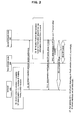
- Figure 2 is a signal flowchart showing a method for selecting and managing a mobility protocol between a network and a terminal according to a first embodiment of the present invention.
- Exemplary embodiments in Fig. 2 include two examples: first, an IP tunnel is setup (established) between a terminal 100 and a second network node 300, and second, an IP tunnel is setup between a first network node 200 and the second network node 300.
- the first network node 200 may refer to a network node serving as an intermediate node on the network, such as Mobile Access Gateway (MAG) or Foreign Agent (FA).
- the second network node 300 may be the Packet Data Network (PDN) gateway.
- PDN Packet Data Network
- the terminal 100 selects an access system to attempt communications (e.g., voice communication, video communication, and the like) (S1).
- an access system e.g., voice communication, video communication, and the like
- an available interface is determined according to the selected access system. That is, a mobility protocol which enables the terminal 100 to communicate with the access system is determined.
- the terminal 100 exchanges information about its supported mobility protocols while communicating with the second network node 300. This is because an interface may have options for several mobility protocols. Accordingly, the terminal 100 transmits to the second network node 300 information related to its supported mobility protocols (S2). For instance, the information related to the mobility protocols may include information about terminal-supported mobility protocols, indication information indicating its supported mobility protocols or indication information indicating its supported mobility modes.
- step (S2) while the terminal 100 communicates with the second network node 300, it may additionally transmit information indicating which mobility protocol it prefers to use. Such information is called 'preference' as described above.
- the terminal 100 may forward a certain message (e.g., so called 'attach message request message' or 'attach trigger message') to the network (i.e., the second network node) by including its capability (i.e., its supported protocols and/or preferences) therein.
- the terminal 100 may provide information to the second network node 300 by including its capability in a message for authentication use during an authentication process for attach or by a separate message after the authentication process.
- the authentication process refers to a process to check whether or not the terminal 100 has been subscribed to a specific service (e.g., a communication service provided by the network) while the terminal 100 exchanges messages for authentication with an Authentication Authorization Accounting (AAA) server (not shown in Fig. 2 ).
- AAA Authentication Authorization Accounting
- the second network node 300 may determine (select) the mobility protocol to be used for an IP tunnel (S3). Alternatively, based on the terminal-supported mobility protocol information which is received from step (S2), the second network node 300 may determine (select) the mobility protocol to be used for the IP tunnel. Meanwhile, even though an option to select the mobility protocol for the IP tunnel is on the network side, when the second network node 300 determines the mobility protocol, a priority for selecting the mobility protocol for the IP tunnel may be determined according to an operator's policy.
- the second network node 300 notifies the determined mobility protocol, and initiates an IP tunnel setup (S4-1 and S4-2 or S5-1 and S5-2). Meanwhile, according to the mobility protocol determination (selection) of the second network node 300, different interfaces of the IP tunnel would exist. That is, according to the determined mobility protocol, as shown in Fig. 2 , the IP tunnel may be setup in two cases (i.e., S4-1 or S4-2).
- step S4-1 description of step S4-1 will be given.
- the network notifies the determined mobility protocol (i.e., DSMIPv6) to the terminal 100, and then initiates the IP tunnel setup with the terminal 100 (S4-1).
- the second network node 300 selects PMIPv4 or CMIPv4 FA mode as the mobility protocol
- the second network node 300 notifies the determined mobility protocol (i.e., PMIPv4 or CMIPv4 FA mode) to the first network node 200 (i.e., intermediate node on the network), and then initiates the IP tunnel setup with the first network node 200 (S4-2).
- the first network 200 may be a network entity (device) such as MAG or FA.
- step (S4-1 or S4-2) data can be sent/received via the set IP tunnel (S5-1 or S5-2). That is, if the IP tunnel is setup between the second network node 300 and the terminal 100 through step (S4-1), data can be sent/received via the set IP tunnel (S5-1). As shown in step (S4-2), if the IP tunnel is setup between the second network node 300 and the first network node 200, data can be sent/received via the set IP tunnel (S5-2).
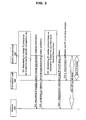
- Figure 3 is a signal flowchart showing the method for selecting and managing a mobility protocol between the network and the terminal according to a second embodiment of the present invention.
- the second embodiment in Fig. 3 relates to a case of changing the mobility protocol of the set IP tunnel after the IP tunnel is setup according to the determined mobility protocol.
- the example in Fig. 3 shows a case in which the network side changes the mobility protocol based on its processing condition, operator's policy, and the like. For instance, if there are a plurality of IP tunnels set by a specific mobility protocol (e.g., PMIP), the second network node 300 may request the change of the IP tunnel protocol into another mobility protocol (e.g., CMIP) from the terminal 100 in order to reduce a burden of managing other IP tunnels.
- a specific mobility protocol e.g., PMIP
- CMIP mobility protocol
- the second network node 300 may determine to change a mobility protocol for some sessions due to a reason of network management (e.g., operator rules, traffic, resource management, etc.) (S31).
- the some sessions for instance, refer to setting up, by the second network node 300, an IP tunnel using a certain mobility protocol with the terminal 100 or the first network node 200, and sending/receiving data via the set IP tunnel by using the certain mobility protocol.
- the second network node 300 requests the terminal 100 to change the mobility protocol of the IP tunnel (S32).
- the IP tunnel signifies a path for data transmission/reception set (established) between the second network node 300 and the terminal 100.
- the second network node 300 may additionally request terminal's capability information (e.g., a list of its supported mobility protocol and/or preference) from the terminal 100.
- the terminal 100 transmits a message of acceptance or rejection for the request of mobility protocol change (S33).
- the terminal 100 may additionally transmit its supported mobility protocol list and/or preference information.
- the second network node 300 determines a mobility protocol by referring to the information sent by the terminal 100 (i.e., the mobility protocol list and/or preference), and then initiates an IP tunnel setup of the determined mobility protocol (S34 ⁇ S36-2).
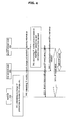
- Figure 4 is a signal flowchart showing the method for selecting and managing a mobility protocol between the network and the terminal according to a third embodiment of the present invention.
- the third embodiment in Fig. 4 relates to a case in which the terminal 100 requests a mobility protocol change of the set IP tunnel after the IP tunnel is setup by the determined mobility protocol.
- the terminal (or terminal user) 100 requests the network to change the currently set IP tunnel of the mobility protocol, for instance, due to reasons of charging, Quality of Service (QoS) or the like.
- QoS Quality of Service
- the terminal 100 determines to change the current access system and transmits its supported mobility protocol list and/or preference information to the second network node 300 (S42).
- the processes after step (S43) in Fig. 4 are the same as those after step (S34) in Fig. 3 . Therefore, description of the processes after step (S43) in Fig. 4 will refer to description of each corresponding portion in Fig. 3 .
- the terminal according to the present invention may include software in which the examples in Figs. 2 through 4 are implemented or a module equipped with such software.
- Such module as a component of the terminal, may be referred to as a processor or controller.
- the terminal according to the present invention may include hardware and software components, which are essential to implement the technical features of the present invention.
- the terminal in the present invention may include a transmitter/receiver (transceiver) configured to transmit supported mobility protocol list and/or preference information to the access system (e.g., the second network node) for the IP tunnel setup and to receive a notification message of the mobility protocol determined by the access system; and a controller configured to generate the supported mobility protocol list and/or preference information, and to transmit the generated information to the access system.
- the access system e.g., the second network node
- a controller configured to generate the supported mobility protocol list and/or preference information, and to transmit the generated information to the access system.
- the terminal according to the present invention may include basic hardware and software (or a module including the software) of the terminal, such as a display and a speaker as an output unit; a keypad and a microphone as an input unit; a battery configured to supply power to the terminal; a storage unit (memory) configured to store a list of mobility protocols supported by the terminal.
- basic hardware and software or a module including the software
- the terminal may include basic hardware and software (or a module including the software) of the terminal, such as a display and a speaker as an output unit; a keypad and a microphone as an input unit; a battery configured to supply power to the terminal; a storage unit (memory) configured to store a list of mobility protocols supported by the terminal.
- the network node according to the present invention may include software in which the examples in Figs. 2 through 4 are implemented or a module equipped with such software. That is, the node according to the present invention may include a module which handles mobility protocol information received from the terminal (i.e., its supported mobility protocol list and preference information).
- the module is a device for selecting and managing the mobility protocol of the network, and performs a function of determining (selecting) a mobility protocol for the IP tunnel setup based on the mobility protocol information received from the terminal and network-supported mobility protocol information, and of initiating the IP tunnel setup with the determined mobility protocol.
- the module notifies to the terminal the determined mobility protocol using a certain message (e.g., a notification message or IP tunnel session initiation message). Meanwhile, the module may be referred to as a controller or processor.
- the network node may include a transmitter/receiver (transceiver) configured to transmit/receive message and data.
- the method according to the present invention may be implemented as software, hardware or any combination thereof.
- the method according to the present invention may be implemented as codes or commands within a software program which can be stored in a storage medium (e.g., internal memory within a mobile terminal, flash memory, hard disks, etc.) and executed by a processor (e.g., internal microprocessor within a mobile terminal).
- a storage medium e.g., internal memory within a mobile terminal, flash memory, hard disks, etc.
- a processor e.g., internal microprocessor within a mobile terminal.
- the present invention has an effect of easily selecting a mobility protocol of the IP tunnel on a network side when the terminal is to set up the IP tunnel for data transmission/reception with the network that supports a plurality of mobility protocols, by sending information about terminal-supported mobility protocol list as well as preference information (i.e., information about a mobility protocol preferred by the terminal).
- the terminal can reduce the failure rate of attach to the network, thereby reducing the battery consumption and power of the terminal.
- the attach mode can be controlled, thereby enhancing an efficiency of the network management and preventing the unnecessary waste of resources.
- the present invention has an effect of enhancing an efficiency of the network management and policy since the mobility protocol of the IP tunnel can be flexibly changed according to the conditions of the network and the terminal.
Landscapes
- Engineering & Computer Science (AREA)
- Computer Networks & Wireless Communication (AREA)
- Signal Processing (AREA)
- Computer Security & Cryptography (AREA)
- Databases & Information Systems (AREA)
- Mobile Radio Communication Systems (AREA)
- Communication Control (AREA)
Claims (7)
- Verfahren zur Verwaltung eines Protokolls in einem mobilen Kommunikationssystem, wobei das Verfahren aufweist:Empfang (S2) durch einen Paketdatennetz(PDN)-Gateway (300) von einem Endgerät (100) von Informationen über ein Mobilitätsprotokoll oder einen durch das Endgerät unterstützten Mobilitätsmodus, wenn das Endgerät (100) eine Authentifizierung einem Kernnetz zuordnet, übergibt oder von diesem anfordert, wobei das Kernnetz an ein Zugangsnetz eines Partnerschaftsprojekts der 3. Generation (3GPP-Zugangsnetz) und ein Nicht-3GPP-Zugangsnetz angeschlossen ist;Festlegen (S3) eines Mobilitätsprotokolls oder -modus für die Einrichtung eines IP-Tunnels mit dem Endgerät durch den PDN-Gateway (300) auf der Basis der empfangenen Informationen über das Mobilitätsprotokoll oder den -modus, wobei das Mobilitätsprotokoll durch den PDN-Gateway (300) gemäß den Richtlinien eines Operators festgelegt wird und der PDN-Gateway (300) als Ankerpunkt für die Abwicklung der Mobilitätsverwaltung sowohl des 3GPP-Zugangsnetzes als auch des Nicht-3GPP-Zugangsnetzes dient, undMelden des festgelegten Mobilitätsprotokolls oder -modus an das Endgerät (100) oder den Mobilanschluss-Gateway-Knoten (200) durch den PDN-Gateway (300);dadurch gekennzeichnet, dassder PDN-Gateway (300) die Veränderung des Mobilitätsprotokolls für bestimmte Sitzungen festlegt (S31); undder PDN-Gateway (300) das Endgerät (100) auffordert, das Mobilitätsprotokoll der IP-Tunnels zu verändern (S32); undder PDN-Gateway (300) als Reaktion auf die Aufforderung zum Verändern des Mobilitätsprotokolls eine Annahme- oder Ablehnungsmeldung empfängt (S33).
- Verfahren nach Anspruch 1, das ferner aufweist:Einrichten eines IP-Tunnels mit dem Endgerät (100), auf den das festgelegte Mobilitätsprotokoll angewandt wird, durch den PDN-Gateway (300).
- Verfahren nach Anspruch 2, das ferner aufweist:Senden einer Meldung durch den PDN-Gateway (300) an das Endgerät (100), um die Einrichtung eines IP-Tunnels einzuleiten; undEinrichten eines IP-Tunnels durch den PDN-Gateway (300) mit dem Endgerät (100).
- Verfahren nach Anspruch 1, wobei die Informationen über das Mobilitätsprotokoll mindestens eine der folgenden Informationen aufweisen:Listeninformation über endgerätgestützte Mobilitätsprotokolle,Anzeigeinformationen, die endgerätgestützte Mobilitätsprotokolle anzeigen,Anzeigeinformationen, die endgerätgestützte Mobilitätsmodi anzeigen, undPräferenz-Informationen.
- Verfahren nach Anspruch 4, wobei die Präferenz-Informationen Informationen über vom Endgerät bevorzugte Mobilitätsprotokolle aufweisen, wenn das Endgerät (100) einen IP-Tunnel mit dem PDN-Gateway (300) einrichtet.
- Verfahren nach Anspruch 1, wobei, wenn der PDN-Gateway (300) eine Veränderung des Mobilitätsprotokolls für bestimmte Sitzungen festlegt,
der PDN-Gateway (300) Informationen über das vom Endgerät (100) empfangene Mobilitätsprotokoll mit Informationen über das Mobilitätsprotokoll vergleicht, das der PDN-Gateway (300) unterstützen kann; und
der PDN-Gateway (300) auf der Basis des Vergleichsergebnisses ein Mobilitätsprotokoll eines mit dem Endgerät (100) einzurichtenden IP-Tunnels festlegt. - Verfahren nach Anspruch 1, wobei, wenn der PDN-Gateway (300) eine Veränderung des Mobilitätsprotokolls für bestimmte Sitzungen festlegt,
der PDN-Gateway (300) mindestens einen der folgenden Punkte berücksichtigt: Fähigkeiten und Richtlinien des Netzes und die vom Endgerät (100) empfangenen Informationen berücksichtigt.
Applications Claiming Priority (3)
| Application Number | Priority Date | Filing Date | Title |
|---|---|---|---|
| US95495607P | 2007-08-09 | 2007-08-09 | |
| KR1020080048857A KR101013654B1 (ko) | 2007-08-09 | 2008-05-26 | 이동통신 시스템에서의 이동성 프로토콜 선택 및 관리 방법및 장치 |
| PCT/KR2008/003433 WO2009020284A1 (en) | 2007-08-09 | 2008-06-18 | Method and device for selecting and managing mobility protocol in mobile communications system |
Publications (3)
| Publication Number | Publication Date |
|---|---|
| EP2087616A1 EP2087616A1 (de) | 2009-08-12 |
| EP2087616A4 EP2087616A4 (de) | 2010-08-18 |
| EP2087616B1 true EP2087616B1 (de) | 2011-12-21 |
Family
ID=40685301
Family Applications (1)
| Application Number | Title | Priority Date | Filing Date |
|---|---|---|---|
| EP08766394A Active EP2087616B1 (de) | 2007-08-09 | 2008-06-18 | Verfahren und gerät zur wahl und verwaltung eines mobilen protokolls in einem mobilen kommunikationssystem |
Country Status (5)
| Country | Link |
|---|---|
| US (1) | US9622149B2 (de) |
| EP (1) | EP2087616B1 (de) |
| KR (1) | KR101013654B1 (de) |
| AT (1) | ATE538542T1 (de) |
| WO (1) | WO2009020284A1 (de) |
Families Citing this family (6)
| Publication number | Priority date | Publication date | Assignee | Title |
|---|---|---|---|---|
| US20090047947A1 (en) * | 2007-08-02 | 2009-02-19 | Qualcomm Incorporated | Dynamic gateway selection based on data service and roaming protocol |
| US20100279731A1 (en) * | 2009-05-01 | 2010-11-04 | Puneet Jain | Techniques for communications among access and core networks |
| GB2472866B (en) * | 2009-08-21 | 2013-05-08 | Samsung Electronics Co Ltd | Network elements, integrated circuits and methods for routing control |
| KR101625930B1 (ko) * | 2009-10-30 | 2016-06-01 | 삼성전자 주식회사 | 모바일 단말기 및 그 통신방법 |
| WO2016169059A1 (en) * | 2015-04-24 | 2016-10-27 | Mediatek Inc. | A flexible macro-assisted user-plane architecture with millimeter-wave small cells |
| US11722336B2 (en) * | 2019-02-25 | 2023-08-08 | Vmware, Inc. | Selection of tunneling protocol |
Family Cites Families (32)
| Publication number | Priority date | Publication date | Assignee | Title |
|---|---|---|---|---|
| US6546425B1 (en) | 1998-10-09 | 2003-04-08 | Netmotion Wireless, Inc. | Method and apparatus for providing mobile and other intermittent connectivity in a computing environment |
| US6785823B1 (en) * | 1999-12-03 | 2004-08-31 | Qualcomm Incorporated | Method and apparatus for authentication in a wireless telecommunications system |
| US7146418B2 (en) * | 2001-11-16 | 2006-12-05 | Microsoft Corporation | Method and system for providing transparent mobility support |
| JP4476996B2 (ja) * | 2003-02-27 | 2010-06-09 | トムソン ライセンシング | Wlanタイトカップリング解決法 |
| JP2007524302A (ja) * | 2004-02-06 | 2007-08-23 | テレフオンアクチーボラゲット エル エム エリクソン(パブル) | パケット交換通信における通信システム、通信装置および通信方法 |
| US20050243840A1 (en) * | 2004-04-29 | 2005-11-03 | Nokia Corporation | Method of communication |
| US7574595B2 (en) * | 2004-06-22 | 2009-08-11 | Interdigital Technology Corporation | Transparent session initiated protocol |
| US7817622B2 (en) * | 2005-05-19 | 2010-10-19 | Nokia Corporation | Unlicensed mobile access optimization |
| ATE510432T1 (de) * | 2005-07-08 | 2011-06-15 | Huawei Tech Co Ltd | Verfahren zum handover zwischen systemen |
| US20070189219A1 (en) * | 2005-11-21 | 2007-08-16 | Mruthyunjaya Navali | Internet protocol tunneling on a mobile network |
| US9094947B2 (en) | 2006-01-16 | 2015-07-28 | Nokia Corporation | Combining IP and cellular mobility |
| US8369357B2 (en) * | 2006-02-28 | 2013-02-05 | Cisco Technology, Inc. | System and method for providing simultaneous handling of layer-2 and layer-3 mobility in an internet protocol network environment |
| US8843657B2 (en) * | 2006-04-21 | 2014-09-23 | Cisco Technology, Inc. | Using multiple tunnels by in-site nodes for securely accessing a wide area network from within a multihomed site |
| TW200742462A (en) * | 2006-04-21 | 2007-11-01 | Univ Nat Tsing Hua | Method for reconfiguring mobility platform and device using the same |
| US20070283149A1 (en) * | 2006-05-30 | 2007-12-06 | Nokia Corporation | Home address auto-configuration during use of a mobile protocol authentication option protocol |
| CN102883381B (zh) * | 2006-06-16 | 2016-12-07 | 诺基亚技术有限公司 | 在系统间切换的情况下用于为终端传送pdp上下文信息的设备和方法 |
| CN101106806B (zh) * | 2006-07-11 | 2012-04-25 | 华为技术有限公司 | 无线网络获得移动终端移动ip类型的方法、系统及移动终端 |
| US8917698B2 (en) * | 2006-08-18 | 2014-12-23 | Telefonaktiebolaget L M Ericsson (Publ) | Intersystem change involving mapping between different types of radio bearers |
| US8155078B2 (en) * | 2006-10-20 | 2012-04-10 | Qualcomm Incorporated | Systems and methods for using internet mobility protocols with non internet mobility protocols |
| KR101203462B1 (ko) * | 2006-10-27 | 2012-11-21 | 삼성전자주식회사 | 와이브로/와이맥스 망을 이용한 멀티캐스트/브로드캐스트서비스 제공 시스템 및 그 방법 |
| WO2008094419A1 (en) * | 2007-01-31 | 2008-08-07 | Interdigital Technology Corporation | Method and apparatus for performing attachment procedures |
| US20080205357A1 (en) * | 2007-02-28 | 2008-08-28 | Motorola, Inc. | Wireless wide area broadband coverage in a vehicular area network (van) |
| EP2135421A1 (de) * | 2007-03-12 | 2009-12-23 | Nortel Networks Limited | Tunnelunterstützung für mobile ip unter verwendung eines schlüssesl für flussidentifizierung |
| US8289920B2 (en) * | 2007-03-16 | 2012-10-16 | Qualcomm Incorporated | Method and apparatus for handoff between access systems |
| US8538430B1 (en) * | 2007-03-22 | 2013-09-17 | Apple Inc. | System and method for handoff of mobile terminals between different wireless access network technologies |
| US20080285497A1 (en) * | 2007-05-15 | 2008-11-20 | Nokia Corporation | Apparatus, method, and computer program product providing improved point-to-multipoint communication in a wimax system |
| US20100185849A1 (en) * | 2007-06-11 | 2010-07-22 | Telefonaktiebolaget L M Ericsson (Publ) | Method and arrangement for certificate handling |
| US9049629B2 (en) * | 2007-06-18 | 2015-06-02 | Qualcomm Incorporated | Method and apparatus for fast inter-system handover |
| US20080320149A1 (en) * | 2007-06-25 | 2008-12-25 | Stefano Faccin | Service request device wireless access detach and bearer deactivation methods withou loss of internet protocol connectivity |
| WO2009009519A1 (en) * | 2007-07-09 | 2009-01-15 | Interdigital Technology Corporation | Method and apparatus for handover and session continuity using pre-registration tunneling procedure |
| US20090037595A1 (en) * | 2007-07-31 | 2009-02-05 | Sprint Communications Company L.P. | Selecting and applying a communication version |
| US20090047947A1 (en) * | 2007-08-02 | 2009-02-19 | Qualcomm Incorporated | Dynamic gateway selection based on data service and roaming protocol |
-
2008
- 2008-05-26 KR KR1020080048857A patent/KR101013654B1/ko not_active Expired - Fee Related
- 2008-06-18 WO PCT/KR2008/003433 patent/WO2009020284A1/en not_active Ceased
- 2008-06-18 US US12/517,909 patent/US9622149B2/en active Active
- 2008-06-18 EP EP08766394A patent/EP2087616B1/de active Active
- 2008-06-18 AT AT08766394T patent/ATE538542T1/de active
Non-Patent Citations (1)
| Title |
|---|
| NORTEL: "SAE GW selection and Mobility mode selection", 3GPP DRAFT; S2-071505 SAE GW SELECTION REV OF 1178 V2, 3RD GENERATION PARTNERSHIP PROJECT (3GPP), MOBILE COMPETENCE CENTRE ; 650, ROUTE DES LUCIOLES ; F-06921 SOPHIA-ANTIPOLIS CEDEX ; FRANCE, vol. SA WG2, no. Warsaw; 20070402, 2 April 2007 (2007-04-02), XP050258670 * |
Also Published As
| Publication number | Publication date |
|---|---|
| US9622149B2 (en) | 2017-04-11 |
| US20100293284A1 (en) | 2010-11-18 |
| EP2087616A1 (de) | 2009-08-12 |
| WO2009020284A1 (en) | 2009-02-12 |
| ATE538542T1 (de) | 2012-01-15 |
| EP2087616A4 (de) | 2010-08-18 |
| KR20090015789A (ko) | 2009-02-12 |
| KR101013654B1 (ko) | 2011-02-10 |
Similar Documents
| Publication | Publication Date | Title |
|---|---|---|
| EP3506680B1 (de) | Verfahren und benutzergerät für fallback für sprachanruf von 5g-mobilkommunikation zu 4g | |
| US9516688B2 (en) | System and method to deliver different services over cellular or WiFi networks depending on operator or user preferences | |
| JP6117802B2 (ja) | Mme/s4−sgsnとpcrfとの間の通信 | |
| KR101489766B1 (ko) | 상이한 무선 통신 아키텍쳐들 간의 이동성에 대한 리소스 관리 | |
| EP2727432B1 (de) | Verfahren und vorrichtung für mehrere paketdatenverbindungen | |
| US9350662B2 (en) | Server mediated peer-to-peer communication offloading from network infrastructure | |
| US9042884B1 (en) | System and method for enabling authorization of local breakout for internet protocol multimedia services | |
| JP2020523936A (ja) | QoSをサポートする方法及びSMF | |
| US20140211626A1 (en) | Method for triggering data offload, network-side device, user equipment, and network system | |
| JP2013546243A (ja) | マルチアクセス通信システムにおけるユーザー装置によるIPトラフィックのルーティングのためのアクセス・ネットワークの制御/アクセス技術の選択、およびQoSのサポート | |
| CN101164362A (zh) | 用于通过数据突发消息交叉寻呼移动终端的系统、网络、移动终端、计算机程序产品和方法 | |
| JP2009506590A (ja) | Ipマルチメディアサブシステムを介するショートメッセージ機能を報告する方法およびシステム | |
| MXPA05003788A (es) | Transferencia en modo latente en una red de datos de paquete. | |
| JP2016513431A (ja) | 無線通信システムにおけるセルラセッションを設定する方法及び装置 | |
| JP2023520810A (ja) | 5gシステムにおける近接性ベースサービスのためのユーザ機器ルート選択ポリシー情報を提供する方法および装置 | |
| WO2009117879A1 (zh) | 一种指示服务网关承载管理的方法 | |
| CN101945456A (zh) | 一种andsf提供接入网协议选择功能的方法和系统 | |
| US7277706B2 (en) | Provision of service contexts in a communication system | |
| US9622149B2 (en) | Method and device for selecting and managing mobility protocol in mobile communications system | |
| TW201141157A (en) | User equipment (UE), home agent node (HA), methods, and telecommunications system for home network prefix (HNP) assignment | |
| Song et al. | Hybrid coupling scheme for UMTS and wireless LAN interworking | |
| WO2010099741A1 (zh) | 一种网络选择方法、装置及终端 | |
| US10136377B1 (en) | Mobile device handoff optimization | |
| CN101459952B (zh) | 分组数据系统及其p-gw获取无线接入技术类型的方法 | |
| CN100579301C (zh) | 终端重定位方法、设备及系统 |
Legal Events
| Date | Code | Title | Description |
|---|---|---|---|
| PUAI | Public reference made under article 153(3) epc to a published international application that has entered the european phase |
Free format text: ORIGINAL CODE: 0009012 |
|
| 17P | Request for examination filed |
Effective date: 20090626 |
|
| AK | Designated contracting states |
Kind code of ref document: A1 Designated state(s): AT BE BG CH CY CZ DE DK EE ES FI FR GB GR HR HU IE IS IT LI LT LU LV MC MT NL NO PL PT RO SE SI SK TR |
|
| A4 | Supplementary search report drawn up and despatched |
Effective date: 20100721 |
|
| RIC1 | Information provided on ipc code assigned before grant |
Ipc: H04W 76/02 20090101ALI20100715BHEP Ipc: H04B 7/26 20060101AFI20090303BHEP |
|
| 17Q | First examination report despatched |
Effective date: 20100803 |
|
| DAX | Request for extension of the european patent (deleted) | ||
| GRAP | Despatch of communication of intention to grant a patent |
Free format text: ORIGINAL CODE: EPIDOSNIGR1 |
|
| RIC1 | Information provided on ipc code assigned before grant |
Ipc: H04W 76/02 20090101ALI20110704BHEP Ipc: H04B 7/26 20060101AFI20110704BHEP |
|
| GRAS | Grant fee paid |
Free format text: ORIGINAL CODE: EPIDOSNIGR3 |
|
| GRAA | (expected) grant |
Free format text: ORIGINAL CODE: 0009210 |
|
| AK | Designated contracting states |
Kind code of ref document: B1 Designated state(s): AT BE BG CH CY CZ DE DK EE ES FI FR GB GR HR HU IE IS IT LI LT LU LV MC MT NL NO PL PT RO SE SI SK TR |
|
| REG | Reference to a national code |
Ref country code: GB Ref legal event code: FG4D |
|
| REG | Reference to a national code |
Ref country code: CH Ref legal event code: EP |
|
| REG | Reference to a national code |
Ref country code: AT Ref legal event code: REF Ref document number: 538542 Country of ref document: AT Kind code of ref document: T Effective date: 20120115 |
|
| REG | Reference to a national code |
Ref country code: IE Ref legal event code: FG4D |
|
| REG | Reference to a national code |
Ref country code: DE Ref legal event code: R096 Ref document number: 602008012201 Country of ref document: DE Effective date: 20120301 |
|
| REG | Reference to a national code |
Ref country code: SE Ref legal event code: TRGR |
|
| REG | Reference to a national code |
Ref country code: NL Ref legal event code: VDEP Effective date: 20111221 |
|
| PG25 | Lapsed in a contracting state [announced via postgrant information from national office to epo] |
Ref country code: LT Free format text: LAPSE BECAUSE OF FAILURE TO SUBMIT A TRANSLATION OF THE DESCRIPTION OR TO PAY THE FEE WITHIN THE PRESCRIBED TIME-LIMIT Effective date: 20111221 Ref country code: NO Free format text: LAPSE BECAUSE OF FAILURE TO SUBMIT A TRANSLATION OF THE DESCRIPTION OR TO PAY THE FEE WITHIN THE PRESCRIBED TIME-LIMIT Effective date: 20120321 |
|
| LTIE | Lt: invalidation of european patent or patent extension |
Effective date: 20111221 |
|
| PG25 | Lapsed in a contracting state [announced via postgrant information from national office to epo] |
Ref country code: SI Free format text: LAPSE BECAUSE OF FAILURE TO SUBMIT A TRANSLATION OF THE DESCRIPTION OR TO PAY THE FEE WITHIN THE PRESCRIBED TIME-LIMIT Effective date: 20111221 Ref country code: HR Free format text: LAPSE BECAUSE OF FAILURE TO SUBMIT A TRANSLATION OF THE DESCRIPTION OR TO PAY THE FEE WITHIN THE PRESCRIBED TIME-LIMIT Effective date: 20111221 Ref country code: GR Free format text: LAPSE BECAUSE OF FAILURE TO SUBMIT A TRANSLATION OF THE DESCRIPTION OR TO PAY THE FEE WITHIN THE PRESCRIBED TIME-LIMIT Effective date: 20120322 Ref country code: NL Free format text: LAPSE BECAUSE OF FAILURE TO SUBMIT A TRANSLATION OF THE DESCRIPTION OR TO PAY THE FEE WITHIN THE PRESCRIBED TIME-LIMIT Effective date: 20111221 Ref country code: LV Free format text: LAPSE BECAUSE OF FAILURE TO SUBMIT A TRANSLATION OF THE DESCRIPTION OR TO PAY THE FEE WITHIN THE PRESCRIBED TIME-LIMIT Effective date: 20111221 |
|
| PG25 | Lapsed in a contracting state [announced via postgrant information from national office to epo] |
Ref country code: BE Free format text: LAPSE BECAUSE OF FAILURE TO SUBMIT A TRANSLATION OF THE DESCRIPTION OR TO PAY THE FEE WITHIN THE PRESCRIBED TIME-LIMIT Effective date: 20111221 Ref country code: CY Free format text: LAPSE BECAUSE OF FAILURE TO SUBMIT A TRANSLATION OF THE DESCRIPTION OR TO PAY THE FEE WITHIN THE PRESCRIBED TIME-LIMIT Effective date: 20111221 |
|
| PG25 | Lapsed in a contracting state [announced via postgrant information from national office to epo] |
Ref country code: BG Free format text: LAPSE BECAUSE OF FAILURE TO SUBMIT A TRANSLATION OF THE DESCRIPTION OR TO PAY THE FEE WITHIN THE PRESCRIBED TIME-LIMIT Effective date: 20120321 Ref country code: EE Free format text: LAPSE BECAUSE OF FAILURE TO SUBMIT A TRANSLATION OF THE DESCRIPTION OR TO PAY THE FEE WITHIN THE PRESCRIBED TIME-LIMIT Effective date: 20111221 Ref country code: CZ Free format text: LAPSE BECAUSE OF FAILURE TO SUBMIT A TRANSLATION OF THE DESCRIPTION OR TO PAY THE FEE WITHIN THE PRESCRIBED TIME-LIMIT Effective date: 20111221 Ref country code: IS Free format text: LAPSE BECAUSE OF FAILURE TO SUBMIT A TRANSLATION OF THE DESCRIPTION OR TO PAY THE FEE WITHIN THE PRESCRIBED TIME-LIMIT Effective date: 20120421 Ref country code: SK Free format text: LAPSE BECAUSE OF FAILURE TO SUBMIT A TRANSLATION OF THE DESCRIPTION OR TO PAY THE FEE WITHIN THE PRESCRIBED TIME-LIMIT Effective date: 20111221 |
|
| PG25 | Lapsed in a contracting state [announced via postgrant information from national office to epo] |
Ref country code: RO Free format text: LAPSE BECAUSE OF FAILURE TO SUBMIT A TRANSLATION OF THE DESCRIPTION OR TO PAY THE FEE WITHIN THE PRESCRIBED TIME-LIMIT Effective date: 20111221 Ref country code: PL Free format text: LAPSE BECAUSE OF FAILURE TO SUBMIT A TRANSLATION OF THE DESCRIPTION OR TO PAY THE FEE WITHIN THE PRESCRIBED TIME-LIMIT Effective date: 20111221 Ref country code: PT Free format text: LAPSE BECAUSE OF FAILURE TO SUBMIT A TRANSLATION OF THE DESCRIPTION OR TO PAY THE FEE WITHIN THE PRESCRIBED TIME-LIMIT Effective date: 20120423 |
|
| REG | Reference to a national code |
Ref country code: AT Ref legal event code: MK05 Ref document number: 538542 Country of ref document: AT Kind code of ref document: T Effective date: 20111221 |
|
| PLBE | No opposition filed within time limit |
Free format text: ORIGINAL CODE: 0009261 |
|
| STAA | Information on the status of an ep patent application or granted ep patent |
Free format text: STATUS: NO OPPOSITION FILED WITHIN TIME LIMIT |
|
| PG25 | Lapsed in a contracting state [announced via postgrant information from national office to epo] |
Ref country code: DK Free format text: LAPSE BECAUSE OF FAILURE TO SUBMIT A TRANSLATION OF THE DESCRIPTION OR TO PAY THE FEE WITHIN THE PRESCRIBED TIME-LIMIT Effective date: 20111221 |
|
| 26N | No opposition filed |
Effective date: 20120924 |
|
| PG25 | Lapsed in a contracting state [announced via postgrant information from national office to epo] |
Ref country code: IT Free format text: LAPSE BECAUSE OF FAILURE TO SUBMIT A TRANSLATION OF THE DESCRIPTION OR TO PAY THE FEE WITHIN THE PRESCRIBED TIME-LIMIT Effective date: 20111221 |
|
| REG | Reference to a national code |
Ref country code: DE Ref legal event code: R097 Ref document number: 602008012201 Country of ref document: DE Effective date: 20120924 |
|
| PG25 | Lapsed in a contracting state [announced via postgrant information from national office to epo] |
Ref country code: MC Free format text: LAPSE BECAUSE OF NON-PAYMENT OF DUE FEES Effective date: 20120630 Ref country code: AT Free format text: LAPSE BECAUSE OF FAILURE TO SUBMIT A TRANSLATION OF THE DESCRIPTION OR TO PAY THE FEE WITHIN THE PRESCRIBED TIME-LIMIT Effective date: 20111221 |
|
| PGRI | Patent reinstated in contracting state [announced from national office to epo] |
Ref country code: IT Effective date: 20130129 |
|
| REG | Reference to a national code |
Ref country code: CH Ref legal event code: PL |
|
| REG | Reference to a national code |
Ref country code: CH Ref legal event code: PL |
|
| REG | Reference to a national code |
Ref country code: IE Ref legal event code: MM4A |
|
| PG25 | Lapsed in a contracting state [announced via postgrant information from national office to epo] |
Ref country code: IE Free format text: LAPSE BECAUSE OF NON-PAYMENT OF DUE FEES Effective date: 20120618 Ref country code: CH Free format text: LAPSE BECAUSE OF NON-PAYMENT OF DUE FEES Effective date: 20120630 Ref country code: LI Free format text: LAPSE BECAUSE OF NON-PAYMENT OF DUE FEES Effective date: 20120630 Ref country code: ES Free format text: LAPSE BECAUSE OF FAILURE TO SUBMIT A TRANSLATION OF THE DESCRIPTION OR TO PAY THE FEE WITHIN THE PRESCRIBED TIME-LIMIT Effective date: 20120401 |
|
| PG25 | Lapsed in a contracting state [announced via postgrant information from national office to epo] |
Ref country code: FI Free format text: LAPSE BECAUSE OF FAILURE TO SUBMIT A TRANSLATION OF THE DESCRIPTION OR TO PAY THE FEE WITHIN THE PRESCRIBED TIME-LIMIT Effective date: 20111221 |
|
| PG25 | Lapsed in a contracting state [announced via postgrant information from national office to epo] |
Ref country code: MT Free format text: LAPSE BECAUSE OF FAILURE TO SUBMIT A TRANSLATION OF THE DESCRIPTION OR TO PAY THE FEE WITHIN THE PRESCRIBED TIME-LIMIT Effective date: 20111221 |
|
| PG25 | Lapsed in a contracting state [announced via postgrant information from national office to epo] |
Ref country code: TR Free format text: LAPSE BECAUSE OF FAILURE TO SUBMIT A TRANSLATION OF THE DESCRIPTION OR TO PAY THE FEE WITHIN THE PRESCRIBED TIME-LIMIT Effective date: 20111221 |
|
| PG25 | Lapsed in a contracting state [announced via postgrant information from national office to epo] |
Ref country code: LU Free format text: LAPSE BECAUSE OF NON-PAYMENT OF DUE FEES Effective date: 20120618 |
|
| PG25 | Lapsed in a contracting state [announced via postgrant information from national office to epo] |
Ref country code: HU Free format text: LAPSE BECAUSE OF FAILURE TO SUBMIT A TRANSLATION OF THE DESCRIPTION OR TO PAY THE FEE WITHIN THE PRESCRIBED TIME-LIMIT Effective date: 20080618 |
|
| REG | Reference to a national code |
Ref country code: FR Ref legal event code: PLFP Year of fee payment: 8 |
|
| REG | Reference to a national code |
Ref country code: FR Ref legal event code: PLFP Year of fee payment: 9 |
|
| REG | Reference to a national code |
Ref country code: FR Ref legal event code: PLFP Year of fee payment: 10 |
|
| REG | Reference to a national code |
Ref country code: FR Ref legal event code: PLFP Year of fee payment: 11 |
|
| P01 | Opt-out of the competence of the unified patent court (upc) registered |
Effective date: 20230524 |
|
| PGFP | Annual fee paid to national office [announced via postgrant information from national office to epo] |
Ref country code: SE Payment date: 20250310 Year of fee payment: 18 |
|
| PGFP | Annual fee paid to national office [announced via postgrant information from national office to epo] |
Ref country code: DE Payment date: 20250508 Year of fee payment: 18 |
|
| PGFP | Annual fee paid to national office [announced via postgrant information from national office to epo] |
Ref country code: GB Payment date: 20250508 Year of fee payment: 18 |
|
| PGFP | Annual fee paid to national office [announced via postgrant information from national office to epo] |
Ref country code: IT Payment date: 20250512 Year of fee payment: 18 |
|
| PGFP | Annual fee paid to national office [announced via postgrant information from national office to epo] |
Ref country code: FR Payment date: 20250513 Year of fee payment: 18 |