EP2090650B1 - Gene de remplissage incomplet de grain (gif1) et ses utilisations - Google Patents
Gene de remplissage incomplet de grain (gif1) et ses utilisations Download PDFInfo
- Publication number
- EP2090650B1 EP2090650B1 EP07817175.8A EP07817175A EP2090650B1 EP 2090650 B1 EP2090650 B1 EP 2090650B1 EP 07817175 A EP07817175 A EP 07817175A EP 2090650 B1 EP2090650 B1 EP 2090650B1
- Authority
- EP
- European Patent Office
- Prior art keywords
- gif1
- rice
- gene
- polynucleotide
- sequence
- Prior art date
- Legal status (The legal status is an assumption and is not a legal conclusion. Google has not performed a legal analysis and makes no representation as to the accuracy of the status listed.)
- Not-in-force
Links
Images



Classifications
-
- C—CHEMISTRY; METALLURGY
- C07—ORGANIC CHEMISTRY
- C07K—PEPTIDES
- C07K14/00—Peptides having more than 20 amino acids; Gastrins; Somatostatins; Melanotropins; Derivatives thereof
- C07K14/415—Peptides having more than 20 amino acids; Gastrins; Somatostatins; Melanotropins; Derivatives thereof from plants
-
- C—CHEMISTRY; METALLURGY
- C12—BIOCHEMISTRY; BEER; SPIRITS; WINE; VINEGAR; MICROBIOLOGY; ENZYMOLOGY; MUTATION OR GENETIC ENGINEERING
- C12N—MICROORGANISMS OR ENZYMES; COMPOSITIONS THEREOF; PROPAGATING, PRESERVING, OR MAINTAINING MICROORGANISMS; MUTATION OR GENETIC ENGINEERING; CULTURE MEDIA
- C12N15/00—Mutation or genetic engineering; DNA or RNA concerning genetic engineering, vectors, e.g. plasmids, or their isolation, preparation or purification; Use of hosts therefor
- C12N15/09—Recombinant DNA-technology
- C12N15/63—Introduction of foreign genetic material using vectors; Vectors; Use of hosts therefor; Regulation of expression
- C12N15/79—Vectors or expression systems specially adapted for eukaryotic hosts
- C12N15/82—Vectors or expression systems specially adapted for eukaryotic hosts for plant cells, e.g. plant artificial chromosomes (PACs)
- C12N15/8241—Phenotypically and genetically modified plants via recombinant DNA technology
- C12N15/8242—Phenotypically and genetically modified plants via recombinant DNA technology with non-agronomic quality (output) traits, e.g. for industrial processing; Value added, non-agronomic traits
- C12N15/8243—Phenotypically and genetically modified plants via recombinant DNA technology with non-agronomic quality (output) traits, e.g. for industrial processing; Value added, non-agronomic traits involving biosynthetic or metabolic pathways, i.e. metabolic engineering, e.g. nicotine, caffeine
- C12N15/8245—Phenotypically and genetically modified plants via recombinant DNA technology with non-agronomic quality (output) traits, e.g. for industrial processing; Value added, non-agronomic traits involving biosynthetic or metabolic pathways, i.e. metabolic engineering, e.g. nicotine, caffeine involving modified carbohydrate or sugar alcohol metabolism, e.g. starch biosynthesis
-
- C—CHEMISTRY; METALLURGY
- C12—BIOCHEMISTRY; BEER; SPIRITS; WINE; VINEGAR; MICROBIOLOGY; ENZYMOLOGY; MUTATION OR GENETIC ENGINEERING
- C12N—MICROORGANISMS OR ENZYMES; COMPOSITIONS THEREOF; PROPAGATING, PRESERVING, OR MAINTAINING MICROORGANISMS; MUTATION OR GENETIC ENGINEERING; CULTURE MEDIA
- C12N15/00—Mutation or genetic engineering; DNA or RNA concerning genetic engineering, vectors, e.g. plasmids, or their isolation, preparation or purification; Use of hosts therefor
- C12N15/09—Recombinant DNA-technology
- C12N15/63—Introduction of foreign genetic material using vectors; Vectors; Use of hosts therefor; Regulation of expression
- C12N15/79—Vectors or expression systems specially adapted for eukaryotic hosts
- C12N15/82—Vectors or expression systems specially adapted for eukaryotic hosts for plant cells, e.g. plant artificial chromosomes (PACs)
- C12N15/8241—Phenotypically and genetically modified plants via recombinant DNA technology
- C12N15/8242—Phenotypically and genetically modified plants via recombinant DNA technology with non-agronomic quality (output) traits, e.g. for industrial processing; Value added, non-agronomic traits
- C12N15/8243—Phenotypically and genetically modified plants via recombinant DNA technology with non-agronomic quality (output) traits, e.g. for industrial processing; Value added, non-agronomic traits involving biosynthetic or metabolic pathways, i.e. metabolic engineering, e.g. nicotine, caffeine
- C12N15/8245—Phenotypically and genetically modified plants via recombinant DNA technology with non-agronomic quality (output) traits, e.g. for industrial processing; Value added, non-agronomic traits involving biosynthetic or metabolic pathways, i.e. metabolic engineering, e.g. nicotine, caffeine involving modified carbohydrate or sugar alcohol metabolism, e.g. starch biosynthesis
- C12N15/8246—Non-starch polysaccharides, e.g. cellulose, fructans, levans
-
- C—CHEMISTRY; METALLURGY
- C12—BIOCHEMISTRY; BEER; SPIRITS; WINE; VINEGAR; MICROBIOLOGY; ENZYMOLOGY; MUTATION OR GENETIC ENGINEERING
- C12N—MICROORGANISMS OR ENZYMES; COMPOSITIONS THEREOF; PROPAGATING, PRESERVING, OR MAINTAINING MICROORGANISMS; MUTATION OR GENETIC ENGINEERING; CULTURE MEDIA
- C12N15/00—Mutation or genetic engineering; DNA or RNA concerning genetic engineering, vectors, e.g. plasmids, or their isolation, preparation or purification; Use of hosts therefor
- C12N15/09—Recombinant DNA-technology
- C12N15/63—Introduction of foreign genetic material using vectors; Vectors; Use of hosts therefor; Regulation of expression
- C12N15/79—Vectors or expression systems specially adapted for eukaryotic hosts
- C12N15/82—Vectors or expression systems specially adapted for eukaryotic hosts for plant cells, e.g. plant artificial chromosomes (PACs)
- C12N15/8241—Phenotypically and genetically modified plants via recombinant DNA technology
- C12N15/8261—Phenotypically and genetically modified plants via recombinant DNA technology with agronomic (input) traits, e.g. crop yield
-
- Y—GENERAL TAGGING OF NEW TECHNOLOGICAL DEVELOPMENTS; GENERAL TAGGING OF CROSS-SECTIONAL TECHNOLOGIES SPANNING OVER SEVERAL SECTIONS OF THE IPC; TECHNICAL SUBJECTS COVERED BY FORMER USPC CROSS-REFERENCE ART COLLECTIONS [XRACs] AND DIGESTS
- Y02—TECHNOLOGIES OR APPLICATIONS FOR MITIGATION OR ADAPTATION AGAINST CLIMATE CHANGE
- Y02A—TECHNOLOGIES FOR ADAPTATION TO CLIMATE CHANGE
- Y02A40/00—Adaptation technologies in agriculture, forestry, livestock or agroalimentary production
- Y02A40/10—Adaptation technologies in agriculture, forestry, livestock or agroalimentary production in agriculture
- Y02A40/146—Genetically Modified [GMO] plants, e.g. transgenic plants
Definitions
- This invention relates to gene technology and botany field; particularly, relates to a novel method for improving crop grain filling, in particular rice grain filling, comprising enhancing the expression of a rice grain filling gene, GIF1 (Grain Incomplete Filling 1 ) gene, and its applications.
- GIF1 Gram Incomplete Filling 1
- the object of the present invention is to provide a novel method for improving crop grain filling, in particular rice grain filling, comprising overexpressing the rice grain filling gene, GIF1 ( Grain Incomplete Filling 1 ) gene, and its applications.
- GIF1 Grain Incomplete Filling 1
- a method for improving grain filling of rice comprising:
- the polynucleotide has a sequence selected from:
- the method further comprises the steps of:
- a transgenic rice is presented, the transgenic rice containing an exogenous polynucleotide having the nucleotide sequence of SEQ ID NO:1 or SEQ ID NO:3, wherein the exogenous polynucleotide is introduced into a plant cell or tissue to produce a transformed plant cell or tissue, which is cultured to generate the transgenic rice.
- Gramineous plants refers to, but not limited to, Gramineous plants.
- Gramineous plants includes, but not limited to, rice.
- isolated refers to a substance which has been isolated from the original environment.
- the original environment is the natural environment.
- the polynucleotide and polypeptide in a naturally occurring state in the viable cells are not isolated or purified.
- the same polynucleotide and polypeptide have been isolated from other components naturally accompanying them, they are isolated or purified.
- isolated GIF1 protein or isolated GIF1 polypeptide refers to the GIF1 protein that does not exist in the natural environment, which includes completely purified GIF1 protein.
- Substantively purified GIF1 protein contains almost no naturally relevant protein, lipid, saccharide, or other substances.
- the GIF1 protein could be purified by those skilled in the art using standard protein purification techniques. Essentially purified polypeptide forms a single main band on a non-reductive PAGE gel.
- Polypeptides of the method of the present invention can be recombinant polypeptide, natural polypeptide, or synthetic polypeptide, preferably recombinant polypeptide.
- Polypeptides of the method of the present invention may be a purified natural product or a chemically synthetic product. Alternatively, it may be produced from prokaryotic or eukaryotic hosts, such as bacteria, yeast, higher plant, insect, and mammalian cells, using recombinant techniques. According to the host used in the recombinant production, the polypeptide may be glycosylated or non-glycosylated. Polypeptides of the method of the present invention could bear or not bear the initial methionine residue.
- fragments, derivatives and analogues of GIF1 may also be used.
- fragment means the polypeptide that essentially retains the same biological functions or activity of GIF1 protein. Based on the following descriptions and examples, one having ordinary skill in the art could easily determine whether the polypeptide have the same biological functions or activities as the GIF1 protein.
- Polypeptide fragment, derivative or analogue, in the method of the present invention could be (i) a polypeptide with one or more conserved or non-conserved amino acid residue (preferably conserved amino acid residue) being substituted, wherein the substituted amino acid residue could be encoded or not encoded by the genetic code; or (ii) a polypeptide with one or more amino acid residues including substituted groups; or (iii) one in which the mature polypeptide is fused with another compound, such as a compound to increase the half-life of the polypeptide (for example, polyethylene glycol), or (iv) one in which the additional amino acids, such as a leader or secretary sequence or a sequence used for purifying polypeptide or pro-protein, are fused to the polypeptide.
- Such fragments, derivatives and analogs are known to the artisans based on the teachings herein.
- GIF1 protein refers to a polypeptide with the amino acid sequence of SEQ ID NO: 2 and GIF 1 protein activity.
- the term also comprises the variants which have the same function of GIF1 protein and have the amino acid sequence of SEQ ID NO: 2.
- the variants includes, but not limited to, deletions, insertions and/or substitutions of several (typically 1-50, preferably 1-30, more preferably 1-20, most preferably 1-10, still preferably 1-8 or 1-5) amino acids, and addition of one or more (typically less than 20, preferably less than 10, more preferably less than 5) amino acids at the C-terminal and/or N-terminal.
- protein function is usually unaltered in the art when substituted with amino acids of similar or analogous characteristics.
- protein function is usually unaltered following addition of one or more amino acids at the C-terminal and/or N-terminal, either.
- the term also includes the active fragments and active derivatives of GIF1 protein.
- the variants of polypeptide include homologous sequences, conservative mutants, allelic variants, natural mutants, induced mutants, proteins encoded by DNA which hybridizes to GIF1 DNA under high or low stringency conditions, as well as the polypeptides retrieved by antisera raised against GIF1 polypeptide.
- the present disclosure also refers to other polypeptides, e.g. fusion protein containing GIF1 protein or fragment thereof. Apart from the substantially full-length polypeptide, the present disclosure also refers to the soluble fragments of GIF1 protein. Usually, such fragments comprise at least about 20, typically at lease about 30, preferably at least about 50, more preferably at least about 80, and most preferably about 100 continuous amino acids of the GIF1 sequence.
- the present disclosure also refers to the analogues of GIF1 protein or polypeptide. Difference between the analogue and natural GIF1 could be the amino acid sequence, the modification mode which does not affect the sequence, or by both.
- These polypeptides include natural or induced genetic variants. Induced variant could be prepared by various techniques including random mutagenesis induced by irradiation or exposure to mutagens, site-directed mutagenesis or other known molecular biology techniques.
- Analogues also include the analogues containing amino acids different to the natural L-amino acid residues (e.g. D-amino acid), or unnatural or synthetic amino acids (e.g. ⁇ -, ⁇ -amino acid). It should be understood that polypeptides in the method of the invention are not limited to the aforementioned typical polypeptides.
- Modifications include in vivo or in vitro chemical derivatives of the polypeptide, such as acetylation or carboxylation. Modifications also include glycosylation. Modification also includes sequence of phosphorylated amino acid residues (e.g. phosphotyrosine, phosphoserine, and phosphothreonine). It also includes modified polypeptides with improved resistance to proteolytic hydrolysis and optimized solubility.
- conserved variants of GIF1 protein refers to a polypeptide with at most 20, preferably at most 10, more preferably at most 5, most preferably at most 3 amino acids being substituted with amino acids having substantially the same or similar property. These conserved variants are preferably obtained according the amino acid substitution as listed in Table 1.
- the present disclosure also refers to the polynucleotide sequence that encodes the GIF1 protein of the method of the present invention or the conserved variants thereof.
- the polynucleotide may be in the form of DNA or RNA.
- DNA includes cDNA, genomic DNA or synthetic DNA.
- DNA may be single-stranded or double-stranded.
- DNA may be a coding strand or a non-coding strand.
- Sequence of the coding region that encodes mature polypeptide may be the same as in ID NO: 1 or SEQ ID NO: 3, or is a degenerate variant.
- degenerate variant refers to a nucleic acid sequence encoding a protein of SEQ ID NO: 2, and which is different from the sequence of the coding region as shown in SEQ ID NO: 1 or SEQ ID NO: 3.
- Polynucleotides encoding the mature polypeptide of SEQ ID NO:2 include those only encoding mature polypeptide; those encoding mature polypeptide and various additional encoding sequences; those encoding mature polypeptide (and optional additional encoding sequence) and non-encoding sequence.
- polynucleotide encoding the polypeptide may be the polynucleotide that encodes the polypeptide. It may also include polynucleotide of additional encoding sequence and/or non-encoding sequence.
- the present disclosure also relates to the variants of the aforementioned polynucleotide, encoding the polypeptide having the same amino acid sequence as described herein, or its fragment, analogue, and derivative.
- the variants of the polynucleotide may be naturally occurring allelic variant or non-naturally occurring variant.
- Such nucleotide variants include substitution variants, deletion variants, and insertion variants.
- allelic variant is the substituted form of the polynucleotide, within which one or more nucleotides may be substituted, deleted or inserted without substantially altering the function of the encoded polypeptide.
- the present disclosure also relates to polynucleotide that hybridizes with the aforementioned sequence, wherein the two sequences have a sequence identity of at least 50%, preferably at least 70%, more preferably at least 80%.
- the present disclosure specifically relates to the polynucleotides that hybridize with the polynucleotide of the method of the invention under stringent conditions.
- “Stringent conditions” used herein refers to (1) hybridization and elution at relatively low ionic strength and high temperature, such as 0.2xSSC, 0.1% SDS, and 60 °C; or (2) hybridization in the presence of denaturant, such as 50% (v/v) formamide, 0.1% calf serum/0.1% Ficoll, 42 °C, etc; or (3) hybridization only when sequence identity between the two sequences was at least above 90%, preferably above 95%.
- the hybridizable polynucleotide encoded polypeptide shares the same biological function and activity as the mature polypeptide as shown by SEQ ID NO: 2.
- the present disclosure also relates to the nucleic acid fragment that hybridizes with the aforementioned sequence.
- length of the "nucleic acid fragment” is at least 15 nucleotides, preferably at least 30 nucleotides, more preferably at least 50 nucleotides, most preferably at least 100 nucleotides.
- the nucleic acid fragment can be used in amplifying techniques of nucleic acid (e.g. PCR) to determine and/or isolate the GIF 1 protein encoding polynucleotide.
- GIF1 gene in the invention is obtained from rice
- genes from other crops having high homology e.g. above 80%, such as above 85%, 90%, 95%, even 90% sequence identity
- Methods and tools for identifying the sequence homology are known in the art, such as BLAST.
- BLAST BLAST sequence homology
- the inventors succeeded in discovering highly homologous genes in other crops such as AF030420 gene in wheat, AJ534447 gene in barley, and X69321 gene in carrot, using BLAST.
- the applications of these highly homologous genes in rice grain filling, sugar metabolic regulation and accumulation, and rice improvement are also disclosed.
- Full-length sequence of the GIF1 nucleotide or its fragment can be prepared by PCR amplification, recombination or synthetic methods.
- PCR amplification one can obtain said sequences by designing primers based on the nucleotide sequence disclosed herein, especially the ORF, and using cDNA library commercially available or prepared by routine techniques in the art as a template.
- primers based on the nucleotide sequence disclosed herein, especially the ORF, and using cDNA library commercially available or prepared by routine techniques in the art as a template.
- sequence is obtained, one can produce lots of the sequences by recombinant methods. Usually, said sequence is cloned into a vector which is then transformed into a host cell. The sequence is isolated from the amplified host cells using conventional techniques.
- sequence can be synthesized, especially when the fragments are short. Typically, several small fragments are synthesized and linked together to obtain a long sequence.
- DNA sequence encoding the protein of the method of the invention, or the fragments or derivatives thereof.
- the DNA sequence can thereafter be introduced into various available DNA molecules (or vectors) and cells in the art.
- mutation can be introduced into the protein sequence by chemical synthesis.
- This application also describes the vector containing the polynucleotide of the method of the invention, the host cells obtained from the vector or GIF1 encoding sequence of the method of the invention via genetic engineering, and the method for obtaining the polypeptide of the method invention using recombinant techniques.
- the polynucleotide sequence of the method of the invention can be used to express or produce recombinant GIF1 protein. Generally, it comprises the following steps:
- the GIF1 polynucleotide sequence in the method of the invention can be inserted into the recombinant expression vector.
- the term "recombinant expression vector” refers to a bacterium plasmid, phage, yeast plasmid, virus of plant cell, virus of mammalian cell or other vectors known in the art. Any plasmid or vector can be used as long as it is capable of replicating and is stable in the host. As an important characteristic, the expression vector usually contains origin of replication, promoter, marker gene and translation regulation element.
- Methods known by those skilled in the art can be used for the construction of expression vectors containing the DNA sequence encoding GIF1 protein and proper transcription/translation regulation elements. These methods include in vitro recombinant DNA technique, DNA synthesis technique, in vivo recombinant technique and so on.
- the DNA sequence may be effectively linked to a proper promoter in the expression vector to direct the synthesis of mRNA.
- the expression vector also includes a ribosome binding site for initiating translation and a transcription terminator.
- the expression vector preferably includes one or more selective marker gene, which provides a phenotype for selecting transformed host cells, such as dihydrofolate reductase, neomycin resistance, and green fluorescence protein (GFP) for eukaryotic cell culture, and kanamycin as well as ampicillin resistance for E. coli .
- selective marker gene which provides a phenotype for selecting transformed host cells, such as dihydrofolate reductase, neomycin resistance, and green fluorescence protein (GFP) for eukaryotic cell culture, and kanamycin as well as ampicillin resistance for E. coli .
- vectors that contain aforementioned proper DNA sequence, promoter or regulation sequence can be transformed into appropriate host cells to express the protein.
- the host cells can be prokaryotic cells, such as bacterium cells; or lower eukaryotic cells, such as yeast cells; or higher eukaryotic cells, such as plant cells.
- prokaryotic cells such as bacterium cells
- lower eukaryotic cells such as yeast cells
- higher eukaryotic cells such as plant cells.
- fungus cells such as yeast
- plant cells etc.
- Enhancer is a DNA cis-acting element with about 10-300 bp, which acts on the promoter to enhance gene transcription.
- Transformation of host cells with recombinant DNA may be performed using conventional techniques known to those skilled in the art.
- the host is a prokaryote, such as E. coli
- competent cells capable of DNA uptake can be prepared from cells harvested after exponential growth phase and subsequently treated by the CaCl 2 method using known procedures. Another method includes the use of MgCl 2 . Transformation can also be performed through electroporation when necessary.
- DNA transfection methods including calcium phosphate co-precipitation, conventional mechanical methods such as microinjection, electroporation, or liposome encapsulation, may be used.
- Plant transformation may also use the method of Agrobacterium tumefaciens transformation or particle gun transformation, such as the leaf disc method, rice immature embryo transformation method, etc.
- Agrobacterium tumefaciens transformation or particle gun transformation such as the leaf disc method, rice immature embryo transformation method, etc.
- Transformed plant cells, tissues and organs can be regenerated to plants to obtain a plant with improved grain filling ability or grain quality.
- the obtained transformants are cultured using conventional methods to express the polypeptide encoded by GIF1 gene.
- Culture medium may be selected from various conventional culture medium based on the host cells used. When the host cells have grown to a proper density, the selected promoter is induced using appropriate methods (such as temperature transformation or chemical induction), followed by incubation for an additional period of time.
- the recombinant polypeptide in the aforementioned method may be expressed intracellularly or on the cell membrane, or secreted to the outside the cell. If necessary, the recombinant protein may be isolated and purified using various isolation techniques according to its physical, chemical or other characteristics. These techniques are known to those skilled in the art. Examples of the techniques includes, but not limited to, conventional renaturation treatment, treatment with protein precipitator (saltingout), centrifugation, cell lysis by osmosis, ultra-treatment, ultracentrifugation, size-exclusion chromatography (gel filtration), absorption chromatography, ion-exchange chromatography, high performance liquid chromatography (HPLC), other liquid chromatography techniques or a combination thereof.
- conventional renaturation treatment treatment with protein precipitator (saltingout), centrifugation, cell lysis by osmosis, ultra-treatment, ultracentrifugation, size-exclusion chromatography (gel filtration), absorption chromatography, ion-exchange chromat
- the recombinant GIF1 protein or polypeptide may be subject to various applications, including screening of antibodies, polypeptides or other ligands that enhance or inhibit the GIF1 protein function. Screening polypeptide banks using expressed recombinant GIF1 protein can be used to find valuable polypeptide molecules that are capable of inhibiting or stimulating GIF1 protein function.
- Polynucleotide of the method of the invention may be partly or entirely fixed on a microassay or DNA chip (also termed as "gene chip") as a probe for the differential expression analysis of genes in tissues.
- Transcription product of GIF1 protein may also be tested by in vitro amplification of RT-PCR with GIF1 specific primers.
- the invention relates to a method for improving grain filling of crops, in particular rice, wherein the method comprises overexpressing the GIF1 gene, in particular the rice filling gene as defined in claim 1 or its homologous genes in the rice.
- Enhancer such as the first intron of rice waxy gene, and the first intron of Actin gene
- Strong promoters suitable for the method of the invention include, but not limited to, 35s promoter, Ubi promoters of rice and maize, etc.
- the method for improving crops may comprise the followings steps:
- Any appropriate conventional means including reagents, temperature, pressure condition, etc, may be used for the application of the method.
- the crop grain filling trait may be applied as the tracing label for transgenic plant offspring.
- the grain filling trait of said gene may also be applied as an indication label for the eu-hybrids during breeding by crossing.
- a GIF1 gene having a genome sequence of 6840 bp (SEQ ID NO: 3) was presented.
- the ORF was located at 2380-2594, 3723-4605, 4994-5152, 5903-6168, 6276-6364, 6651-6840, and the total cDNA (SEQ ID NO: 1) was 1797 bp, which encoded a protein (SEQ ID NO: 2) comprising 598 amino acids.
- the GIF1 gene can be used to provide novel approaches for improving crop varieties, in particular rice varieties, and therefore exhibits a profound potential for practical application.
- GIF1 was digested by restriction enzymes Mun1 and BamH1, and was thereafter ligated to BamHI and EcoRI digested pBluescript sk+ (Stratagene). The clone produced was further digested by Hind III and Bam HI, and was cloned to equally digested pCAMBIA1301 (cf. http://www.bios.net/daisy/cambia/585.html#dsy585_gus_intron) to obtain pCAMBIA1301- GIF1 .
- Transformation of pCAMBIA1301-GIF1 into Agrobacterium tumefaciens was carried out using the following protocol:
- Hulls of ZH11 and mutant ( gif1 ) seeds were removed.
- the seeds were immersed in 70% ethanol for 1 min, and then in 20% (v/v) NaClO for 20 min with shaking. They were then washed with sterilized water for 5-6 times to yield ivory white grains without abnormal smell. Excessive water was blotted with aseptic filter paper, and the calli were induced on the NBD/N6 culture medium. After being cultured in dark at 26 °C for 1 week, the calli were peeled off, and the endosperm, embryo and radicel were removed.
- the calli were subcultured in dark on the NBD/N6 culture medium (Sigma), and were passaged every 2-3 weeks as receptors.
- Example 1 Population construction, gene cloning and function analysis
- the inventor discovered a rice mutant from the mutant bank induced from Zhonghua 11 (ZH11), wherein the seed filling of the mutant was seriously interfered. Vegetative growth of the mutant crop showed no significance to wild-type ones, while grain filling was significantly interfered with a decrease in the weight of 1,000 grains of 15-30% and a reduction in rice quality. It was then entitled gif1 (grain incomplete filling 1), which confirmed that the GIF1 gene was an important gene that controlled the crop yield and rice quality through grain filling.
- the inventor obtained a gene mapping population through the hybridization between the gif1 mutant and Zhenshan 97.
- a scan for the LIF1 locus was performed through Bulked Segregant Analysis (BSA) using the 130 pairs of SSR primers uniformly distributed on the 12 rice chromosomes.
- the Lif1 locus was primarily mapped to be near the SRD5 region on the long arm of chromosome 4, and was ultimately mapped to a 32-kb fragment between caps-4 and caps-8 comprising three putative genes.
- the inventor discovered a 1-nt deletion in the gif1 mutant (nt 4588 on the DNA sequence of GIF1 genome) based on the DNA sequencing of the mutant and wild-type crops.
- the inventor obtained the genome sequence of wild-type GIF1 (DNA) as shown by SEQ ID NO: 3 (including promoter), the sequence of GIF1 coding region (cDNA sequence) as shown by SEQ ID NO: 1, and the protein sequence of GIF1 as shown by SEQ ID NO: 2.
- the mutant did not express GIF1 protein.
- Example 3 demonstrated that transgenic complementation could effectively eliminate such interference and control rice grain filling, and thus increasing the crop yield.
- the grains of brown rice and polished rice having wild-type GIF1 gene were big and full, while those of the mutant rice without the expression of GIF1 gene were small and not full.
- the inventor constructed the recombinant plasmid of pCAMBIA1301- GIF1 containing GIF1 gene, and transformed the same to the mutant ( gif1 ) calli. The mutant transgetic plant was thus obtained, which could regain the wild-type features.
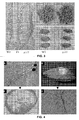
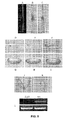
- Results were shown in Fig. 1 and Figs. 7 (a-g).
- the grains of brown rice and polished rice having wild-type GIF1 gene were big and full, while those of mutant rice without the expression of GIF1 gene were small and not full.
- the mutant ( gif1 ) reduced the rice quality, whereas transgenic complementation could effectively inhibit the reduction in rice quality as induced by the gif1 mutant and thereby improving the crop quality.
- the inventor constructed the recombinant plasmid of pCAMBIA1301- GIF1 containing GIF1 gene, and transformed the same to the calli of wild-type rice (cultivar TP309).
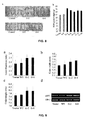
- Transgenic crop overexpressing GIF1 was obtained, and was compared with the wild-type crop. Results showed that the former possessed bigger and heavier grains as shown by Figs. 8 and 9 (a-c).
- mRNAs were extracted from transgenic rice of G-2 and G-8 overexpressing GIF1, wild-type rice (WT), and empty vector transformed rice (Vector) to separately amplify GIF1 through RT-PCR. The amplified product was detected by agarose electrophoresis, and results showed that the transgenic rice overexpressing GIF1 possessed higher expression level of the GIF1 gene ( Fig. 9d ).
- Plants with wild-type GIF1 gene showed strong rooting and rapid leaf growth, while plants with mutant gif1 gene showed significantly weak rooting and slow leaf growth.
- the inventor constructed the recombinant plasmid of pCAMBIA1301- GIF1 containing GIF1 gene, and transformed the same to the calli of the mutant ( gif1 ) to produce the mutant transgenic plant. Rooting and leaf of the transgenic plant could regain the wild-type features.
- plants with wild-type GIF1 gene showed strong rooting and rapid leaf growth, while plants with mutant gif gene showed significantly weak rooting and slow leaf growth.
- the inventor constructed the recombinant plasmid of pCAMBIA1301- GIF1 containing GIF1 gene, and transformed the same to the calli of the mutant ( gif1 ) to produce the mutant transgenic plant. Resistance of the transgenic plant to storage diseases could recover to the wild-type state.
- Figs. 3 and 4 Results were shown in Figs. 3 and 4 . As shown in Fig. 3 , plants with wild-type GIF gene possessed full ears, while plants with mutant gif gene possessed notably shriveled ears which were more sensitive towards diseases.
- Fig. 4 showed the typical storage disease bacteria isolated from the seeds of gif1 mutant plant, wherein Figs. 4A and 4B refer to the isolated Rhizopus sp. and Alternaria sp ., respectively. In addition, some other storage disease bacteria were also isolated.
- the inventor constructed a clone comprising GIF1 promoter region operably linked to the GUS reporter gene, and transformed the same to ZH11 rice. Tissue specific expression of the GUS reporter gene and GIF1 gene as promoted by the GIF1 promoter was evaluated. Detailed construction method was as follows:
- Promoter of the GIF 1 gene was obtained by PCR with forward primer (tataagcttgatcggccatactcc (SEQ ID NO: 4)), reverse primer (taggatccctttgctctcacacttg (SEQ ID NO: 5)), and using the GIF1 genome DNA as template.
- the promoter was cloned into pBI101 (from Clonetech, bearing GUS), which was then digested by EcoR I and Hind III. The fragment obtained was collected and ligated to equally digested pCAMBIA1300 to produce the desired clone containing pCAMBIA 1300 + promoter + GUS (method for the tissue coloration assay was described in Jeferenson, RA (1987) Plant Mol Biol Rep).
- mRNA was extracted from wild-type or mutant crops, and GIF1 was separately amplified through RT-PCR.
- the amplified products were detected by agarose electrophoresis.
- the results were shown in Figs. 5L-N .
- Fig. 5L showed the RT-PCR result of mRNA from gif1 mutant and wild-type crops;
- Fig. 5M showed the RT-PCR result of mRNA from different rice tissues;
- Fig. 5N showed the RT-PCR result of mRNA from rice ear on different days after flowering (DAF).
- the inventor constructed the recombinant plasmid of pCAMBIA1301- GIF1 containing GIF1 gene, and transformed the same to the calli of the mutant ( gif1 ) to produce the mutant transgenic plant. Sugar metabolism and accumulation of the transgenic plant was monitored and compared with that of wild-type ZH11 plant.
- GIF1 could successfully regulate sugar metabolism and accumulation in grains, thus regulating grain quality.
Landscapes
- Health & Medical Sciences (AREA)
- Life Sciences & Earth Sciences (AREA)
- Genetics & Genomics (AREA)
- Engineering & Computer Science (AREA)
- Chemical & Material Sciences (AREA)
- Molecular Biology (AREA)
- Biotechnology (AREA)
- Organic Chemistry (AREA)
- Bioinformatics & Cheminformatics (AREA)
- Biomedical Technology (AREA)
- Zoology (AREA)
- Wood Science & Technology (AREA)
- General Engineering & Computer Science (AREA)
- General Health & Medical Sciences (AREA)
- Biophysics (AREA)
- Nutrition Science (AREA)
- Biochemistry (AREA)
- Physics & Mathematics (AREA)
- Cell Biology (AREA)
- Plant Pathology (AREA)
- Microbiology (AREA)
- Medicinal Chemistry (AREA)
- Botany (AREA)
- Gastroenterology & Hepatology (AREA)
- Proteomics, Peptides & Aminoacids (AREA)
- Breeding Of Plants And Reproduction By Means Of Culturing (AREA)
- Micro-Organisms Or Cultivation Processes Thereof (AREA)
- Peptides Or Proteins (AREA)
Claims (4)
- Procédé pour améliorer le remplissage des grains de riz, dans lequel le procédé comprend :la surexpression du gène de remplissage des grains de riz, dans lequel le gène de remplissage des grains de riz possède une séquence choisie parmi :(i) un polynucléotide codant la protéine de remplissage des grains de riz ; ou(ii) un polynucléotide complémentaire au polynucléotide de (i),dans lequel la protéine de remplissage des grains de riz est un polypeptide possédant la séquence d'acides aminés de SEQ ID NO:2 ;dans lequel le polynucléotide est lié de manière opérationnelle au promoteur GIF 1, etdans lequel le promoteur GIF 1 est constitué de nucléotides 1-2379 de SEQ ID NO:3.
- Procédé selon la revendication 1, dans lequel le polynucléotide possède une séquence choisie parmi :(1) une séquence de nucléotides de SEQ ID NO:1 ; ou(2) une séquence de nucléotides de SEQ ID NO:3.
- Procédé selon la revendication 1 ou la revendication 2, dans lequel le procédé comprend en outre les étapes consistant à :introduire le polynucléotide dans une cellule végétale ou un tissu végétal pour produire une cellule végétale ou un tissu végétal transformé(e),cultiver la cellule végétale ou le tissu végétal transformé(e),générer une plante transgénique à partir de la cellule végétale ou du tissu végétal transformé(e).
- Riz transgénique contenant un polynucléotide exogène possédant la séquence nucléotidique de SEQ ID NO:1 ou de SEQ ID NO:3, dans lequel le polynucléotide exogène est introduit dans une cellule végétale ou un tissu végétal pour produire une plante transgénique à partir de la cellule végétale ou du tissu végétal transformé(e), qui est cultivé(e) pour générer le riz transgénique.
Applications Claiming Priority (2)
| Application Number | Priority Date | Filing Date | Title |
|---|---|---|---|
| CNA2006101177216A CN101173000A (zh) | 2006-10-30 | 2006-10-30 | 作物籽粒灌浆基因gif1及其应用 |
| PCT/CN2007/070984 WO2008052478A1 (fr) | 2006-10-30 | 2007-10-30 | Gène de remplissage incomplet de grain (gif1) et ses utilisations |
Publications (3)
| Publication Number | Publication Date |
|---|---|
| EP2090650A1 EP2090650A1 (fr) | 2009-08-19 |
| EP2090650A4 EP2090650A4 (fr) | 2010-06-16 |
| EP2090650B1 true EP2090650B1 (fr) | 2015-10-07 |
Family
ID=39343835
Family Applications (1)
| Application Number | Title | Priority Date | Filing Date |
|---|---|---|---|
| EP07817175.8A Not-in-force EP2090650B1 (fr) | 2006-10-30 | 2007-10-30 | Gene de remplissage incomplet de grain (gif1) et ses utilisations |
Country Status (9)
| Country | Link |
|---|---|
| US (1) | US8329990B2 (fr) |
| EP (1) | EP2090650B1 (fr) |
| CN (2) | CN101173000A (fr) |
| AU (1) | AU2007315473B2 (fr) |
| BR (1) | BRPI0718321A2 (fr) |
| CA (1) | CA2668041C (fr) |
| MX (1) | MX2009004809A (fr) |
| WO (1) | WO2008052478A1 (fr) |
| ZA (1) | ZA200903333B (fr) |
Families Citing this family (5)
| Publication number | Priority date | Publication date | Assignee | Title |
|---|---|---|---|---|
| WO2009129743A1 (fr) * | 2008-04-25 | 2009-10-29 | 中国科学院上海生命科学研究院 | Promoteur gif1 et ses utilisations |
| EP2354232A1 (fr) * | 2010-02-08 | 2011-08-10 | Genoplante-Valor | Amélioration portant sur le remplissage des grains de blé via la modulation de l'activité de la NADH-glutamate synthase |
| US10246723B2 (en) * | 2012-10-23 | 2019-04-02 | China Agricultural University | Method for propagating sterile male plant line |
| CN111606977B (zh) * | 2020-05-27 | 2021-11-09 | 福建农林大学 | 一种利用GF14f蛋白靶向多肽配体调控水稻弱势籽粒灌浆的方法 |
| CN119220601A (zh) * | 2023-06-29 | 2024-12-31 | 中国科学院分子植物科学卓越创新中心 | 创制超高产优质c4作物的分子育种技术及其应用 |
Family Cites Families (6)
| Publication number | Priority date | Publication date | Assignee | Title |
|---|---|---|---|---|
| CN1212125A (zh) * | 1997-09-20 | 1999-03-31 | 罗鸣 | 强力壮籽素及其配制方法 |
| US6383776B1 (en) | 1998-04-24 | 2002-05-07 | E.I. Du Pont De Nemours & Company | Plant sugar transport proteins |
| WO2000078984A2 (fr) * | 1999-06-21 | 2000-12-28 | Pioneer Hi-Bred International, Inc. | Amelioration de la resistance de puits florale et augmentation de la stabilite de grenaison des plantes |
| WO2003000905A2 (fr) | 2001-06-22 | 2003-01-03 | Syngenta Participations Ag | Identification et caracterisation de genes vegetaux |
| AU2002341541A1 (en) * | 2001-06-22 | 2003-03-03 | Syngenta Participations Ag | Abiotic stress responsive polynucleotides and polypeptides |
| CN1454991A (zh) * | 2002-04-29 | 2003-11-12 | 中国水稻研究所 | 应用转基因技术提高超级水稻产量的一种方法 |
-
2006
- 2006-10-30 CN CNA2006101177216A patent/CN101173000A/zh active Pending
-
2007
- 2007-10-30 MX MX2009004809A patent/MX2009004809A/es active IP Right Grant
- 2007-10-30 CA CA2668041A patent/CA2668041C/fr not_active Expired - Fee Related
- 2007-10-30 AU AU2007315473A patent/AU2007315473B2/en not_active Ceased
- 2007-10-30 EP EP07817175.8A patent/EP2090650B1/fr not_active Not-in-force
- 2007-10-30 WO PCT/CN2007/070984 patent/WO2008052478A1/fr not_active Ceased
- 2007-10-30 CN CN2007800389817A patent/CN101535472B/zh not_active Expired - Fee Related
- 2007-10-30 US US12/312,235 patent/US8329990B2/en not_active Expired - Fee Related
- 2007-10-30 BR BRPI0718321-6A patent/BRPI0718321A2/pt not_active Application Discontinuation
-
2009
- 2009-05-14 ZA ZA200903333A patent/ZA200903333B/xx unknown
Non-Patent Citations (2)
| Title |
|---|
| DATABASE EMBL [online] 27 December 2001 (2001-12-27), "Oryza sativa genomic DNA, chromosome 4, BAC clone: OJ000126_13.", retrieved from EBI accession no. EM_STD:AL662945 Database accession no. AL662945 * |
| WANG ERTAO ET AL: "Control of rice grain-filling and yield by a gene with a potential signature of domestication", NATURE GENETICS, vol. 40, no. 11, November 2008 (2008-11-01), pages 1370 - 1374, ISSN: 1061-4036 * |
Also Published As
| Publication number | Publication date |
|---|---|
| CN101173000A (zh) | 2008-05-07 |
| AU2007315473A1 (en) | 2008-05-08 |
| CA2668041C (fr) | 2014-12-16 |
| US20100064385A1 (en) | 2010-03-11 |
| EP2090650A4 (fr) | 2010-06-16 |
| CN101535472B (zh) | 2012-11-07 |
| ZA200903333B (en) | 2010-07-28 |
| US8329990B2 (en) | 2012-12-11 |
| AU2007315473B2 (en) | 2012-08-16 |
| CN101535472A (zh) | 2009-09-16 |
| BRPI0718321A2 (pt) | 2013-11-26 |
| WO2008052478A8 (fr) | 2009-07-09 |
| CA2668041A1 (fr) | 2008-05-08 |
| WO2008052478A1 (fr) | 2008-05-08 |
| EP2090650A1 (fr) | 2009-08-19 |
| MX2009004809A (es) | 2009-11-23 |
Similar Documents
| Publication | Publication Date | Title |
|---|---|---|
| JP5323831B2 (ja) | 草高調節遺伝子およびその使用 | |
| CN101161675B (zh) | 水稻大粒基因及其应用 | |
| EP2090650B1 (fr) | Gene de remplissage incomplet de grain (gif1) et ses utilisations | |
| CN101935342B (zh) | 蝴蝶兰花发育B族基因-PhAP3编码序列及其应用 | |
| US9139840B2 (en) | Crop grain filling gene (GIF1) and the applications thereof | |
| JP4015911B2 (ja) | ブラシノステロイドの生合成に関与しているシトクロムp450モノオキシゲナーゼ遺伝子の改変および/または過剰発現による単子葉植物の形質の制御方法およびこの遺伝子を用いて改変された単子葉植物 | |
| AU2011273569B2 (en) | Gene involved in the development of the seed | |
| EP1948683B1 (fr) | Gene emp4 | |
| CN101210247B (zh) | 胚乳特异表达启动子、胚乳细胞特异基因及其应用 | |
| CN101376674B (zh) | 水稻黄素蛋白基因及应用 | |
| CN101575366B (zh) | 水稻株型基因及其应用 | |
| CN114685634A (zh) | 一种调控结实率的基因及其应用 | |
| CN1332980C (zh) | 水稻抗逆相关基因-锚定序列重复蛋白基因及其应用 | |
| SLLLYGGGGGG | 20 sustains the embryo during its development and its germination. | |
| JP2003180372A (ja) | 植物の細胞壁合成および細胞形態形成に関与する遺伝子とその利用 |
Legal Events
| Date | Code | Title | Description |
|---|---|---|---|
| PUAI | Public reference made under article 153(3) epc to a published international application that has entered the european phase |
Free format text: ORIGINAL CODE: 0009012 |
|
| 17P | Request for examination filed |
Effective date: 20090601 |
|
| AK | Designated contracting states |
Kind code of ref document: A1 Designated state(s): AT BE BG CH CY CZ DE DK EE ES FI FR GB GR HU IE IS IT LI LT LU LV MC MT NL PL PT RO SE SI SK TR |
|
| DAX | Request for extension of the european patent (deleted) | ||
| A4 | Supplementary search report drawn up and despatched |
Effective date: 20100517 |
|
| 17Q | First examination report despatched |
Effective date: 20110322 |
|
| GRAP | Despatch of communication of intention to grant a patent |
Free format text: ORIGINAL CODE: EPIDOSNIGR1 |
|
| INTG | Intention to grant announced |
Effective date: 20150626 |
|
| GRAS | Grant fee paid |
Free format text: ORIGINAL CODE: EPIDOSNIGR3 |
|
| GRAA | (expected) grant |
Free format text: ORIGINAL CODE: 0009210 |
|
| AK | Designated contracting states |
Kind code of ref document: B1 Designated state(s): AT BE BG CH CY CZ DE DK EE ES FI FR GB GR HU IE IS IT LI LT LU LV MC MT NL PL PT RO SE SI SK TR |
|
| REG | Reference to a national code |
Ref country code: GB Ref legal event code: FG4D |
|
| REG | Reference to a national code |
Ref country code: AT Ref legal event code: REF Ref document number: 753787 Country of ref document: AT Kind code of ref document: T Effective date: 20151015 Ref country code: CH Ref legal event code: EP |
|
| REG | Reference to a national code |
Ref country code: IE Ref legal event code: FG4D |
|
| REG | Reference to a national code |
Ref country code: DE Ref legal event code: R096 Ref document number: 602007043425 Country of ref document: DE |
|
| REG | Reference to a national code |
Ref country code: FR Ref legal event code: PLFP Year of fee payment: 9 |
|
| REG | Reference to a national code |
Ref country code: NL Ref legal event code: MP Effective date: 20151007 |
|
| REG | Reference to a national code |
Ref country code: AT Ref legal event code: MK05 Ref document number: 753787 Country of ref document: AT Kind code of ref document: T Effective date: 20151007 |
|
| REG | Reference to a national code |
Ref country code: LT Ref legal event code: MG4D |
|
| PG25 | Lapsed in a contracting state [announced via postgrant information from national office to epo] |
Ref country code: IS Free format text: LAPSE BECAUSE OF FAILURE TO SUBMIT A TRANSLATION OF THE DESCRIPTION OR TO PAY THE FEE WITHIN THE PRESCRIBED TIME-LIMIT Effective date: 20160207 Ref country code: ES Free format text: LAPSE BECAUSE OF FAILURE TO SUBMIT A TRANSLATION OF THE DESCRIPTION OR TO PAY THE FEE WITHIN THE PRESCRIBED TIME-LIMIT Effective date: 20151007 Ref country code: LT Free format text: LAPSE BECAUSE OF FAILURE TO SUBMIT A TRANSLATION OF THE DESCRIPTION OR TO PAY THE FEE WITHIN THE PRESCRIBED TIME-LIMIT Effective date: 20151007 Ref country code: NL Free format text: LAPSE BECAUSE OF FAILURE TO SUBMIT A TRANSLATION OF THE DESCRIPTION OR TO PAY THE FEE WITHIN THE PRESCRIBED TIME-LIMIT Effective date: 20151007 Ref country code: IT Free format text: LAPSE BECAUSE OF FAILURE TO SUBMIT A TRANSLATION OF THE DESCRIPTION OR TO PAY THE FEE WITHIN THE PRESCRIBED TIME-LIMIT Effective date: 20151007 |
|
| REG | Reference to a national code |
Ref country code: DE Ref legal event code: R119 Ref document number: 602007043425 Country of ref document: DE |
|
| PG25 | Lapsed in a contracting state [announced via postgrant information from national office to epo] |
Ref country code: FI Free format text: LAPSE BECAUSE OF FAILURE TO SUBMIT A TRANSLATION OF THE DESCRIPTION OR TO PAY THE FEE WITHIN THE PRESCRIBED TIME-LIMIT Effective date: 20151007 Ref country code: AT Free format text: LAPSE BECAUSE OF FAILURE TO SUBMIT A TRANSLATION OF THE DESCRIPTION OR TO PAY THE FEE WITHIN THE PRESCRIBED TIME-LIMIT Effective date: 20151007 Ref country code: SE Free format text: LAPSE BECAUSE OF FAILURE TO SUBMIT A TRANSLATION OF THE DESCRIPTION OR TO PAY THE FEE WITHIN THE PRESCRIBED TIME-LIMIT Effective date: 20151007 Ref country code: GR Free format text: LAPSE BECAUSE OF FAILURE TO SUBMIT A TRANSLATION OF THE DESCRIPTION OR TO PAY THE FEE WITHIN THE PRESCRIBED TIME-LIMIT Effective date: 20160108 Ref country code: PT Free format text: LAPSE BECAUSE OF FAILURE TO SUBMIT A TRANSLATION OF THE DESCRIPTION OR TO PAY THE FEE WITHIN THE PRESCRIBED TIME-LIMIT Effective date: 20160208 Ref country code: LV Free format text: LAPSE BECAUSE OF FAILURE TO SUBMIT A TRANSLATION OF THE DESCRIPTION OR TO PAY THE FEE WITHIN THE PRESCRIBED TIME-LIMIT Effective date: 20151007 Ref country code: PL Free format text: LAPSE BECAUSE OF FAILURE TO SUBMIT A TRANSLATION OF THE DESCRIPTION OR TO PAY THE FEE WITHIN THE PRESCRIBED TIME-LIMIT Effective date: 20151007 |
|
| REG | Reference to a national code |
Ref country code: CH Ref legal event code: PL |
|
| REG | Reference to a national code |
Ref country code: IE Ref legal event code: MM4A |
|
| PG25 | Lapsed in a contracting state [announced via postgrant information from national office to epo] |
Ref country code: CZ Free format text: LAPSE BECAUSE OF FAILURE TO SUBMIT A TRANSLATION OF THE DESCRIPTION OR TO PAY THE FEE WITHIN THE PRESCRIBED TIME-LIMIT Effective date: 20151007 Ref country code: LI Free format text: LAPSE BECAUSE OF NON-PAYMENT OF DUE FEES Effective date: 20151031 Ref country code: DE Free format text: LAPSE BECAUSE OF NON-PAYMENT OF DUE FEES Effective date: 20160503 Ref country code: MC Free format text: LAPSE BECAUSE OF FAILURE TO SUBMIT A TRANSLATION OF THE DESCRIPTION OR TO PAY THE FEE WITHIN THE PRESCRIBED TIME-LIMIT Effective date: 20151007 Ref country code: CH Free format text: LAPSE BECAUSE OF NON-PAYMENT OF DUE FEES Effective date: 20151031 |
|
| PLBE | No opposition filed within time limit |
Free format text: ORIGINAL CODE: 0009261 |
|
| STAA | Information on the status of an ep patent application or granted ep patent |
Free format text: STATUS: NO OPPOSITION FILED WITHIN TIME LIMIT |
|
| PG25 | Lapsed in a contracting state [announced via postgrant information from national office to epo] |
Ref country code: RO Free format text: LAPSE BECAUSE OF FAILURE TO SUBMIT A TRANSLATION OF THE DESCRIPTION OR TO PAY THE FEE WITHIN THE PRESCRIBED TIME-LIMIT Effective date: 20151007 Ref country code: DK Free format text: LAPSE BECAUSE OF FAILURE TO SUBMIT A TRANSLATION OF THE DESCRIPTION OR TO PAY THE FEE WITHIN THE PRESCRIBED TIME-LIMIT Effective date: 20151007 Ref country code: EE Free format text: LAPSE BECAUSE OF FAILURE TO SUBMIT A TRANSLATION OF THE DESCRIPTION OR TO PAY THE FEE WITHIN THE PRESCRIBED TIME-LIMIT Effective date: 20151007 Ref country code: SK Free format text: LAPSE BECAUSE OF FAILURE TO SUBMIT A TRANSLATION OF THE DESCRIPTION OR TO PAY THE FEE WITHIN THE PRESCRIBED TIME-LIMIT Effective date: 20151007 |
|
| 26N | No opposition filed |
Effective date: 20160708 |
|
| REG | Reference to a national code |
Ref country code: FR Ref legal event code: PLFP Year of fee payment: 10 |
|
| GBPC | Gb: european patent ceased through non-payment of renewal fee |
Effective date: 20160107 |
|
| PG25 | Lapsed in a contracting state [announced via postgrant information from national office to epo] |
Ref country code: IE Free format text: LAPSE BECAUSE OF NON-PAYMENT OF DUE FEES Effective date: 20151030 Ref country code: GB Free format text: LAPSE BECAUSE OF NON-PAYMENT OF DUE FEES Effective date: 20160107 |
|
| PG25 | Lapsed in a contracting state [announced via postgrant information from national office to epo] |
Ref country code: SI Free format text: LAPSE BECAUSE OF FAILURE TO SUBMIT A TRANSLATION OF THE DESCRIPTION OR TO PAY THE FEE WITHIN THE PRESCRIBED TIME-LIMIT Effective date: 20151007 |
|
| PG25 | Lapsed in a contracting state [announced via postgrant information from national office to epo] |
Ref country code: BE Free format text: LAPSE BECAUSE OF FAILURE TO SUBMIT A TRANSLATION OF THE DESCRIPTION OR TO PAY THE FEE WITHIN THE PRESCRIBED TIME-LIMIT Effective date: 20151007 |
|
| PG25 | Lapsed in a contracting state [announced via postgrant information from national office to epo] |
Ref country code: BG Free format text: LAPSE BECAUSE OF FAILURE TO SUBMIT A TRANSLATION OF THE DESCRIPTION OR TO PAY THE FEE WITHIN THE PRESCRIBED TIME-LIMIT Effective date: 20151007 Ref country code: HU Free format text: LAPSE BECAUSE OF FAILURE TO SUBMIT A TRANSLATION OF THE DESCRIPTION OR TO PAY THE FEE WITHIN THE PRESCRIBED TIME-LIMIT; INVALID AB INITIO Effective date: 20071030 |
|
| PG25 | Lapsed in a contracting state [announced via postgrant information from national office to epo] |
Ref country code: CY Free format text: LAPSE BECAUSE OF FAILURE TO SUBMIT A TRANSLATION OF THE DESCRIPTION OR TO PAY THE FEE WITHIN THE PRESCRIBED TIME-LIMIT Effective date: 20151007 |
|
| PG25 | Lapsed in a contracting state [announced via postgrant information from national office to epo] |
Ref country code: TR Free format text: LAPSE BECAUSE OF FAILURE TO SUBMIT A TRANSLATION OF THE DESCRIPTION OR TO PAY THE FEE WITHIN THE PRESCRIBED TIME-LIMIT Effective date: 20151007 Ref country code: MT Free format text: LAPSE BECAUSE OF FAILURE TO SUBMIT A TRANSLATION OF THE DESCRIPTION OR TO PAY THE FEE WITHIN THE PRESCRIBED TIME-LIMIT Effective date: 20151007 |
|
| REG | Reference to a national code |
Ref country code: FR Ref legal event code: PLFP Year of fee payment: 11 |
|
| PG25 | Lapsed in a contracting state [announced via postgrant information from national office to epo] |
Ref country code: LU Free format text: LAPSE BECAUSE OF NON-PAYMENT OF DUE FEES Effective date: 20151030 |
|
| REG | Reference to a national code |
Ref country code: FR Ref legal event code: PLFP Year of fee payment: 12 |
|
| PGFP | Annual fee paid to national office [announced via postgrant information from national office to epo] |
Ref country code: FR Payment date: 20190913 Year of fee payment: 13 |
|
| PG25 | Lapsed in a contracting state [announced via postgrant information from national office to epo] |
Ref country code: FR Free format text: LAPSE BECAUSE OF NON-PAYMENT OF DUE FEES Effective date: 20201031 |