EP2094864B1 - Utilisation de modifications génétiques dans le gène humain chk1 codant pour la kinase point de contrôle 1 - Google Patents
Utilisation de modifications génétiques dans le gène humain chk1 codant pour la kinase point de contrôle 1 Download PDFInfo
- Publication number
- EP2094864B1 EP2094864B1 EP07857228A EP07857228A EP2094864B1 EP 2094864 B1 EP2094864 B1 EP 2094864B1 EP 07857228 A EP07857228 A EP 07857228A EP 07857228 A EP07857228 A EP 07857228A EP 2094864 B1 EP2094864 B1 EP 2094864B1
- Authority
- EP
- European Patent Office
- Prior art keywords
- chk1
- gene
- genotype
- patients
- polymorphisms
- Prior art date
- Legal status (The legal status is an assumption and is not a legal conclusion. Google has not performed a legal analysis and makes no representation as to the accuracy of the status listed.)
- Active
Links
Images






Classifications
-
- C—CHEMISTRY; METALLURGY
- C12—BIOCHEMISTRY; BEER; SPIRITS; WINE; VINEGAR; MICROBIOLOGY; ENZYMOLOGY; MUTATION OR GENETIC ENGINEERING
- C12Q—MEASURING OR TESTING PROCESSES INVOLVING ENZYMES, NUCLEIC ACIDS OR MICROORGANISMS; COMPOSITIONS OR TEST PAPERS THEREFOR; PROCESSES OF PREPARING SUCH COMPOSITIONS; CONDITION-RESPONSIVE CONTROL IN MICROBIOLOGICAL OR ENZYMOLOGICAL PROCESSES
- C12Q1/00—Measuring or testing processes involving enzymes, nucleic acids or microorganisms; Compositions therefor; Processes of preparing such compositions
- C12Q1/68—Measuring or testing processes involving enzymes, nucleic acids or microorganisms; Compositions therefor; Processes of preparing such compositions involving nucleic acids
- C12Q1/6876—Nucleic acid products used in the analysis of nucleic acids, e.g. primers or probes
- C12Q1/6883—Nucleic acid products used in the analysis of nucleic acids, e.g. primers or probes for diseases caused by alterations of genetic material
- C12Q1/6886—Nucleic acid products used in the analysis of nucleic acids, e.g. primers or probes for diseases caused by alterations of genetic material for cancer
-
- C—CHEMISTRY; METALLURGY
- C12—BIOCHEMISTRY; BEER; SPIRITS; WINE; VINEGAR; MICROBIOLOGY; ENZYMOLOGY; MUTATION OR GENETIC ENGINEERING
- C12Q—MEASURING OR TESTING PROCESSES INVOLVING ENZYMES, NUCLEIC ACIDS OR MICROORGANISMS; COMPOSITIONS OR TEST PAPERS THEREFOR; PROCESSES OF PREPARING SUCH COMPOSITIONS; CONDITION-RESPONSIVE CONTROL IN MICROBIOLOGICAL OR ENZYMOLOGICAL PROCESSES
- C12Q1/00—Measuring or testing processes involving enzymes, nucleic acids or microorganisms; Compositions therefor; Processes of preparing such compositions
- C12Q1/68—Measuring or testing processes involving enzymes, nucleic acids or microorganisms; Compositions therefor; Processes of preparing such compositions involving nucleic acids
- C12Q1/6876—Nucleic acid products used in the analysis of nucleic acids, e.g. primers or probes
- C12Q1/6883—Nucleic acid products used in the analysis of nucleic acids, e.g. primers or probes for diseases caused by alterations of genetic material
-
- C—CHEMISTRY; METALLURGY
- C12—BIOCHEMISTRY; BEER; SPIRITS; WINE; VINEGAR; MICROBIOLOGY; ENZYMOLOGY; MUTATION OR GENETIC ENGINEERING
- C12Q—MEASURING OR TESTING PROCESSES INVOLVING ENZYMES, NUCLEIC ACIDS OR MICROORGANISMS; COMPOSITIONS OR TEST PAPERS THEREFOR; PROCESSES OF PREPARING SUCH COMPOSITIONS; CONDITION-RESPONSIVE CONTROL IN MICROBIOLOGICAL OR ENZYMOLOGICAL PROCESSES
- C12Q2600/00—Oligonucleotides characterized by their use
- C12Q2600/106—Pharmacogenomics, i.e. genetic variability in individual responses to drugs and drug metabolism
-
- C—CHEMISTRY; METALLURGY
- C12—BIOCHEMISTRY; BEER; SPIRITS; WINE; VINEGAR; MICROBIOLOGY; ENZYMOLOGY; MUTATION OR GENETIC ENGINEERING
- C12Q—MEASURING OR TESTING PROCESSES INVOLVING ENZYMES, NUCLEIC ACIDS OR MICROORGANISMS; COMPOSITIONS OR TEST PAPERS THEREFOR; PROCESSES OF PREPARING SUCH COMPOSITIONS; CONDITION-RESPONSIVE CONTROL IN MICROBIOLOGICAL OR ENZYMOLOGICAL PROCESSES
- C12Q2600/00—Oligonucleotides characterized by their use
- C12Q2600/112—Disease subtyping, staging or classification
-
- C—CHEMISTRY; METALLURGY
- C12—BIOCHEMISTRY; BEER; SPIRITS; WINE; VINEGAR; MICROBIOLOGY; ENZYMOLOGY; MUTATION OR GENETIC ENGINEERING
- C12Q—MEASURING OR TESTING PROCESSES INVOLVING ENZYMES, NUCLEIC ACIDS OR MICROORGANISMS; COMPOSITIONS OR TEST PAPERS THEREFOR; PROCESSES OF PREPARING SUCH COMPOSITIONS; CONDITION-RESPONSIVE CONTROL IN MICROBIOLOGICAL OR ENZYMOLOGICAL PROCESSES
- C12Q2600/00—Oligonucleotides characterized by their use
- C12Q2600/118—Prognosis of disease development
-
- C—CHEMISTRY; METALLURGY
- C12—BIOCHEMISTRY; BEER; SPIRITS; WINE; VINEGAR; MICROBIOLOGY; ENZYMOLOGY; MUTATION OR GENETIC ENGINEERING
- C12Q—MEASURING OR TESTING PROCESSES INVOLVING ENZYMES, NUCLEIC ACIDS OR MICROORGANISMS; COMPOSITIONS OR TEST PAPERS THEREFOR; PROCESSES OF PREPARING SUCH COMPOSITIONS; CONDITION-RESPONSIVE CONTROL IN MICROBIOLOGICAL OR ENZYMOLOGICAL PROCESSES
- C12Q2600/00—Oligonucleotides characterized by their use
- C12Q2600/156—Polymorphic or mutational markers
-
- C—CHEMISTRY; METALLURGY
- C12—BIOCHEMISTRY; BEER; SPIRITS; WINE; VINEGAR; MICROBIOLOGY; ENZYMOLOGY; MUTATION OR GENETIC ENGINEERING
- C12Q—MEASURING OR TESTING PROCESSES INVOLVING ENZYMES, NUCLEIC ACIDS OR MICROORGANISMS; COMPOSITIONS OR TEST PAPERS THEREFOR; PROCESSES OF PREPARING SUCH COMPOSITIONS; CONDITION-RESPONSIVE CONTROL IN MICROBIOLOGICAL OR ENZYMOLOGICAL PROCESSES
- C12Q2600/00—Oligonucleotides characterized by their use
- C12Q2600/172—Haplotypes
Definitions
- the invention relates to an in vitro method for the prediction of disease risks, disease progression, drug risks and to find drug targets.
- Cancer cells are characterized by a loss of contact inhibition and uncontrolled cell growth. Such changes are triggered spontaneously or by noxae, so-called carcinogens, which damage the genetic material. Such noxious agents include many chemicals, tobacco smoke, as well as UV light. In addition, genetic factors play a prominent role in carcinogenesis. Characteristic of cancer cells is in addition to their unrestrained growth and the tendency to settle metastases in other organs.
- prognostic factors for the progression of cancers, which provide information about the response to certain forms of therapy or are generally predictive of metastasis, tumor progression and survival.
- prognostic factors used. These include, for example, the size of the tumor, its depth of penetration into the surrounding tissue, organ-transgressing growth, penetration into blood or lymphatic vessels or in lymph nodes, as well as the degree of differentiation of the tumor cells. There are also some relatively nonspecific serological markers.
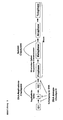
- the cell cycle of eukaryotic cells is generally divided into four phases: the G1 phase, in which the preparation for replication takes place, the S phase, in which the DNA is synthesized and the actual cell functions take place, the G2 phase, in which the preparation for mitosis takes place, and in the M phase, the mitosis ( illustration 1 ).
- the G1 phase in which the preparation for replication takes place
- the S phase in which the DNA is synthesized and the actual cell functions take place
- the G2 phase in which the preparation for mitosis takes place
- the M phase the mitosis ( illustration 1 ).
- differentiated cells that no longer divide are described as being in the G0 phase.
- the best-studied checkpoints in mammals are in illustration 1 shown.
- DNA damage checkpoint which can be activated by damaging the DNA in different cell cycle phases. This damage can be caused both by exogenous causes, such as radiation, as well as by endogenous processes, such as spontaneous mutations.
- the replication checkpoint comes into force due to incomplete or incorrect replication of the DNA.
- the spindle checkpoint monitors the formation of the bipolar spindle, the attachment of the kinetochore and the reformation of the centromere structures.
- the most important task of a cell is to maintain genomic integrity.
- Checkpoint kinase 1 is involved in essential cell cycle control mechanisms that ensure the transmission of errors is minimized to the daughter cell.
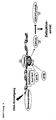
- the relevant CHK1 reaction cascade at the G2 / M checkpoint is in Figure 2 shown.
- Activation of CHK1 occurs due to DNA damage, which is mainly recognized by the chromatin-bound Rad17 complex.
- the Radl7 complex then recruits the Rad9-Hus1-Rad1 complex, which is activated by phosphorylation along with the ATR-atrip complex CHK1, which is partially chromatin-associated.
- ATR ataxia-telangiectasia and Rad3 related ) is the most important activating component.
- CHK1 complete activation of CHK1 requires phosphorylation by the protein claspin.
- the activated CHK1 protein migrates from the nucleus into the cytoplasm, where it in turn activates CDC25C (cell division cycle 25C) by phosphorylation.
- This process in turn allows the 14-3-3 protein ( tyrosine 3-monooxygenase / tryptophan 5-monooxygenase activation protein ) to bind to CHK1 so that it can return to and remain in the nucleus.
- CDC2 Cell Division Controller 2
- the cyclin B complex are inhibited, preventing entry into mitosis.
- the DNA repair system can be started to repair the DNA damage ( Jiang et al.
- Chk1 Regulation of Chk1 includes chromatin association and 14-3-3 binding following phosphorylation on Ser345. 2003 J Biol Chem 278: 25207-17 ; Jeong et al. Phosphorylated claspin interacts with a phosphate-binding site in the kinase domain of Chk1 during ATR-mediated activation. 2003 J Biol Chem 278: 46782-8 ).
- CHK1 For the CHK1 also a participation in a checkpoint in the S-phase could be proven.
- CHK1 is activated in case of defective replication by phosphorylation of ATM ( Ataxia-telangiectasia mutated ). This checkpoint requires additional activation by Claspin.
- the fully activated CHK1 now activates DNA protein kinases, which together can phosphorylate p53 and thus increase its activity.
- CHK1 is also able to phosphorylate TLK1 ( Tousled like kinase 1 ). This protein plays a crucial role in chromatin condensation, but it is inhibited by CHK1 to prevent progression in the cell cycle.
- CHK1 phosphorylates CDC25A (cell division cycle 25A) and thus initiates its degradation. As a result, the CDC protein is no longer able to activate the cyclin complexes, thus preventing either S-phase advancement or M-phase initiation.
- the invention is therefore based on the object to provide a means that allows a better prognosis of the natural course of a cancer and the response to any form of therapy.
- this agent should also be able to recognize those patients in whom increased DNA repair mechanisms make cancer therapy more difficult.
- the invention is further based on the object to provide a means to predict disease risks and disease progression in general, since DNA repair mechanisms also play a major role in other diseases.
- the human gene CHK1 is located on chromosome 11q23 (Accession no. NM_033899 of the Genebank of the National Center for Biotechnology Information (NCBI)) and encodes a 54 kD protein that is nuclearly expressed. It should be noted that the gene carries both the name " CHK1 " and the name " CHEK1 ". In the following, the term " CHK1 " is used here.
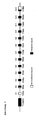
- a schematic representation of the gene structure can be found in Figure 3 , The active promoter region of CHK1 has already been characterized. The promoter sequence contains numerous binding sites for the transcription factor E2F1, whose binding enhances transcriptional activity.
- CHK1 A positive regulation of CHK1 is also observed by an isoform of p53-dependent p73 ( Carrassa et al. Characterization of the 5 'flanking region of the human Chk1 gene. 2003 Cell Cycle 2: 604-9 ).
- illustration 1 shows a schematic representation of the cell cycle with the main checkpoints.
- Figure 2 shows a graphical representation of the reaction cascade at the DNA damage checkpoint.
- Figure 3 shows the intron / exon structure of the human CHK1 gene (not to scale).
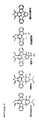
- Figure 4 shows the structural relationship of some CHK1 inhibitors with staurosporine.
- Figure 5 shows a schematic representation of the polymorphisms in the gene CHK1 (not to scale).
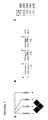
- Figure 7 shows putative binding sites for transcription factors in the promoter of the CHK1 gene ;
- the numbers on the left represent the reference to the ATG.
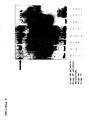
- FIG. 8 shows the result of the Electrophoretic Mobility Shift Assay (EMSA) with constructs containing the various alleles of the -1143G> T polymorphism of CHK1 .
- ESA Electrophoretic Mobility Shift Assay
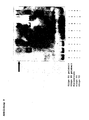
- FIG 9 shows the result of the Electrophoretic Mobility Shift Assay (EMSA) with constructs containing the various alleles of the -1400C> T polymorphism of CHK1 .
- ESA Electrophoretic Mobility Shift Assay
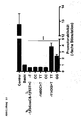
- Figure 10 shows constructs for measuring the genotype-dependent regulatory activity of promoter polymorphisms after 24 h after transfection of HELA cells by secreted alkaline phosphatase (SEAP).
- SEAP secreted alkaline phosphatase
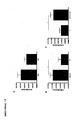
- Figure 11 shows expression of cHK1 mRNA in bladder carcinoma tissue as a function of the promoter polymorphism alleles. Shown is the quotient CHK1 / ⁇ -actin mRNA. A: -1143G> T, B: -1400C> T, C: -1453T> C and -1454insC; * : p ⁇ 0.05.
- Figure 12 shows expression of CHK1 mRNA in colorectal carcinoma tissue as a function of the promoter polymorphism alleles. Shown is the quotient CHK1 / ⁇ -actin mRNA. A: -1143G>T; B: -1400C> T, C: -1453T> C and -1454insC; *: p ⁇ 0.05.
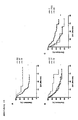
- Figure 13 shows the Kaplan-Meier analysis on survival of patients with bladder carcinoma depending on the genotype of the -1143G> T polymorphism.
- A all patients, B: only patients older than 54 years; *: p ⁇ 0.05, **: p ⁇ 0.01
- Figure 14 shows the Kaplan-Meier analysis of the survival of patients with colorectal cancer depending on the genotype of the promoter polymorphisms.
- A Dependence on - 1143G> T-SNP
- B only patients with colon carcinoma dependent on -1400C> T-SNP
- C only the patients with colon carcinoma dependent on the -1453T> C and -1454insC-SNPs; *: p ⁇ 0.05, **: p ⁇ 0.01
- Figure 15 shows the Kaplan-Meier analysis of the survival of patients with chronic lymphocytic leukemia depending on the genotype of the -1143G> T polymorphism.
- Figure 16 shows the Kaplan-Meier analysis of patients with melanoma depending on the genotype of the -1400C> T promoter polymorphism; A: time from first therapy to onset of further therapy; B: survival; *: p ⁇ 0.05.
- Figure 17 shows the Kaplan-Meier analysis of survival of patients with cholangiocellular carcinoma depending on the genotype of the -1400C> T polymorphism; *: p ⁇ 0.05.
- Figure 18 shows a Kaplan-Meier analysis of the survival of patients with cholangiocellular carcinoma depending on the genotype of the -1400C> T polymorphism. *: p ⁇ 0.05.
- Figure 19 shows a Kaplan-Meier analysis of survival of breast cancer patients depending on the genotype of the -1143G> T polymorphism. *: p ⁇ 0.05
- CHK1 is considered to be a potential tumor suppressor gene, as a cell cycle regulation error leads to the accumulation of defective DNA and an increased cellular proliferation rate, both of which are characteristics of tumor cells.
- Somatic mutations in this gene have so far been detected in some patients with sporadic tumors, eg gastric and breast cancers and microsatellite-unstable colorectal tumors showed alterations. For example, unlike single nucleotide polymorphisms (SNPs), these mutations do not occur in peripheral patients Found blood cells. Disease-specific associations to SNPs have not yet been described.
- checkpoints are involved in many regulatory cascades, they are a suitable target for cancer therapeutics. Certain properties of the checkpoint proteins contribute to this: (1) the complex signal transduction system of checkpoints offers a variety of targets; (2) in healthy cells, some checkpoints appear to be relatively meaningless, greatly reducing the toxicity of the inhibitors, (3) Restoration of defective checkpoints could slow down cell growth, (4) as a signal transduction system subject to adaptation checkpoints that could be disrupted, and (5) restoring compromised checkpoints could increase the rate of apoptosis of cancer cells, thereby increasing their sensitivity to certain substances ( Hartwell et al. Cell cycle control and cancer. 1994 Science 266: 1821-8 ).
- checkpoints In contrast to these points, which are most likely to be realized through a gene therapy approach, two other features of checkpoints are more feasible targets. Cells with defective checkpoints show a greatly increased sensitivity to radiation and cytotoxic substances. In particular, the loss of CHK1 appears to predispose tumor cells to these types of therapy.
- CHK1 inhibitors have been previously known or developed. Starting from the originally identified as protein kinase C inhibitor staurosporine, which also is a potent CHK1 inhibitor, various substances have been derived. These include, for example, the CHK1 inhibitors UCN-01 (7-hydroxystaurosporine), Gö6976, SB-218078, ICP-1, XL844 and CEP-3891, which block the G2 / M checkpoint ( Figure 4 ). Furthermore, debromohymenialdisine and the synthetic peptide TAT-S216A can inhibit both CHK1 and another checkpoint protein, CHK2. It is expected that in the near future even more substances will be available that inhibit CHK1
- UCN-01 (7-hydroxystaurosporine) is the clinically best characterized substance.
- UCN-01 has already undergone several Phase I clinical trials and is currently being tested in Phase II.
- the inhibition or down-regulation of CHK1 had a positive effect on the response of cytotoxic agents, such as topoisomerase inhibitors, antimitotics and antimetabolites, since the lack of CHK1, the toxicity of these chemotherapeutic agents especially in aggressive tumors, which even after previous conventional therapy, a progressive Growth has been shown to have been potentiated.
- cytotoxic agents such as topoisomerase inhibitors, antimitotics and antimetabolites
- CHK1 Because of the fundamental importance of CHK1 in maintaining genomic integrity, such polymorphisms are generally capable of predicting disease risks or disease progression in tumor diseases, or therapeutic response / treatment failure or undesirable To predict side effects for all drugs or non-pharmacological therapies.
- SNPs in the sense of their use according to the invention can be undertaken with any known to those skilled, for example, direct sequencing, PCR followed by restriction analysis, reverse hybridization, dot-blot or slot blot, mass spectrometry, Taqman ® or Light Cycler ® technology, Pyrosequencing ®, Invader ® technology, Luminex method, etc. Furthermore, these gene polymorphisms are detected simultaneously by multiplex PCR and hybridization to a DNA chip.
- genotype distributions revealed in most cases significant differences between the ethnic groups. Such differences in genotype distributions among different ethnic groups usually indicate that associated phenotypes were important for evolution and conferred a particular advantage on the carriers. It is known to those skilled in the art that ethnically different genotype distributions are an indication that even today certain genotypes and haplotypes with certain diseases or physiological and pathophysiological responses or responses to therapy, e.g. associated with pharmaceuticals.
- FIG 8 shows the result of this experiment with specific constructs containing either the G or T allel of the -1143G> T polymorphism.
- the presence of the G construct band demonstrates binding of a transcription factor to this region.
- the T construct has no band, indicating that no transcription factor binds to this allele.
- the attenuation of band intensity by a specific oligonucleotide indicates that the binding transcription factor is a specific binding.
- Figure 9 shows the result of this experiment with specific constructs containing either the C or the T allele of the -1400 C> T polymorphism.
- T-construct leads to the binding of a transcription factor, while the C-construct has no specific band, according to which no transcription factor binds to this allele. Displacement of the band by a specific oligonucleotide indicates that the binding transcription factor is a specific binding.
- the constructs are cloned in front of a gene coding for secreted alkaline phosphatase ( SEAP ). If the construct has gene regulatory activity, the SEAP gene is increasingly transcribed and the increased secretion of alkaline phosphatase in the cell culture medium is measurable.
- SEAP secreted alkaline phosphatase
- mRNA from human surgical tissue was obtained during bladder and colon operations and transcribed into cDNA by means of reverse transcriptase.
- the process is familiar to the person skilled in the art.
- the level of expression was determined by means of real-time PCR (Taqman method) and compared with the expression level of the housekeeping gene ⁇ -actin .
- Figures 11 and 12 show that the GG genotype of the -1143G> T SNP has significantly higher mRNA expression than the TT genotype.
- the Values of the heterozygous genotype are in between, suggesting a gene-dose effect.
- Figure 12A shows increased mRNA expression for the GG genotype.
- the other two polymorphisms also show an allele-dependent difference in gene expression.
- C-allele carriers of the -1400 C> T polymorphism have significantly more CHK1 mRNA than TT genotype carriers.
- the real-time PCR results for SNPs -1453T> C and -1454insC are shown in Figures 11C and 12C. Carriers of the T allele, which have no additional insertion, show a significantly lower mRNA expression.
- CHK1 gene expression predisposed to a particular genotype eg the TT genotype of the -1143G> T polymorphism
- gene modifications in the CHK1 gene can be used to predict the response to cancer therapy, for example to discriminate responders versus non-responders. These gene modifications can also be used for dose determination or for the prediction of the occurrence of undesired drug effects.
- cancer therapies can in the broadest sense be medicamentous, ie by supplying substances into the body or these cancer therapeutics can be physically effective (radiation, heat, cold).
- checkpoint kinase 1 Because of the key role of checkpoint kinase 1 in cell cycle regulation, it is an essential component of the invention that, using gene alterations in CHK1 , disease risks and disease courses can generally be predicted.
- the multi-step development of cancer reflects the accumulation of genetic alterations that lead to the transformation of normal cells into cancer cells and from normal tissue to benign and possibly malignant, invasive tumors.
- the accumulation of alterations in tumor suppressor genes and proto-oncogenes accelerates tumorigenesis and may affect both radiotherapy and chemotherapy.
- disrupted DNA repair mechanisms and checkpoints are the reason for the increased genomic instability of tumors ( Hoeijmaker JH. Genome maintenance mechanisms 2001 Nature 411: 366-74 ; Khanna et al. DNA double-strand breaks: signaling, repair and the cancer connection. 2001 Nat Gent 27: 247-54 ).
- checkpoints play a key role in the maintenance of genomic integrity, it can be expected that the progression of multiple and distinct tumor diseases will be directly influenced by a genetically determined, reduced activation of checkpoints. This means that by expression changes of proteins that are expressed in all human body cells and protect the cell from DNA damage, cell functions are regulated that affect all physiological and pathophysiological processes crucial, or at least modulate. In addition, answers to pharmaceuticals are also influenced in a special way. This affects both desirable and undesirable drug effects.
- checkpoint proteins have a lasting influence on a variety of diseases or on the course of a variety of diseases, since these are phylogenetically highly conserved pathways.
- gene alterations may be structurally altering mutations in the checkpoint proteins, reducing, for example, activation of the proteins by phosphorylation or substrate selectivity.
- the level of expression may be altered, whereby the initiation of the subsequent reaction cascades, z. B. induce apoptosis, is reduced or there may be splice variants with changed function. All of these changes are considered a genetic predisposition to cancer.
- CHK1 Diseases that result from a gene change in CHK1 and are determined, for example, by a changed level of expression of the CHK1 protein are benign neoplasms of each tissue of origin and malignant neoplasias of each tissue of origin.
- Such neoplasias include, for example, tumors such as Tumors of the genitourinary tract: here are the bladder carcinoma, renal cell carcinoma, prostate cancer and seminoma; Tumors of the female reproductive organs: breast cancer, corpus carcinoma, ovarian carcinoma, cervical carcinoma; Tumors of the gastrointestinal tract: Oral carcinoma, esophageal carcinoma, gastric carcinoma, liver carcinoma, bile duct carcinoma, pancreatic carcinoma, colon carcinoma, rectal carcinoma; Tumors of the respiratory tract: laryngeal carcinoma, bronchial carcinoma; Tumors of the skin: malignant melanoma, basal cell carcinoma, T-cell lymphoma; Tumors of the hematopoietic system: Hodgkin's and non-Hodgkin's lymphoma, acute and chronic leukemia, plasmocytoma; Tumors of the brain or nervous tissue: glioblastoma, neuroblastoma, medulloblastoma, meningeal
- CHK1 Since the essential functions of CHK1 are known, gene alterations in the CHK1 gene can increase the risk of developing tumors or influence disease progression. It is generally not possible to investigate all human tumor diseases and their course of events. However, we have exemplarily shown this for five different carcinomas: bladder carcinoma, colorectal carcinoma, chronic lymphocytic leukemia, malignant melanoma and cholangiocellular carcinoma. These data clearly demonstrate the utility of gene modifications in the CHK1 gene for the purpose described herein. These diseases are a priori unrelated .
- CHK1 By eliminating the G2 checkpoint, inhibition of CHK1 offers the potential for DNA damage and alteration due to genotoxic substances and radiation to accumulate and death of the tumor cell. This presupposes, however, that the inhibition of CHK1 does not promote somatic cell death, which would mean general cellular toxicity and little tumor specificity.
- CHK1 siRNA in vitro has shown that CHK1 inhibition has little effect on cell cycle and cell survival unless DNA damaging substances are present. The use of these substances, however, safely inhibits the G2 checkpoint and increases apoptosis. Since the discovery and development of the CHK1 inhibitors, it has been demonstrated that their use enhances the effects of chemotherapy and radiotherapy
- CHK1 inhibitors can be influenced by chemo- and immunotherapeutics and / or radiation. This results in the possibility of an individual diagnosis of the general responsiveness to these cancer therapeutics and therapeutic measures as well as an individual prediction of the risk of adverse effects by these therapies.
- CHK1 genotype-dependent diagnosis of the expression of CHK1 allows a general diagnosis of the efficacy of chemotherapeutics and radiation, their optimal dosage and the occurrence of side effects.
- Chemotherapy uses substances that exert their harmful effects as specifically as possible on certain cancer cells and kill them or inhibit their growth. A certain dose of cytostatics can only ever kill a certain proportion of the target cells, which remains the same as treatment progresses. Therefore, chemotherapy should not be reduced during the course of treatment, even if the tumor is no longer detectable. Rather, it must be expected that the resistant tumor cell clones will be selected by a weak treatment. Chemotherapy is applied in rapid succession, and almost always two or more cytostatics are combined to increase efficacy. The therapy also causes side effects that are classified according to the Common Toxicity Criteria. These criteria include: number of leukocytes and platelets, nausea, vomiting, diarrhea and stomatitis.
- Radiotherapy is the use of high-energy ionizing radiation to cure malignant tumors. Such malignant tumors are often also combined chemo- and radiotherapeutically treated. A variety of tumor diseases can be cured in advanced stages. To minimize the side effects, the radiation is divided into many daily doses and administered over several weeks. Nevertheless, side effects such as redness, nausea, diarrhea or hair loss, depending on dose, penetration and number of single doses occur.
- the invention is based on the development of a method which is generally suitable for diagnosing the activatable the checkpoint kinase 1 and the associated G2 checkpoint is suitable. For this purpose, one or more polymorphisms in the gene CHK1 are examined. At high expression, there is predictably an increased activatability of the G2 checkpoint and thus sufficient time to perform repair mechanisms on the DNA after damage thereof. With low CHK1 expression, the G2 checkpoint is less activatable and DNA damage is not or not adequately repaired.
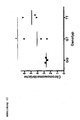
- lymphocytes from healthy volunteers were cultured and stimulated to cell division. After 72 hours, these cells were irradiated with a dose of 1 Gy and then arrested by the mitotic inhibitor colchicine in the M phase. From these cells, chromosomes were prepared by methods known to those skilled in the art and evaluated for damage by irradiation in 50 metaphases each depending on the -1143G> T polymorphism. In this way, only the cells that were in the G2 phase at the time of irradiation and entered the M phase until the chromosome preparation was included in the evaluation.
- this technique can be used to assess the activity of the G2 / M checkpoint.
- the G2 / M checkpoint is most active and the appropriate DNA repair mechanisms have worked best.
- the weak checkpoint in the TT genotype allows only a few repair mechanisms to work and more damage can accumulate.
- a determination of the presence of polymorphisms in CHK1 allows the diagnosis of the efficacy and adverse effects of drugs, in particular cytostatics, as well as other forms of therapy that damage the genome of the tumor cells, such as irradiation.
- polymorphisms in CHK1 can be used to diagnose the effects of drugs that are combined with a CHK1 inhibitor.
- diagnosis of allelic or haplotype status in CHK1 can be used to determine the individual optimal and tolerated dosage of drugs.
- the detection of the CHK1 promoter polymorphisms described here serves to diagnose an increased or reduced activability of the checkpoint kinase 1 and the G2 checkpoint.
- genes alterations can be detected by the methods described above which are familiar to the person skilled in the art. Furthermore, these gene polymorphisms can be simultaneous after multiplex PCR and hybridization to a DNA chip. In addition, other methods can be used for the diagnosis, which allow the direct detection of the expression level of CHK1 or splice variants of CHK1.
- the said method is particularly suitable for the diagnosis of the action of substances which damage the DNA of the tumor cells.
- substances include oxaliplatin, 5-fluorouracil, folinic acid, irinotecan, capecitabine and cisplatin, although the list can be extended at will.
- immunotherapeutics e.g., interferons or interleukins
- signal transduction inhibitors in tumor cells may be predicted.
- radiotherapy also means the medical application of microwave and thermal radiation, light and UV therapy and treatment with ultrasound radiation.
- CHK1 polymorphisms for predicting drug effects stems from the observed genotypes and their dependent disease trajectories in the above examples.
- Patients whose tumors have been intensively chemo- or radiotherapeutically treated show a more favorable course of the disease if they are less dependent on genotype Have CHK1 expression.
- the G2 checkpoint Due to the lower amount of CHK1 protein, the G2 checkpoint is less activatable and cytostatics or radiation can be more effective.
- the disease is more favorable in tumor patients who have received other therapeutic measures if they show more CHK1 expression depending on the genotype.
- the increased amount of CHK1 protein makes the G2 checkpoint more active and can thus contribute to DNA repair mechanisms and limit the genomic instability of the tumor.
- An essential aspect of the invention is the provision of diagnostically relevant gene modifications in the gene CHK1 as a prognostic factor for all tumor diseases in humans.
- diseases can be described here.
- the principle will therefore be further elucidated on selected examples, which demonstrate the general usability, without limiting the scope of protection to the exemplary embodiments.
- Bladder cancer is a malignant tumor of the urinary bladder and most commonly occurs between the ages of 60 and 70 years. Men are affected three times as often as women. In men, bladder cancer is the third most common form of cancer after lung and prostate cancer. Bladder cancer can be caused by external influences. The risk factors include, smoking, constant exposure of the organism by chemicals, such as Dyes or analgesic abuse. In many patients, the studies show that it is a superficial tumor. This can be removed surgically with the help of the cystoscope. More than 70% of patients treated for superficial bladder cancer show recurrent tumor recurrence. More than half of these are recurrent tumors with non-muscle invasive disease. These can be curatively treated or controlled by transurethral resection.
- Figure 14A shows survival as a function of - 1143G> T-SNP.
- the median time to death is only 48 months for strains of the TT genotype, while no median time can be given for G-allele wearers, because less than half of these patients died by the end of the study.
- a similar relationship is found when only the survival of older patients is studied ( Figure 14B ).
- the survival time is median 87 months (GG genotype) or 50 months (GT genotype) in patients with the G allele, in the homozygous T-allele carriers, however, only 33 months.
- Colorectal cancer is the most common type of tumor in the gastrointestinal tract and one of the major causes of tumor-related death worldwide (12-15% of total cancer mortality). In Germany, the incidence is about 51,000 new cases per year. The mean 5-year survival after tumor resection is only about 50%. Nutritional habits, cancer-promoting metabolites, exogenous carcinogens and certain predisposing diseases are among the risk factors for the development of colorectal carcinoma.
- the standard method of predicting disease progression is the TNM or UICC staging system. Patients with UICC stages III or IV generally have a worse prognosis than patients with UICC stages I or II.
- Adjuvant chemotherapy is performed for metastatic colorectal carcinomas (UICC stages III and IV) and may enhance the local effect of radiotherapy , Most of these patients develop recurrences or metastases, which requires intensive follow-up. Thus, it is important to use molecular markers identify and establish who can predict the progression of the disease. Another part of the invention is to use gene alterations in CFIK1 to predict the further course of colorectal carcinoma.
- Chronic lymphocytic leukemia is a chronic form of leukemia. Characteristic of the disease is a large number of degenerated lymphocytes. A total of 30 percent of all leukemic diseases are chronic lymphocytic leukemia. The mean age of onset is 65 years. CLL may be benign for up to 20 years, which means patients will not experience symptoms other than enlarged lymph nodes, fatigue, and loss of appetite. The treatment only starts when the number of lymphocytes increases sharply, the proportion of erythrocytes and platelets decreases or other complications occur. Early treatment has no influence on the course of the disease. The most important therapeutic measure is chemotherapy. The further the disease has progressed, the greater are the health disorders due to the change in the organ system.
- the state of a CLL is characterized, among other things, by how many lymphocytes are in the blood and bone marrow, how large the spleen and liver are and whether there is anemia.
- a CLL leads to changes in the immune system, so that people suffering from this disease are more at risk of developing other types of cancer.
- patients show very different courses of disease.
- the object of the invention is to show that gene modifications in the CHK1 gene are suitable for predicting the course of the CLL.
- FIG. 16 shows survival dependent on the -1143G> T genotype. Patients who carry the T allele survive longer than patients who are homozygous GG. In the GG genotype, median survival is 146 months, but less than half of the patients die during the observation period that carry the T allele. Again, it is shown that under intensive treatment, a genotype leading to low CHK1 expression is most favorable for survival.
- malignant melanoma is a malignant degeneration of the melanocytes (pigment cells of the skin), which is why it is also called "black skin cancer". This type of tumor tends to spread metastases via the blood and lymph channels very early.
- the incidence of malignant melanoma is increasing, doubling every 15 years. Are endangered especially people with low pigmentation.
- the risk factors include, in particular, intense sun exposure and a sunburn history of 5 or more episodes in adolescence.
- malignant melanoma is the most common cancer among women between the ages of 20 and 40 years. Criteria for prognosis and therapy provide the stages of TNM classification, the tumor thickness according to Breslow, the depth of penetration according to Clark, the distinction by subtype and localization.
- Figure 17A shows the genotype-dependent difference of -1400C> T-SNP at the time of first diagnosis and initial therapy until the time of further therapy.
- median therapy is required after 71 and 57 months respectively, and after 45 months in the TT genotype.
- Figure 17B reflects the survival of all patients.
- Cholangiocellular carcinoma is a malignant tumor of the bile ducts of the liver. Compared to Asia and Africa, where it is the most common type of tumor with 20-30% of malignant tumors, it is relatively rare in Central Europe ( ⁇ 1% of all malignancies). Risk factors include ulcerative colitis, chronic bile duct inflammation and viral hepatitis.
- the curative treatment of a CCC is carried out by liver resection or a total hepatectomy with liver transplantation. The recurrence rate is very high. The prognosis of a CCC is therefore very unfavorable, especially for non-resectable tumors, which have a 5-year survival rate of ⁇ 10%.
- Figure 18 shows the survival of CCC patients.
- the median survival of the TT genotype is 5 months, that of the other genotypes 9 months. Since the survival probability of CCC patients is very low, the time for intensive therapy after surgery is very short. Because of the usually pre-damaged cirrhotic liver, the indication for radiotherapy is rarely given and the liver is extremely radiosensitive. Thus, the liver may already be destroyed until a tumoricidal dose is reached. Systemic chemotherapy with numerous cytotoxic drugs and combinations has so far shown no significant effectiveness. The remission rates are 20 to 30%, the average remission duration is 4 to 6 months.
- chemoembolization or targeted intratumoral alcohol injections can be used. Because the CCC can not use enough radio or chemotherapy to provide benefits at a low CHK1 level, In this type of tumor, it is the genotypes which show an increased CHK1 expression, which have a longer survival.
- Breast cancer is the most common tumor of the female population in Europe and the USA. It affects 7-10% of all women and accounts for 25% of total female cancer mortality.
- the etiology of breast cancer is not yet known, however, risk factors are described, such as a family disposition, radiation exposure or estrogen influence. For most patients, the results indicate that it is an invasive carcinoma. With few exceptions, every operable breast cancer, even proven distant metastasis, is surgically treated.
- the differential radical surgical primary care has variations in the locoregional recurrence rate, but not the long-term chance of survival. In addition, recurrences or distant metastases can often become manifest only after 5 or even 10 years. It is therefore important to recognize these lesions early and to provide the patients with proper care.
Landscapes
- Chemical & Material Sciences (AREA)
- Life Sciences & Earth Sciences (AREA)
- Health & Medical Sciences (AREA)
- Organic Chemistry (AREA)
- Proteomics, Peptides & Aminoacids (AREA)
- Engineering & Computer Science (AREA)
- Analytical Chemistry (AREA)
- Zoology (AREA)
- Genetics & Genomics (AREA)
- Wood Science & Technology (AREA)
- Immunology (AREA)
- Pathology (AREA)
- Physics & Mathematics (AREA)
- Biotechnology (AREA)
- Microbiology (AREA)
- Molecular Biology (AREA)
- Biophysics (AREA)
- Biochemistry (AREA)
- Bioinformatics & Cheminformatics (AREA)
- General Engineering & Computer Science (AREA)
- General Health & Medical Sciences (AREA)
- Hospice & Palliative Care (AREA)
- Oncology (AREA)
- Measuring Or Testing Involving Enzymes Or Micro-Organisms (AREA)
- Medicines That Contain Protein Lipid Enzymes And Other Medicines (AREA)
Claims (2)
- Procédé in vitro pour prédire l'évolution de maladie d'une maladie cancéreuse, caractérisé en ce qu'on recherche une ou plusieurs modifications géniques dans la région du promoteur du gène CHK1 (CHEK1) sur le chromosome humain11q23 (n°. d'ordre NM_033899 NCBI) et la modification génique est choisie parmi (-1143) G > T, (-1400) C > T, (-1453) T > C et (-1454) InsC.
- Procédé in vitro pour prédire la réponse à une radiochimiothérapie dans une maladie cancéreuse caractérisé en ce qu'on recherche la modification génique (-1143) G > T dans la région du promoteur du gène CHK1 (CHEK1) sur le chromosome humain 11q23 (n°. d'ordre NM_033899 NCBI).
Applications Claiming Priority (2)
| Application Number | Priority Date | Filing Date | Title |
|---|---|---|---|
| DE102006054292A DE102006054292A1 (de) | 2006-11-17 | 2006-11-17 | Verwendung von Genveränderungen im menschlichen Gen CHK1, das für die Checkpointkinase 1 kodiert |
| PCT/EP2007/062519 WO2008059069A2 (fr) | 2006-11-17 | 2007-11-19 | Utilisation de modifications génétiques dans le gène humain chk1 codant pour la kinase point de contrôle 1 |
Publications (2)
| Publication Number | Publication Date |
|---|---|
| EP2094864A2 EP2094864A2 (fr) | 2009-09-02 |
| EP2094864B1 true EP2094864B1 (fr) | 2012-03-21 |
Family
ID=39402042
Family Applications (1)
| Application Number | Title | Priority Date | Filing Date |
|---|---|---|---|
| EP07857228A Active EP2094864B1 (fr) | 2006-11-17 | 2007-11-19 | Utilisation de modifications génétiques dans le gène humain chk1 codant pour la kinase point de contrôle 1 |
Country Status (5)
| Country | Link |
|---|---|
| US (3) | US20100129797A1 (fr) |
| EP (1) | EP2094864B1 (fr) |
| AT (1) | ATE550442T1 (fr) |
| DE (1) | DE102006054292A1 (fr) |
| WO (1) | WO2008059069A2 (fr) |
Families Citing this family (3)
| Publication number | Priority date | Publication date | Assignee | Title |
|---|---|---|---|---|
| EP2226393A1 (fr) * | 2009-03-06 | 2010-09-08 | Universität Duisburg-Essen | Polymorphisme CHK2 comme merqueur du cancer |
| CN103374606B (zh) * | 2012-04-12 | 2015-04-22 | 益善生物技术股份有限公司 | Chek1基因突变检测特异性引物和液相芯片 |
| WO2025102267A1 (fr) * | 2023-11-15 | 2025-05-22 | CorrectSequence Therapeutics Co., Ltd | TRAITEMENT DE β-HÉMOGLOBINOPATHIES PAR ÉDITION GÉNIQUE |
Family Cites Families (4)
| Publication number | Priority date | Publication date | Assignee | Title |
|---|---|---|---|---|
| GB9718952D0 (en) * | 1997-09-05 | 1997-11-12 | Medical Res Council | Mammalian chk1 effector cell cycle checkpoint protein kinase materials and methods |
| US20030087847A1 (en) * | 2000-02-03 | 2003-05-08 | Onyx Pharmaceuticals, Inc. | Method and reagent for the inhibition of checkpoint kinase-1 (Chk1) enzyme |
| US20060147936A1 (en) * | 2003-02-19 | 2006-07-06 | Ulrich Frey | Use of a gene mutation in the human gnas gene for predicting risks of diseases, courses of the disease and for predicting the response to disease therapies |
| DE102004026330A1 (de) * | 2004-05-26 | 2005-12-15 | Universität Duisburg-Essen | Verwendung einer Genveränderung im Humanen GNAQ-Gen zur Vorhersage von Erkrankungsrisiken, Krankheitsverläufen und zur Vorhersage des Ansprechens auf Krankheitstherapien |
-
2006
- 2006-11-17 DE DE102006054292A patent/DE102006054292A1/de not_active Withdrawn
-
2007
- 2007-11-19 US US12/312,474 patent/US20100129797A1/en not_active Abandoned
- 2007-11-19 WO PCT/EP2007/062519 patent/WO2008059069A2/fr not_active Ceased
- 2007-11-19 AT AT07857228T patent/ATE550442T1/de active
- 2007-11-19 EP EP07857228A patent/EP2094864B1/fr active Active
-
2012
- 2012-11-01 US US13/666,606 patent/US9074259B2/en active Active
-
2015
- 2015-05-21 US US14/718,755 patent/US20150337389A1/en not_active Abandoned
Also Published As
| Publication number | Publication date |
|---|---|
| US20100129797A1 (en) | 2010-05-27 |
| ATE550442T1 (de) | 2012-04-15 |
| US20130189676A1 (en) | 2013-07-25 |
| US20150337389A1 (en) | 2015-11-26 |
| WO2008059069A3 (fr) | 2008-09-12 |
| DE102006054292A1 (de) | 2009-01-08 |
| US9074259B2 (en) | 2015-07-07 |
| WO2008059069A2 (fr) | 2008-05-22 |
| EP2094864A2 (fr) | 2009-09-02 |
Similar Documents
| Publication | Publication Date | Title |
|---|---|---|
| Ohgaki et al. | Genetic pathways to glioblastoma: a population-based study | |
| US20100009013A1 (en) | Method of determining a chemotherapeutic regimen for non-small-cell lung cancer based on brca1 expression | |
| Benchikh et al. | Chronic myeloid leukemia: cytogenetics and molecular biology’s part in the comprehension and management of the pathology and treatment evolution | |
| Oh et al. | NQO1 regulates cell cycle progression at the G2/M phase | |
| KR20150028232A (ko) | 프로게스테론 수용체 서브타입의 유방암 예후, 예측 및 유전자 발현을 토대로 한 항프로게스틴 치료에 대한 반응성 예측 방법 | |
| Wang et al. | A polymorphism in Werner syndrome gene is associated with breast cancer susceptibility in Chinese women | |
| Hallor et al. | Heterogeneous genetic profiles in soft tissue myoepitheliomas | |
| Colombo et al. | Thyroid cancer harboring PTEN and TP53 mutations: A peculiar molecular and clinical case report | |
| EP2094864B1 (fr) | Utilisation de modifications génétiques dans le gène humain chk1 codant pour la kinase point de contrôle 1 | |
| Huszno et al. | A comparison between CHEK2* 1100delC/I157T mutation carrier and noncarrier breast cancer patients: A clinicopathological analysis | |
| Vares et al. | Progesterone prevents radiation-induced apoptosis in breast cancer cells | |
| Roy et al. | Allelic imbalance at 11p15. 5–15.4 correlated with c‐Ha‐ras mutation during radiation‐induced neoplastic transformation of human breast epithelial cells | |
| Valent et al. | MYCN gene overrepresentation detected in primary neuroblastoma tumour cells without amplification | |
| EP2403962B1 (fr) | Polymorphisme chk2 comme marqueur du cancer | |
| JP2008505862A (ja) | 予後分子マーカー | |
| US9808469B2 (en) | Antitumor activity of multi-kinase inhibitors in triple negative breast cancer | |
| Martinez-Becerra et al. | Up-regulation of FXR isoforms is not required for stimulation of the expression of genes involved in the lack of response of colon cancer to chemotherapy | |
| Lavarino et al. | Differential expression of genes mapping to recurrently abnormal chromosomal regions characterize neuroblastic tumours with distinct ploidy status | |
| EP2103692A1 (fr) | Transformations génétiques dans le gène humain PLK1 | |
| DE102020102143B3 (de) | Verfahren zur Bestimmung, ob eine Behandlung einer Krebserkrankung begonnen oder fortgesetzt werden soll, ein Biomarker, der mindestens einem Markergen entspricht, und eine Verwendung des Biomarkers in dem erfindungsgemäßen Verfahren | |
| Jiang et al. | LncRNA CAI2 contributes to poor prognosis of glioma through the PI3K-AKt signaling pathway | |
| Skofler et al. | Eukaryotic Translation Initiation Factor 4AI: A Potential Novel Target in Neuroblastoma. Cells 2021, 10, 301 | |
| Roch-Lefevre et al. | Cytogenetic and molecular characterization of plutonium-induced rat osteosarcomas | |
| Deffenbacher | Expression and Promoter Methylation of P16INK4A During Estrogen-Induced Mammary Carcinogenesis in the ACI Rat | |
| Zuhdi et al. | ZANCO Journal of Pure and Applied Sciences |
Legal Events
| Date | Code | Title | Description |
|---|---|---|---|
| PUAI | Public reference made under article 153(3) epc to a published international application that has entered the european phase |
Free format text: ORIGINAL CODE: 0009012 |
|
| 17P | Request for examination filed |
Effective date: 20090414 |
|
| AK | Designated contracting states |
Kind code of ref document: A2 Designated state(s): AT BE BG CH CY CZ DE DK EE ES FI FR GB GR HU IE IS IT LI LT LU LV MC MT NL PL PT RO SE SI SK TR |
|
| 17Q | First examination report despatched |
Effective date: 20090908 |
|
| GRAP | Despatch of communication of intention to grant a patent |
Free format text: ORIGINAL CODE: EPIDOSNIGR1 |
|
| GRAS | Grant fee paid |
Free format text: ORIGINAL CODE: EPIDOSNIGR3 |
|
| GRAA | (expected) grant |
Free format text: ORIGINAL CODE: 0009210 |
|
| AK | Designated contracting states |
Kind code of ref document: B1 Designated state(s): AT BE BG CH CY CZ DE DK EE ES FI FR GB GR HU IE IS IT LI LT LU LV MC MT NL PL PT RO SE SI SK TR |
|
| DAX | Request for extension of the european patent (deleted) | ||
| REG | Reference to a national code |
Ref country code: GB Ref legal event code: FG4D Free format text: NOT ENGLISH |
|
| REG | Reference to a national code |
Ref country code: CH Ref legal event code: EP |
|
| REG | Reference to a national code |
Ref country code: IE Ref legal event code: FG4D Free format text: LANGUAGE OF EP DOCUMENT: GERMAN |
|
| REG | Reference to a national code |
Ref country code: AT Ref legal event code: REF Ref document number: 550442 Country of ref document: AT Kind code of ref document: T Effective date: 20120415 |
|
| REG | Reference to a national code |
Ref country code: DE Ref legal event code: R096 Ref document number: 502007009543 Country of ref document: DE Effective date: 20120516 |
|
| REG | Reference to a national code |
Ref country code: NL Ref legal event code: VDEP Effective date: 20120321 |
|
| PG25 | Lapsed in a contracting state [announced via postgrant information from national office to epo] |
Ref country code: LT Free format text: LAPSE BECAUSE OF FAILURE TO SUBMIT A TRANSLATION OF THE DESCRIPTION OR TO PAY THE FEE WITHIN THE PRESCRIBED TIME-LIMIT Effective date: 20120321 |
|
| LTIE | Lt: invalidation of european patent or patent extension |
Effective date: 20120321 |
|
| PG25 | Lapsed in a contracting state [announced via postgrant information from national office to epo] |
Ref country code: LV Free format text: LAPSE BECAUSE OF FAILURE TO SUBMIT A TRANSLATION OF THE DESCRIPTION OR TO PAY THE FEE WITHIN THE PRESCRIBED TIME-LIMIT Effective date: 20120321 Ref country code: GR Free format text: LAPSE BECAUSE OF FAILURE TO SUBMIT A TRANSLATION OF THE DESCRIPTION OR TO PAY THE FEE WITHIN THE PRESCRIBED TIME-LIMIT Effective date: 20120622 Ref country code: FI Free format text: LAPSE BECAUSE OF FAILURE TO SUBMIT A TRANSLATION OF THE DESCRIPTION OR TO PAY THE FEE WITHIN THE PRESCRIBED TIME-LIMIT Effective date: 20120321 |
|
| PG25 | Lapsed in a contracting state [announced via postgrant information from national office to epo] |
Ref country code: CY Free format text: LAPSE BECAUSE OF FAILURE TO SUBMIT A TRANSLATION OF THE DESCRIPTION OR TO PAY THE FEE WITHIN THE PRESCRIBED TIME-LIMIT Effective date: 20120321 |
|
| PG25 | Lapsed in a contracting state [announced via postgrant information from national office to epo] |
Ref country code: EE Free format text: LAPSE BECAUSE OF FAILURE TO SUBMIT A TRANSLATION OF THE DESCRIPTION OR TO PAY THE FEE WITHIN THE PRESCRIBED TIME-LIMIT Effective date: 20120321 Ref country code: IS Free format text: LAPSE BECAUSE OF FAILURE TO SUBMIT A TRANSLATION OF THE DESCRIPTION OR TO PAY THE FEE WITHIN THE PRESCRIBED TIME-LIMIT Effective date: 20120721 Ref country code: PL Free format text: LAPSE BECAUSE OF FAILURE TO SUBMIT A TRANSLATION OF THE DESCRIPTION OR TO PAY THE FEE WITHIN THE PRESCRIBED TIME-LIMIT Effective date: 20120321 Ref country code: CZ Free format text: LAPSE BECAUSE OF FAILURE TO SUBMIT A TRANSLATION OF THE DESCRIPTION OR TO PAY THE FEE WITHIN THE PRESCRIBED TIME-LIMIT Effective date: 20120321 Ref country code: SI Free format text: LAPSE BECAUSE OF FAILURE TO SUBMIT A TRANSLATION OF THE DESCRIPTION OR TO PAY THE FEE WITHIN THE PRESCRIBED TIME-LIMIT Effective date: 20120321 Ref country code: SE Free format text: LAPSE BECAUSE OF FAILURE TO SUBMIT A TRANSLATION OF THE DESCRIPTION OR TO PAY THE FEE WITHIN THE PRESCRIBED TIME-LIMIT Effective date: 20120321 Ref country code: RO Free format text: LAPSE BECAUSE OF FAILURE TO SUBMIT A TRANSLATION OF THE DESCRIPTION OR TO PAY THE FEE WITHIN THE PRESCRIBED TIME-LIMIT Effective date: 20120321 |
|
| PG25 | Lapsed in a contracting state [announced via postgrant information from national office to epo] |
Ref country code: PT Free format text: LAPSE BECAUSE OF FAILURE TO SUBMIT A TRANSLATION OF THE DESCRIPTION OR TO PAY THE FEE WITHIN THE PRESCRIBED TIME-LIMIT Effective date: 20120723 Ref country code: SK Free format text: LAPSE BECAUSE OF FAILURE TO SUBMIT A TRANSLATION OF THE DESCRIPTION OR TO PAY THE FEE WITHIN THE PRESCRIBED TIME-LIMIT Effective date: 20120321 |
|
| PLBE | No opposition filed within time limit |
Free format text: ORIGINAL CODE: 0009261 |
|
| STAA | Information on the status of an ep patent application or granted ep patent |
Free format text: STATUS: NO OPPOSITION FILED WITHIN TIME LIMIT |
|
| PG25 | Lapsed in a contracting state [announced via postgrant information from national office to epo] |
Ref country code: NL Free format text: LAPSE BECAUSE OF FAILURE TO SUBMIT A TRANSLATION OF THE DESCRIPTION OR TO PAY THE FEE WITHIN THE PRESCRIBED TIME-LIMIT Effective date: 20120321 Ref country code: DK Free format text: LAPSE BECAUSE OF FAILURE TO SUBMIT A TRANSLATION OF THE DESCRIPTION OR TO PAY THE FEE WITHIN THE PRESCRIBED TIME-LIMIT Effective date: 20120321 |
|
| 26N | No opposition filed |
Effective date: 20130102 |
|
| REG | Reference to a national code |
Ref country code: DE Ref legal event code: R097 Ref document number: 502007009543 Country of ref document: DE Effective date: 20130102 |
|
| PG25 | Lapsed in a contracting state [announced via postgrant information from national office to epo] |
Ref country code: ES Free format text: LAPSE BECAUSE OF FAILURE TO SUBMIT A TRANSLATION OF THE DESCRIPTION OR TO PAY THE FEE WITHIN THE PRESCRIBED TIME-LIMIT Effective date: 20120702 |
|
| BERE | Be: lapsed |
Owner name: UNIVERSITAT DUISBURG-ESSEN Effective date: 20121130 |
|
| PG25 | Lapsed in a contracting state [announced via postgrant information from national office to epo] |
Ref country code: BG Free format text: LAPSE BECAUSE OF FAILURE TO SUBMIT A TRANSLATION OF THE DESCRIPTION OR TO PAY THE FEE WITHIN THE PRESCRIBED TIME-LIMIT Effective date: 20120621 |
|
| REG | Reference to a national code |
Ref country code: IE Ref legal event code: MM4A |
|
| PG25 | Lapsed in a contracting state [announced via postgrant information from national office to epo] |
Ref country code: BE Free format text: LAPSE BECAUSE OF NON-PAYMENT OF DUE FEES Effective date: 20121130 |
|
| PG25 | Lapsed in a contracting state [announced via postgrant information from national office to epo] |
Ref country code: IE Free format text: LAPSE BECAUSE OF NON-PAYMENT OF DUE FEES Effective date: 20121119 |
|
| PG25 | Lapsed in a contracting state [announced via postgrant information from national office to epo] |
Ref country code: MT Free format text: LAPSE BECAUSE OF FAILURE TO SUBMIT A TRANSLATION OF THE DESCRIPTION OR TO PAY THE FEE WITHIN THE PRESCRIBED TIME-LIMIT Effective date: 20120321 |
|
| REG | Reference to a national code |
Ref country code: AT Ref legal event code: MM01 Ref document number: 550442 Country of ref document: AT Kind code of ref document: T Effective date: 20121130 |
|
| PG25 | Lapsed in a contracting state [announced via postgrant information from national office to epo] |
Ref country code: AT Free format text: LAPSE BECAUSE OF NON-PAYMENT OF DUE FEES Effective date: 20121130 |
|
| PG25 | Lapsed in a contracting state [announced via postgrant information from national office to epo] |
Ref country code: MC Free format text: LAPSE BECAUSE OF NON-PAYMENT OF DUE FEES Effective date: 20121130 Ref country code: TR Free format text: LAPSE BECAUSE OF FAILURE TO SUBMIT A TRANSLATION OF THE DESCRIPTION OR TO PAY THE FEE WITHIN THE PRESCRIBED TIME-LIMIT Effective date: 20120321 |
|
| PG25 | Lapsed in a contracting state [announced via postgrant information from national office to epo] |
Ref country code: LU Free format text: LAPSE BECAUSE OF NON-PAYMENT OF DUE FEES Effective date: 20121119 |
|
| PG25 | Lapsed in a contracting state [announced via postgrant information from national office to epo] |
Ref country code: HU Free format text: LAPSE BECAUSE OF FAILURE TO SUBMIT A TRANSLATION OF THE DESCRIPTION OR TO PAY THE FEE WITHIN THE PRESCRIBED TIME-LIMIT Effective date: 20071119 |
|
| REG | Reference to a national code |
Ref country code: FR Ref legal event code: PLFP Year of fee payment: 9 |
|
| REG | Reference to a national code |
Ref country code: FR Ref legal event code: PLFP Year of fee payment: 10 |
|
| REG | Reference to a national code |
Ref country code: FR Ref legal event code: PLFP Year of fee payment: 11 |
|
| REG | Reference to a national code |
Ref country code: CH Ref legal event code: U11 Free format text: ST27 STATUS EVENT CODE: U-0-0-U10-U11 (AS PROVIDED BY THE NATIONAL OFFICE) Effective date: 20251201 |
|
| PGFP | Annual fee paid to national office [announced via postgrant information from national office to epo] |
Ref country code: DE Payment date: 20251119 Year of fee payment: 19 |
|
| PGFP | Annual fee paid to national office [announced via postgrant information from national office to epo] |
Ref country code: GB Payment date: 20251121 Year of fee payment: 19 |
|
| PGFP | Annual fee paid to national office [announced via postgrant information from national office to epo] |
Ref country code: IT Payment date: 20251125 Year of fee payment: 19 |
|
| PGFP | Annual fee paid to national office [announced via postgrant information from national office to epo] |
Ref country code: FR Payment date: 20251121 Year of fee payment: 19 |
|
| PGFP | Annual fee paid to national office [announced via postgrant information from national office to epo] |
Ref country code: CH Payment date: 20251201 Year of fee payment: 19 |